

#12 Fuga sulle Alpi
La notte e la mattina successiva portano certezza – piove e continua a piovere sempre di più invece che meno. Quando partiamo, quella che era una leggera pioggia è diventata una...
Pubblicato: 23.04.2025
It’s Easter, and it’s natural for everyone to be free and on the move. No matter where you are in Germany, all the tourist hotspots are occupied.
Therefore, we were quite keen to secure a fixed spot for Easter that we could defend and not give up.
However, the truth came out differently – going out on Easter Saturday without knowing where you will end up and which spot still has availability carries a certain risk.
Thus, Plan B is already in the making, ensuring that if worse comes to worst, we might find a place to spend the night in a cemetery parking lot, a sports facility parking lot, or the parking lot at the closed outdoor pool.
If it weren’t for the original vision – only spots with a view.
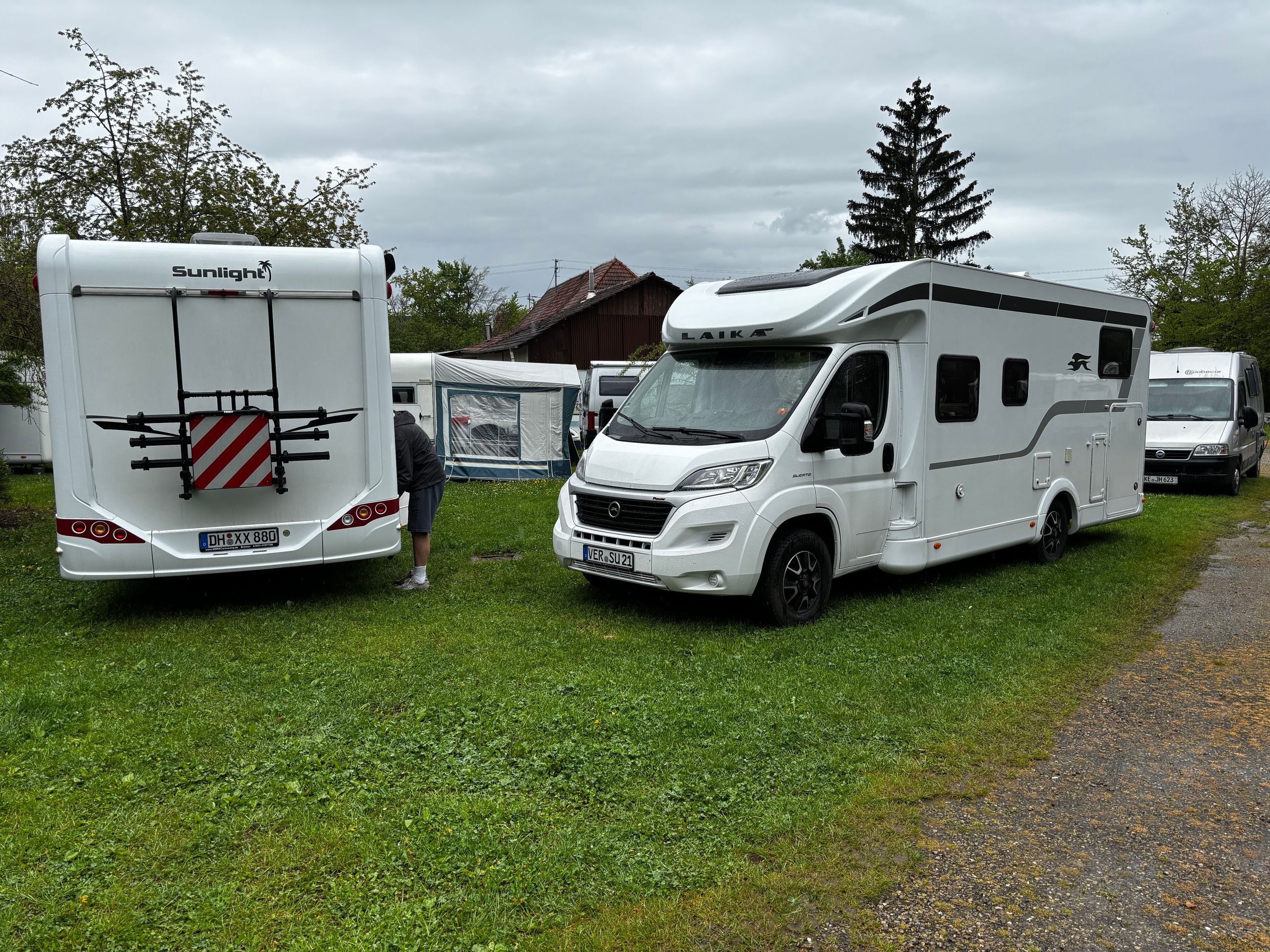
Now it’s also a matter of needing space for two motorhomes since we are meeting Falko and “Kalle.”
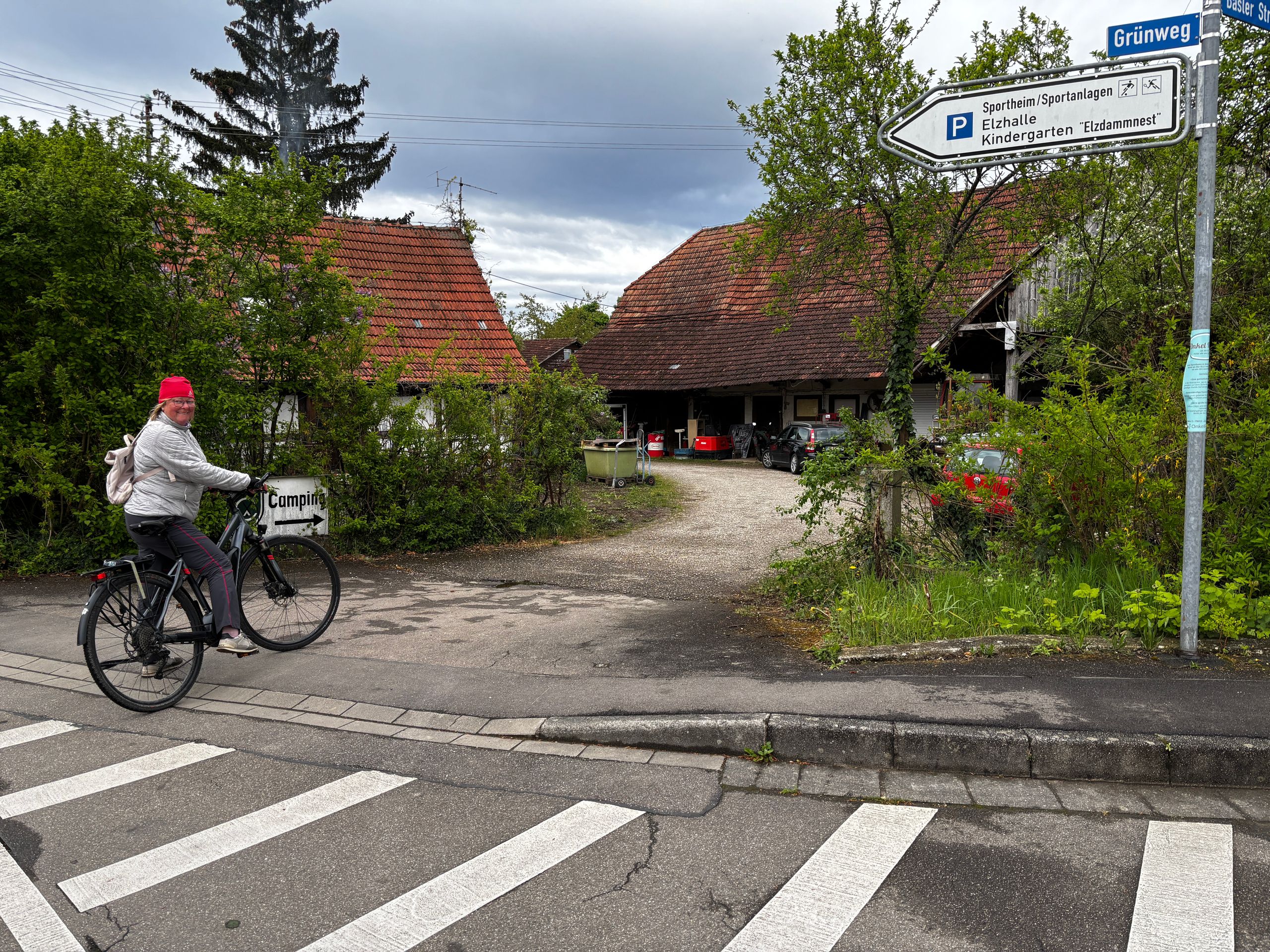
Out of necessity, we discover a spot during our research before Freiburg in the town of Emmendingen that immediately confirms two spots over the phone. Okay, let’s check it out.
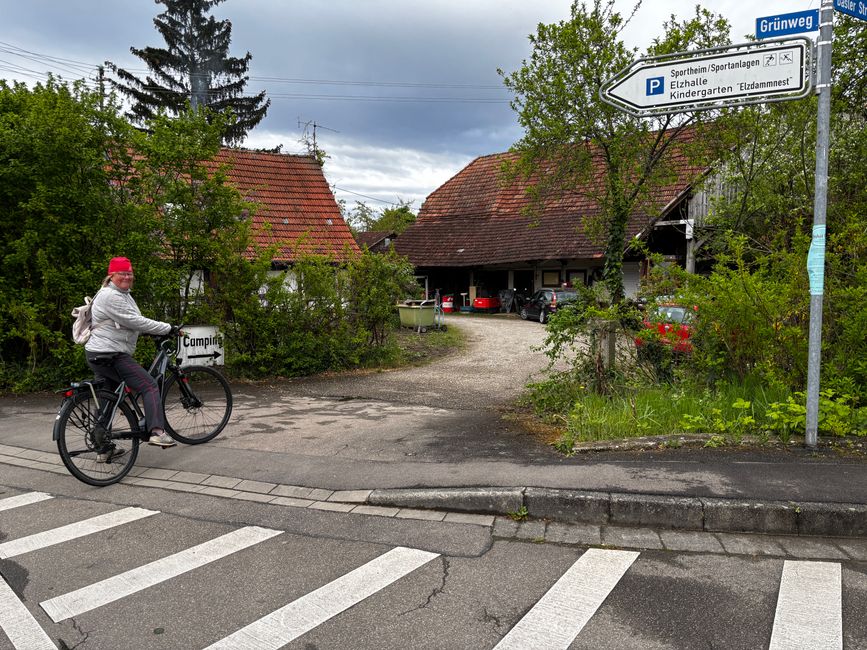
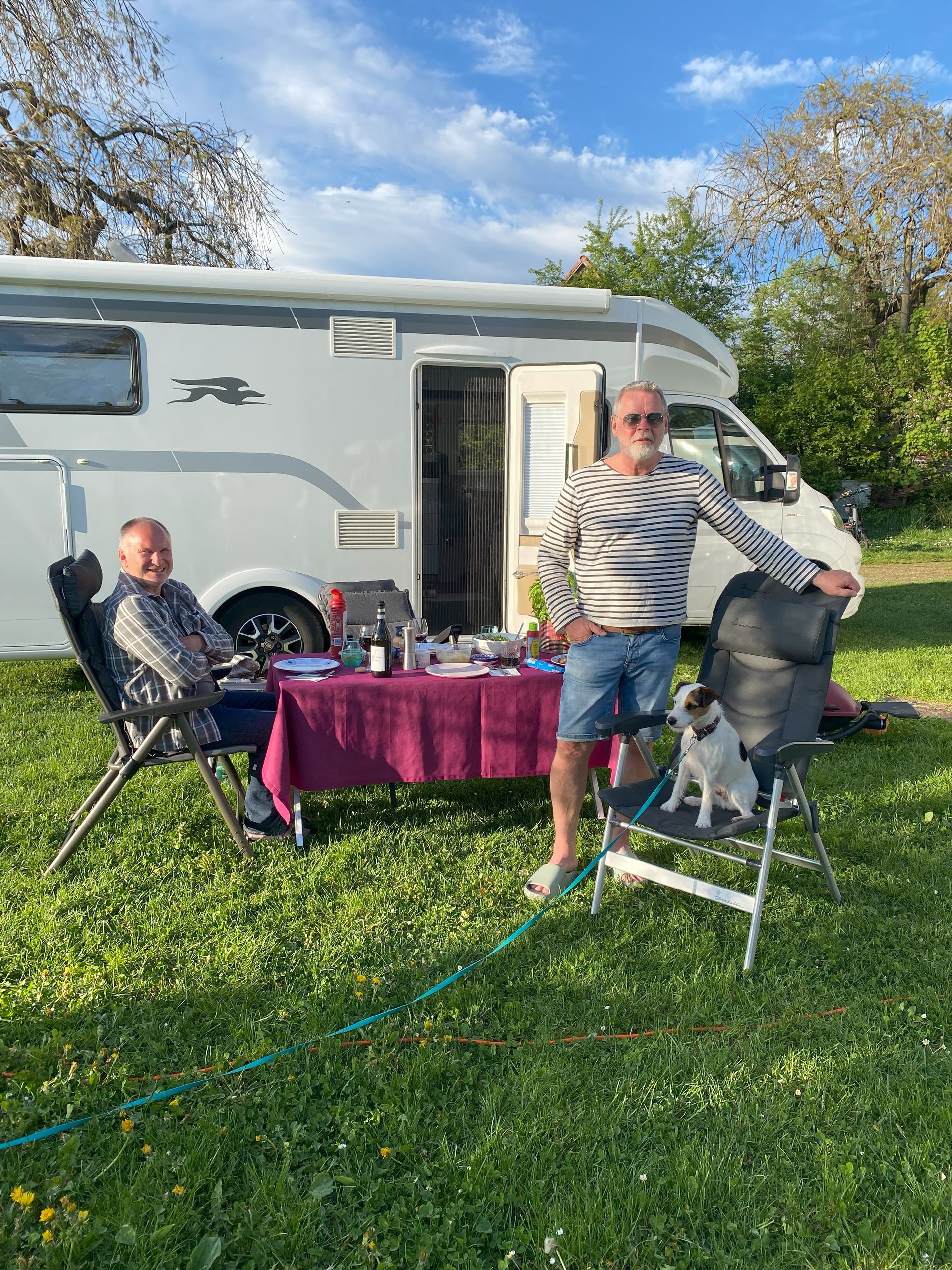
Our little caravan is set up, and we get to grilling for dinner. That goes quite well, even though the washing afterward can only be done in the motorhome, as the washing areas only provide cold water. The sinks in the sanitary areas are the same; only the shower offers hot water for 6 minutes for the use of a 50 cent coin. That should suffice.
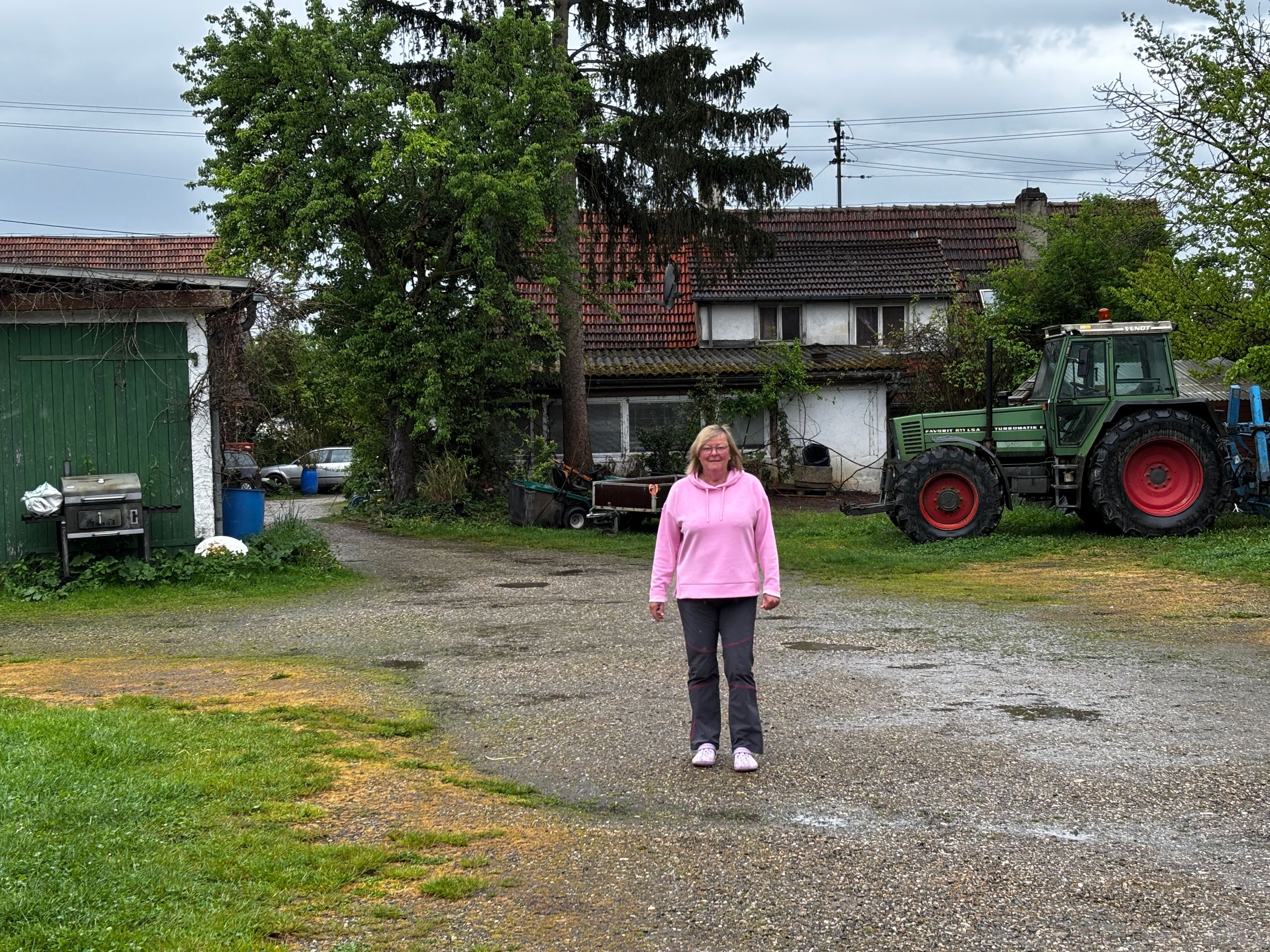
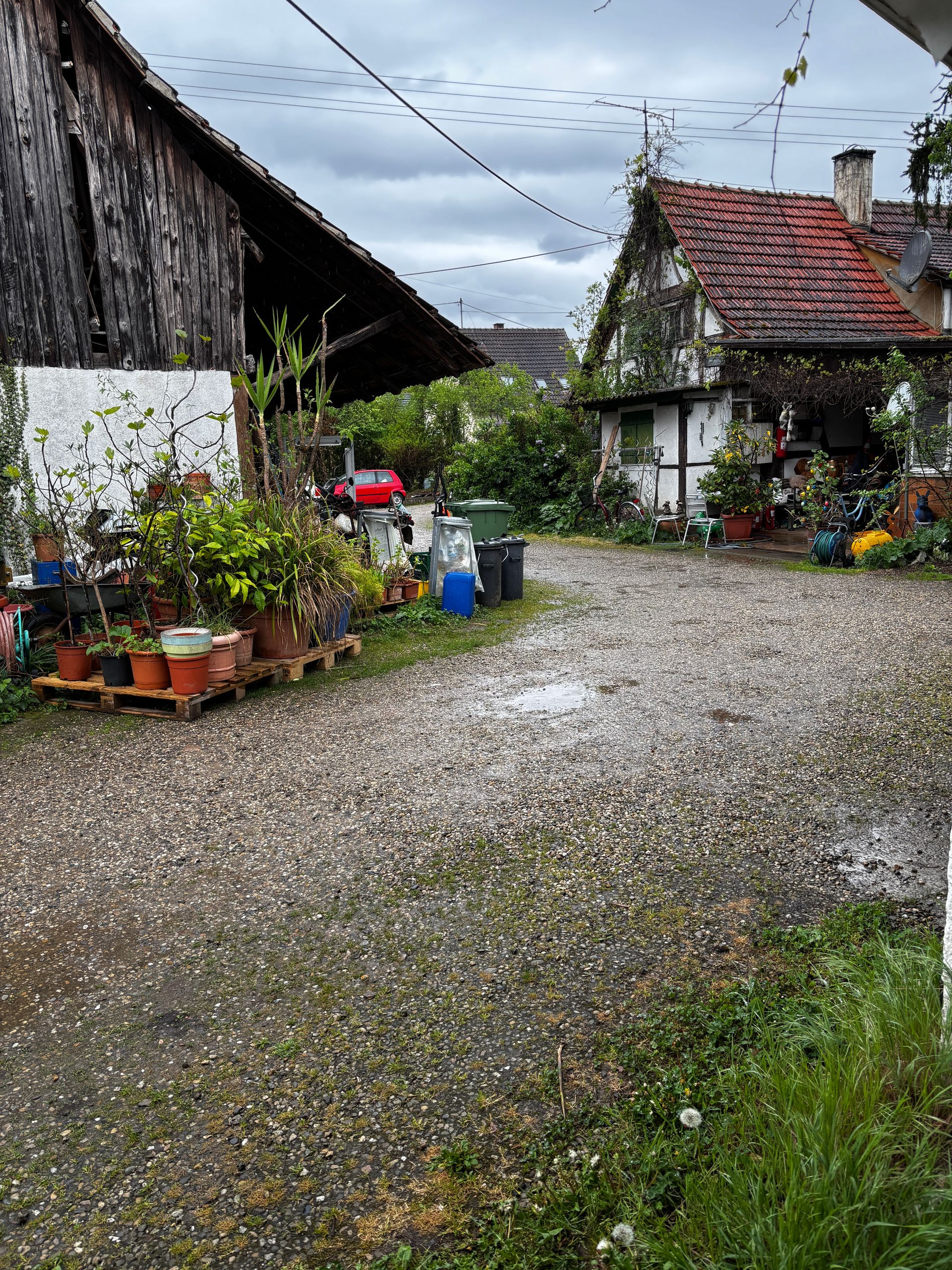
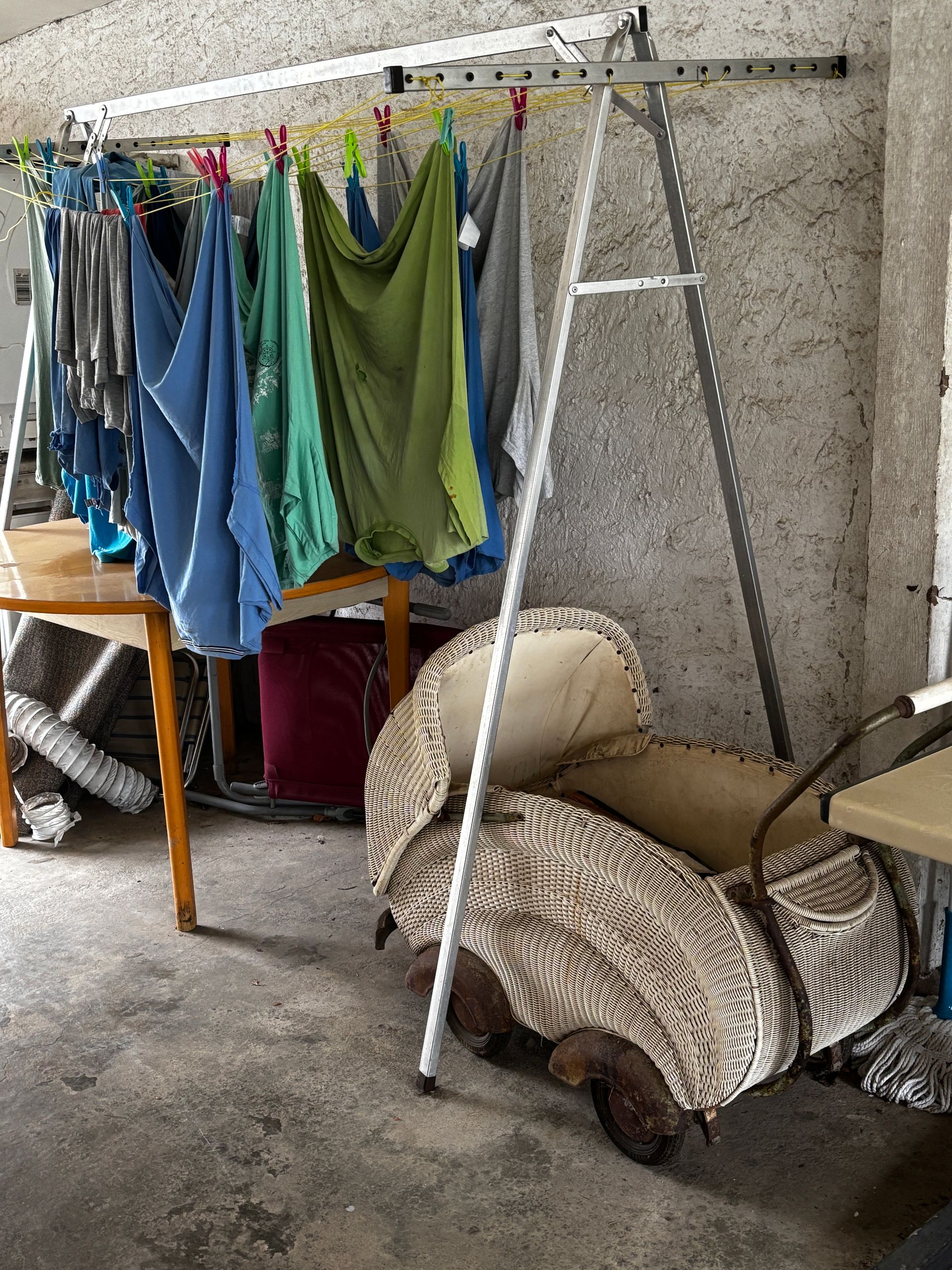
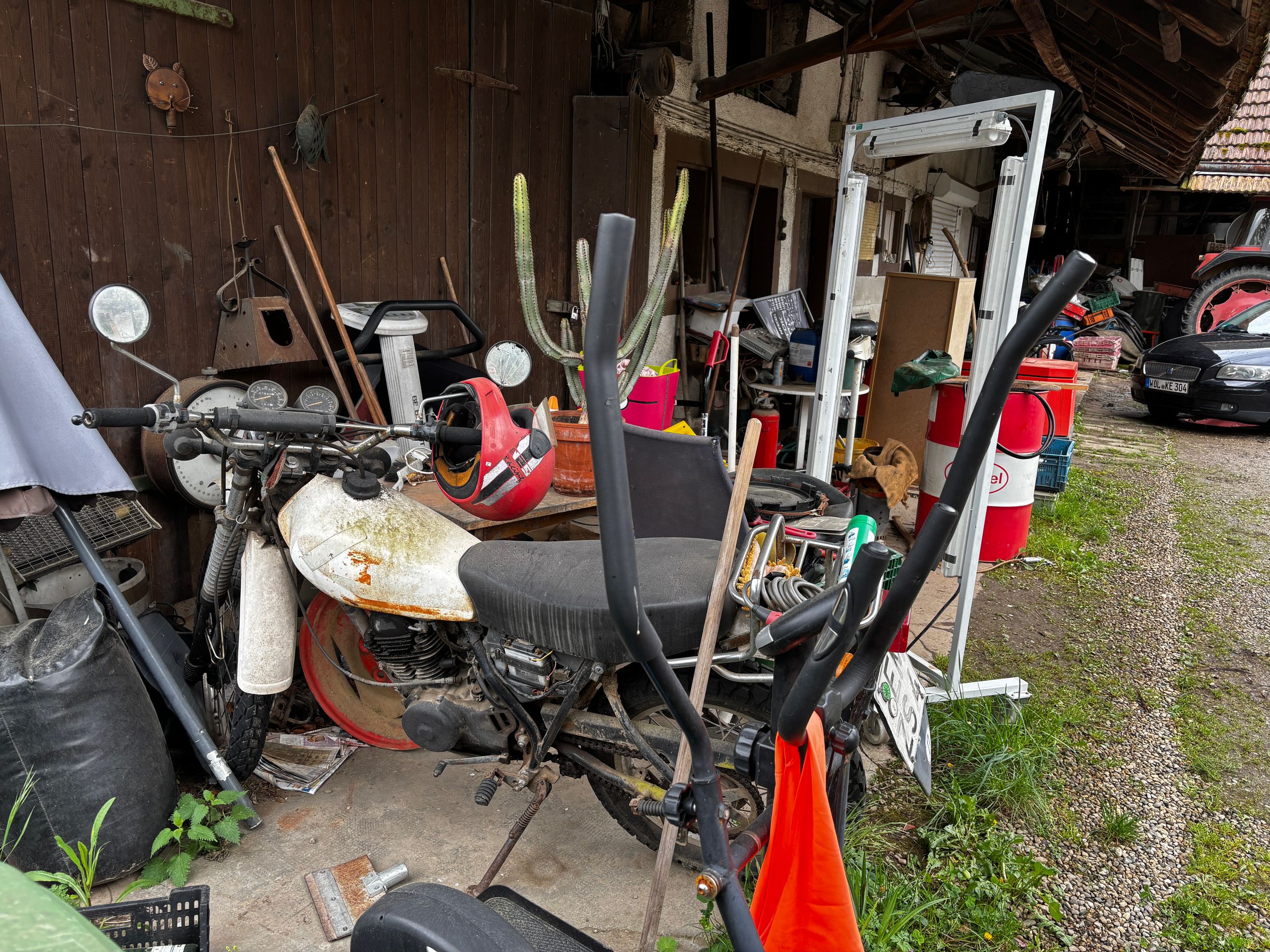
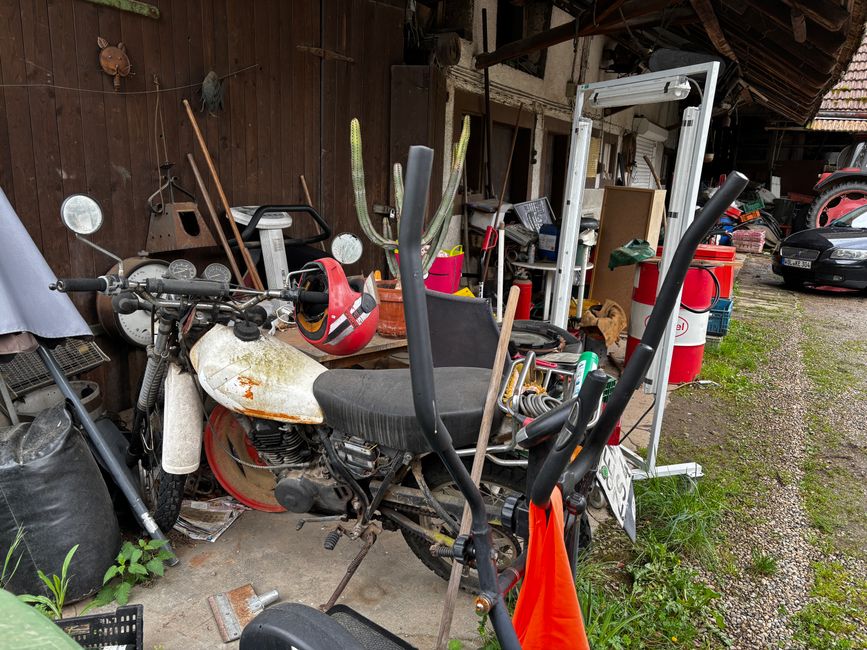
Walking over the campsite (this word is almost too much praise for the spot), you feel transported into the world of the Flodders and Wollnys. Everywhere there’s clutter and junk, with old machines and motorcycles appearing under the mess. I even think I recognize an XT. Condition? Mine is better.
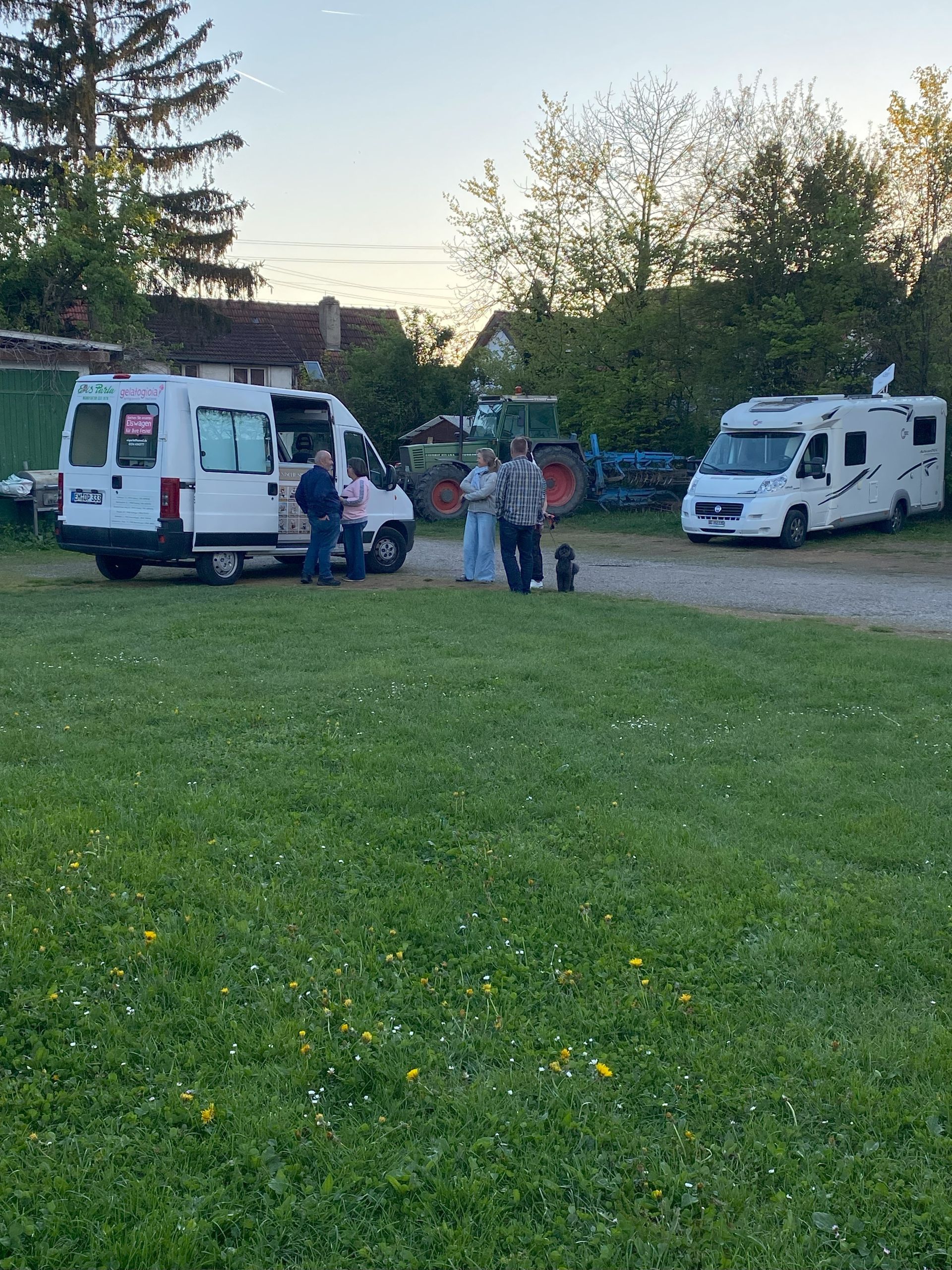
But the operator is nice and talkative and is always available when a newcomer gets lost on the site. In fact, throughout the evening, several more guests arrive and disperse as per his instructions on the meadow.
Will we be able to tolerate it here for two nights?
But it’s still Easter, and for now, we have space.
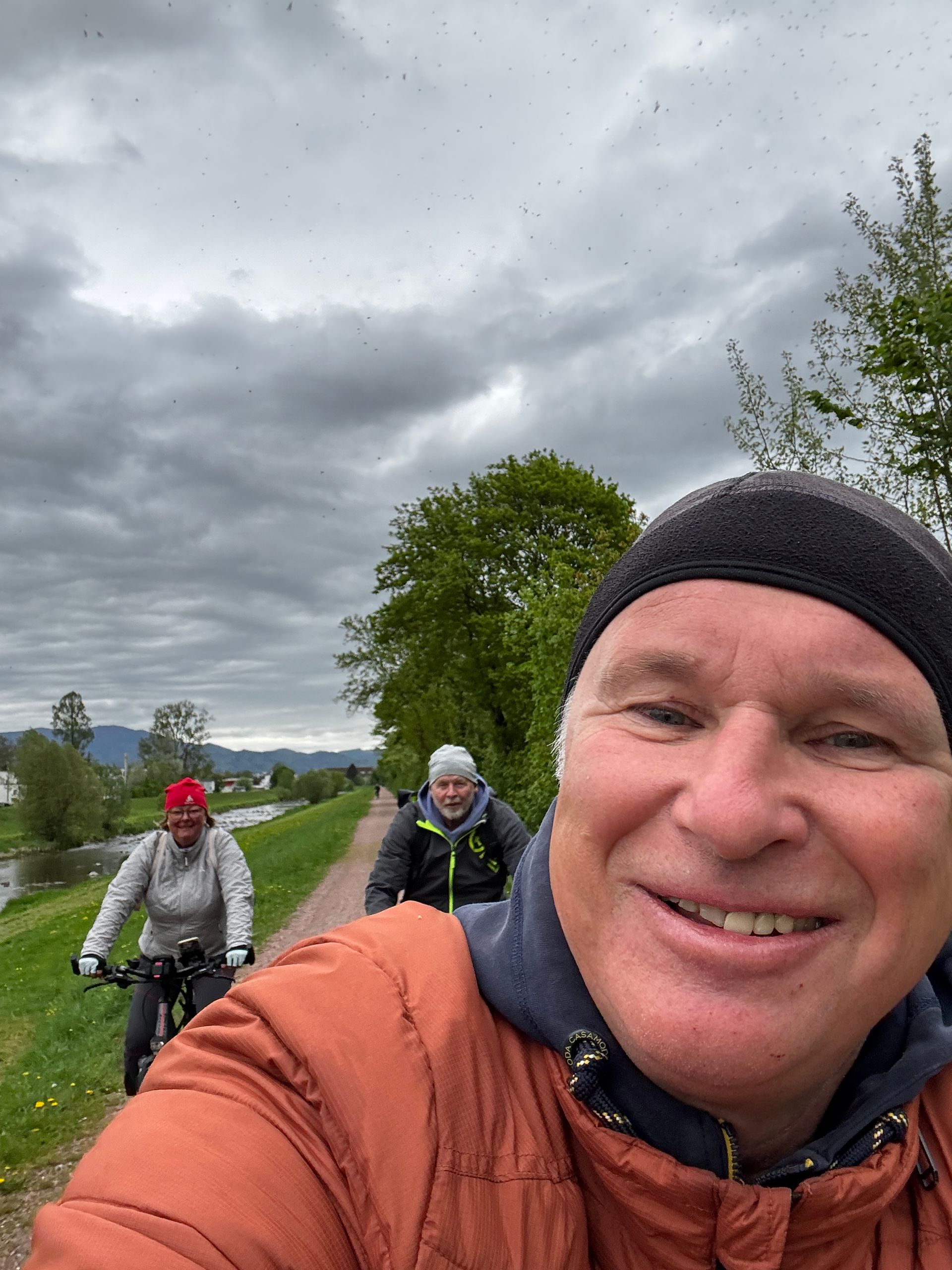
On Sunday after breakfast, we saddle the bikes and take a tour towards Kaiserstuhl, which begins just behind the A 5. We are on the right side of the highway and thus closer to the Black Forest.
As we leave the site on our bikes, the operator comes over and advises us to pack a rain jacket. Rain is expected in the afternoon.
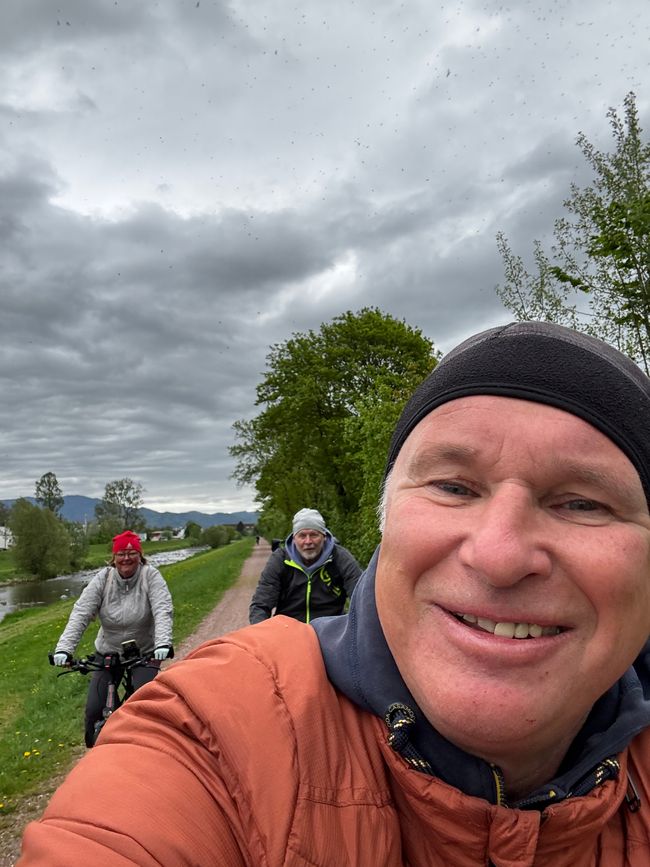
We considered that and will make a planned stop when the time comes.
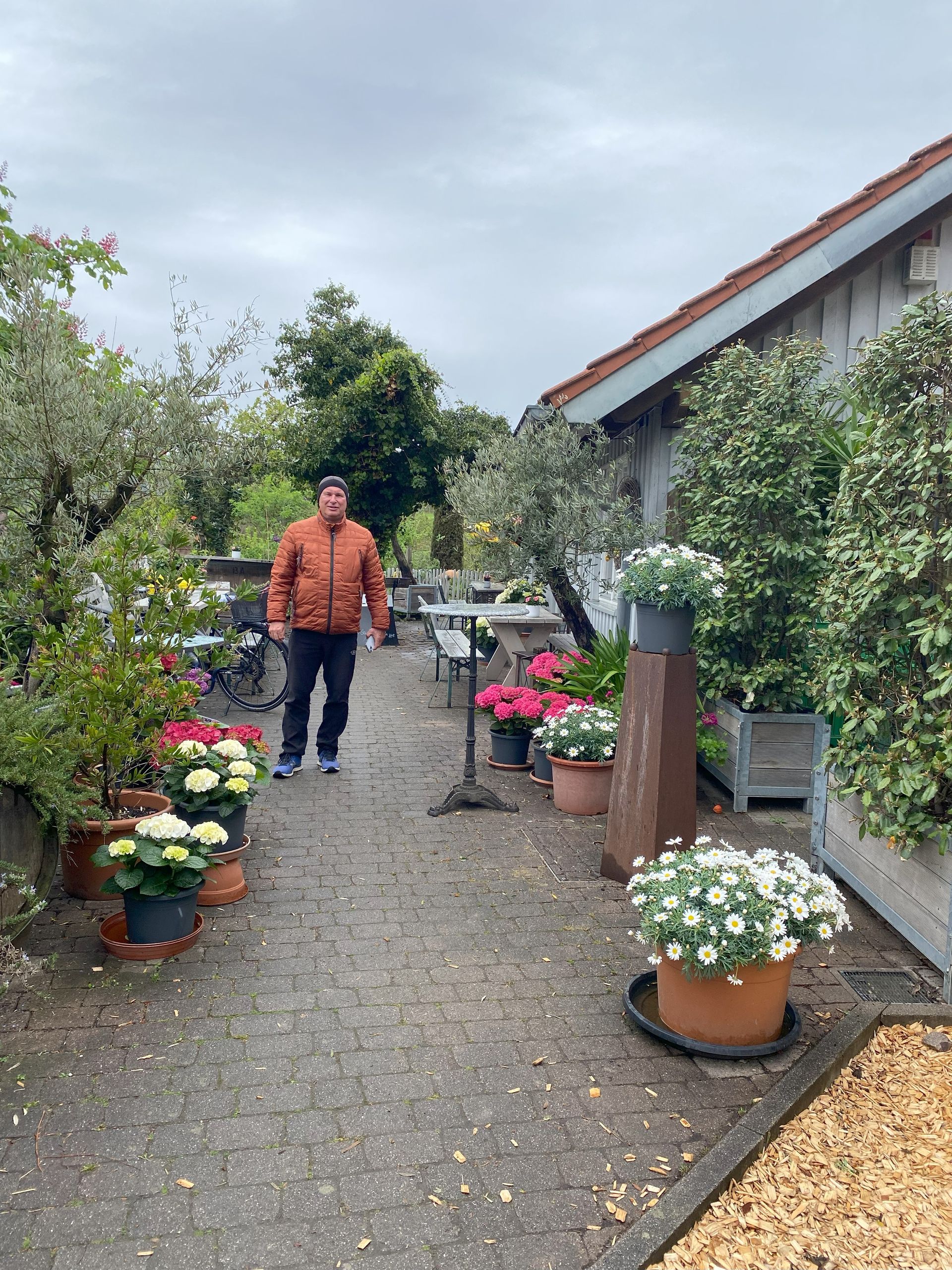
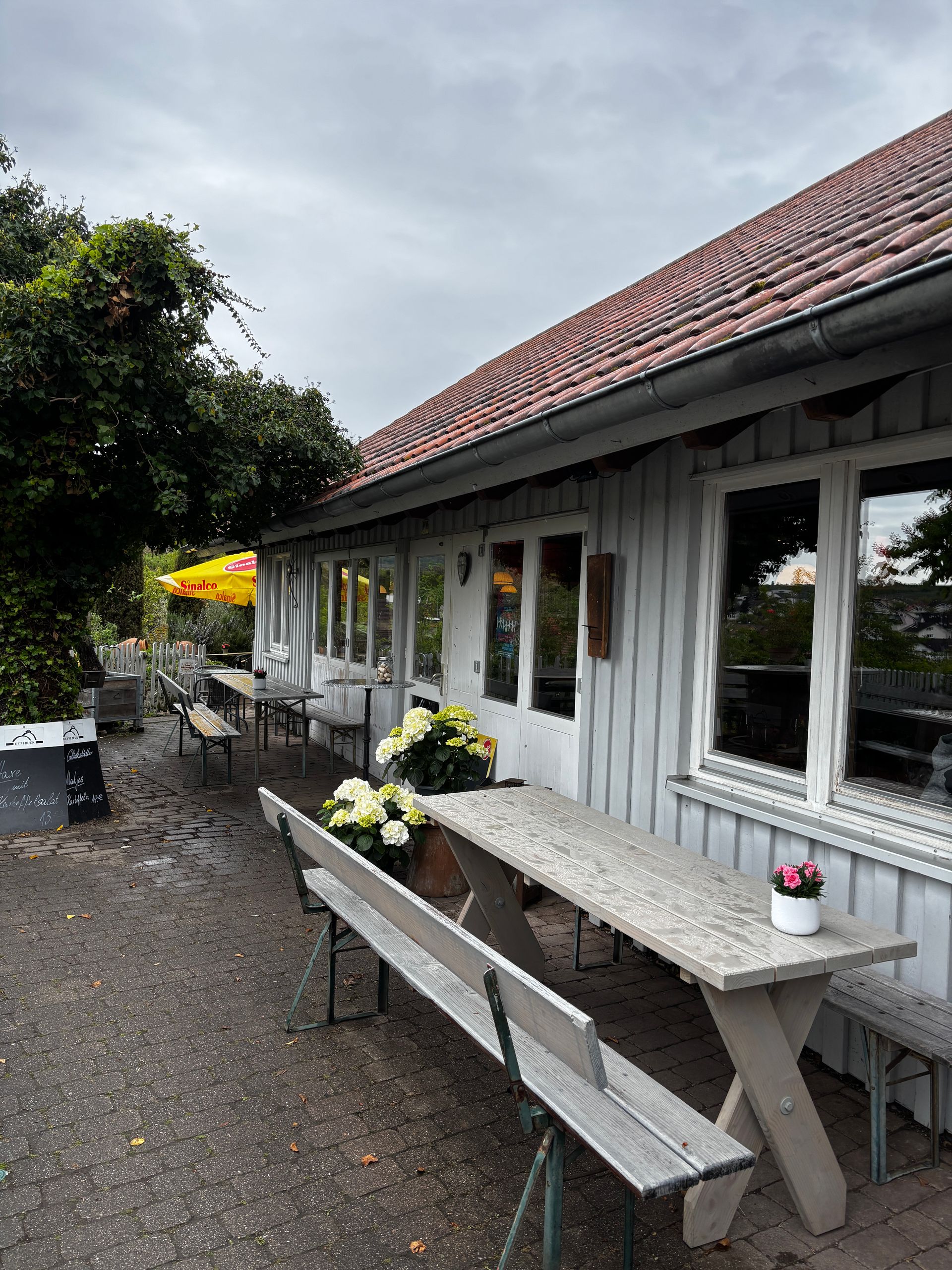
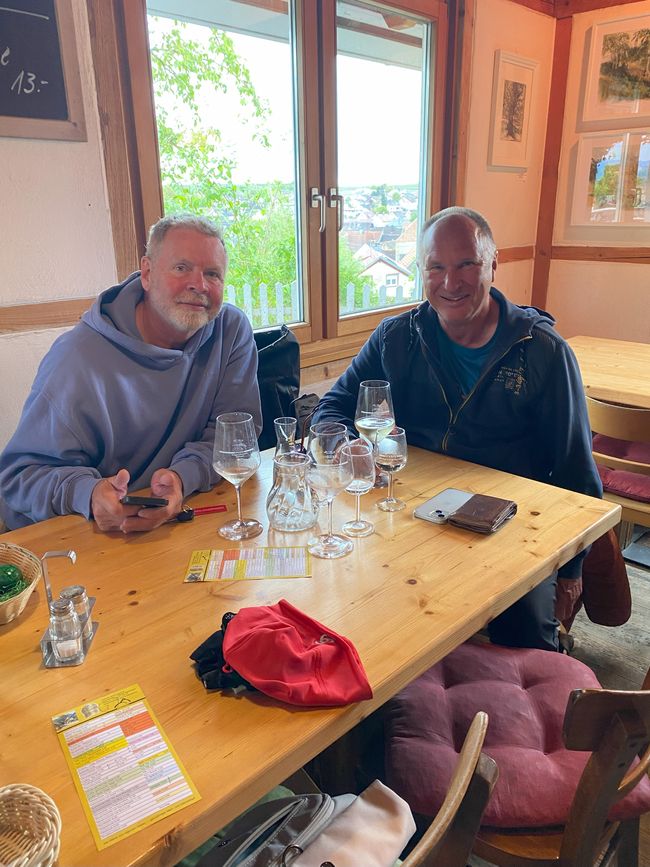
As we cycle about halfway through the planned tour, the rain indeed arrives. We take refuge in the village of Bahlingen at Kaiserstuhl and look for inns. It’s definitely too cold for beer gardens or sitting outside. And inside seems very fine, but there’s no place for 3 soaked cyclists with a dog.
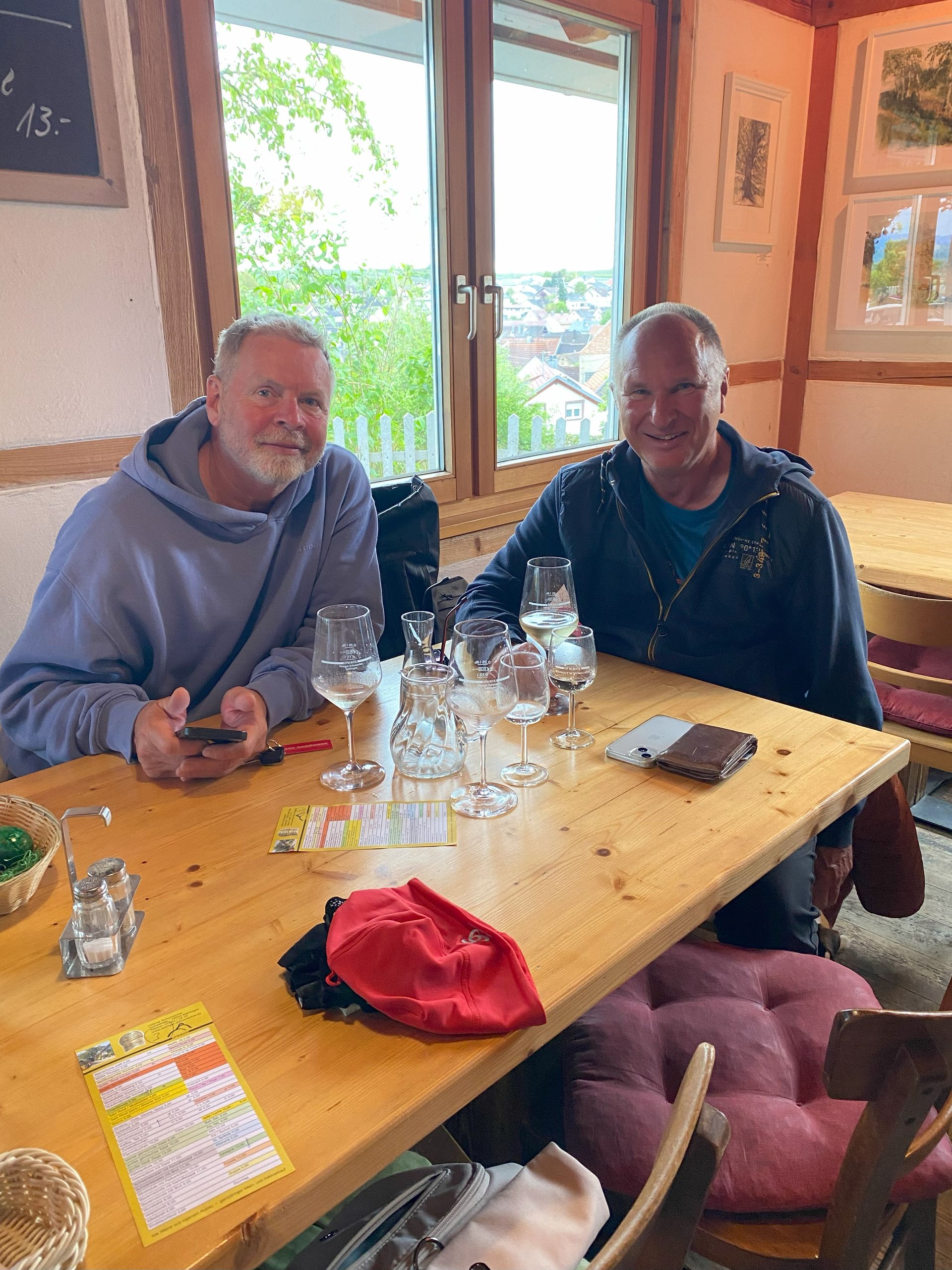
The last attempt is the restaurant “Uf’ m Buck” at the Schumacher winery. It turns out to be an “Straußenwirtschaft” and is just right for us. Cozy and tight at the table with regional cuisine and wine from the vineyard, we are doing well here. We stay seated until it stops raining (or the wine runs out).
With that, we’ve already brought dinner forward and don’t need too much in the evening.
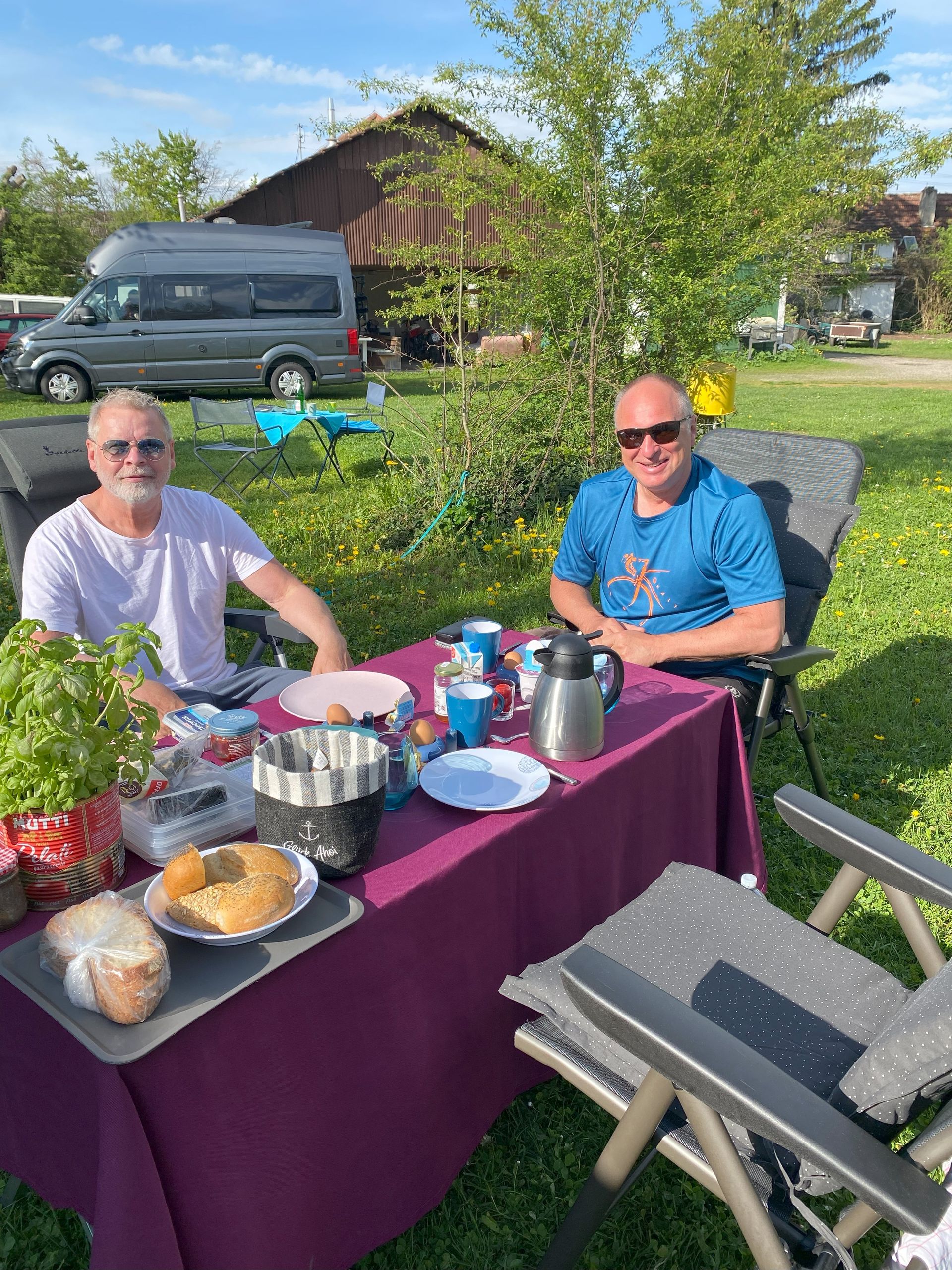
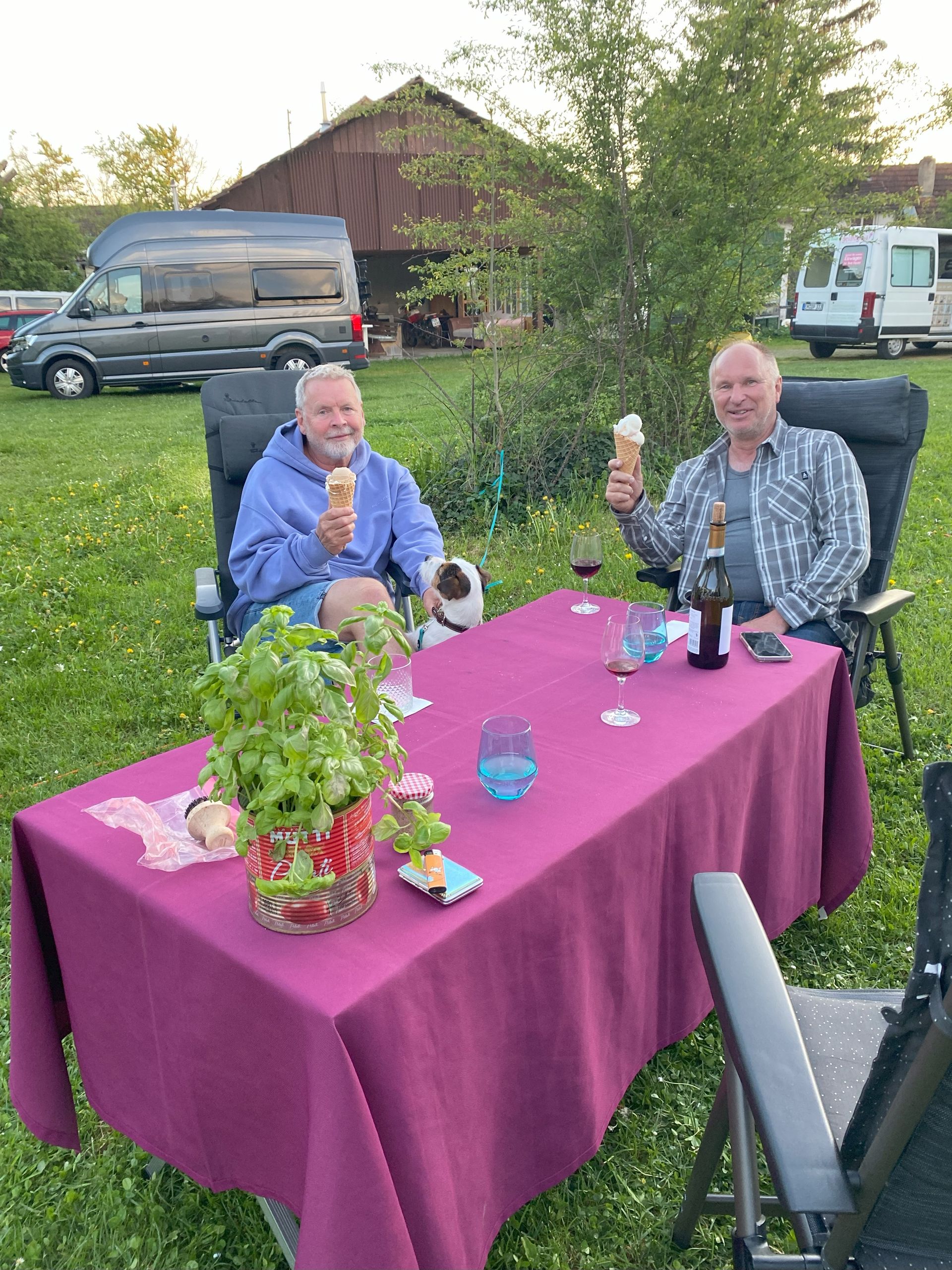
The evening, however, shows itself in its best light after returning to the campsite. The sun comes out, and we sit outside in front of the motorhomes.
But tomorrow, on Easter Monday, we’ll continue. We hope the Easter vacationers will clear the spots, and we’ll have a free choice.
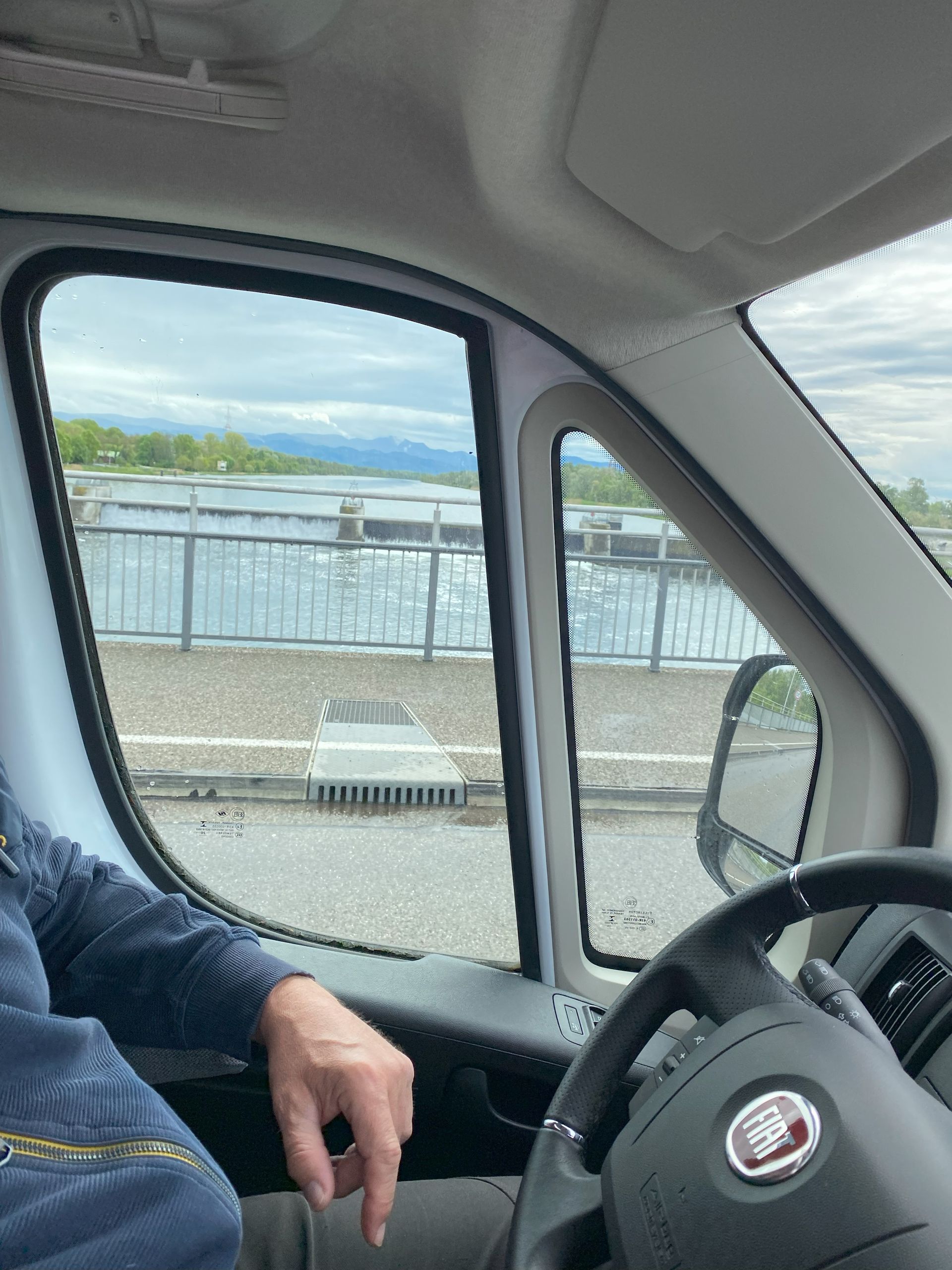
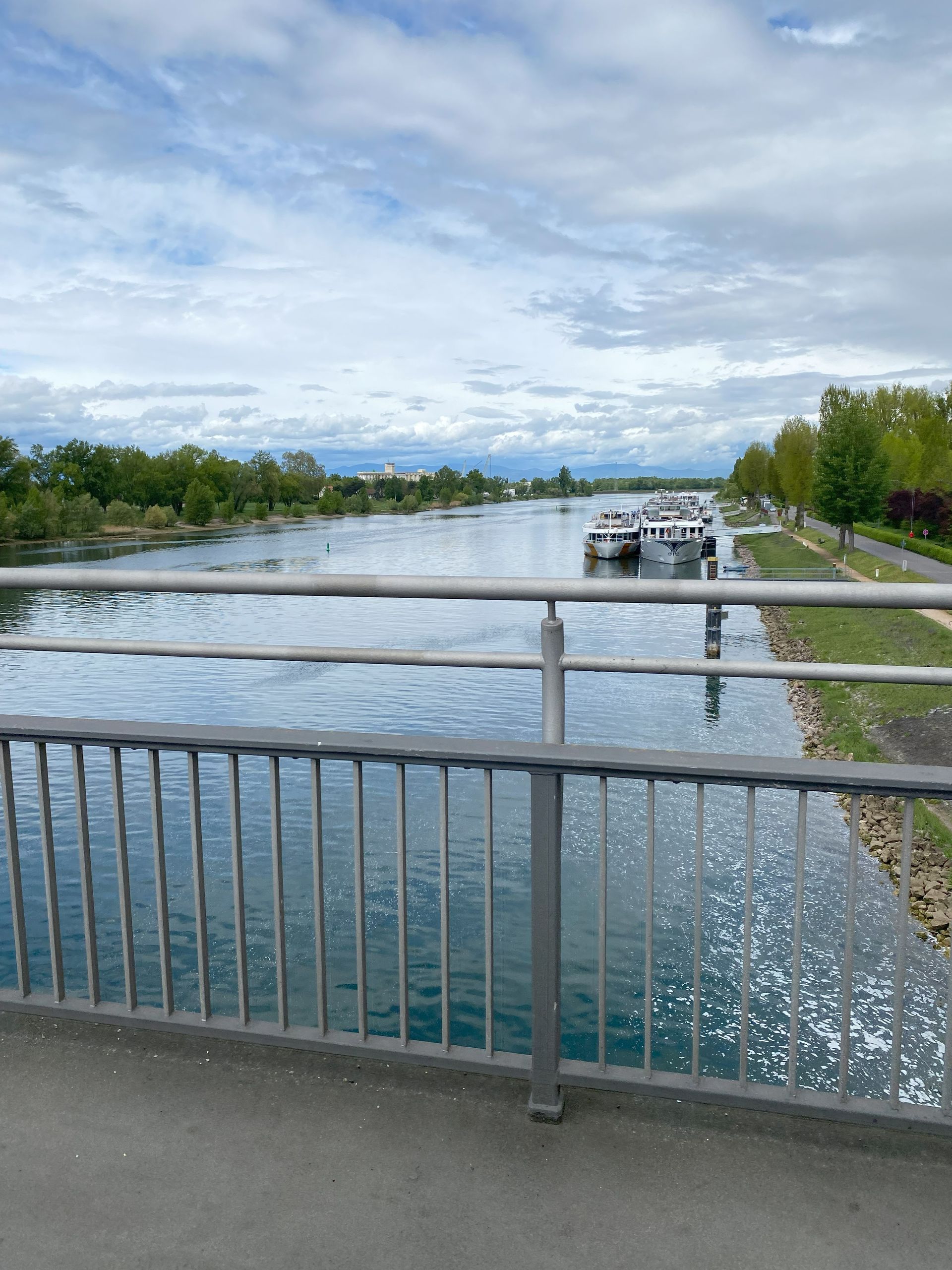
Our objective is to follow the course of the Rhine. Thus, we first cross the Kaiserstuhl, with its many wine villages, and drive over the Rhine into France in Breisach. There, a small road runs directly along the Rhine in the direction of Strasbourg.
On the radio, the traffic reports about the Easter travel traffic are becoming more numerous. Our road in France is completely empty and goes straight. Unfortunately, however, you can’t see the Rhine because it is first banked with flood protection and secondly there’s a strip of forest between the road and the embankment.
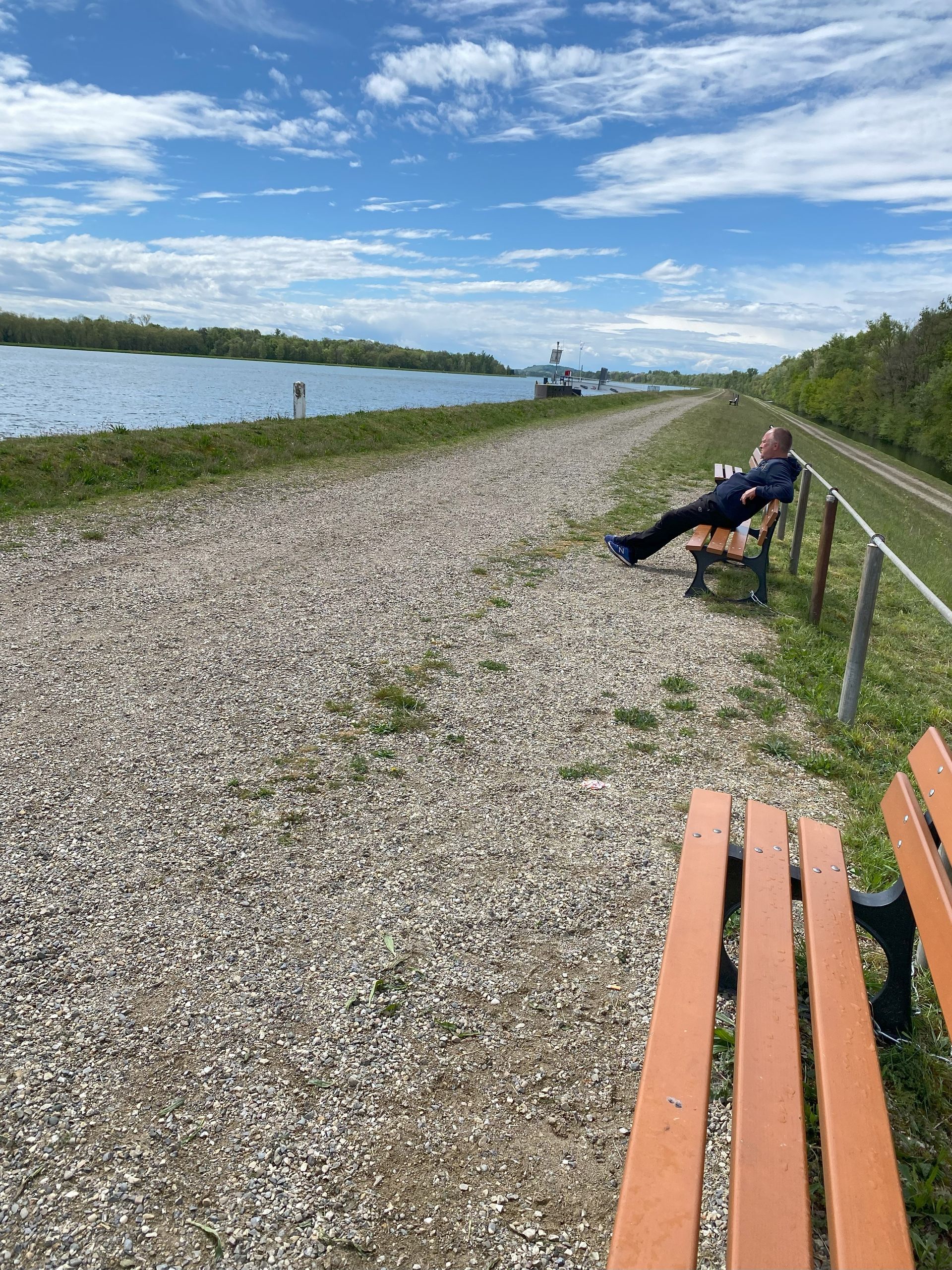
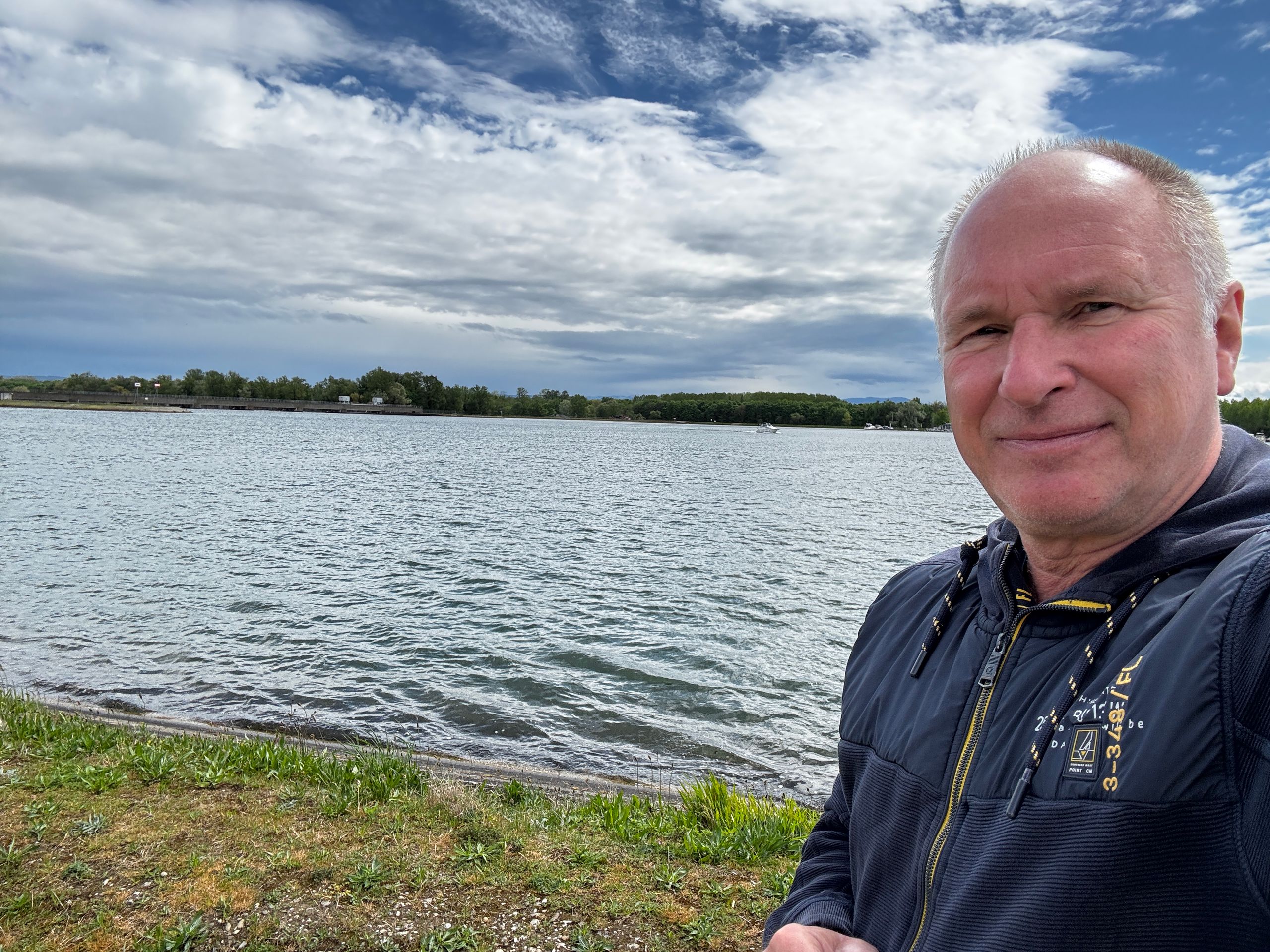
Occasionally, however, you do get closer to the water and can see the wide river.
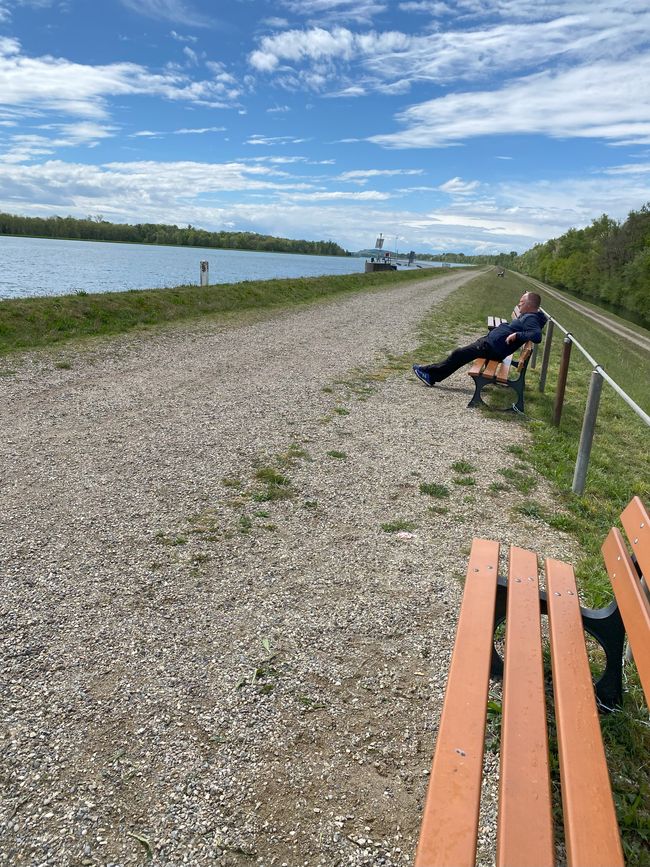
There are some weirs here, where energy is generated through hydropower plants. At these points, a canal runs around the weirs to allow shipping to pass freely.
However, the attractiveness of this section leaves much to be desired. Here, you just have to pass through; there’s not much to stay for.
We soon reach the outskirts of Strasbourg. Then the drama begins. We go ahead and Falko follows. We’ve inputted no highways and no toll roads into our car’s navigation system. That was a mistake!
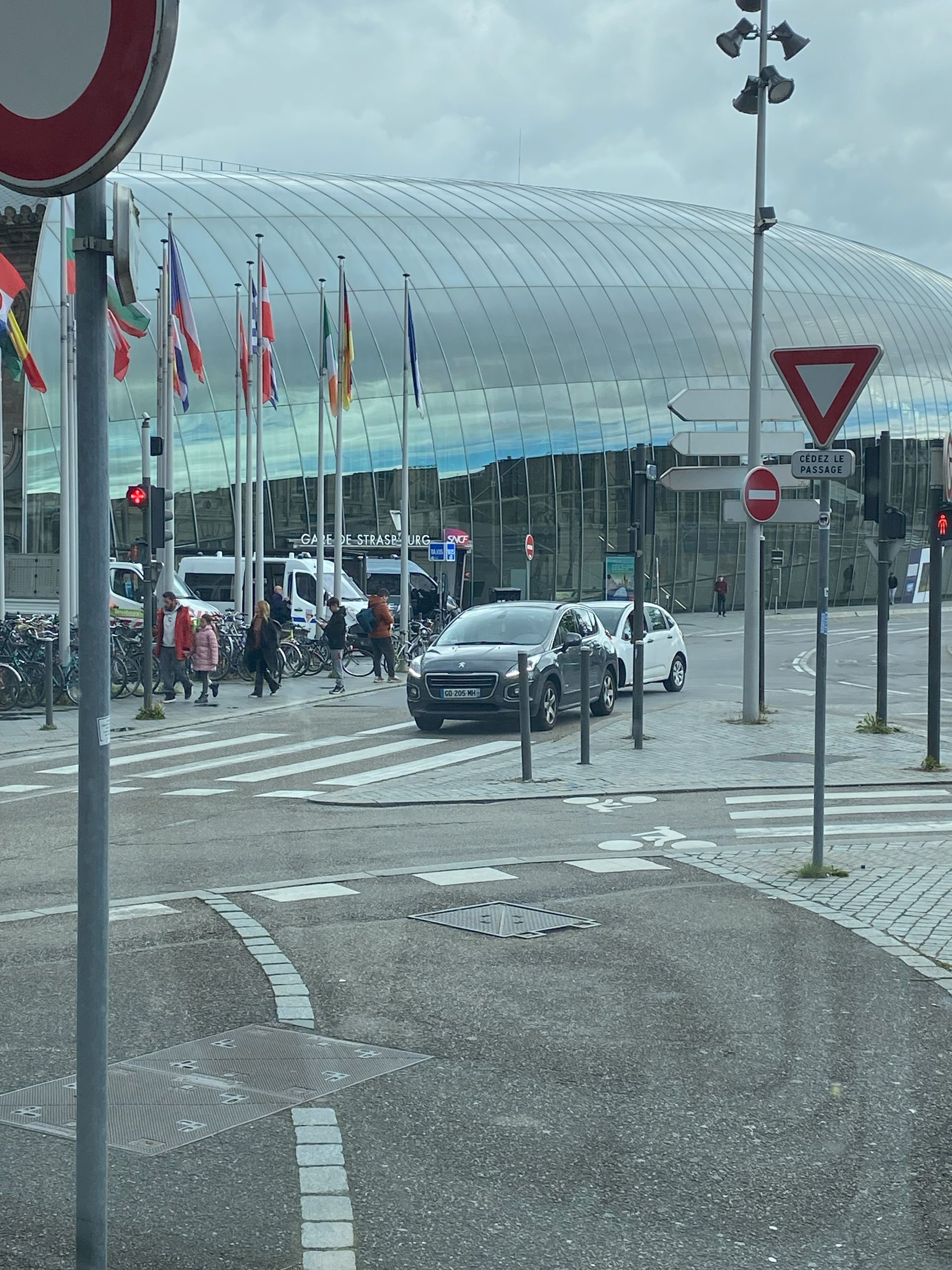
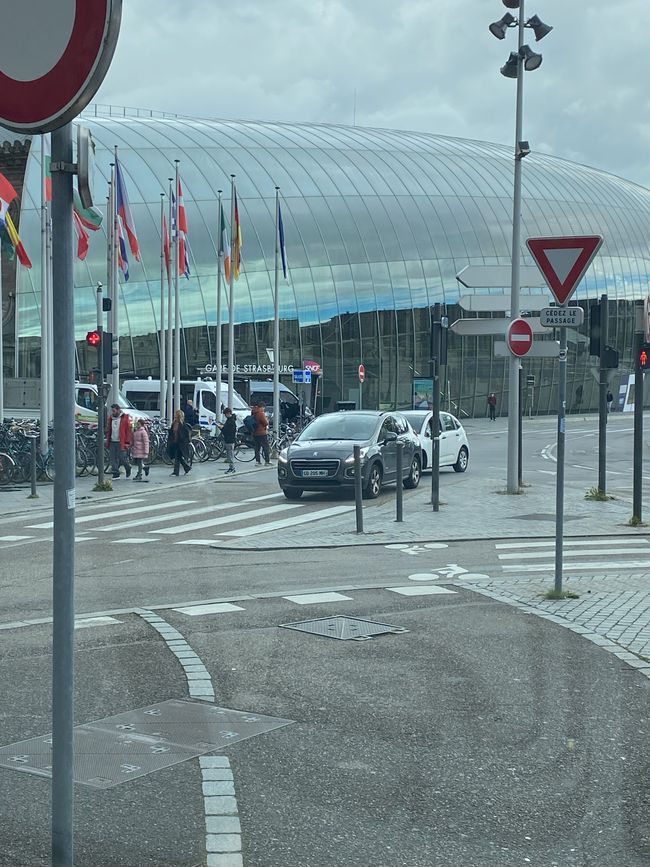
The navigation leads us straight into narrow streets. Then there’s a detour because of construction, and we lose all orientation. When we then find ourselves directly in front of the Strasbourg main train station, we’ve had enough. The “with highways” setting is entered, and that leads us out. Fortunately, there wasn’t much traffic in the city because it was Easter Monday, a non-working day. However, we couldn’t enjoy the city.
When heavy rain started on the highway and thunderstorms gathered above us, that was it. Strasbourg and I will not become friends.
As the rain diminished and visibility improved, one could already see the Palatinate Forest in the distance. And just in time for the border crossing in Schwaigen-Rechenbach, the first rays of sunshine broke through. The drive through the small wine villages with their narrow streets was then a real pleasure.
With a view of the rolling landscape with cypress trees on the horizon, the comparison with Tuscany is definitely recognizable.
The Palatinate has the most sunshine hours in Germany each year and keeps pace with Tuscany in this respect as well.
Our goal was supposed to be the popular stopover at the Fitz-Schneider winery in Edenkoben. We knew about it from the past and hoped that free spots would be available again after the Easter holidays.
Indeed, there were free spots – but they were almost all reserved.
So we had to puzzle a bit and, with the help of Mrs. Schneider, managed to find two spots without reservation.
The spot is very popular and is one of the few stopovers that accepts reservations. Once the motorhomes were set up, and we were arranged, and Kalle had made his rounds with Falko in the rain, our hunger arrived.
The good bourgeois room at the Edel und Brauch winery was open on the holiday and awaited us. That was fitting after the tiring drive.
The next morning, the sun woke us up with all its strength. Best weather and a wonderful view of the surrounding vineyards. Now that's what I call a spot with a view.
After breakfast, the bikes were made ready, and the tour led us through the vineyards to the village of St. Martin – one of the most famous wine towns in this area. The vines were quite pruned here as well, and the first green shoots were already making their way to the sun. When all the vines are pruned in autumn/winter, a large amount of cuttings is left. What do they do with that?
We later learned that everything is shredded and then distributed in the soil. This creates natural fertilizer for the next growth period.
Of course, you can’t leave St. Martin without having tried something at the Egidiushof from winemaker Alois Kiefer. Although it’s still early in the day, there's nothing wrong with a sip or two.
And because they were so delicious, two bottles also had to make their way into the bicycle bag.
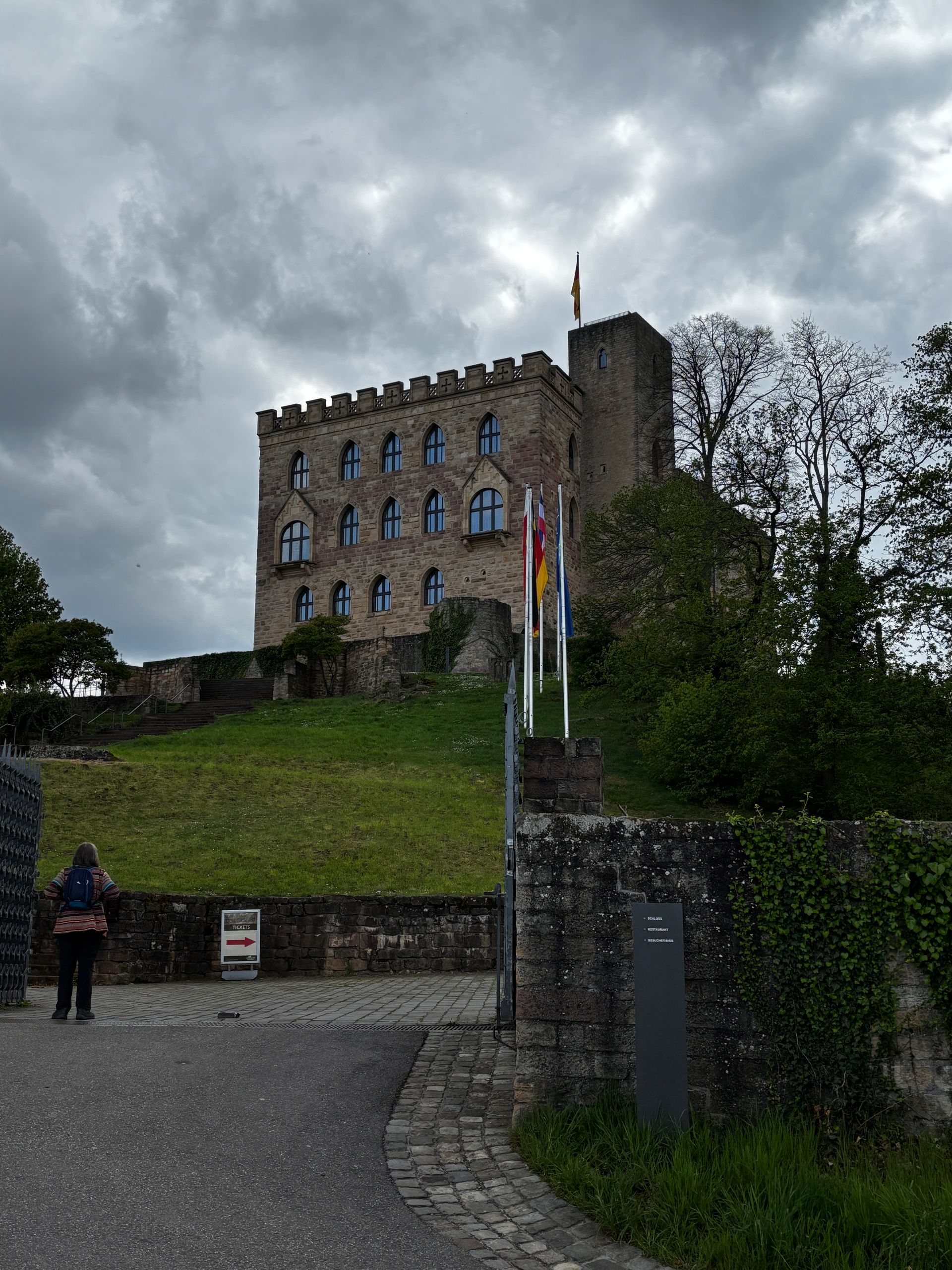
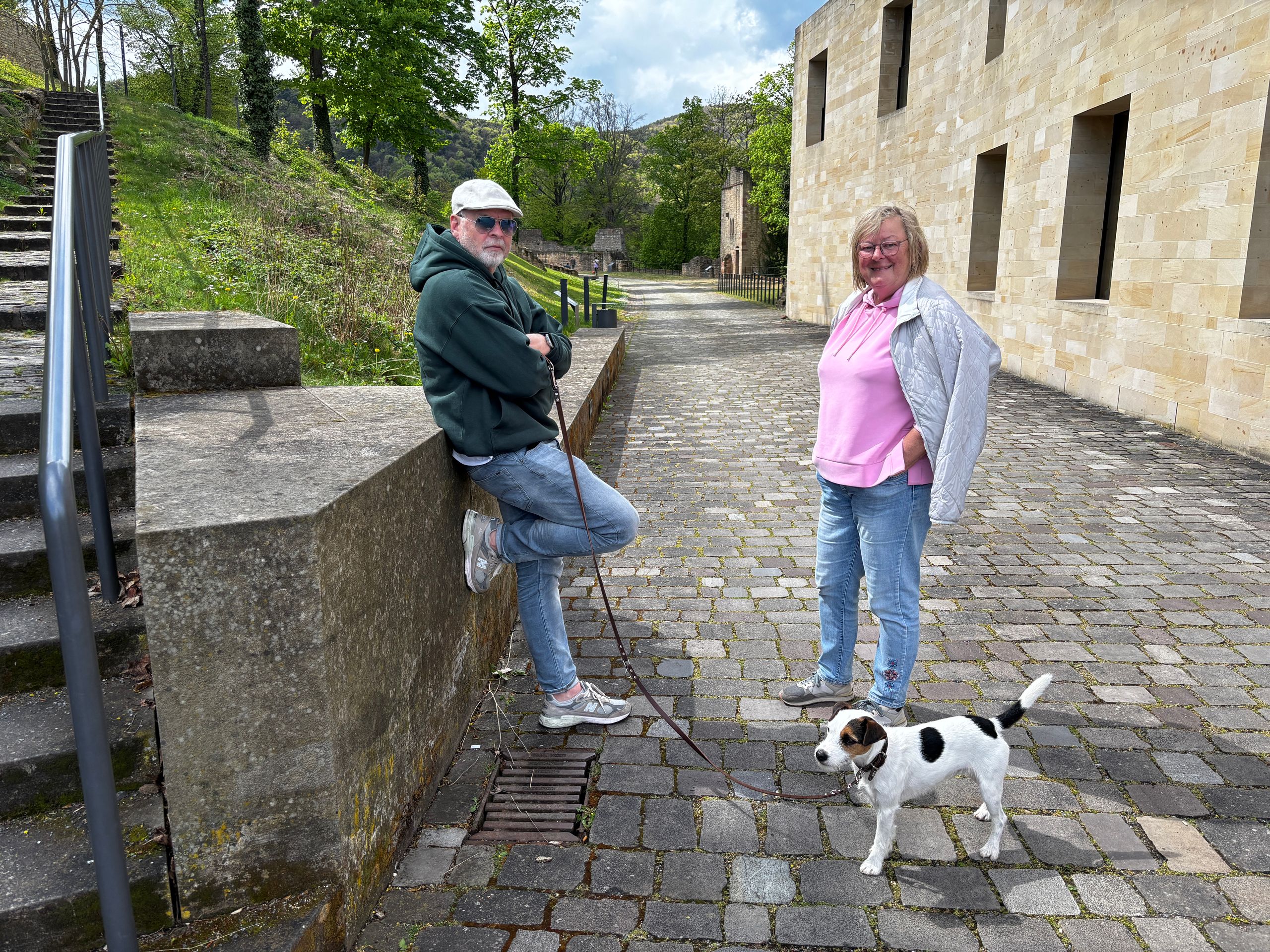
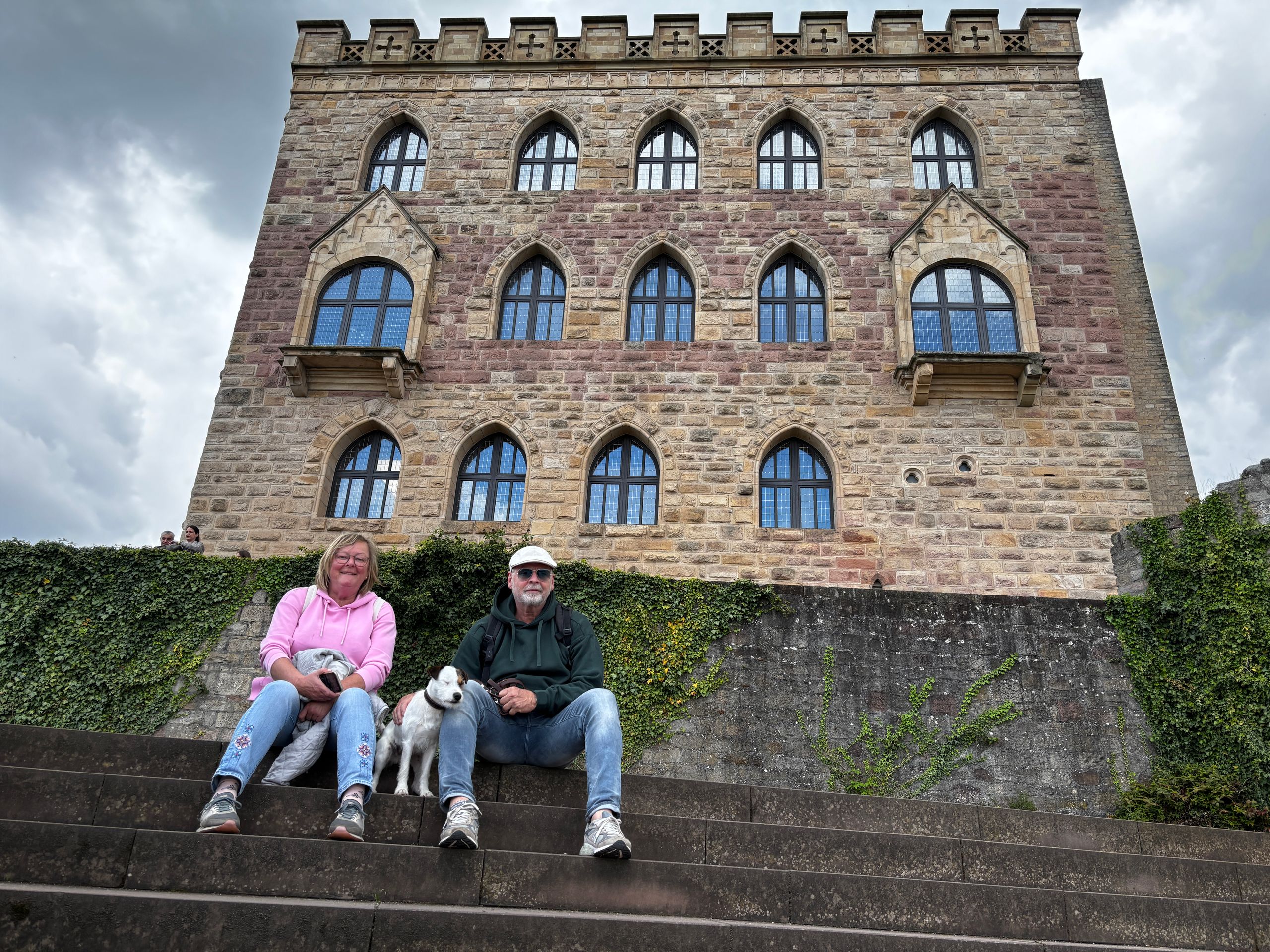
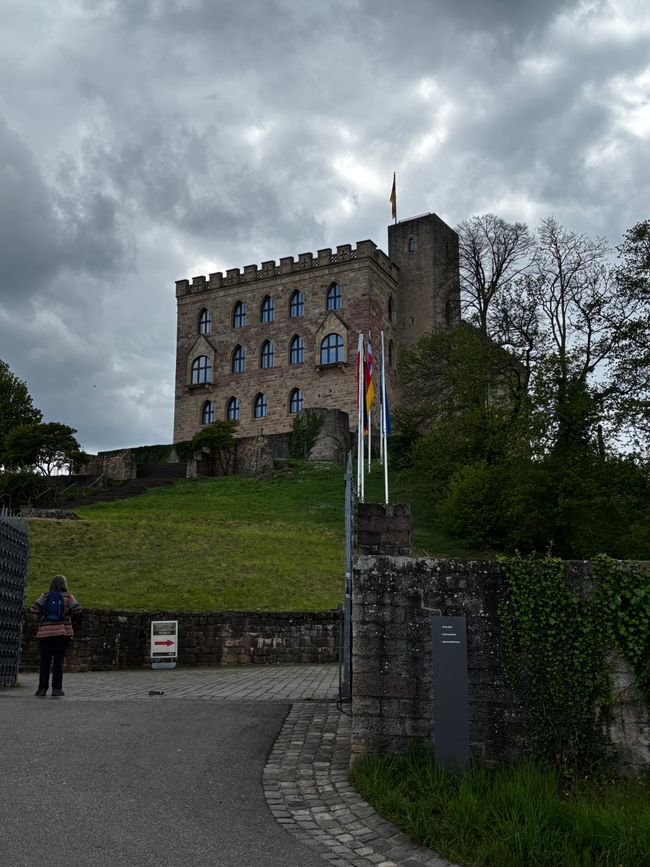
With this extra baggage, we then climbed the incline to Hambach Castle. We had already seen the silhouette of this historic site from the motorhome this morning.
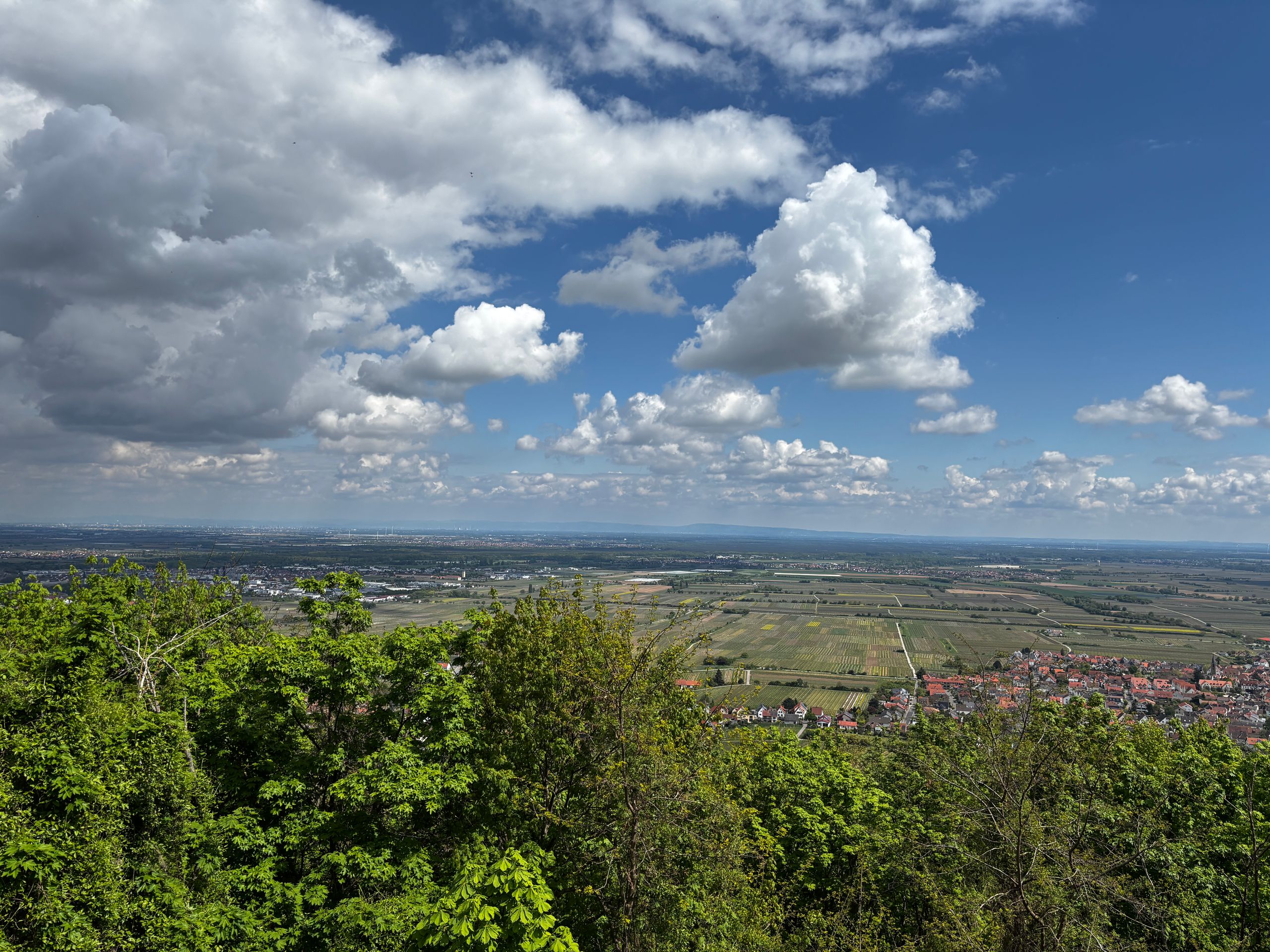
After several meters of climbing by bike and a concluding footwalk on the “Siebenpfeifferweg” upwards, we stood at the viewpoint and had a really good view over the Palatinate. From a distance, you could guess which cities were recognizable (Mannheim, Heidelberg, Speyer) and which mountain ranges stood out in the distance (Black Forest, Odenwald).
Hambach Castle was the site in 1832 of a meeting of more than 30,000 people from France, Poland, and Germany who advocated civil rights, which is considered the origin of German and European democracy.
The rapid descent then led directly into the nearby wine village of Diedesfeld, where we paid a brief visit to our favorite winemaker “Zeter” with a tasting. Onward, we must load the boxes….
The winemaker planned to bottle the 2024 wines tomorrow. I’m interested in that. Do they do this here at the estate?
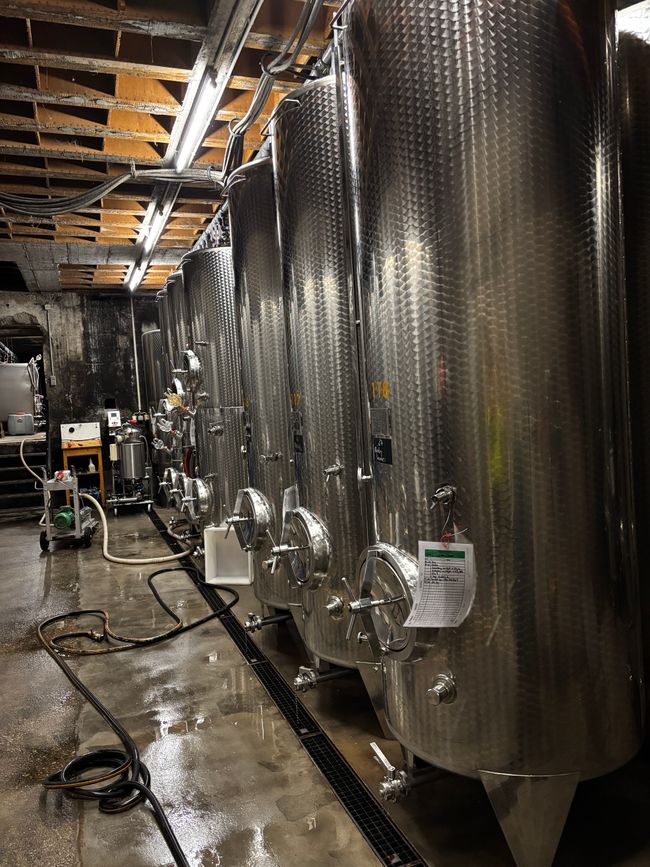
Of course, I was shown into a hall where the bottling line with bottles and closures was being prepared. The facility produces up to 14,000 bottles daily. But where does the wine that goes into the bottles come from?
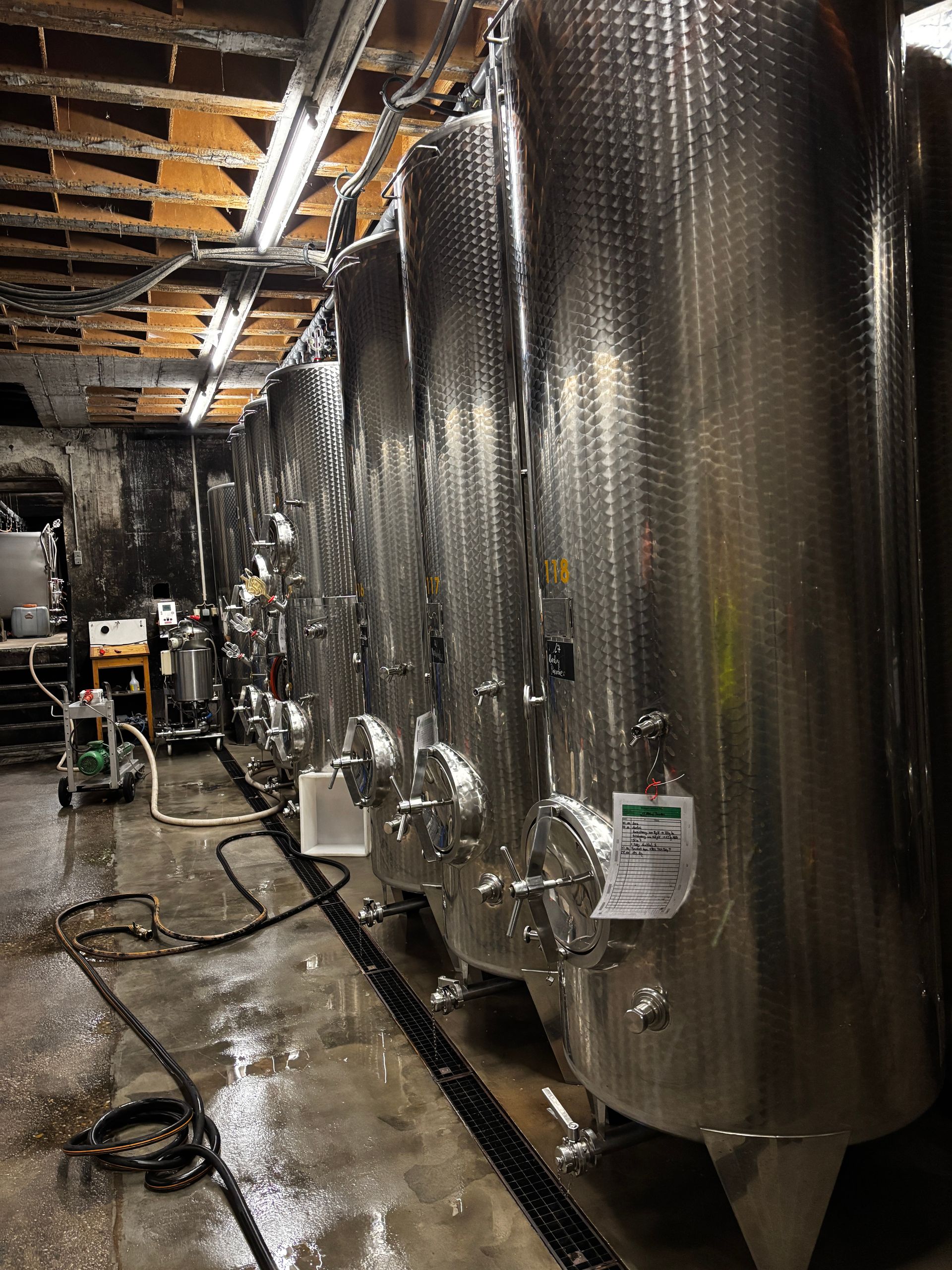
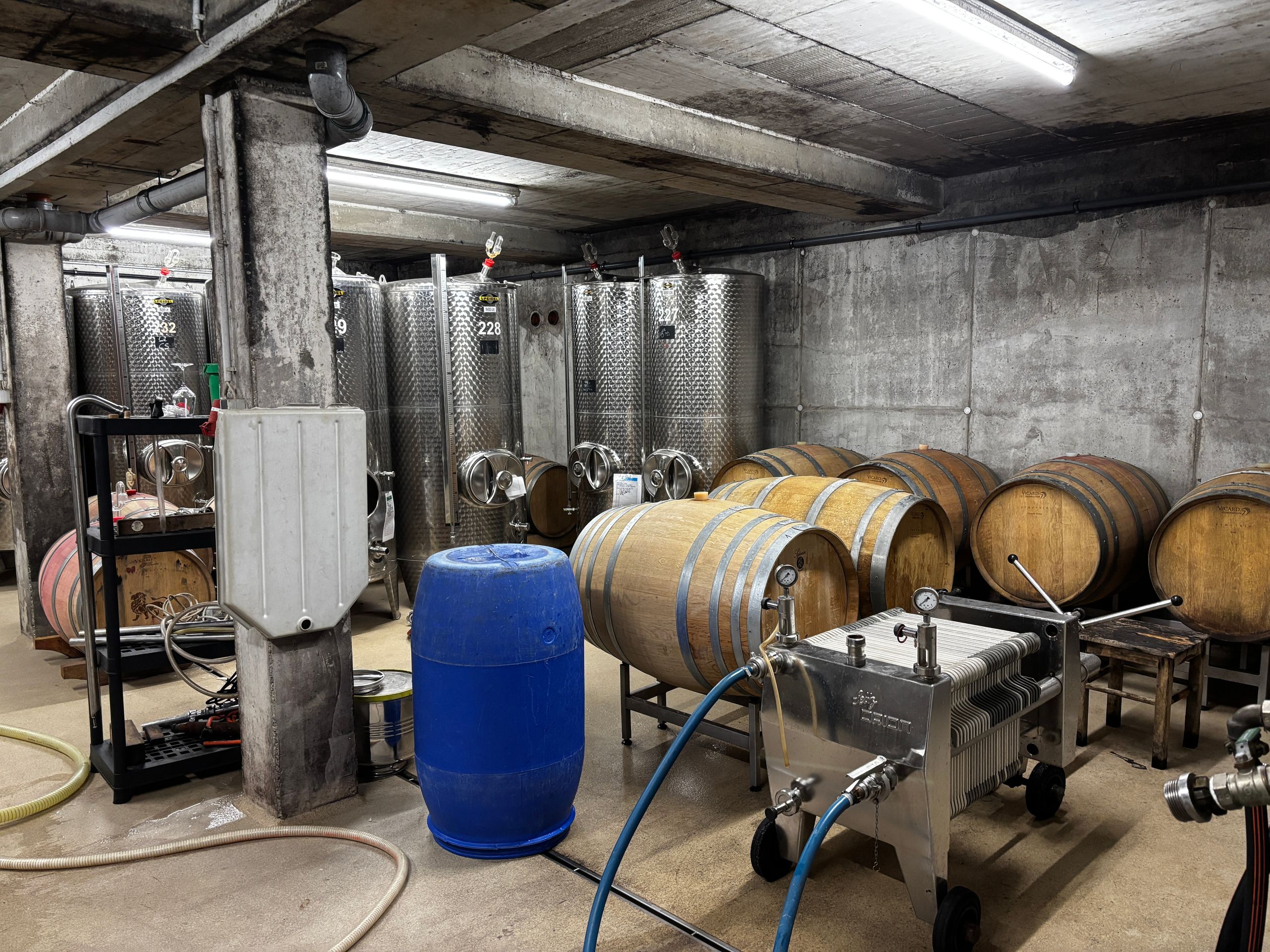
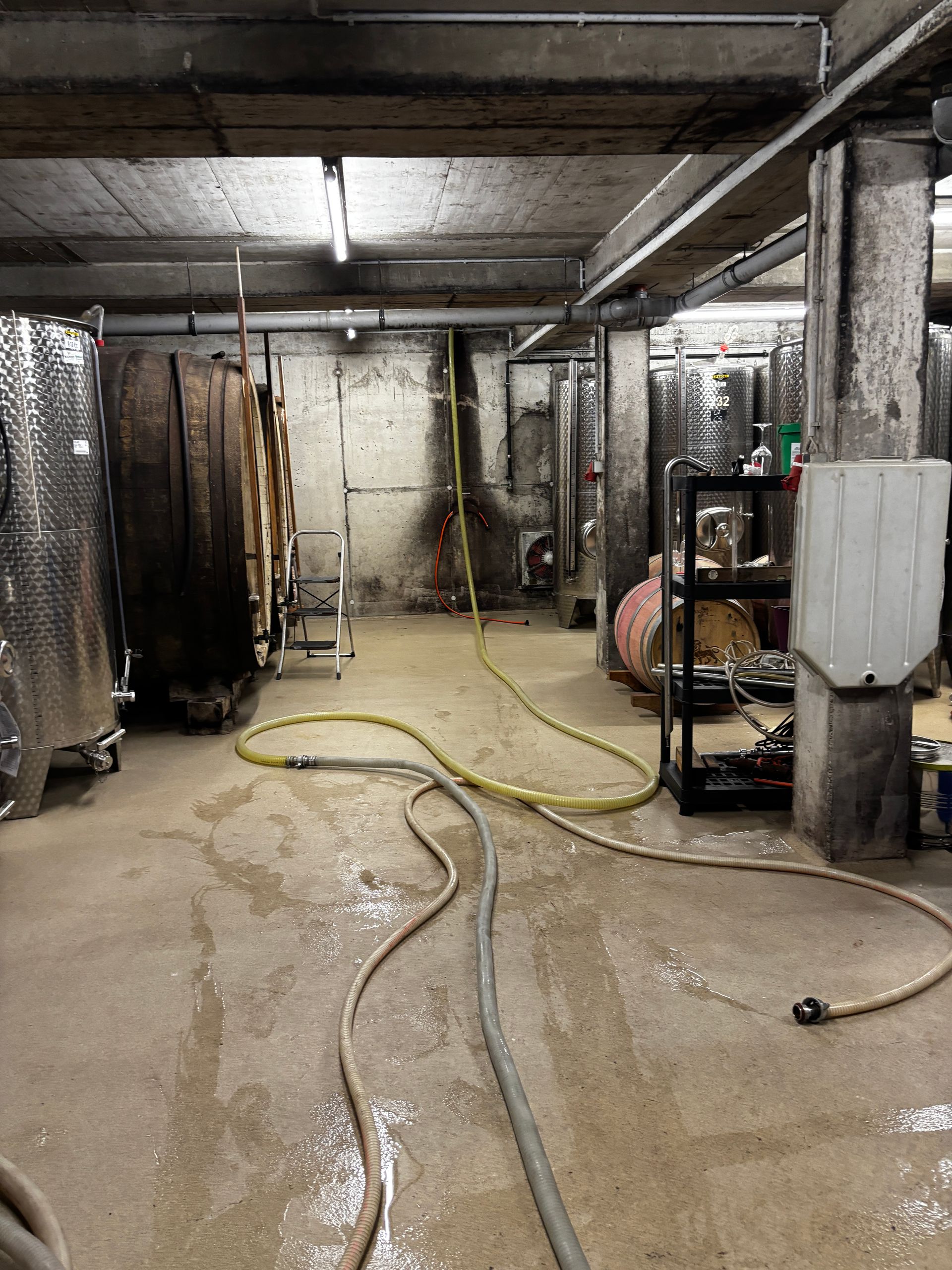
Thomas Zeter shows me the cellar. The entire area is completely cellared, and down here are the large stainless steel tanks and wooden barrels with a total capacity of 250,000 liters. And even in this size, they are still not a large winemaker but a family business.
My respect for the winemaker's work increases even more.
Back at the campsite, dinner is being prepared – we’re grilling because the weather just allows it.
Tomorrow our paths will part. Falko will head home after breakfast. We will stay another day.