
Sullo lago Titicaca
Il leggendario lago Titicaca è il lago navigabile più alto del mondo (a 3800 m). Il suo nome potrebbe significare puma grigio (la sua forma vista dall'alto lo ricorda). Sul...

Pubblicato: 14.12.2024
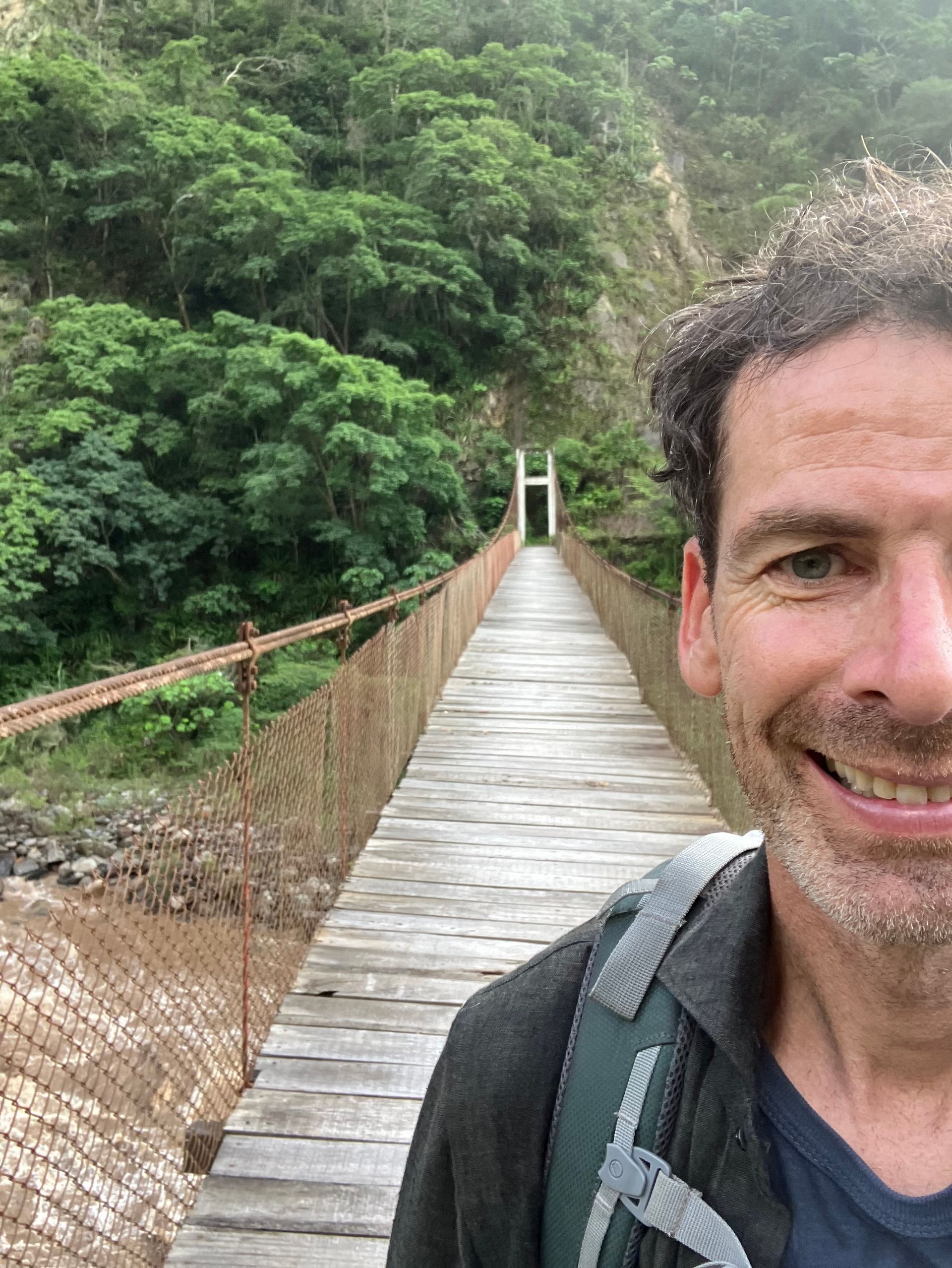
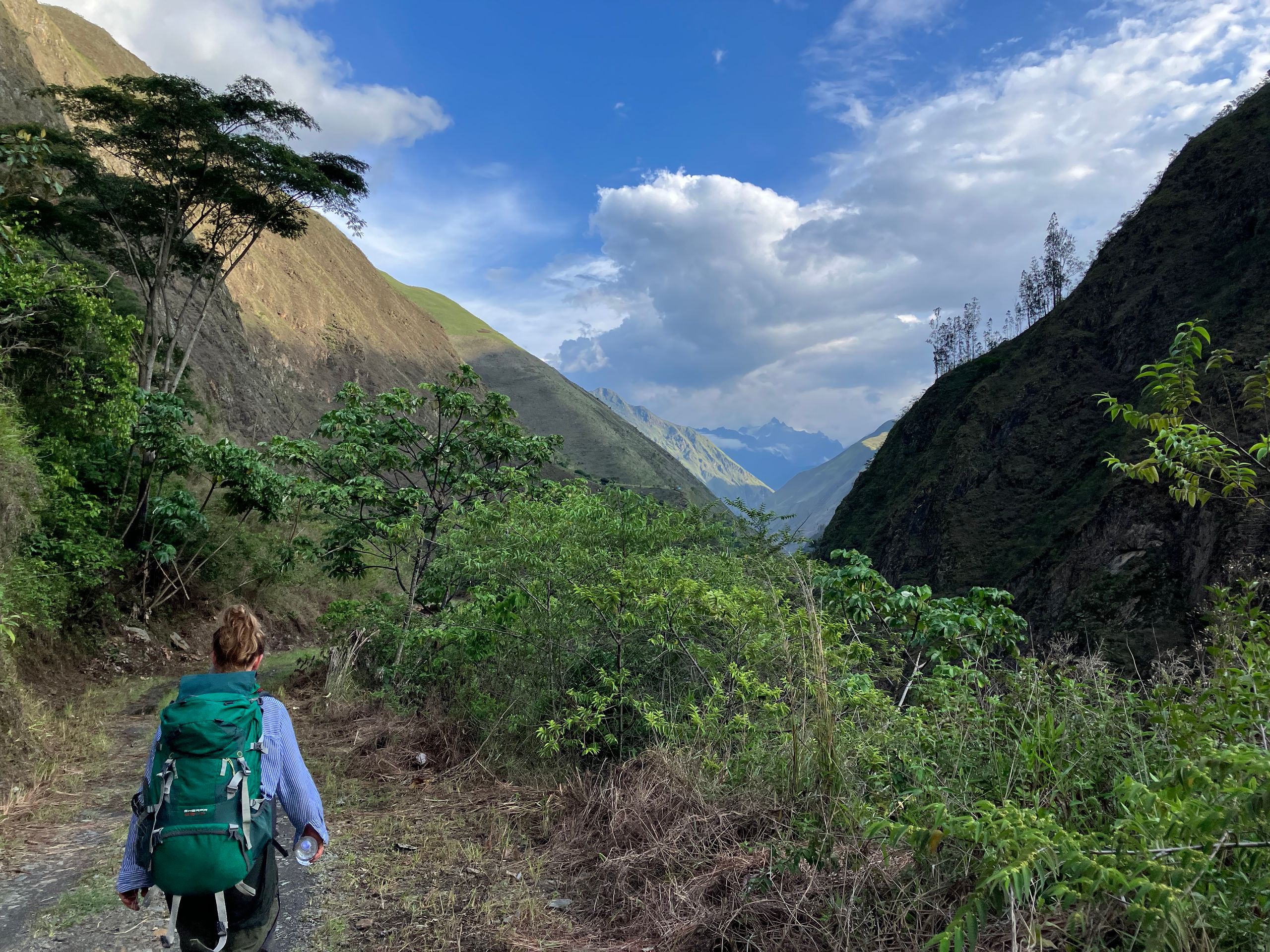
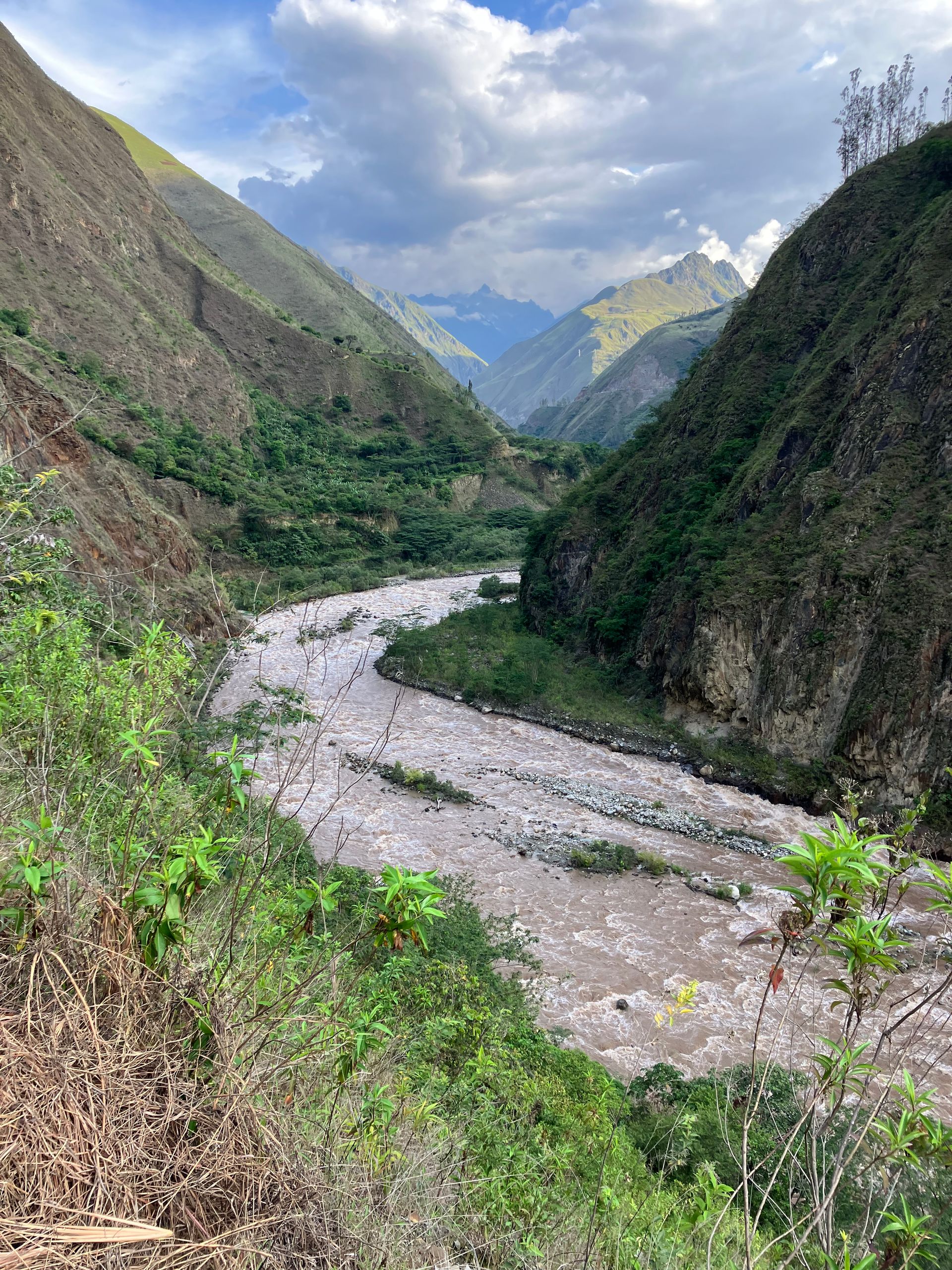
There are several trail options to Machu Picchu - the classic Inca Trail is already fully booked six months in advance and is around $1000, making it the most expensive. Other options can also be booked at short notice.
Our first day starts with a mountain bike descent from over 4000 m down into the valley. For me, it’s not very technically challenging since it’s just on asphalt roads. However, it’s nice to see how the landscape changes around us.
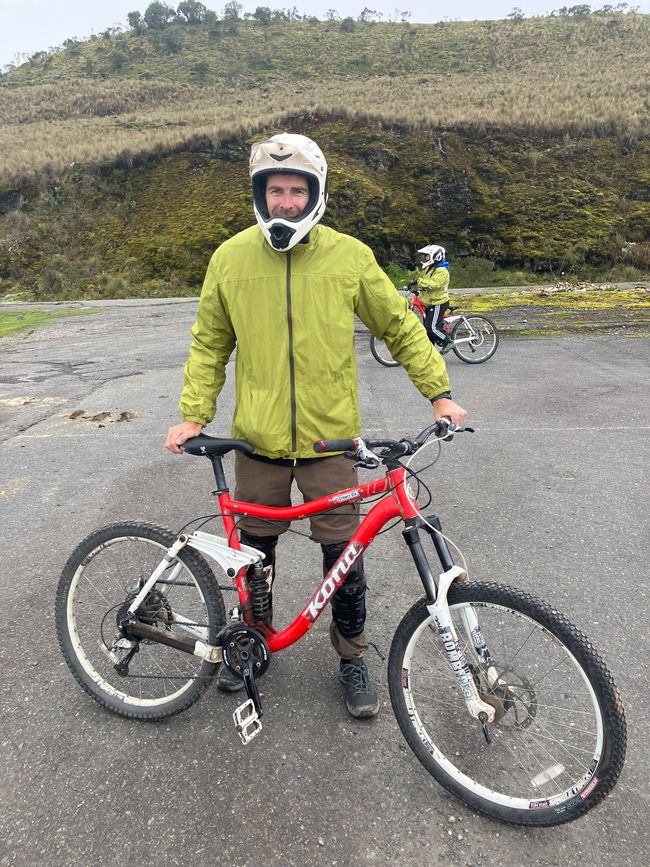
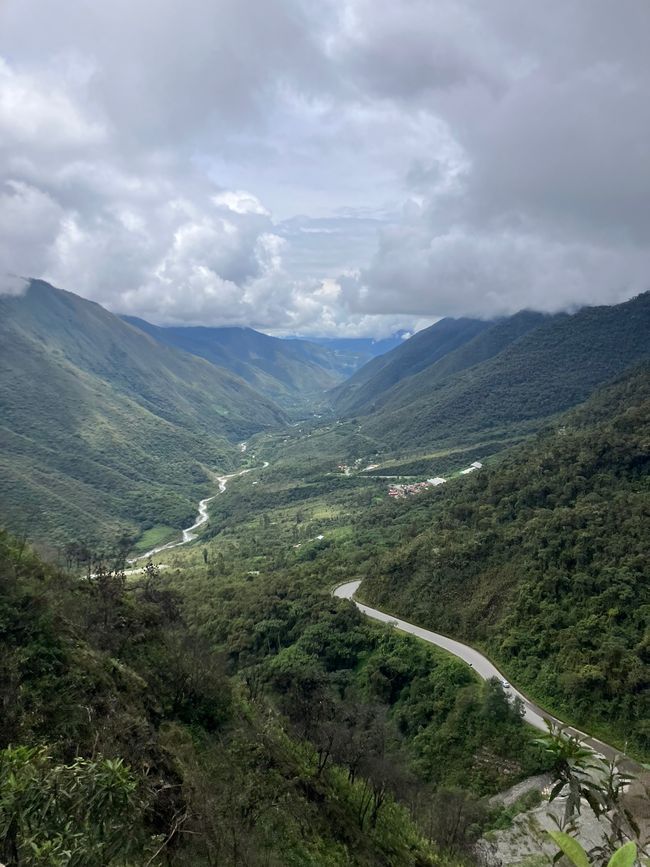
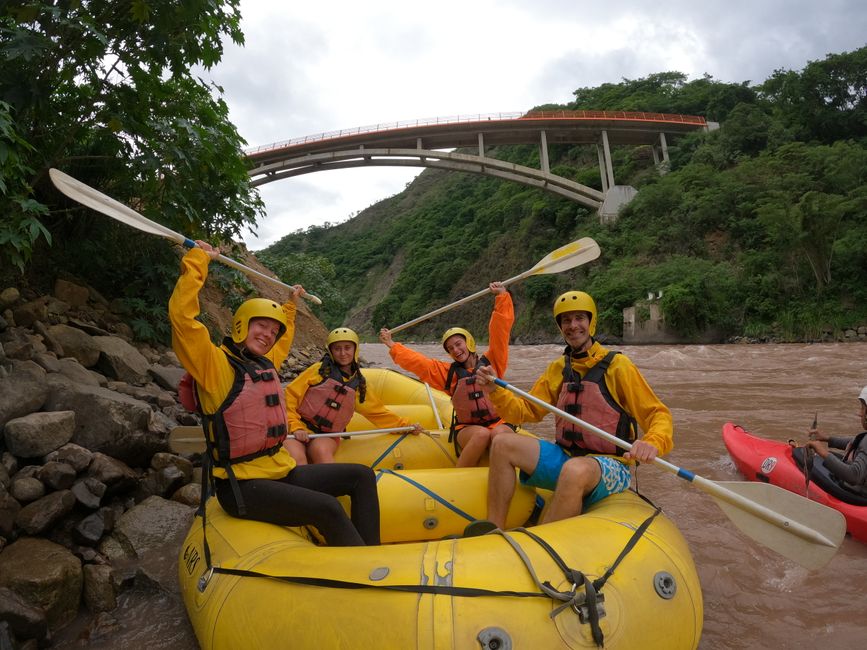
In the afternoon, we have an enjoyable rafting trip. Katha and I sit at the front of the boat, which sways quite a bit at times!
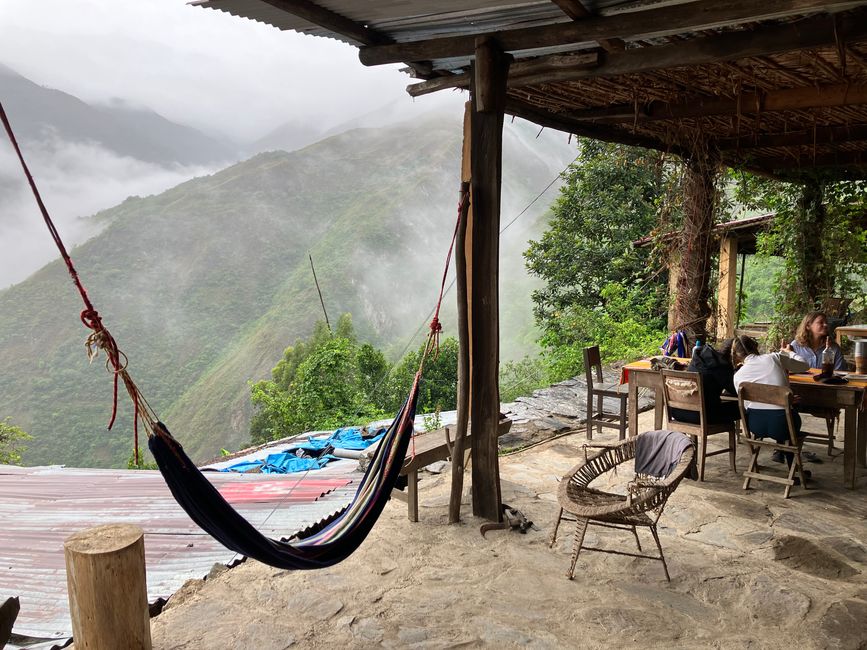
The first stop is a simple eco-lodge located on a wooded hillside.
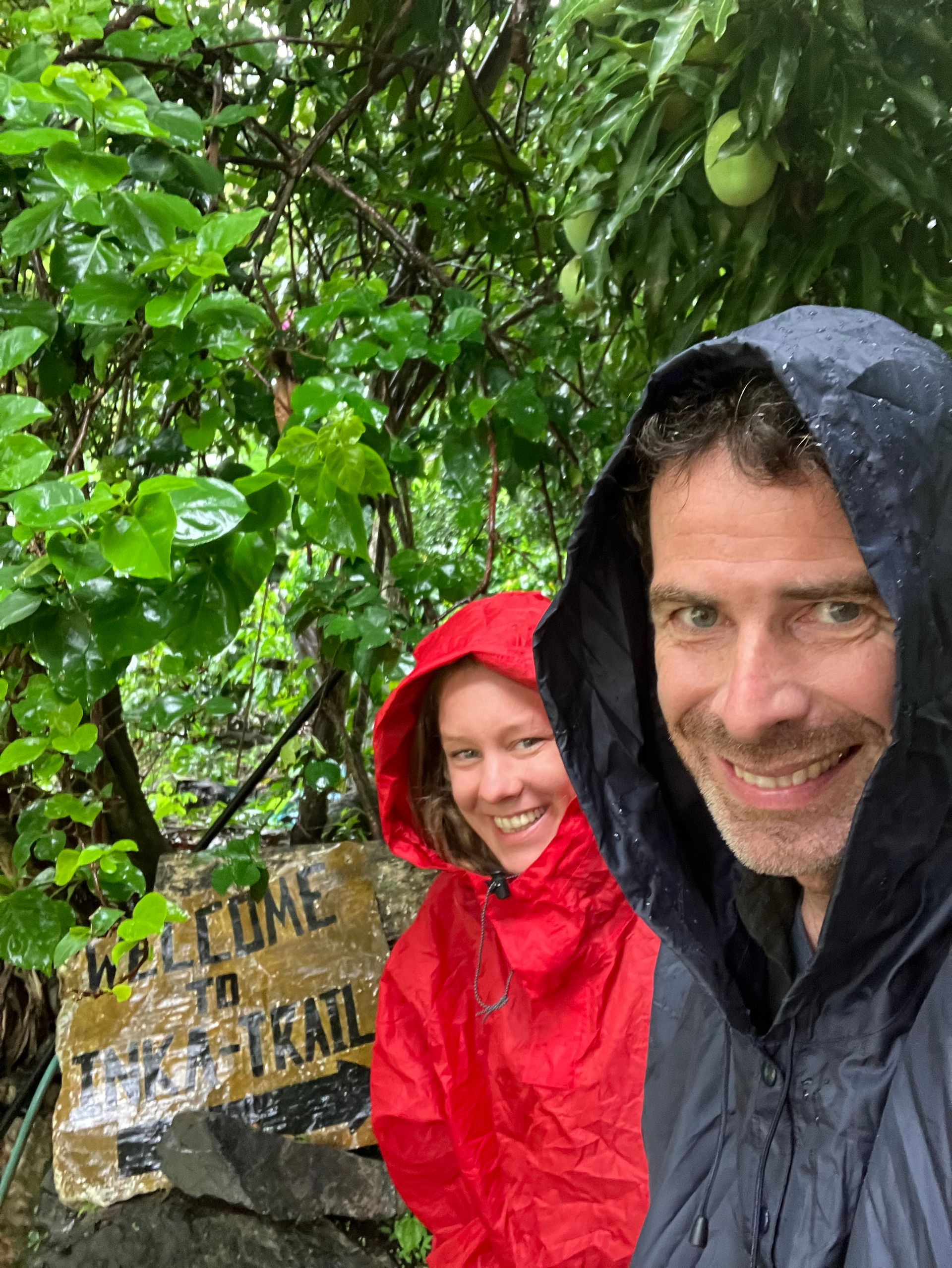
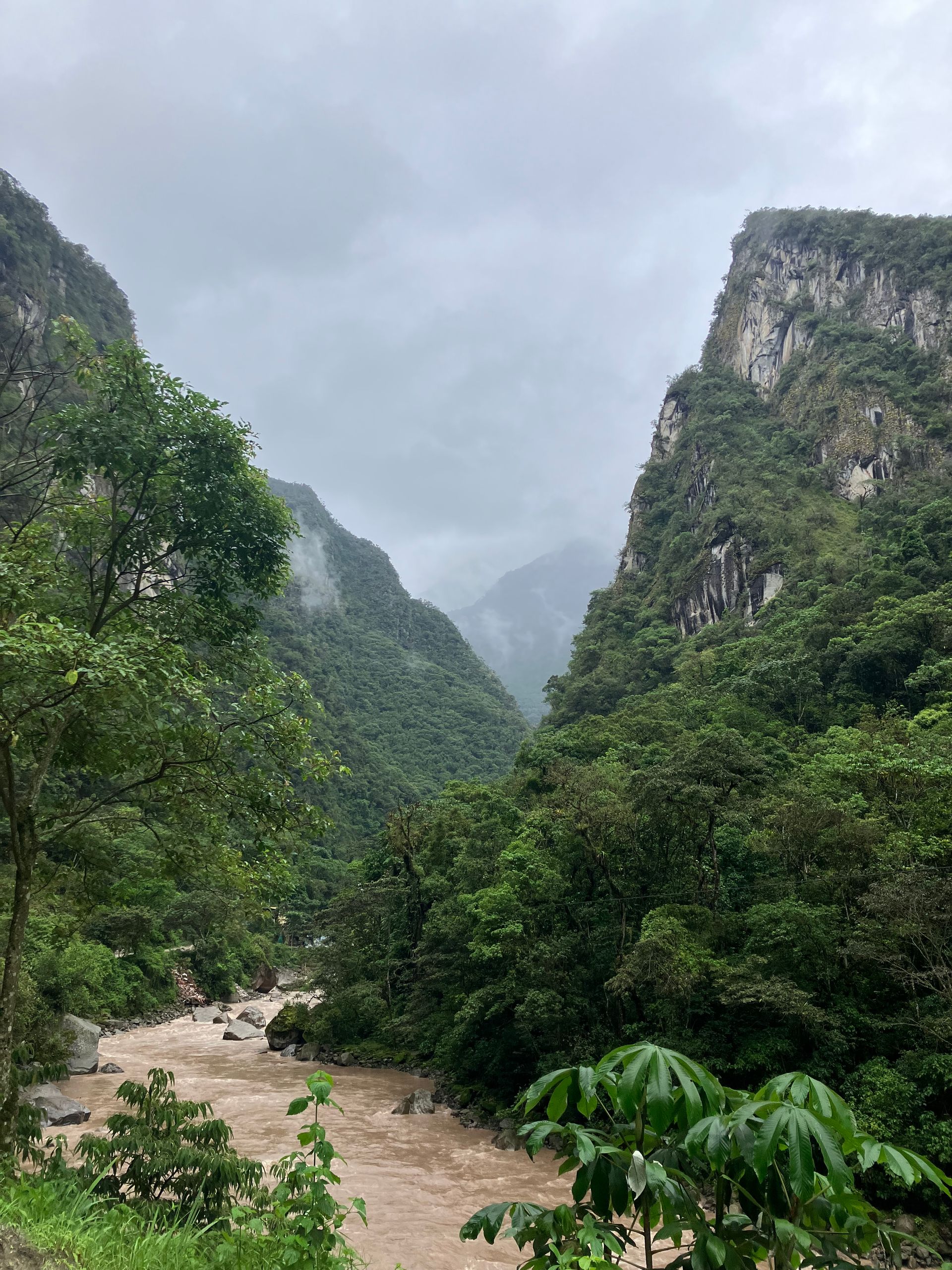
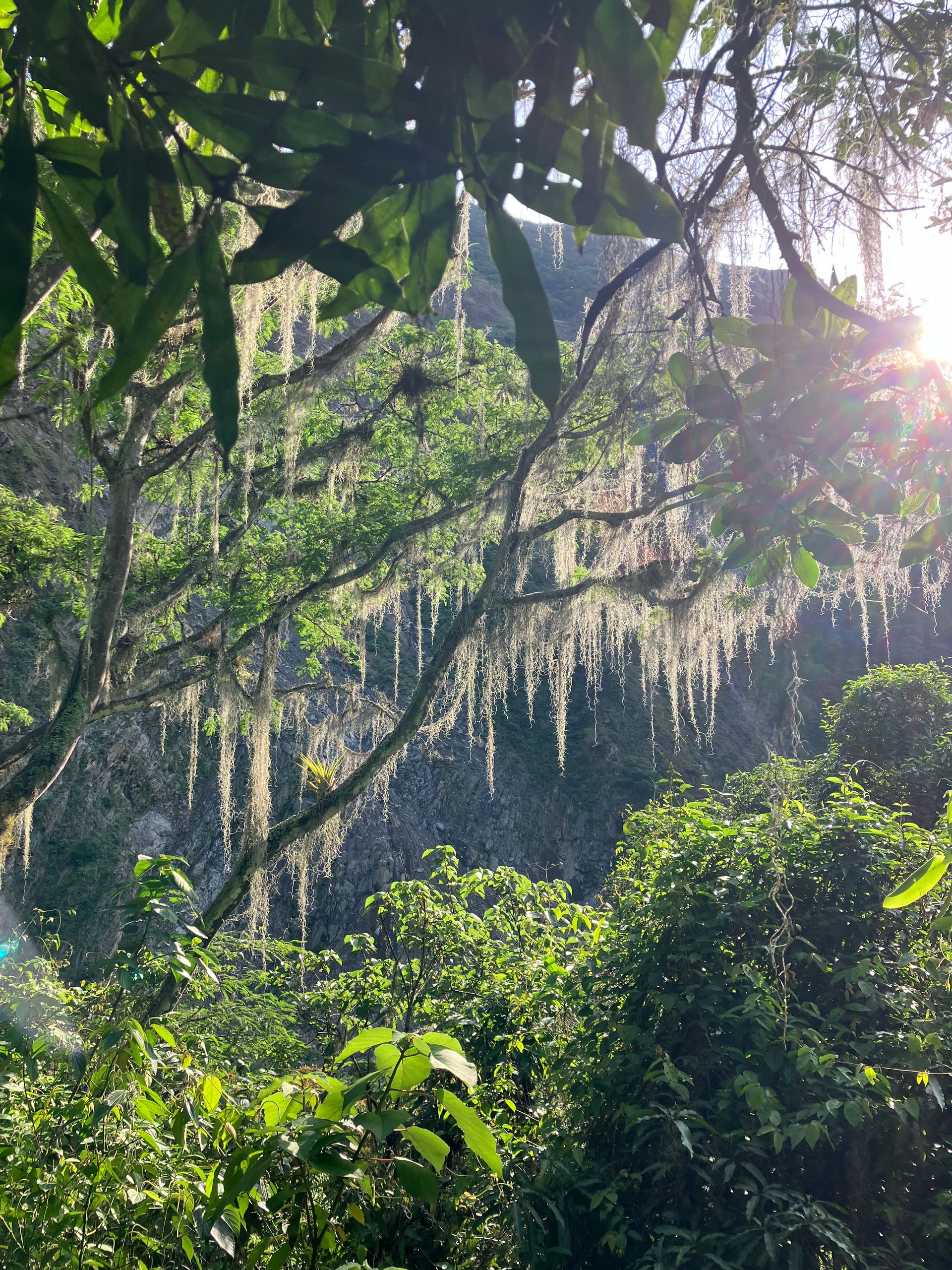
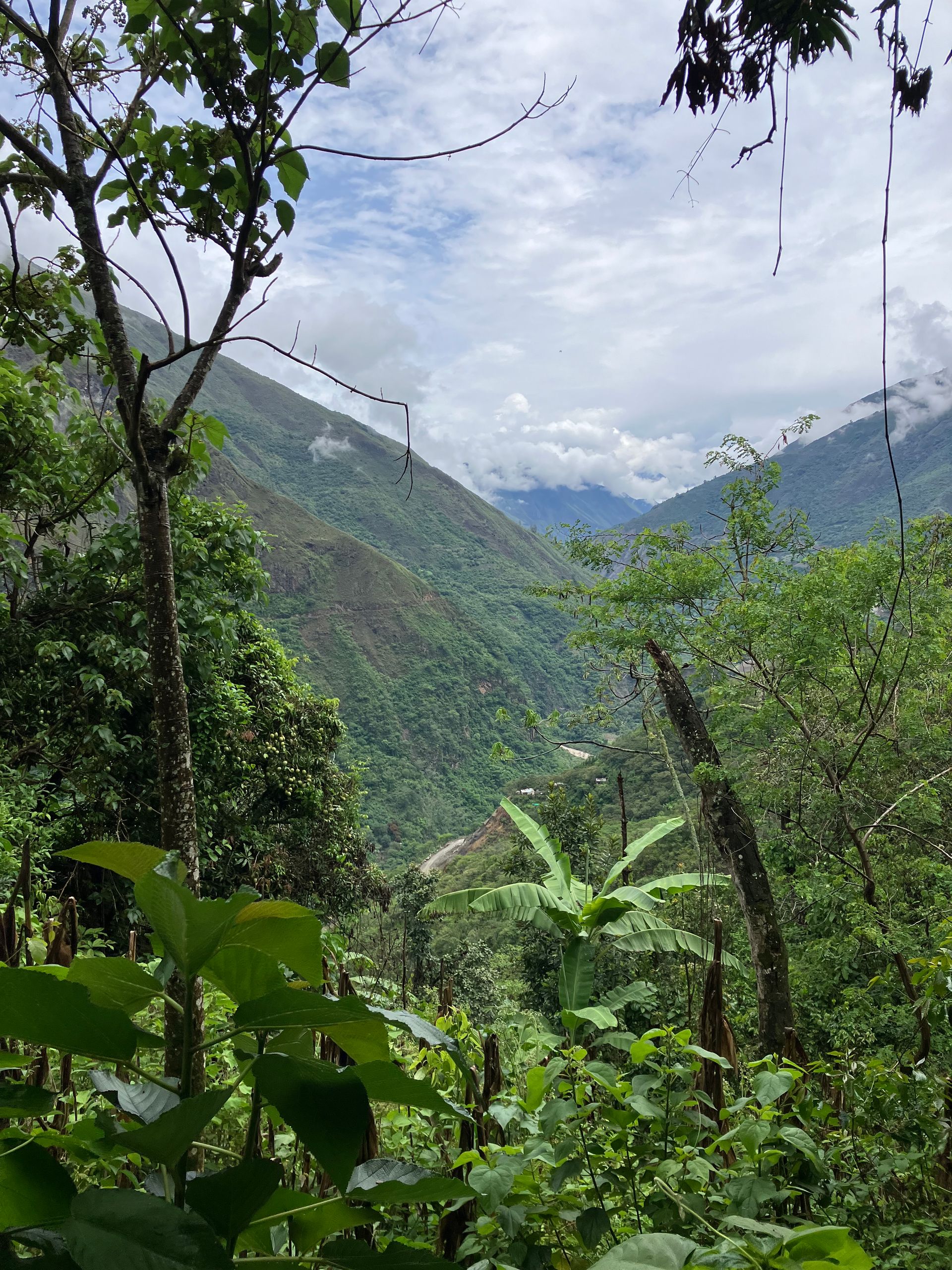
We are in the higher jungle area of the cloud forests. The climate is less hot, but it can be particularly foggy in the mornings. By now, the rainy season has set in the Andes, and showers and sun alternate continuously!
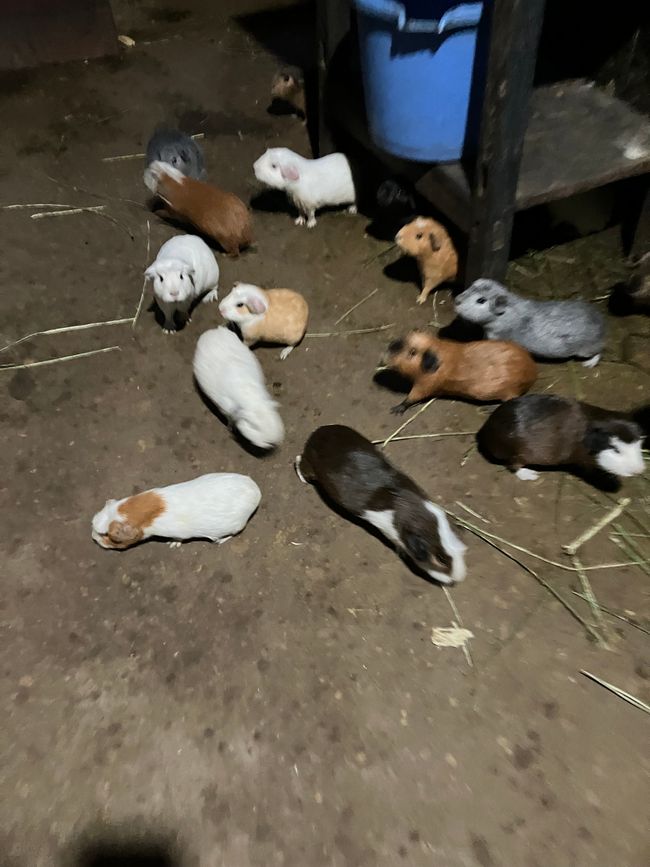
On the way, we make a stop at a farm and visit the guinea pigs, which are traditionally kept on the kitchen floor. They are considered a delicacy in Peru - fortunately, we only see them alive 🥰
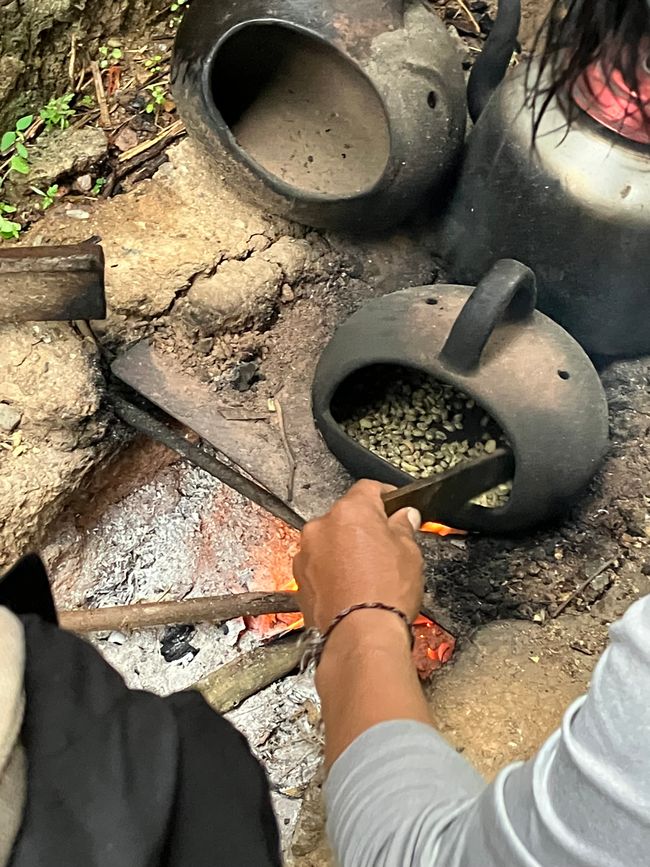
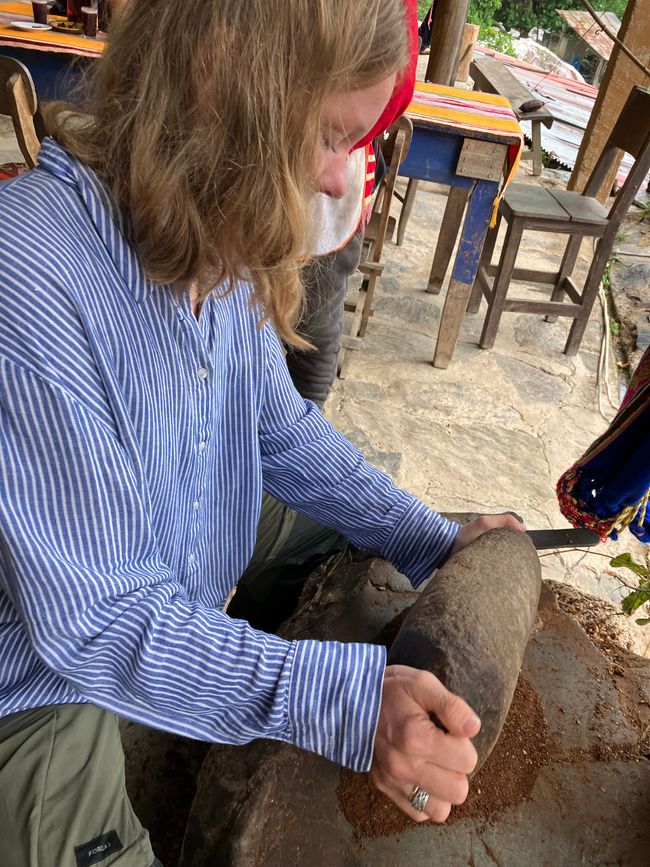
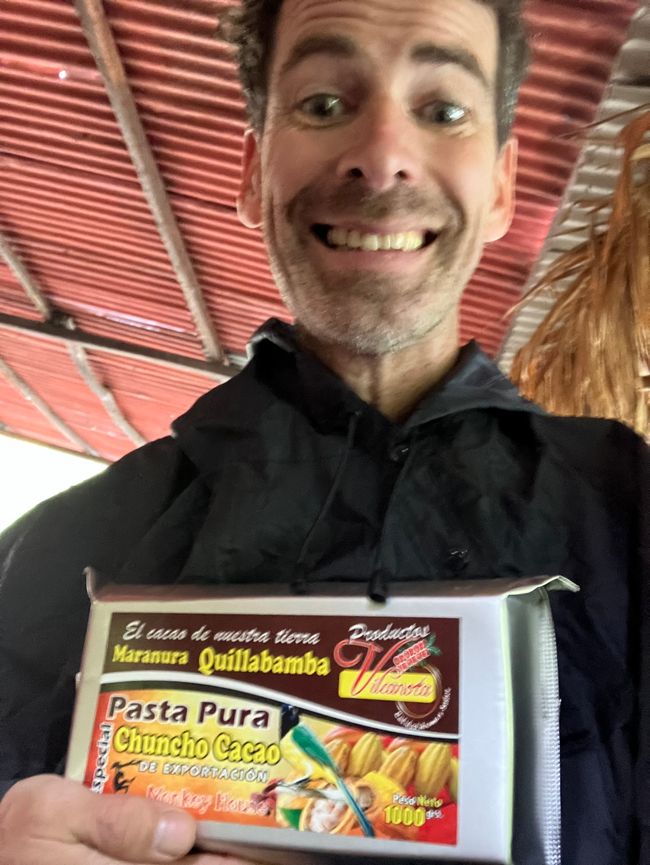
The next morning, our guide shows us how to roast and grind coffee from raw coffee beans by hand. The beans are from their own cultivation - an incomparable aroma! There’s also homemade chocolate!
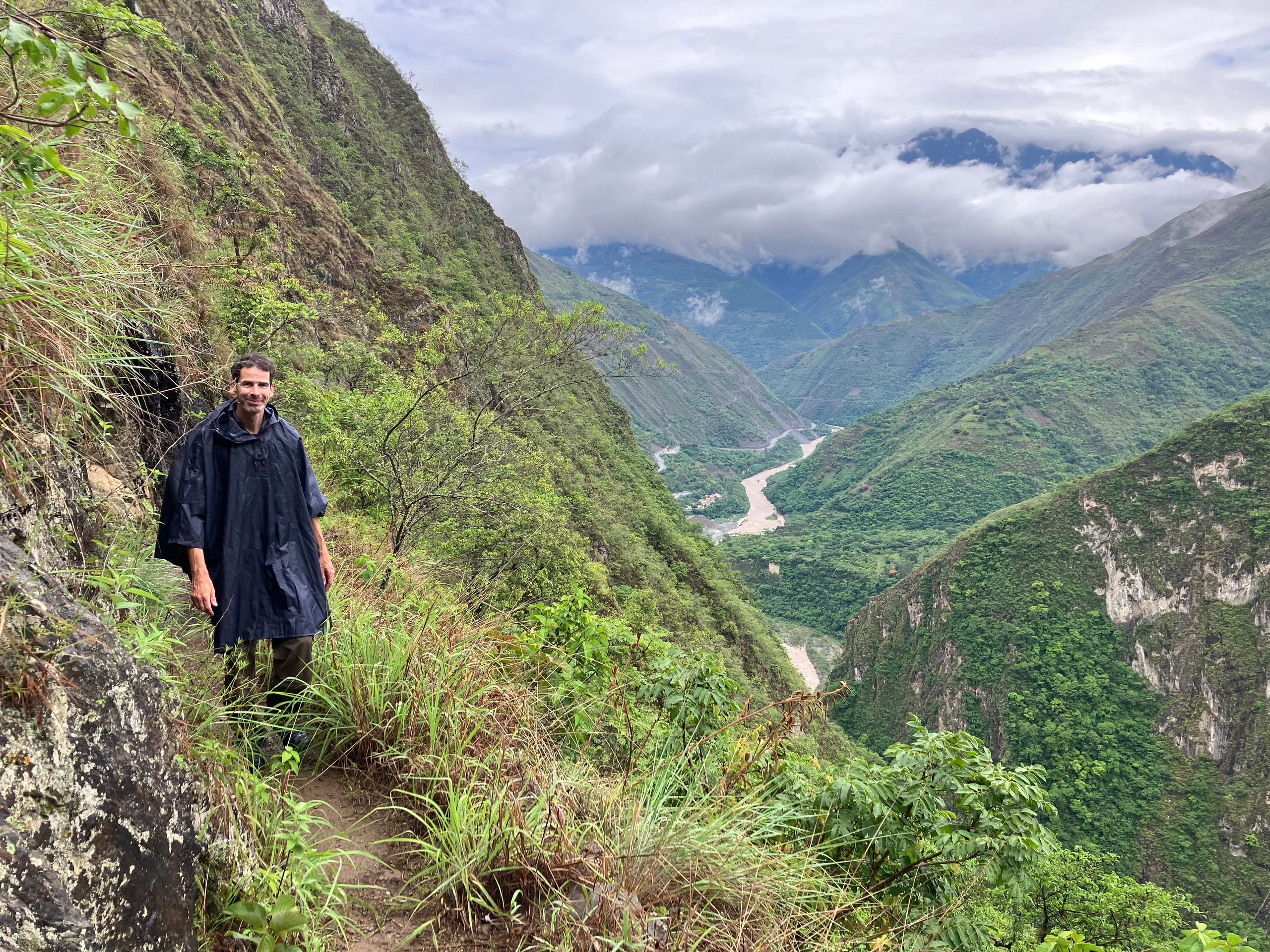
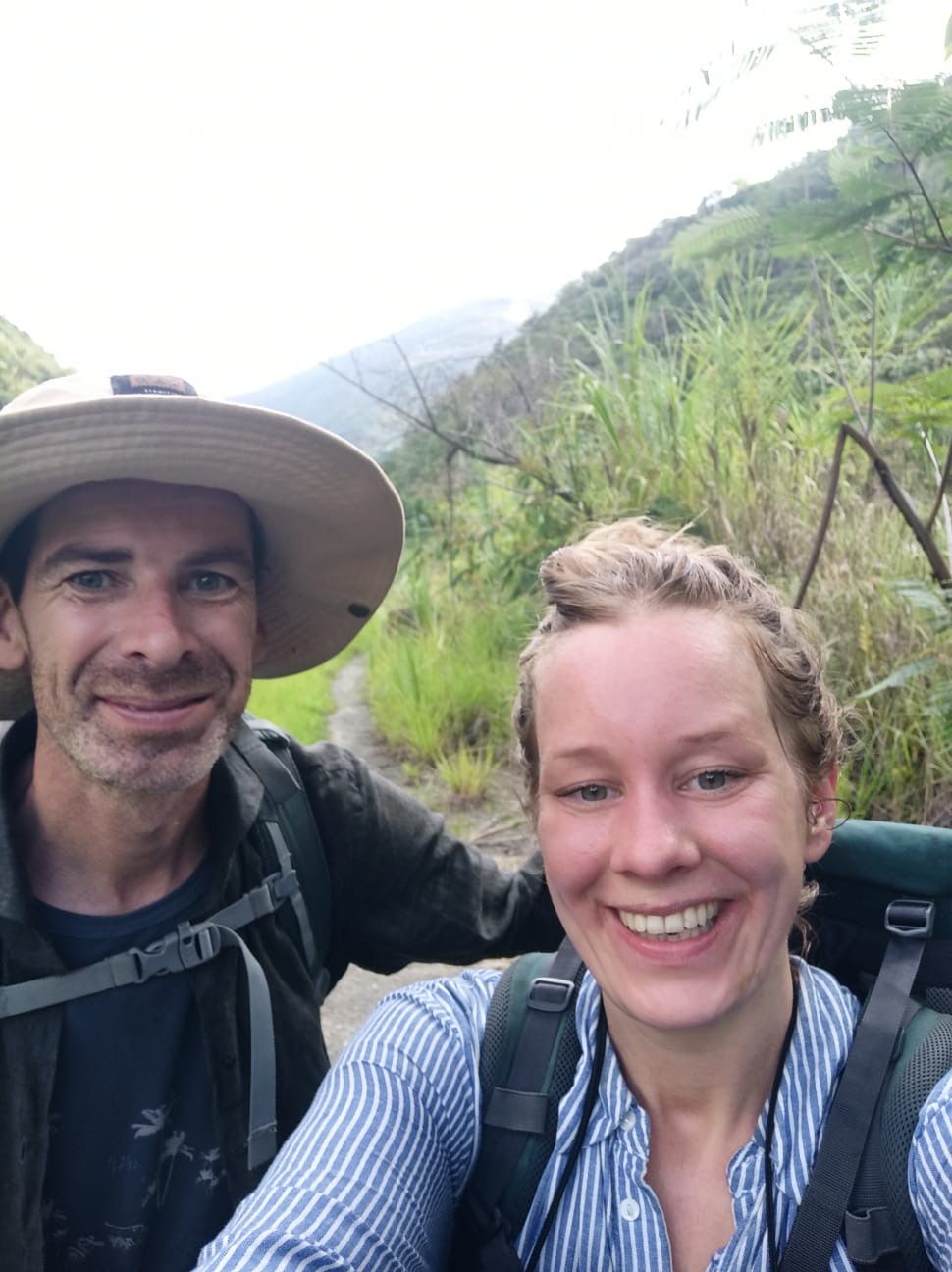
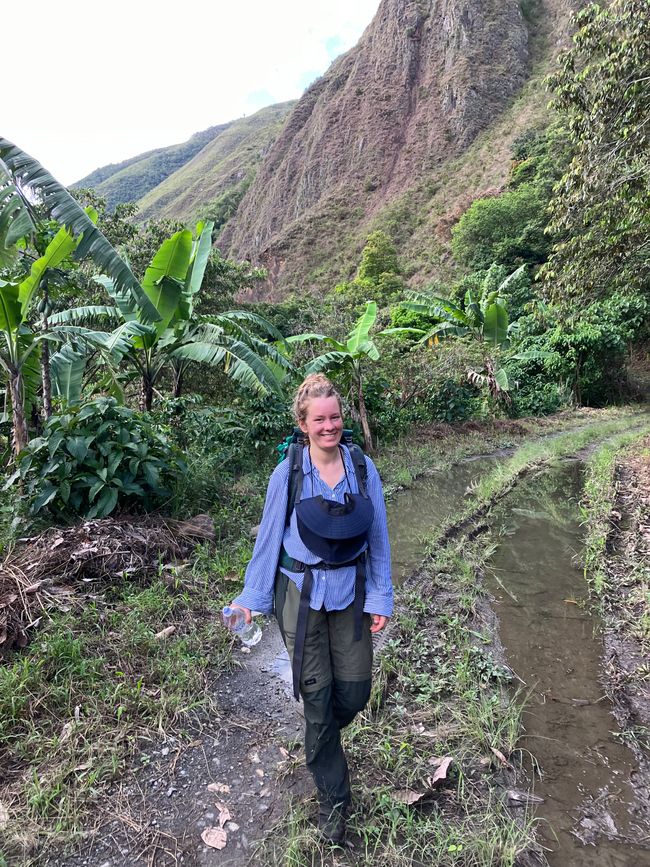
After receiving more information about the way of life of the local indigenous population, we set off. The Inca trail is steep and winds along rock steps on the slope. Scenic, but also a thrill!
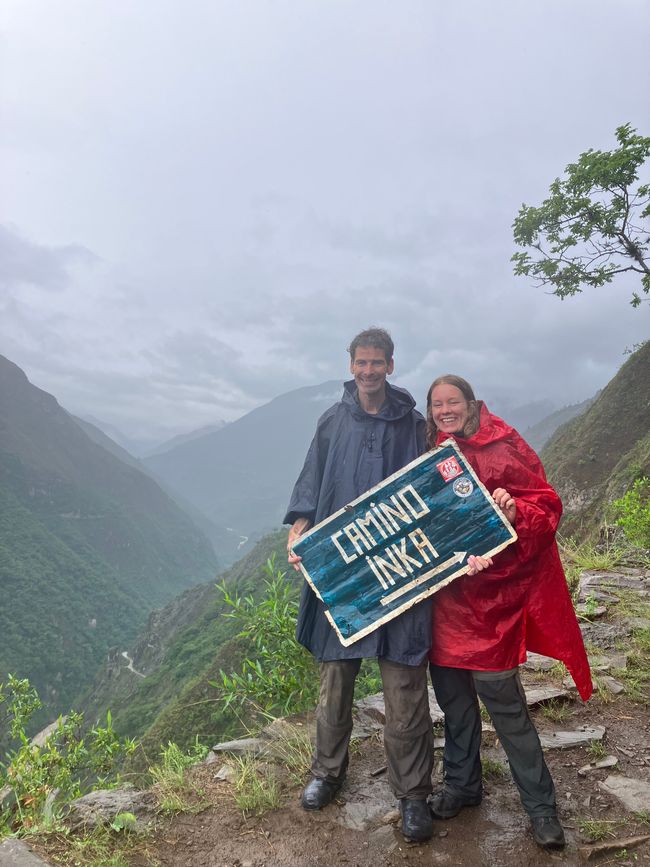
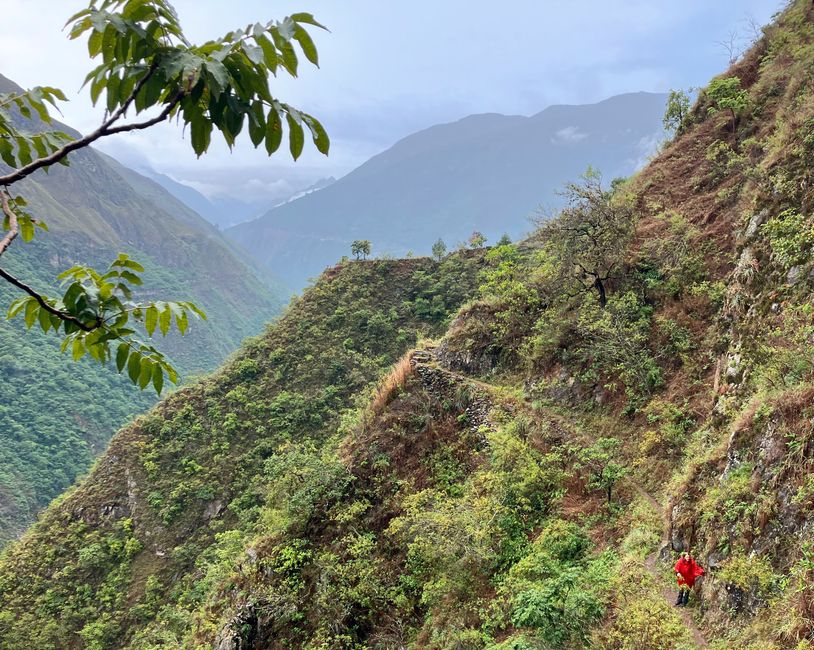
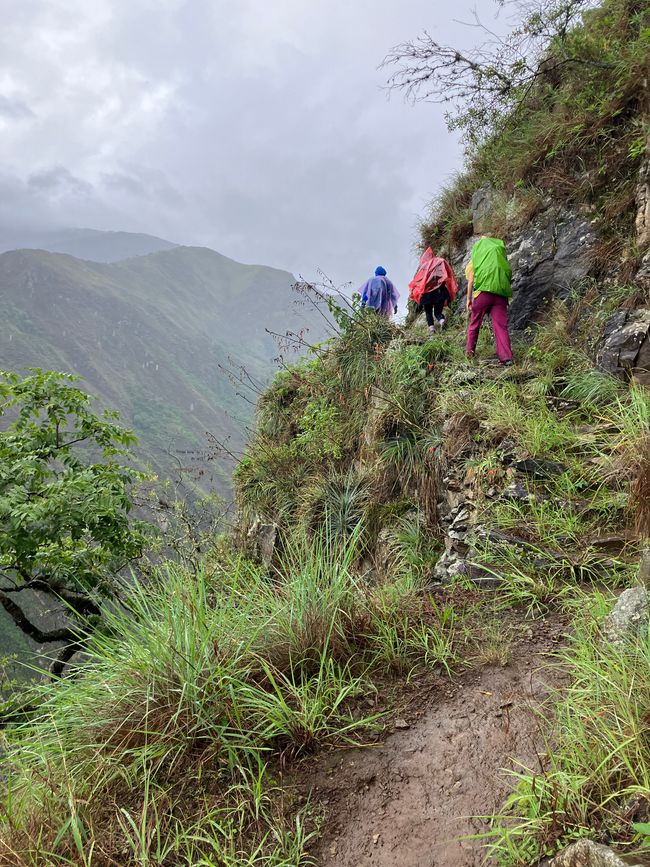
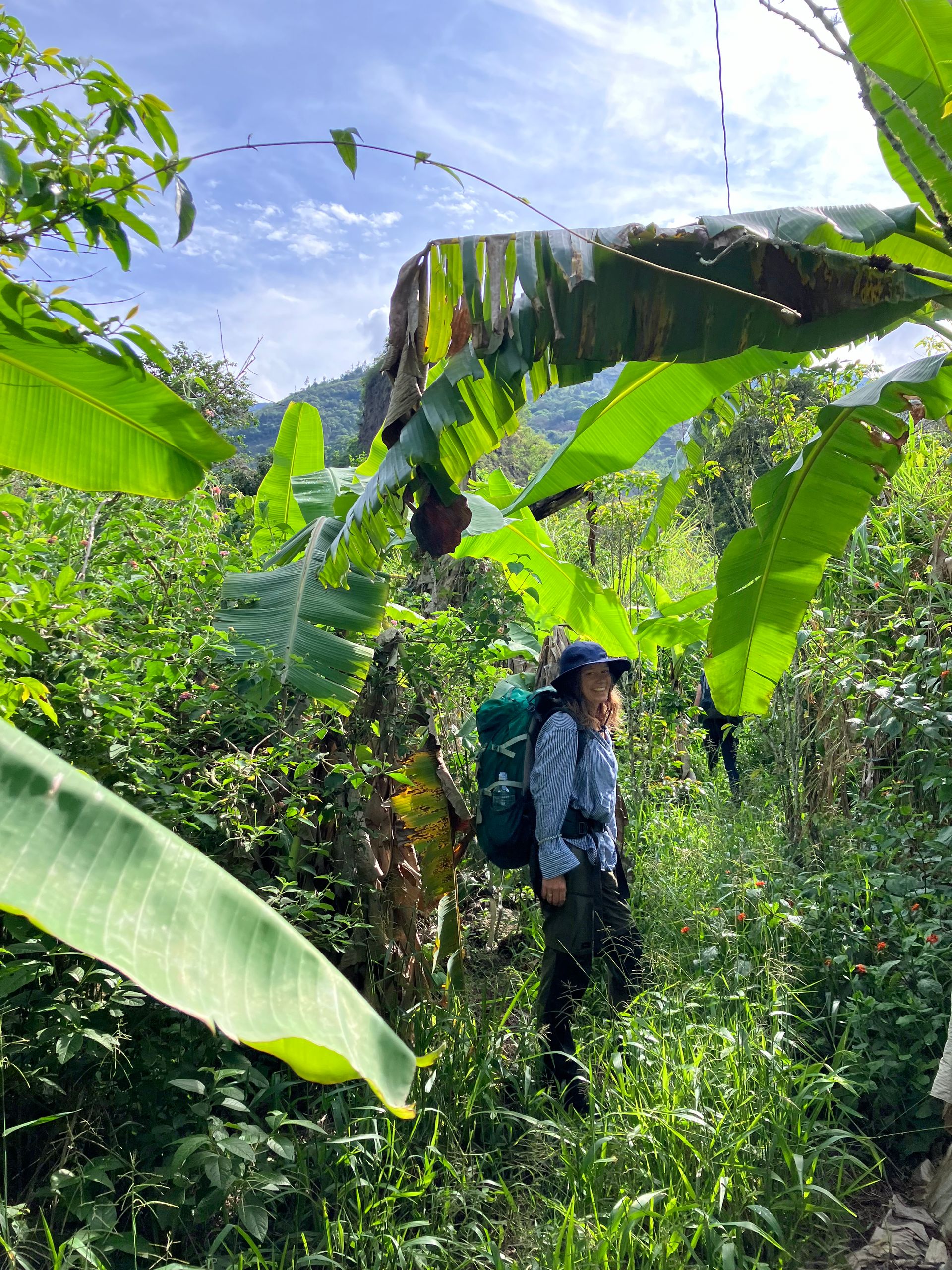
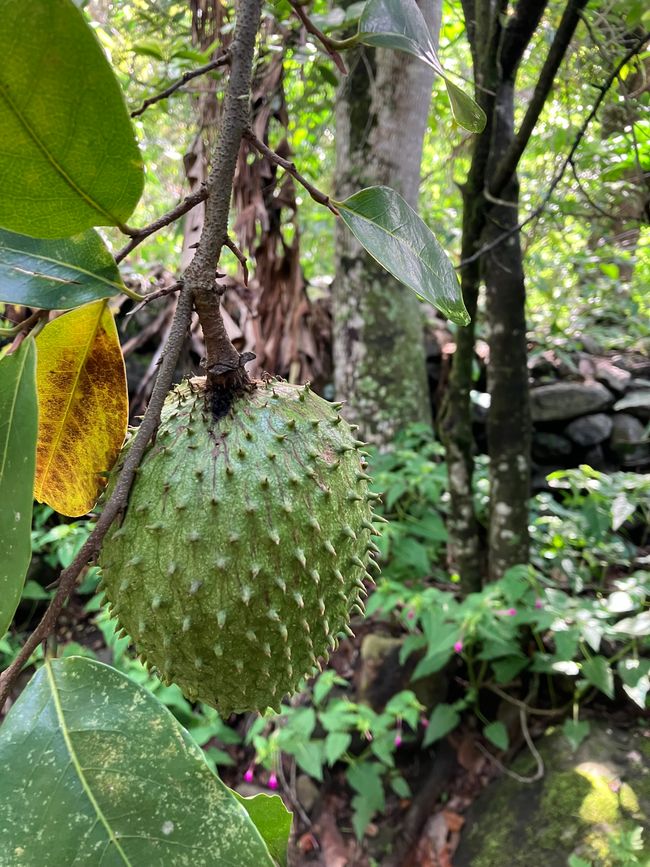
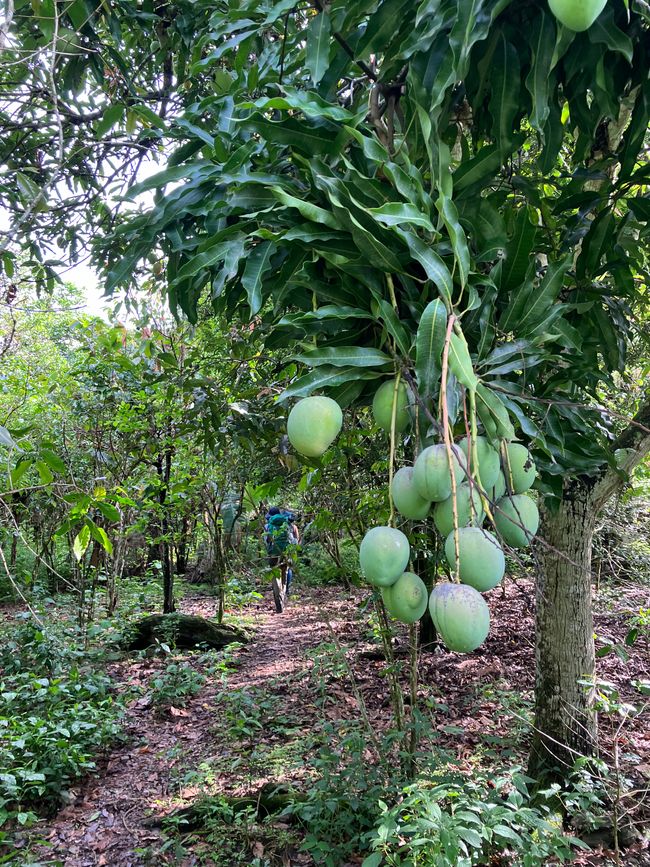
After that, we walk through a fascinating jungle landscape: Many fruits are ripe at this time, mangos, avocados, cacao, and some unfamiliar fruits hang in the bushes and trees.
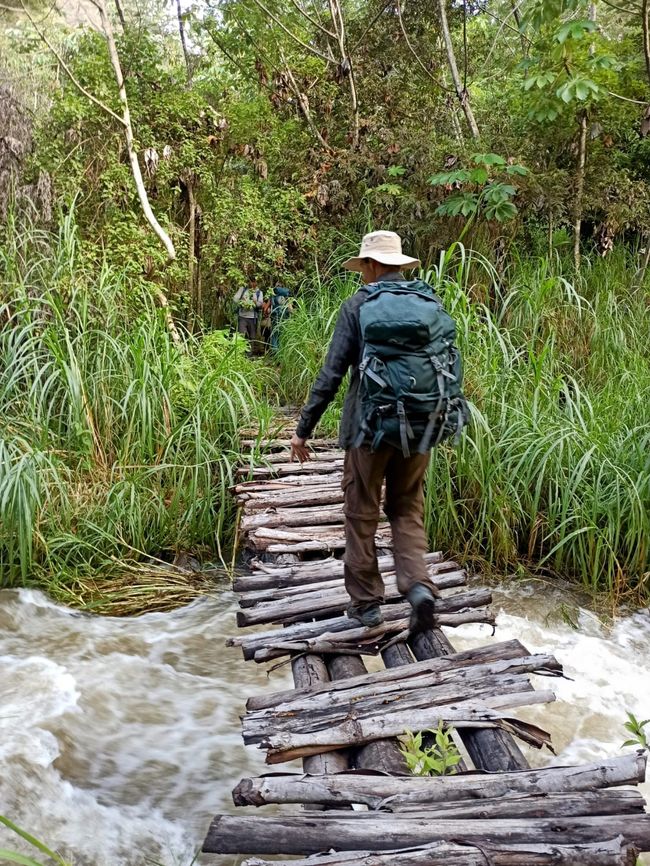
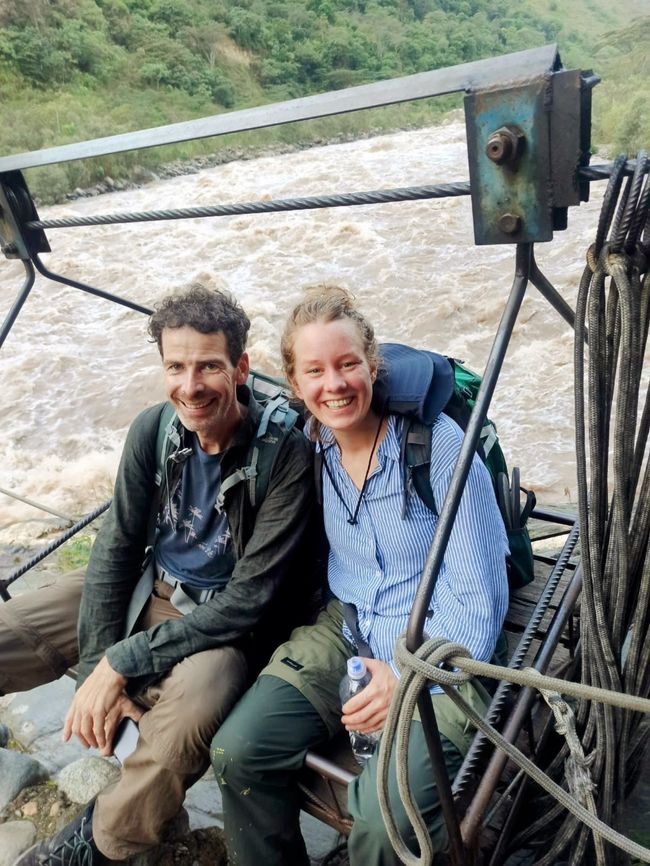
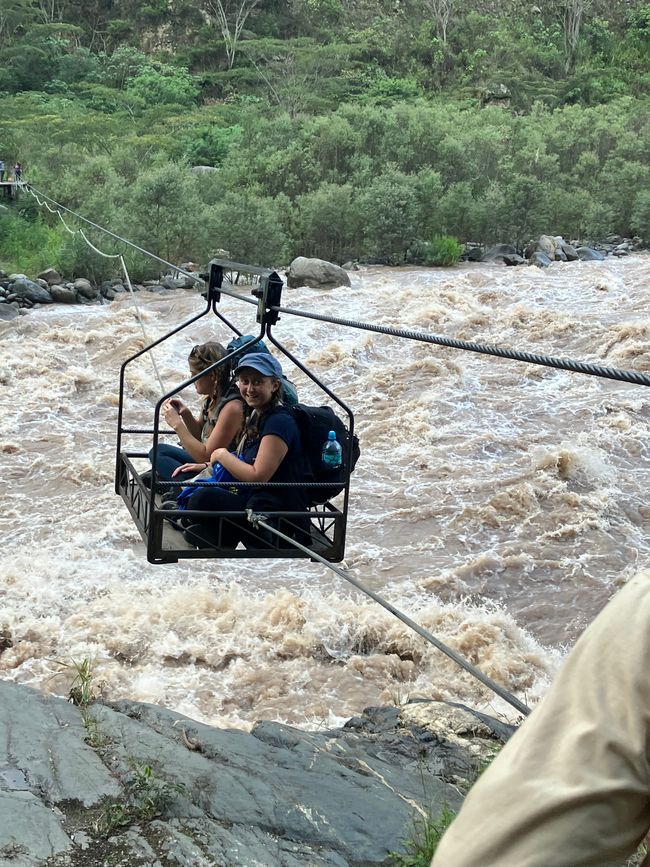
Just before the end, we have to cross a rushing river in an adventurous way: We sit down and get pulled across to the other shore by ropes.
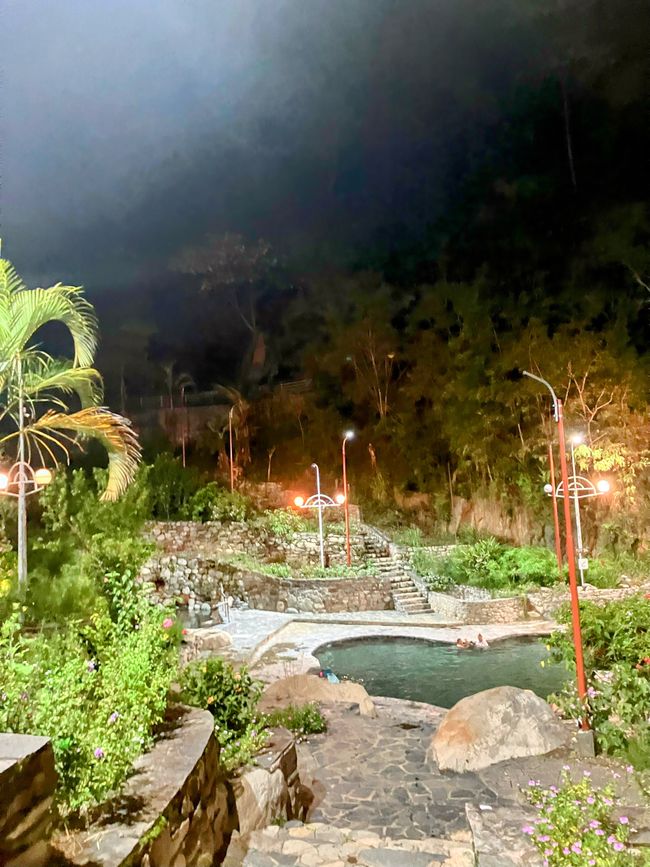
After a long day of hiking, we are allowed to relax in hot thermal baths! The pools are beautifully designed and hug the bare rock wall.
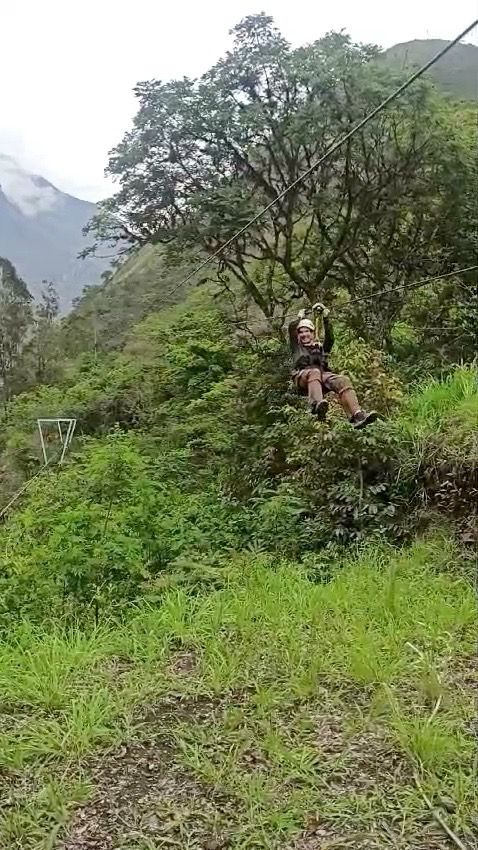
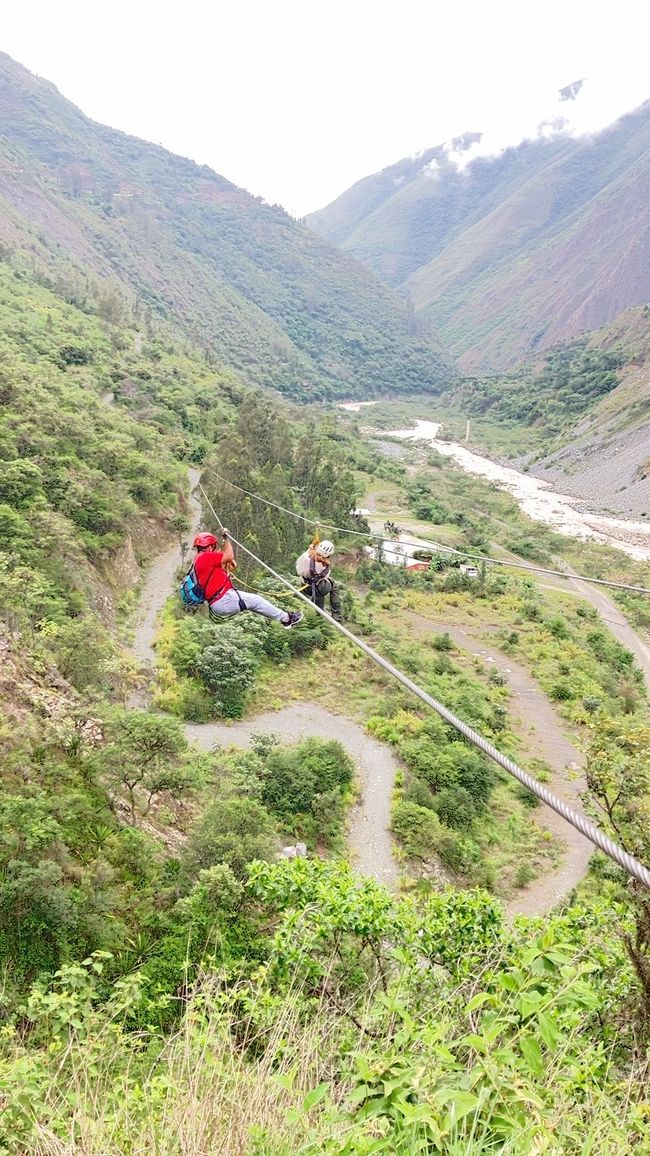
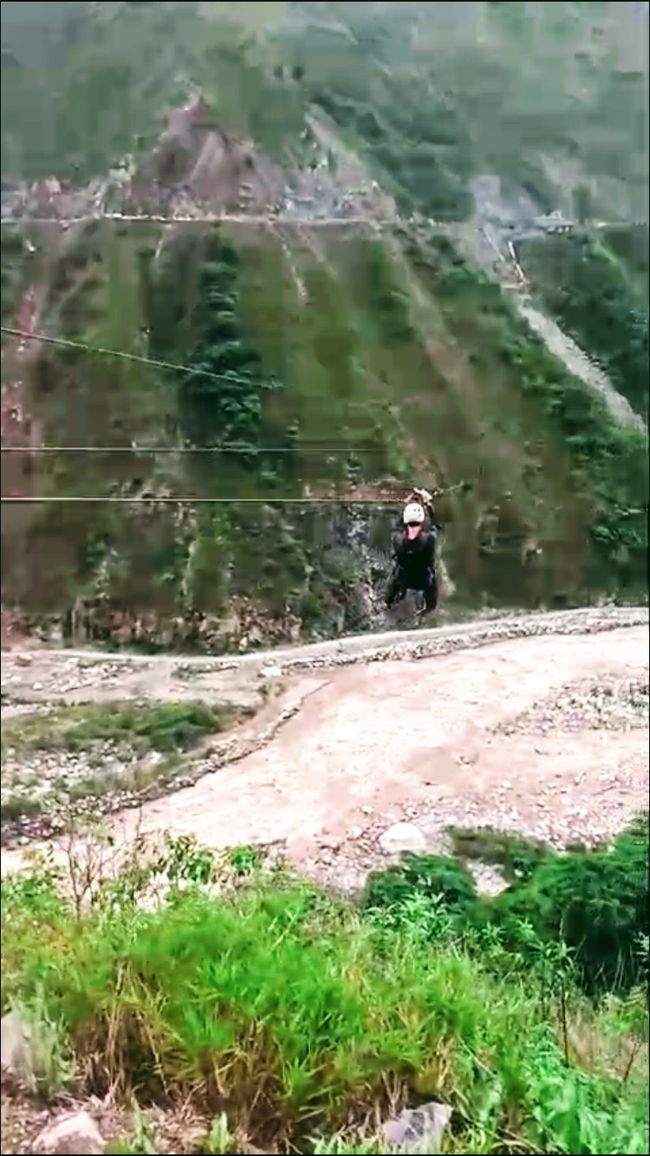
On the third day, ziplining is on the agenda. It’s our first time and very exciting! We have to brake ourselves on the wire with one hand, which isn't easy even with special gloves.
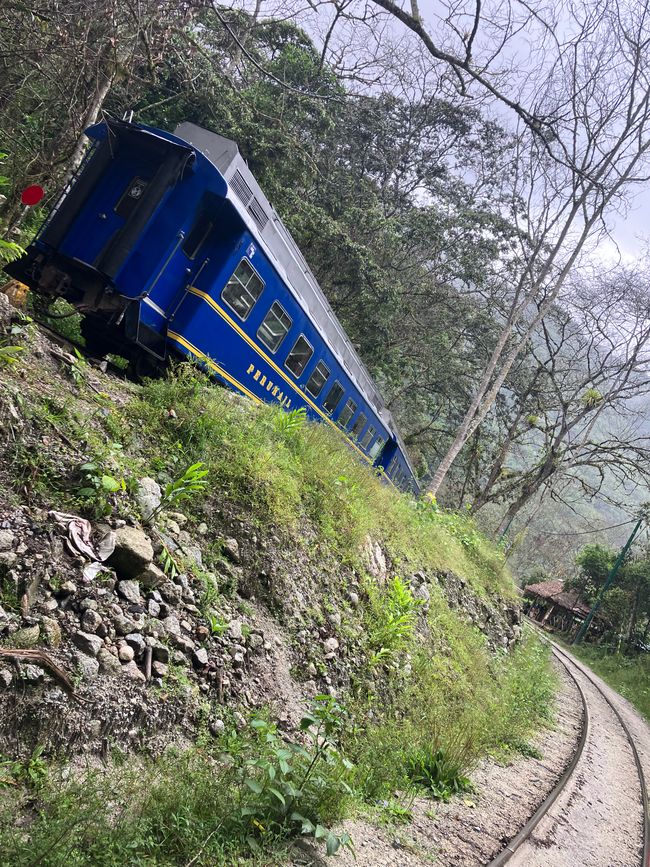
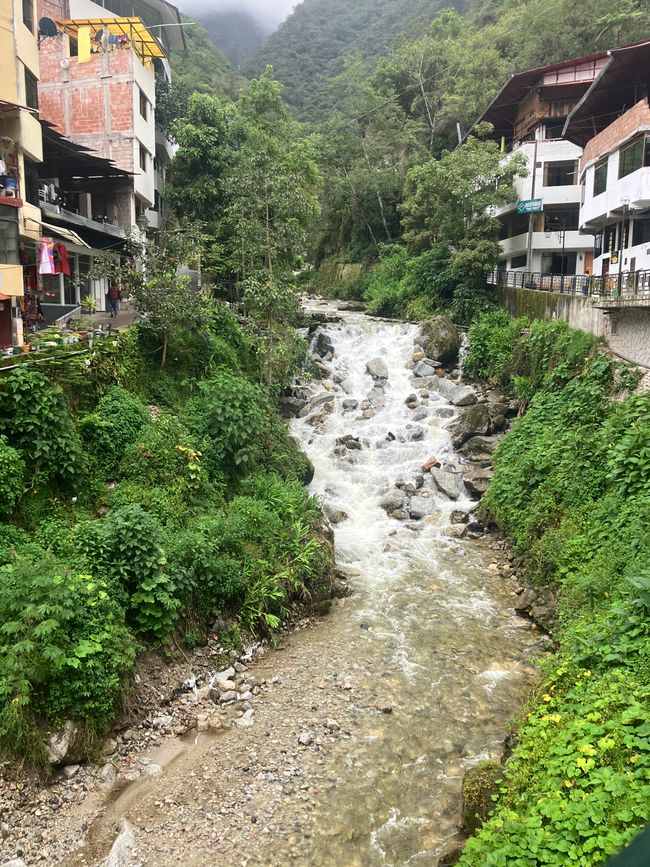
For lunch, we walk alongside the railway tracks to the town of Aguas Calientes - the town below Machu Picchu. It’s a very touristy and not particularly special place. We use our time there to regenerate.
On the fourth day comes the grand finale. We get up at half past four in the night and set off. It’s more than an hour of steep ascent, step by step.
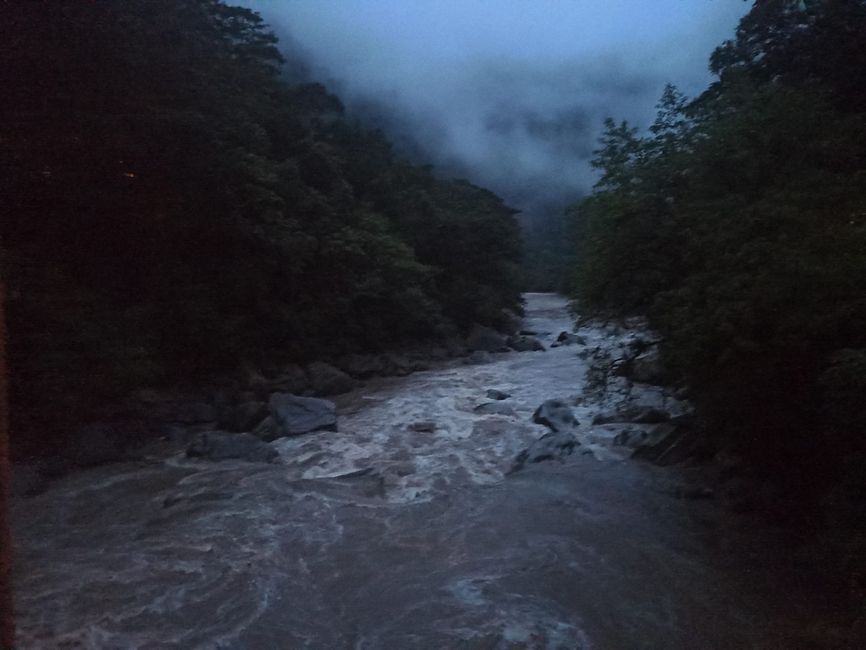
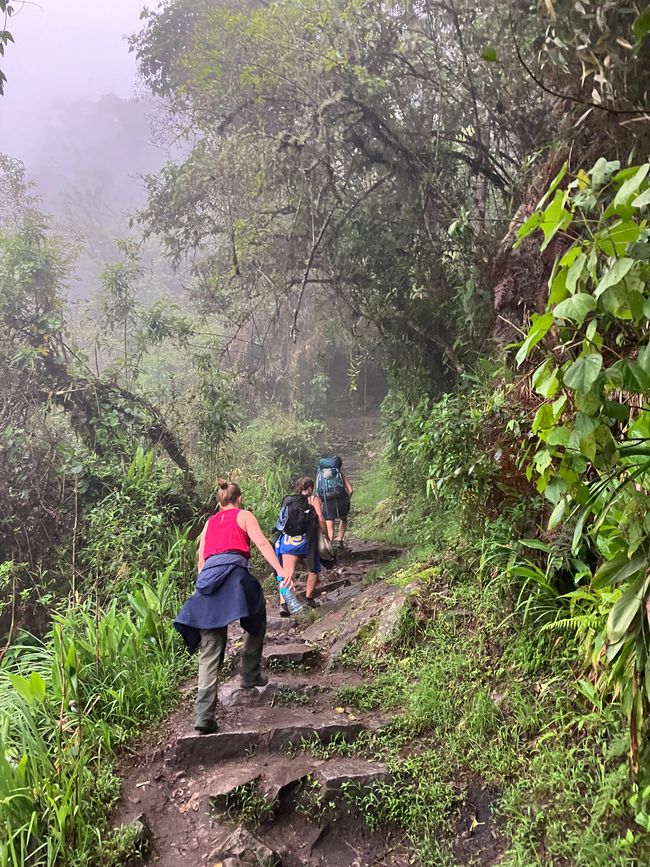
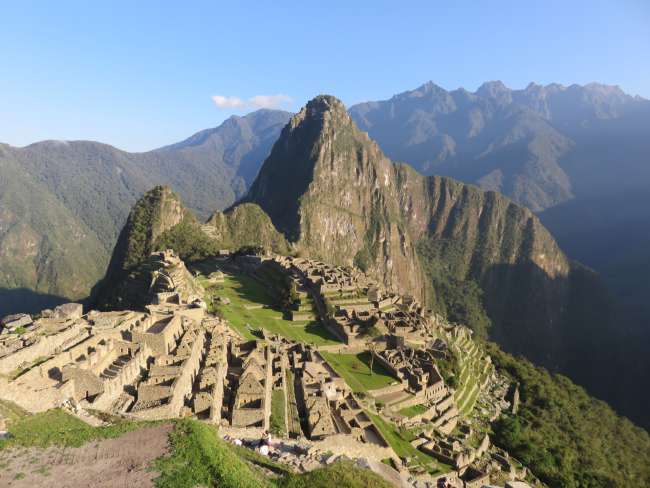
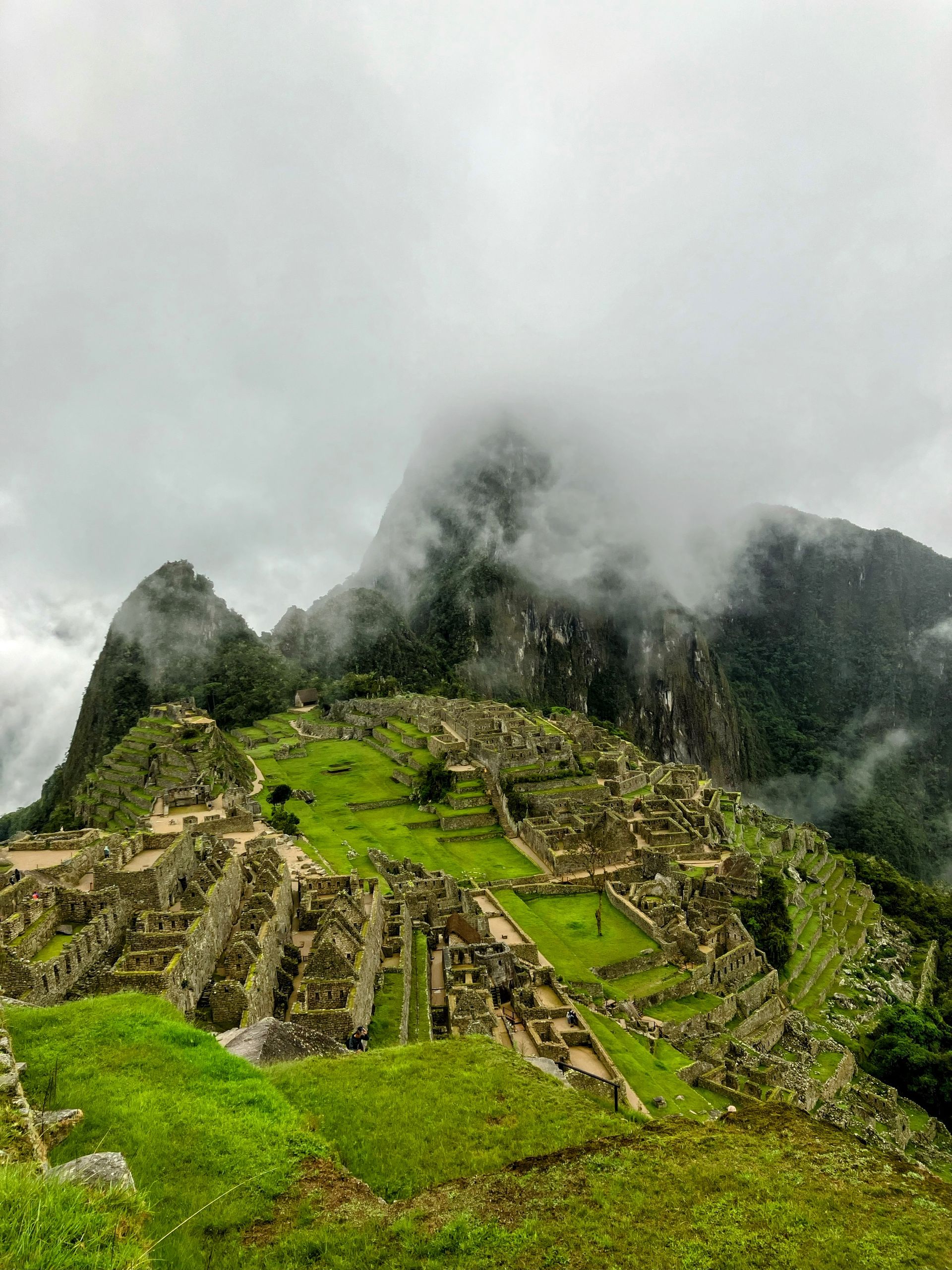
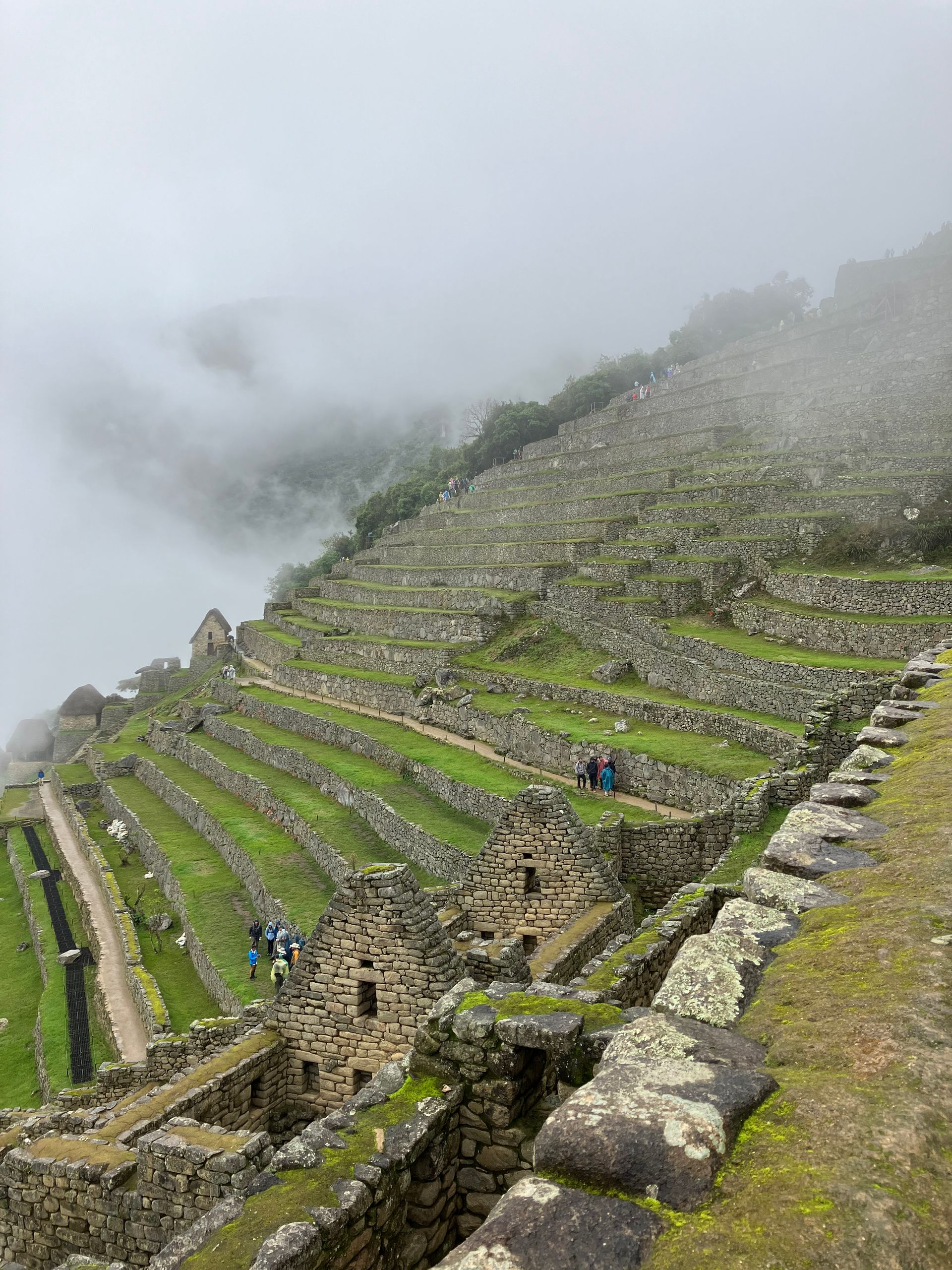
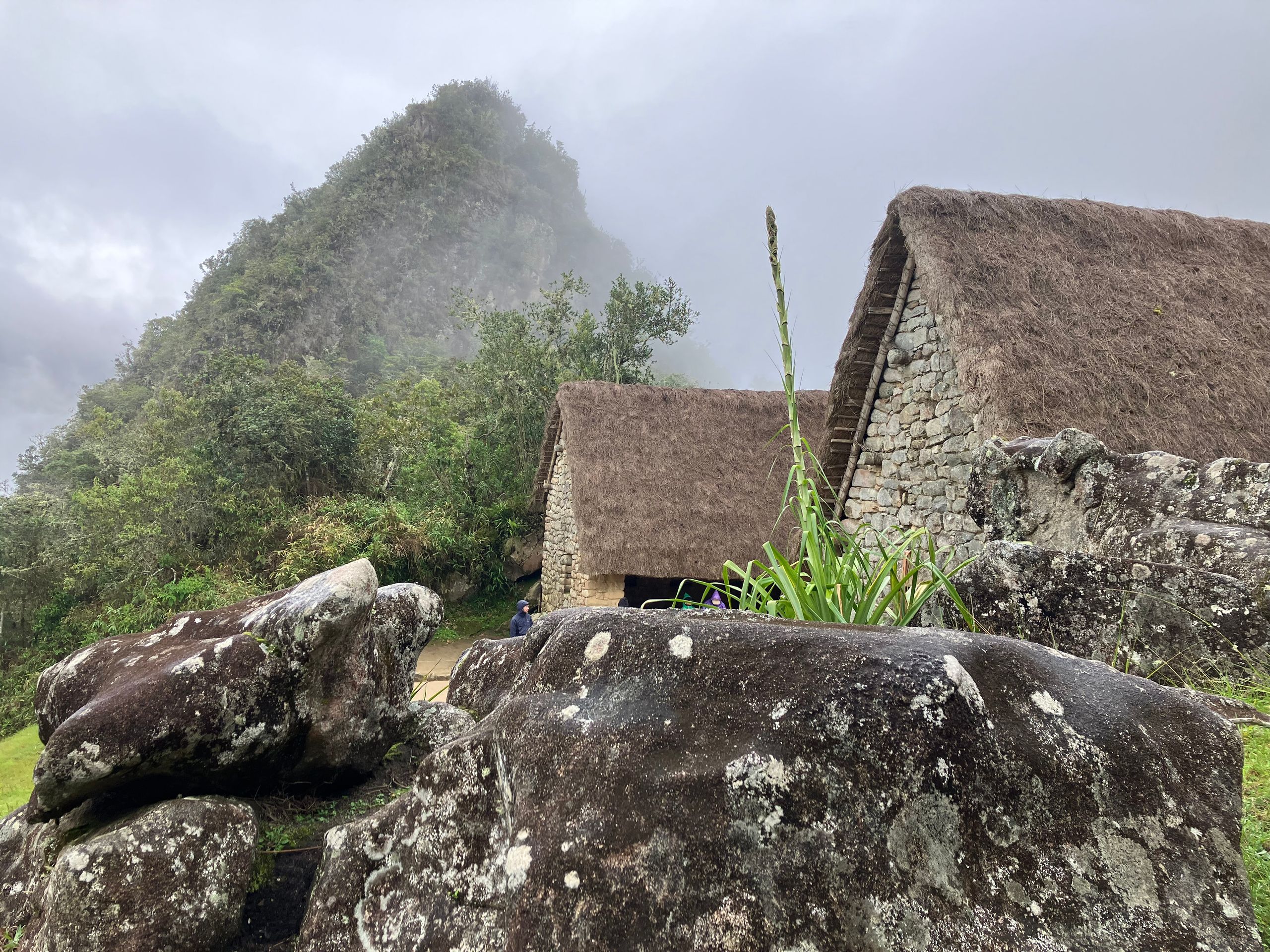
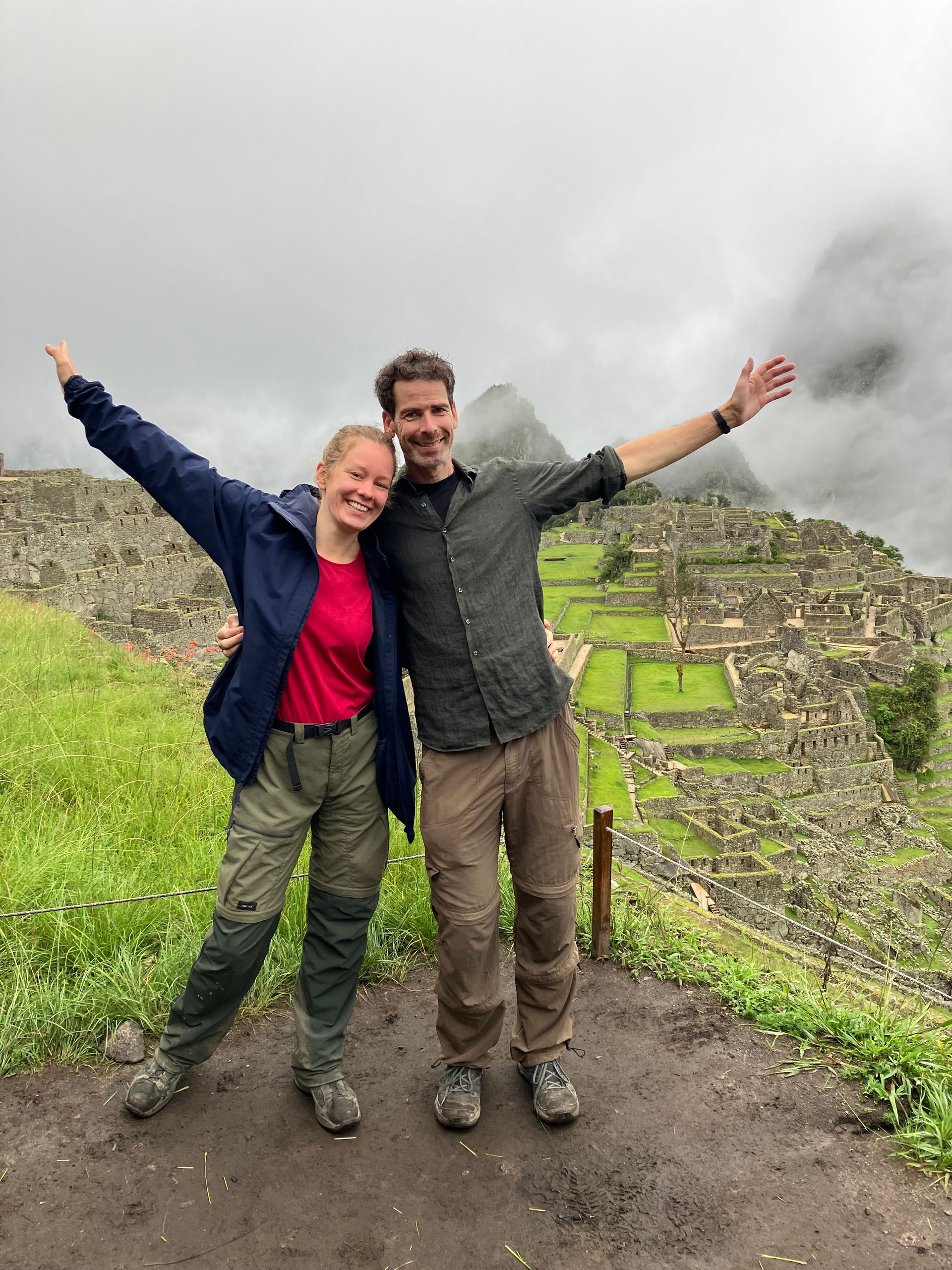
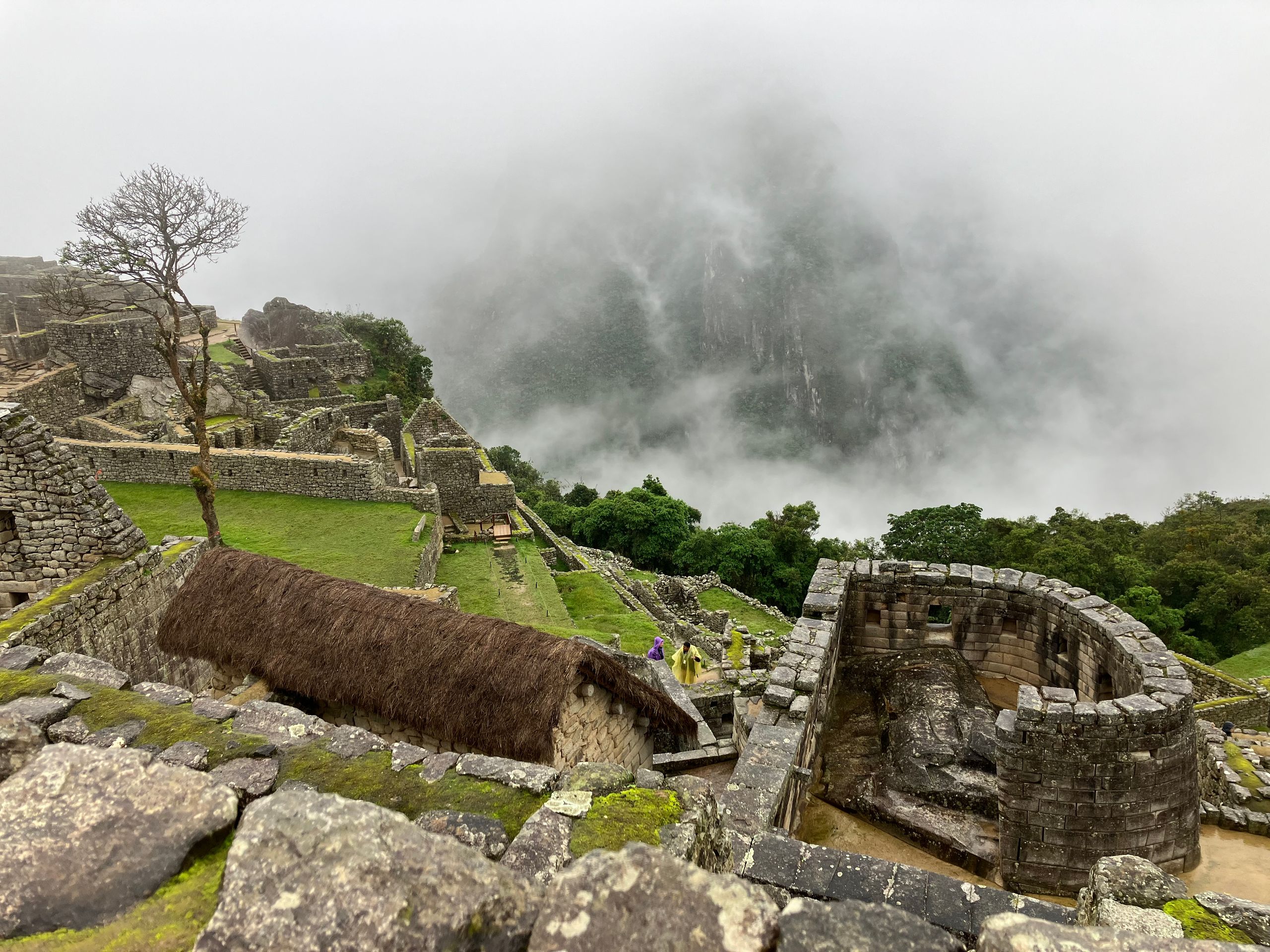
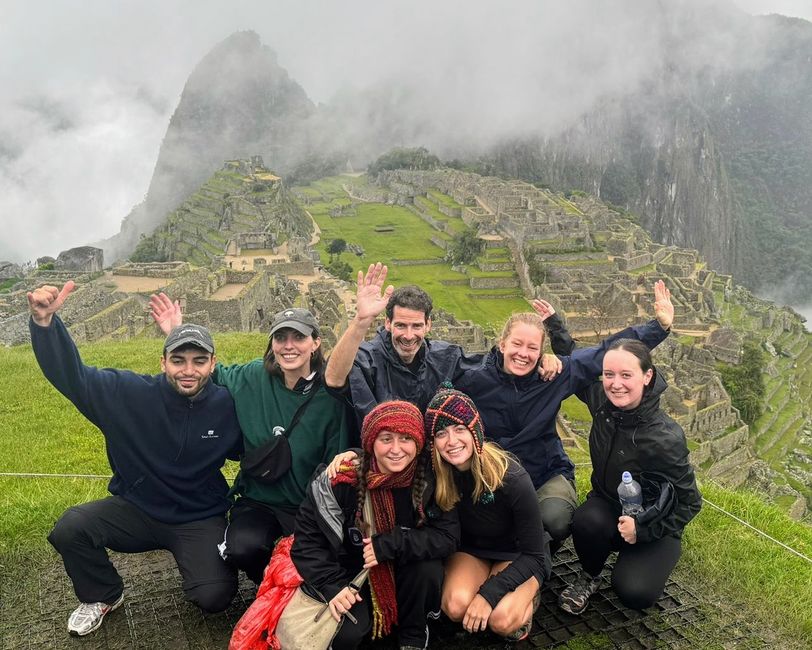
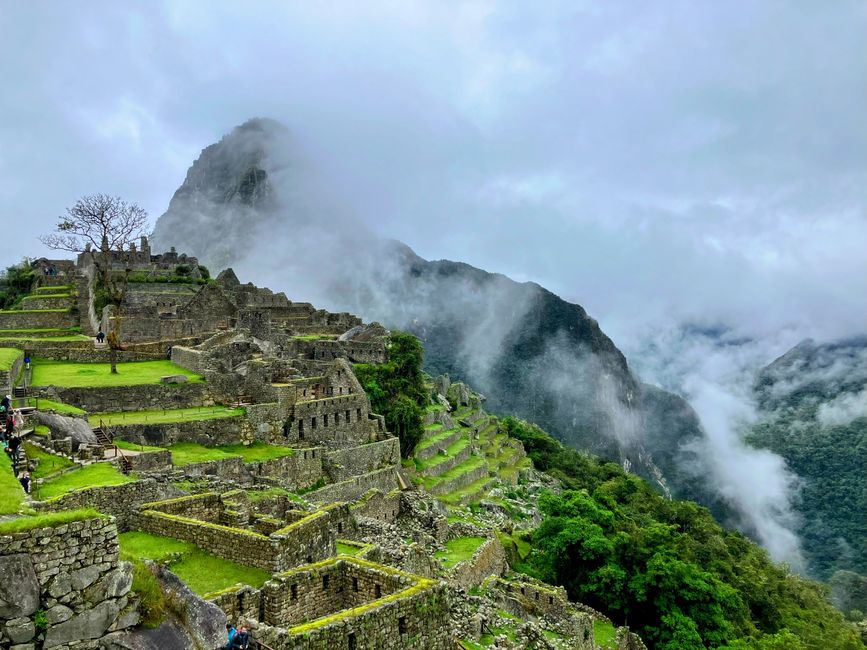
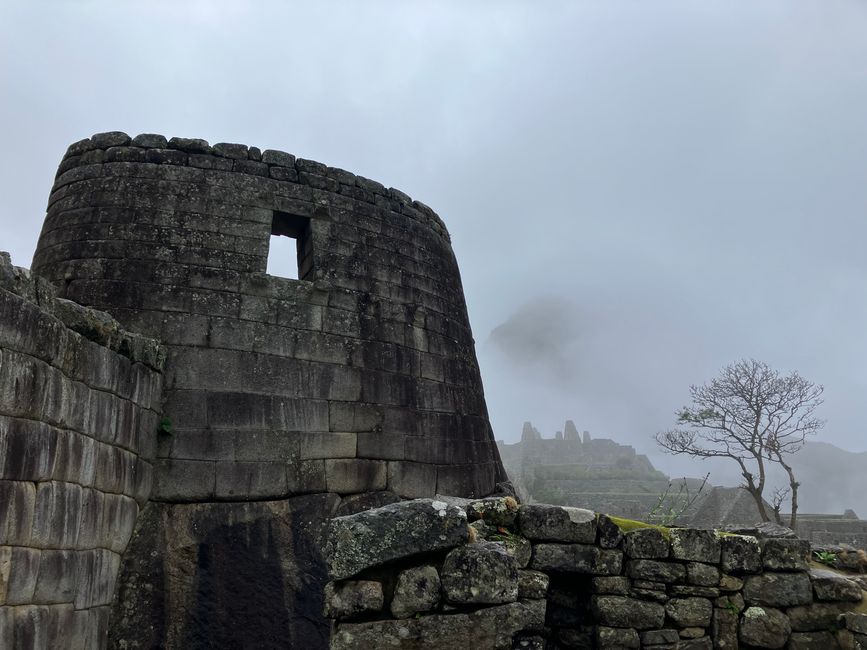
Shortly after 6 AM, we are among the first visitors at the entrance - the site is still empty. Despite the cold weather and fog, we are able to catch some great views of the ruins of Machu Picchu.
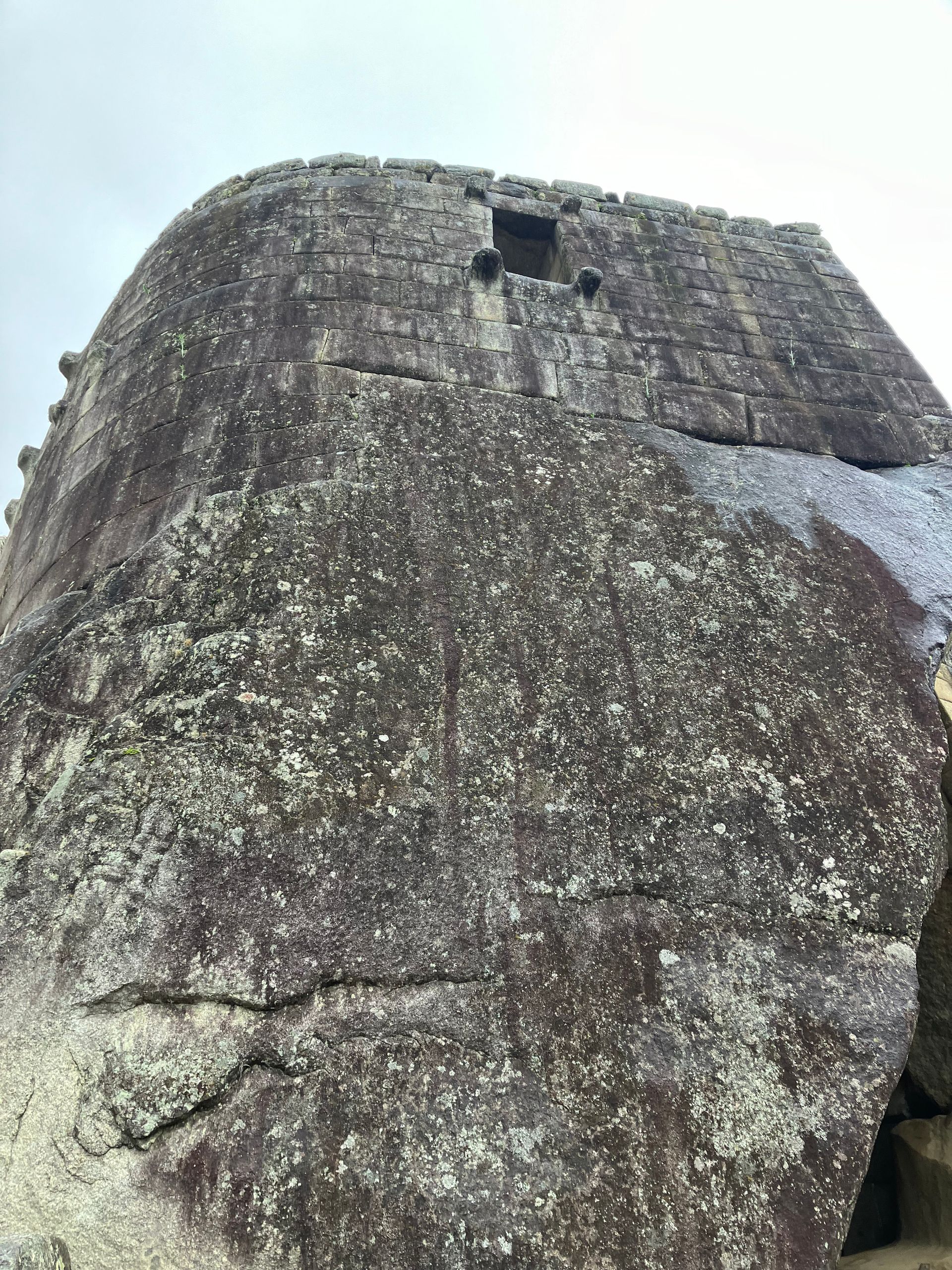
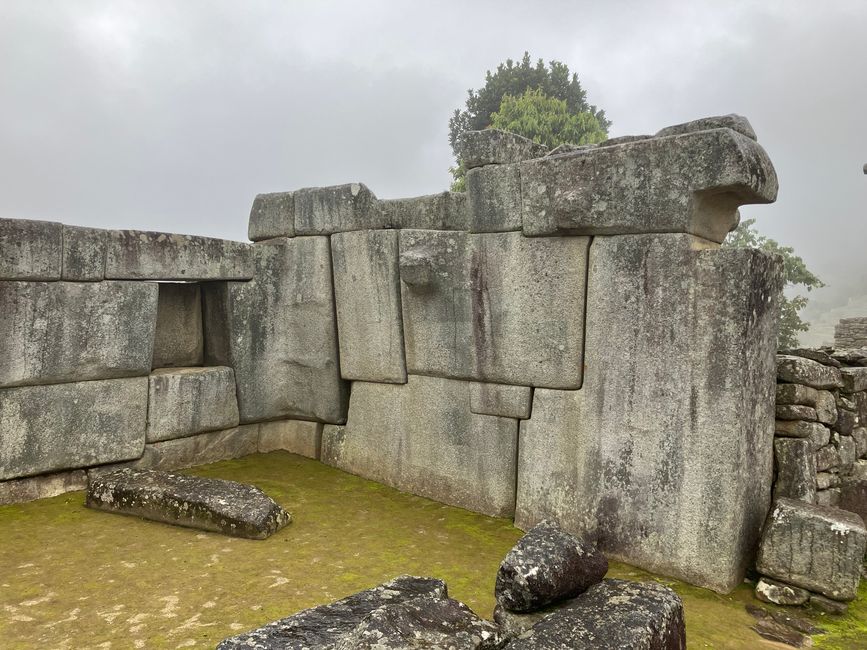
Many questions remain unanswered: When was Machu Picchu built? How was the site used exactly? How were the heavy stones worked and seamlessly stacked at 2400 m?
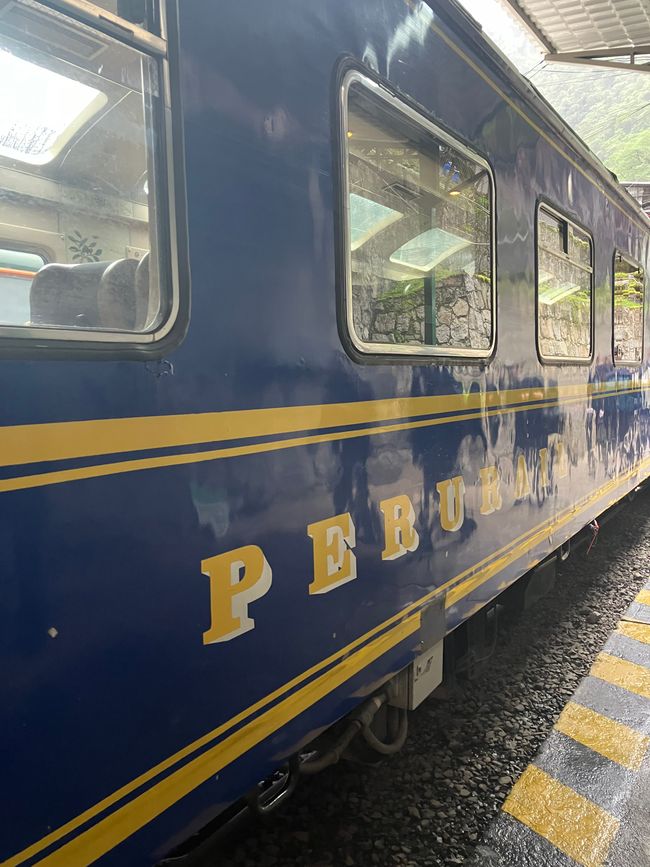
Still half asleep, we take the train back towards Cusco through the Sacred Valley.