
Nella valle sacra
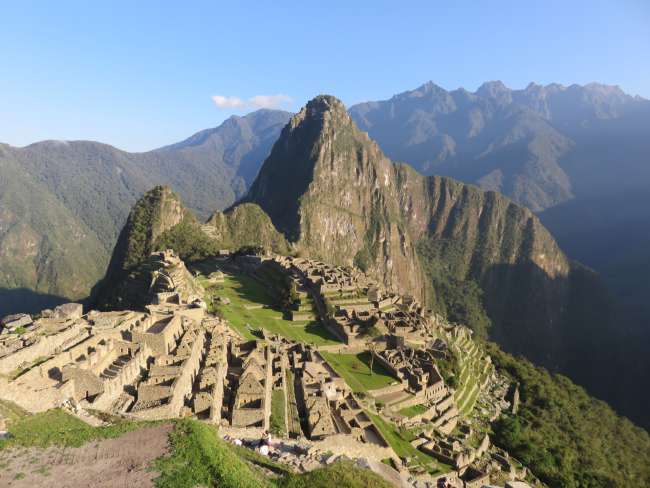
Partendo da Cusco, trascorreremo 3 giorni nella valle sacra degli Inca: qui, oltre al famoso Machu Picchu, ci sono molti altri luoghi sacri da visitare. Evitiamo il classico...

Pubblicato: 09.01.2025
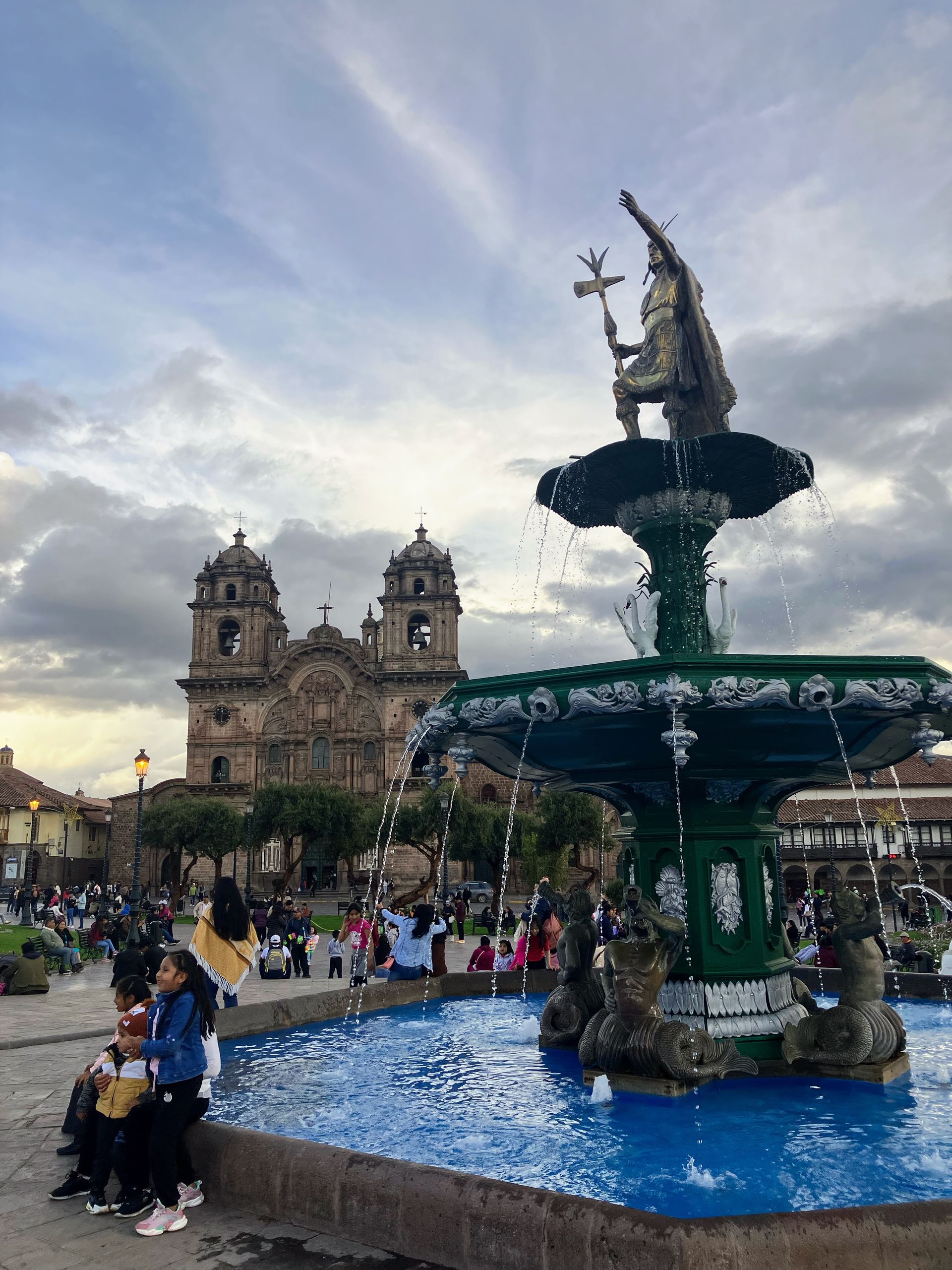
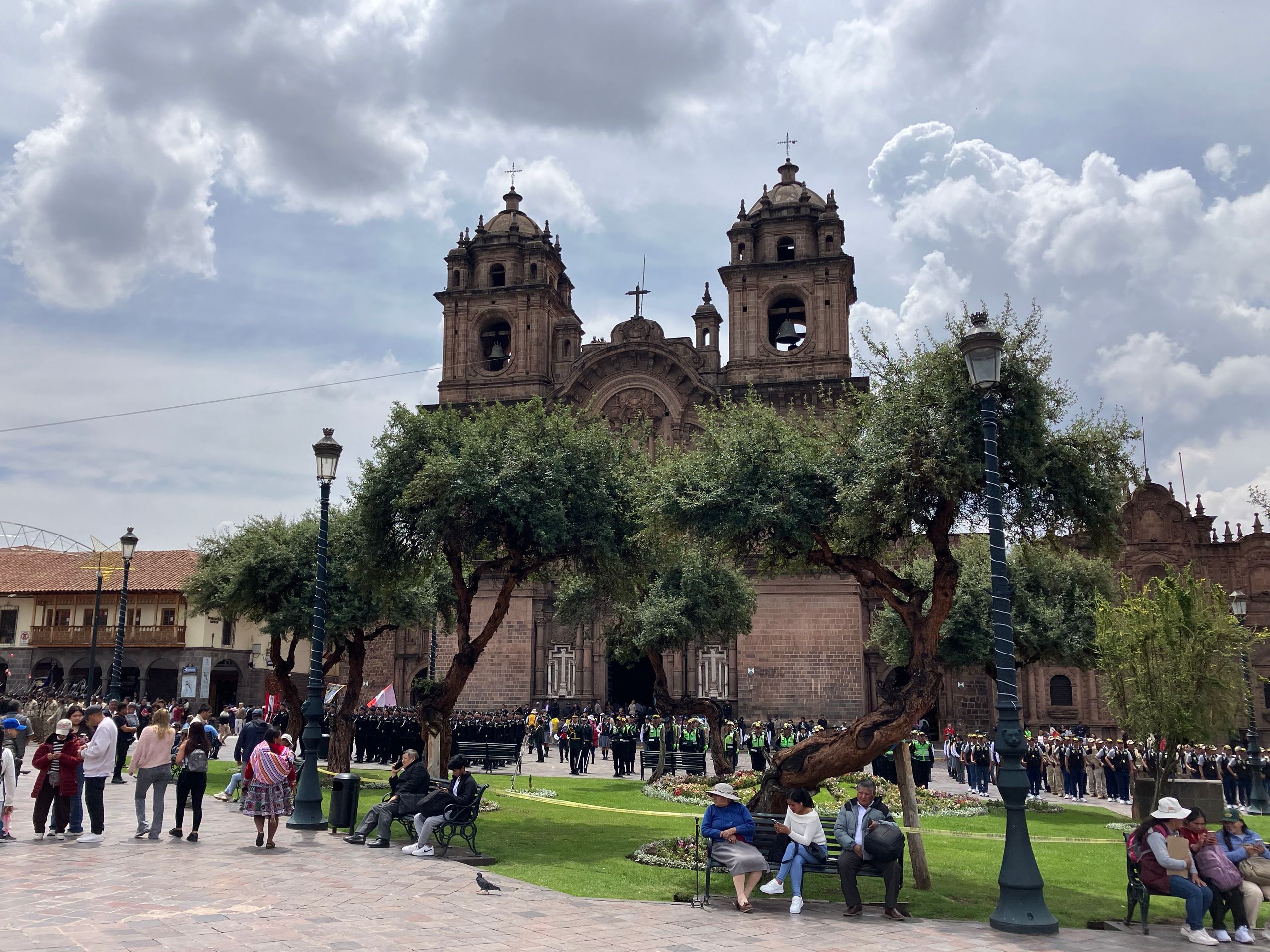
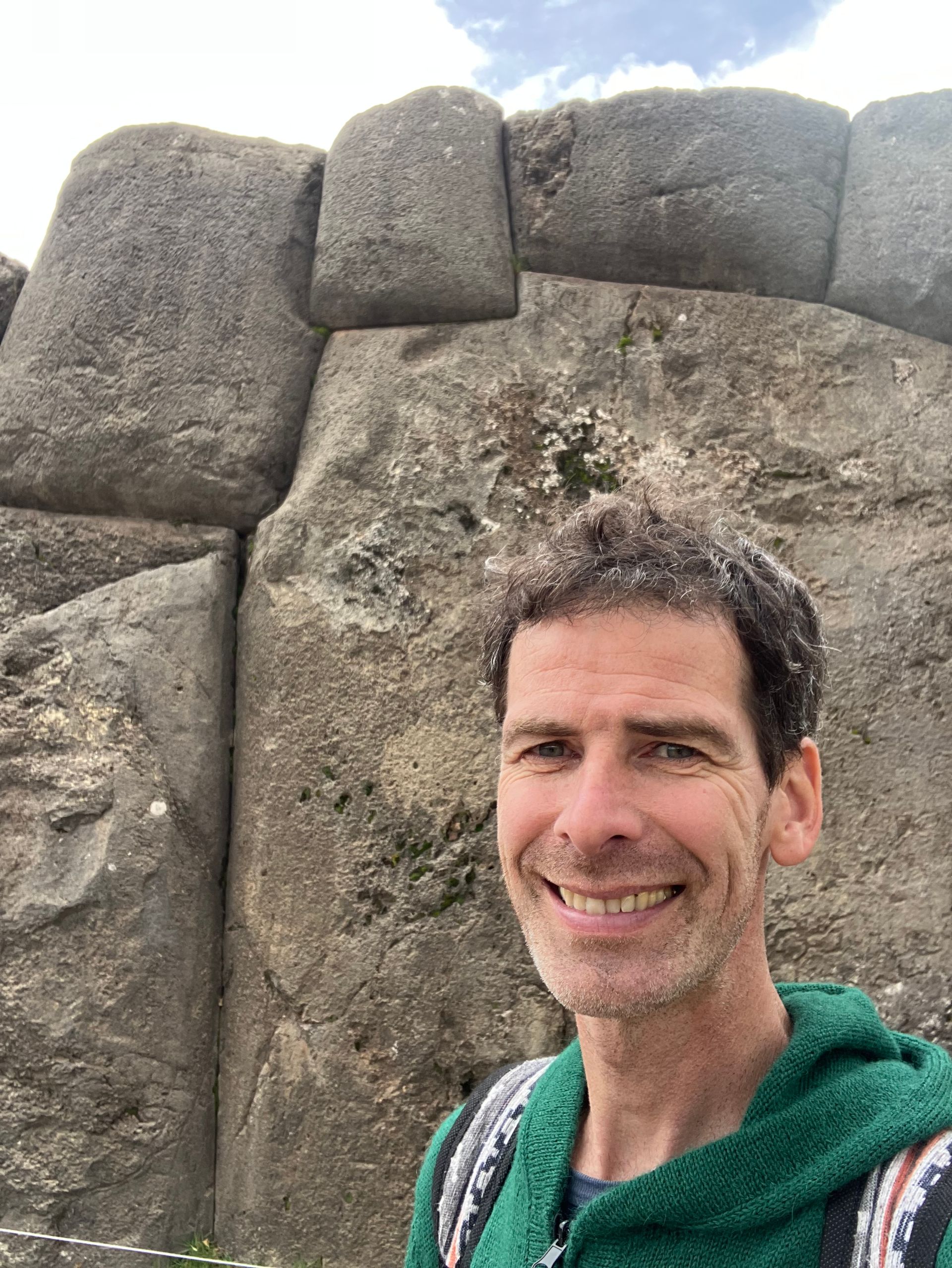
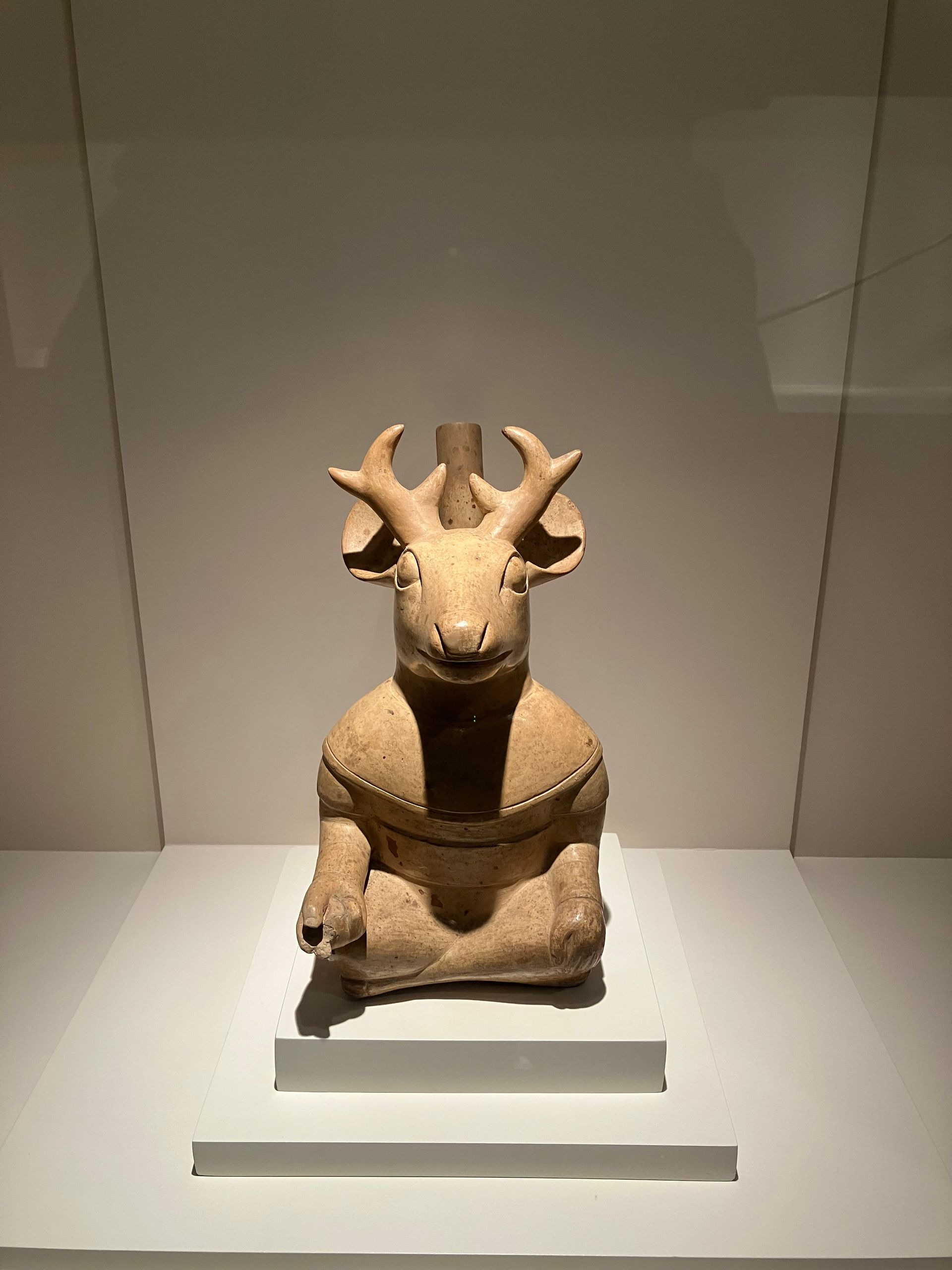
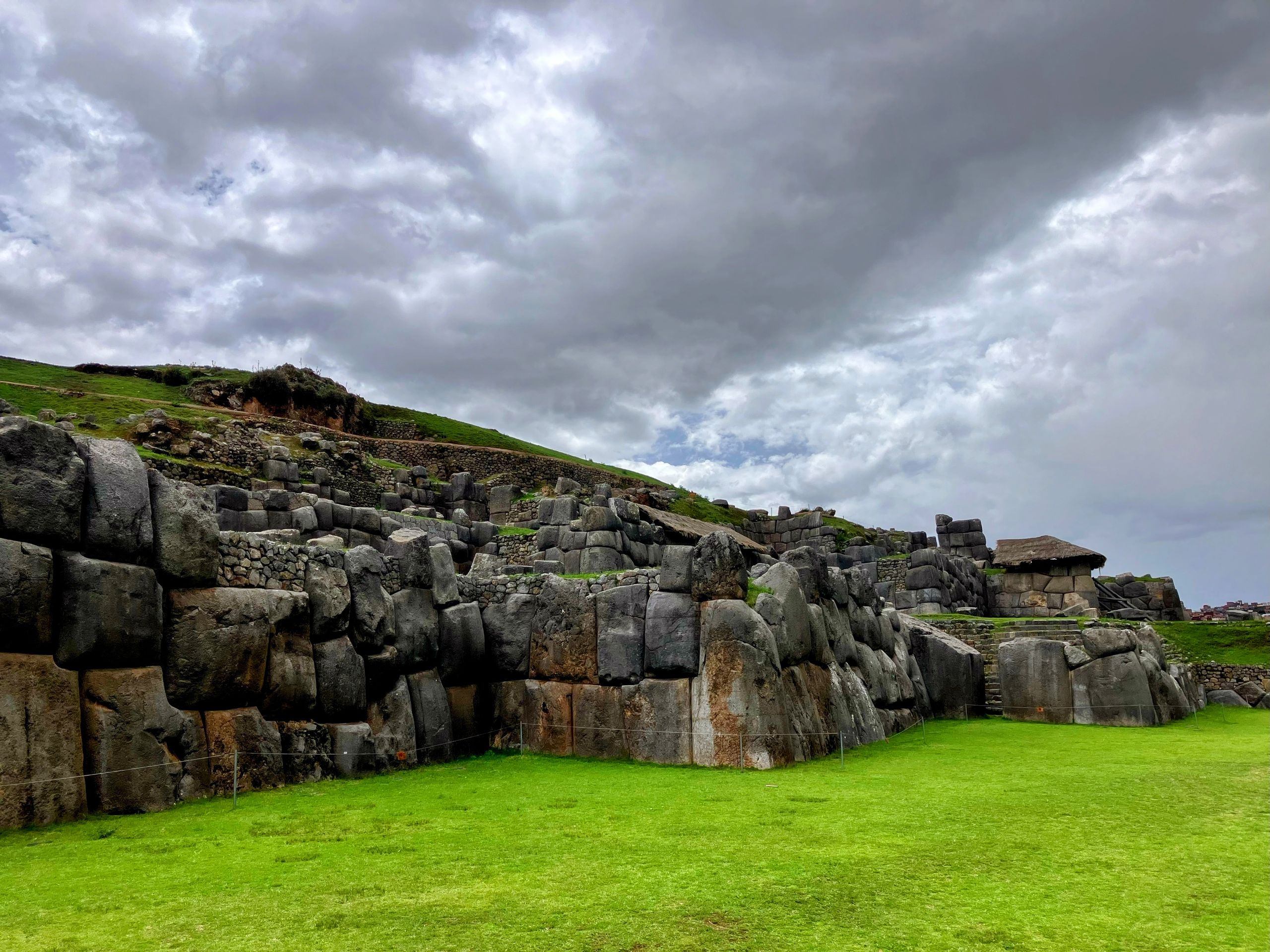
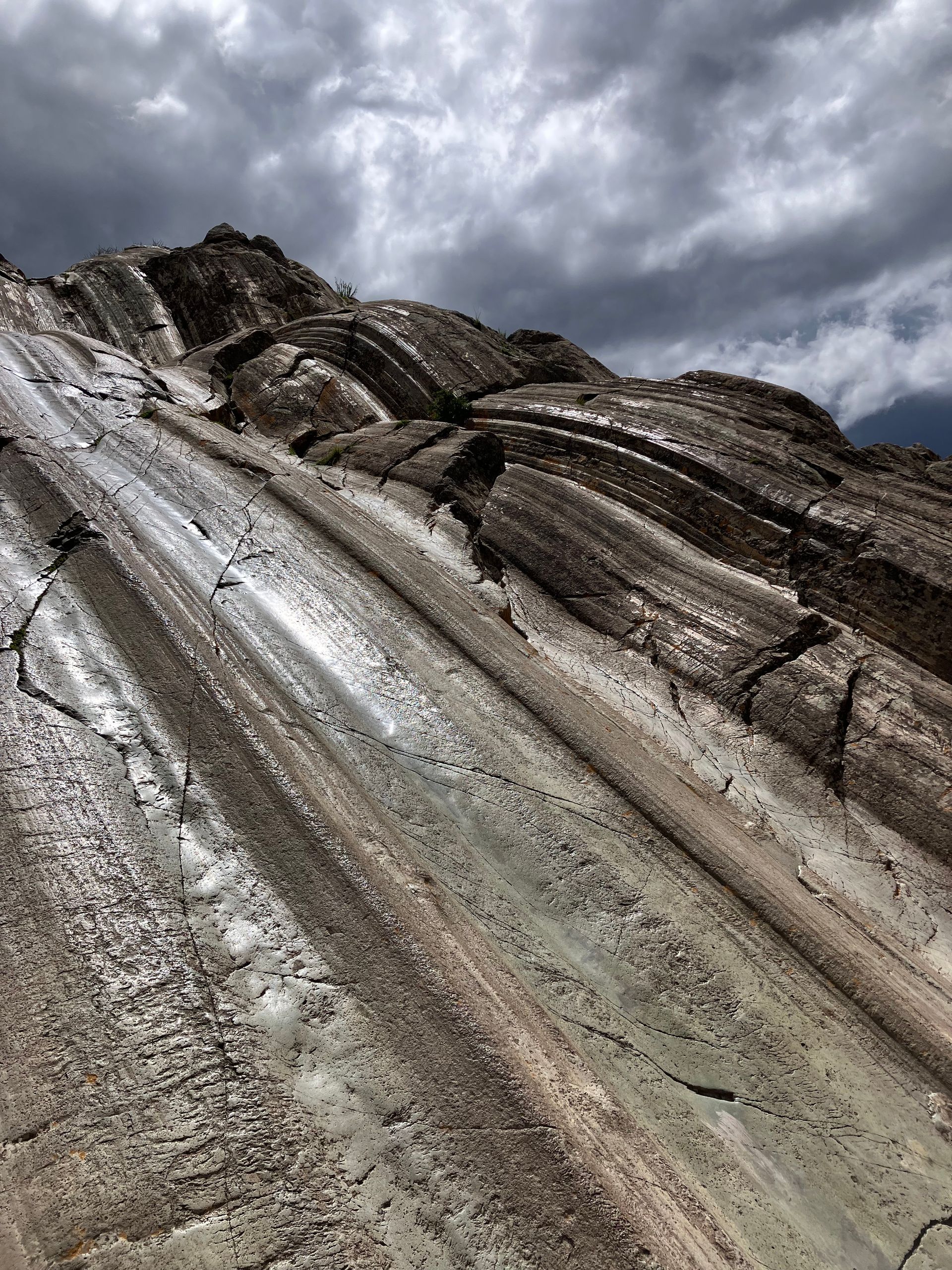
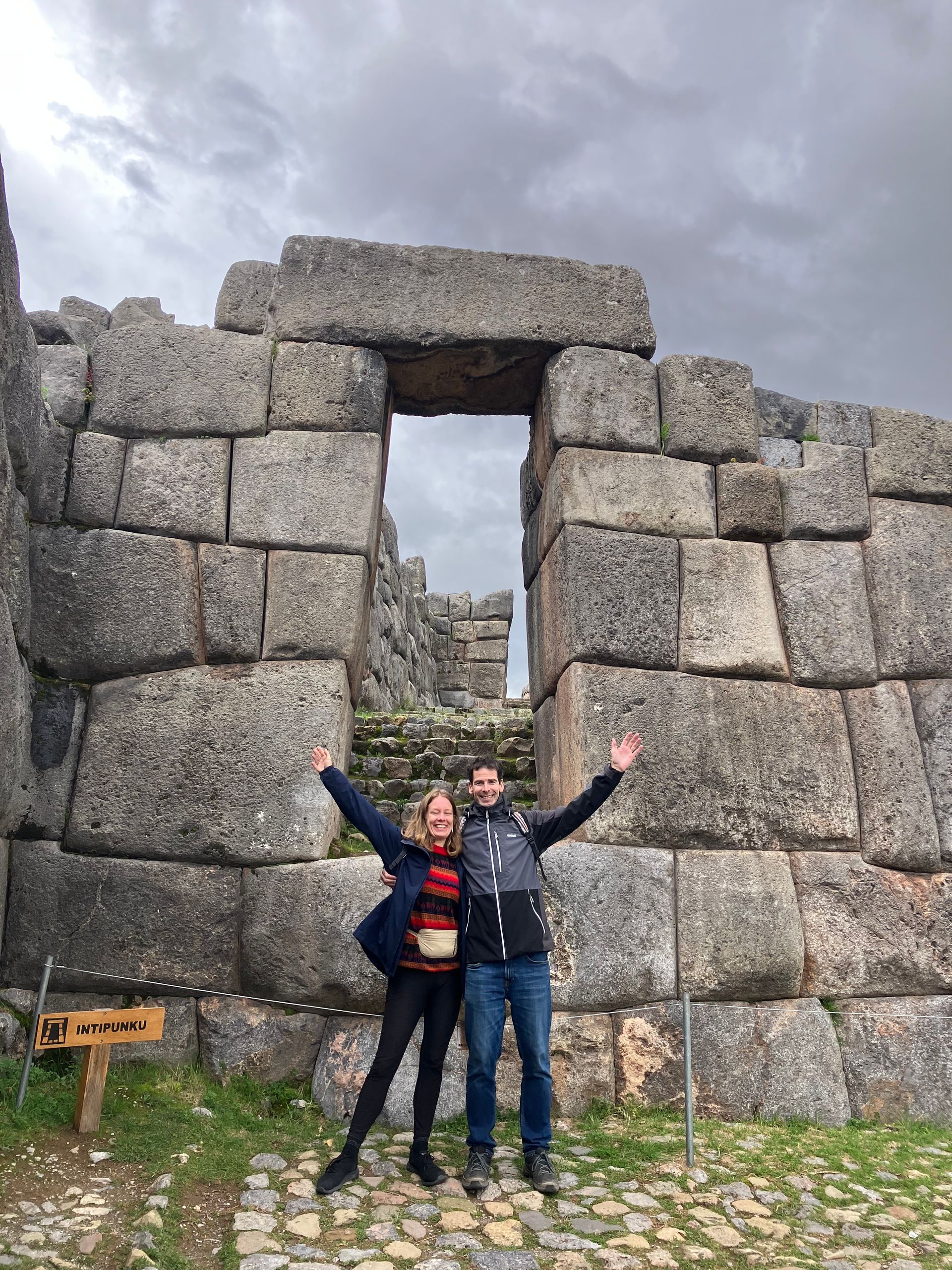
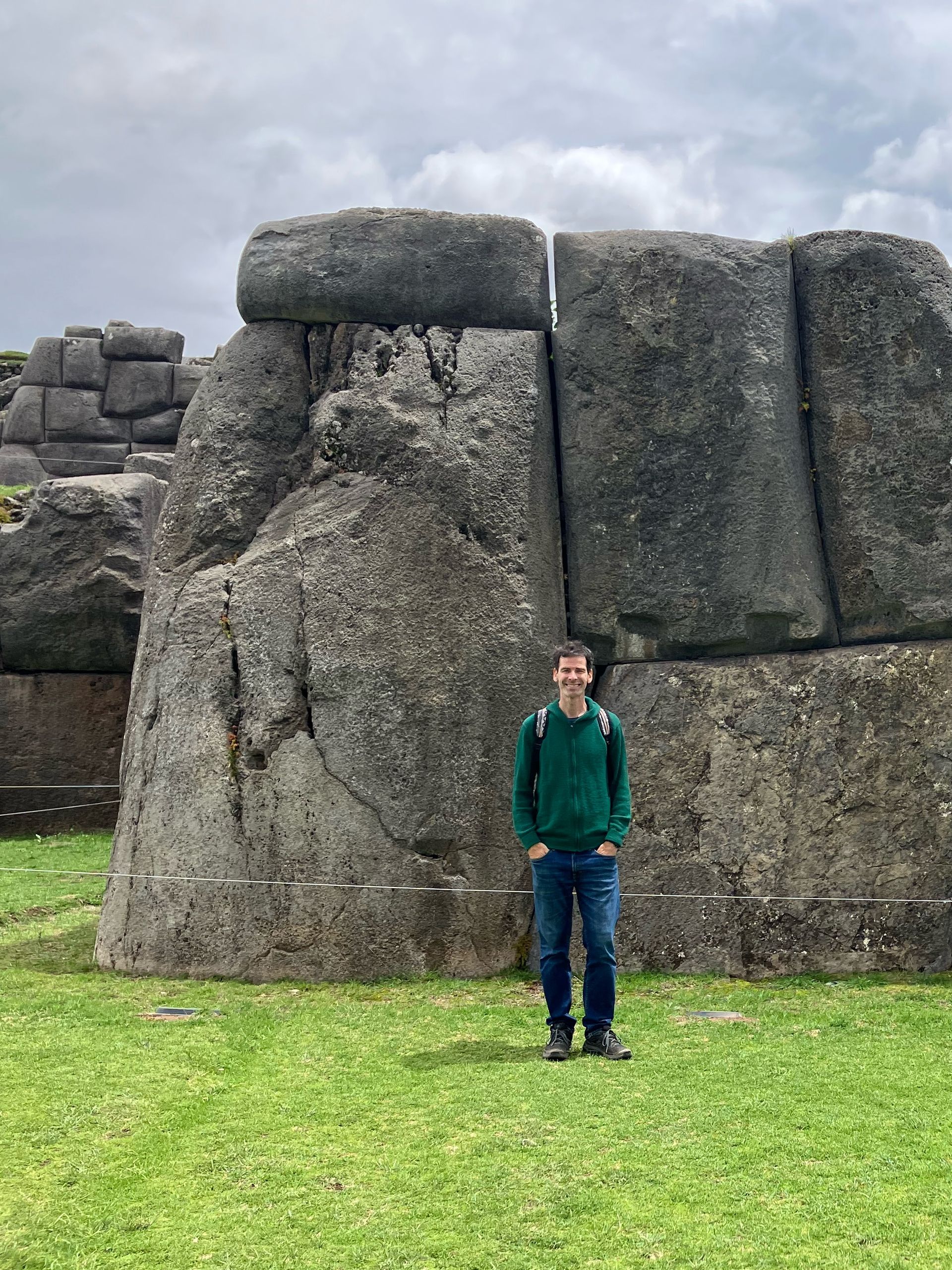
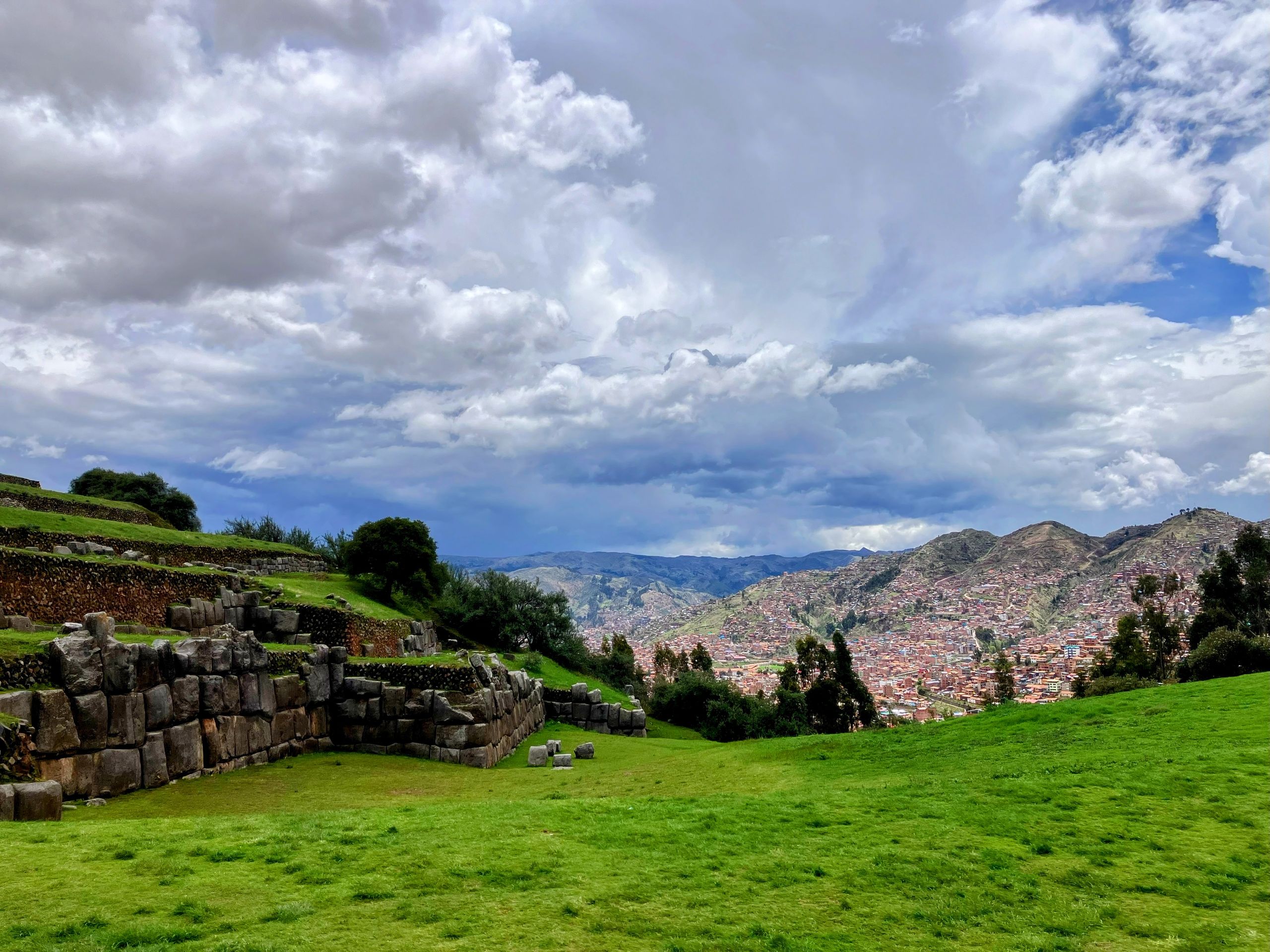
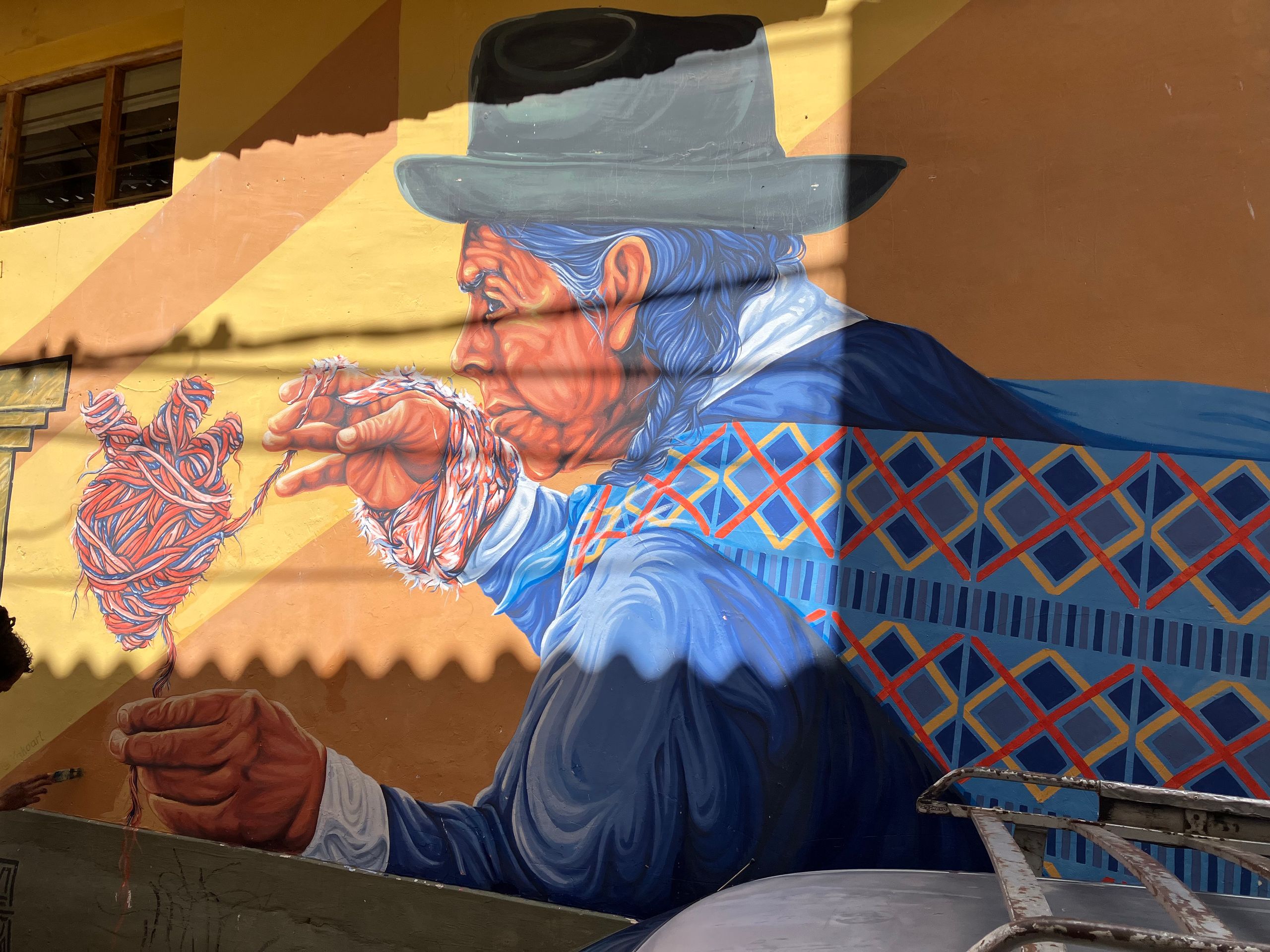
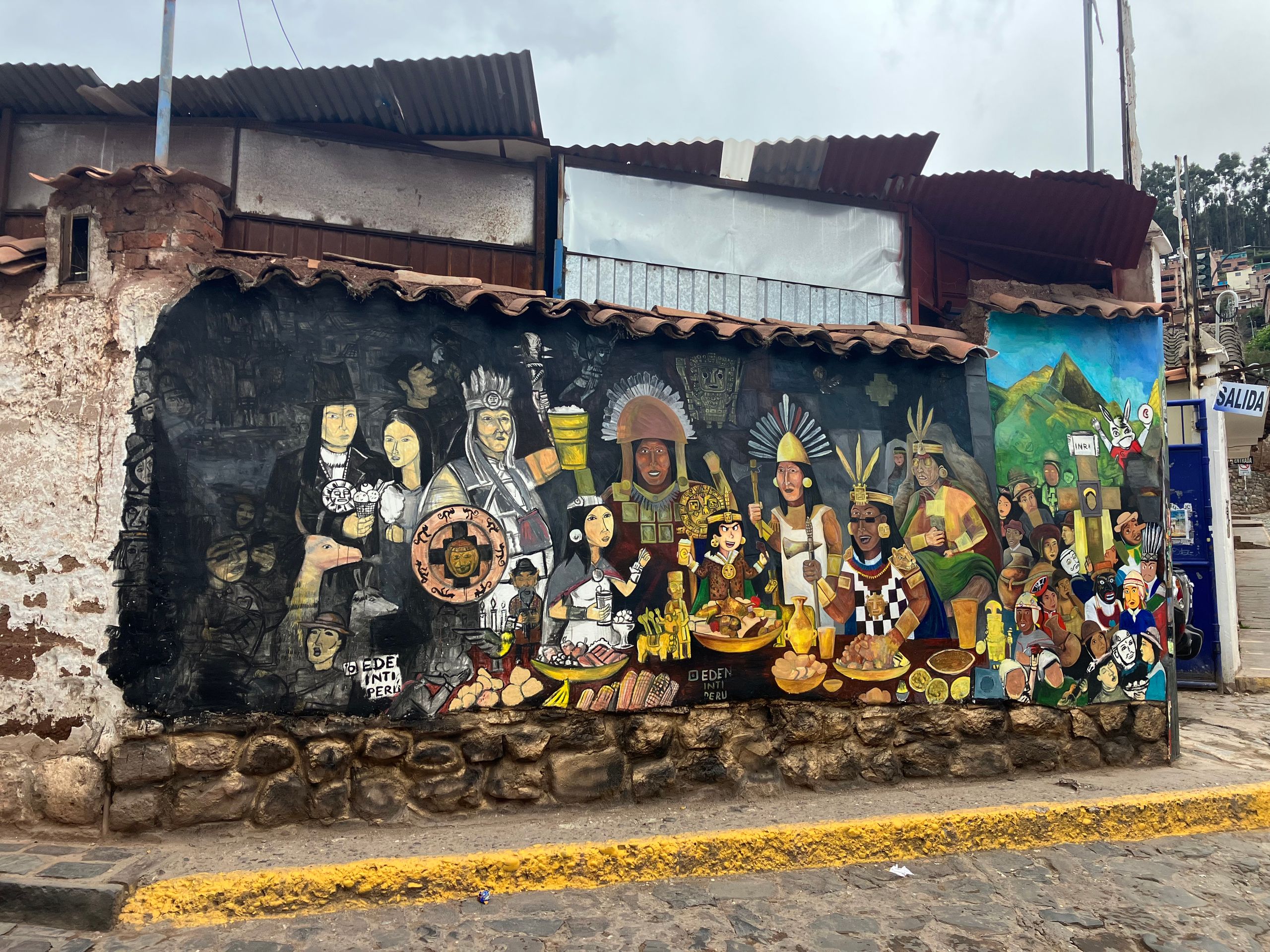

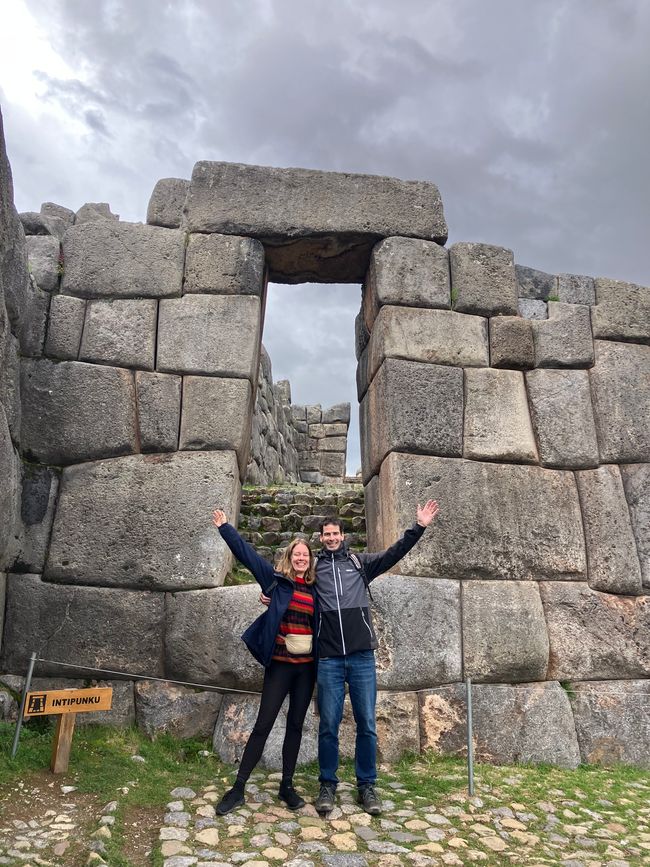
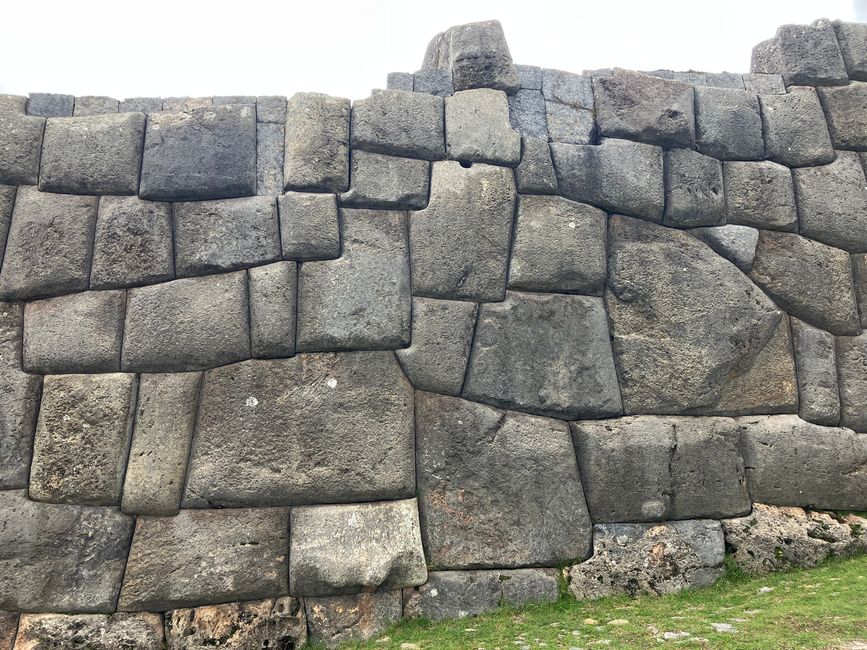
The surroundings of Cusco are sprinkled with countless, very impressive temple ruins from the Inca period. A feat was accomplished in shaping the stones so that they fit together perfectly without joints. To this day, it is still not entirely clear how the sometimes ton-weight stones were transported and stacked on top of each other!
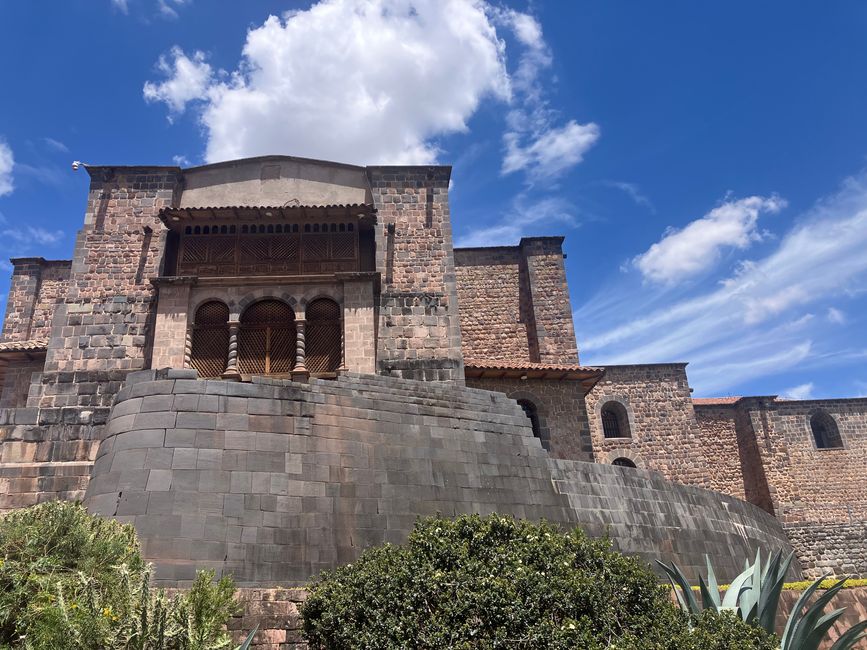
The Inca sanctuaries were decorated with vast amounts of gold and silver. This is what the Spaniards coveted, who occupied the Inca Empire in the 16th century and initiated its decline. Most of the structures were destroyed. In Cusco itself, the largest sanctuary, the Temple of the Sun, was built over with a church. It was lined with pure gold and was also plundered by the Spaniards.
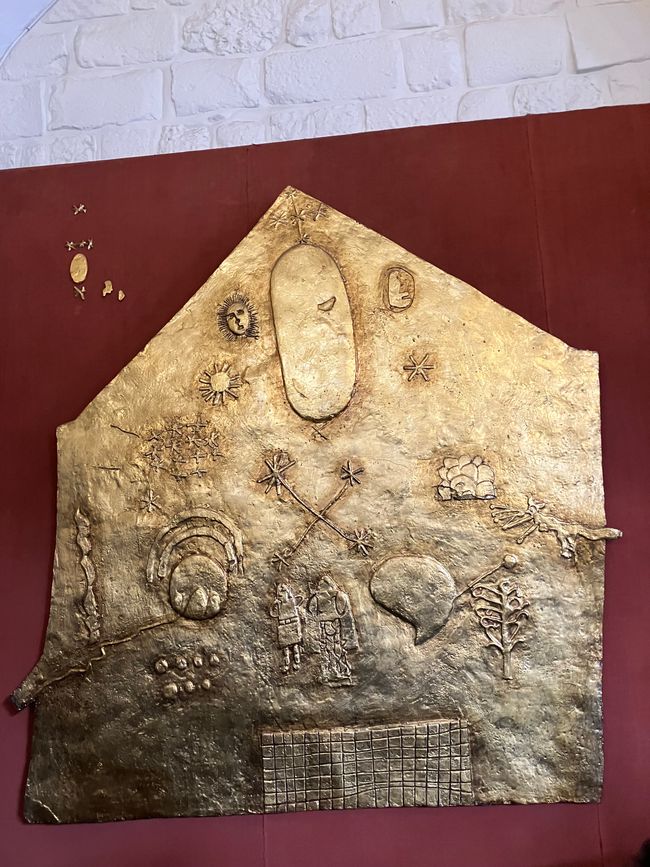
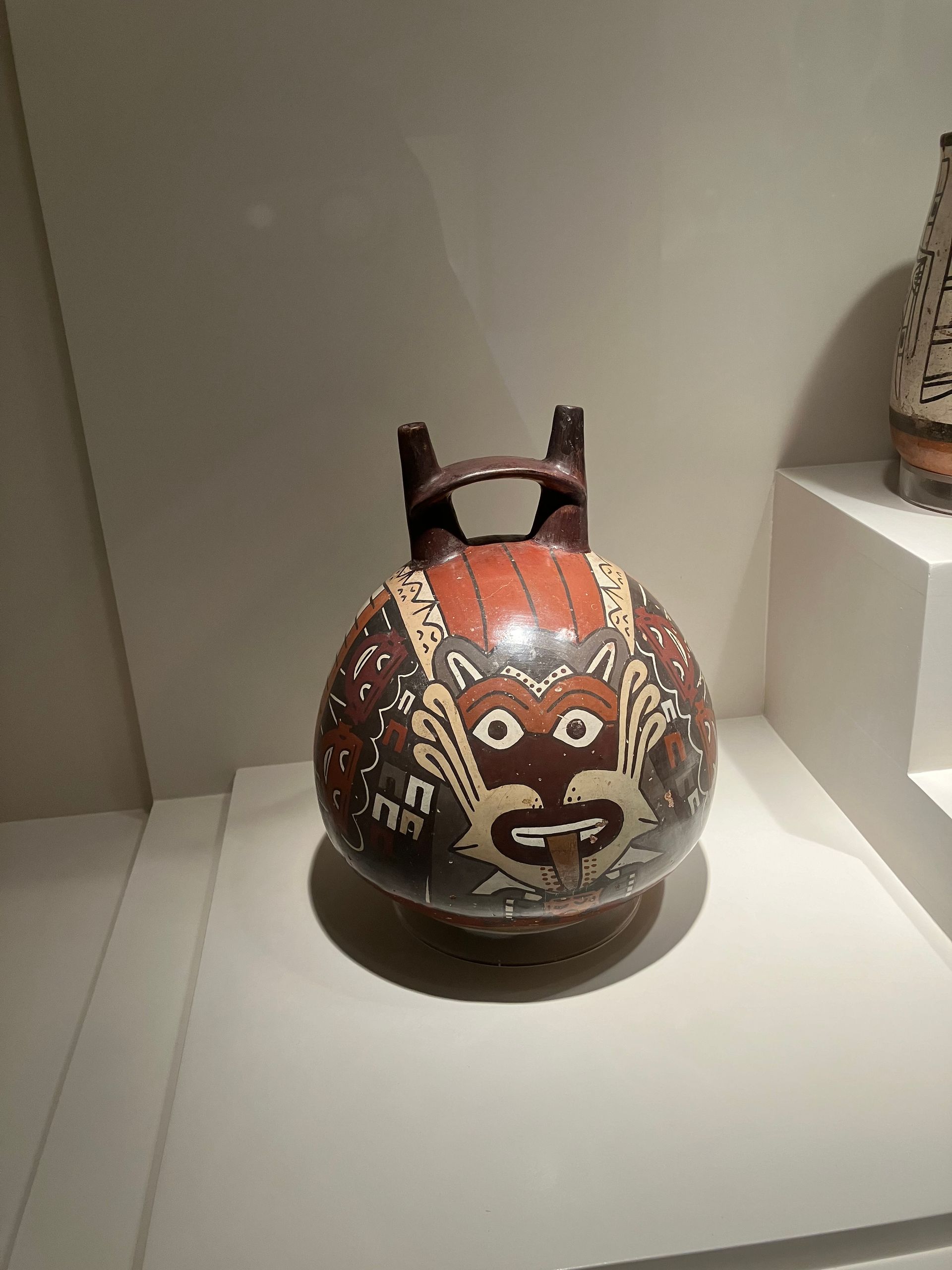
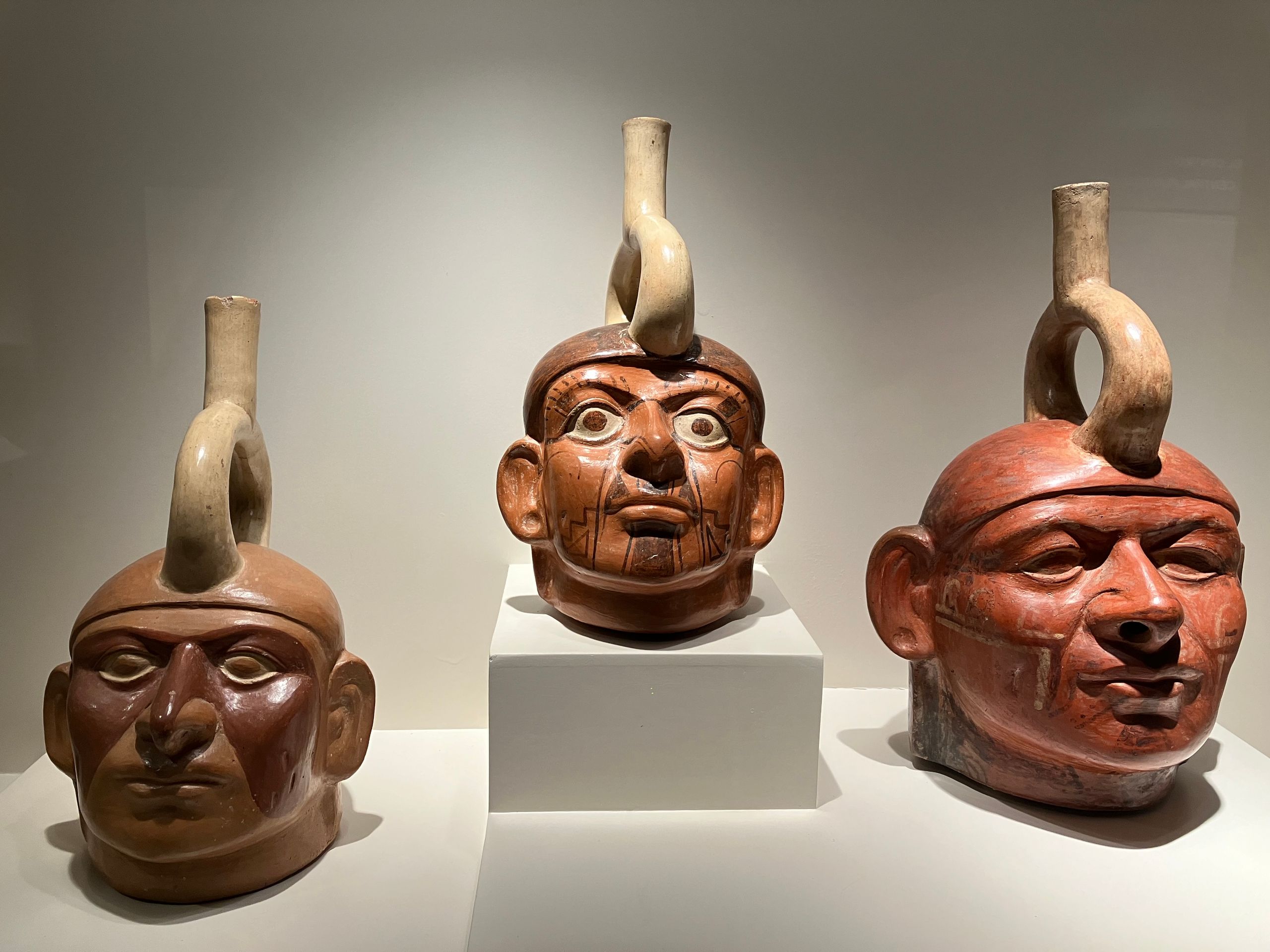
In the city's museums, we learn more details about the fascinating life of the Inca! But many facts about Inca life are still unknown today, as they did not have their own writing system (but did have a knot system to document the transport of goods). We mainly know how the Incas lived back then from reports by the Spaniards. These sources should, of course, be viewed with caution!
However, it is clear: The Inca believed in various gods connected to the earth, nature, and the stars. The world was divided into three levels: the condor represented the sky, the puma the earth, and the snake the world of the dead.
In addition to animal sacrifices, there were also human sacrifices, although these occurred relatively rarely. In times of great trouble, such as famines or upon the death of a ruler, the Inca wanted to appease their gods. Especially children around the age of 10 were considered pure and were to establish a connection to their ancestors by transitioning to the world of the dead.
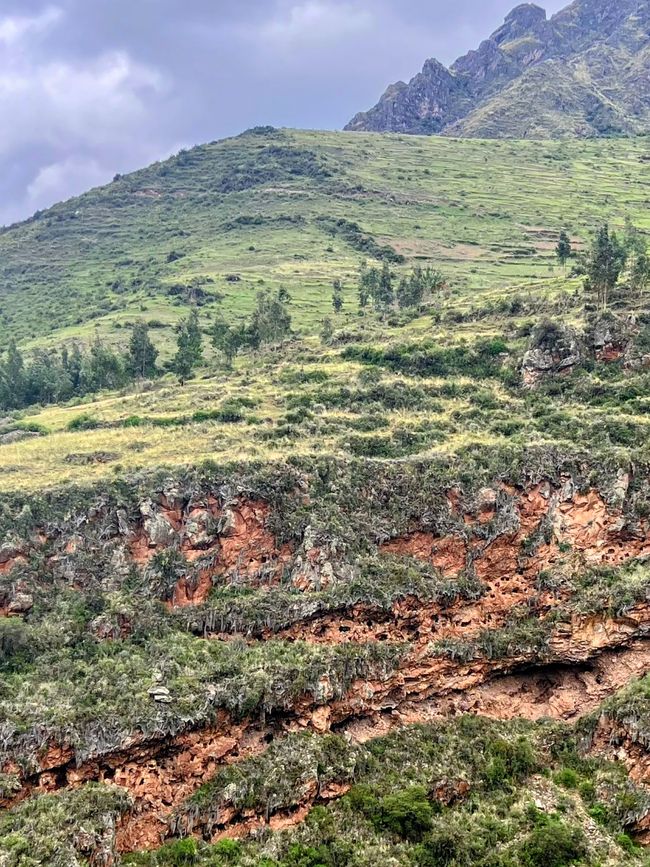
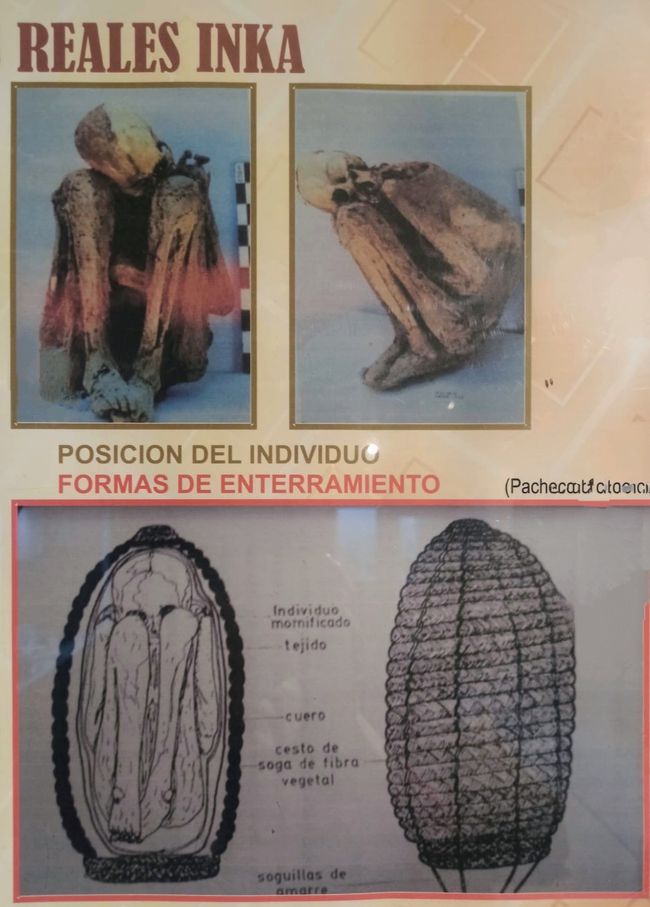
The Inca also had mummies, and many of them! It was customary for the deceased to be mummified. In many locations in the Andes, they were buried in cave graves. According to Inca belief, they continued to live and were therefore regularly provided for with coca leaves and chicha (a type of corn beer). Since valuable offerings like gold were also found in the graves, the Spaniards plundered them, and only a few have survived!
Even today, real mummies can be visited in the Qorikancha Museum in Cusco; they are quite well-preserved.
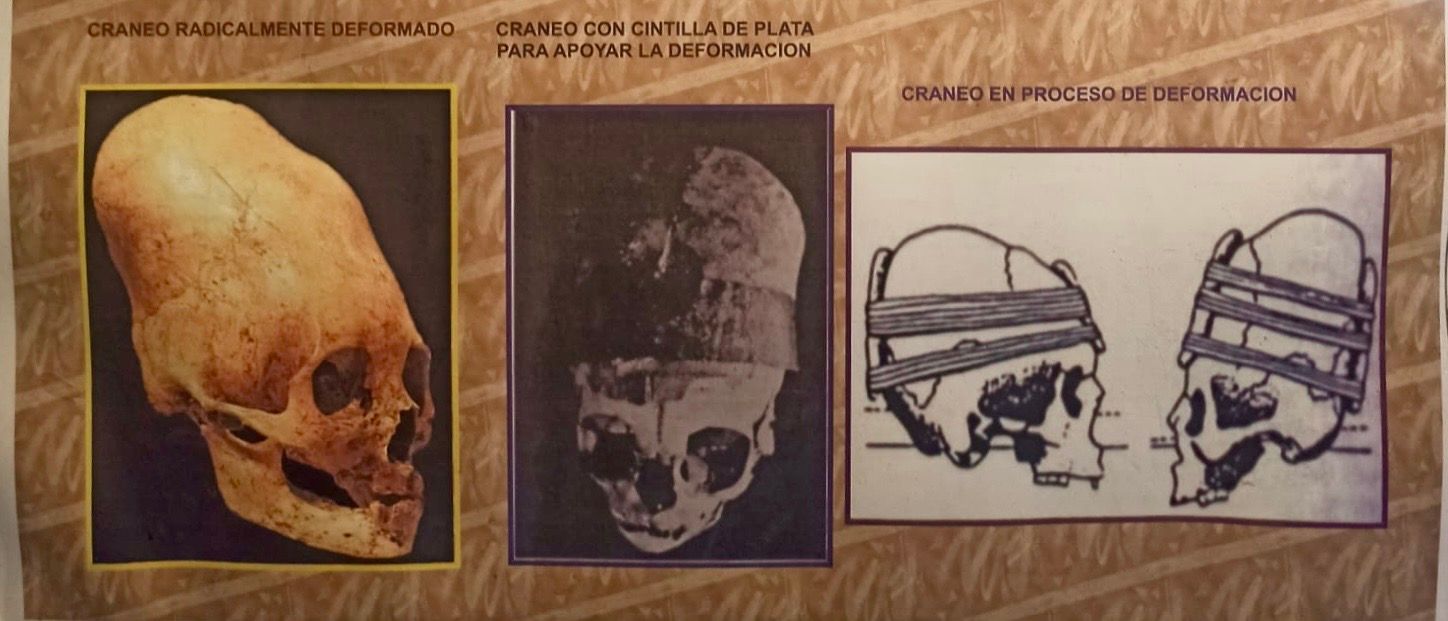
It's also exciting for us that the Inca modified their head shape. During the growth of children, their skulls were shaped using bands into a broader or longer form. This likely marked their social status and was ordered by the rulers to solidify their own power.
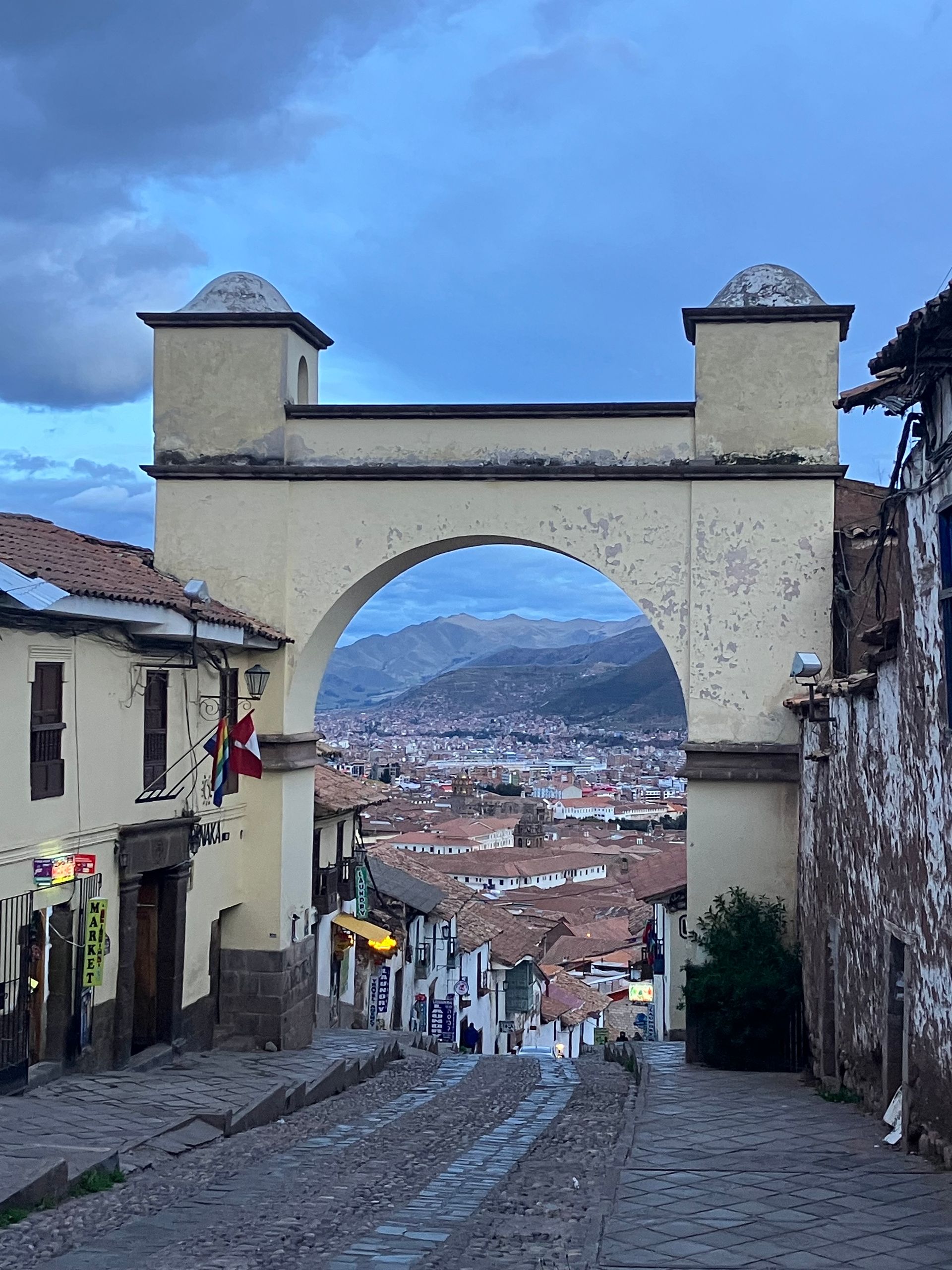
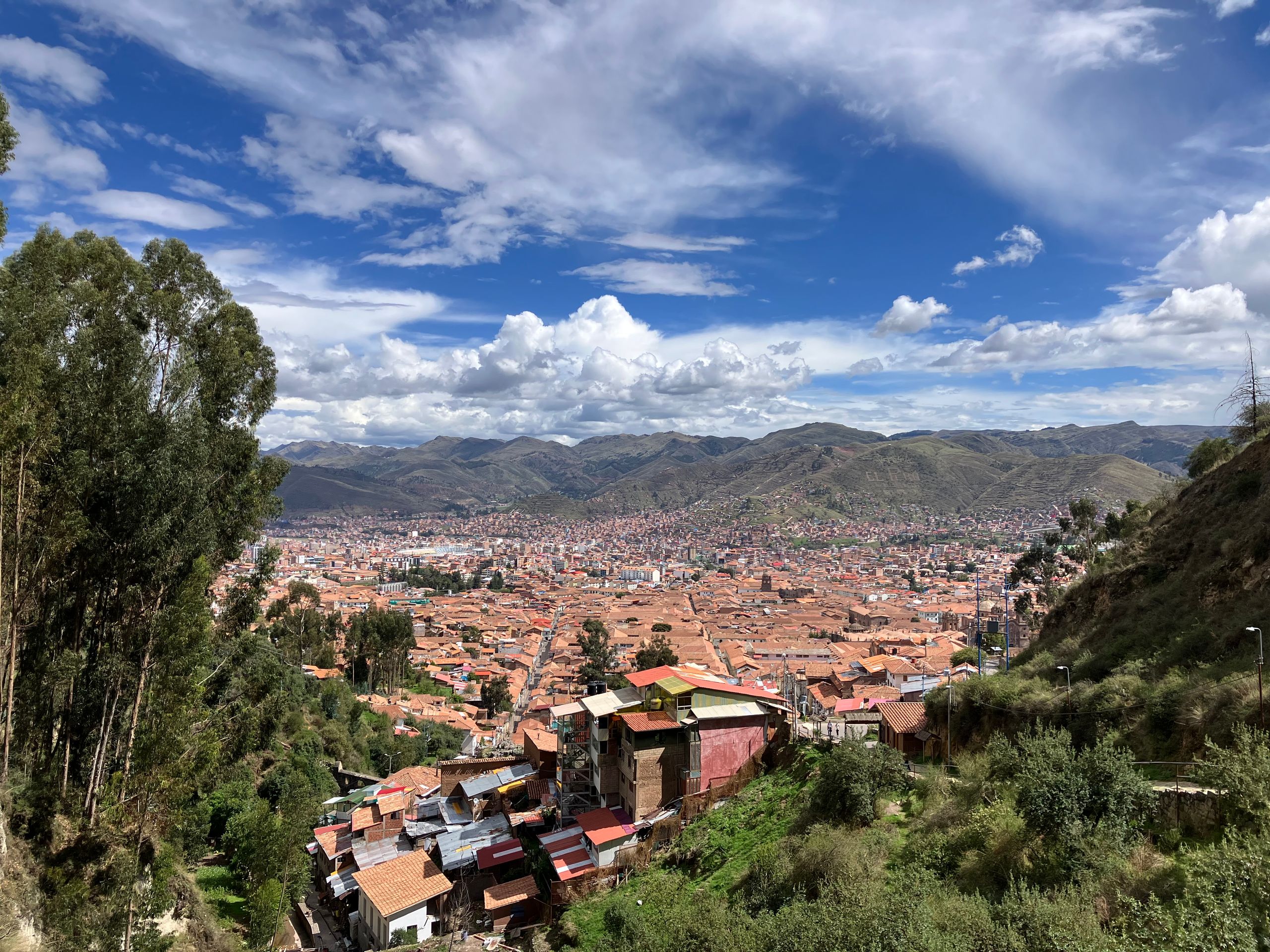
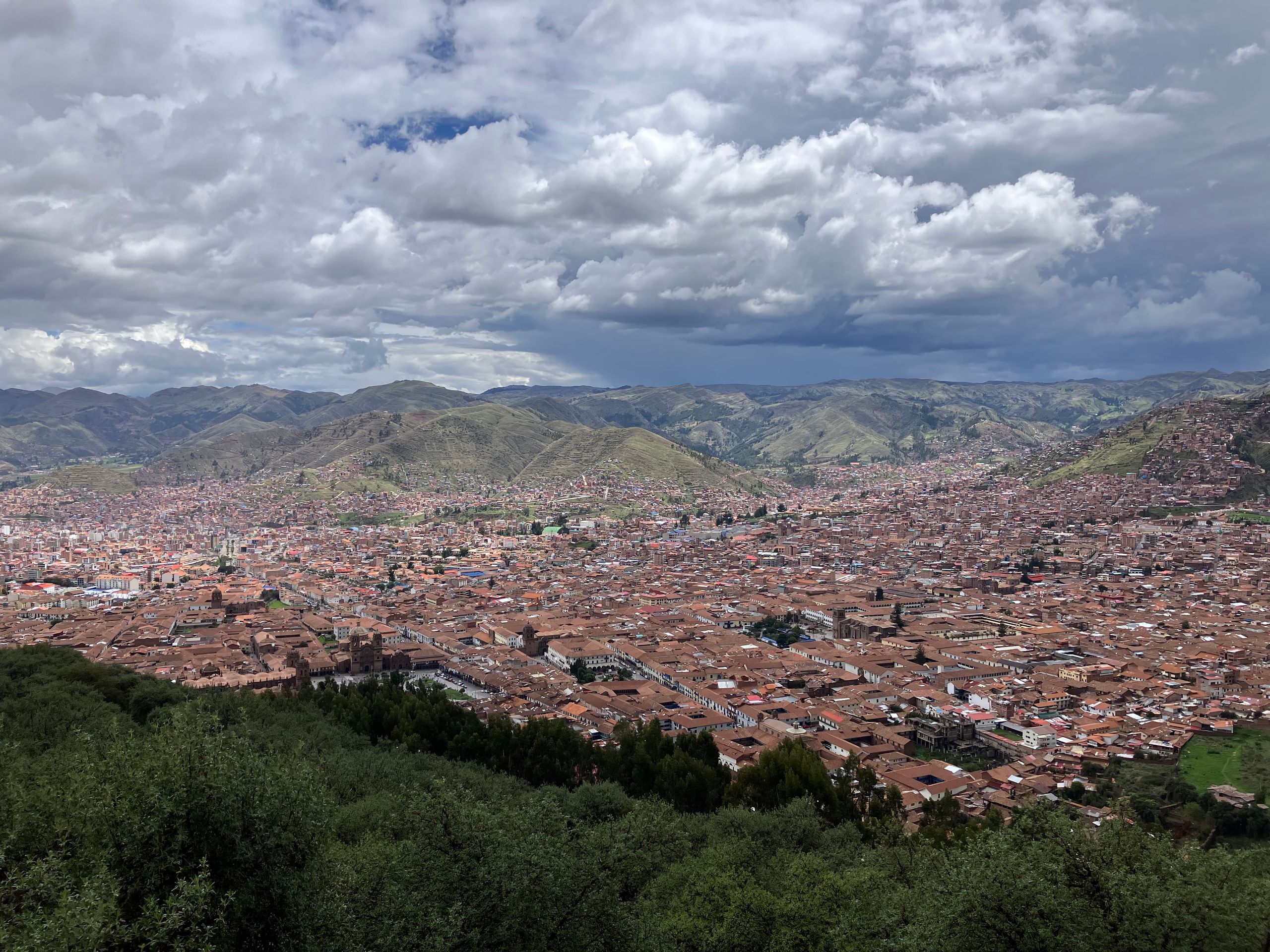
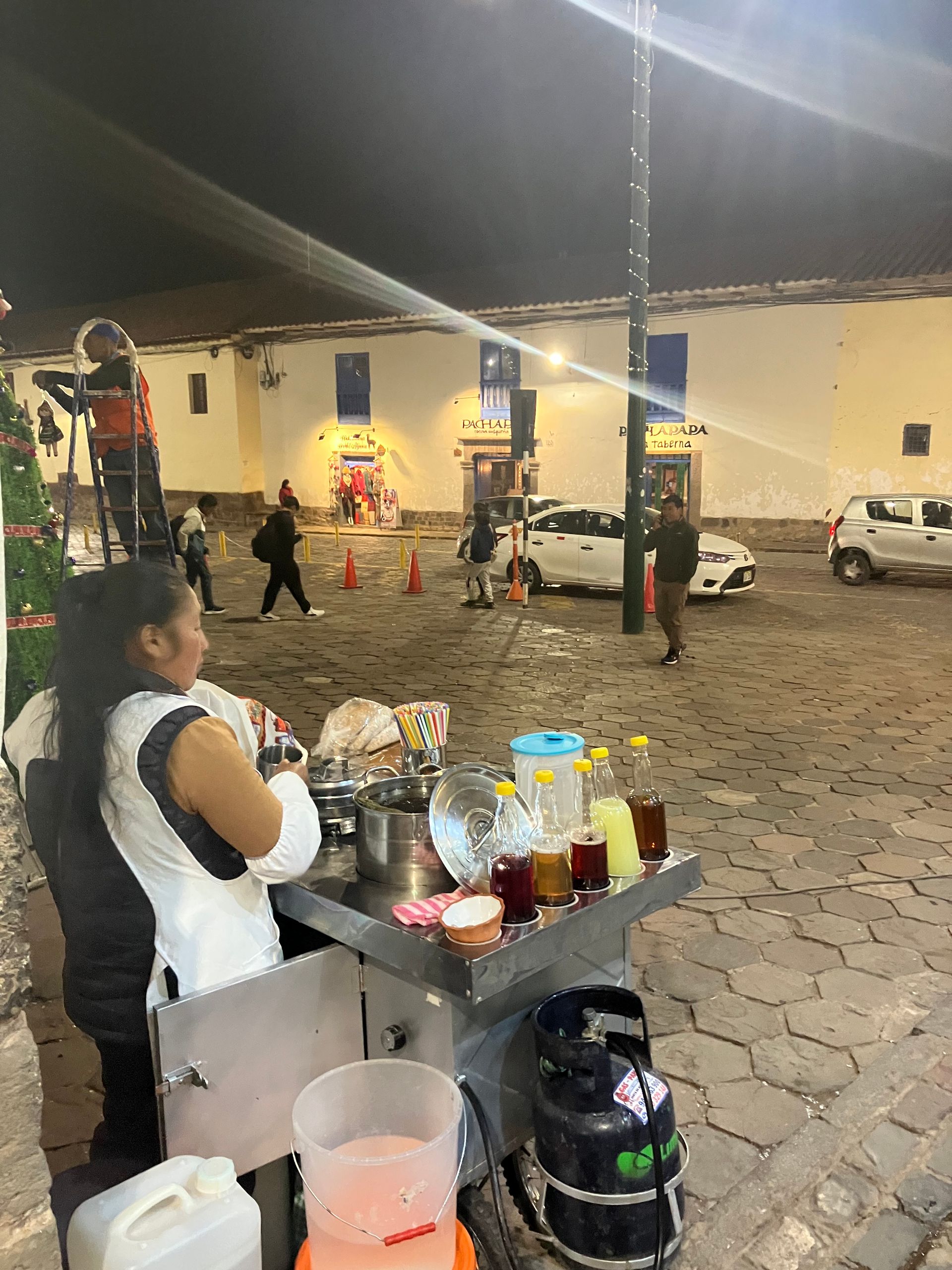
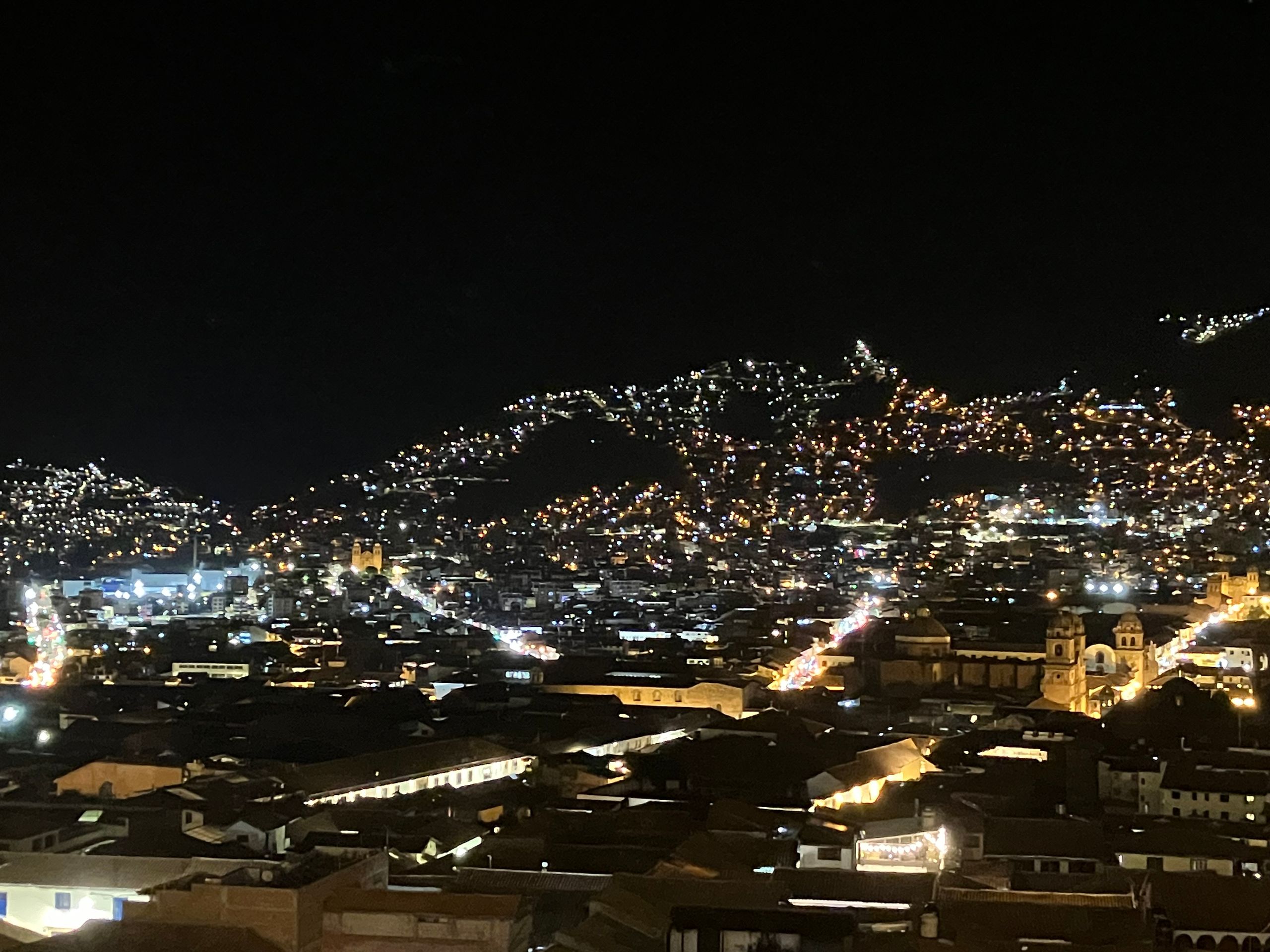
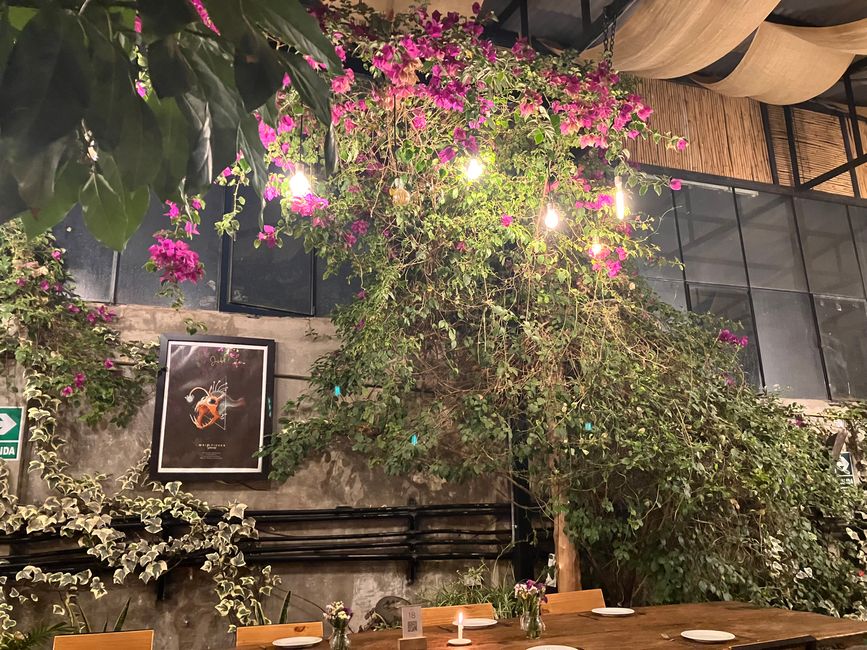
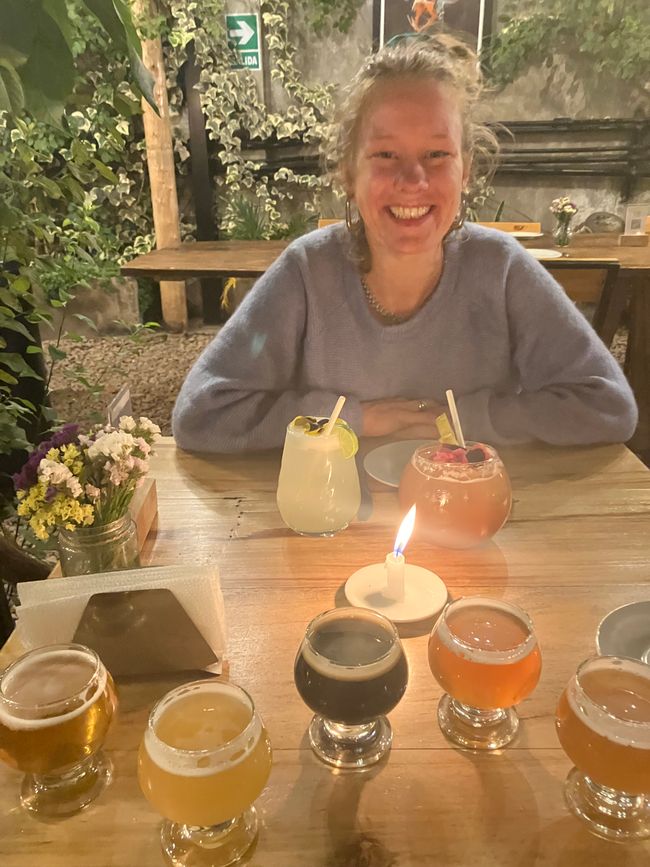
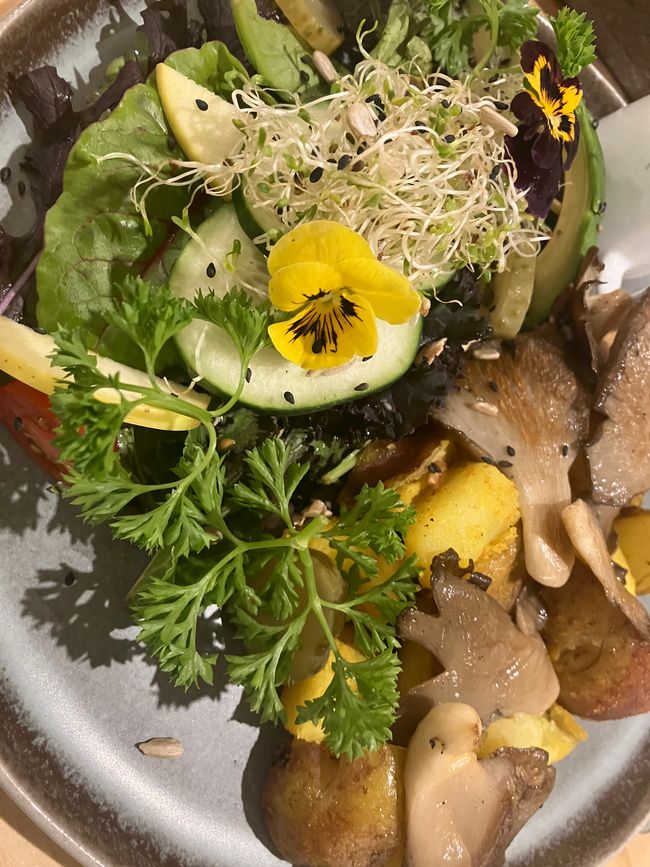
After this excursion into the past, here are our impressions of today's Cusco: culinarily, the city boasts an excellent density of outstanding restaurants and cafés, including some vegetarian or vegan options!
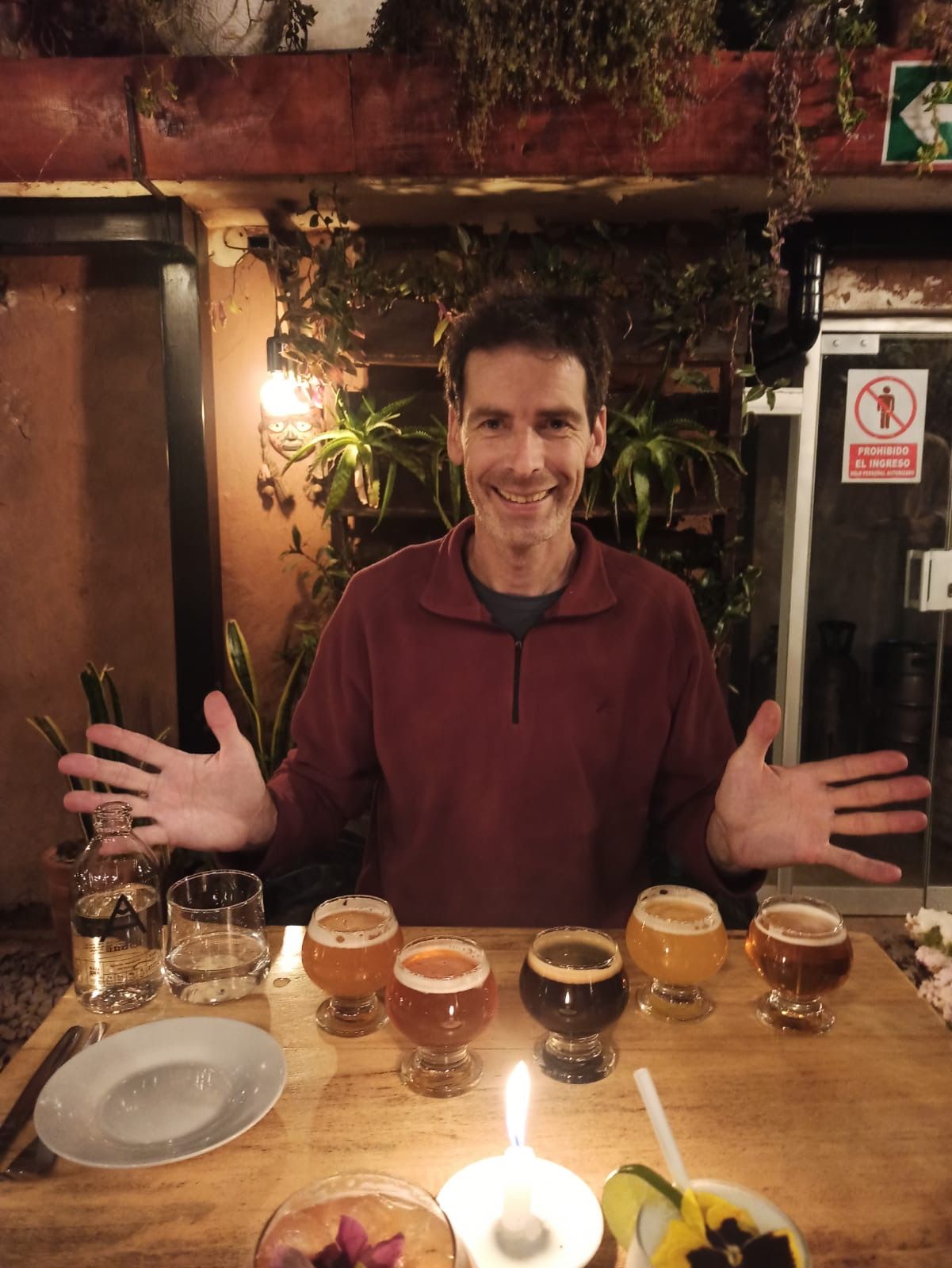
There are various types of kombucha and specially brewed craft beer. Coffee and chocolate are sourced directly from Peru and are of excellent quality 🤩
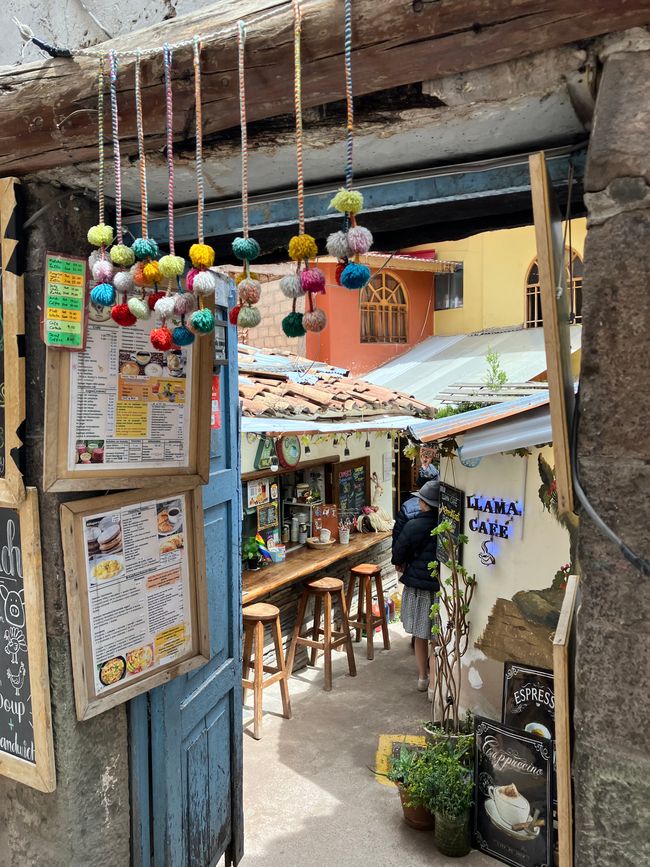
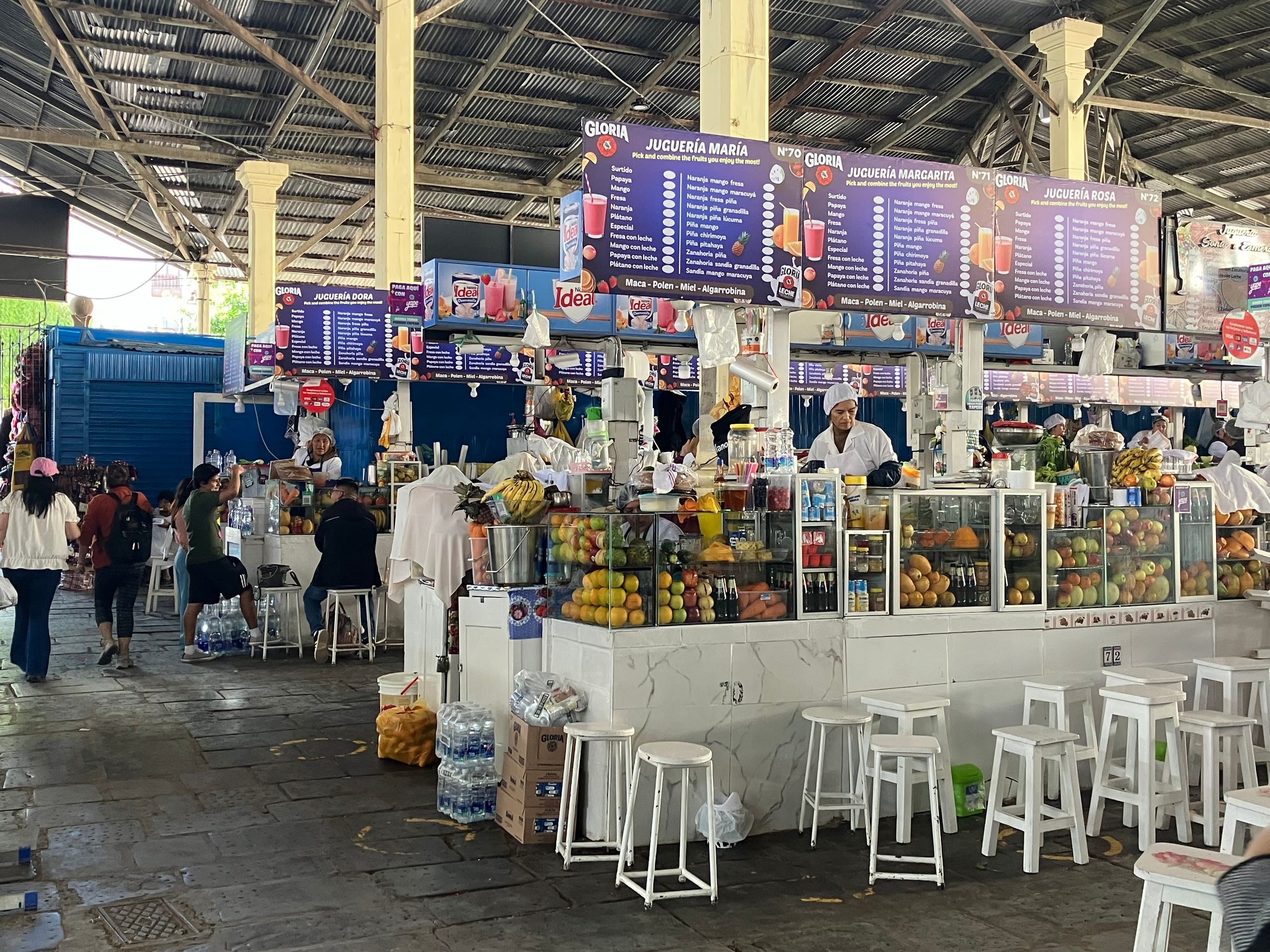
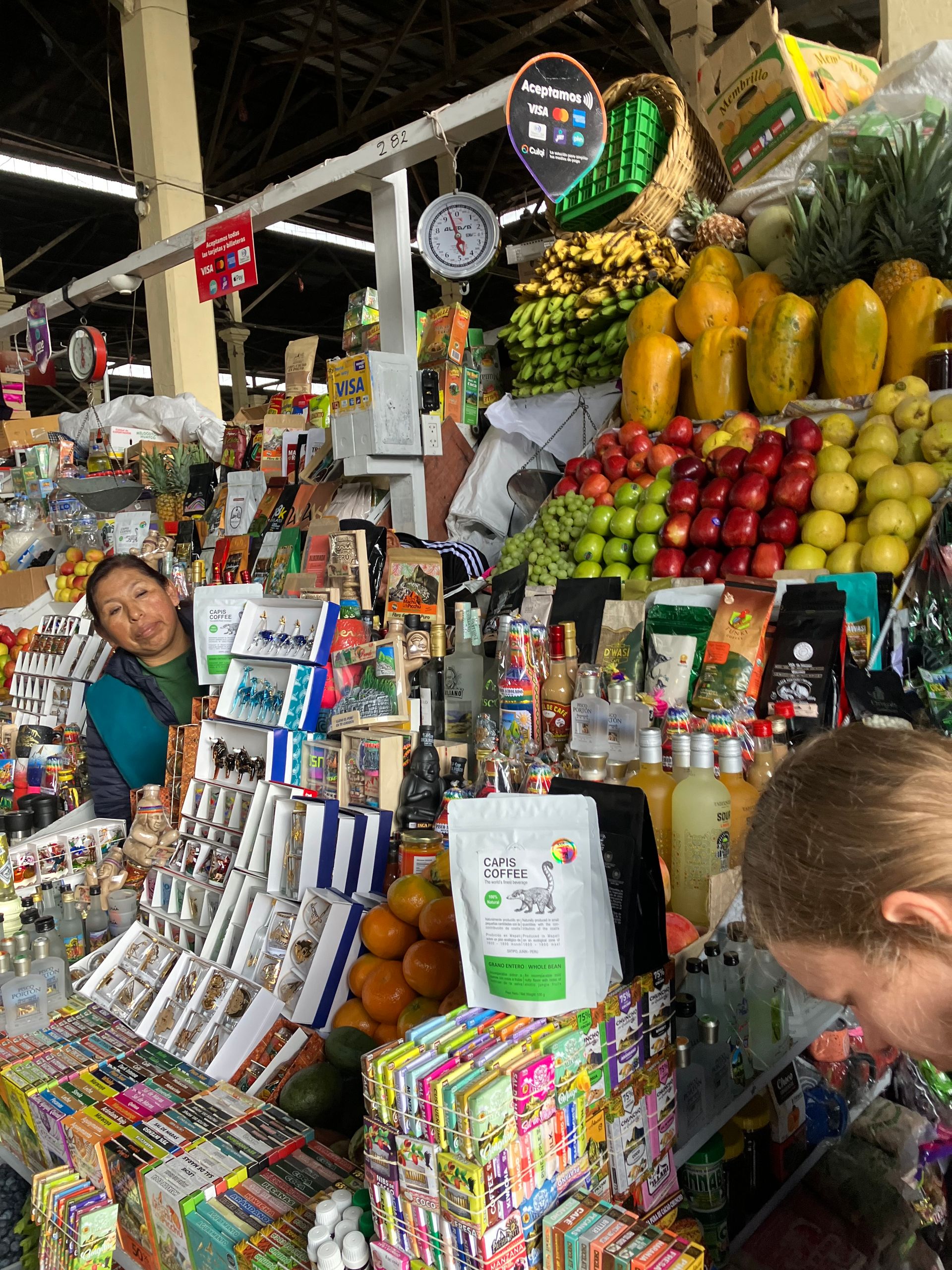
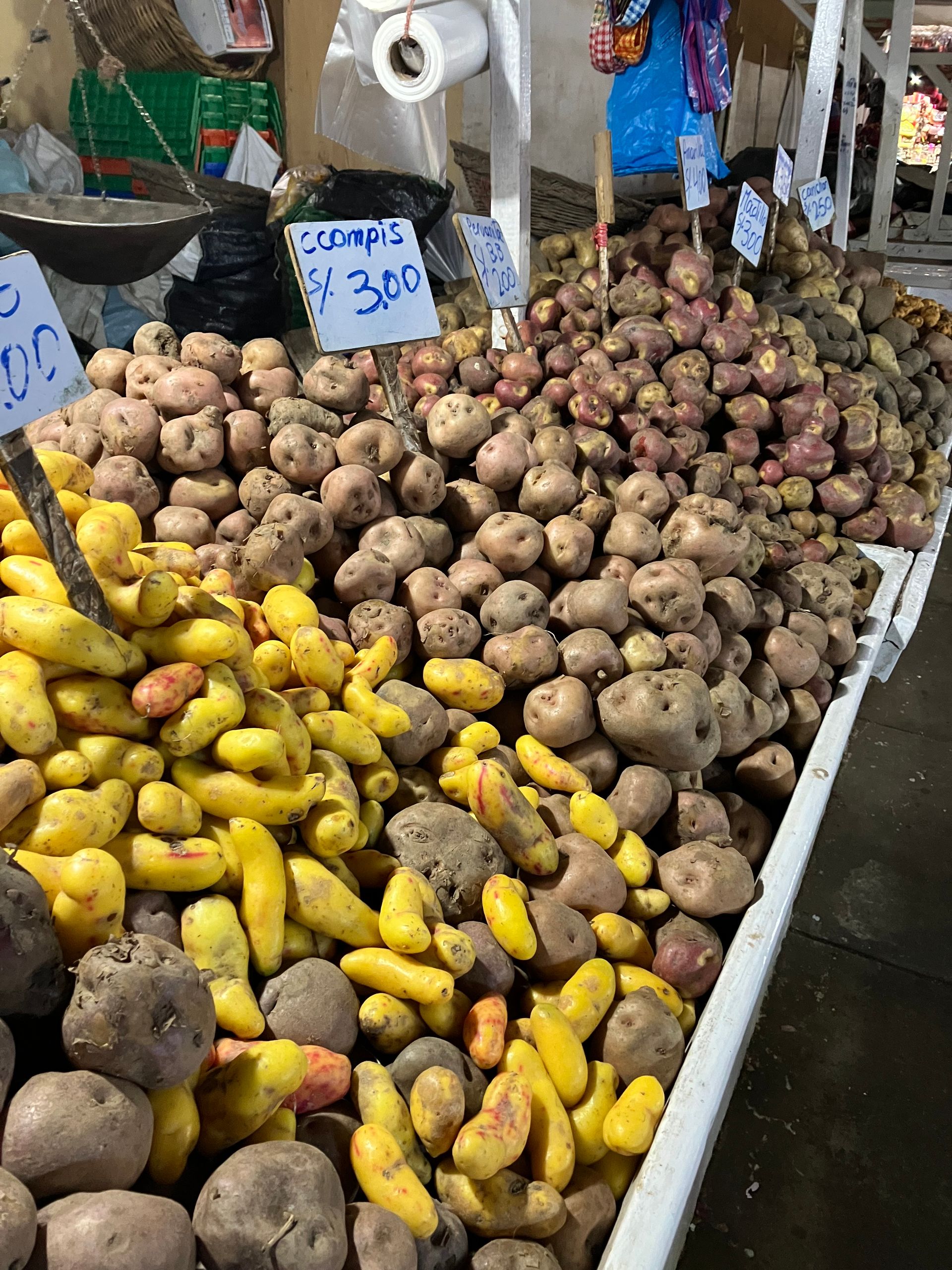
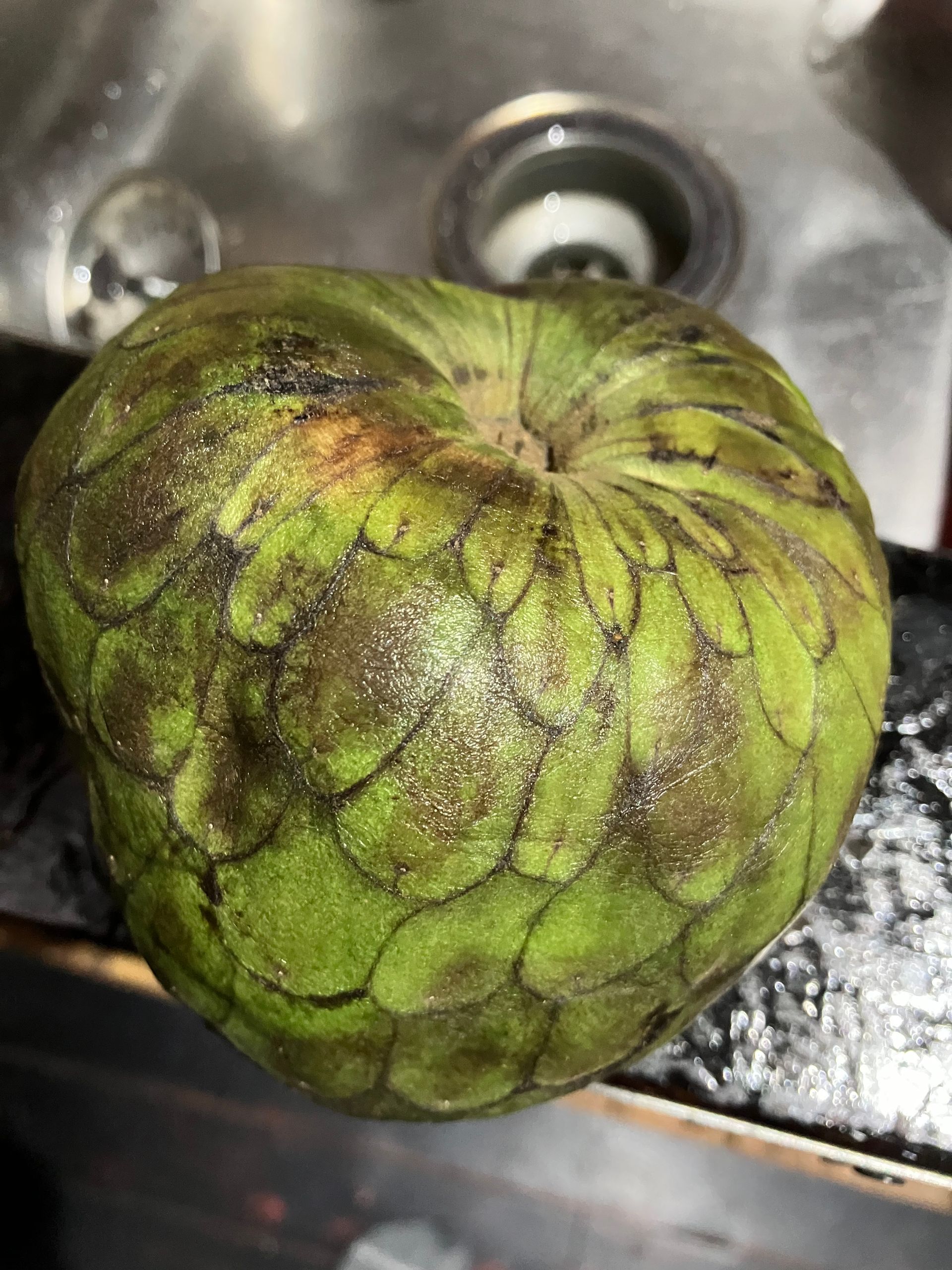
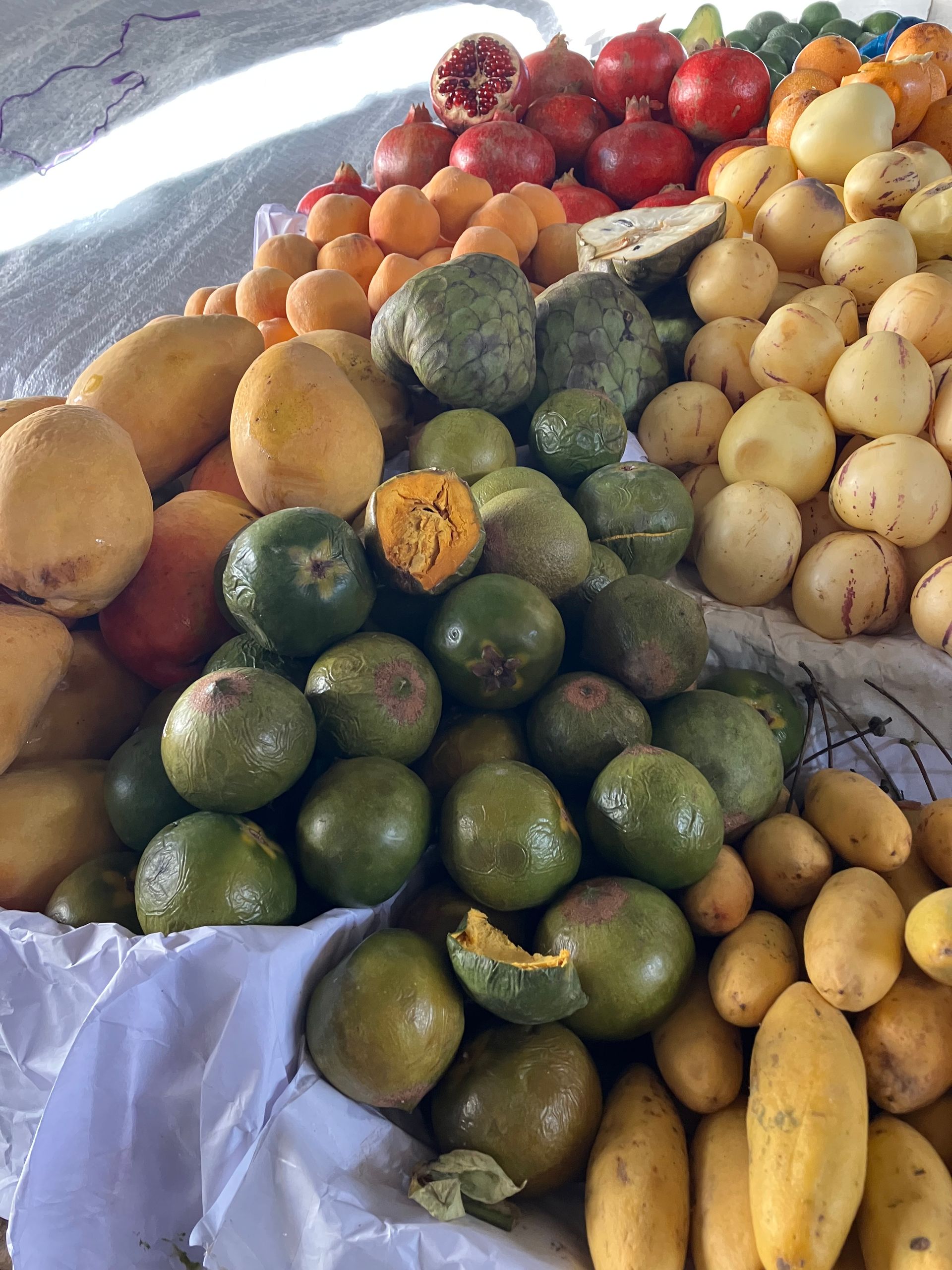
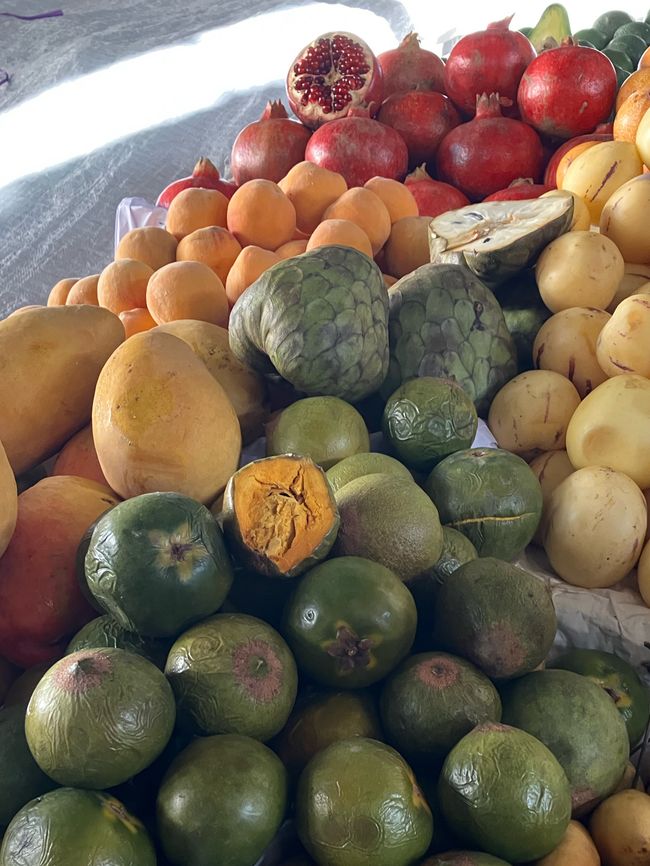
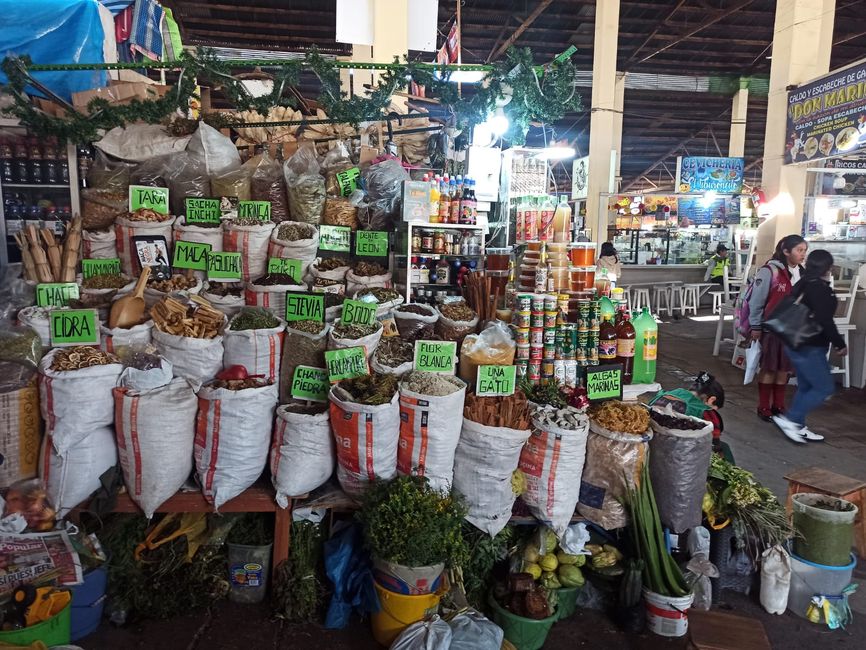
We are taking a cooking course. With the friendly chef Ronal, we first go shopping at the famous San Pedro market. There we find all the delicious fruits that Peru has to offer, including mango, chirimoya, pepino dulce, and lucuma. We particularly enjoy the granadilla, a type of passion fruit with sweet seeds, some of which are a bit sour 😋
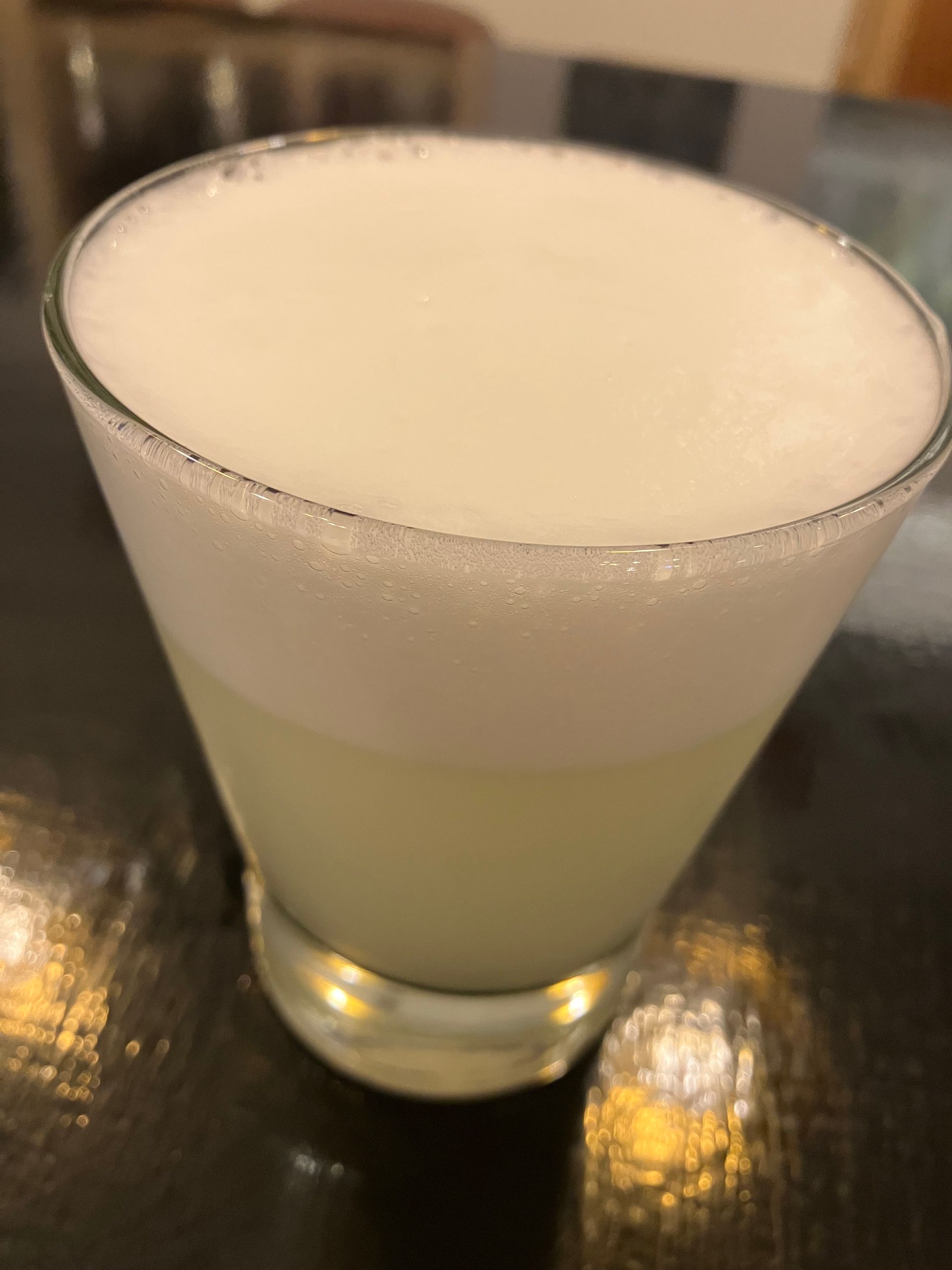
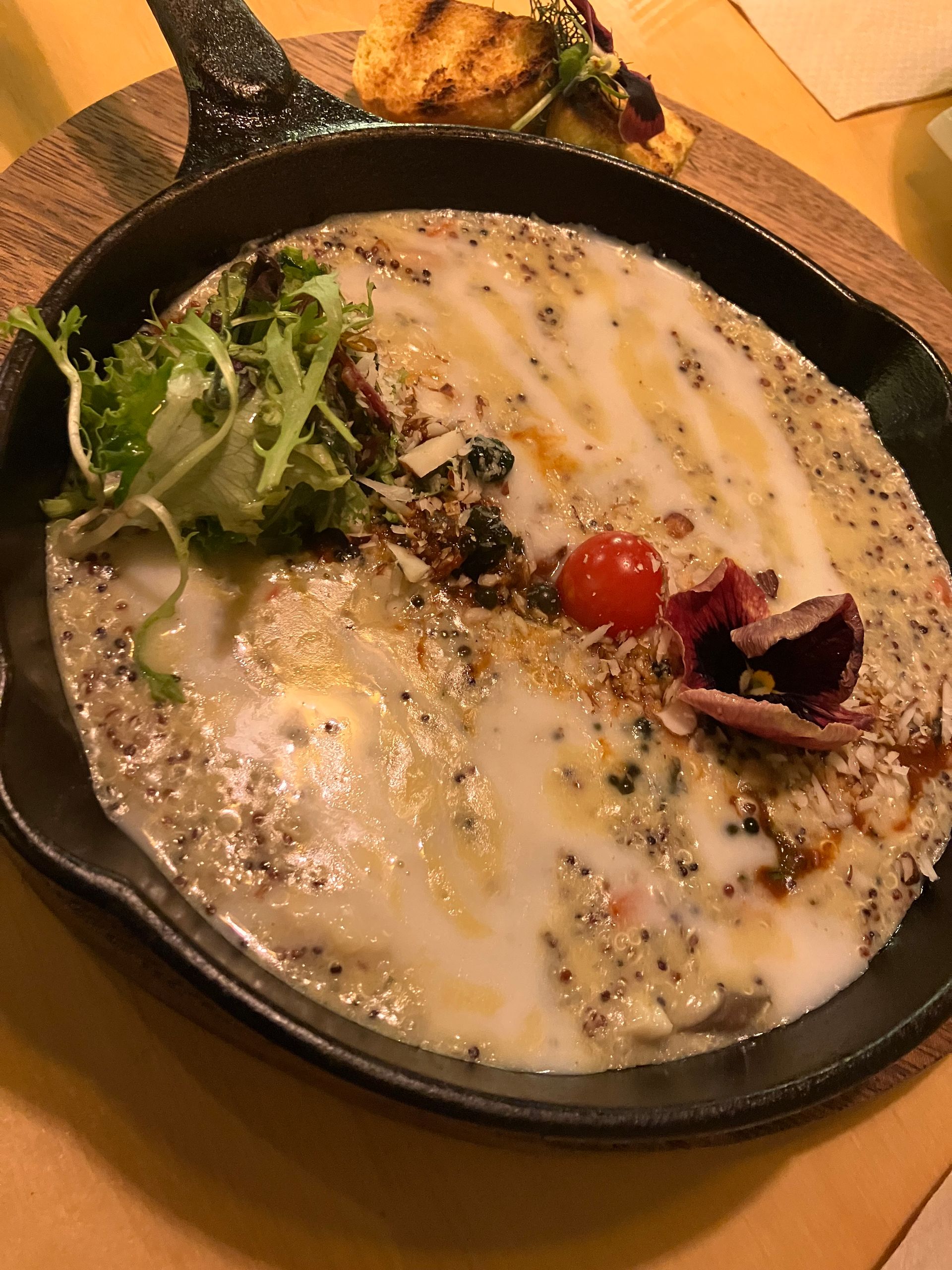
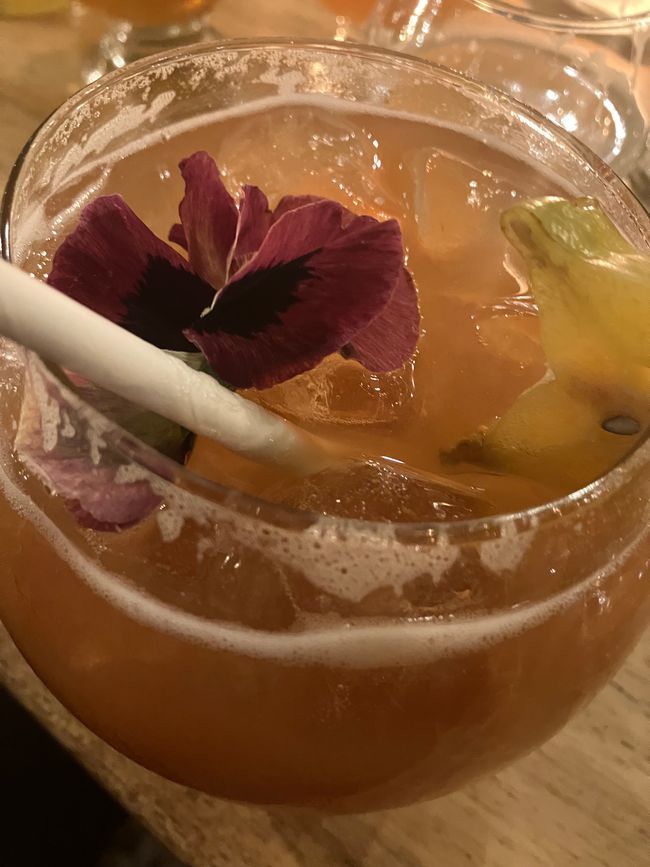
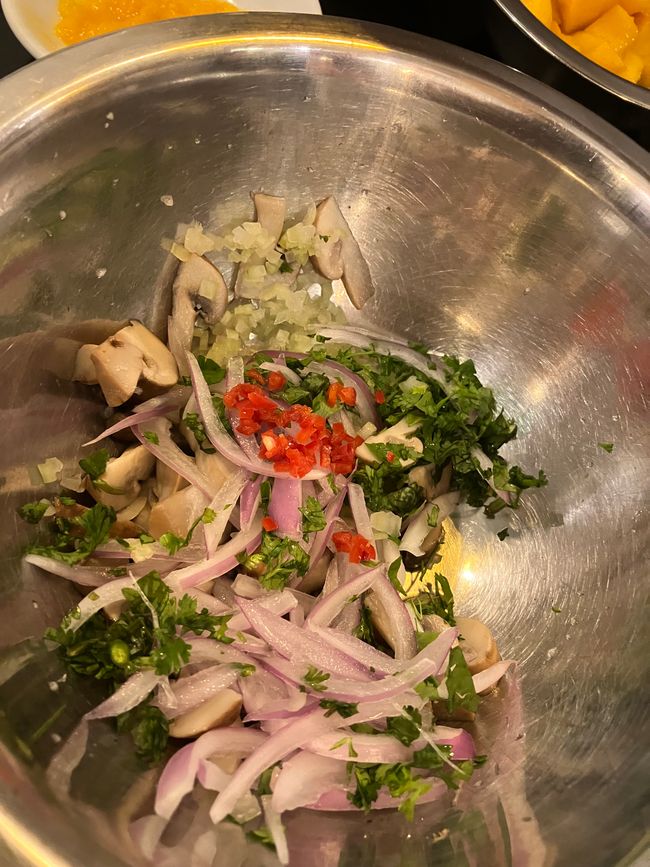
Afterward, we get to prepare the Peruvian dishes Ceviche (national dish made from raw fish) and Lomo Saltado (a type of meat stir-fry with sirloin steak) in a vegetarian version. The ceviche, made with onions, chili, mushrooms, and lime juice, is very tasty, and the fresh Pisco Sour is too 😋
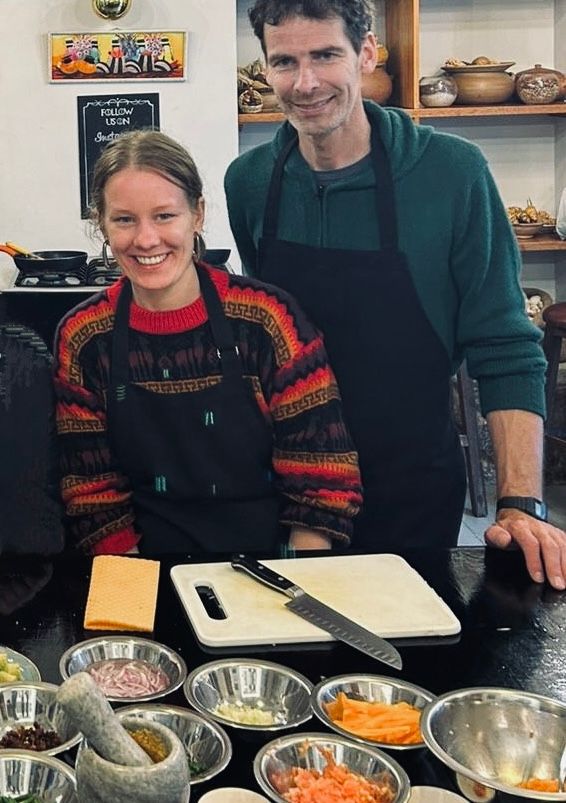
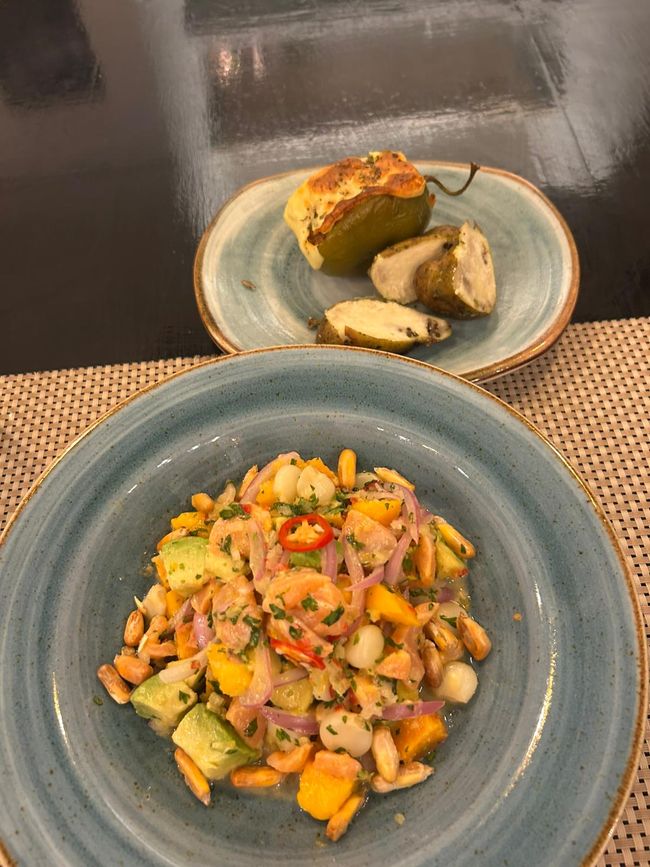
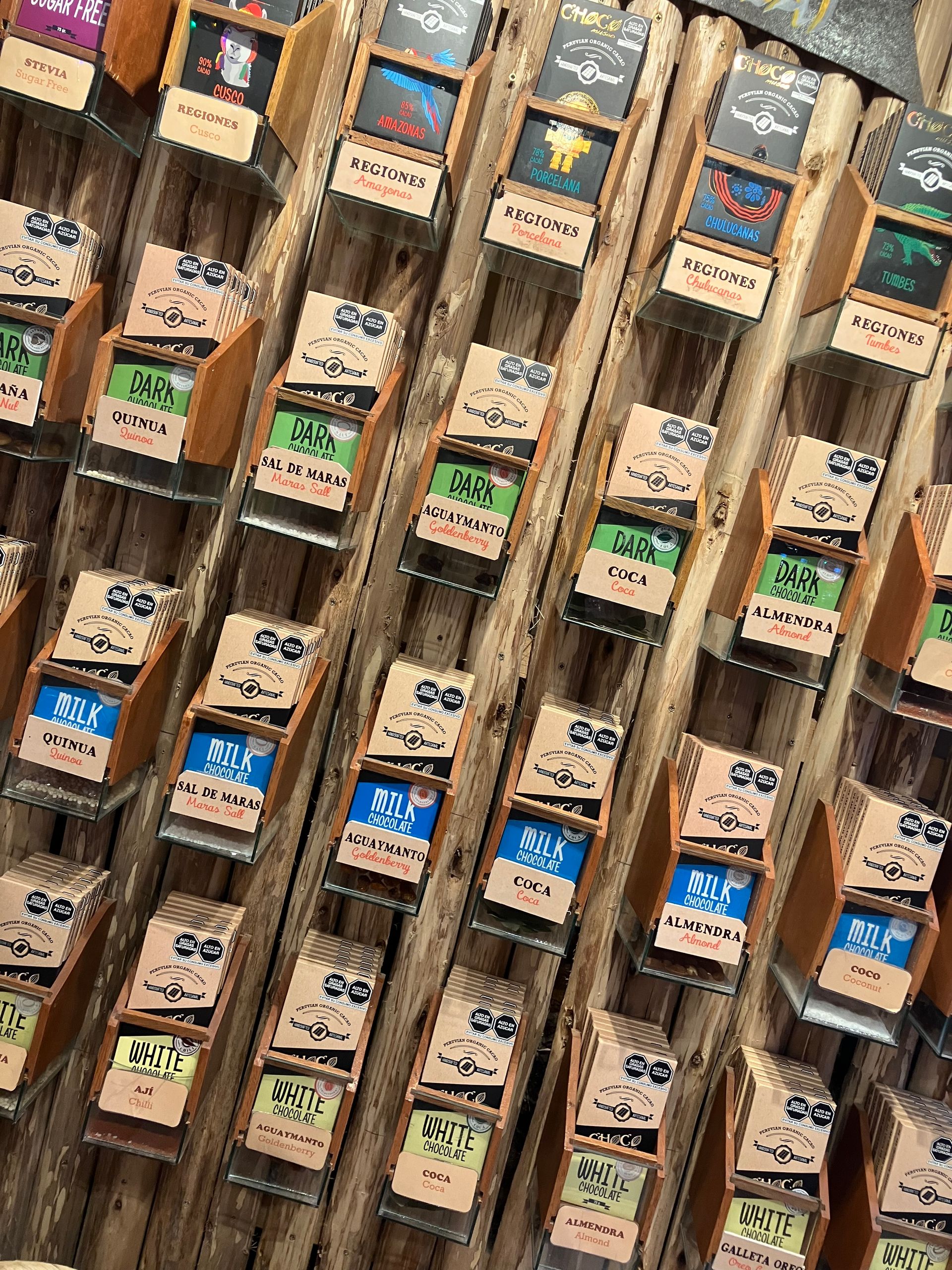
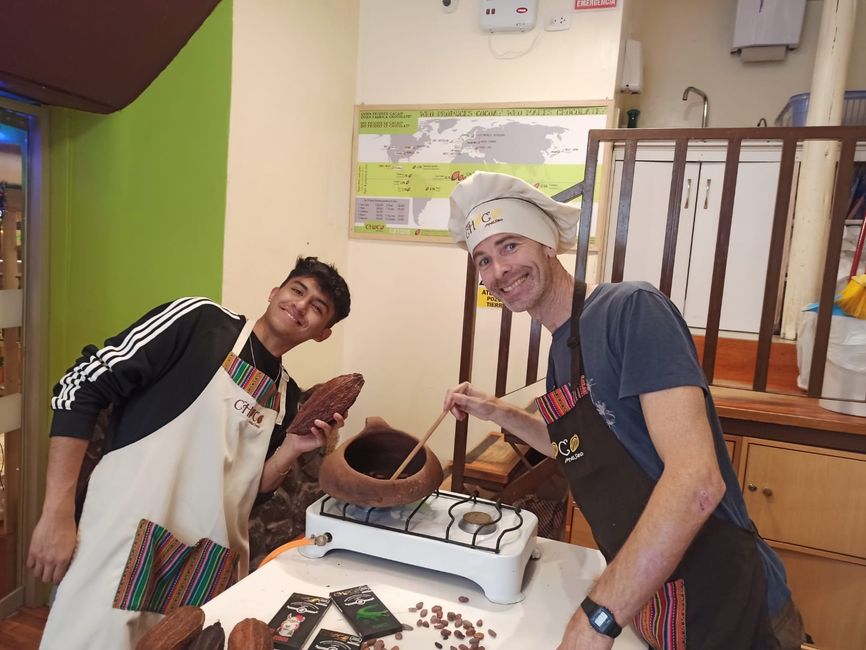
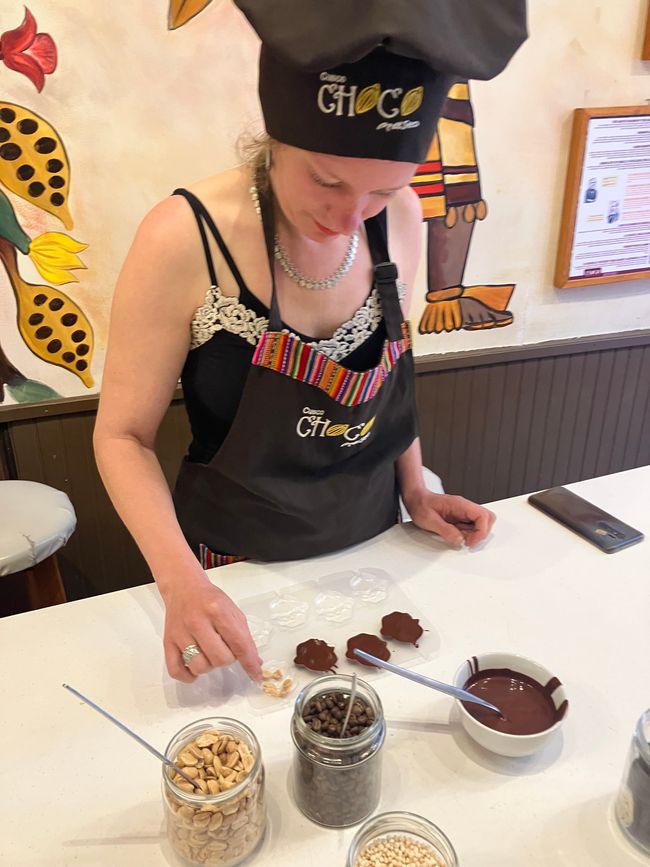
Next, we indulge in a chocolate workshop. We learn everything about the chocolate from Peru, taste various types, and experience how chocolate is made.
Peru is among the top 10 cocoa-producing countries worldwide - some countries, like Ivory Coast and Indonesia, are at the top, with Peru following Brazil and Ecuador.
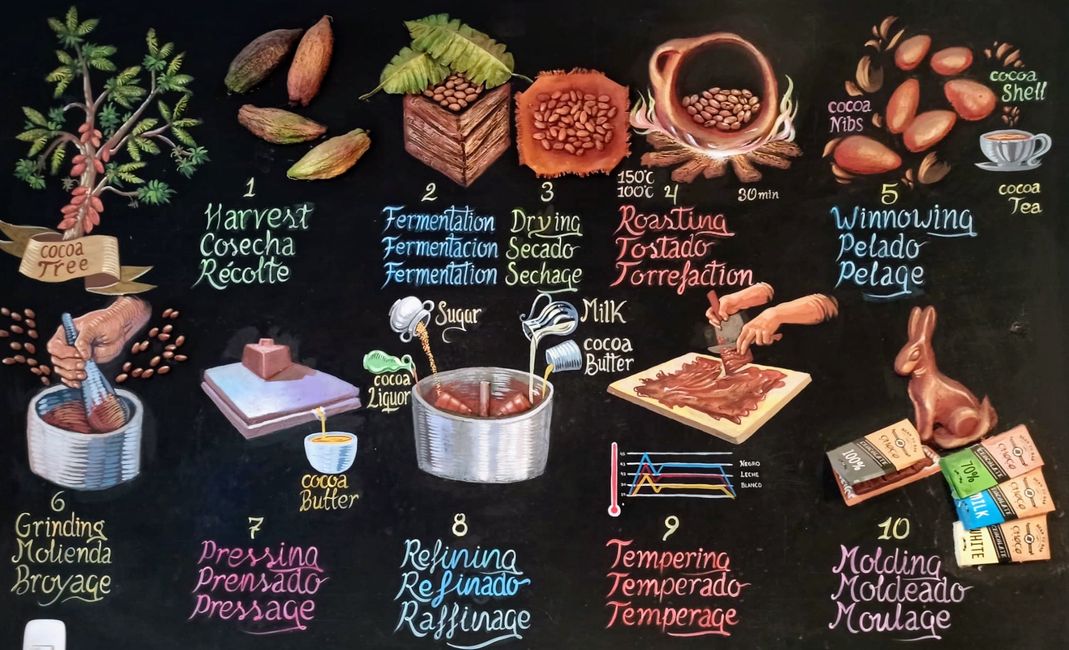
After harvesting, fermenting, and drying, we start the next steps of production: we roast and grind the cocoa beans, then they are mixed and heated. During the mixing process, it is decided what type of chocolate it will be: dark chocolate (cocoa mass, sugar, and cocoa butter), milk chocolate (cocoa mass, sugar, cocoa butter, and milk), or white chocolate (cocoa butter, sugar, and milk). The highest quality chocolate is dark chocolate, while the lowest quality doesn’t even contain cocoa butter but uses cheaper palm oil instead.
The cocoa varieties also differ and have different taste notes depending on the growing region. Chocolate from near Cusco has more of a coffee taste, while chocolate from the jungle tastes more like banana or citrus. We prefer the “coffee taste” the most 😋
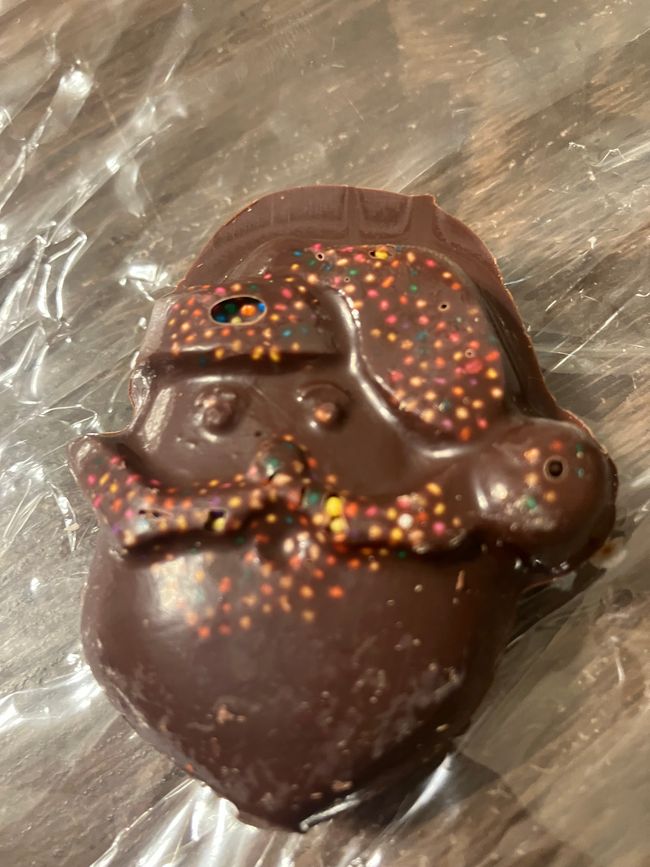
In the end, our own chocolate was finished - with self-chosen additional ingredients like nuts and coconut!
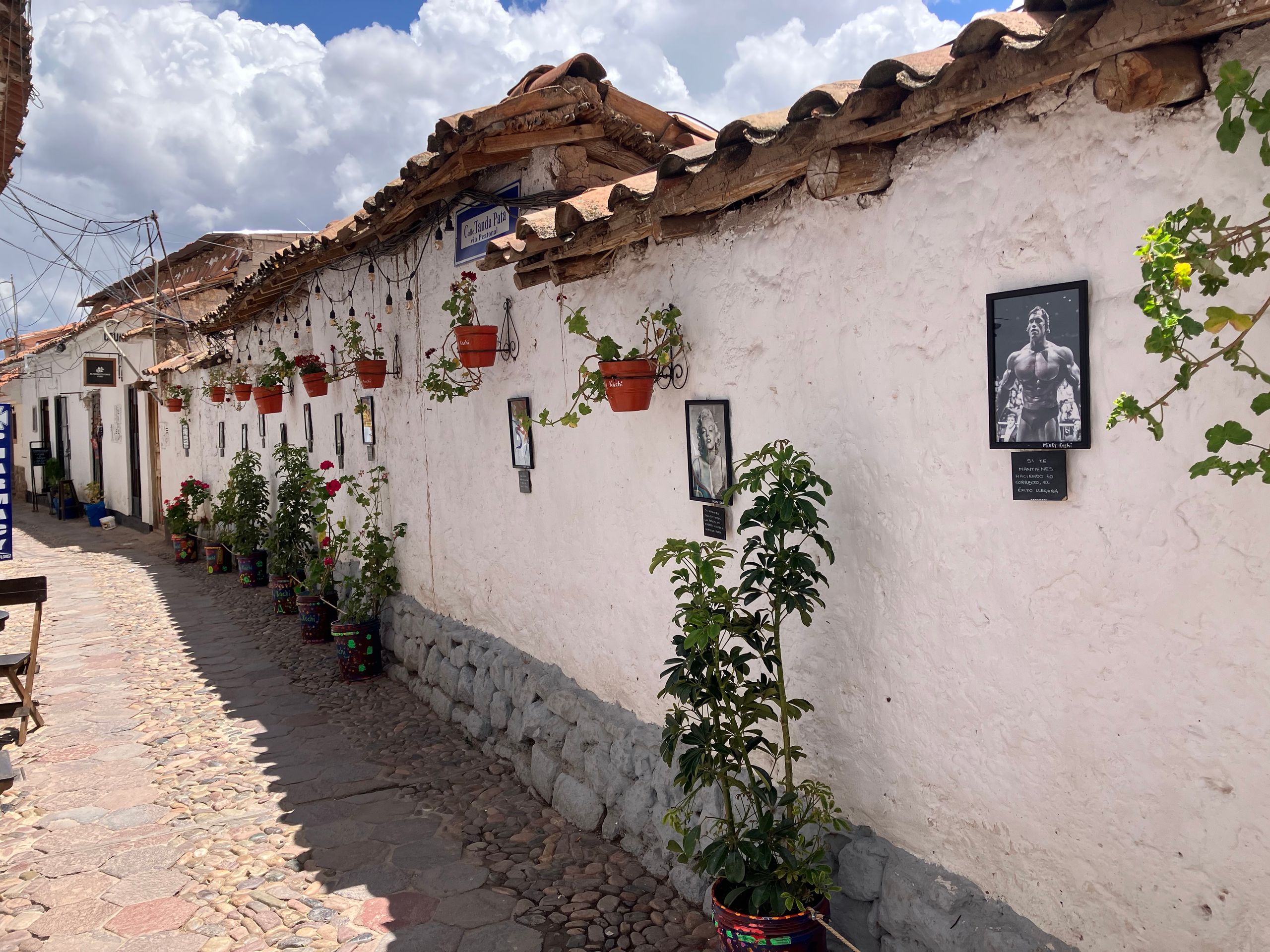
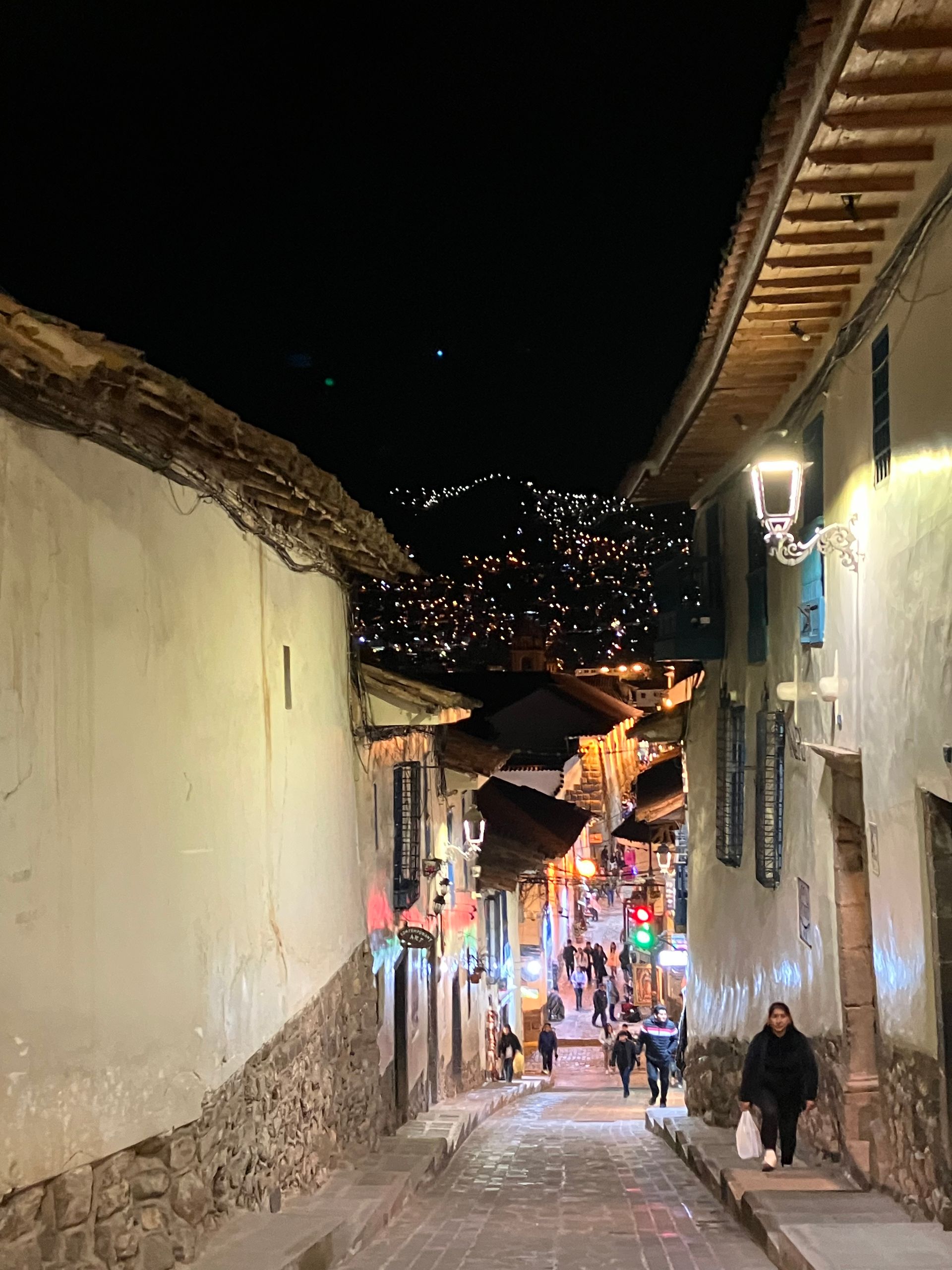
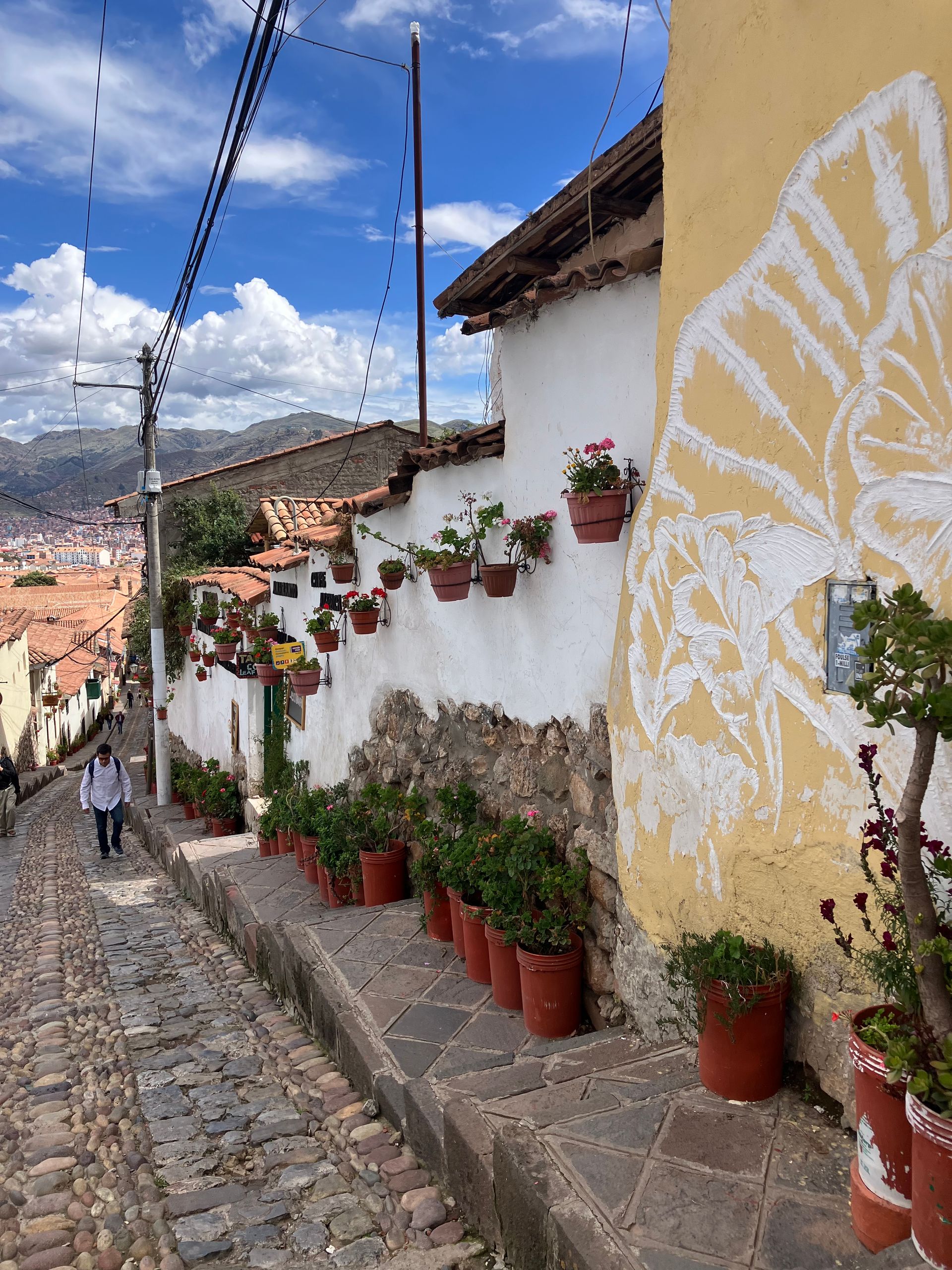
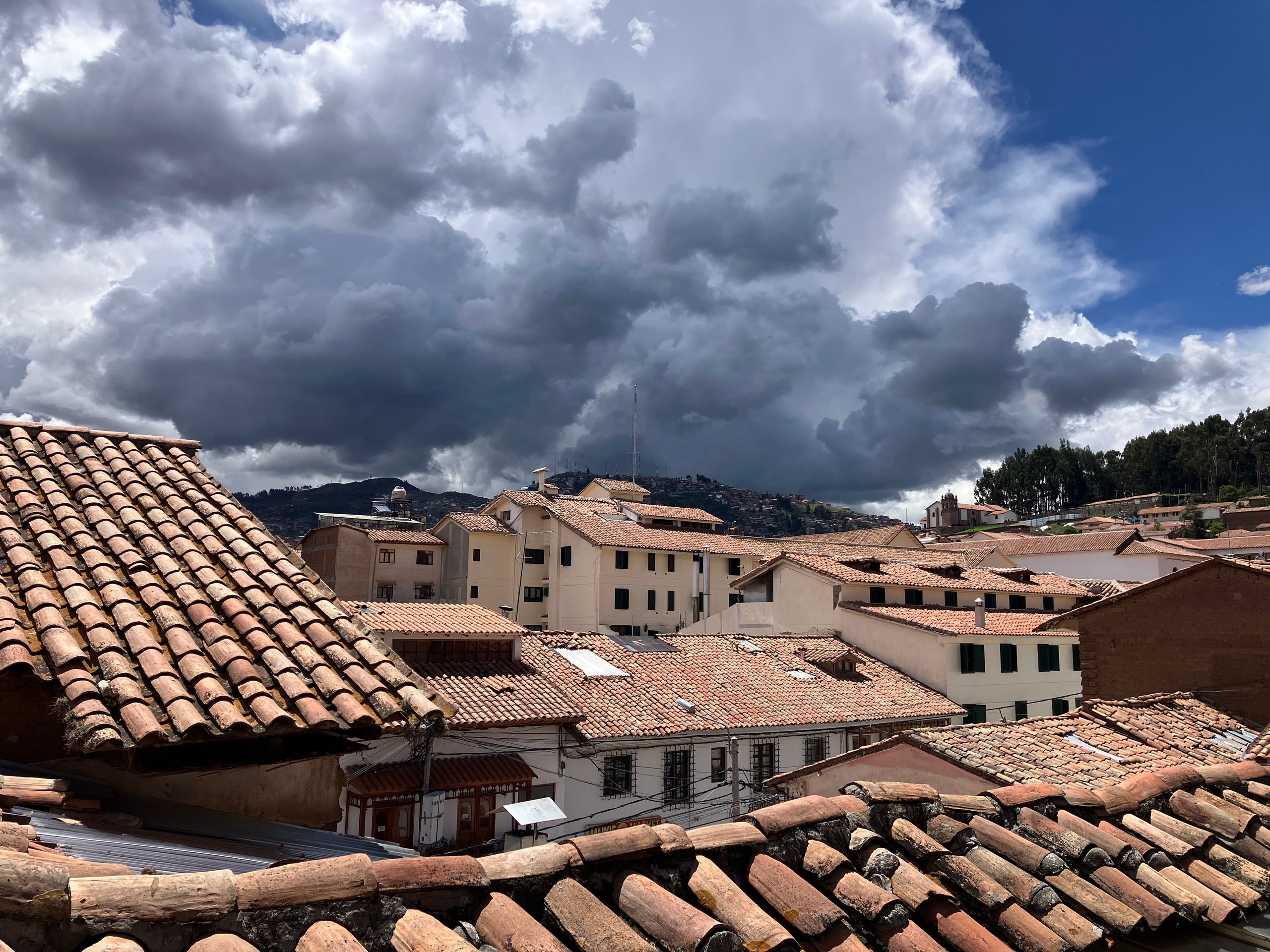
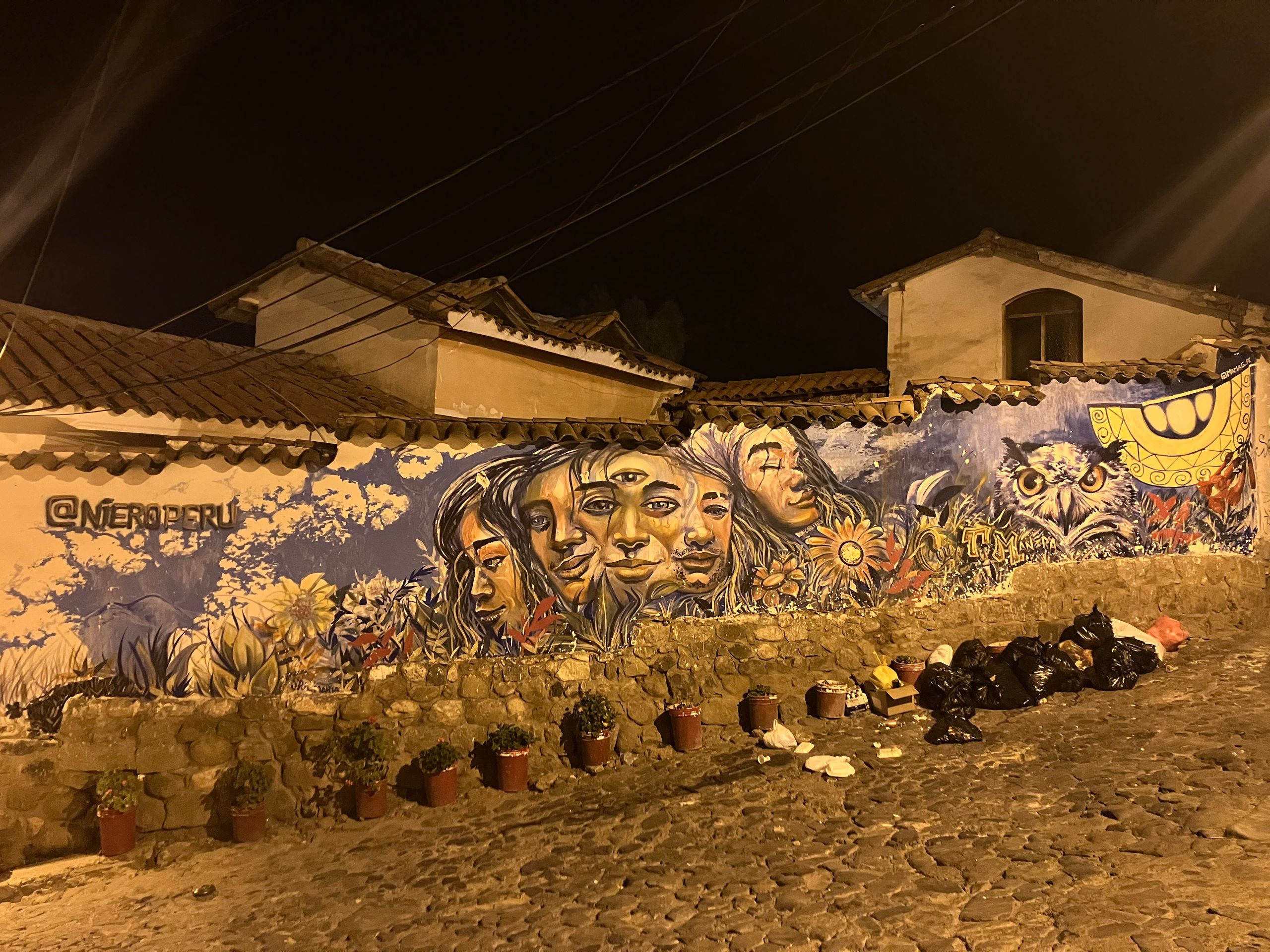
After our trip to Machu Picchu, we spend most of our time in the historic district of San Blas with its narrow, steep streets and beautiful courtyards!
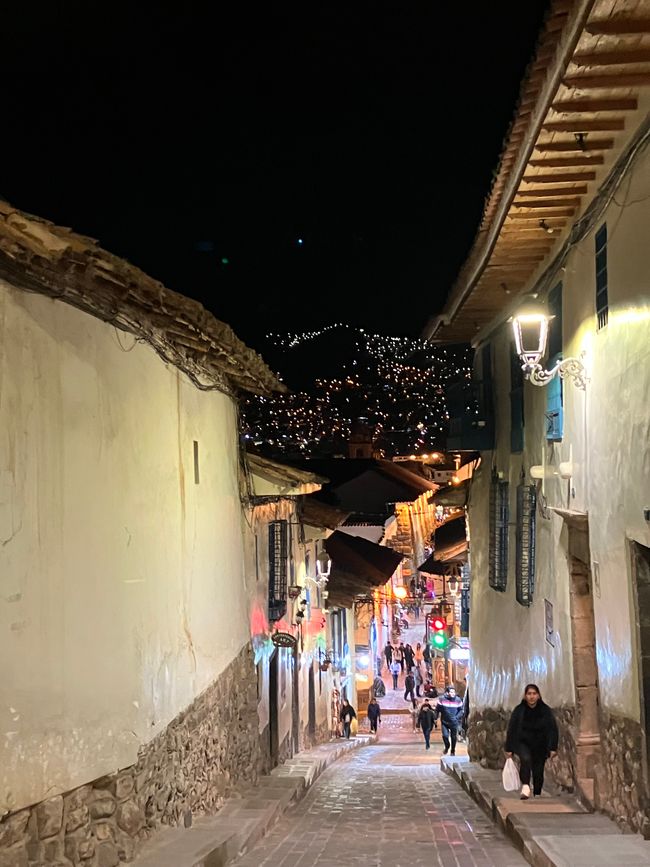
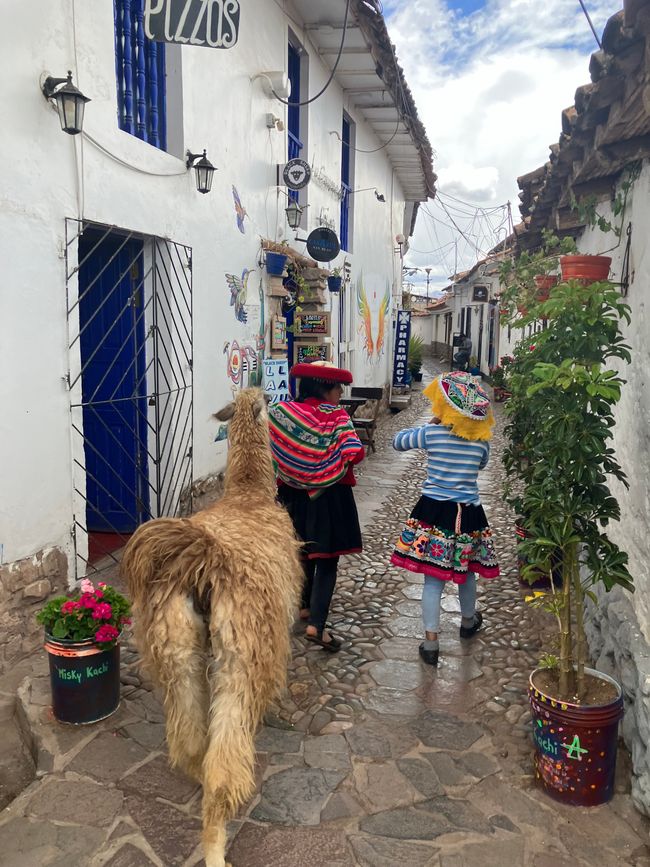
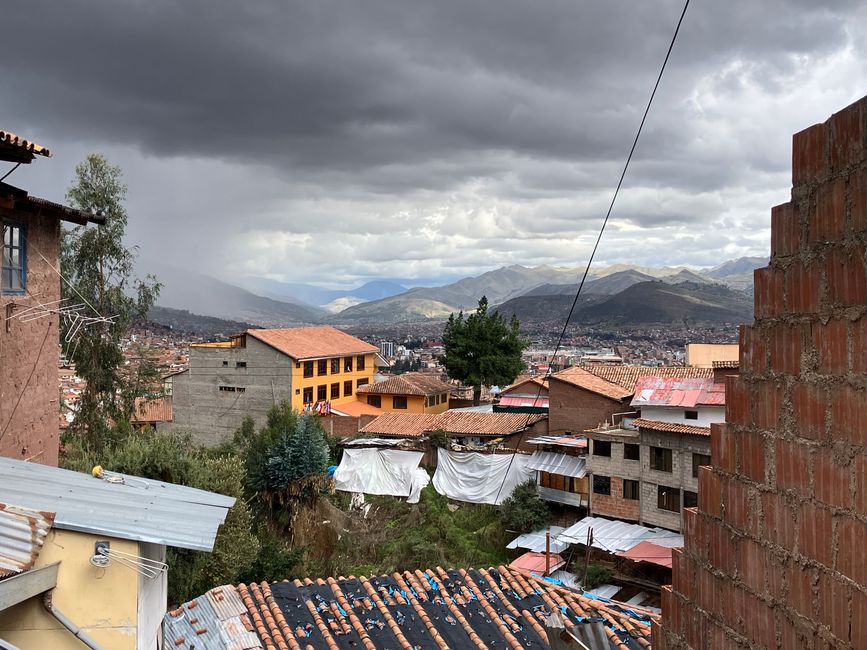
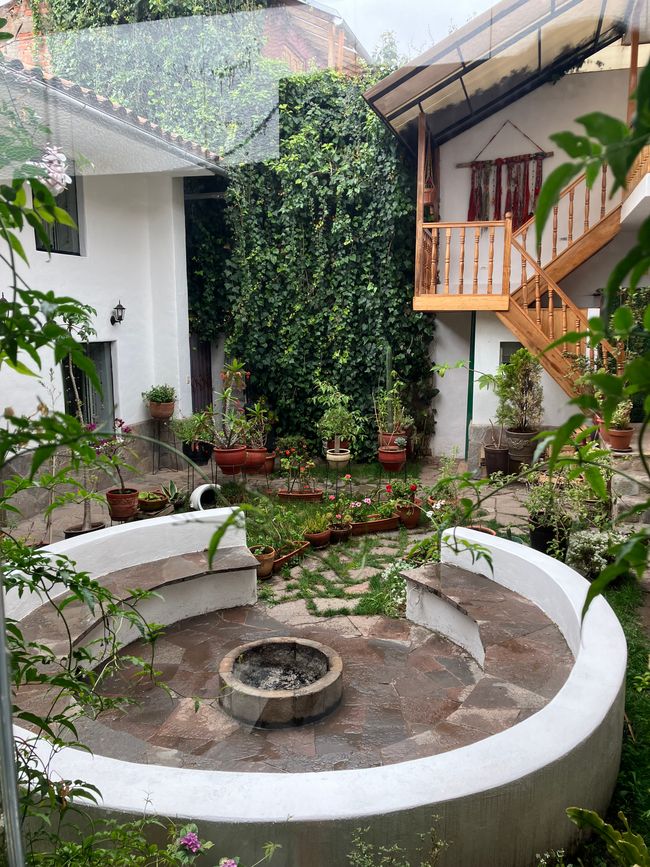
We spend about two weeks here, as the processing of my new passport takes some time (it was unfortunately stolen at a bus station in southern Peru). Although Cusco even has an honorary consulate, the Peruvian civil registry must transfer the passport number at the end - this feels like rocket science; however, I eventually receive the tip to simply go to the airport, and we can continue our travels!
I will report on our trip to the Sacred Valley of the Incas in a separate post!