
In the Flamingos of the North
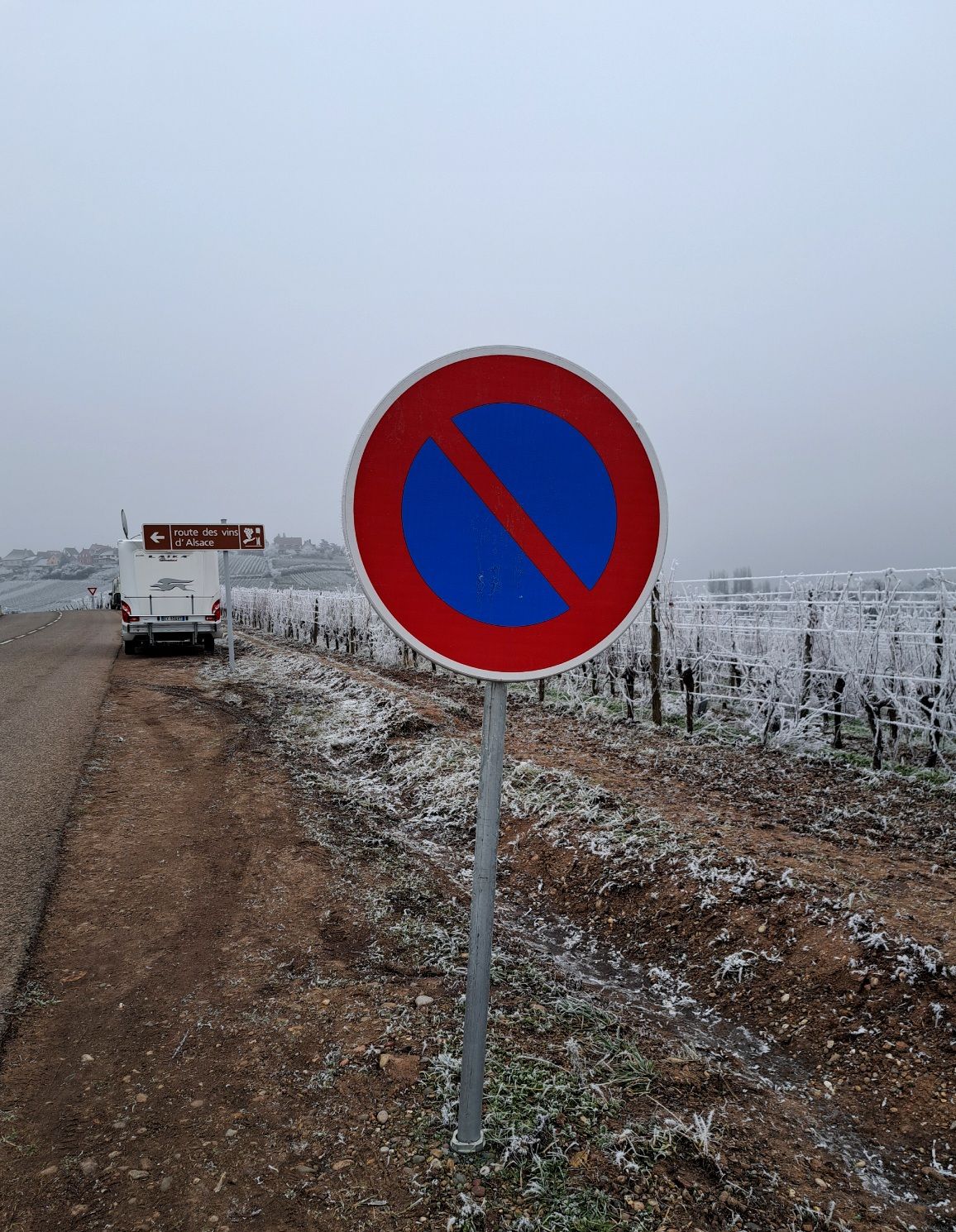
Recently, chance led us to Linum. As we drive through the Brandenburg village in Rhinluch north of Berlin, we are amazed by the many parking spots and even more no-parking signs...

Pubblicato: 10.01.2025


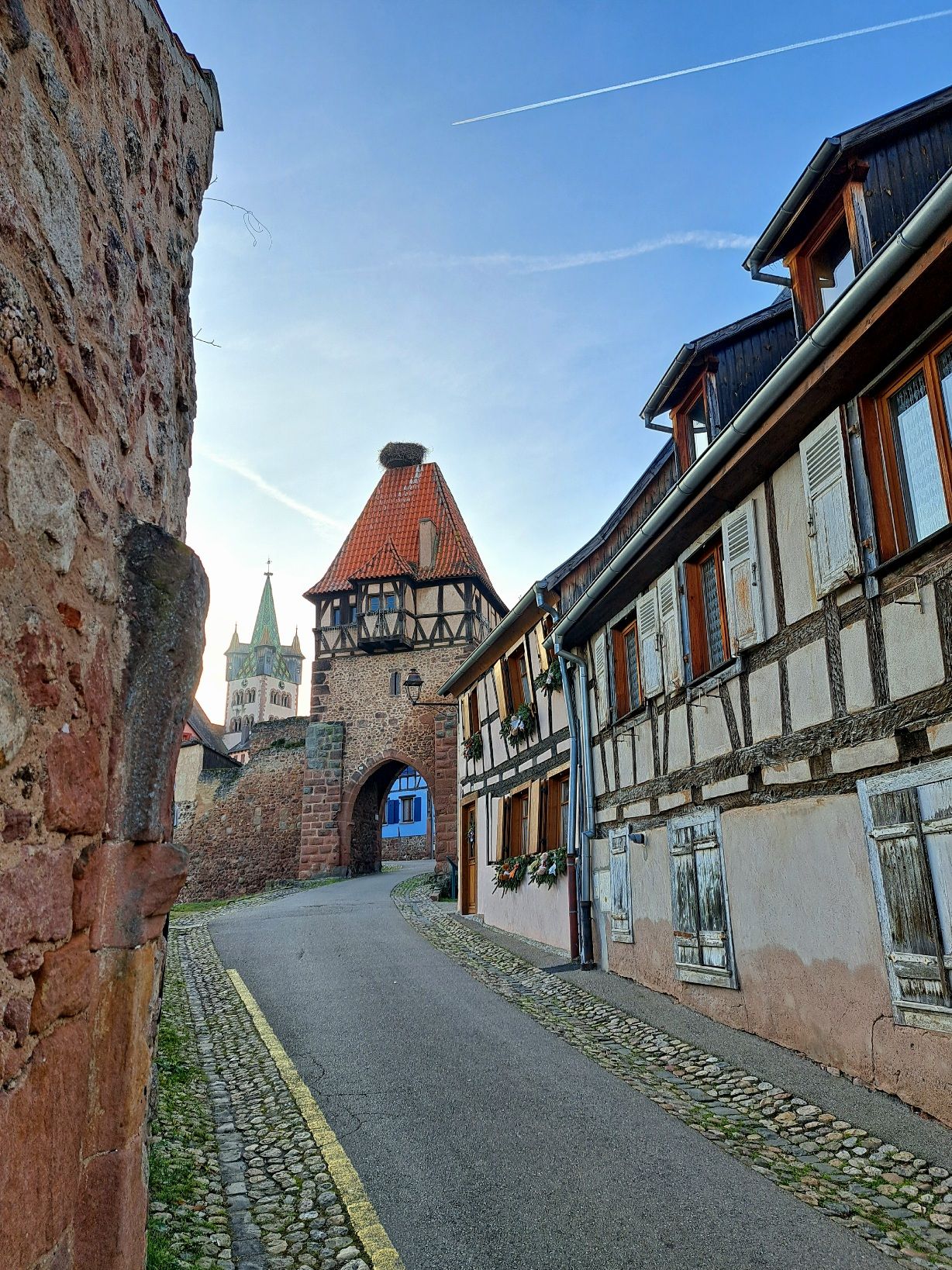
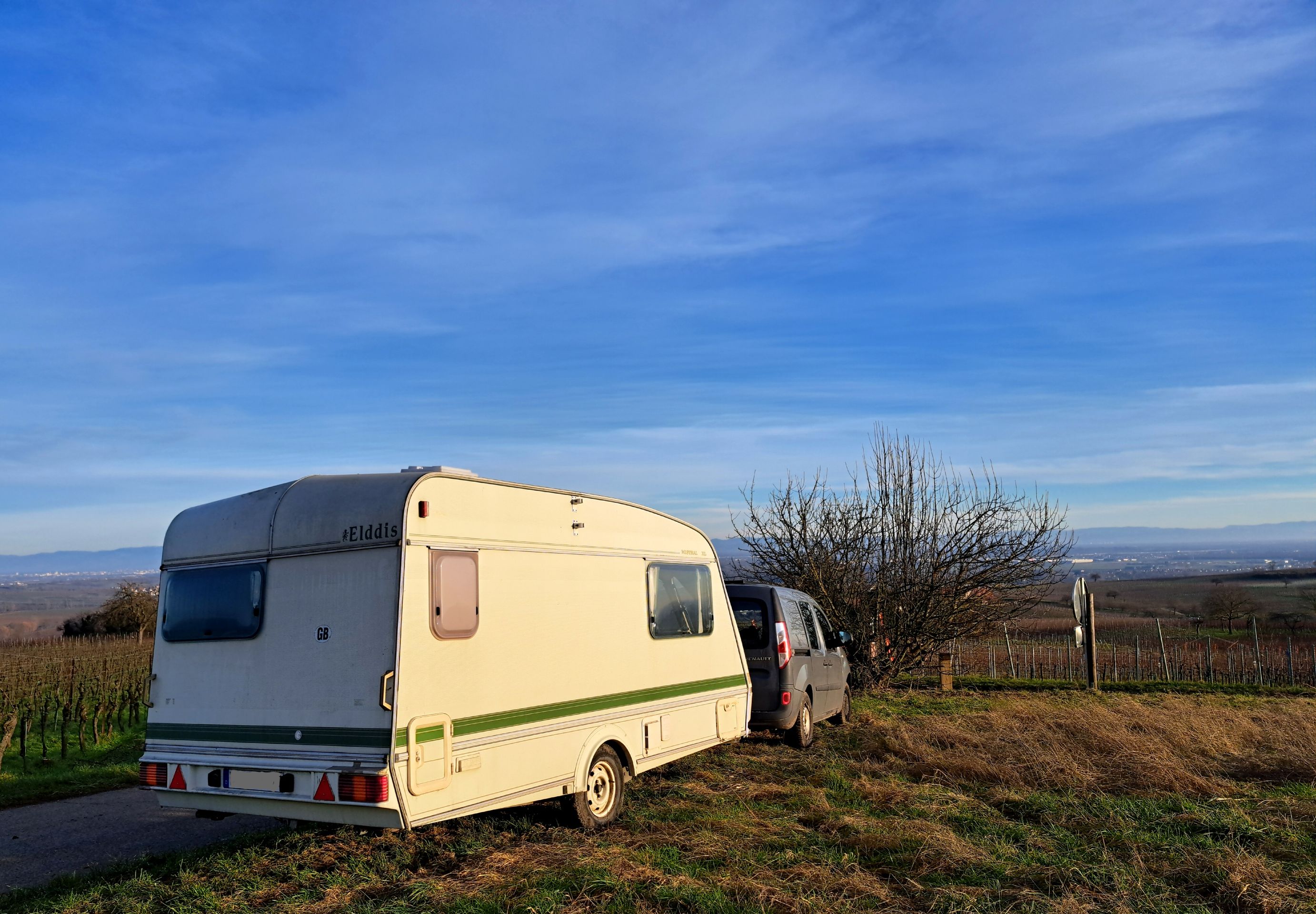
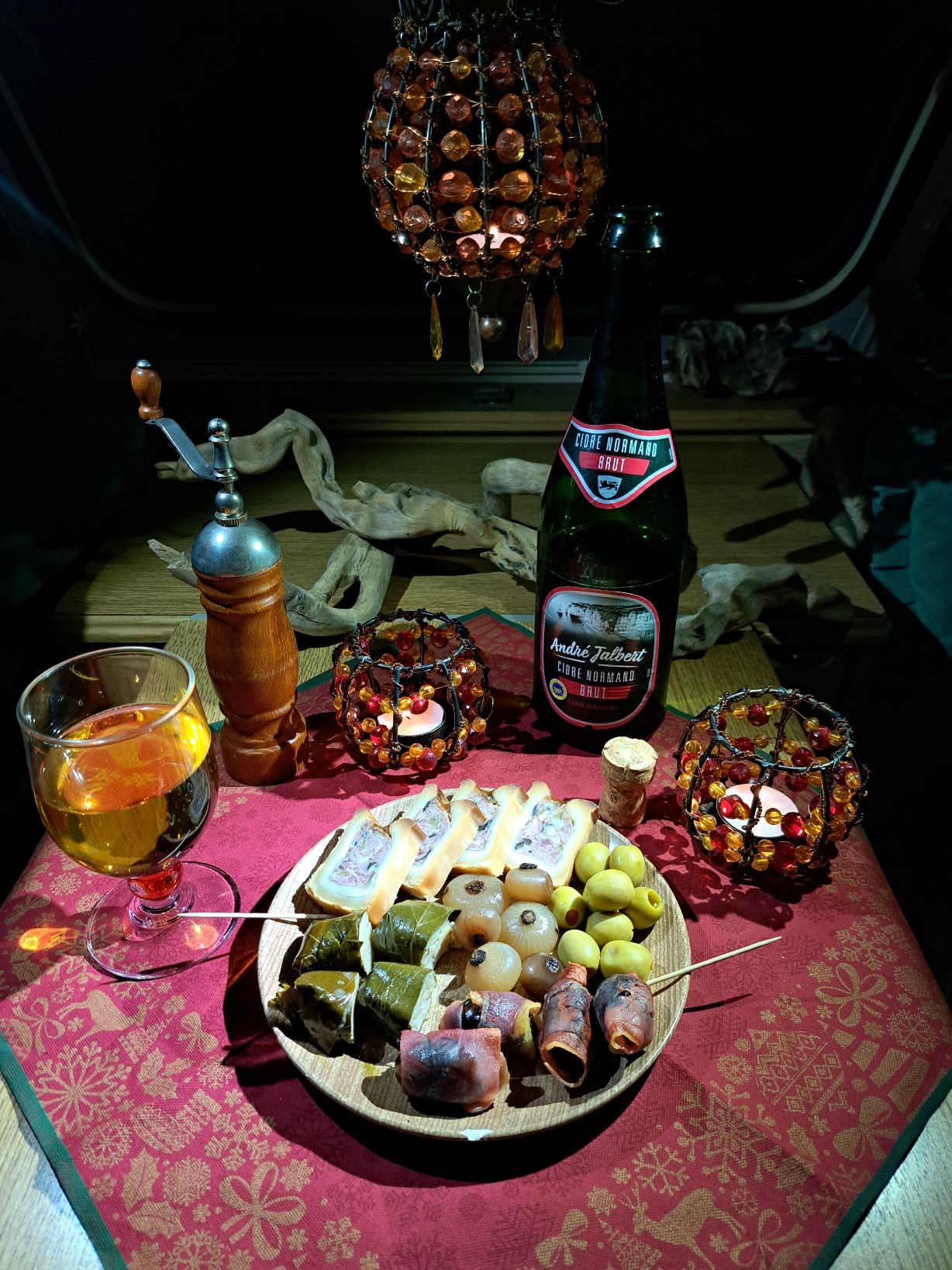
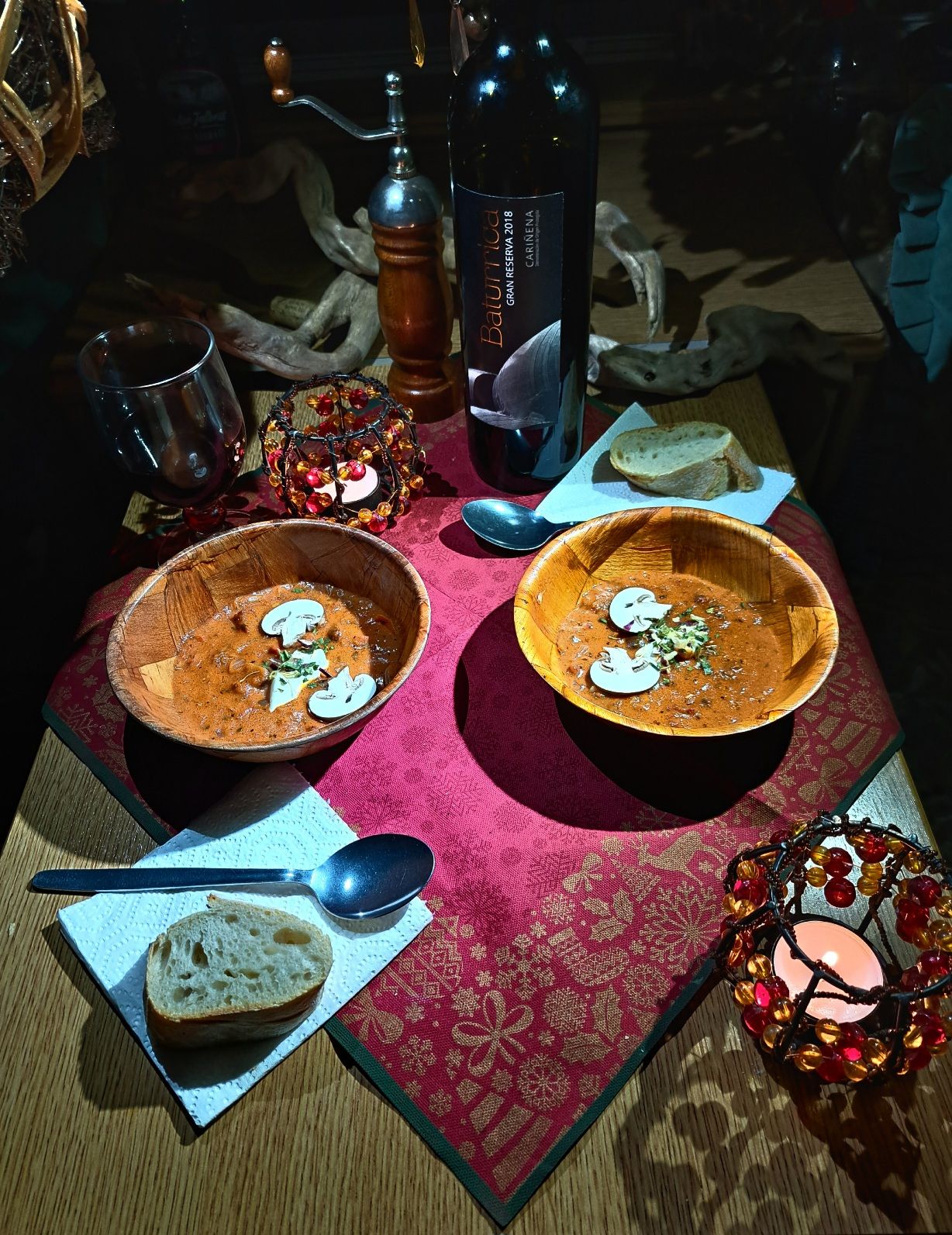


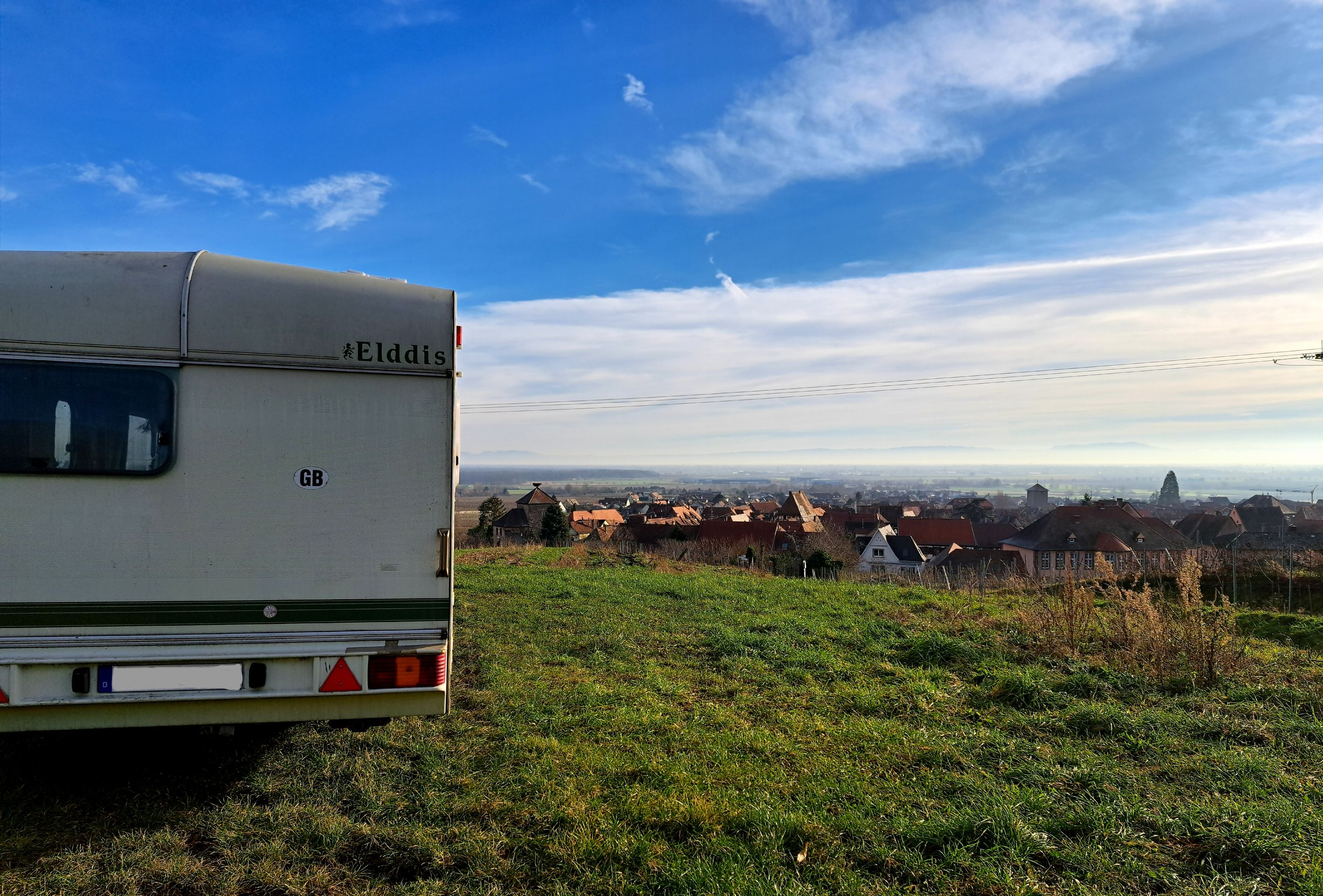
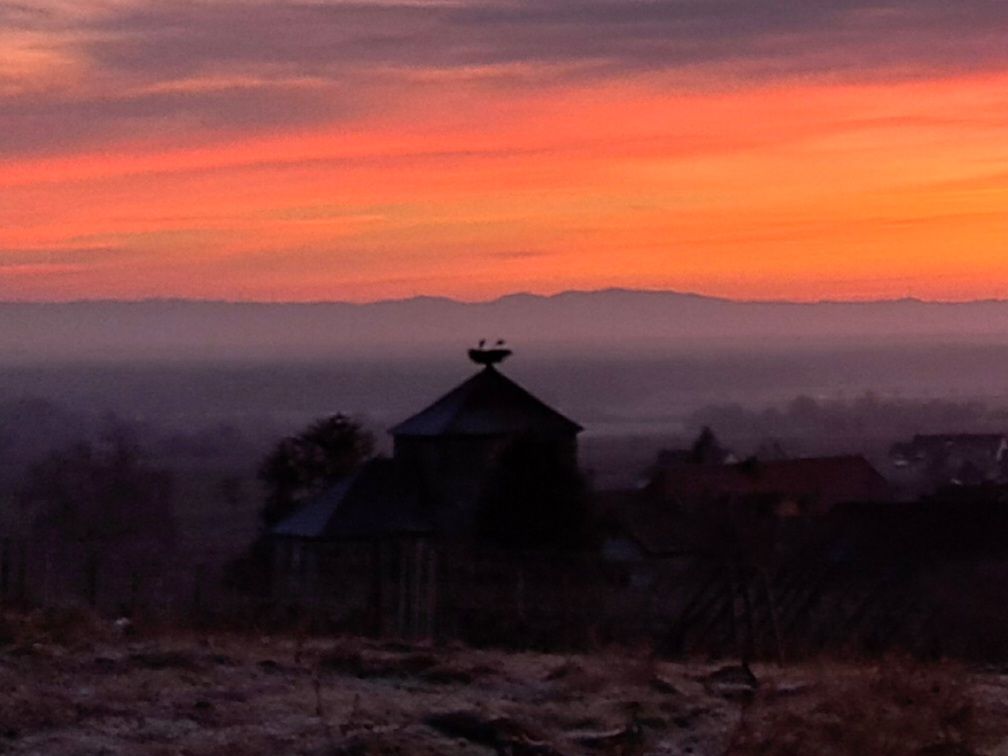
I have a plan.
To flee before the Christmas holidays this year. It doesn’t have to be far, a few kilometers into the heath would suffice.
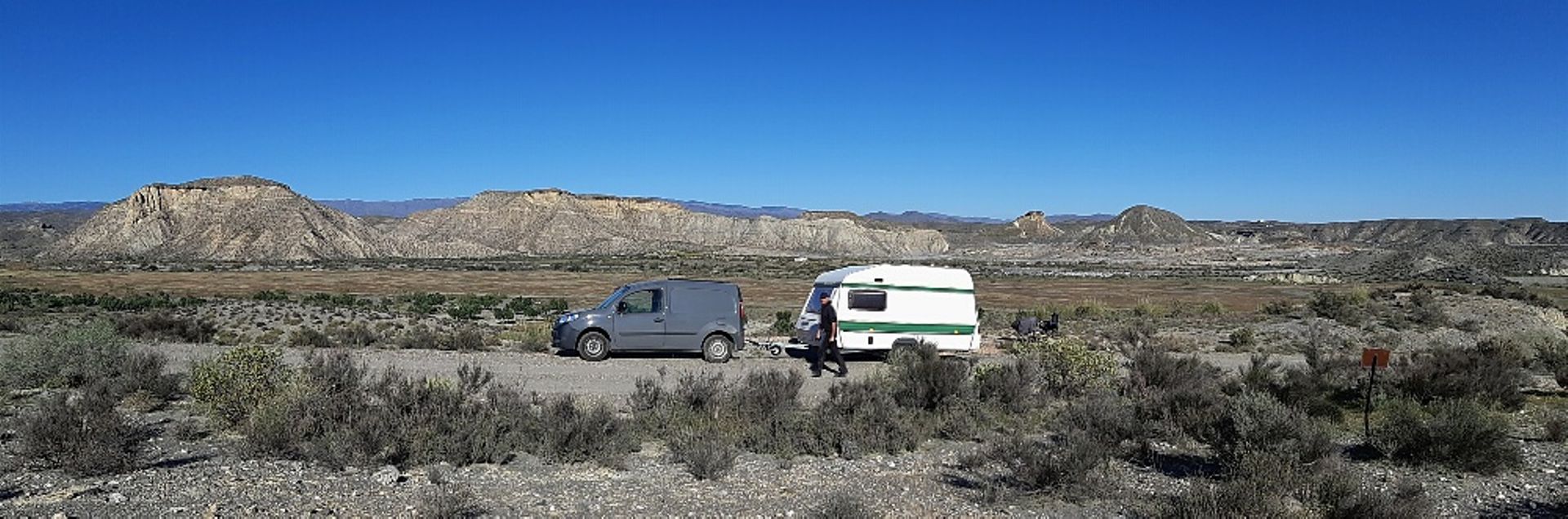
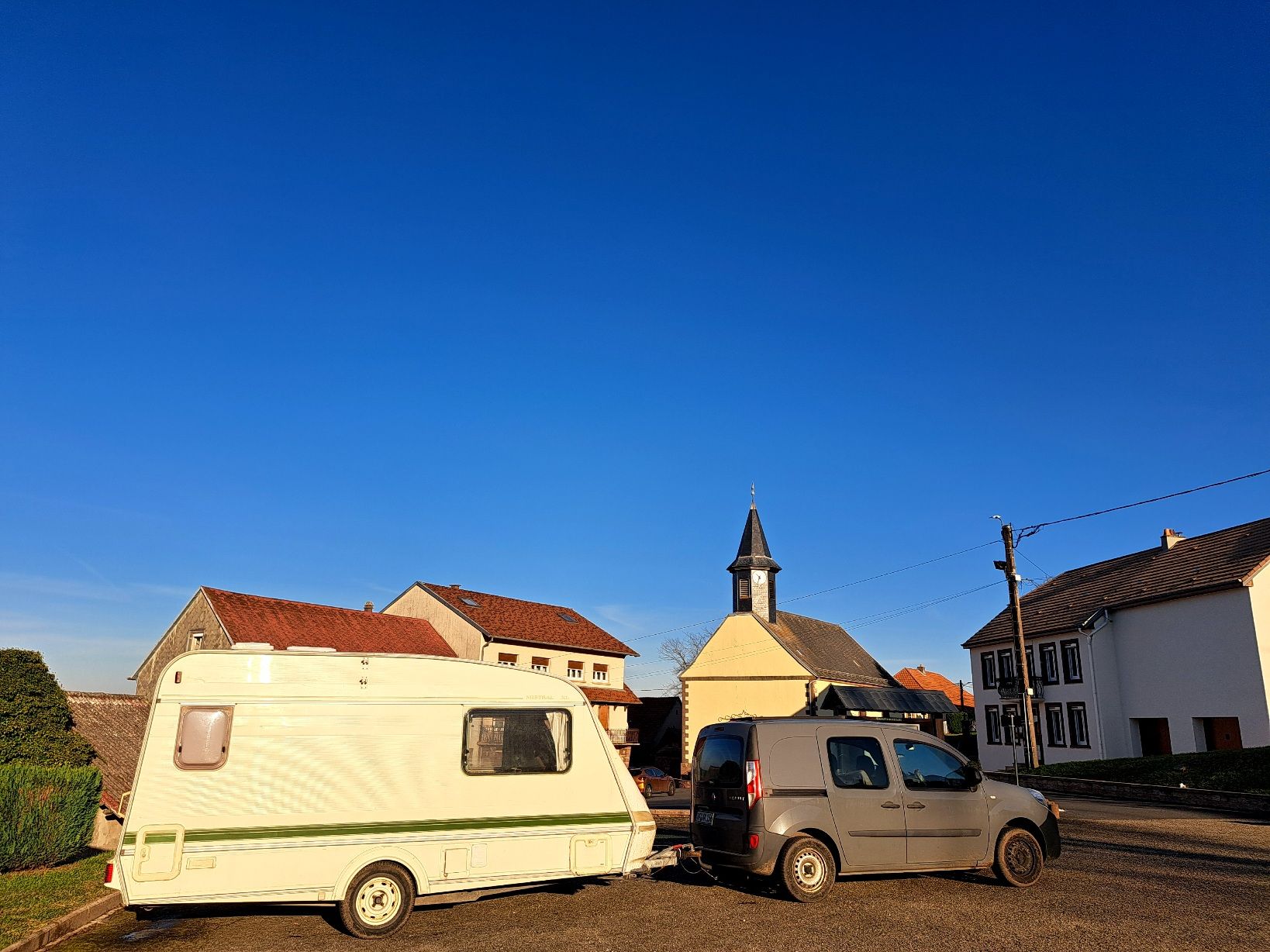
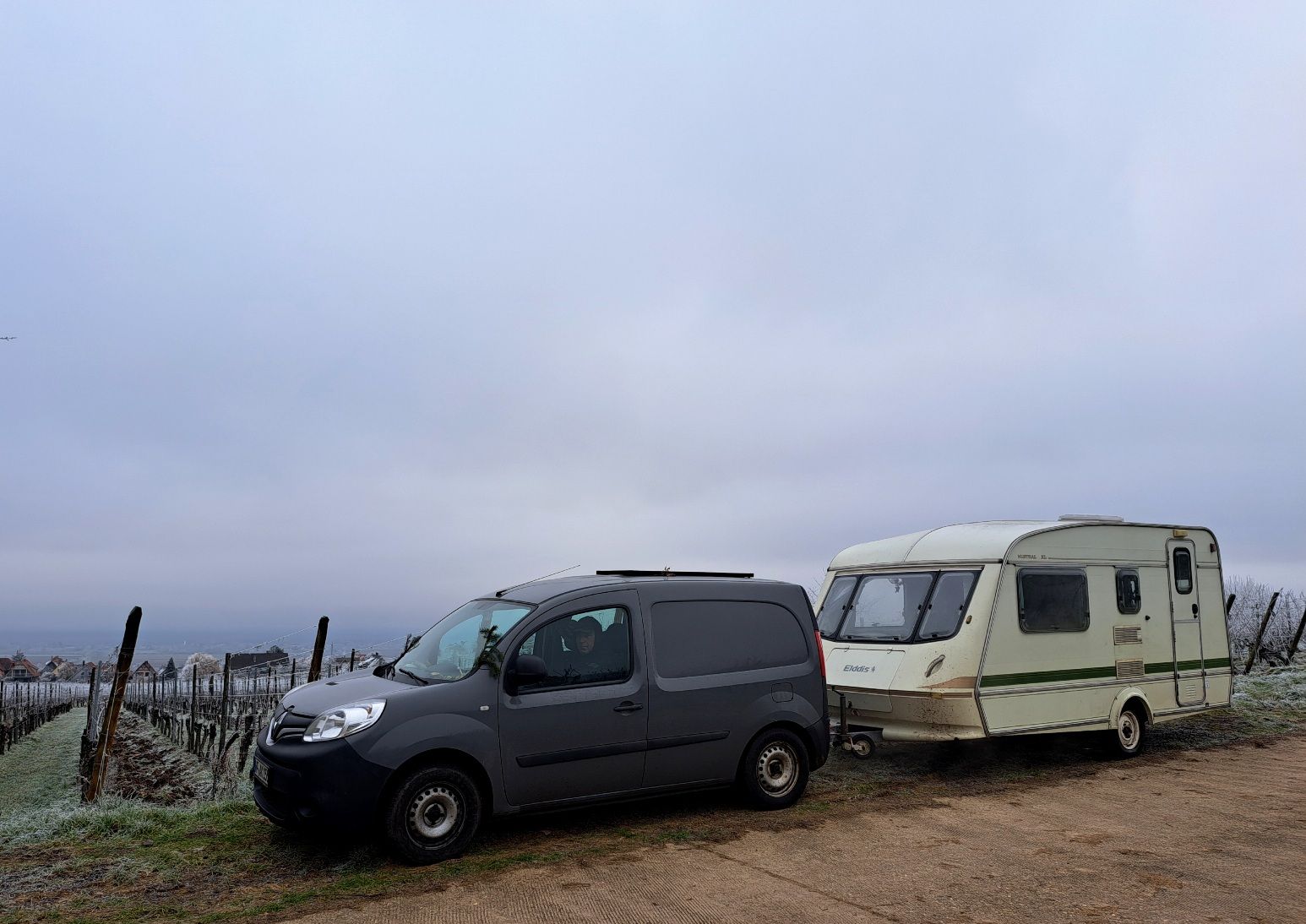
But unfortunately, the hero is still a bit under the weather, so the deal is that I have to drive the escape vehicle. Actually, not a huge problem, if it weren't for the caravan.
After initial panic attacks in narrow alleys, on steep mountains, and across the Kassel mountains, routine begins to set in. Only in the Aldi parking lot or on the overnight parking space does Monsieur have to take over maneuvering backward into the spot.
And if I have to drive, it can't just be to the neighborhood.
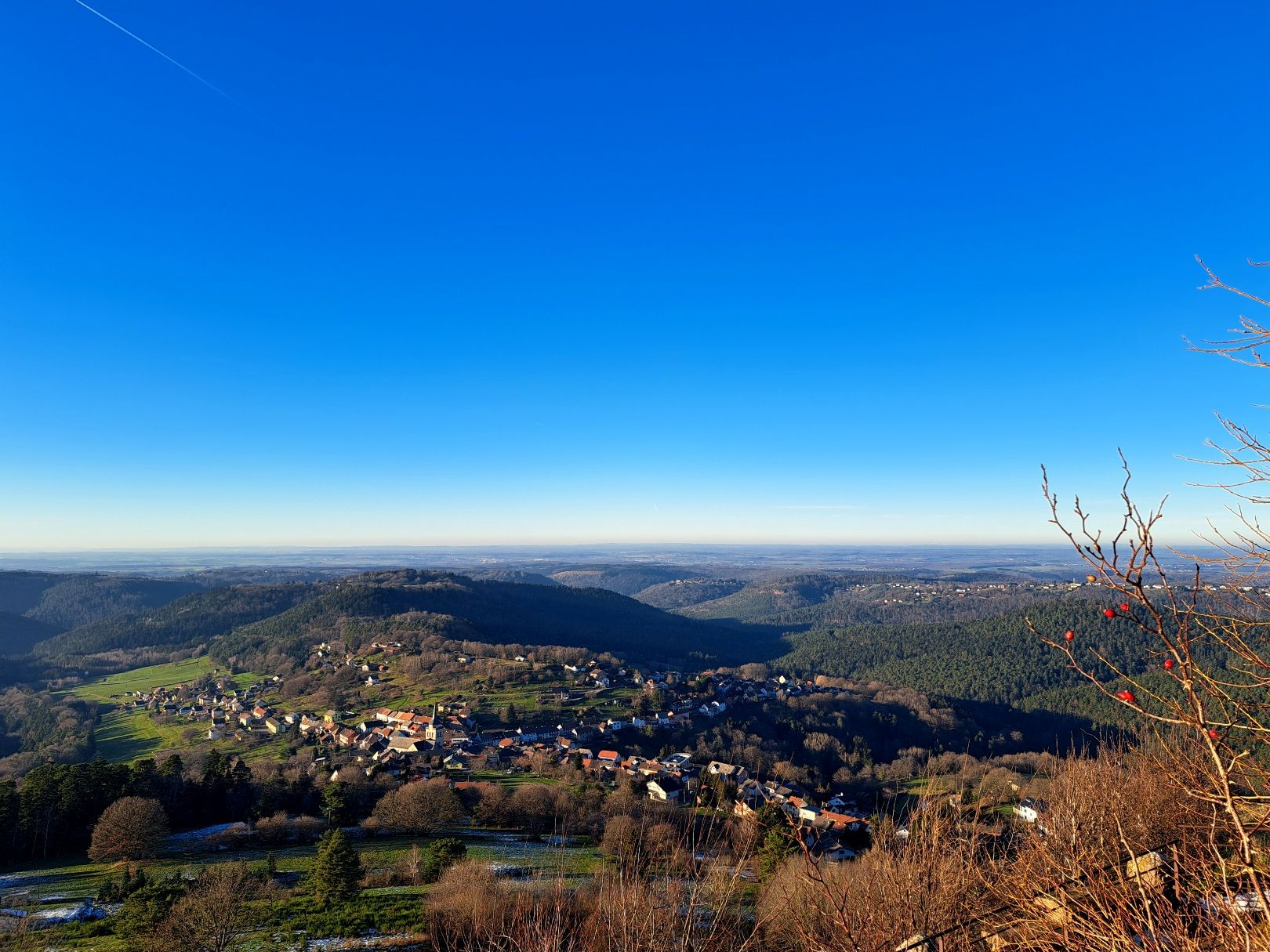
Now the target is the Vosges.
On our previous travels, we have left the low mountain range in northeastern France to the side.
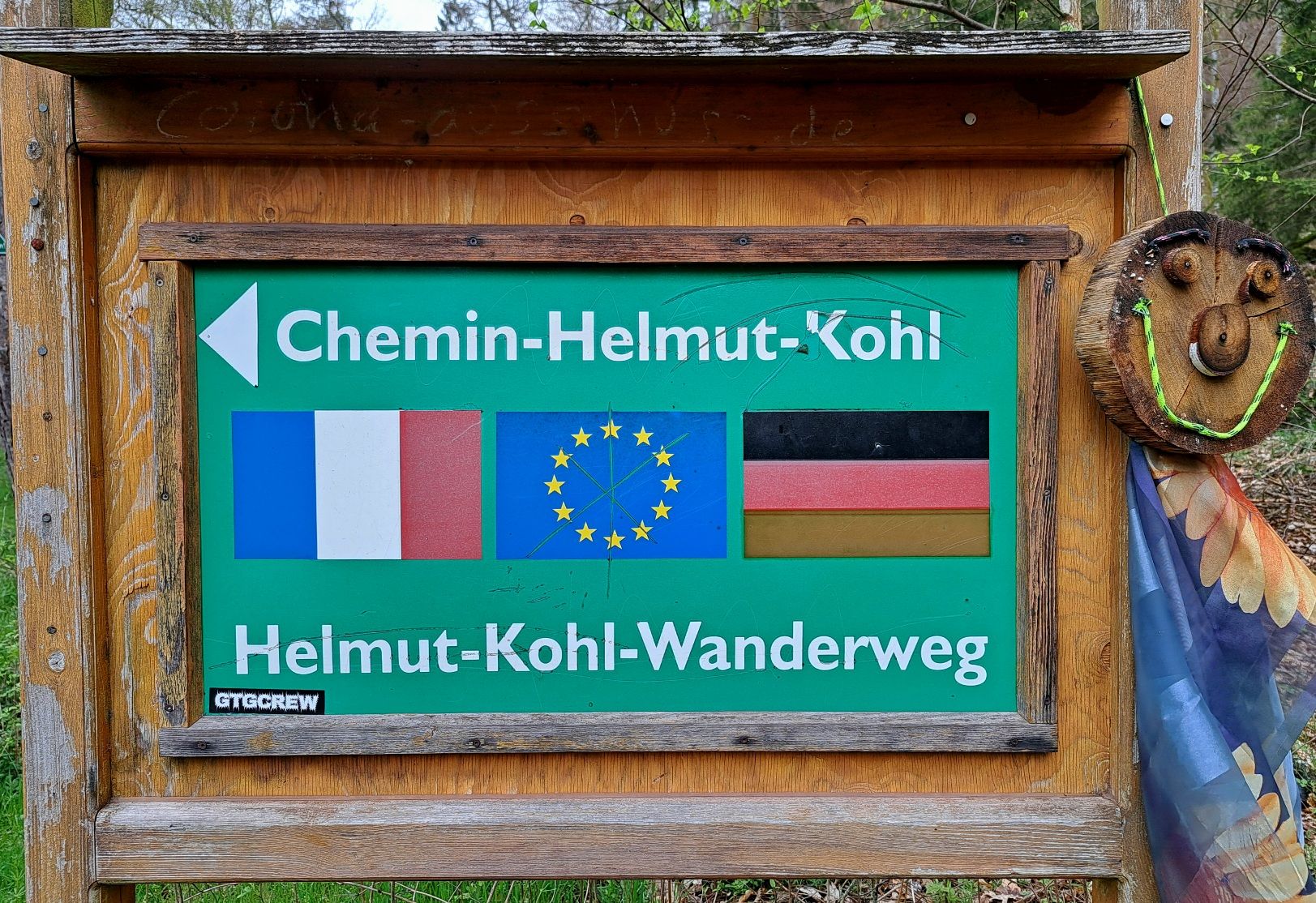
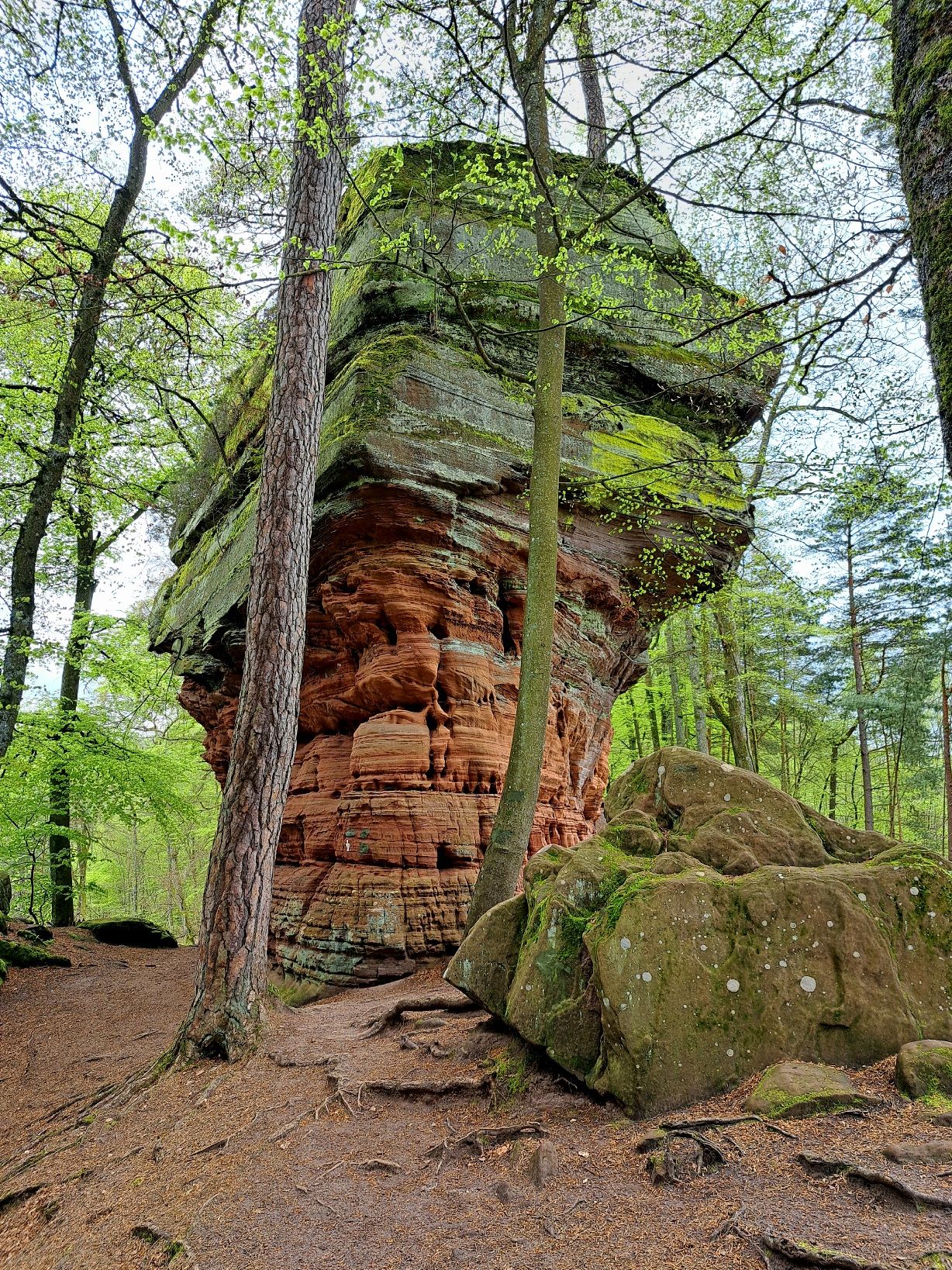
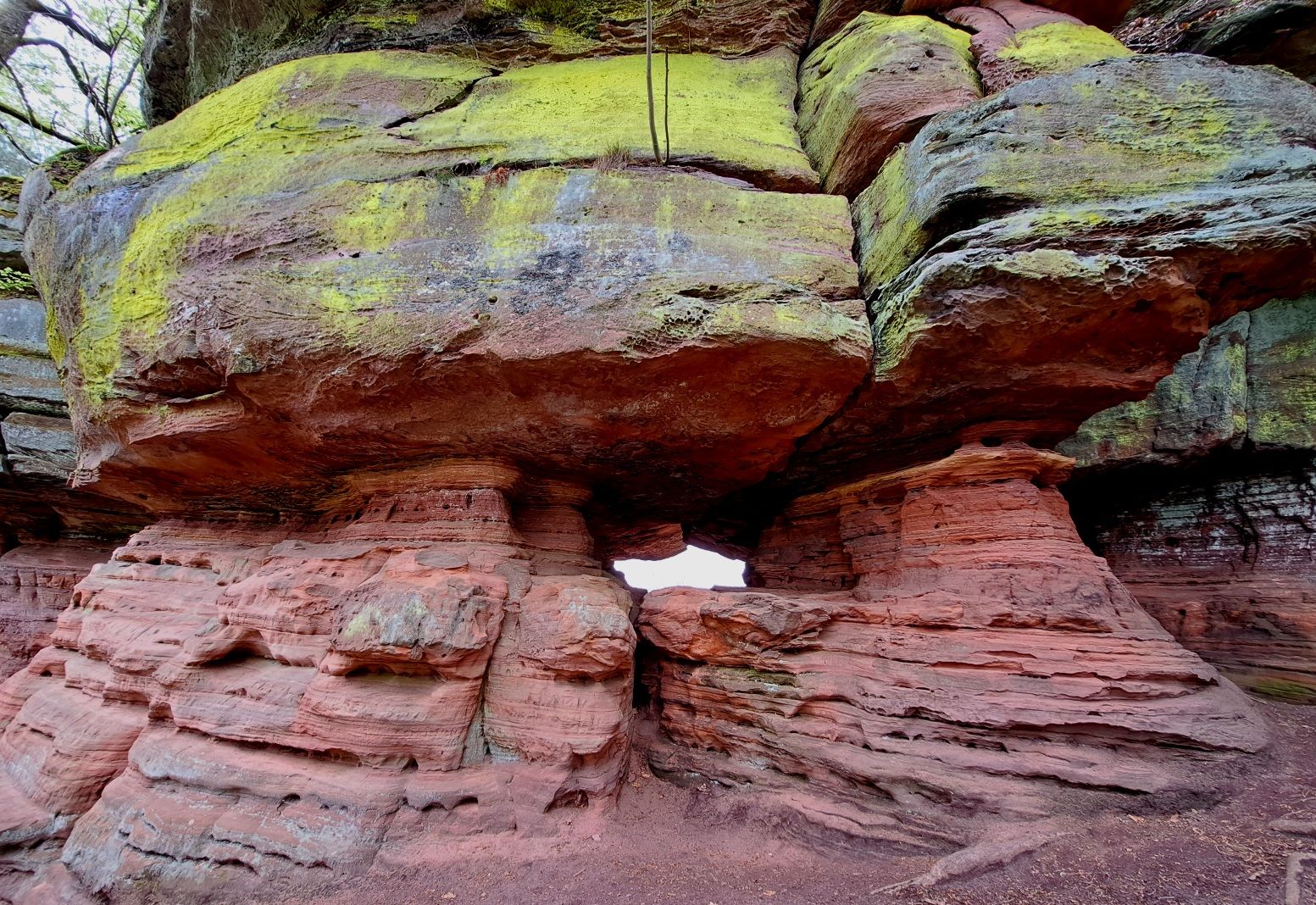
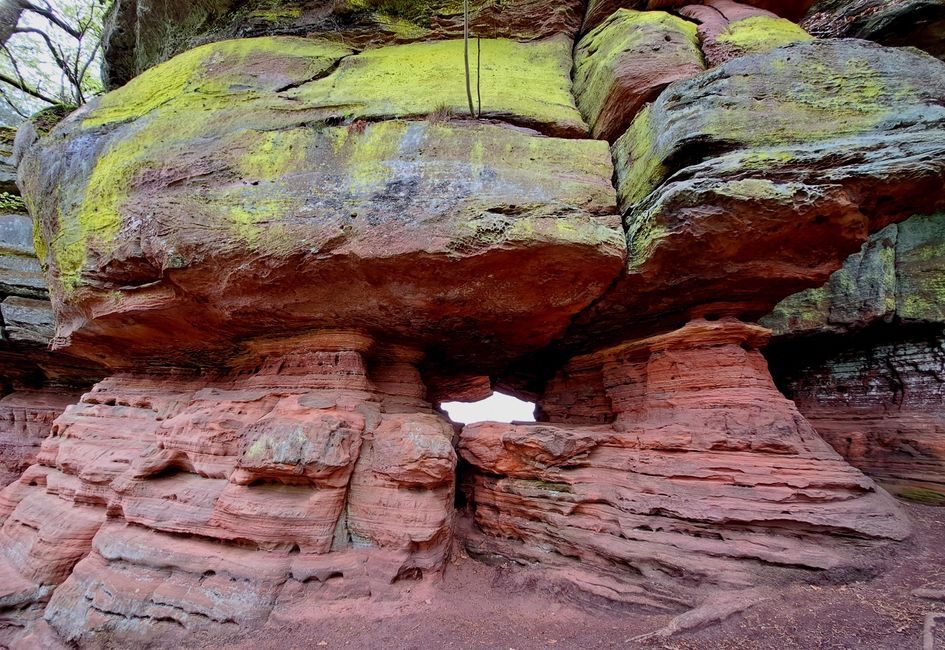
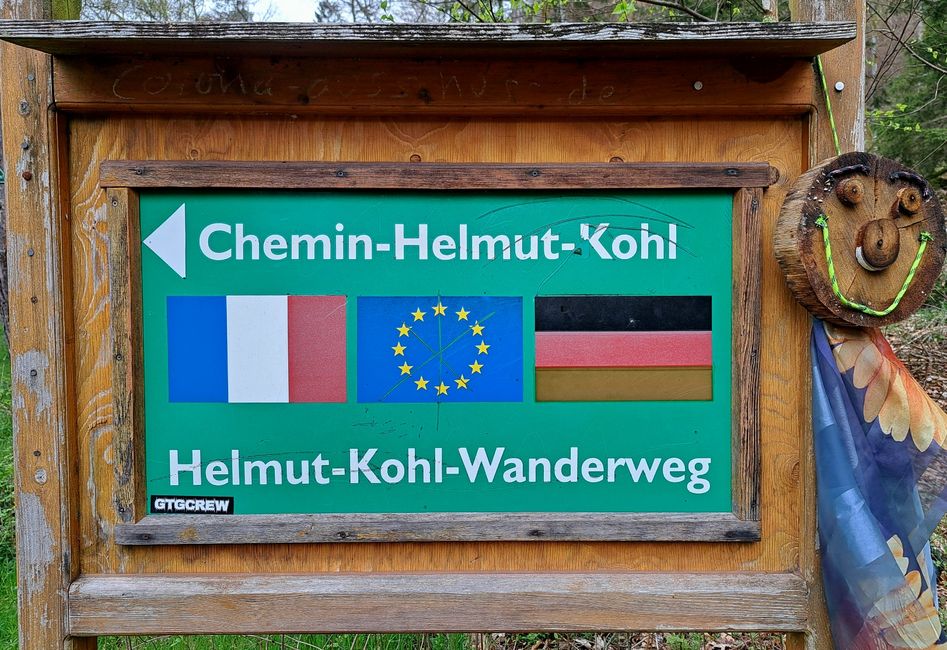
However, last year, we found ourselves in the Pfälzerwald on the Helmut Kohl hiking trail to the Altschlossfelsen.
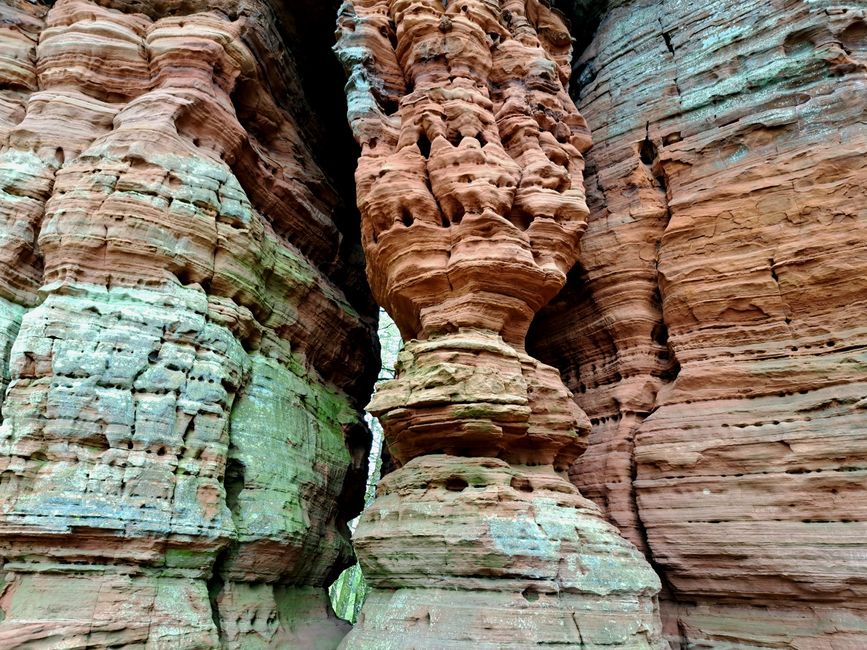
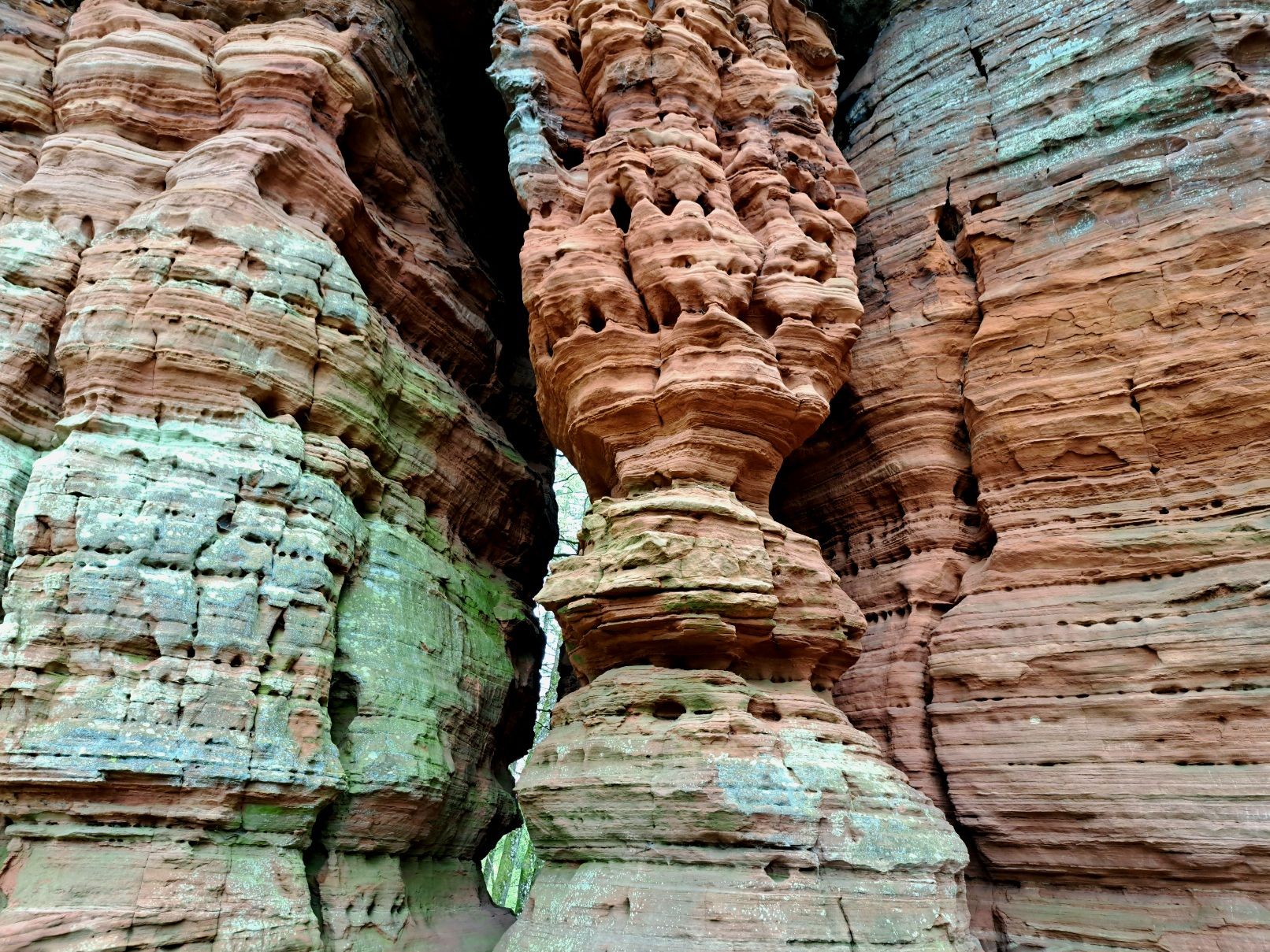
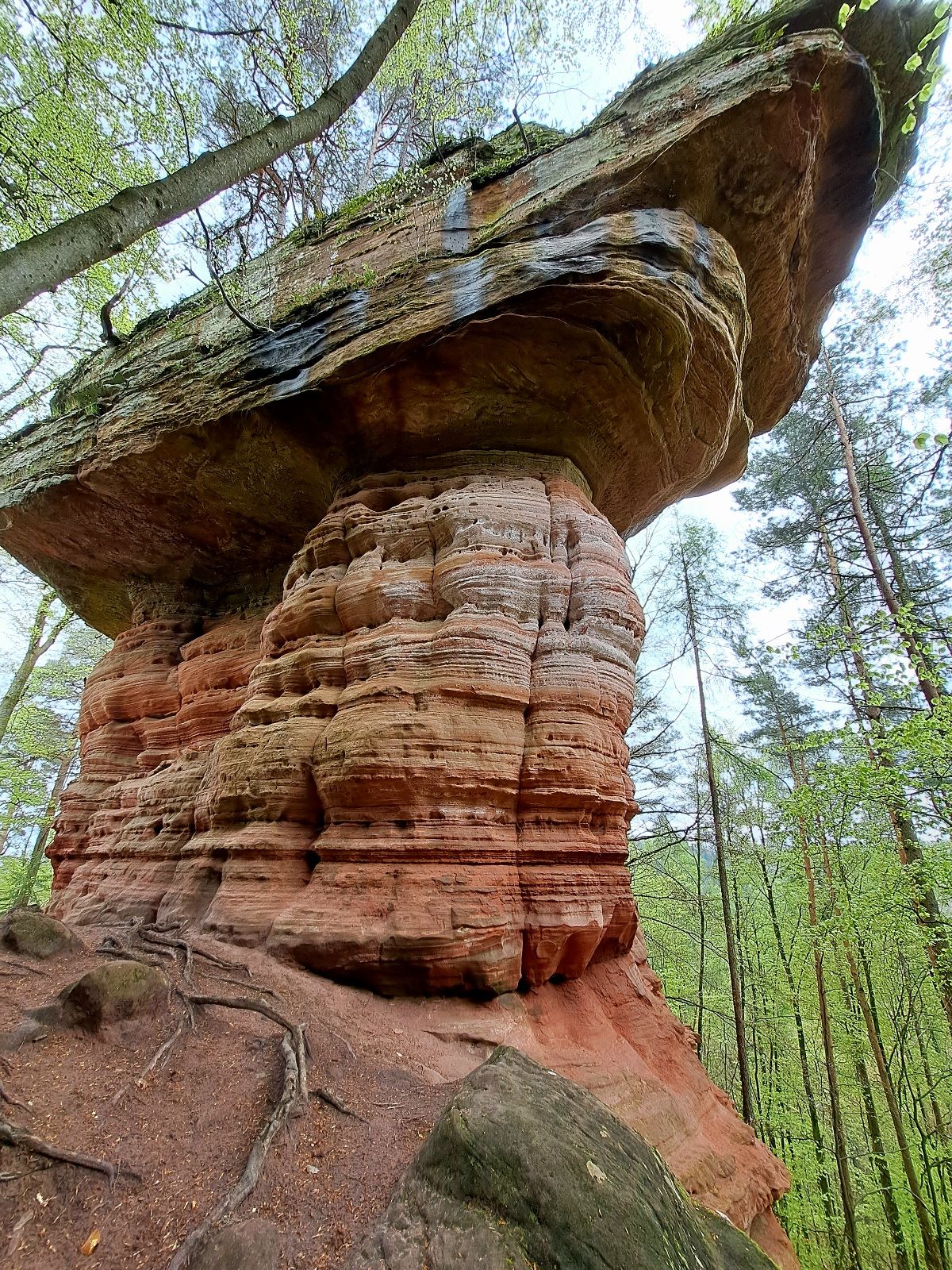
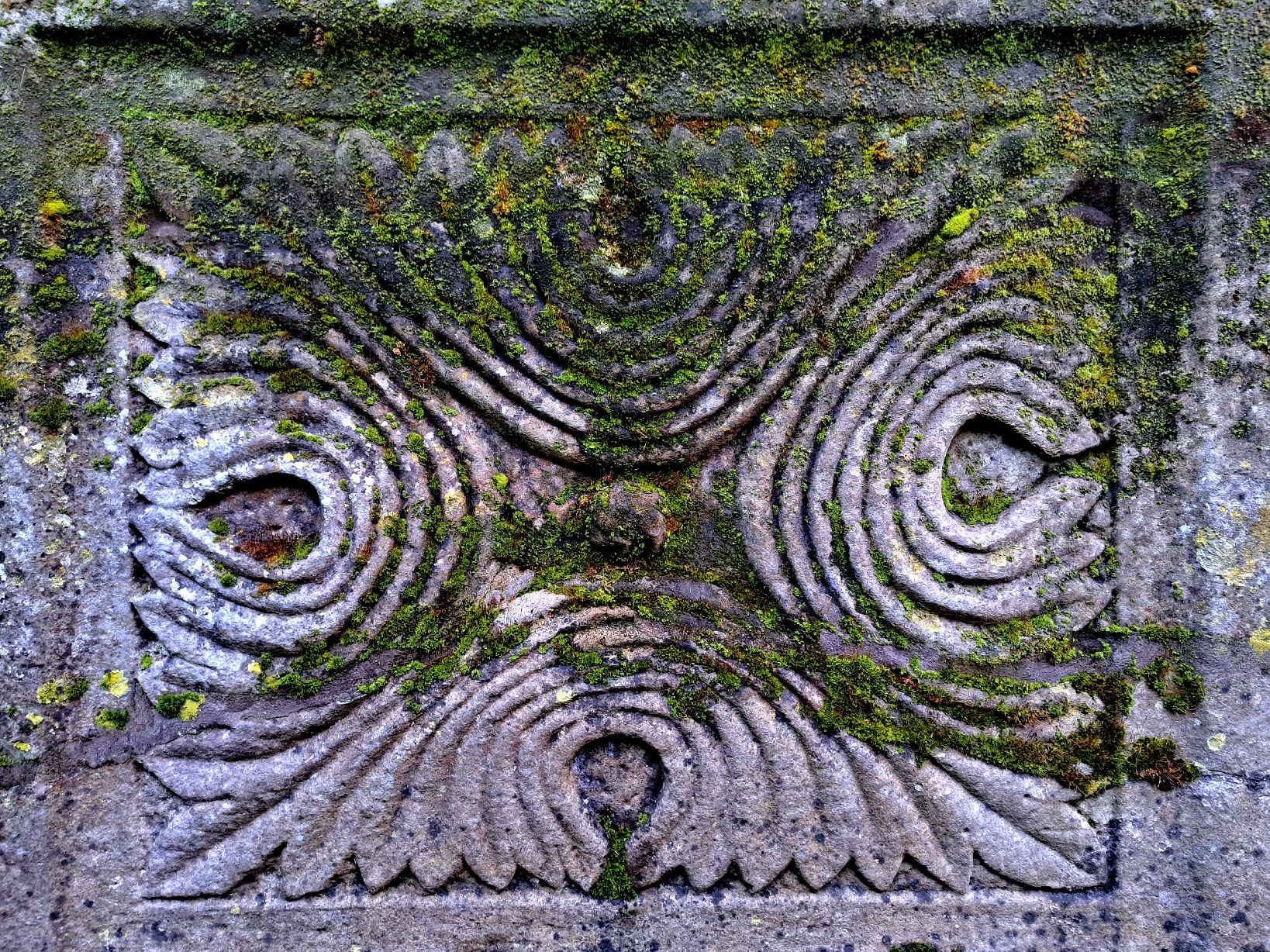
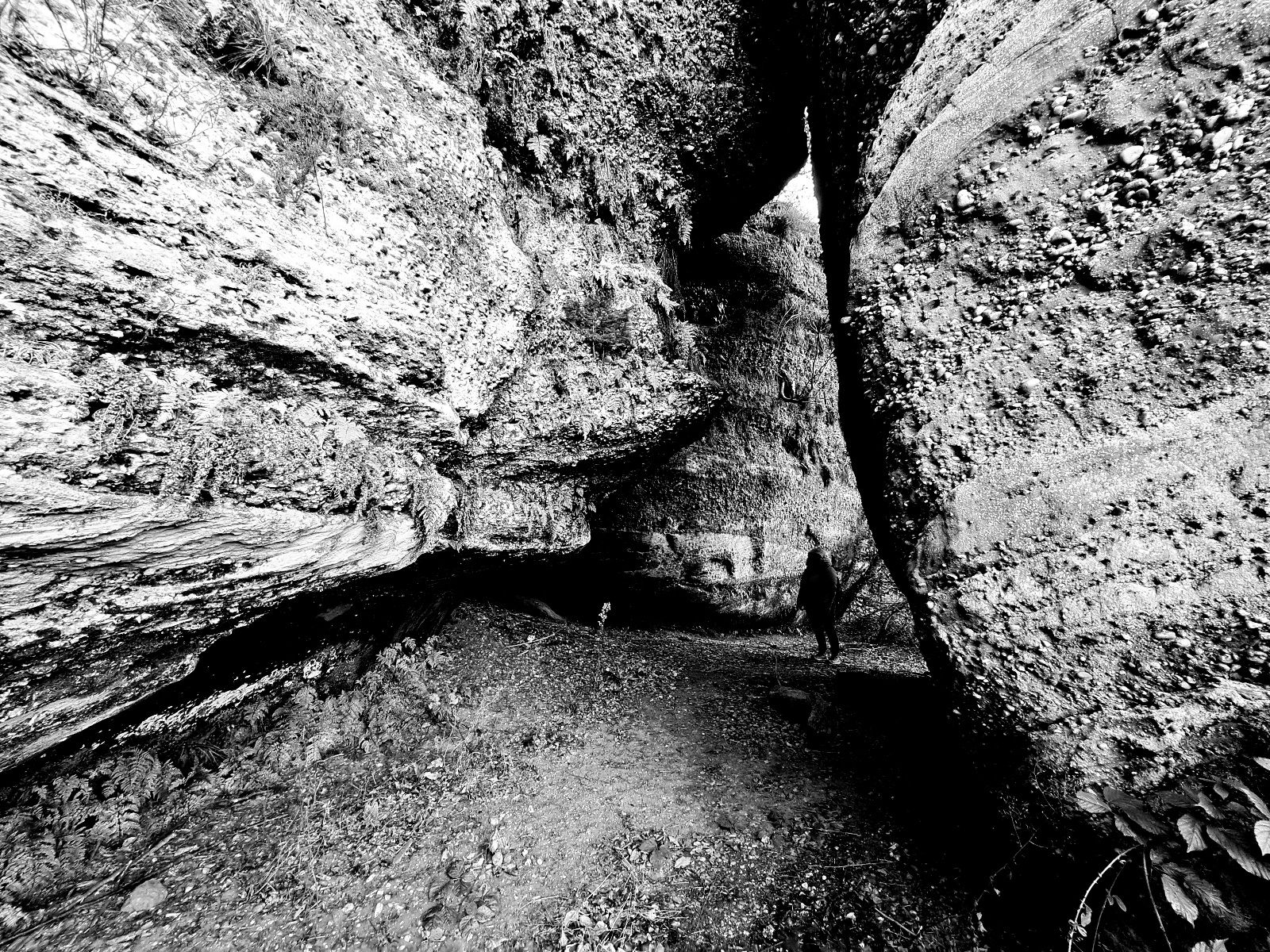
In this bizarre rock formation of about one and a half kilometers made of sandstone, water, wind, and weather have created wonderfully quirky column galleries with astonishing patterns and impressive drawings. A truly spectacular landscape with fantastically overwhelming images that remind one of shots from Antelope Canyon in Arizona.
In the south, the Vosges adjoin the Pfälzerwald without morphological separation and form a unified low mountain range, I read on Wikipedia. There are also exciting sandstone formations to discover here, which is why the way leads us here now.
Traveling is known to be educational, and WHAT we learn in the Vosges:
1. We are in Lorraine, not, as we mistakenly assume, in Alsace.
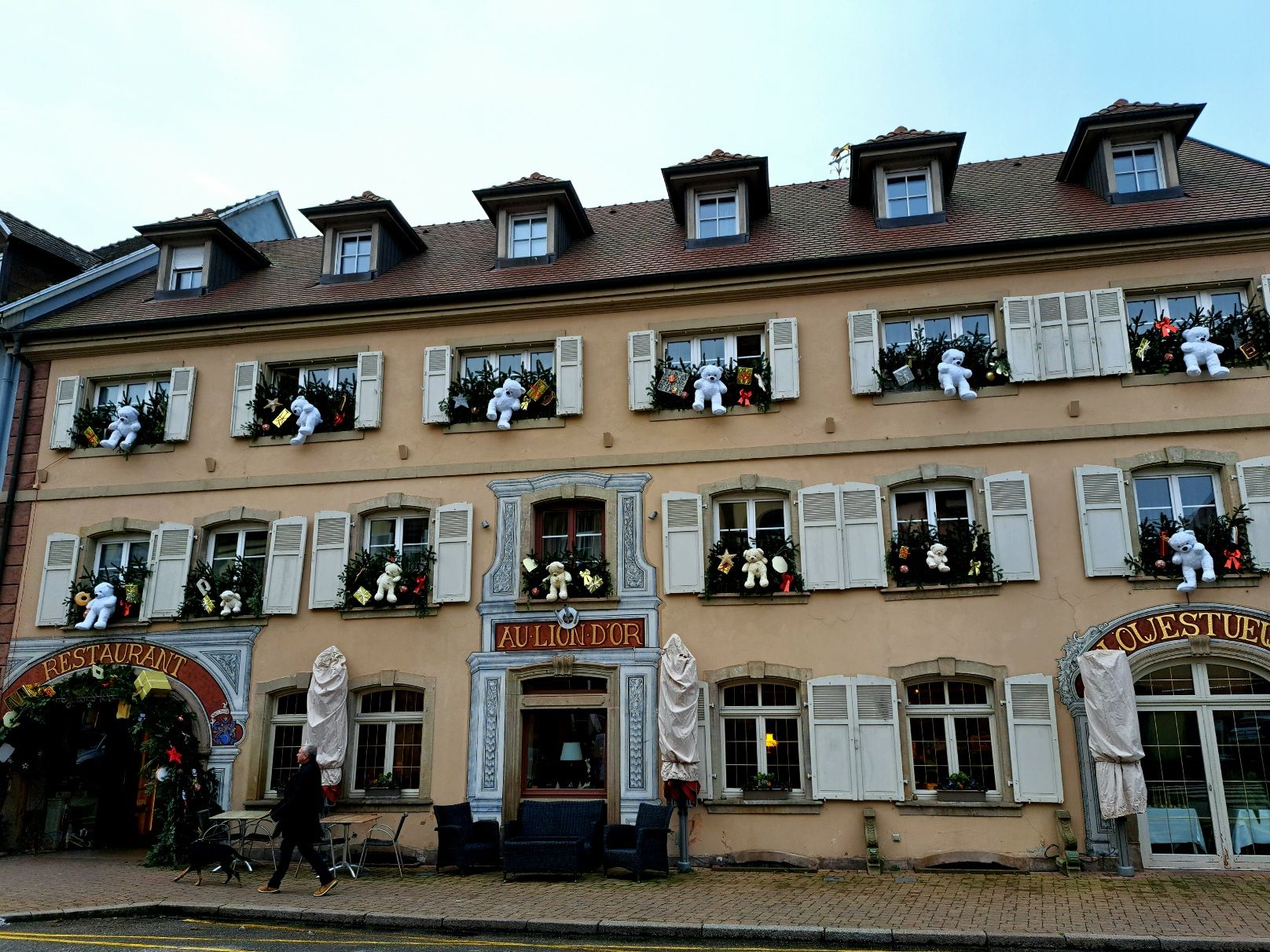
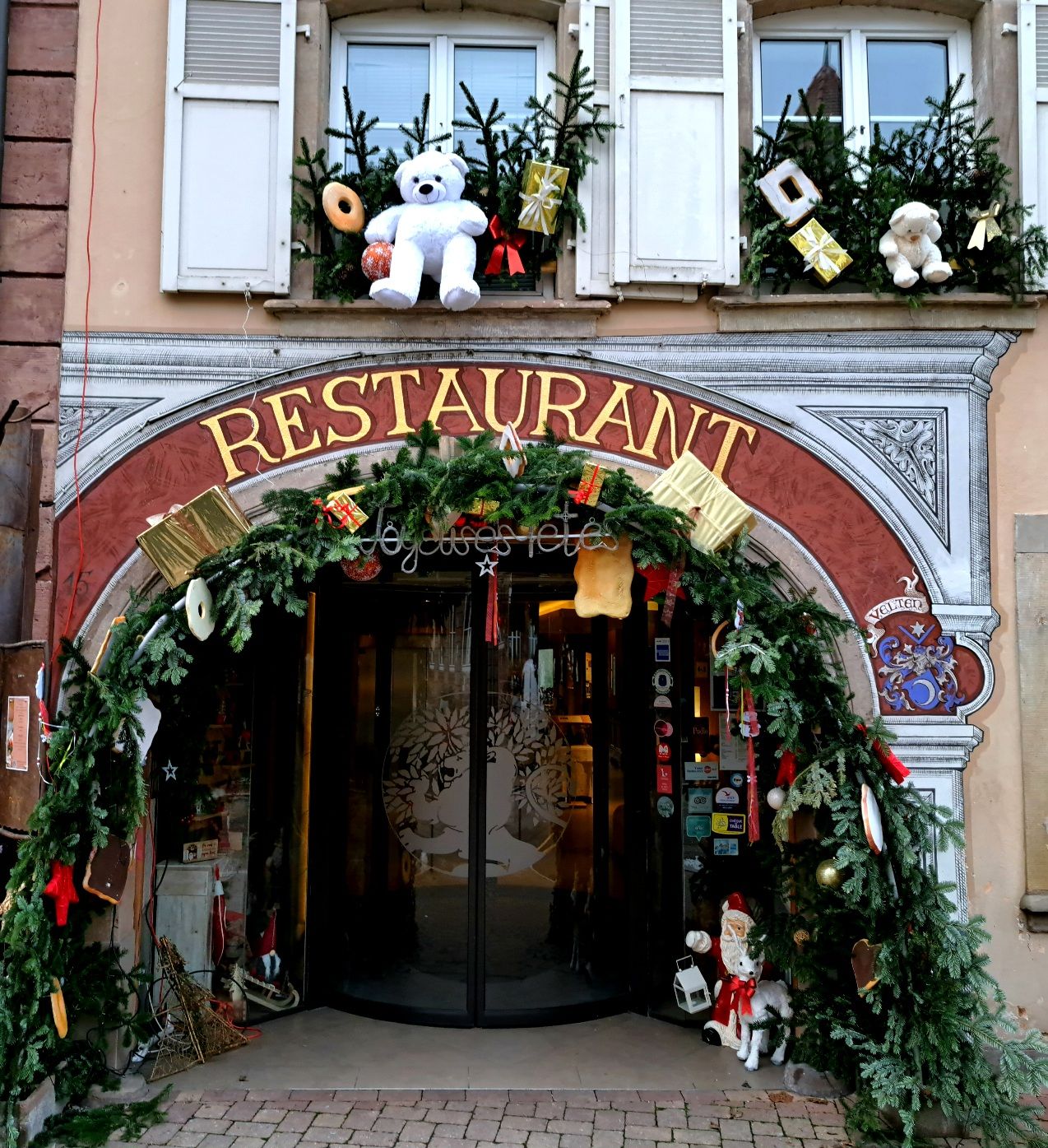
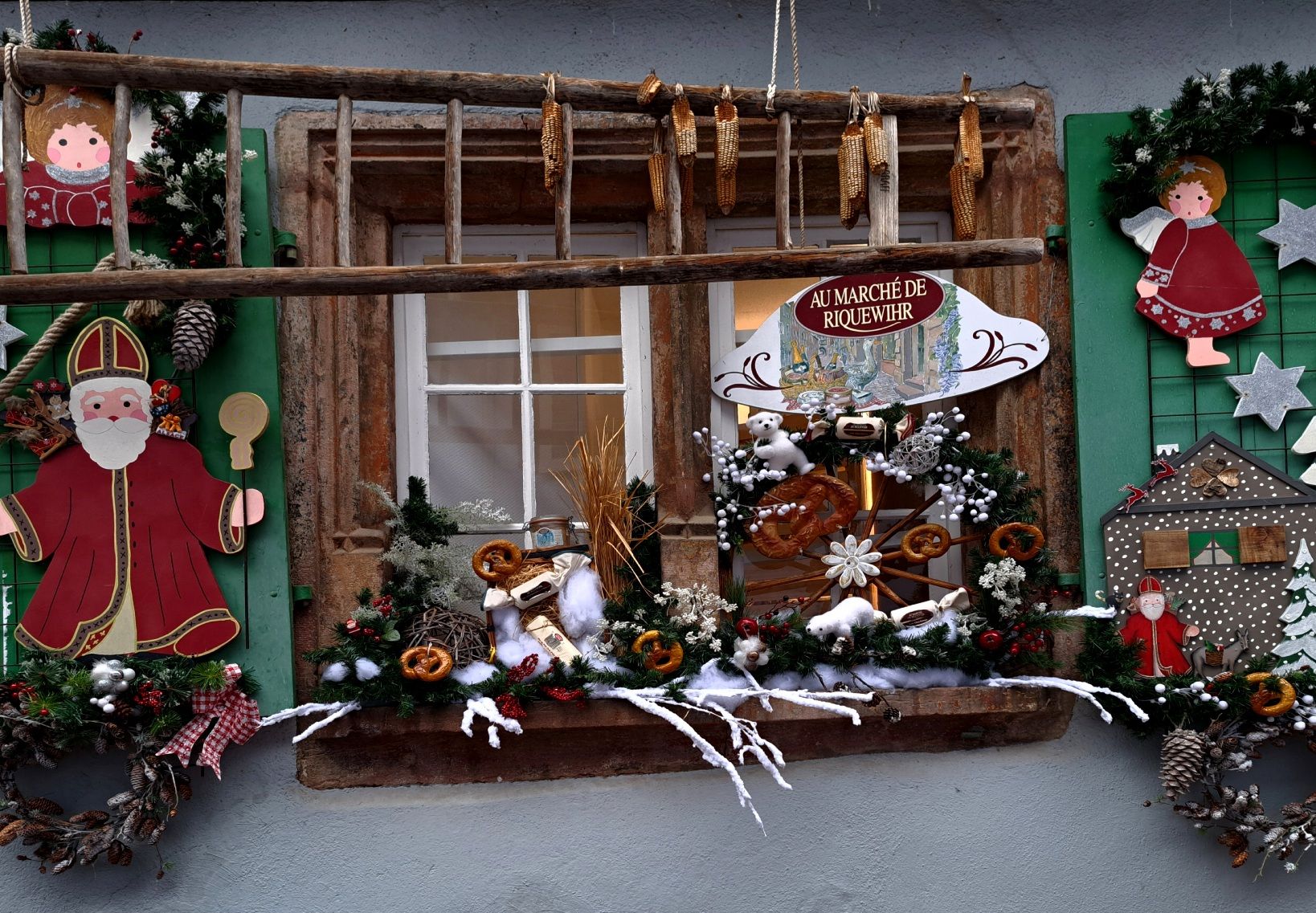
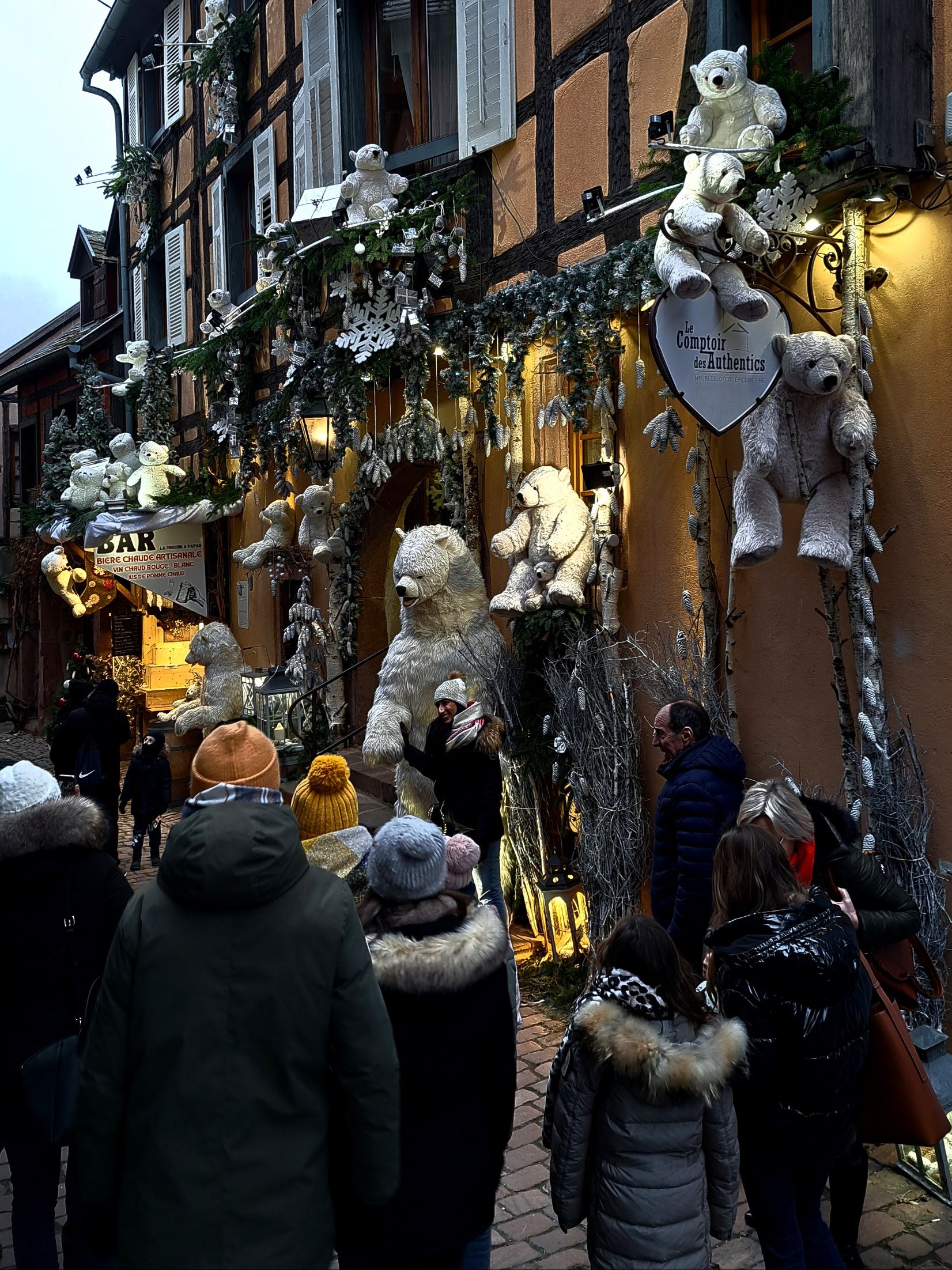
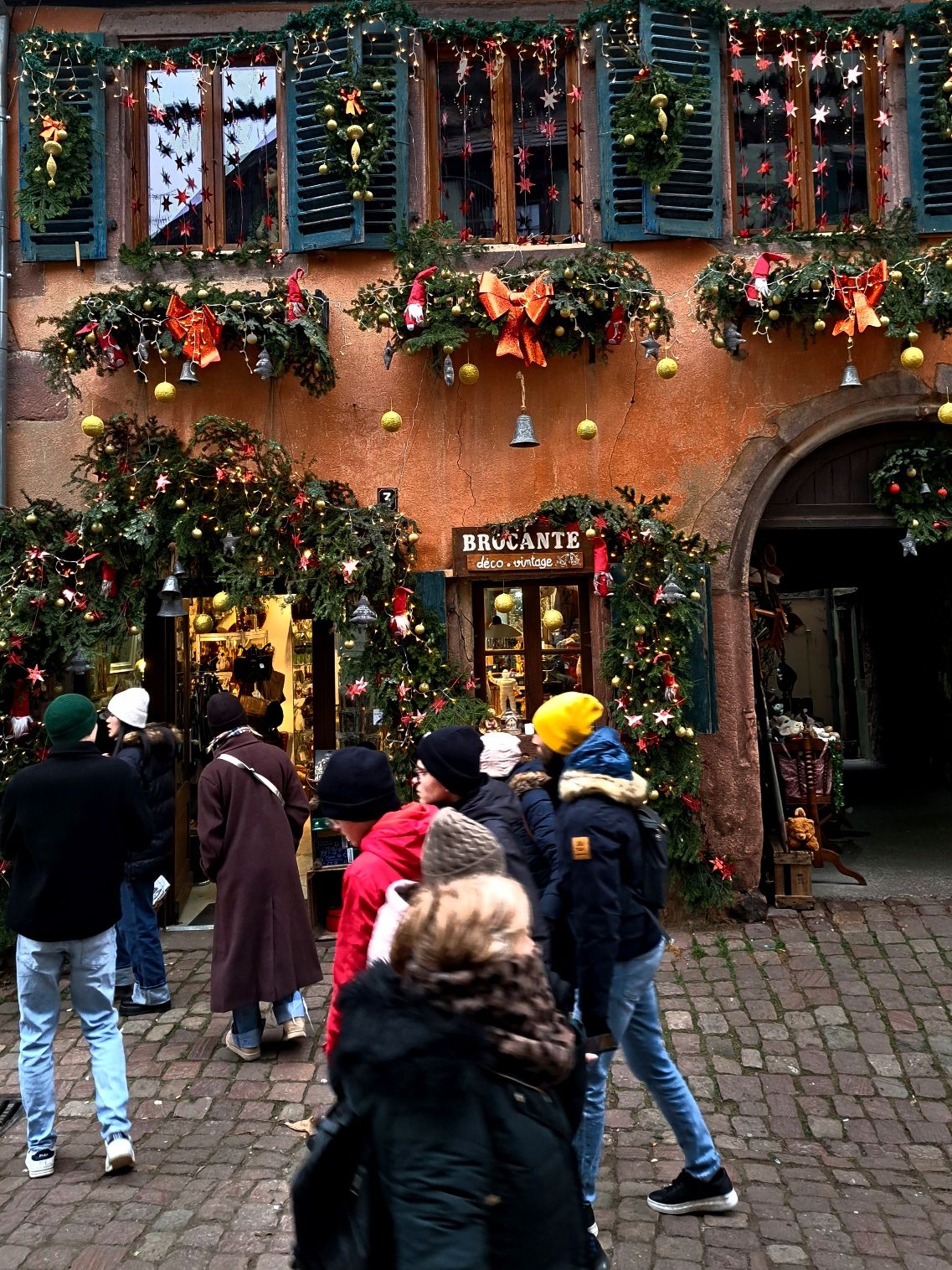
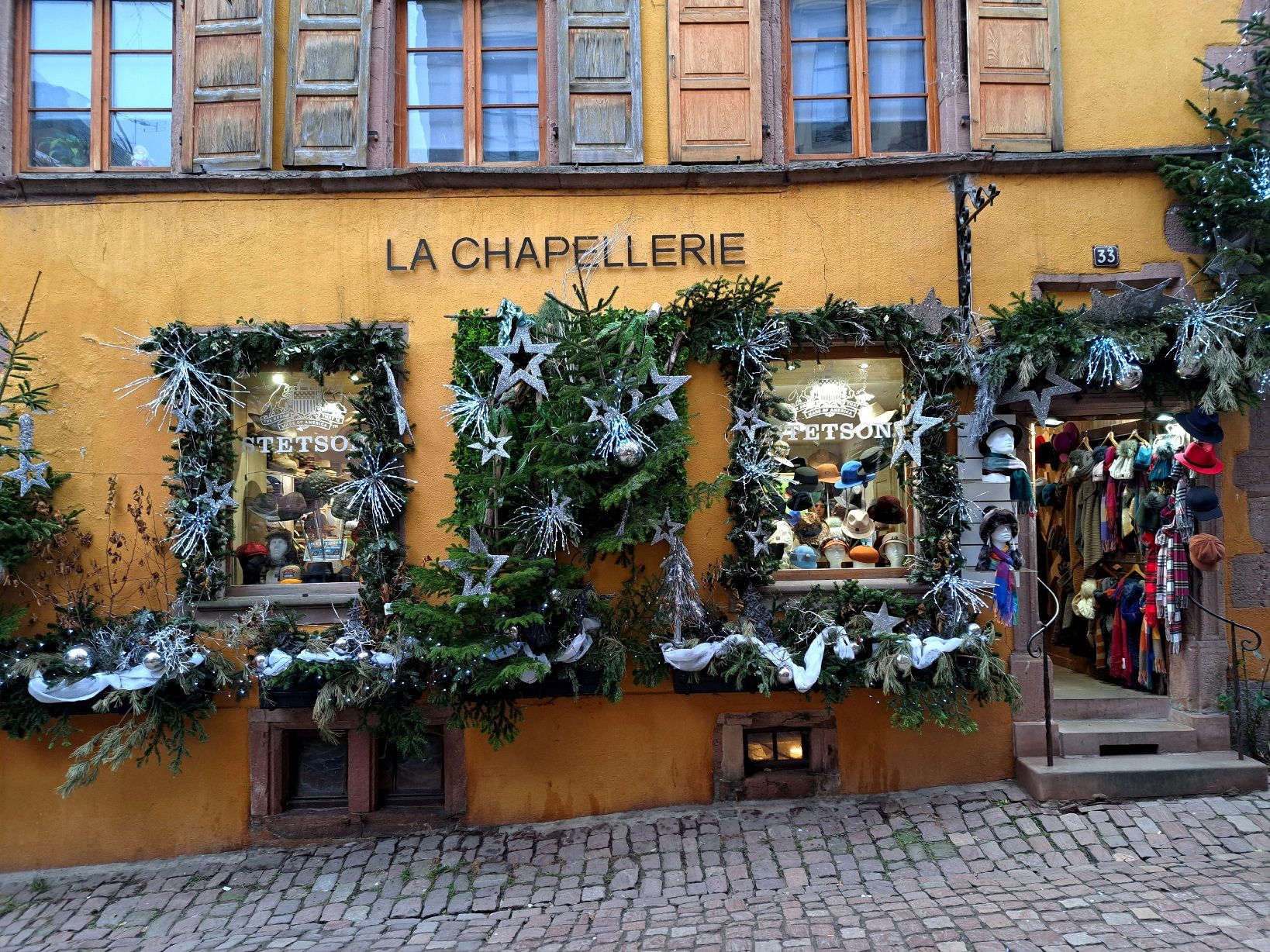
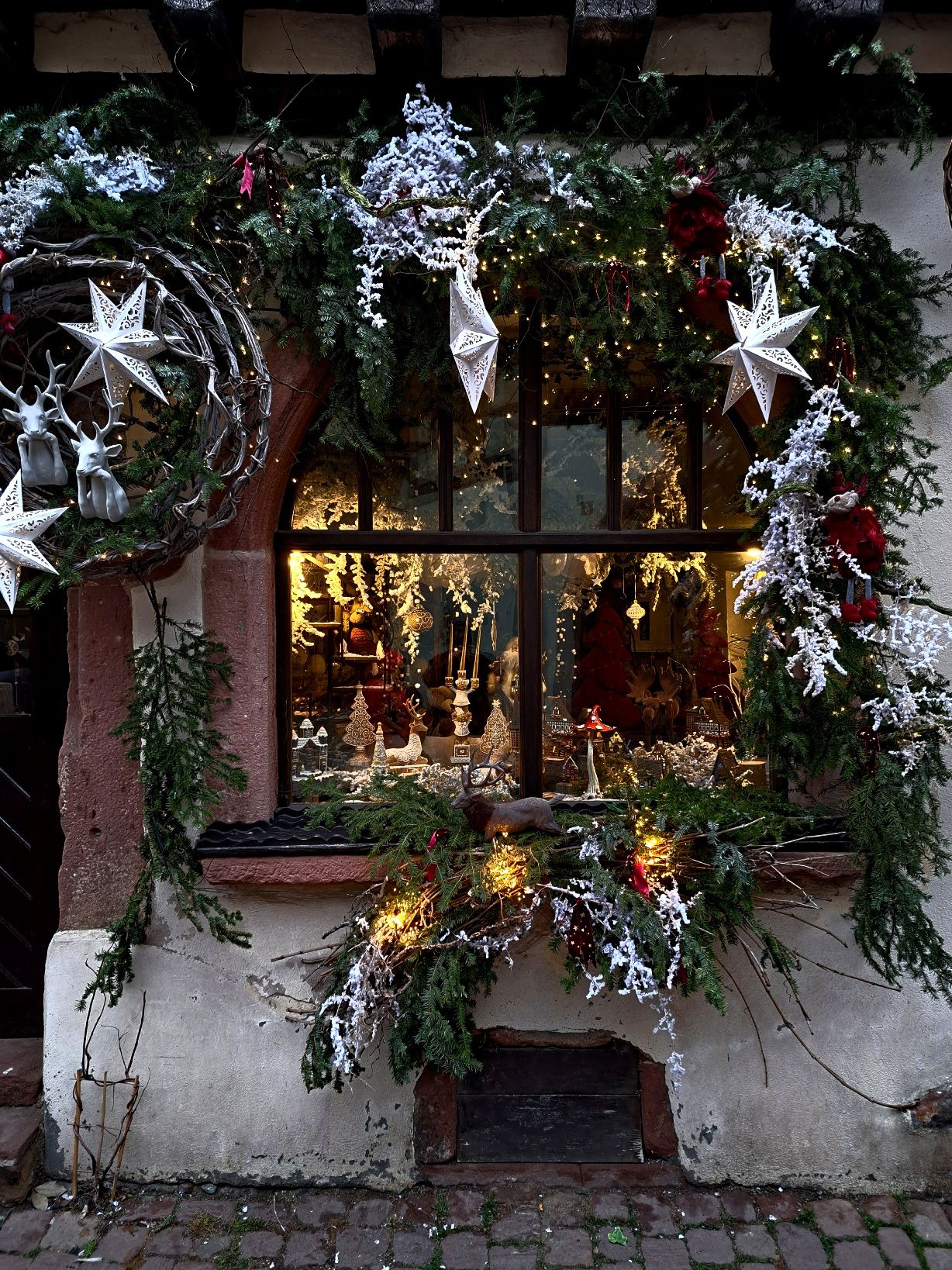
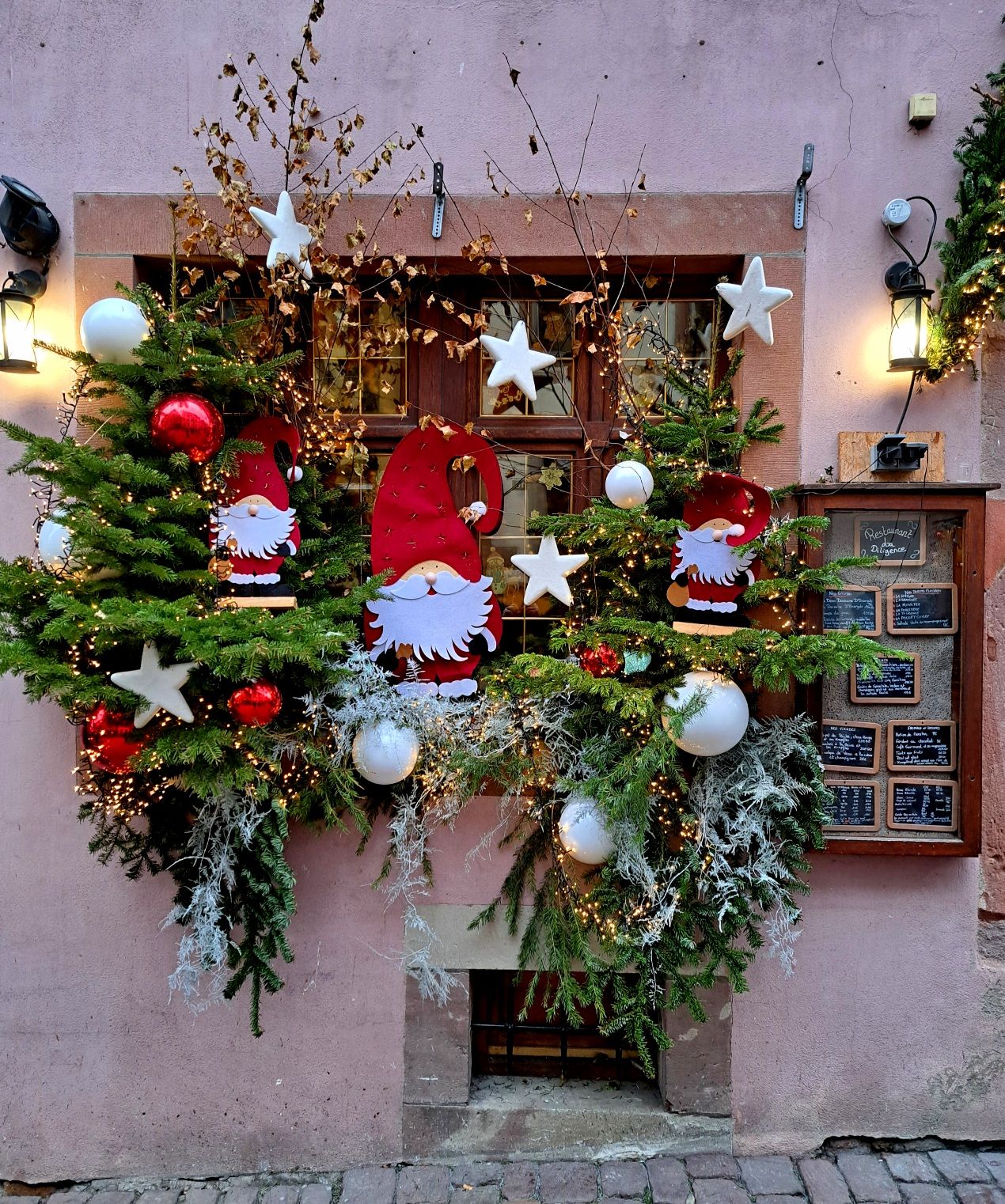
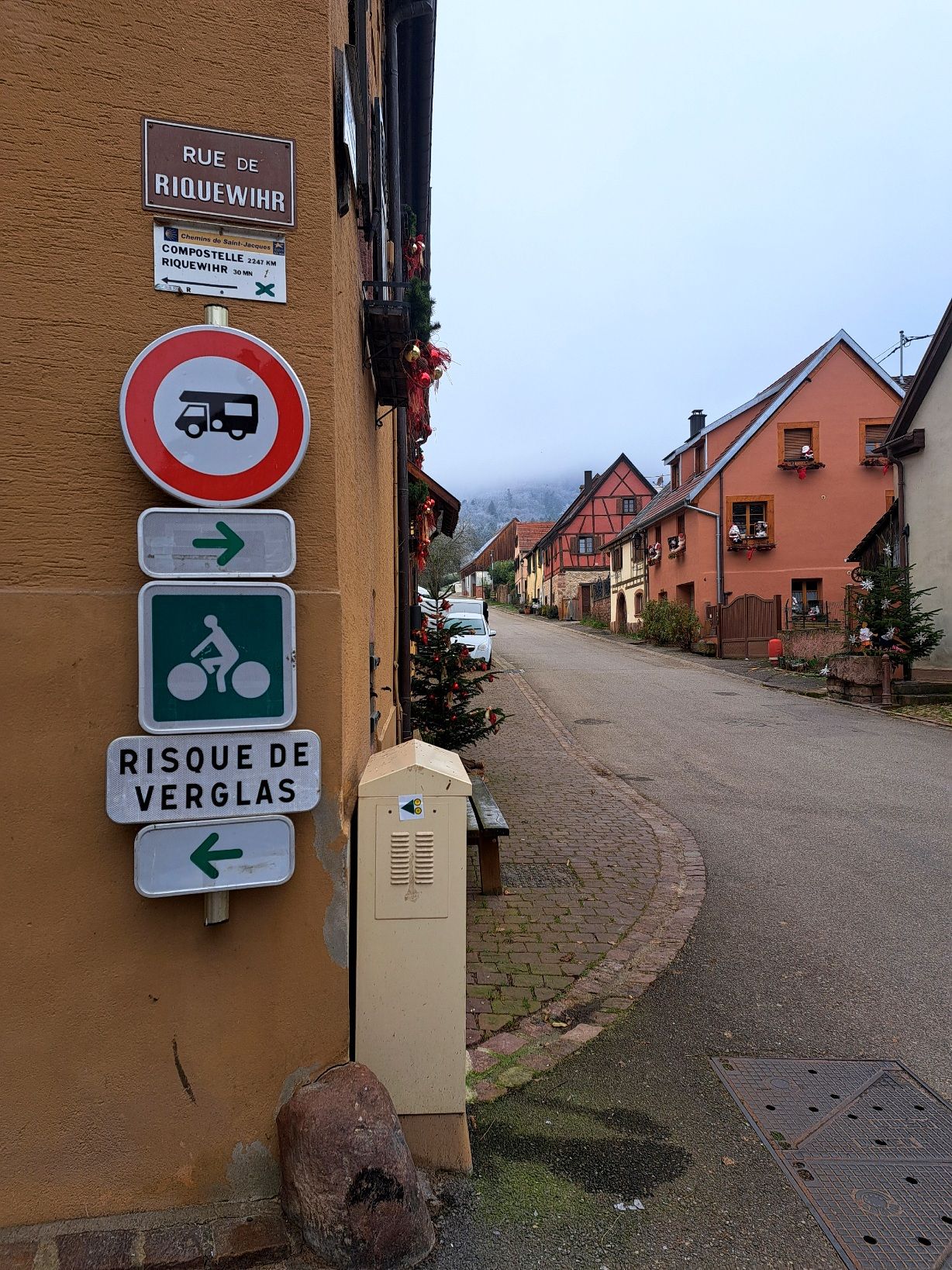
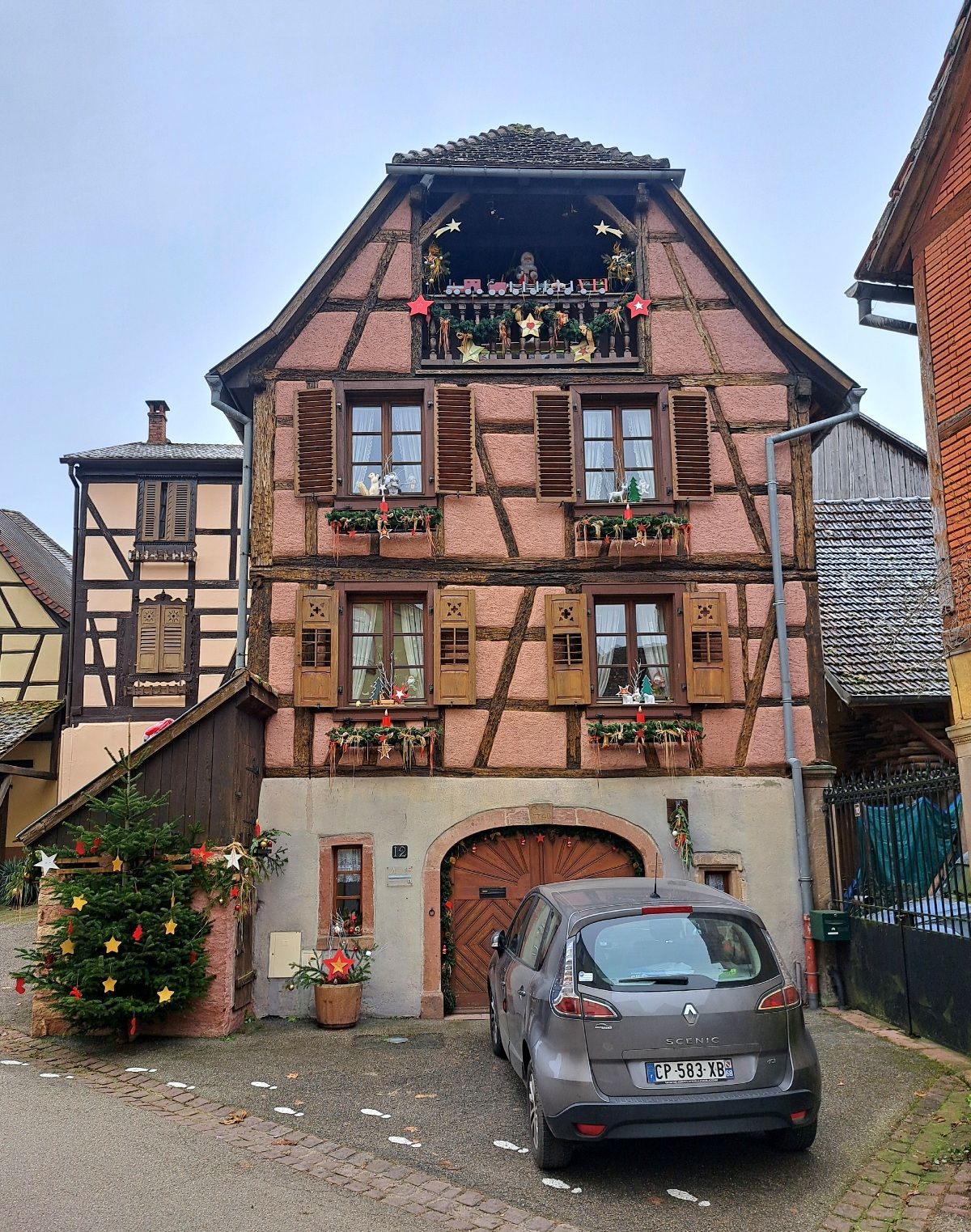
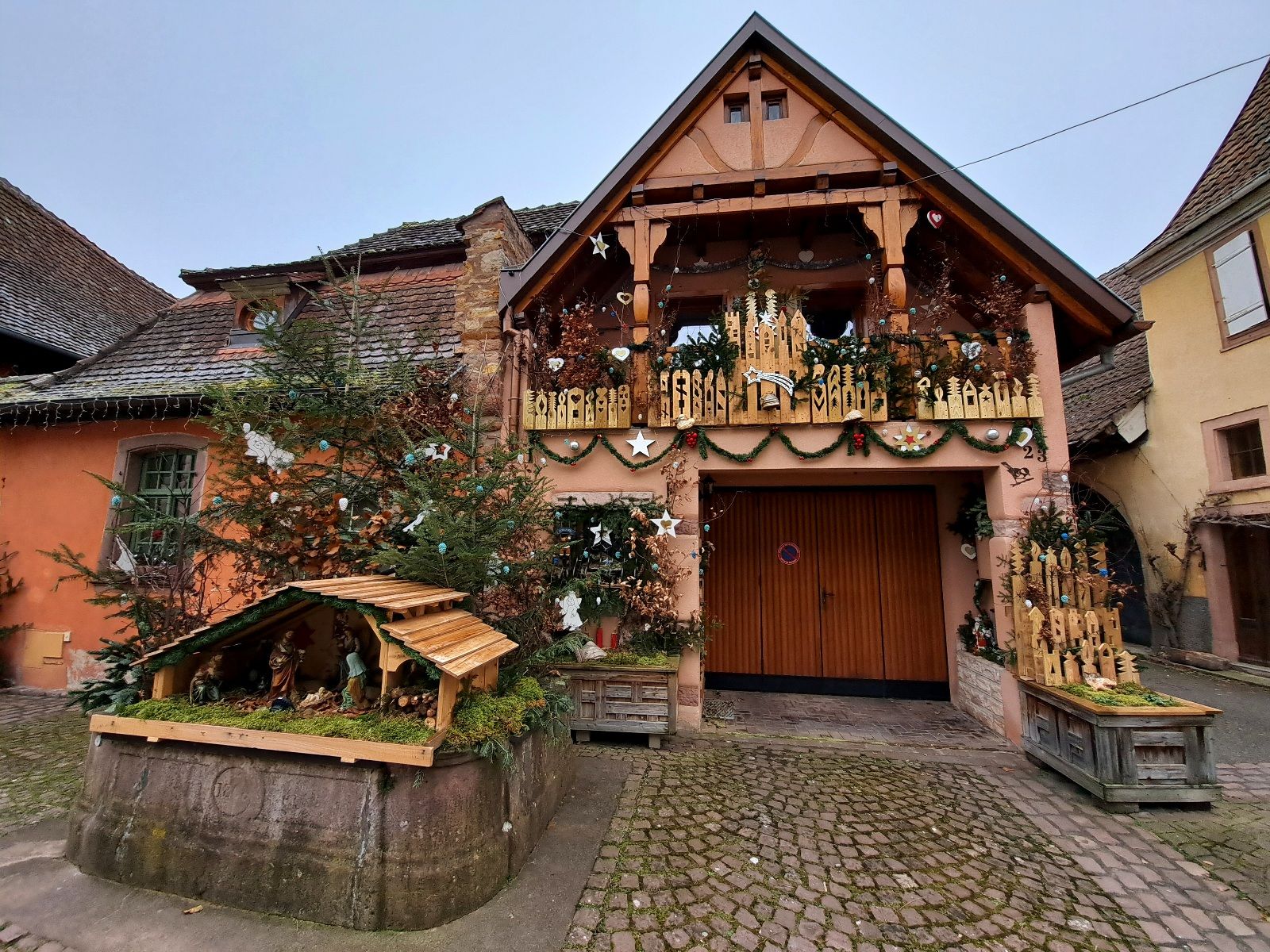
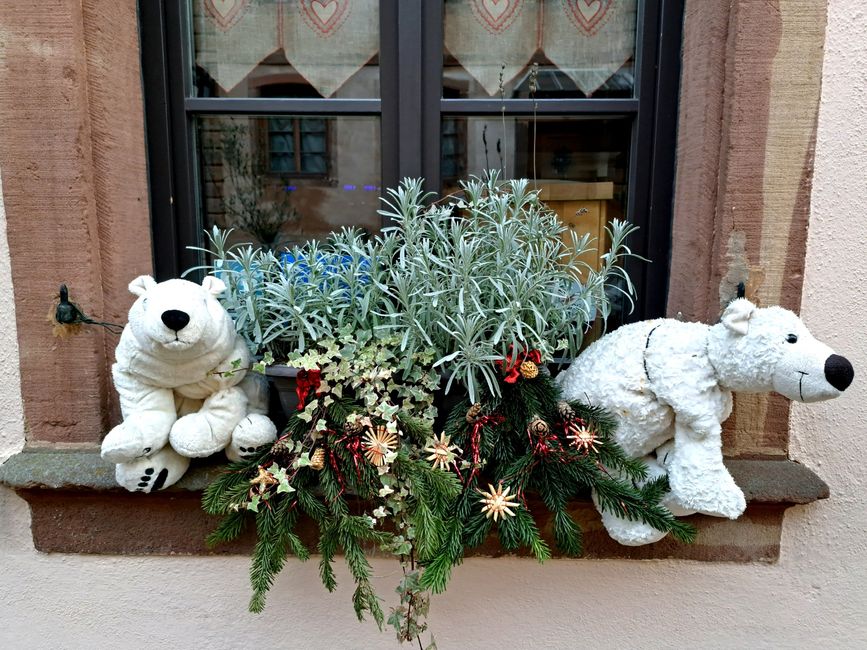
2. Both landscapes belong to the French region of Grand Est, and one loves to decorate here in a Christmas manner.
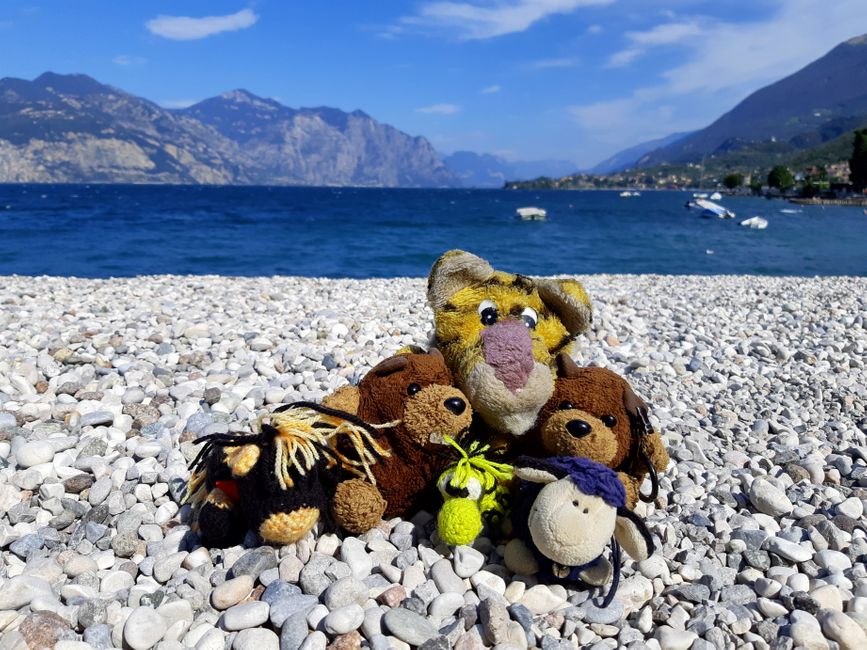
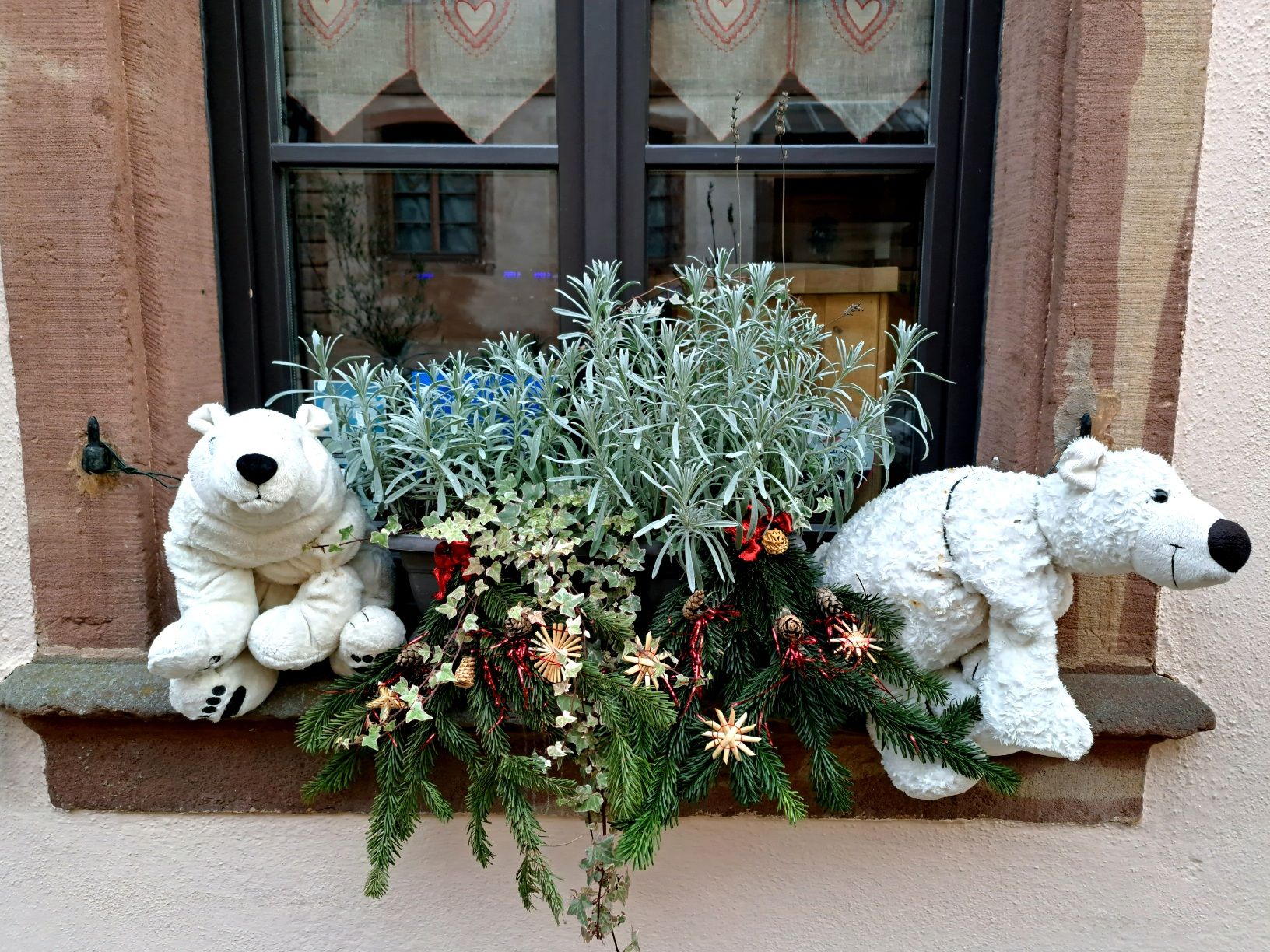
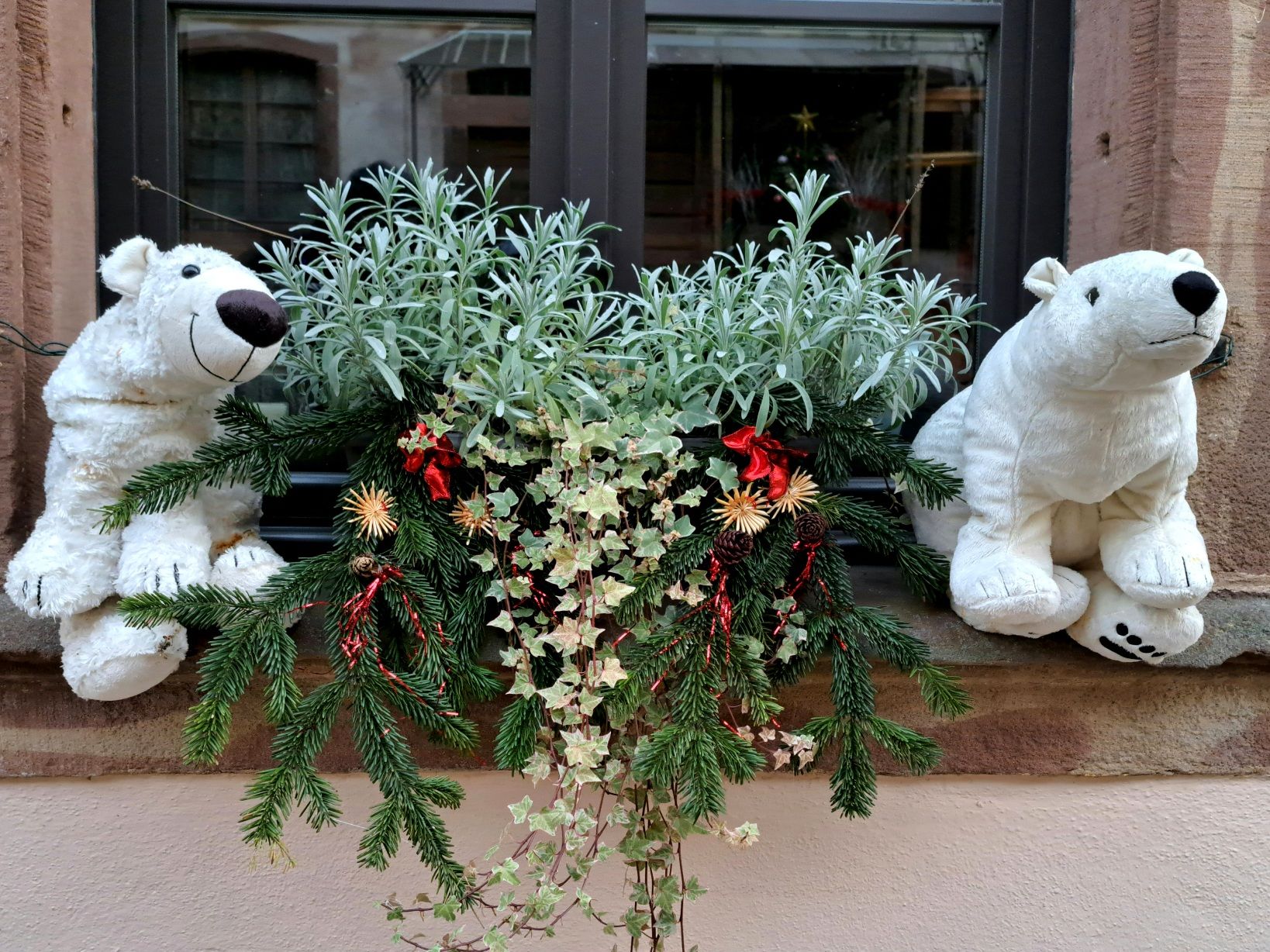
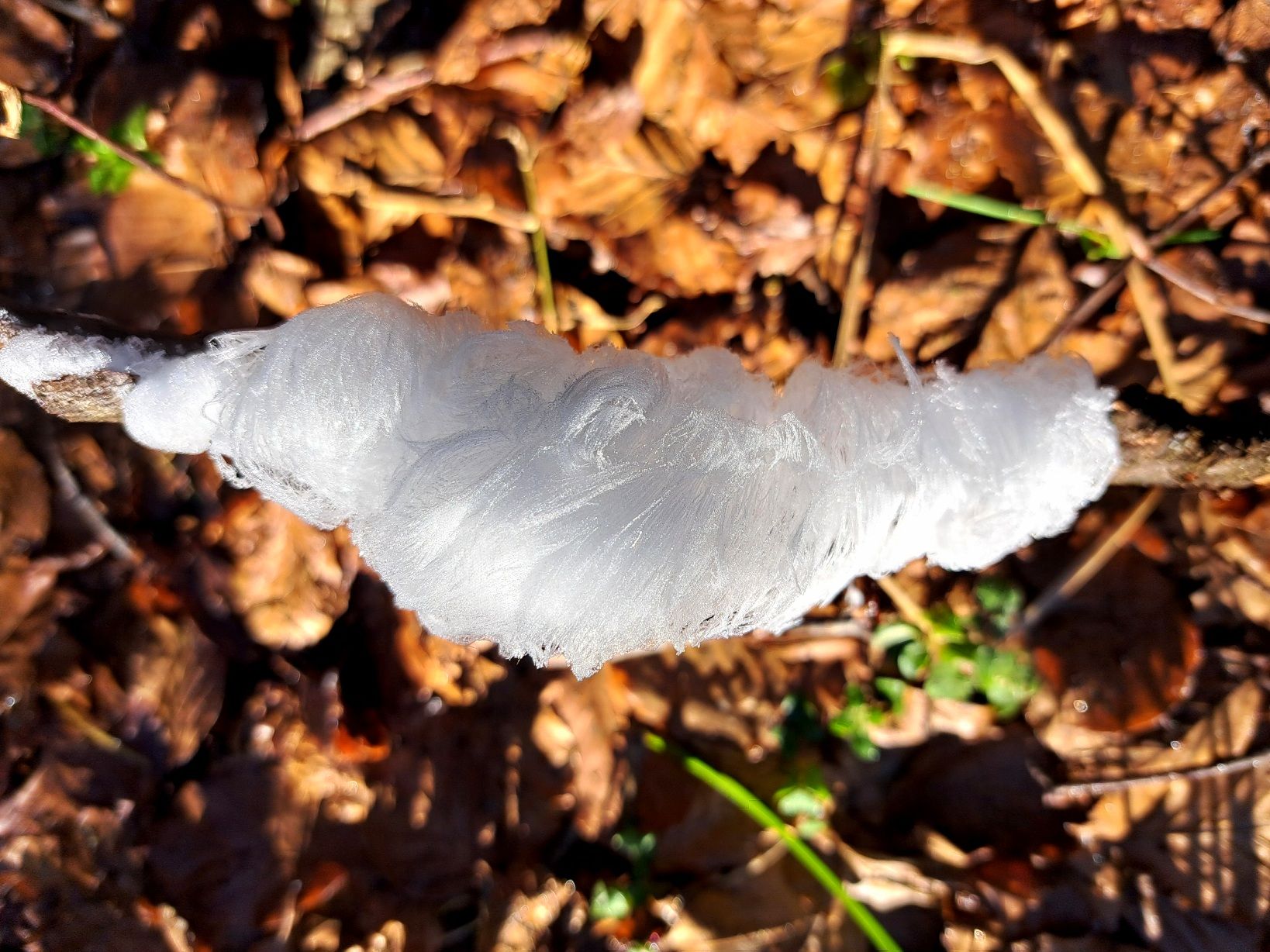
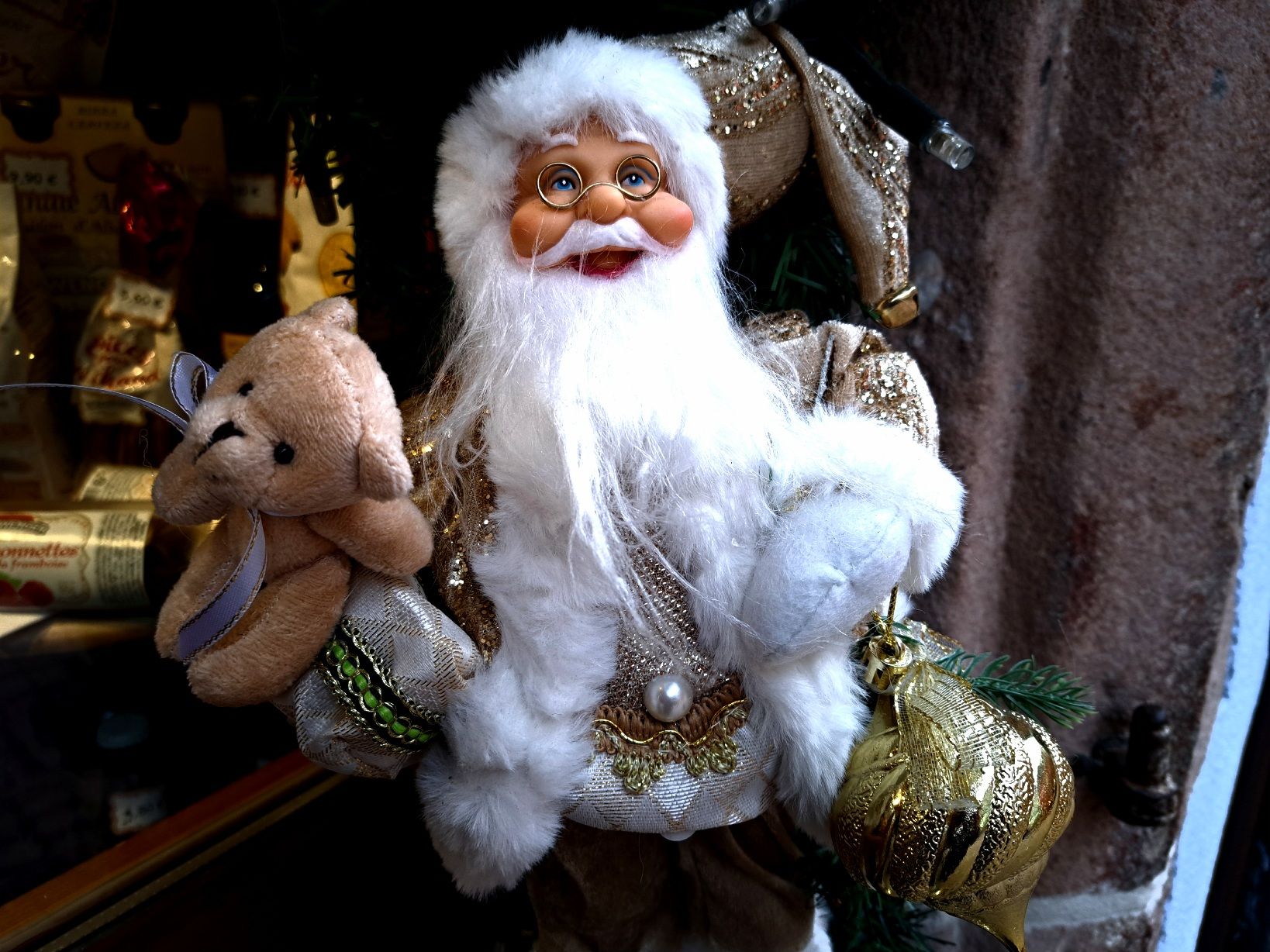
Plush ice and teddy bears on house walls or window sills are particularly popular. I have yet to find out where this custom comes from and what it means.
3. The Christmas tree was invented in Alsace.
At least the first documented mention comes from Sélestat, where fir trees were decorated with red apples as symbols of redemption.
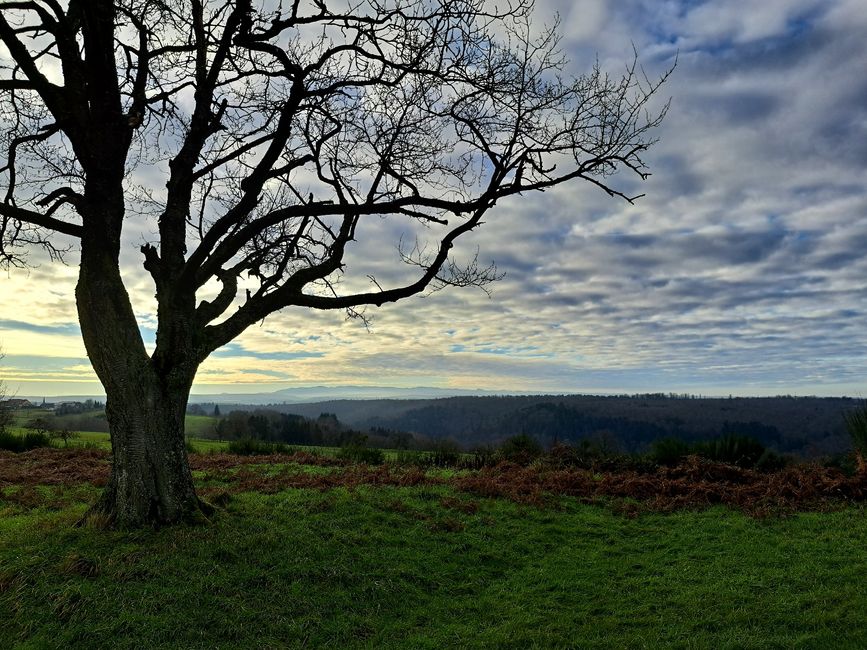
4. Church bells ring differently everywhere.
Each community can set its own ringing order and consult a bell specialist.
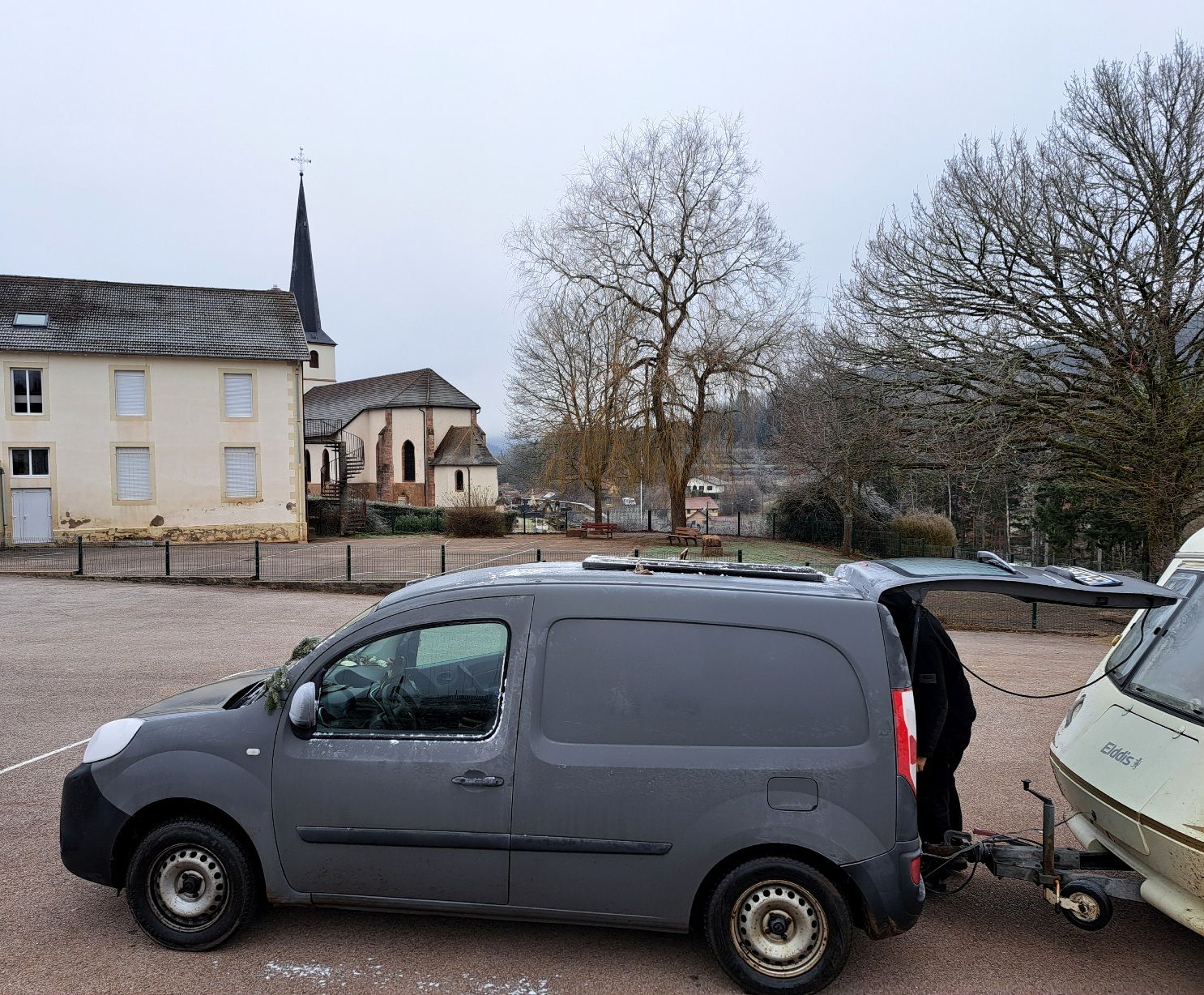
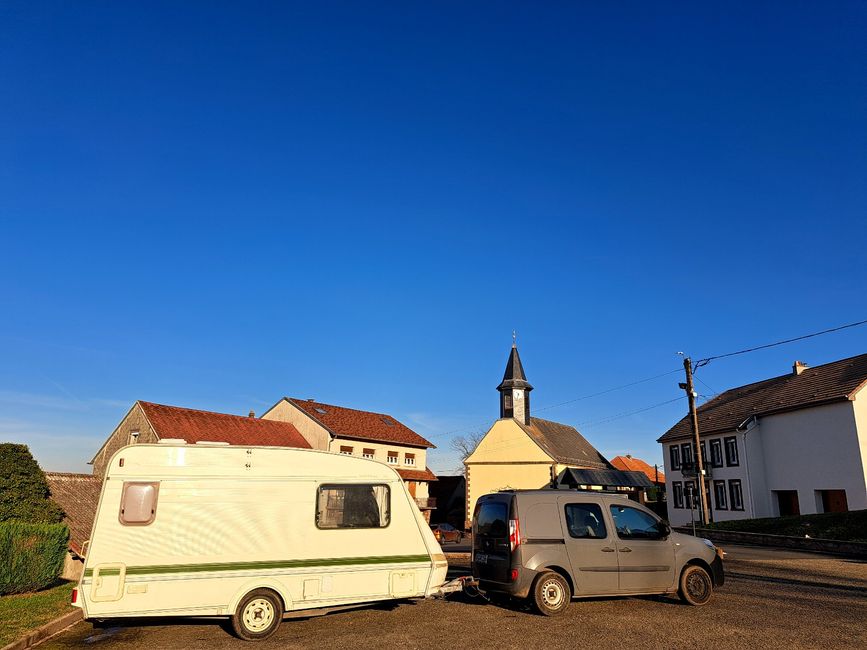
In Hommert, we spend the night under the sweet ringing of the Saint-Wendelin Church. And every quarter hour, we listen to the chime until, at the full hour, it rings four times and then counts the hour. Very romantic. Fortunately, it stops at 10:00 PM, and the morning prayer is only called at 8:00 AM. It can sometimes occur at 6:00 AM.
Our thanks here once again to the specialist.
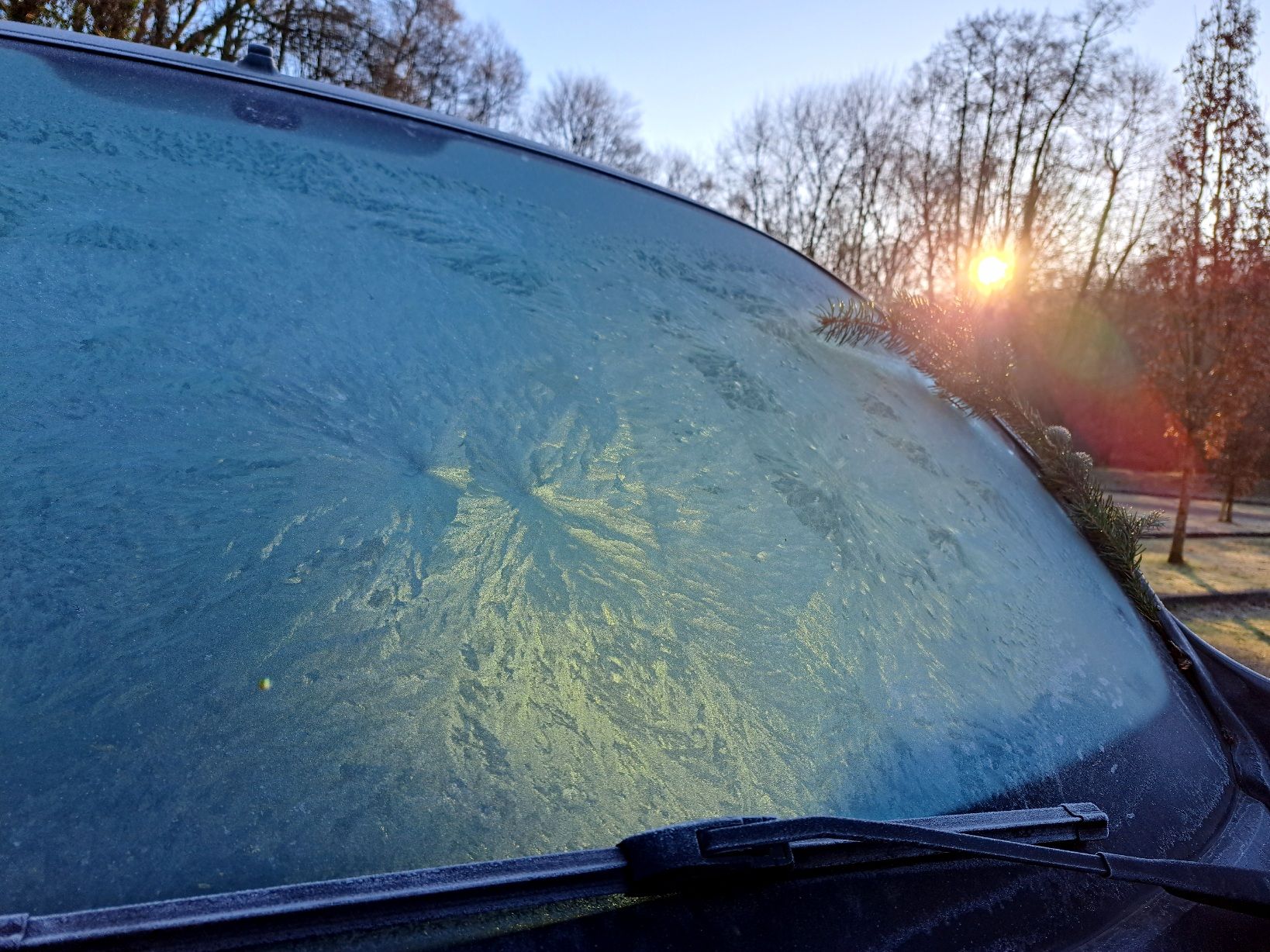
5. Lonely, snowy hiking parking lots can turn into bustling fields in the early morning hours.
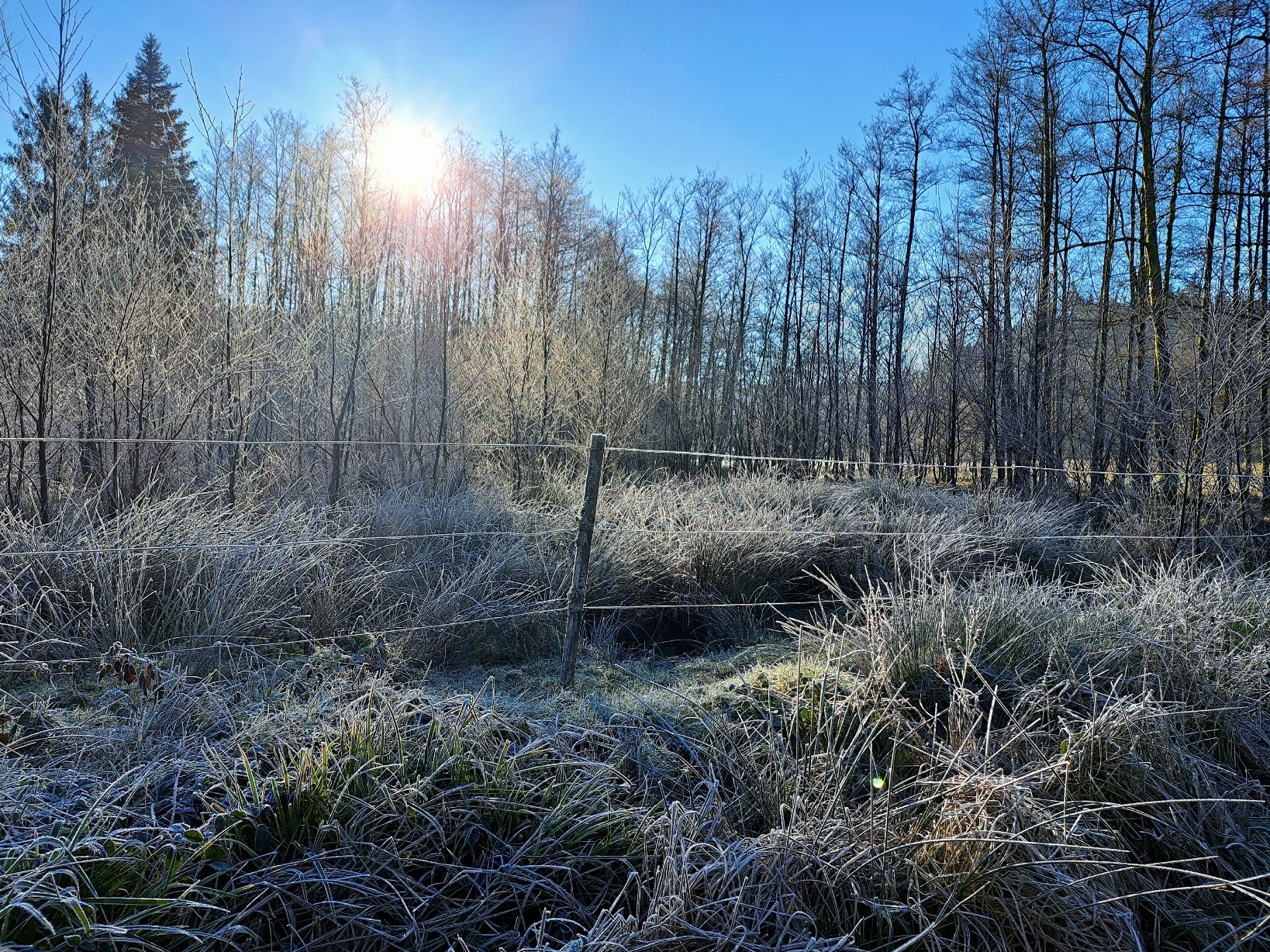
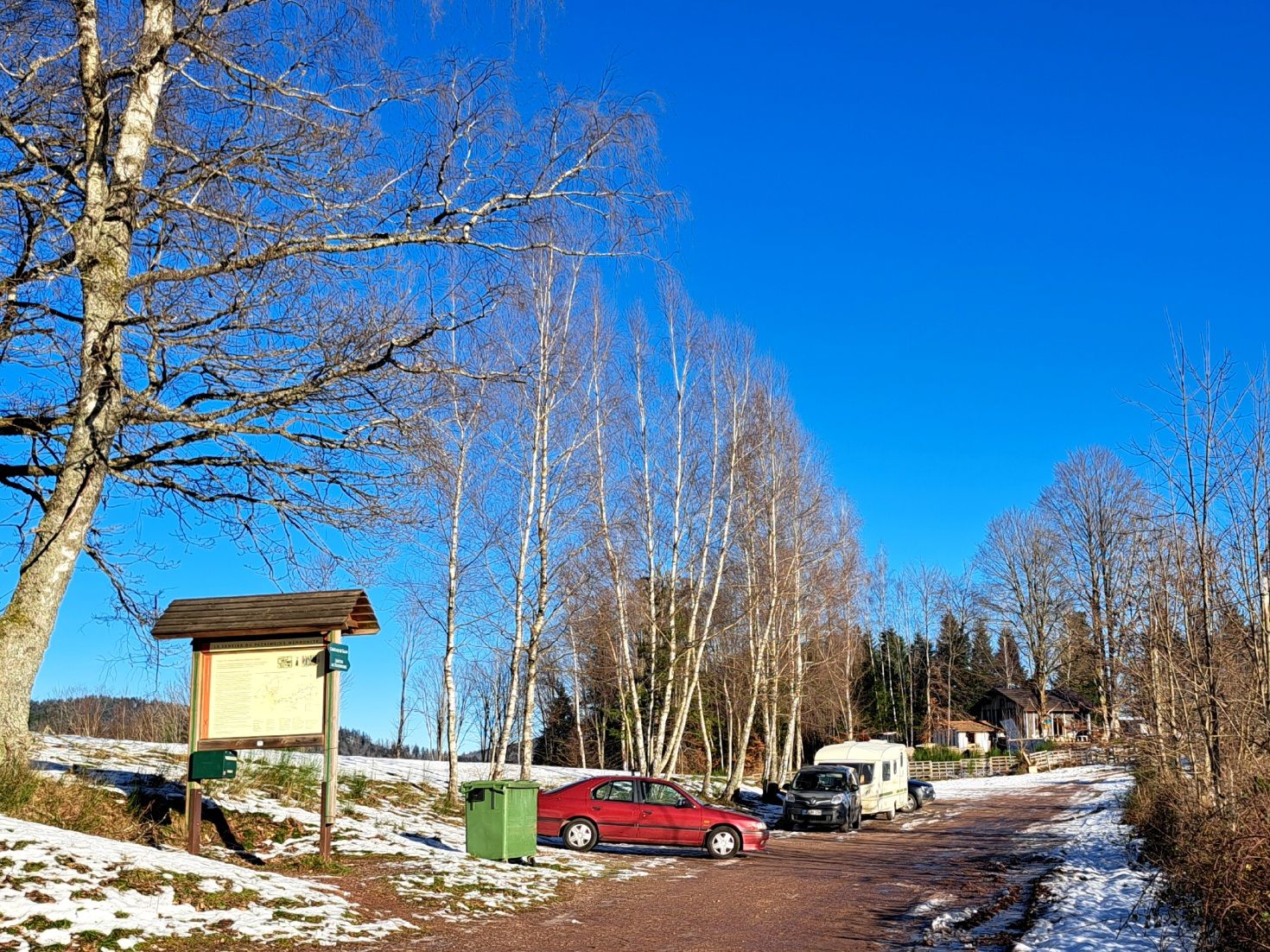
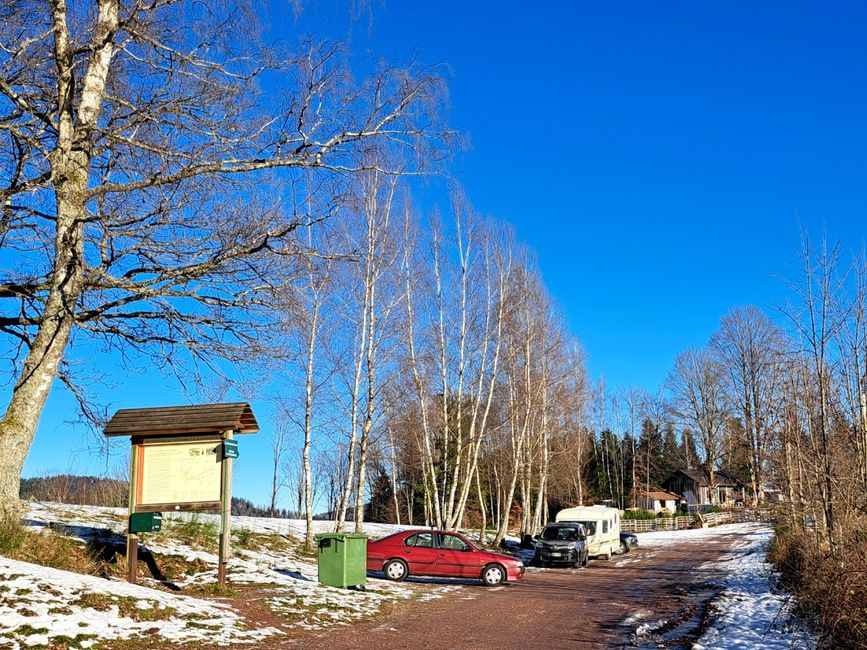
We are at the Forsthaus Salm, the landscape shines white with snow in the morning sun, and the air is crisp with cold. Just as I consider putting on my very warm underwear and disappearing into the bushes—I have concerns that the Portas Potti might freeze—a Jeep roars into the hiking parking lot. Well, then I’ll just wait until the two fit gentlemen have laced up their shoes and set off.
But they remain at their all-wheel-drive vehicles and chat, discussing things.
My suspicion that they are waiting for two more vehicles with hiking friends, who of course also need to change their boots and equip themselves with scarves and gloves, unfortunately does not come true.
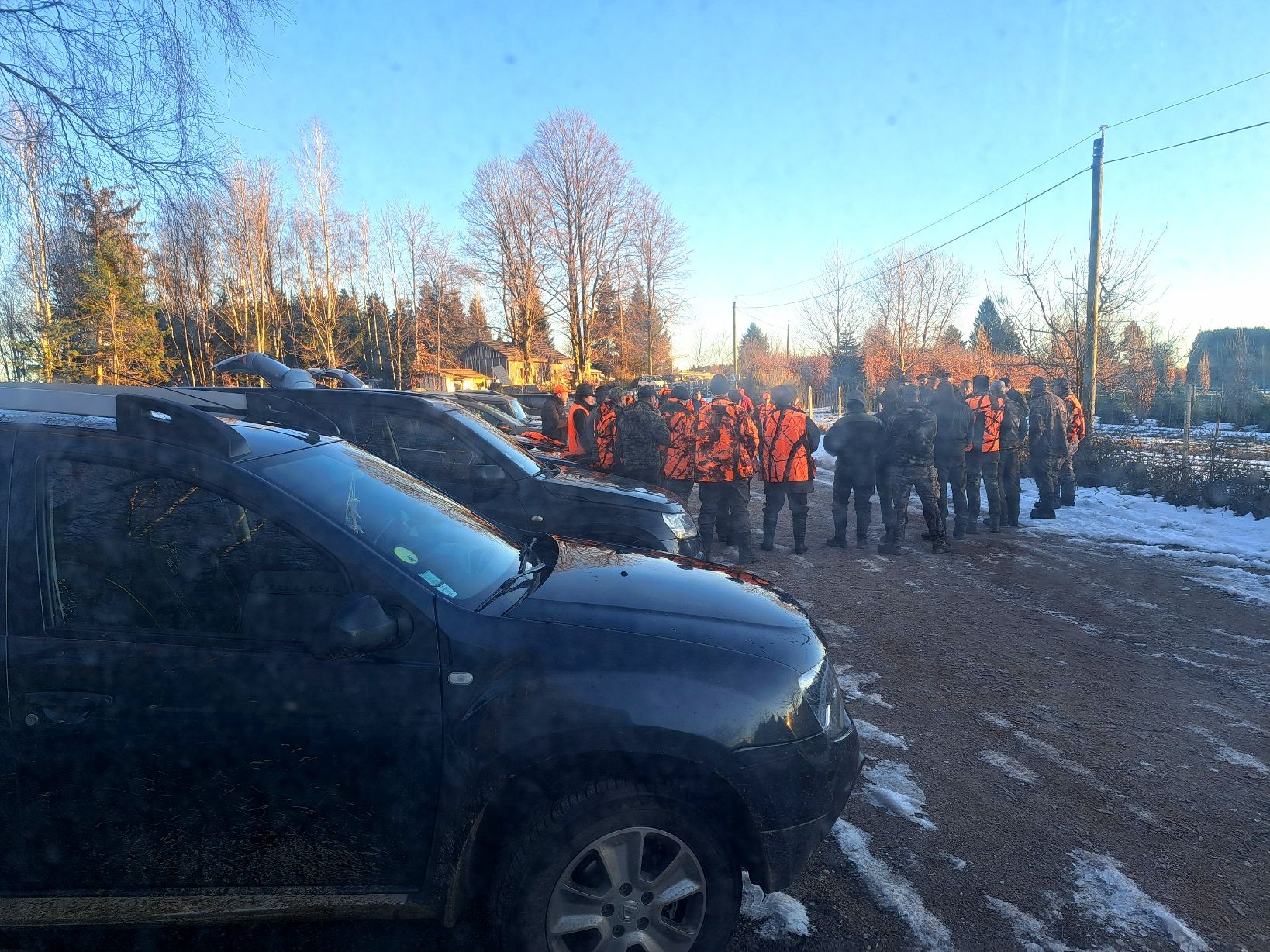
No, it is the hunting party. More and more heavy 4x4 vehicles roar up, neatly lining up side by side, of course backed in, and look very suspiciously at our vehicle as it occupies at least four of the coveted spots.
After about an hour, everyone is gathered in a circle, about 30 men, 4 young boys, 5 dogs, and one woman. The drivers in bright orange camouflage, the licensed shooters in subtle olive green.
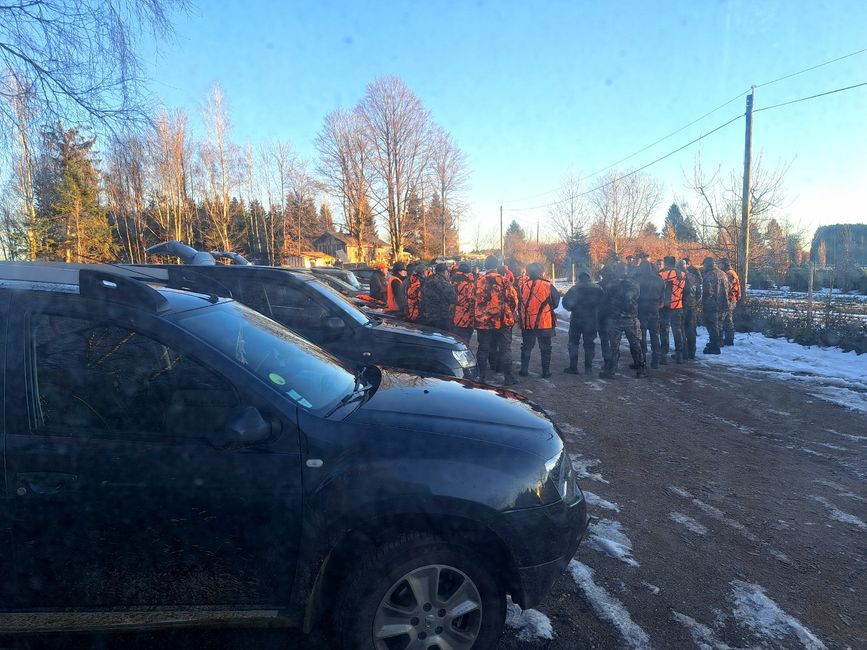
The patron gives clear orders, the tasks and groups are divided, the march route is determined, and then it’s all over. Everyone gets into their off-road vehicles and disappears to hunt the wild boar.
I was meanwhile at the Portas Potti.
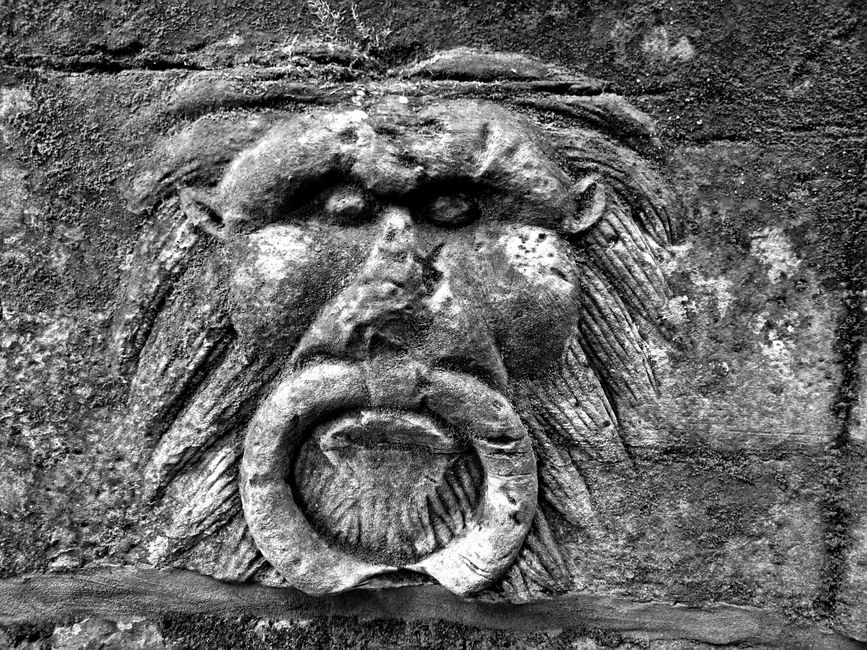
6. There are no Helmut Kohl hiking trails in the Vosges.
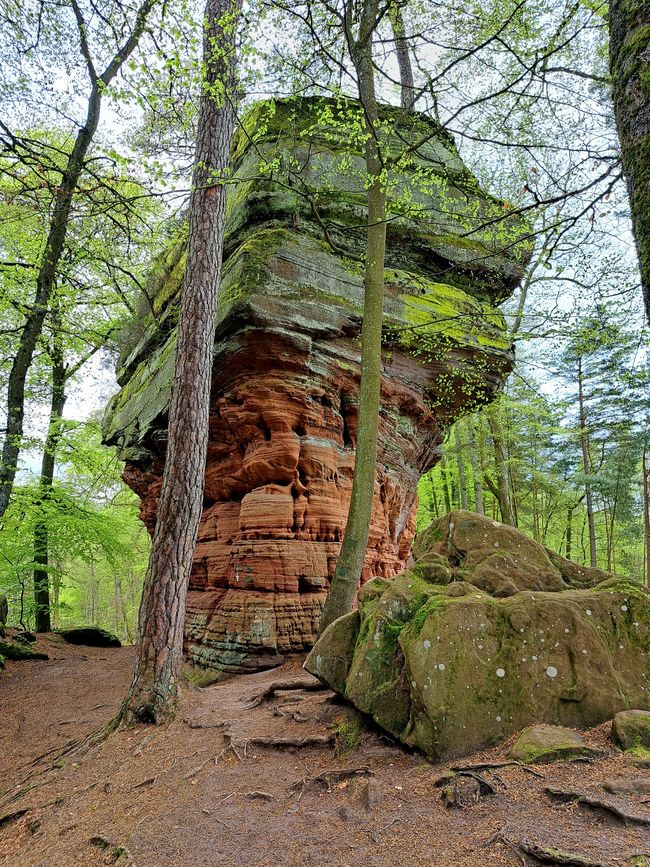
The paths to the wonderful, remarkable, magnificent sandstone rocks are not easy to find.
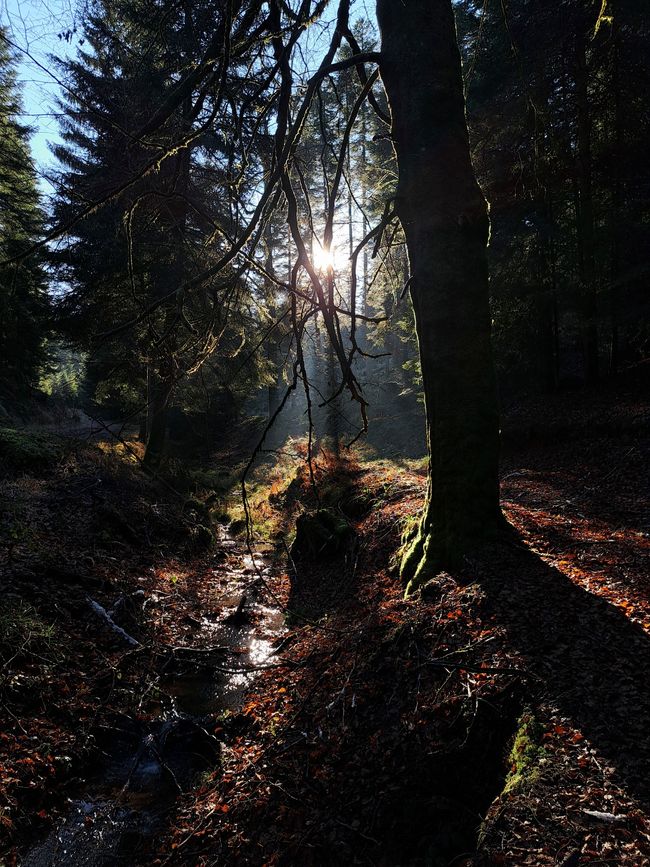
Hidden in private forests, without way markers, on mysterious wildlife trails and muddy routes, through sunken moors, we keep coming across obstacles and neither reach the fairy-tale fairy stones nor the Rocher Gabriel and Calice.
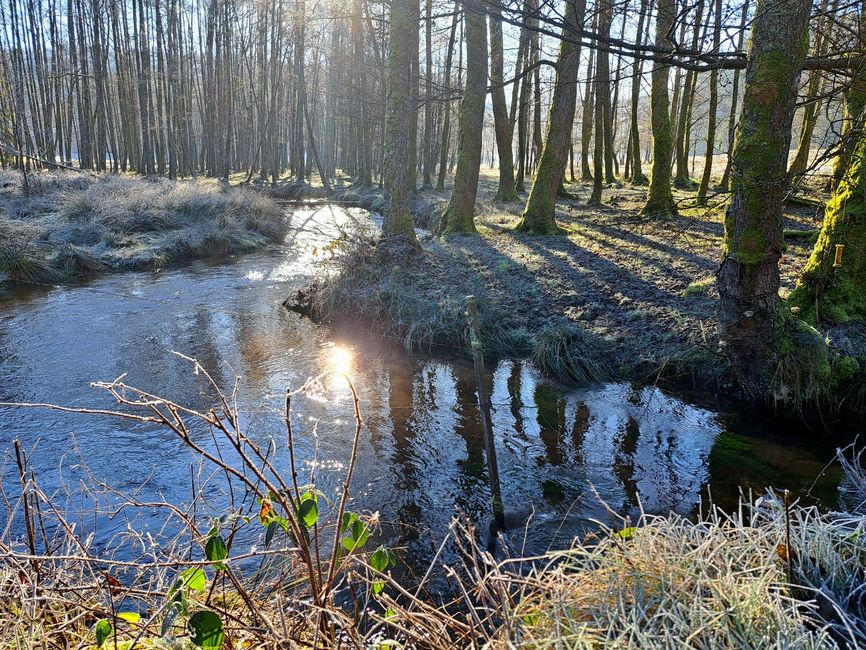
Even the path to the giant chicken gods near Forsthaus Salm remains blocked for us: brightly colored orange camouflaged wild boar drivers block the hiking trail to prevent us from walking into the line of fire.
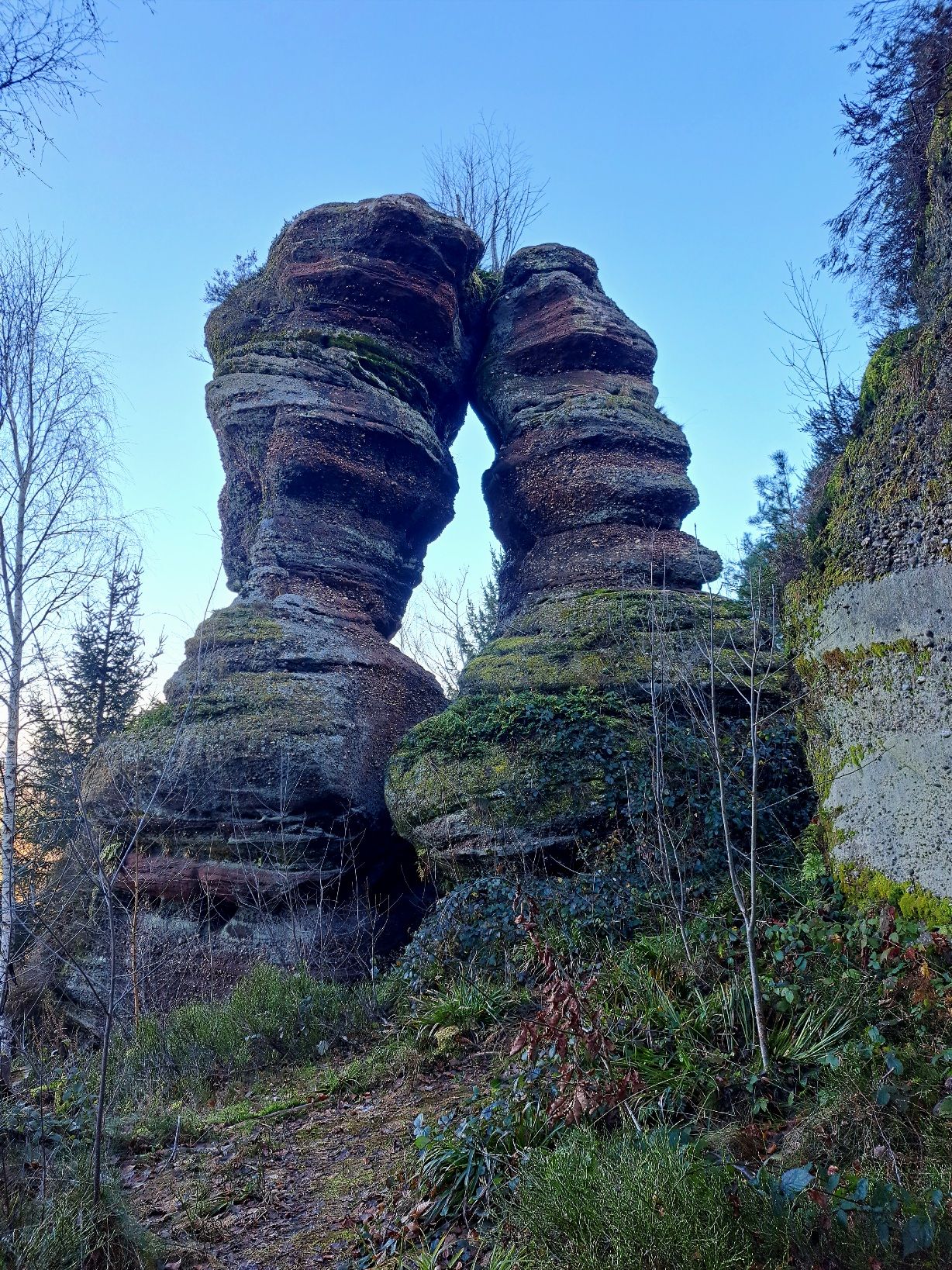
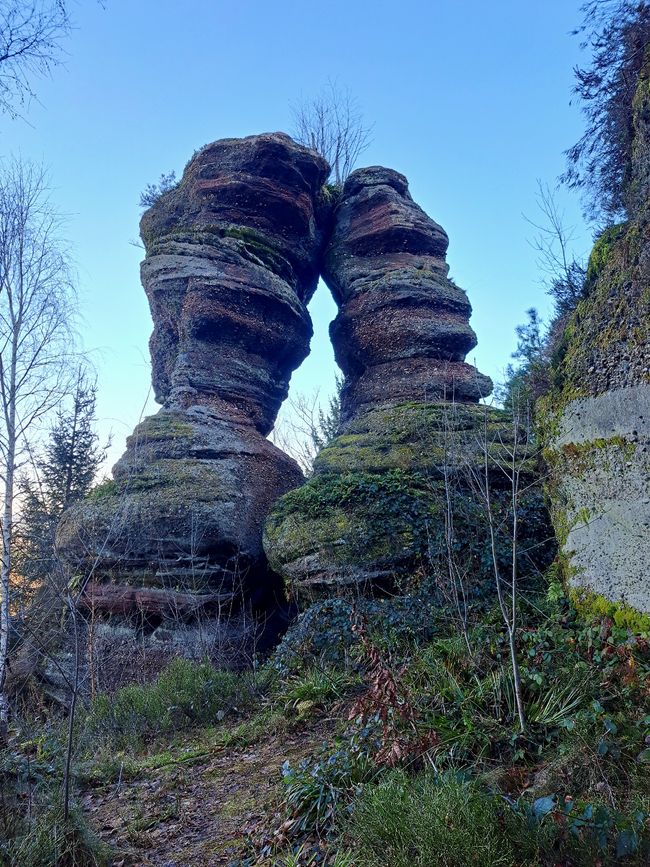
At least we find and admire the Siamese twins extensively.
We turn our backs on the low mountain range. The weather is getting too eerie for me. We forgot to bring the snow chains from home; they are strictly mandatory here between November and March and absolutely essential.
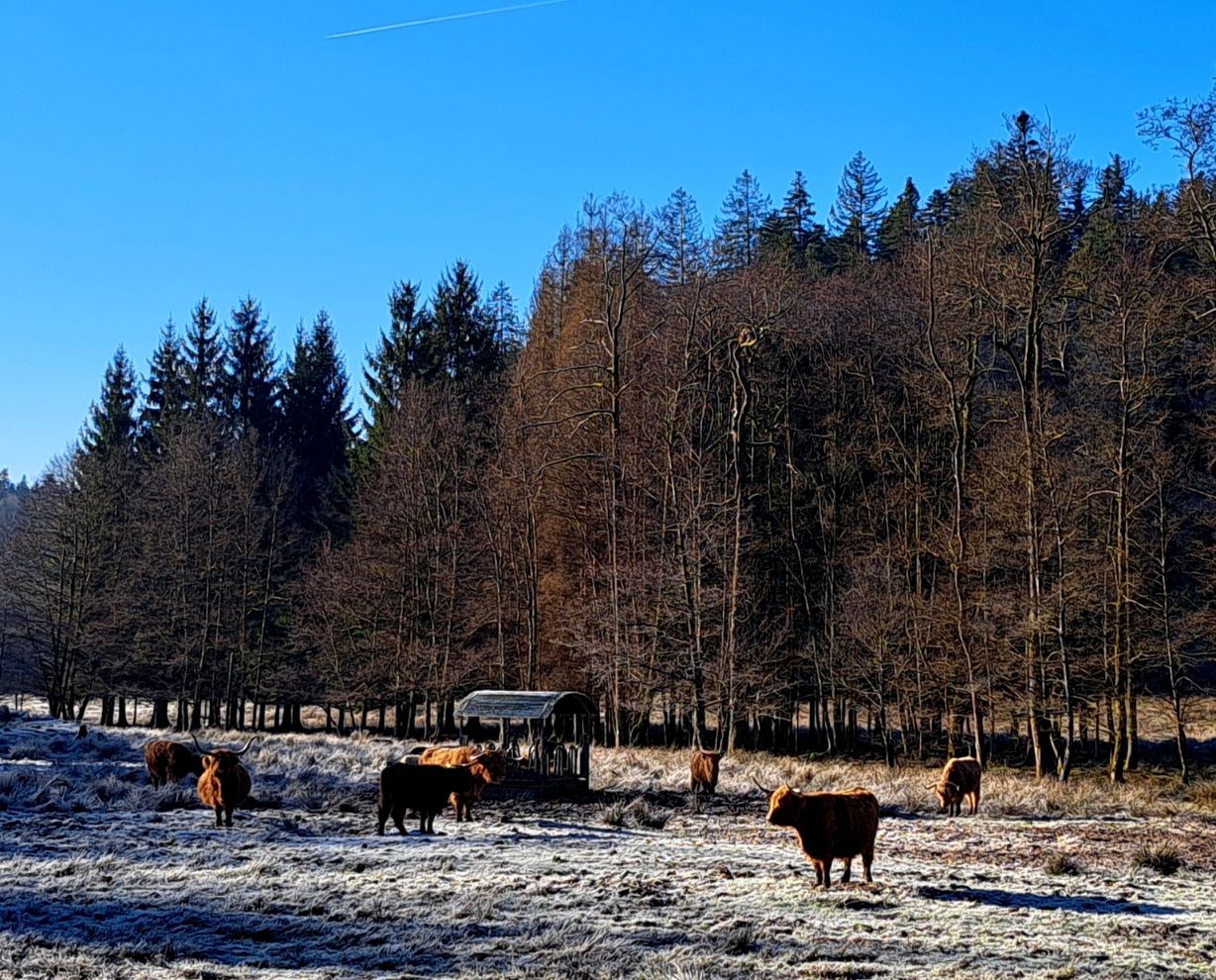
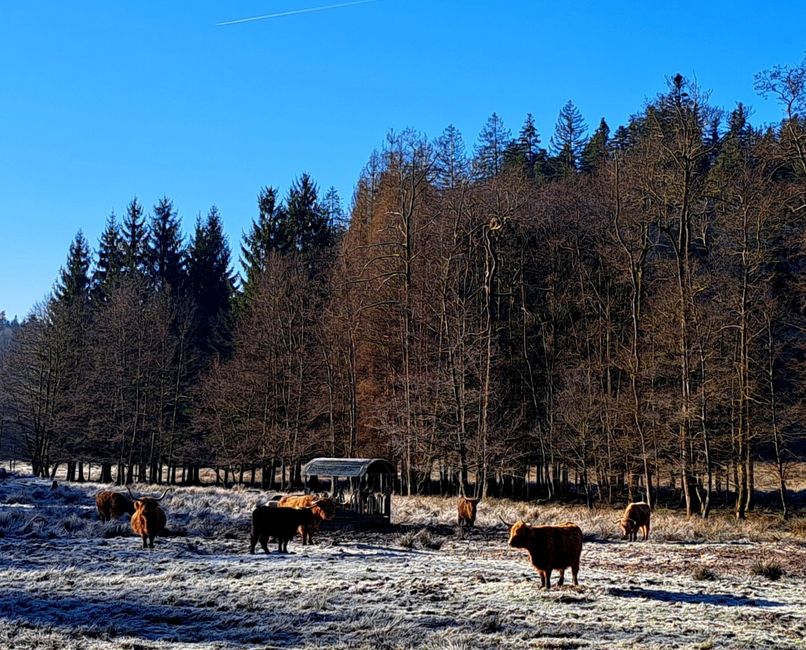
And after just a few minutes before us, a young man with his brand new compact car slides off the slick road into the field of Highland cattle, and my heart races, we leave the mountains heading for the Rhine Valley.
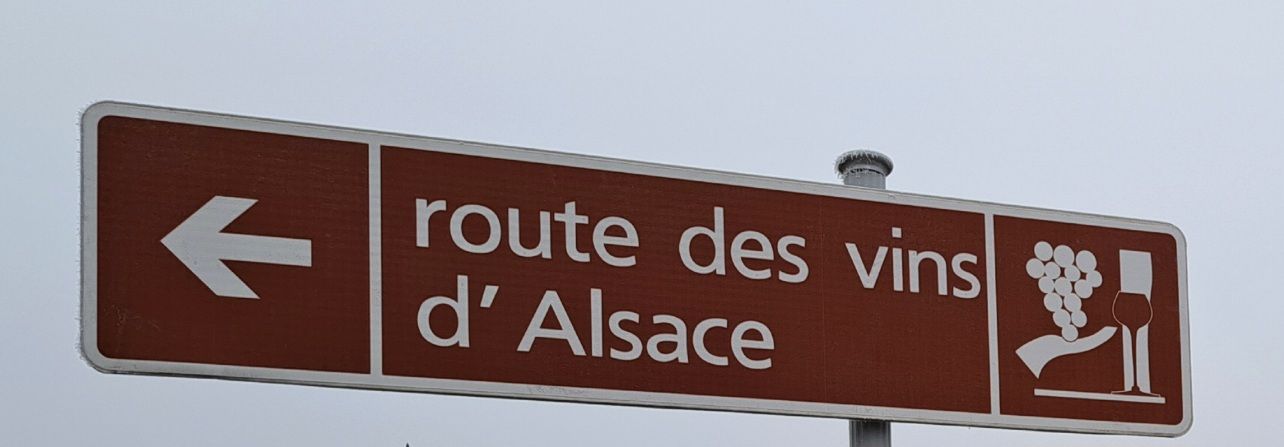
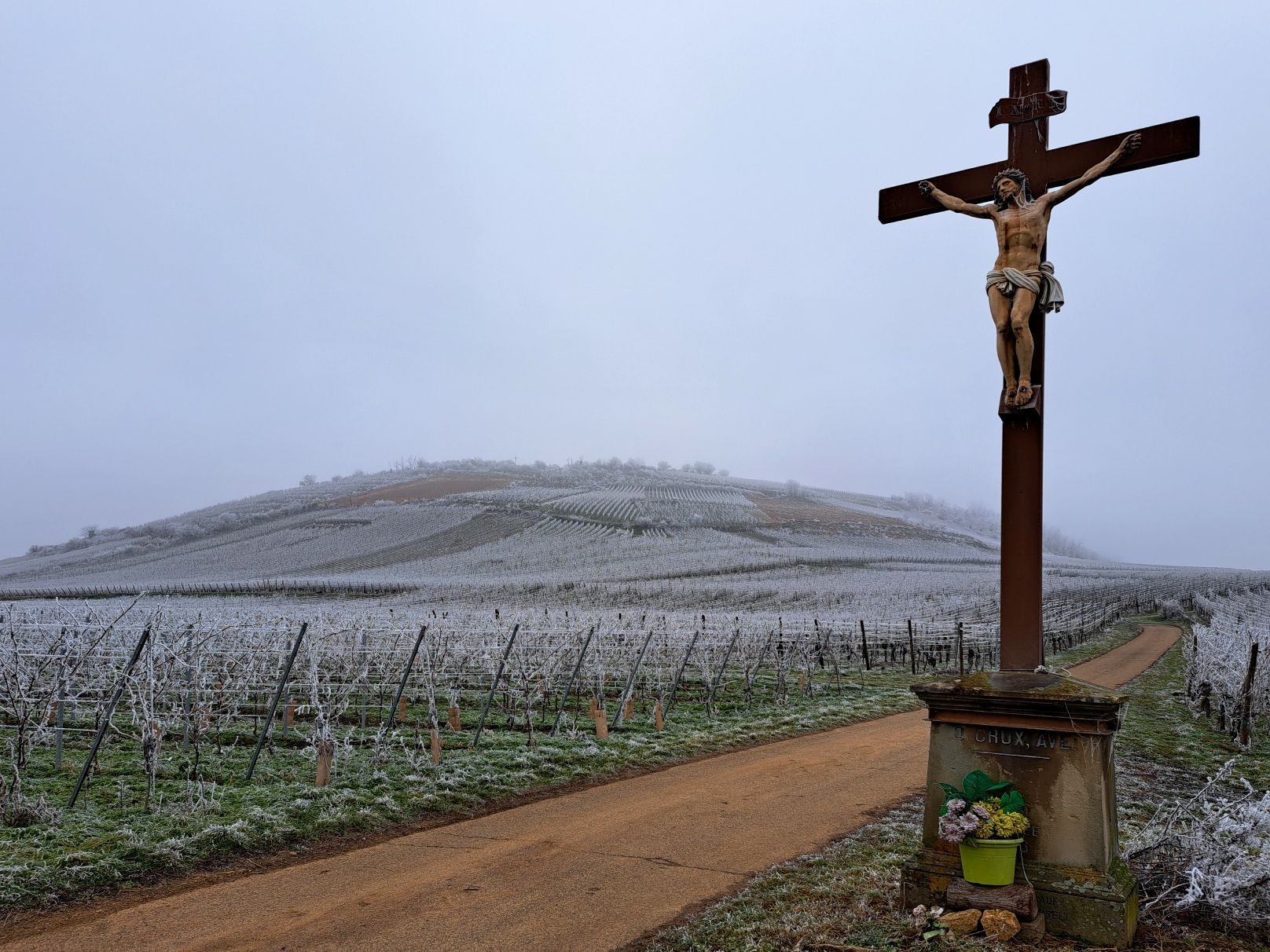
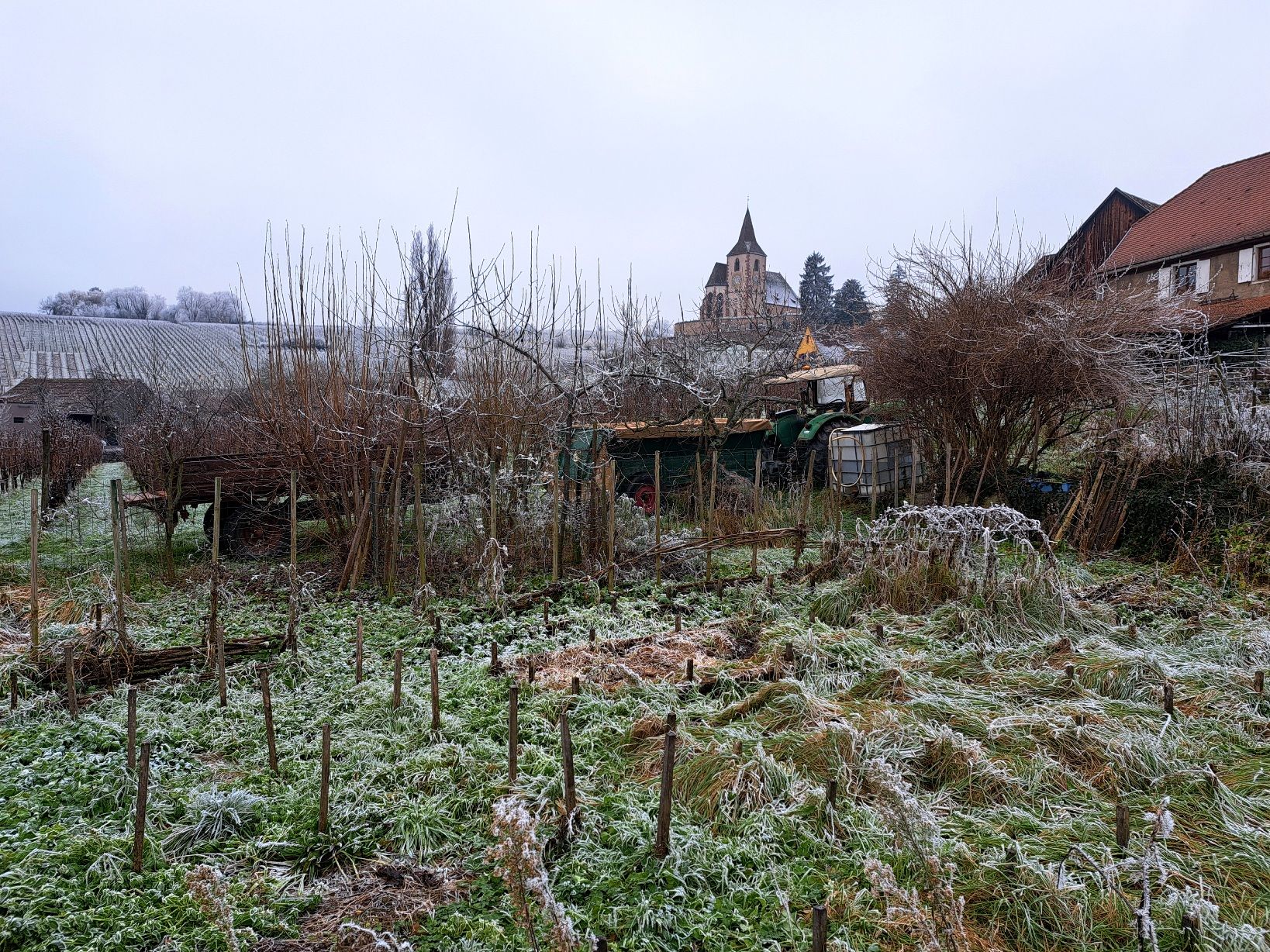
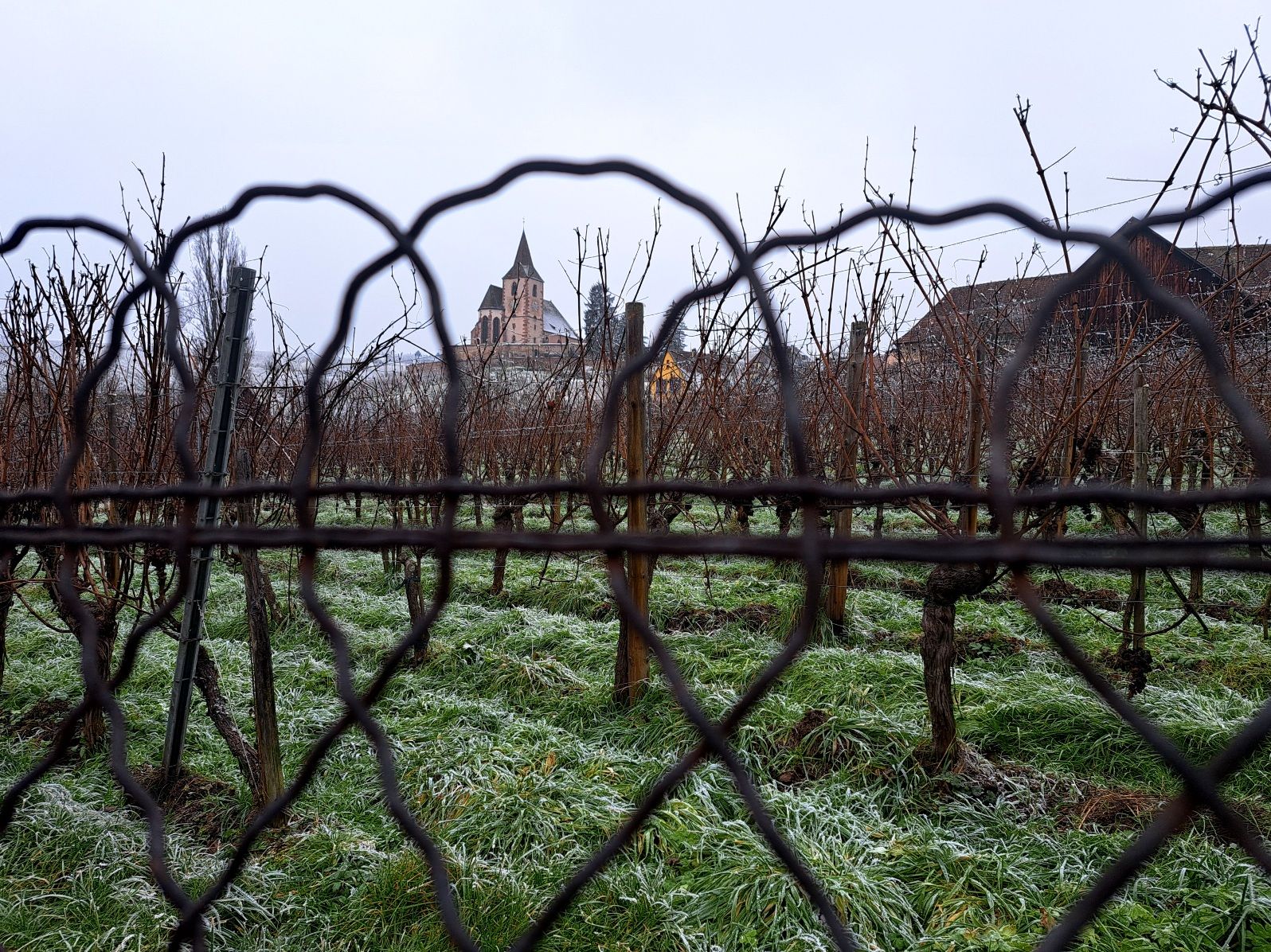
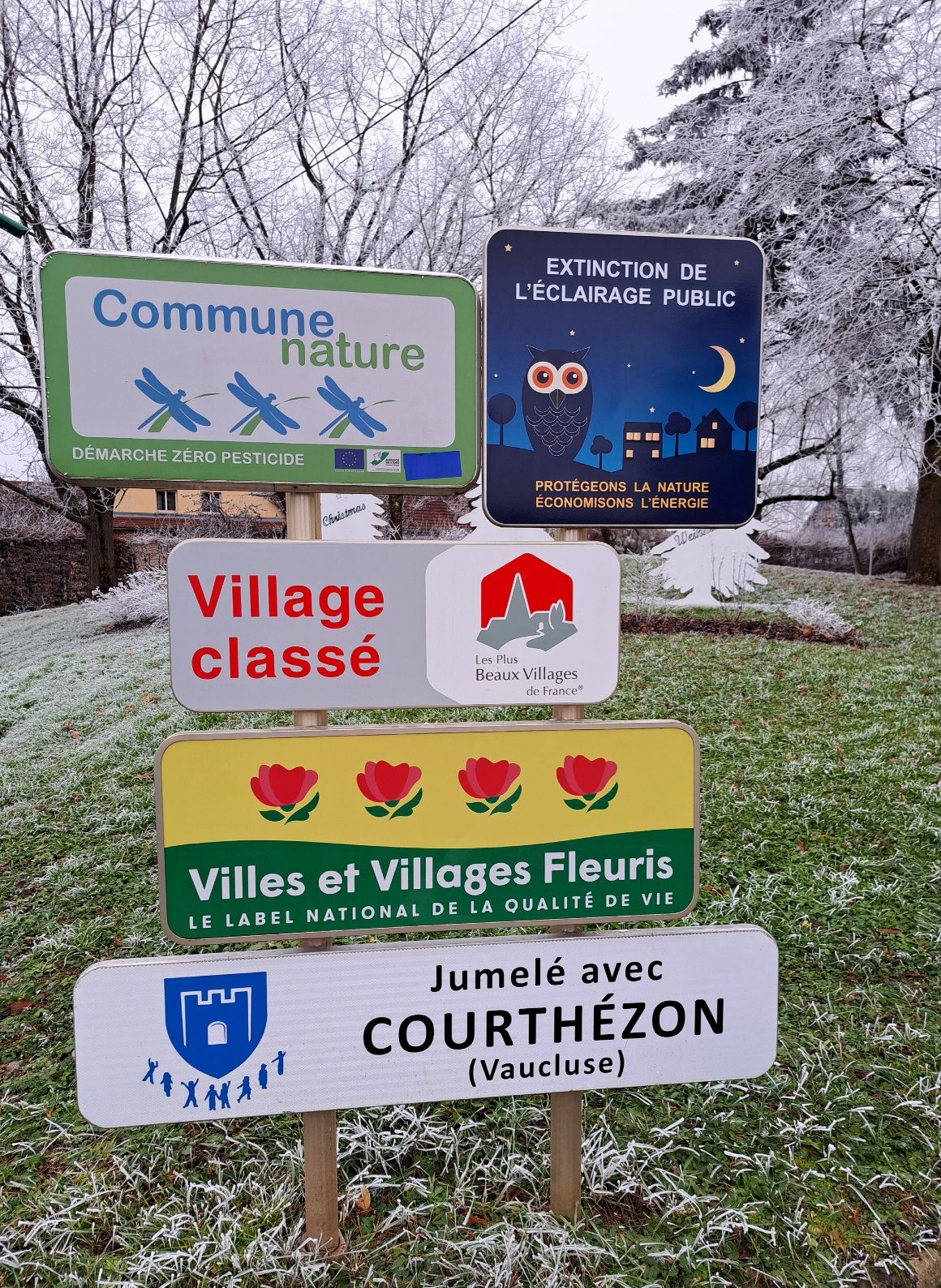
I have the glorious idea that the most beautiful villages in Alsace might be less crowded at this time of year than in midsummer and manage to convince Monsieur to take a look at them.
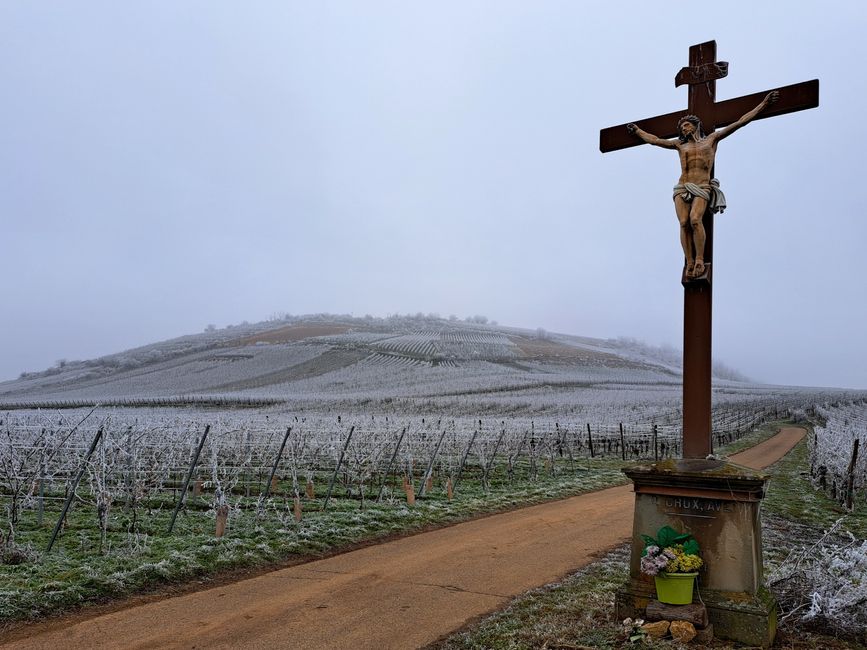
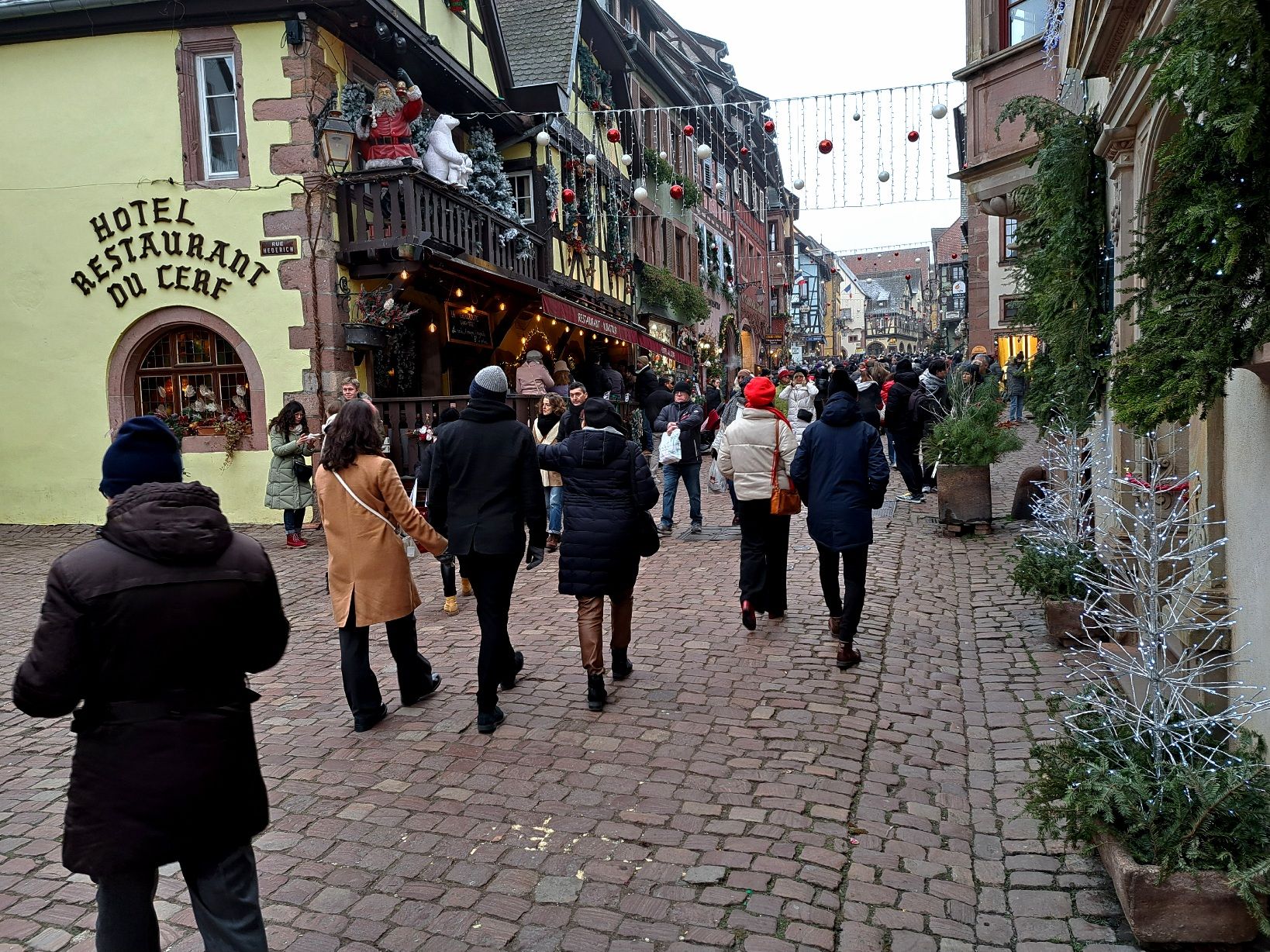
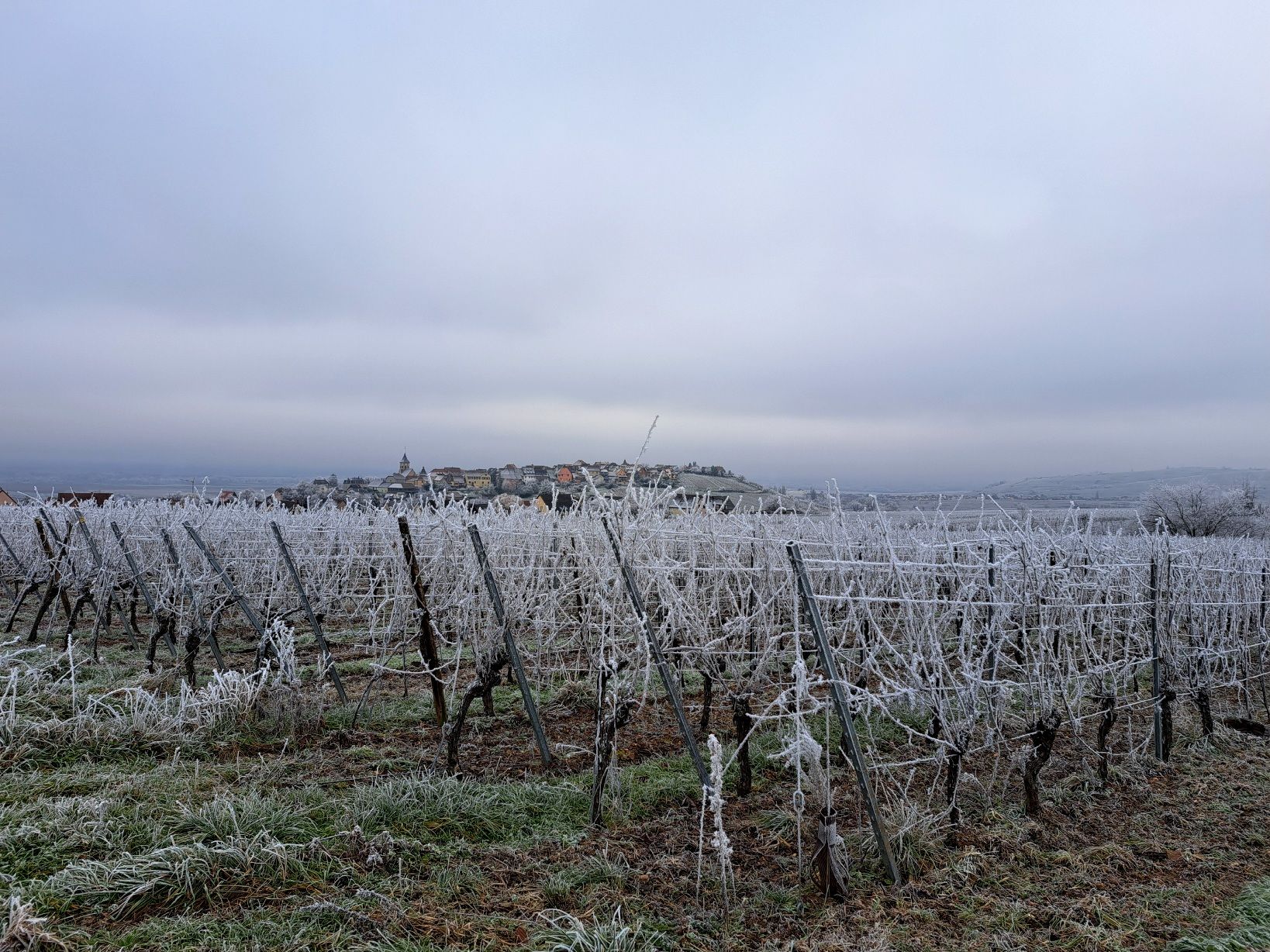
We roll down the mountains; in the valley, we are greeted by dense fog, and in Riquewihr, hell breaks loose!
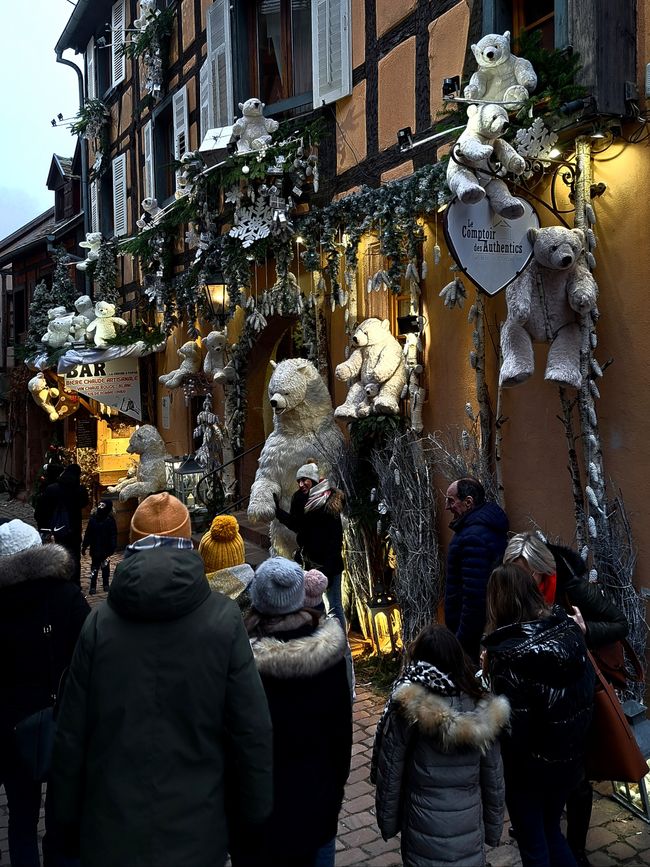
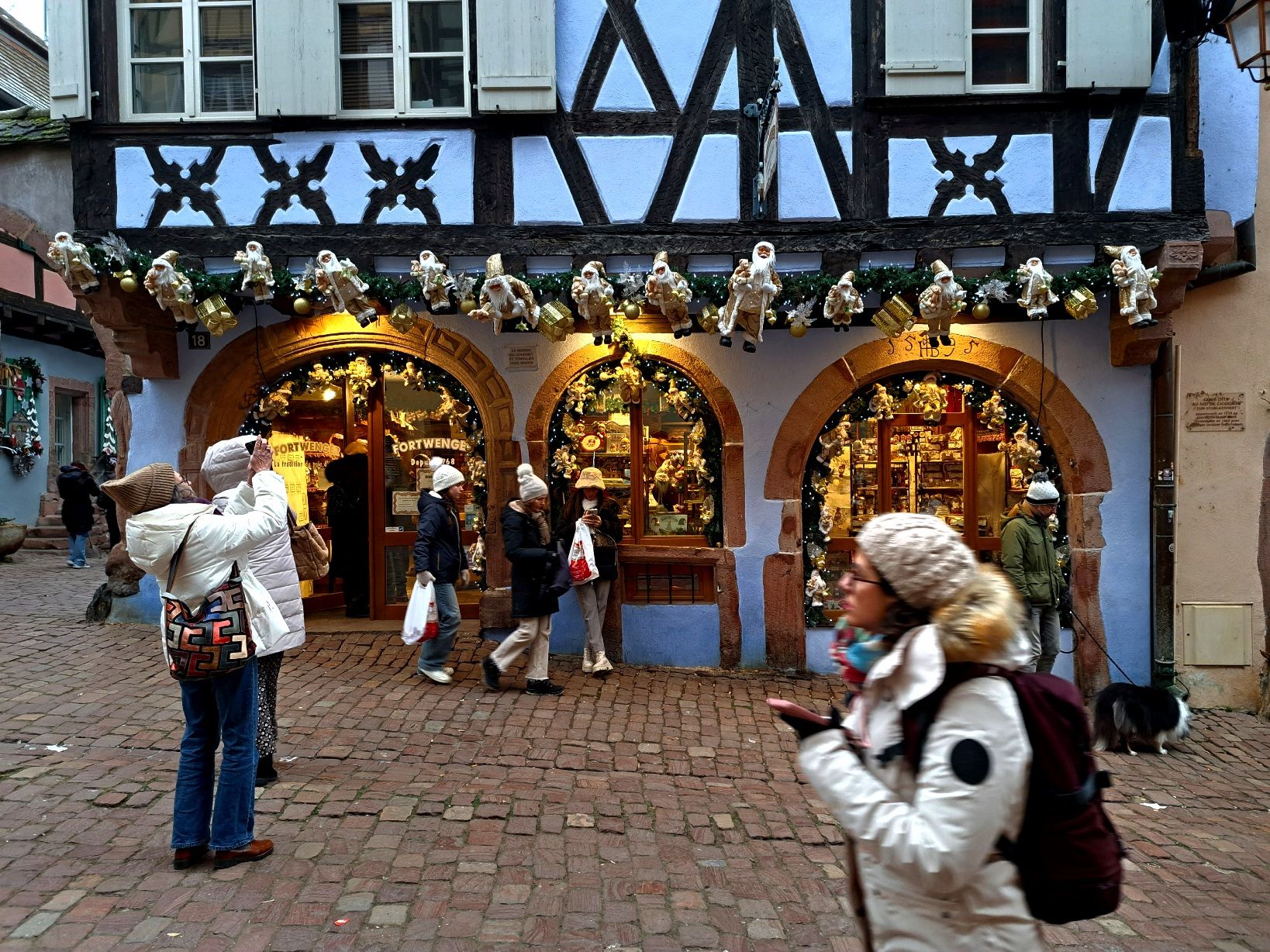
The small town on the Alsatian Wine Route is truly picturesque; it is impossible to describe it otherwise. Each house looks like it’s made of colorful half-timbering, resembling a gingerbread house. The town promotes itself online as a