
Sevilla for the First Time
Mileage: 262436 The plan was to drive to Sevilla this morning and explore the city. Unfortunately, that didn't happen at all. Yesterday, we were pleased with the shady roof over o

Published: 22.10.2026
Mileage: 162450
The last night had been restless. The last plane had flown at around 11:00 PM, and even the traffic on the nearby highway had calmed down, but the watchdog of the site operator seemed to have a light sleep and barked loudly and persistently at everything moving in front of his gate and on his site. So, unfortunately, a peaceful night was only a dream.
The next morning, starting at 9:00 AM, the tinkers of the site gathered to work on their caravans, and since all the gentlemen had already passed seventy, it was done very leisurely.
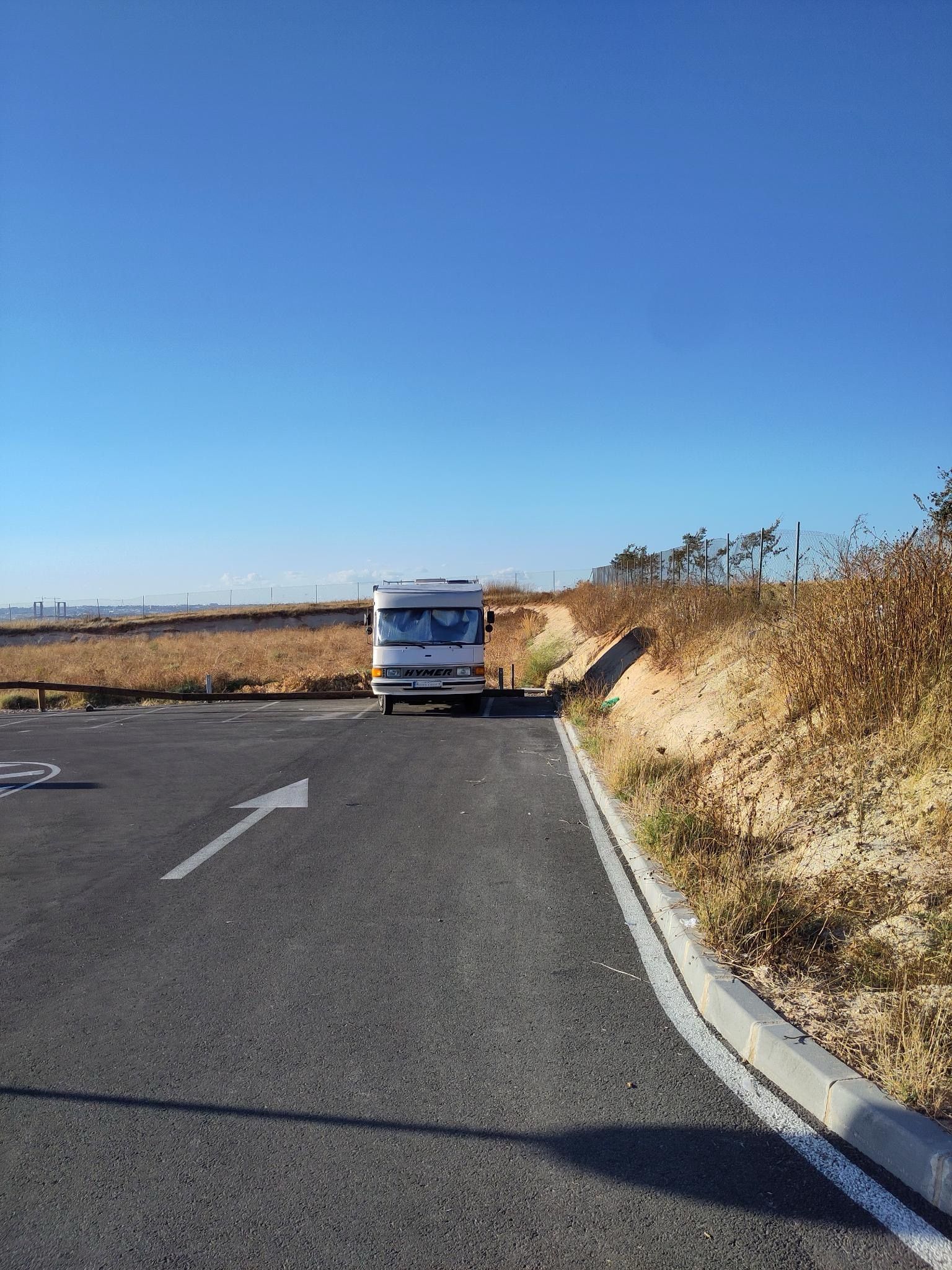
Today, we were to go to the heart of Seville. However, we did not want to grace the pitch for another night. So we drove twenty minutes further to a large Park & Ride lot at the metro station of Dos Hermanas, parked Gary, and took the metro to Seville. After half an hour, we reached our destination station Puerta Jerez.
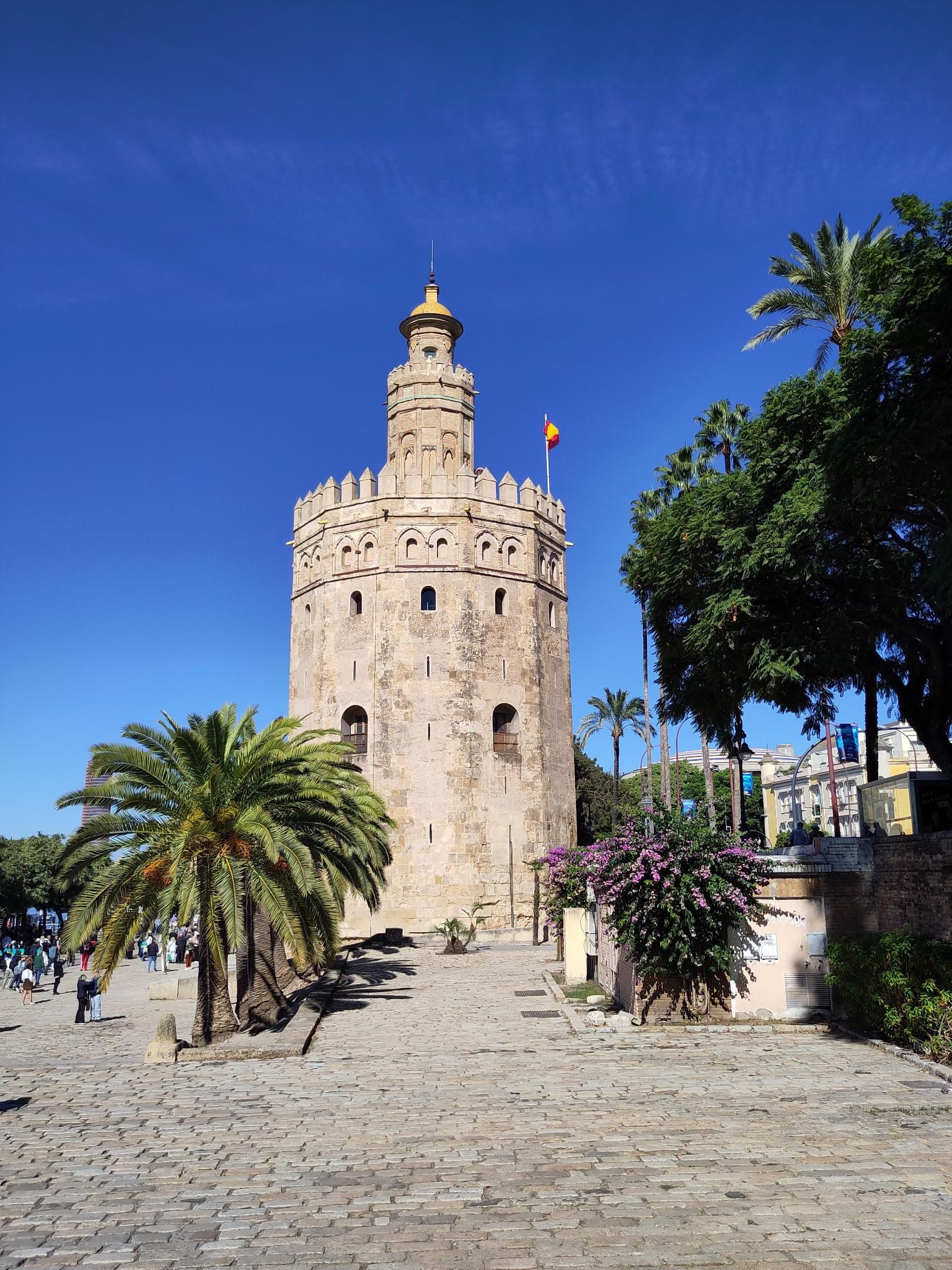
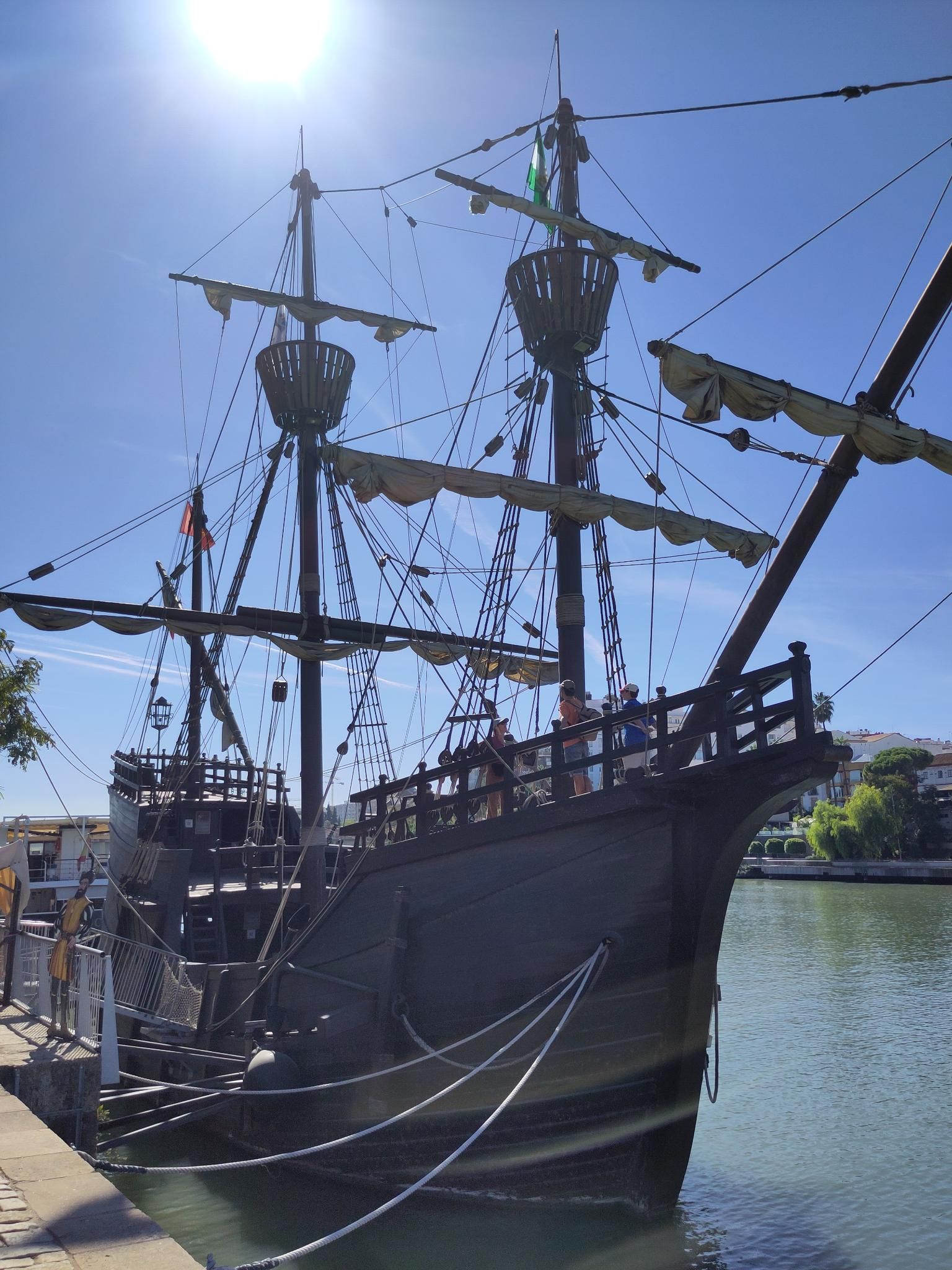
We walked a bit north along the Canal de Alfonso XIII, past the Torre del Oro and a replica of the Nao Victoria. The Victoria was one of five ships with which Ferdinand Magellan set sail in 1519 under the commission of the Spanish Crown to find a sea route to the Moluccas via the West. As the only ship of the fleet, the Victoria returned to Spain in 1522 from East Asia, through the Indian Ocean, and around the Cape of Good Hope. Thus, it was the ship with the first historically documented circumnavigation of the globe.
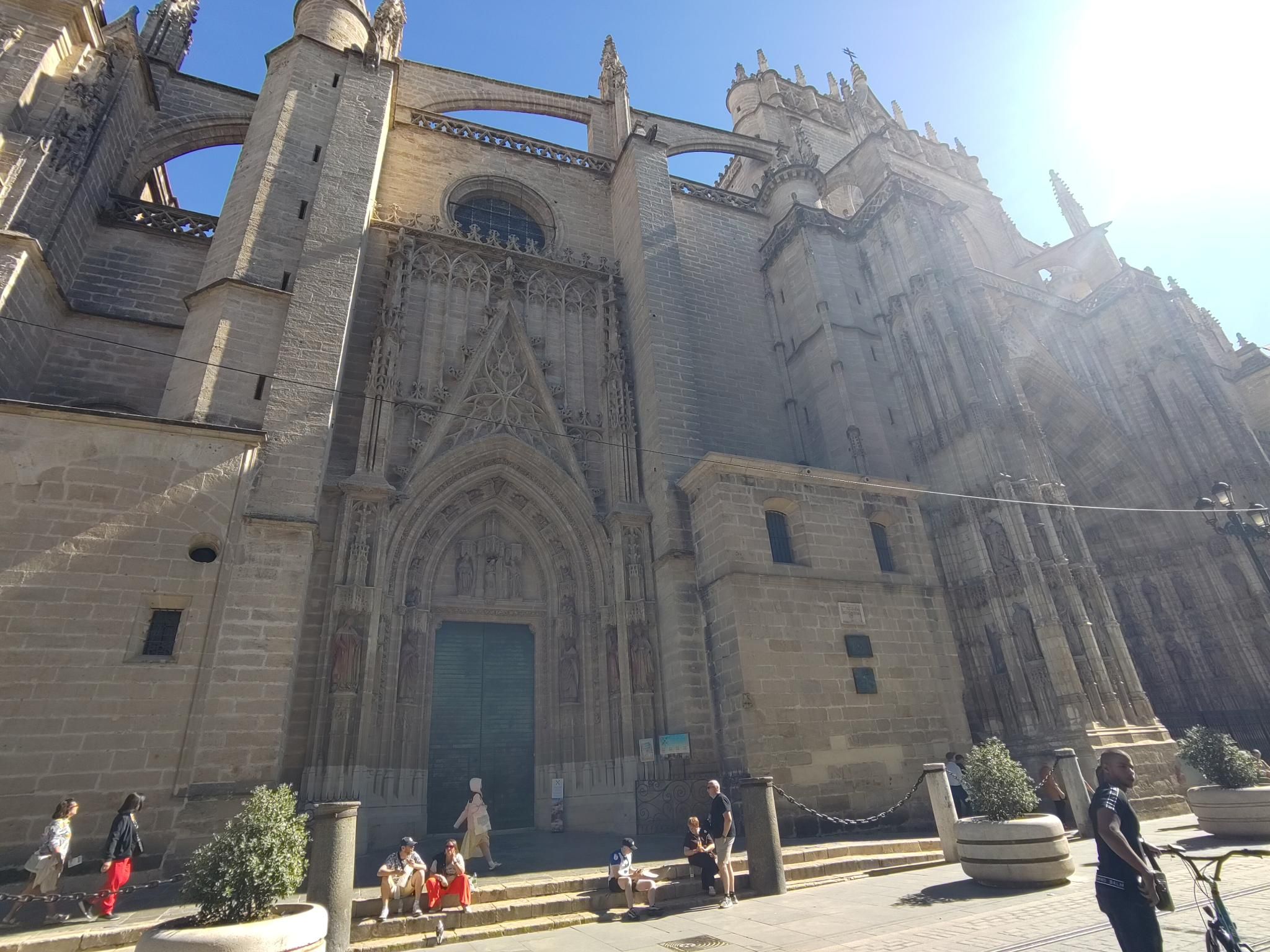
However, before reaching the Puente Isabel II, we left the shore and headed next to the Plaza de Toros. Then, we continued through the city to the cathedral.
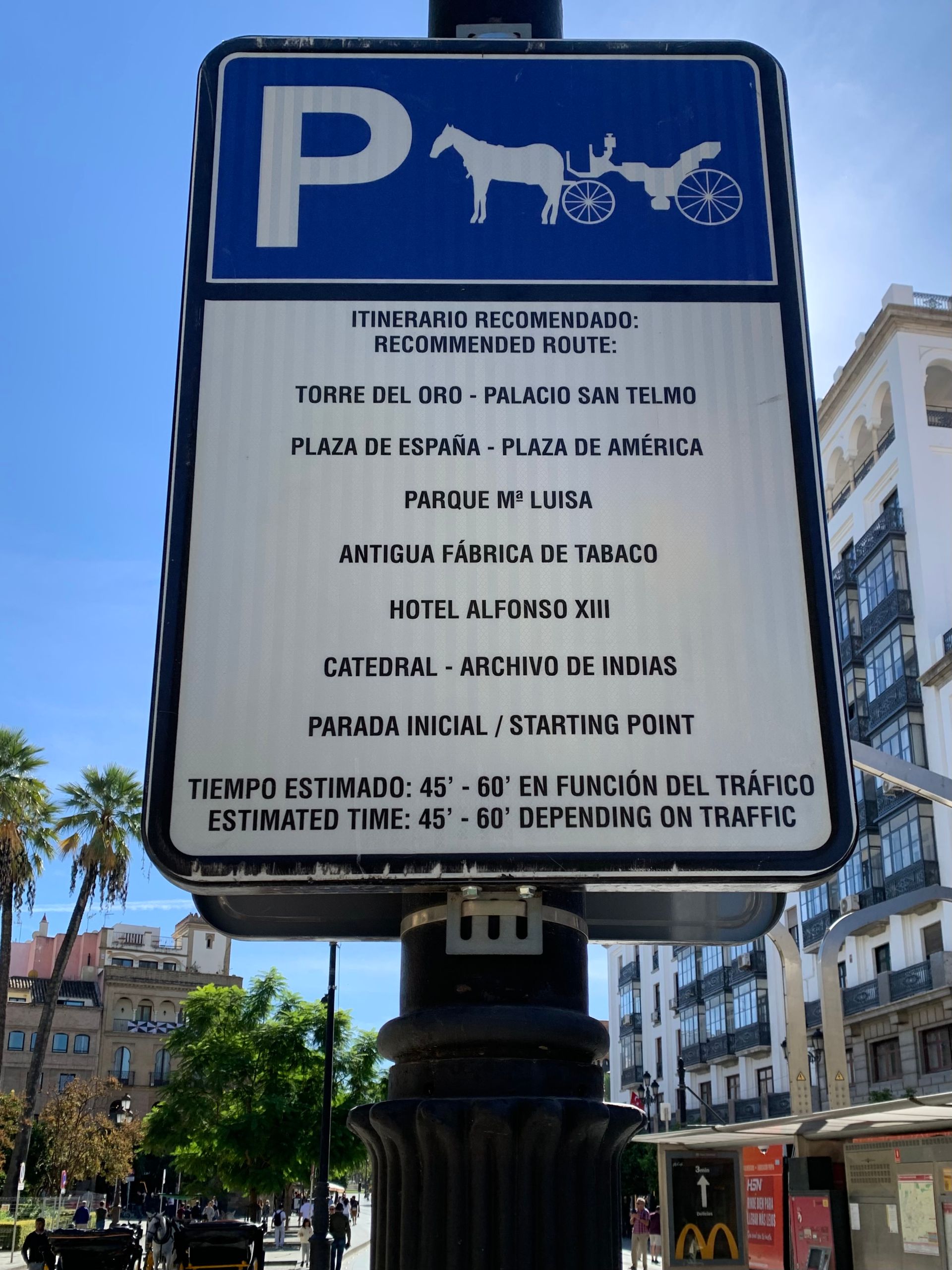
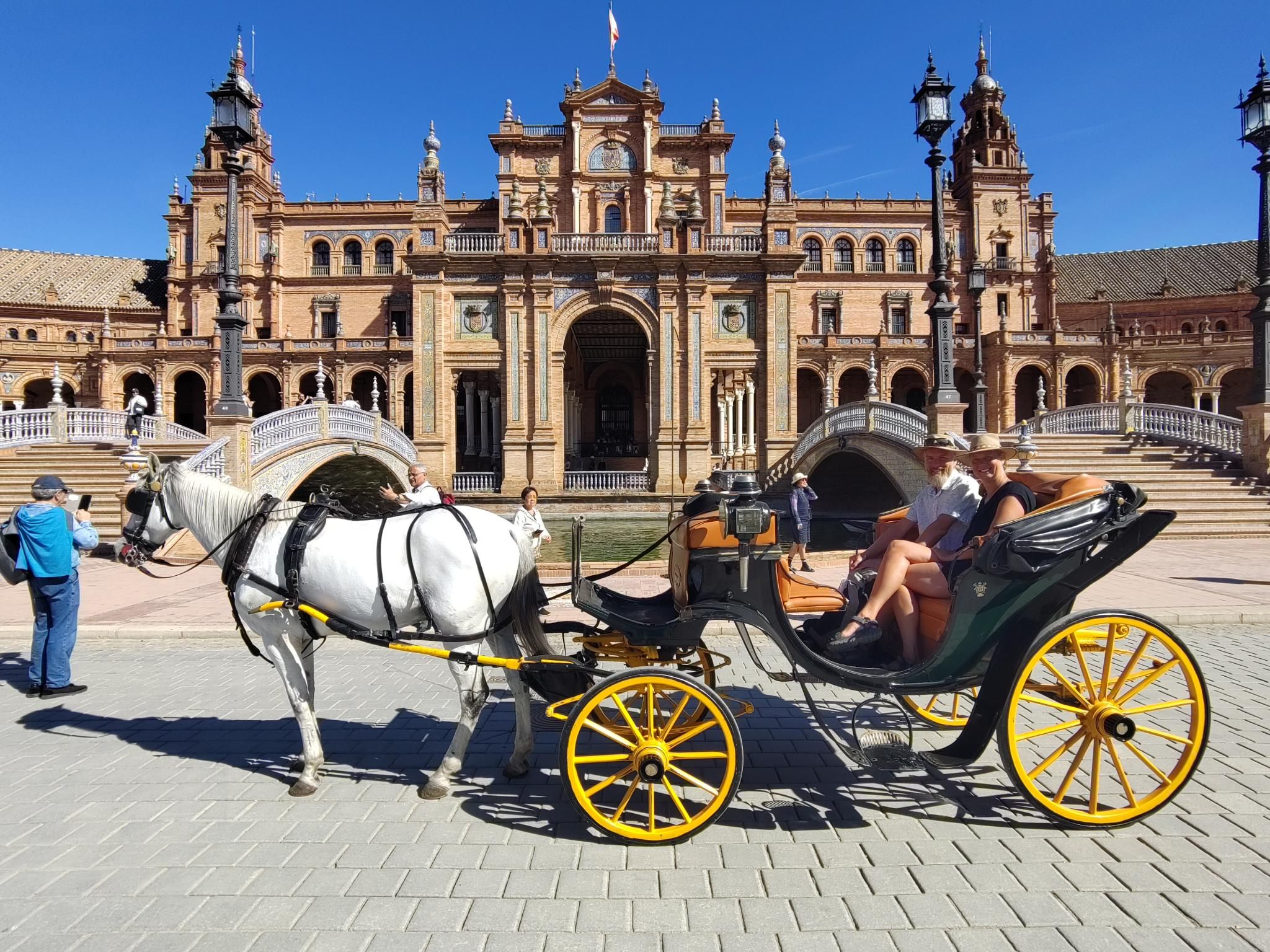
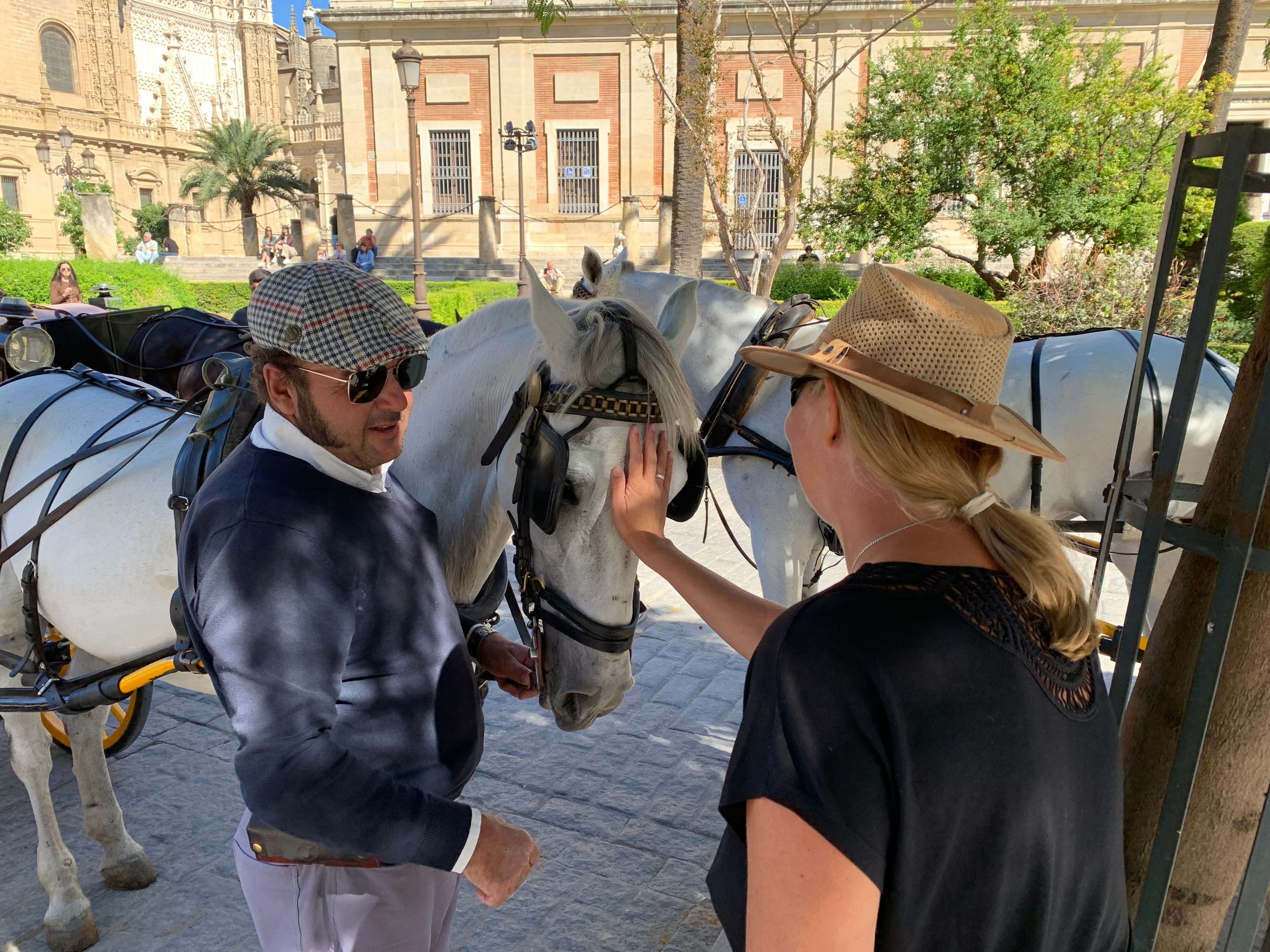
At the carriage station Archivo General de Indias, we boarded an open landau and let ourselves be driven through Seville for almost an hour. Thus, we saw all the important sights of the city on our city tour.
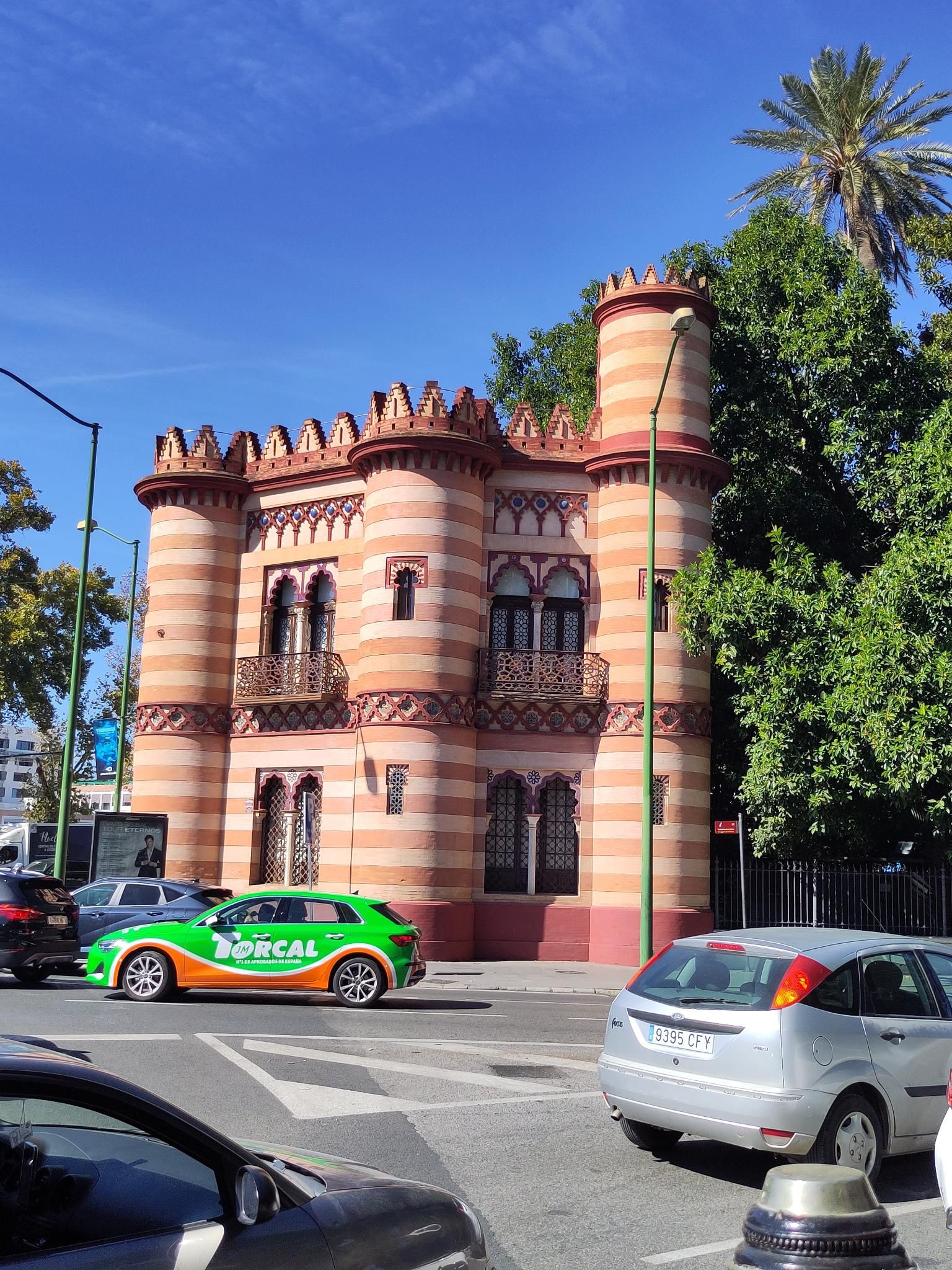
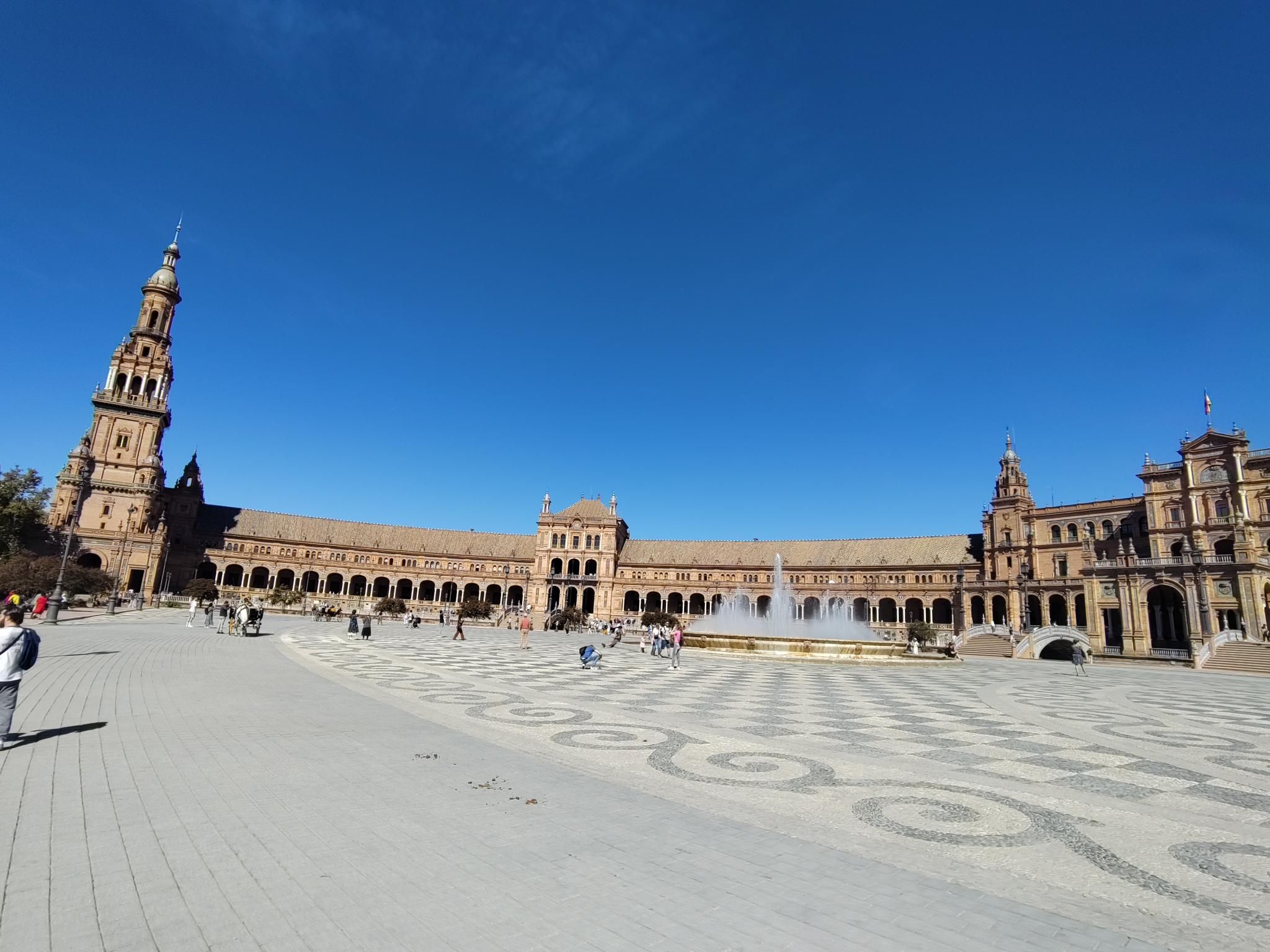
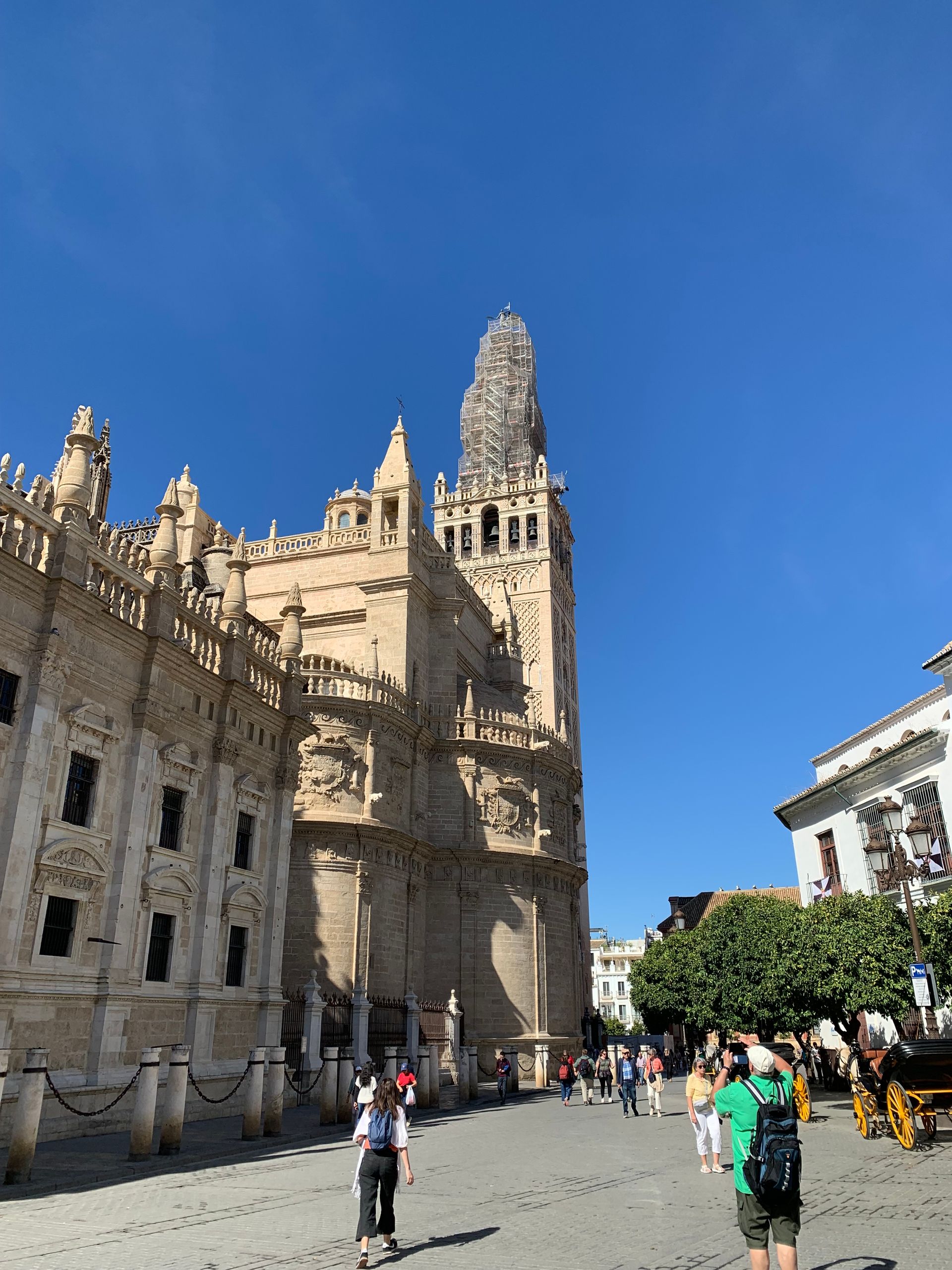
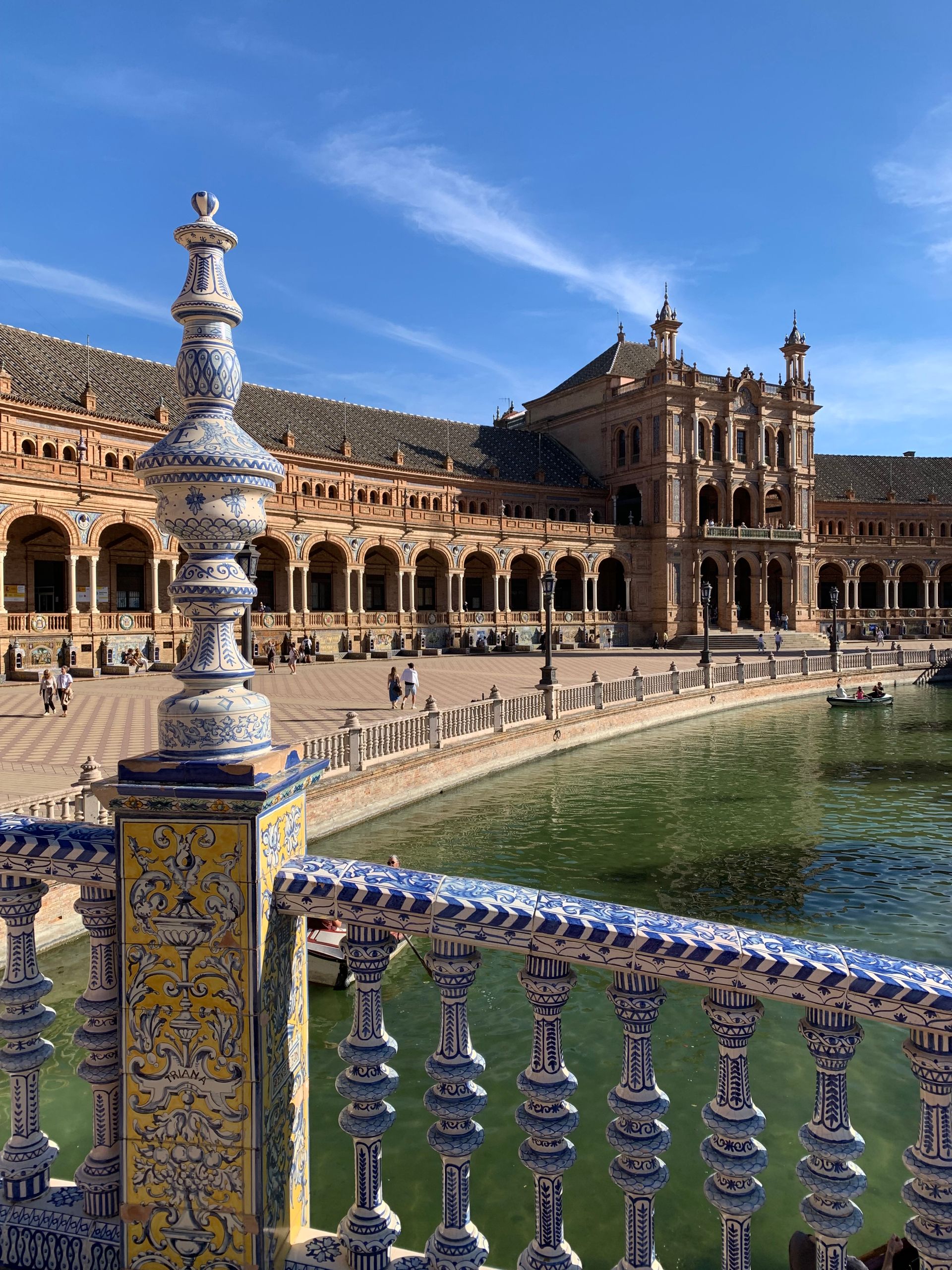
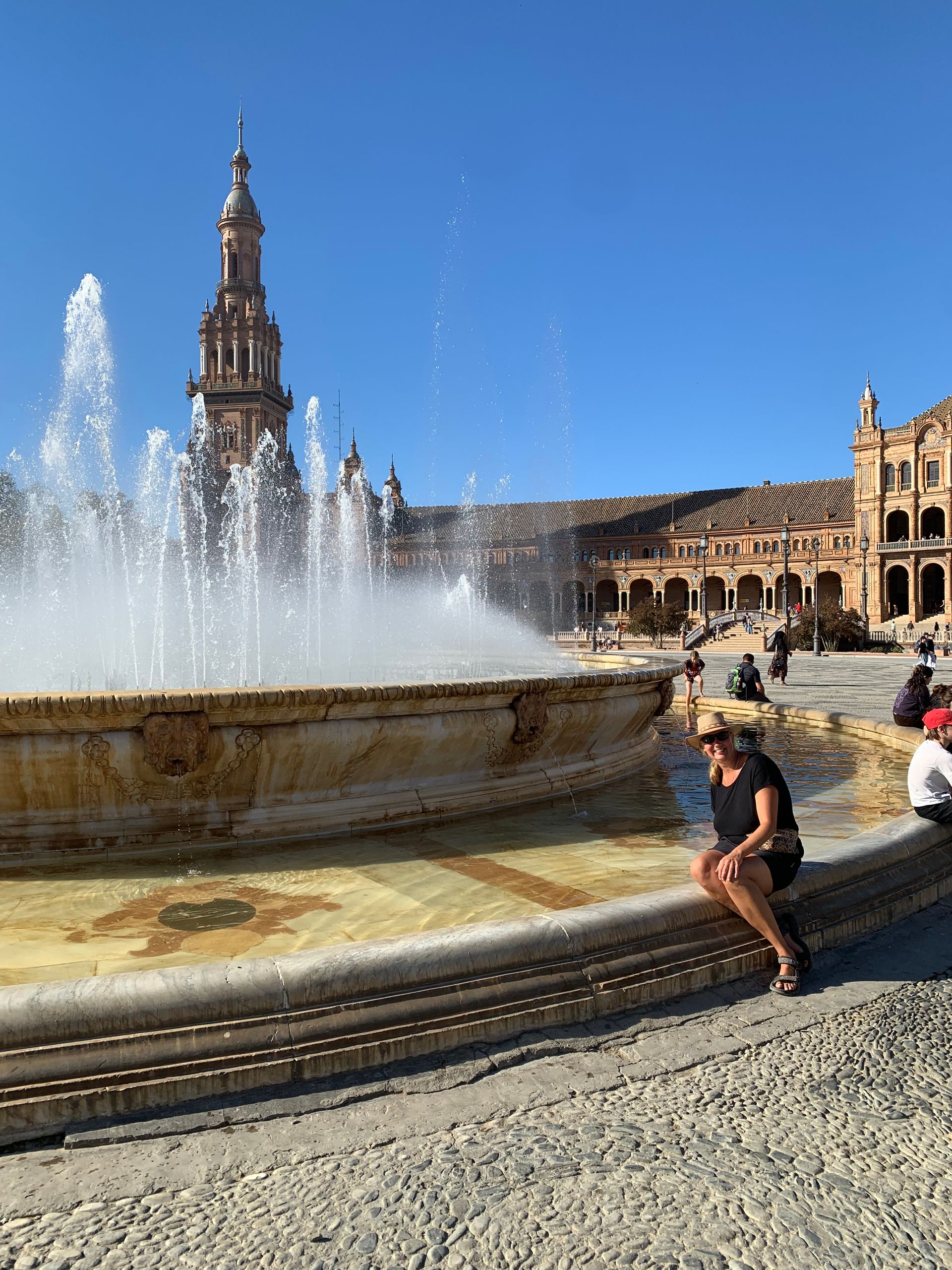
We had already seen the Torre del Oro, then we came to the Palacio de San Telmo. El Costurero de la Reina was beside the roadside of the roundabout, and the coachman would have almost not mentioned it if we hadn't asked directly because we liked it so much. From Teatro Lope de Vega, we only saw the small part that was not obscured by the trees. As we turned onto a multi-lane roundabout, heavily impressed by the calmness of the horse and the coachman, we reached the Parque de María Luisa. After two or three turns through the park, we steered along the central axis towards the enormous Plaza de España. When the Ibero-American Exposition took place in Seville in 1929, a whole series of buildings had been erected for the exhibition in the Parque de Maria Luisa, among which the Plaza de España stood out. After a round around the large fountain in the middle and a few photos taken by the coachman of us, we slowly made our way back to our starting point. The next stop was the Alcázar of Seville, a building ensemble that Sebb hoped to visit after the tour. The Alcázar, Real Alcázar de Sevilla or the Royal Alcázar of Seville, was the medieval royal palace of the city. The construction history of the complex dates back to the Moorish period and thus combined many styles. The palace has been used as an official residence by the Spanish royal family to this day whenever they stayed in Seville. Directly next to the palace was the cathedral, which we had already seen, with the Giralda. The Giralda was the current bell tower of the cathedral. The tower itself had previously been the minaret of a mosque. However, this was demolished in the 15th century in favor of the late Gothic cathedral. The tower was left standing at that time and only renovated. When we returned to our starting point around 3:00 PM, we thanked Ross and the coachman for this beautiful ride.
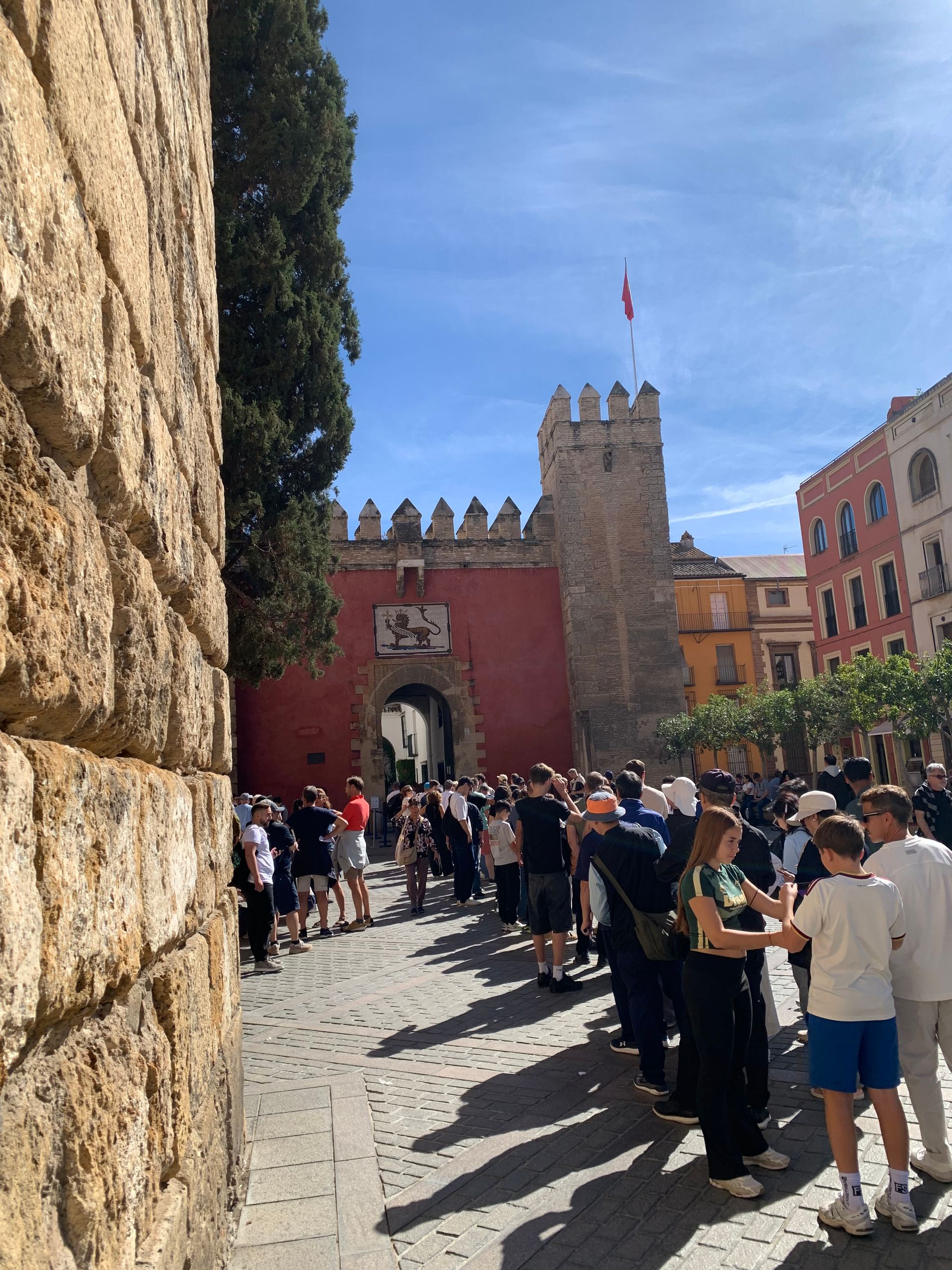
Then we walked on to the Puerta del León of the Alcázar and stood in line to take a look into the palace. When a staff member came along the line and asked for our tickets, we had to decline, as that was why we were waiting. He then explained to us that all tickets were sold out for today. The wait was only worth it for those who had already purchased their entry tickets in advance. So we wouldn't see the palace from the inside.
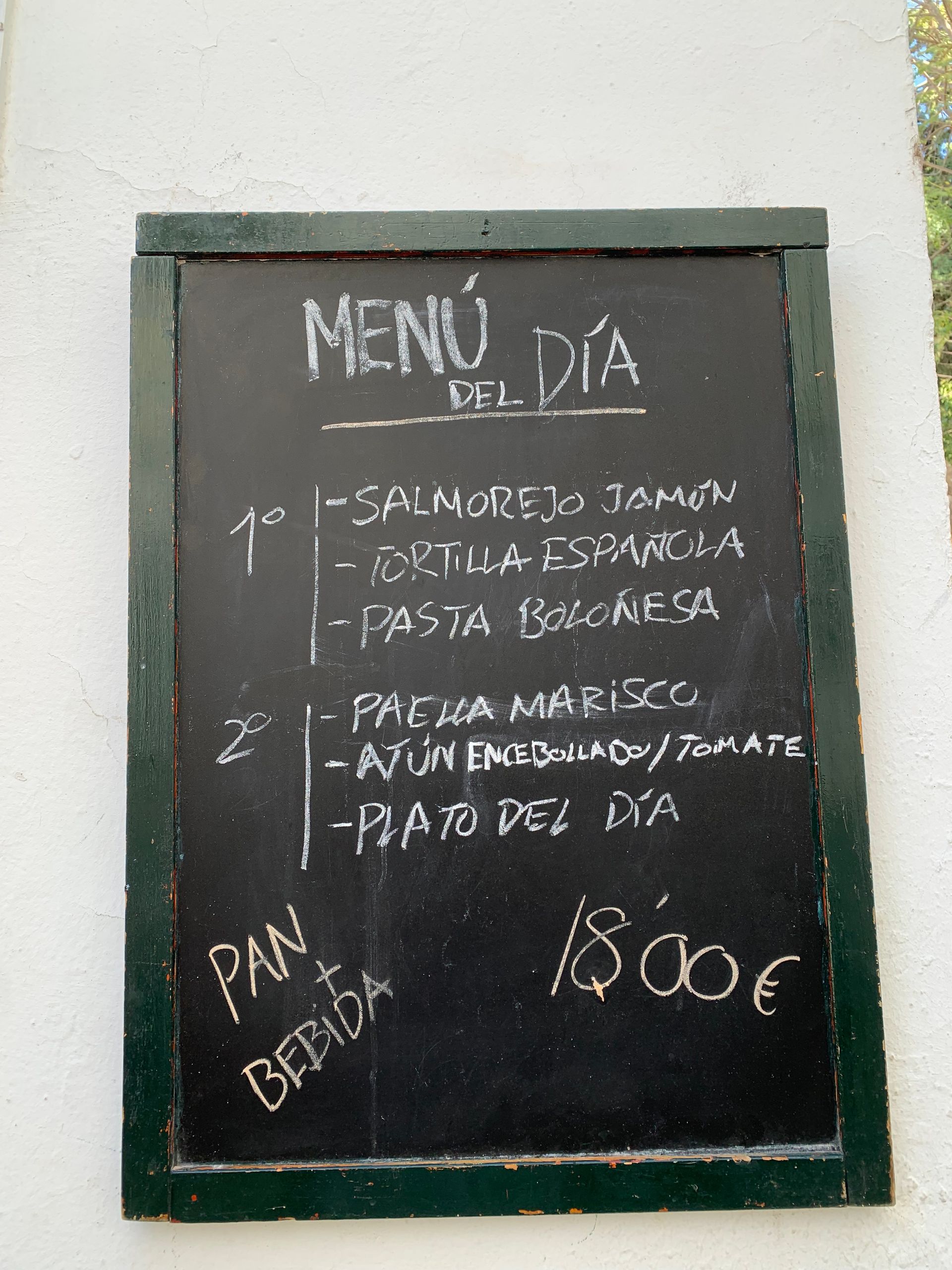
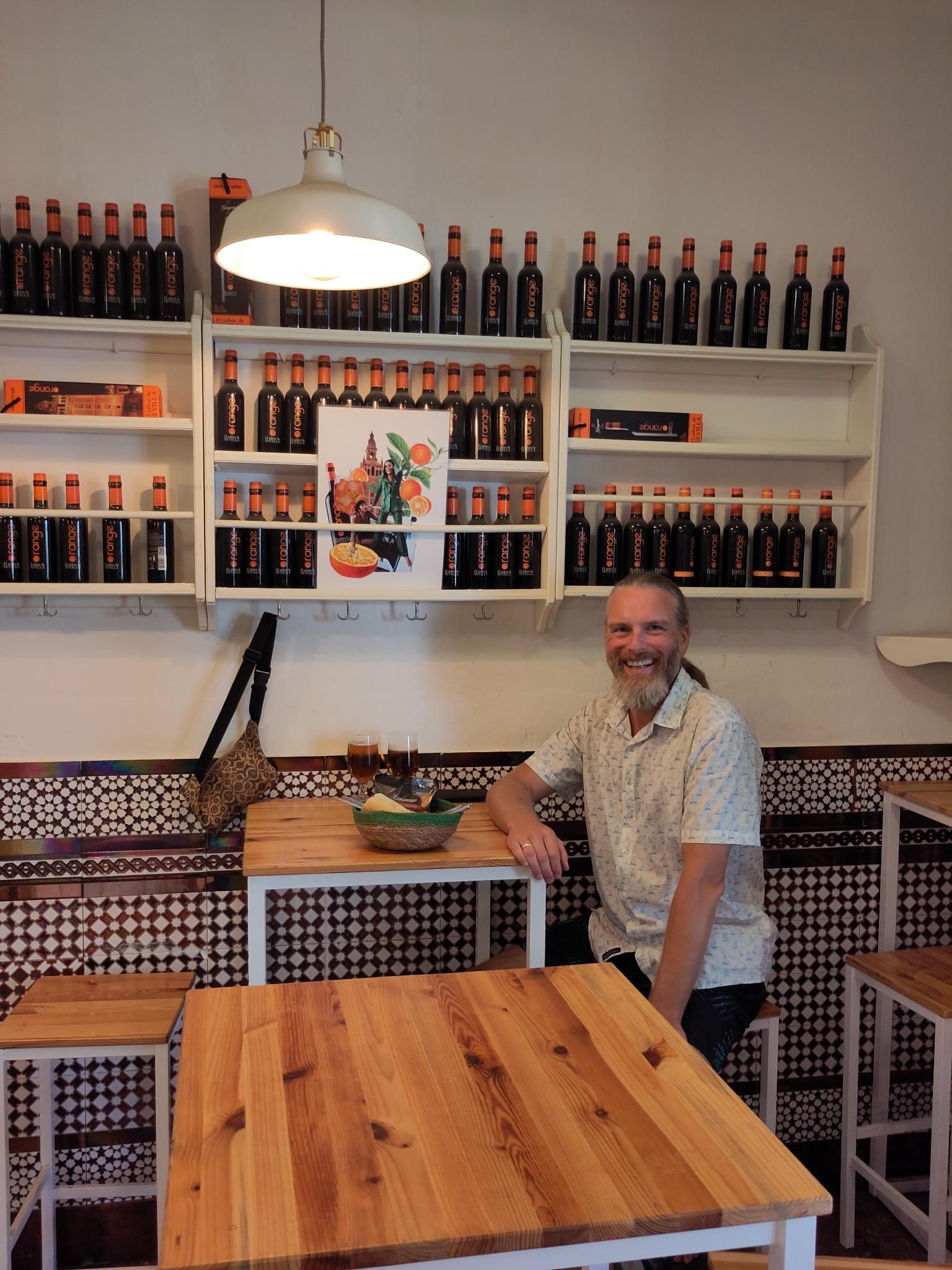
As we were getting hungry, the offer from one of the many bars here came in handy, and we ordered the daily menu twice. There was again Salmorejo, along with tortilla, tuna with potatoes and tomatoes, and finally mushrooms. It was plentiful and very delicious.
After our nourishment, we continued walking to have another look at the Plaza de España on foot and then sat down in the green at the Parque de Maria Luisa. The huge building of the Plaza now housed a whole series of national and regional administrations, offices, and museums. Each province of the country was honored with an azulejo – a tiled picture – on the plinth, and even the railings of the large balconies were decorated with tiles.
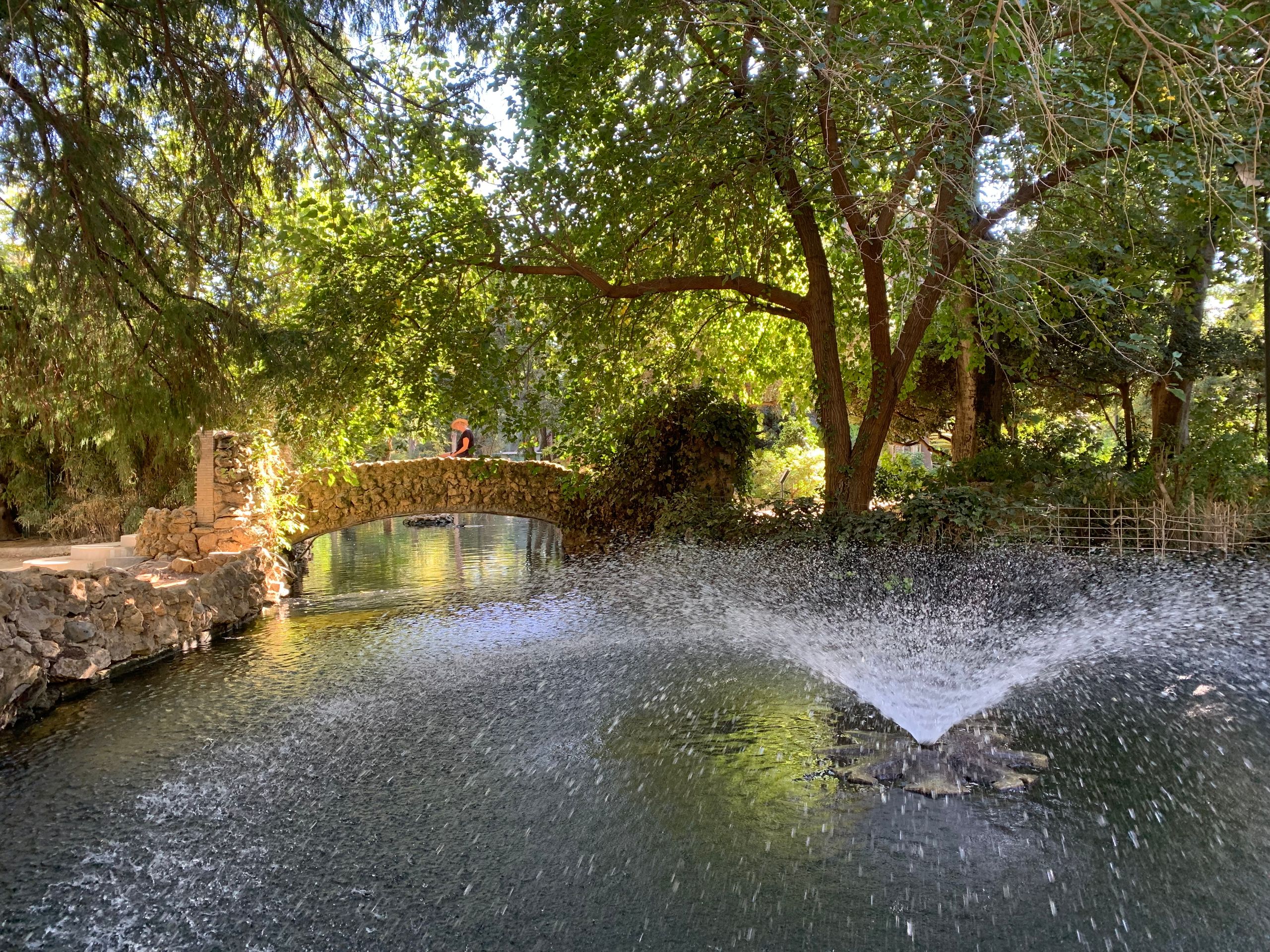
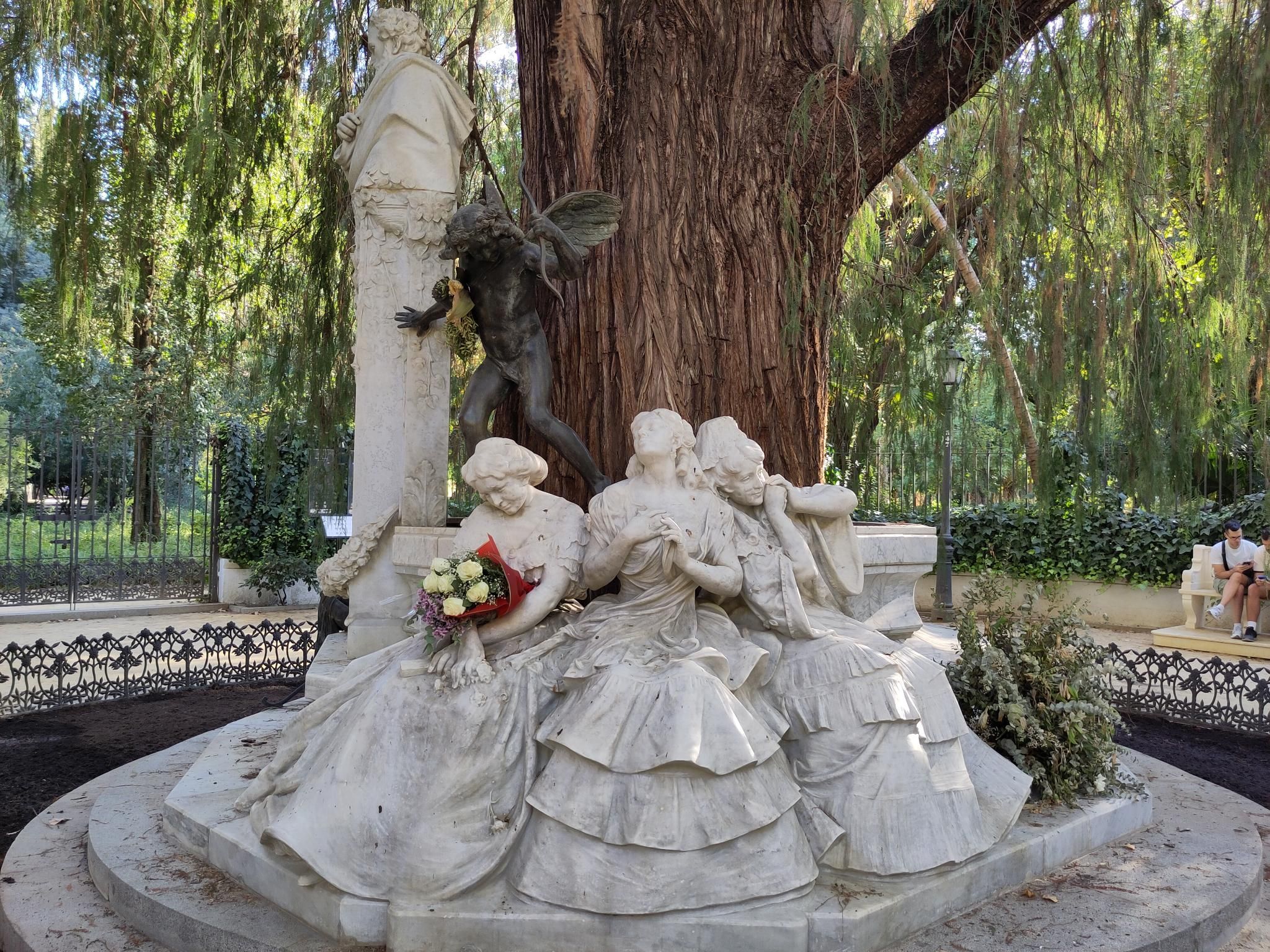
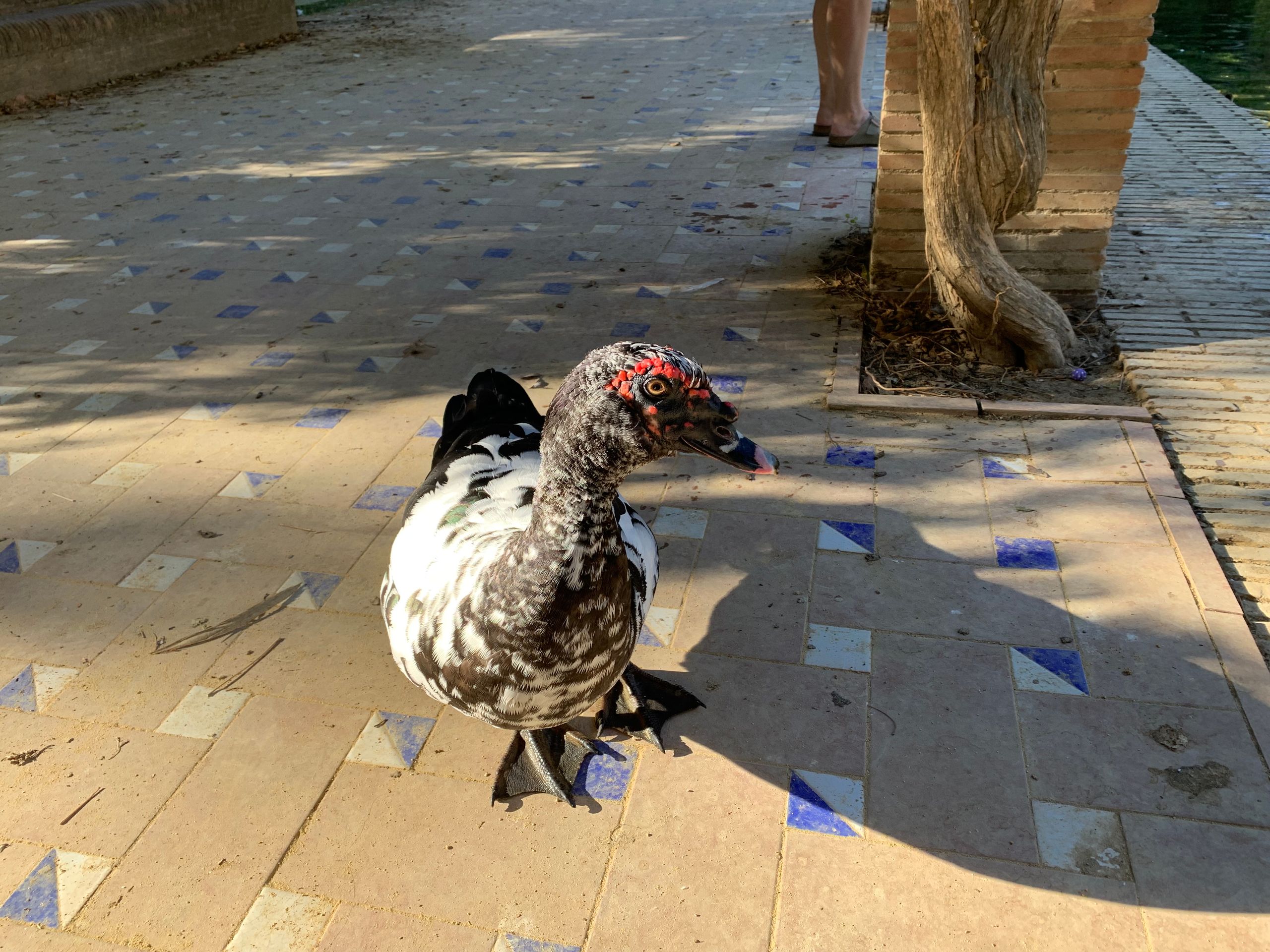
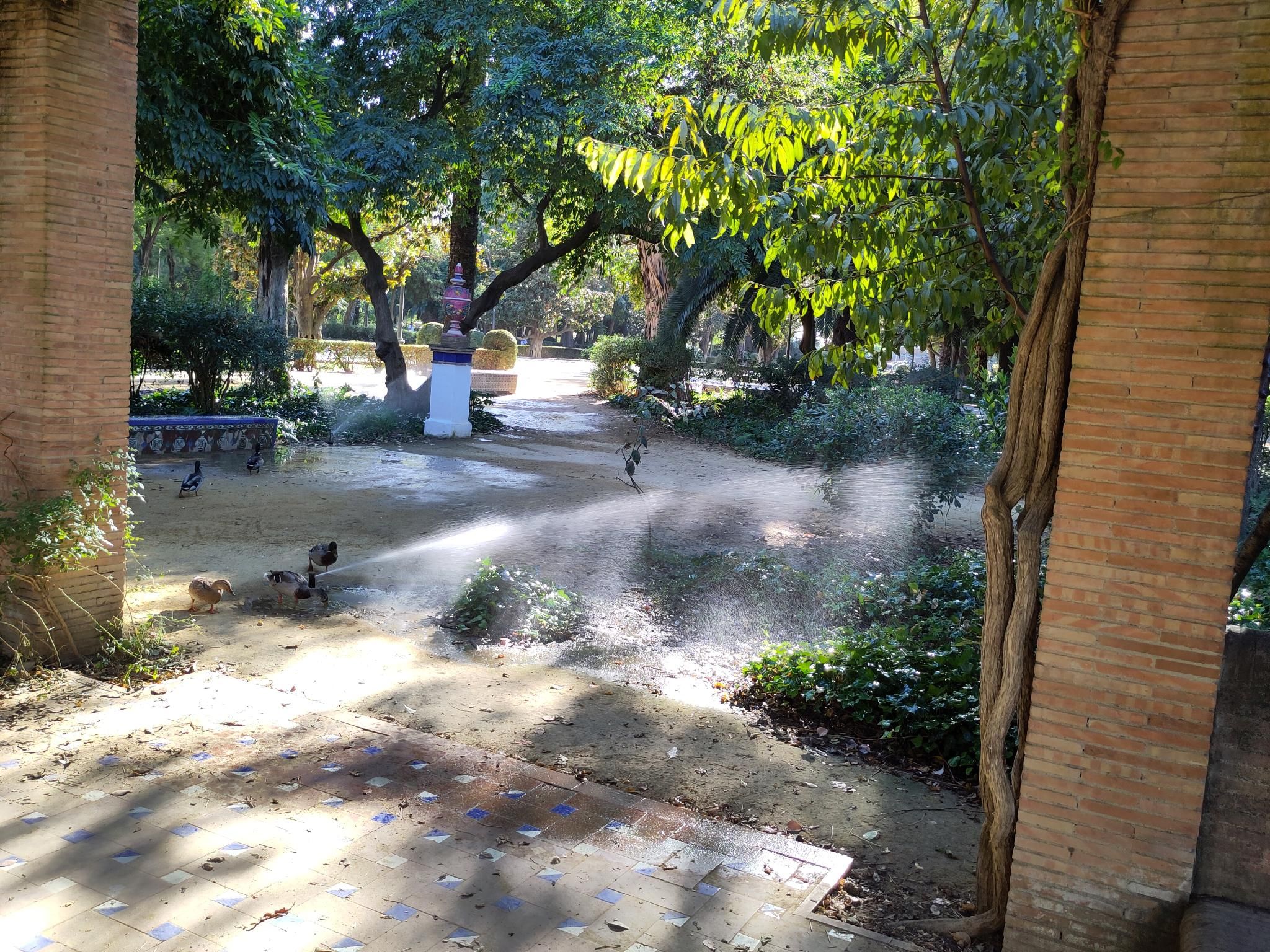
The park formed a fresh, green counterpoint to the sunny, warm plaza. Here, not only were there all kinds of colorful, diverse plants of all sizes, but ducks and geese were also frolicking in the water pools. In a small, extra fenced area stood a large cypress around which a round bench had been created with three marble-loving girls. Over the three, the bust of the romantic poet Gustavo Adolfo Bécquer, one of the city’s great sons, looked down.
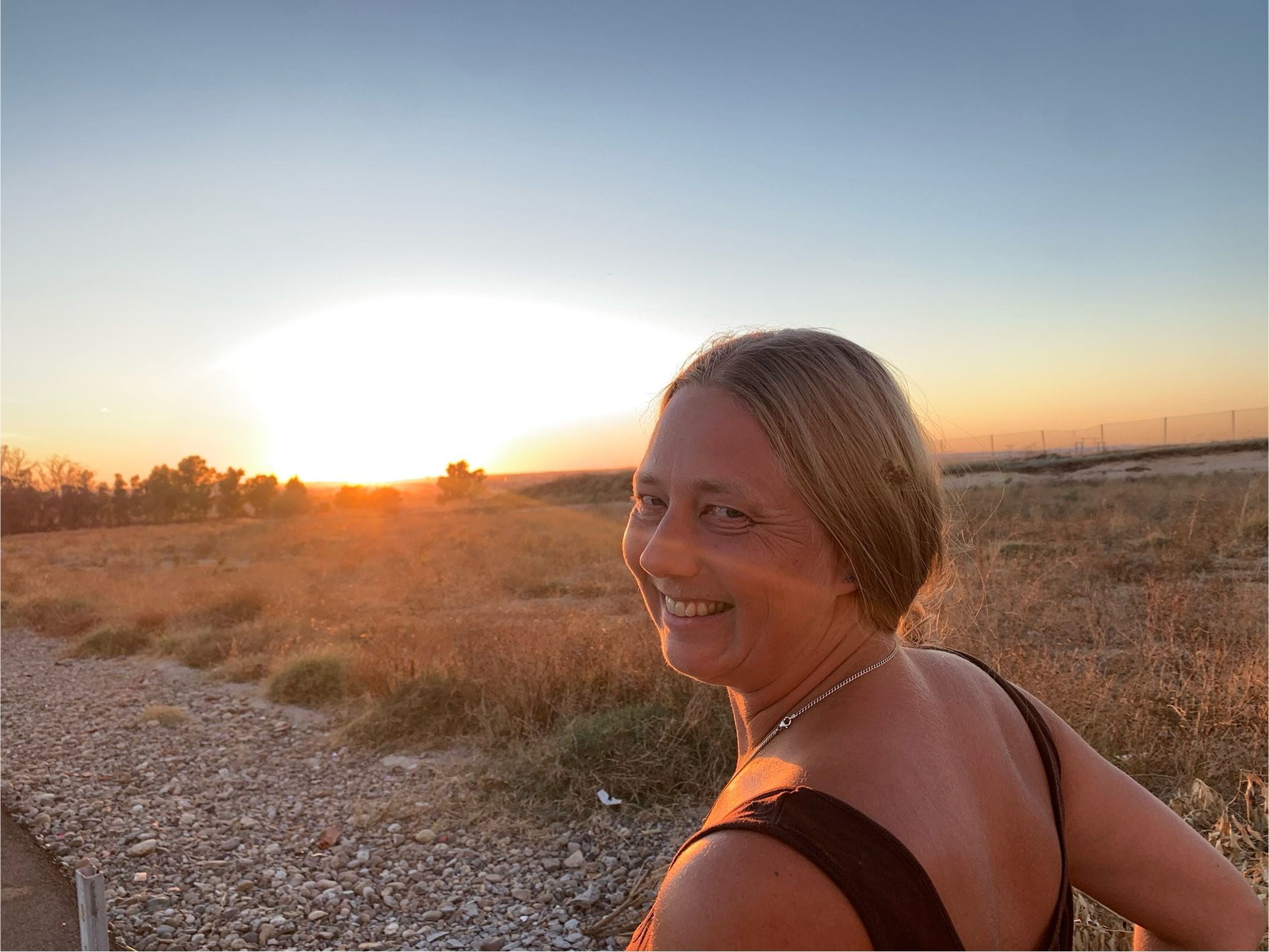
The metro brought us back to our parking lot just before sunset, where we prepared ourselves a small, cold dinner at Gary and then let the evening wind down.