30. Chapter: Eagle over Maizuru or enough is perhaps enough
Maizuru is quite a large port city, full of merchant ships, warships, fishing boats, and excursion steamers. It is located around a wild and rugged coastline, which I actually...

Published: 03.12.2025
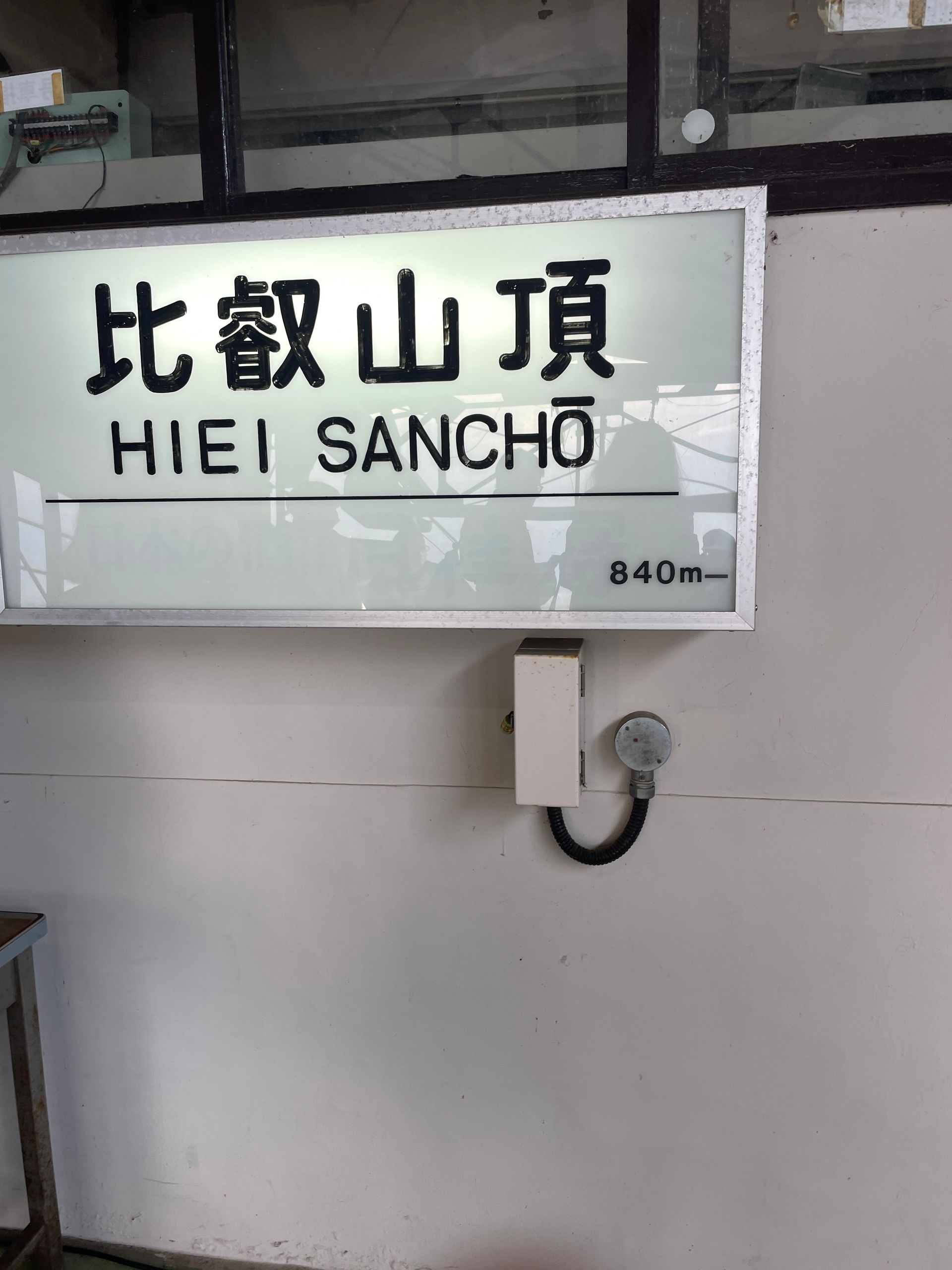
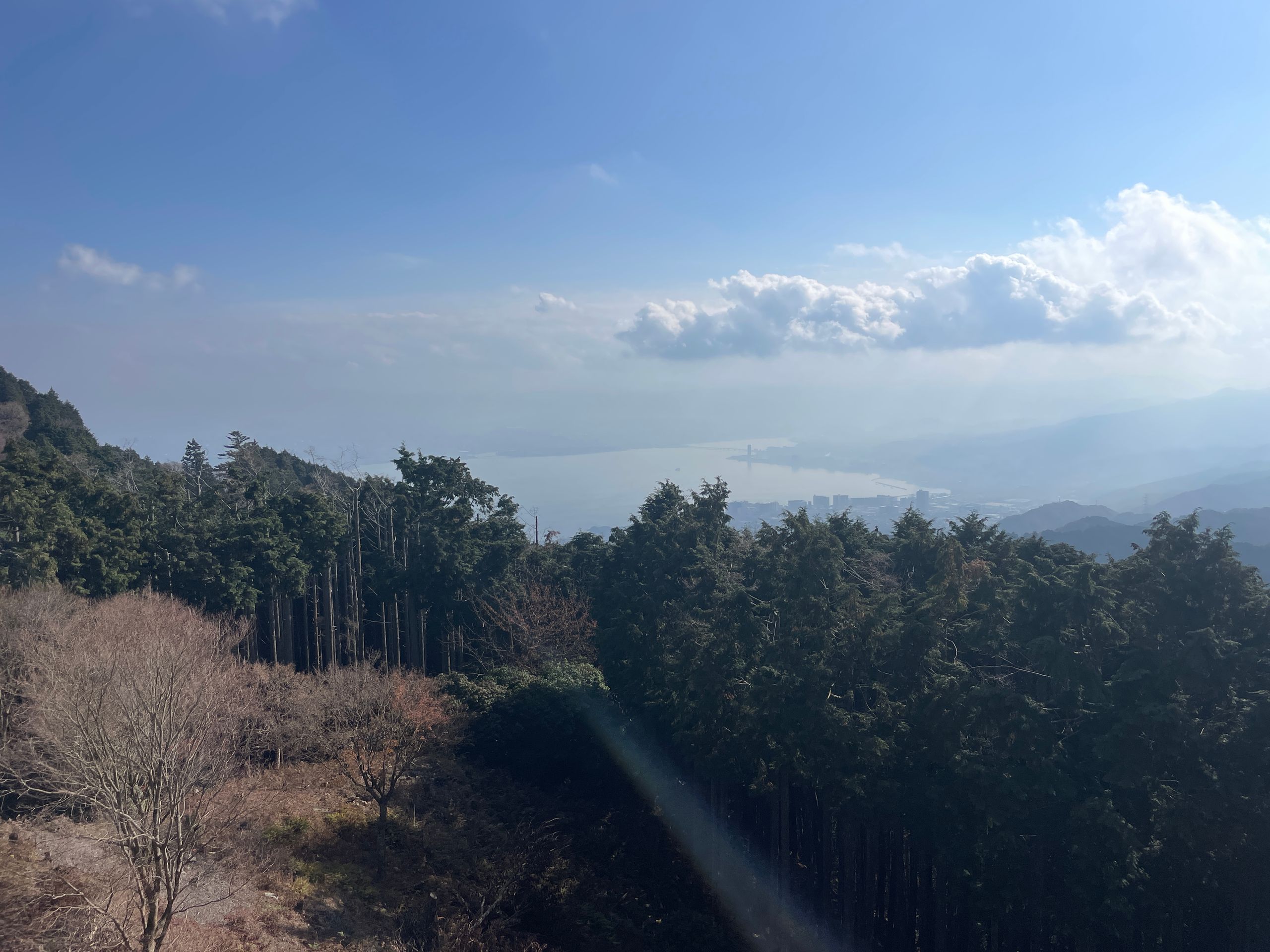
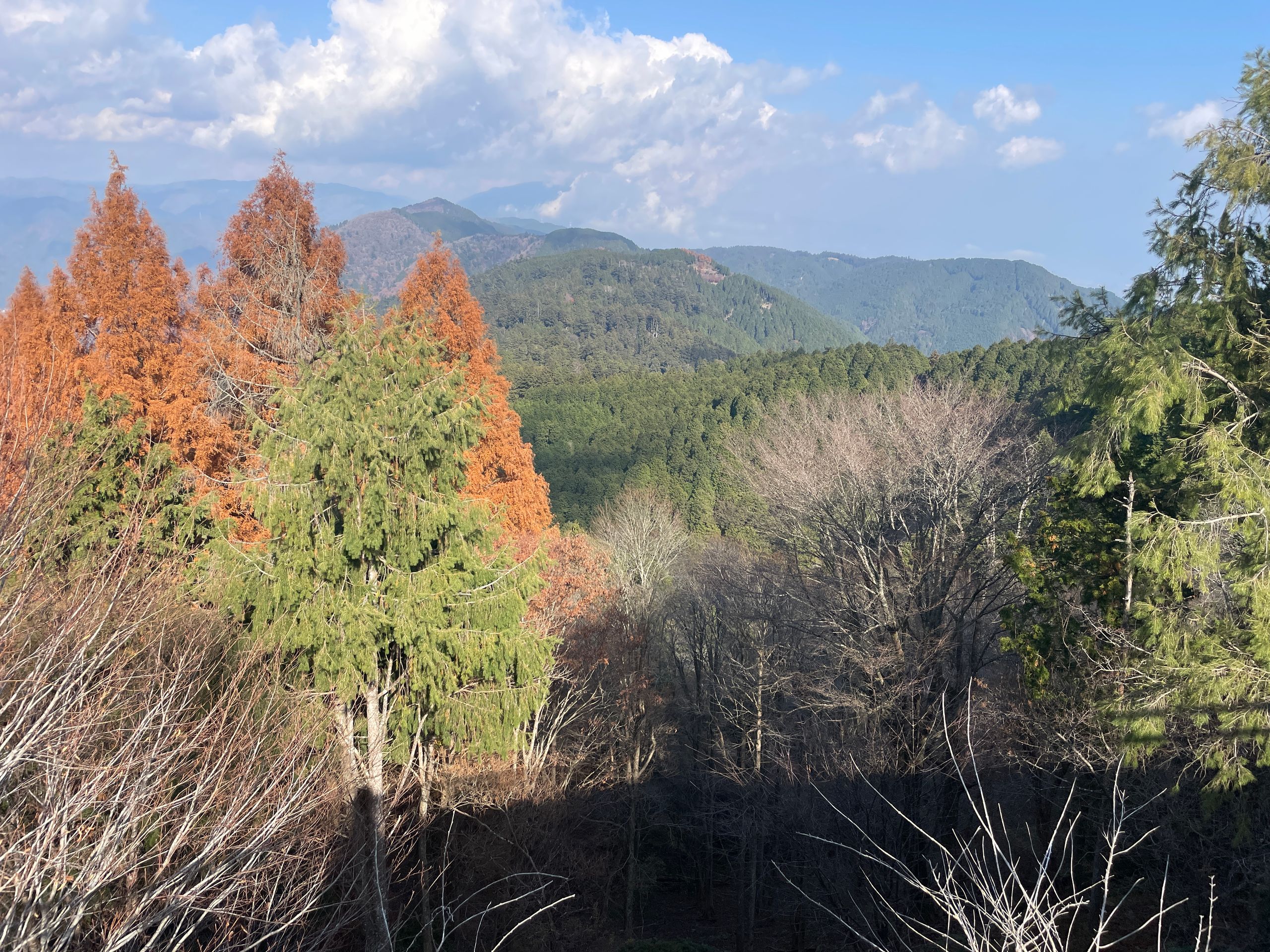
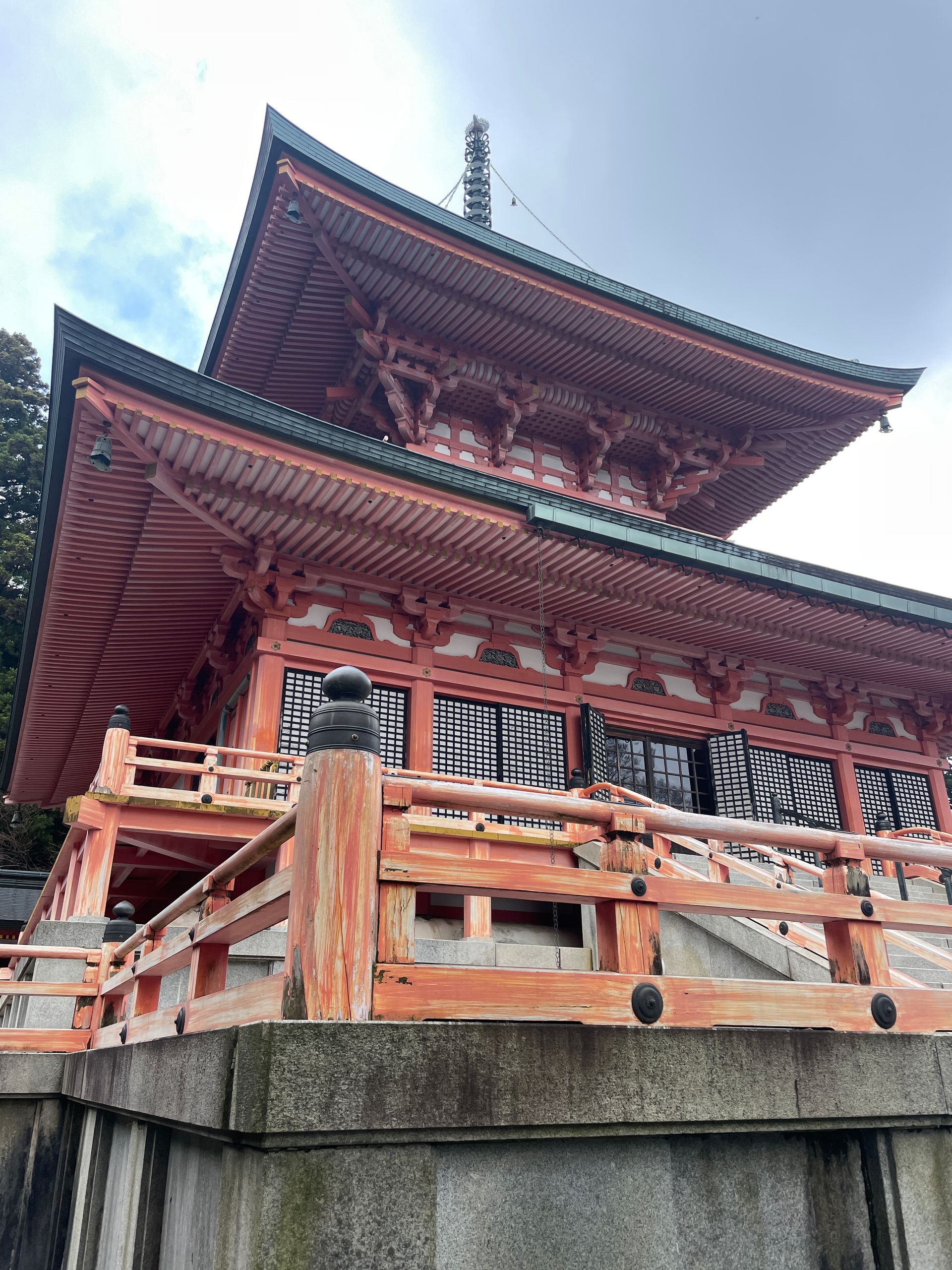
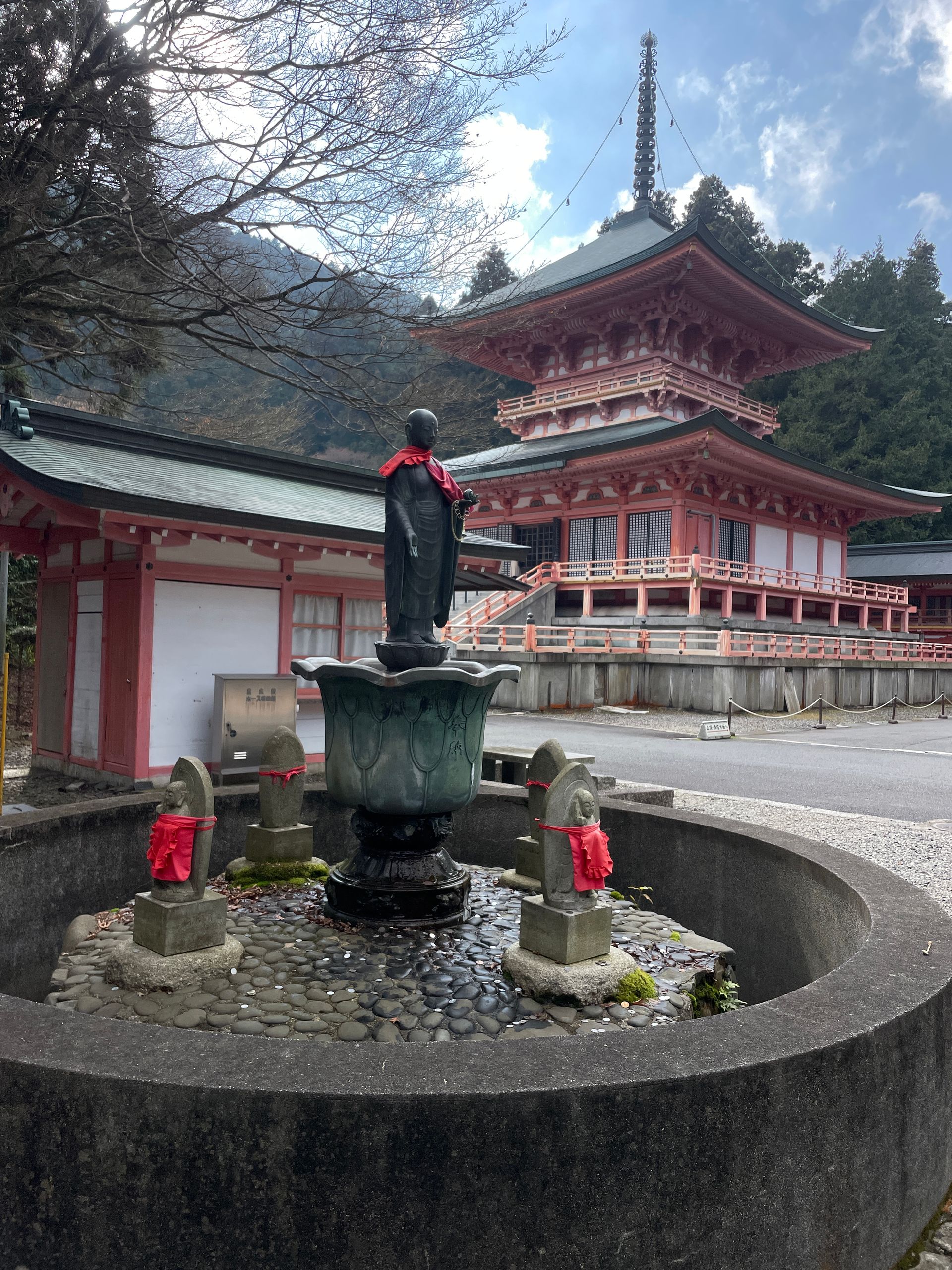
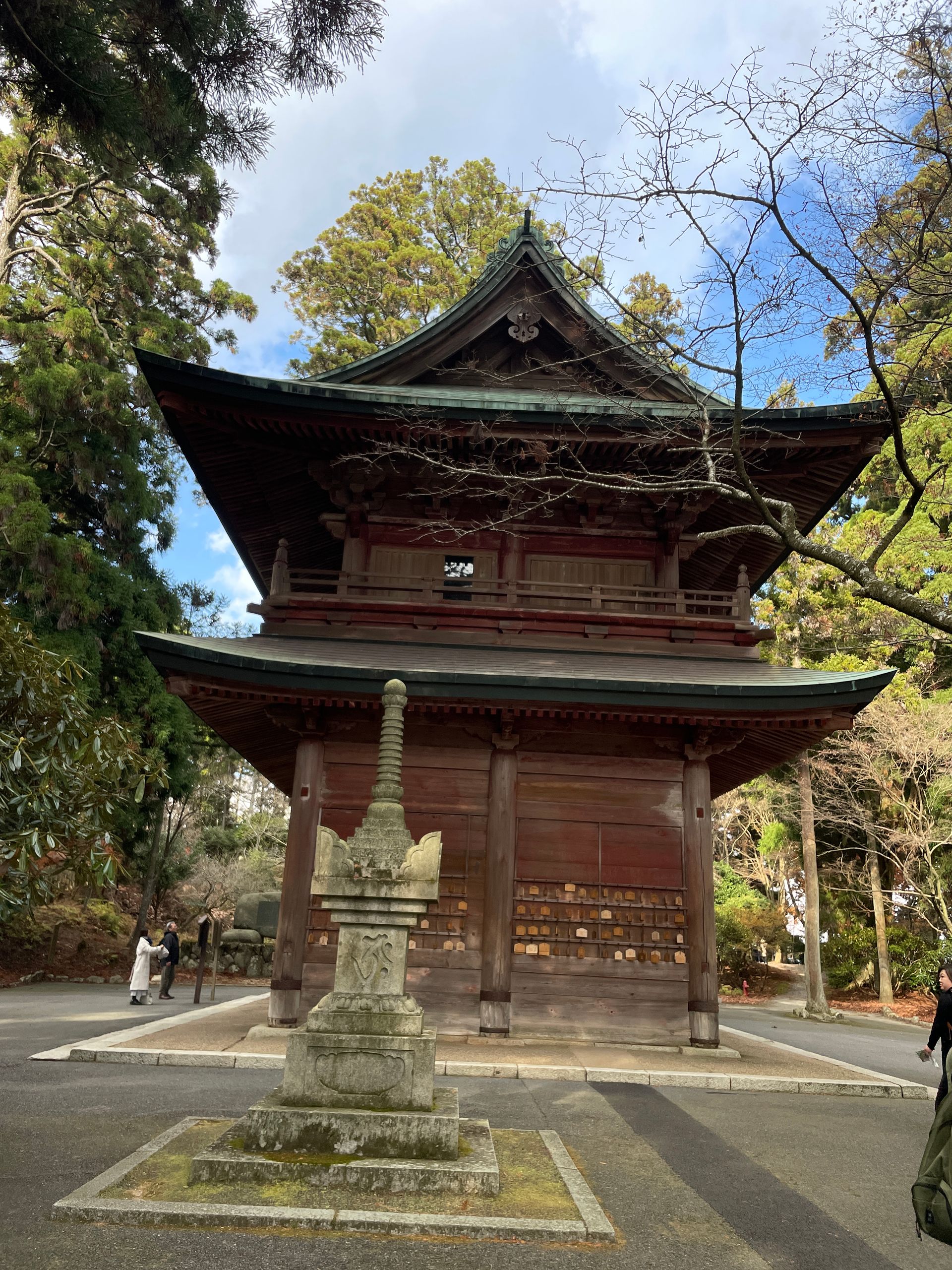
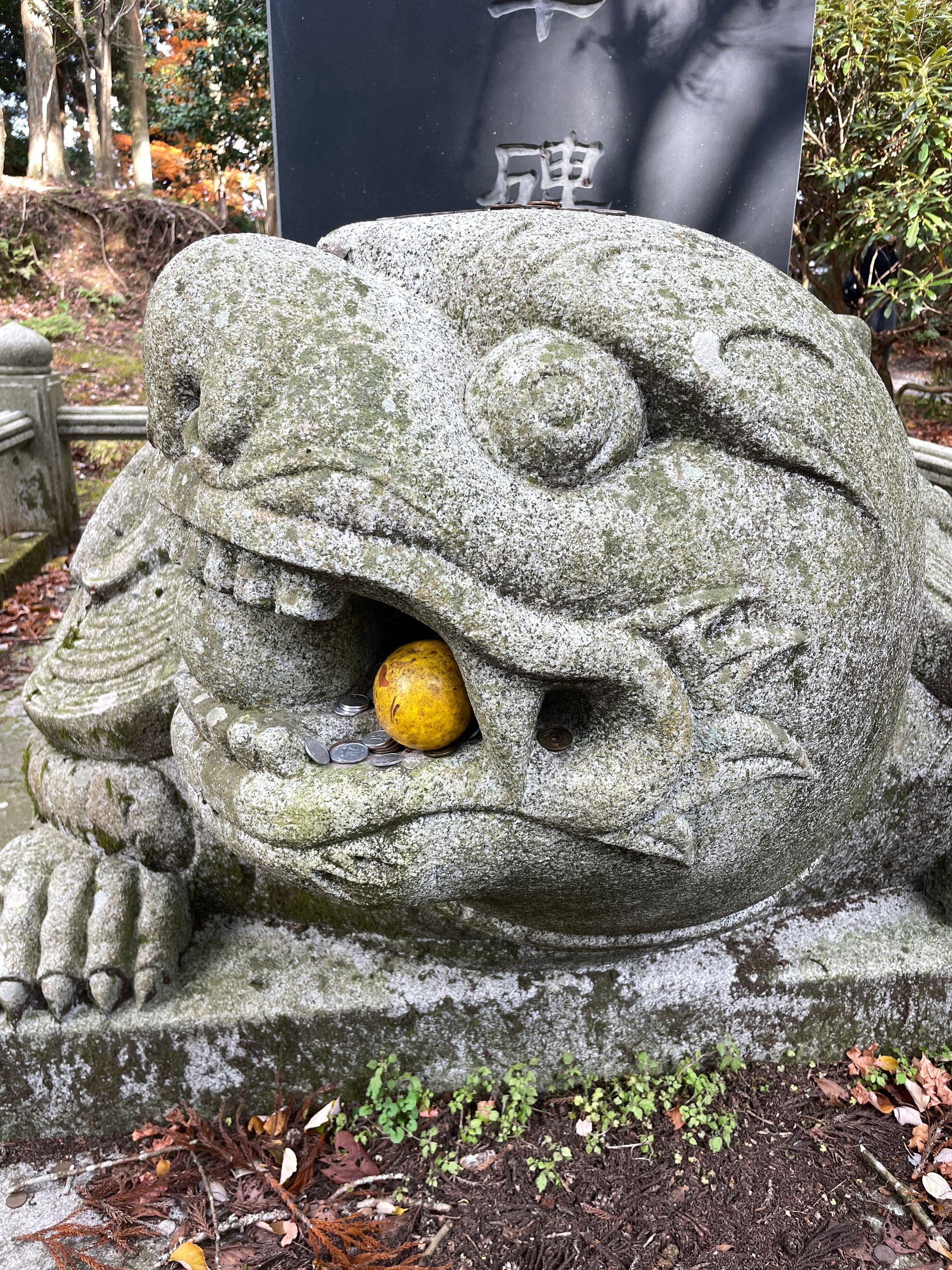
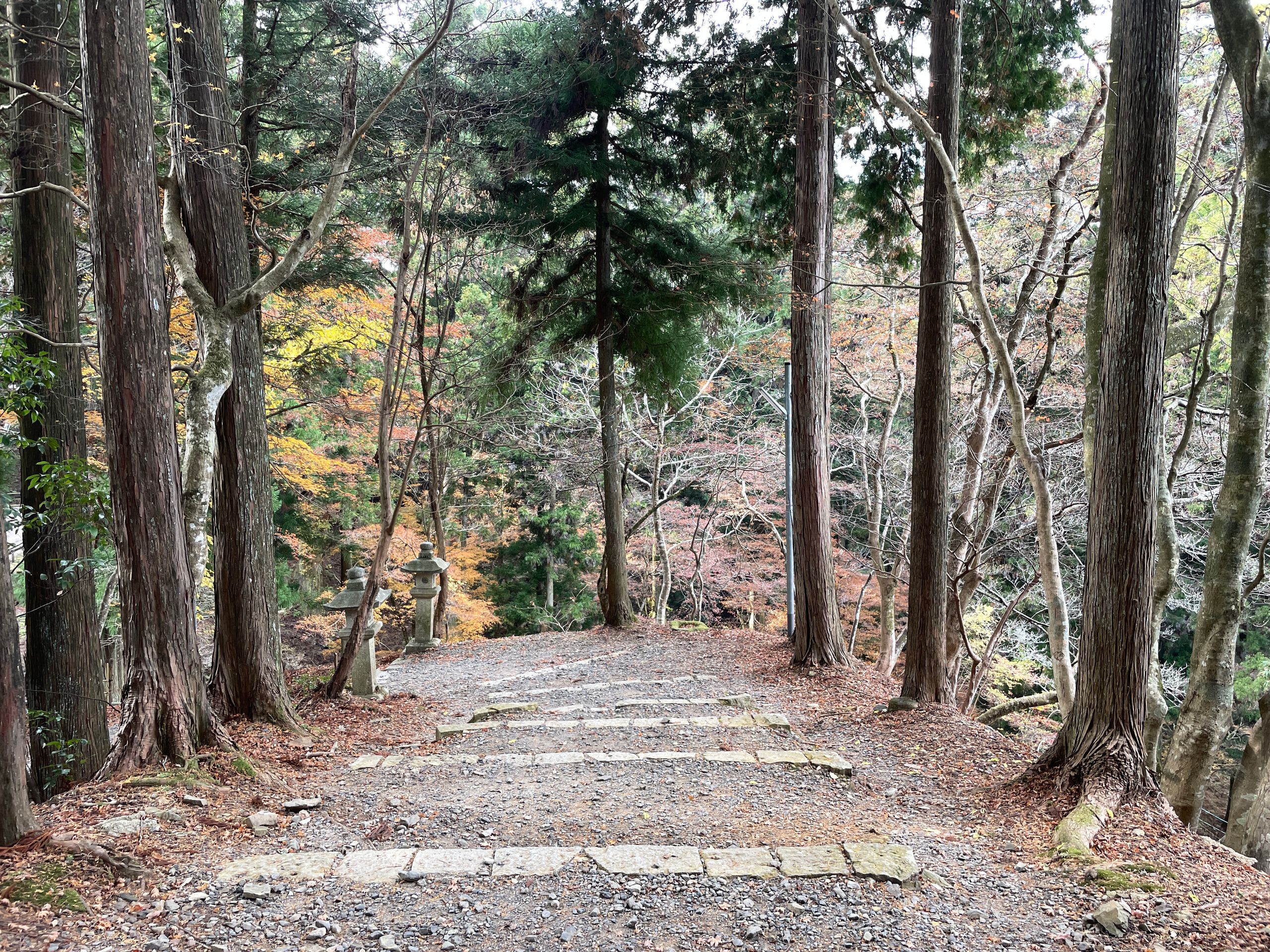
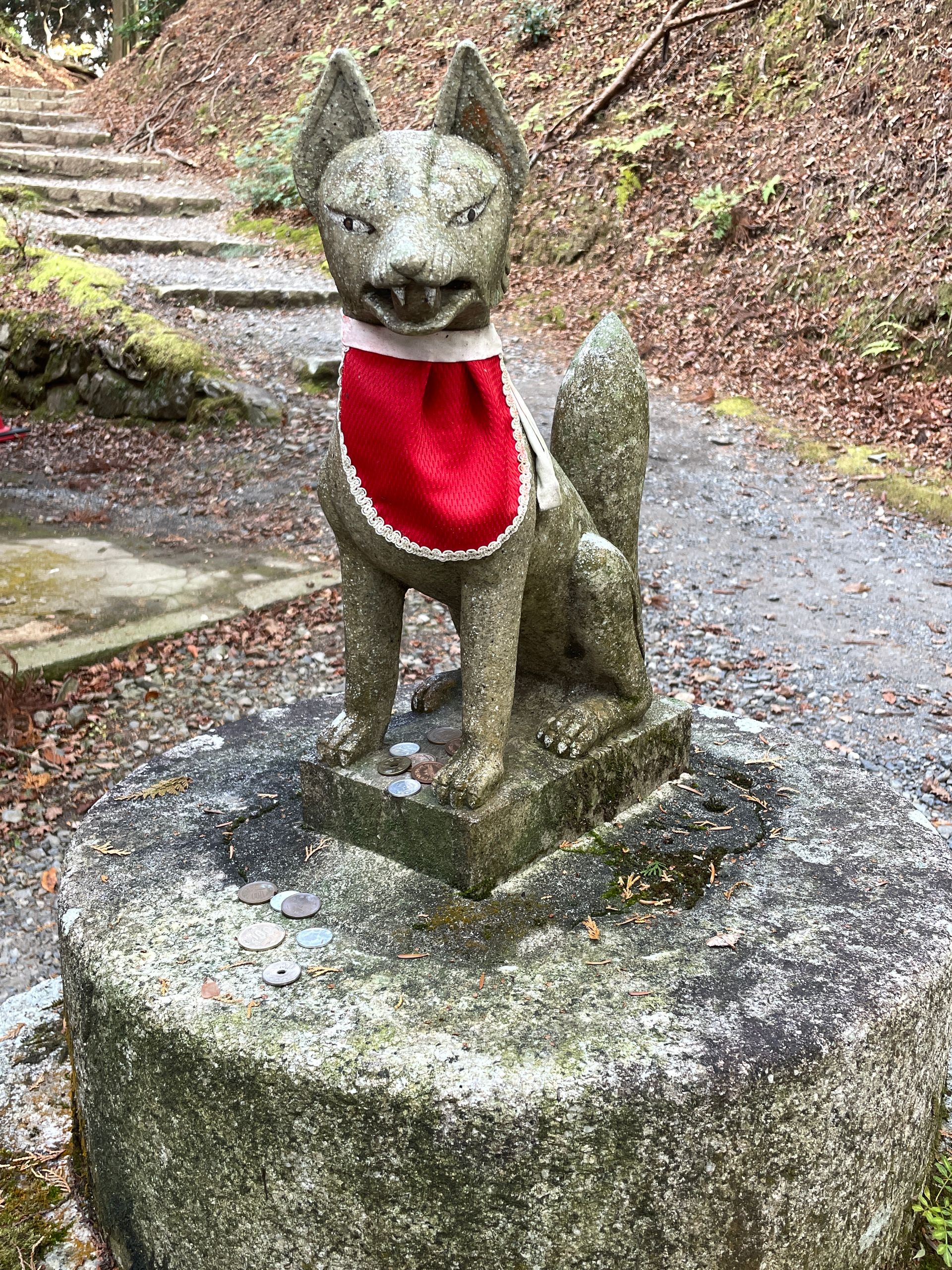
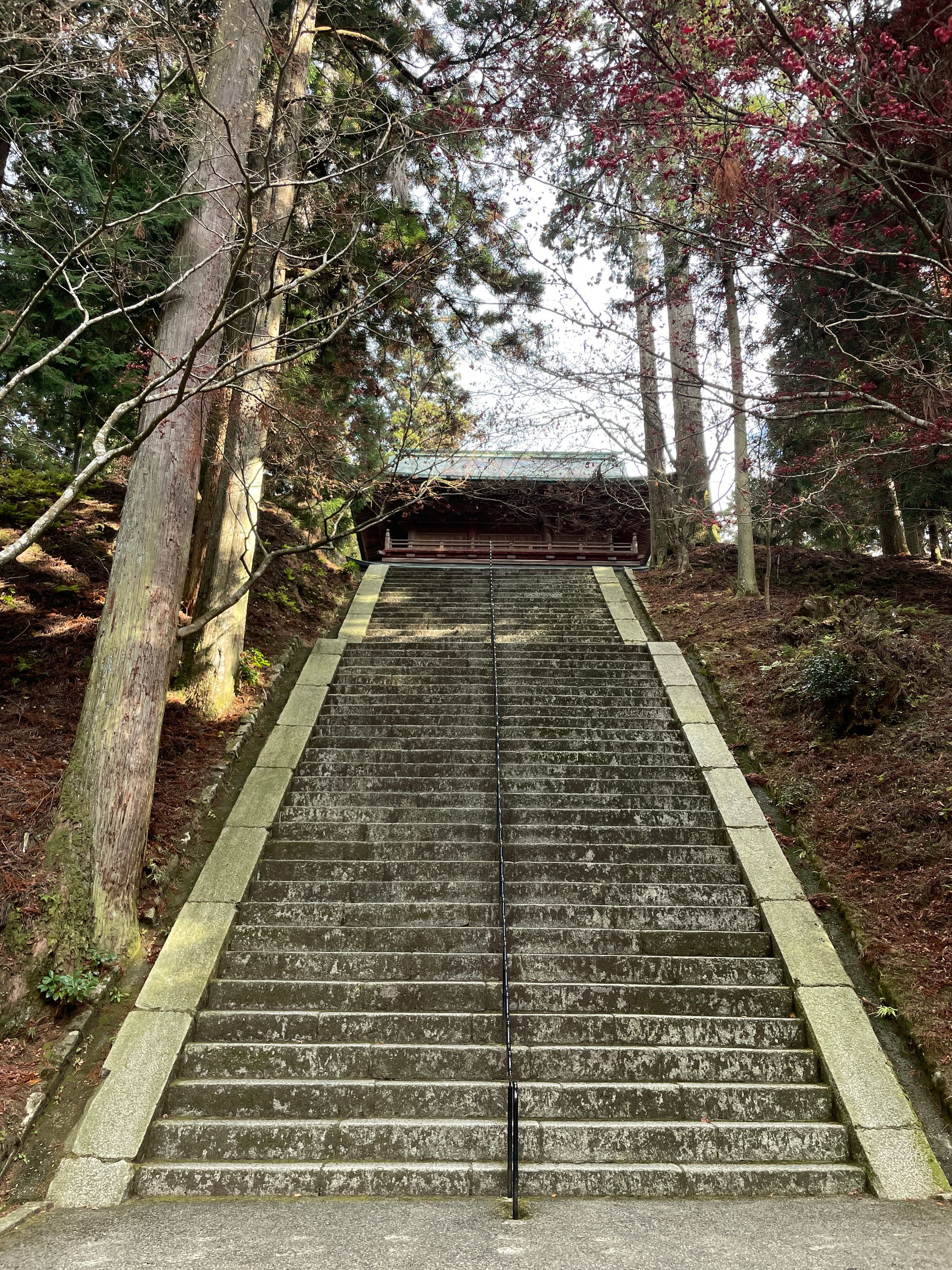
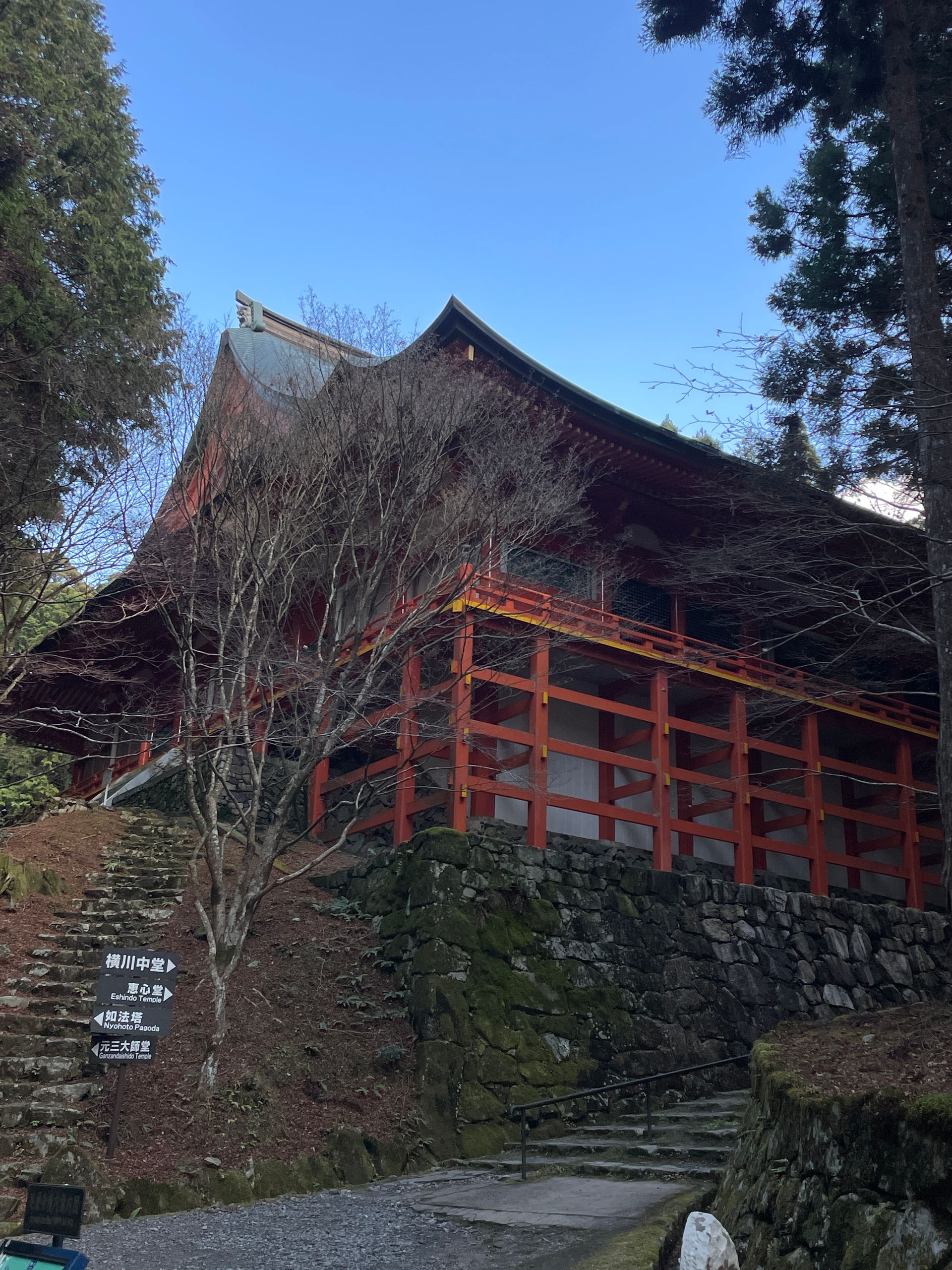
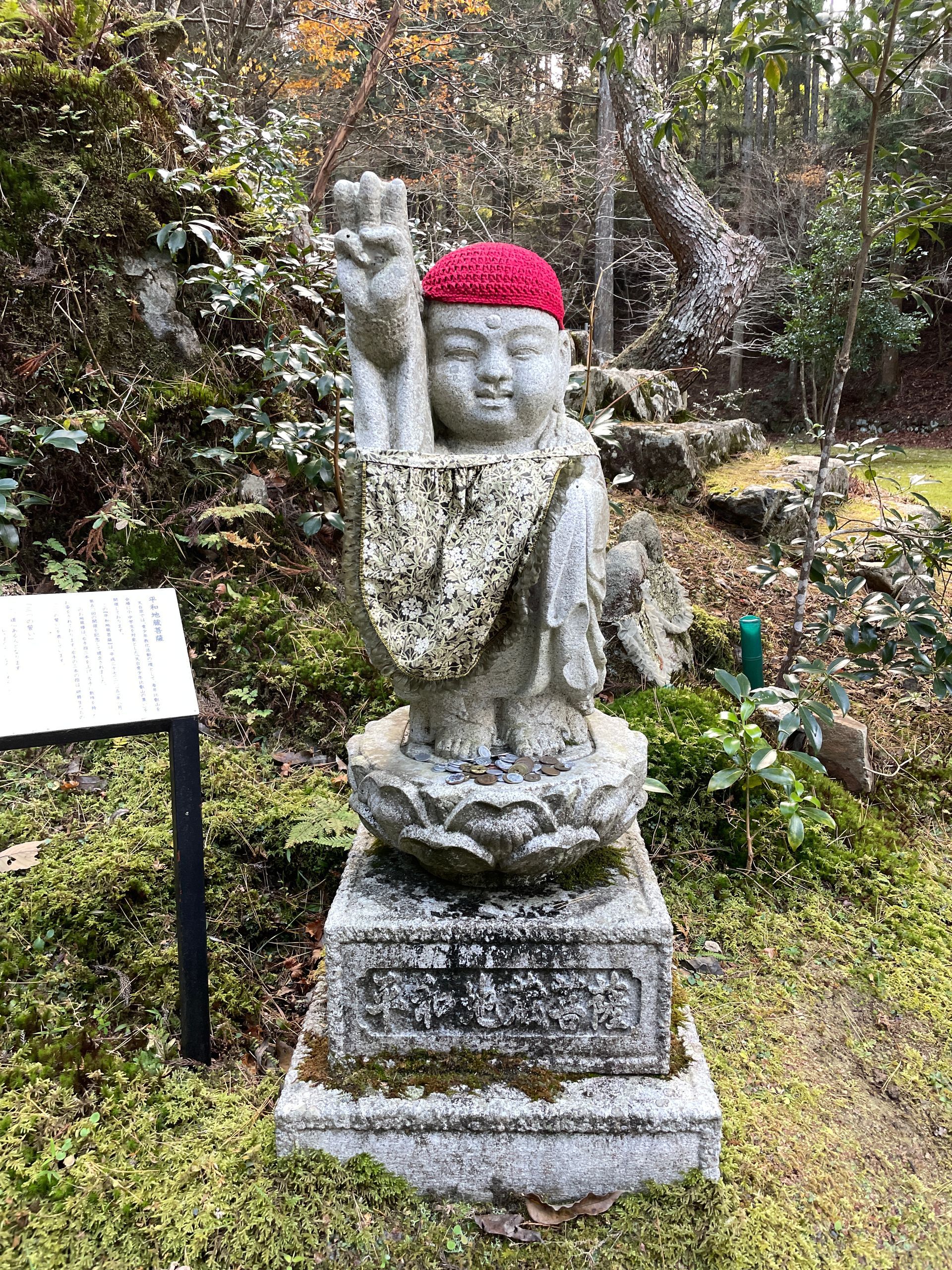
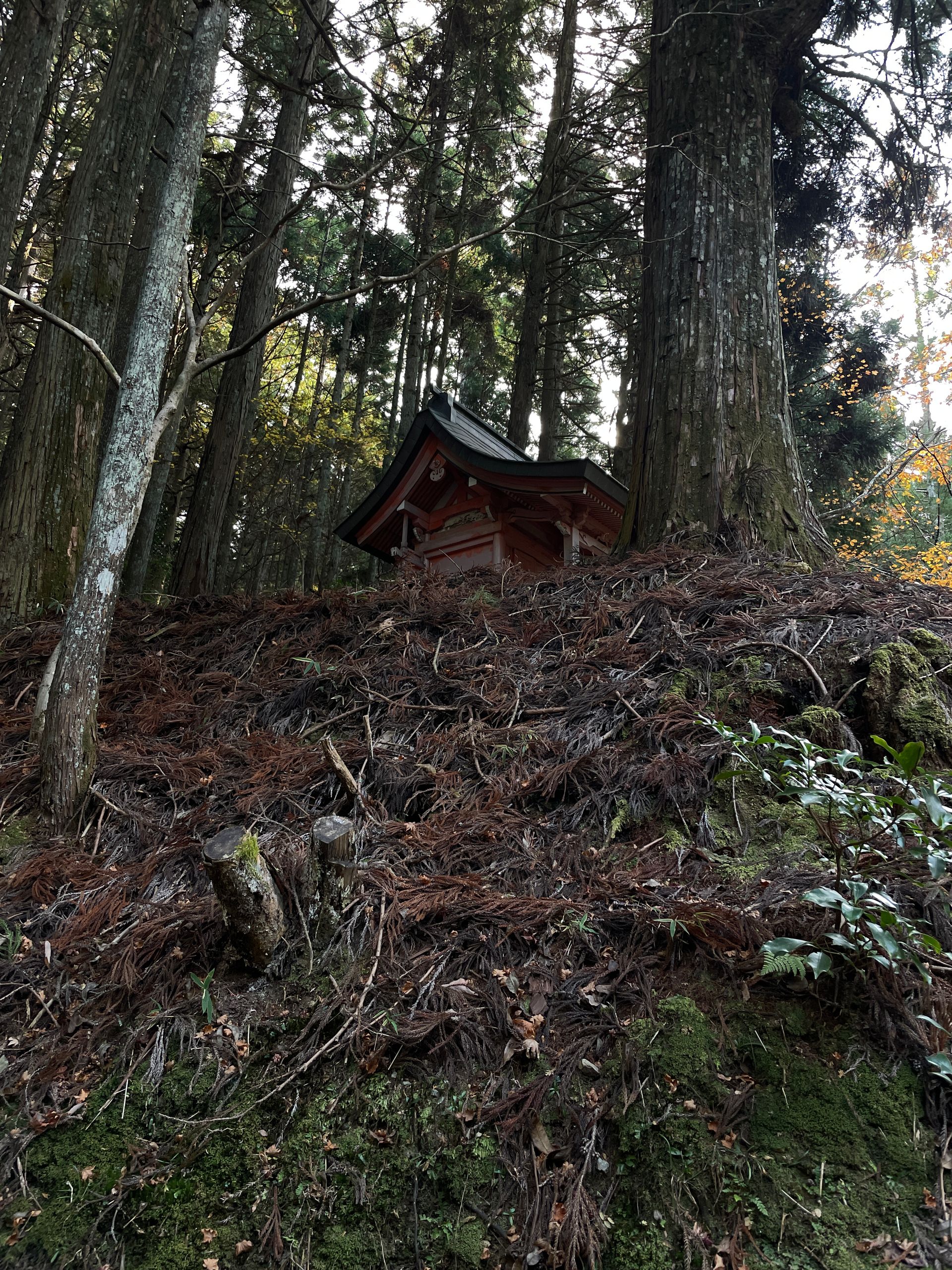
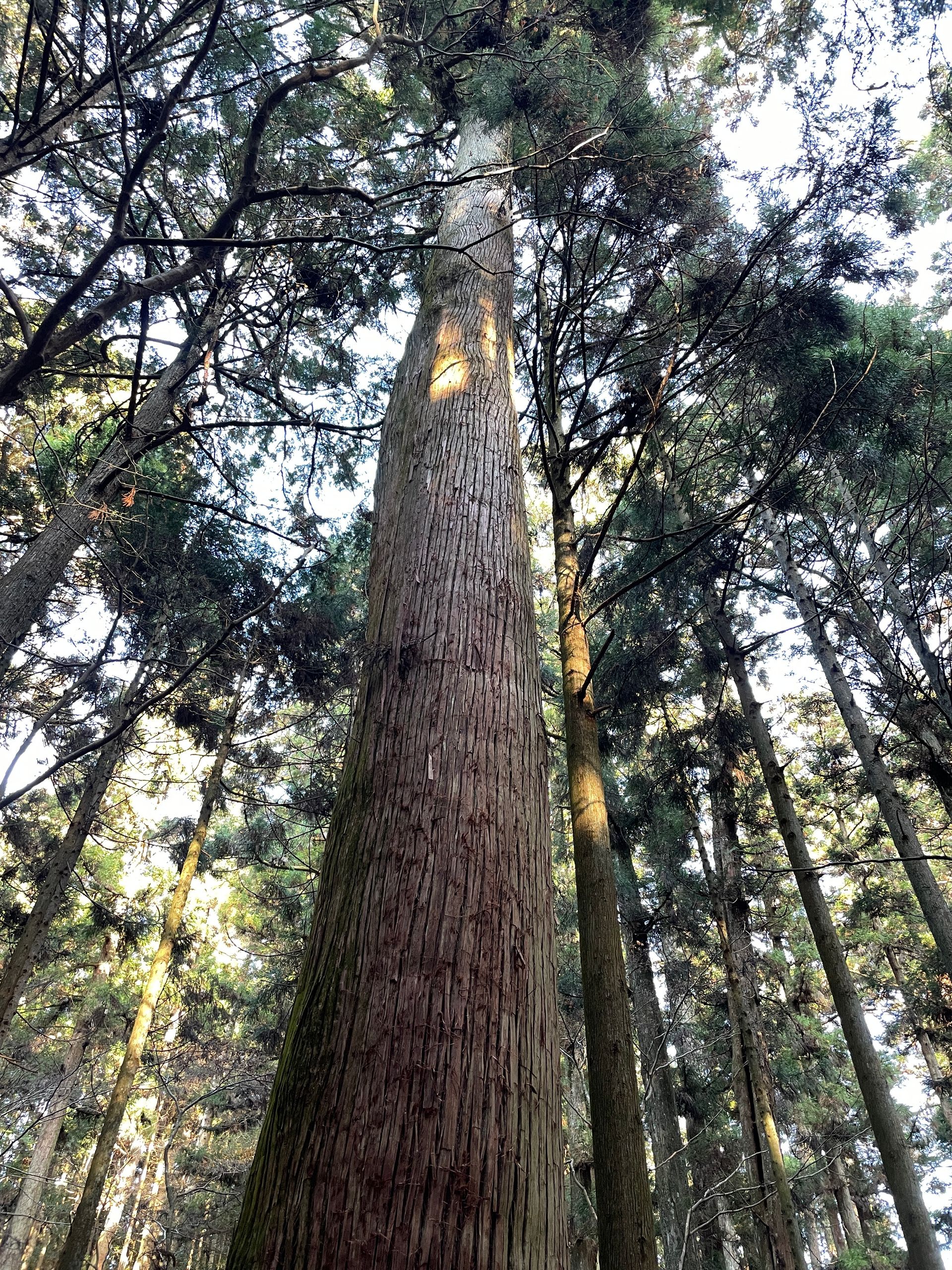
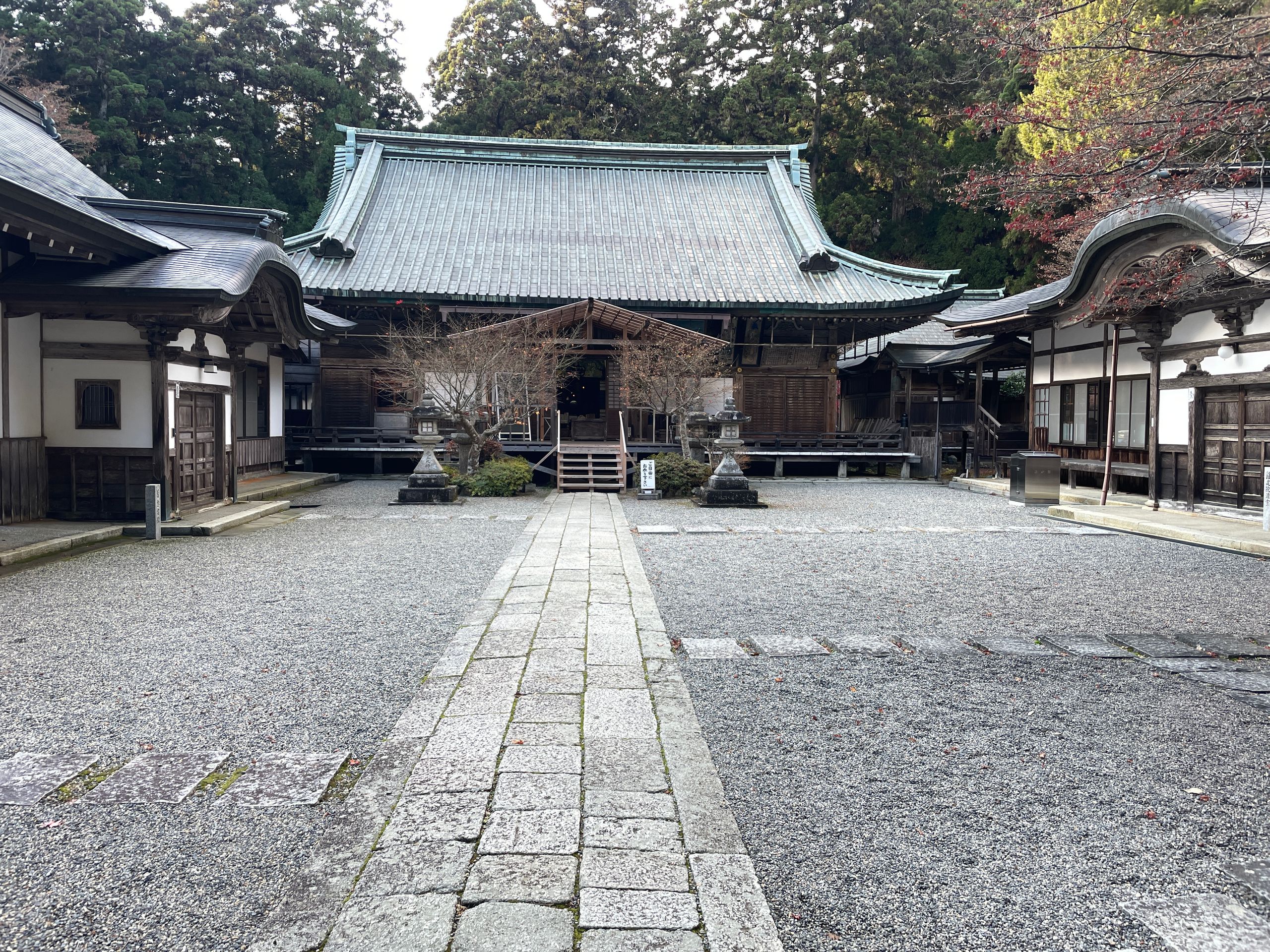
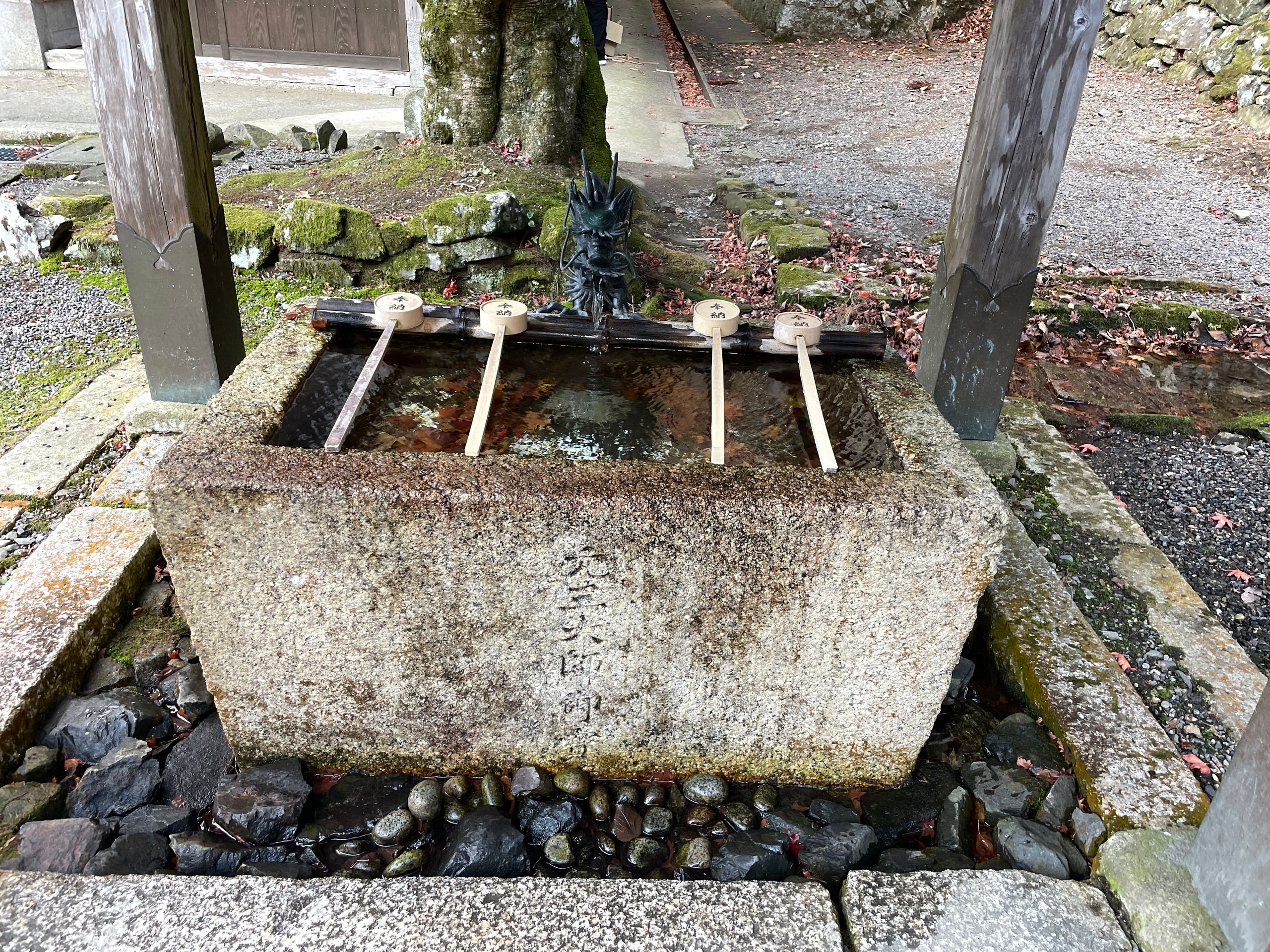
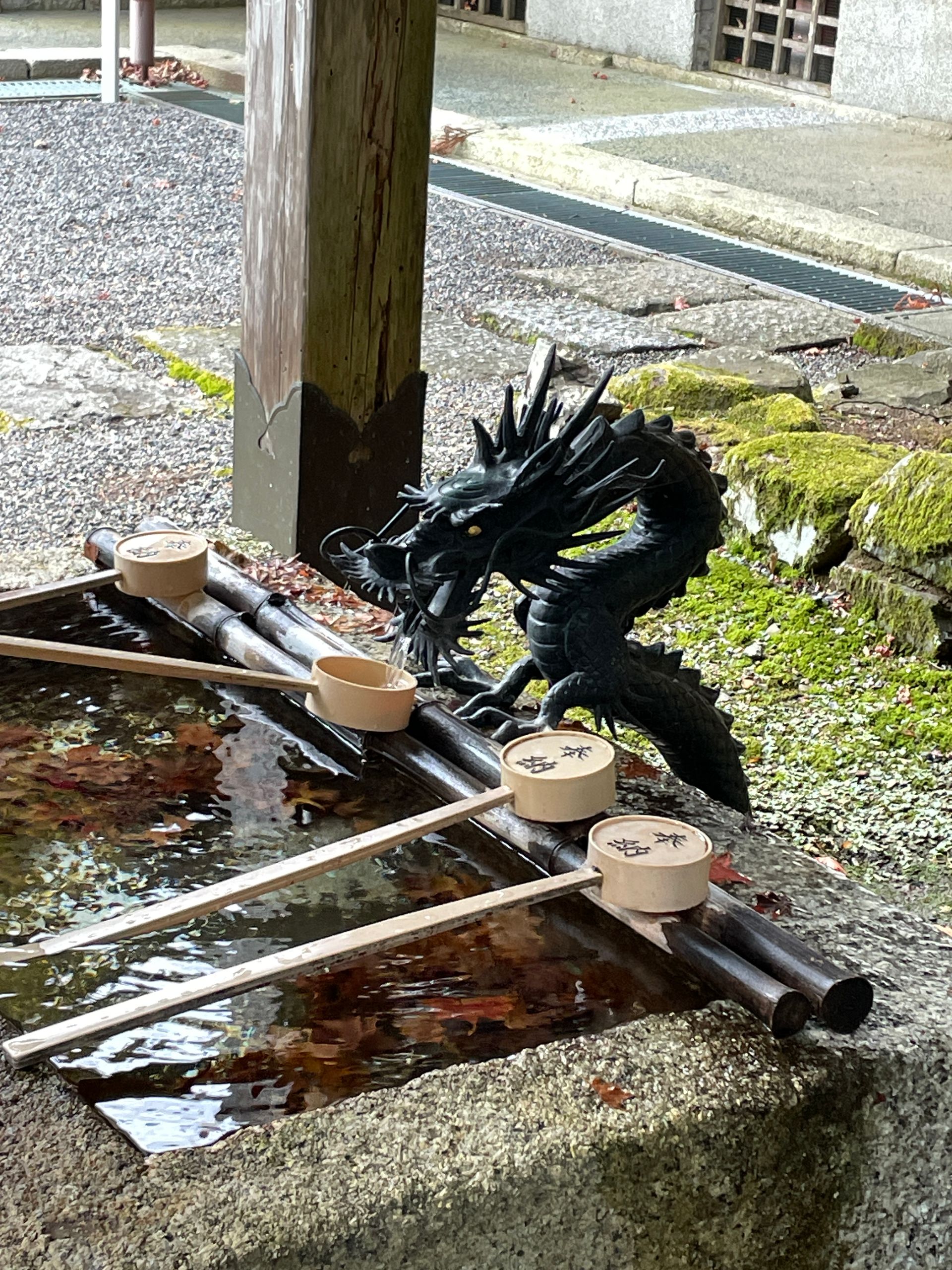
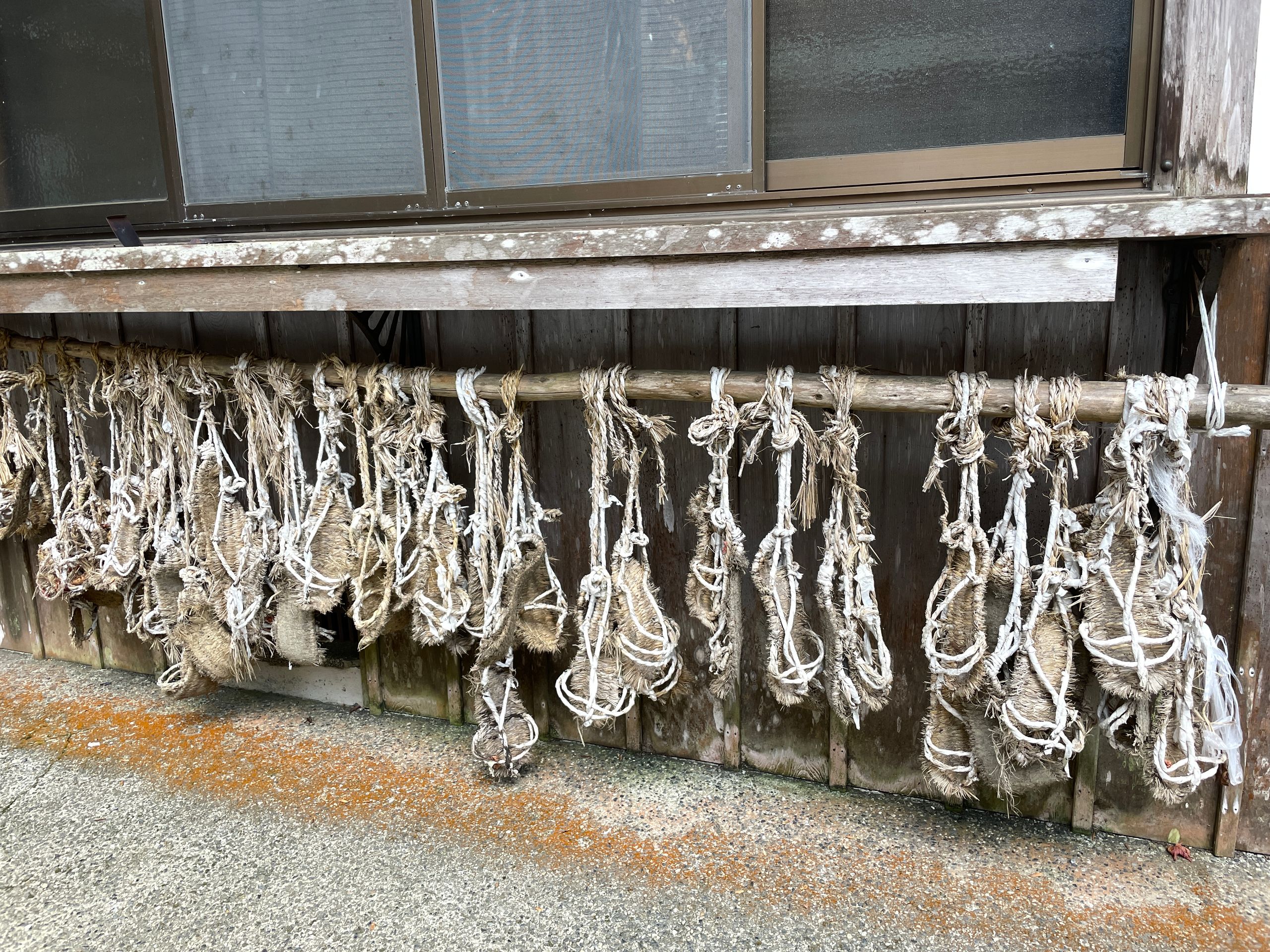
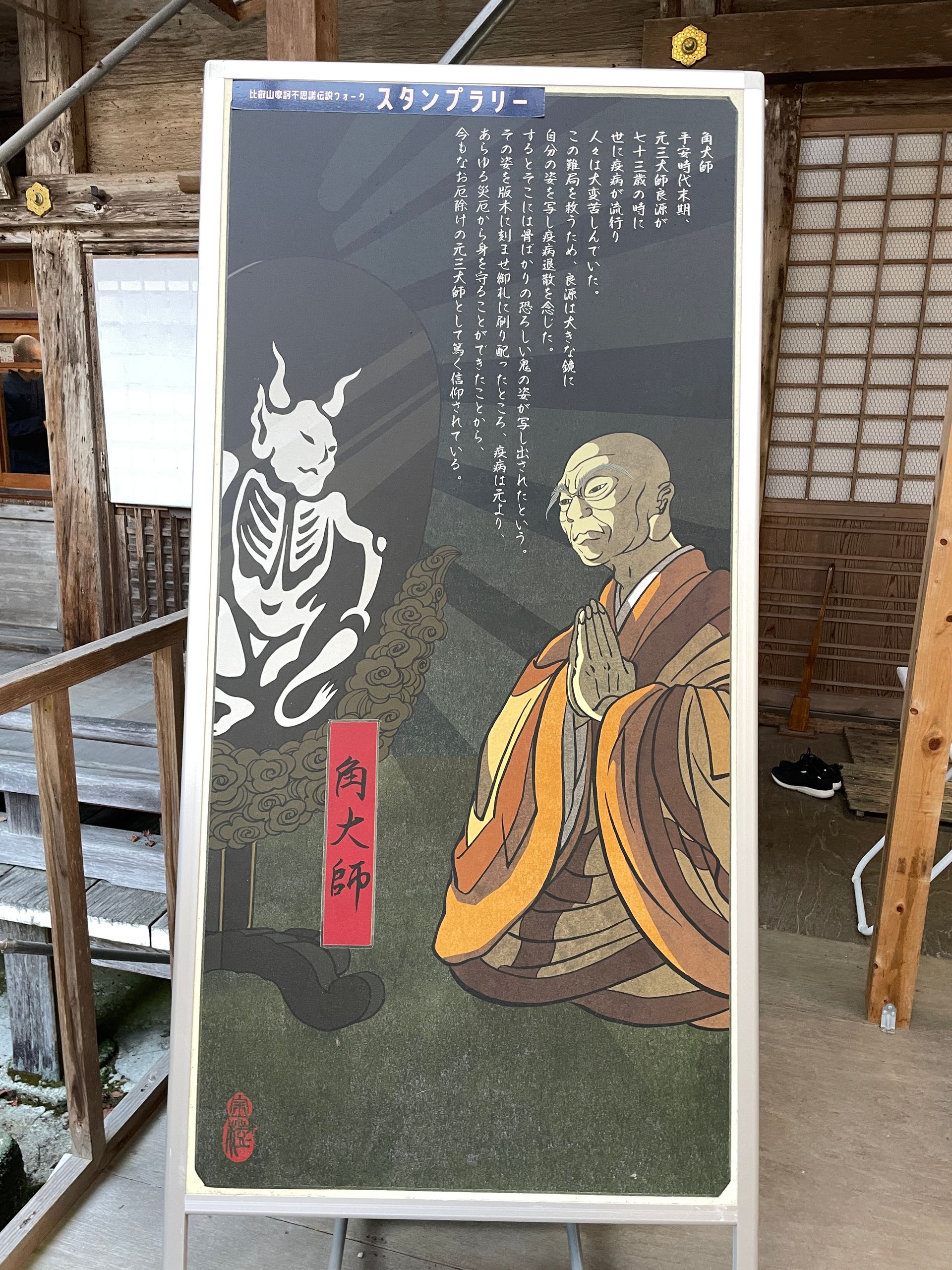
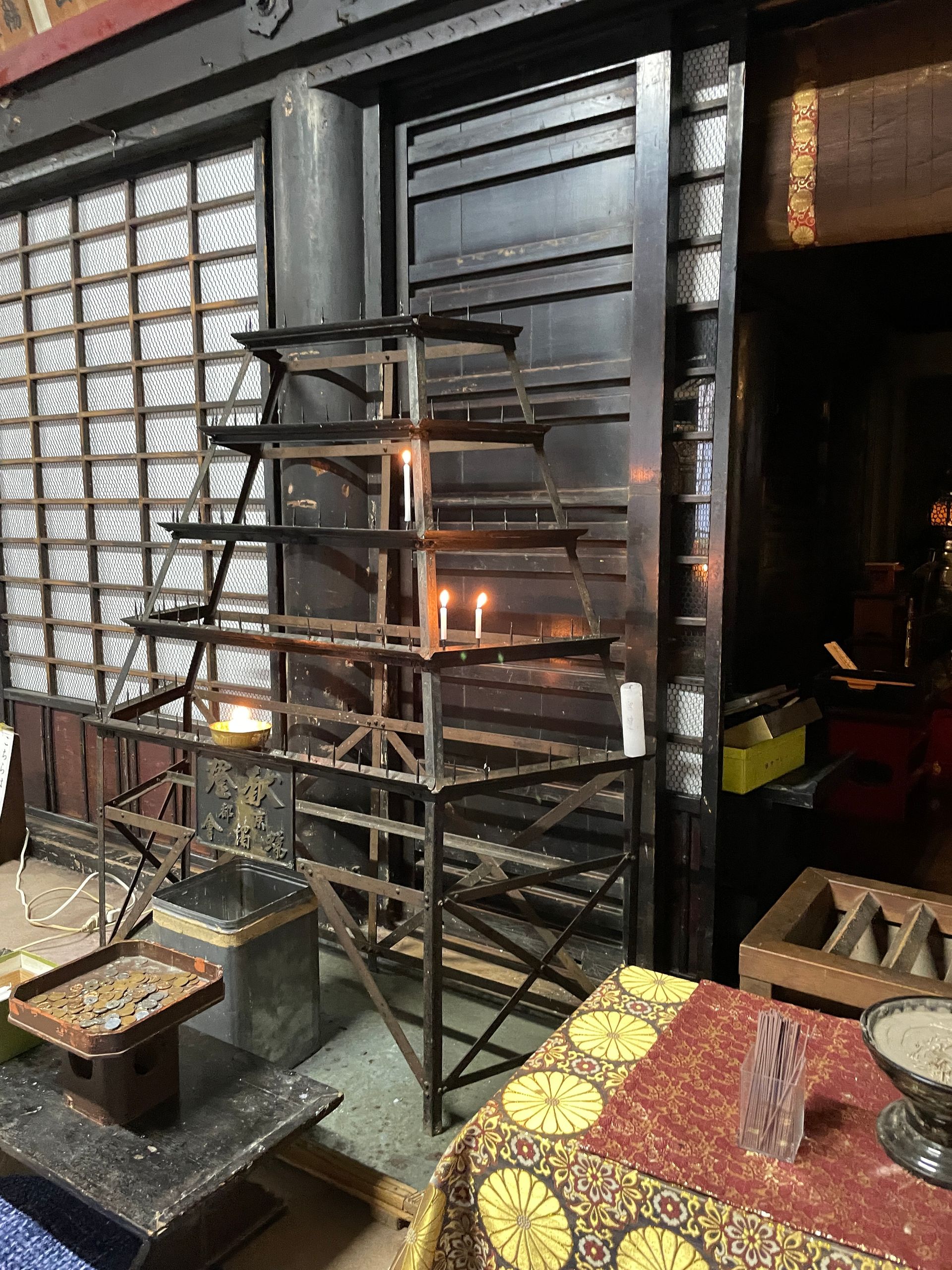
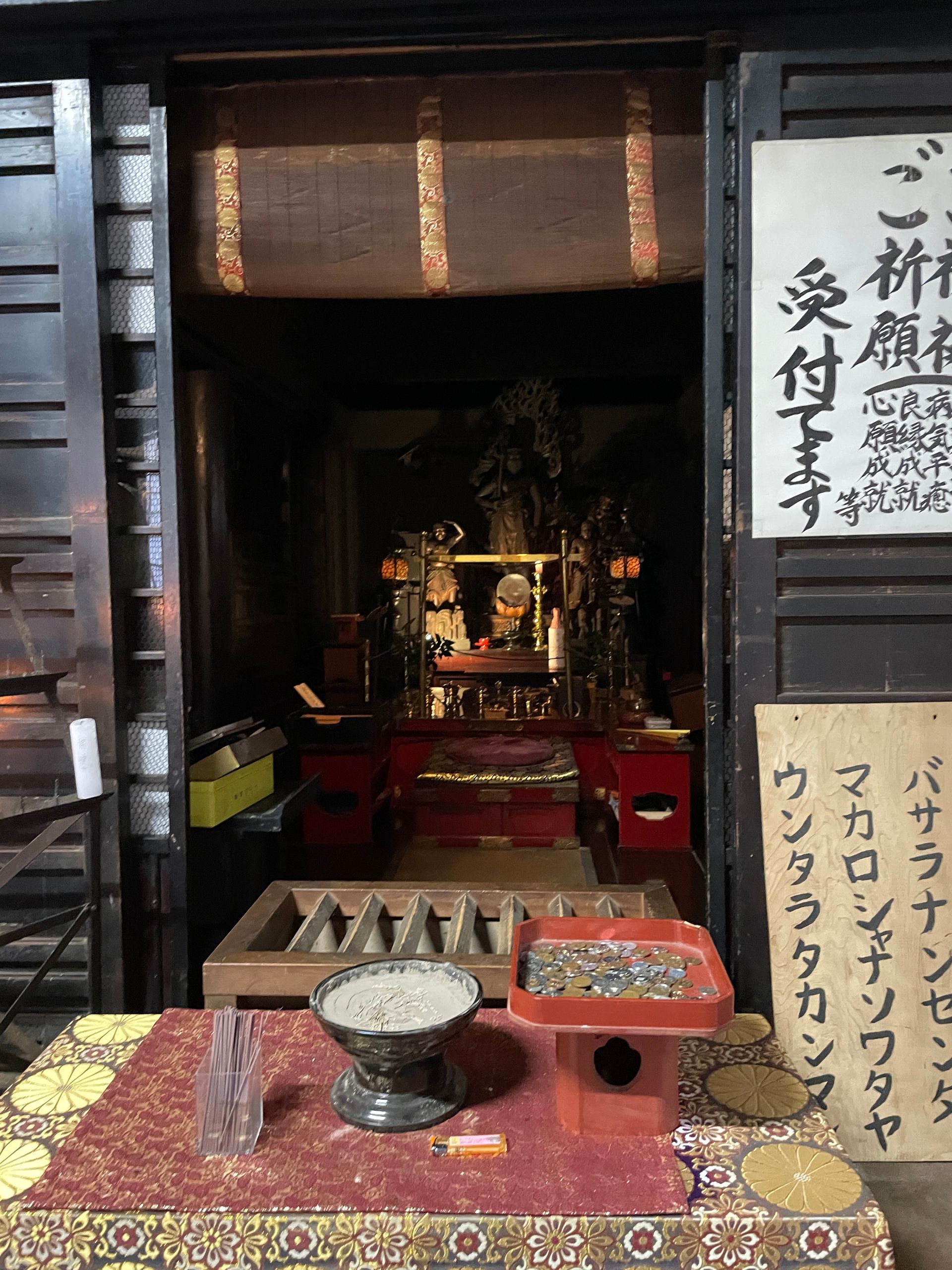
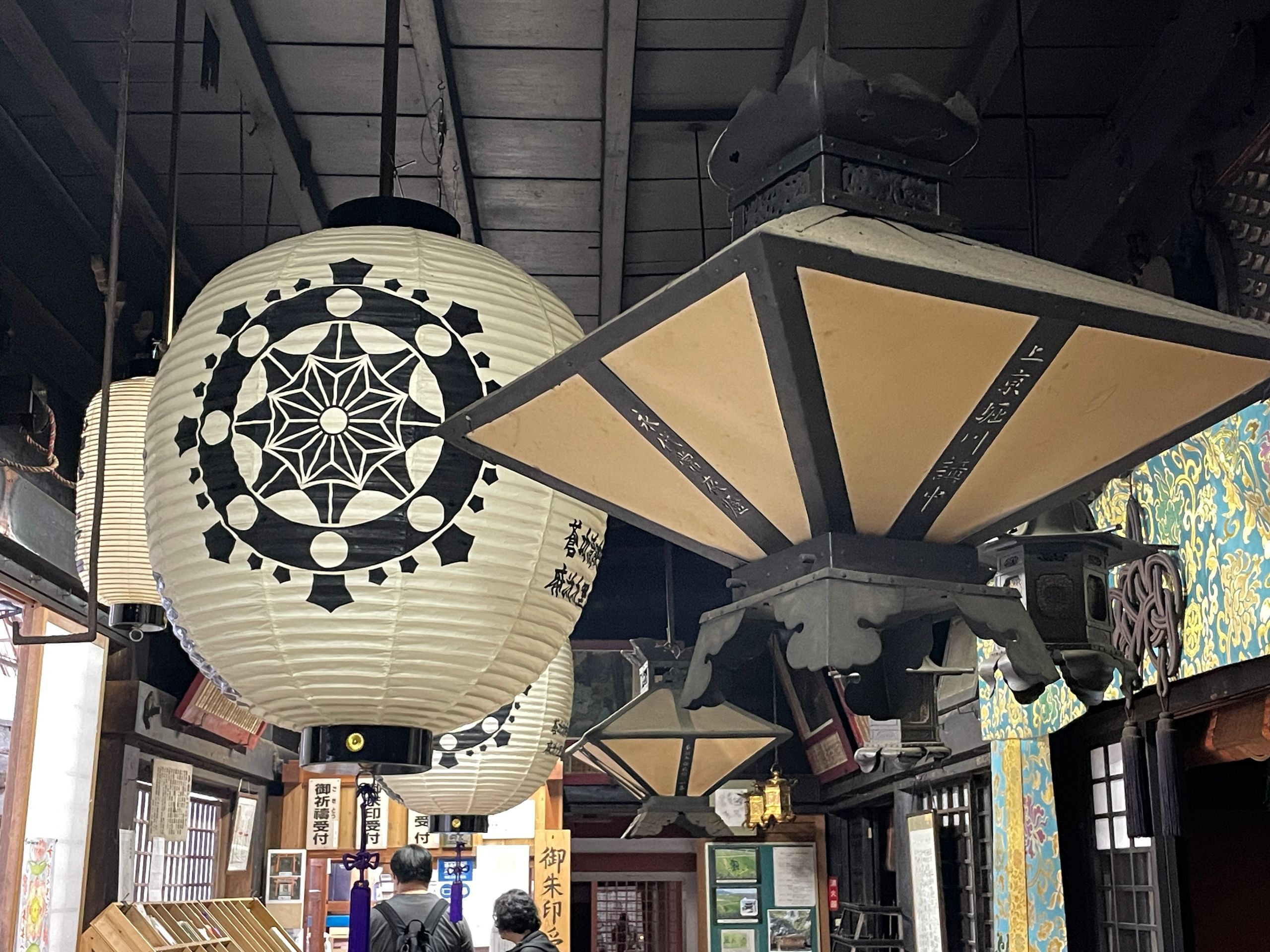
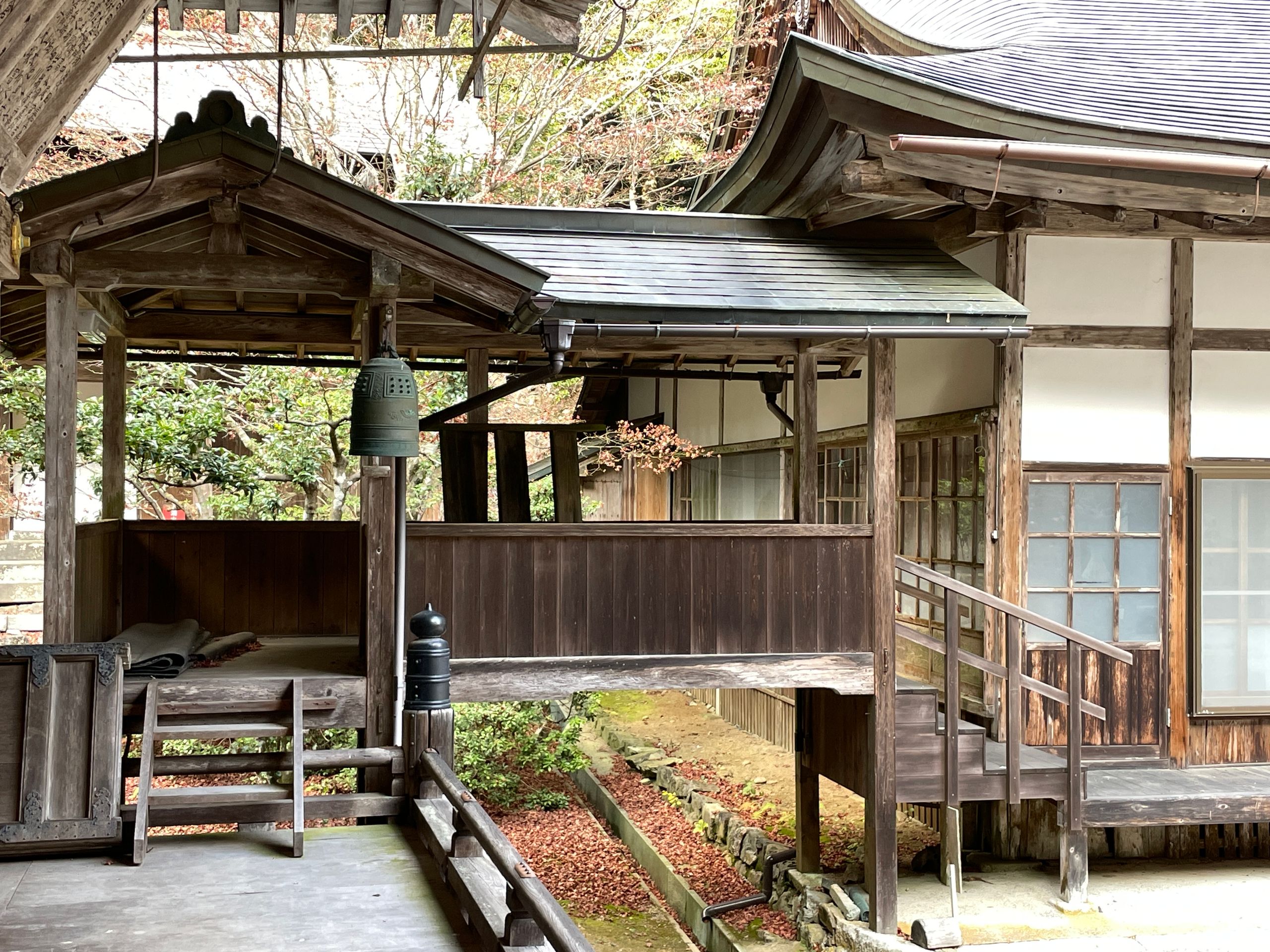
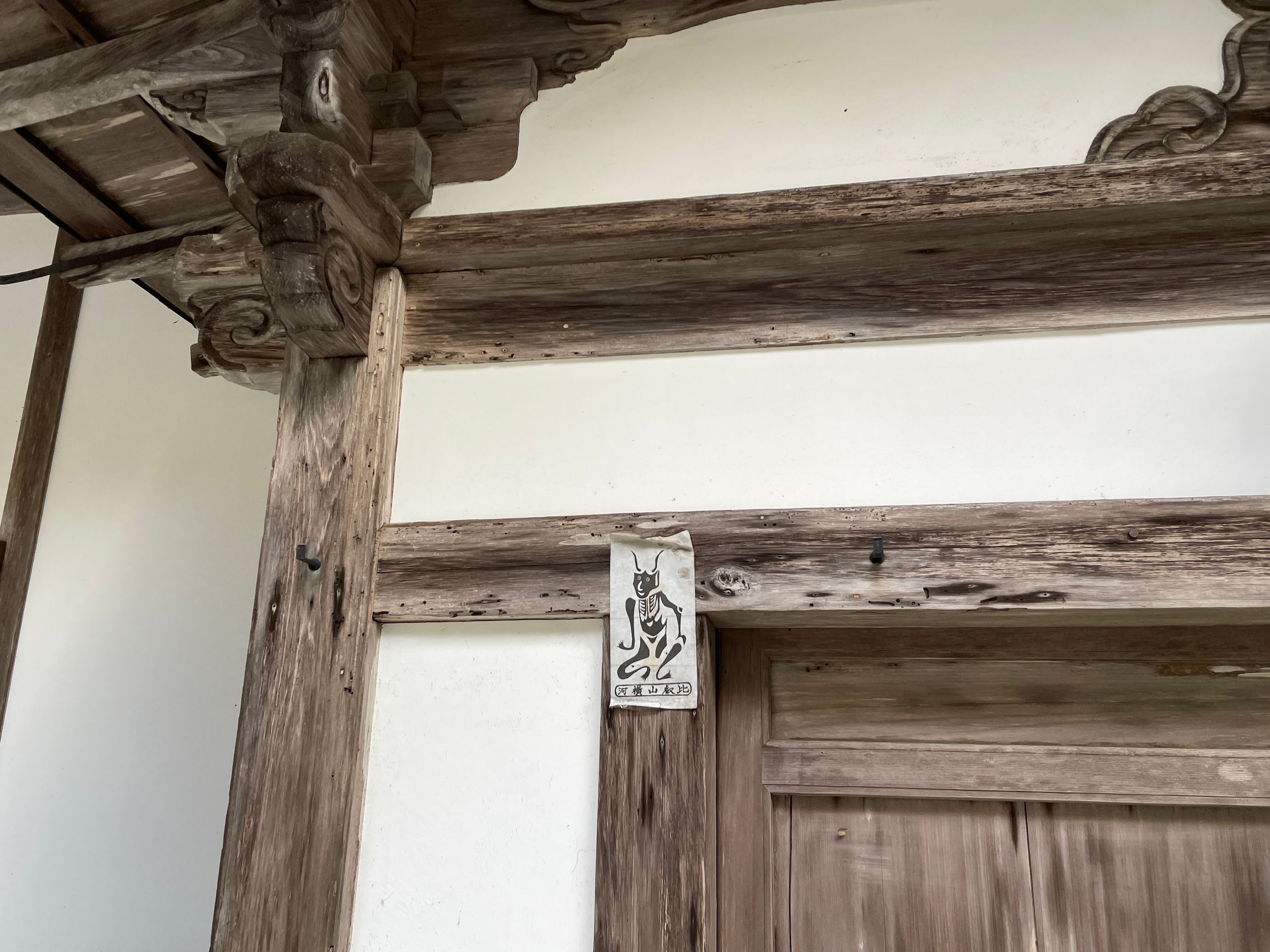
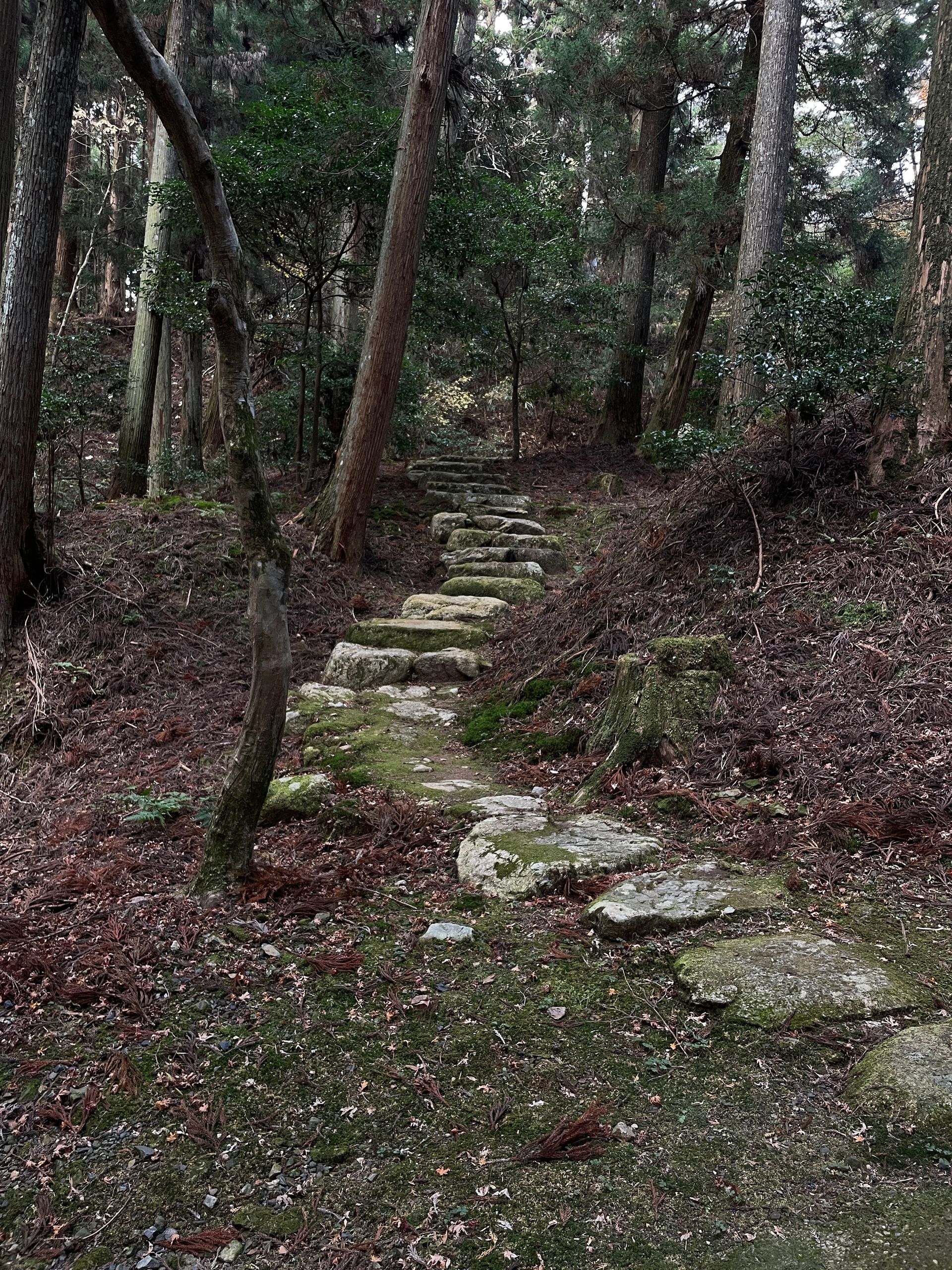
Yesterday was reserved for the mighty Mount Hiei, which, at 840 m, is the highest peak near the city, the protector and starting point for the spread of Buddhism in Japan in the 7th century.
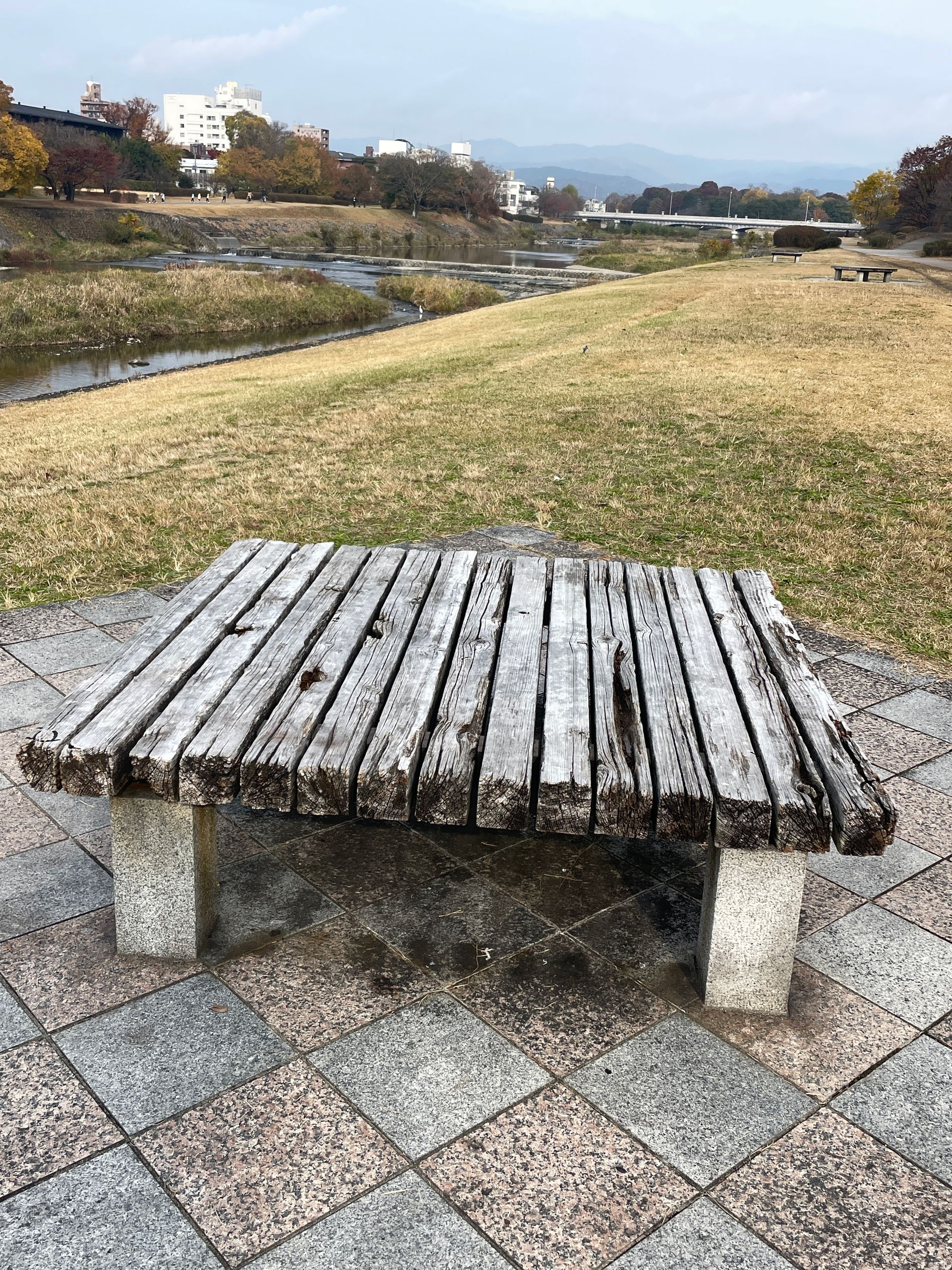
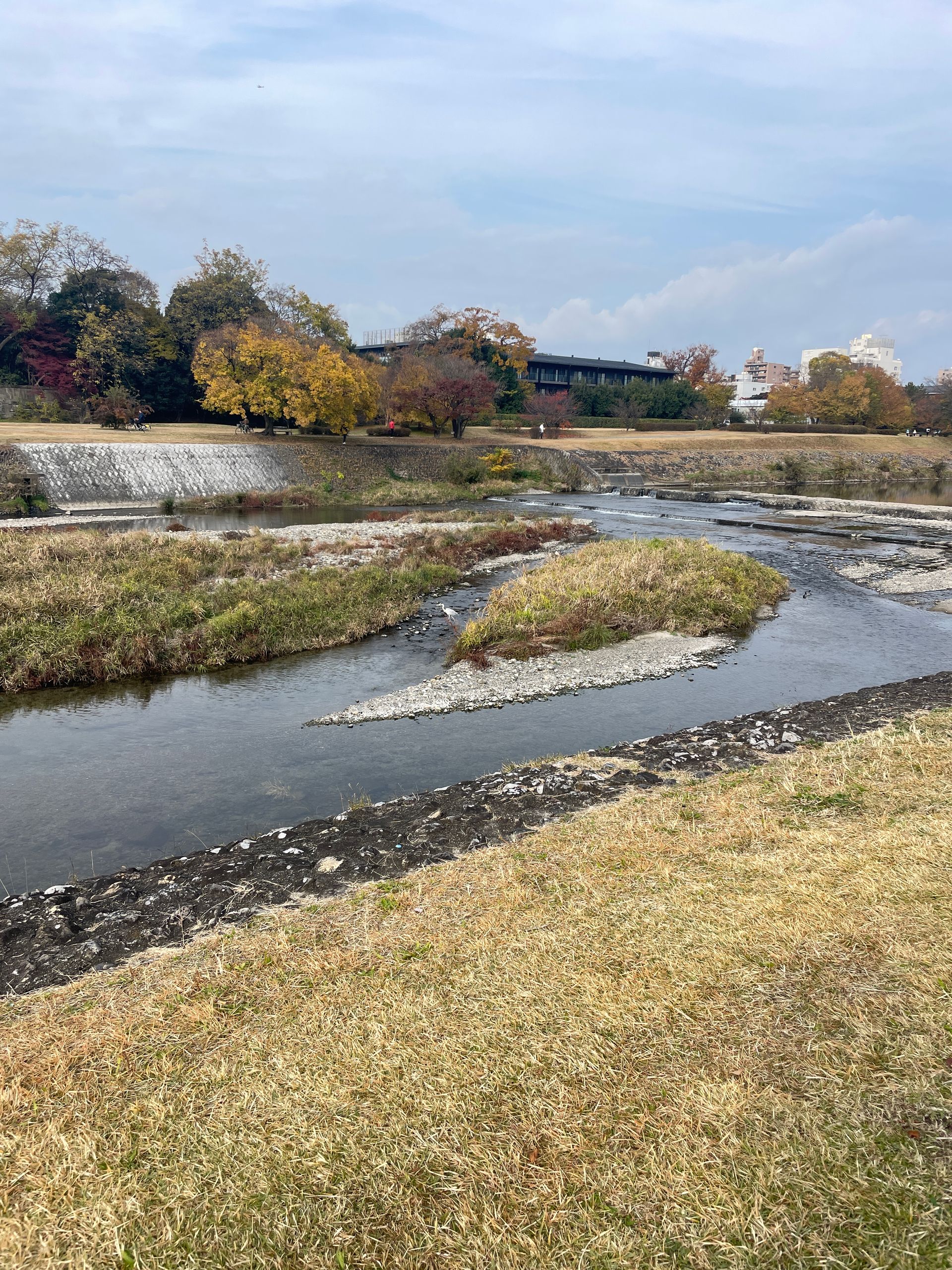
You get there by first walking along the river to the Eizan Line station, and from there taking a little tram to the base of Mount Heian. The line consists of only two short stretches and splits shortly after, left to Kifune and Kurama, and right to the mountain railway up to Hiei.
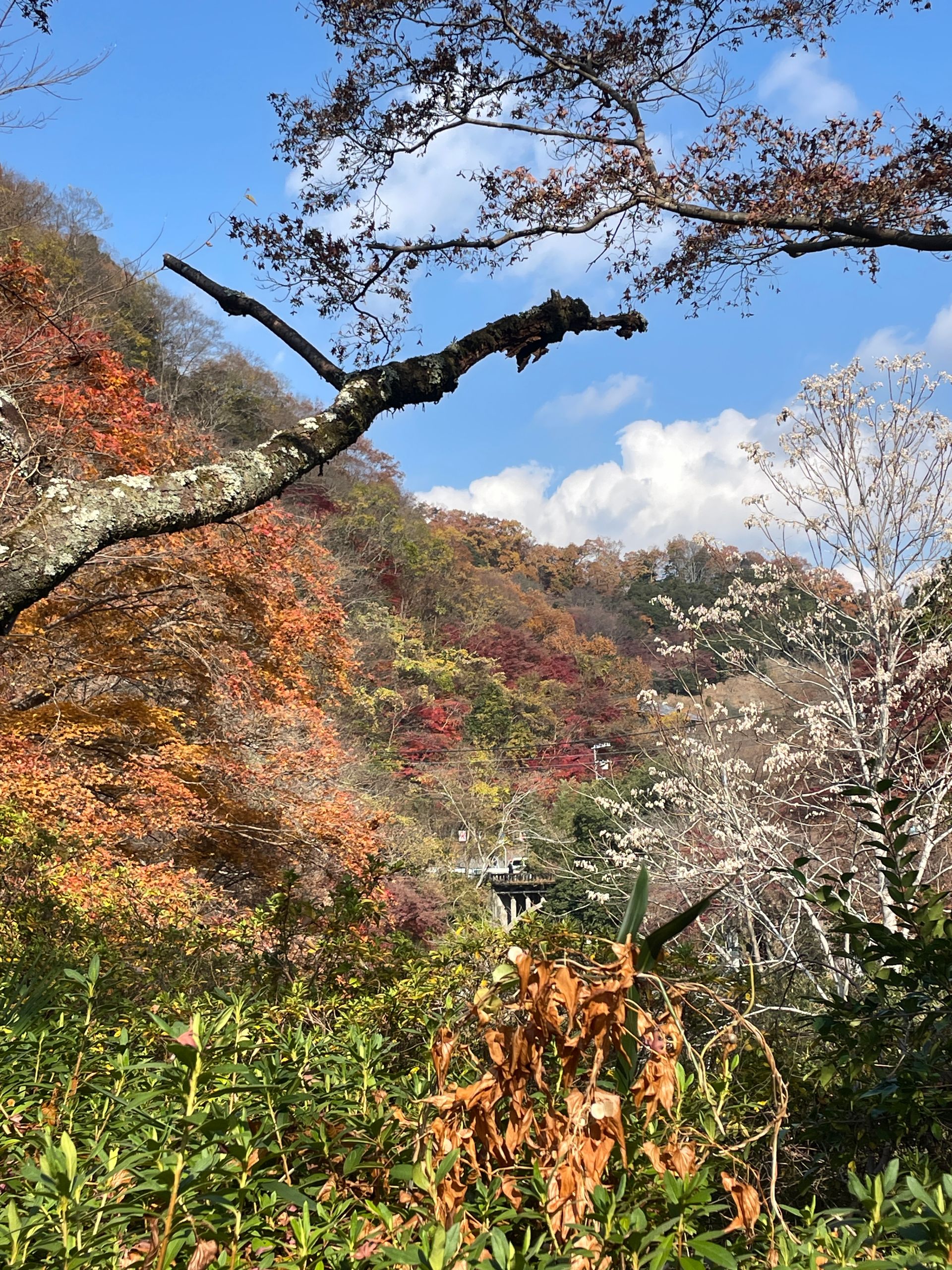
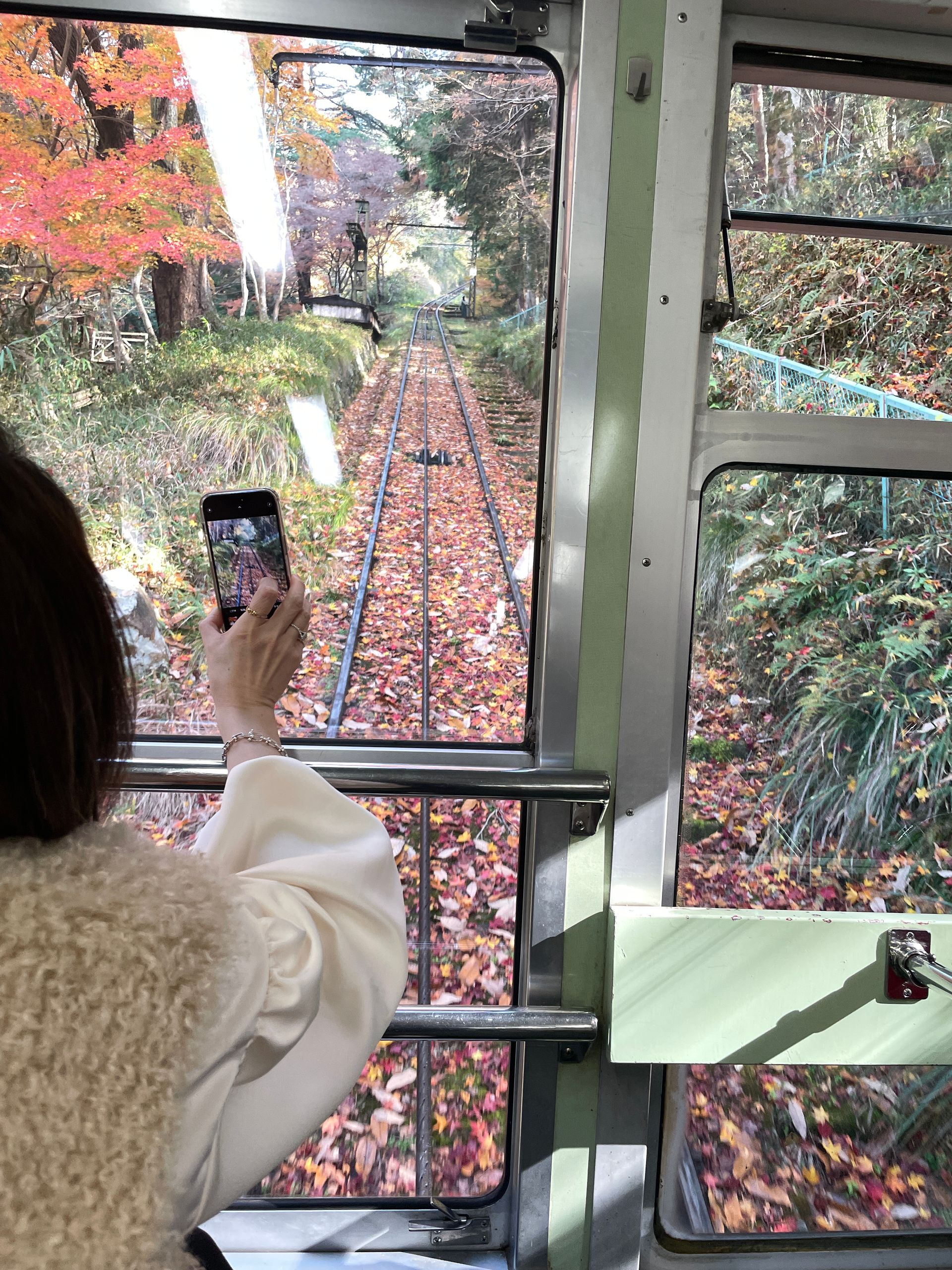
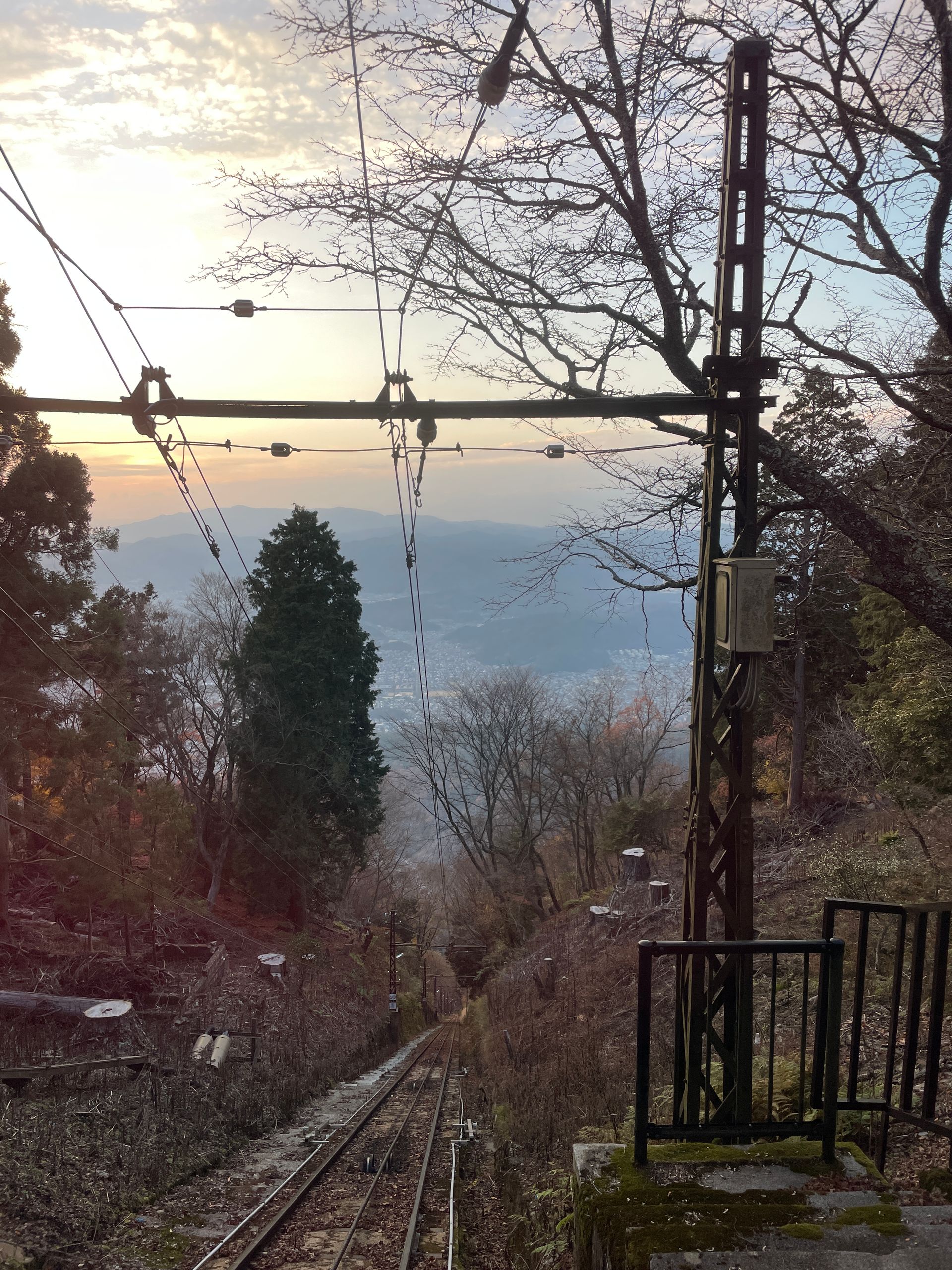
You then transfer to a rail bus, which climbs steeply on a single track through colorful forests higher and higher. It's not entirely safe, as I think the wagon is terribly overloaded, but at least you have solid ground under your feet and a conductor sitting at the wheel (though I'm not entirely sure why that's necessary: after all, we're on rails?!). In the middle of the track, the tracks split, allowing the train coming from above, which started at the same time, to pass by. The cable everything hangs on looks thick and sturdy….
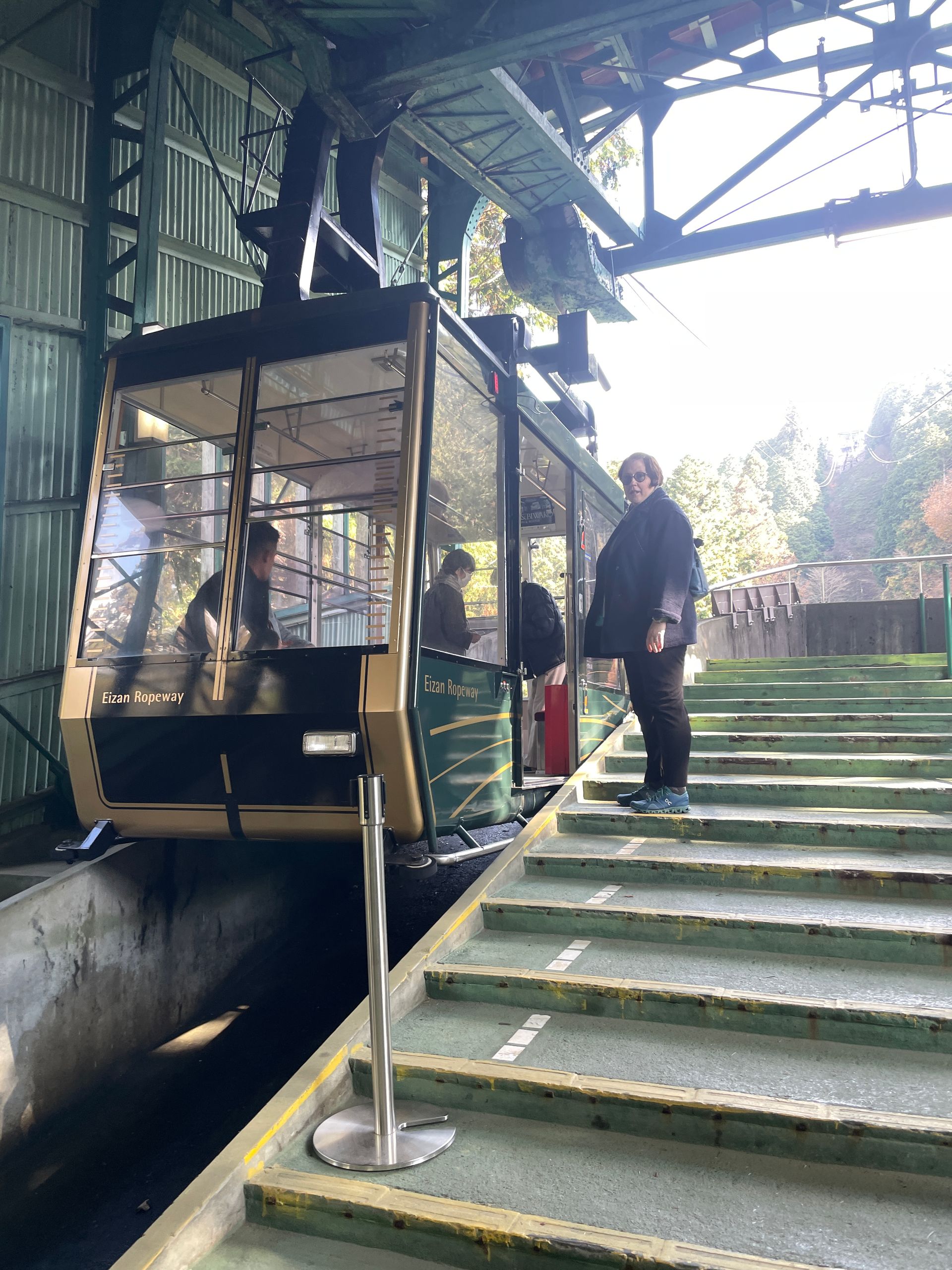
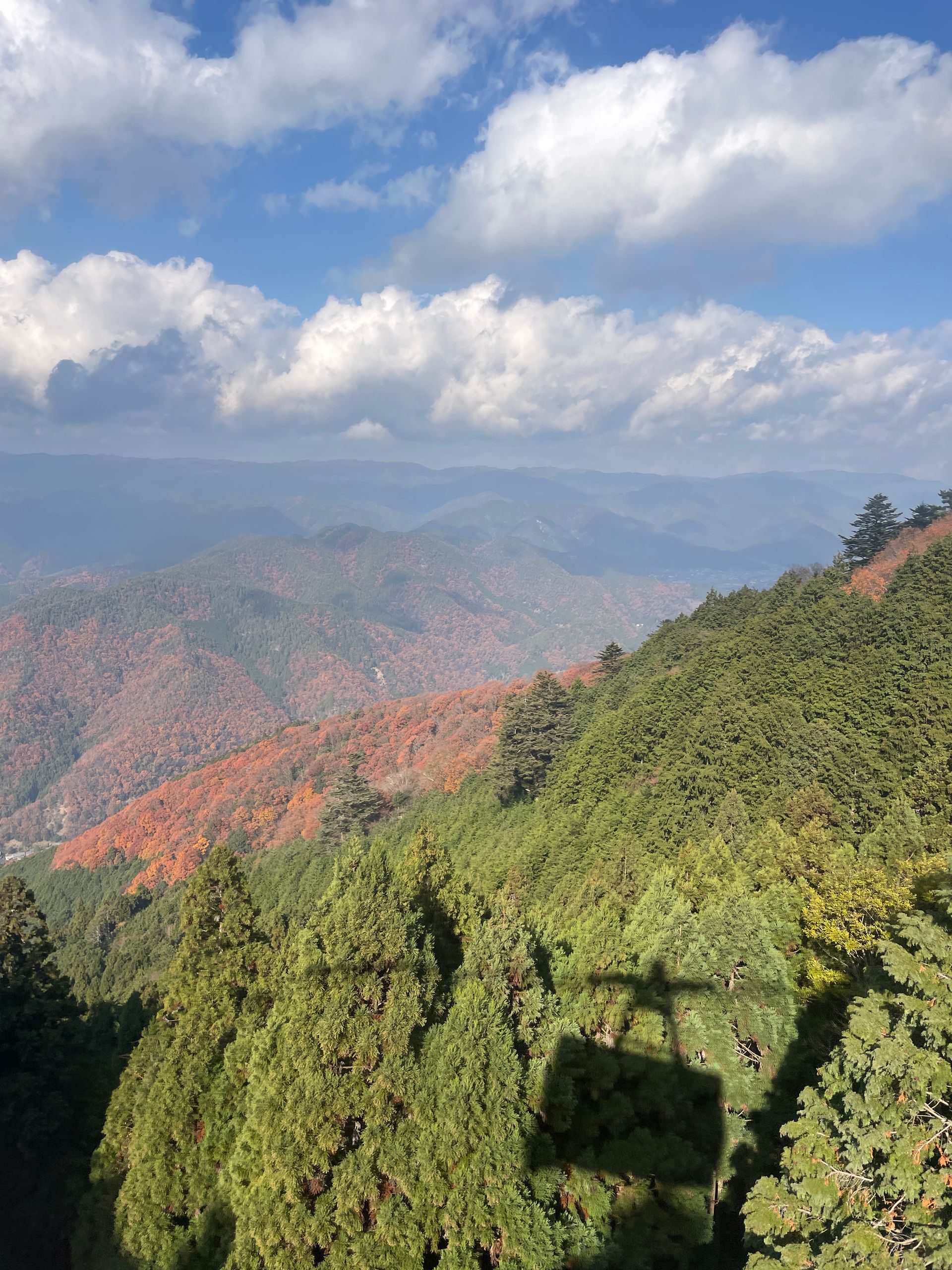
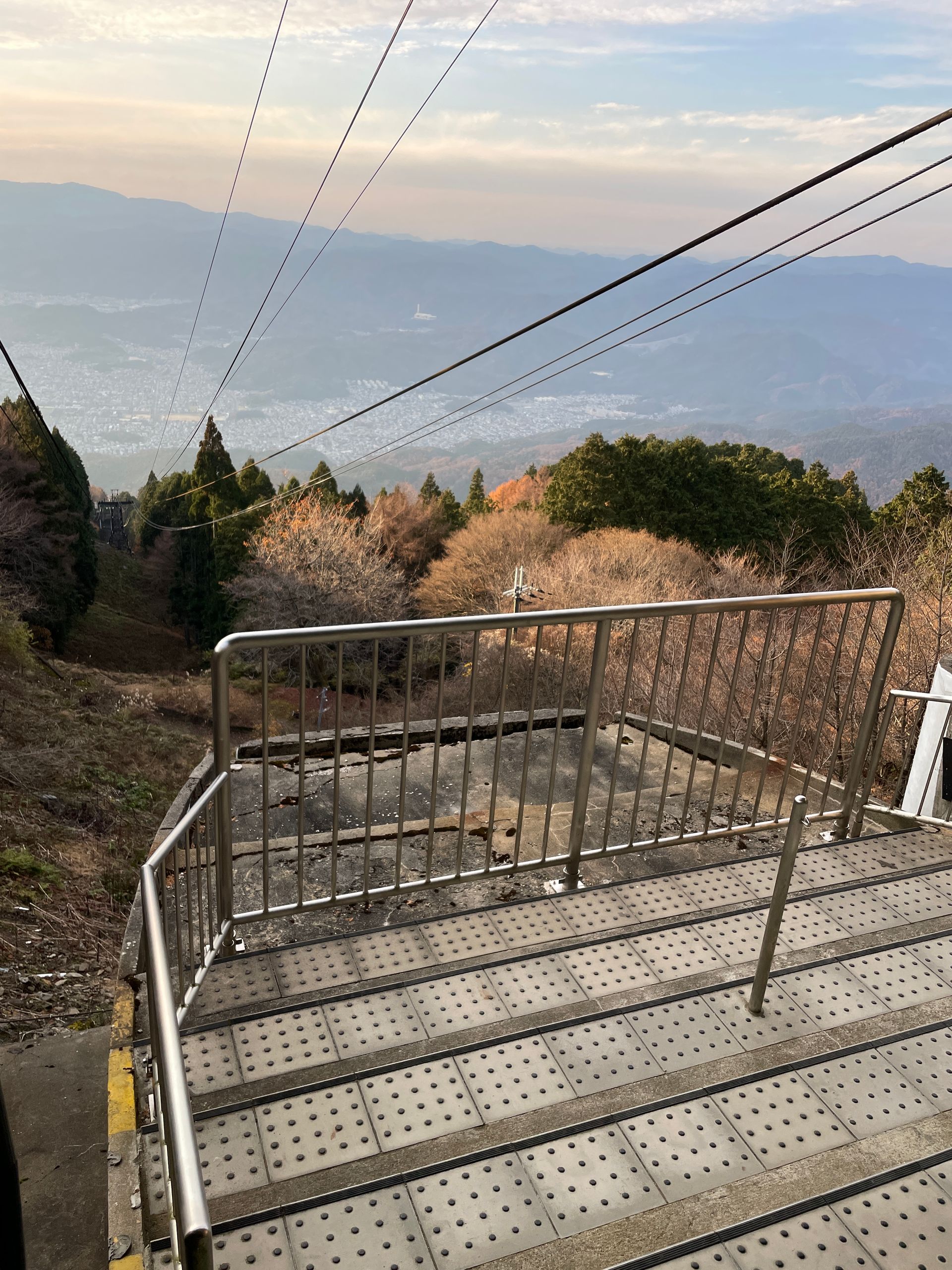
Next, you must dare to take a gondola, which, in my opinion, is again much too full and without official guidance or supervision, sways up to 840 m.
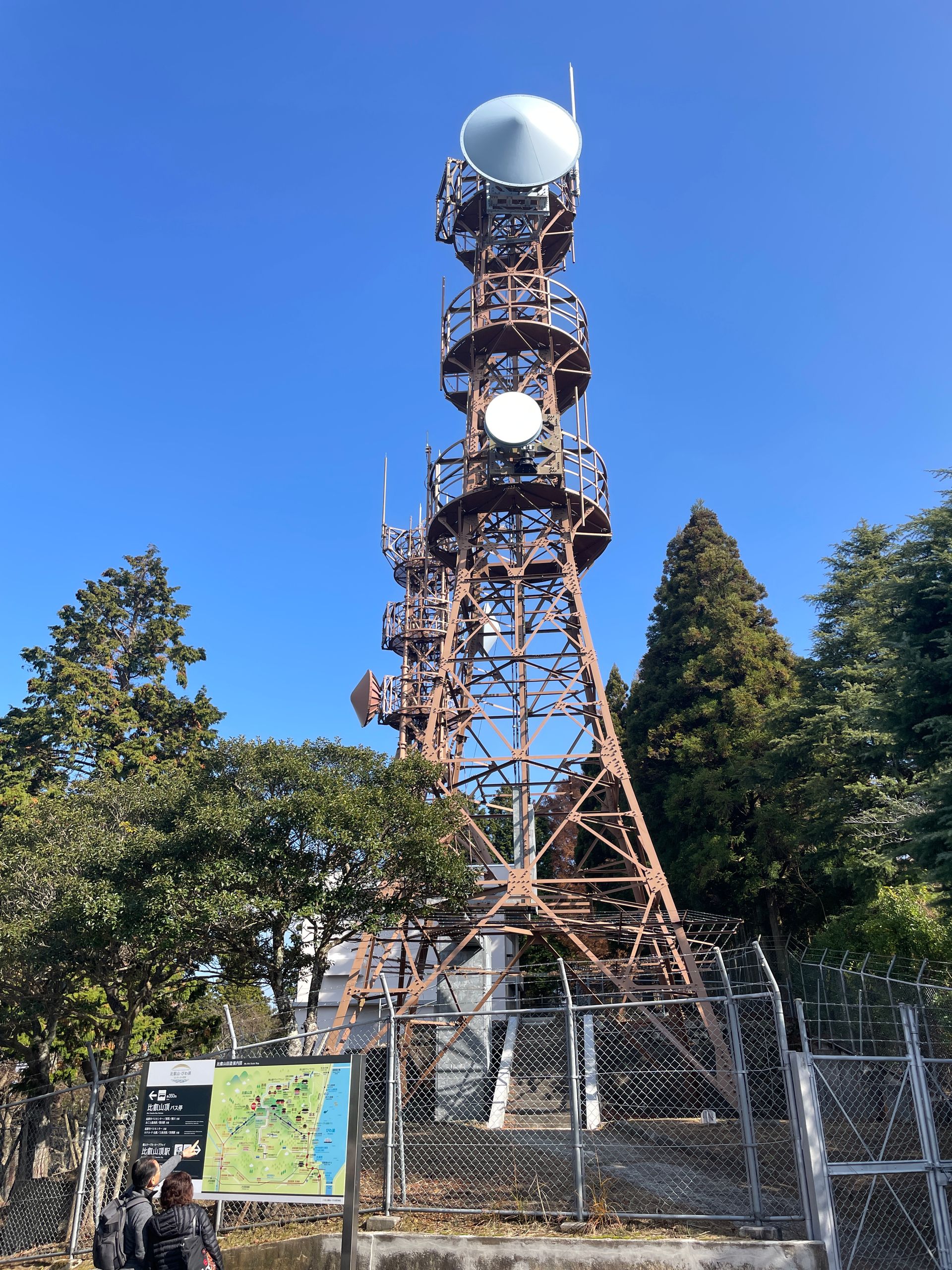
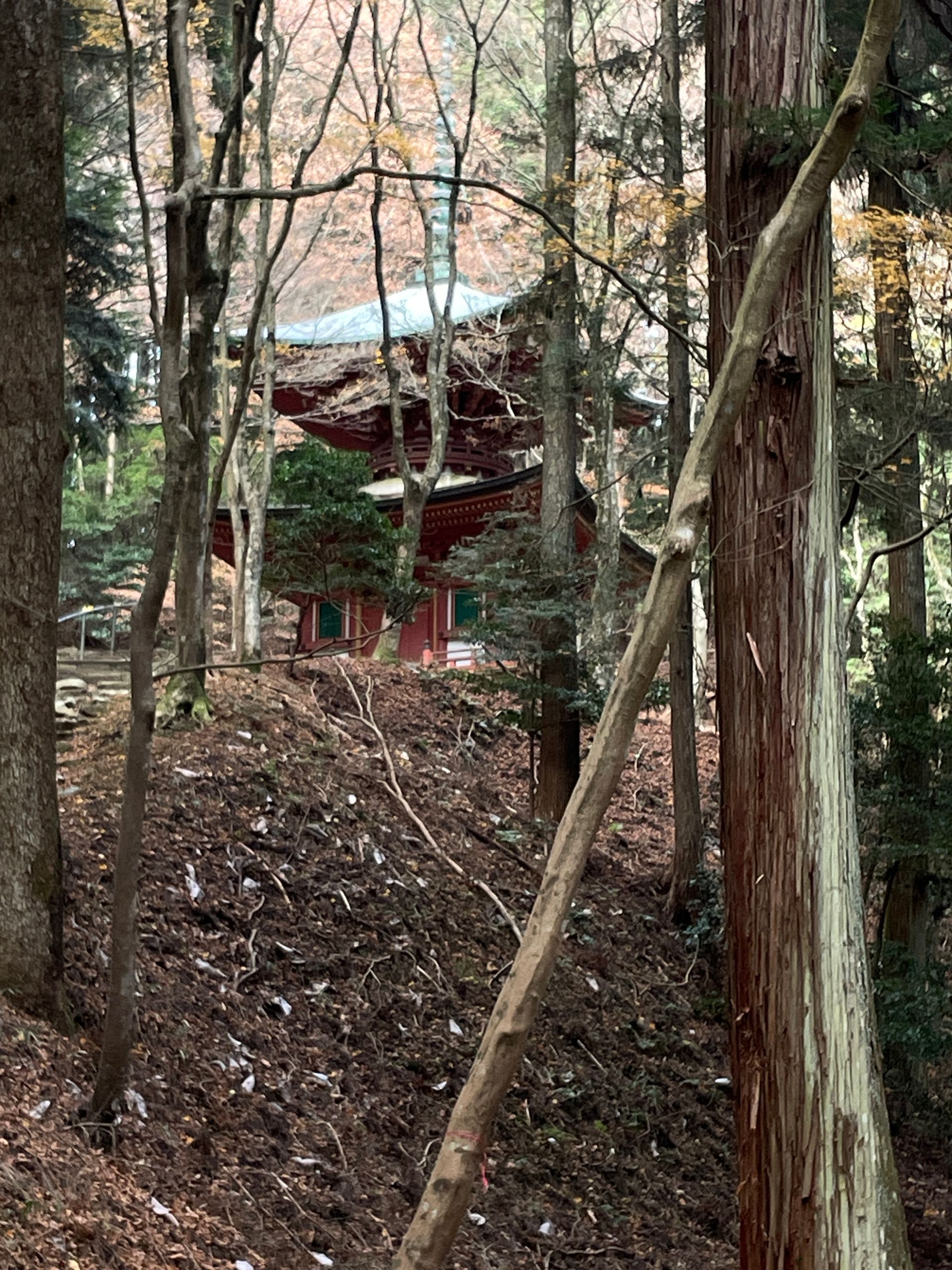
From there, you proceed on foot, passing an interesting structure, possibly radar, from early industrial times with rusty frames, very photogenic, to the temple complexes scattered all around the mountain. I remember that we walked the entire distance with Johnny back then, which is a mystery to me, given the significant elevation changes, and that, in my opinion, we saw entirely different temples at that time.
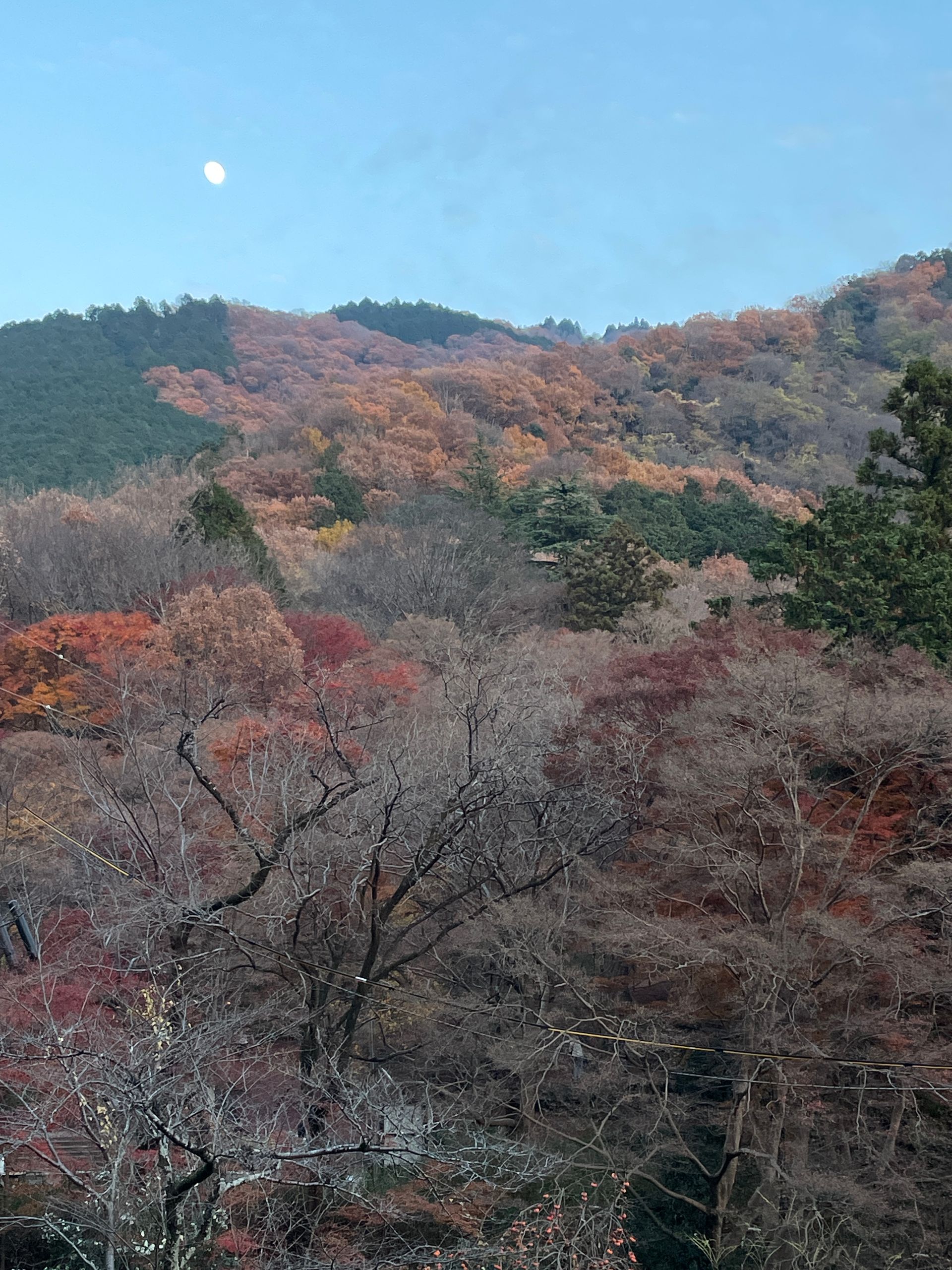
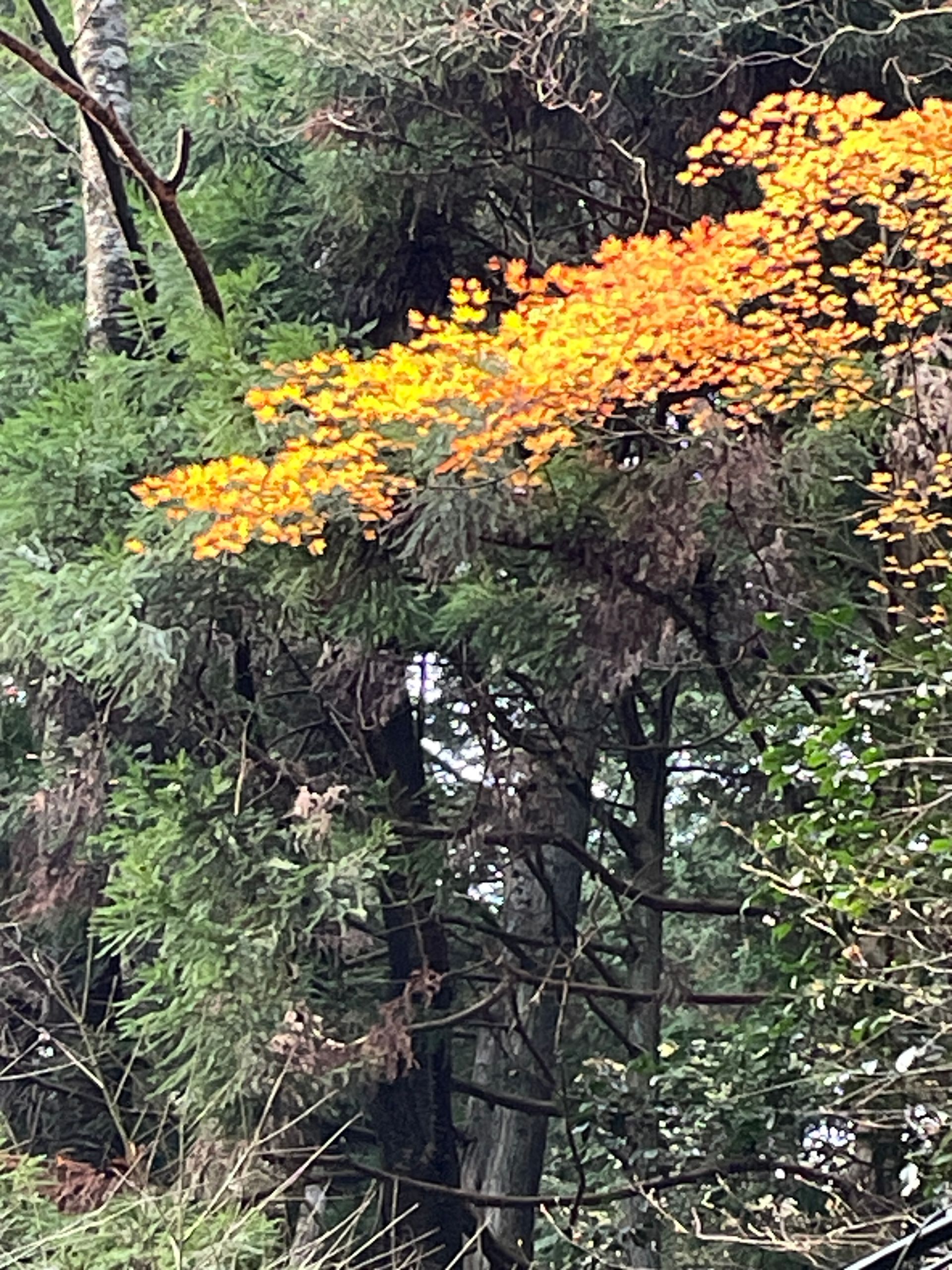
This could, however, also be due to the fact that, firstly, my memory deceives me (I need to find the old photos!), and secondly, unfortunately, almost all the colorful leaves have already fallen off up here, and the trees stand bare and gray next to the temple buildings. Six or seven years ago, there was a veritable fireworks display of red, orange, and yellow here, almost surreal in its intensity!
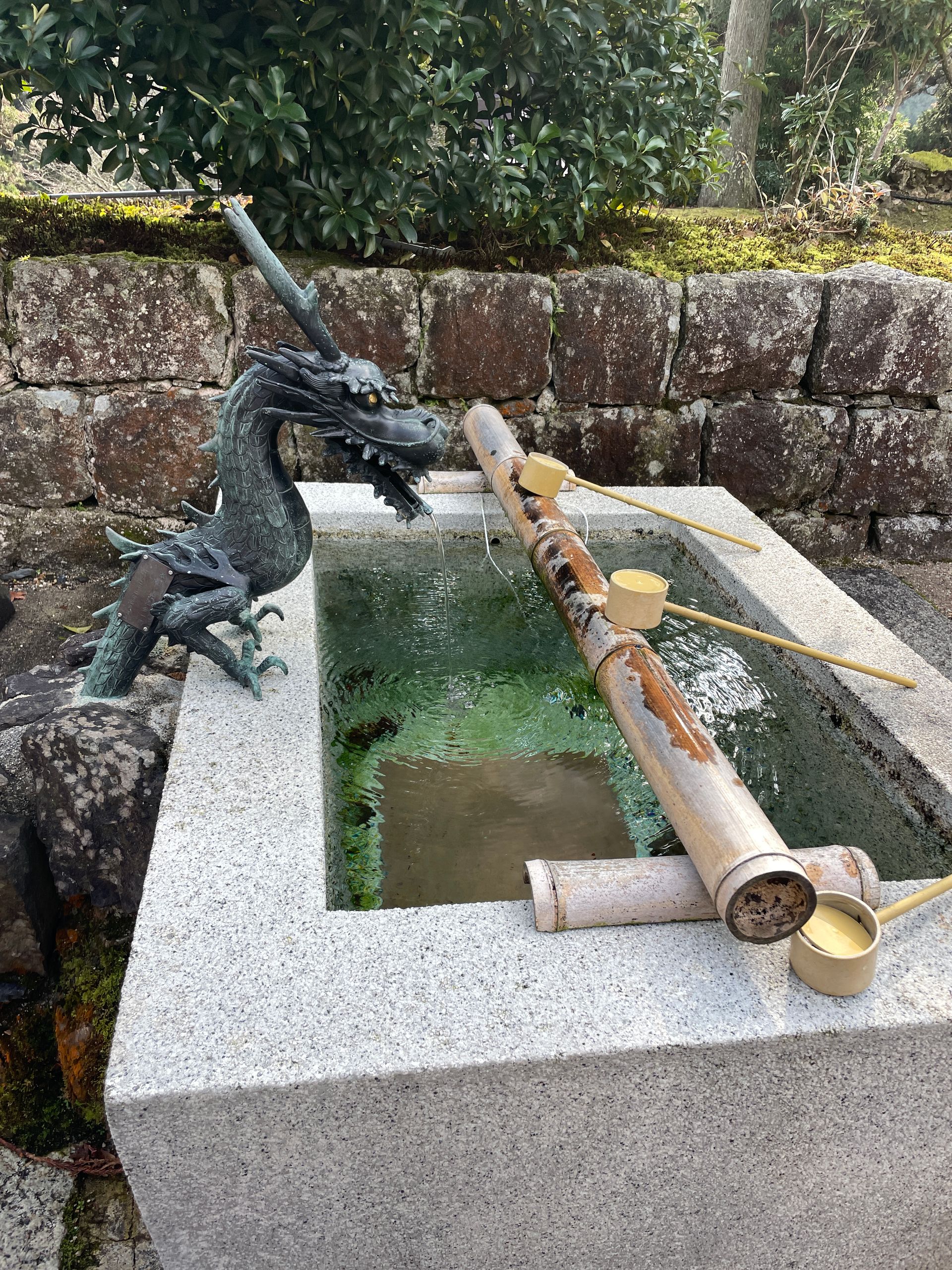
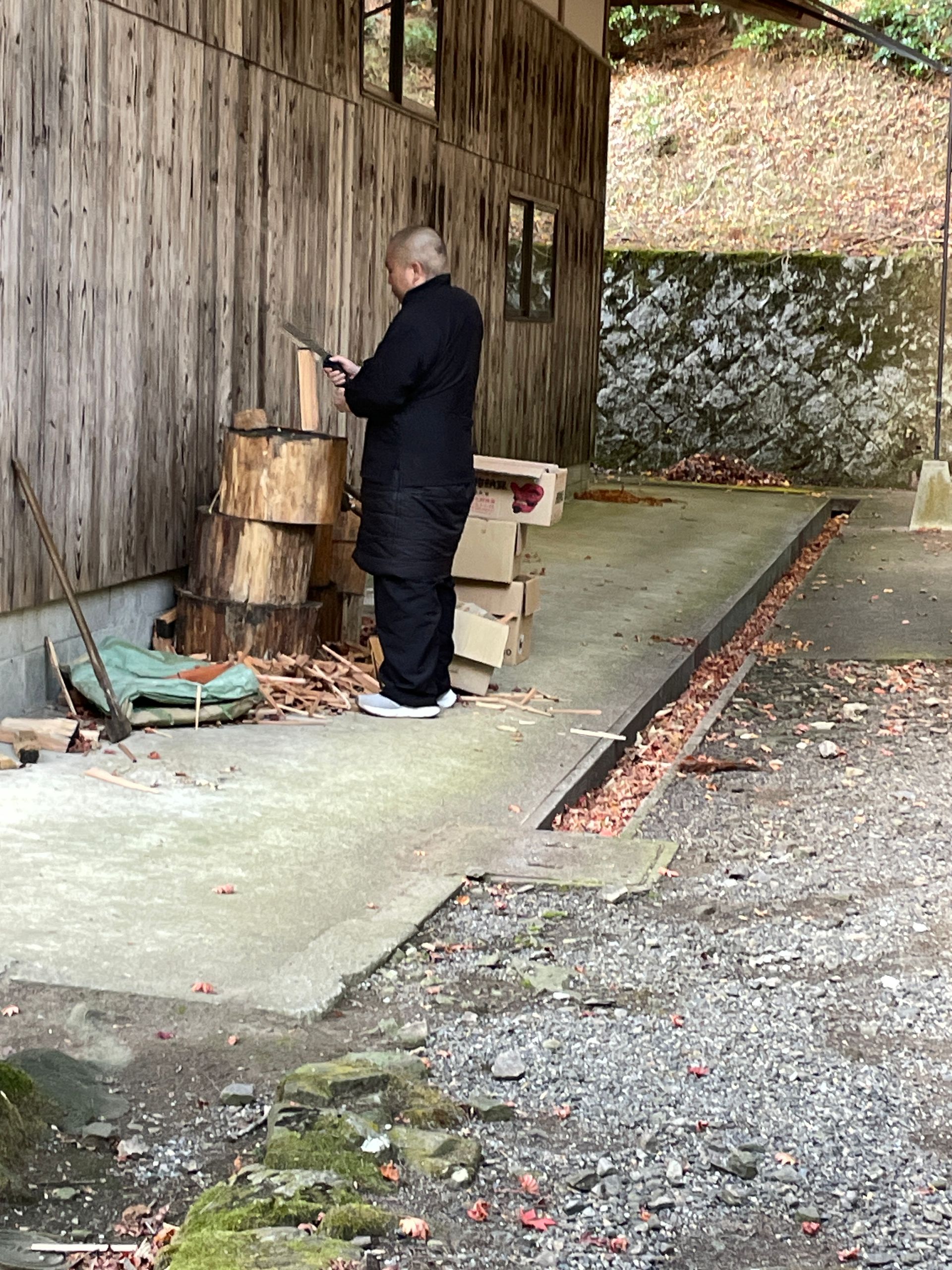
This time we take the bus to move between the many temples, going almost all the way down and then back up the other side, and in between there are many red and brown wooden buildings, bell towers (you are even allowed to strike the very large one with a hefty sound using the thick wood that hangs before it, which of course I also do), pagodas, monk residences, museums, and of course the temples themselves. I like the last one best, old and unpainted. On the side, a monk stands with an axe, murmuring and singing as he chops wood pieces from a thick log that the believers will later write their wishes and prayers on. My Estonian friend understands quite a bit of Japanese and explains that he encourages himself to make the pieces even-sized.
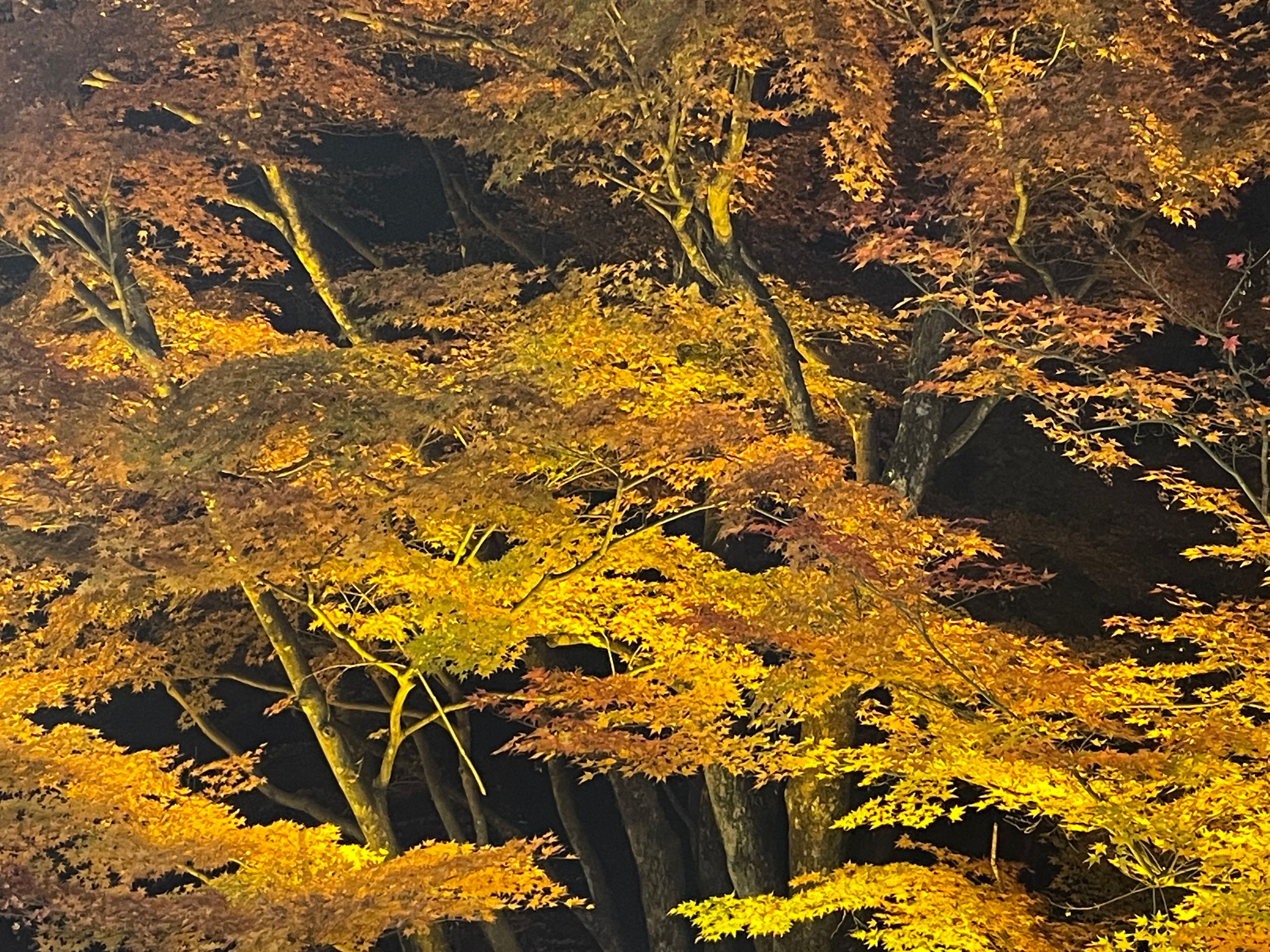
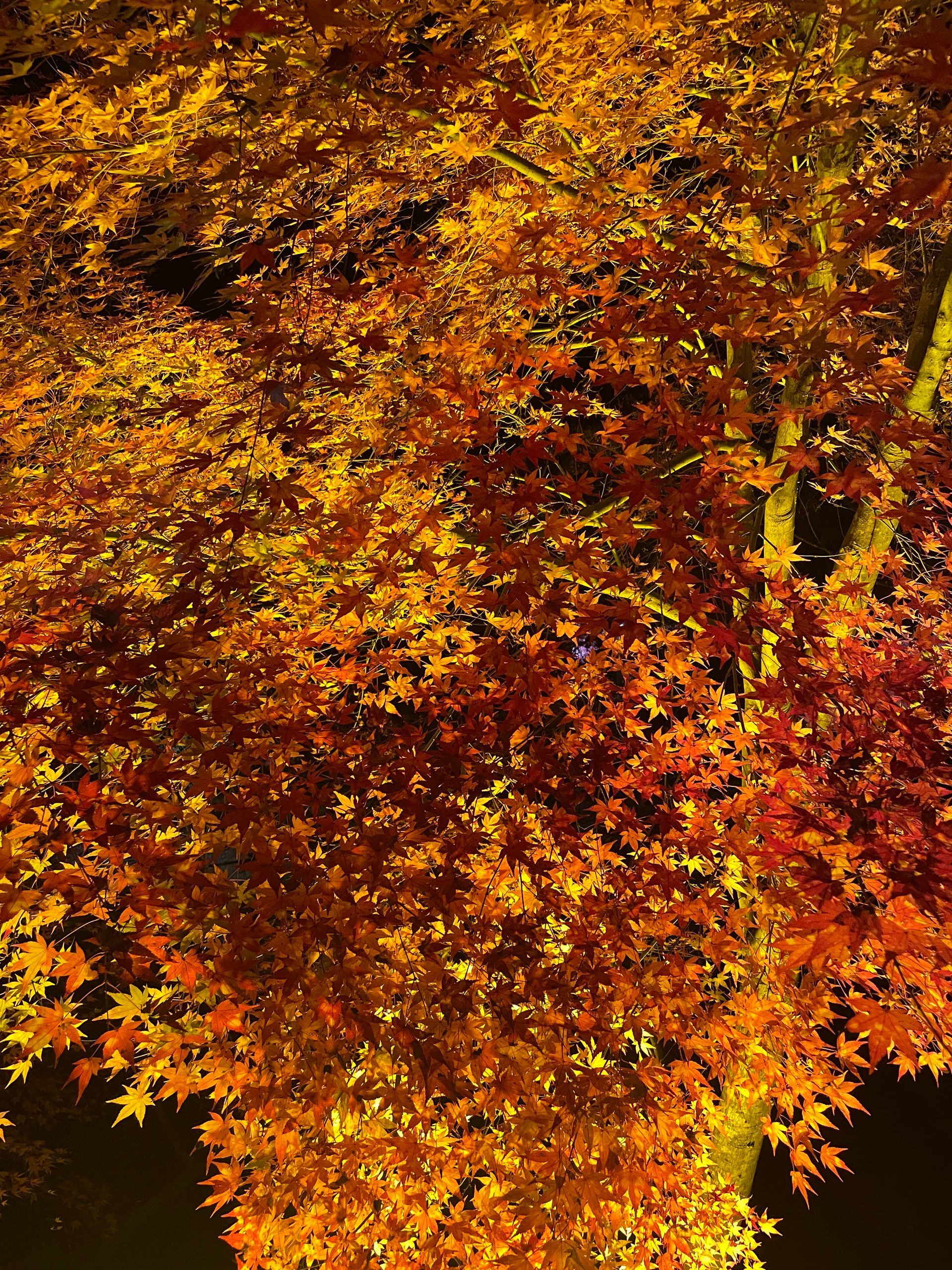
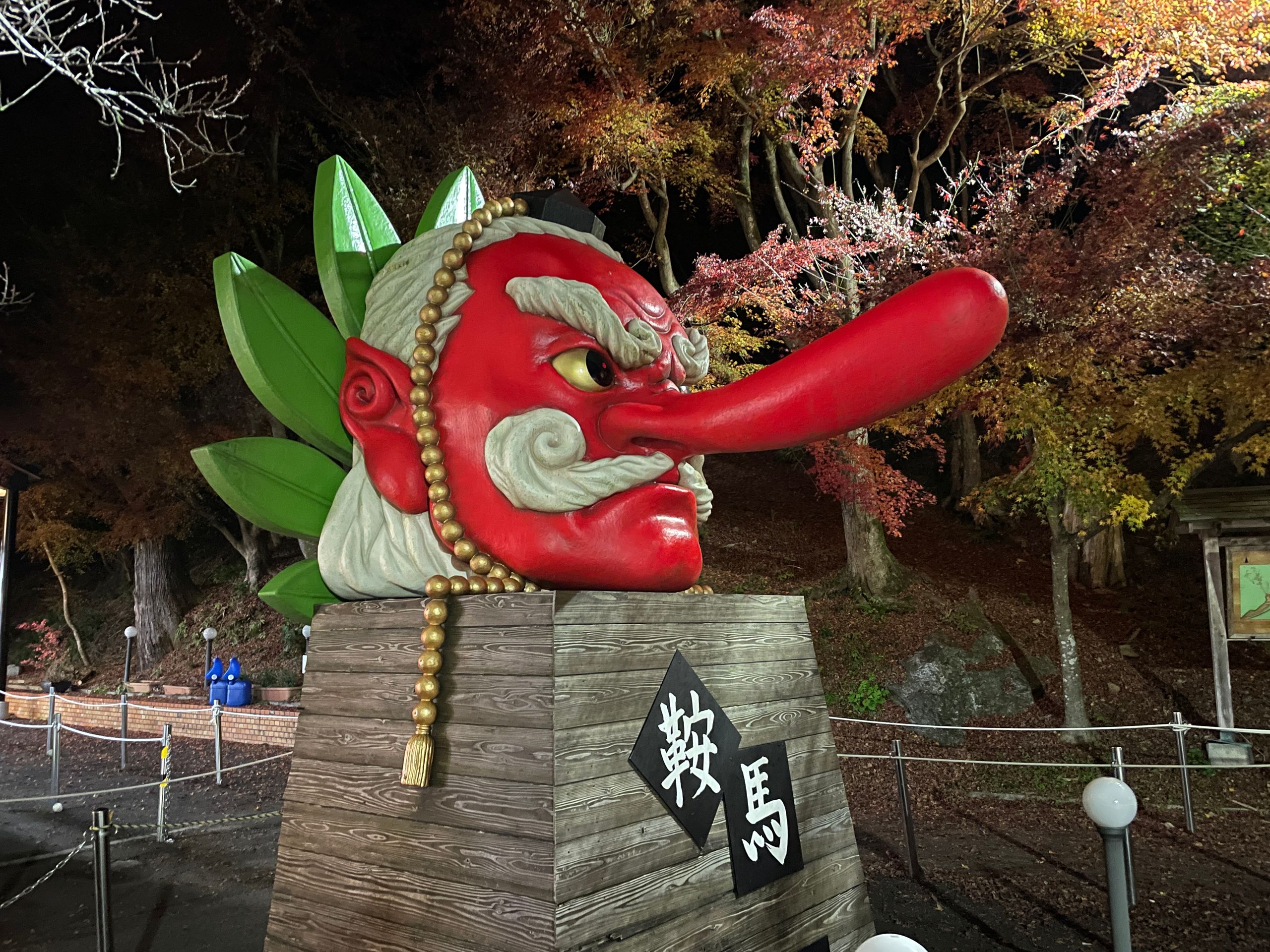
As we plunge back down with the various railways, it’s sunset again, and it quickly becomes pitch dark. I change trains to go to Kurama for the outdoor hot spring to conclude my day. The remaining leaves are illuminated to the delight of the train passengers, and the great Tengu at the train station, one of the spirits that are said to roam the forests here, greets me with its frighteningly huge nose, just as a minibus from the bath that will surely transport me safely up the dark path. After a royal meal, again with baked oysters, I sink into the warm water, highly satisfied.