
Murano
Murano, the island of glassblowers, where most people only come for a short time, buy a glass animal, and perhaps attend a demonstration in one of the many workshops, before...

Published: 17.03.2026
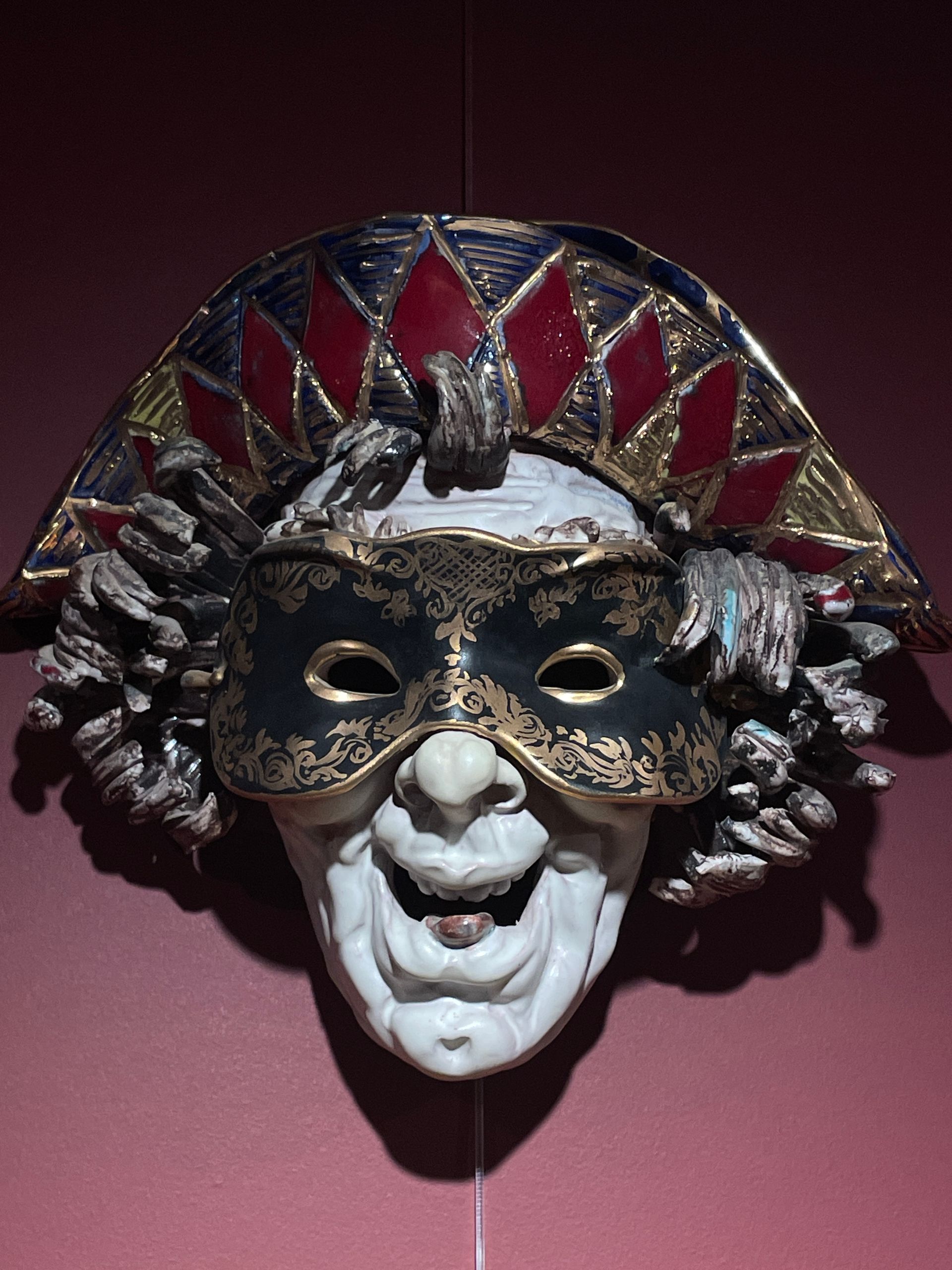
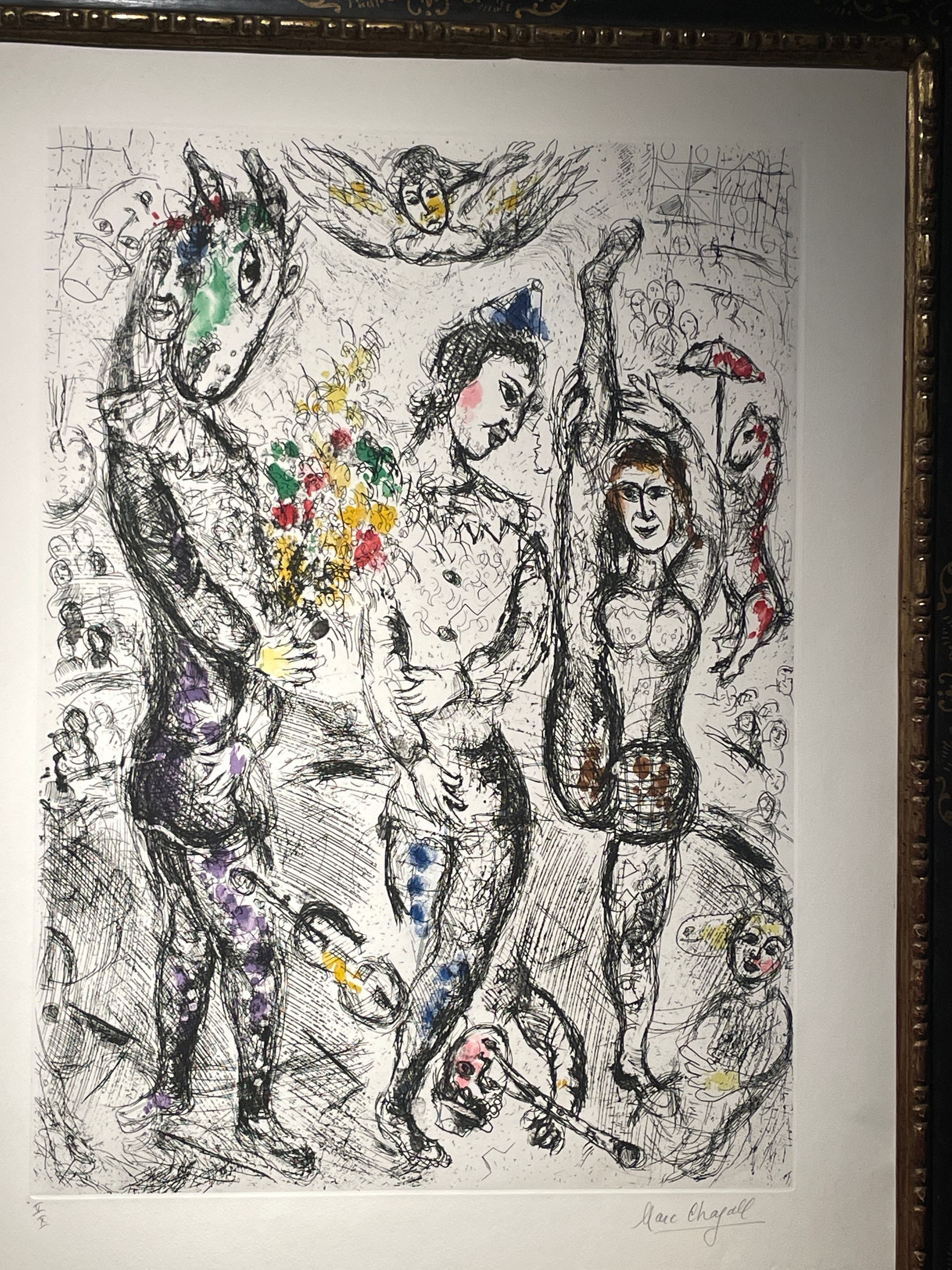
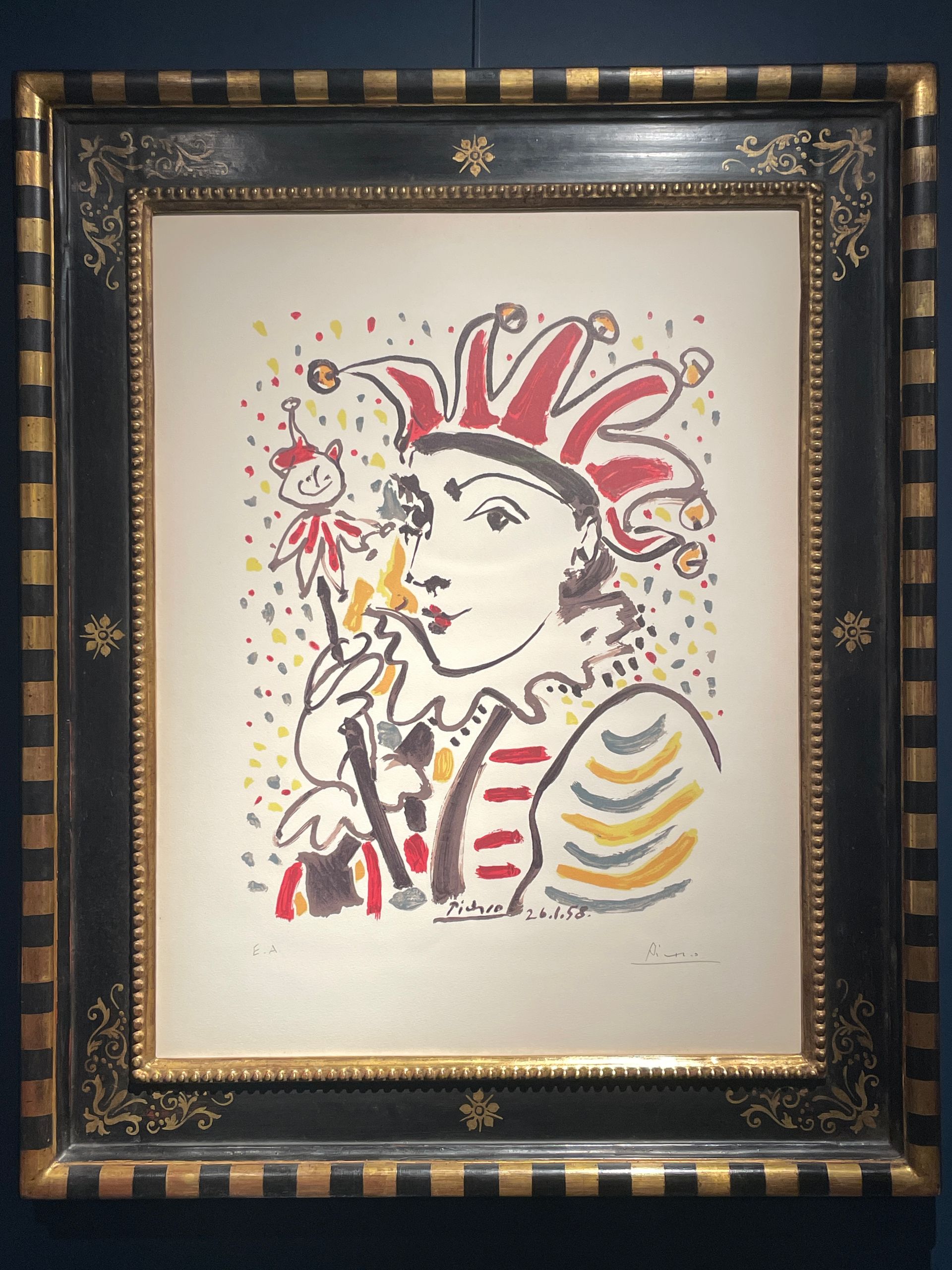
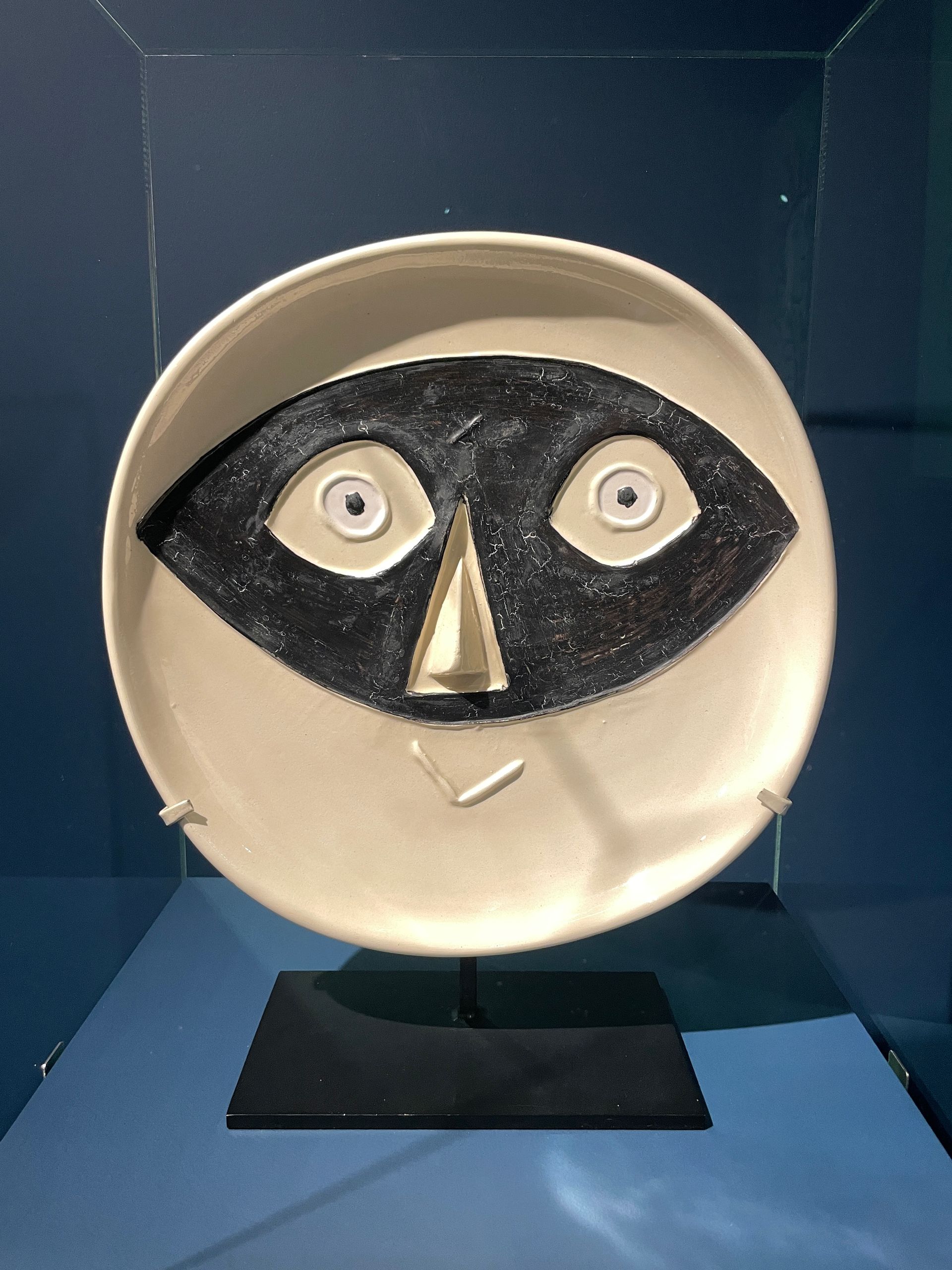
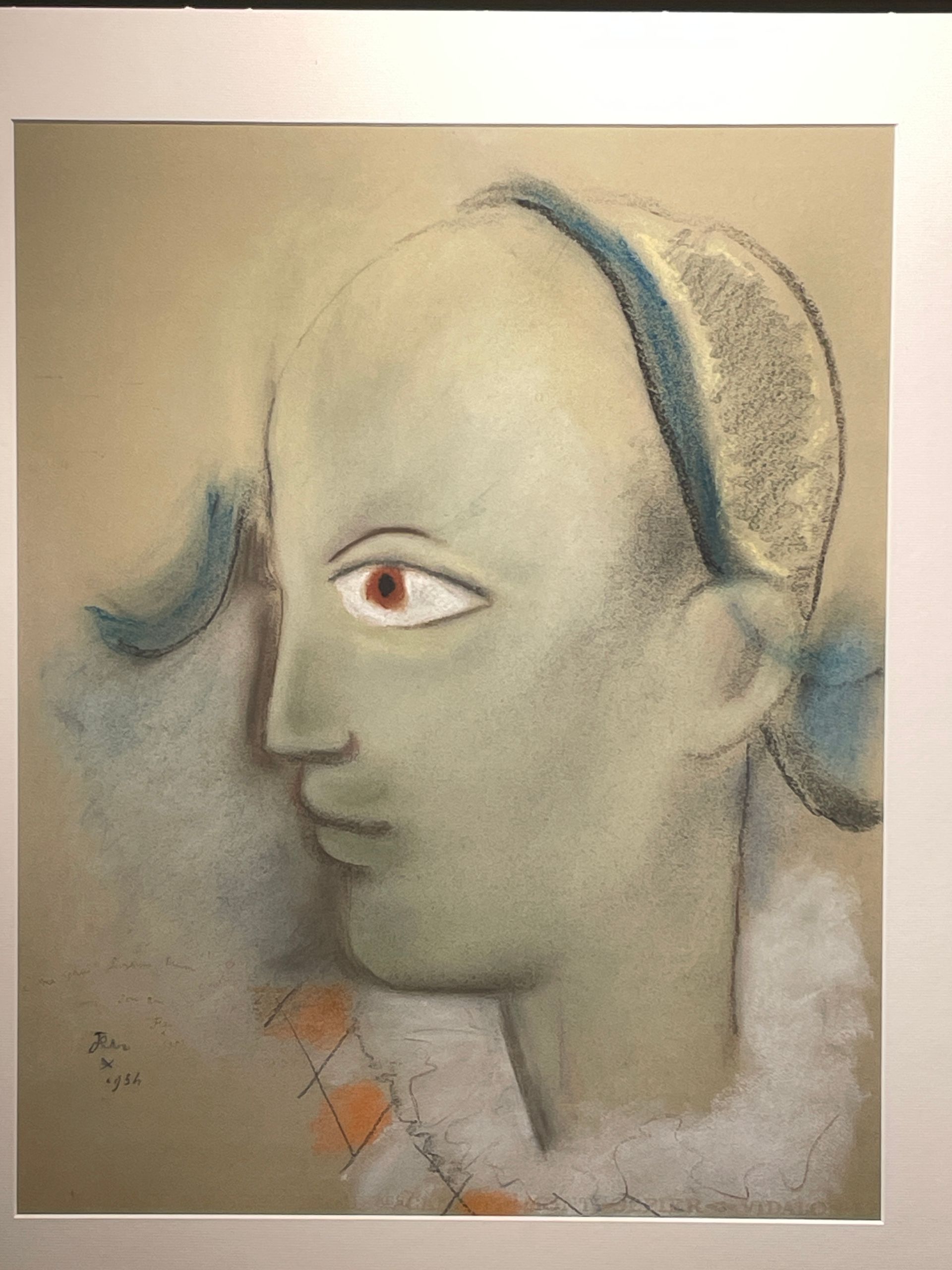
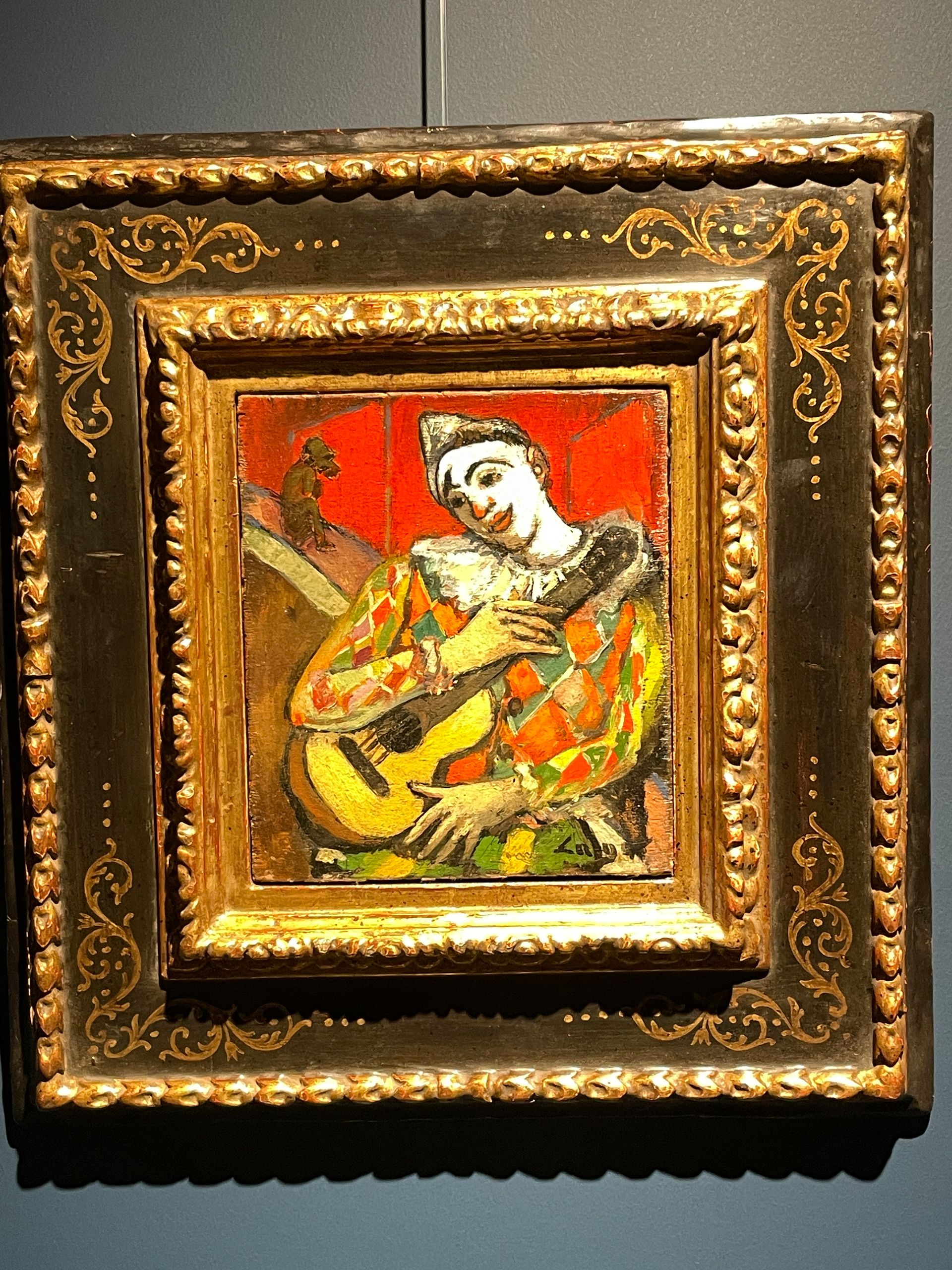
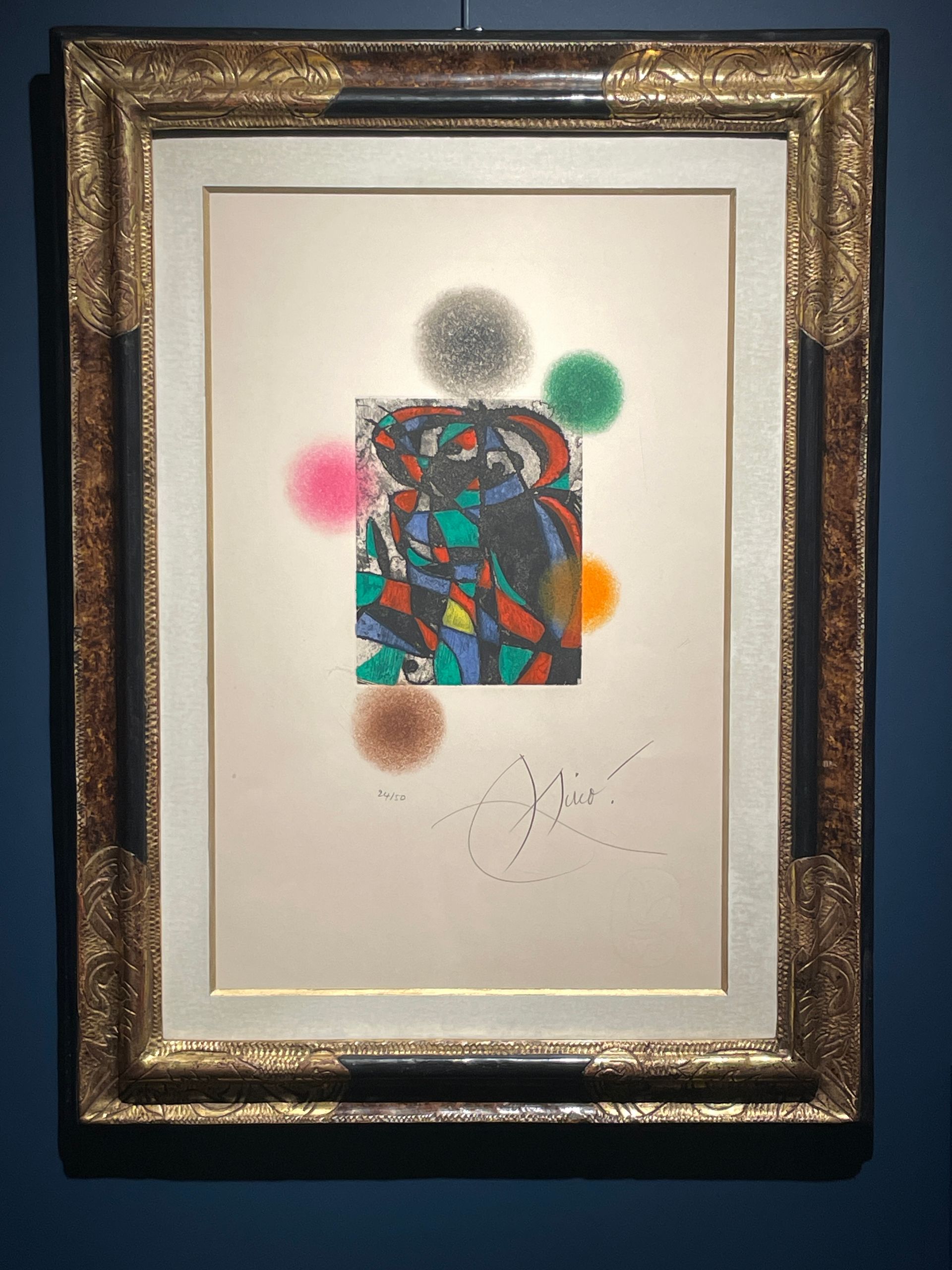
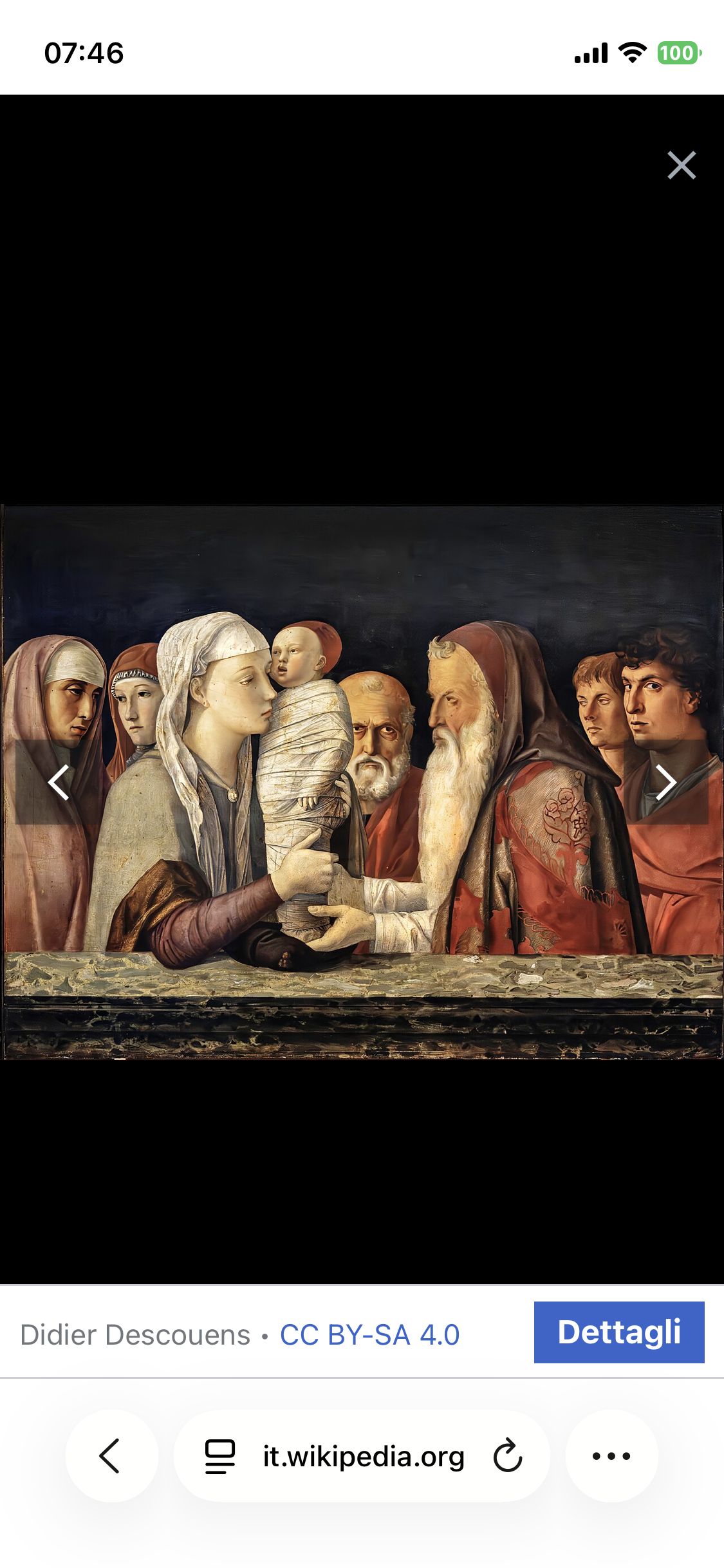
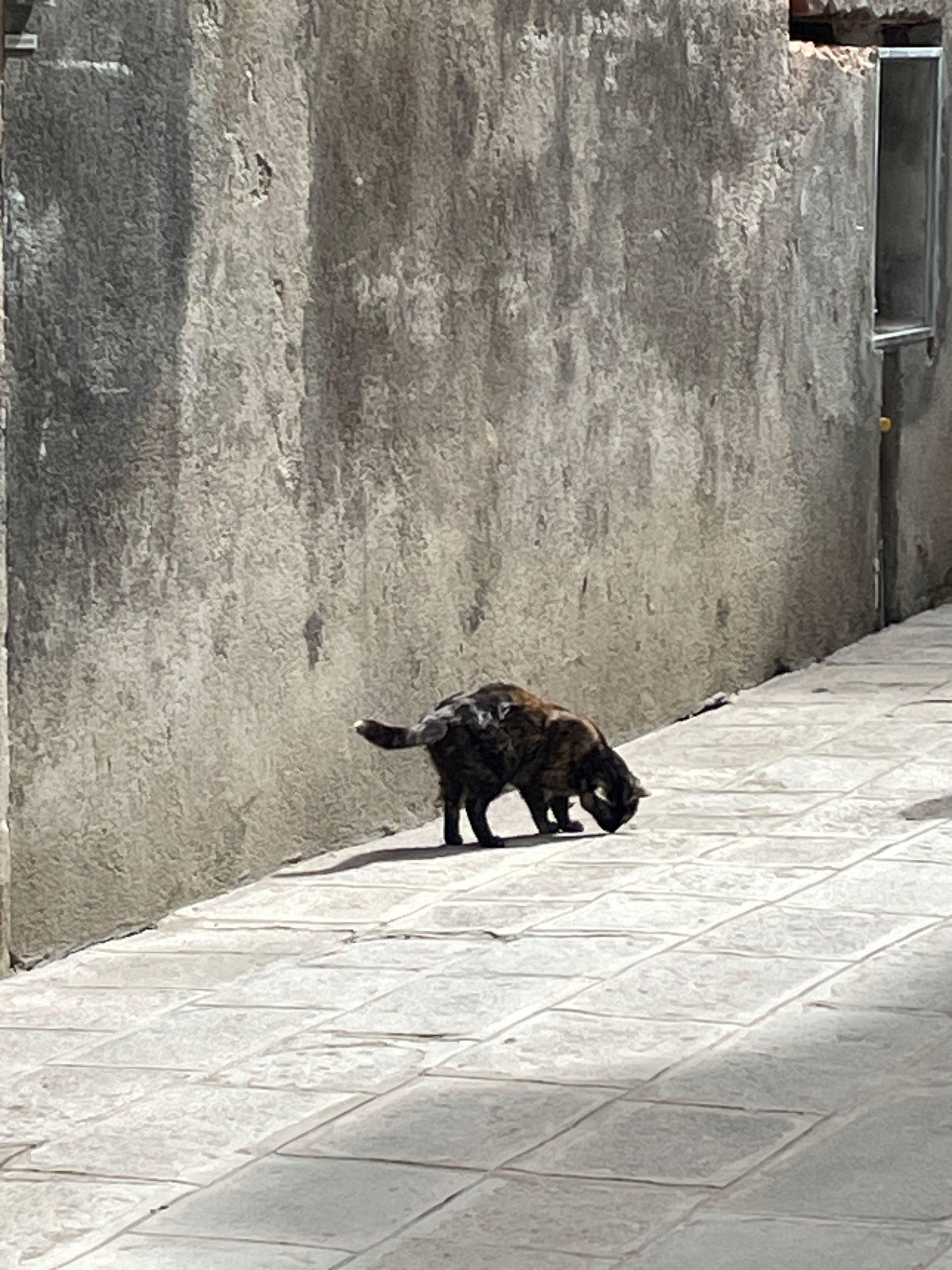
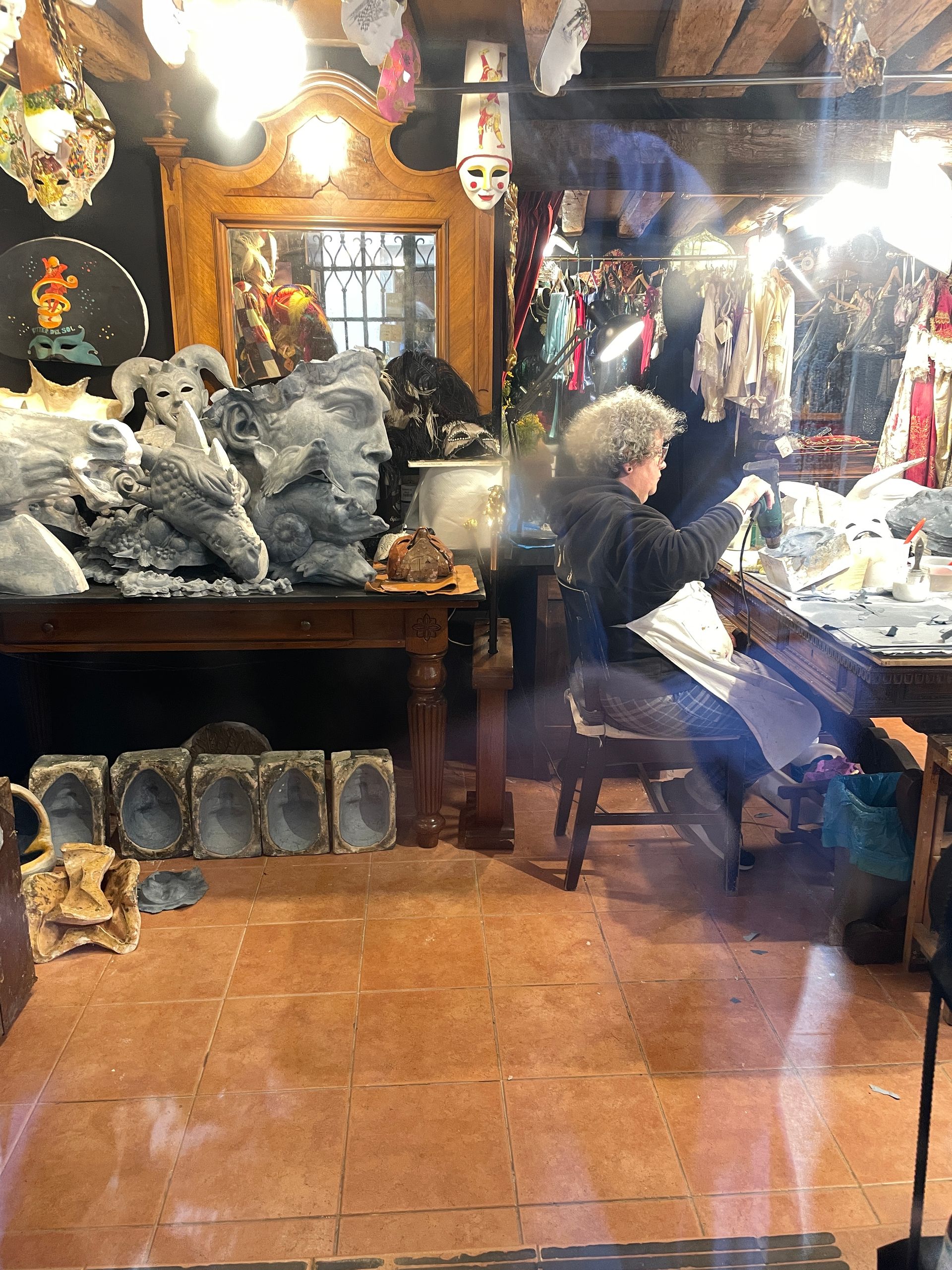
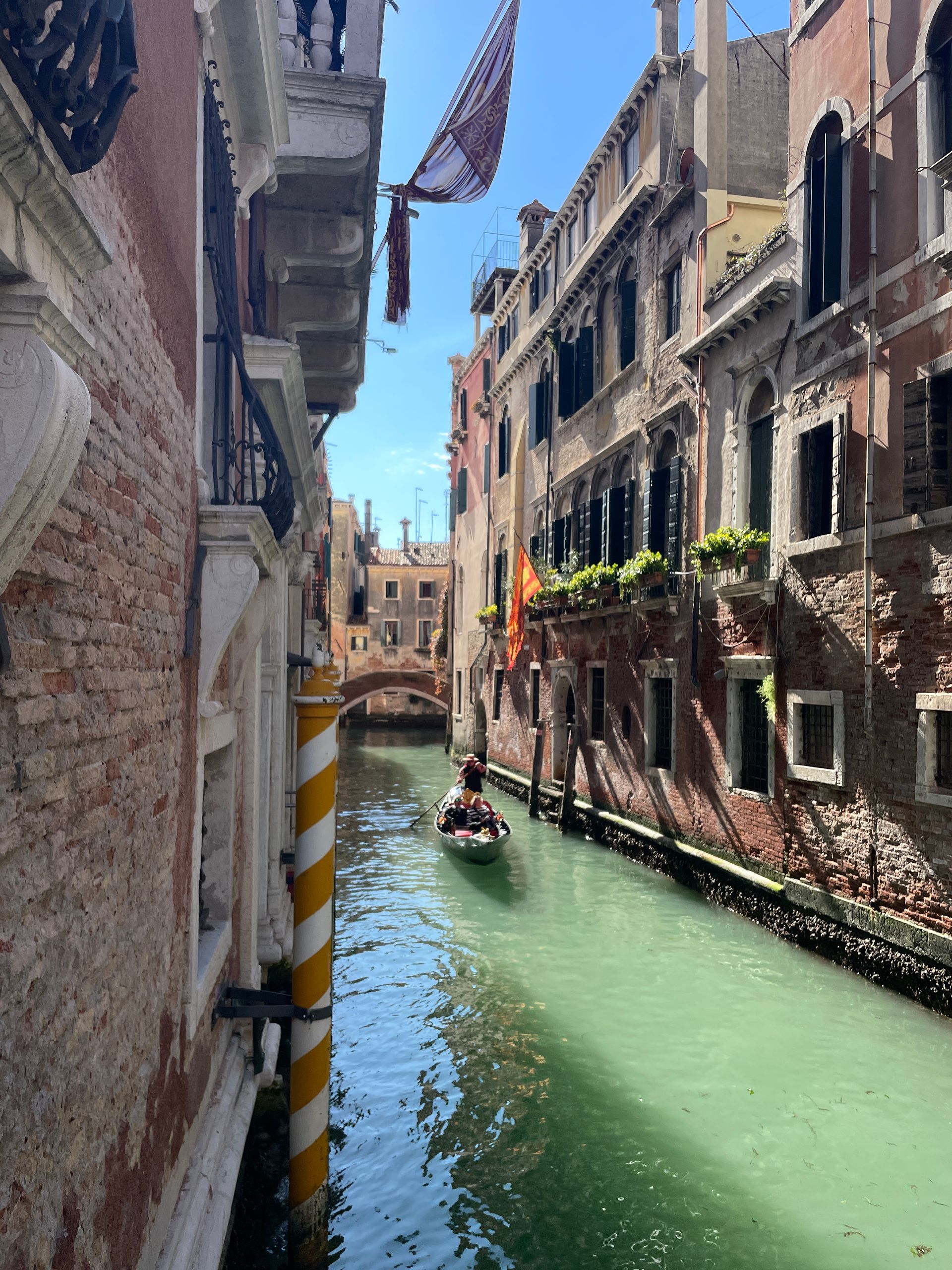
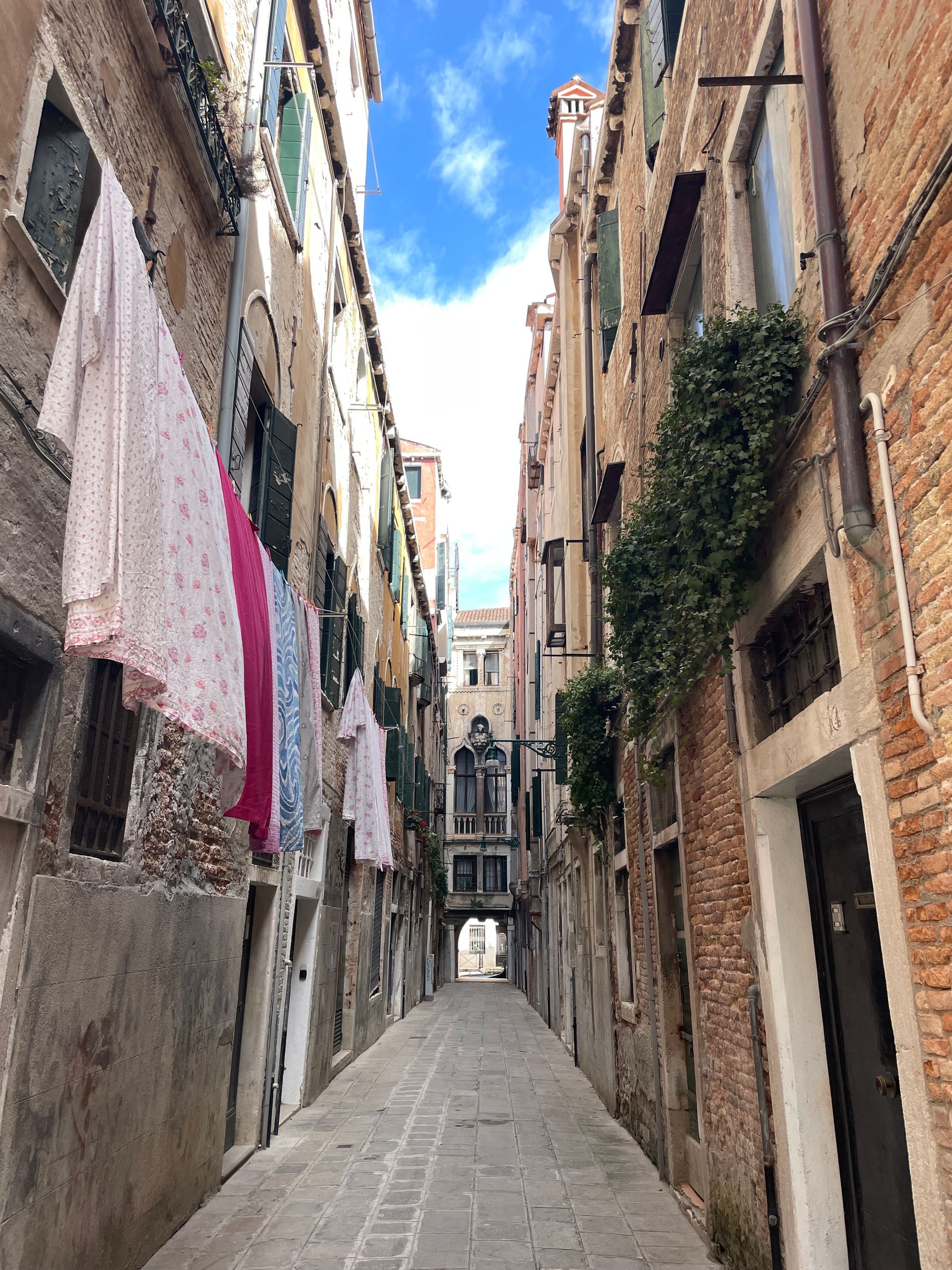
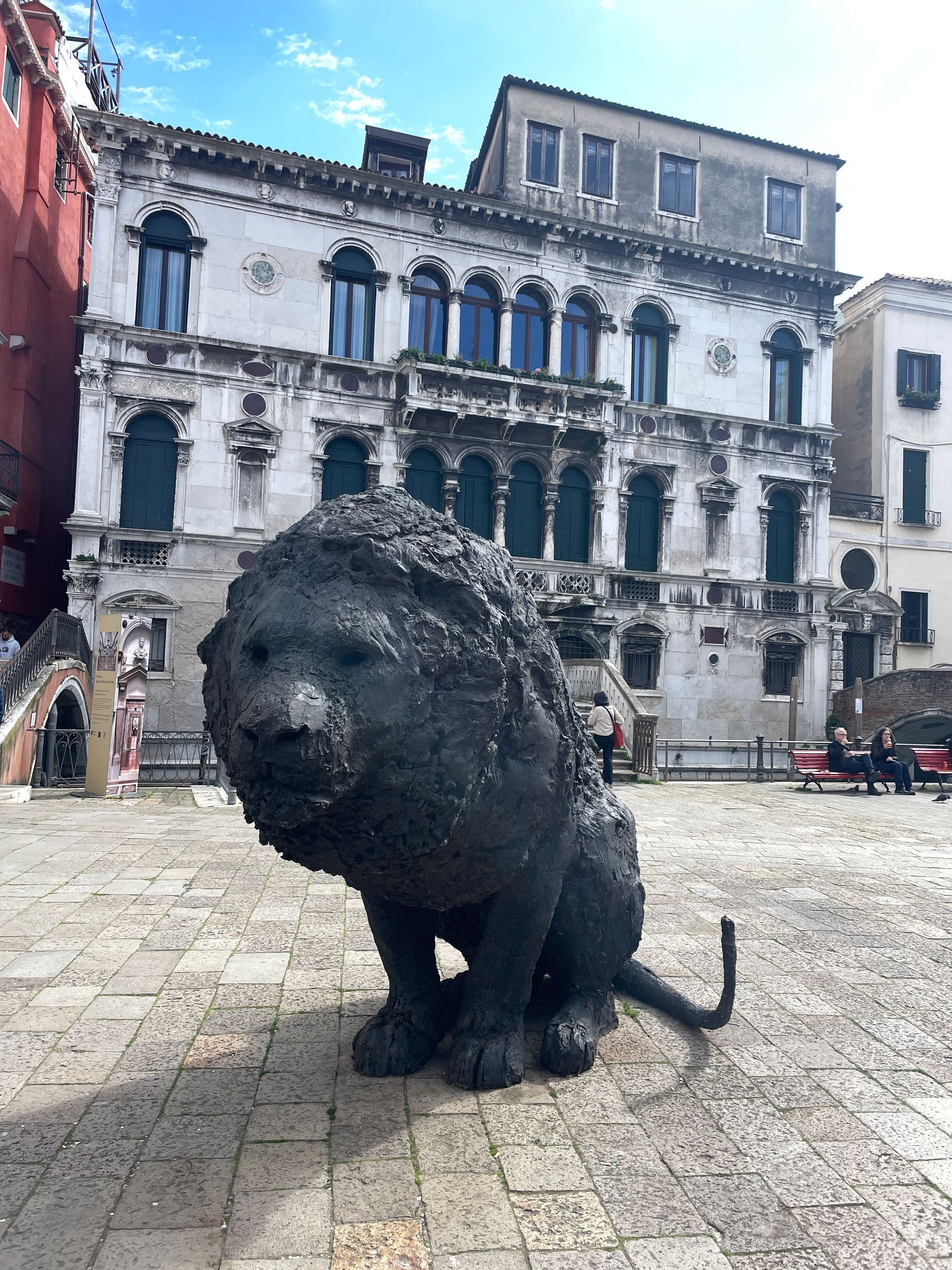
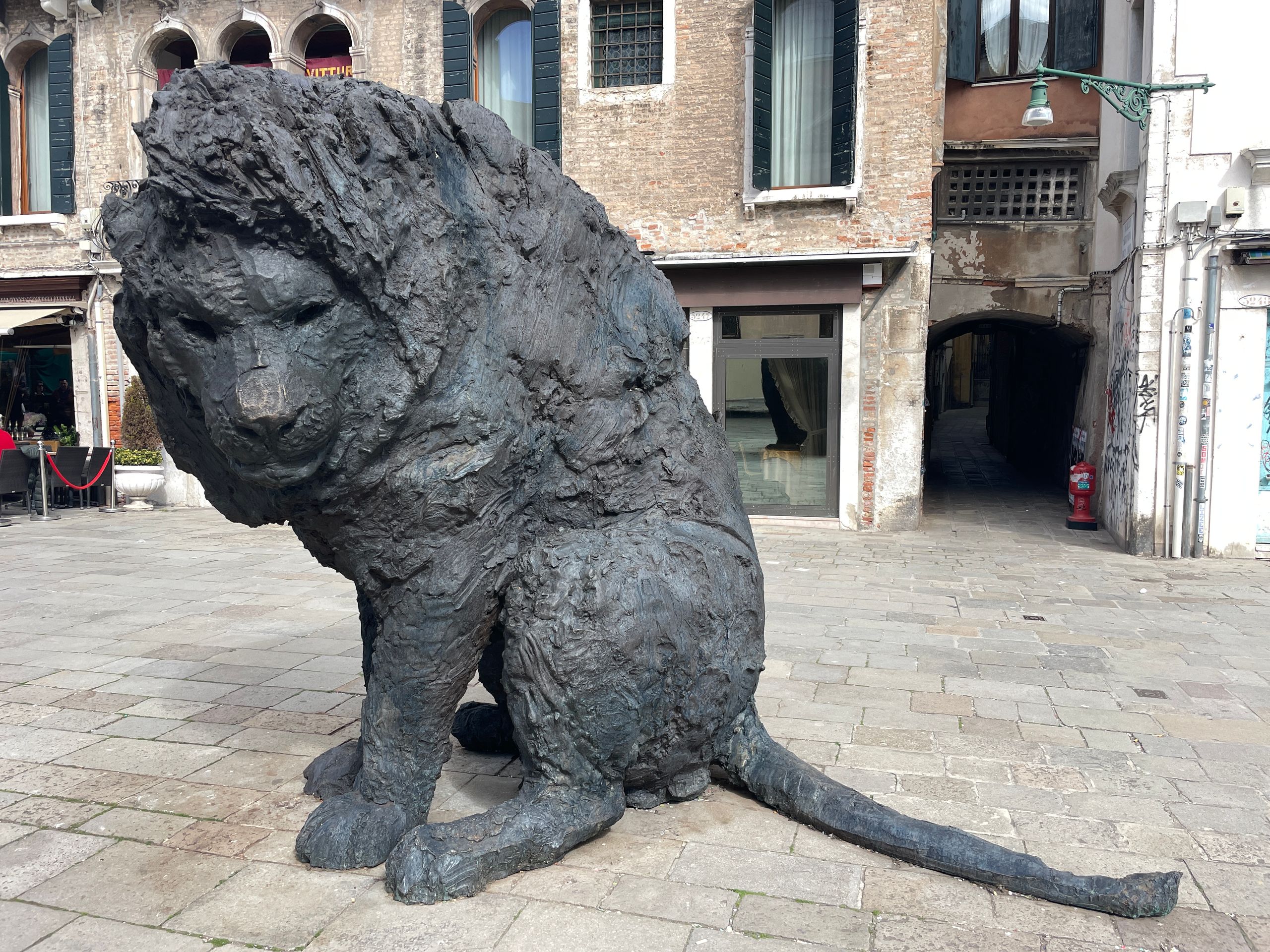
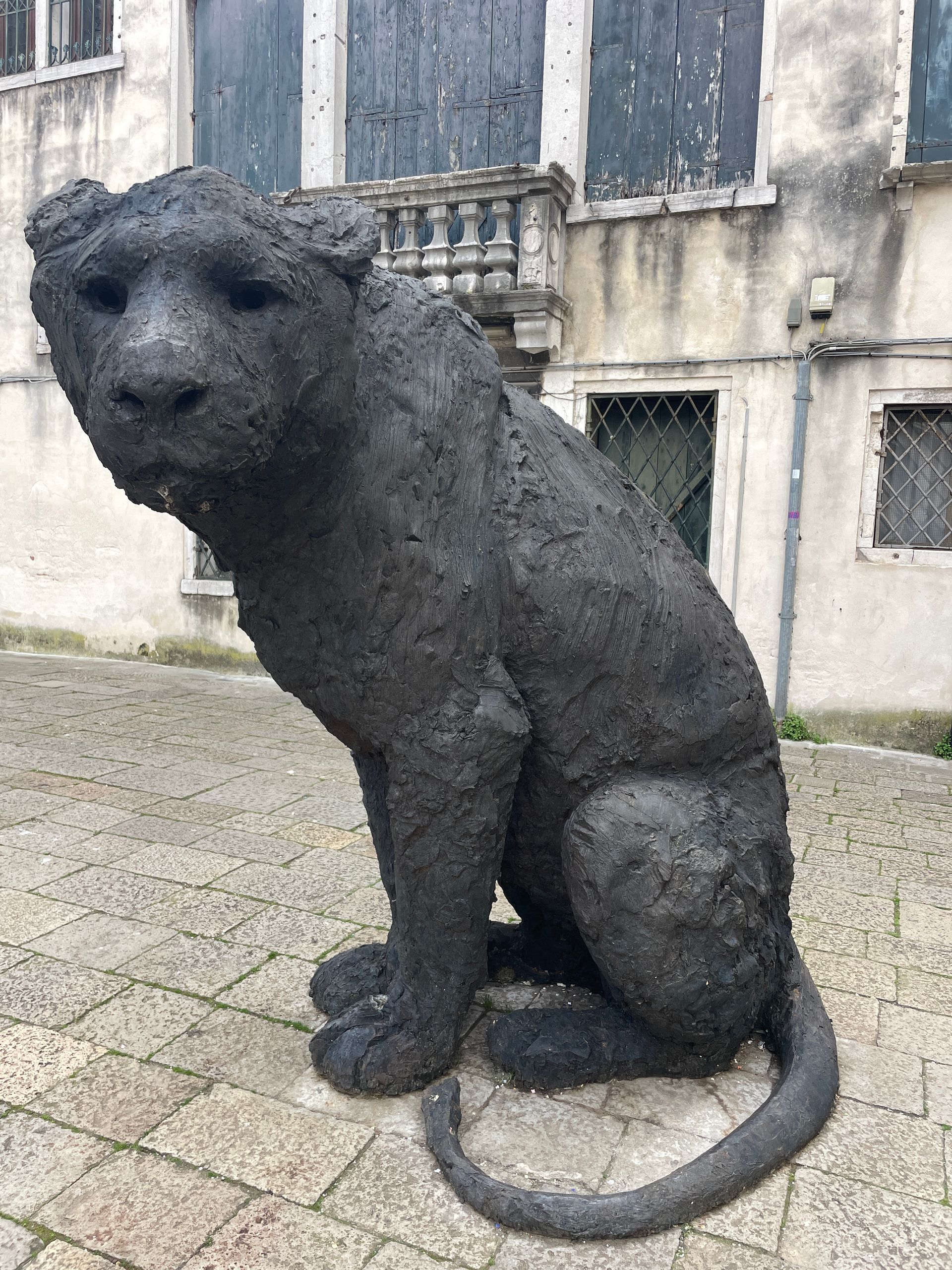
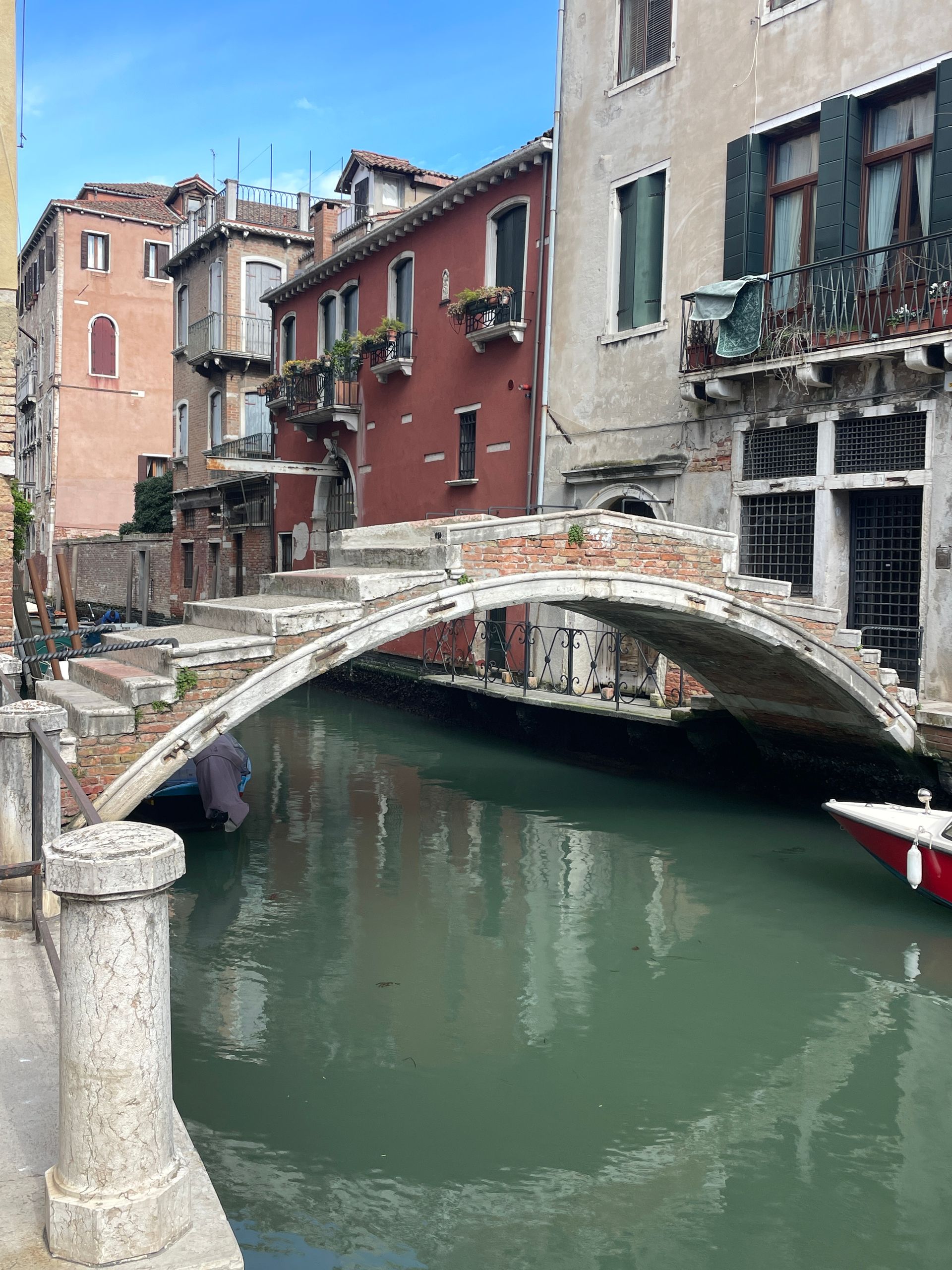
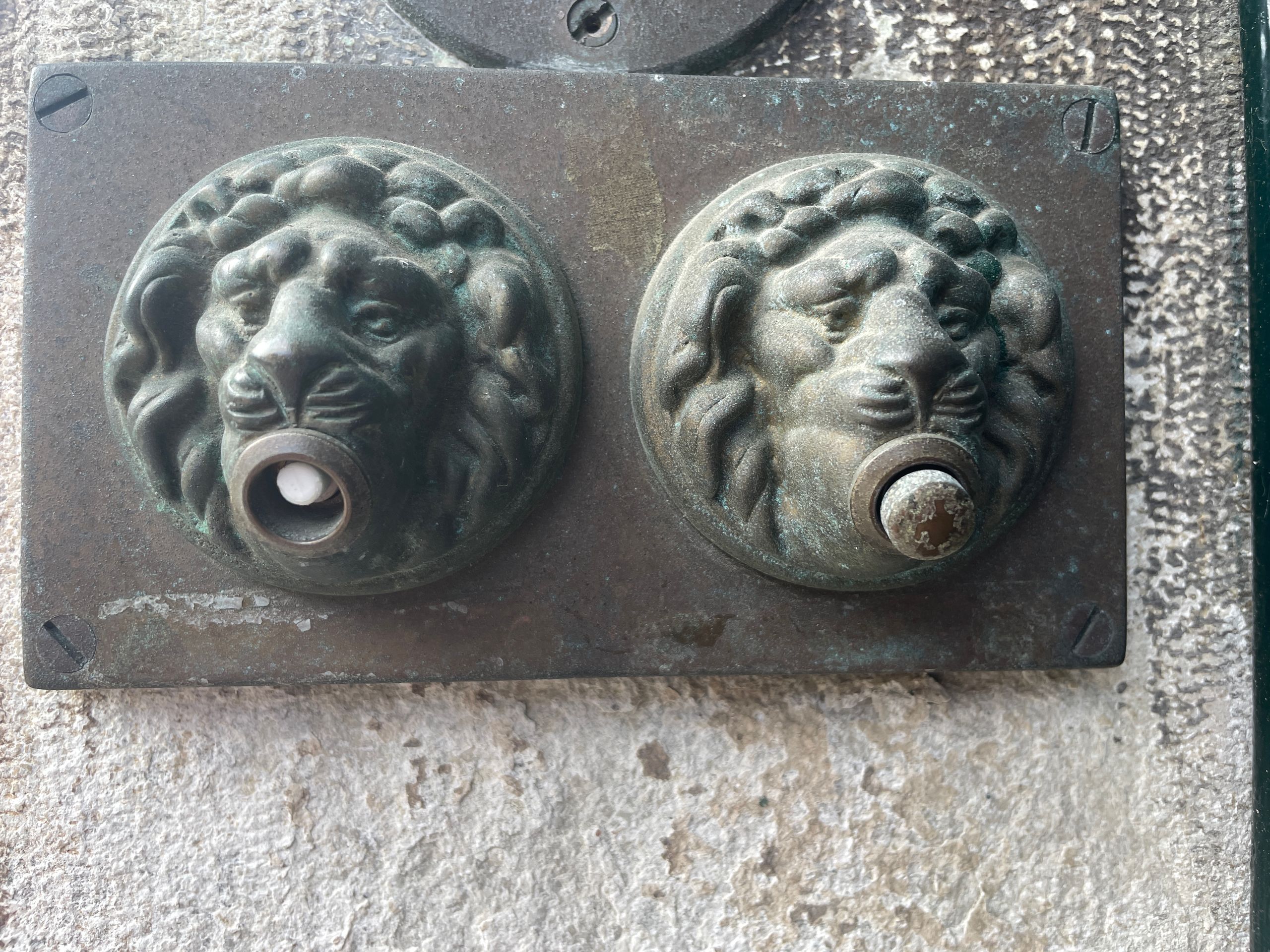
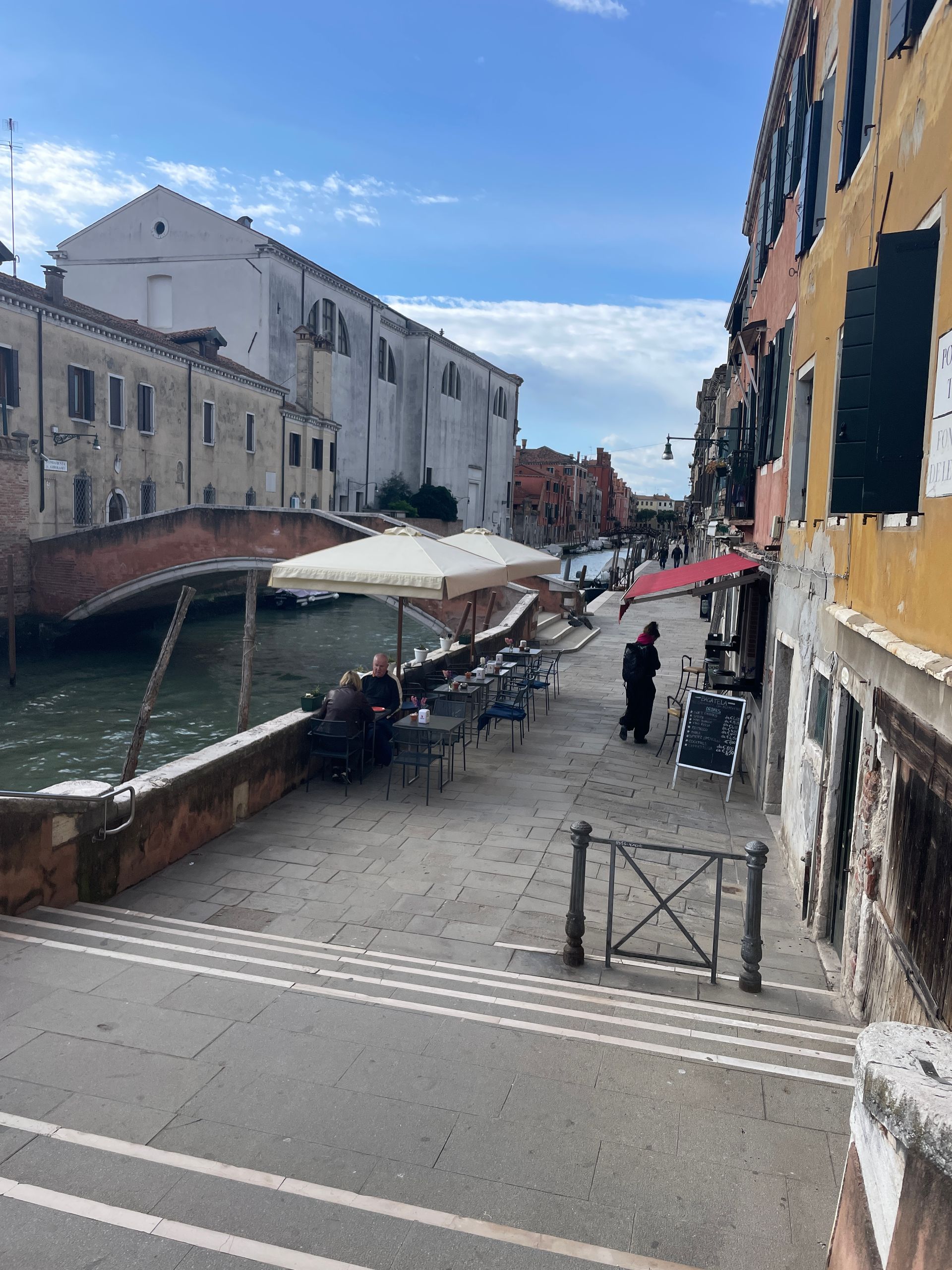
In the morning, I set off for the Fondazione Querini Stampalia to visit my favorite painting in Venice, the 'Presentation of Christ in the Temple' by Giovanni Bellini.
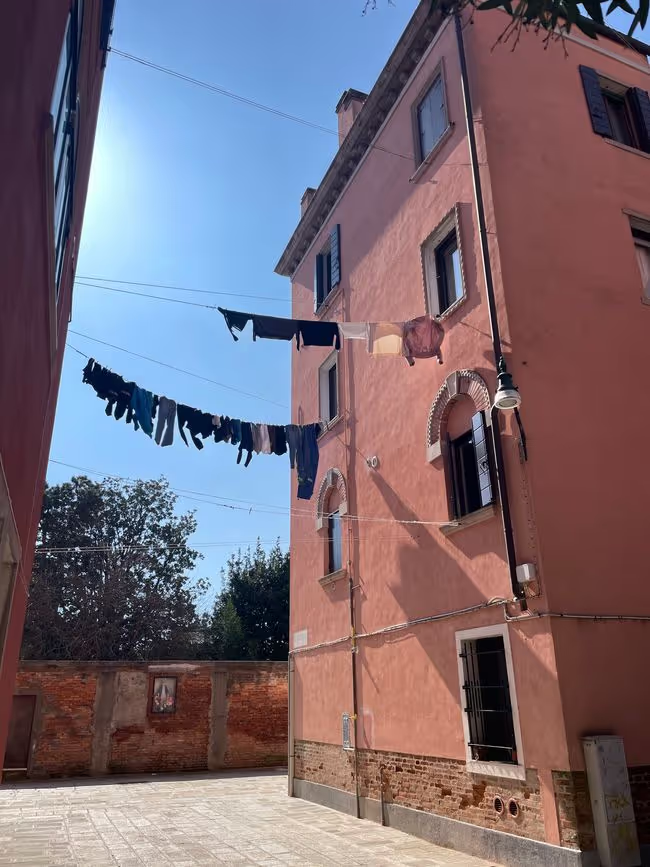
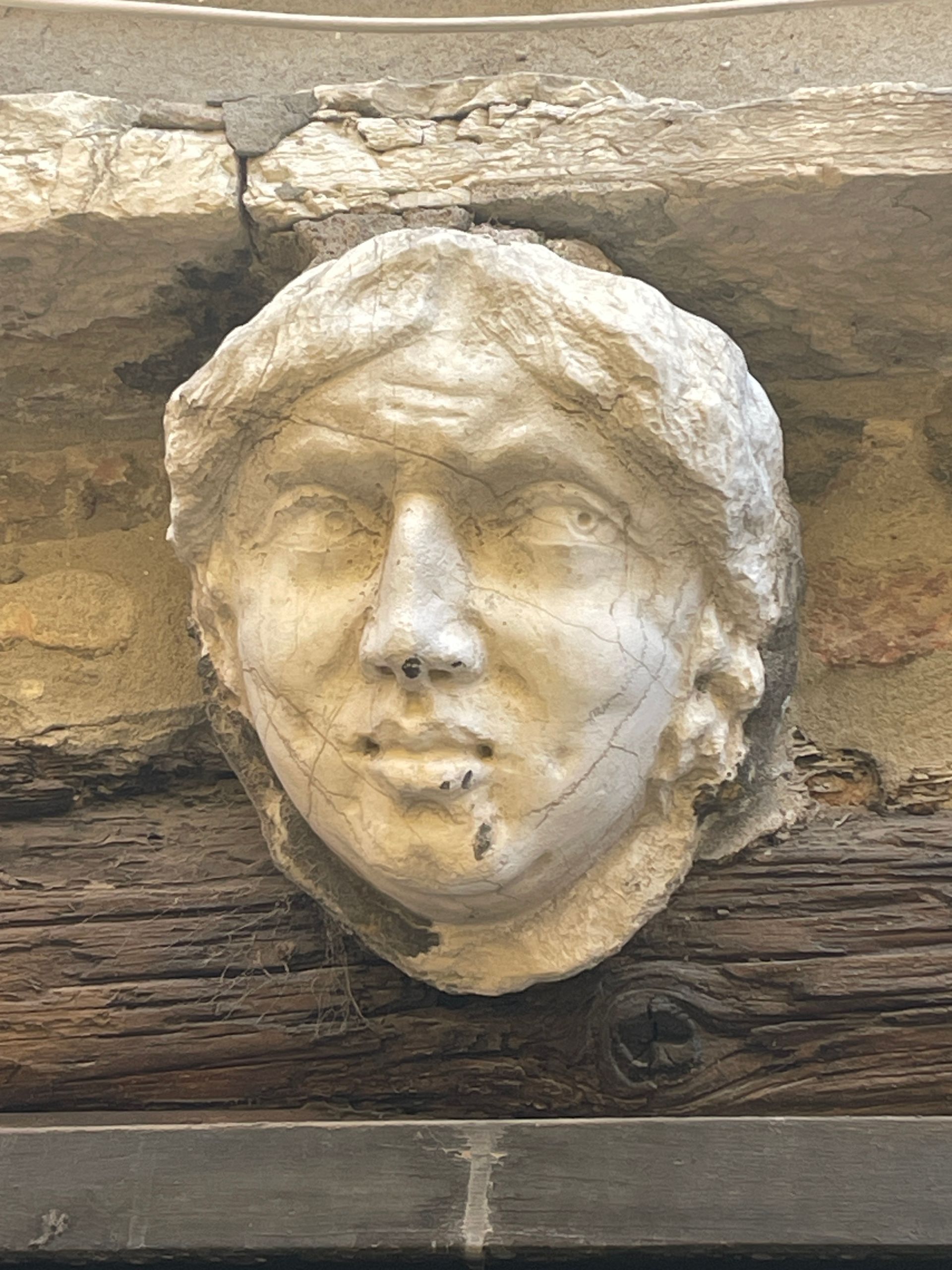
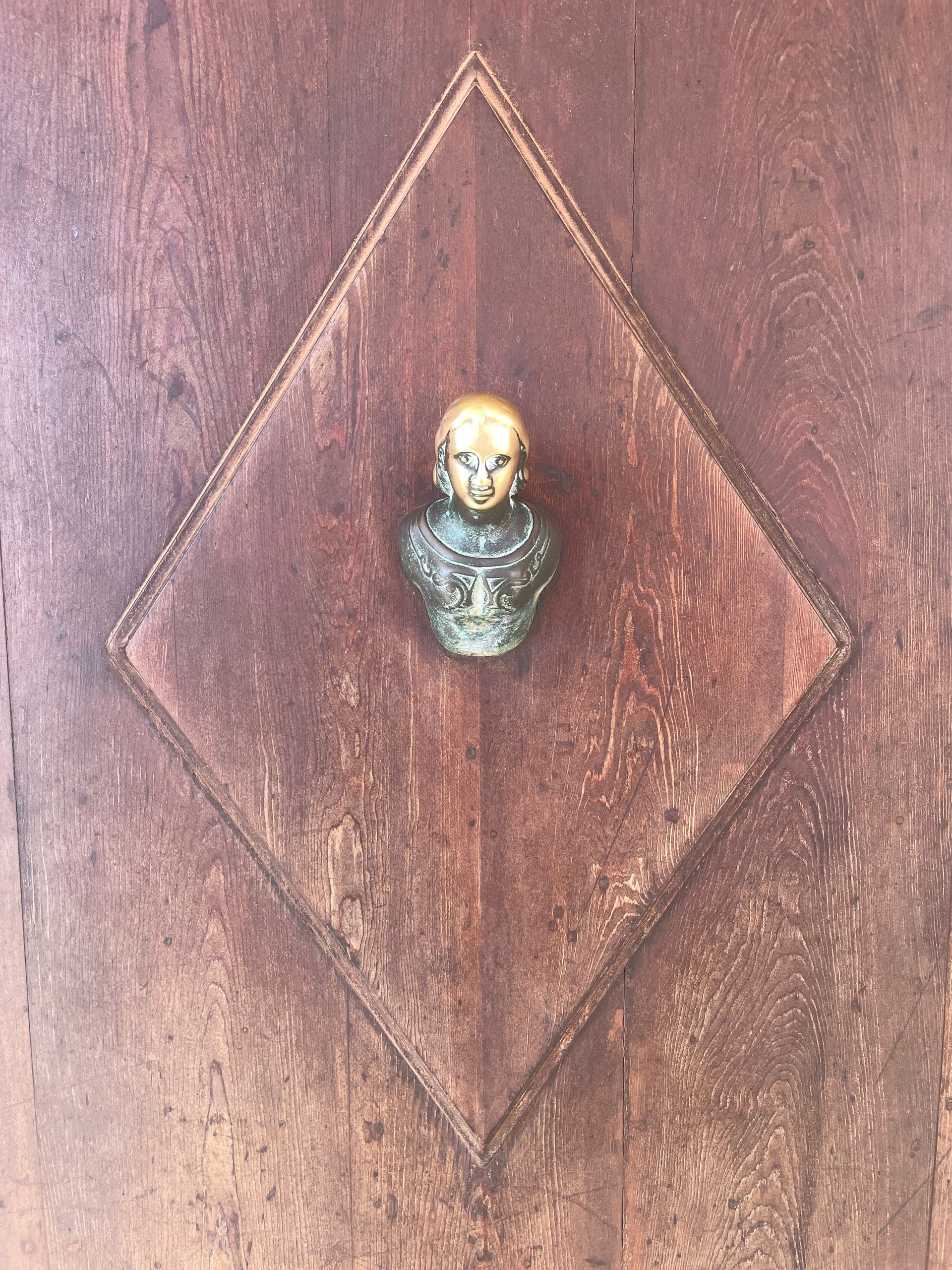
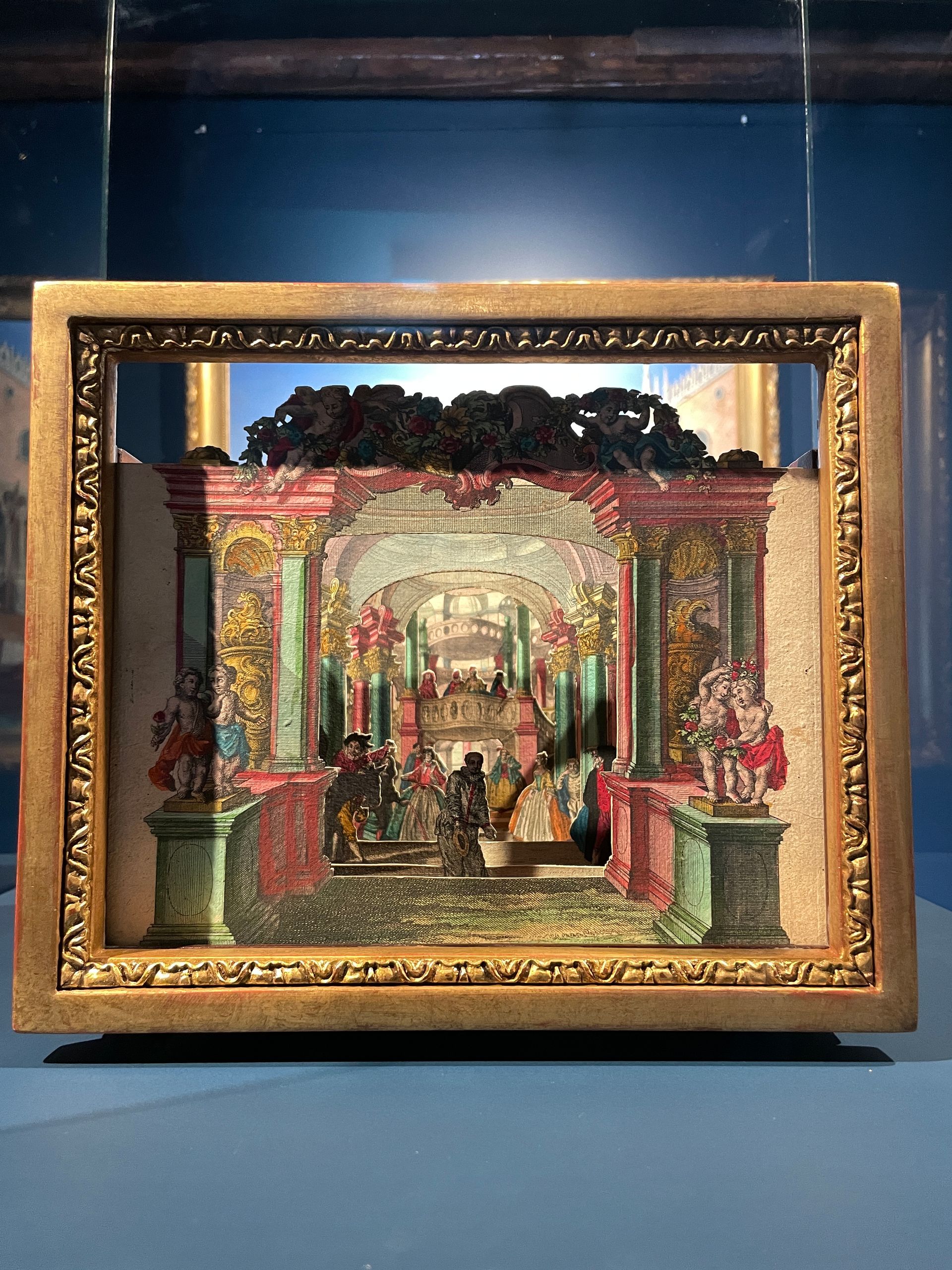
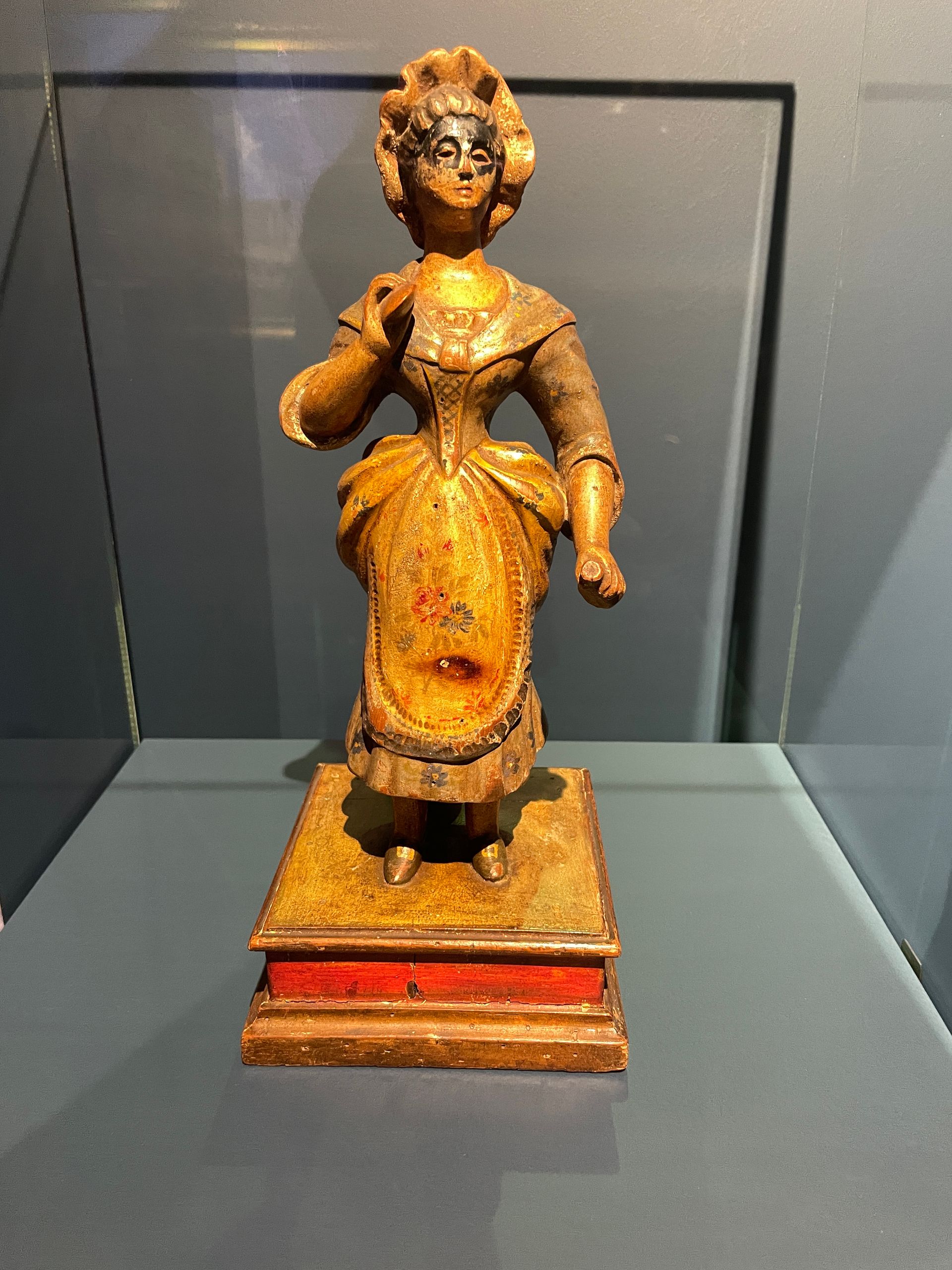
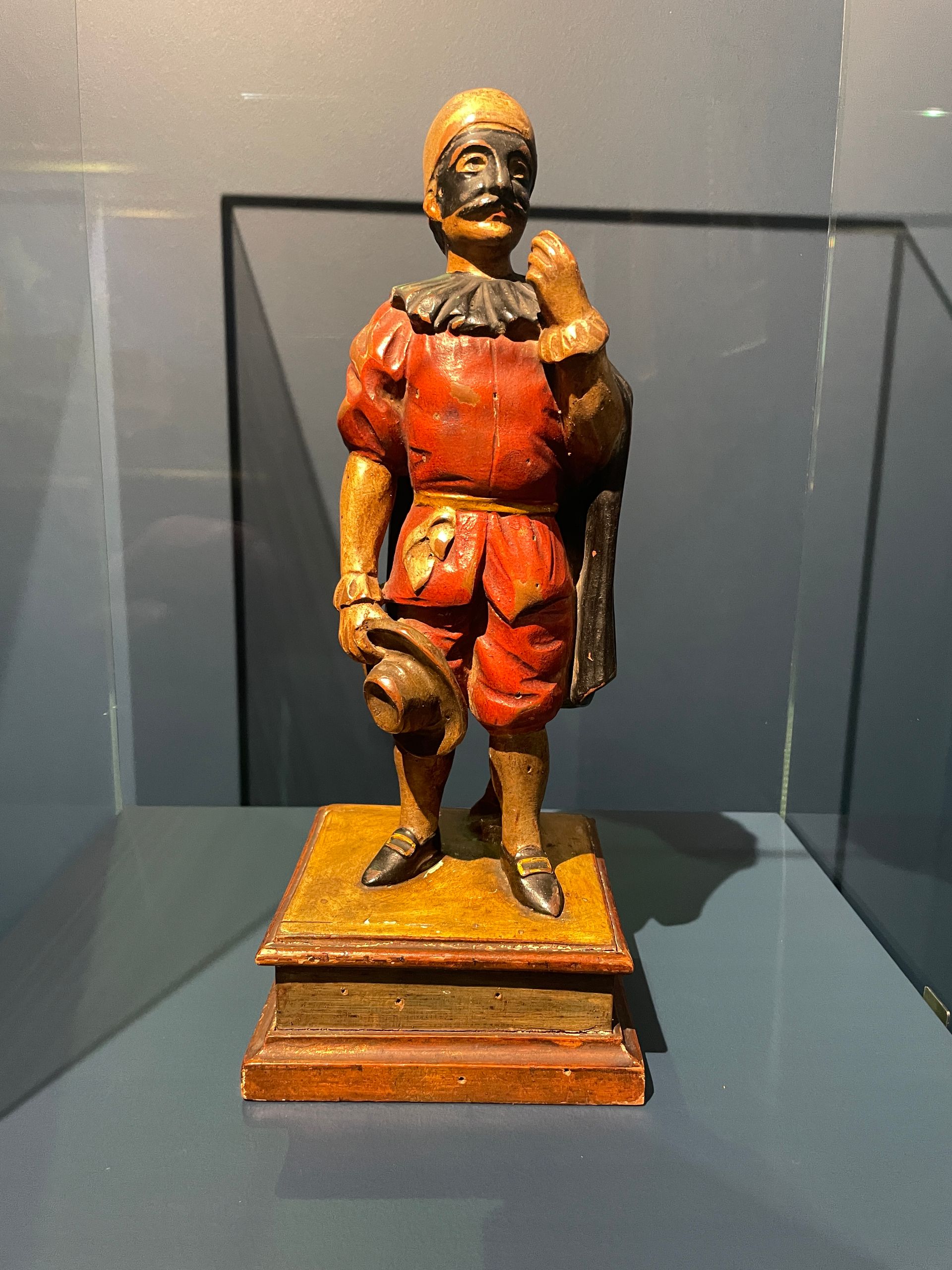
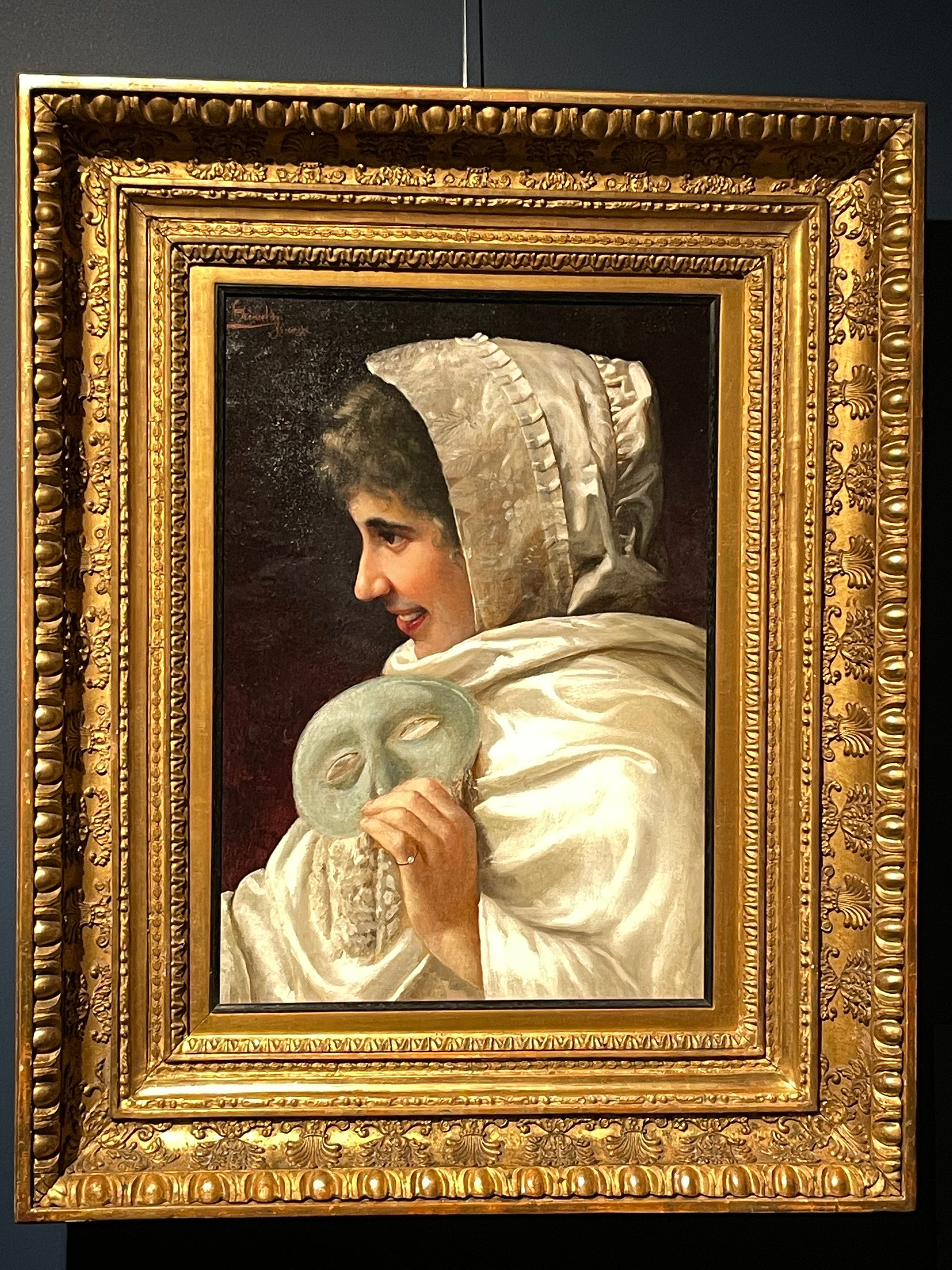
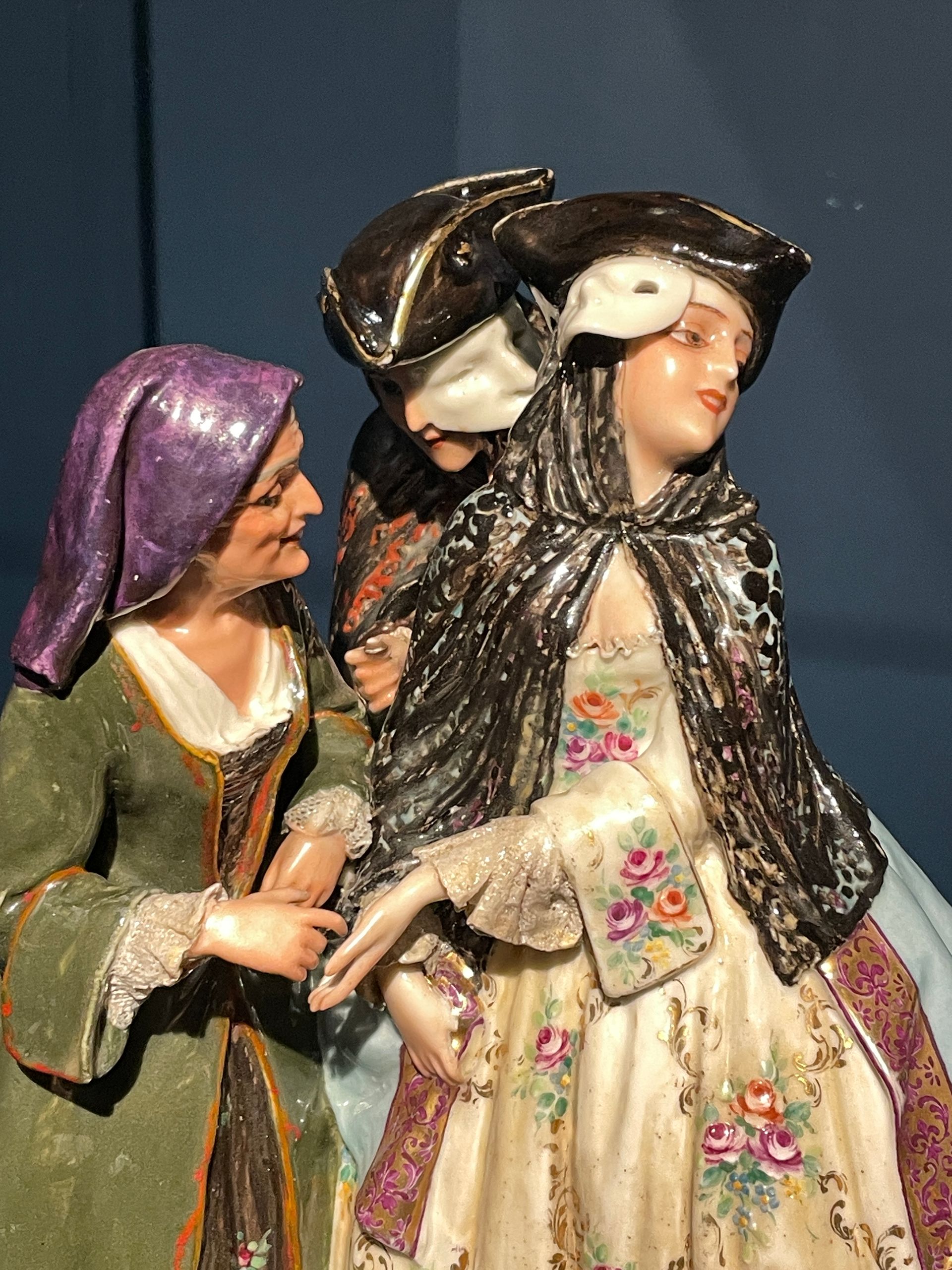
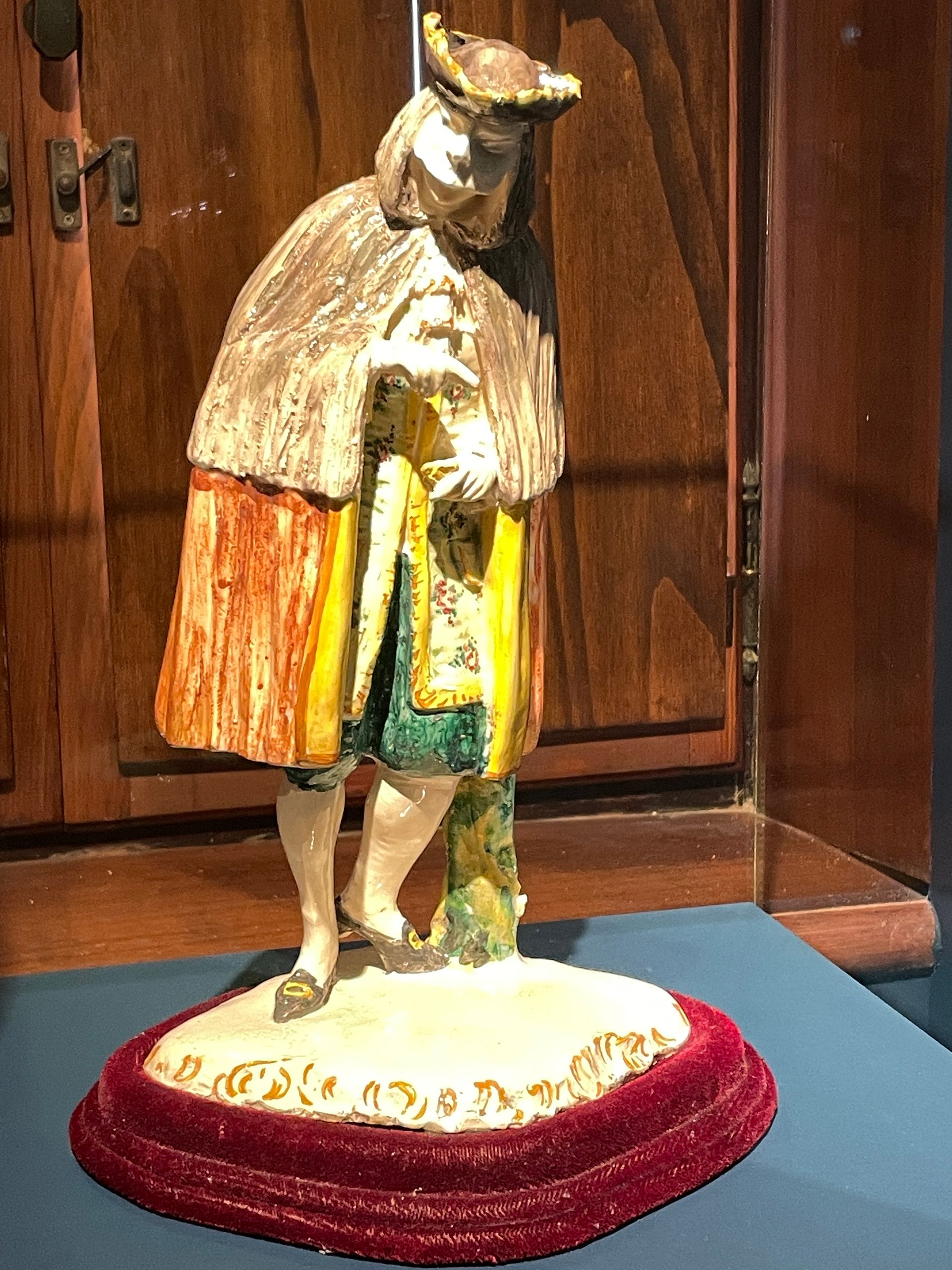
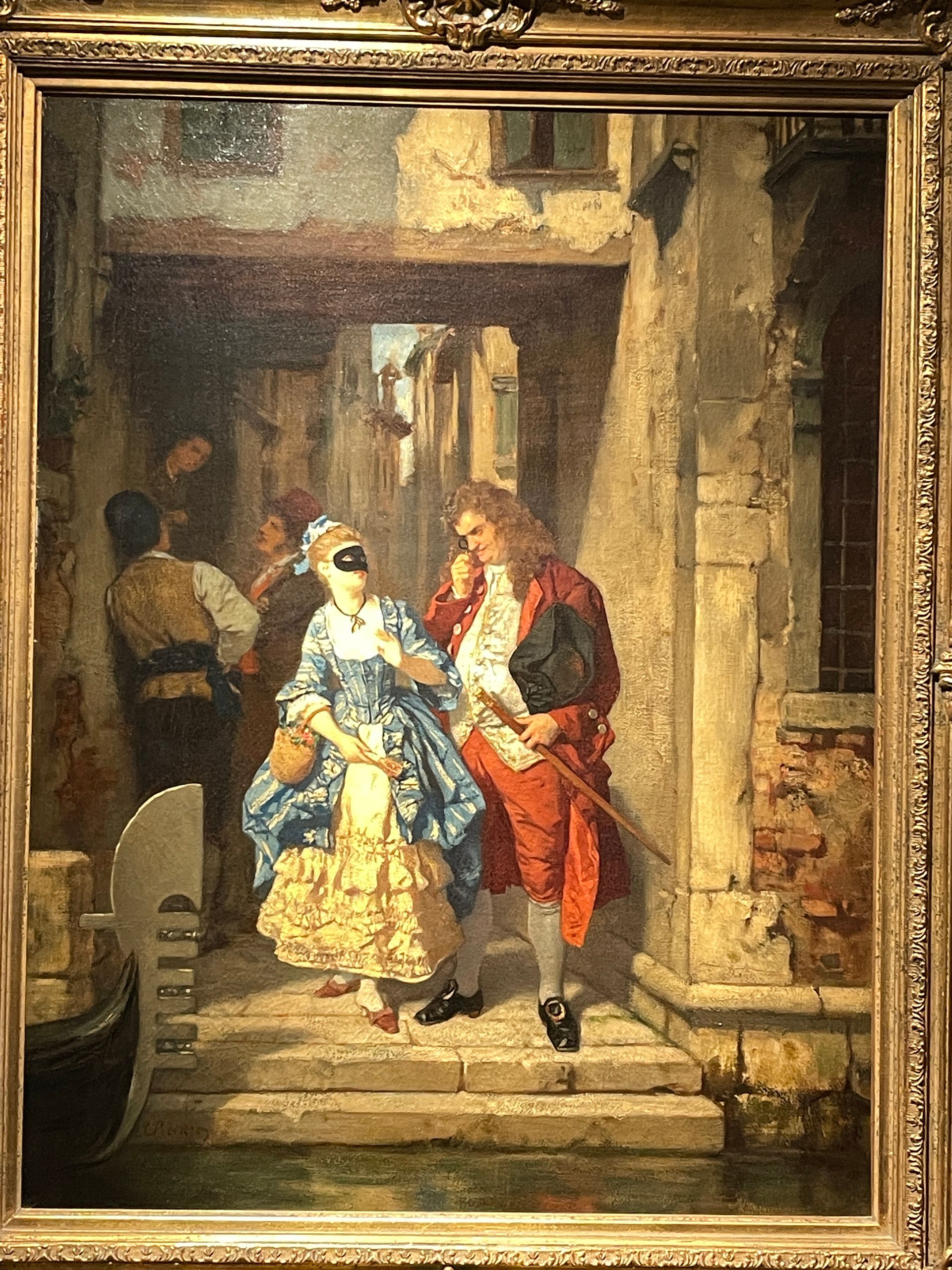
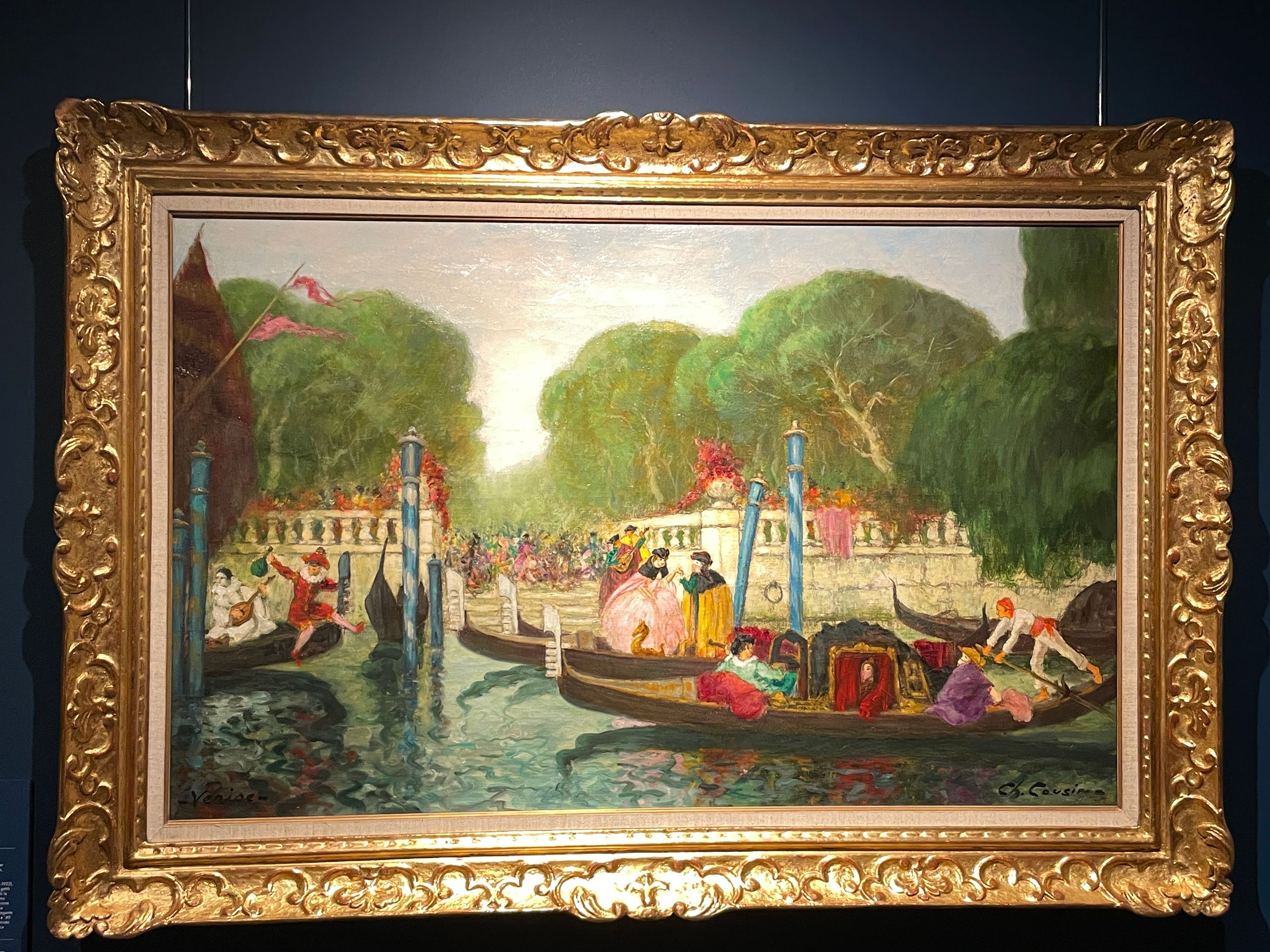
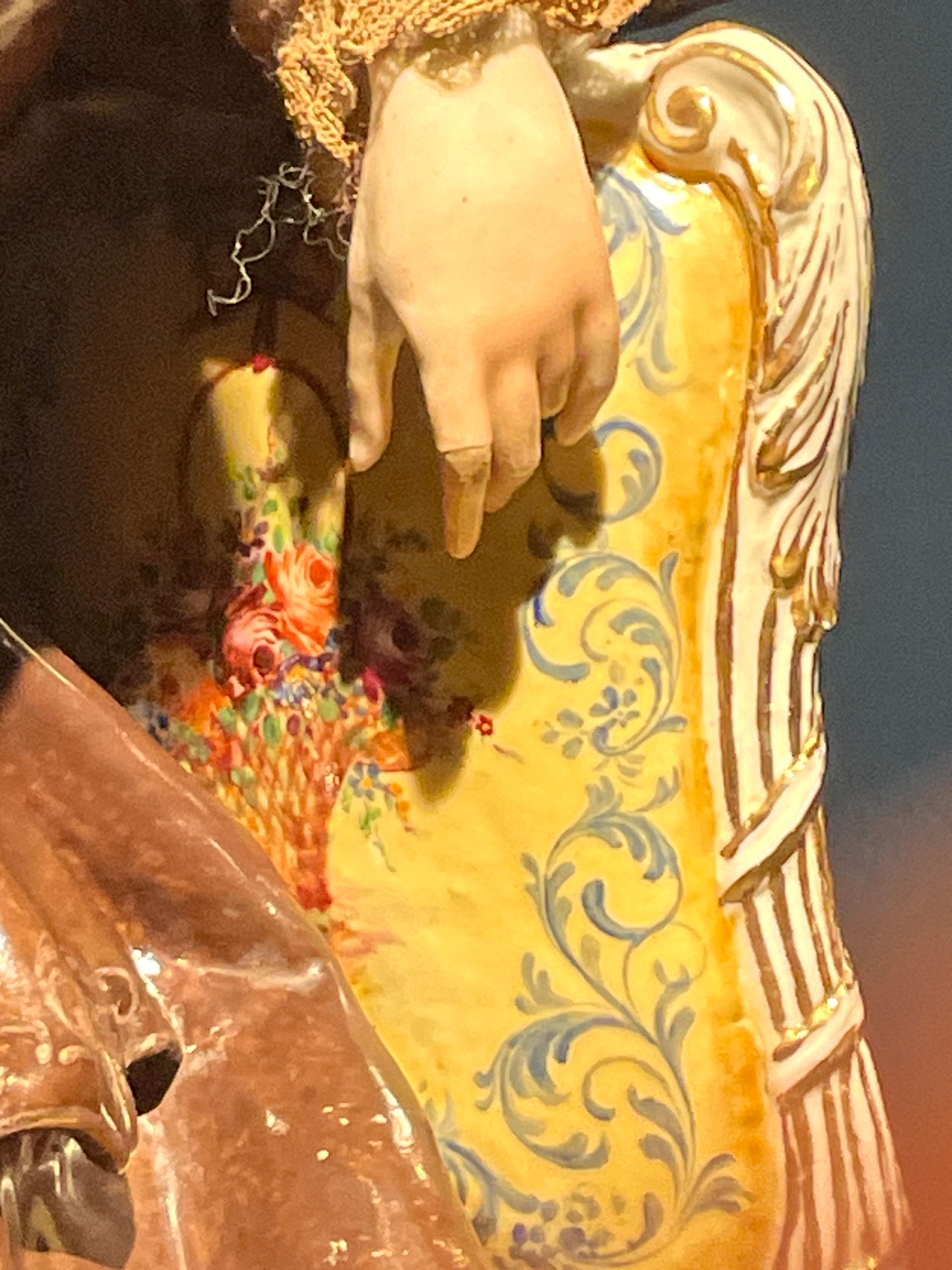
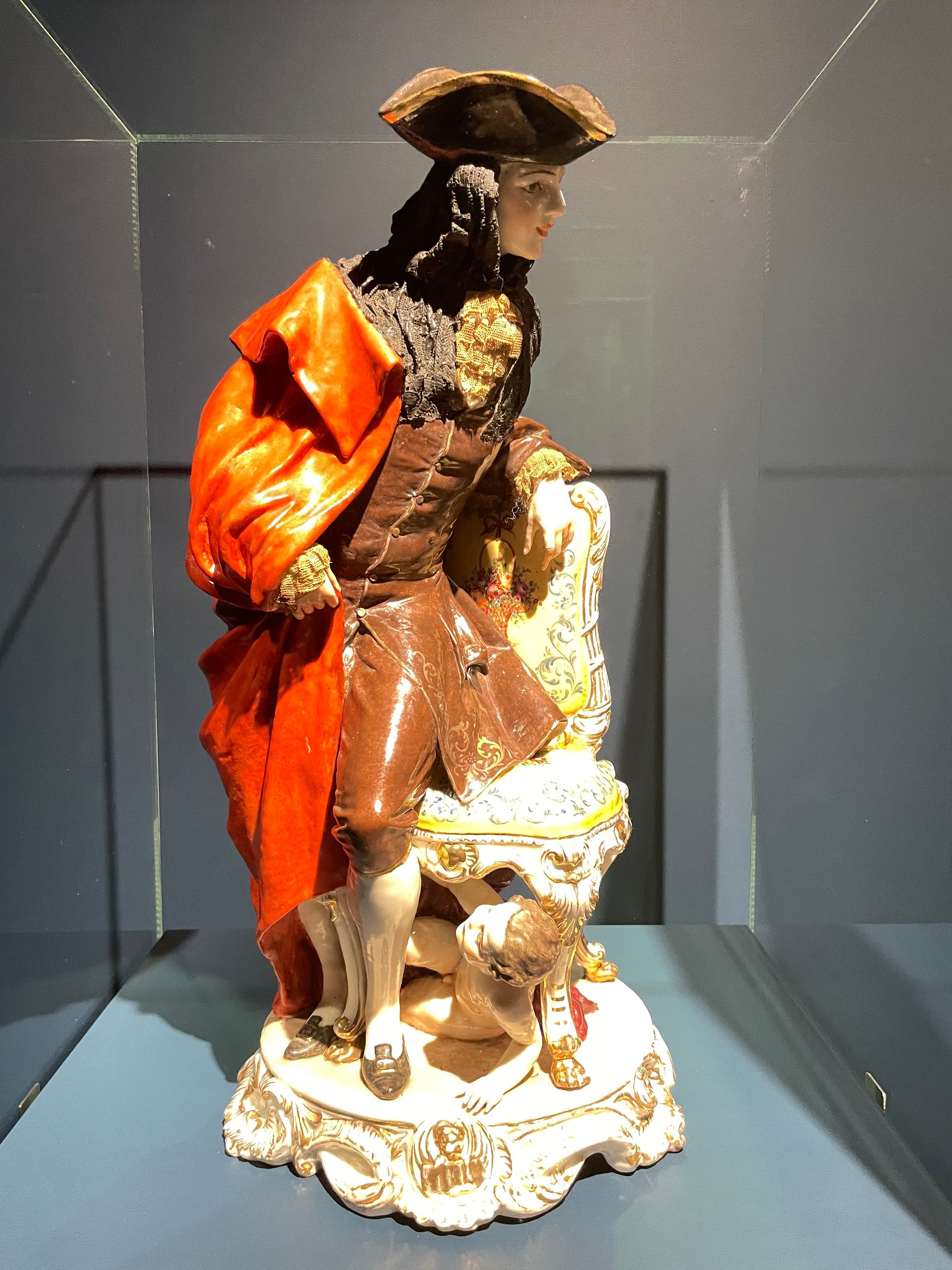
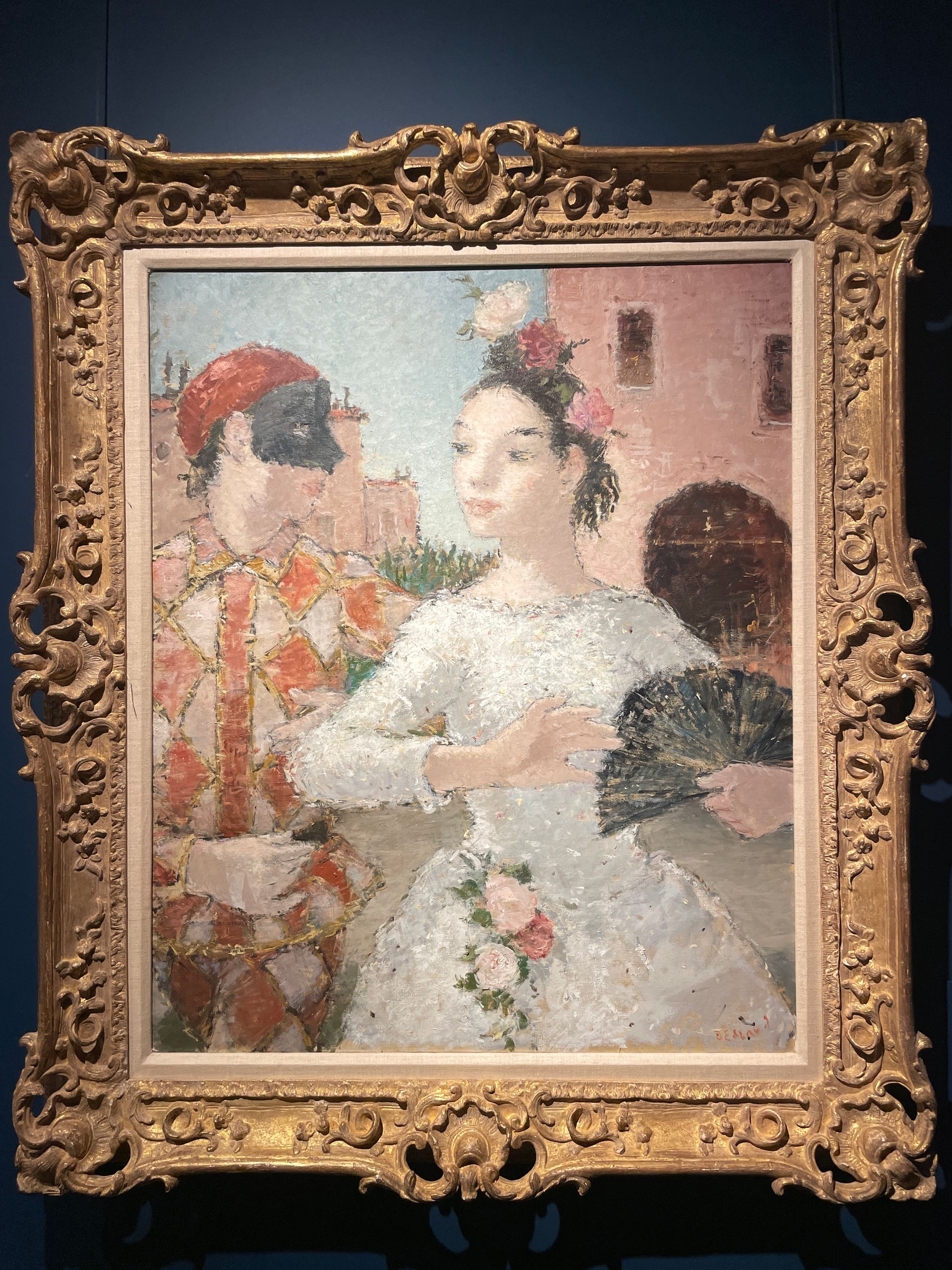
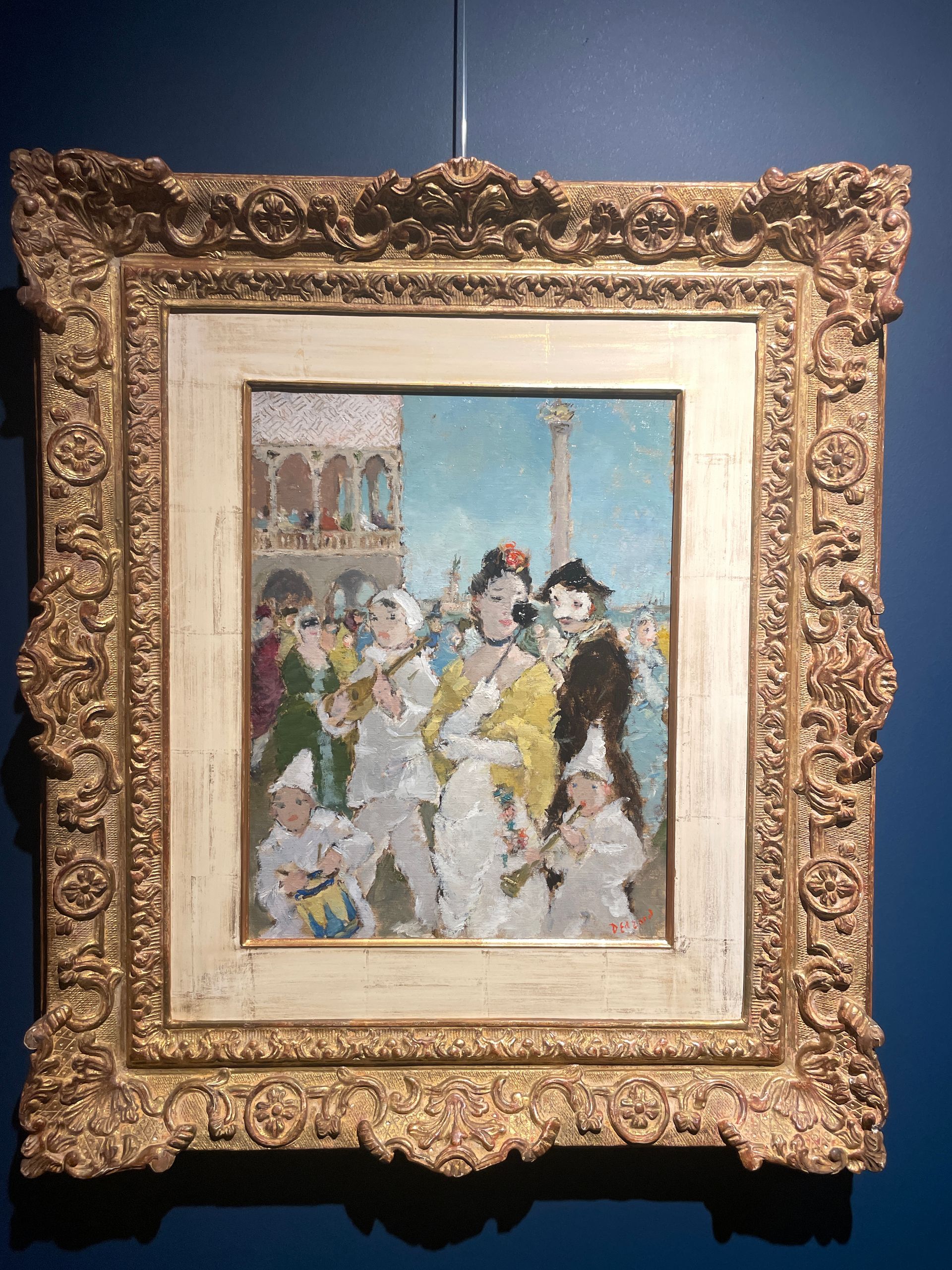
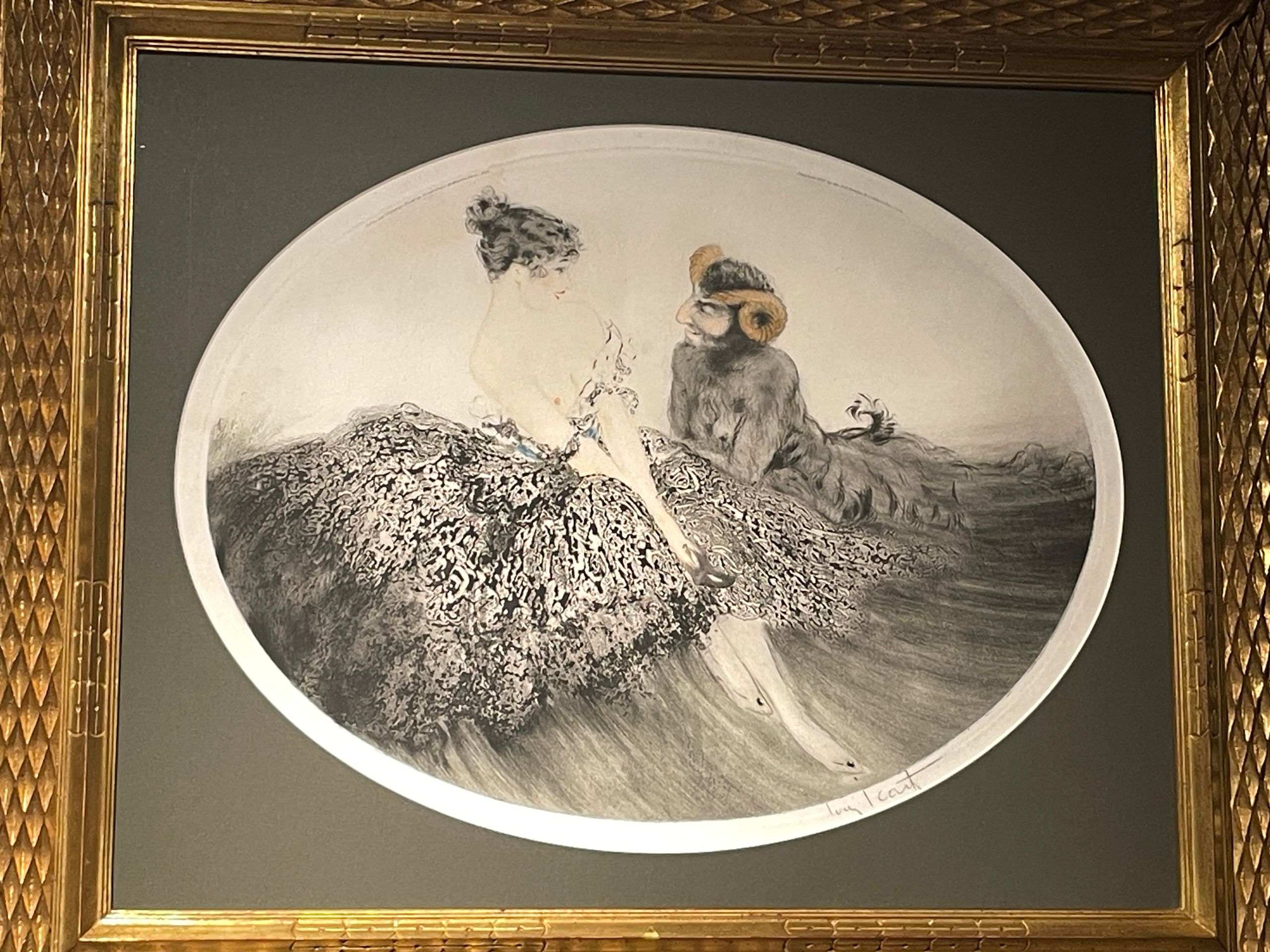
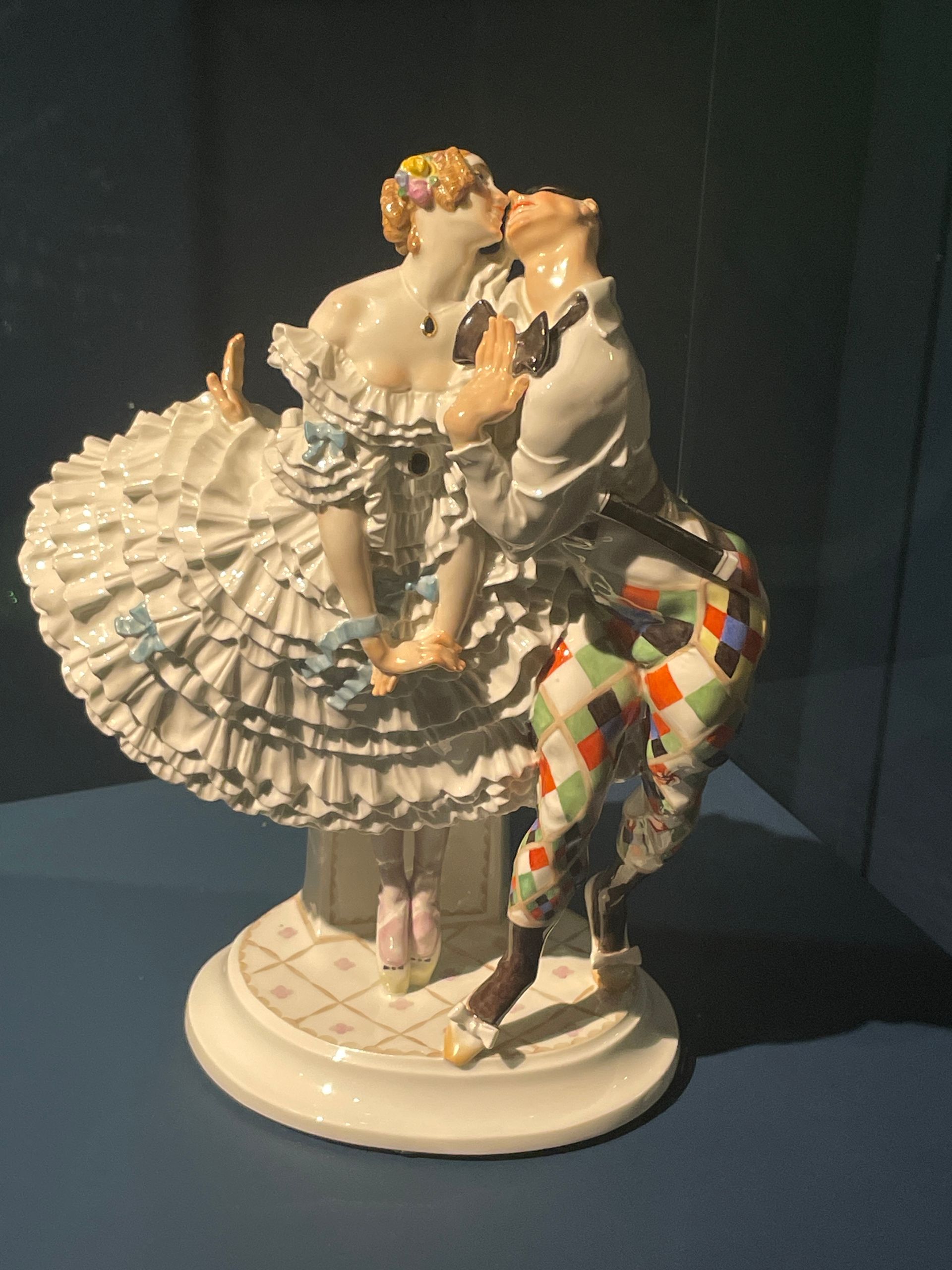
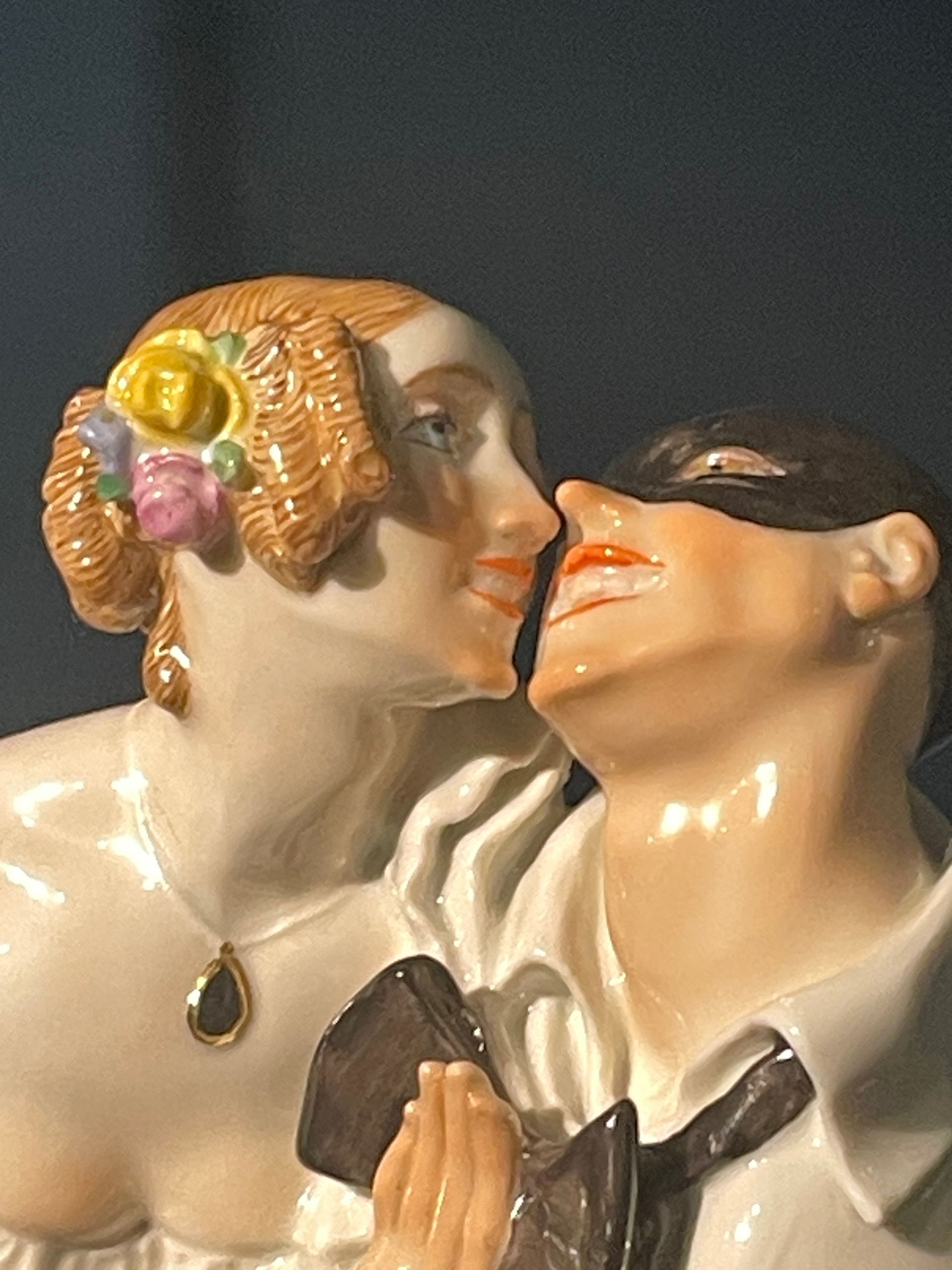
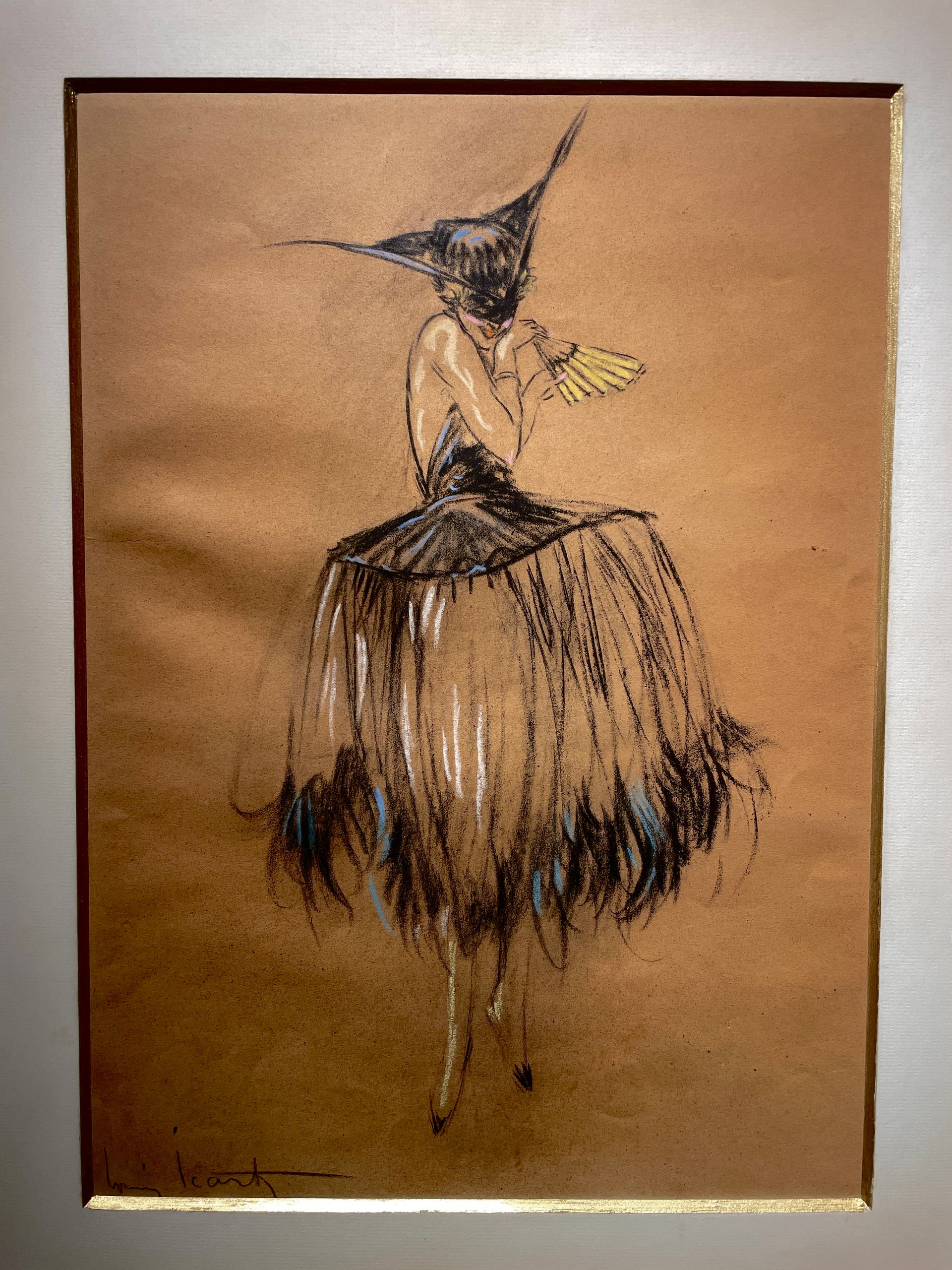
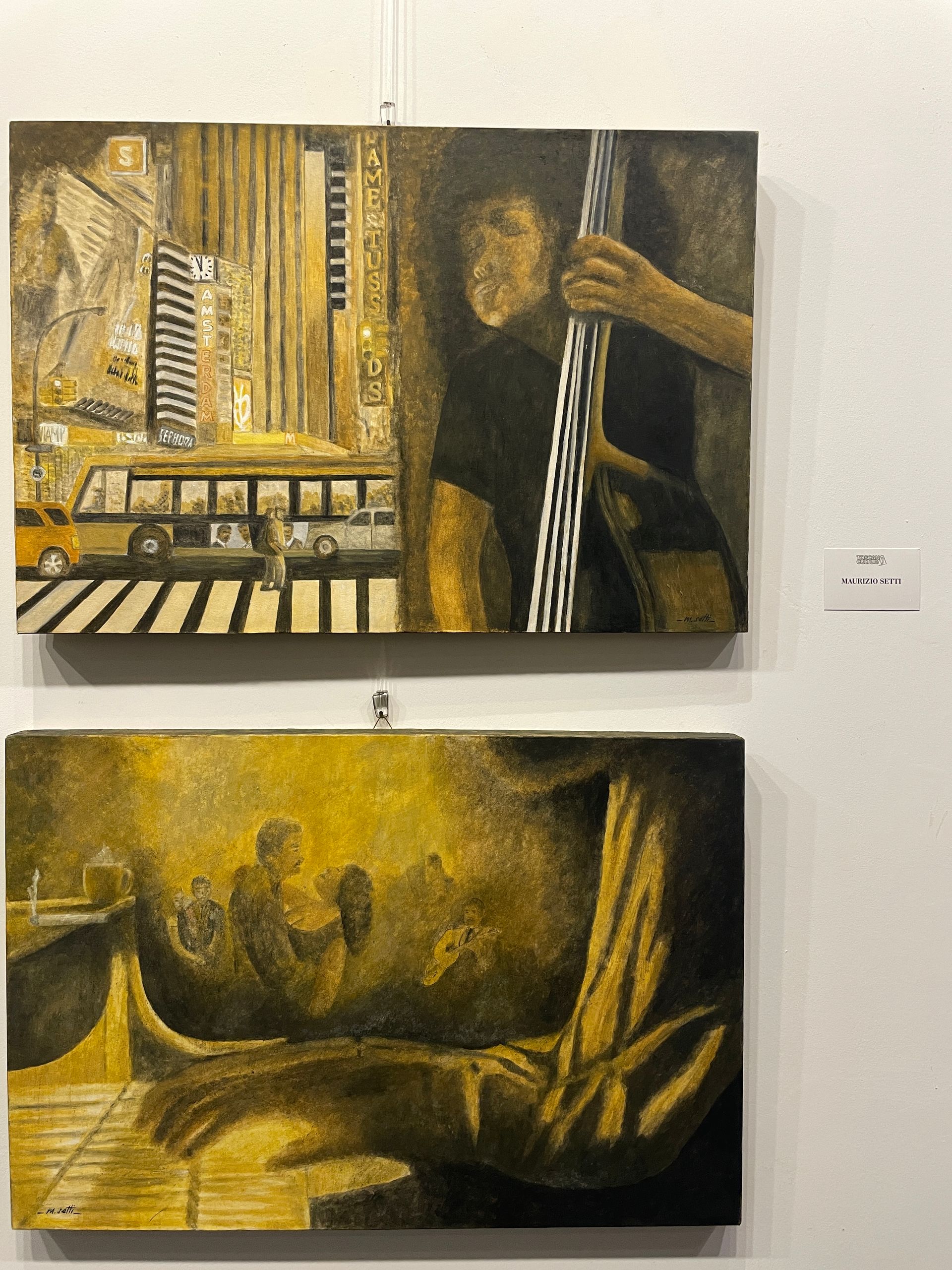
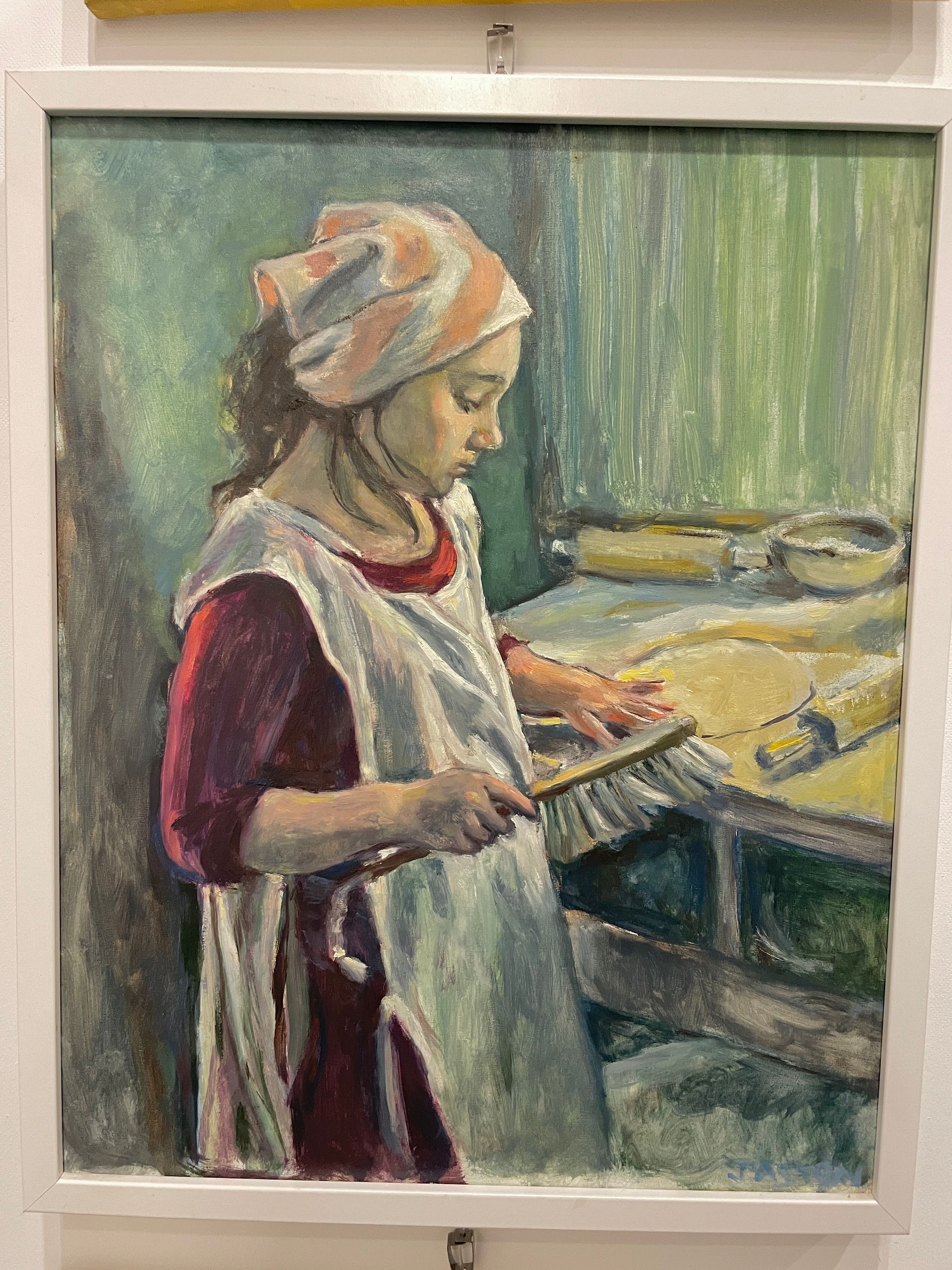
As always, I take some detours, delighting in the little details on the house walls and doors on the right and left, and suddenly find myself in front of a new museum I have never seen before, featuring a private collection on the theme of Carnival in Venice. In five small rooms, all decorated in dark colors, I find sculptures made of porcelain and ceramics, figures from the Commedia dell'Arte, old and new paintings, two original costumes, prints, and a paper theater that gives a glimpse into the depths. Everything is lovingly assembled and beautifully displayed. In the last room, I nearly exclaim with joy upon discovering previously unseen works by Chagall, Picasso, and Miro.
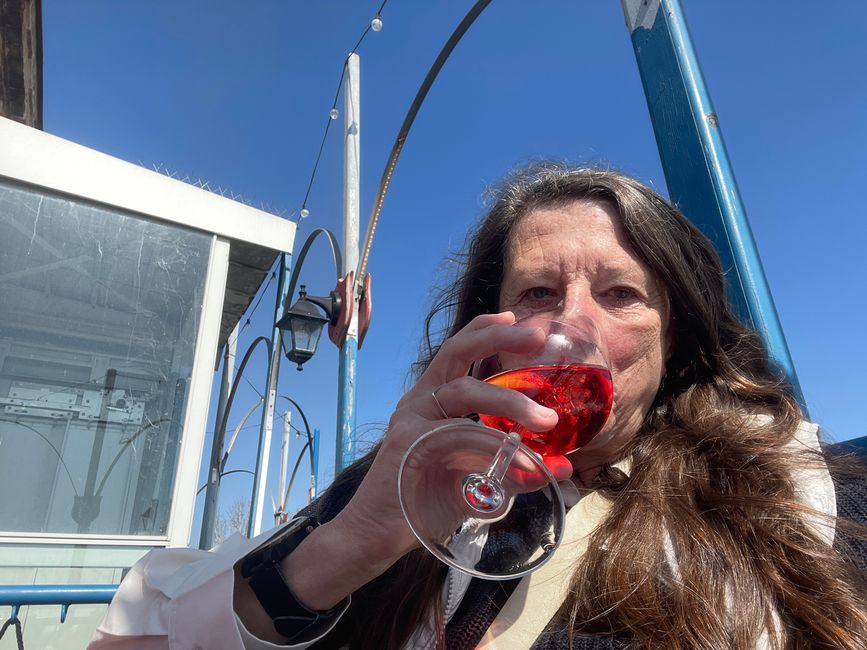
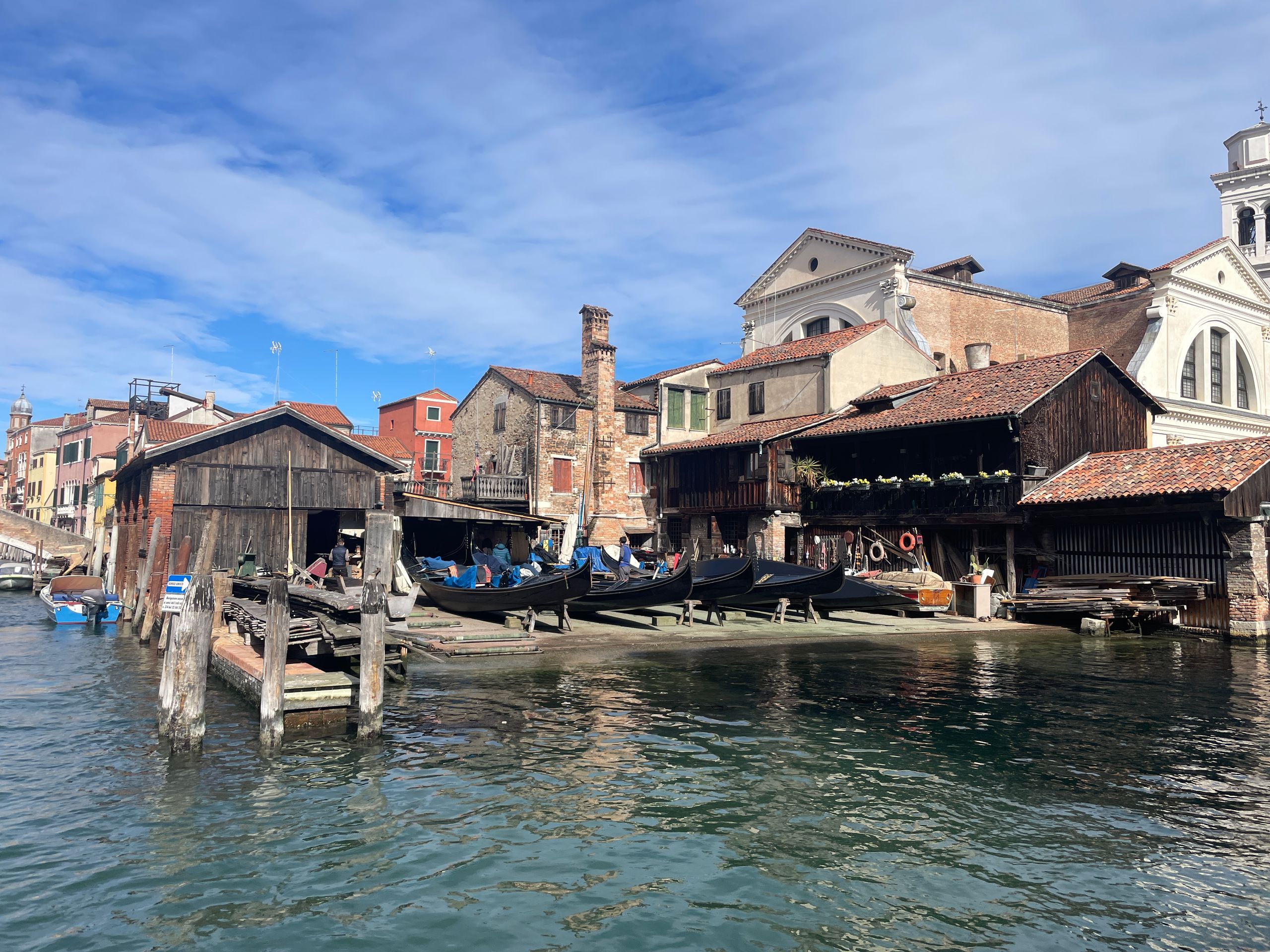
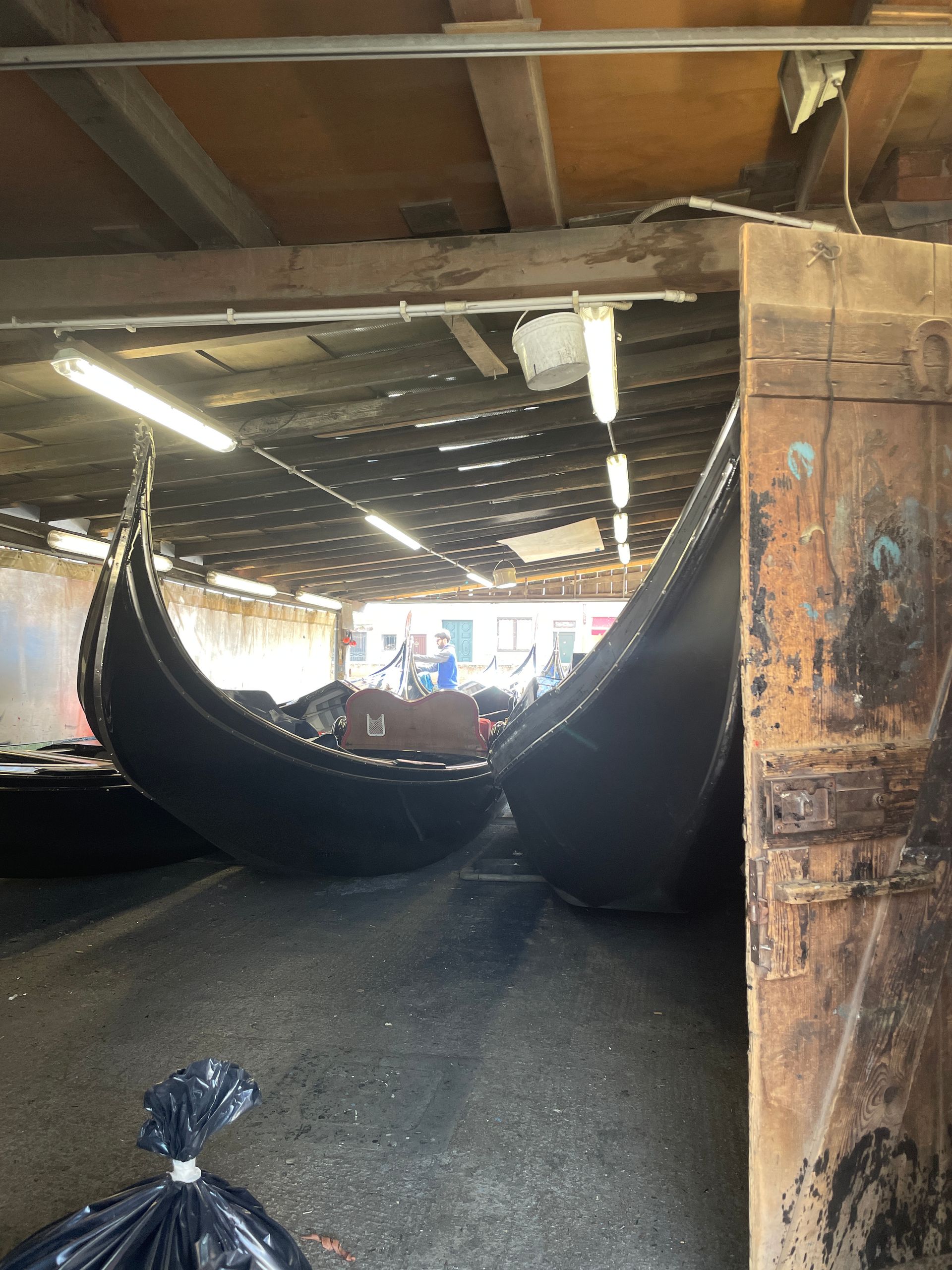
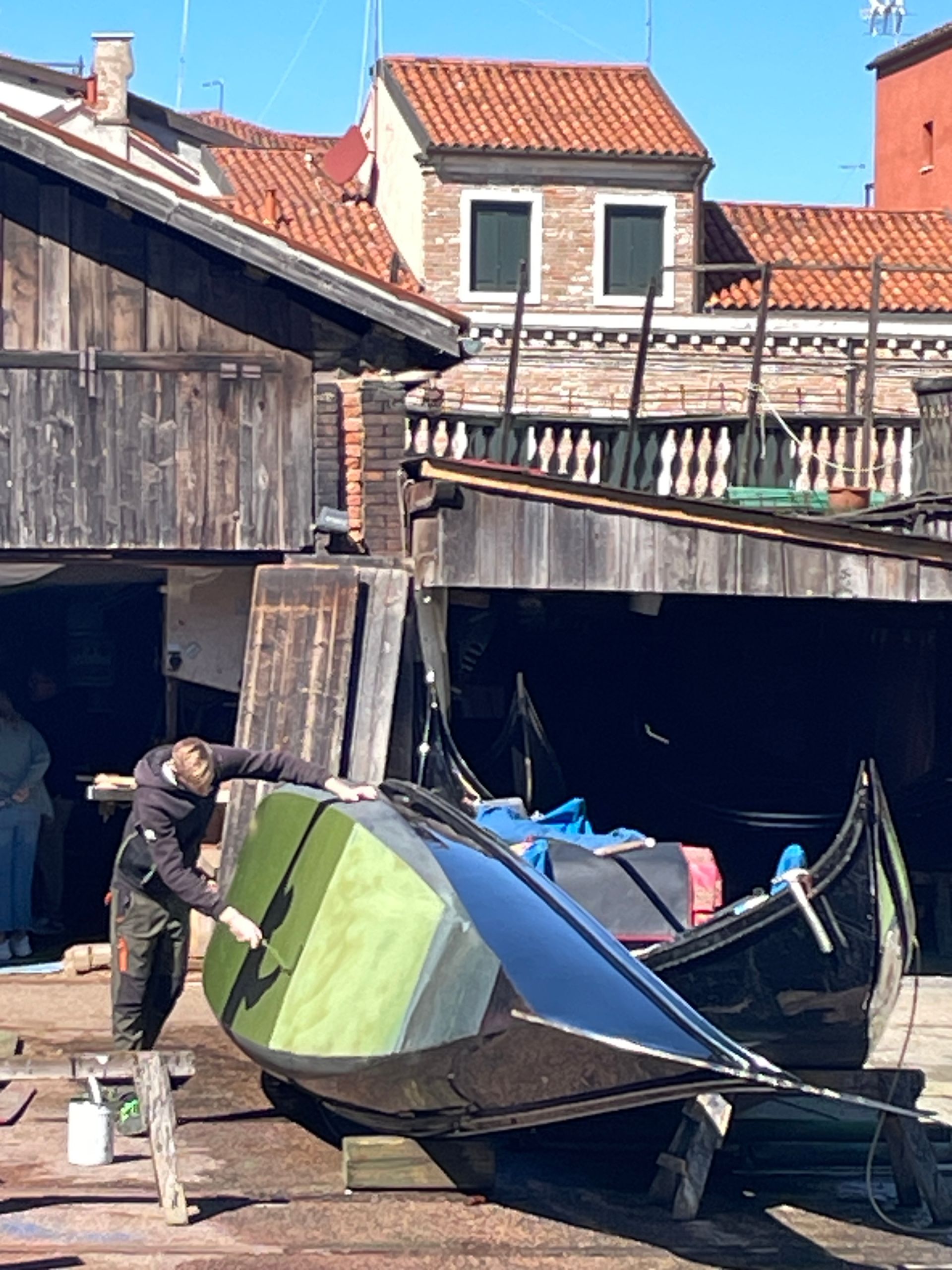
Next, I stop at the old workshop, where gondolas are still being restored today; one can watch from the other side of the small canal in front of the Osteria al Squero while enjoying a Campari Soda with Cicchetti. Today, a new green anti-algae paint is being applied to the gondola's bottom, which is then polished to look brand new.
Here, loud honks resound repeatedly, as the workshop is situated at a busy corner where several canal crossings are closely packed together. In the morning, there is quite a wild traffic of garbage boats, vegetable suppliers, parcel services, building materials, beer barrels, etc., and whenever one of the boats wants to turn around the corner, which is not so clearly visible, there is a strong honking. Those who honk loudest seem to have priority. On some garbage boats, huge stuffed animals sit on the bow and driver's cabin. 😊 When they pass under the low bridges, the boaters must lower their heads.
Upon finally reaching the Fondazione, I learn from the rather sassy lady at the entrance, just as I am about to pay, that the actual museum is closed until May and only three special exhibitions, none of which interest me, are available for viewing. There was no word about this on the website either. Frustrated, I walk away and write an angry email to the museum, to which they respond immediately, saying they will pass it on to the relevant department.
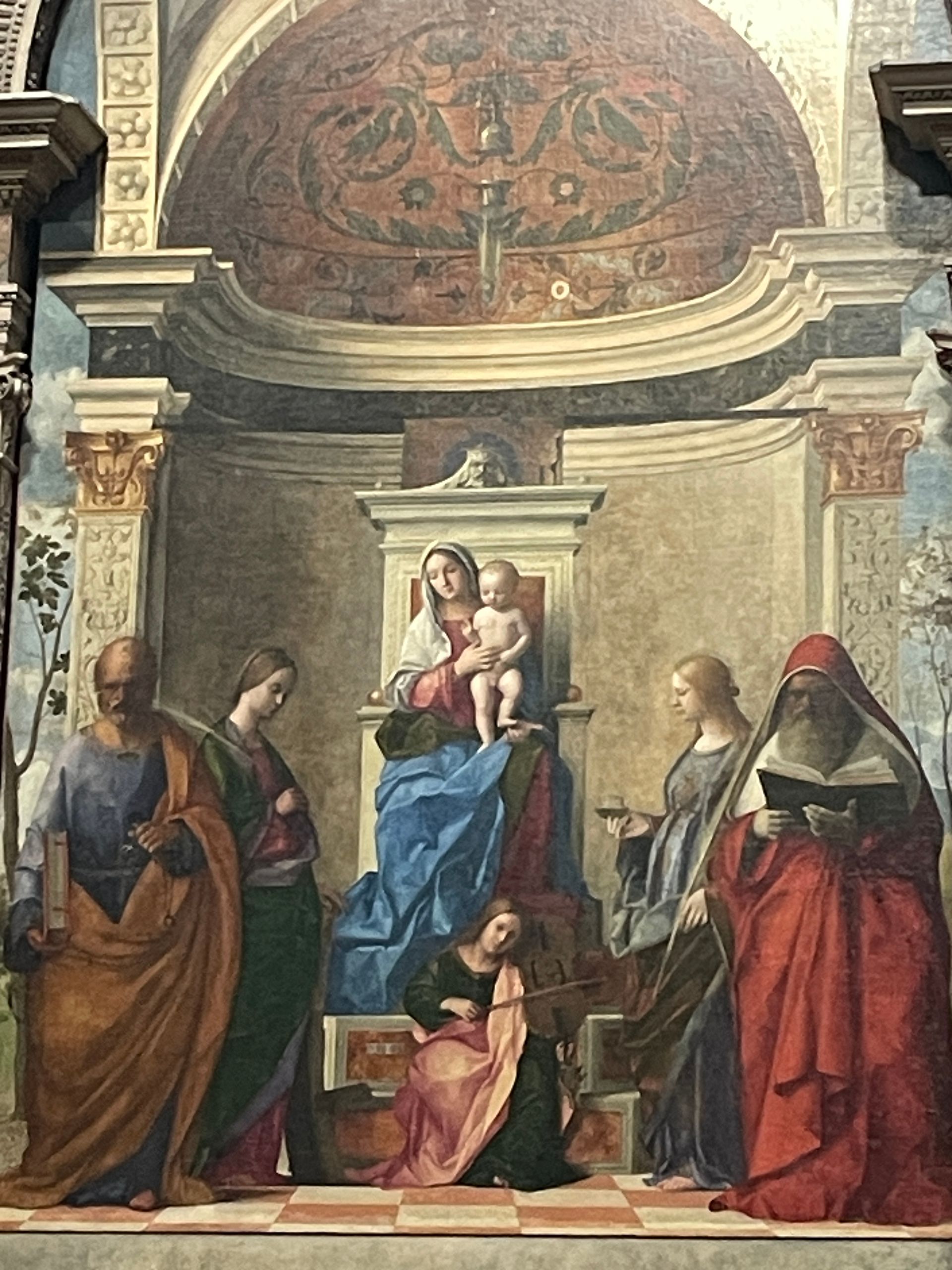
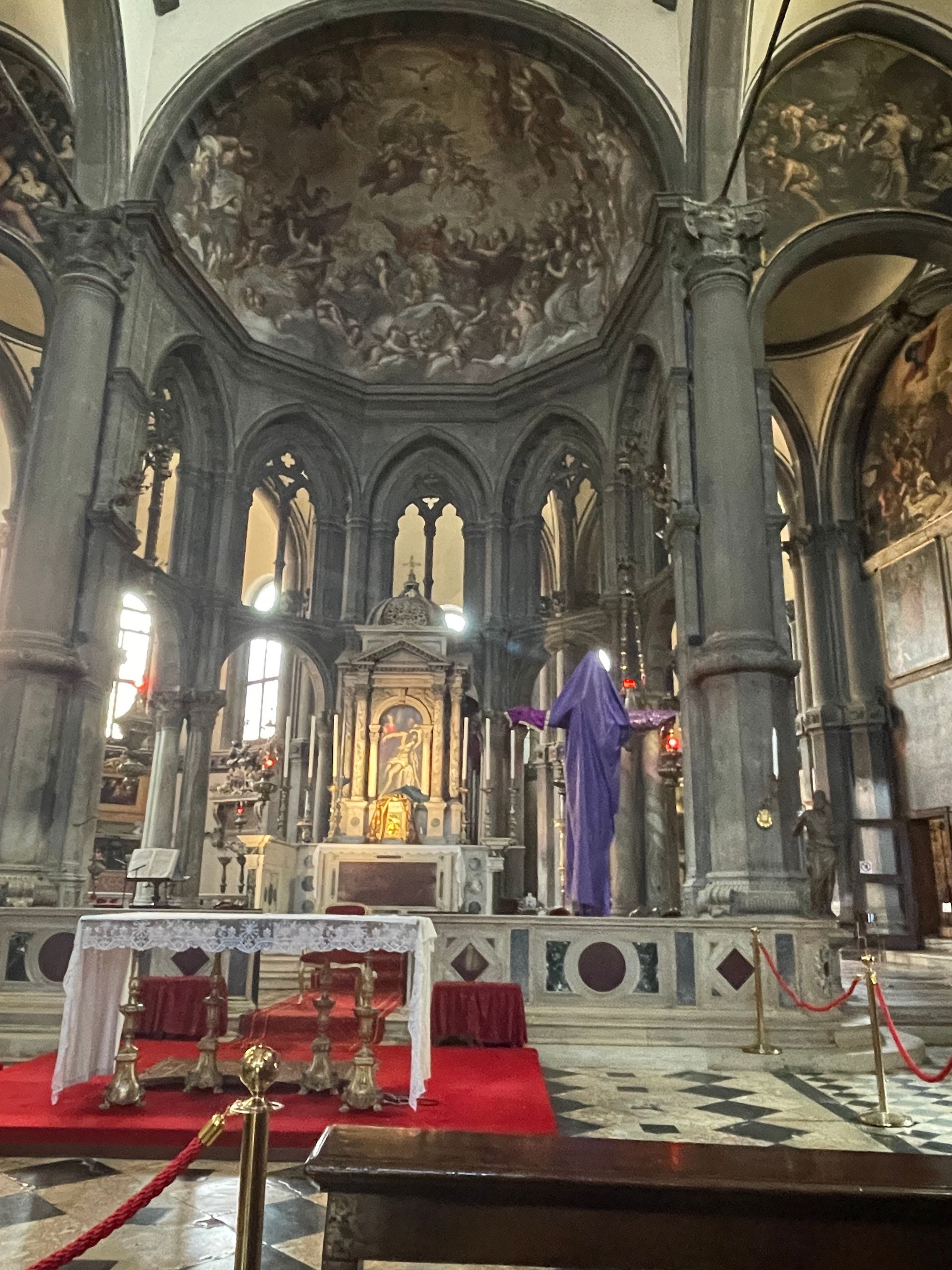
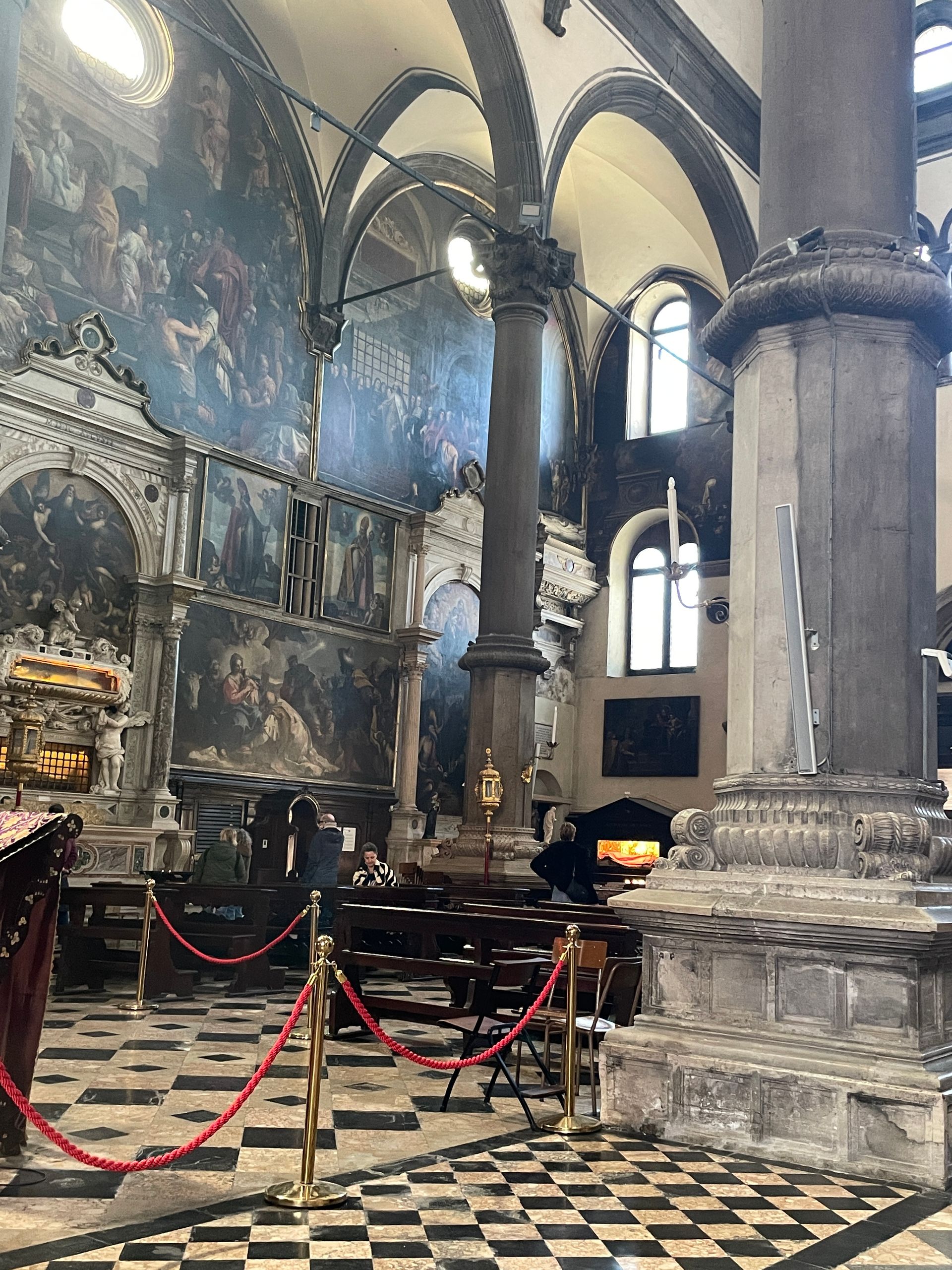
As compensation, I finally find a church in Venice that I quite like, San Zaccaria, with a magnificent Bellini on the wall that somewhat comforts me. (San Marco is undoubtedly the most beautiful building in the whole world, but I find the other Venetian churches rather hideous).
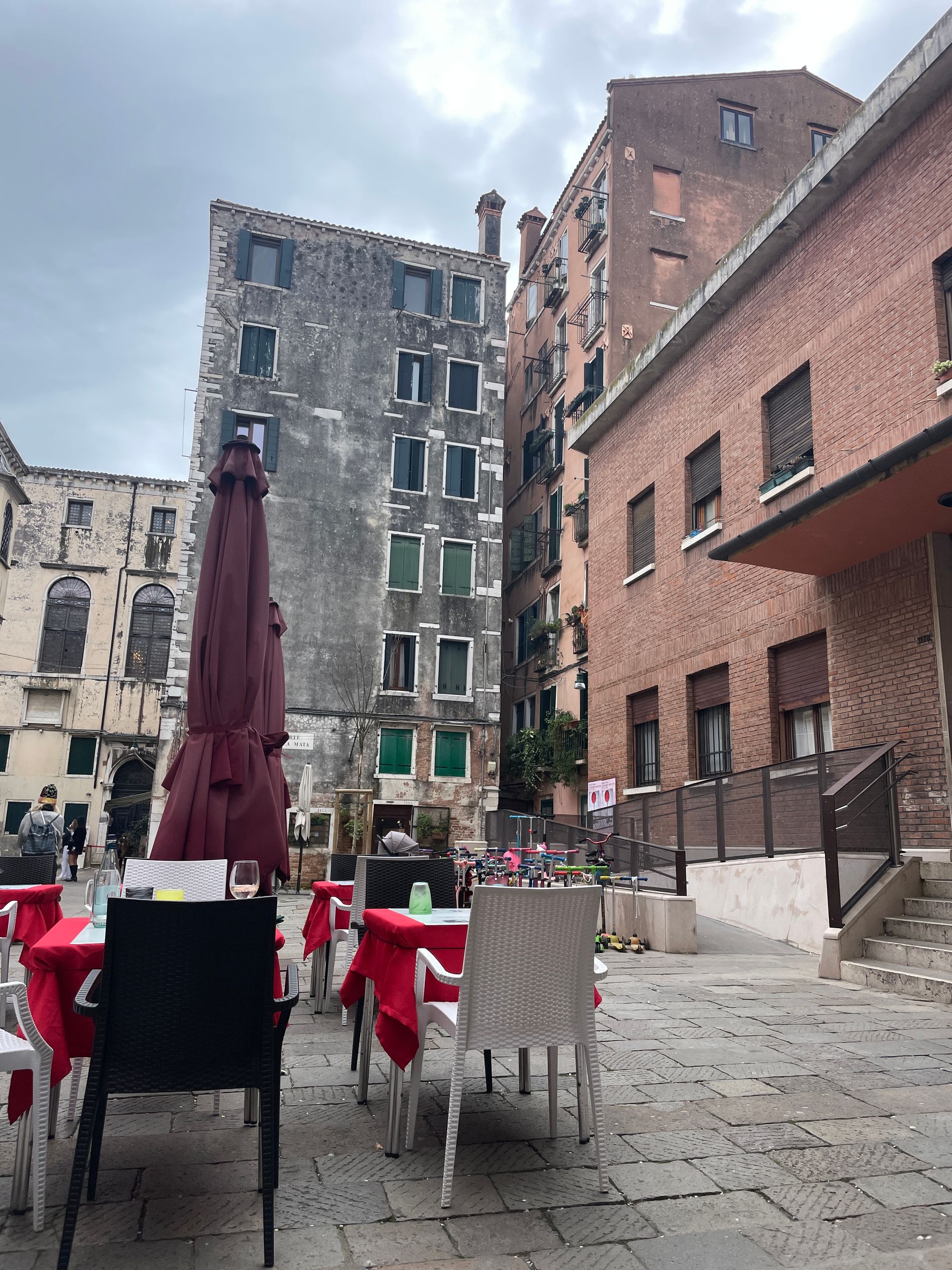
In the end, I also arrive, after some detours, at the only Venetian bridge, the Ponte di Misericordia, which has no railing, and pass on to Cannaregio, where I initially wanted to eat, but the Paradiso perdito is closed on Tuesday, and I unfortunately cannot find the Bacareto da Neni. So I finally end up in a restaurant in the old Jewish ghetto next to the elementary school and watch the parents and especially the grandmothers picking up the children after school while I eat. Almost all of them have small colorful scooters parked in front of the school, none of which are locked! Apparently, theft is really not a concern here, or only by clueless tourists.
The houses in the ghetto are taller than in the rest of the city, up to seven stories high, because until Napoleon's opening of rights, which granted Jews the same rights as other residents, many people had to live in relatively cramped quarters here. In the 17th century, there were about 4000-5000, and before fascism about 1500. 289 of them were deported, with only seven returning. Today, you mainly see many American tourists, some Orthodox, wandering through the streets. You can visit several synagogues, there are kosher bakeries and restaurants, and several souvenir shops with Jewish items and curiosities, e.g., rabbis on glass gondolas holding a menorah. Otherwise, this is a completely normal neighborhood with a mixed population. Everything is peaceful; nothing is particularly guarded. There is a sense that people of different religions coexist harmoniously here nowadays, how refreshing!