11. Chapter: Arashiyama in Steady Rain and the Story of Yamatoya
Today marks the first full rainy day, so I might as well continue my story. Of all days! It was supposed to be, as always on the second Sunday in November, the Momi-Ji, the...

Published: 12.11.2025
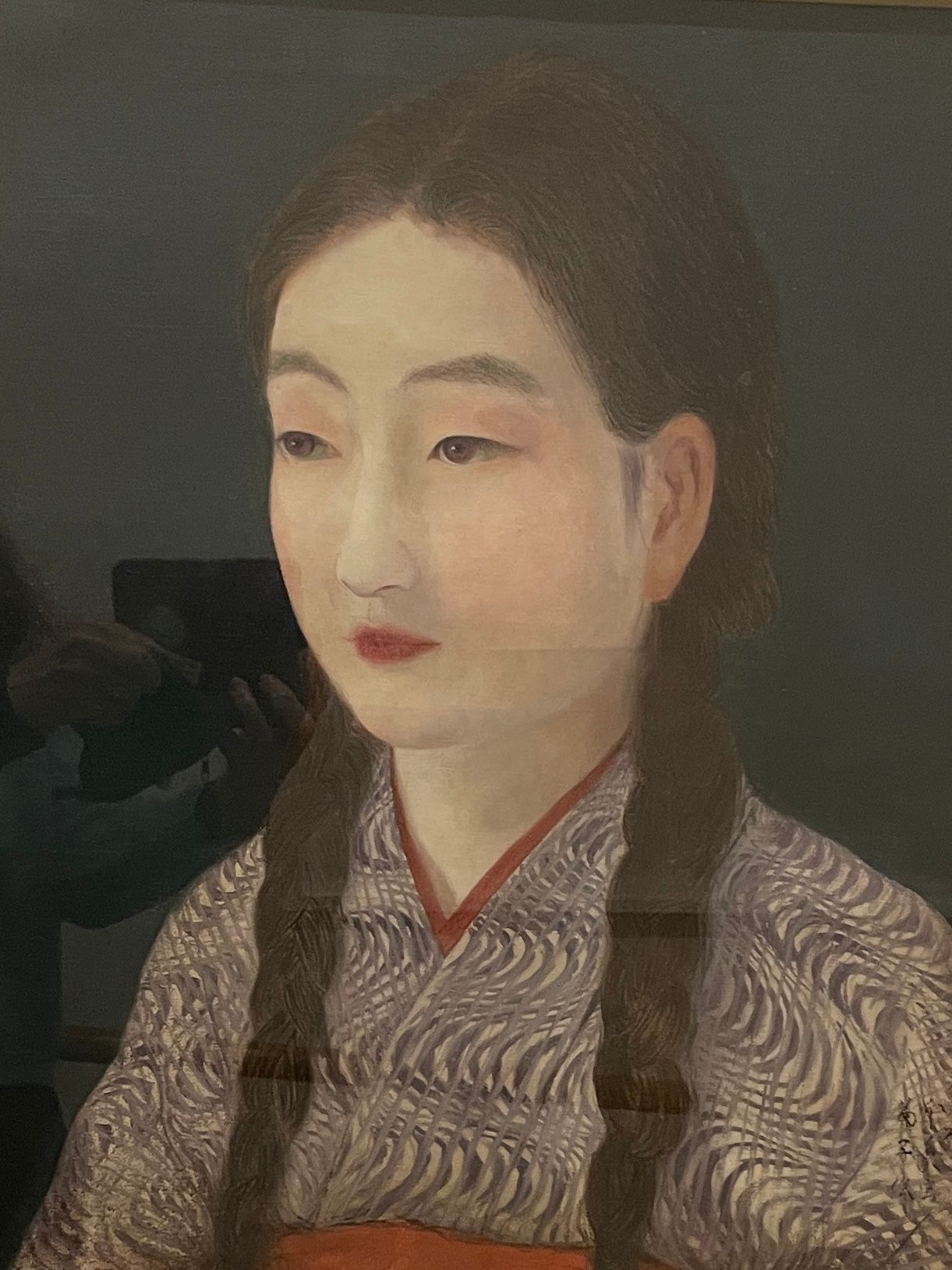
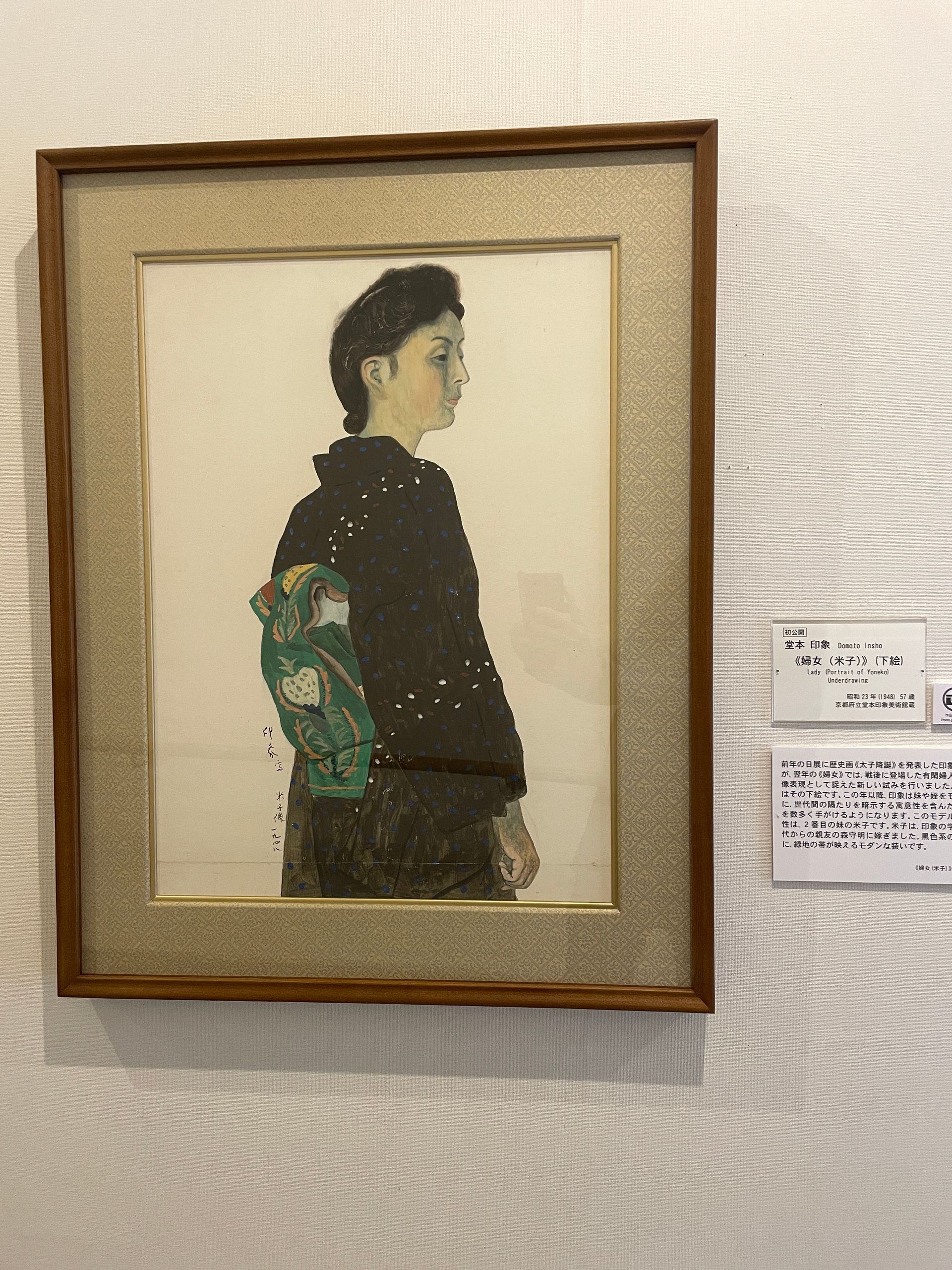
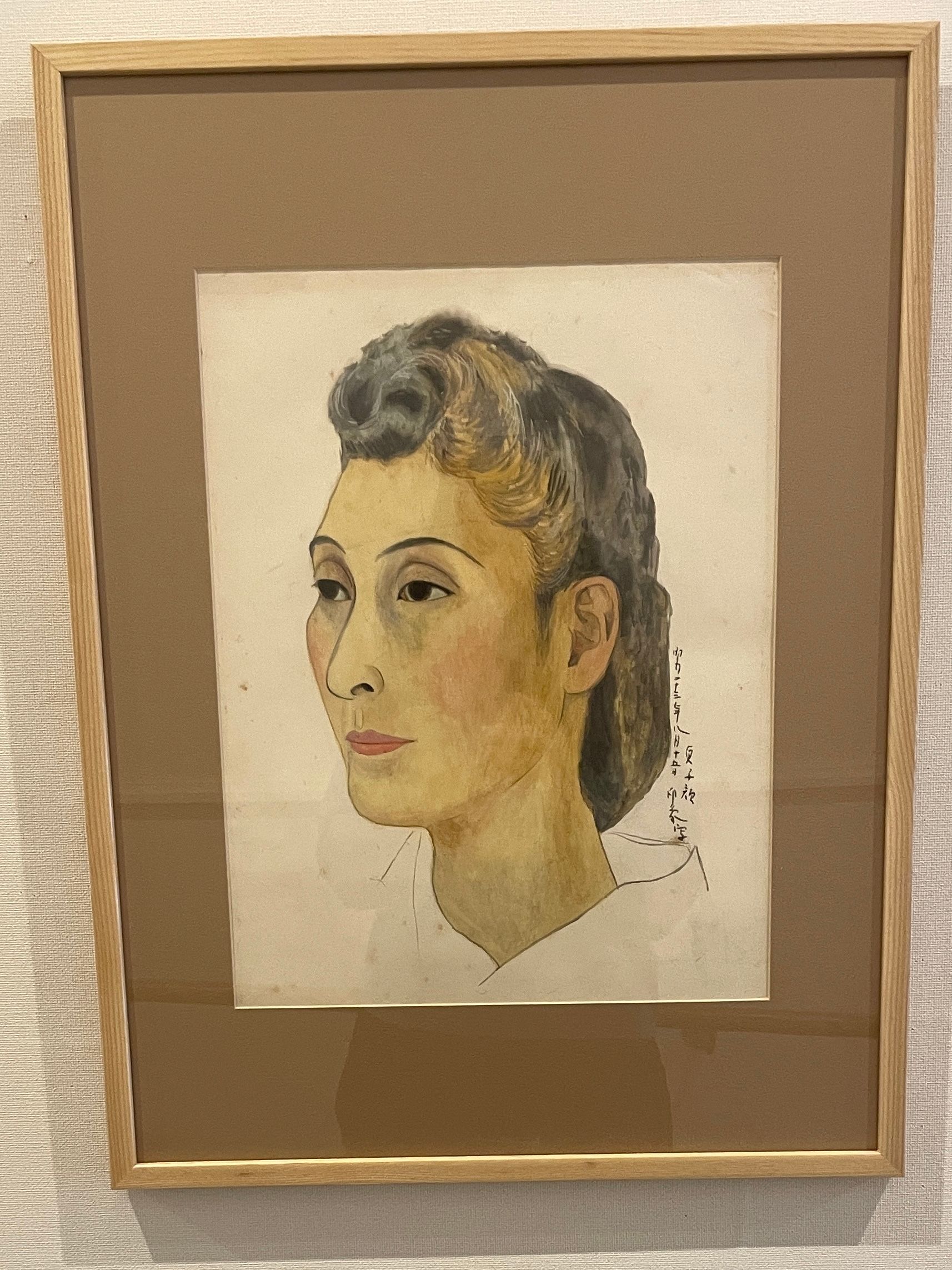
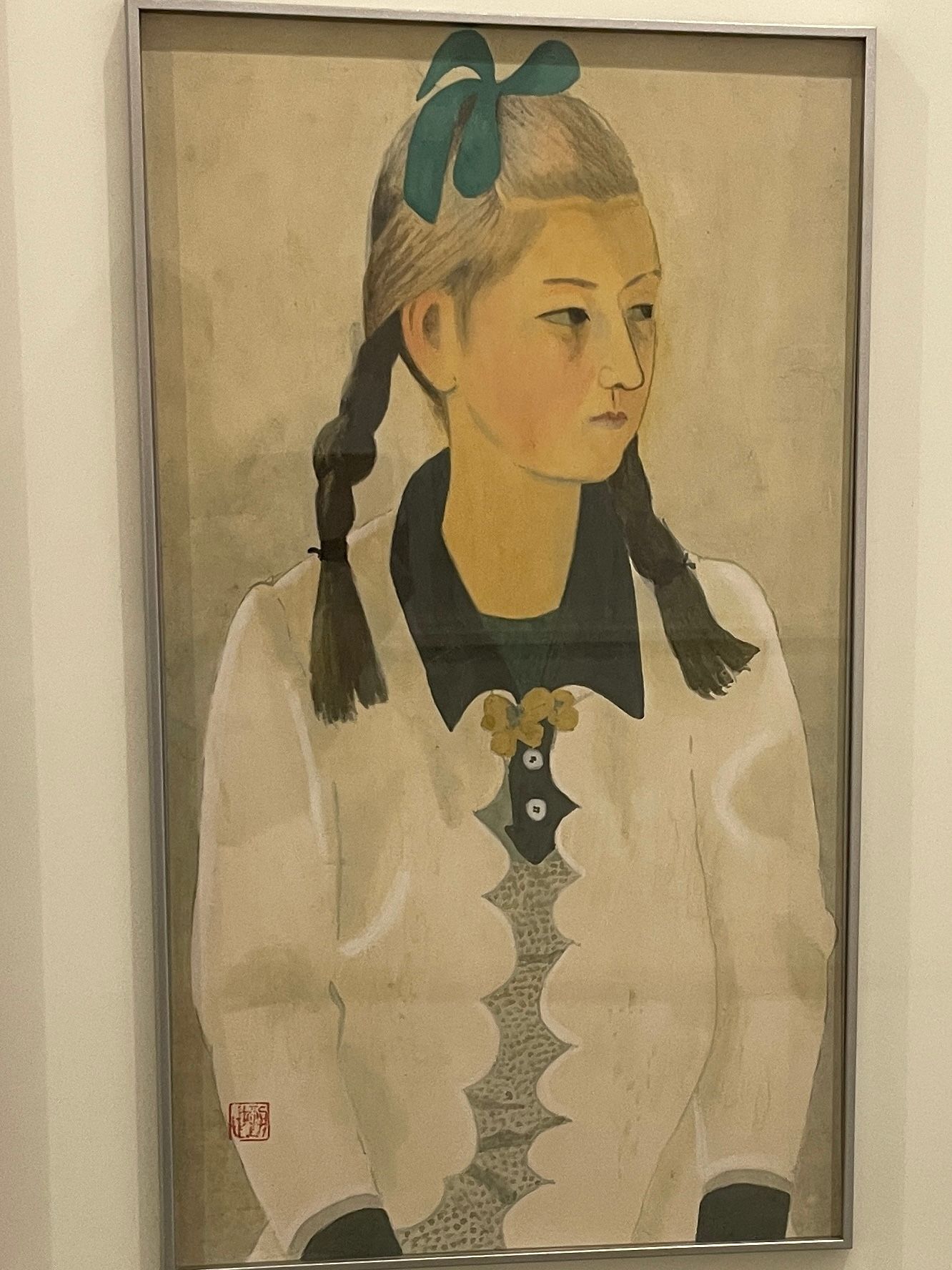
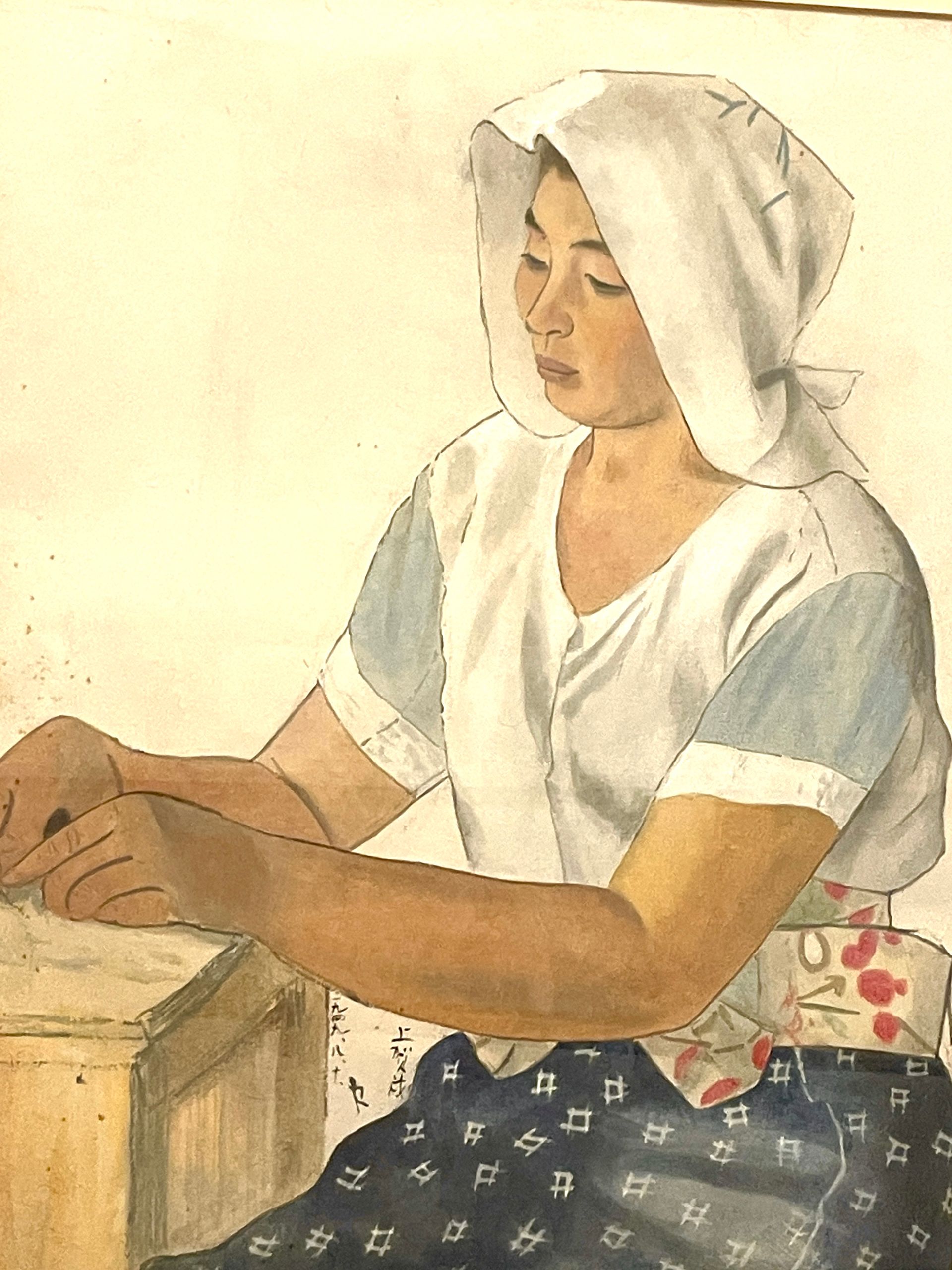
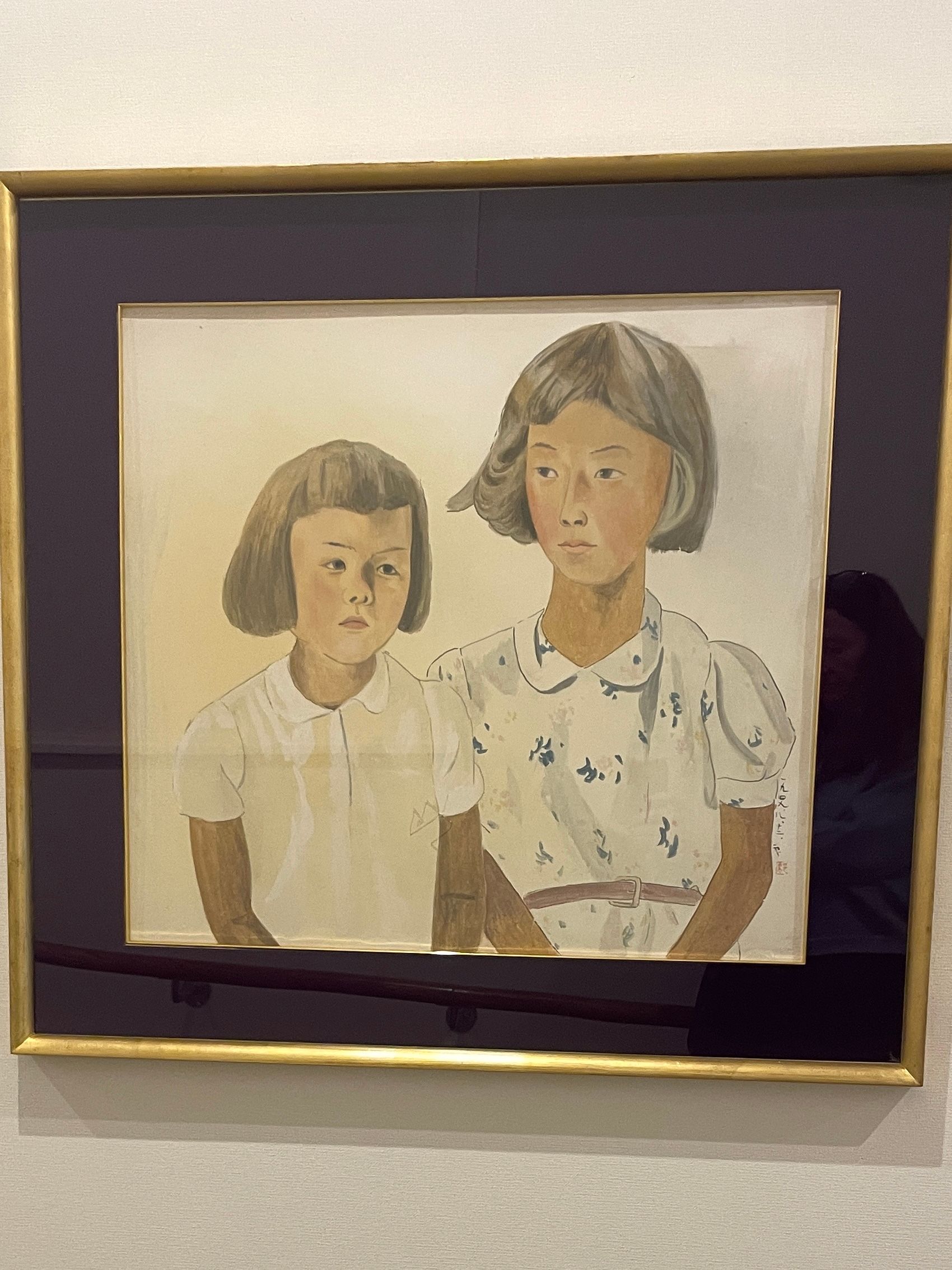
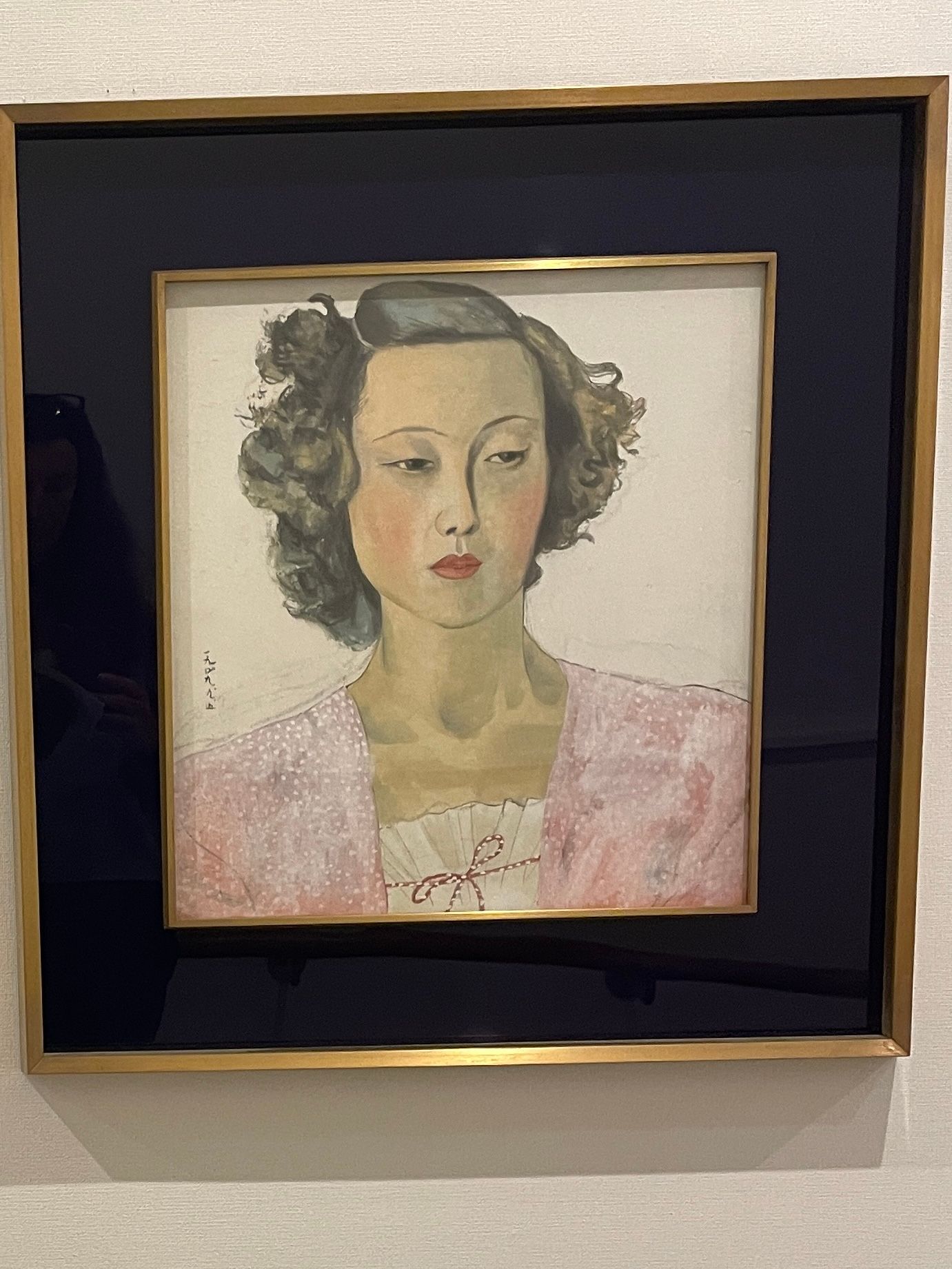
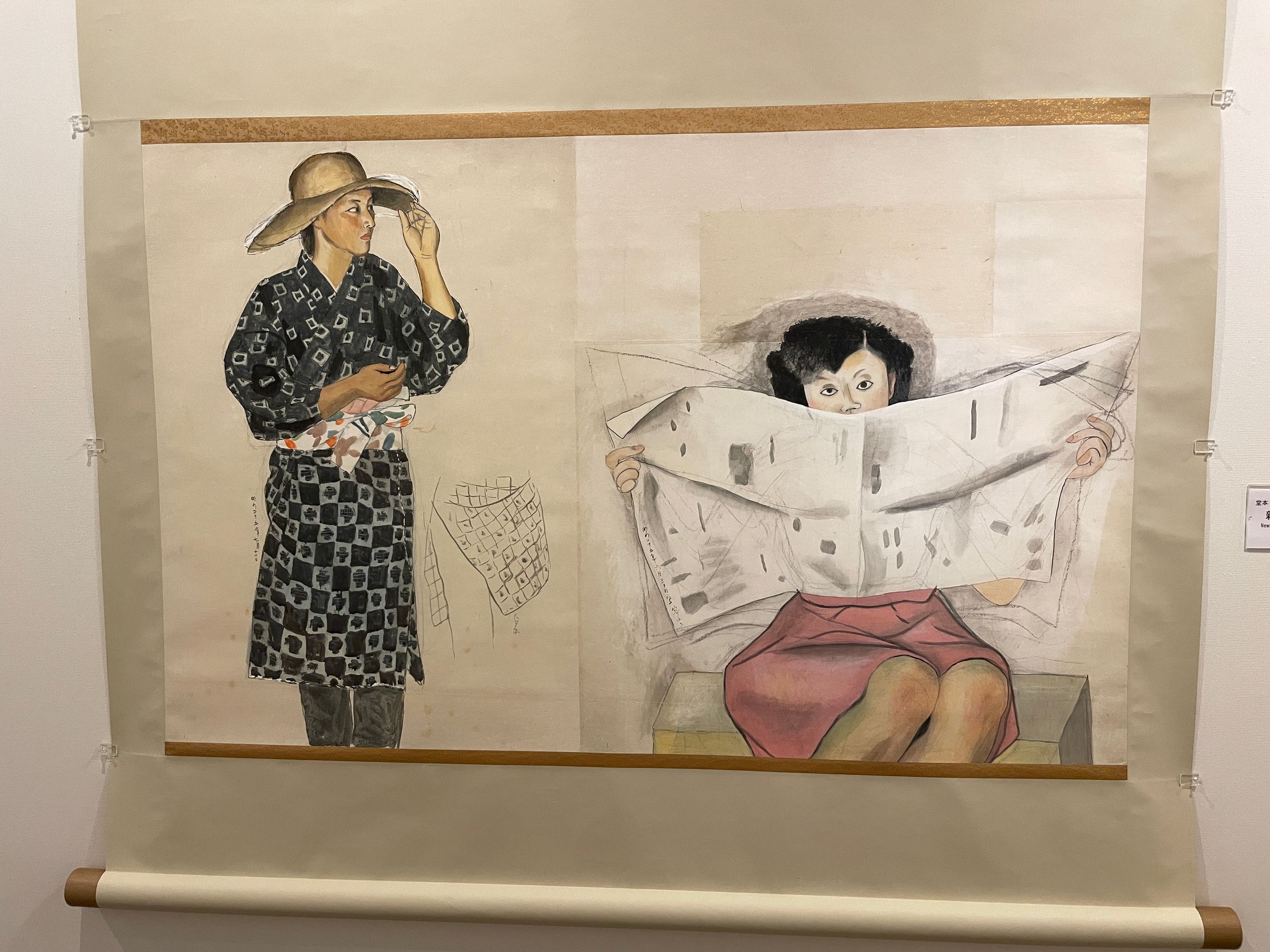
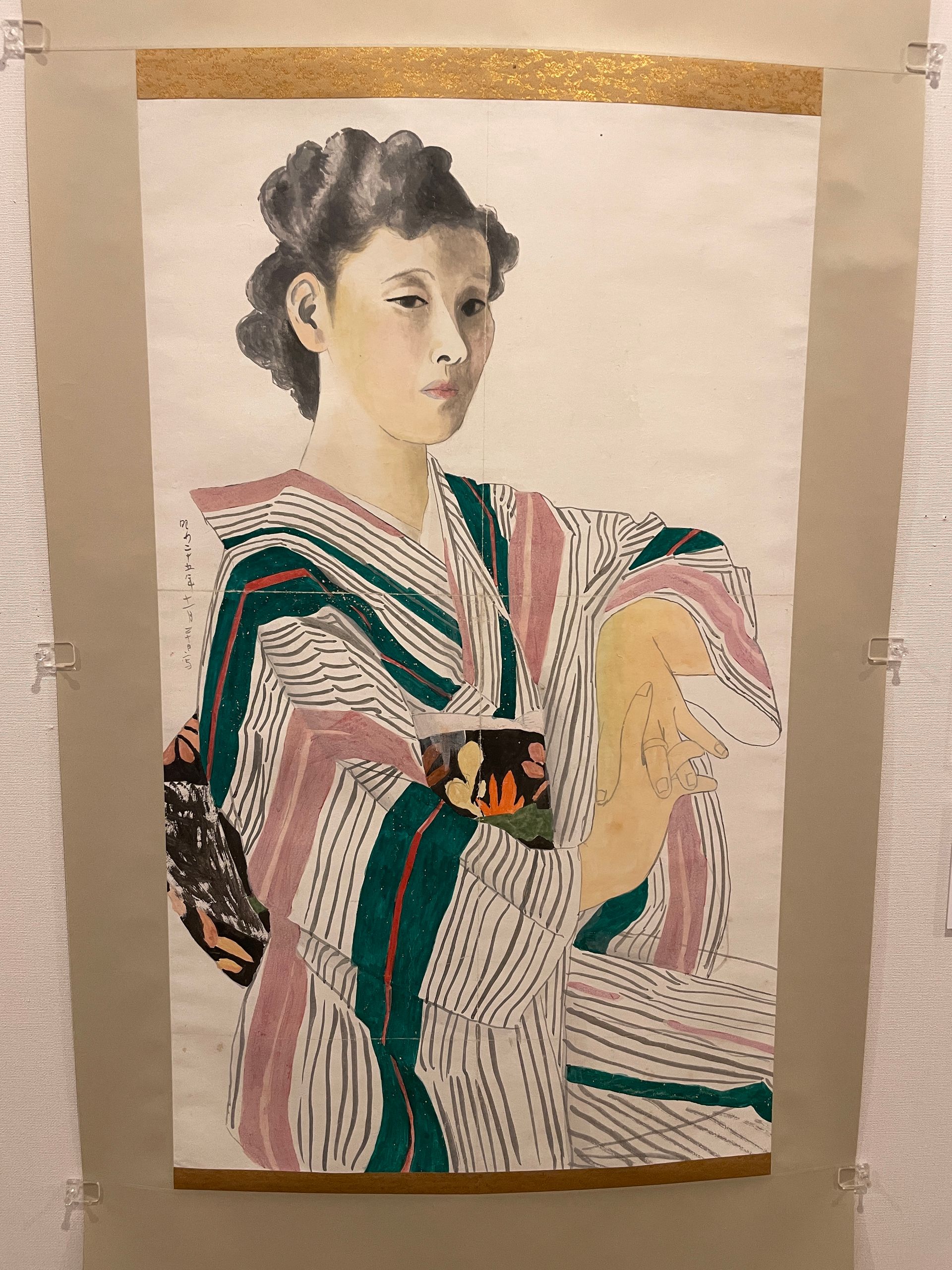
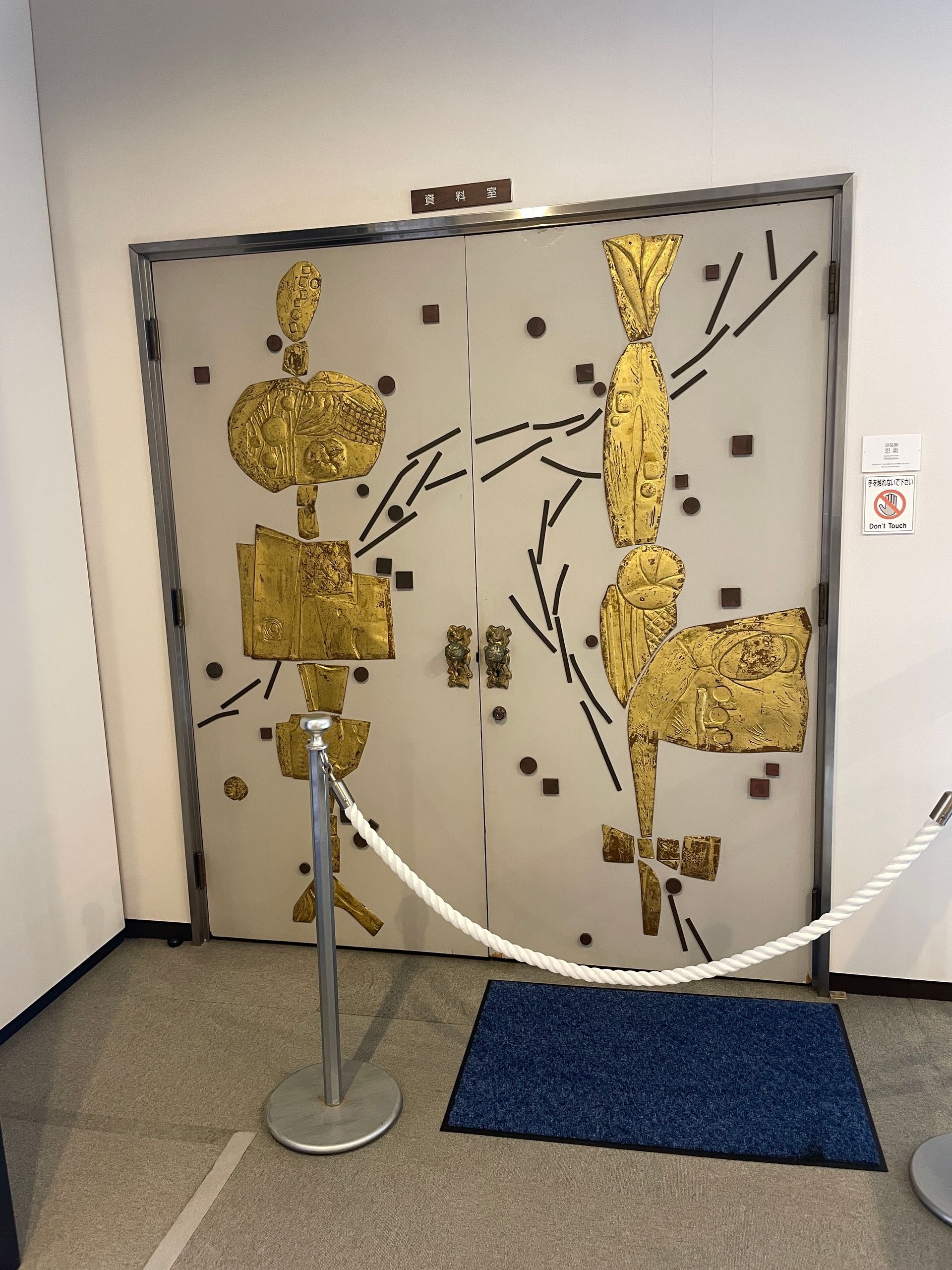
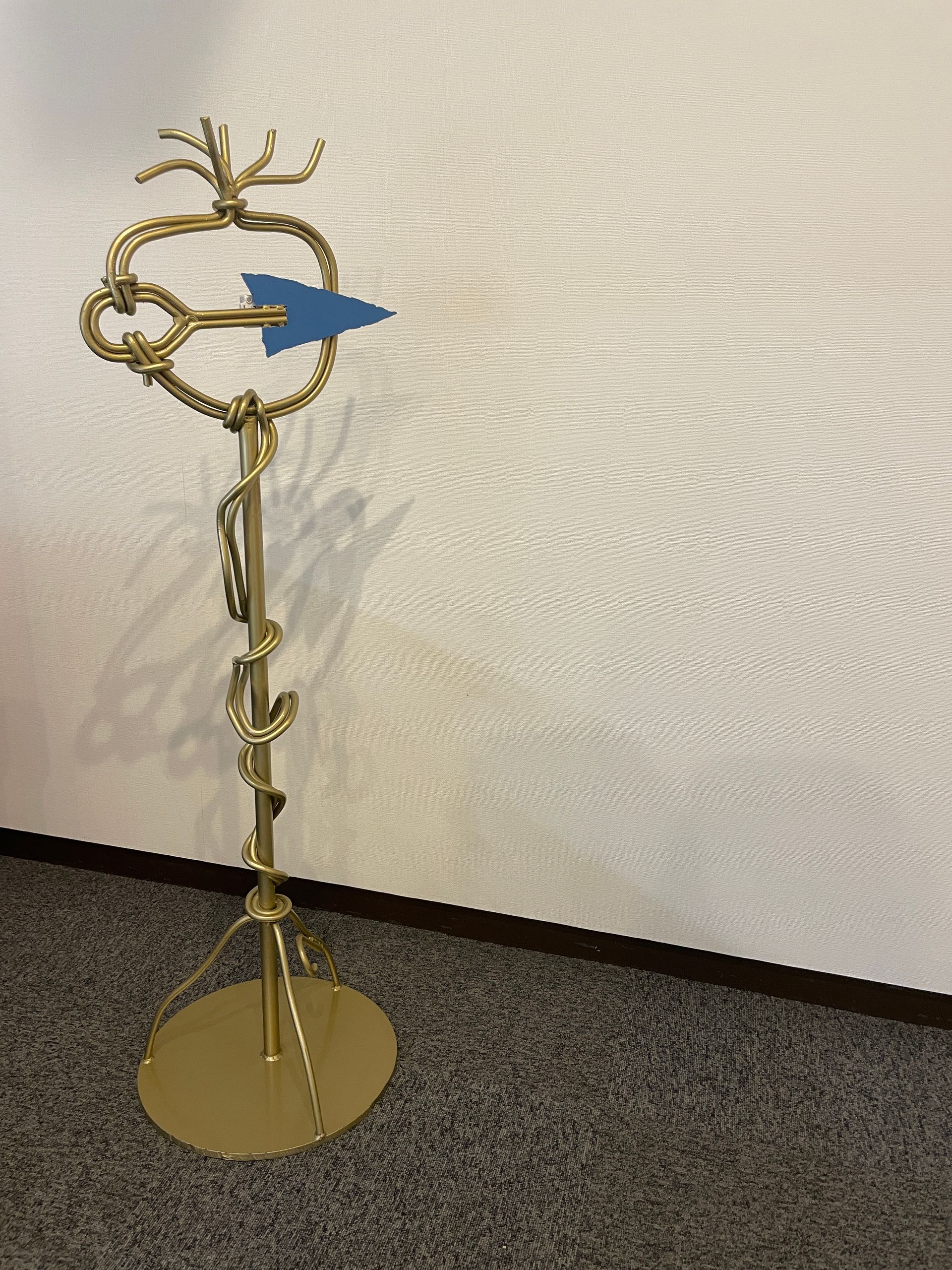
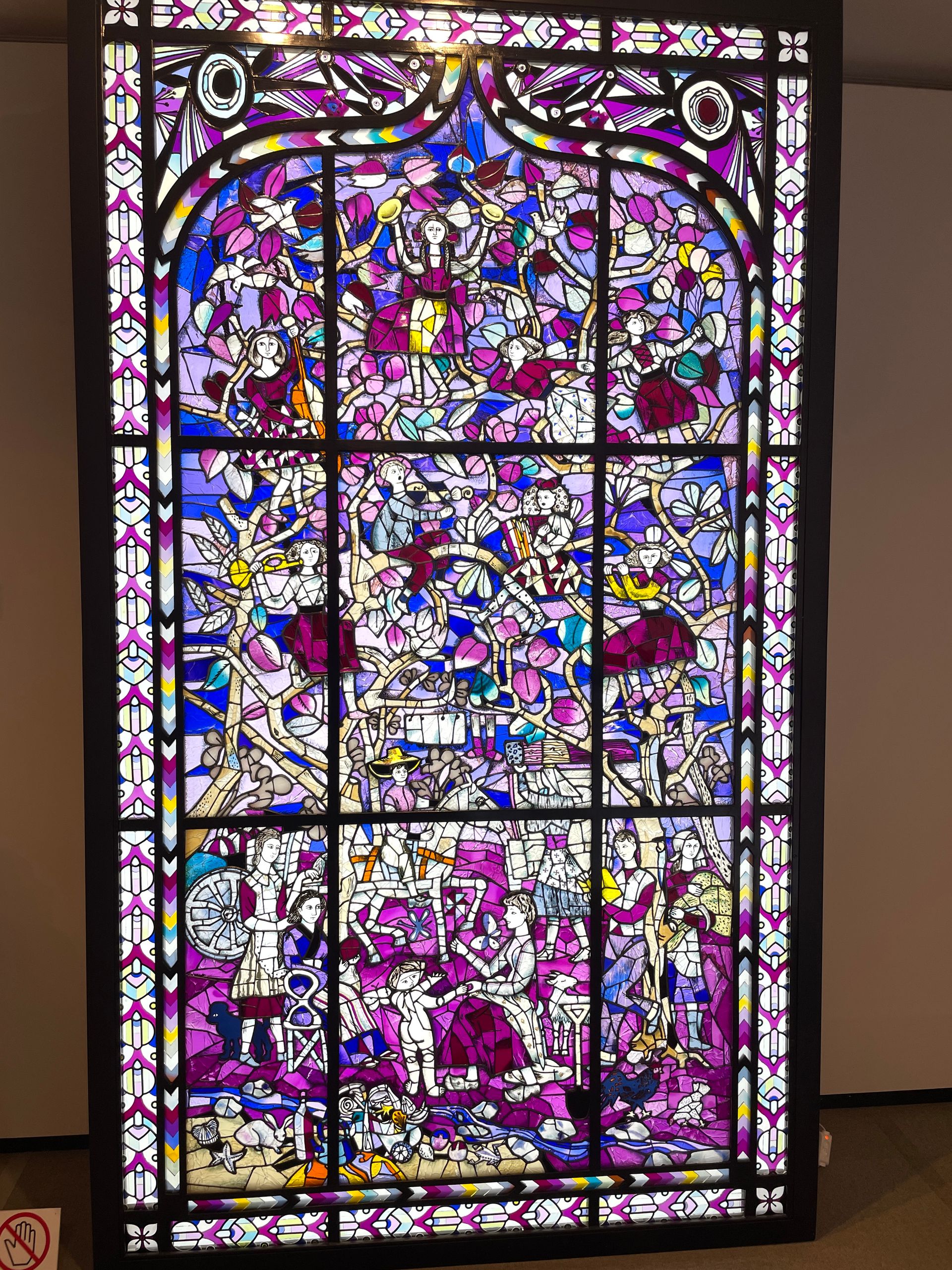
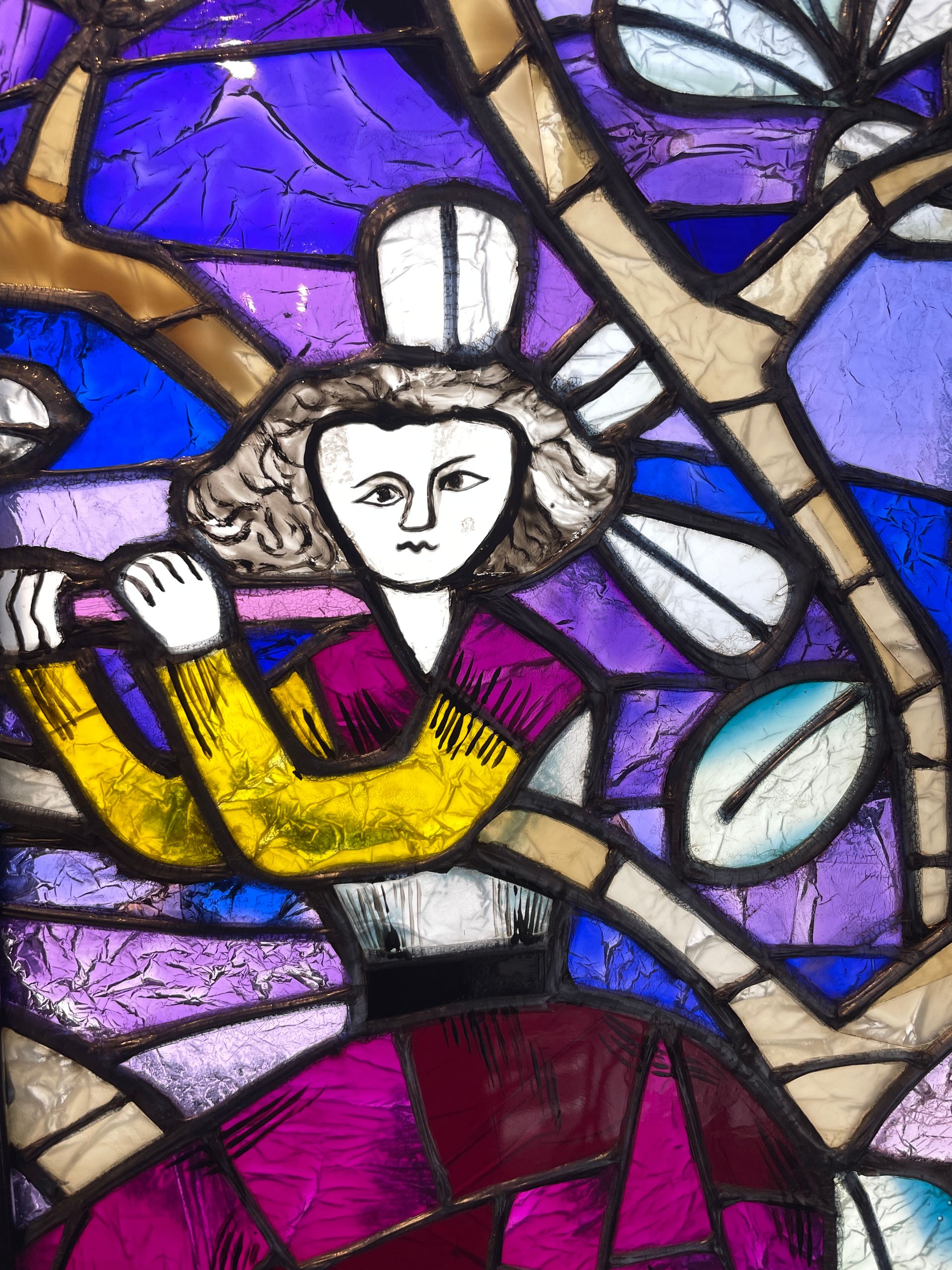
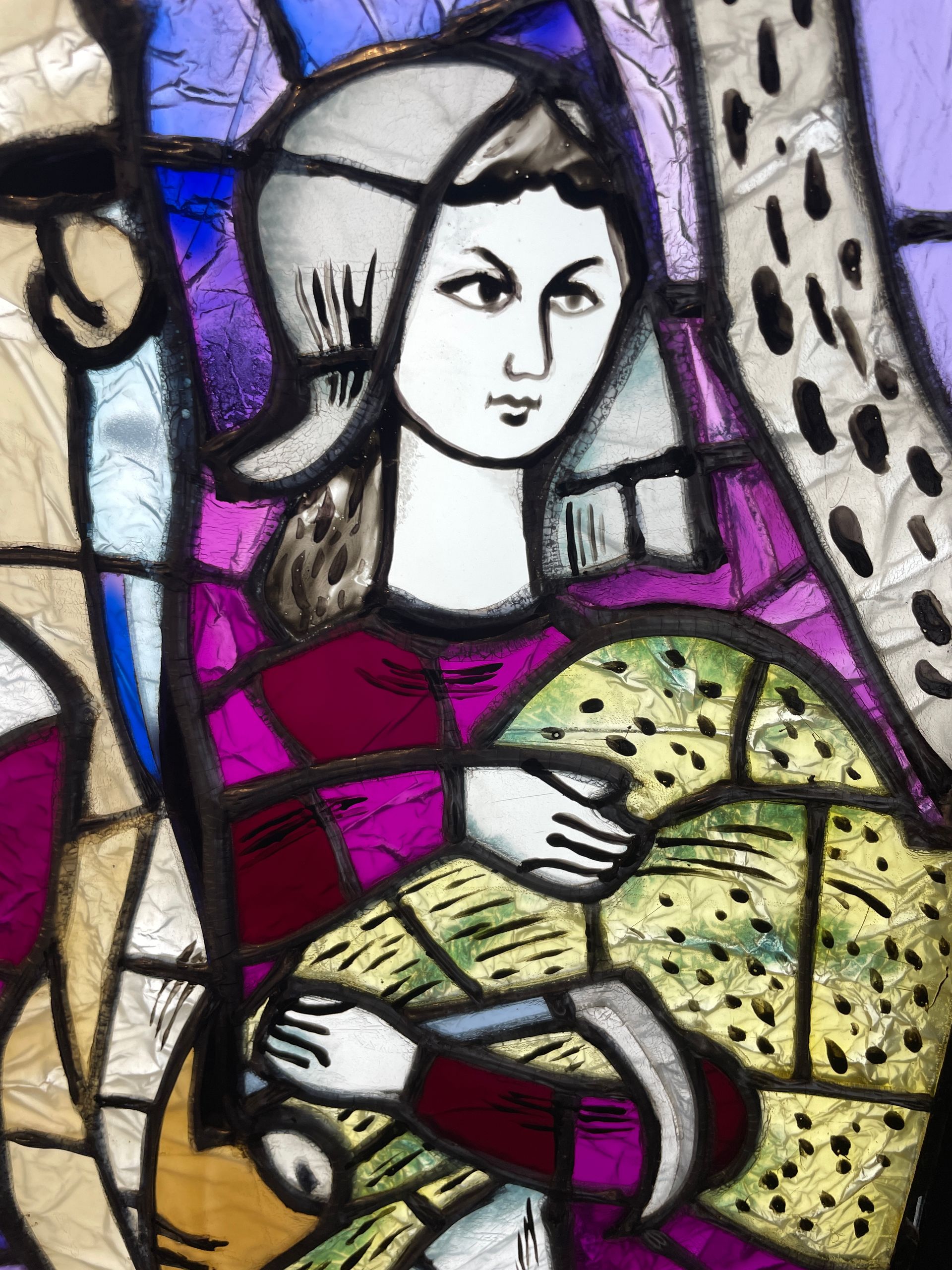
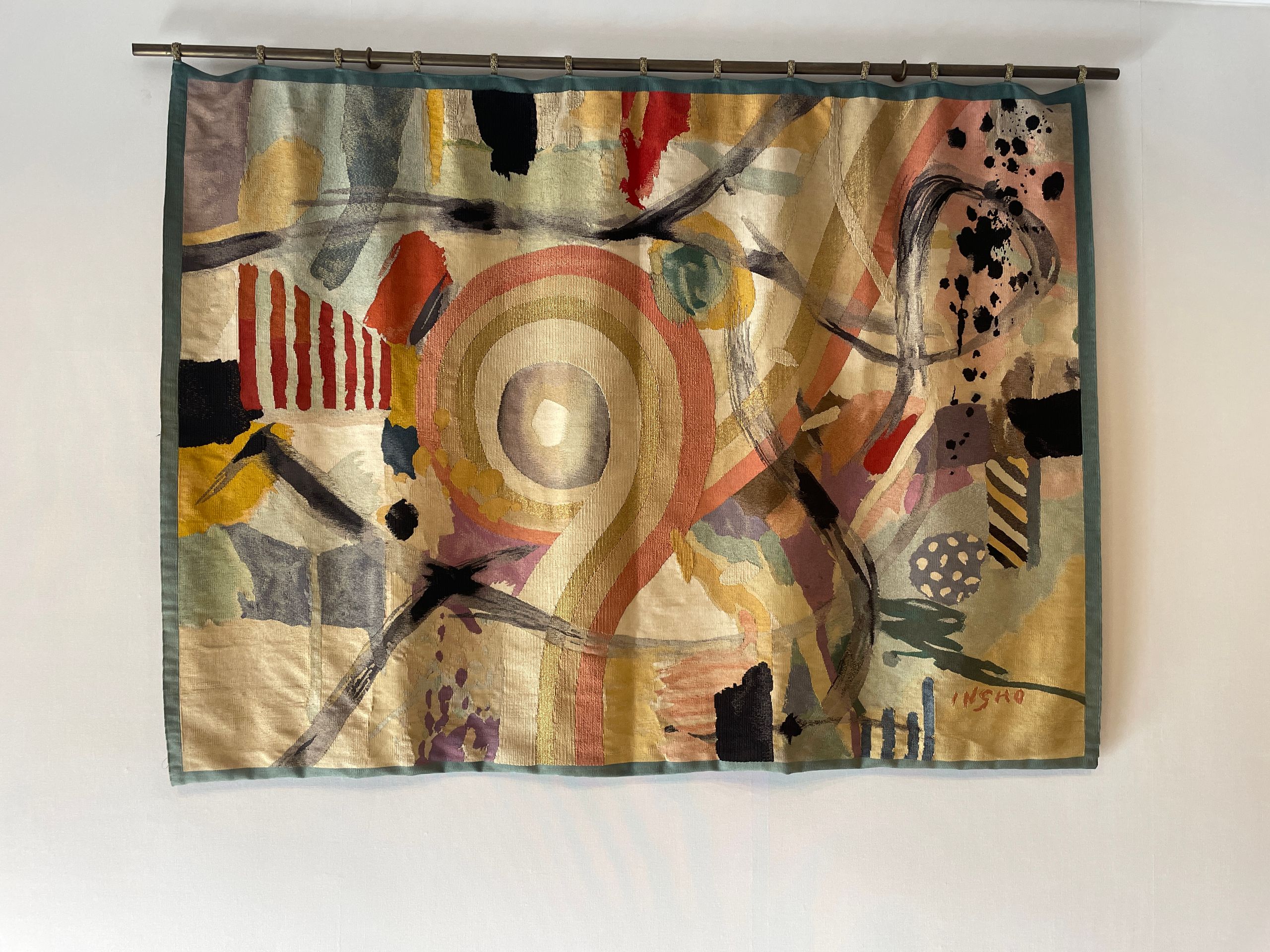
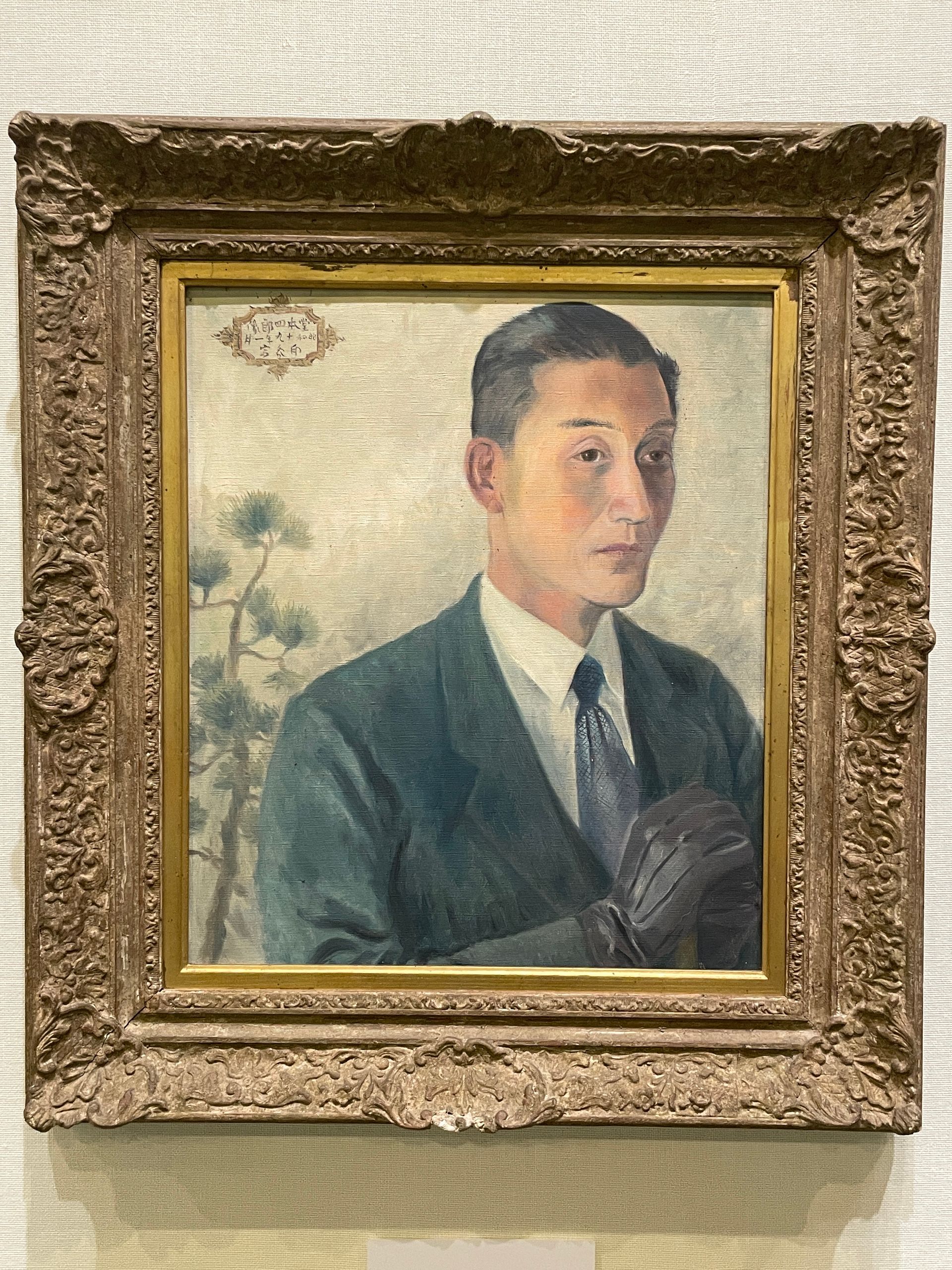
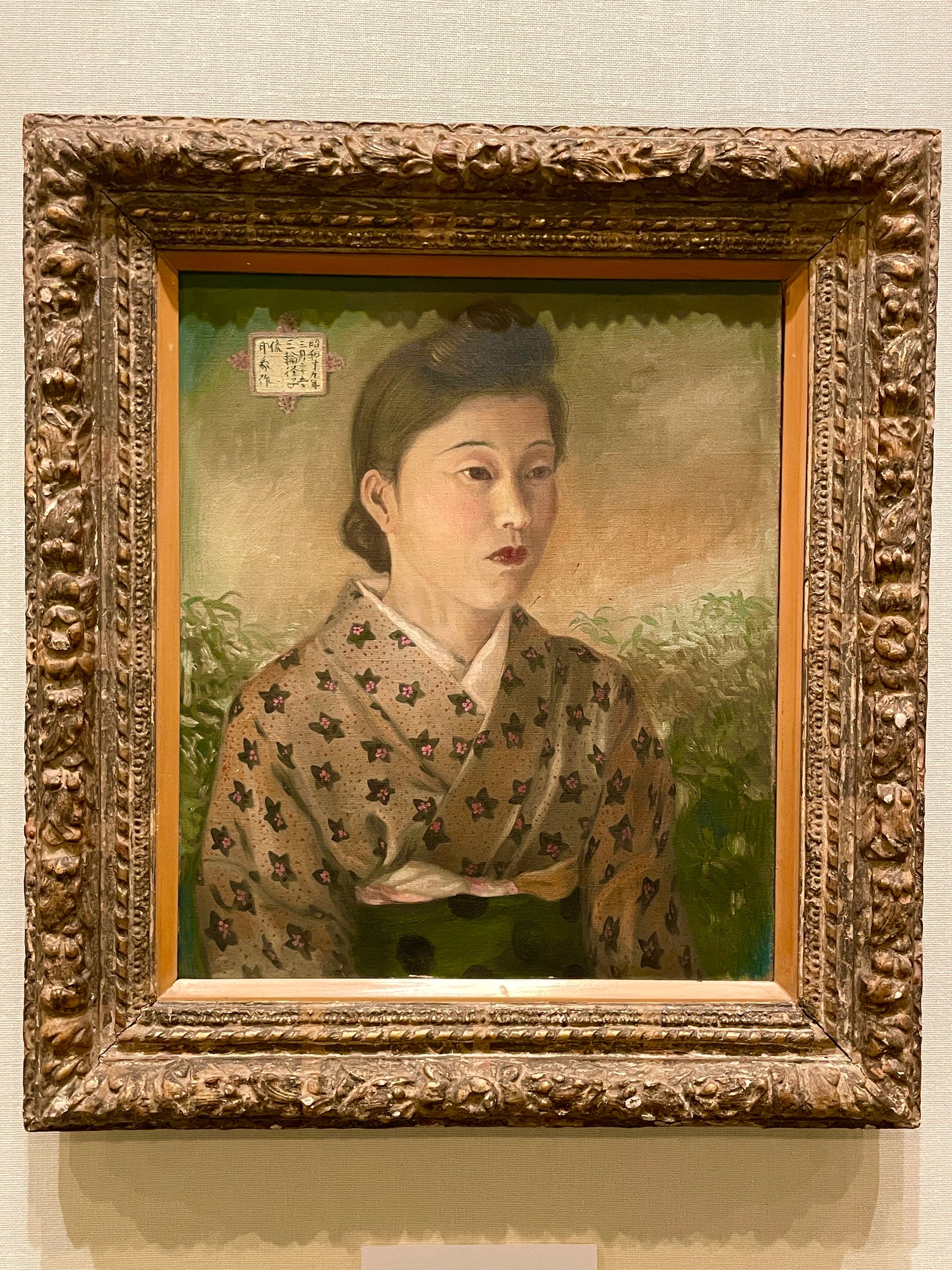
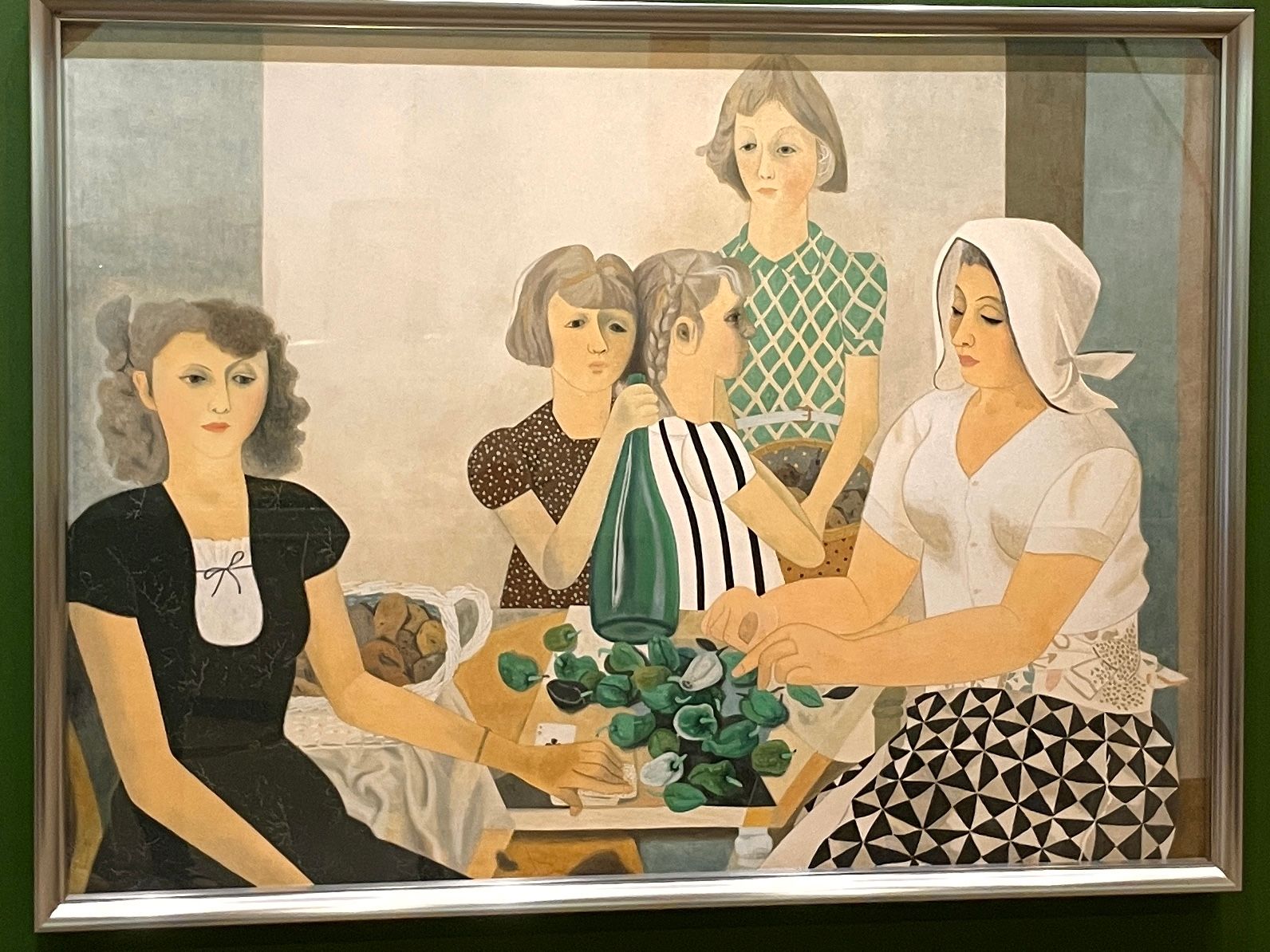
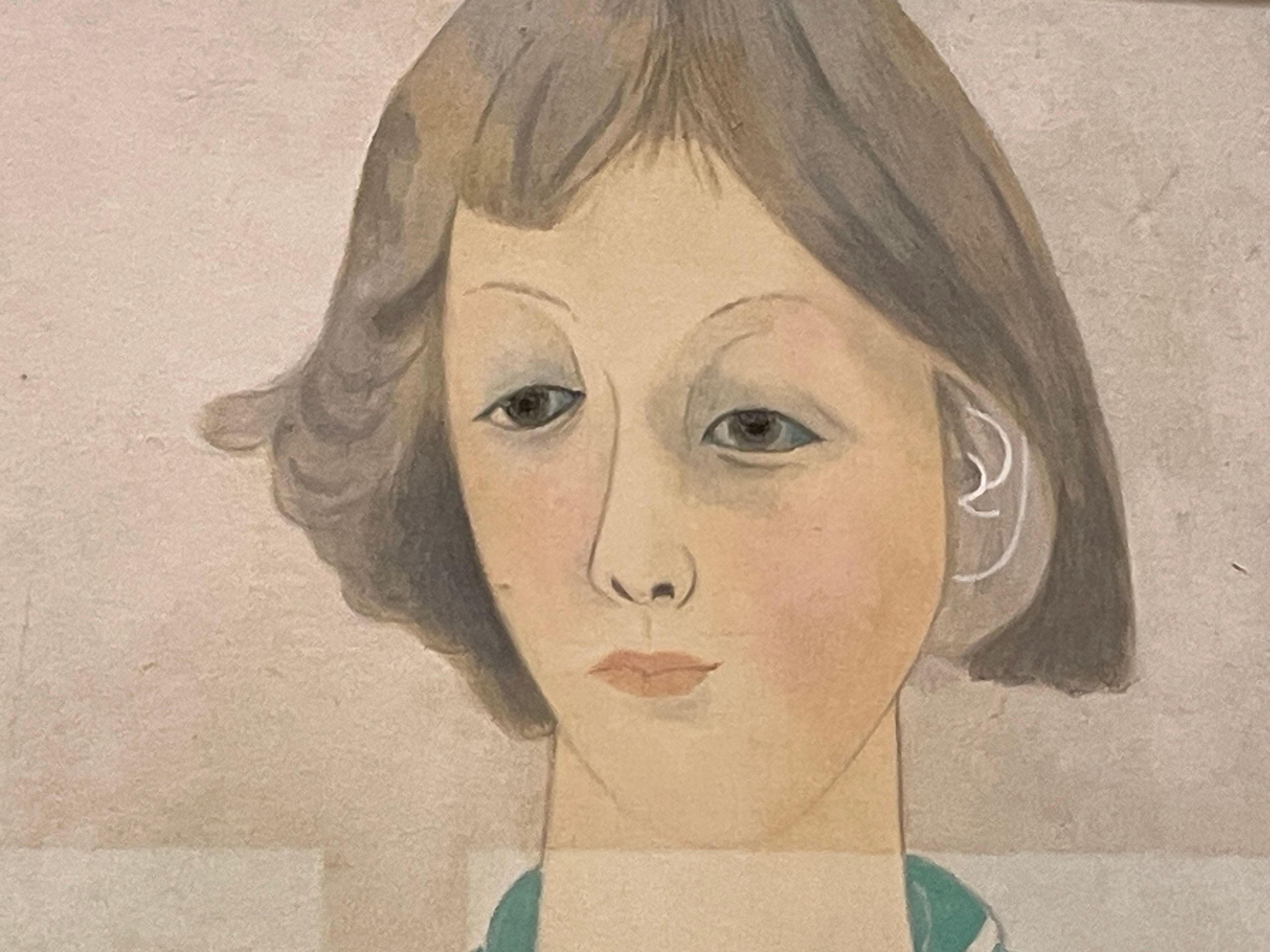
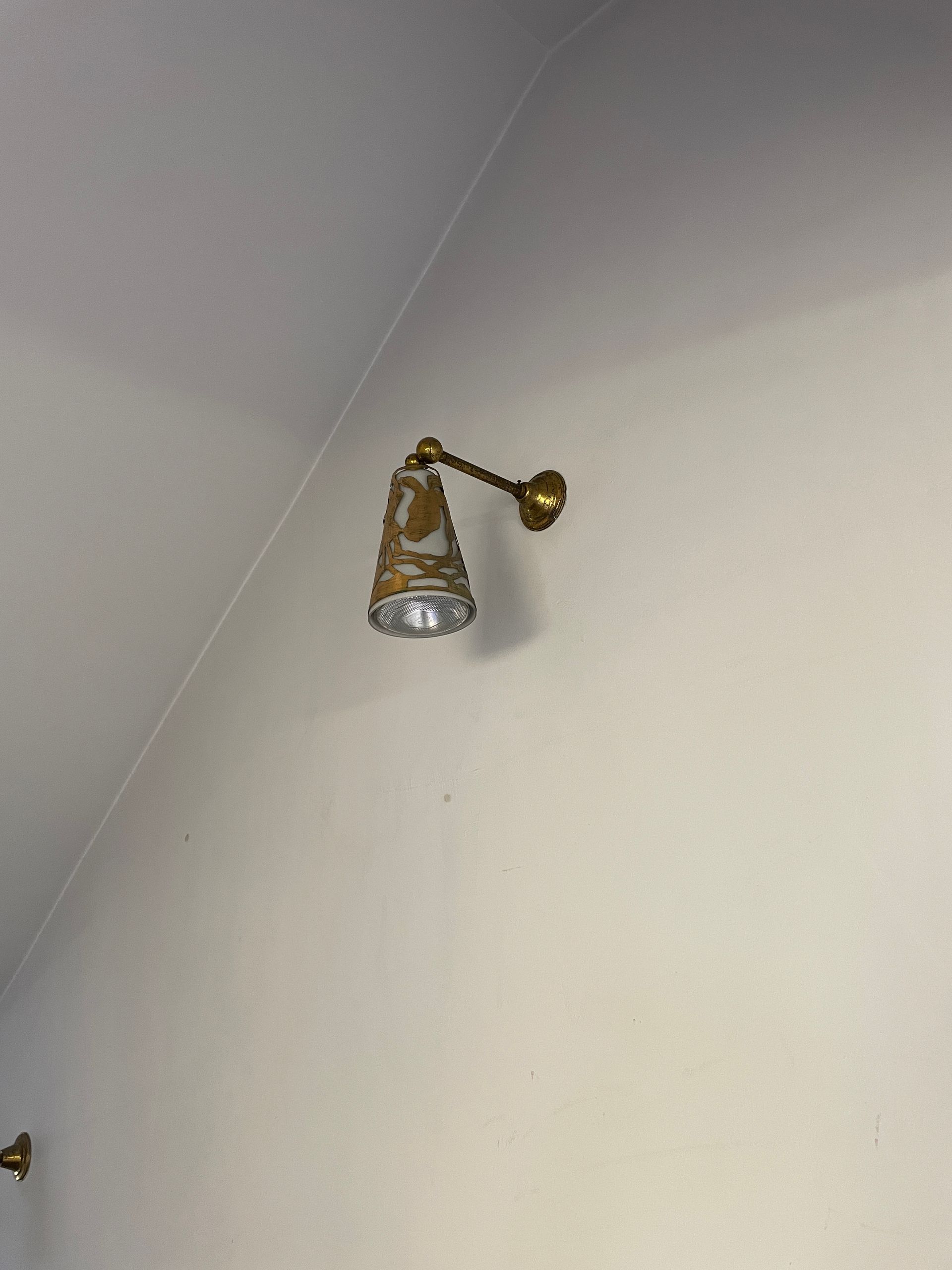
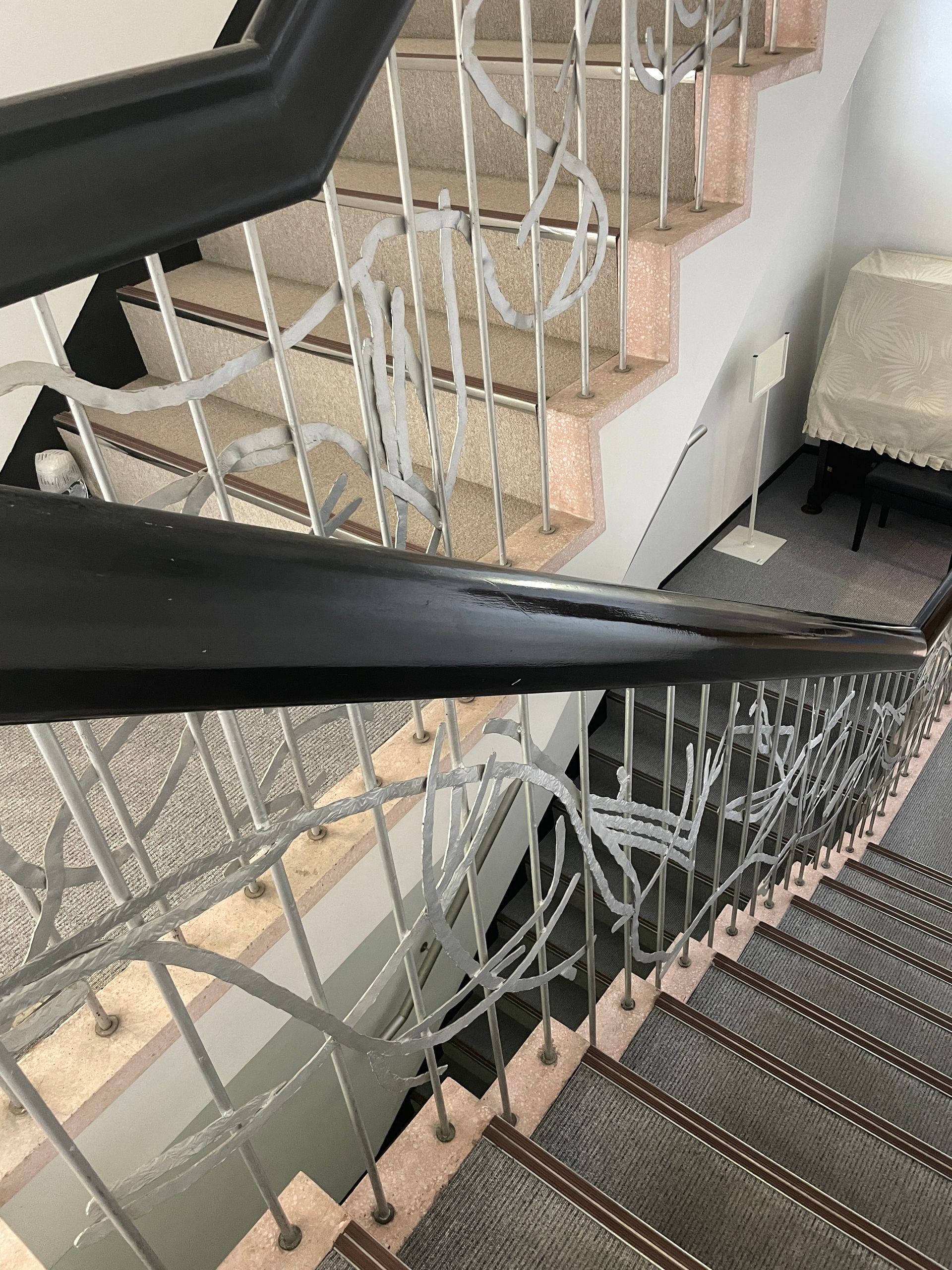
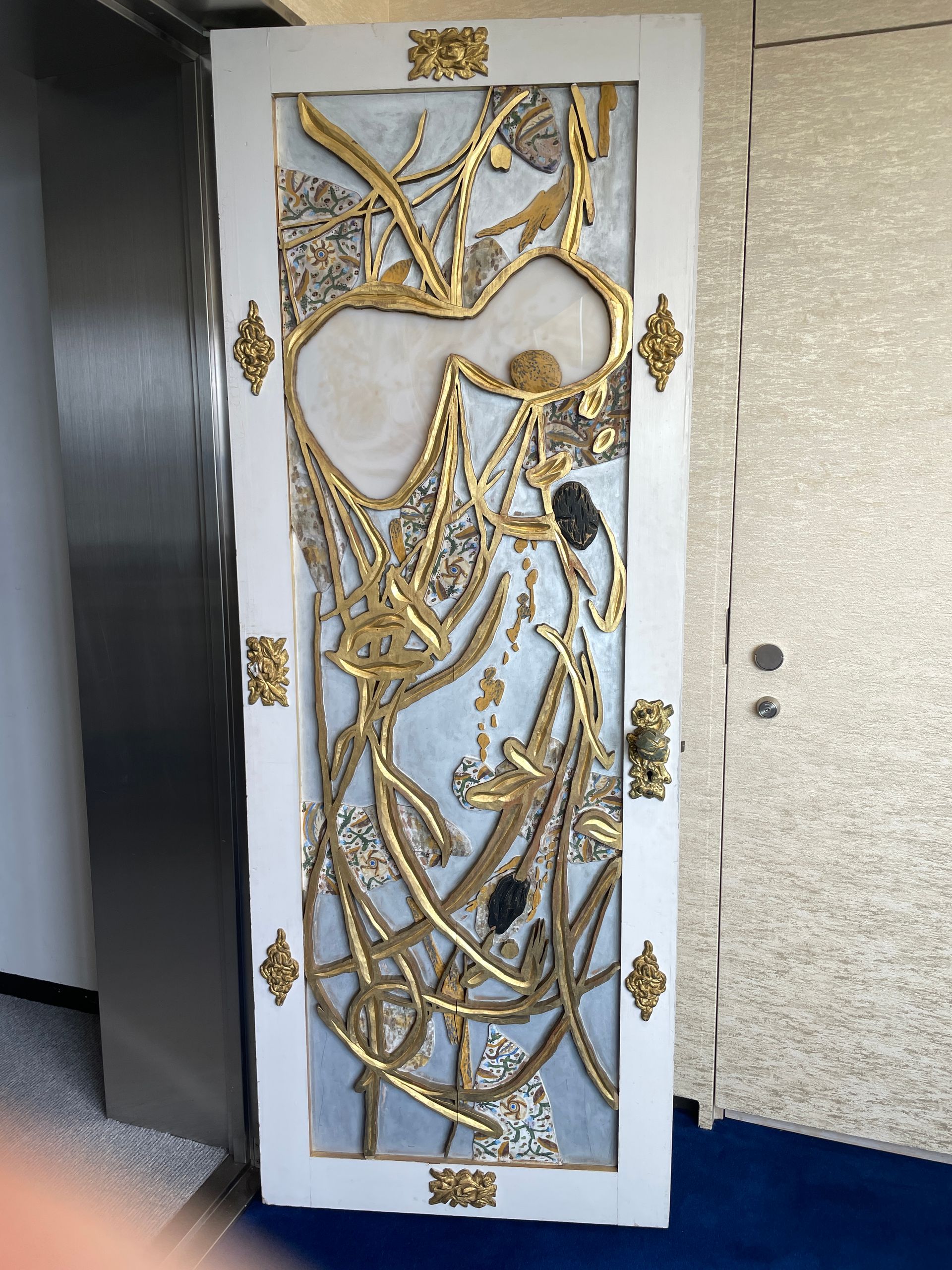
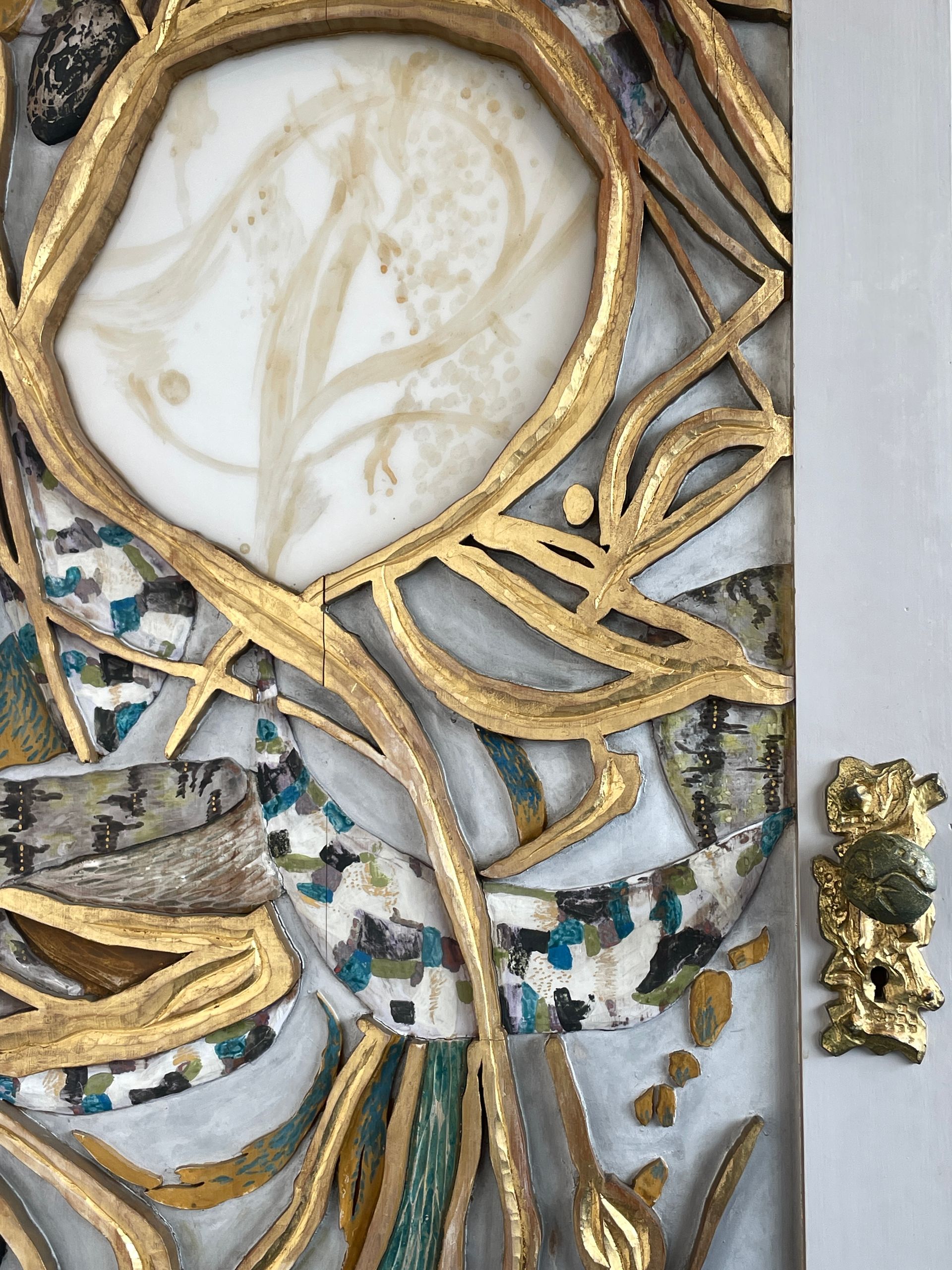
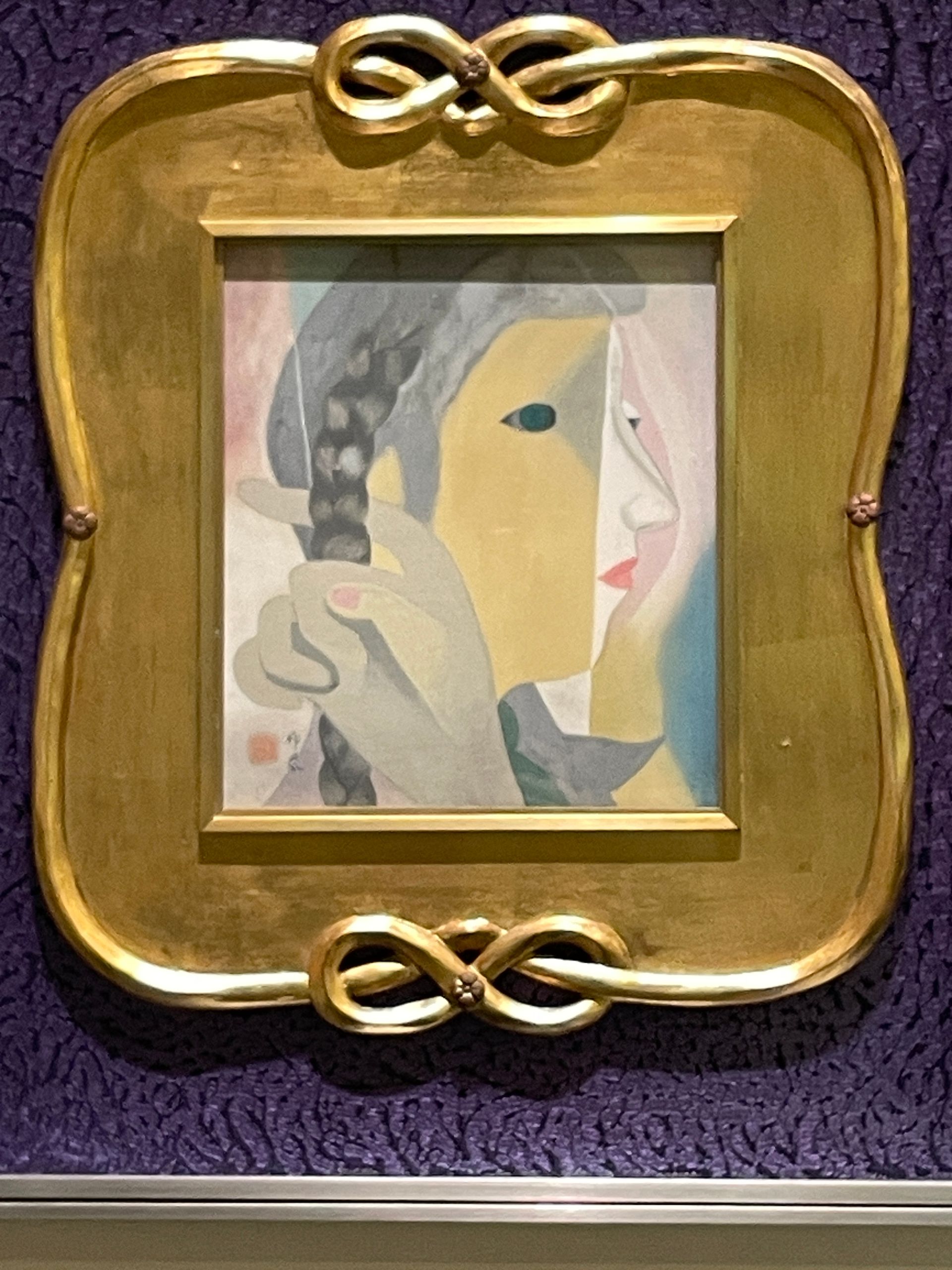
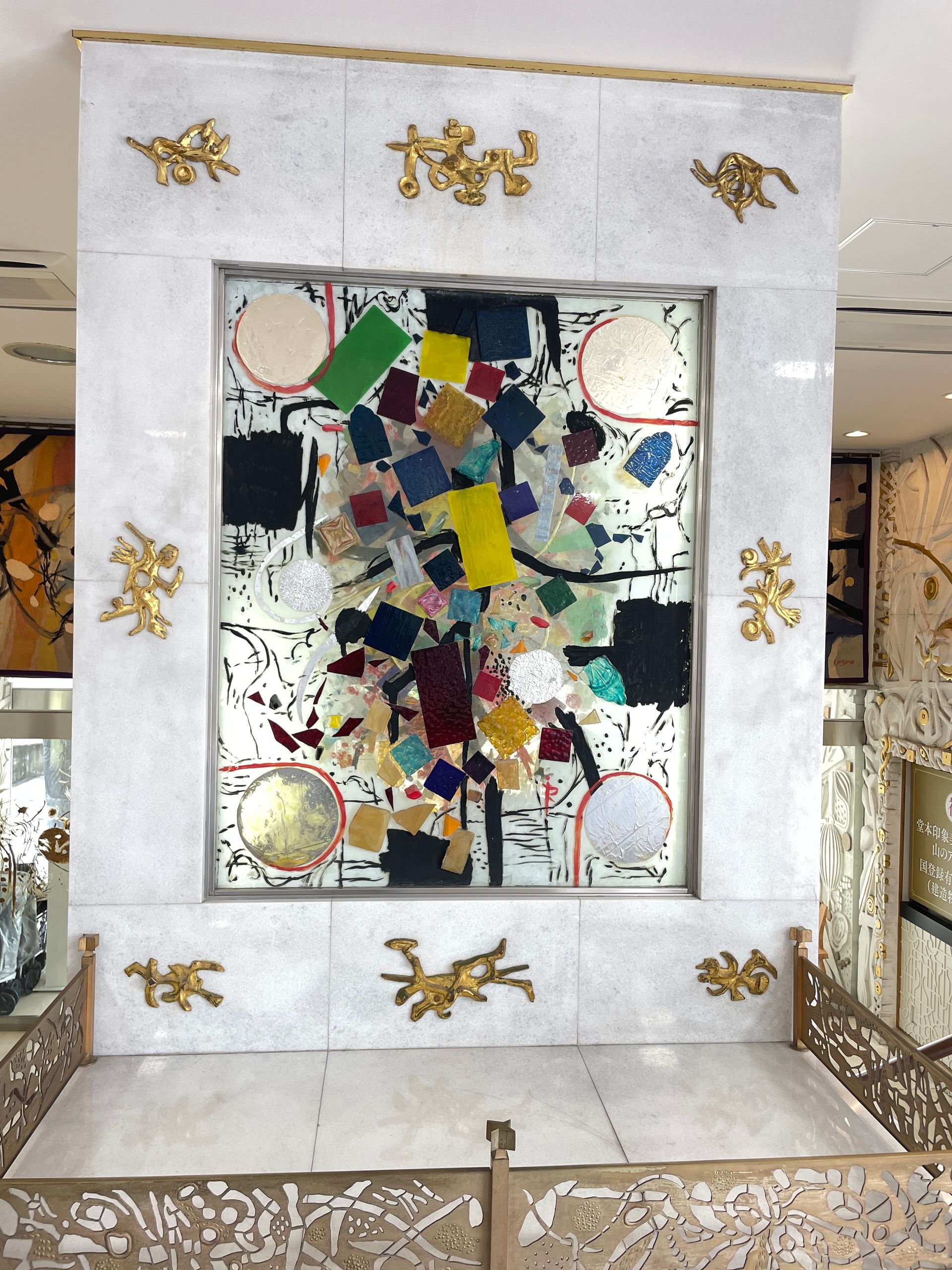
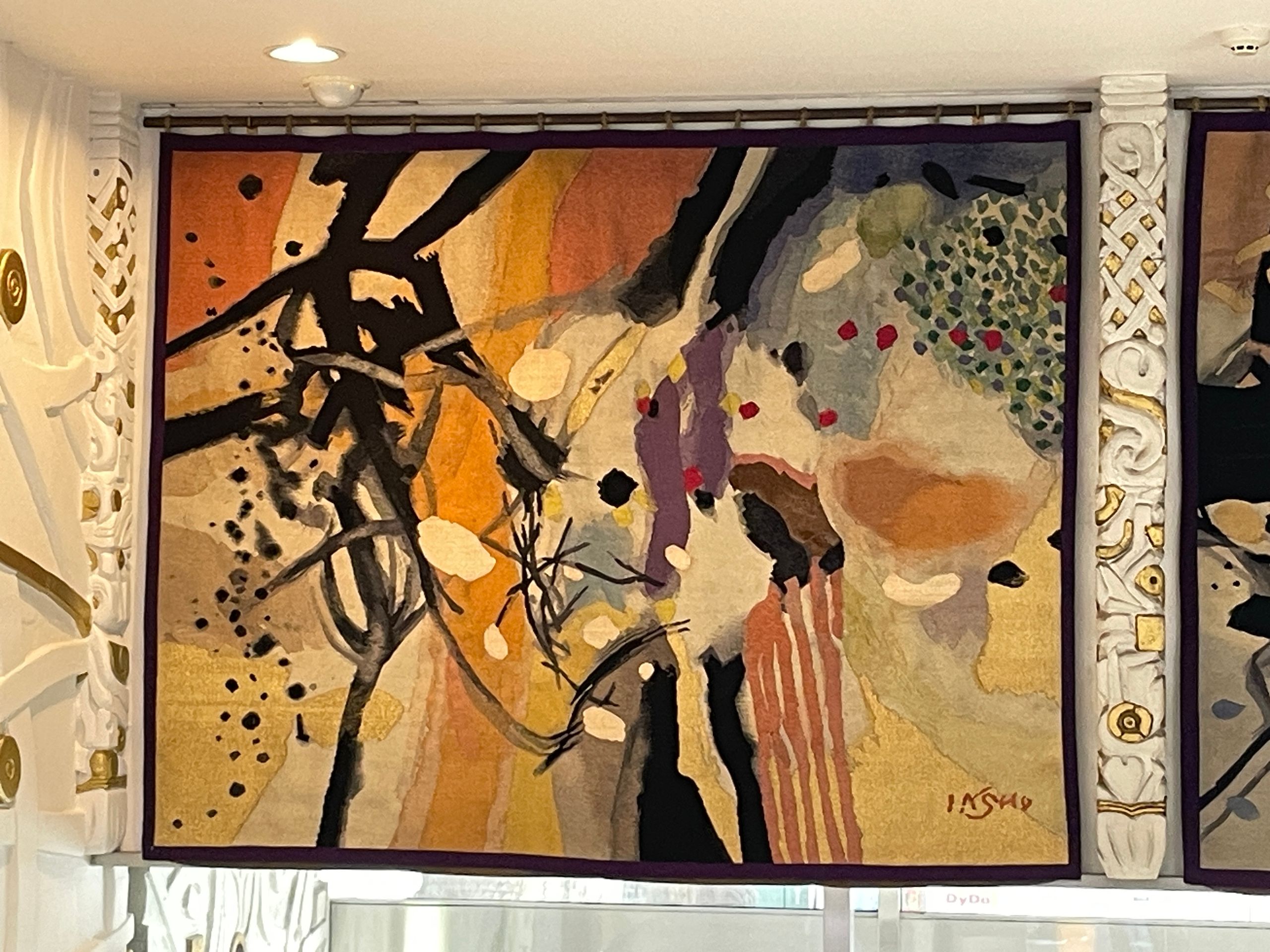
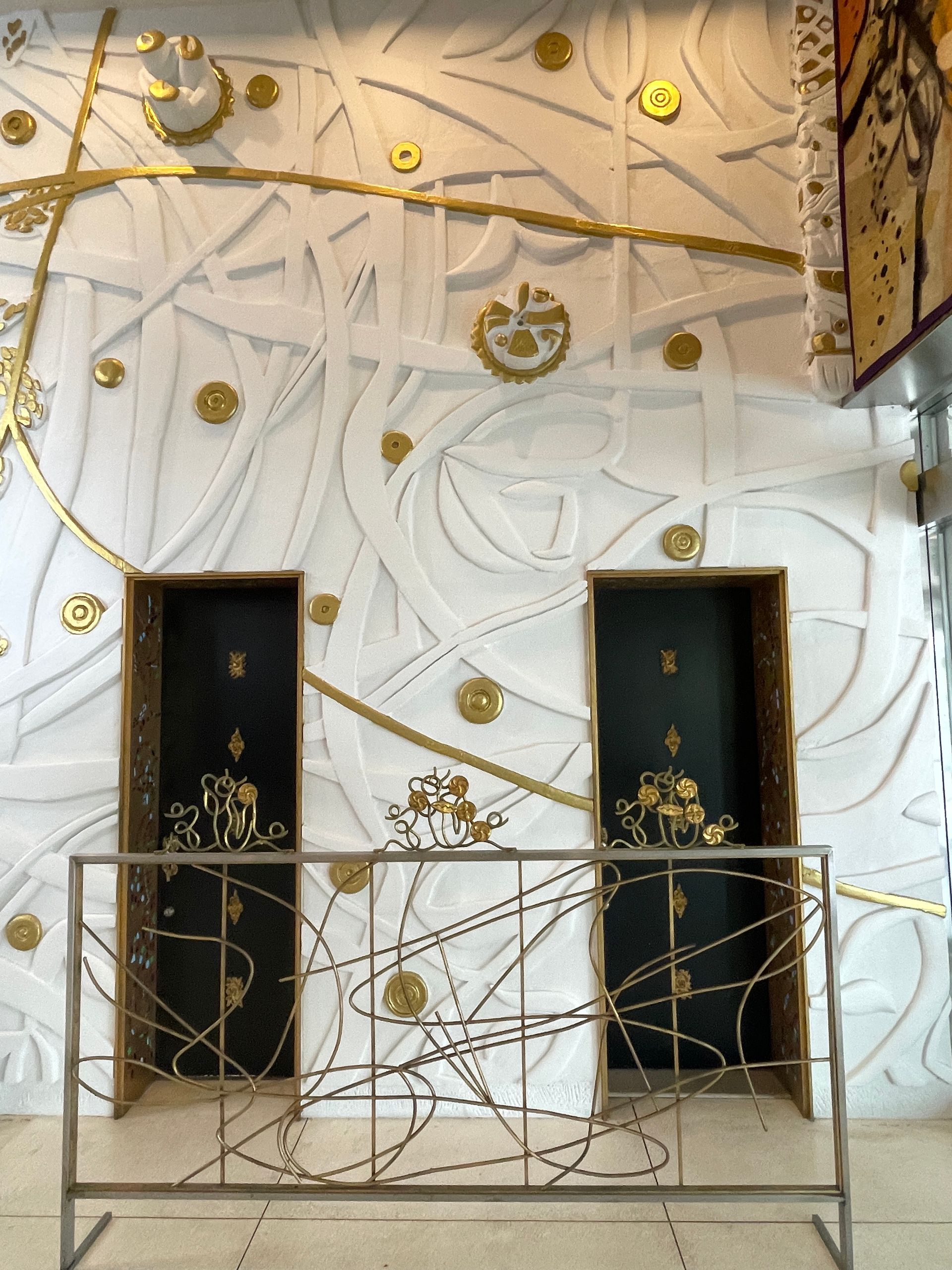
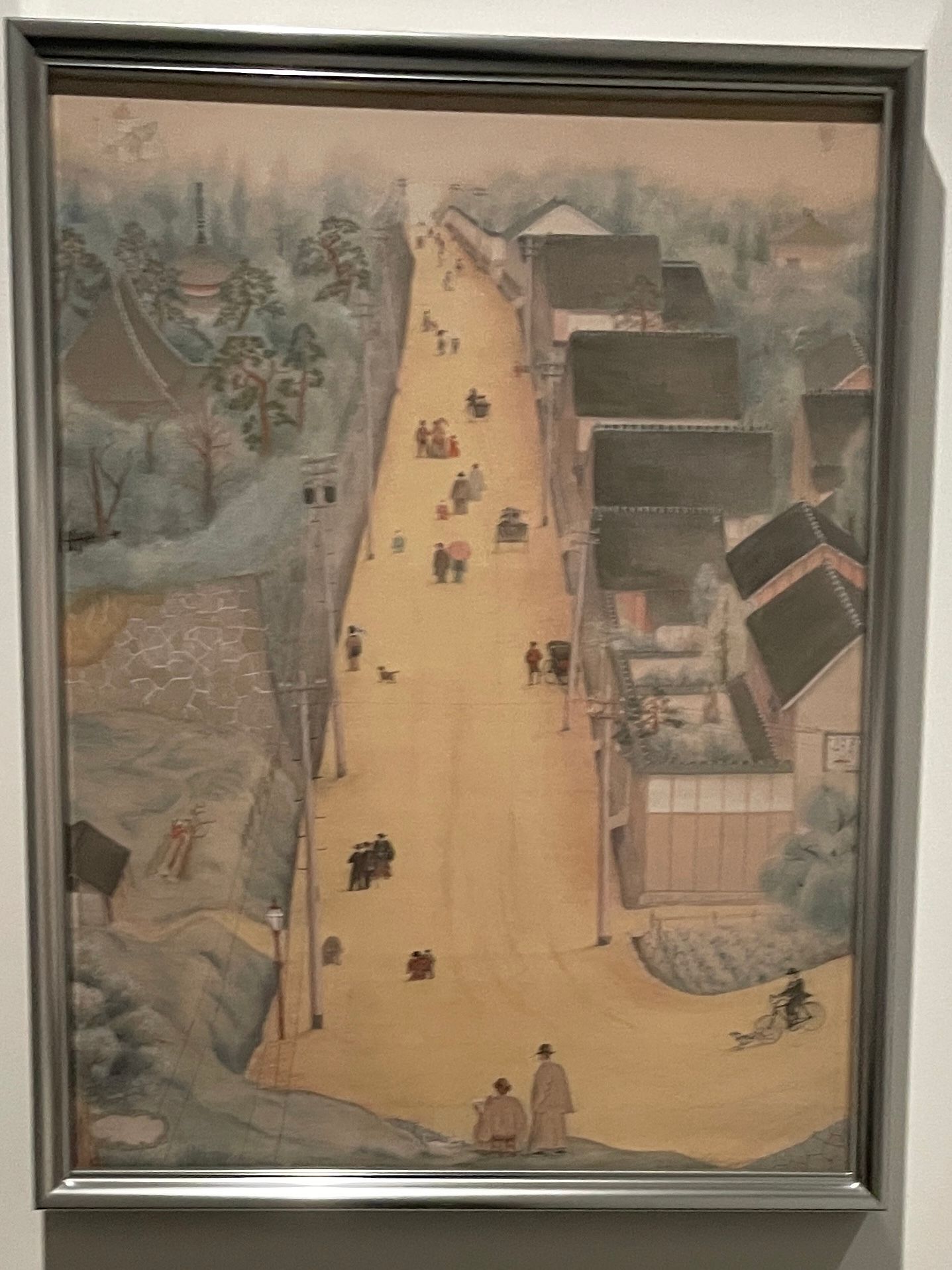
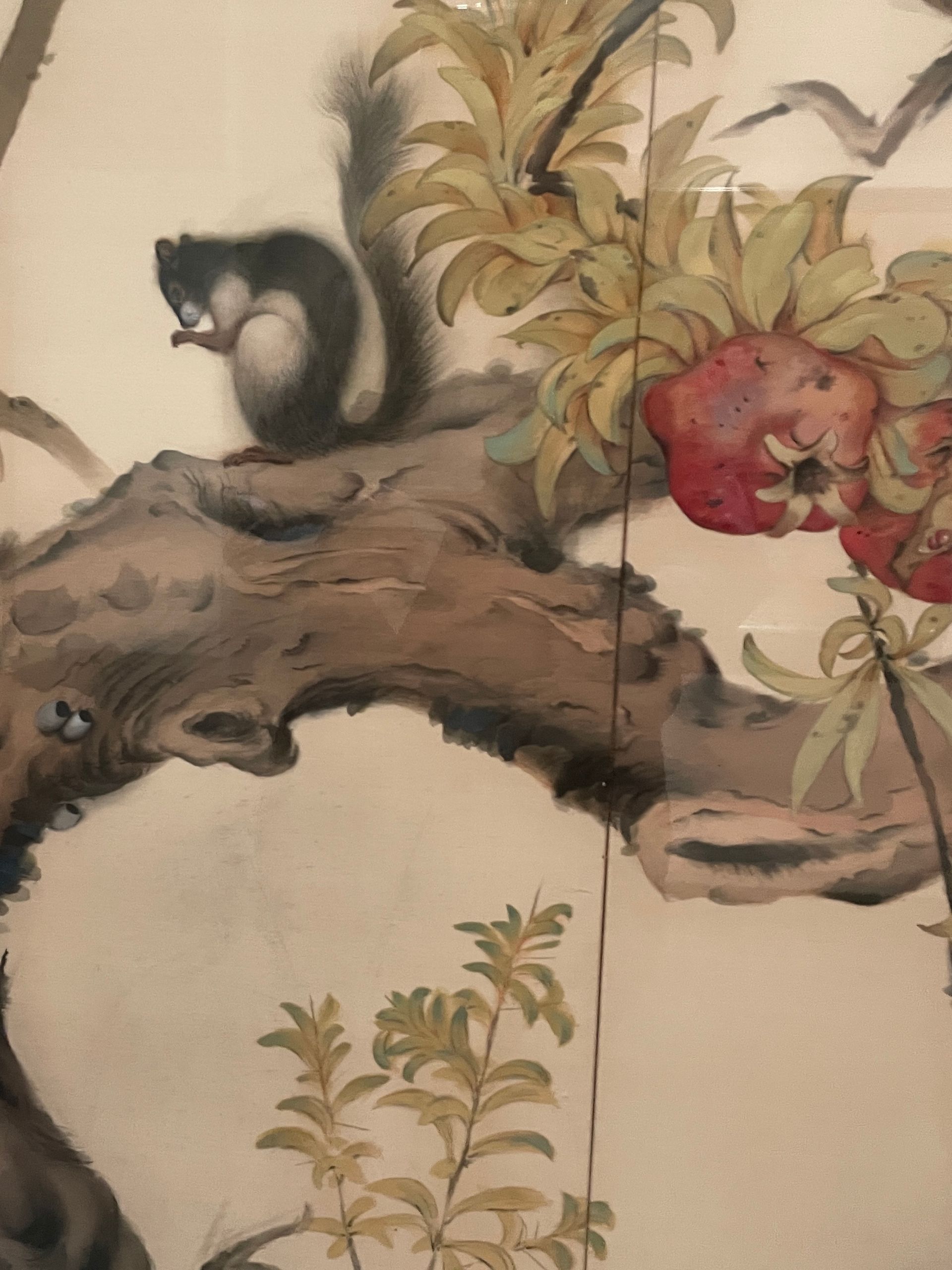
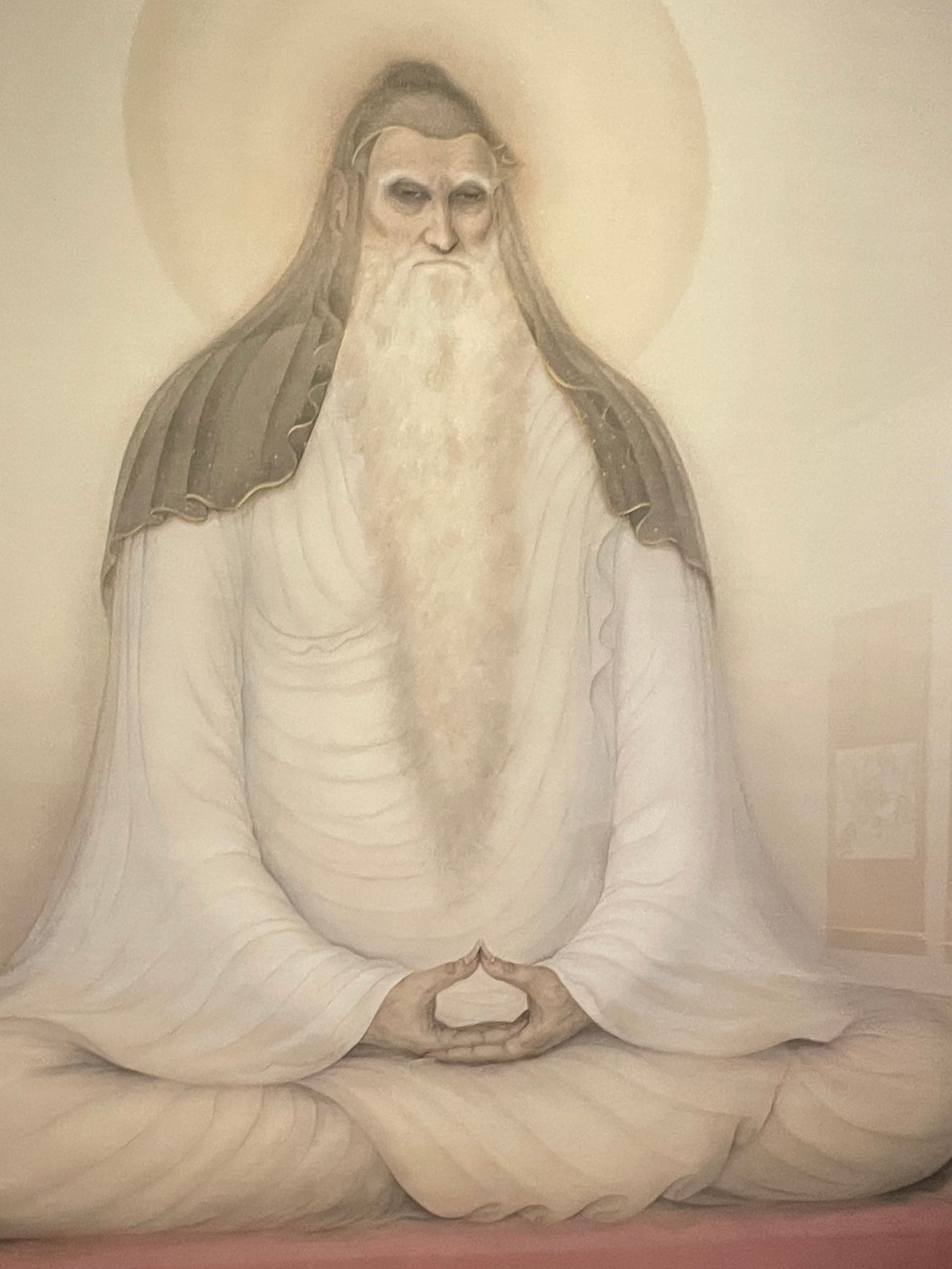
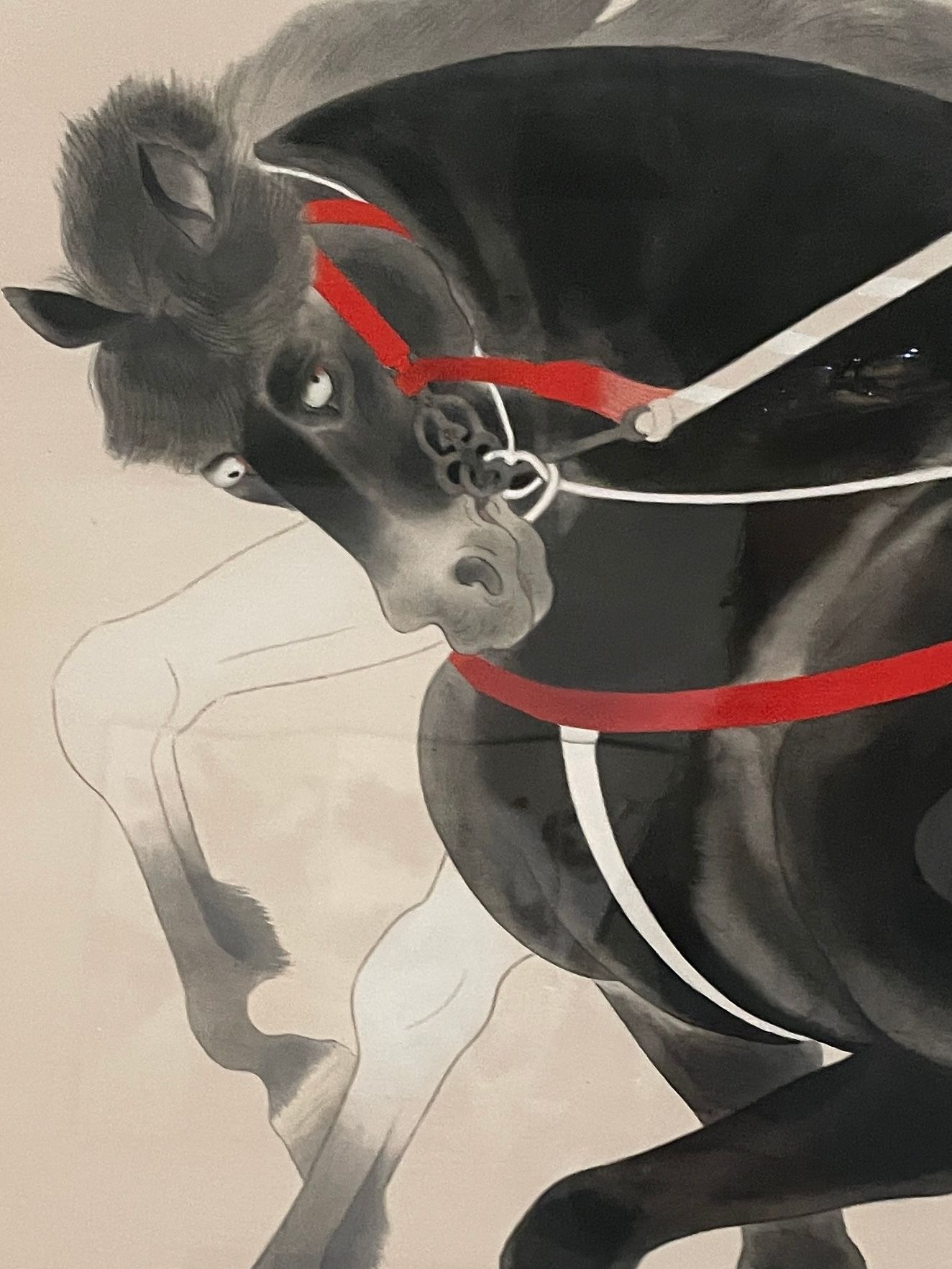
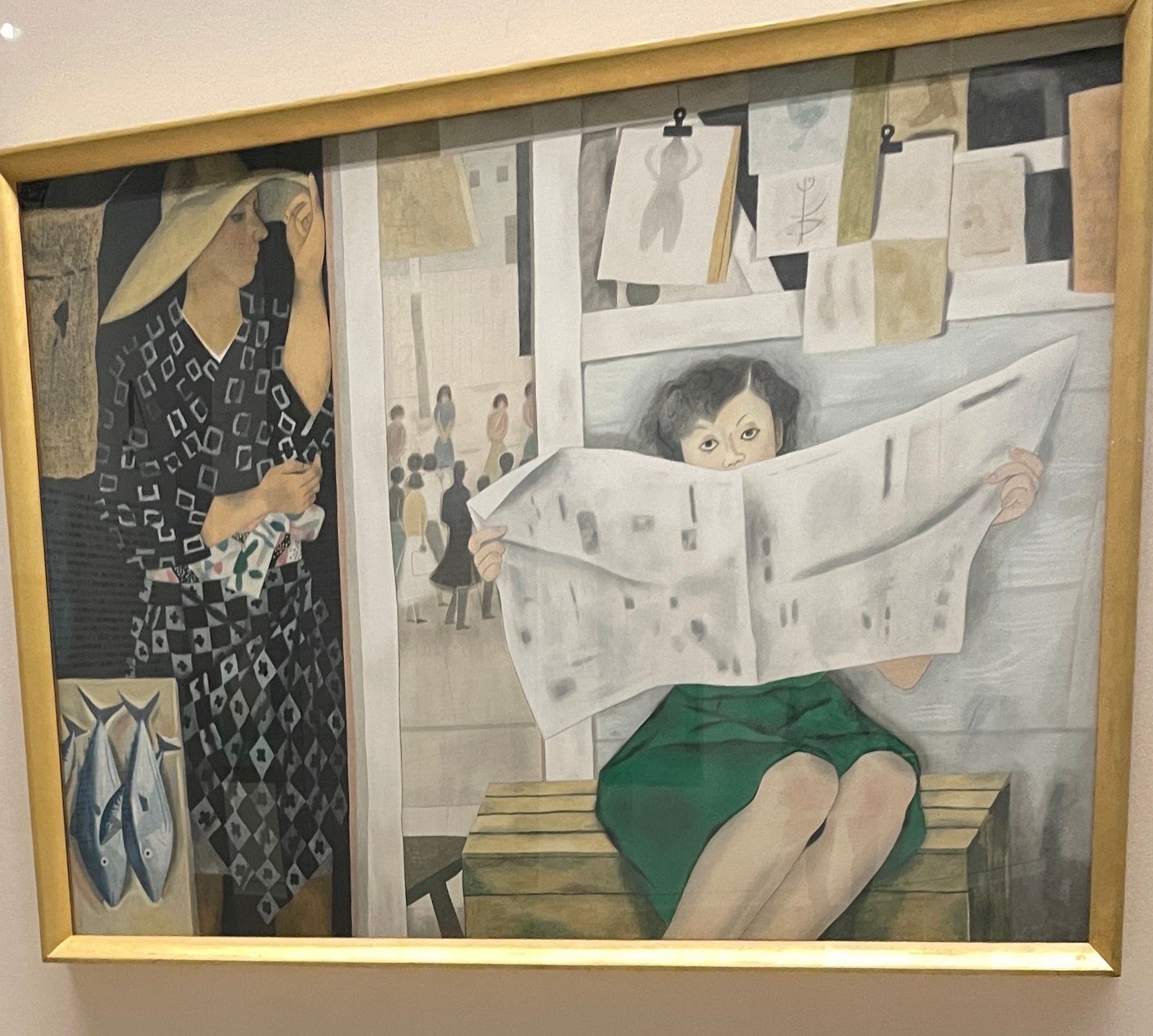
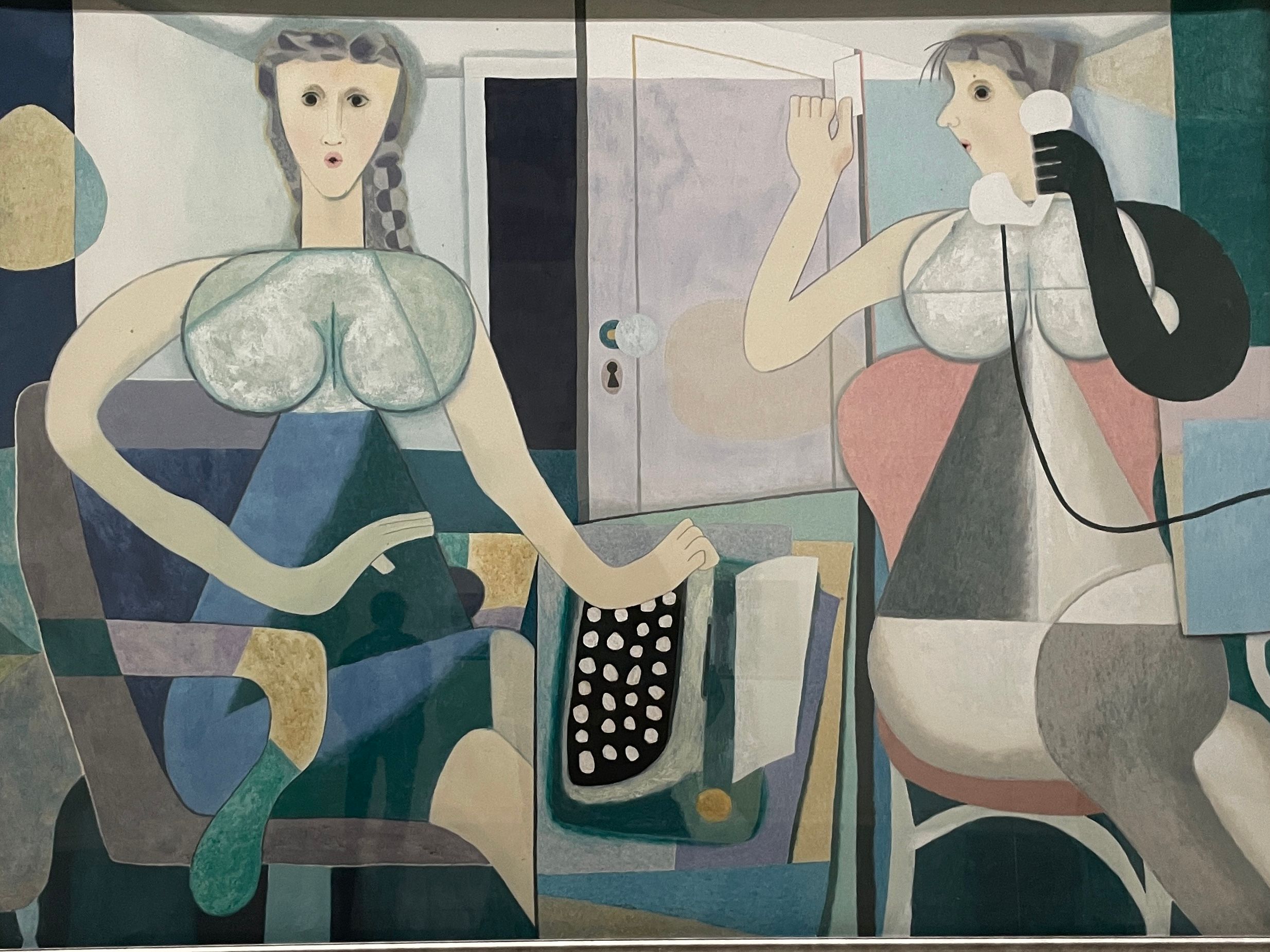
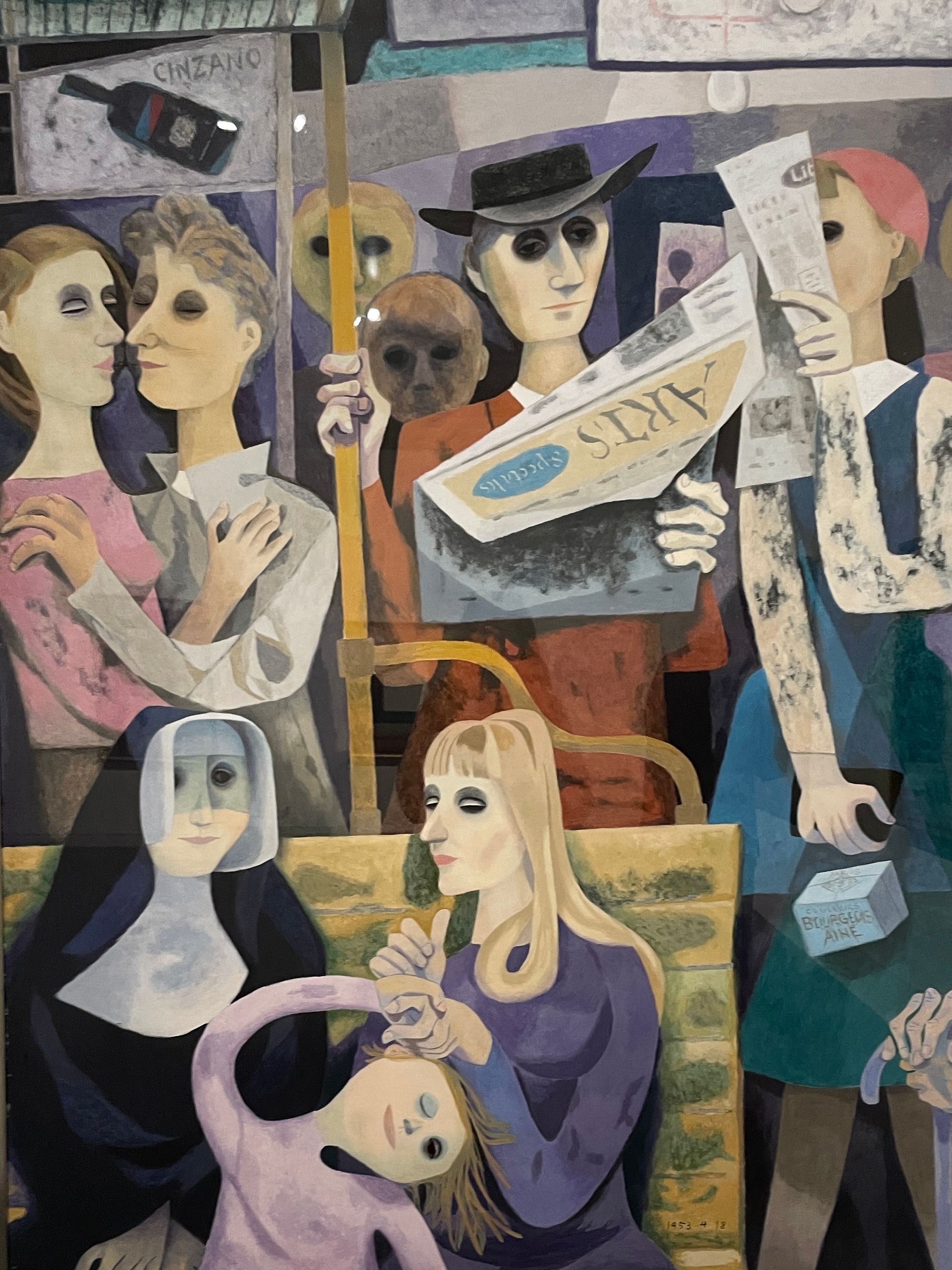
After two and a half days (and nights) of forced break, during which I kept running back and forth between the bed and the toilet, I decided today to skip mountain climbing and just walk straight ahead, surrendering myself to art.
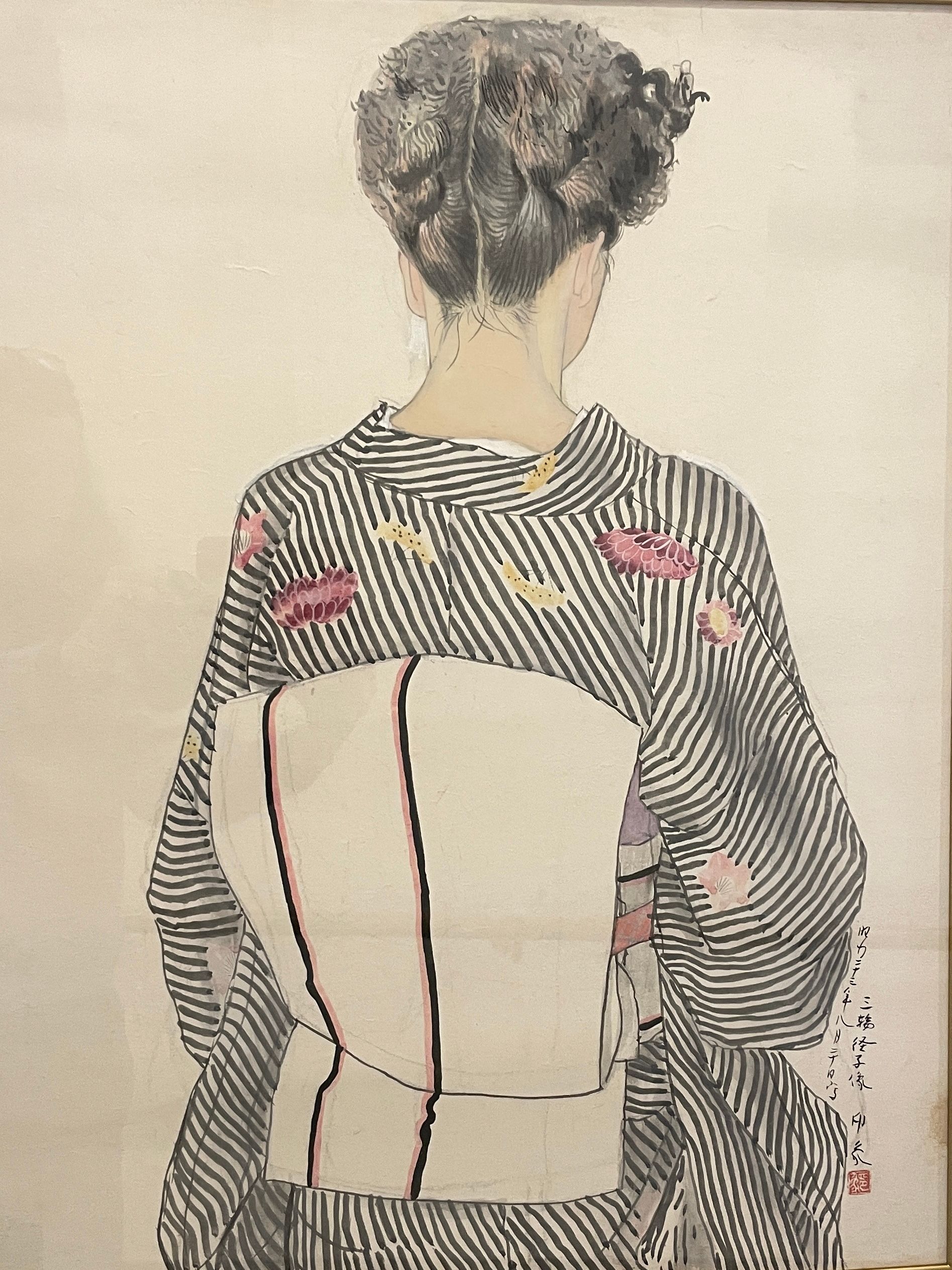
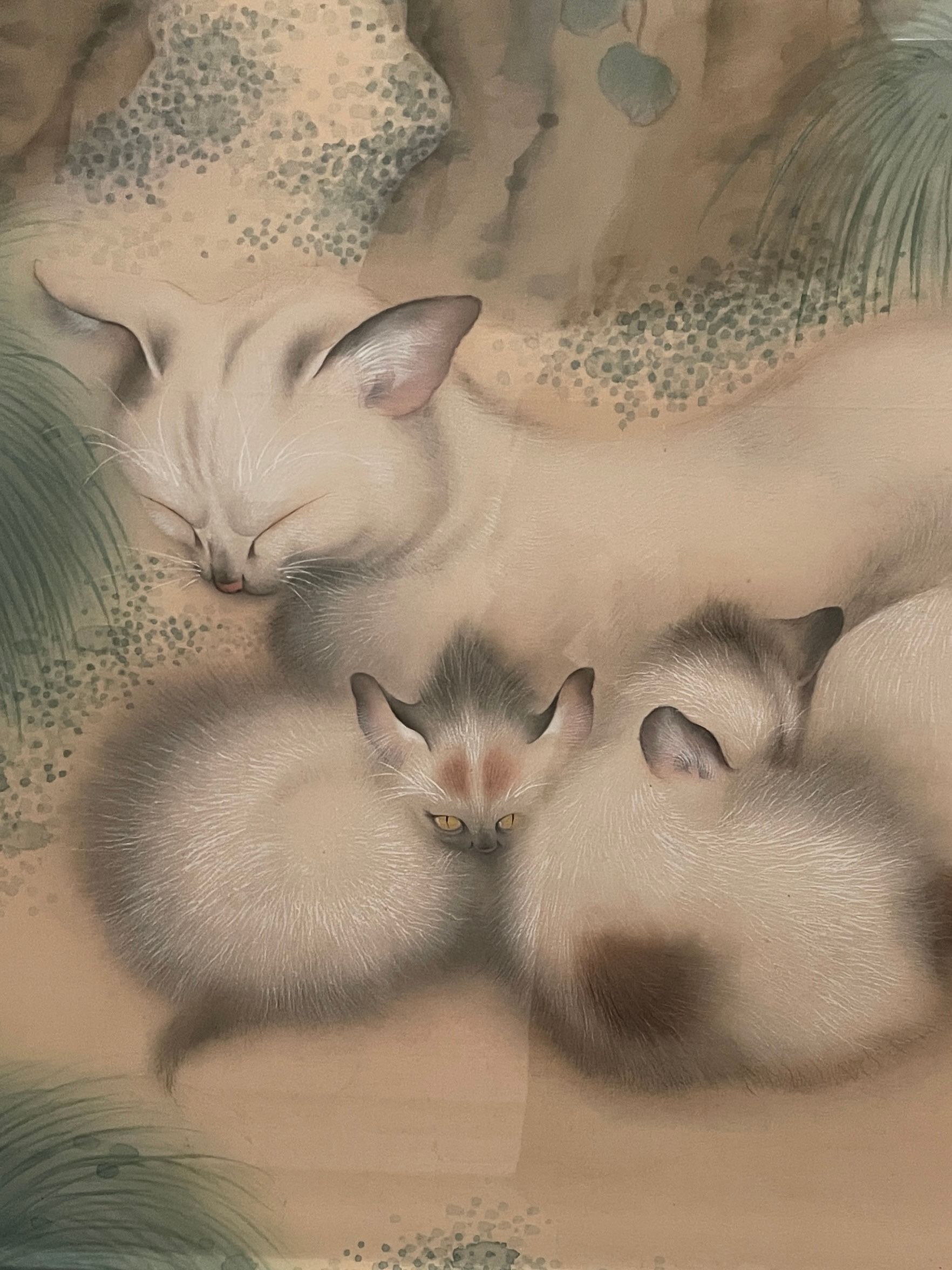
However, I was not aware that I would visit two major exhibitions of the same artist on that day, but now I have a very good overview of all the creative periods of Domoto Insho (1891-1975), a very versatile painter from Kyoto, who is particularly prominent at the moment due to the 50th anniversary of his death.
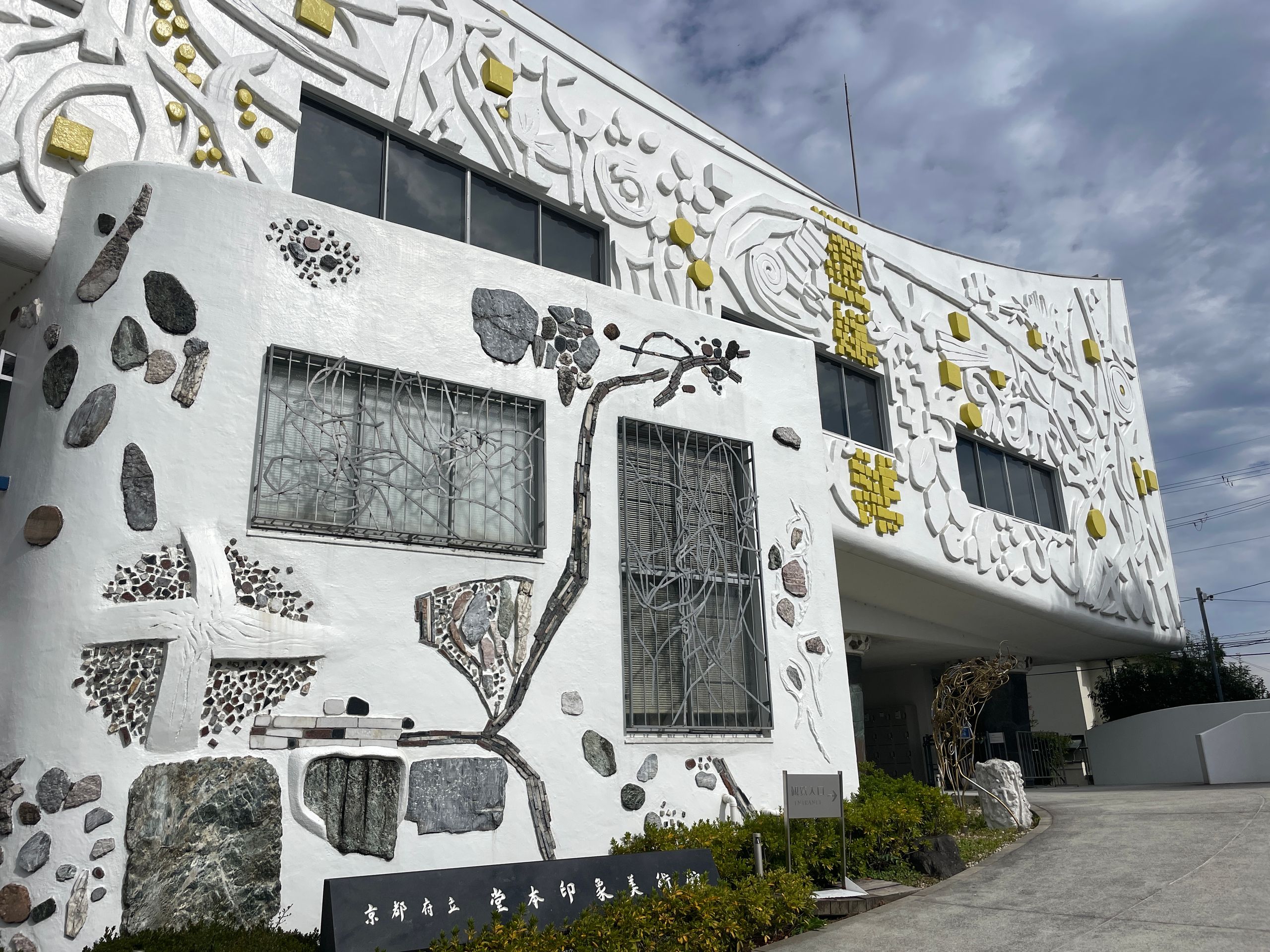
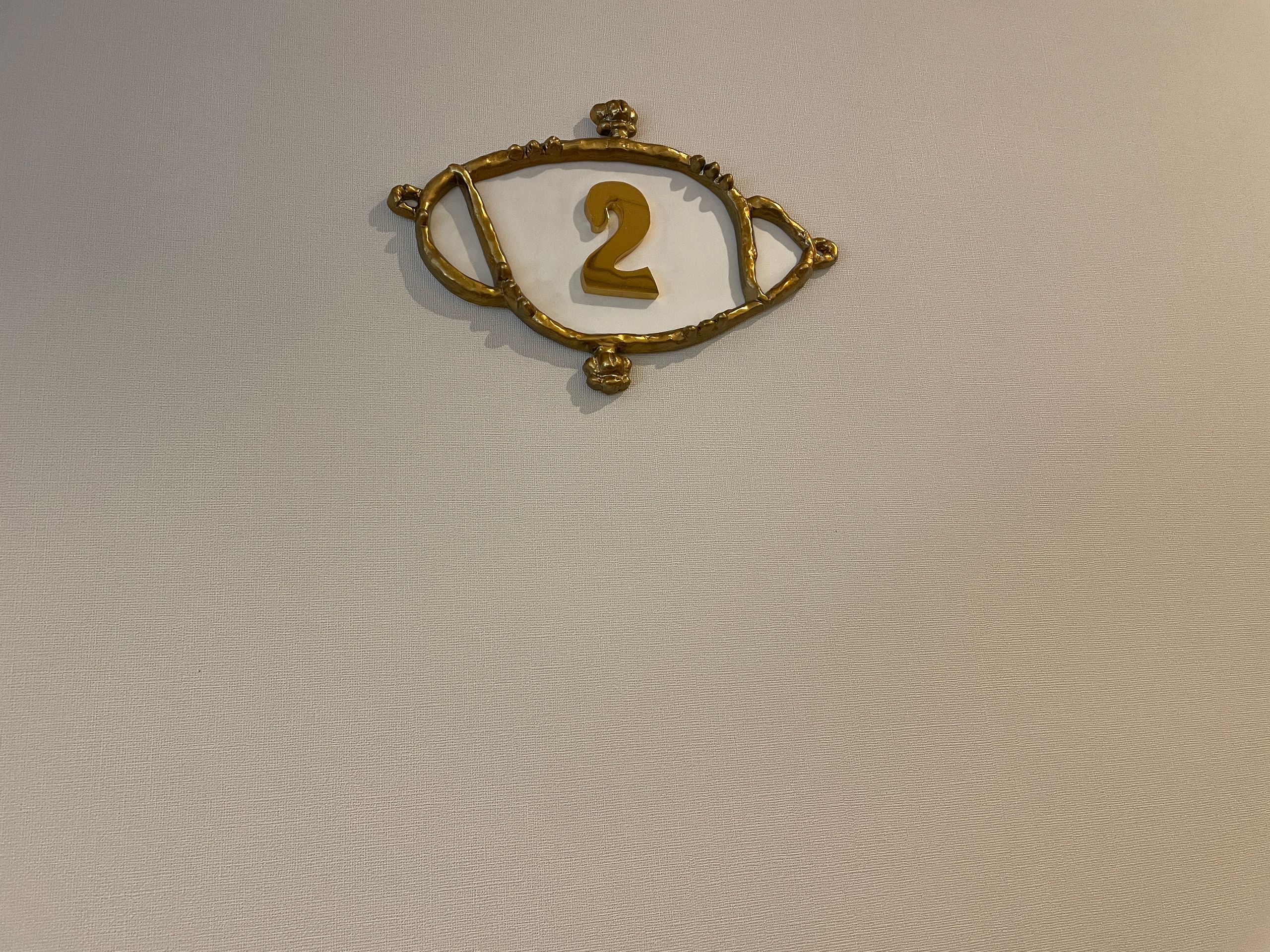
He started with traditional Japanese Nihonga painting, painted wooden doors and temple walls, then turned to everyday themes after the war, eventually becoming fully abstract, traveling to Europe and absorbing various influences there, began experimenting with different materials and techniques such as ceramics, textile design, carpets, and wall hangings, and finally built his own museum in 1966, where he designed every detail from the building itself to lamps, doors, handrails, and even the smallest door knobs. That was my first destination today.
A few days ago, I had seen a poster that reminded me very much of images from classical modernism, only in Japanese. The building itself is impressive, but especially the decorations and all the little details in the interiors speak of such overflowing creativity that it can really heat you up.
Of the paintings, I particularly liked those he created after the war, often featuring one of his 8 siblings as a model, where he describes the everyday life of people in Kyoto. I also found the portraits to be especially interesting and beautiful. It is somewhat embarrassing how accustomed one is to seeing almost exclusively white people depicted in paintings, especially in portrait images, which hang in museums.
What I have also noticed in other Japanese art exhibitions featuring images from ancient times, especially woodcuts and ink drawings, is that very often the figures and even the animals look in one direction with one eye and in the other with the other. I don’t know if that’s a stylistic device or has any meaning, but since these artworks are otherwise truly magnificent, it can’t be due to the artists' abilities….
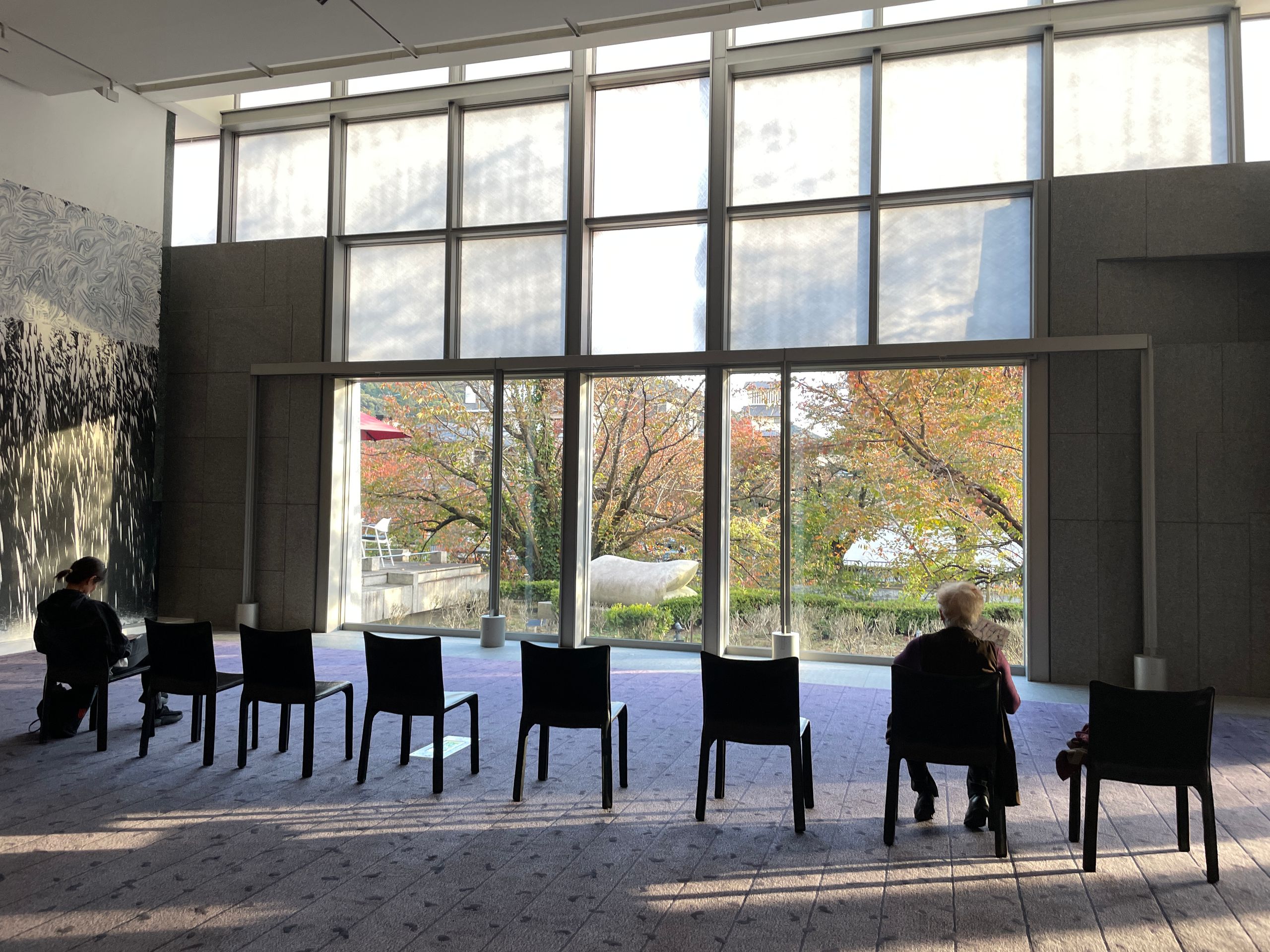
After the Domoto Insho Museum, I went to the Kyoto Museum of Modern Art, only to find out that a large special exhibition for the same artist had been organized here as well. Here, especially his