

Fast on schedule
An unremarkable day. Everything went smoothly until the departure. No bus cancellations, no queues, and still time for our departure Alster.

Published: 15.07.2026
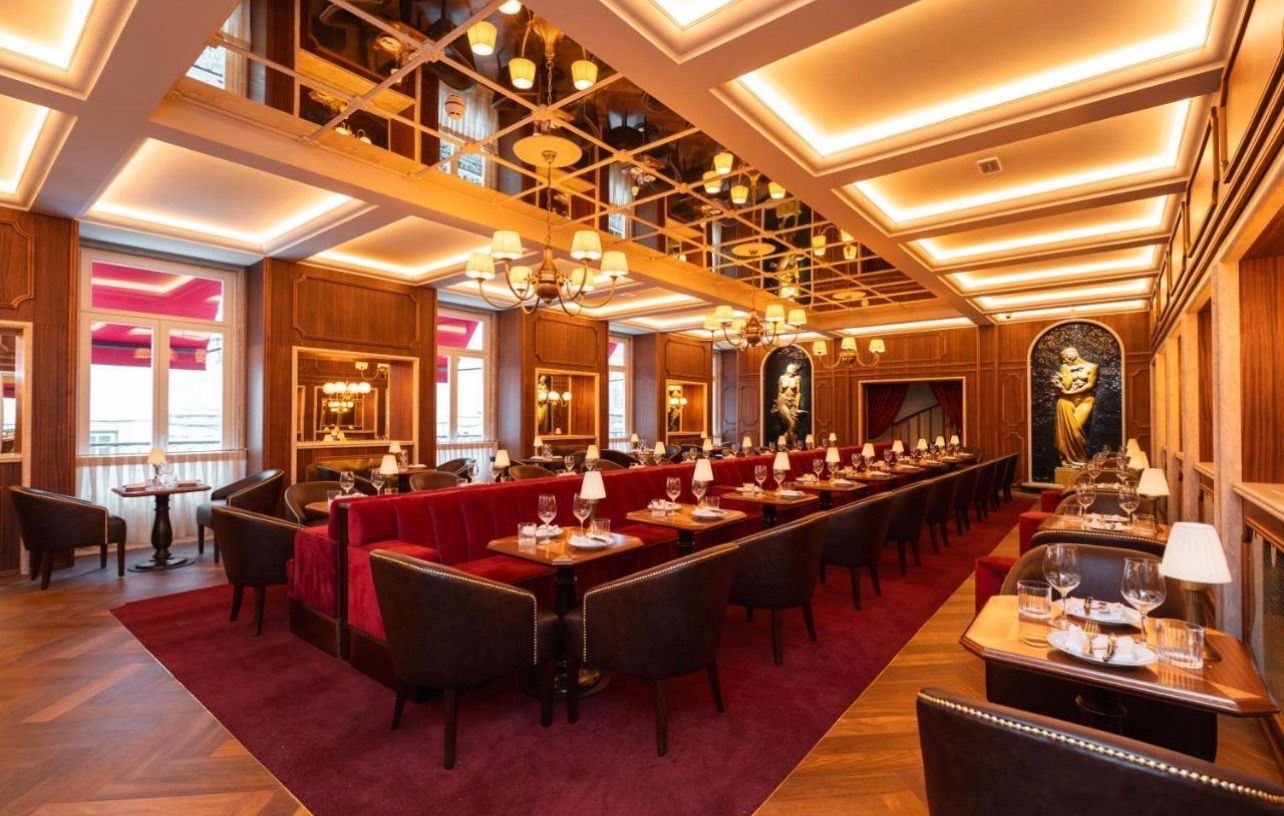
Today, we will explore Lisbon on foot using the metro and the historic tram. But before we set off, we’ll refuel. The 'breakfast room' is actually the hotel bar and slightly reminds of the early 20th century, with plush sofas, leather chairs, and subdued colors.
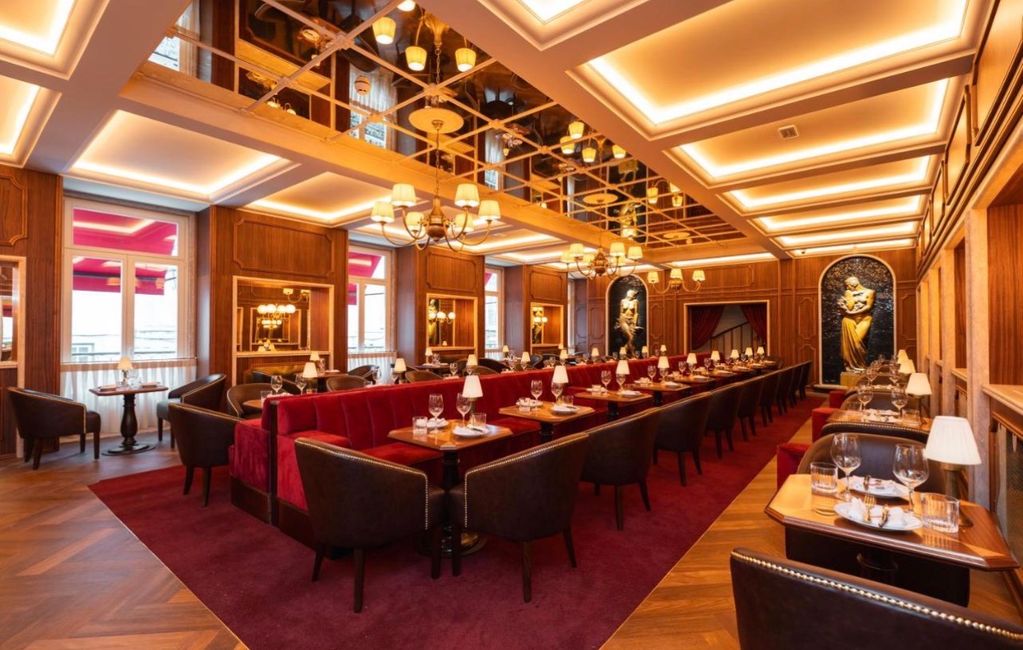
It could have easily served as a backdrop for the film Berlin Babylon.
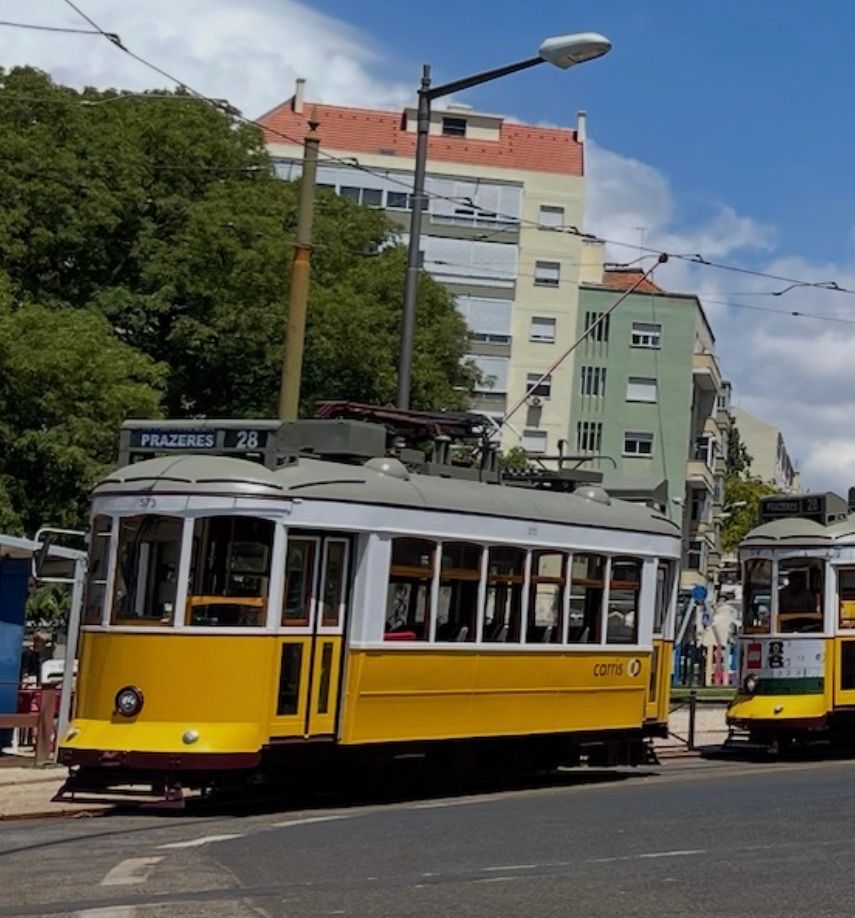
We start by taking the metro towards Campo de Ourique, the
westernmost terminus of the historic tram 28.
Facts:
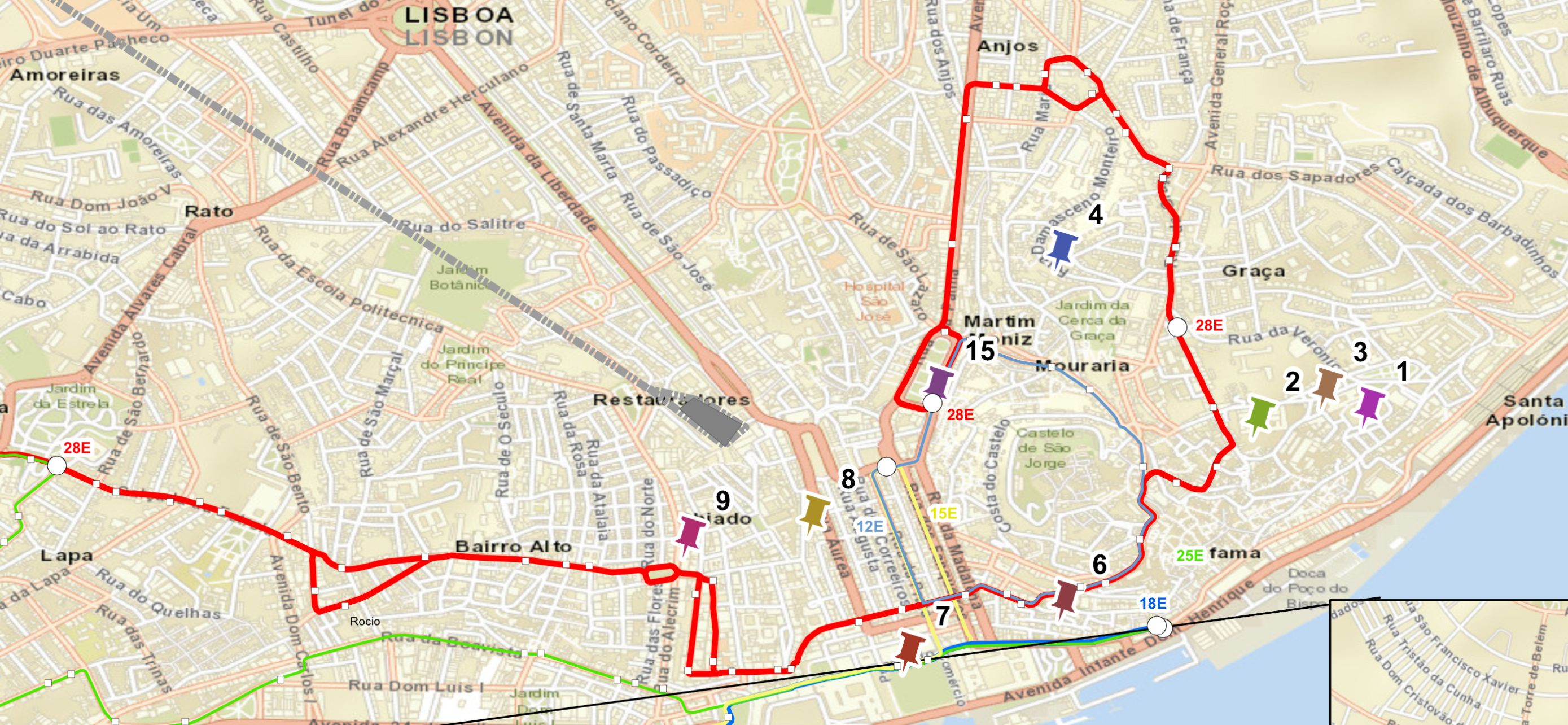
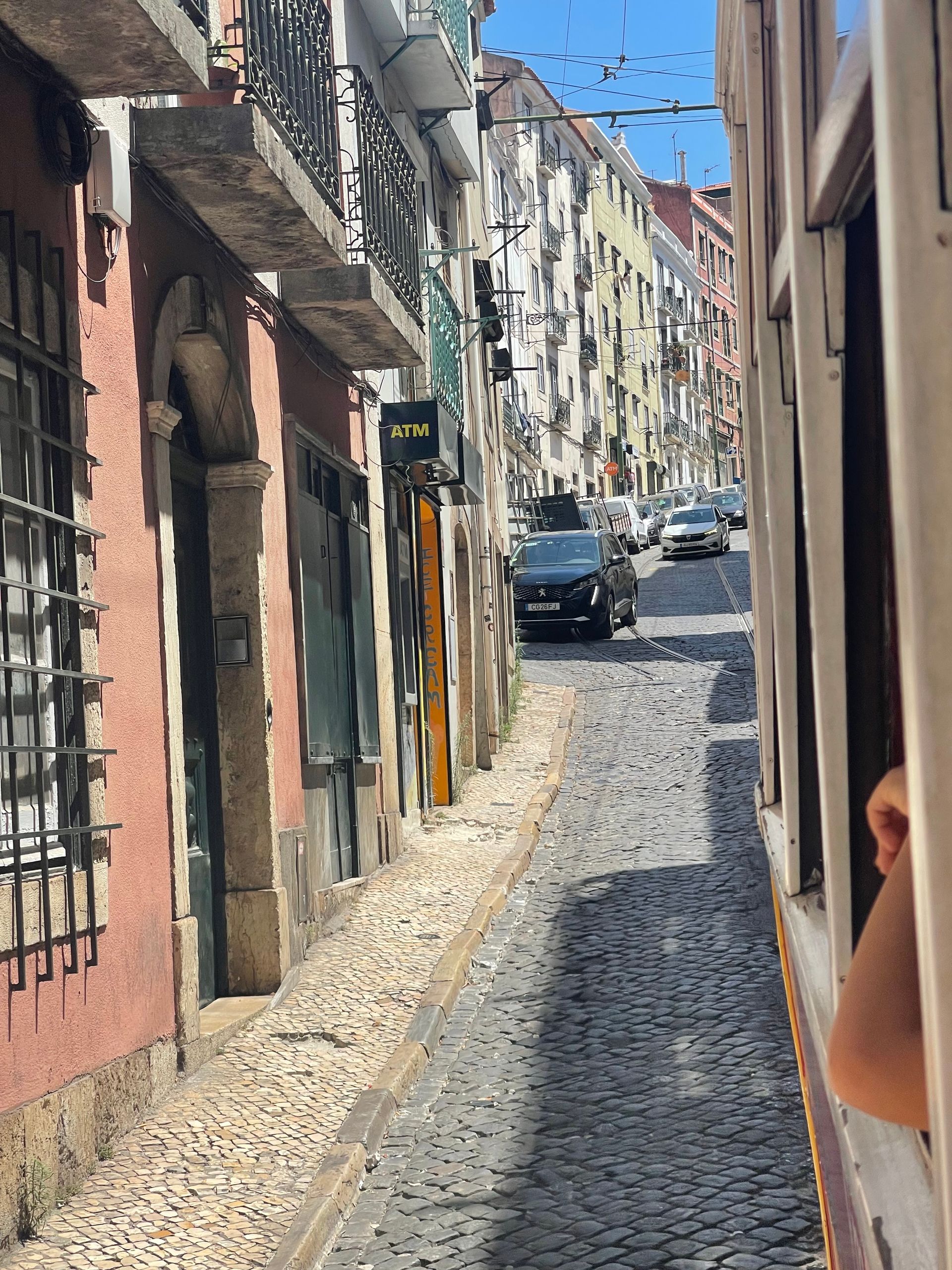
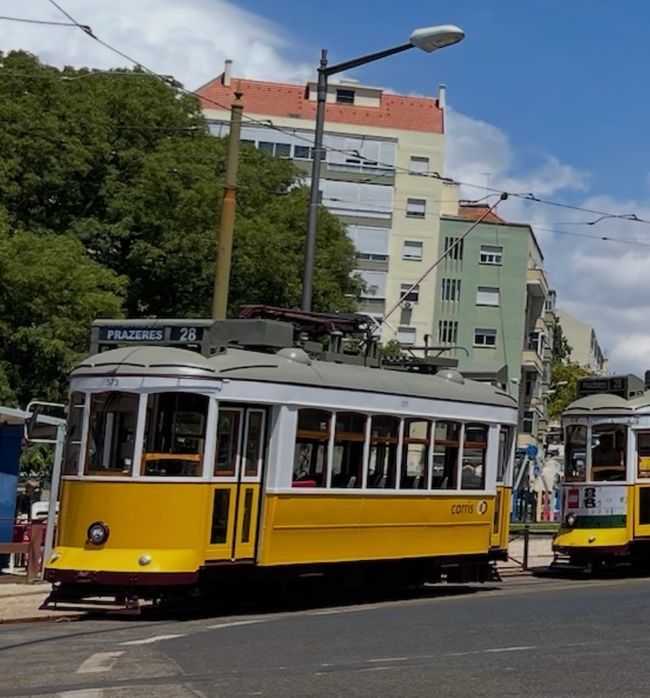
The historic tram 28E (Eléctrico 28E) is one of the most famous attractions and perfectly suited for exploring the old town. The route winds through the narrow streets of the neighborhoods Alfama, Graça, Baixa, and Bairro Alto.
It’s not just a tourist attraction but a 'normal' part of public transport.
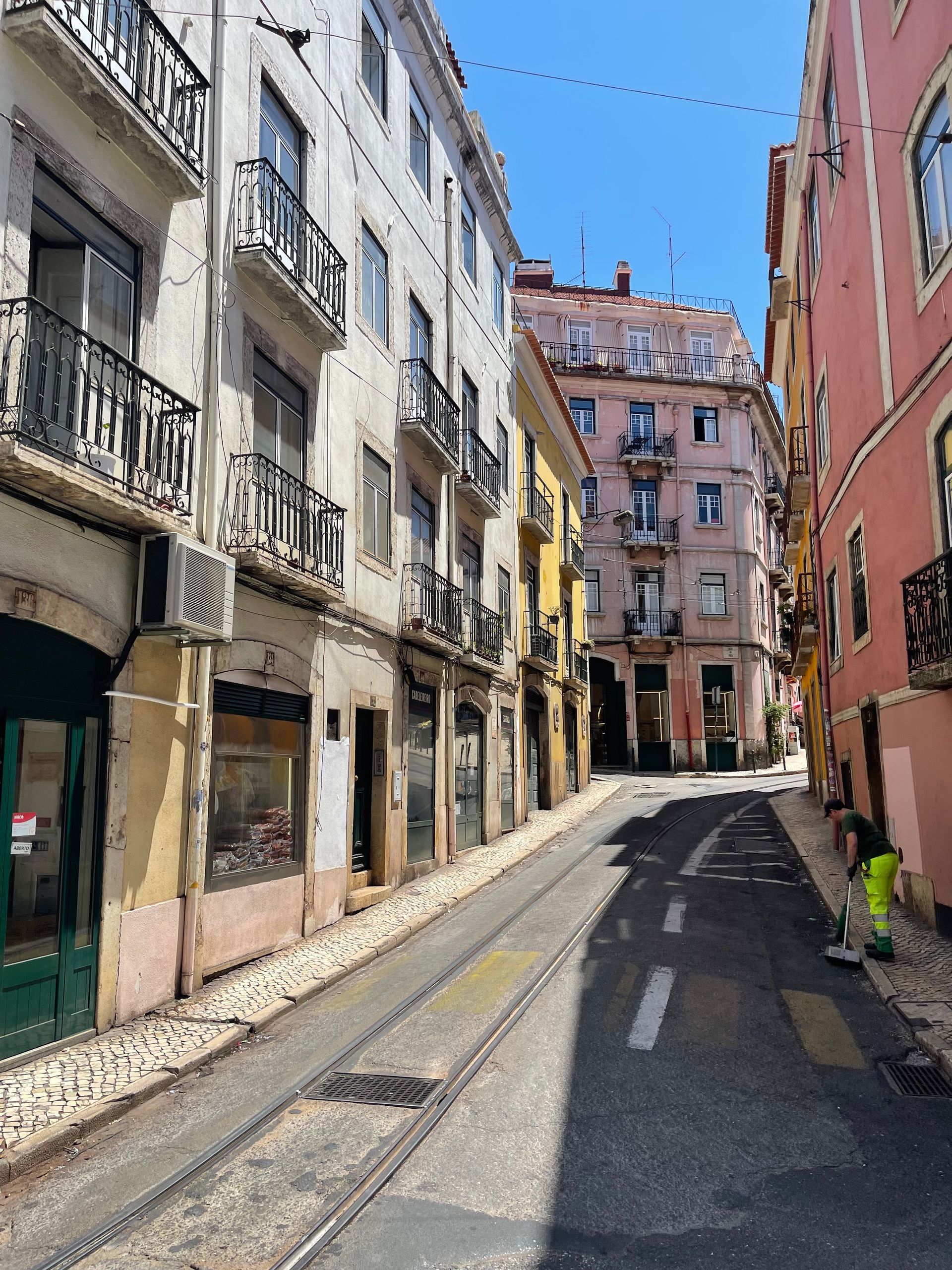
The ride through the narrow streets of the Alfama old town is particularly impressive. Here, the tram snakes through densely built streets, closely passing by building facades, balconies, and lamp posts.
The carriages of line 28E are indeed narrow, yet in some streets, there’s only a few centimeters space to the buildings on either side. This close proximity adds a unique charm to the ride.
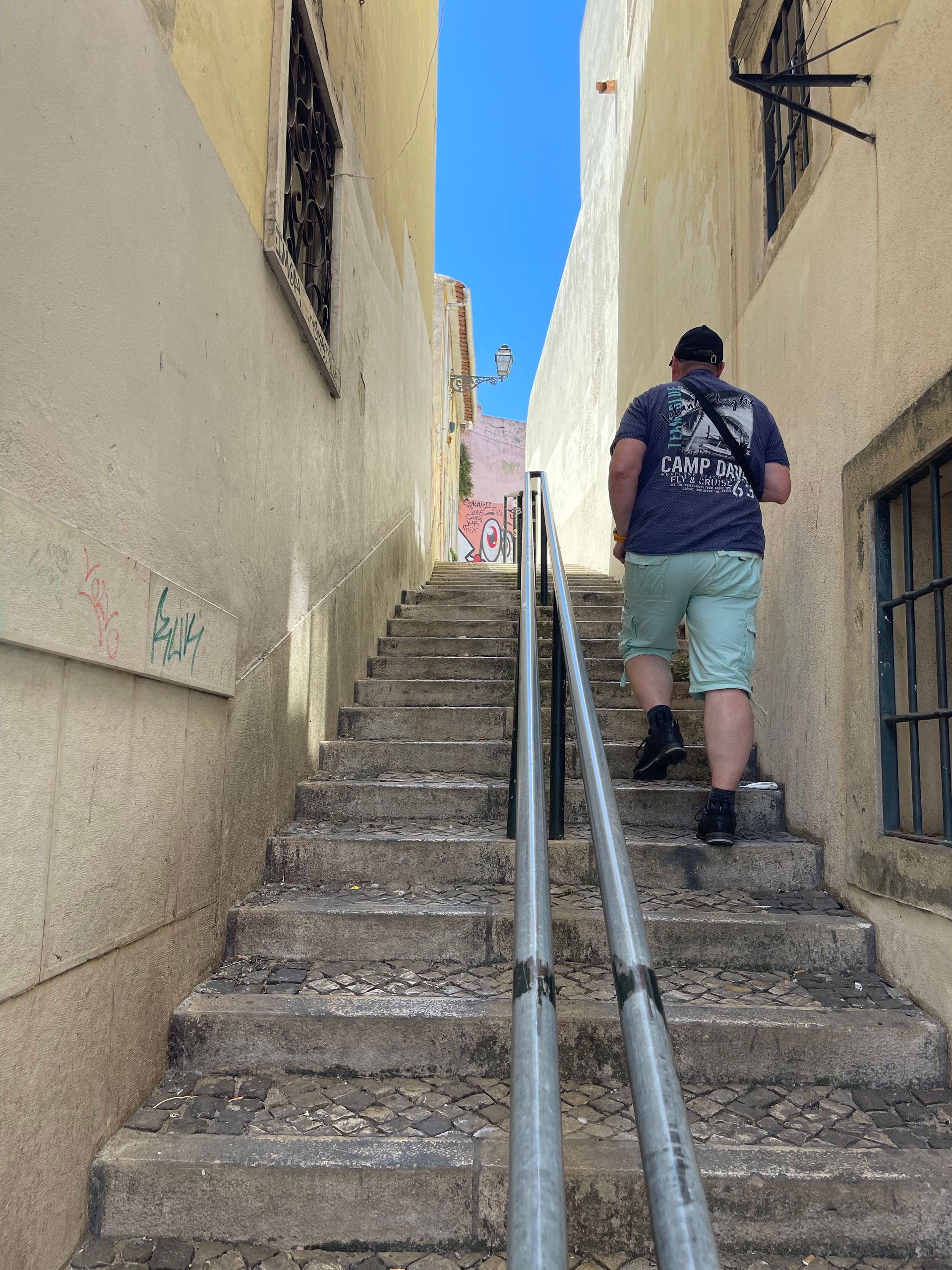
However, before we reach the endpoint, there’s still a walk ahead of us. The co-pilot has calculated 20 minutes while Google says 28 minutes, and we took 35 minutes – of course, only because we took so many pictures and kept stopping, otherwise, we would have only needed 15 minutes 😜 - we nimble elves.
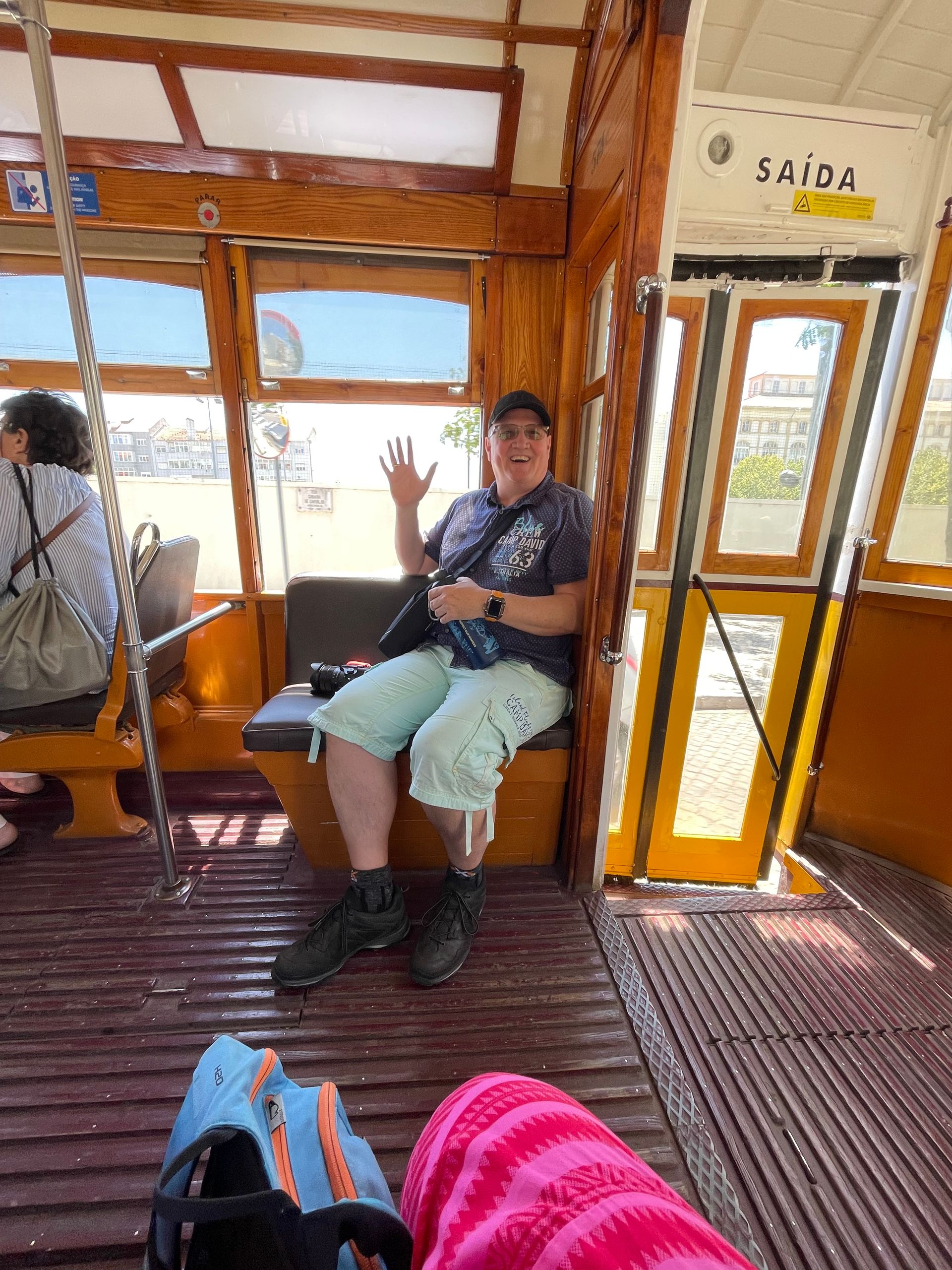
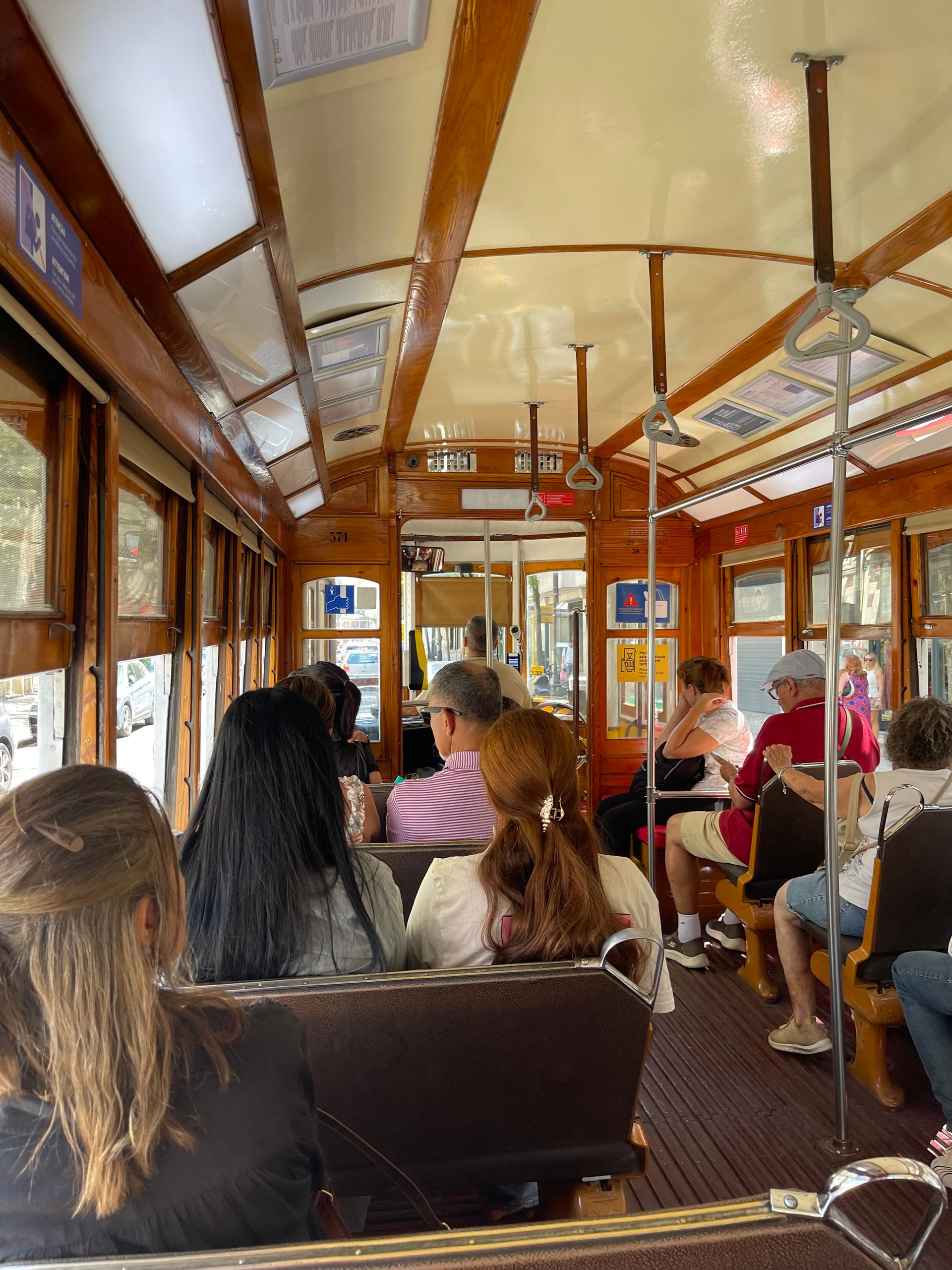
The tip to get on the 28E here was good because the waiting line was short, ensuring a window seat.
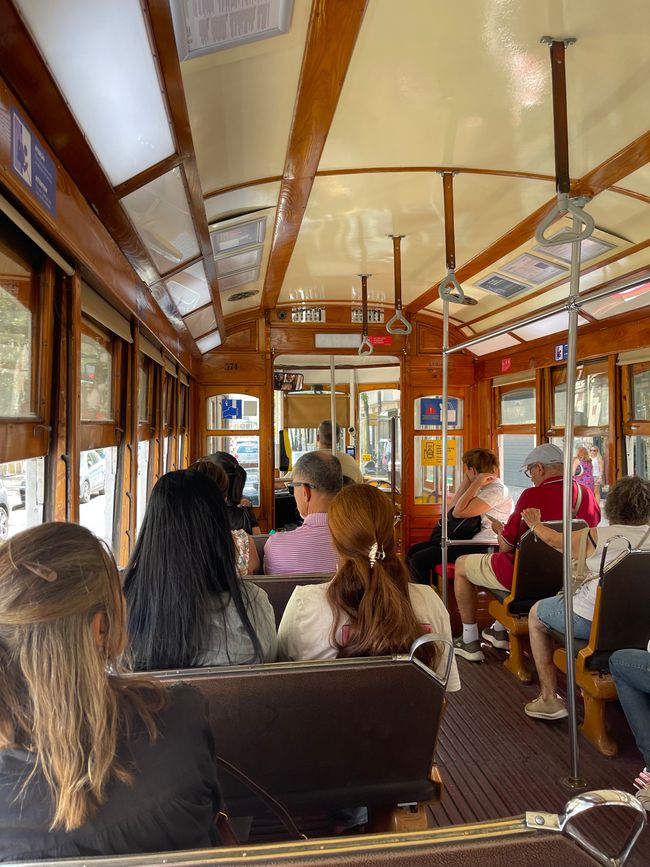
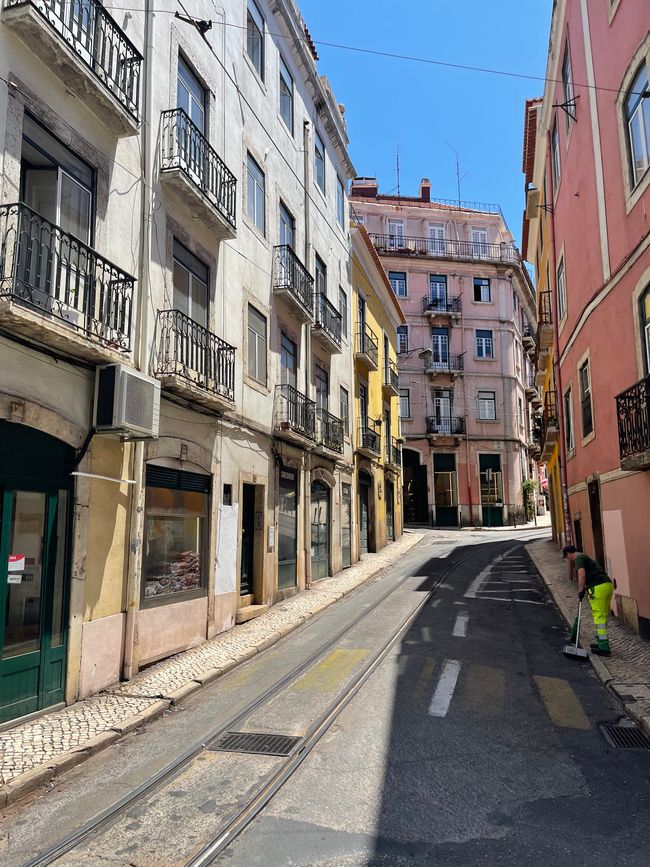
The journey of 7 km passes by numerous sights.
After nearly an hour, we reach the endpoint Martim Moniz.
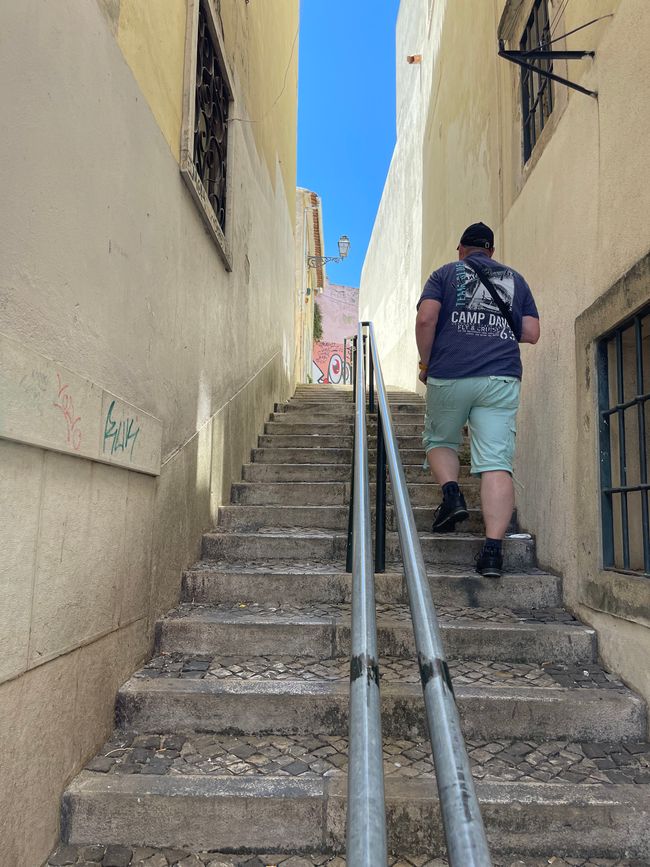
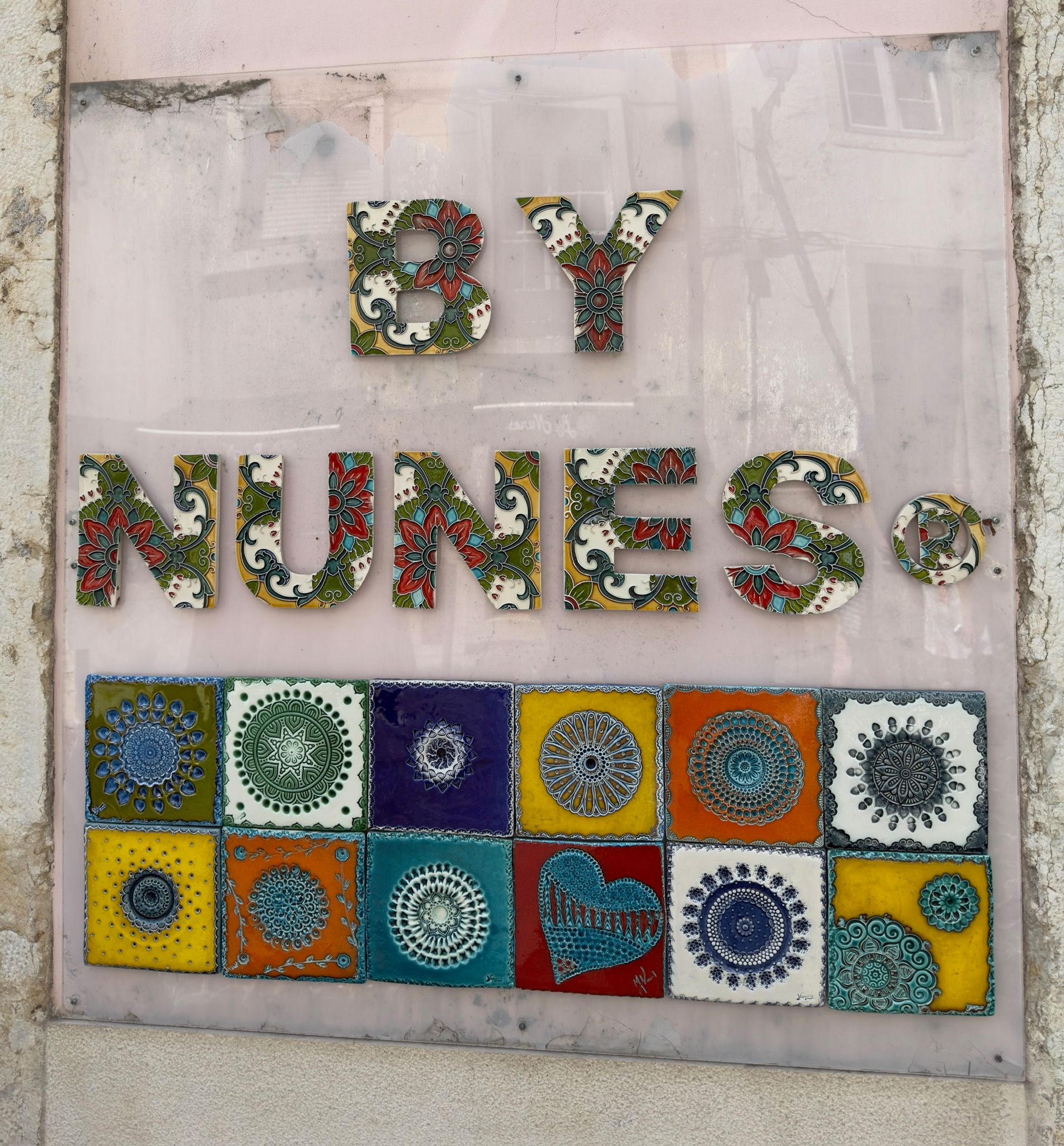
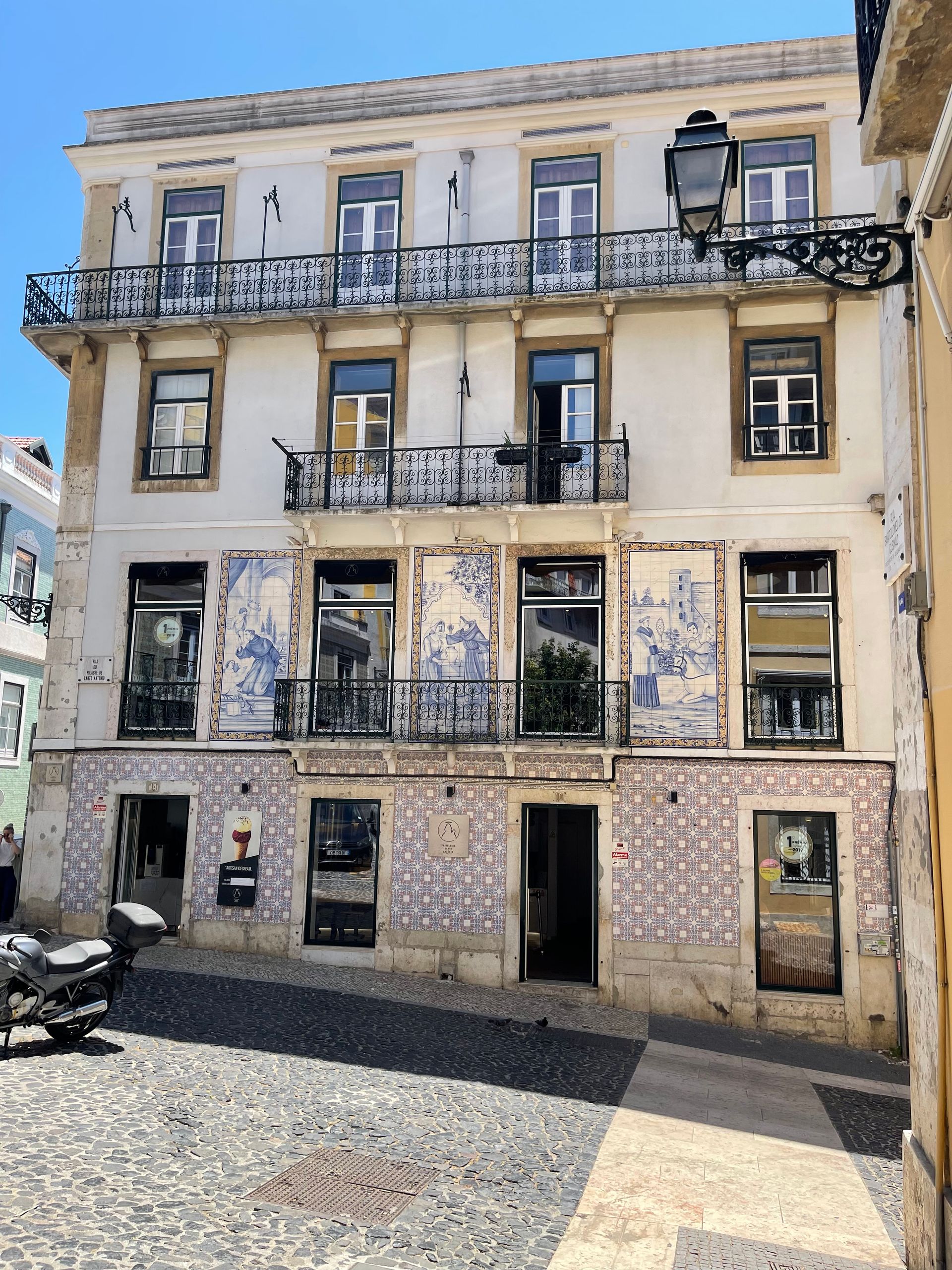
From here, we walk to the best Pastel de Nata of Lisbon at Cafe Santa Antonio.

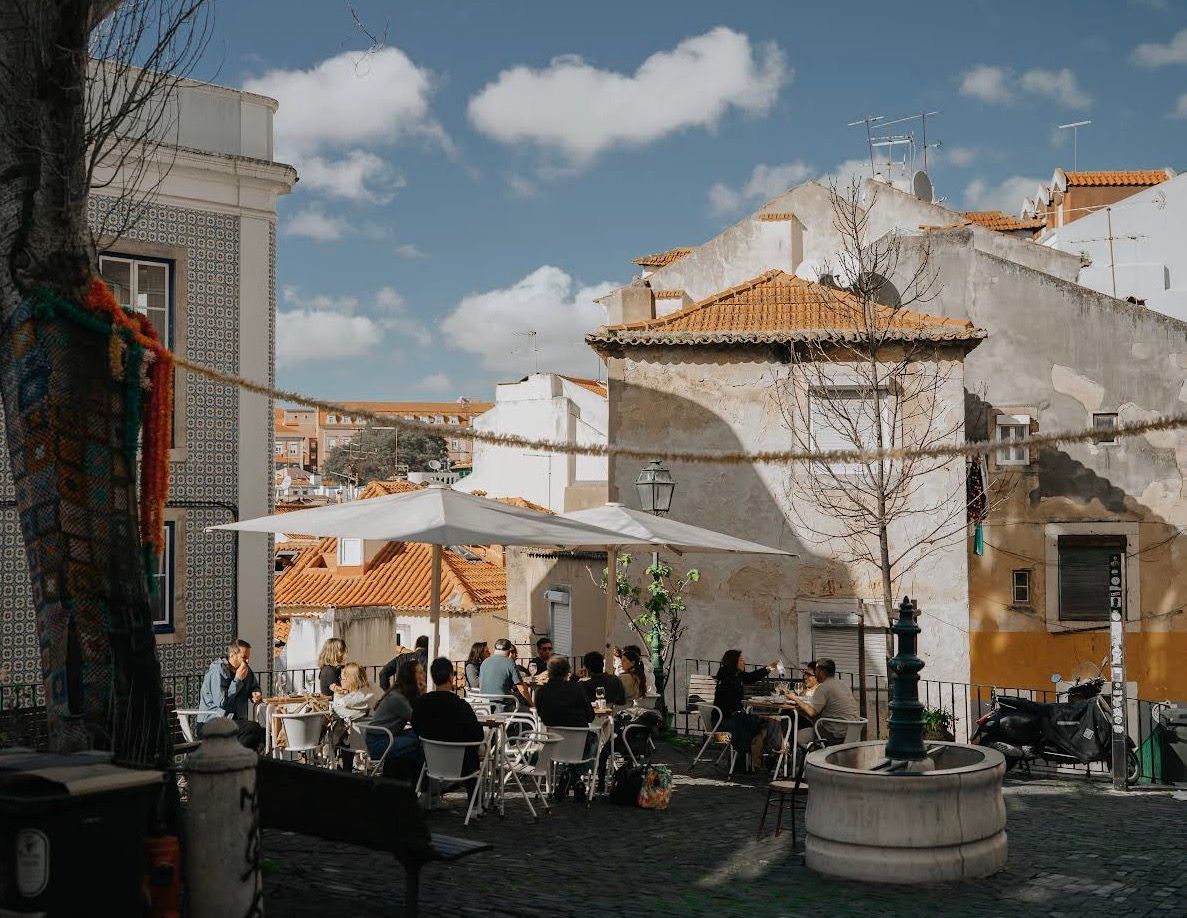
and continue to Cafe o Corvo where we actually wanted to enjoy a sangria on the terrace.
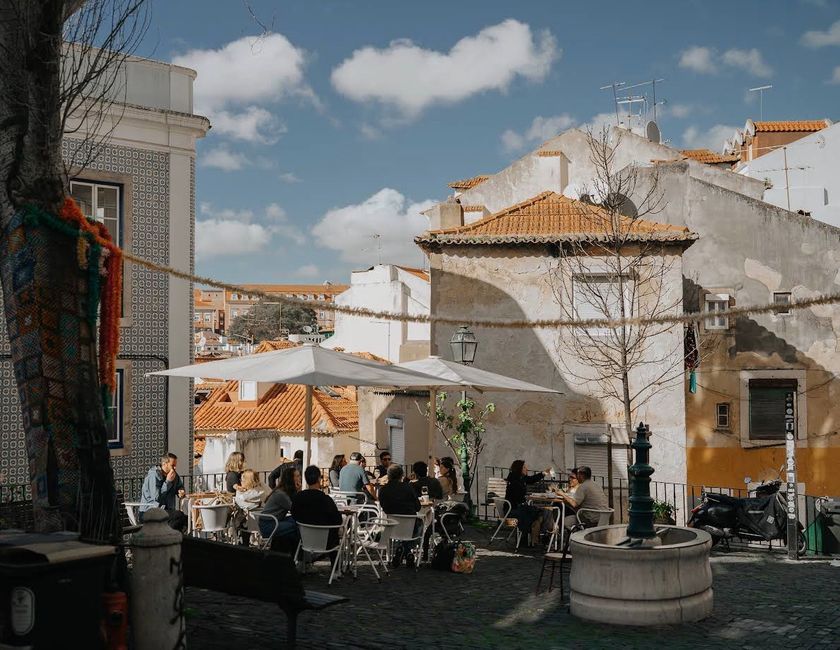
Unfortunately, a diligent Lisboan was busy at lunchtime with a separating machine, making a deafening noise - which ruled out the café, and we had to keep moving, still thirsty.
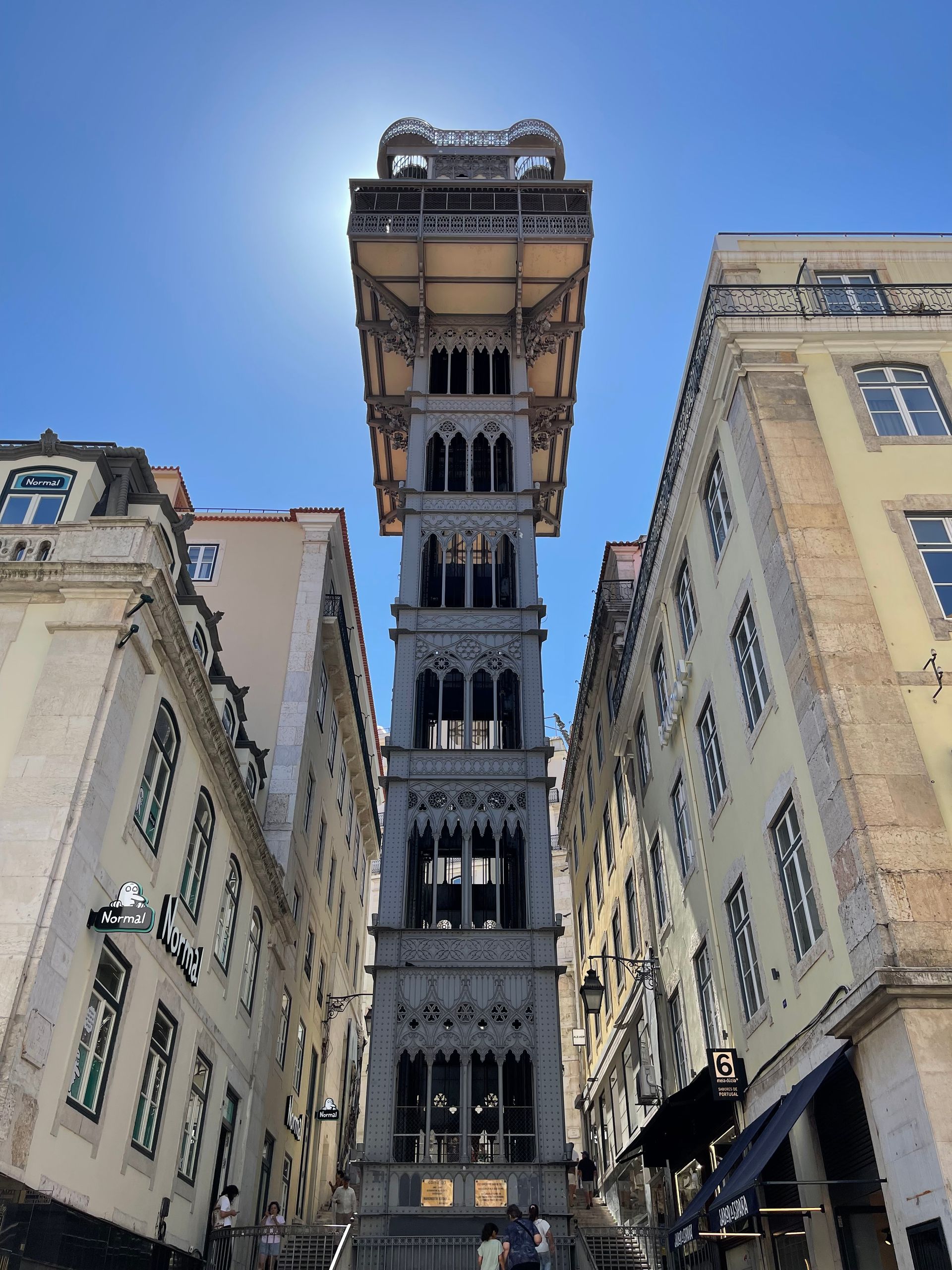
Onward to the Arco Triunfal da Rua Augusta (Arch of Triumph), passing another attraction, the Elevador de Santa Justa.
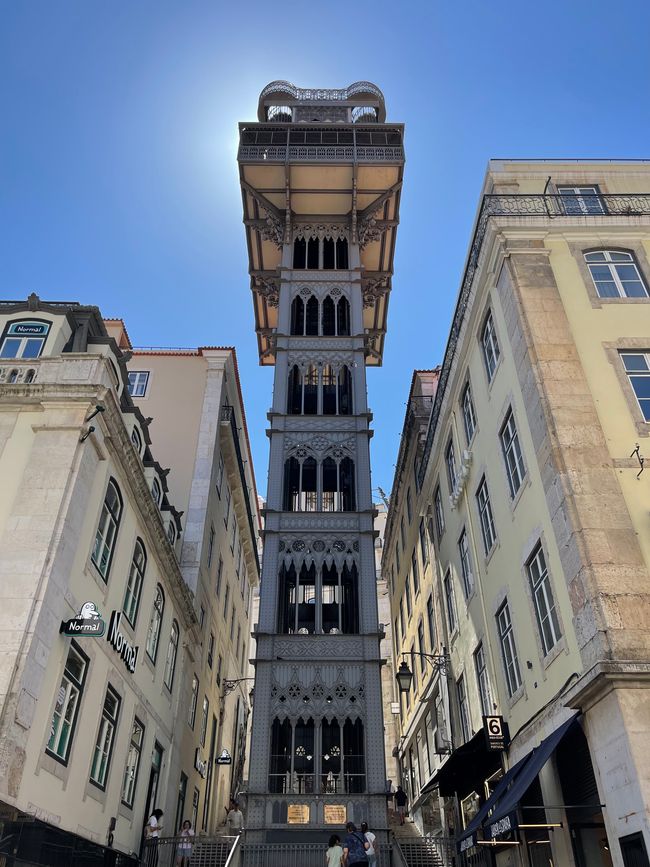
Facts:
An artistically designed elevator in the middle of Lisbon, connecting two districts: Baixa (Lower Town) with Chiado and Bairro Alto (Upper Town). The Elevador de Santa Justa is a 45-meter-high iron tower, richly decorated in neo-Gothic style.
Built in 1902 by Gustave Eiffel's student Raoul Mesnier de Ponsard, who also designed the other funiculars in Lisbon. Iron was the construction material of the time around 1900, symbolizing progress and allowing for elaborate embellishments in construction. In its early years, the lift was still powered by steam engines, only later did it switch to electric power.
Unfortunately, the elevator is temporarily closed 😩.
Also, the 3 old funiculars (Ascensor da Gloria built in 1885, da Bica built in 1892, and do Lavra built in 1884), which we wanted to see and ride, halted operations following the disaster in September 2025 that resulted in 16 fatalities.
Such a pity
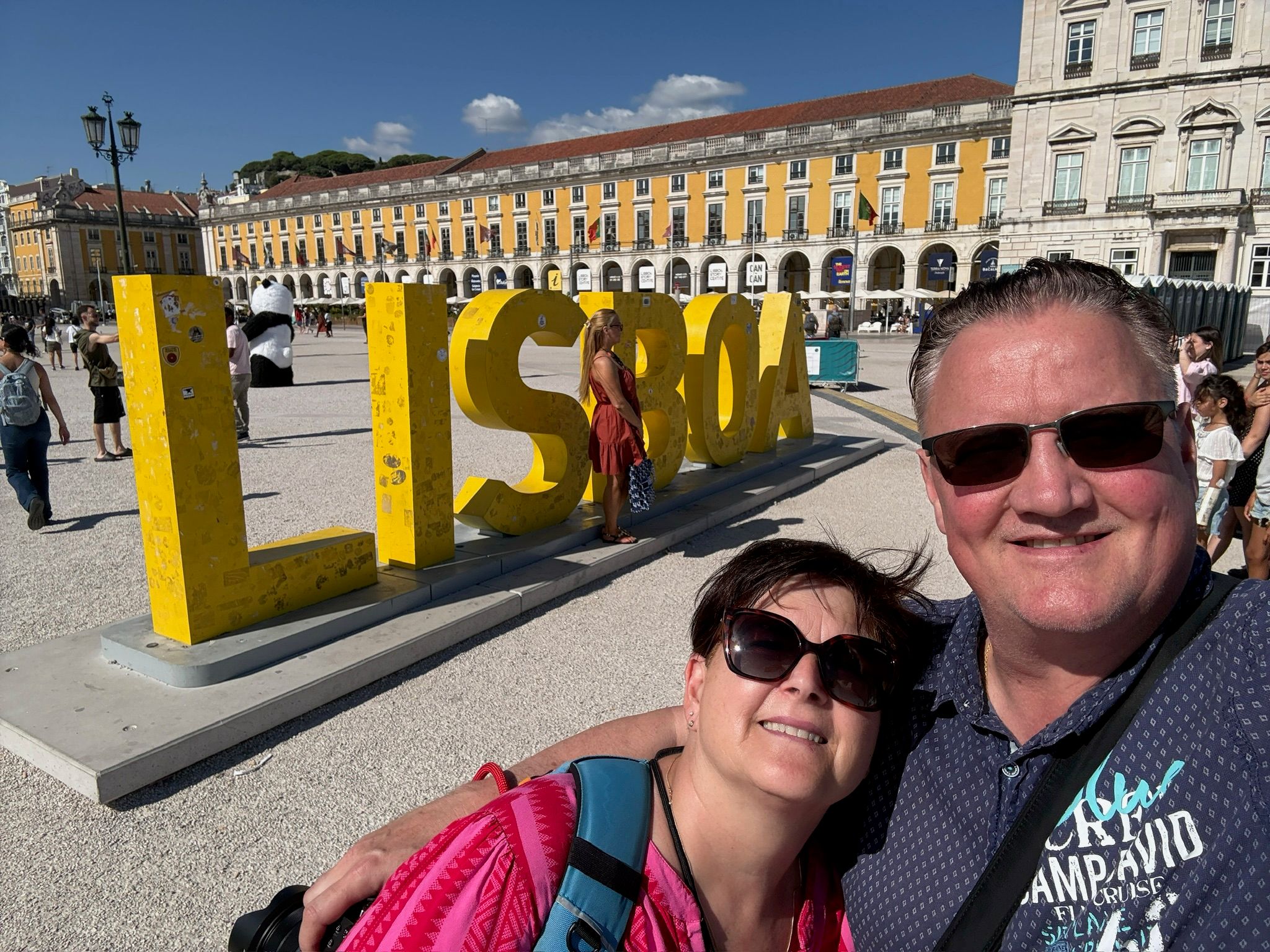
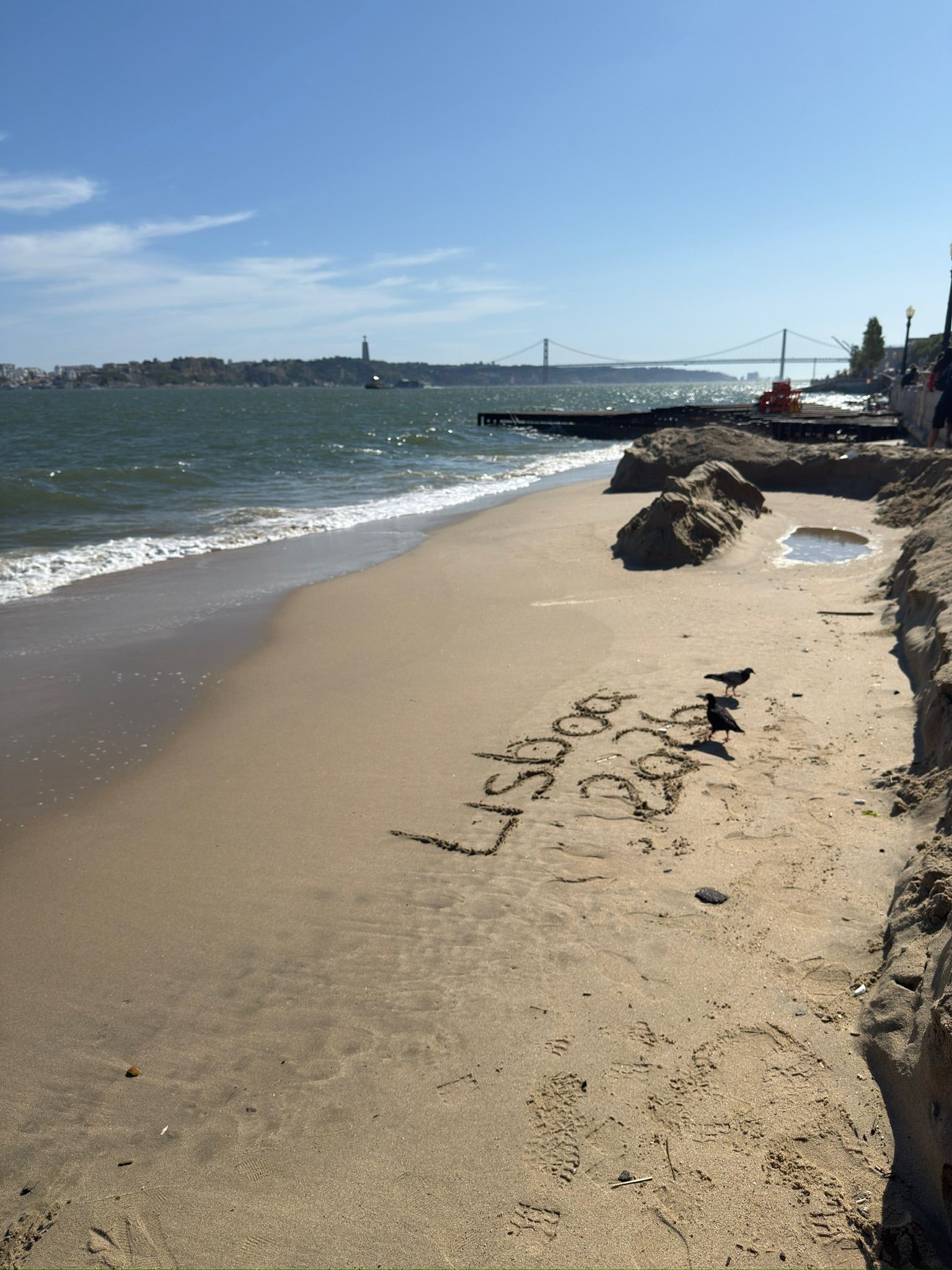
Well, onward towards the Arco Triunfal da Rua Augusta. We settled at an overpriced tourist street restaurant and sipped a sangria. Fueled up, we head towards the water.
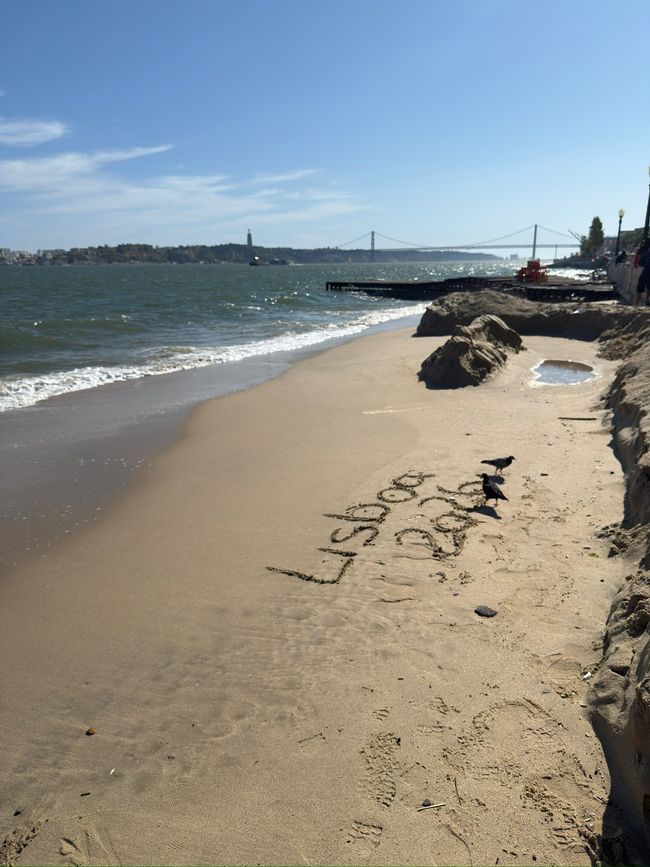
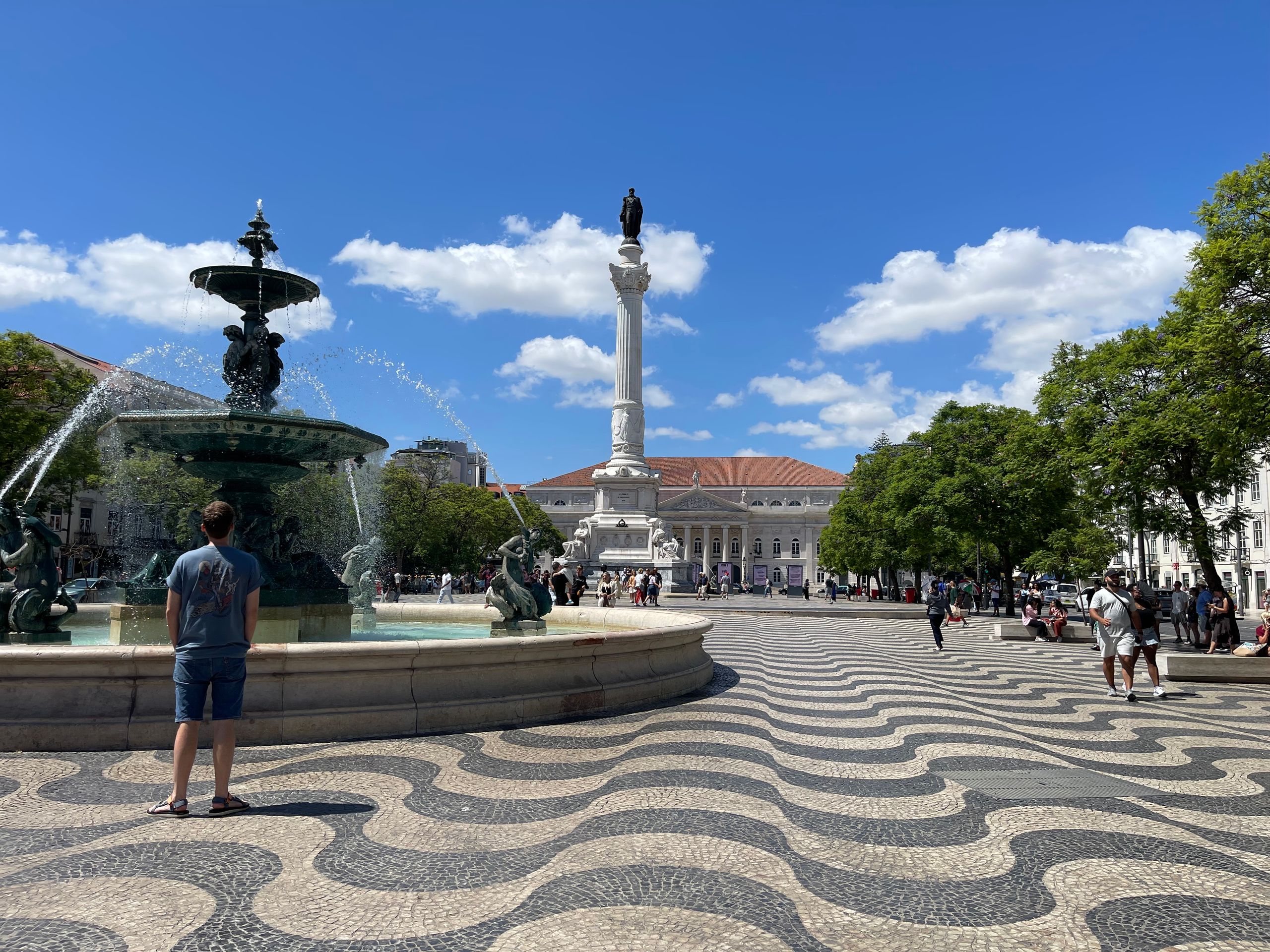
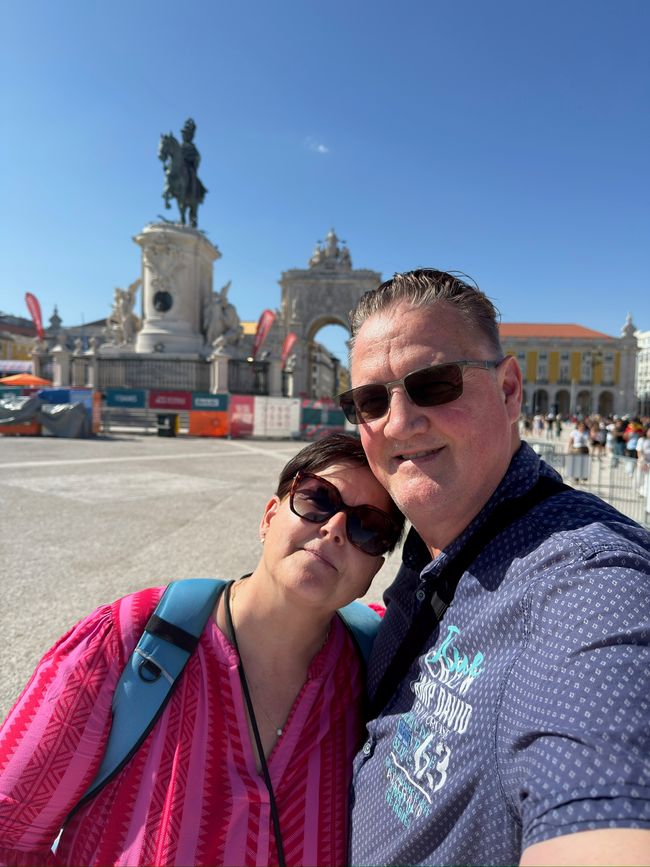
Lisbon has a lot of grand plazas with large statues,
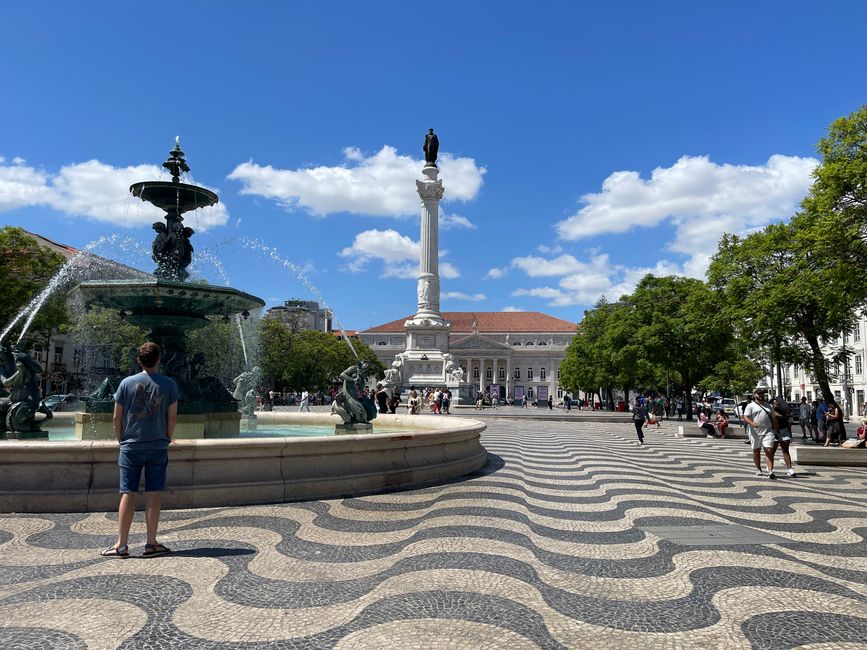
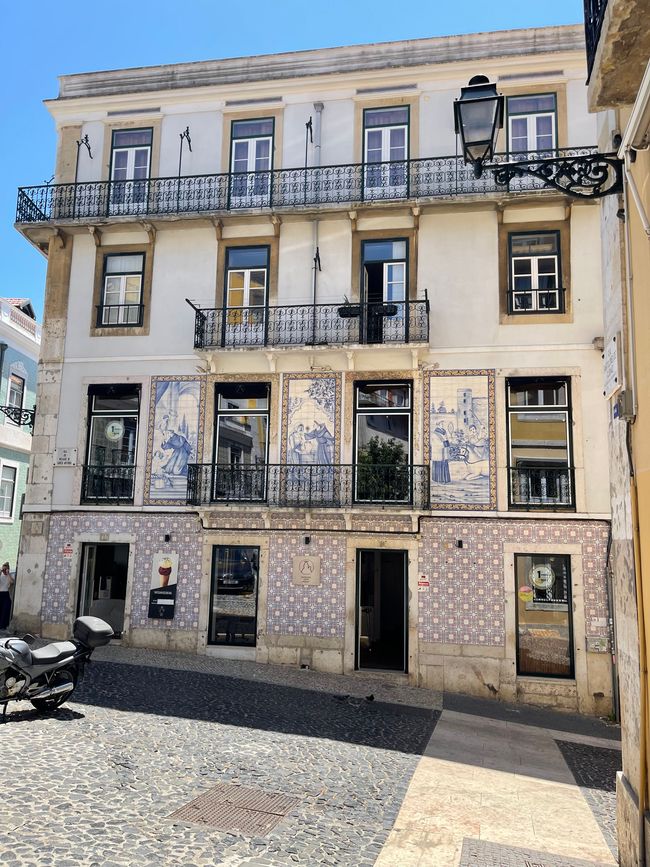
lots adorned with Azulejos – tiled
houses
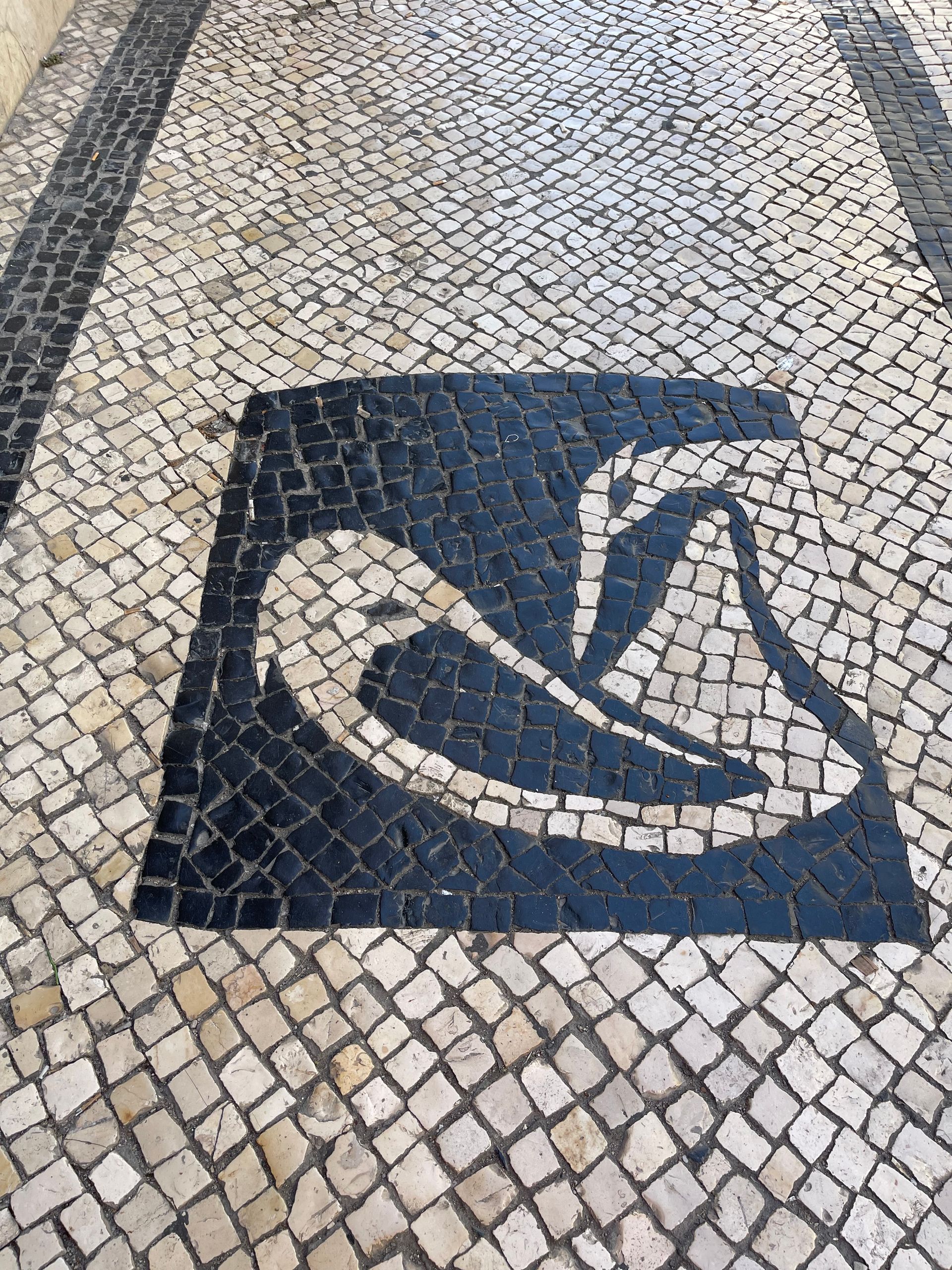
and all sidewalks are paved with small stones.
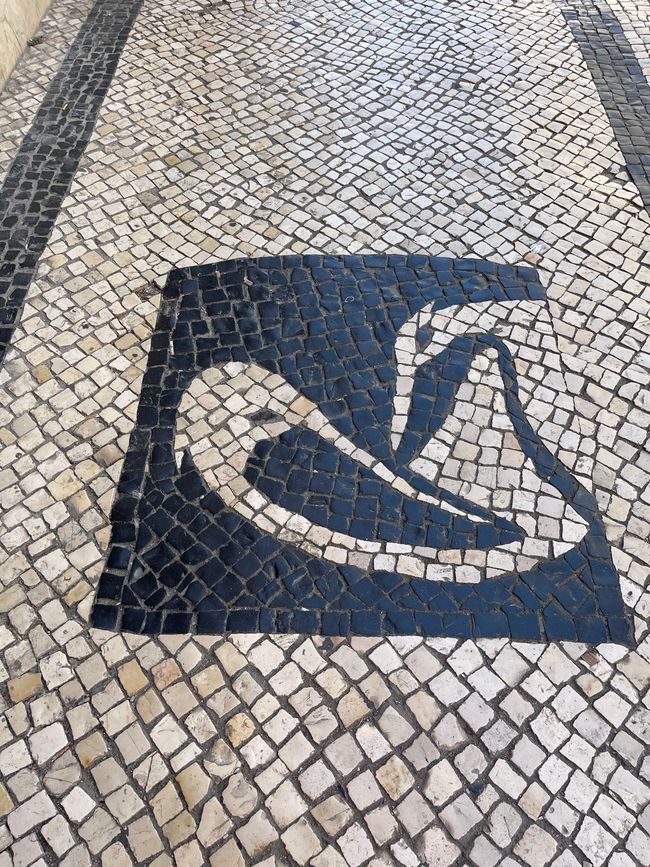
Facts:
The traditional Portuguese tiles not only give a house its identity but also provide good insulation and fire protection. Their origins date back to the Moors, who initially adorned their buildings with tiles in Spain. The fact that Azulejos were later produced in Portugal traces back to King Manuel I (1469-1521). He ordered them to decorate one of his palaces. Consequently, the square tiles became a popular export product.
The word Azulejos means 'polished stone'.
And the walkways, known as Calçada Portuguesa, meaning 'Portuguese sidewalk', are a characteristic Portuguese pavement, usually made of white limestone and black basalt. In 1986, the city of Lisbon established a school specifically for the art of paving, the Escola dos Calceteiros.
Such pavement can be found in all countries where Portugal once had influence.
One more bite to eat and ending the day with a sangria - that's how lovely vacation can be.