The Twelve Apostles on the Great Ocean Road
Today is Sunday, and for most religious people, it is the day to go to church and engage with Jesus. We are not religious, but today we wanted to explore the 12 Apostles....

Published: 09.12.2024
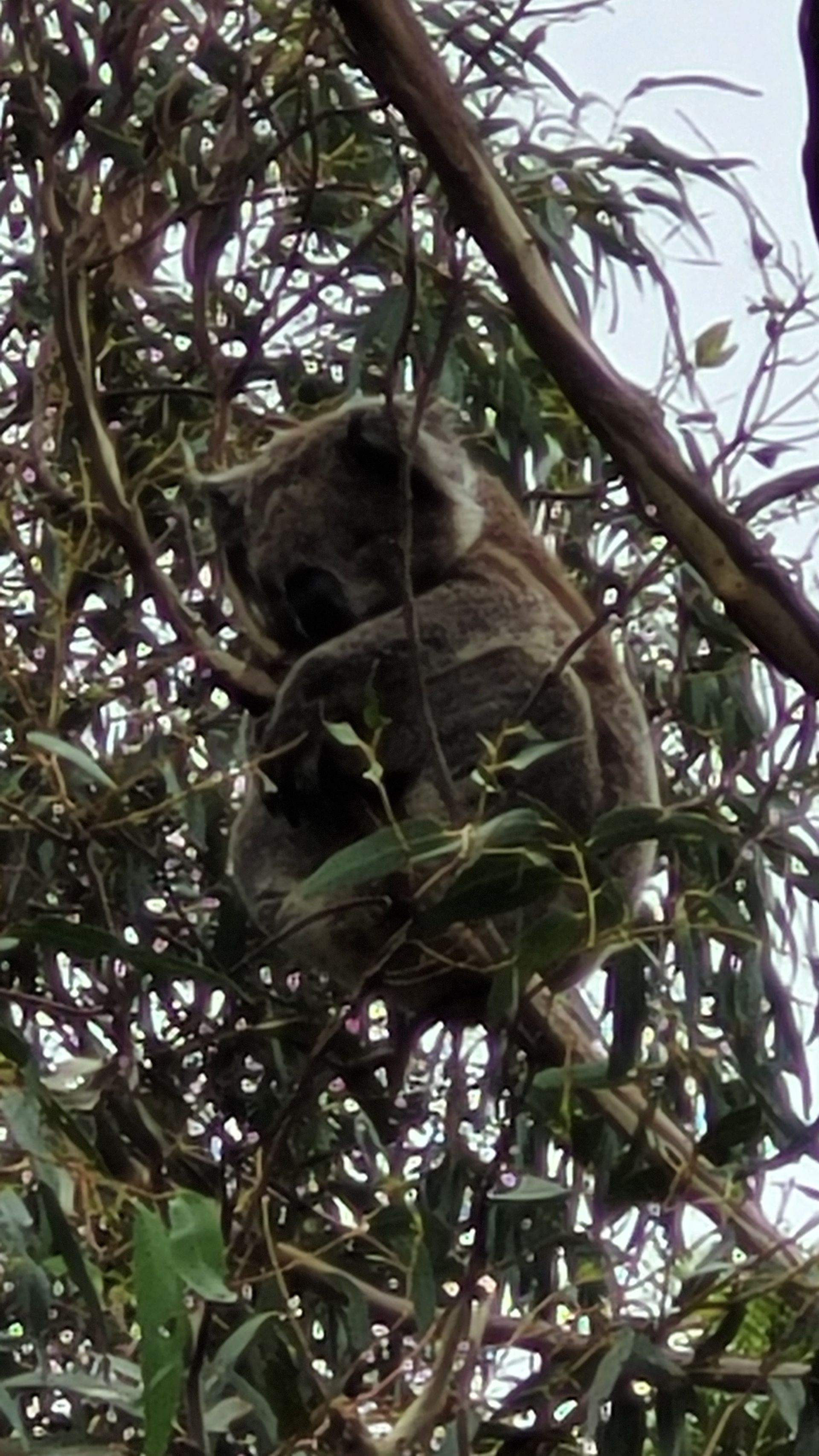
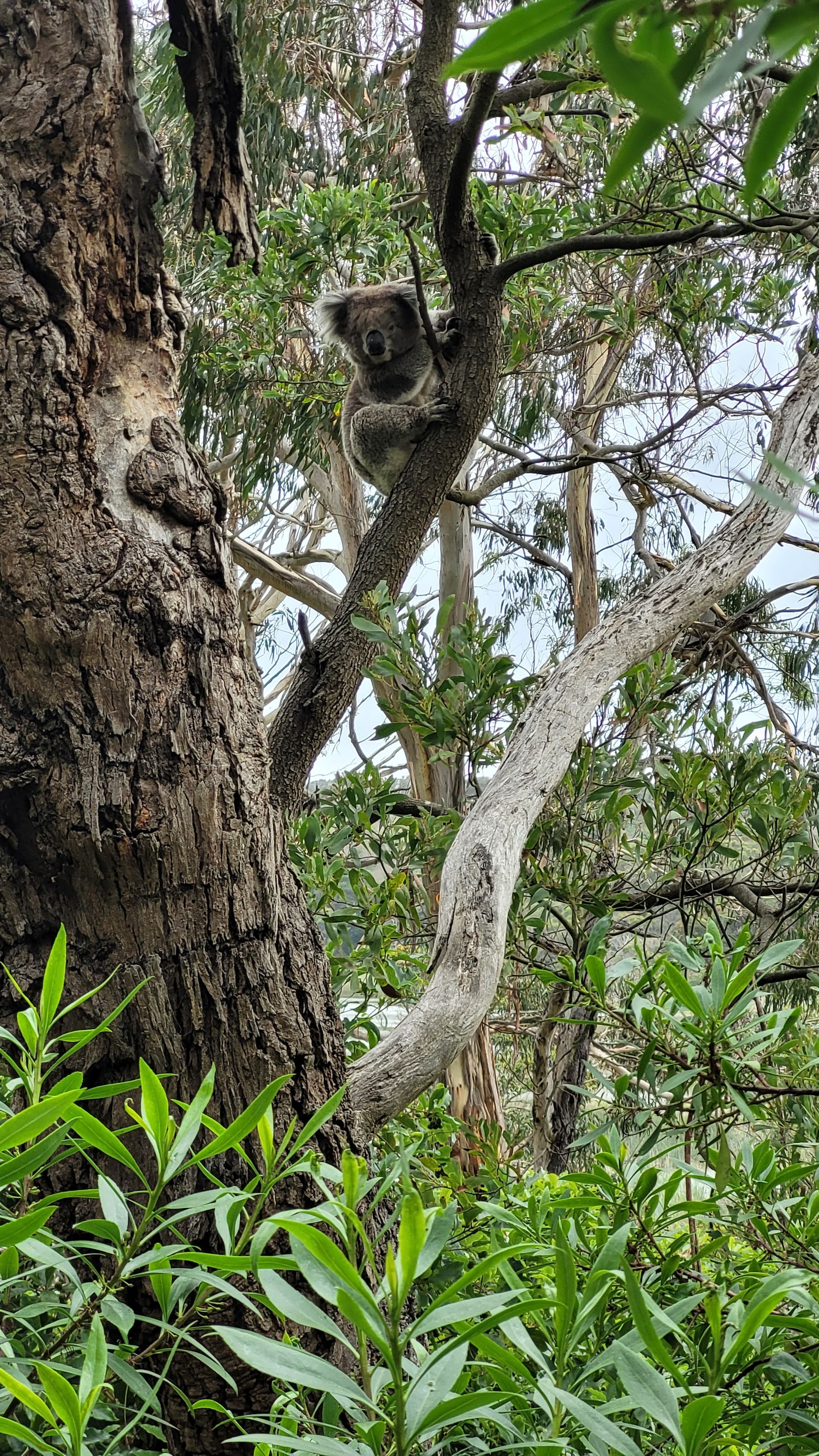
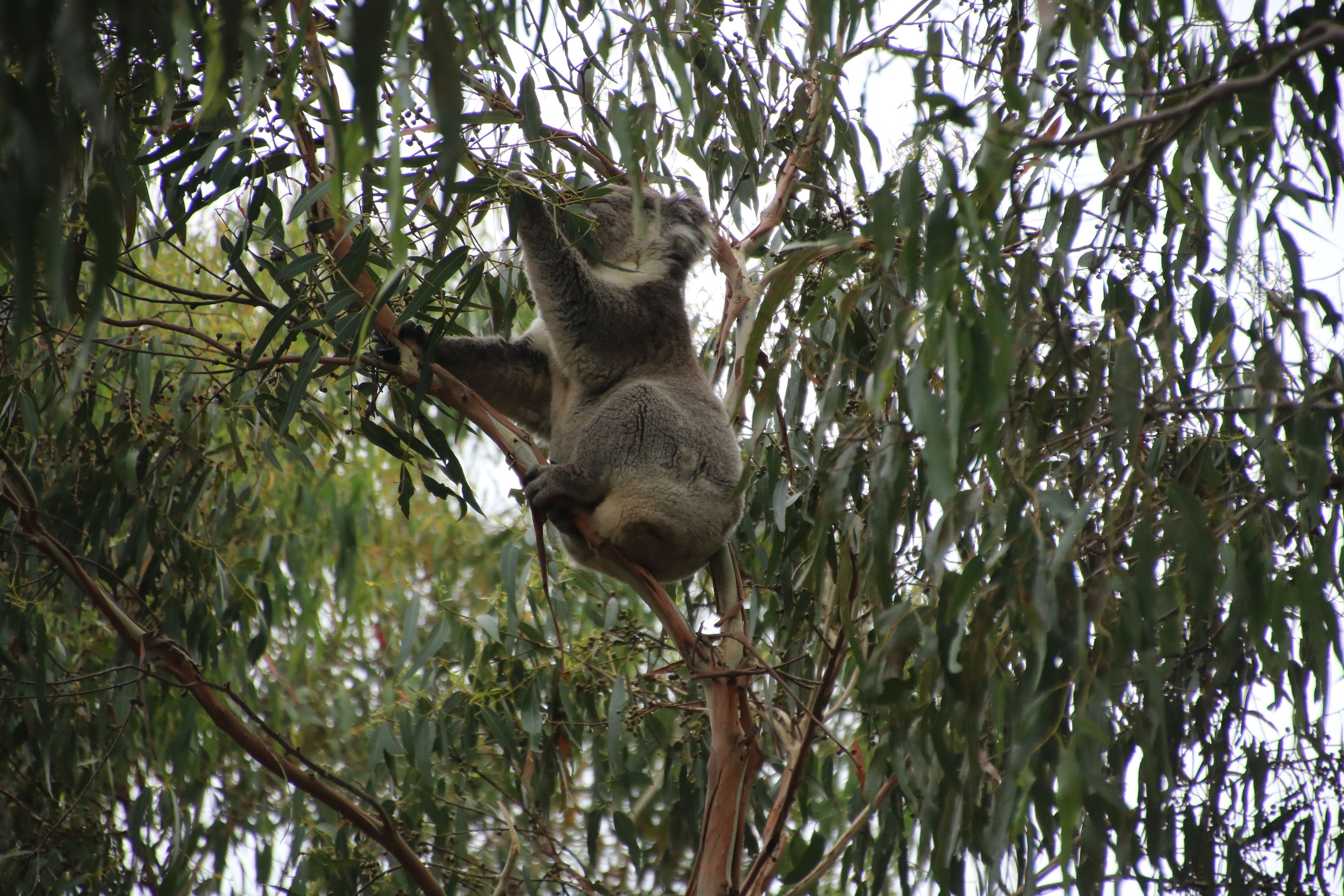
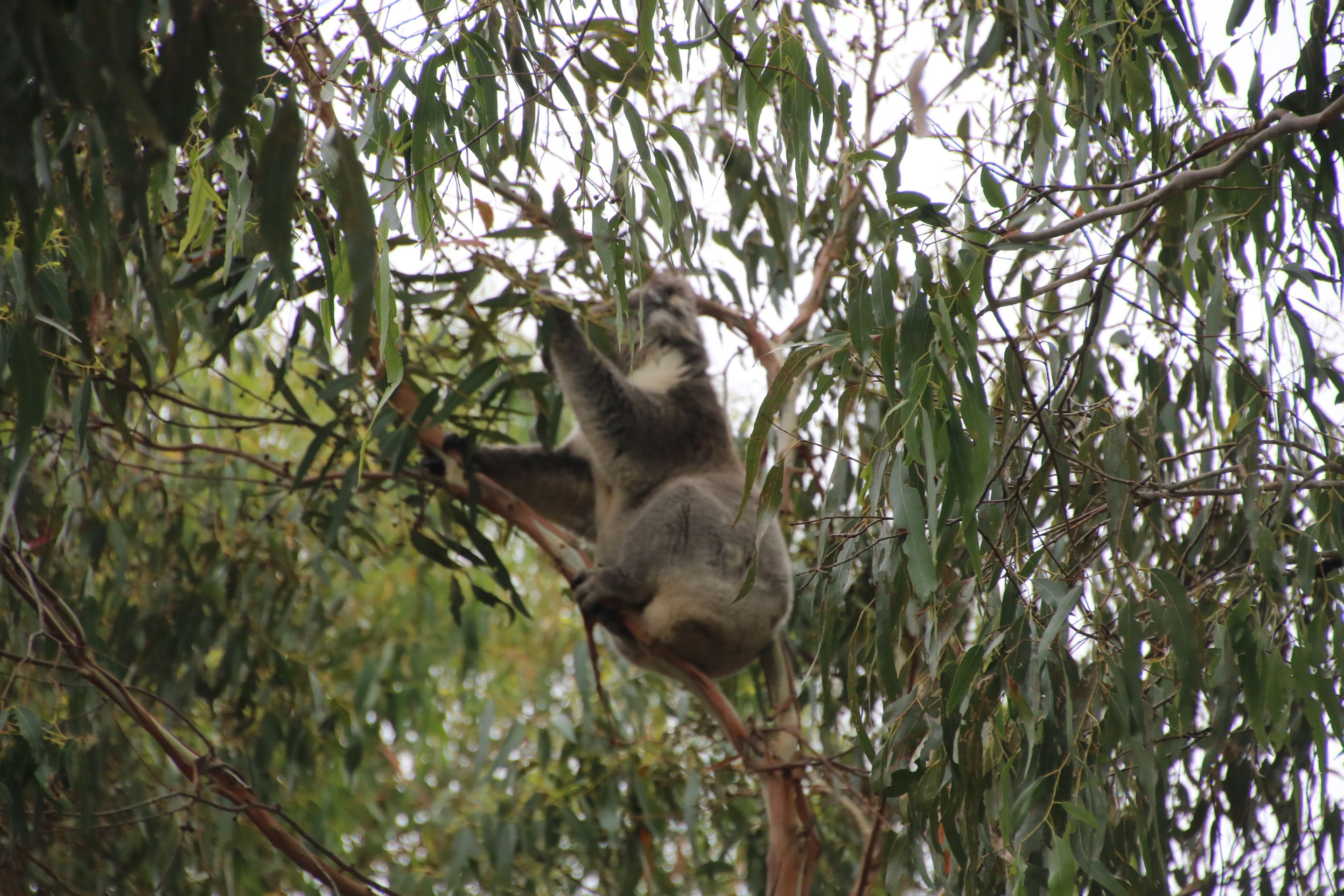
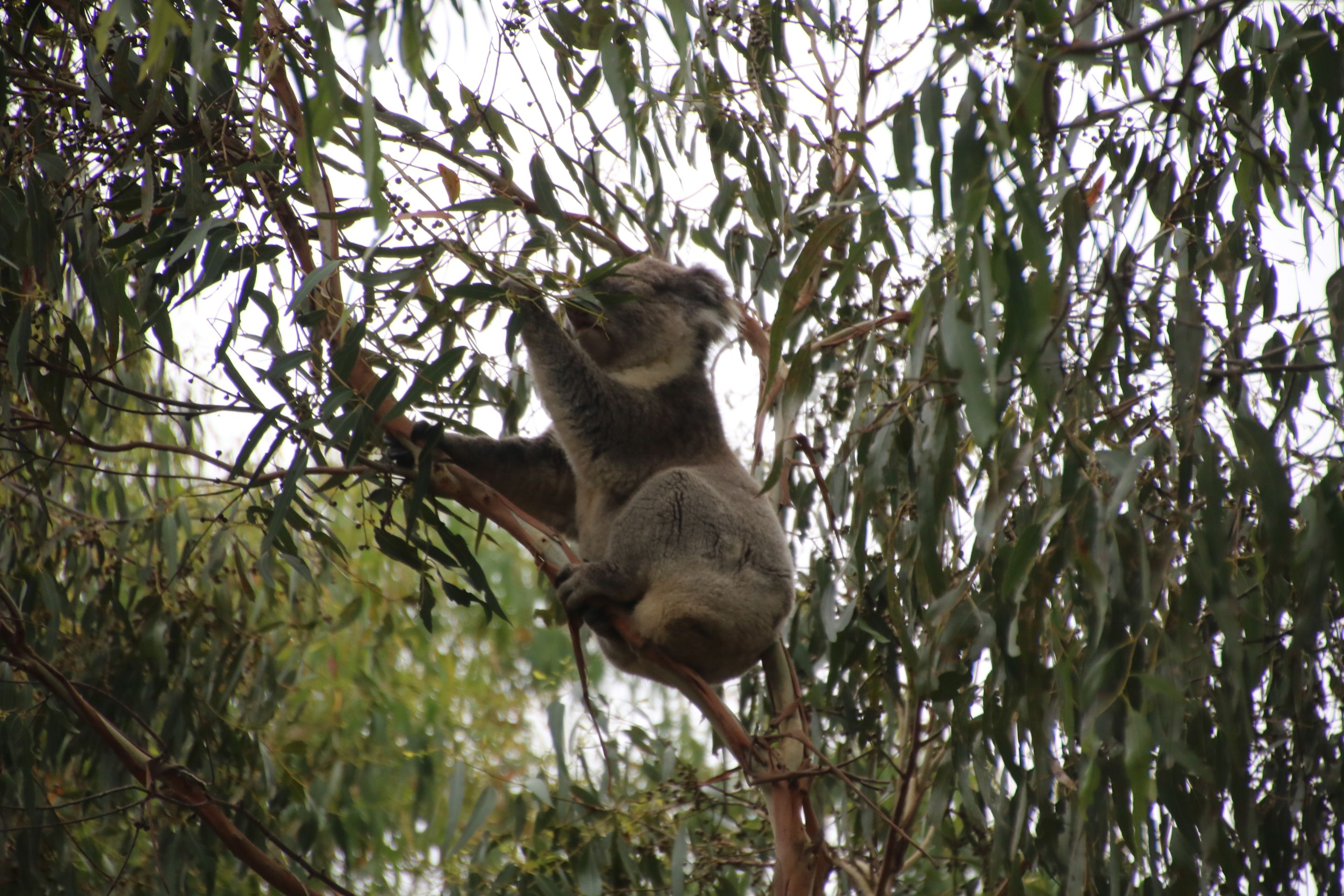
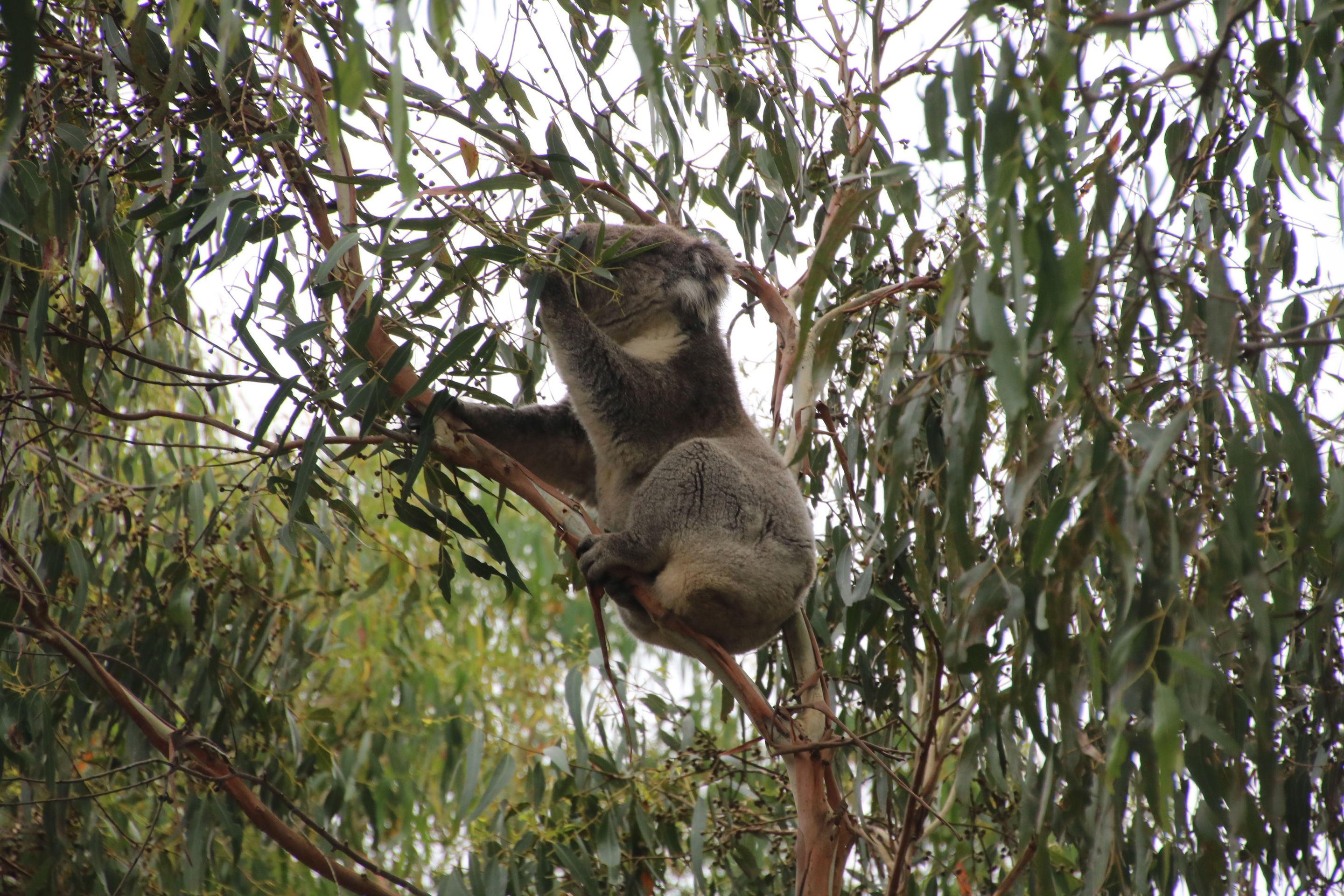
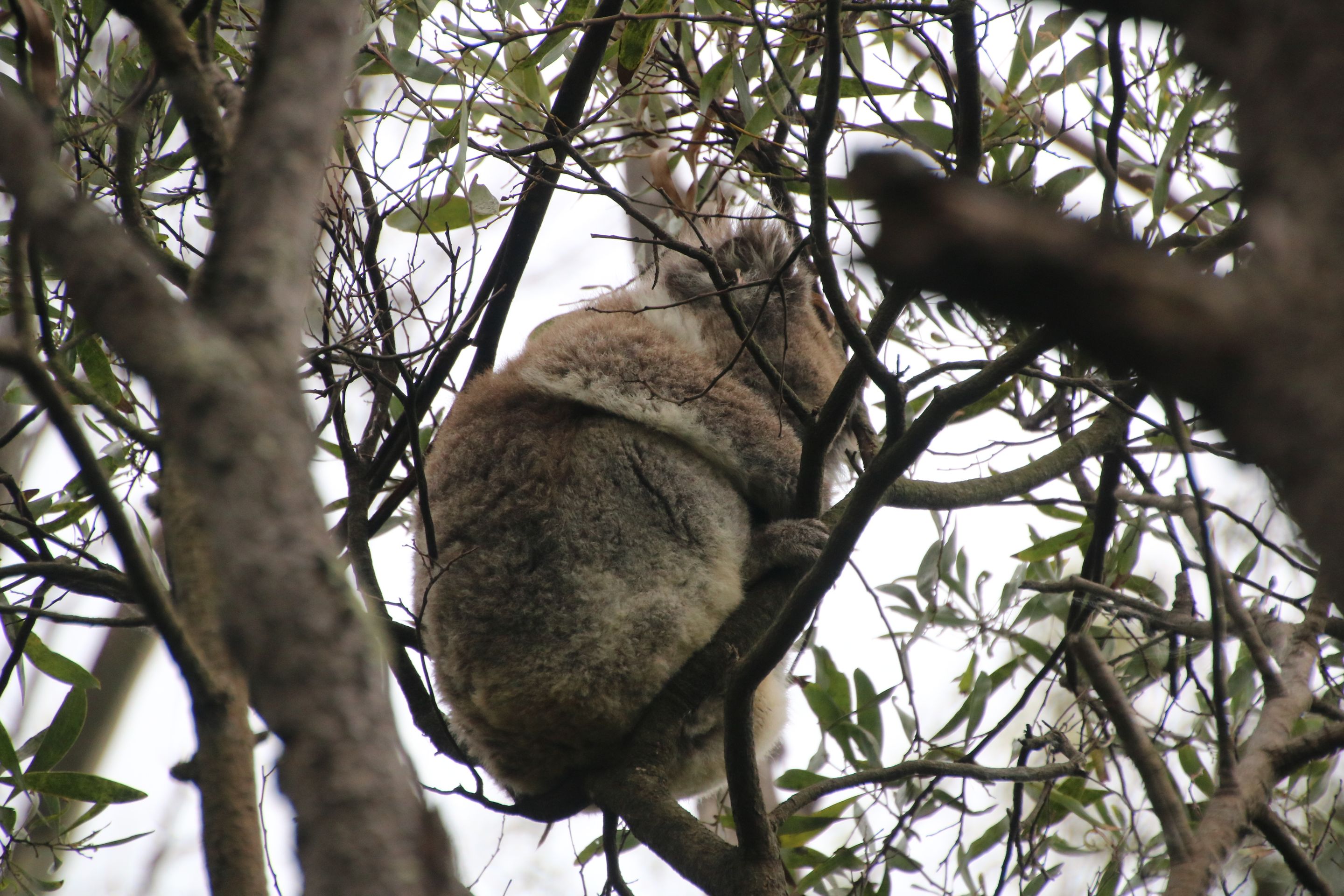
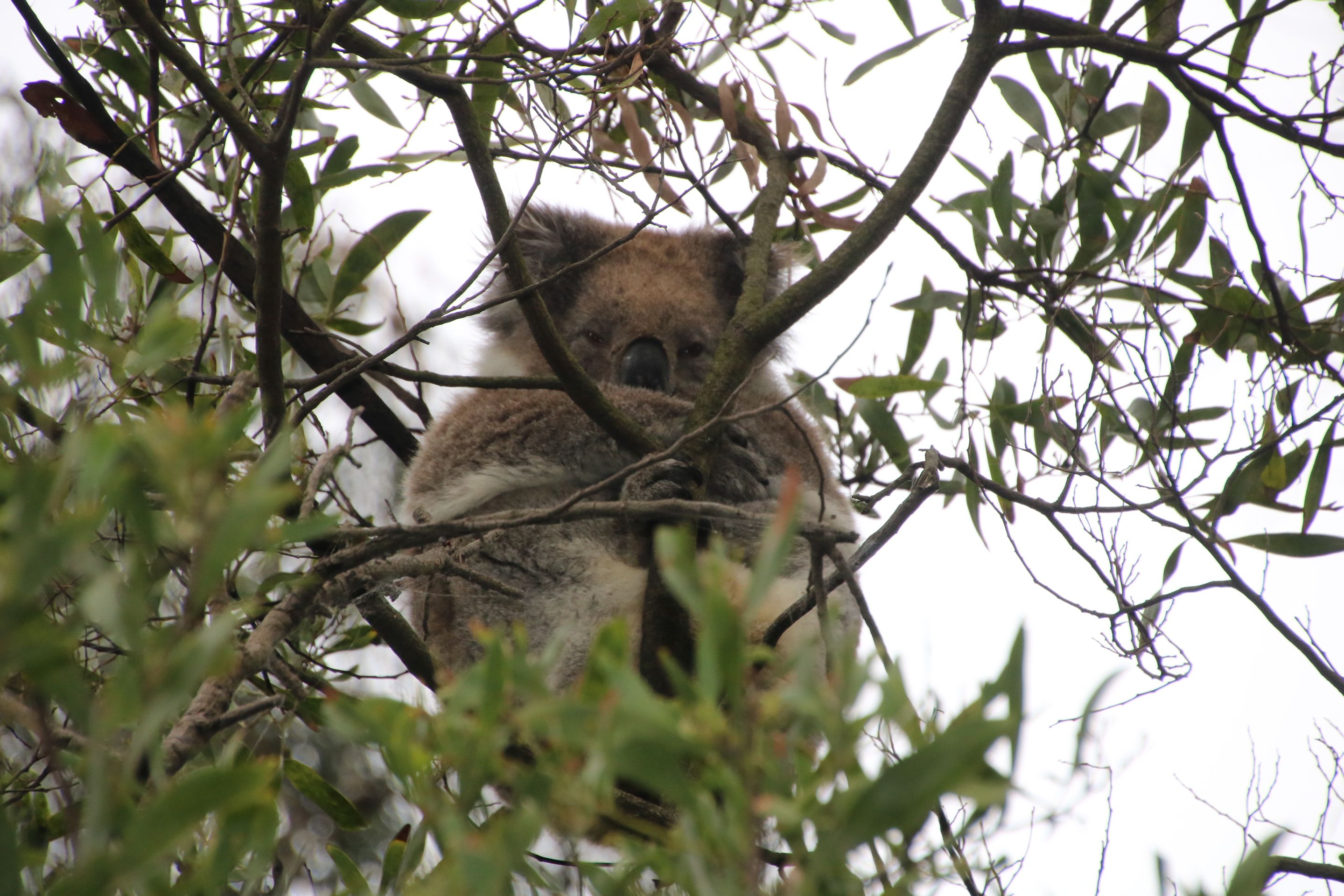
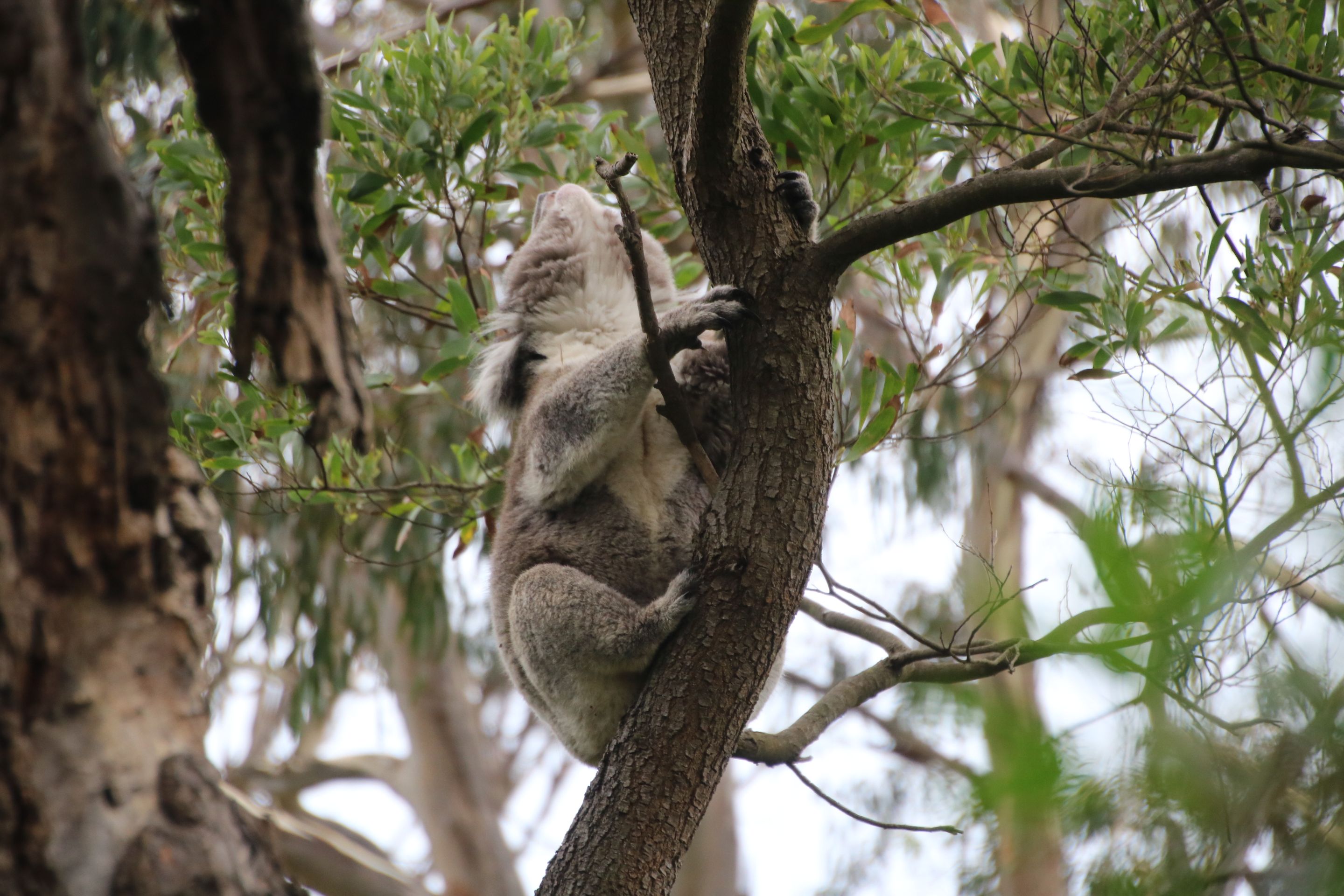
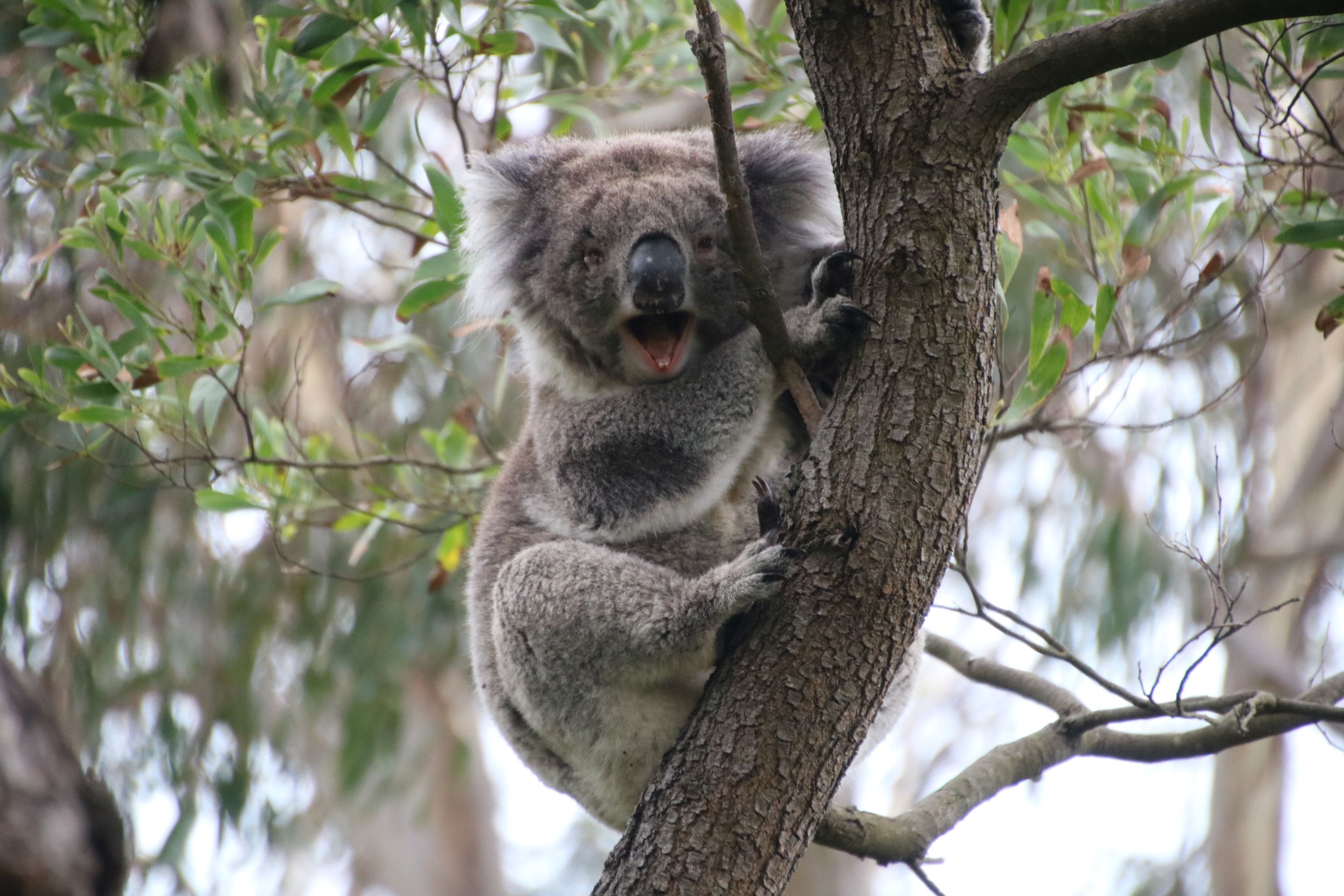
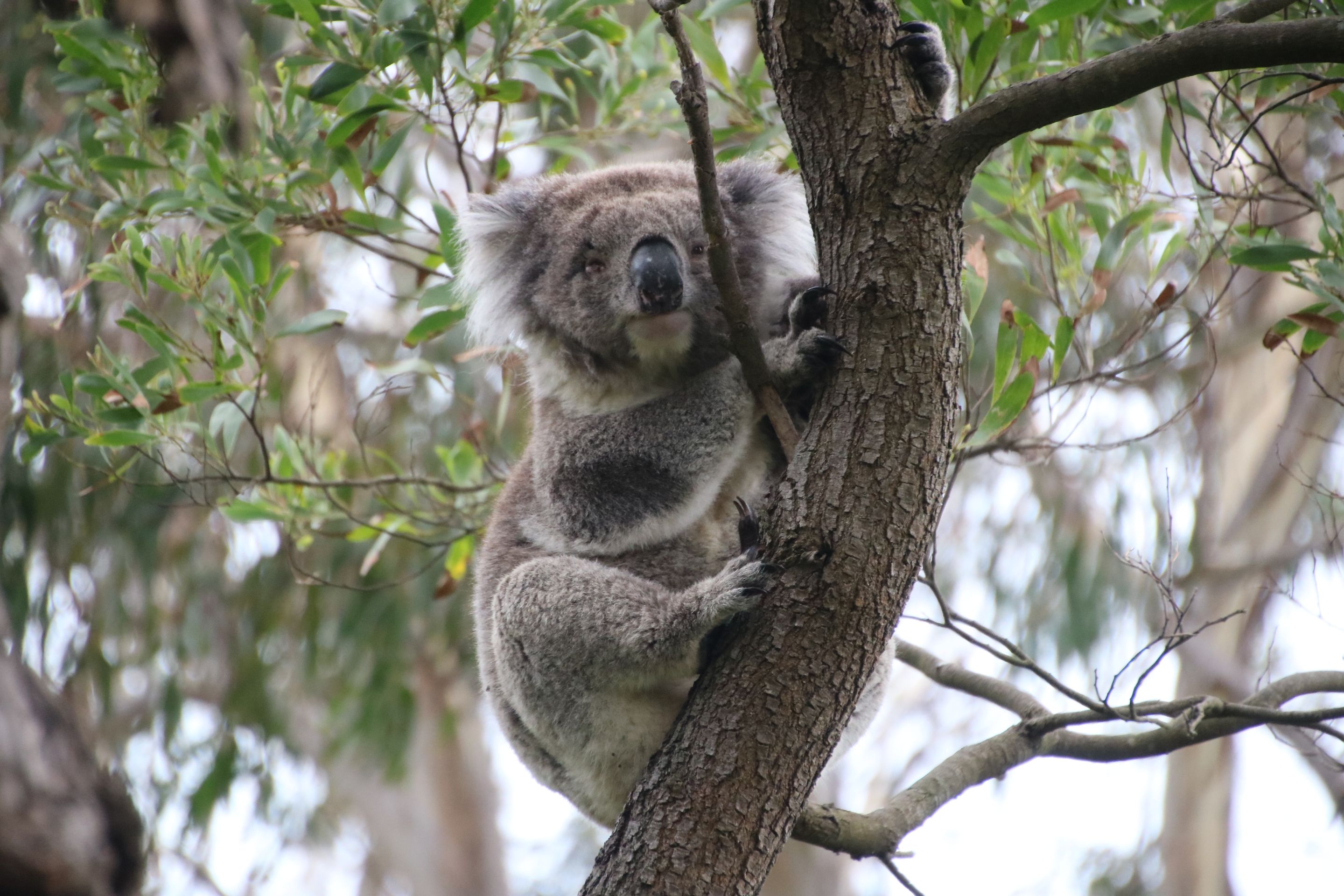
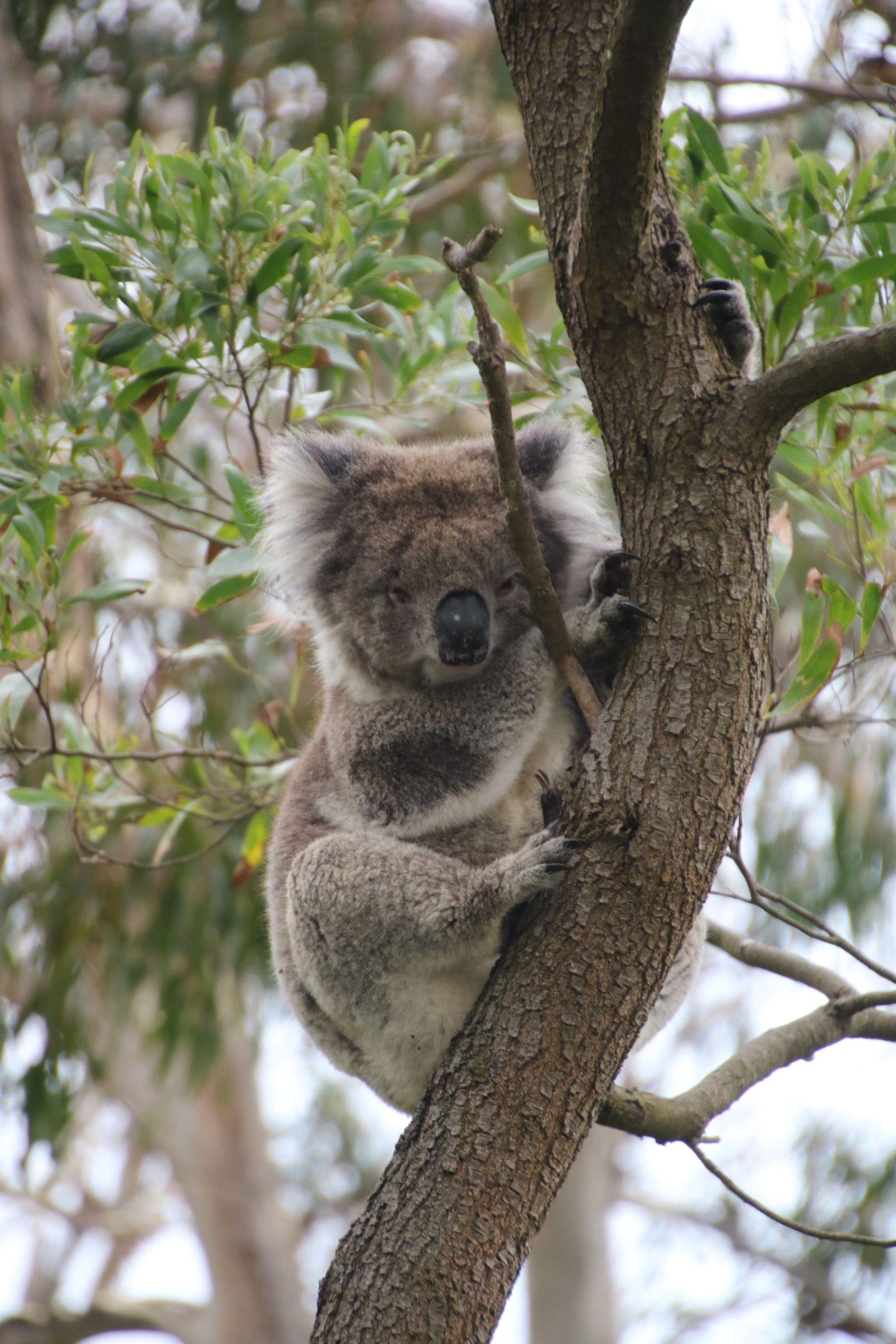
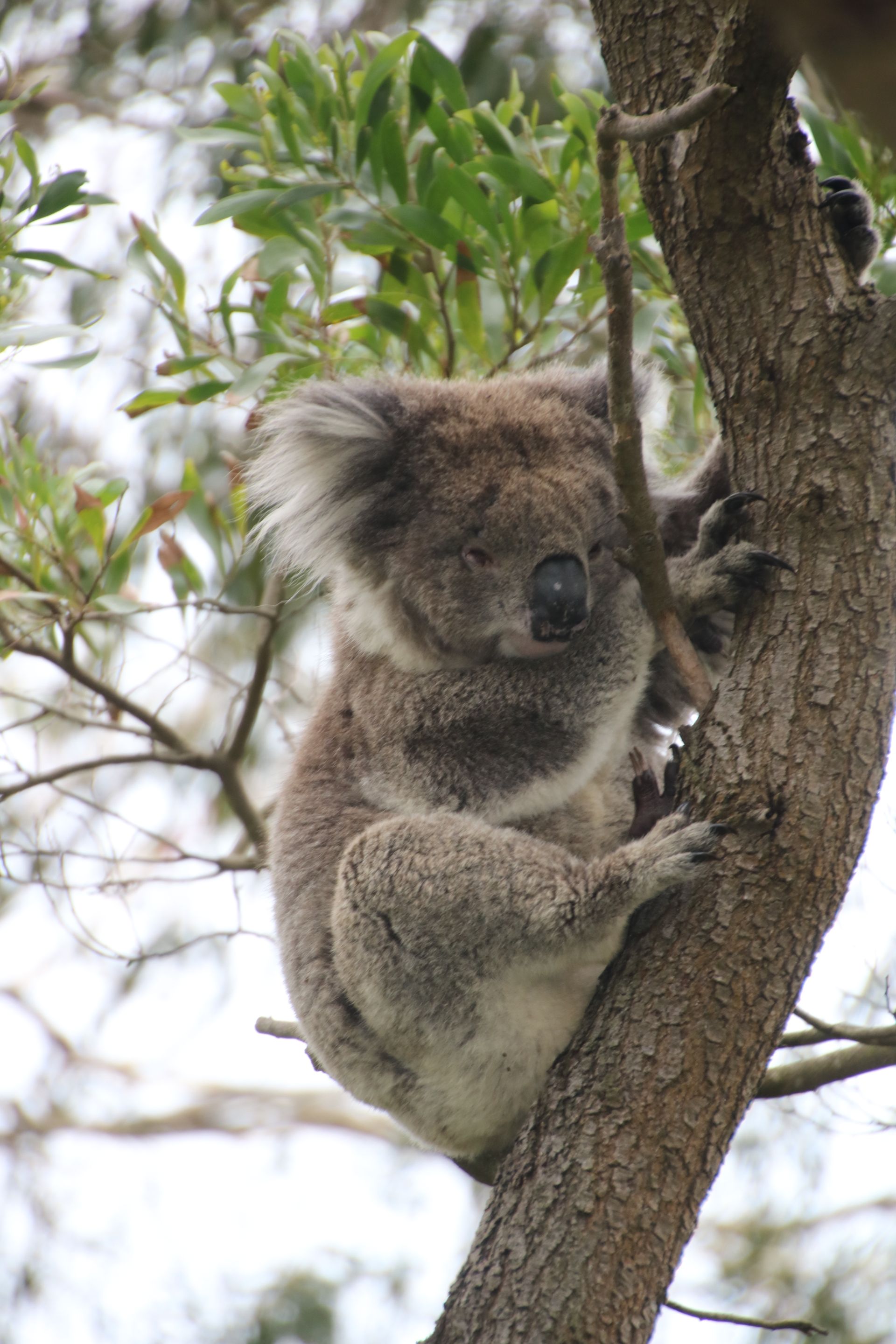
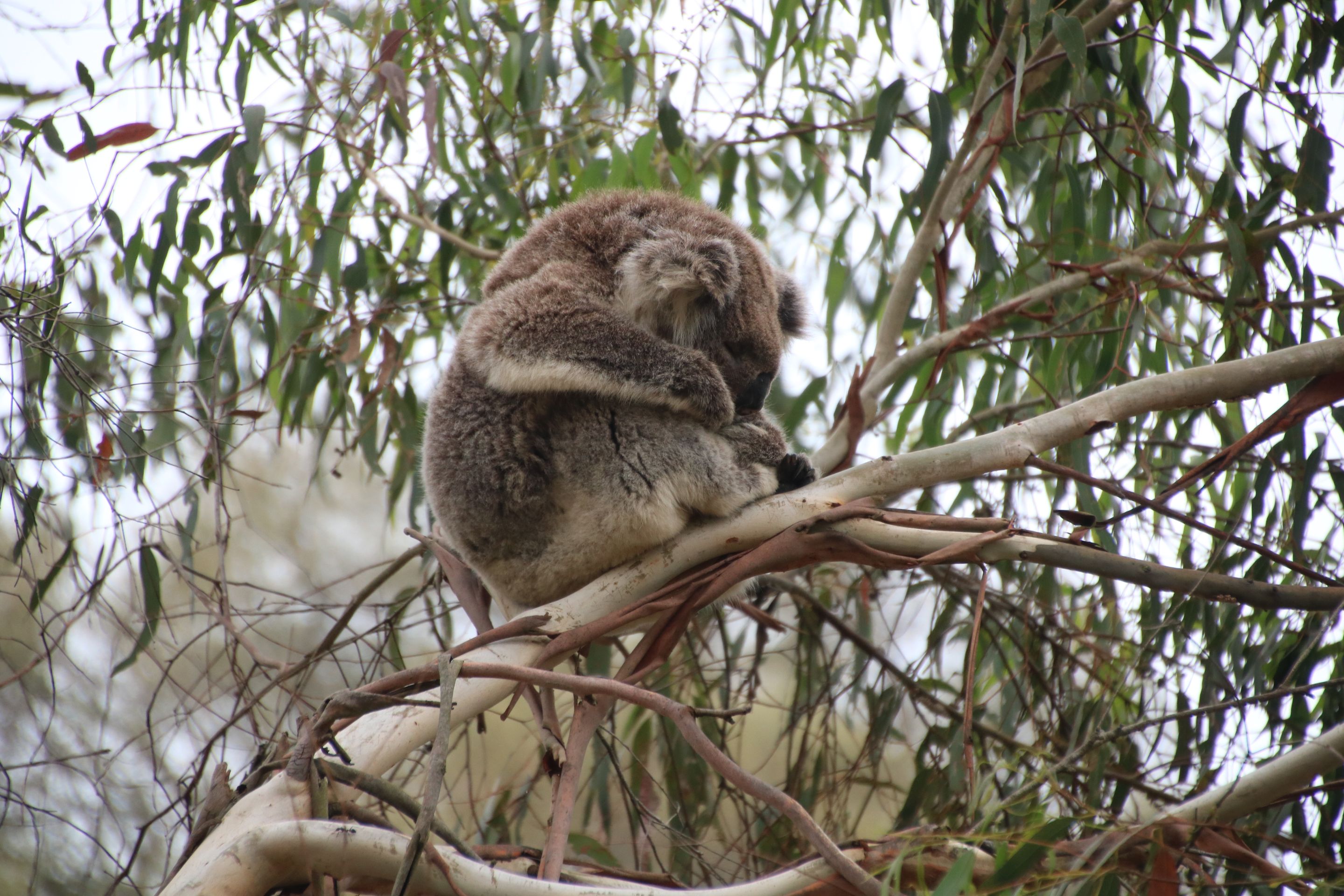
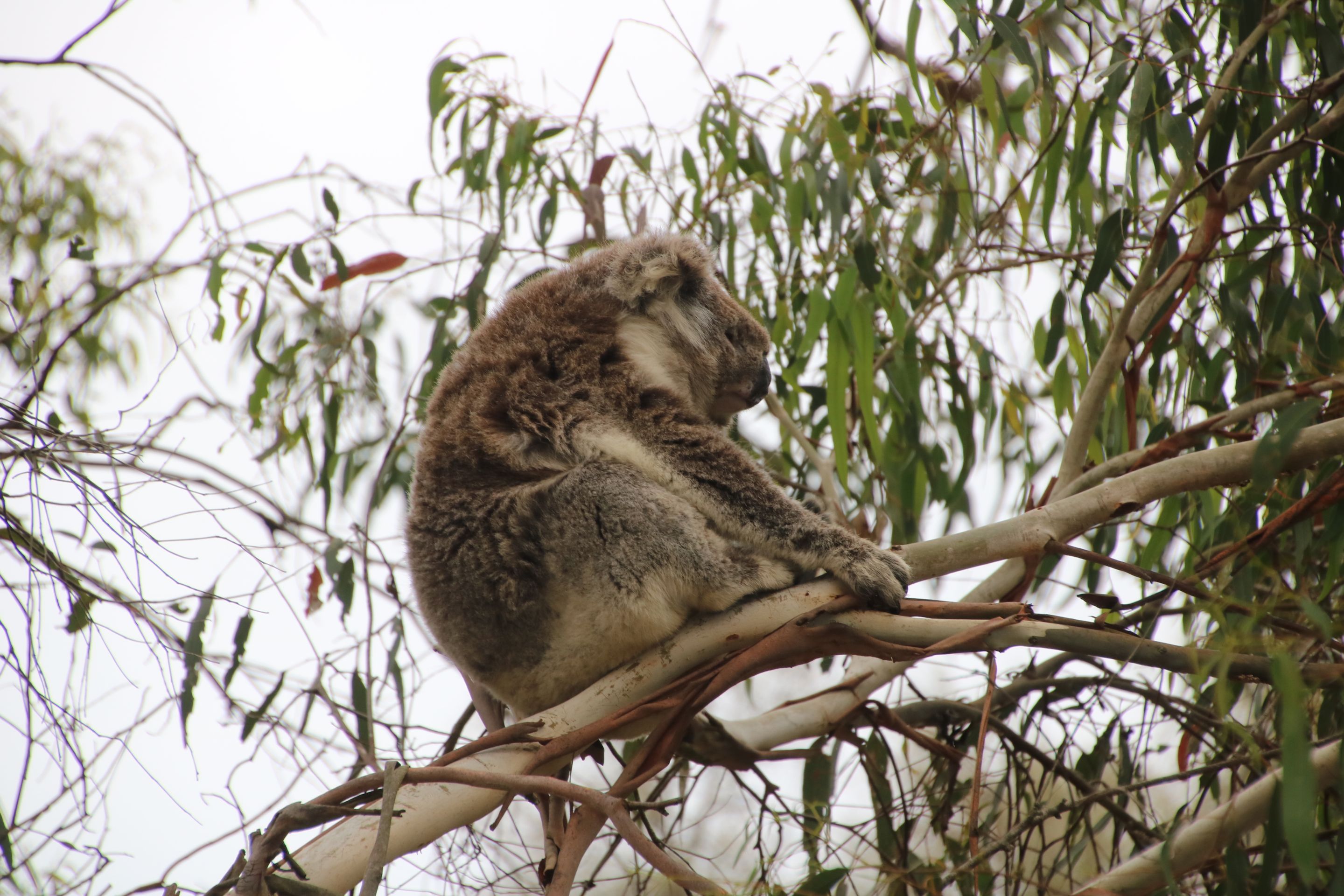
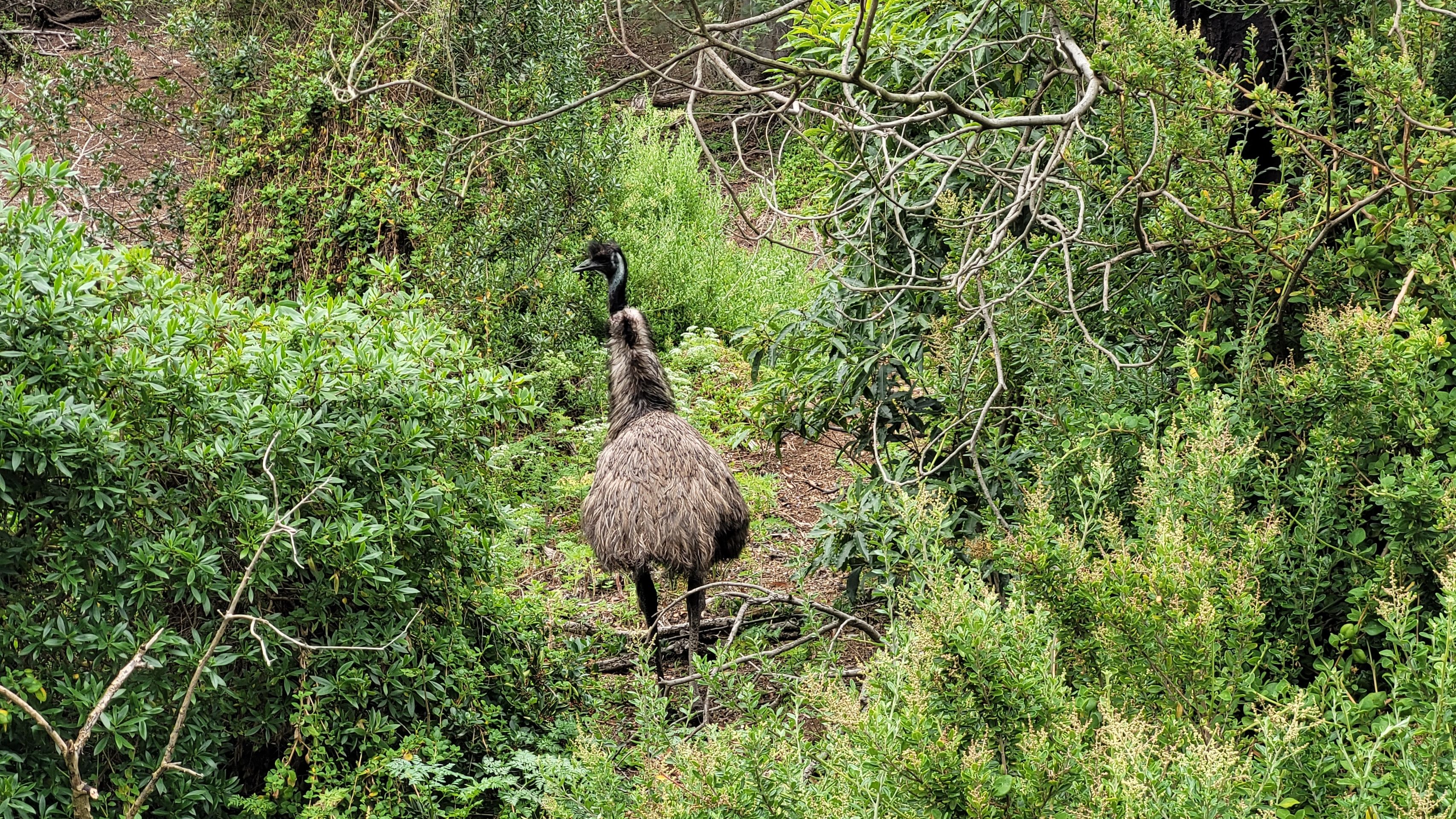
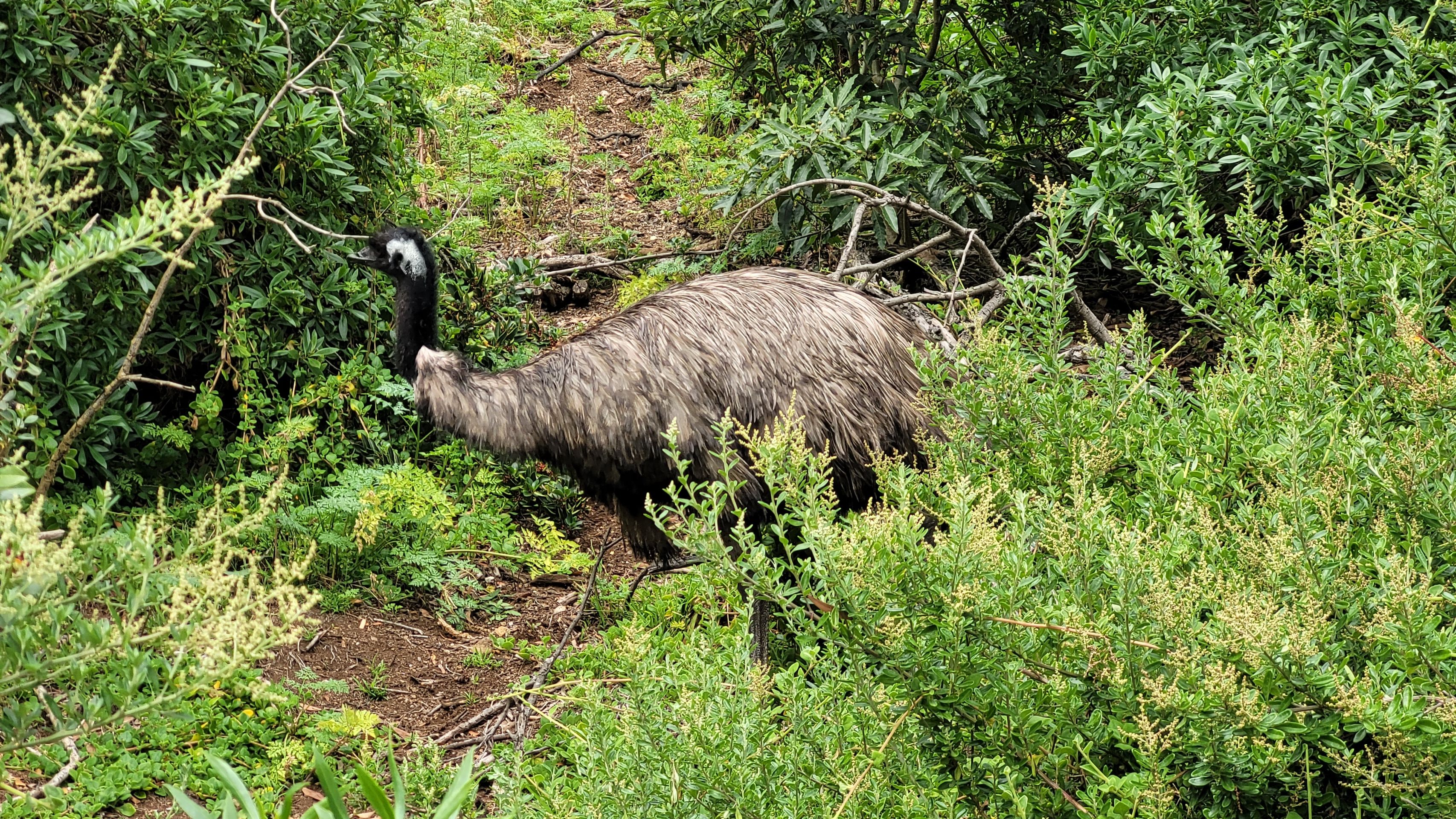
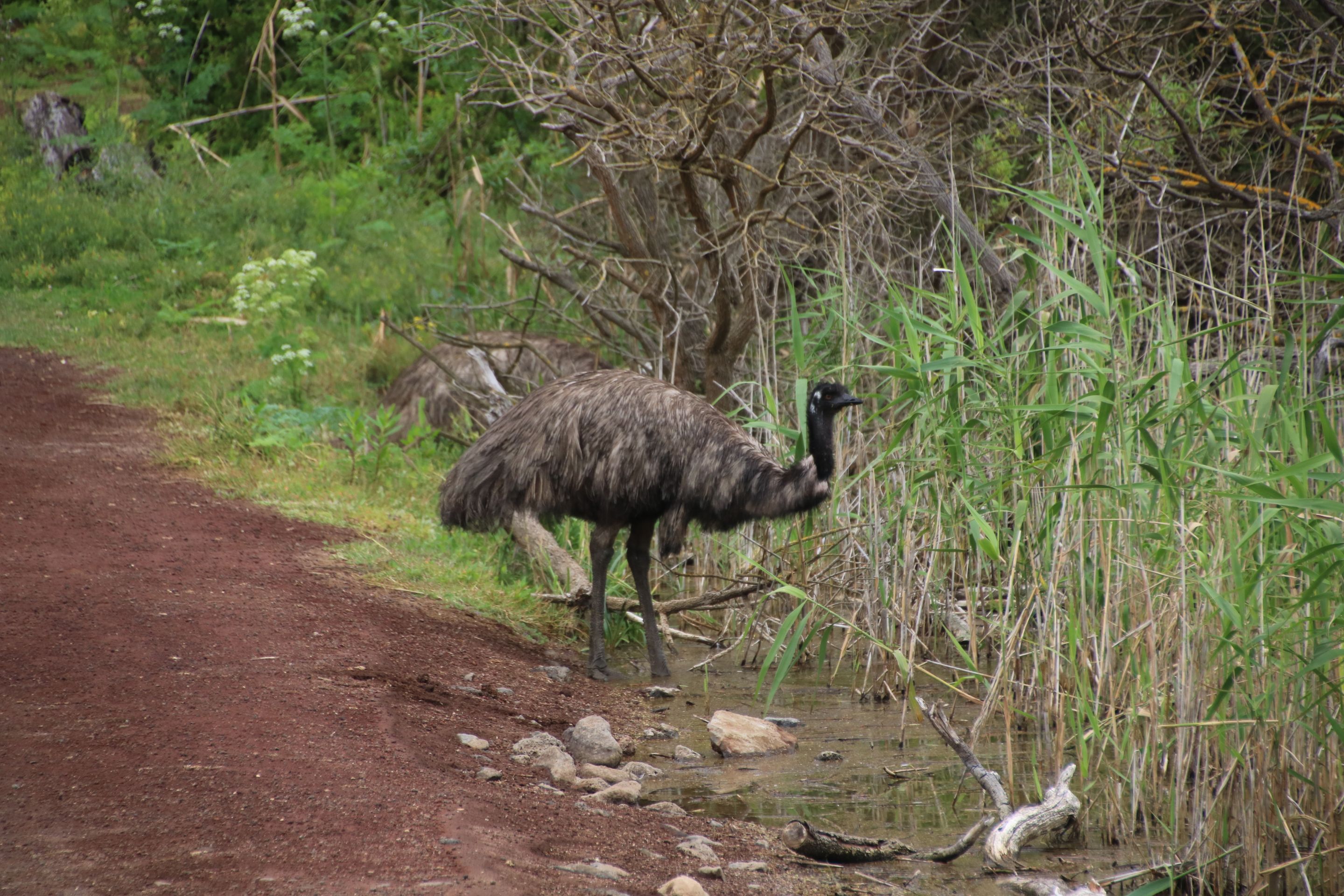
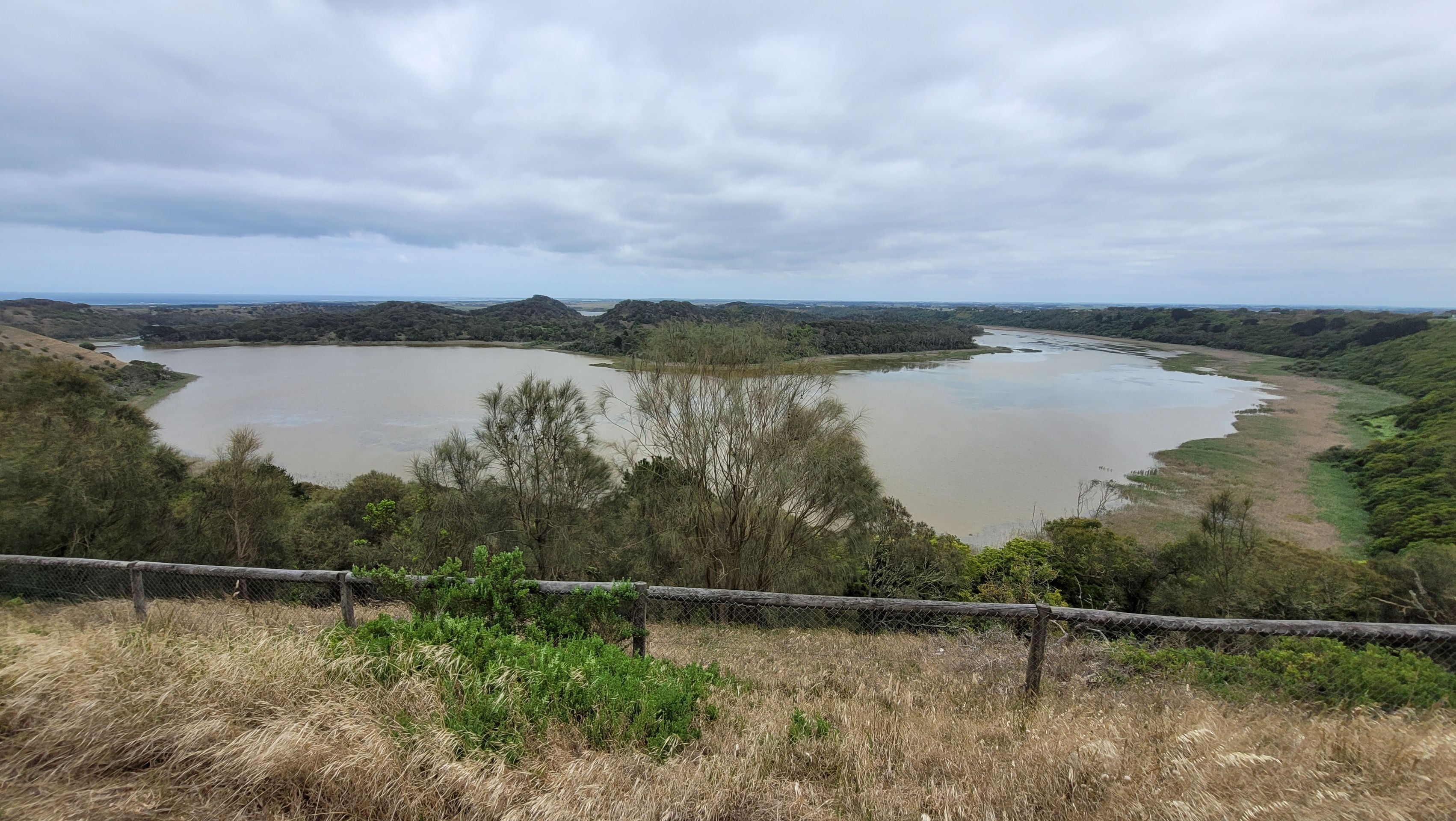
We are leaving our accommodation once again, this time in Warrnambool. This time we have a short drive to our first stop. About 20 kilometers and then we arrive at the entrance to Tower Hill, an inactive volcano that last erupted 32,000 years ago and has formed a wildlife reserve. So, it’s a safe venture in terms of volcanic activity. However, what interested us most was whether we would see koalas here. They say you can, but only during dawn or dusk. Unfortunately, we wouldn’t have time to enter the reserve during either of those times.
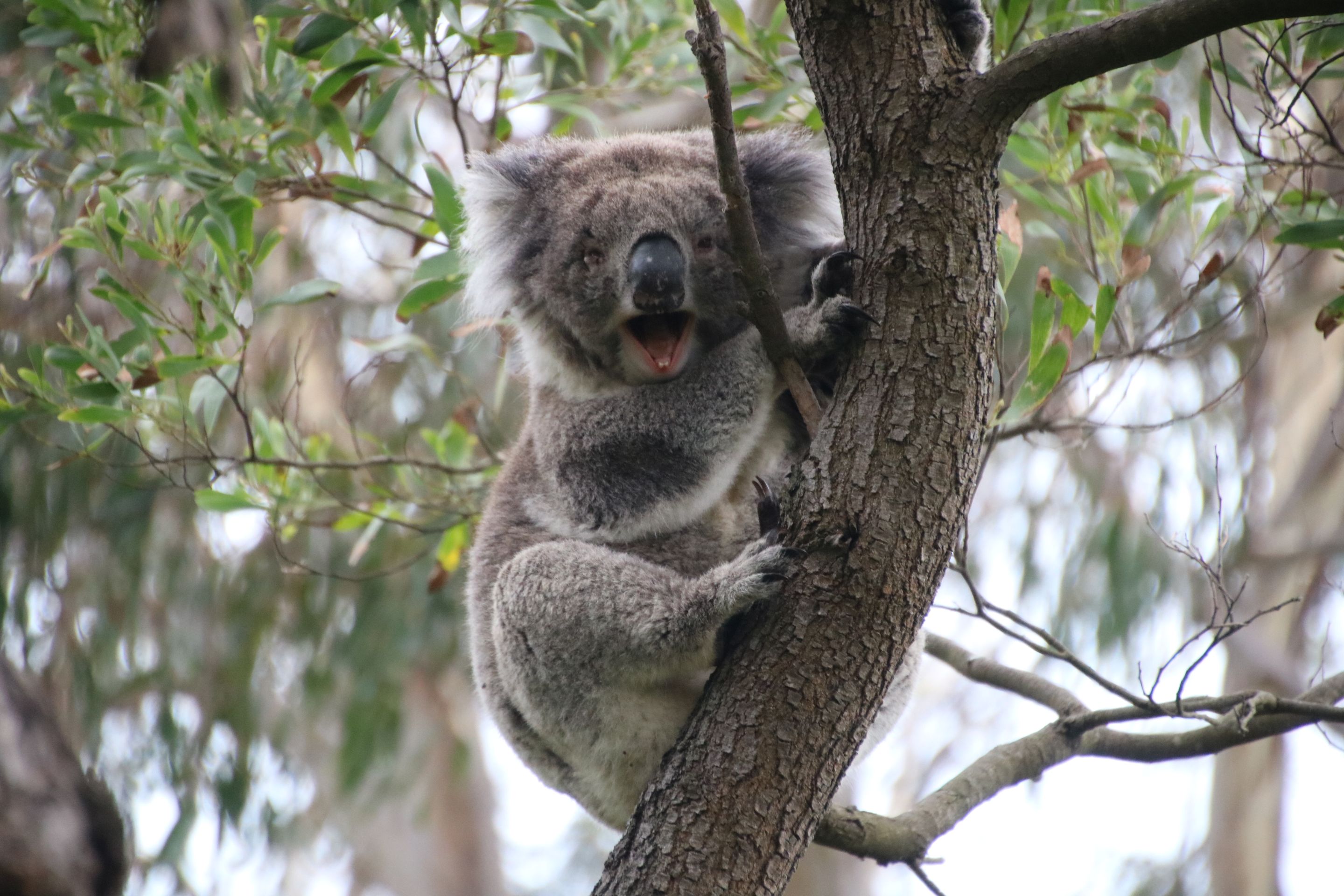
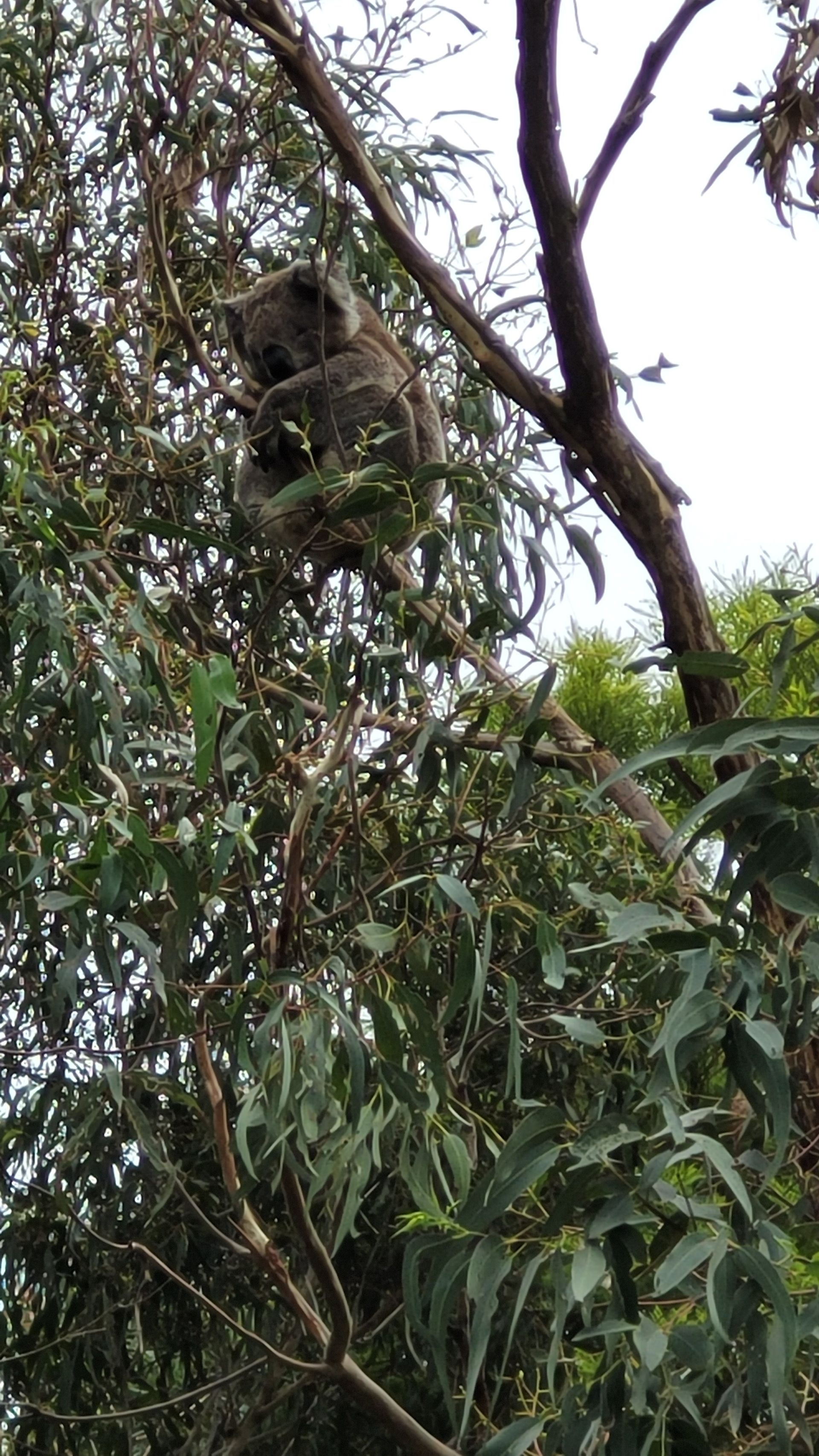
As we drive onto the premises, a small bus with a trailer is in front of us, and we think Shit, we're too late; the Chinese are already here … but the bus is moving very slowly, as if it wanted to observe something. Okay, we are also driving slowly, keeping an eye out for animals. And then it happens: Thorsten spots our first koala eating in a tree … The bus has moved on and didn't notice a thing. As we found out later, the bus was empty because we were almost all alone on the premises.
Our joy over seeing the koala was immense. We tried to get a close-up with the camera, which was challenging because the sky was gray and we had to shoot against the light. As a result, the koala wasn’t very well visible.
We were initially thrilled that we had seen the koala, as we hadn’t expected to see one at all.
We drive to the parking lot and walk along some paths in the crater. On the way along the Lava Tongue Boardwalk, we encounter the unexpected. We see more koalas sitting in the eucalyptus trees, having breakfast. It’s not so easy to spot them since they can easily be confused with dense foliage. Once you’ve spotted one with your eyes, you still have to adjust the camera or focus on it. Several times we wander through the branches and just can't find the fluffy little critter.
But with each recognition of a koala, the eye gains practice in searching and spotting. Soon we keep seeing new buddies of the plush-eared bears.
At some point, we hear a persistent rumbling from the thicket, which sounded somewhat threatening to us. We wondered if there could also be bears here, you know, the big and dangerous ones … It made us a little uneasy as we moved outside the walking path in the area … and took a few steps back just to be cautious. Thorsten suggested it could also be a wild boar or a dinosaur …
Shortly after, a woman and a man walked past us. They were conversing relatively loudly, and we thought it was a bit of a shame to be “shouting” in a wildlife reserve. A few meters later, another rumble was heard and the woman told her companion that there was a koala in the thicket. However, they kept walking.
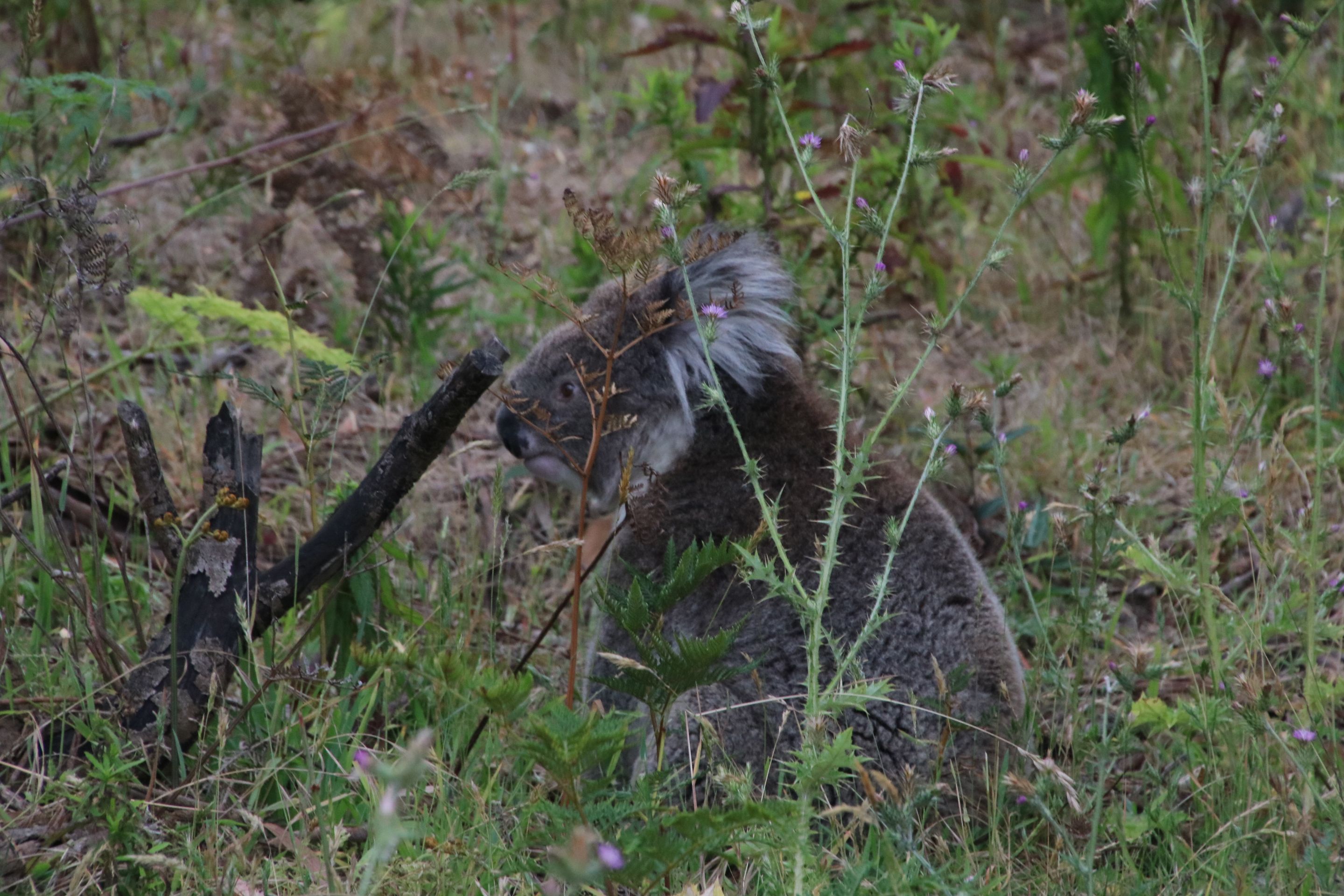
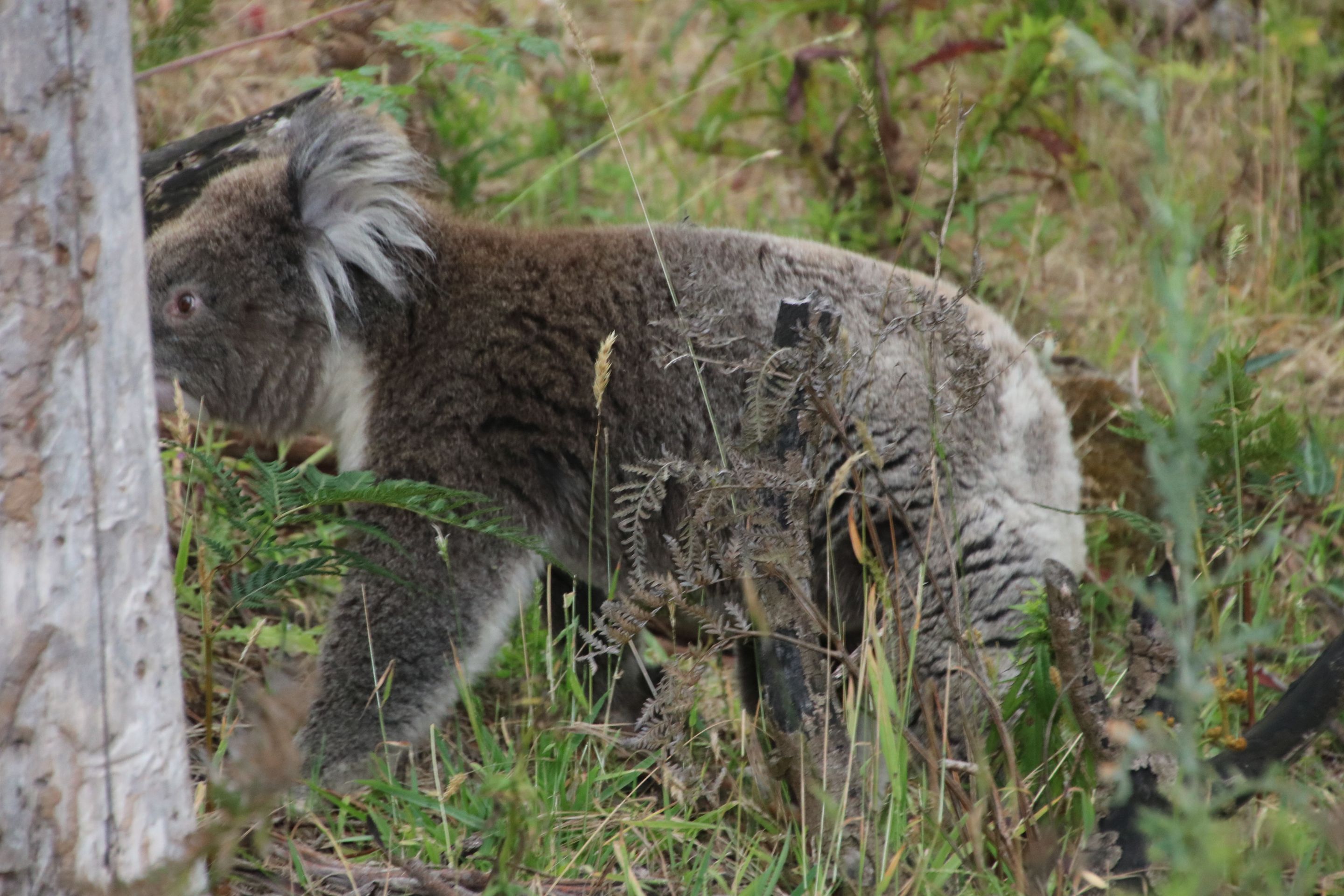
We approached the thicket to see if it really was a koala. Then it occurred to us that koalas are bears too, and the sound could very well be coming from them. While we stood there scanning the thicket, a koala came directly out of the bush right at our feet and shuffled across the path to the opposite meadow. We could hardly believe what we saw. Simply WOW!!!
We followed the little bear and took many pictures of the koalas. We were already wishing each other good luck in selecting the photos …;-)
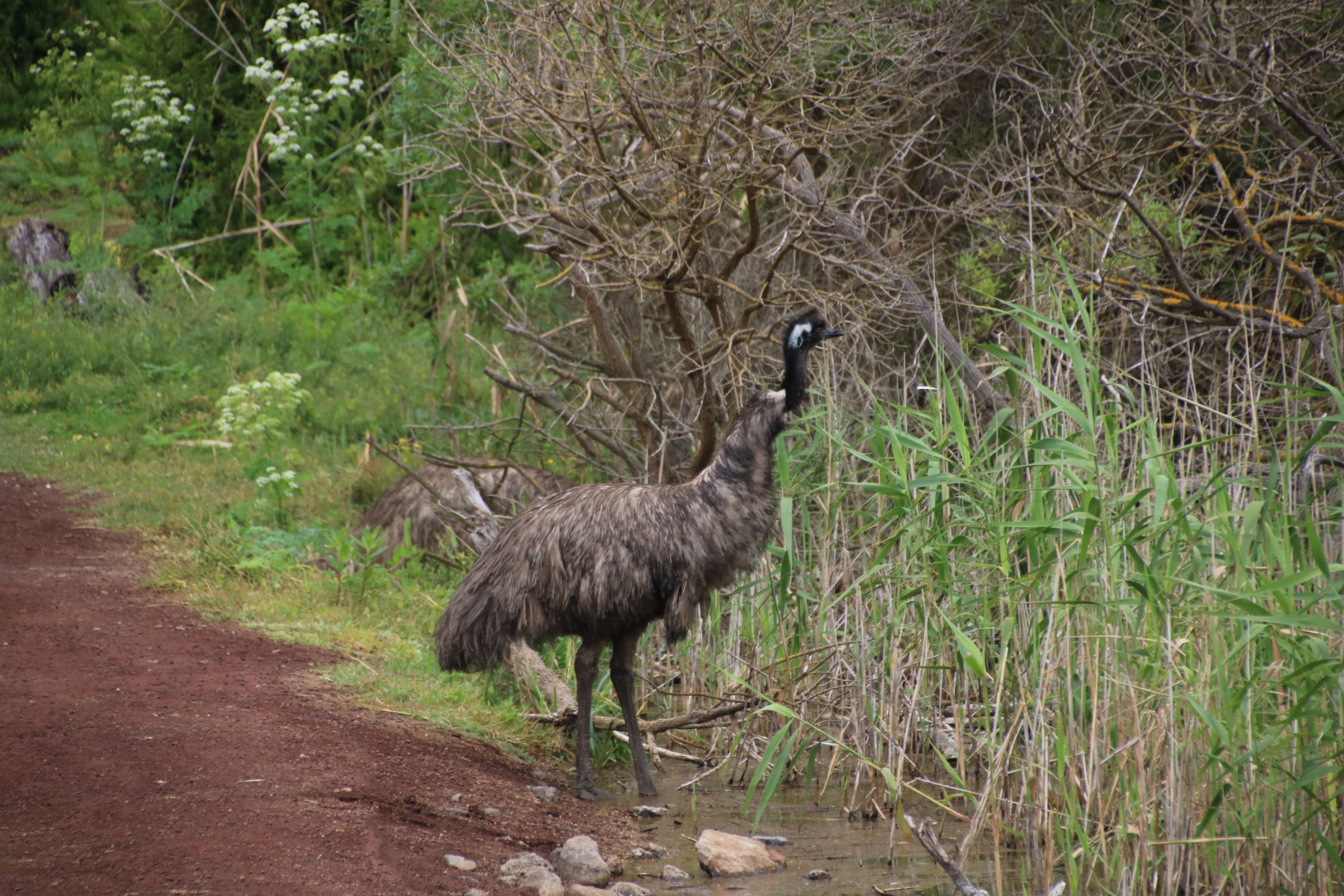
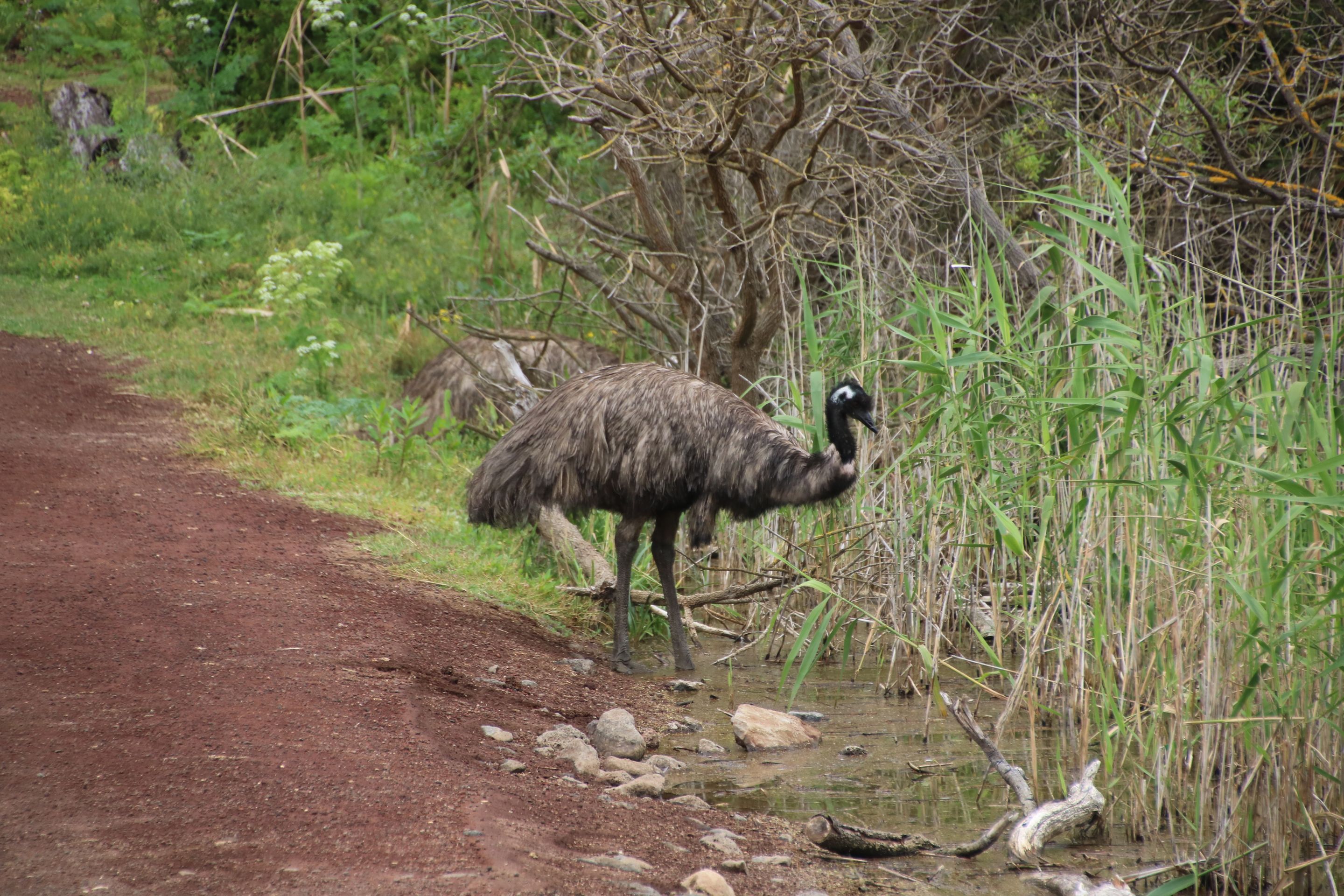
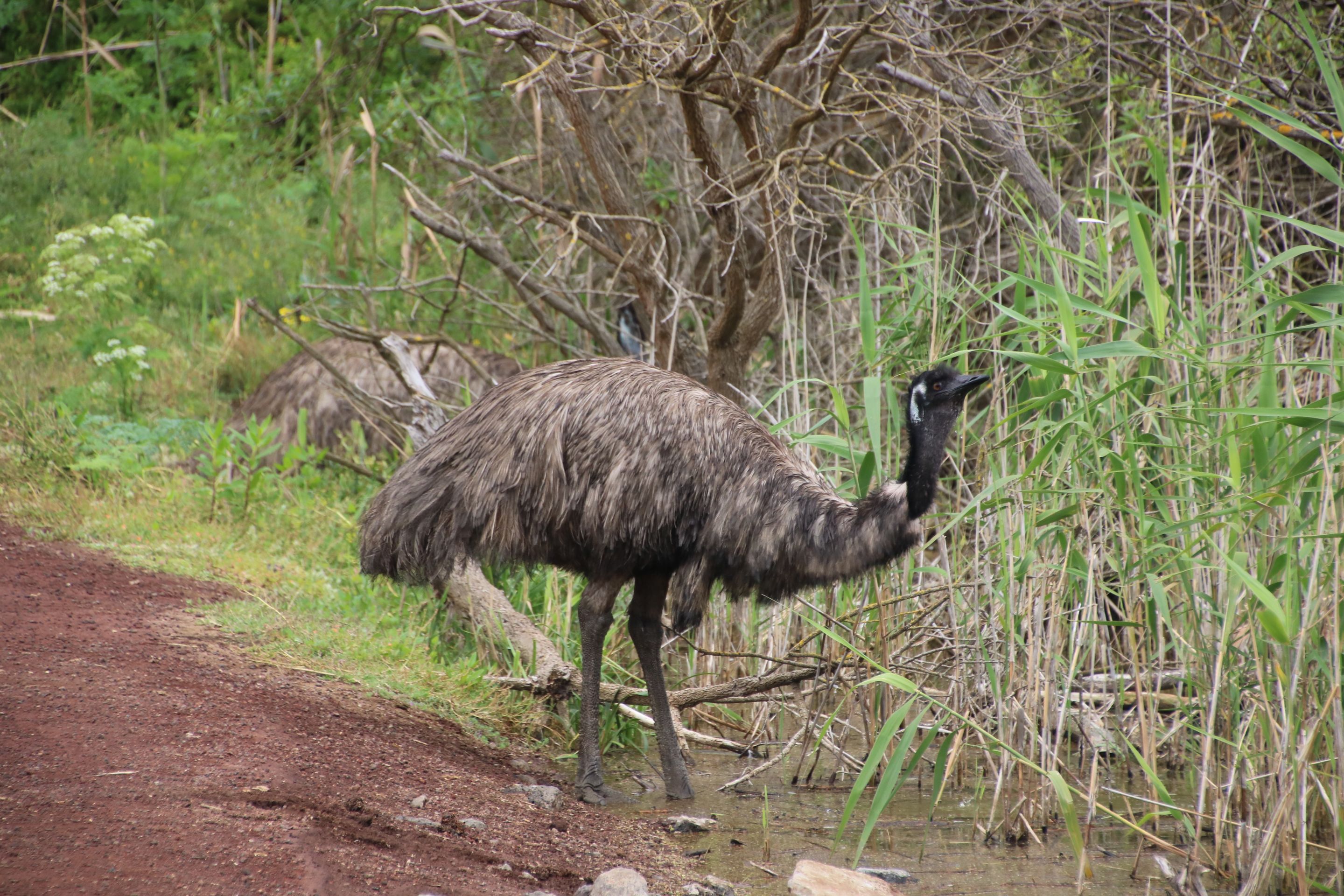
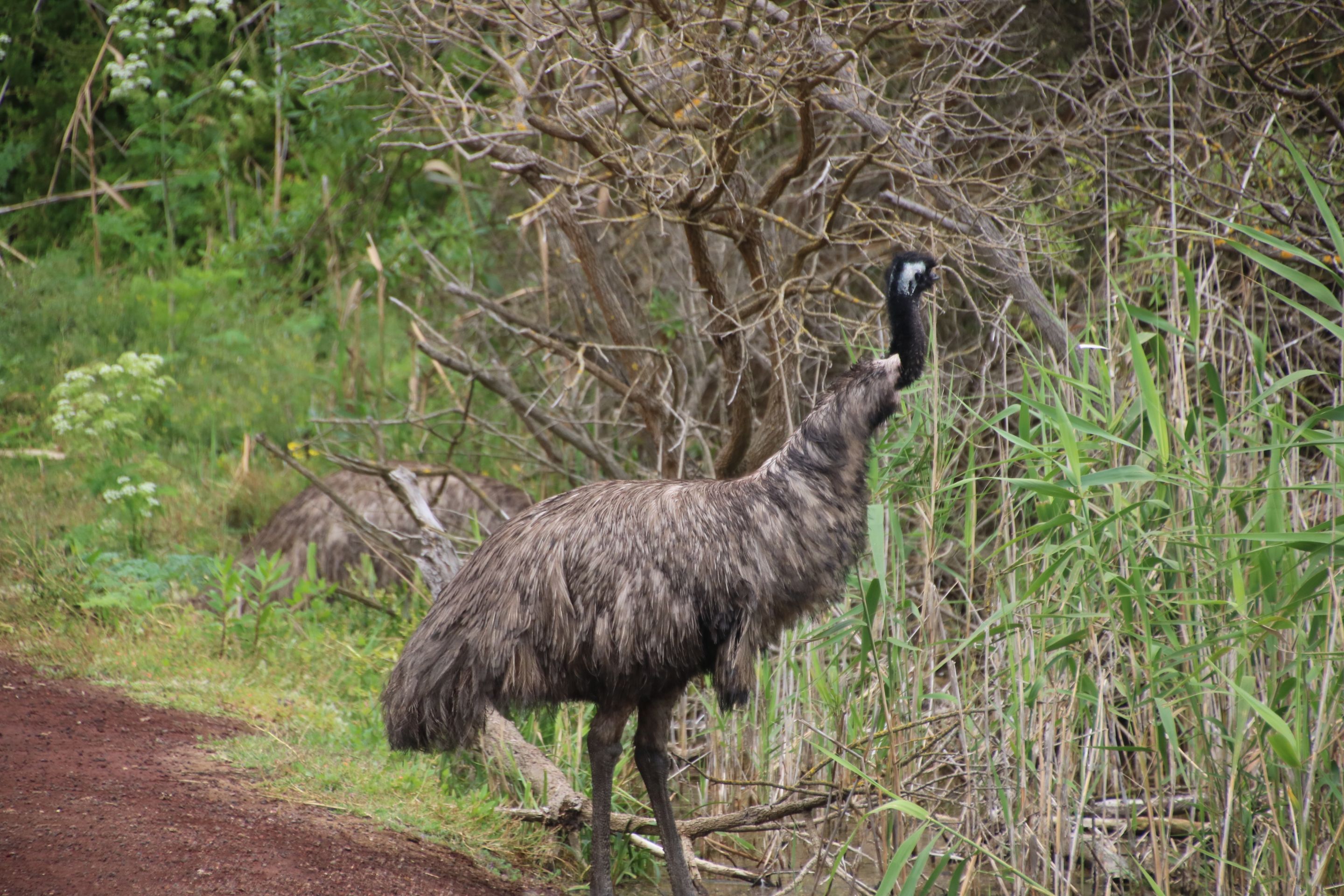
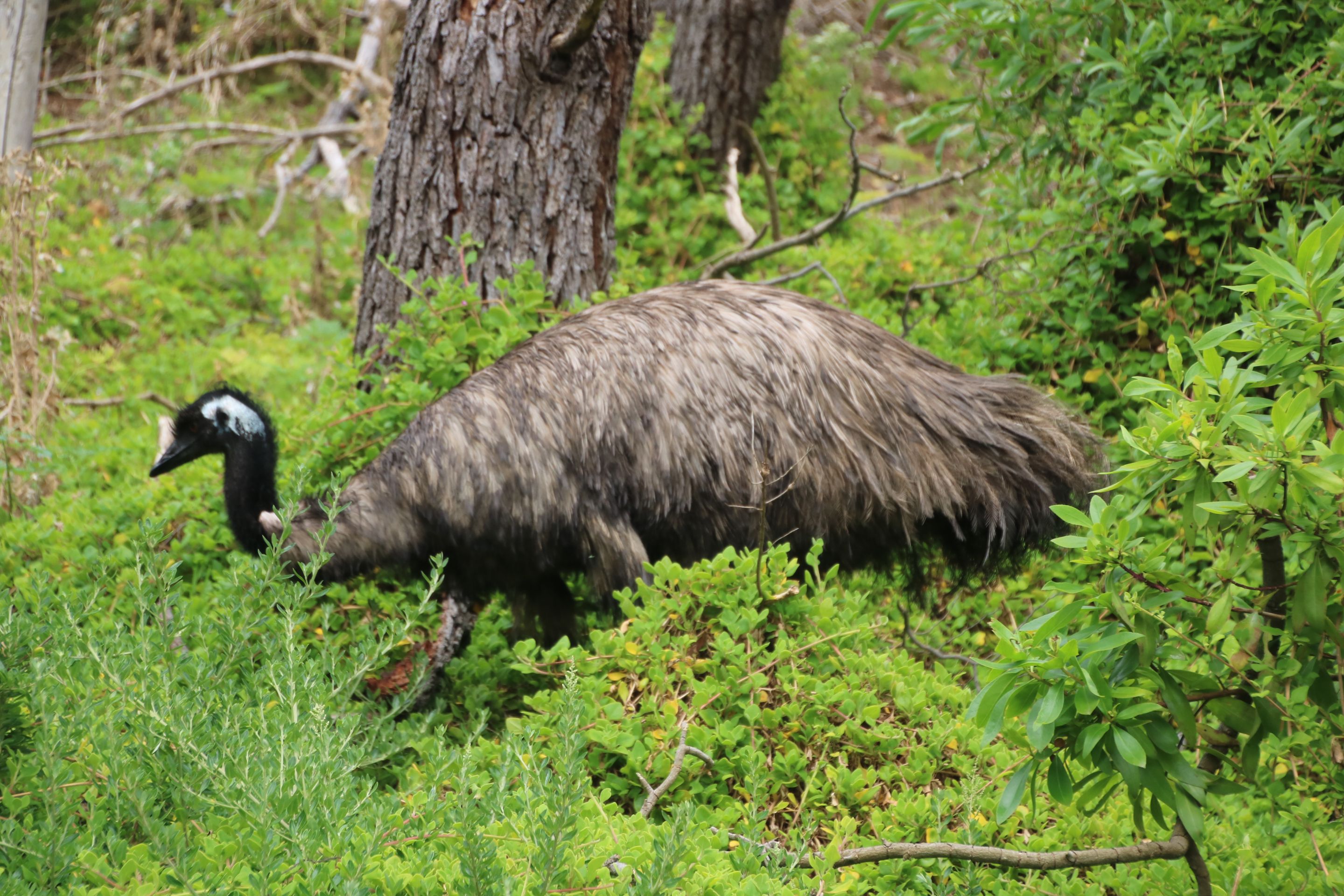
Eventually, we moved on and wondered if we would also get to see emus here, as they are said to be around … And sure enough: there were two fully grown specimens at the roadside drinking from the pond. At first, we were excited, but then we thought about how we would get past them. The path is only 1.5 meters wide.
As we pondered whether it would be dangerous to walk too close to the emus, one of them came towards us with determined steps, looking directly at us. So, we preferred to take a few steps back. However, the emu stopped and then turned away again. Probably it liked that we showed it respect and wanted to steer clear of it. Running away wouldn’t have made sense, as emus can run very fast … up to 50 km/h.
Everything turned out fine, and the emus retreated while we continued on our way. A brief chat with a German camping couple who had just arrived, sharing tips on where koalas and emus could currently be seen, and we were back in the car.
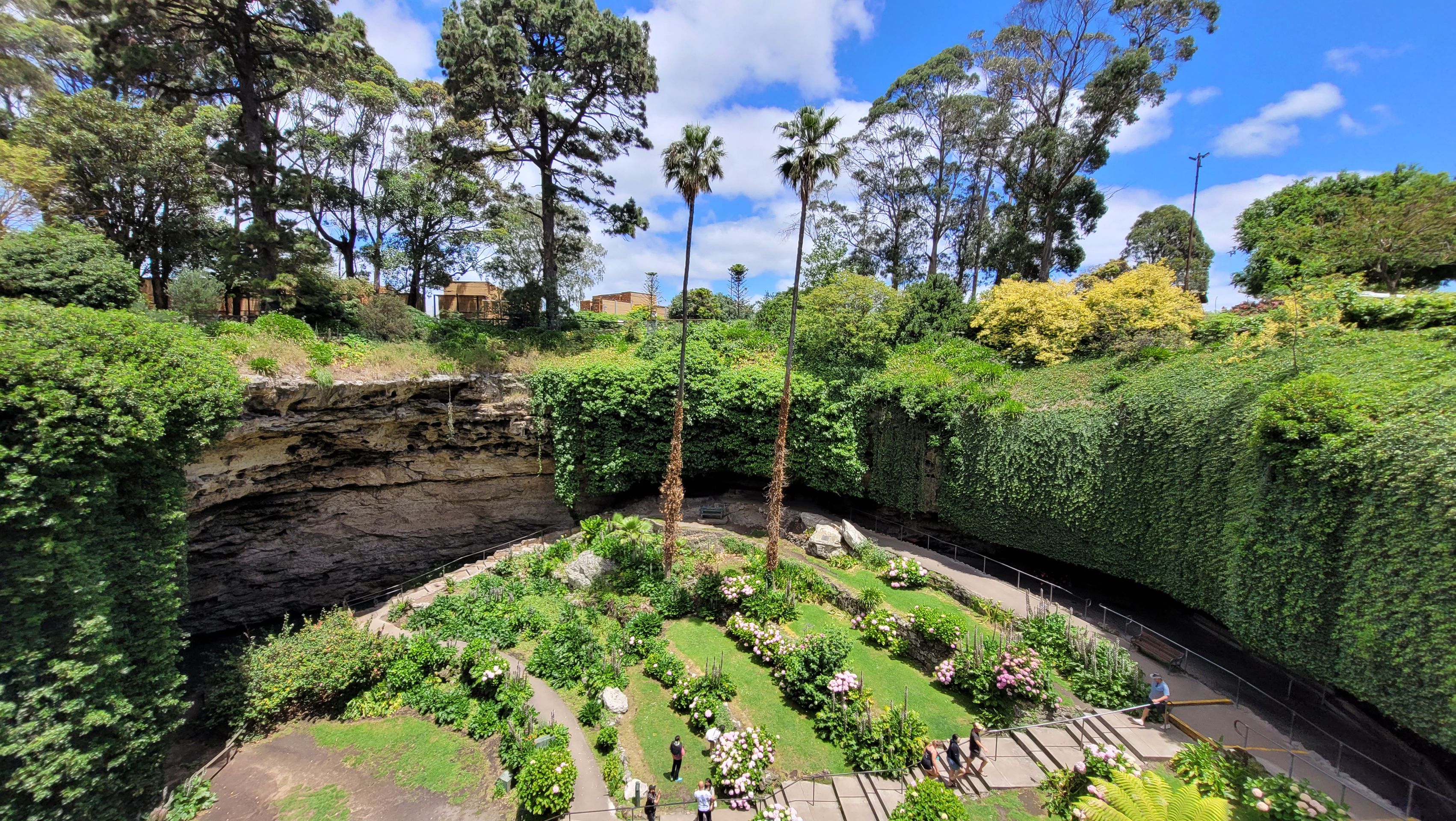
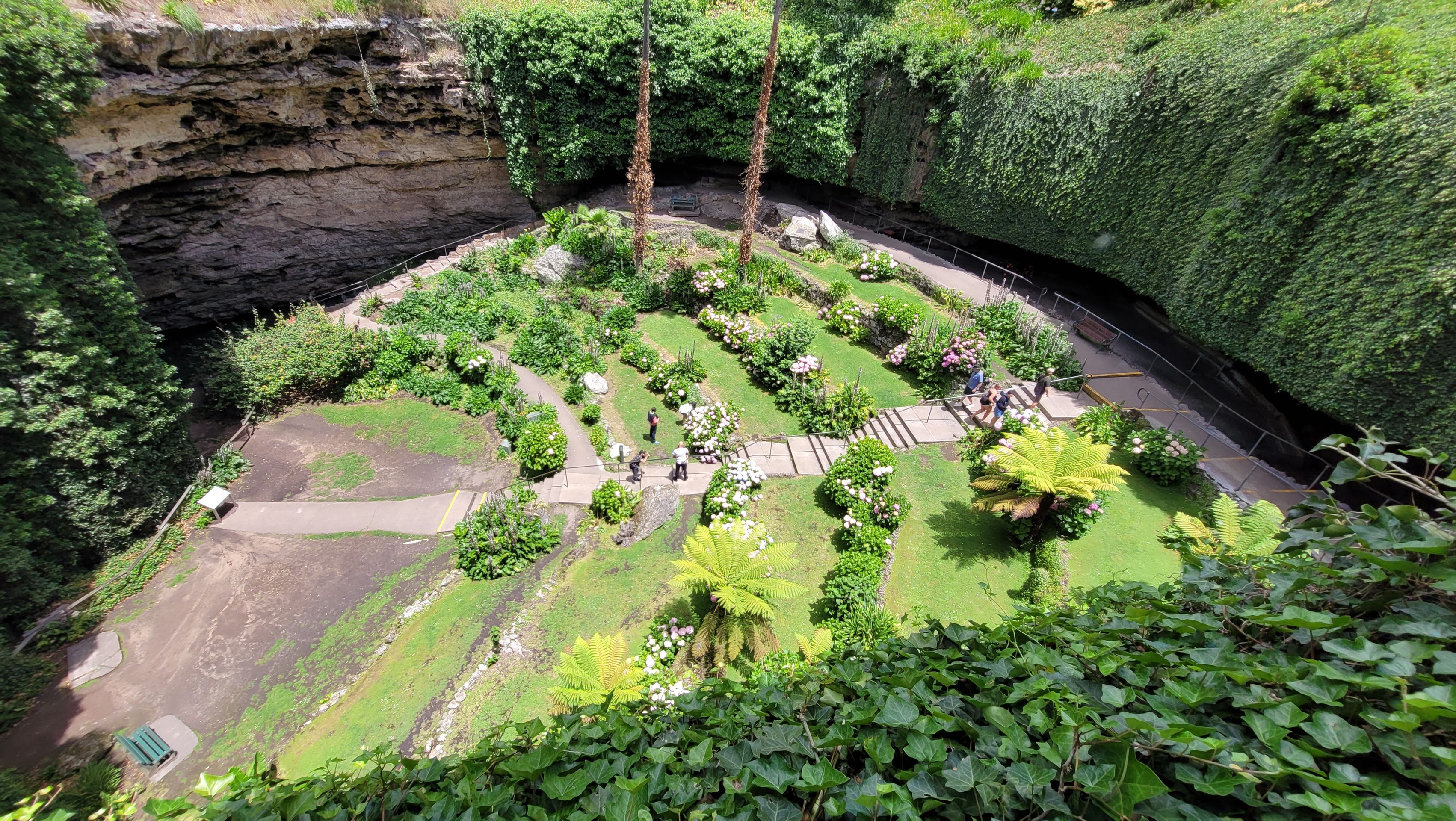
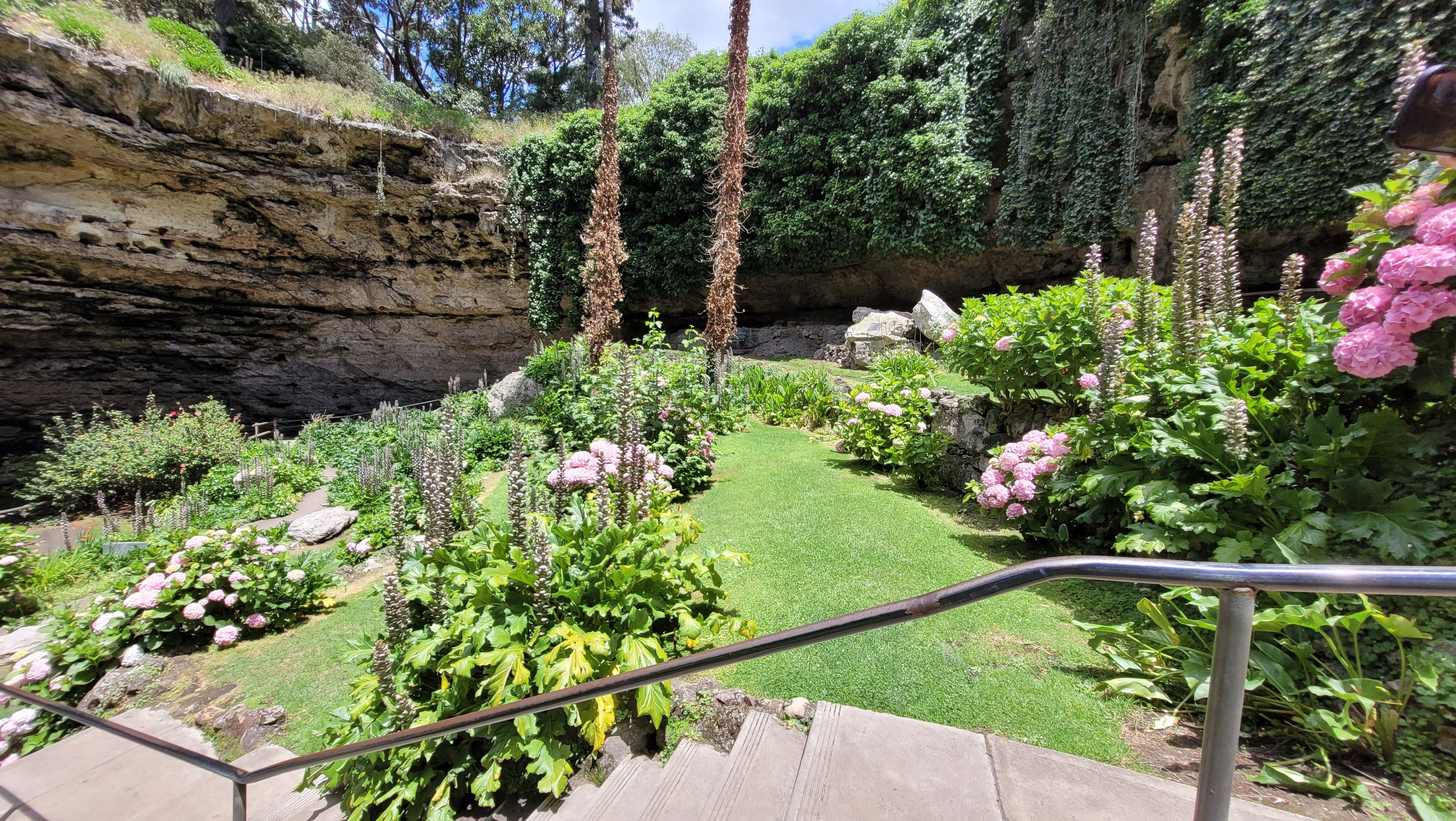
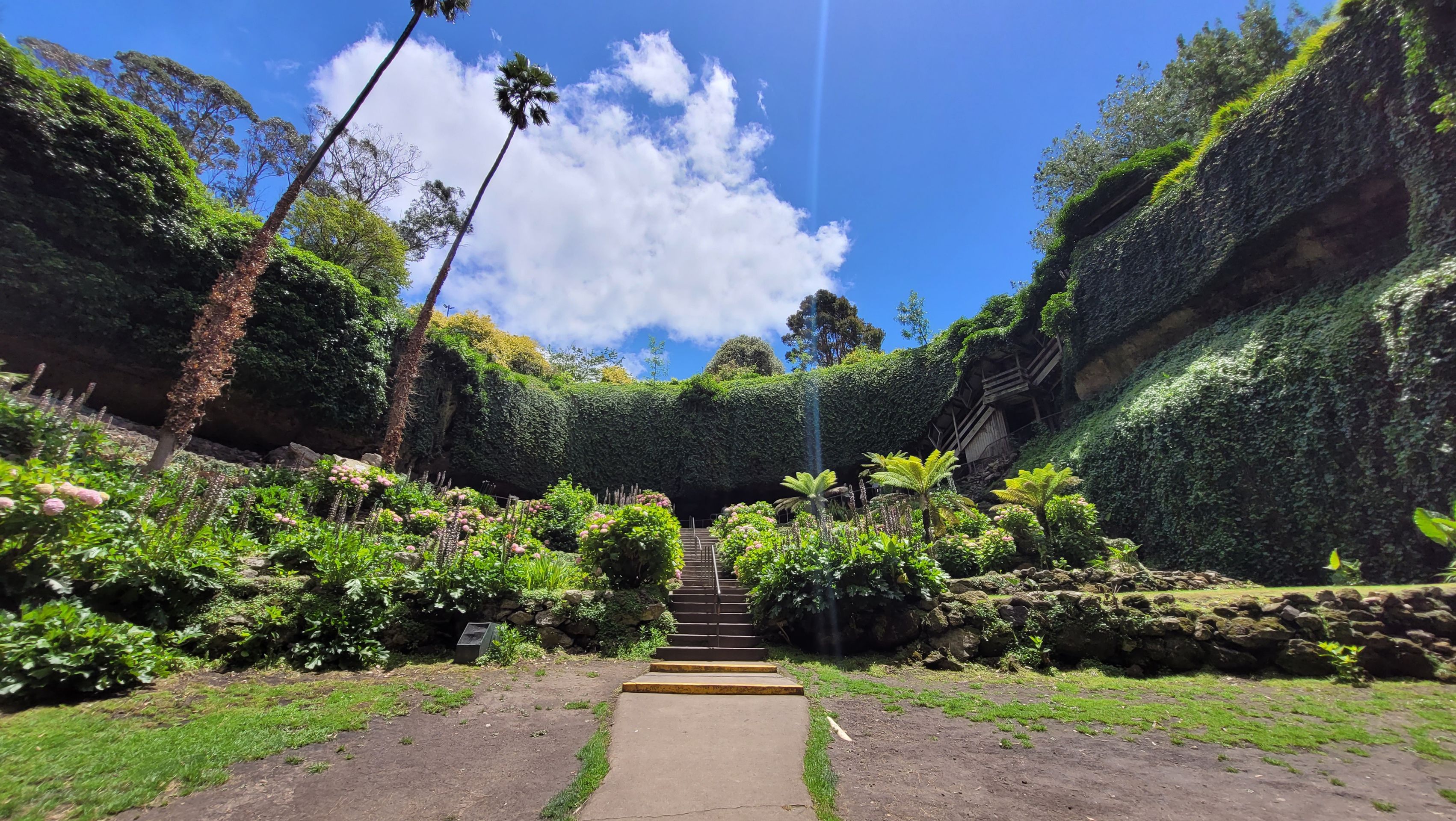
Our next stop is Mount Gambier in a new state: South Australia. In Mount Gambier, there’s a curiosity called Umpherston Sinkhole. A sunken garden established by the Umpherston family at the end of the 19th century. The circular depression was created by the dissolution of the limestone in the ground. A beautifully designed garden that you can walk around along the edge of the limestone, with a path that sometimes looks opaque due to a dense curtain of ivy.
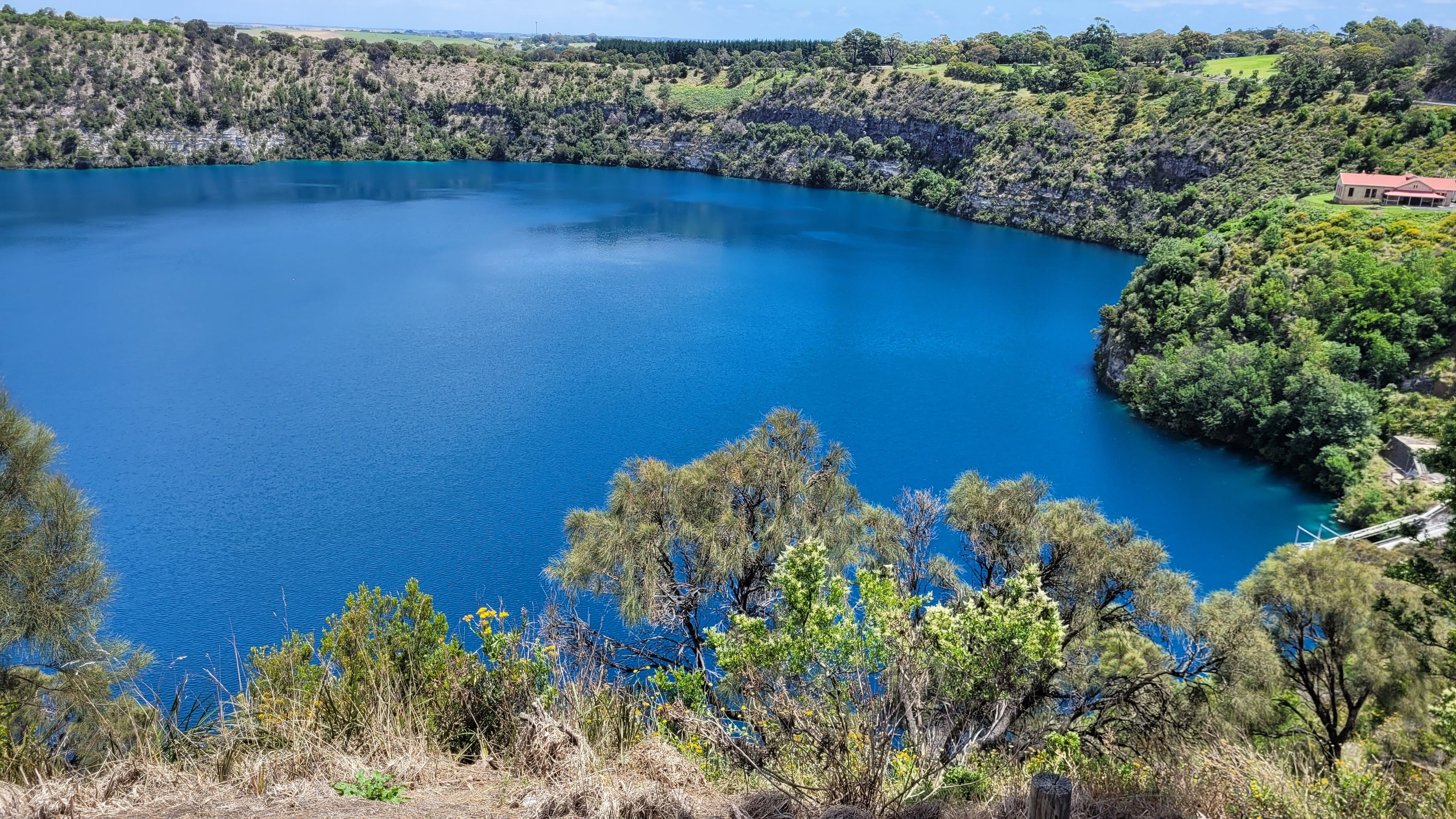
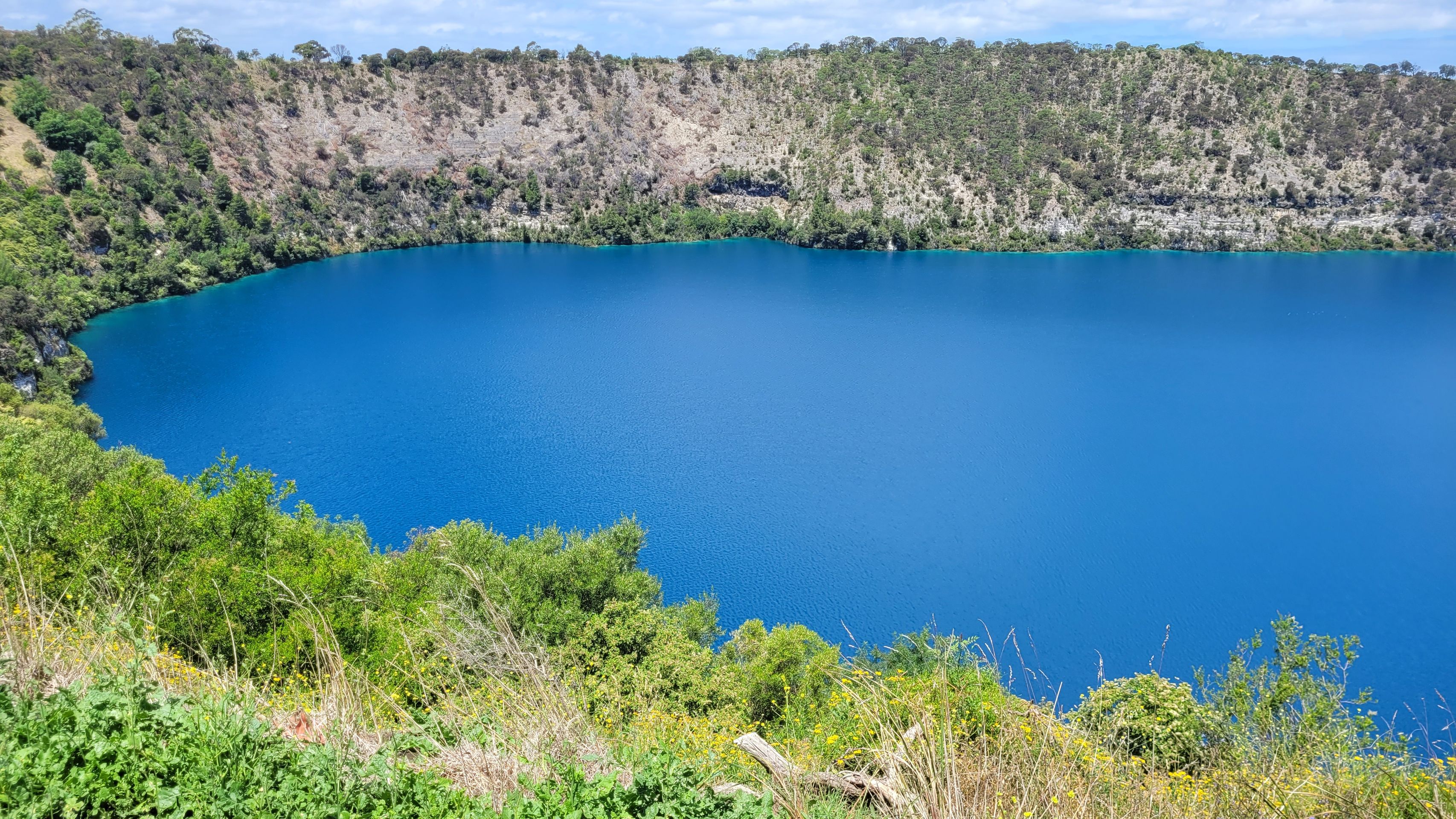
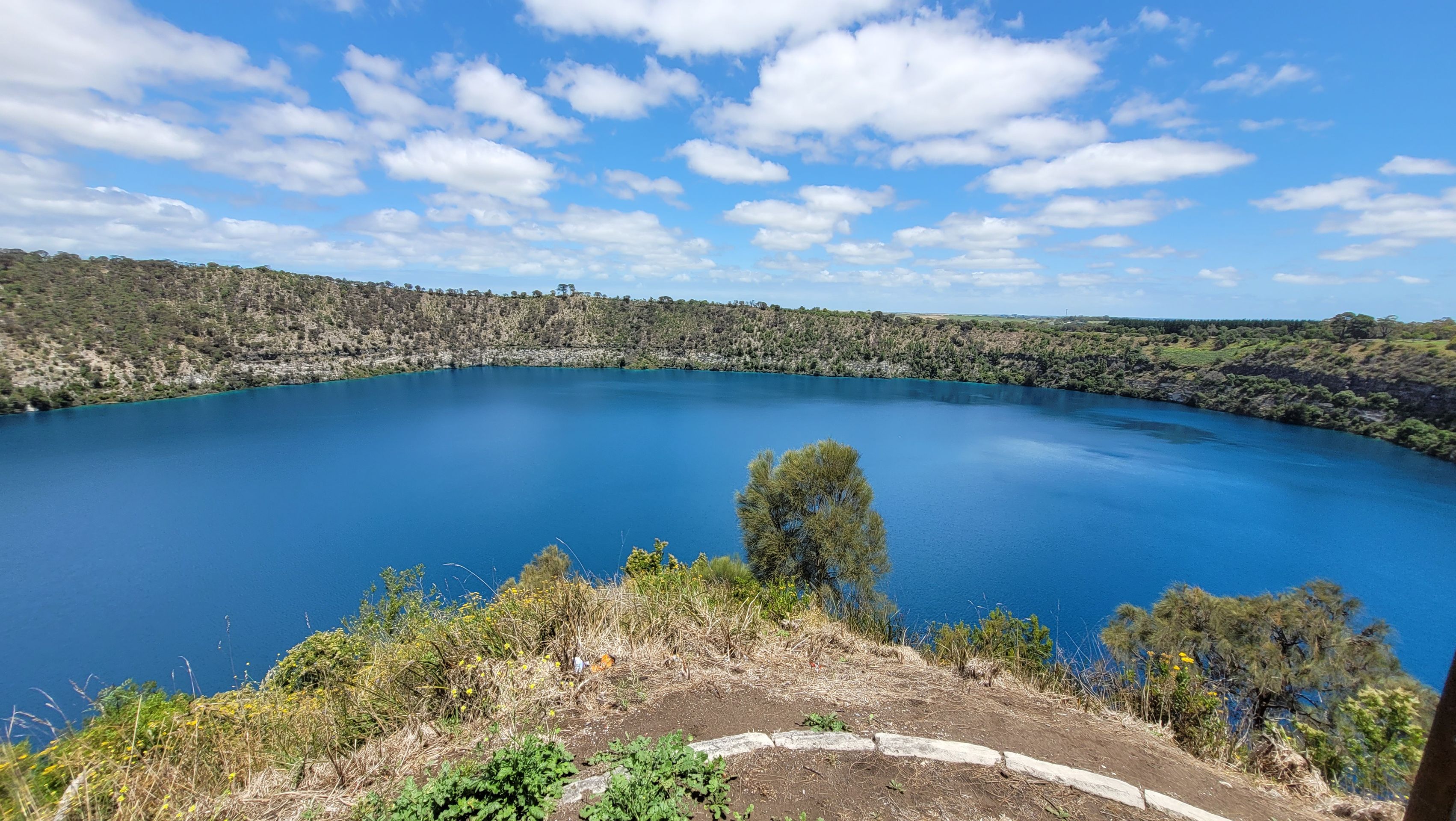
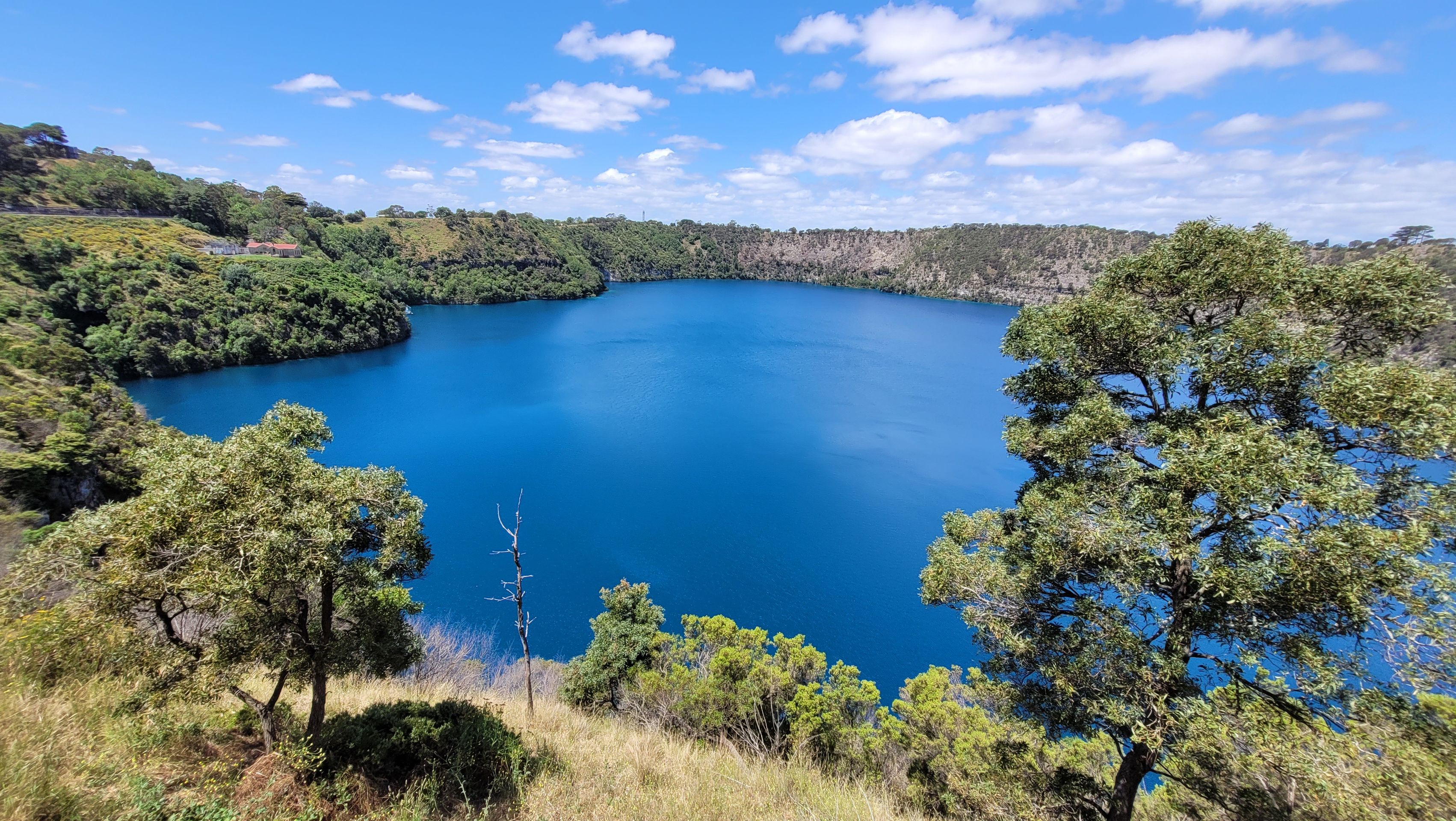
As our final stop, we visited the Blue Lake, a crater lake. Here, the water is dark blue. We learned that its color changes towards summer. In the winter months, which have just passed in the southern hemisphere, the lake is more gray and only turns blue in the summer. Why? No idea, it just is. One doesn't have to know everything ... and for those who want to know: ask Dr. Google ...
Now we’re retreating to take care of the photos of the koalas and emus …