06/10/2018 Bakthapur or Bhadgaun is considered the historical heart of Nepal, like Kathmandu but without the traffic chaos and the many backpacker shops of Thamel. Instead, it is known for its historical Newari architecture. I definitely have to see it!
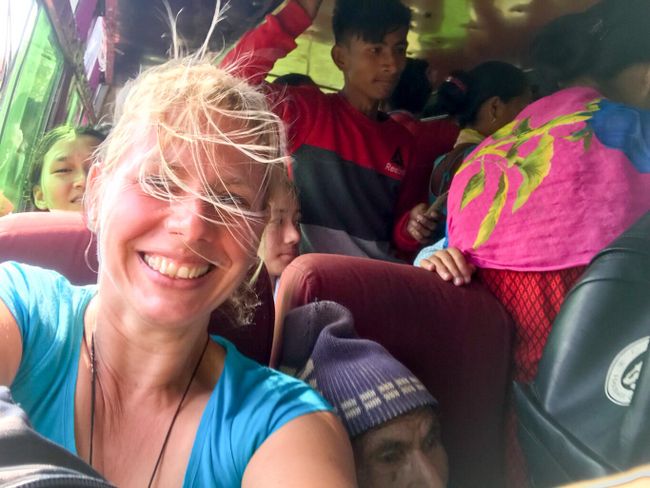
But the journey there is very adventurous. Together with Chen from China, I board the old local public transport and we quickly start talking about India and Nepal. I don't meet many solo travelers from China, mainly because they can't communicate in English. Well, I can't speak Mandarin either. But I wouldn't want to travel in a herd anyway. The bus fills up until it's bursting at the seams. An old grandpa, who can neither walk nor sit, is placed next to me. Everyone helps. We are cramped like hens in a battery cage. I'm very grateful to have a seat and I'm having a blast!
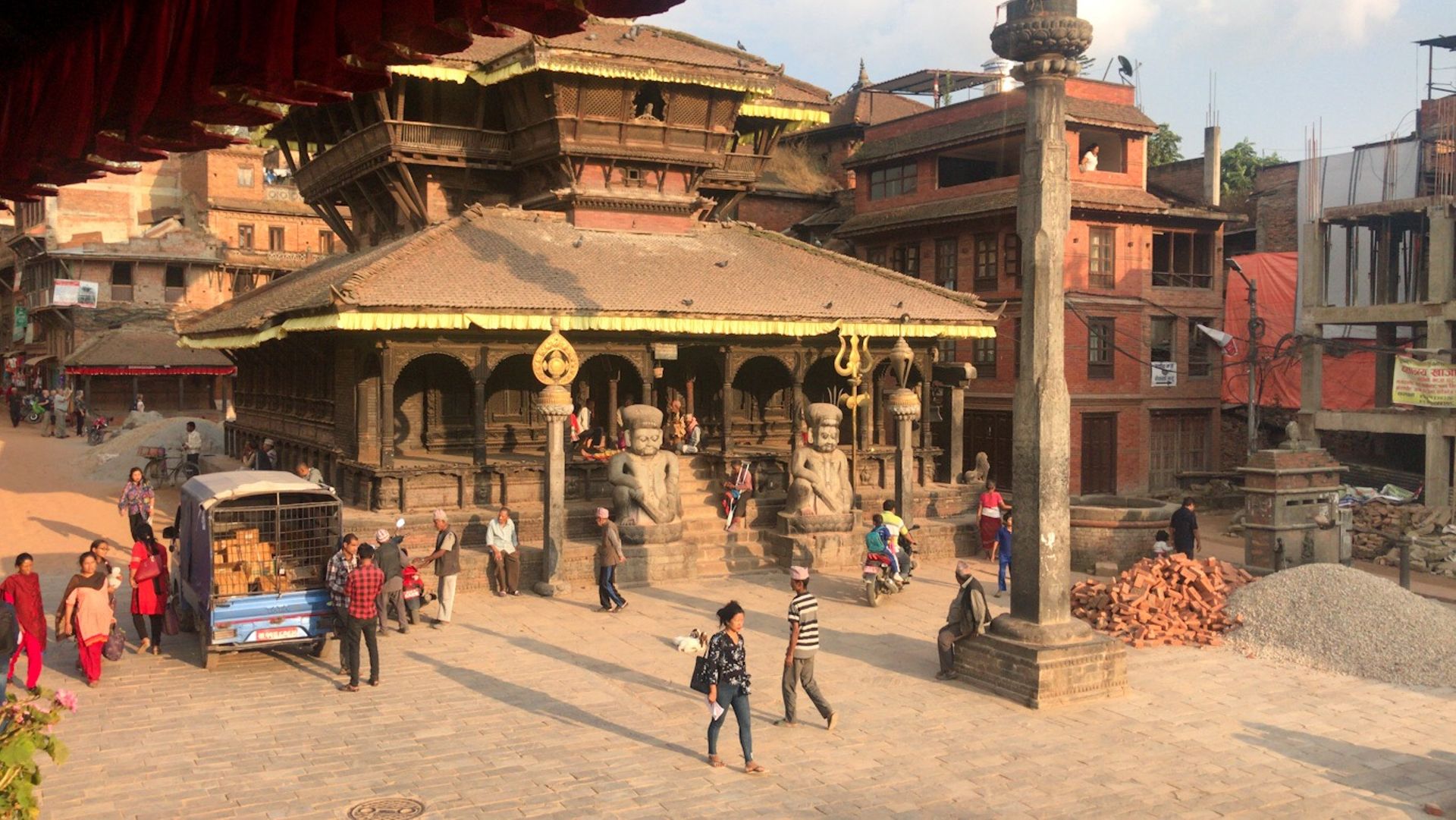
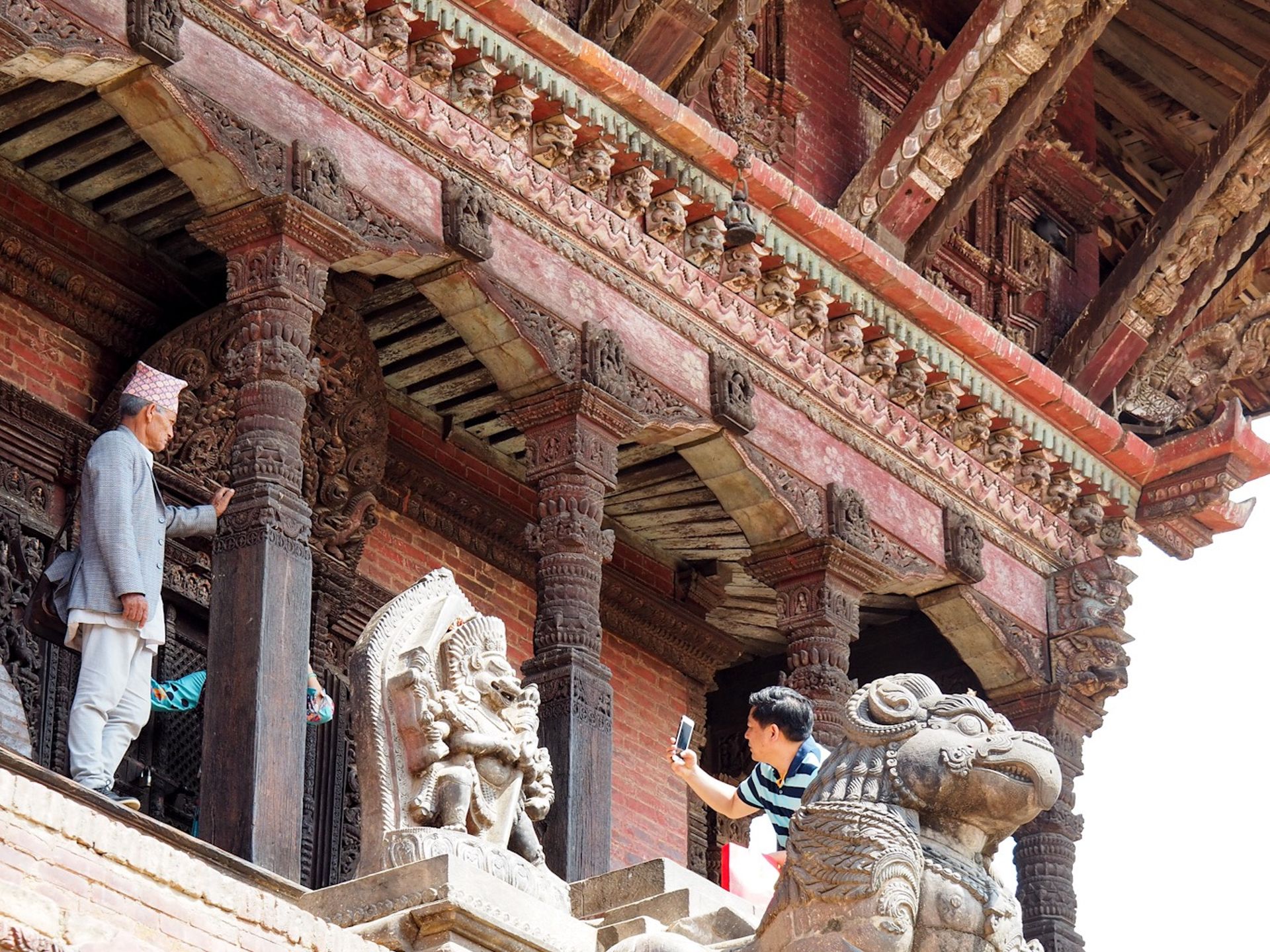
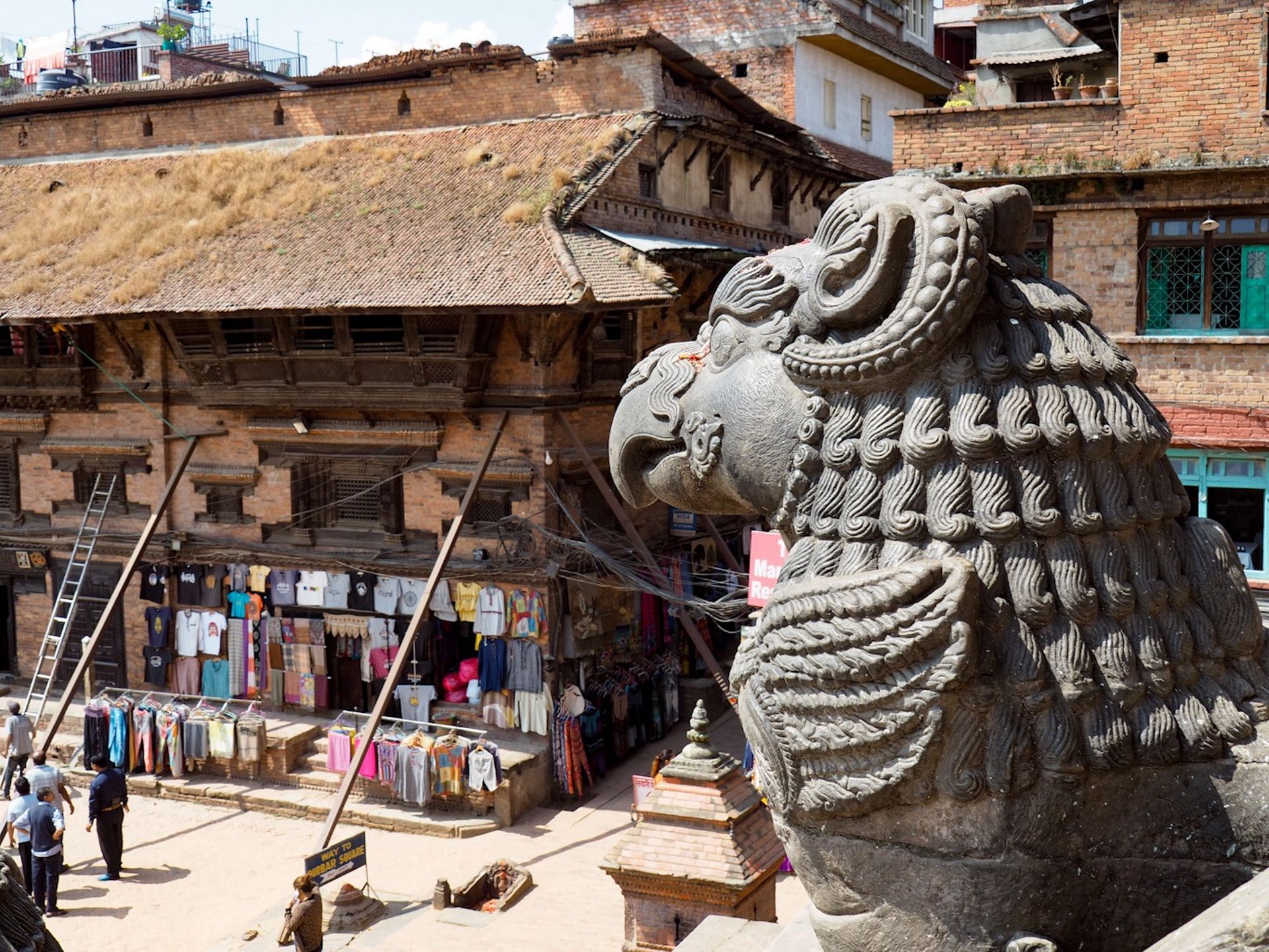
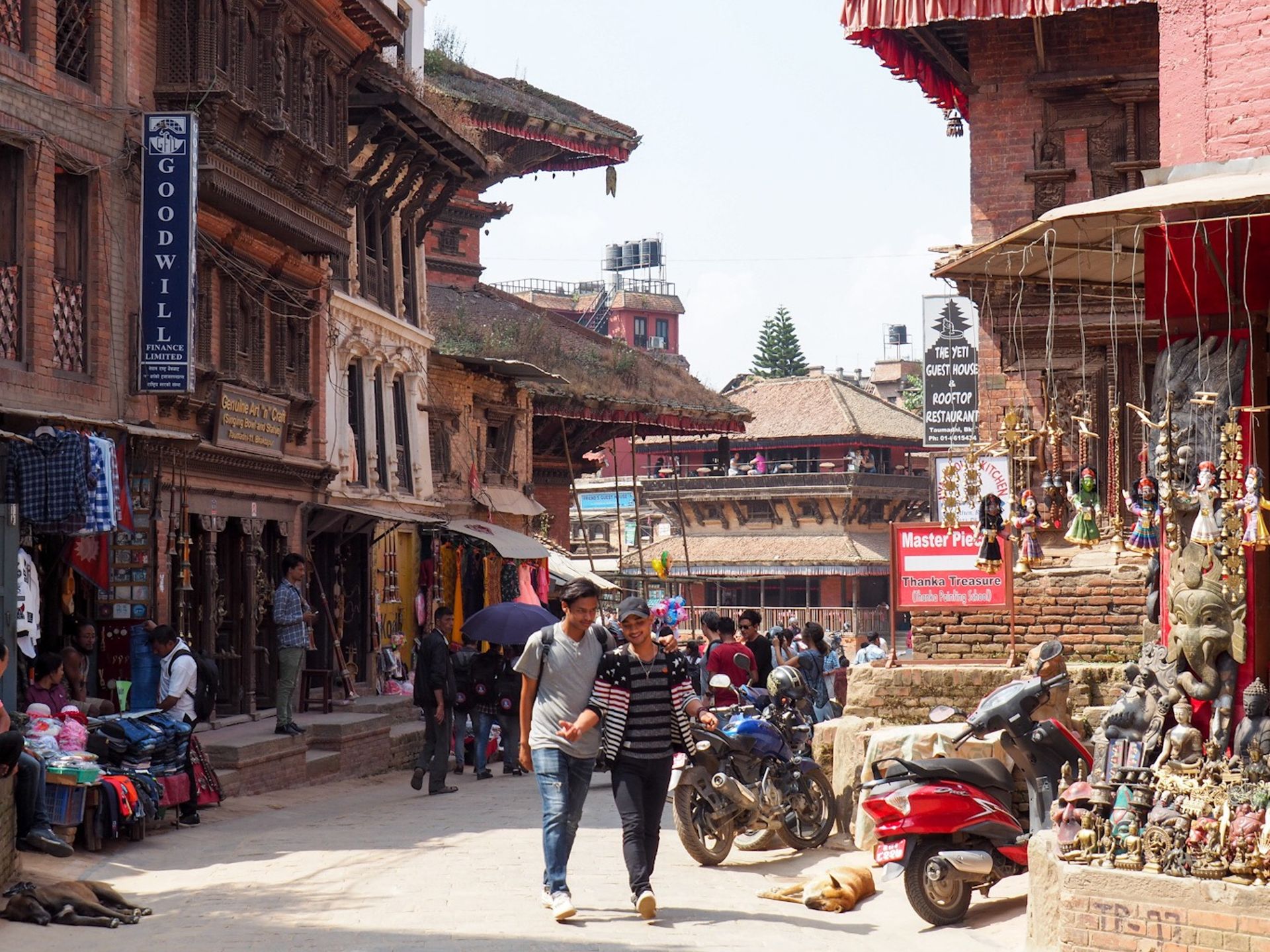
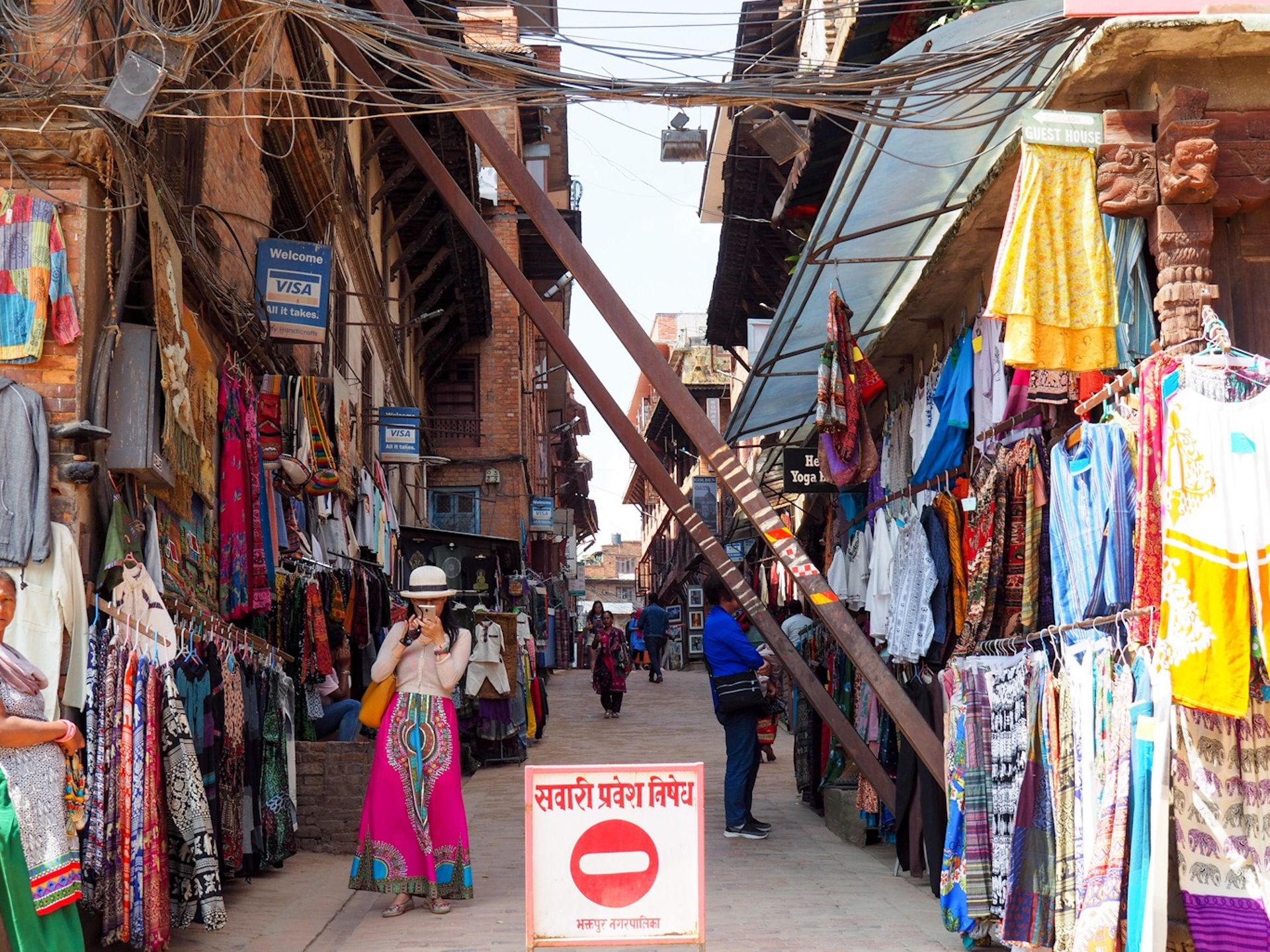
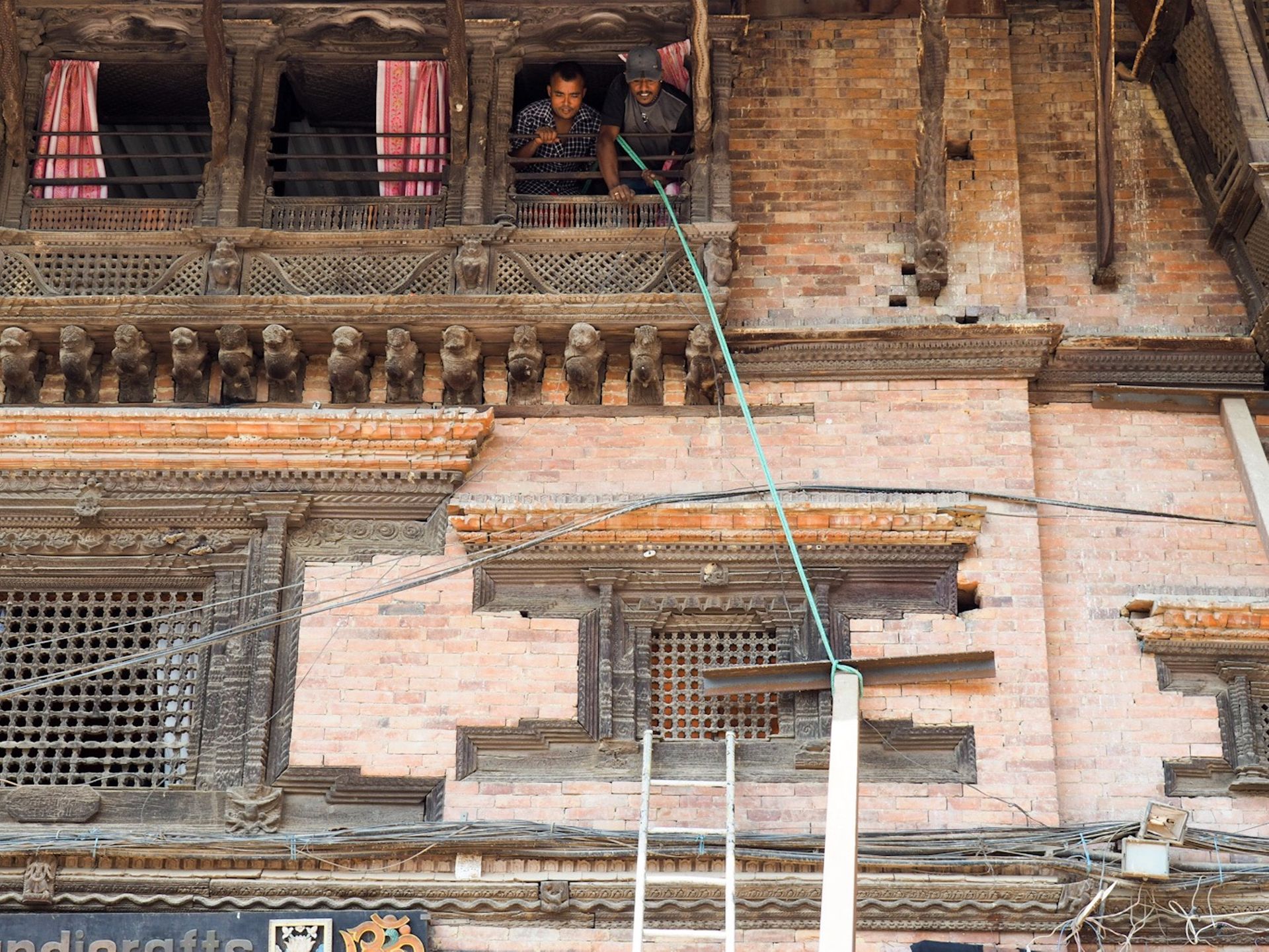
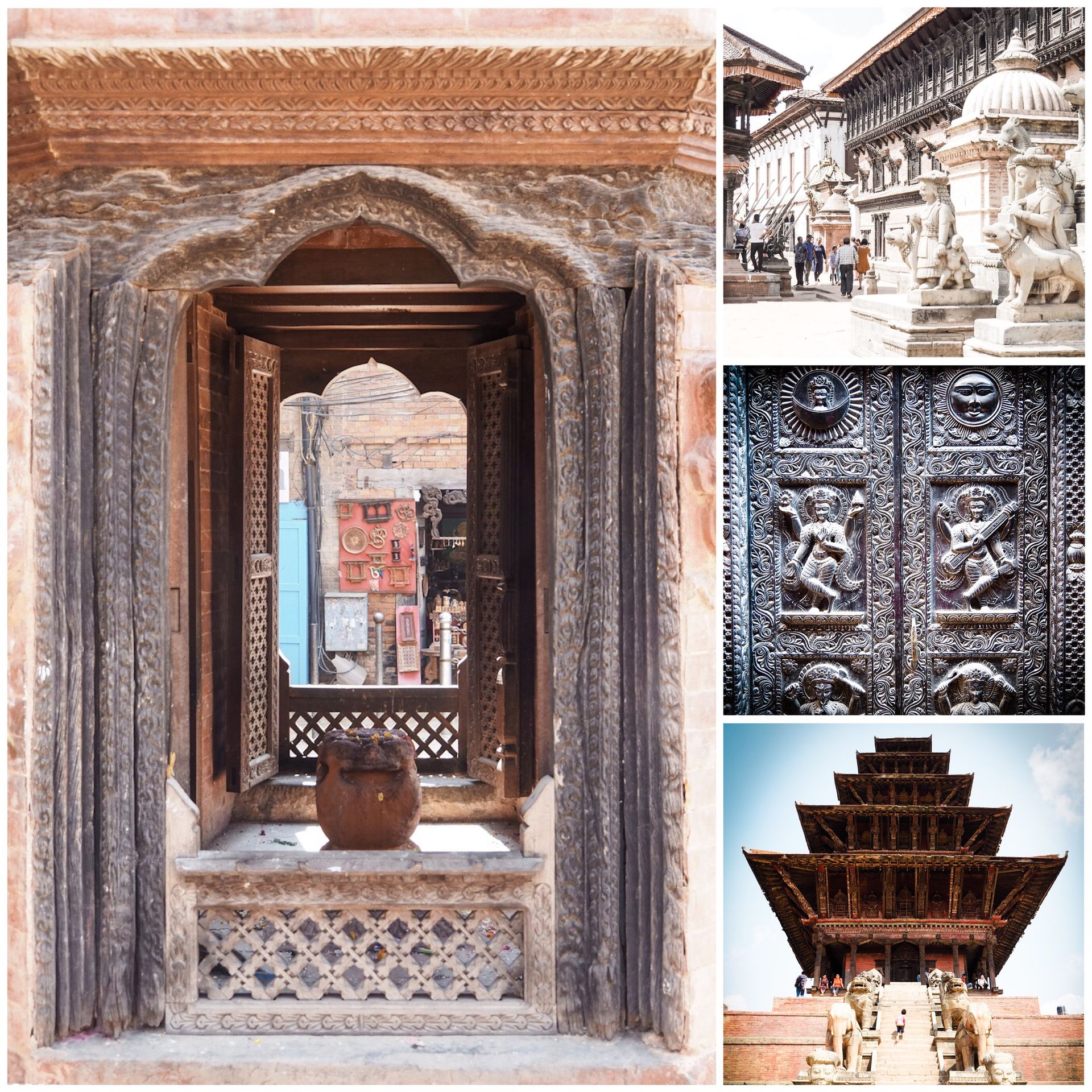
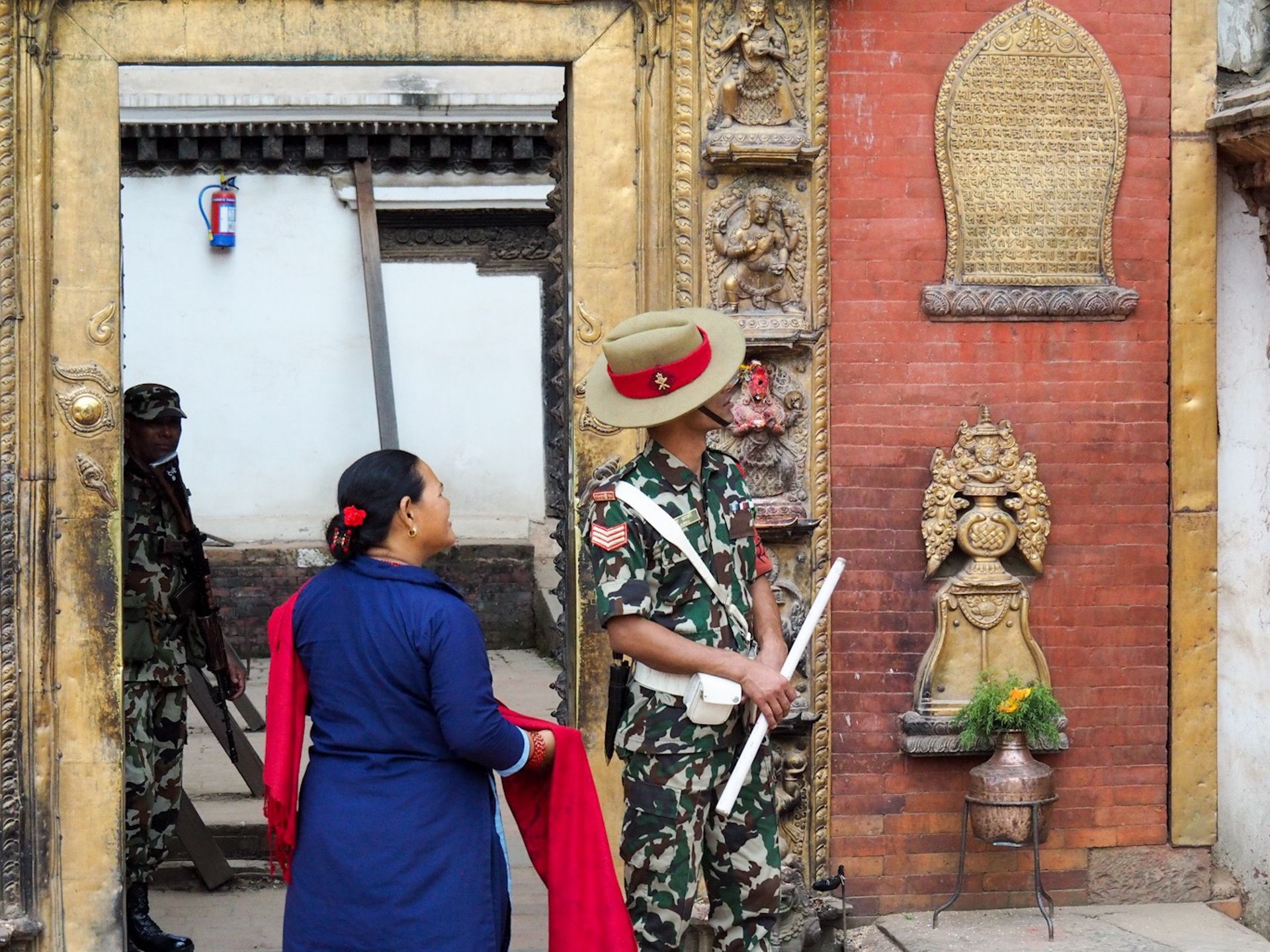
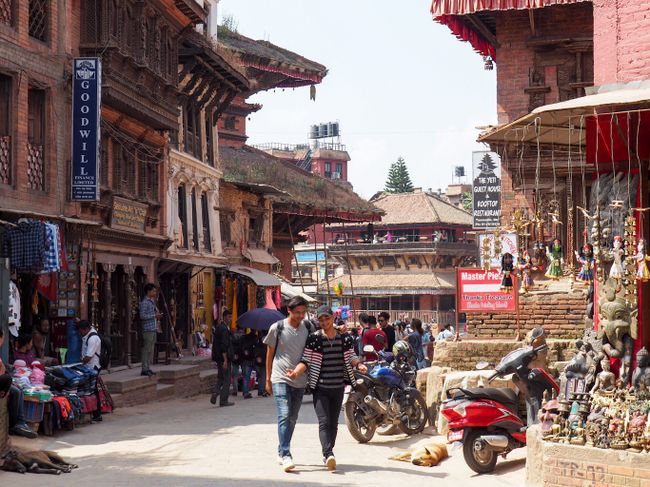
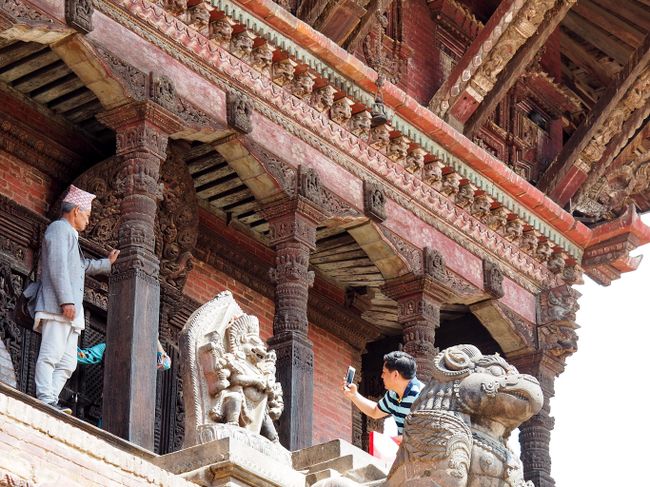
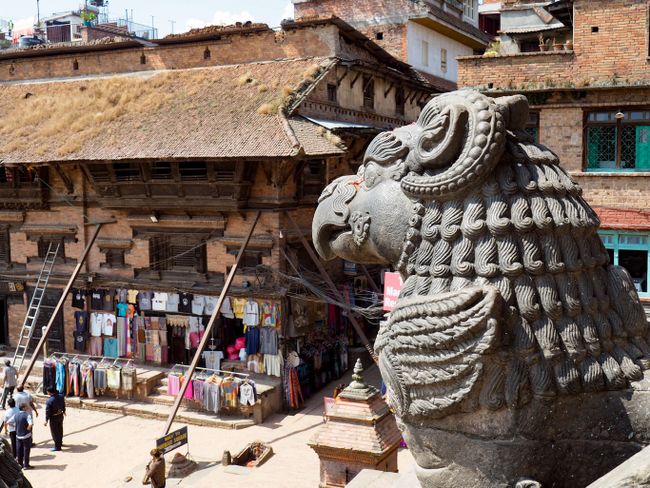
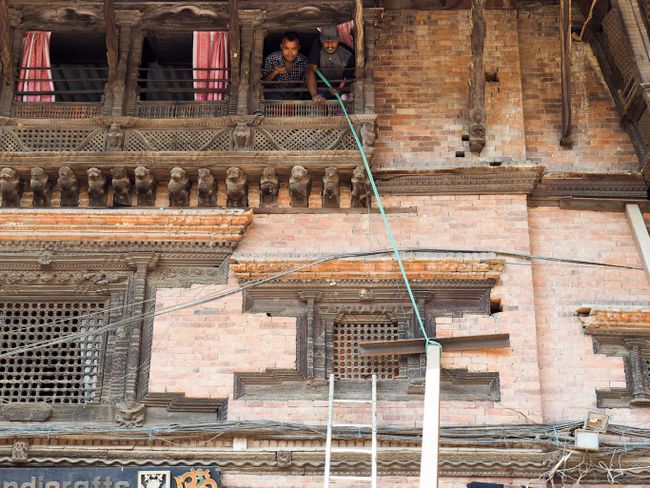
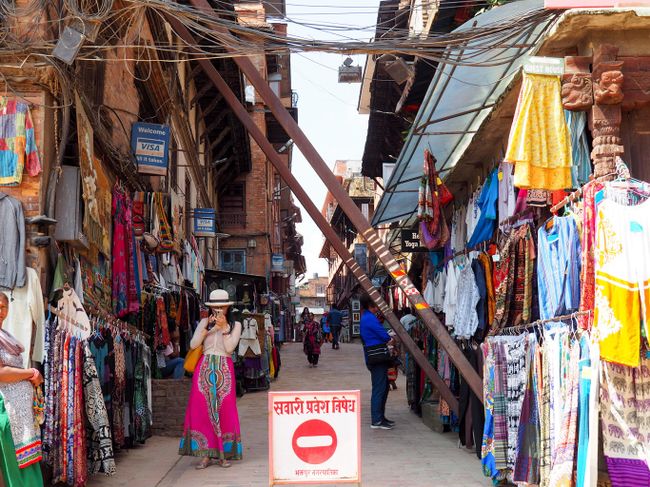
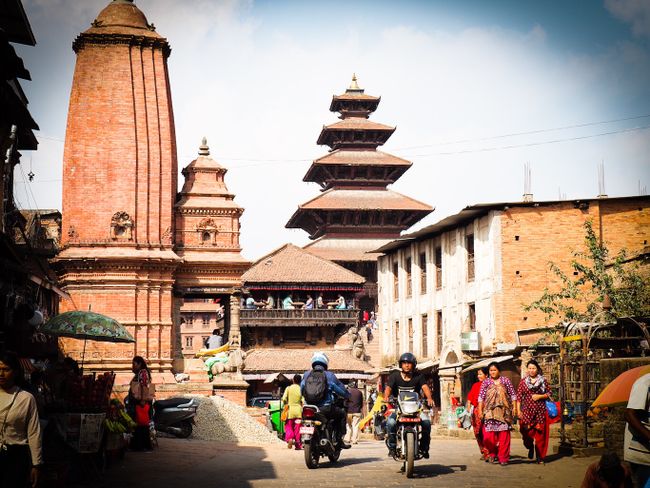
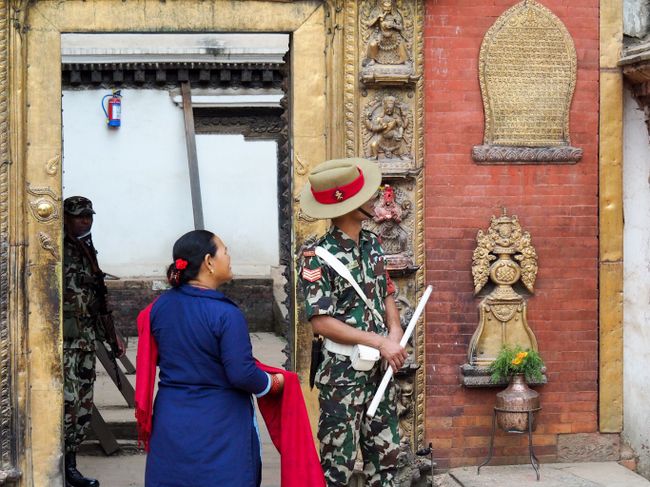
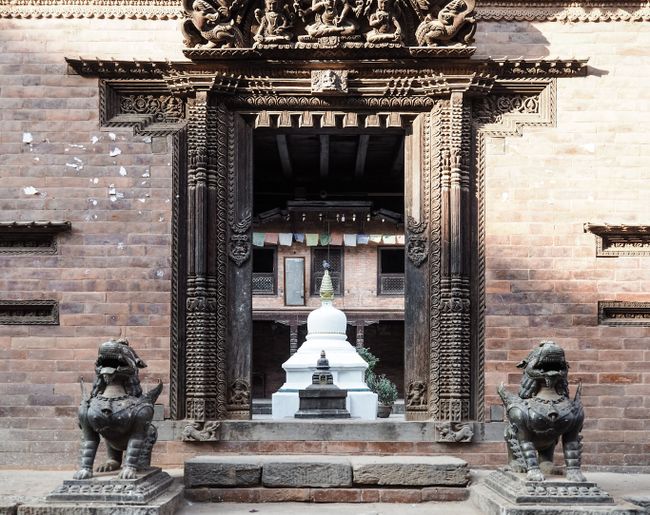
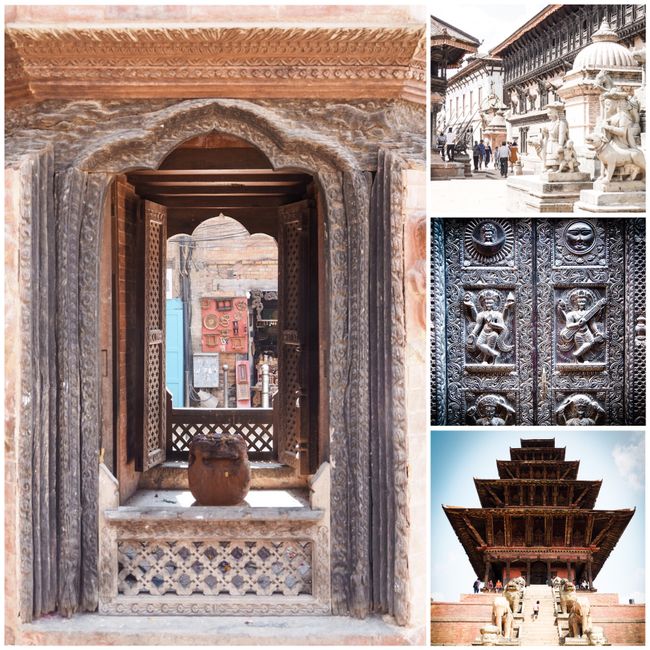
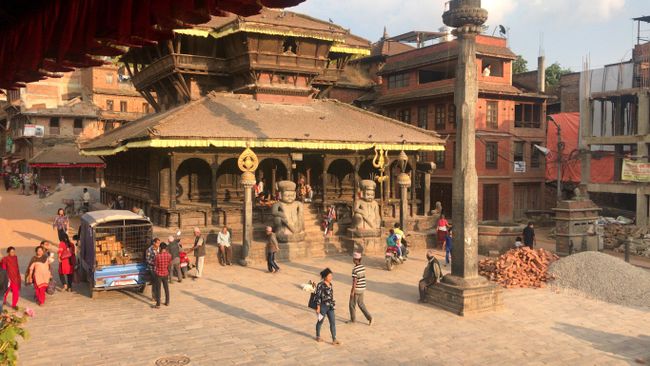
In Dumre, the bus stops and the bus attendant tells me where to wait for my connecting bus and helps me lift my bulky trolley onto the road. That's how it is here. There are seats available for the waiting passengers on the roadside. Just like that. You could order something, but you are not pressured, not even asked. Very pleasant.Three Asian women tell me that contrary to the information from my host mother, there is indeed a direct bus to Bakthapur. I'm a bit annoyed, but maybe she didn't know either. This happens more often than you think. By chance, this bus arrives first and I spontaneously ask if there is still a seat available. I'm allowed to join and I even have the best seat right at the front. With a view, legroom, and access to power outlets. Yeah! 3 movies and 9 hours later (uuuuh!) we're there. I'm sooo glad that I bought the expensive but awesome Bose anti-noise-cancelling headphones, because after 2 hours of Hindi music at deafening volume, it's enough. The travel guide did not promise too much. Bakthapur looks like I imagine Kathmandu 100 years ago. Old Newari brick buildings line the paved streets and narrow alleys. The warm red of the bricks forms a wonderful contrast to the dark brown tones of the carved doors, windows, columns, and decorations.I can't get enough of this breathtaking craftsmanship. What a feast for the eyes! I would love to take them home. Bakthapur simply knows how to preserve the old building substance with the help of restoration programs and appropriate policies. New buildings had to be erected in the style of historical architecture. Bakthapur is rightly proud of its UNESCO World Heritage status. Unfortunately, several temples were destroyed or heavily damaged during the 2015 earthquake. The reconstruction work is still in full swing 3 years later. You can see stonemasons practicing their art and construction workers climbing up and down bamboo scaffolding. There's no such thing as occupational safety here; Dirk would have a fit. Buildings have to be temporarily supported everywhere. Hier lässt es sich wunderbar durch die Gassen schlendern, denn der historische Stadtkern ist eine Fußgängerzone bzw. zumindest verkehrsberuhigt. Today, I don't feel like reading a guidebook and just let myself wander through the alleyways, from Durbar Square with its royal palace, the many temples, and the Golden Gate to Taumadhi Tol and Tachapal. The Nyatapola Temple, the tallest in Nepal with its five floors, is considered perfectly proportioned and graceful. It is dedicated to the tantric goddess Siddhi Lakshmi. Together with the temple guardians (wrestlers, elephants, lions...) placed in pairs, it is the landmark of the city.
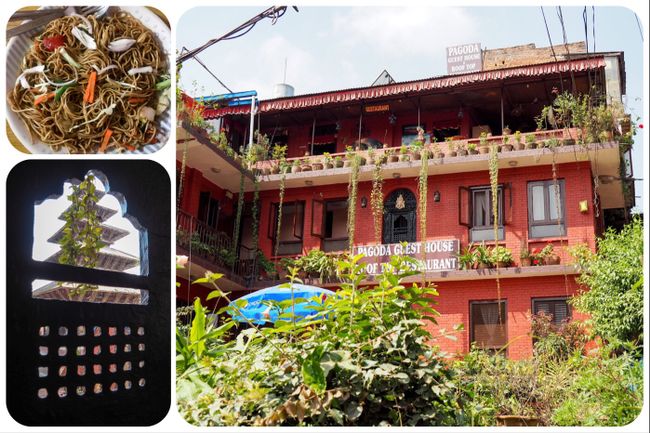
My guesthouse is located right next to the pagoda, so I have a good view from the rooftop terrace. Compared to Kathmandu, the room rates are more expensive, I pay 1600 rupees for a room with a bathroom down the hall.
The location is great and it feels like I'm living in an open-air museum. Awesome! But at 5 o'clock in the morning, the loud ringing of religious ceremonies at the nearby Bhairabnath Temple starts and reminds me of Varanasi, India. Unfortunately, I can't upload the video.
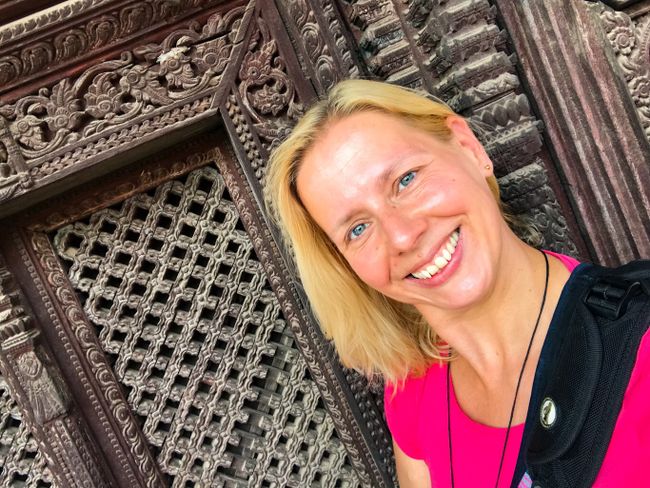
Just around the corner is the famous Peacock Window, the flagship of centuries-old woodcarving. Incredibly finely crafted details. I take a break at the Peacock Café with a cold drink and enjoy the view. It feels like being on a film set. Magnificent!
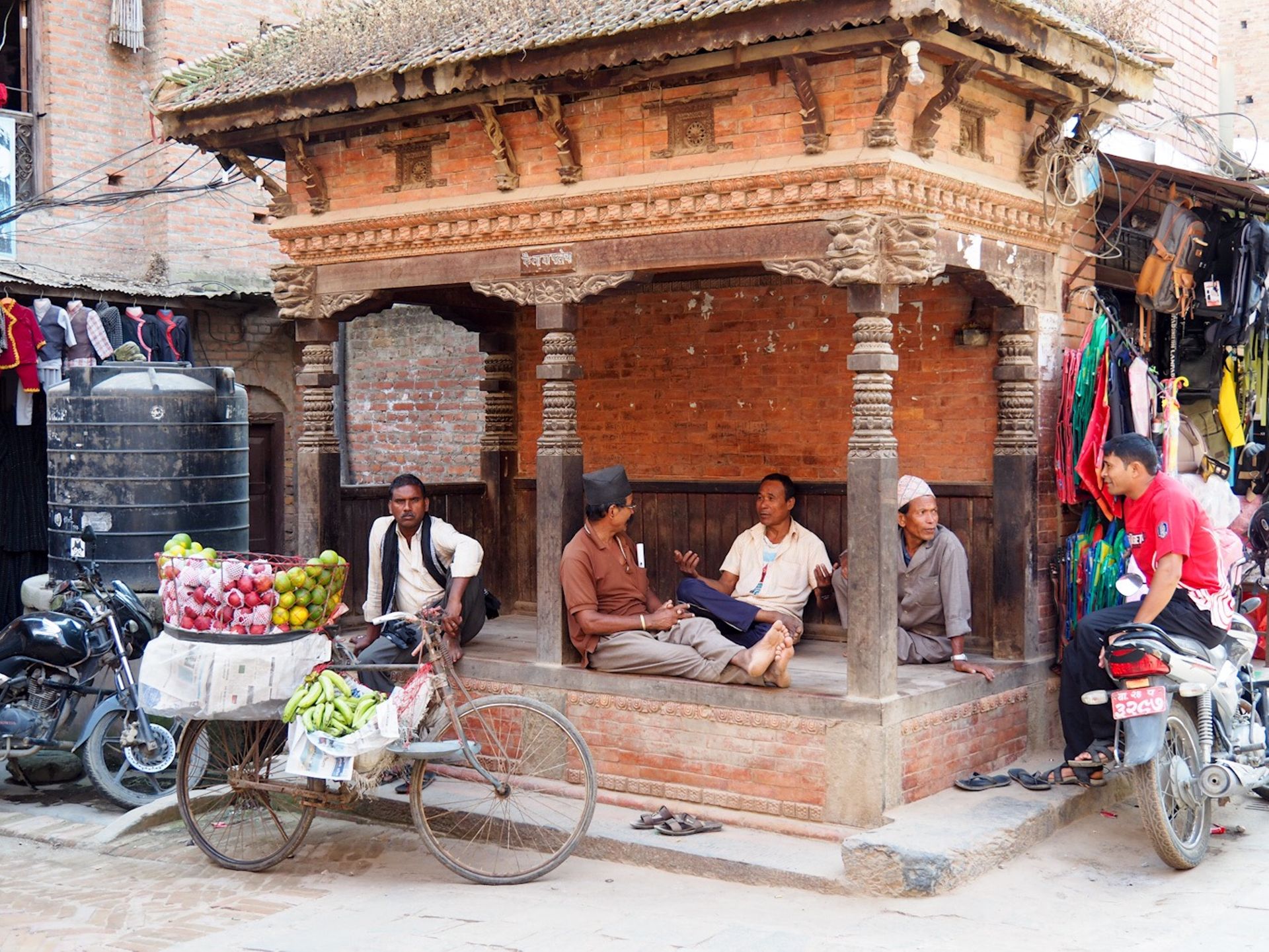
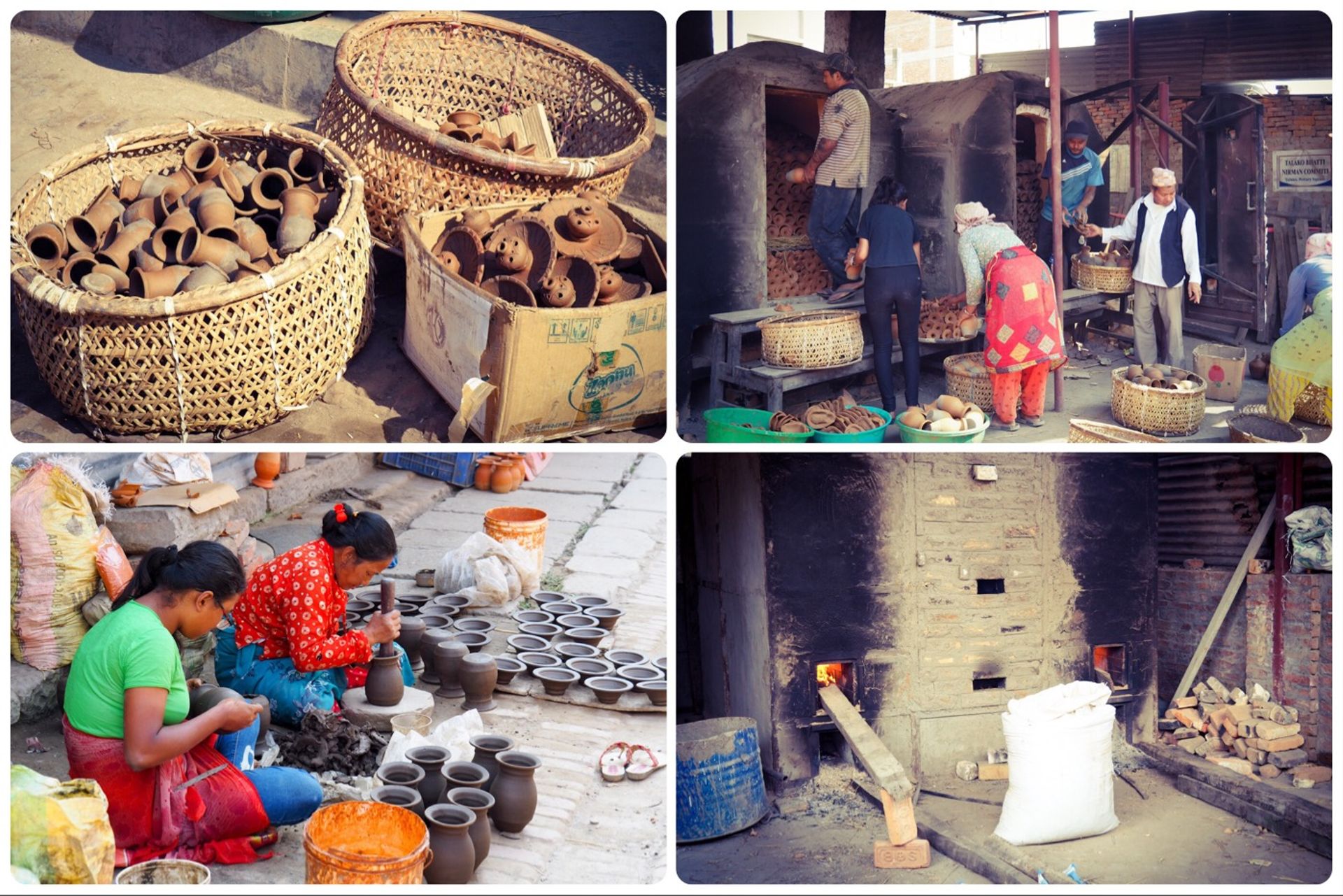
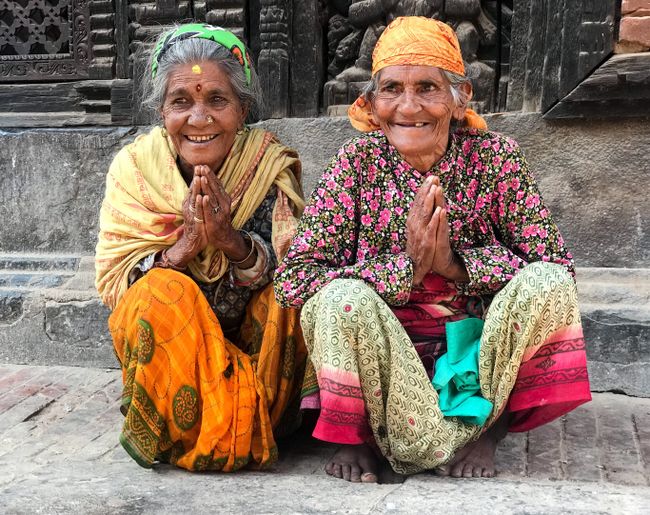
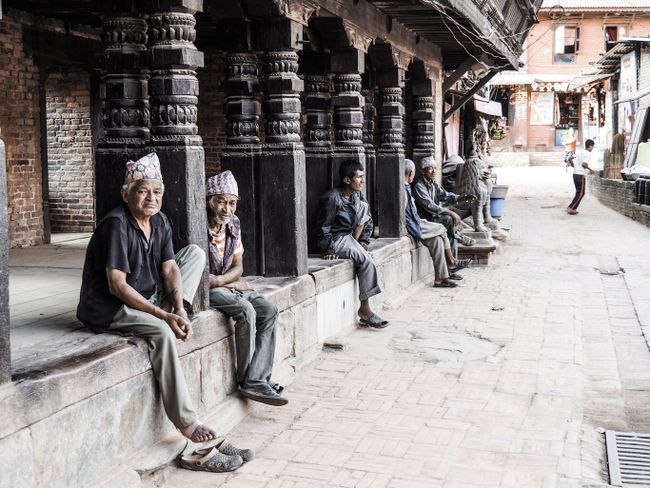
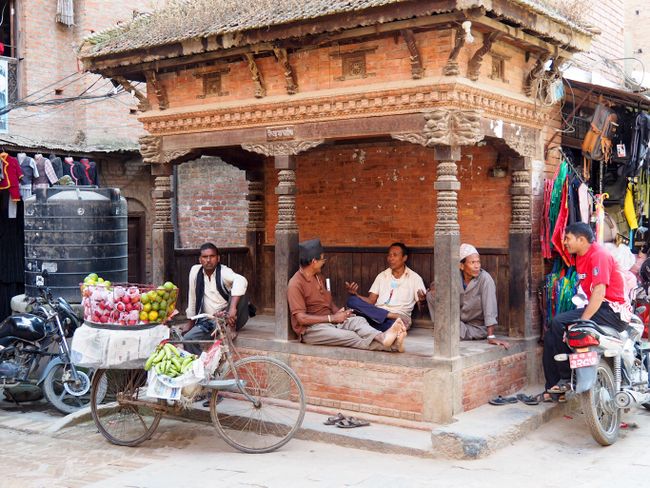
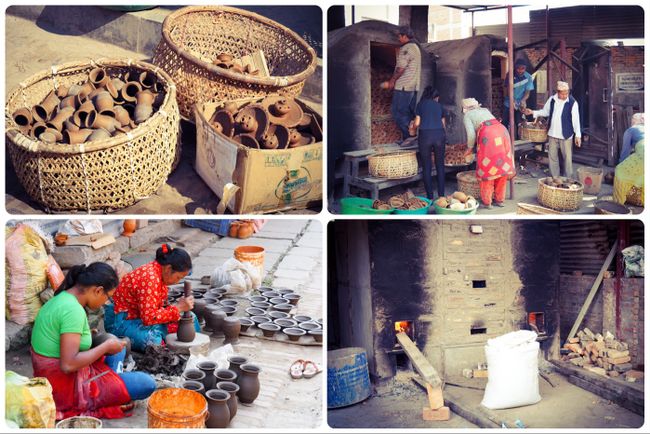
Everything here is much calmer and more peaceful than in Kathmandu. Locals sit relaxed in the shade of the pagodas, relax, or chat with each other.under covered loggias. At the Pottery Square, my jaw drops. Here, water vessels and yogurt pots for daily use are actually made by painstaking handwork, as well as small elephants and other souvenirs for tourists. Kneading and shaping is done vigorously, the potter's wheels turn non-stop as the remarkably uniform clay dries in the sun. Later, the pieces are taken in a convoy to the medieval kiln, carefully piled inside, and then fired. The air is filled with smoke.
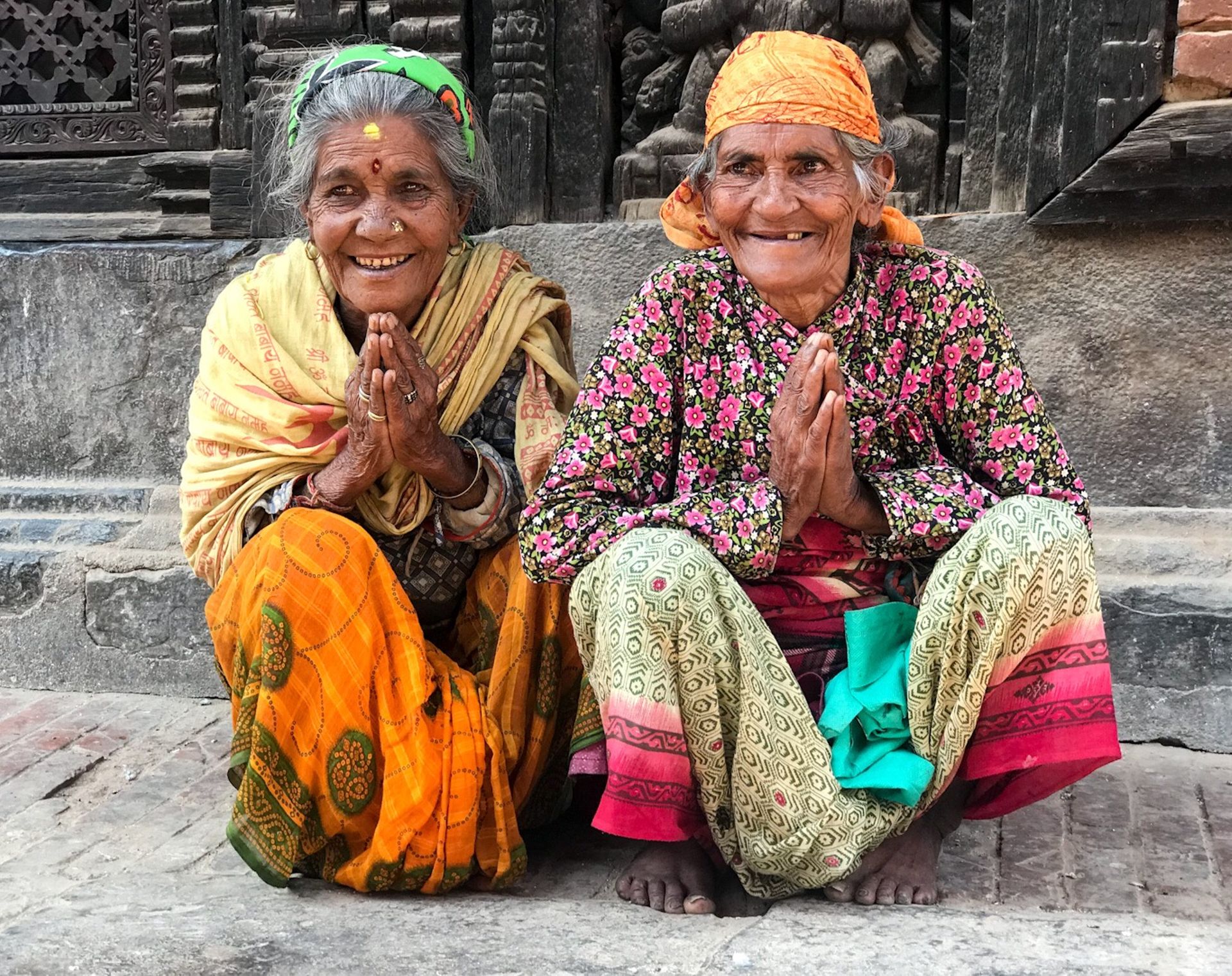
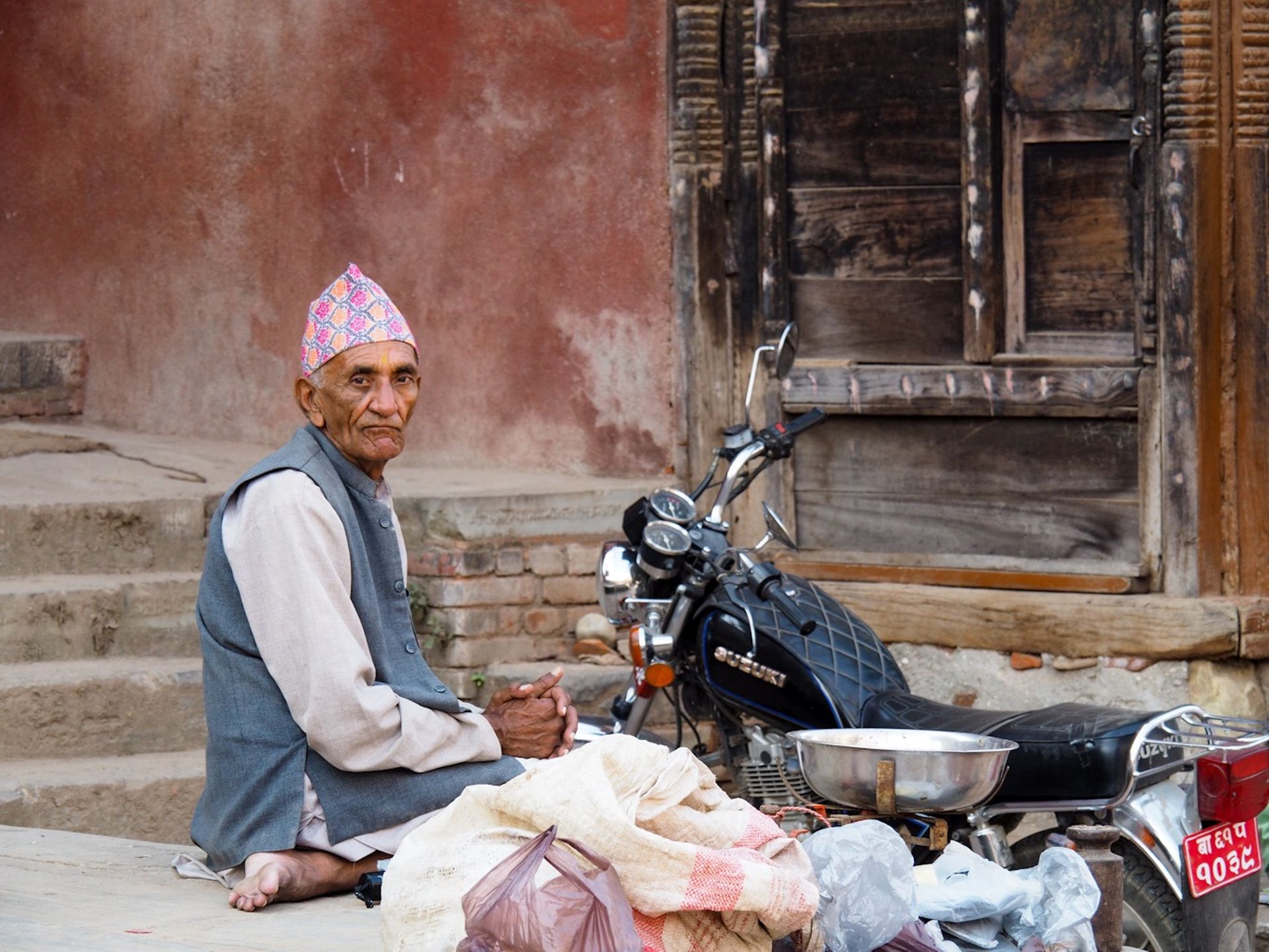
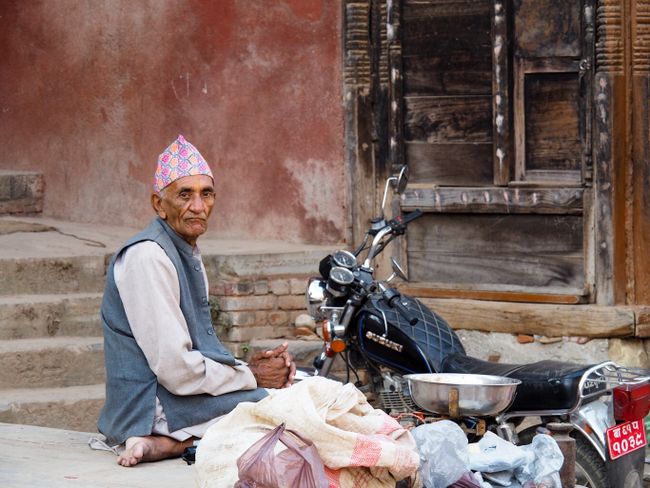
One should not make the mistake of considering the Newars as Nepal. In fact, they are one of the many minorities that themselves form such a complex microcosm of Nepalese society due to their caste system and religious structures. While their members have a common language (one of many in Nepal) and cultural similarities, they also exhibit numerous differences. For example, the traditional attire and headgear of men are striking.
pures-buntLike a newsletter: every new post arrives via email.