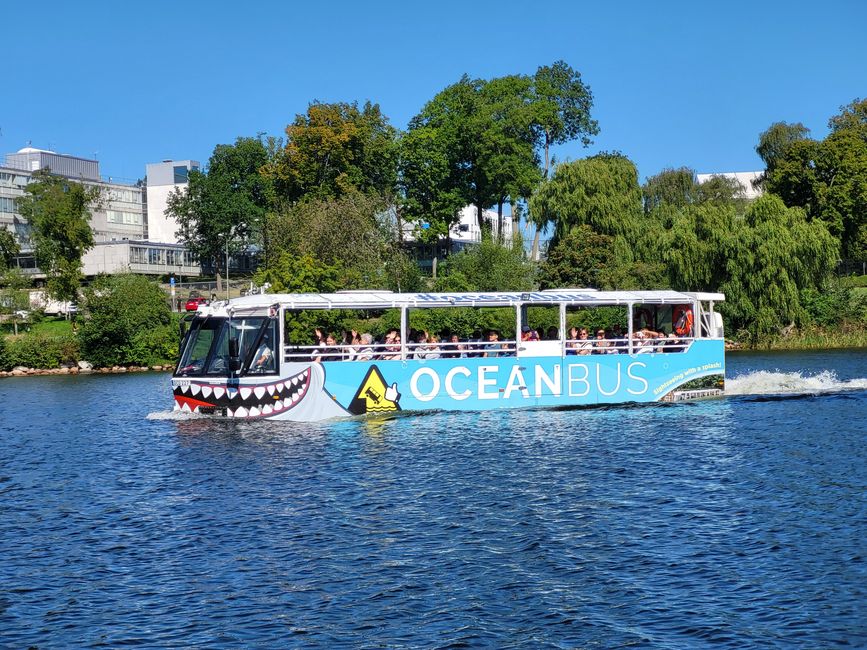
Today was our last day in Stockholm. In the morning we had booked a city tour on the “Ocean Bus”.
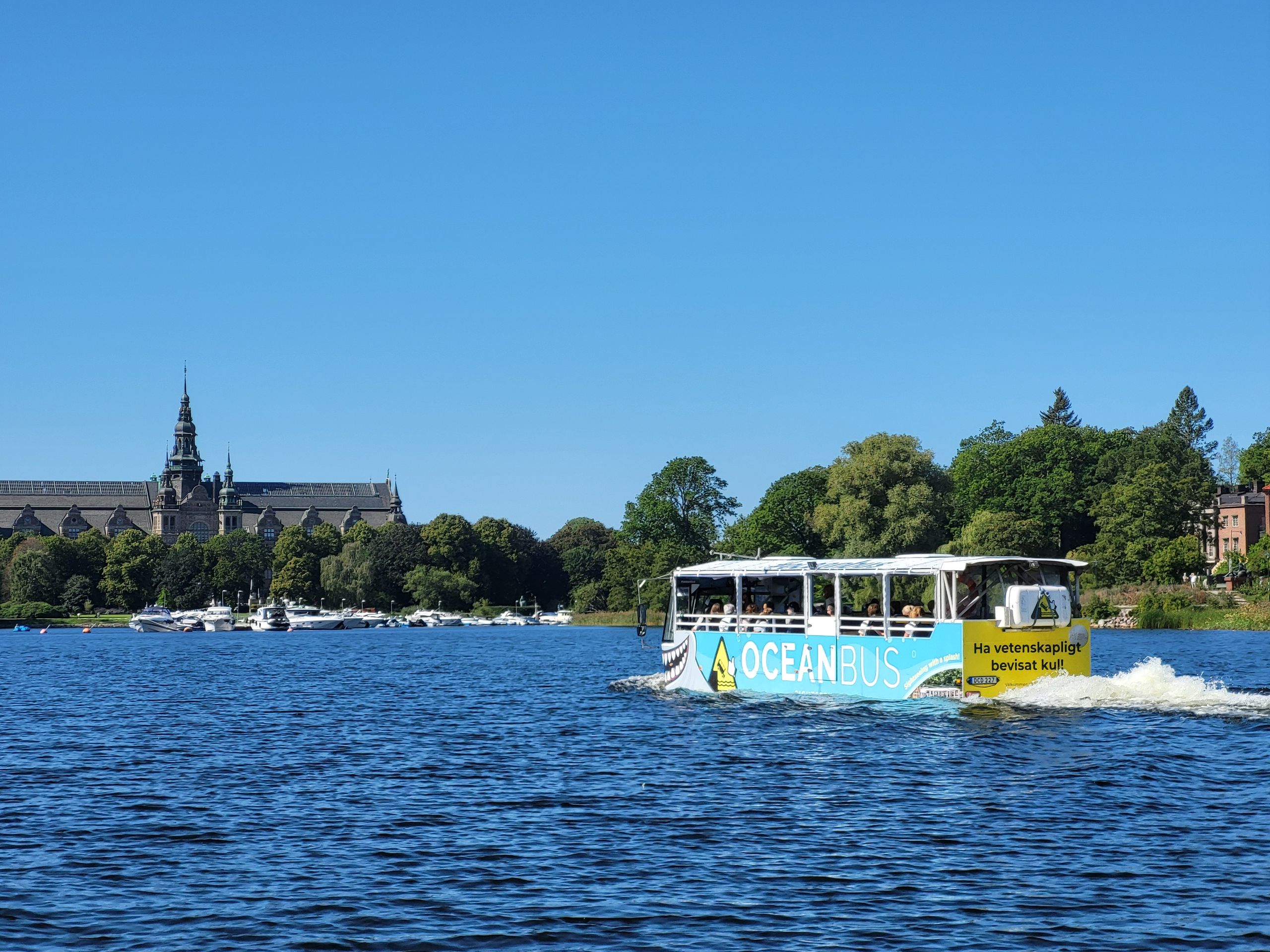
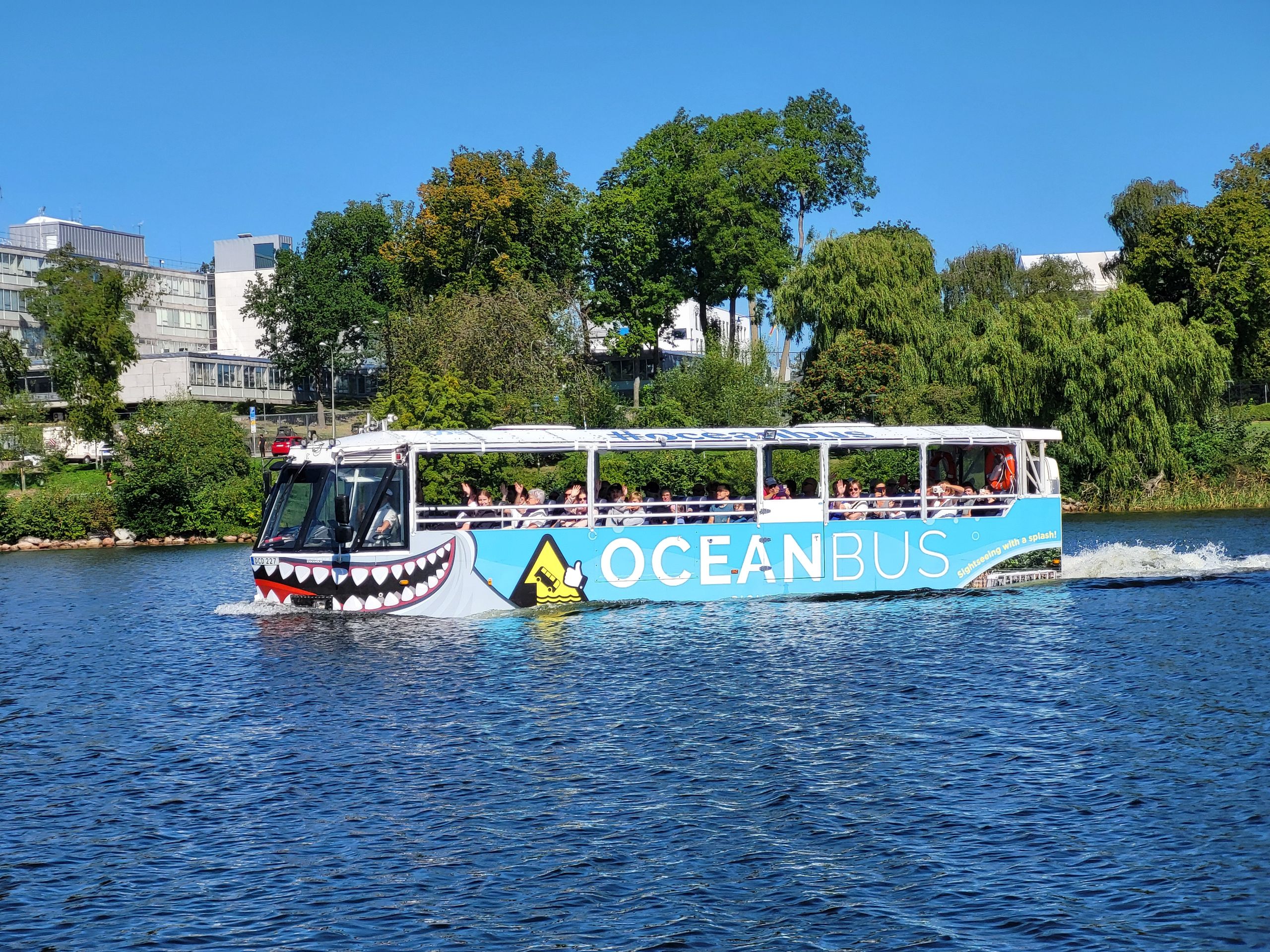
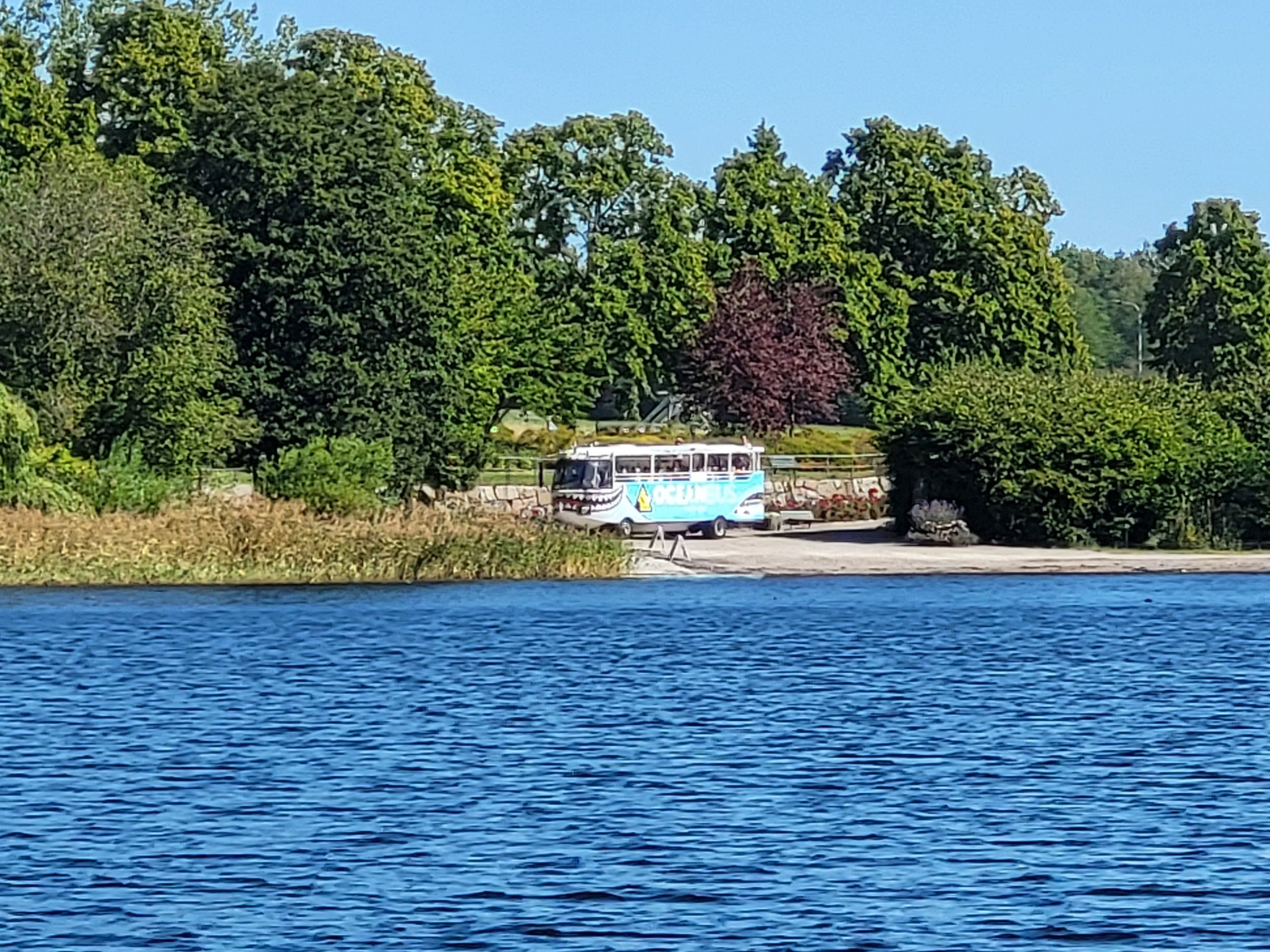
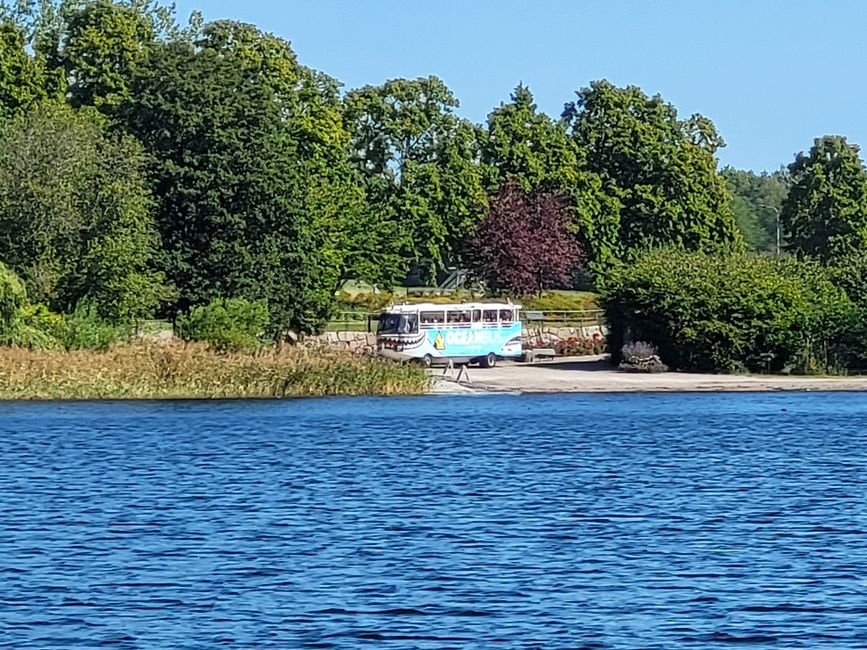
Ocean Bus The bus can drive both on land and in the water, which seemed like a great idea for a city made up of 14 islands.
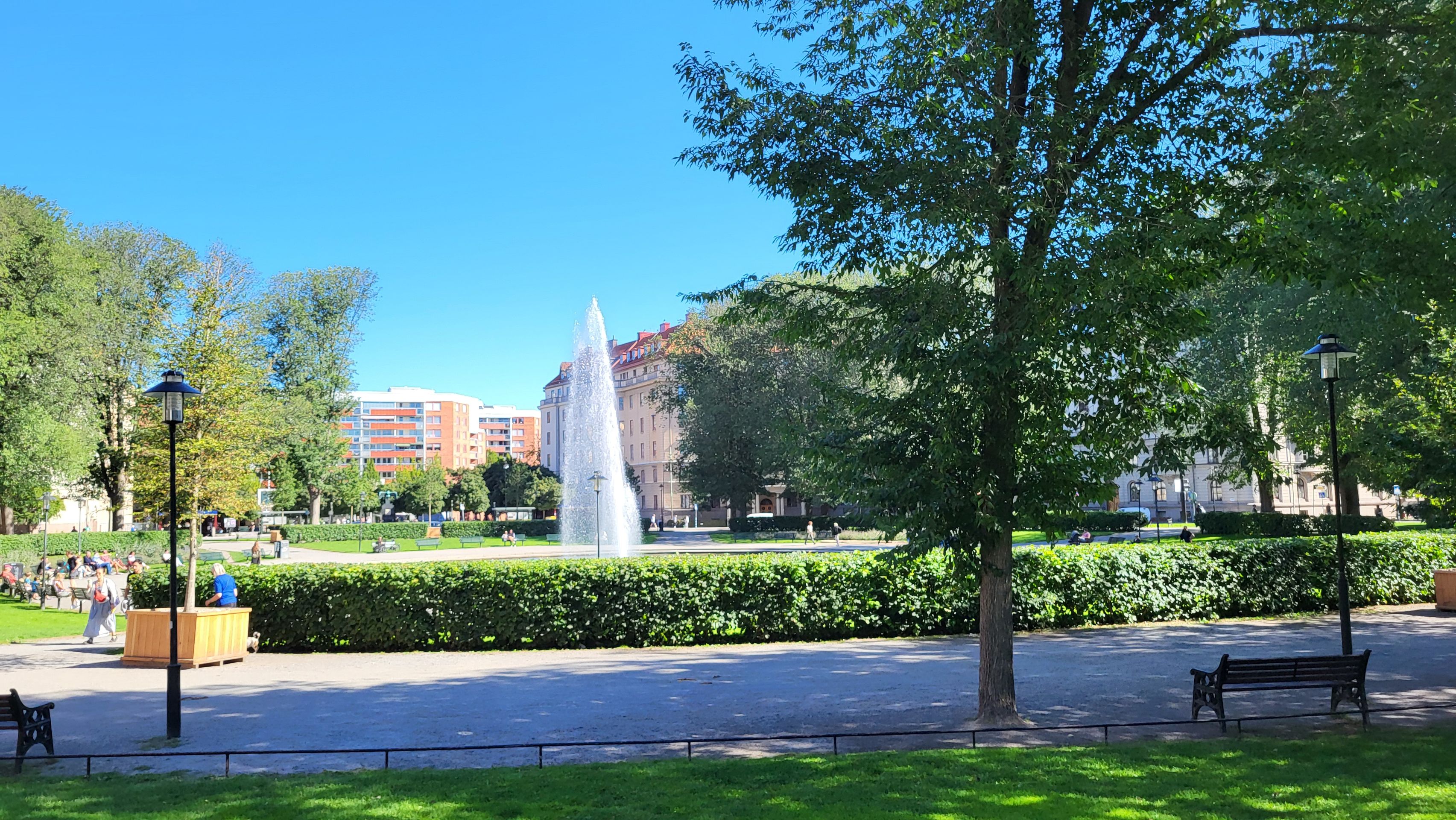
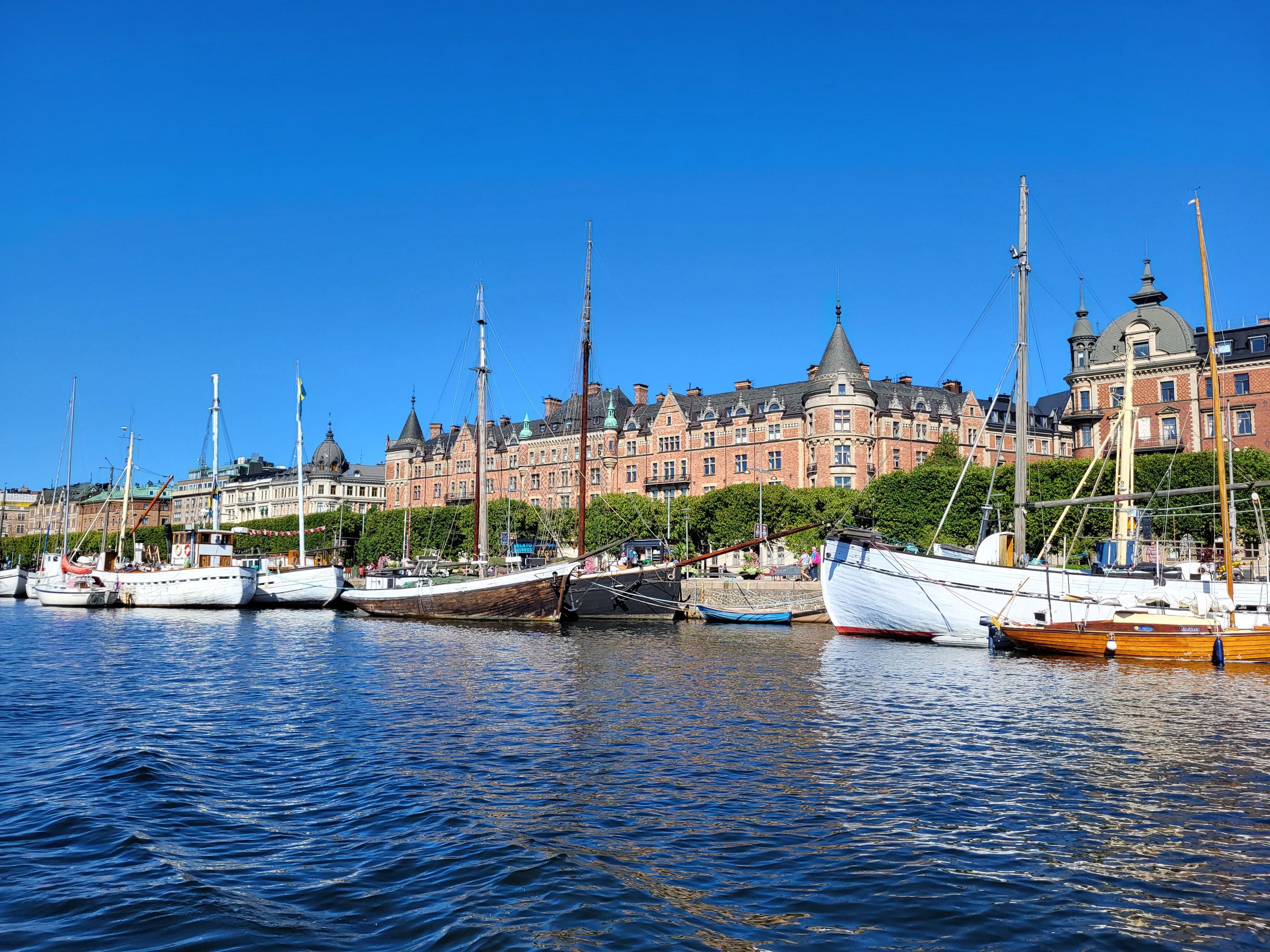
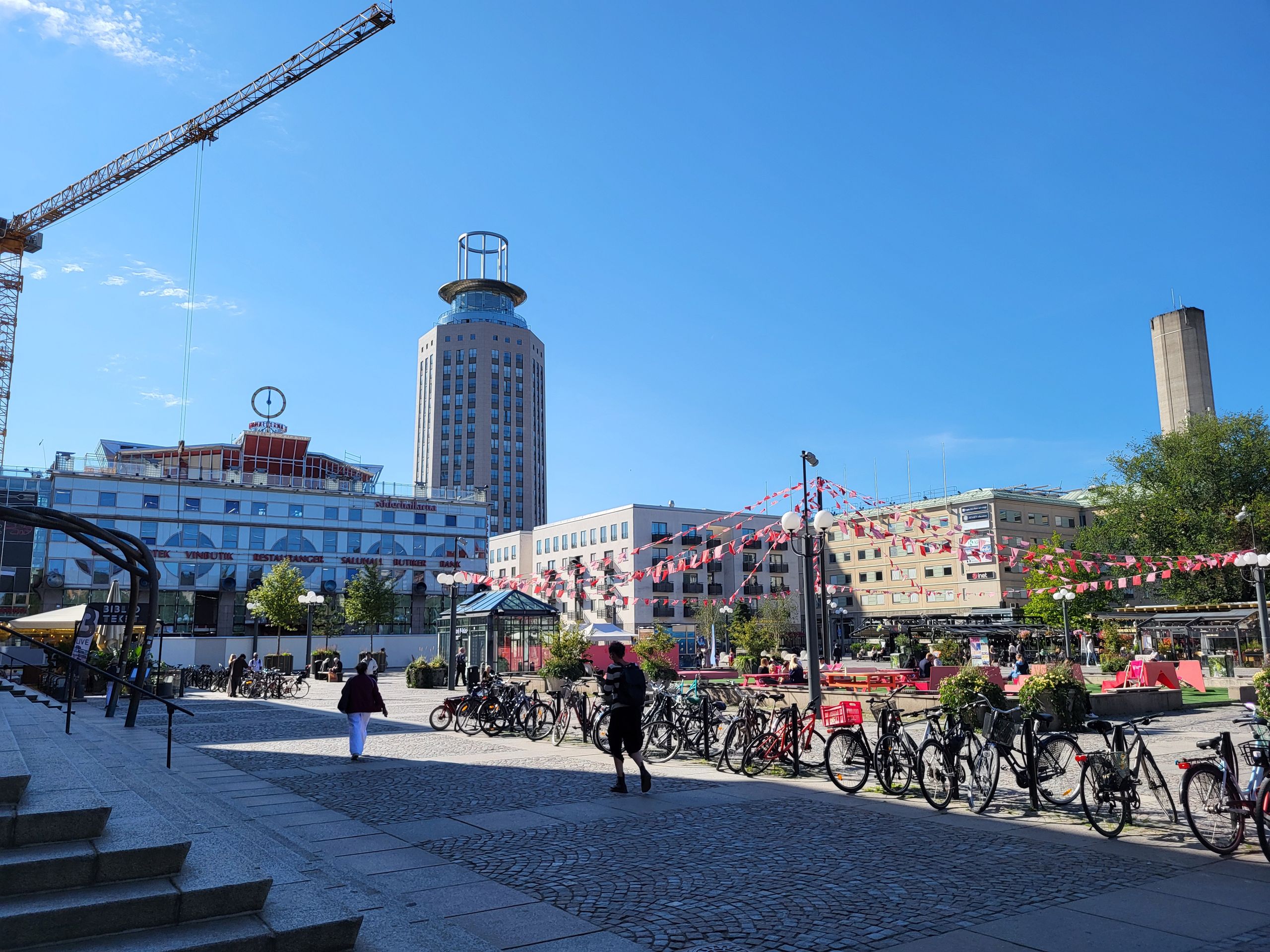
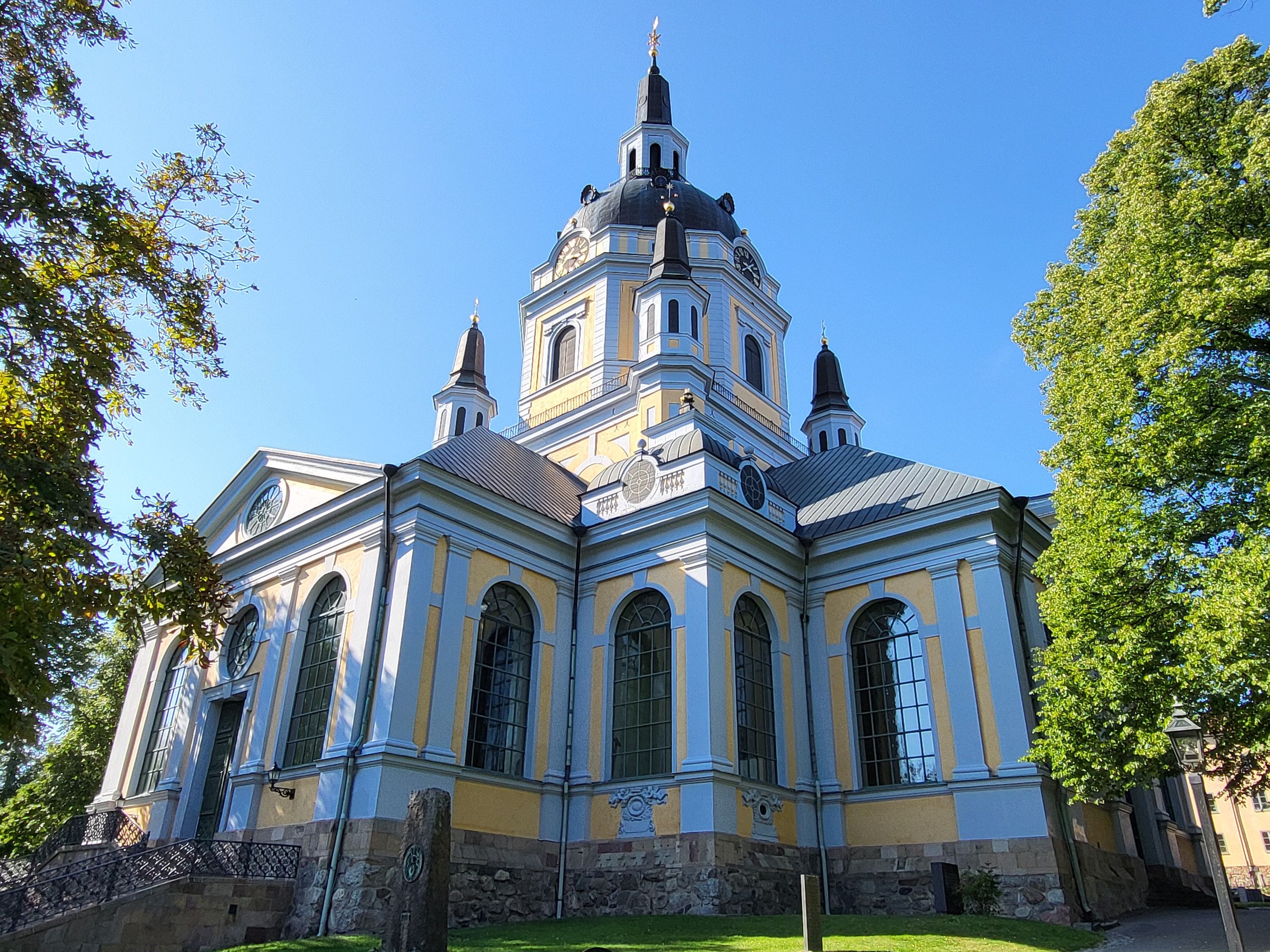
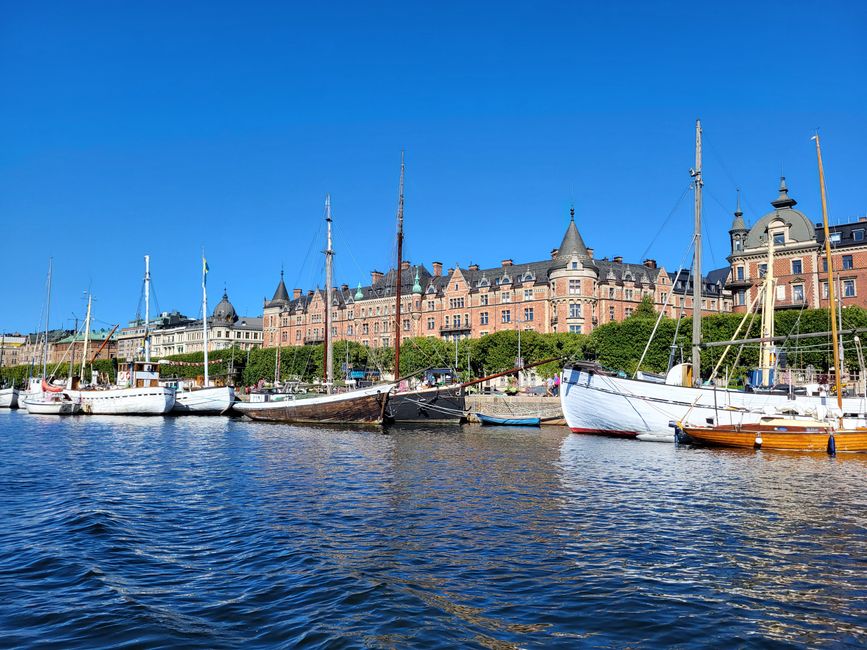
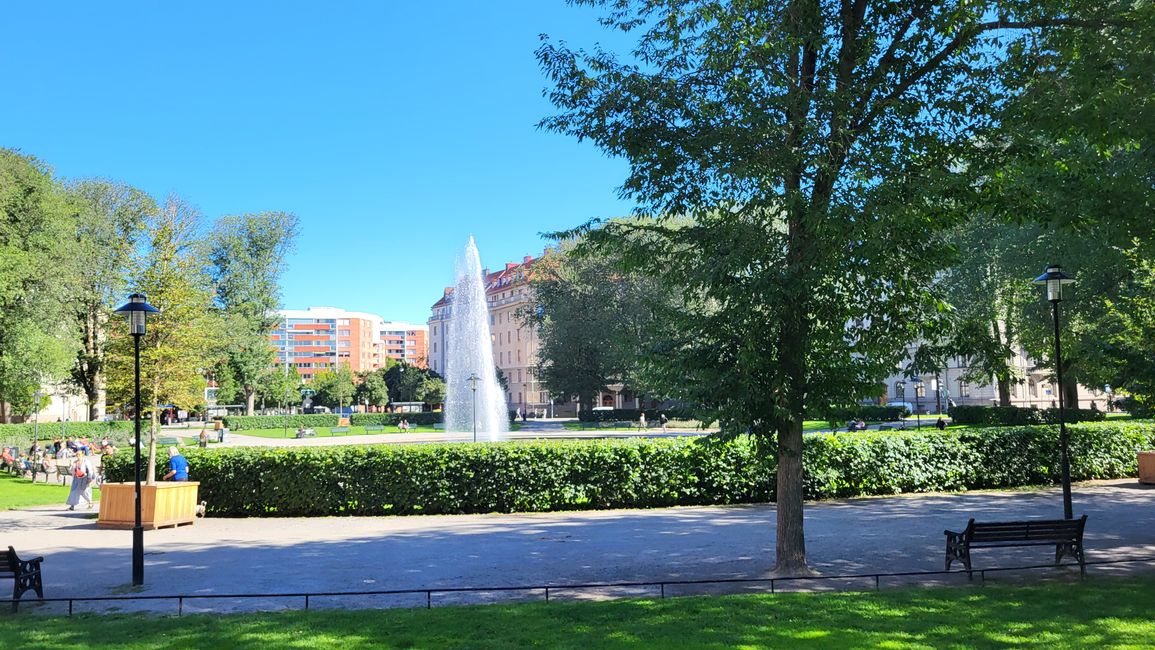
City Tour Ocean Bus The tour started in front of the Grand Hotel by the water and then made its way through downtown to Östermalm, which used to be a rural area outside the city. Today, it is the most expensive residential area in Stockholm.
City Tour Ocean Bus Unfortunately, the cheerful tour guide demanded a dynamic audience right from the start in the morning who should participate. This didn't quite work out, but fortunately, we were sitting in the last row and were a bit hidden...
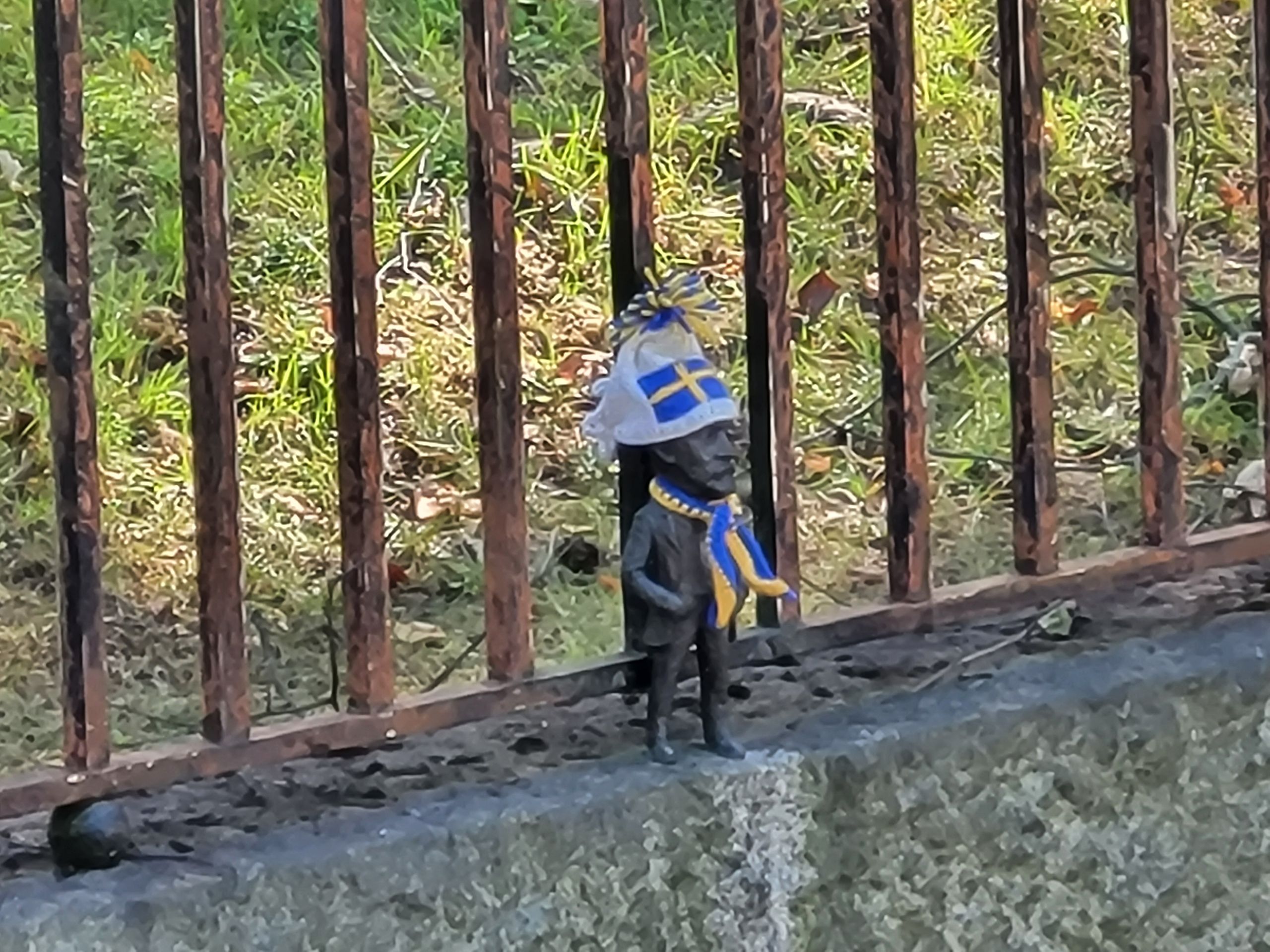
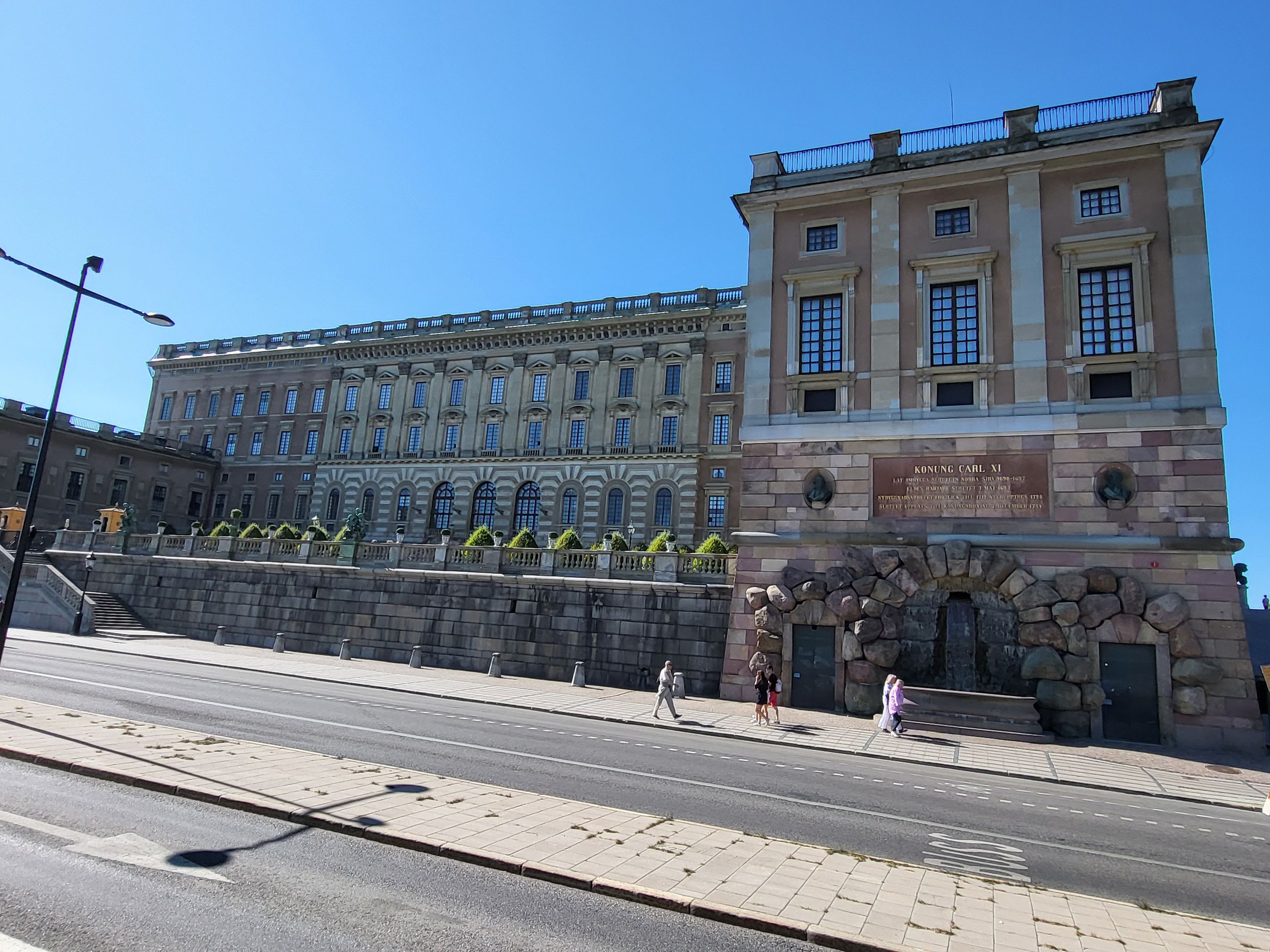
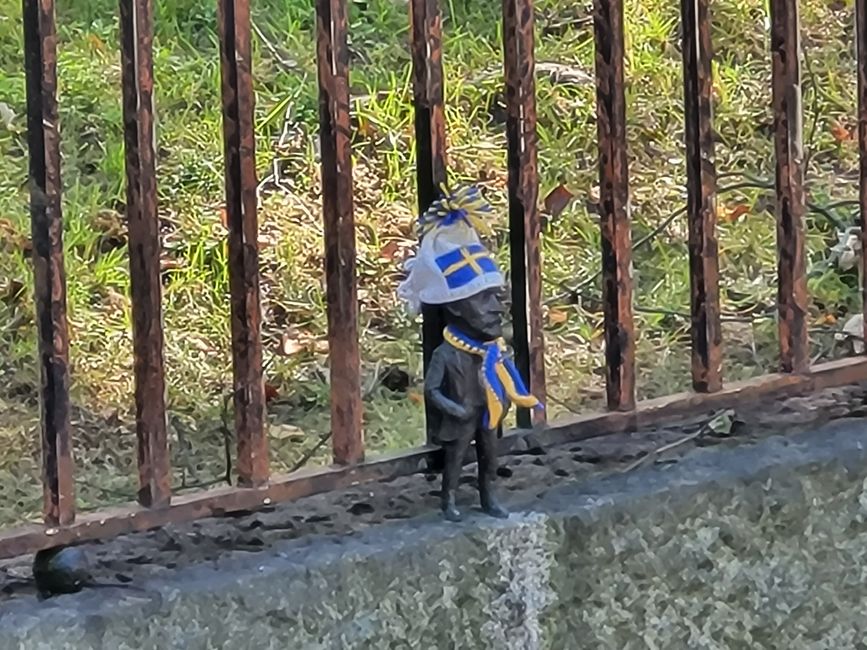
Mini Statue Alfred Nobel - City Tour Ocean Bus He entertainingly told us about the sights we passed by.
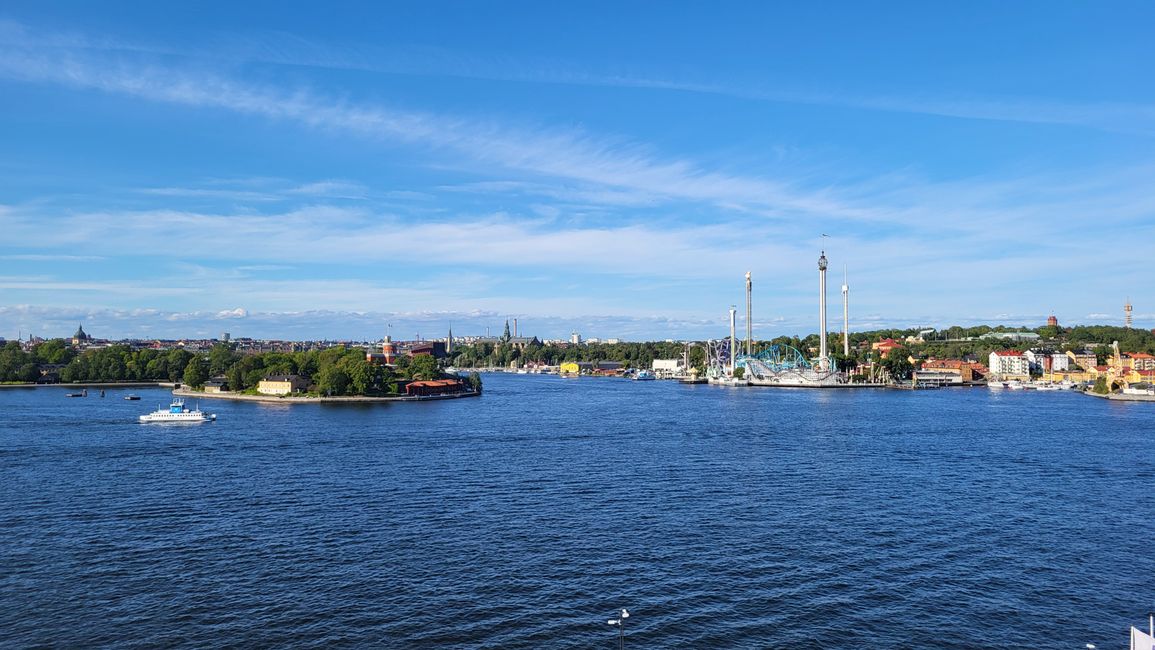
Ocean Bus on the way to the water Finally, we reached the water and actually drove in with a “splash” (as advertised).
City Tour Ocean Bus Because we had a slight lean at the start, a small Asian had to swap places with a hefty European...
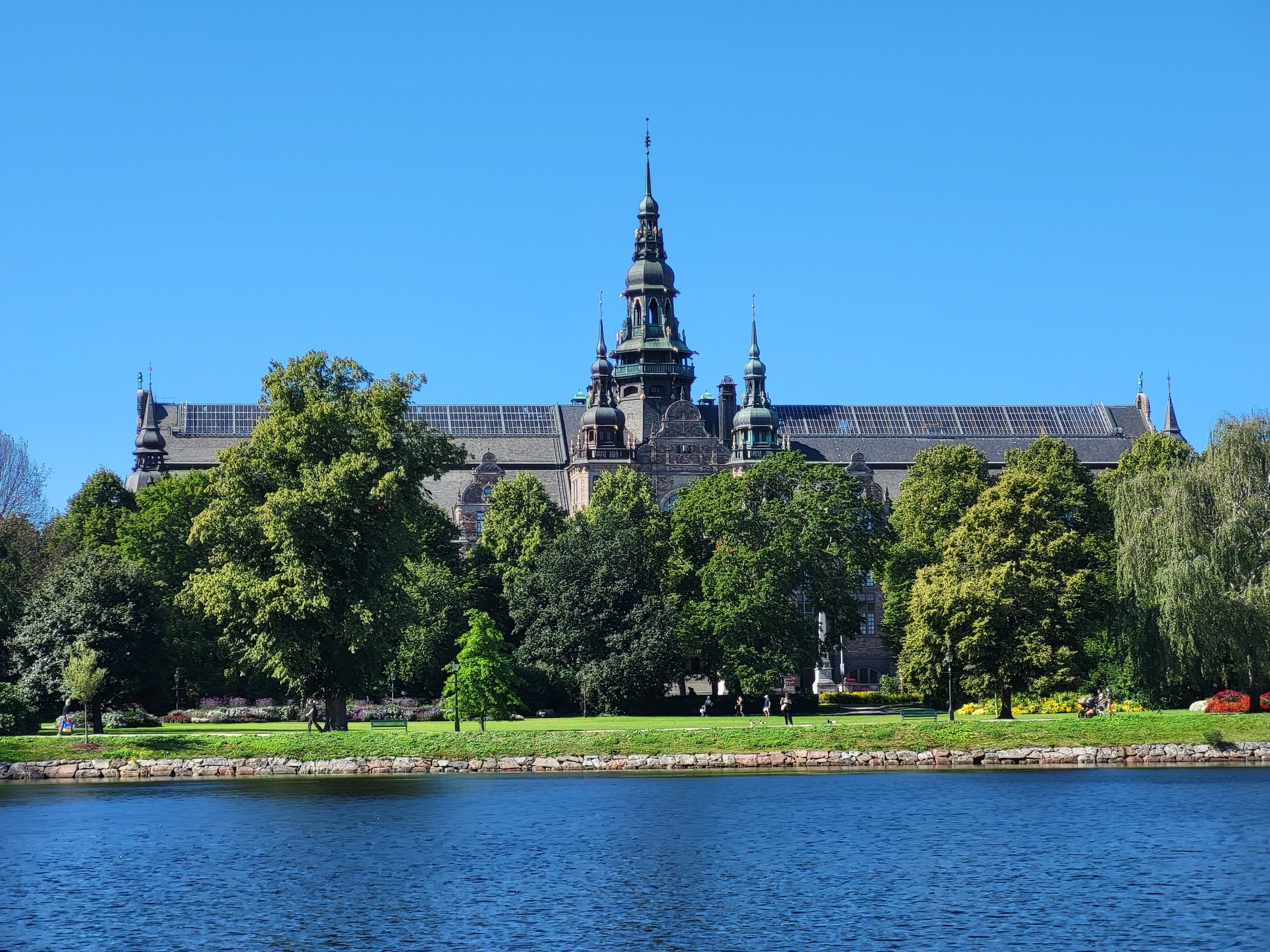
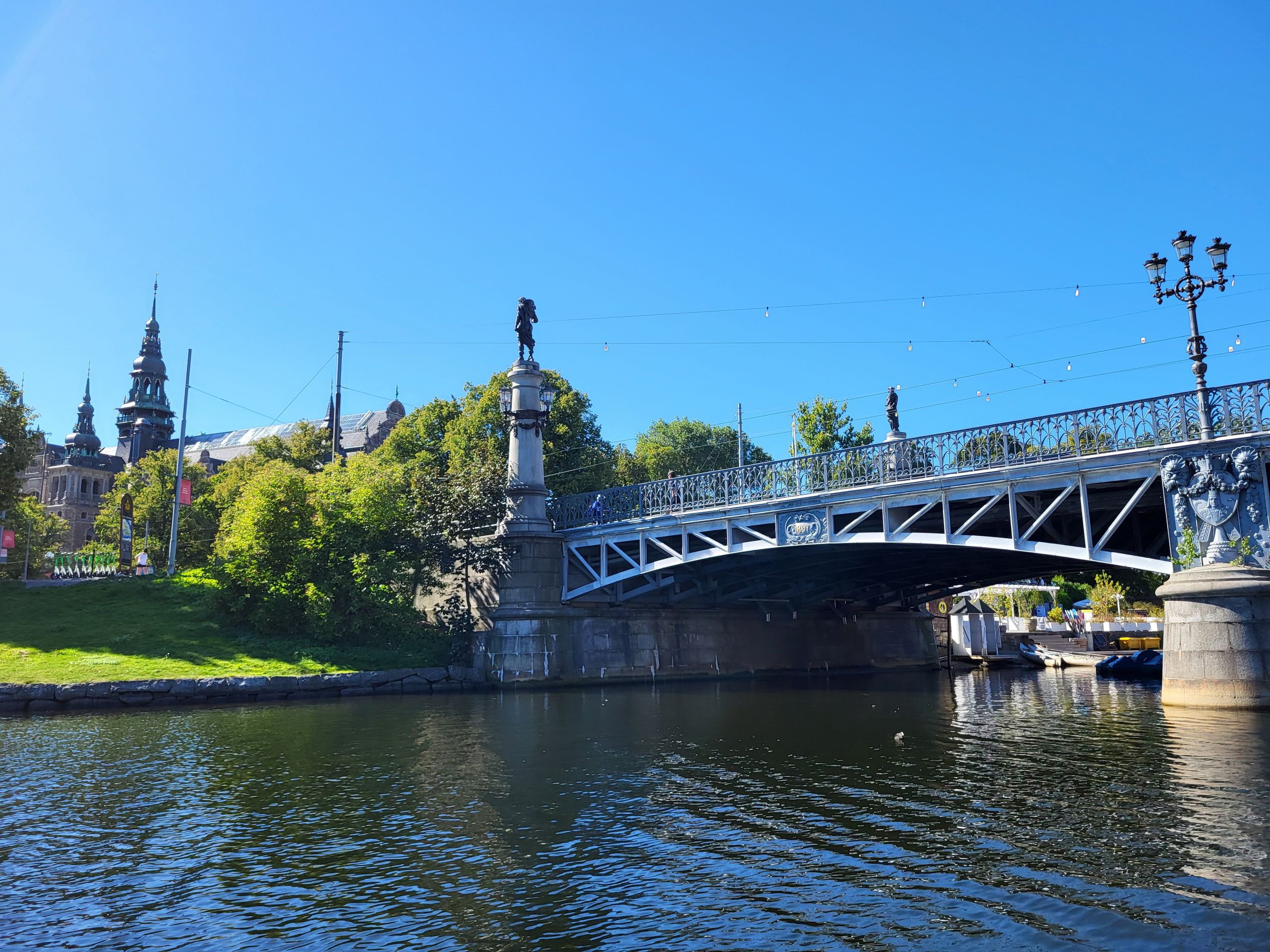
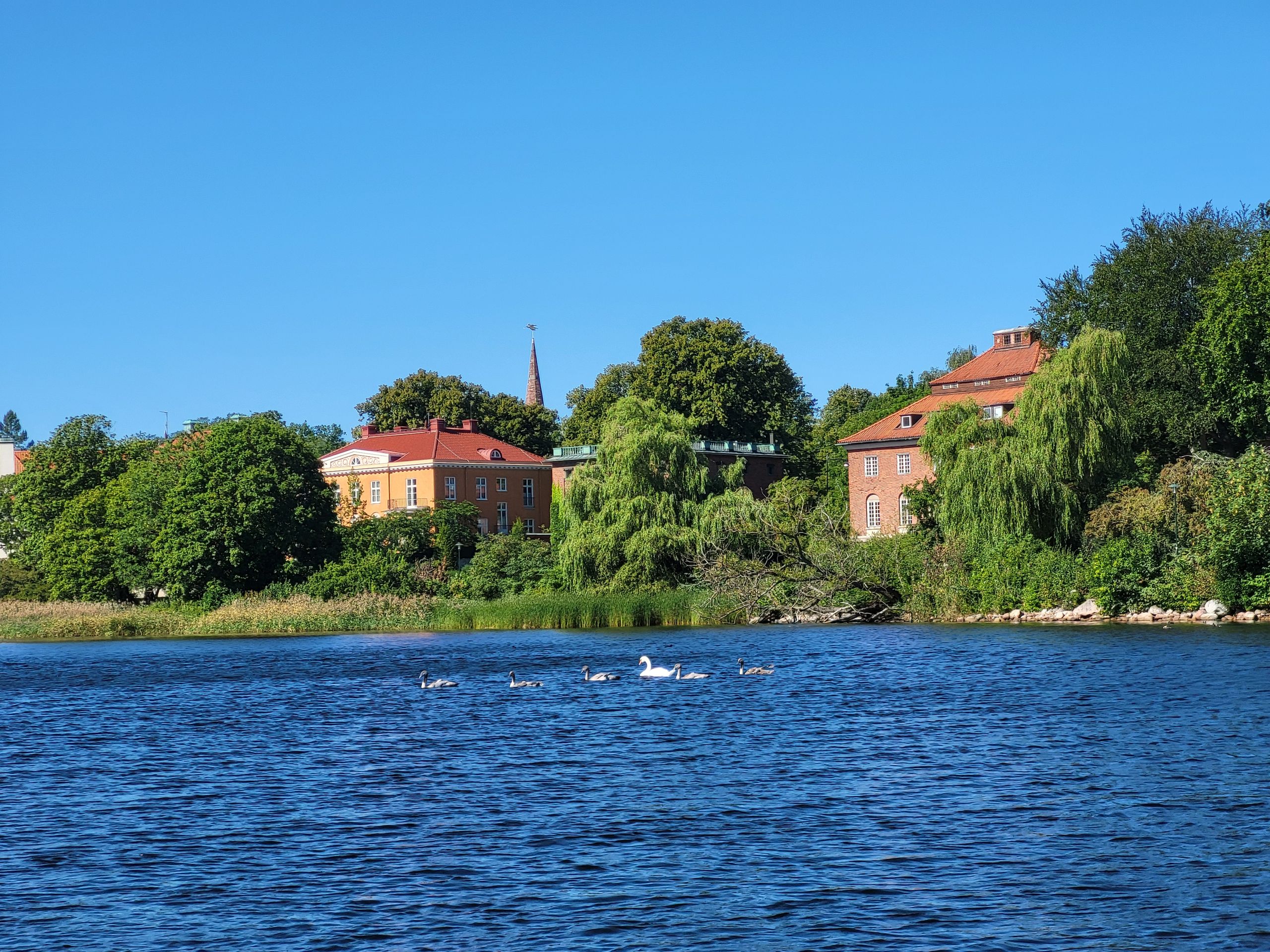
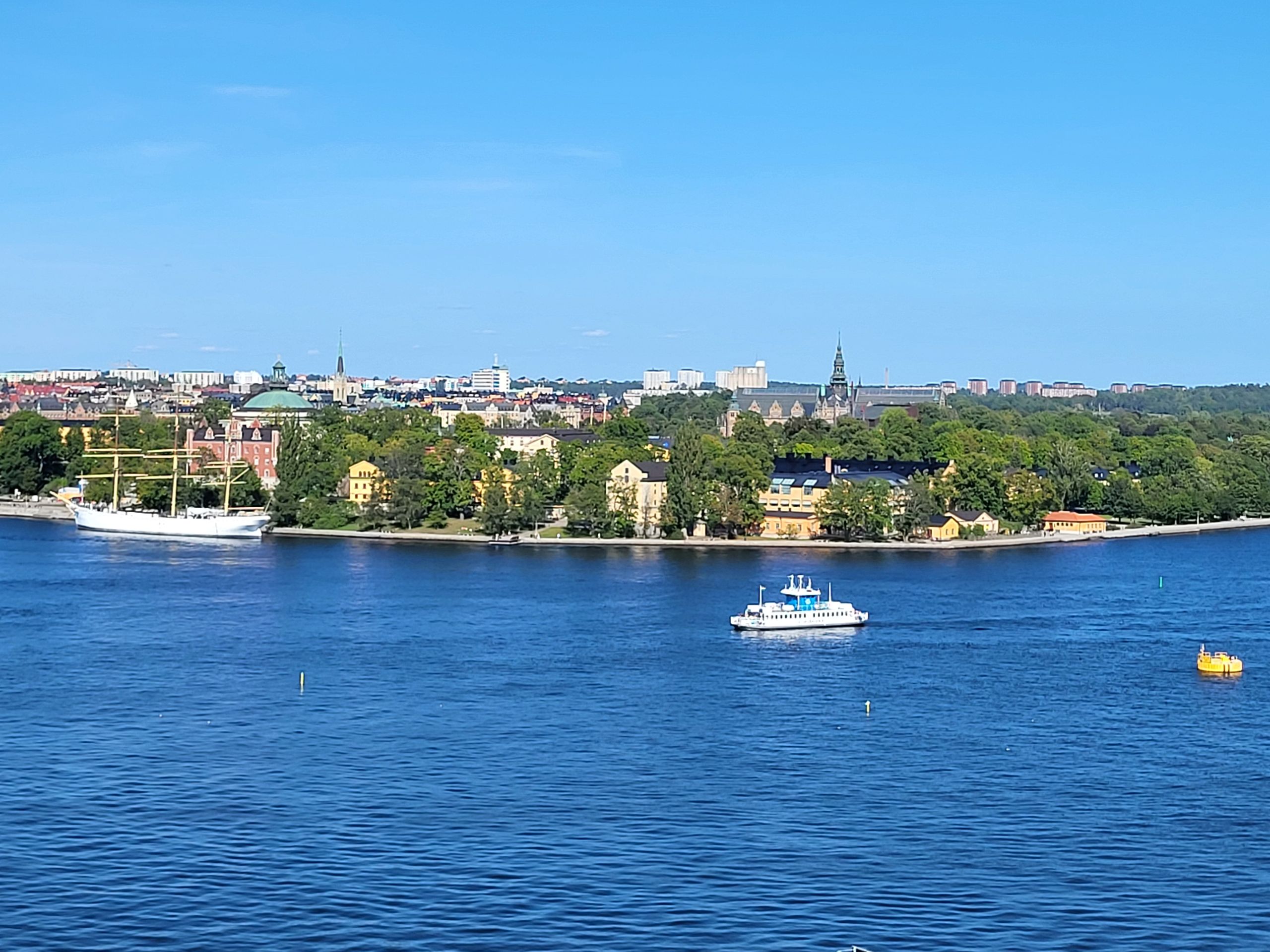
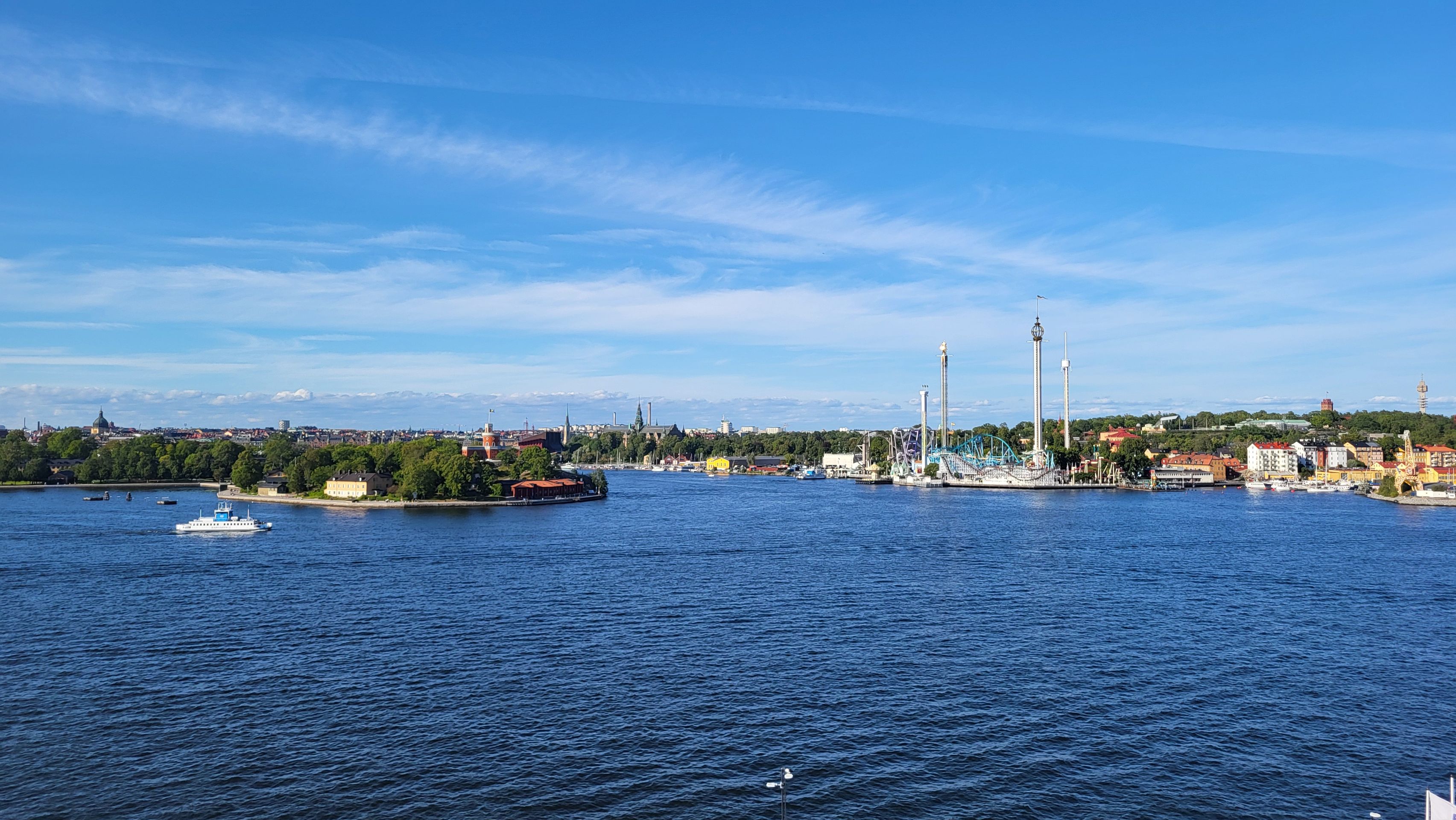
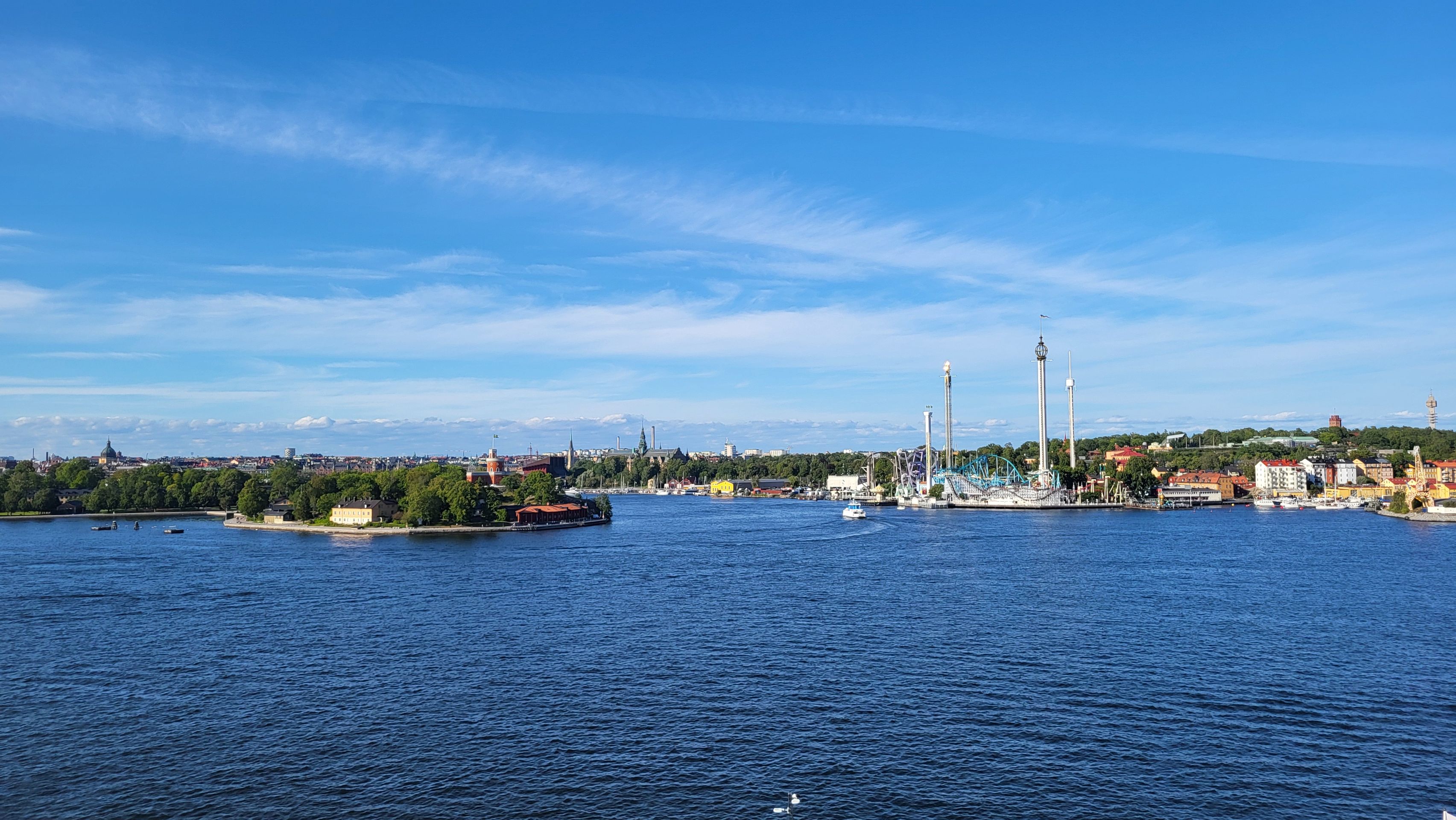
City Tour Ocean Bus In a cozy boat tour, we then went through the harbor.
City Tour Ocean Bus At the same spot, we drove back onto land and did another round through the city, accompanied by music from ABBA and other Swedish artists. City Tour Ocean Bus
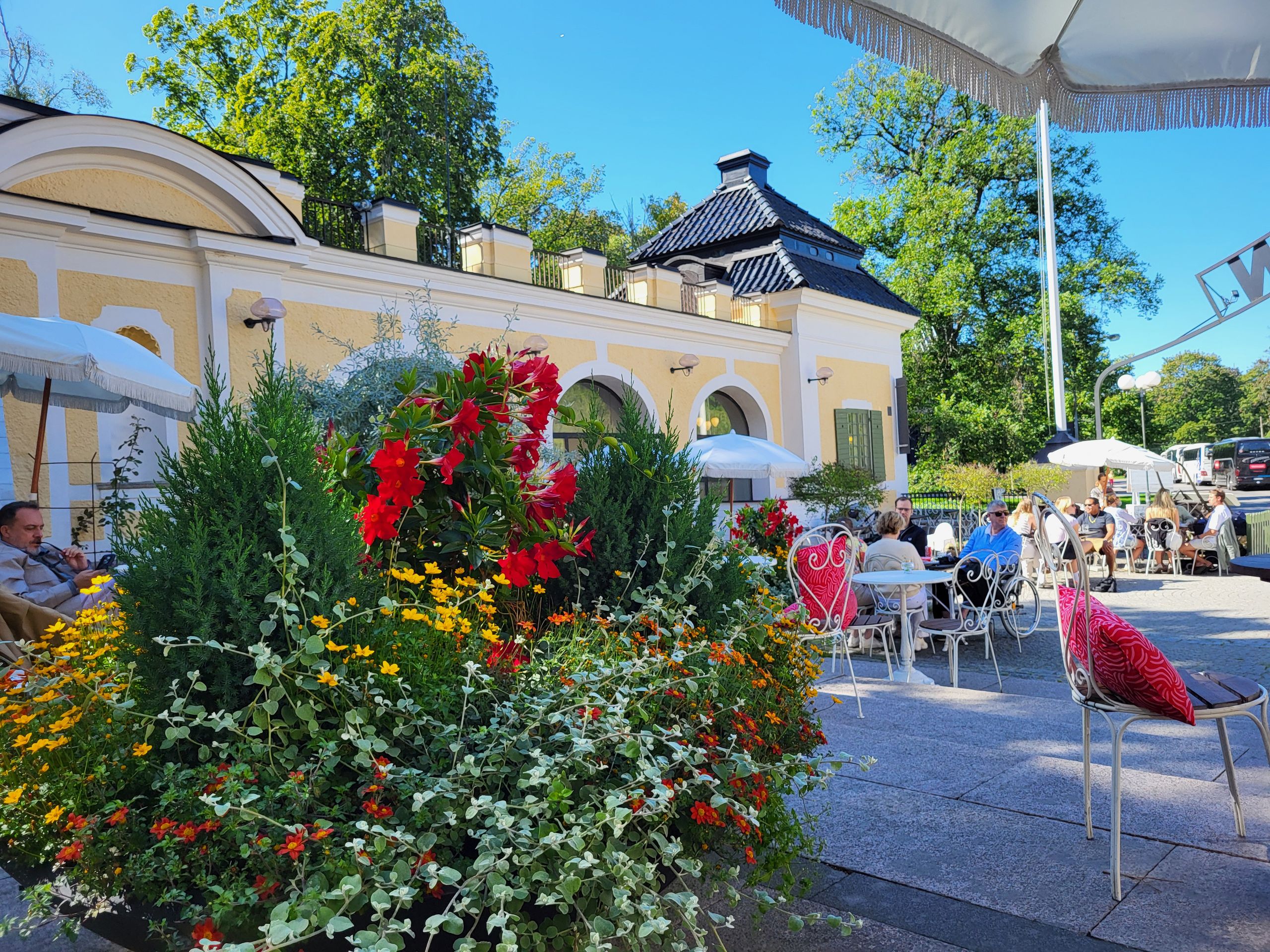
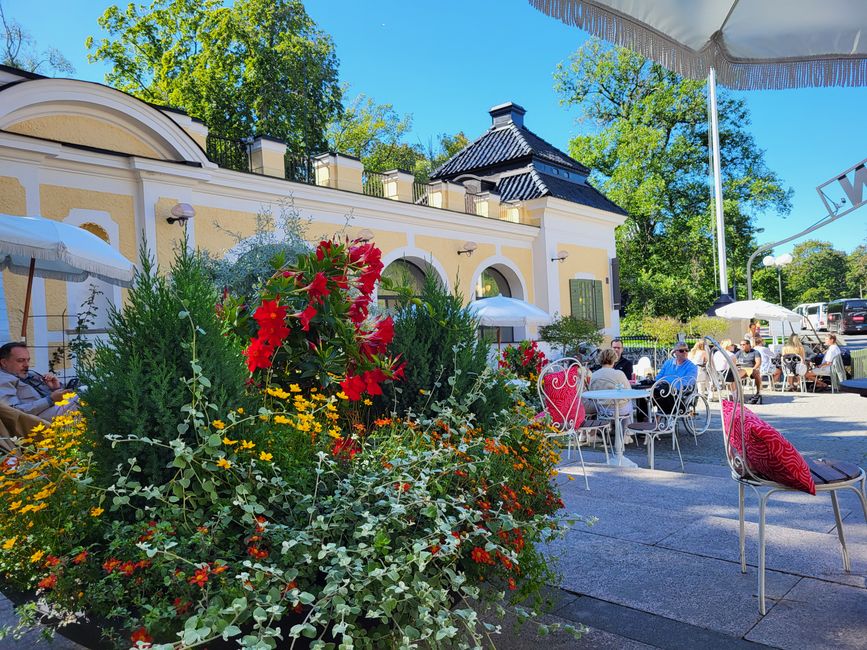
After that, our two-person travel group split up because I had already been to the Vasa Museum twice, and therefore preferred to find a cozy café at the Skansen Open-Air Museum for a fika instead.
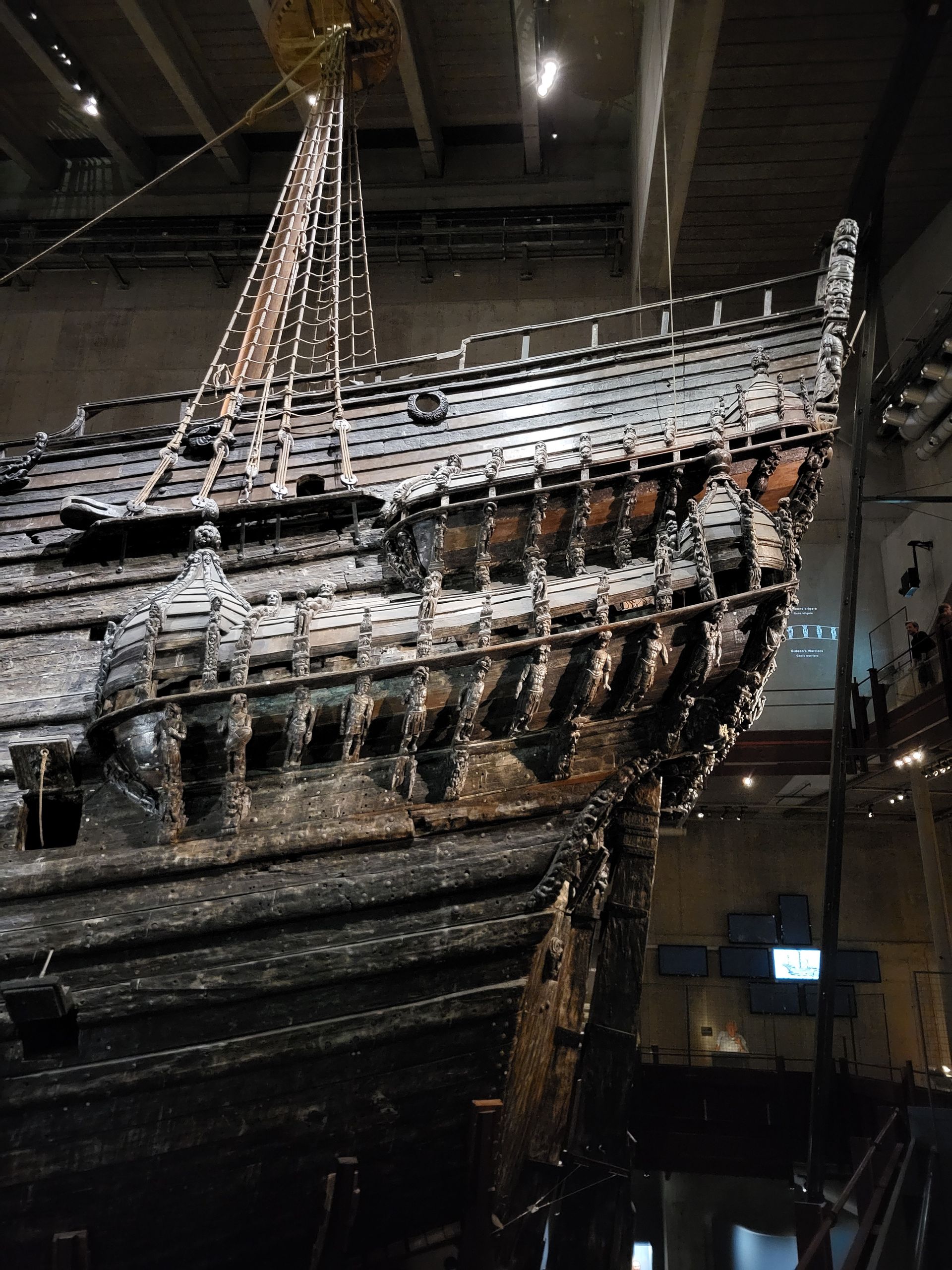
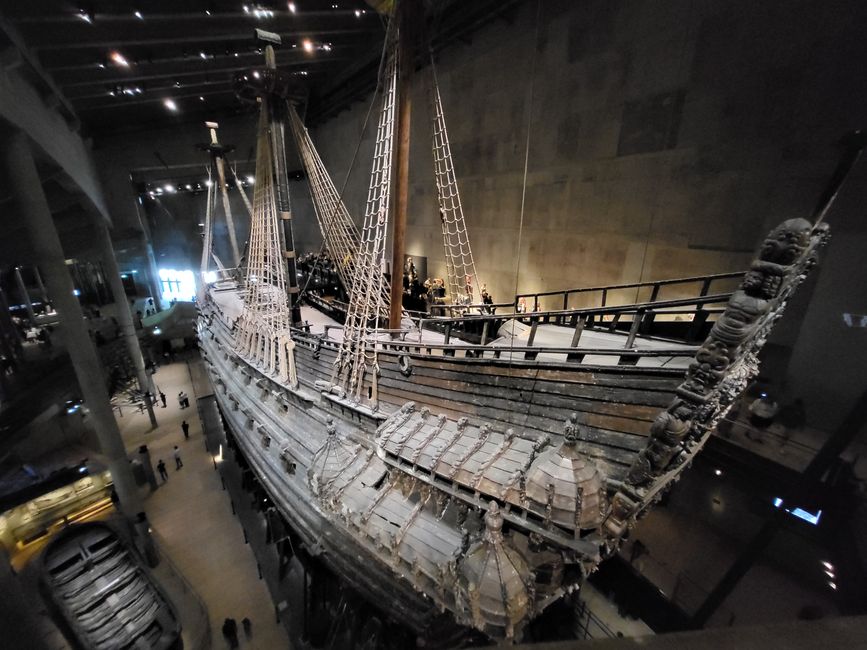
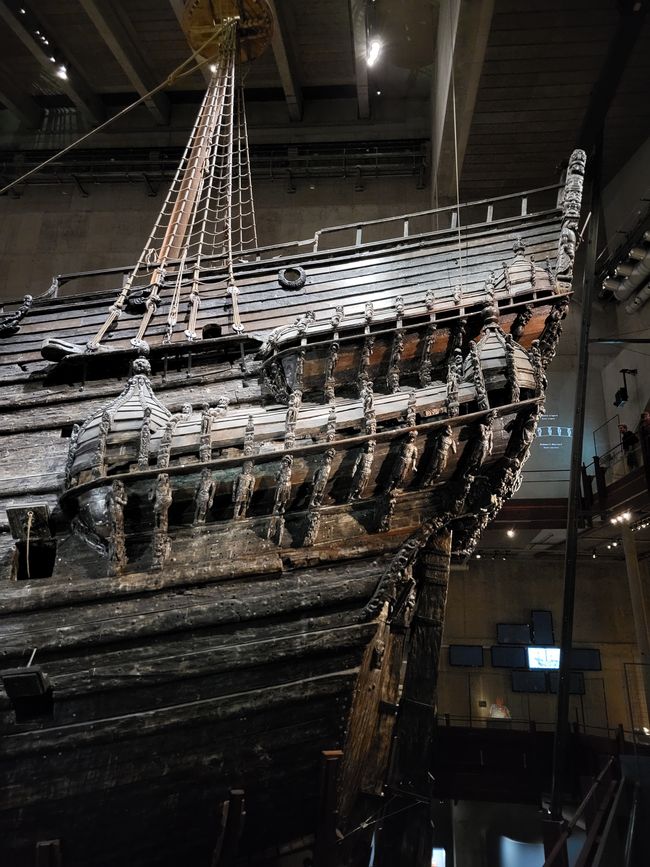
Café Artur The Vasa Museum is one of the most famous museums in the Swedish capital.
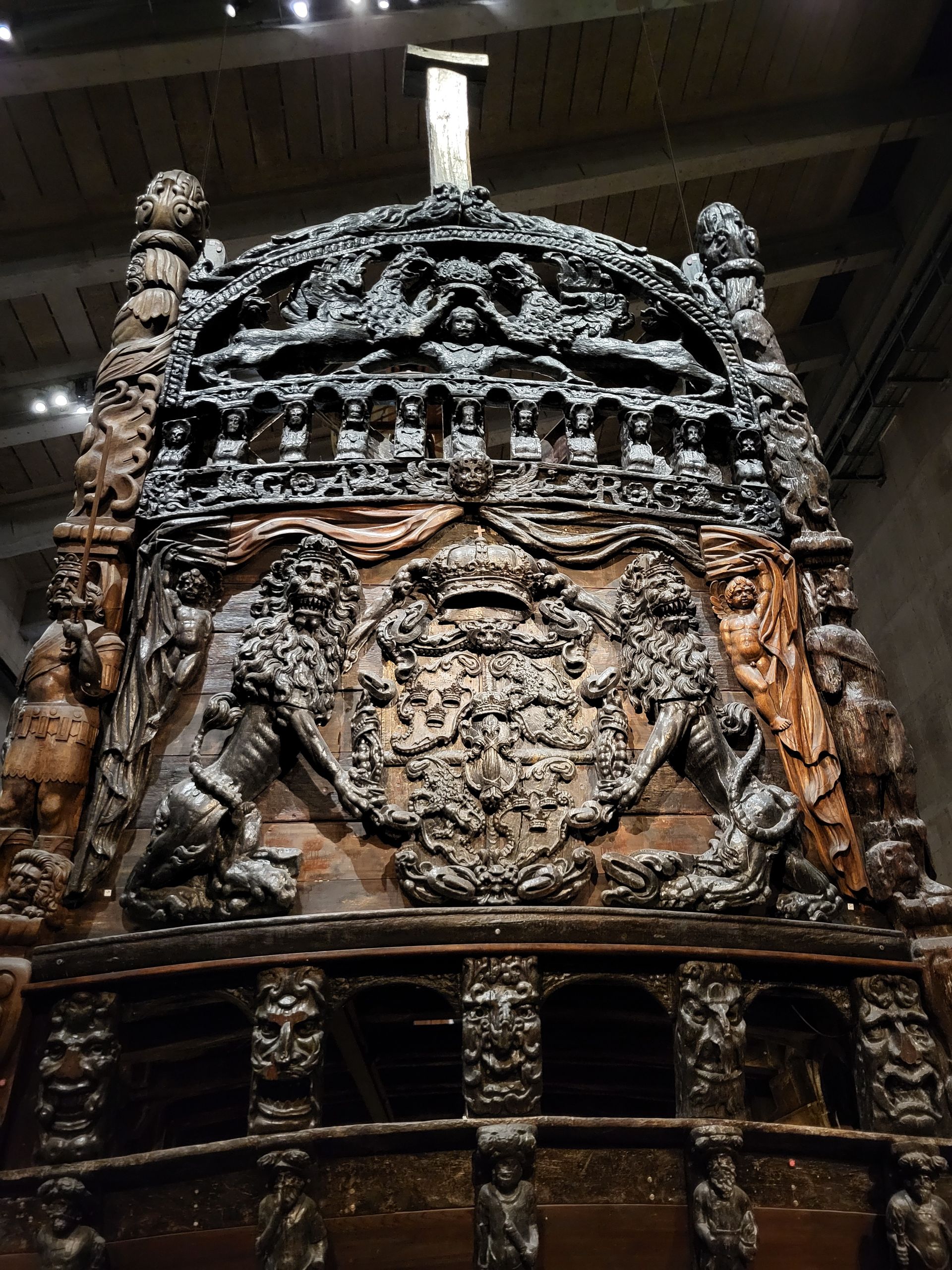
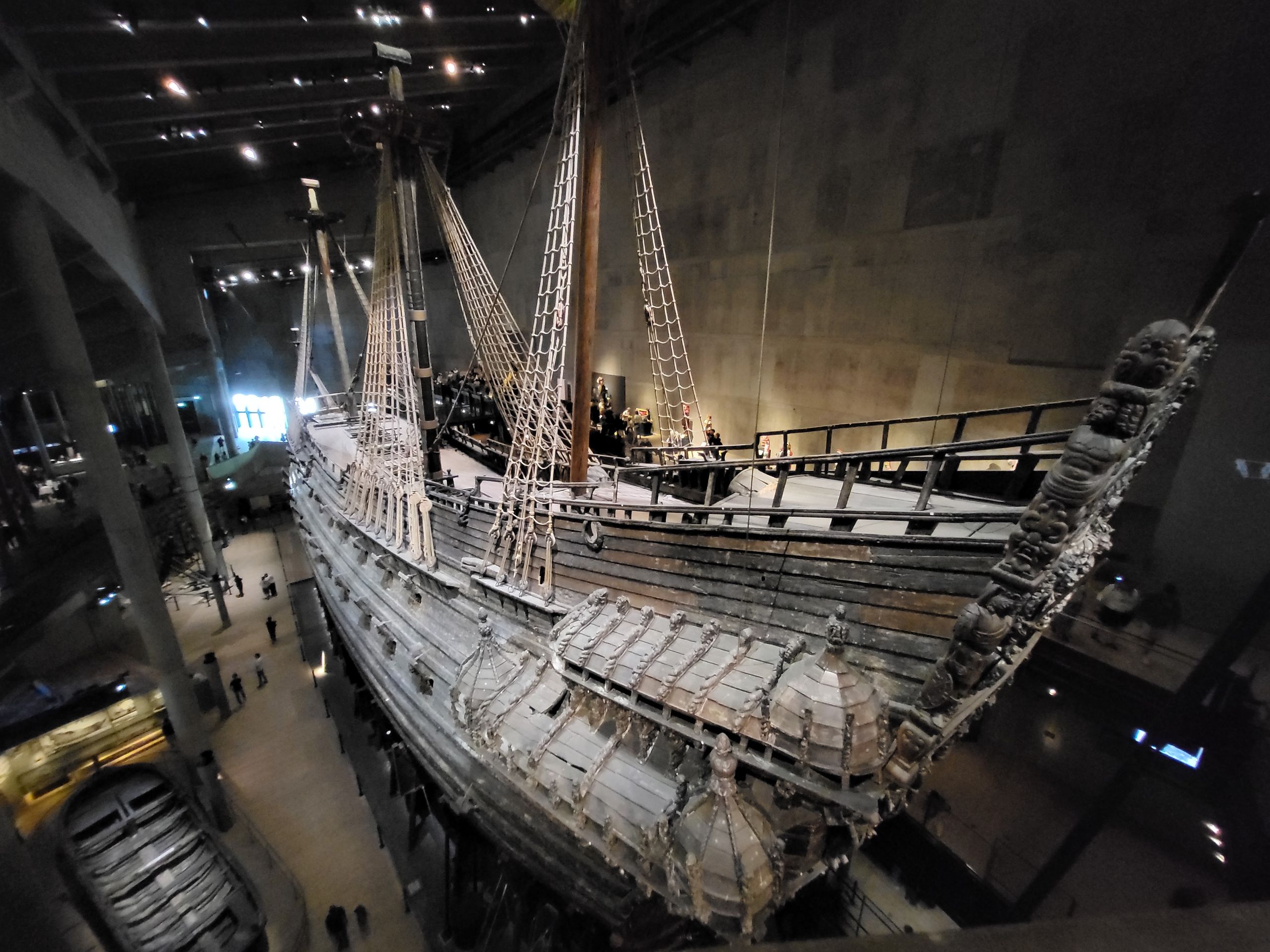
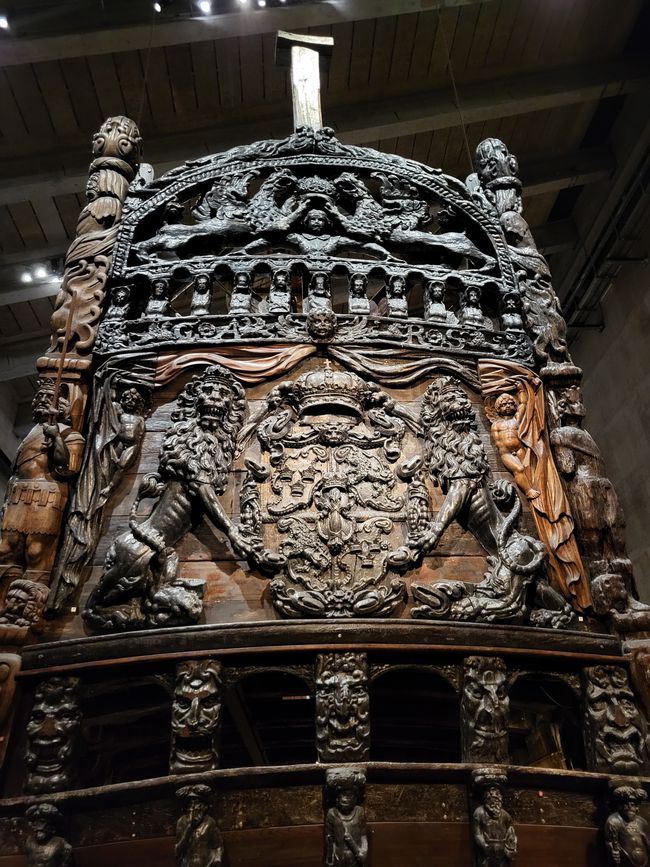
Vasa Museum It houses the royal warship “Vasa”, which was salvaged in 1961.
Vasa Museum It sank in 1628 after about one kilometer on its maiden voyage - much to the annoyance of the king at that time, who wanted to showcase his power with the magnificent ship.
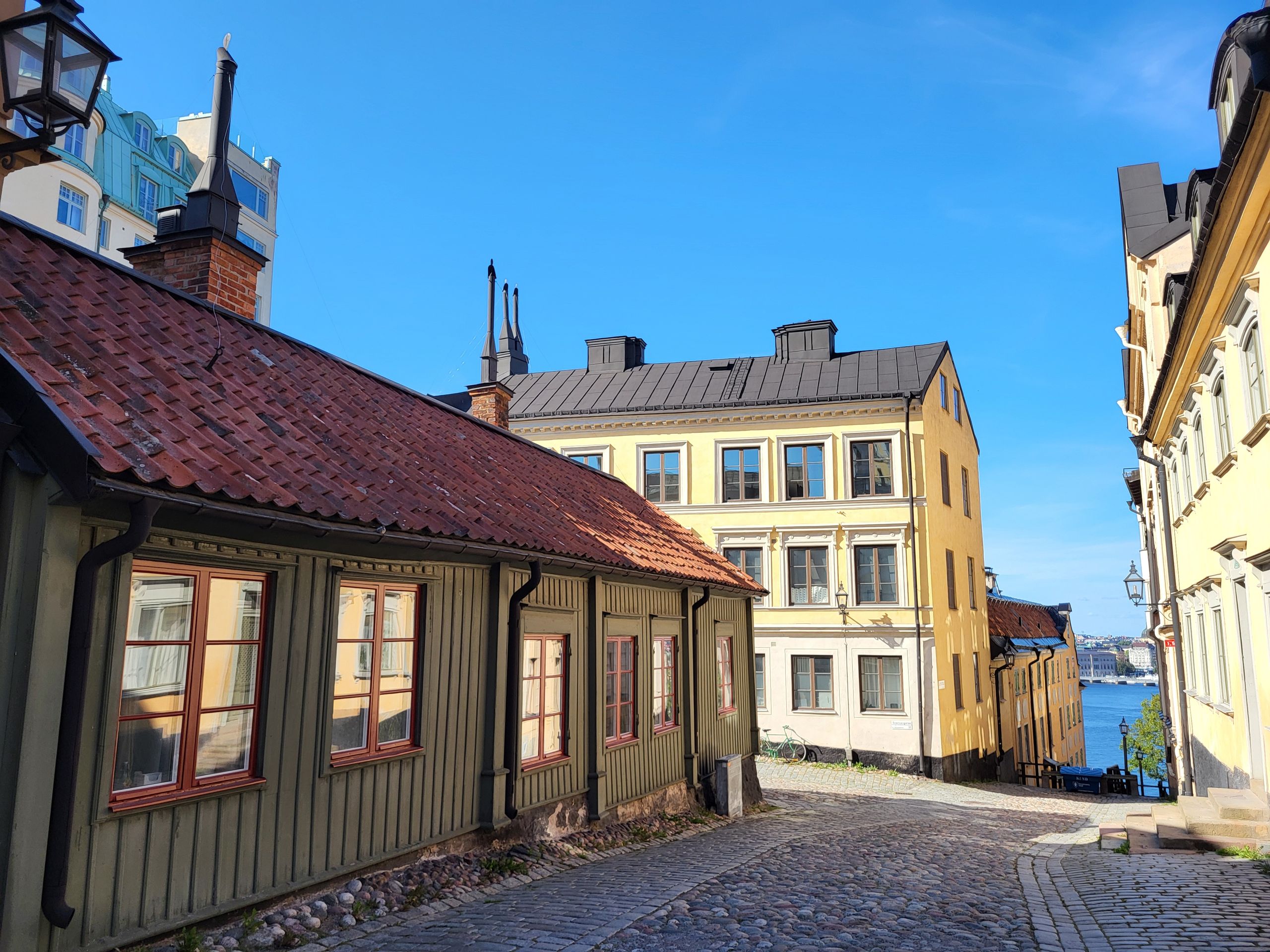
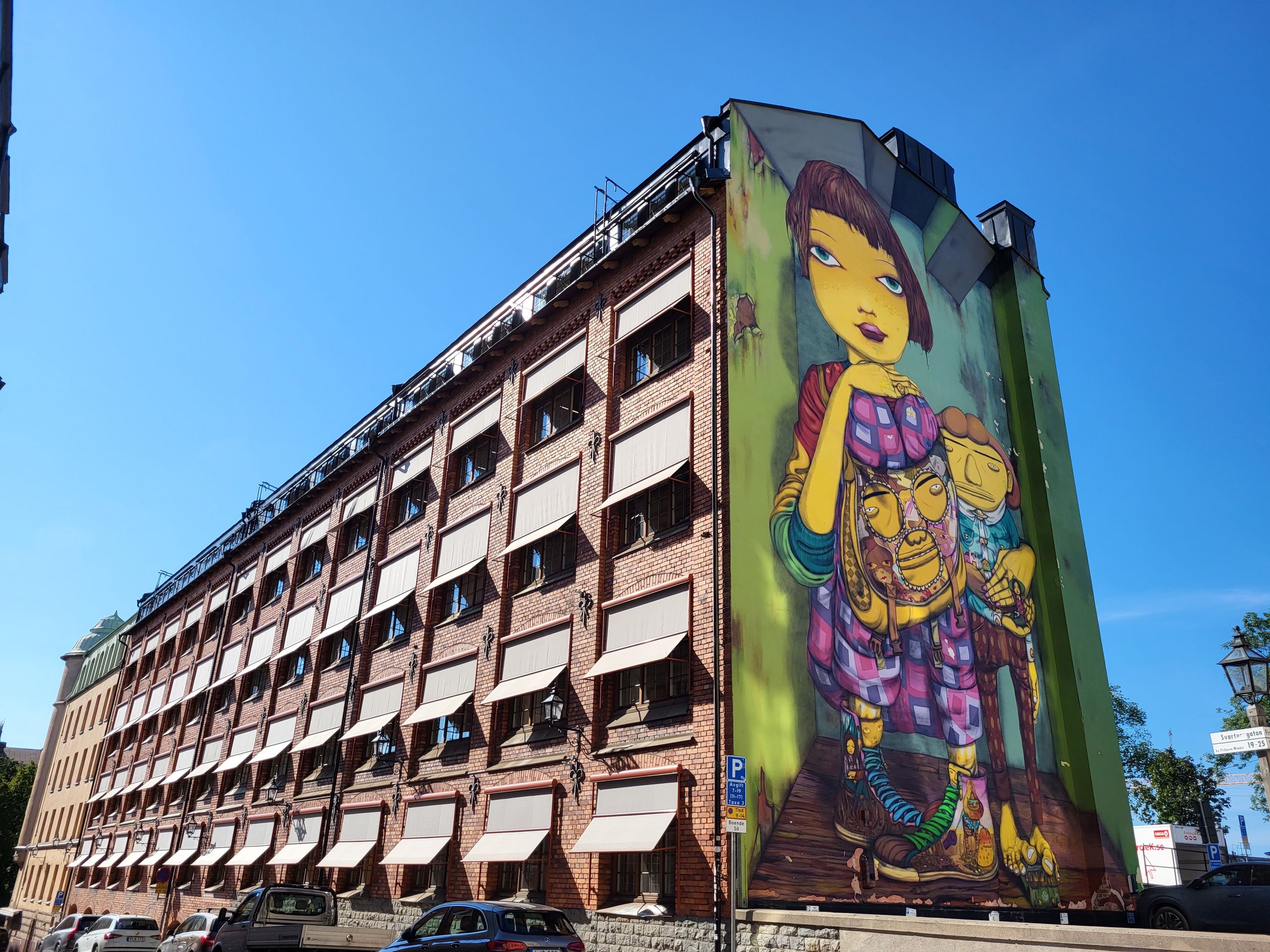
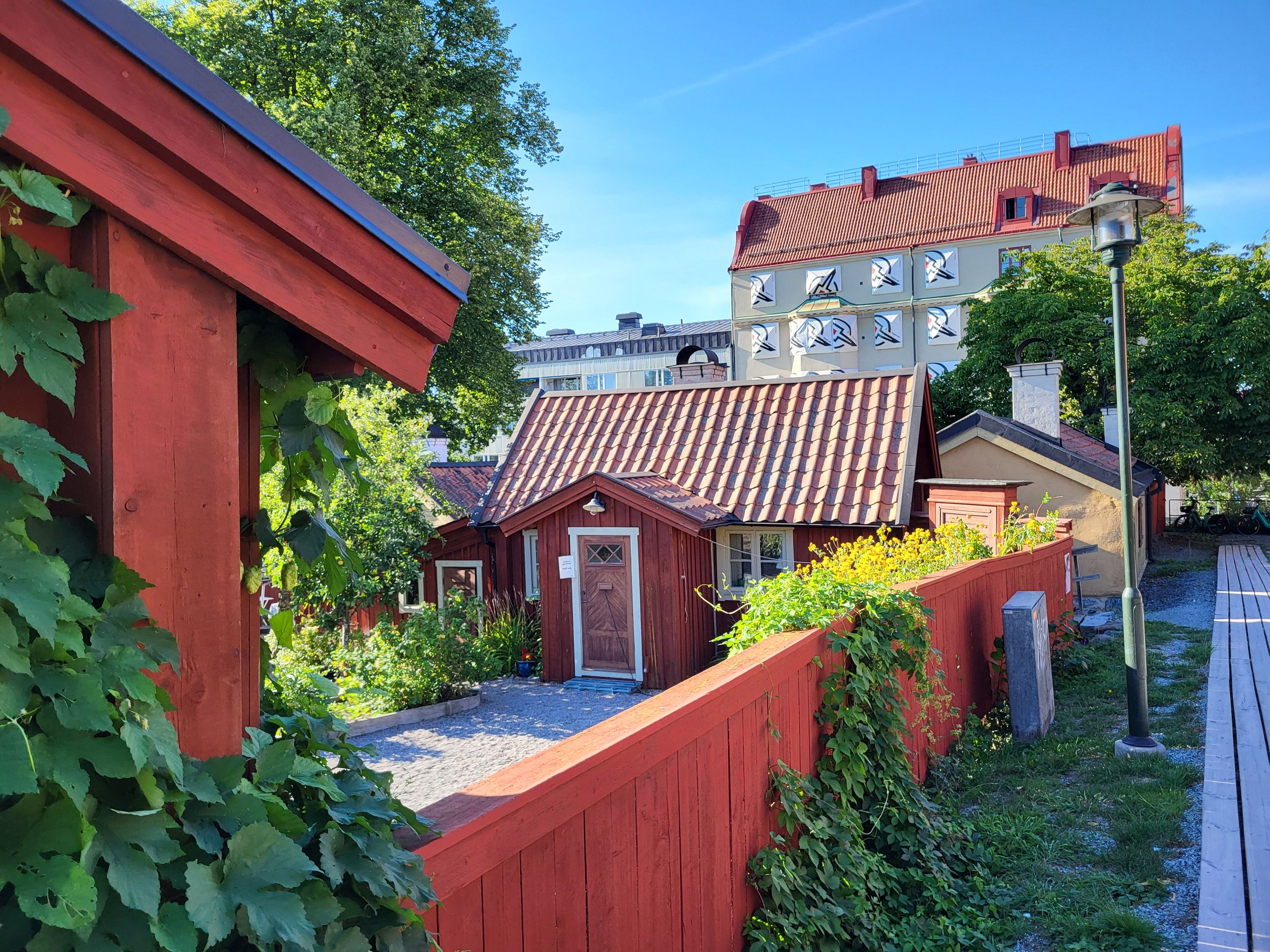
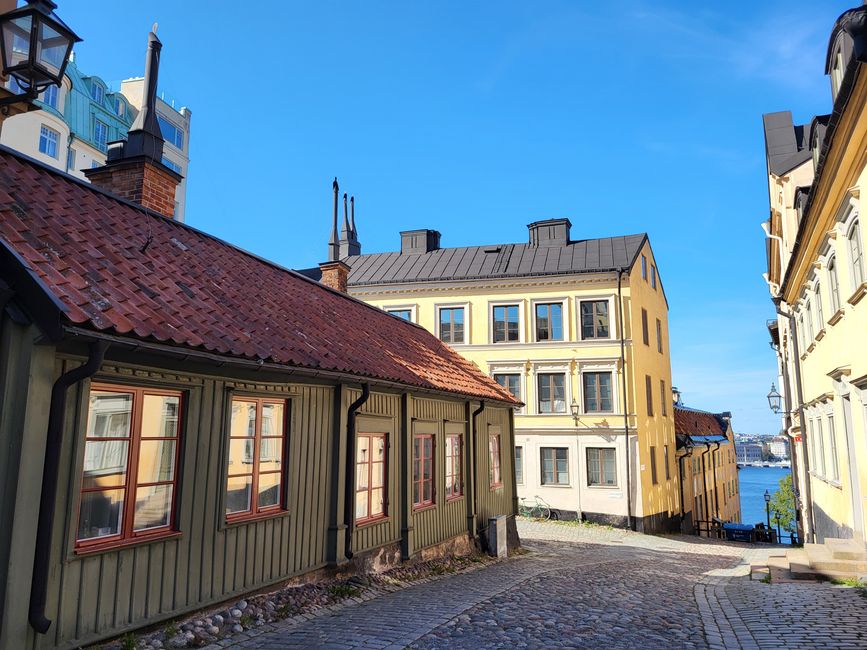
Vasa Museum In the afternoon, we then went to Södermalm, Stockholm's open and creative island.
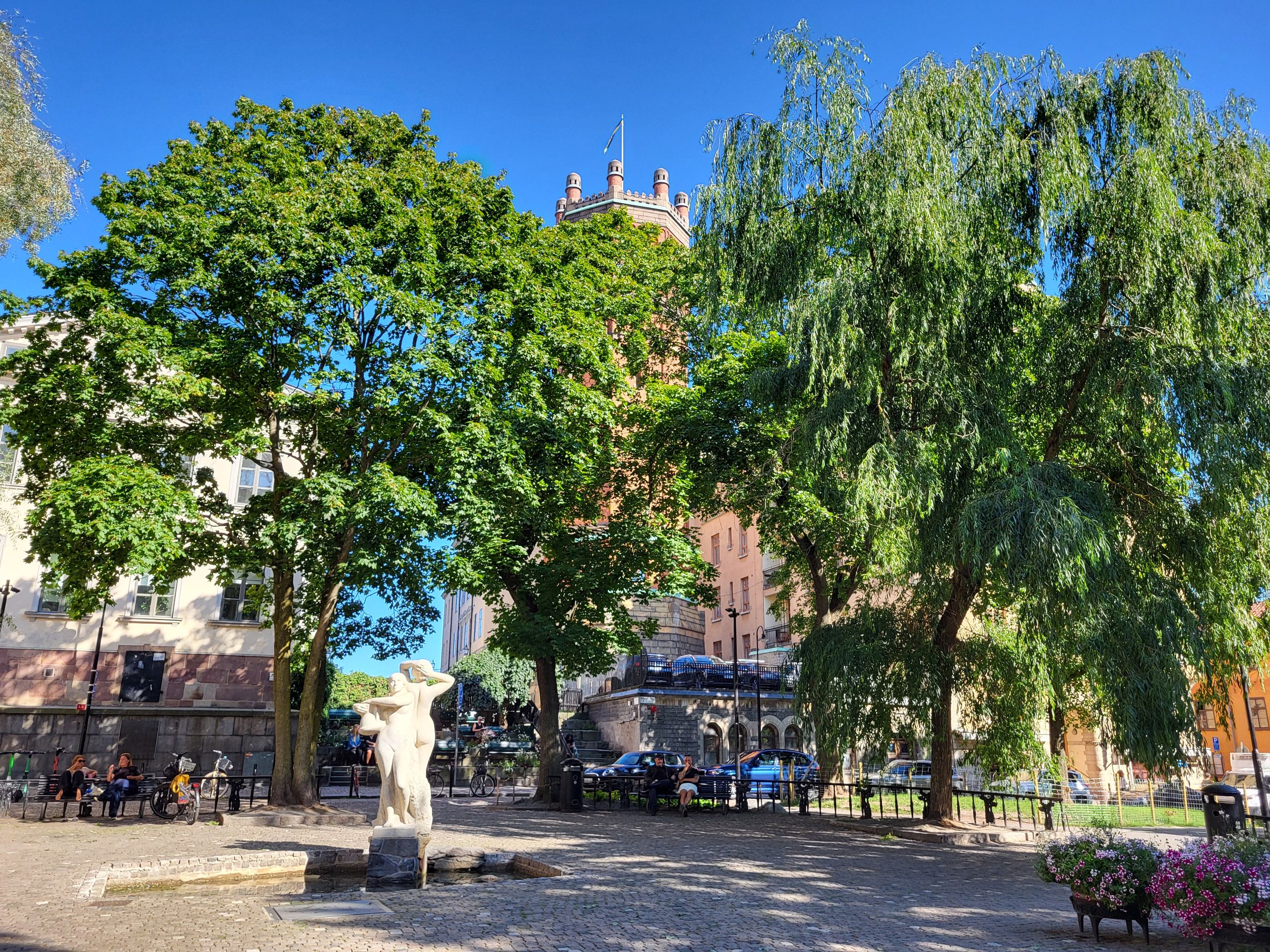
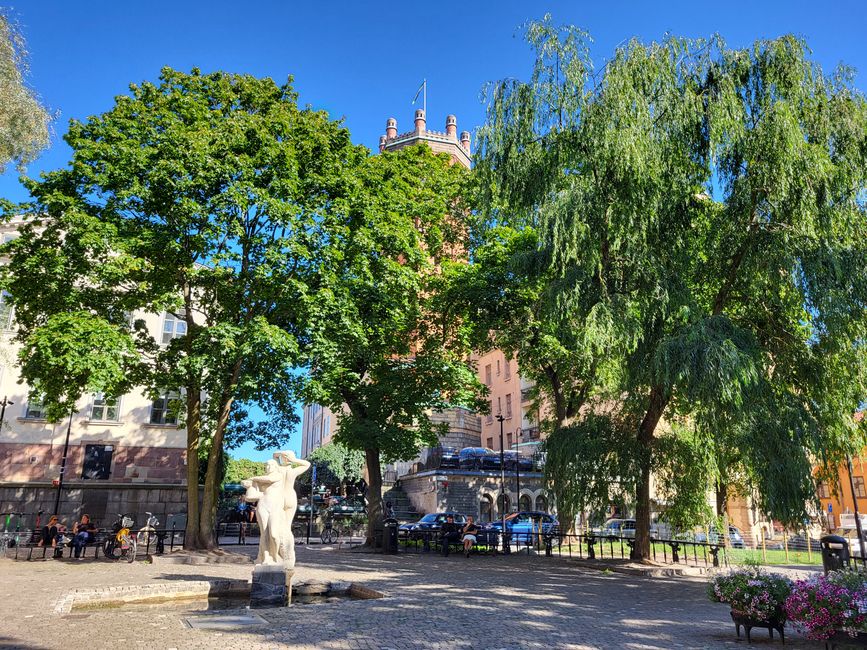
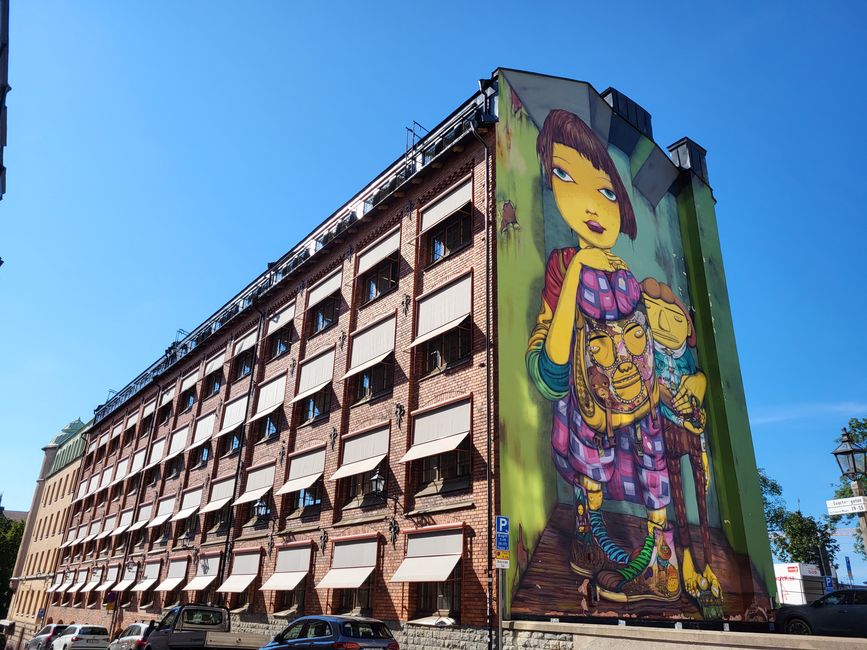
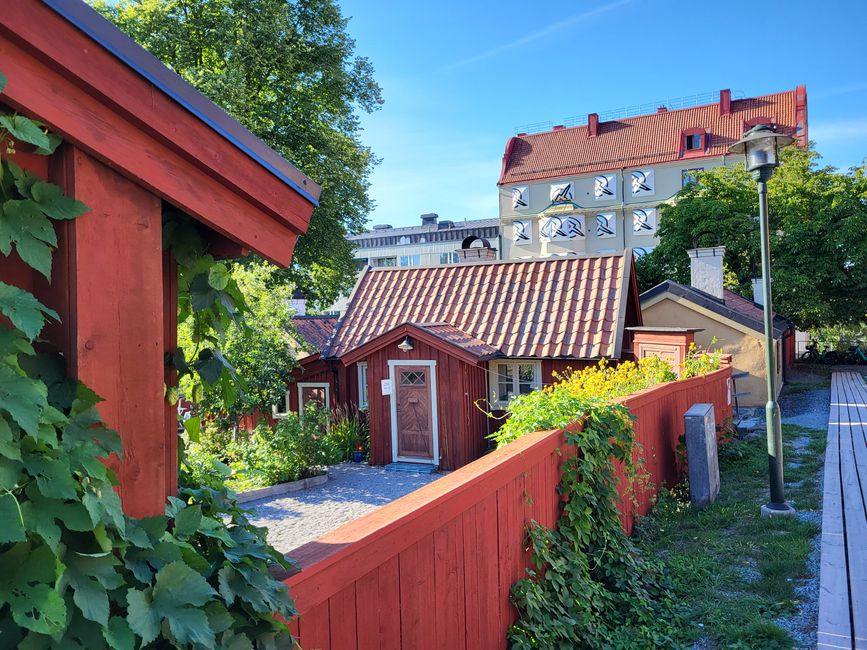
Tour Södermalm Once, this was a working-class district that has now turned into a neighborhood with artists and trendy cafés.
Tour Södermalm
During the tour, we also had to tackle some elevation changes, as this part of Stockholm is very hilly.
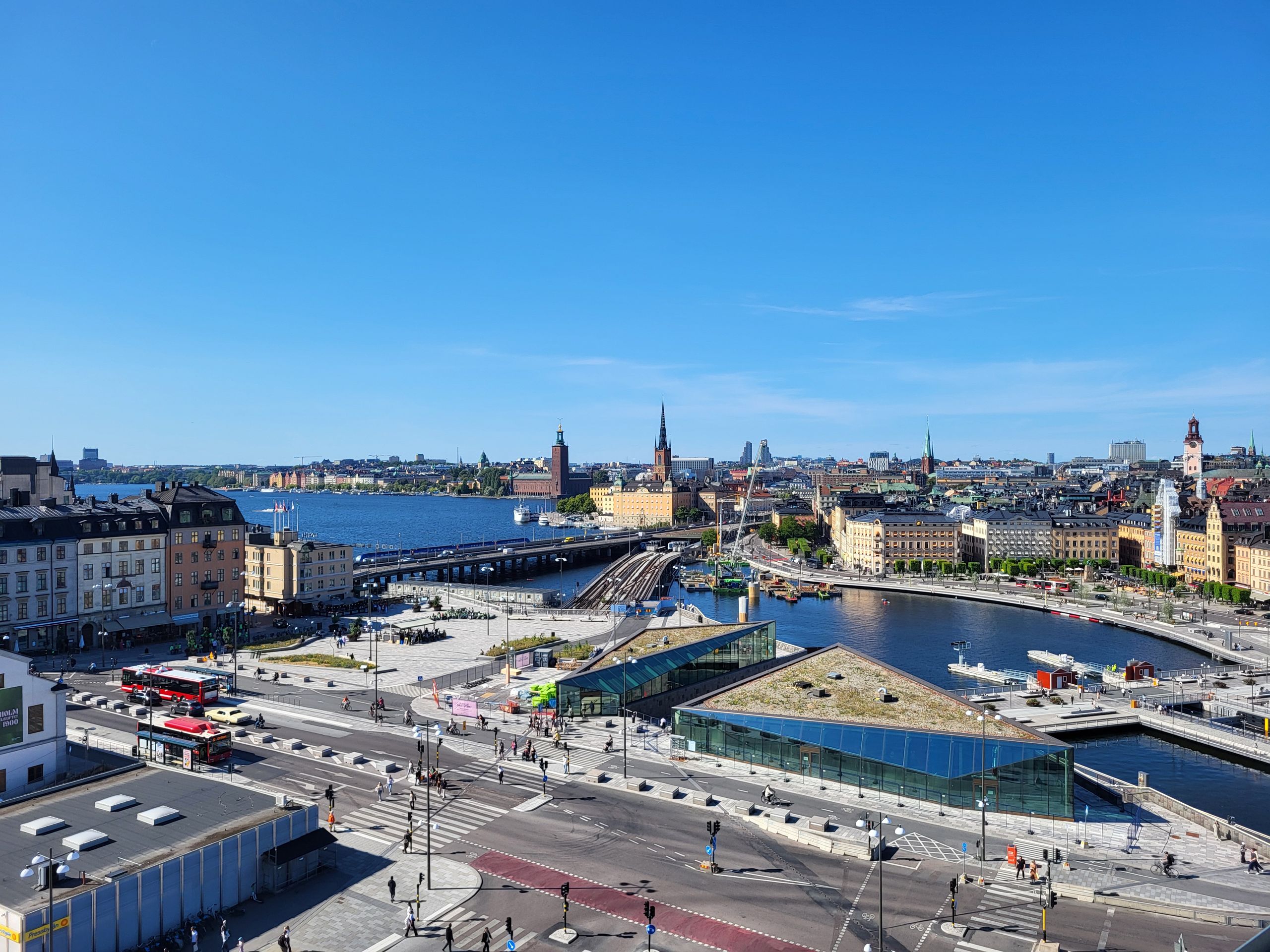
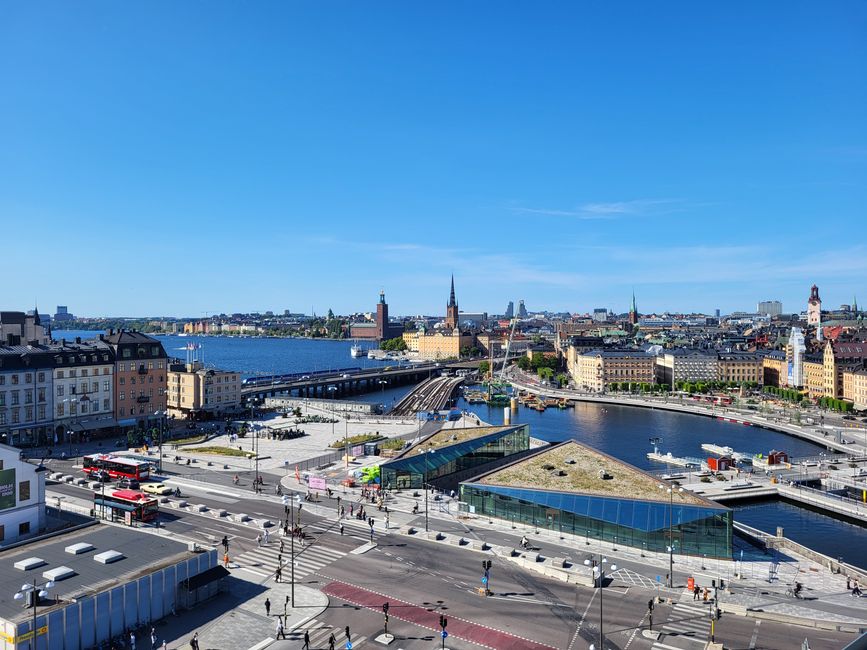
View from Södermalm There are some nice viewpoints toward the Old Town and Östermalm.
View from Södermalm Overall, we found the district not as architecturally interesting as it was praised by our tour guide during the Old Town tour.
Tour Södermalm
There were some nice corners and an everyday Stockholm with fewer tourists to see.
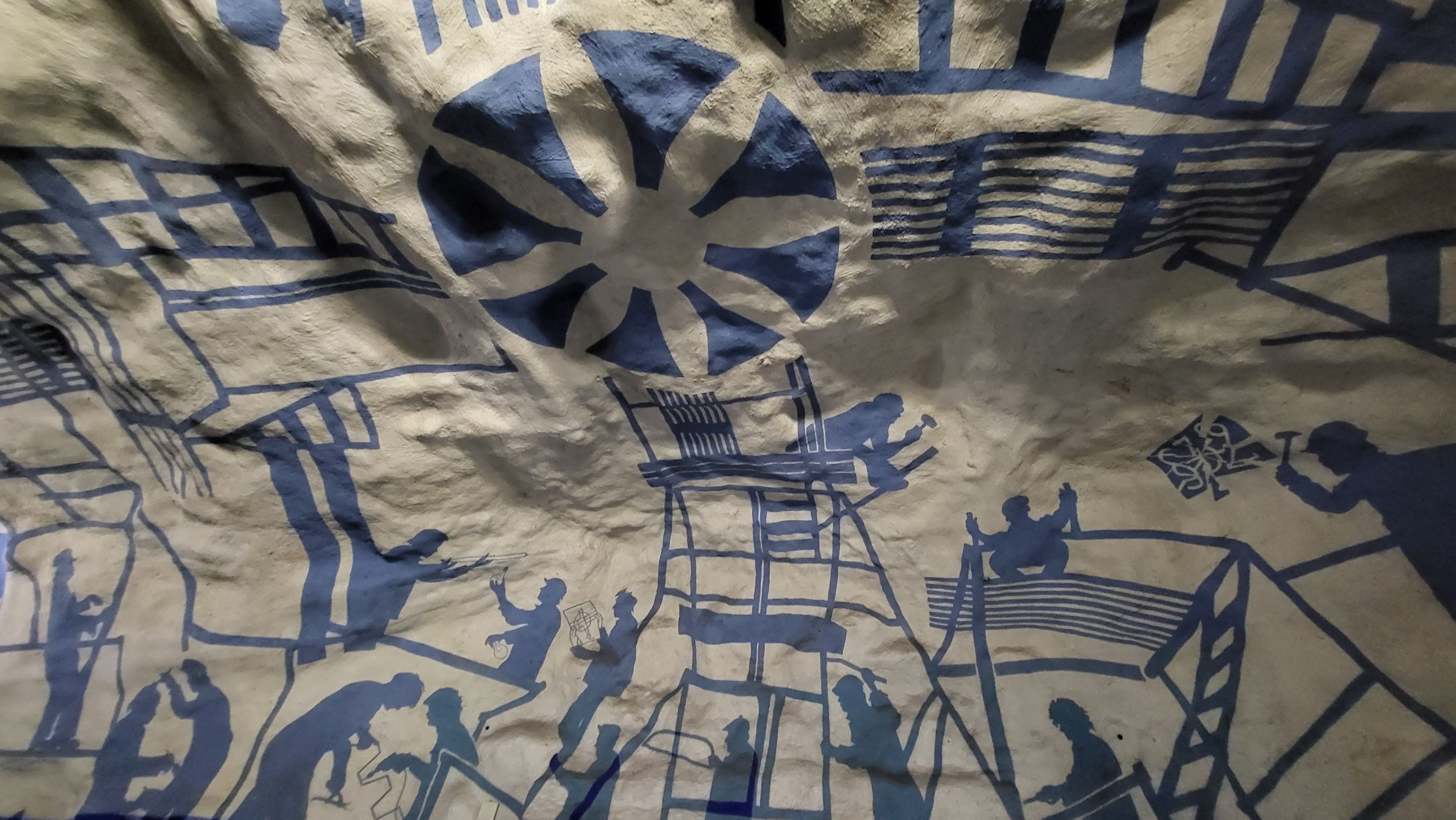
Tour Södermalm In the evening, we took the subway (Tunnelbana) again to see some of the stations that were designed by artists. The Stockholm subway hides 110 kilometers of art, spread across 90 different stations.
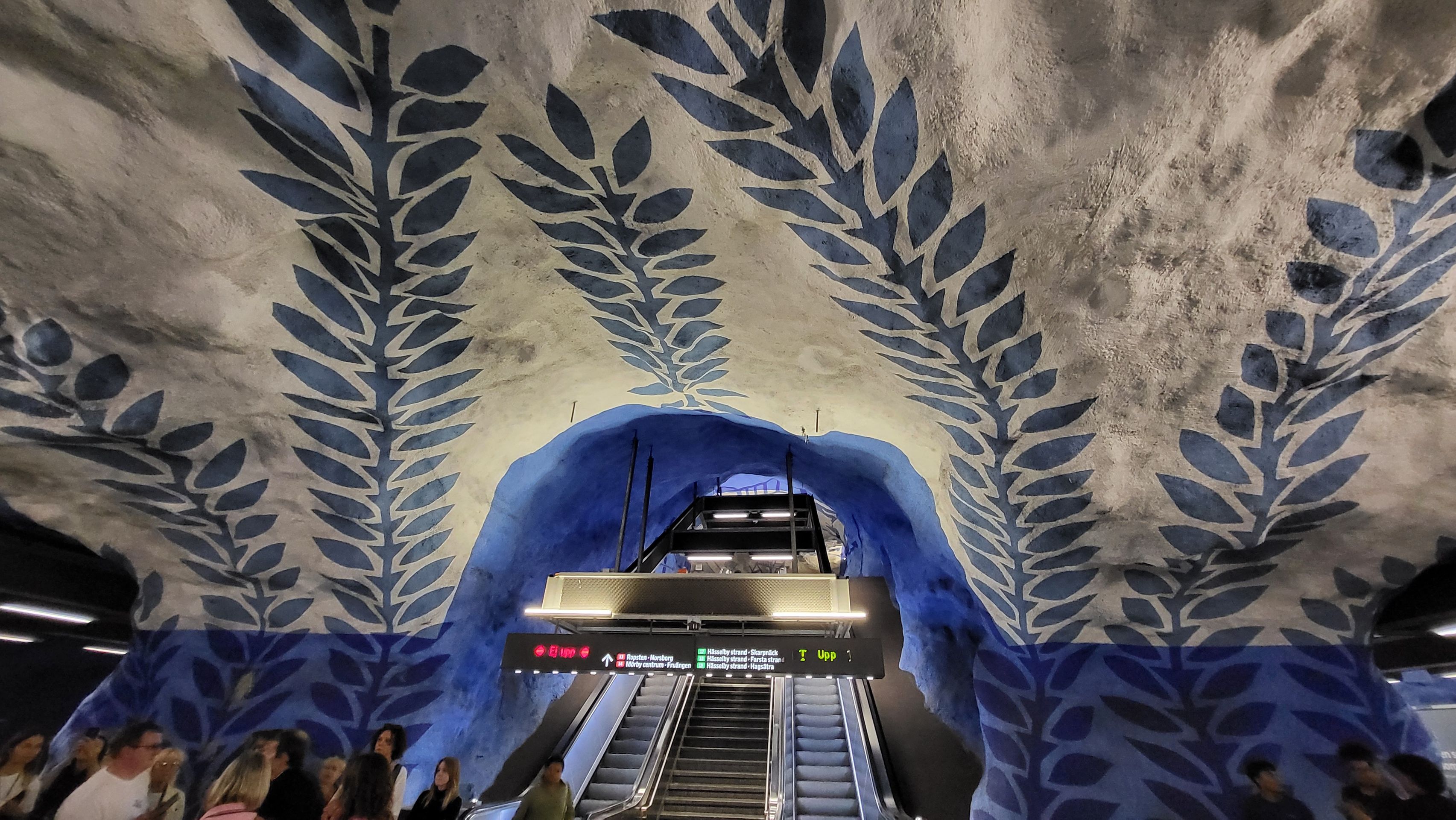
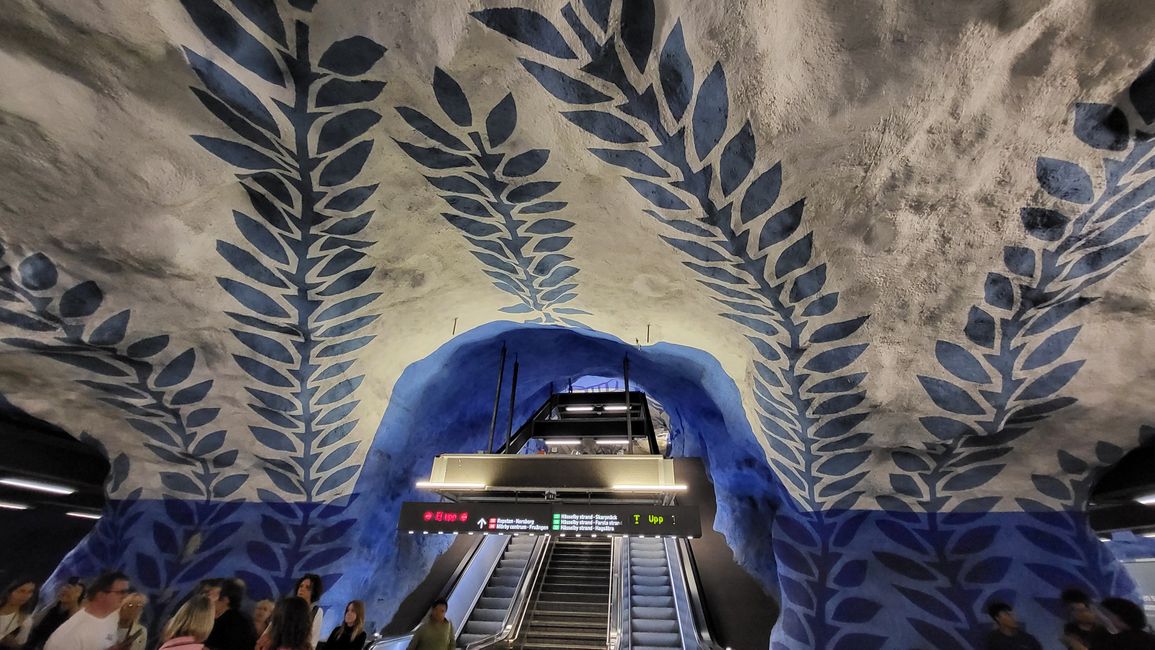
Tunnelbana There are also guided tours to the most notable places, but we opted for a self-guided tour using websites that explained the individual artworks a bit. Since we had to transfer there, our first stop was T-Centralen, the main train station.
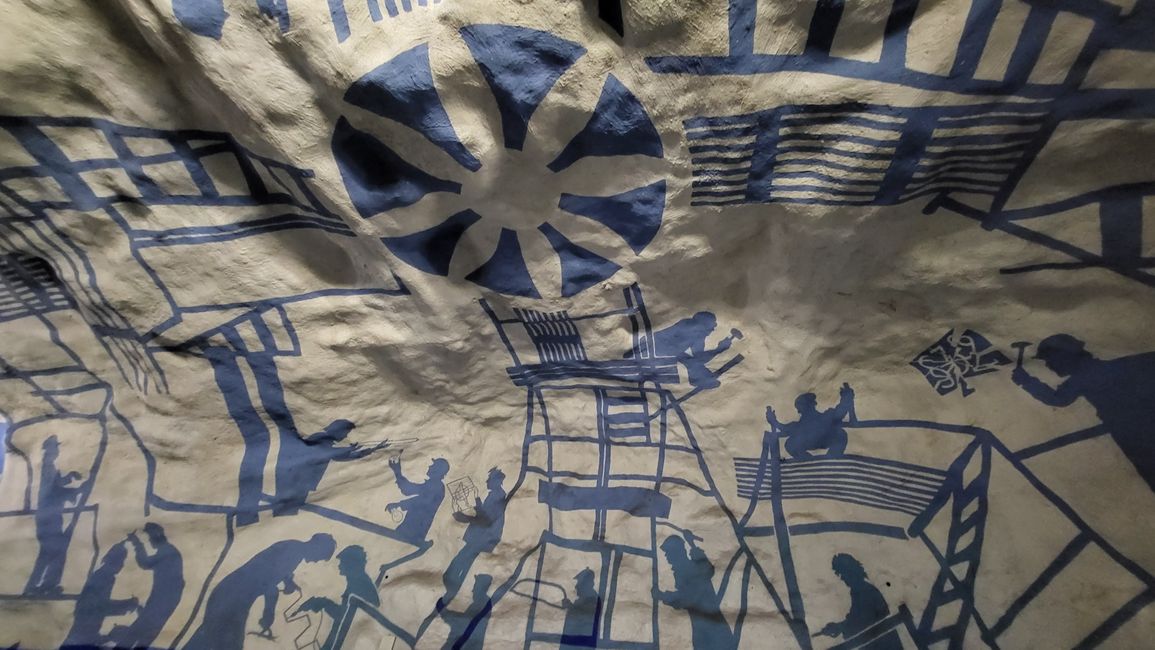
T-Centralen When you go to the blue line, you see the works of Per Olof Ultvedt, a Swedish artist known for his kinetic art.
T-Centralen Here and at other stations, the rock has not been covered, but is still visible. These are the so-called “cave stations”, where the artists often painted their works directly onto the rocky surface.
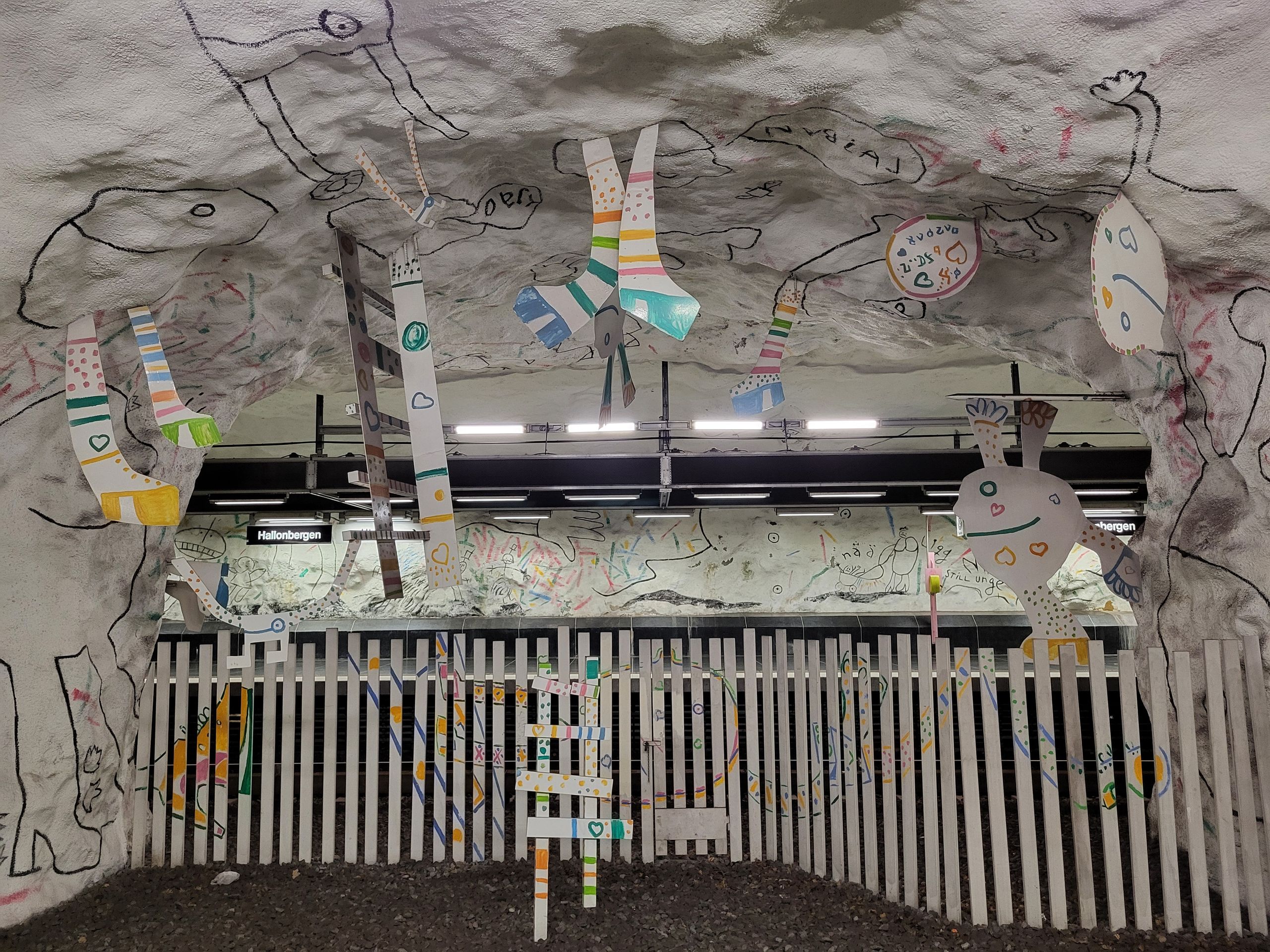
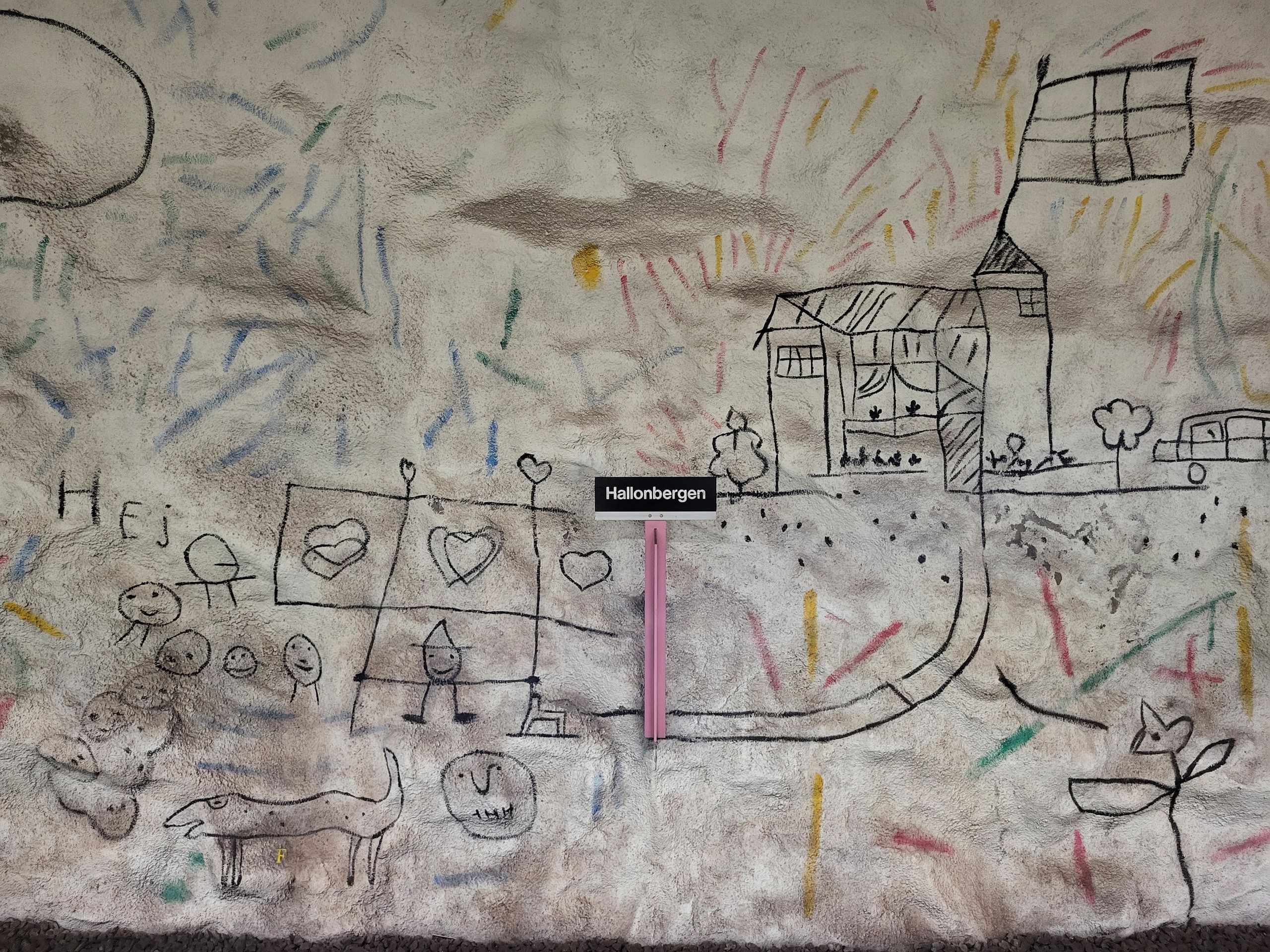
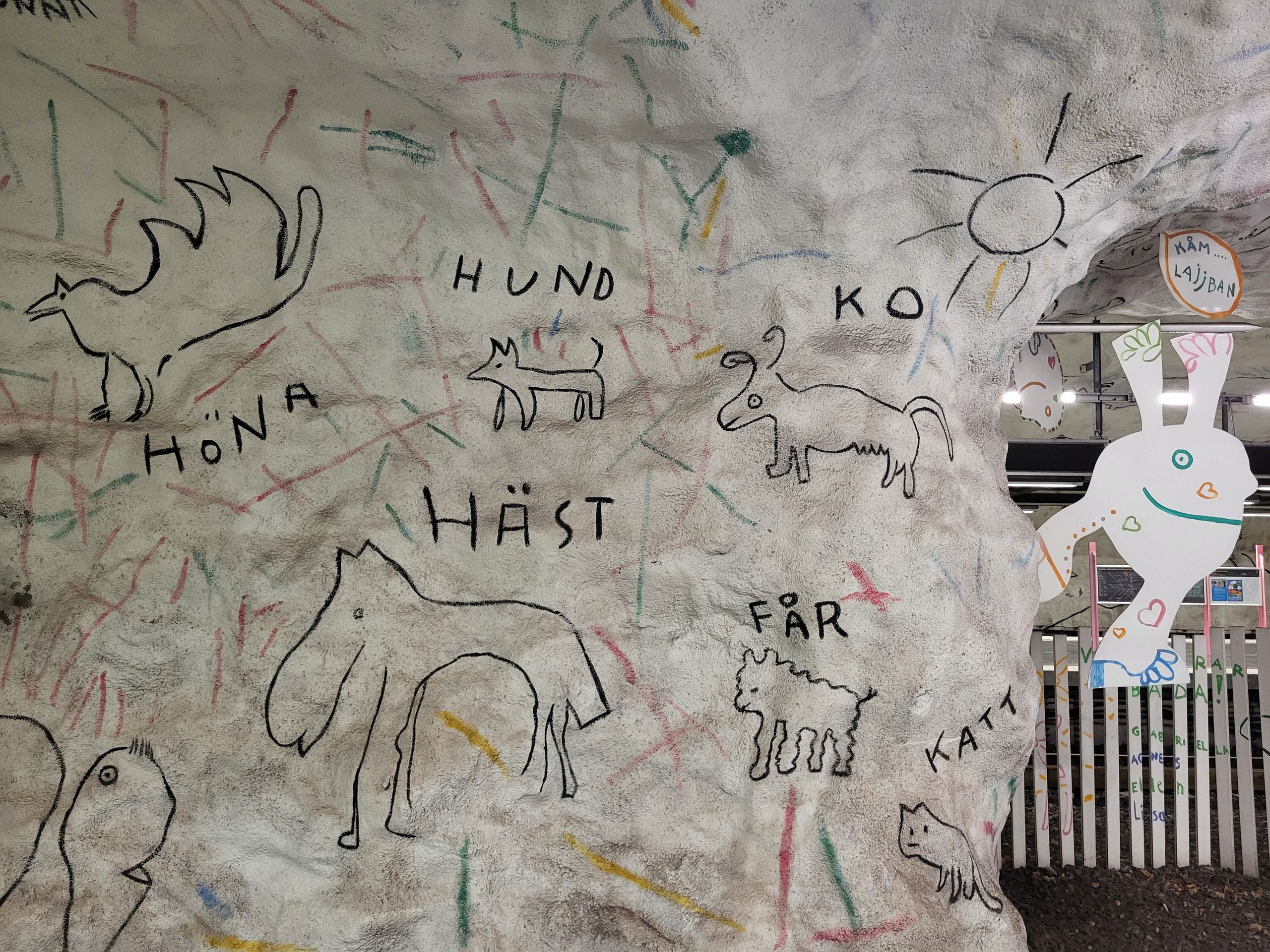
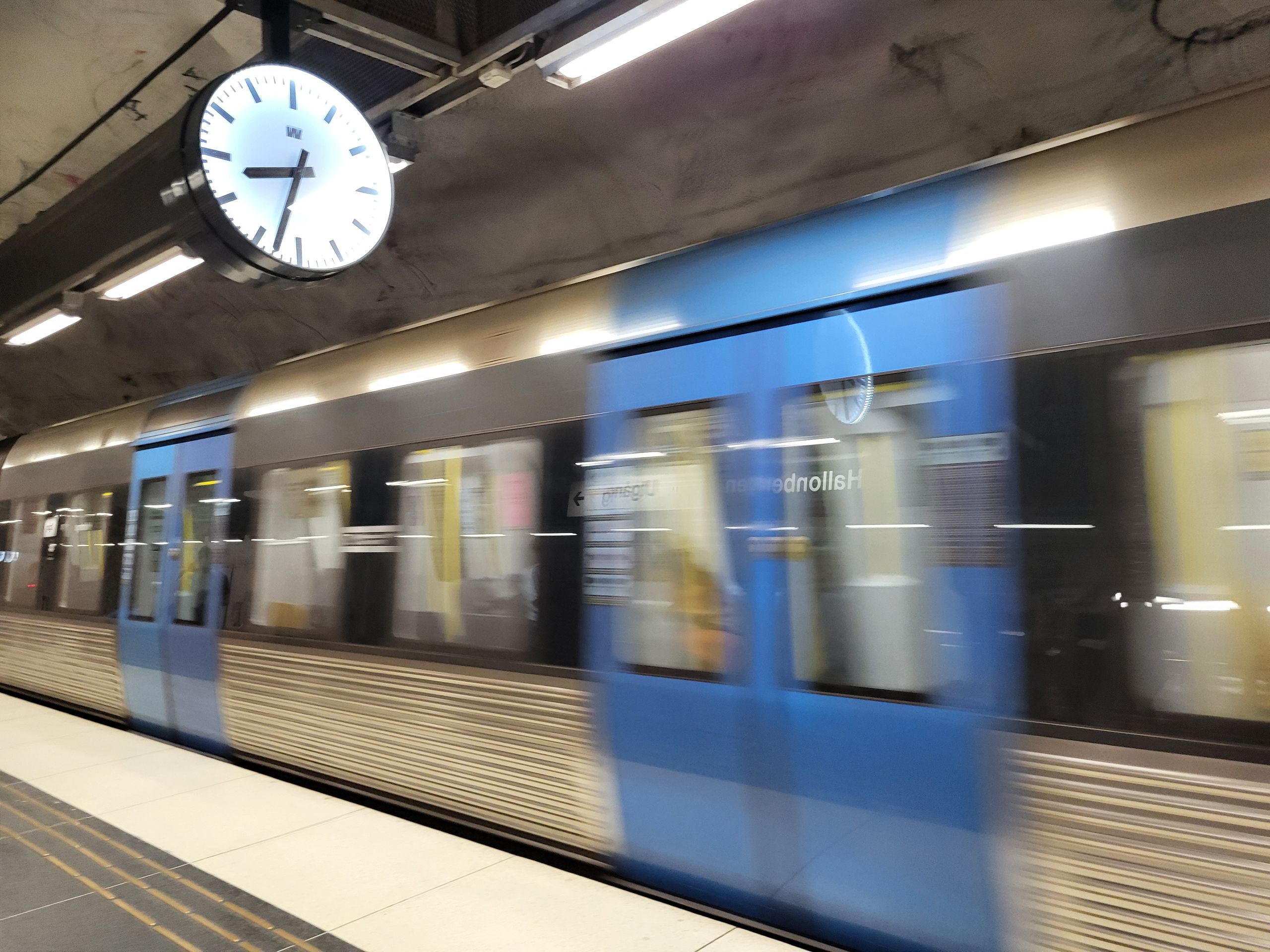
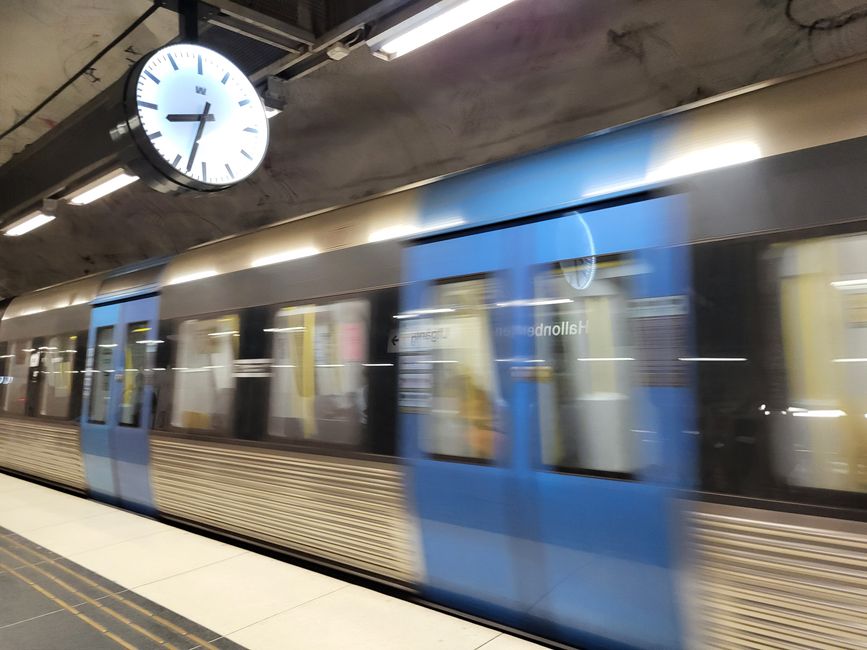
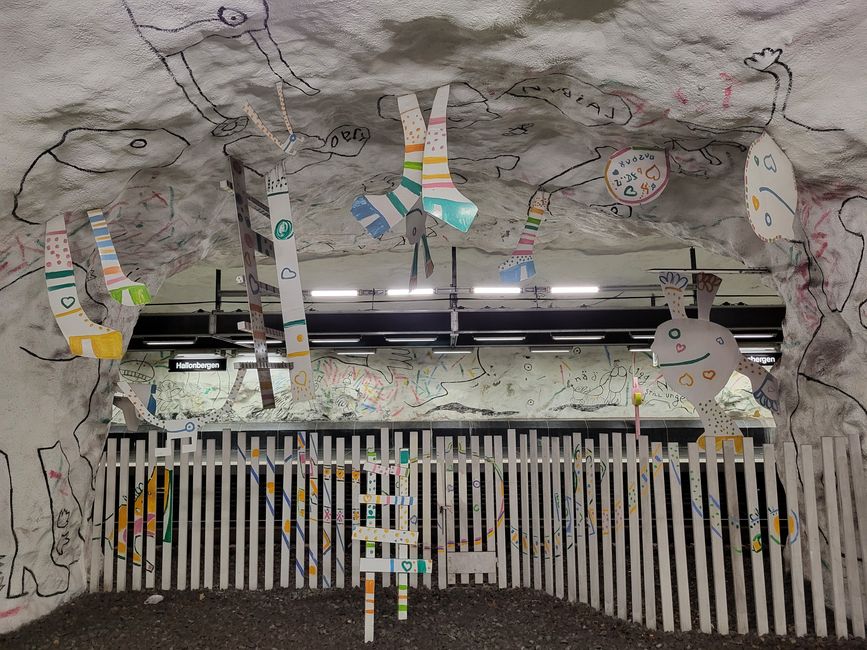
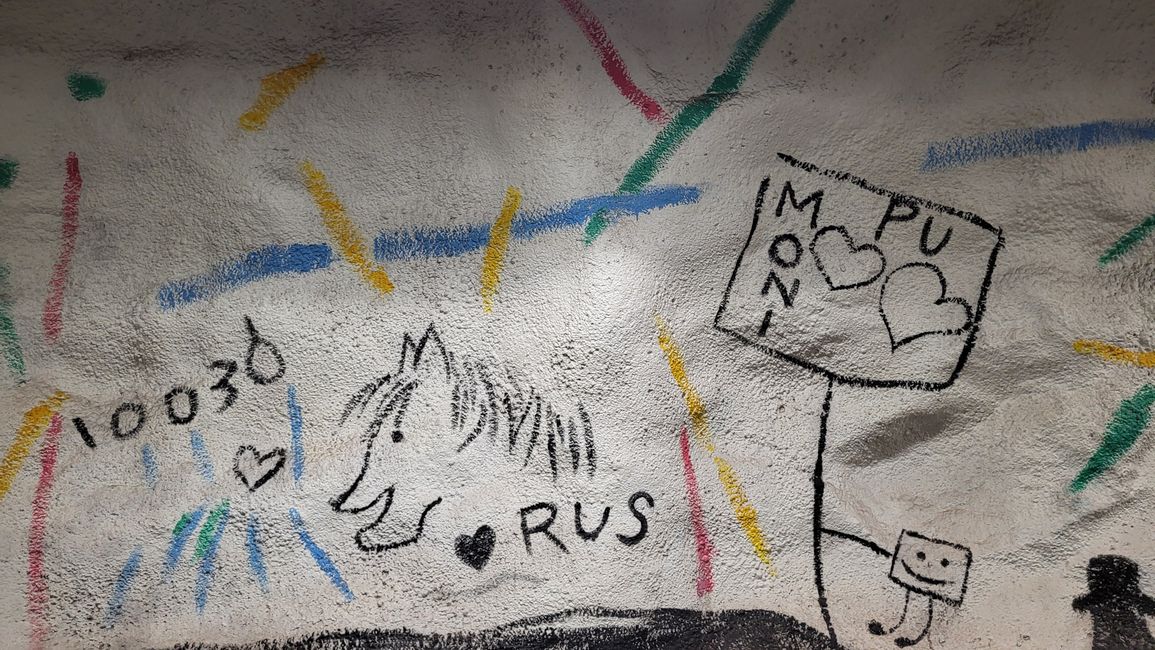
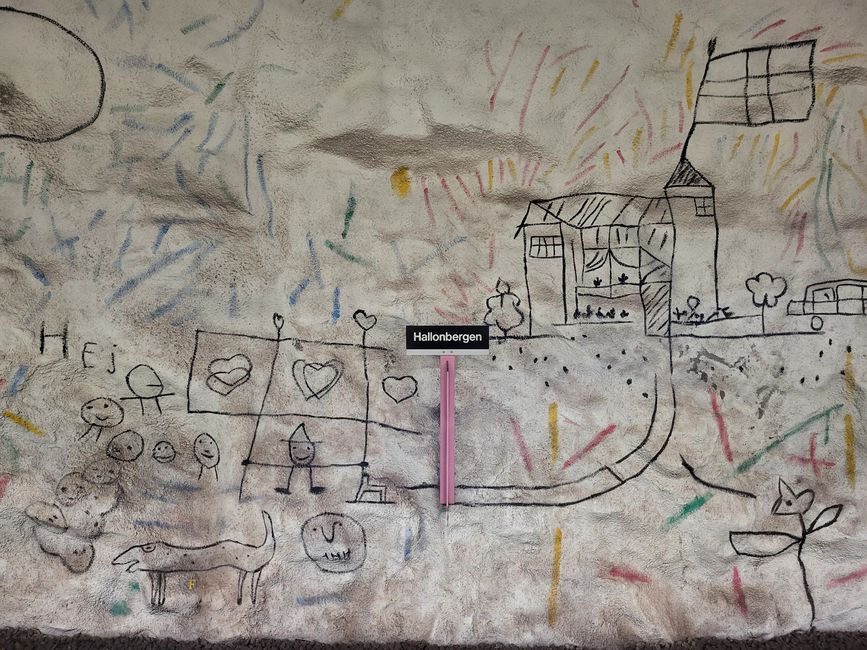
Hallonbergen First, we took the blue line to Hallonbergen, designed by artists Elis Eriksson and Gösta Wallmark.
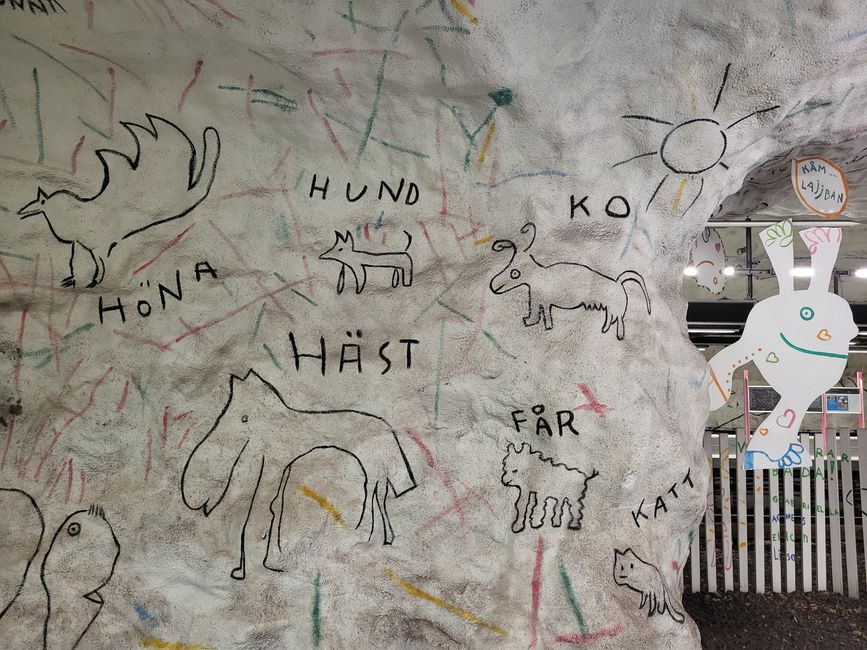
Hallonbergen The two were inspired by their childhood, perhaps in homage to the housing project of Hallonbergen above the ground, which gave rise to the neighborhood in the 1970s.
Hallonbergen The artists also actually used drawings from their own childhood and pictures of their children as templates for the design.
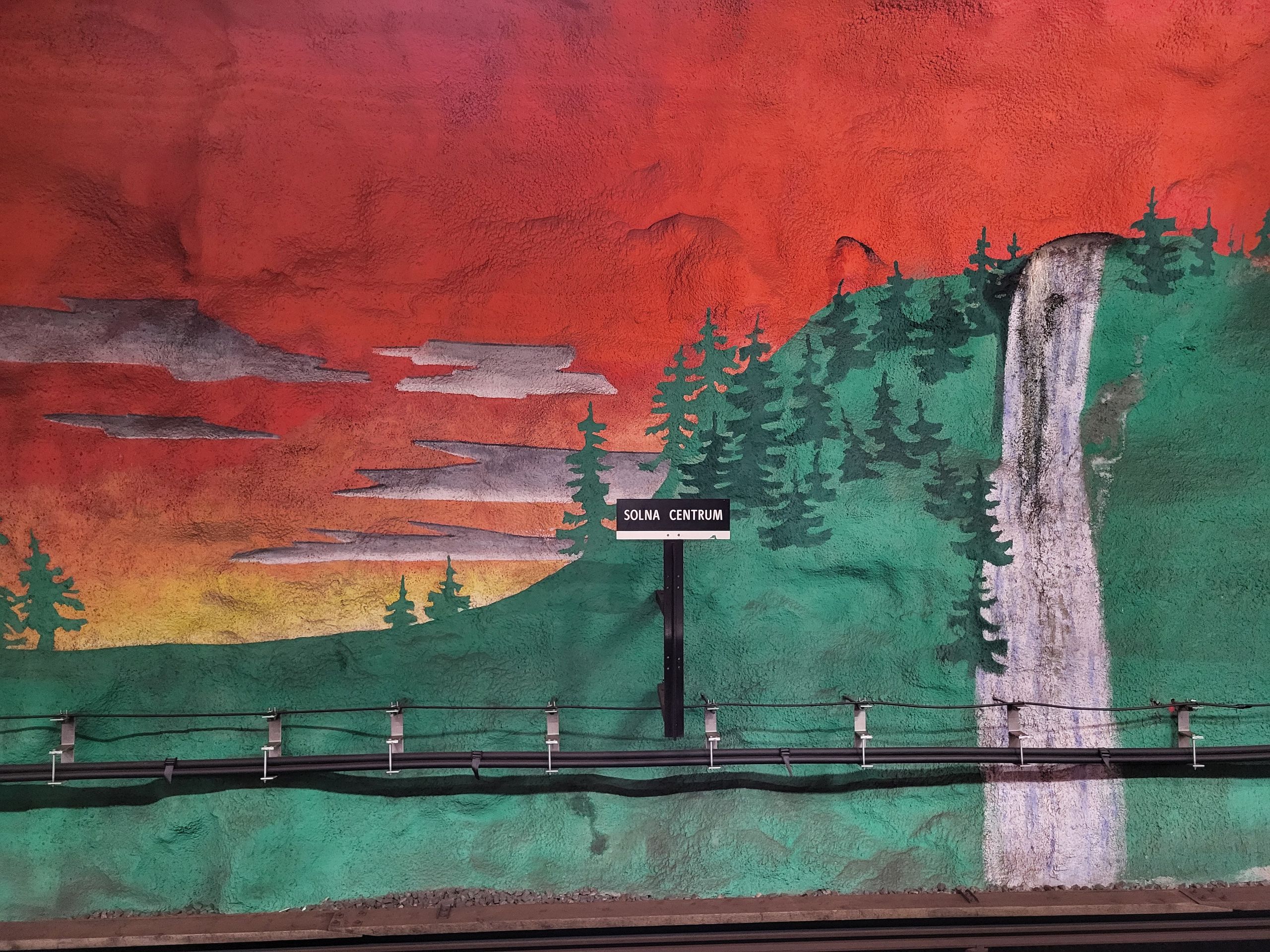
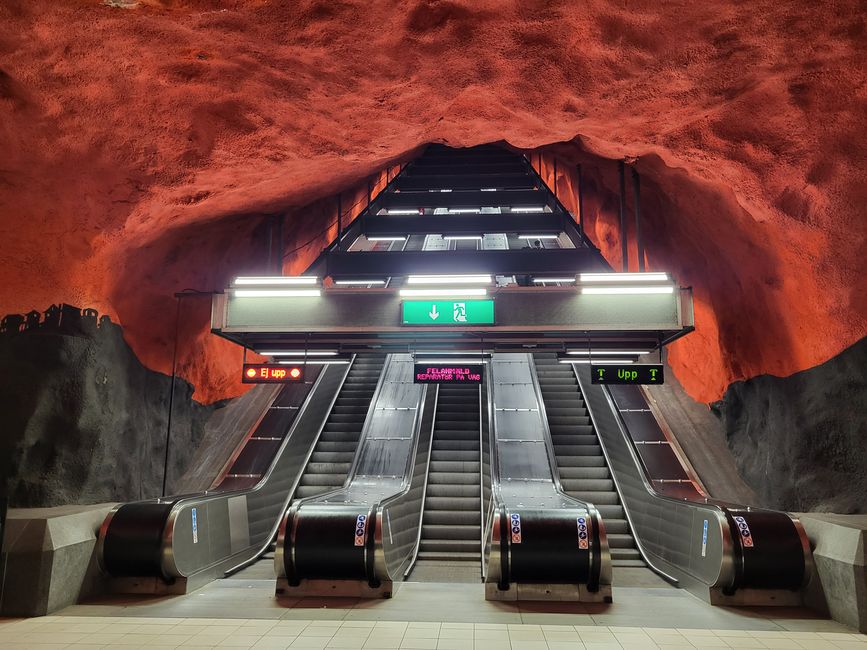
Hallonbergen Next, we went to the station “Solna Centrum”, named after the shopping center above it - which of course we didn’t see because we stayed underground.
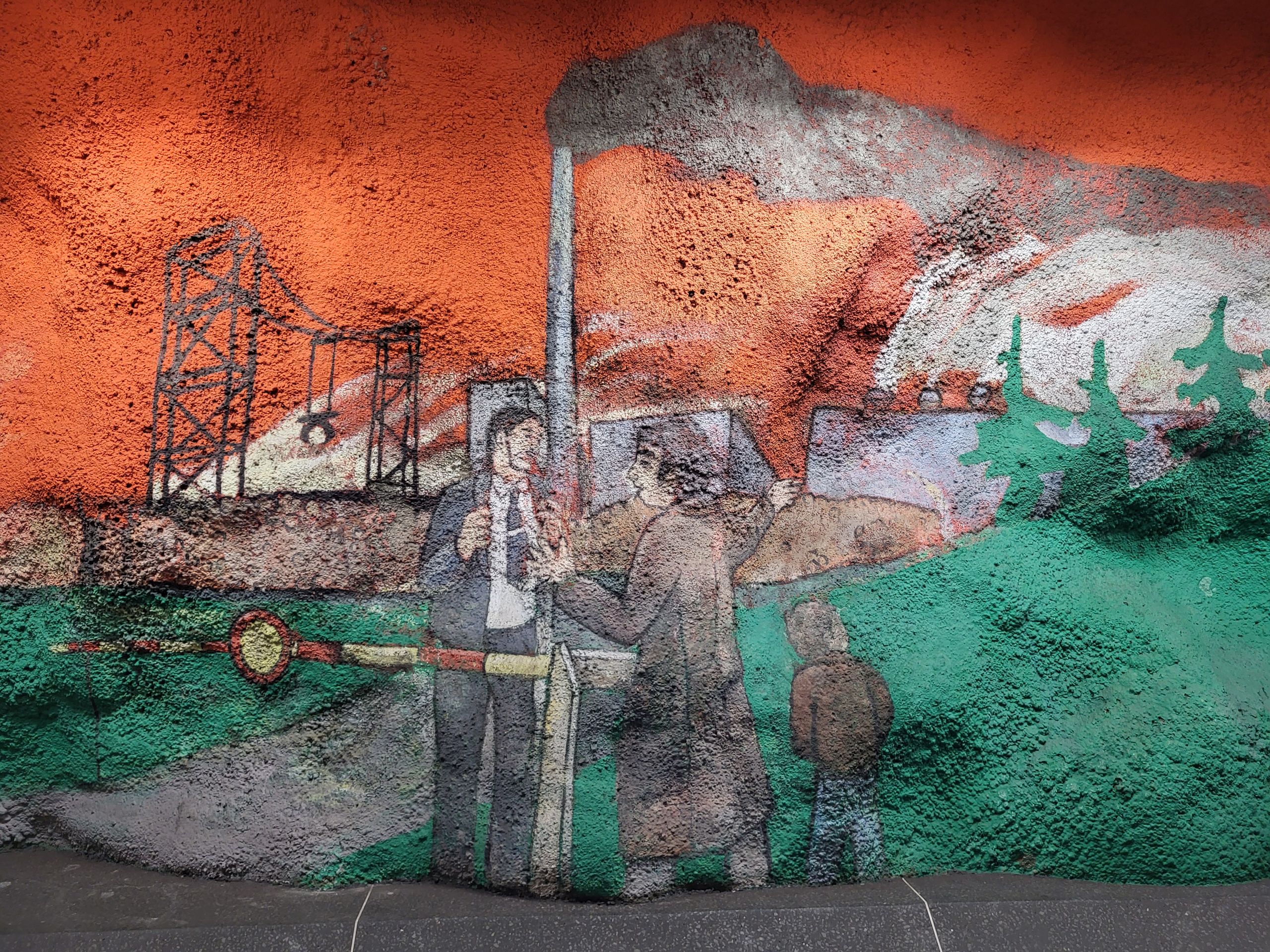
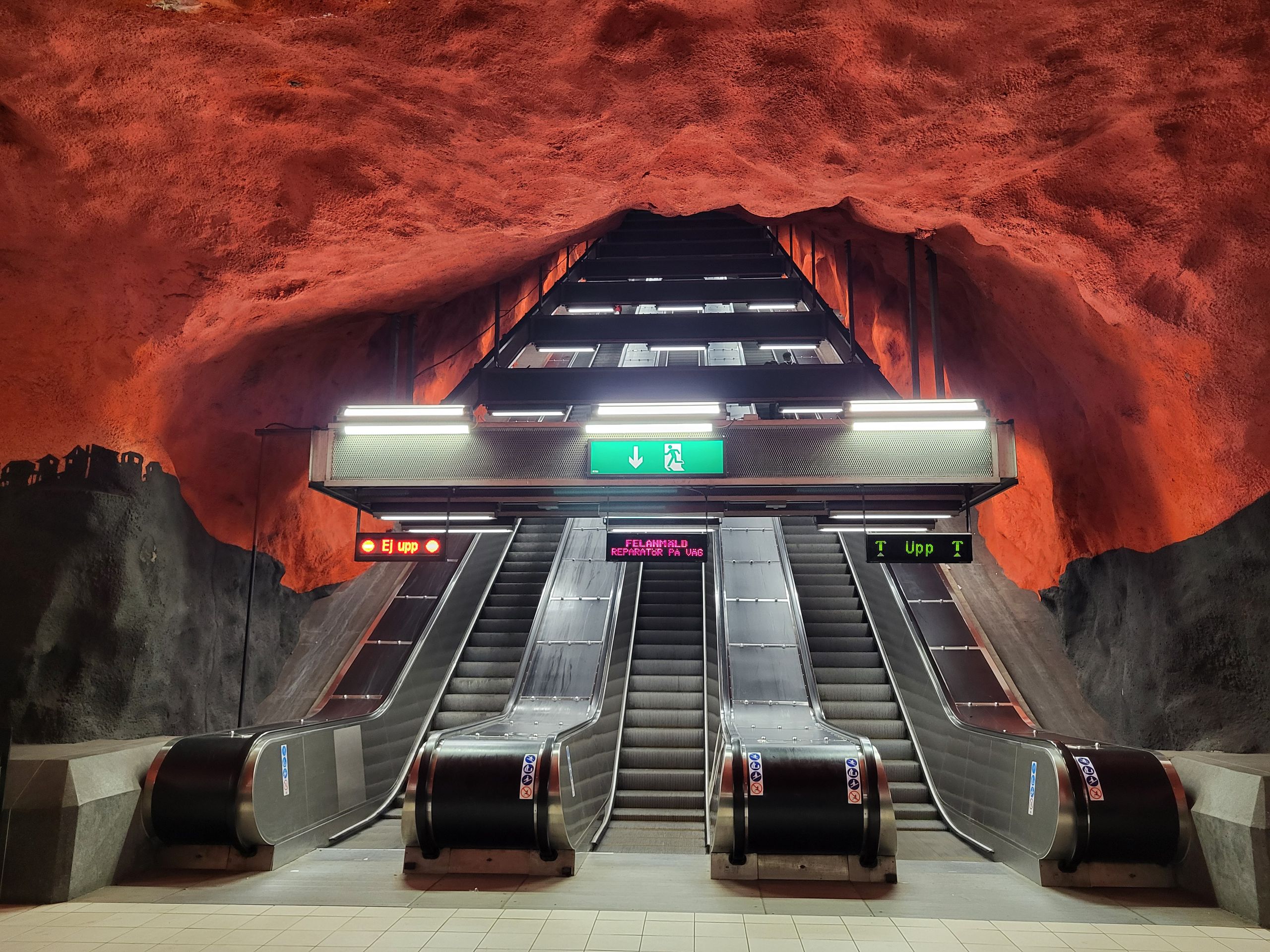
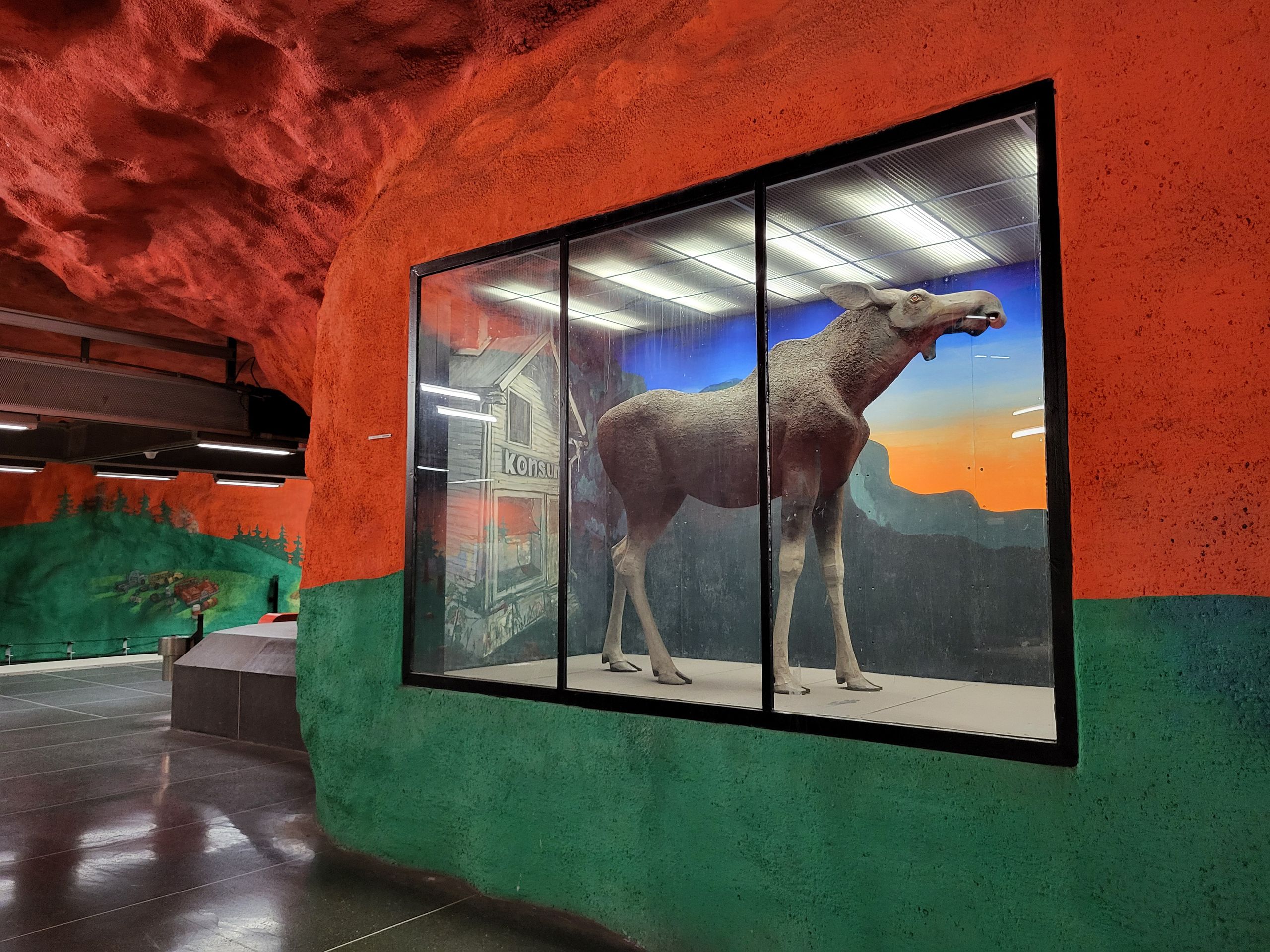
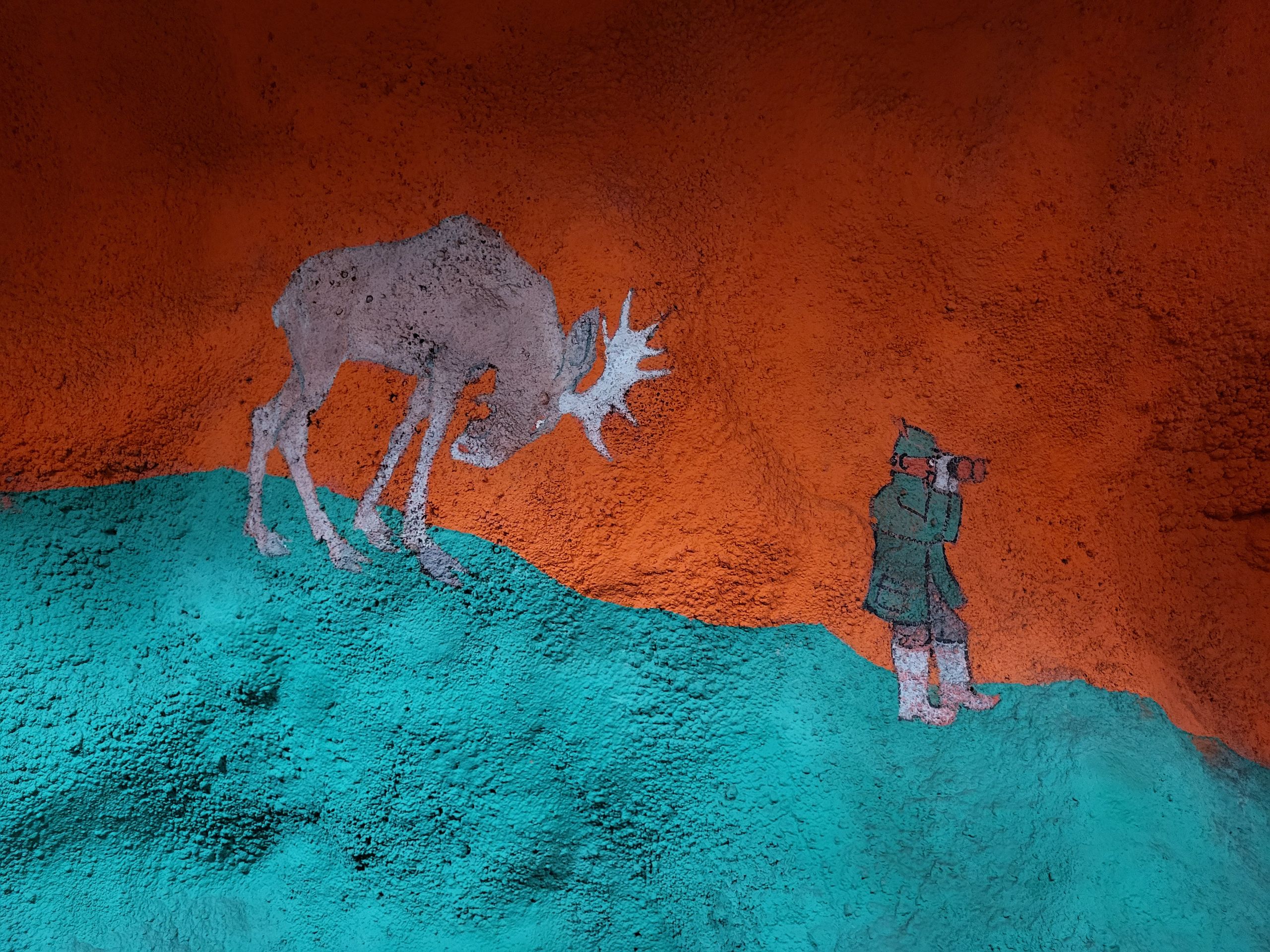
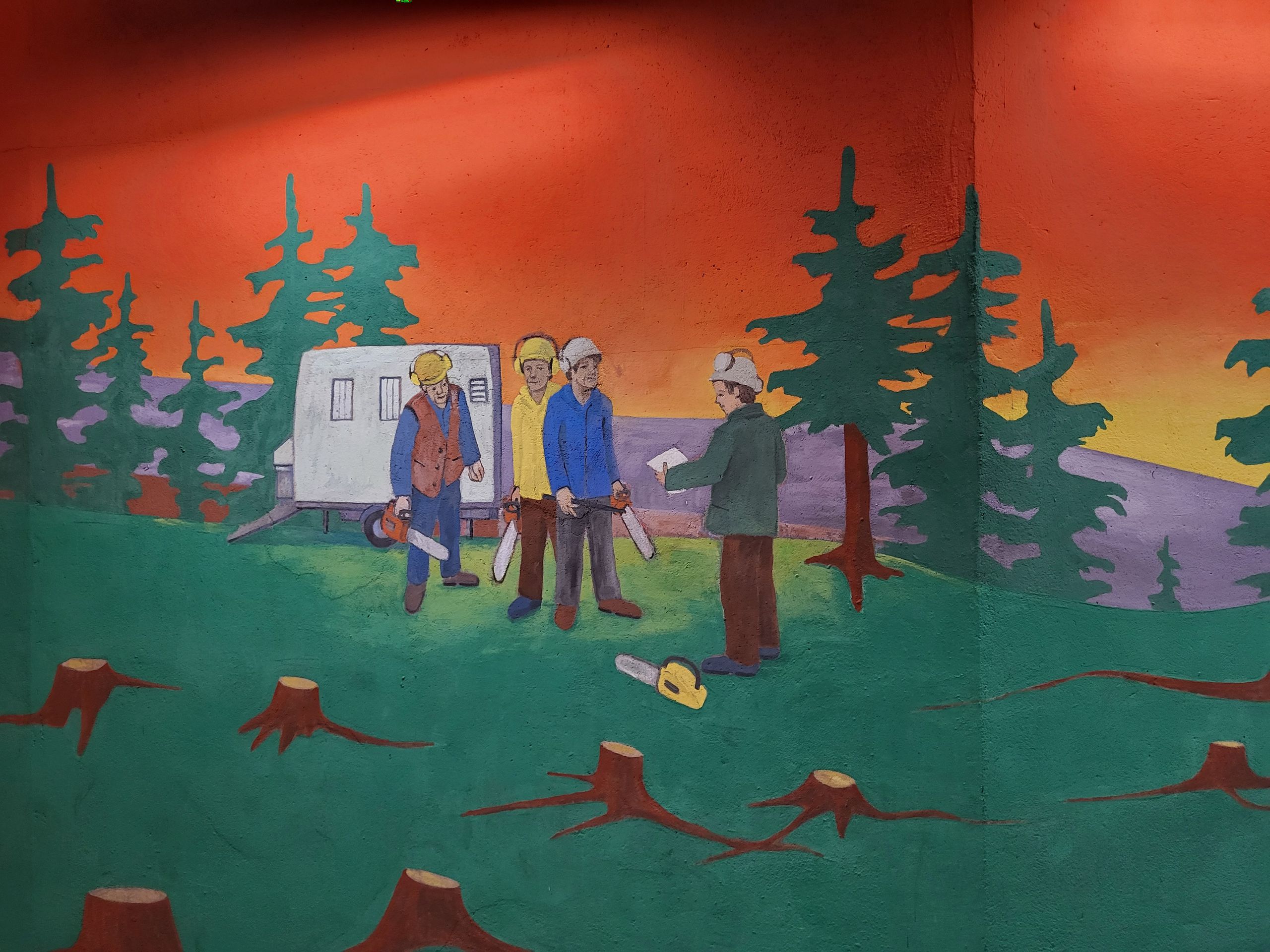
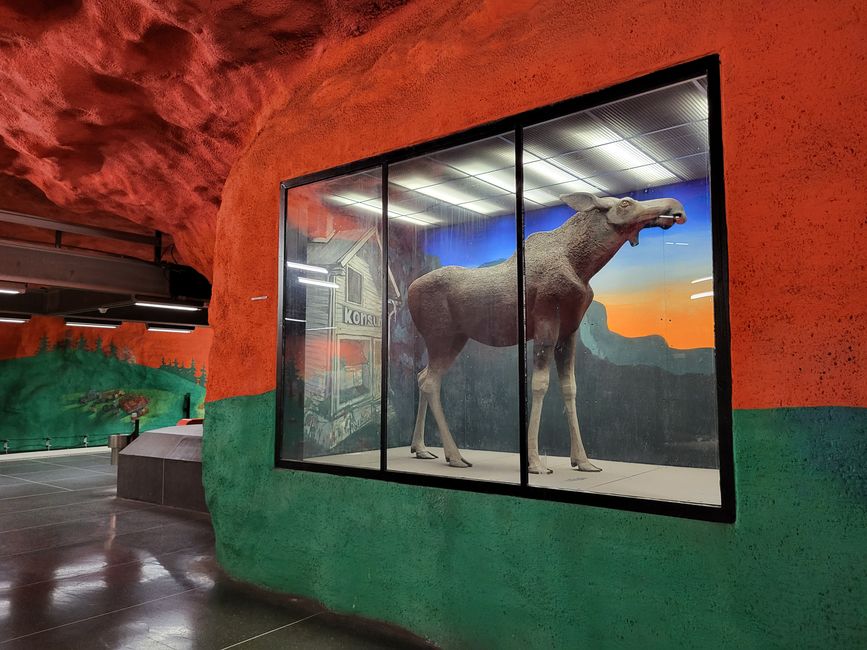
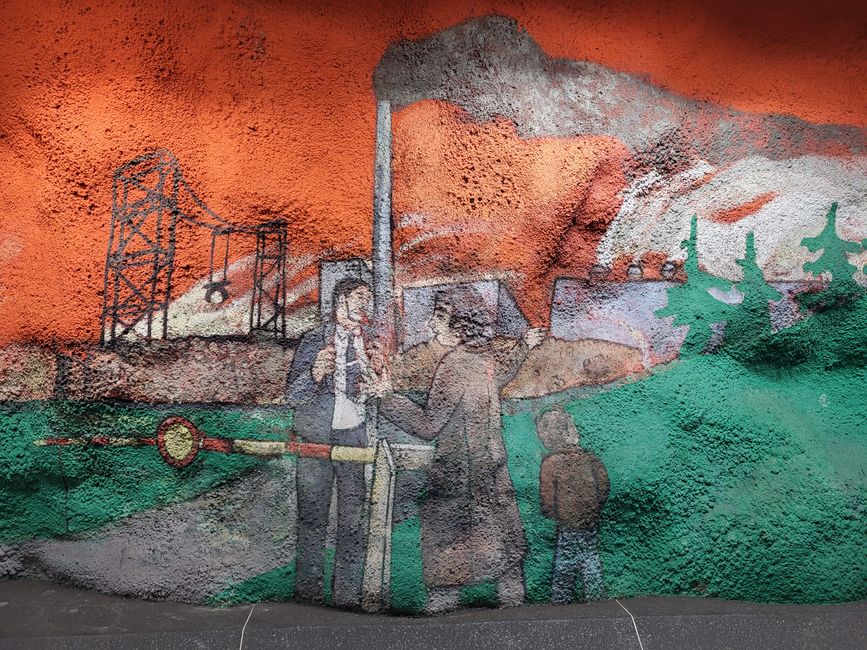
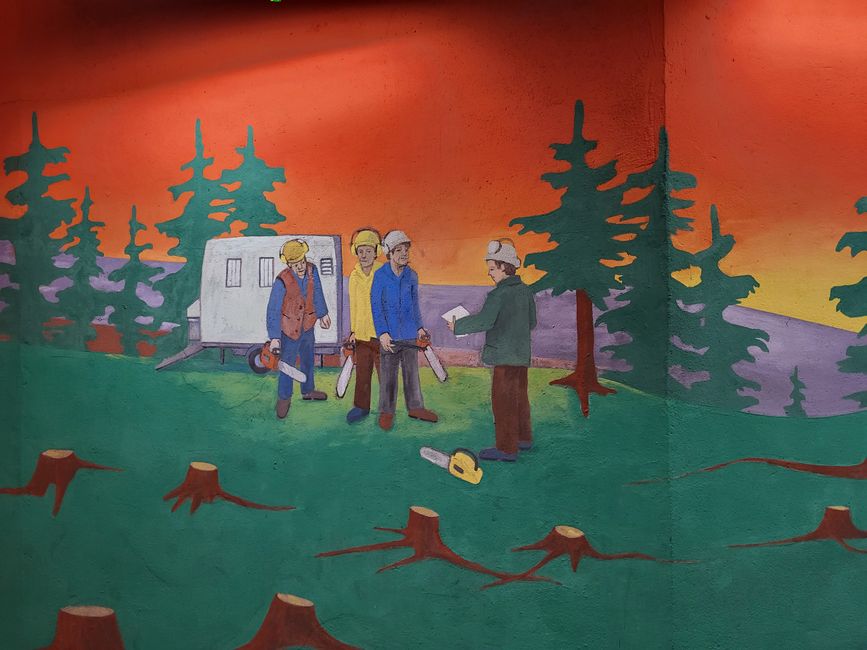
Solna Centrum The station is designed like a red cave, interrupted by various scenes in murals and dioramas depicting the forest landscape.
Solna Centrum - King of the Station They show political documents from the 1970s in Sweden.
Solna Centrum These include, for example, environmental destruction or deforestation.
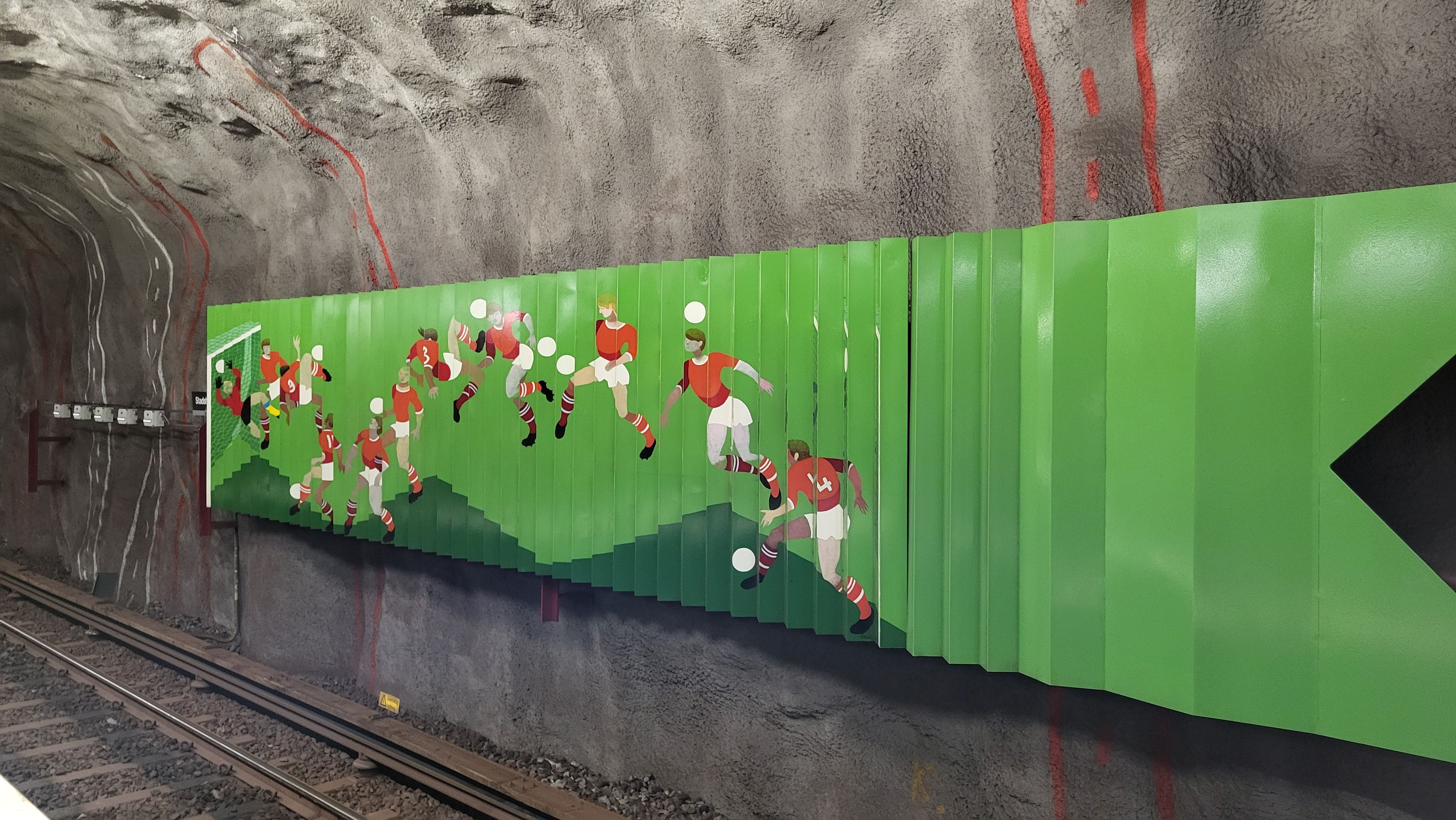
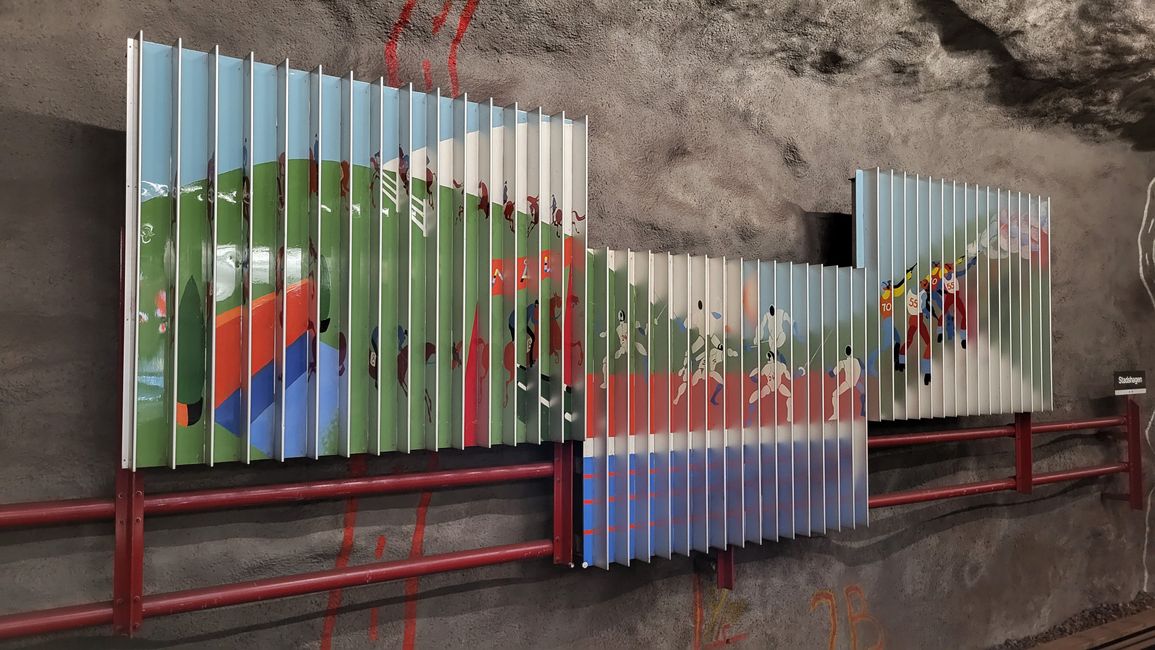
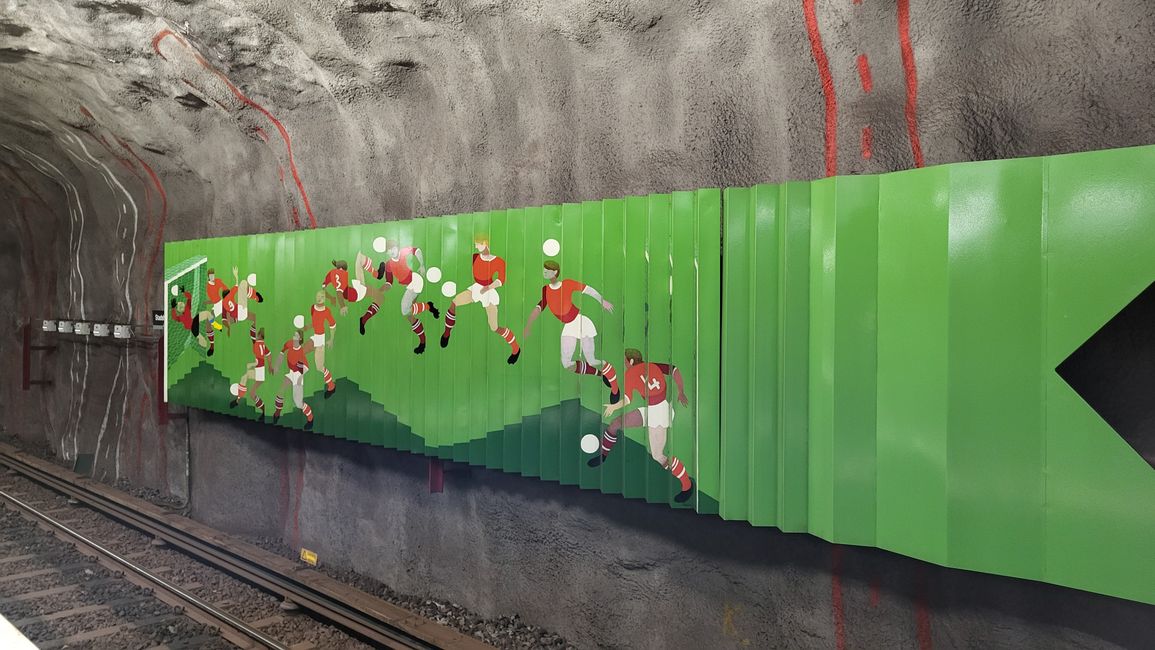
Solna Centrum - Deforestation Then we went to the station Stadshagen, which opened in 1975. It is named after the sports center above it.
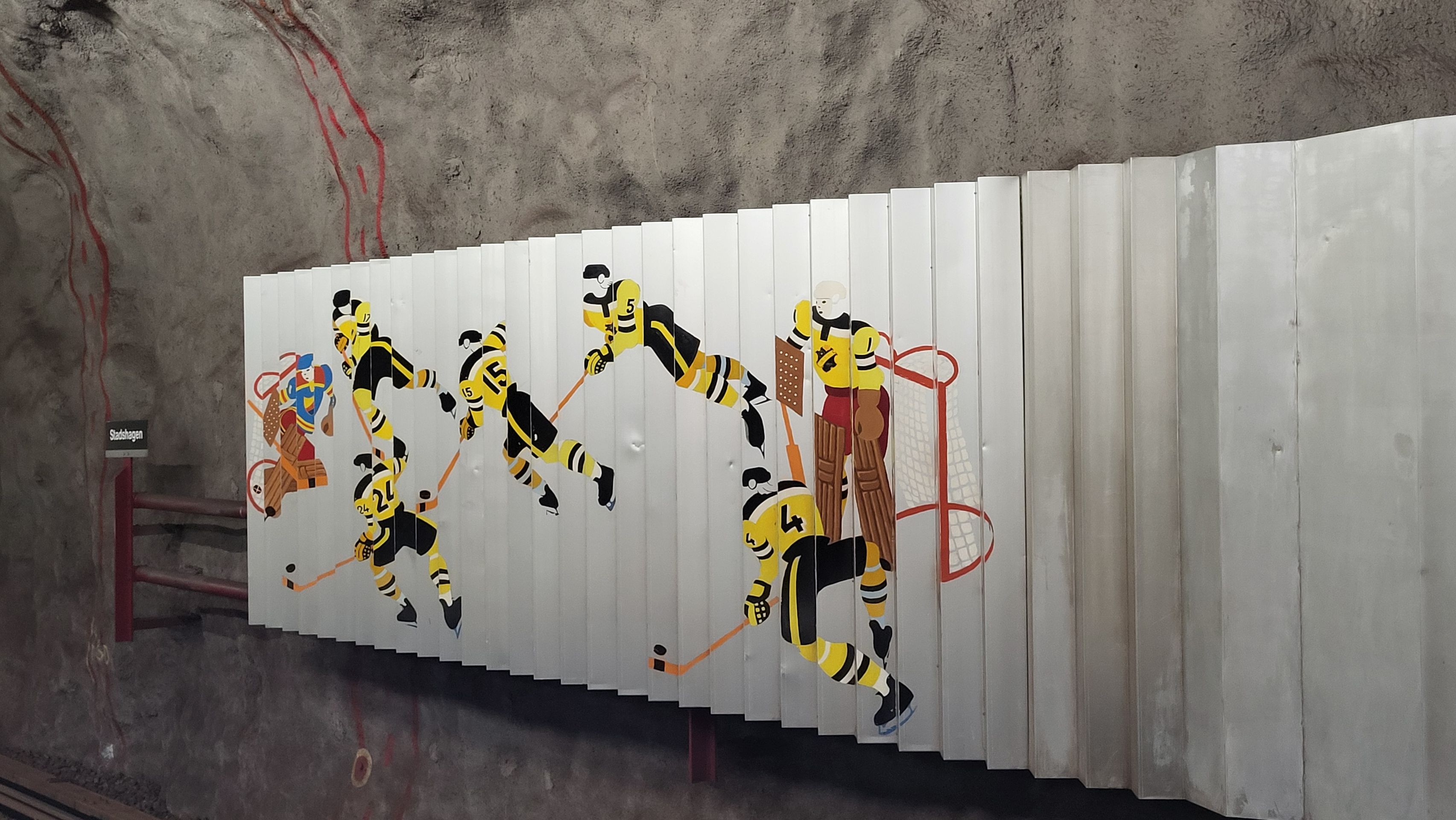
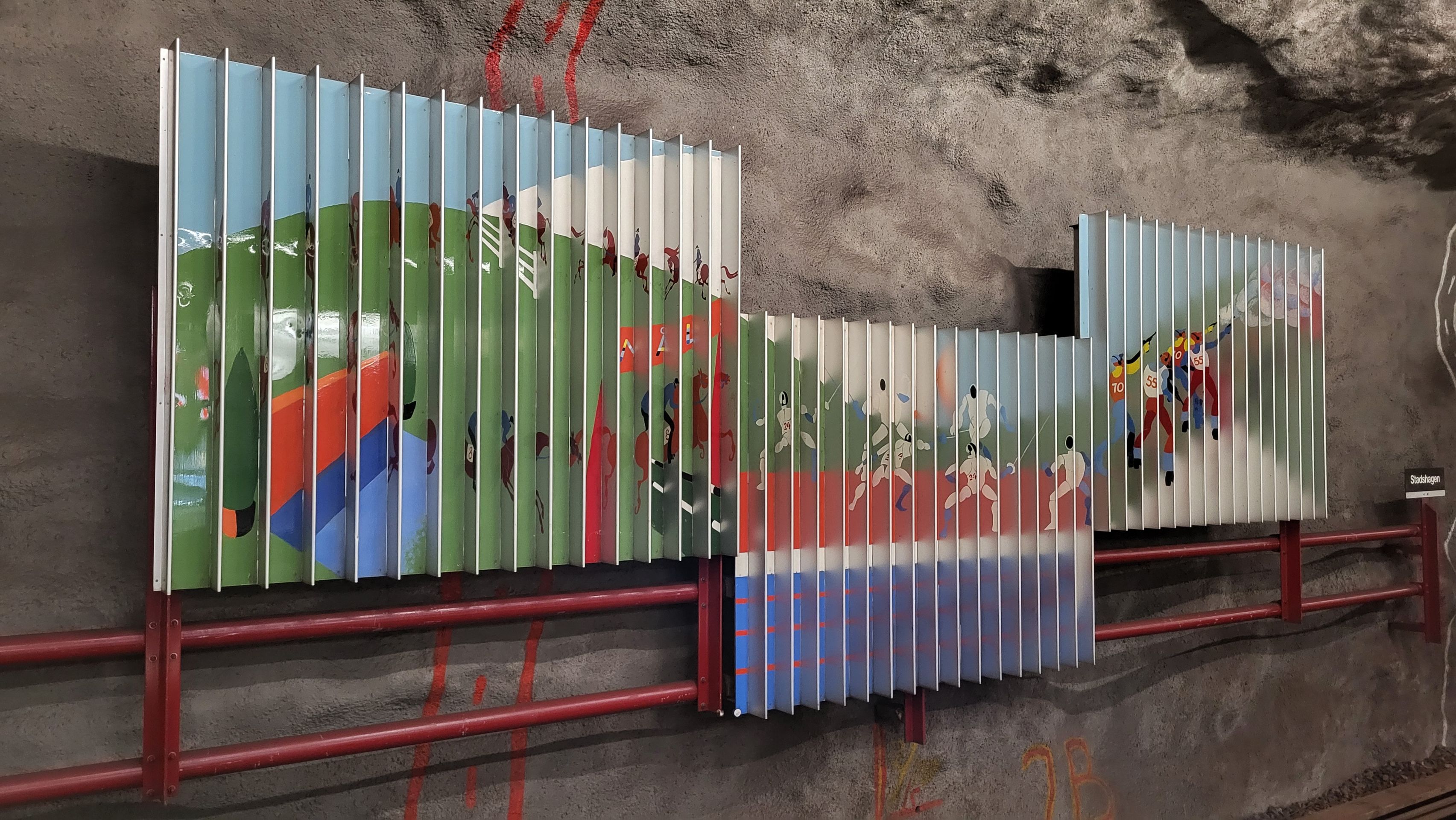
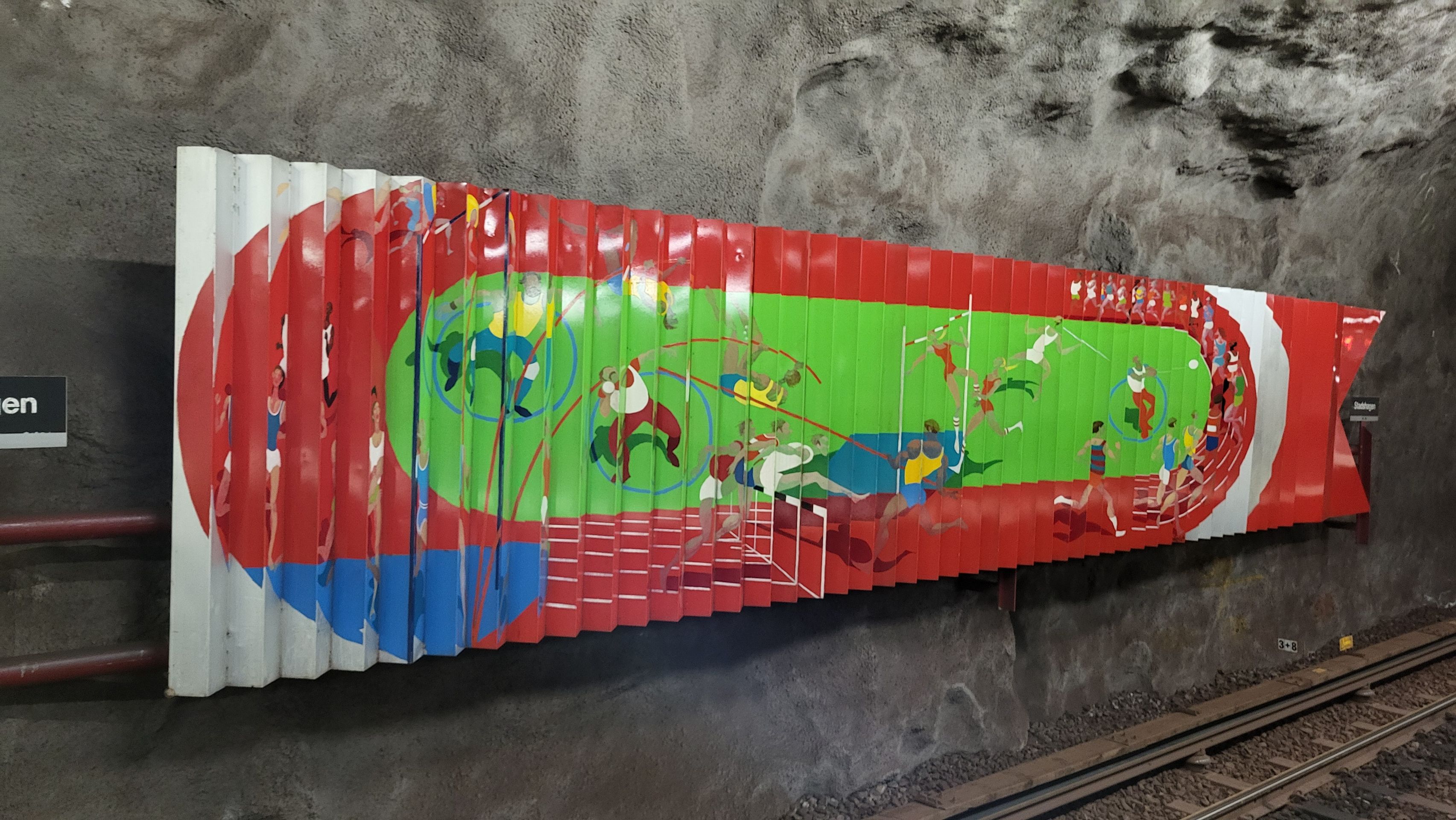
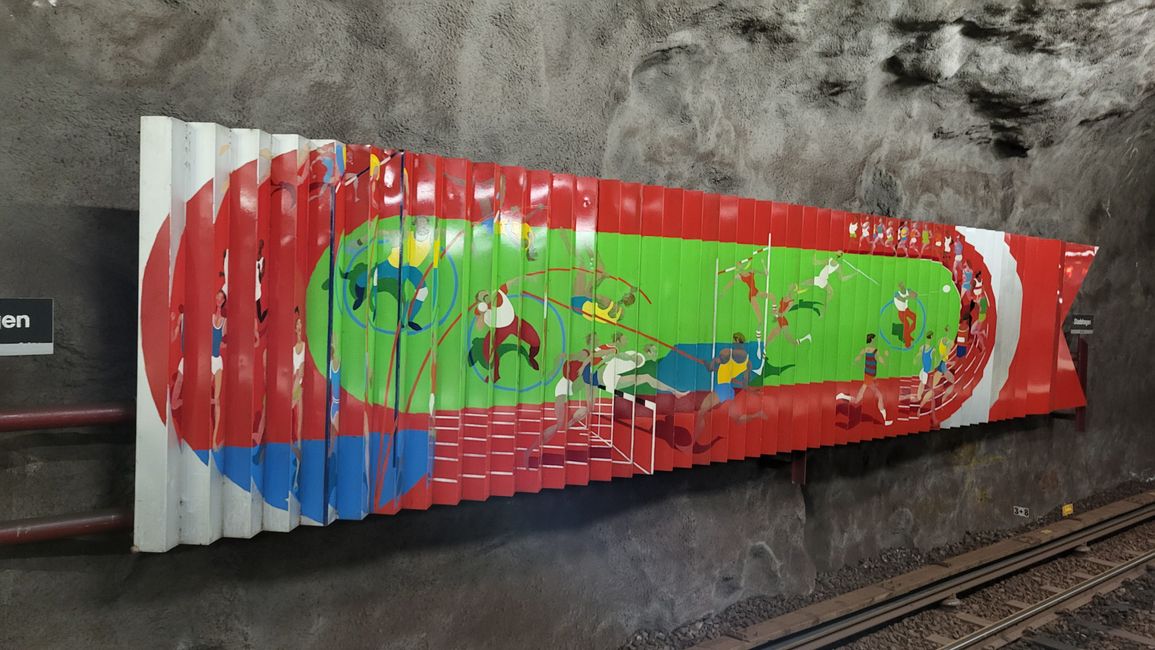
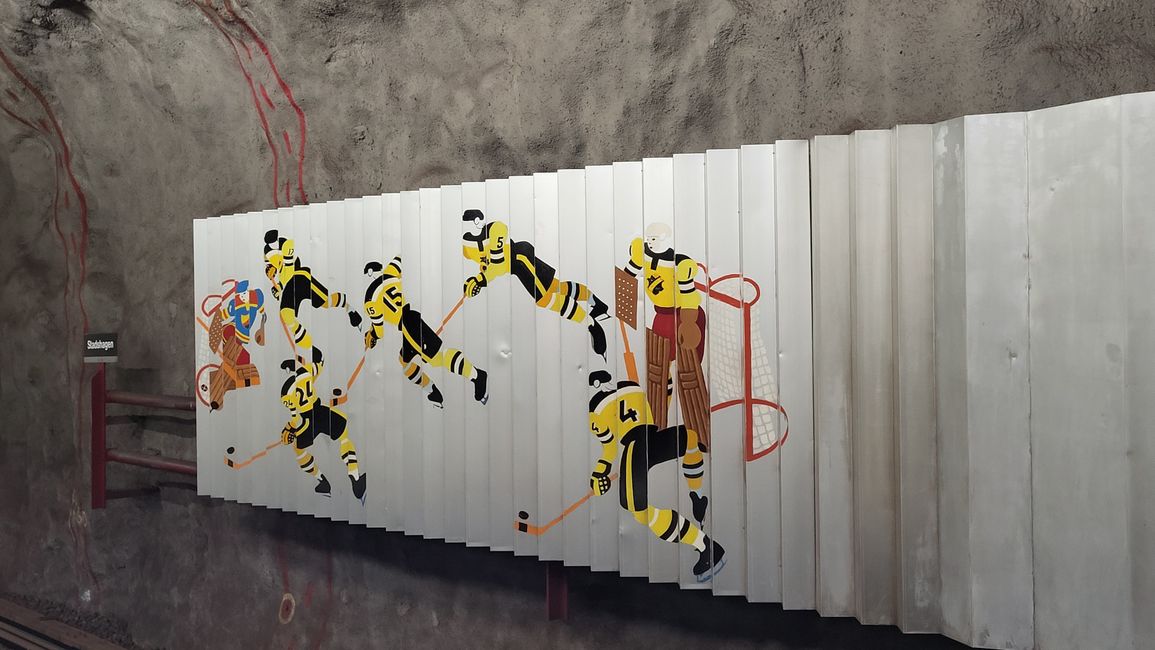
Stadshagen Its design is also oriented to that, created by Lasse Lindqvist, who painted the folded aluminum panels on the platforms.
Stadshagen They depict two different but related scenes depending on which side you view them from. Stadshagen
The one platform shows summer and the other winter sports. Stadshagen
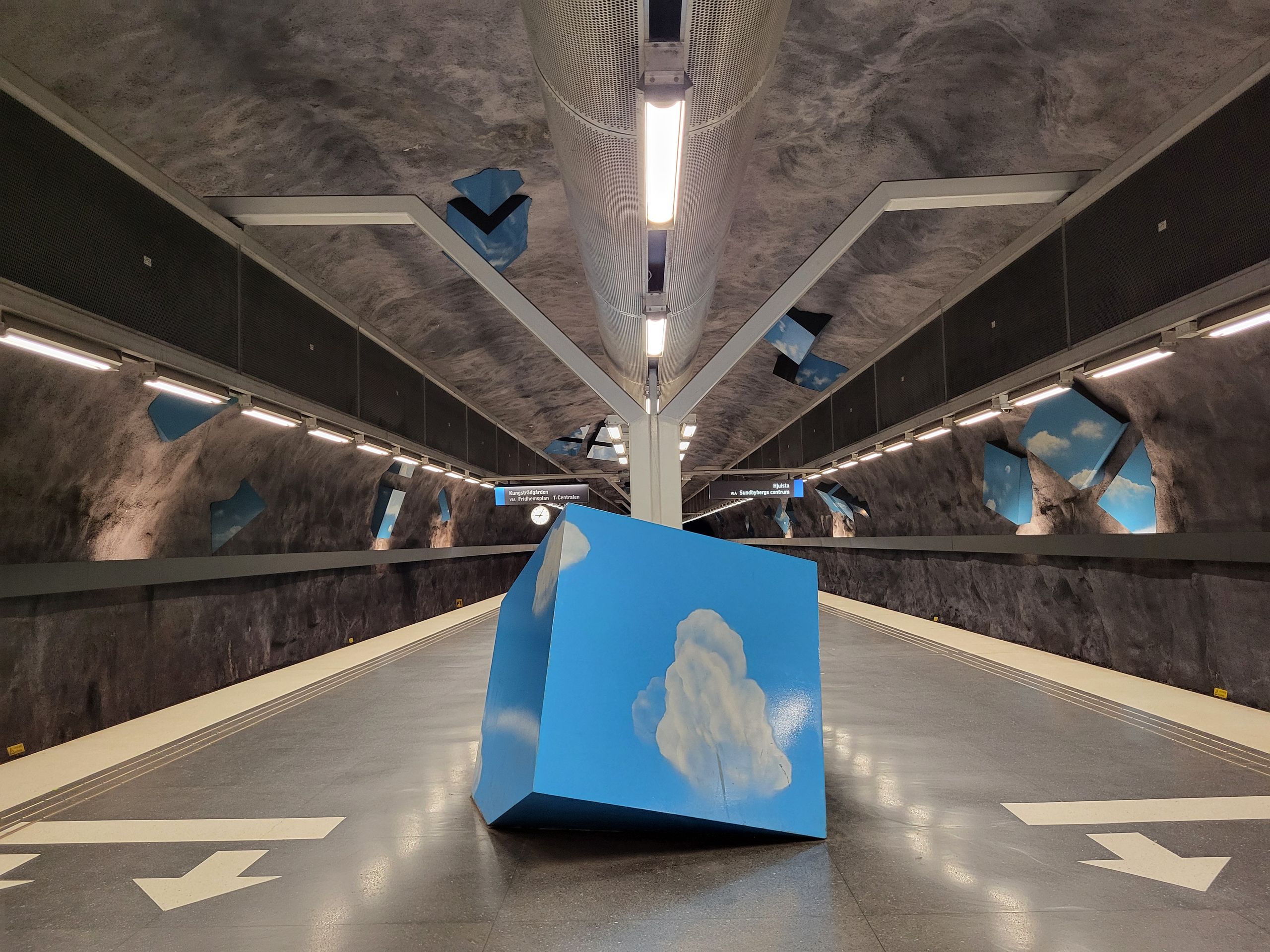
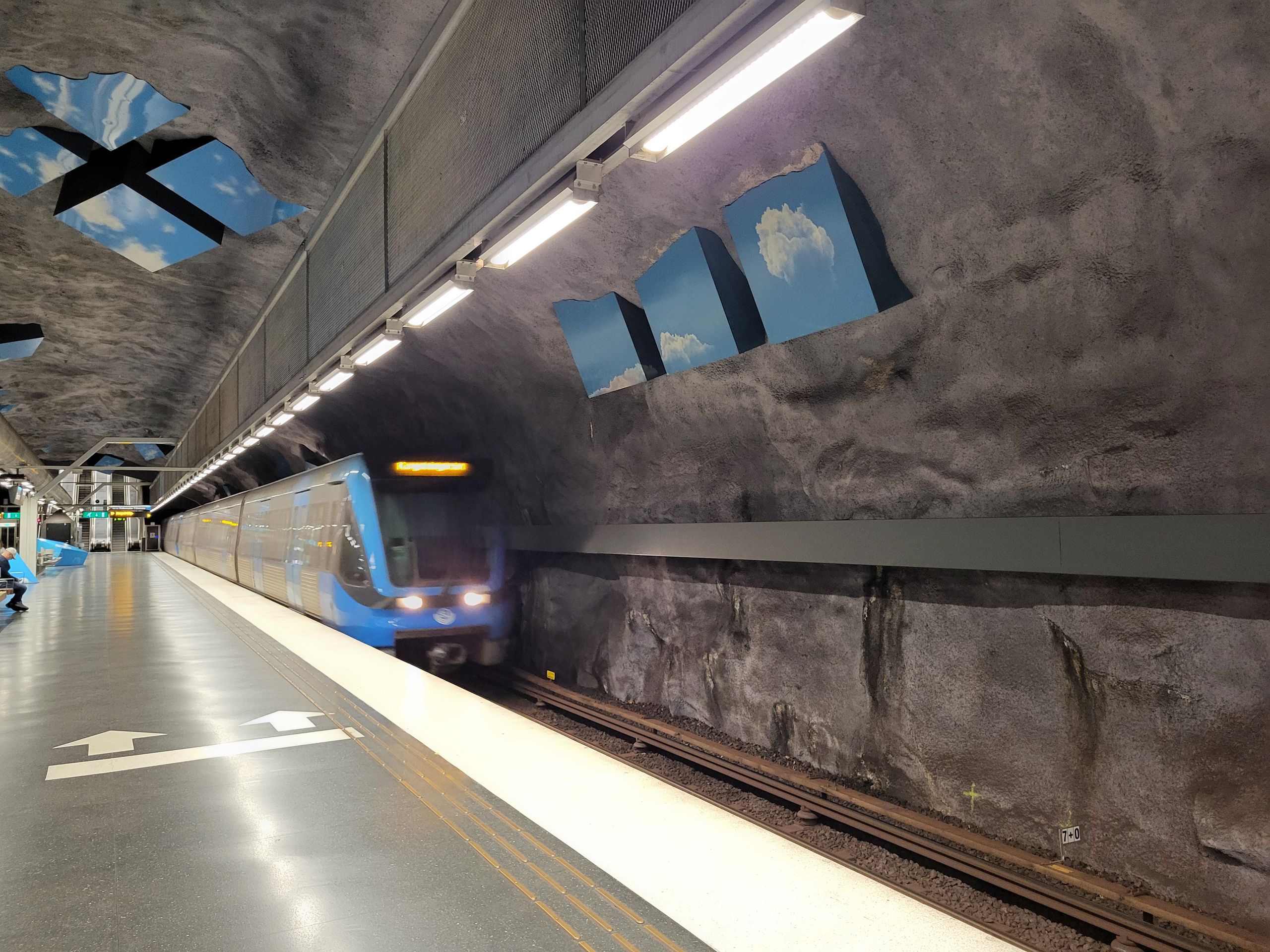
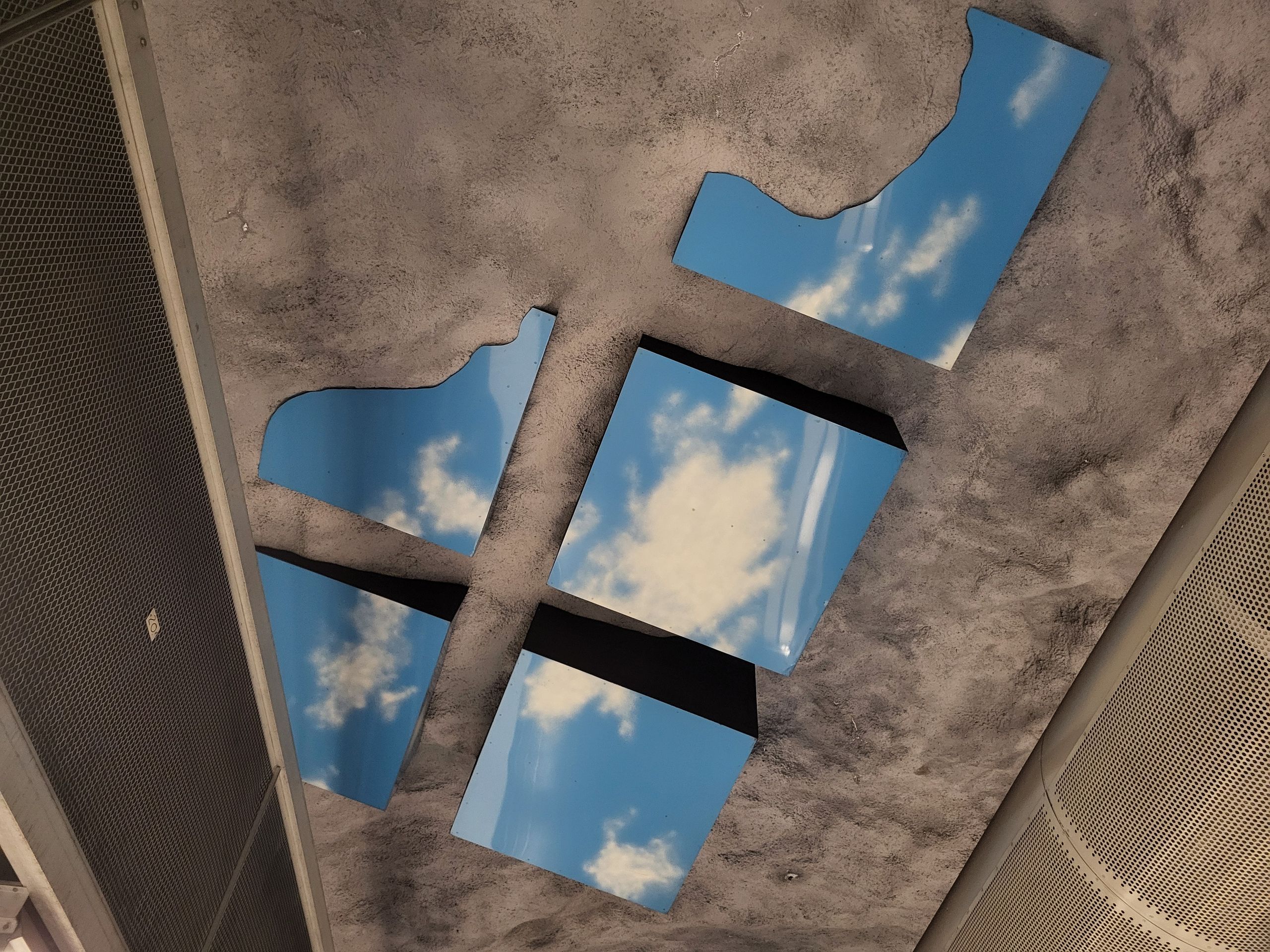
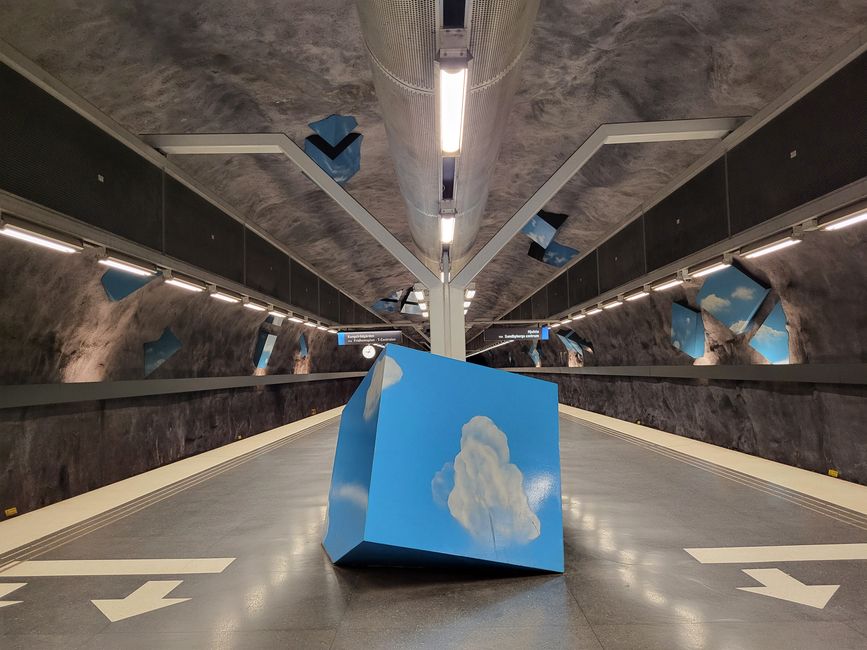
Finally, we visited the station Solna Strand, designed by Japanese artist Takashi Naraha.
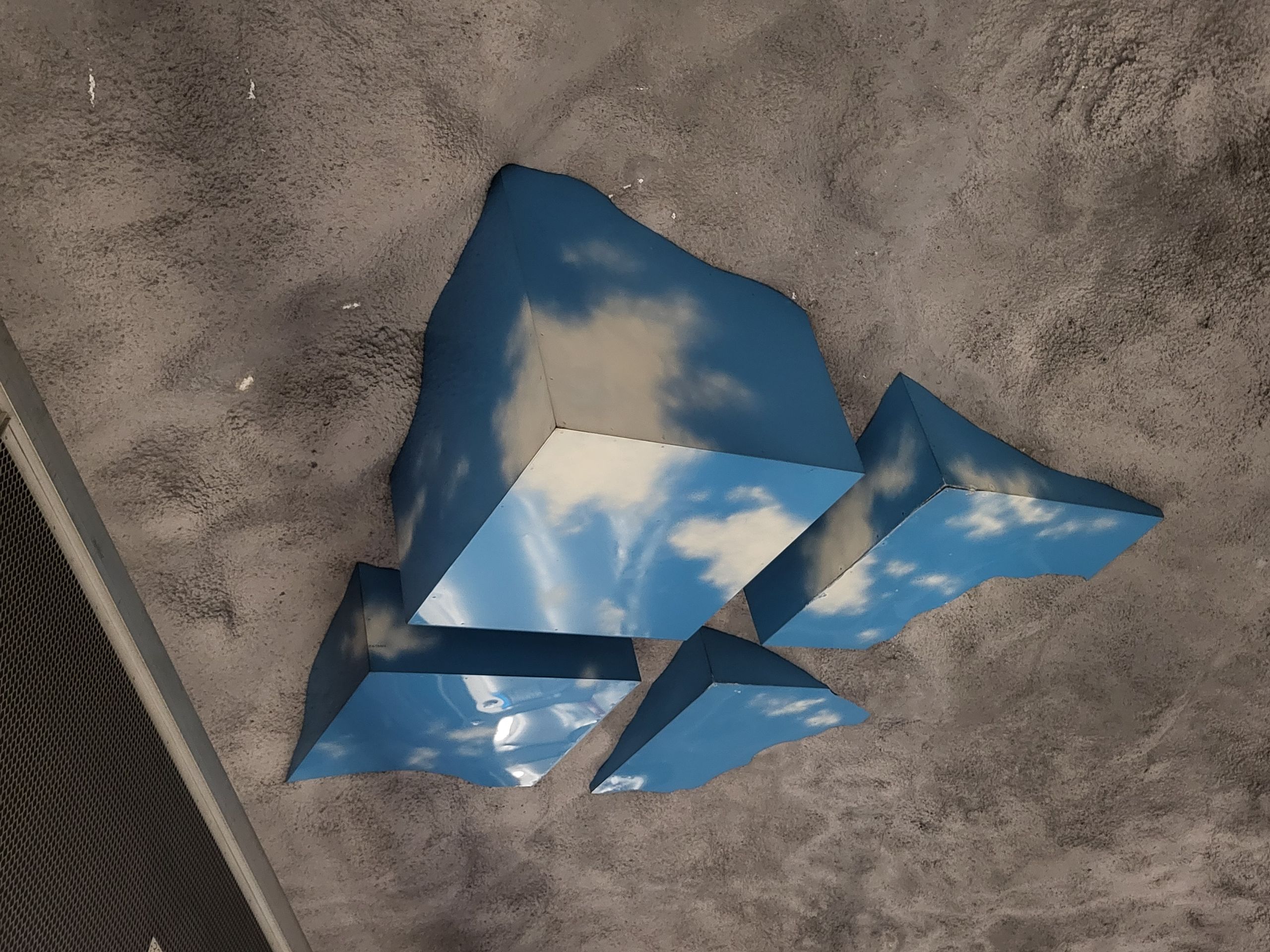
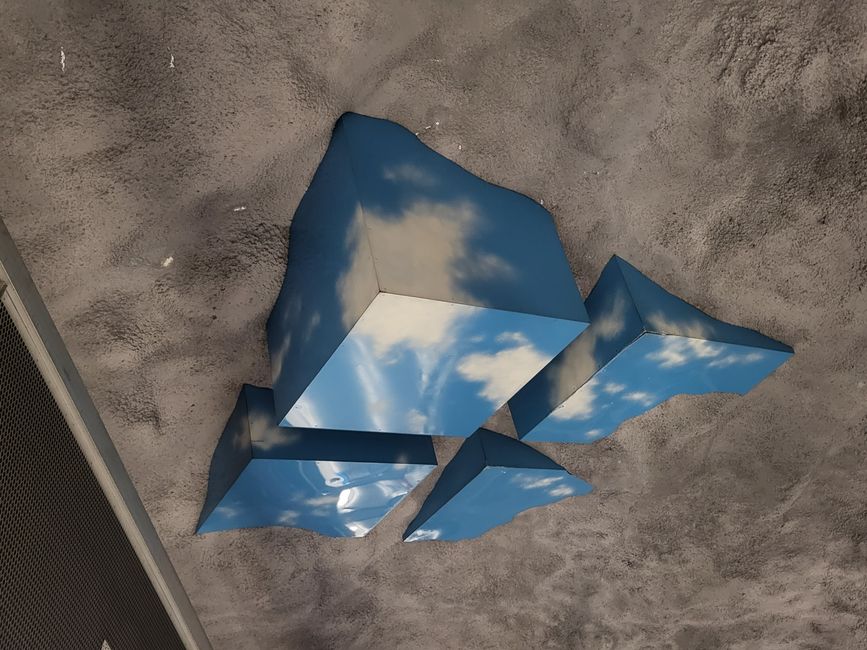
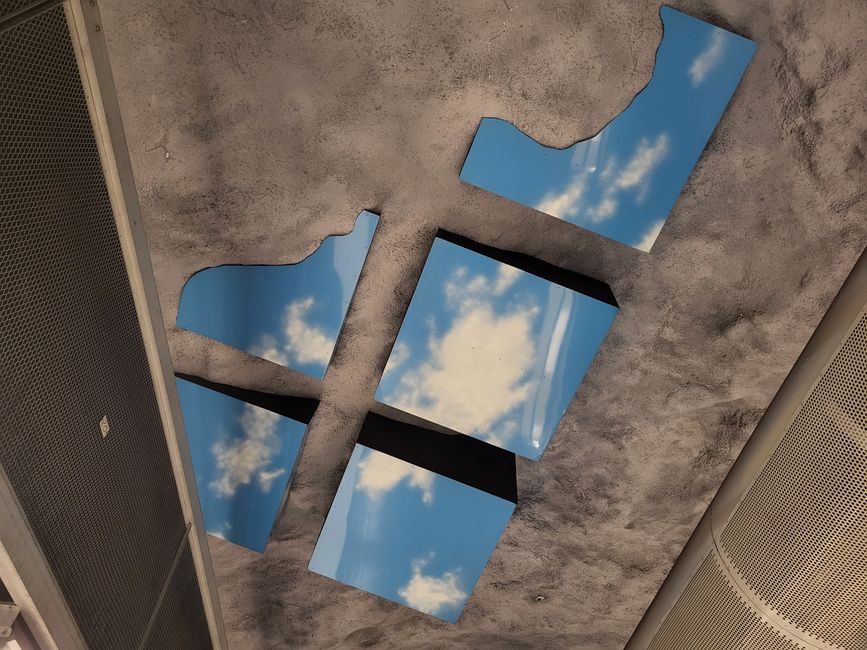
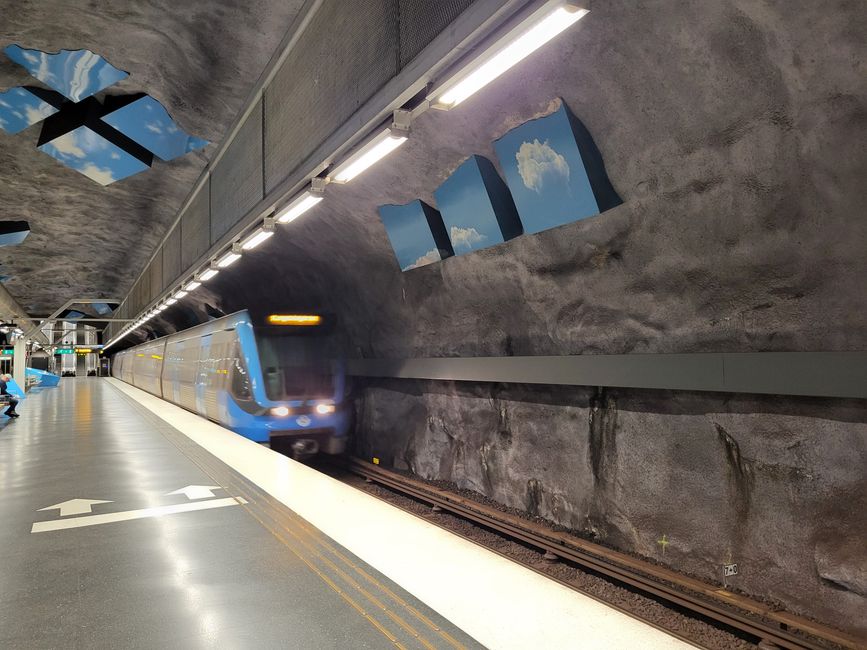
Solna Strand Sky-blue cubes protrude from the gray background, often only partially visible.
Solna Strand The cubes are supposed to be like mirrors reflecting the blue sky above the earth.
Solna Strand As a contrast to the darkness of the cave, there is a black cube at the entrance of the station. Since we had already spent some time exploring these stations - even though we always took the next train - it was already time to head back to the campsite.
Solna Strand This concluded our stay in the Swedish capital, and the next day we would head back to nature.
At a glance
Automatically extracted from the post
Length of time
1 Day
Weather
Summer
Accompaniment
For two (2)
Mood
Cultural
Highlights
Ocean Bus Stadtrundfahrt mit Splash ins Wasser
Vasamuseum mit der Vasa
Rundgang durch Södermalm
Kunst in der Stockholmer U-Bahn
Topics
CityCultureStoryArchitectureTransit
peters-on-tourLike a newsletter: every new post arrives via email.