
Day 3 in South Korea - Busan
Dear Kimchi Fans, Today was finally the day: our long-awaited trip to Busan! By now, we have truly arrived in Korea, so the excitement this time was surprisingly low. We got up...

Published: 19.06.2025
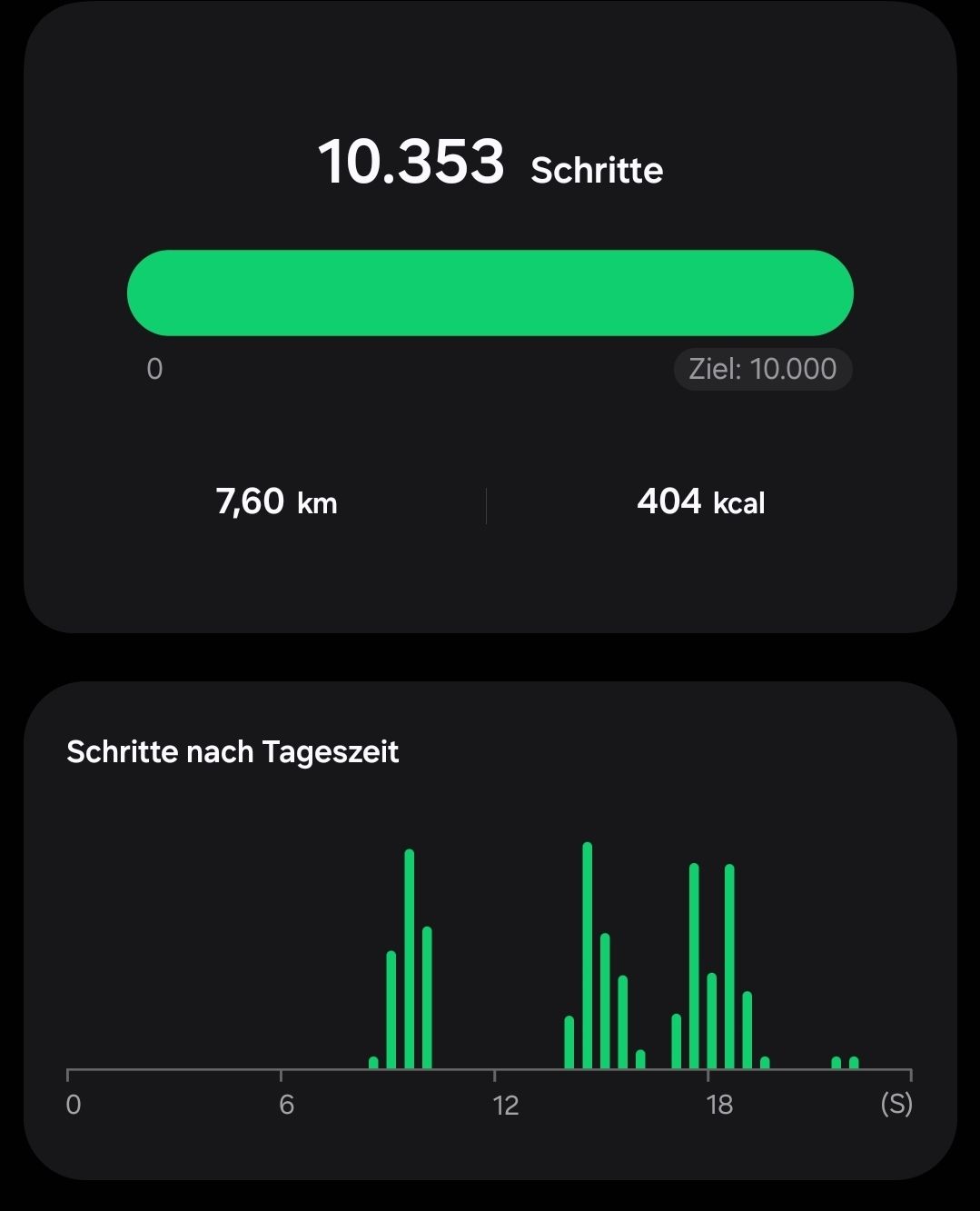
Dear travel fans,
Our second day in Busan started quite early – unfortunately, the room cannot be darkened and is also quite noisy. Spoiler alert: Tomorrow, we are heading back to Seoul because we simply liked it better there and want to enjoy our last vacation days as relaxed as possible.
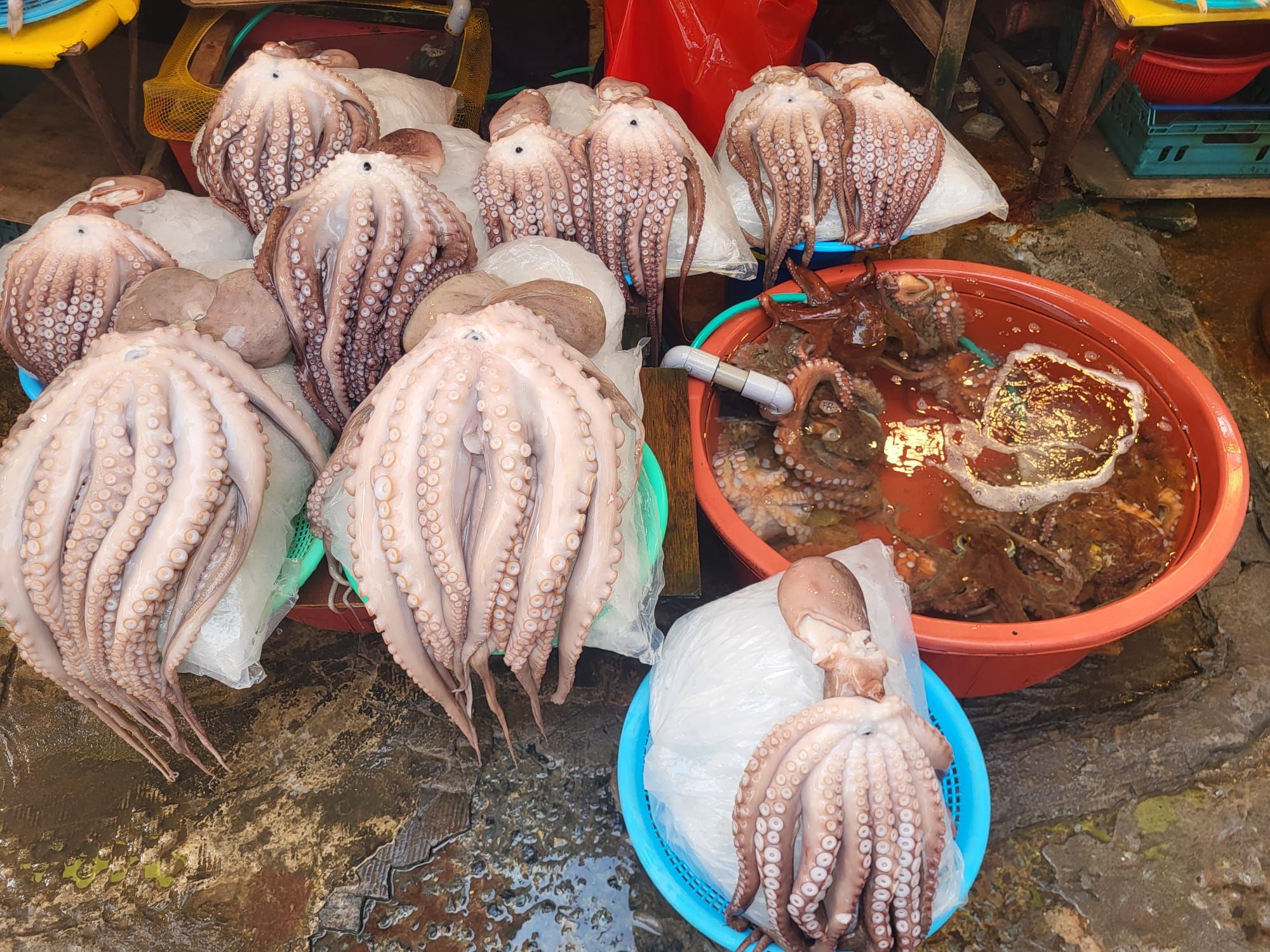
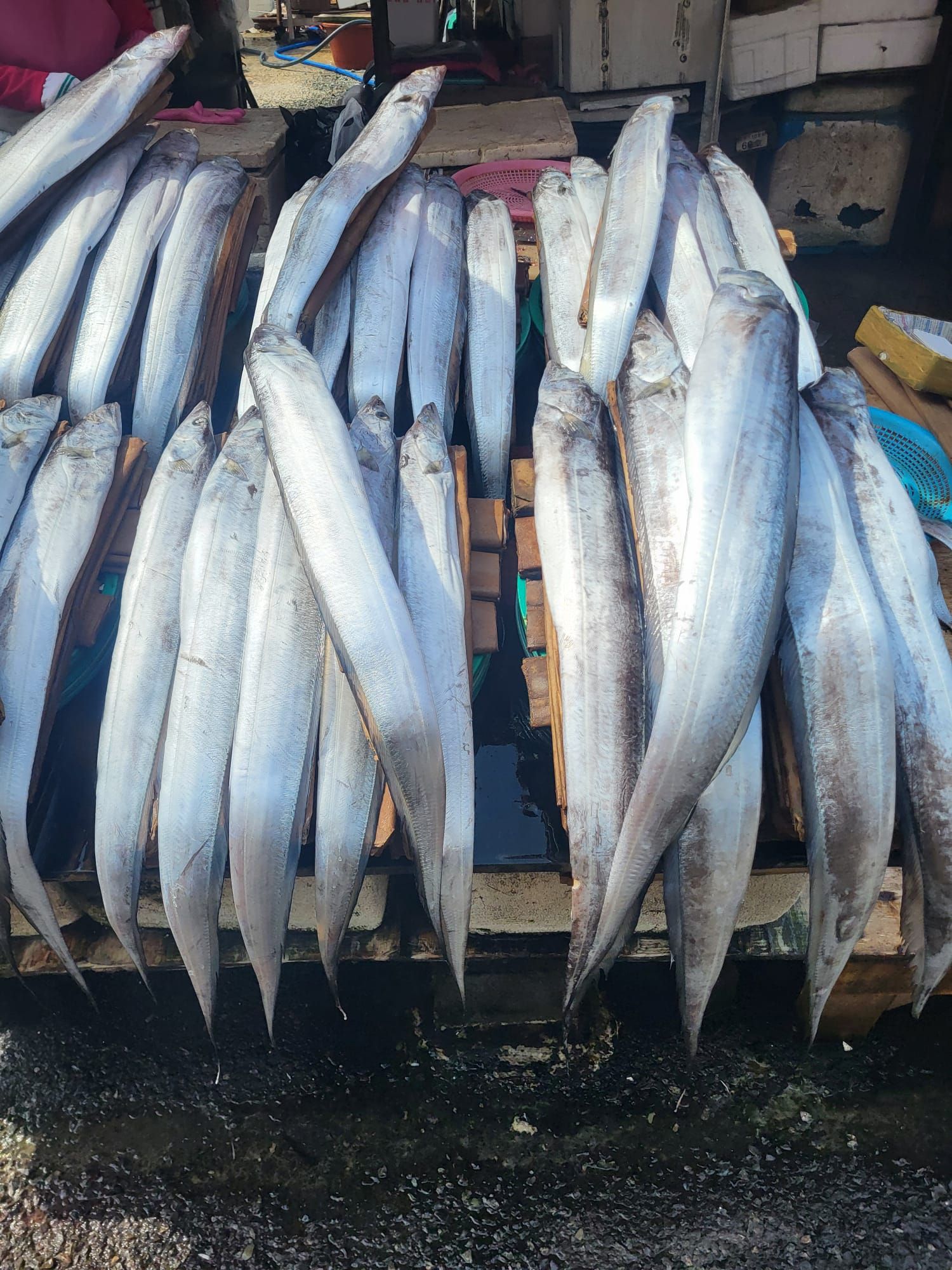
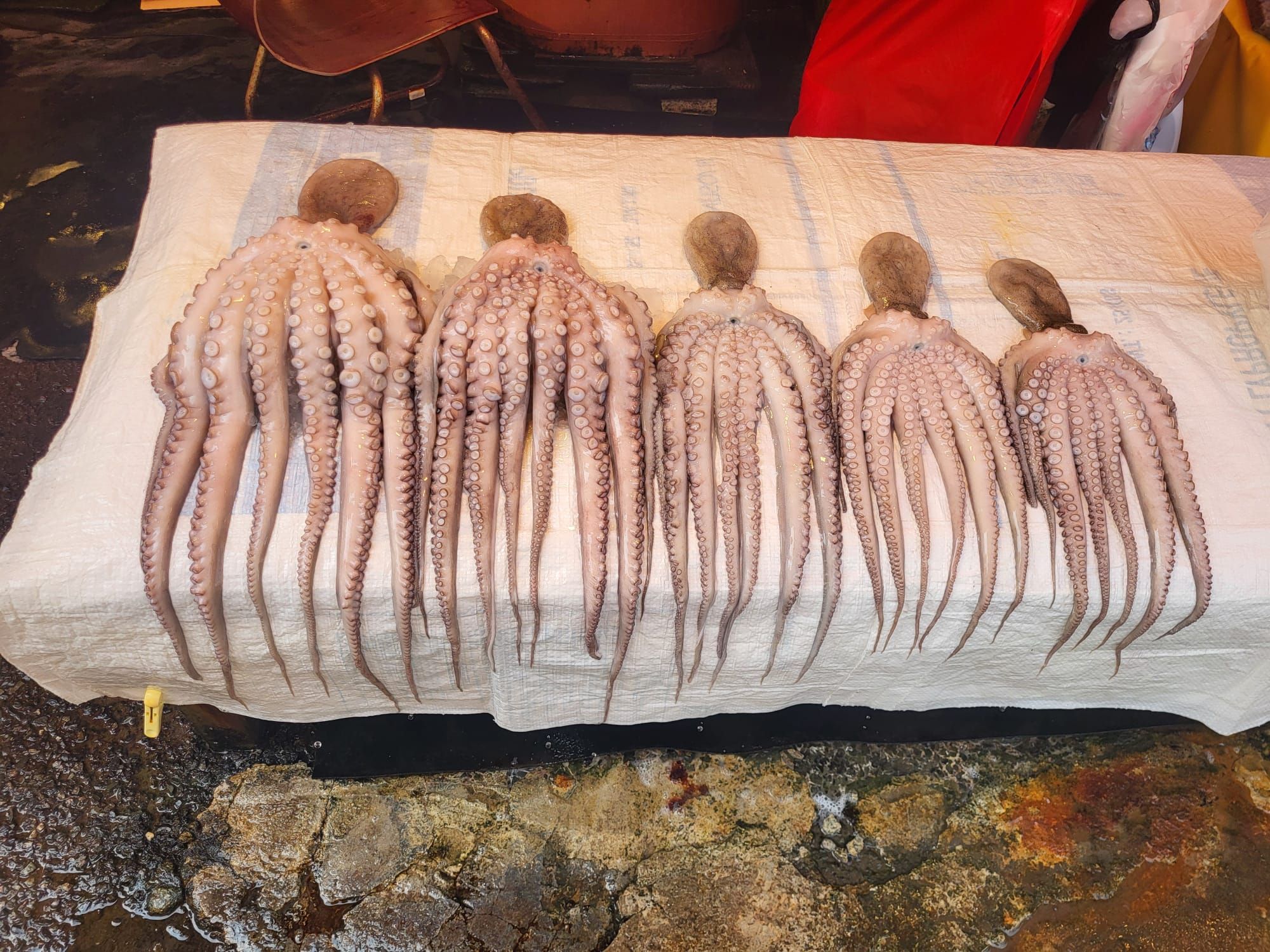
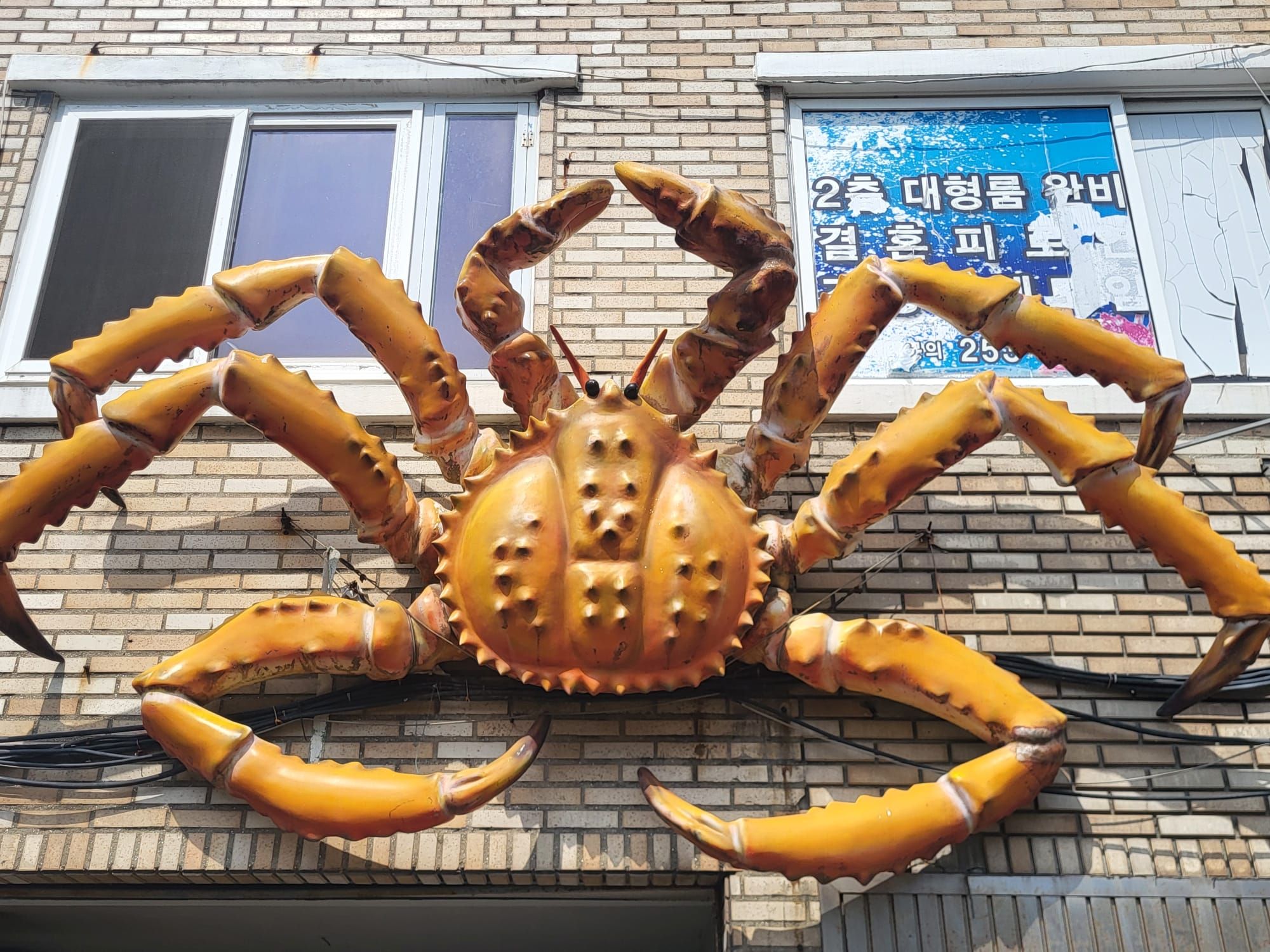
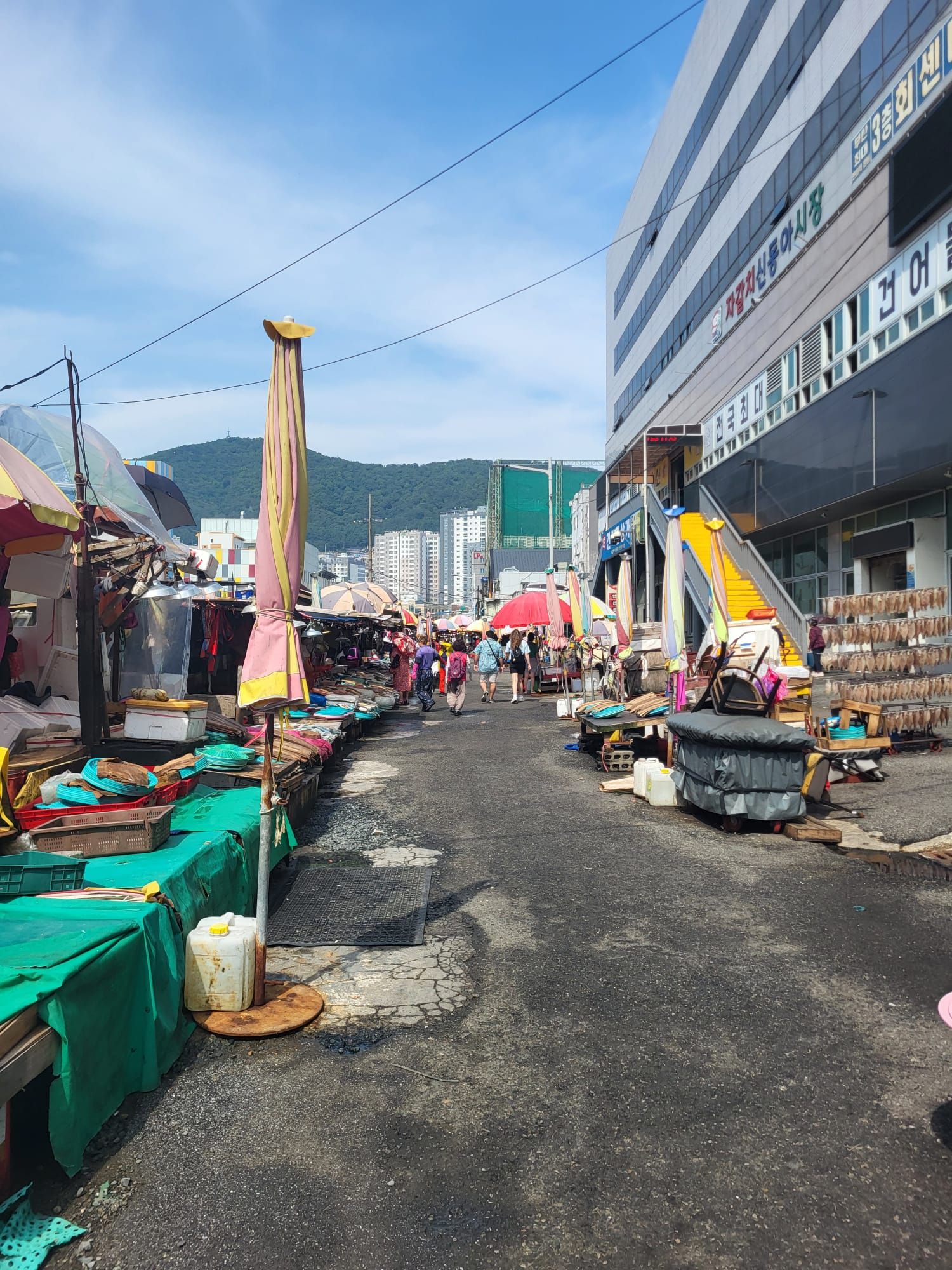
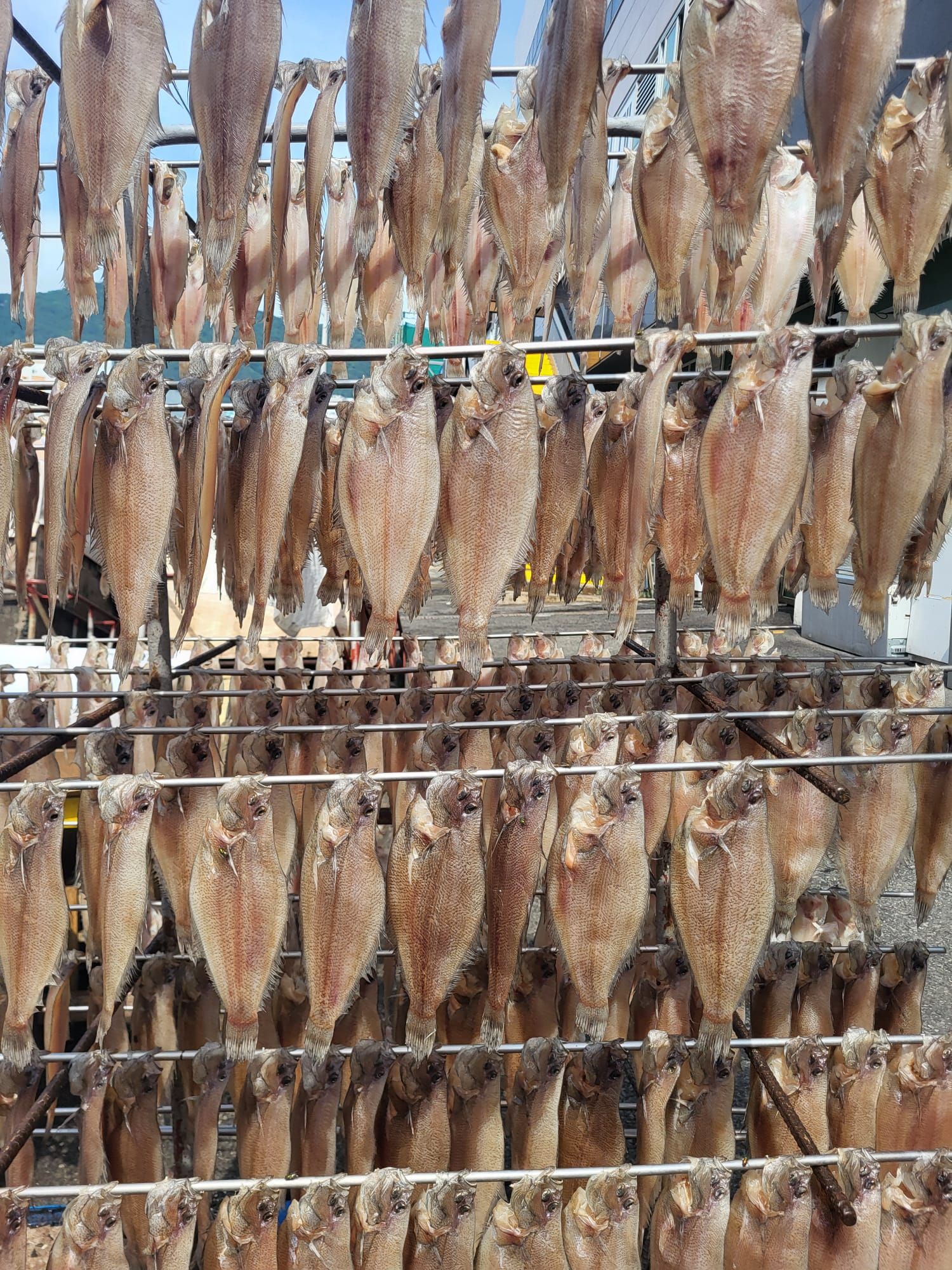
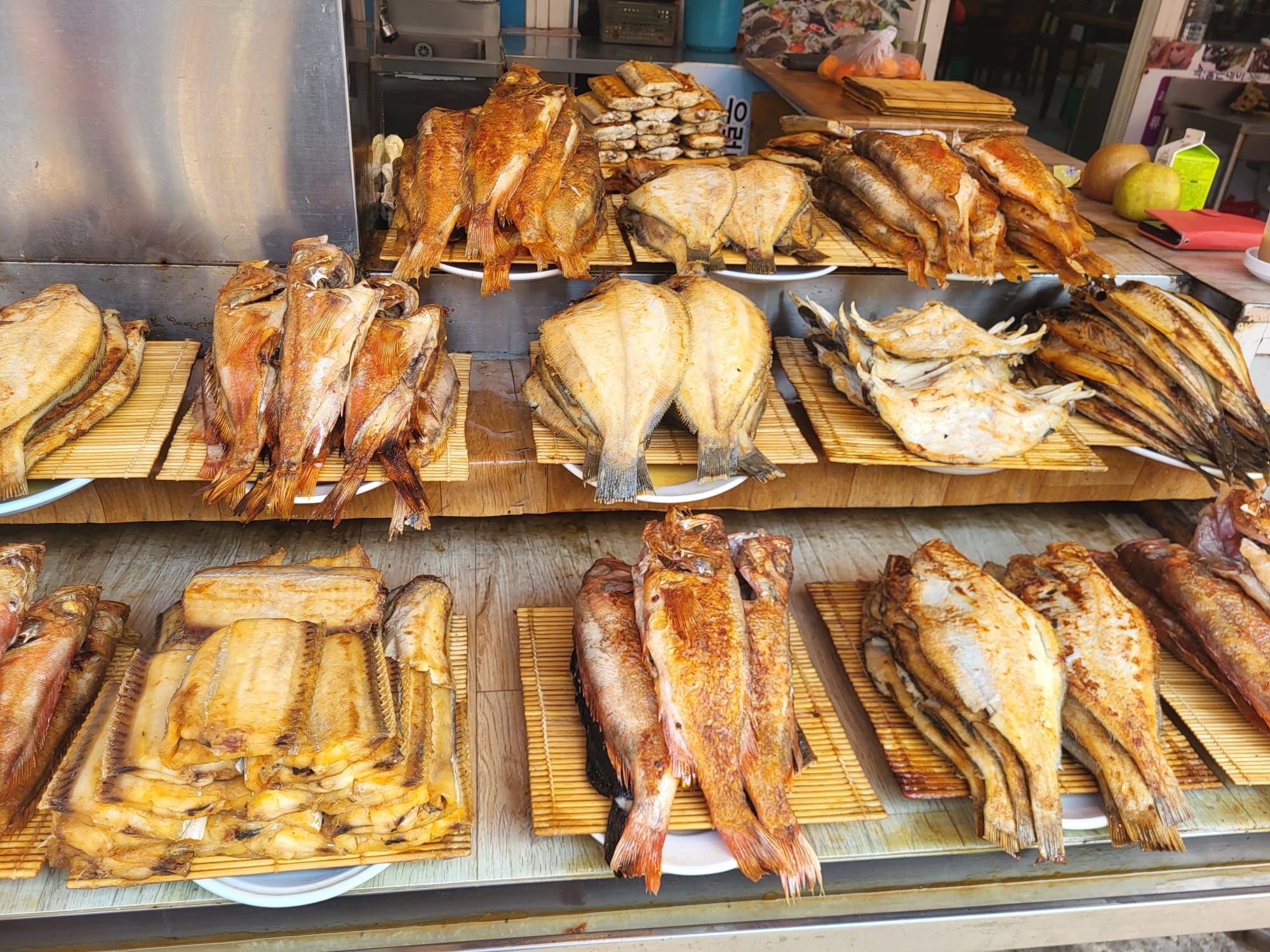
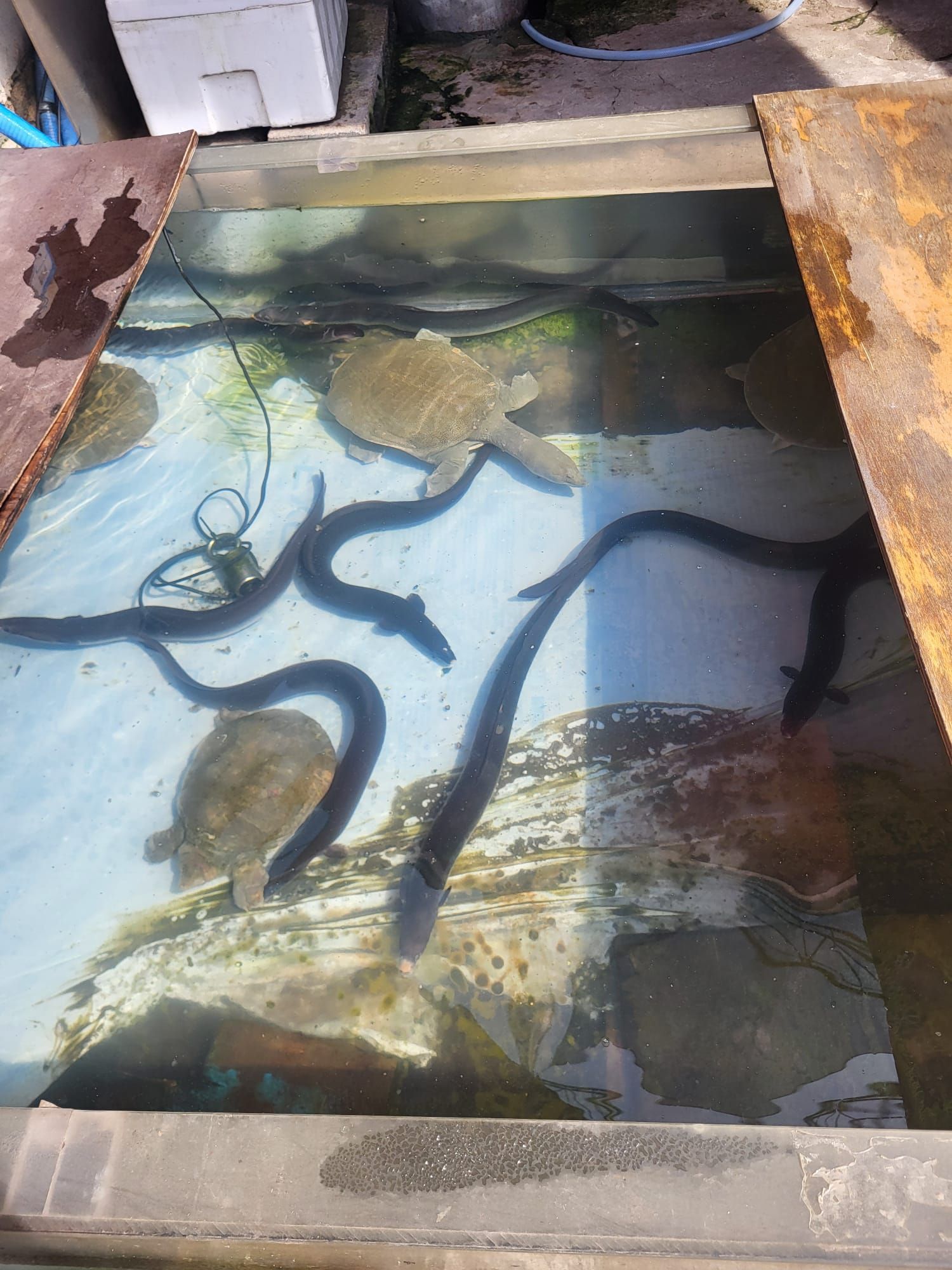
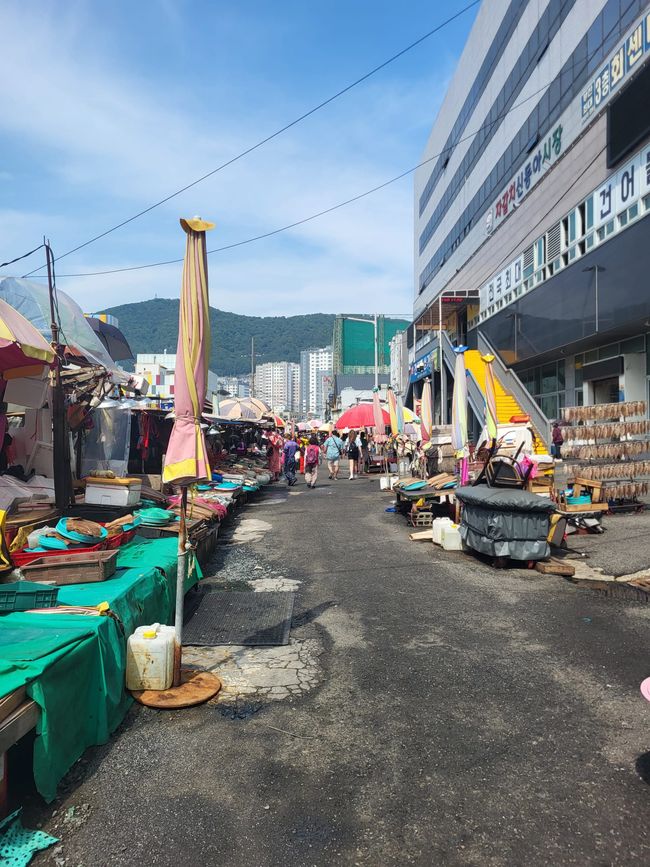
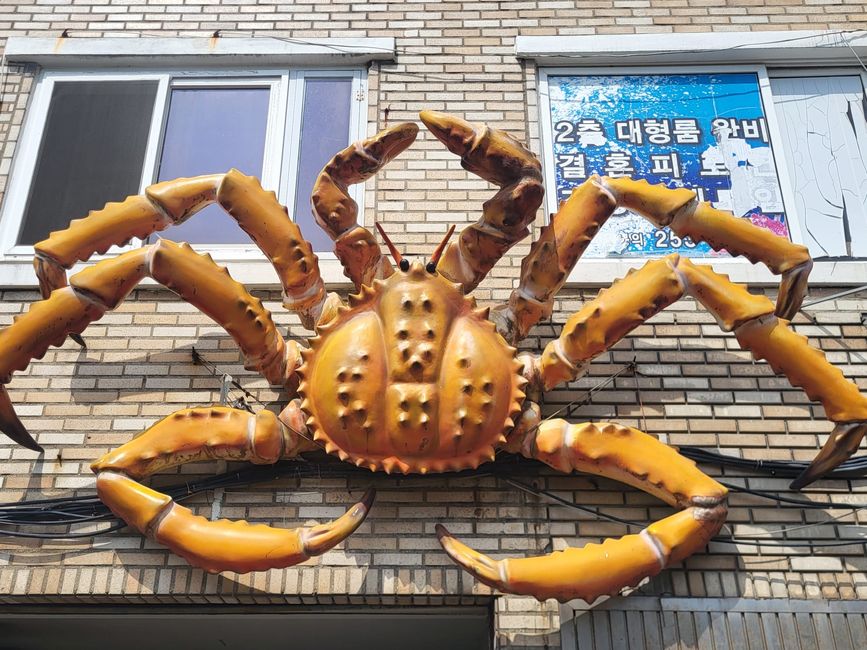
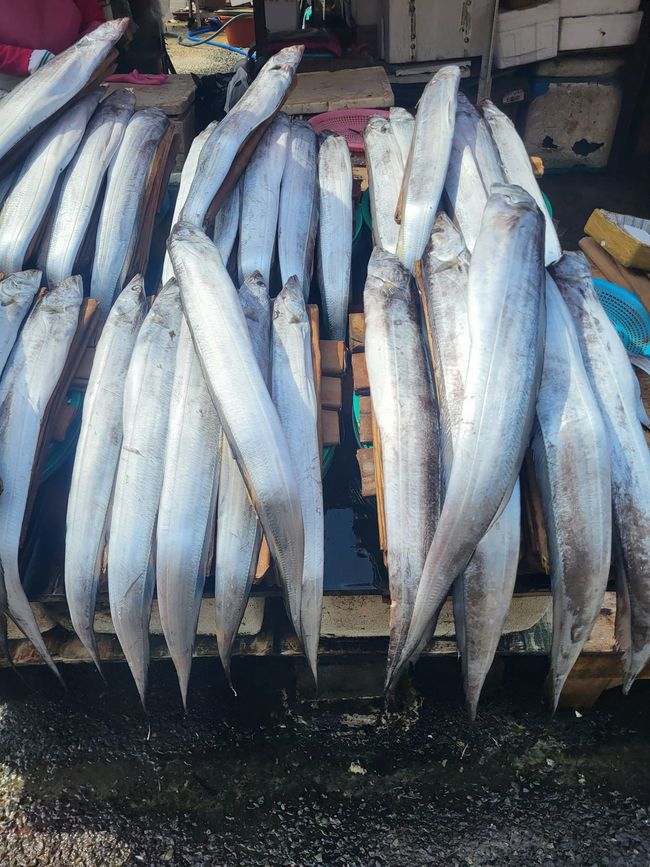
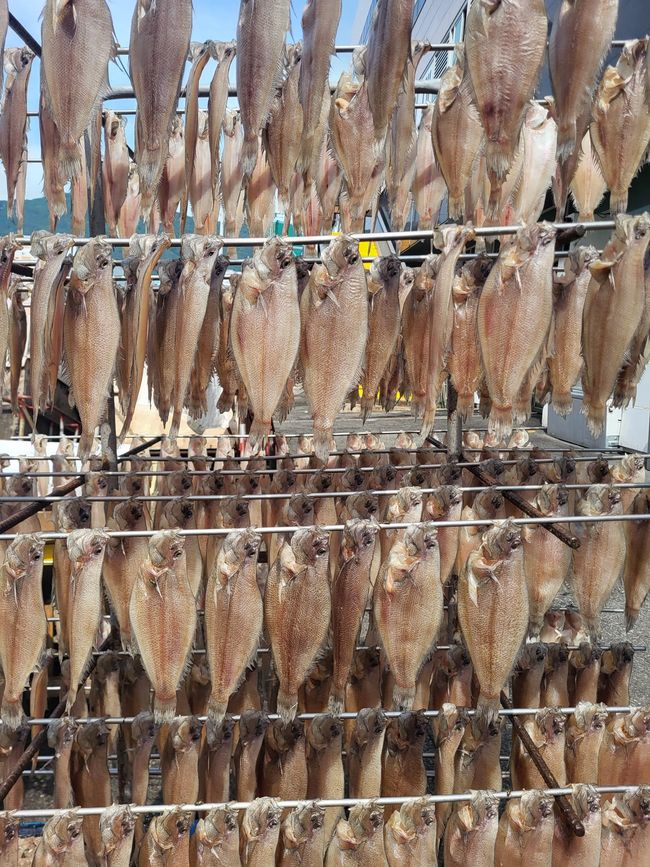
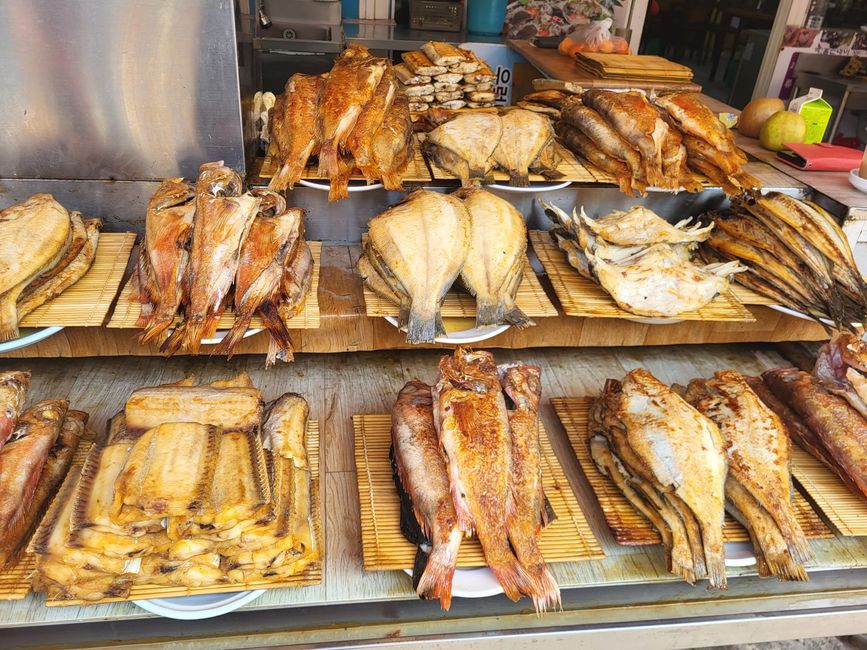
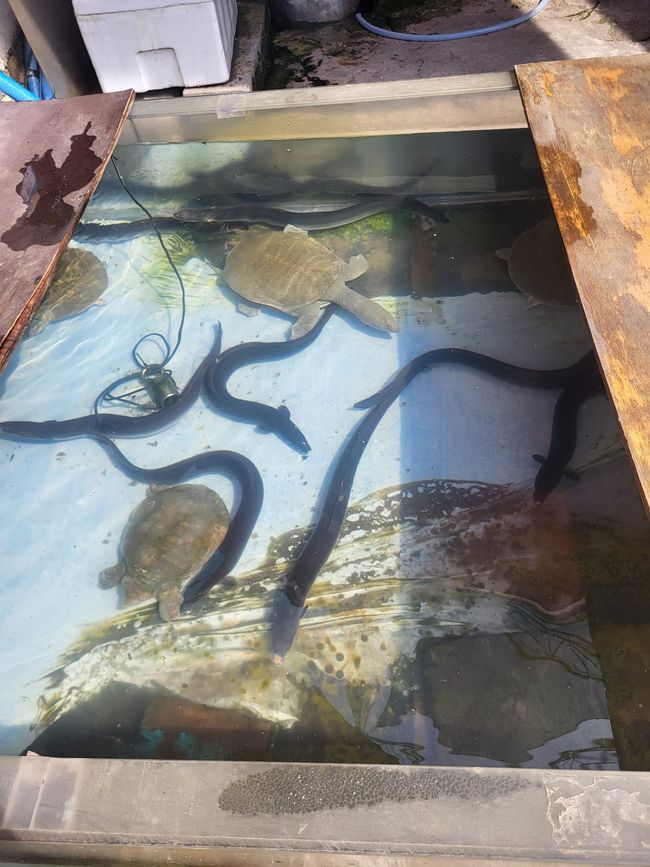
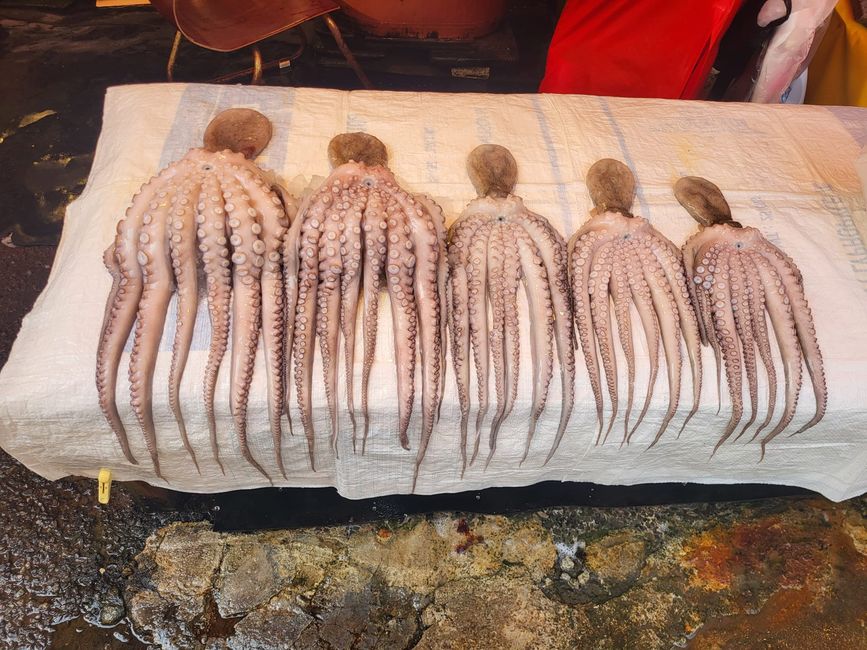
But of course, we didn’t want to just write off Busan – so we took advantage of the early morning to see as much of the city as possible. First stop: Jagalchi Market, the largest and probably most famous fish market in South Korea. Here you can really find everything that the sea offers – whether raw, grilled, fermented, dried, or even still alive. There are numerous restaurants where you can have the freshly bought fish prepared immediately. But to be honest – this early in the morning, we weren’t in the mood for grilled octopus or raw sea urchin 😄
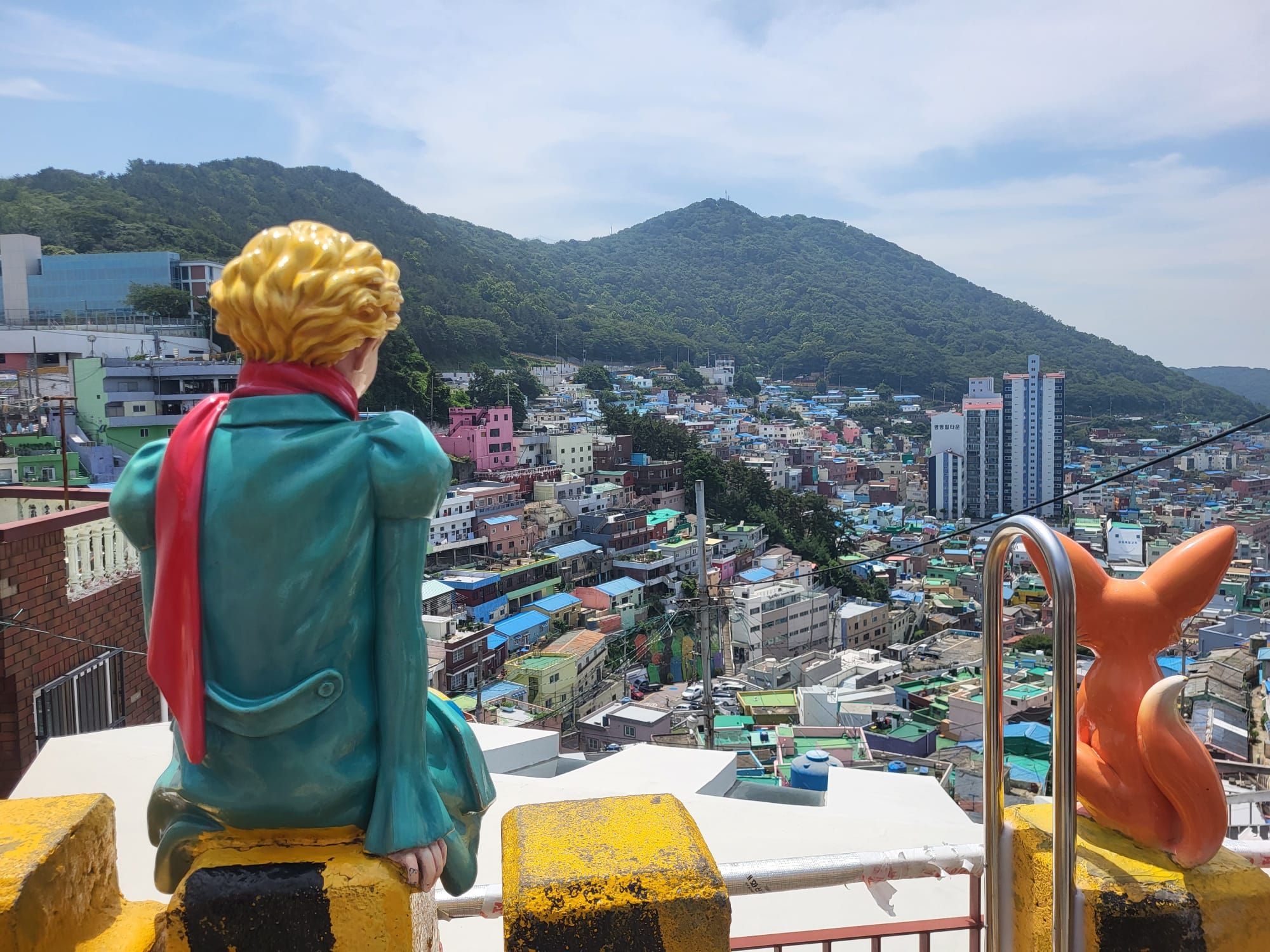
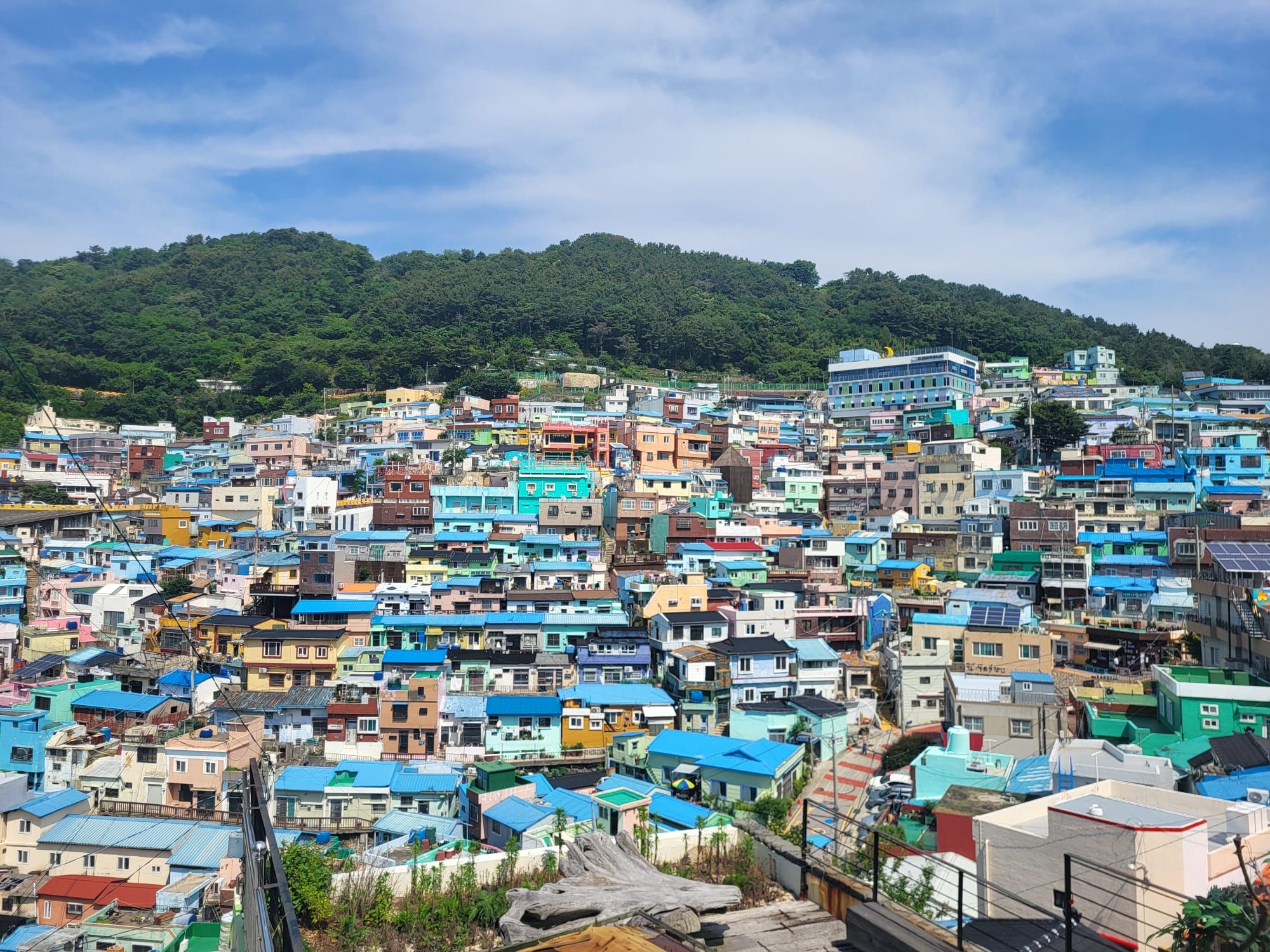
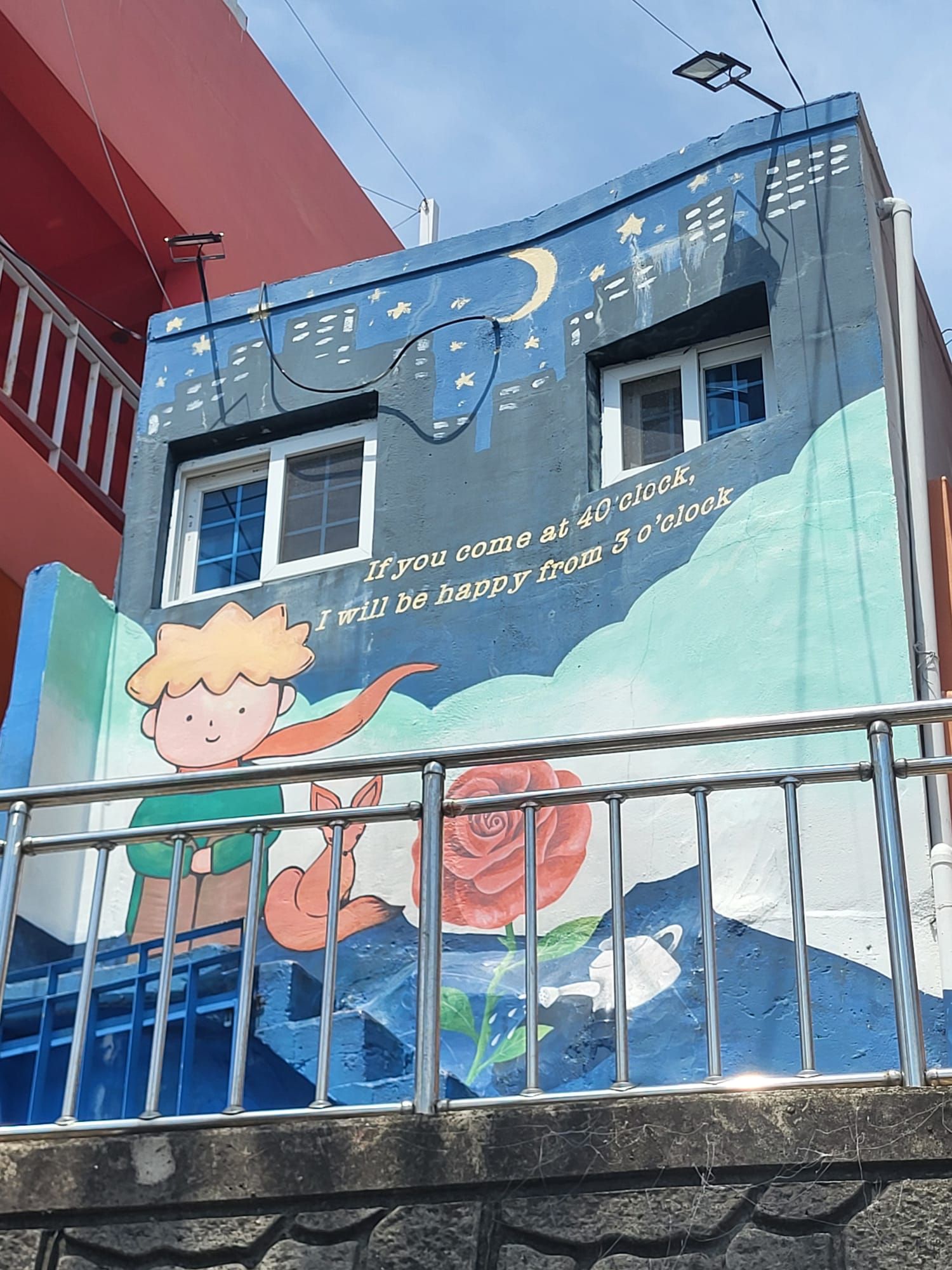
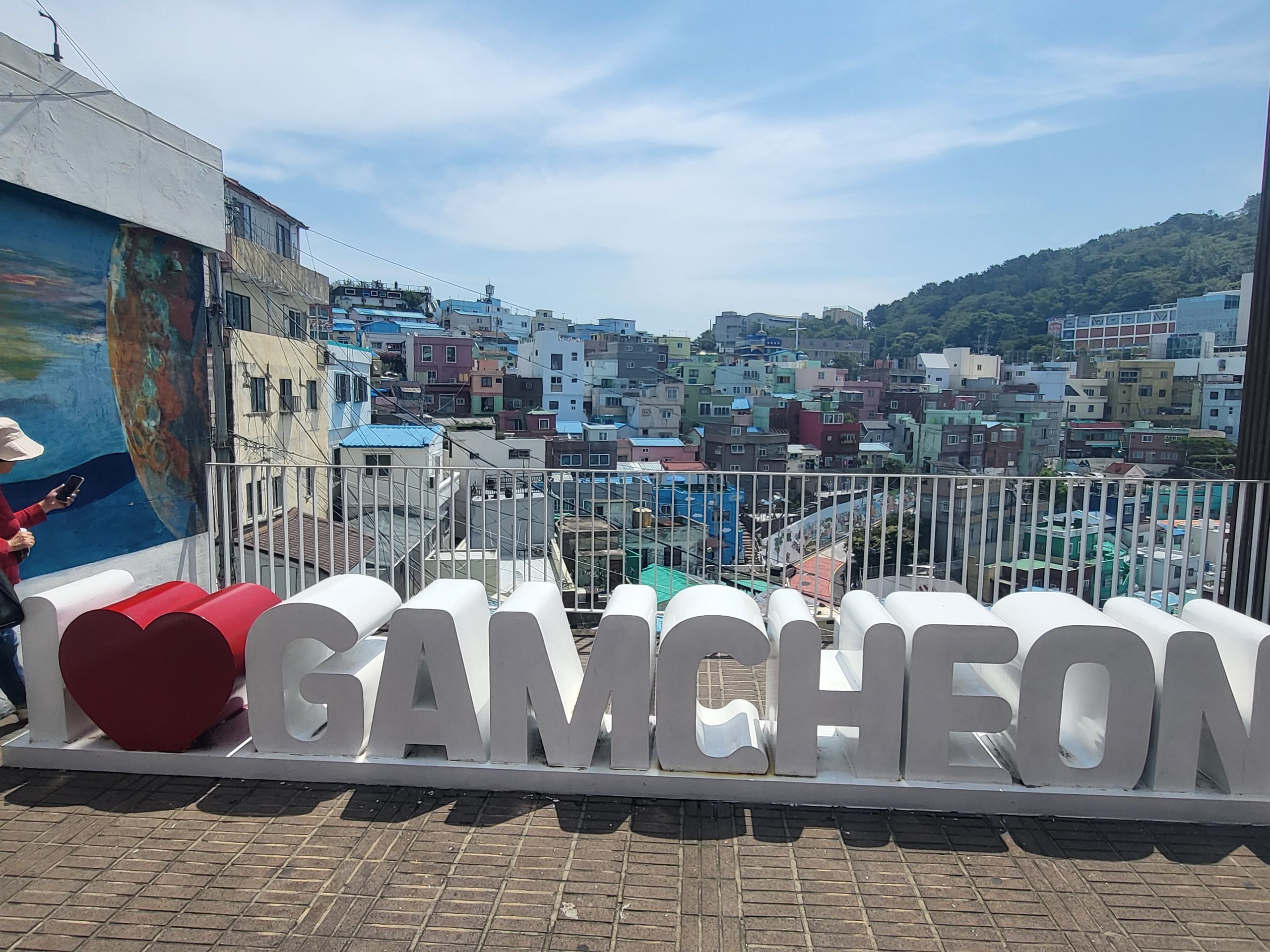
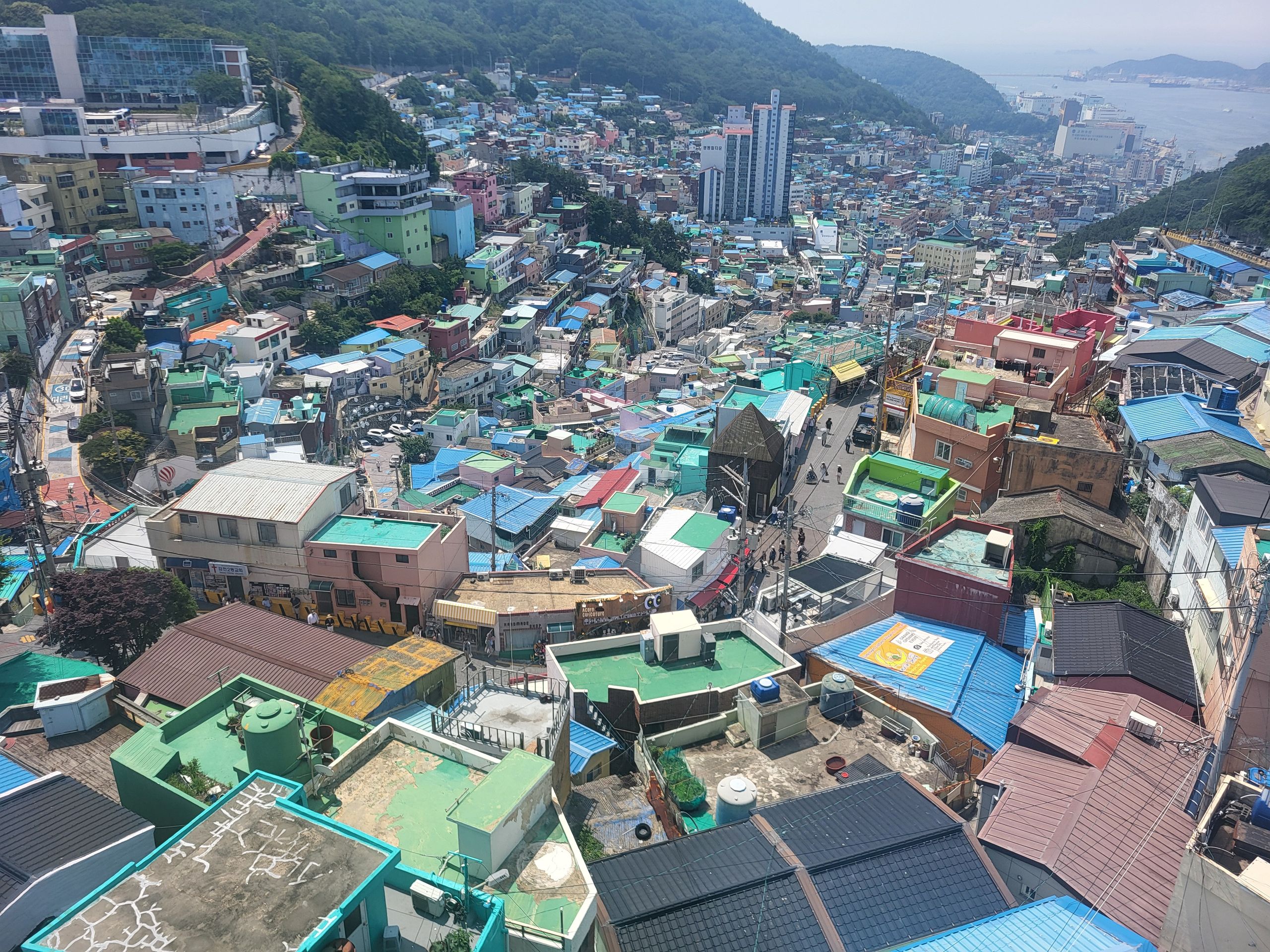
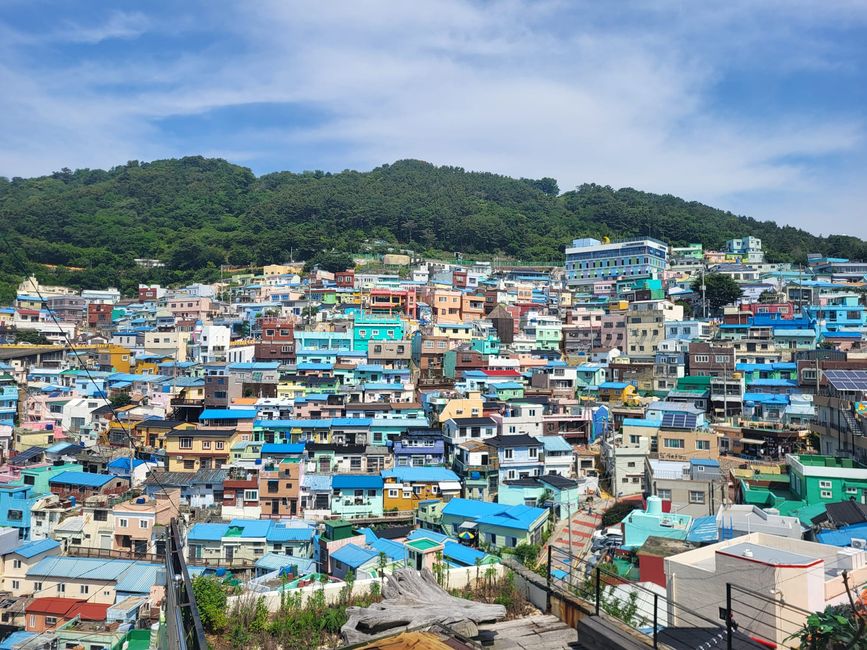
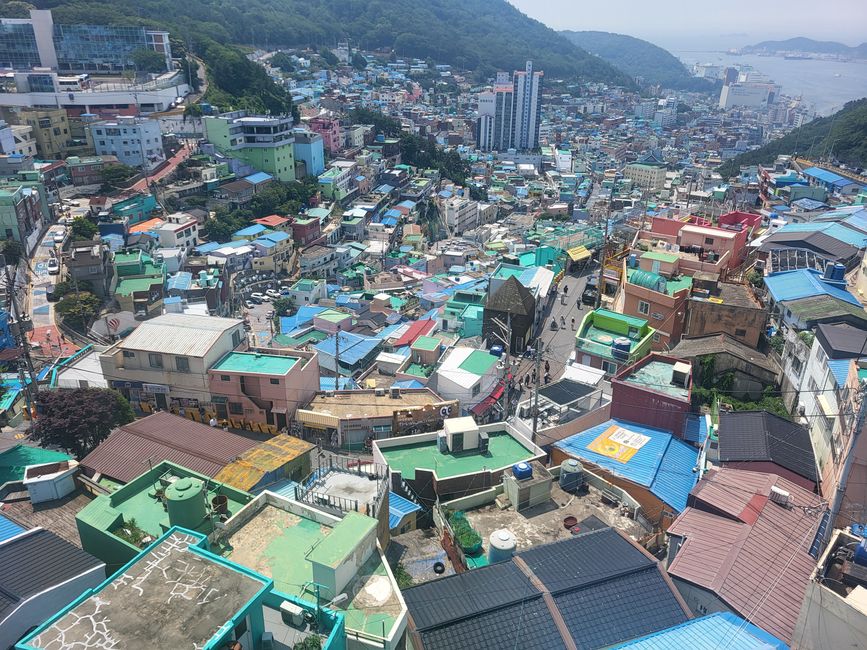
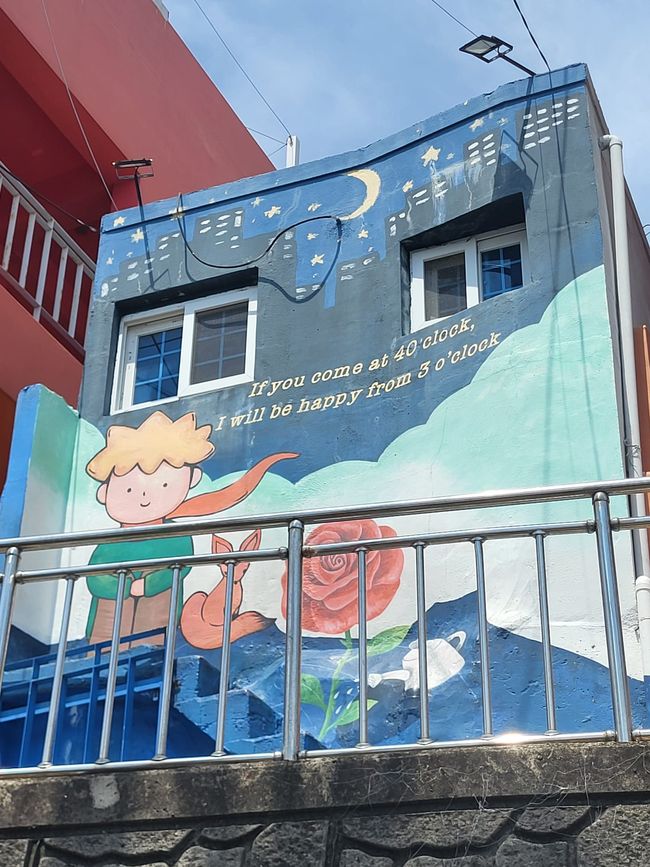
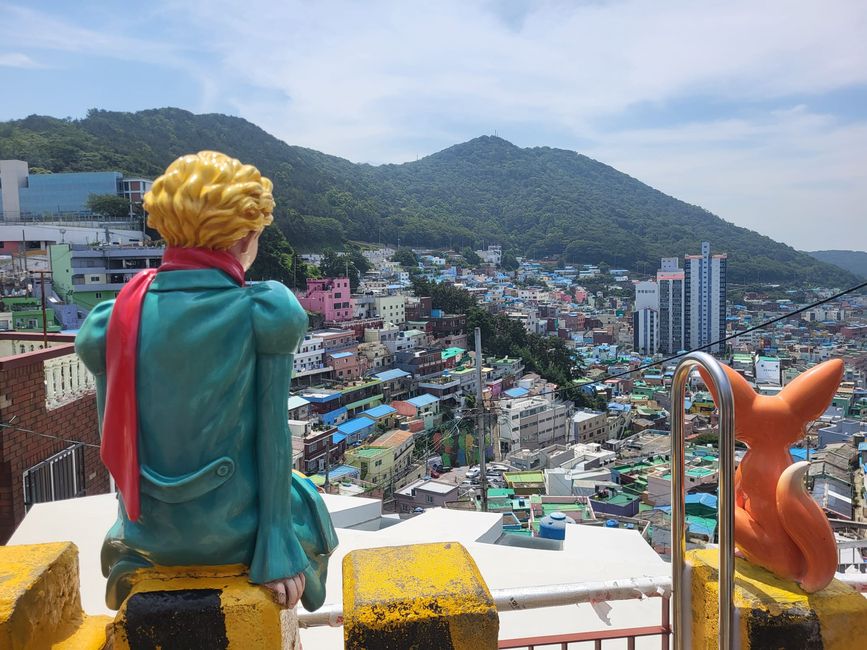
After our little adventure at the market, we continued to the Gamcheon Culture Village, the so-called cultural village of Busan. The neighborhood is located on a hill – fortunately, there is a bus that goes there, which made Ramona quite relieved 😄 Once we arrived at the top, we were immediately rewarded with a fantastic view of the colorful neighborhood. Originally, the Gamcheon area was built as a residential area for workers in the 1920s – tourism was not a topic here for a long time. However, in 2009, the South Korean Ministry of Culture, Sports, and Tourism decided to transform the neighborhood into an art and culture district as part of an urban renewal project. Artists and residents participated – they painted house walls, designed alleys, erected sculptures, and created creative installations. The goal: to increase the quality of life for the residents while simultaneously promoting culture and tourism. And the concept worked out perfectly - We (along with what felt like hundreds of other tourists) wandered enthusiastically through the colorful, winding alleys. So many colors, so many photo spots and views – we quickly developed a completely different opinion about Busan!
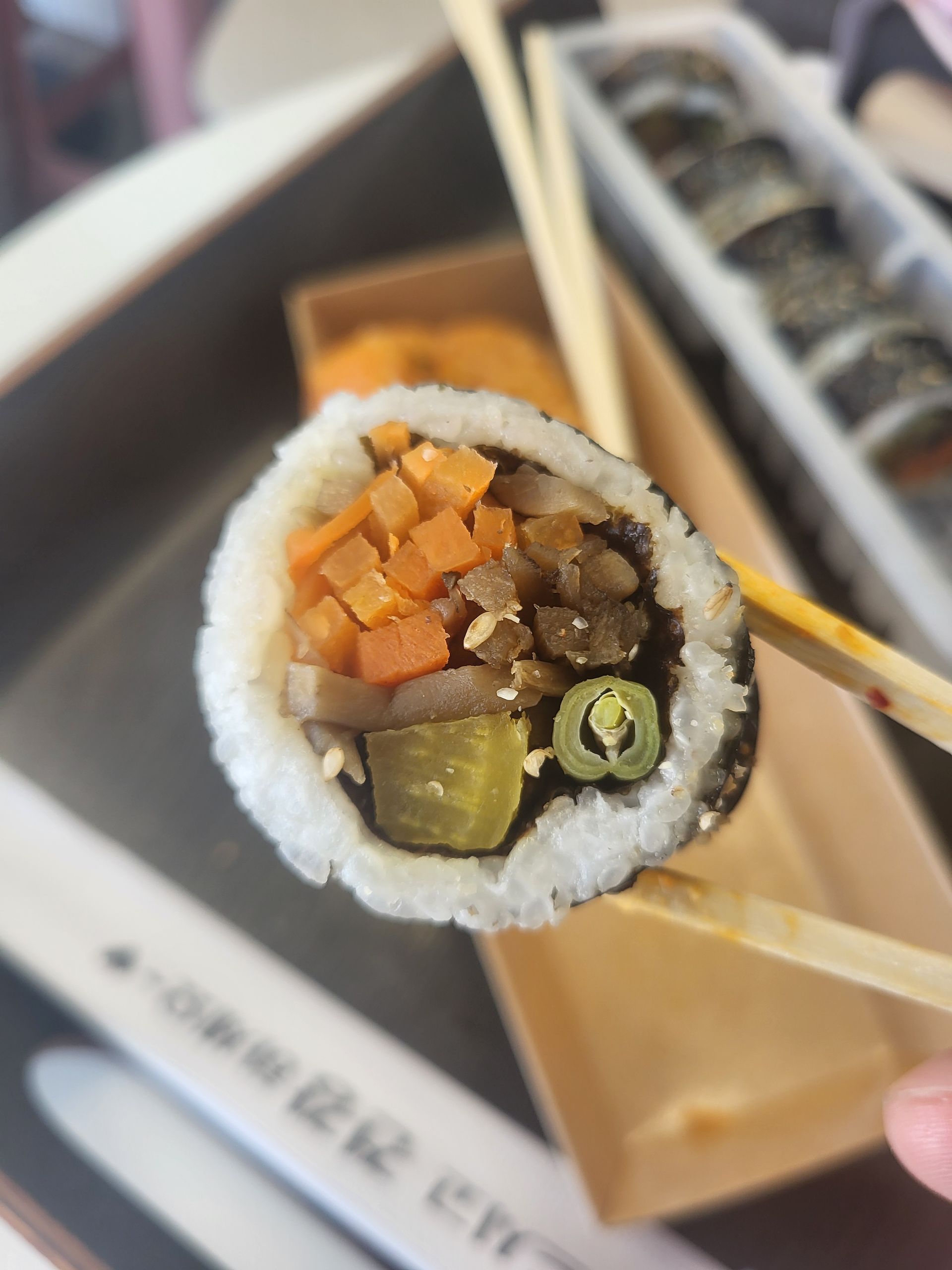
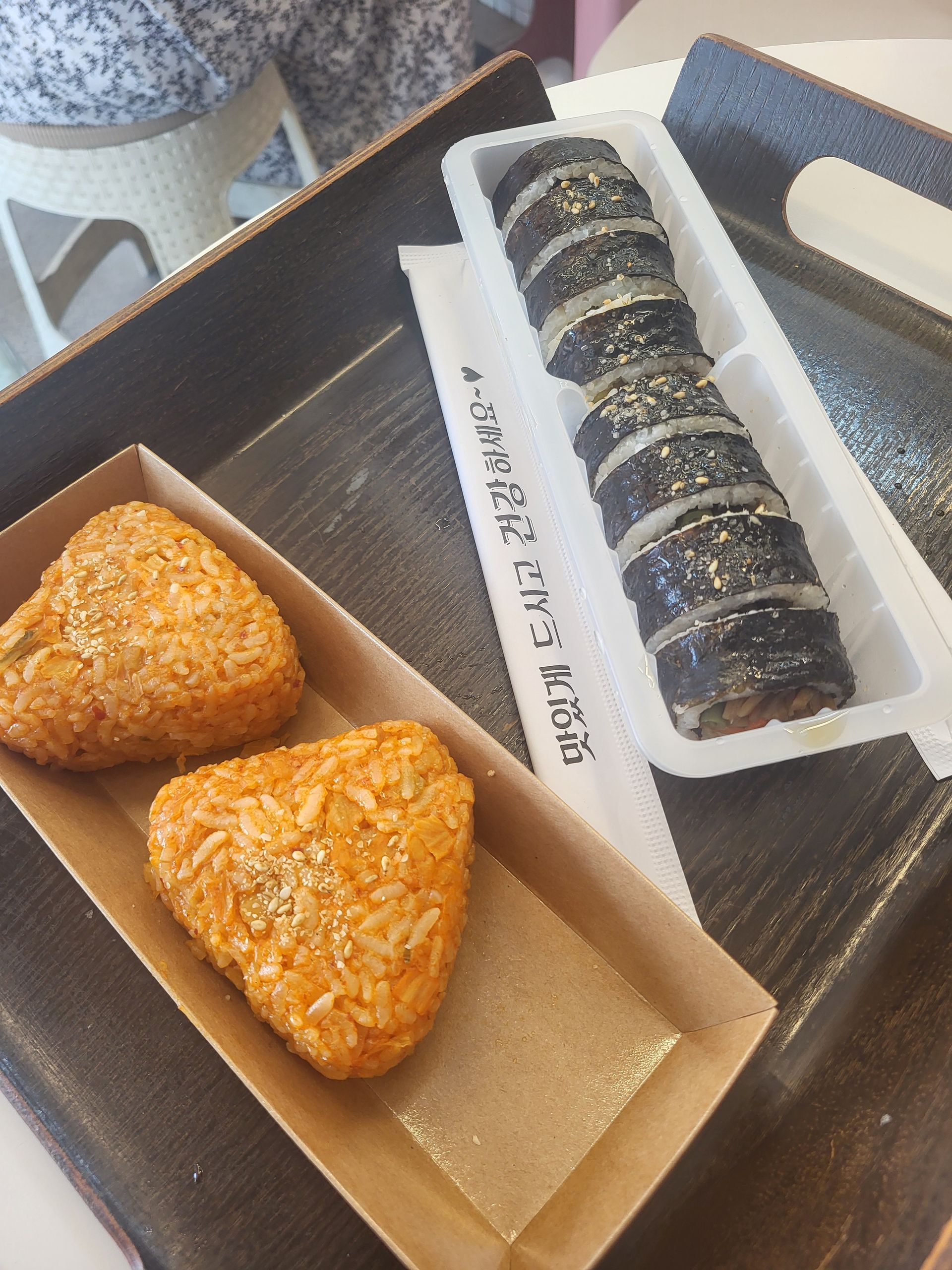
After all the walking around, hunger started to kick in – and as luck would have it, we discovered a charming little restaurant in the neighborhood. There, we seized the opportunity to finally try Gimbap. For those who are not familiar: Gimbap may look like sushi at first glance, but tastes quite different. On the one hand, it is often vegetarian, sometimes with meat, but rarely with raw fish. On the other hand, Gimbap is eaten without soy sauce or wasabi, as the ingredients are usually already well-seasoned and the rice is often enhanced with sesame oil. Our conclusion: We'd eat it again! 😊
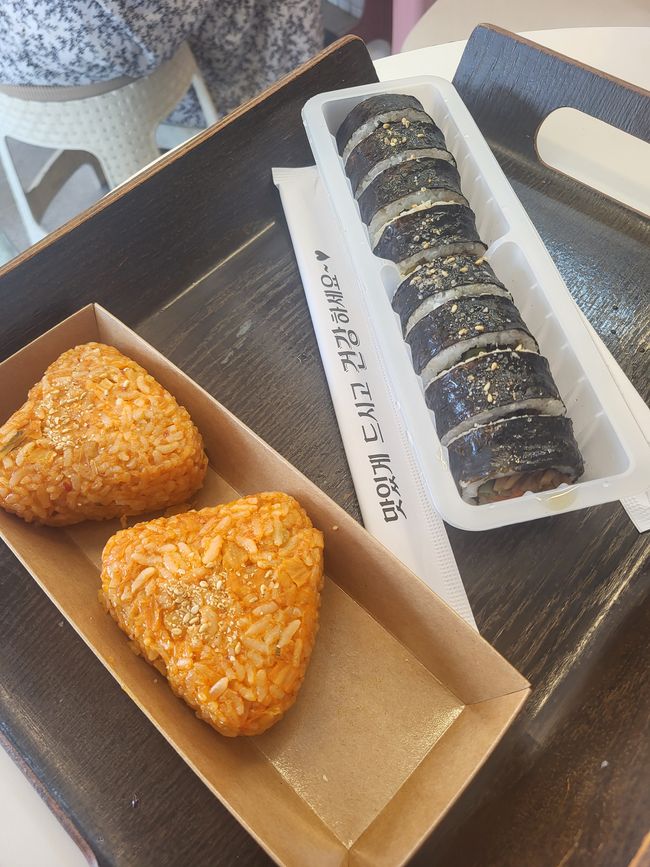
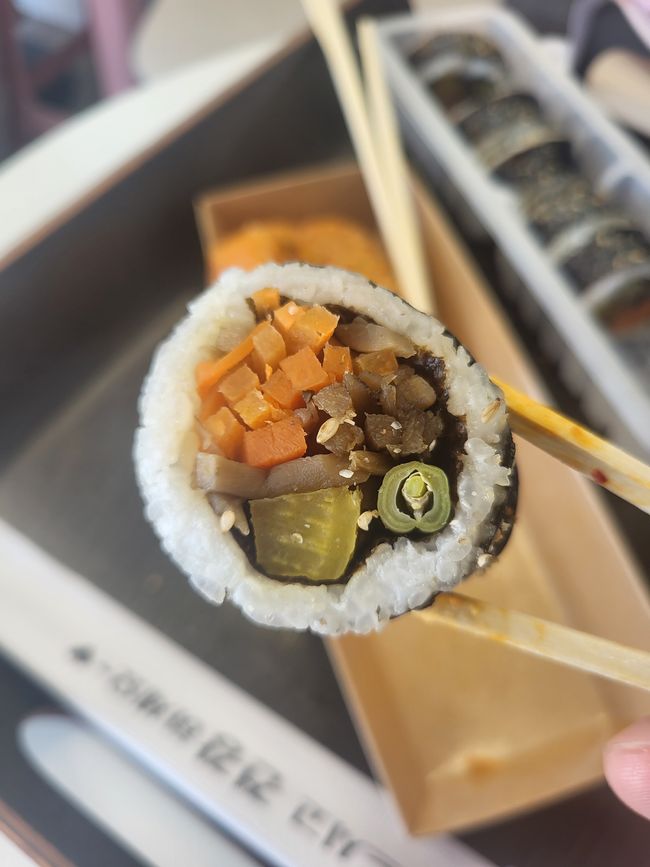
But the day was far from over. We first drove back down to the neighborhood, more precisely to Songdo Beach, to enjoy another beautiful view of Busan – this time from the gondola. However, once we got there, we realized: Hmm... for a five-minute ride, the price was a bit too steep for us 😅. So we quickly changed plans, settled down with a cool drink on the beach, and enjoyed the view from below. And yes – we ate again. This time we had Japanese ramen, quite nostalgically, to remember our time in Japan 🤭
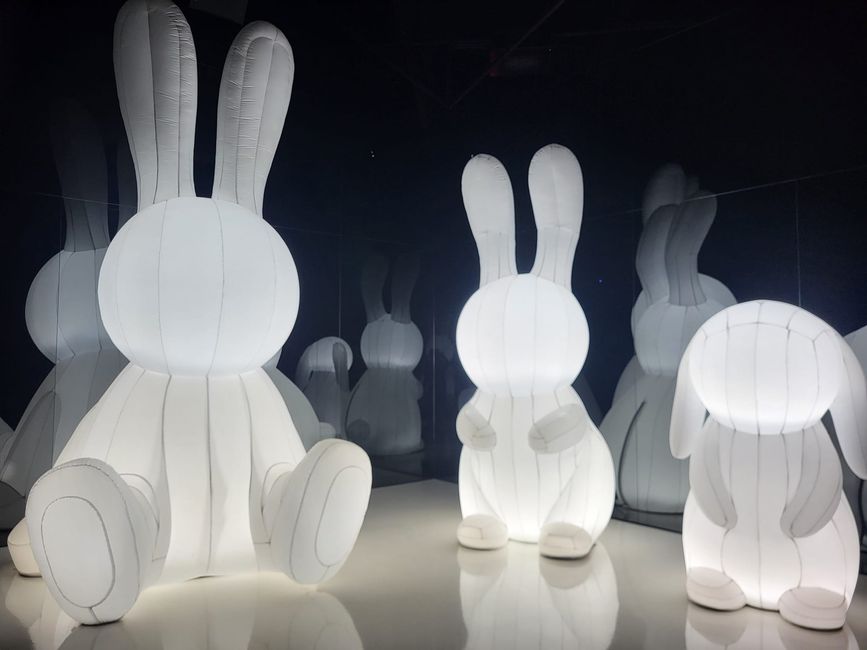
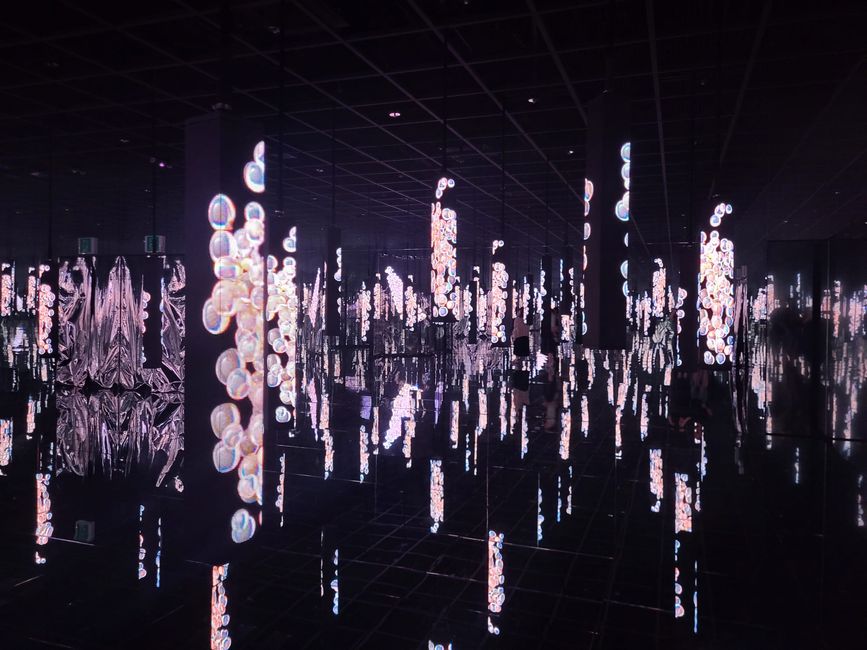
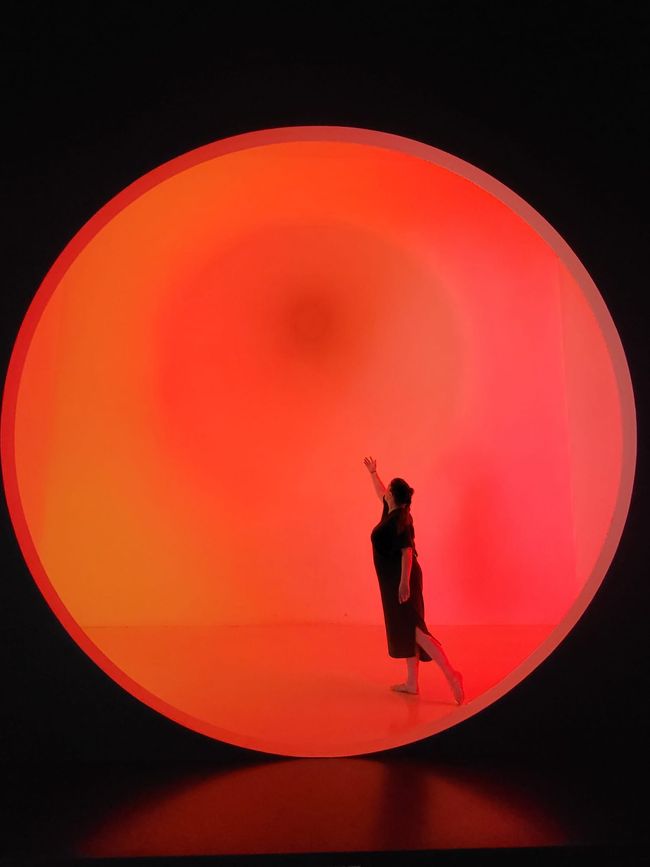
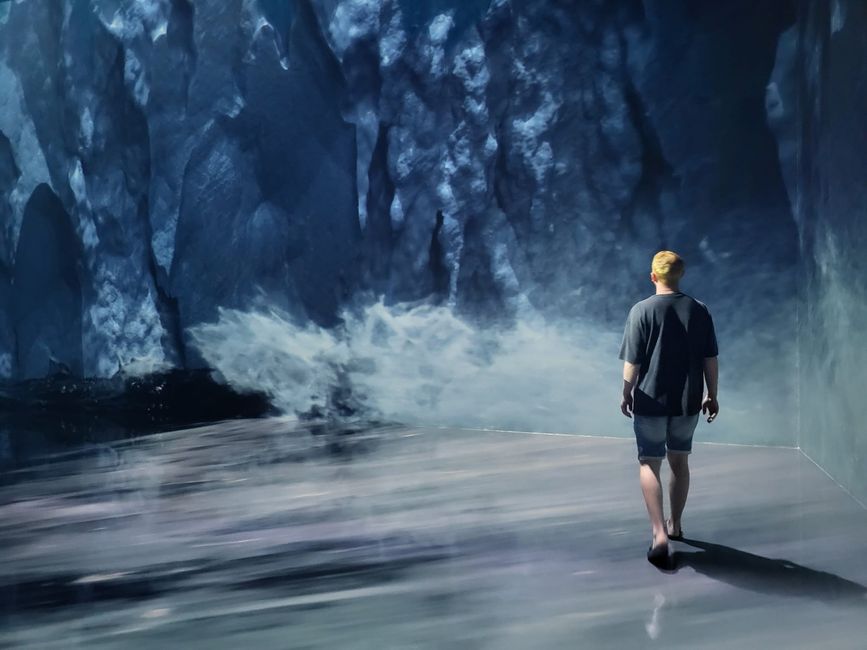
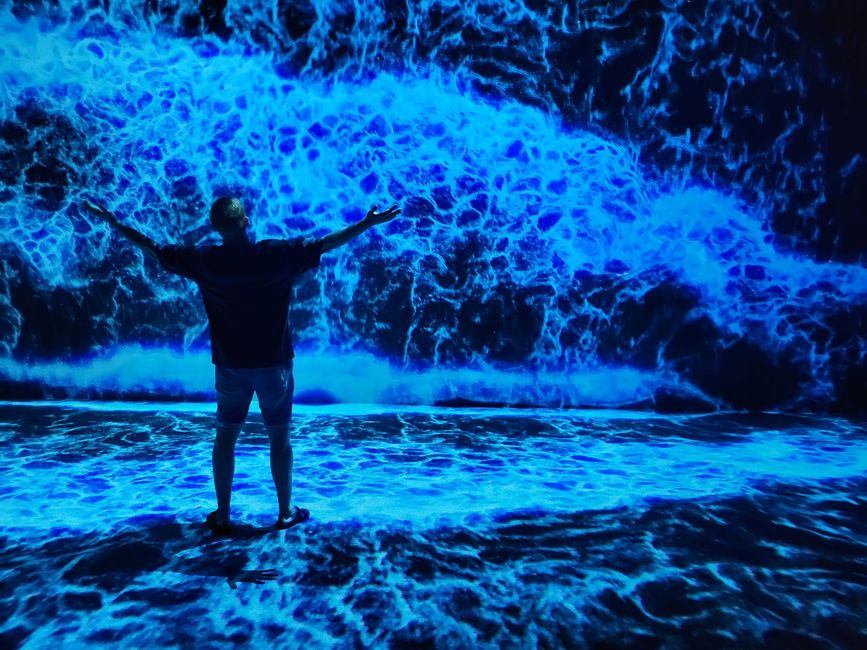
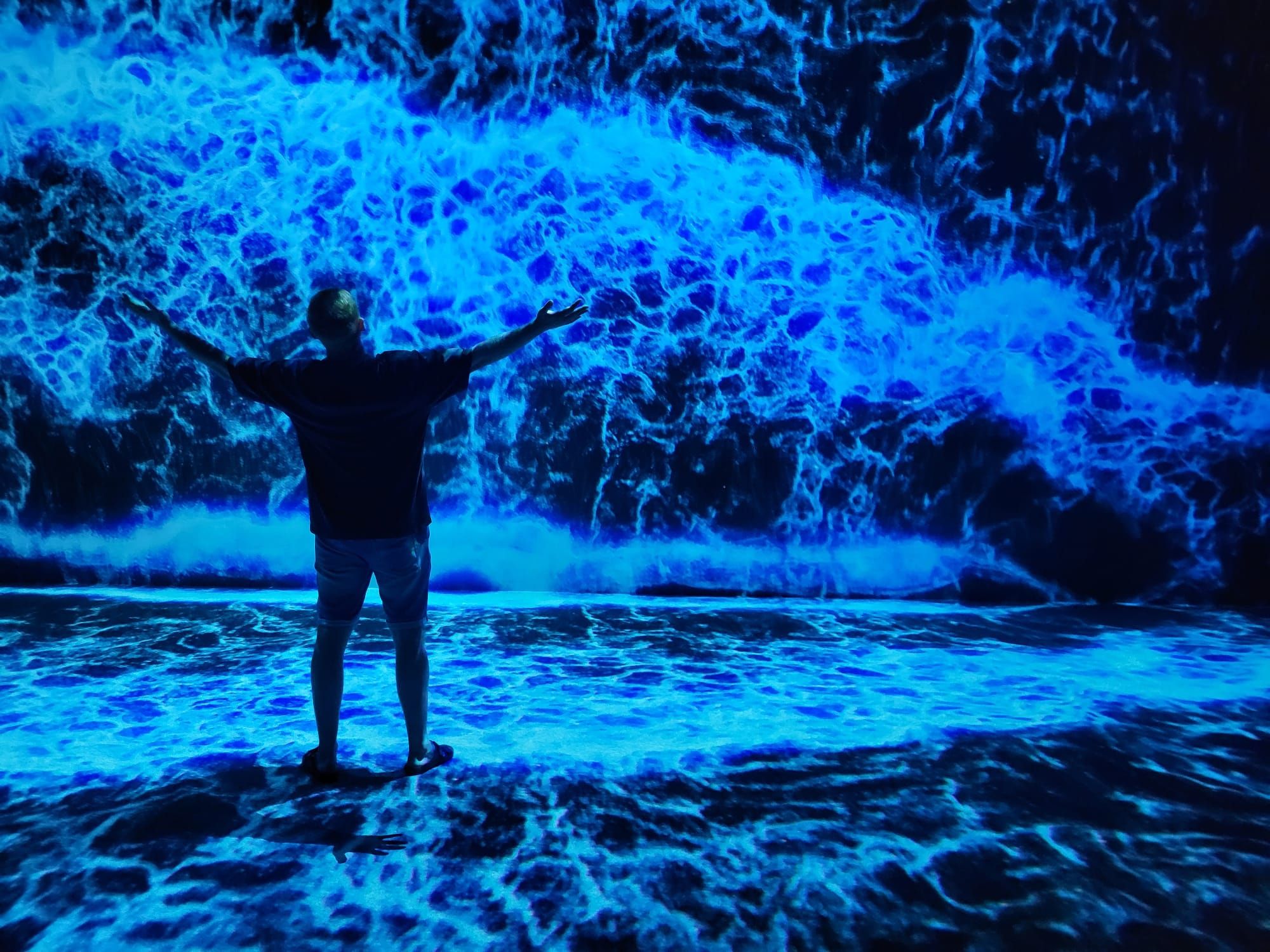
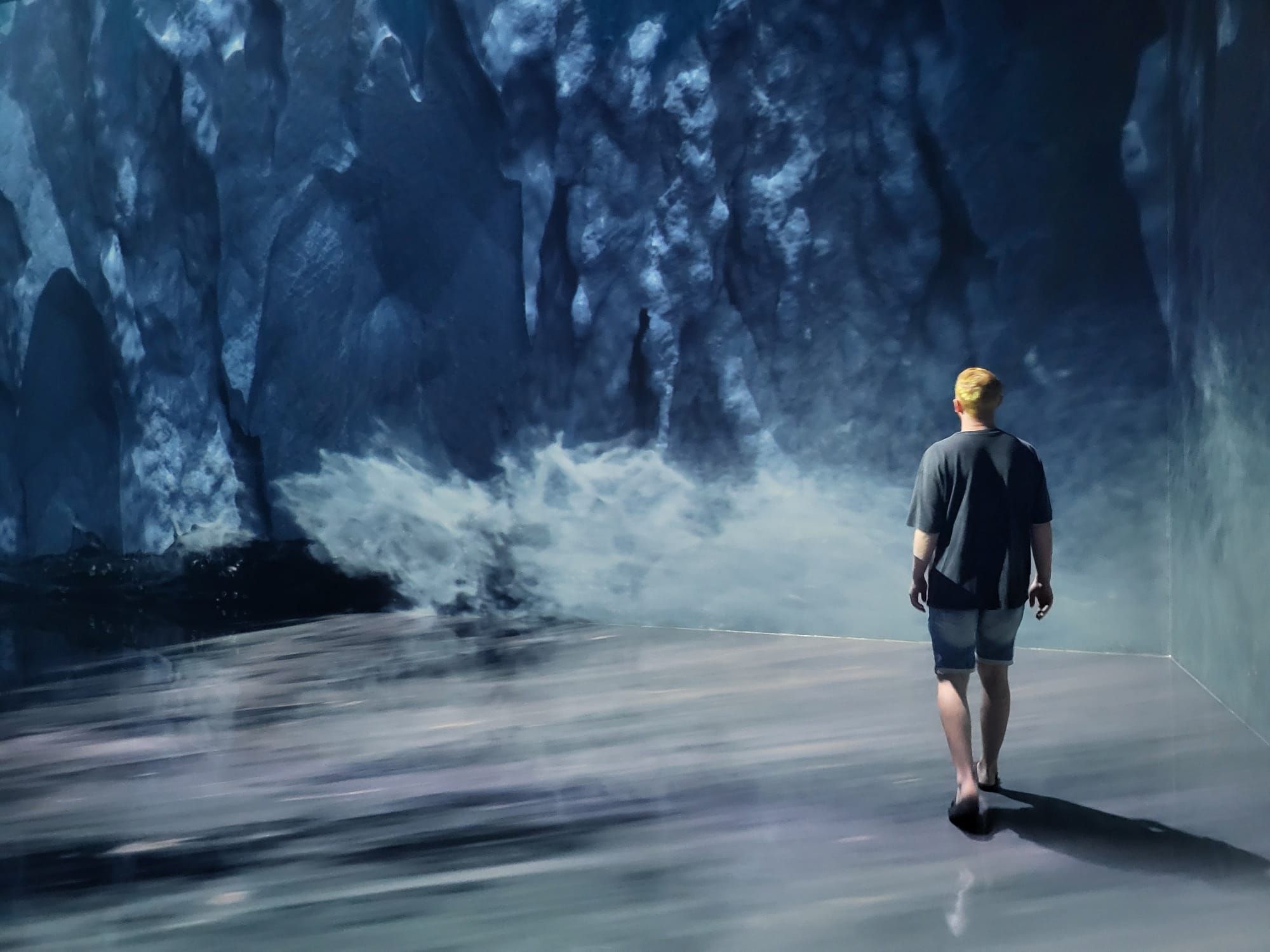
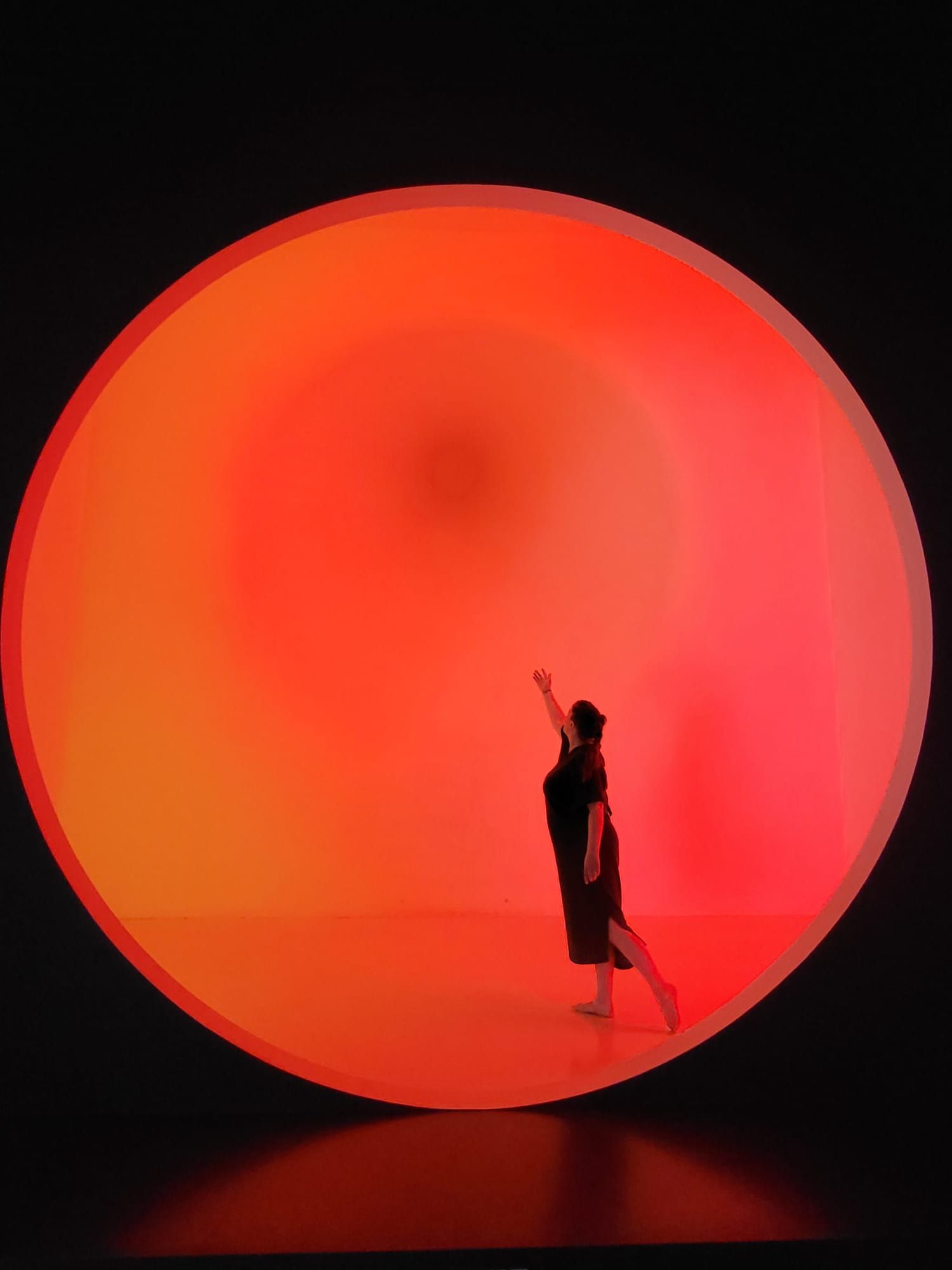
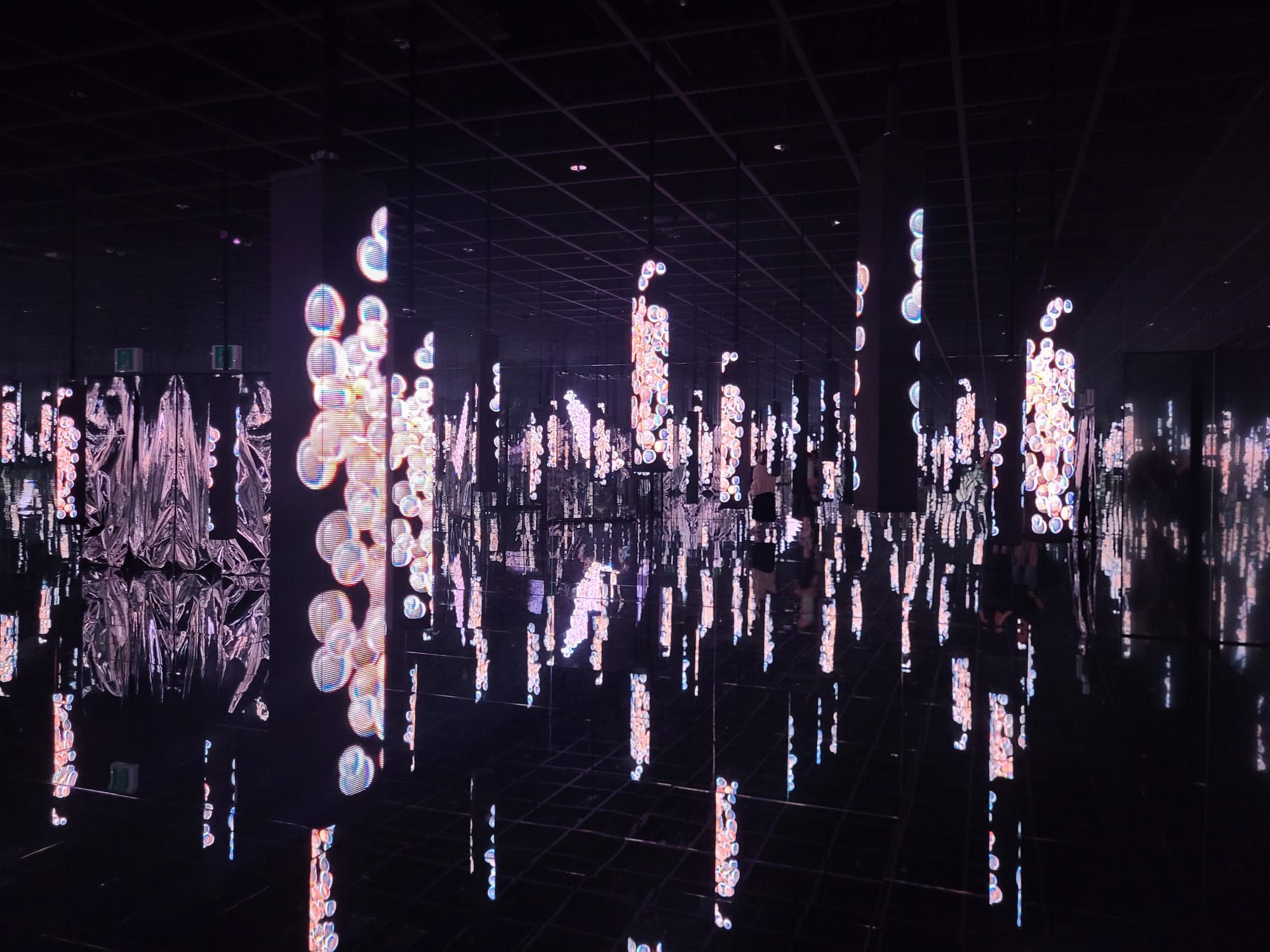
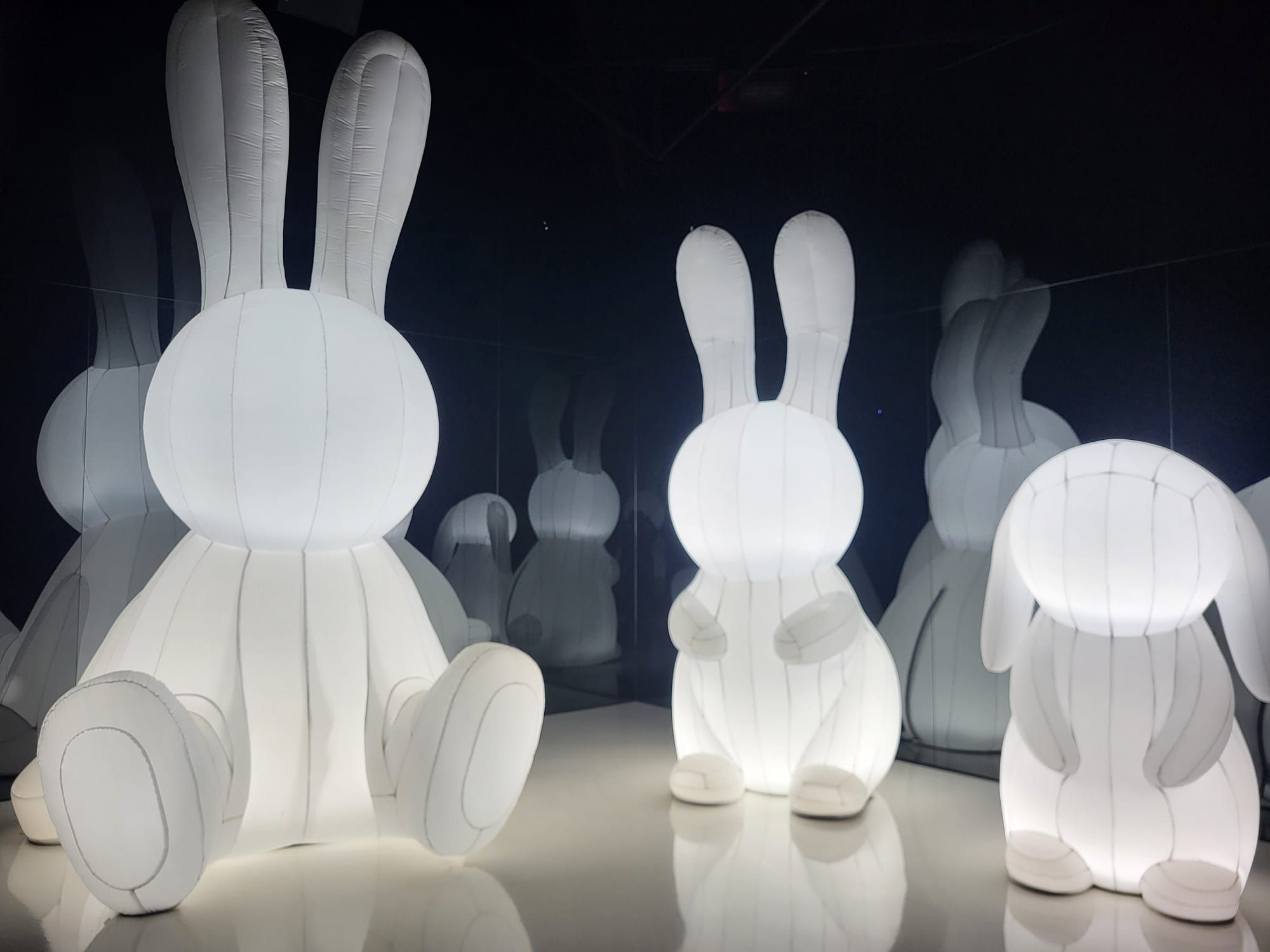
At some point, we were also full – so off to the museum! We chose the ARTE Museum, a digital museum that focuses entirely on immersive experiences. And what can we say? It was absolutely worth it! The combination of light, sound, and digital art creates a really unique atmosphere – but see for yourself. 👇