
Tofu on the Train

Published: 05.11.2025
Traveling is supposed to be for relaxation.
But many have experienced it: You look forward to vacation, and suddenly your body decides to "rebel".
Headaches, stomach issues, allergies, or a cold – seemingly minor problems that can quickly become burdens in a foreign environment, with a different language and health system.
I myself experienced such a "travel crisis" – and only then did I understand:
Health is always more important than any travel plan.
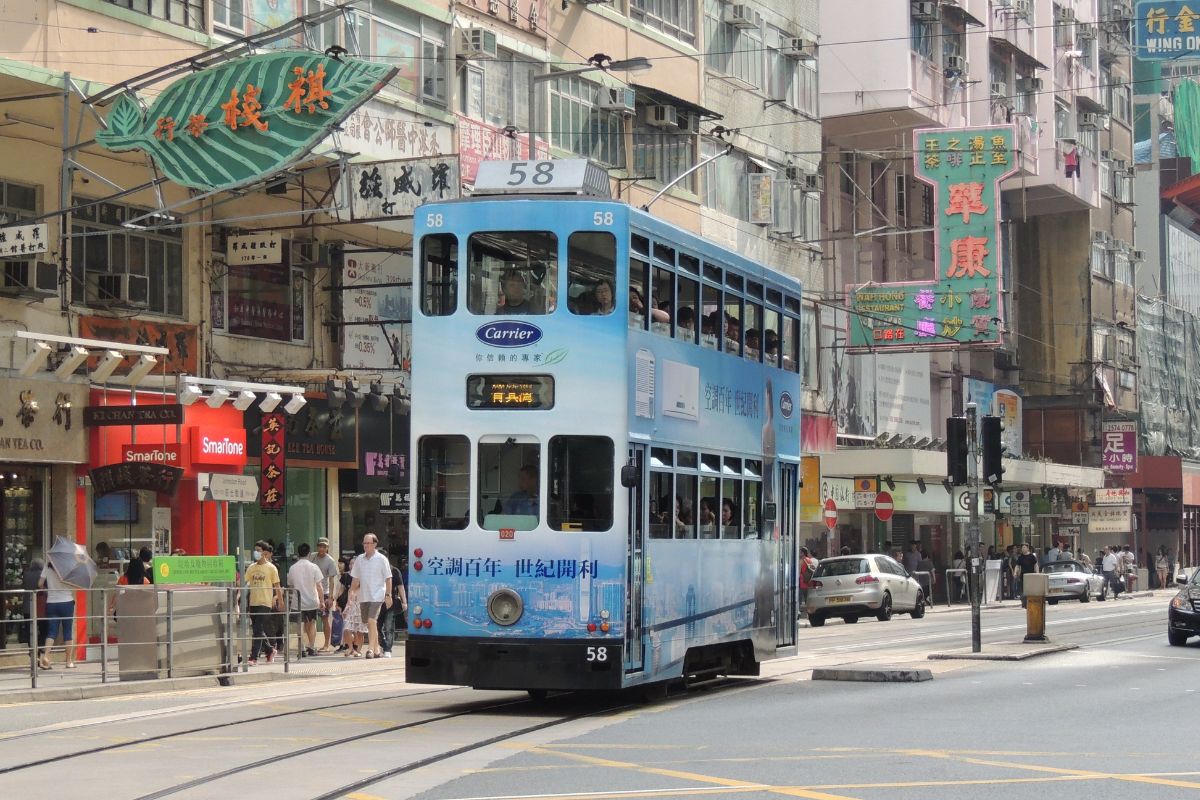
During a trip to Hong Kong, which was supposed to be a relaxed shopping vacation, everything started quite harmlessly.
The first days went perfectly: sightseeing during the day, shopping in the evening – a typical "busy itinerary vacation".
Until one evening, at the night market in Mong Kok, I ate something I should have avoided.
In the middle of the night, I got severe stomach pains and heartburn – sleep was out of the question.
The next morning, I desperately searched through my suitcase for medication – but I only had cold tablets, band-aids, and travel pills with me.
So, I made my way to the nearest pharmacy to buy something for the stomach issues.
To my surprise, I learned that many medications in Hong Kong require a prescription – especially stronger stomach or digestive medications.
Even in large pharmacies, the staff politely explained to me: “You need a doctor's prescription for that.”
At that moment, I panicked. The trip wasn't over yet, my stomach was going crazy – and I didn't know where to find a doctor or buy the right medication.
Later, I learned that Hong Kong has one of the strictest drug control systems in the world.
Every step – from storage to sales to prescription checks – is clearly regulated.
Even mild stomach medications are often considered prescription-only there.
For tourists, this means: Without a residence, a doctor's visit usually takes a long time and costs a lot of money.
Many travelers simply endure their ailments until they are back home – out of fear of language barriers, regulations, or complicated processes.
In fact, this problem is widespread globally.
A medication that is sold over the counter in China may require a prescription in Hong Kong, Japan, or Europe.
Therefore, the rule is: Know the local medication regulations before any trip and prepare a small travel pharmacy.
After this "medication crisis," I gathered some experiences that I would like to share with other travelers who – like me – are often on the go and are sensitive to changes in climate or diet.
1.Prepare a travel pharmacy
No matter where you’re going – some basic medications should always be in your luggage:
Cold remedies, diarrhea tablets, digestive aids, allergy medications, and fever reducers.
Anyone regularly taking medication should carry an adequate supply in the original packaging.
A bilingual doctor's prescription or package insert is also helpful.
2. Reacting correctly when falling ill
For mild ailments, it is worth visiting a licensed pharmacy.
In Hong Kong, Macau, or Singapore, pharmacists are well-trained and permitted to recommend over-the-counter medications.
If symptoms are more severe, one should visit a clinic or practice – where you’ll get an official prescription and the appropriate medications.
3. Finding reputable sources when local pharmacies can't help
If a specific medication is not available locally, you can turn to licensed pharmaceutical exporters or online health platforms.
Later, for example, I learned about Hong Kong DengYue Medicine – a professional pharmaceutical distributor that offers safe and legal export services.
They supply not only end consumers but also international pharmacies and wholesalers – with a wide range and very professional advice.
No matter how you obtain your medications – it is important to always check the approval and origin, verify batch numbers, and keep receipts.
You should stay away from dubious “bargain offers” on the internet – the risk is too high.
Many travelers purchase medications during their vacation as supplies or for friends.
In general, this is allowed – but only in reasonable quantities and for personal use (usually a maximum of three months' supply).
It is important to:
Such details may seem cumbersome, but they are crucial for avoiding legal problems.
Traveling is not just about seeing new places – it is also an encounter with the world.
But no matter how far you go, your body deserves attention.
I am grateful that my stomach issues ended up being mild. This experience has taught me to better plan for health risks and to know more about safe medication usage.
Today, I always carry a small medicine bag in my luggage – with basic medications, prescriptions, and a brief health profile.
Before any trip, I inform myself about the locations of the nearest pharmacies and doctors’ offices.
Because: Routes can be changed, photos can be retaken – but you only have one health.
Those who take good care of themselves while traveling also have the strength to experience the next travel dream.