Day 12 - Sofia and Bulgarian Rakija
Because I had not been getting enough sleep in the previous days, I slept in today. Due to the time difference, it was quickly 10:00 AM. I walked to the bakery and bought myself...

Published: 10.01.2025

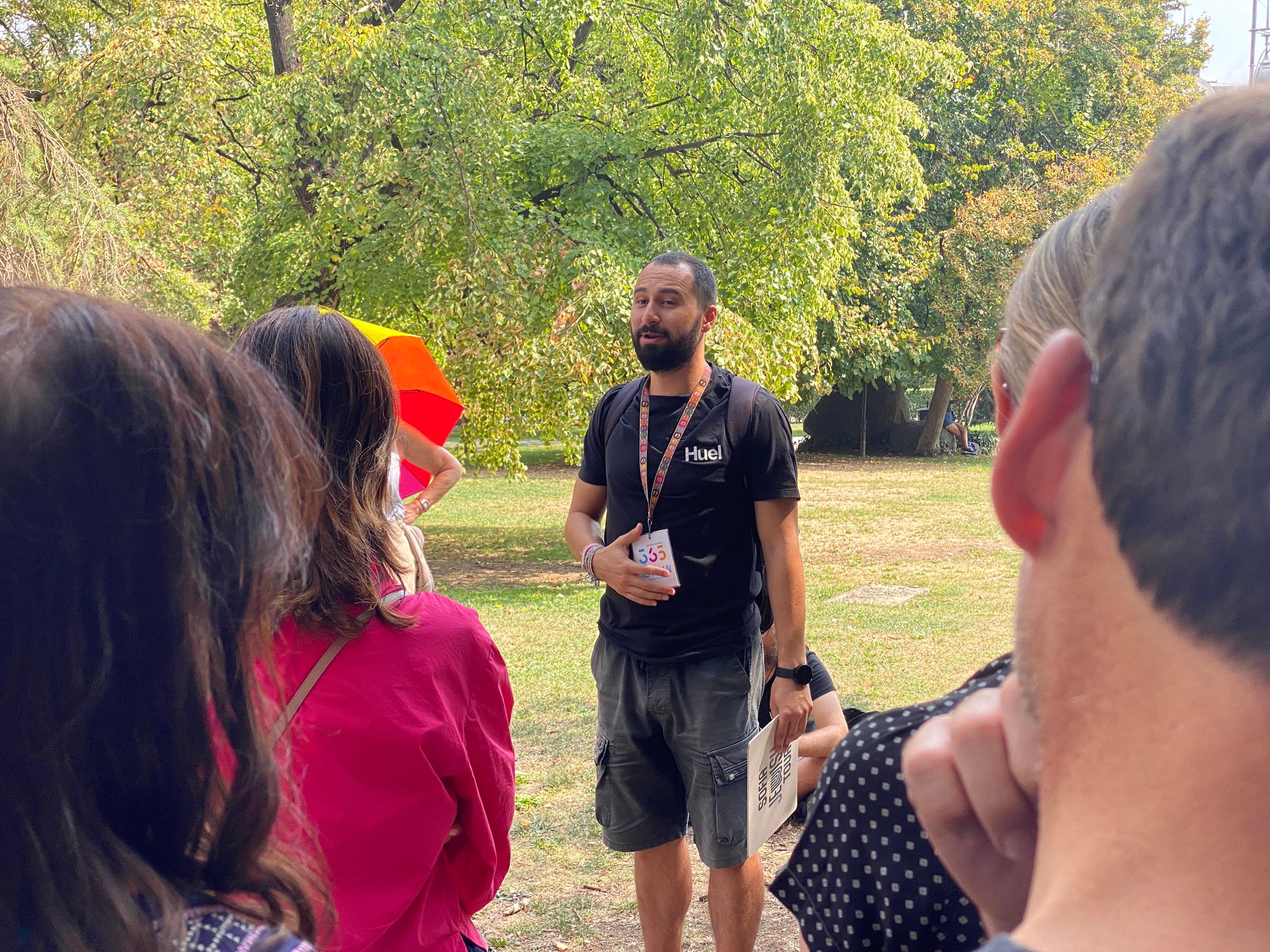
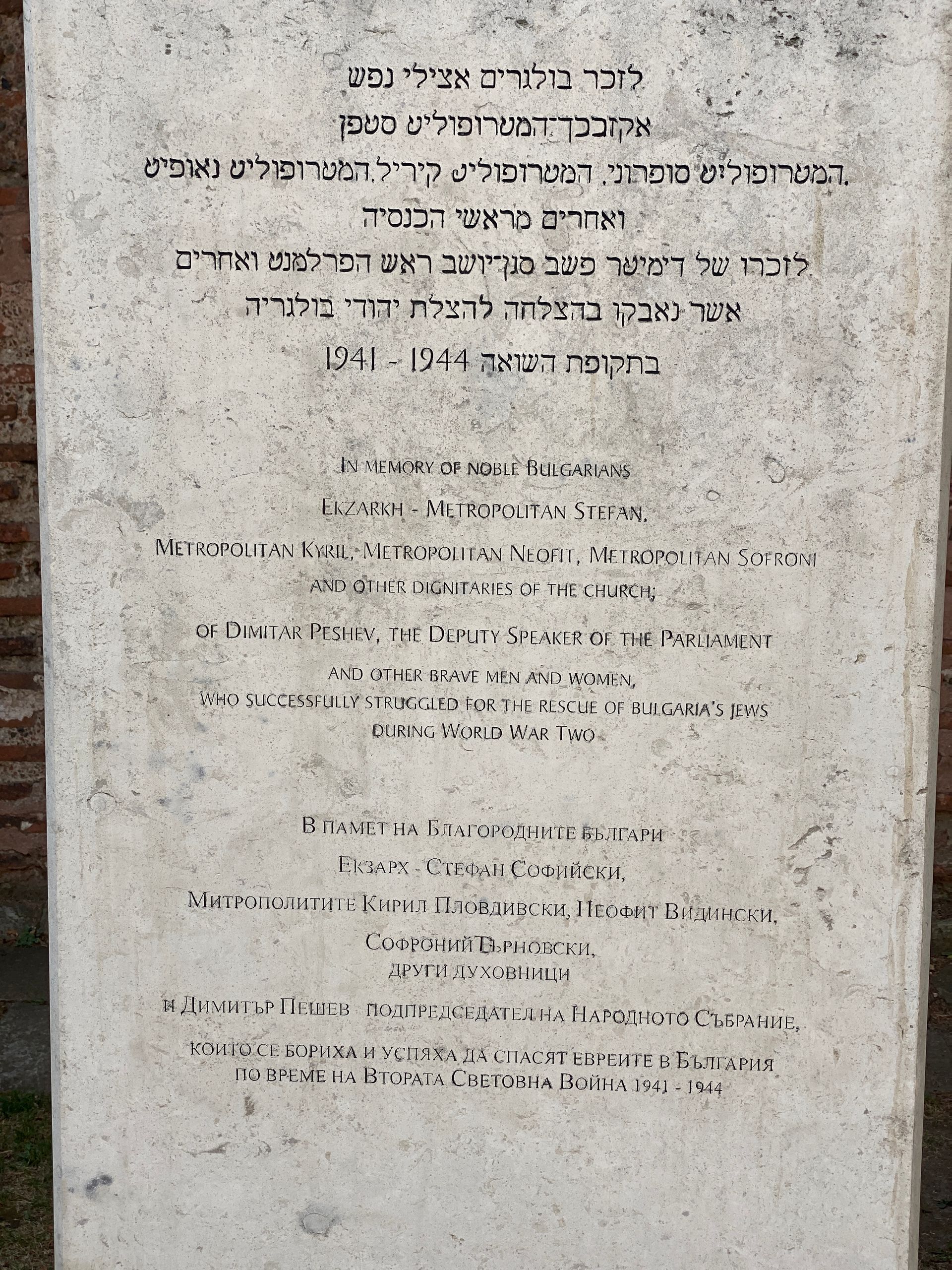
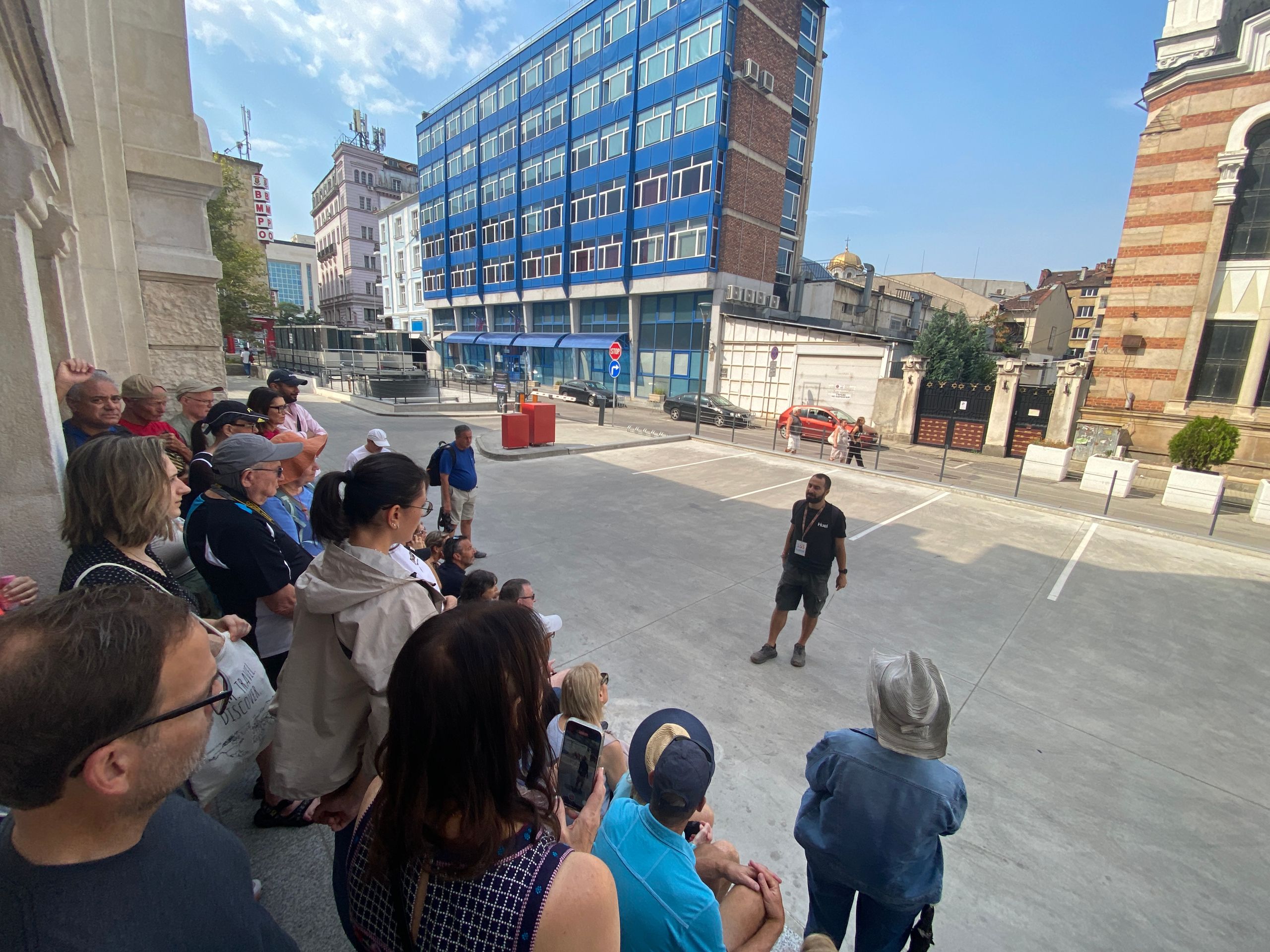
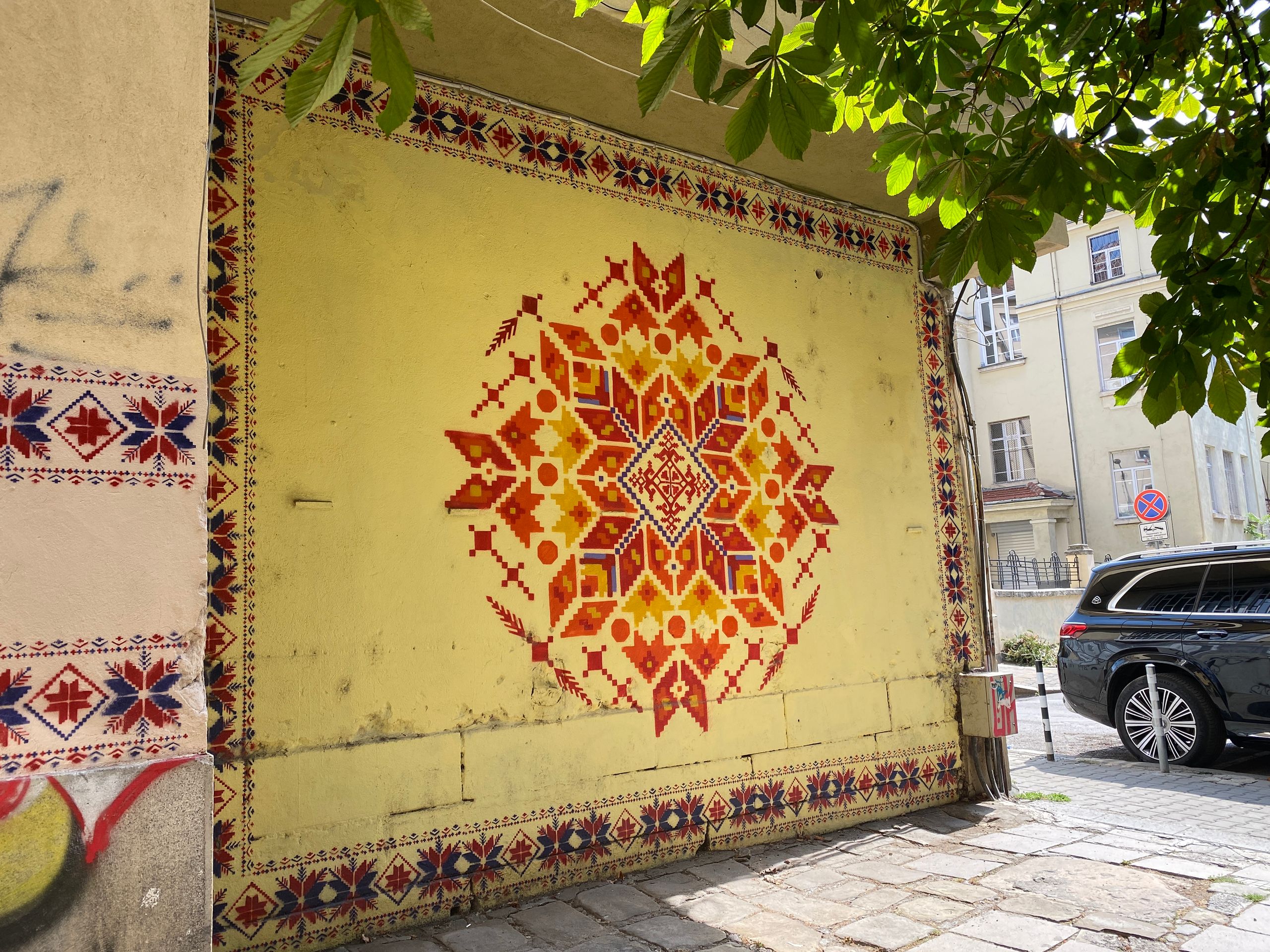
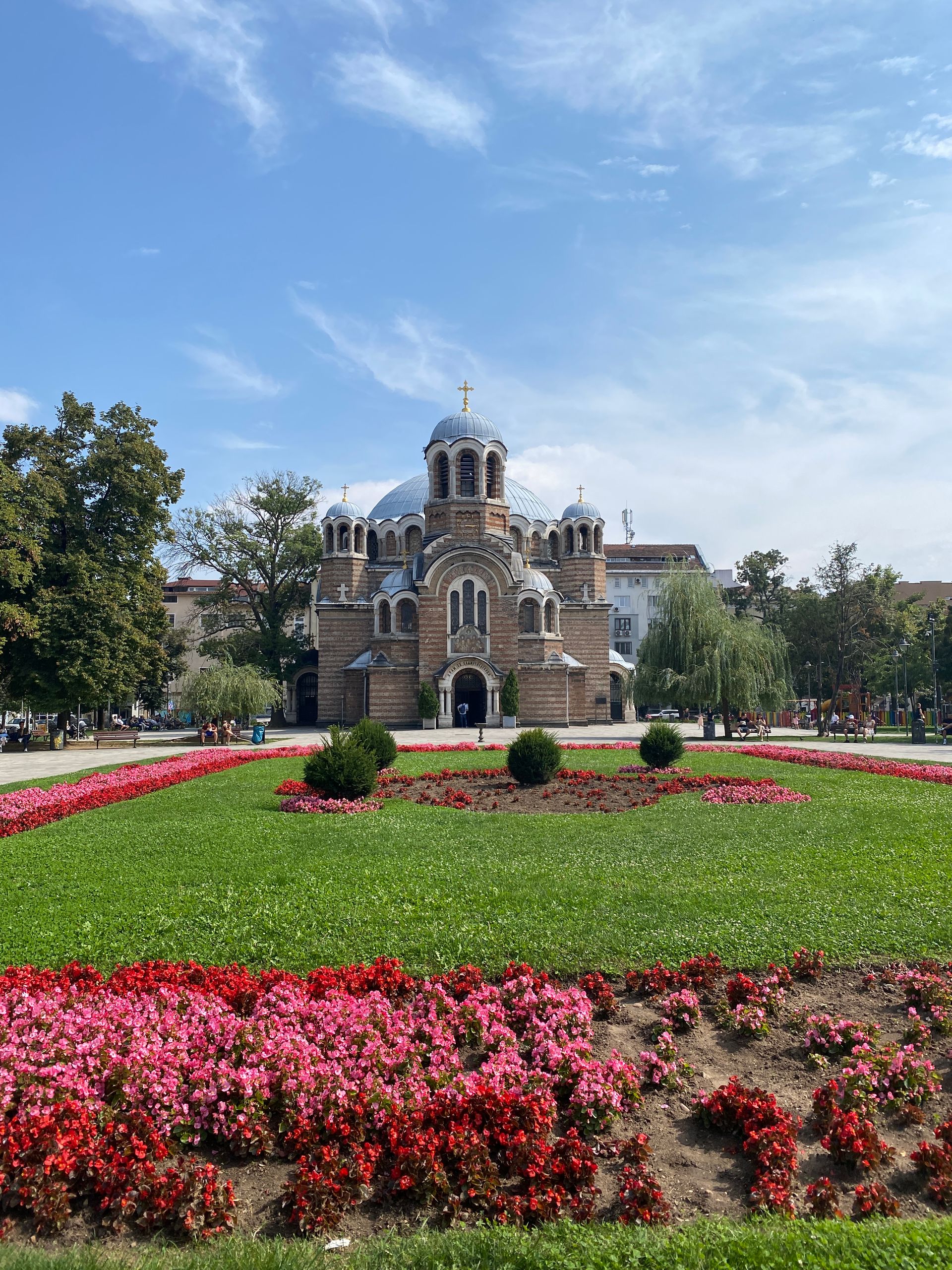
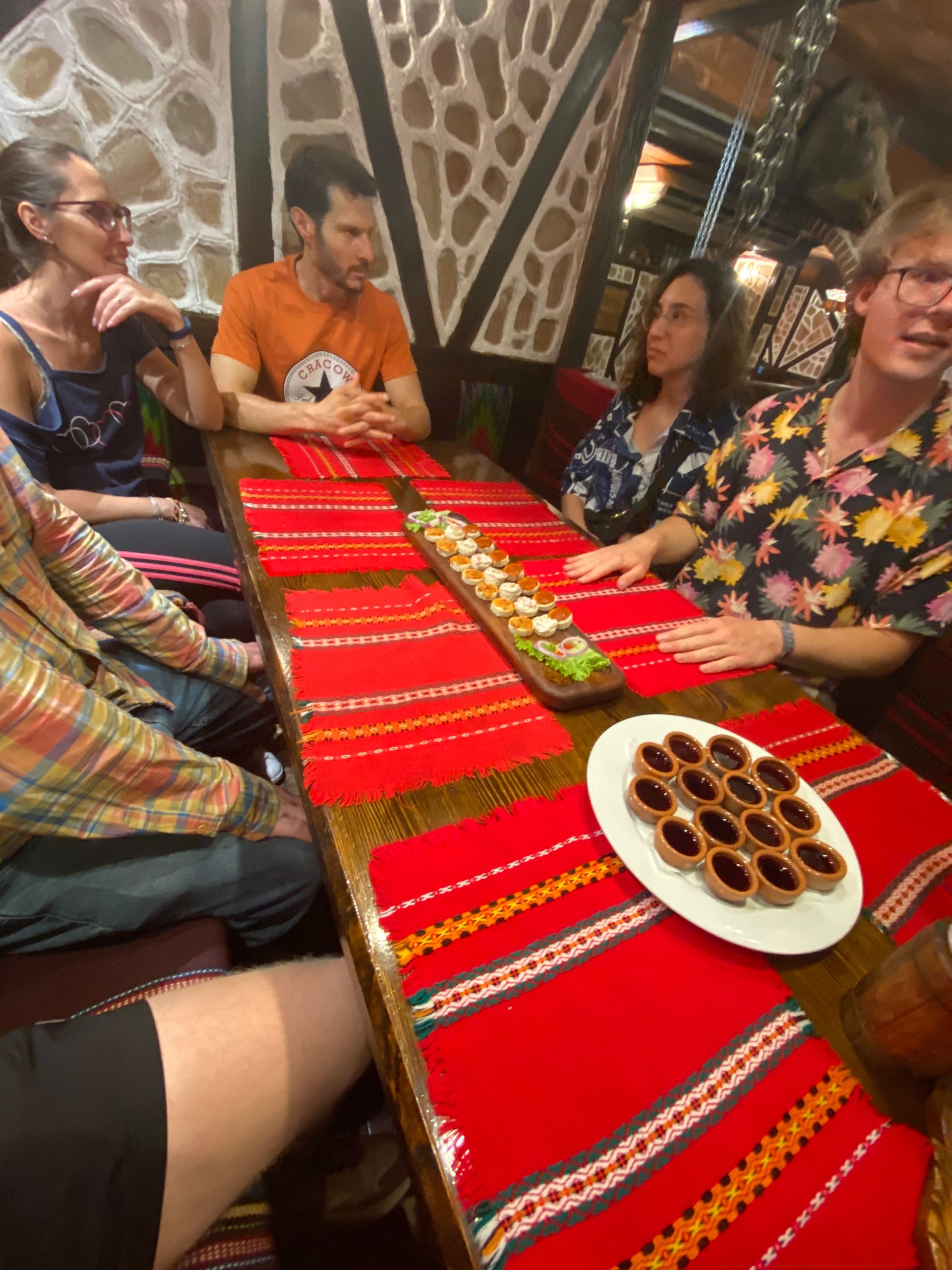
For today, I had two interesting tours planned. For breakfast, I bought two pieces of Banitsa from the same baker as yesterday and stood in front of the Justice Palace at 11:00 AM sharp. There, the guide from yesterday - Slavyan - started the Jewish tour. Some aspects of Jewish life in Sofia had already been touched upon yesterday. Since Slavyan was Jewish himself, he promised me many interesting stories from the tour and I was not disappointed.
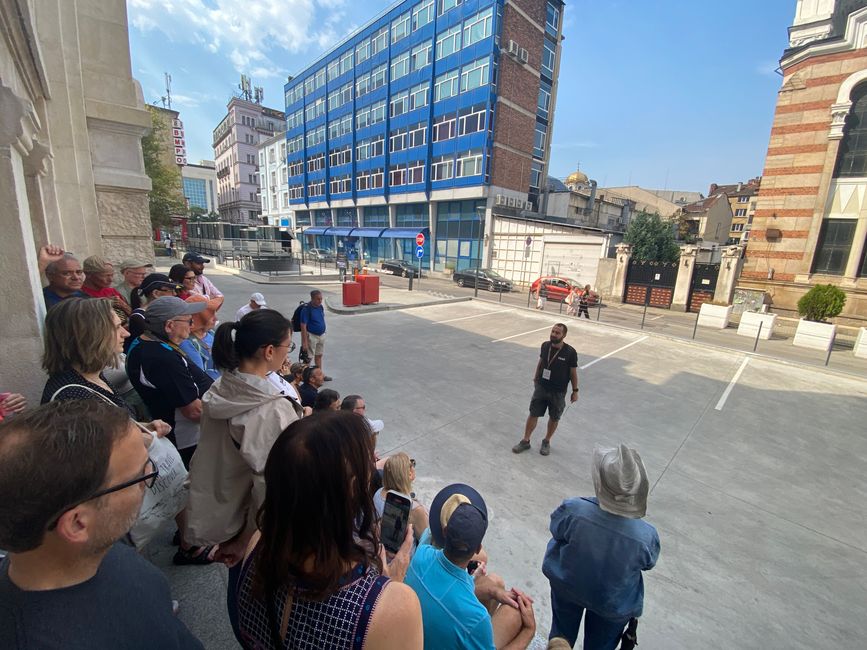
I couldn't fully follow the very complex history of the Jewish community in Bulgaria. Other participants (many of Jewish descent) were much more engaged: many scribbled eagerly in notebooks and asked complex questions. Things became interesting for me with the onset of World War II. Bulgaria tried to remain neutral for as long as possible. However, in 1941, they joined Nazi Germany and the Axis powers. This obligated them to deport Bulgarian Jews as well as Jews from neighboring besieged countries to Germany. At that time, there were 50,000 Jews living in Bulgaria, where the Jewish community had flourished for many years, and about 12,000 in the besieged areas of the surrounding countries.
The deportations began with the 12,000 Jews from the besieged outskirts, who were deported to the extermination camp Treblinka by March 29, 1943 and killed there. Despite efforts to keep it secret, the Bulgarian people became aware, and both the public and leading politicians expressed moderate criticism.
When the deportation of Bulgarian Jews began, citizens gathered around the train stations and sabotaged the tracks, preventing the transport of the 50,000 Jews to Treblinka. The government had to ask Hitler for more time.
Some weeks later, the Jews of Bulgaria were brought under cover of night by police to the train station protected by barbed wire and loaded onto trains. Local residents who noticed this raised the alarm, and the Bulgarian Bishop Kyril was quickly informed. The head of the church had as much power in 20th-century Bulgaria as the head of state. He arrived at the station and tried to command the police to stop the loading. When they resisted, he tried, along with his followers, to violently save the lives of thousands of people. The act reached its climax when the efforts seemed to be in vain, and the bishop had one last resort. He climbed over the barbed wire fence and ran onto the tracks. He shouted to the police that if they wanted to start the trains, they would first have to kill him. The police, clearly intimidated by the actions of the ecclesiastical head, were forced to relent. The deportations were thwarted, and soon after, World War II came to an end.
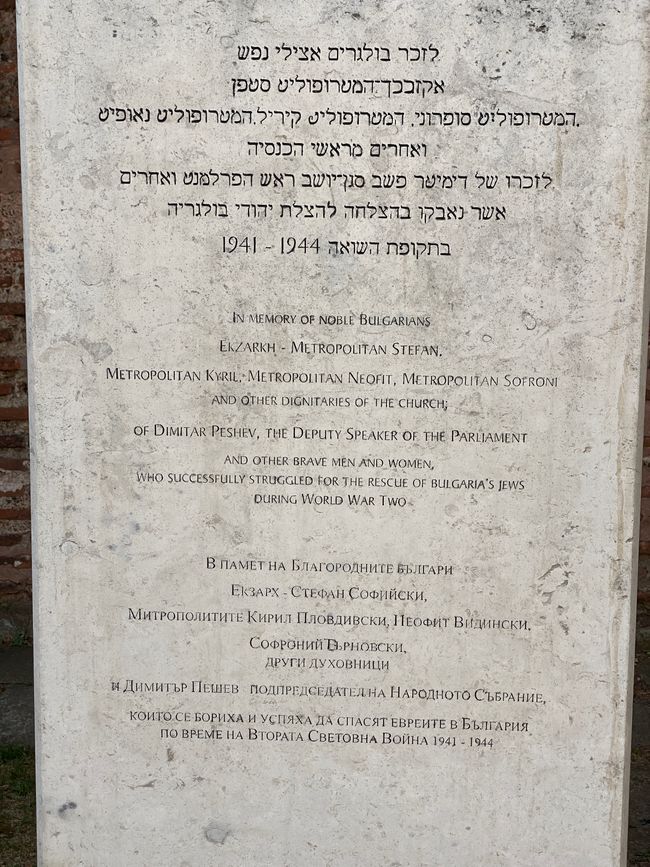
Thus, Bulgaria was the only country under Nazi rule that did not lose any Jews from its own territory.
Our guide Slavyan struggled with tears during this story, as, as he said at the end, his grandfather was on one of the trains that night waiting for his certain death. Only the bishop Kyril and the demonstrating people were responsible for his life.
Slavyan's life story was also very interesting: His grandfather, haunted by the danger that hung over the Jews at that time, concealed his religion from his daughter and later from his grandson Slavyan in an attempt to protect them. Eventually, he mustered the courage to share his story with them both. Since Slavyan learned about this at a young age, he attended a Jewish school and wanted to learn everything about Judaism. Since then, he has been very active in the Jewish community: he has filmed the Jewish history of Bulgaria, founded an organization for Bulgarian Jews, and wants to share the stories of this Jewish community with the world, which he has impressively accomplished through this tour.
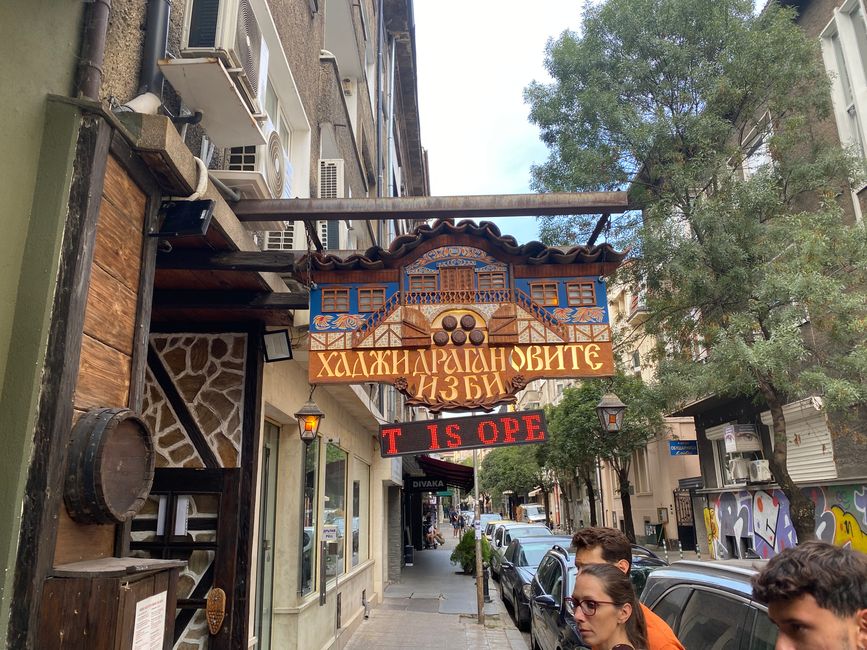
After this memorable tour, I had another opportunity to dive deeper into Bulgarian culture. On my next food tour, we would walk together through the capital and sample bites of Bulgarian cuisine in small restaurants and cafés.
In the first café, lovely small desserts were prepared. There was a yogurt-honey dessert with cookie cake and elderflower lemonade. All very simple creations that originated from the communist era, where not many ingredients were available.

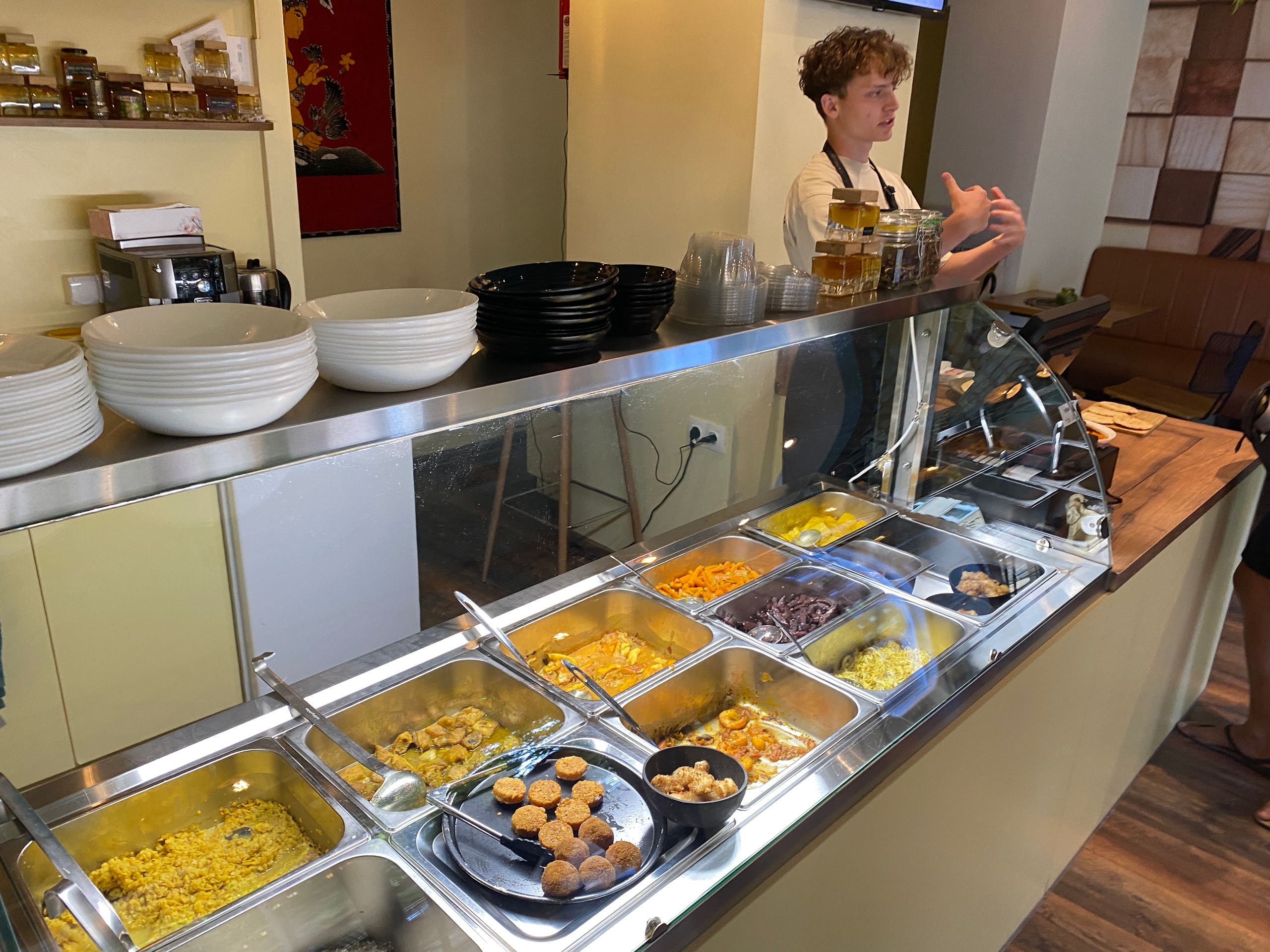
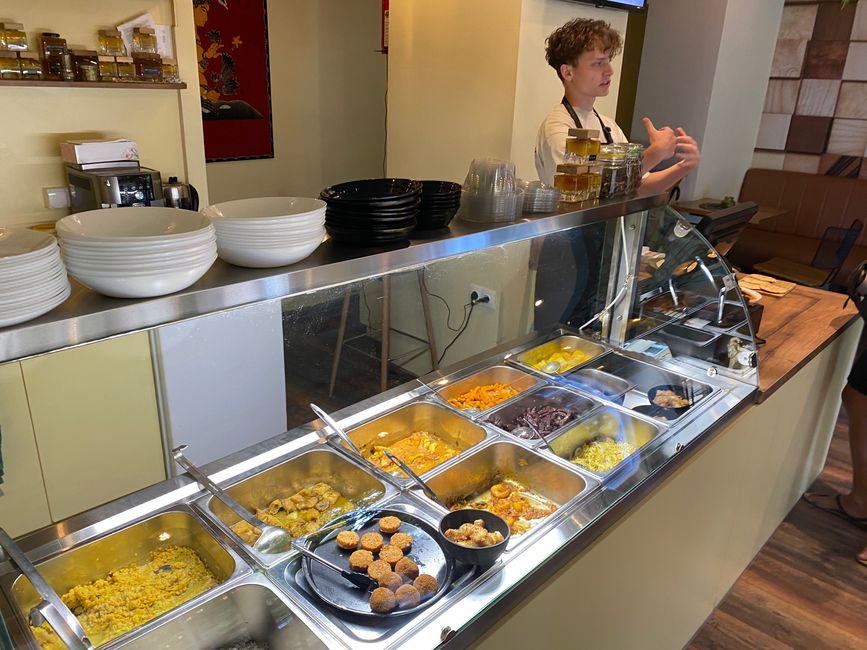
The next stop was at a Sri Lankan eatery, one of many new exotic restaurants that had settled in Sofia. It symbolized the broad culinary diversity.
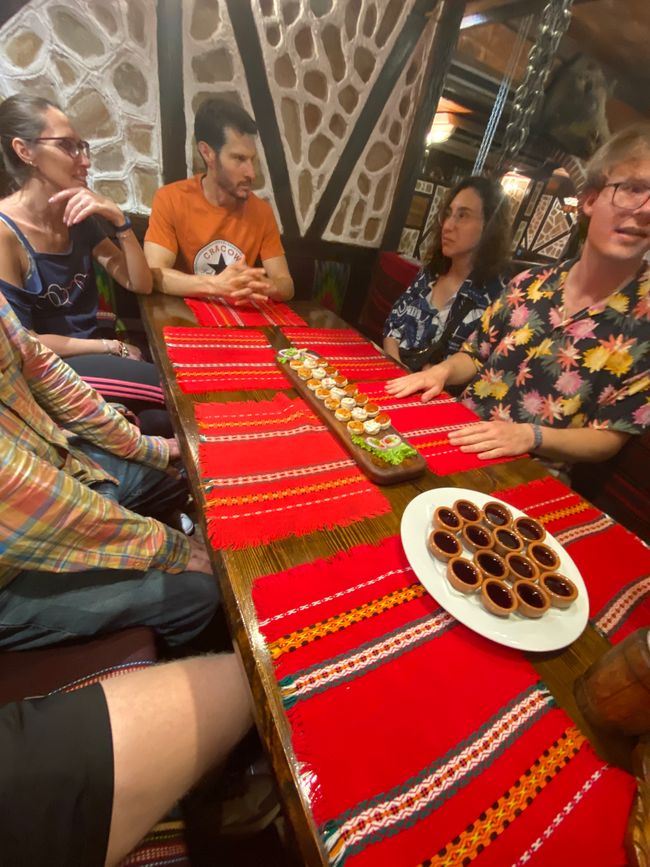
During a stop at the Rakija Museum, there was (for most not just one glass) of schnapps, which I had already found unpalatable the day before. Fortunately, the next stop was just around the corner. There I was able to replace the schnapps taste with a fresh oat milk smoothie flavor.
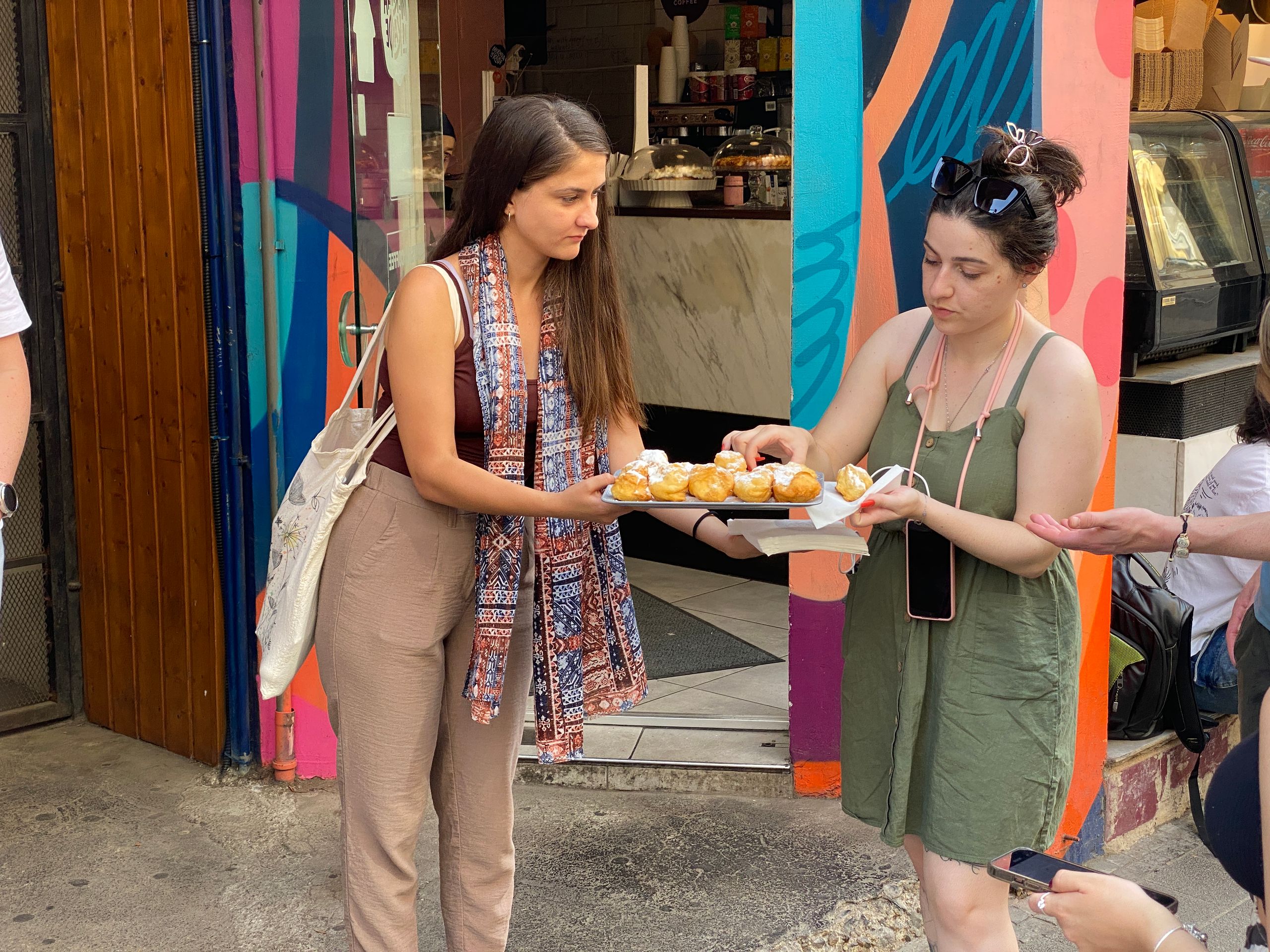
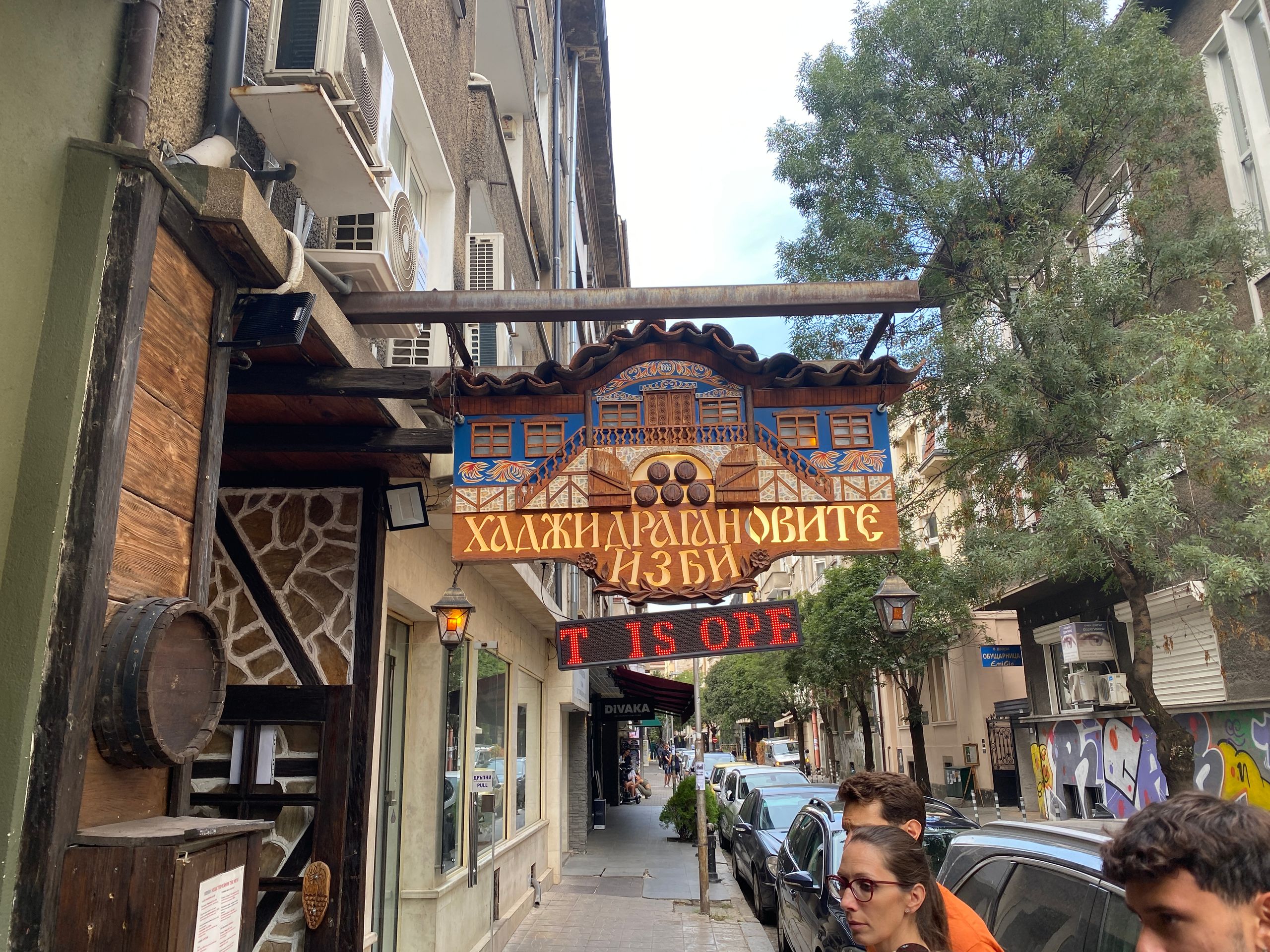
The penultimate stop was at a small snack bar that sold delicious donuts. The tour ended at a typical Bulgarian restaurant similar to the one we visited the day before. There were small wine tastings and bread with various spreads. The tour rounded off my stay in Bulgaria nicely, and I was well-fortified for my train journey to Istanbul.