

The Red Rock
Beach day! After two coffees, two cigarettes, and a bit of lemon cake from Maria, I made my way back to Armenistis to have some breakfast and then spend the day at the nearby...

Published: 10.09.2026
During the casting show Popstars at the beginning of the millennium, a female vocal coach named Artemis was making her mark. During a commercial break, a quiz asked whether she was a) Artemis or b) Aristocats. Following "What do koalas love? Eucalyptus or mechanism?" this is my favorite question from this strange phase of television.
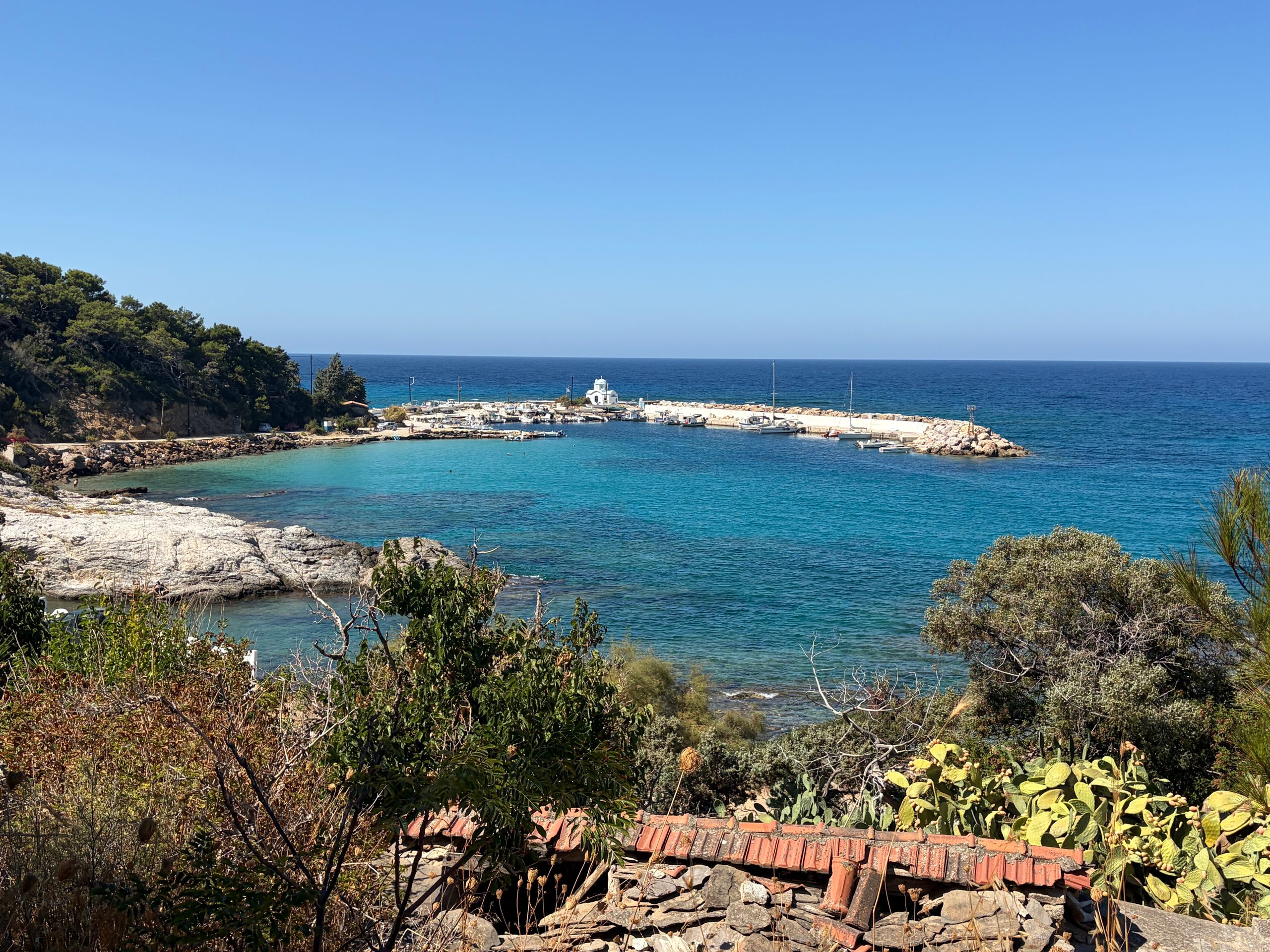
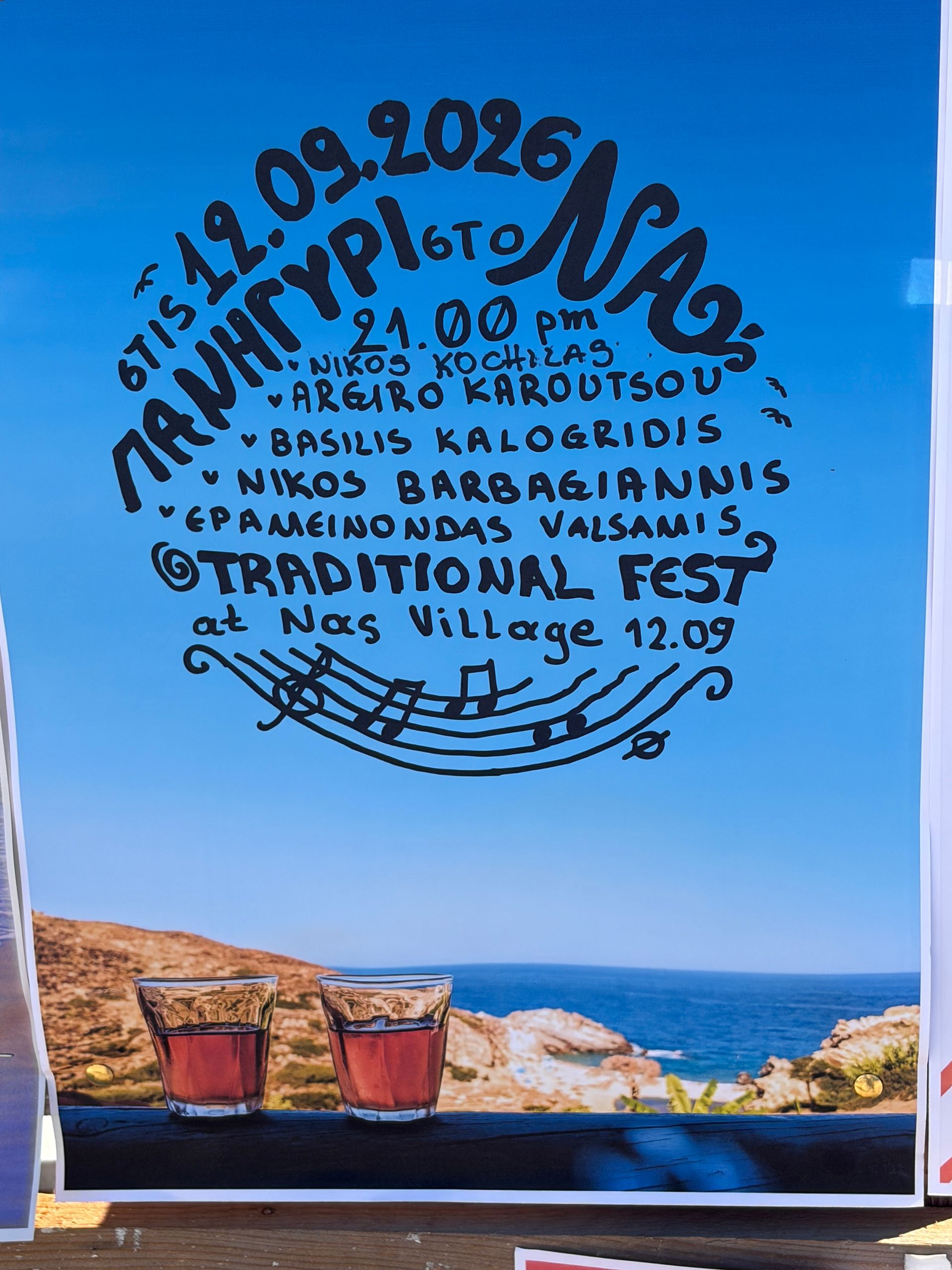
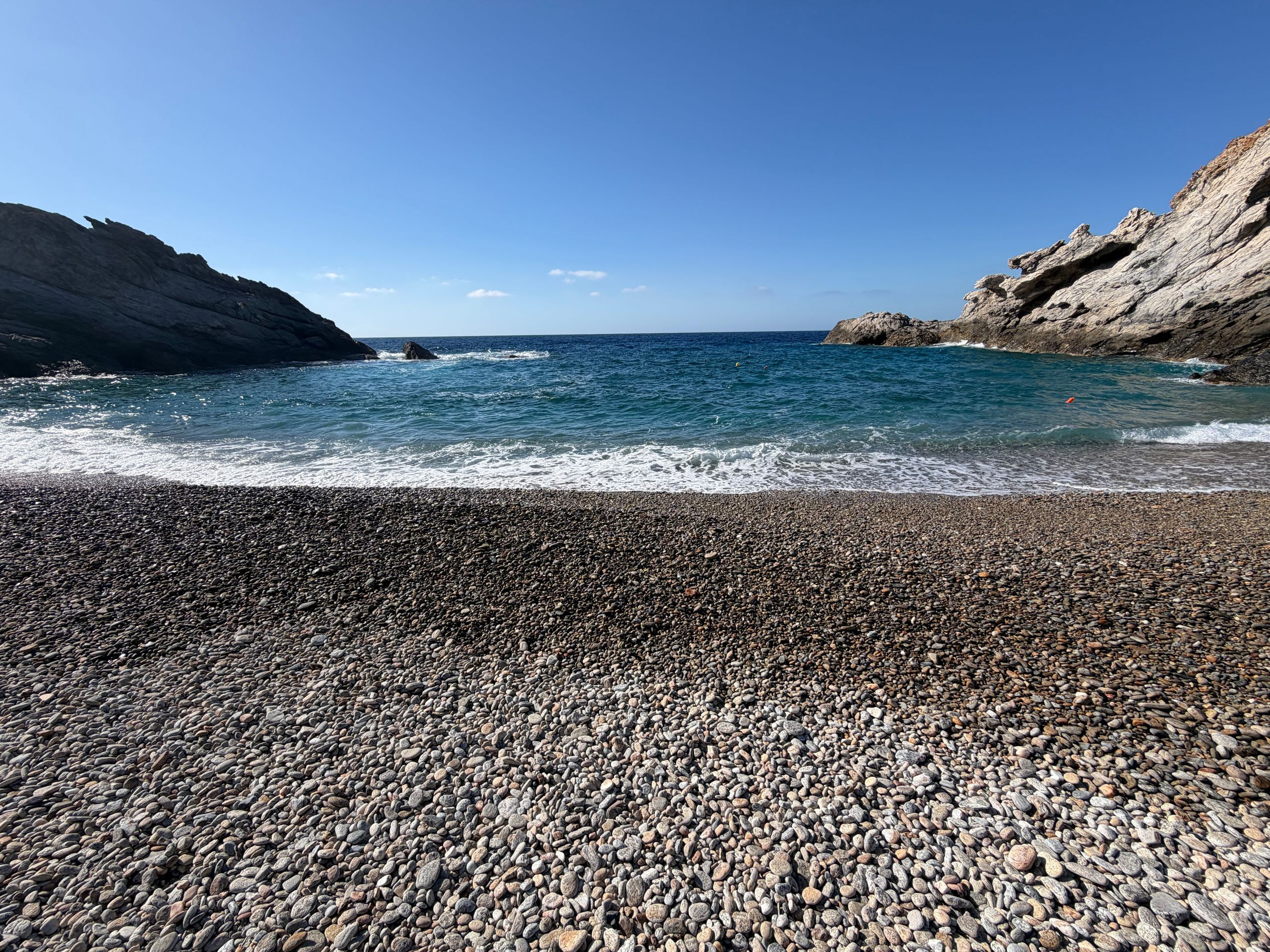
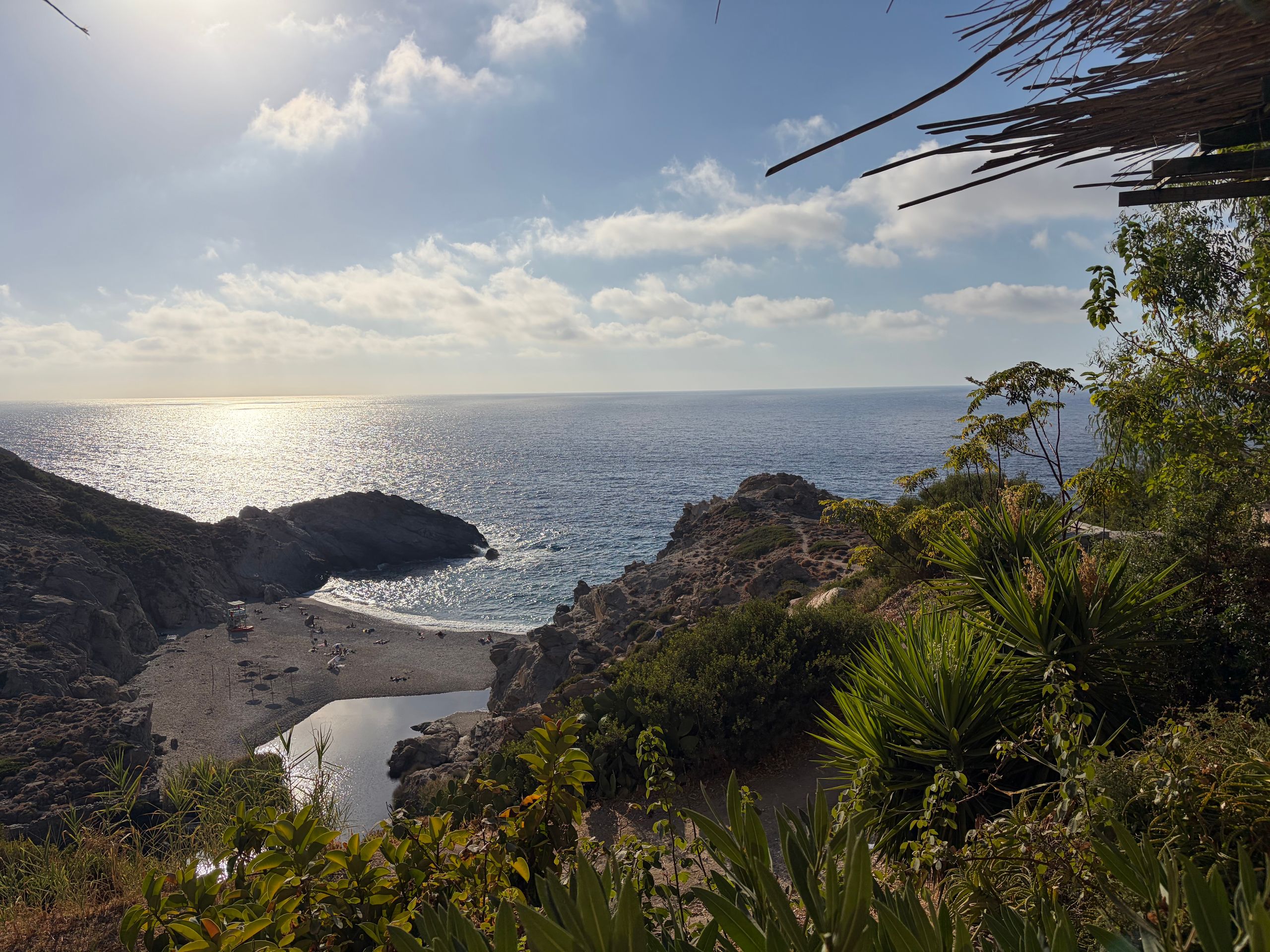
Nas (Νάς) lies a few kilometers west of Armenistis. In the 6th century, the Ikarianers built a temple in honor of Artemis, specifically Artemis Tavropolos, which roughly translates to "Bull Tamer." Here again, a rabbithole opens up, as there are two different interpretations of this epithet.
One interpretation suggests that the bull represents the fertilizing and destructive aspects of nature. This is absolutely understandable in this location.
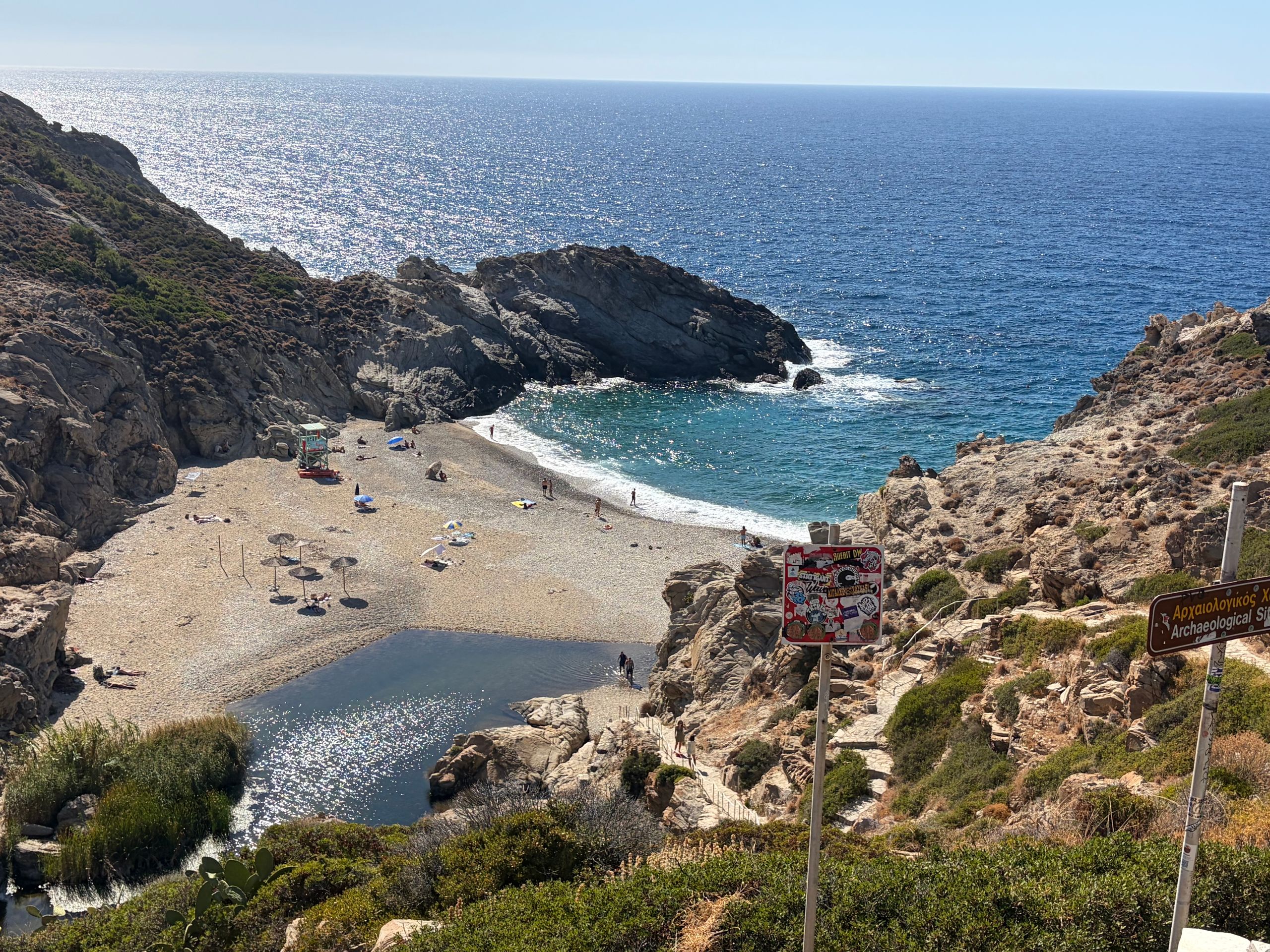
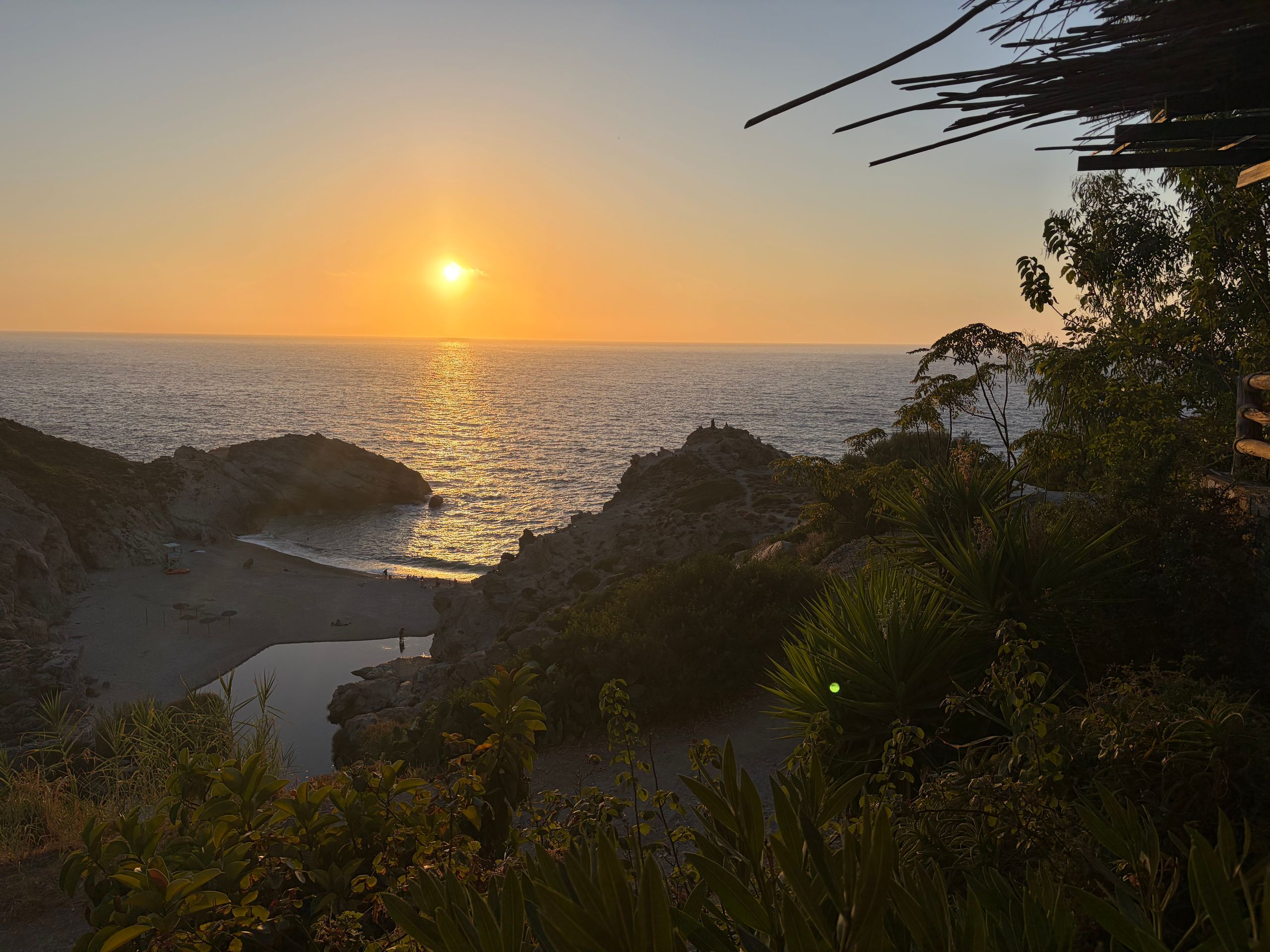
The wave action in the bay is dramatic. Strong north winds (Meltemi) and strong currents make the beach one of the most dangerous on Ikaria. This must have also posed a huge challenge for early sailors. Hence destruction.
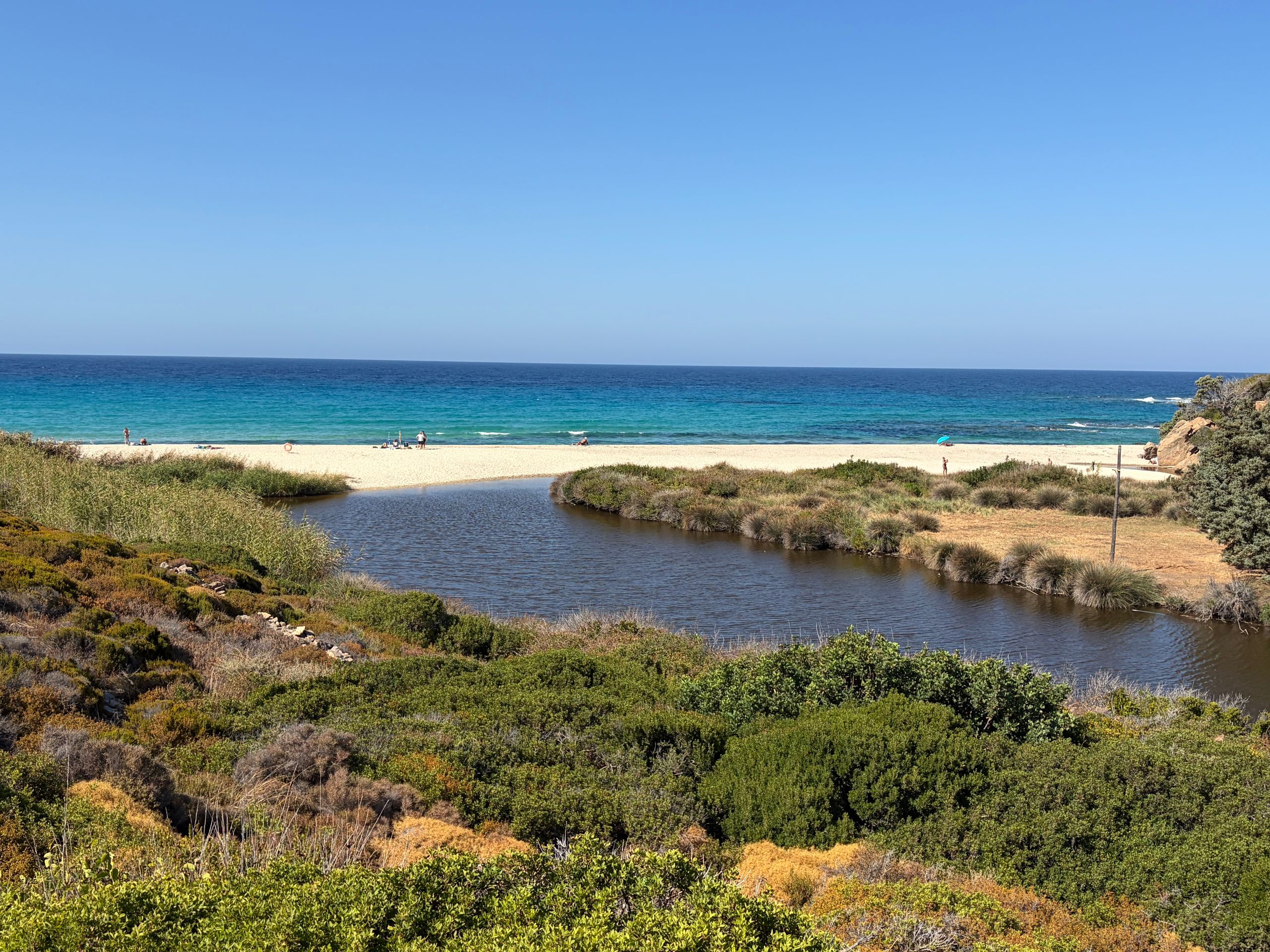
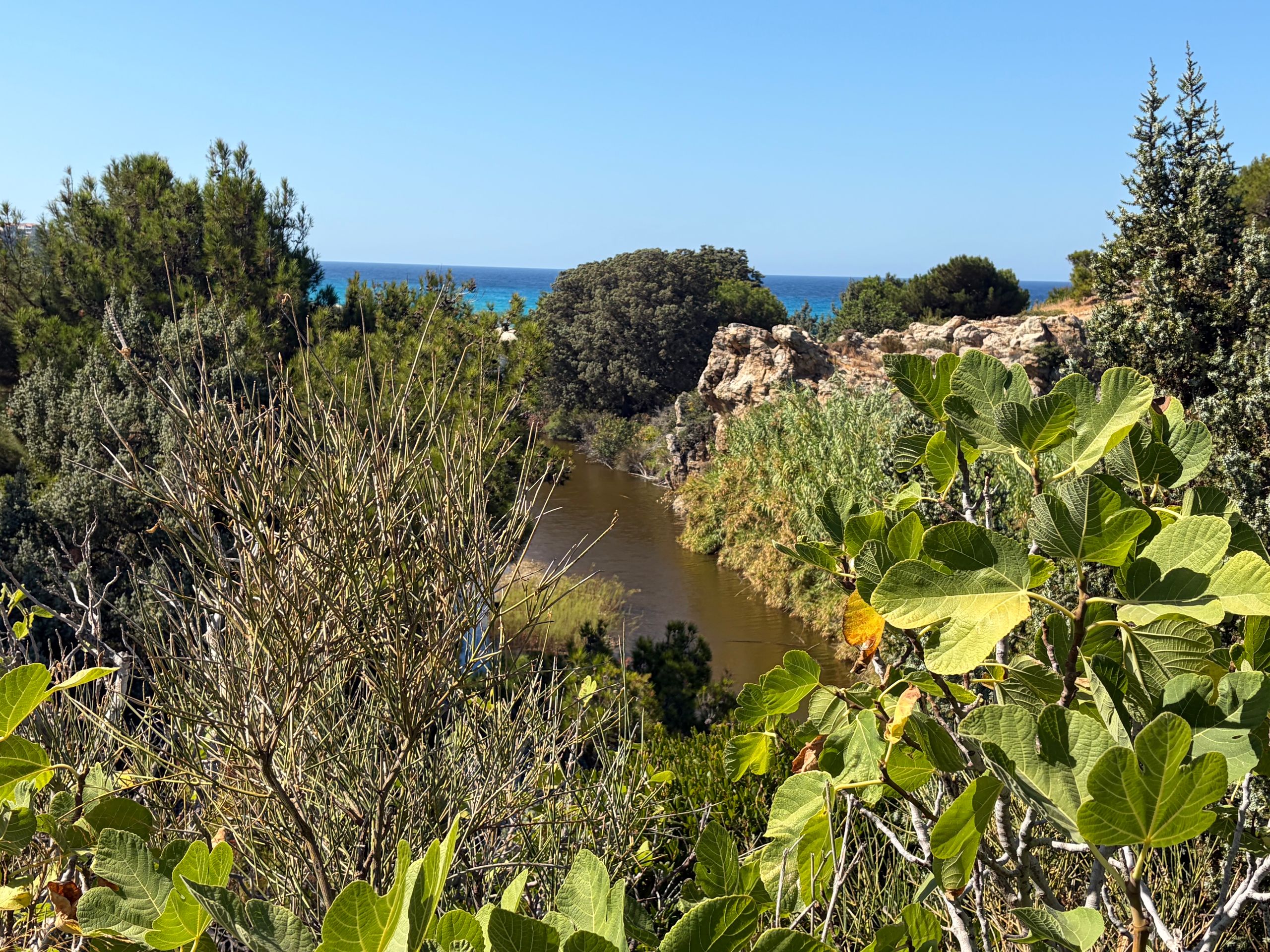
However, behind the beach, a mountain stream flows into the Aegean, and a sub-tropical lagoon-like area has formed, creating a surreal contrast to the destructive bay. Hence fertility.
The other interpretation leads one back to Crete, much like the legend of Icarus. About 3,000 years before our era, one of the first high cultures of present-day Europe emerged there. This culture is derived from the mythical King Minos, the chief of Daedalus from the Icarian legend, and is referred to as the Minoan culture.
The Minoans were active long before the classical Greeks we know from history lessons. They even developed their own script, which remains undeciphered to this day. It is unknown what language they spoke, but it was definitely not Greek.
The Minoans built huge, highly developed palace complexes that were labyrinthine in design. The most famous and largest of these is the Palace of Knossos on Crete. These palaces were not fortifications, but open centers for administration, religion, economy, and art. They already had advanced sewage systems and running water.
They were also peaceful traders and excellent seafarers. Since they did not build city walls, it is believed that they possessed such a powerful fleet that they did not have to fear attacks. They controlled trade throughout the Mediterranean and maintained close contact with Egypt and the Near East. Thus, their cultural influence also reached islands like Ikaria.
The most important sacred symbol of the Minoans was the bull. The myth of the Minotaur, the half-being of man and beast that escaped from the labyrinth of Daedalus and Icarus, has its origins here. And this myth is really something. Un-Googled, a demigod, for some reason, disguised himself as a bull and conceived the monster with a human (or likewise divine) partner. Or vice versa. A cheerful waiter once told me this story late at night at the Mykonos restaurant in Geesthacht, and I decided to leave it at that for myself.
About 1450 years before our era, there was a gigantic volcanic eruption on Santorini. Tsunamis and earthquakes followed, and enormous ash clouds covered the sky. Presumably, the Minoan fleet as well as the Minoans' harvest were destroyed, and shortly thereafter, the Mycenaeans, the first mainland Greeks, conquered the once powerful empire.
Now, there are nearly 2,000 years between this downfall and the construction of the temple in Nas, but it cannot be ruled out that a cult based on ancient traditions could have been maintained on remote islands.
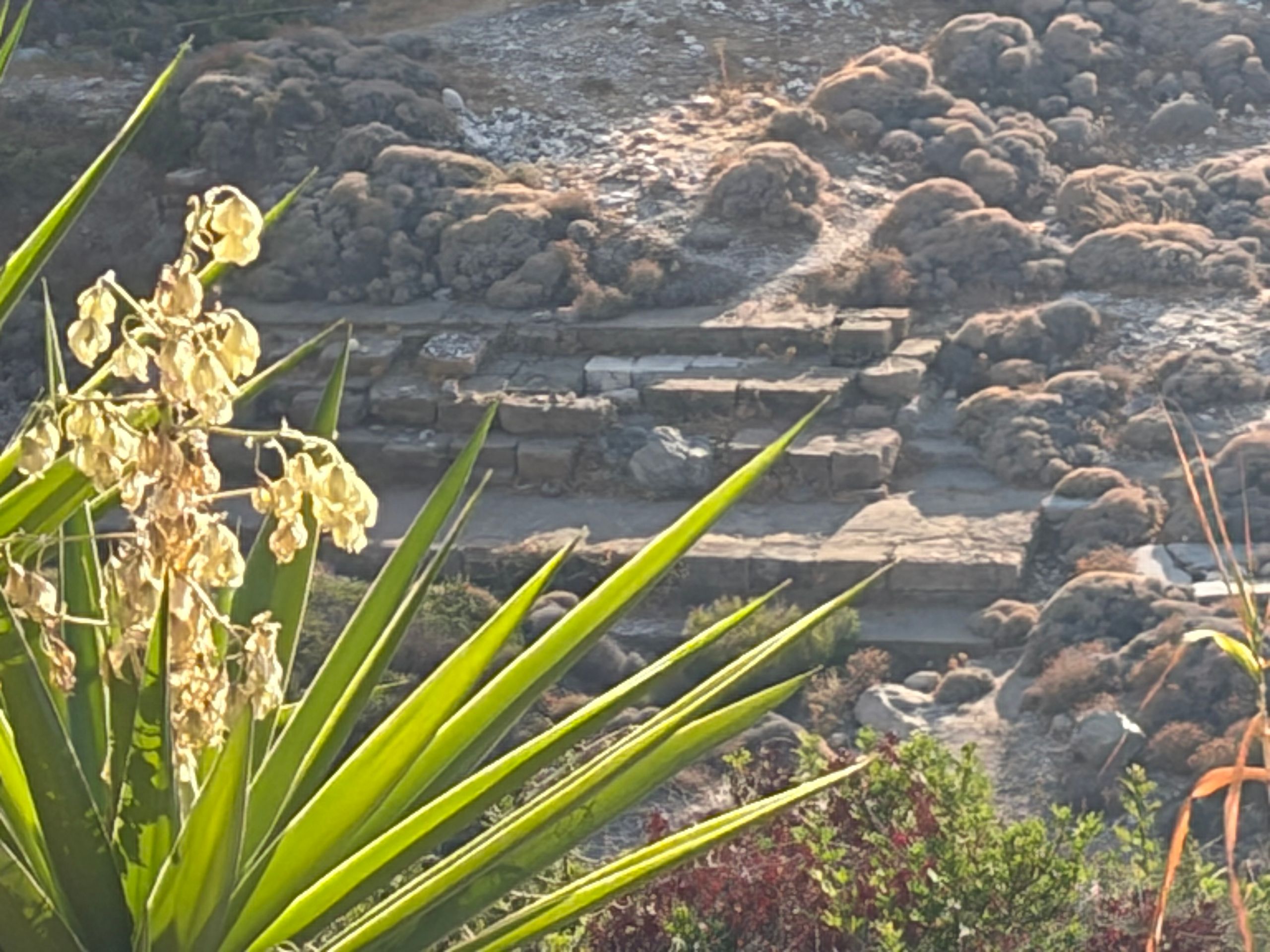
The temple was dismantled in the late 19th century to build a church in Christos Raches (I will return to this special place another time) using the stones. Among the locals, there is a rumor that several marble statues lie submerged off the bay and have yet to be recovered. Additionally, it is said that the wooden statue of Artemis, which, according to legend, fell from the sky and was the central sanctuary of the temple, was buried in the area of the lagoon.
After that, the area was long avoided (out of fear of the gods' revenge?) and only with the arrival of the hippies did around 50 permanent residents settle here again. The name Nas likely derives from the Greek word for temple (ναός, Naos).
Okay. I hope this history lesson isn't too boring; I find it really fascinating, as so much of this mythology is explained by the obvious challenges people had to deal with back then.
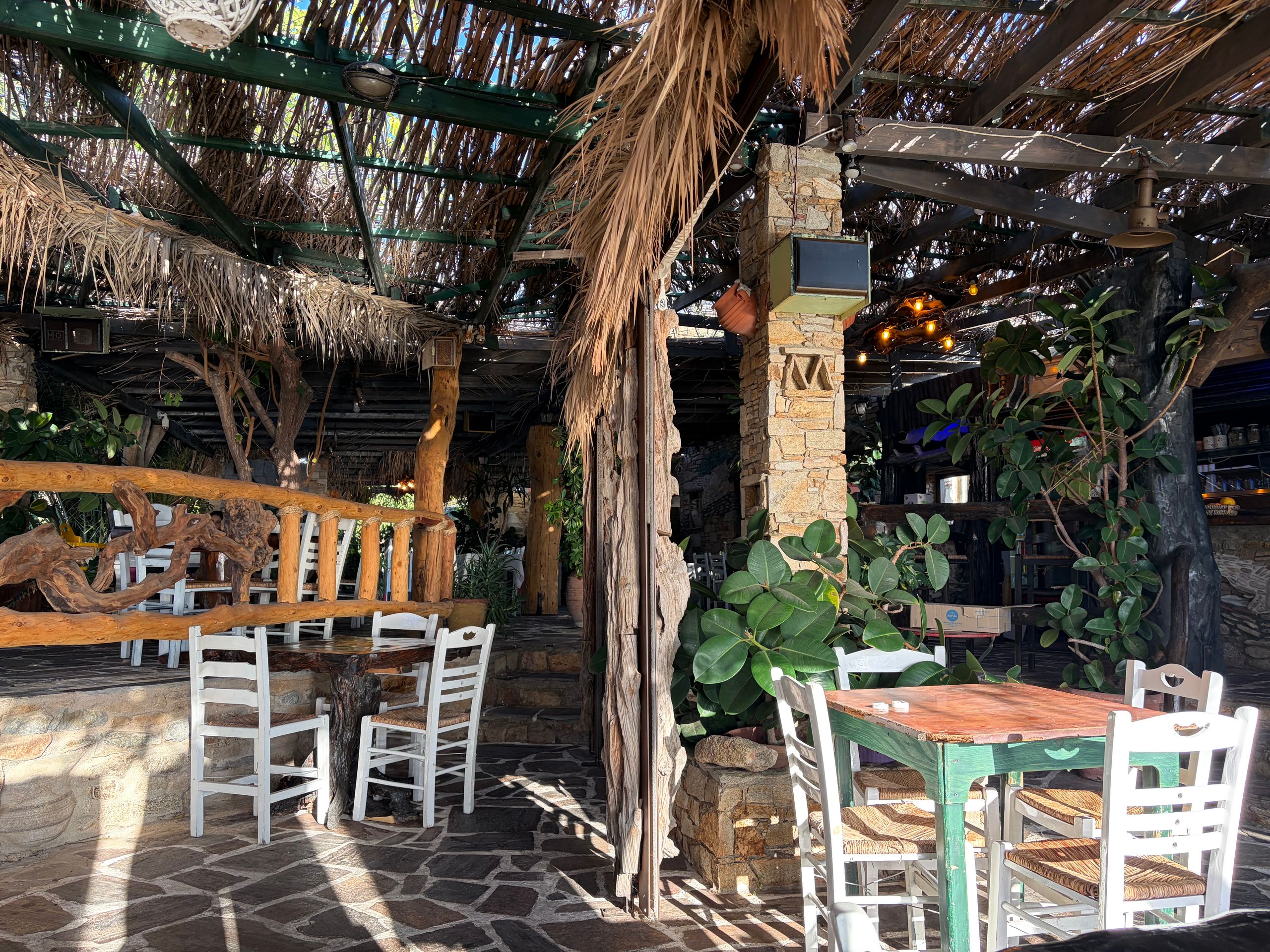
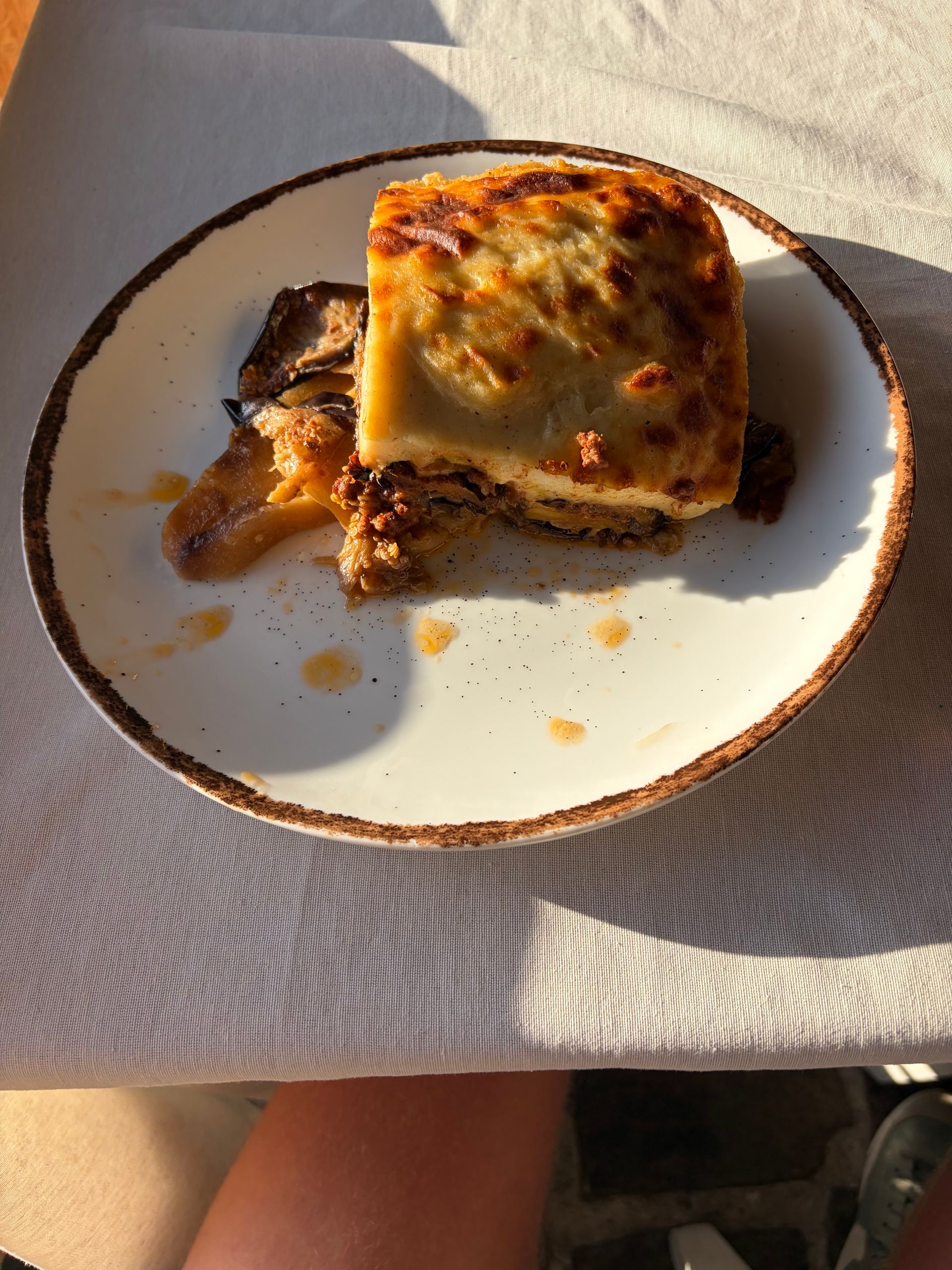
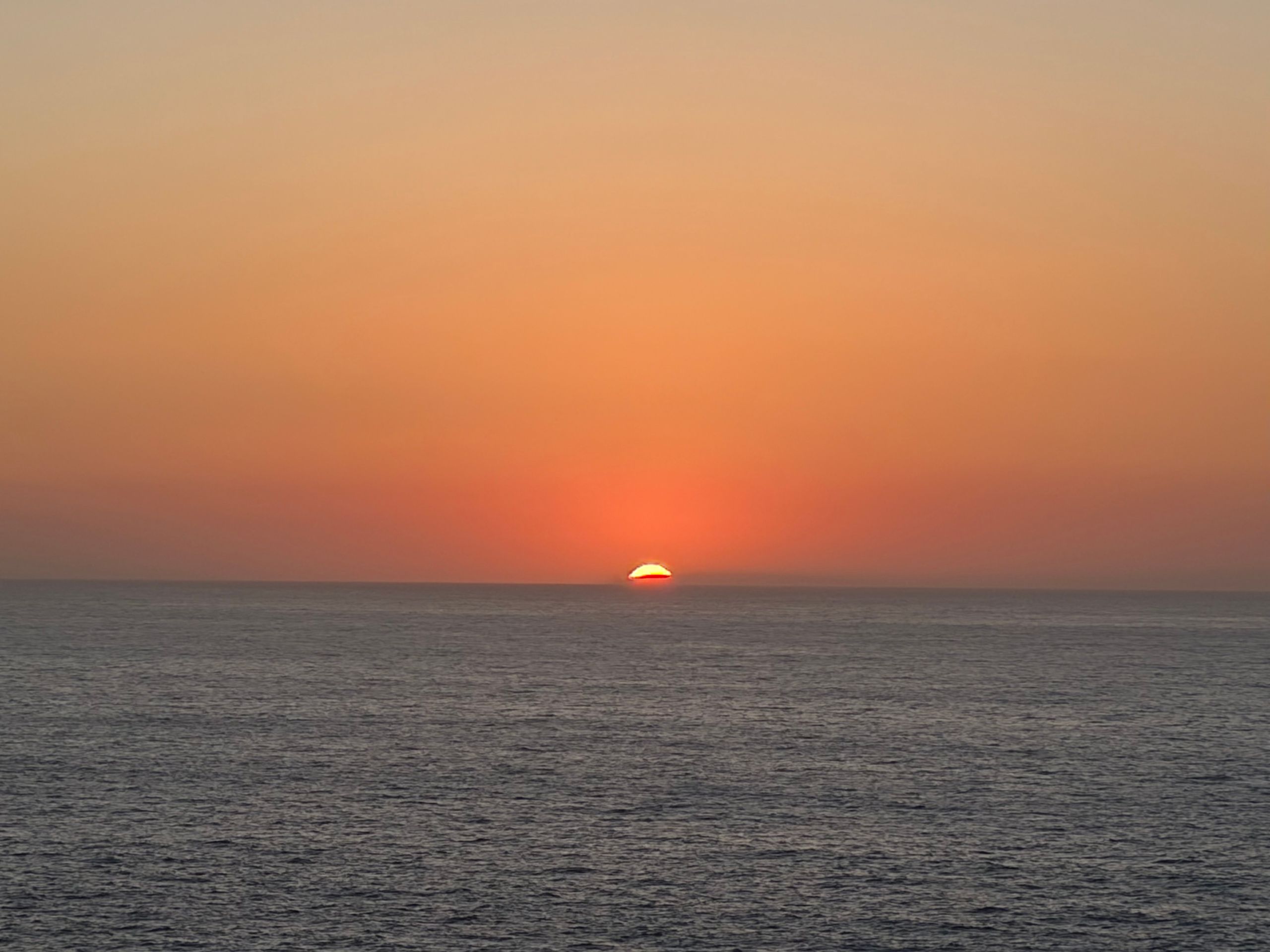
I am now sitting in a tear-jerkingly beautiful tavern overlooking the bay, having eaten the second-best moussaka of my life, and I am waiting for the sunset, which is said to be the most spectacular on the island.