Kyoto - Days 6-9
Kyoto has enchanted us. We did not know in advance how long we would stay here, and in the end, we stayed longer. In fact, we are still here. After two days in the mountains of...

Published: 07.03.2025
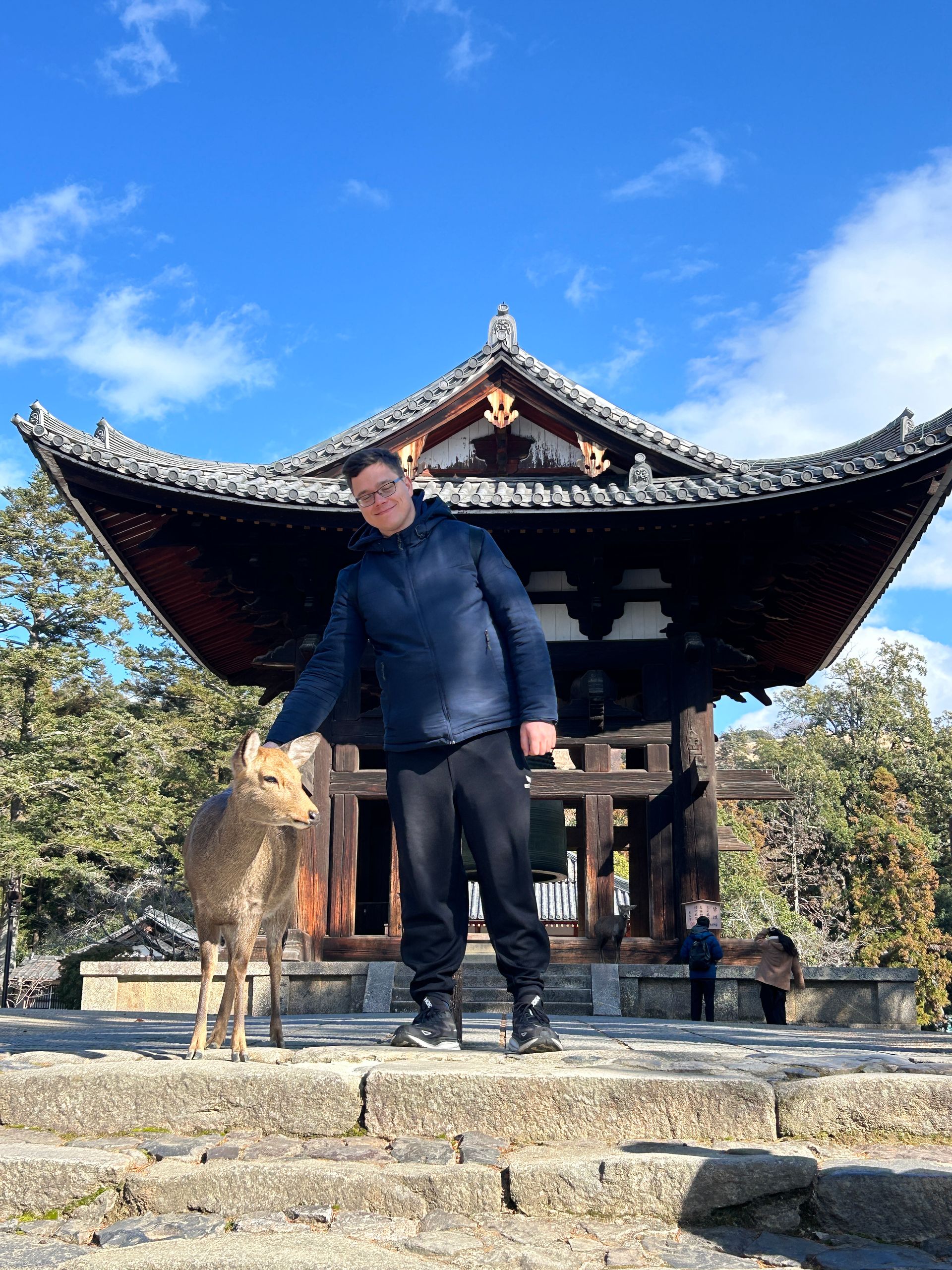
From Kyoto, we took the train to Nara. The journey wasn't long, lasting less than an hour. Nara is a smaller city, which was also a royal city in the past. Today, Nara is mainly known for the deer that live in the city - at the main temple. When we were planning our trip to Japan, photos of the temple with deer in the background often popped up, as well as images of tourists feeding the deer.
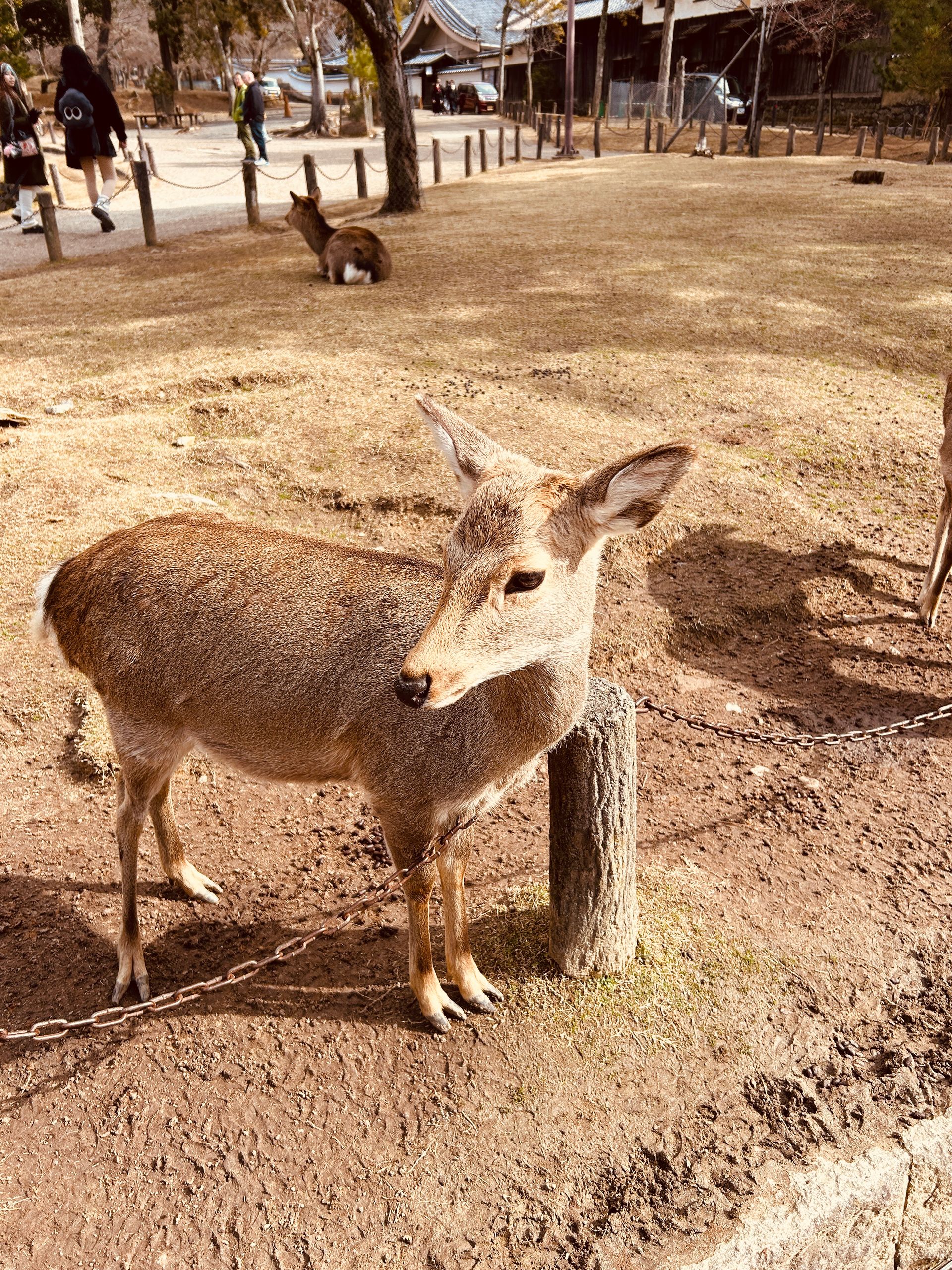
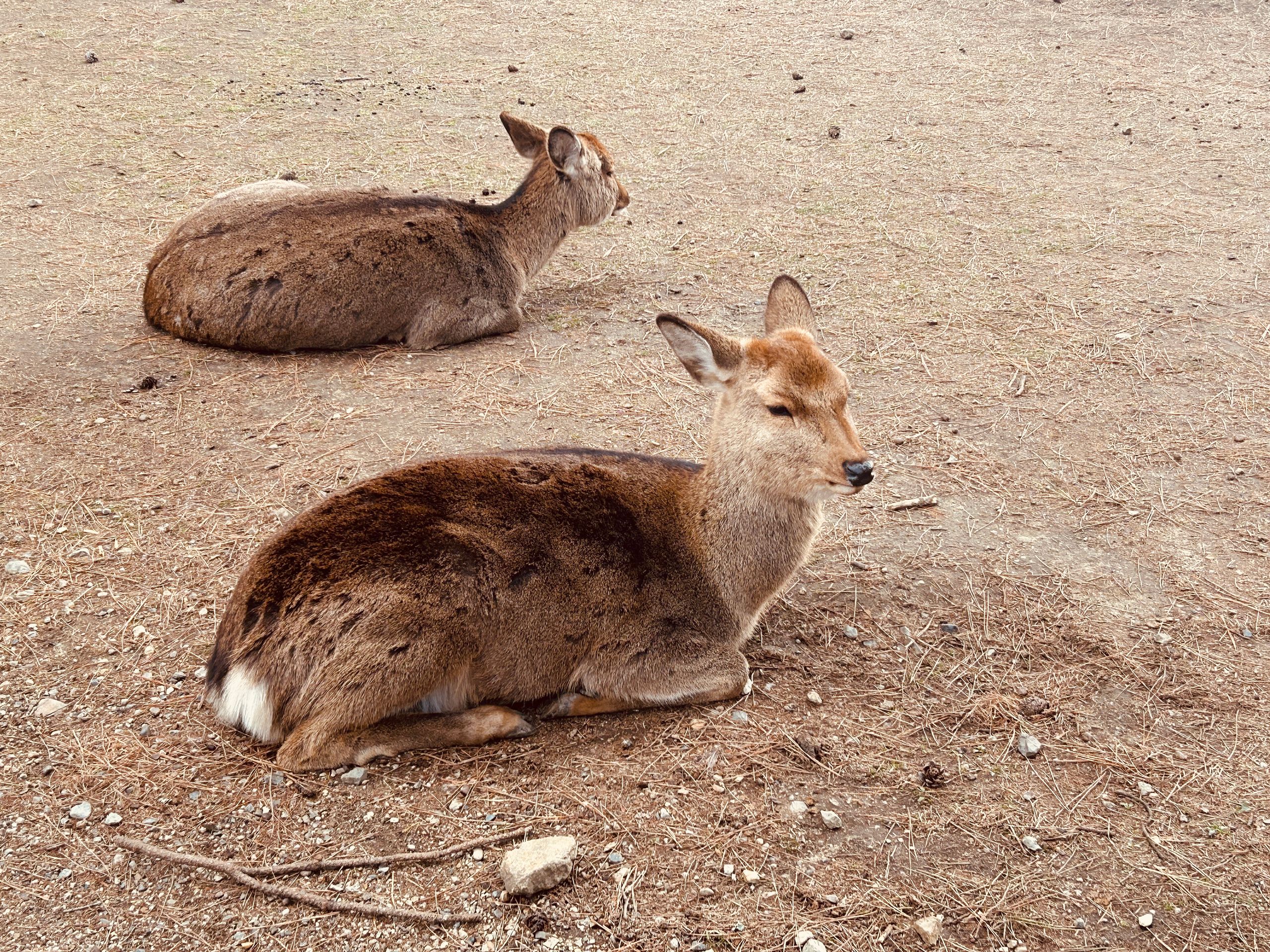
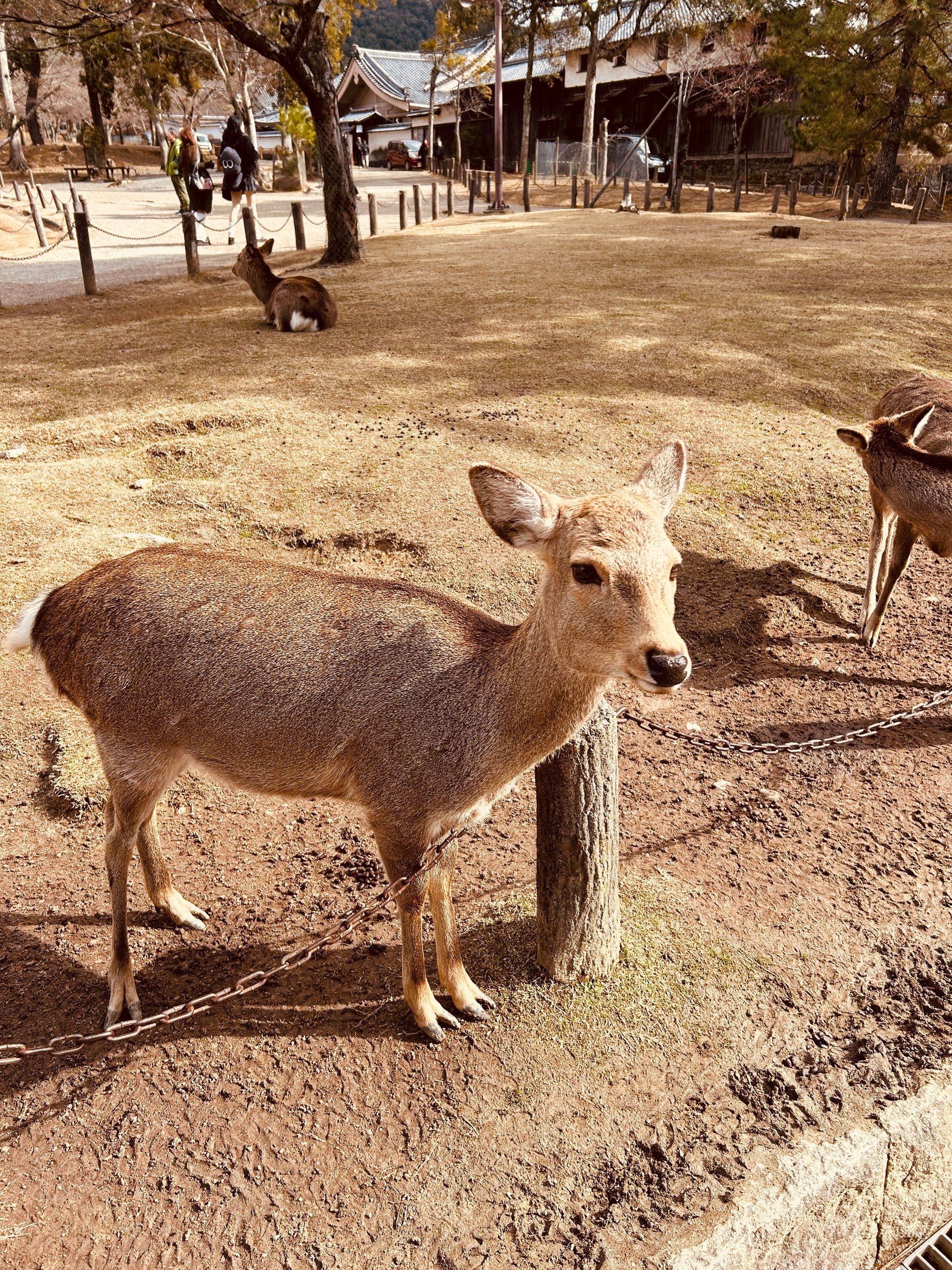
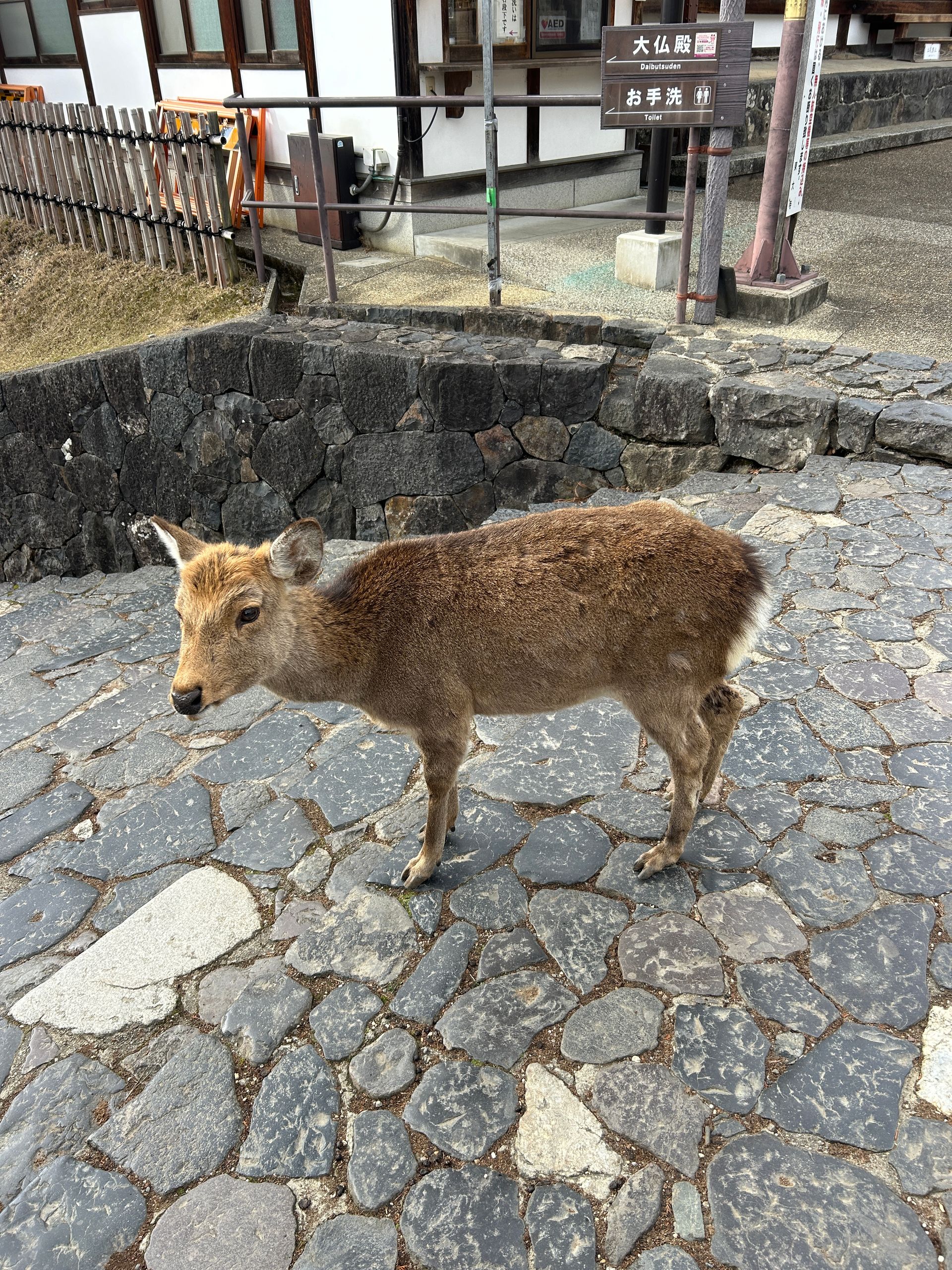
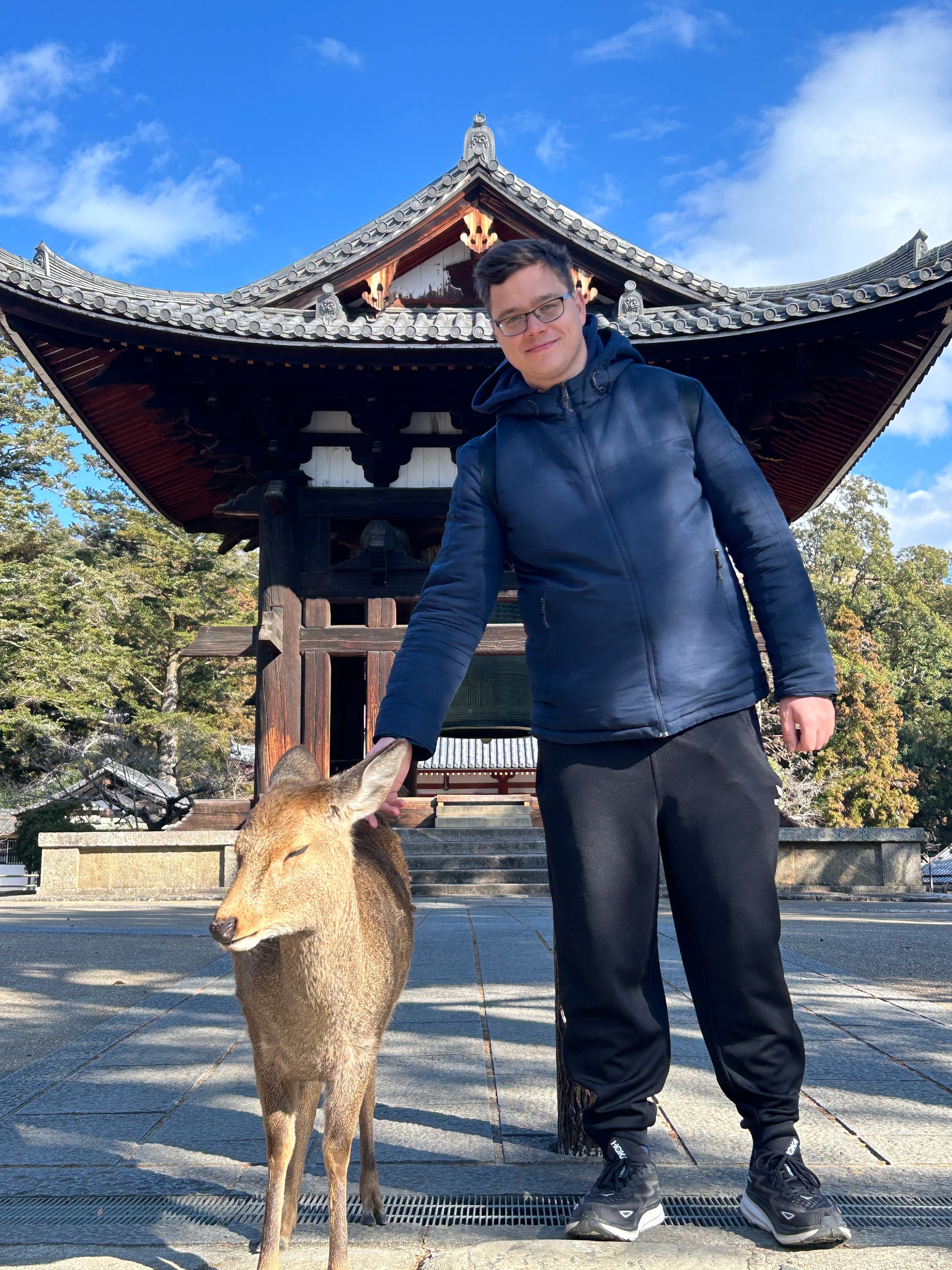
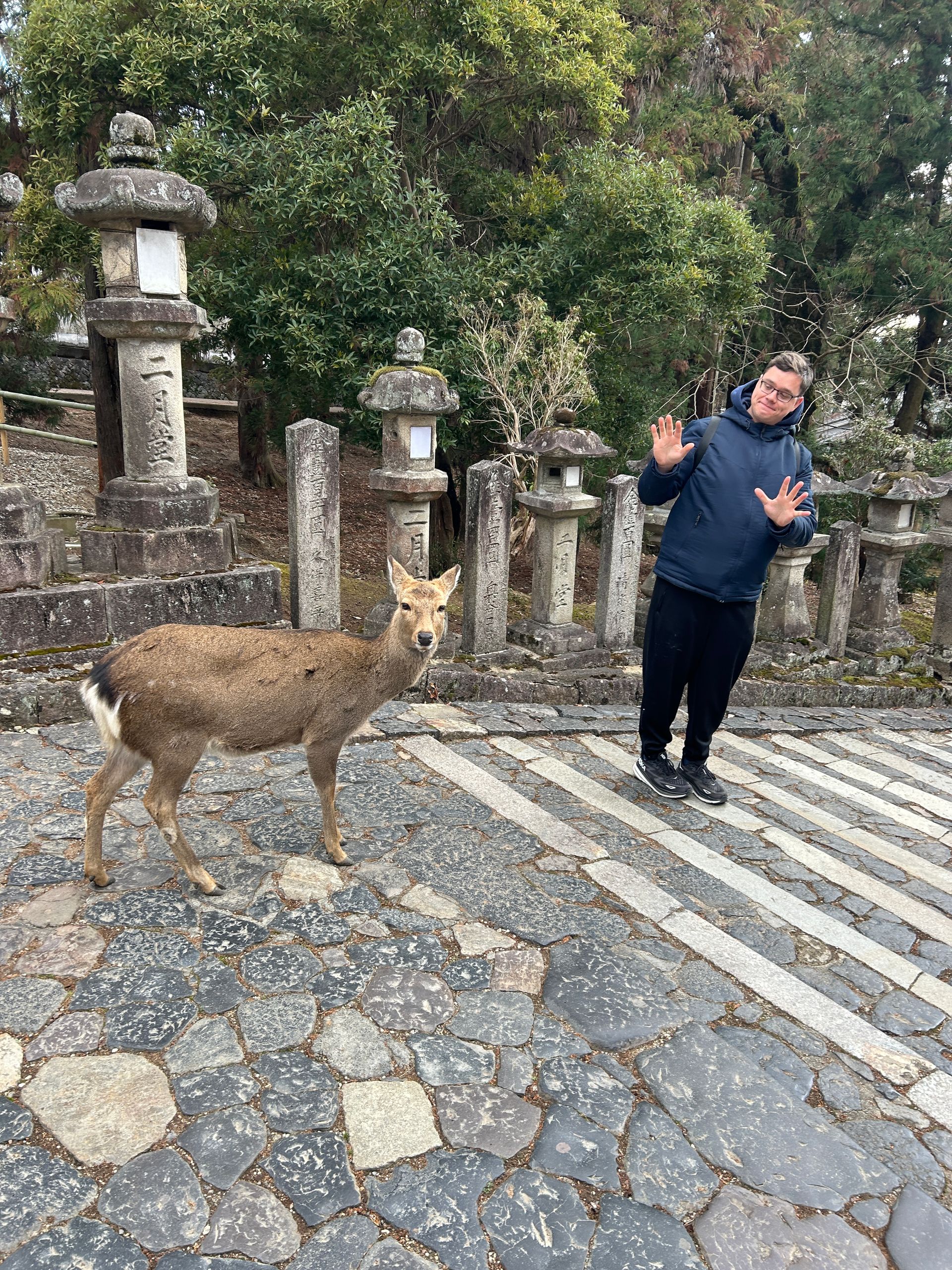
And suddenly, we were here! It was quite cold, the wind was blowing, but the sky was clear. As soon as we left the station and saw the first park, we discovered them! There were hundreds of deer roaming everywhere in the city! It must be said that they didn't bother the tourists; on the contrary, it was clear they were tame and used to being fed by tourists - special deer food was offered everywhere. We also learned an interesting fact - the deer often bow when they come into contact with people, just as is customary in Japan. It really seems like a part of the culture. However, it is said to be purely a tourist trick. They bow because they know they will then get something to eat.
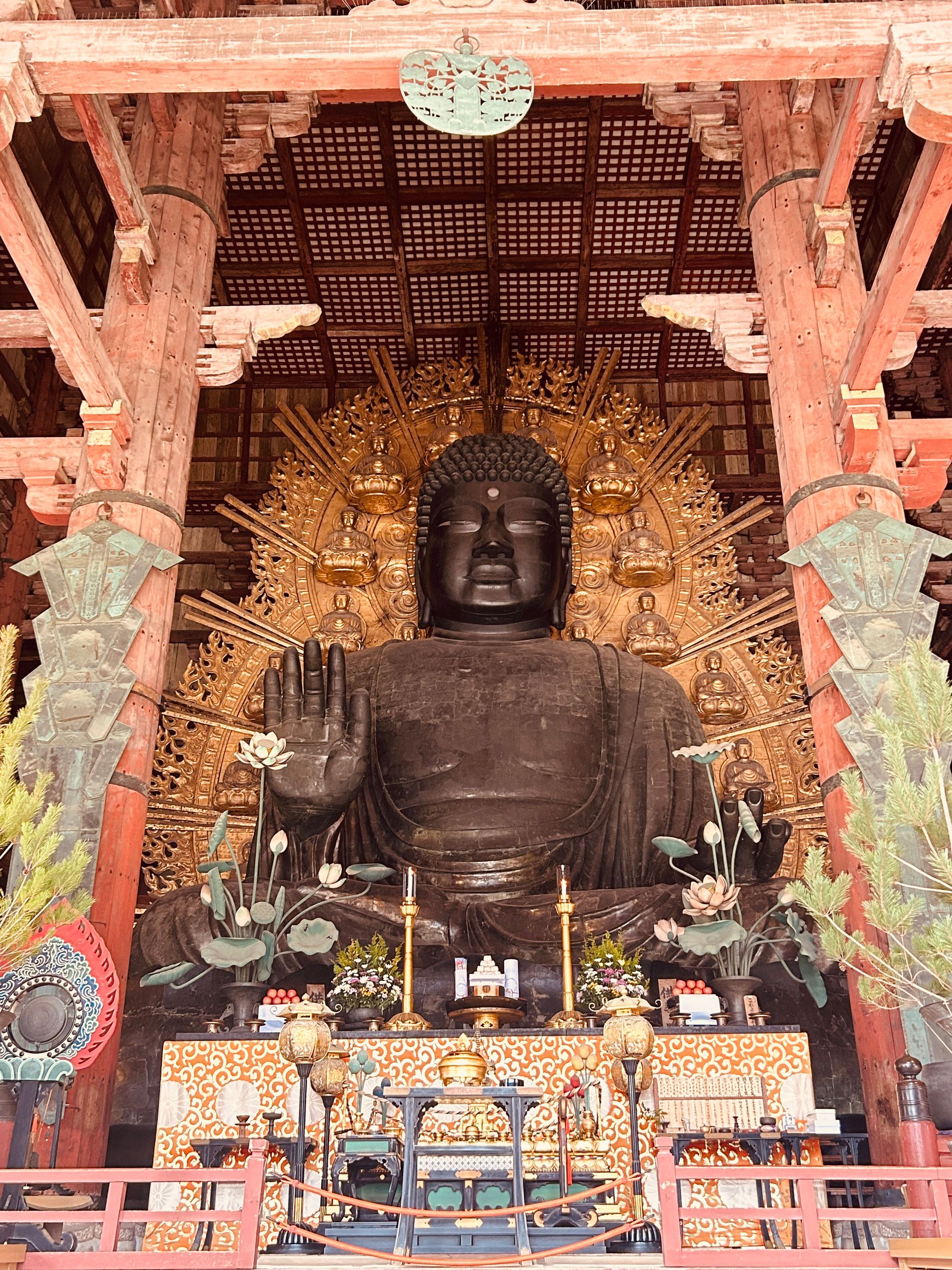
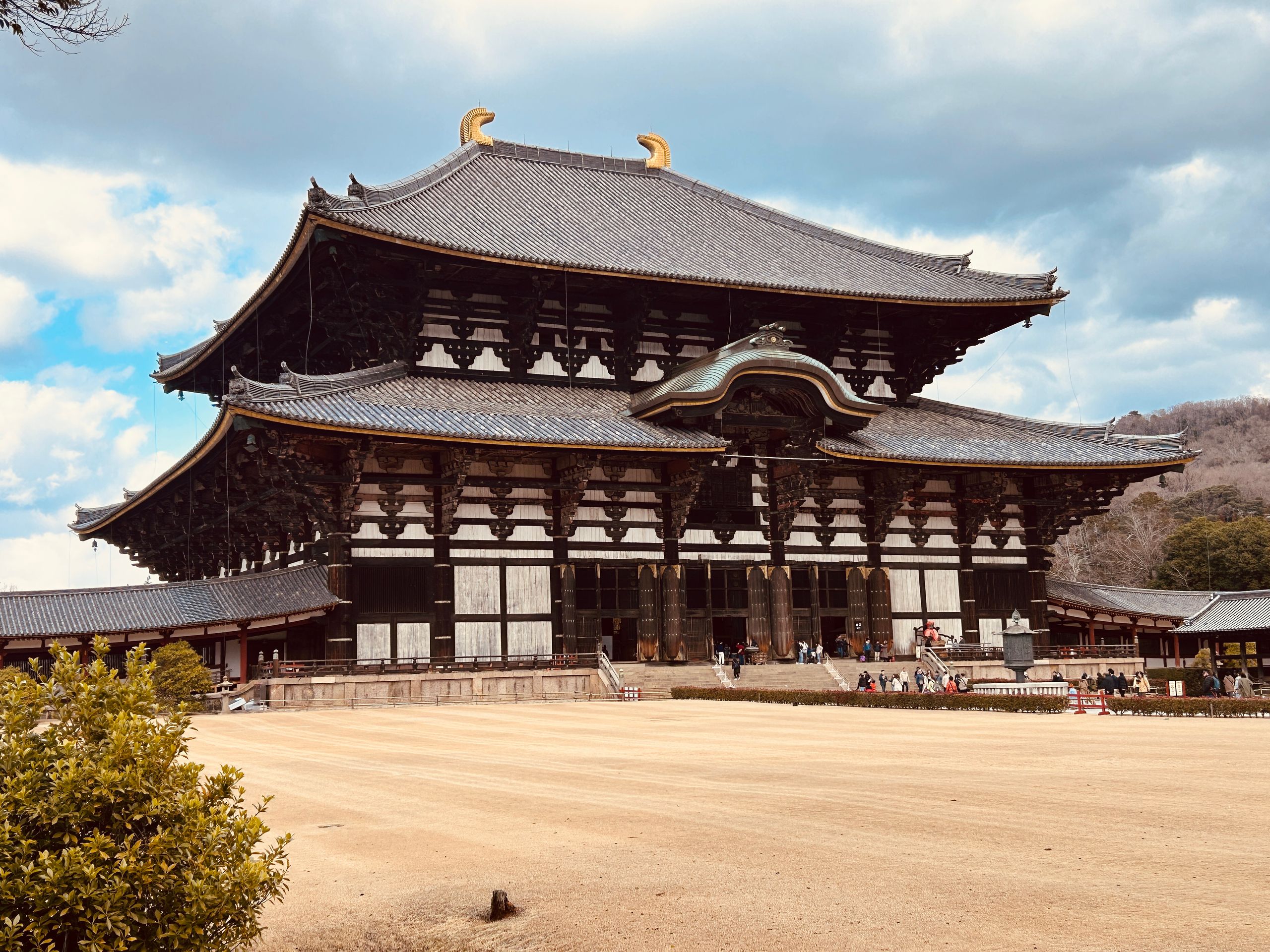
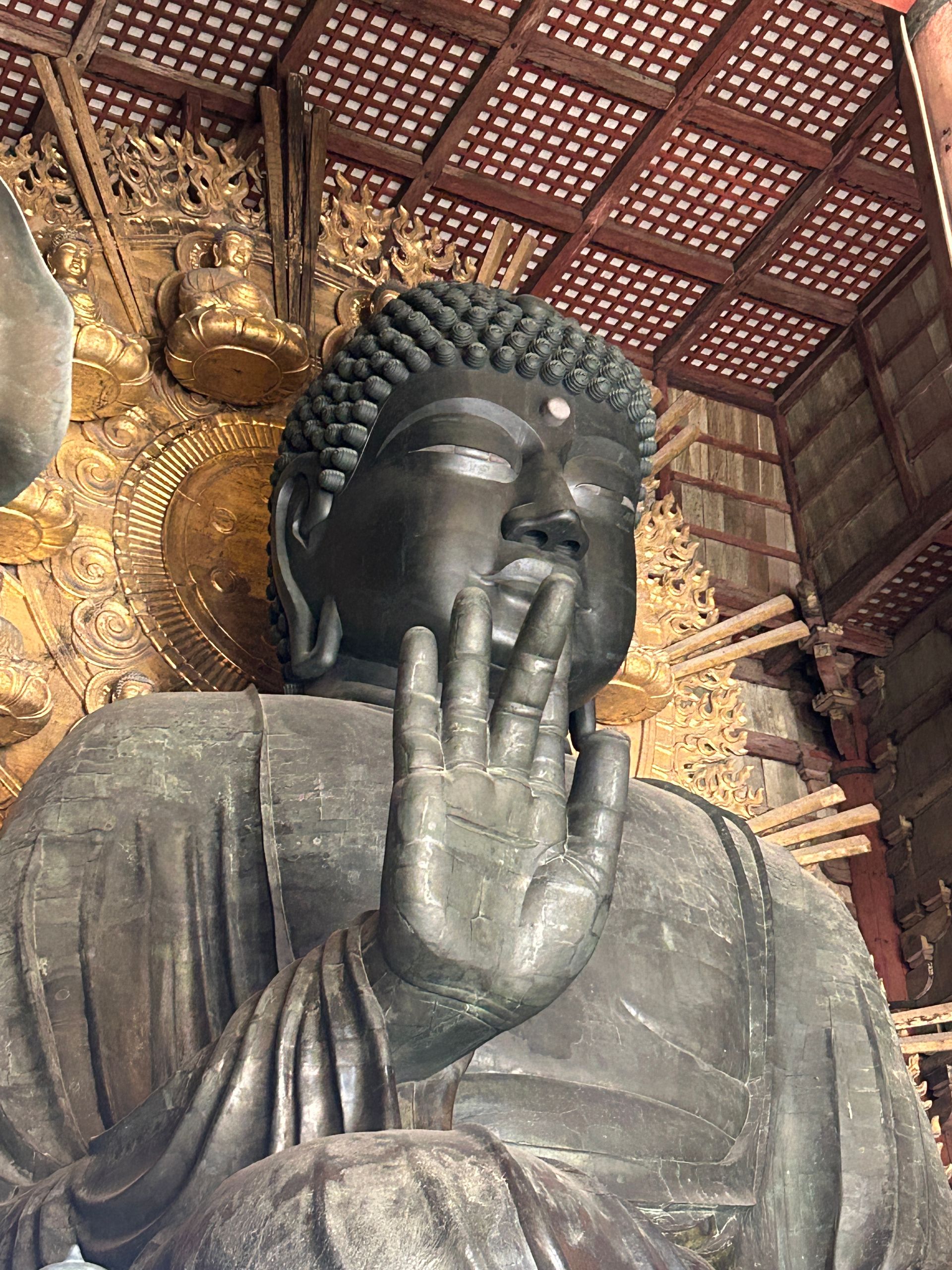
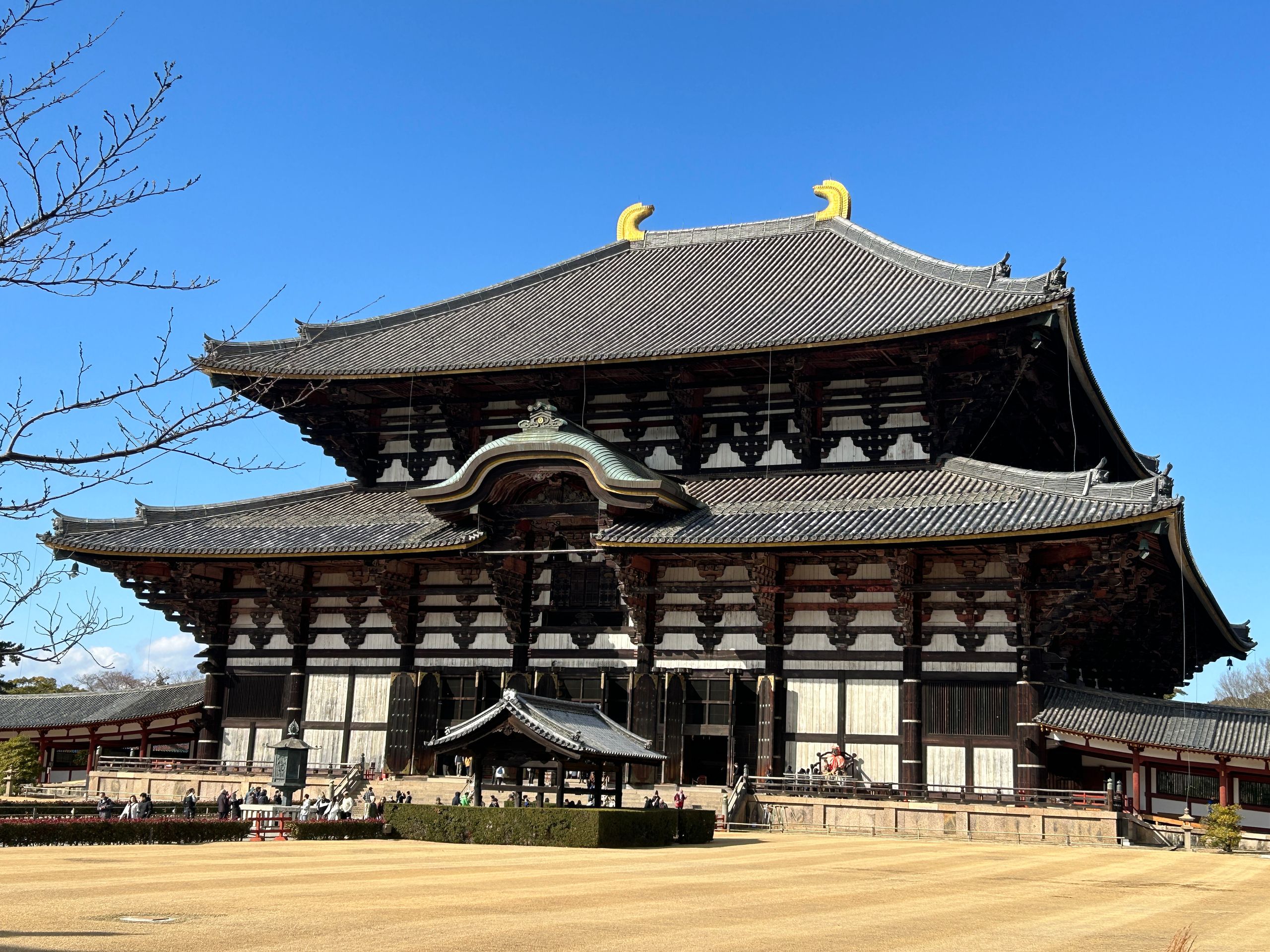
We didn’t feed them, but simply walked past them. We made our way to the city’s main temple, which, like the deer, had small “horns” on the roof and housed a huge Buddha statue inside.
In Japan, it’s typical for temples to sell amulets that are supposed to protect people. Each amulet has a specific purpose and a special symbol. Amulets for students are very common - to help them pass exams, for safe travels in cars, for a calm mind, good work, recovery from illnesses… There really is something for everything.
We continued to stroll through the city and encountered more and more deer. Eventually, we arrived in a shopping district. For the first time in Japan, we tried Mochi - Mochi are Japanese rice cakes made from glutinous rice paste, usually filled with a sweet red bean paste.
Then it was time to head back to Kyoto.