Fujikawaguchiko - Day 4-5
Yesterday we were traveling all day and faced the decision of what to do next. We knew that we wanted to start heading towards Kyoto, but there was still an opportunity to get...

Published: 07.03.2025
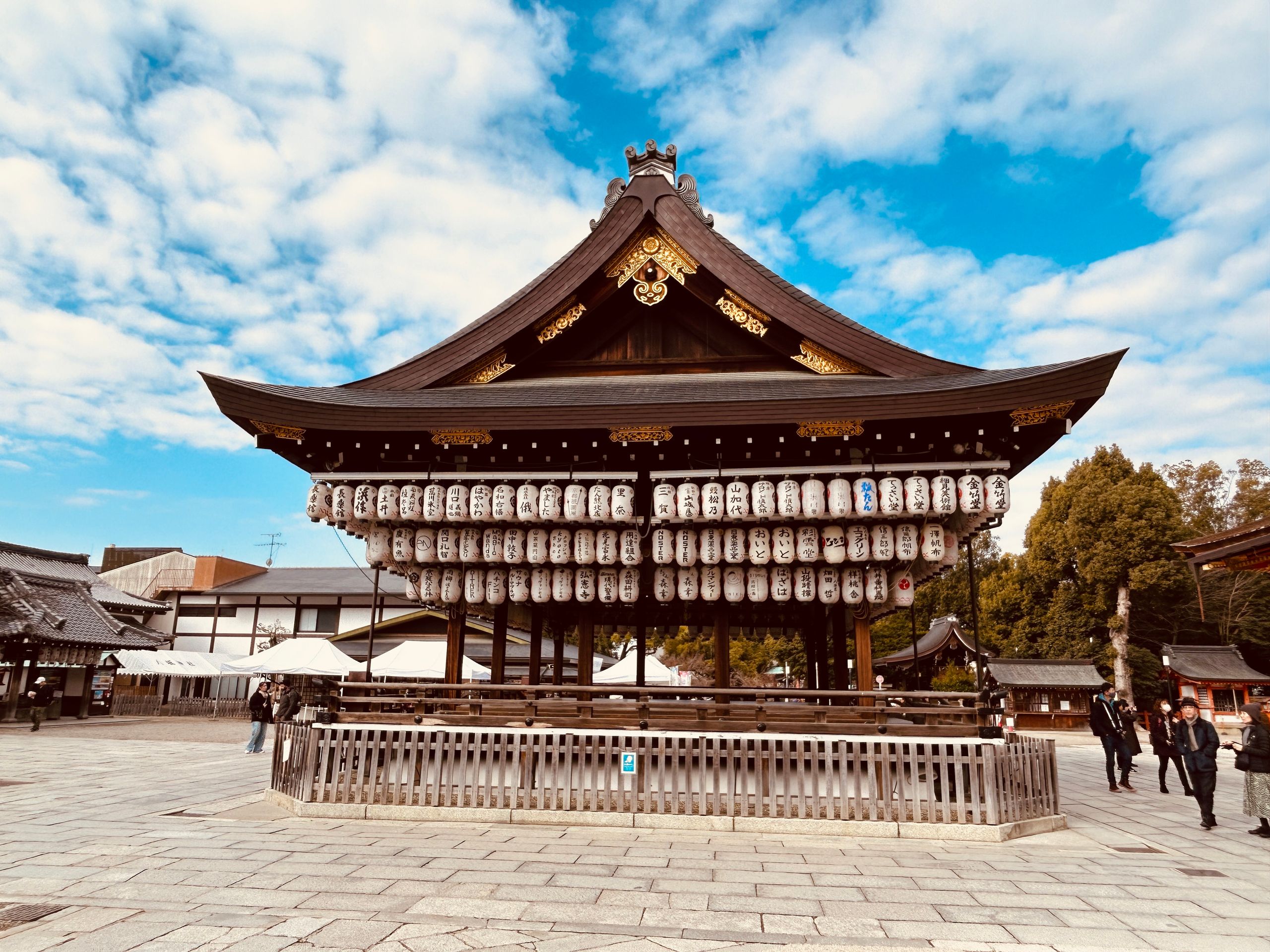
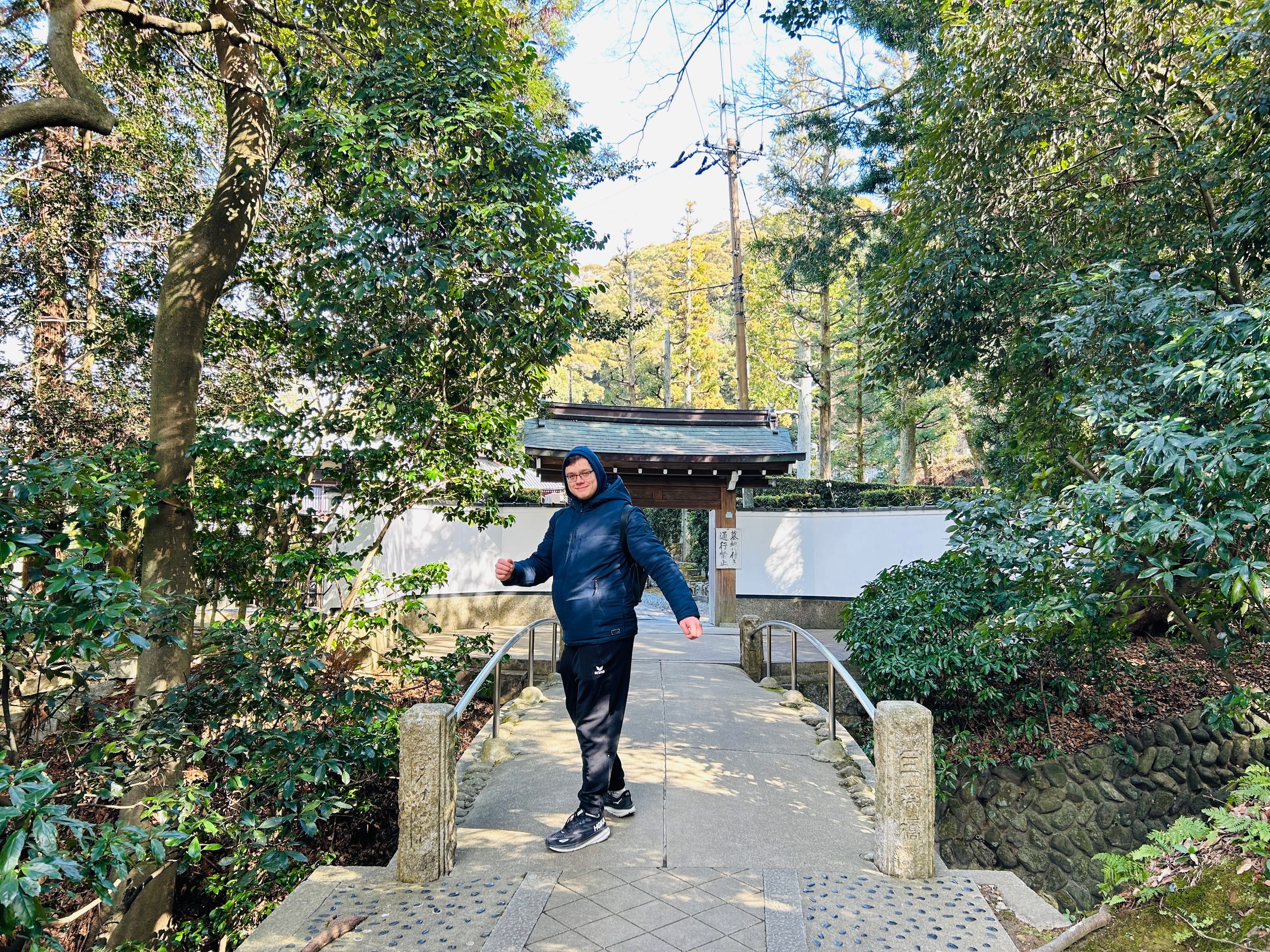
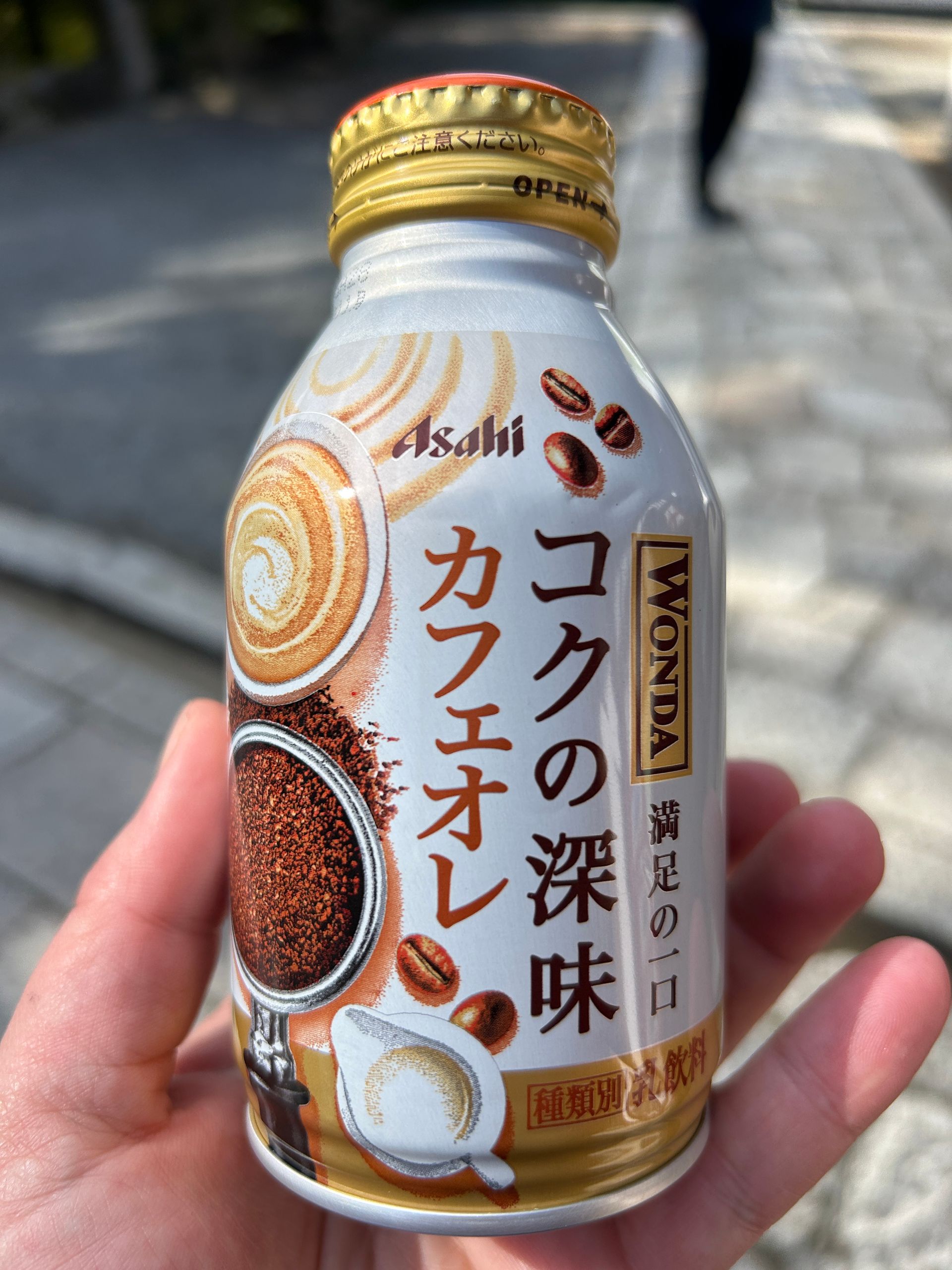
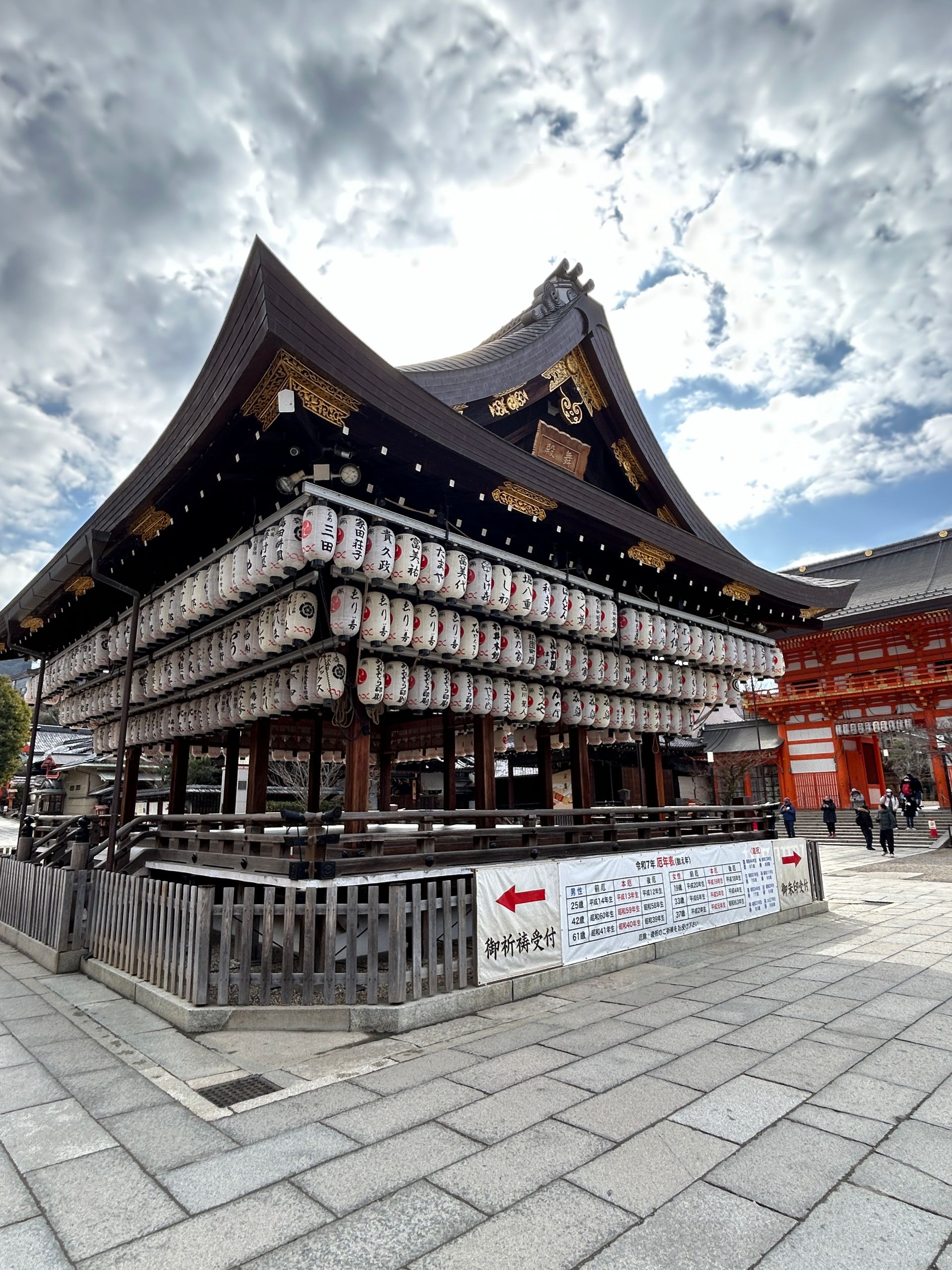
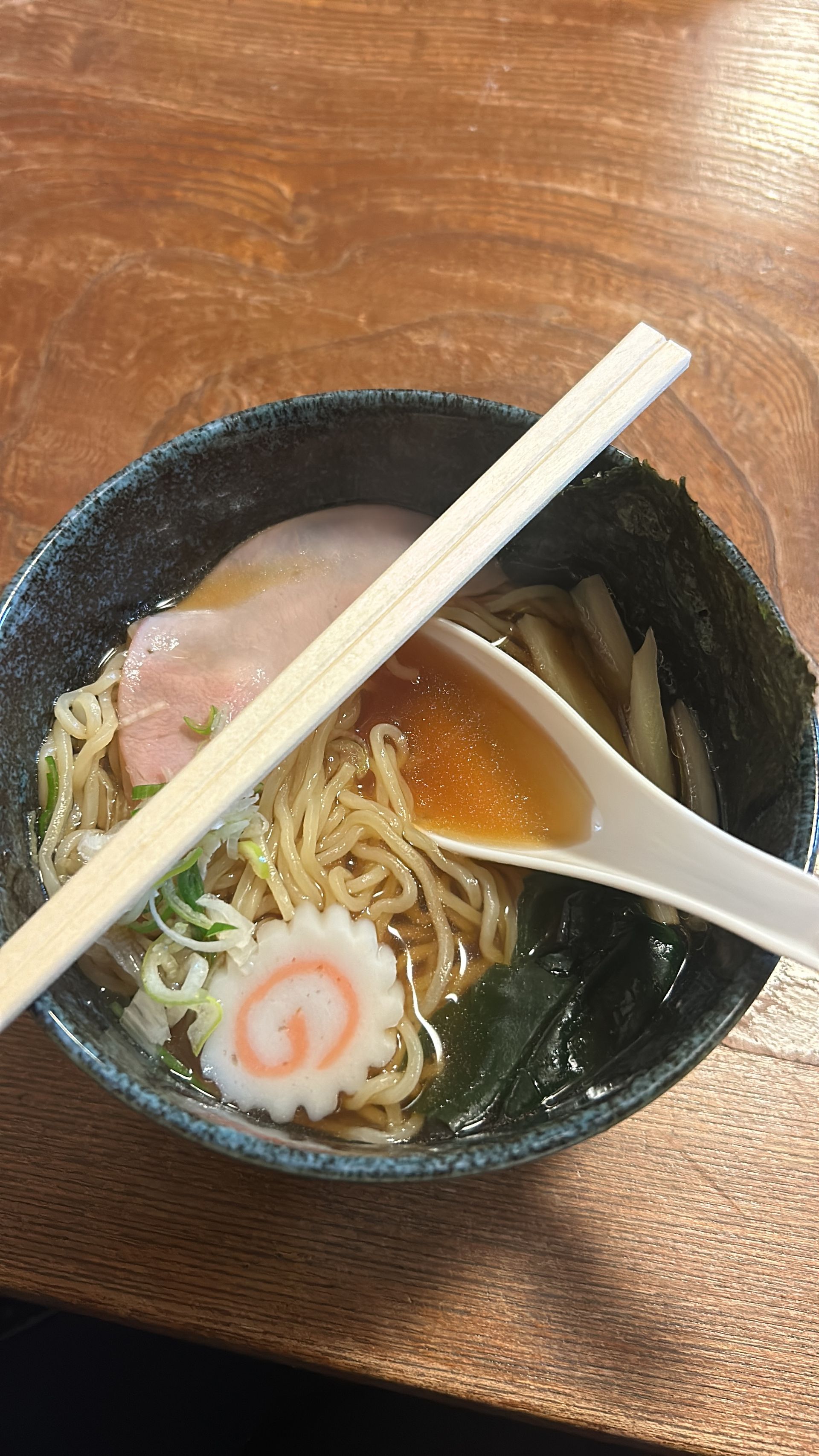
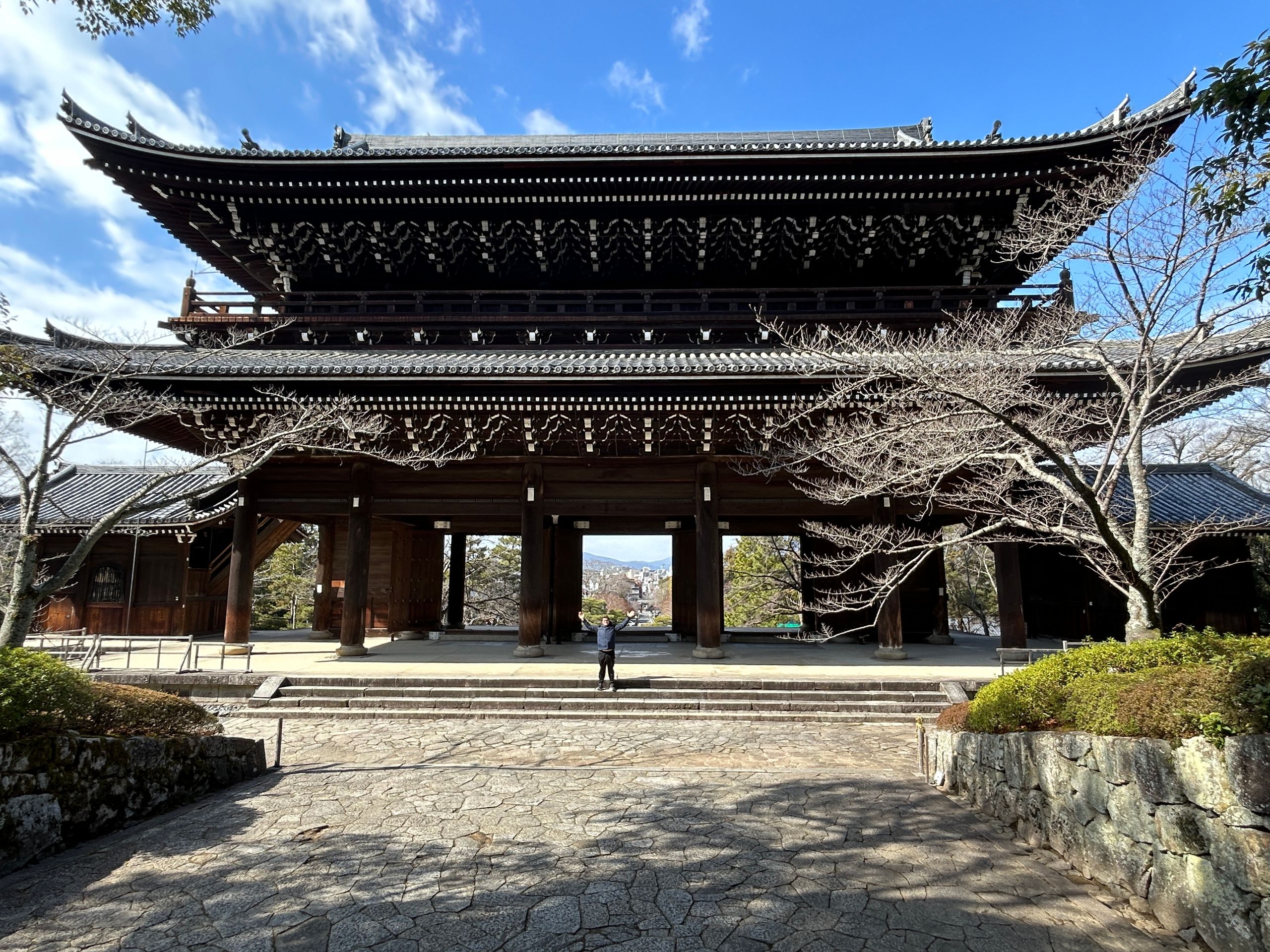
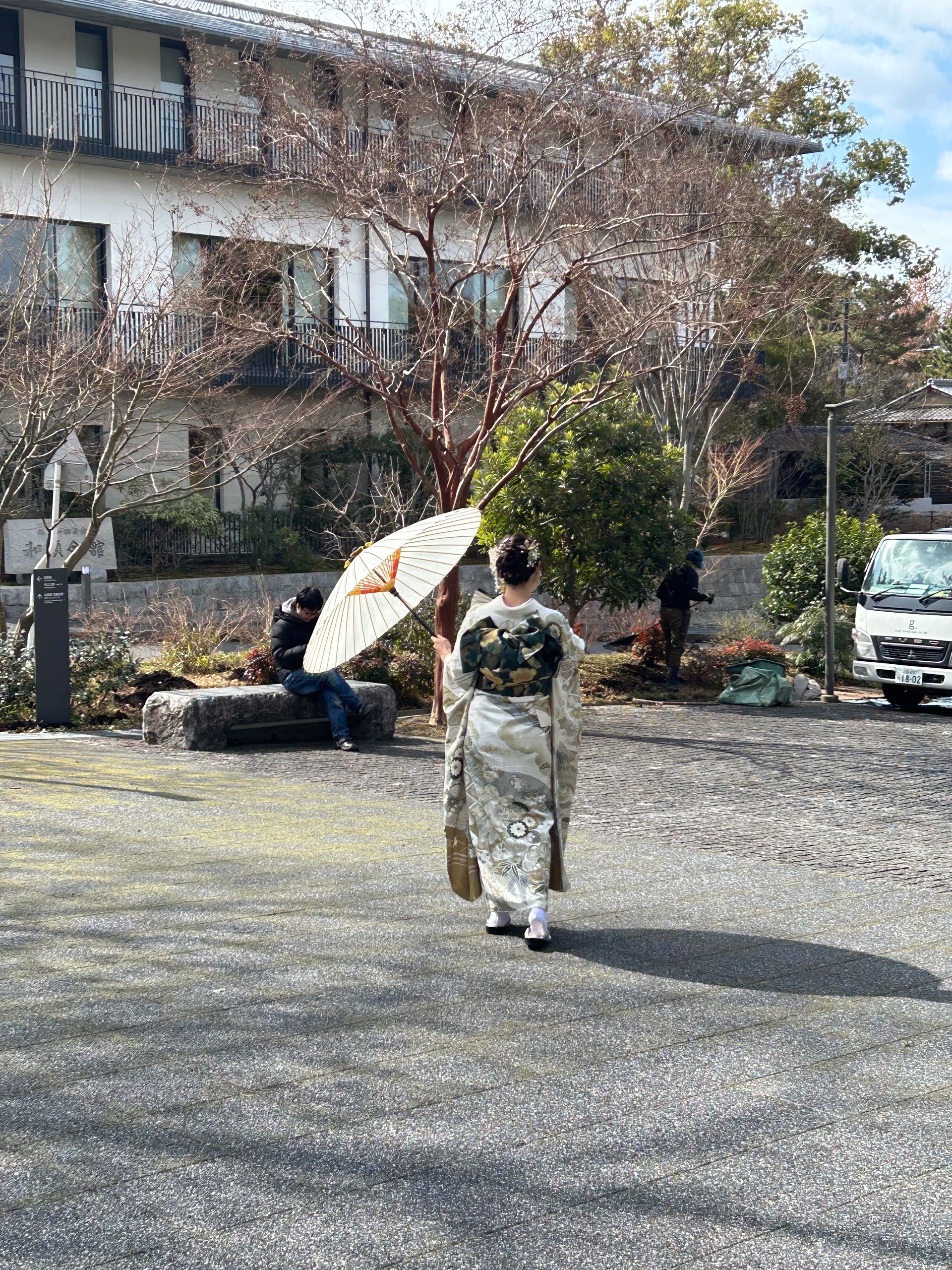
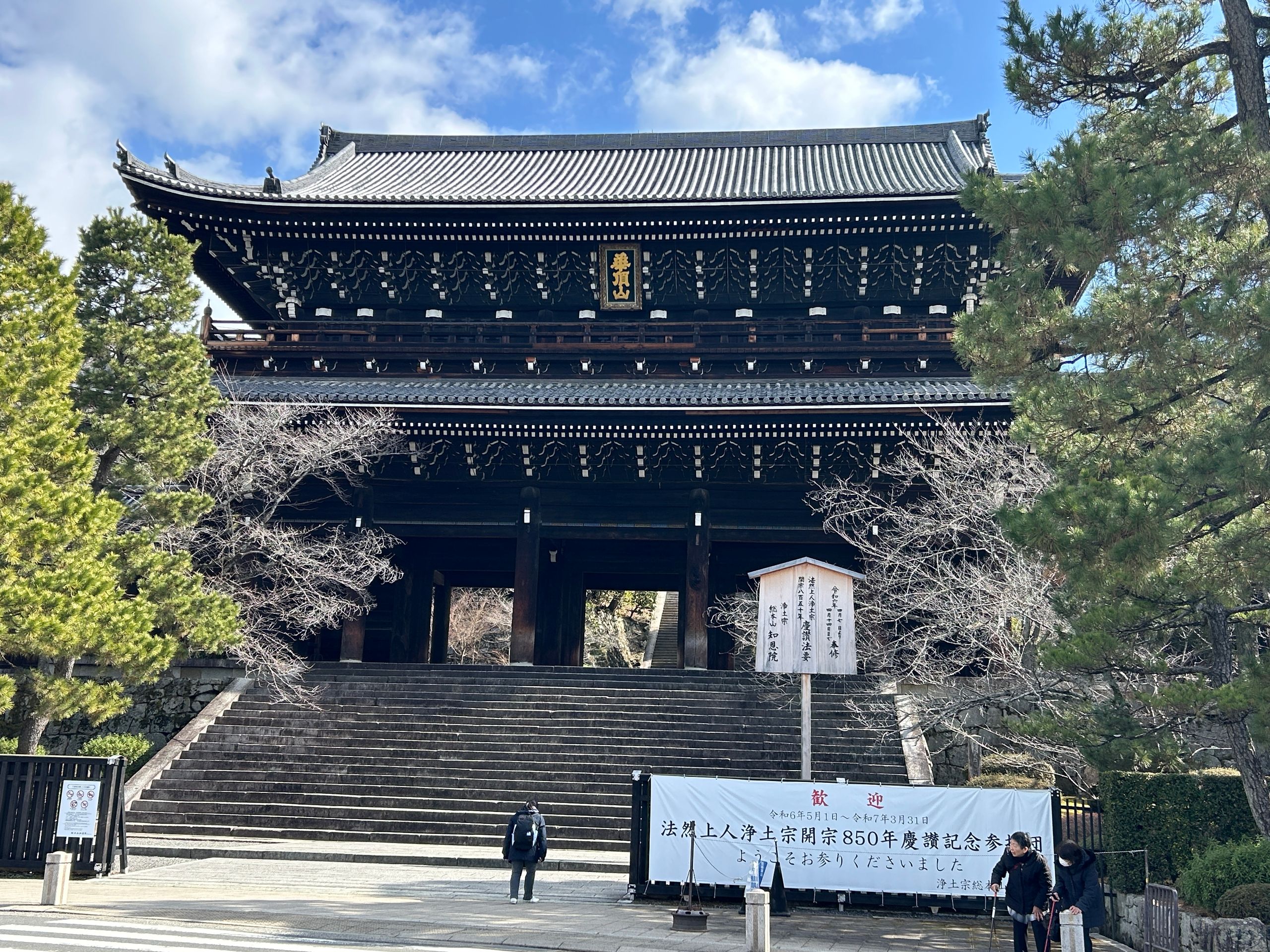
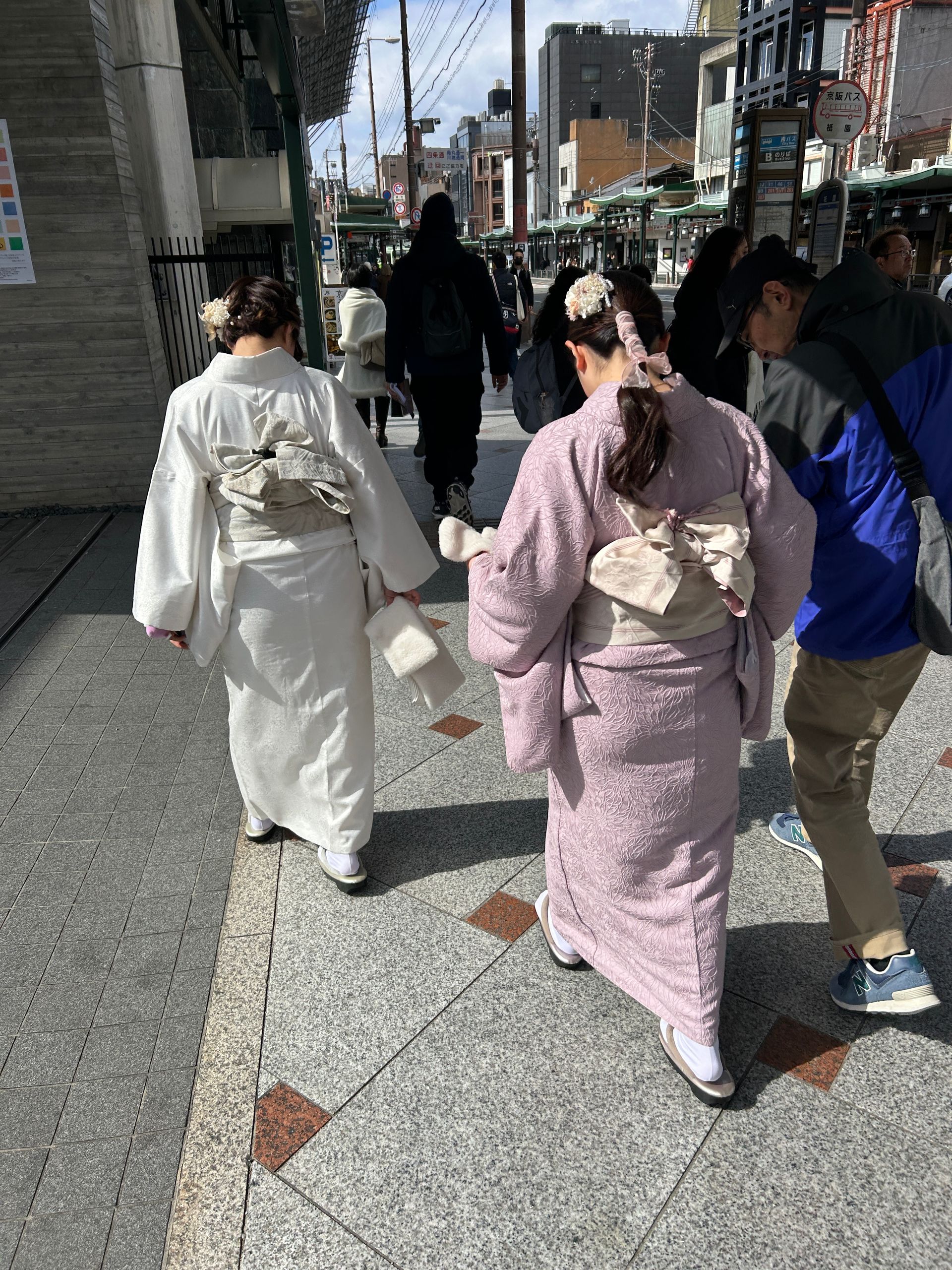
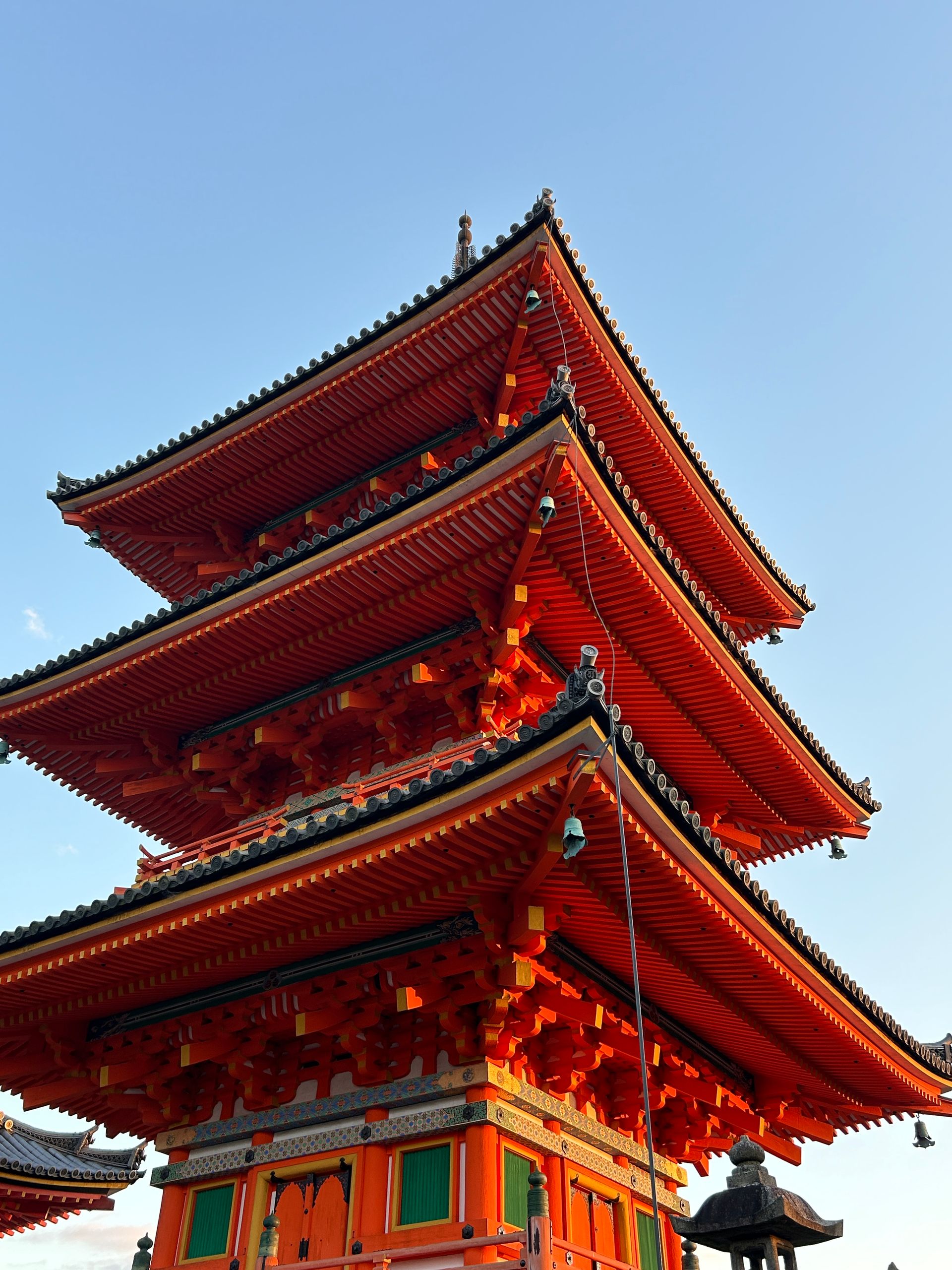
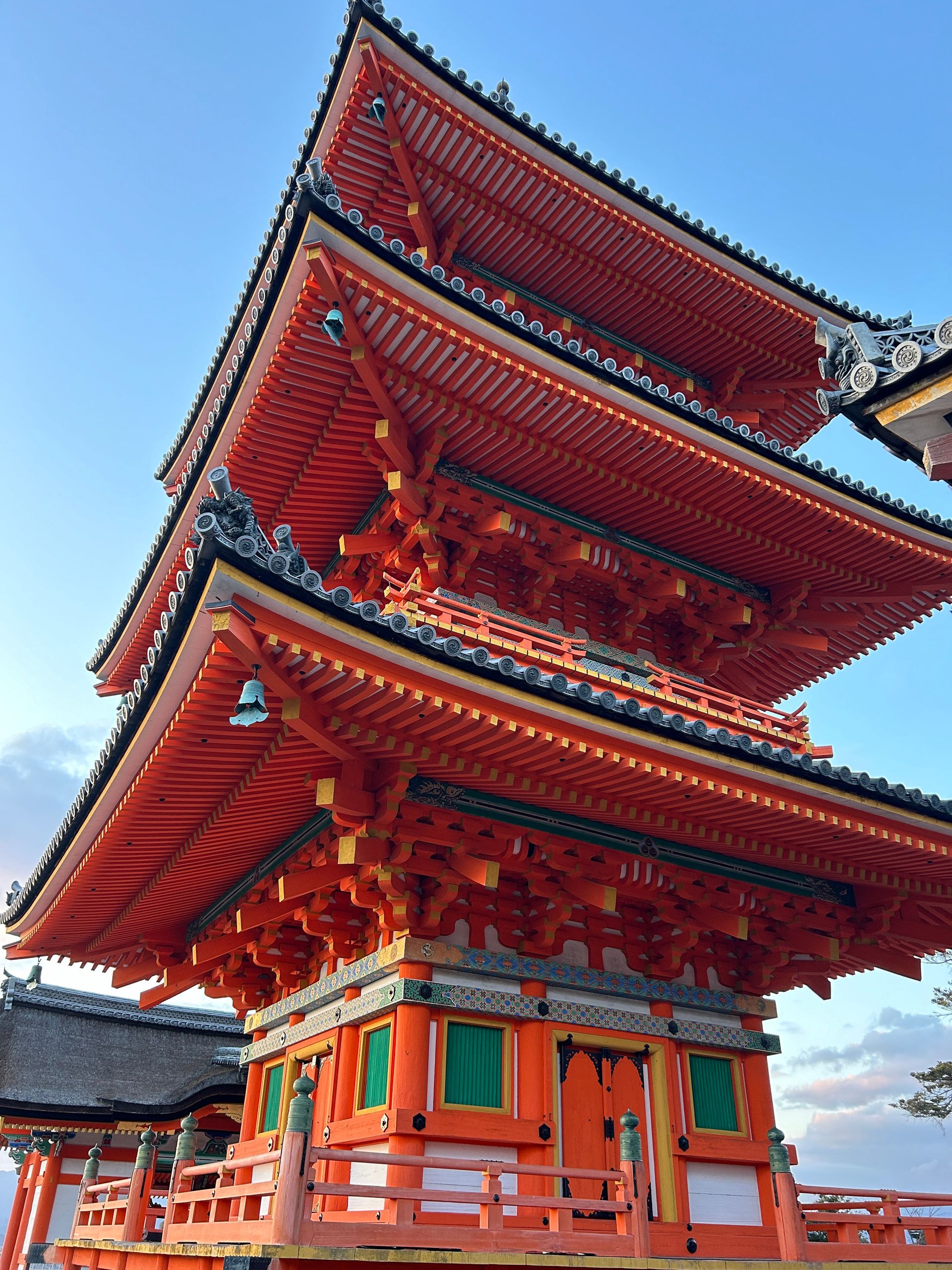
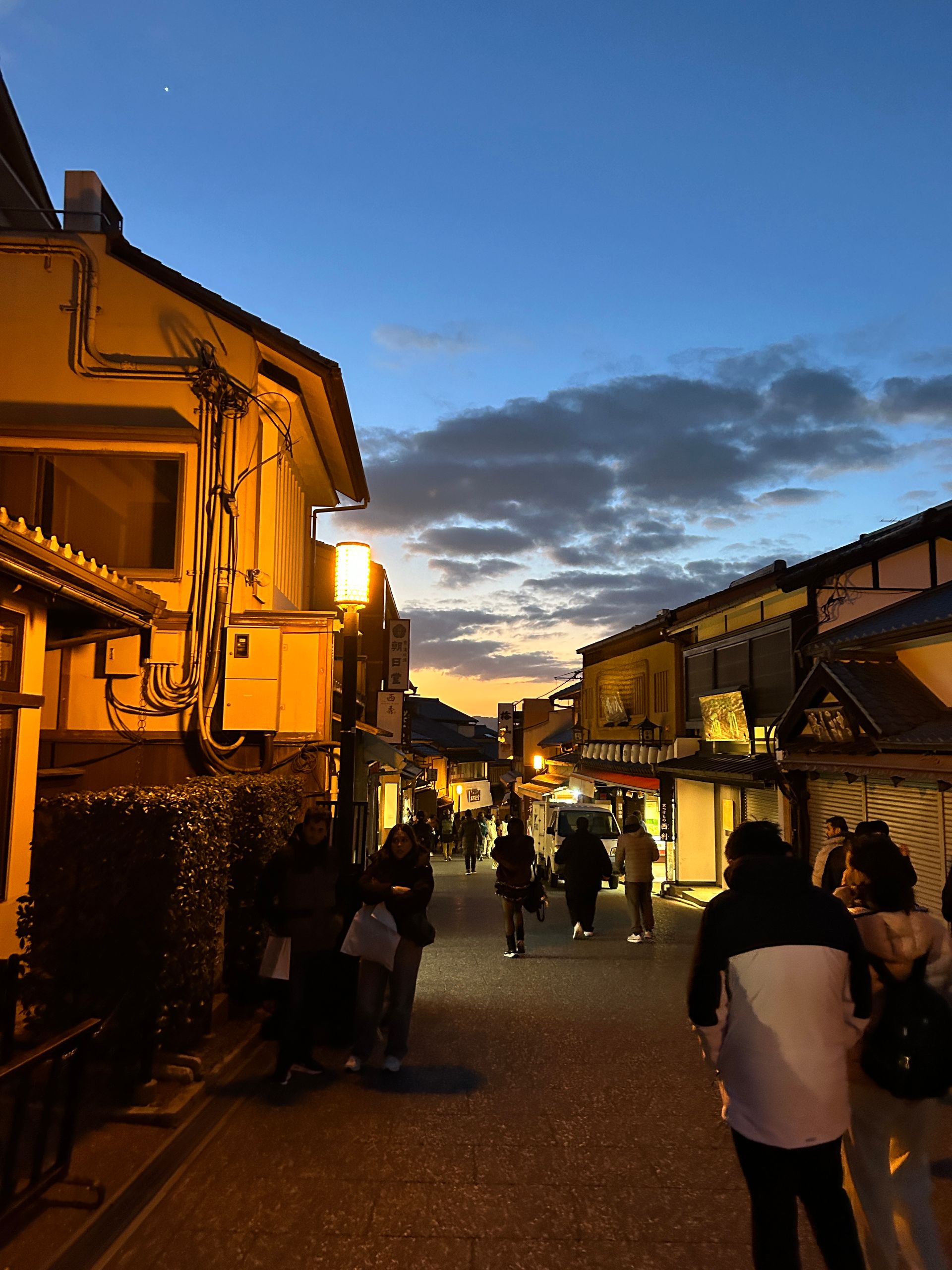
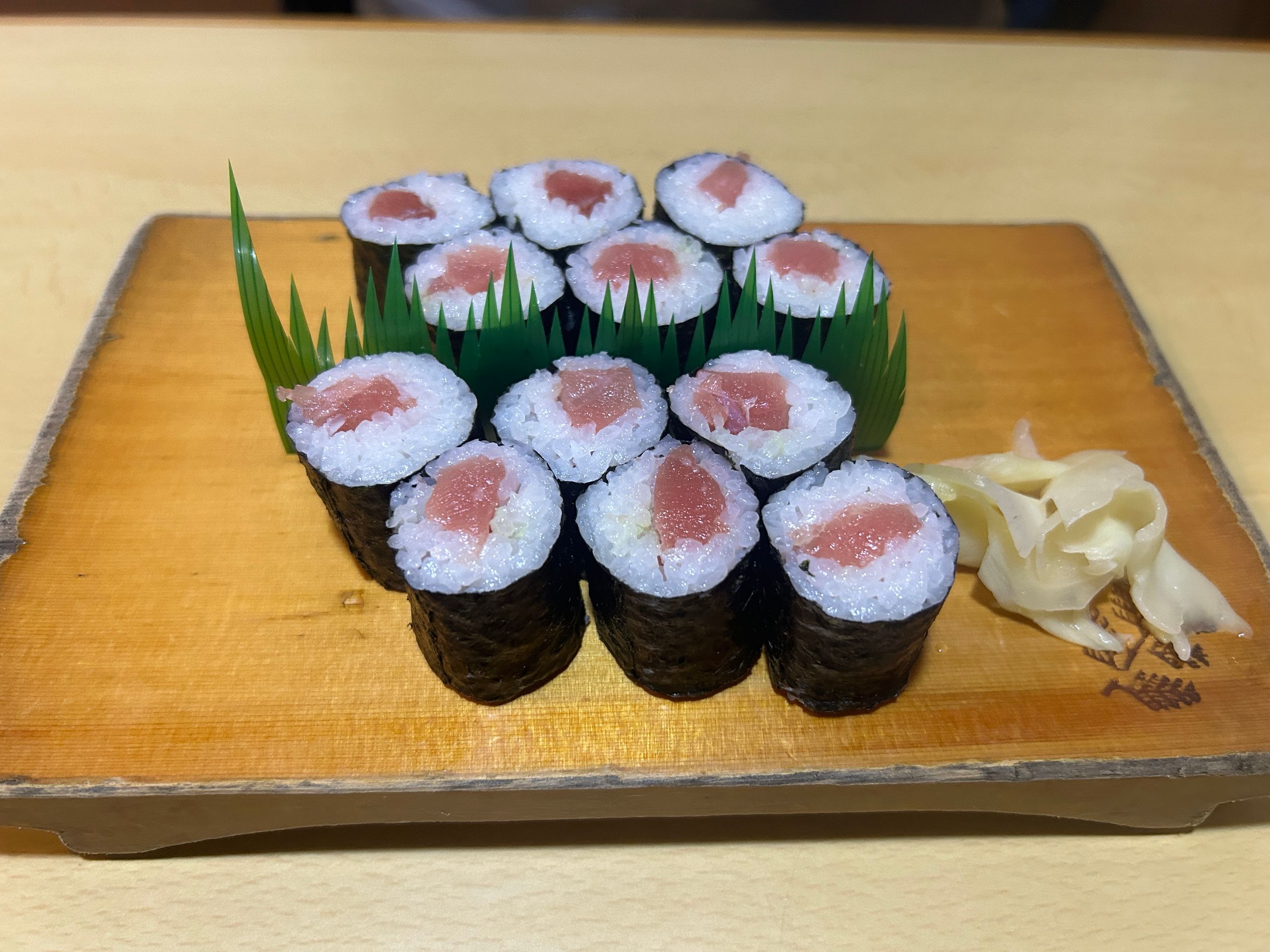
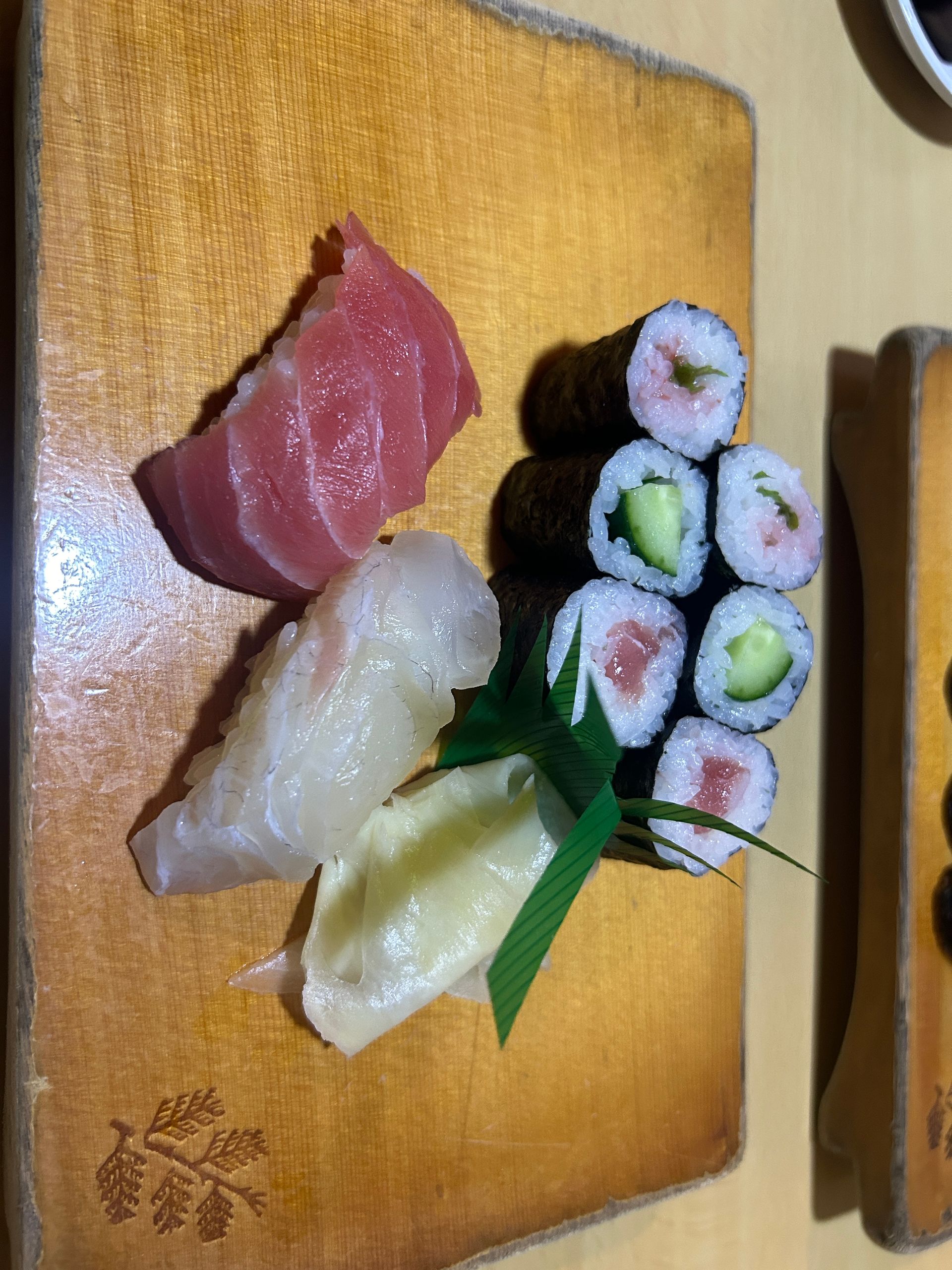
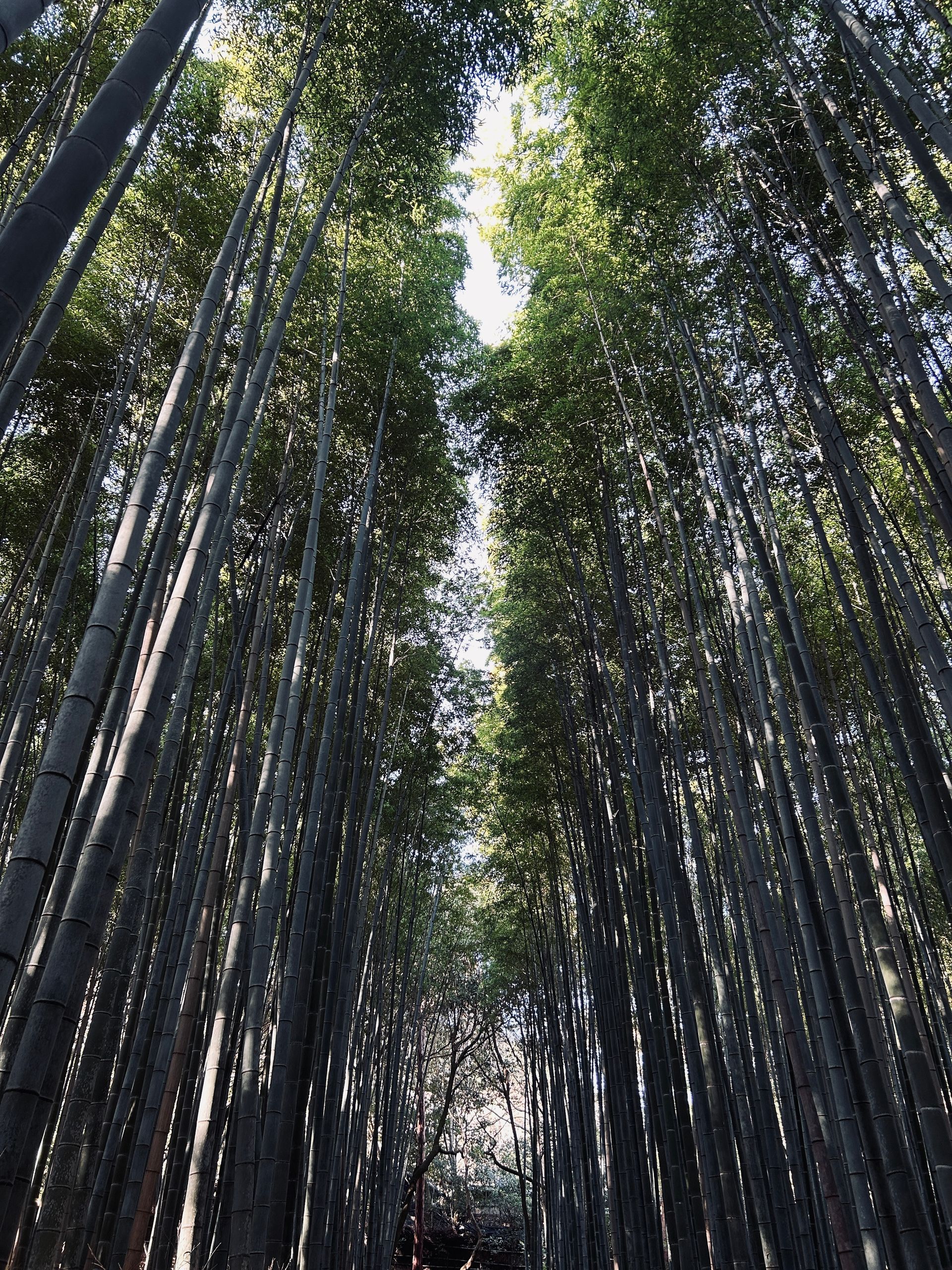
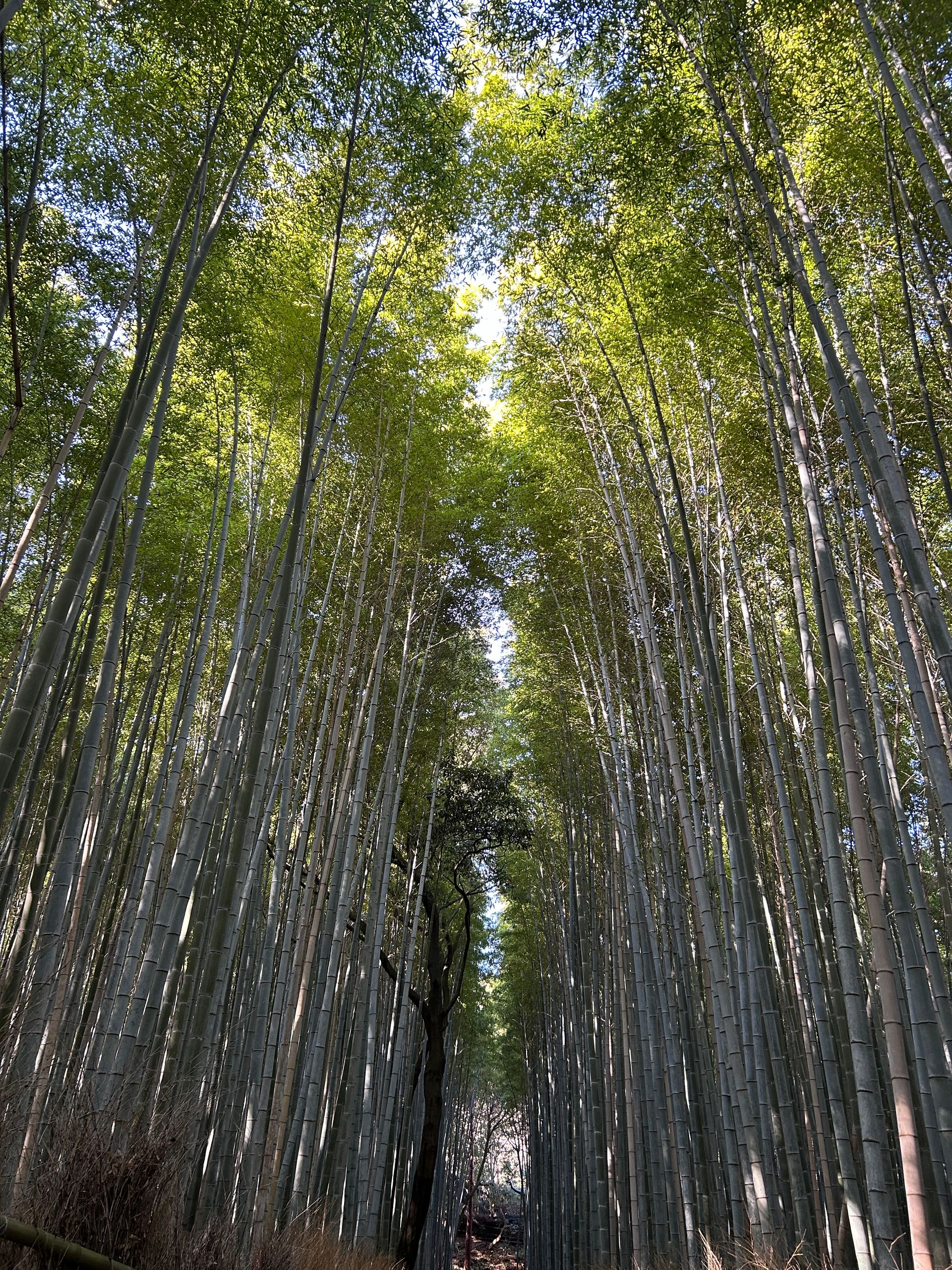
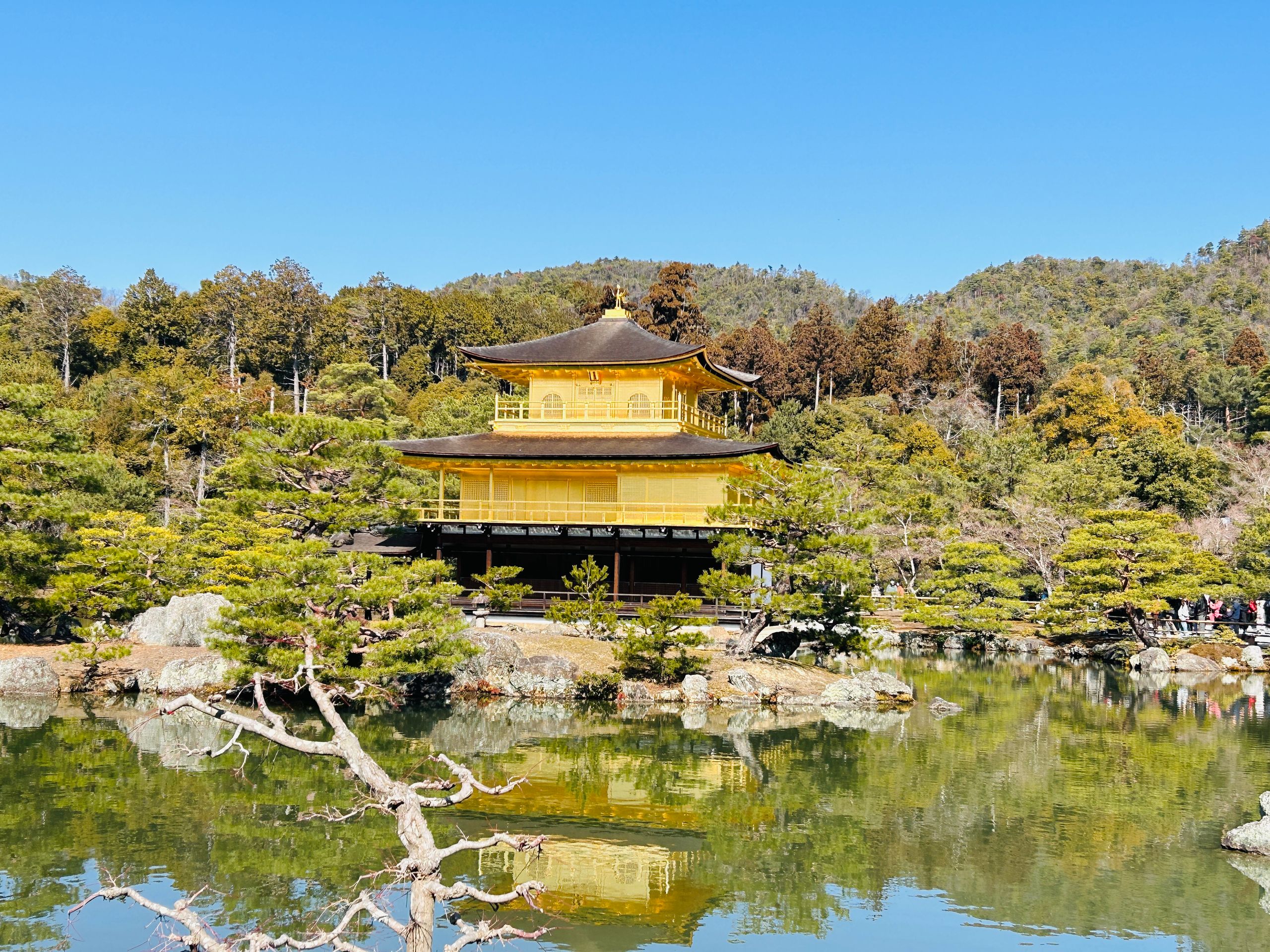
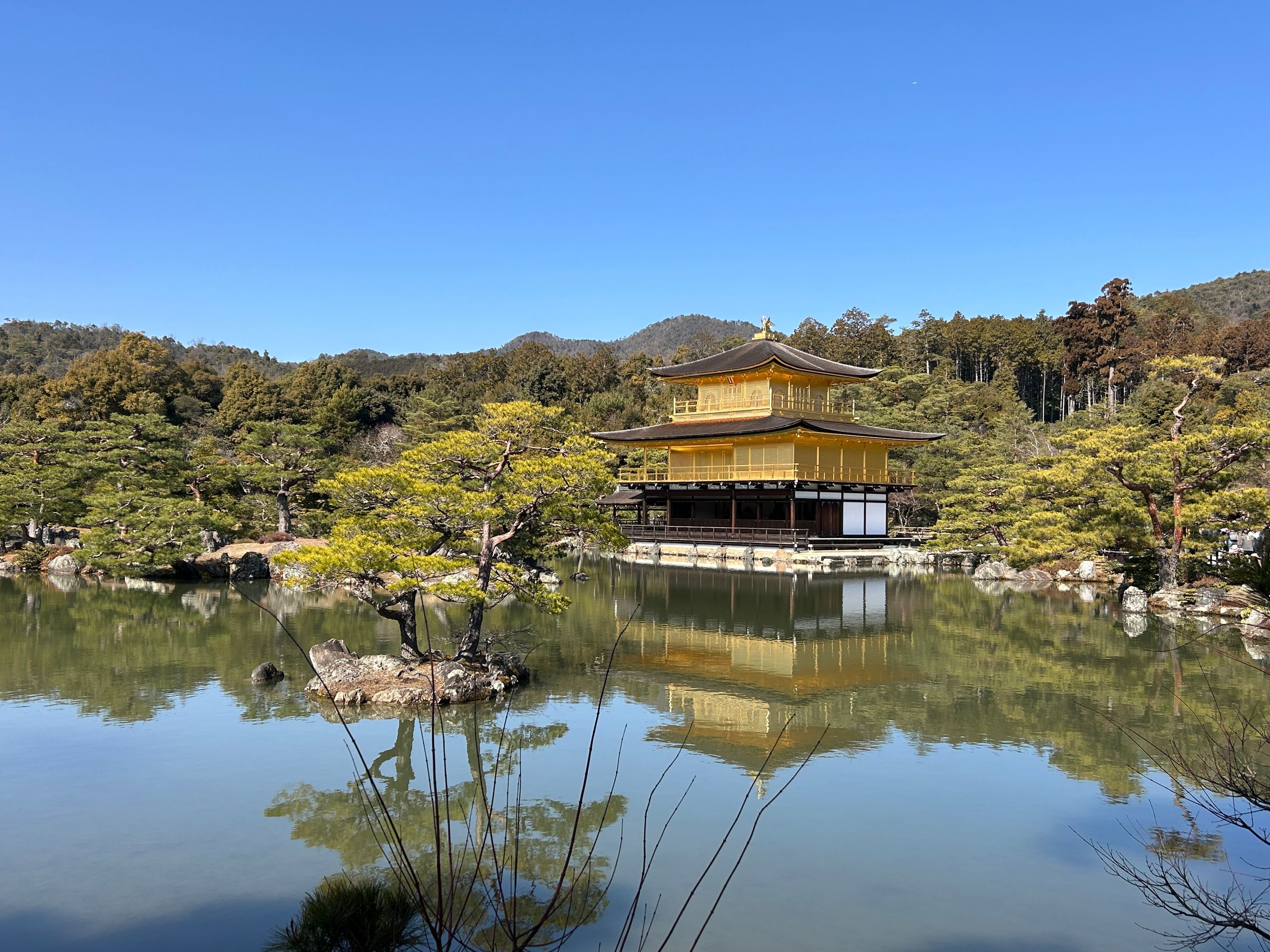
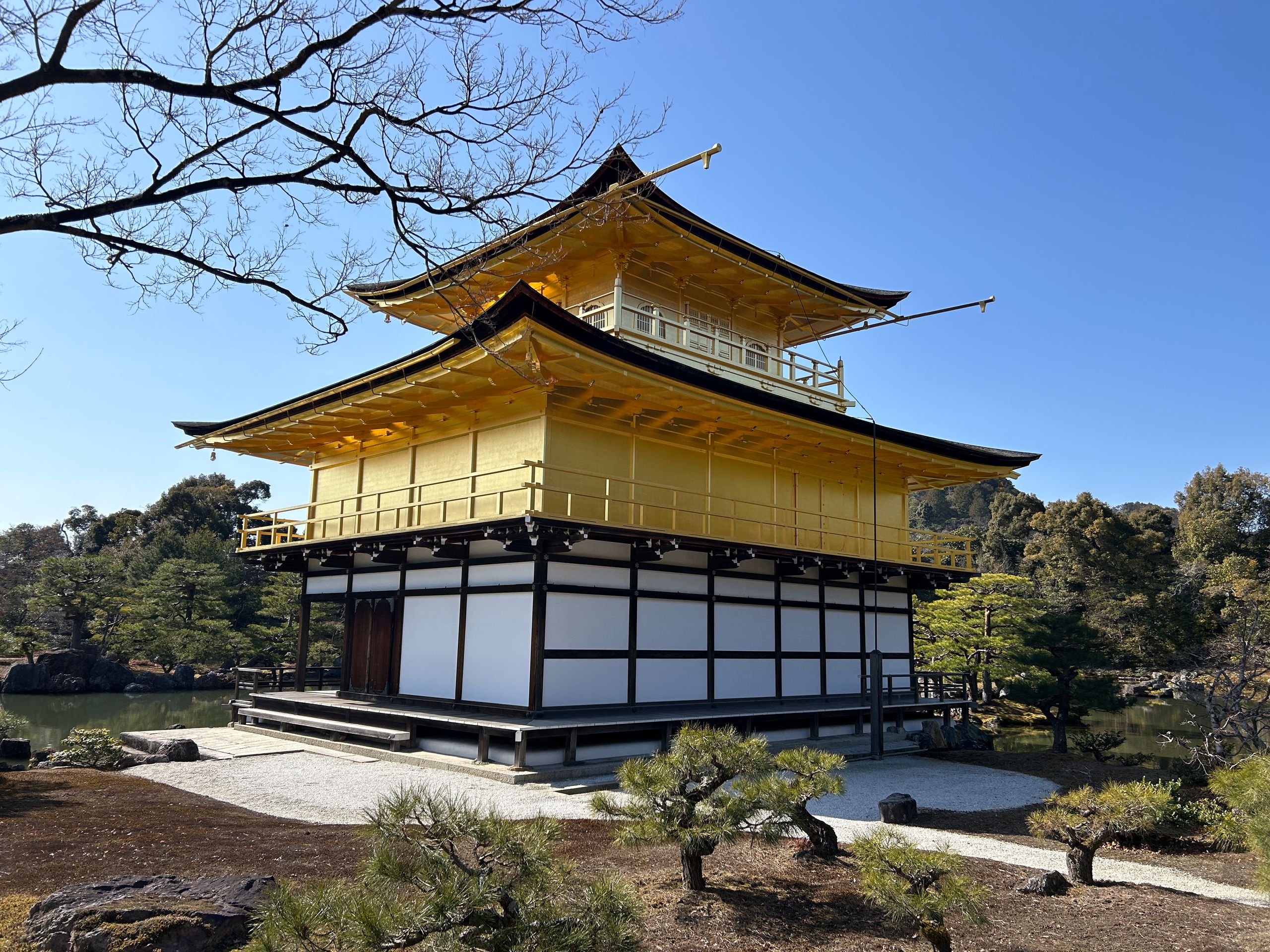
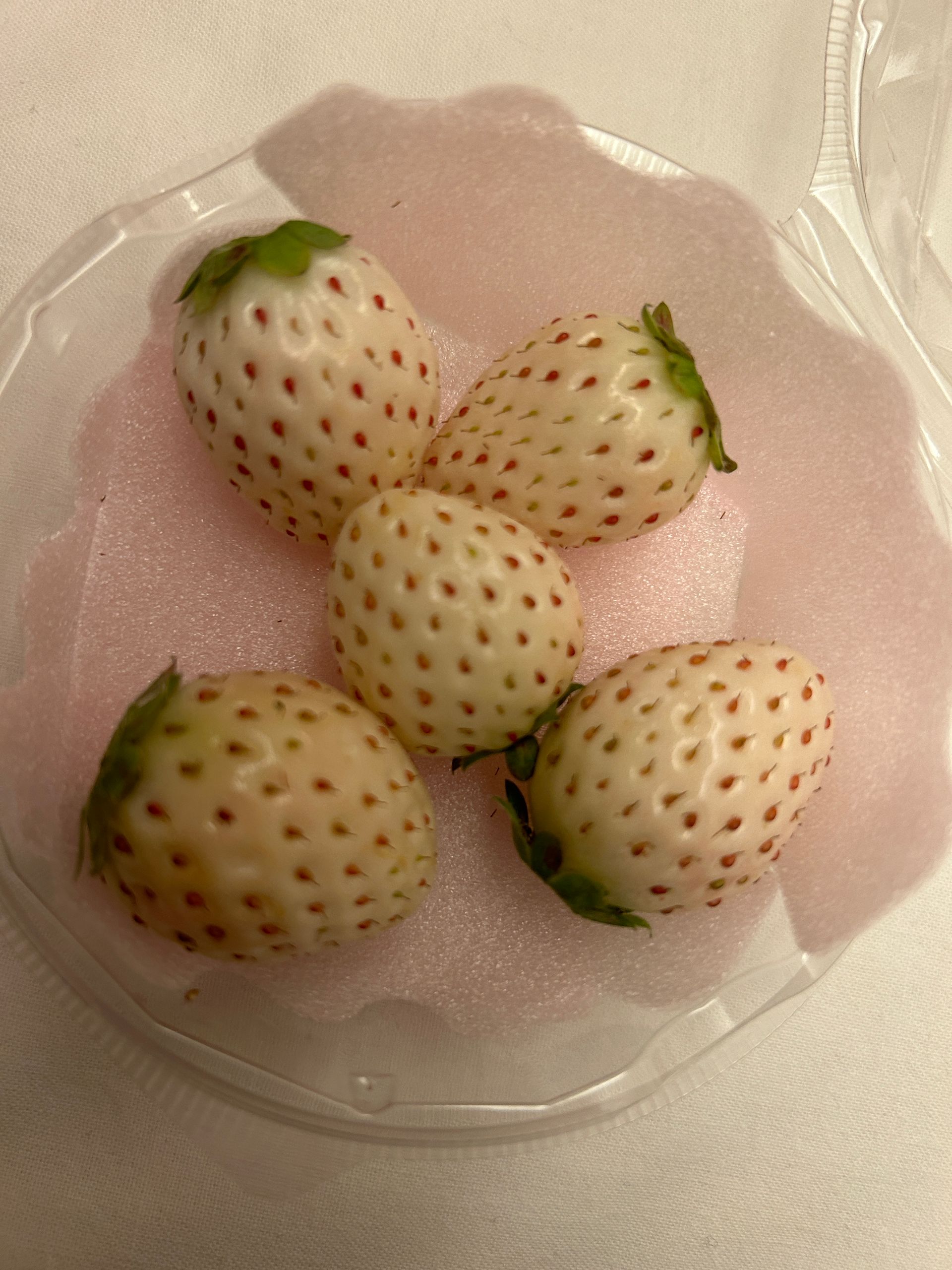
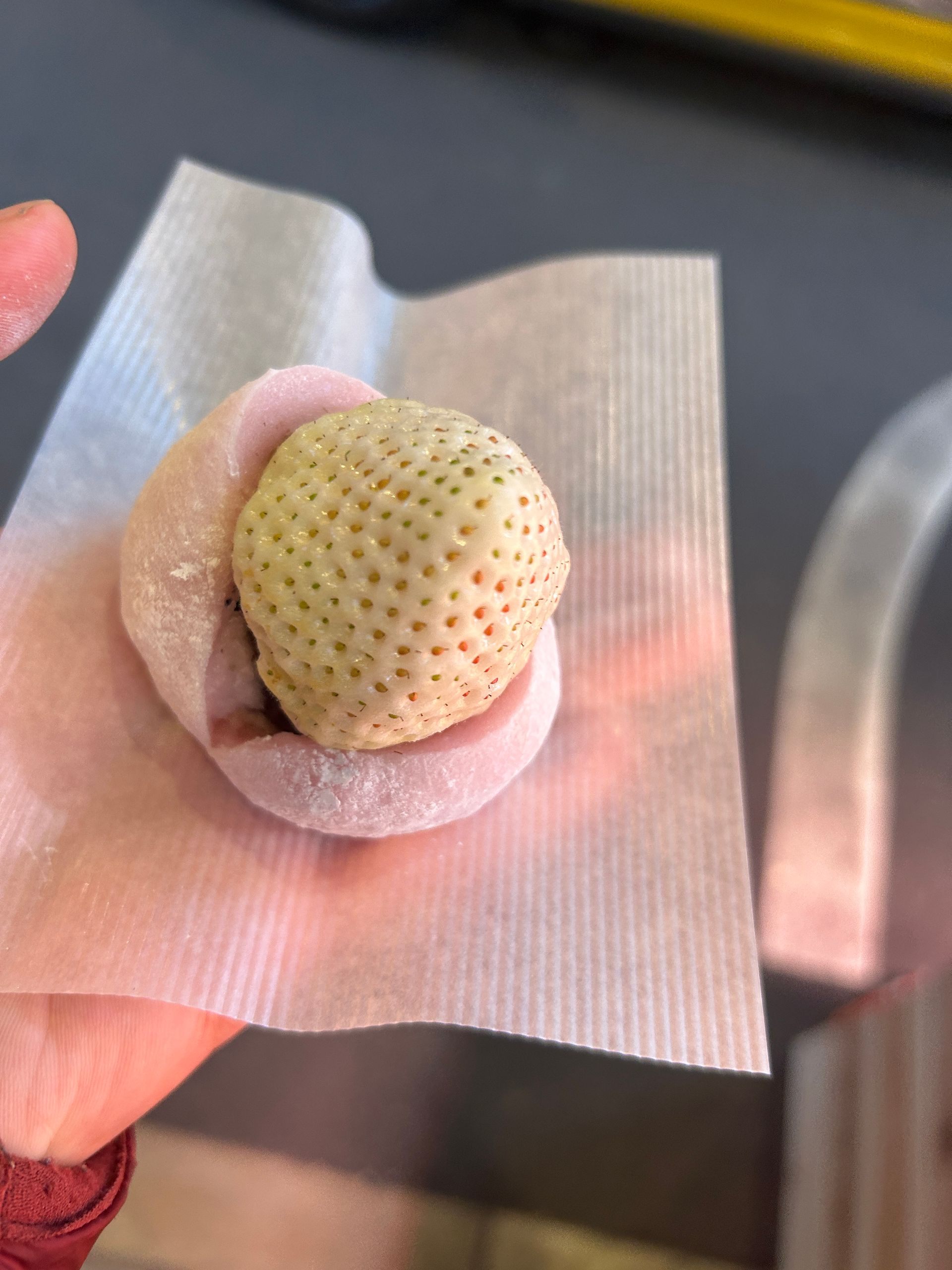
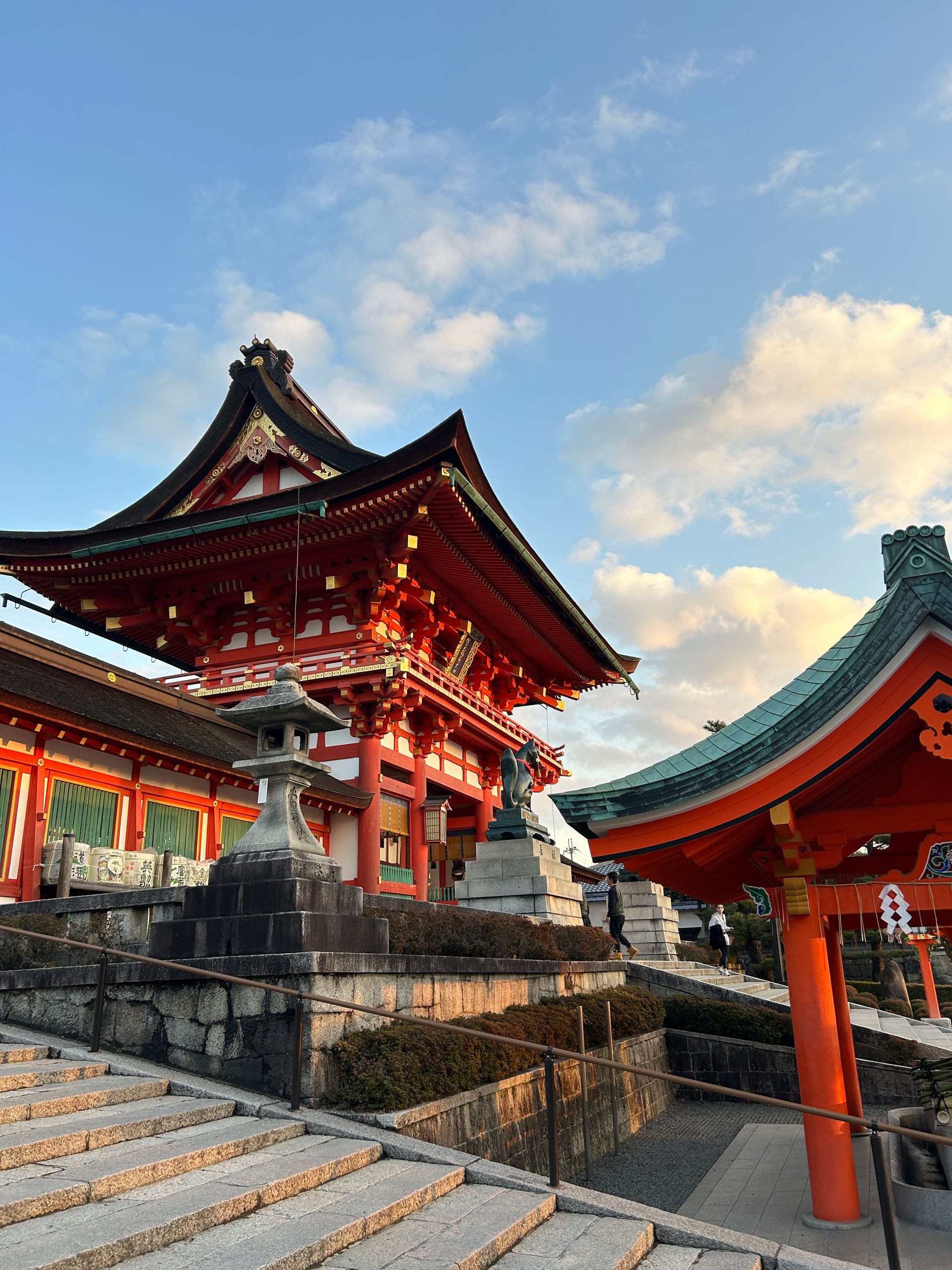
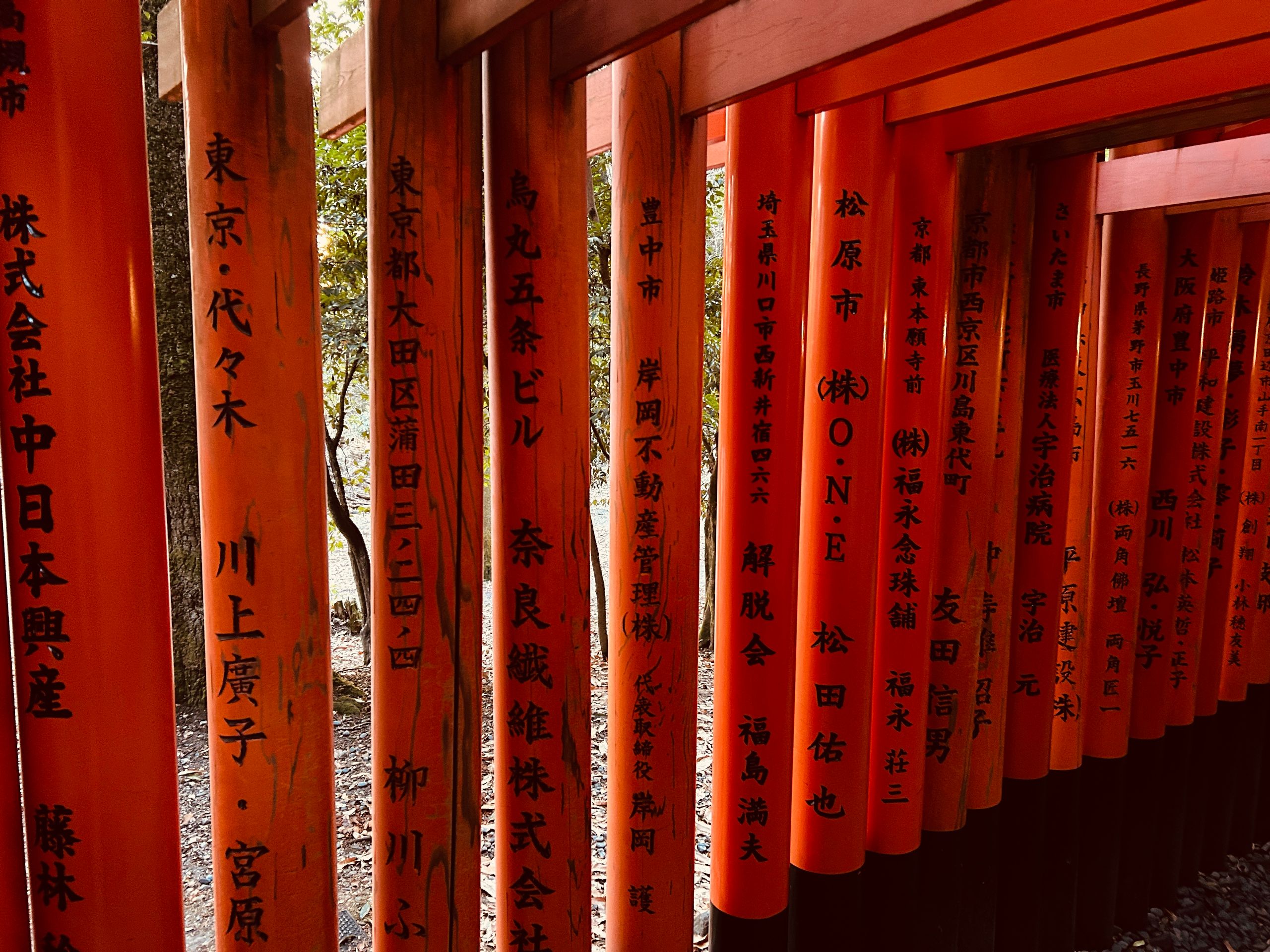
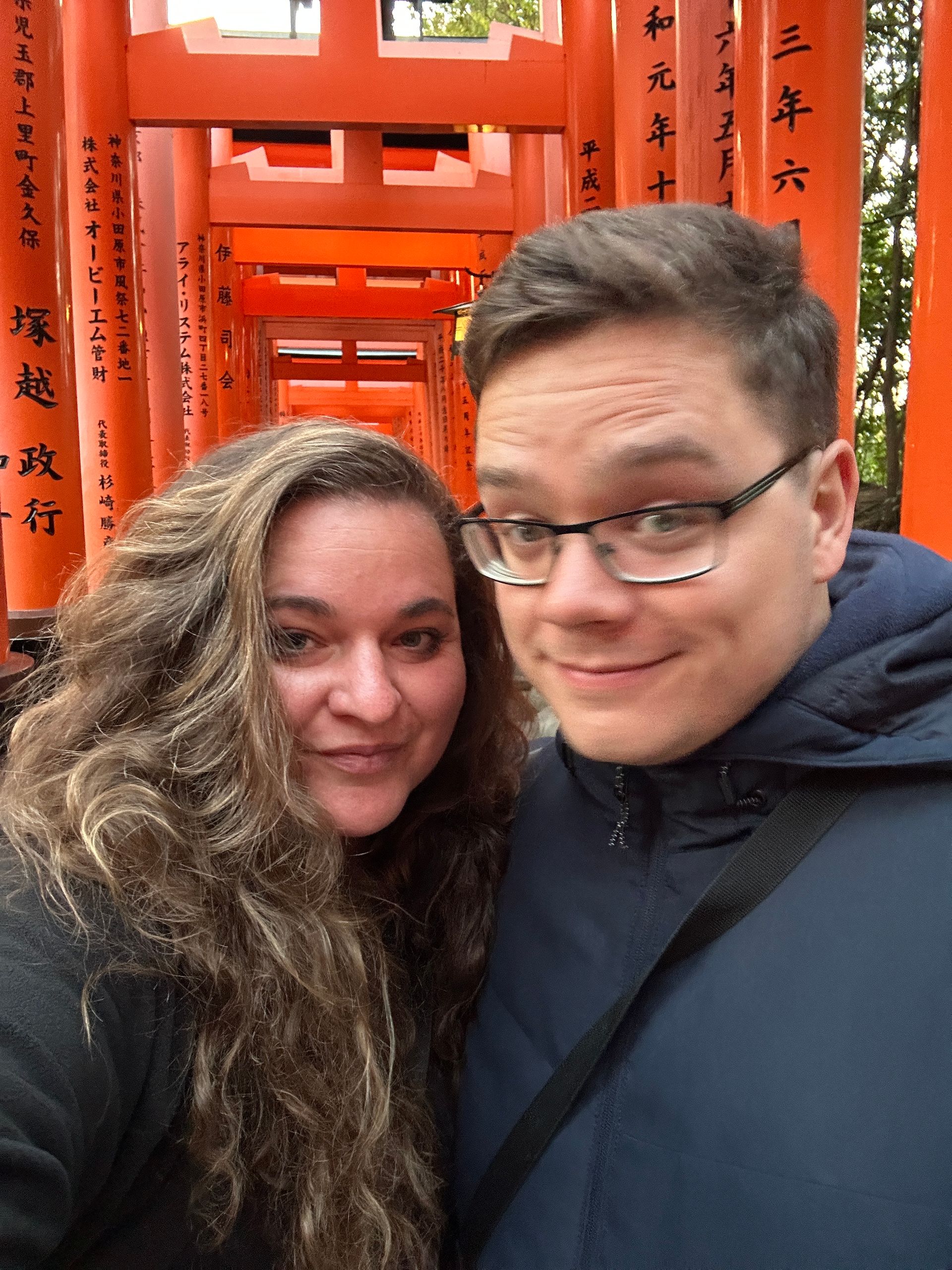
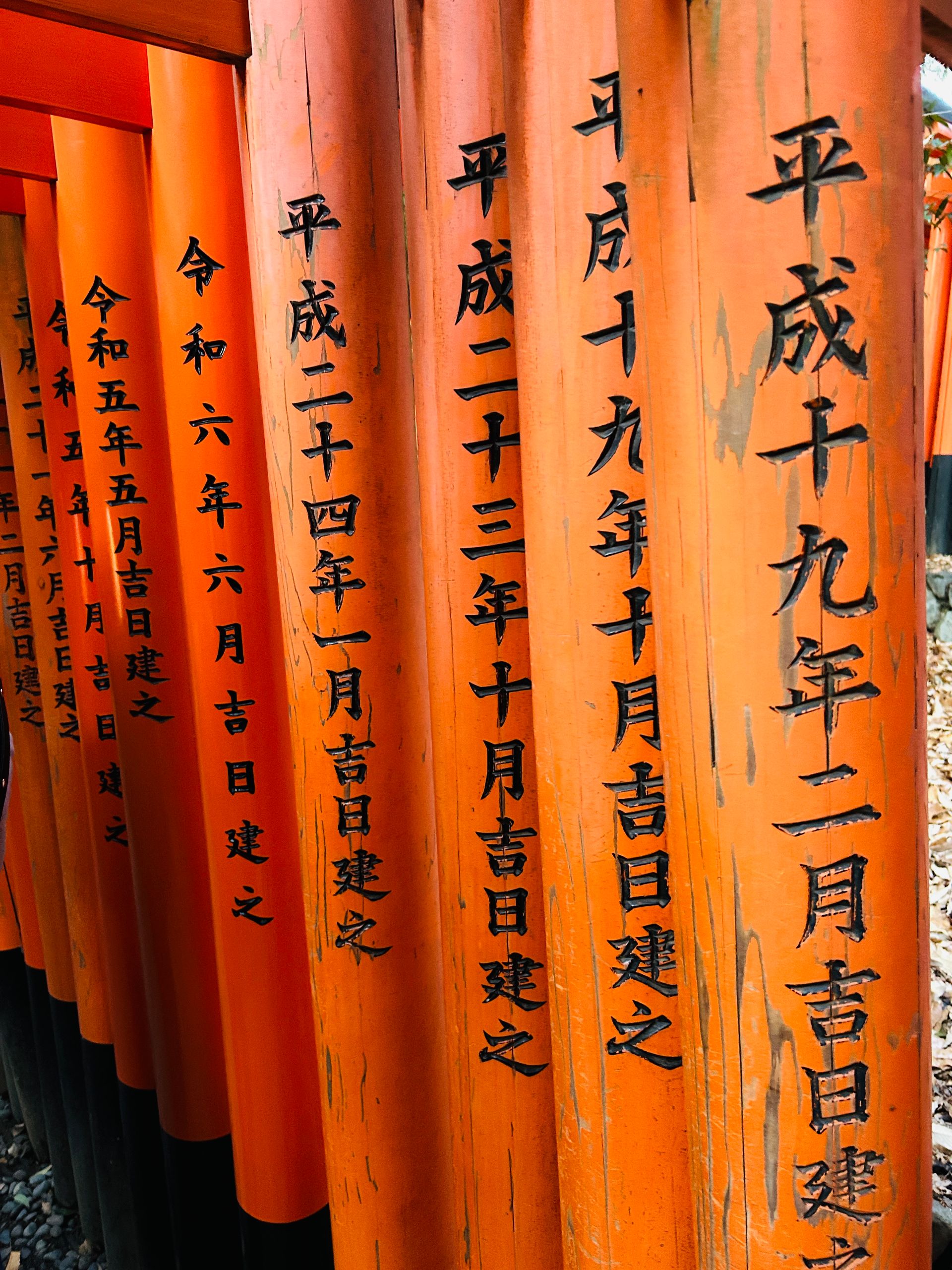
Kyoto has enchanted us. We did not know in advance how long we would stay here, and in the end, we stayed longer. In fact, we are still here. After two days in the mountains of Mt. Fuji, we could not imagine suddenly being in a city full of culture and perfectly dressed geishas in kimonos. We stayed in the Gion district in the center of the city. Later, we learned that this is the original geisha district.
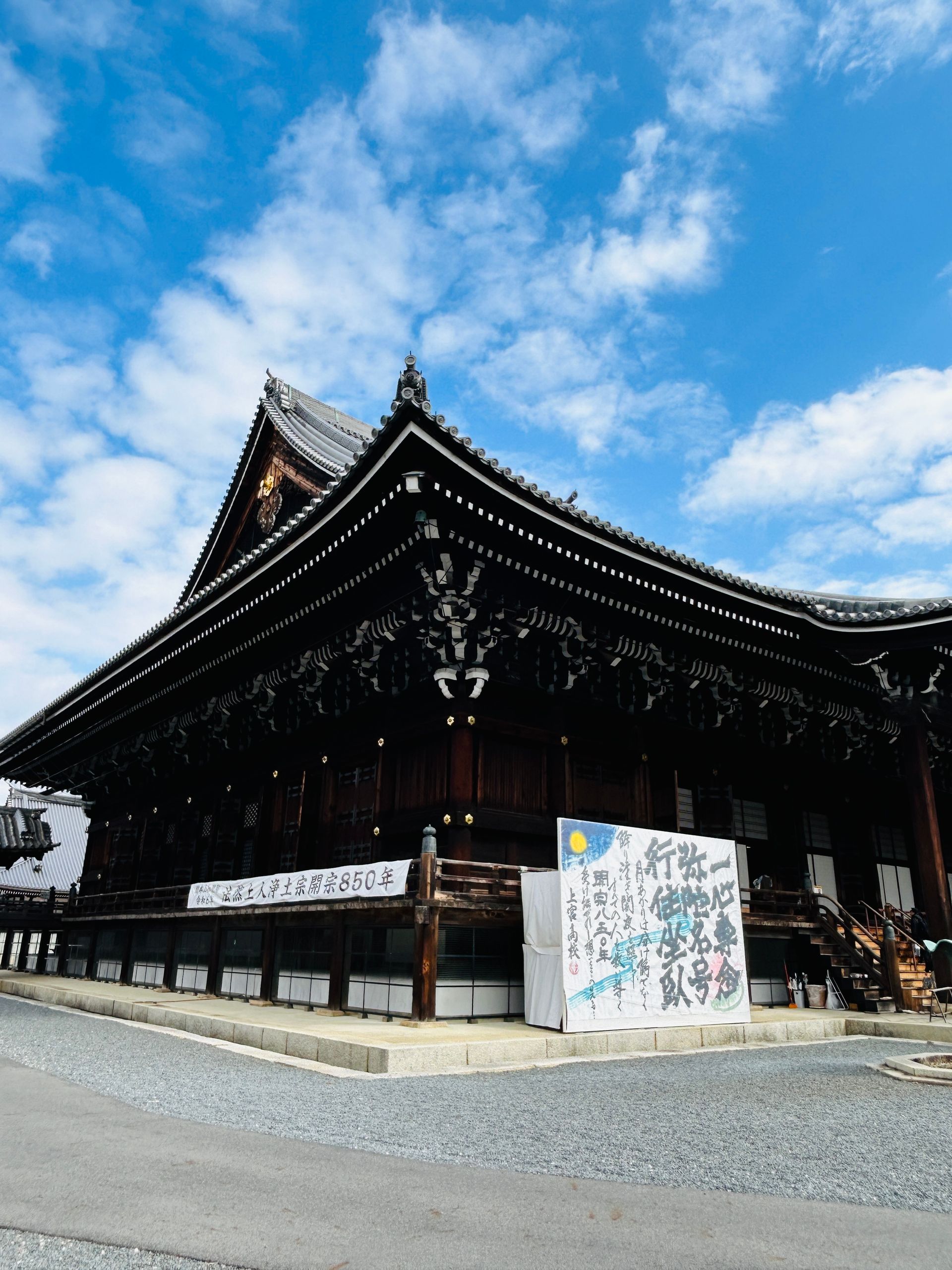
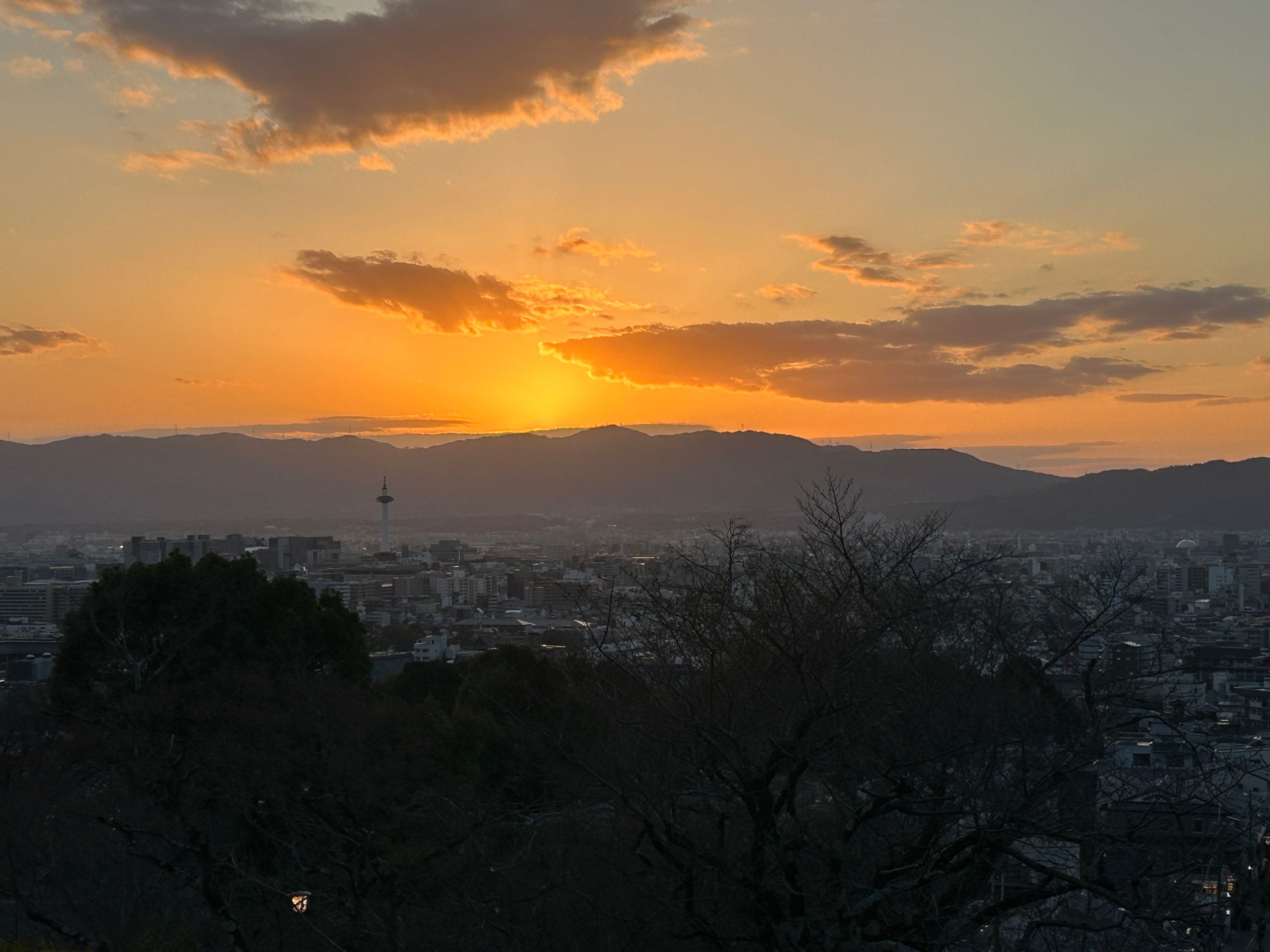
Overall, Kyoto is a very historic city. It was the original capital of Japan. We knew there were many cultural sights and historical temples, but we did not expect that it would be so large and expansive. We set out for the most famous temples – Chion-in, where a ceremony was just taking place. Upon entering the temple, we had to take off our shoes. Eight monks came and began to play various instruments and chant prayers with loud “ooohm” sounds. Our next stop was Kiyomizudera Temple, where we observed a beautiful sunset.
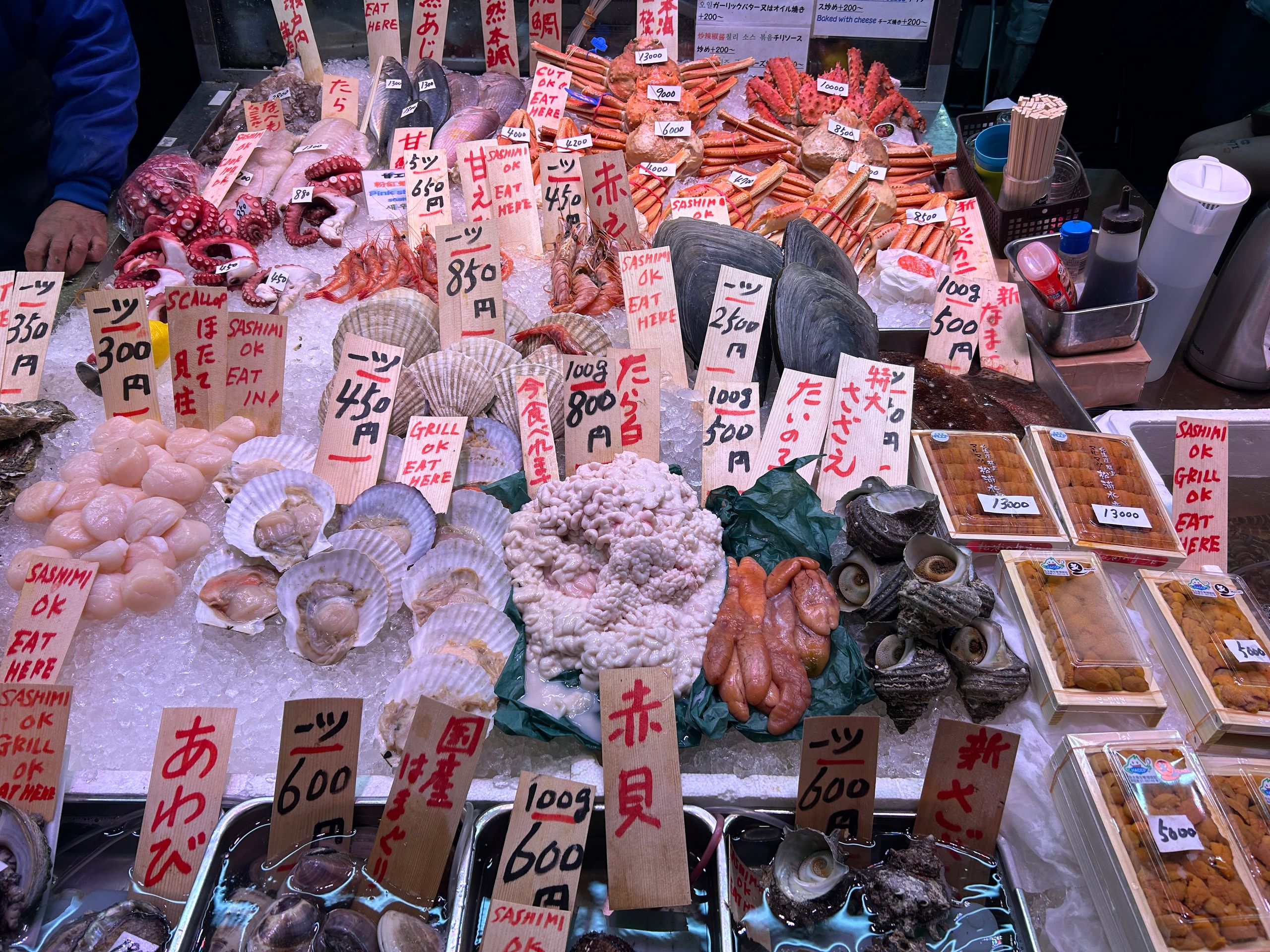
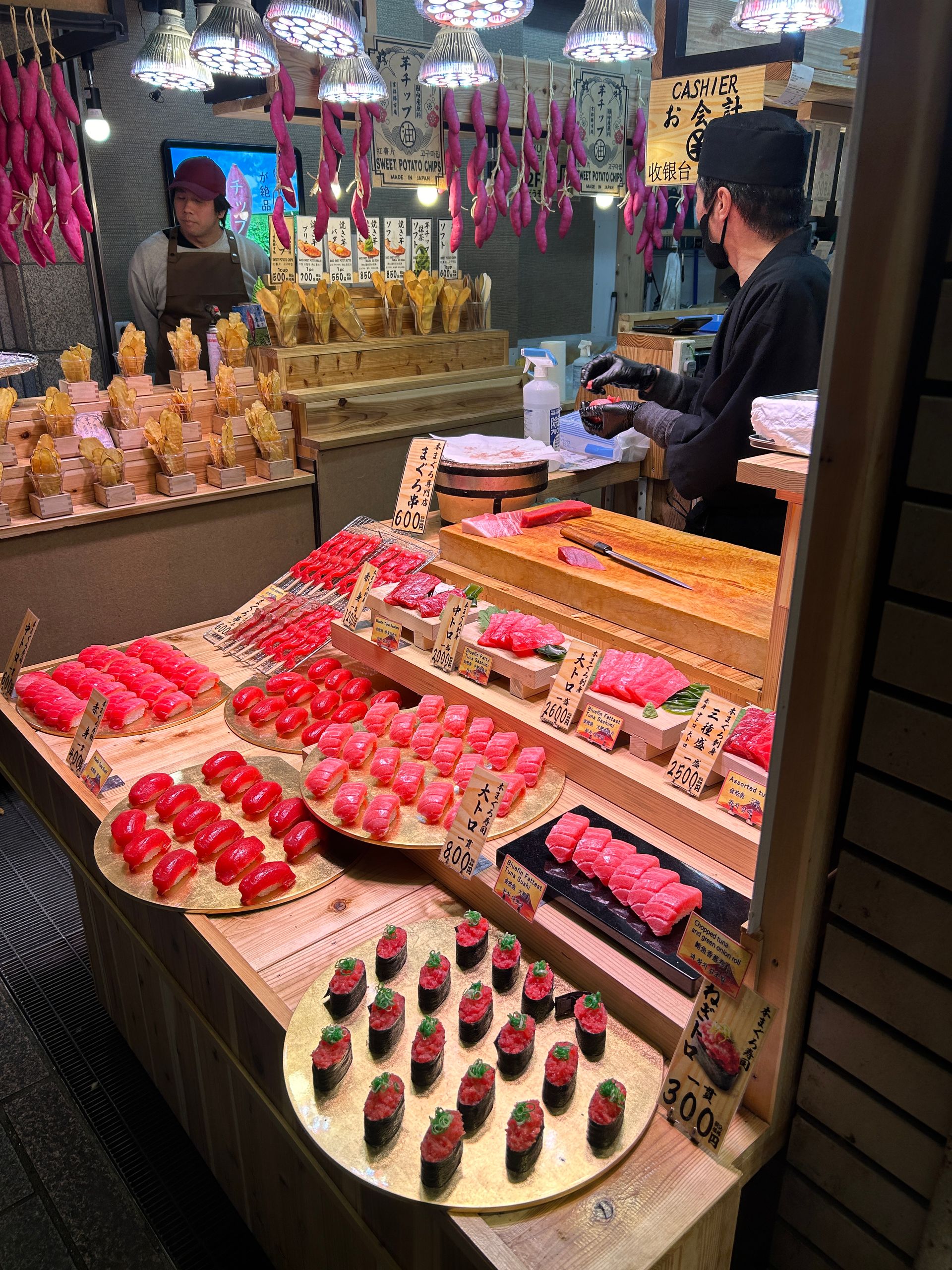
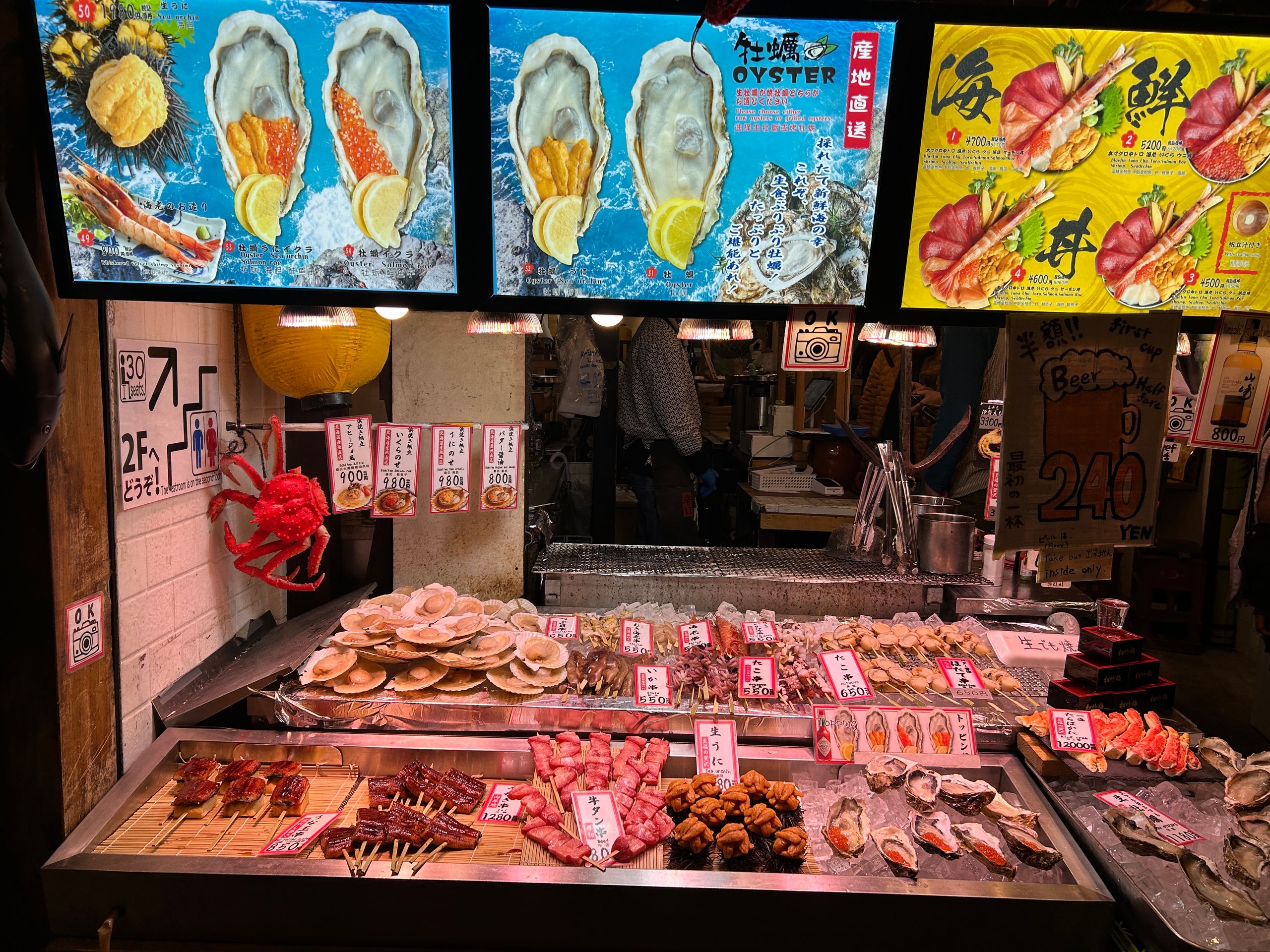
Apart from the culture, we also experienced many other Japanese traditions in Kyoto. We strolled through the Nishiki Market, where we discovered many fascinating things. Many of them we did not recognize – there were signs everywhere in Japanese. Pickled vegetables in various colors and shapes, seafood, small octopuses on skewers, chopsticks, and different decorations.
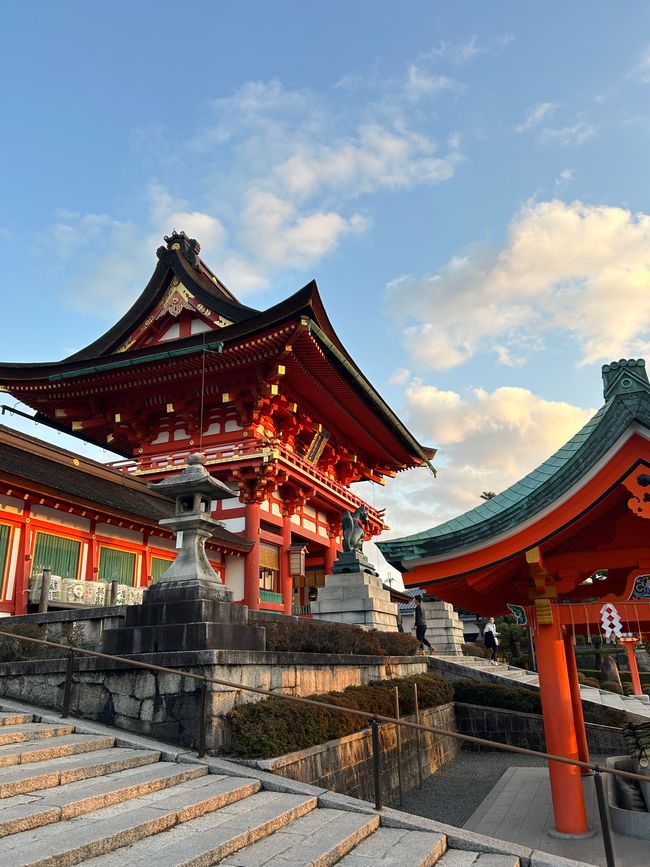
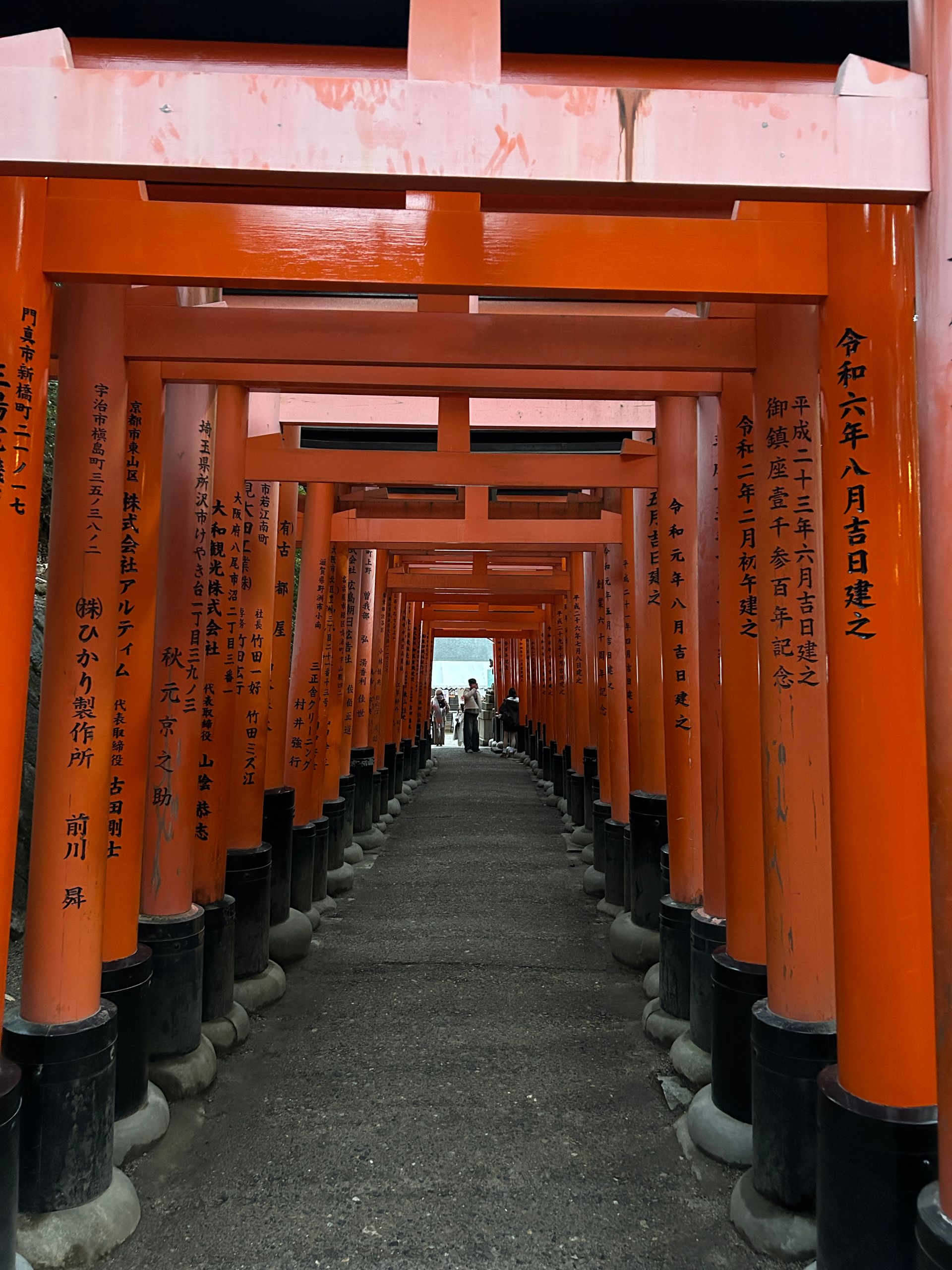
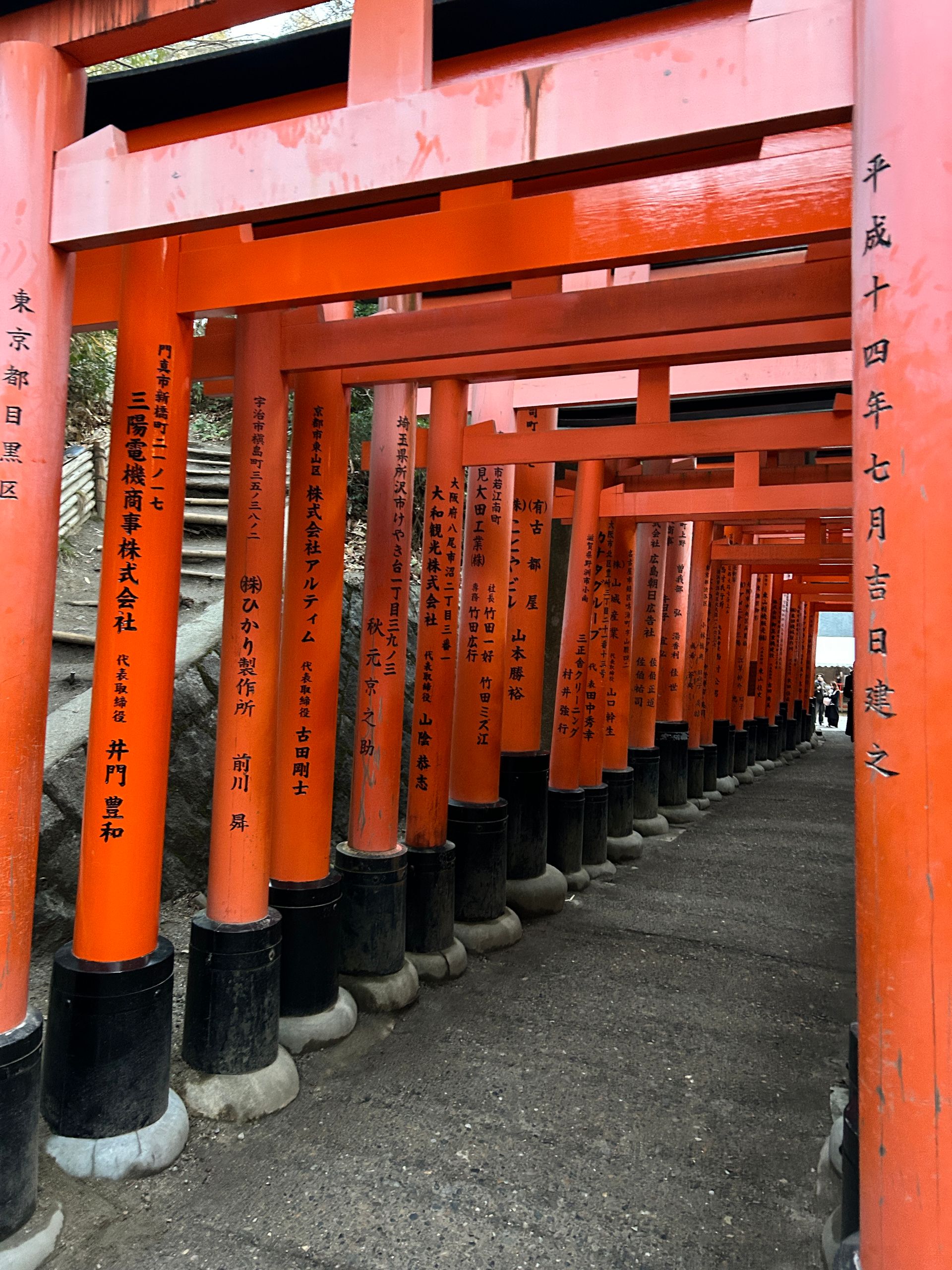
Kyoto is very expansive; there are countless temples, and one cannot see them all. The Golden Pavilion at Kinkaku-ji Lake impressed us. We also headed to the bamboo forest on the outskirts of Kyoto. One of the major tourist attractions is the path that leads from the Torii gates to Fushimi Inari Shrine. It is a truly expansive complex through which one walks along an endless path of Torii gates. All of them are red, and along the way, there are several Buddhist sites. We also discovered a sacred tree here, beneath which, if one walks through, knee and back pain disappear.
Another Japanese tradition is the onsen. These are baths that are separated for men and women. They have strict rules; for example, tattoos are not allowed. Before entering, there are small showers and water stalls. The onsen itself is a very hot bath, certainly over 40 degrees. It definitely warms you up. Onsens are typical throughout Japan, as there are several hot springs in the country. We visited one onsen and will surely do it again.
More than sushi, ramen is eaten here, especially now in winter. It is a broth with noodles, boiled egg, and various ingredients, eaten partly with chopsticks and partly with a spoon. Everyone here is incredibly friendly. We now navigate public transport like pros. Tomorrow we have a trip to Nara planned; hopefully, we won’t get lost.