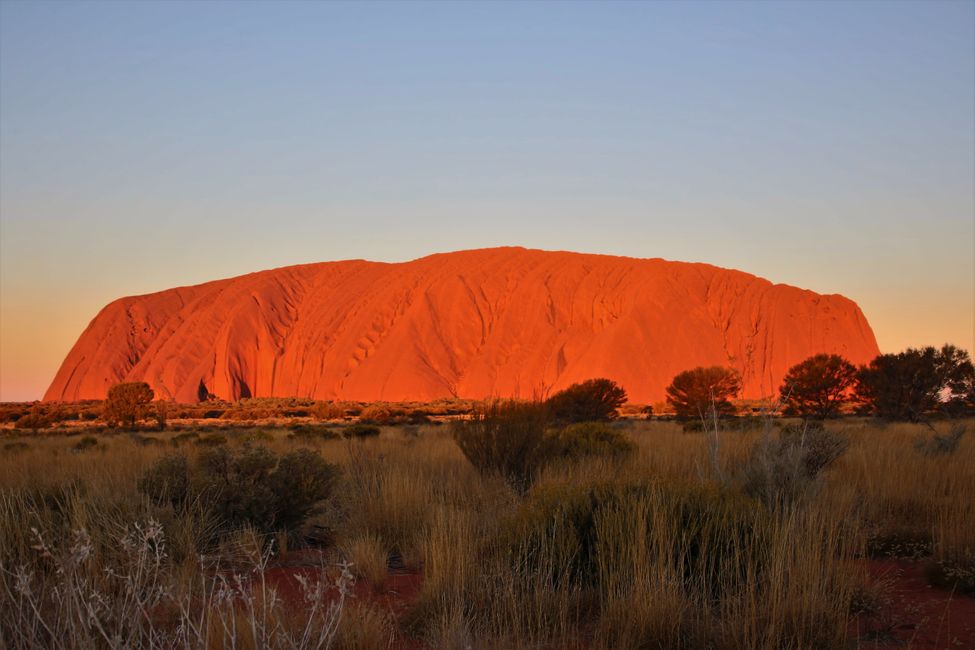

Departure into the Heart of Australia
A travel day that starts at four in the morning, without a wake-up call, but with an inner clock. Too much luggage, too little sleep, farewell to the big city – and before me, the...

Published: 14.12.2025

Tjukurpa: When the red earth speaks
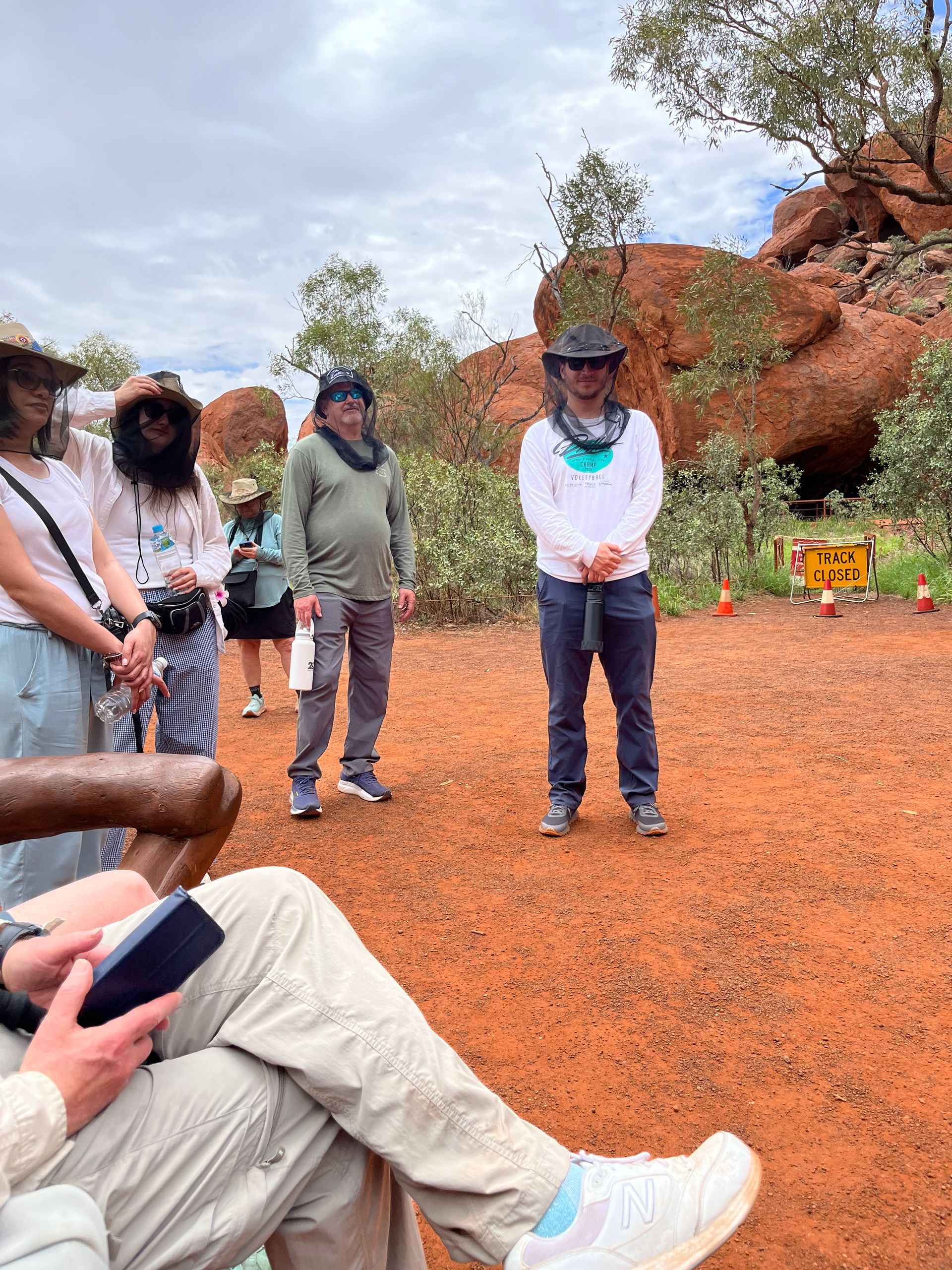
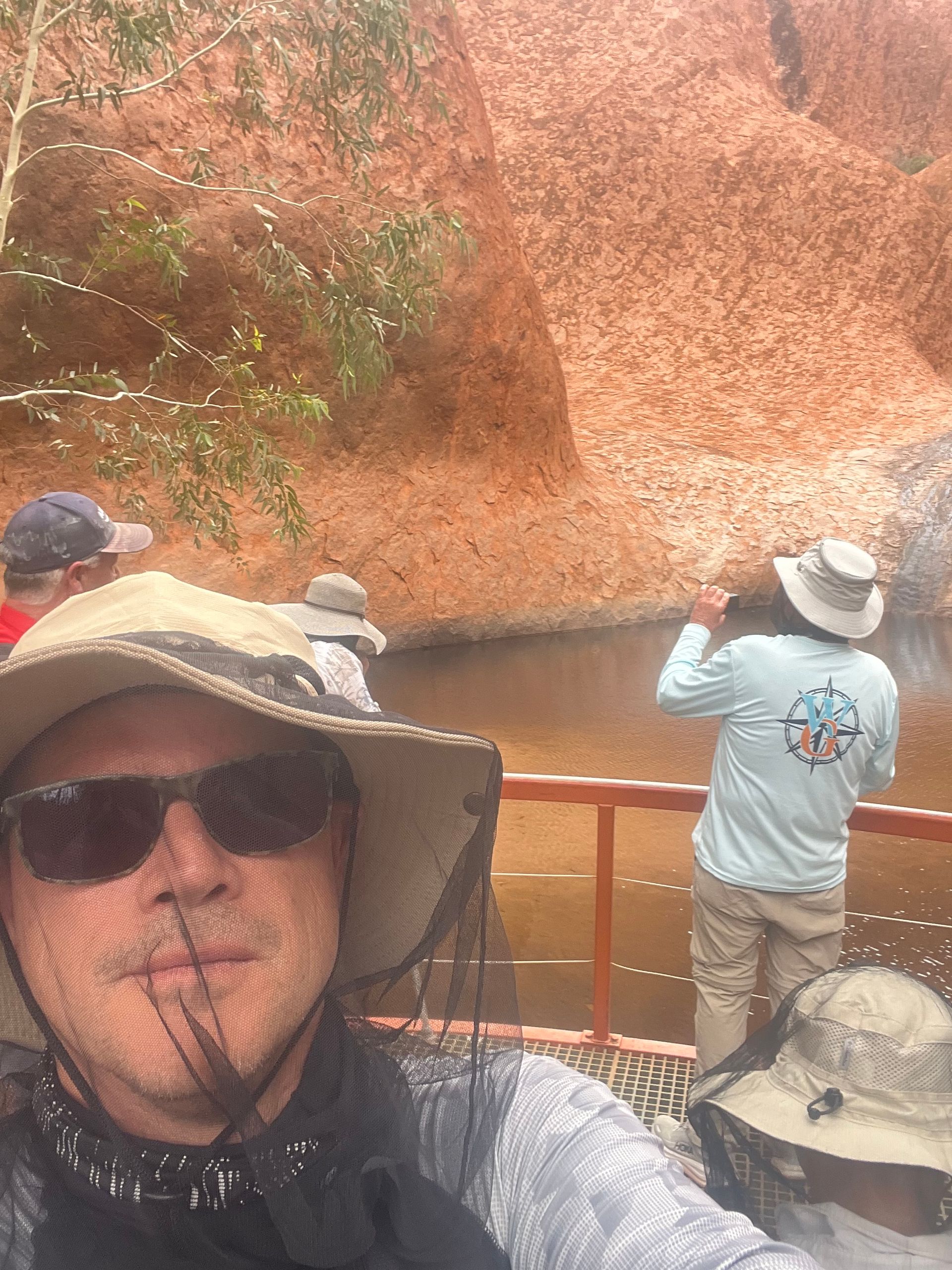
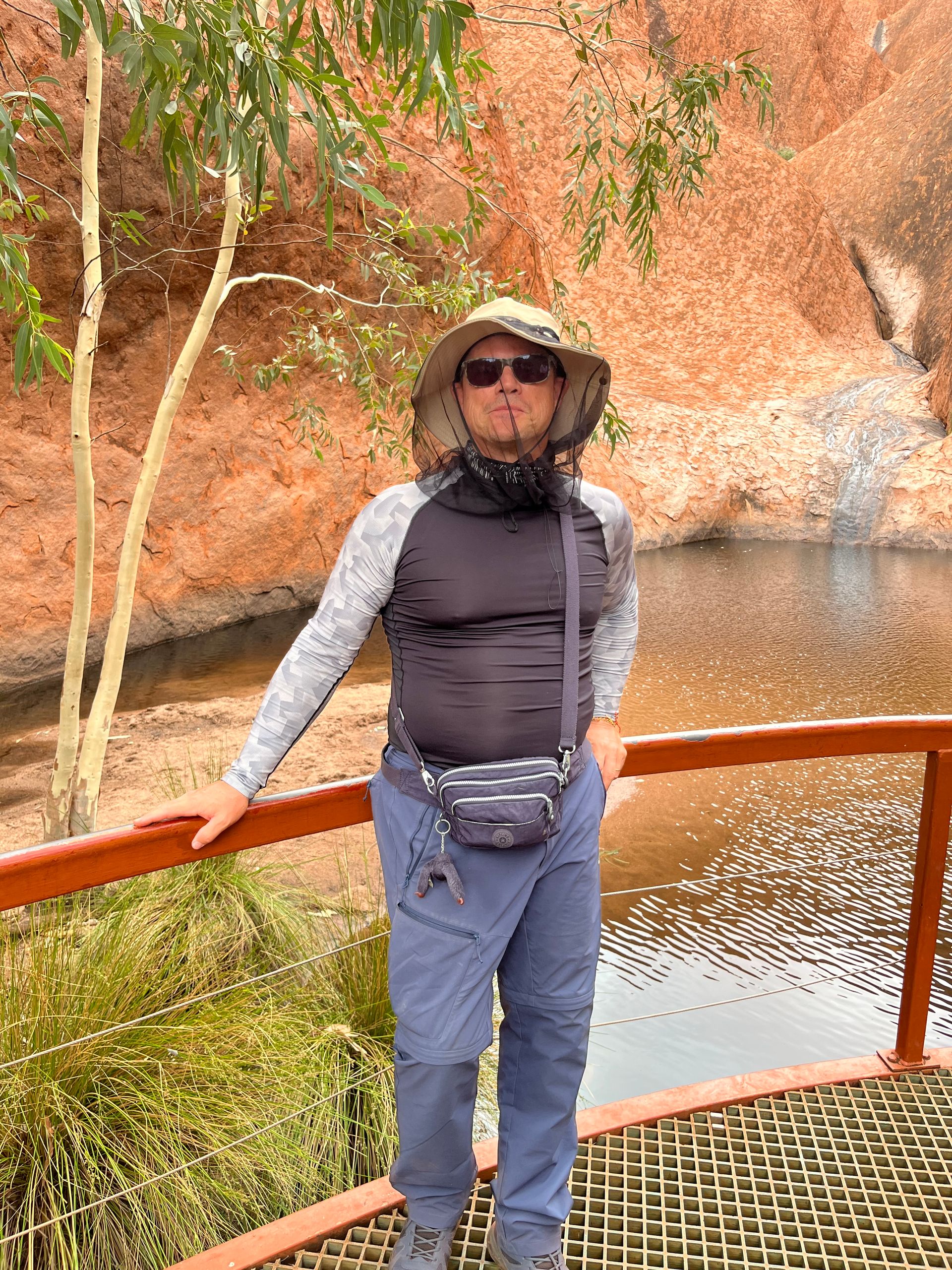
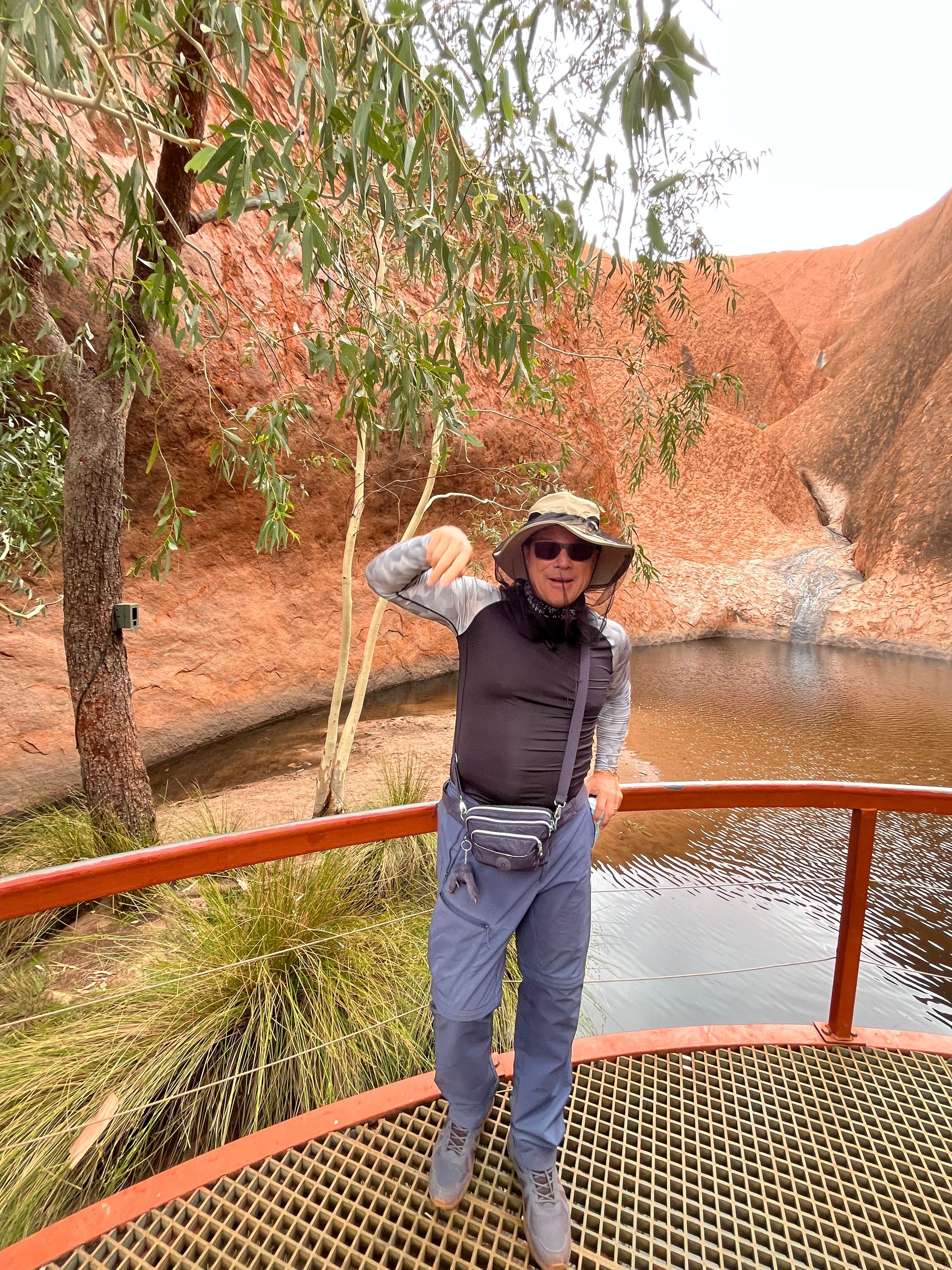
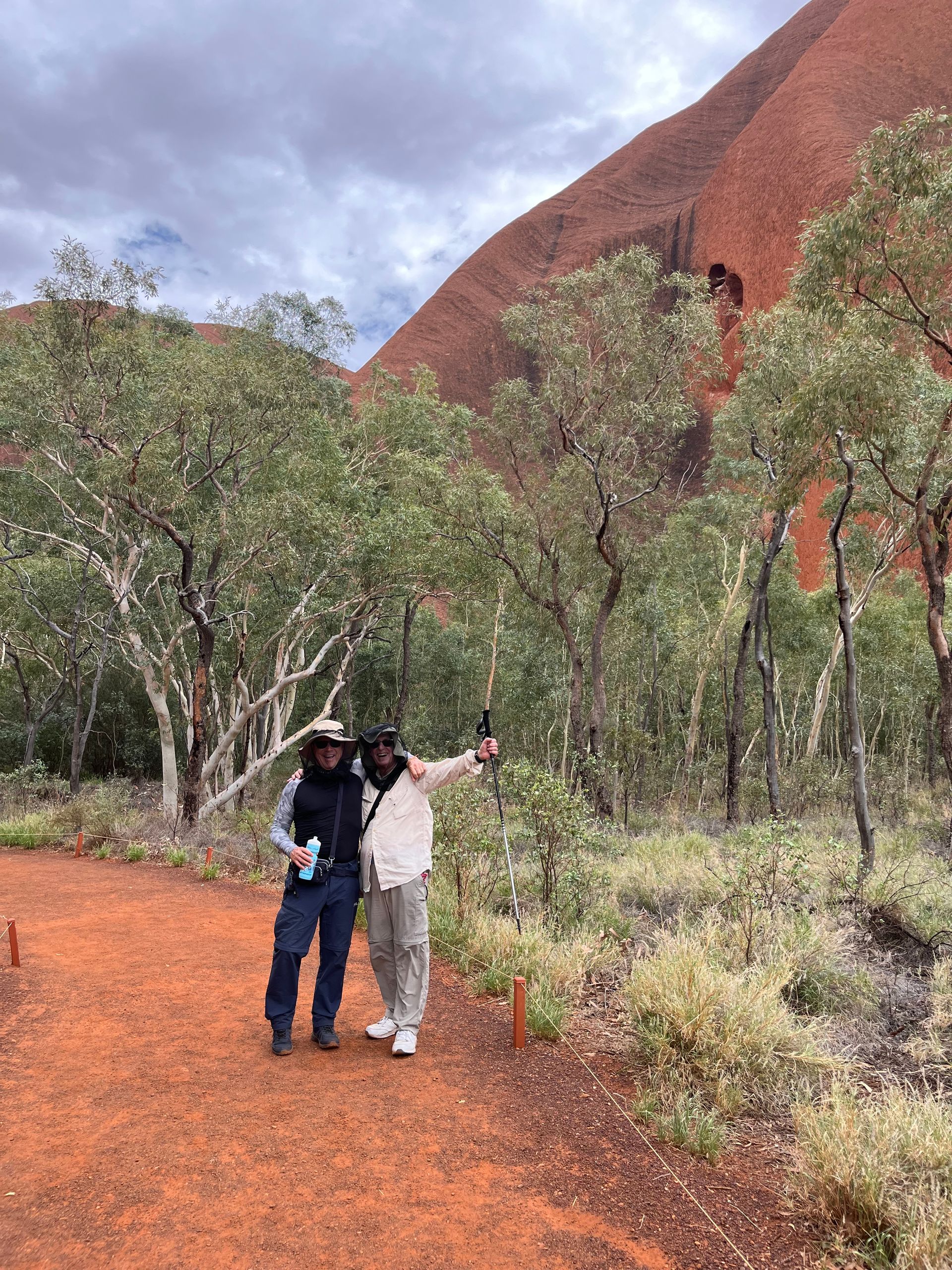
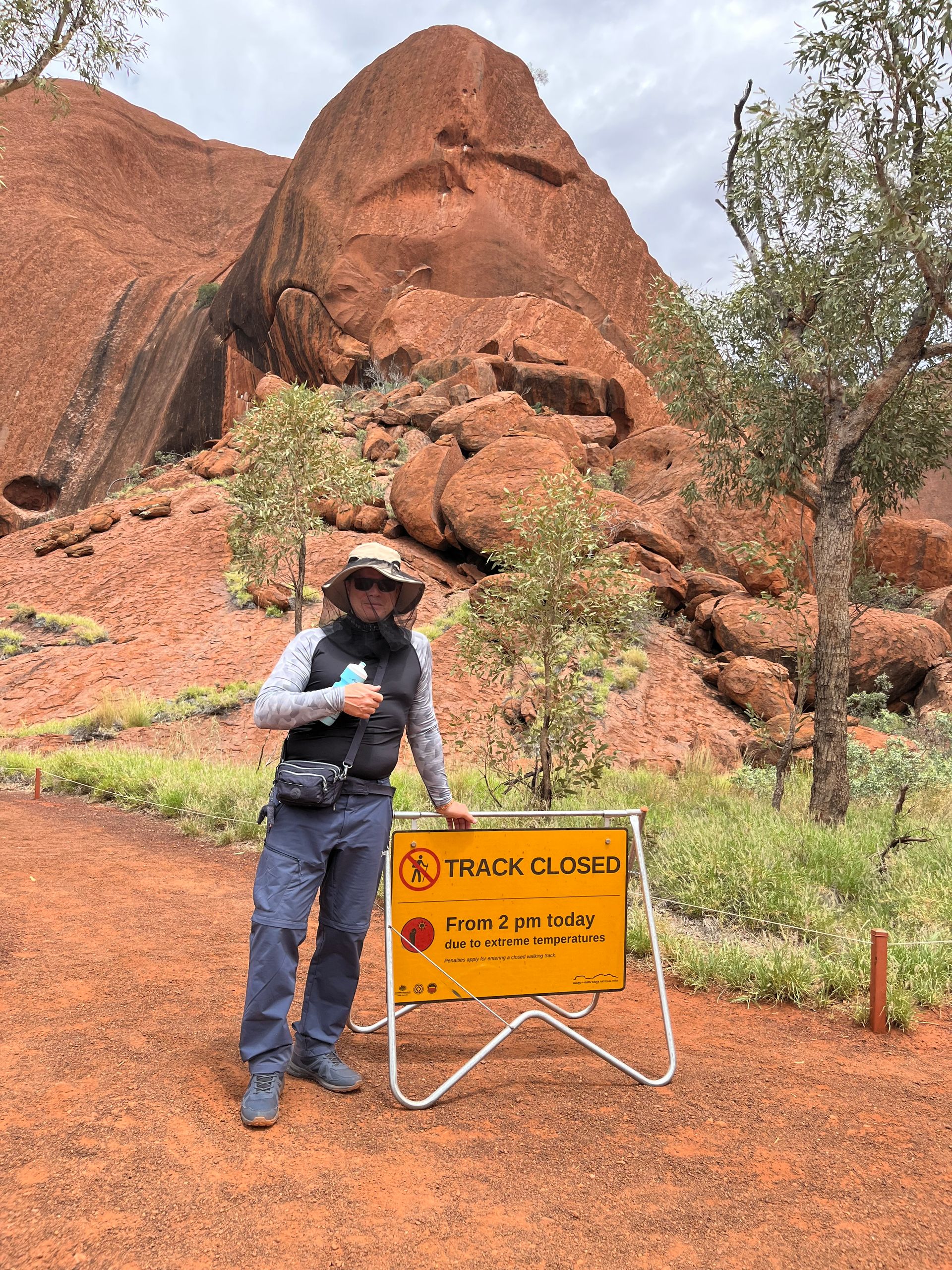
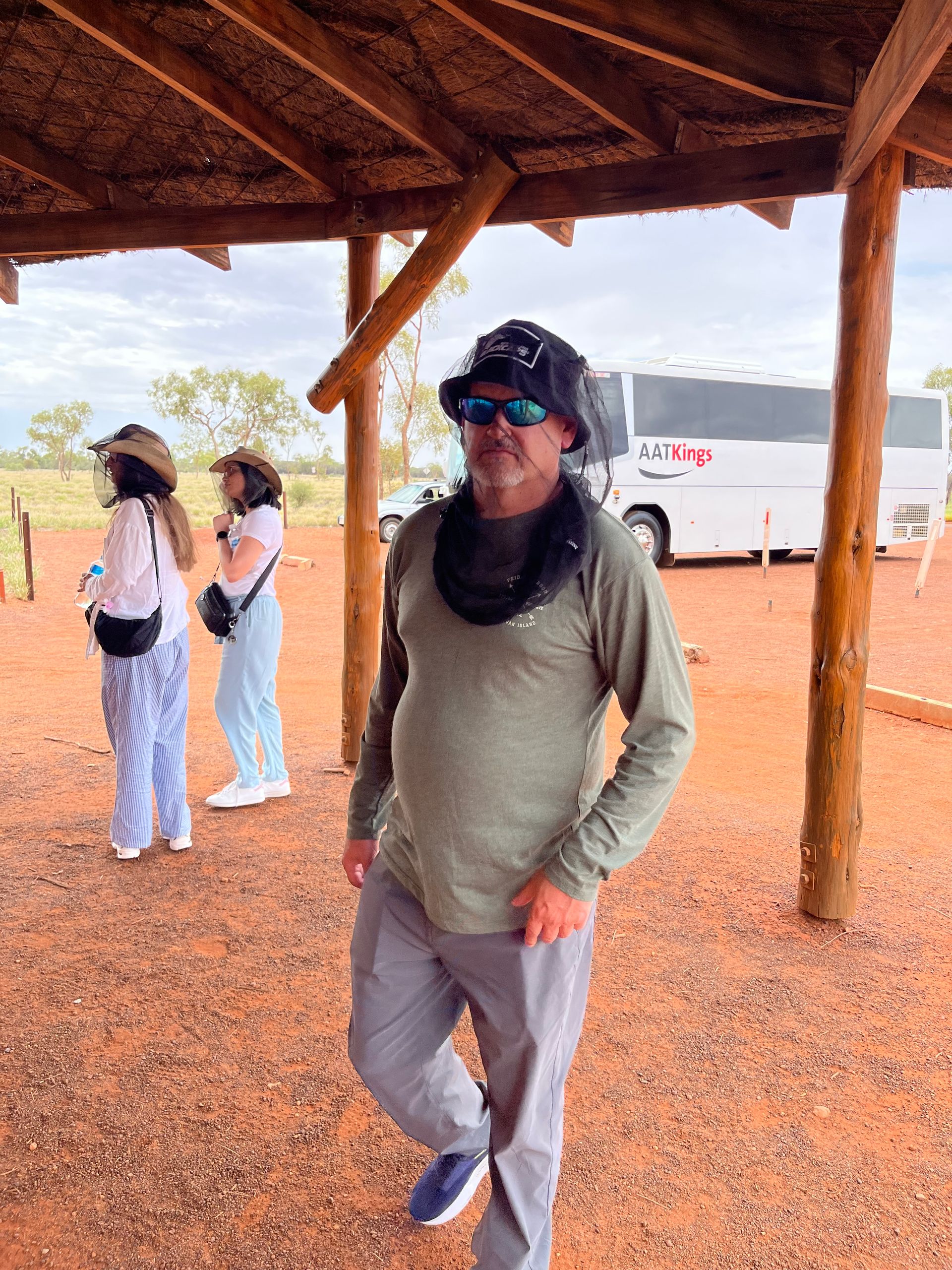
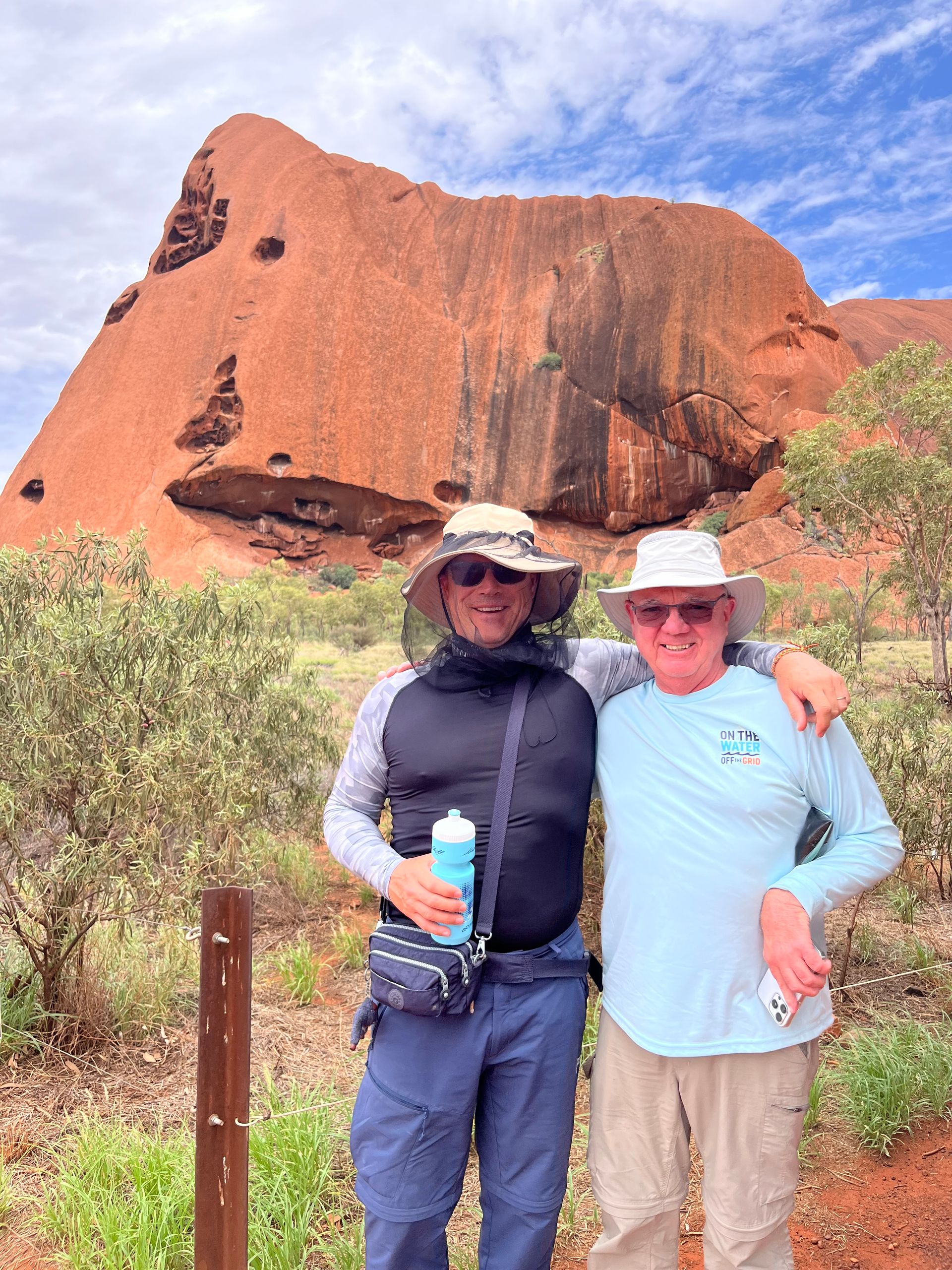
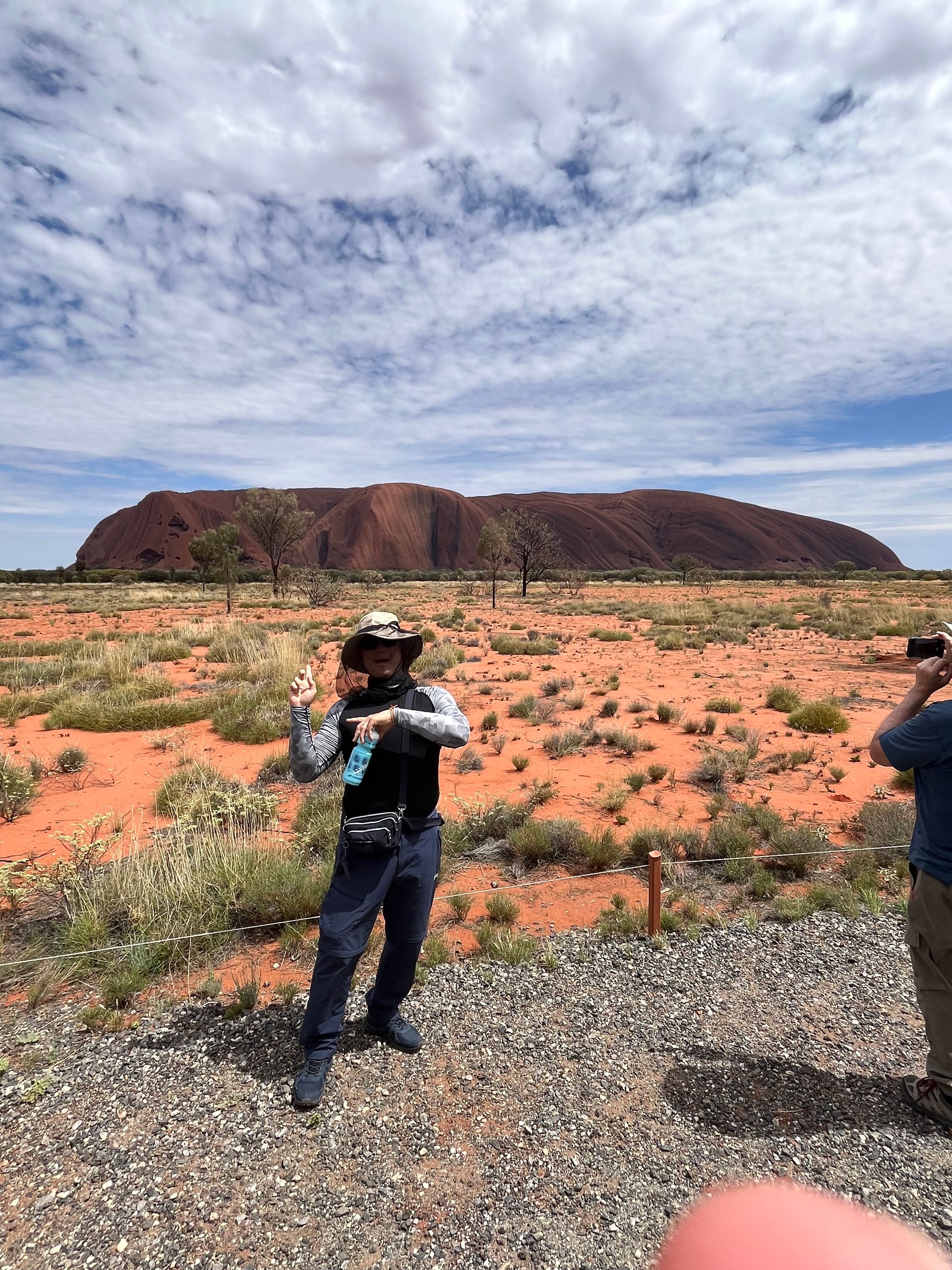
It is hot. Not 'vacation-hot', but uncompromisingly so.
120 degrees Fahrenheit – nearly 49 degrees Celsius. A heat that forgives nothing. It explains nothing, it demands clarity. Anyone who is here feels immediately: This is not a place for projections. Uluru does not tolerate romanticization.
And yet it is just the opposite of empty.
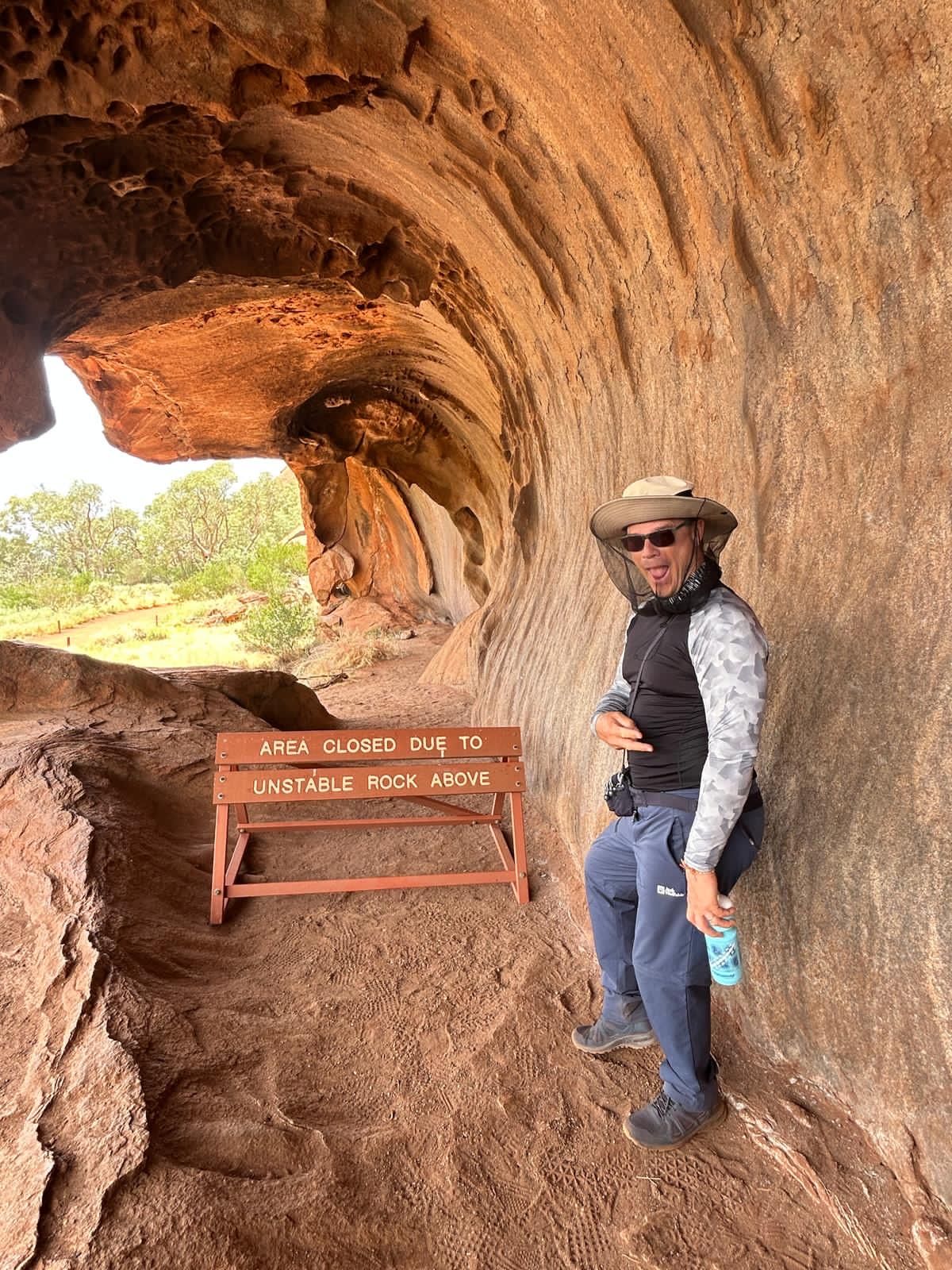
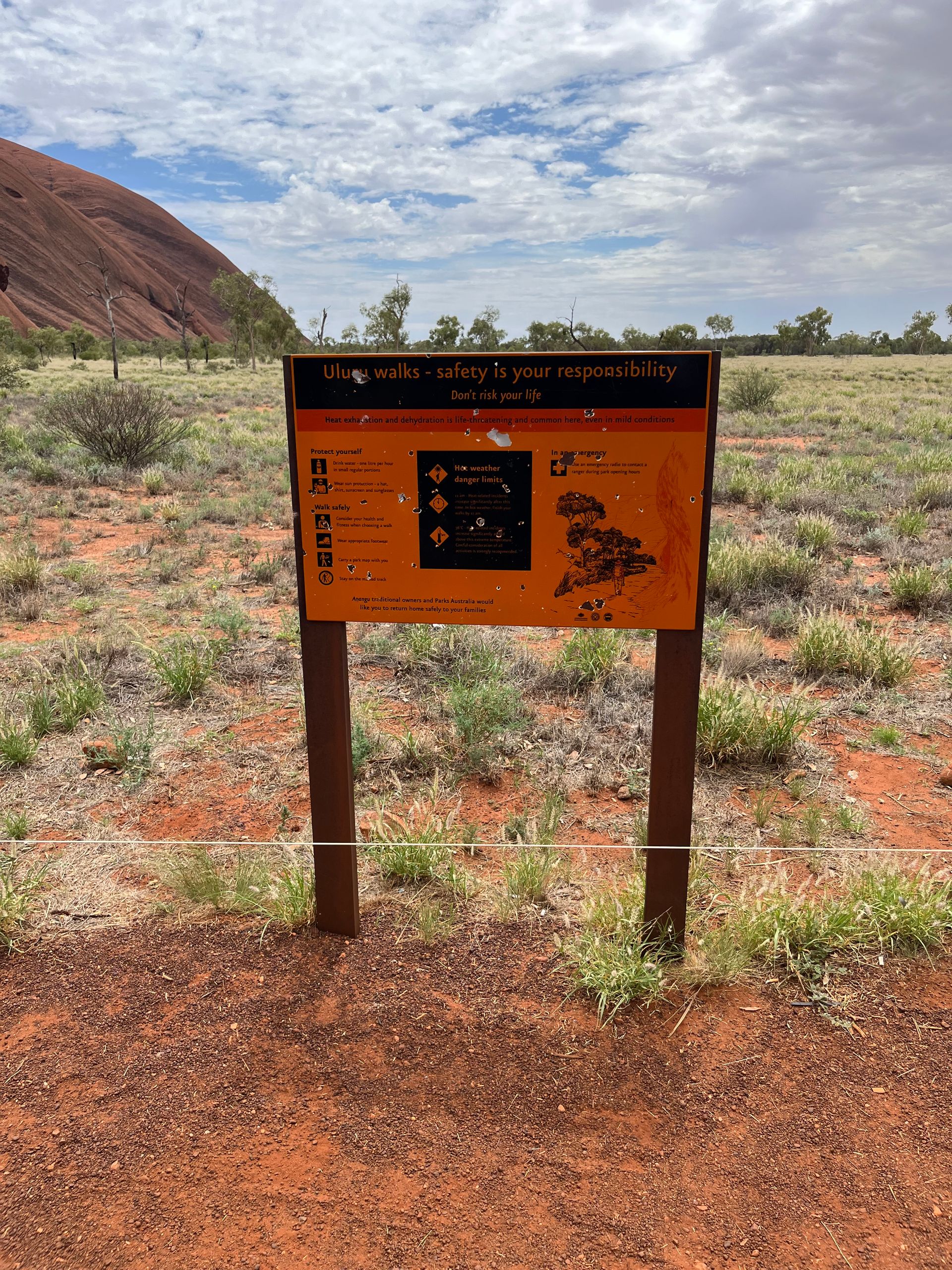
Even entering the national park feels like an orientation. No poetry, no folklore. Signs stand there like facts: Safety is your responsibility. No appeal, no comfort. Responsibility lies with the individual. Those who do not bear it disappear quickly here – physically or mentally.
At the same time, it is unmistakably clear:
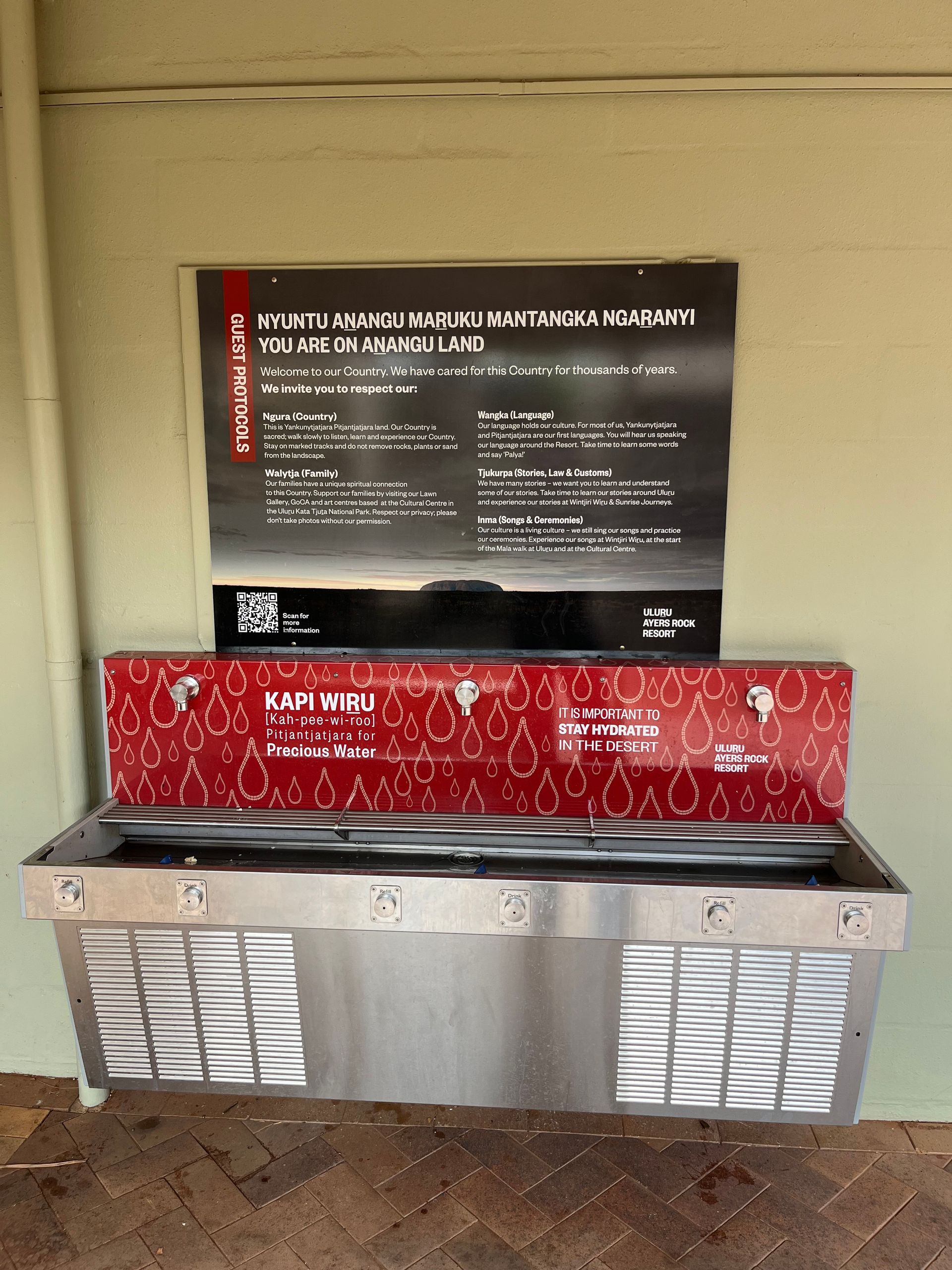
This is Anangu land.
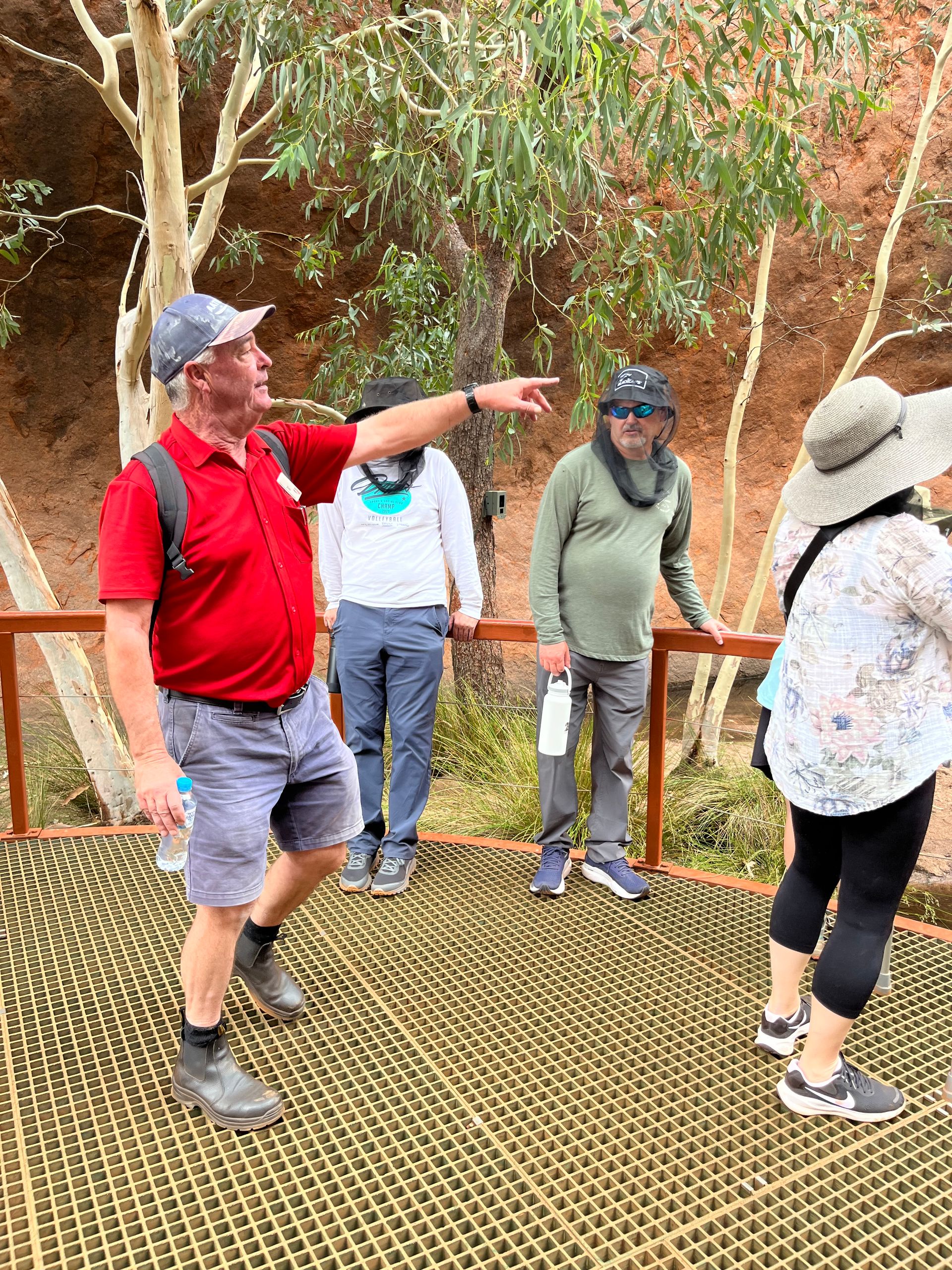
Not as a symbol, but as a lived reality. Respect is not an attitude, but a requirement. Not everything can be seen, not everything photographed, not everything explained. Knowledge is not a commodity here.
What impresses me the most:
It is not about the mountain.
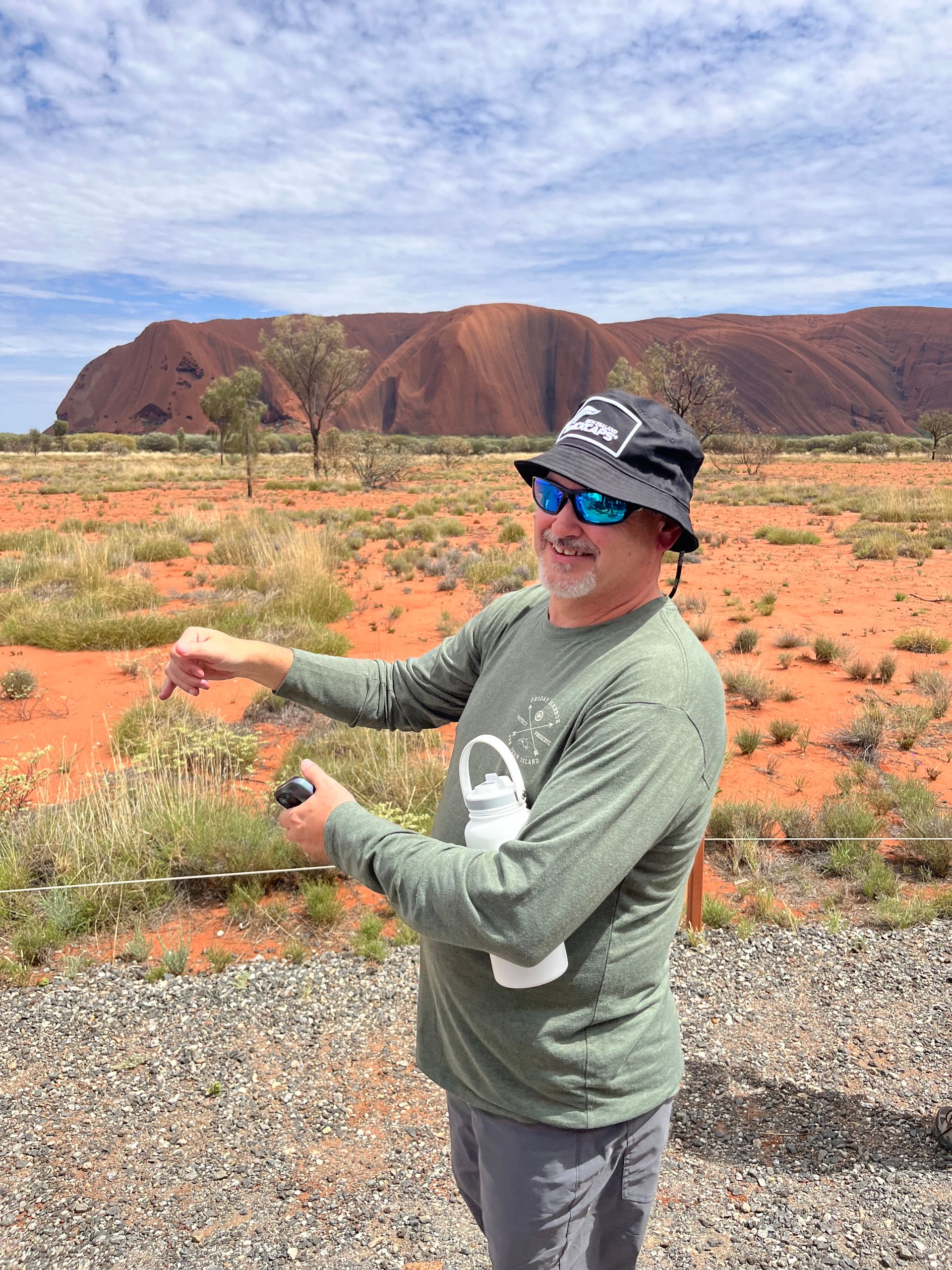
Uluru is not a stone. Uluru is an archive.
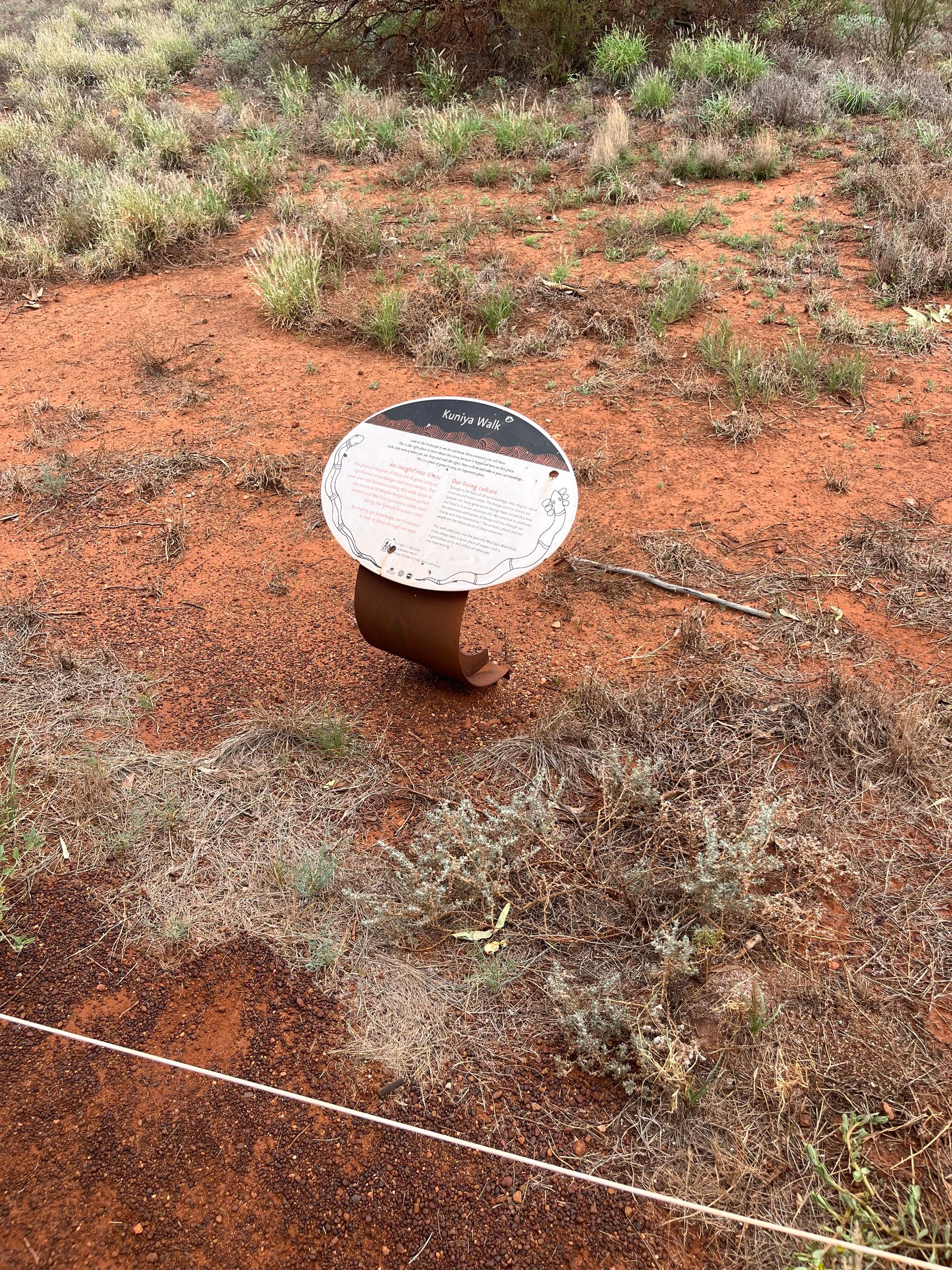
Stories, songs, laws. The past, present, and future do not exist separately, but simultaneously. Everything is one. Everything is Tjukurpa – that which you noted as 'Chukaba/Chocopa': the foundation of our culture.
Tjukurpa is law, history, ethics, and everyday life all at once.
It explains how to live, hunt, heal, share – and when to stop.
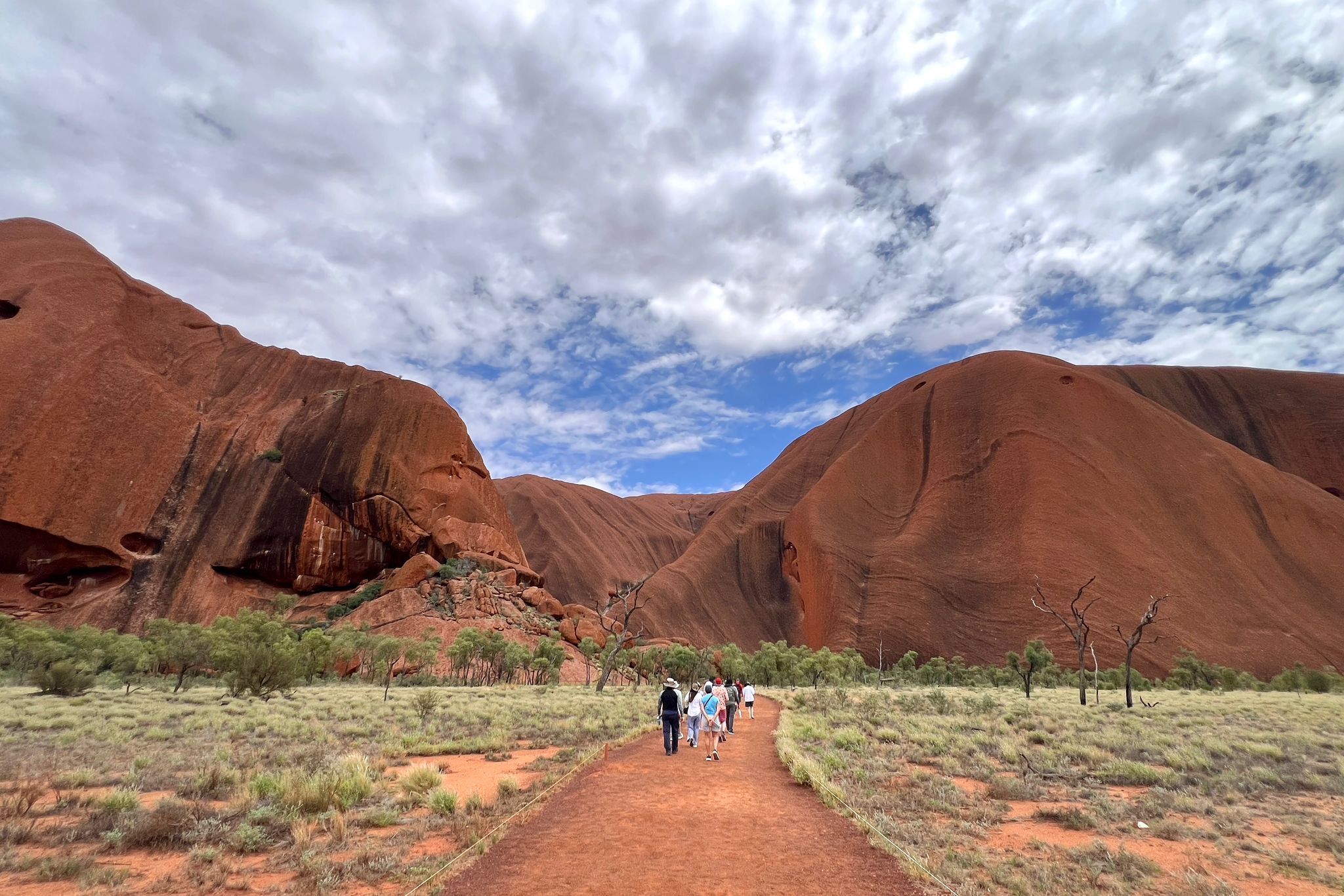
We see seemingly nothing but red earth and sparse bushland.
The Anangu see food, medicine, orientation. Plants from which remedies are obtained. Animals that are hunted only when needed – always just the last animal, never more than necessary. No surplus, no excess, no ego. Life in measure.
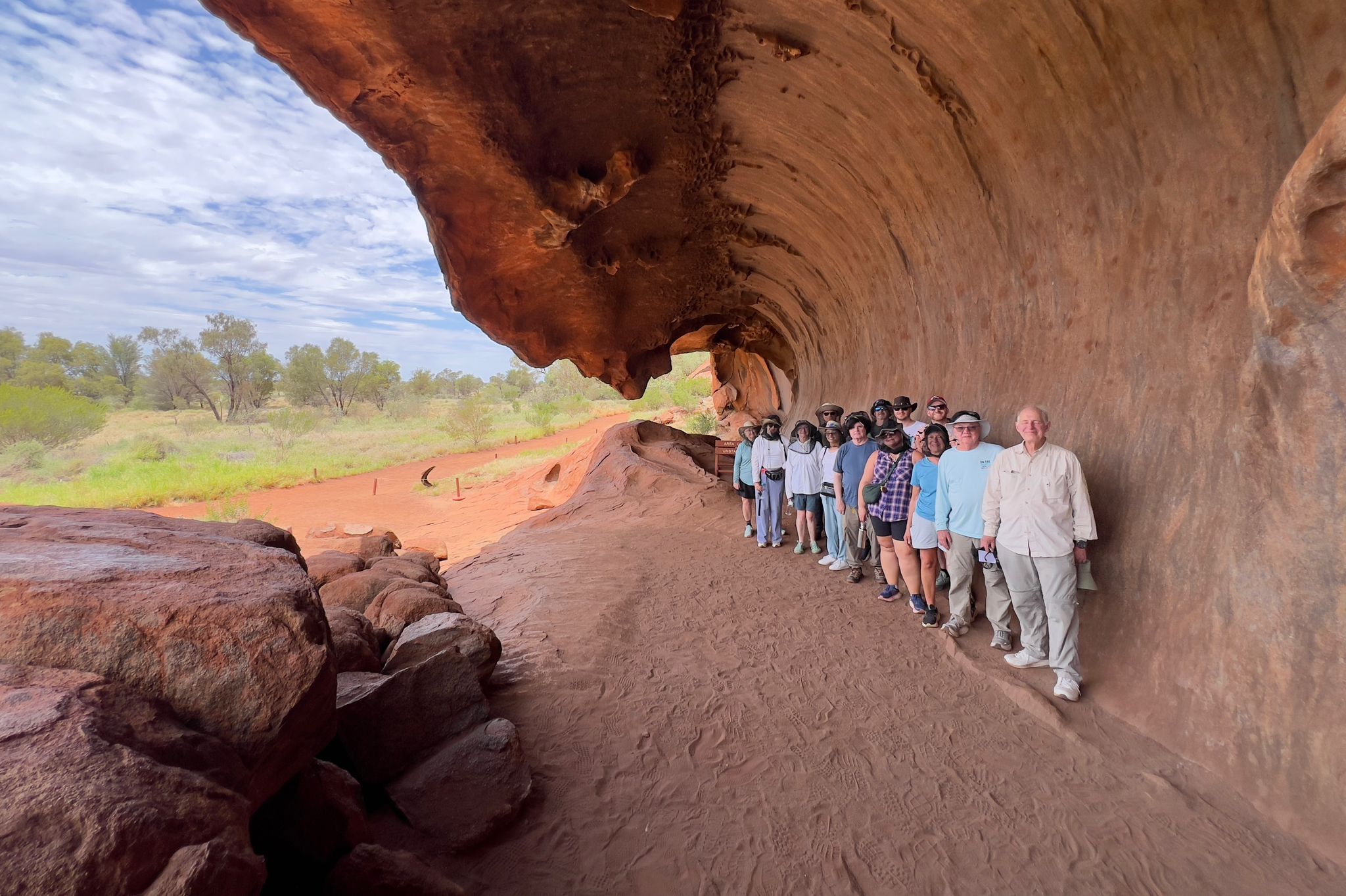
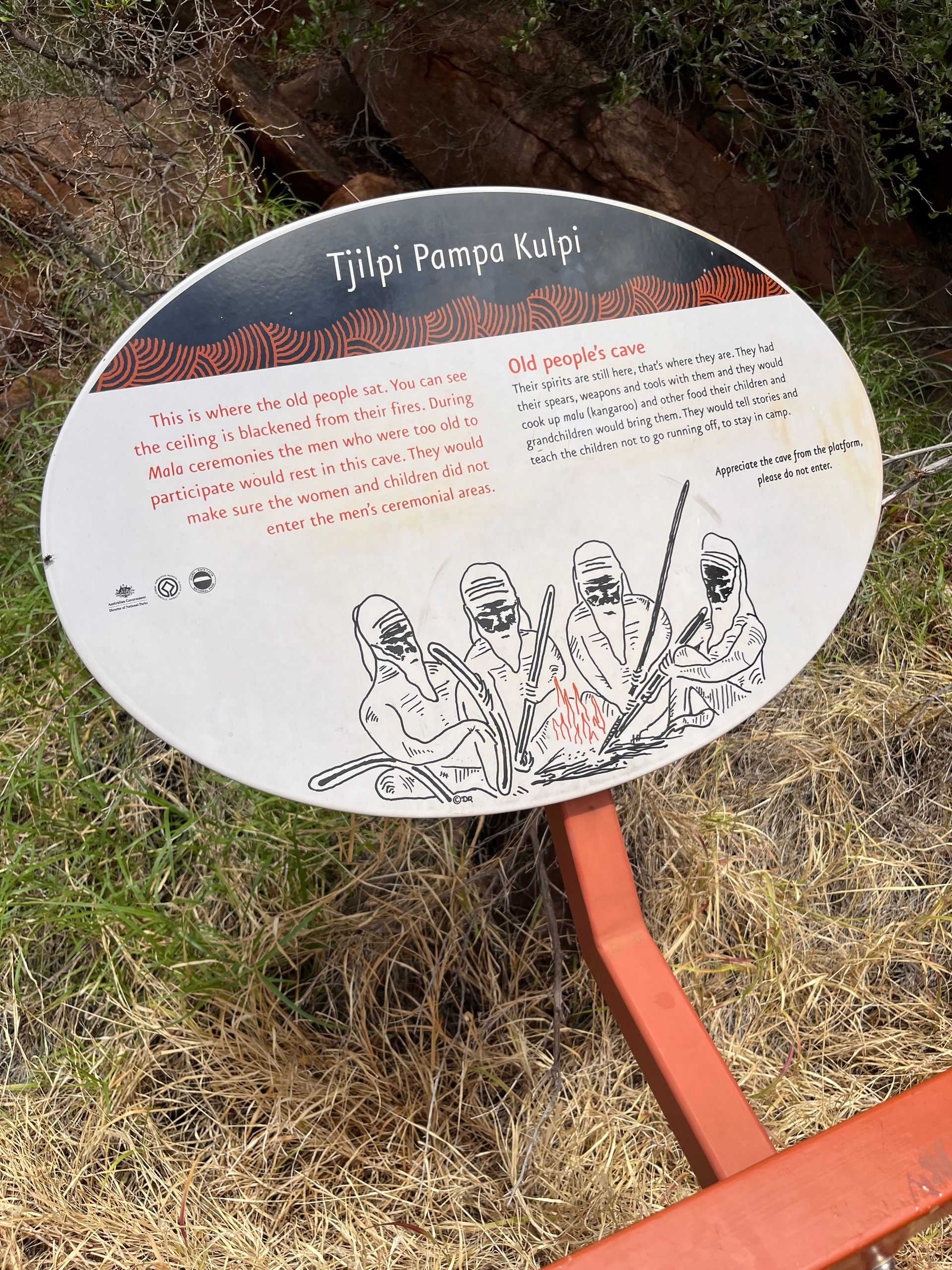
Caves are not a sight to see, but stores of knowledge.
Paintings are not art, but transmission.
Song is not a chant, but a bearer of history.
The mothers sing the stories to their children.
In the song lies the knowledge: Who you are, where you come from, what you are responsible for. No books. No archives. Memory lives in the body.
The mountain itself has been closed since 2019.
Not for symbolic politics, but for reality. Too many deaths. Falls. Heart attacks. Heat. Overestimation. Climbing was never part of Anangu culture – it was a Western transgression. The closure is not a prohibition, but a return to order.
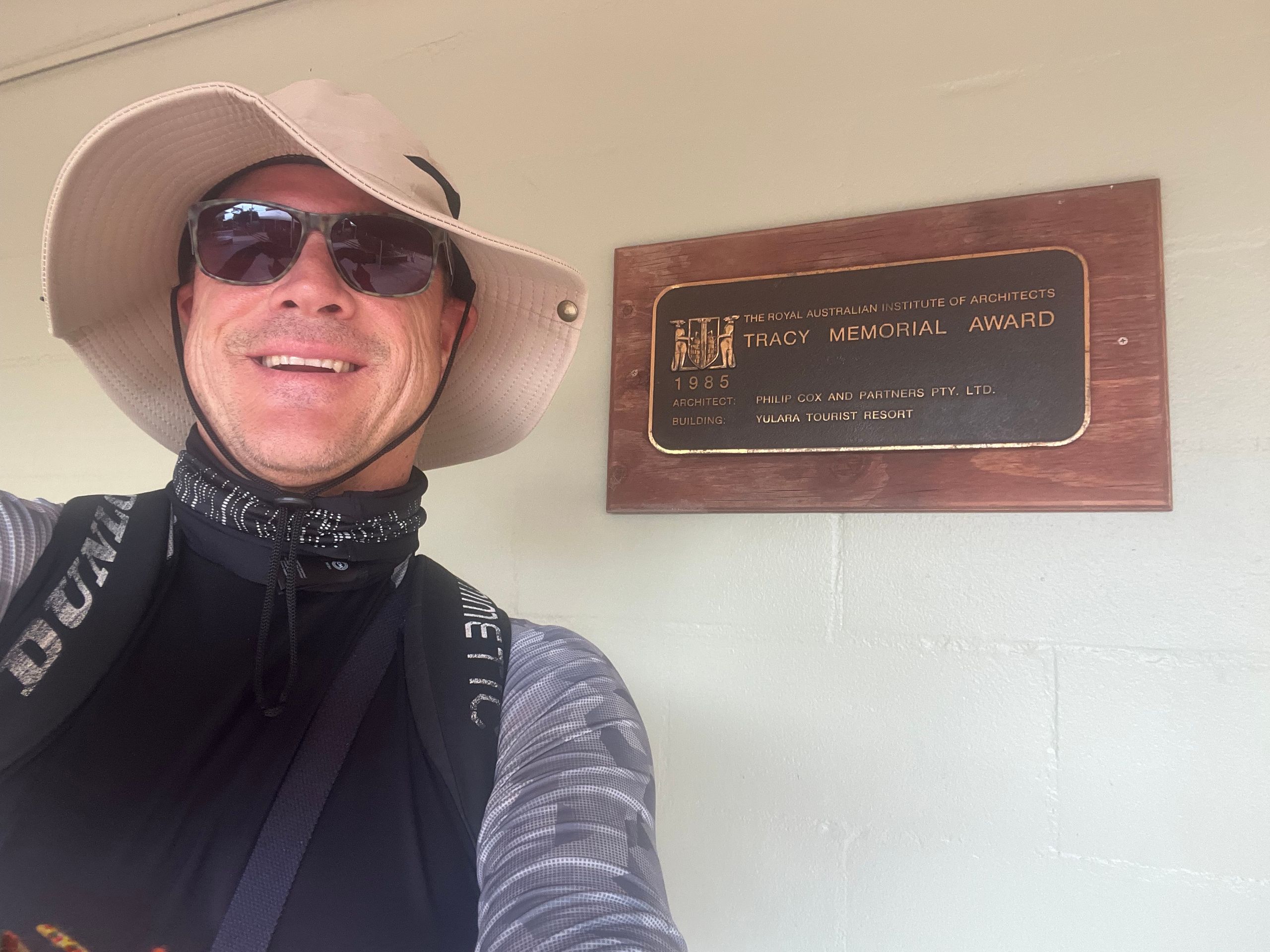
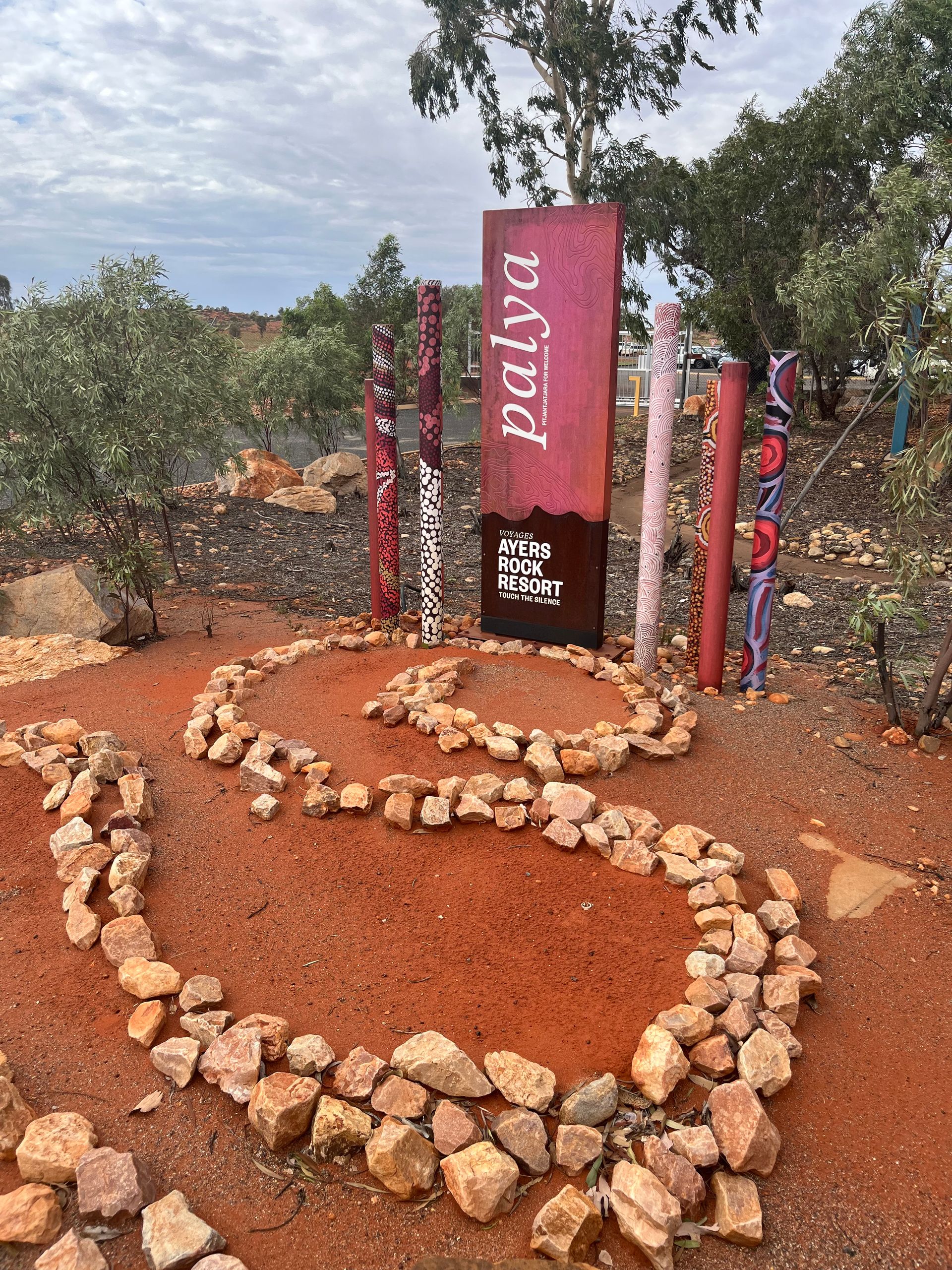
The Ayers Rock Resort follows this logic as well. Functional, reduced, serving. No dominance over the landscape, but subordination to it. Provision instead of staging.
My impression remains clear:
Uluru reduces. Radically.
To water. To responsibility. To respect. To listening.
It is not the mountain that is important.
It is the stories.
And the realization that a culture has existed since the beginning of time because it knows measure, understands responsibility, and knows when enough is enough.
Everything is Tjukurpa.
And that is exactly why it stands to this day.