Final Block – Hyde Park Barracks, a place that lingers
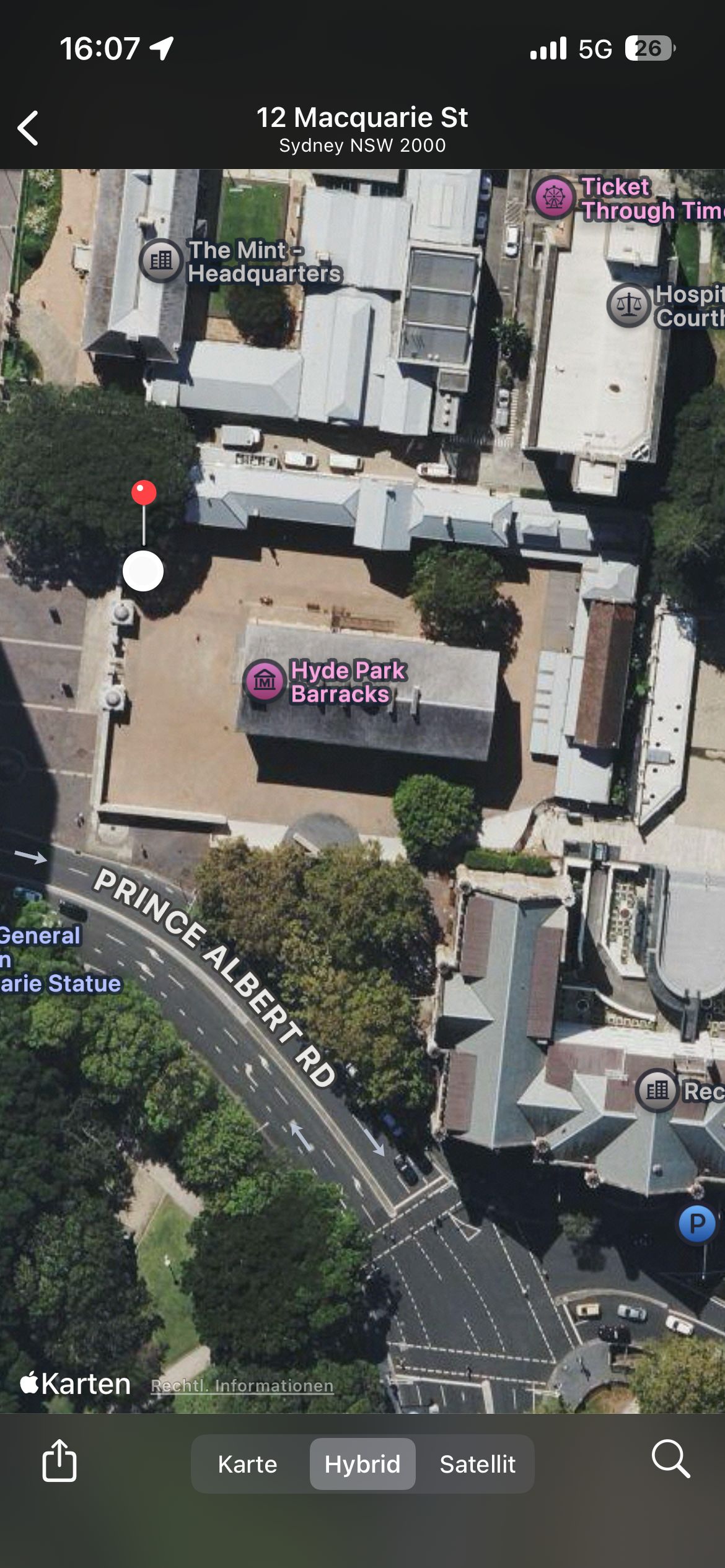
After the highlight event in the morning, we were physically quite exhausted, to be honest. Not mentally – that was wide awake – but our bodies clearly signaled: a break was actually warranted. Nevertheless, we still went to the Hyde Park Barracks Museum in the afternoon. In retrospect: it was the right decision.
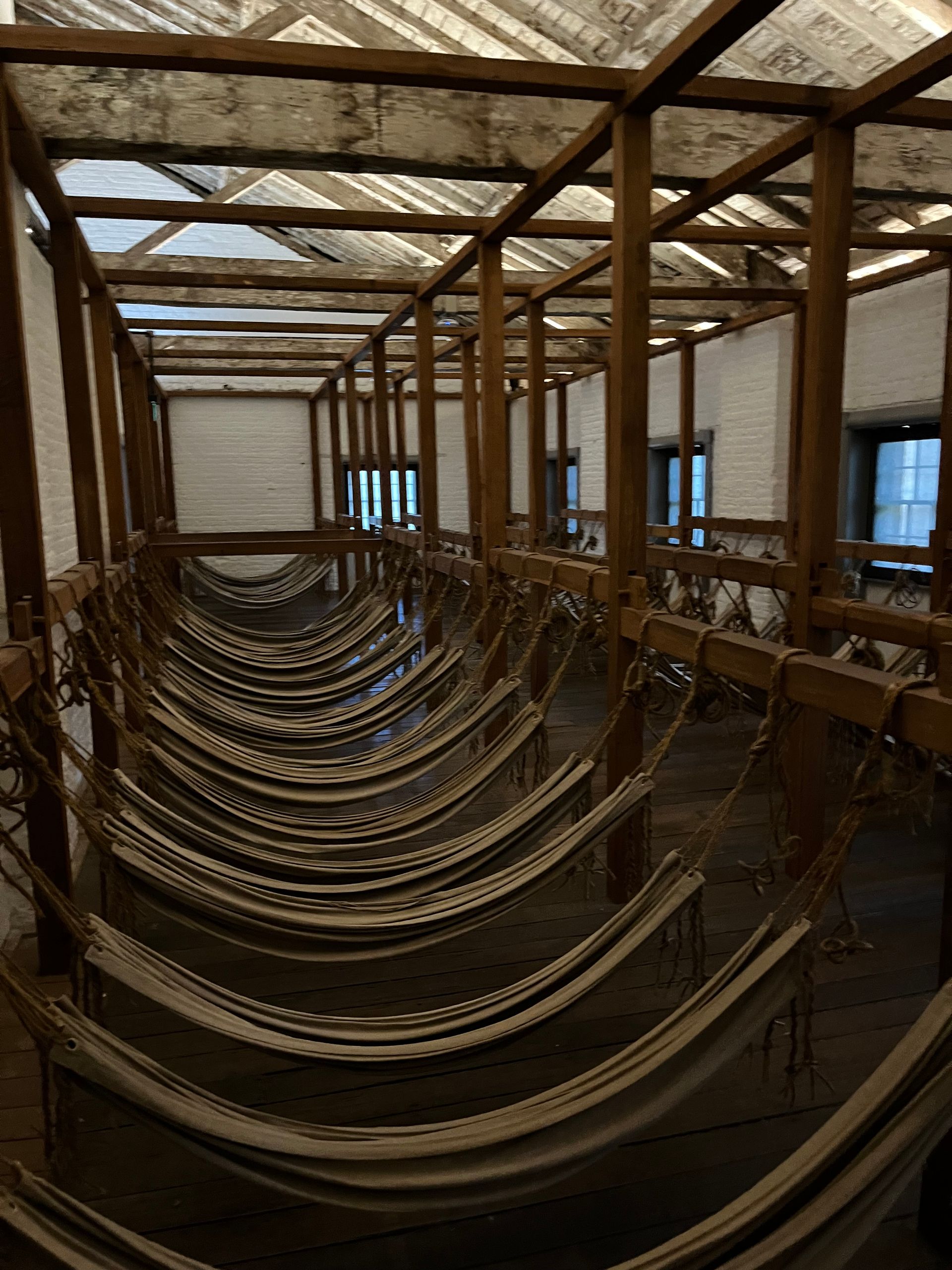
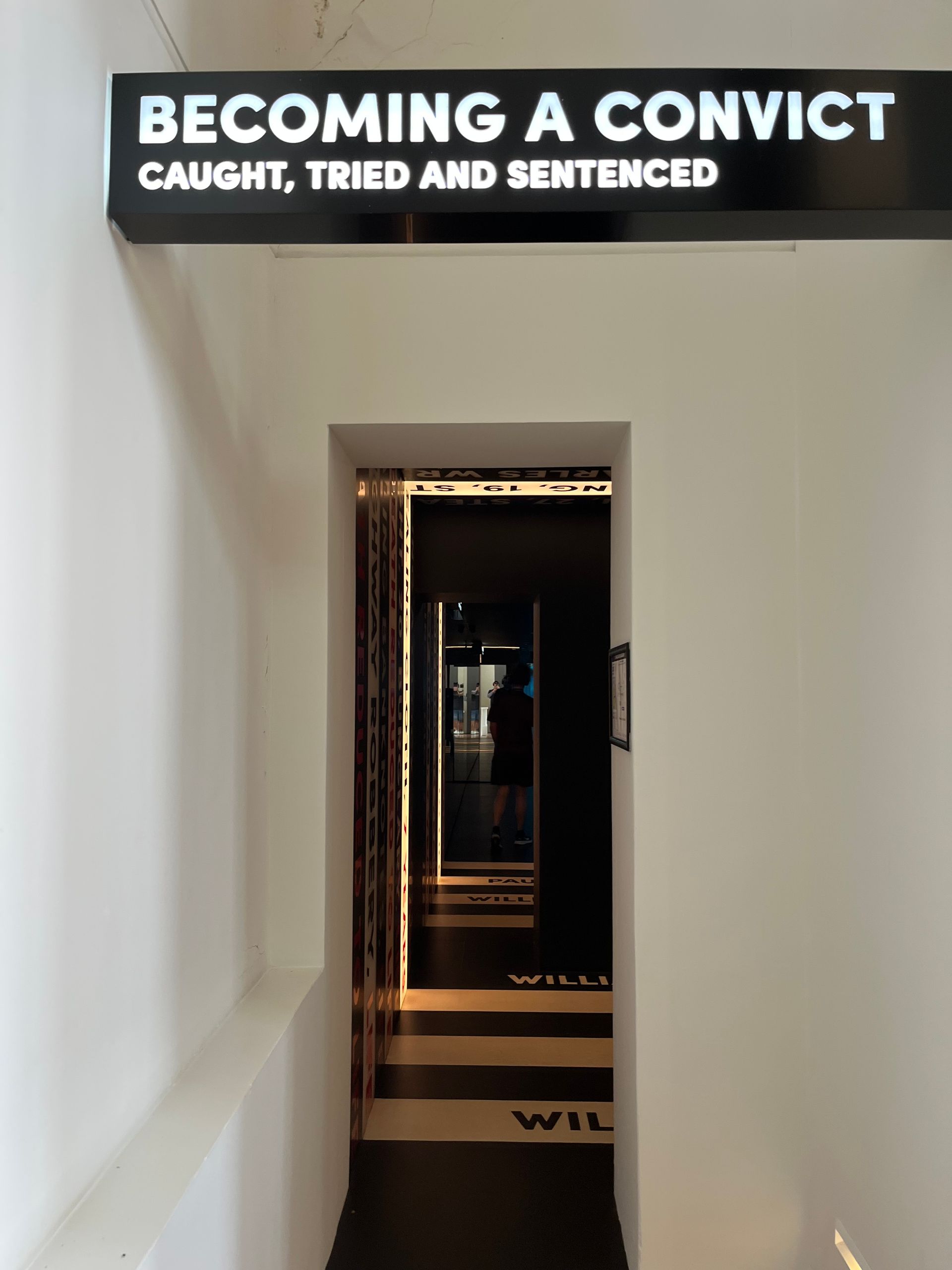
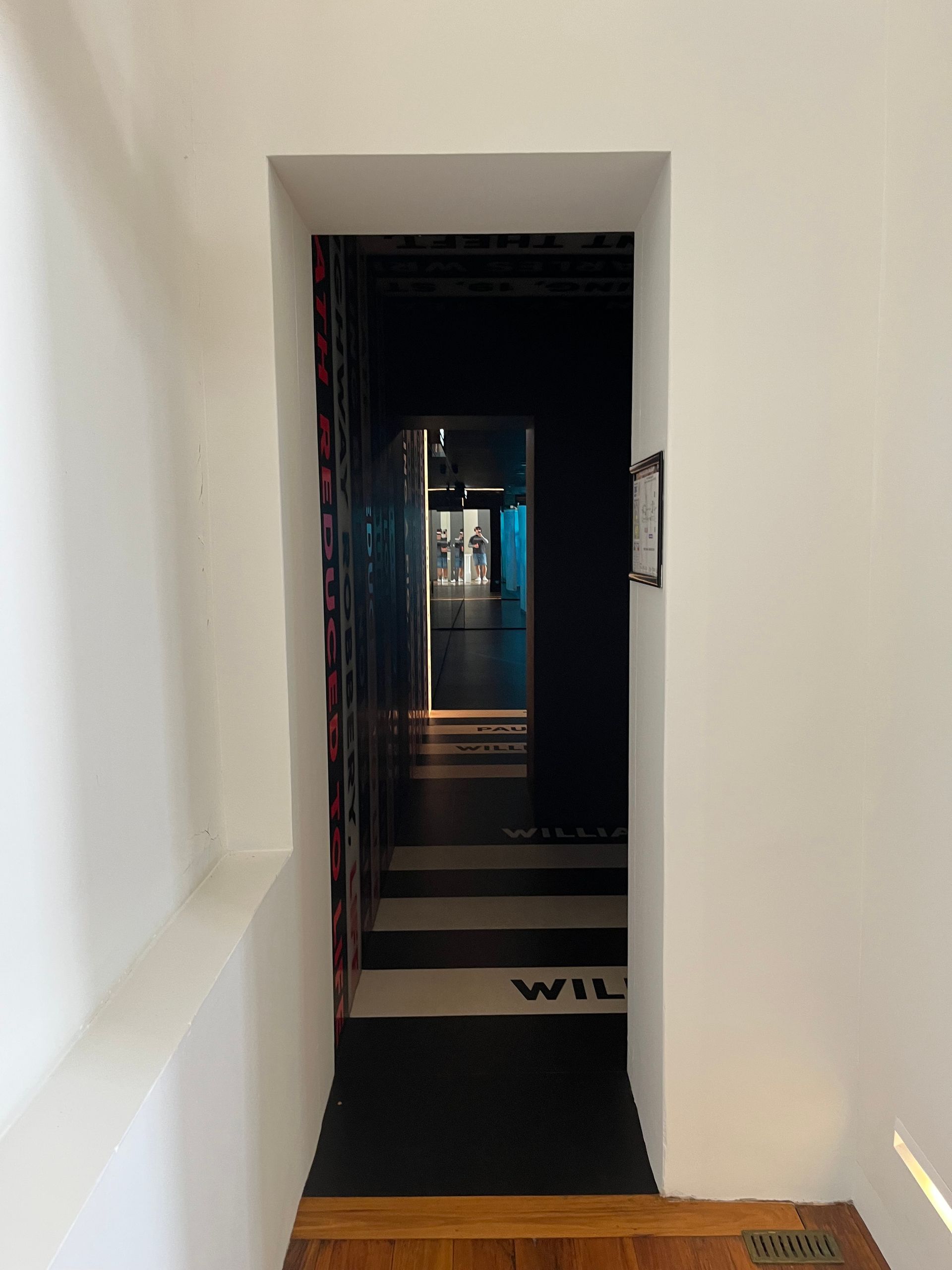
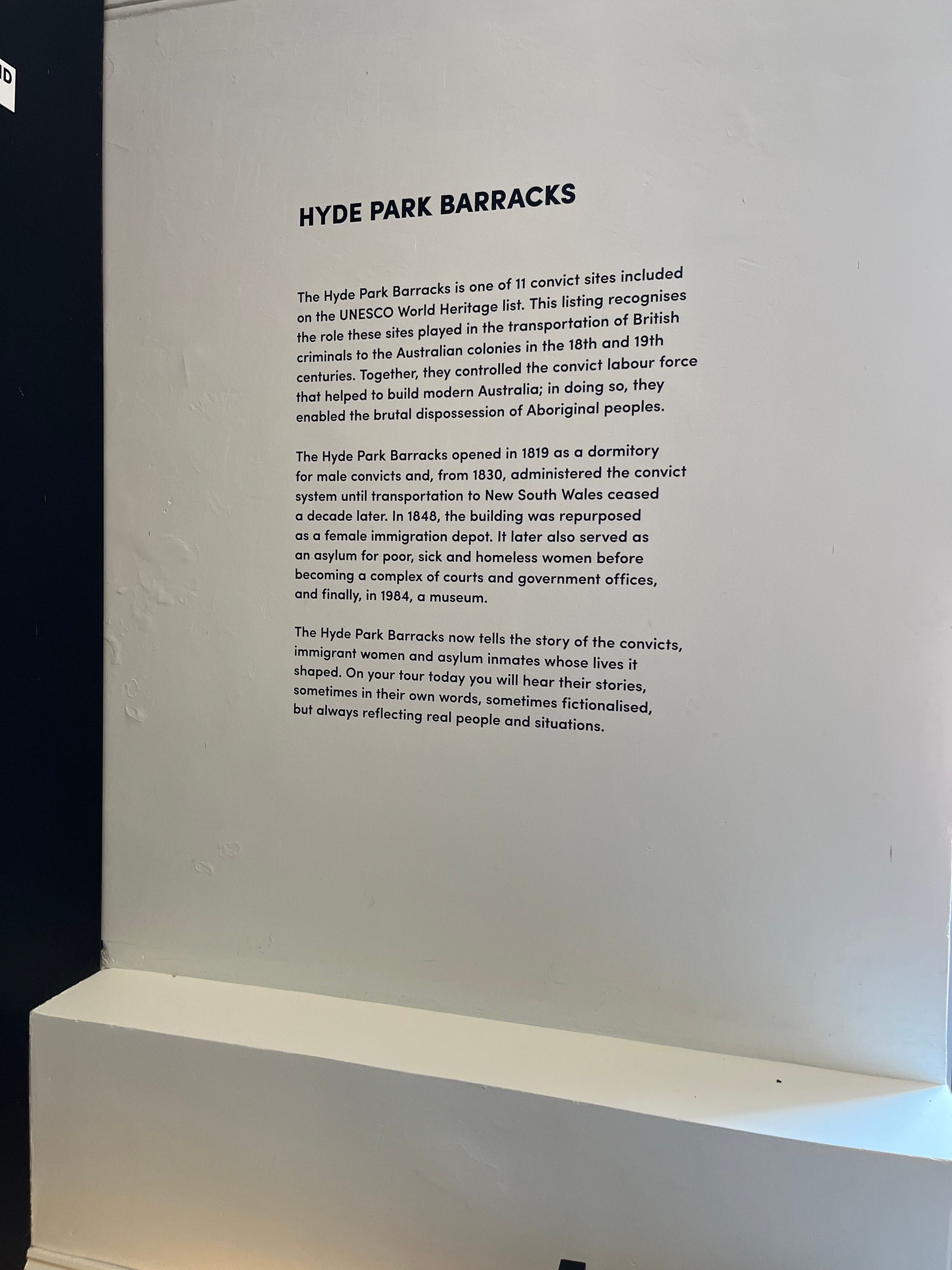
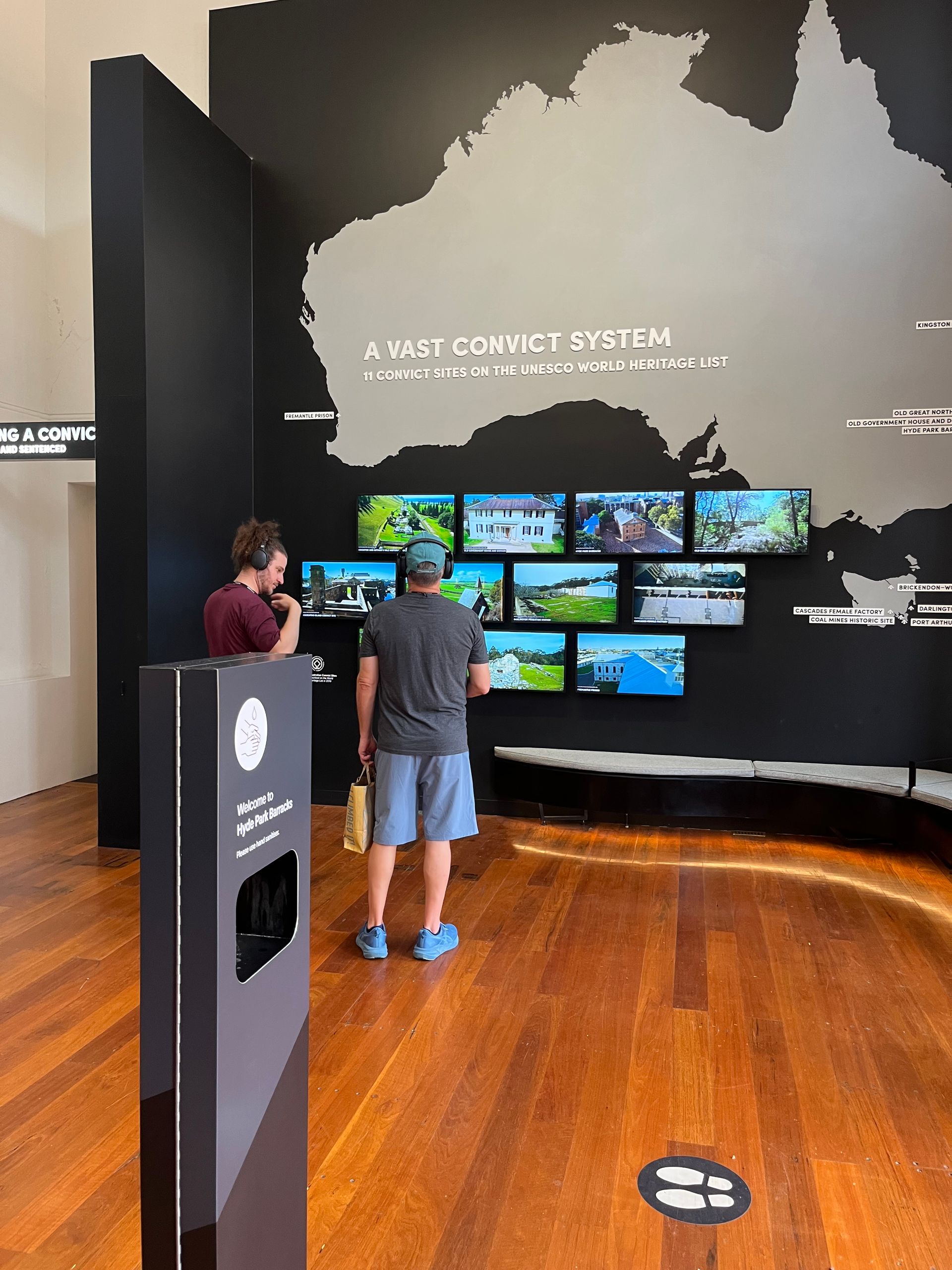
The Hyde Park Barracks is not a museum that you 'just walk through'. It is a place that tells quietly – and that's exactly why it has an impact. Here, it became very clear to me how Australia as a nation was formed: not romantically, not heroically, but organized, controlled, disciplined. People were part of a system. Convicts were not just locked away, but purposefully utilized, managed, quartered at night, and sent to work during the day. Order was the highest goal.
What particularly occupied my mind: This building has always been a place of state control over people. First convicts. Later, single migrant women. Then the poor, the dependent, the managed. The usage changed – the logic behind it remained the same. The museum does not shout this out loud, but conveys it through everyday details, through personal belongings, through spaces where you suddenly wonder: How would I have felt here?
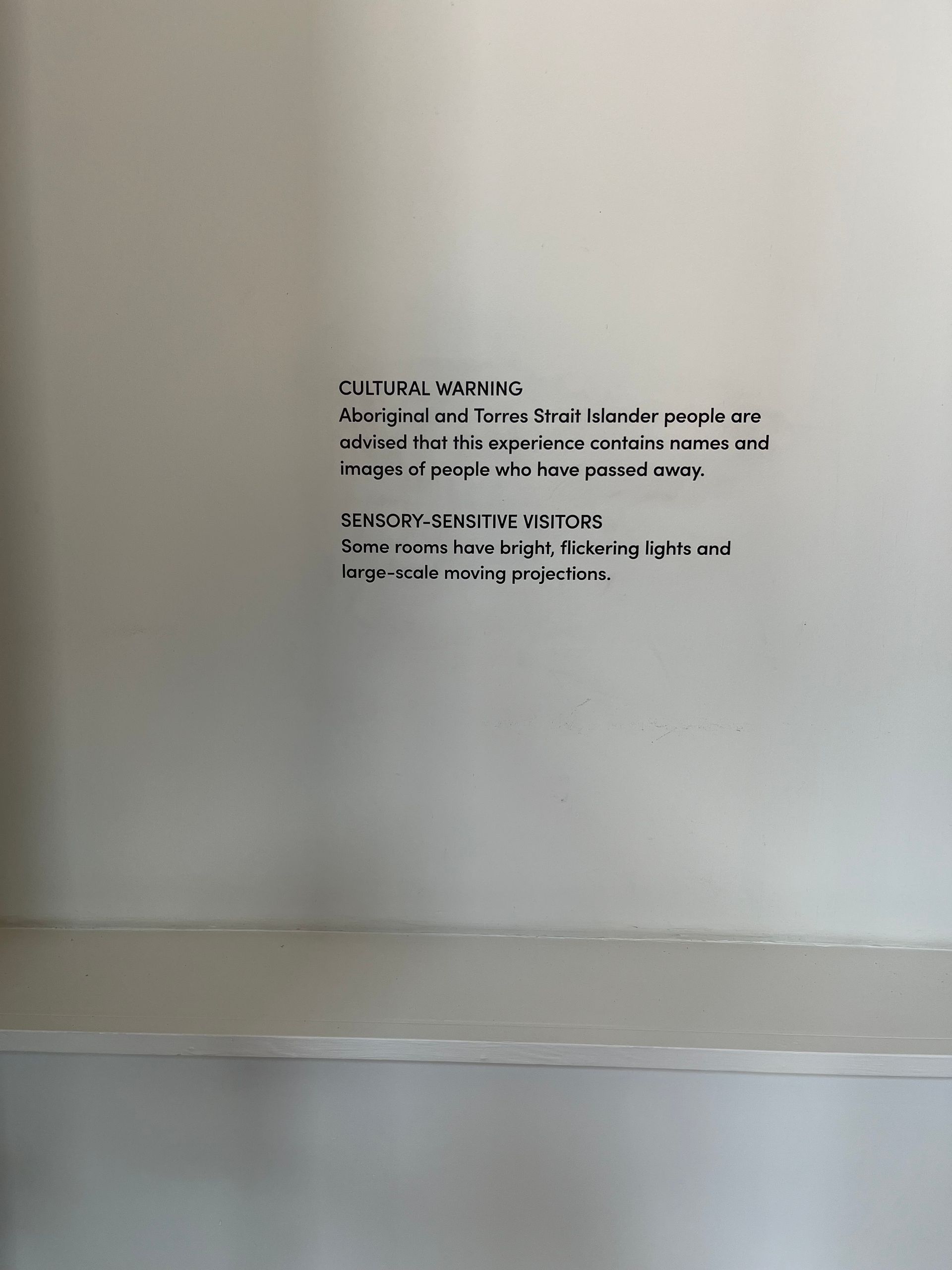
In this context, the Myall Creek massacre took on a different weight for me. There, in 1838, unarmed Aboriginal people were murdered – and some of the perpetrators were actually convicted. That was an absolute exception. Not because suddenly there was justice, but because the state wanted to send a signal: uncontrolled violence disrupted the colonial order. This too is part of the history of this country. Hard to bear, but important to understand.
No matter how terrible all this is – I found this part of the day incredibly interesting. Because it explains where things come from. How systems work. And why you cannot embellish history if you want to understand the present. It was genuinely important for me to take this with me and pass it on.
A small side note about today's images in the travel blog:
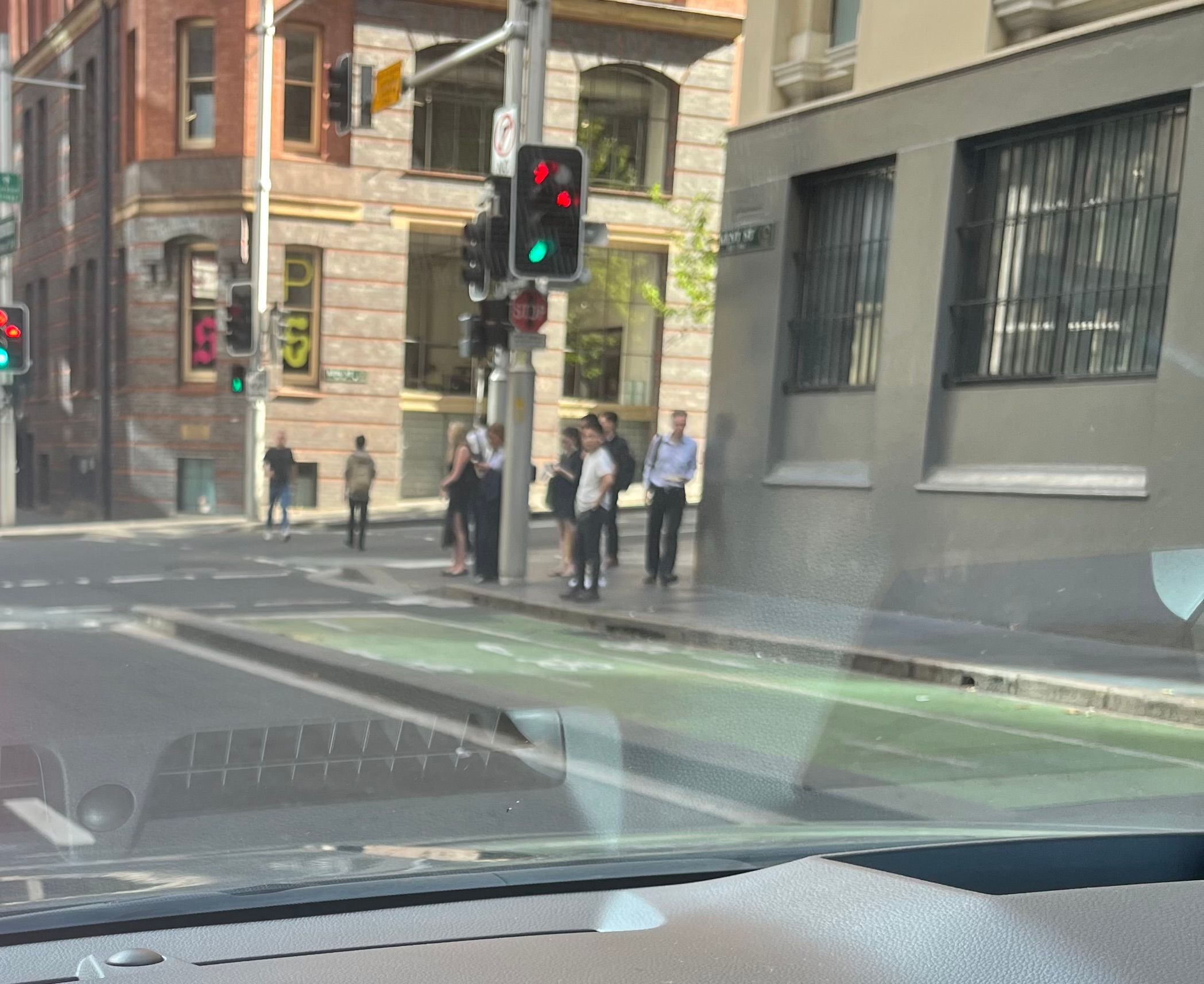
What Sydney has really solved well is the issue of bicycles. Dedicated, continuous bike lanes, physically separated from cars – with stones, so that bikes cannot be hit by car traffic. This is consistent, safe, and extremely well done. Something that could easily be adopted here if one wanted to.
We were in the museum from about 3:15 / 3:30 PM to 5:30 PM. Now it's just after 6 PM; we're back at the hotel – physically tired, but very alert mentally. The morning was entirely different in content. I'll share that in a separate section shortly.