Day 4: Lesbos - impressive work by colleagues in 3 facilities
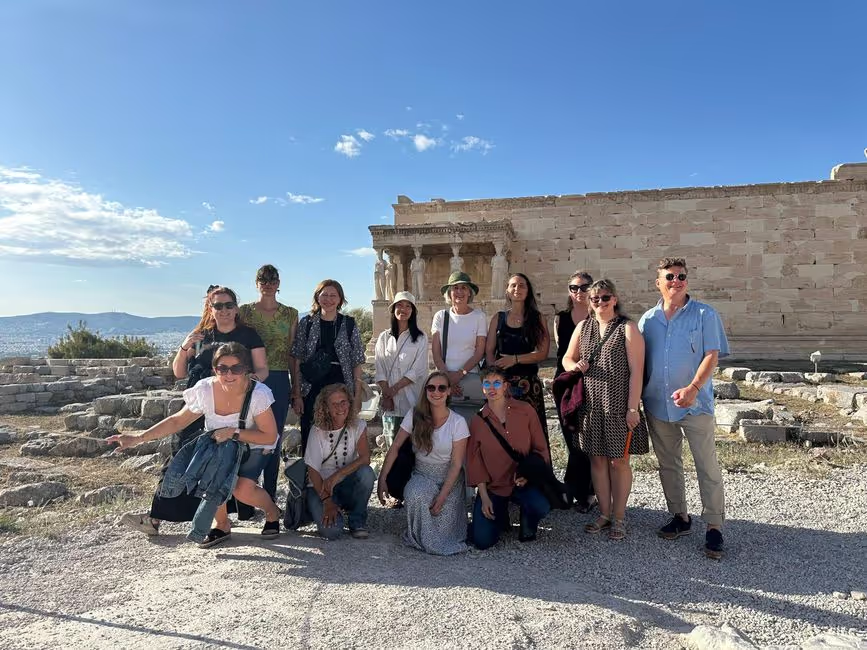
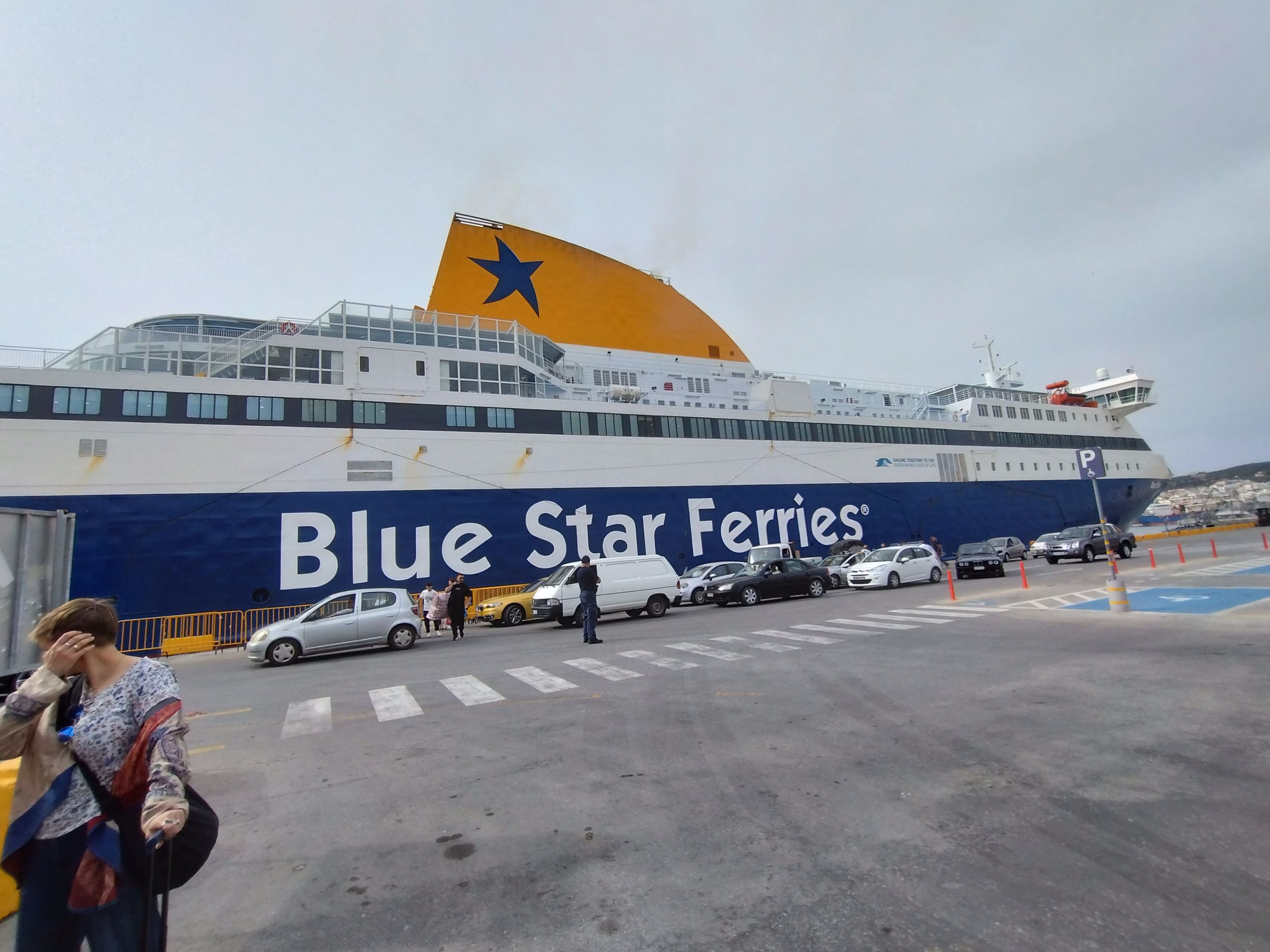
On the eve, some of us visited the Plaka district, where the typical small white houses in the style of the Greek islands are located. The trip is perfectly organized, so we arrive at the ferry on time and can check in comfortably. A twelve-hour overnight journey from Piraeus to Lesbos lies ahead of us - fortunately with cabins.
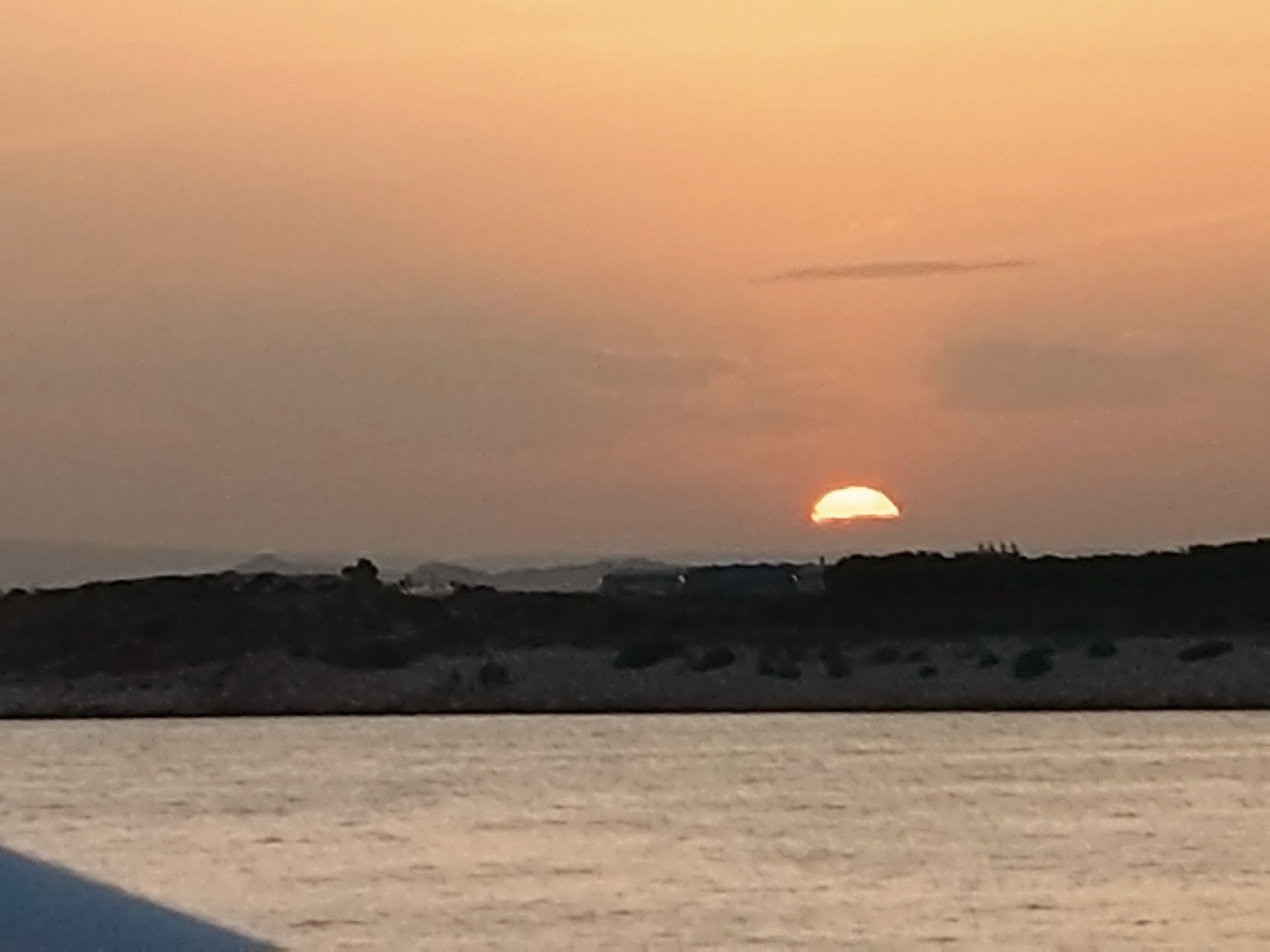
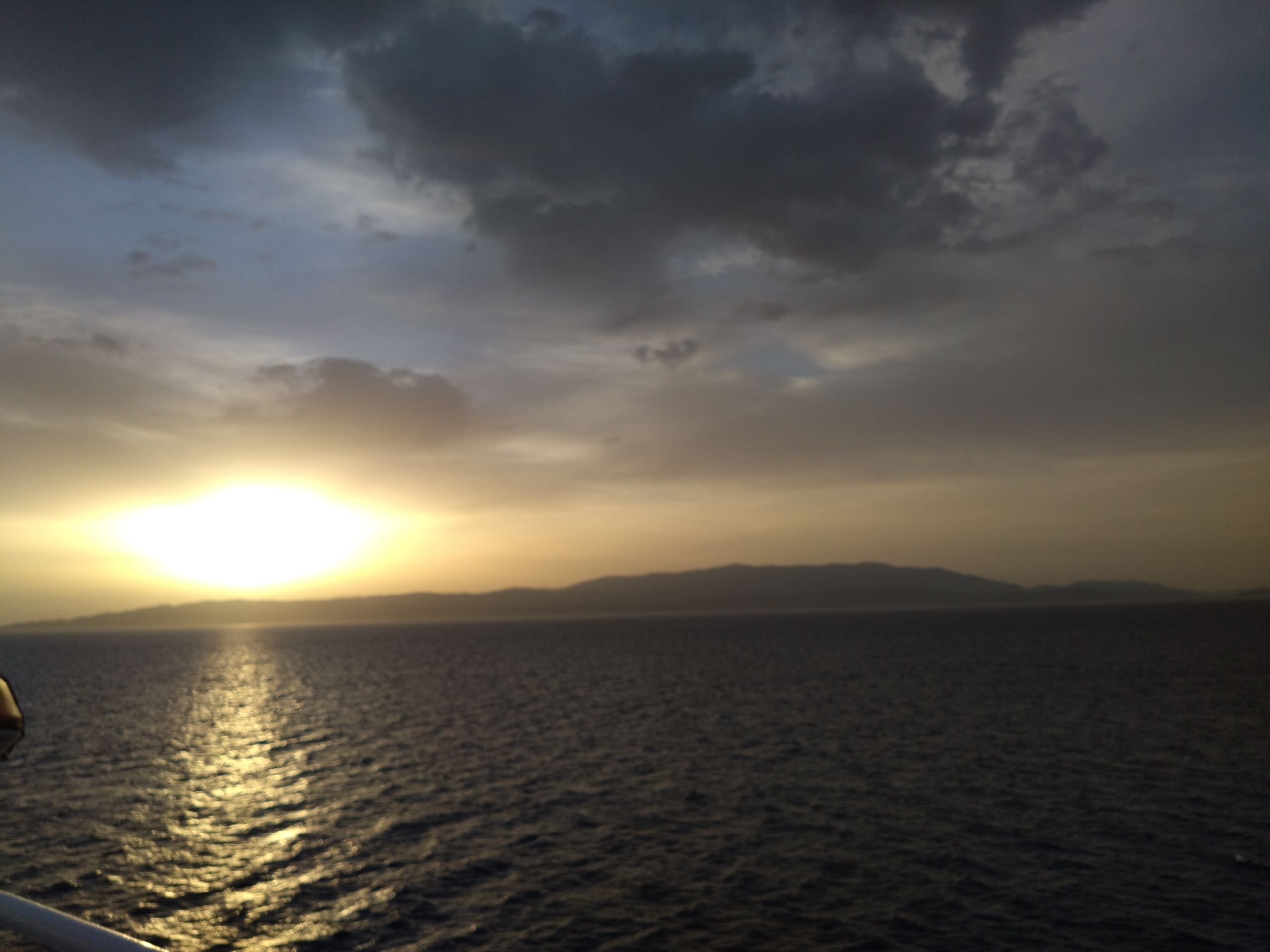
With coffee in hand, gazing at the sea, and with somewhat tired faces, we meet on deck the morning after the twelve-hour crossing. The group has already proven to be a good team.
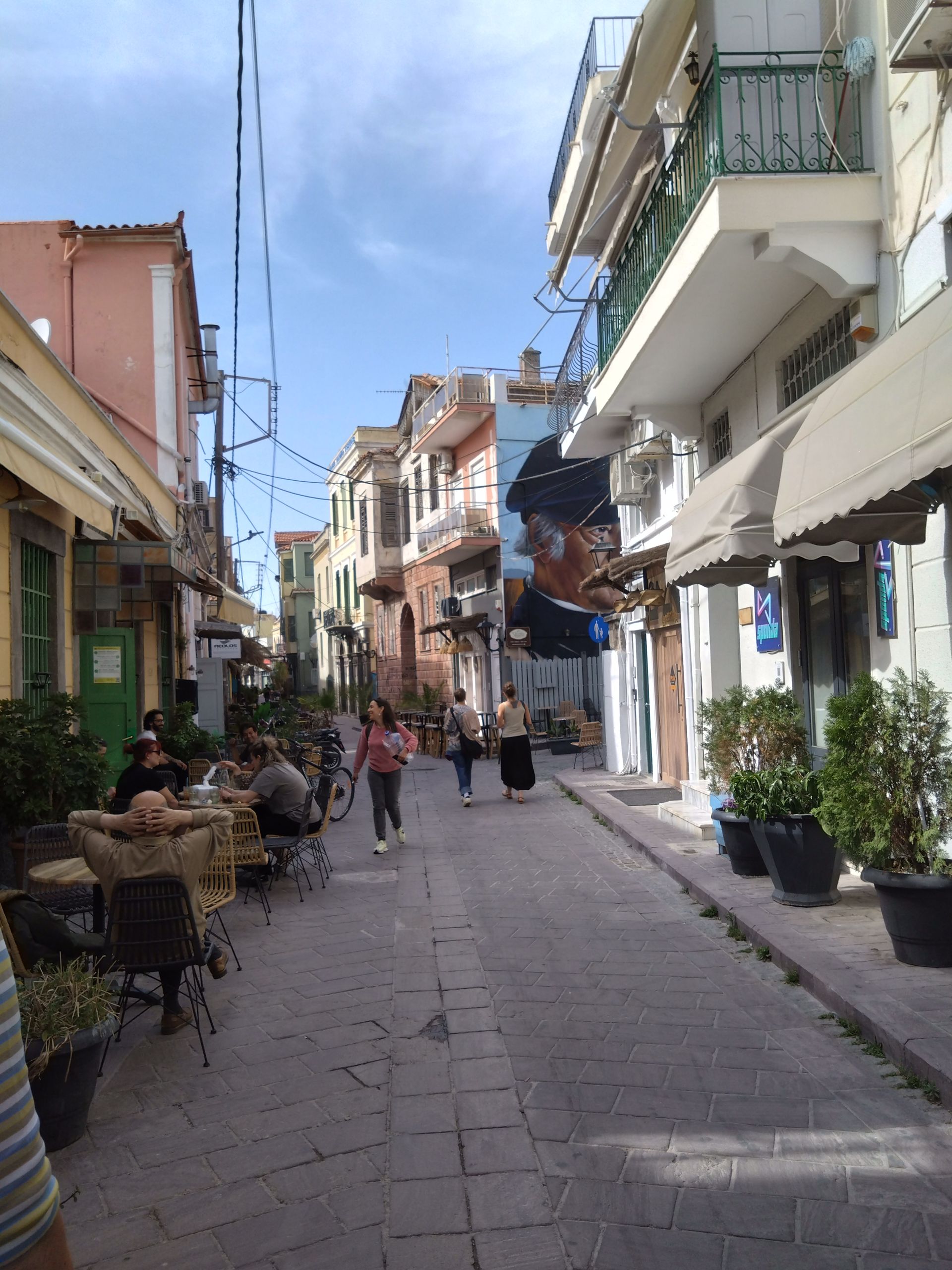
First, we dropped our things at the hotel and then headed out directly to explore the streets of Mytilini.
At first glance, it is noticeable how much the refugee movement has shaped life on the island.
The shops are colorful and diverse, and you see traces of collaboration everywhere - between NGOs and the locals.
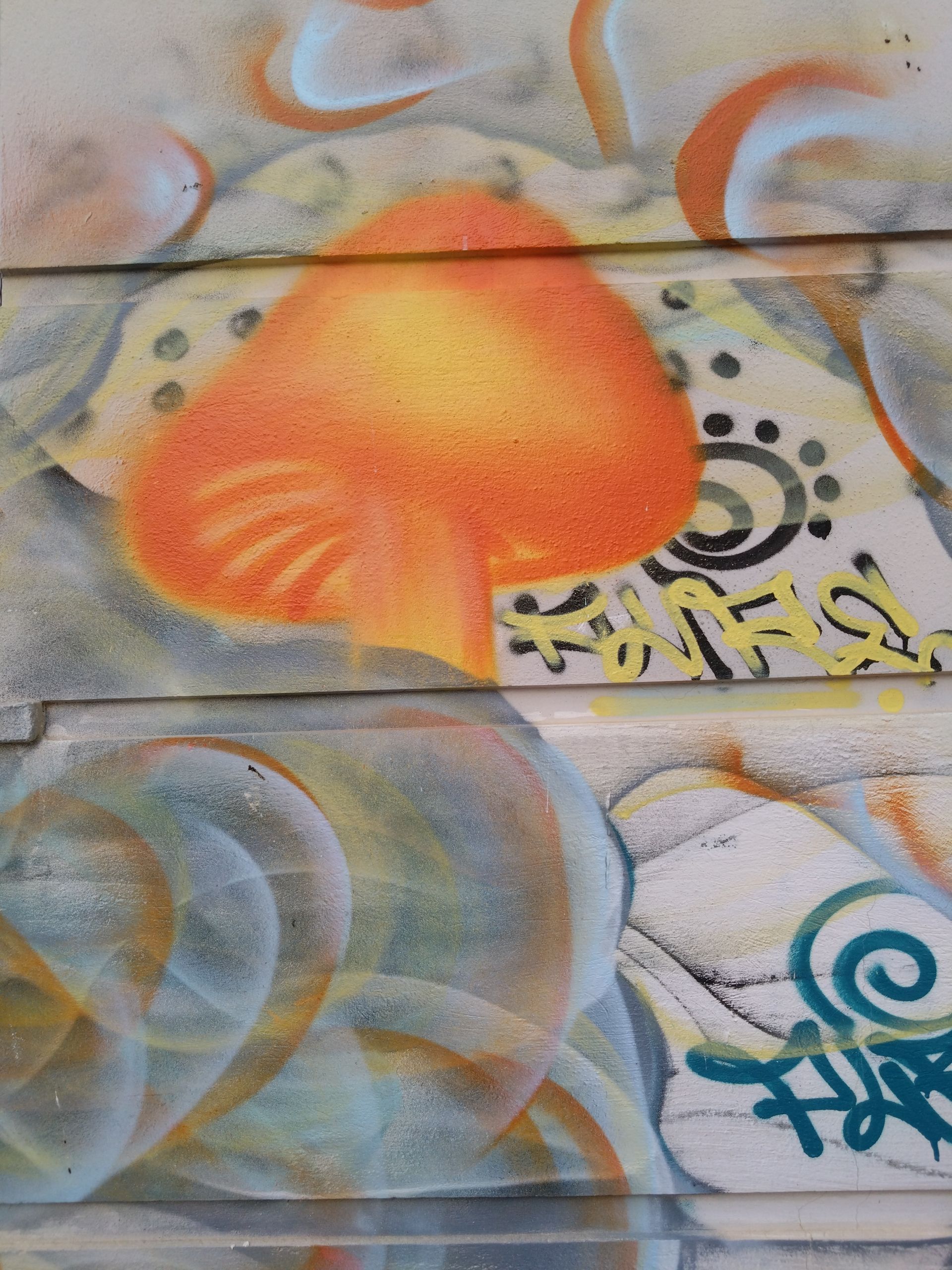
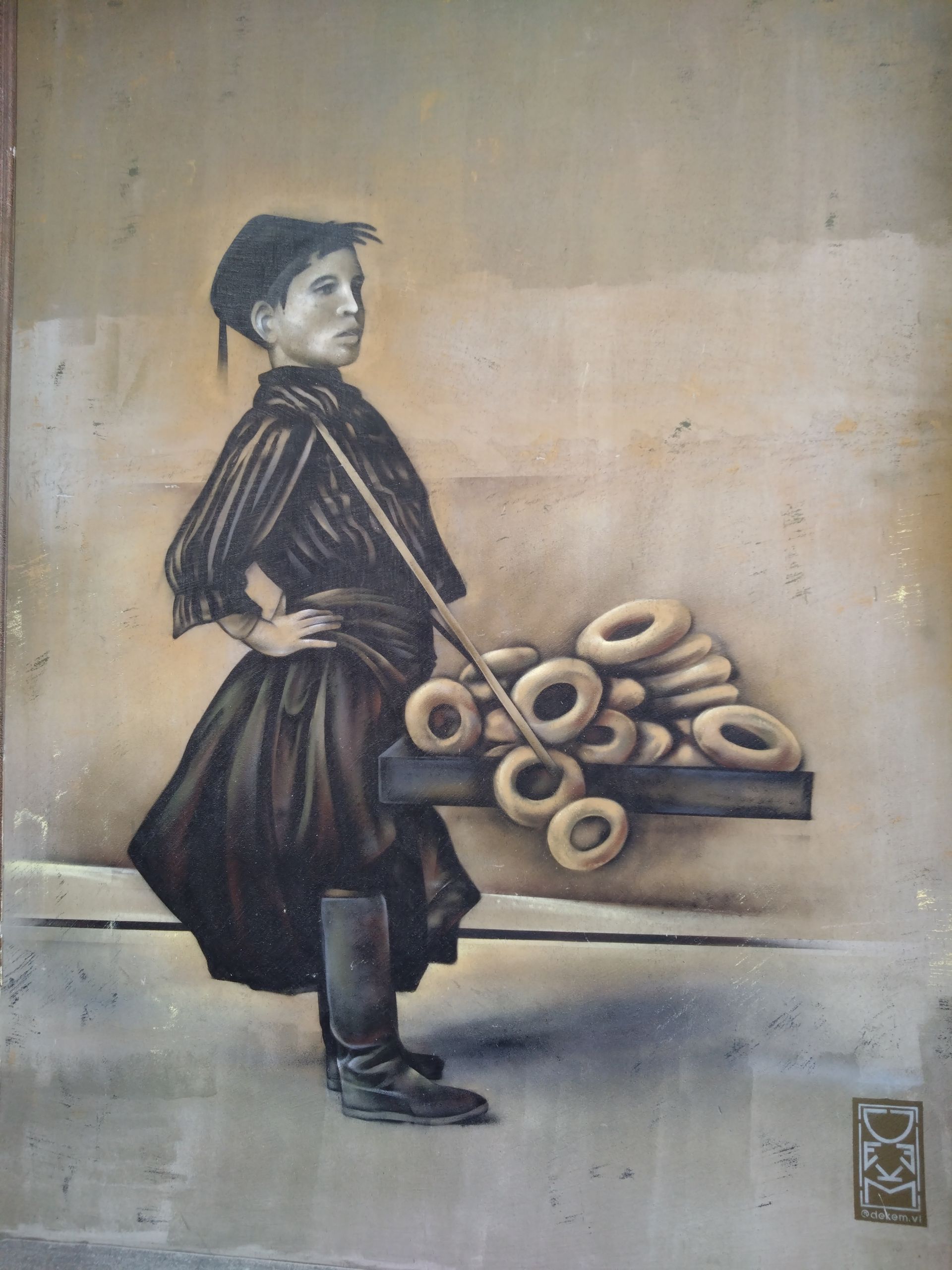
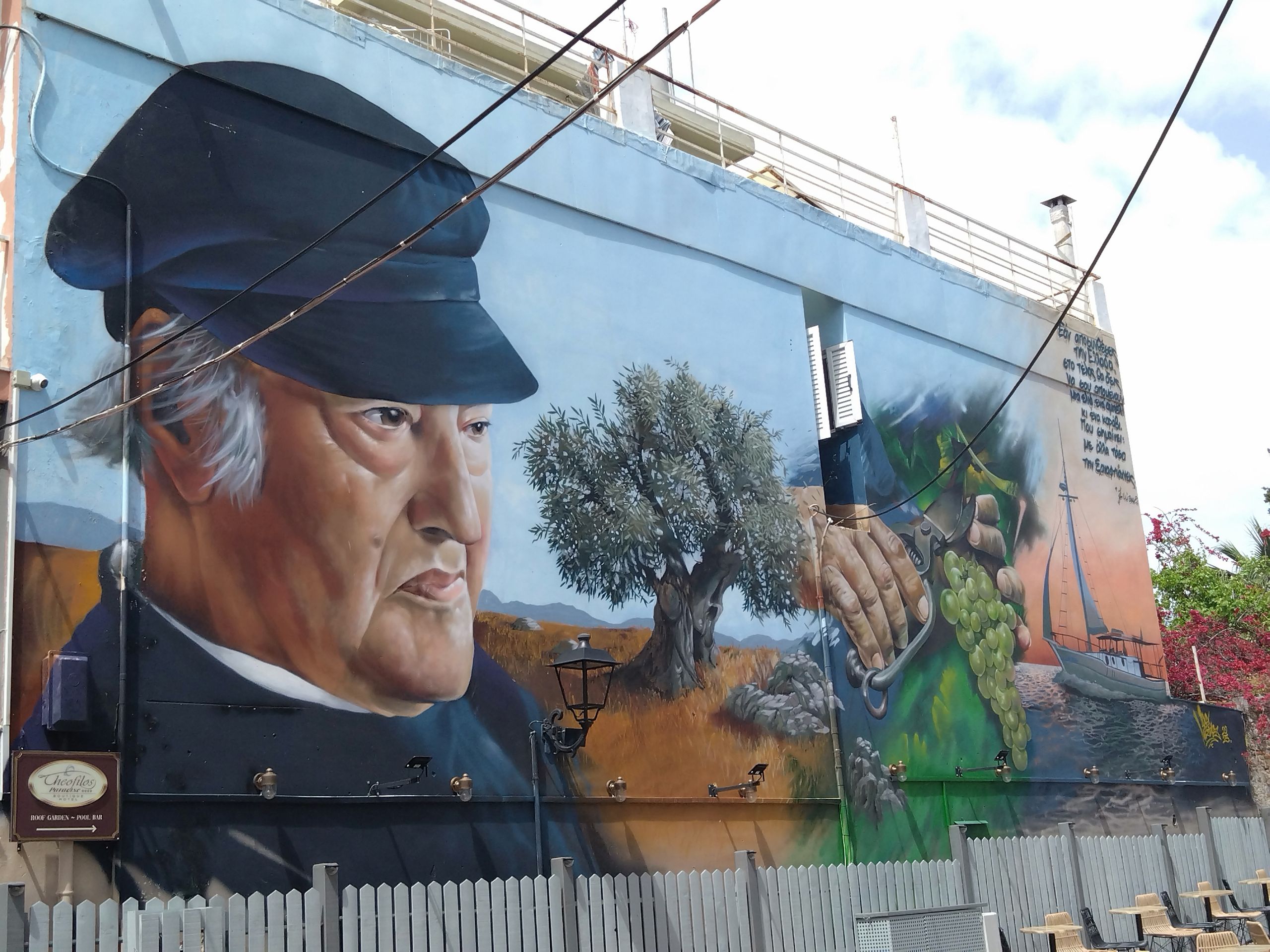
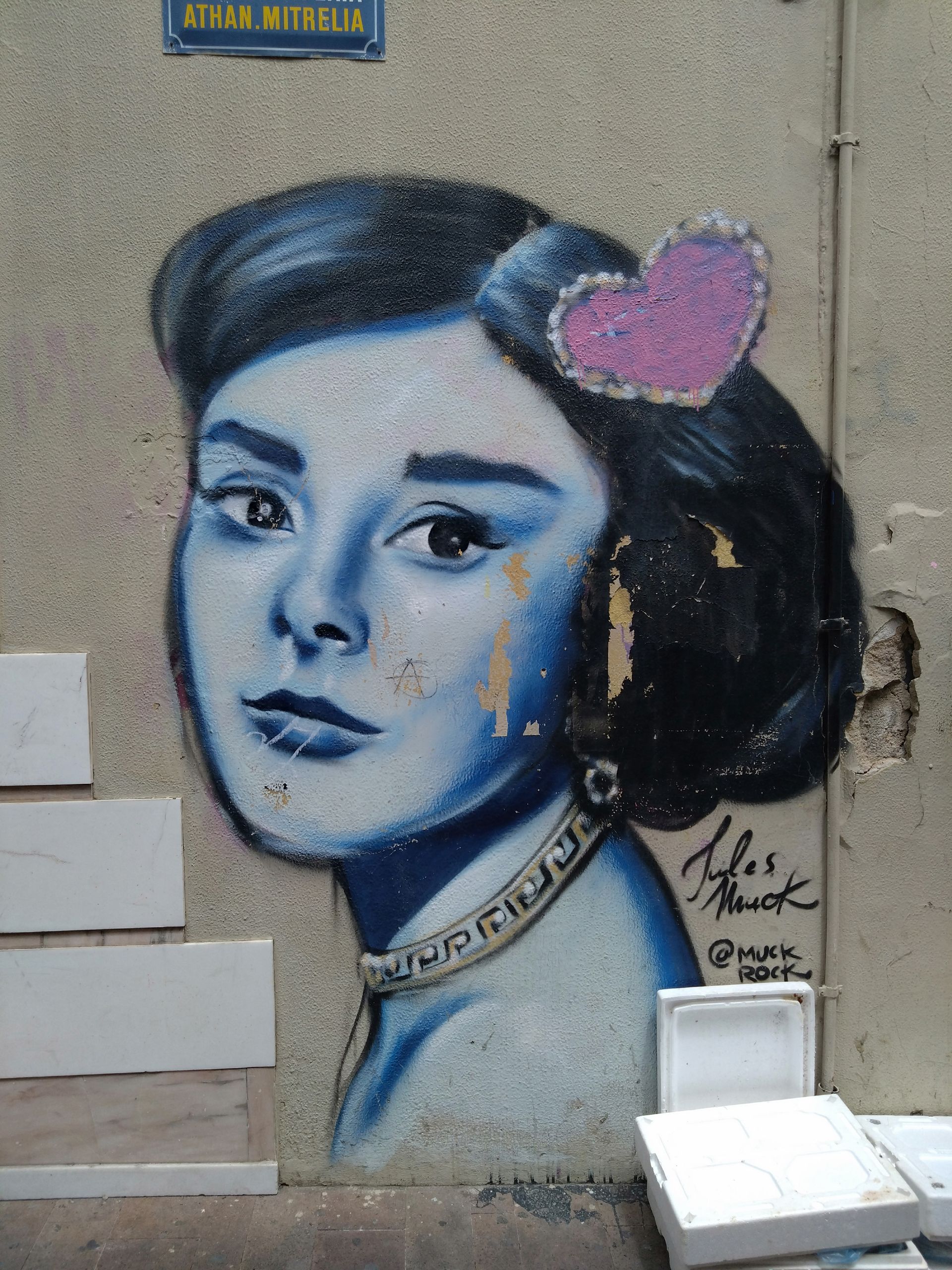
What particularly caught our attention: The many graffiti and inscriptions on the walls expressing solidarity with refugees.
Lesbos is not only a beautiful island - it also tells many stories of arrival, assistance, and coexistence. The emergence of tight cooperation networks in the NGO sector for building functioning structures is impressive, as we find out throughout the day.
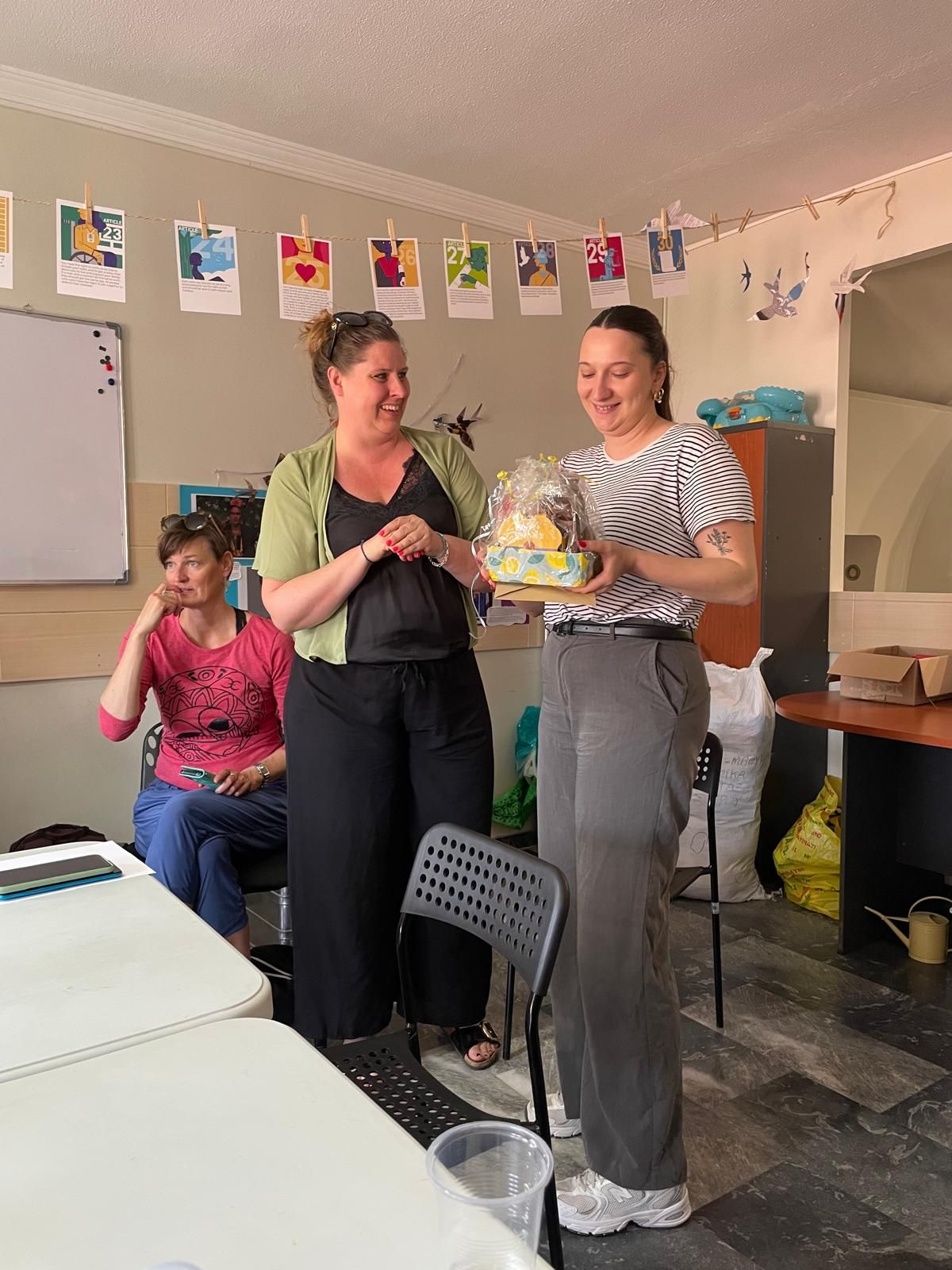
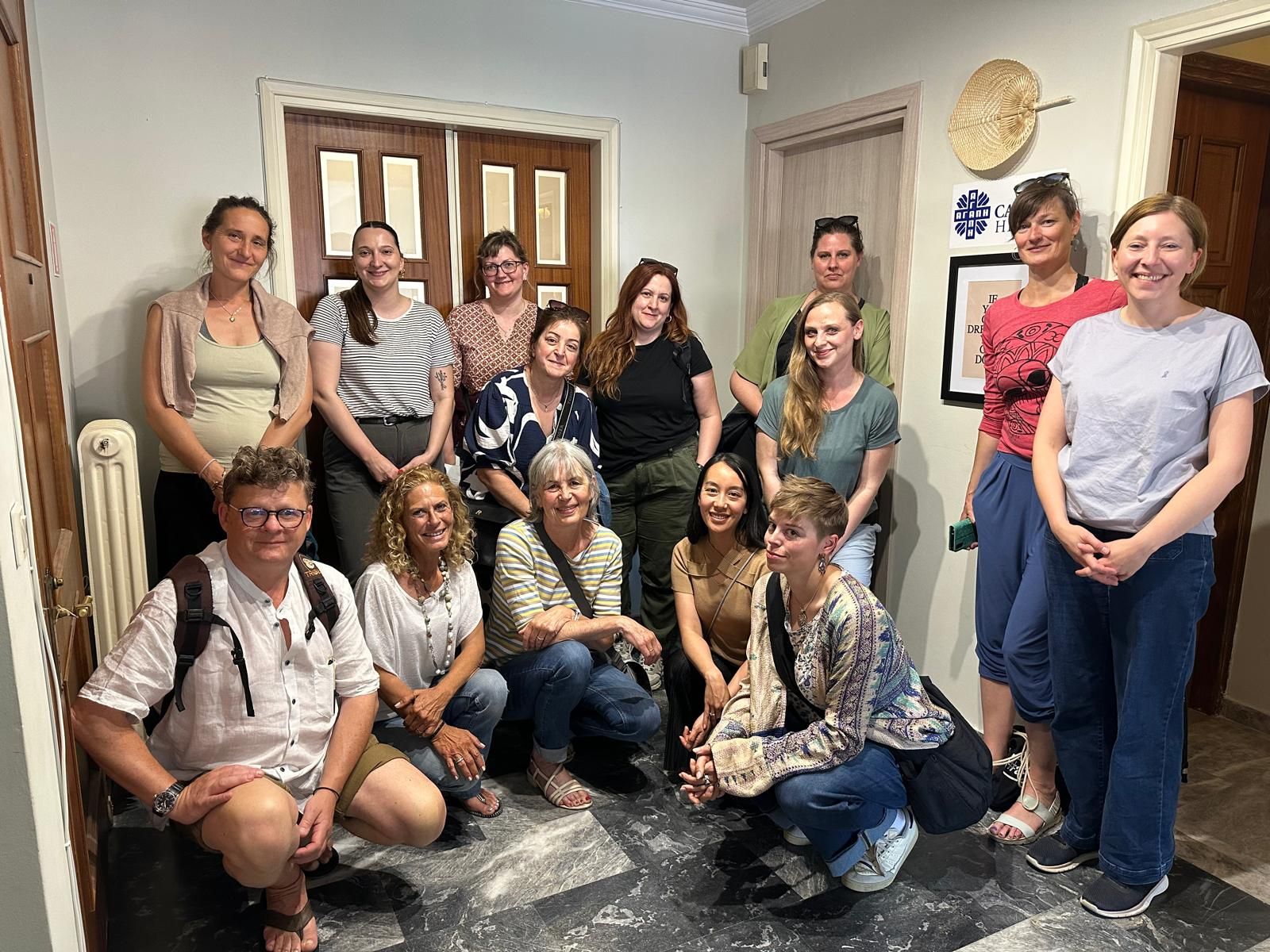
Our first stop is Caritas Hellas Social Spot, one of the few organizations with access rights to Camp Mavrovouni. The support offerings are diverse: connecting to medical services, programs for vulnerable groups, promoting language skills, supplying clothing, and designing recreational opportunities. The conditions in the camp were catastrophic at the beginning due to high arrival numbers; currently, they are better, but hot water is not guaranteed due to technical deficiencies. The waiting time for an interview has significantly decreased, from years to currently two weeks to a month. Only two psychologists and social workers are on-site. The three additional organizations with access meet monthly to cover needs as well as possible. The Legal Center, which we will also visit today, handles preparation for hearings. All organizations emphasize the importance of being present in the immediate environment of the refugees. However, most programs will be discontinued in the middle or at the end of the year due to a lack of funding foundations. The future of support for refugees on site remains uncertain.
Second stop: the offices of the organization “Parea Lesvos”.
The staff spoke openly with us about the challenges they face daily - especially about staff shortages and endless bureaucratic hurdles.
Despite everything, they continue their work with strength and determination to stand by refugees.
Their commitment is truly admirable.
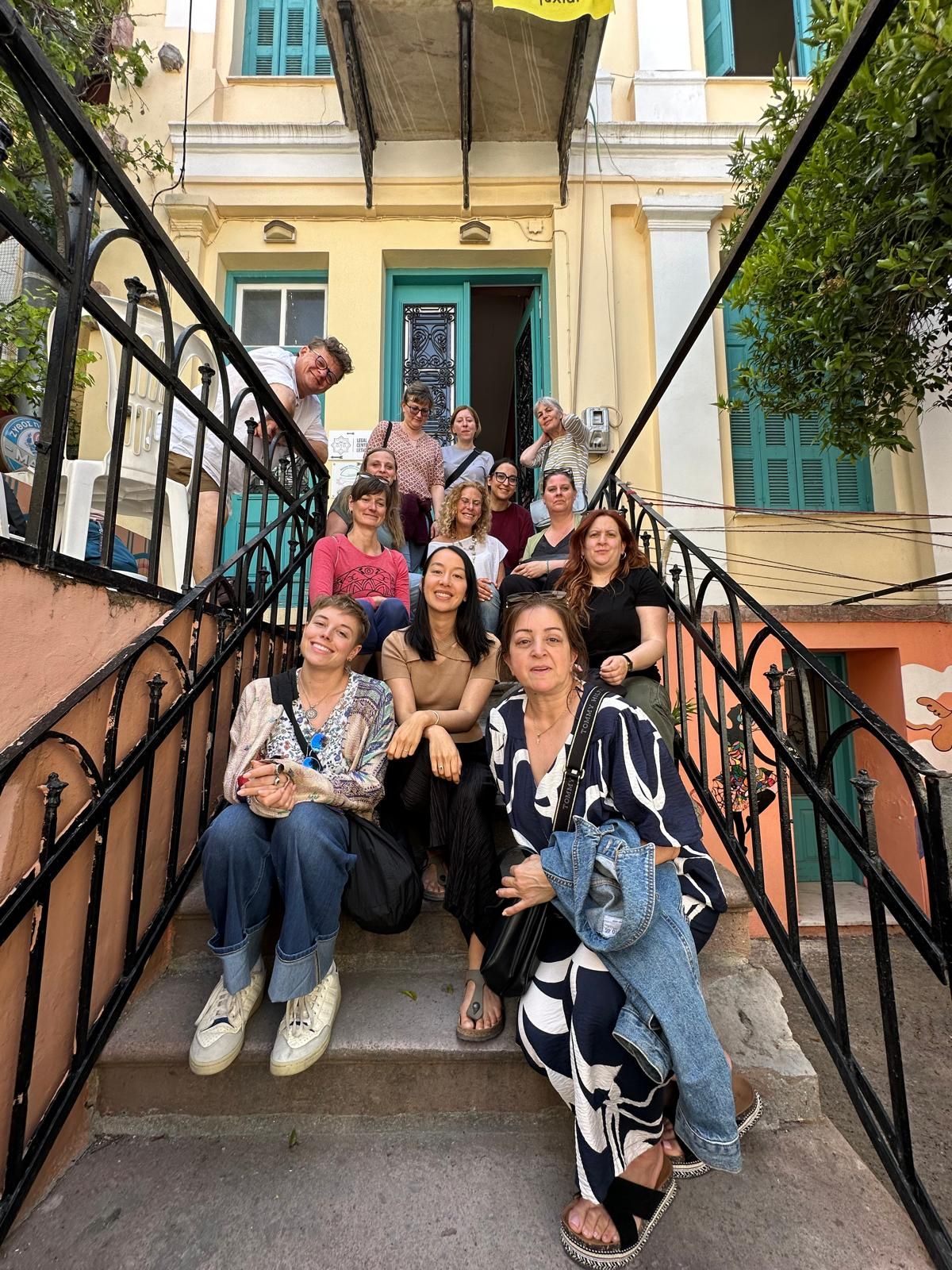
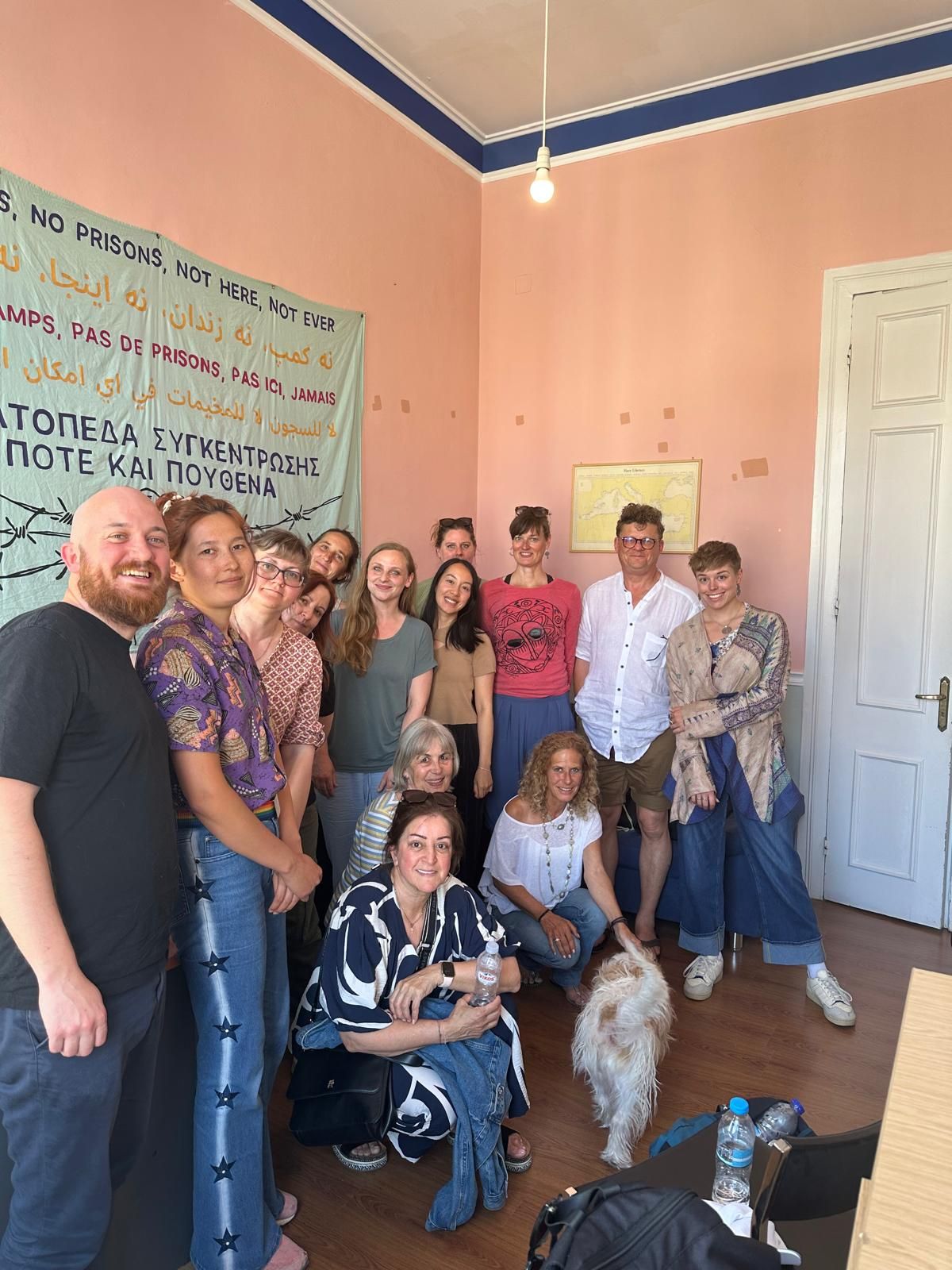
Third stop: Visit to the Legal Centre Lesvos.
Here, refugees receive legal advice, support in difficult situations, and important information about what is happening in the Kara Tepe camp.
The work done here is essential - and shows how important access to rights and information is.
A big thank you to the entire team!
Third stop: Visit to the Legal Centre Lesvos.
Here, refugees receive legal advice, support in difficult situations, and important information about what is happening in the Kara Tepe camp.
The work done here is essential - and shows how important access to rights and information is.
A big thank you to the entire team!