On our first day in Athens, we gained profound insights into local refugee work. We visited the Victoria Community Center as well as the organizations Caritas Athens and Caritas Hellas. Both provide valuable support for people fleeing, often under difficult conditions, underfunded, and with little government assistance.
Victoria Community Center
Located near Victoria Square, the Victoria Community Center is an open and accessible meeting place for people with and without refugee backgrounds. The center is operated by the Swiss organization Glocal Roots and coordinates a network of eight partner organizations under one roof. It was originally established on Lesbos and relocated to Athens as needs shifted there.
The center is open from Monday to Friday and is visited daily by around 200 people – including many from Afghanistan, Syria, Palestine, Sudan, and Egypt, as well as some Greek citizens.
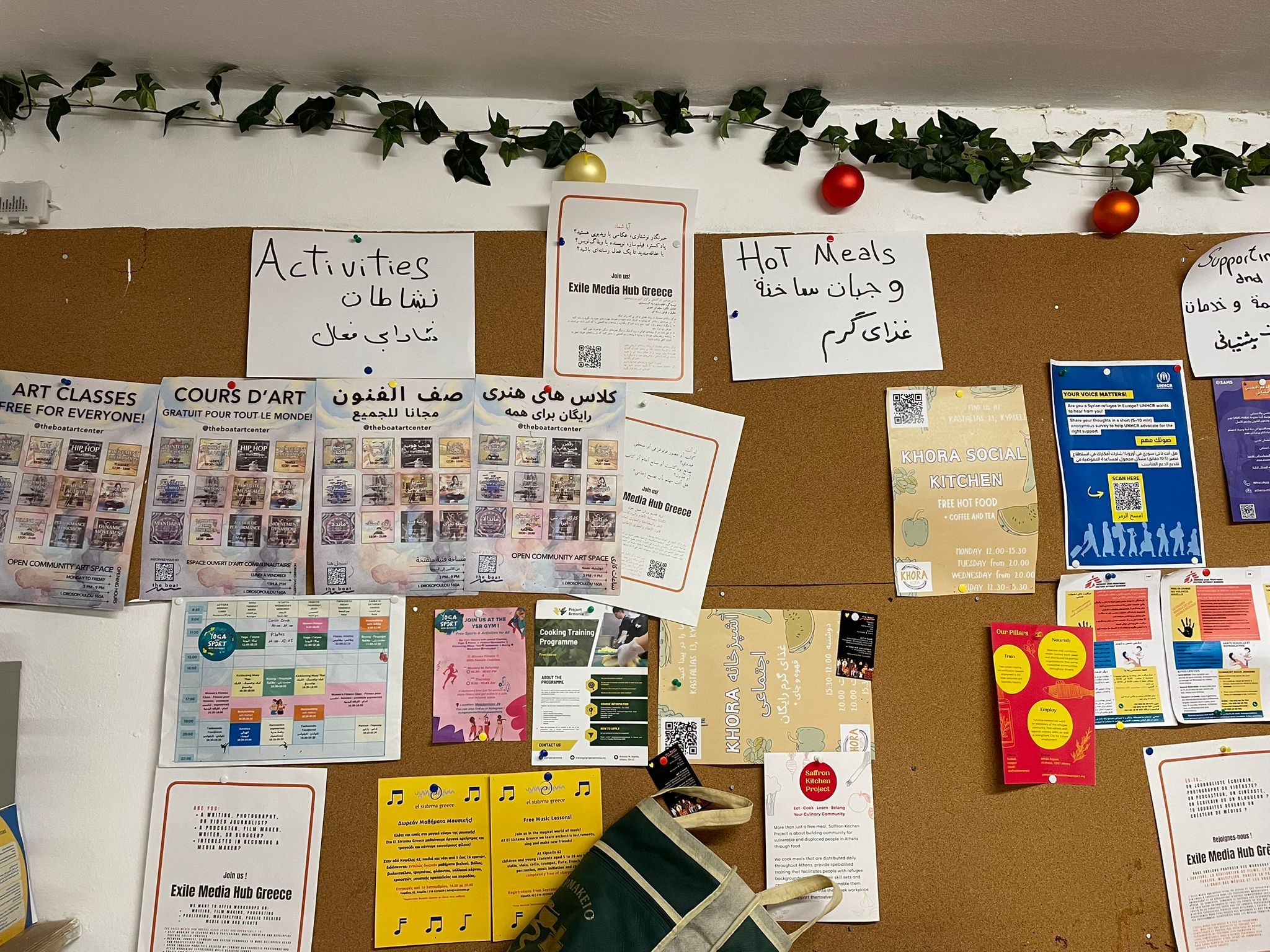
At the heart of the center is the Community Café, where hot meals as well as tea and coffee are served daily – prepared by the Saffron Kitchen Project. It is not only a place for nourishment but also for community interaction. What’s particularly remarkable is that everyone is welcome – regardless of residency status or nationality.
Additionally, the center offers:
- Language and computer courses (Greek, English)
- Counseling from a social worker
- Twice-weekly legal consultations with interpreters
- A protected women's area with child care, yoga, clothing distribution, and a sewing workshop, where two women with refugee backgrounds are employed
- A cultural mediator to support communication in the café
Many volunteers, especially students from Europe, support the local team. The project is funded through donations, foundations, and private contributions.
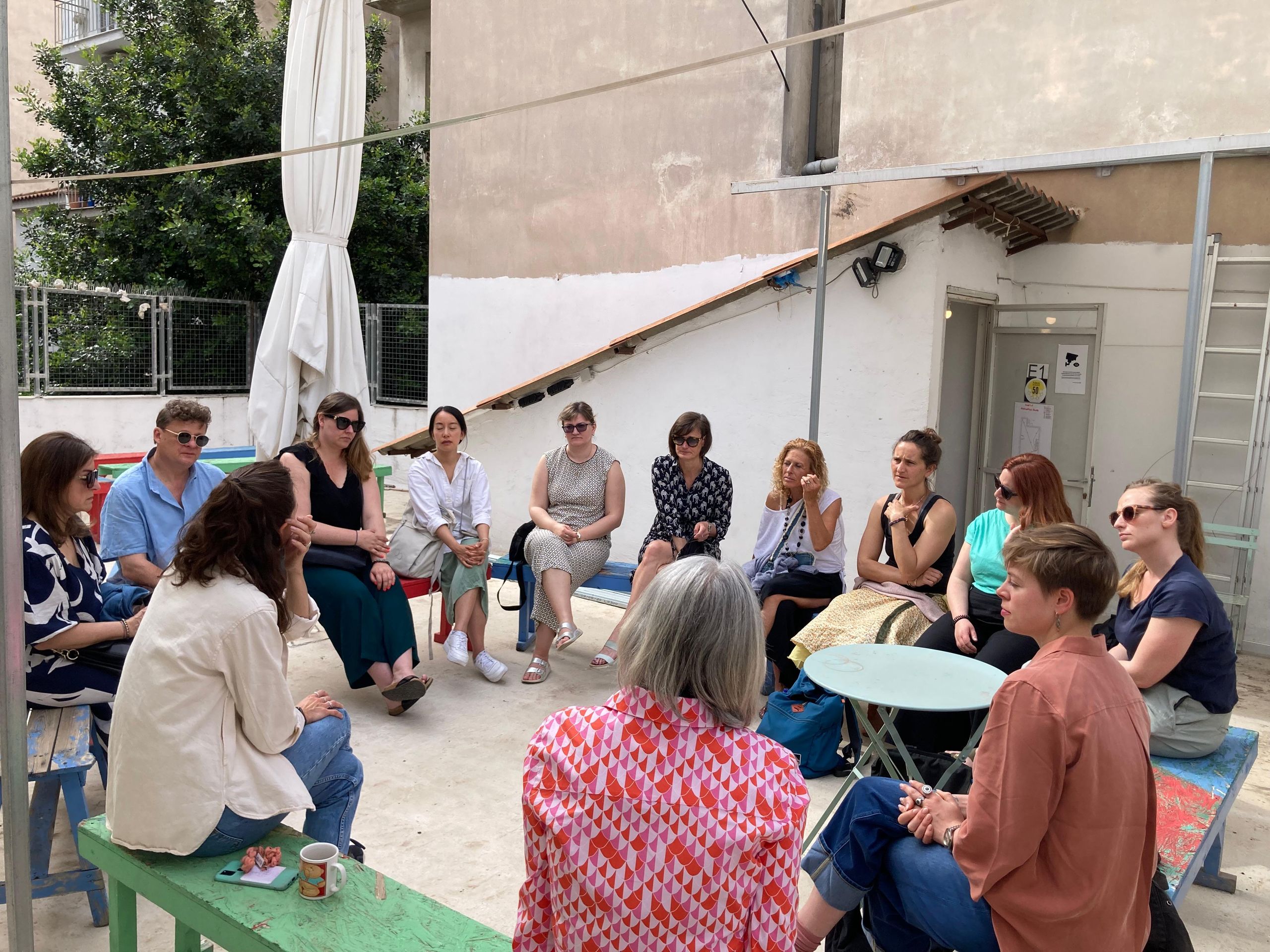
In our conversation with Cinja Köhler, the project manager of the center, it became clear how serious the situation is for many refugees in and around Athens. The camps are often located far outside, poorly equipped, and offer neither medical care nor educational opportunities or language courses. Many people cannot even afford the trip to Athens to access services like those at the Victoria Center. There is hardly any governmental support - even recognized refugees do not receive systematic assistance for integration.
Especially troubling: More and more refugees are being transferred back to Greece from other EU countries, but here they face a system that does not support them. A negative asylum decision means the loss of all rights - no work, no aid.
Caritas Athens & Caritas Hellas
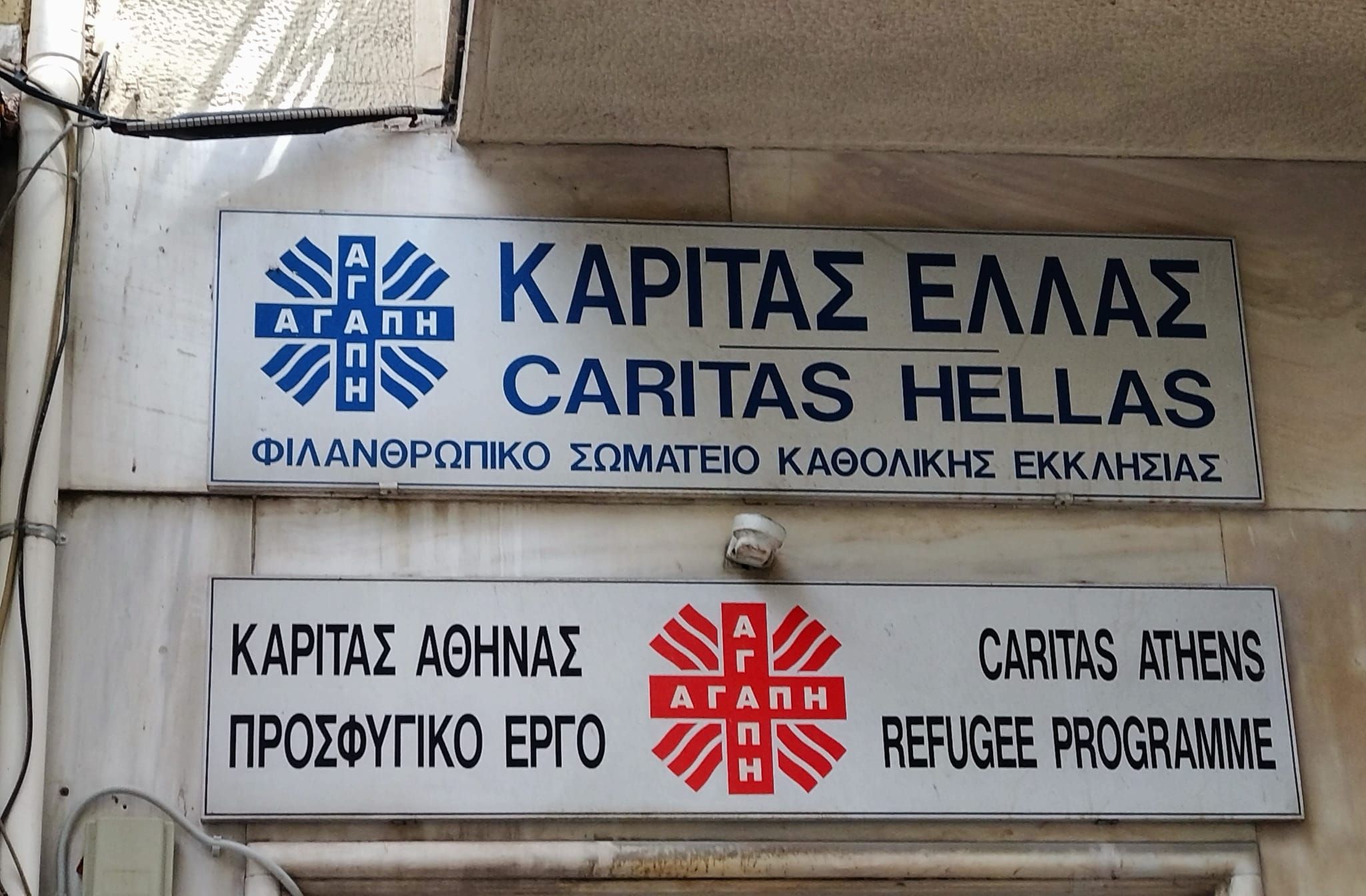
In the afternoon, we visited Caritas Athens and Caritas Hellas (comparable to Caritas Munich and Caritas Germany) - two organizations with decades of experience in humanitarian work. Here, we gained insights into the structural and political challenges that NGOs in Greece face daily.
In conversation with Begona, a long-time volunteer at Caritas Athens, and Maria Alverti, director of Caritas Hellas, the tension between increasing demand and shrinking resources became evident.
Caritas operates in Greece as a small Catholic minority in a predominantly Orthodox country - often with great restraint and diplomatic skill, even when government support is lacking.
Caritas Athens helps hundreds of refugees daily with food, clothing, social counseling, and vouchers. Approximately 170 food packages are distributed weekly, and around 150 individuals per month receive social worker support. Funding comes from church organizations, the Greek food bank Boroume, foundations, and private donations.
Caritas Hellas itself has significantly evolved since the so-called “refugee crisis” in 2015. Originally focused mainly on poverty alleviation, it is now active in numerous integration, emergency aid, and education projects, both on the islands and the mainland.
At the same time, organizations like Caritas are under pressure as the Greek government increasingly withdraws from responsibility and EU funds are primarily allocated to NGOs instead of government entities. The EU-funded cash assistance system was discontinued because Greece did not reliably pay it.
A Culinary-Social and Historically Significant Conclusion
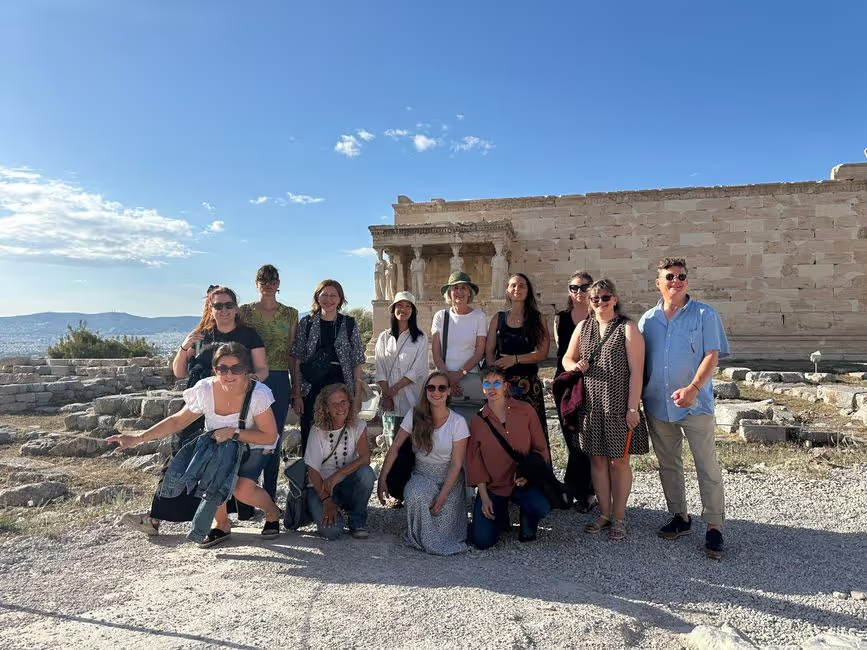
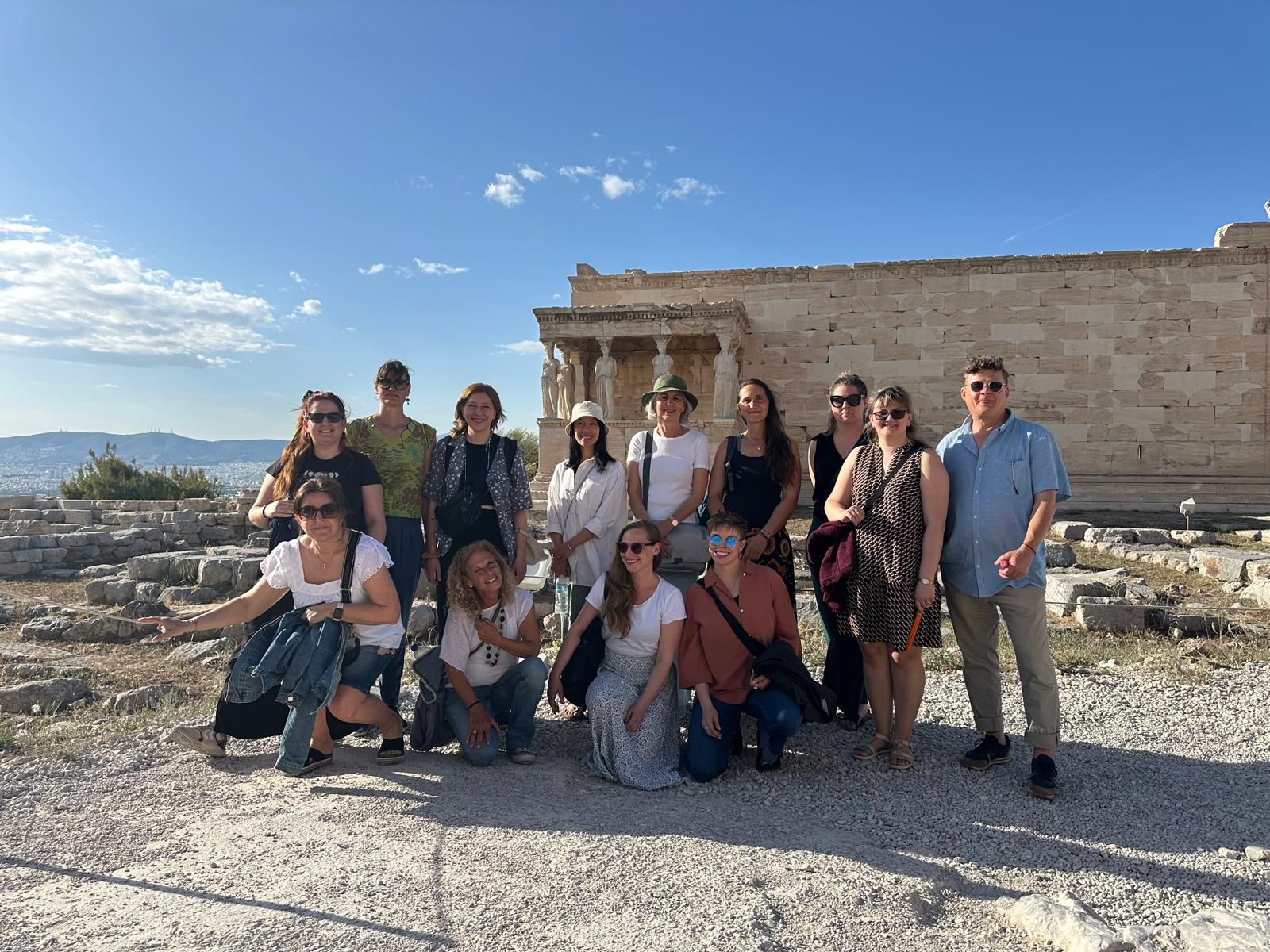
After the intense impressions of the day, we concluded the evening with a walk to the Acropolis - one of the most significant historical landmarks in Europe. The monumental complex towers over Athens and was the religious center of the city in the 5th century BC, prominently featuring the famous Parthenon temple dedicated to the goddess Athena. Today, the Acropolis symbolically represents democracy, culture, and resilience - a fitting place for reflection on protection, belonging, and social responsibility.
We then dined at the Tastes of Damascus restaurant, a venue with Syrian cuisine that provides employment and training opportunities for refugees and newcomers. A place that connects hope and social engagement in a delightful manner – and a worthy conclusion to a wonderful first day.