
Flaming Inferno
Sunday at the flea market presents a hot, dripping, ketchup-bathed merguez from the grill. Today as well, a local club has set up a stall under a rustic wooden hut. The line isn’t...

Published: 30.12.2025
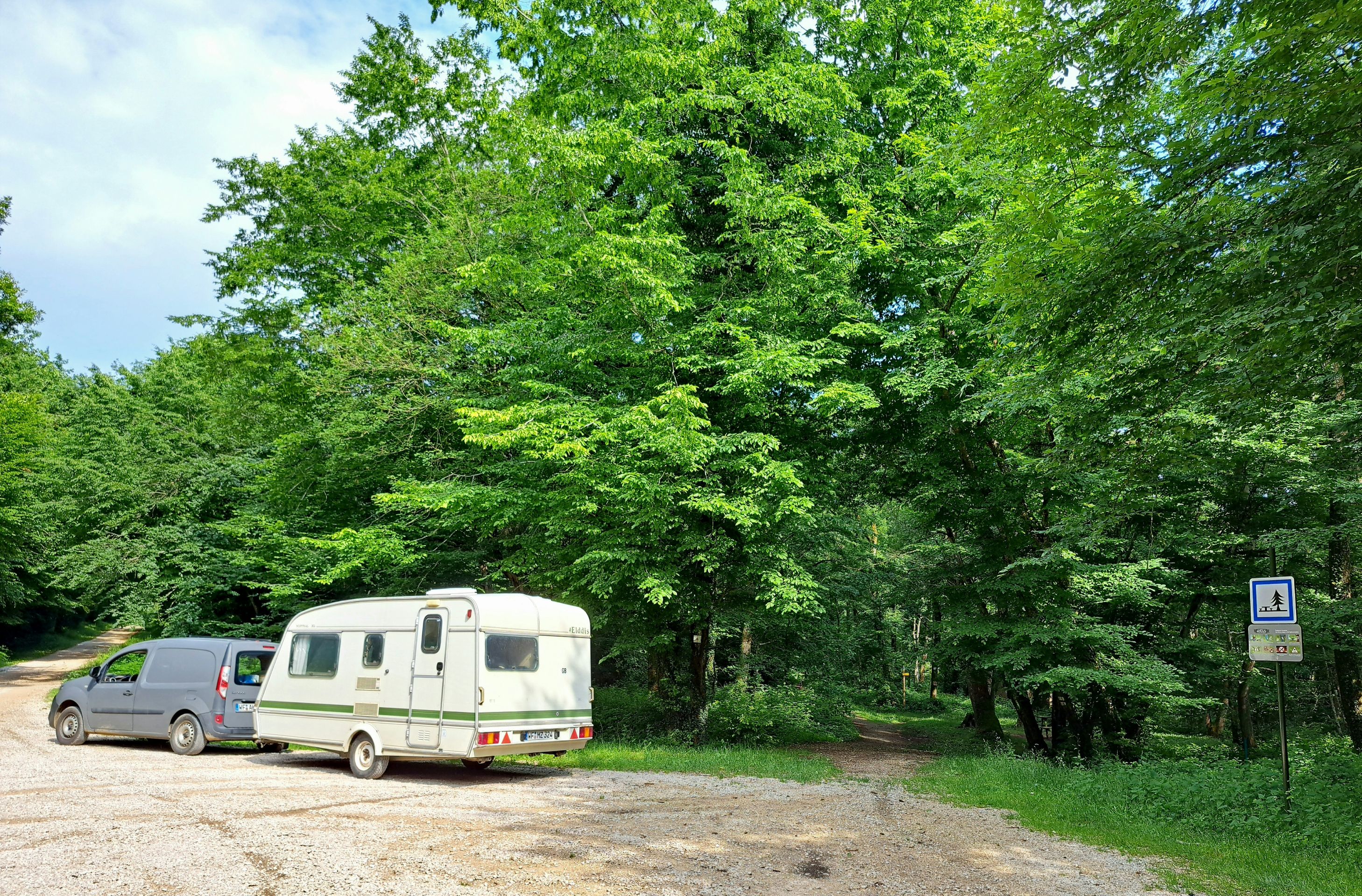
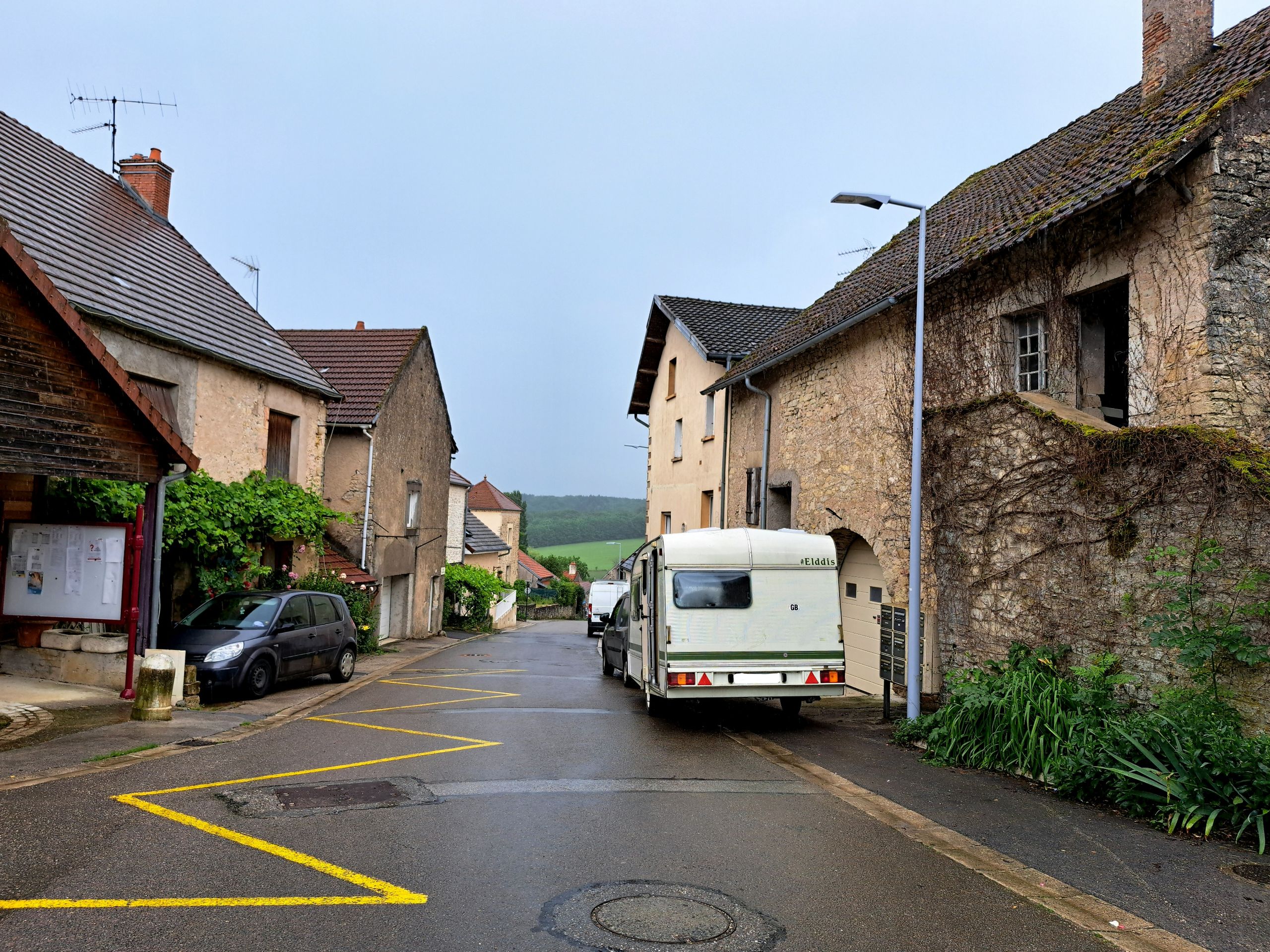
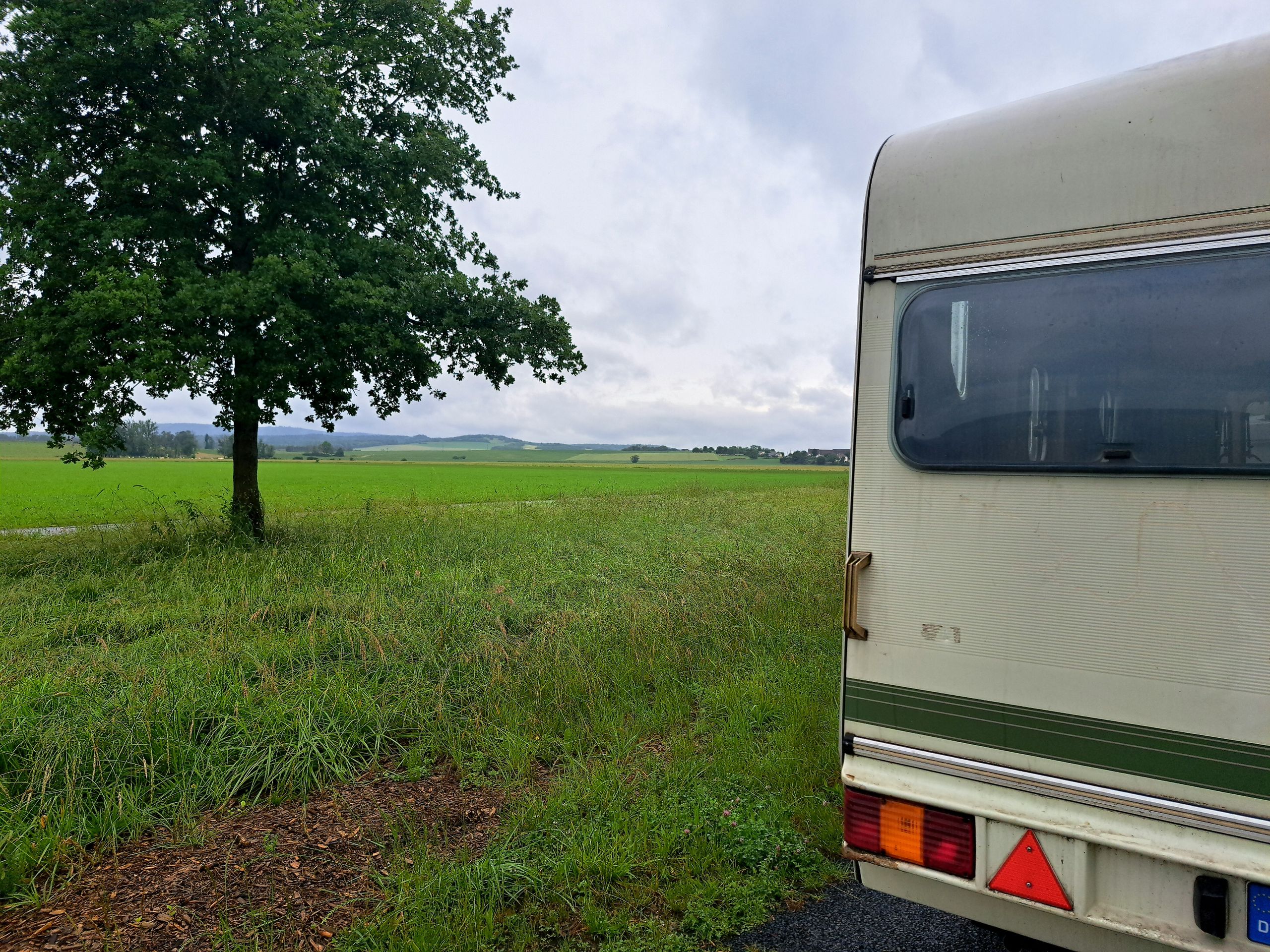
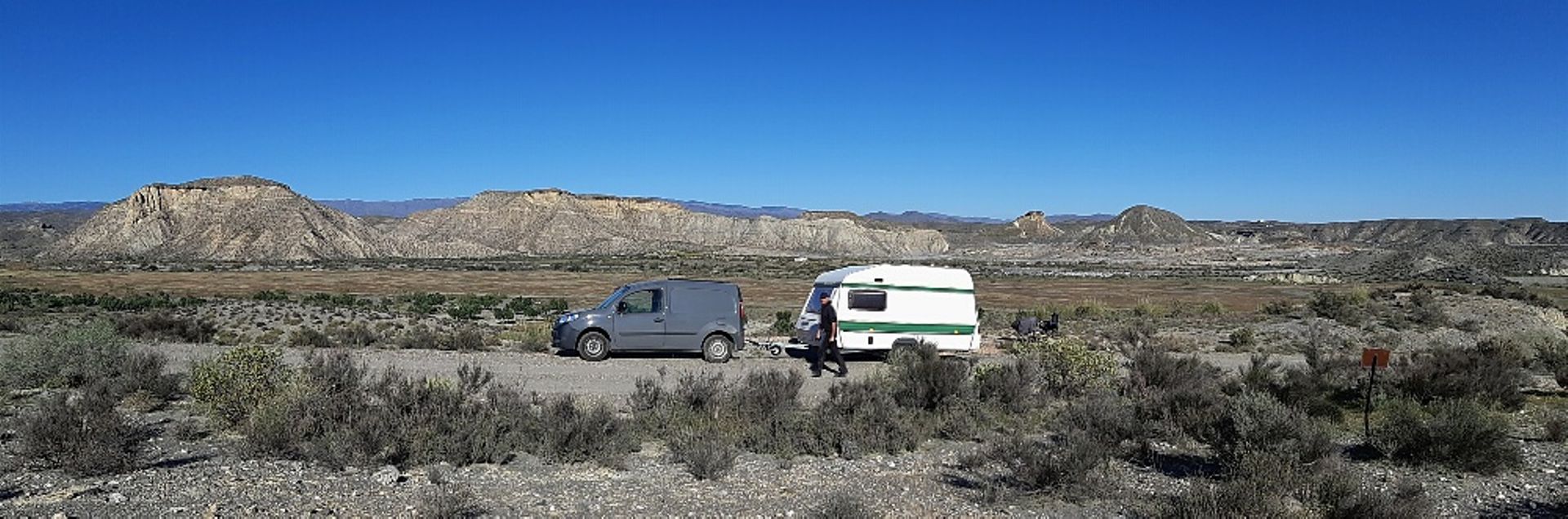
In front of our mobile home, a thickly bundled, multi-headed crew in soaking wet protective suits has set up camp. Their heads are covered with bulky helmets with face guards reminiscent of yeoman knights, and their ears hide giant Mickey Mouse ears. Seven pairs of eyes stare at us through fogged protective glasses.
No, they are not aliens. The fearless municipal green care brigade has gathered for landscape maintenance. Armed with roaring hedge trimmers, screeching lawnmowers, and ear-splitting brush cutters, dripping with moisture yet fearing no stormy bad weather day, they now have to mow this picnic area.
And Château Mistral is in their way.
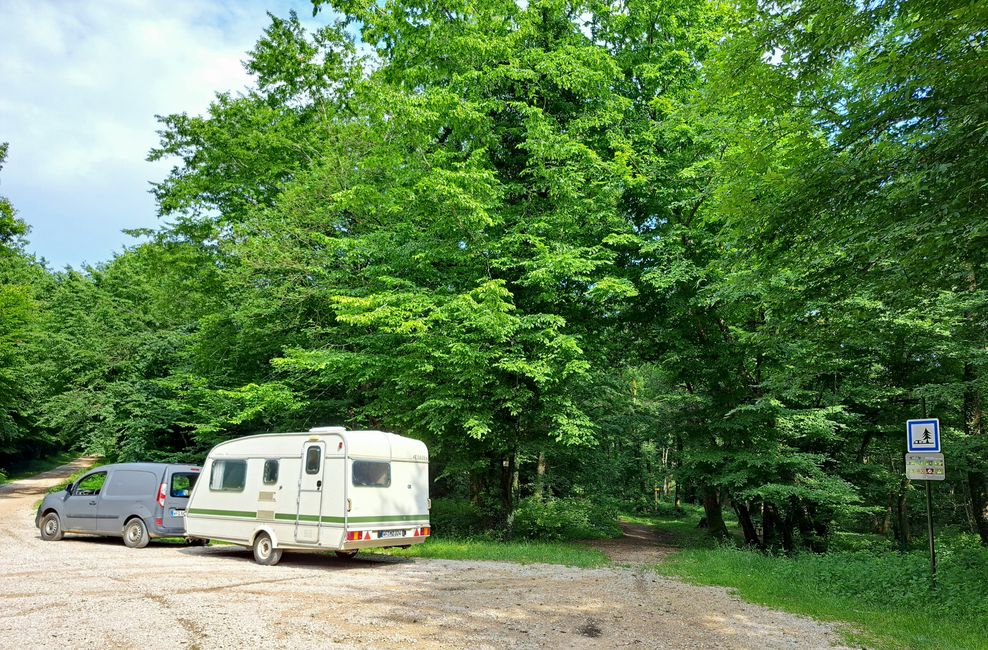
I rub my eyes to face the unavoidable: communicating in a foreign language without caffeine. But the team with the brush cutter sends their eloquent, polyglot, multilingual colleague for negotiation: 'We arbaitöön, ten minitz, parking à 100 mètres, gutt.' The communication in an adventurous mishmash of German, English, and French works out; we vacate the area immediately and thus our wonderfully quiet sleeping place.
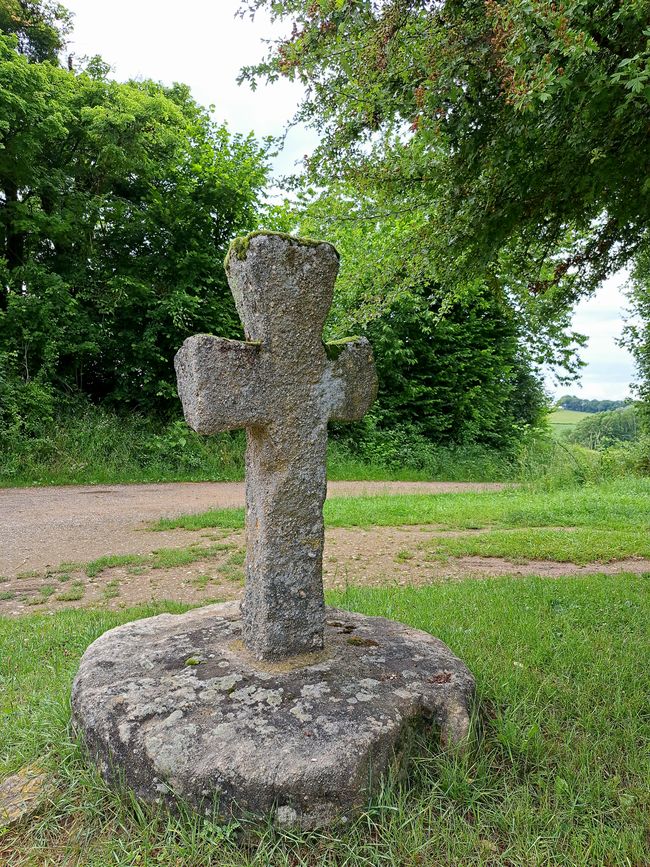
I stay in the caravan, wave goodbye to the strong guys, and let myself be shaken until the next spot. Here, only the nightingale is trilling its song, and a cheeky field mouse takes advantage of the rainy hour of rest and ventures out of hiding, for the loud men have uncovered plenty of the finest grain food.
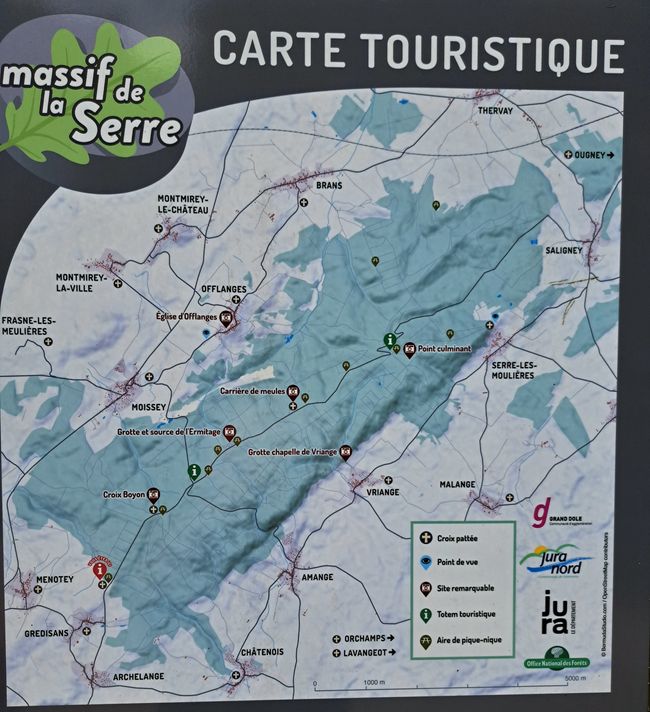
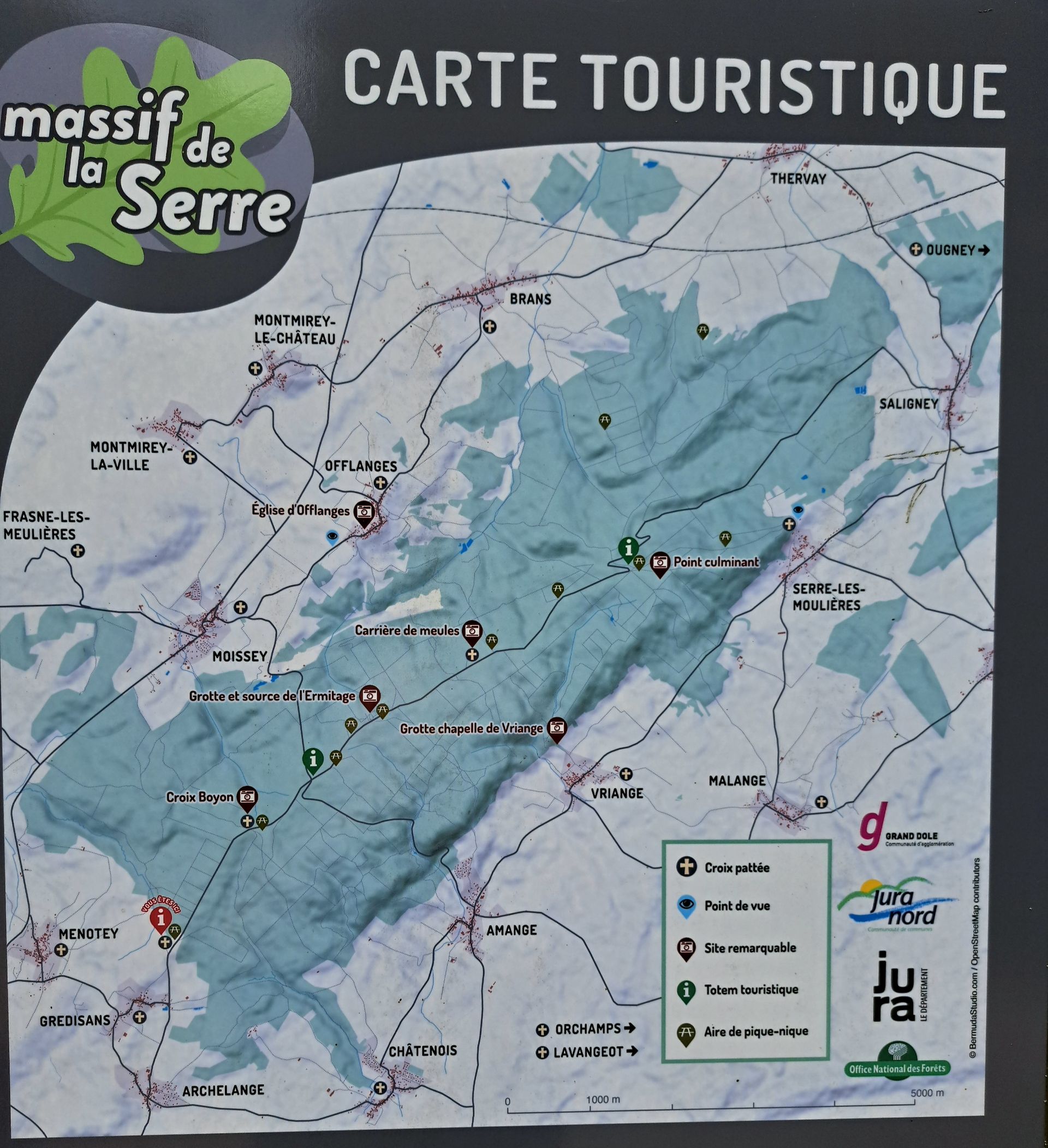
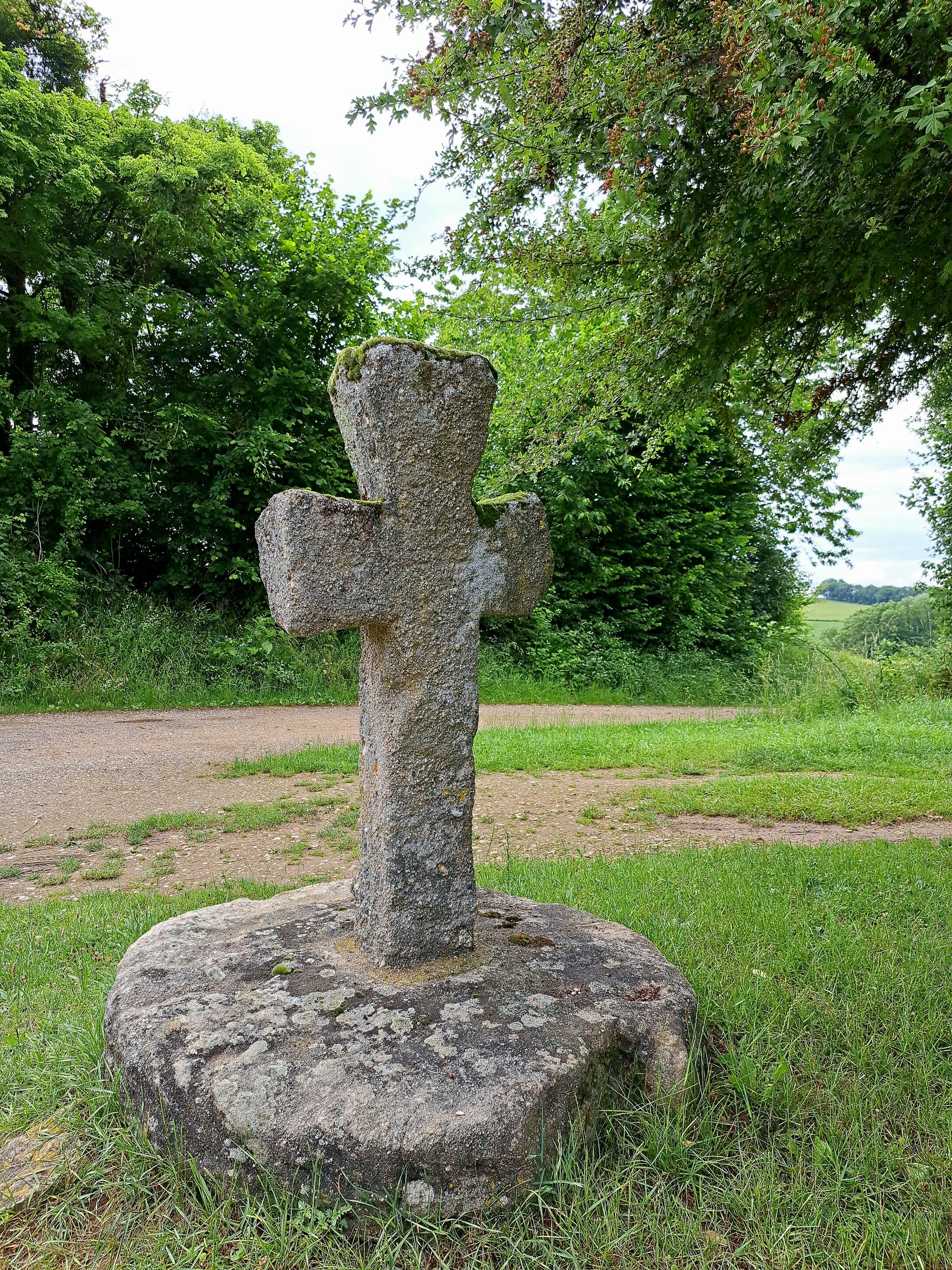
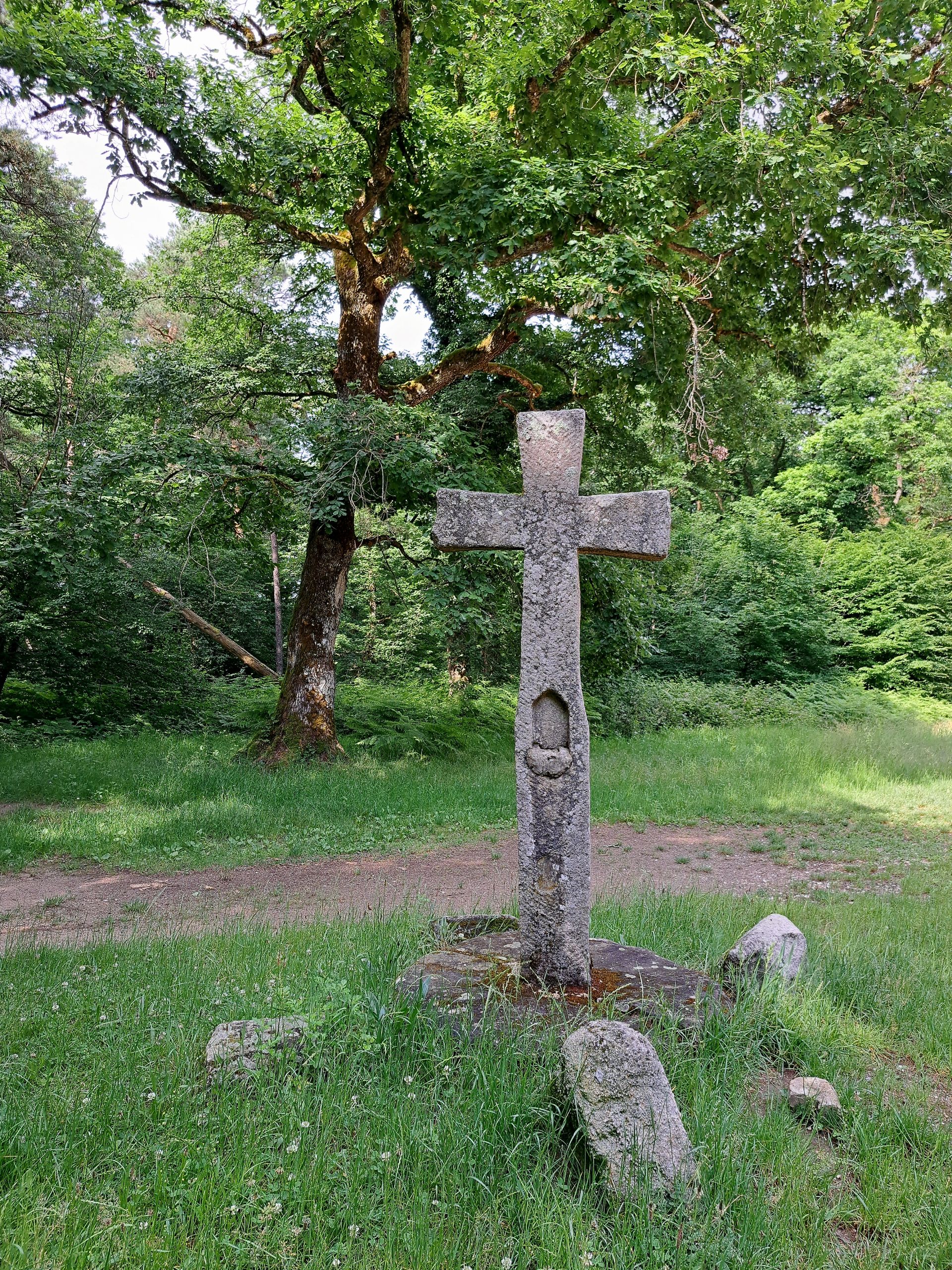
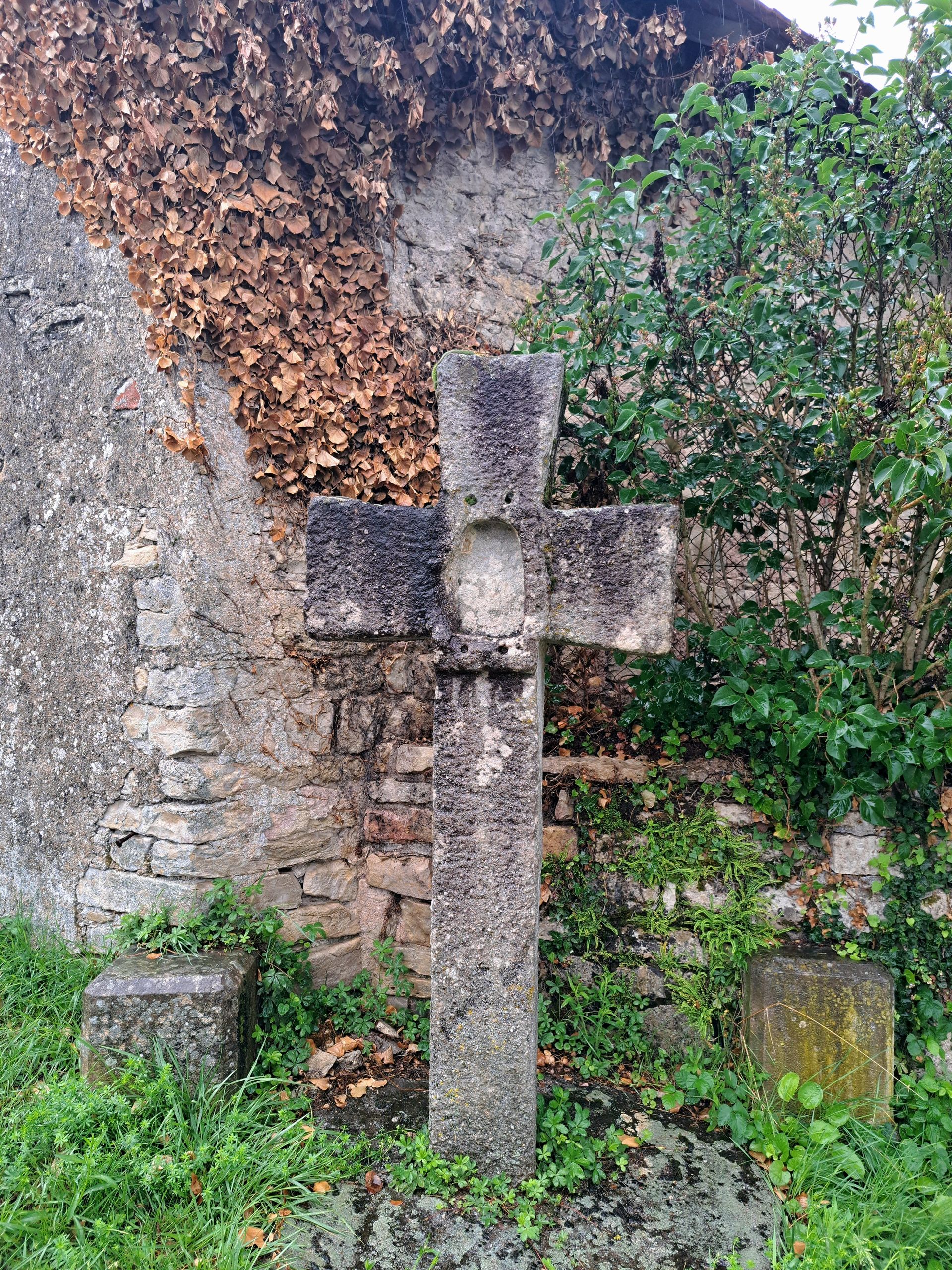
The riddle of the 'Cross Pattées' leads us to the 'Massif de la Serre', a small mountain range of granite in Franche-Comté. Tourism is still very sparse here, and therefore it seems the idea was conceived to open an undiscovered niche.
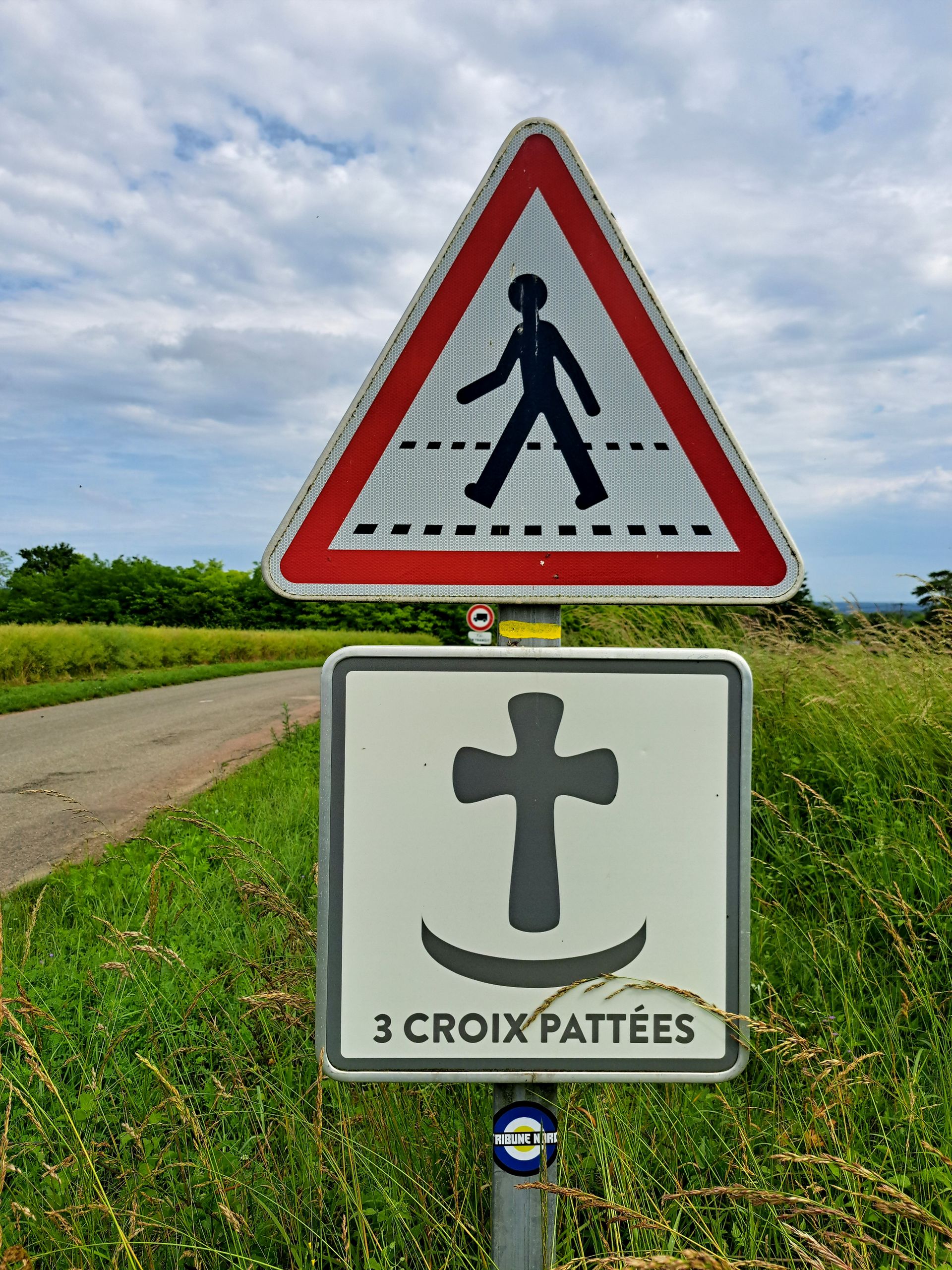
At many town entrances, signs have been erected to pique curiosity about these special crosses, of which there are a total of 43 in this small low mountain range. In German, they are referred to as claws- , Templar- or Hanseatic crosses; we mainly know it as the Iron Cross, with the typical widening beam ends.
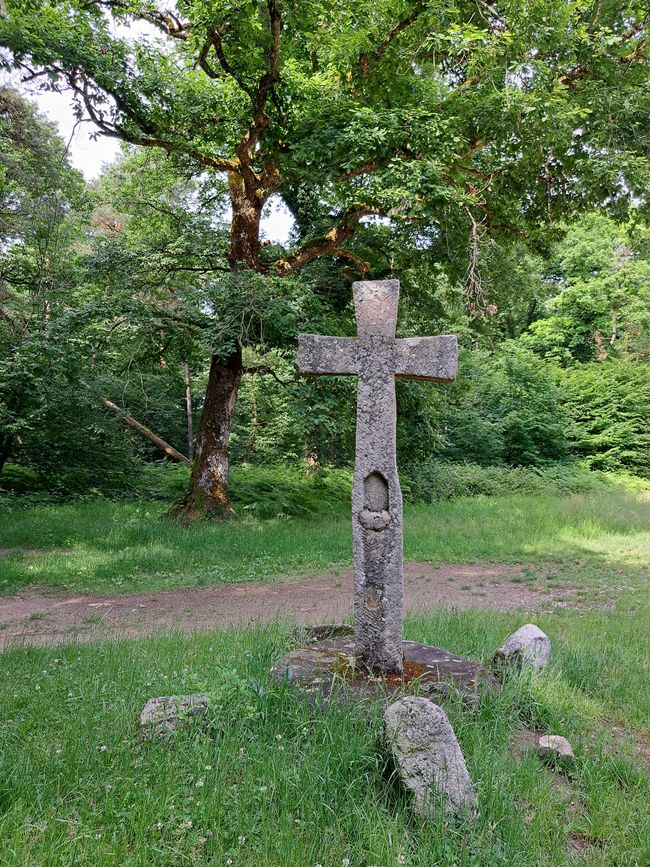
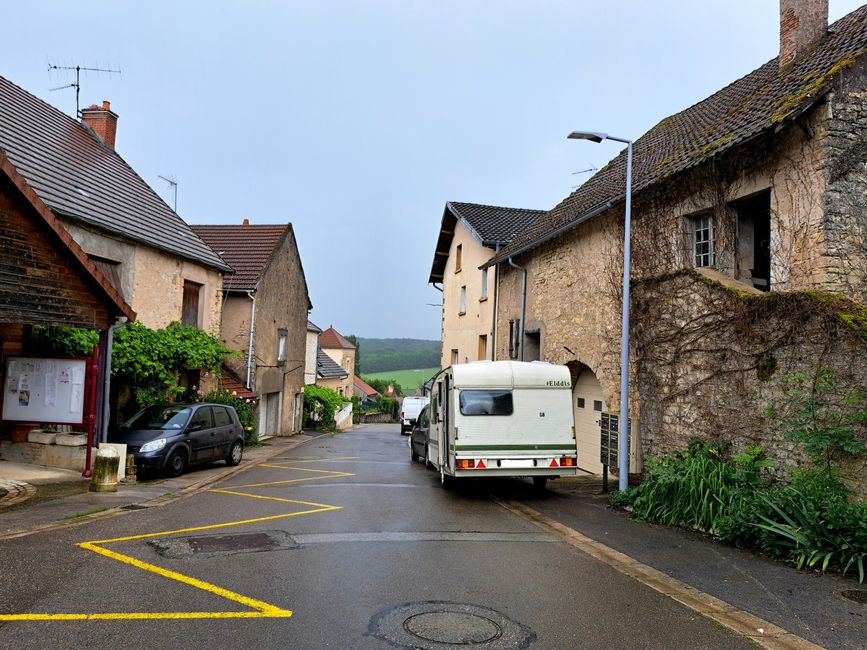
The weather still does not invite a paddling tour, so we set off to discover the various crosses and thereby small, hidden, sleepy villages.
The reason for there being such a respectable number of these confessions of faith remains a riddle of our ancestors in the northern Jura. However, we can assume that enough granite was found in the area for their production.