
No plan, lots of Kyoto (and surprisingly a lot of spontaneity)
Today we started the day very relaxed. We simply had no desire to get up and therefore stayed lying down for quite a while. Accordingly, there was no big program today - we just...

Published: 01.01.2026
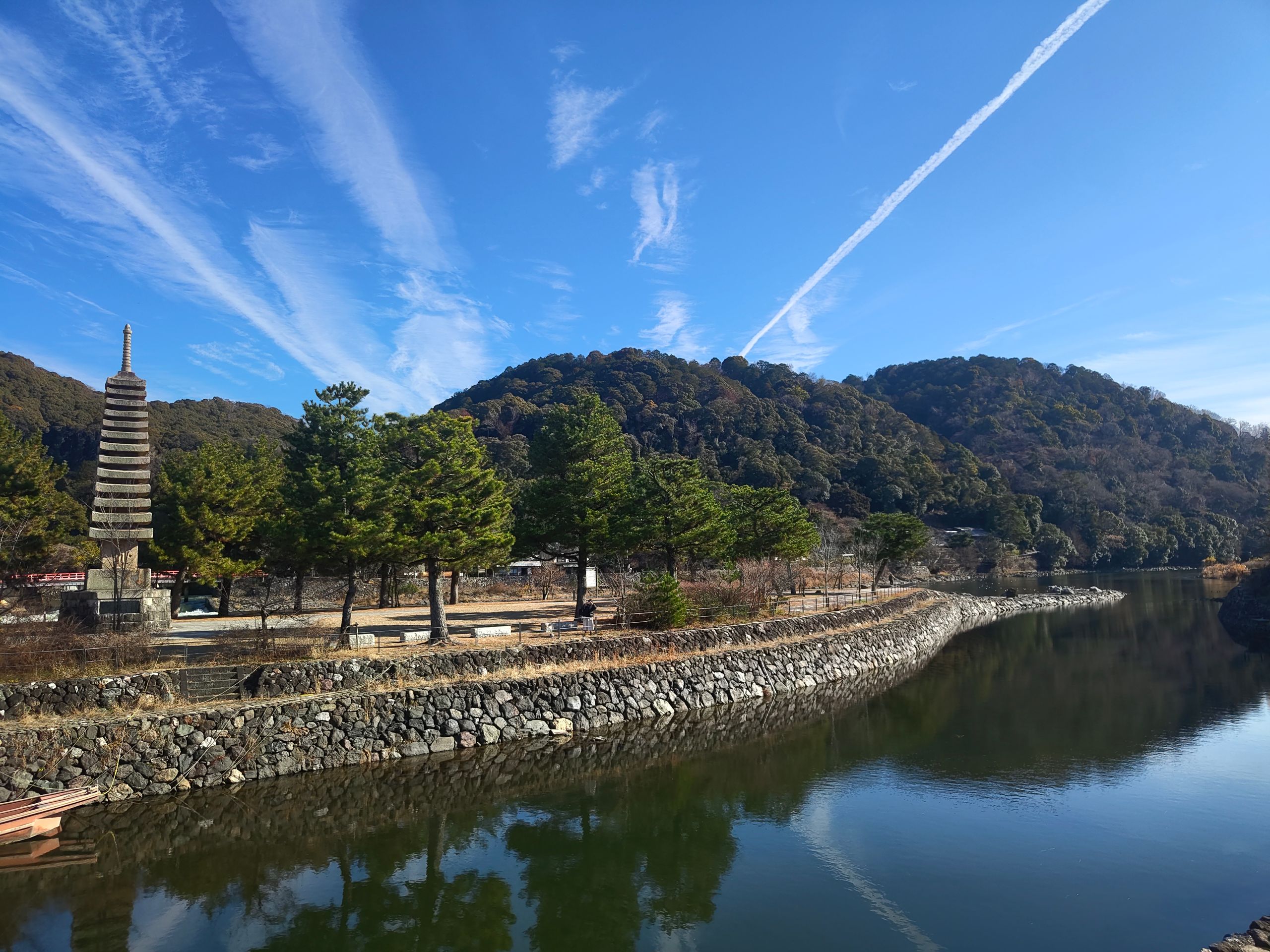
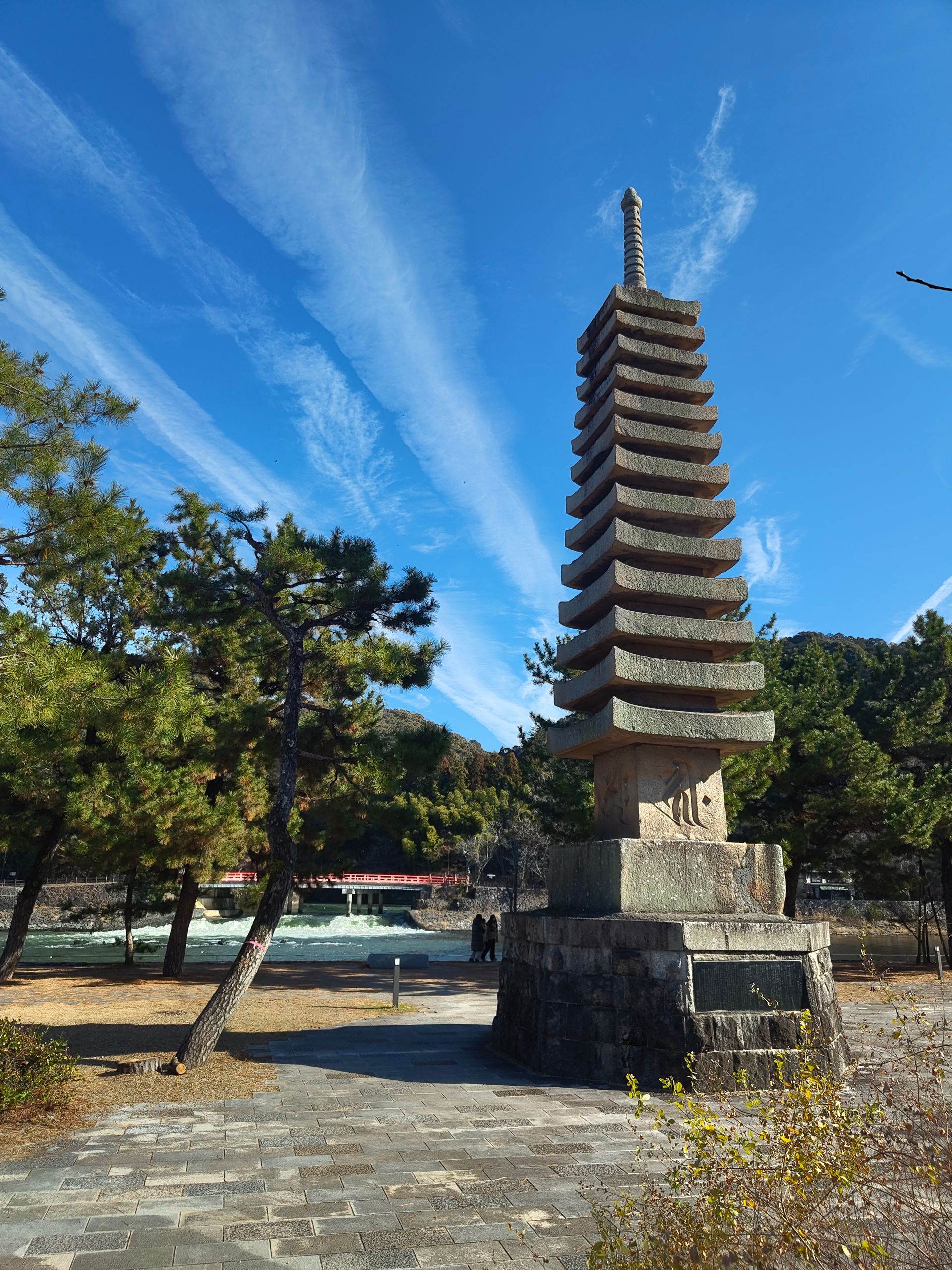
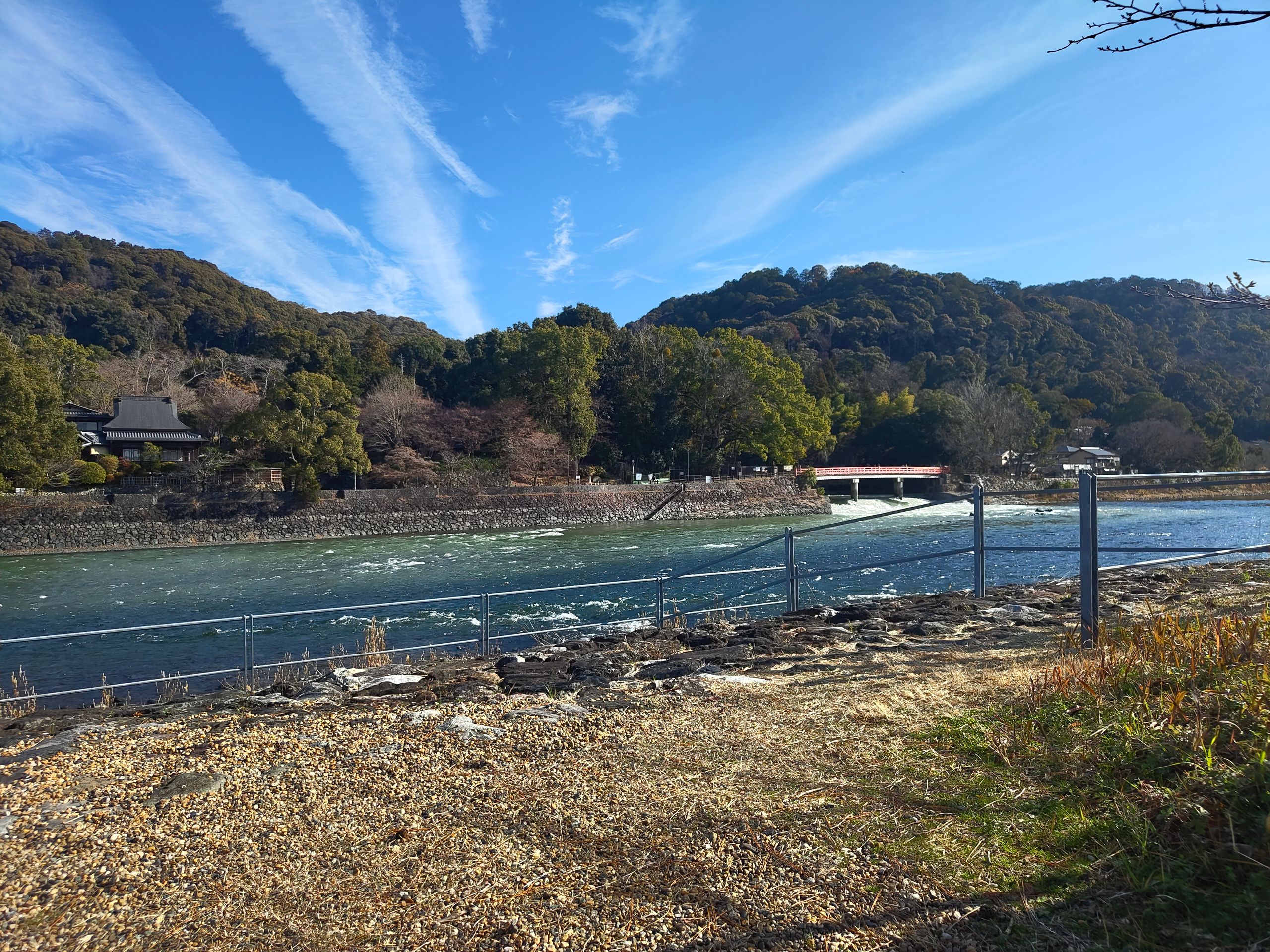
Today we got up at a relatively normal time again – after all, we wanted to make the most of our last full day in Kyoto. However, strictly speaking, we did not spend it in Kyoto. Our destination was Uji, a small town south of Kyoto.
Why Uji? Good question. To be honest, I didn't know exactly either. “Something with tea,” said the coffee nerd. That was enough of a reason for me.
So off to the station, onto the train – and shortly thereafter we were already in Uji. We first got our bearings and picked out a few destinations. To our surprise, everything we wanted to see was a maximum of about 15 minutes walking distance from each other. That may seem little, but it added up to quite a few steps throughout the day.
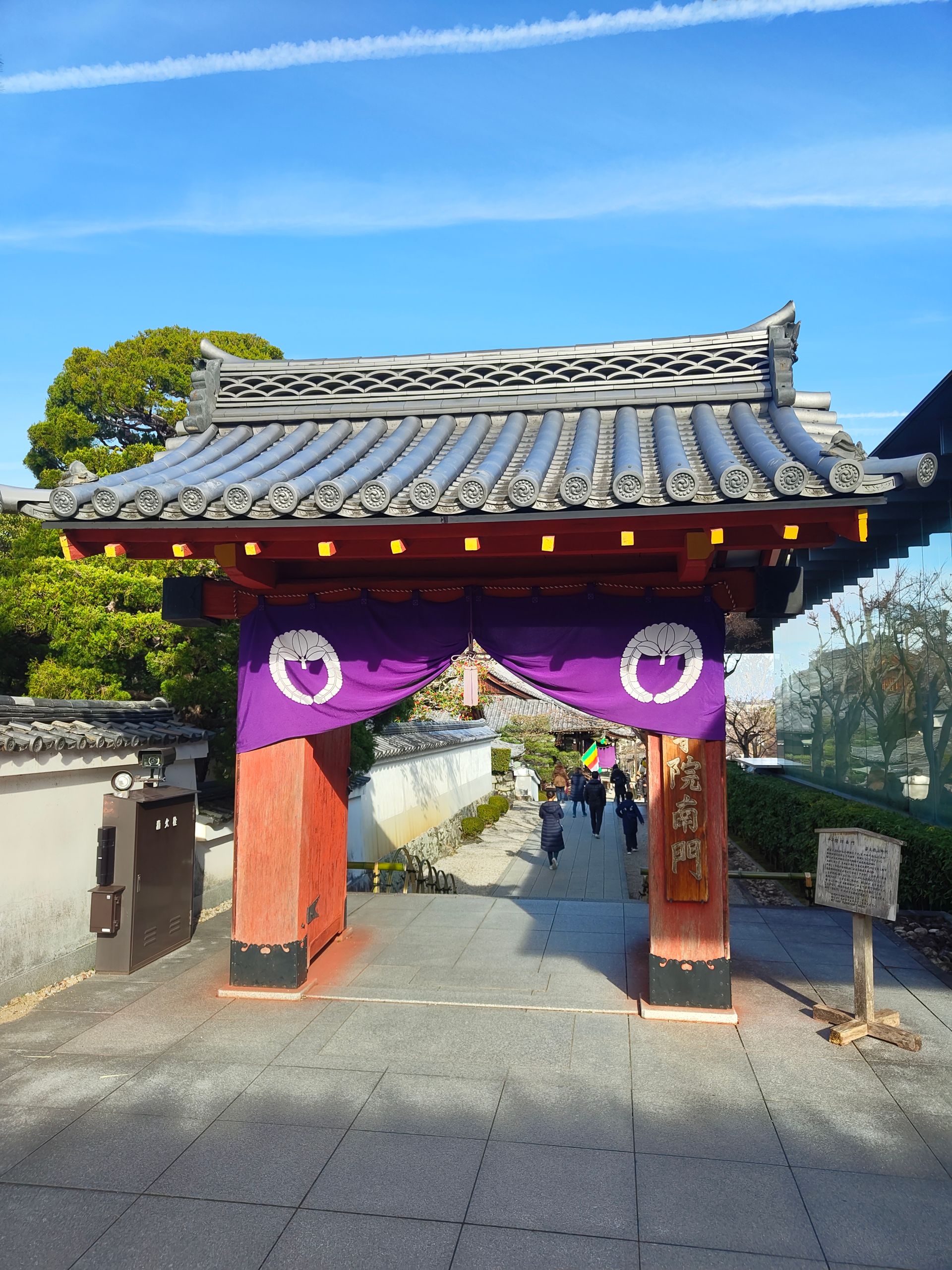
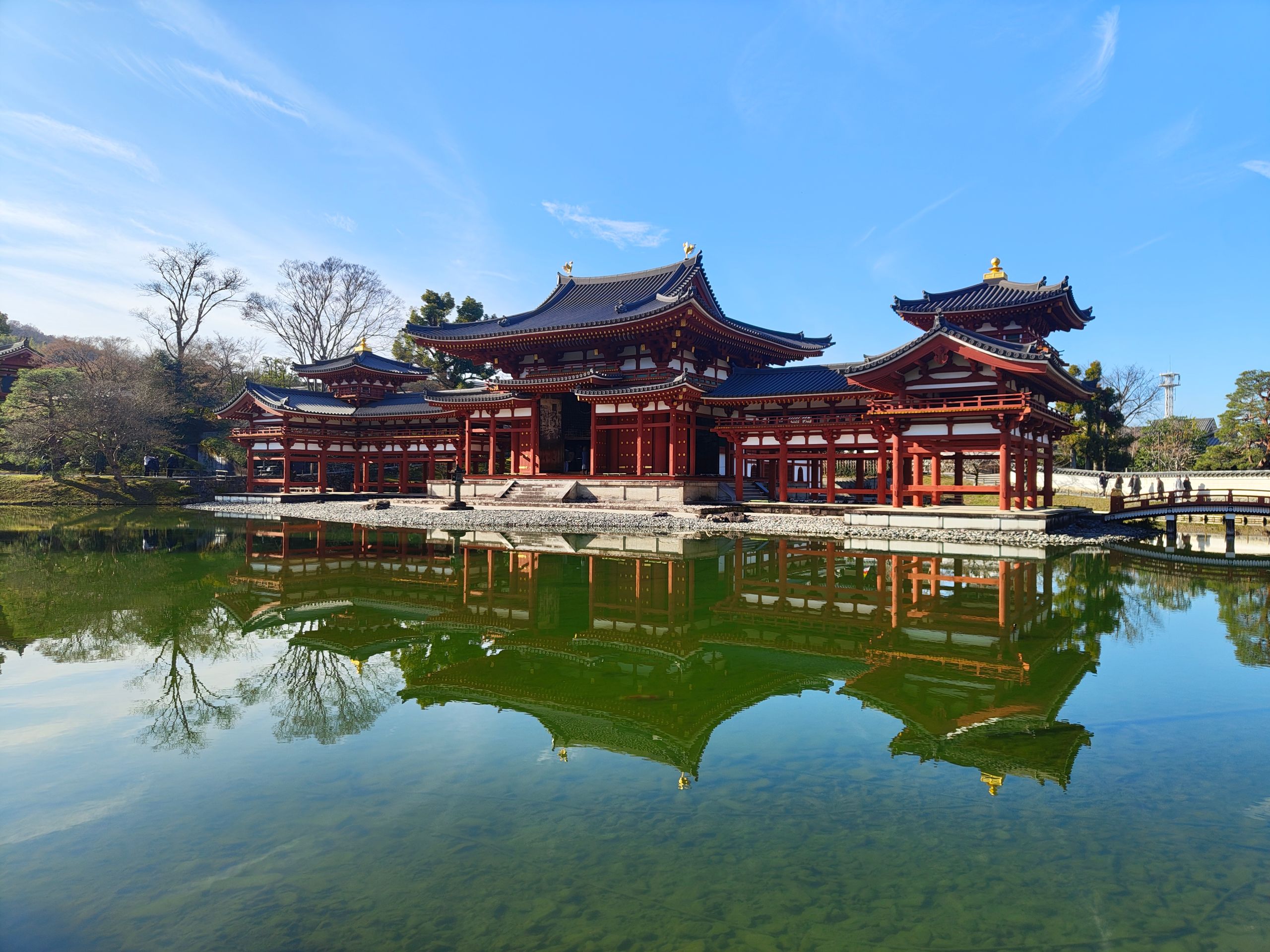
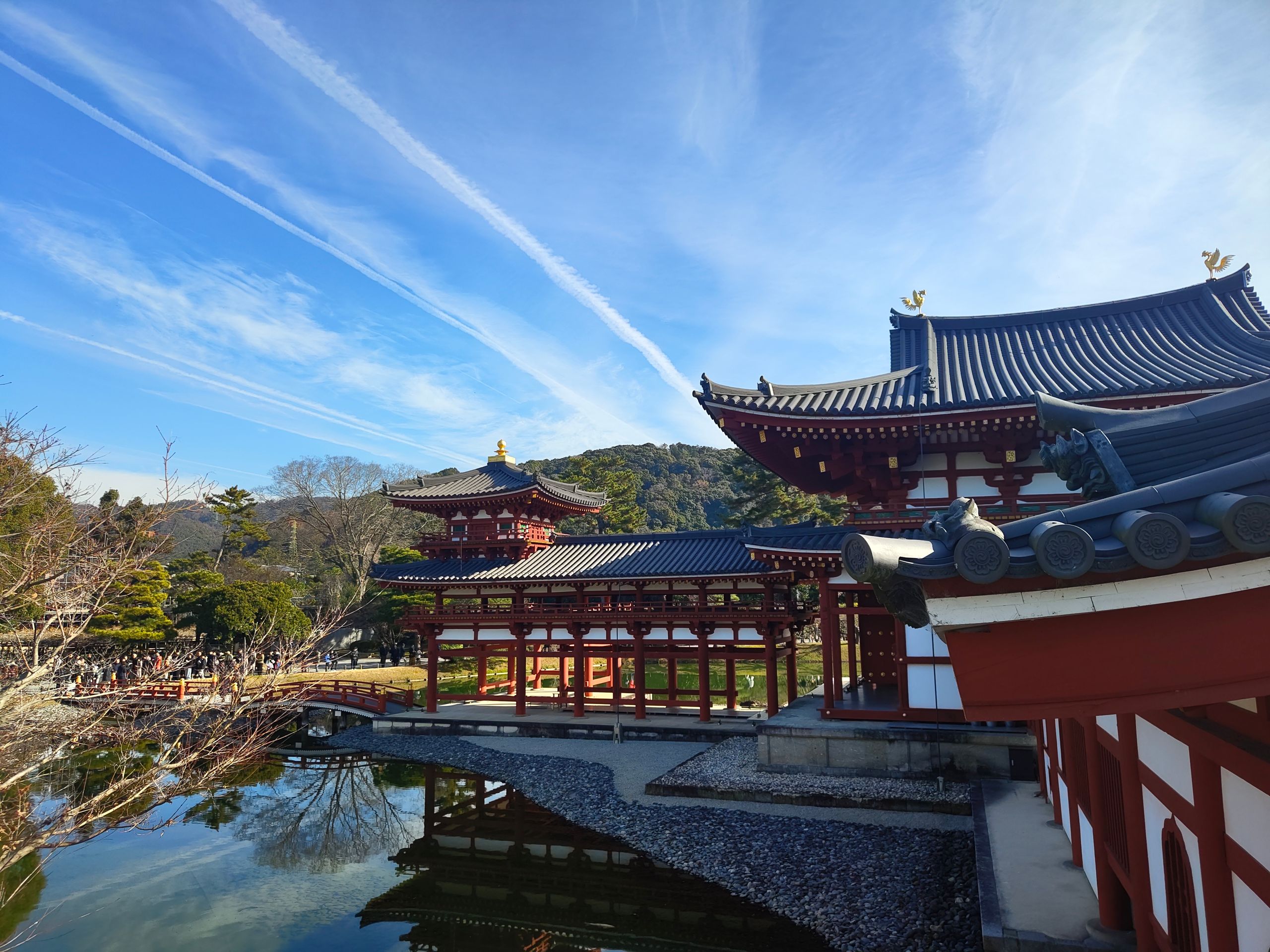
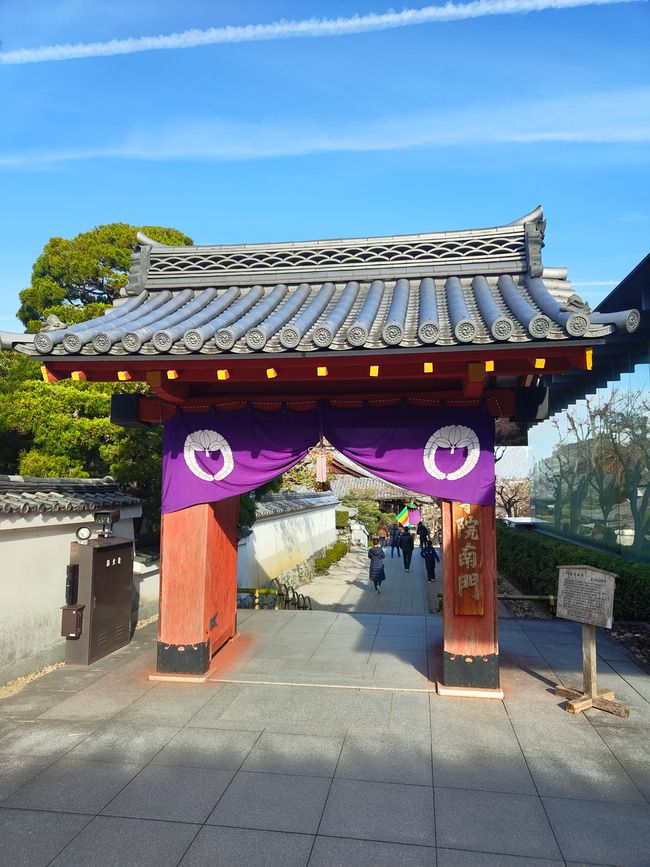
Our first stop was the Byōdō-in Temple, which was open and quite well visited despite New Year's Eve.
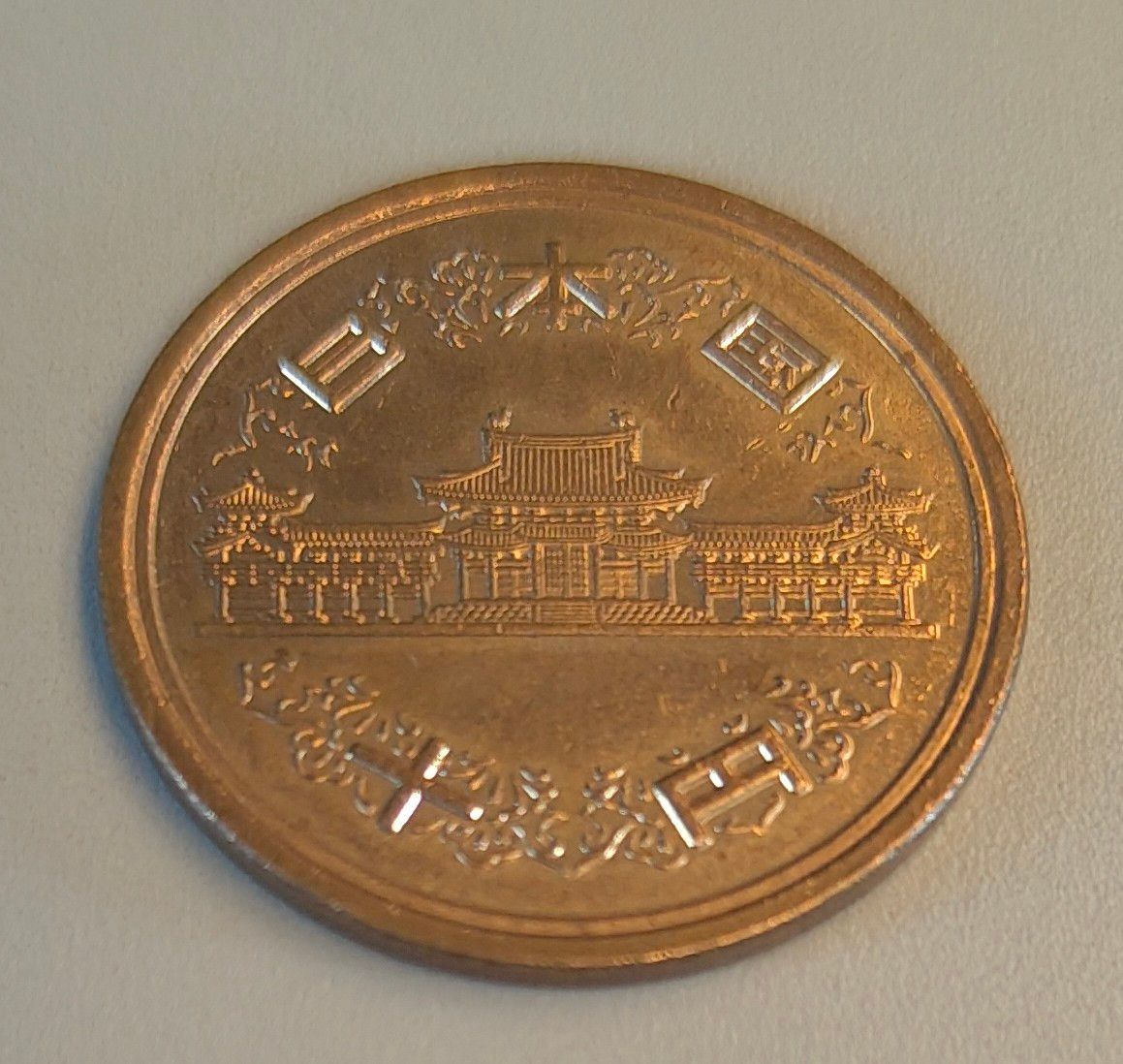
The temple is especially known for its Phoenix Hall (Hōō-dō), which is even depicted on the back of the 10-yen coin (I didn't know that beforehand – it was even more exciting to compare the motif directly). On the roof of the hall, there are indeed two phoenix statues.
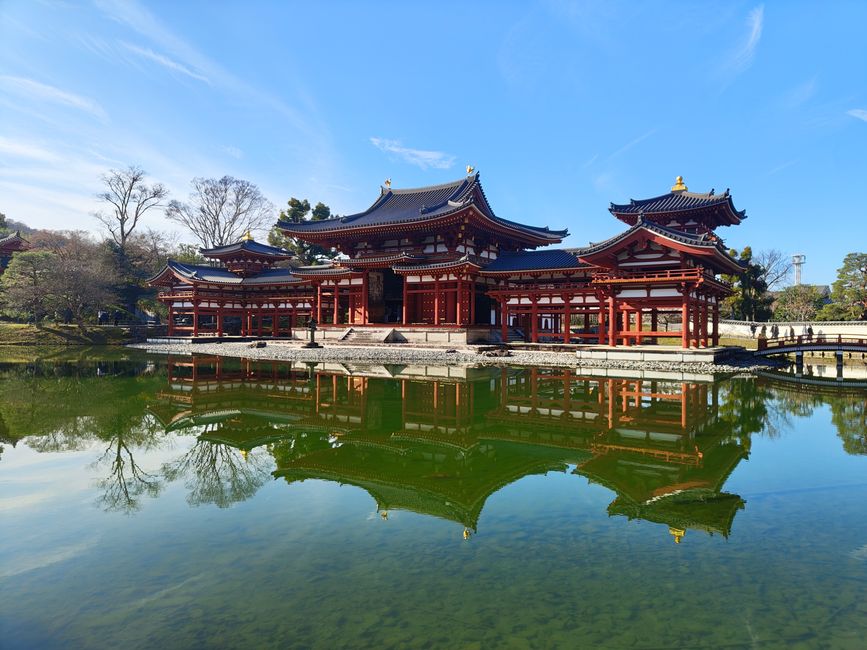
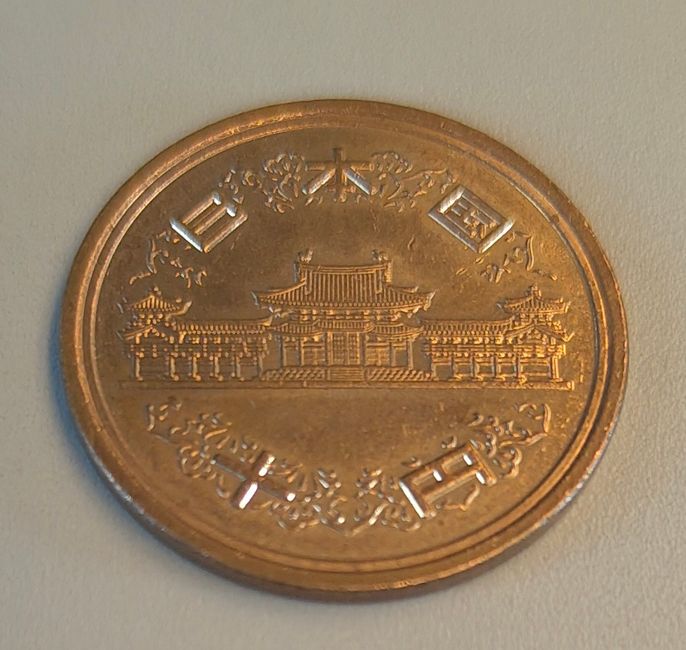
We could also have visited the hall from the inside, but the waiting time was about an hour and a half. We then opted out of that and instead focused on the view from the outside.
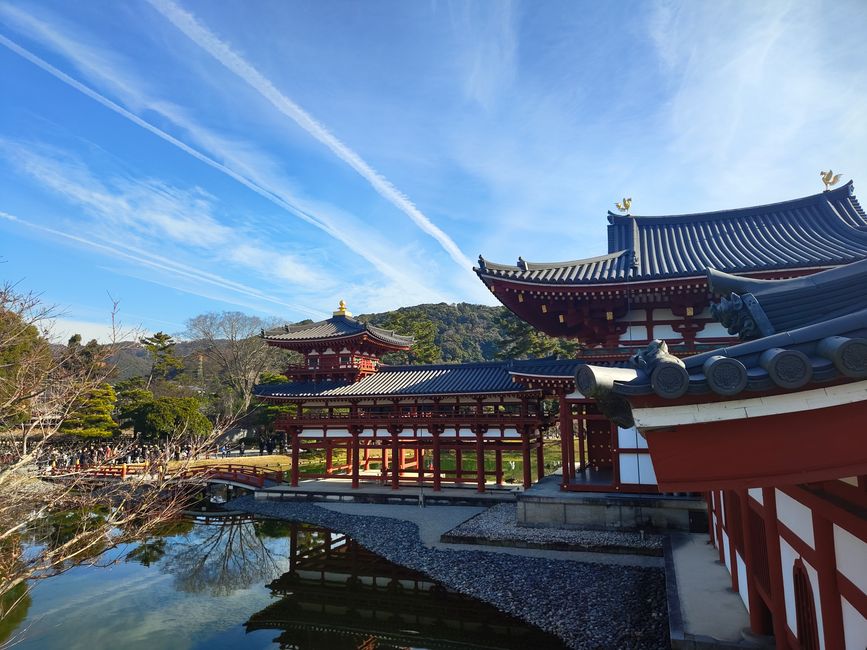
After that, we went to the accompanying museum. There, we could see one of the phoenix statues up close. And I must admit that it looked more like a very proud rooster to me than a mystical phoenix. Maybe that's why no photos of the rooster are allowed.
However, the other exhibits were much more impressive, some of which could dazzle with bright colors. Particularly noteworthy are the 52 wooden Bodhisattva figures, which were originally placed in the Phoenix Hall. They all sit on their clouds, play music, pray, or show Buddhist hand gestures – very detailed and impressively crafted.
After this culturally rich start, we went over the Uji River (yes, it really has the same name as the town) to a Shintō shrine. Since we felt we had already seen about 739 shrines, we didn't linger there too long and walked fairly quickly back towards the riverbank.
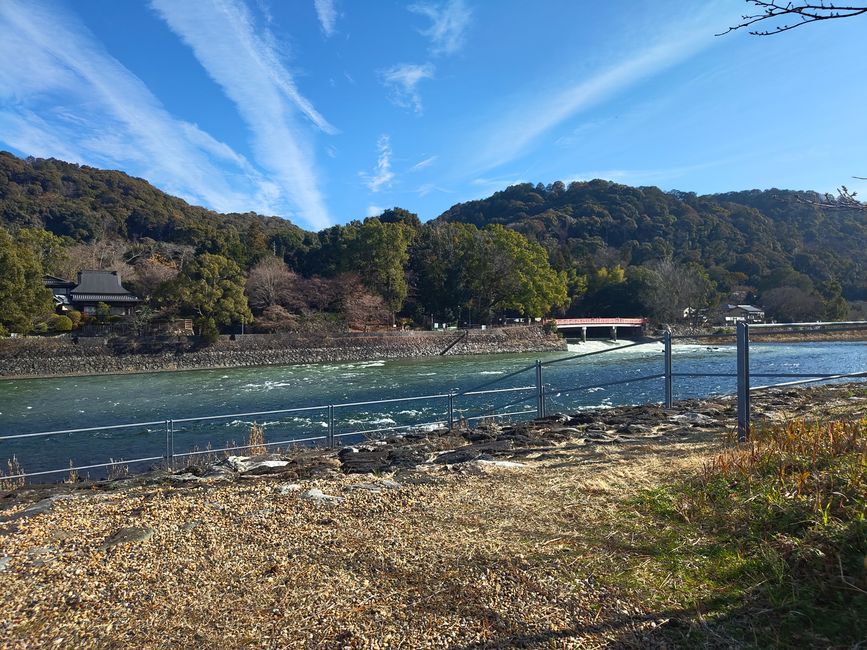
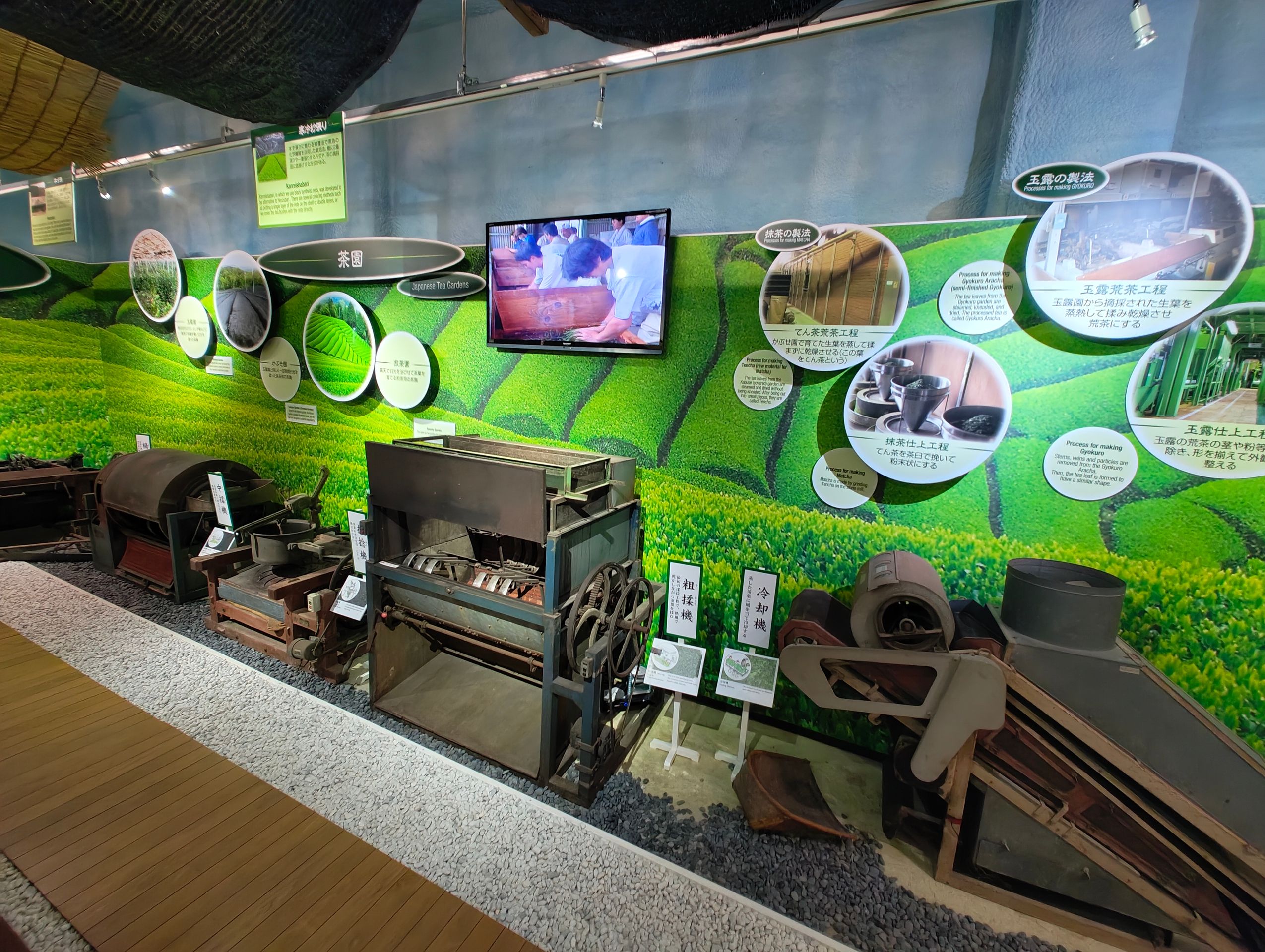
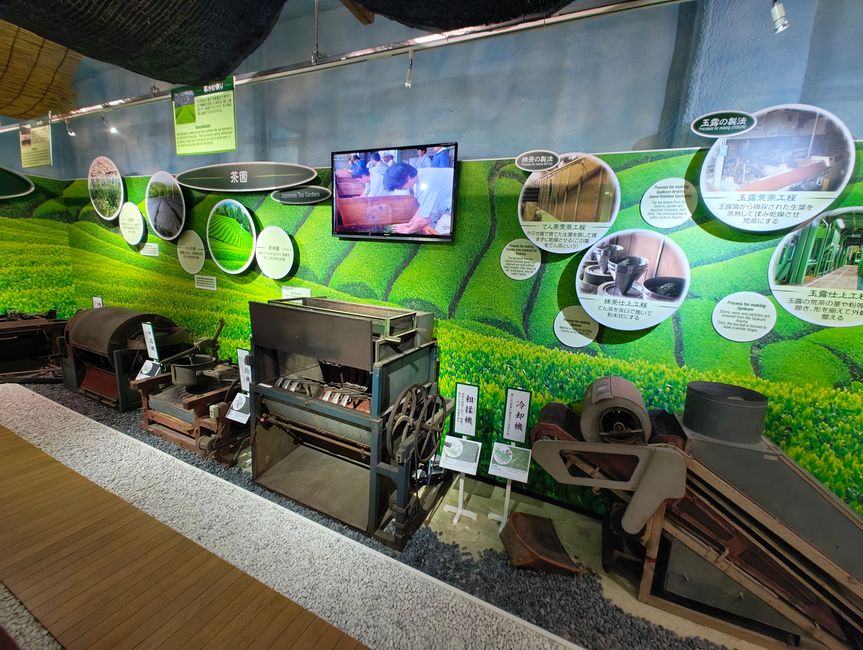
There, we came across a shop that immediately caught the coffee nerd's attention: a traditional tea shop, including a small museum. Uji is considered one of the most important tea regions in Japan, especially for matcha and sencha. So, a little tea shopping took place – including a small matcha cookie for the road.
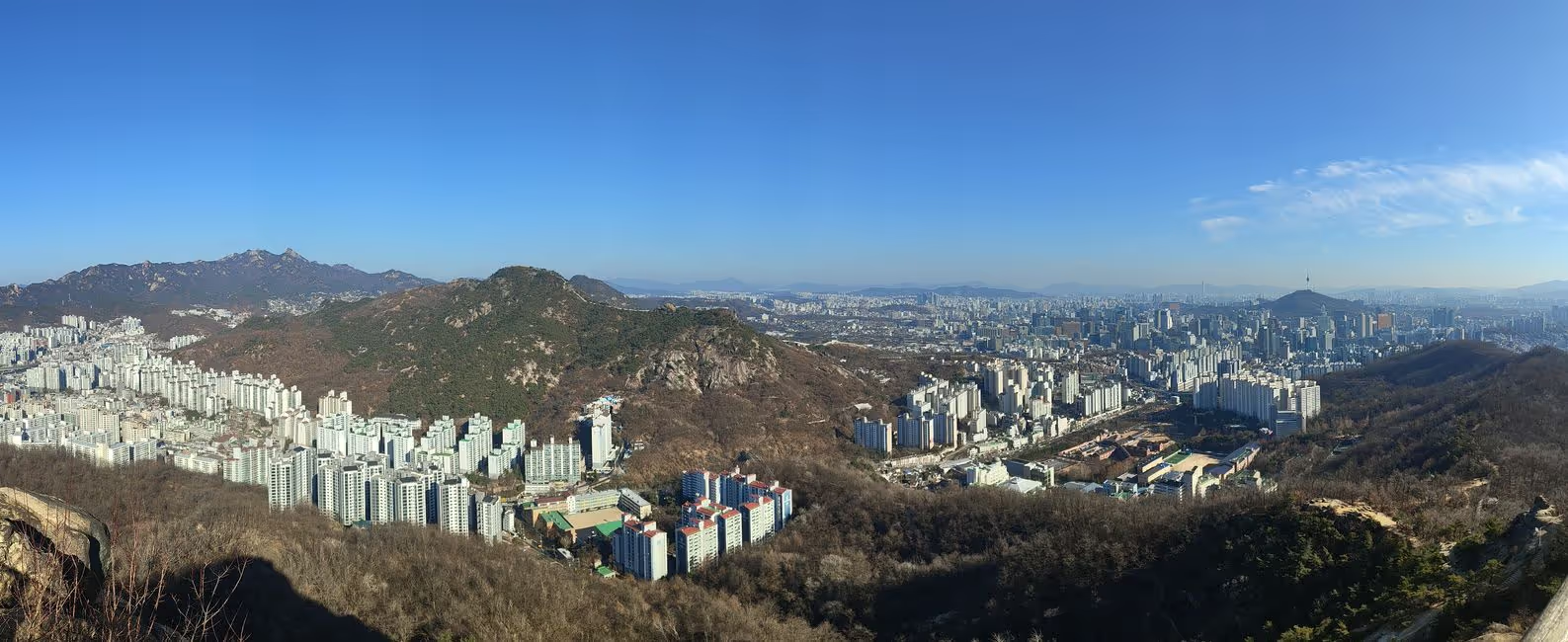
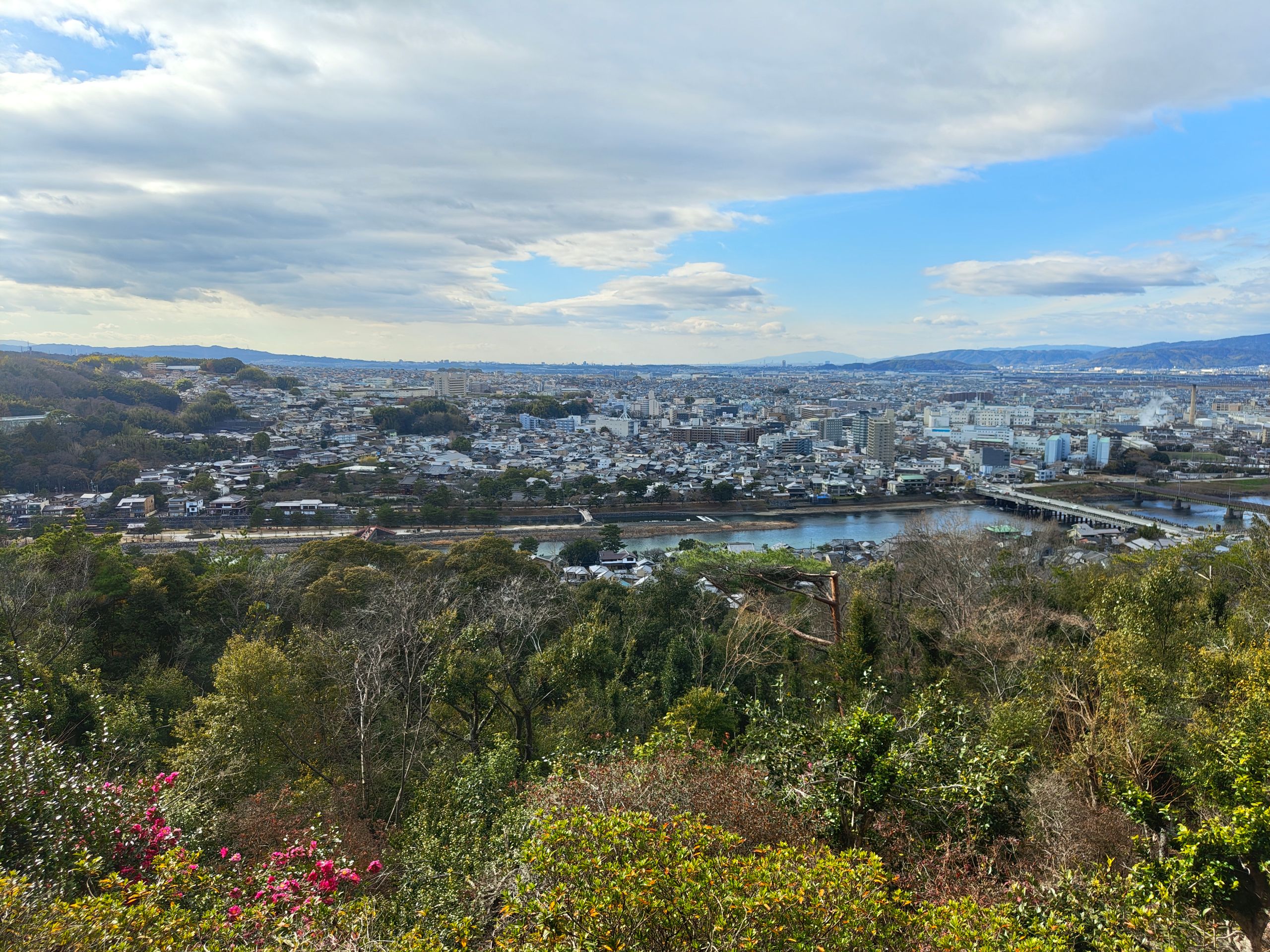
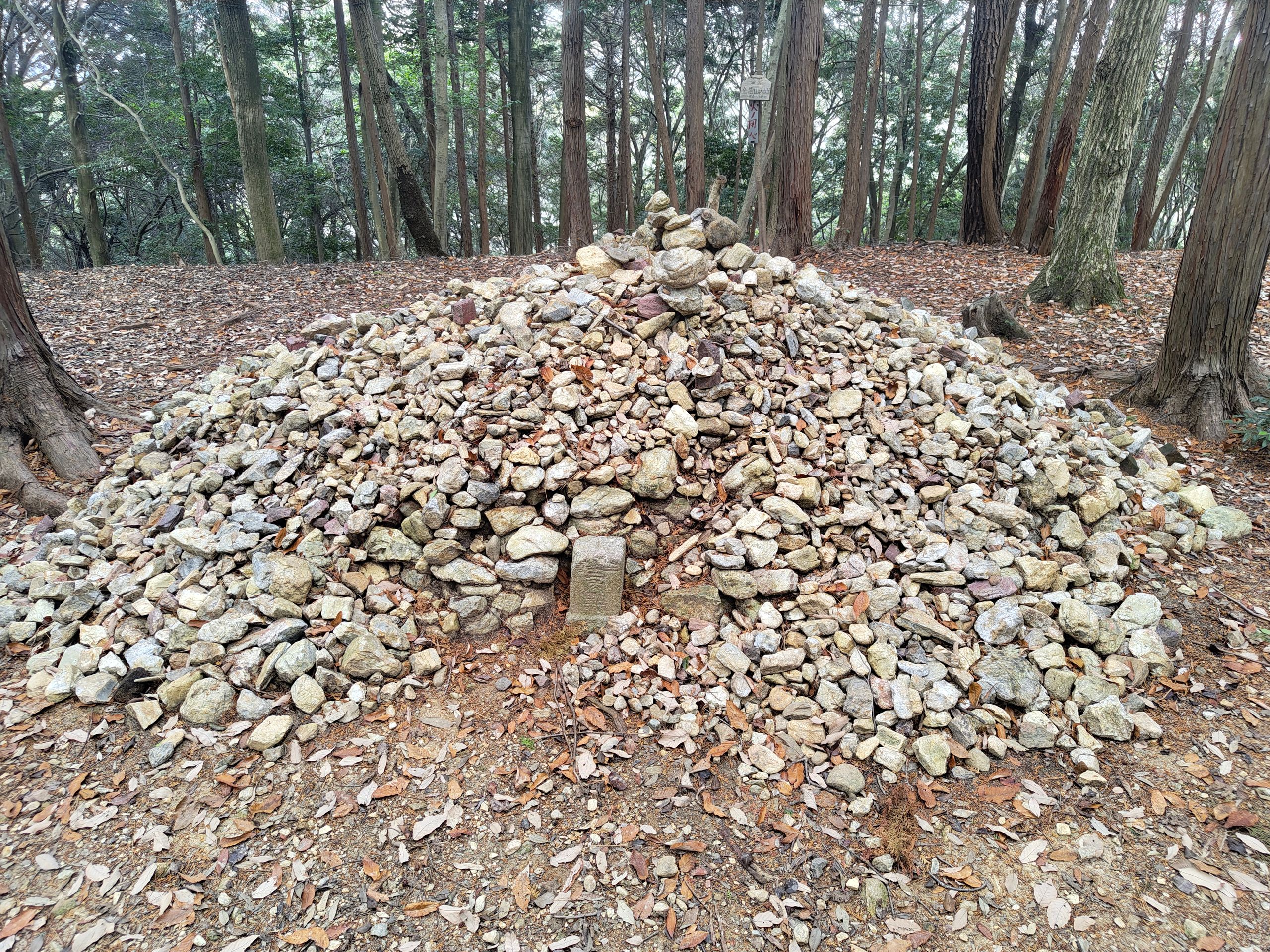
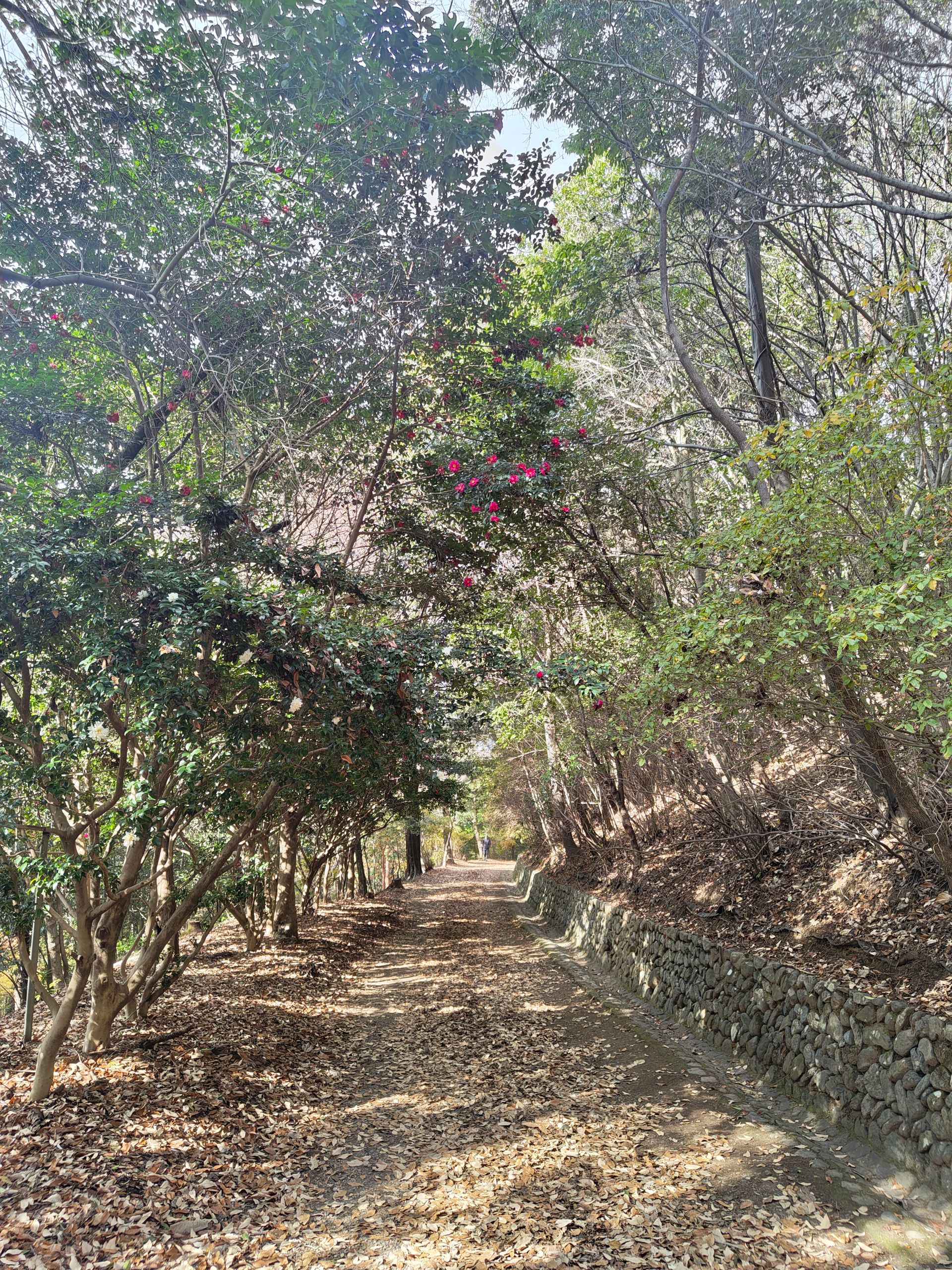
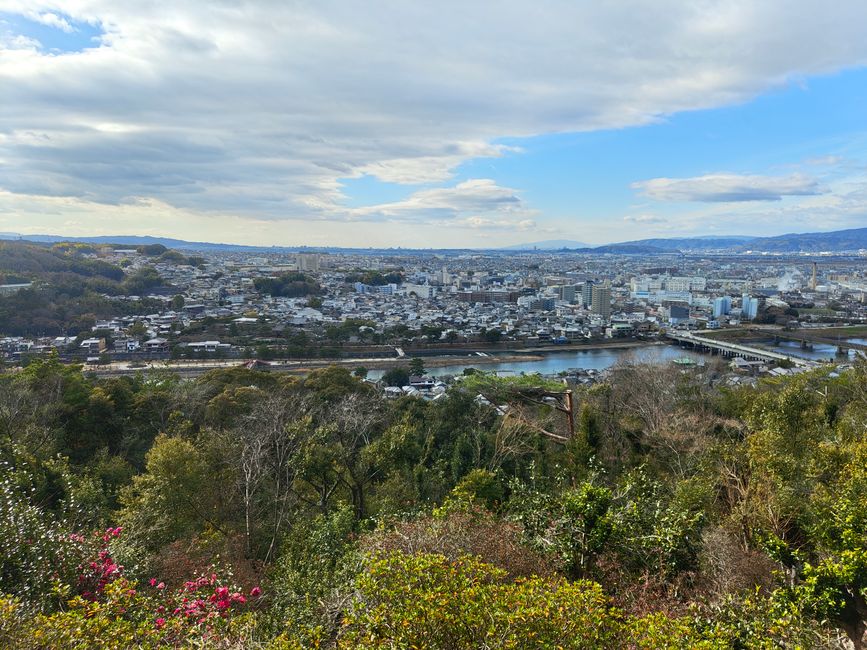
Reinforced by the cookie, we then headed to a nearby “mountain,” Mount Daikichi. More of a hill, but with at least enough incline to call it that. From the top, we had a nice view over Uji (the town) and Uji (the river).
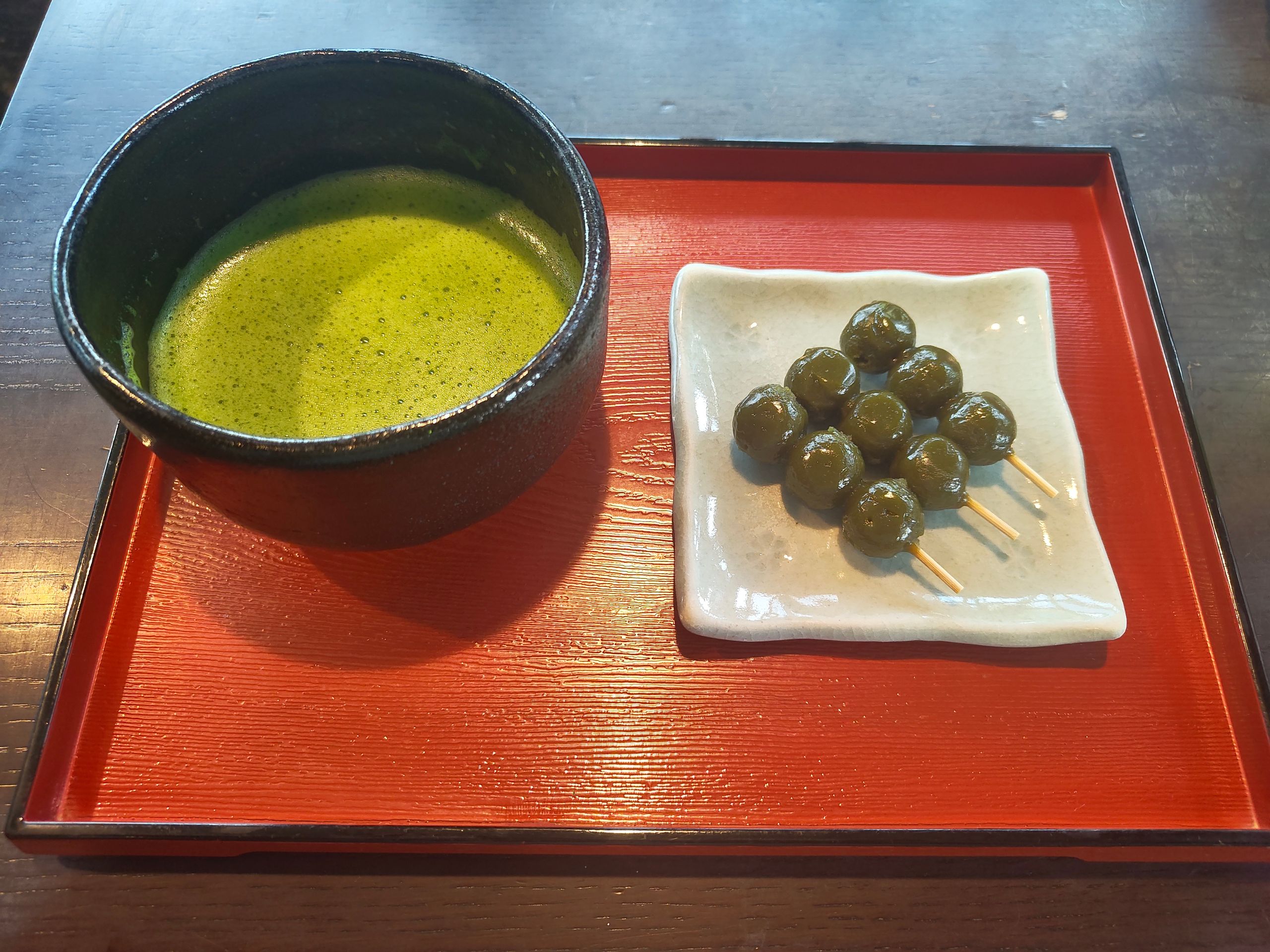
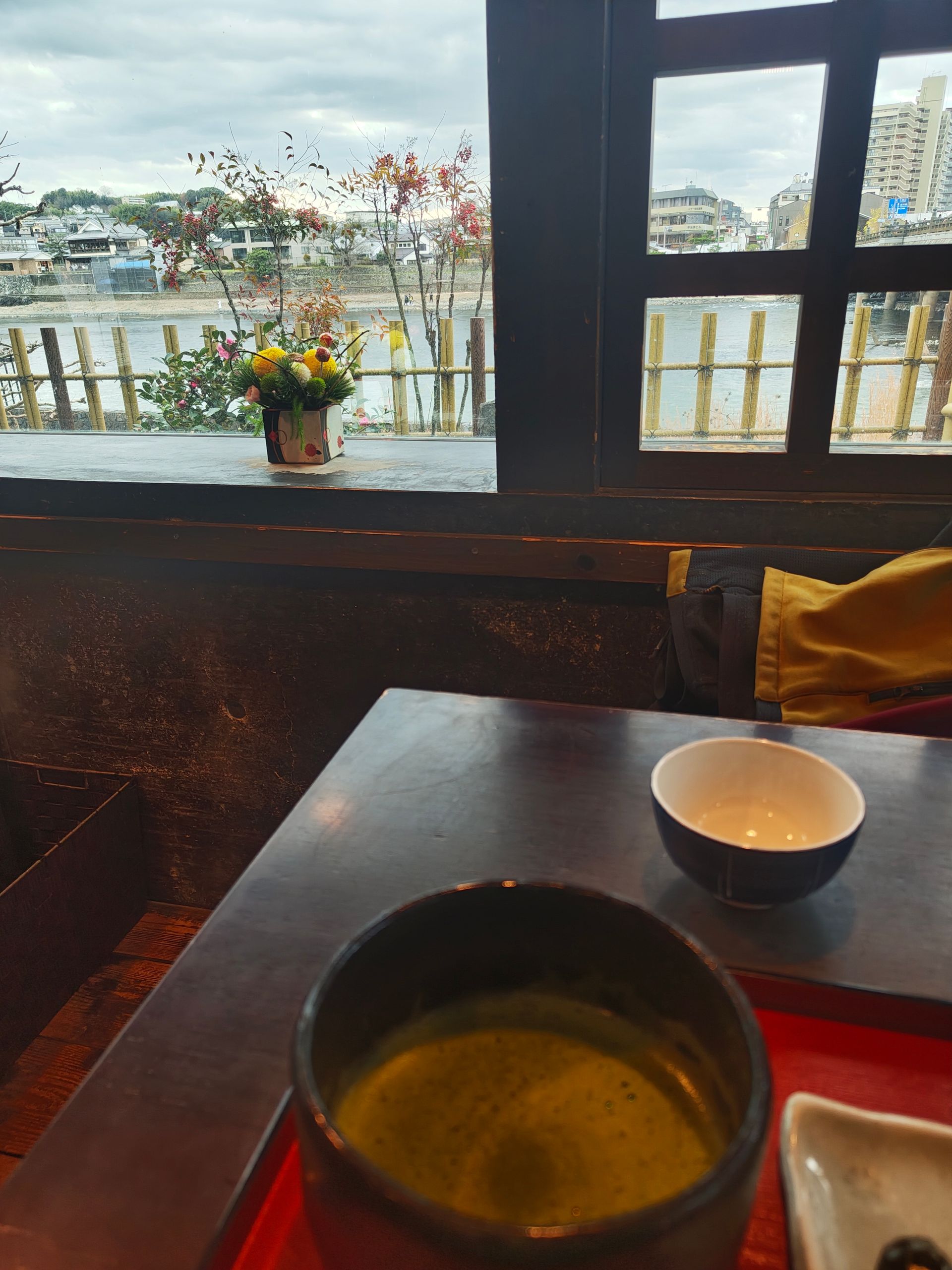
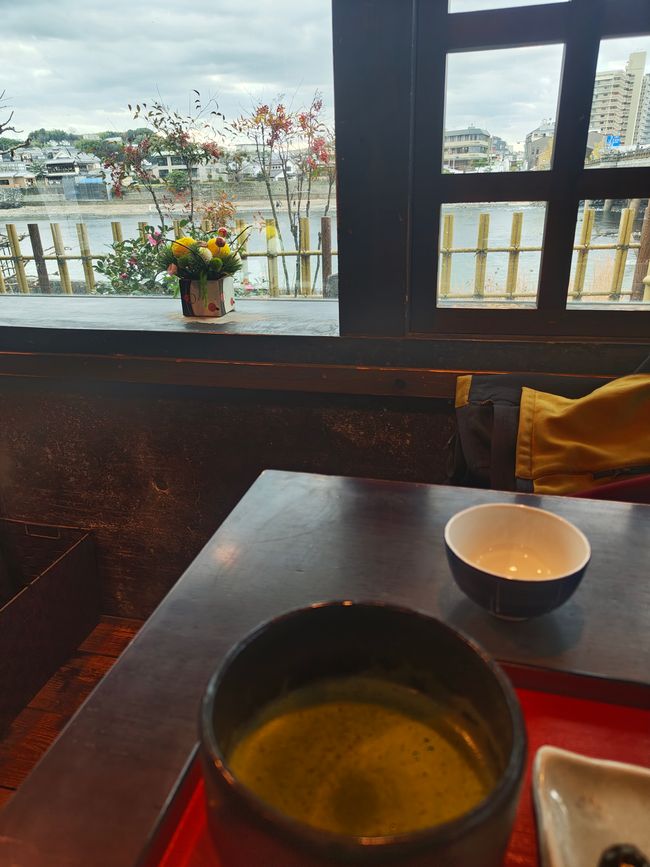
Afterwards, we continued strolling through the town and took our lunch break in a traditional tea house. There we had original matcha and sencha straight from the tea stronghold Uji, alongside appropriate Japanese sweets. Very quiet, very relaxing – just right.
Afterwards, there was a somewhat longer walk back to the station (for Uji standards: about half an hour), and from there, we headed back to Kyoto.
In the hotel, we first relaxed and slowly began to pack – after all, we would continue to the last stop of our journey tomorrow.
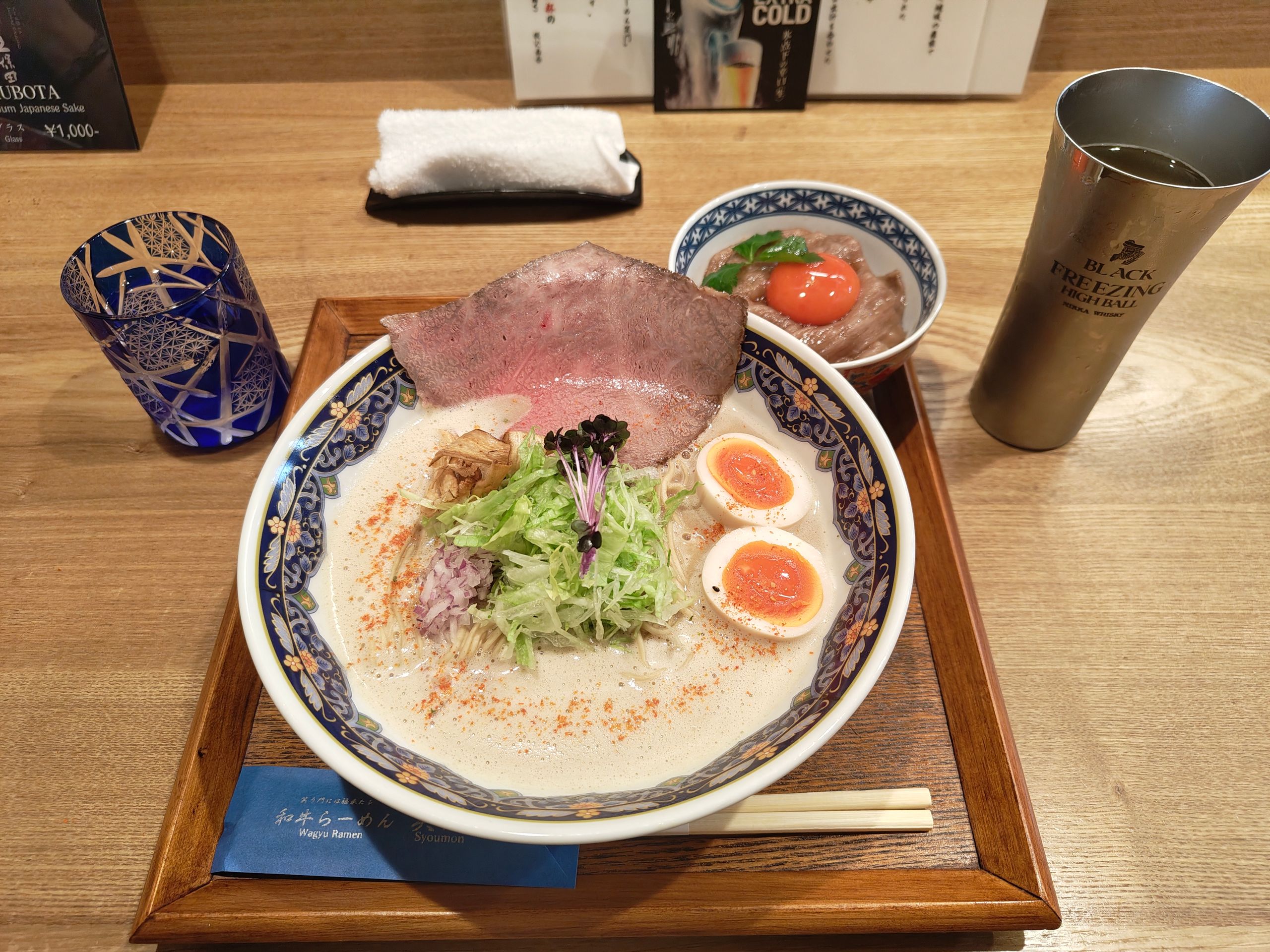
In the evening, we had ramen one last time. Our last ramen in Kyoto.
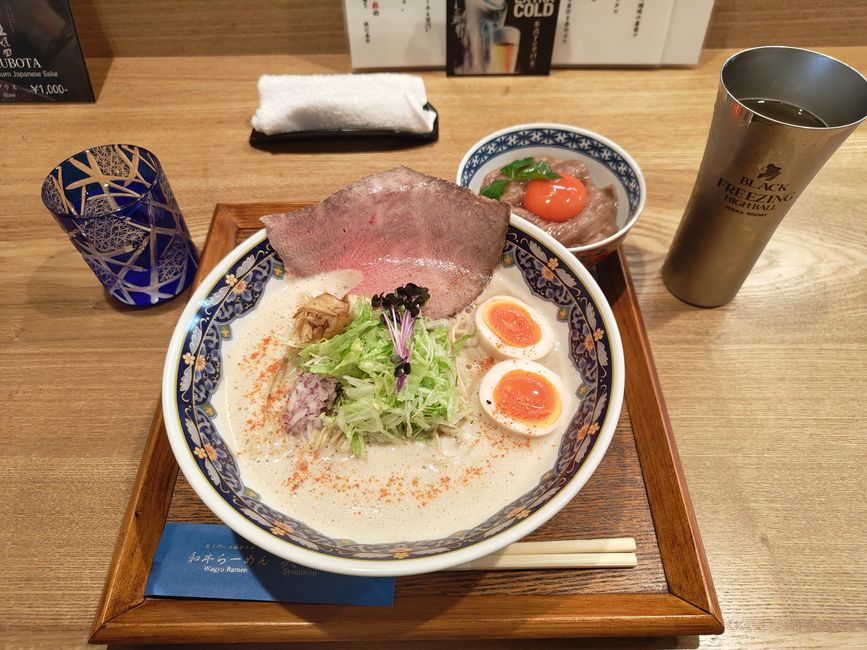
And with that, the day was basically over. Well, almost – I had briefly forgotten that it was New Year's Eve.
New Year's Eve is celebrated relatively quietly in Japan, usually in the company of family. However, there are a few established traditions. Two of them take place around midnight and on New Year's Day – and we wanted to experience exactly these since we were already here.
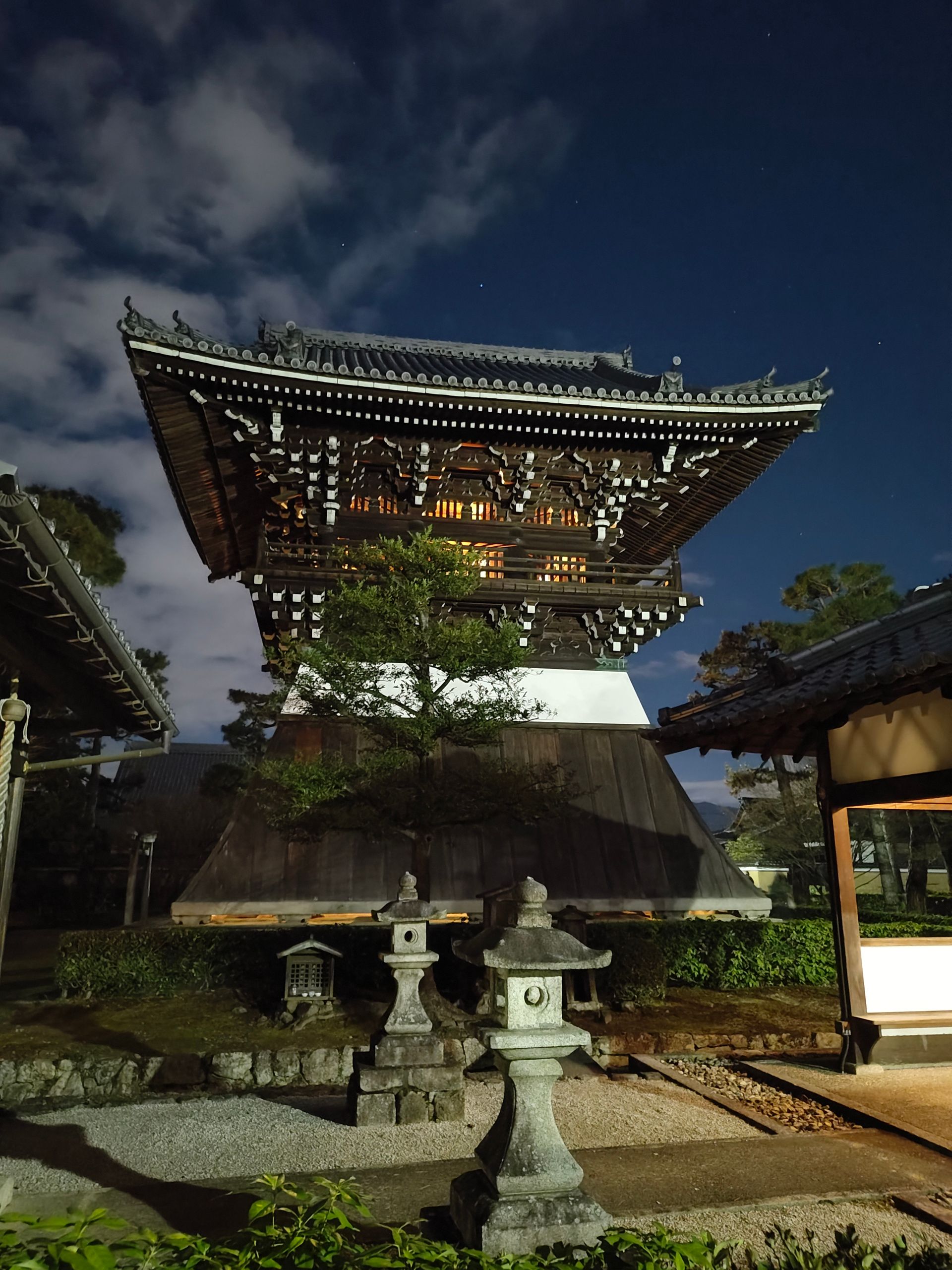
First: In Buddhist temples, 108 bell tolls are rung at midnight (Joya no Kane). They represent the 108 earthly desires from which one is symbolically supposed to free oneself in order to start the new year unburdened.
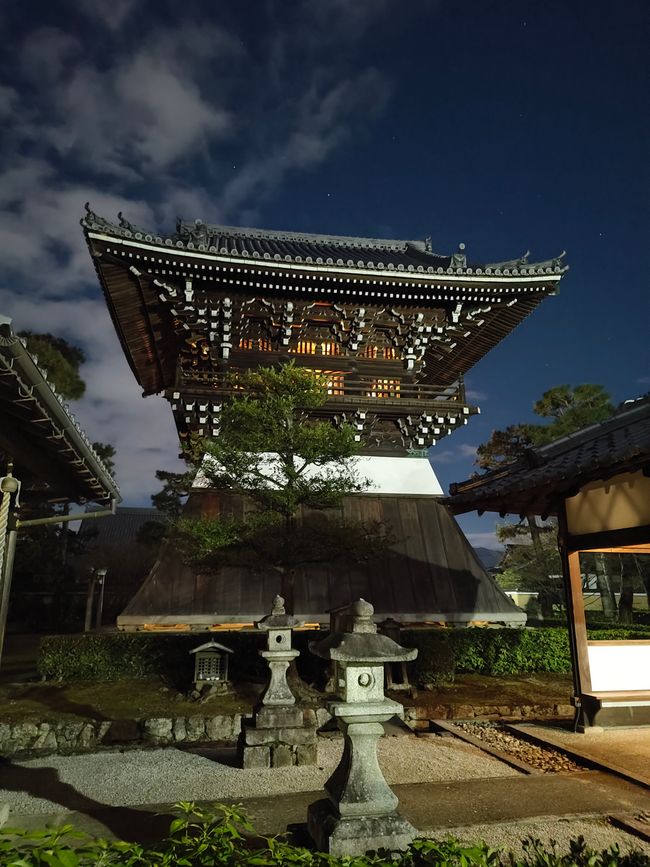
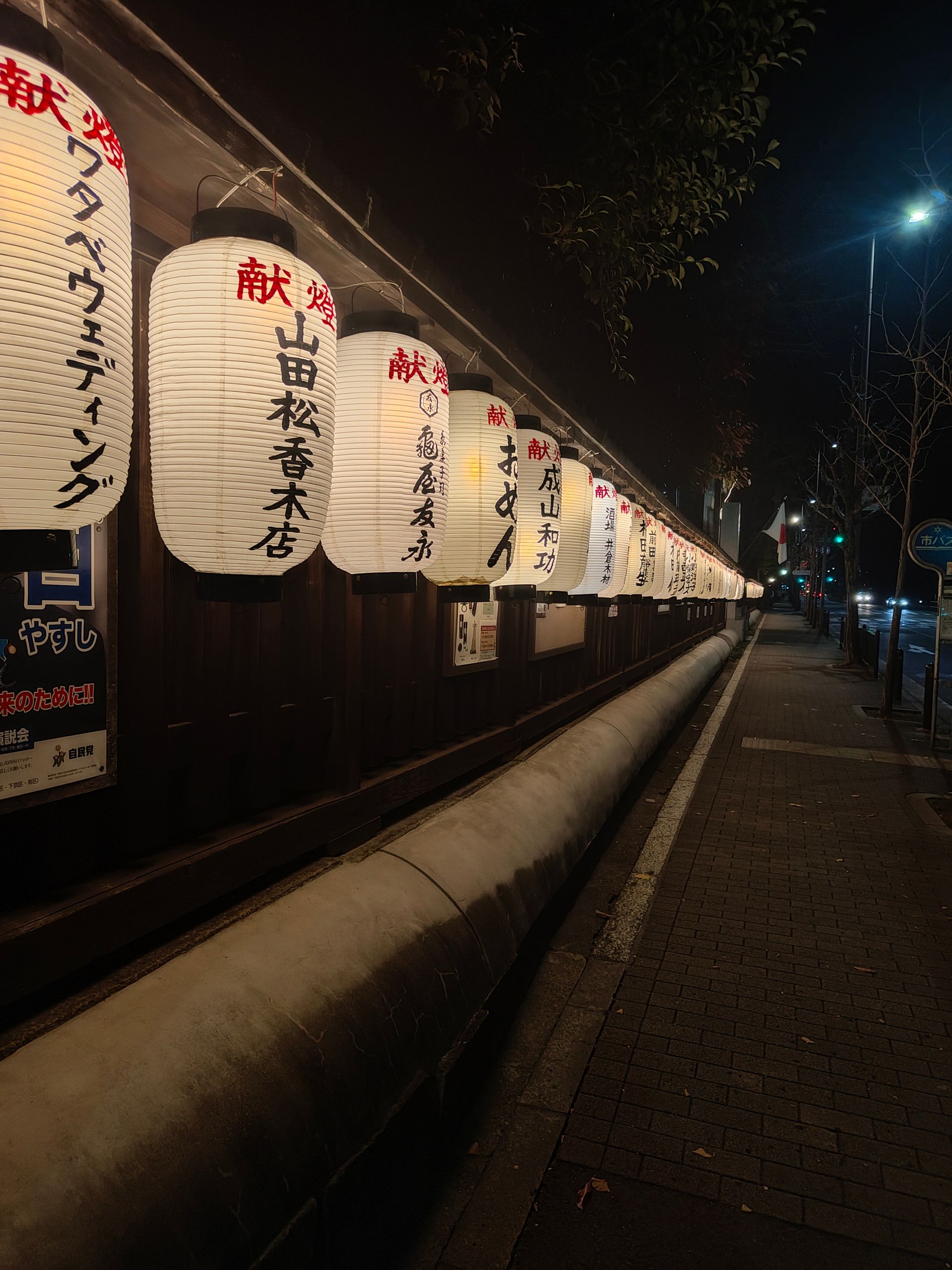
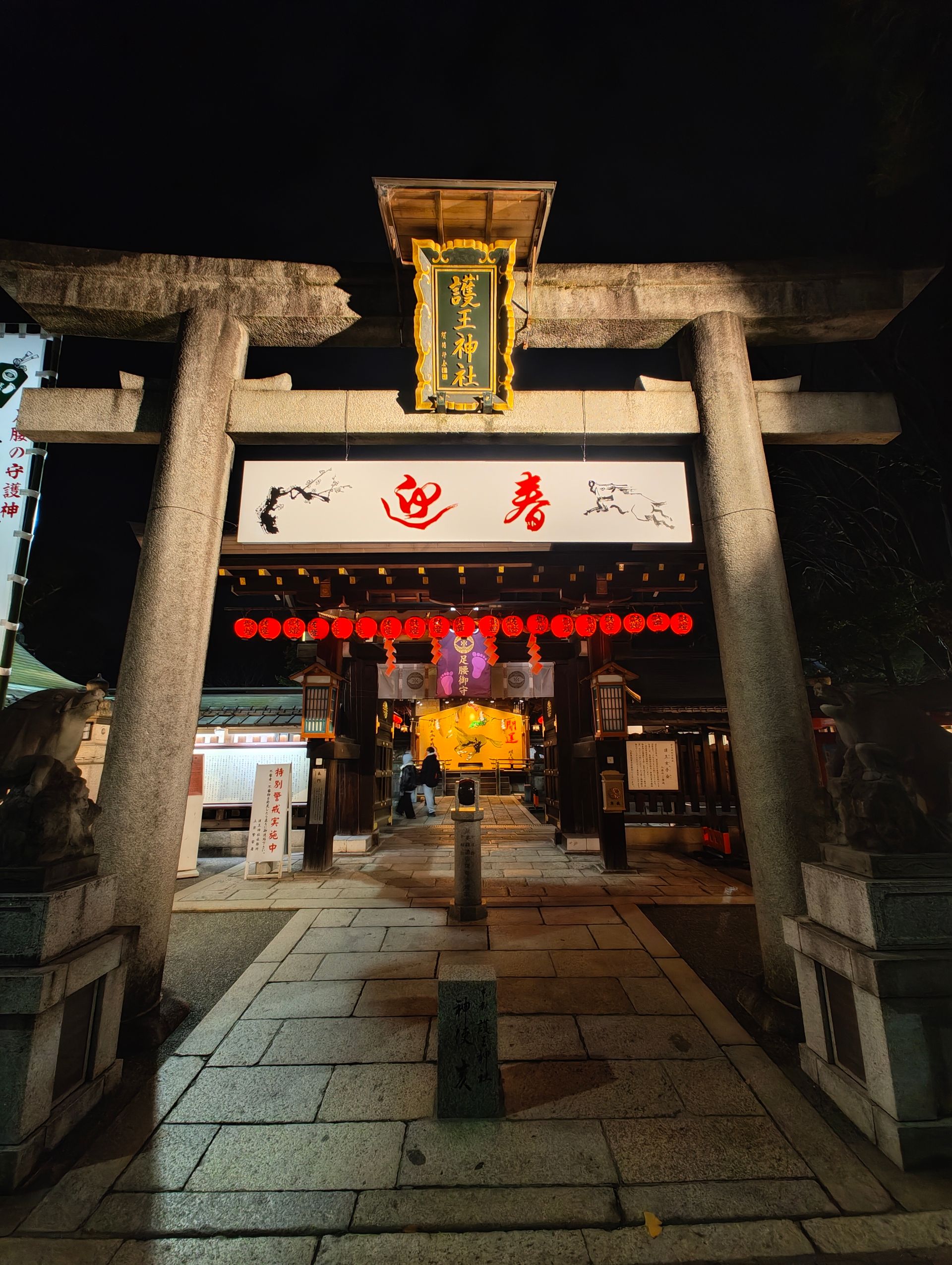
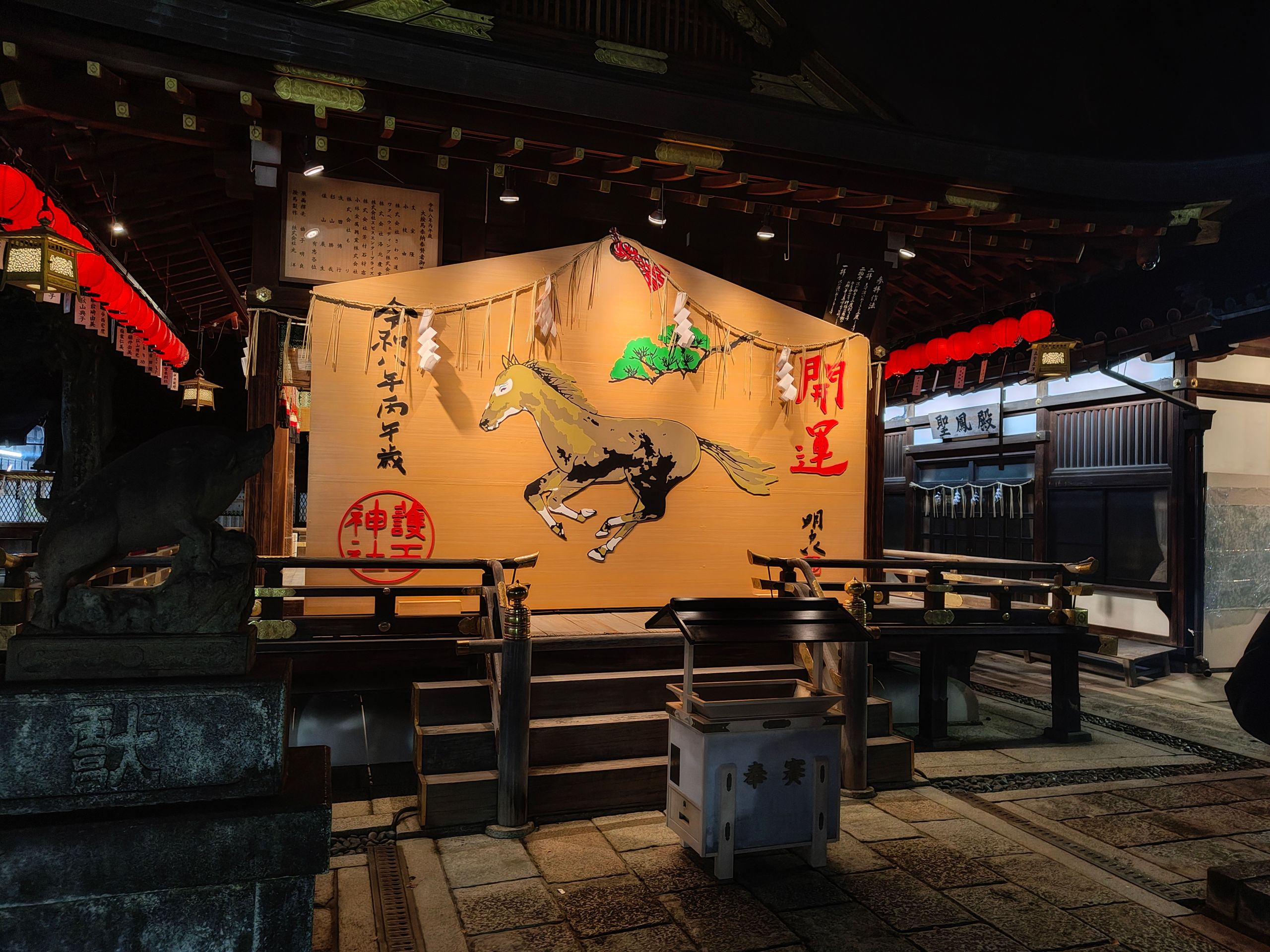
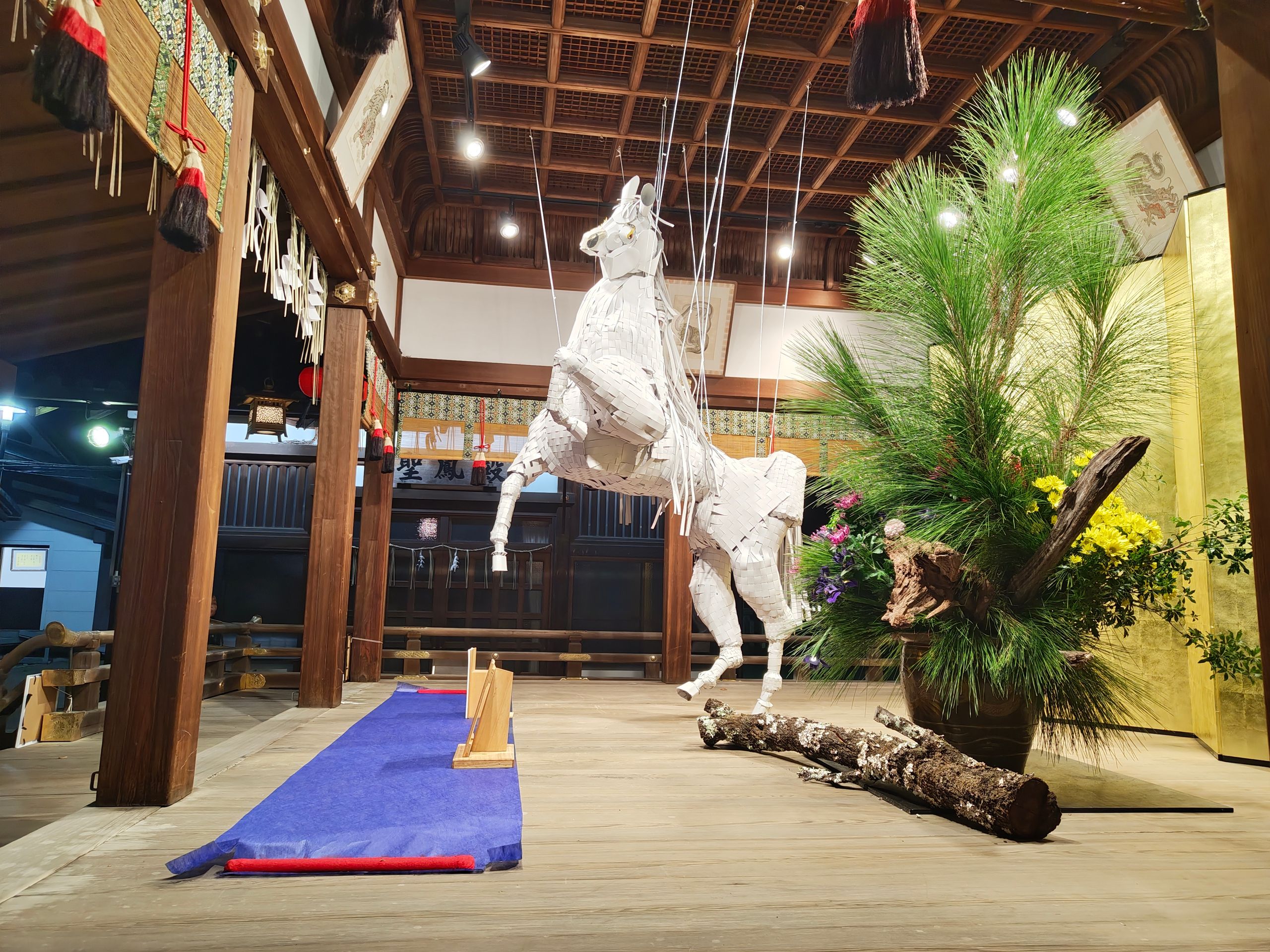
Secondly: the visit of a Shintō shrine for Hatsumōde, that is, to pray for luck and success in the new year. This often happens only on New Year's Day itself. We decided to do this on the way back from the temple to the hotel.
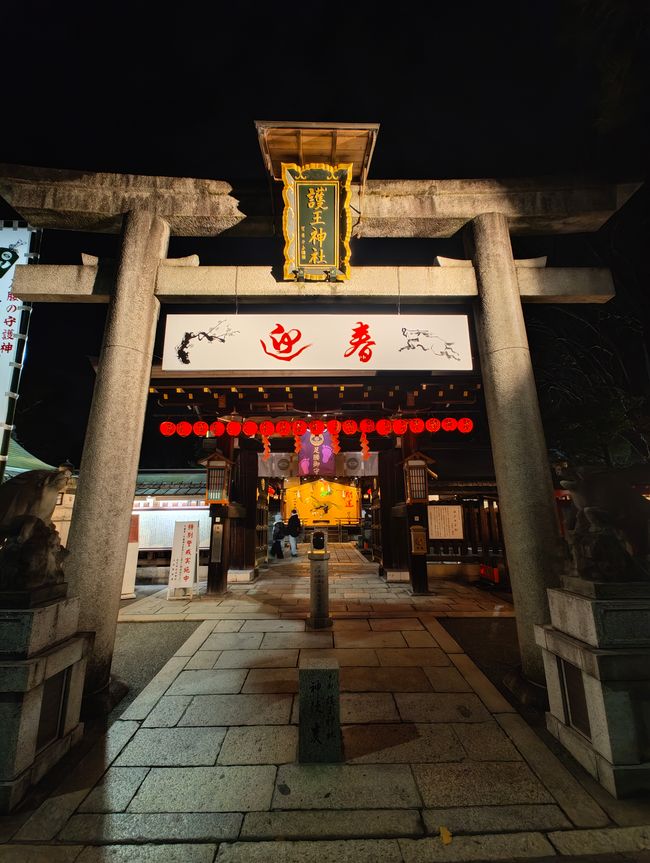
Thus, the program for this last day of the year was more than fulfilled.
And in this sense: Wishing you all a happy and healthy New Year!