
Without a permanent residence
It’s done! After a long period of preparation and plenty of instant soup over the last few days, we’ve taken another big step forward and were able to hand over the apart


Published: 08.05.2026
We have finally set off on our journey from Germany through Sri Lanka, Thailand, Singapore, and Vietnam to the Philippines. Our Swedish friends are already looking forward to seeing us again at the end of July and staying together in Palawan.
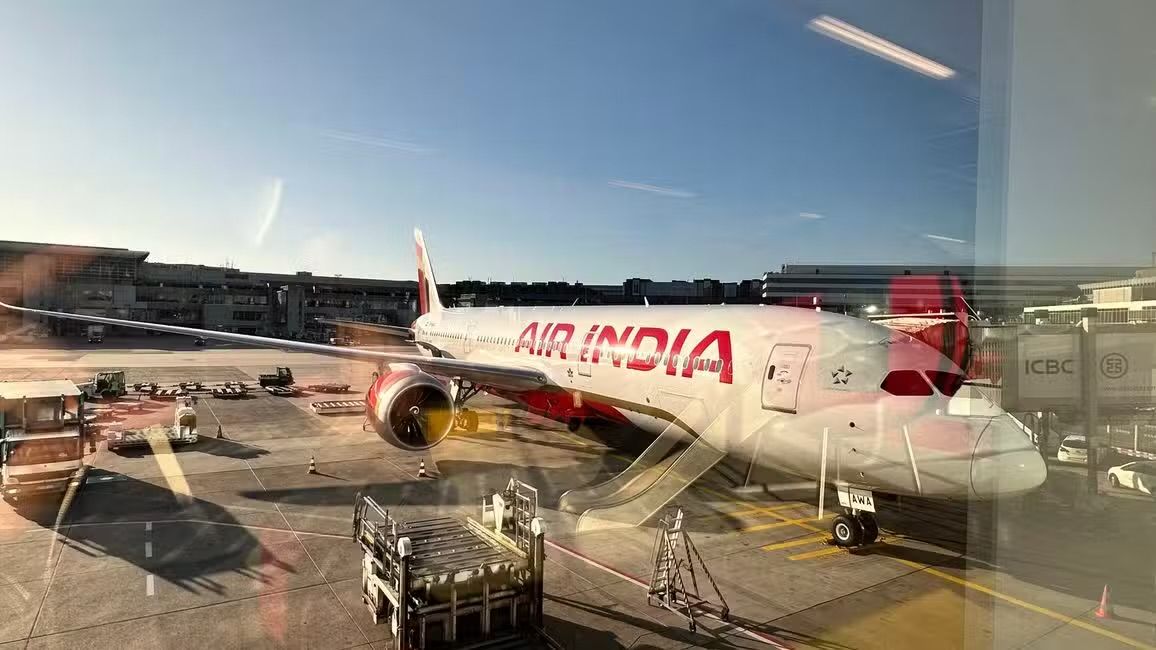
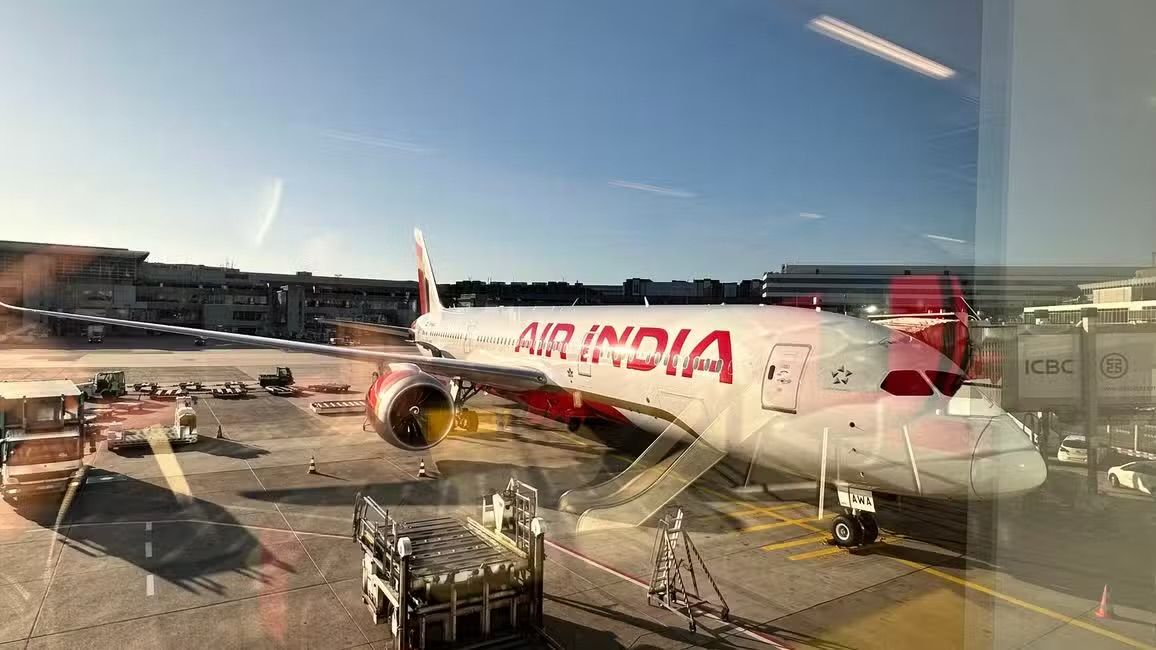
We started by taking the train to Frankfurt Airport and from there flew to Mumbai, India. After a four-hour layover, we flew on to Colombo, Sri Lanka, our first destination.
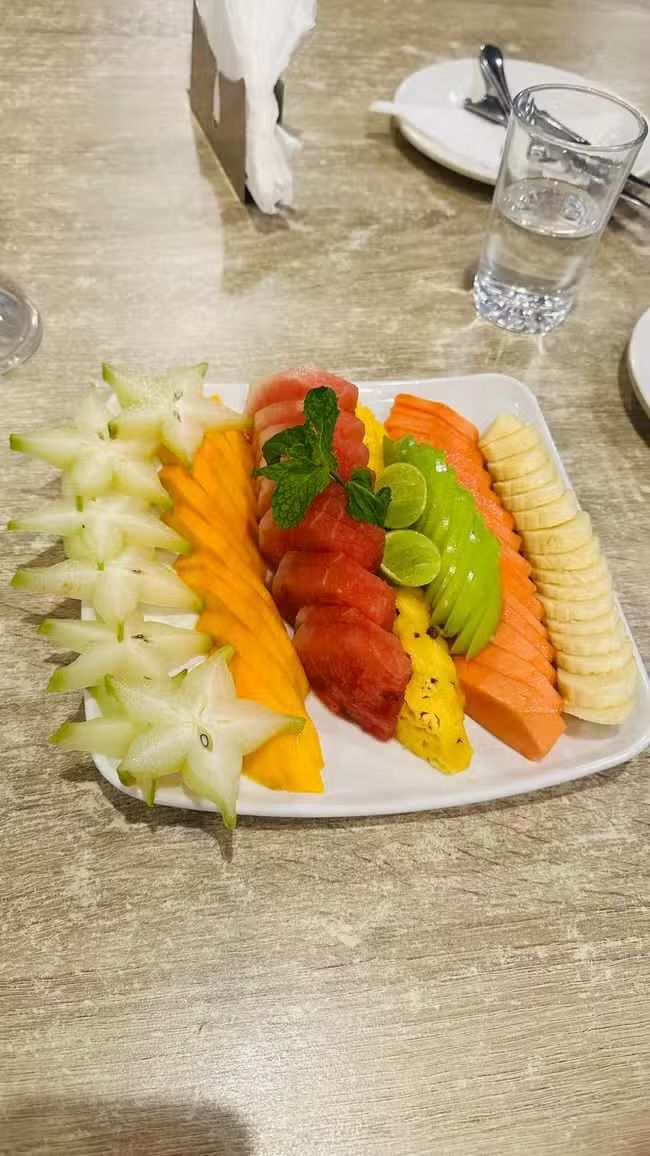
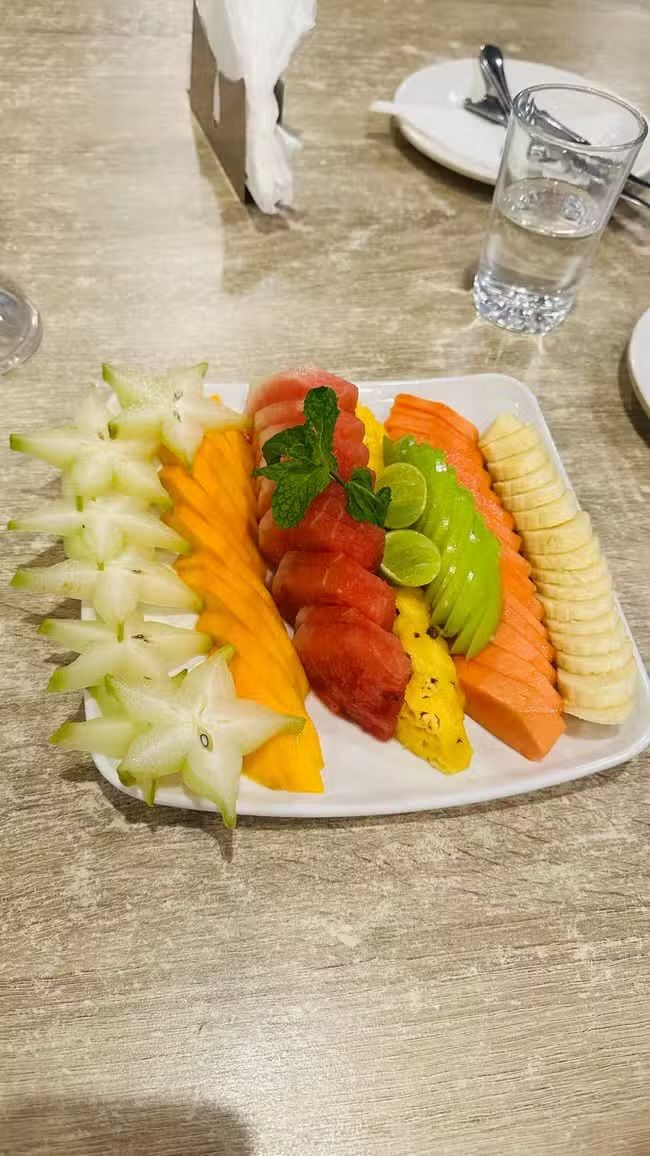
Our first accommodation was only five kilometers from the airport, but it was already in a nice, quiet location. We spent the night there, catching our breath before the next stage of our journey. From a tree in the garden, we picked the first exotic fruit of the trip: a cinnamon apple. In the evening, we had curry with naan bread at a nearby food court, along with a lovely big fruit platter. It had rained and thundered quite a bit, but that was also a sight to behold.
The next morning, we picked up two adapters for the British-style outlets and then took a “Pick Me” taxi a hundred kilometers further to Kandy. Back in the Philippines, we had used the “Grab” app; in Sri Lanka, the equivalent is “Pick Me.” Here, too, you can use both the food delivery and taxi services.
The ride went by pretty quickly, as the roads were in better condition than I’d expected. After a good two and a half hours, we arrived at our accommodation.
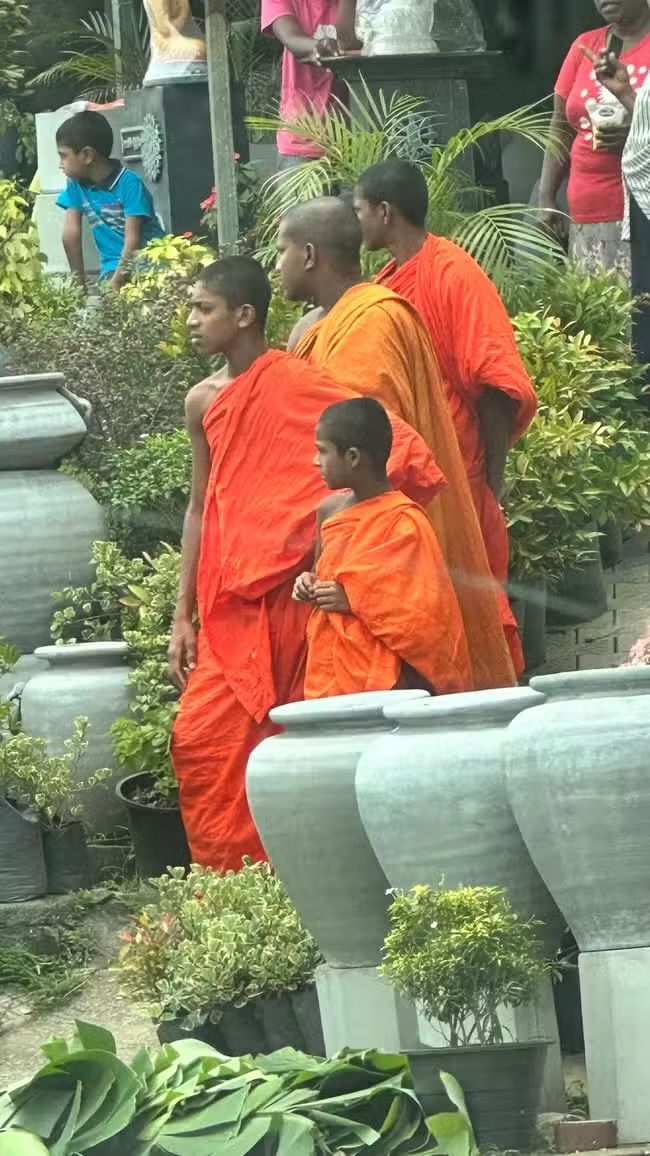
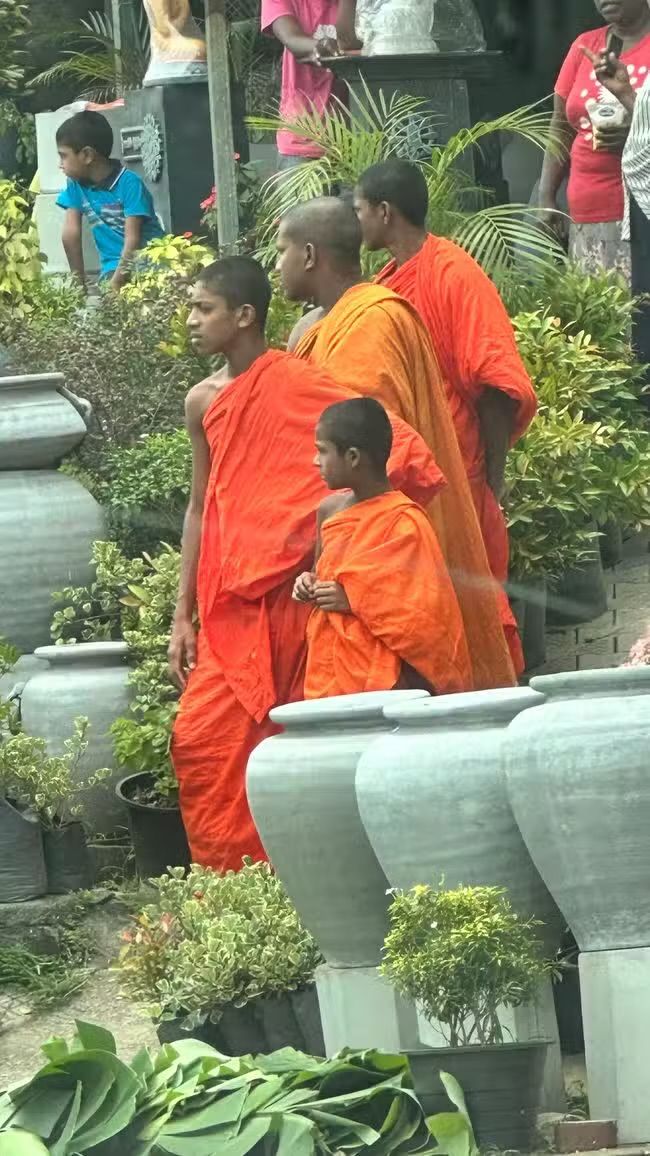
In Kandy, traffic was a bit slow, as preparations were already underway for the visit of the Vietnamese monk and his dog on their global Peace Walk. People had dressed up especially for the spectacle and stood expectantly along the roadside.
Toward the end of the trip, our taxi driver really broke a sweat when the road became very narrow and steep.
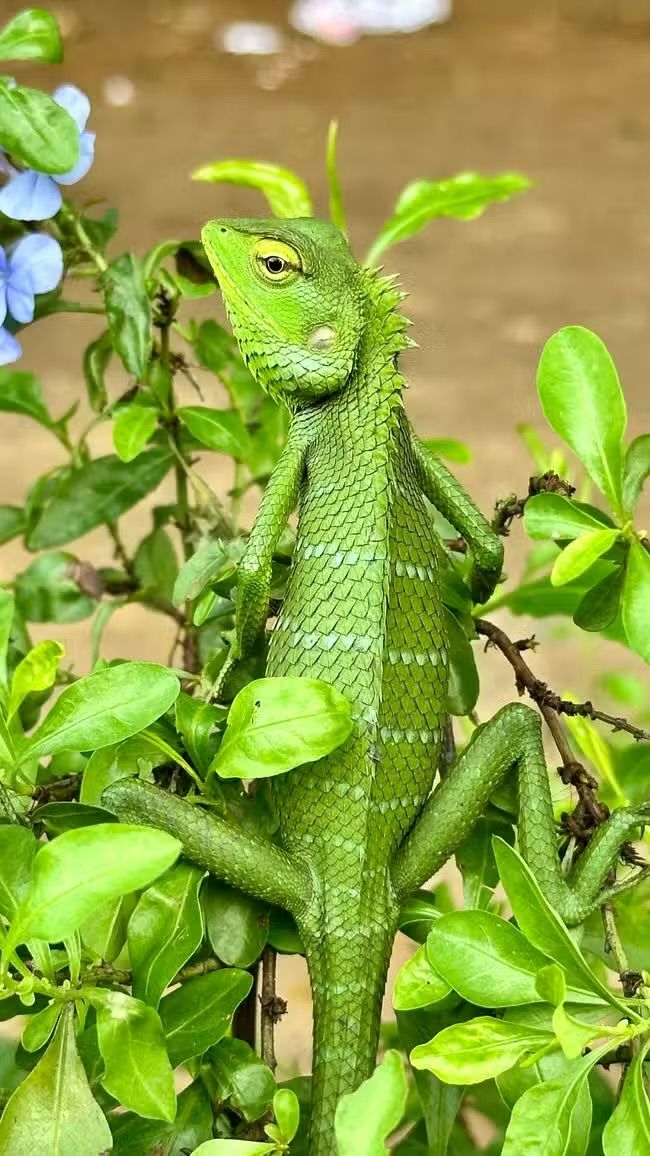
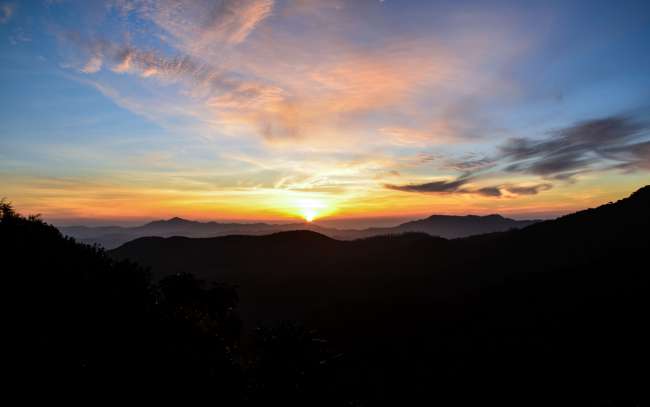
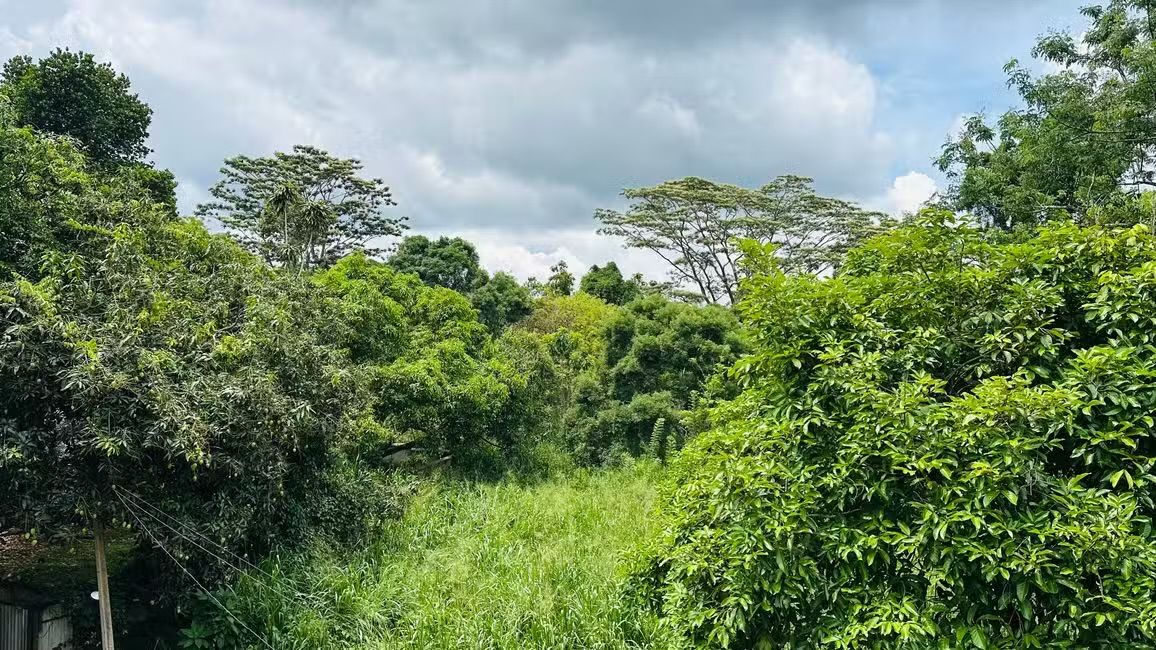
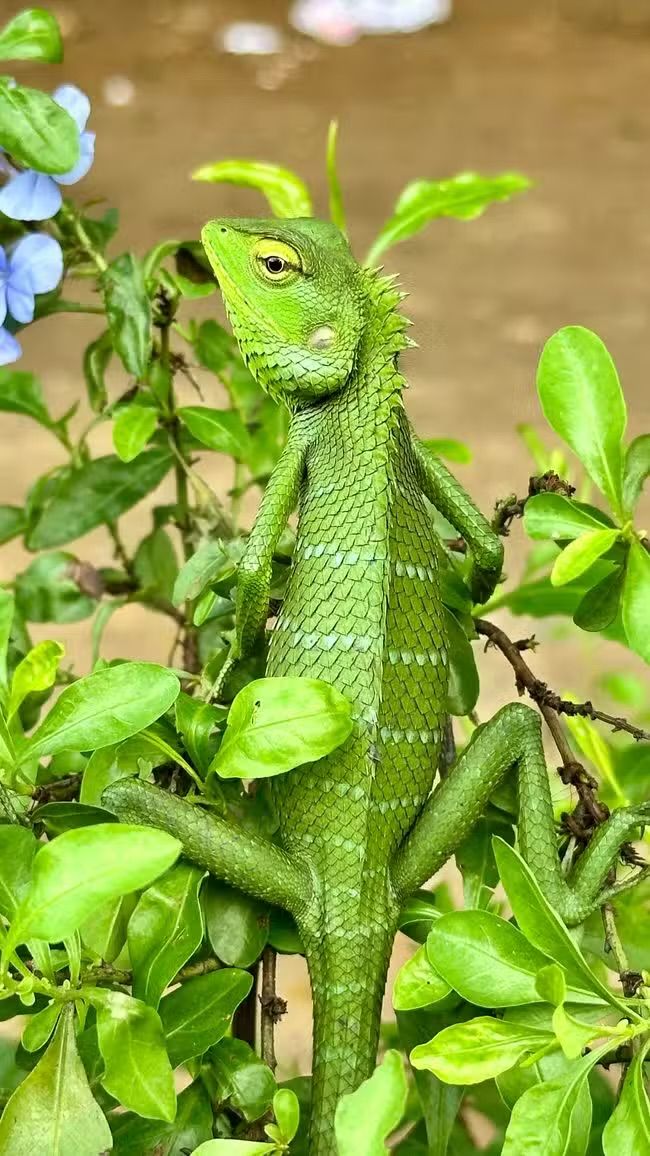
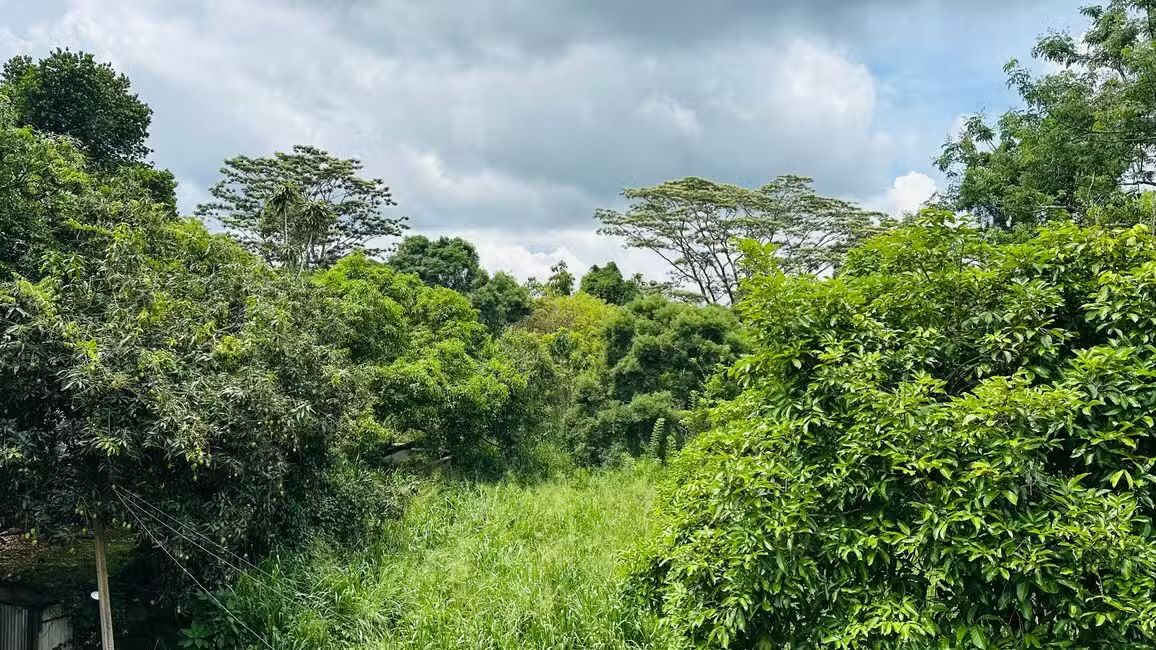
We really like our accommodation for the next few days. From the balcony in the common room, you look directly out onto the jungle and can watch all kinds of birds, like parrots; squirrels also run across the power lines every now and then, and in the evening, bats fly over the house and geckos scurry across the walls.
One evening, a large cicada had strayed into the house and was flying into the walls with a lot of noise.
The room has two large beds with mosquito nets, which are sorely needed. To cool off, we have the choice between a ceiling fan, a standing fan, and air conditioning. There don’t seem to be any closets in the accommodations, but we make extensive use of the “silent butler” to air out our clothes. The exploration tours really work up a sweat.
Water and tea are always available, and you can make them yourself at any time. Water bottles are also available upon request, and there is a laundry service.
The owner is often present and keeps people entertained with lots of chatter or drives tourists to various destinations.
So far, we’ve had quite intensive supervision at the accommodations. At the first hotel, the bathroom was outside the room, and you always had to walk past the staff member, who was there late into the night and very early in the morning. That’s a bit too much for me personally.
In the afternoon, we took a trip into the city of Kandy. The descent was quite steep, and the path wasn’t always clear, but the locals are very, very nice and helpful and will show you the way. The dogs, however, should be approached with caution; they bark immediately when you walk by and will follow you for a short distance. Apparently, there are occasional bites, so we walk past the dogs slowly and steadily without making eye contact, and so far, that’s worked out quite well for us.
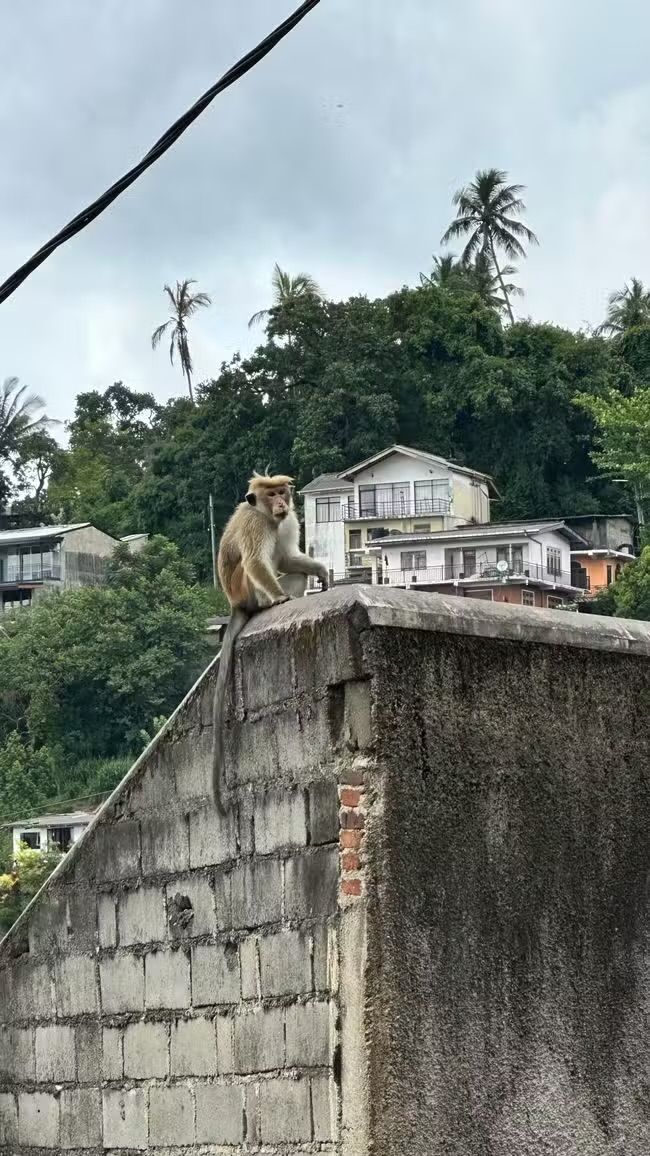
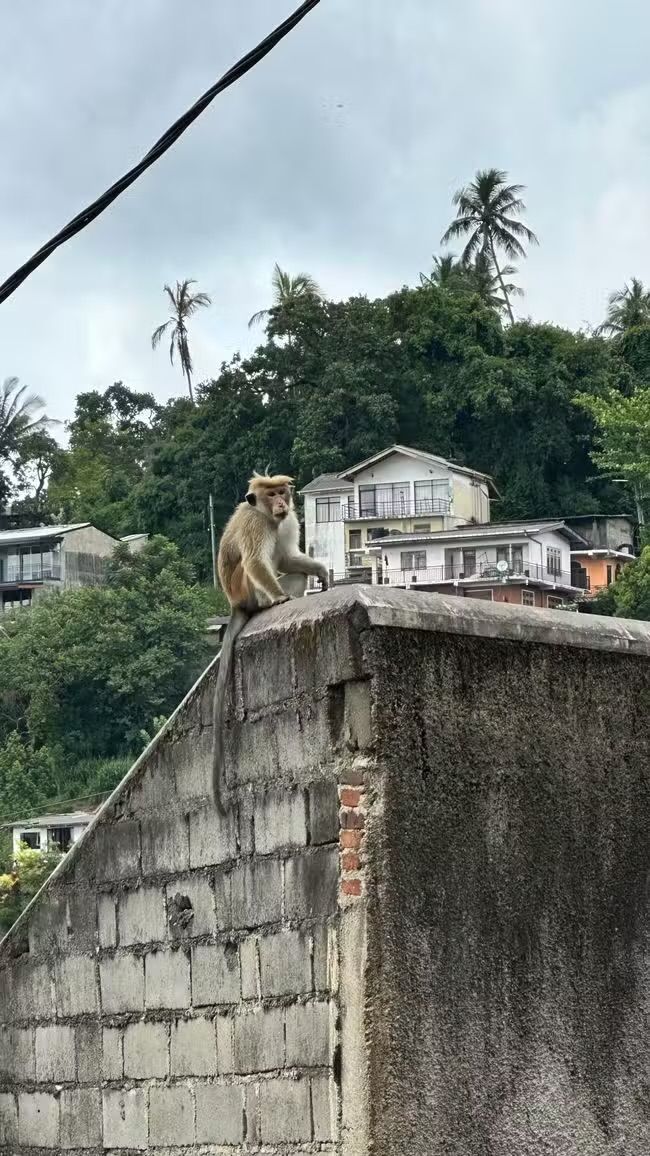
A few monkeys also crossed our path, but they didn’t seem all that interested.
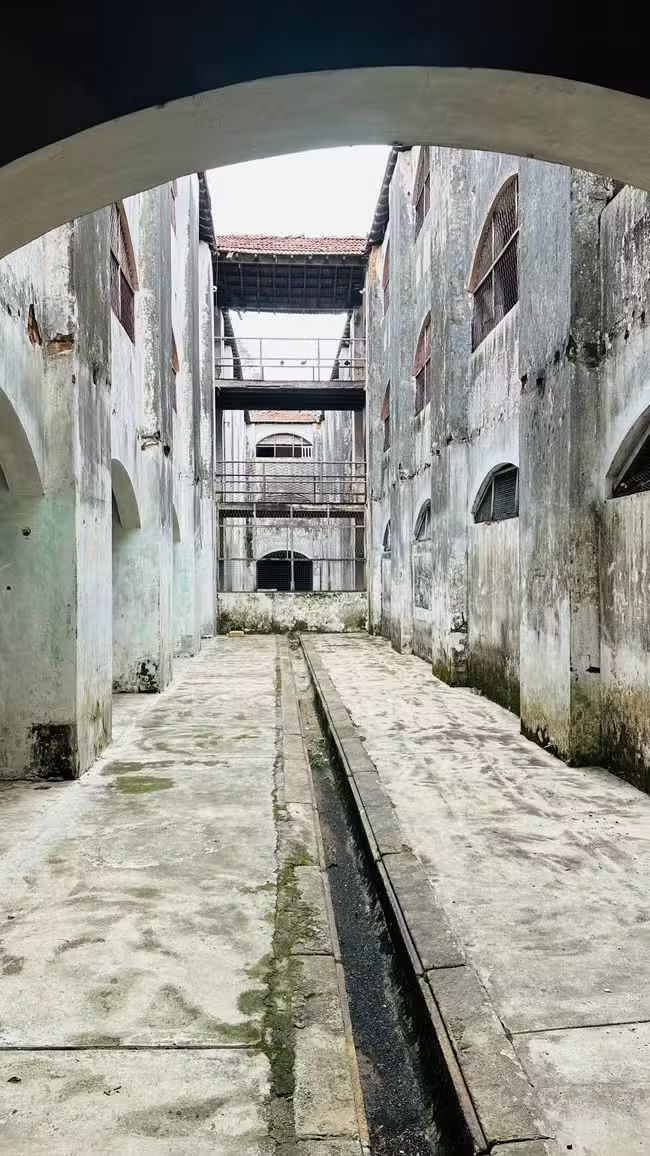
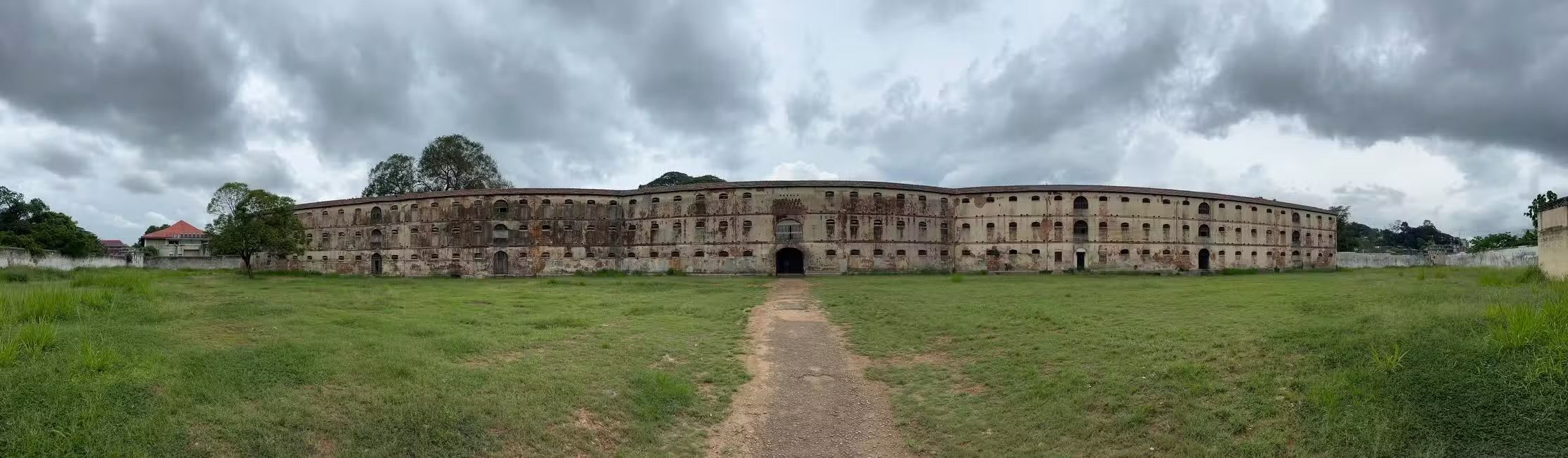
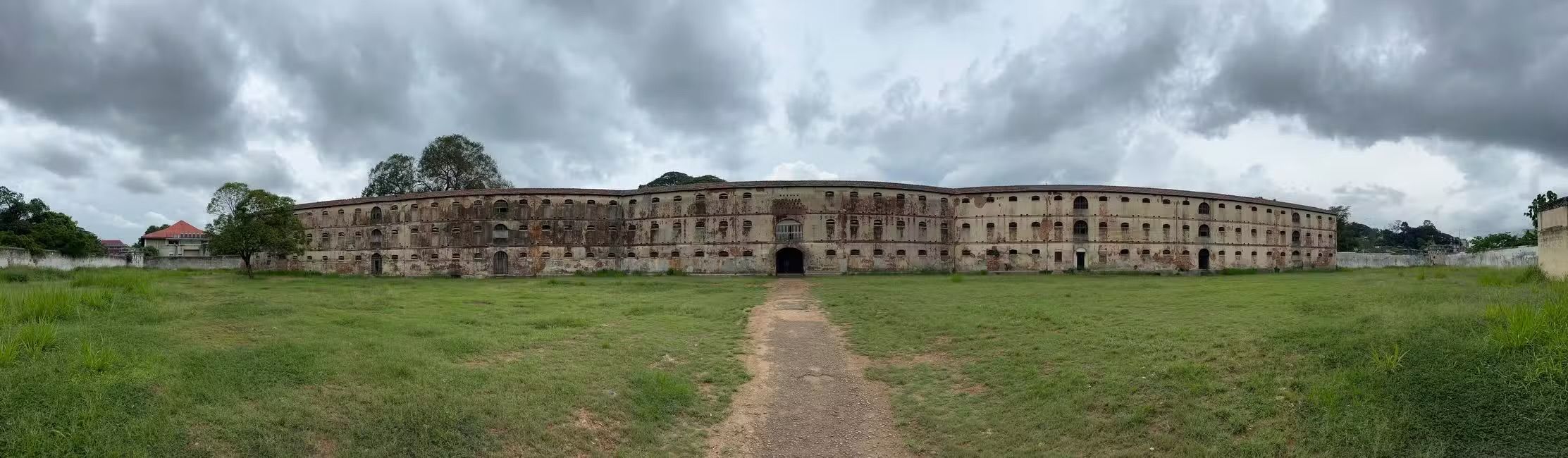
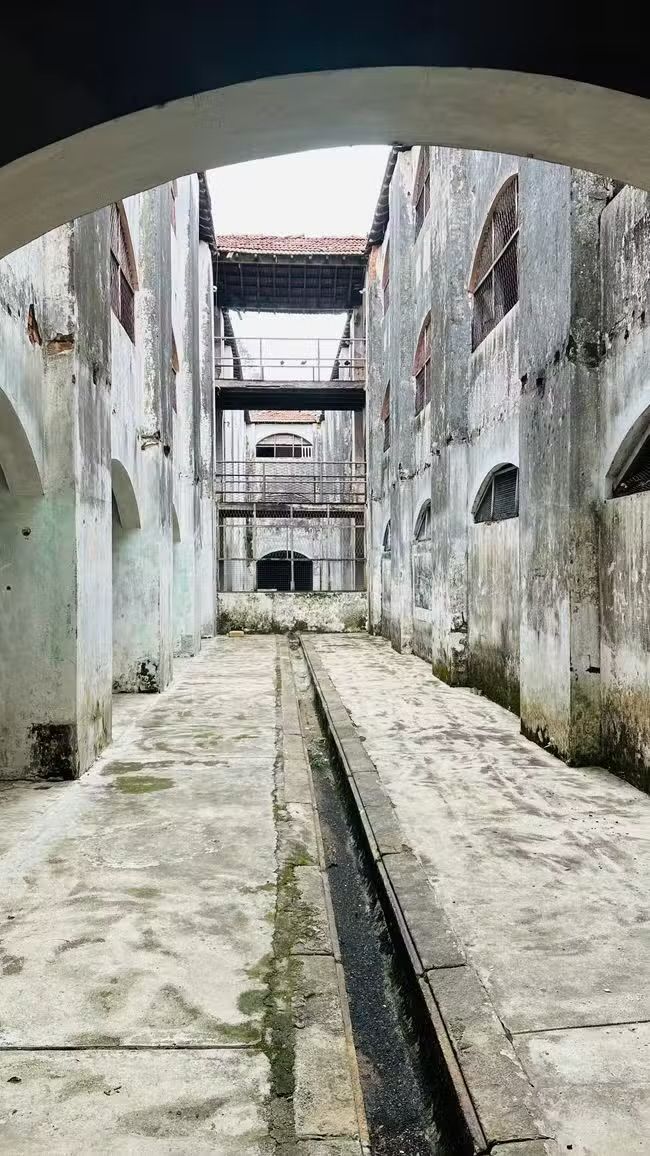
In town, we visited the old Bogambara Prison from the 19th century. Built in 1876, this British colonial prison wasn’t decommissioned until 2014. You can see the old, dilapidated cells and bathrooms there, along with a few paintings on the walls. Overall, there isn’t much to see, but you can easily imagine the conditions the inmates endured.
Next, we went to the market, where Simon bought a pair of long cloth pants for the temples. Otherwise, there’s all kinds of fresh fruit, vegetables, fish, and meat for sale there; though the fish stalls smelled really bad.
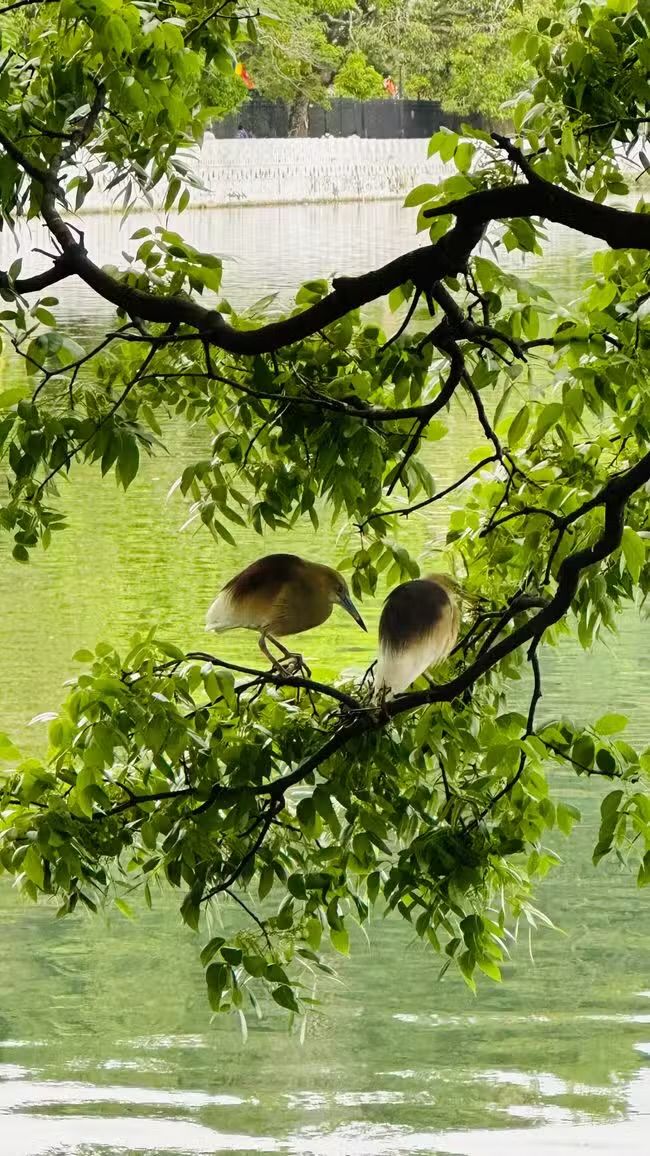
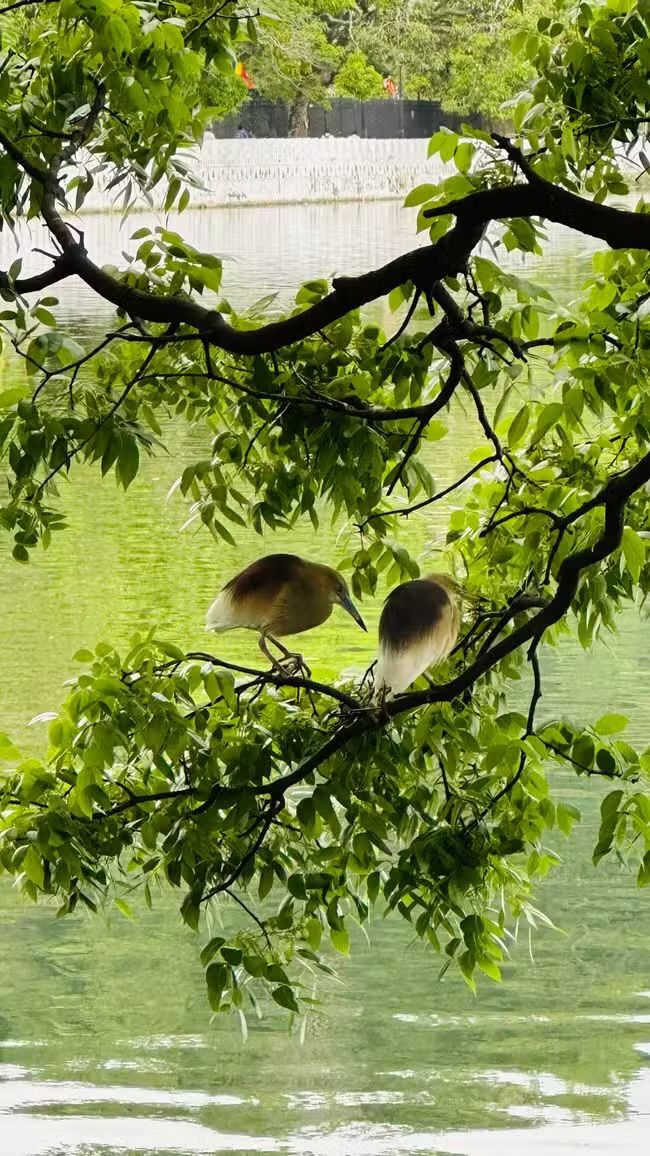
After that, we took a walk to the lake and watched the fish and seabirds there.
We then took a break at a mall and apparently ended up in the tourist zone, since the food cost twice as much as it did on our first evening at the food court.
The city itself is already quite crowded with people, and there’s a lot of traffic from buses, cars, tuk-tuks, and motorcycles. You can still cross the street somehow, though; if necessary, you can walk across with a local. Even when walking along the roadside, the vehicles keep a safe distance.
With taxi drivers, you have to haggle a bit or use "Pick Me" to avoid getting ripped off too badly. Prices here are sometimes a bit inflated. I’m totally fine with paying more than the locals, but it should stay within reason.
The way back was another bit of an adventure, through fields and between houses where no European would normally walk… admittedly, we’re often looked at with surprise and asked why we’re walking at all instead of taking a taxi. In the evening, the owner of our lodging couldn’t believe we’d walked. He said that in his forty years here, he’d only walked from the city back once, and that was enough for him.