
在科尔卡峡谷体验无尽的自由感
尽管消化系统依然不适,我们仍然忍受着7小时的无厕所、无空调、且道路弯曲的巴士旅程,终于抵达了Cabanaconde(3300米)。这个地方位于下科尔卡峡谷的边缘,适合徒步旅行者尽情享受大自然。可怜的是,由于Cabanaconde位于高处,所有的道路一开始都是长长的下坡,这意味着最后还得再爬上去。经过了两天伴随着胃痉挛和美味的阿尔巴卡肉的休息后,我们开始了为期...
已发布: 21.10.2018




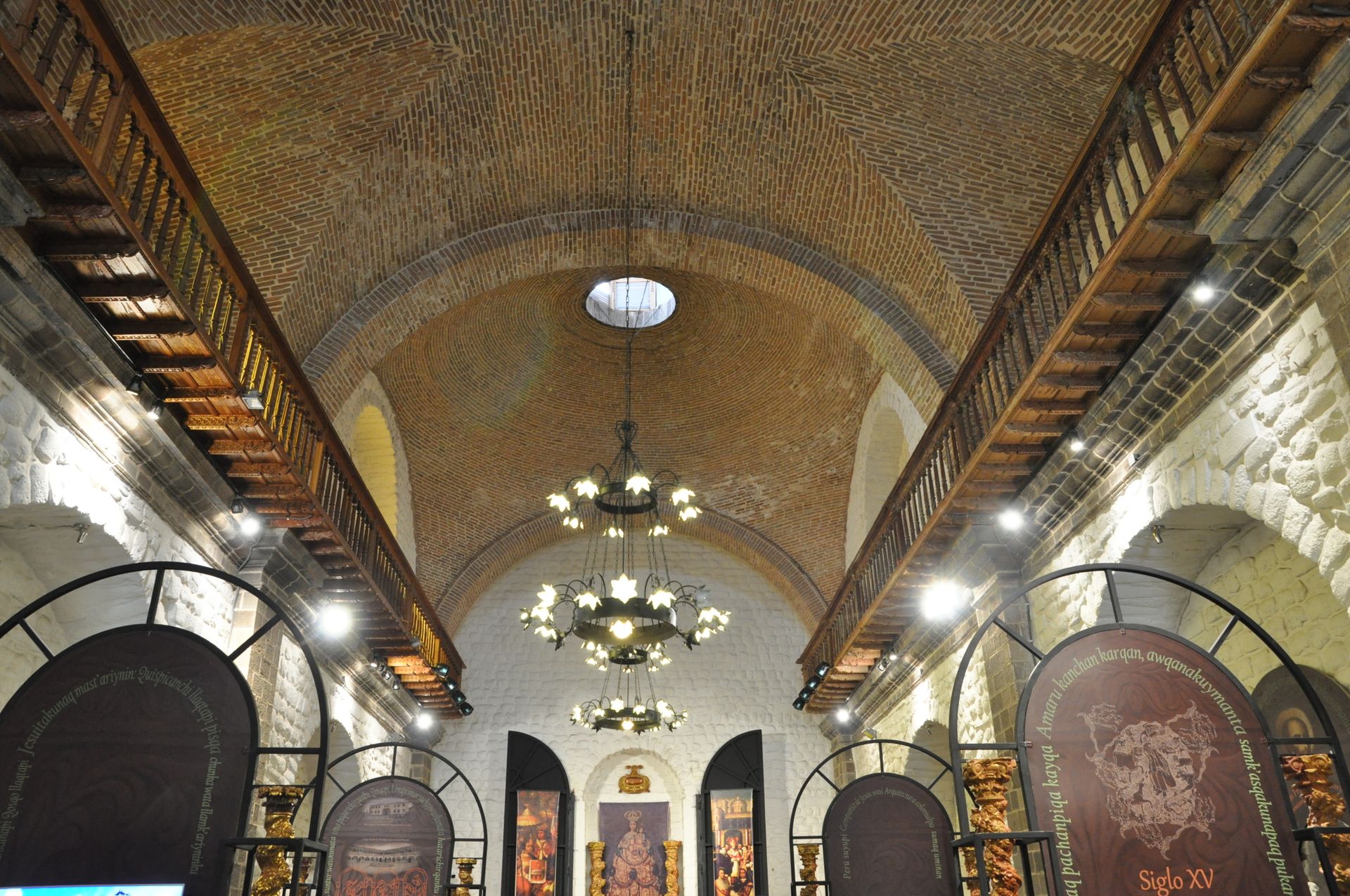
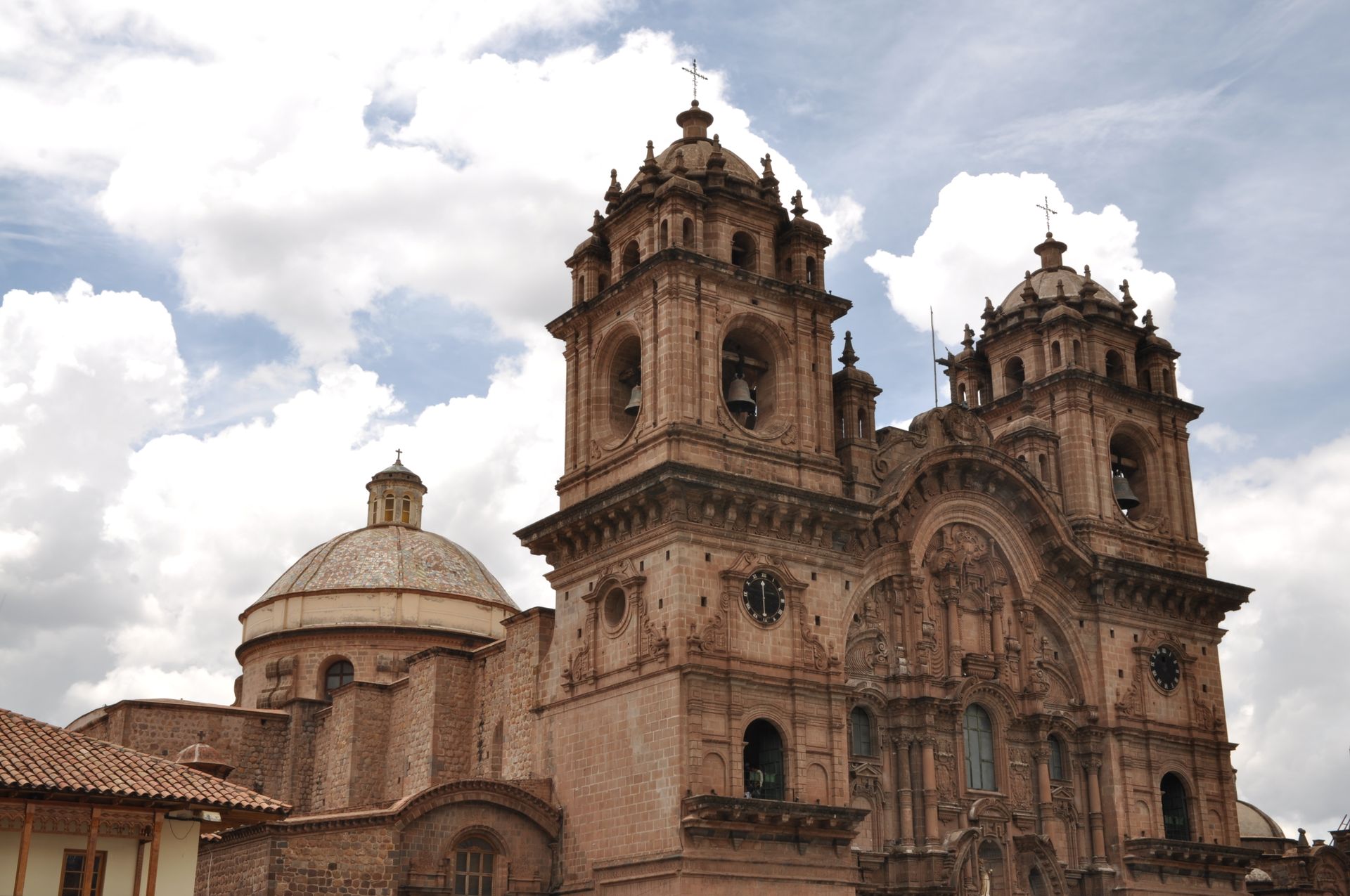
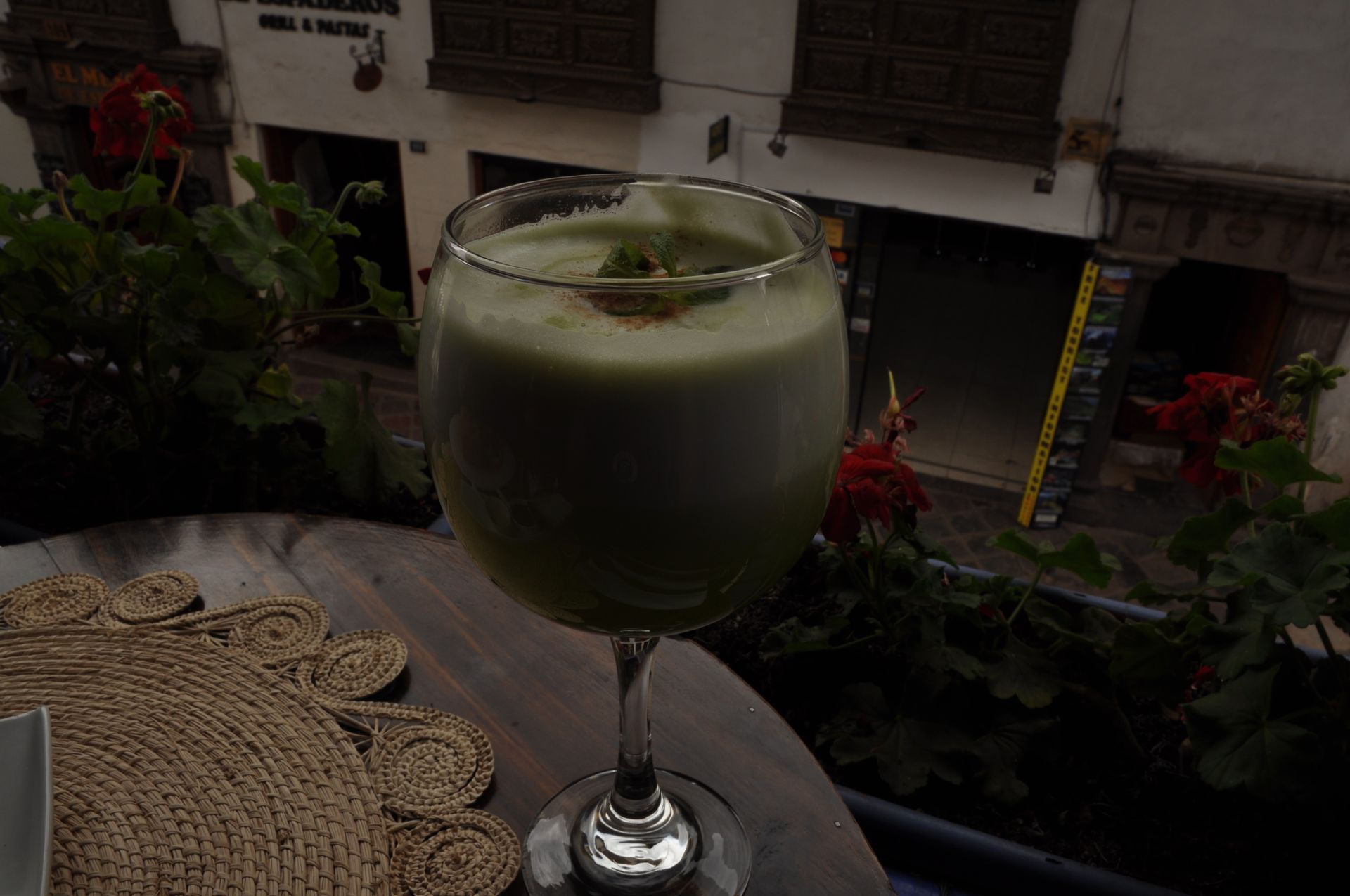


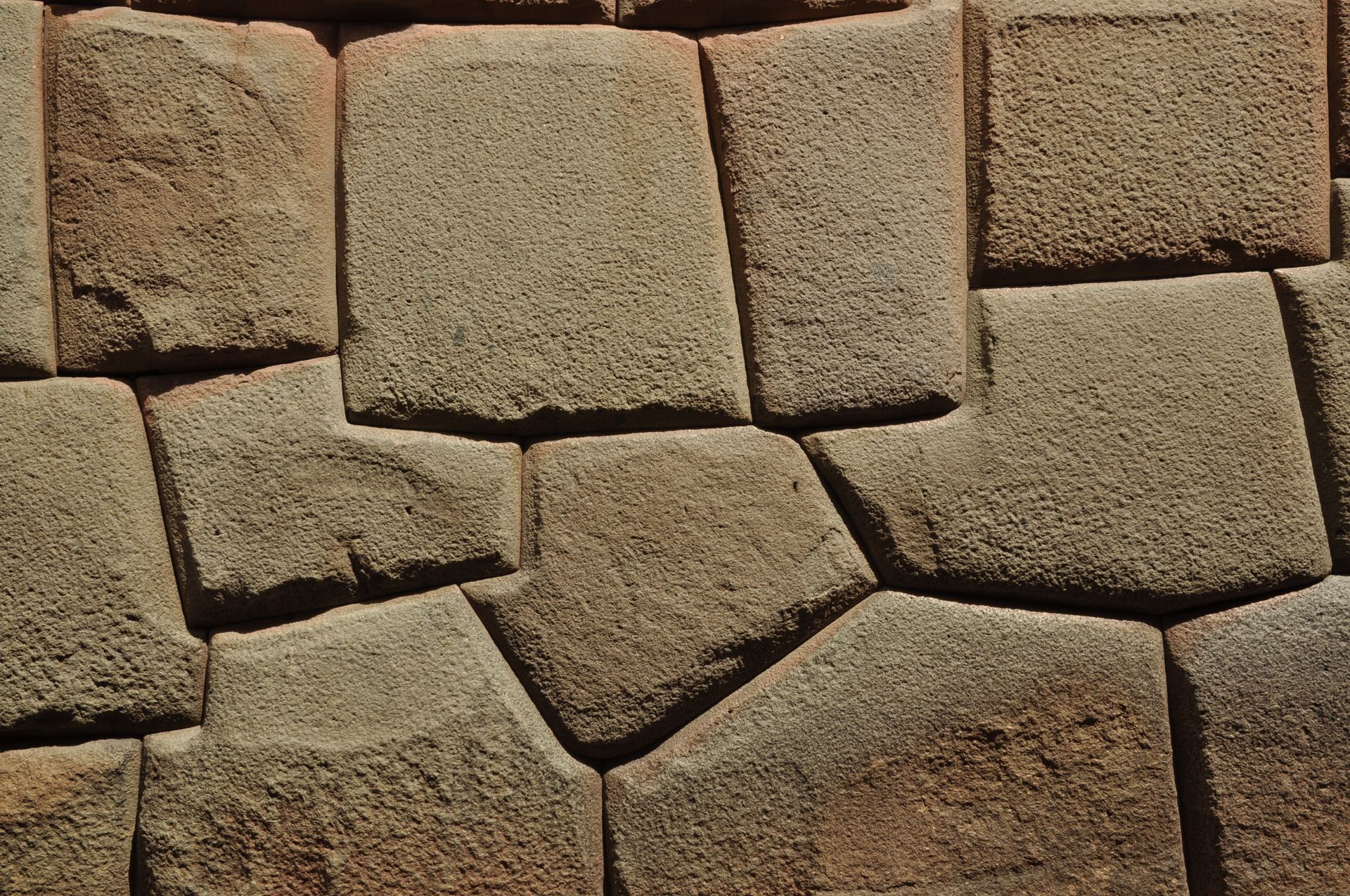


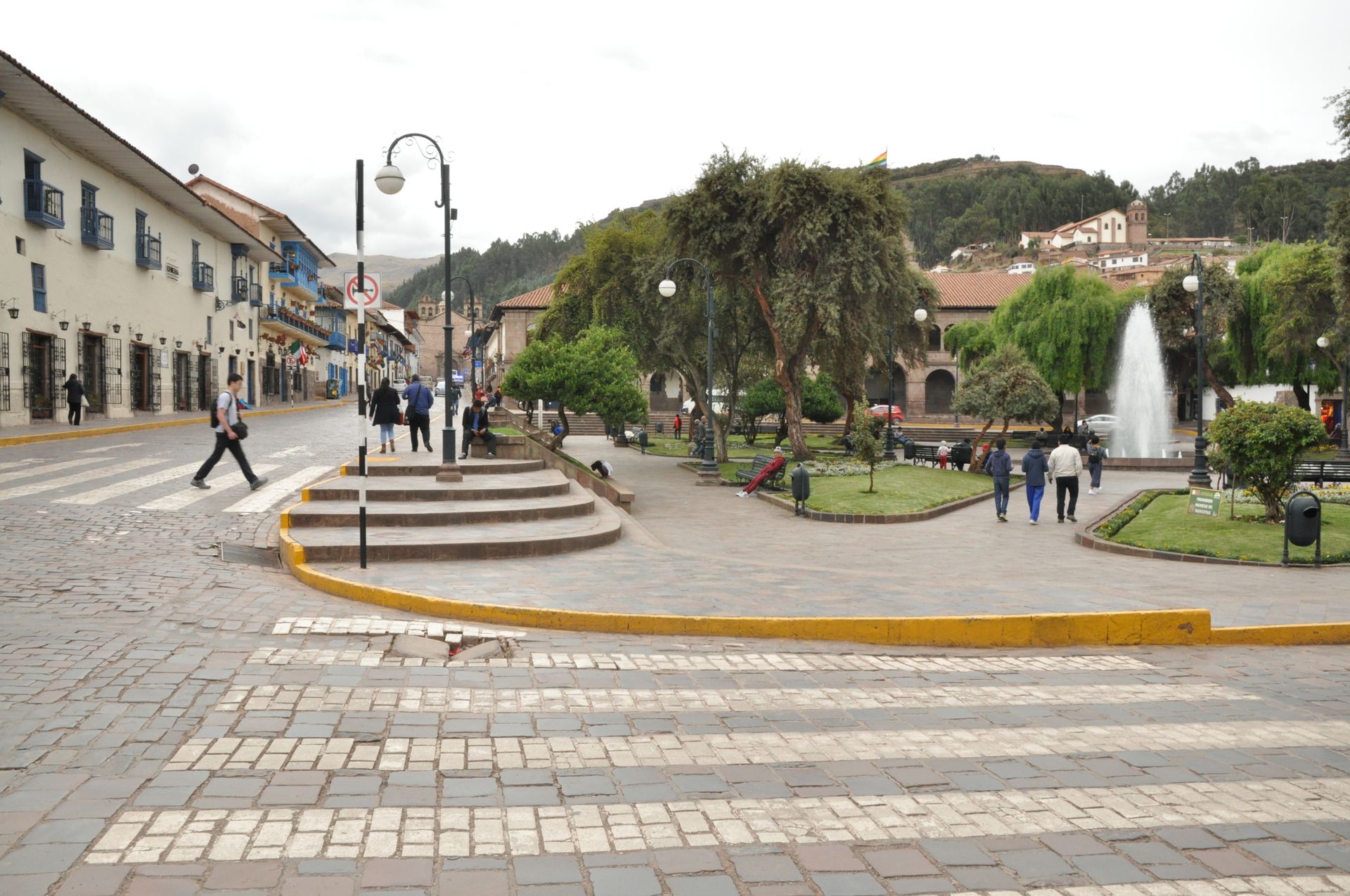


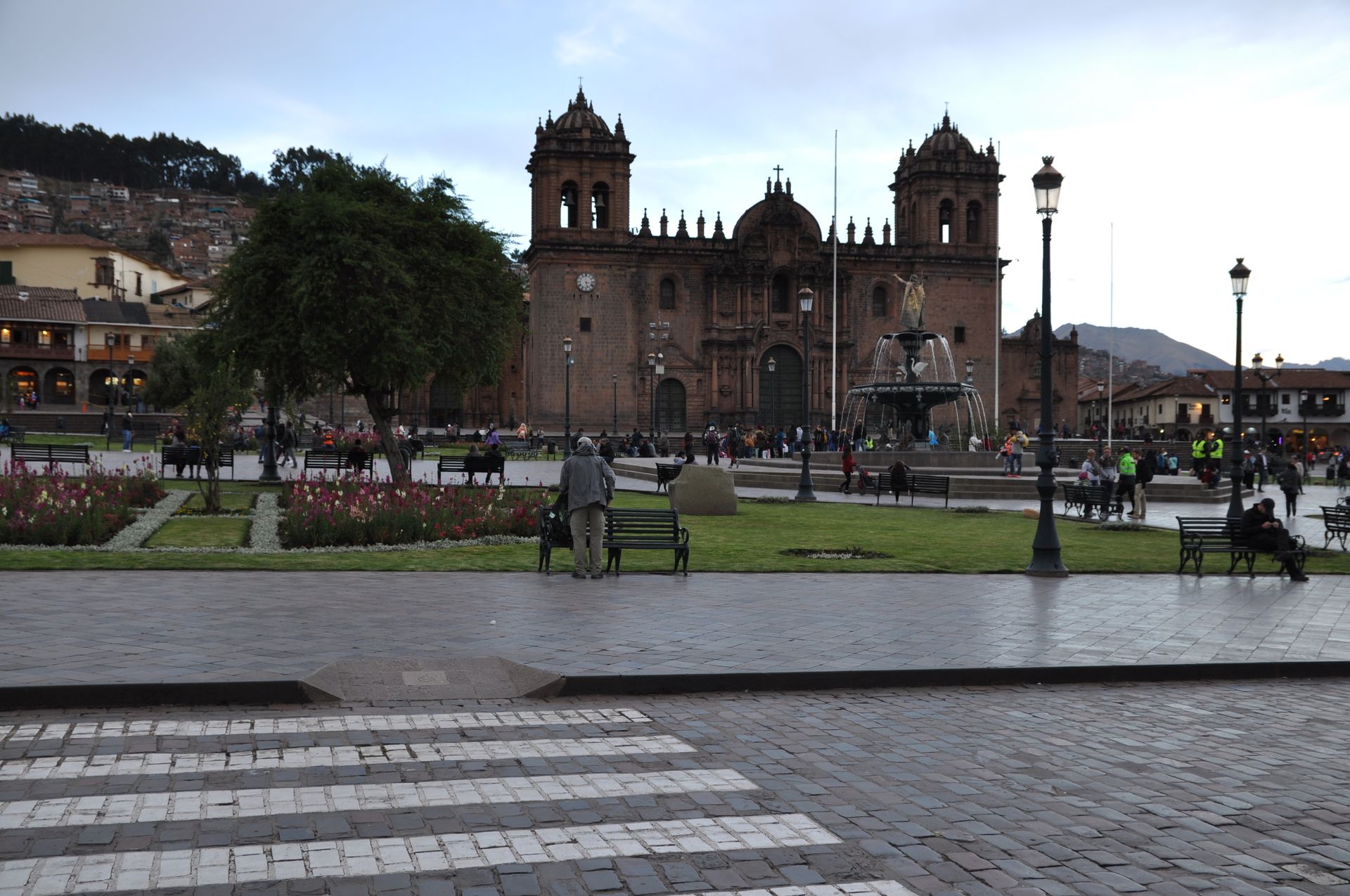


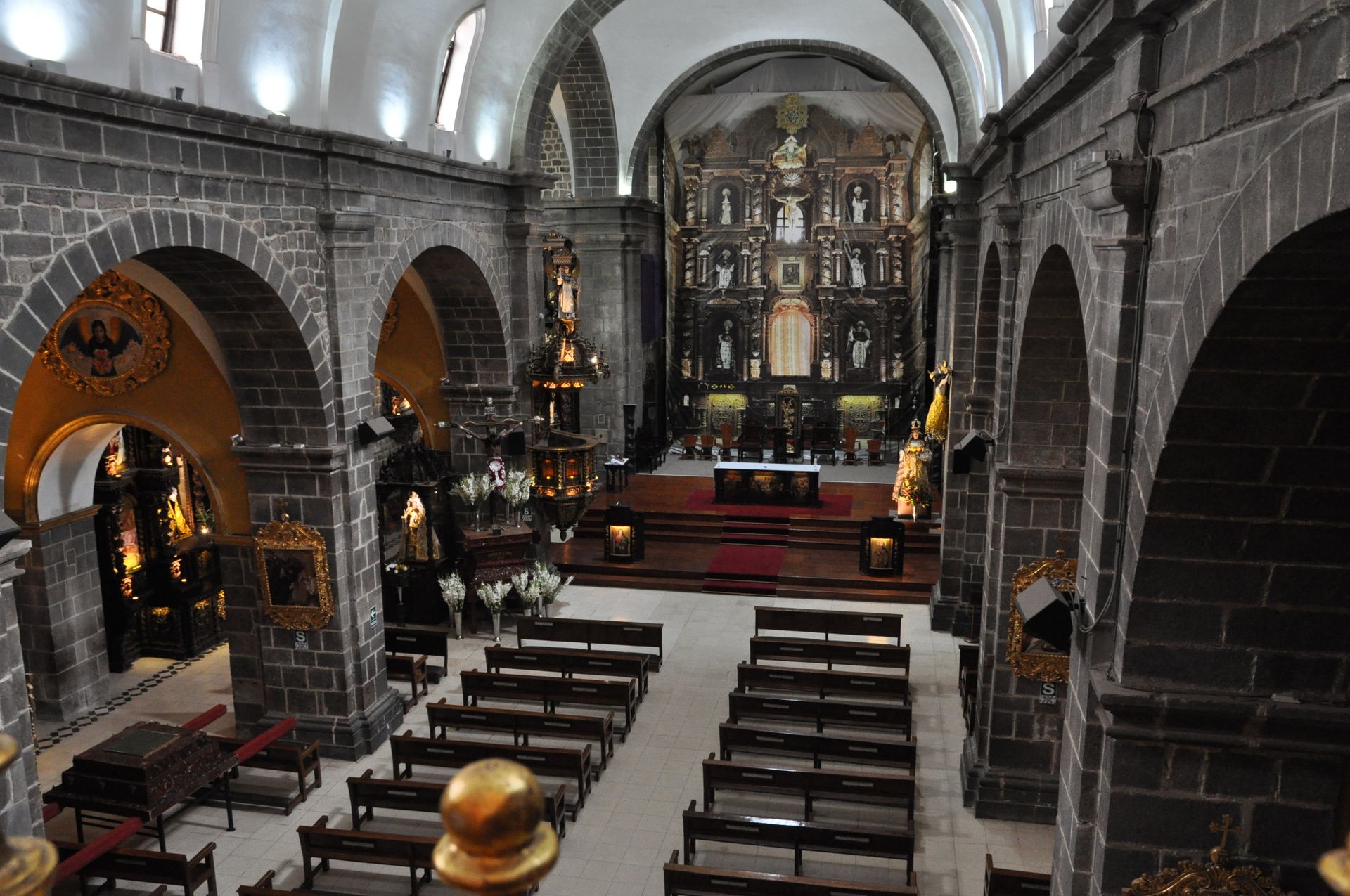


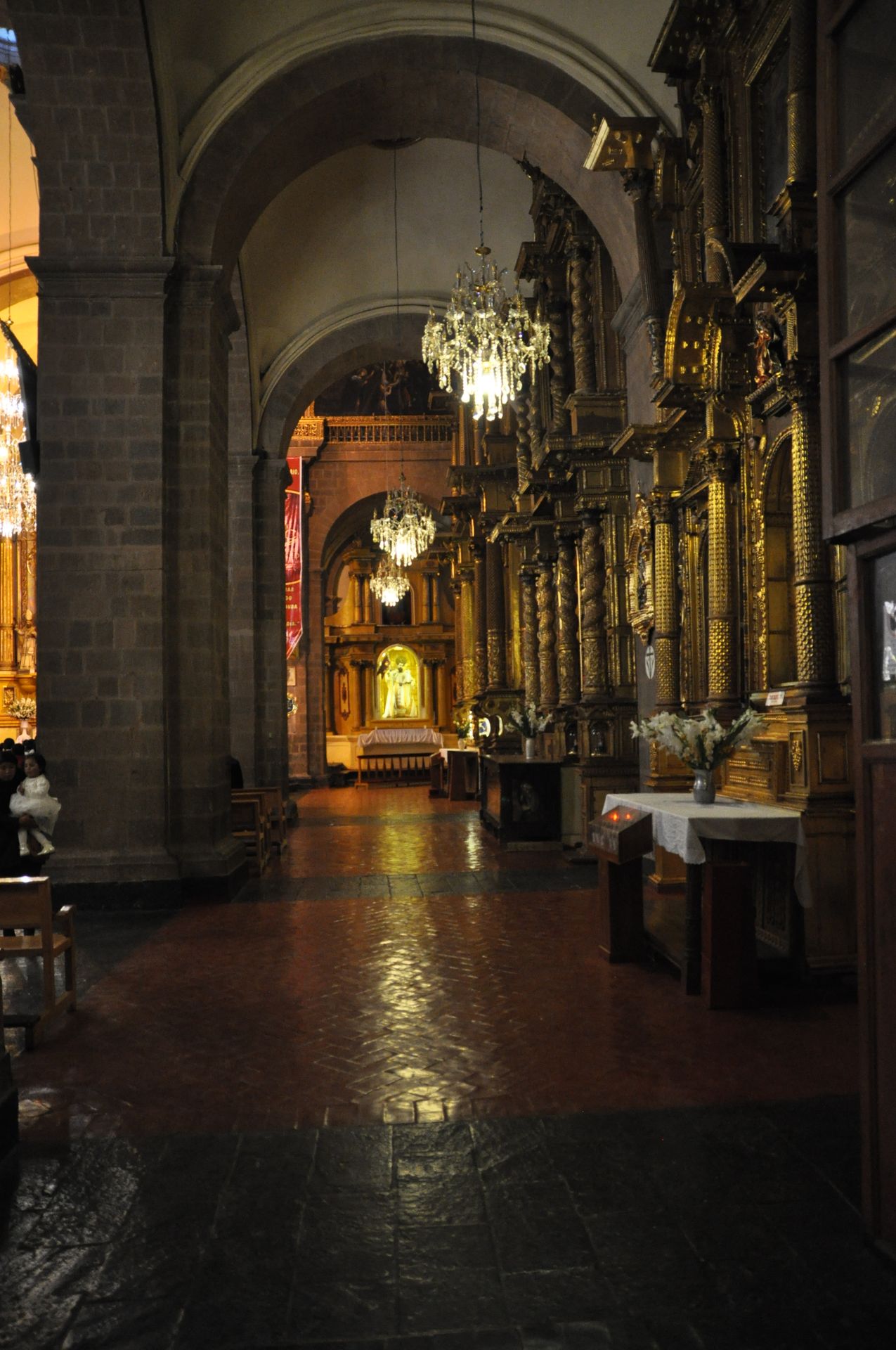








All of this is available in Cusco. There are also beautiful pictures of the former, so it's worth it!!
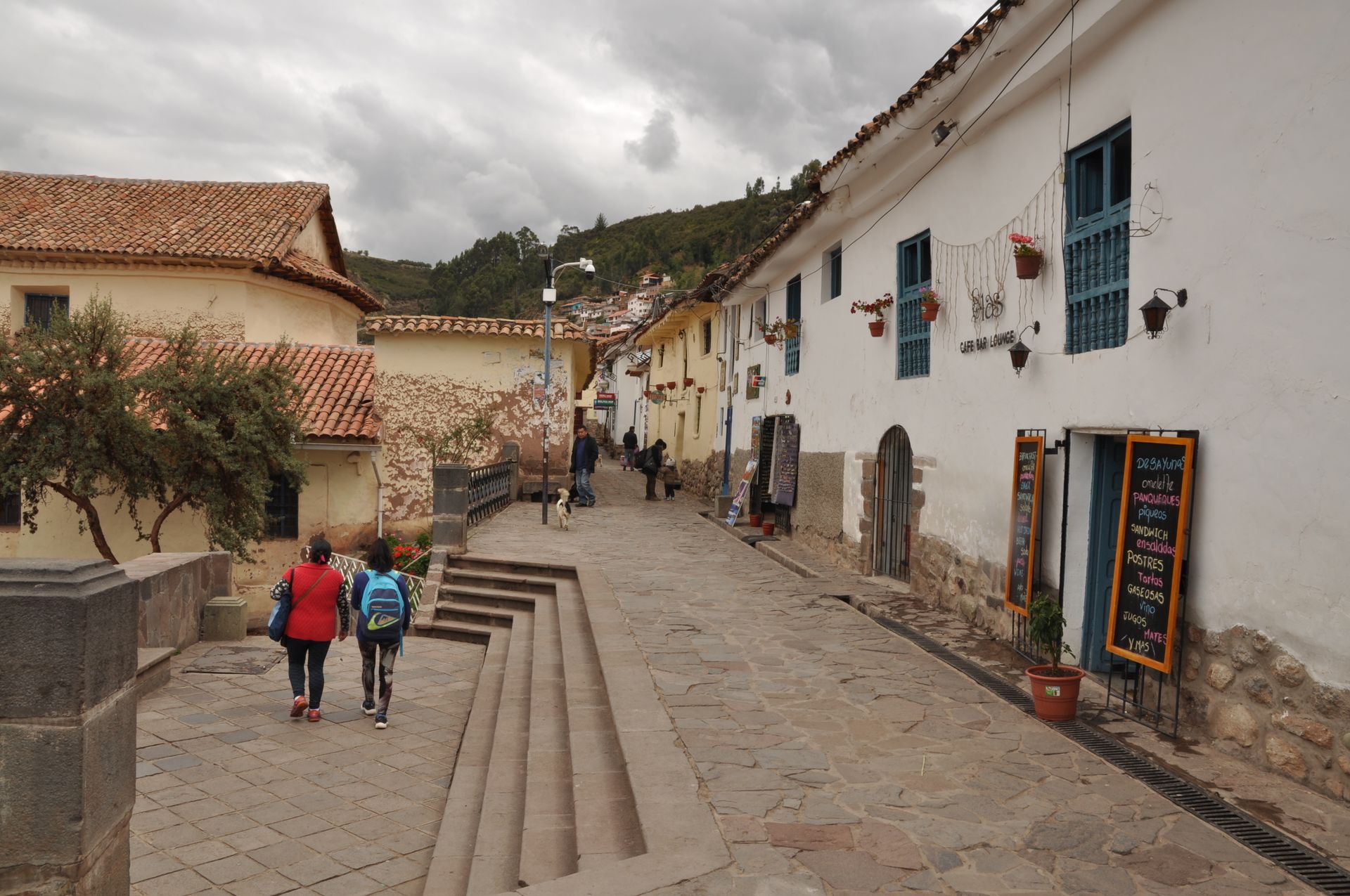
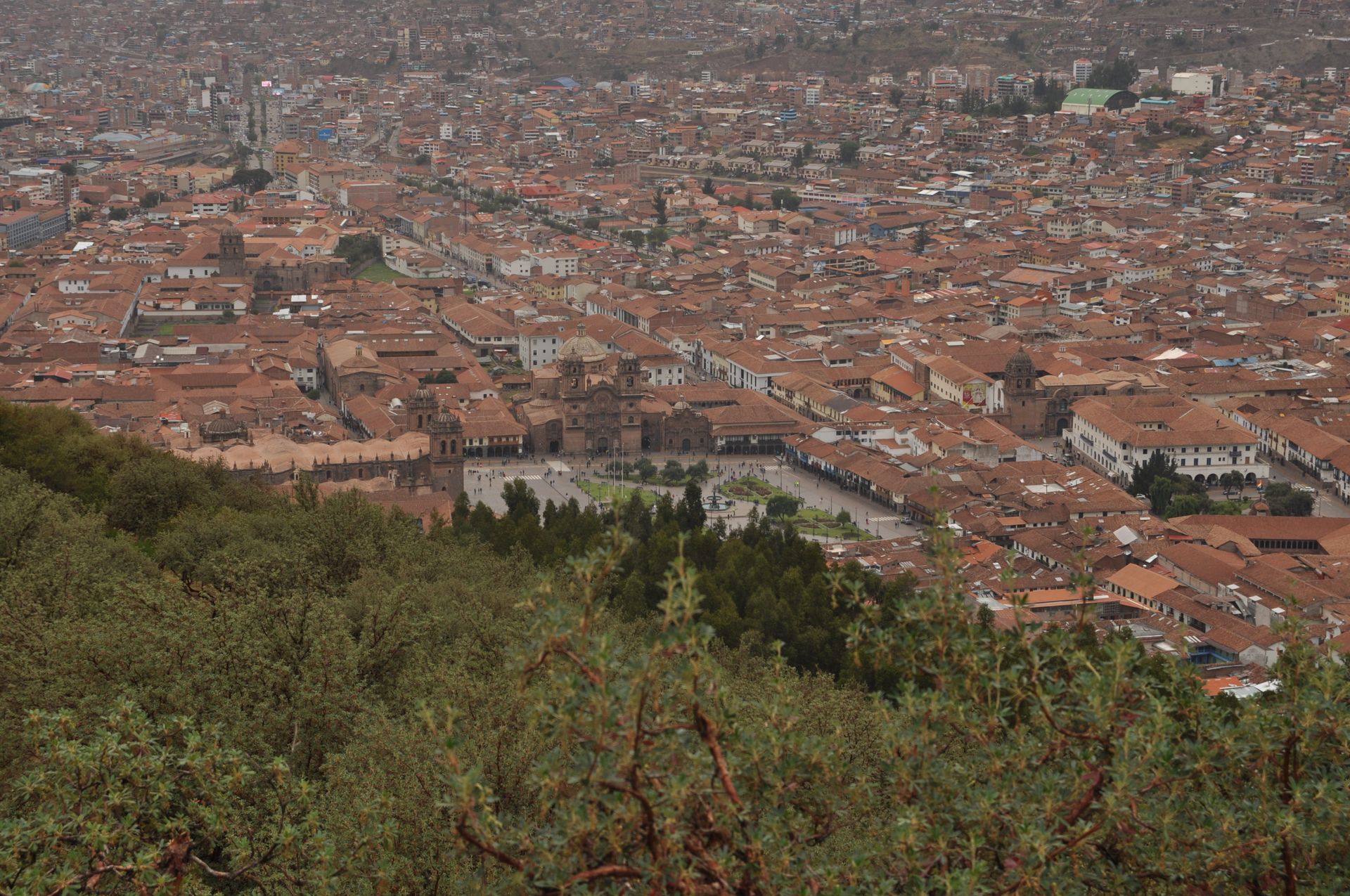
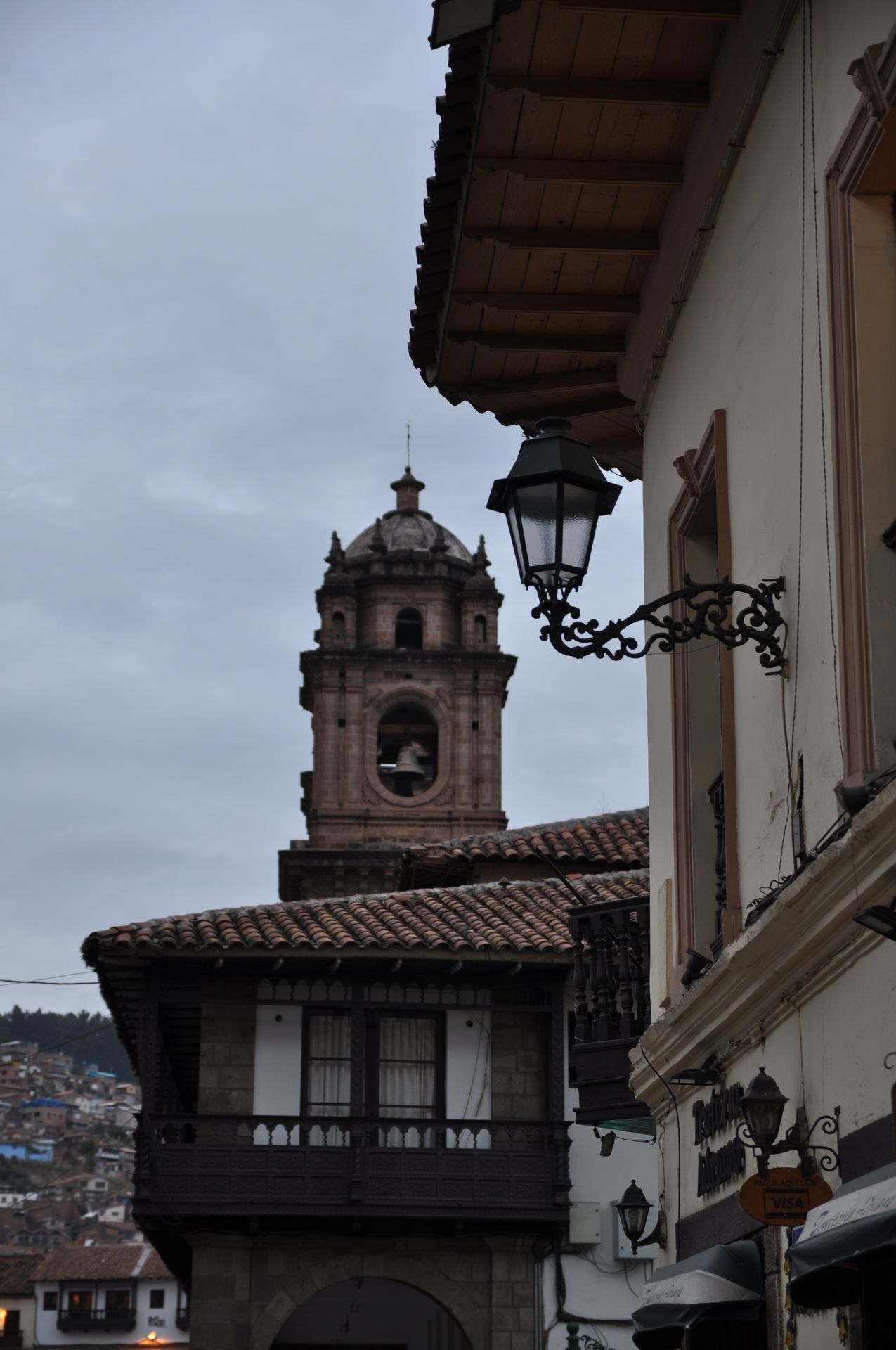
The cultural capital of the Americas is located at an altitude of about 3400m and is truly beautiful. Narrow alleys, numerous churches, and beautiful squares characterize the colonial cityscape. The entire city center is a UNESCO World Heritage site, and rightly so! It's no wonder that there are a lot of tourists here. But unfortunately, the Spaniards also destroyed a lot. Not only did they plunder the temples of the Incas and their treasures, but they also built their cathedrals on their foundations. Not nice. They used the stones for the construction of the churches, and the stones of the Incas really deserve special attention.
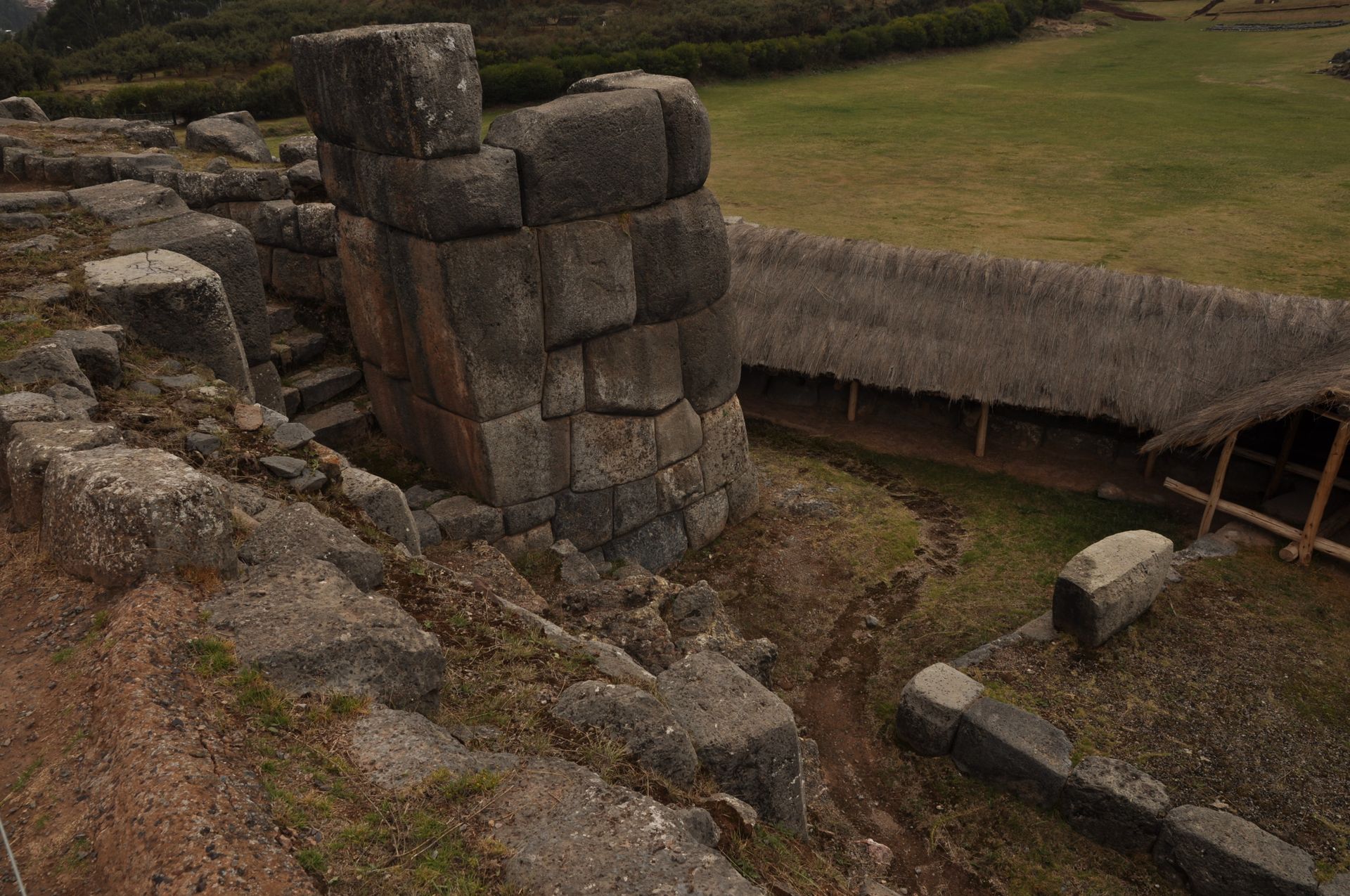
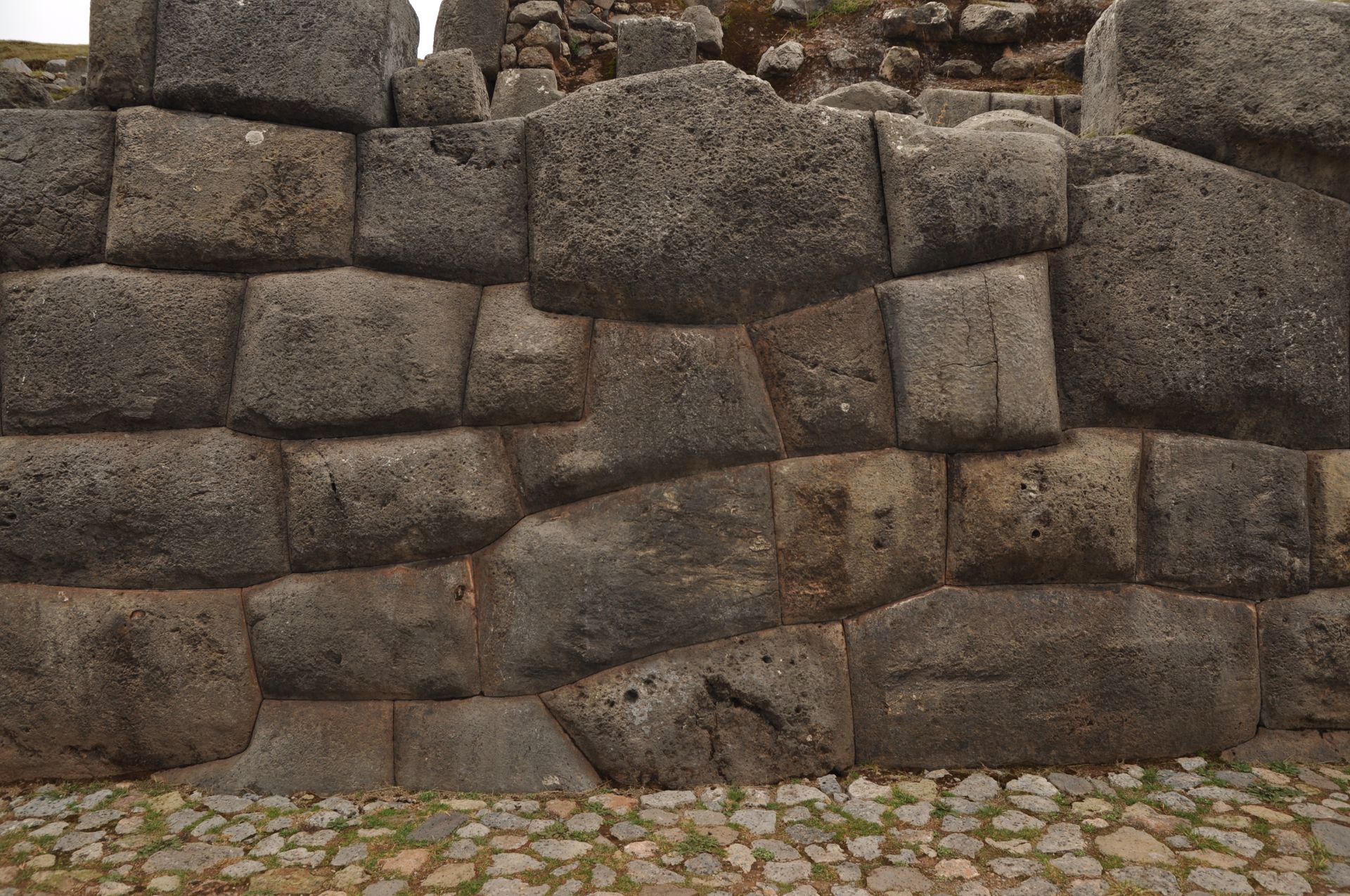
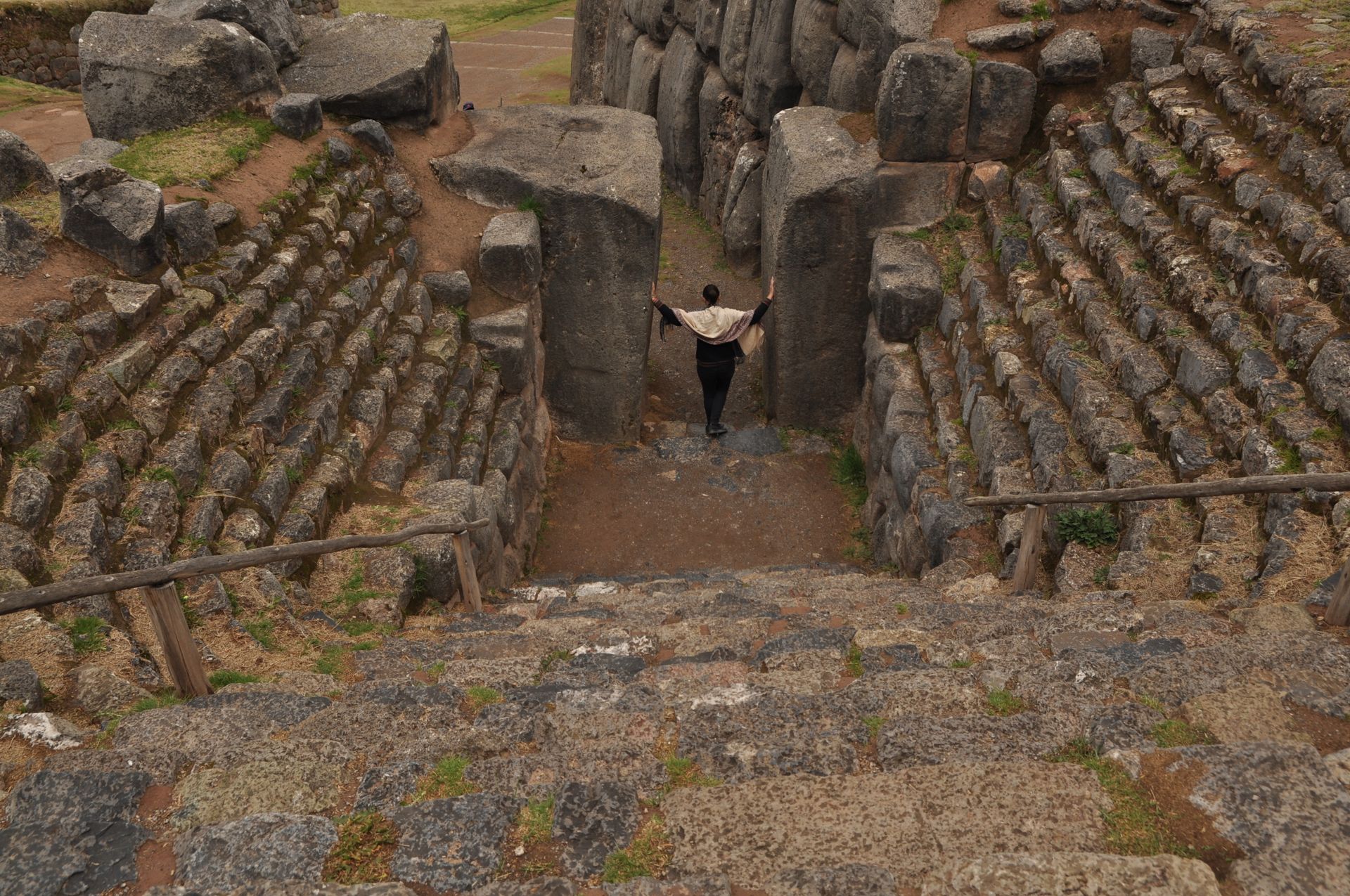
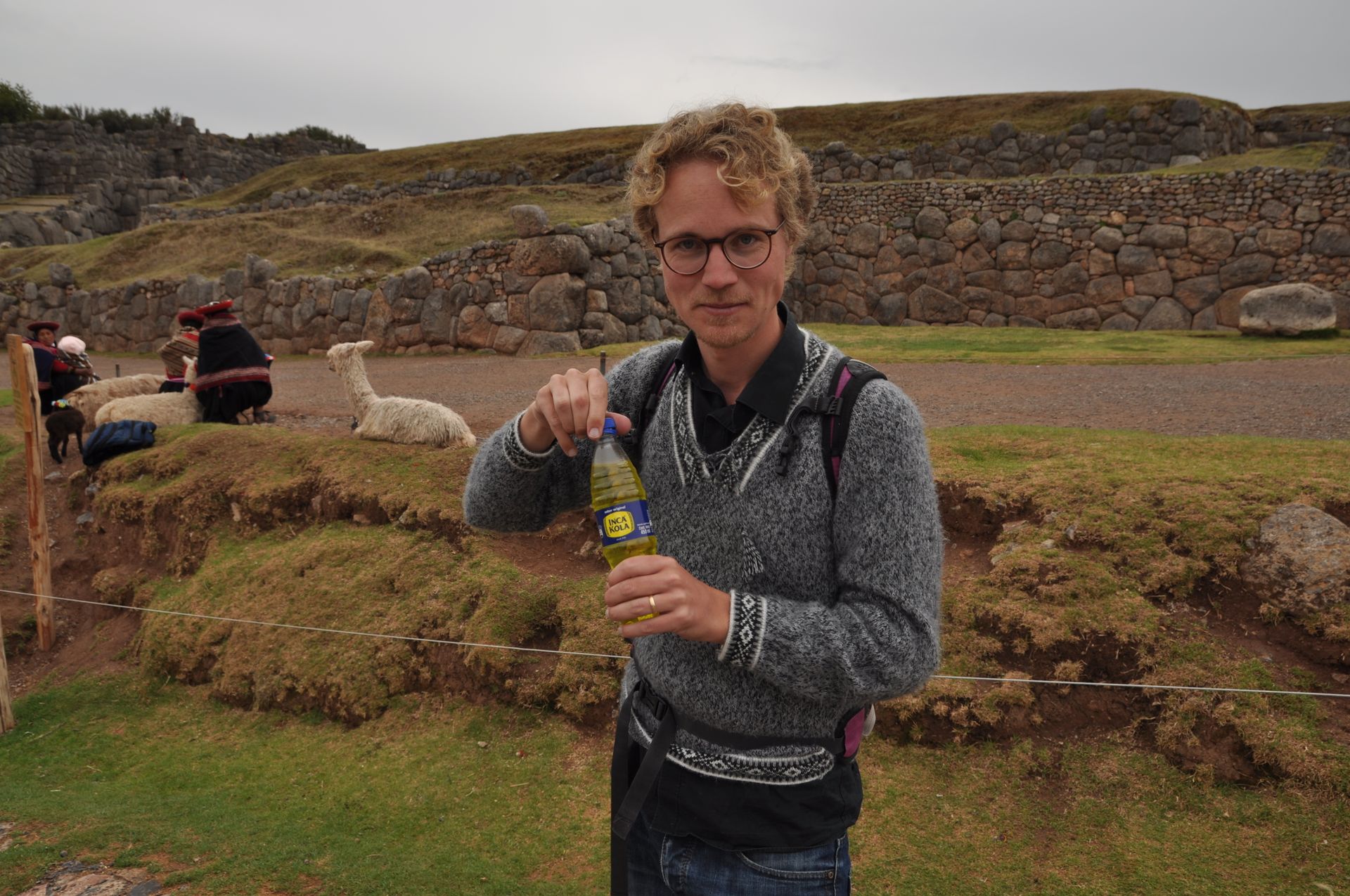
You can see this especially at Quorikancha. This was the main temple in the capital of the pre-Columbian empire. Parts of the masonry were integrated into the baroque Santo Domingo monastery. There you can admire the extremely precise construction work of the Incas, which, unlike many colonial buildings, withstood 500 years of seismic activity without losing their beauty and perfection. This is even more impressive at sexy woman (Sacsayhuamán), a zigzag-shaped sacred site above the city, which represents the head of the alleged puma outline of classical Cusco.
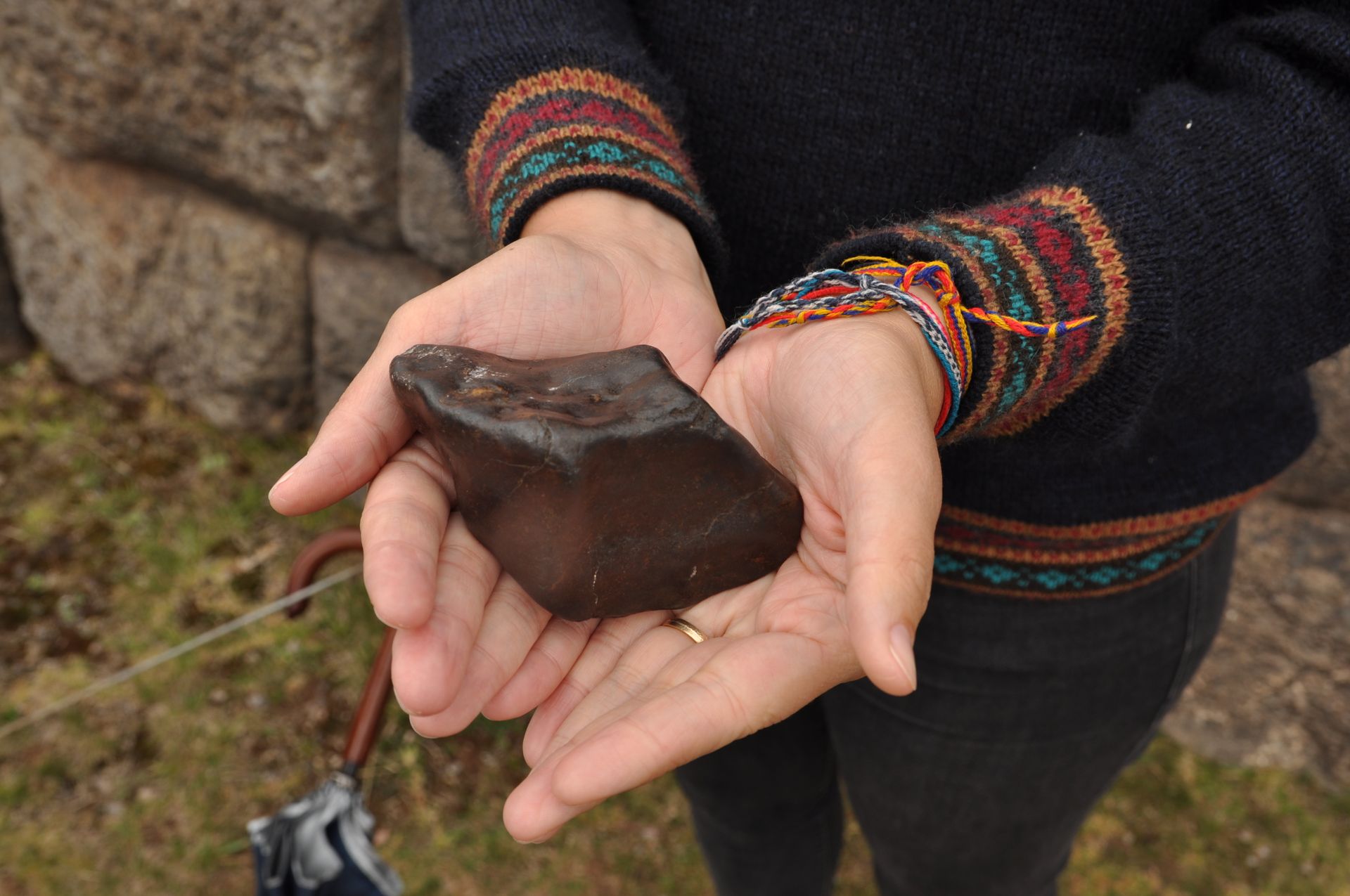
The gigantic stones of the terraced complex were individually processed by hand using meteorite rock, as the Incas had no iron or steel. It's incredible how much work is involved. A larger stone took about 2 months to process. The stones fit together seamlessly and are so interlocked that they cannot be moved during earthquakes. No 2 stones are the same, which requires an incredibly complex planning and calculation. They were transported from the nearby quarry with tree trunks, processed, and moved with a lever. The thickest piece weighs a whopping 300 tons.
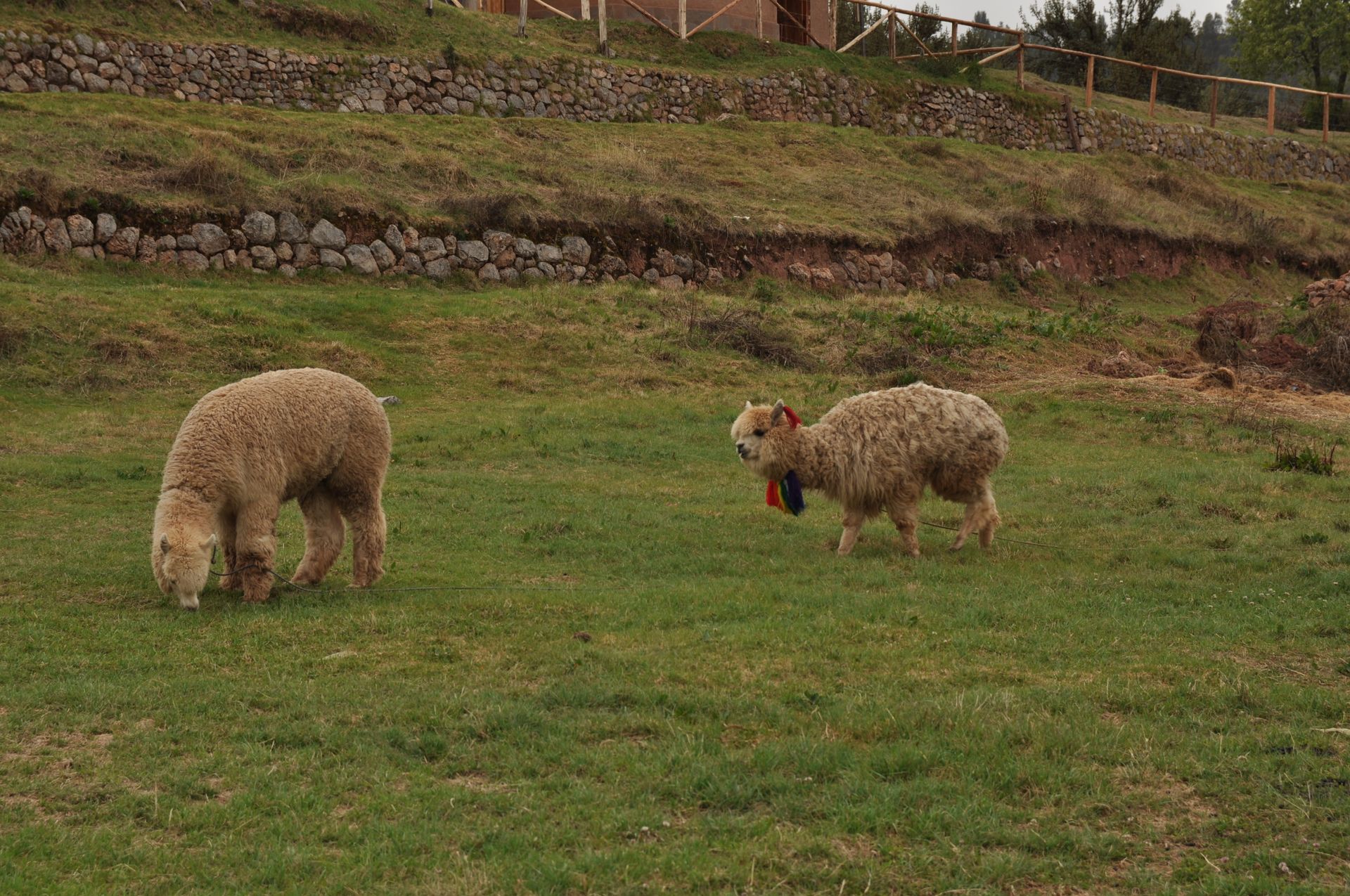
Otherwise, you can eat excellently here in Cusco, especially alpaca. You can also see the animals in living form in the city, so that tourists can photograph them for a small fee.
Oh, by the way, we visited practically all the churches that the city center has to offer. #breakingthelaw was unfortunately difficult this time, as the church deploys a lot of security personnel whose sole task is to prevent illegal photography by tourists. Apart from that, the city is more than worth seeing. Finally, not just squares!