

从旺阿雷到派希亚 - 花园、战场与亨德特瓦瑟(新西兰第9部分)
在旺阿雷过夜后,我们早上前往“采石场花园”,这是从昨天的圣诞晚餐获得的建议。 在一个废弃的采石场里,建造了一个葱郁的花园,设有一个湖泊和瀑布,今天仍然由许多志愿者维护。 一些早期工业的废墟被整合到花园设计中,园中生长着本地和热带植物。 ...
已发布: 27.12.2018
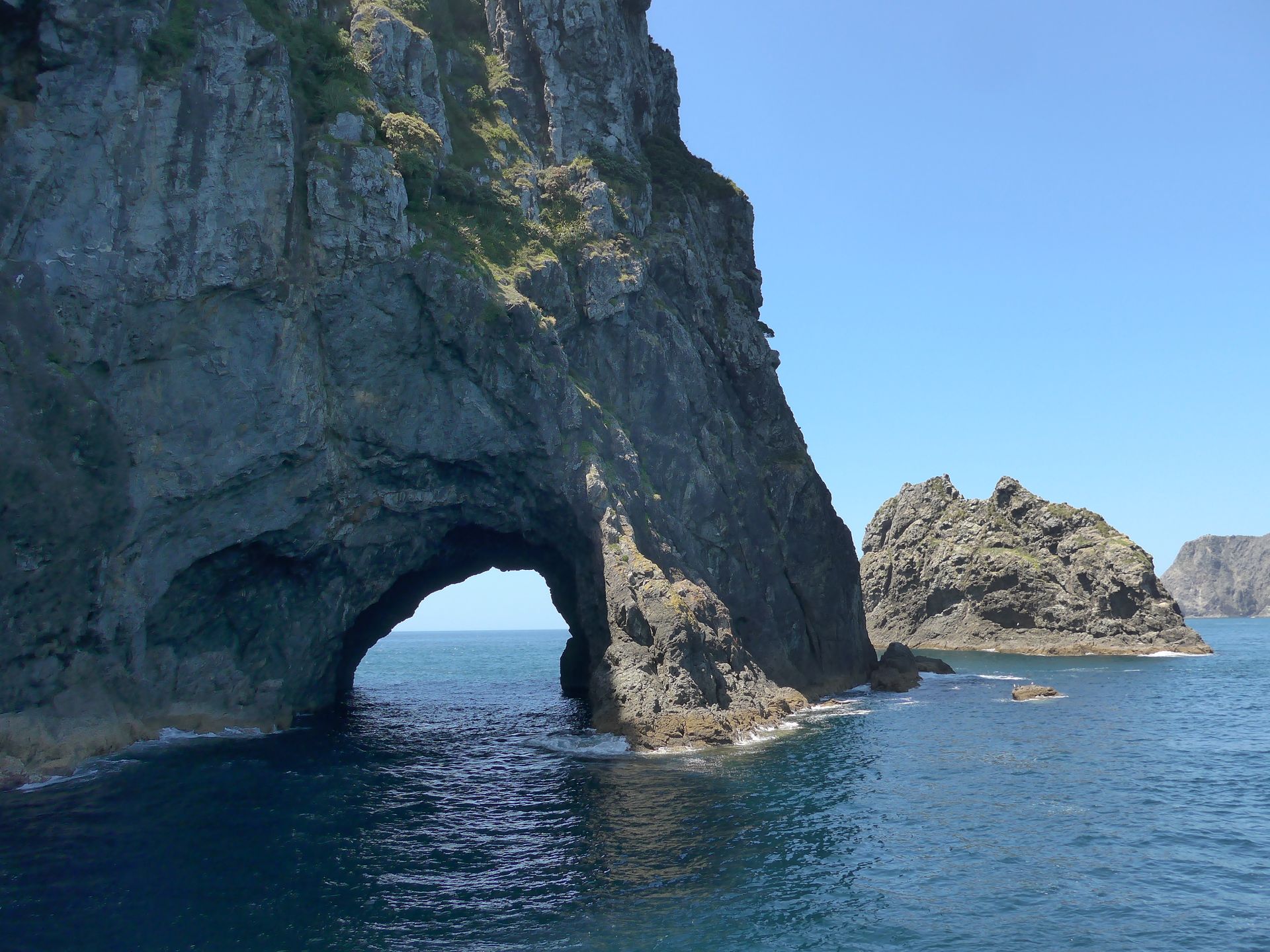
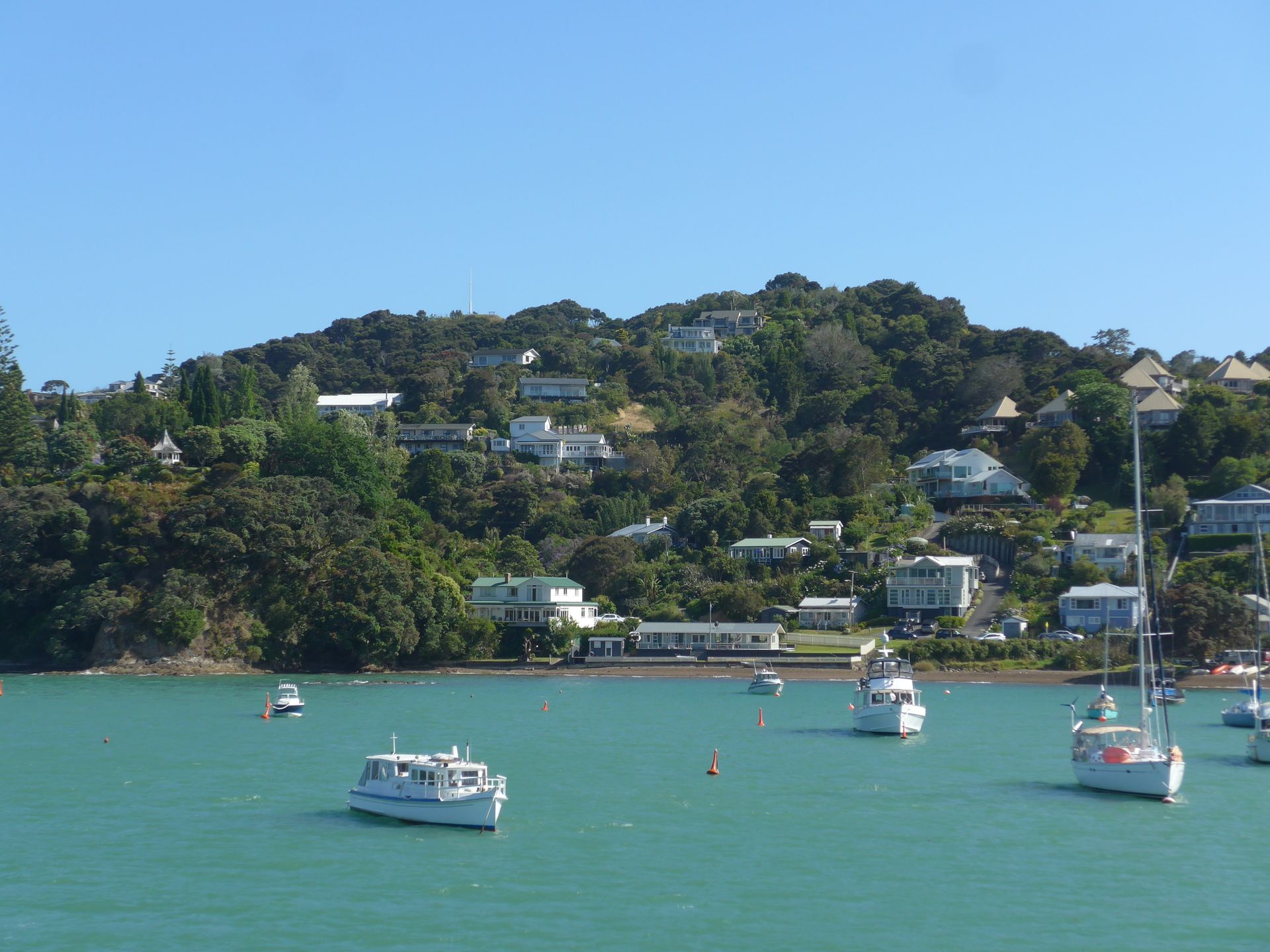


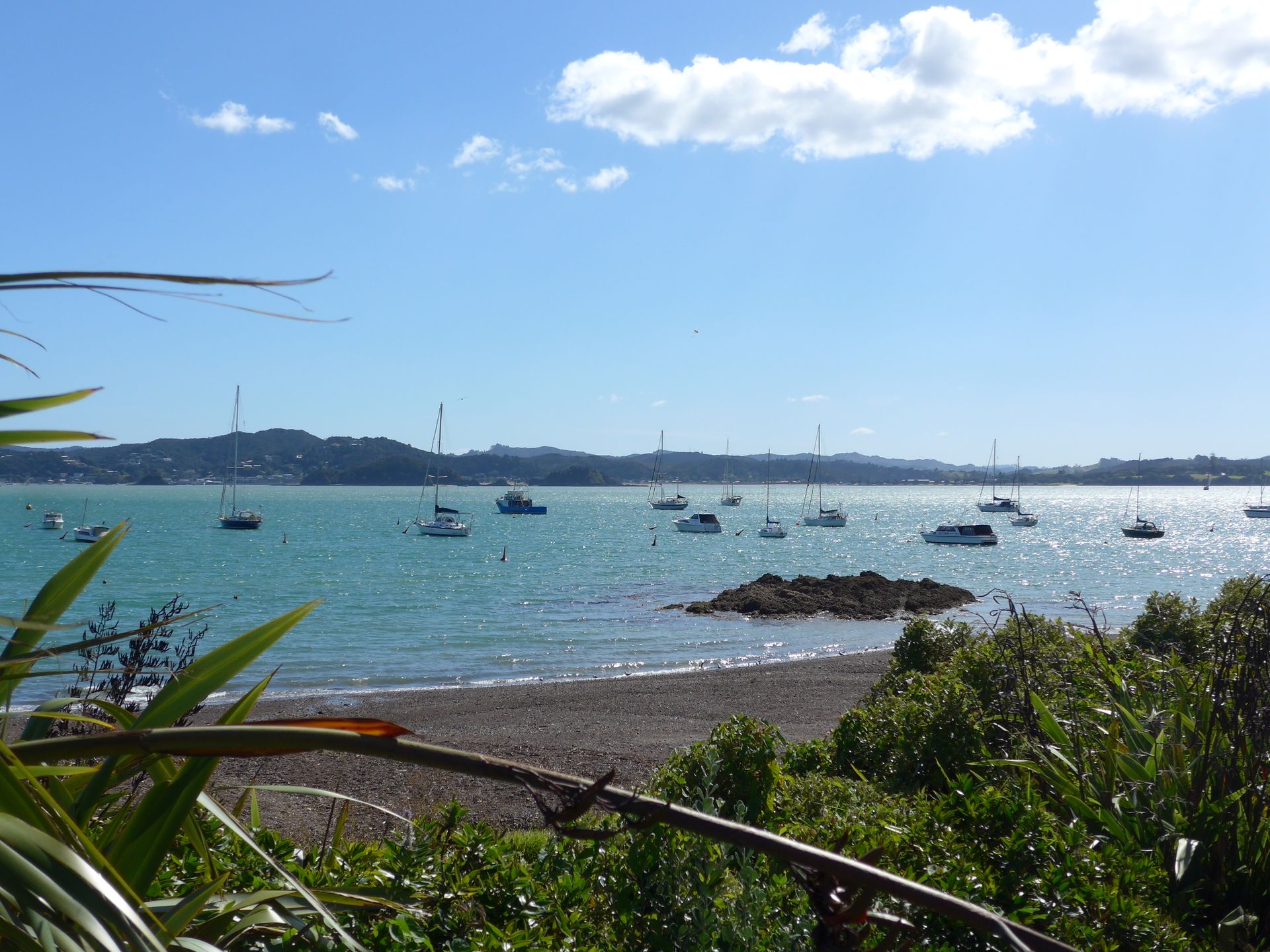
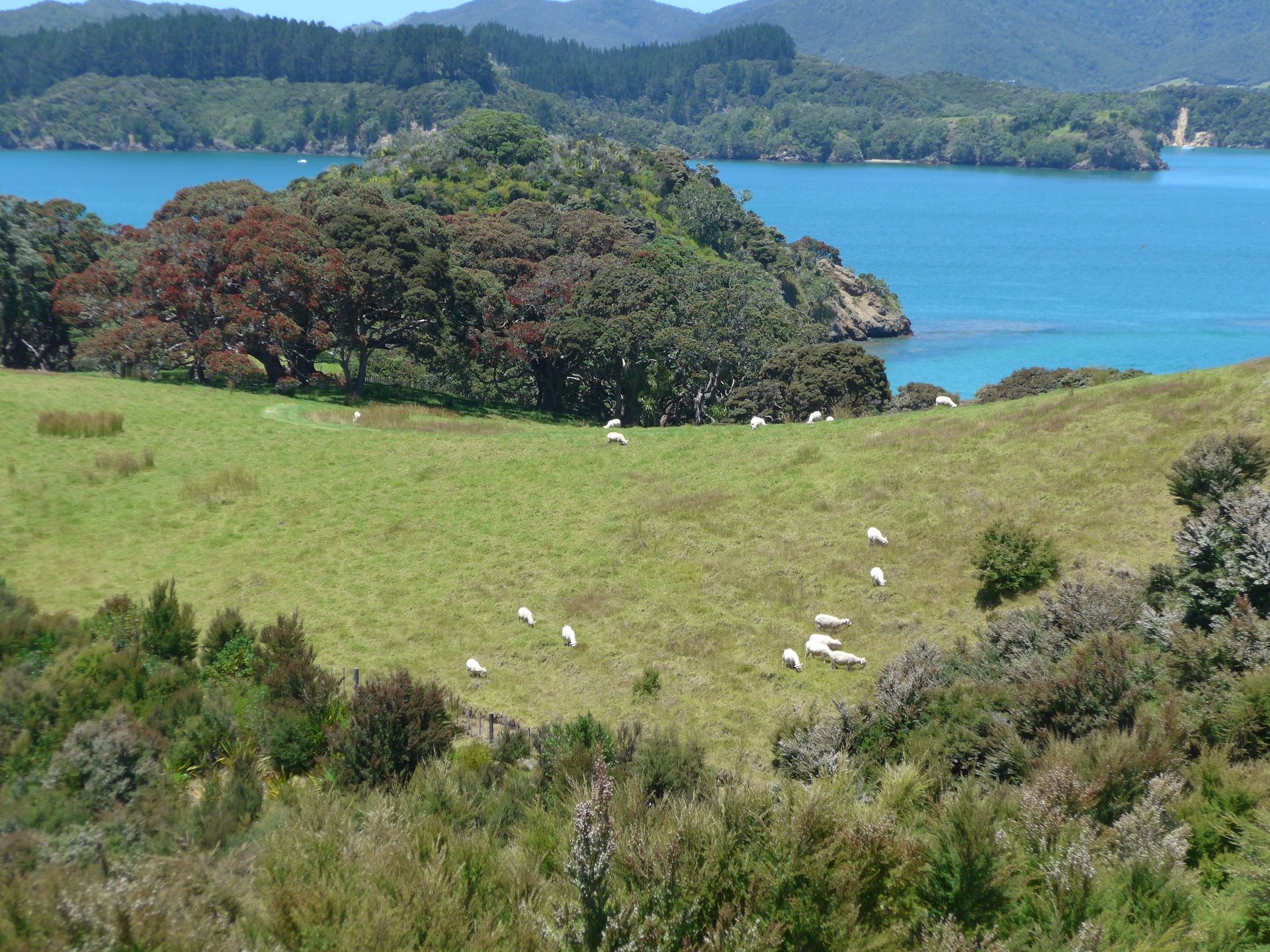
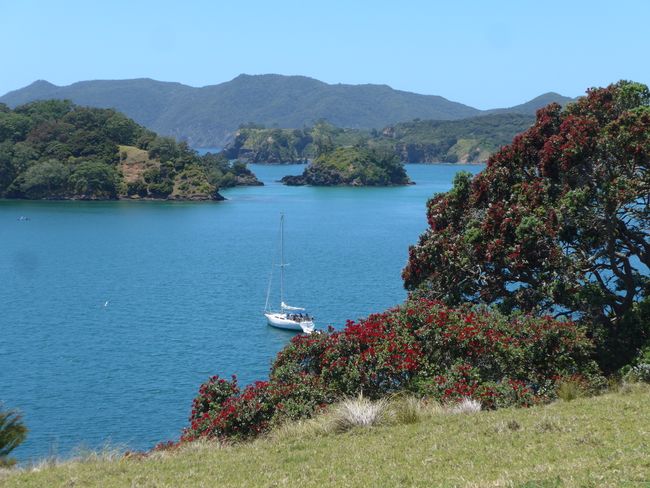
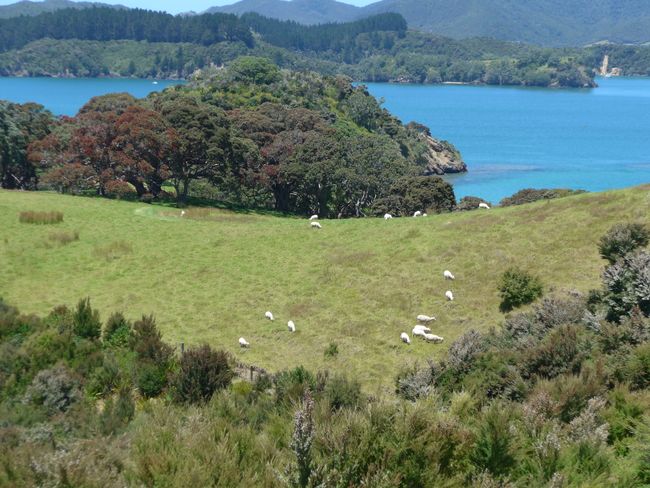
We explored the Bay of Islands from Paihia with the boat trip called 'Cream Trip', which was named after an old route that collected milk and cream from the islands.
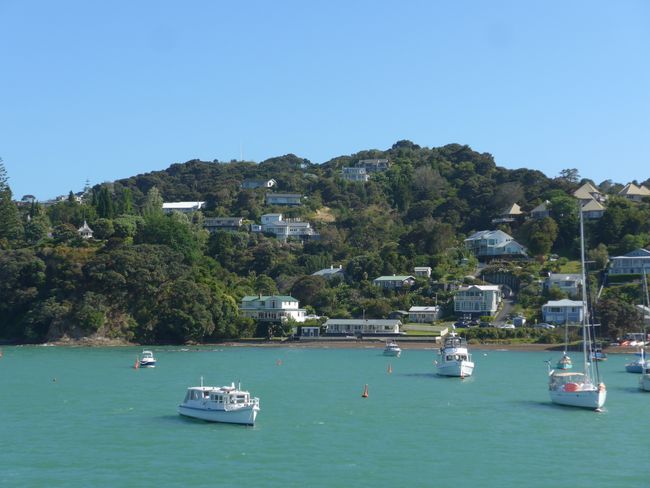
Today, the boat still delivers mail and other essentials to and from the islands.
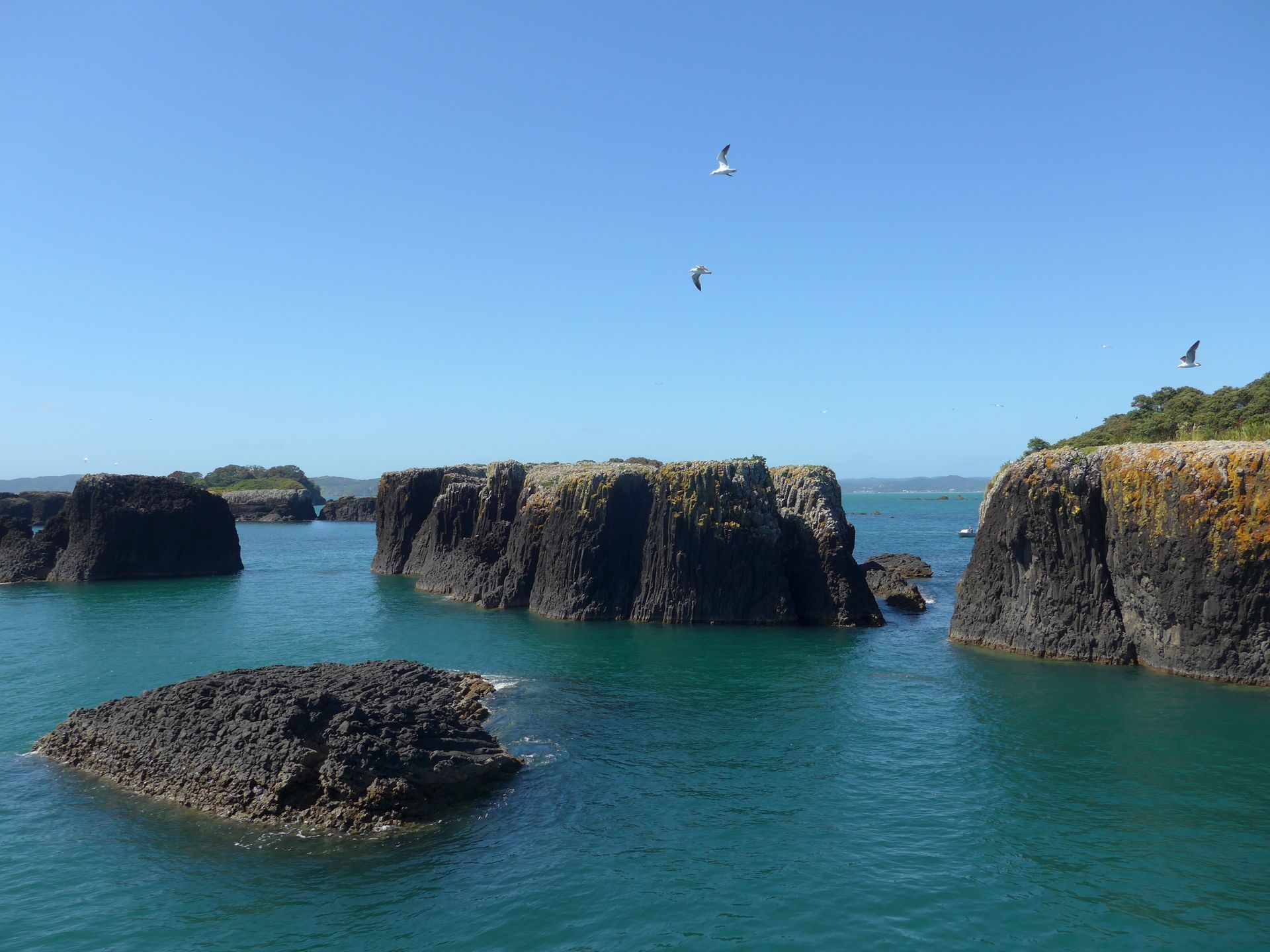
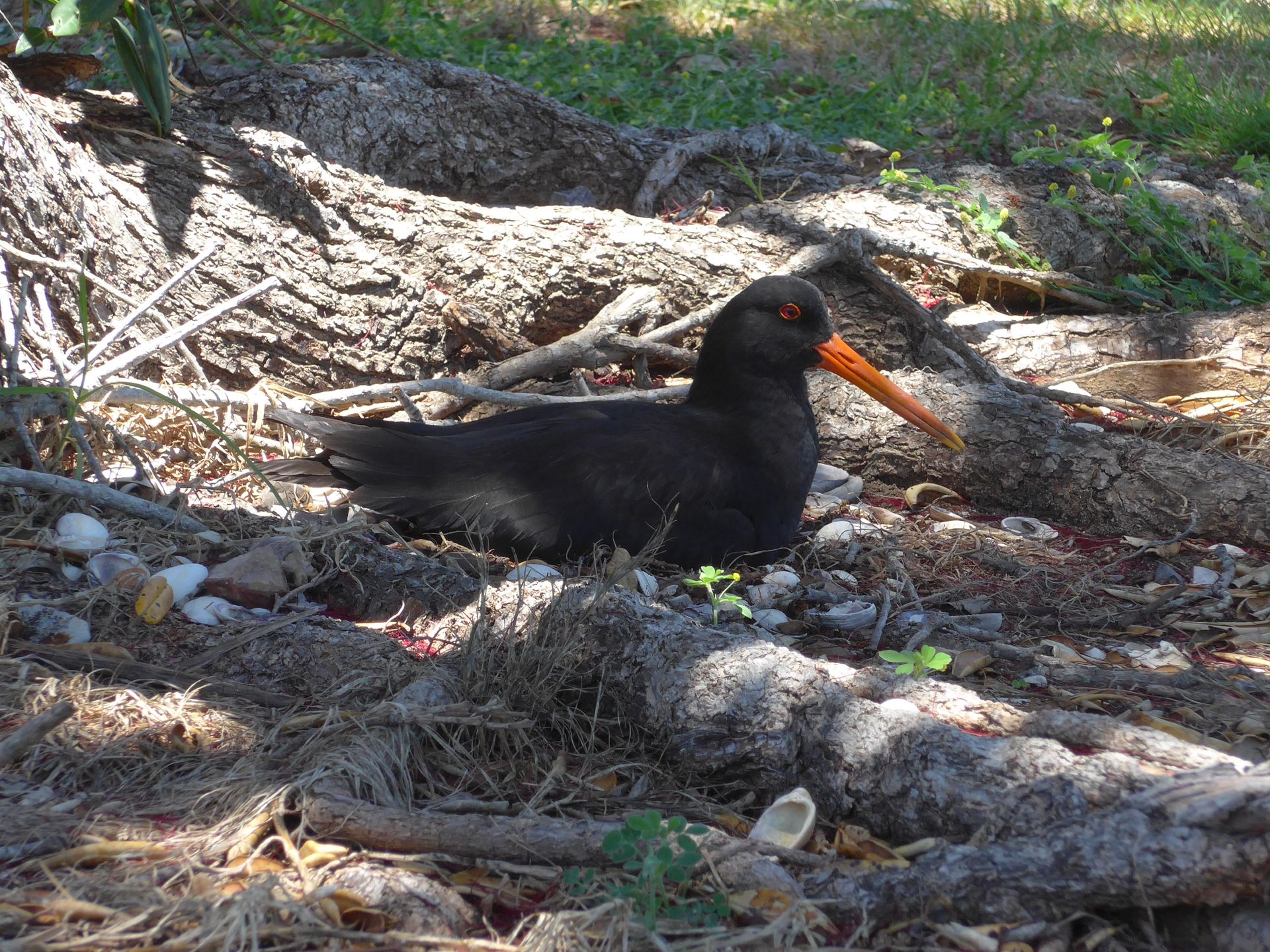
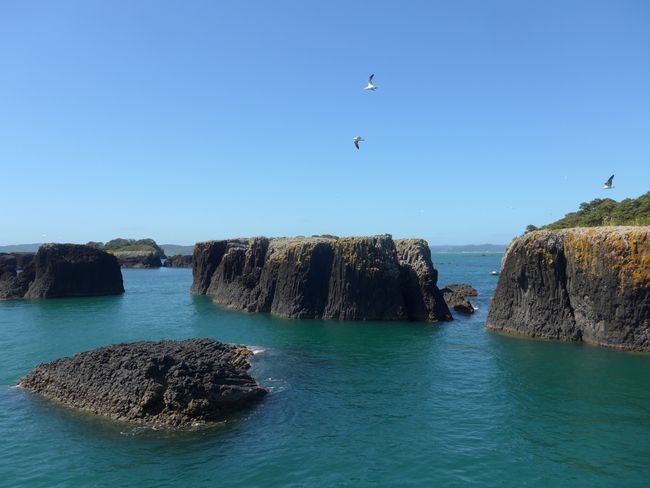
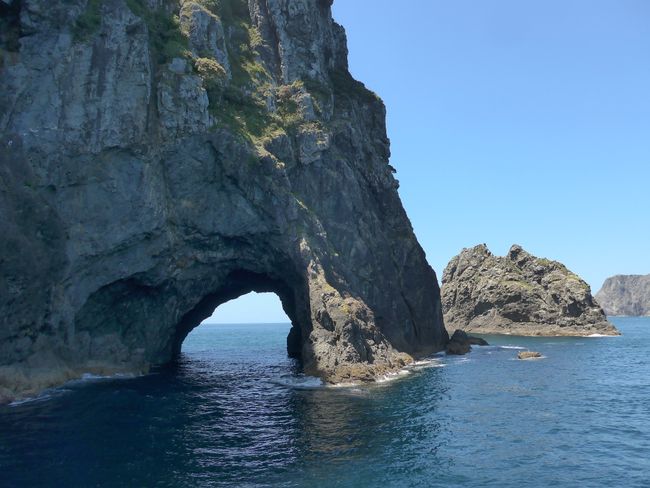
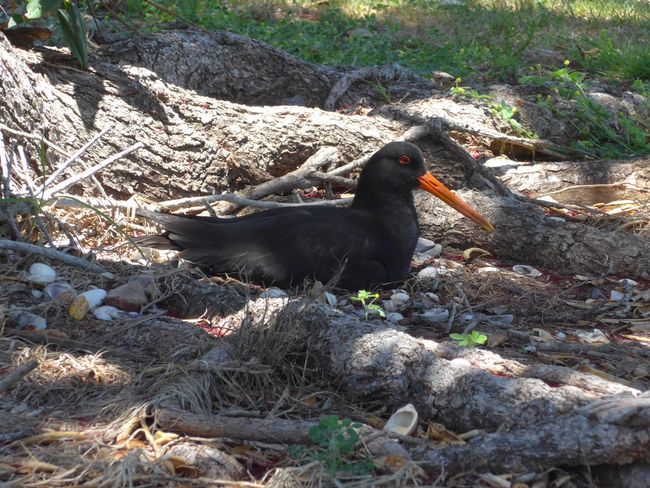
In addition to various islands, we also saw rock formations like the 'Black Rocks', whose volcanic rocks bizarrely protrude from the water and are inhabited by water birds.
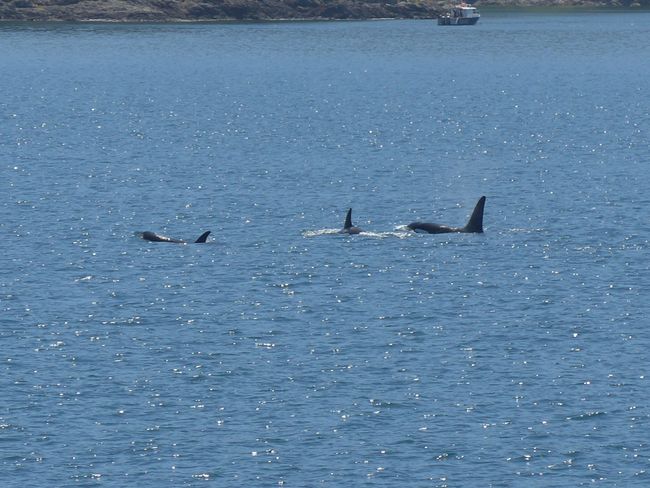
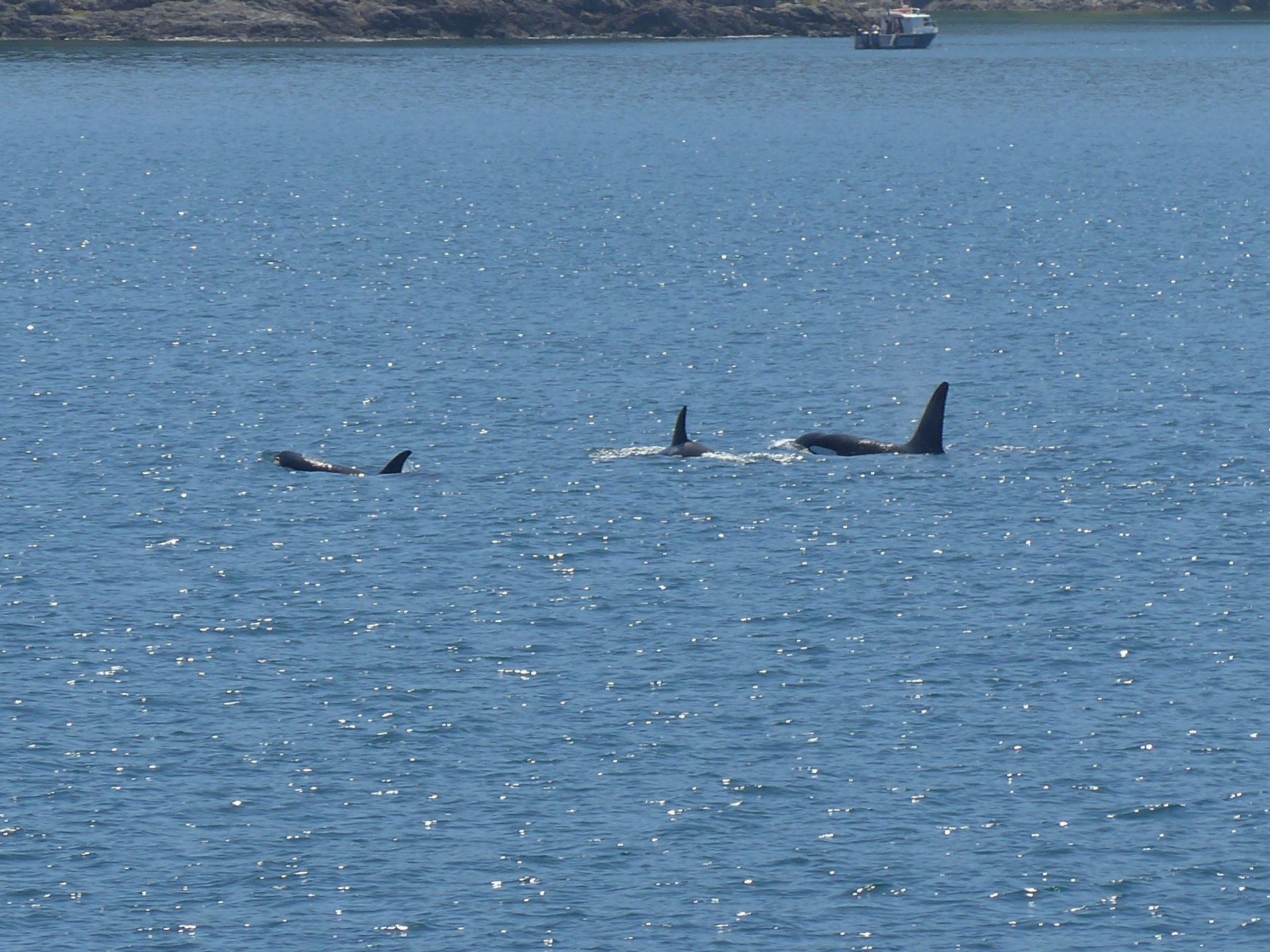
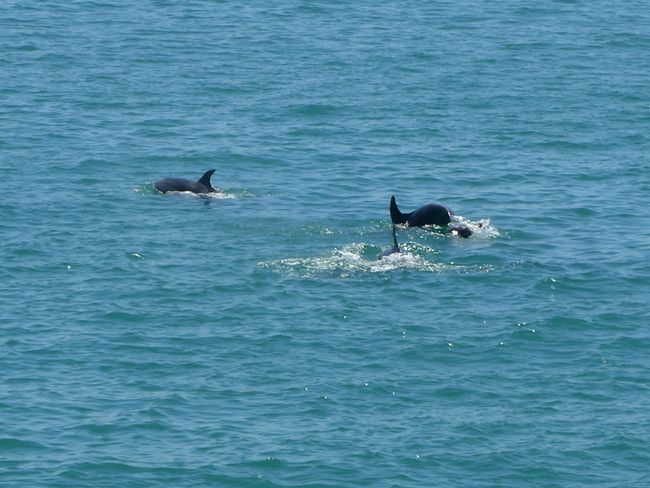
On the way back, we saw some dolphins that even elegantly jumped out of the water - unfortunately, never when I was taking a photo.
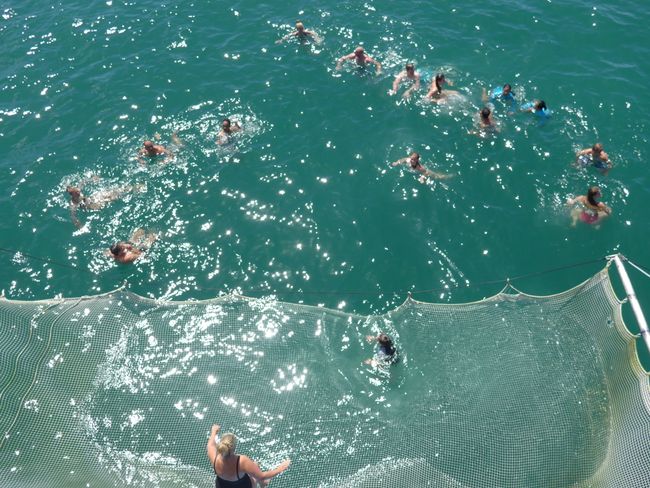
Since there was a young one among them, those who had booked the dolphin swimming tour were not allowed to get into the water.
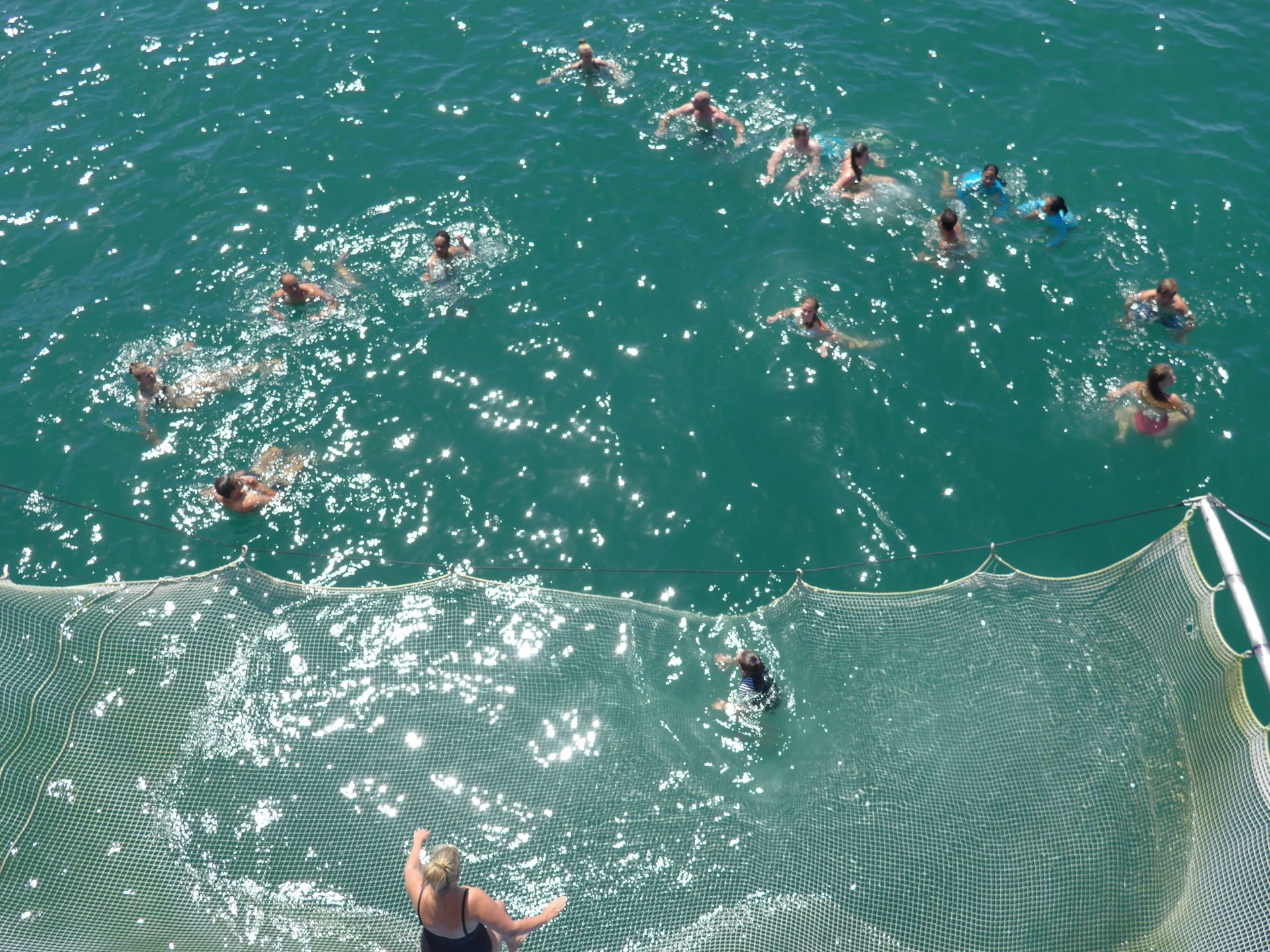
Instead, a net was put in the water, which you could be pulled along in from the ship. Although we didn't go in, judging by the reactions of the swimmers, it was still quite cold - even though they later claimed otherwise...
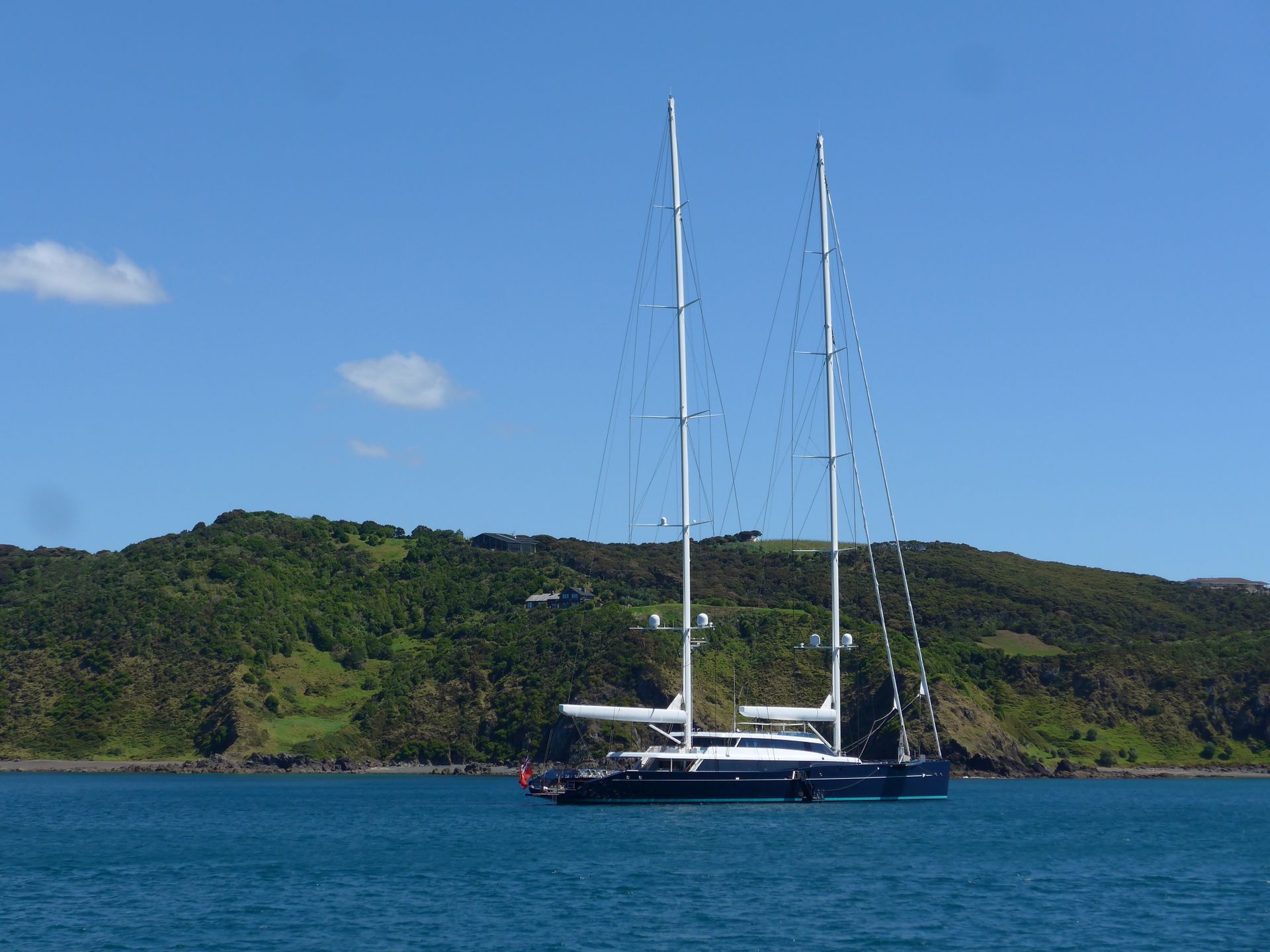
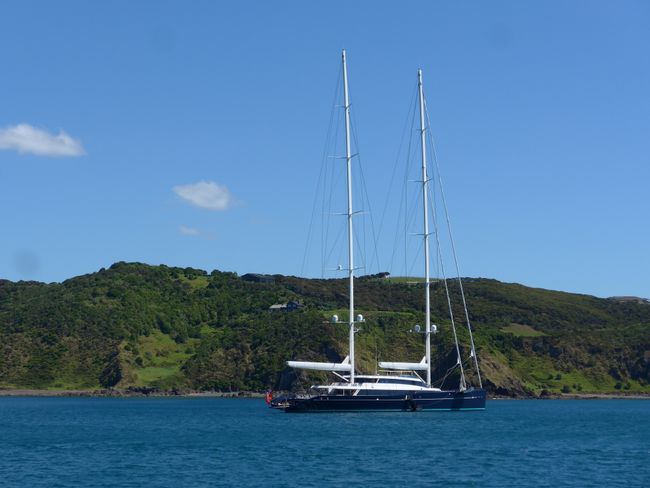
Shortly before Russell, we saw a sailing ship, which our captain introduced as the largest schooner in private ownership.
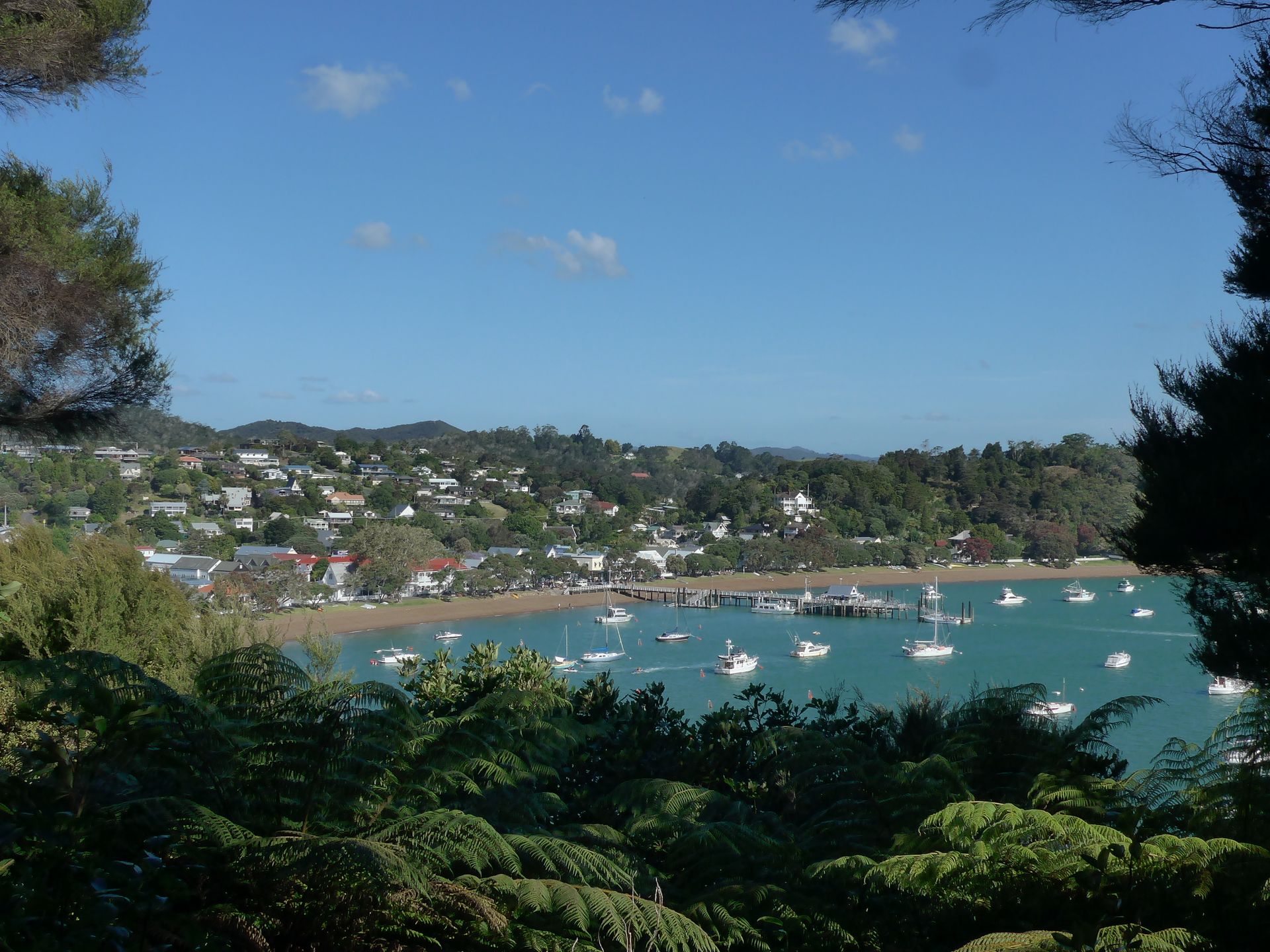
We got off in Russell to explore this historic place before taking the ferry back to Paihia.
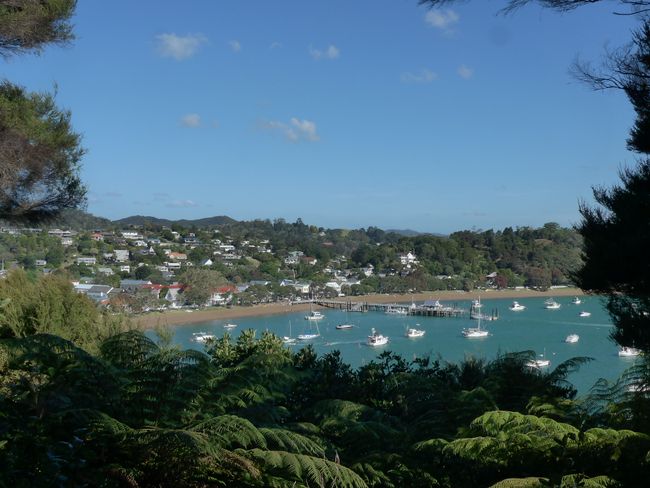
Nearby is the namesake first capital of New Zealand and in the 19th century, it was a location for the whaling industry.
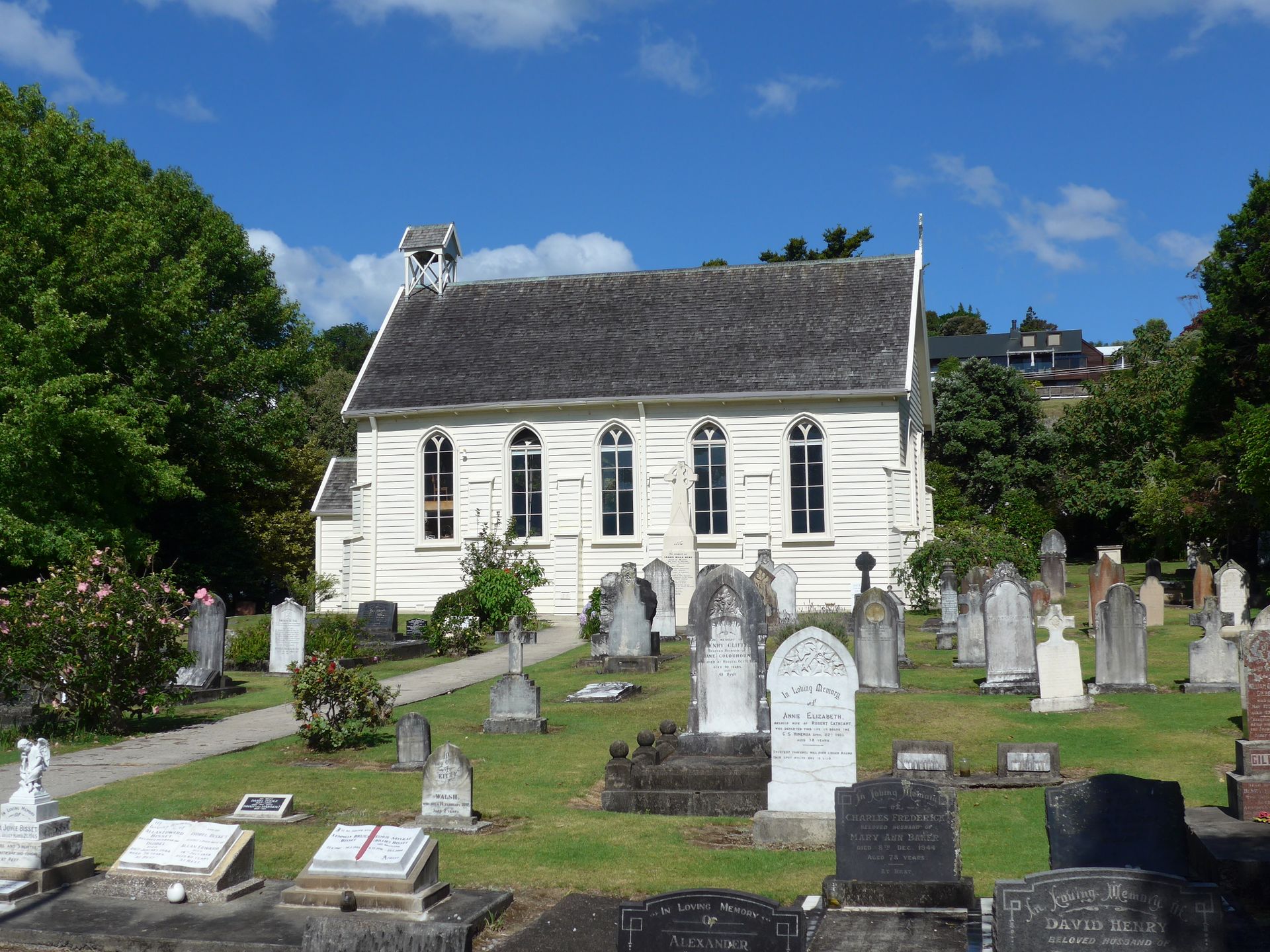
During our walk through the town, we could see the oldest surviving church in New Zealand.
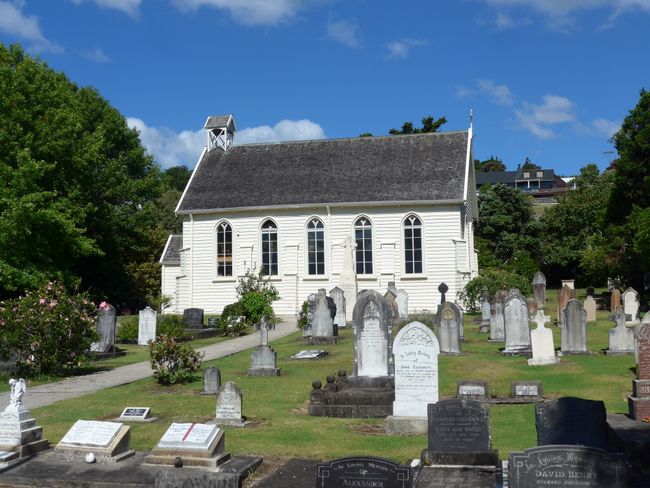
In Russell, the first war between the English and Maori began. On Flagstaff Hill, the British flagpole was cut down four times by Chief Hone Heke in 1844. The rebellion against British sovereignty eventually resulted in a war, the last battlefield of which we visited the day before.
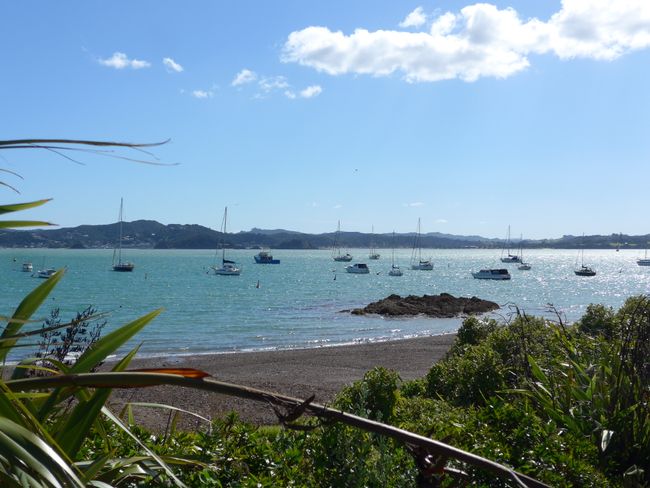
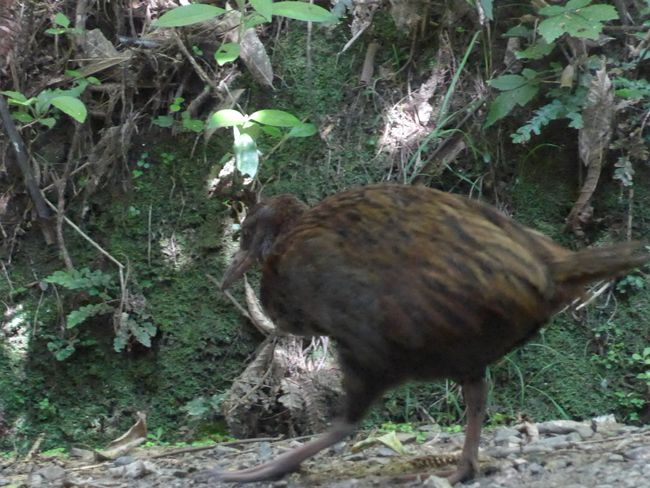
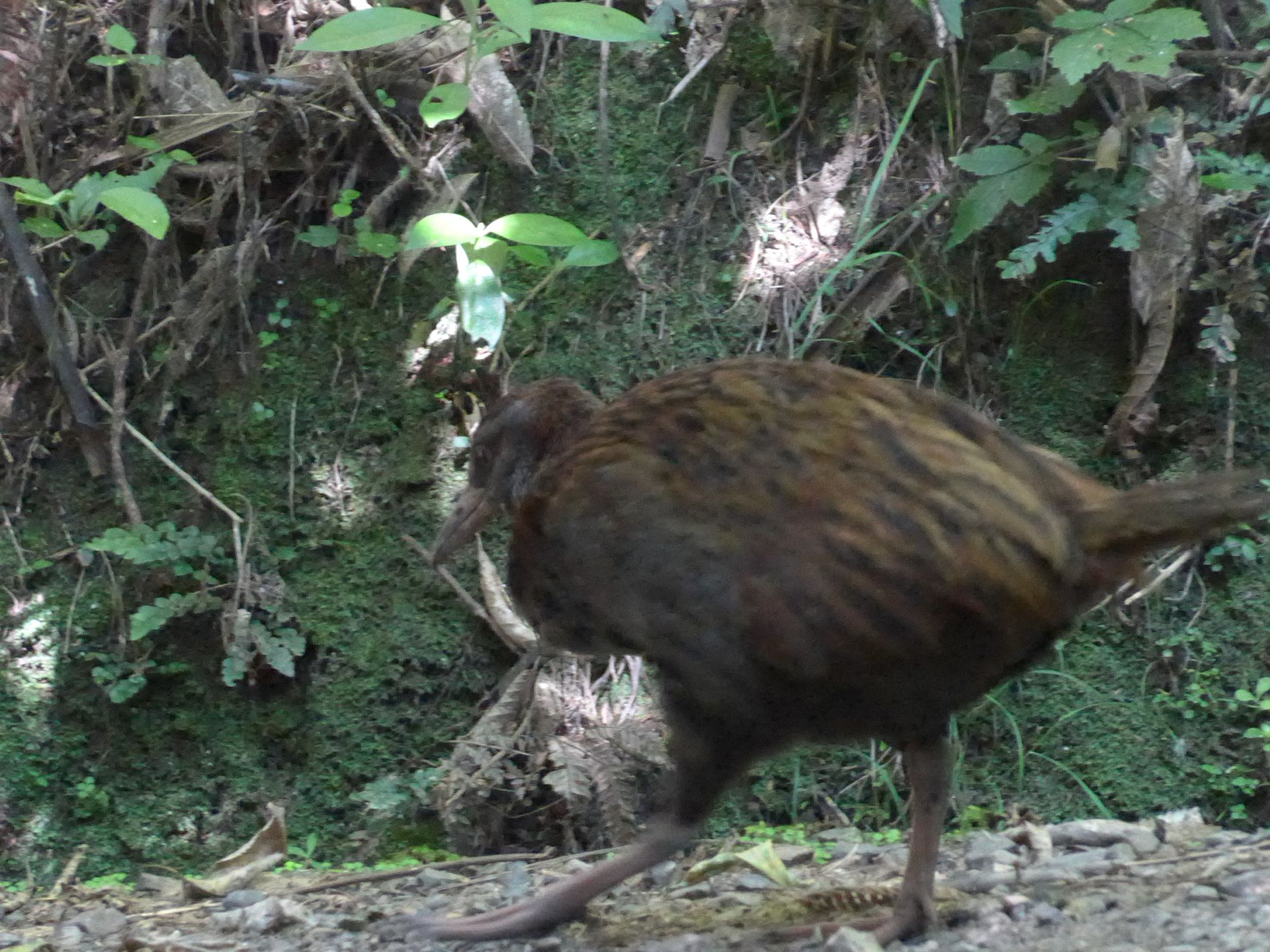
While descending Flagstaff Hill, we saw a bird that we later identified as a Weka, a flightless rail. Unfortunately, it didn't stay still for a photo...