In the morning we drove to Fountains Abbey and arrived shortly before opening time, so we were able to find parking without any issues.
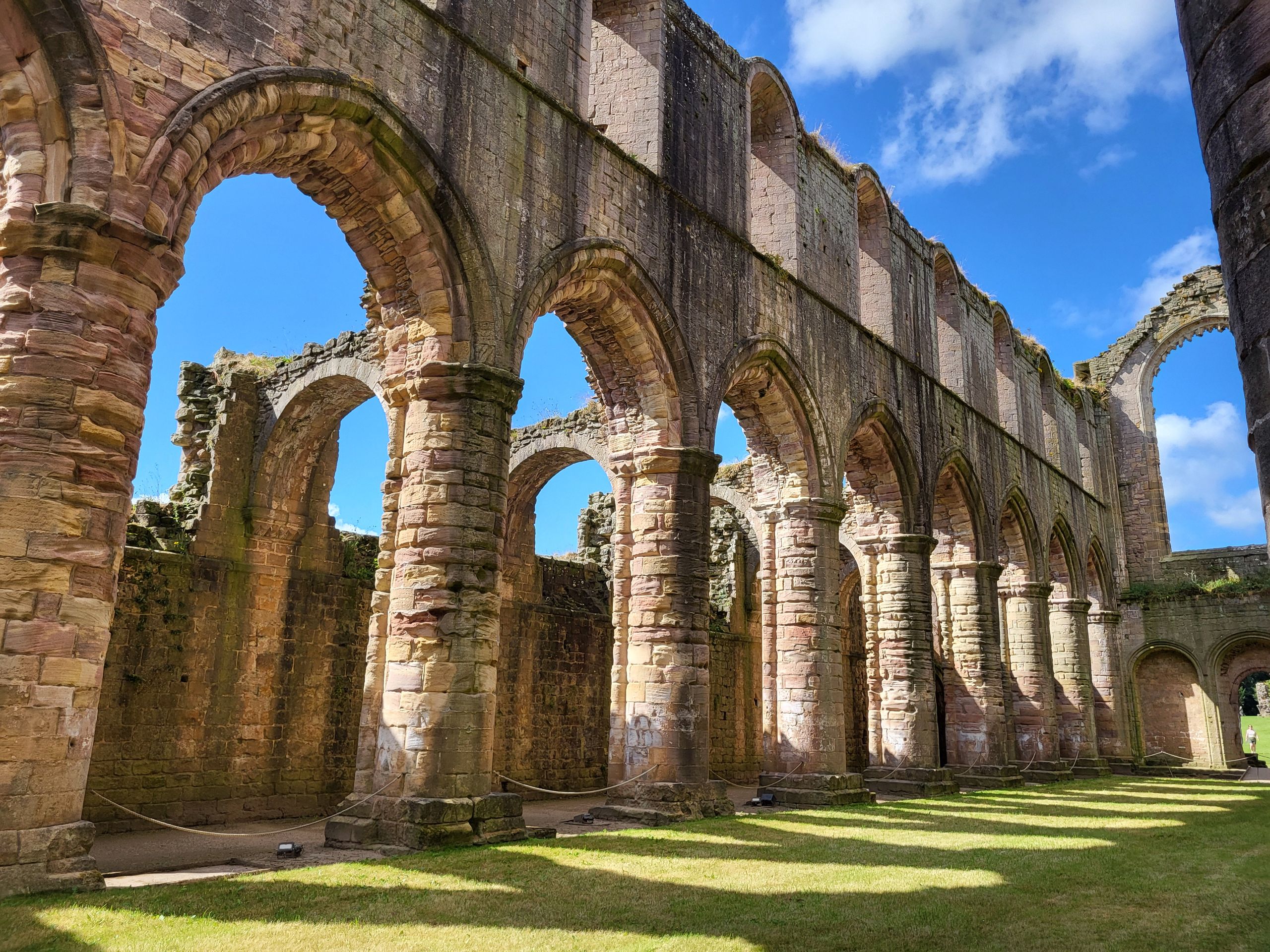
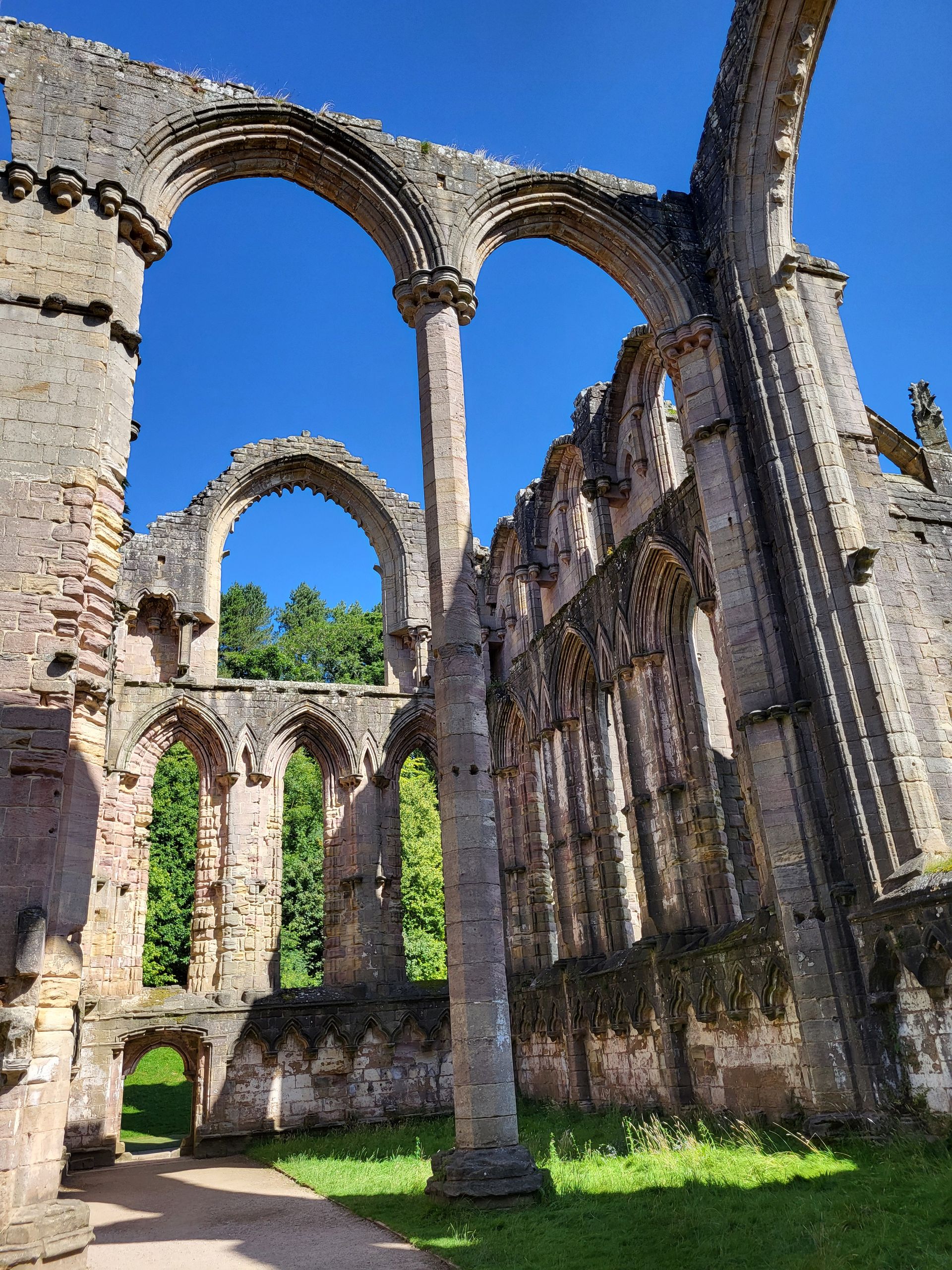
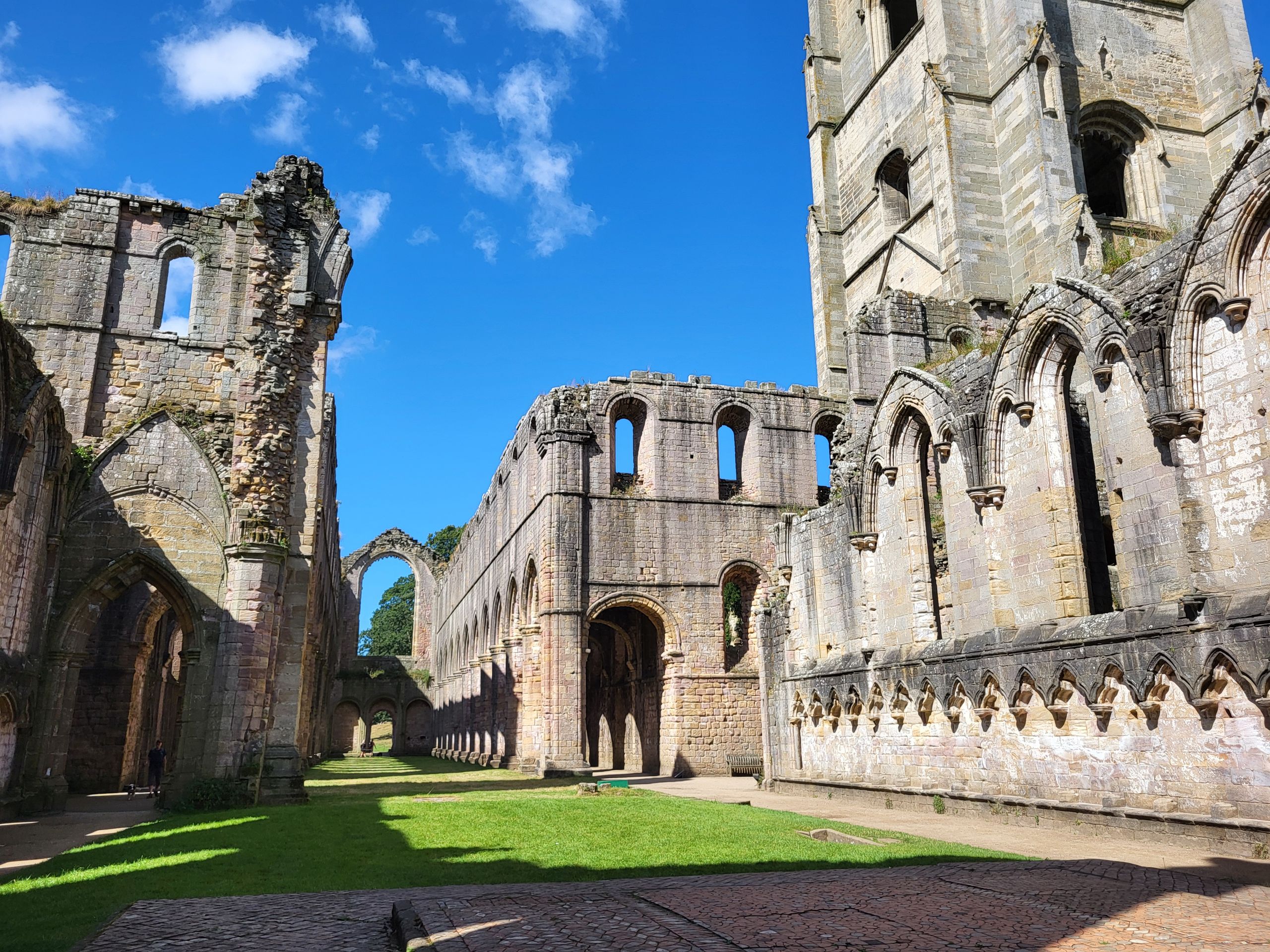
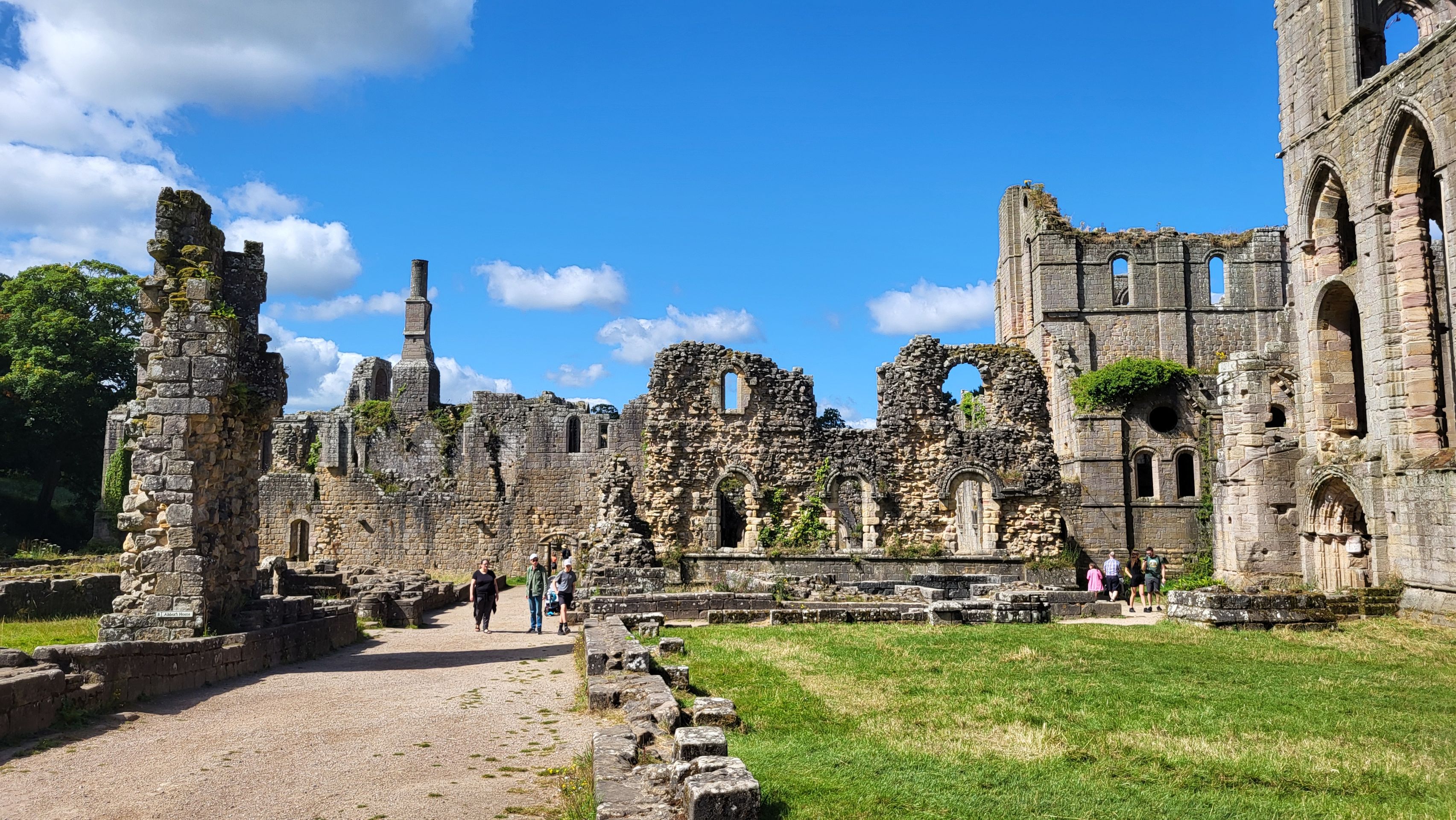
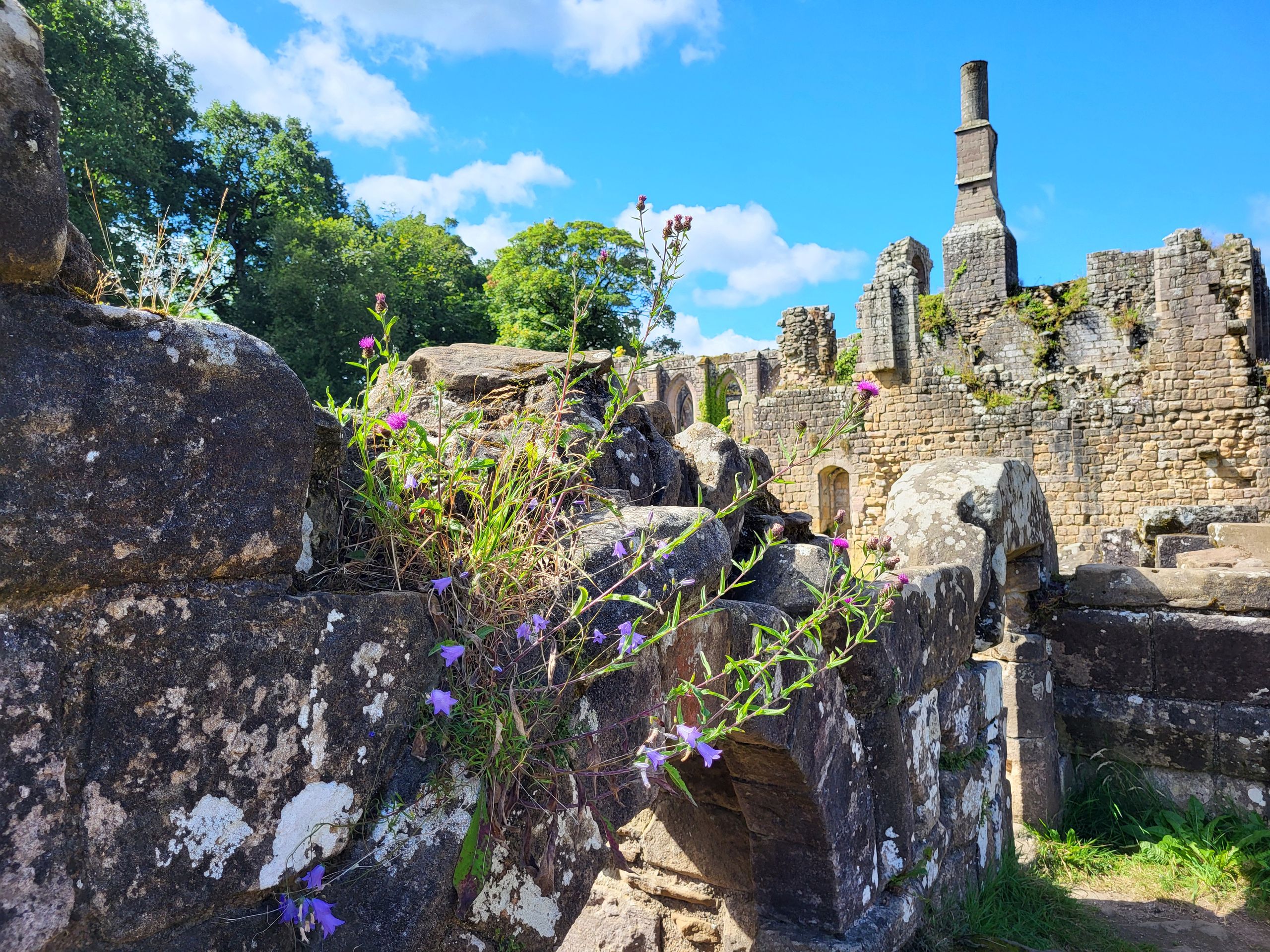
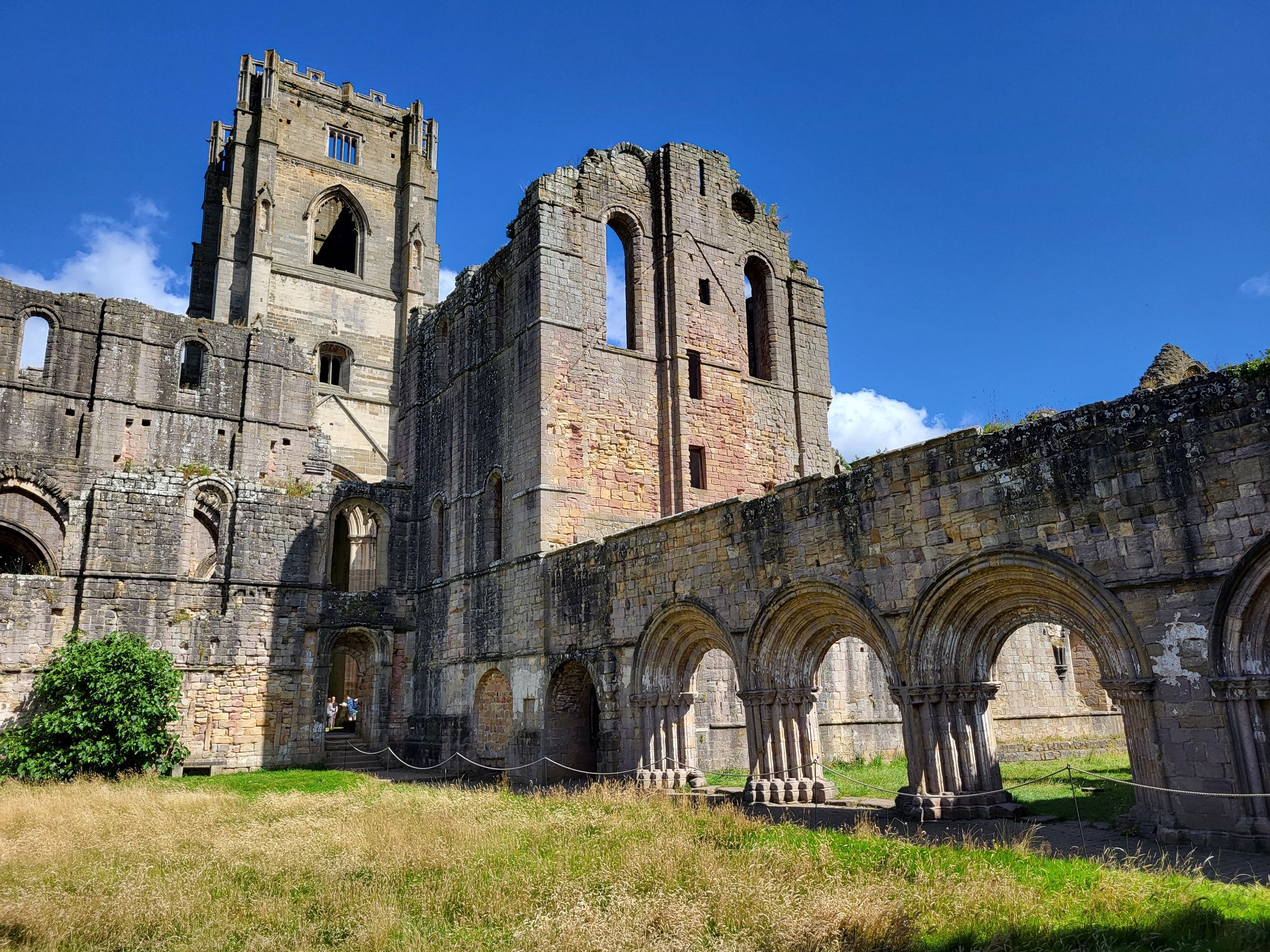
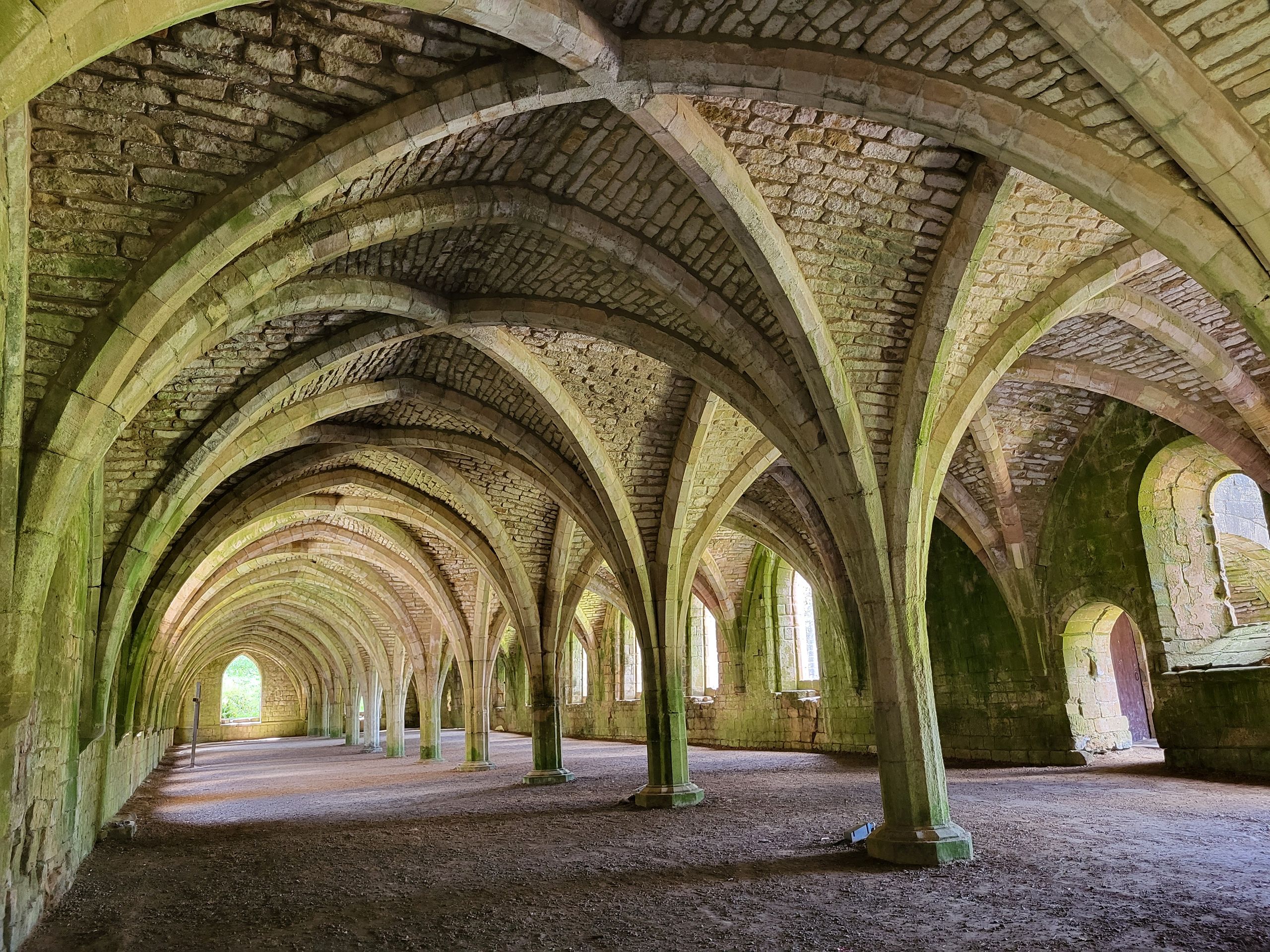
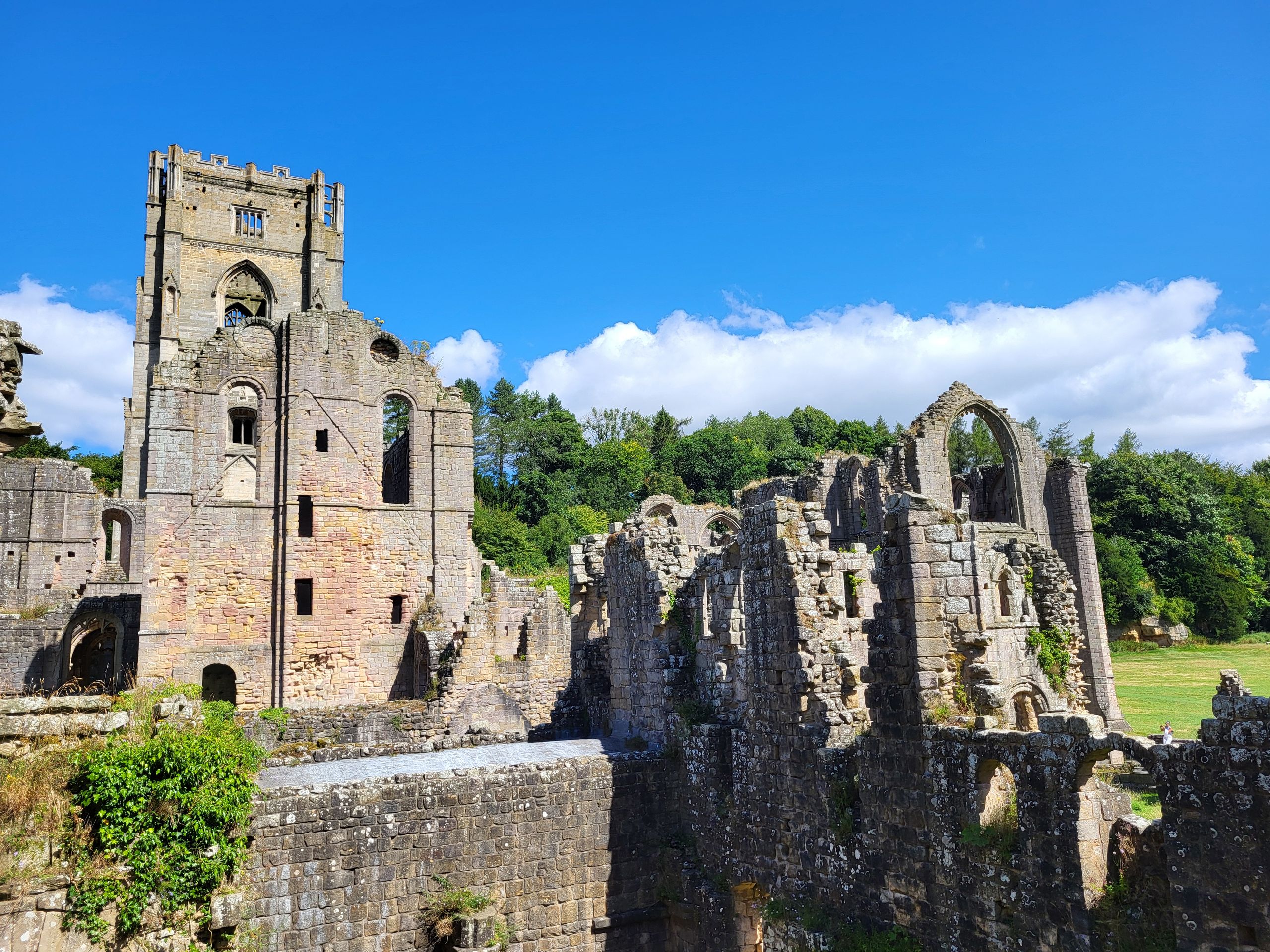
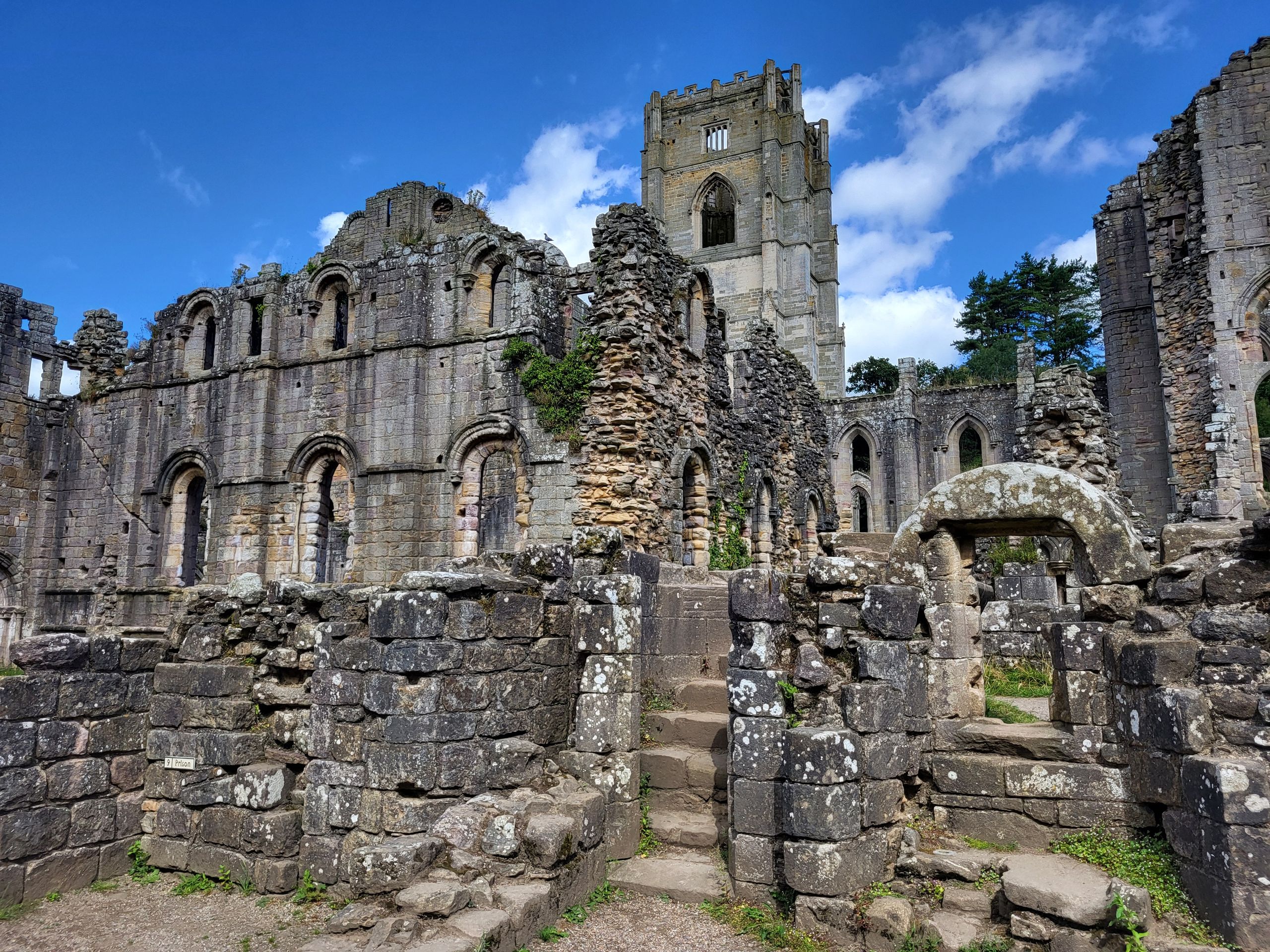
Fountains Abbey The famous abbey ruins date back to the establishment of the monastery in 1132. A group of dissatisfied monks from York sought a simpler and more pious life and settled in this valley.
Fountains Abbey With the help of the work of the “lay brothers” who worked on the monastery's estates, prosperity grew, and by the middle of the 12th century, the monastic house belonged to the most influential in the country.
Fountains Abbey In the 16th century, however, the reforms of Henry VIII brought an end to monastic life, and the complex fell into disrepair.
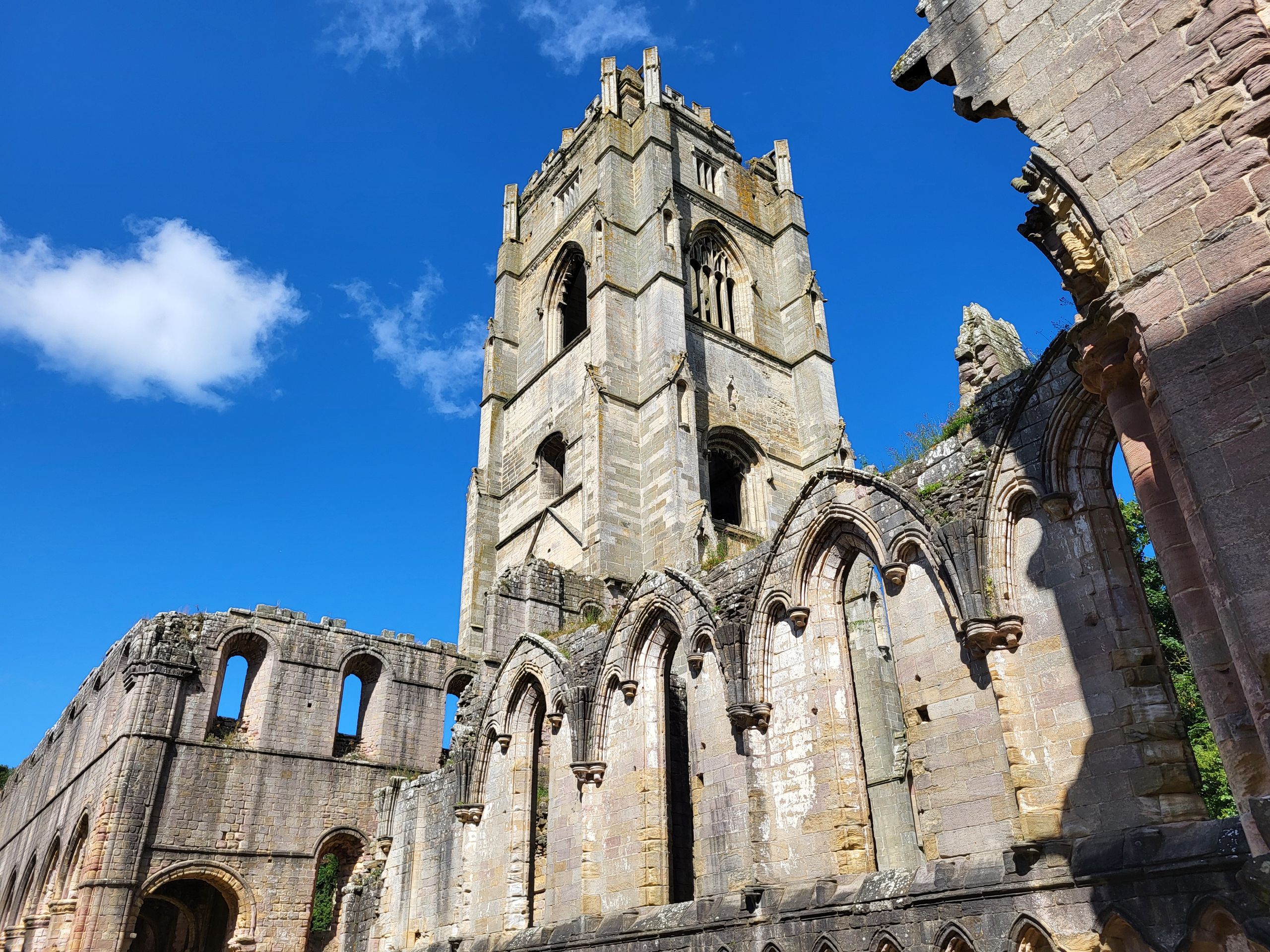
Fountains Abbey Today, the impressive ruins of the church can still be admired.
Fountains Abbey The skeleton of the window arches rises, although it looks so fragile, and parts of the old buildings of the monastic complex are also preserved.
Fountains Abbey On our way, we were accompanied by a well-produced audio guide that could be played on our own mobile phones.
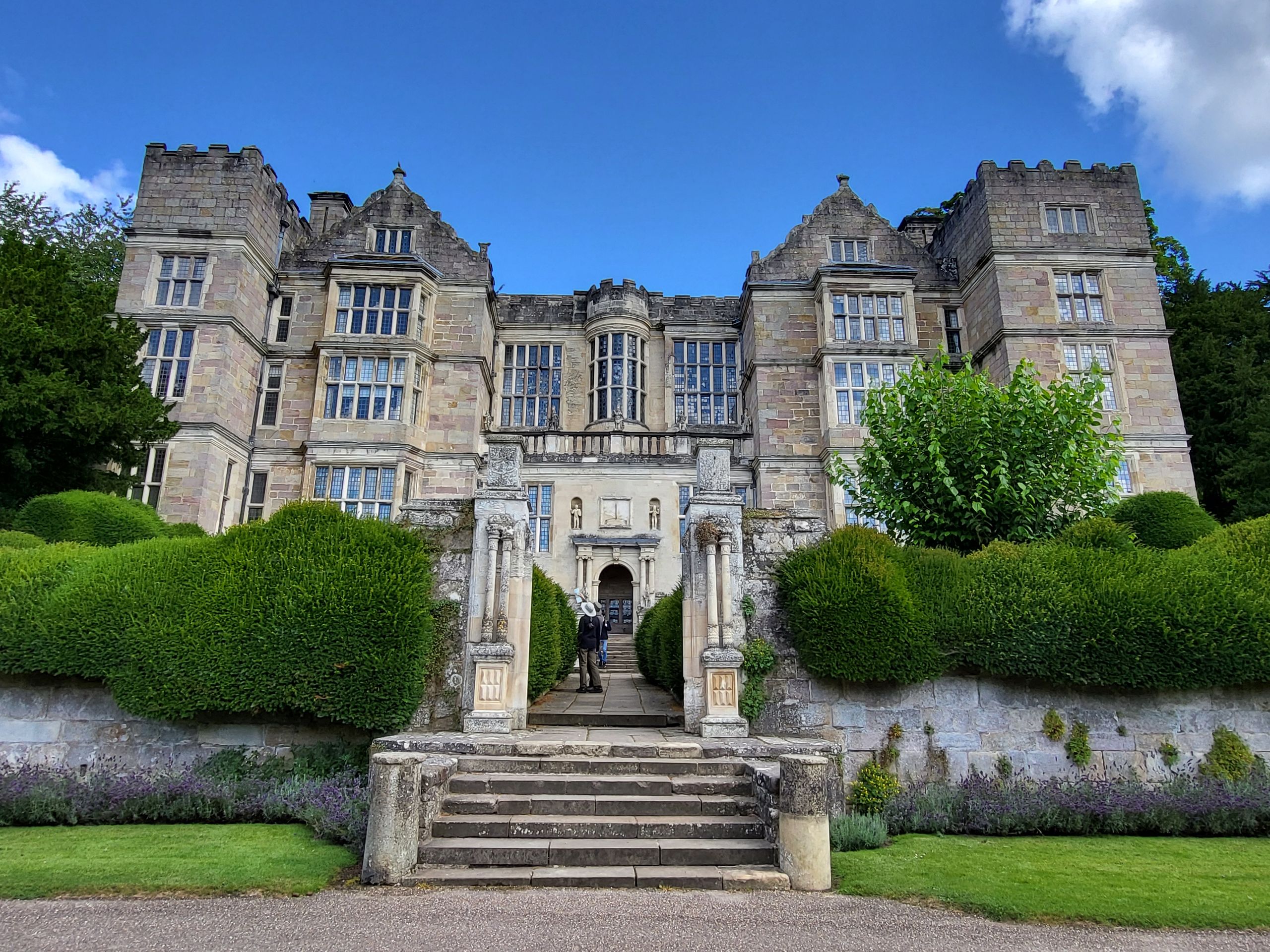
Fountains Abbey Parts of the masonry were used as a quarry for the manor house “Fountains Hall,” which was also partially accessible.
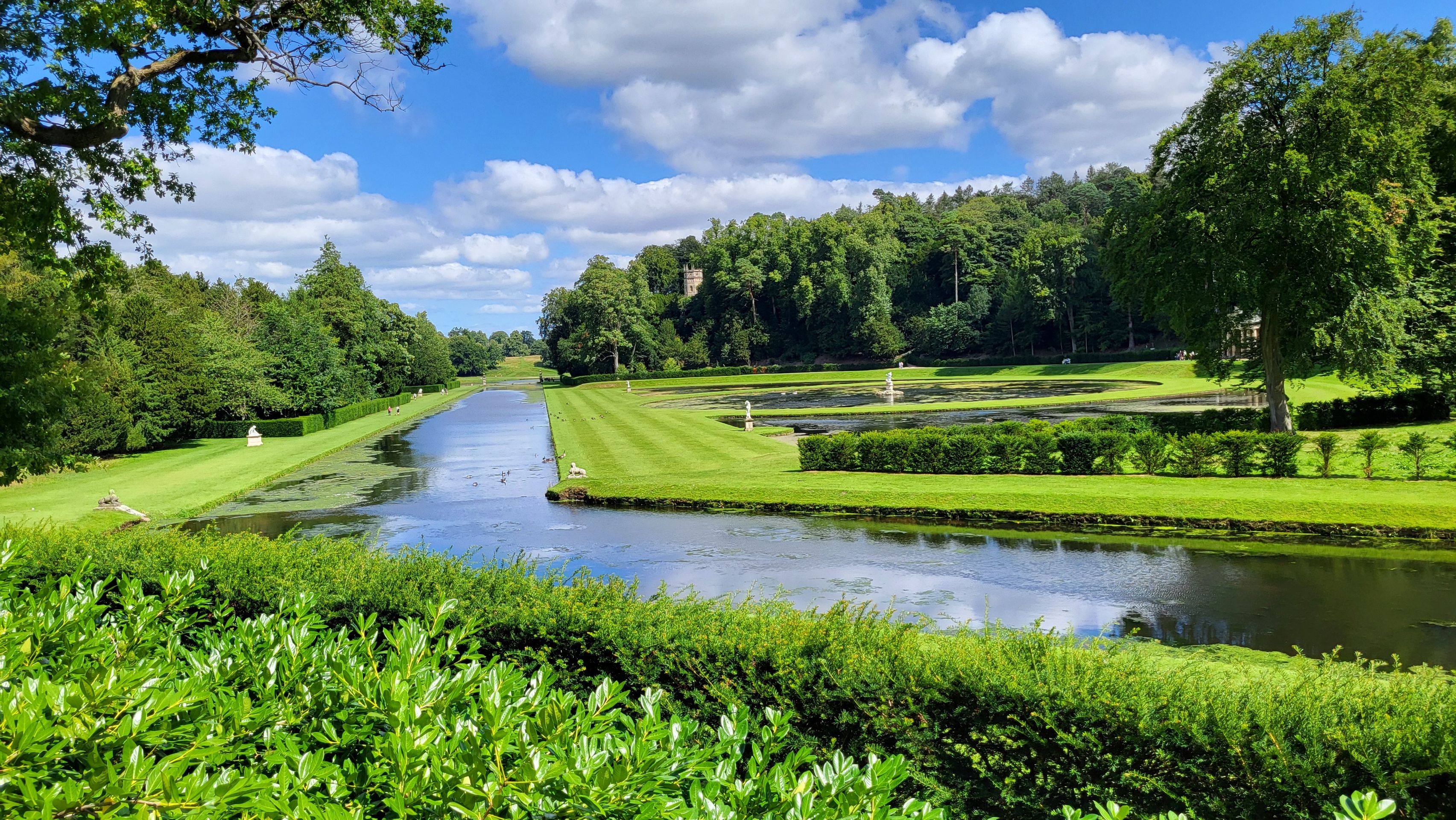
Fountains Hall Fountains Abbey, along with the Studley Royal Water Garden, is part of the UNESCO World Heritage Site.
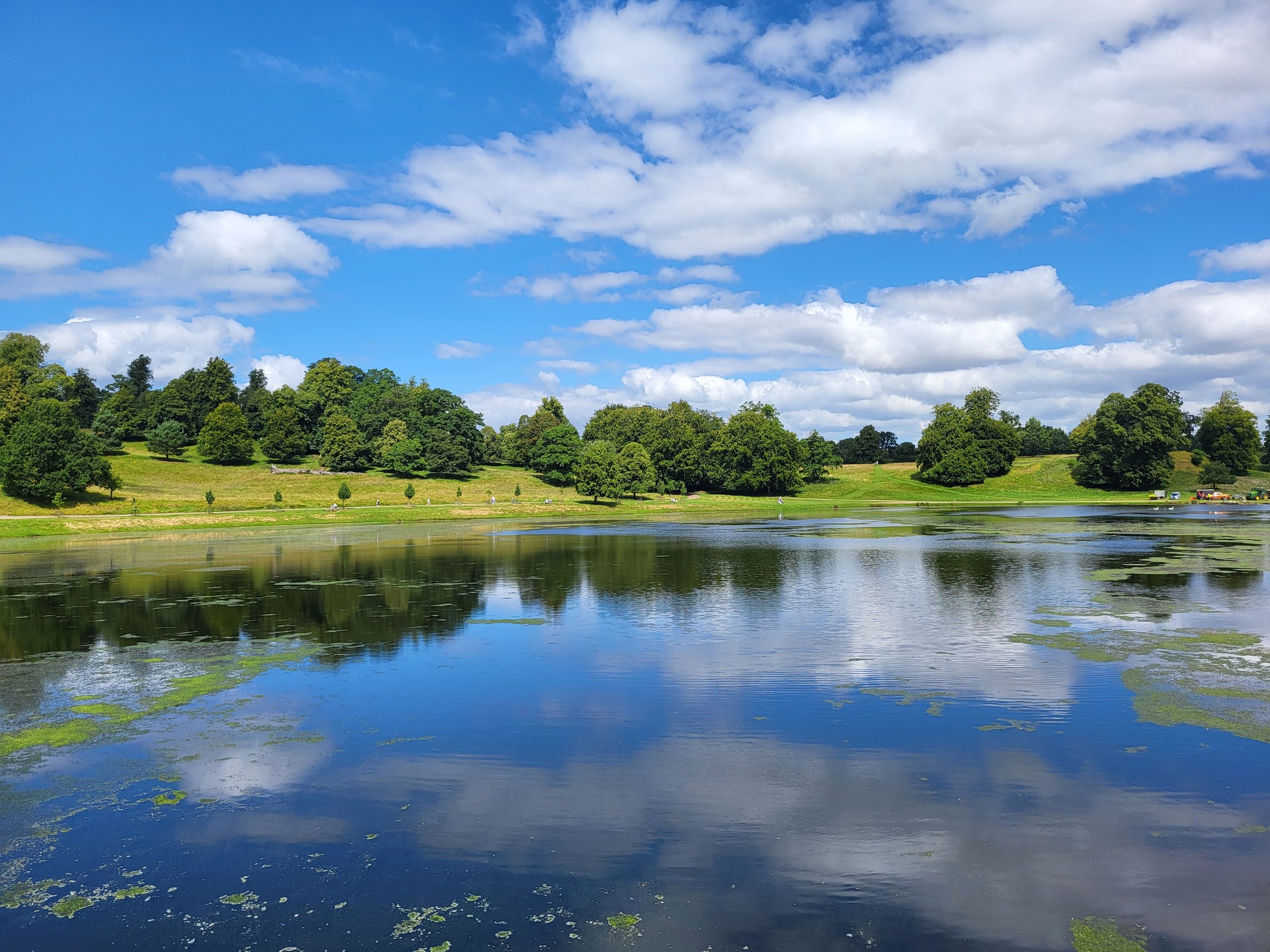
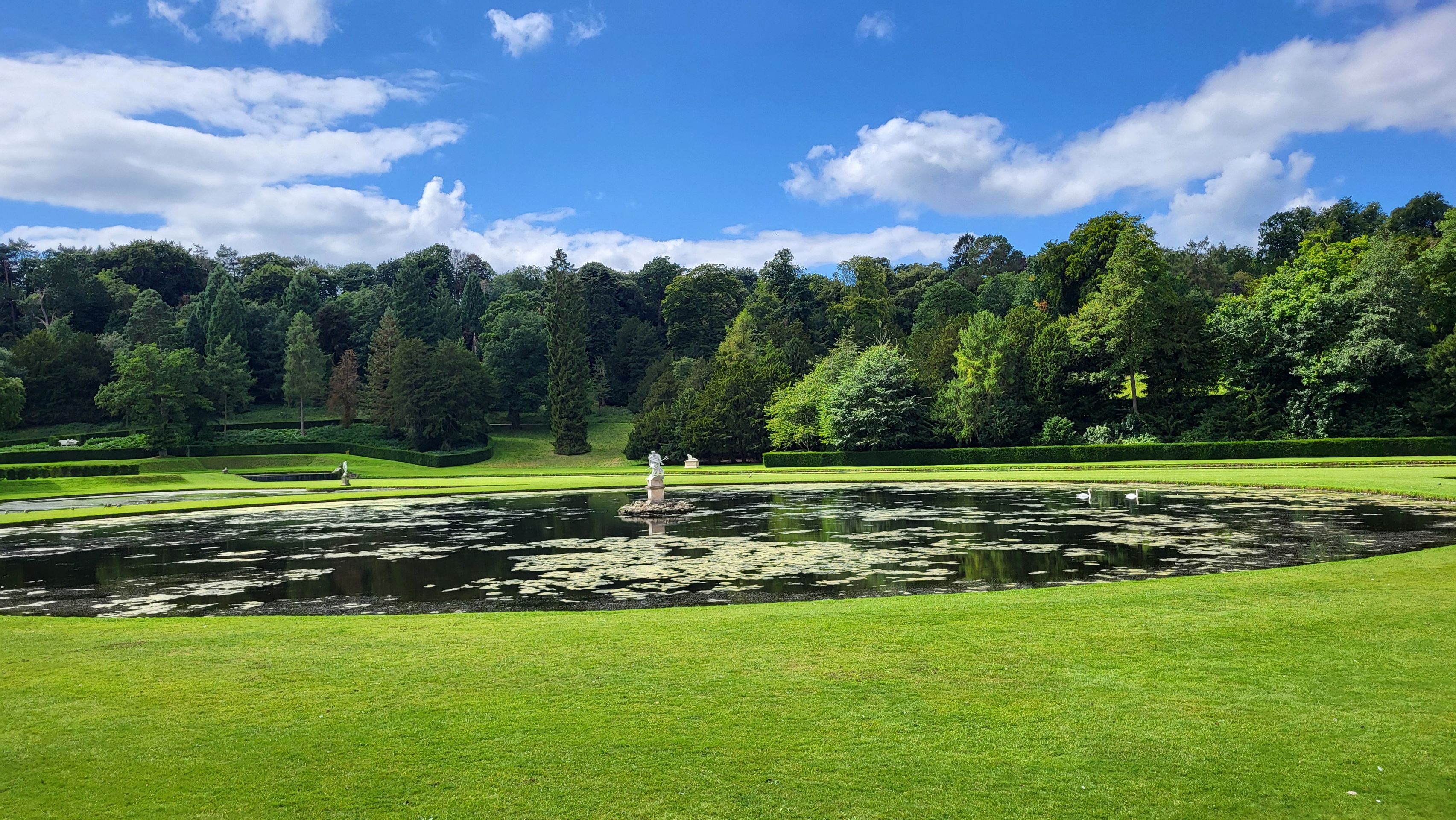
Studley Royal Water Garden The water garden and the abbey ruins already attracted tourists in the 19th century, who wandered through the park grounds and visited the old buildings.
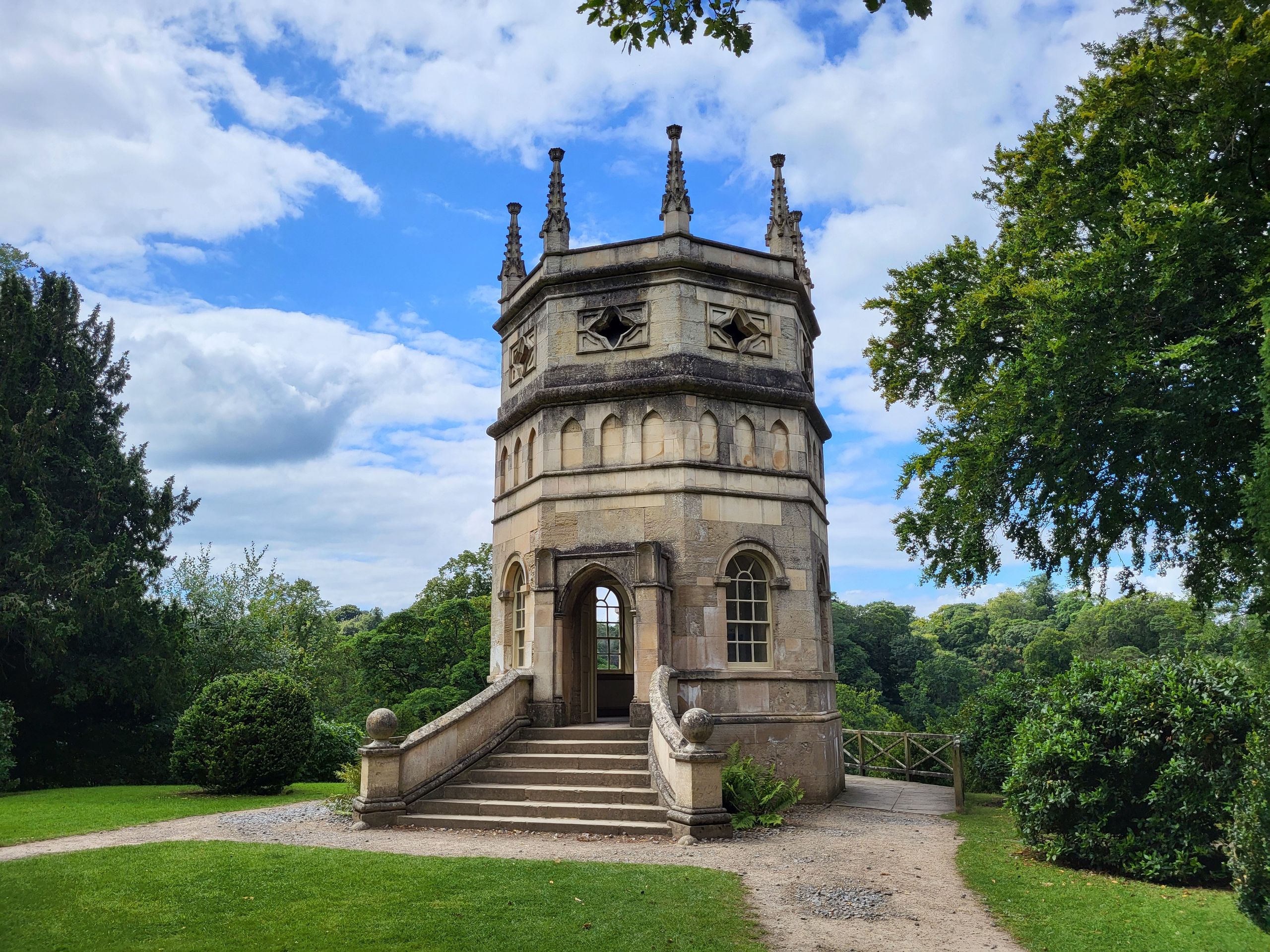
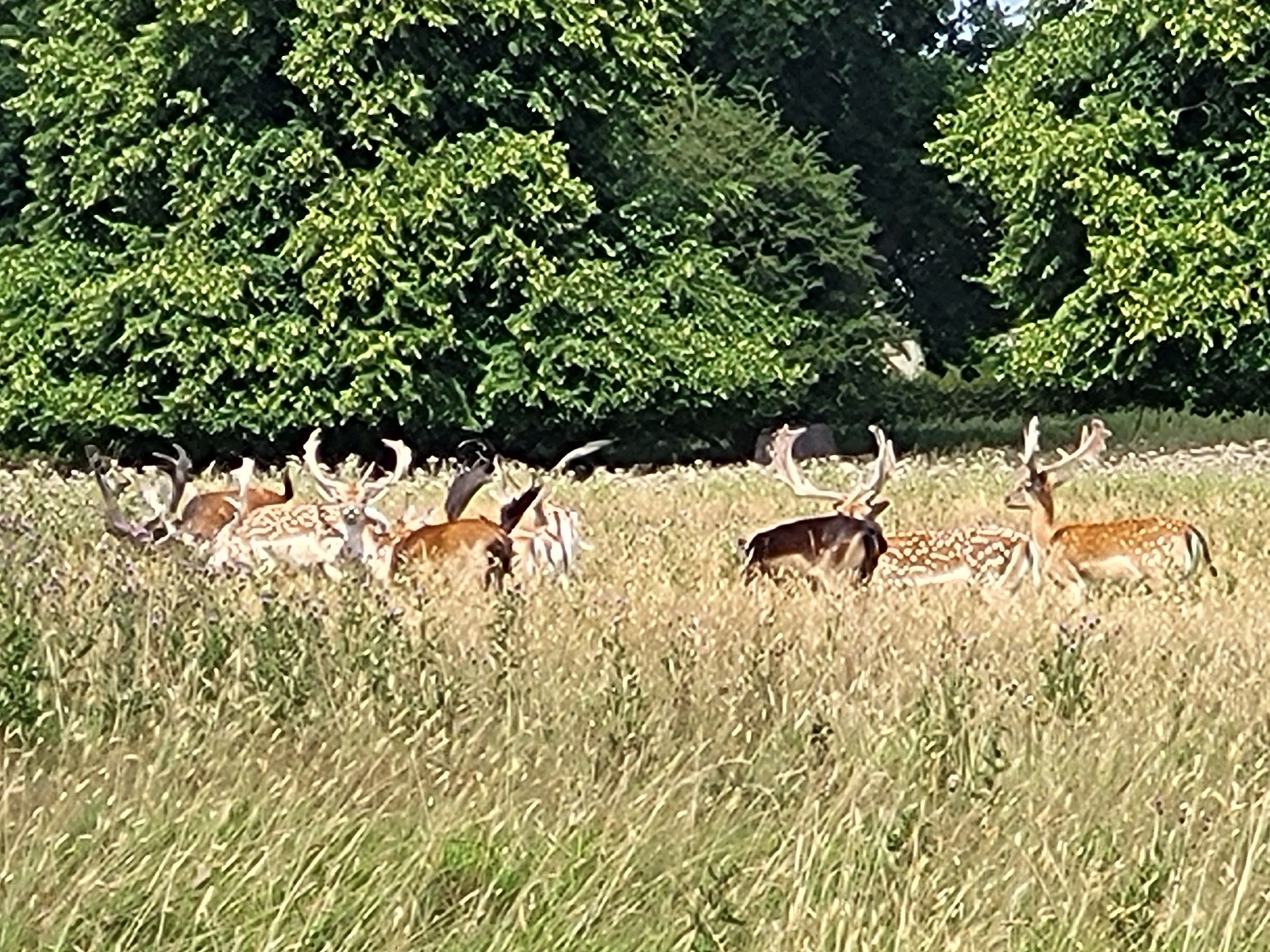
Octagonal Tower - Studley Royal Water Garden The grounds also include a wildlife park with red, sika, and fallow deer. In fact, we saw some deer grazing on a high meadow during our walk.
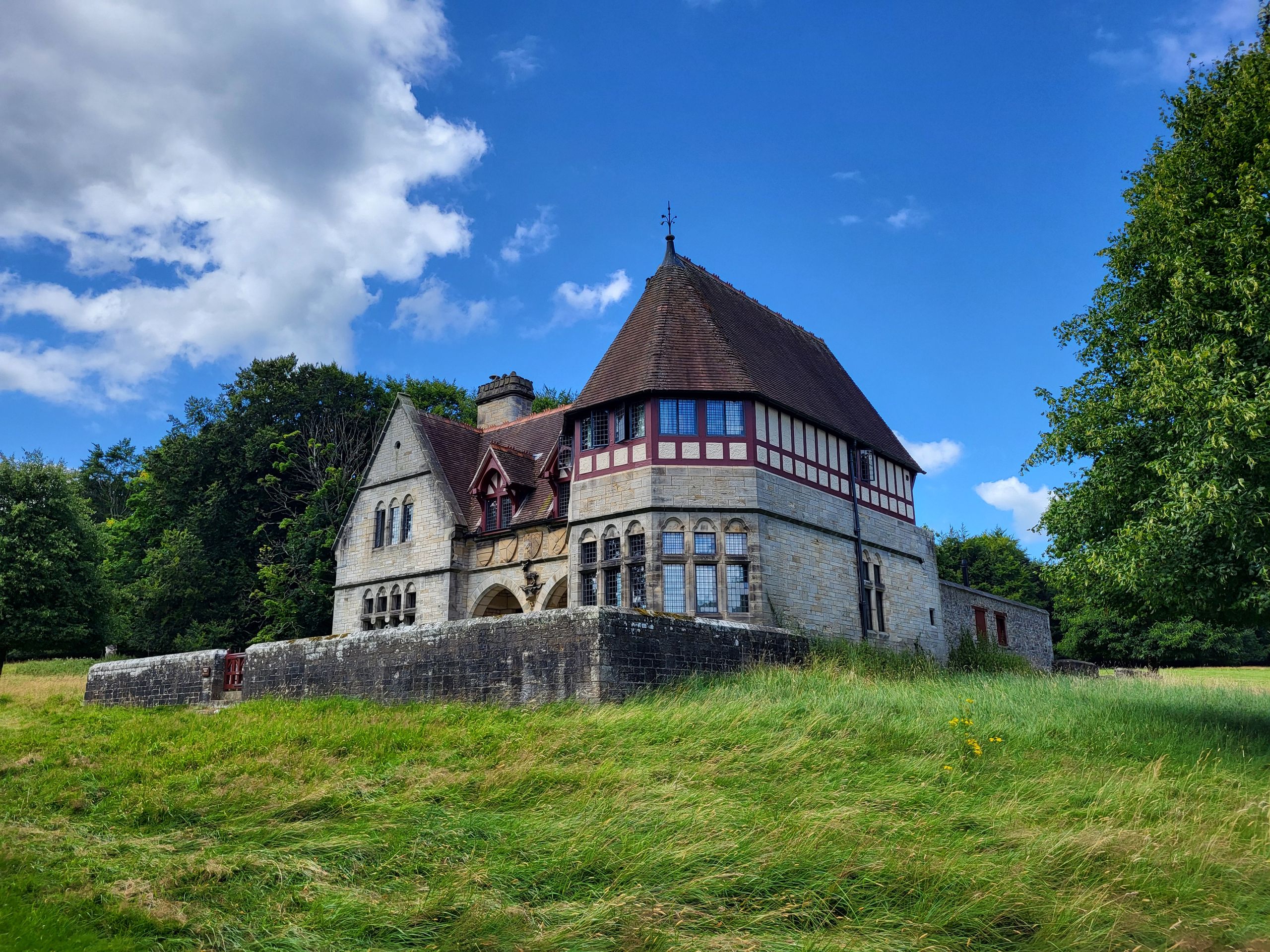
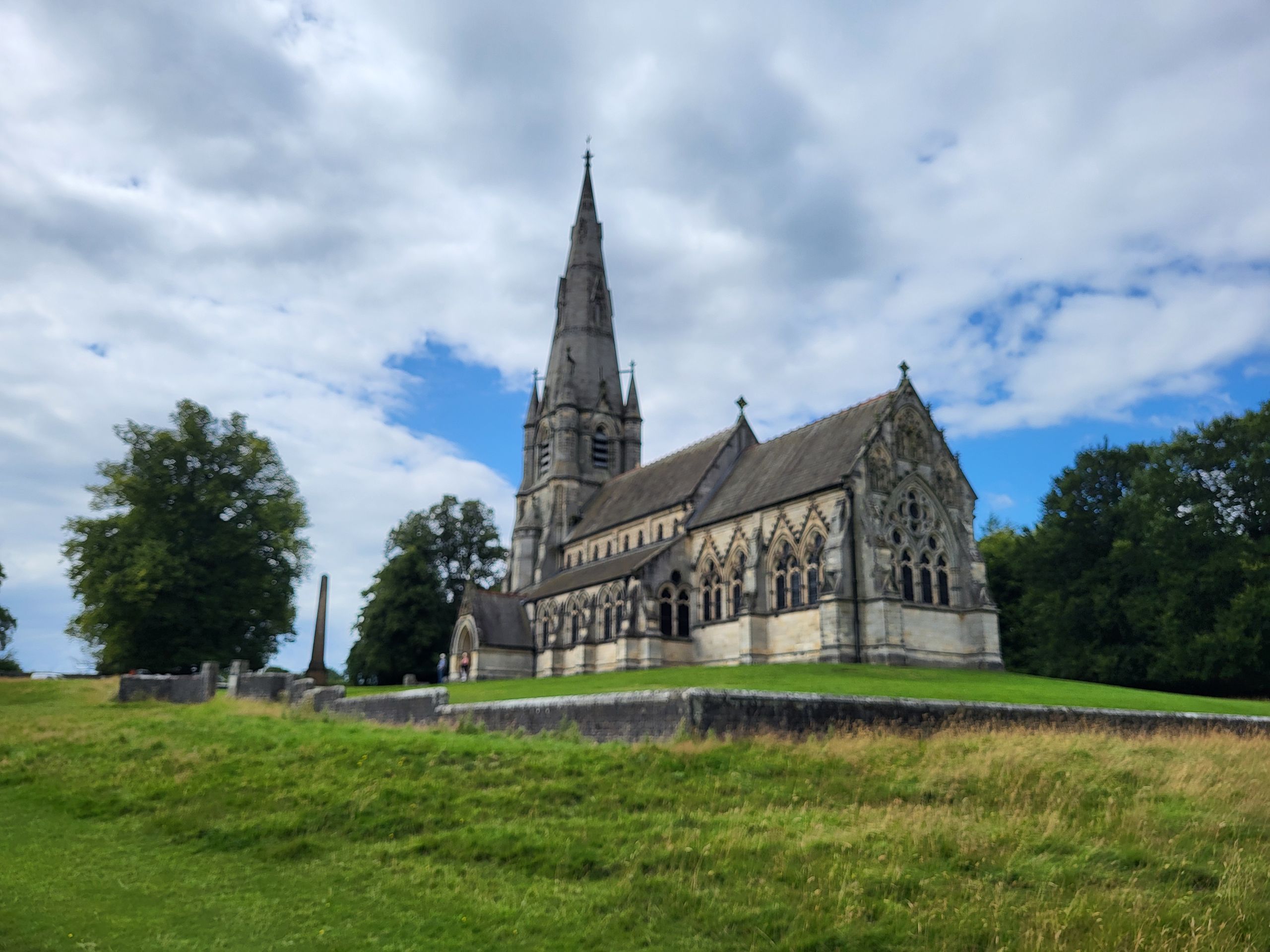
Wildlife Observation At the end of our loop, we passed by the Chorister’s House (holiday home) and St. Mary’s Church.
Chorister's HouseSt. Mary's Church
Having spent significantly more time at Fountains Abbey than originally planned, we continued on to Brimham Rocks.
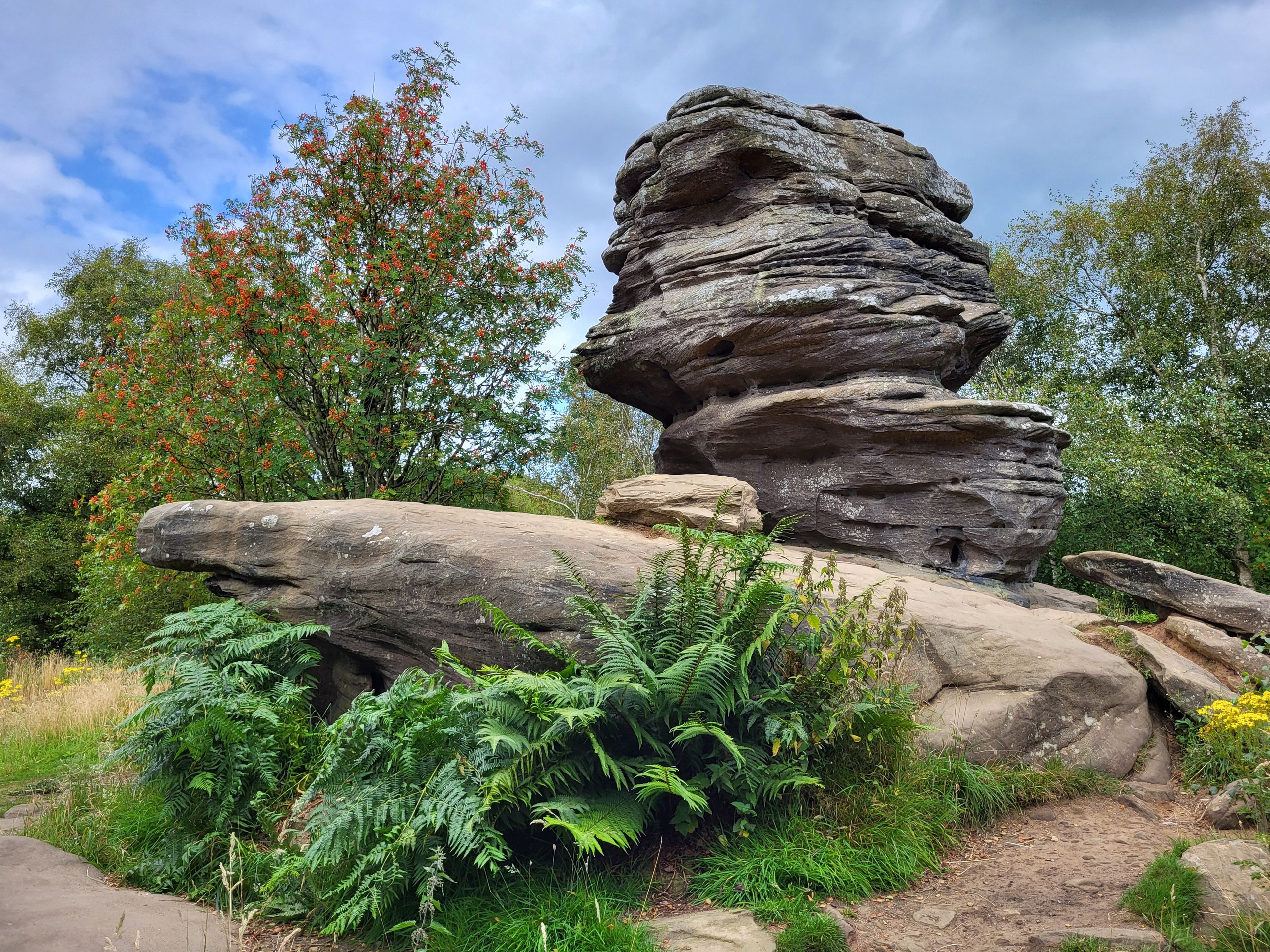
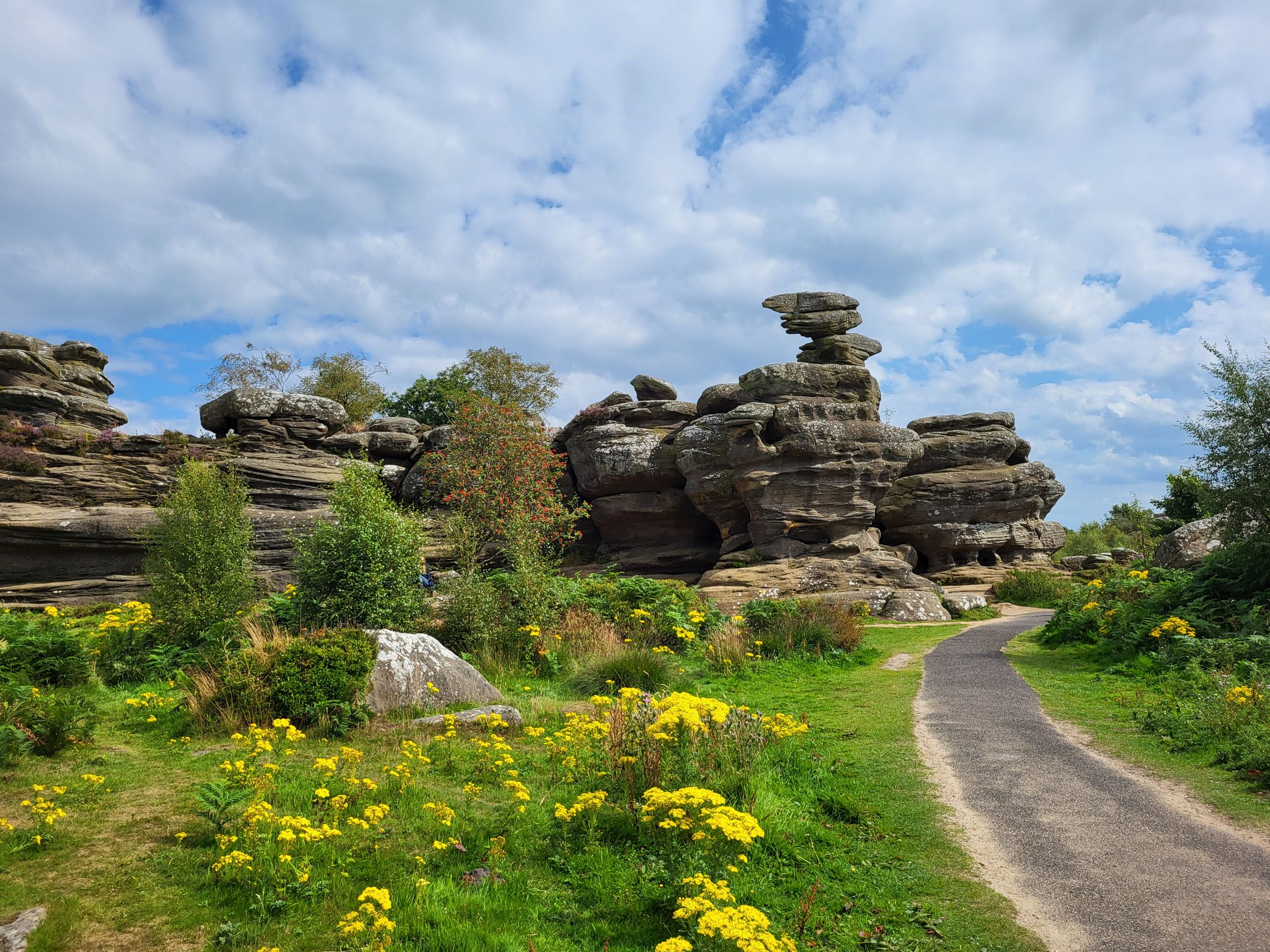
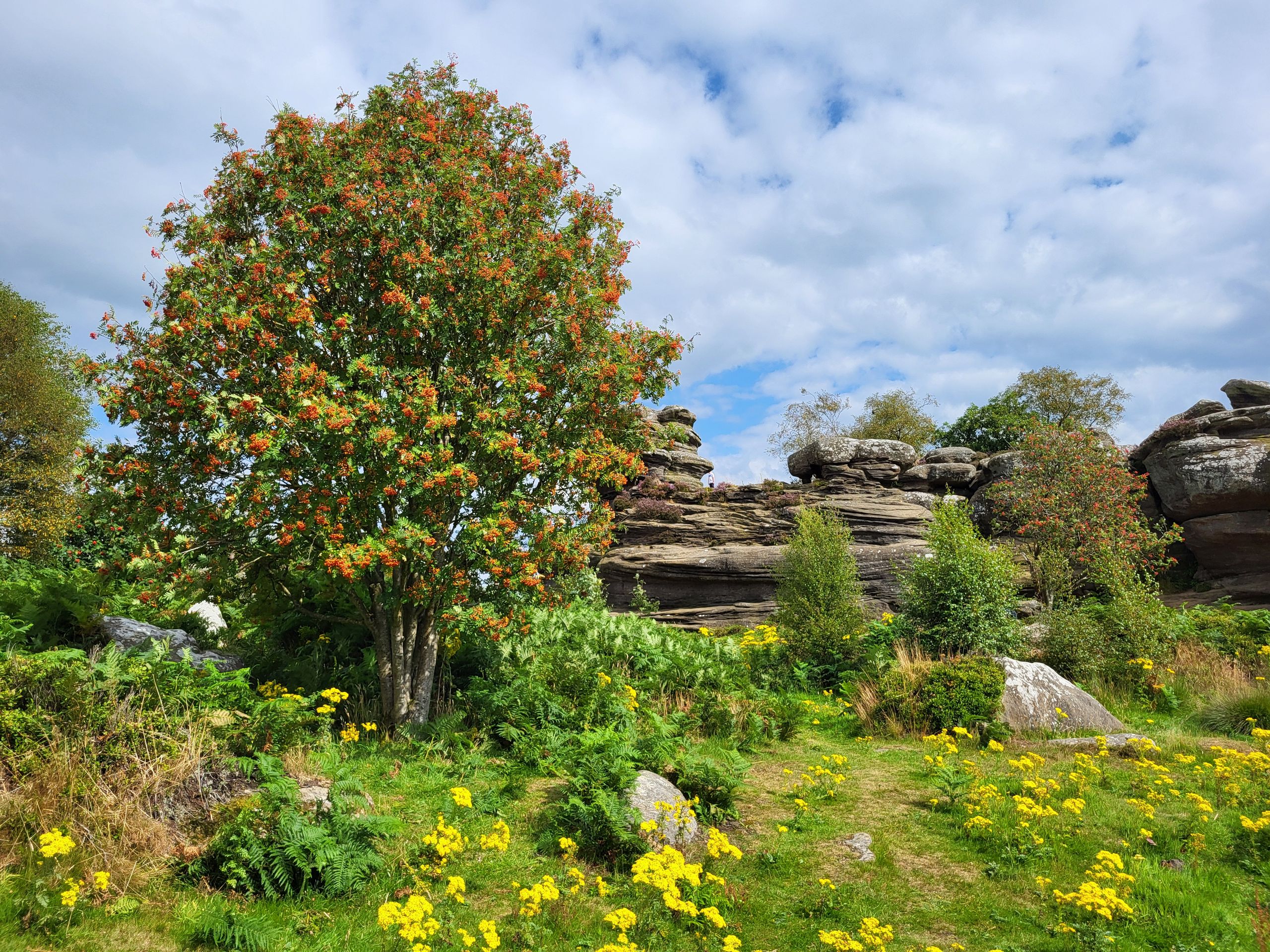
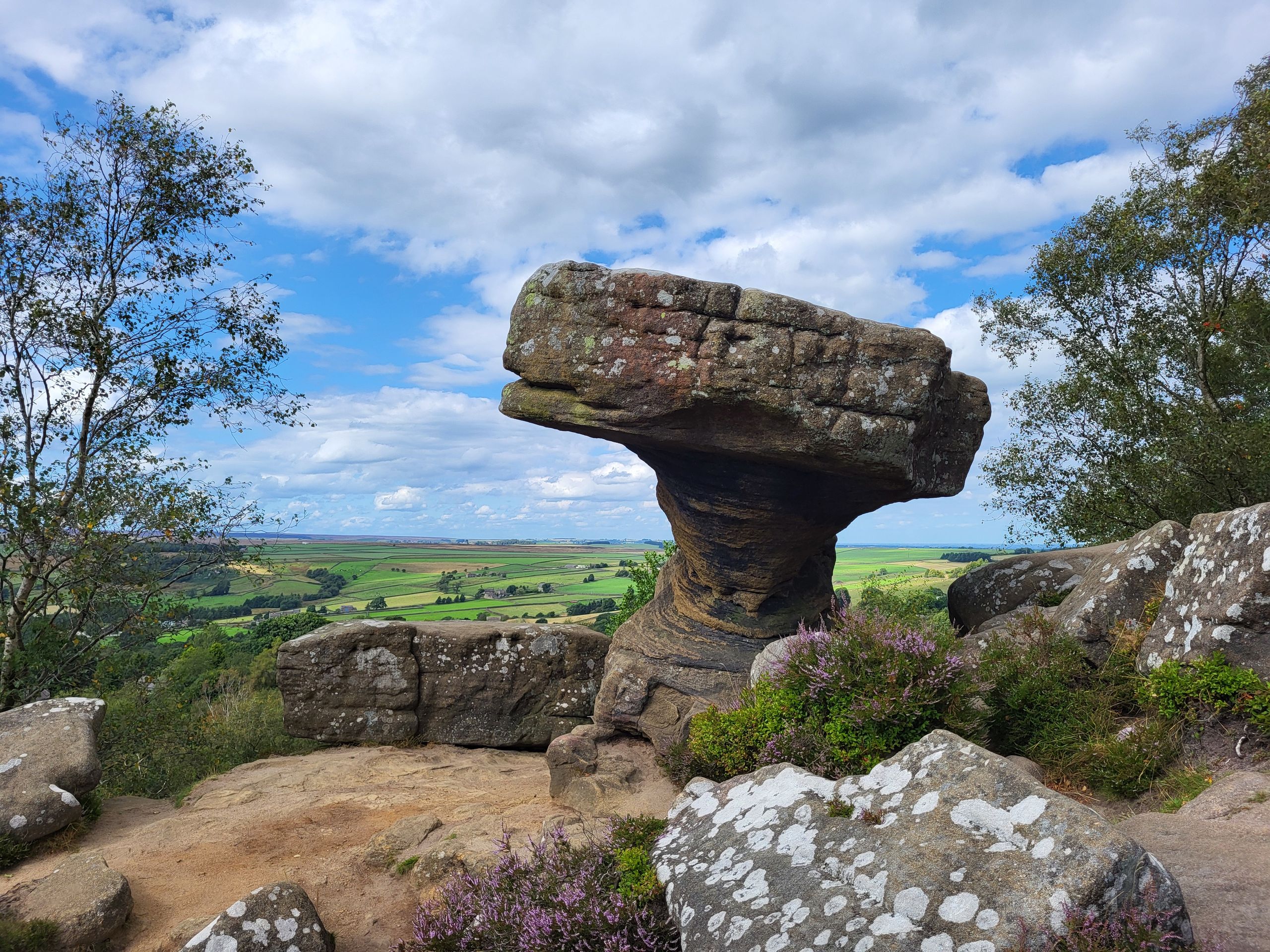
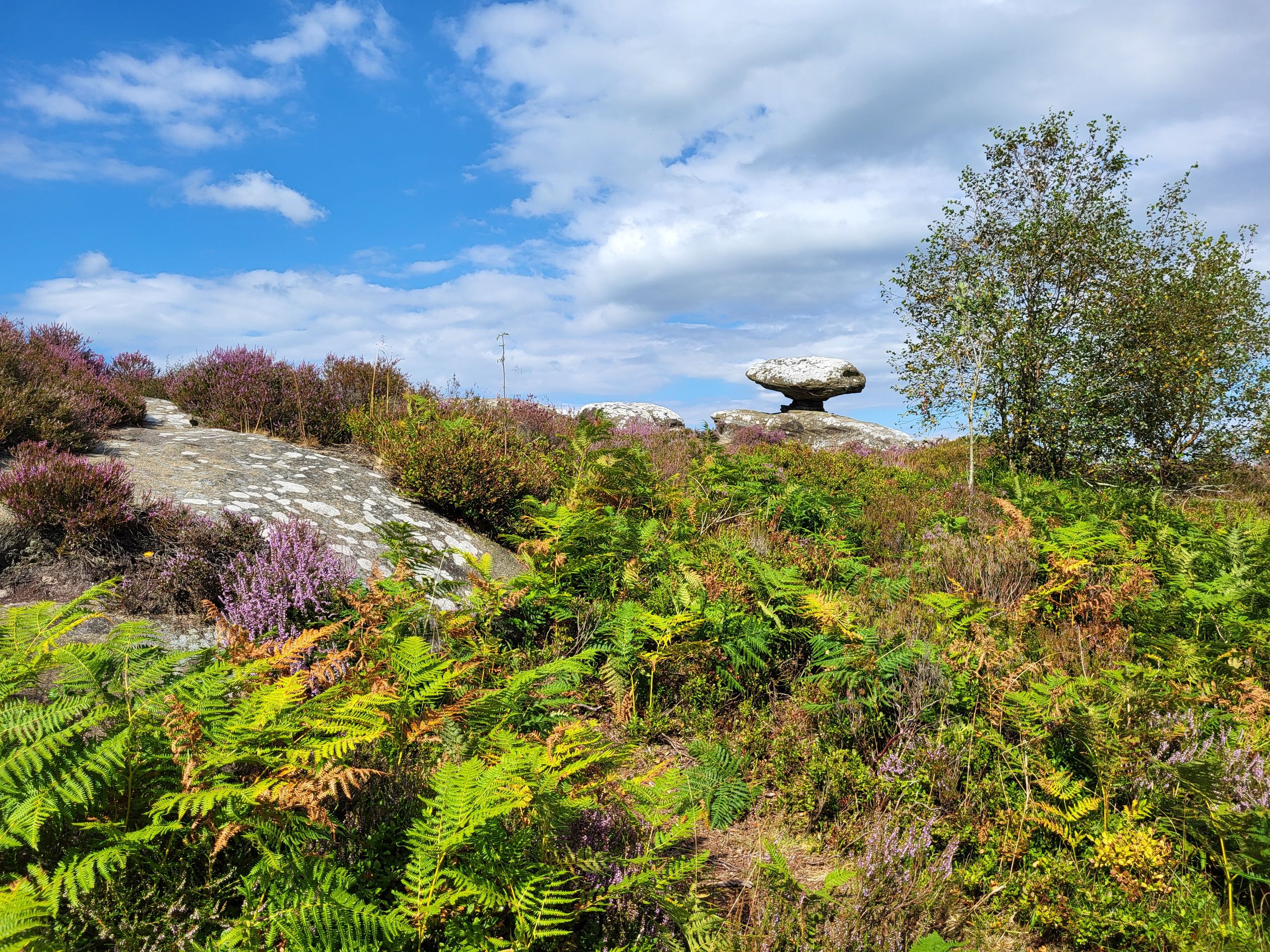
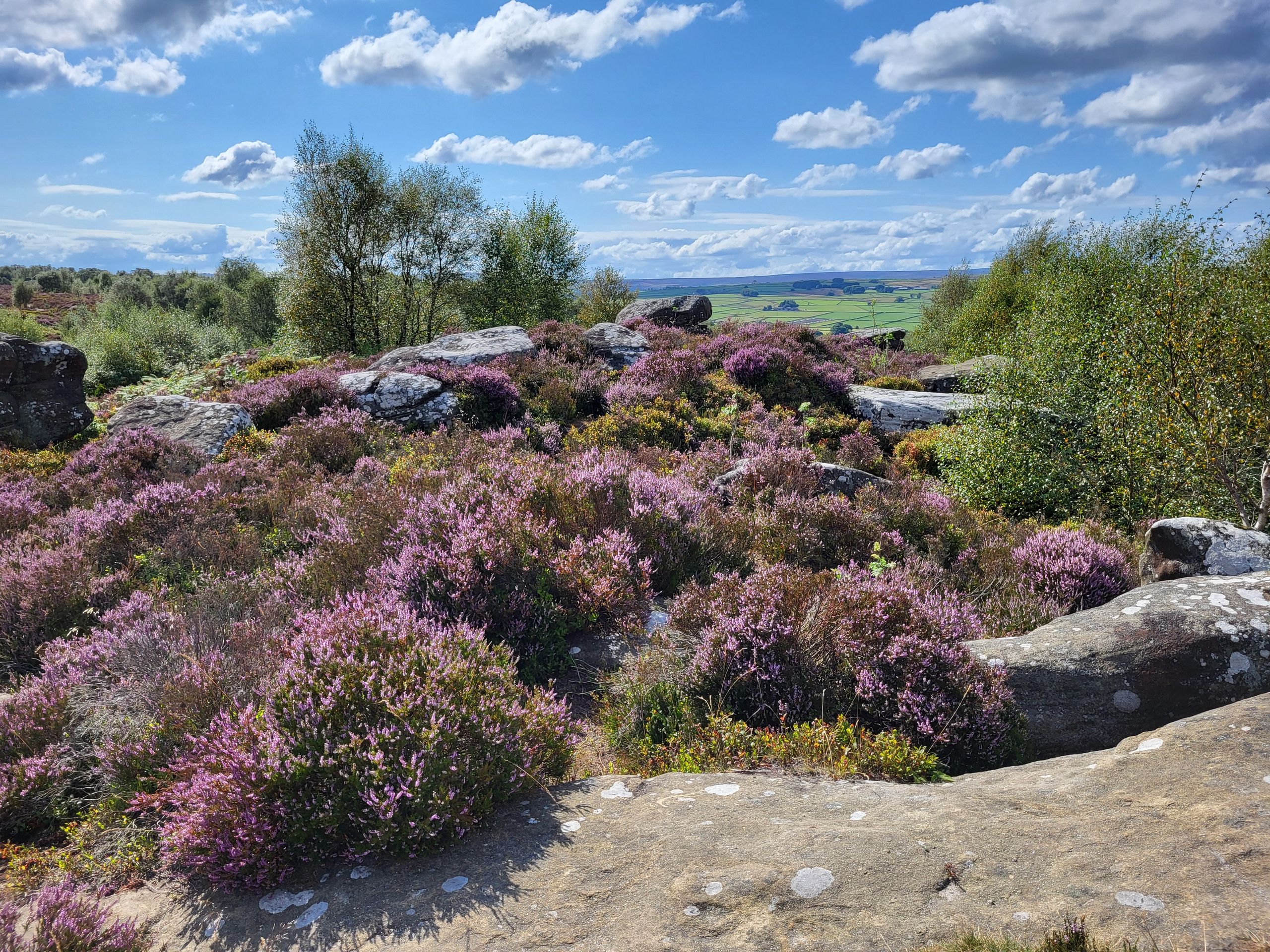
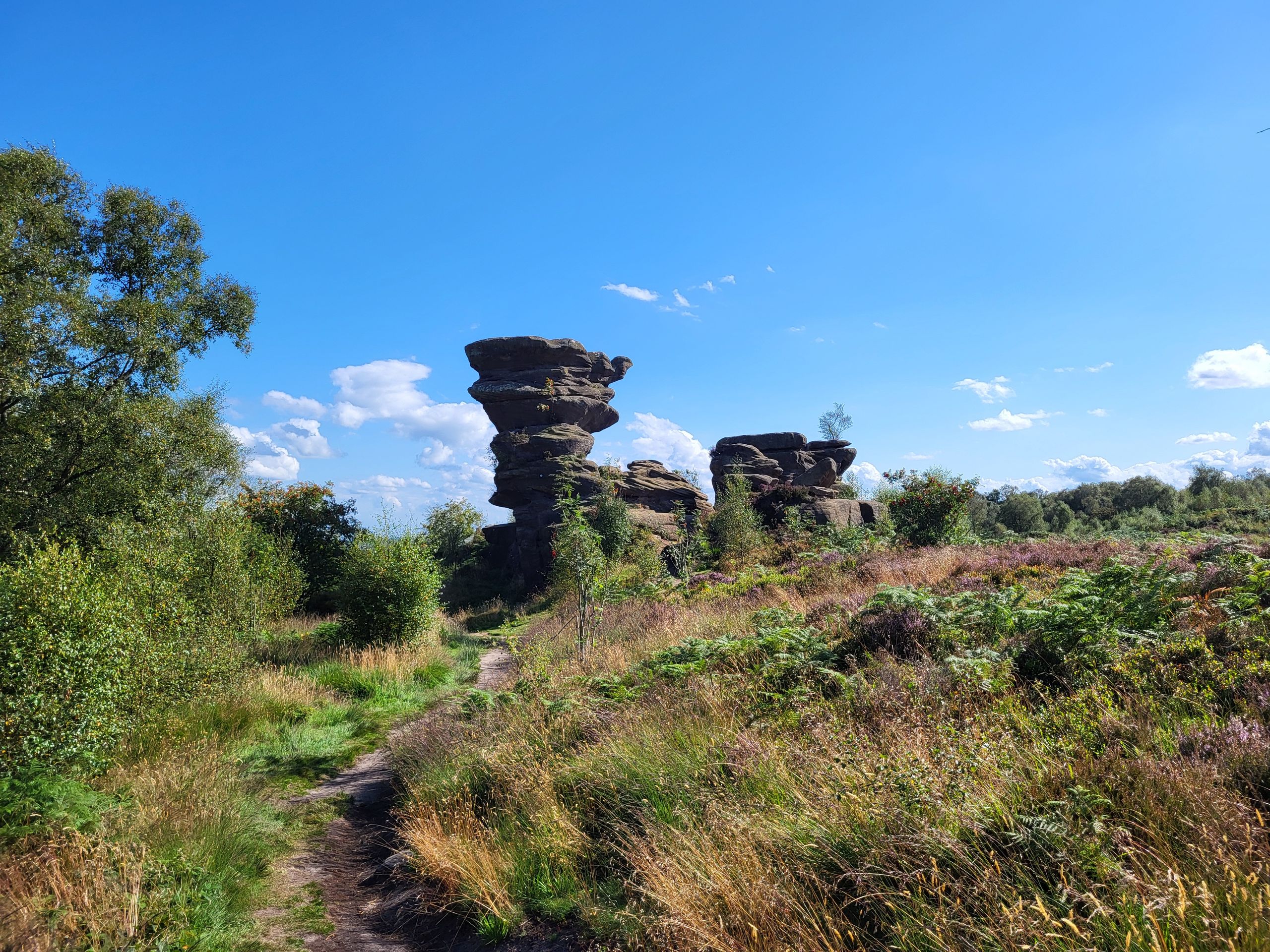
Brimham Rocks The bizarre rock formations were formed during the last ice age.
Brimham Rocks Today, they invite many visitors to climb.
Brimham Rocks On the way to the Visitor Centre, we passed many rocks where children and young people were sitting or attempting to climb.
Brimham Rocks As we continued our path a little further away from the parking lot, it became quieter, and we encountered only a few others.
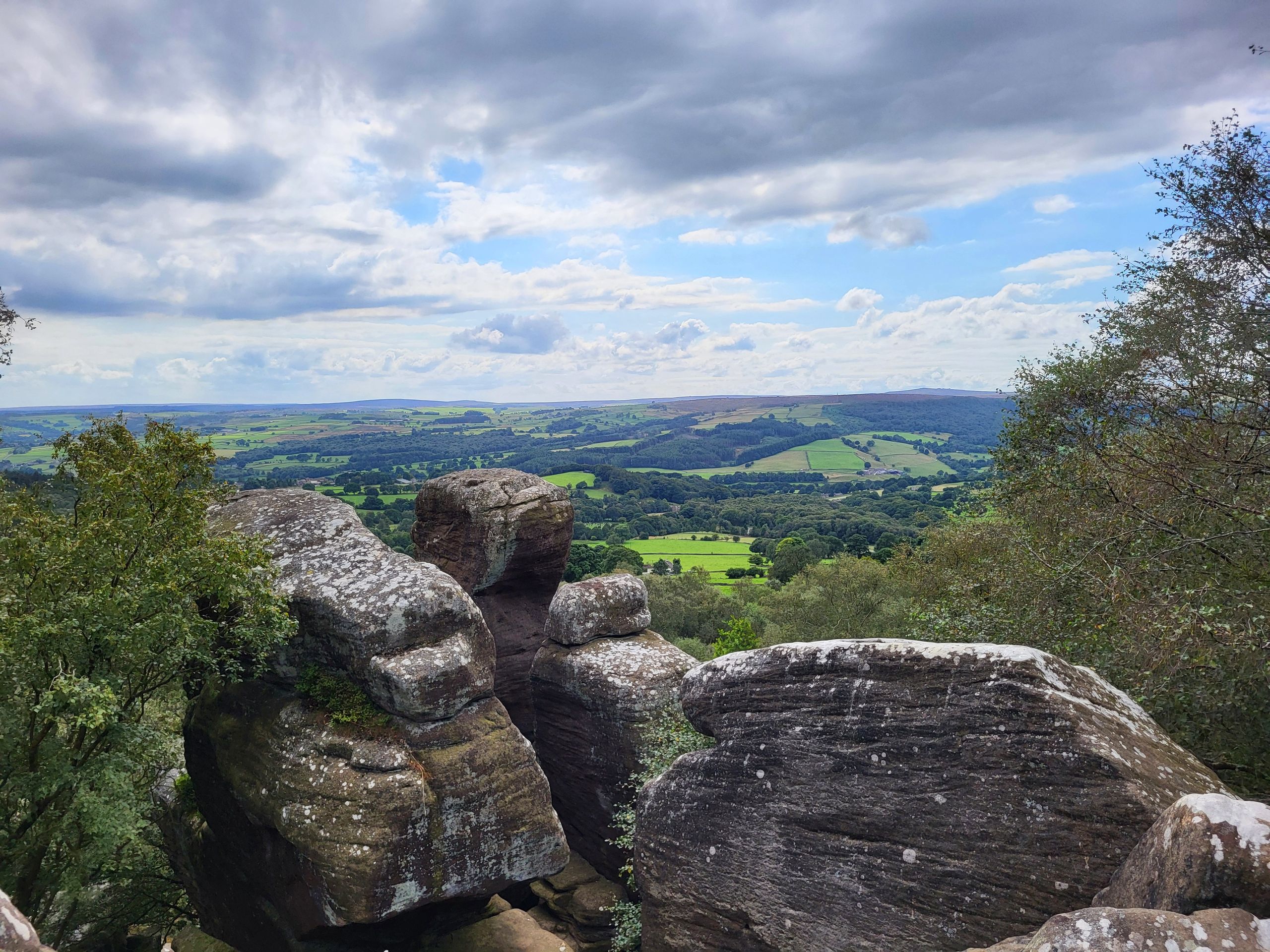
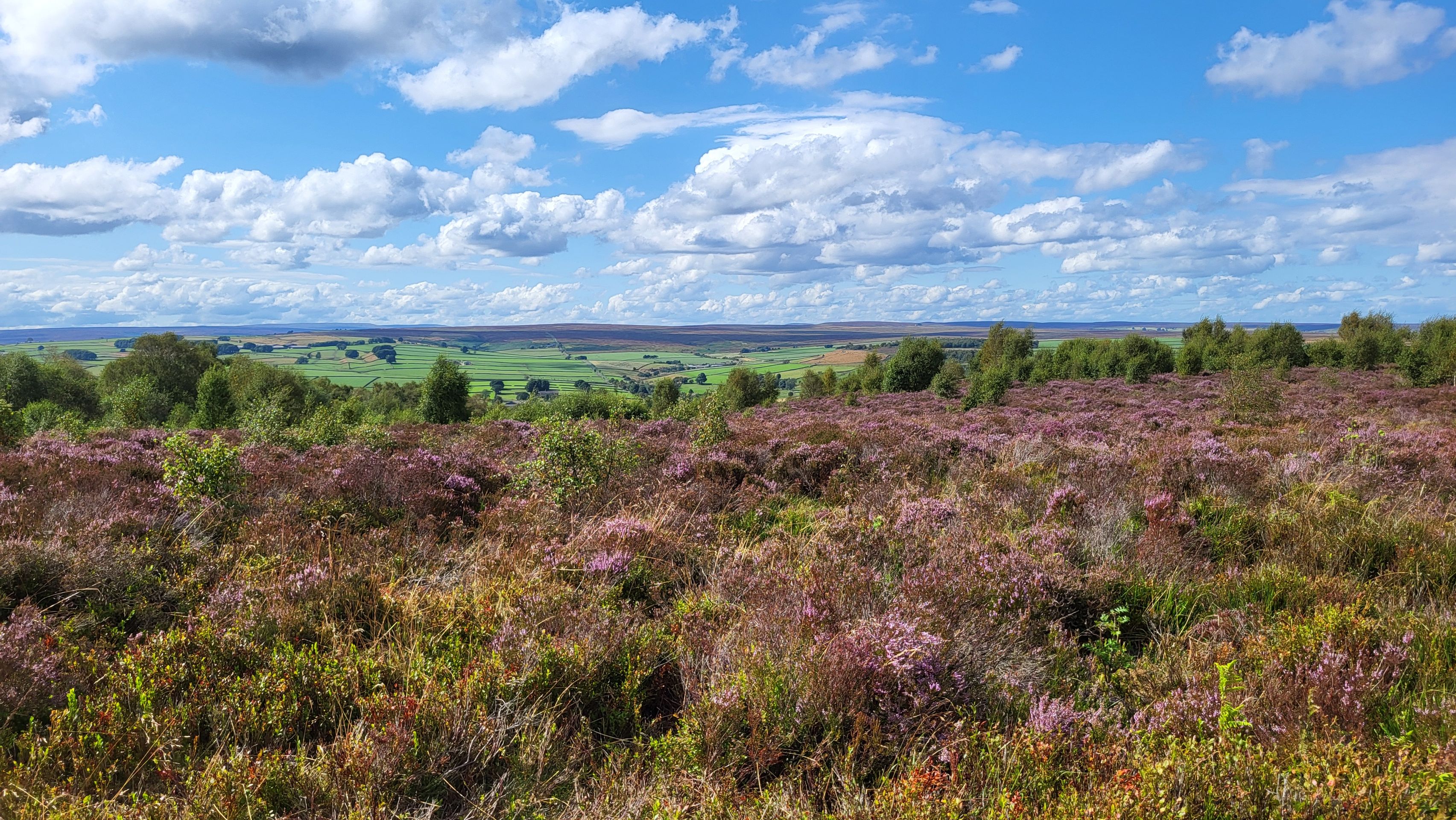
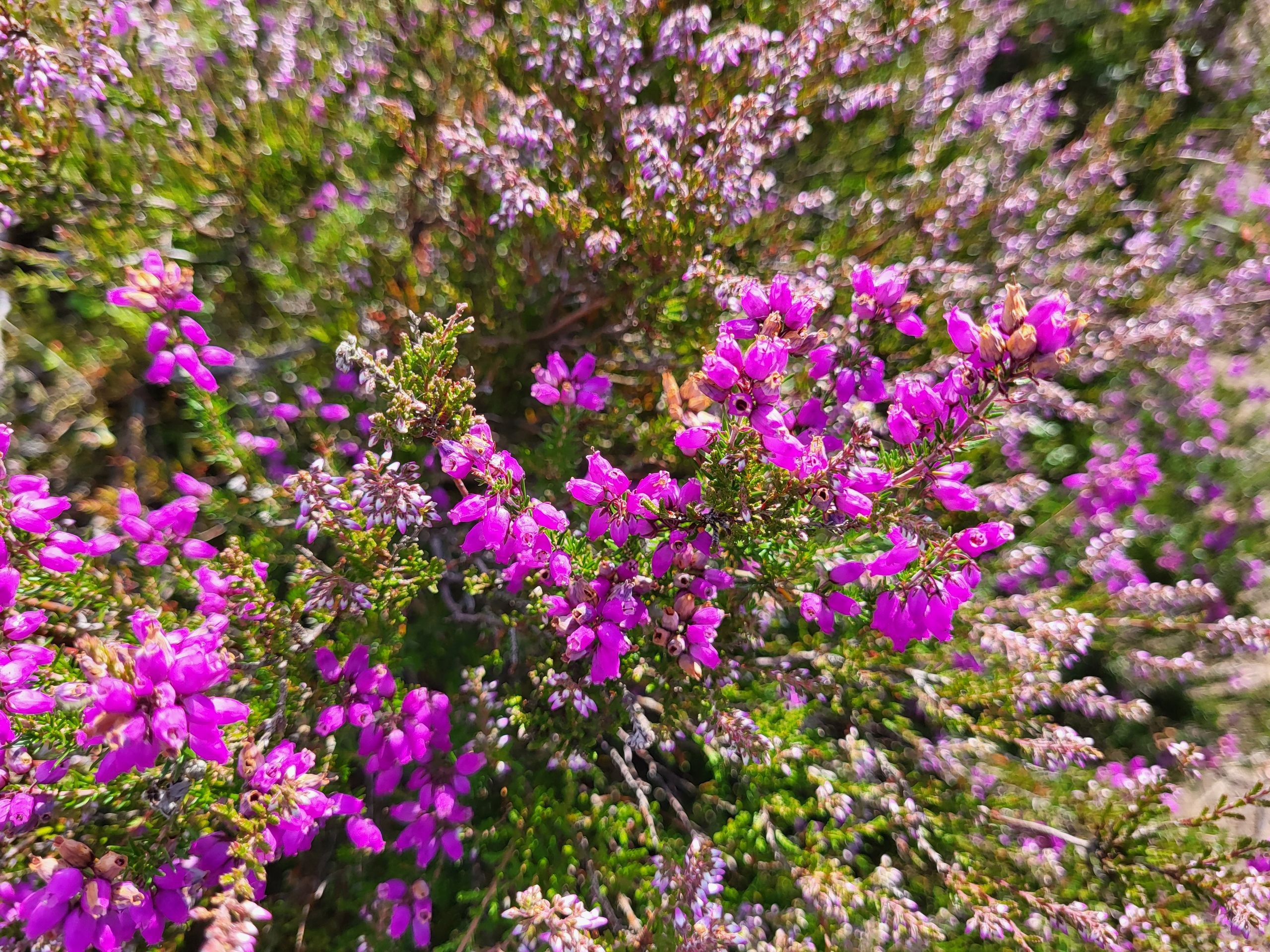
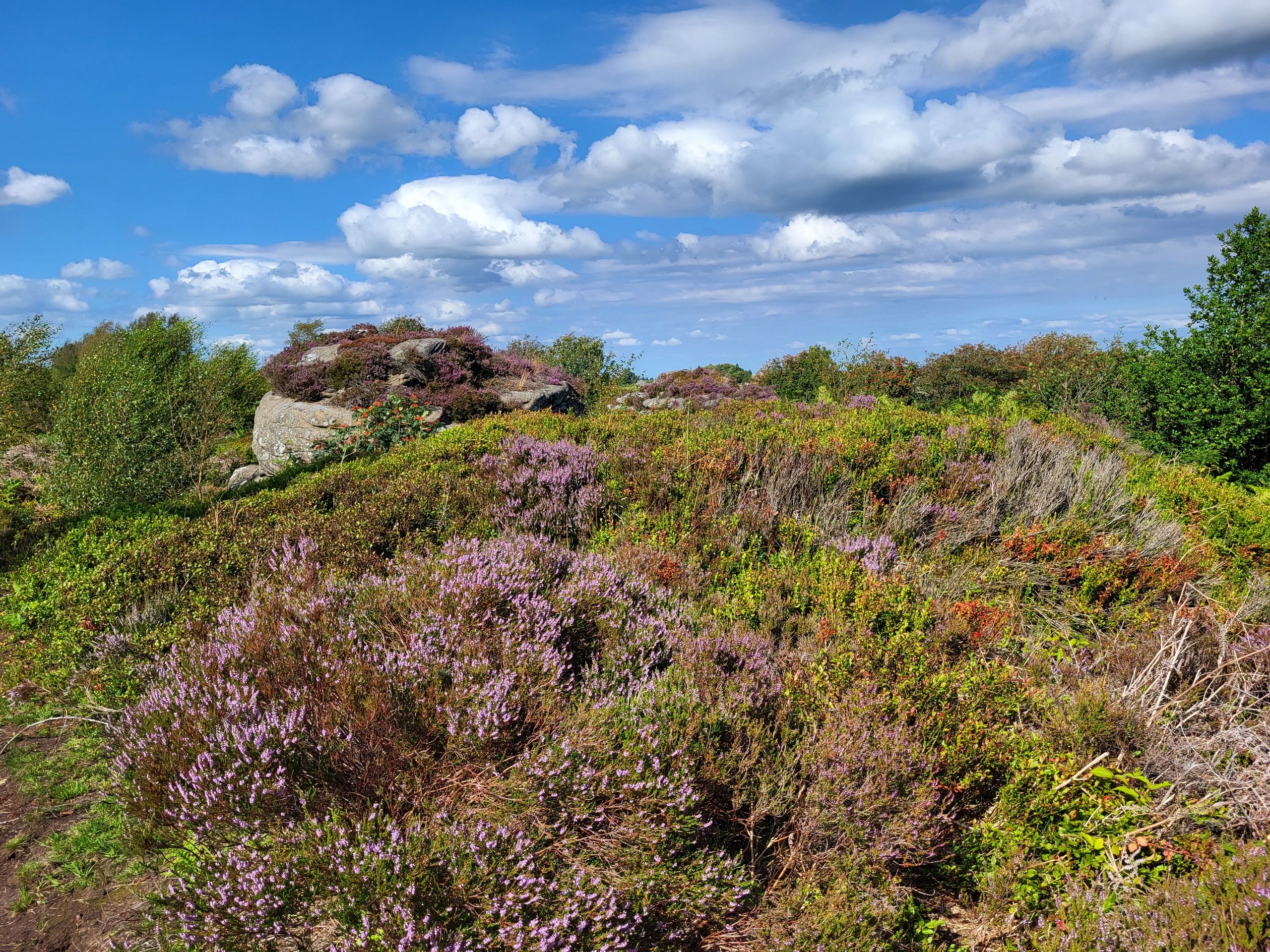
Brimham Rocks Eventually, we moved further into a beautiful heathland, where only sparse rock formations were visible.
Brimham Rocks Now we encountered almost no one, but enjoyed the beautiful view and the peace even more.
Brimham Rocks Although it was already almost evening, we made a stop in Saltaire.
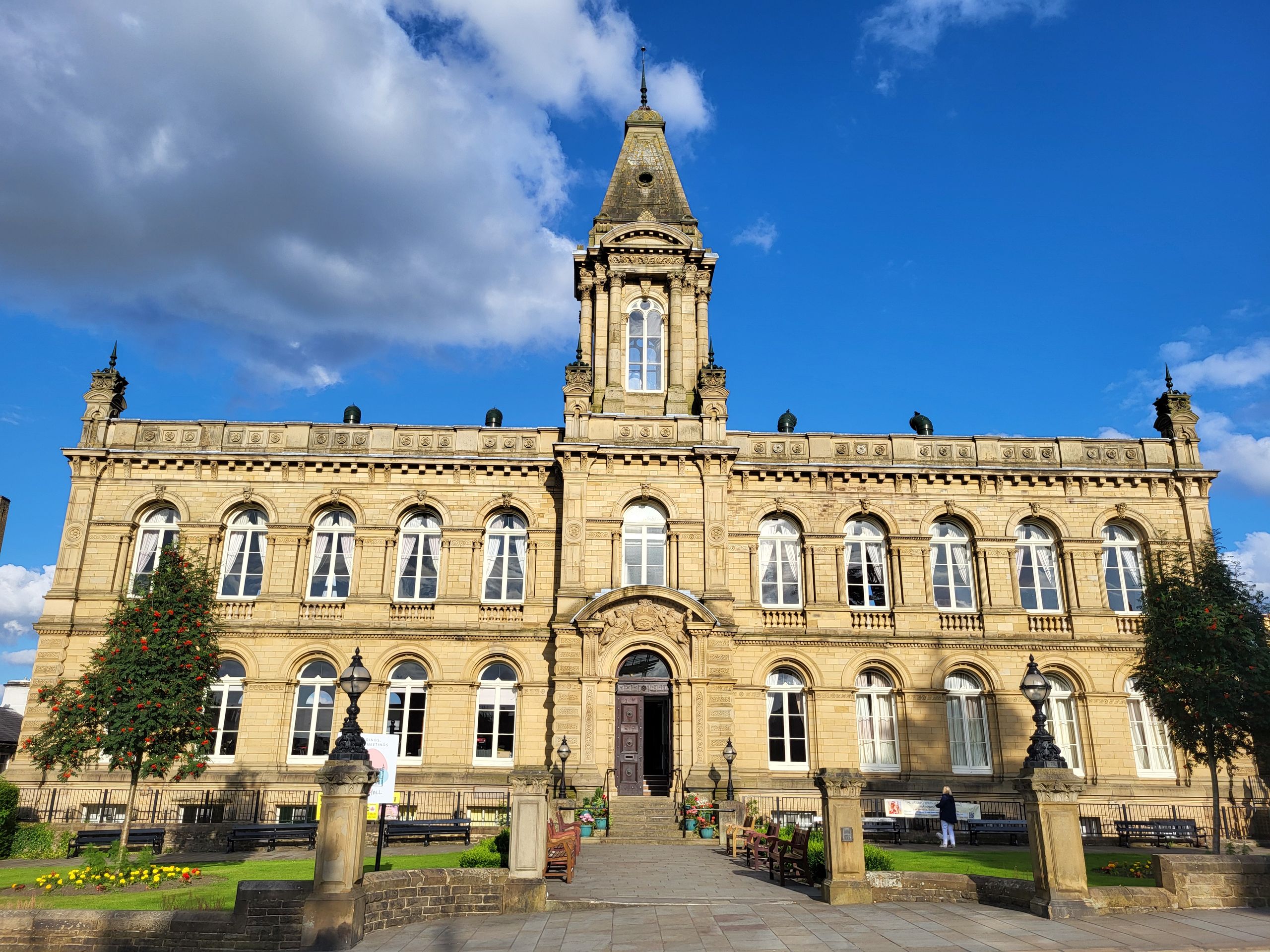
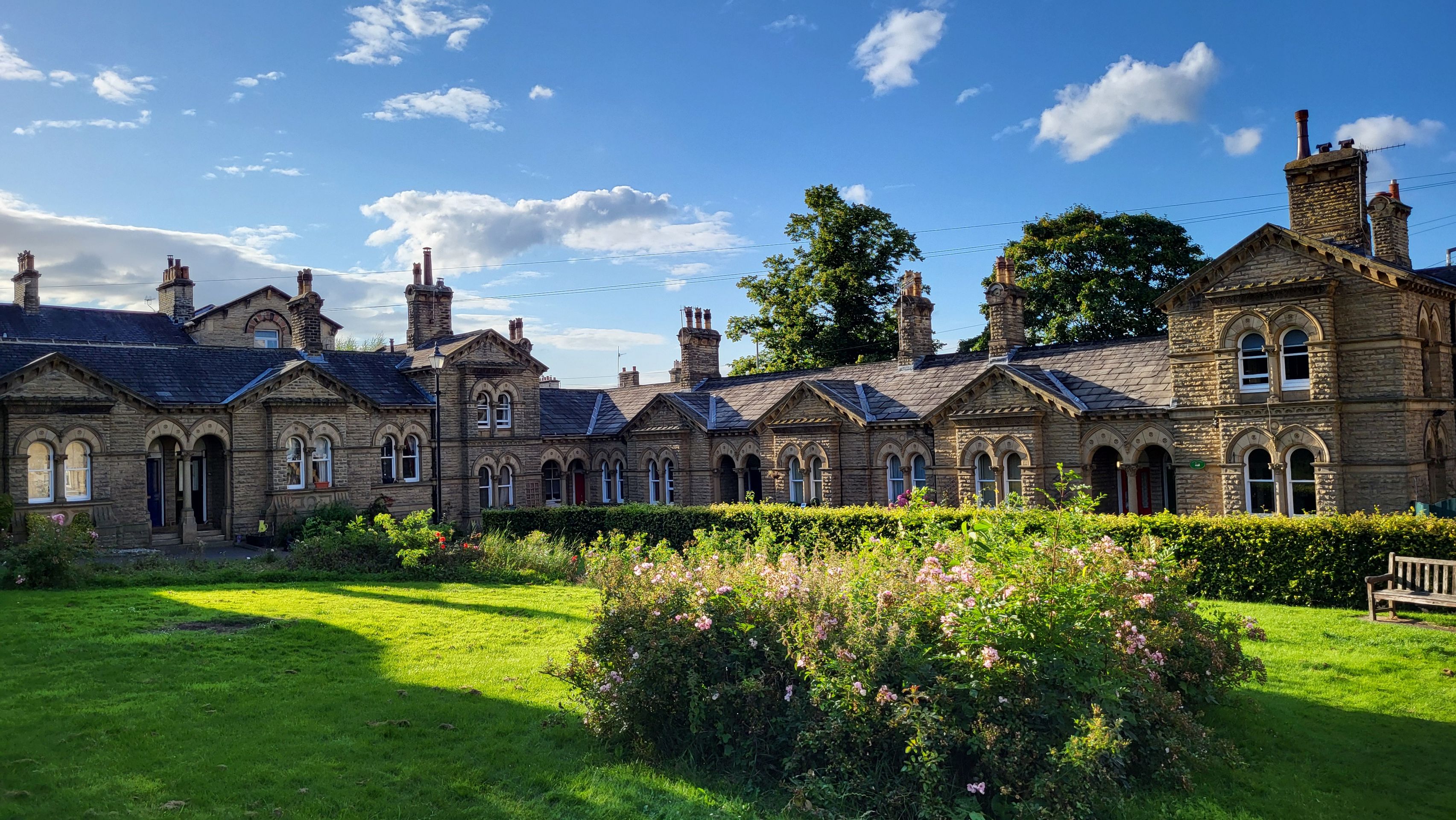
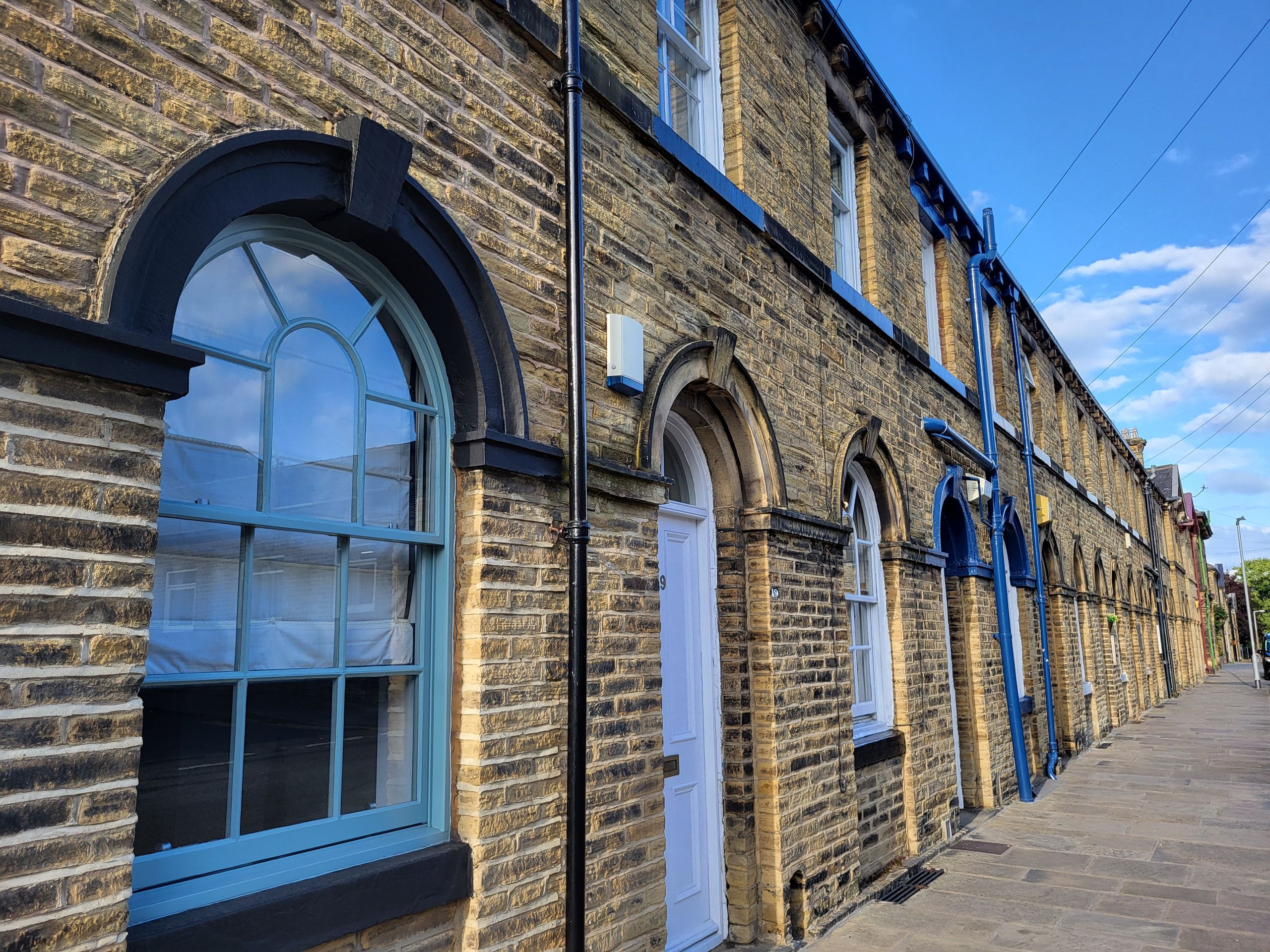
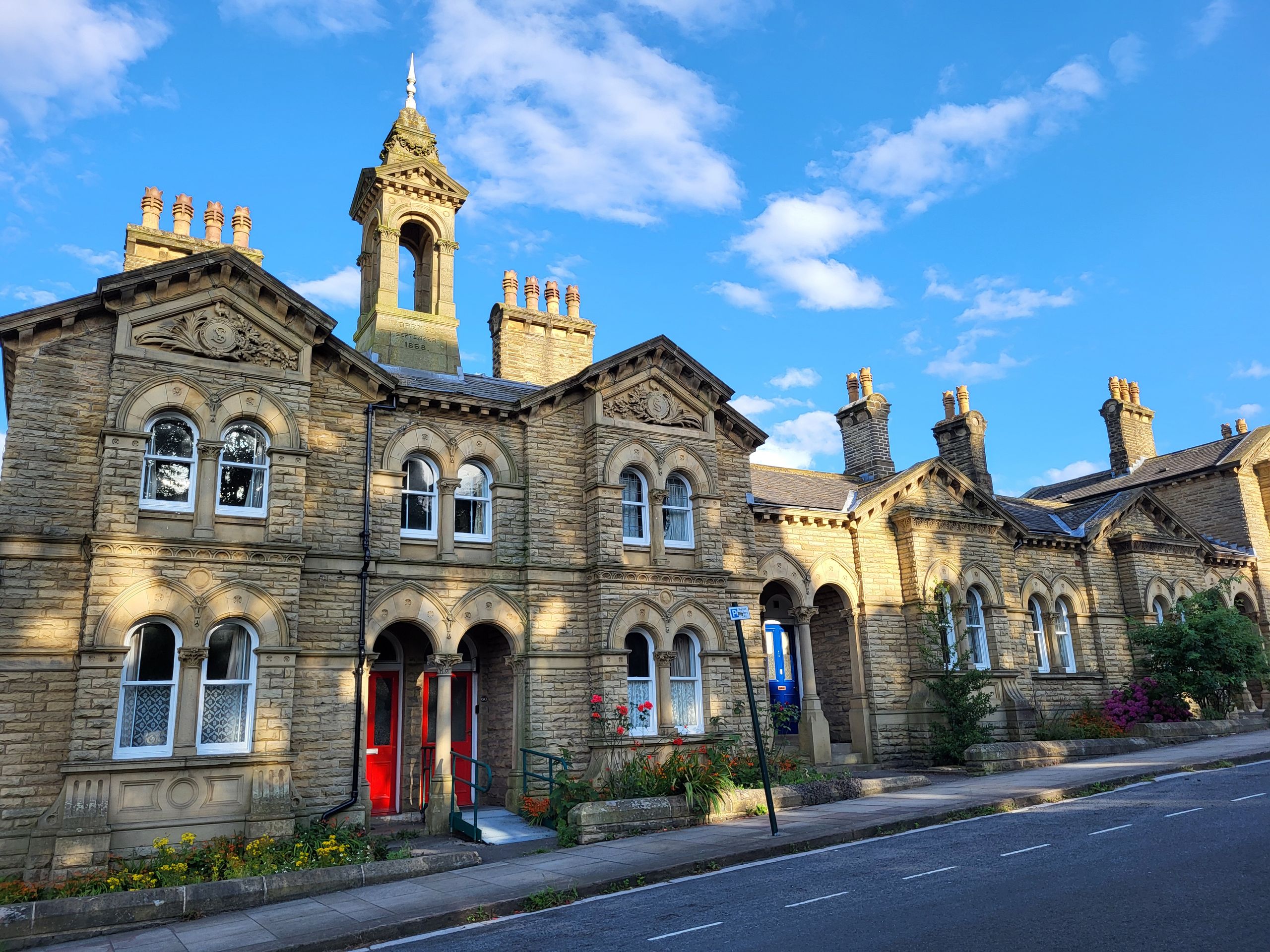
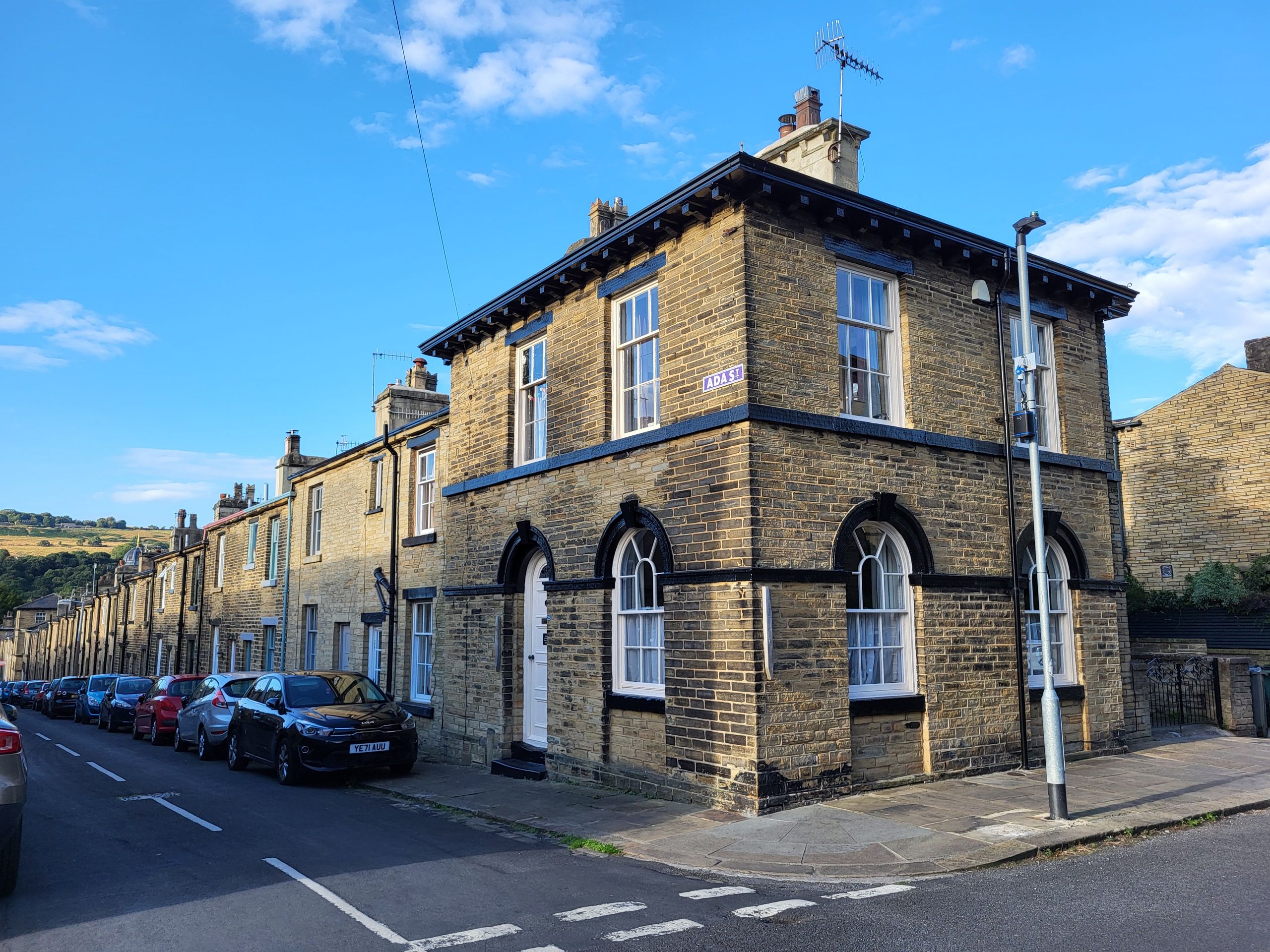
Saltaire Just outside of Bradford, the wealthy wool manufacturer Titus Salt began building a model village for his 3000 workers and their families from 1851.
Saltaire He named the place after himself and the river Aire that flows through the area.
Saltaire
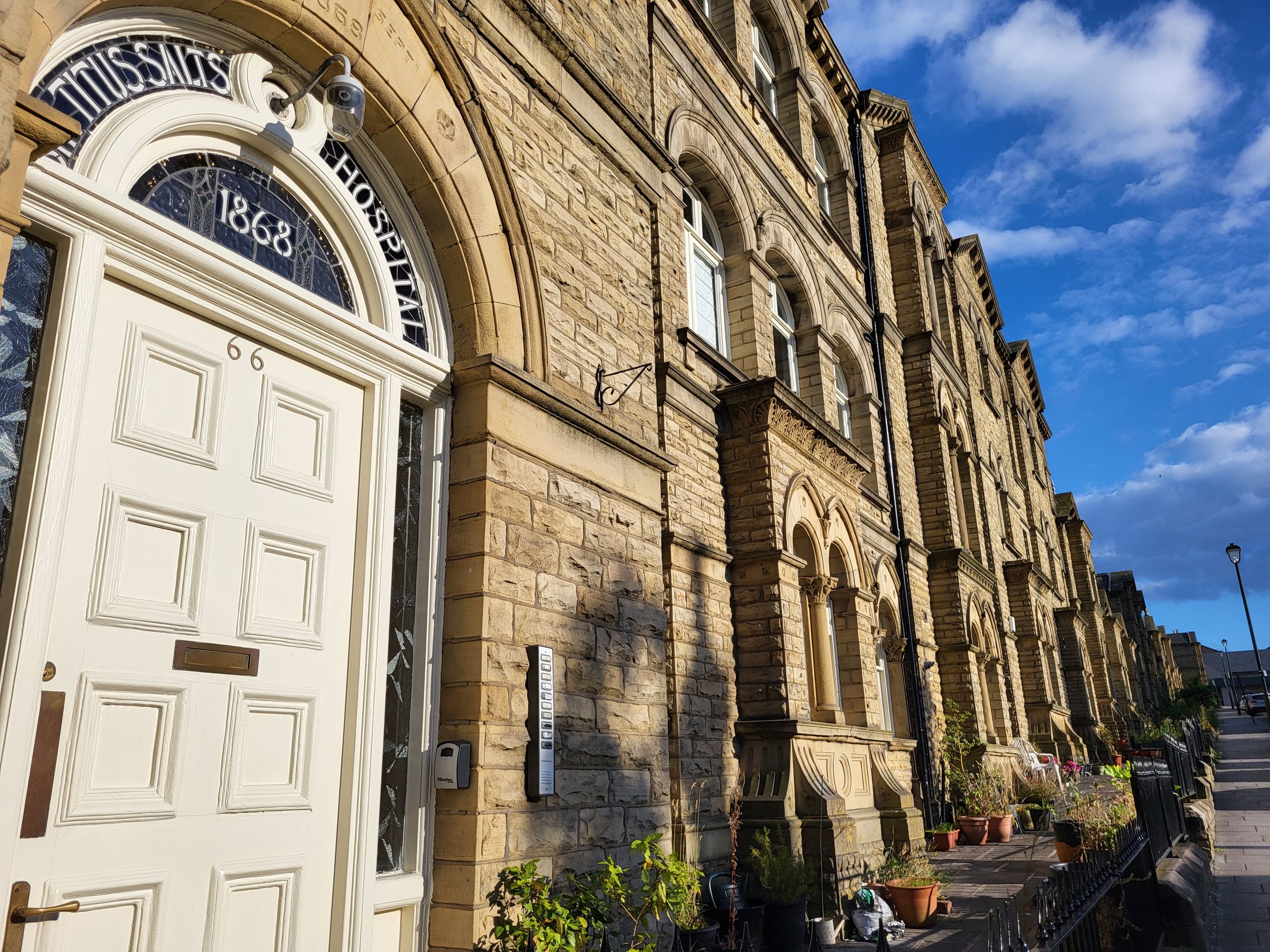
All buildings were constructed in the Italian Renaissance style and provide a uniform urban landscape, even though each street seems to be designed slightly differently.
Saltaire We walked through some of the streets and also saw some of the community buildings like the hospital or the old school.
Saltaire Even the workers who retired were considered: They had their own accommodations in a street.