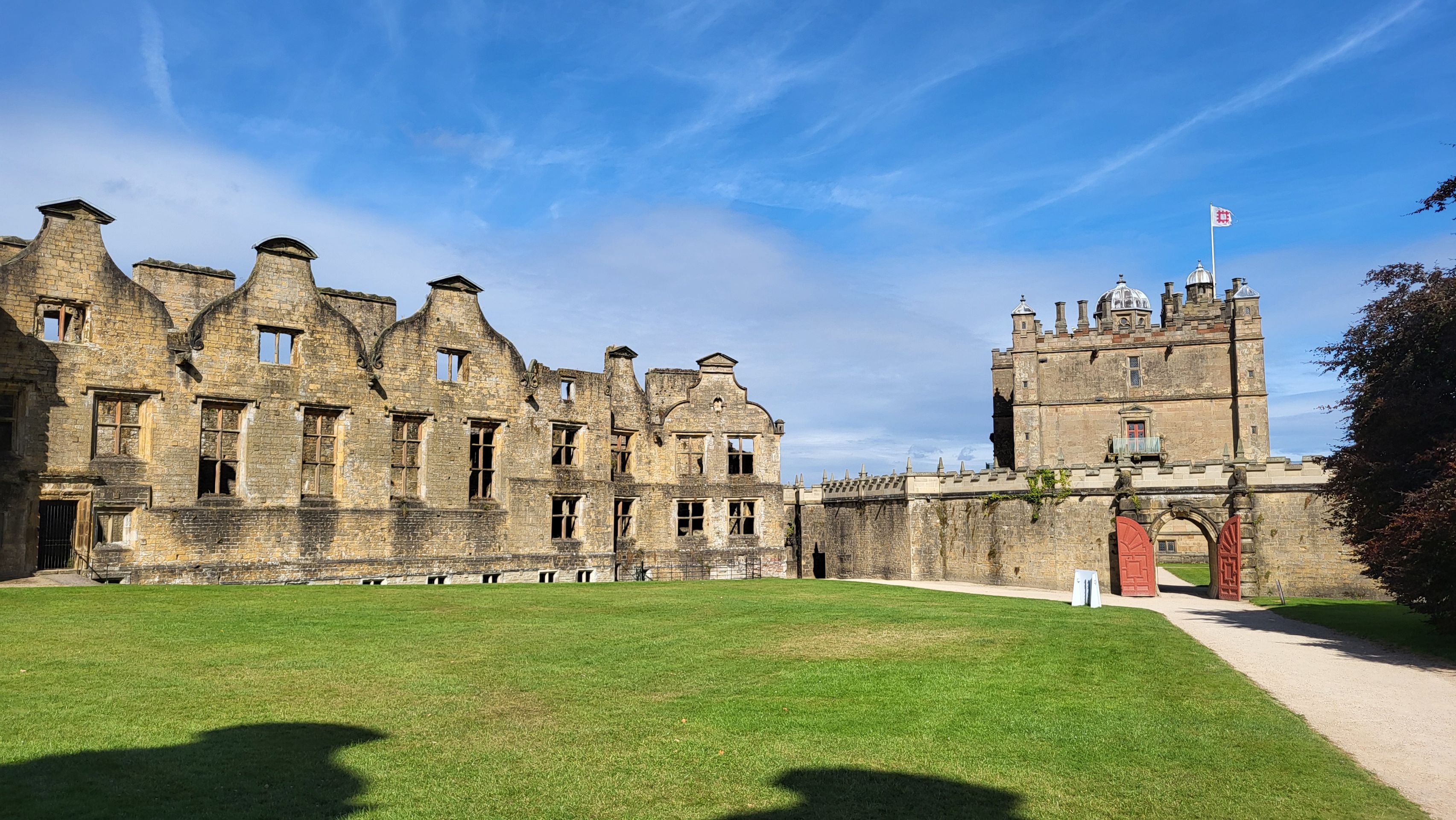
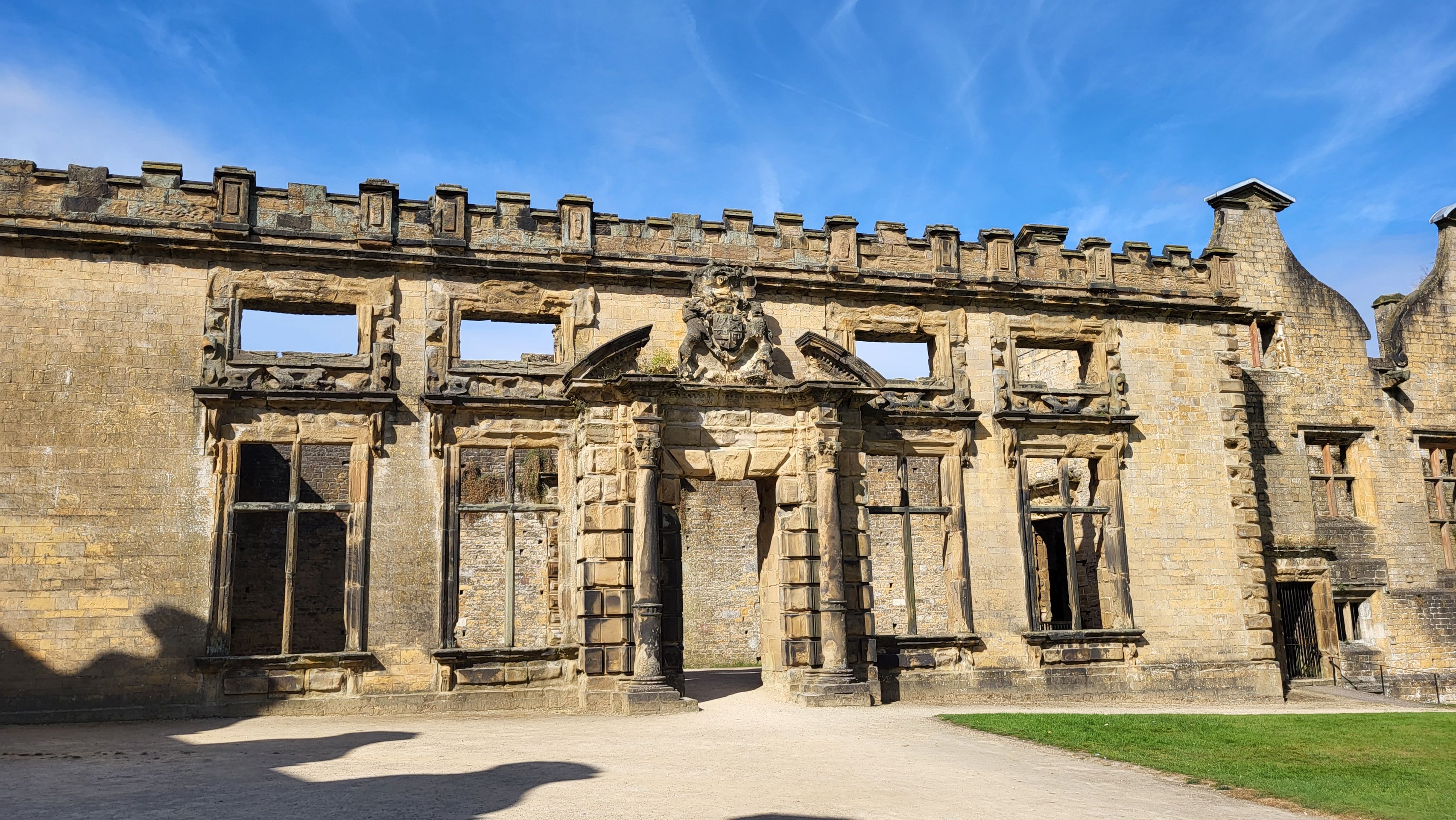
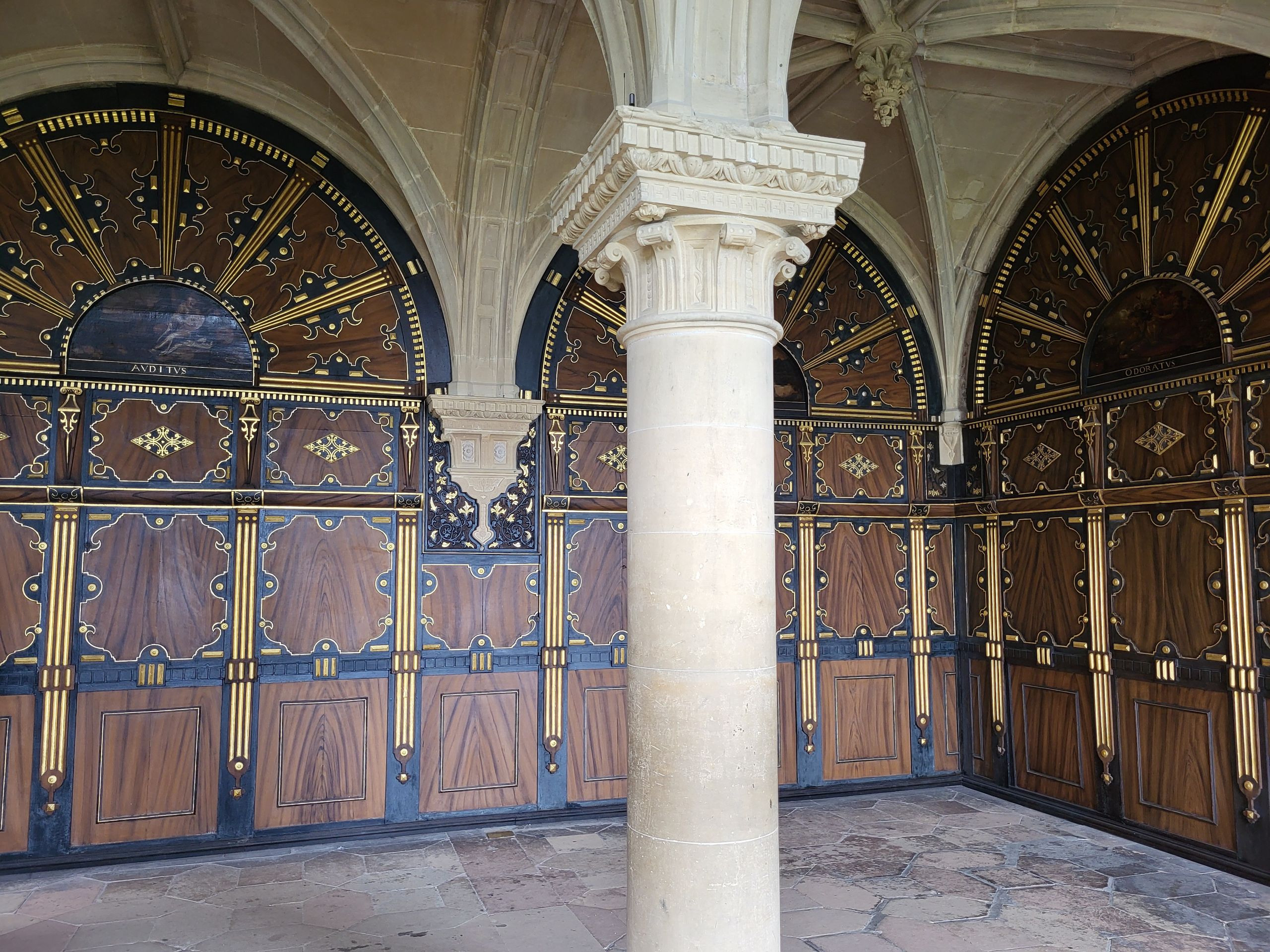
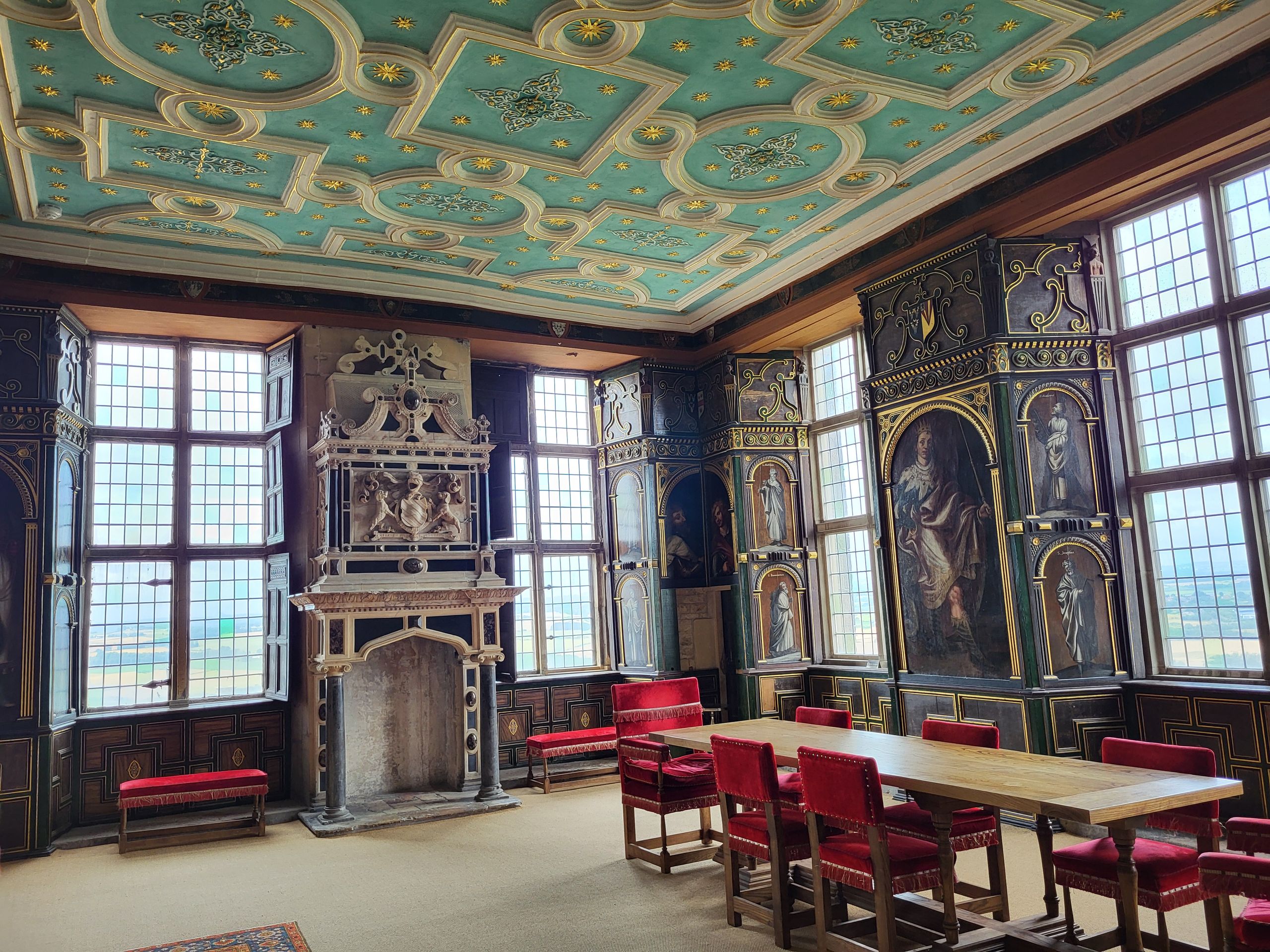
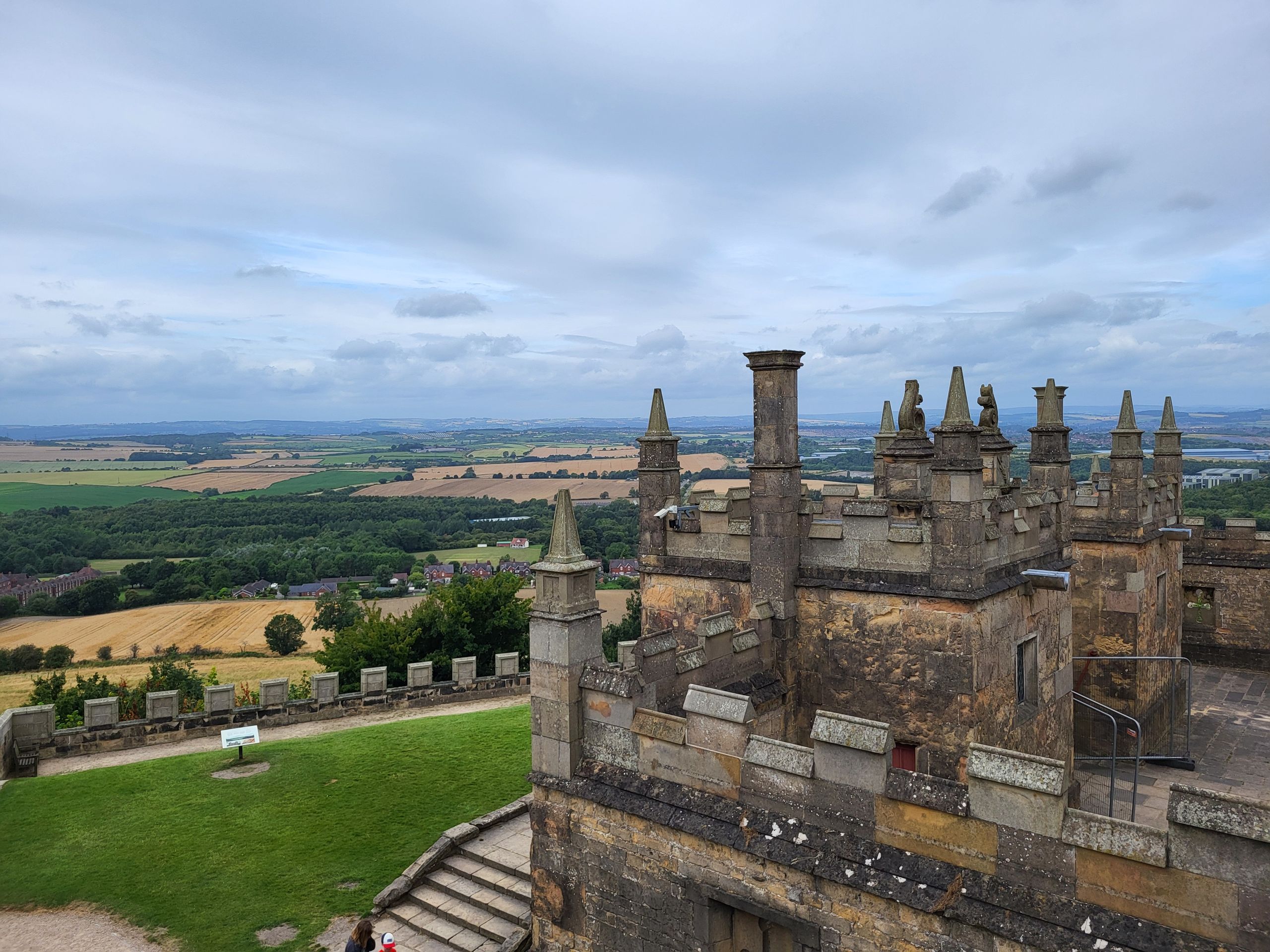
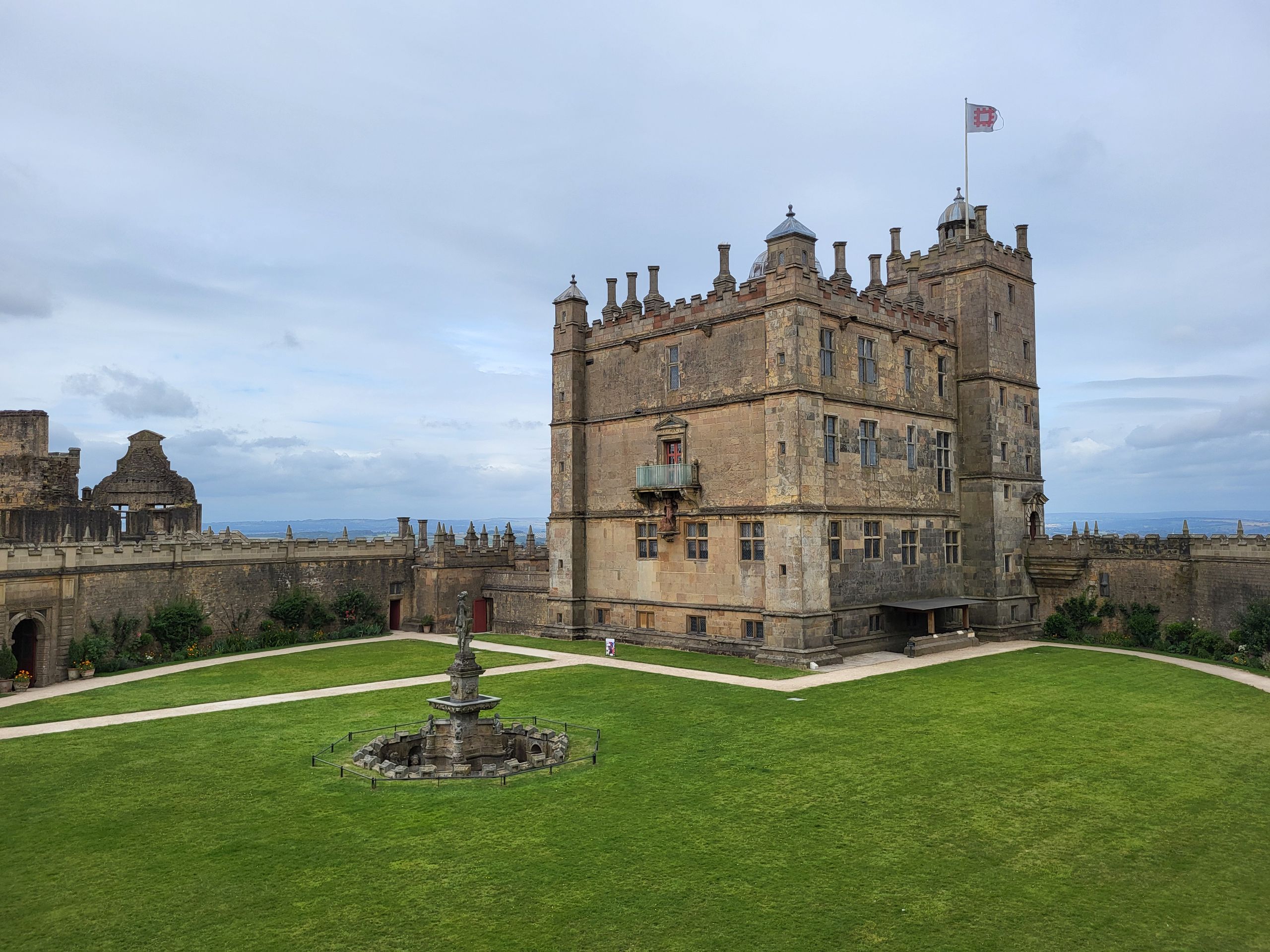
In the morning, a castle was first on the agenda: Bolsover Castle.
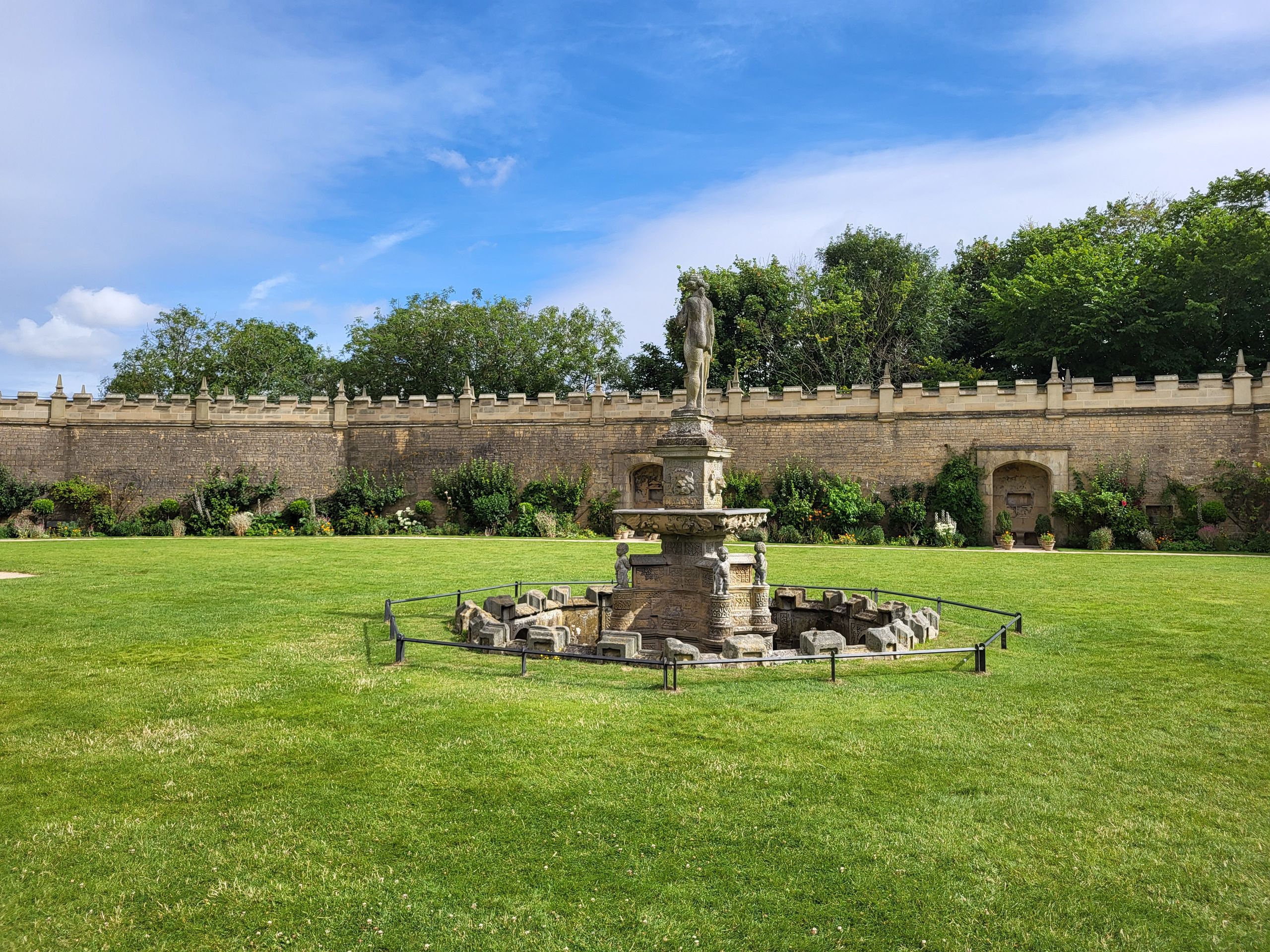
Bolsover Castle The castle was originally built in the 12th century but came into the possession of Sir Charles Cavendish, the son of Bess of Hardwick (of whom we would hear a lot later) in 1608.
Bolsover Castle Under him and his son William, the castle was renovated and updated.
Bolsover Castle During the English Civil War, Bolsover Castle was taken and destroyed by opponents of the royalists, but later renovated again by William Cavendish.
Bolsover Castle In 1945, it was handed over to the state by the last private owner and is now managed by English Heritage.
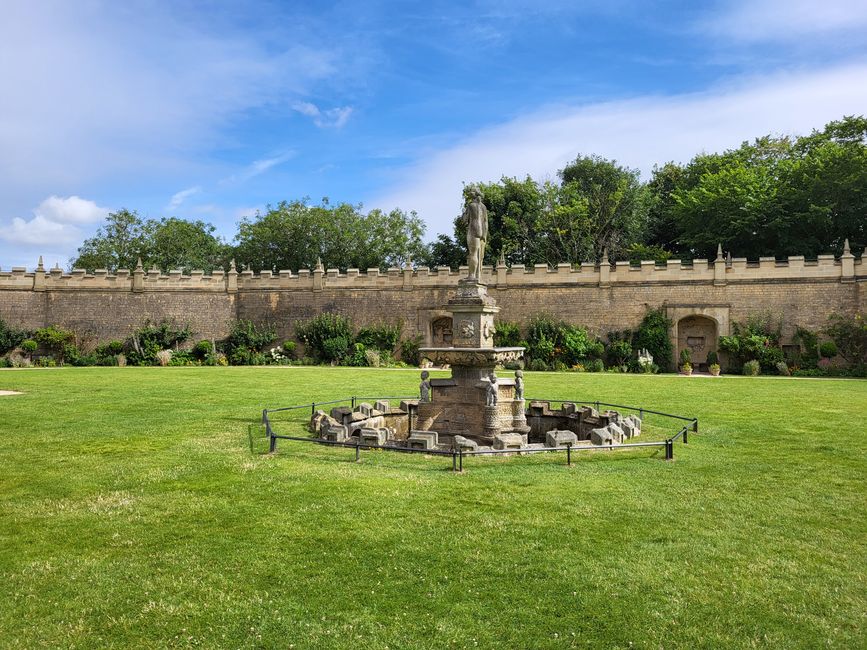
Bolsover Castle We arrived exactly at the opening time of 10 am, initially quite alone on the grounds, allowing us to view the exhibition on the history of the castle and the life of William Cavendish relatively undisturbed.
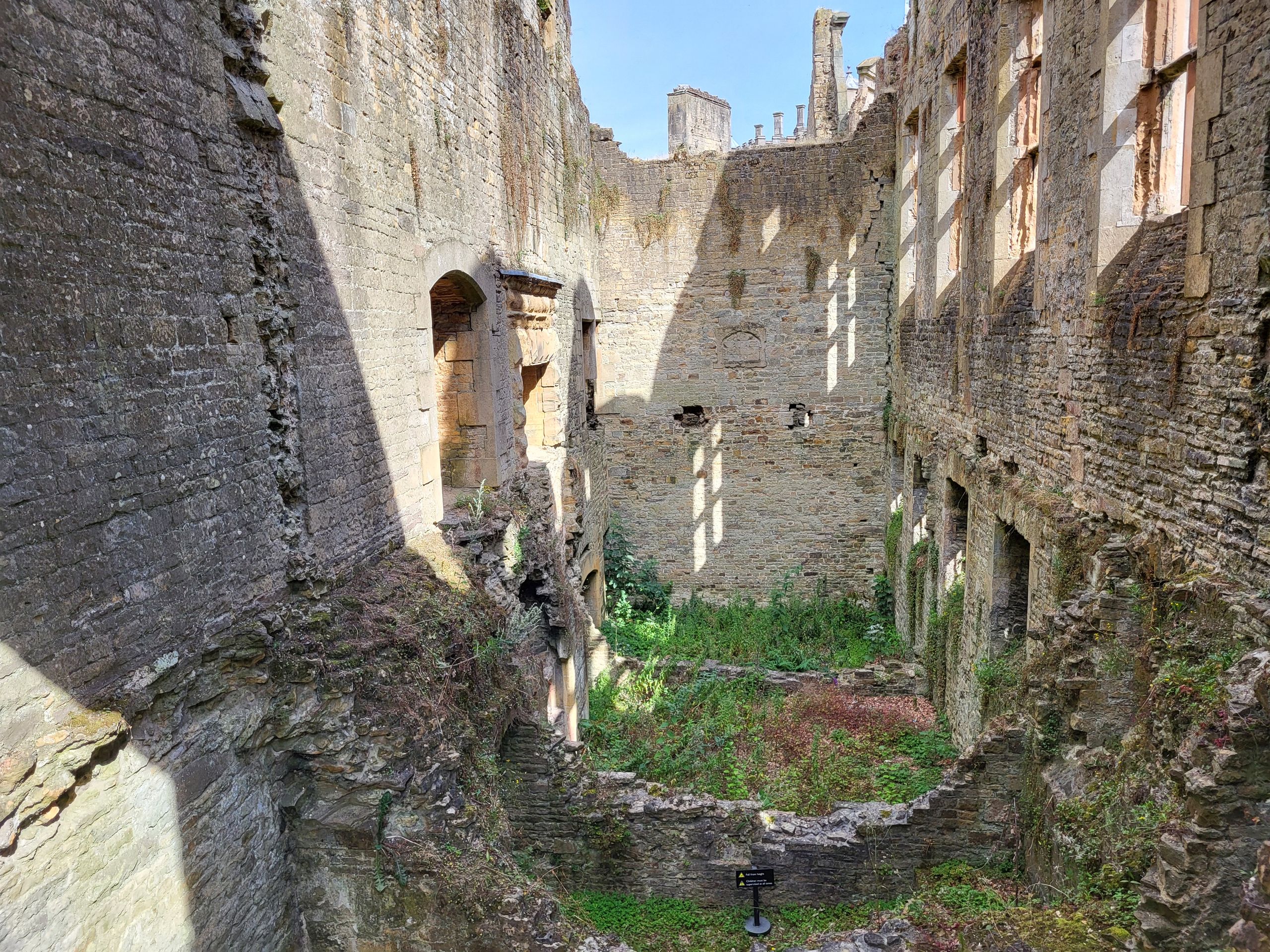
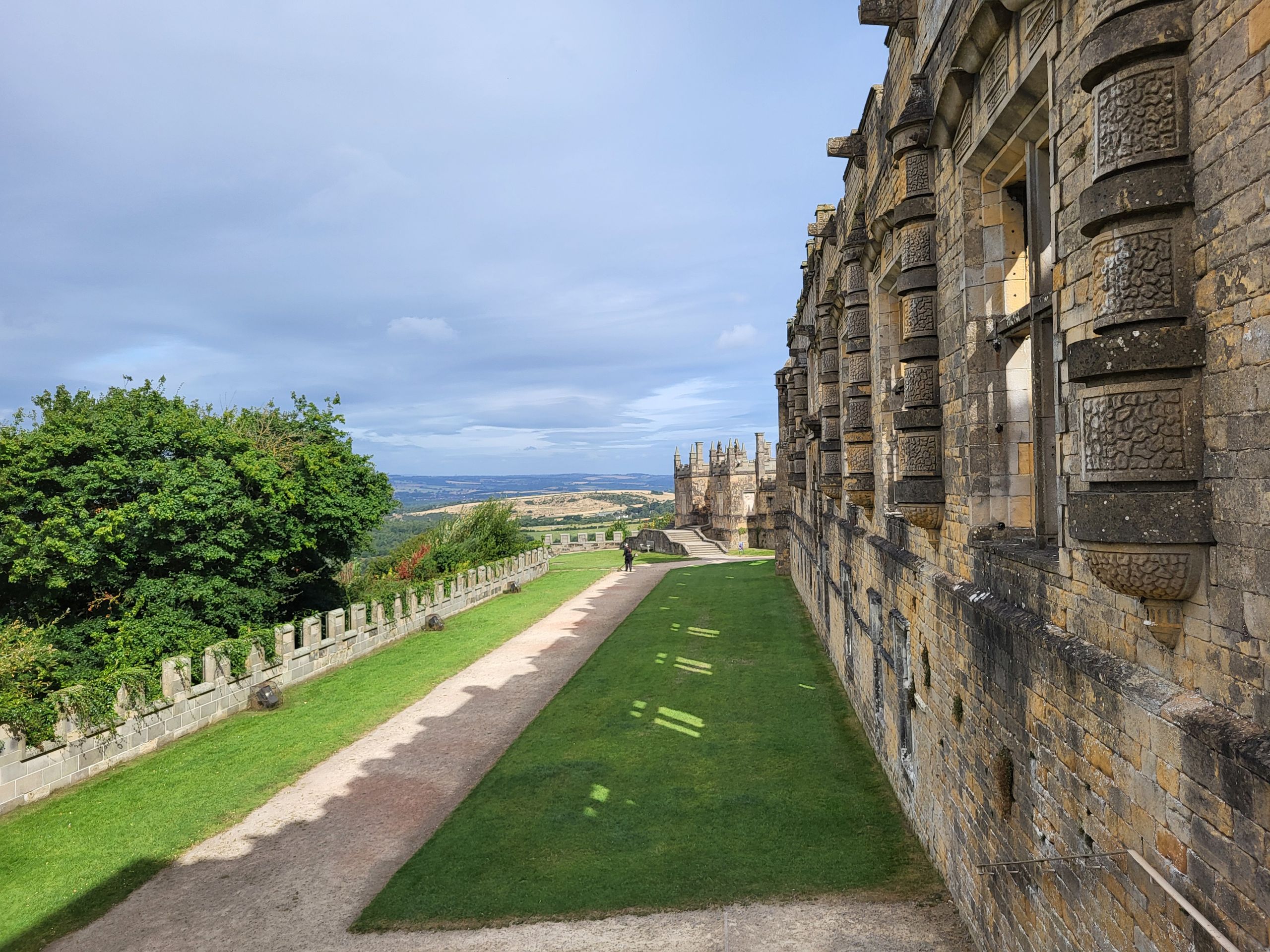
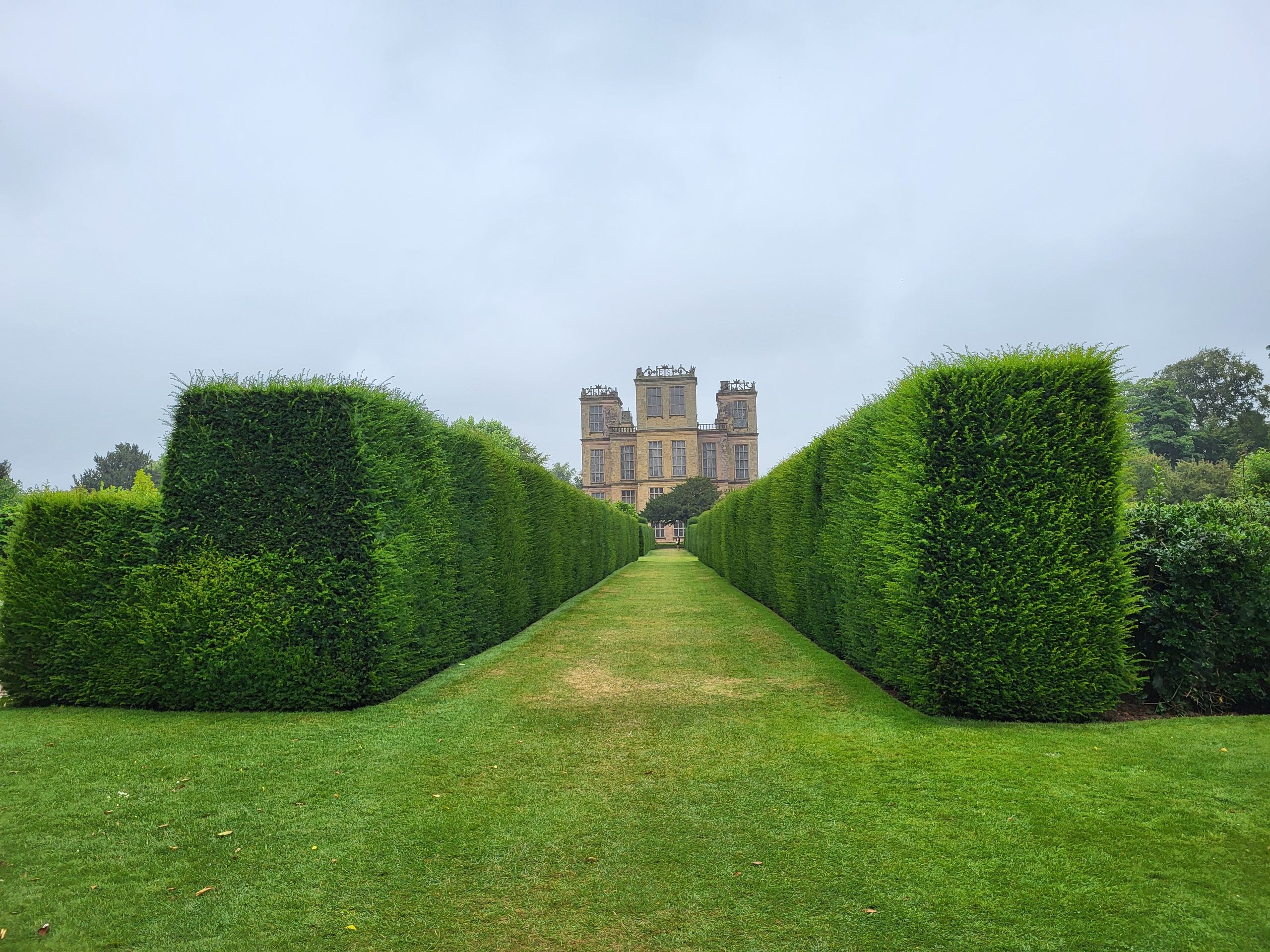
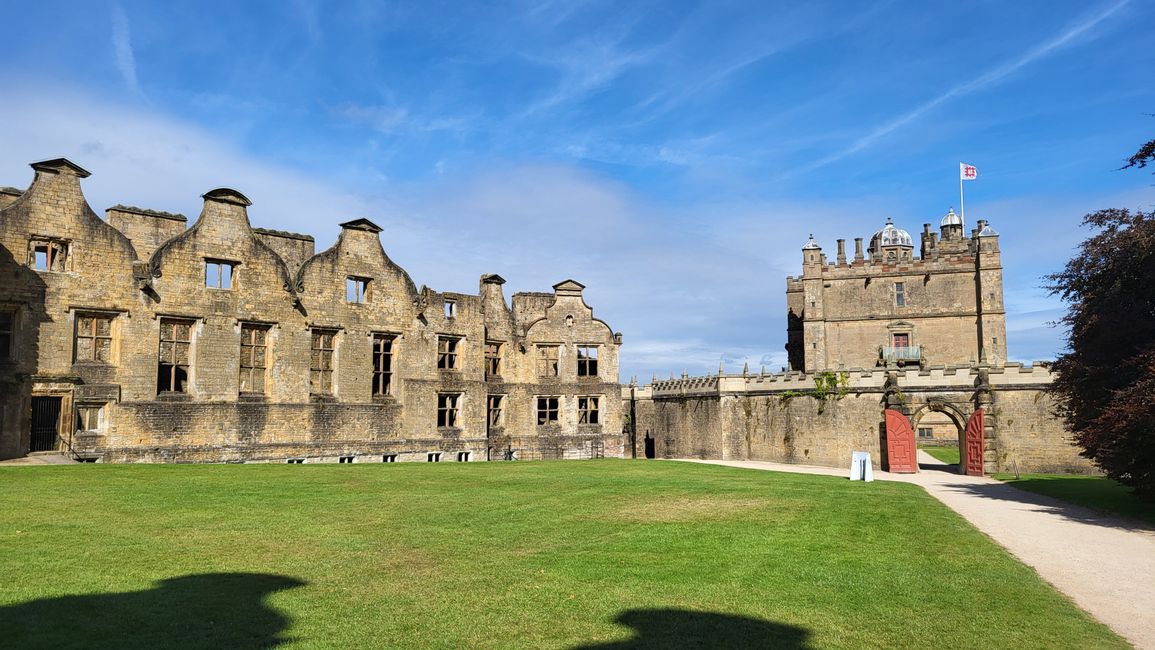
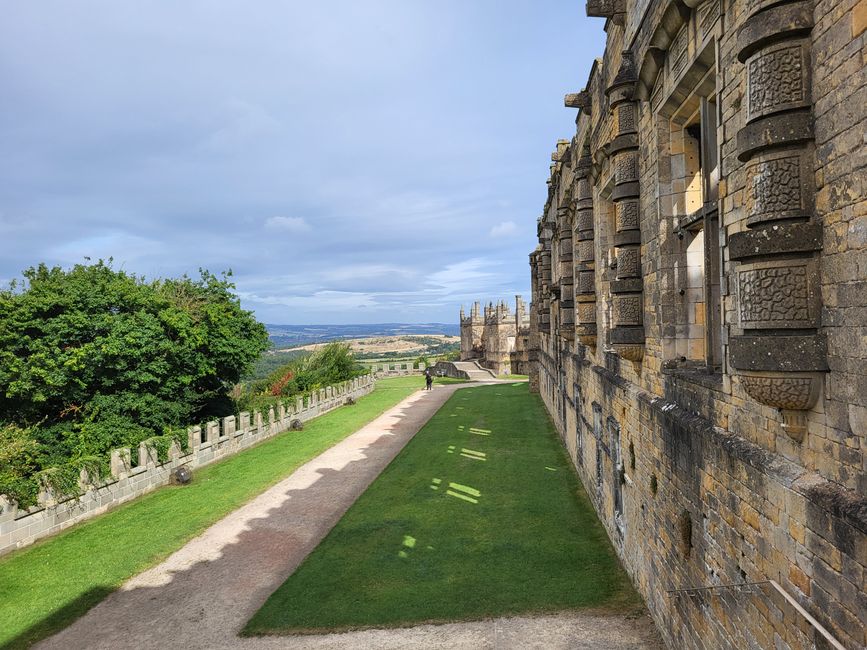
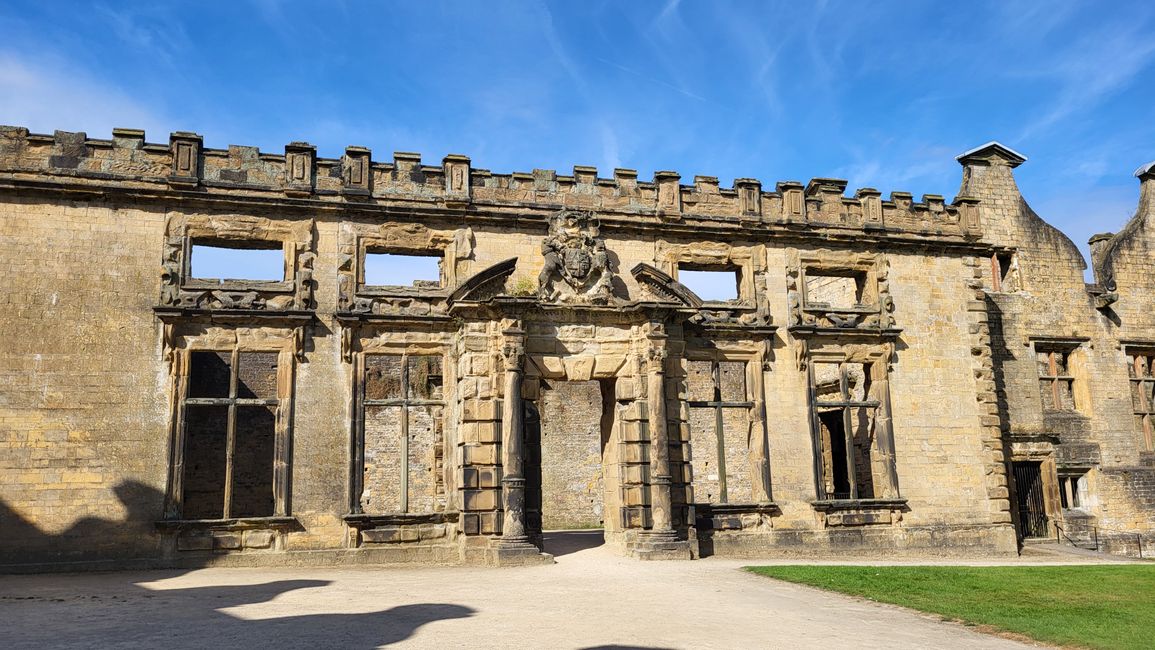
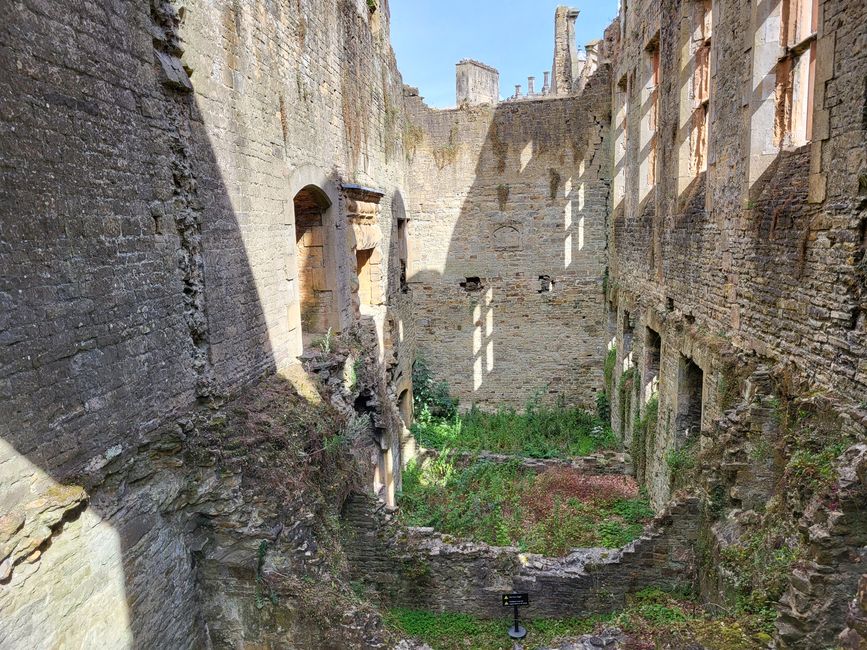
Bolsover Castle Only ruins remain of the former magnificent rooms on the terrace, where the king was accommodated during his visit.
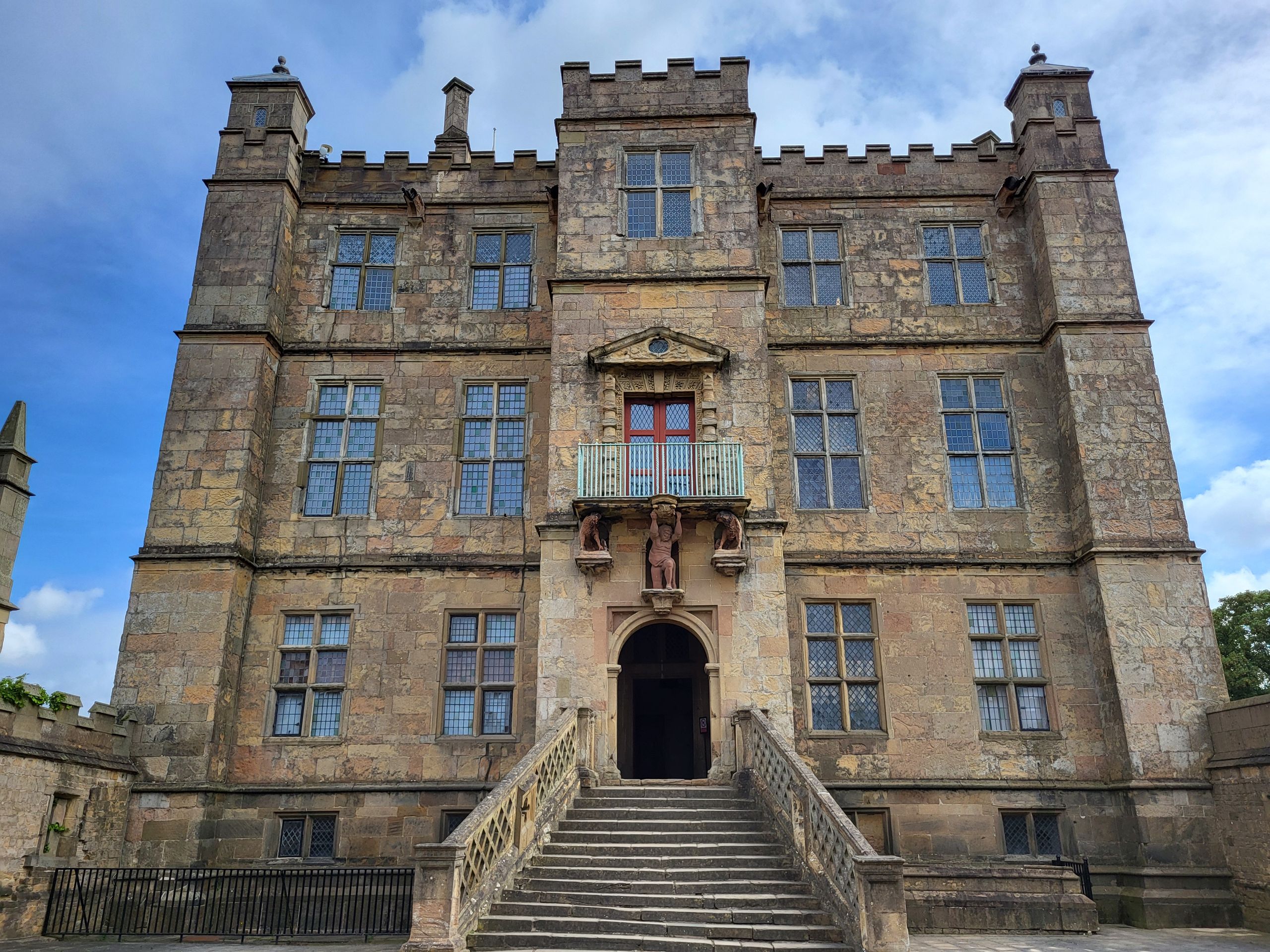
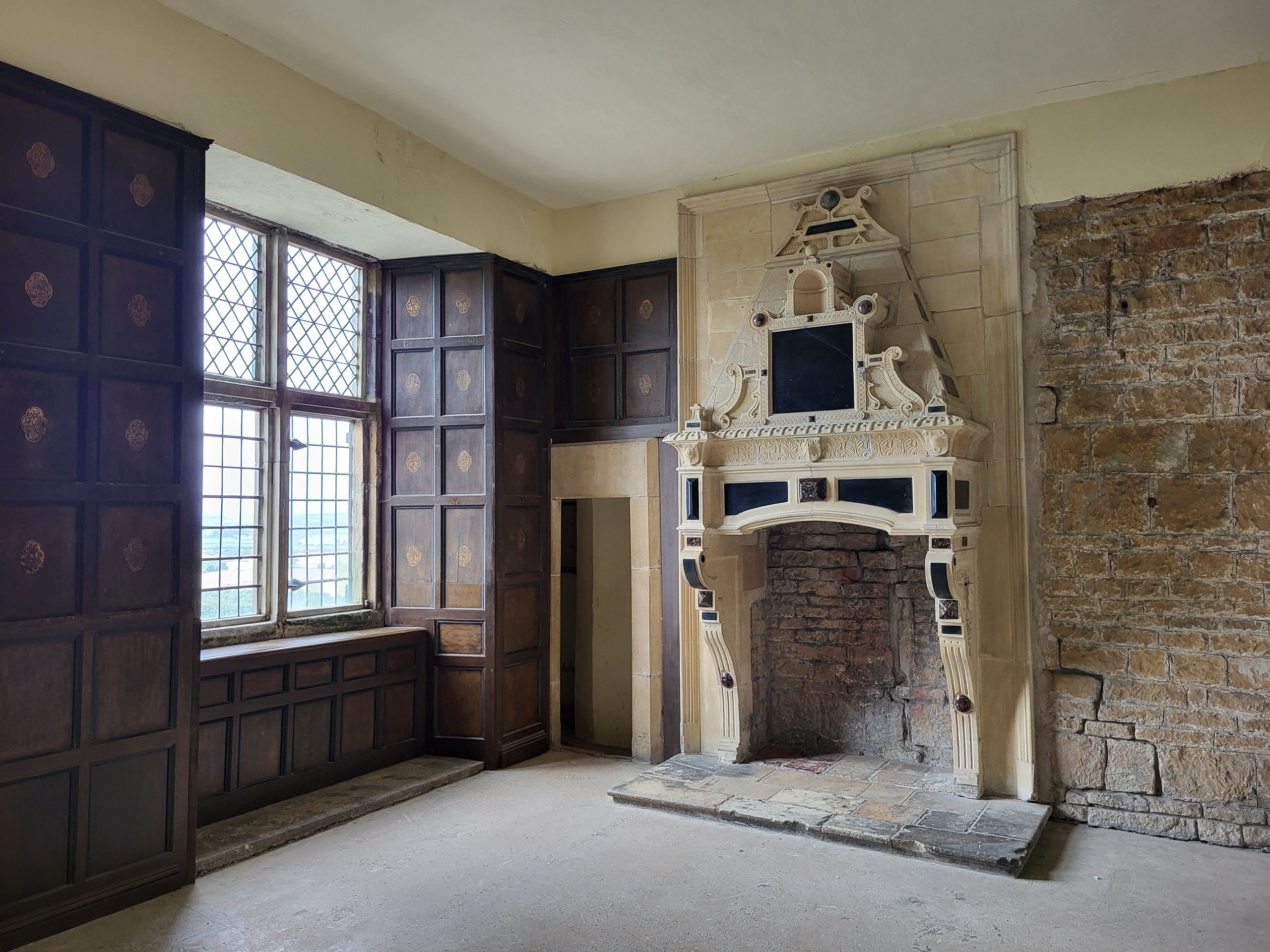
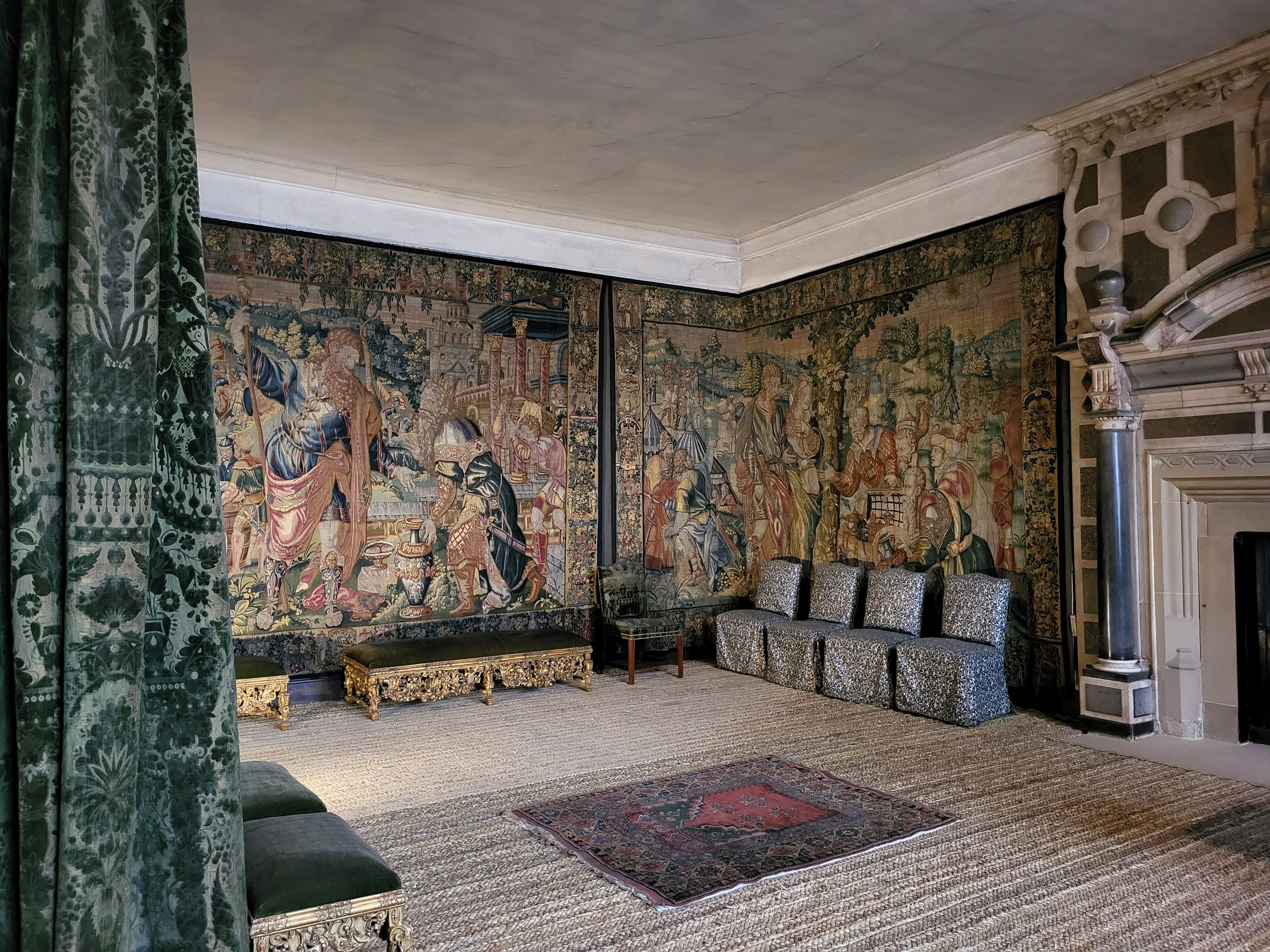
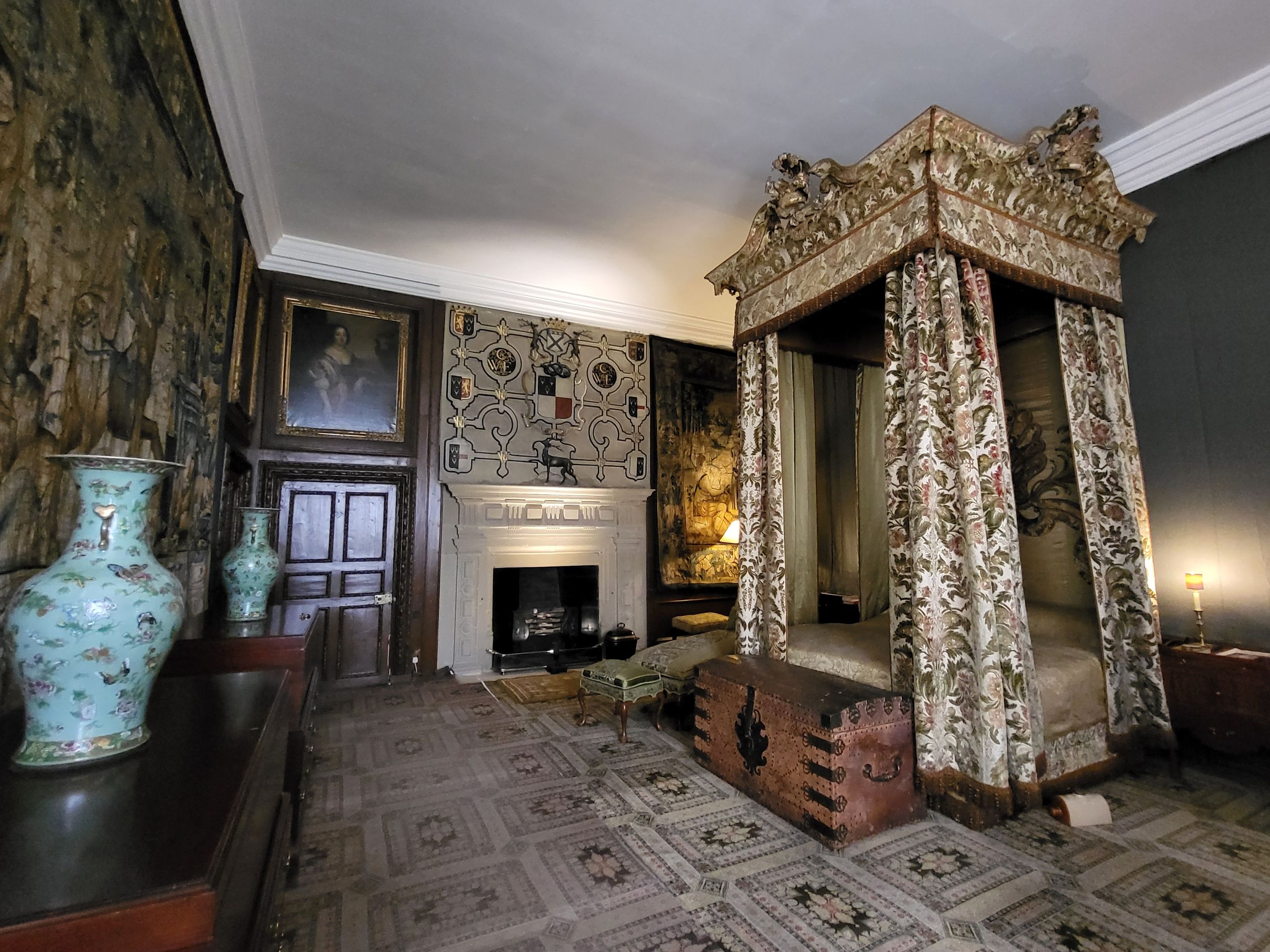
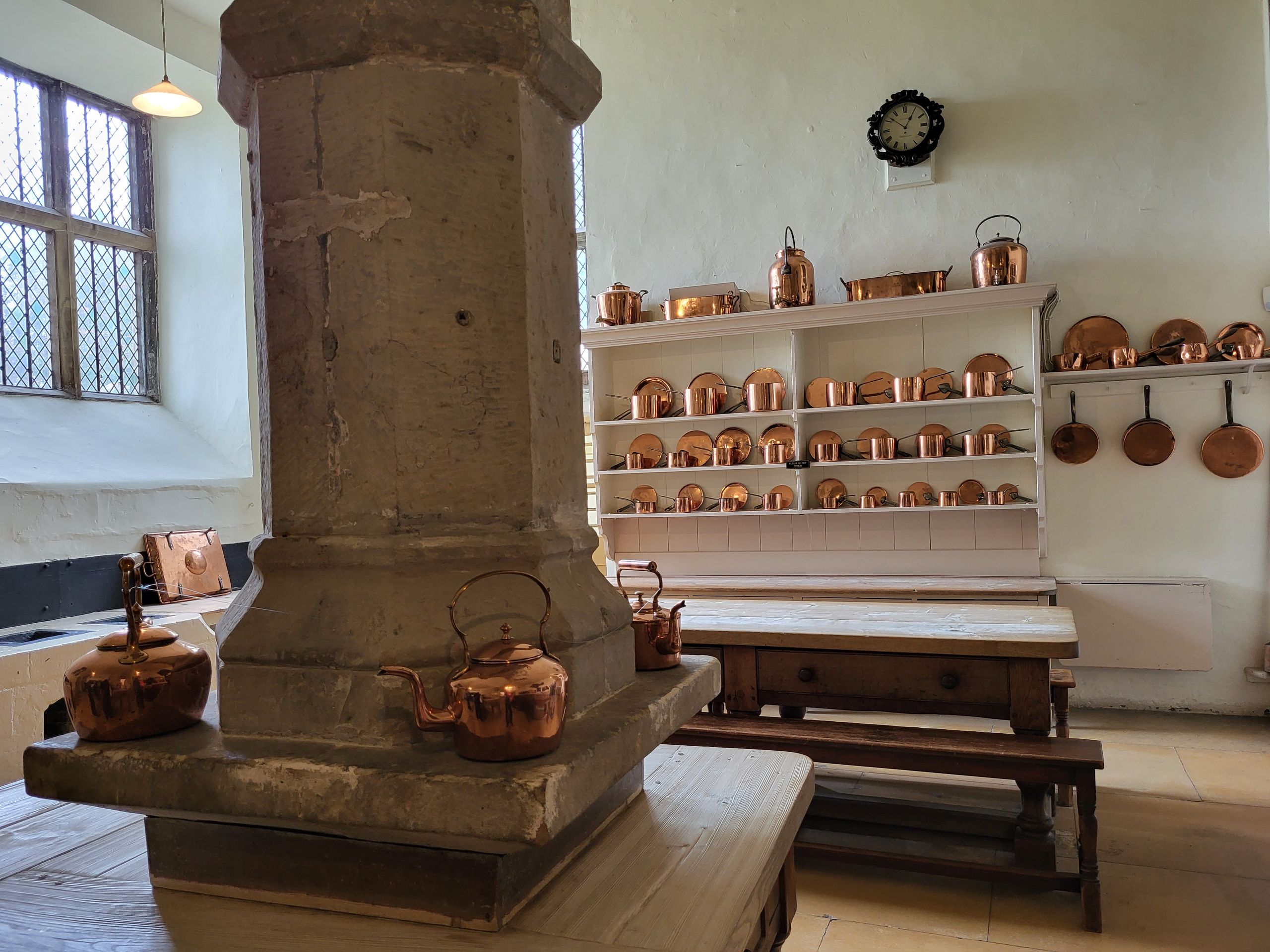
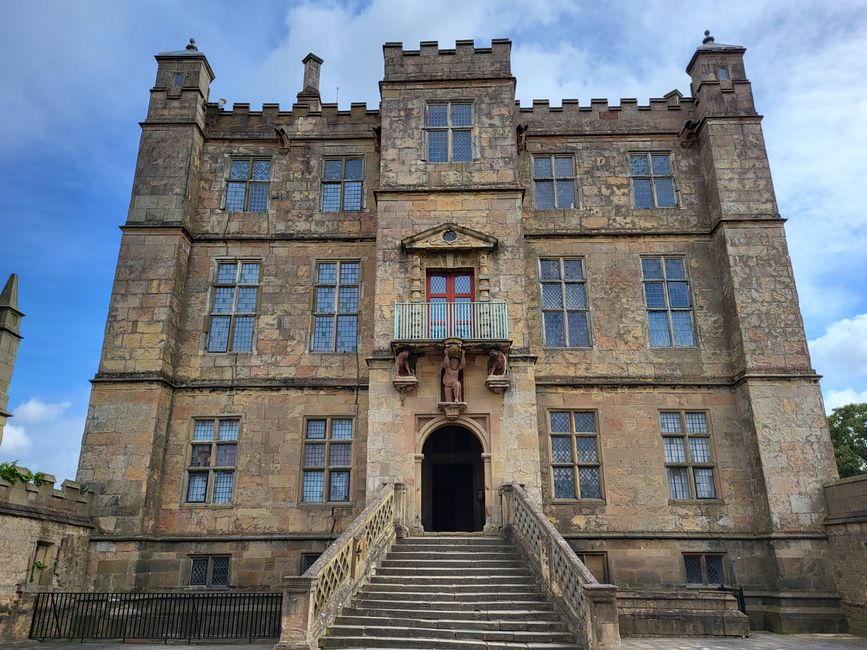
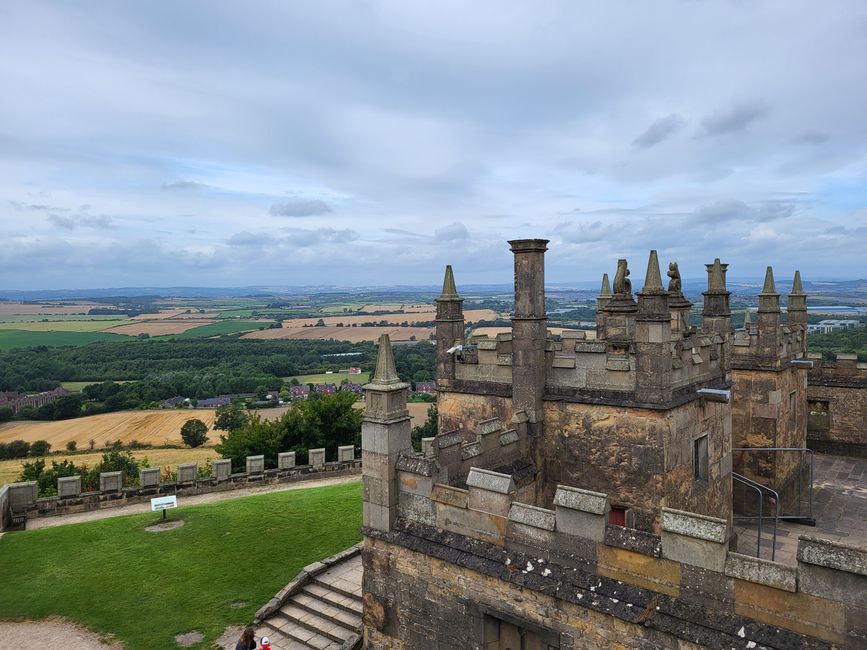
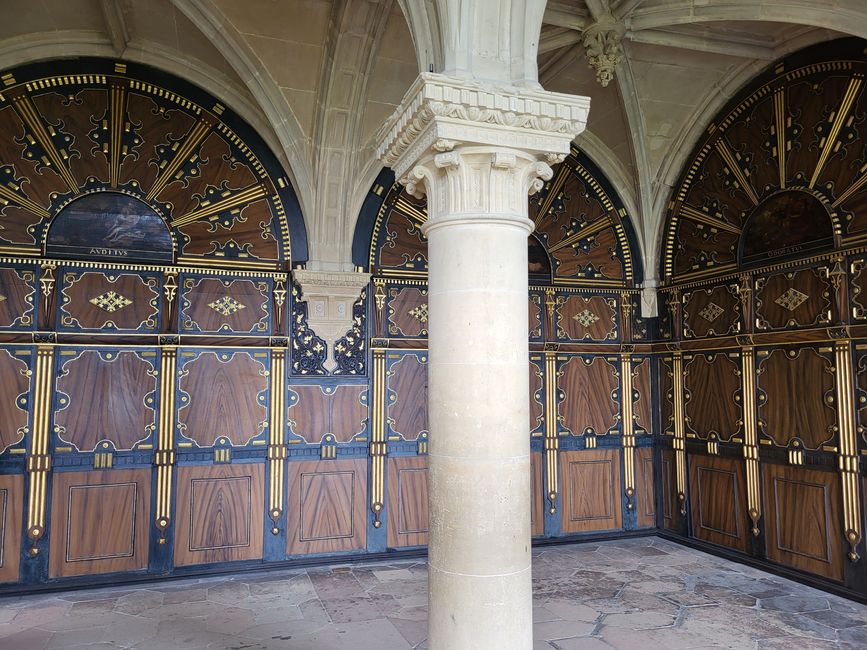
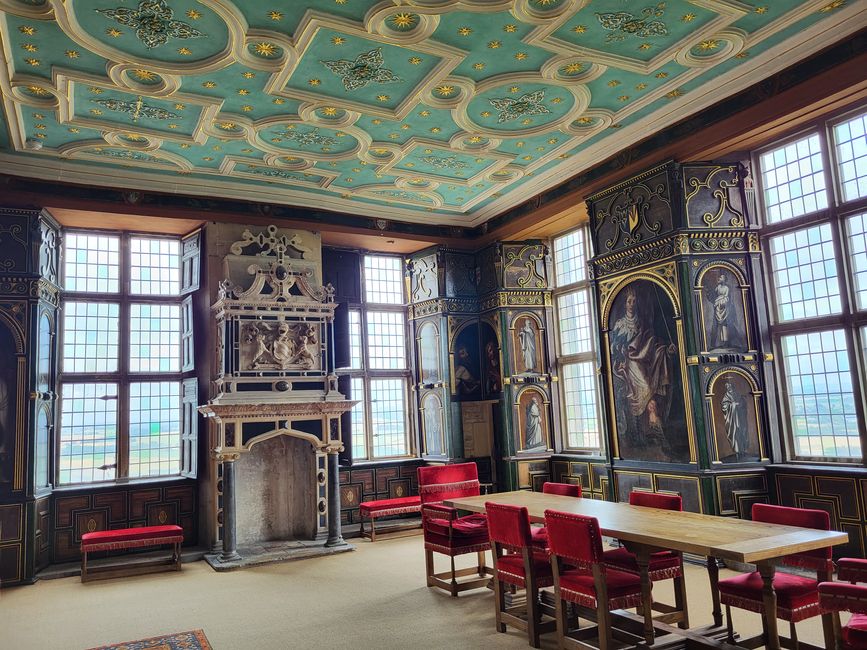
Bolsover Castle The tower, called “Little Castle,” is still preserved, and the old rooms can be visited.
Bolsover Castle However, not much of the former furnishings is left to see.
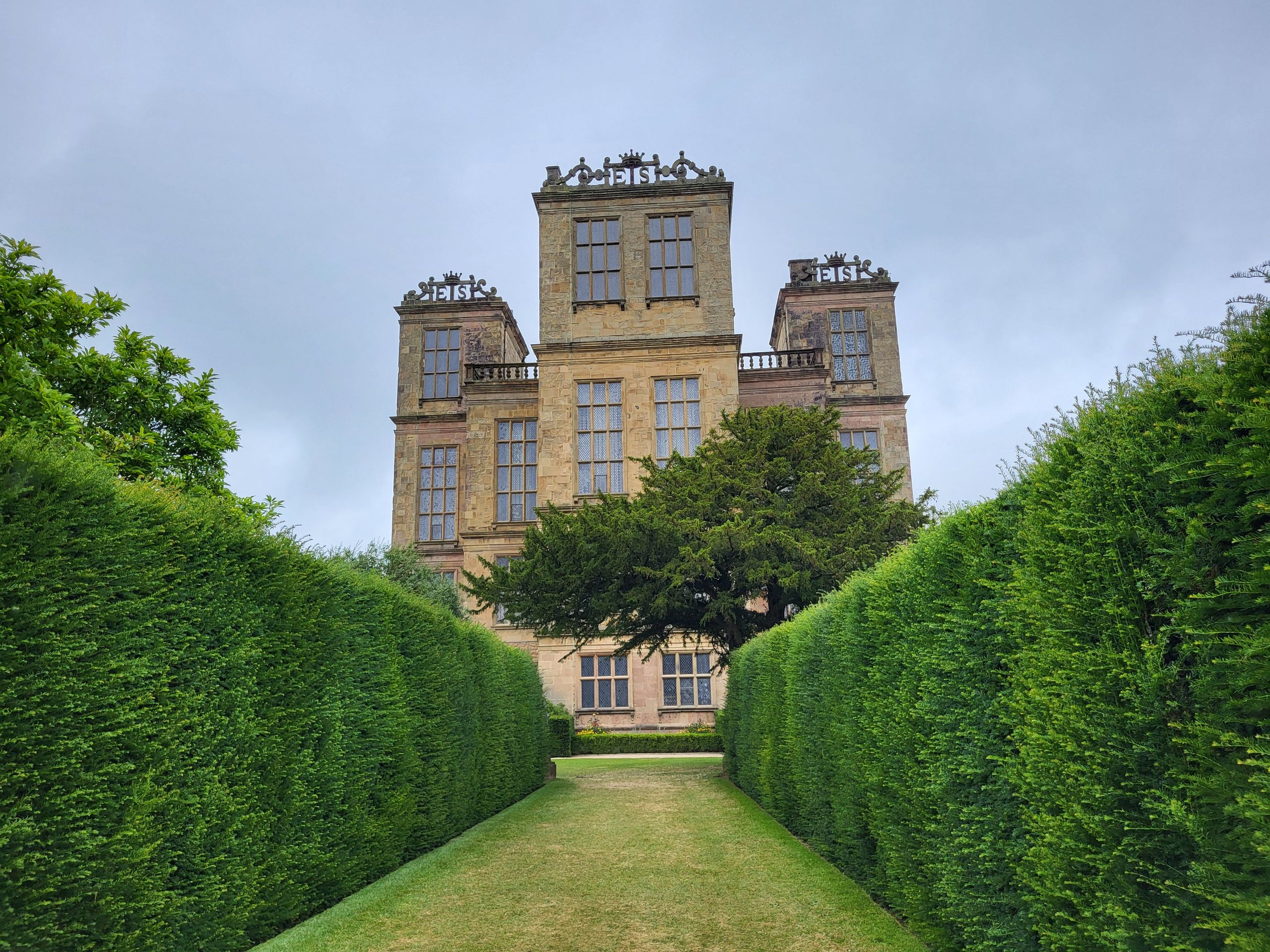
Bolsover Castle Our next destination was the residence of the aforementioned Bess of Hardwick, who lived at the same time as Elizabeth I.
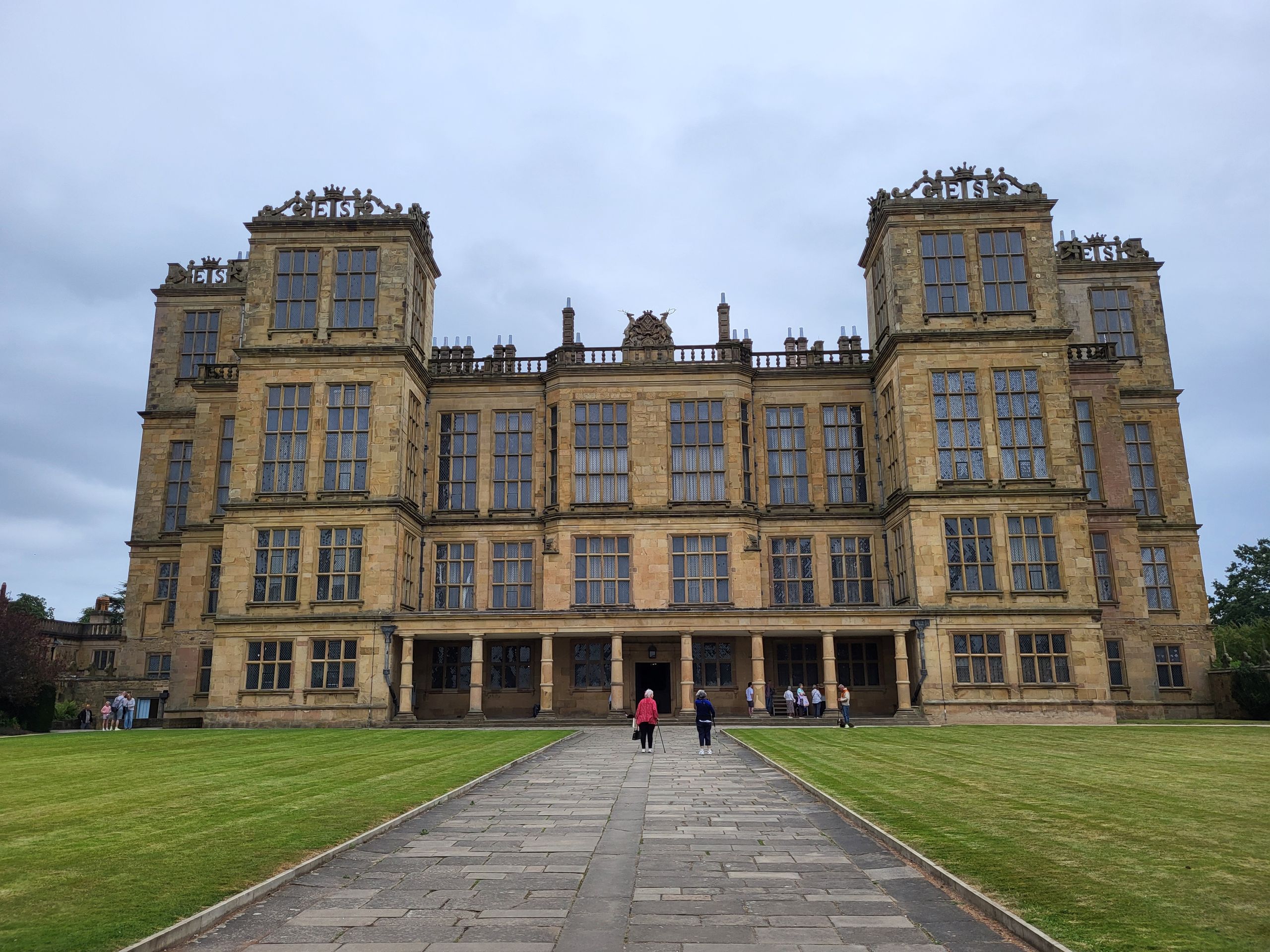
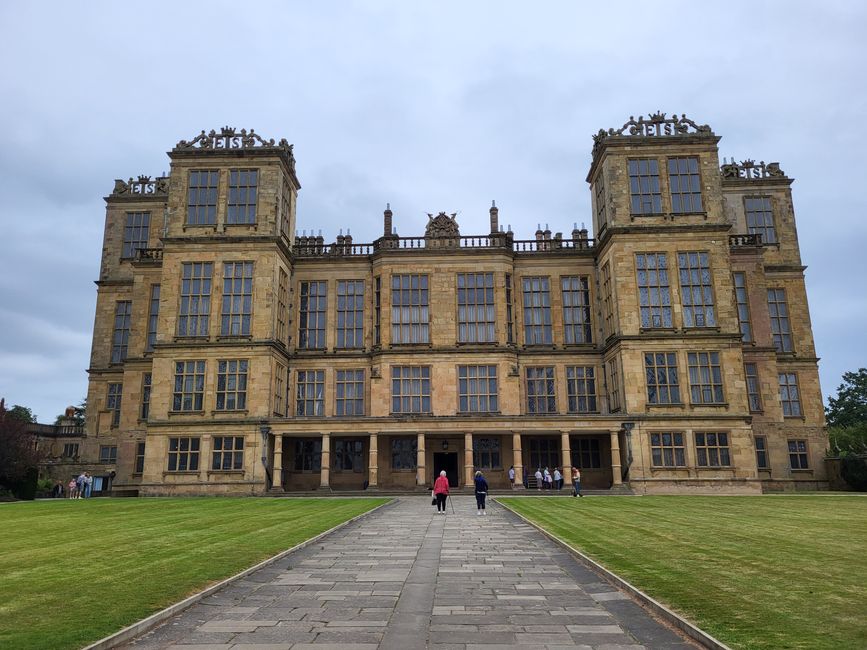
Hardwick Hall After four marriages, she was, after the queen, the richest woman in England and built, around the age of 70, a magnificent new building next to her renovated birthplace, Hardwick Hall.
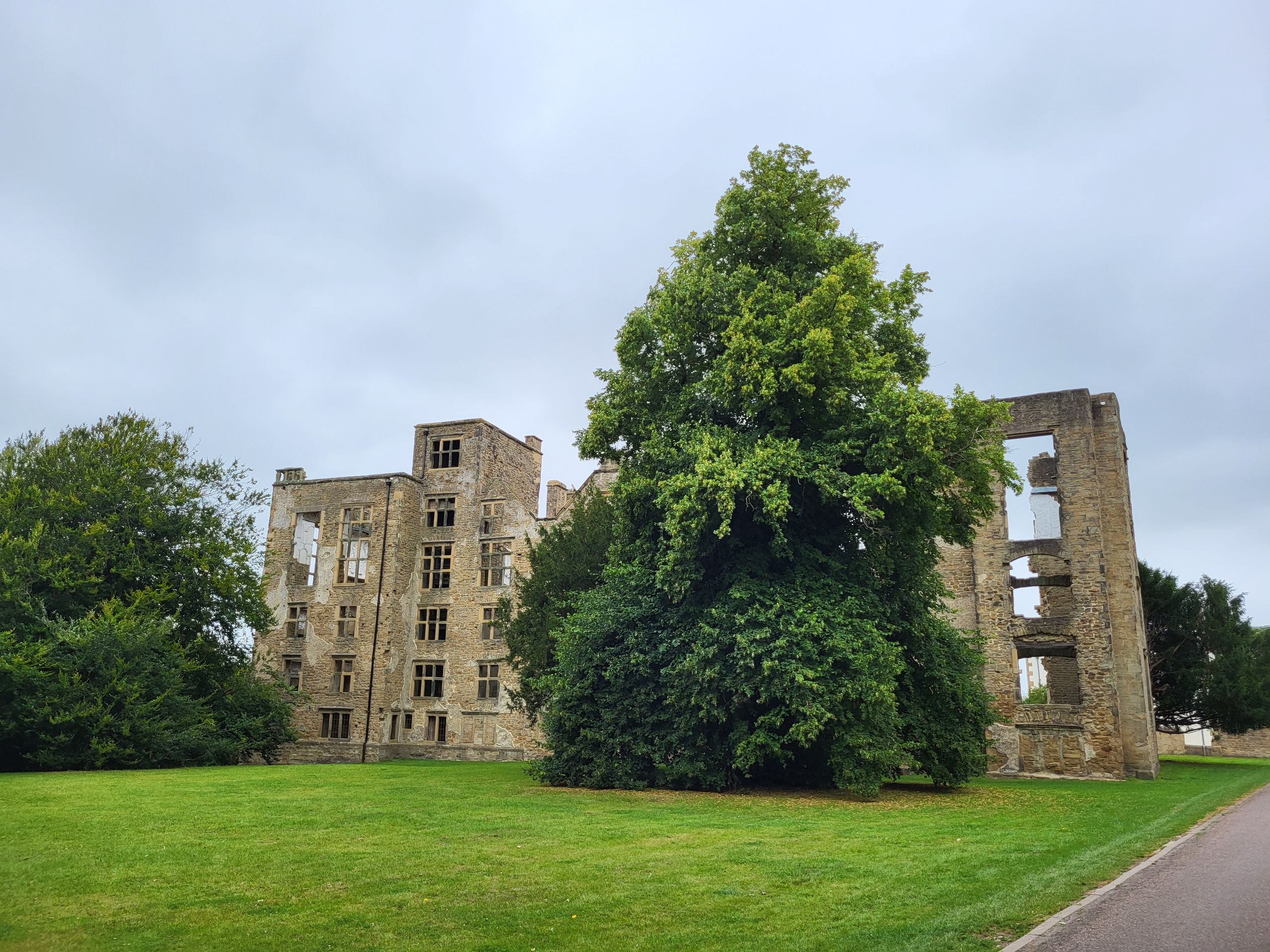
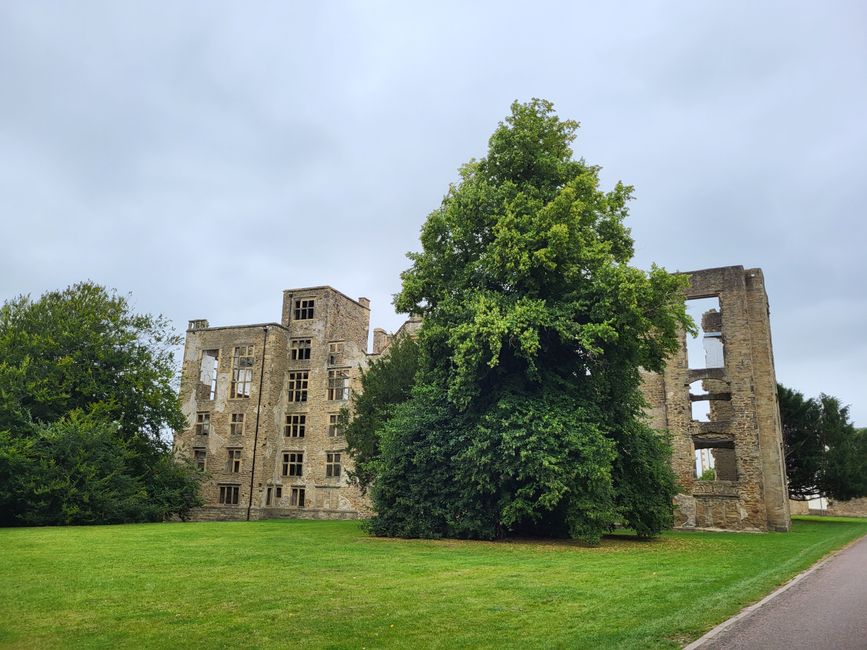
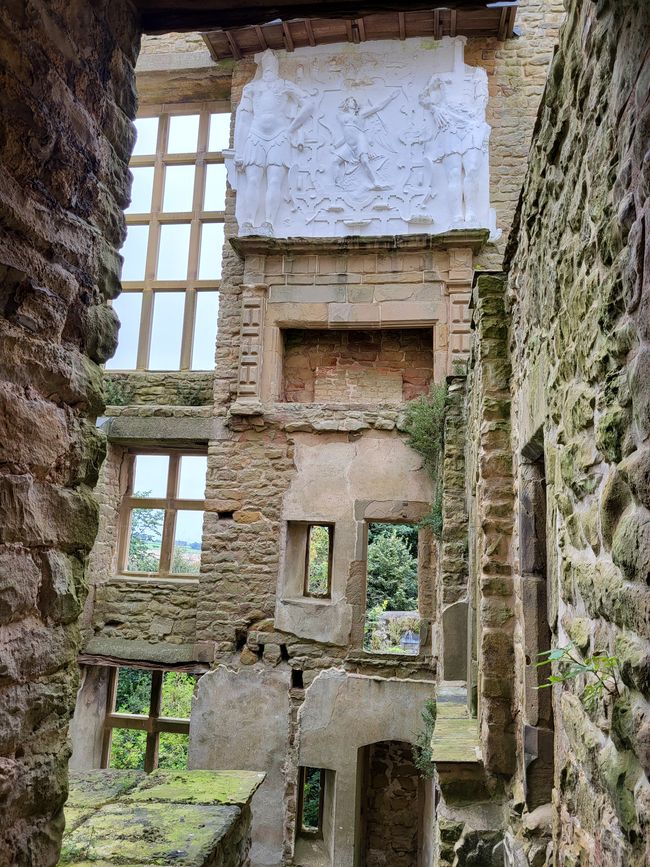
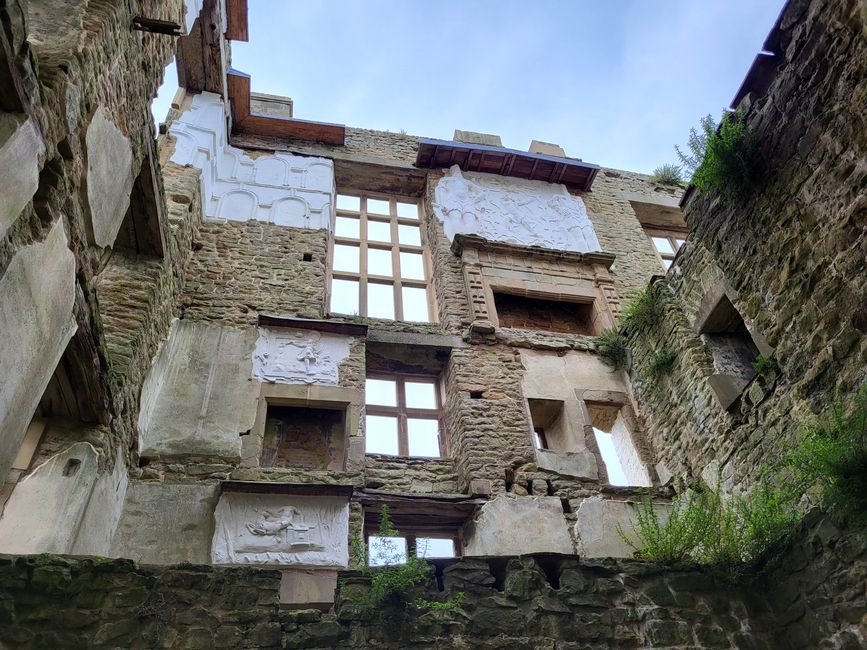
Old Hardwick Hall But we initially looked at “Old Hardwick Hall.”
Old Hardwick Hall Here, Bess was born and initially set it up as her residence after separating from her fourth husband.
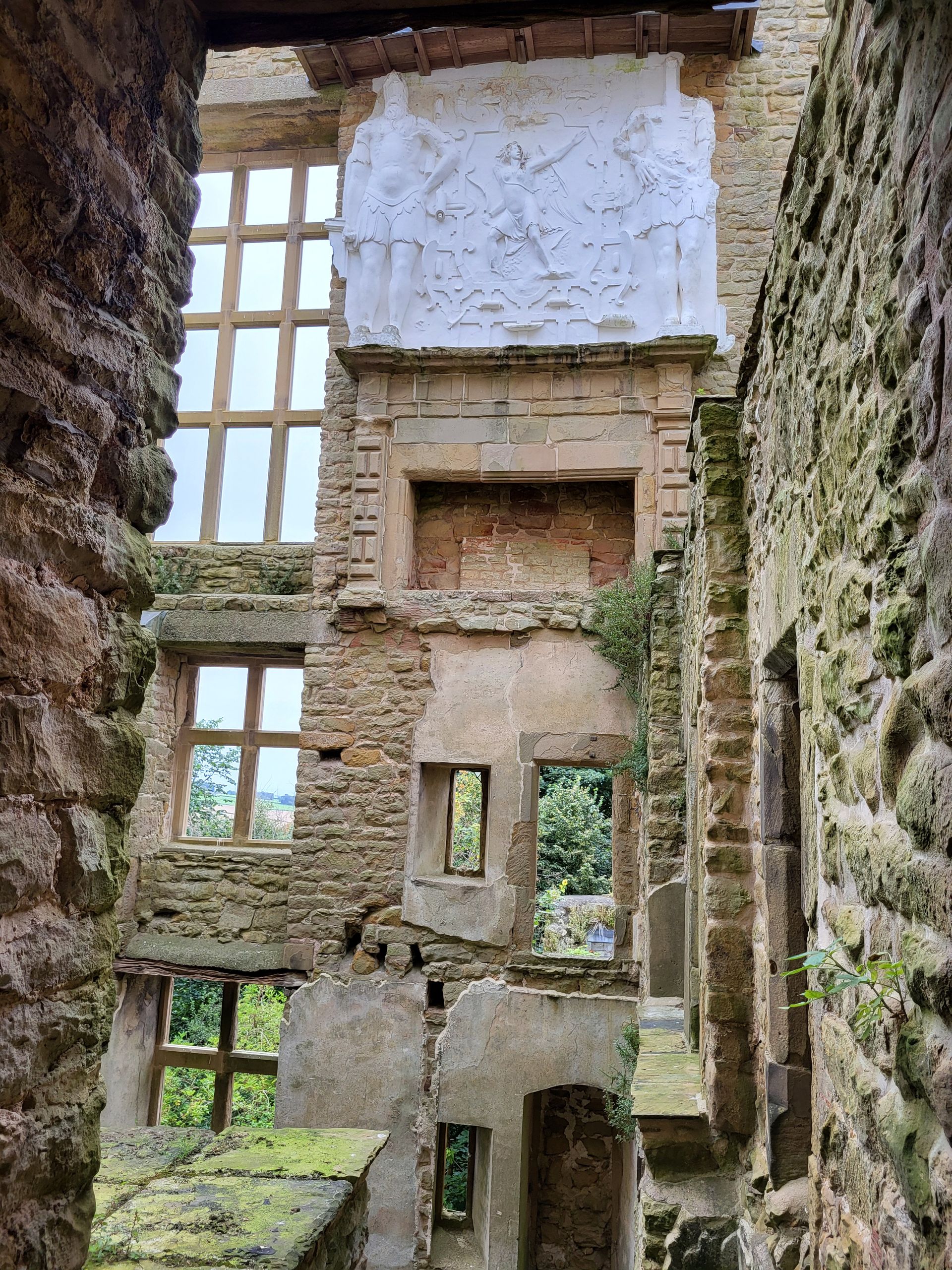
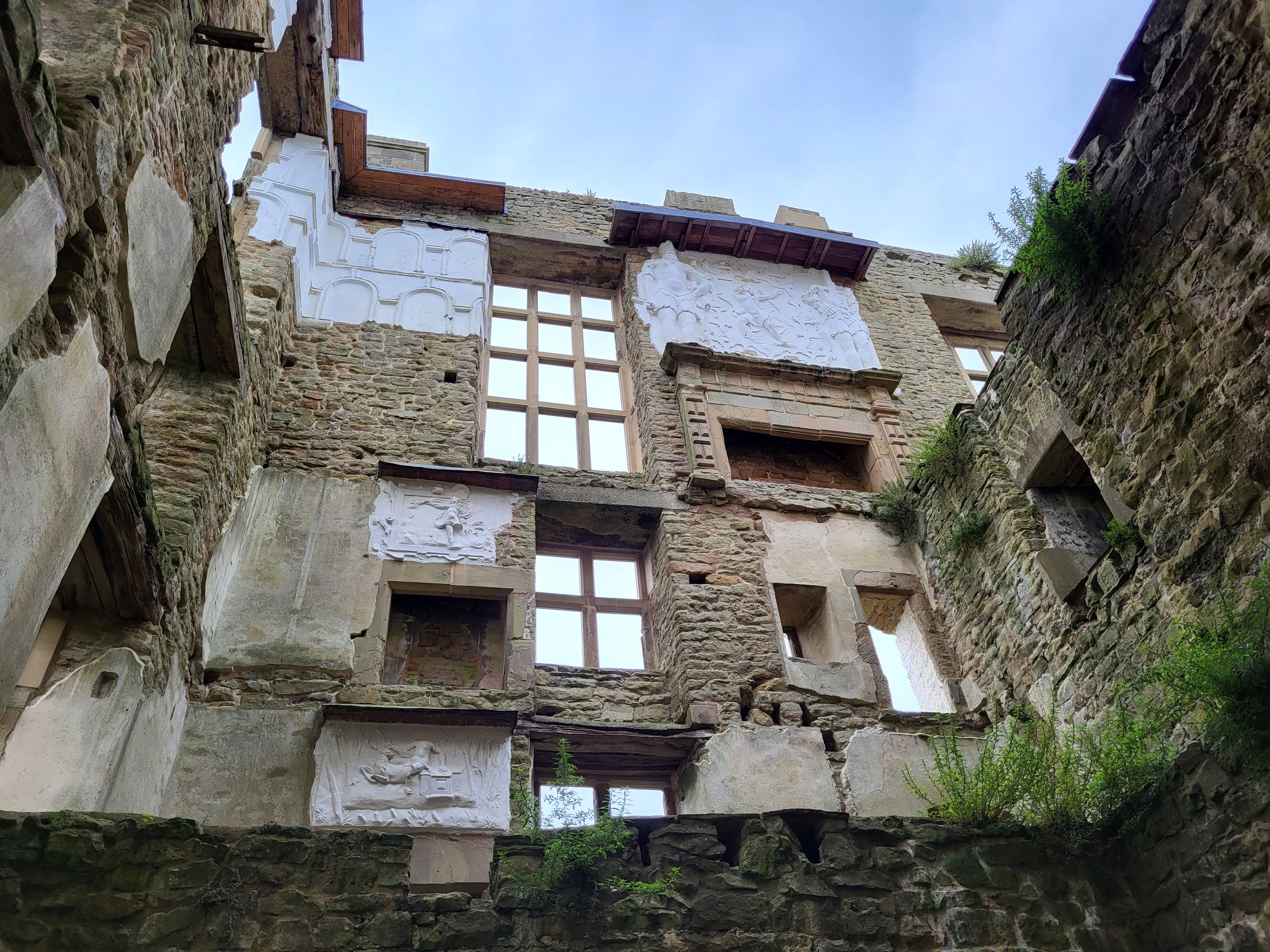
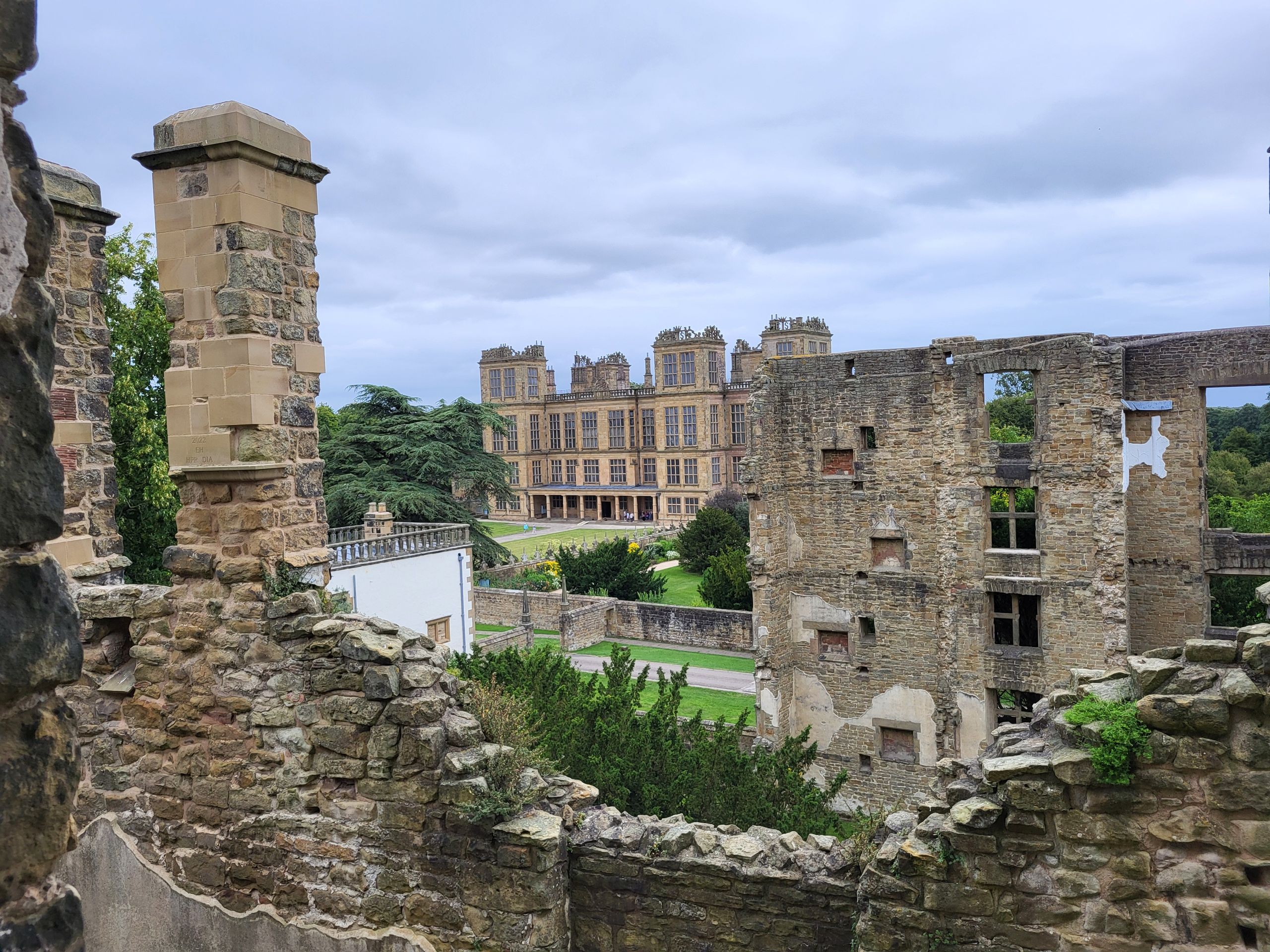
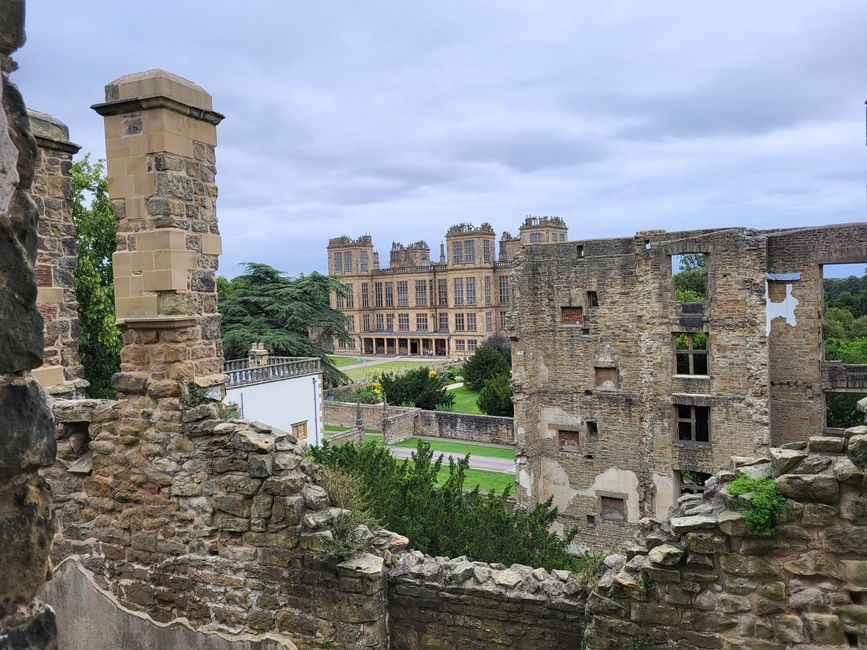
Old Hardwick Hall Today, only the foundations remain, and part of the staircase is accessible to the upper floors.
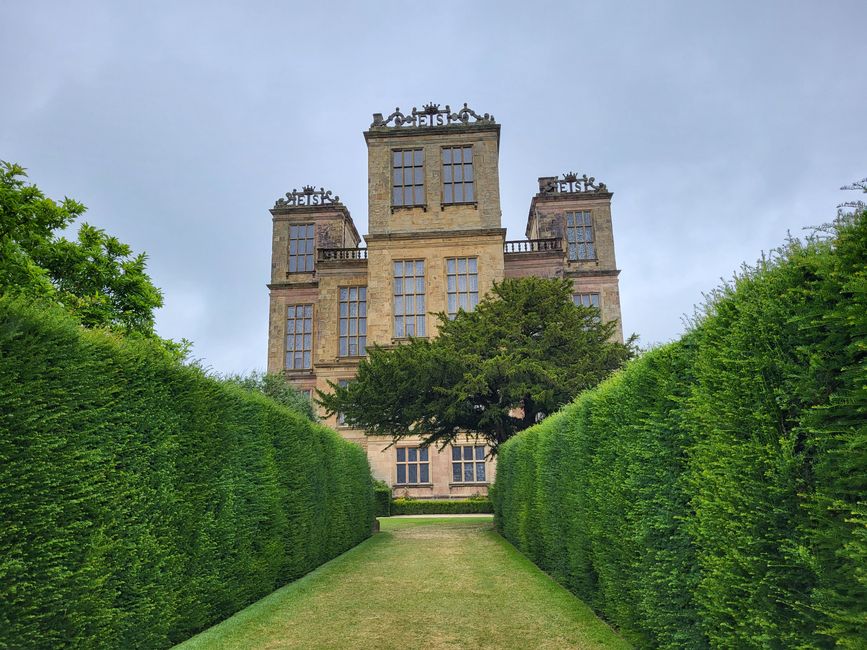
View from Old Hardwick Hall towards Hardwick Hall To reach Hardwick Hall, newly built between 1590 and 1597, we had to take just a few steps.
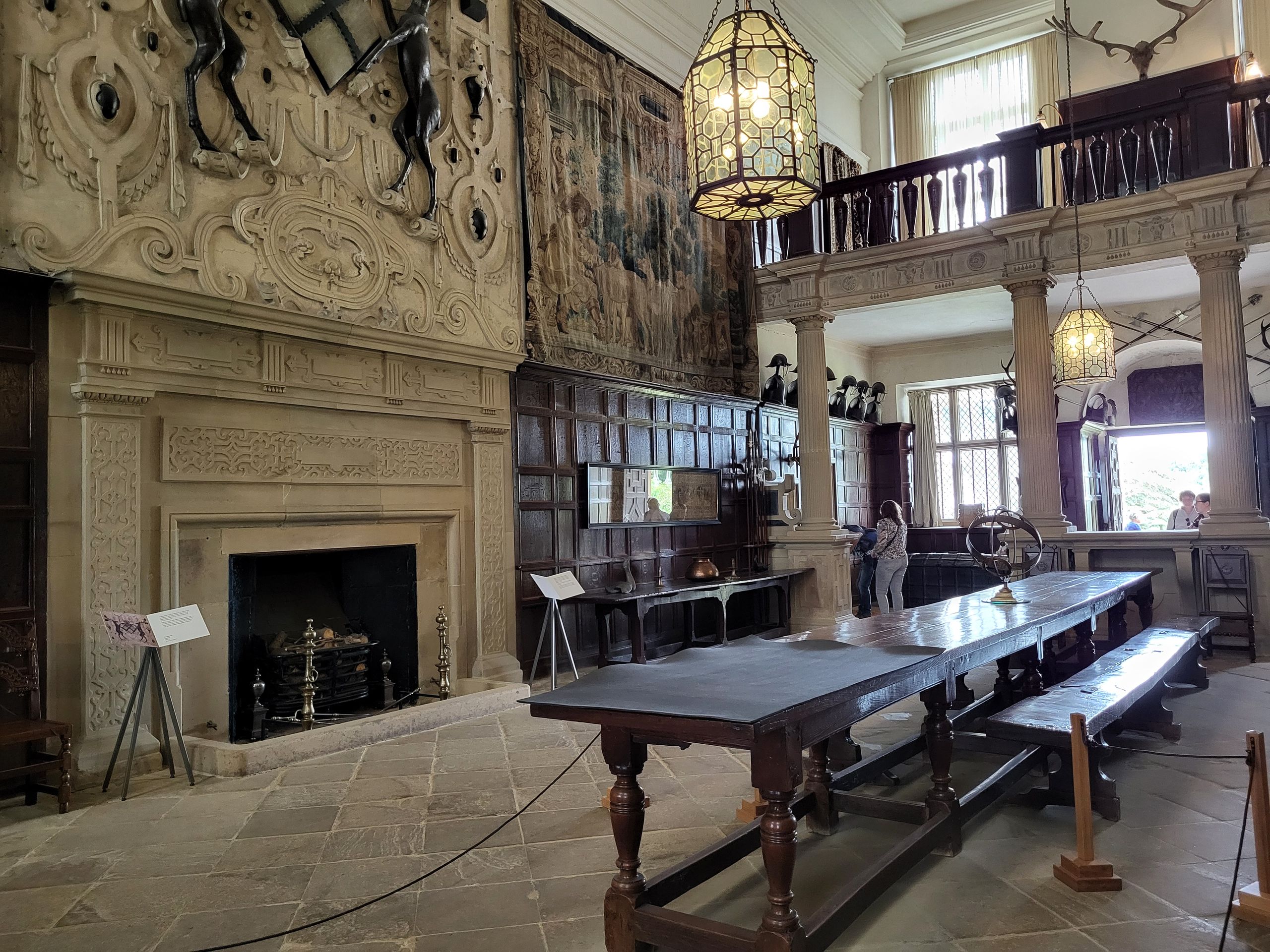
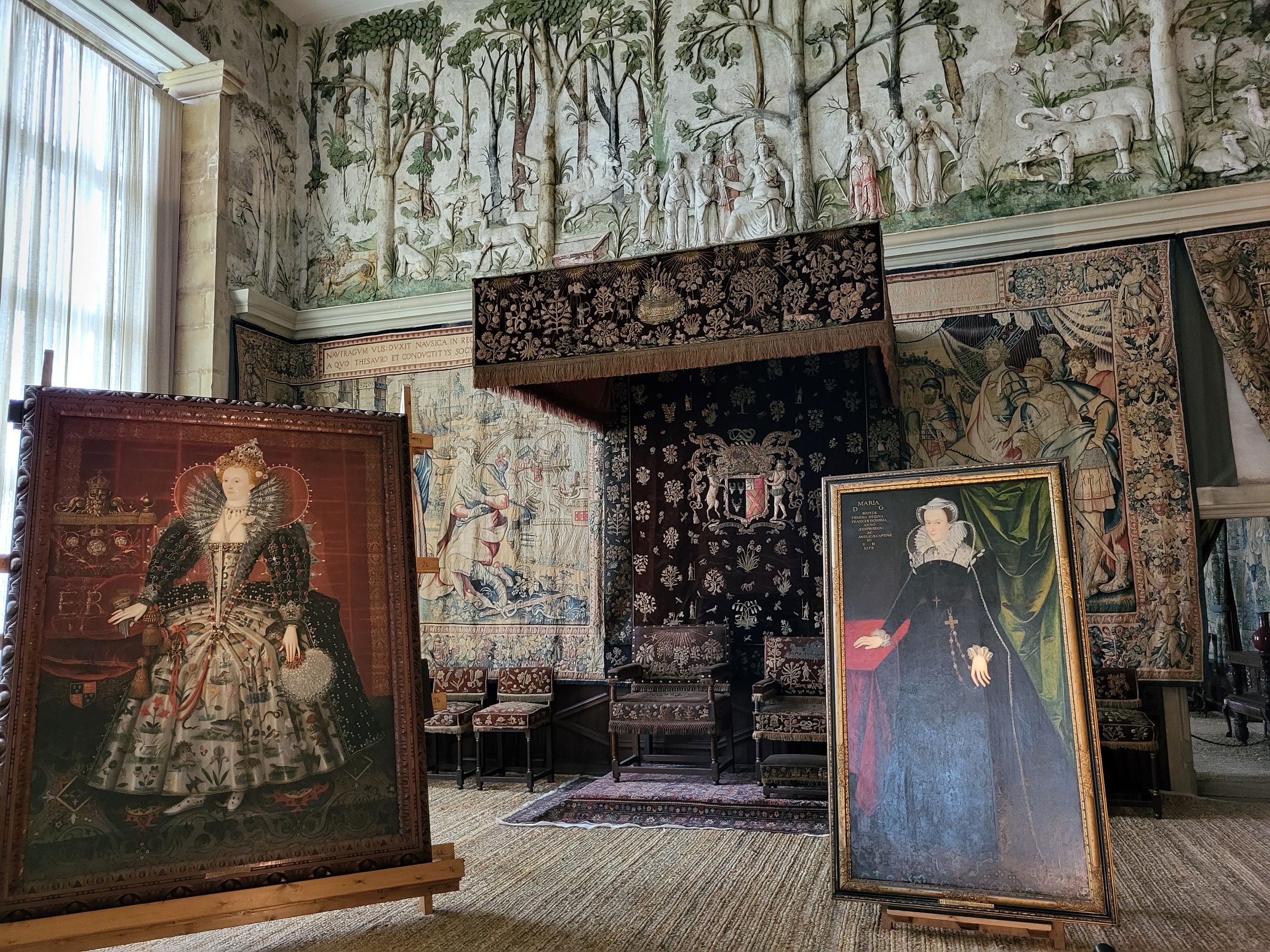
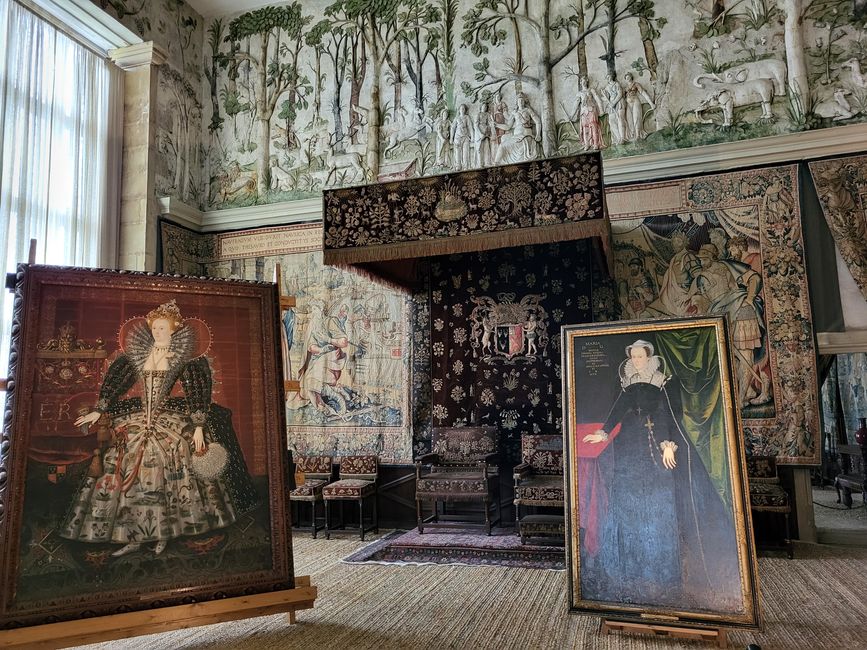
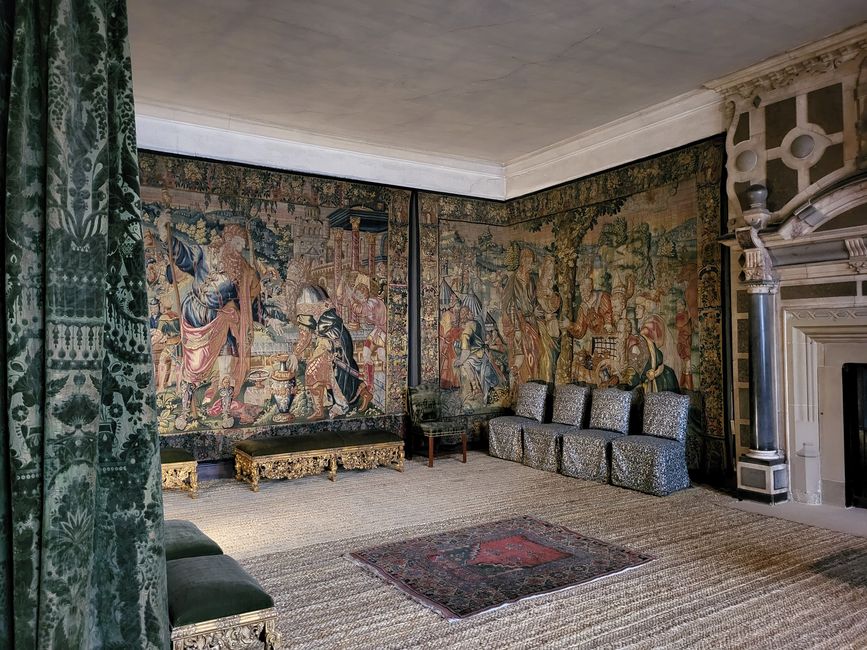
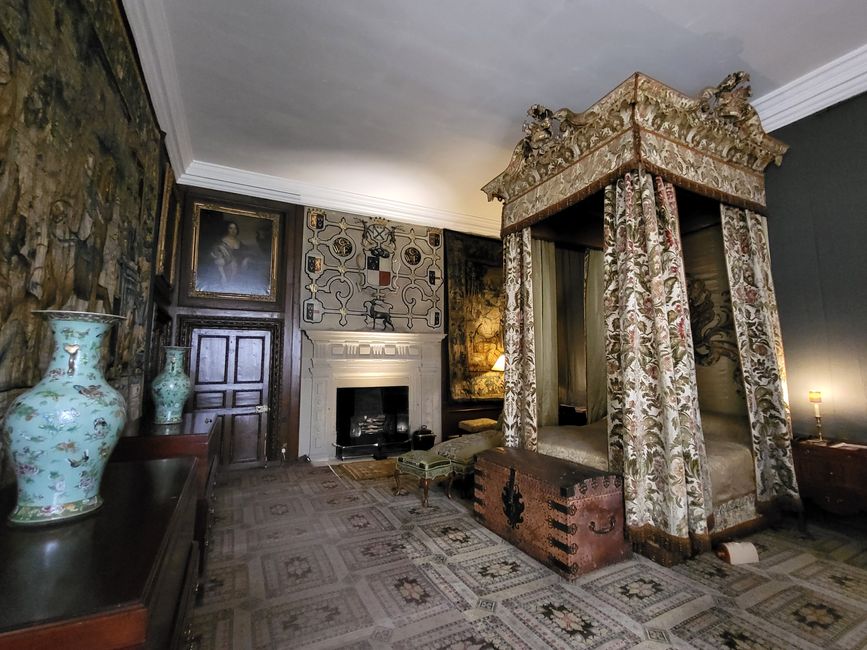
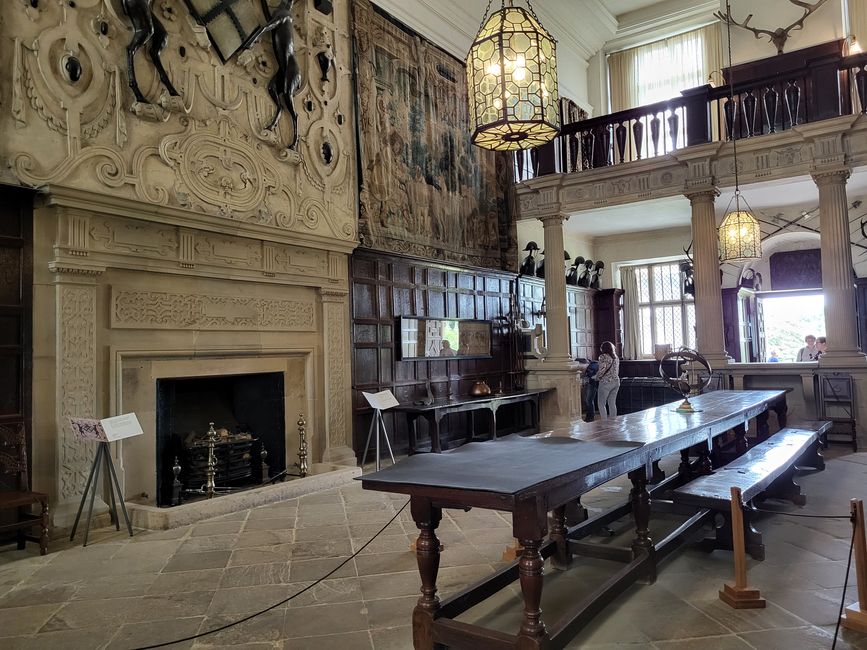
Hardwick Hall In the still magnificently furnished interiors, there was an exhibition about Bess of Hardwick and the embroideries and tapestries she loved.
Hardwick Hall The exterior of Hardwick Hall also appears in the last two Harry Potter films.
Hardwick Hall The house is portrayed here as “Malfoy Manor,” the residence of the Malfoy family.
Hardwick Hall In the entrance hall, a gathering of Voldemort with his followers takes place in “Harry Potter and the Deathly Hallows.”
Entrance Hall Hardwick Hall Even though a constant drizzle had set in, we decided to continue into Sherwood Forest.
Sherwood Forest There, you are immediately welcomed with many signs and images of the forest's most famous resident.
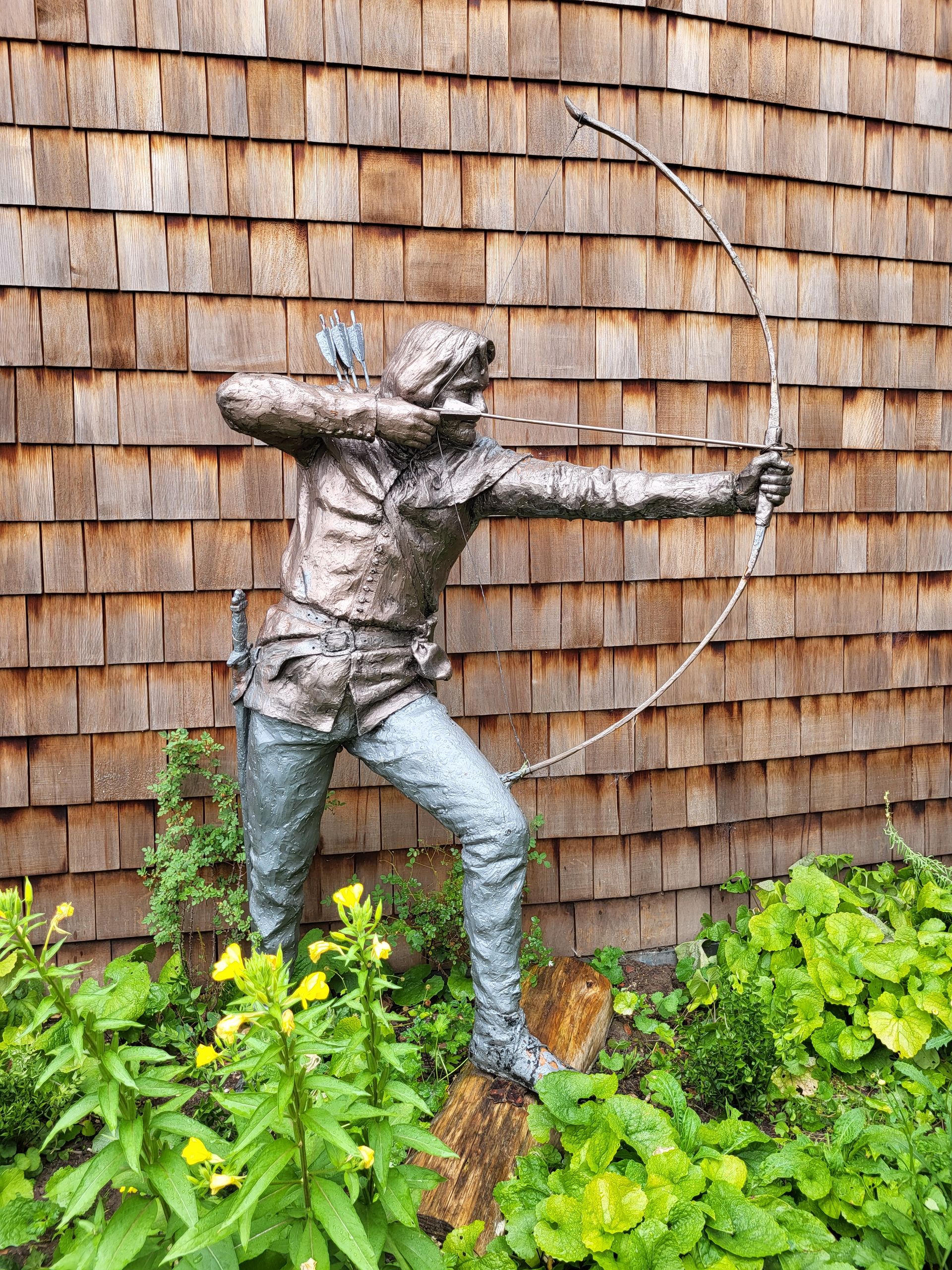
Sherwood Forest A Robin Hood statue in front of the Visitor Centre is, of course, a must.
Robin Hood Statue
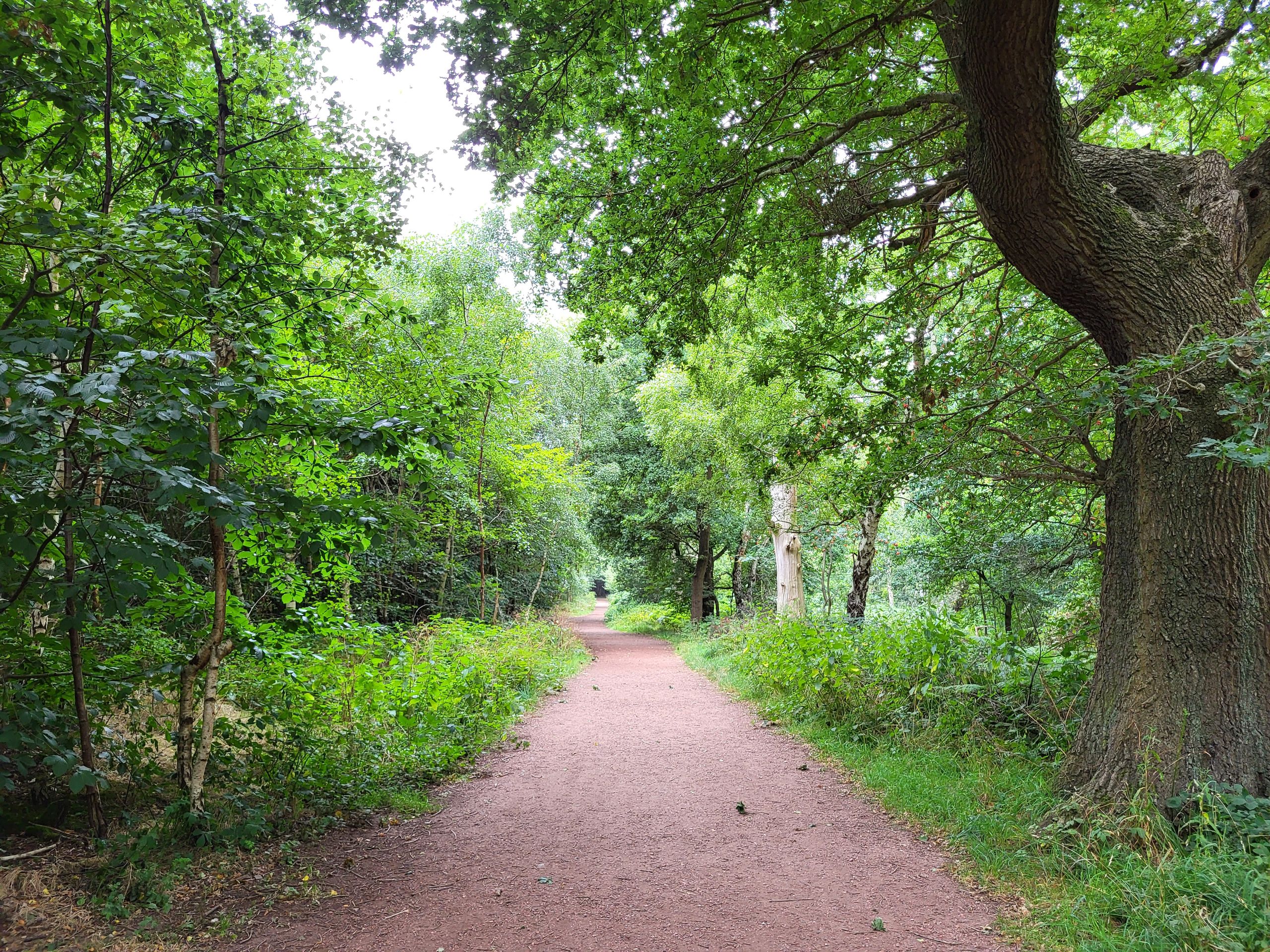
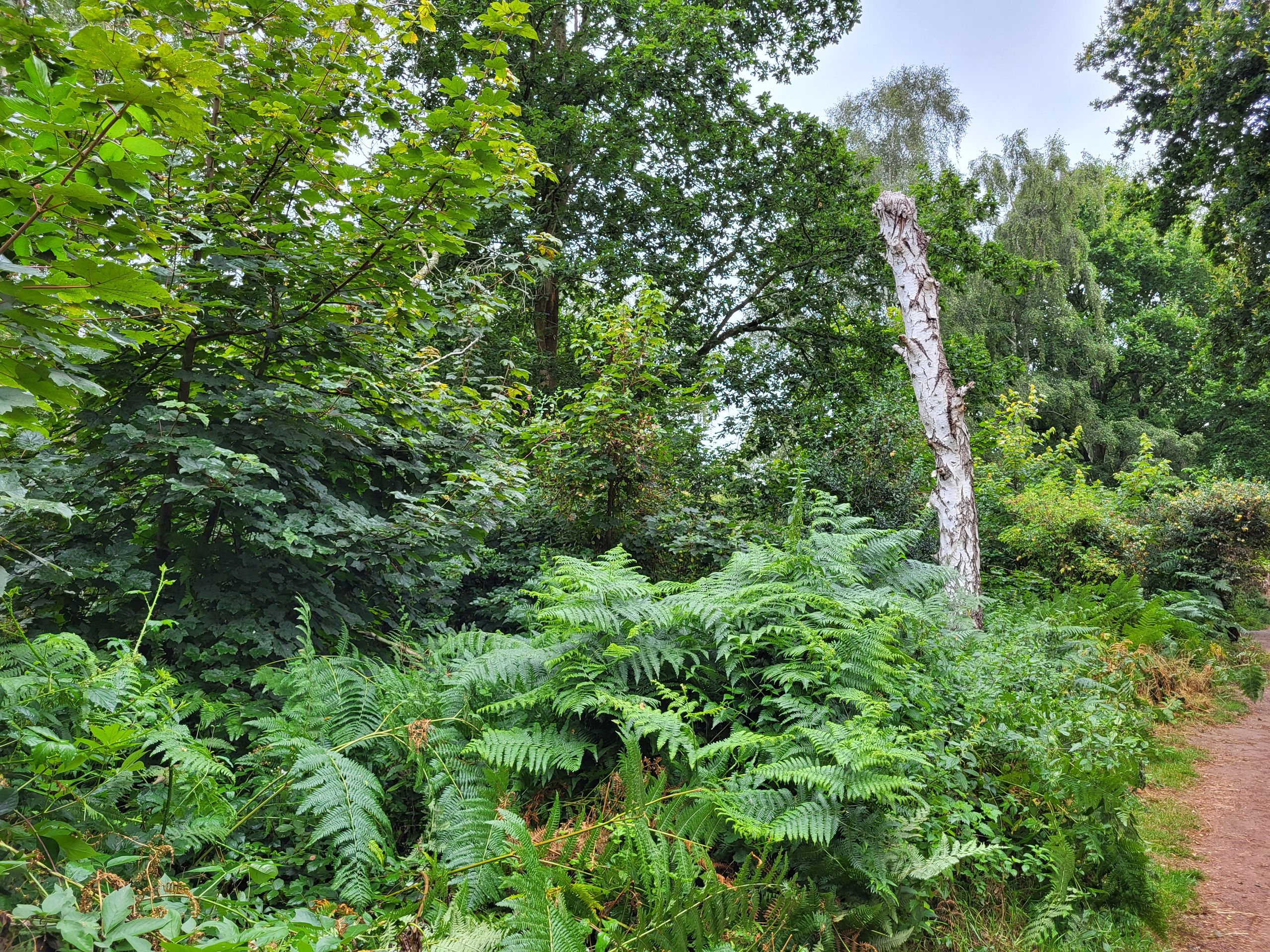
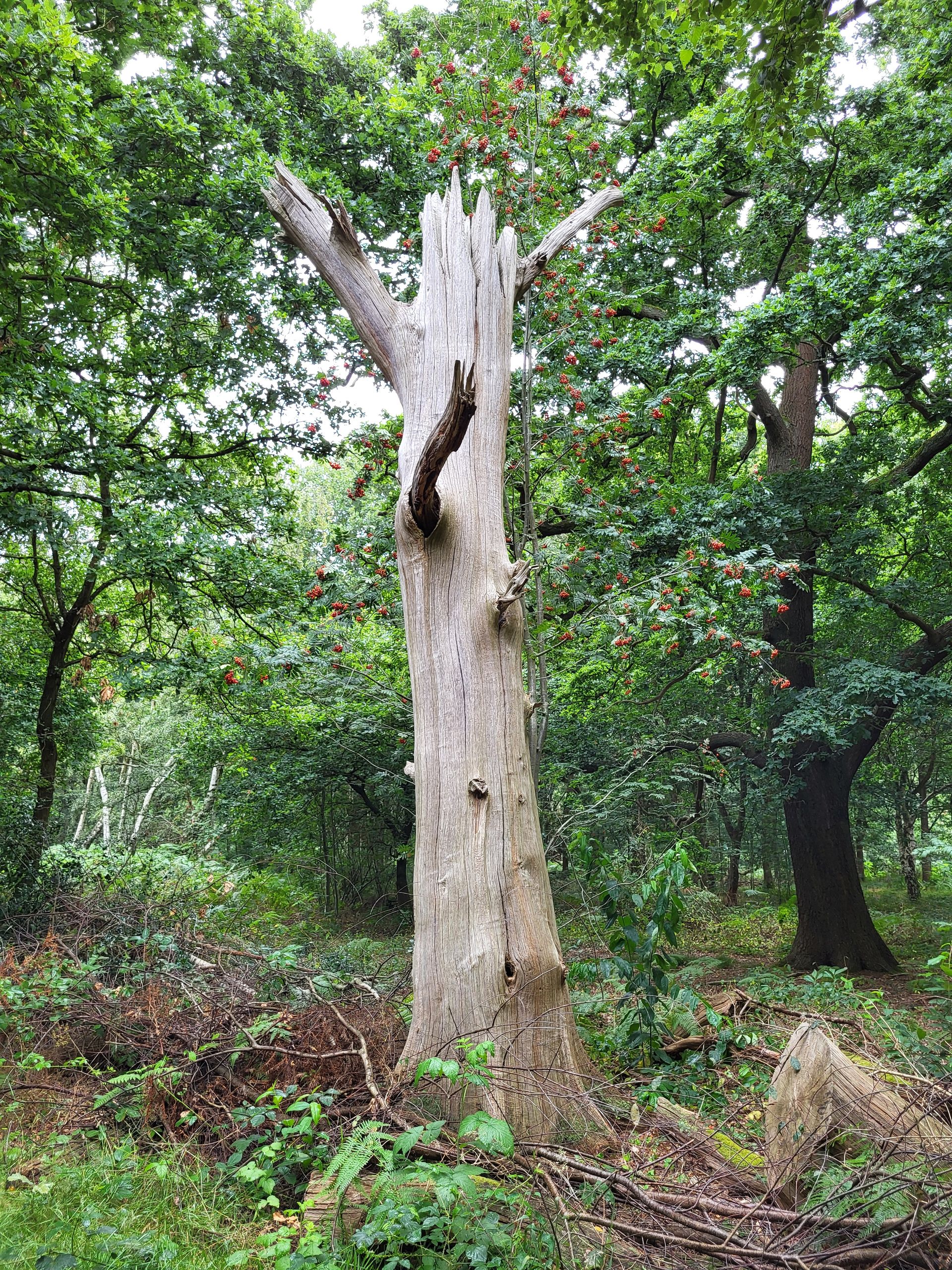
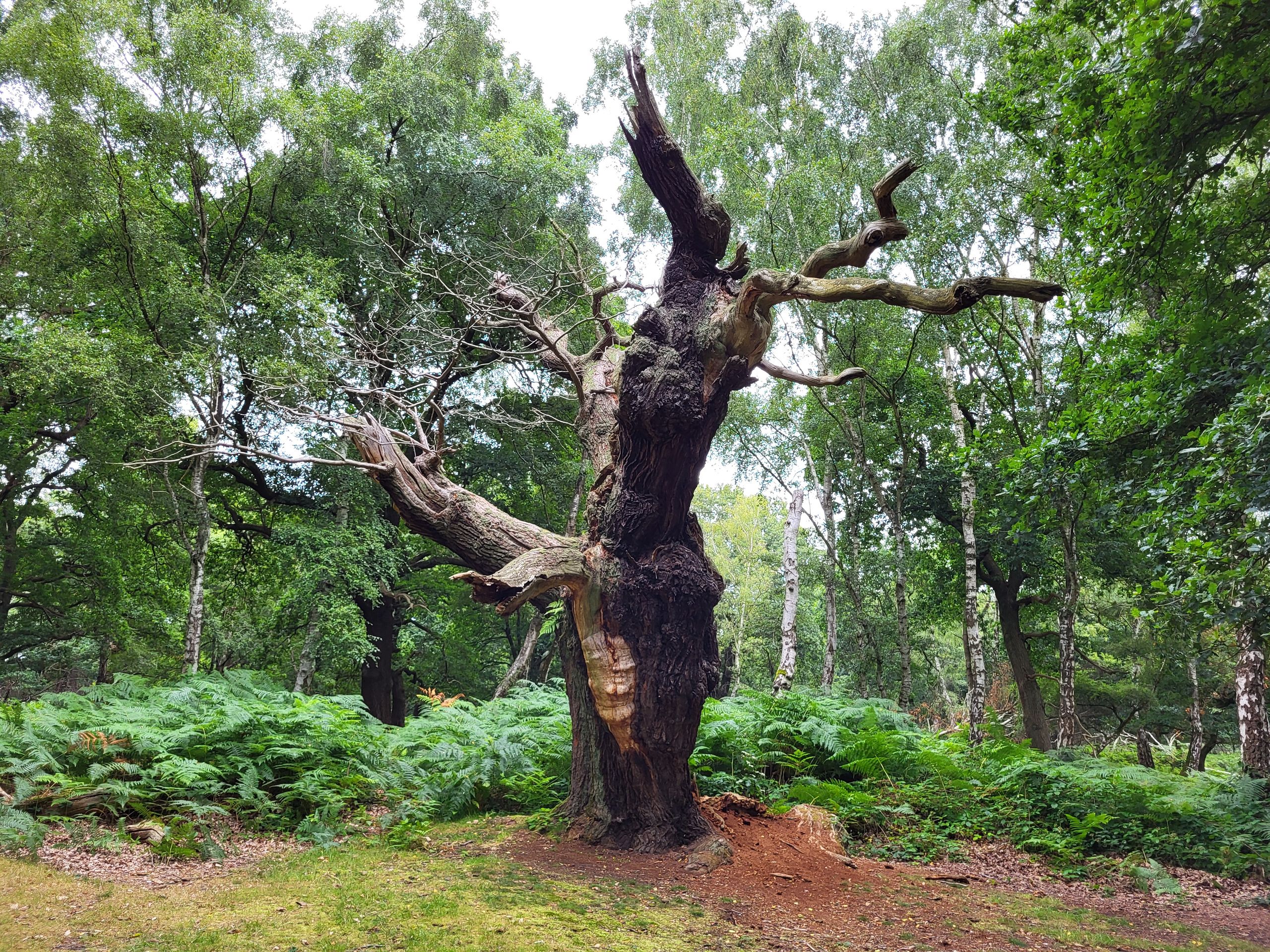
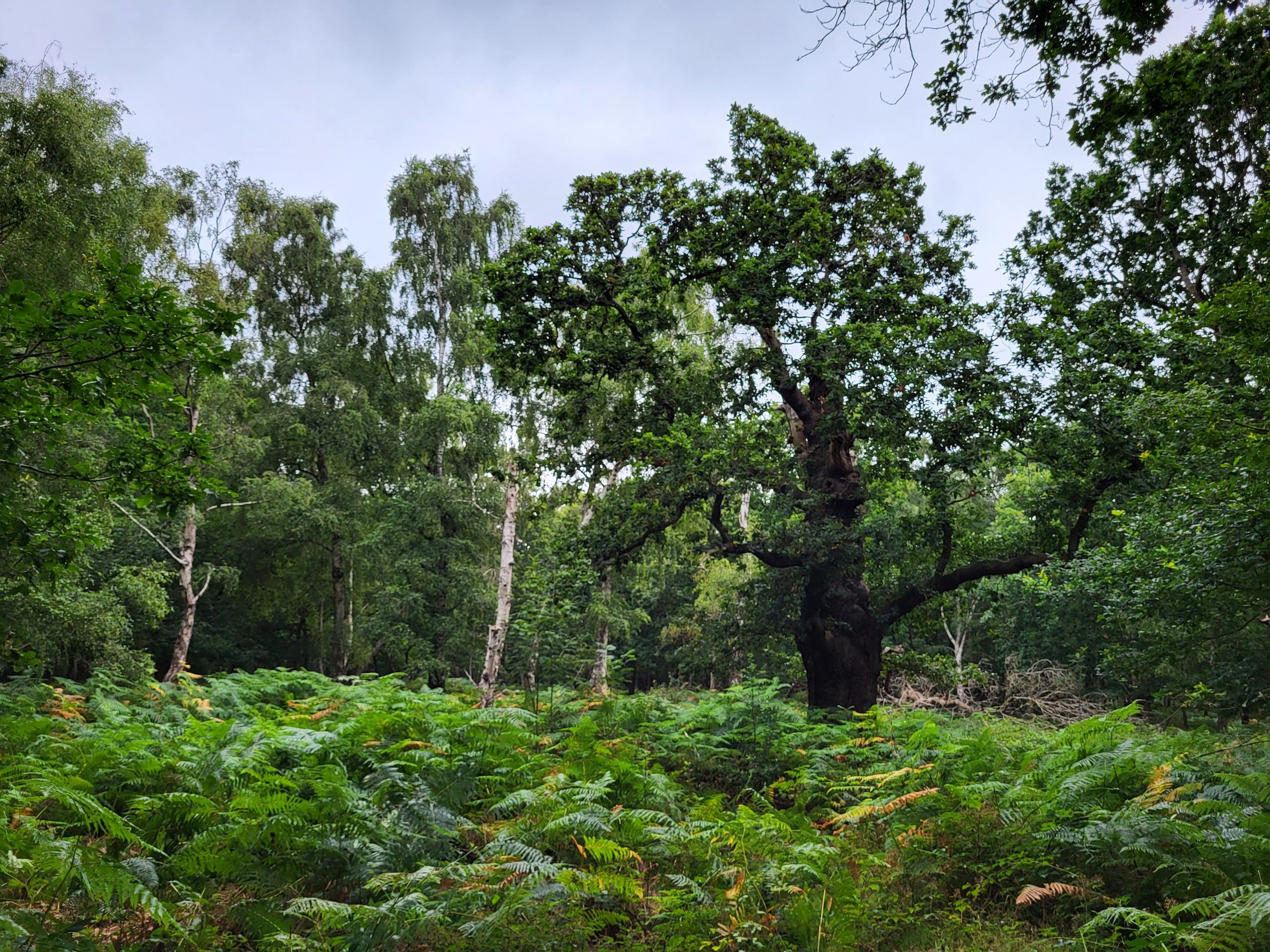
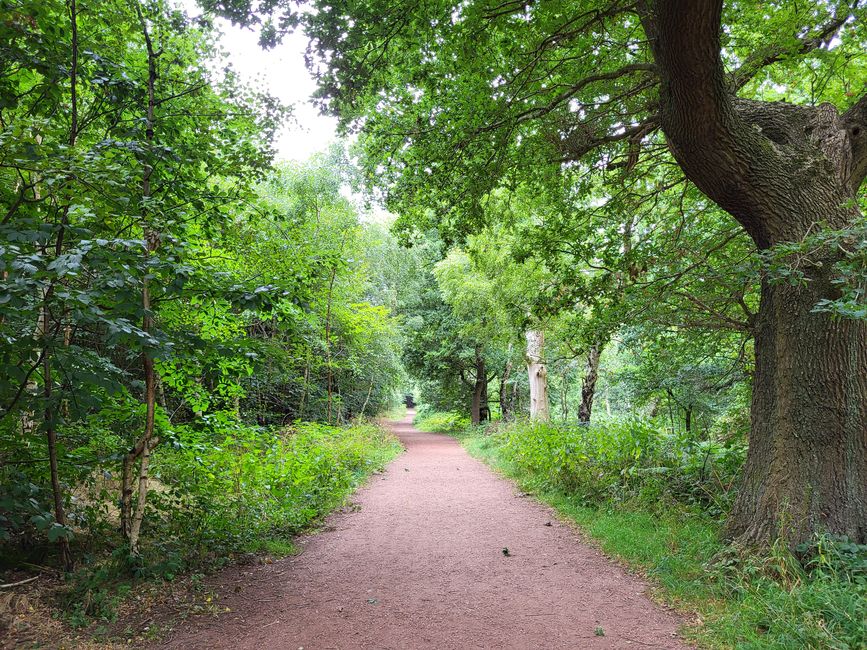
We took a walk through the forest. The rain was slowly easing, and at least it ensured that only a few visitors besides us were out and about.
Sherwood Forest
On the paths a bit farther from the Visitor Centre, we encountered no one.
Sherwood Forest
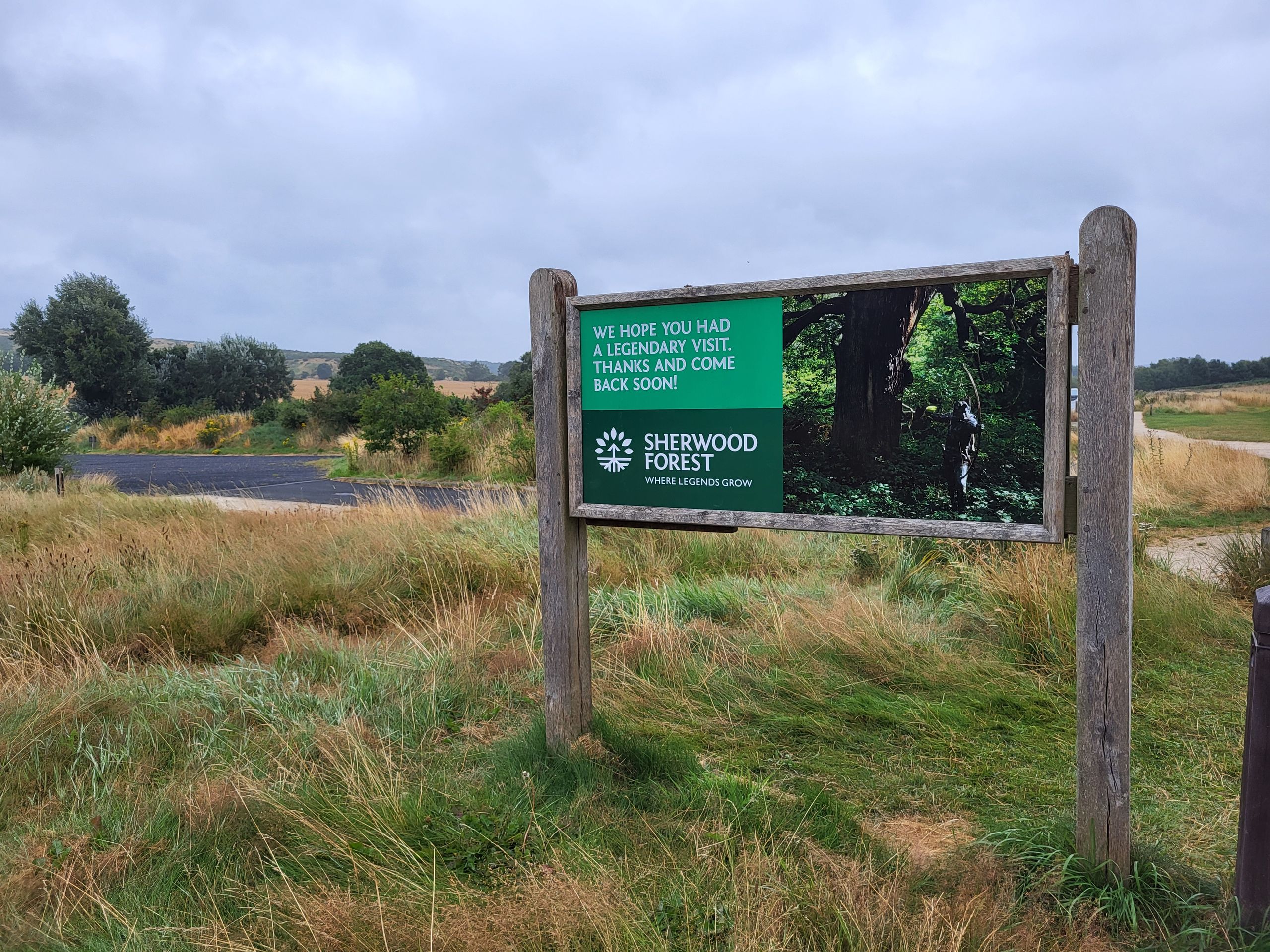
Closer to the parking lot, some people were out and reading the information panels about the forest and the legends of the outlaws along with us.
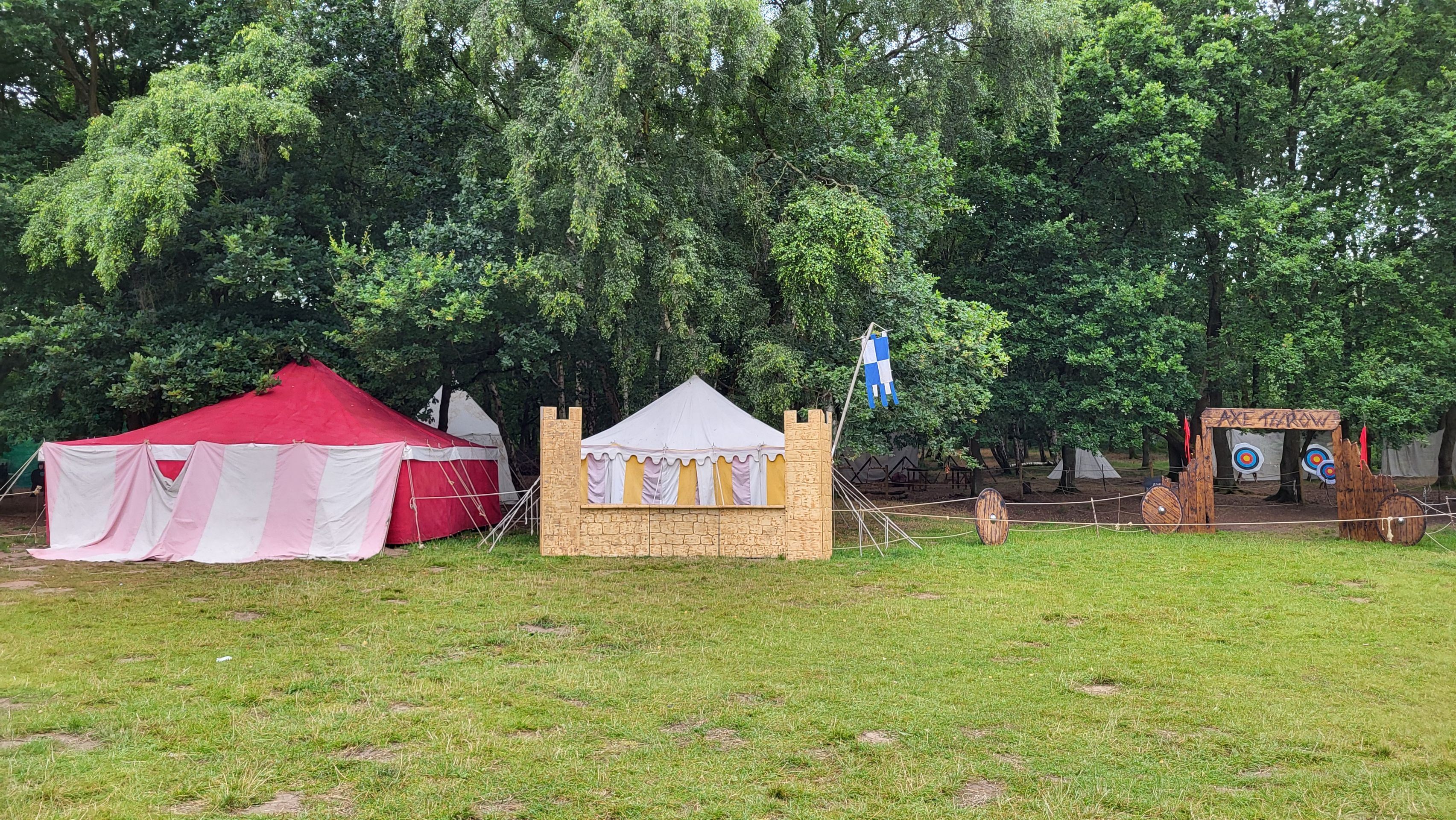
Sherwood Forest, Robin Hood Festival
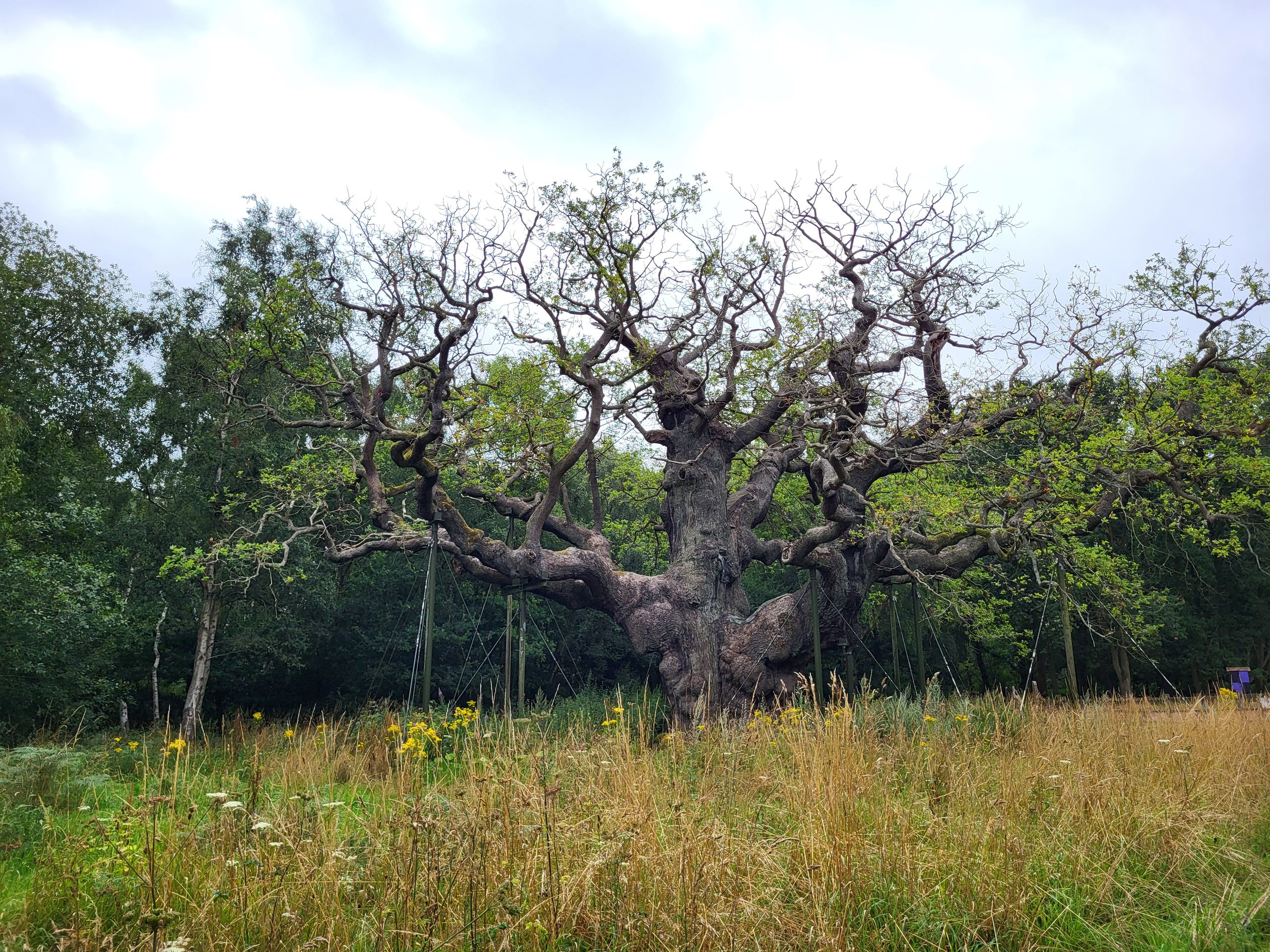
A particularly old oak tree, “Major Oak,” is said to have served as a hideout and meeting point for Robin Hood and his companions.