
双雄 - 在片场!
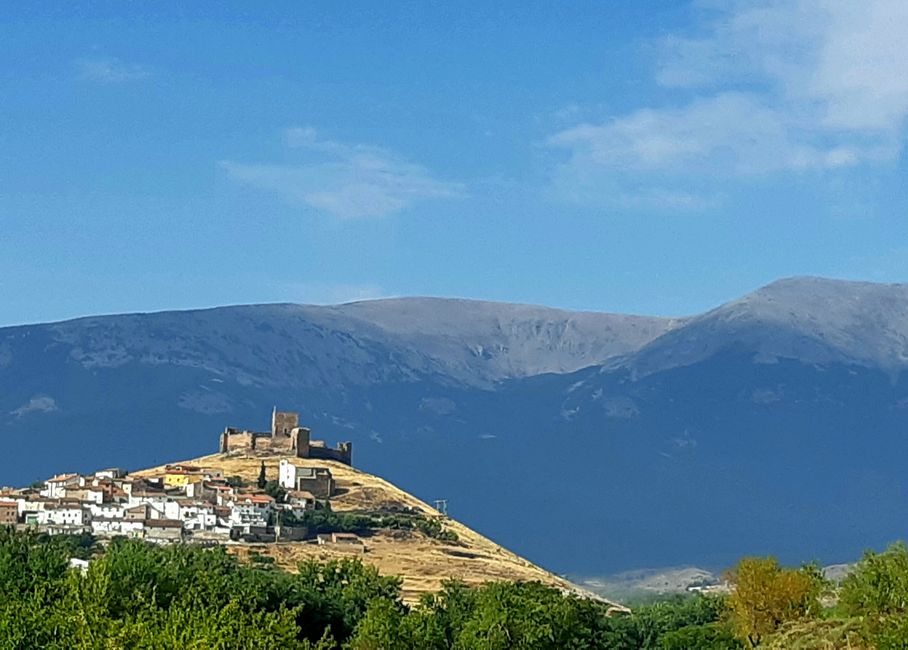
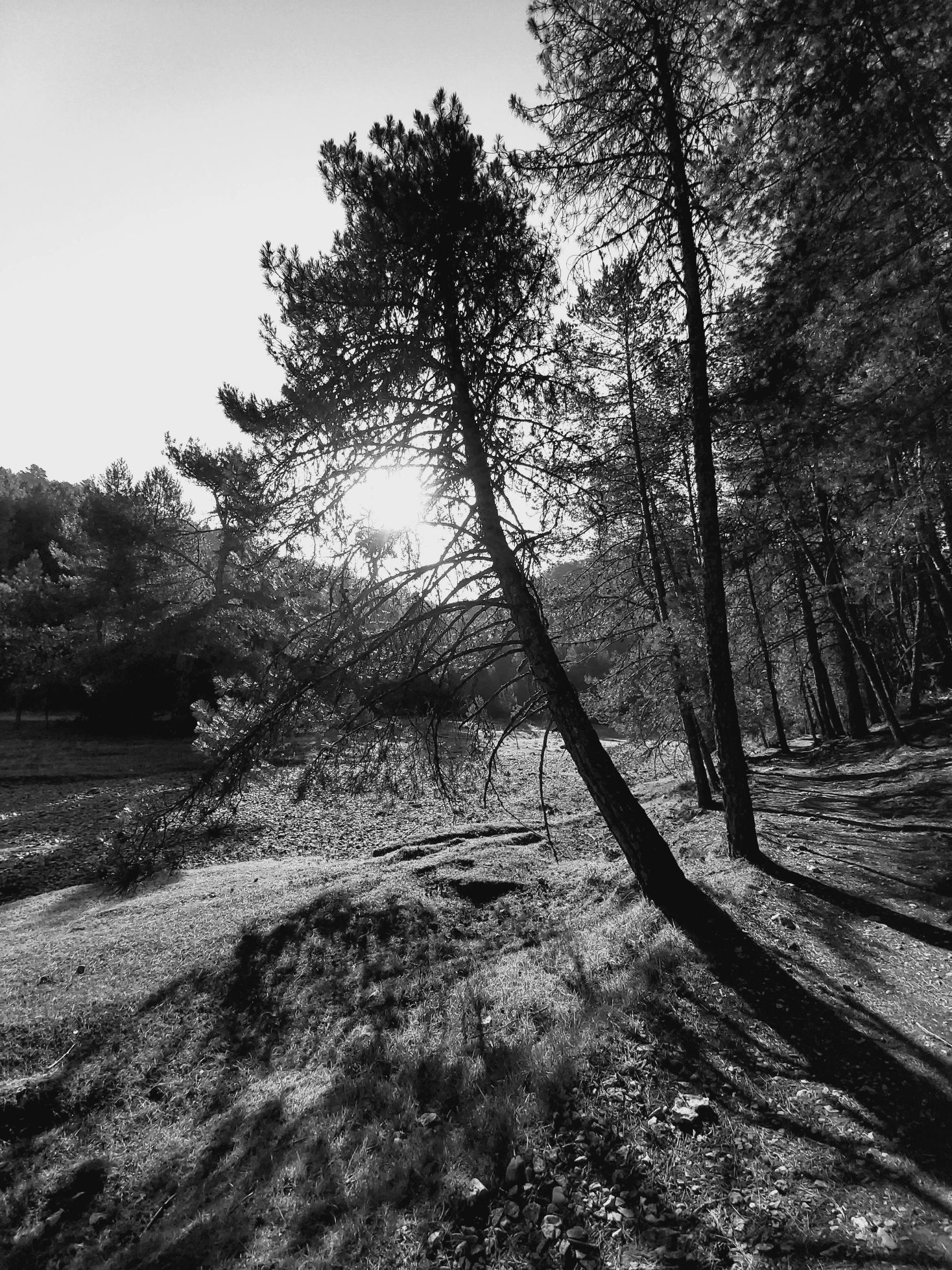
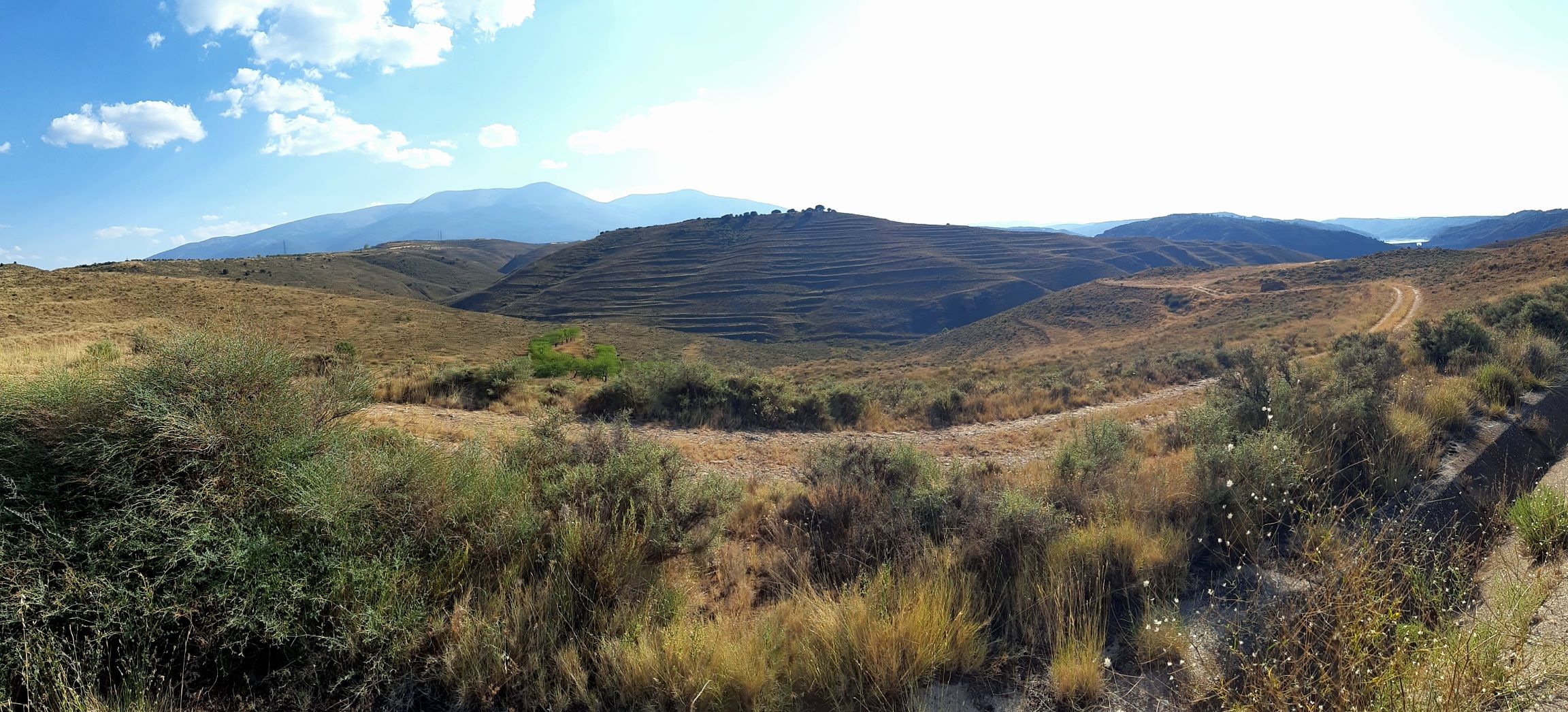
德曼达山脉是伊比利亚山脉的一部分,山峰高度超过2000米。该地区人口稀少,属于所谓的西班牙拉普兰,土壤贫瘠,冬季寒冷且积雪。它是欧盟认定的贫困山区,每平方公里大约居住着8人。 在海拔常达1000米的村庄中,只有少数人能依靠农业生存。 旅游业几乎没有发展。这里有几处滑雪站和良好的徒步旅行机会。在水库边上人流稀少,周末来自周边的家庭分散在沙滩上。...
已发布: 05.09.2022




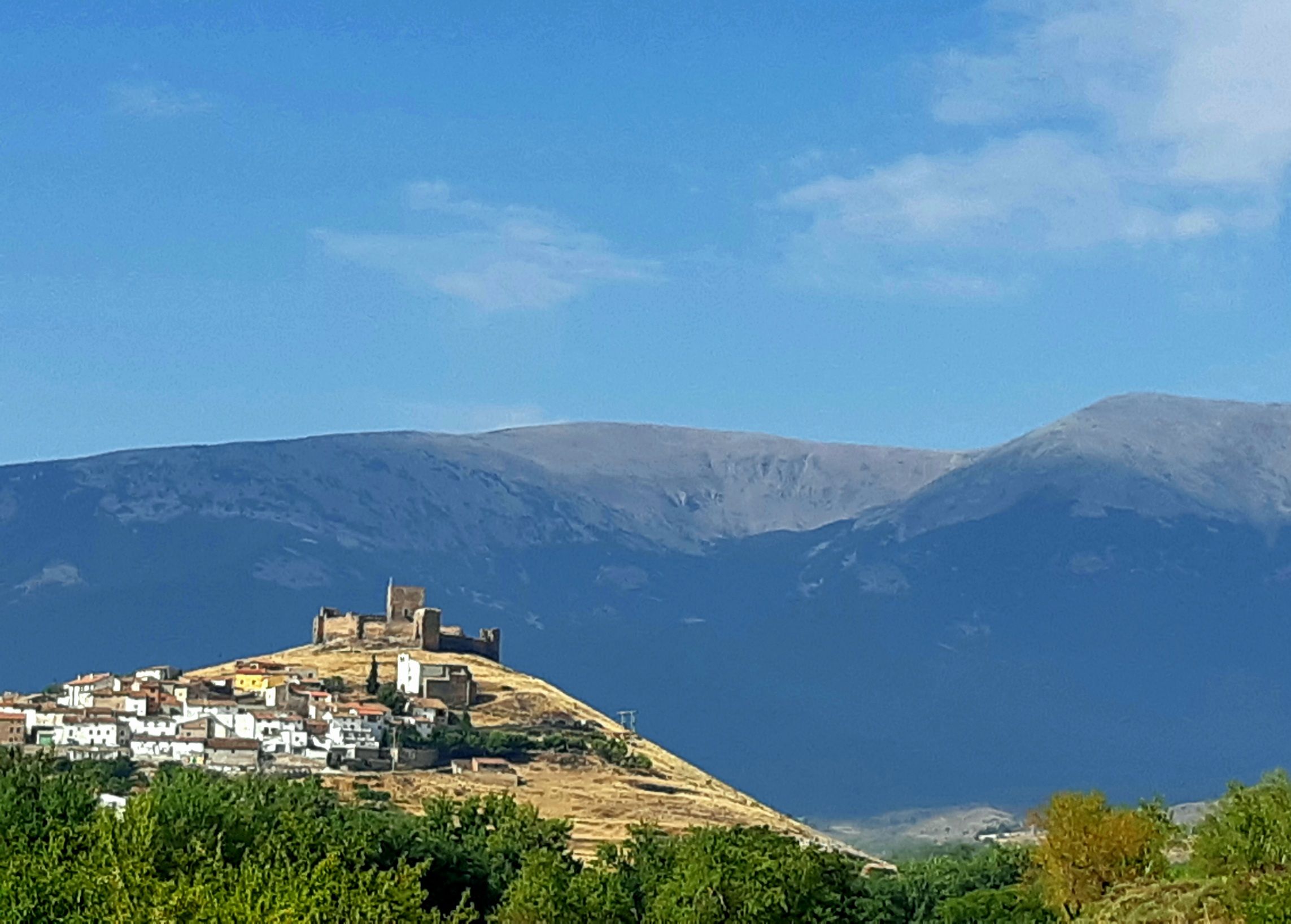
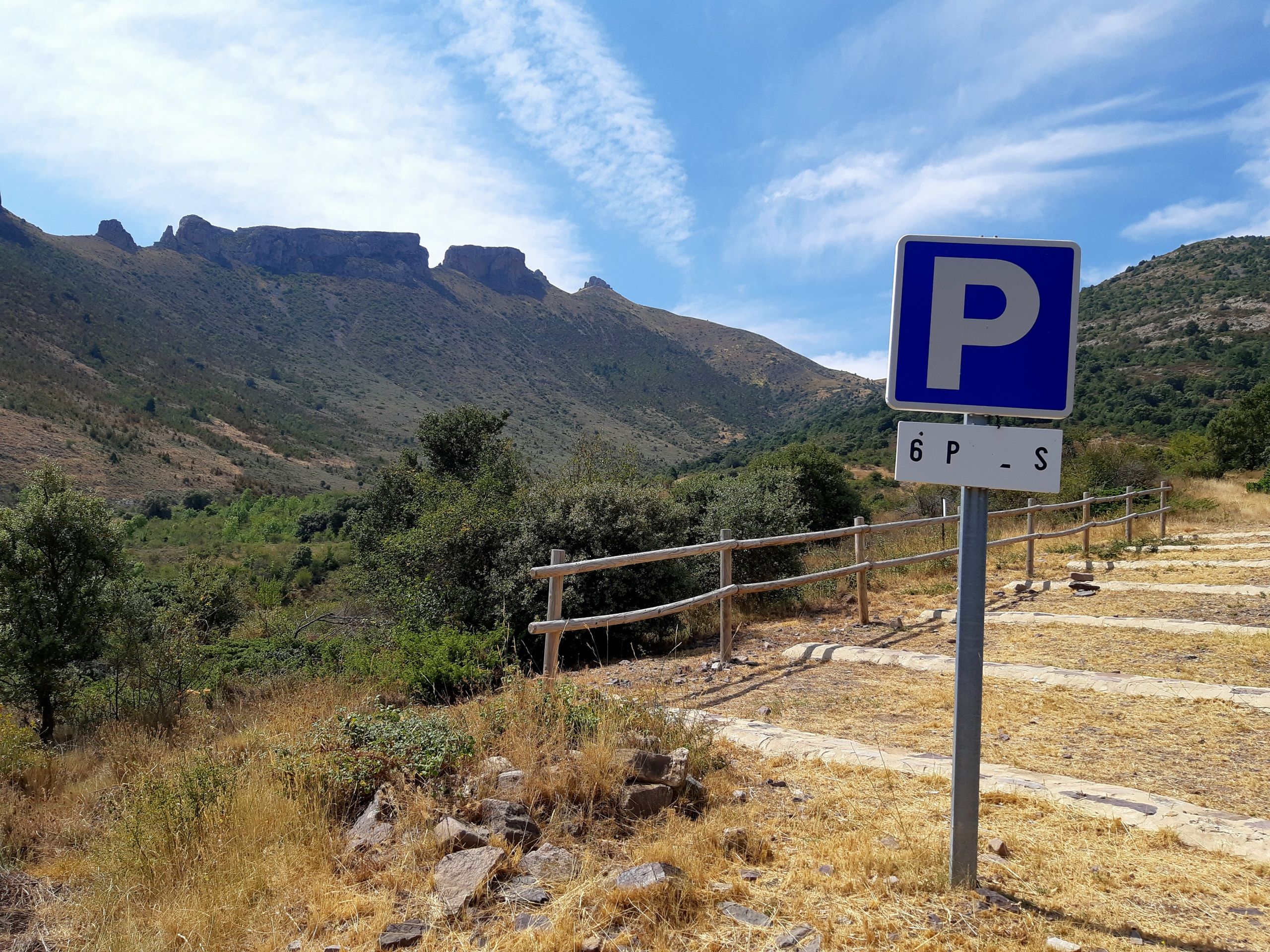
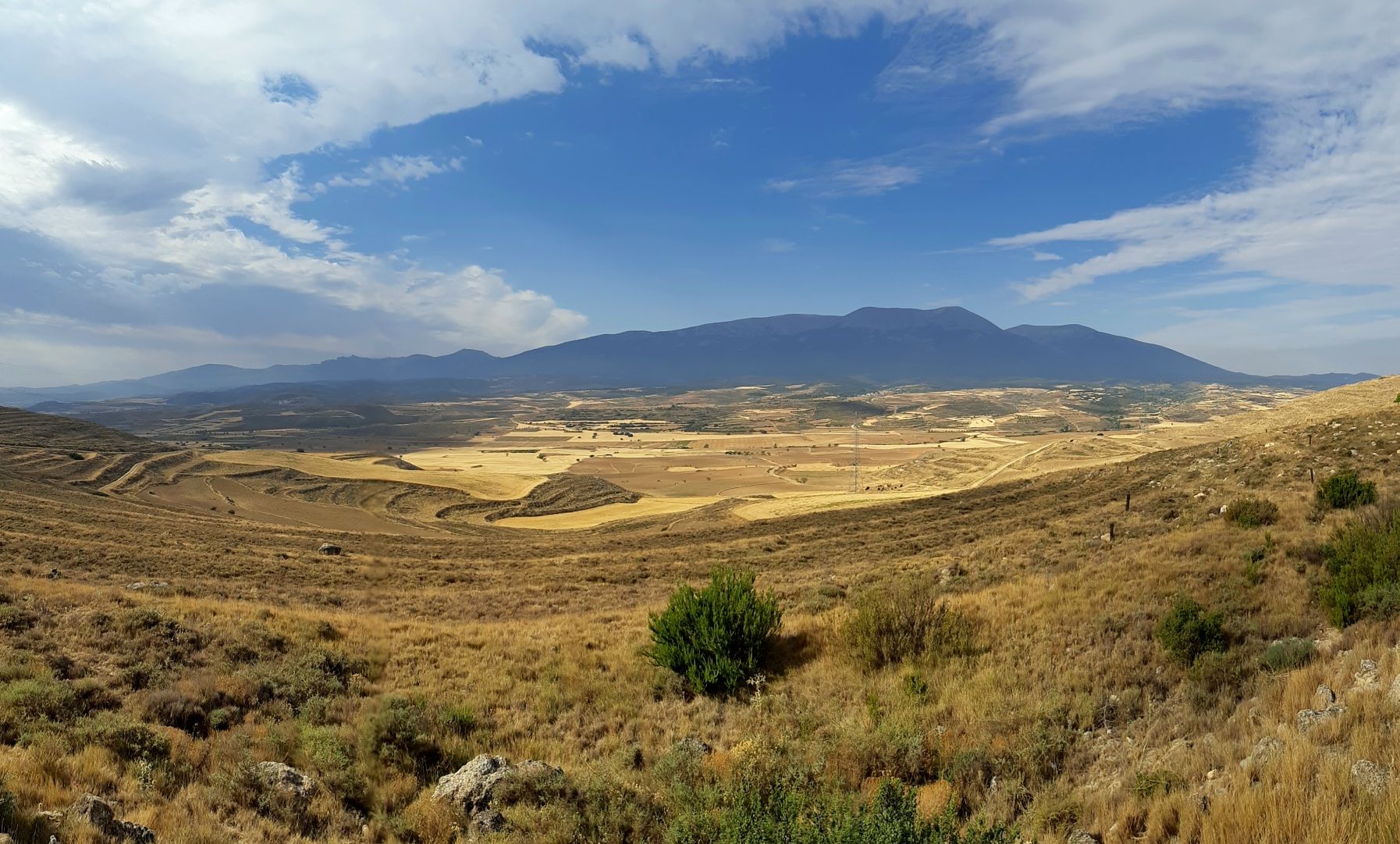
After seven weeks and almost 7000km, we want to stay in Spain for another seven days.
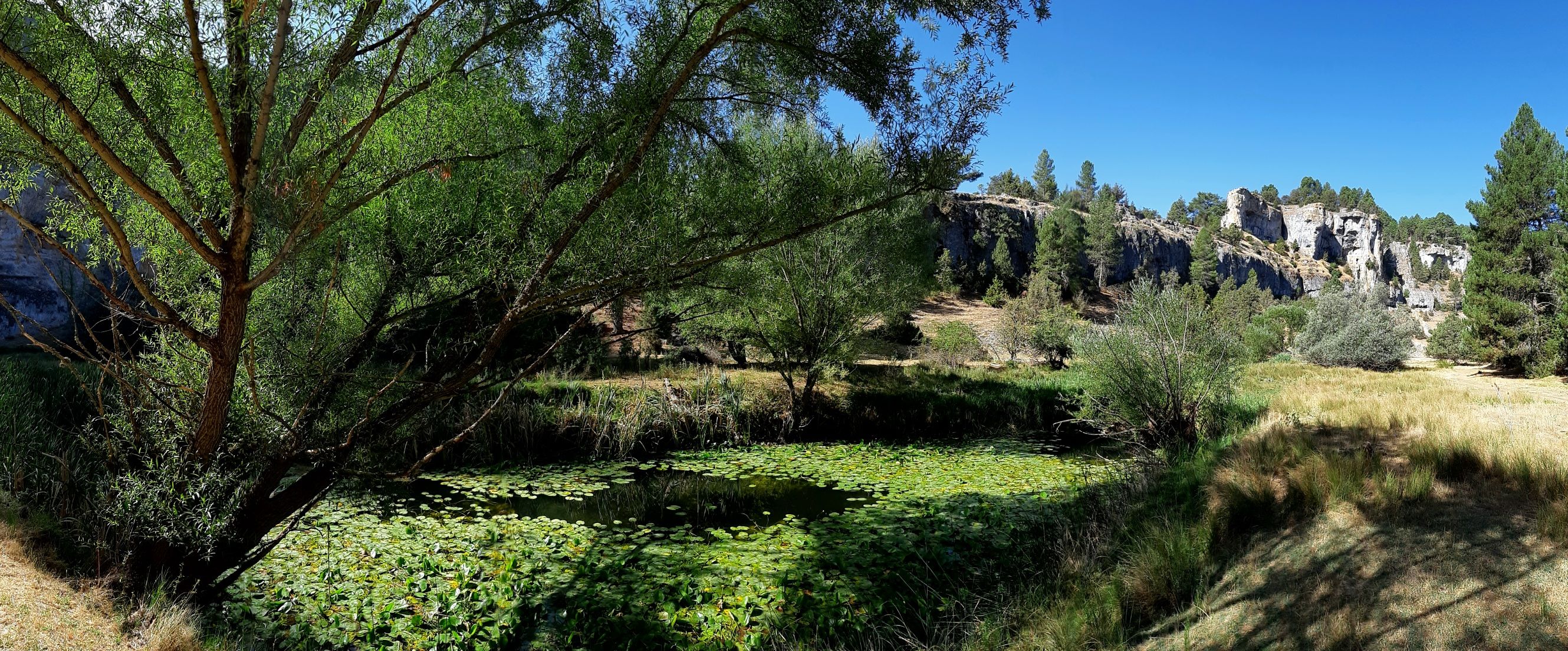
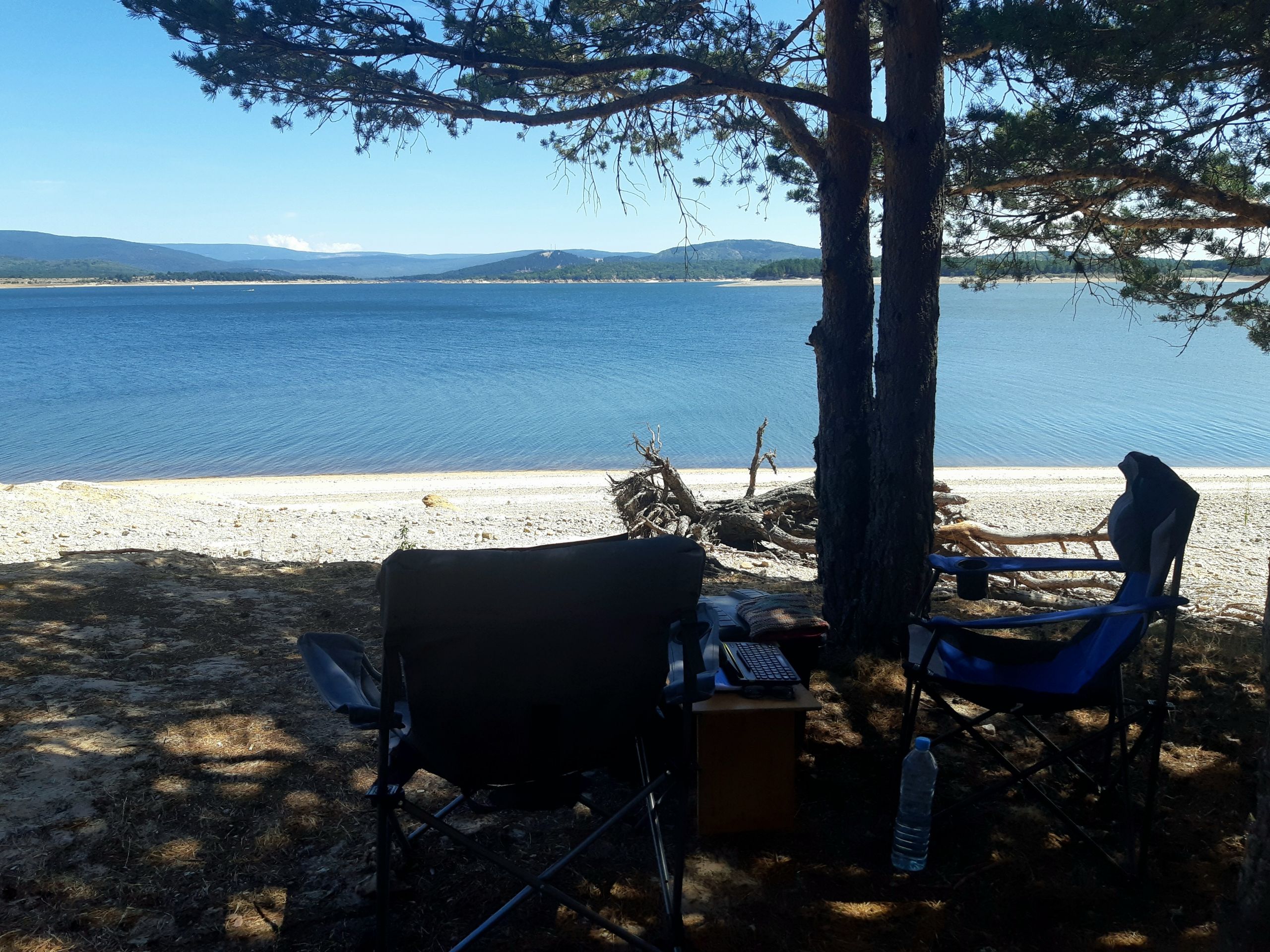
The large country has plenty of space and always holds new surprises. We are spending a lonely extended weekend at a reservoir with a beautiful white sandy beach.
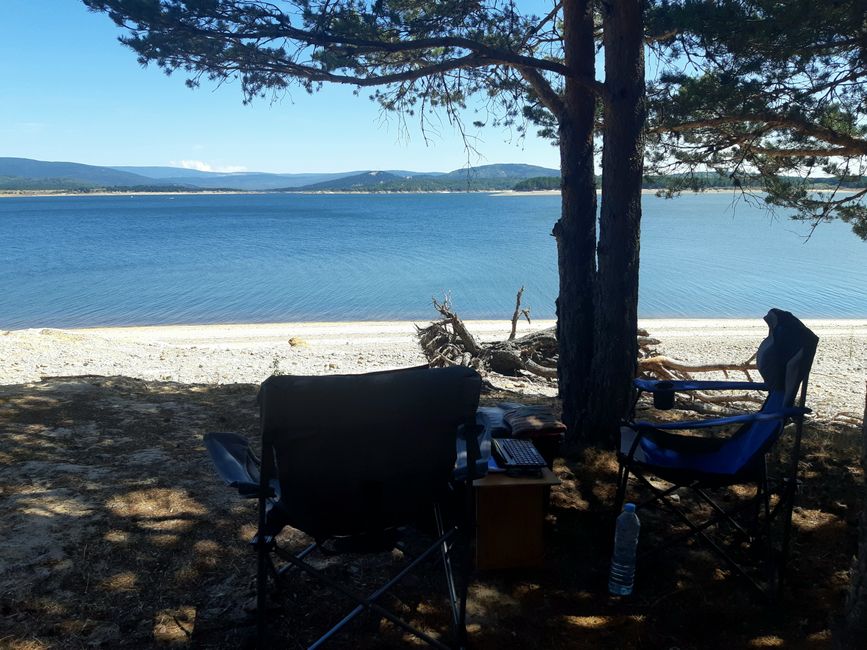
Only the Blue Chats, which only exist in Asia and on the Iberian Peninsula, are indicating with their peculiar croaking that we have taken a seat under their tree.
Then our path leads us to the Sierra de Moncayo. The mountain range with several peaks over 2000m belongs to the sparsely populated Serrania Celtiberica and is part of the Iberian Mountains.
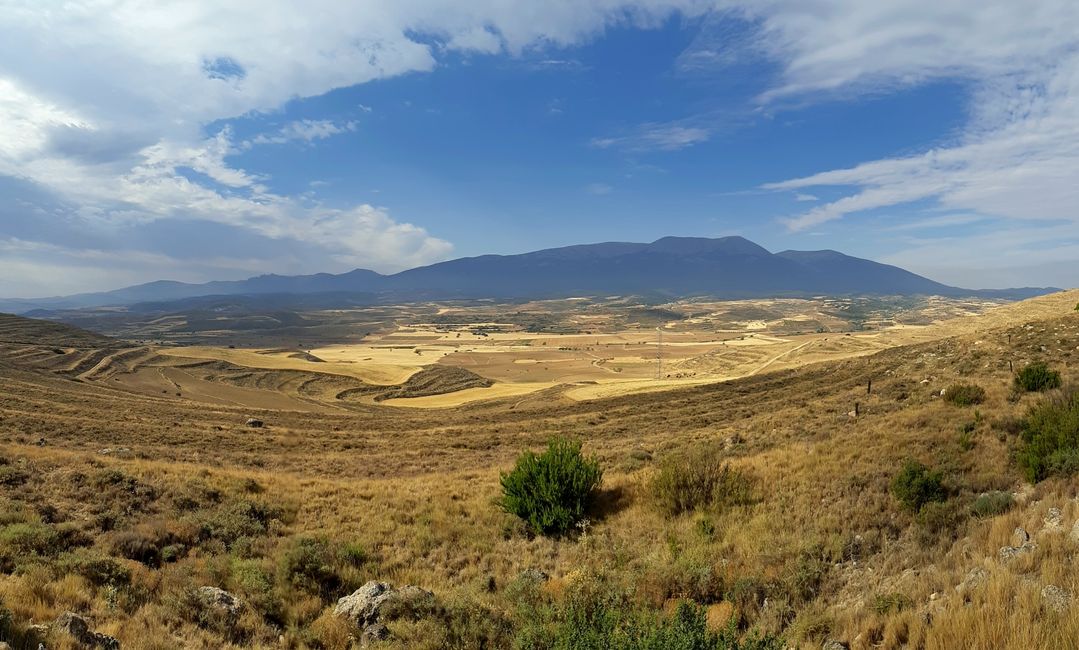
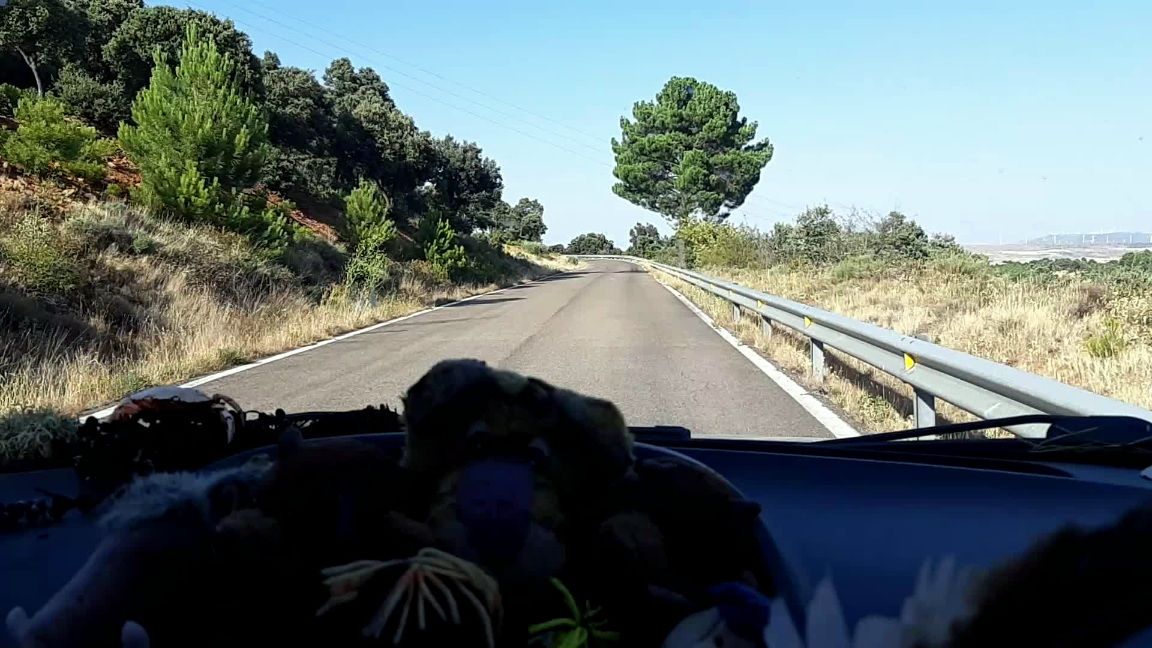
There is a magical place here. You have to search for it, not everyone is able to detect the magic. If you have managed to locate the exact spot, it is extremely important to disengage the gear of your car. Immediately you can feel the magic! Your car moves all by itself. And it goes UP the mountain! Seriously, this is not a made-up travel story. The cars drive uphill at this spot without motor power in neutral gear, without any human intervention.
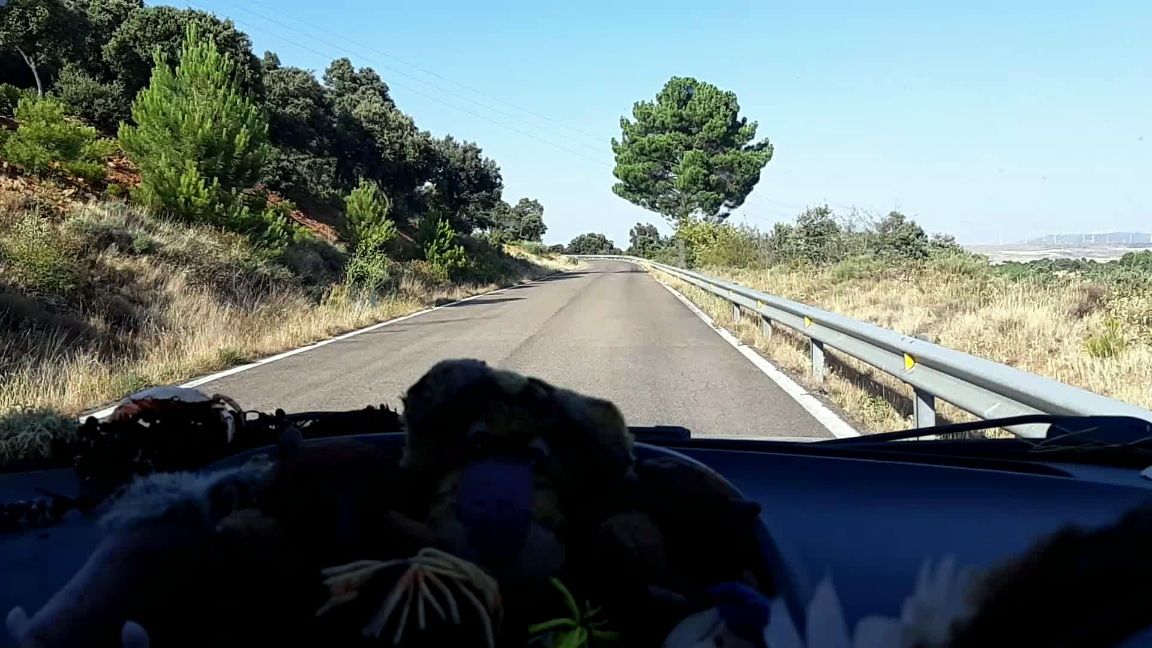
And it's so amazing that I want to experience it a second time. If you don't believe me, go to Spain and try it out. We can show you a proof video.
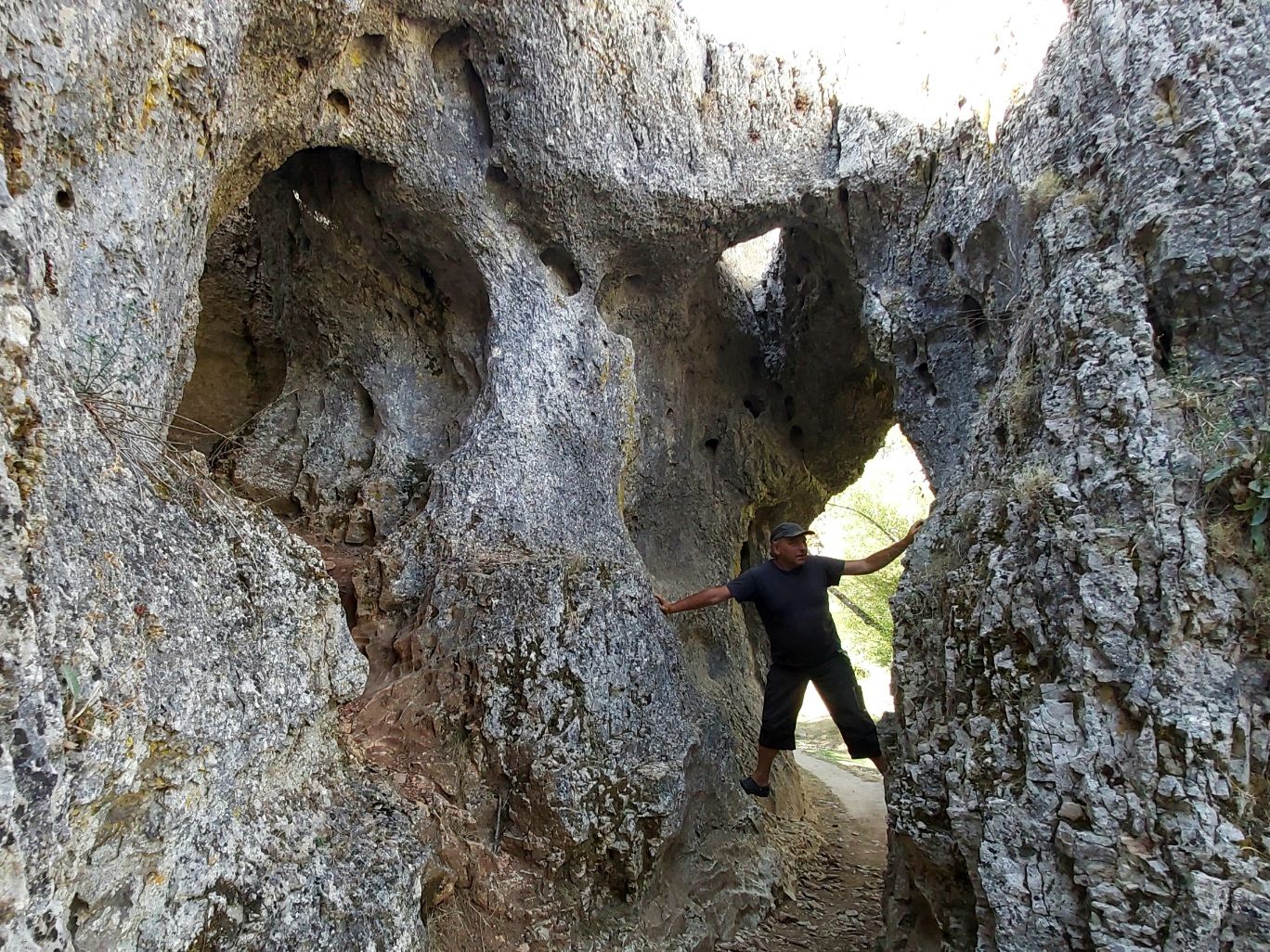
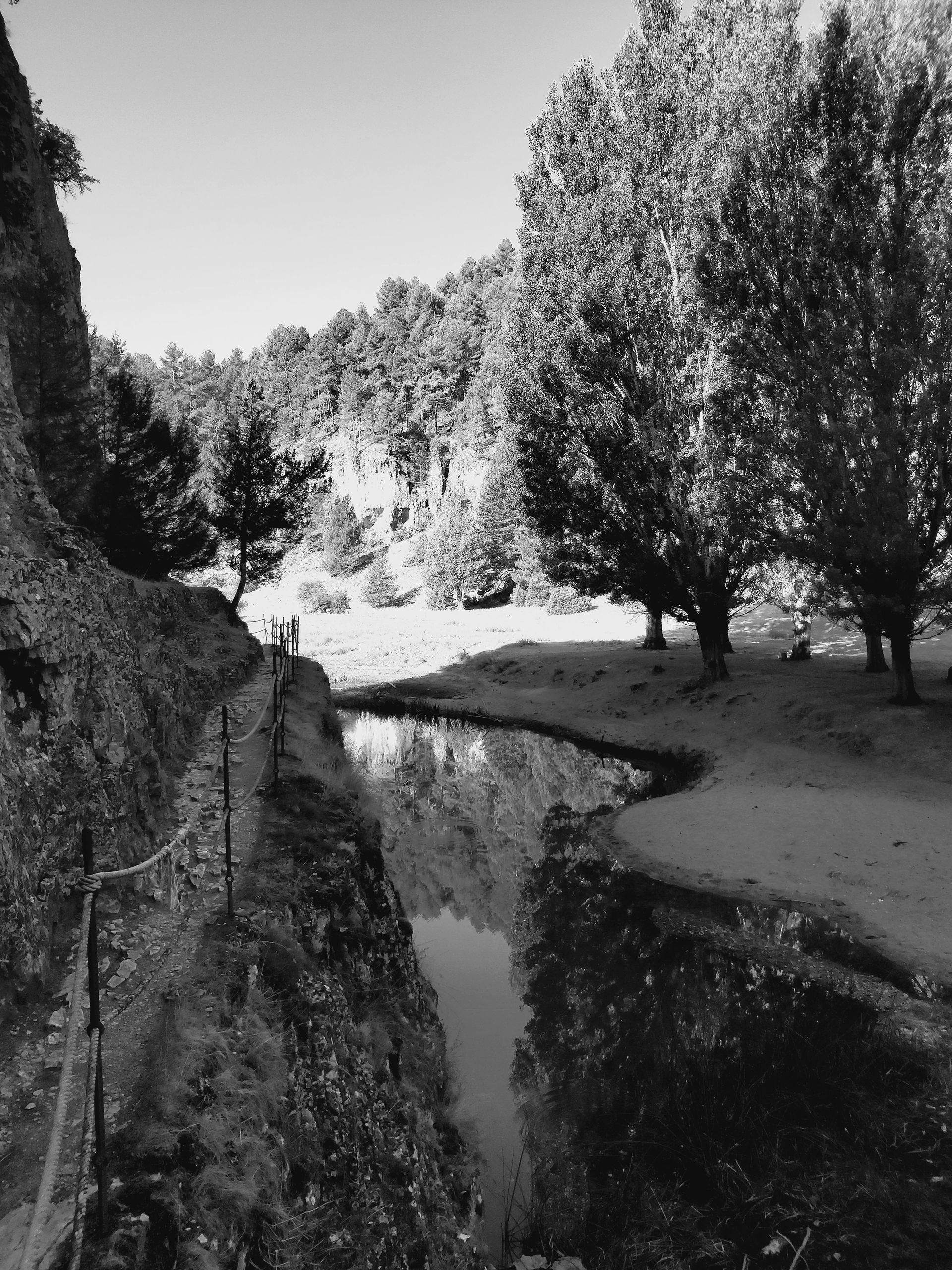
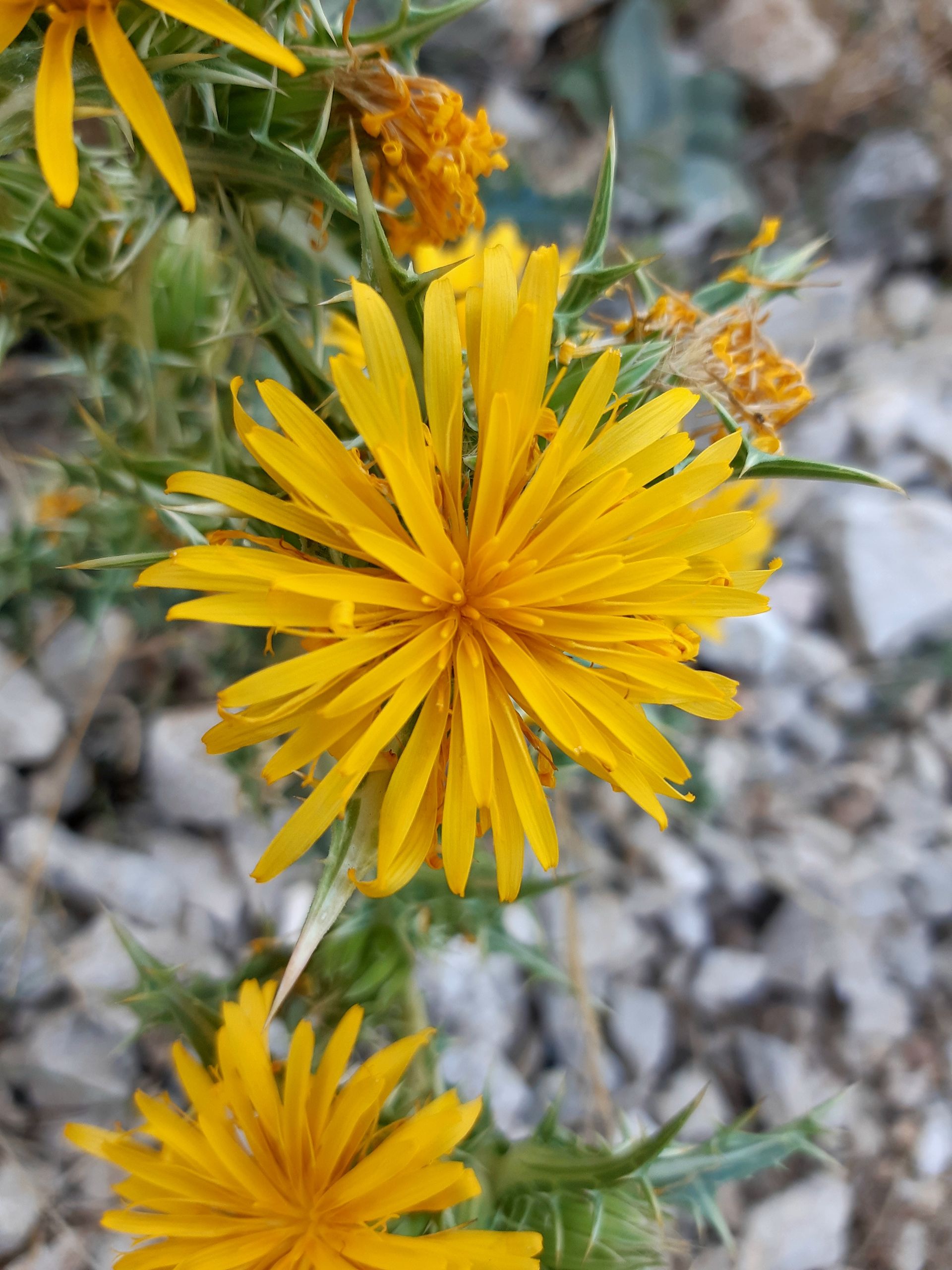
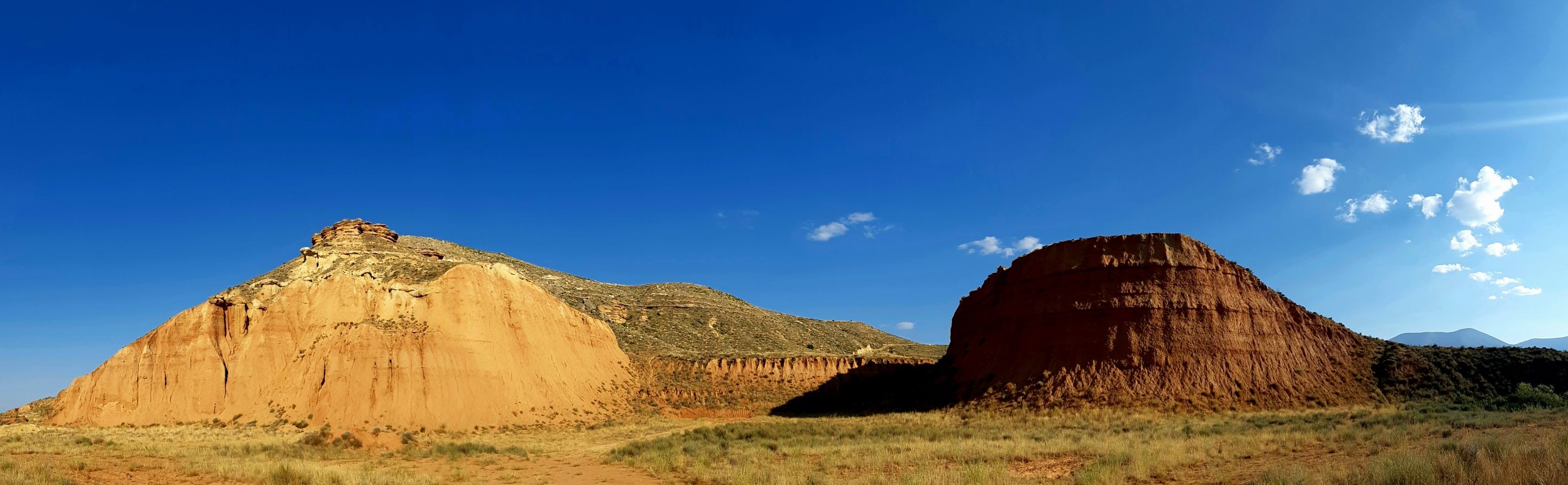
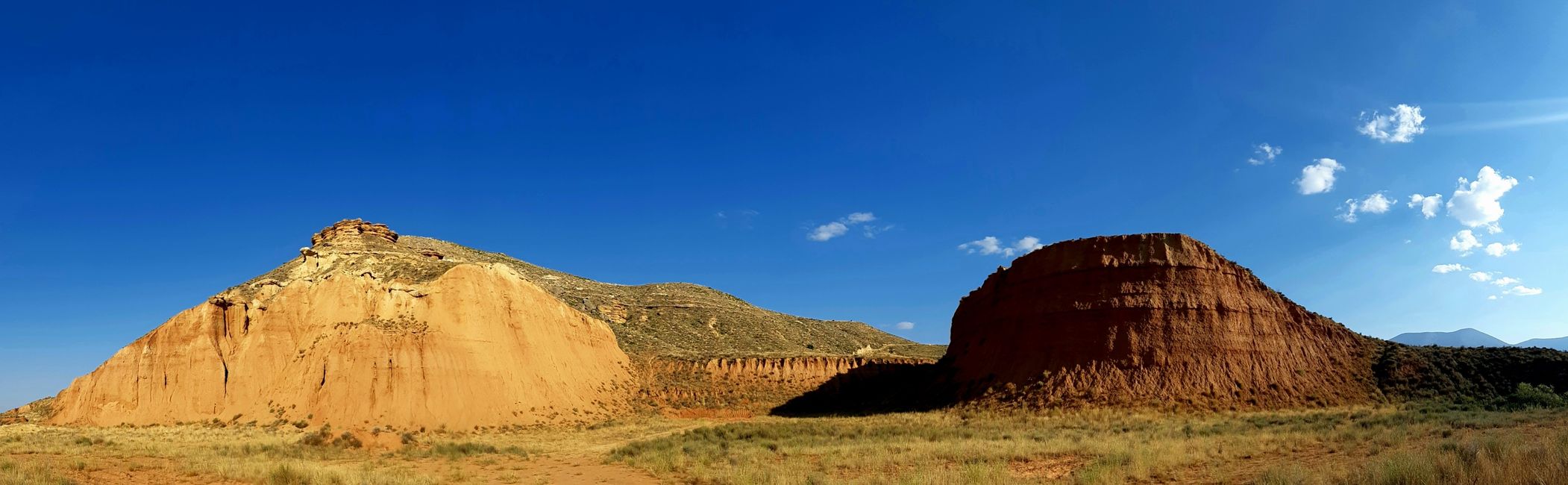
We want to spend the evening at the small Embalse and move our chairs outside - that's when I hear a big bumblebee buzzing - at least I think it's a bumblebee. But the sound is not coming from the yellow and red flowers by the wayside, but from high above. Maybe someone is flying a drone and filming the bizarre rock formations of the steep cliffs of the reservoir valley, which glow in a thousand shades from ochre yellow to deep rust red in the evening sun and are reflected in the water surface of the lake. Zappa is already looking forward to tomorrow and finally wants to launch the boat and paddle in this spectacle of shapes, colors, and light in the flooded canyon.
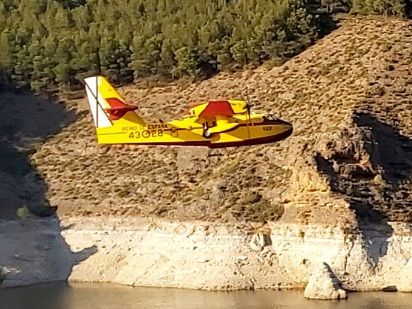
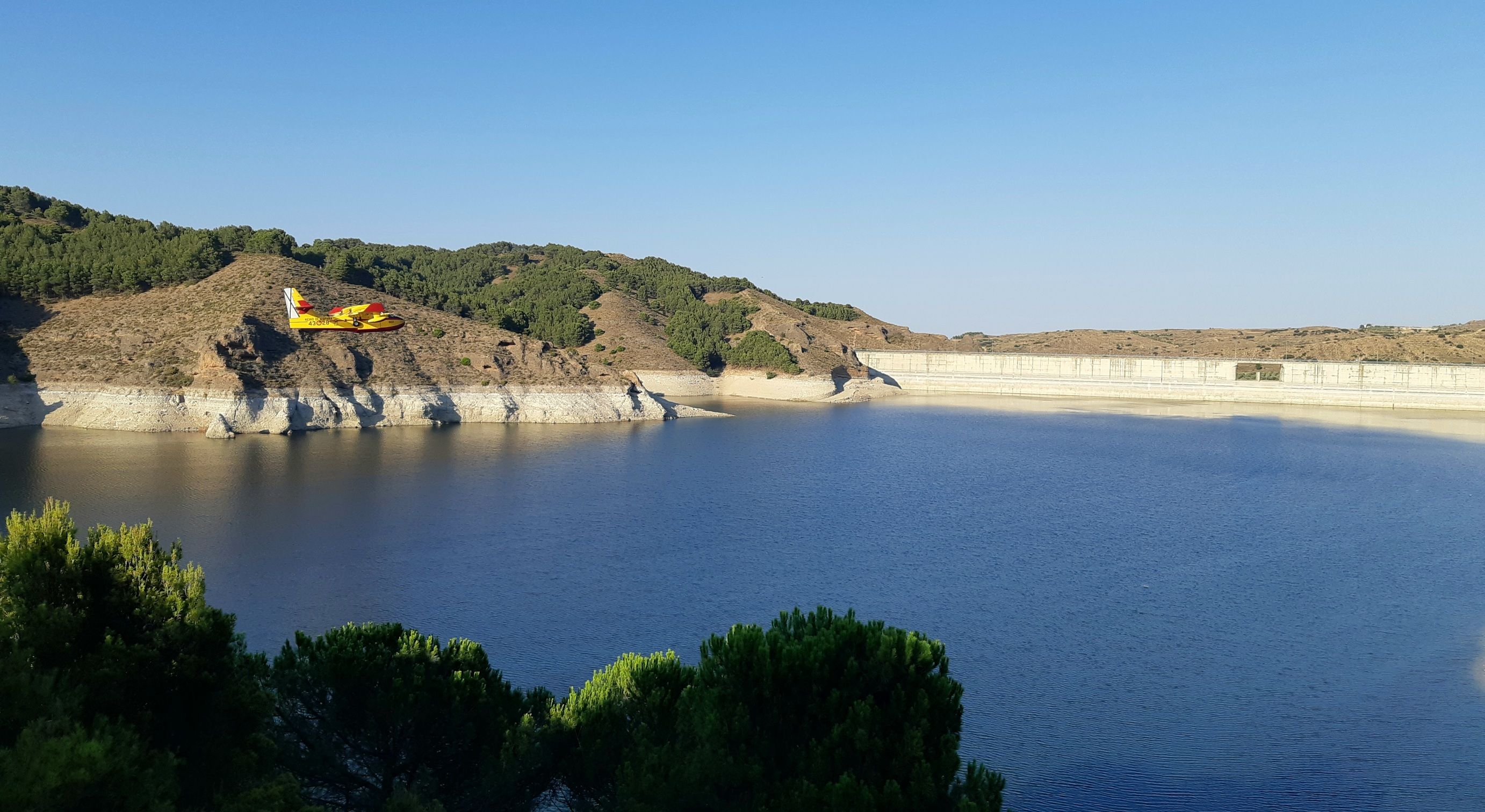
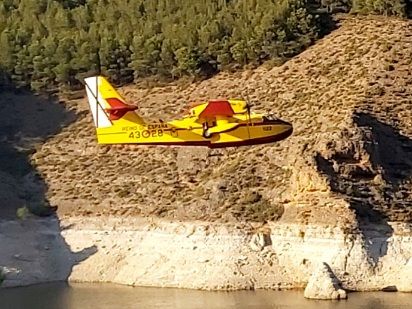
The humming becomes louder and louder, turning into a deep rumble, until a squadron of large and heavy amphibious aircraft appears between the peaks of the mountains. The thunder of the thousand horsepower engines gets closer and closer until the pilots fly a gentle curve around a mountain peak in a skillful formation, one after the other disappearing into the depths of the canyon... Boy, oh boy - those pilots have nerves of steel!
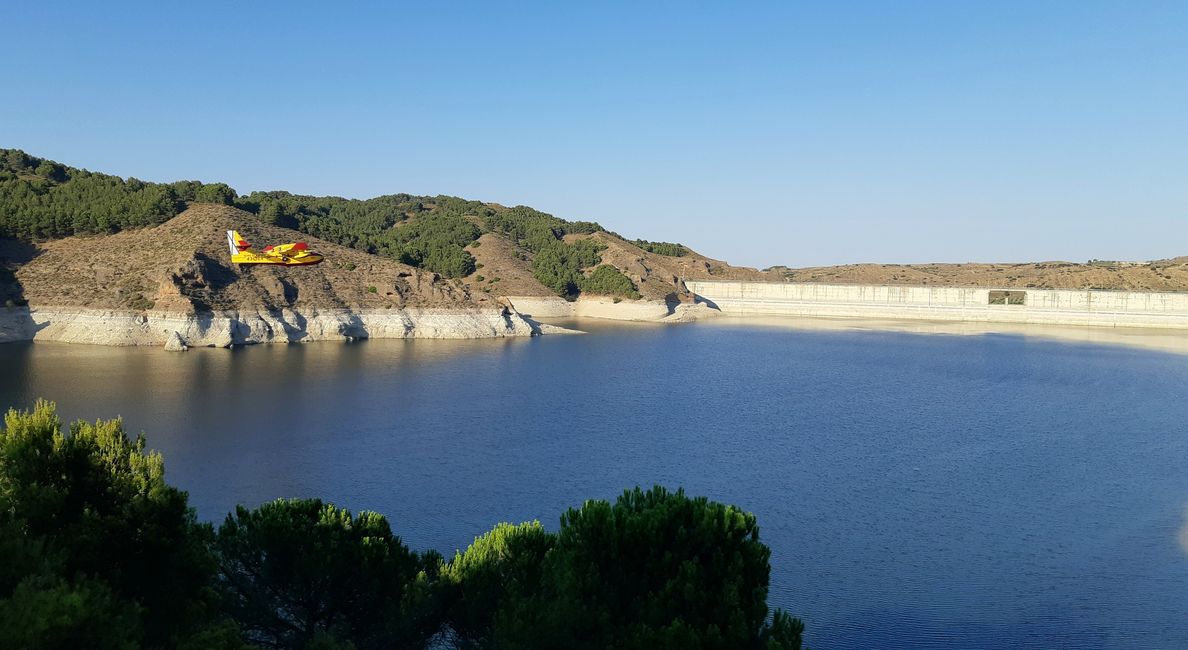
There! Deep below us, between the narrow rock clefts, they are again, the Canadair CL-415s lined up like pearls in a necklace, approaching to land on the water runway, diving into the reservoir at full speed with the bow, drifting a few hundred meters through the Embalse, refueling 6000 liters of water in 12 seconds. The pilots pull the control stick and throttle so hard that the radial engines behind the silver shining propellers roar like lions with an appetite.
The air in the canyon vibrates, fire lances shoot out of the exhaust pipes, the elevators at full deflection, and with slightly bobbing wings, the heroes of the sky hover just enough to not touch the massive dam as they fly away into the mountains. What a performance! The Spaniards are thrilled, they cheer, jump, and clap their hands.
No - this is not an air show, this is deadly serious: the Iberian firefighting planes have been flying back and forth between the Embalse and the billowing smoke plumes of the hellish, towering inferno in the mountains for hours, precisely dropping hundreds of tons of water to fight a storm-fueled forest fire that is about to engulf a beautiful historic village on a mountain spur. And they know exactly what they are doing - because Spanish firefighters carry their name with pride: Bombarderos!
The next day we learn: fortunately, the fire in the Sierra has been extinguished after several days of fear and horror, but two villages had to be evacuated. Those were the villages we wanted to visit, but we refrain from disaster tourism. The terrace of a small bar has been completely destroyed by the fire, the nuns in the large monastery are sweeping piles of ash together, TV crews are on the move conducting interviews, fire patrols are still stationed, and here and there a fire is still smoldering.

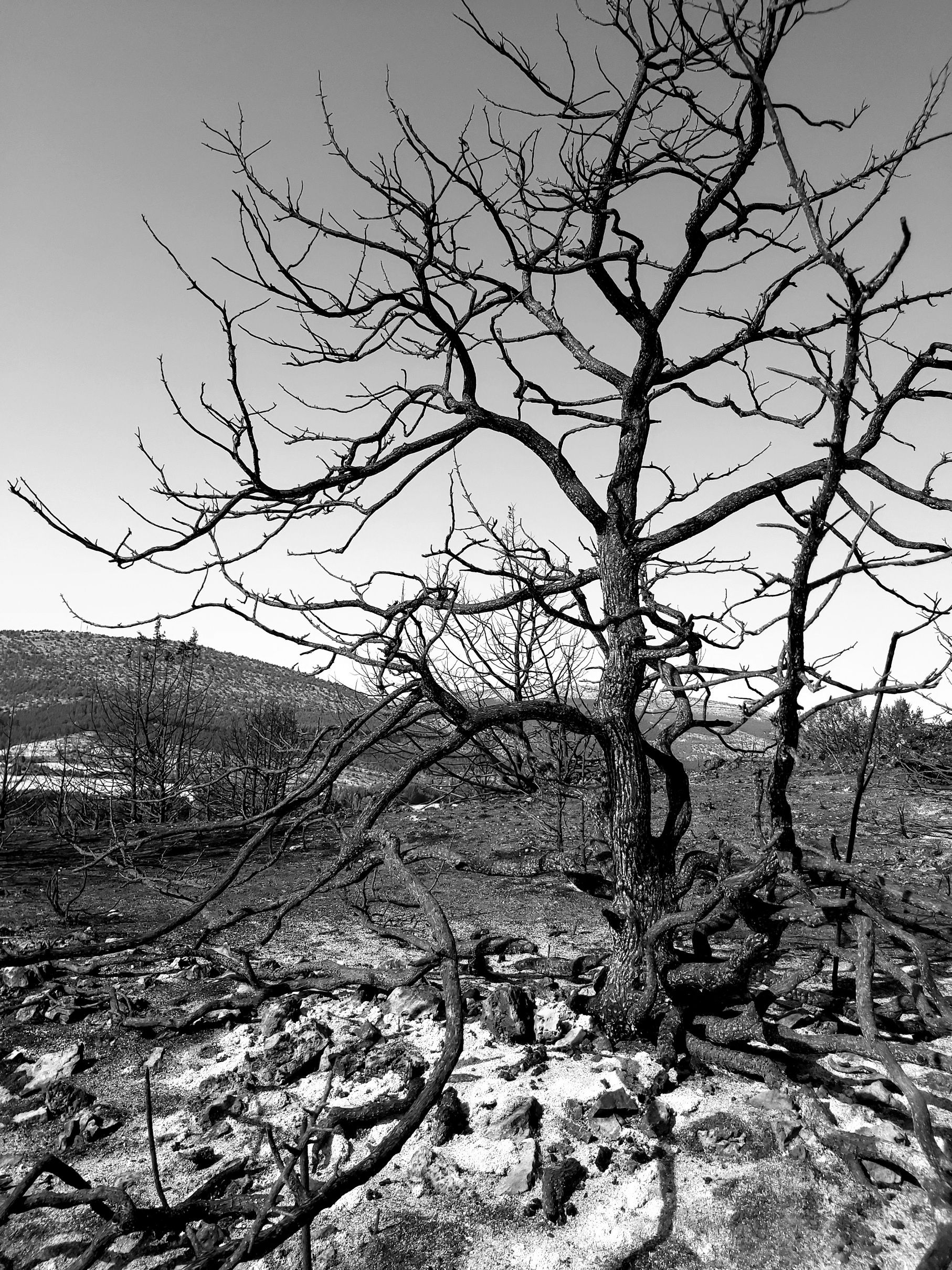
But as we continue our journey, we see the full extent of the catastrophe: the world is blackened and charred as far as the horizon, a pungent smell lingers in the air, and after half an hour of driving, we are still surrounded by ashes. The people here are facing real problems, which unfortunately we cannot help them with, so we continue traveling - in the Bardenas Reales we will be much safer.