

Bolivia - Tarija and Tupiza
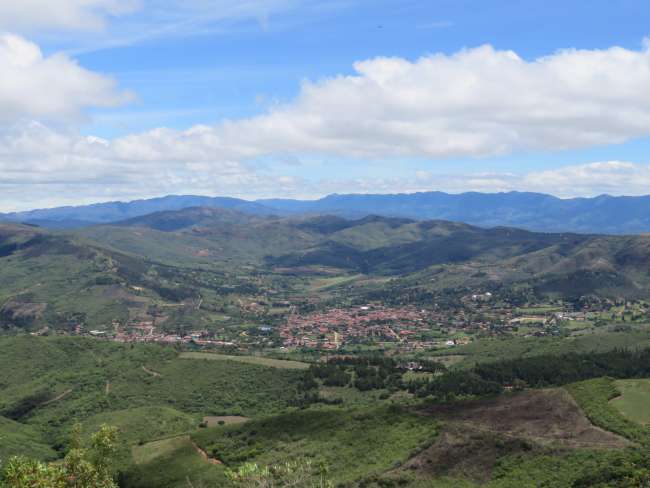
Post 12 - Tarija - The Tuscany of Bolivia and the main wine-growing region. Tupiza, the starting point for tours to Salar de Uyuni.
已发布: 03.09.2018




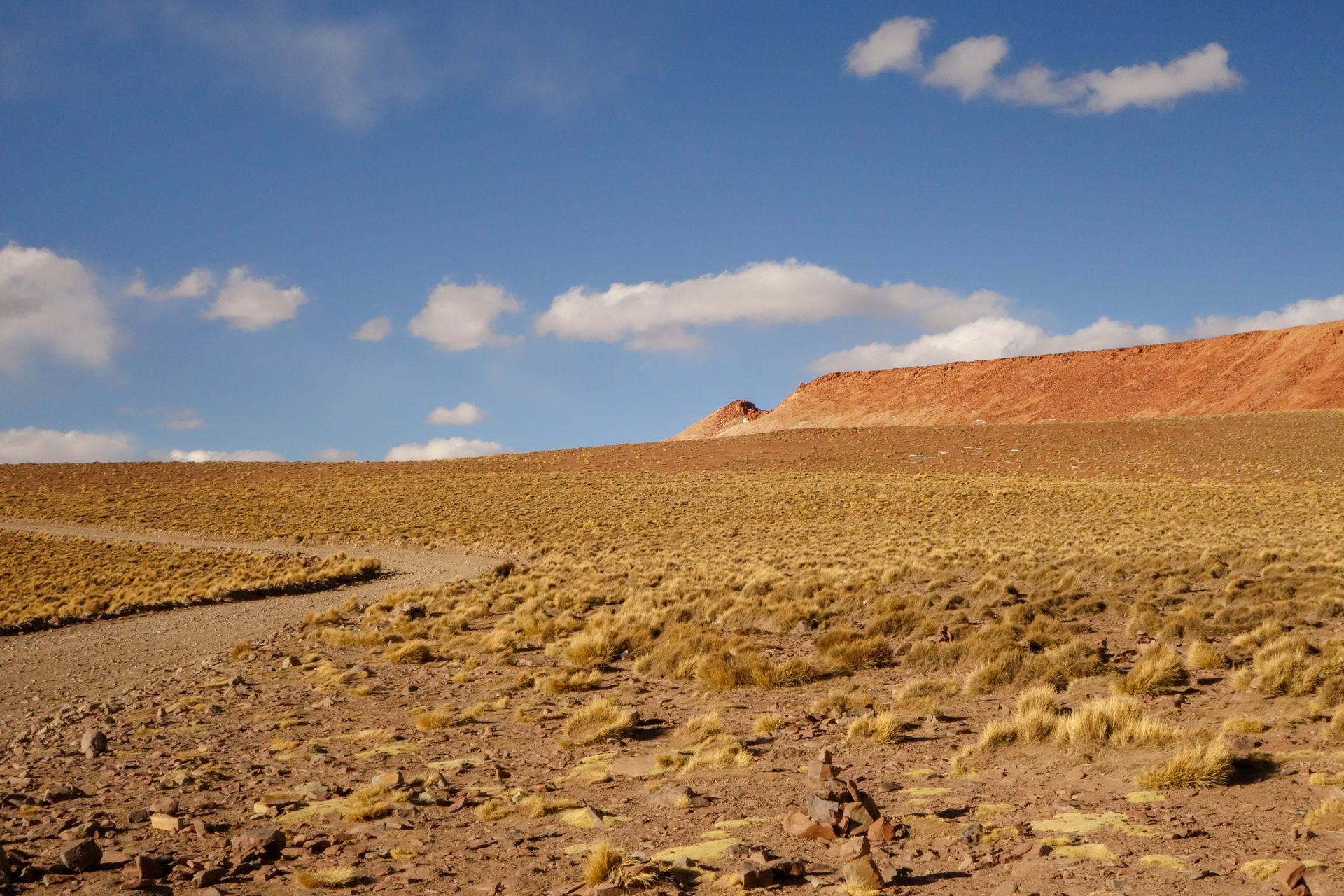


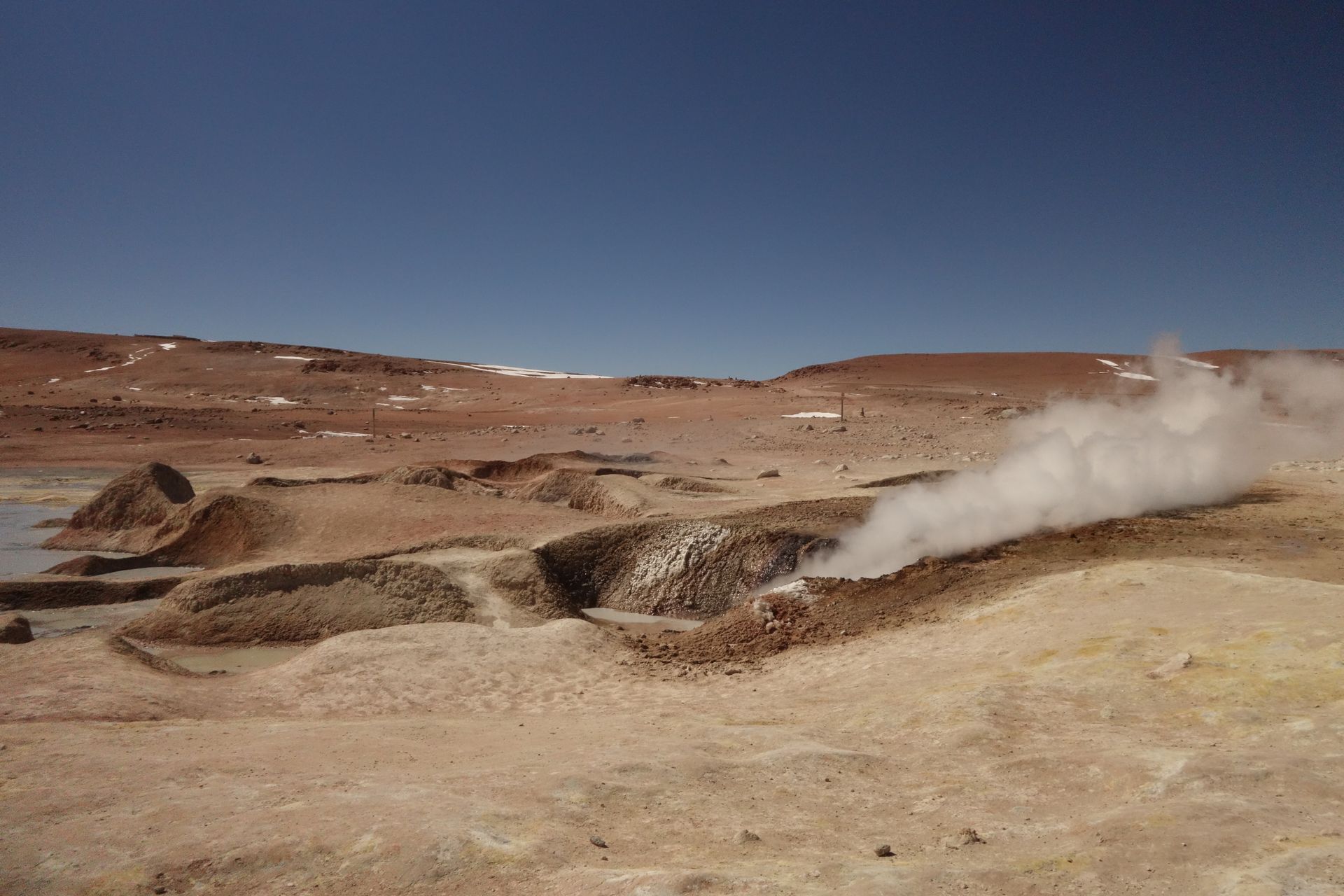


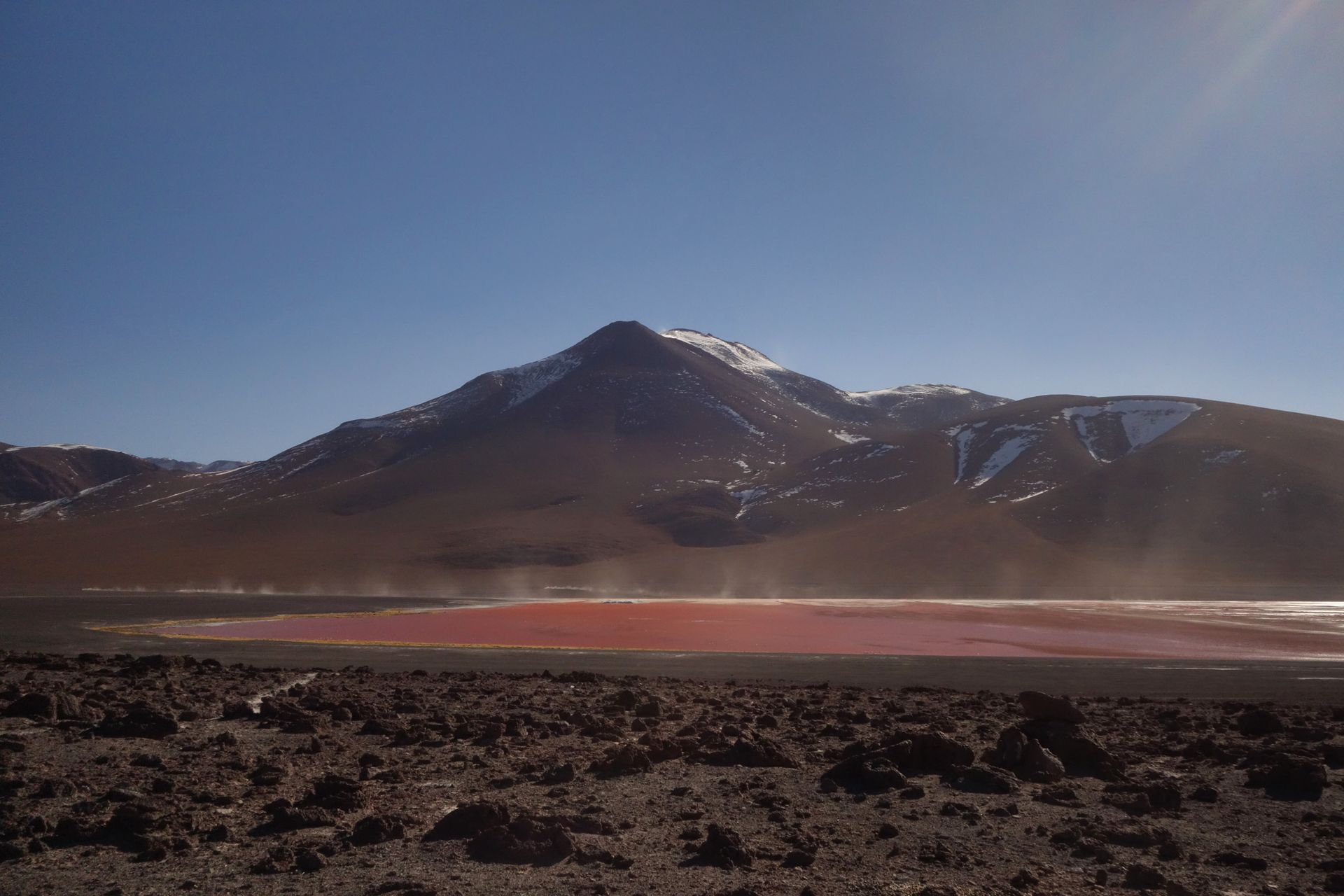


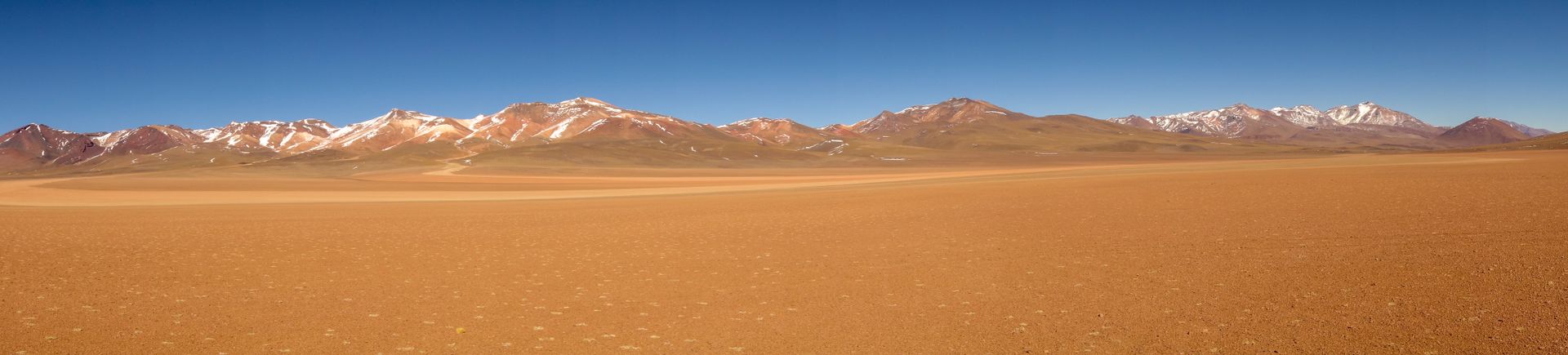


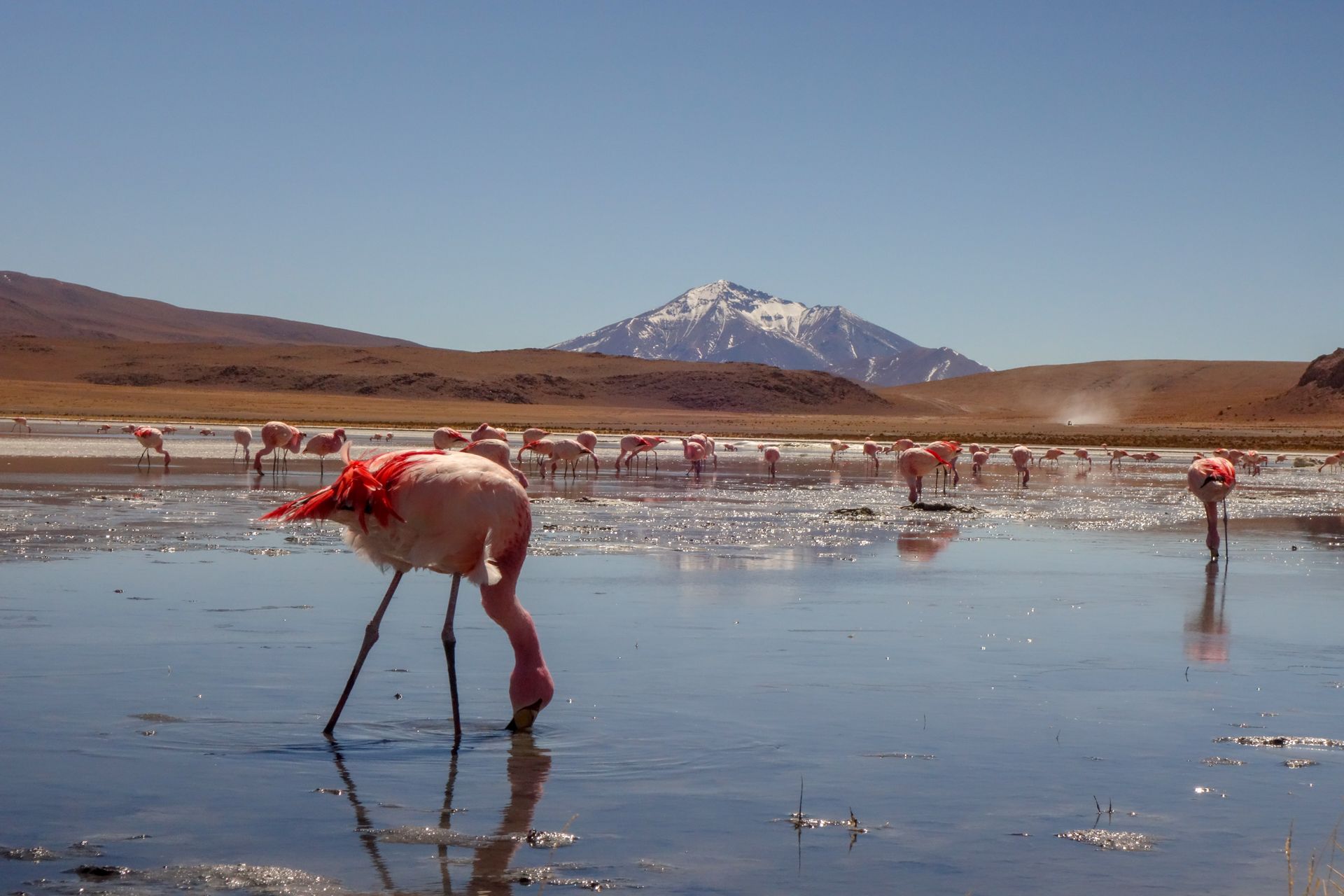


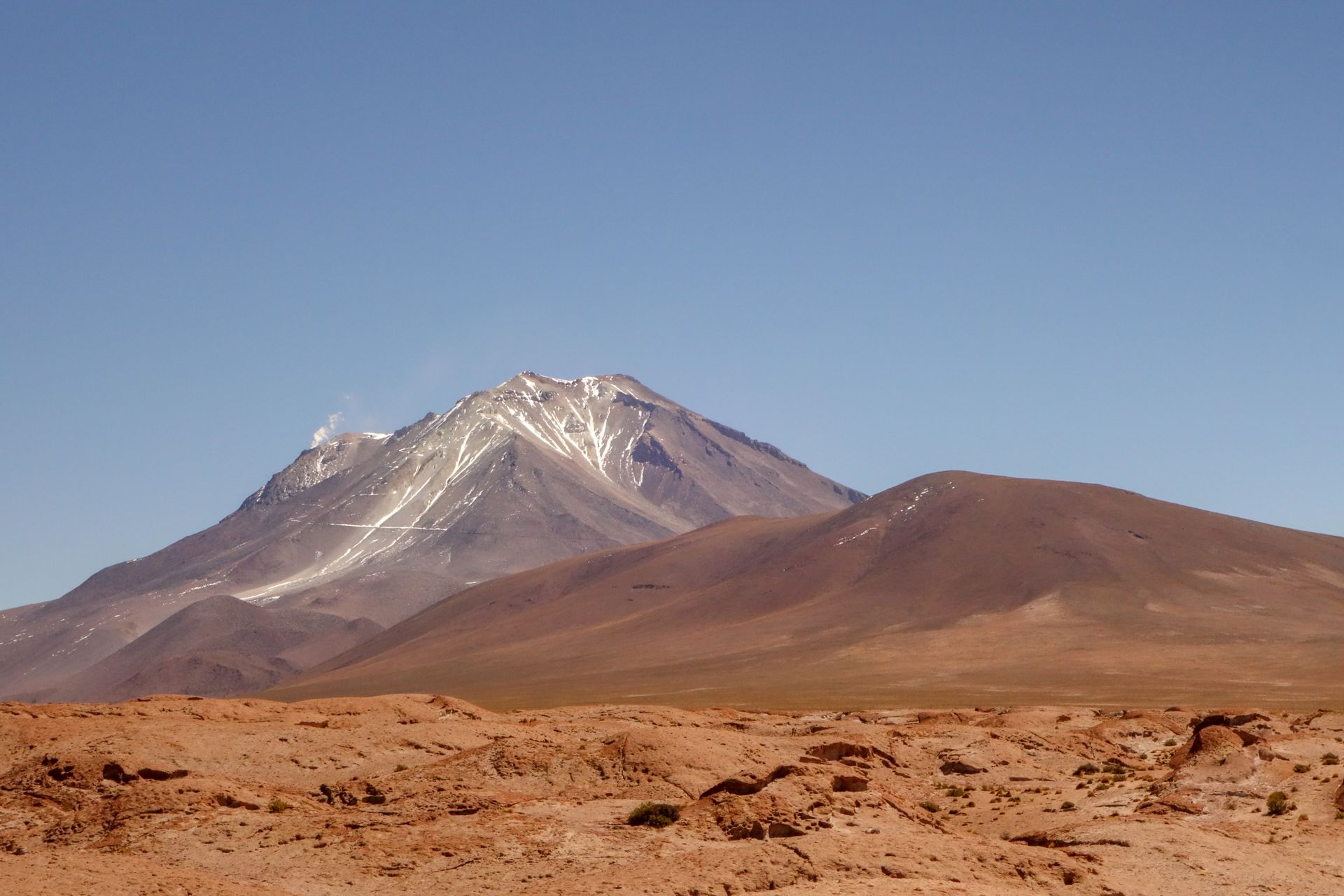


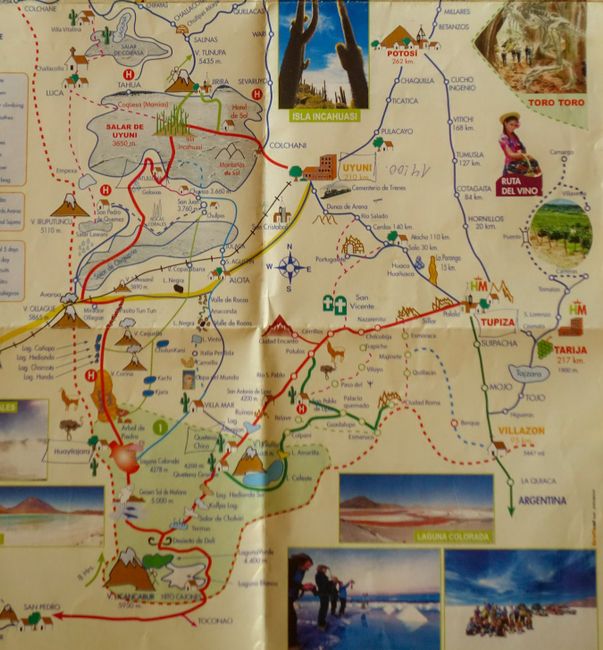
So, with 2 Spaniards, 2 Italians, a cook, and the driver, the journey began. Starting in warm Tupiza, but already on the first day we should reach altitudes of 4000 m. That day we also had the longest distance to cover. And we already got a taste of the next few days. Incredibly vast and varied landscapes. And continuously cold. During the day, you have to protect yourself from the sun, although it's not particularly warm, but at night the temperature drops to a few degrees below zero and you cover yourself with everything you have. Mornings always start early because you have to cover a lot of distance. There's no heating in the simple villages and accommodations, electricity and hot water are rare.


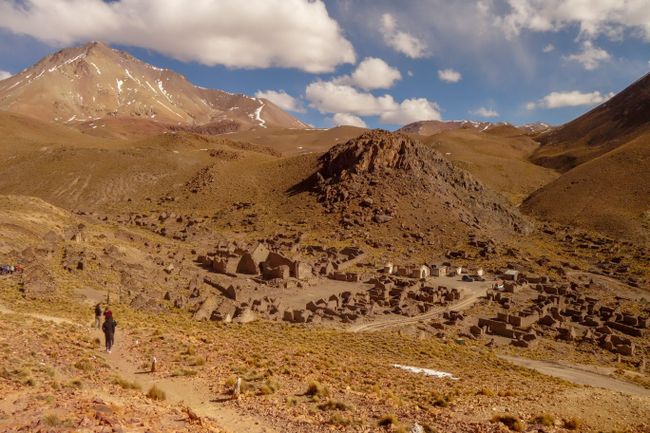
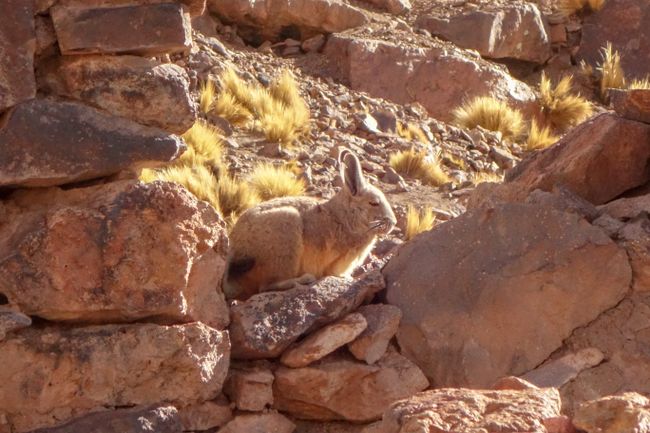


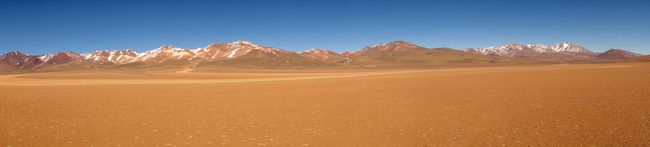
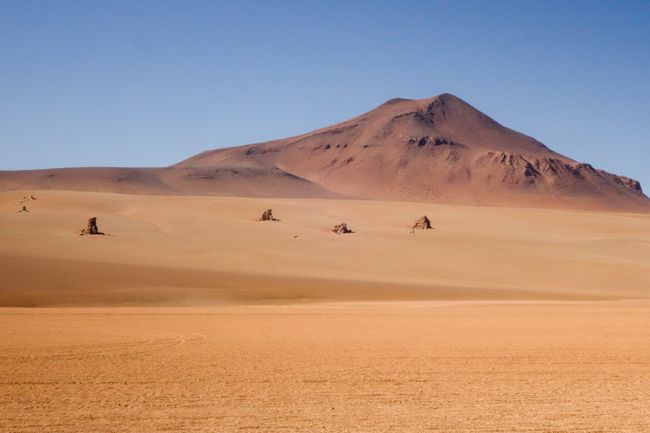


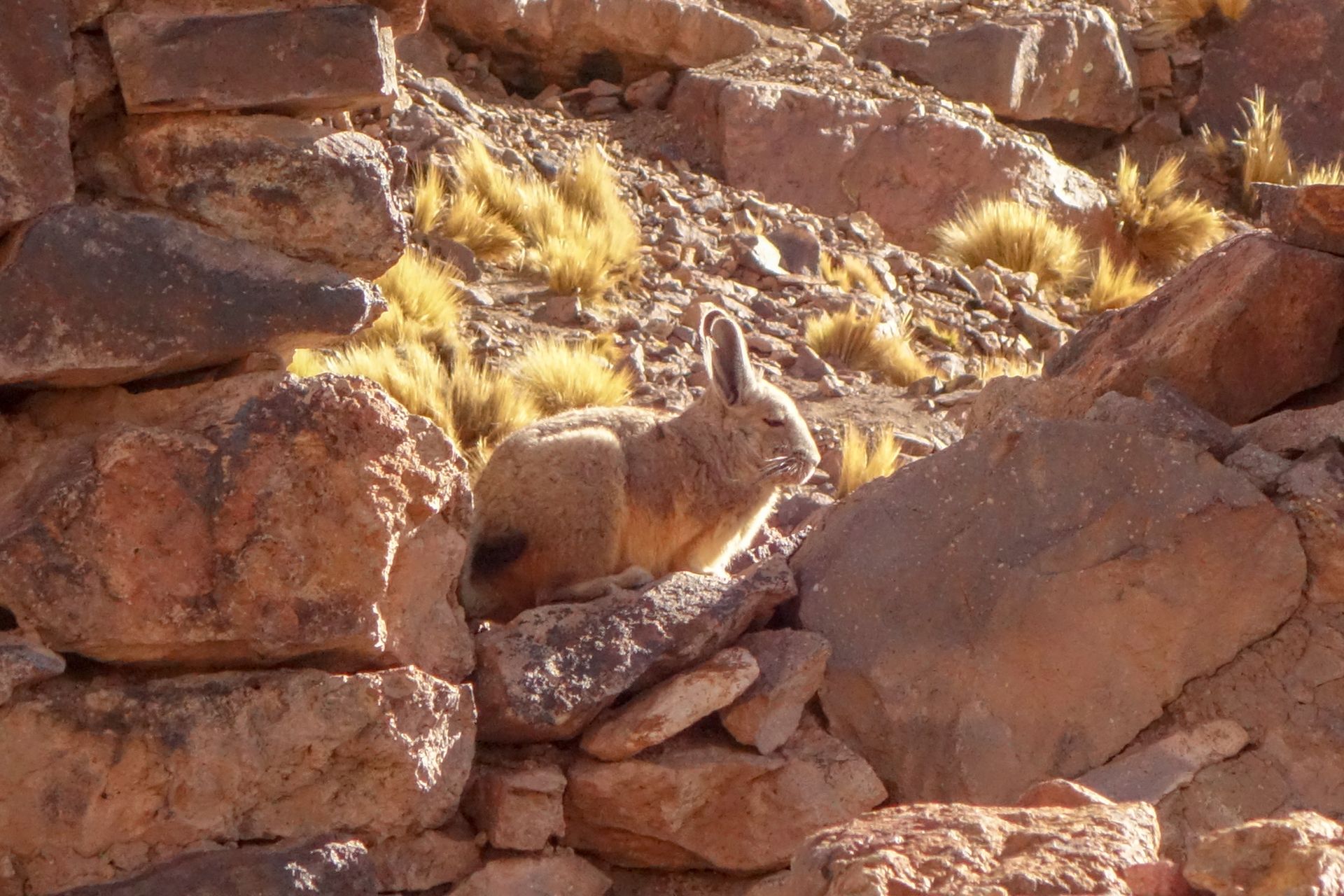
Days 2 and 3 were mainly spent between 4000 and 5000 meters. It's strange when you drive straight through deserts for hours and are basically always significantly higher than the Alps, and yet there are volcano peaks rising all around. 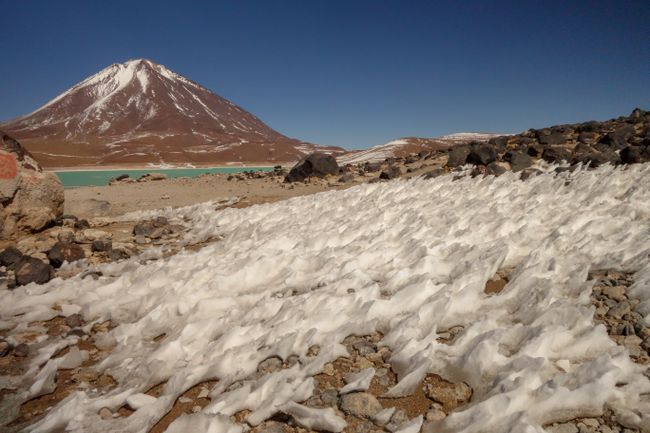

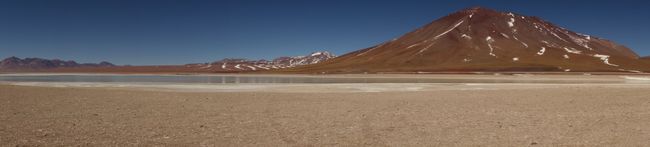


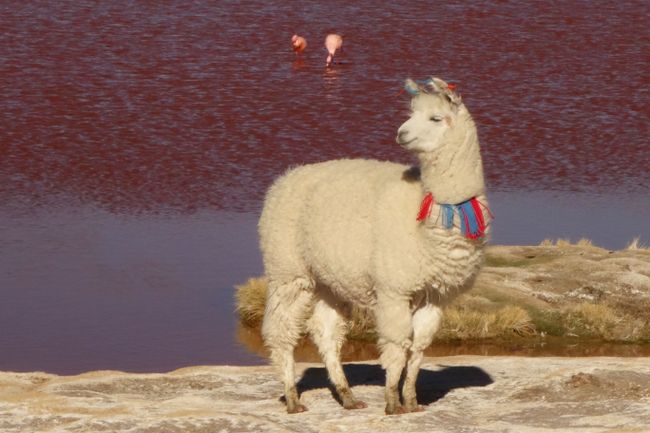


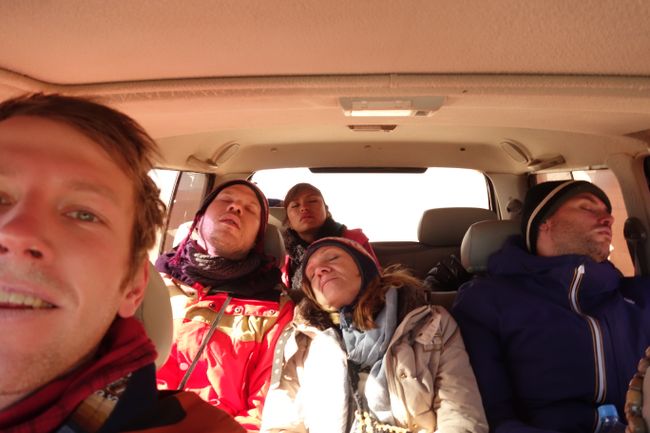


And then it looked like this again.


On day two, we were already very close to the Chilean border. From there, it would have been just a hop, skip, and a jump to San Pedro de Atacama. Now, after 4 days, we had arrived in Uyuni and the most convenient way to continue to Chile was to book a transfer that basically takes me through most of the places I had already visited to the border. Including an overnight stay in Villa Mar. The next morning, we were dropped off at the border and had a short drive ahead of us to the tourist hell San Pedro. To my surprise, I had to set my clock one hour forward instead of backward. So one hour closer to Germany, even though Chile is completely east of Bolivia. Well, that's probably still due to the Pacific War. ;-)
So, years ago, I read an article that McDonald's closes its branches in Bolivia due to lack of success after years of trying. It just wasn't accepted. And Bolivians believe that fast food in general just can't be good and that good food takes time. Well, I don't know the real reasons, but in my opinion, that can't have been it. I really haven't seen a single McDonald's, only Burger King very occasionally. But despite that, you can always buy something quick, greasy, sweet, fried, or whatever unhealthy on every corner in Bolivia for little money. And even the traditional dishes that Bolivians are very proud of mostly consist of the same things. Meat, preferably chicken, with rice, quinoa, and/or potatoes, maybe a bit of vegetables, and the main course is done. There's ALWAYS a soup before that. But the soup is usually quite good. I was constantly told to try this and that, but it often seemed to me as if I had a choice between the same 10 dishes all the time. And of course, burgers and pizza on every corner. So overall, the food didn't convince me that much, but it was always plentiful and cheap. So there's actually nothing to complain about. Although my stomach sometimes struggled.
And yet, Bolivia could become a role model or savior for the world. Because they still work in agriculture very traditionally and almost like during Inca times. I have already mentioned the thousands of different potato and corn varieties. But Bolivia used to be the largest quinoa producer. A lot of quinoa is produced in the highlands of the Altiplano. The fields lie fallow for one year and are cultivated for one year. And since Mother Earth is still sacred here, no fertilizers, herbicides, or pesticides are used. And the small fields and terraces cannot be worked with large expensive machines. All real manual labor. An incredible number of different colorful quinoa varieties. So 100% organic and eco. This naturally means that the yield also depends heavily on the weather and varies considerably. So it should actually be an export hit for Europe. It used to be. In good times, 50kg of quinoa were sold for 3000 Bolivianos. So about 380 Euros. Today it is sold for about 150 Euros. But Peru recognized the trend and produces with modern methods and agrochemicals, so they can sell 50kg for about 40 Euros. So dear dear environmentalists, if you're going to consume quinoa, please choose Bolivian quinoa. It's always organically produced and directly from small-scale farmers.
And by the way, nobody here puts quinoa in salad.