Tana - la capitale del Madagascar
Atterriamo a Madagascar. Da Antananarivo, la capitale, chiamata brevemente Tana, vogliamo esplorare la quarta più grande isola del mondo. Dal aeroporto prendiamo un...

Pubblicato: 16.05.2025
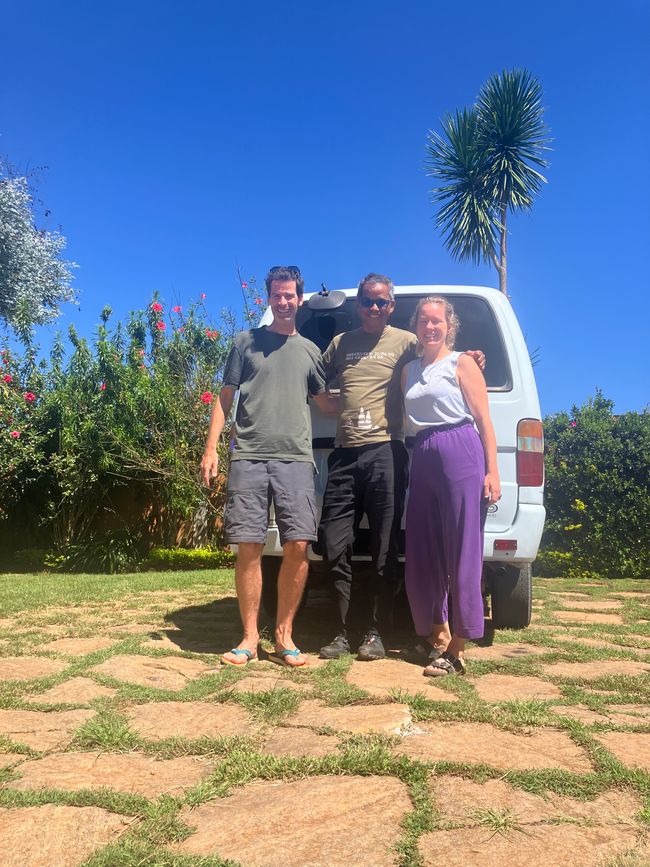
The roads are still relatively good by Malagasy standards, but it still takes us a good 4.5 hours to cover the 160 km. We're lucky with our driver and guide Patrick. He knows exactly where to eat and where to stay and reliably gets us to our destination. Patrick speaks English and interprets for us, and we also learn a lot about Madagascan life and culture from him!
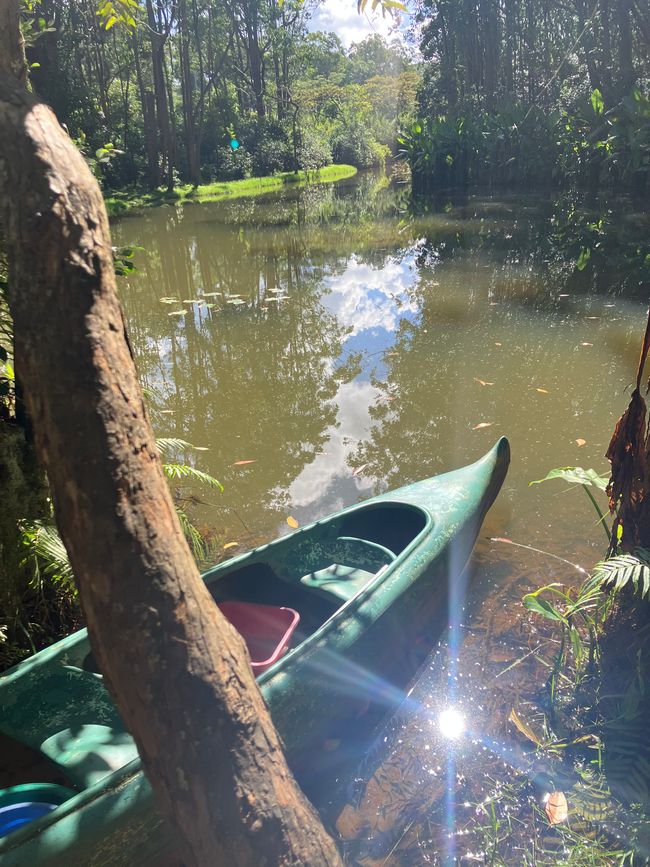
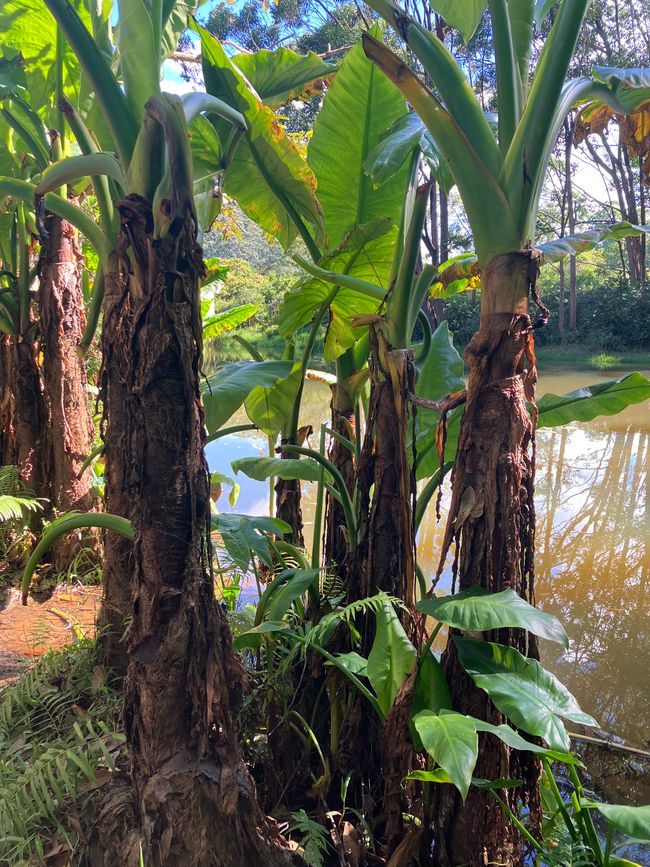
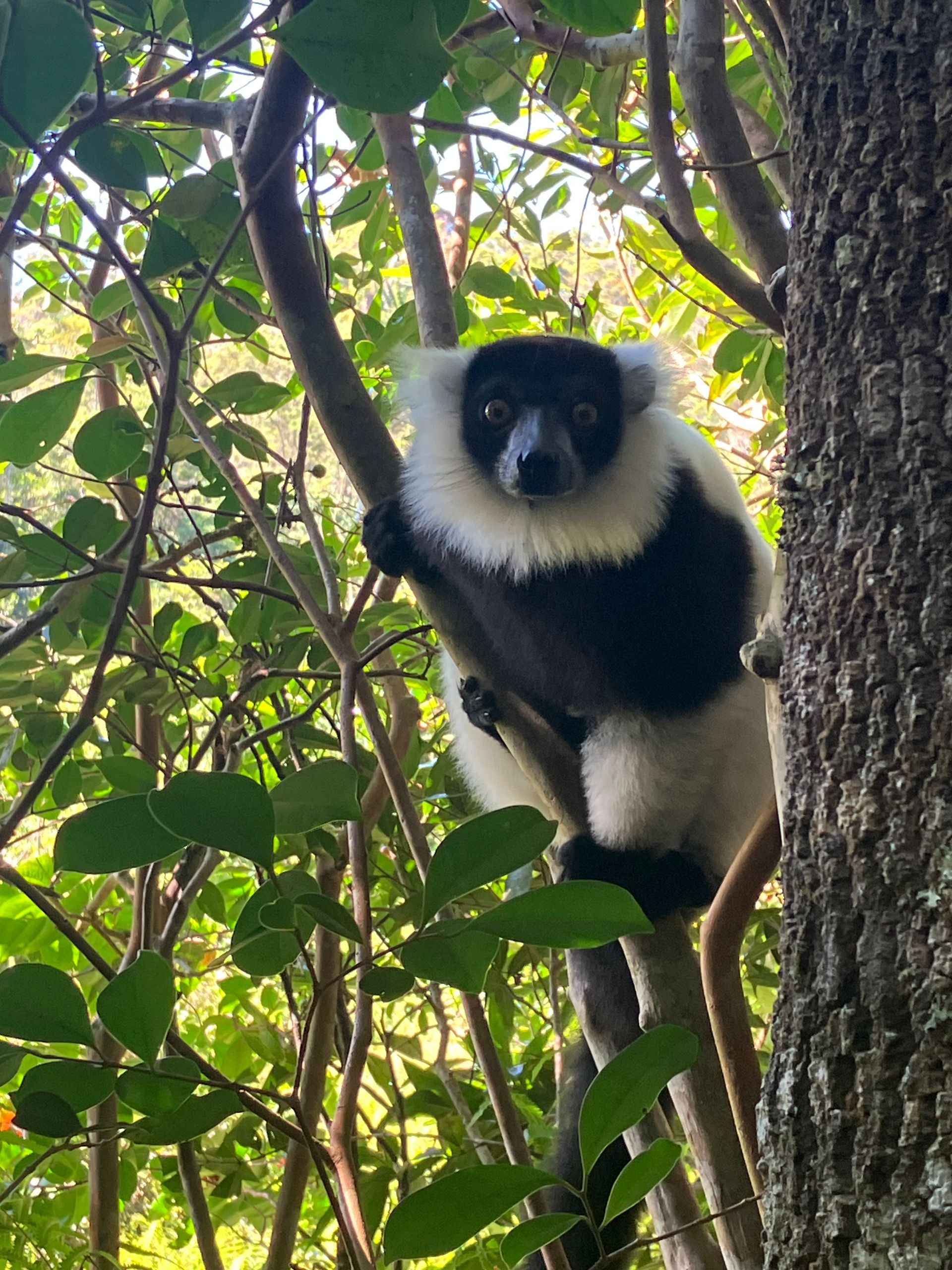
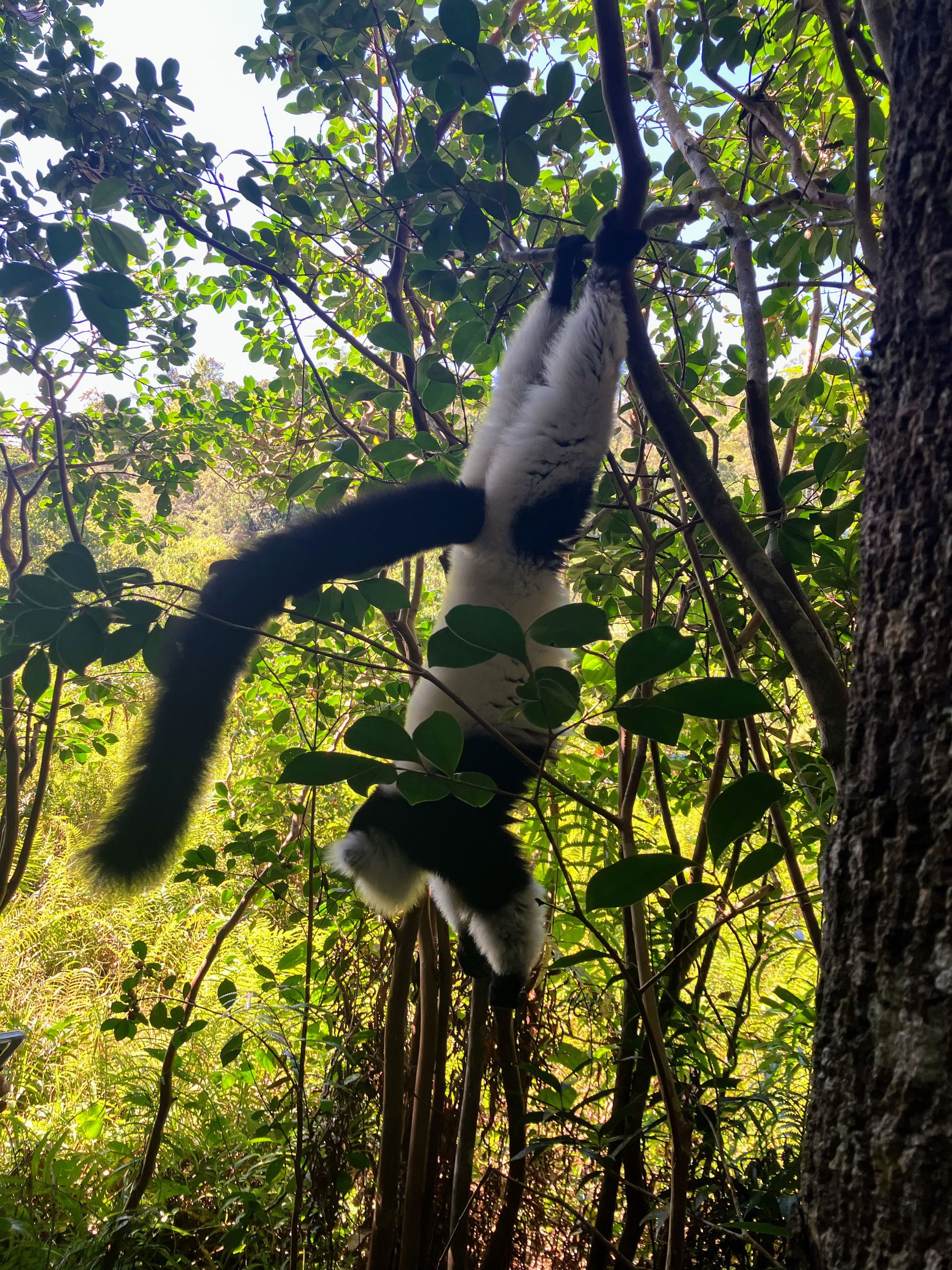
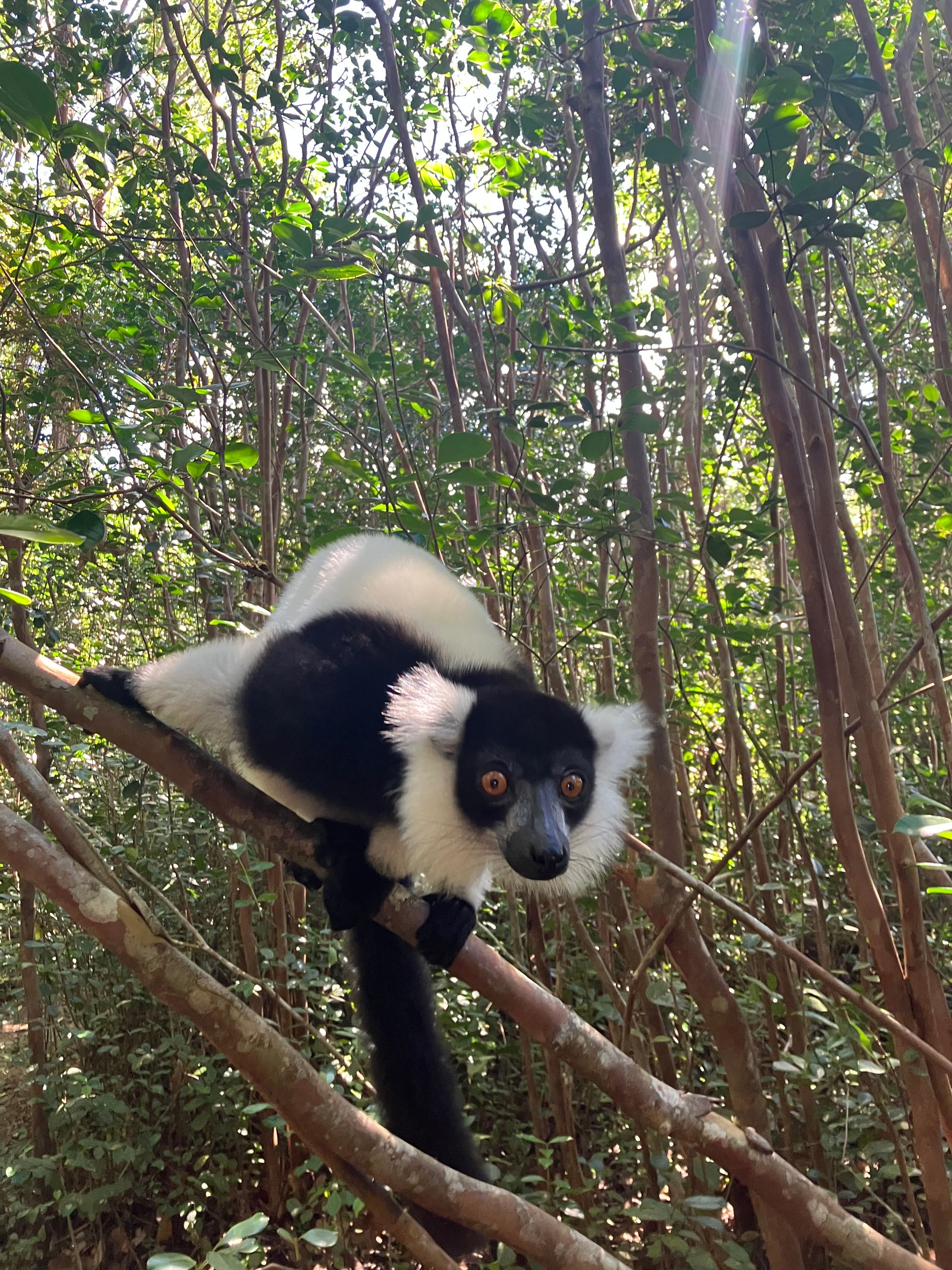
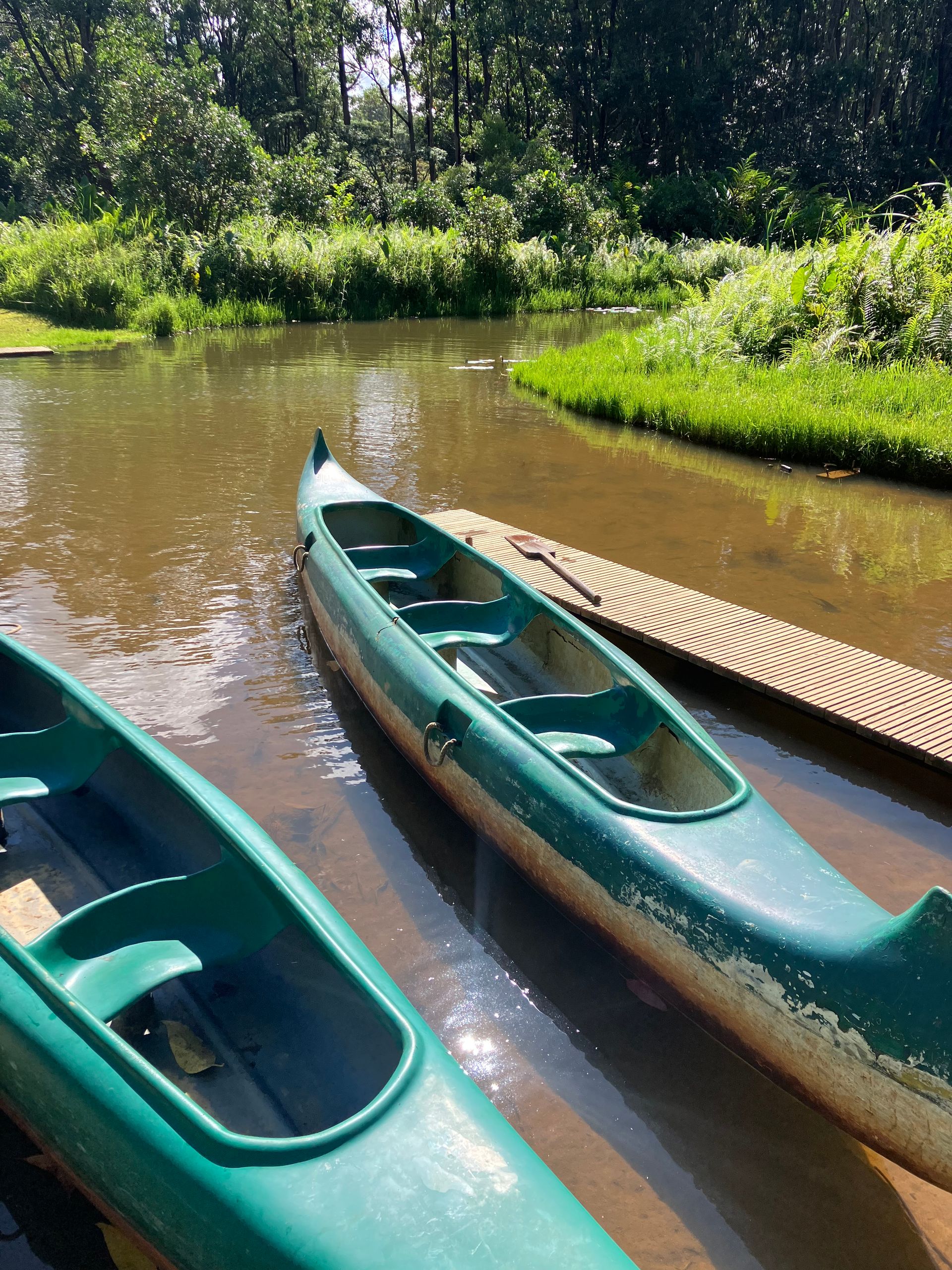
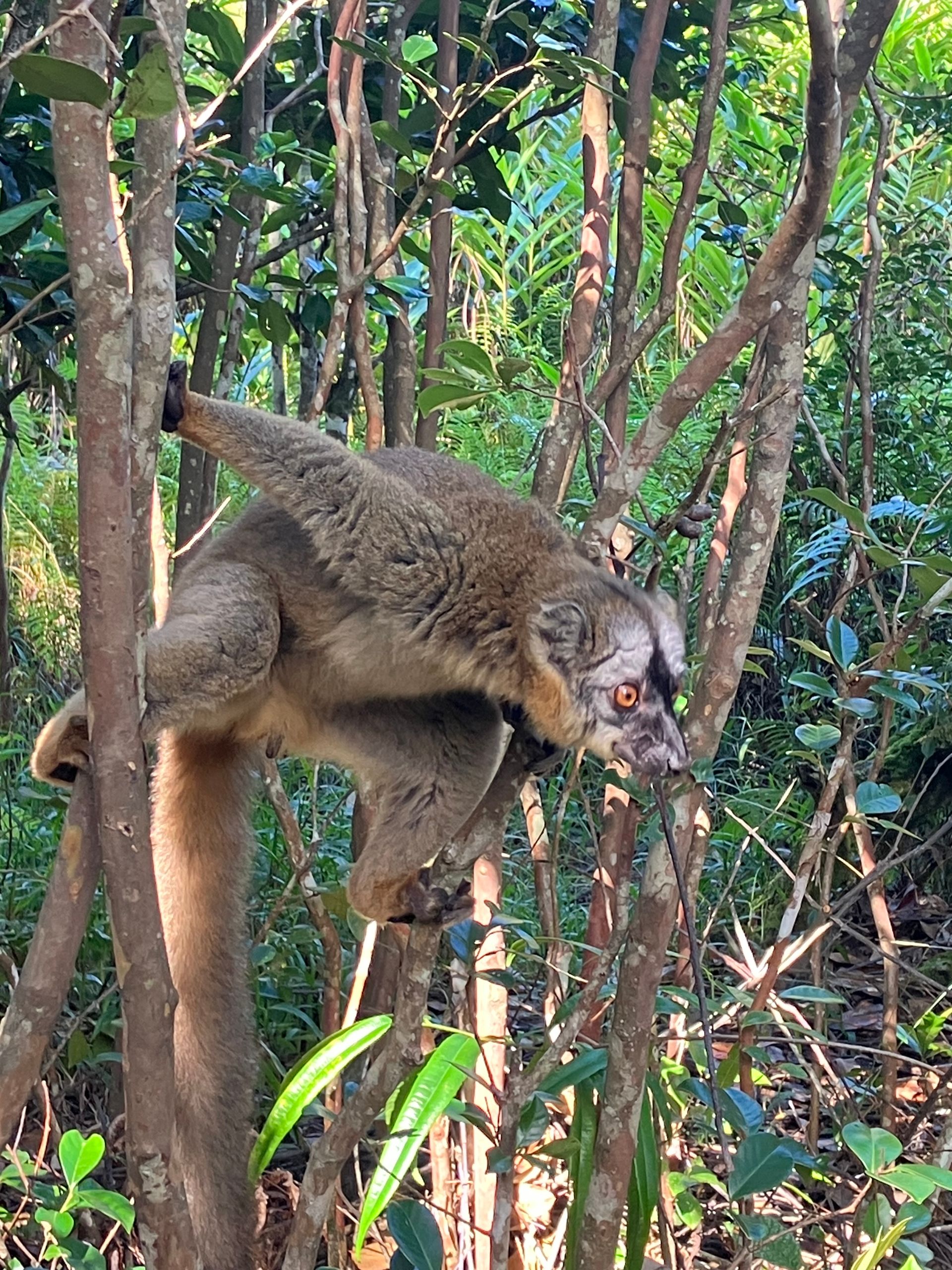
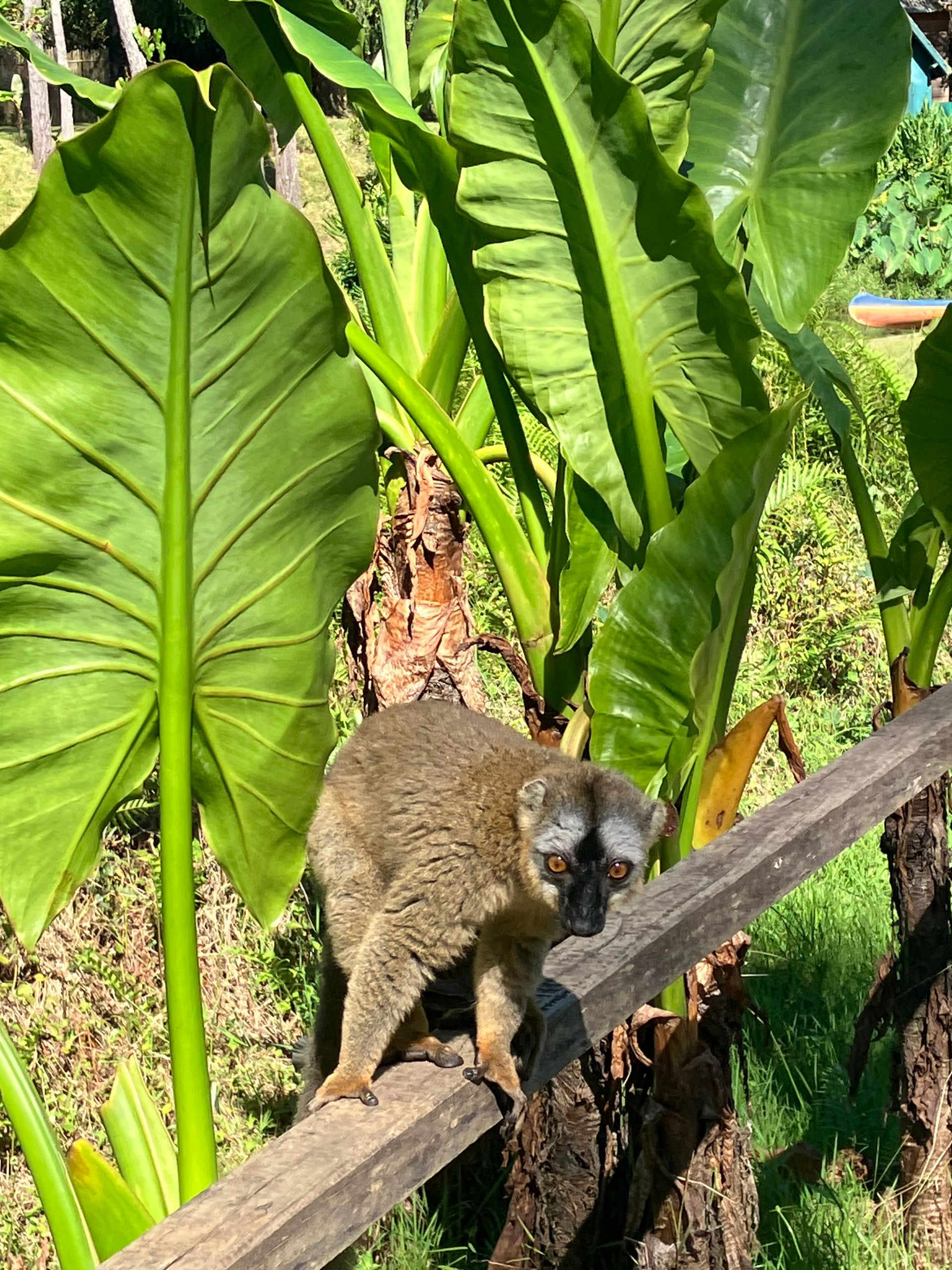
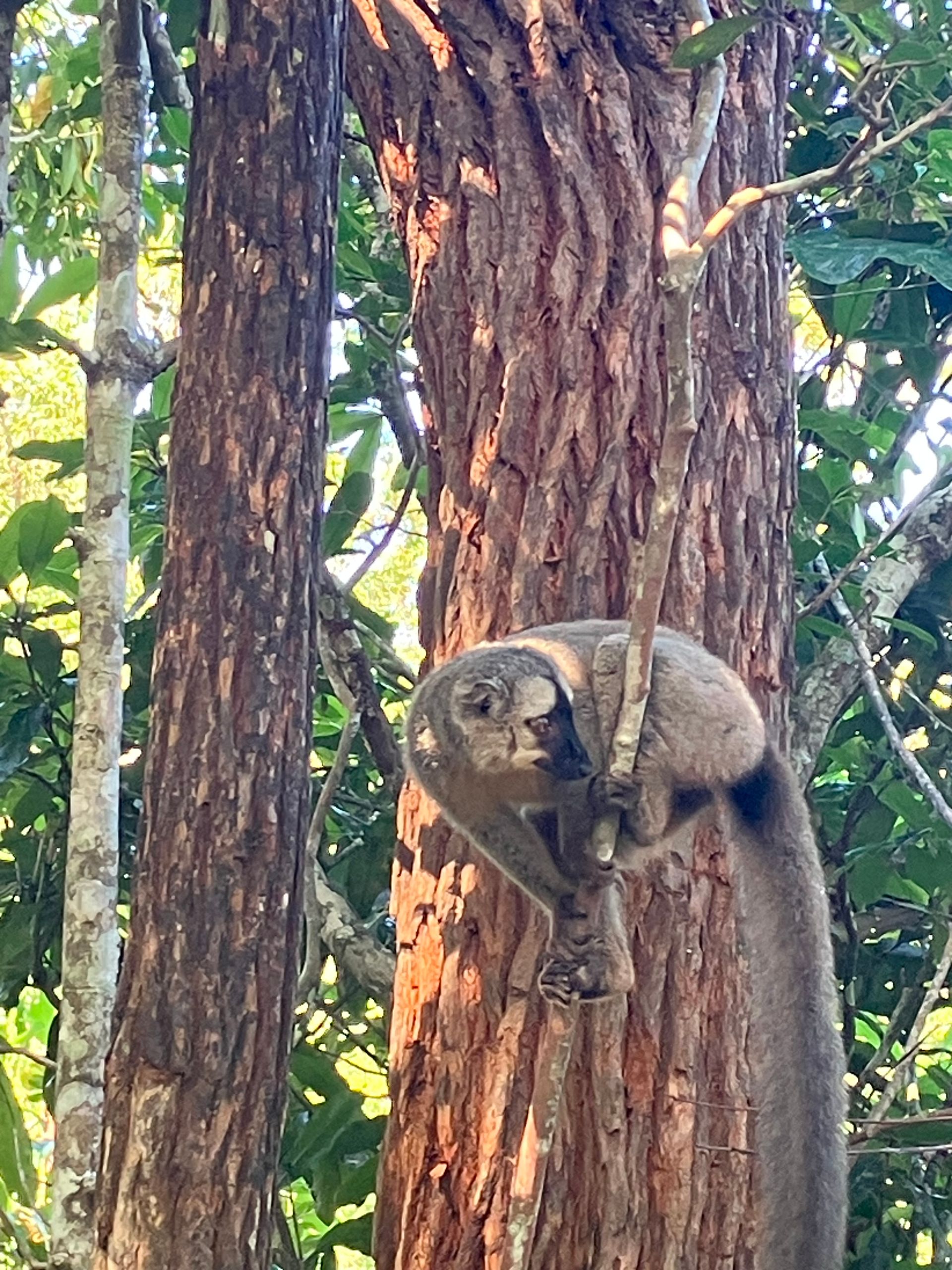
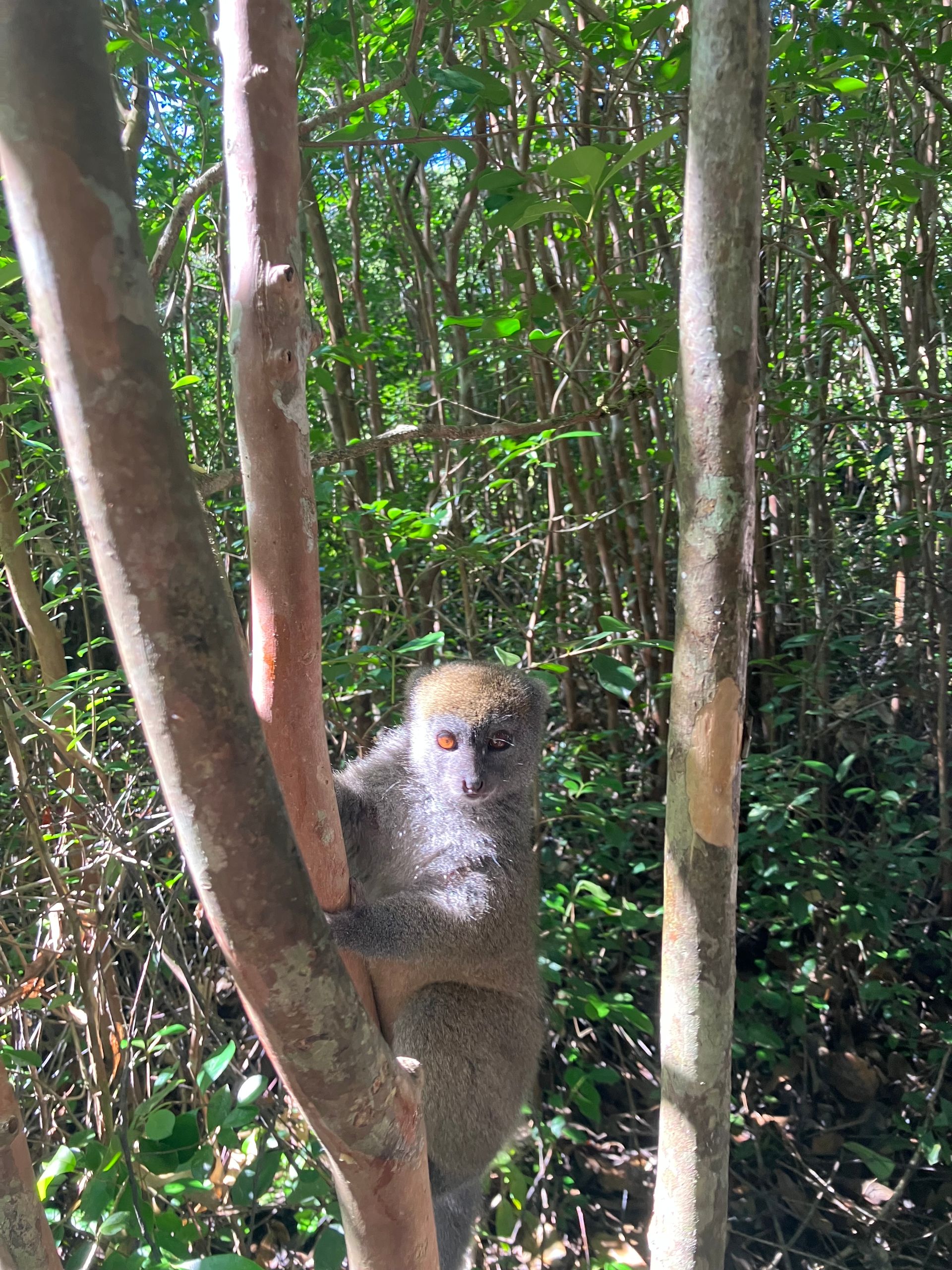
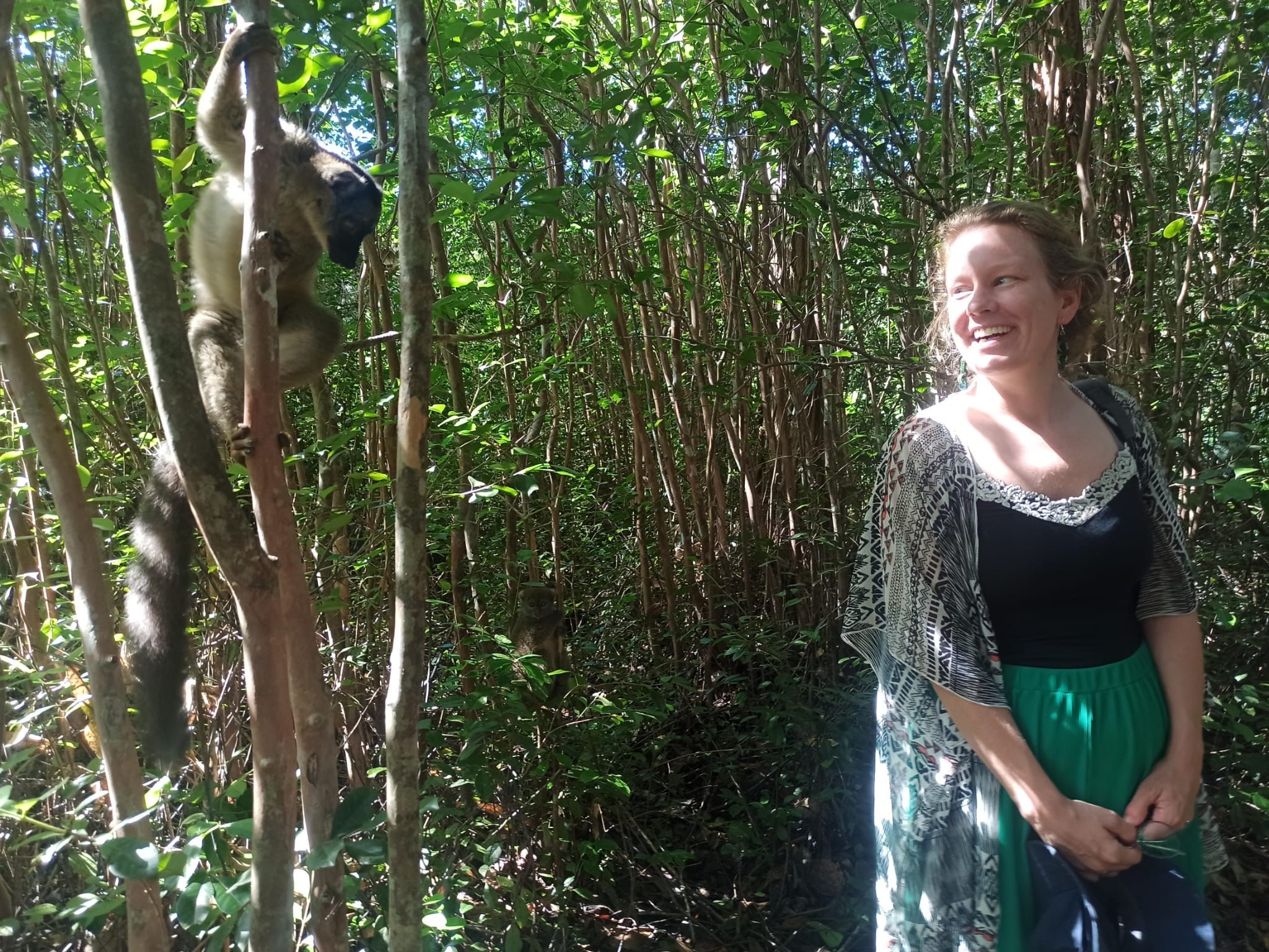
When we arrive at Andasibe, we immediately visit the lemur island at the Vacôna Forest Lodge. We cross by canoe. The water acts as a natural barrier for the island's lemurs. They are already accustomed to humans, but at least on the island they can retreat to quiet areas. However, they are deliberately lured and fed with bananas. We don't like this, even though it allows us to observe them up close. We see bamboo lemurs, black-and-white ruffed lemurs, and brown lemurs. Lemurs can be divided into several subgroups, including ruffed lemurs, lemurs, and sifakas.
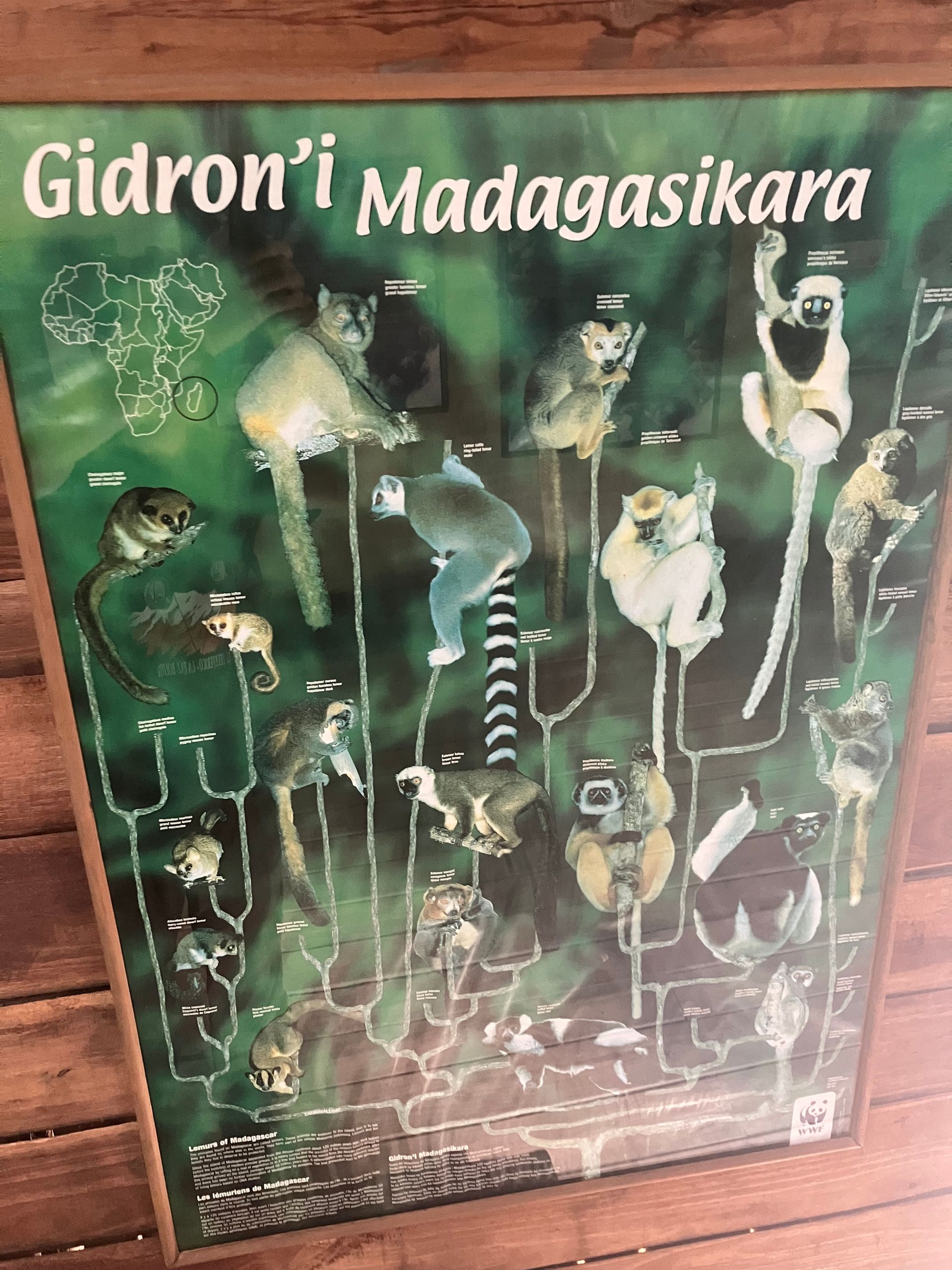
Lemurs are truly fascinating animals! They are primates and are found exclusively in Madagascar. There are still over 100 species. However, they are critically endangered because their habitat is constantly shrinking. Deforestation, agriculture, and poaching are severely damaging their populations.
Lemurs are primarily herbivores and live in distinct social structures. They have large eyes and a long tail. All four paws have five fingers, reminiscent of human hands, making them true climbing artists.
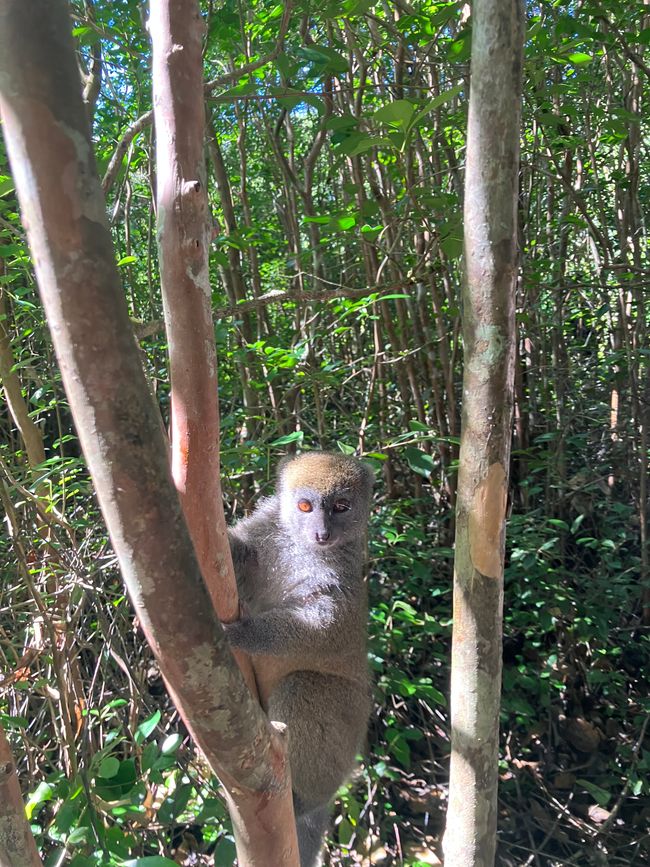
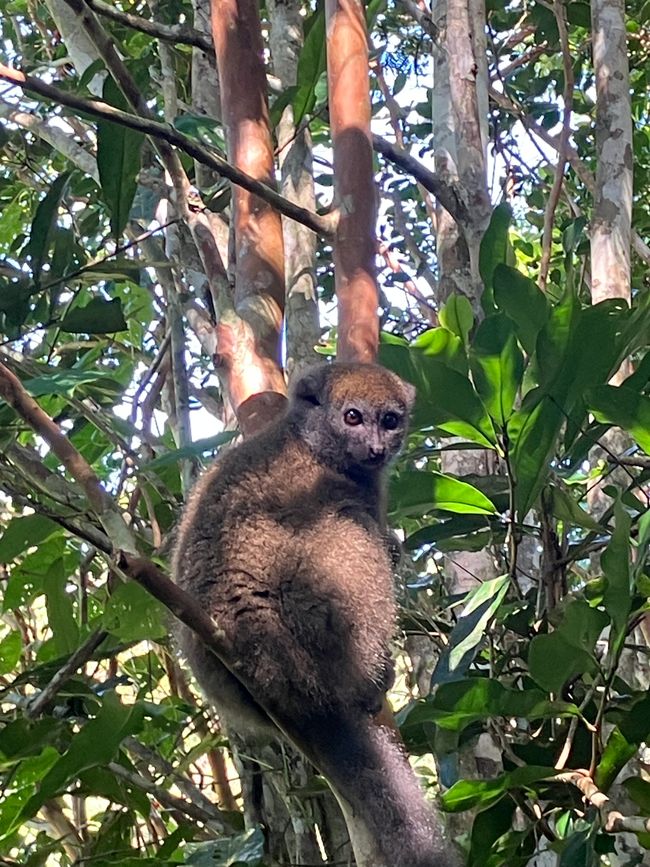
As the name suggests, bamboo lemurs feed mainly on bamboo.
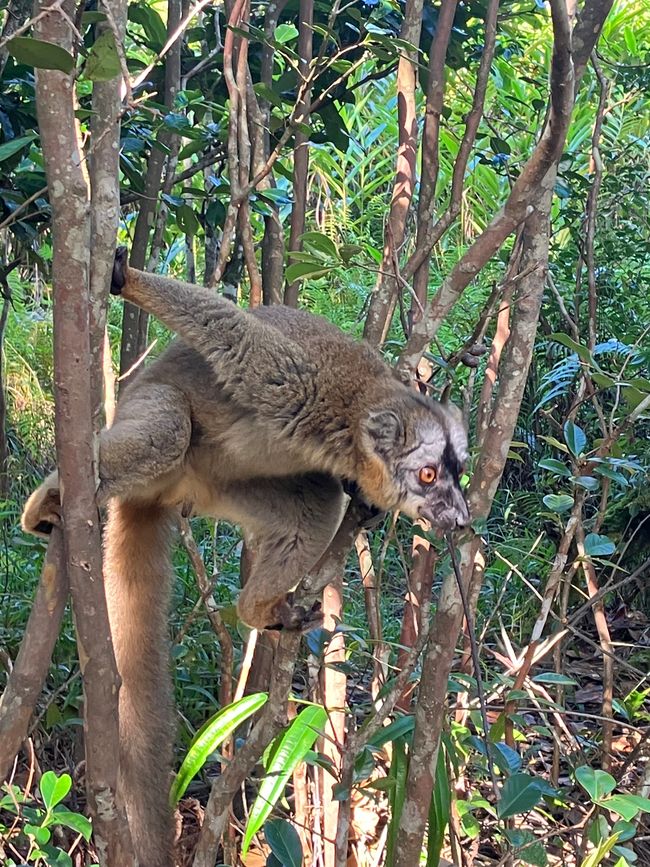
Brown lemurs live together in small groups. These lemurs are diurnal and nocturnal and weigh 2-3 kg.
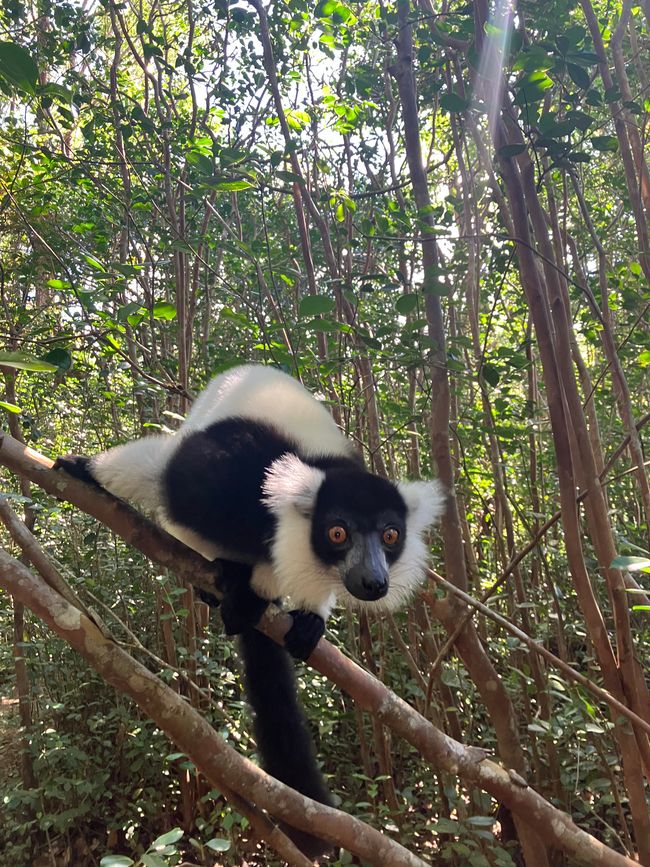
The black-and-white ruffed lemur is one of the largest lemurs. They feed primarily on fruit and communicate with loud calls.
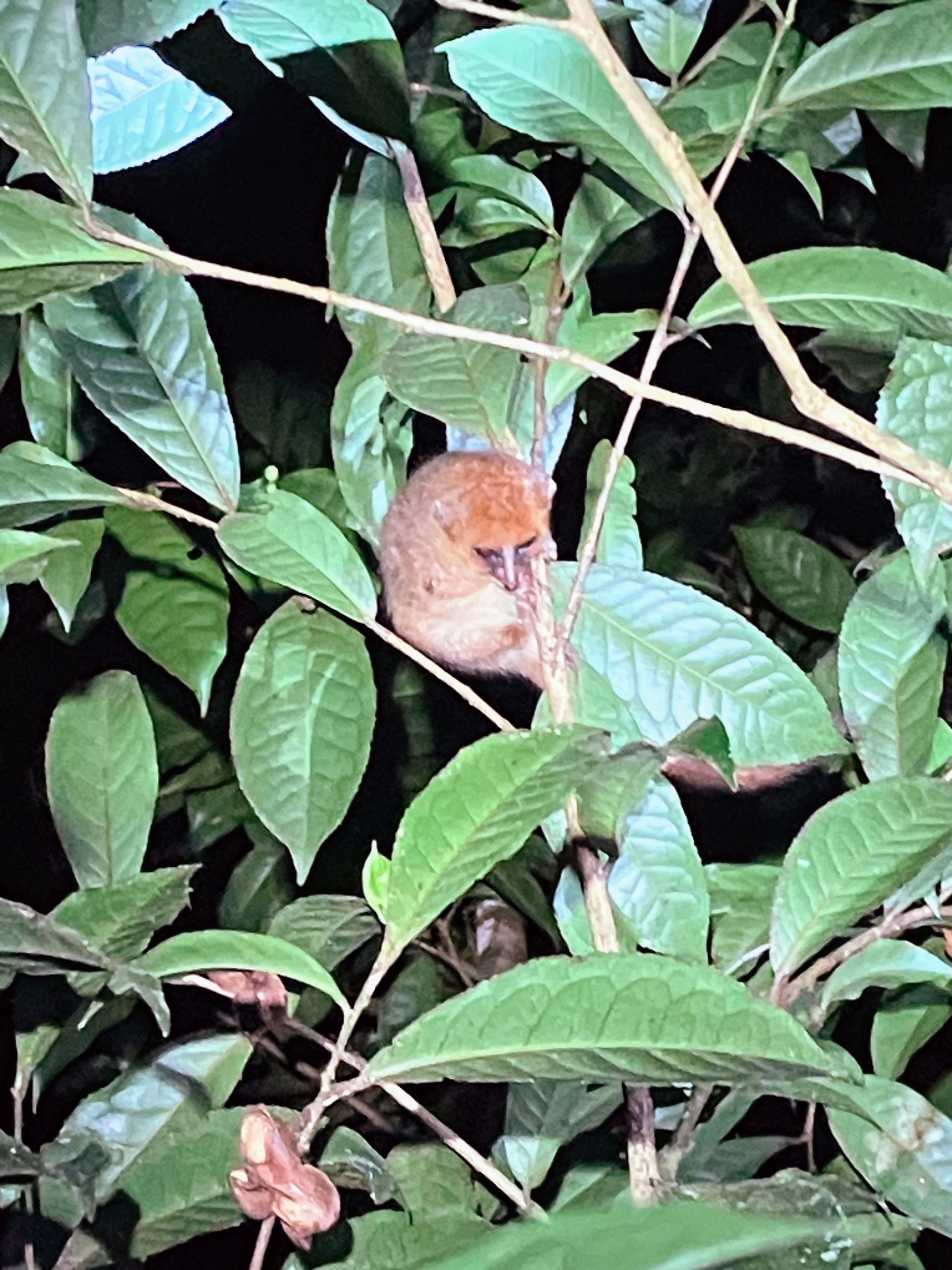
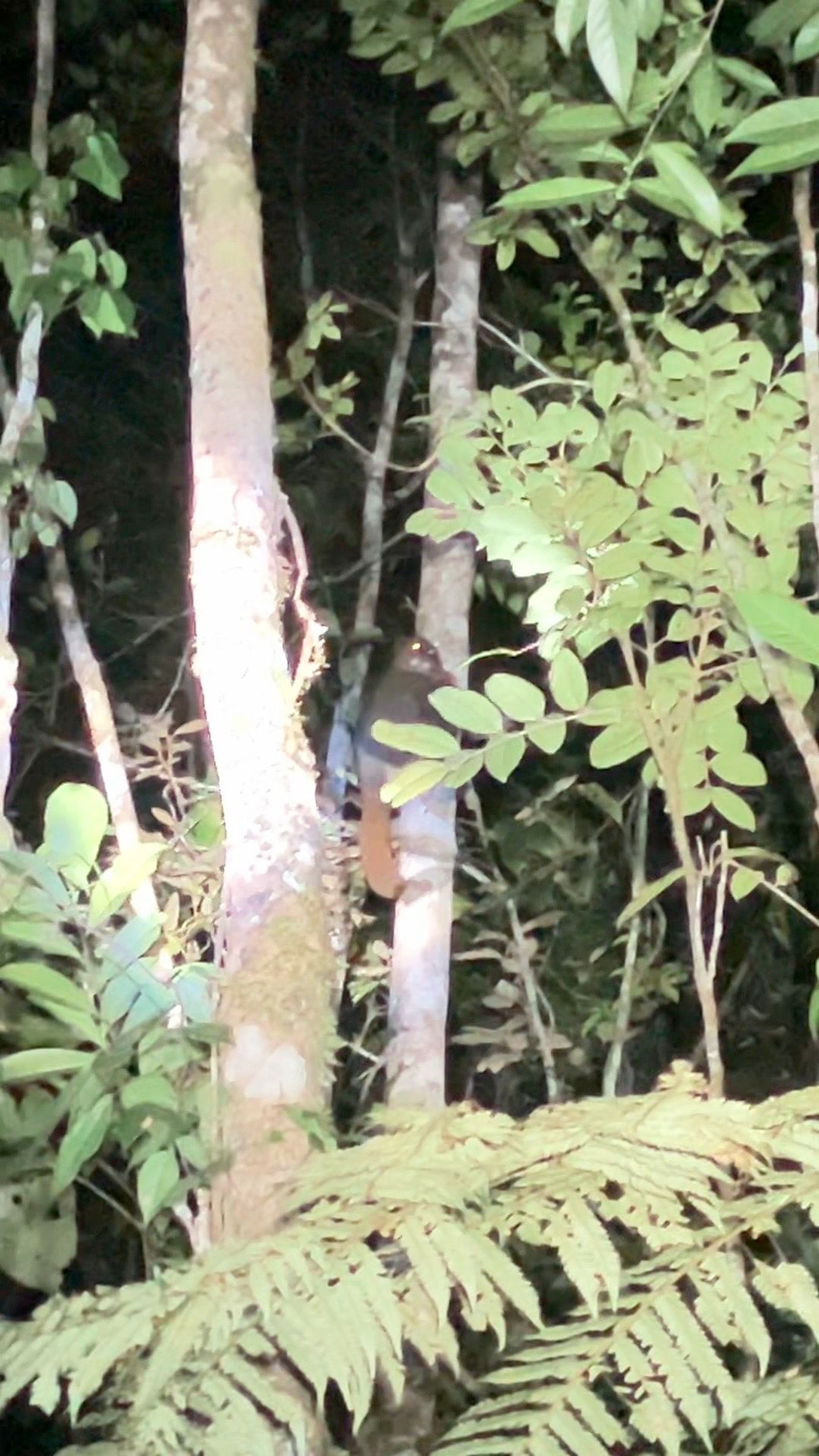
Since we're already there, we go on a short night hike after dark that same day and are overjoyed. Without much expectation, we see many nocturnal animals.
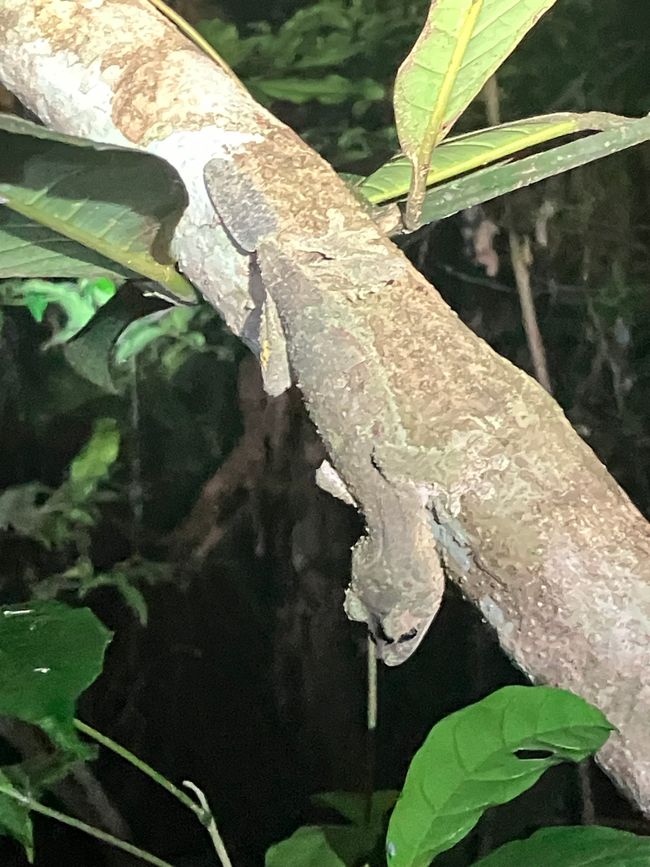
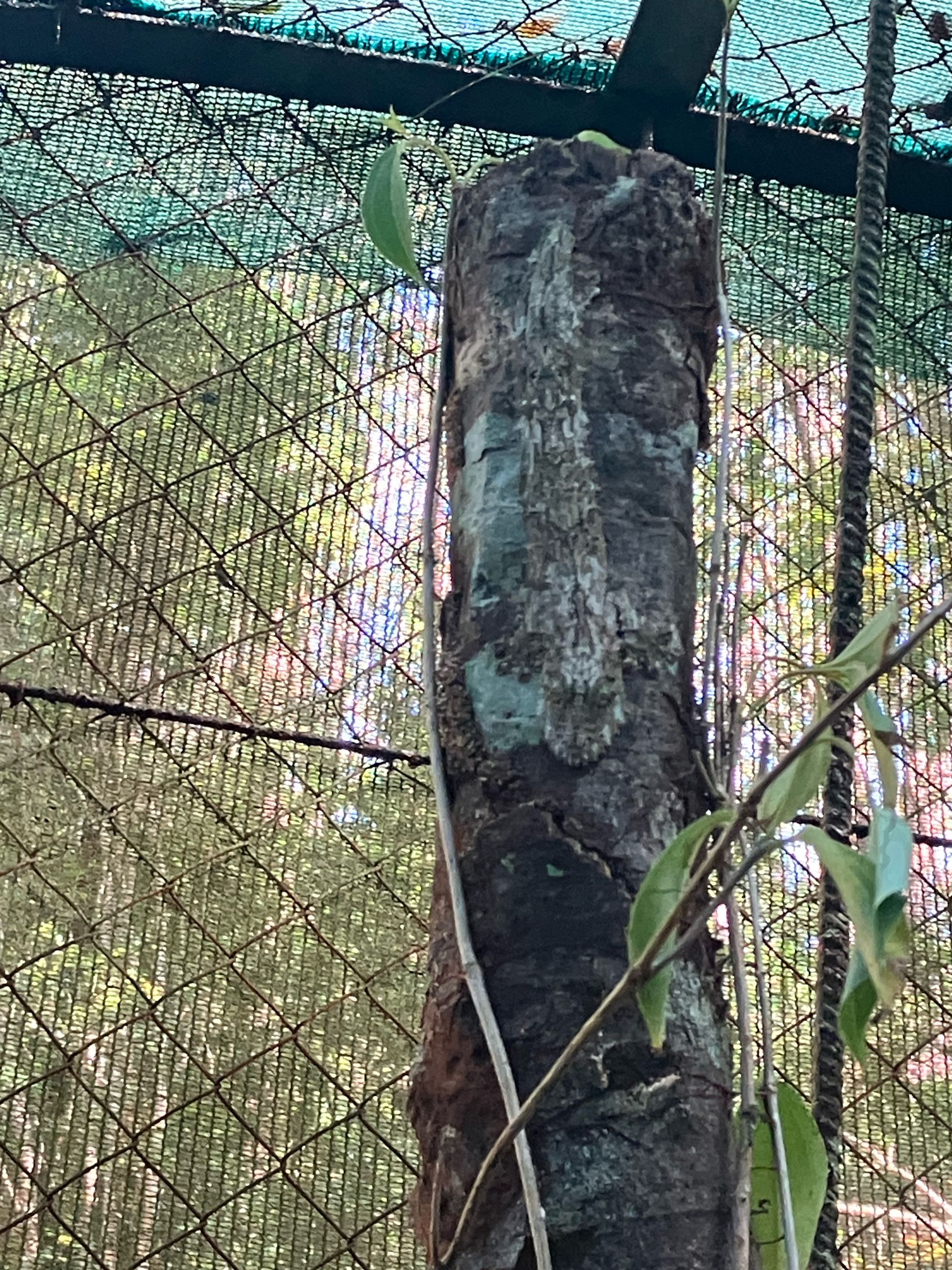
The leaf-tailed gecko is found only in Madagascar. It is very well camouflaged and can detach its leaf-shaped tail to create a distraction in an emergency.
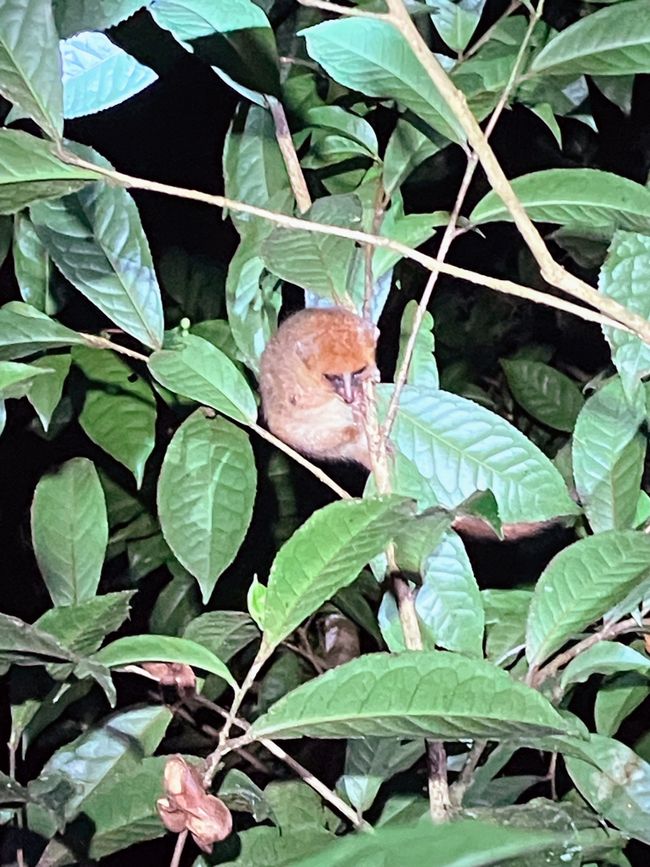
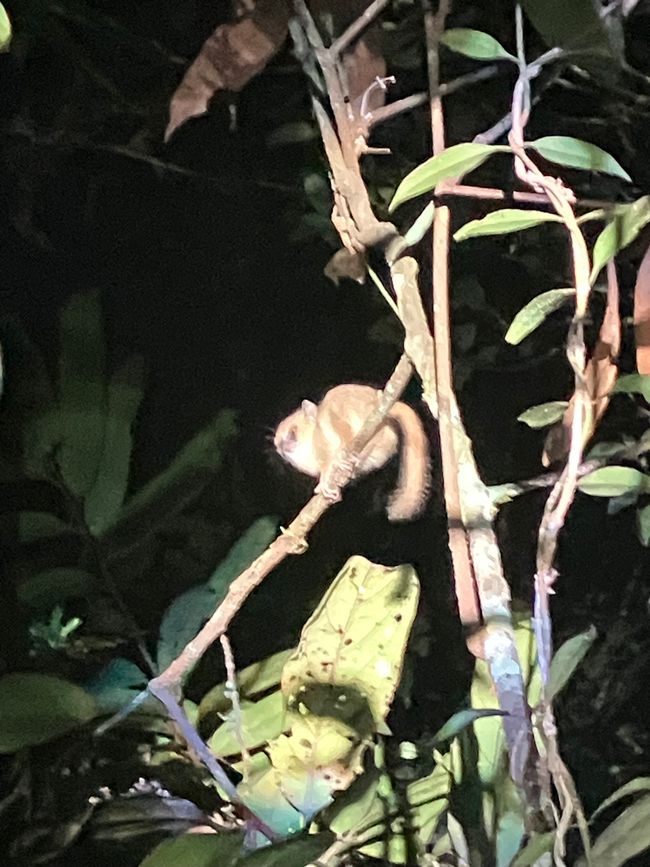
The mouse lemur is the smallest primate in the world! It is no larger than a mouse (9-15 cm).
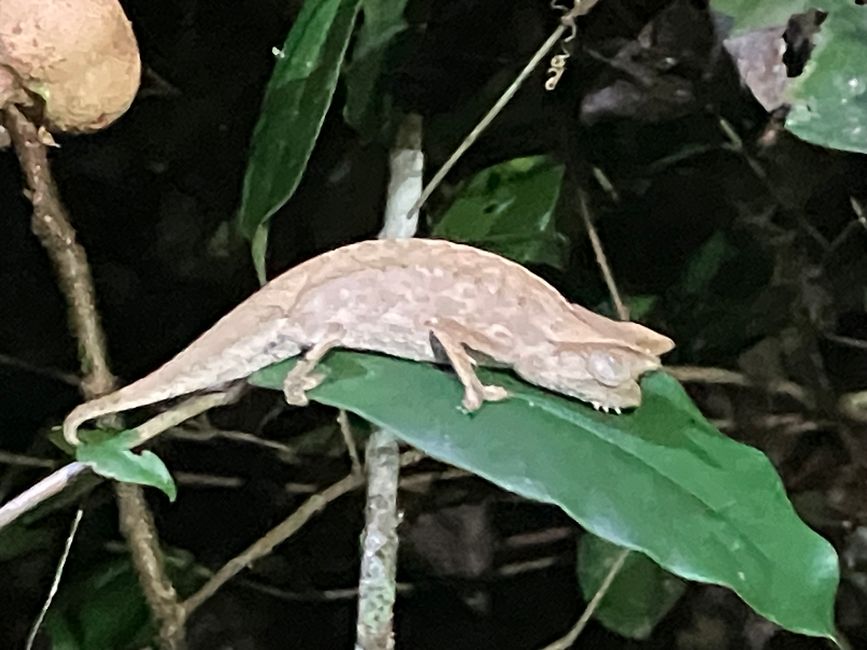
We discover a motionless chameleon on a leaf. It is a diurnal animal. In the dark, it is almost blind and hibernates at night.
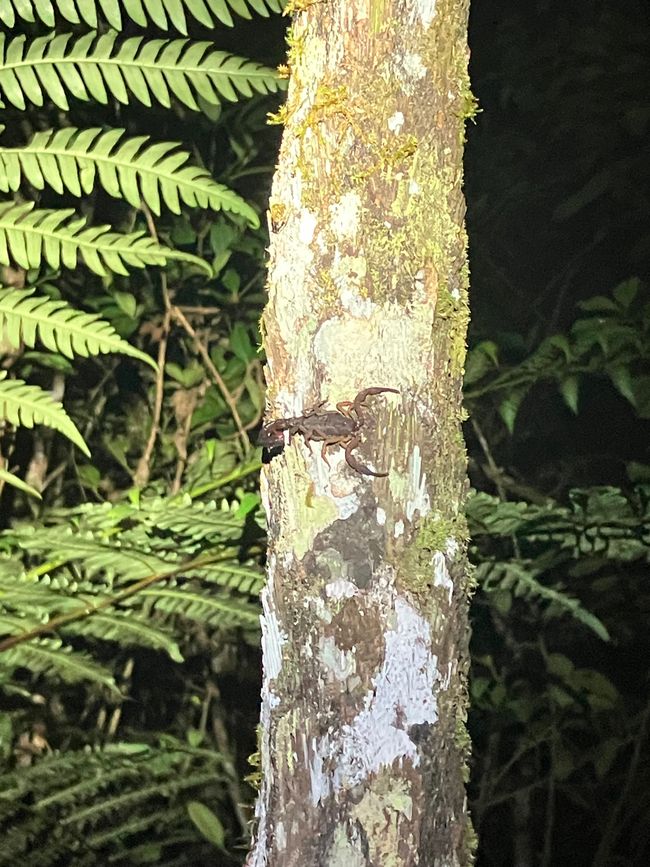
At the end of the tour, a tree scorpion moves across the mossy, green lichen-covered tree bark. It's not particularly dangerous, but its sting can be painful...
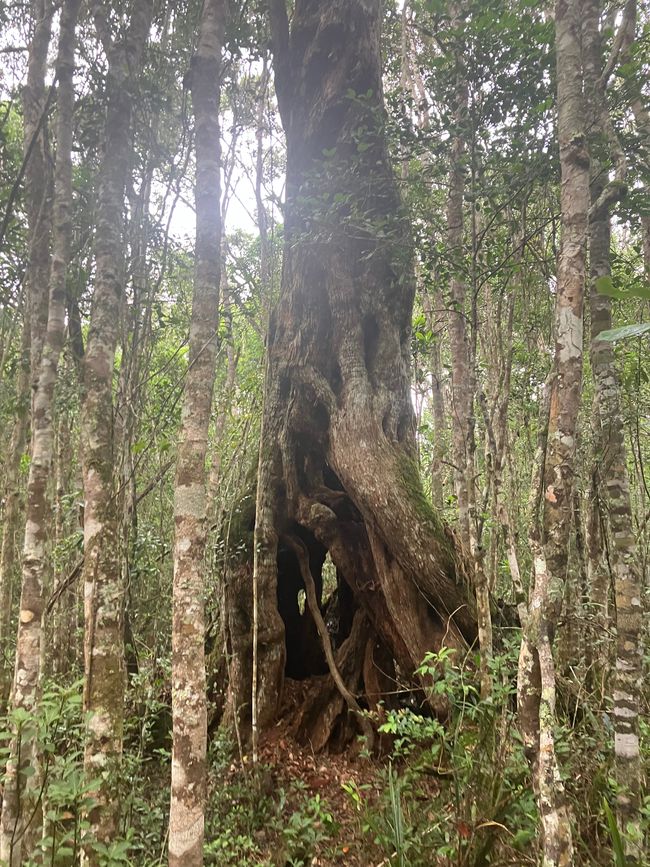
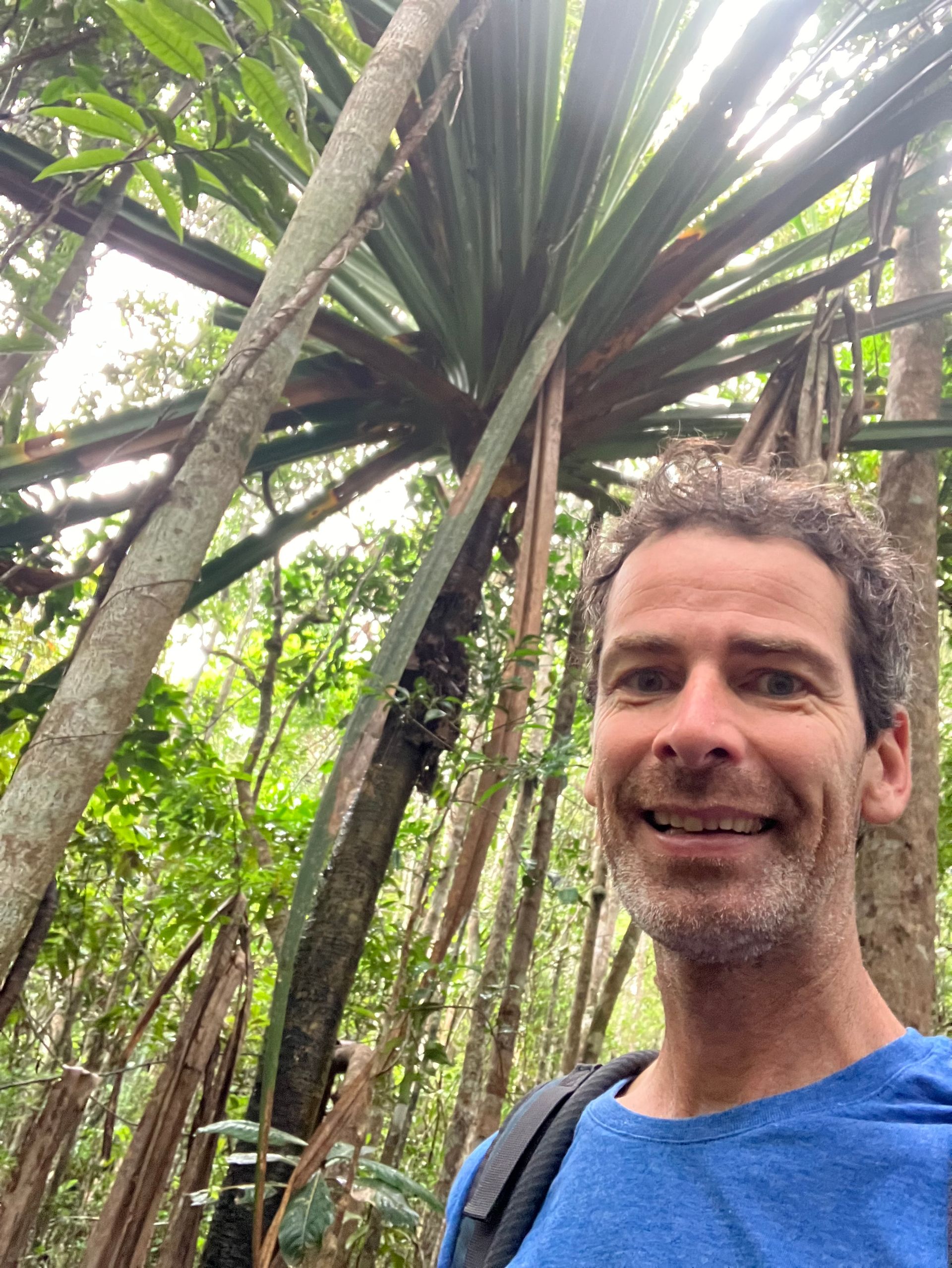
The next morning, we're up early to see the lemurs in Andasibe National Park. They're usually active from 8 a.m. onward... Our guide leads us unerringly into the forest. He knows the places where we can see lemurs. He mimics their different calls. He also coordinates with the other guides: if we spot one, everyone quickly knows. 😁
The national park is vast. The lemurs here are definitely shy, sometimes staying high up in the trees. Fortunately, they aren't lured with food.
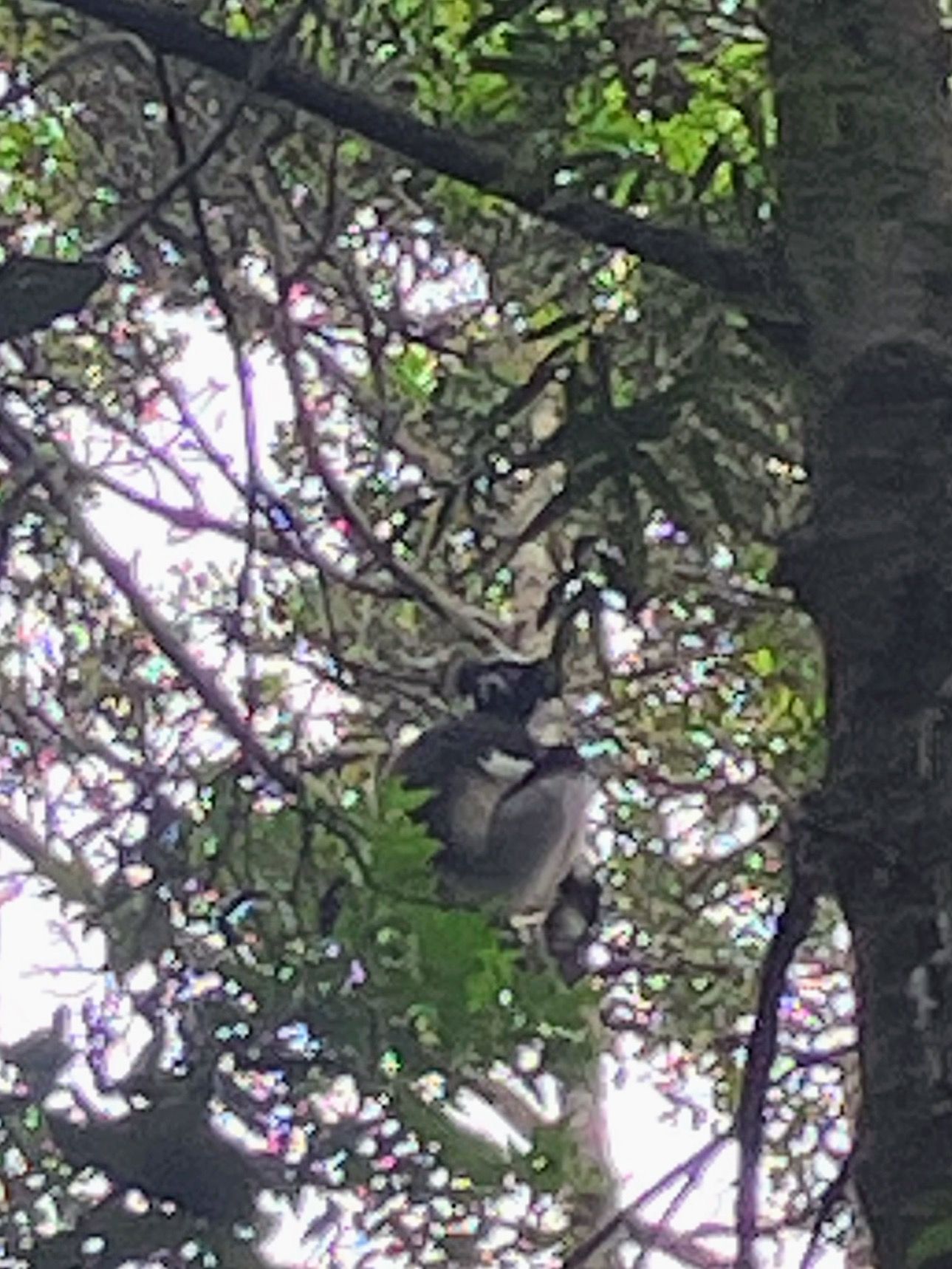
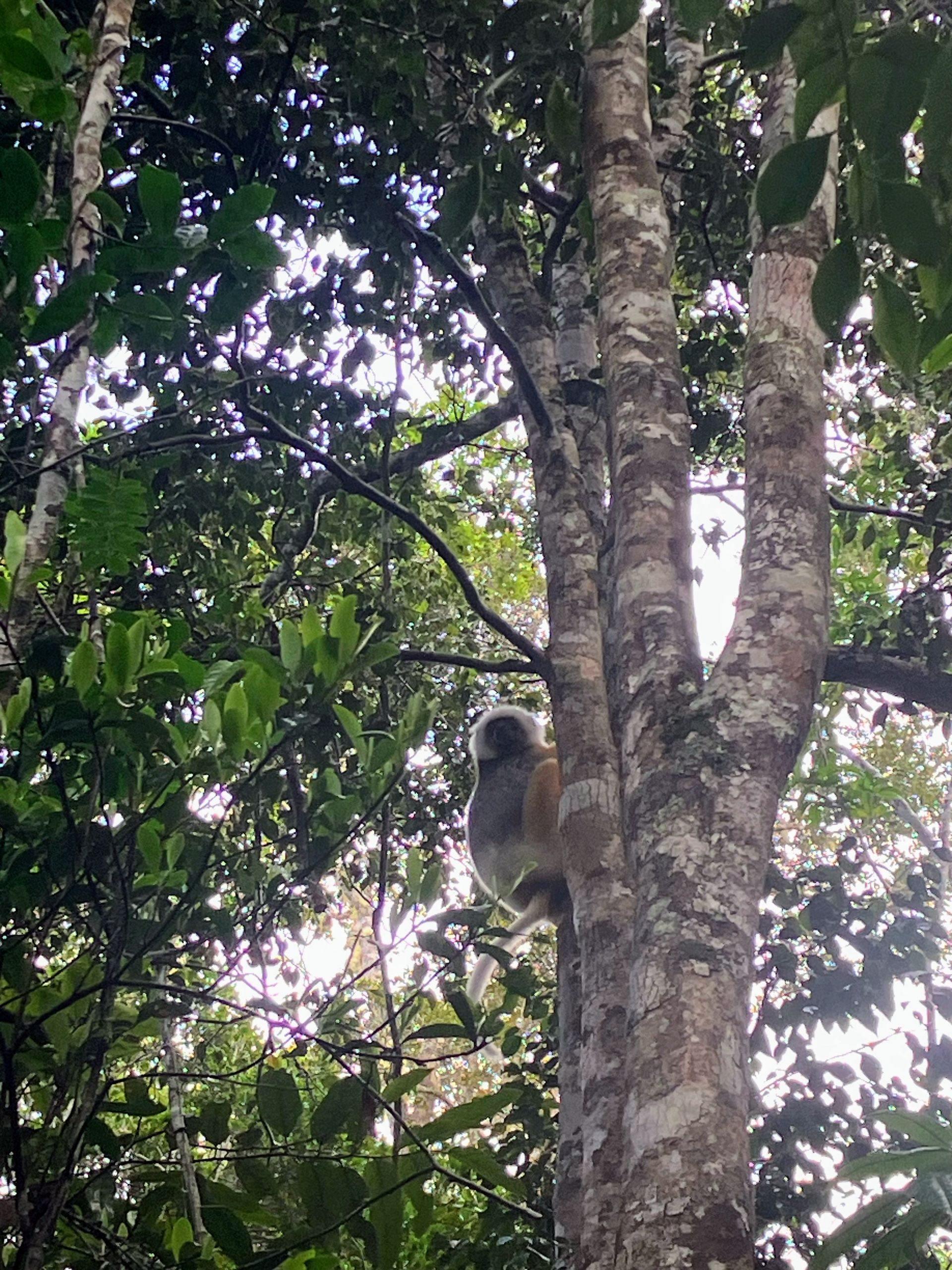
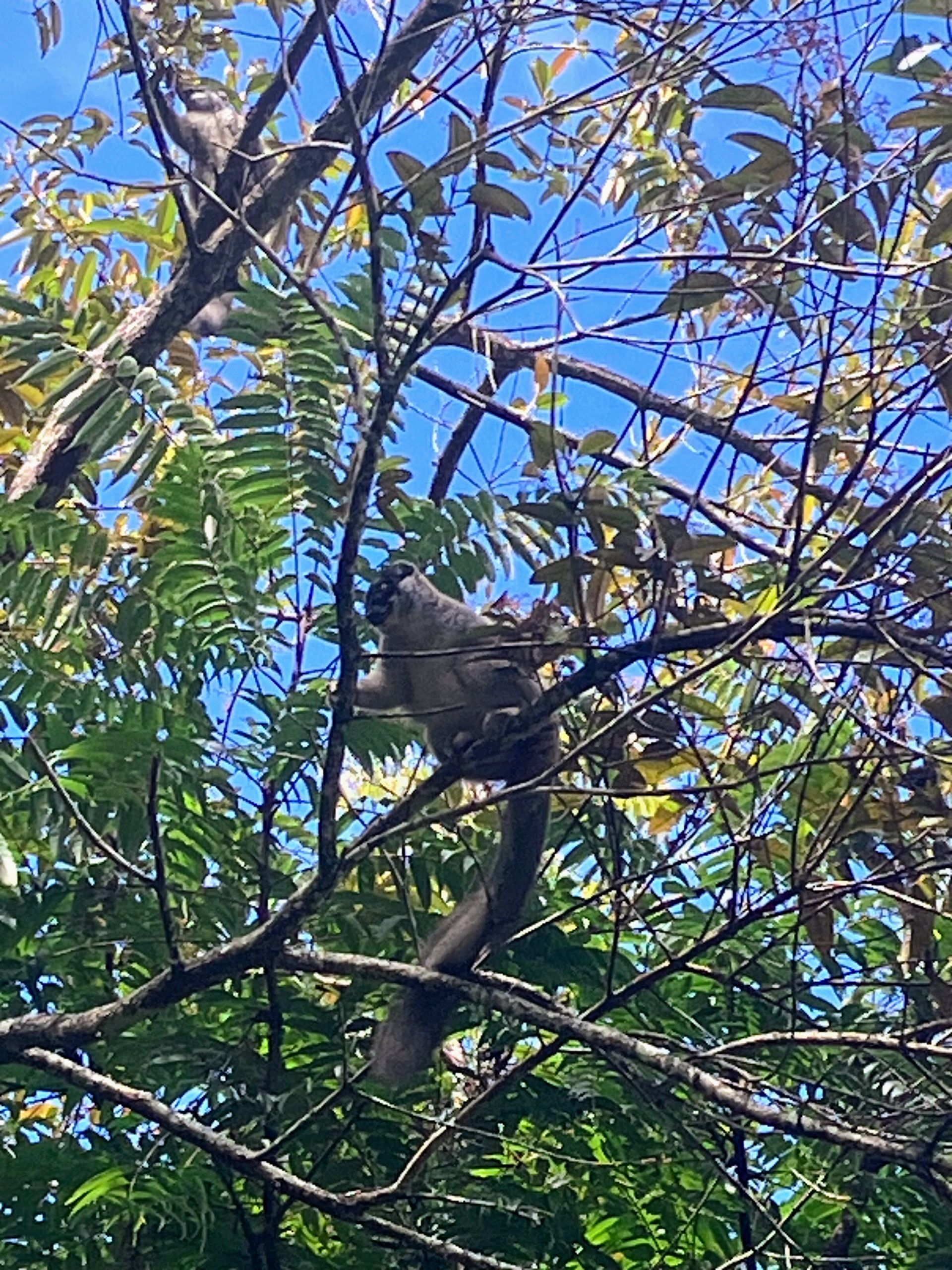
Nevertheless, we are lucky enough to be able to see three different species of lemurs.
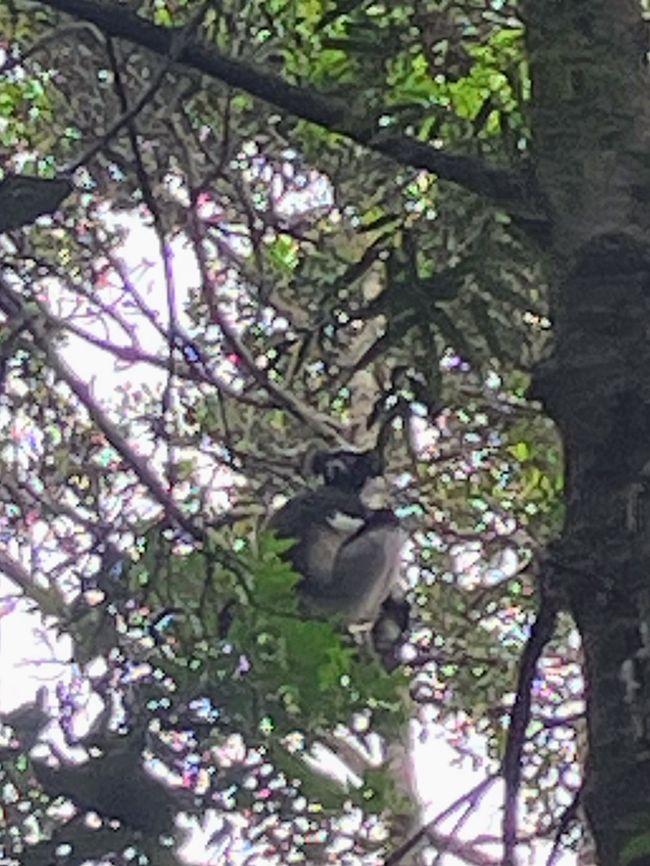
From afar, we see the indri. It is the largest living lemur species, with a head-to-body length of up to 90 cm.
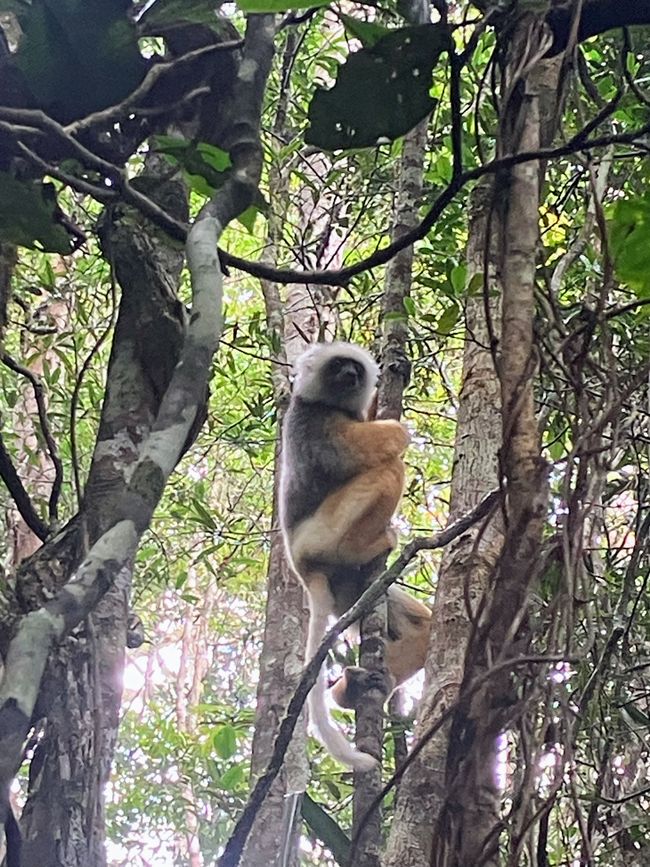
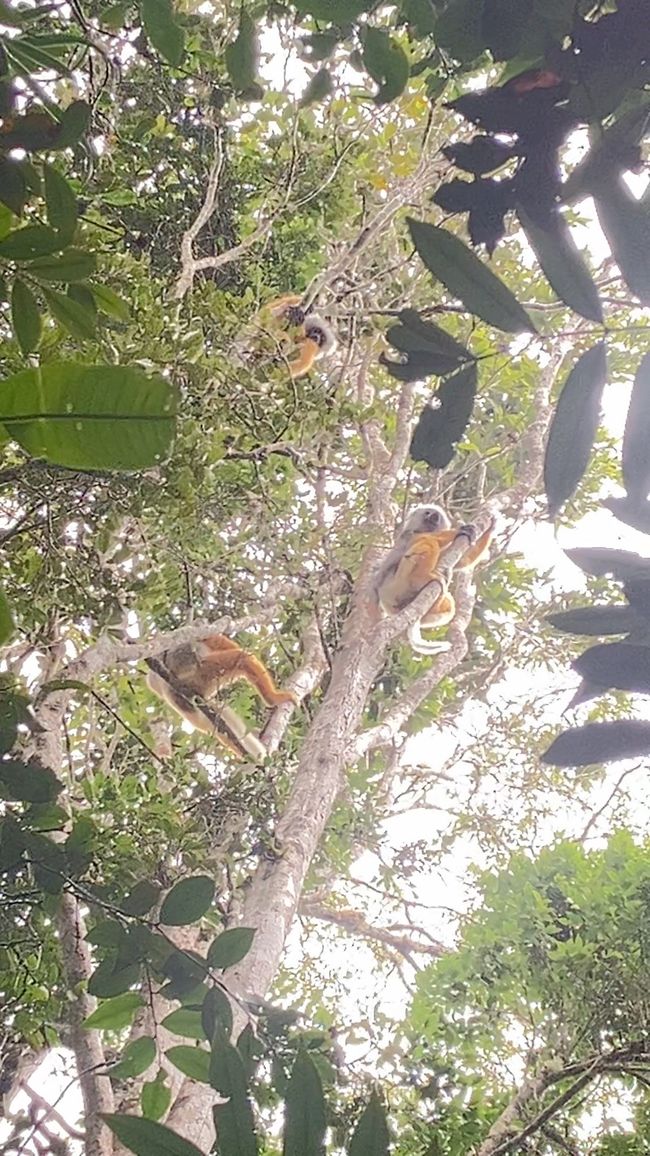
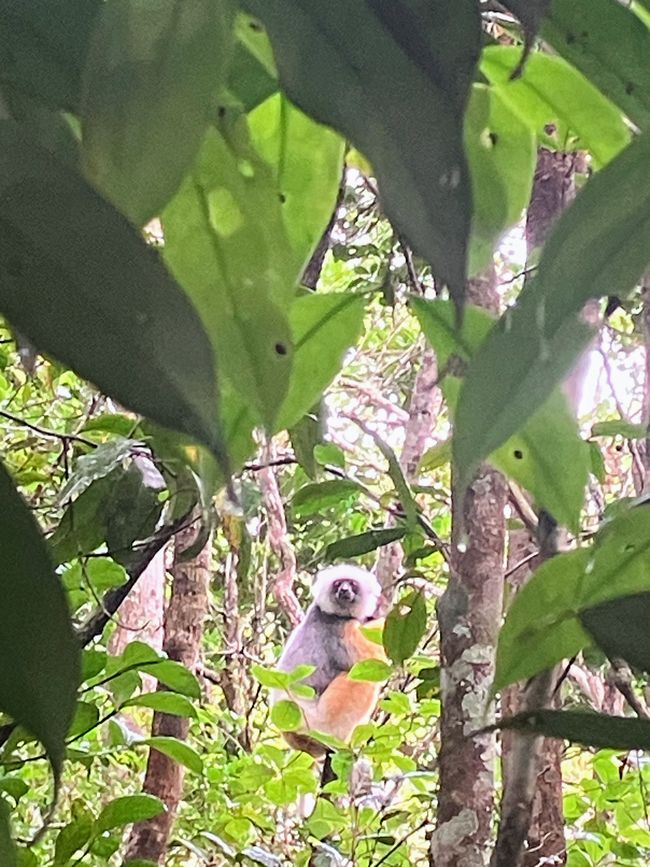
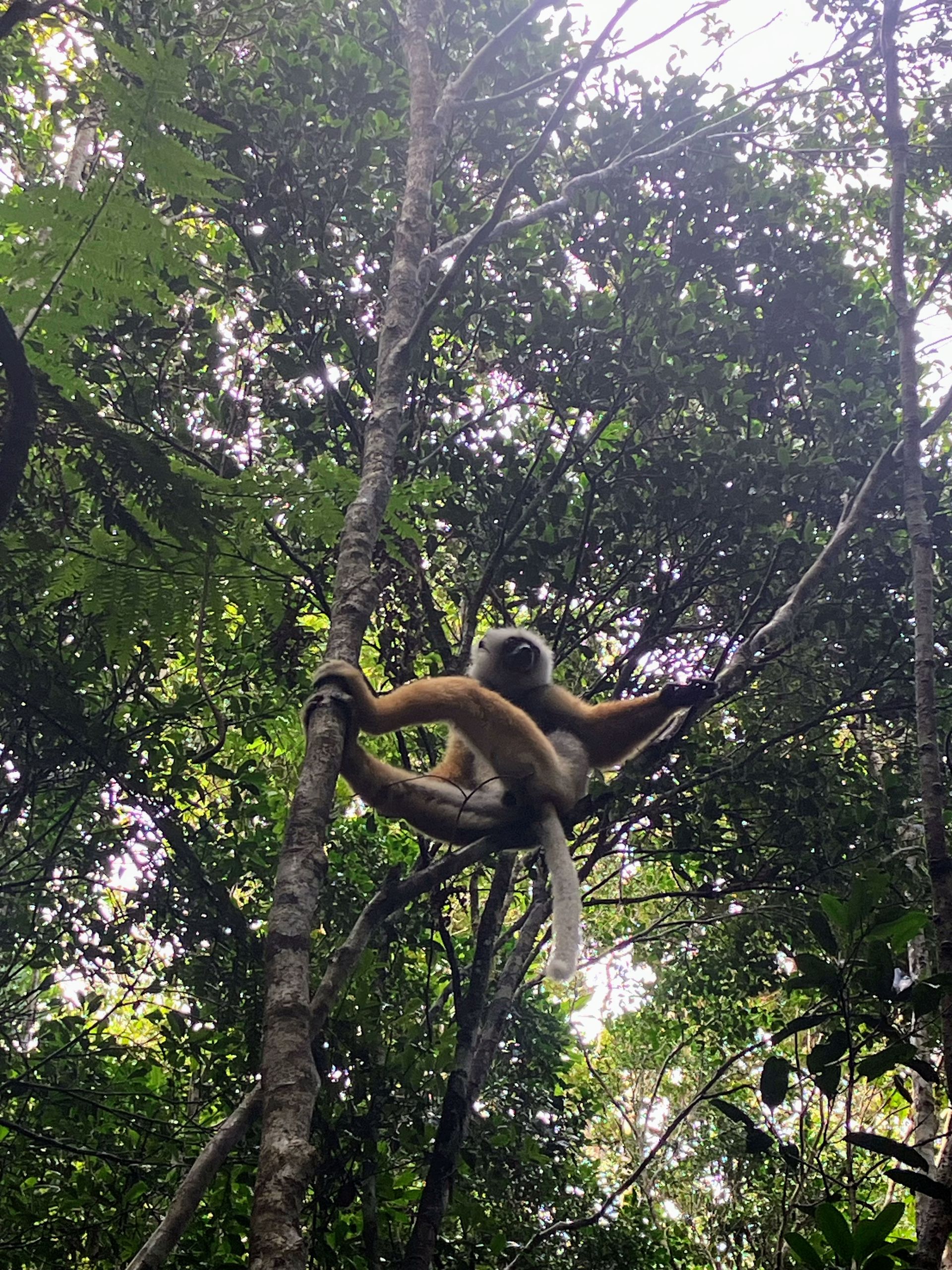
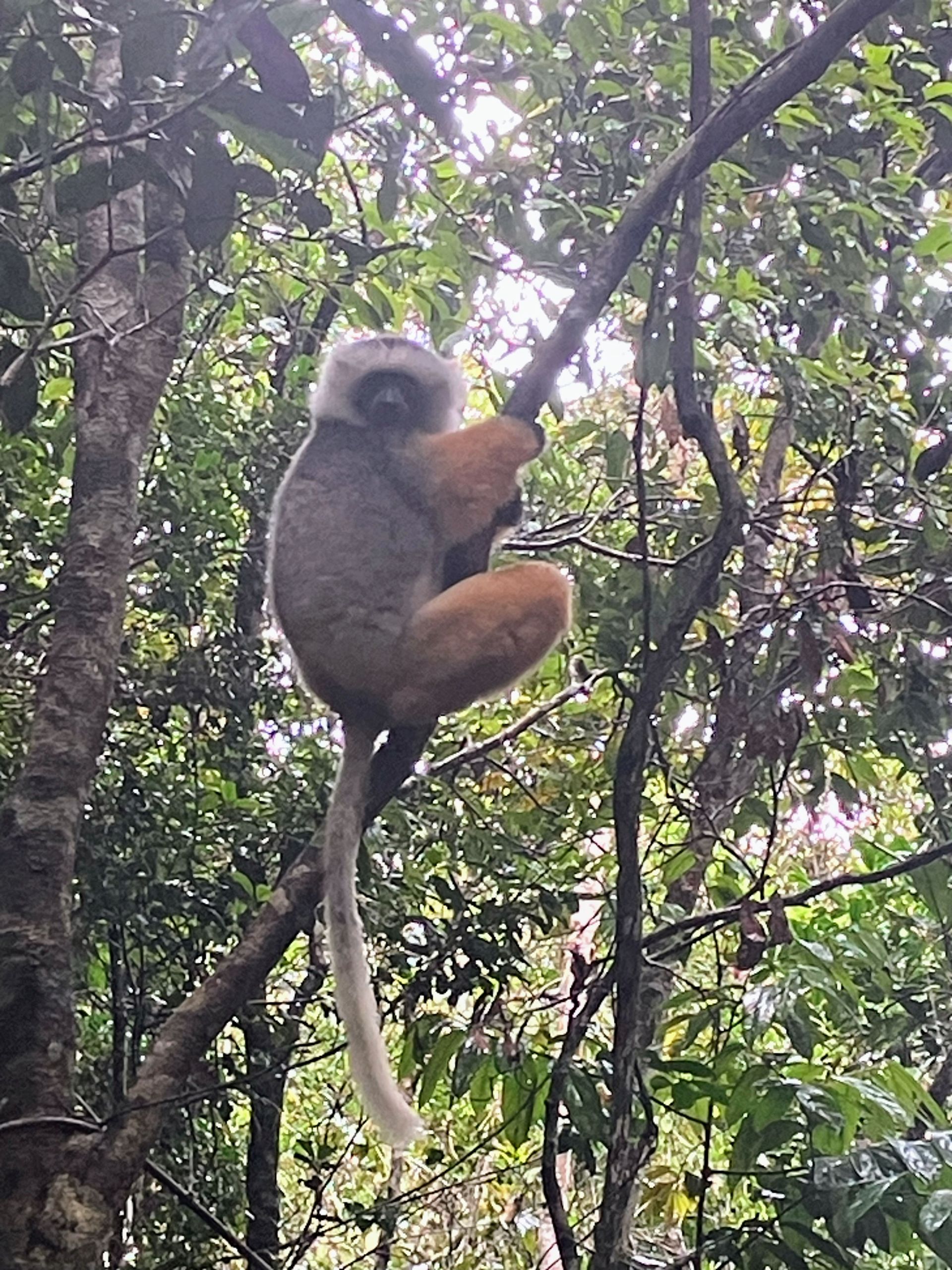
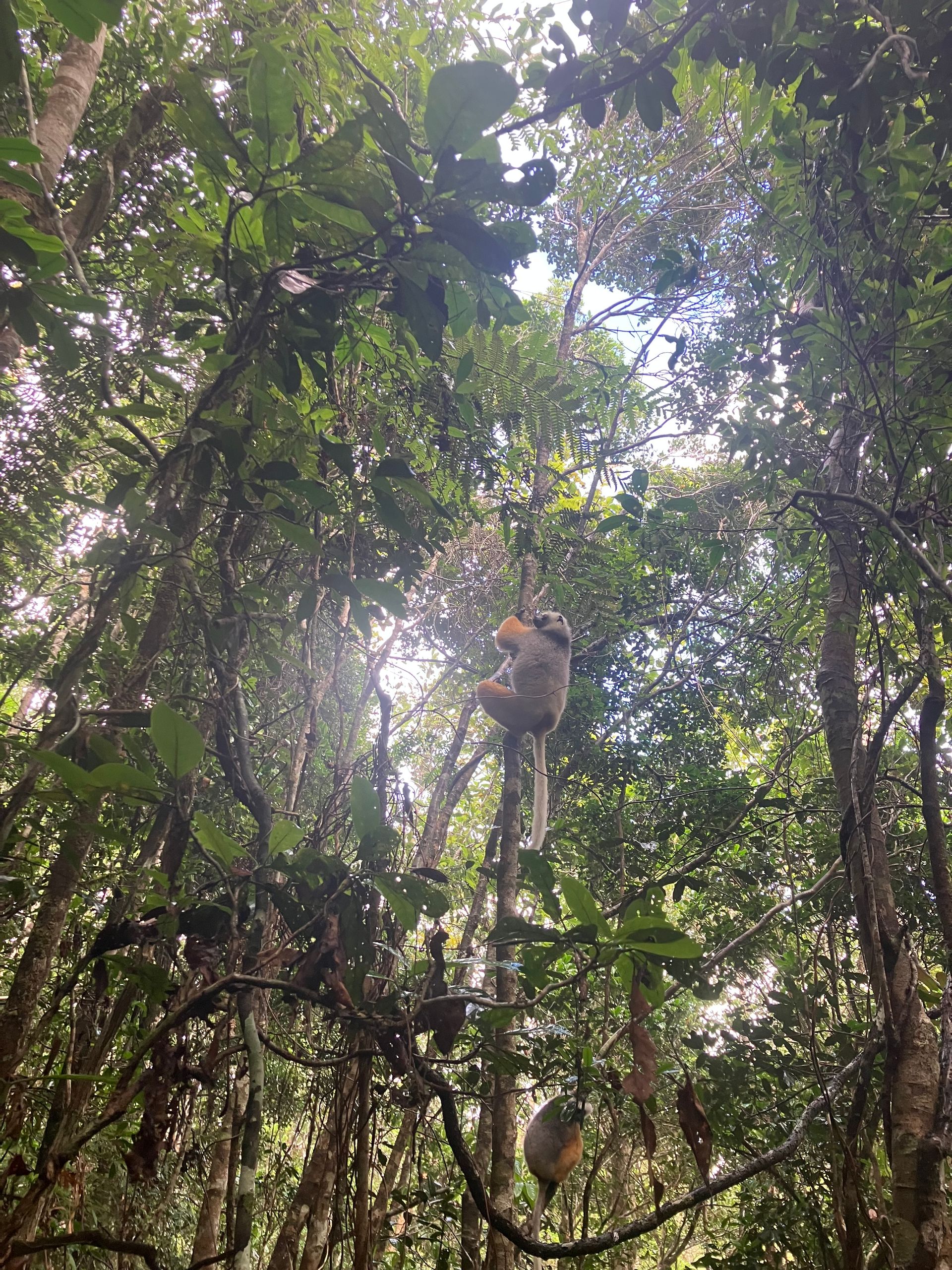
We also encountered diademed sifakas, very beautiful animals. They are the second largest lemur species and move vertically by climbing and jumping. Sifakas are also called dancing lemurs because of their lateral leaps on the ground.
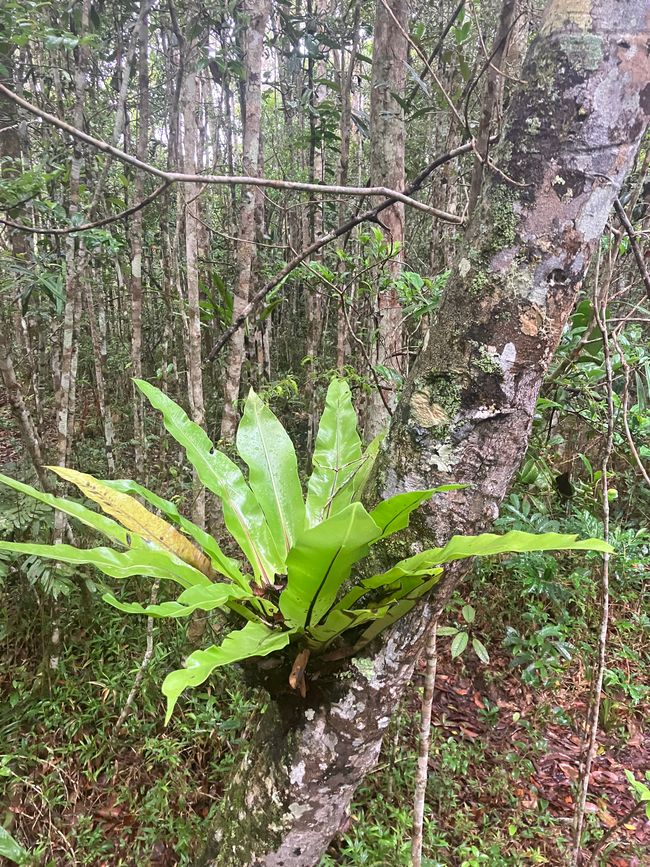
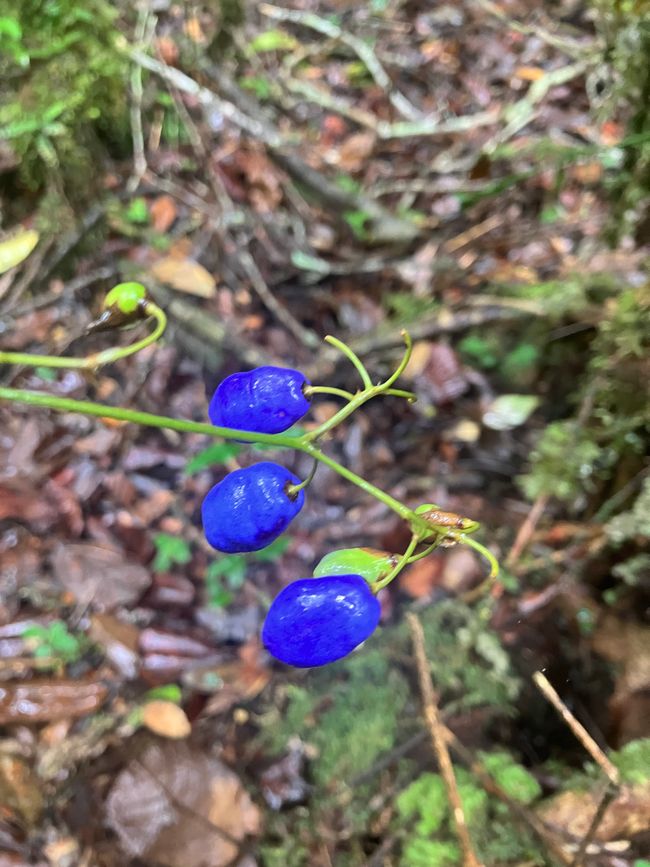
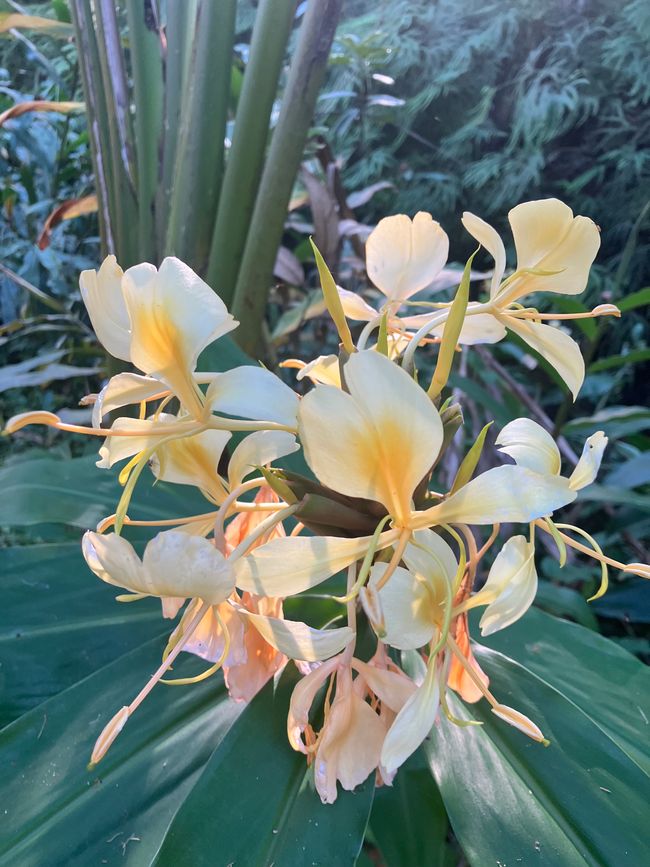
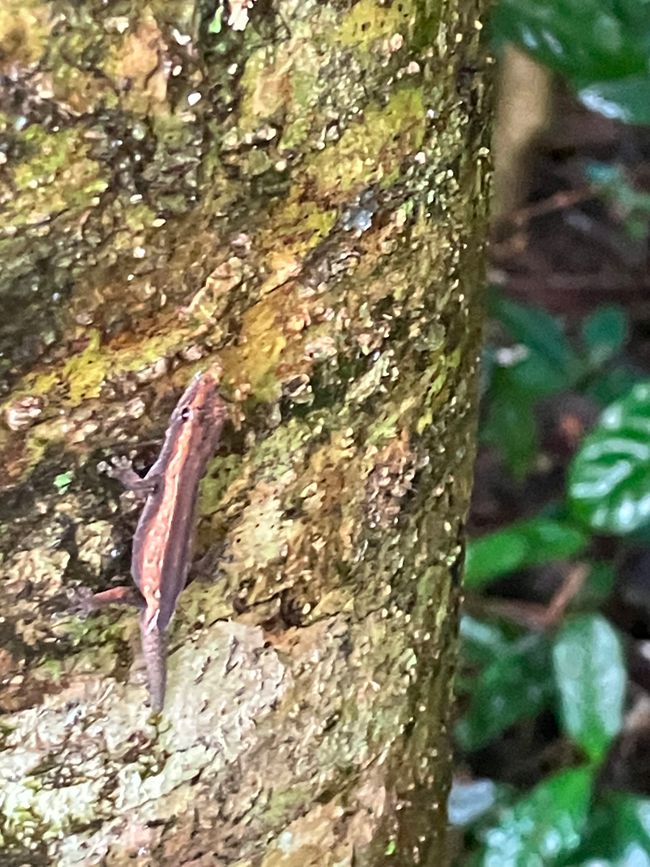
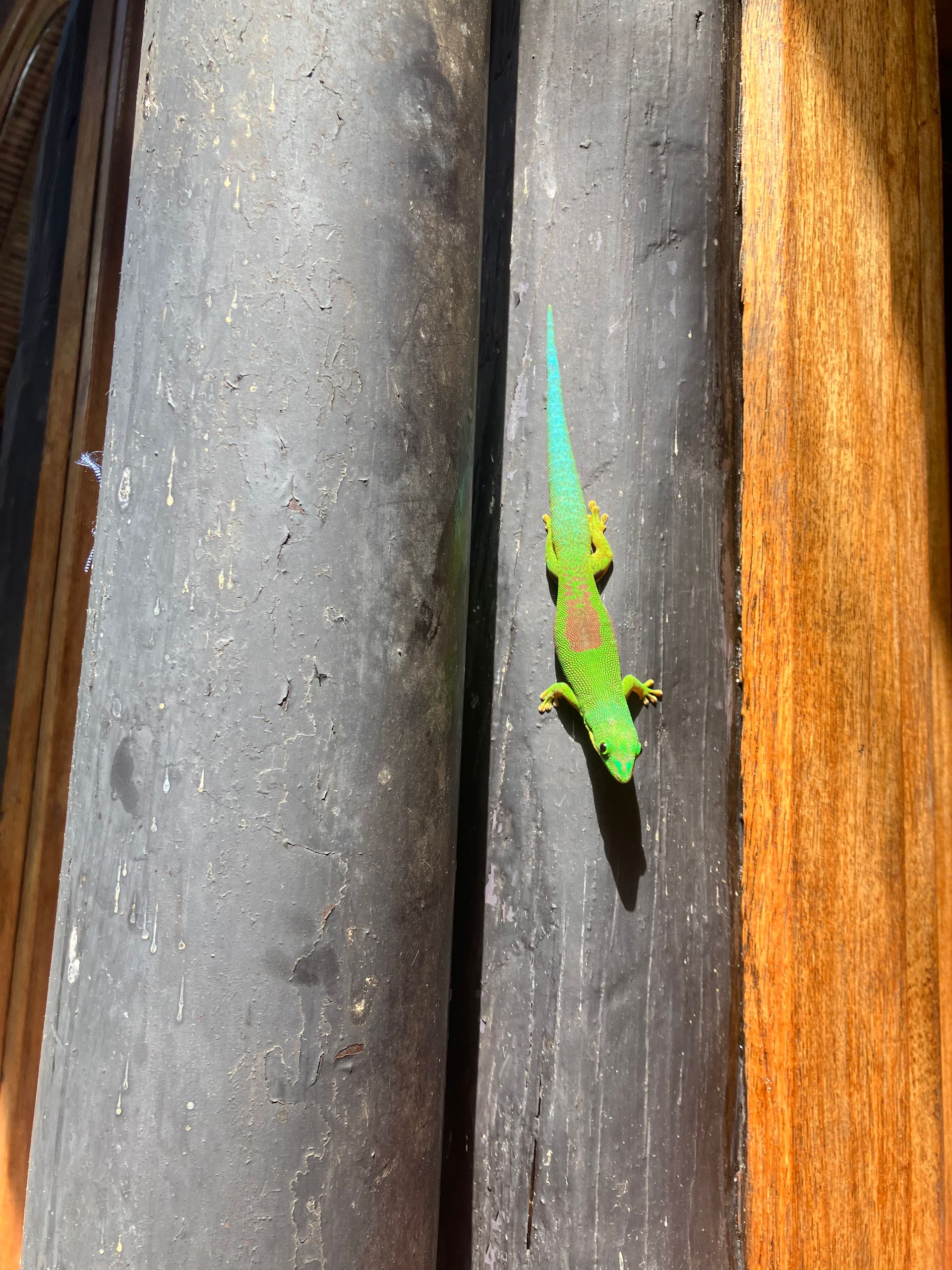
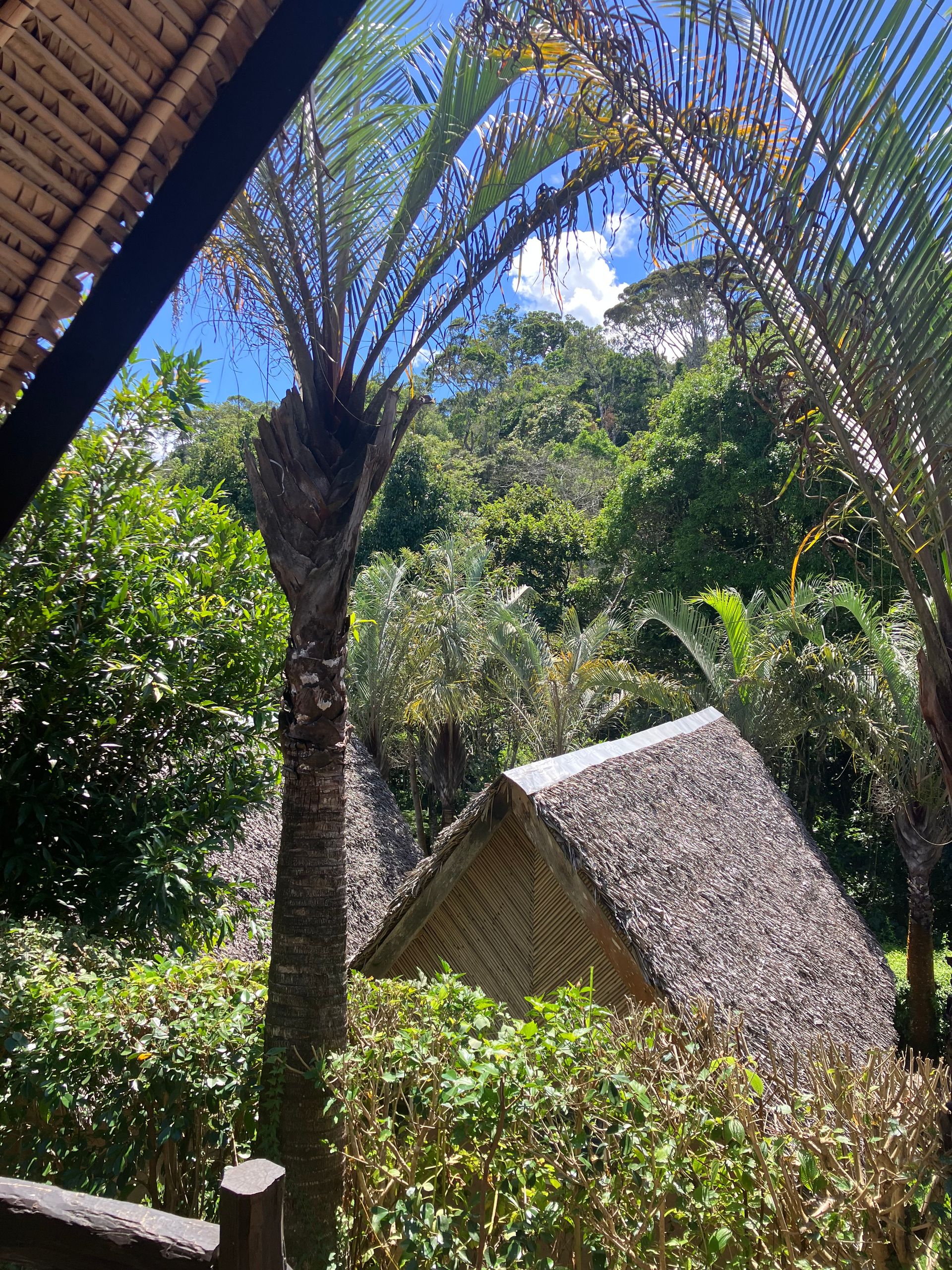
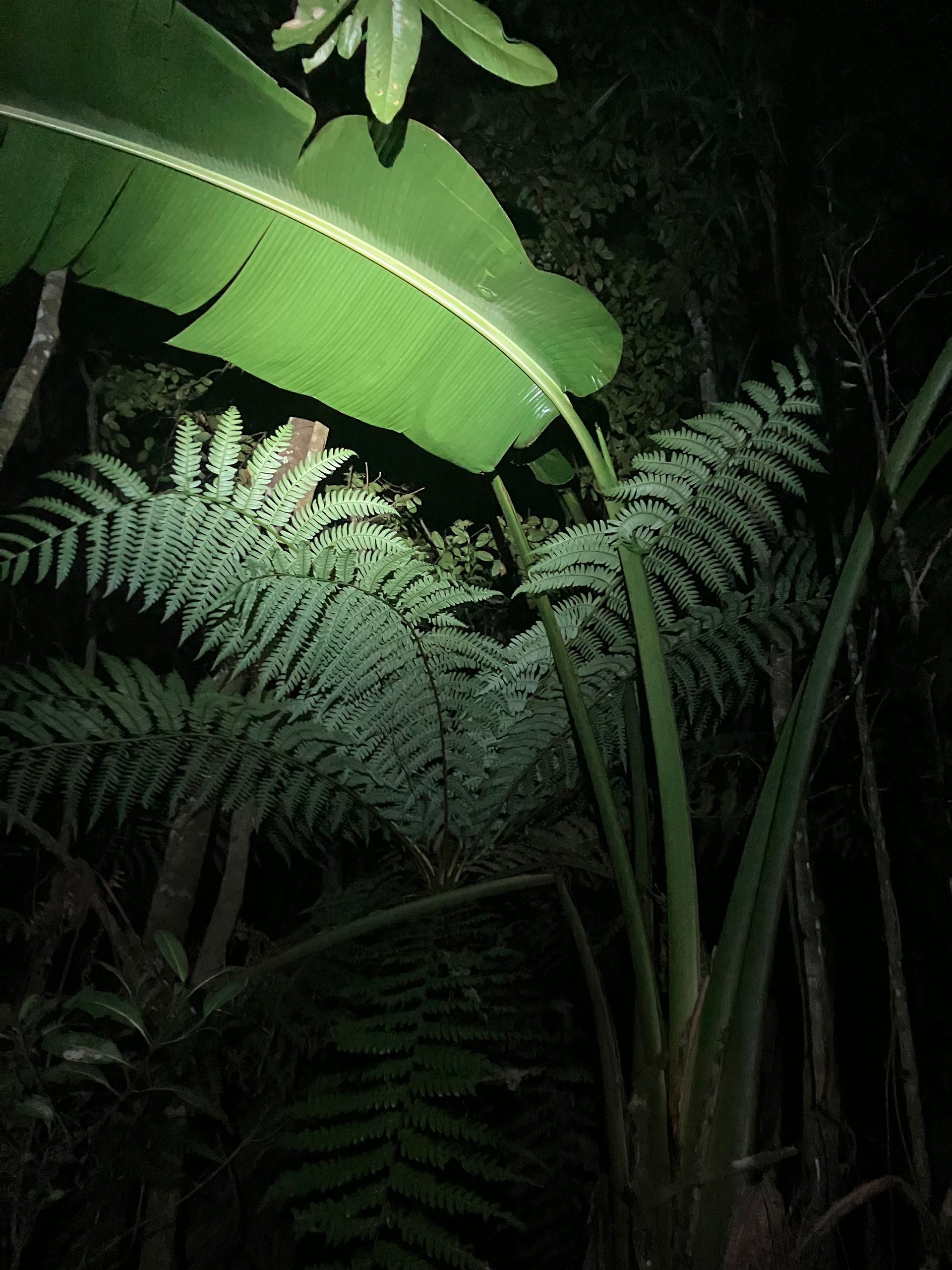
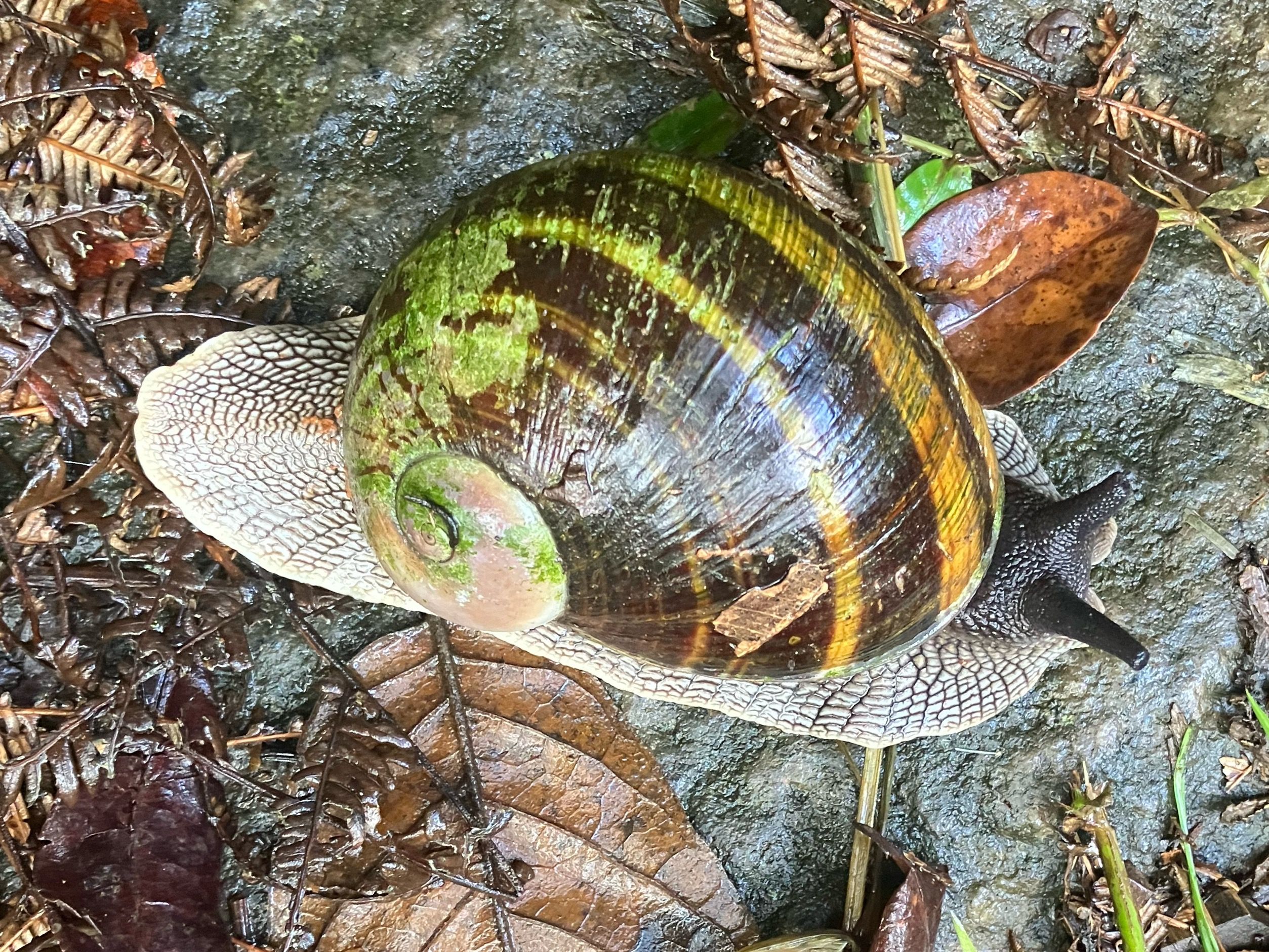
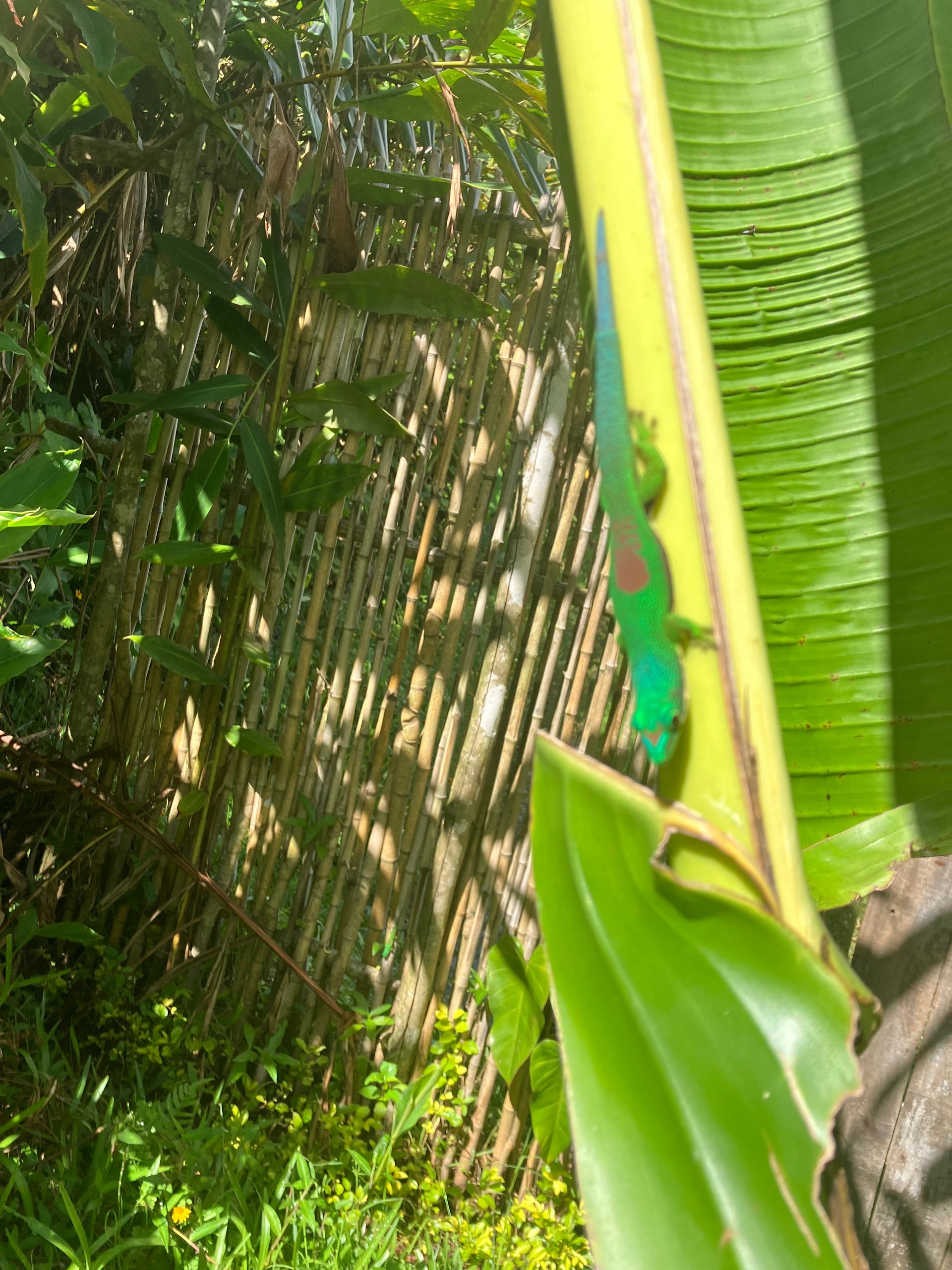
Exotic plants and small geckos are part of the fascinating diversity of the rainforest.
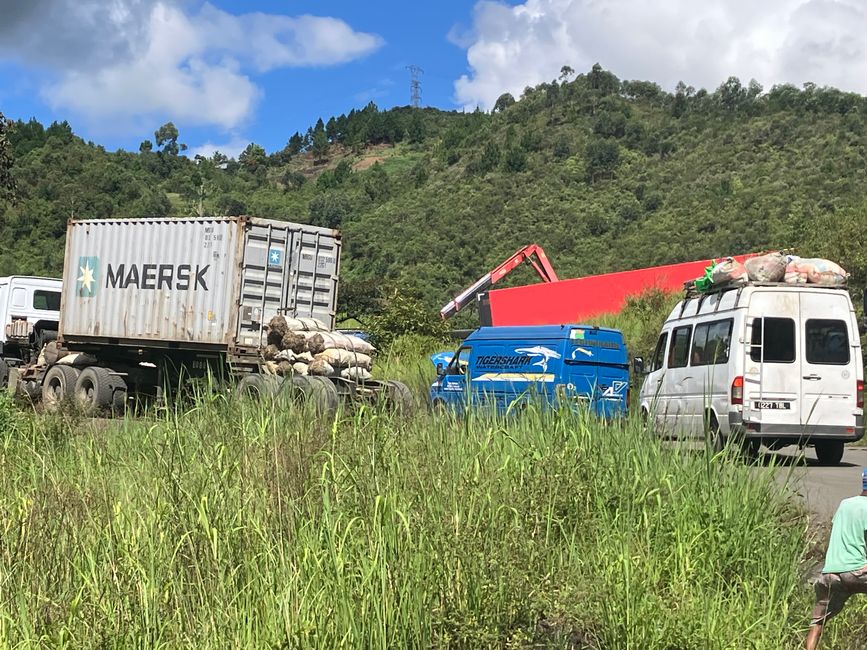
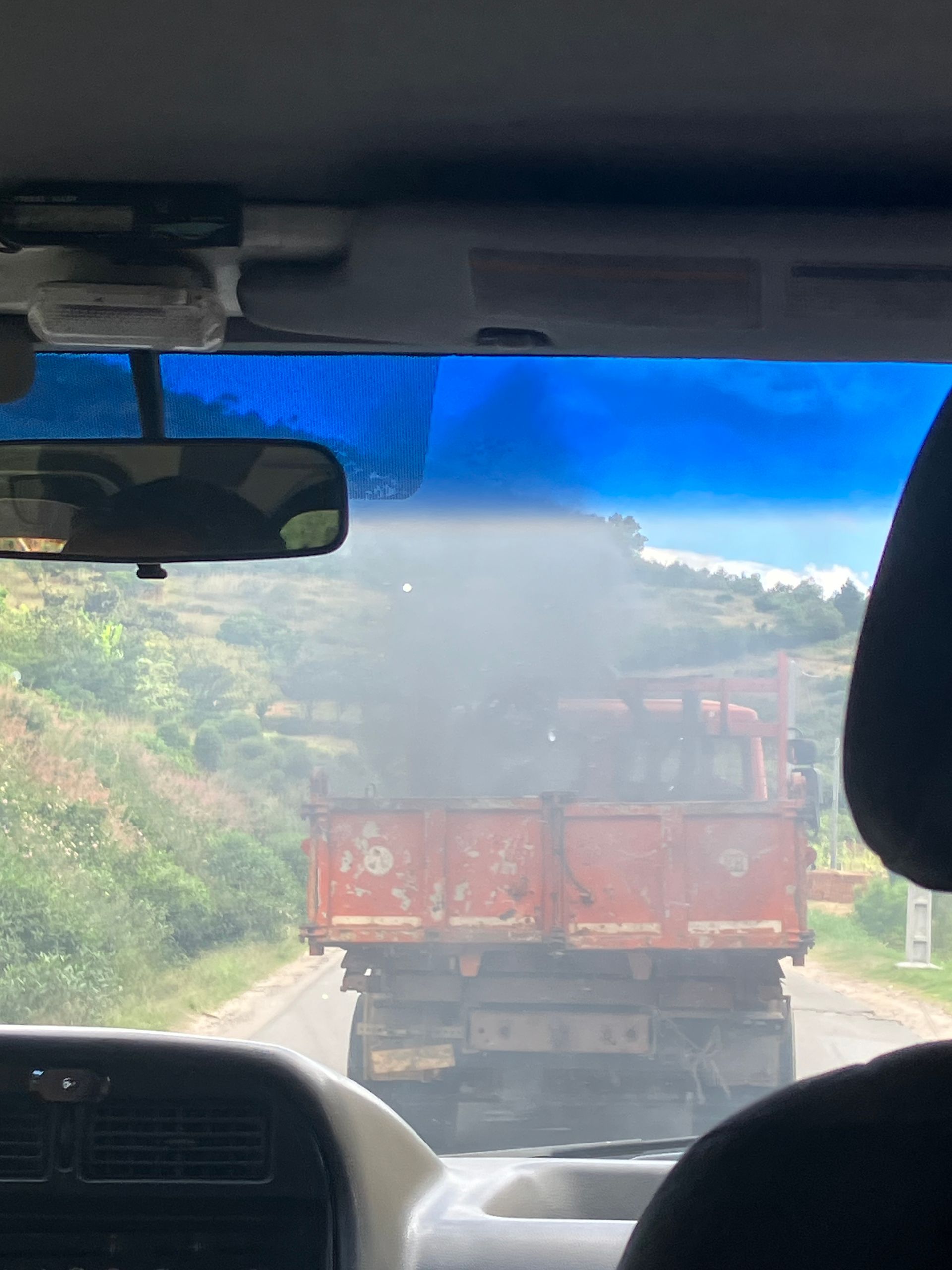
On the way back to Tana, we realize: travel times are never predictable. A truck overturned on a bend, causing a long traffic jam! In Madagascar, they say, "Mora, Mora!" Slow down, slow down… 😆
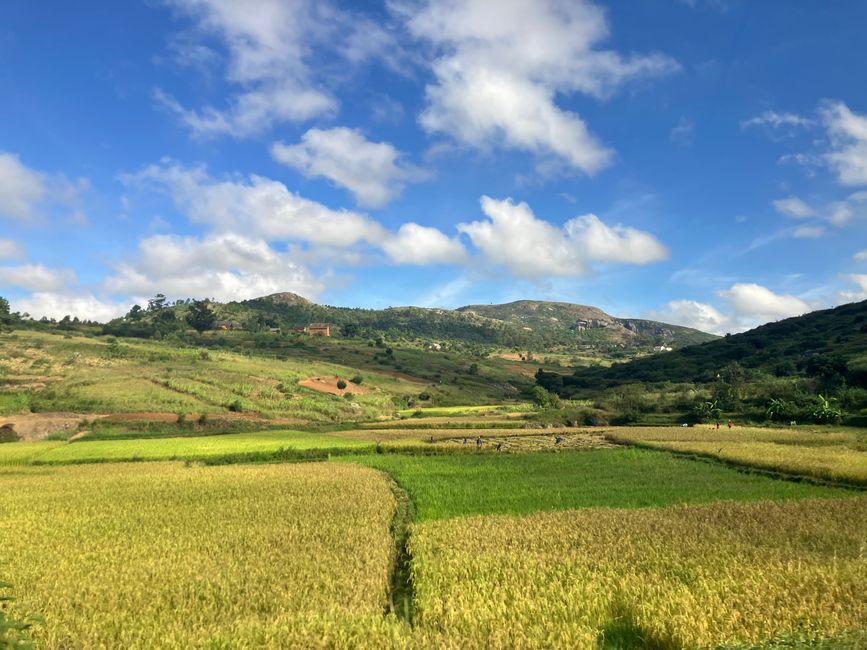
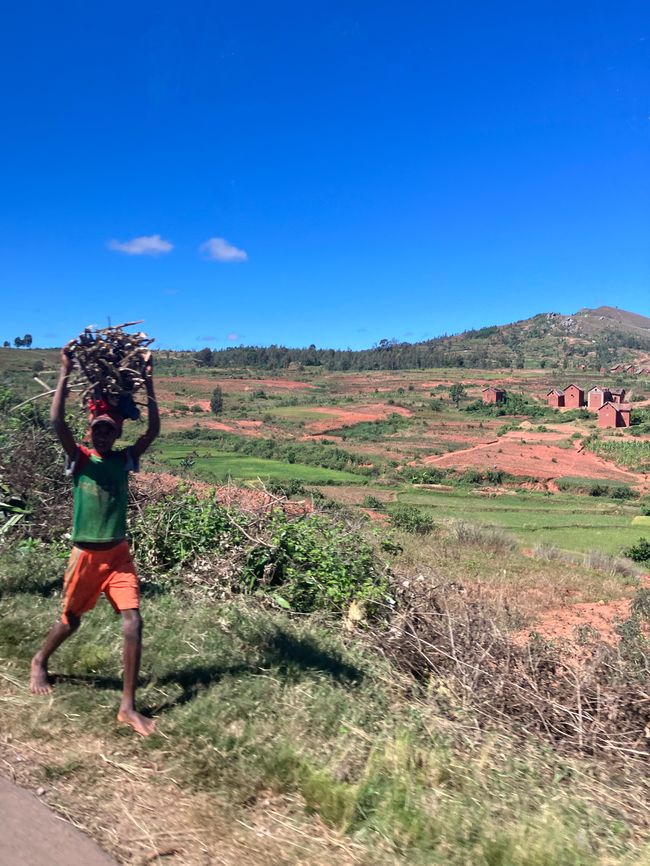
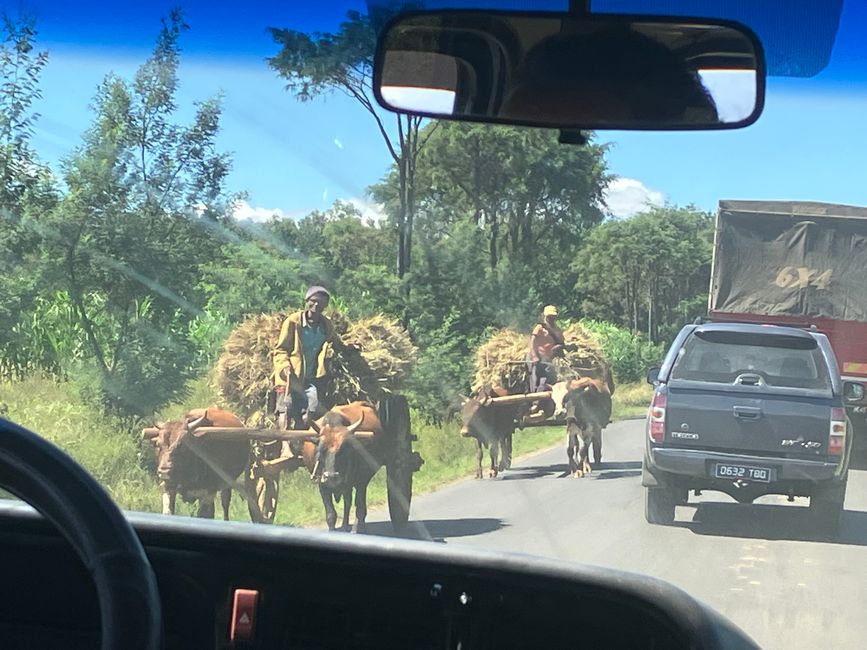
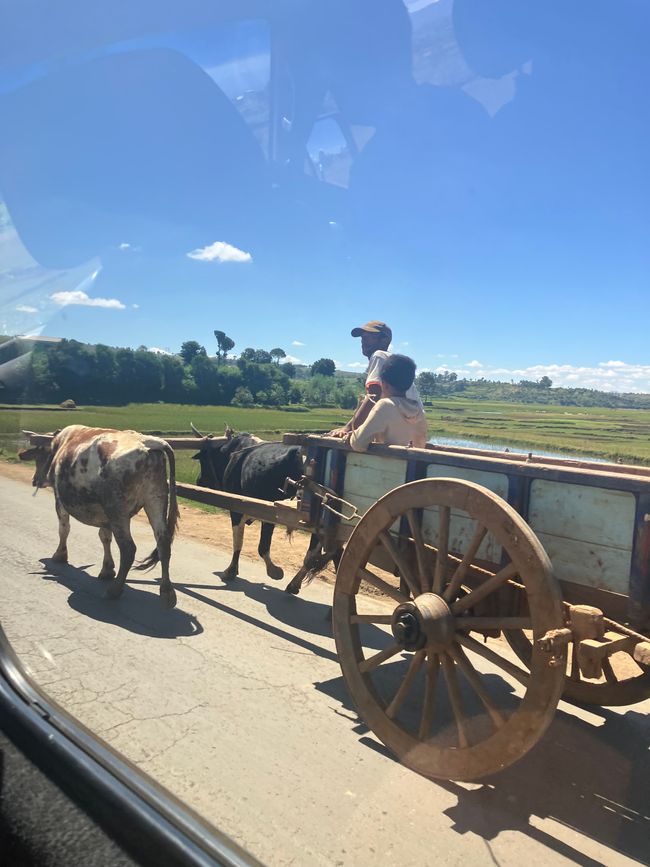
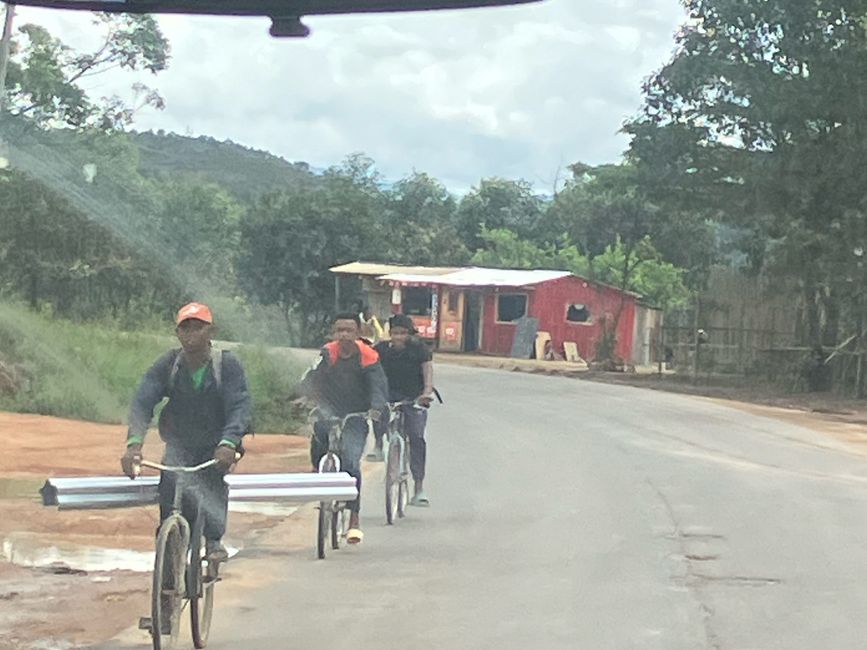
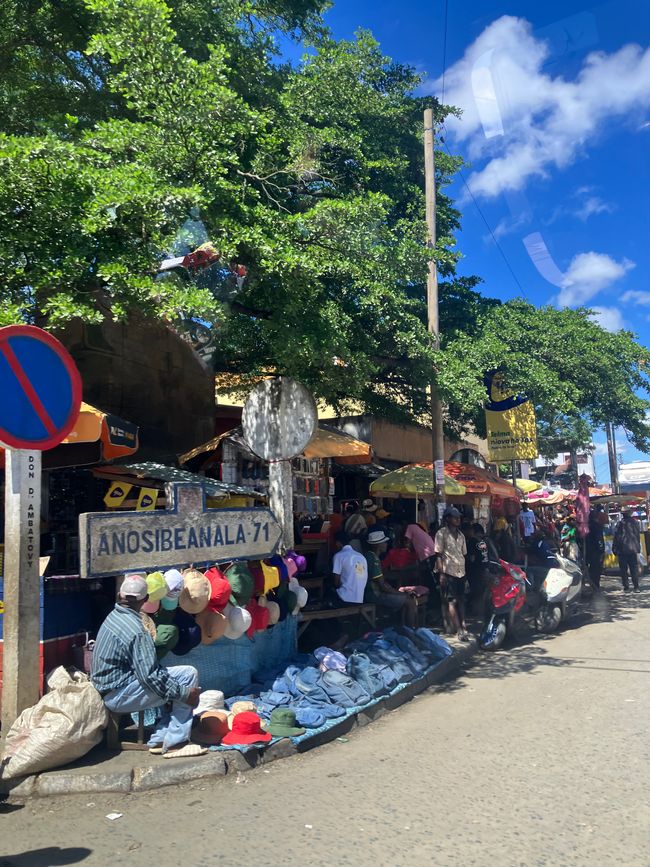
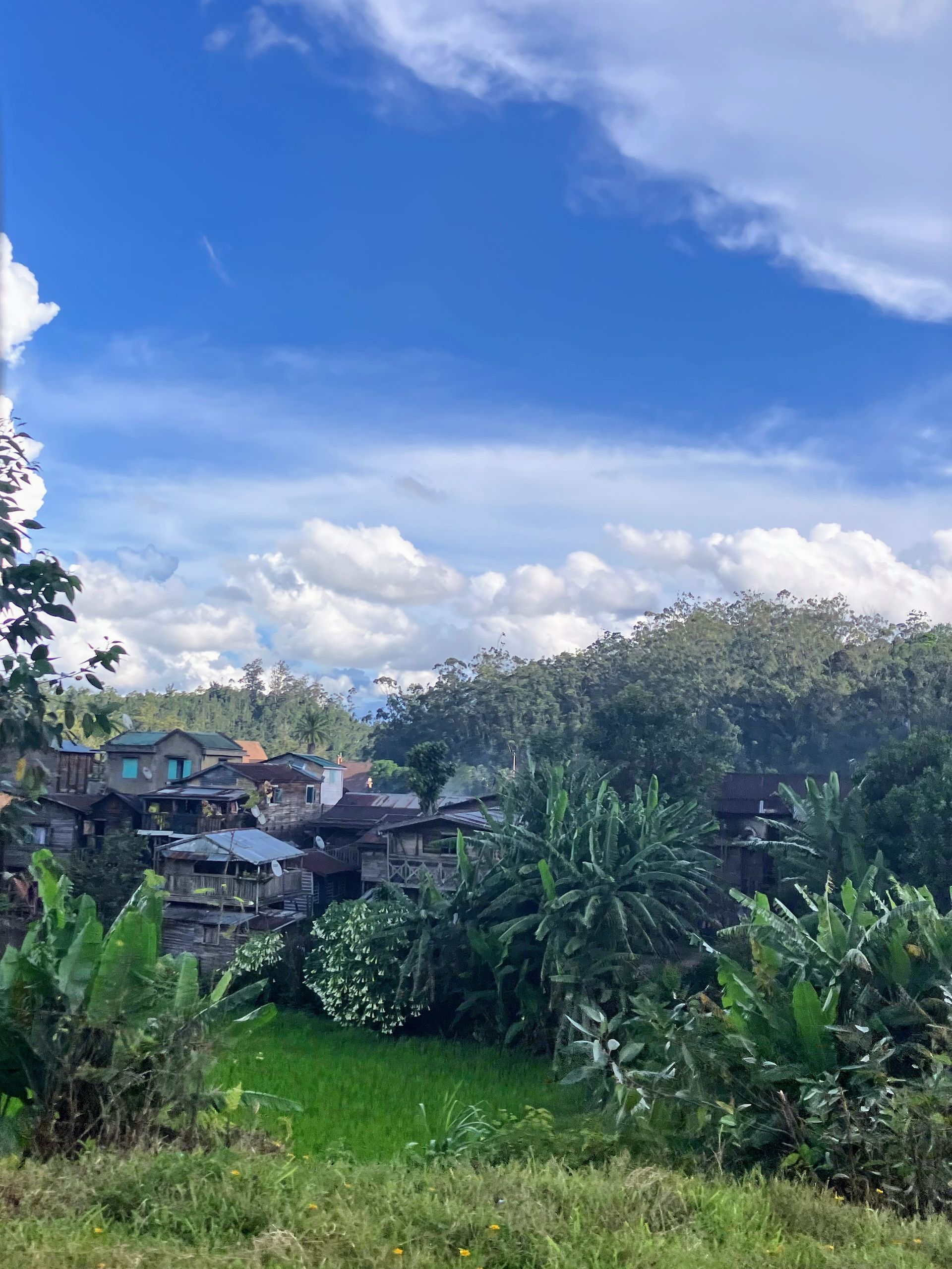
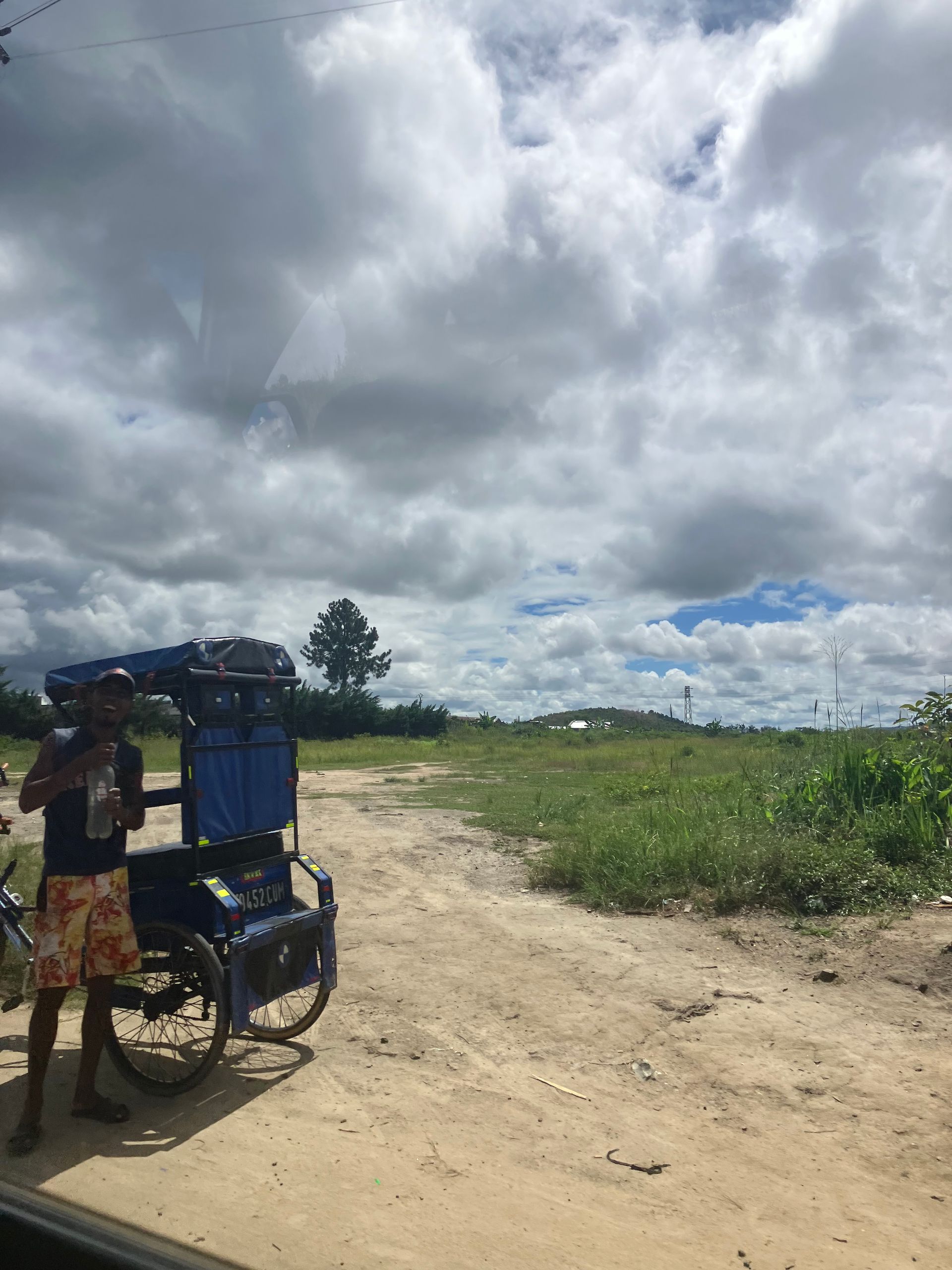
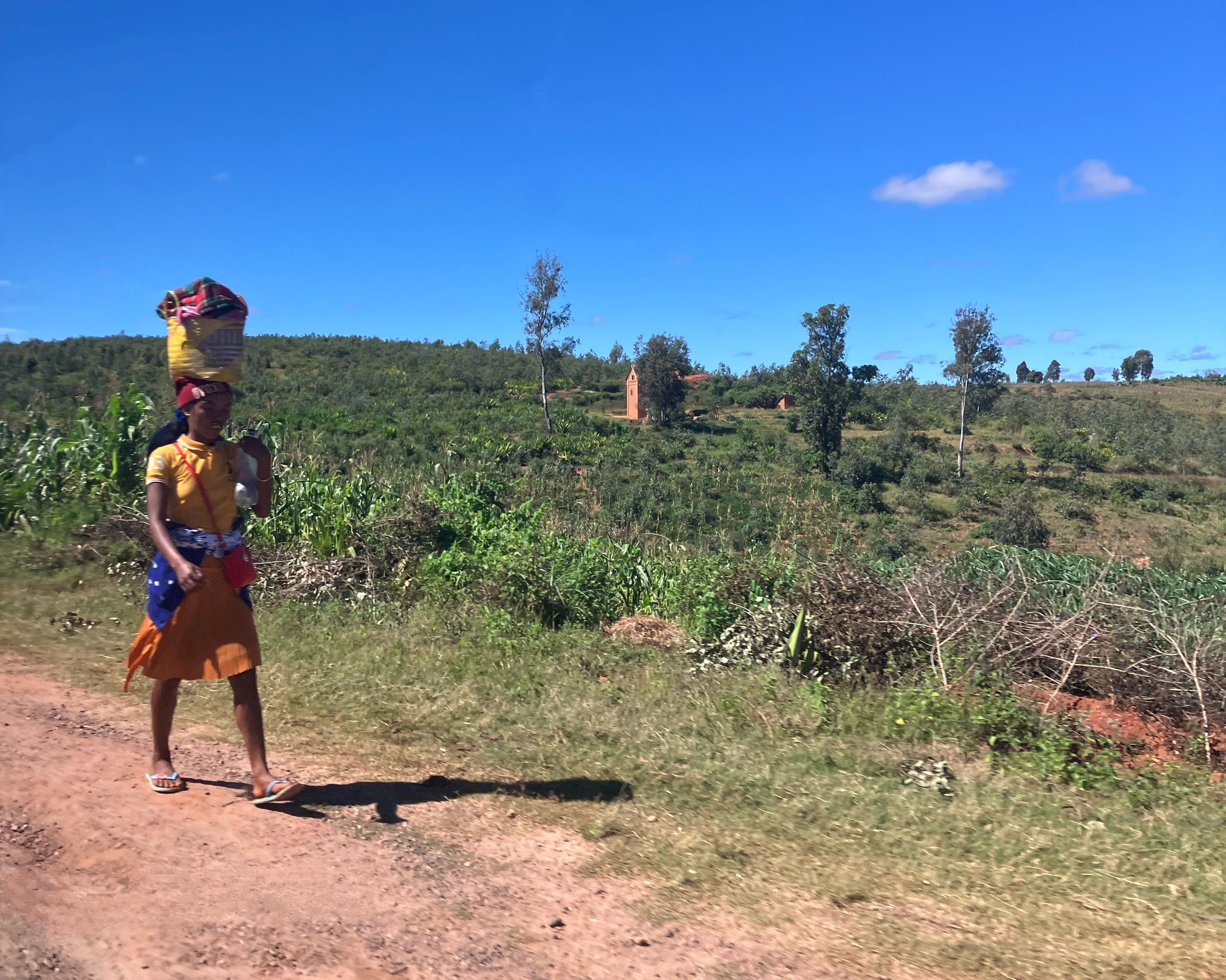
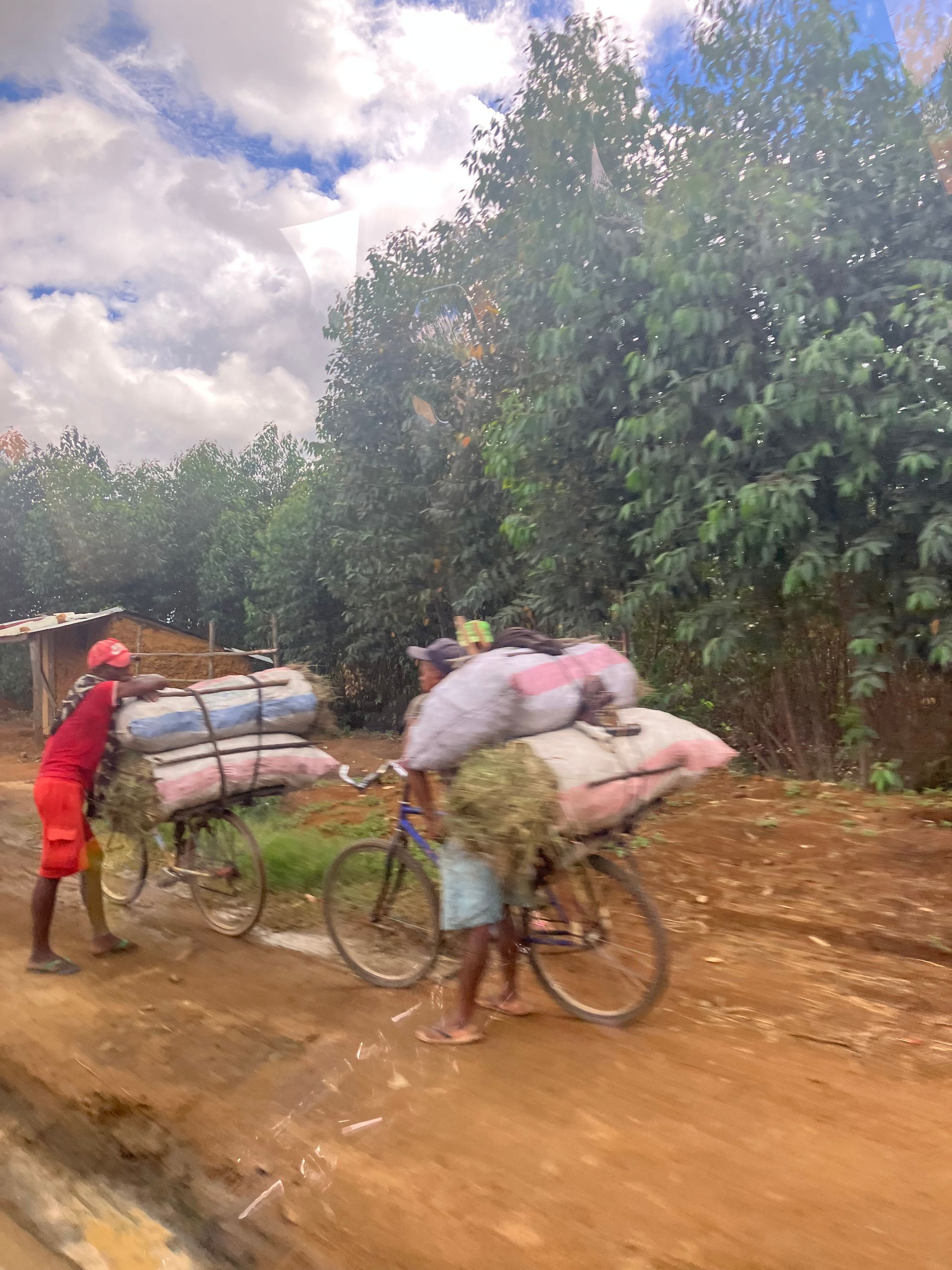
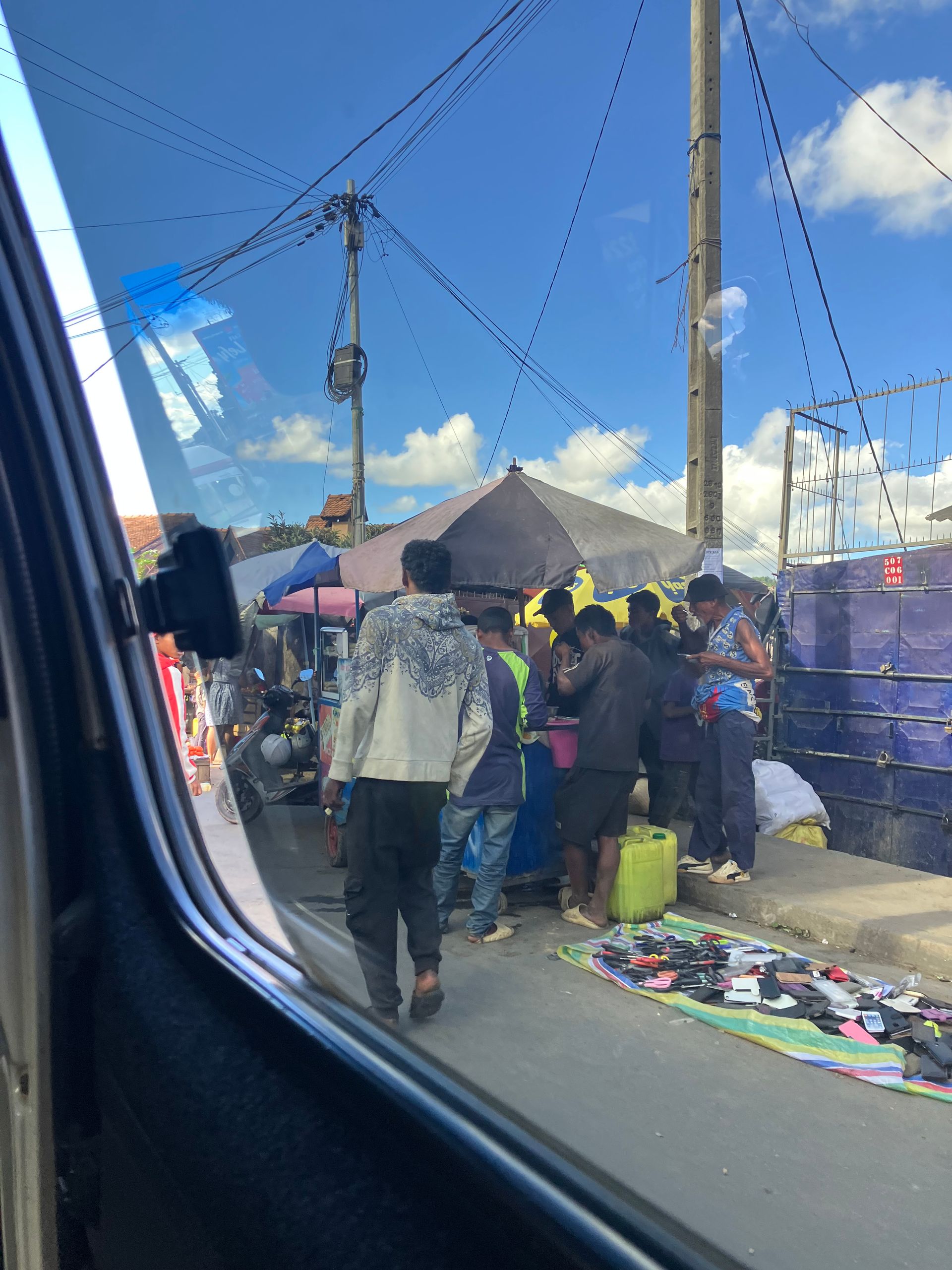
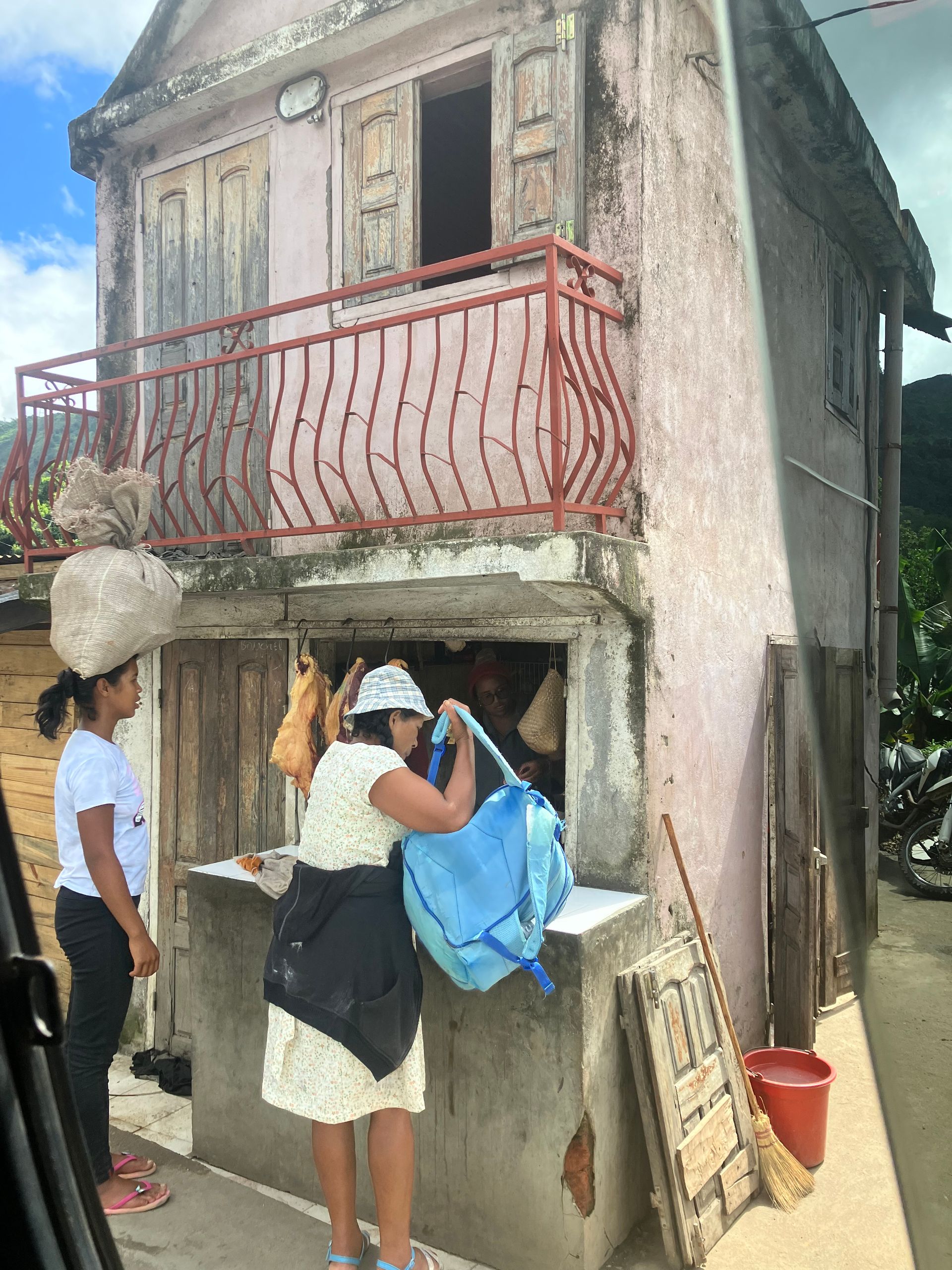
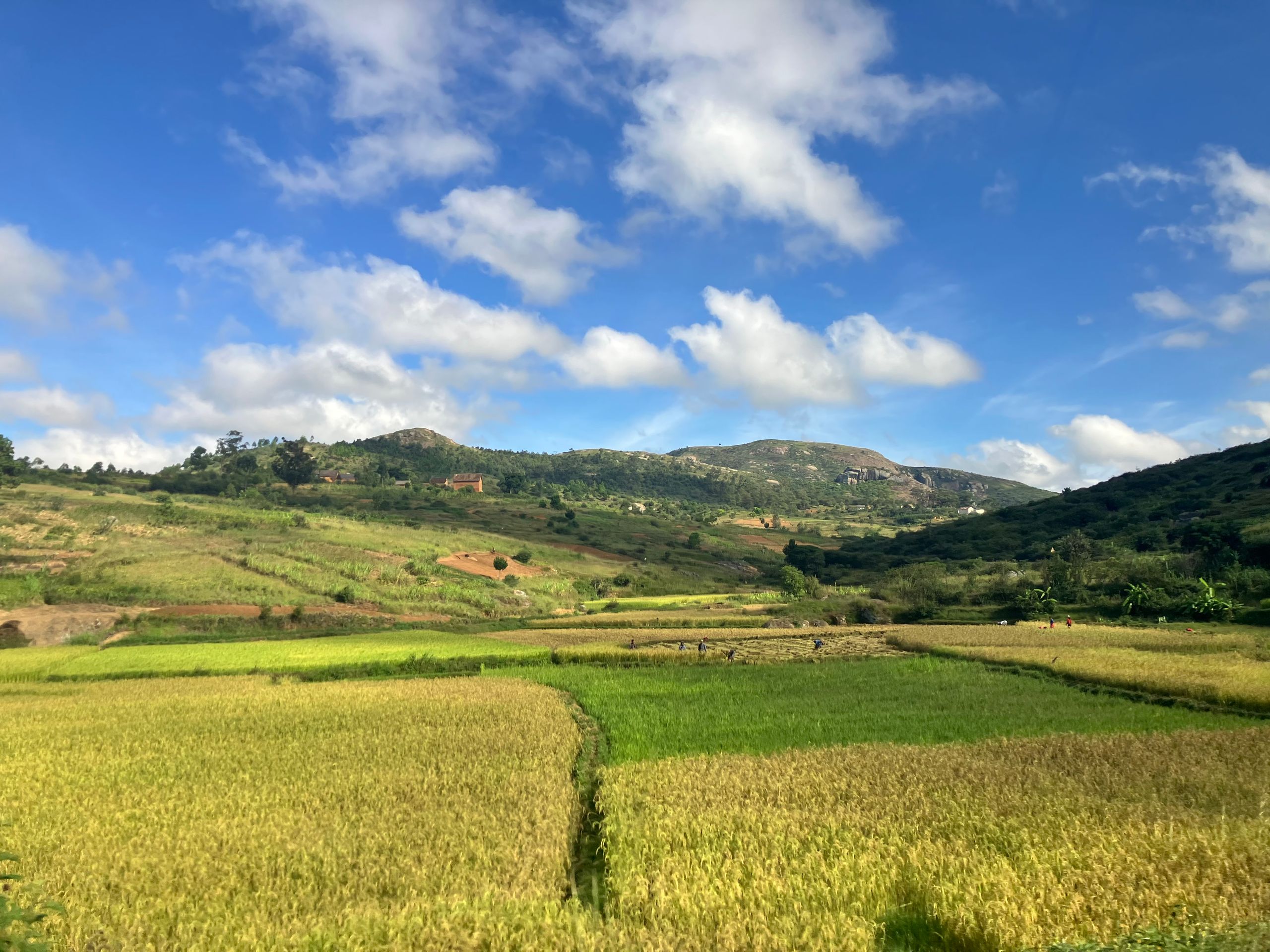
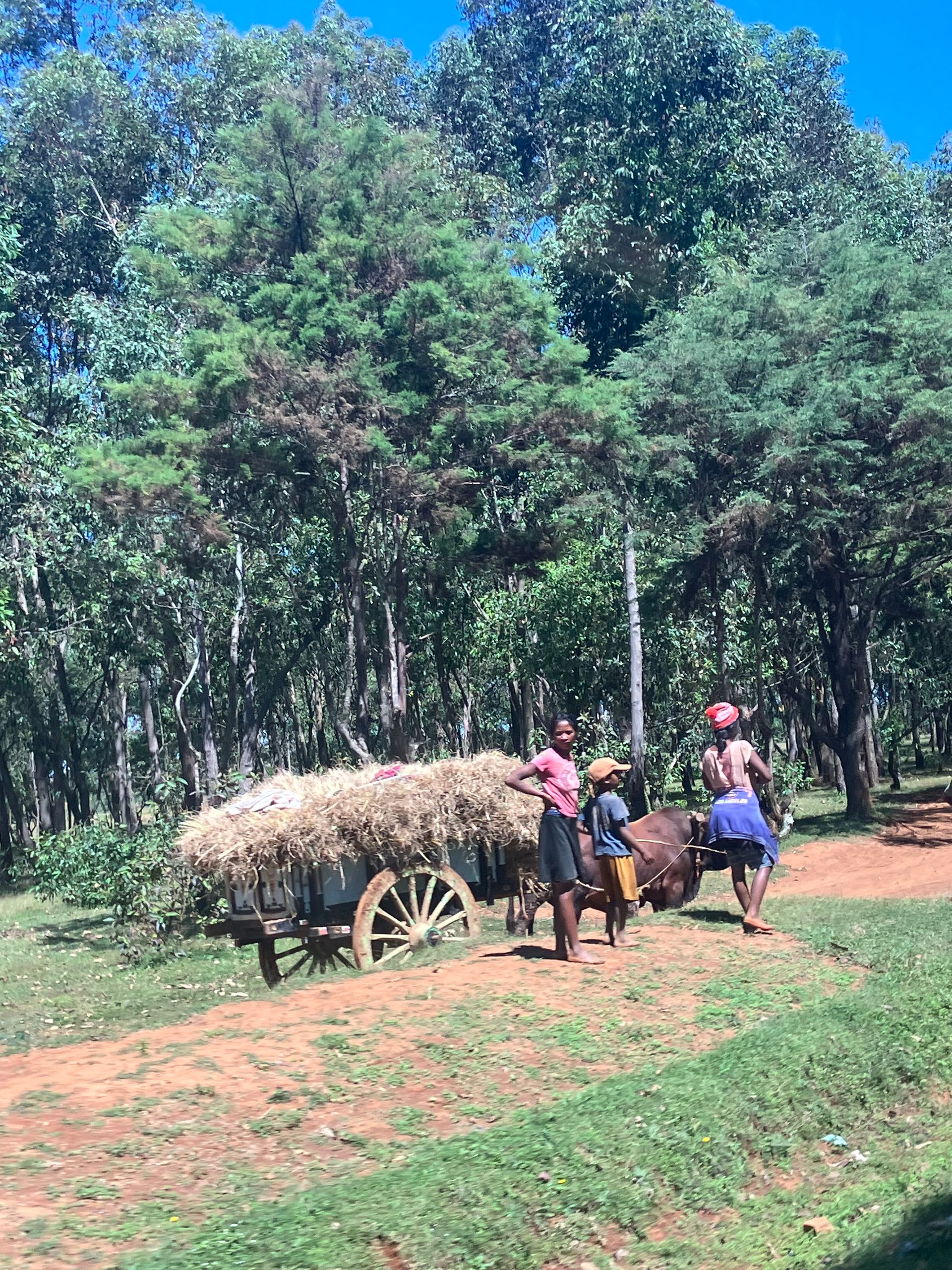
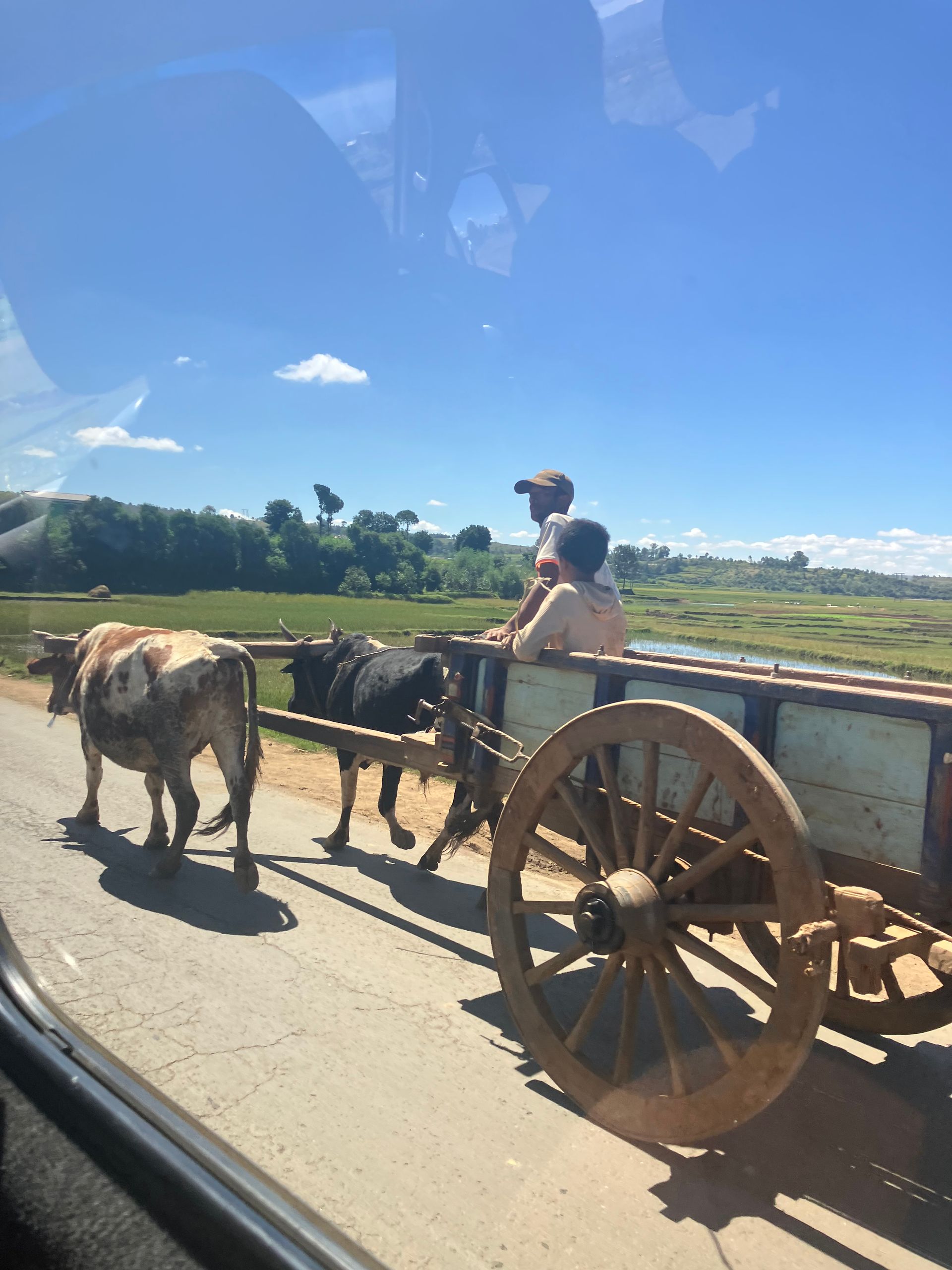
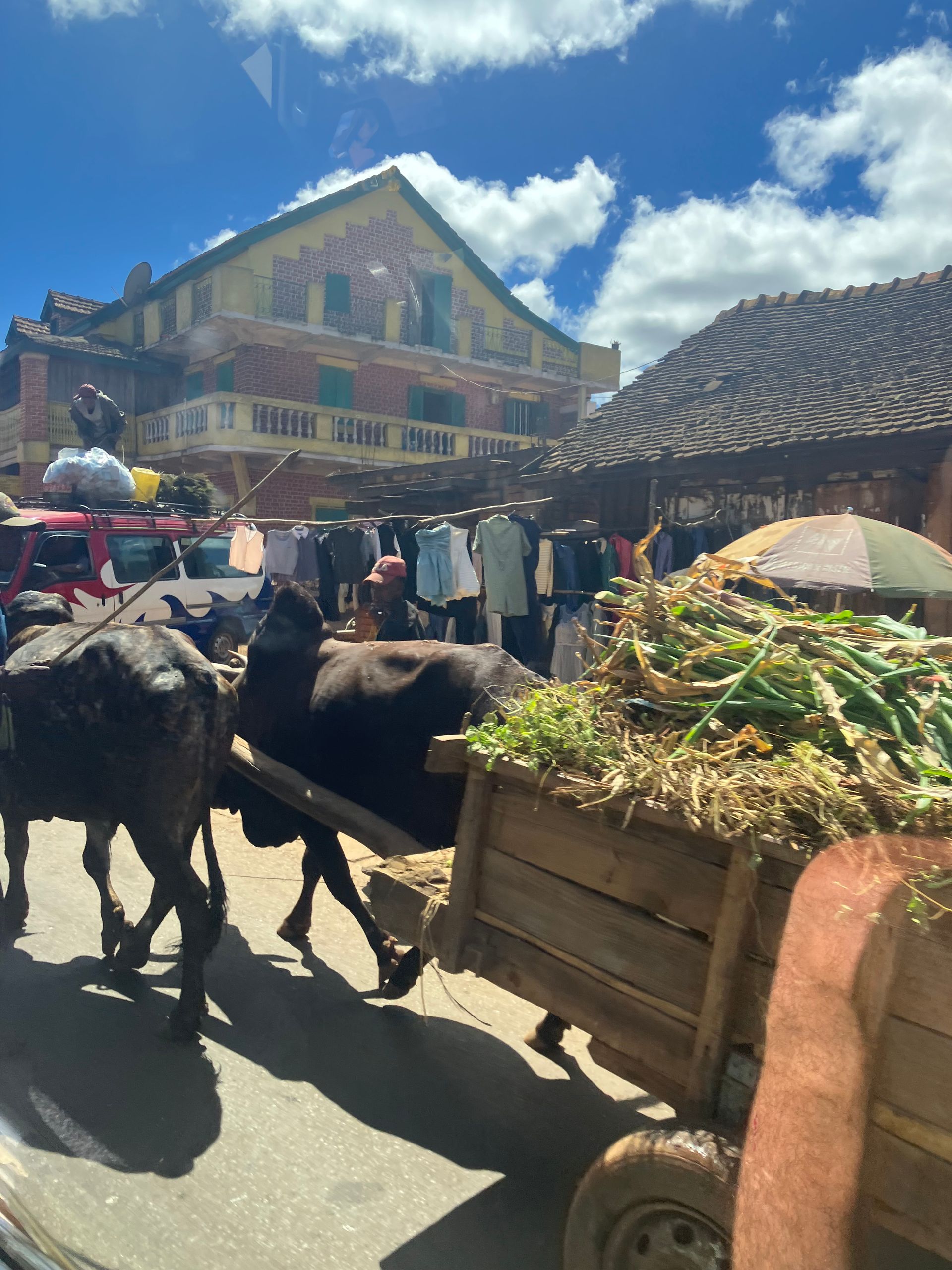
Traveling on Madagascar's rural roads reveals everyday life. Depending on the source, approximately 74% of the population relies on agriculture, mostly on a small-scale, subsistence basis. Transportation is often scarce. Many people carry goods on their heads or backs, while others use bicycles or oxcarts to transport their products over bumpy roads.
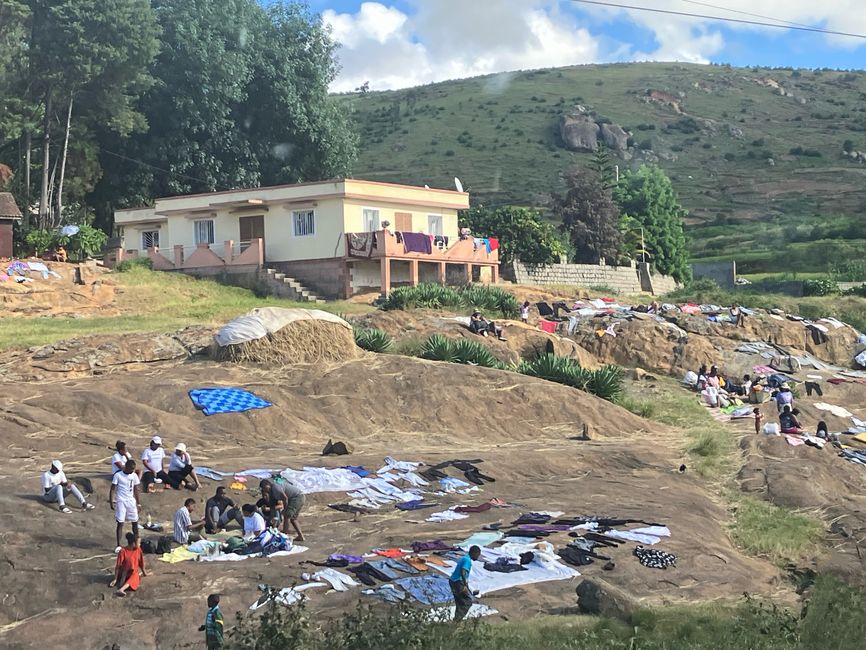
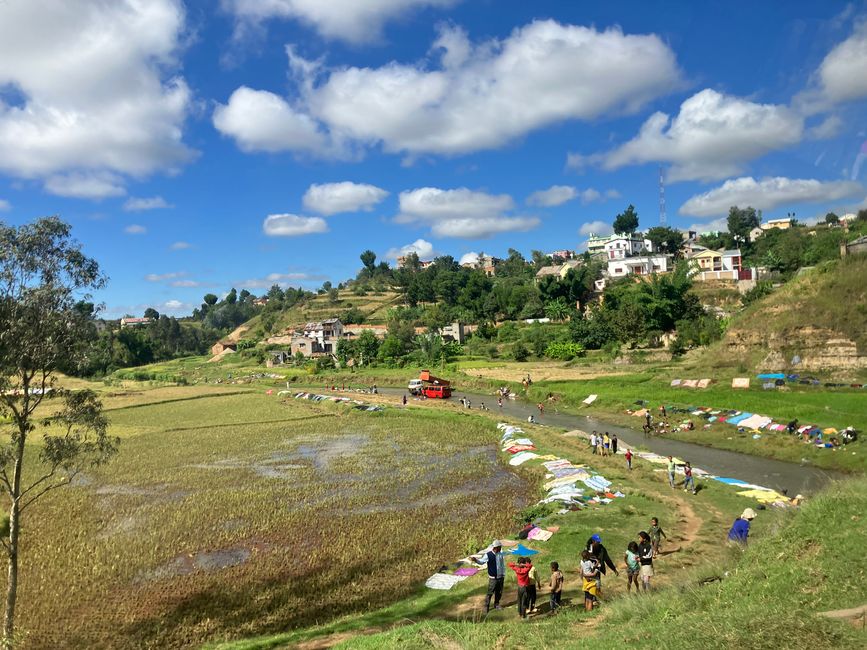
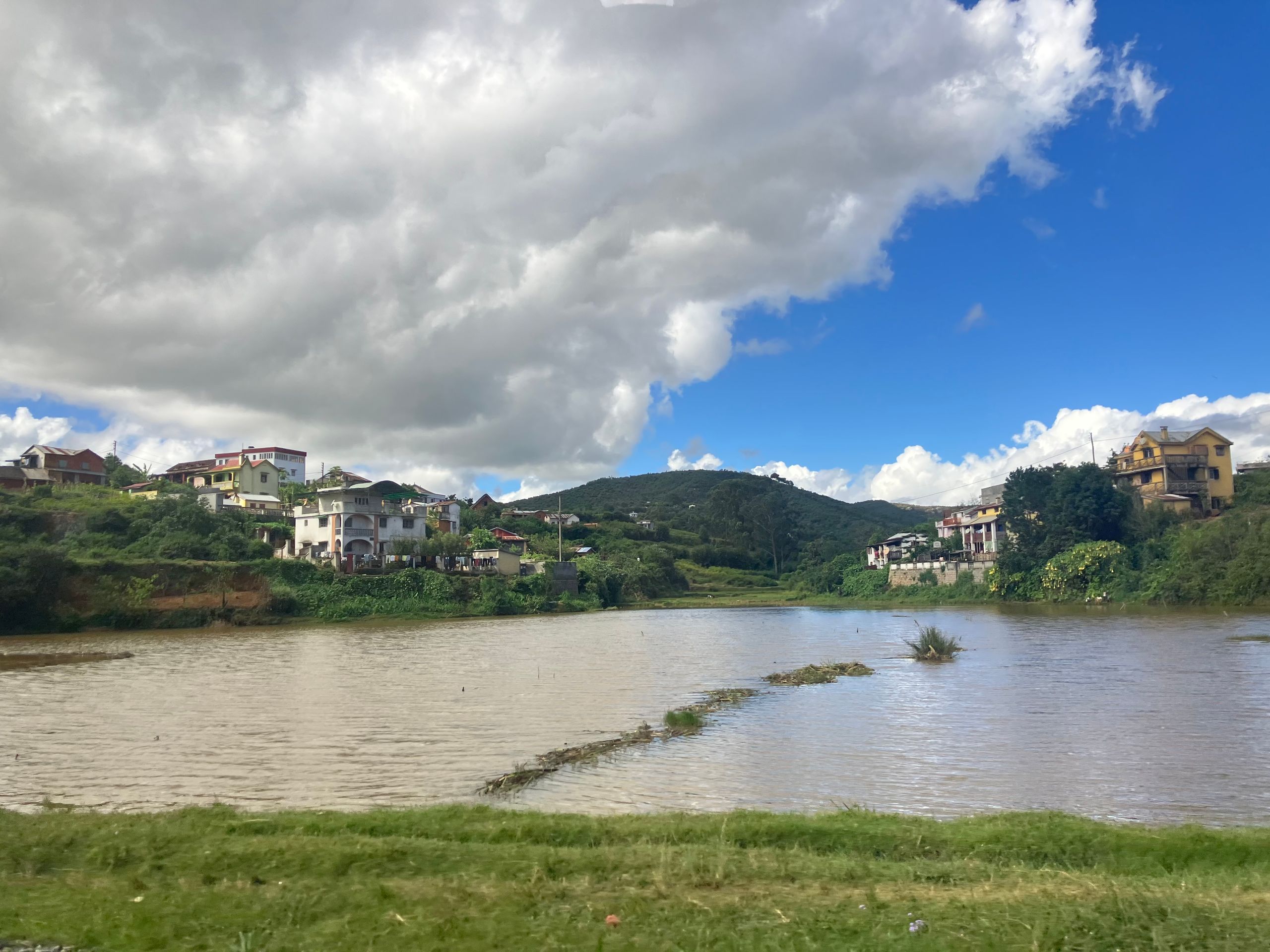
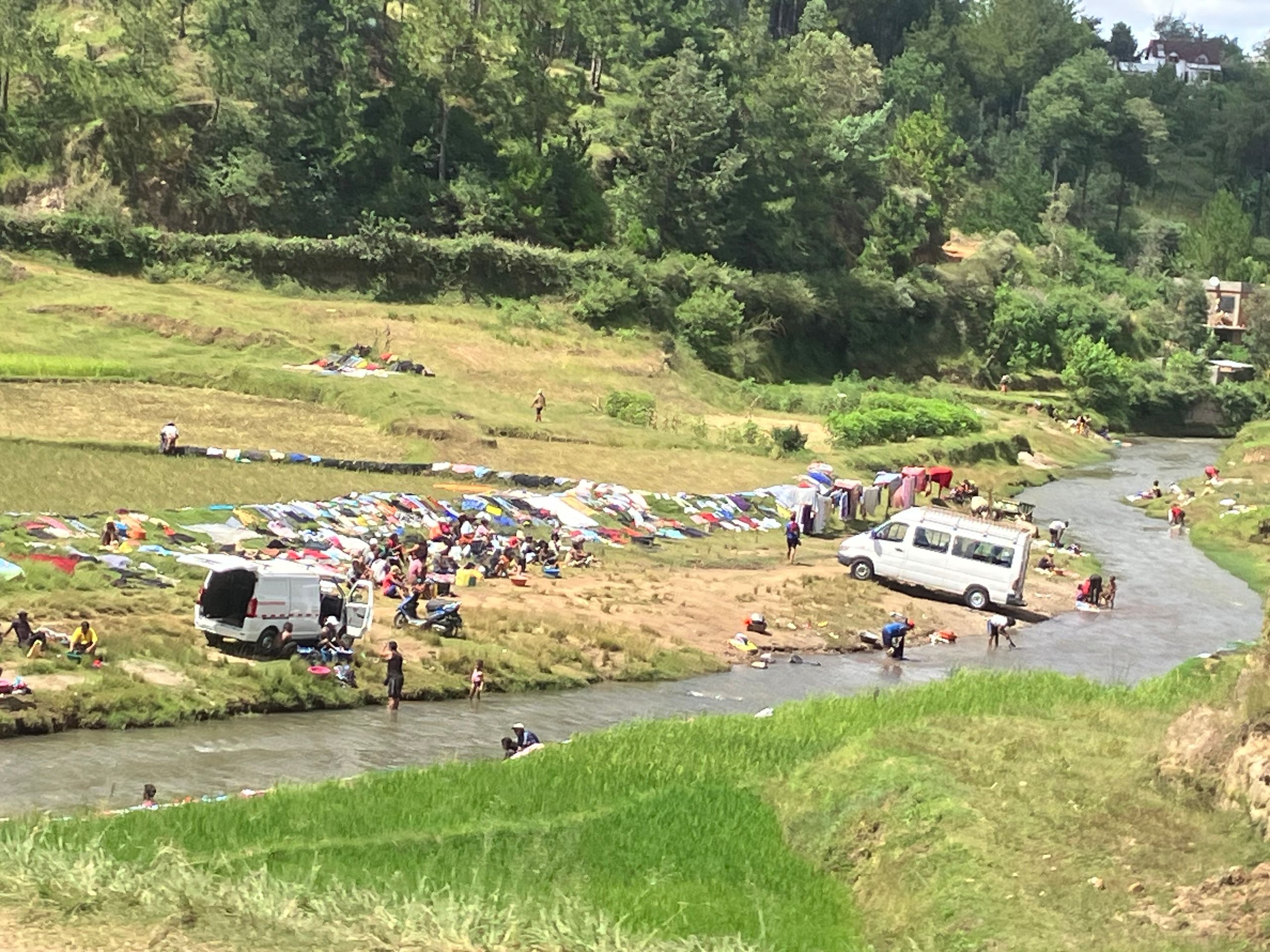
Another common sight: women washing their clothes by hand at the river and laying them out to dry, preferably on warm stones.
After several hours, we finally arrived back in Tana. The next day we continued south to Ranomafana National Park.