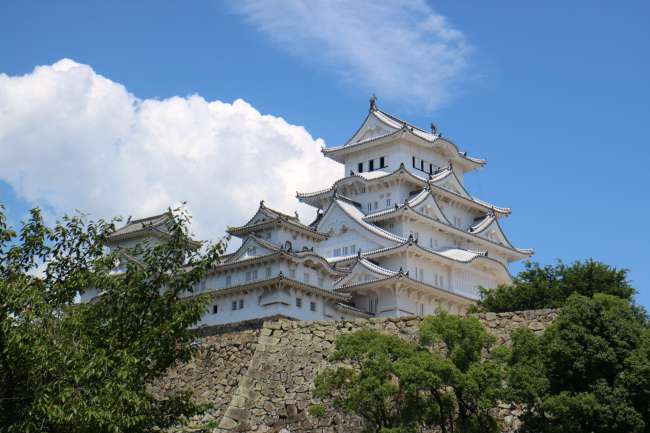
Japanese faces 🙂
We see faces überall in Japan 🥰 Danke Carola für deinen Besuch, die vielen wunderbaren Gesichter und die tolle Zeit !

Published: 15.07.2026
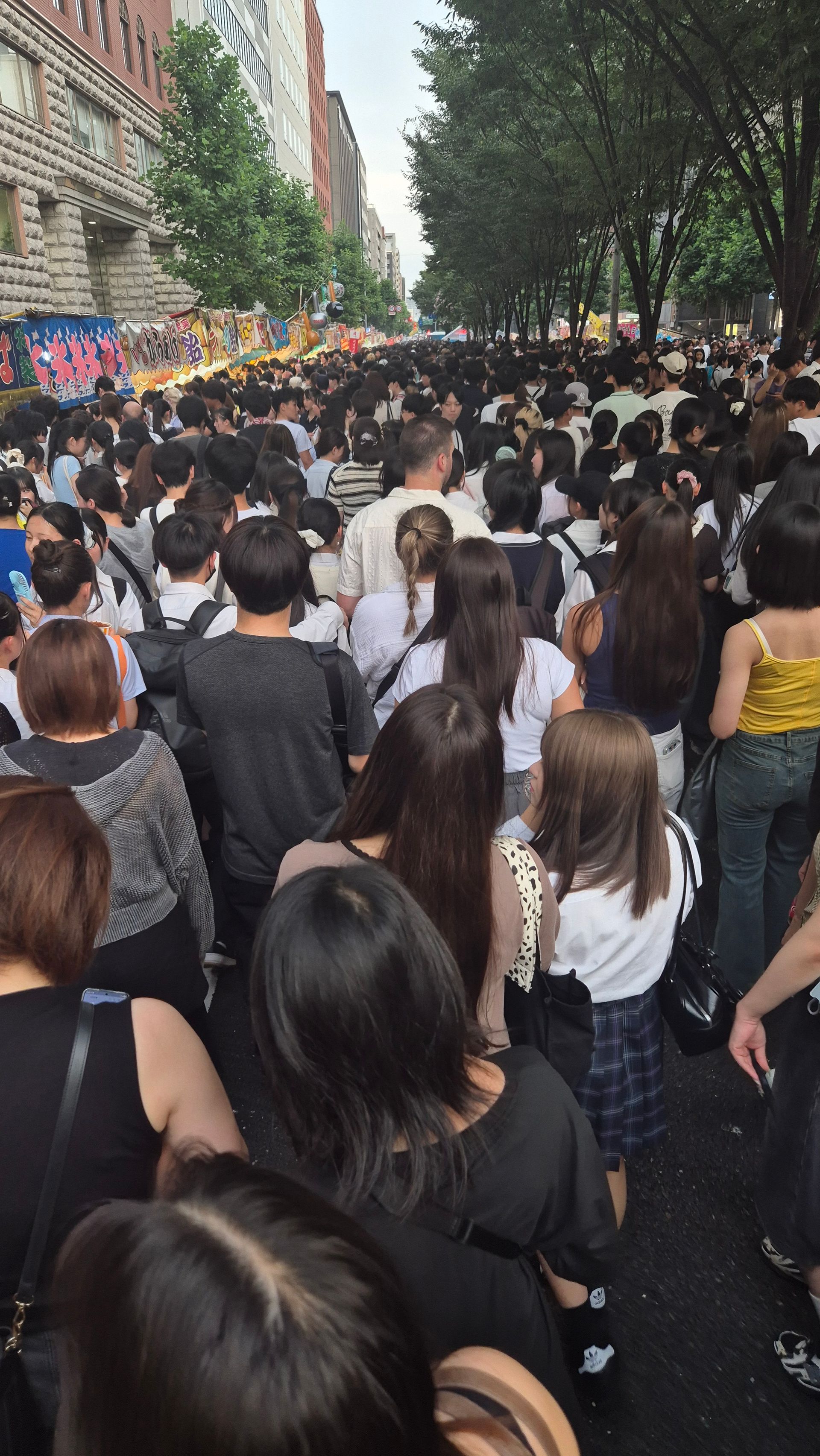
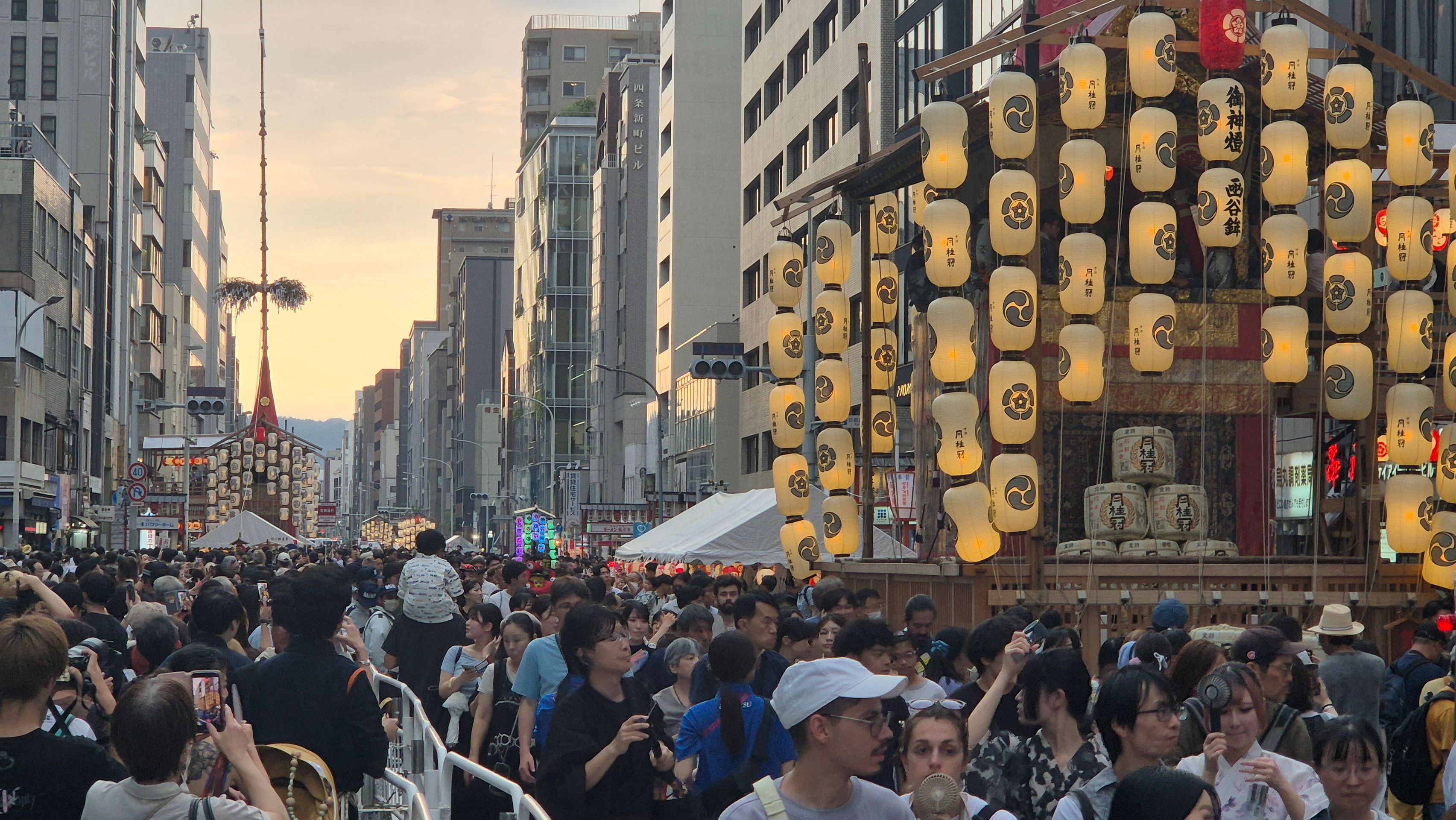
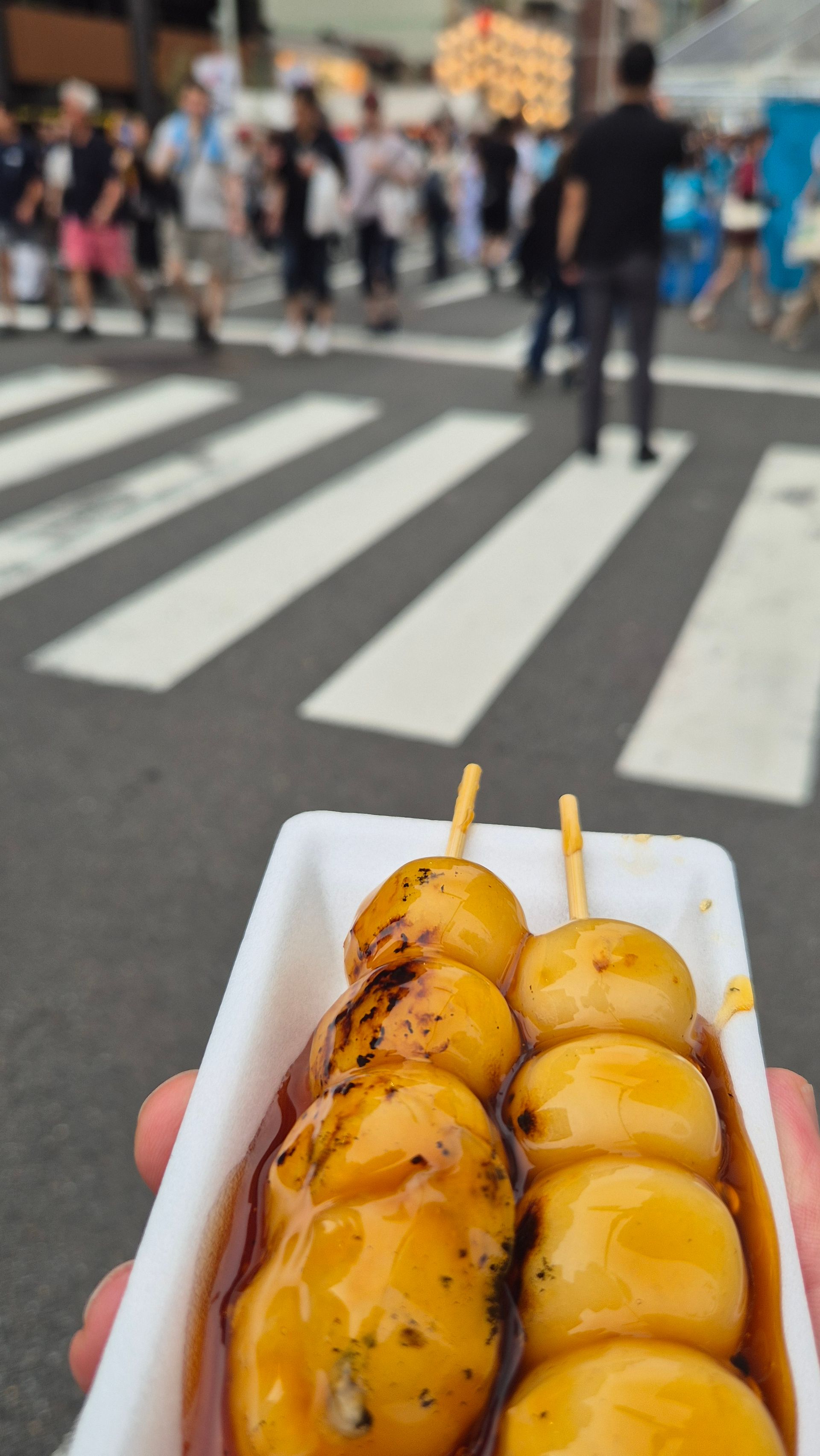
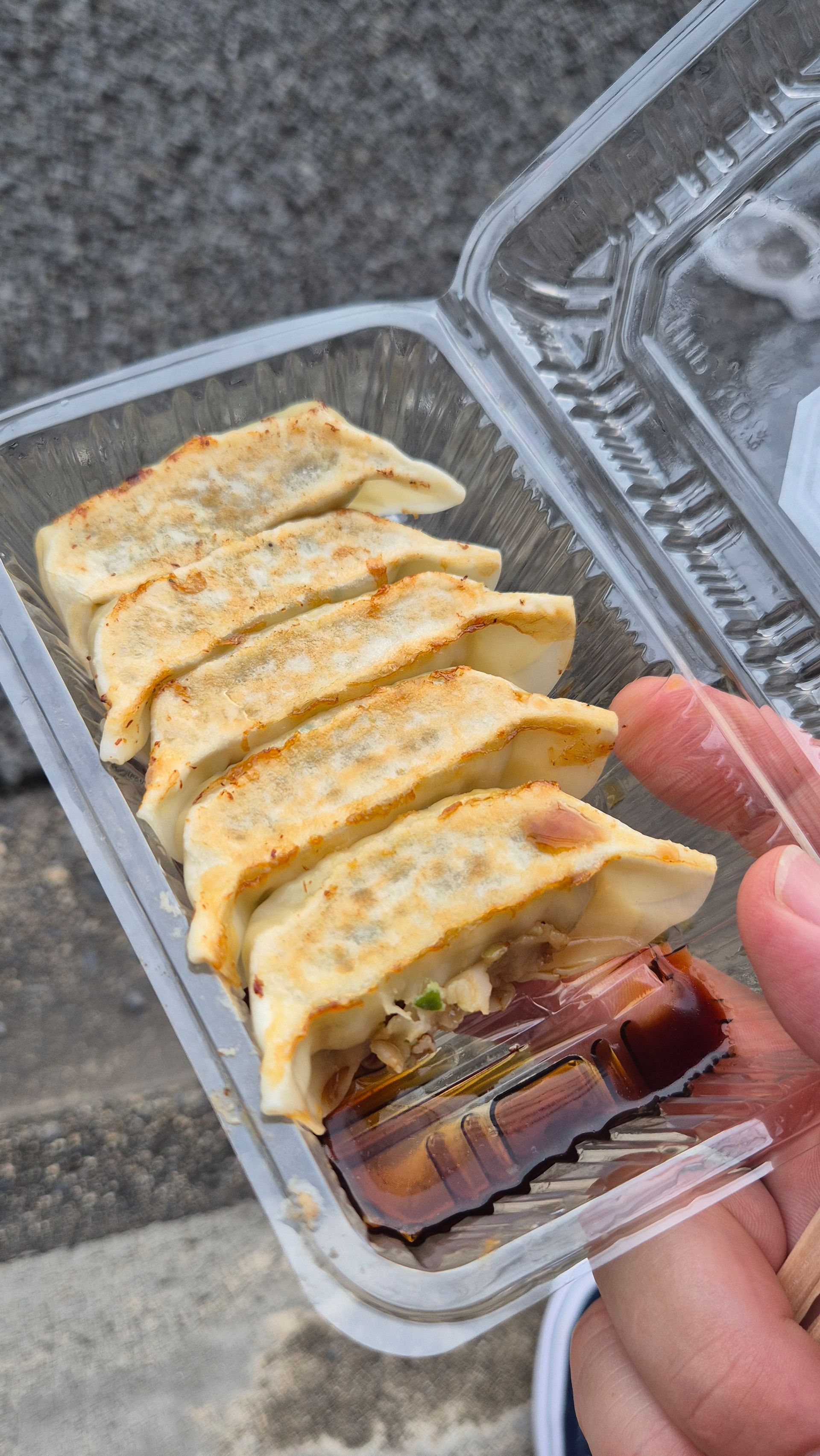
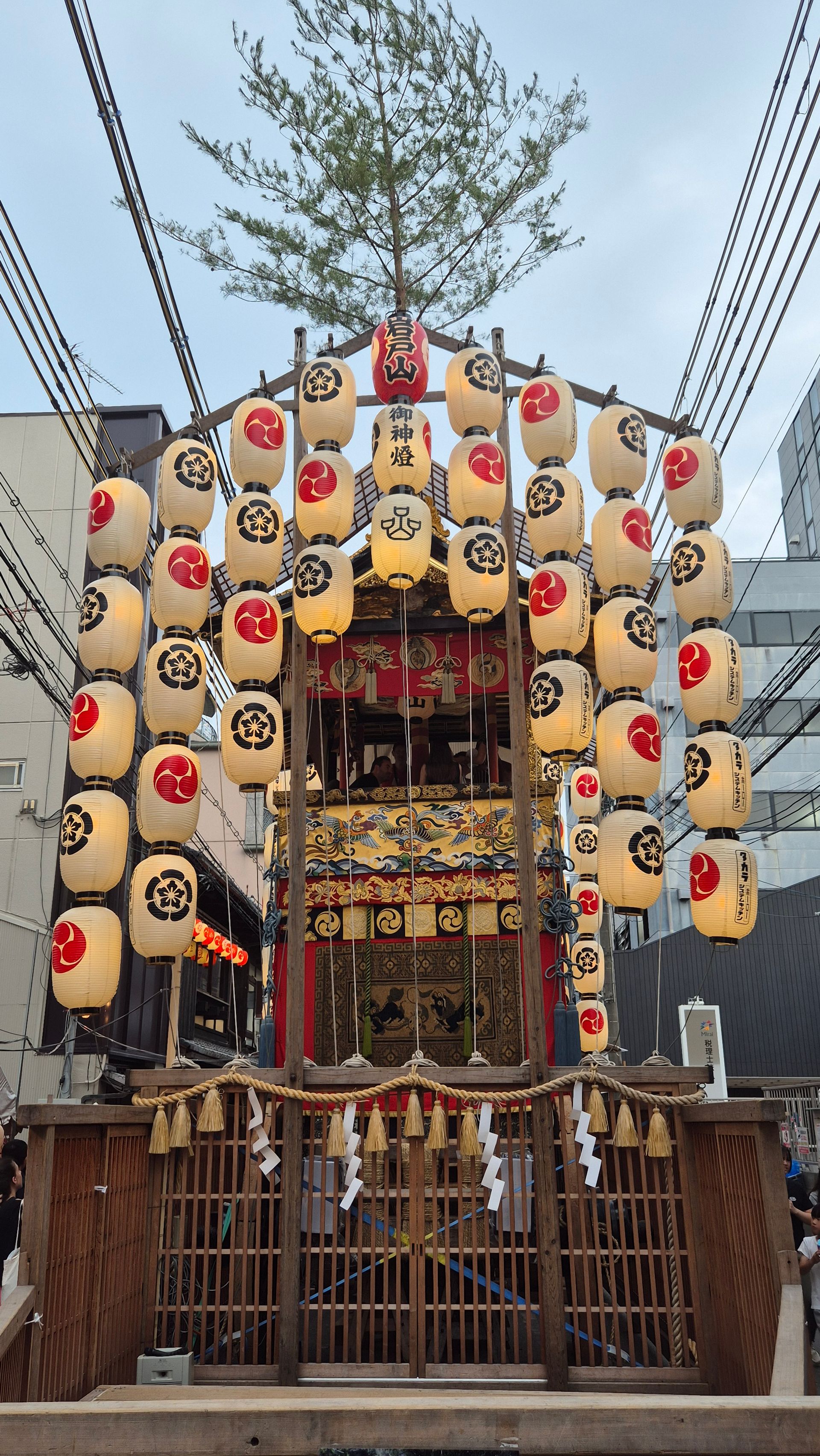
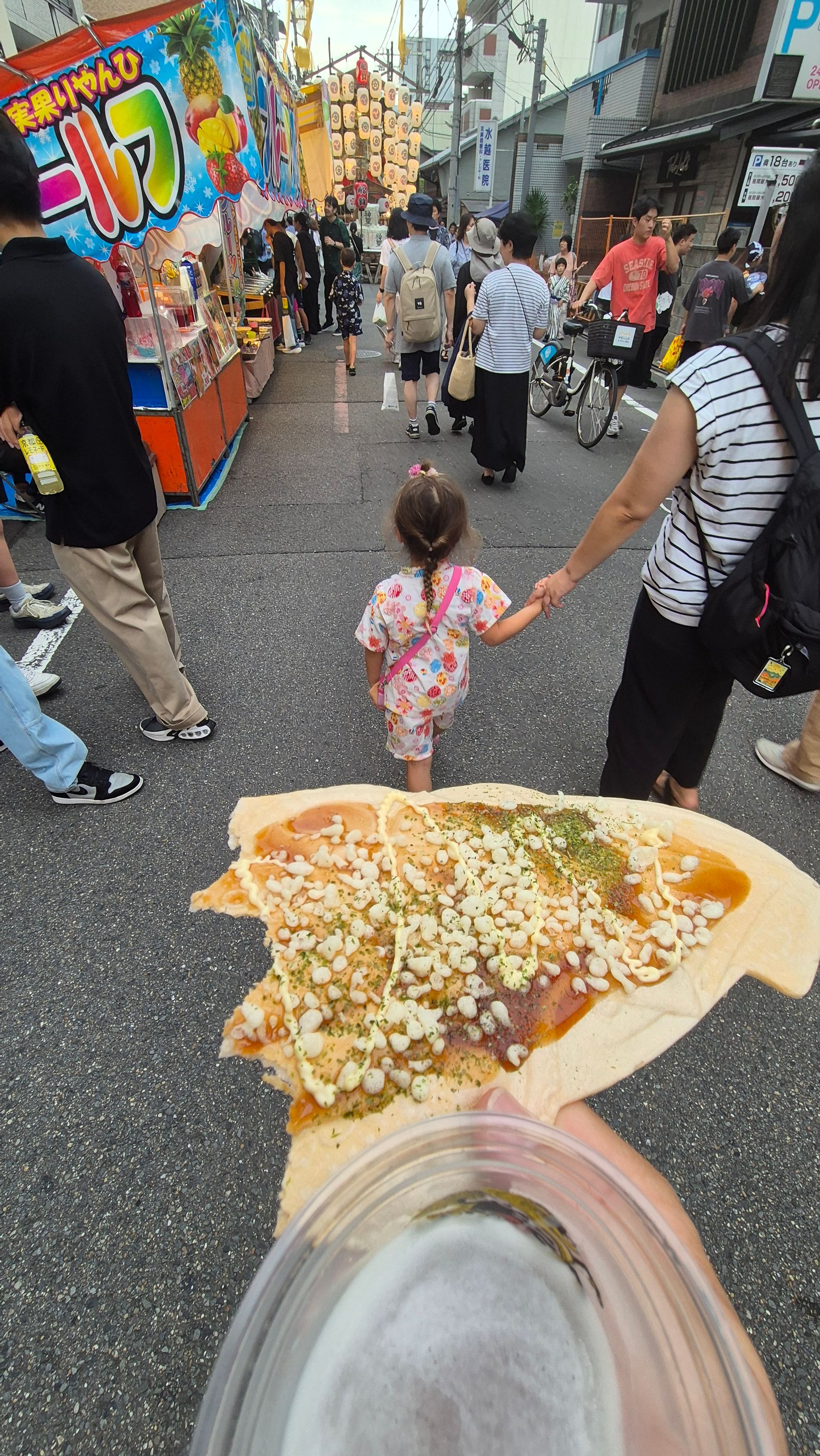
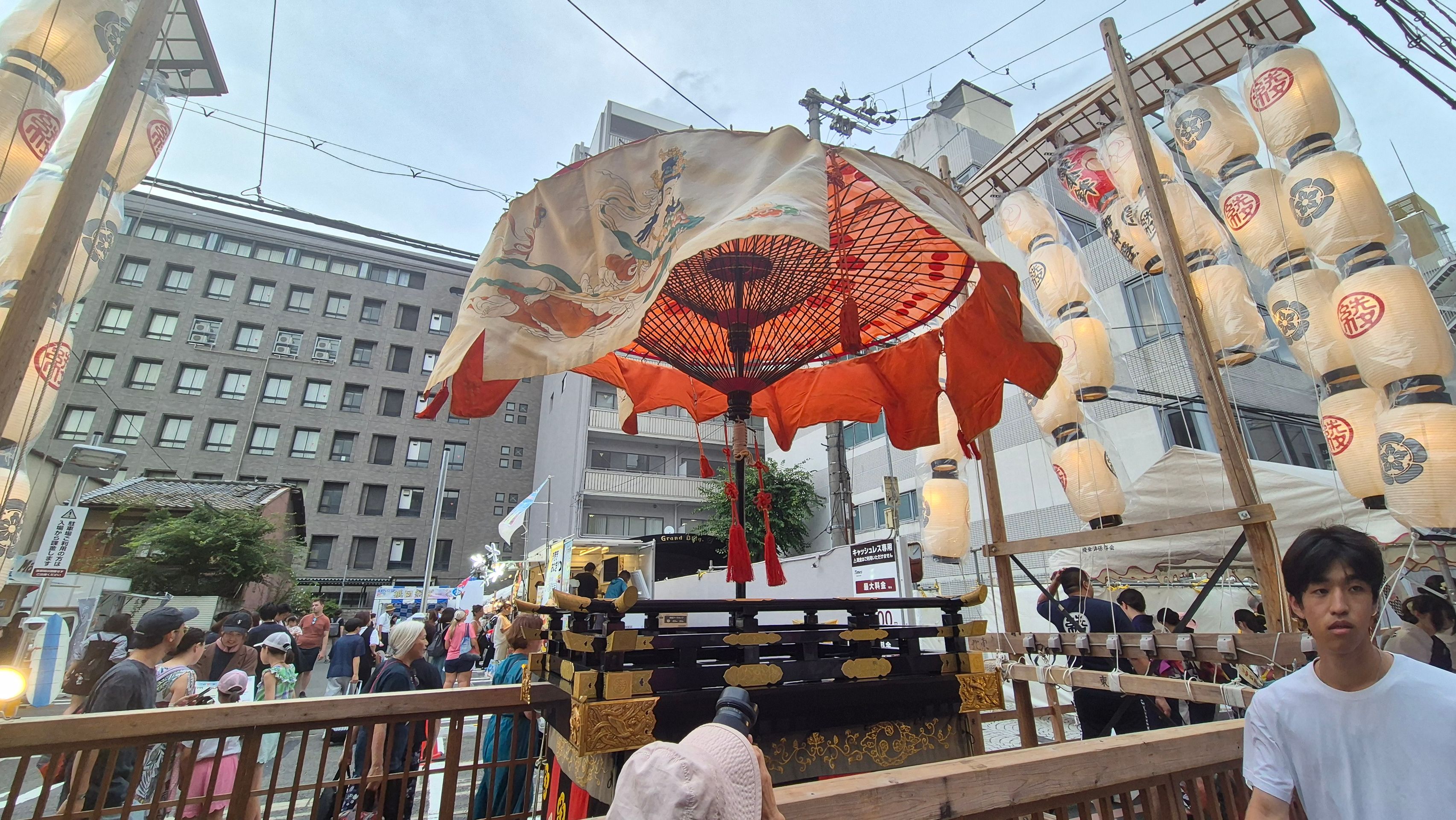
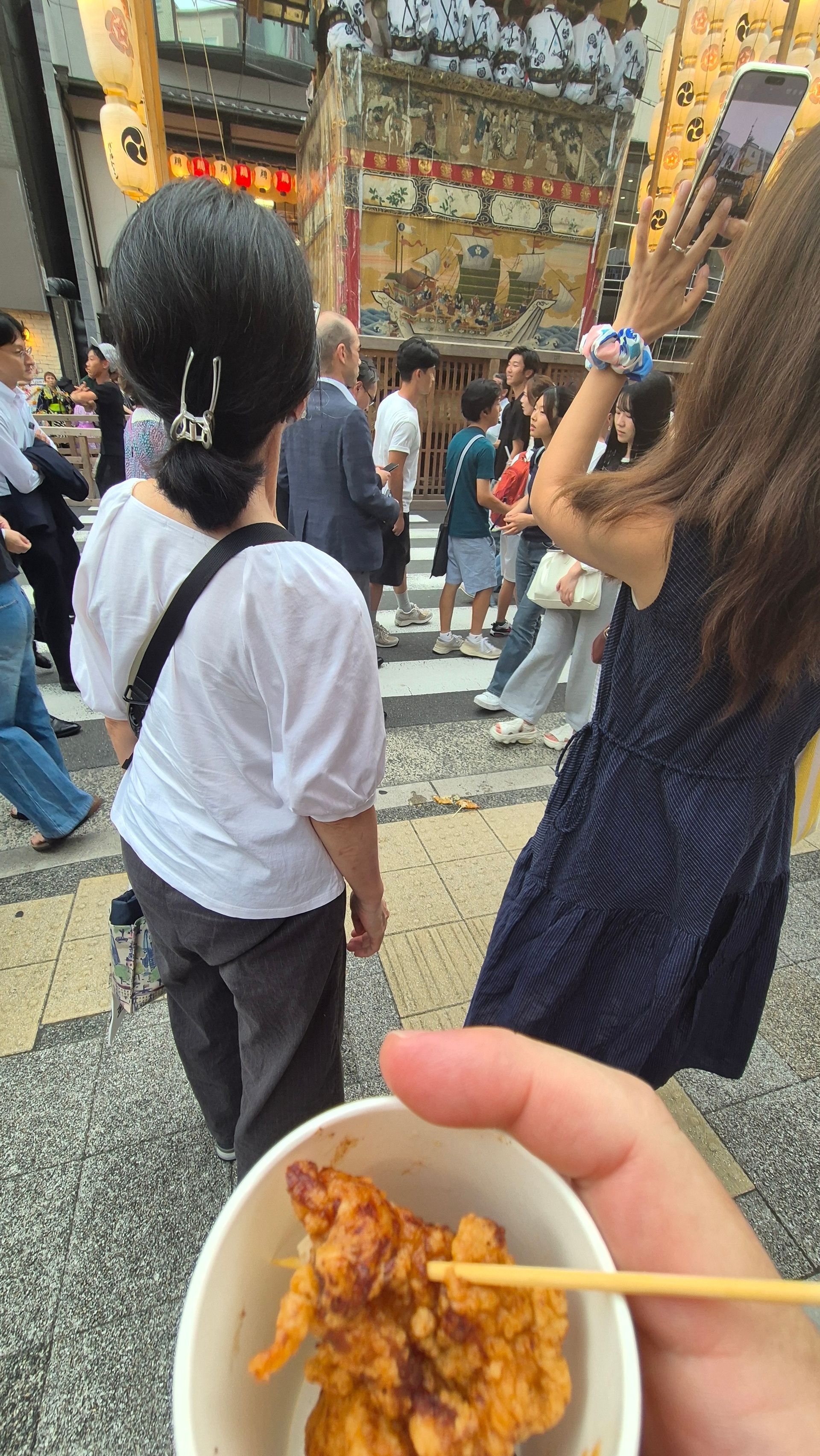
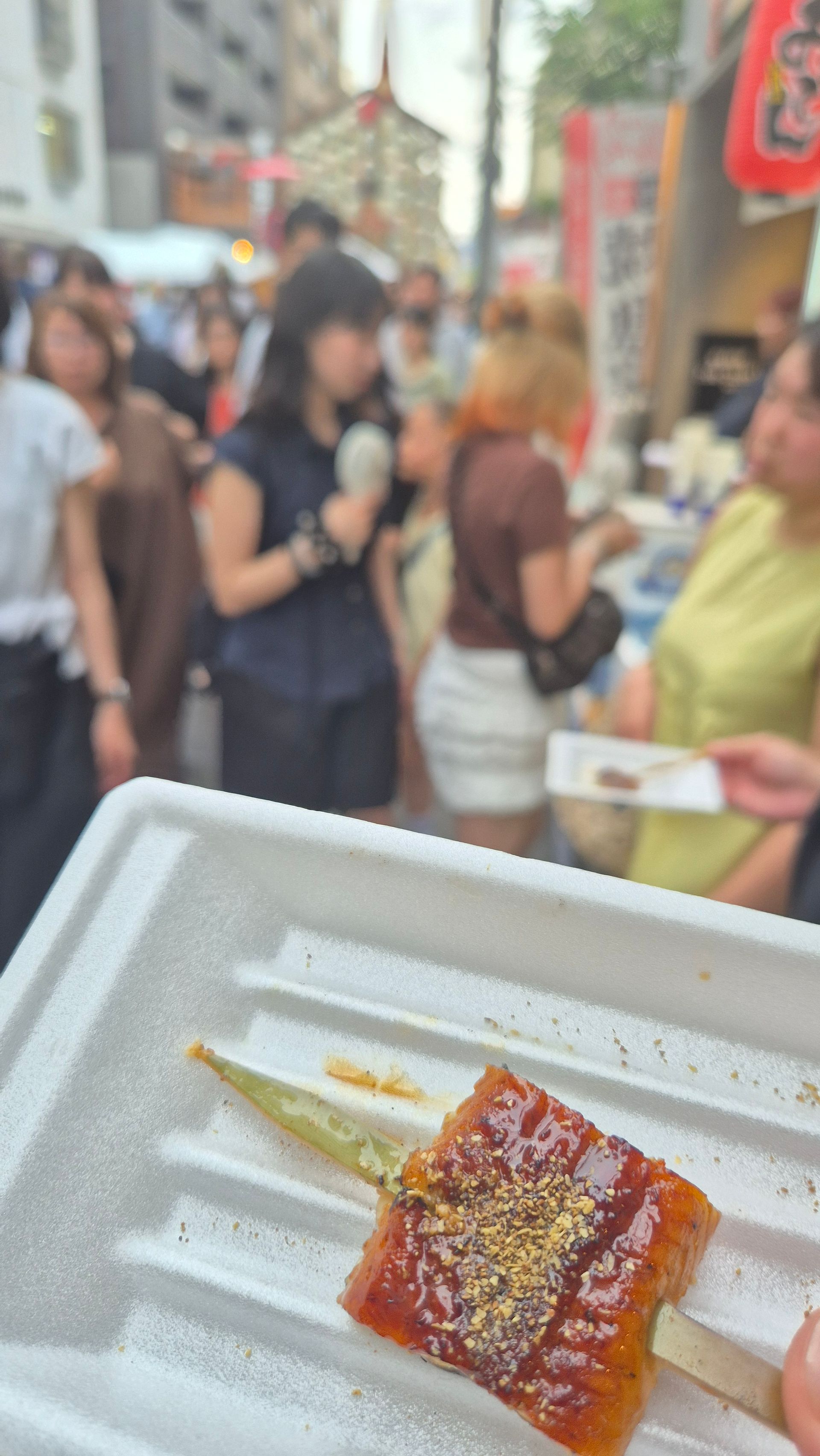
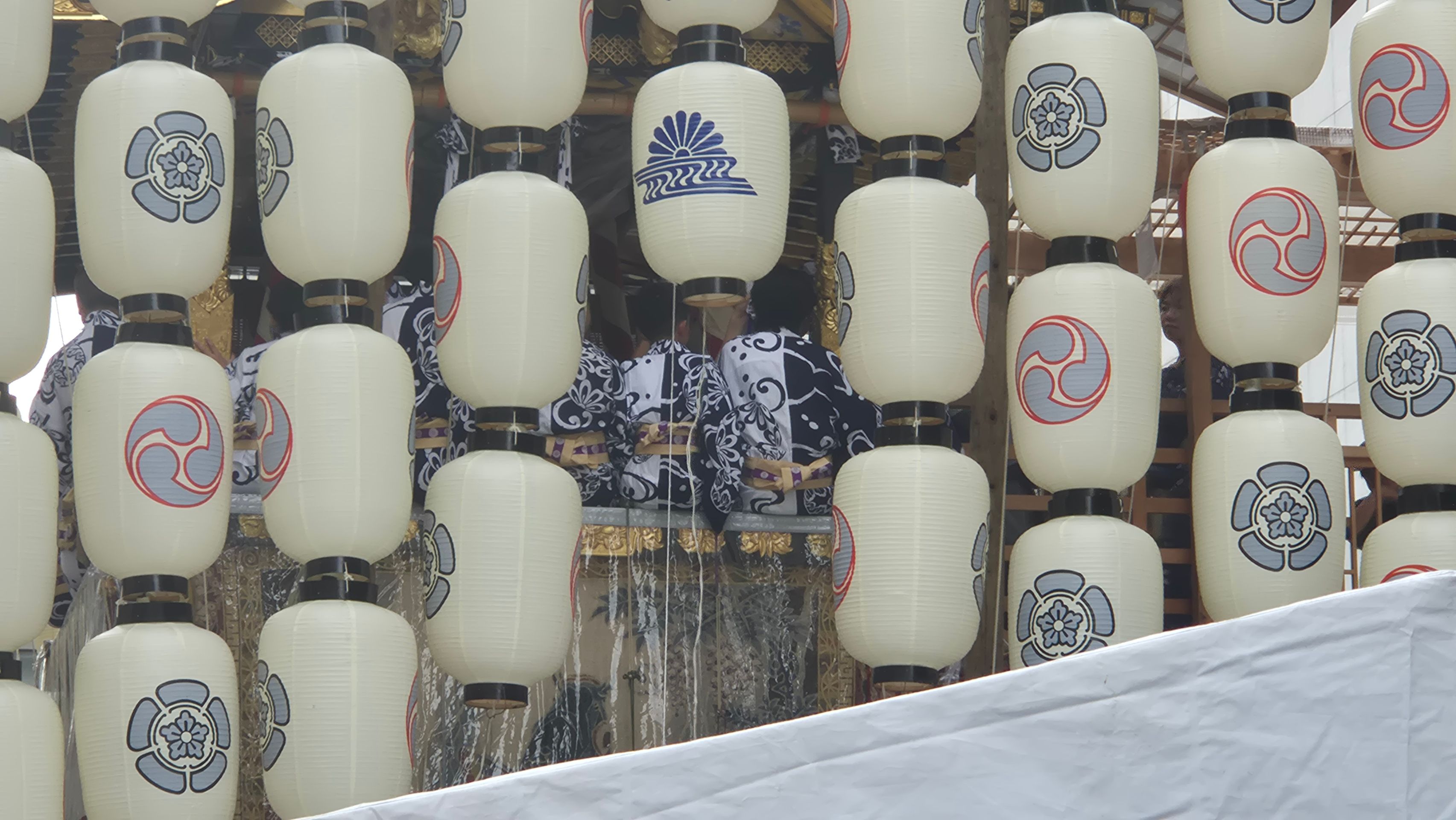
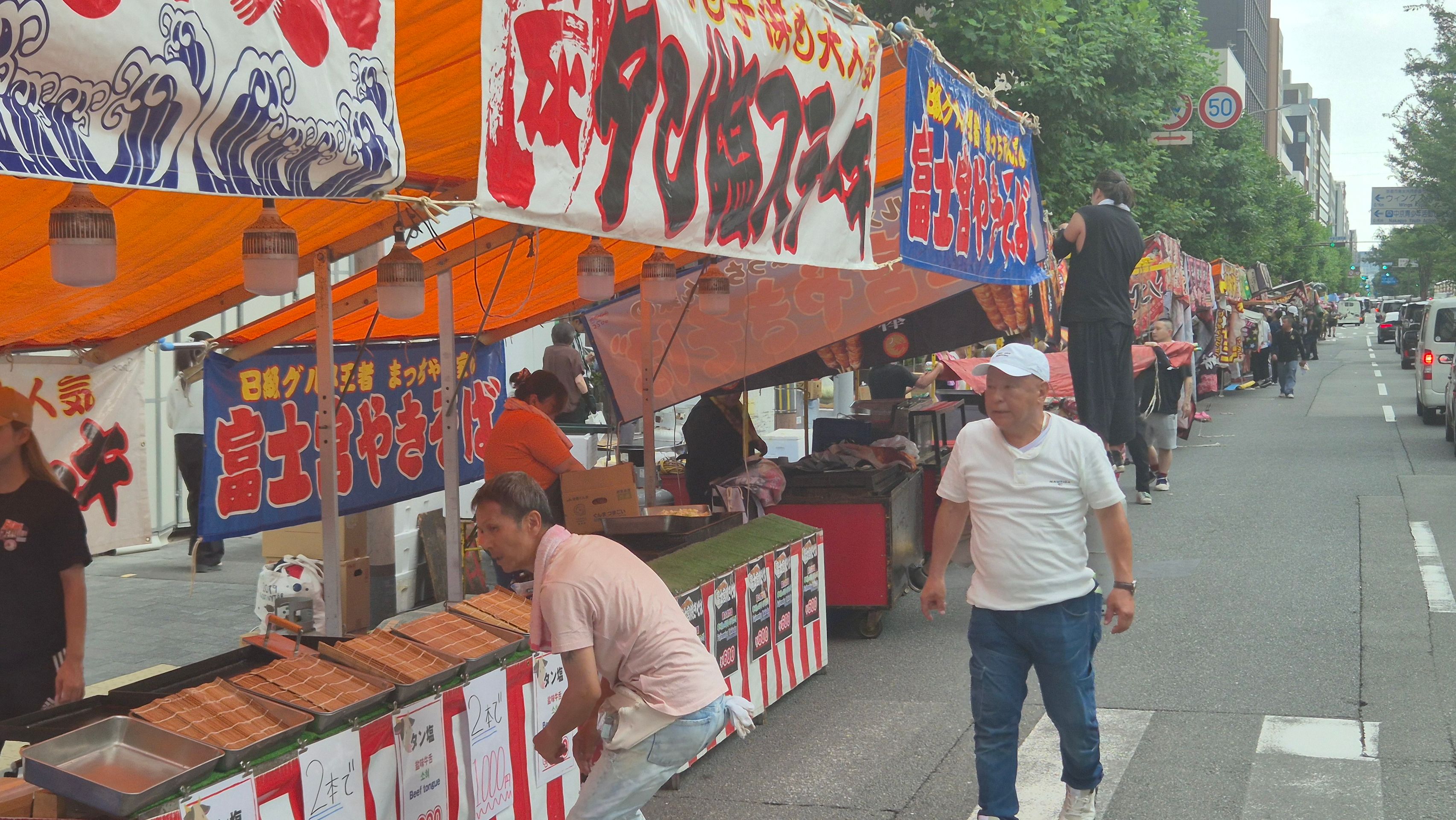
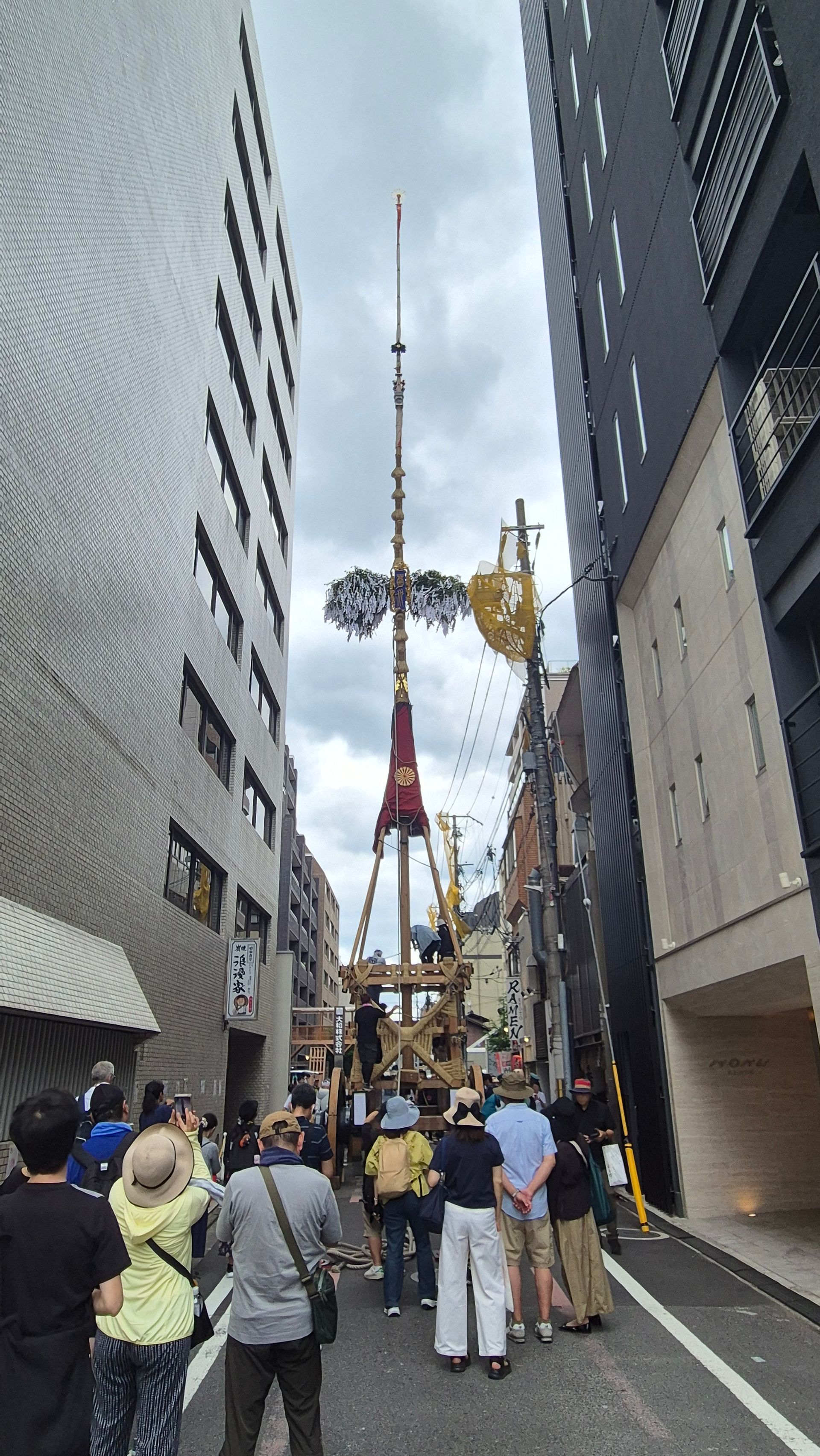
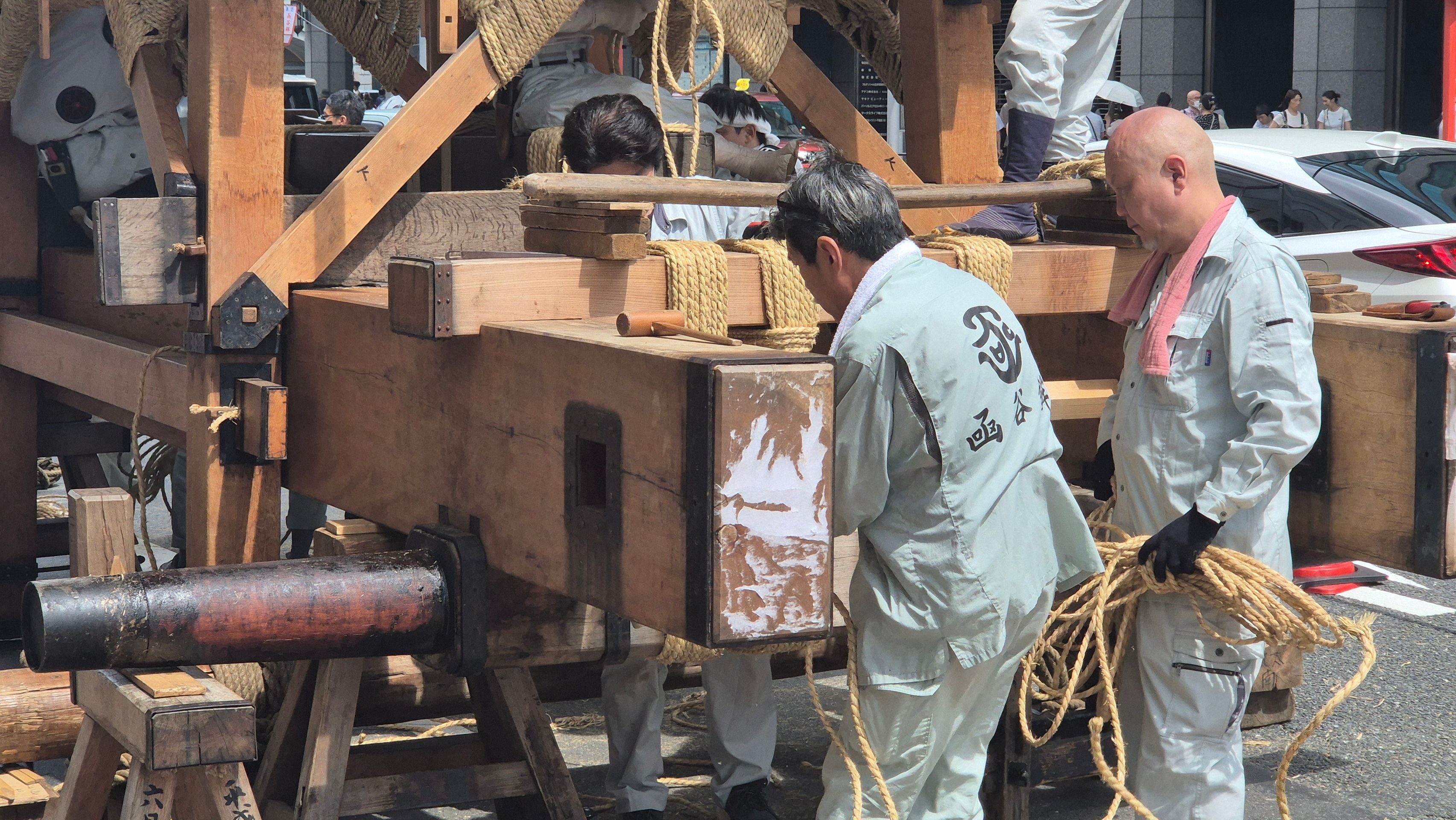
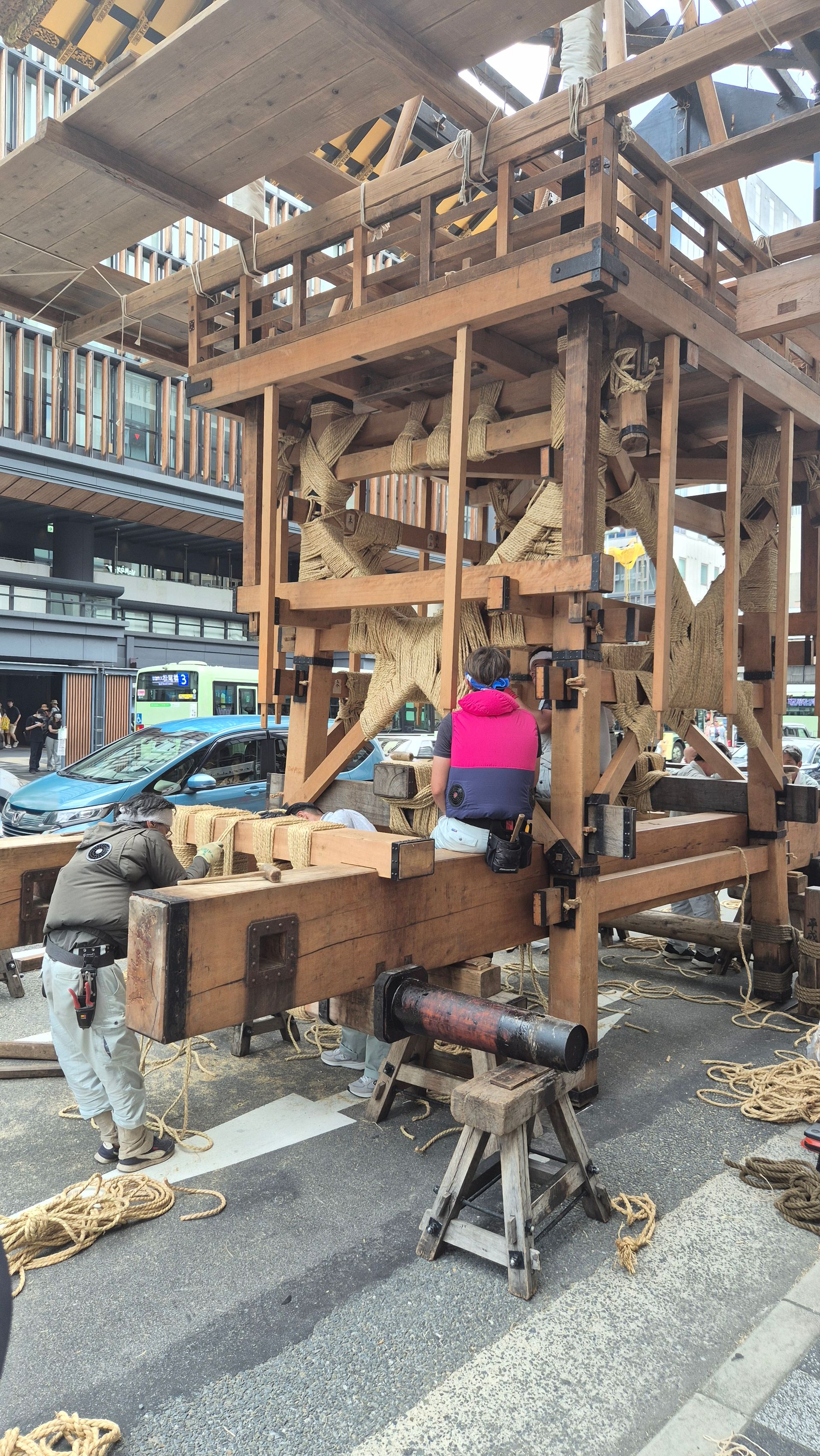
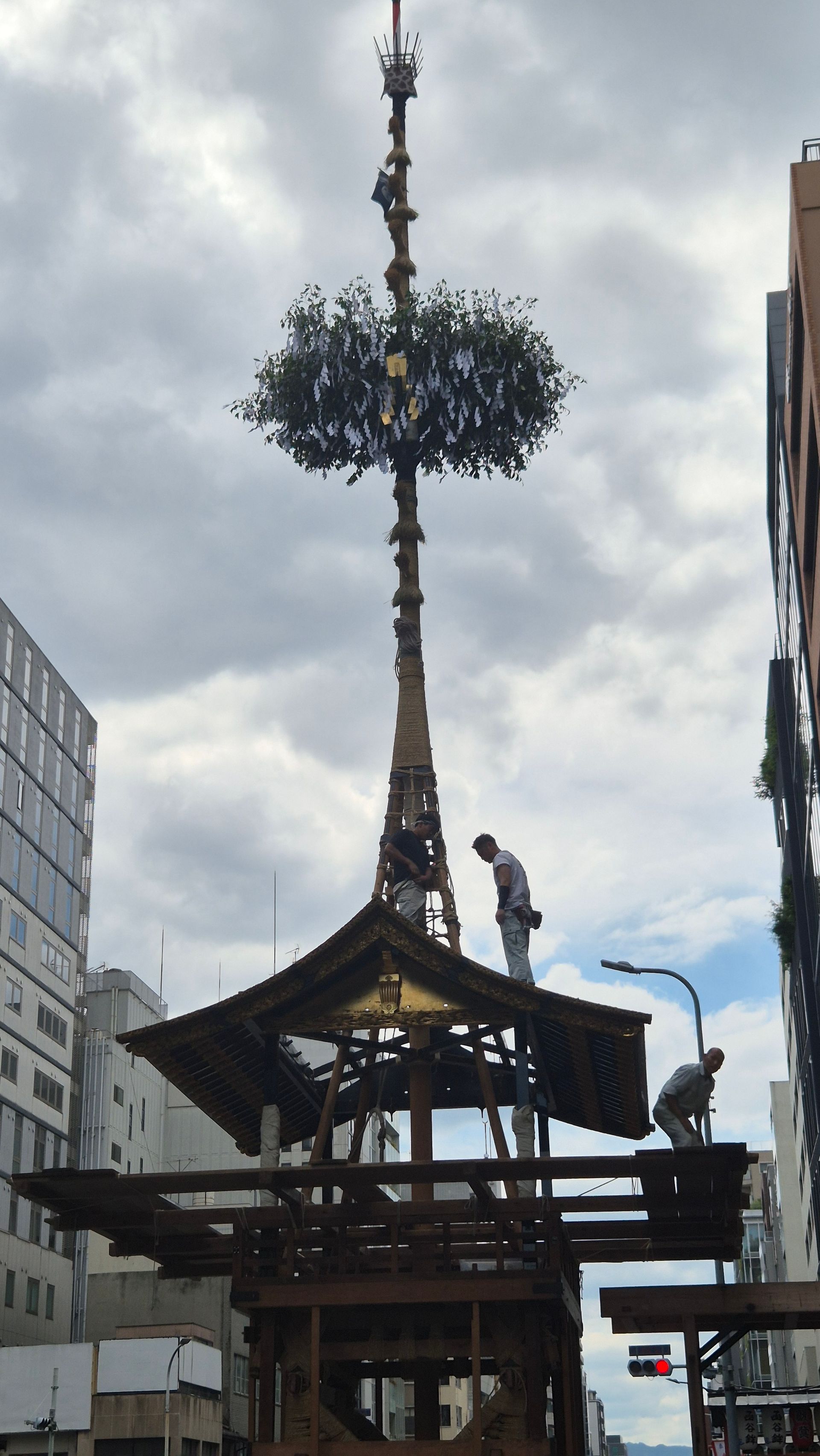
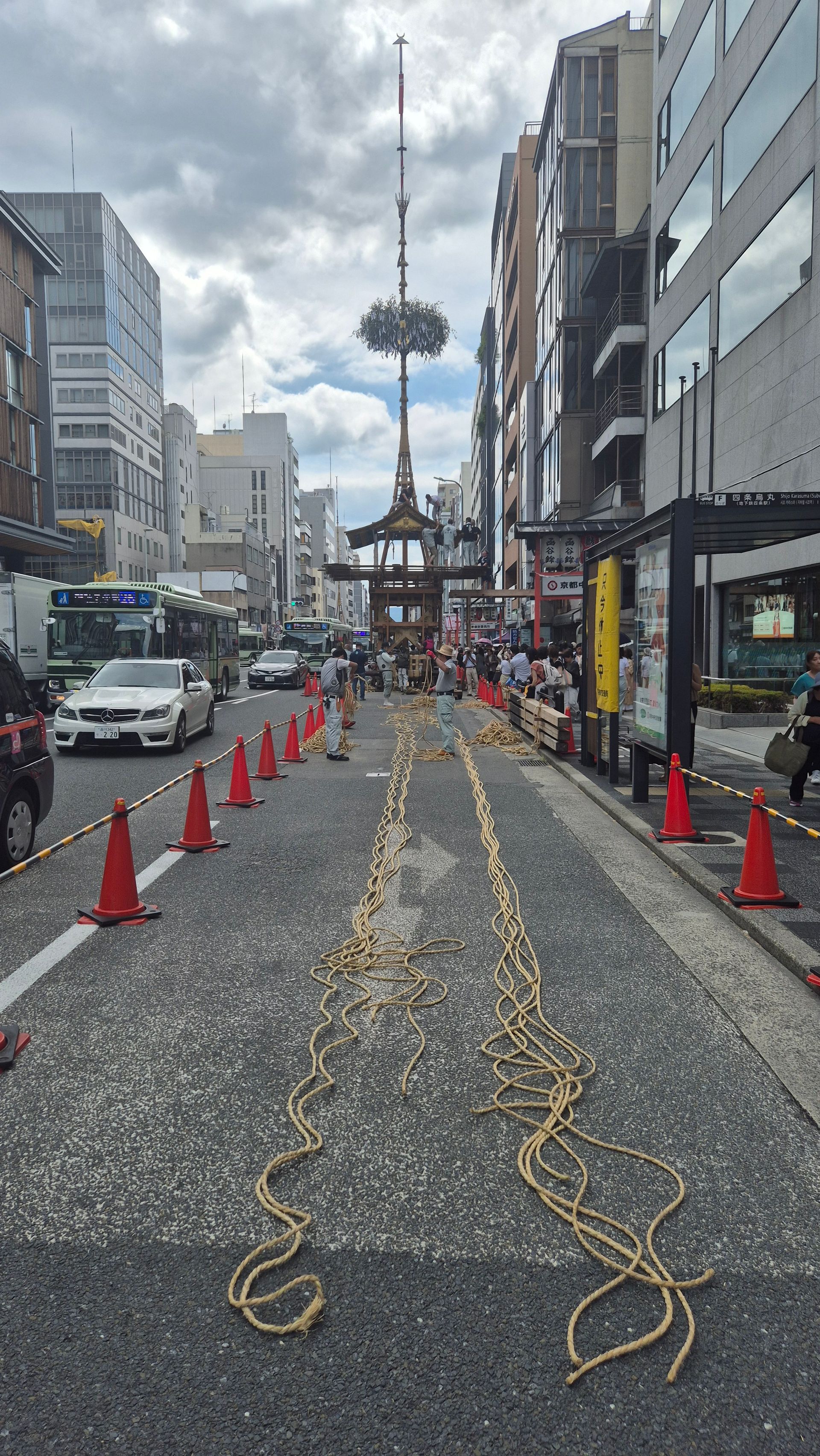
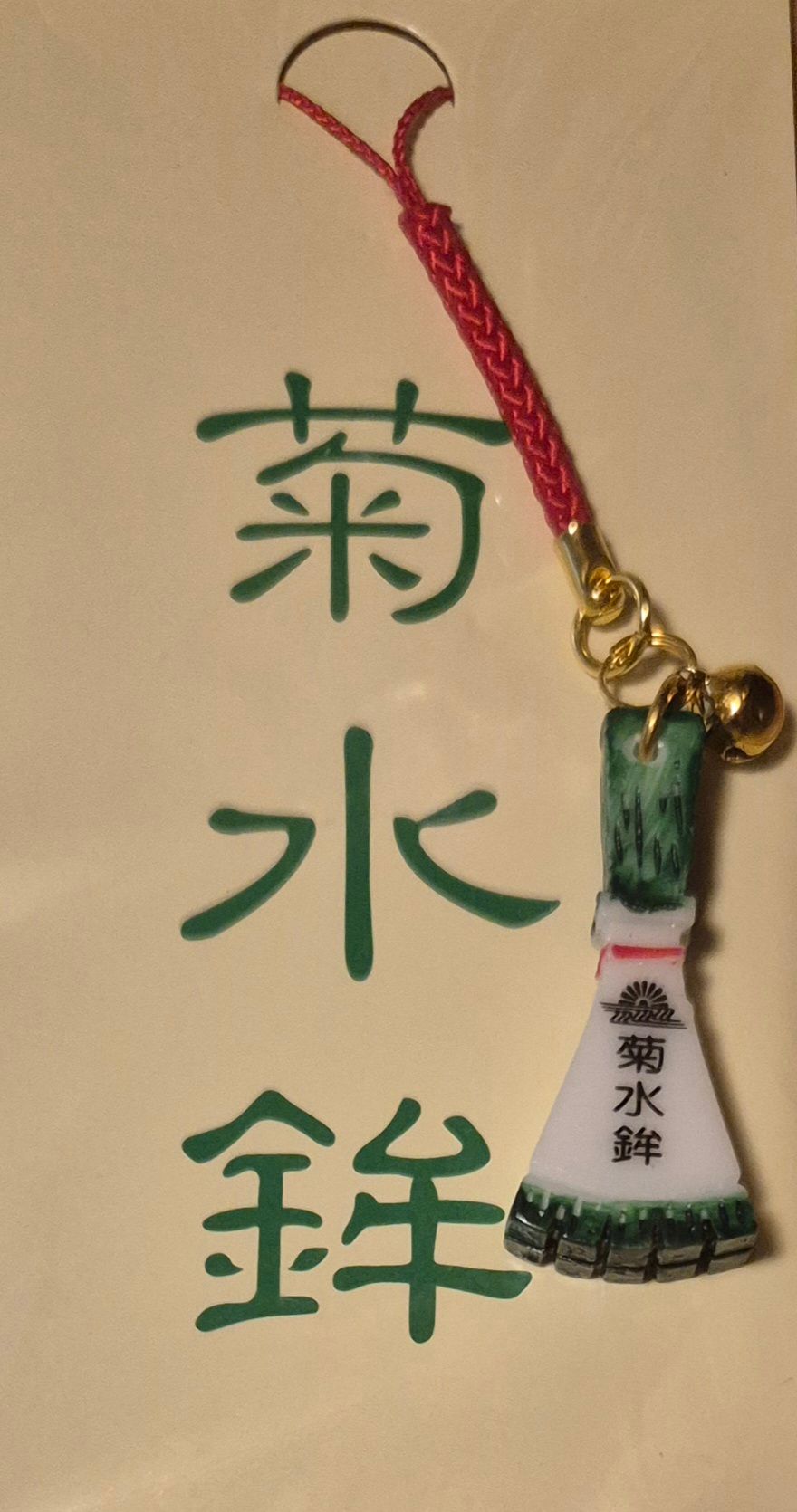
The Gion Matsuri originated in 869 as a religious purification ritual (goryo-e) to stop a devastating plague. Kyoto's citizens erected 66 halberds—one for each province of old Japan—at Shinsen-en garden to appease the spirits causing the epidemic. Today, it has evolved into a month-long celebration of Kyoto's enduring cultural heritage, merchant history, and traditional craftsmanship.
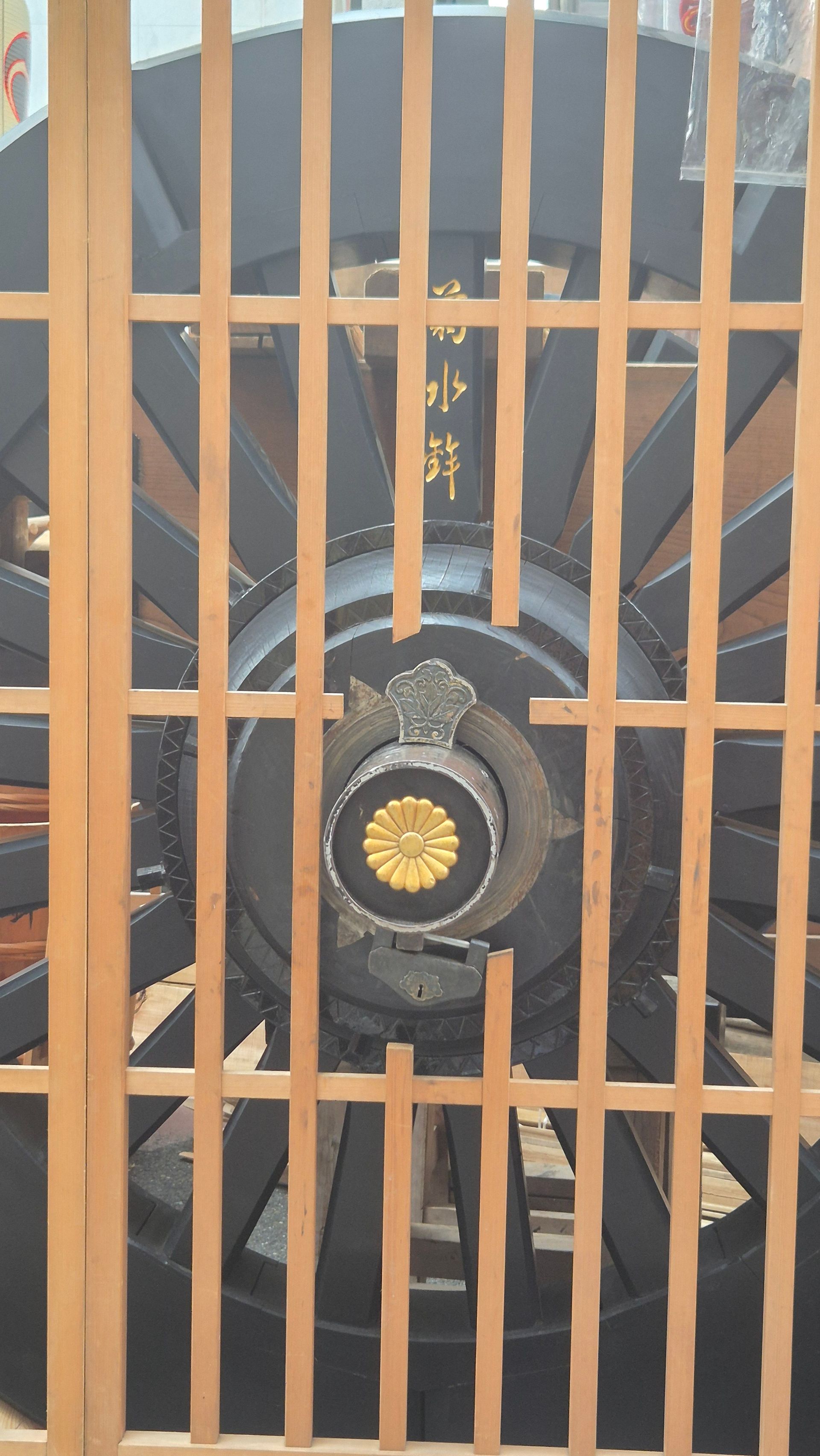
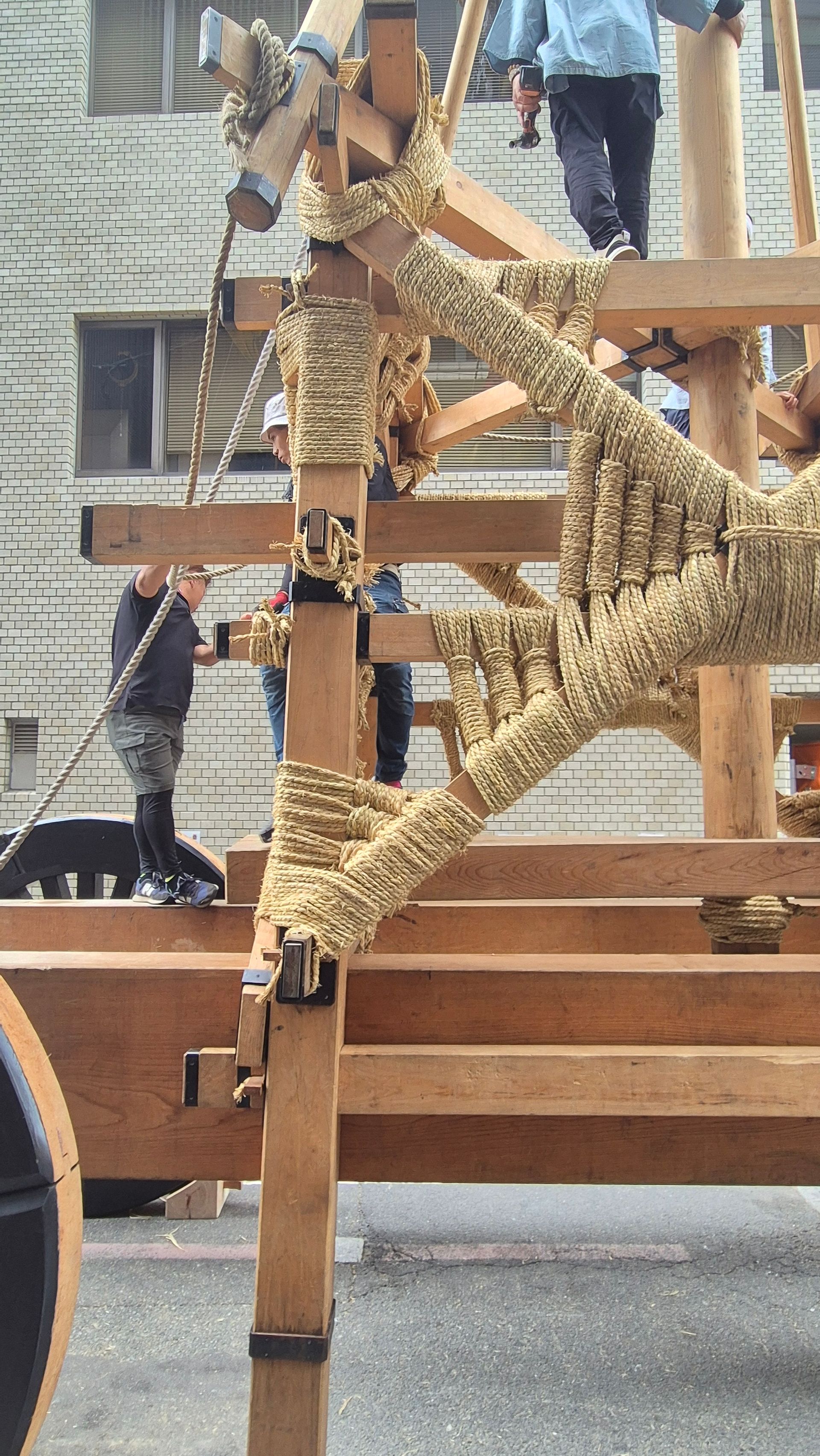
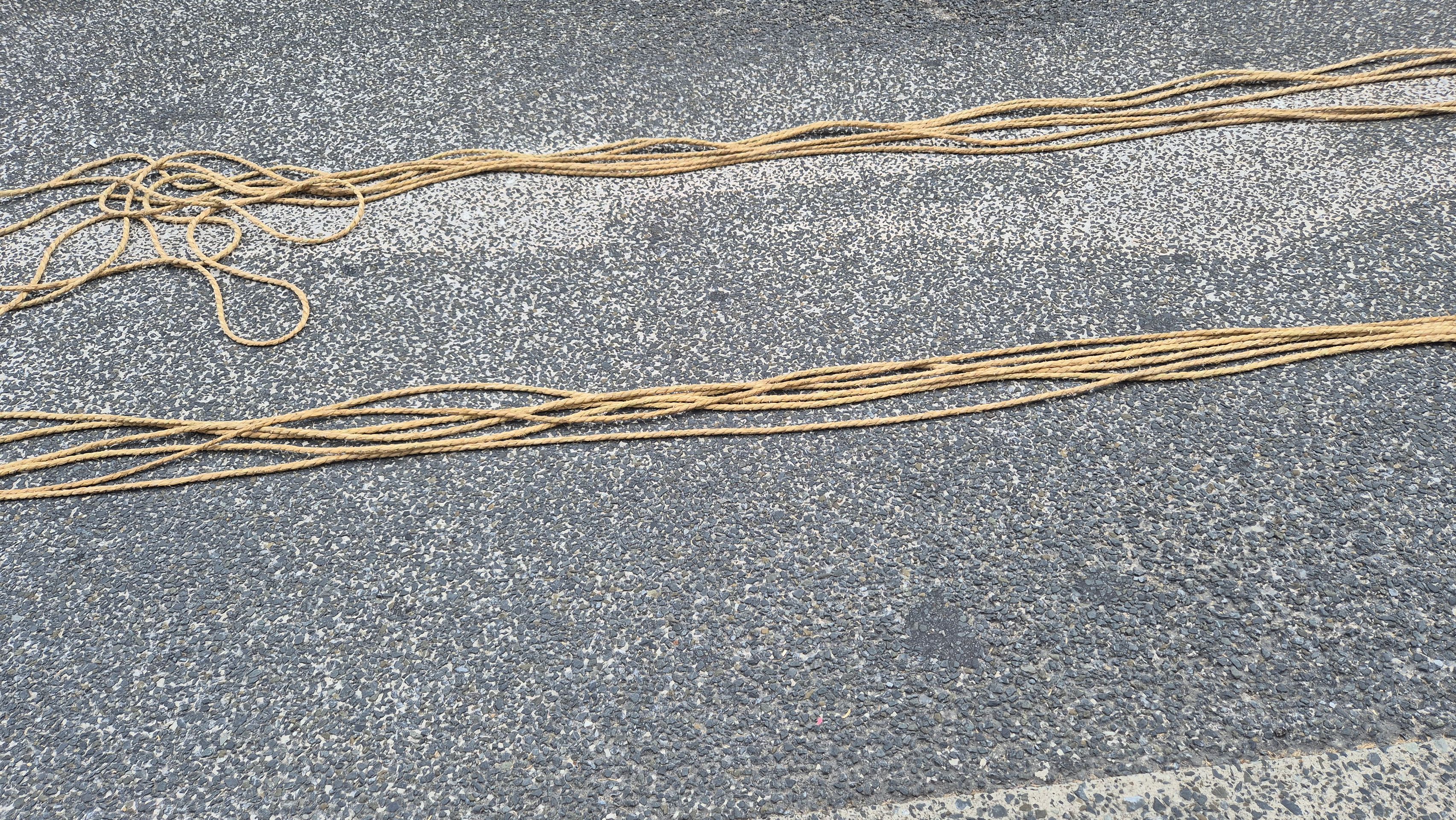
The massive Hoko floats are designated as UNESCO Intangible Cultural Heritage. They are decorated with historic, multi-million-dollar global textiles, earning them the nickname "moving museums."Built Without Nails: The towering wooden floats, some weighing up to 12 tons and reaching 25 meters high, are completely assembled and tied together using only complex rope-weaving techniques (nawa-garami), allowing the wood to flex without breaking during the rough ride.
The 150-Year Revival: The Ato-Matsuri (latter festival parade on July 24) was actually discontinued in 1966 to accommodate modern traffic. However, to preserve authentic cultural traditions, local organizers successfully revived it in 2014.
Hidden Family Treasures: During the Yoiyama evenings (July 14–16), local residents and historic merchant families in the old kimono district open their private home entrances (machiya) to display priceless family heirlooms, painted screens, and kimonos to the public.
The Magical Chimaki: Festival-goers do not eat the chimaki sold here. Unlike the food item, these are sacred, hand-woven bamboo leaf amulets hung above front doors to ward off illness and bad luck for the upcoming year.