
EAA 2026
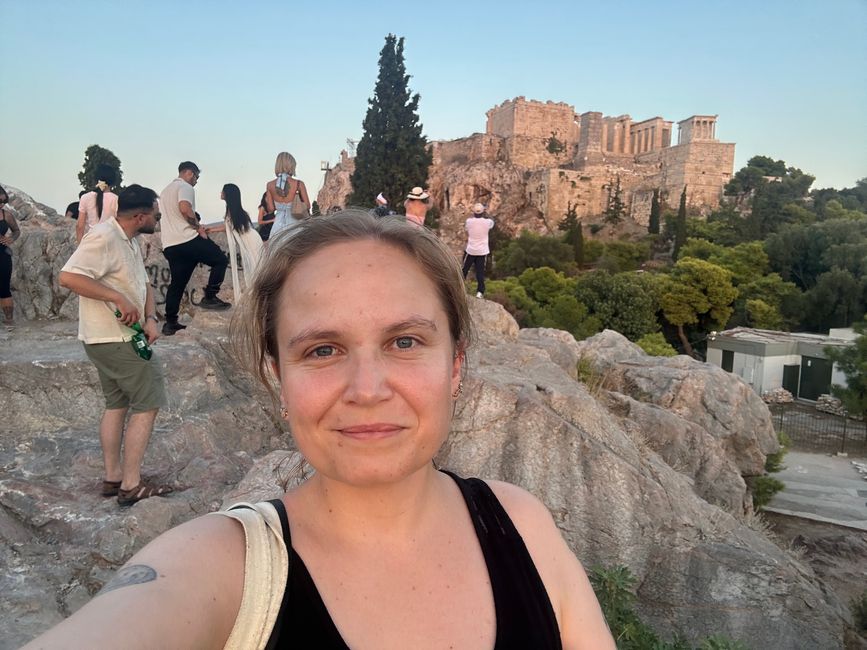
Aujourd'hui a commencé le programme scientifique de l'EAA2026 ☺️ En plus des nombreuses conférences, l'EAA est toujours une bonne occasion de « réseauter » avec des archéologues...

Publié: 31.08.2026
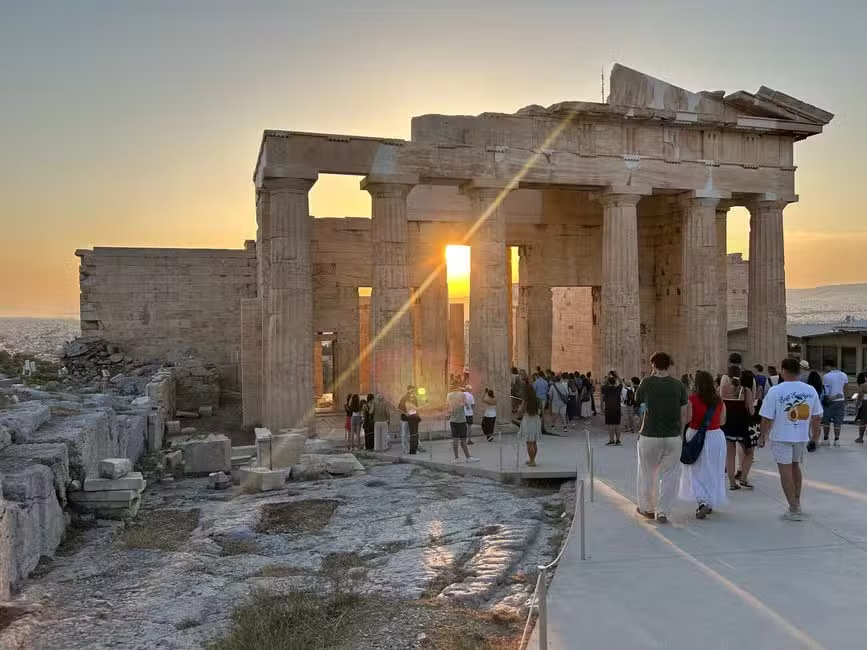
The EAA 2026 is now over ☺️ Looking forward to seeing you again in Leiden in the Netherlands for EAA 2027! 🎉
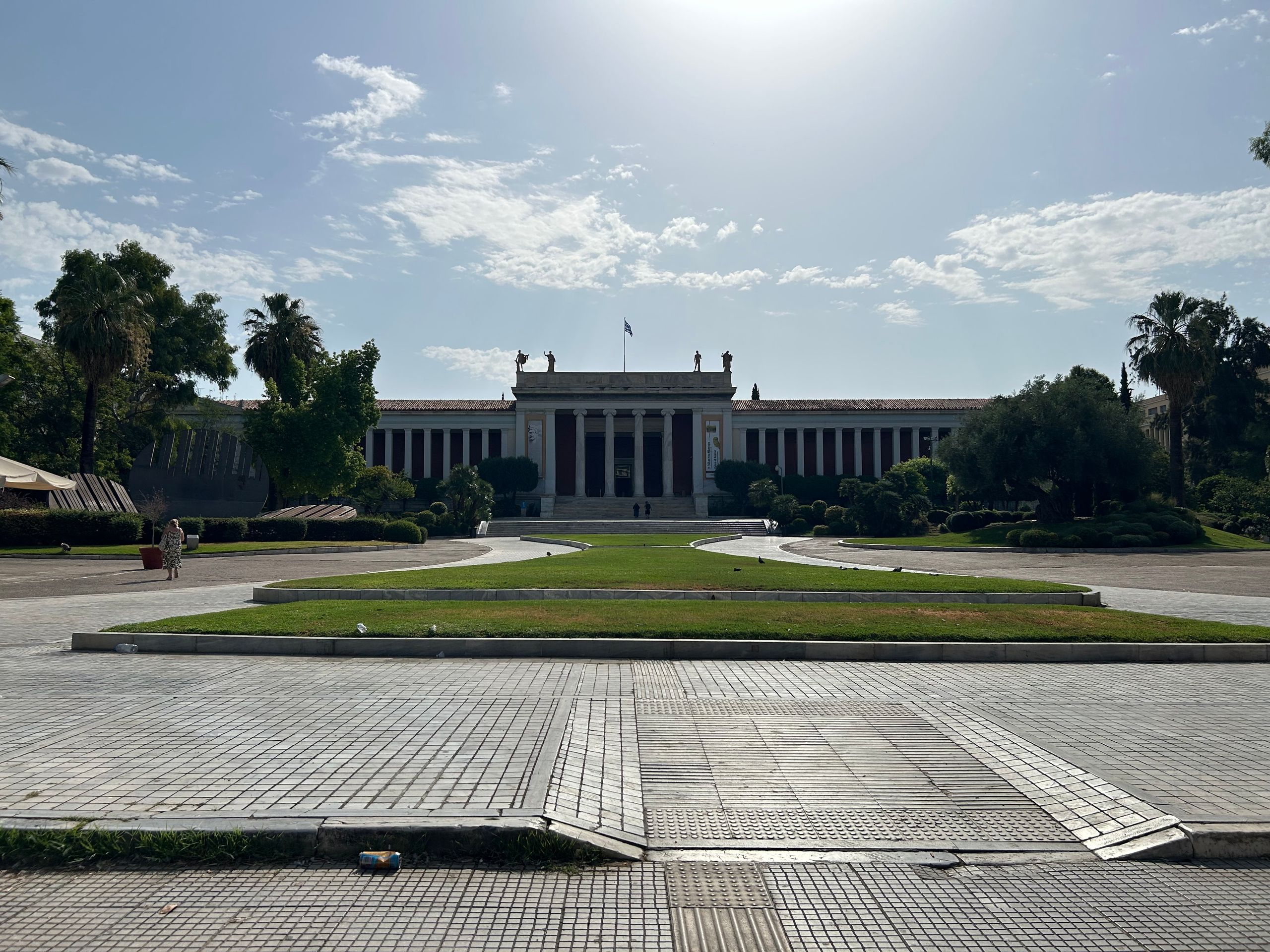
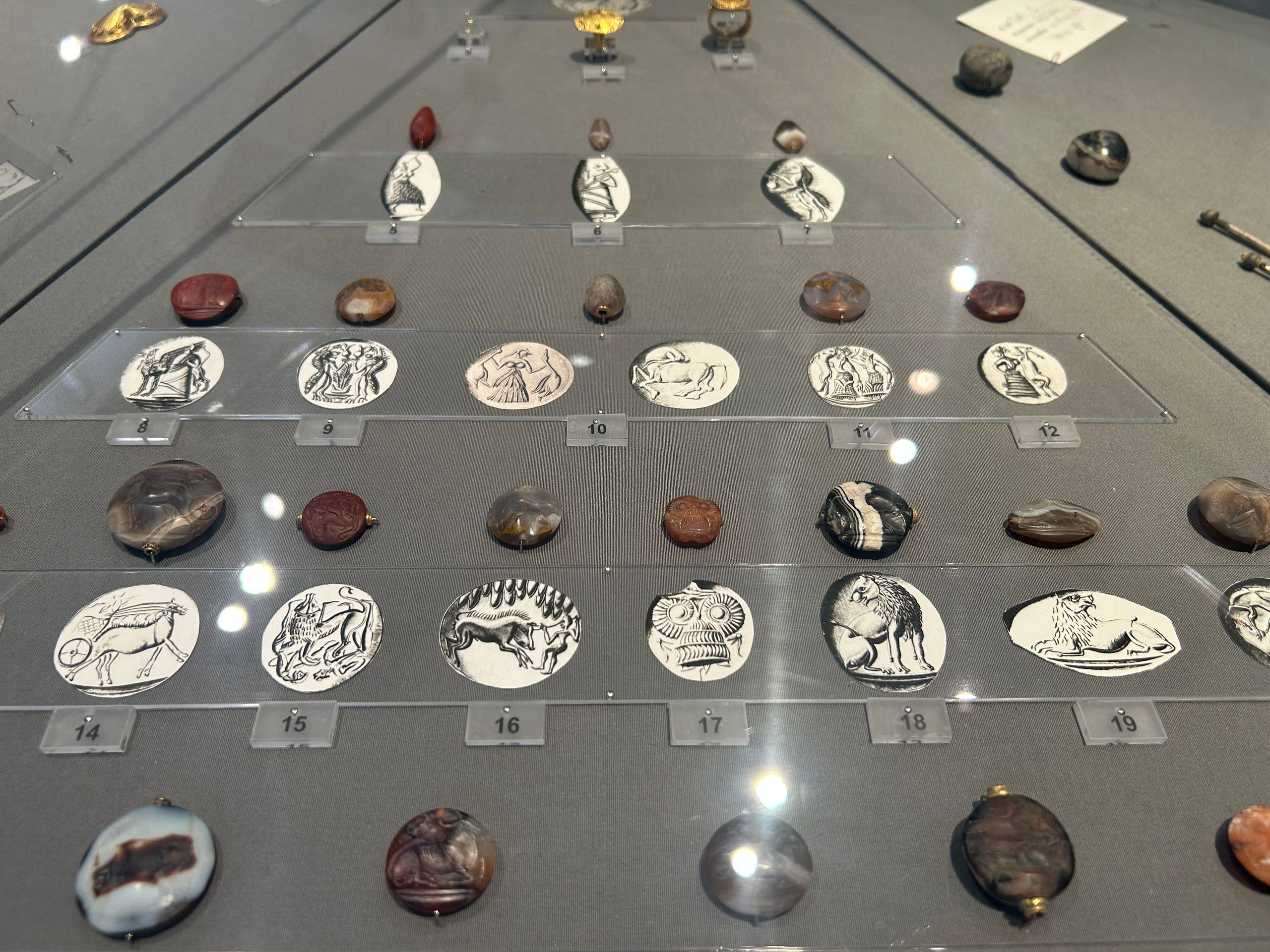
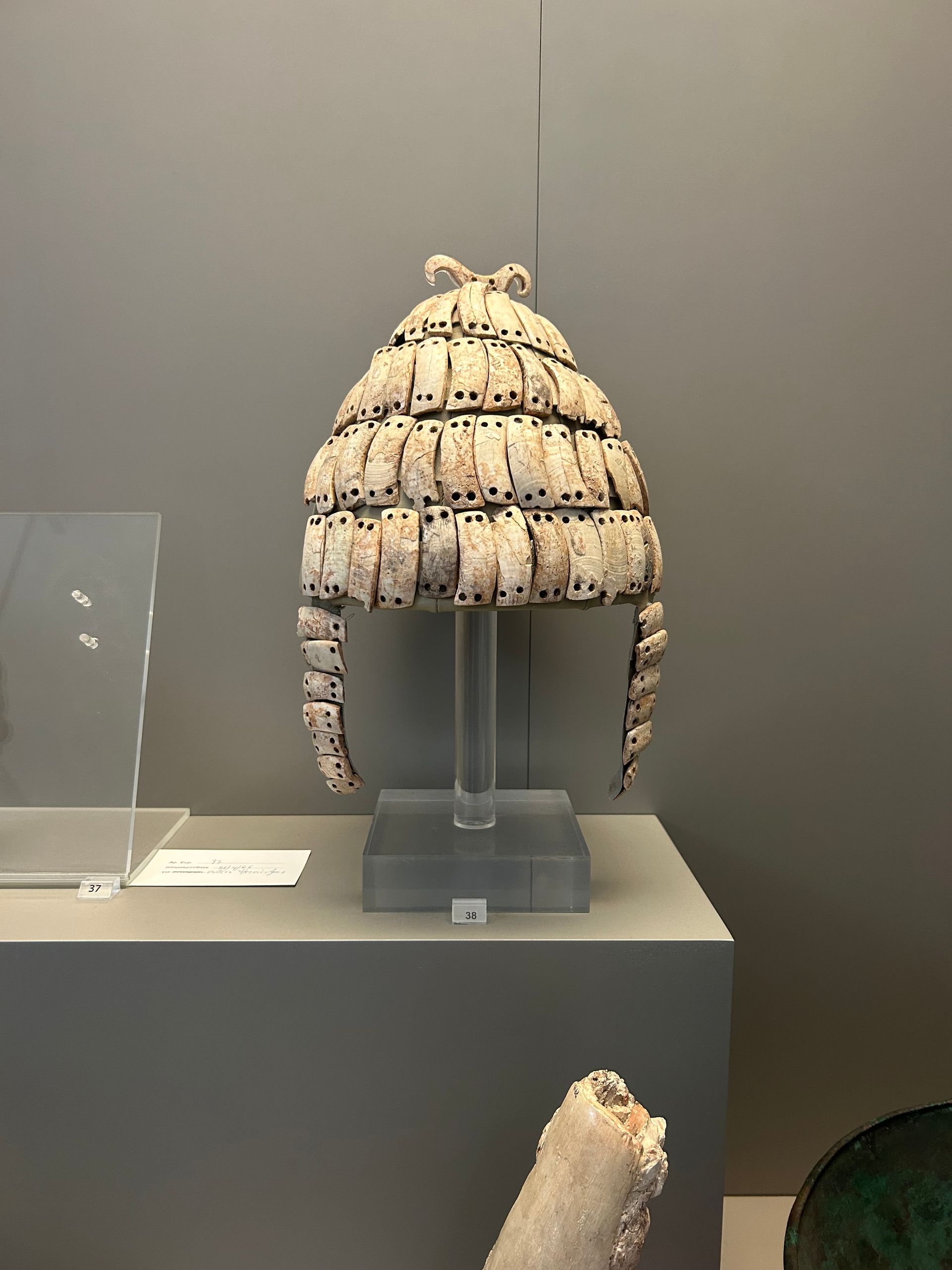
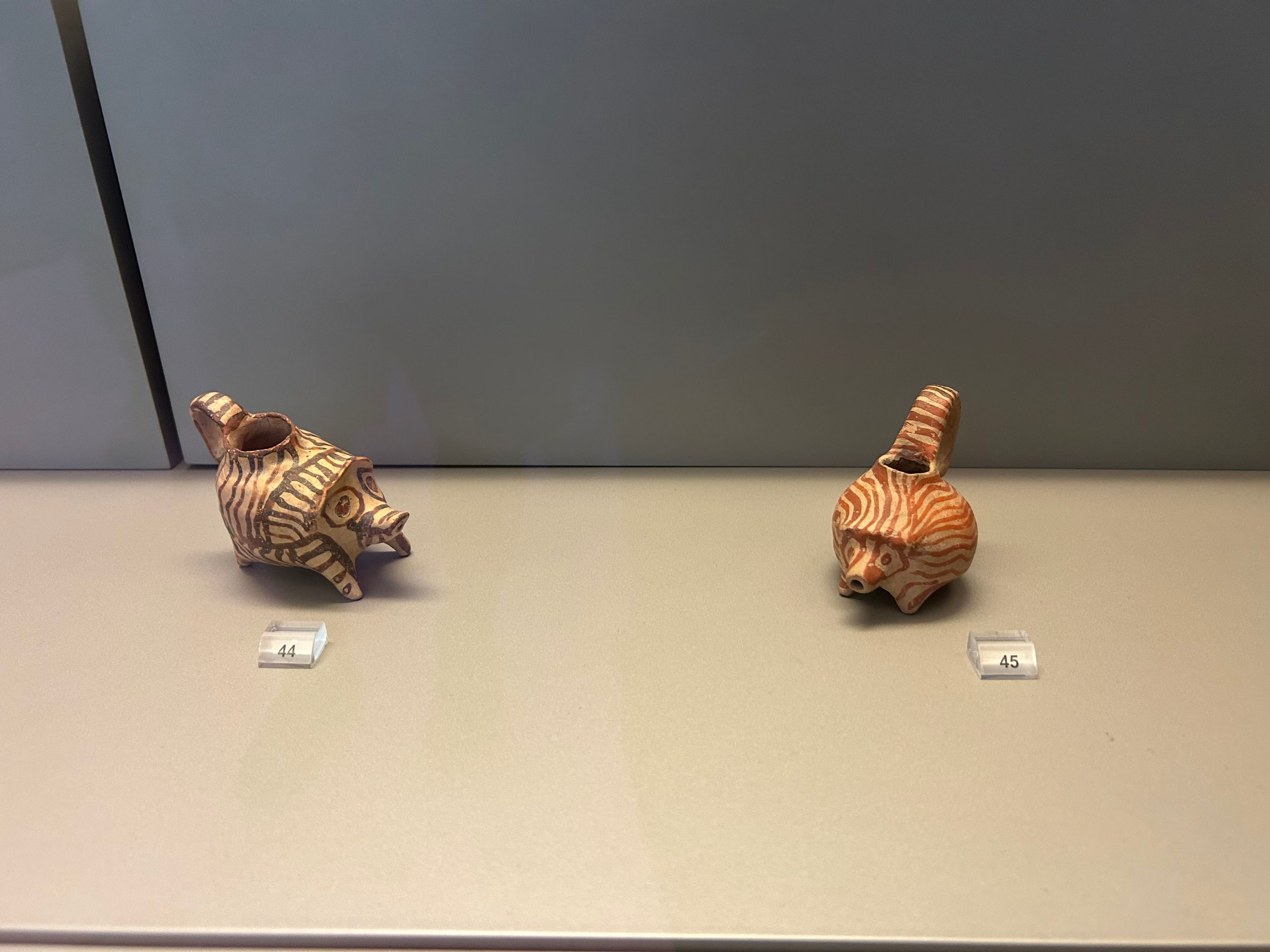
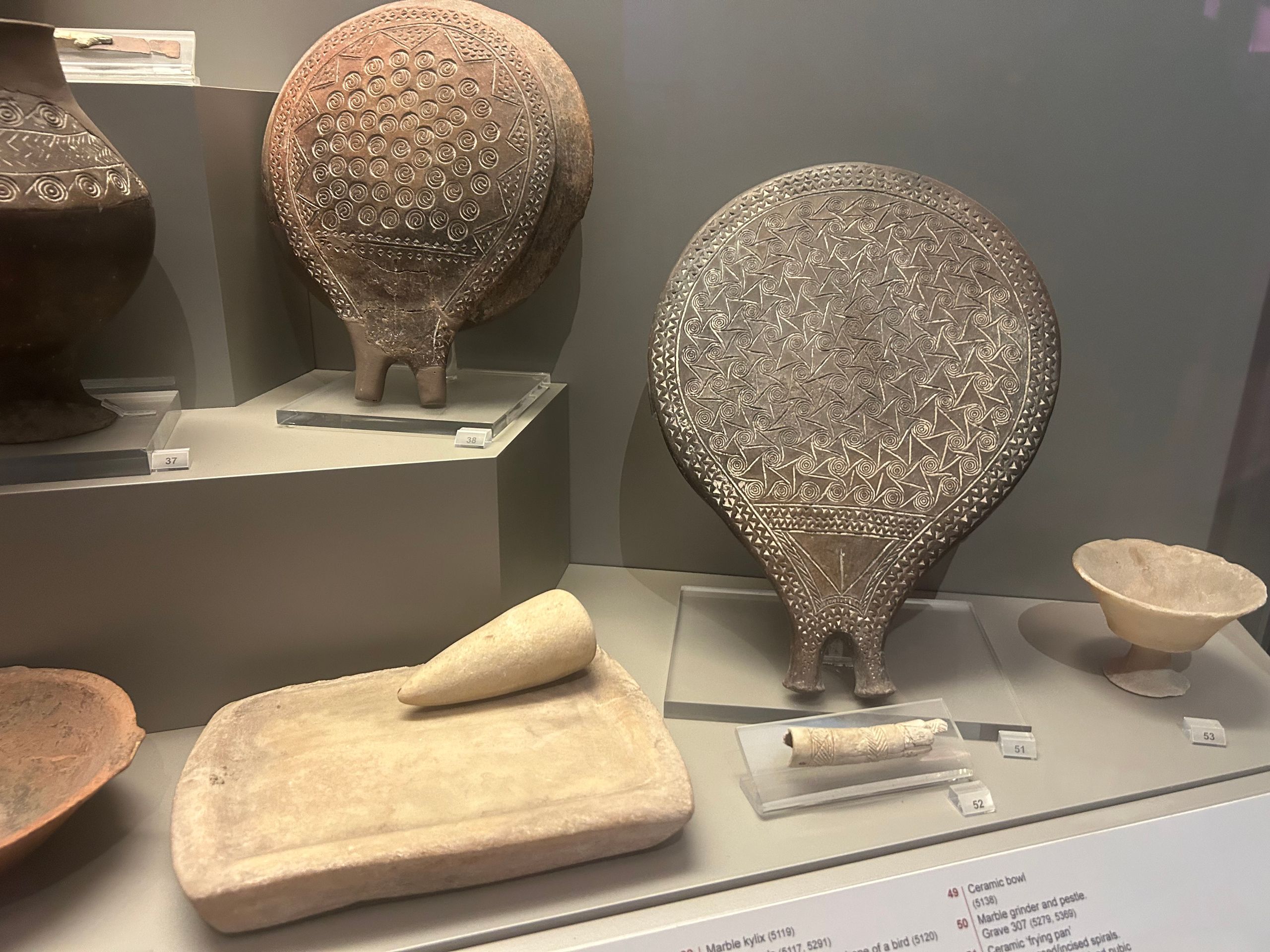
Now the actual vacation can begin ☺️ To celebrate the day, we first went to the National Archaeological Museum 😬 There, finds from various epochs and sites from all over Greece are on display.
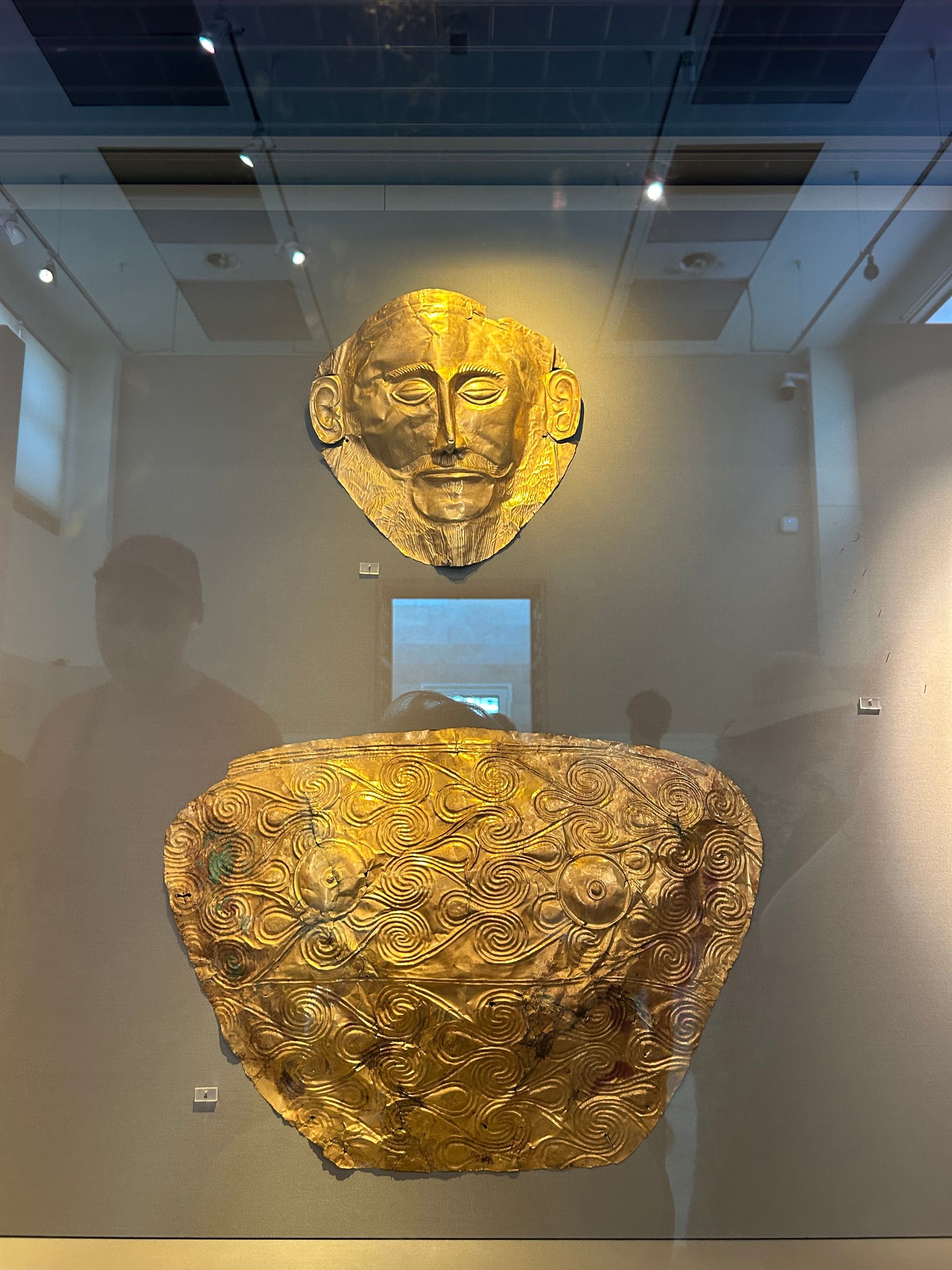
The building itself is already impressive, and to enhance the impression, you encounter right at the beginning the famous gold mask from Mycenae (often referred to publicly as Agamemnon's mask).
When Heinrich Schliemann discovered it, he immediately identified it as Agamemnon's mask. However, it has not been proven that it actually once lay on the face of the deceased king of Mycenae. Masks of this kind were common for the deceased of the upper class during the height of Mycenae (around the 7th-4th centuries BC).
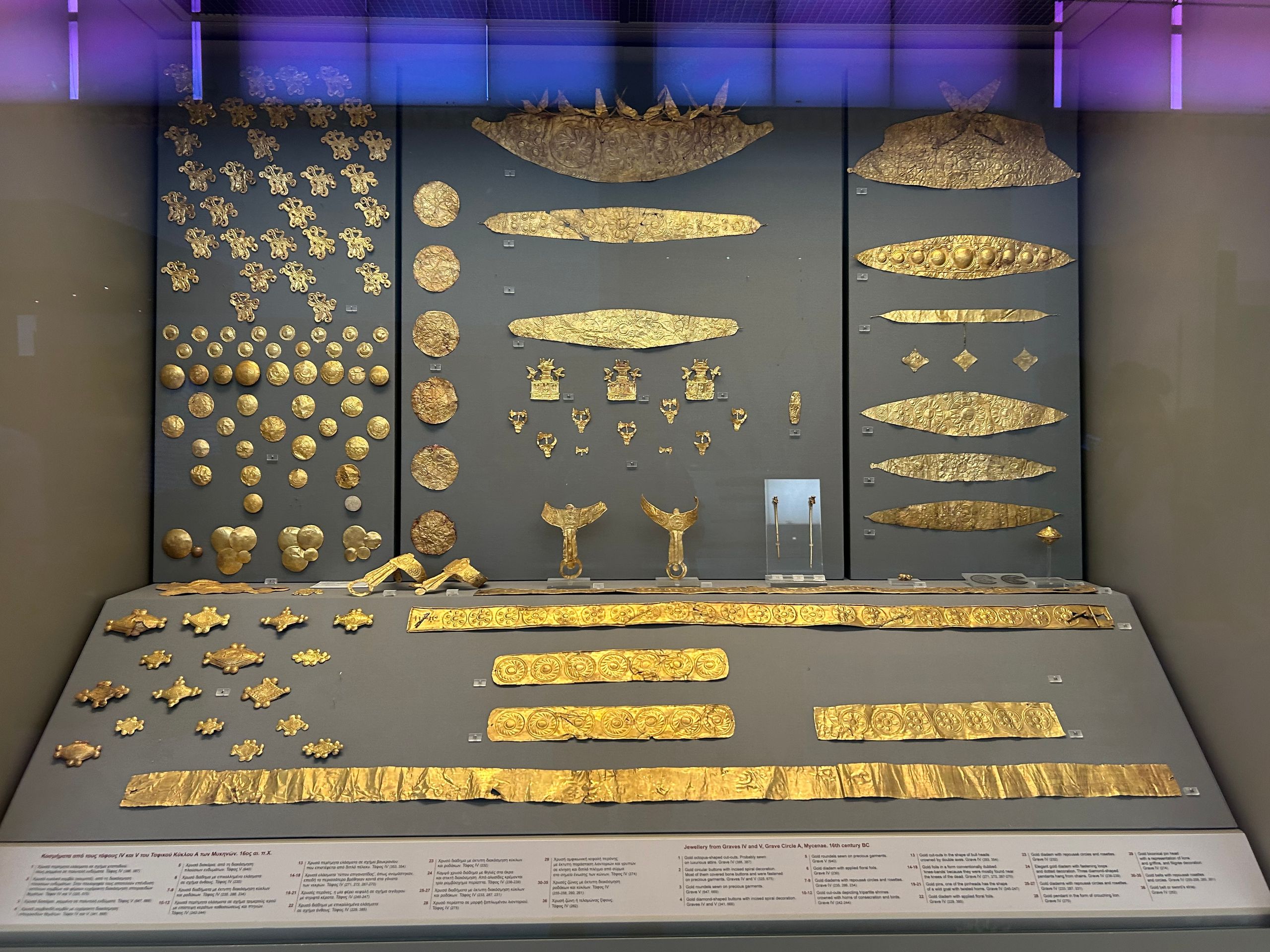
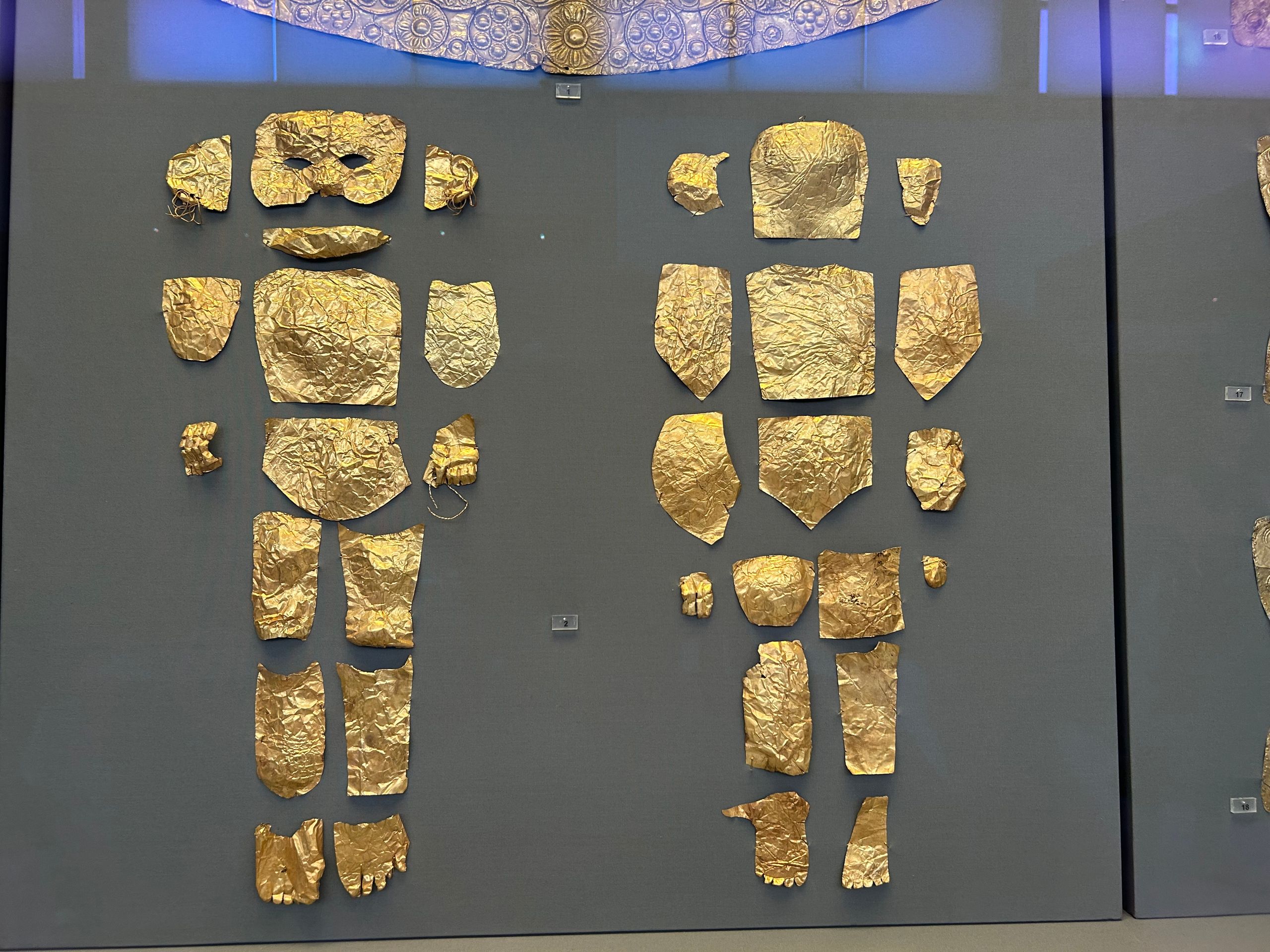
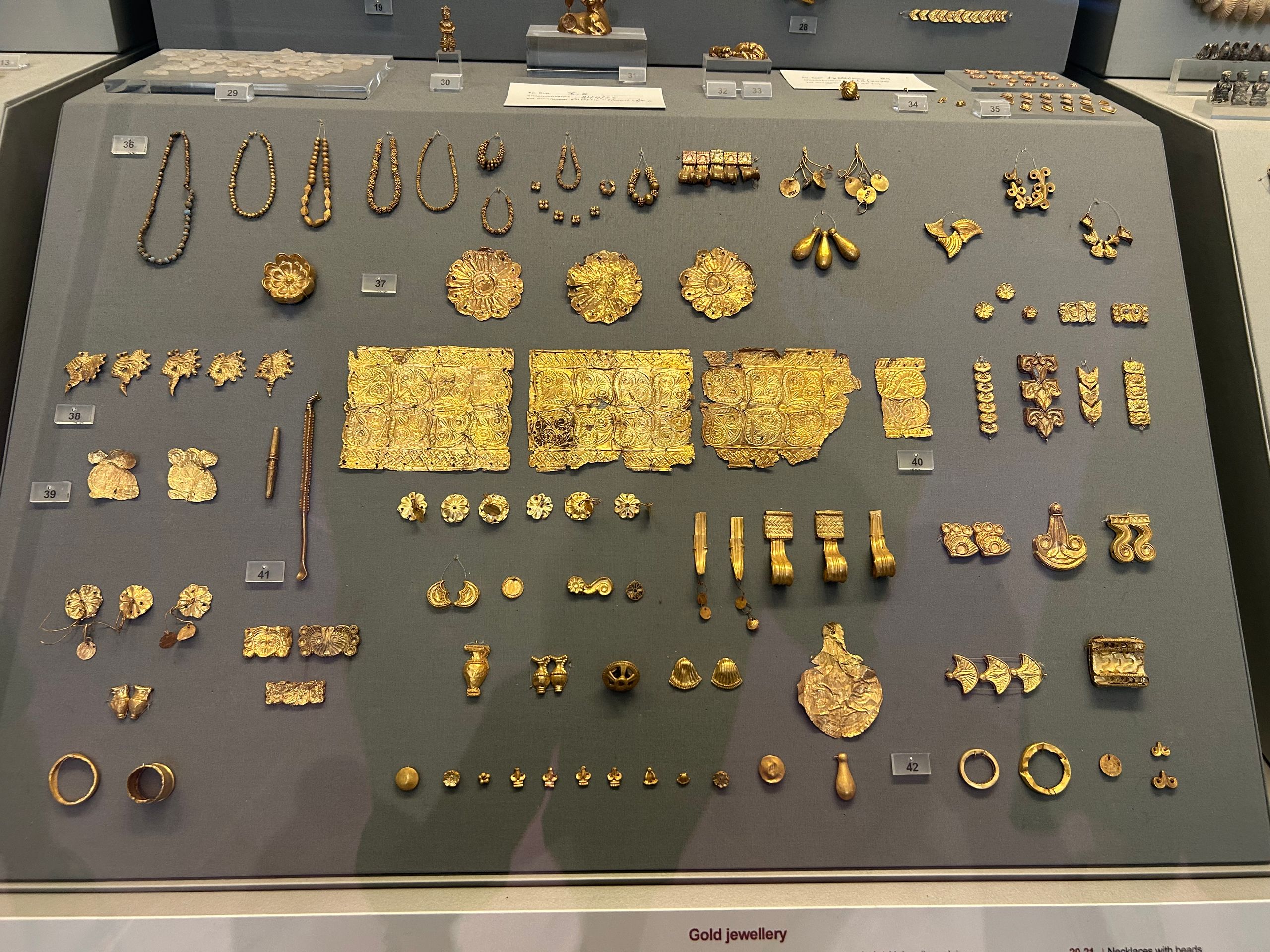
Another type of find that characterizes the noble graves of Mycenae is gold. Gold in all its forms 😅 Whether as a necklace, ring, clothing decoration, or as weapon embellishment, gold was the most important element in the lives and deaths of the wealthy.
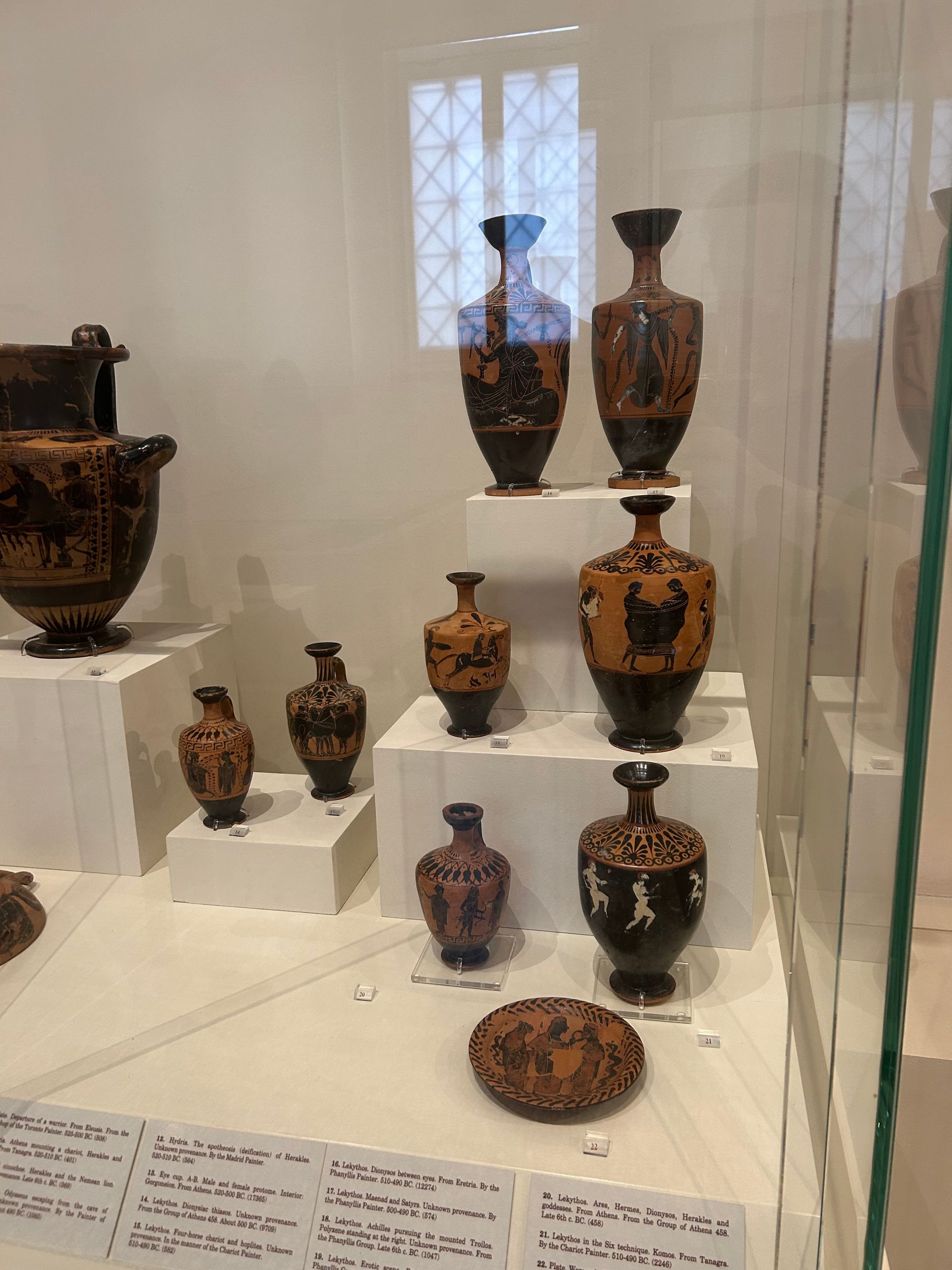
Naturally, the black-figure pottery was also essential. Although sometimes it was also red-figure or white-glazed 😉 Additionally, there were some boards explaining the common vessel shapes. For me, as a pottery novice, this was a must. So far, I could only recognize amphorae 😬
In general, pottery played a significant role like gold. In everyday life as well as in spiritual or ritual events, pottery was crucial. Small figurative pottery was, for example, used as oil vessels, and the still not fully understood 'Frying Pans' were presumably used in a ritual sense 🤷🏼♀️
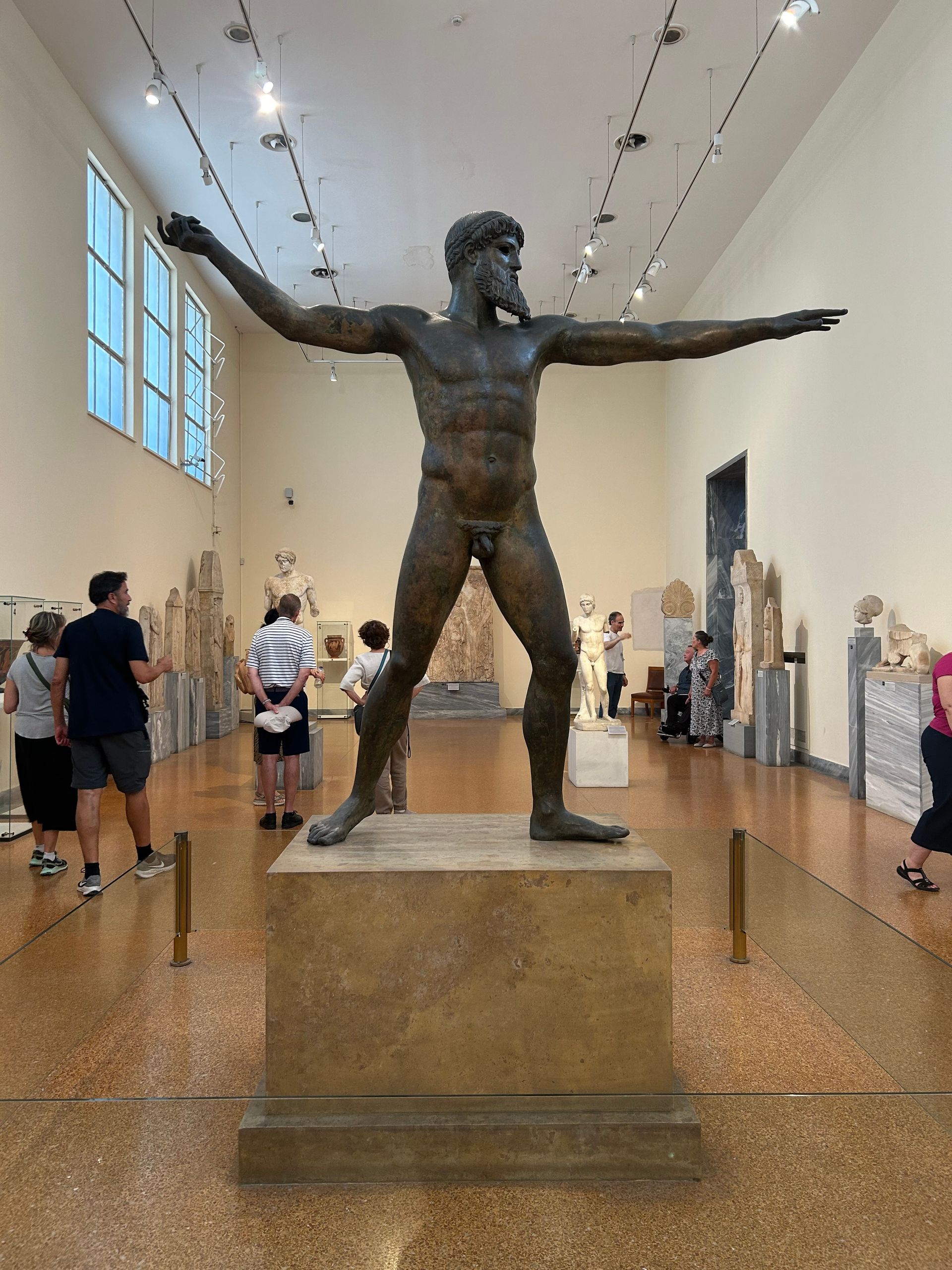
The bronze 'Zeus' is another famous find from the sea near Athens. Many of these statues were recovered from sunken shipwrecks and primarily consist of another precious metal of great importance: bronze.
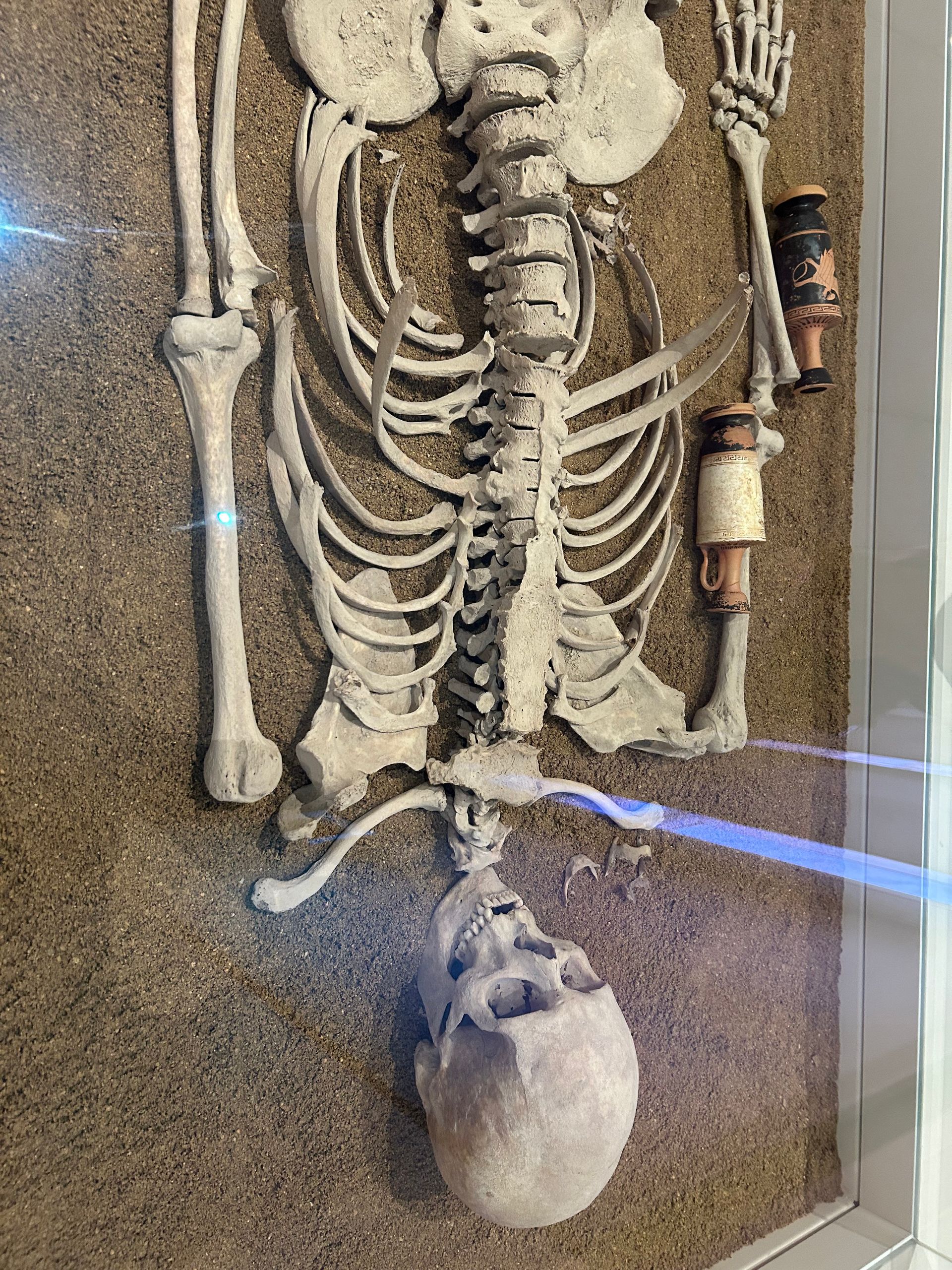
Particularly interesting for me were the few finds made of bone or tooth, as well as the burial from the pottery quarter Kerameikos. The deceased had suffered extensive fusions on the spine, likely causing them strong back pain 😬 I could feel it myself in my back...
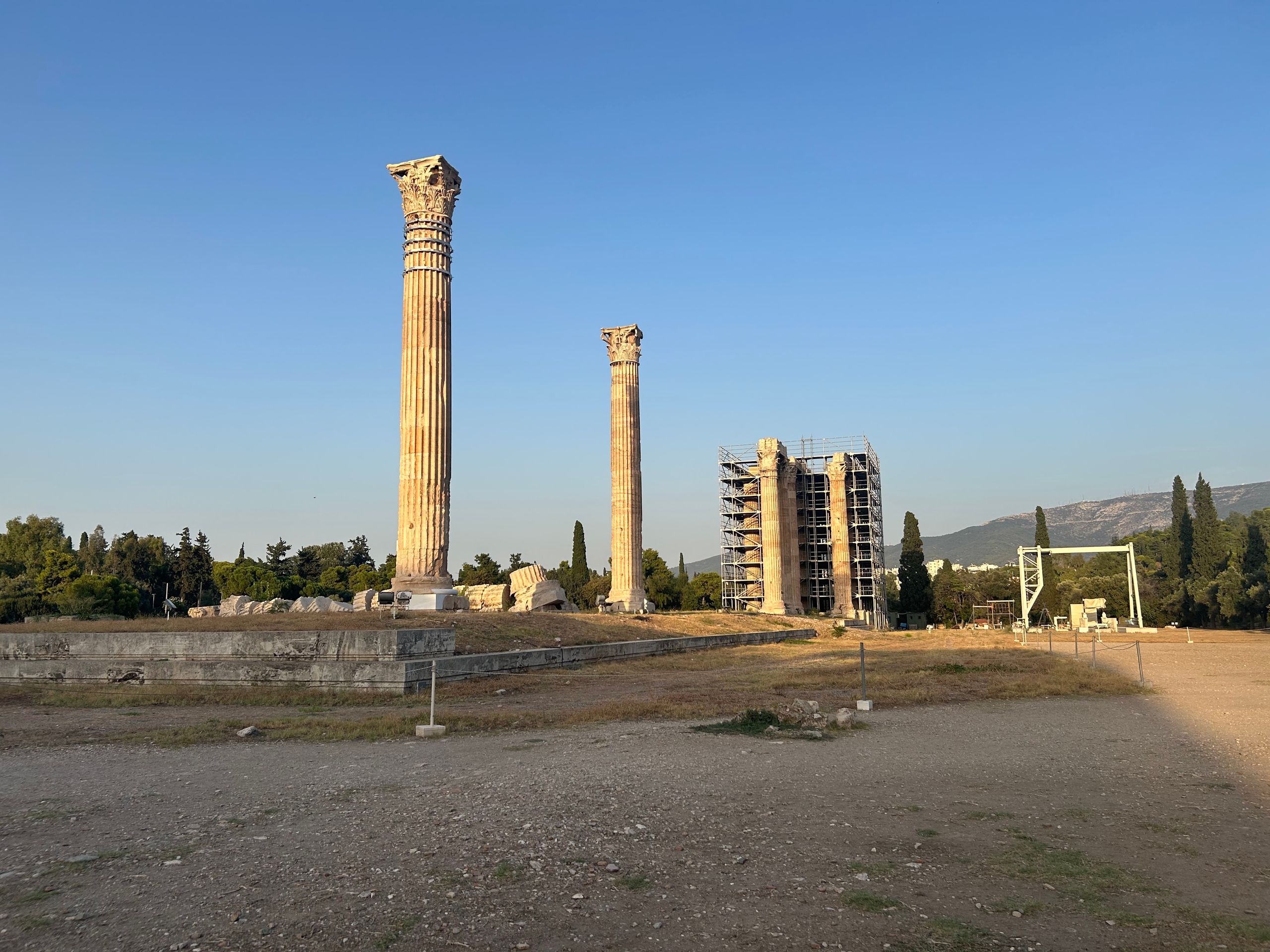
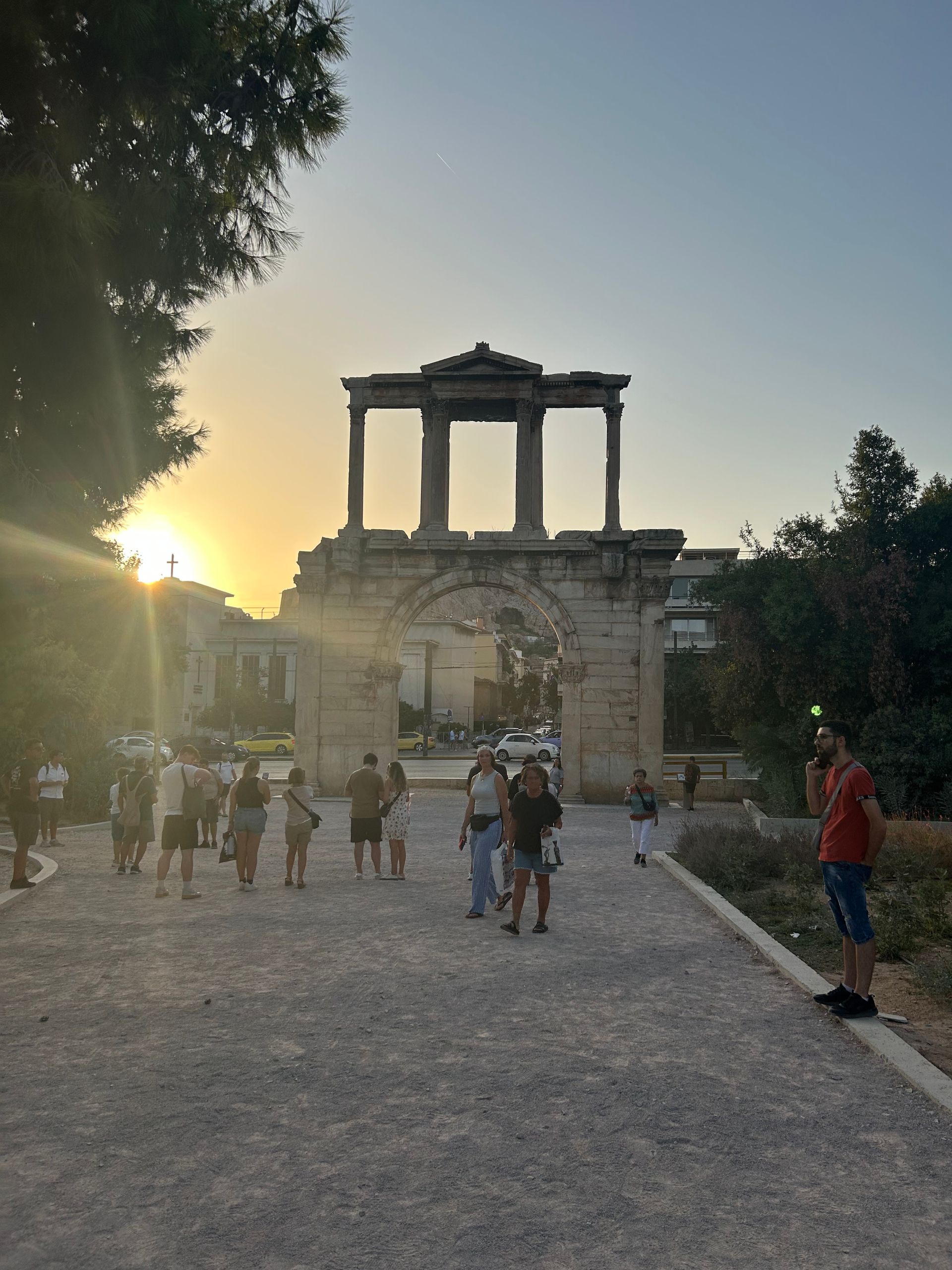
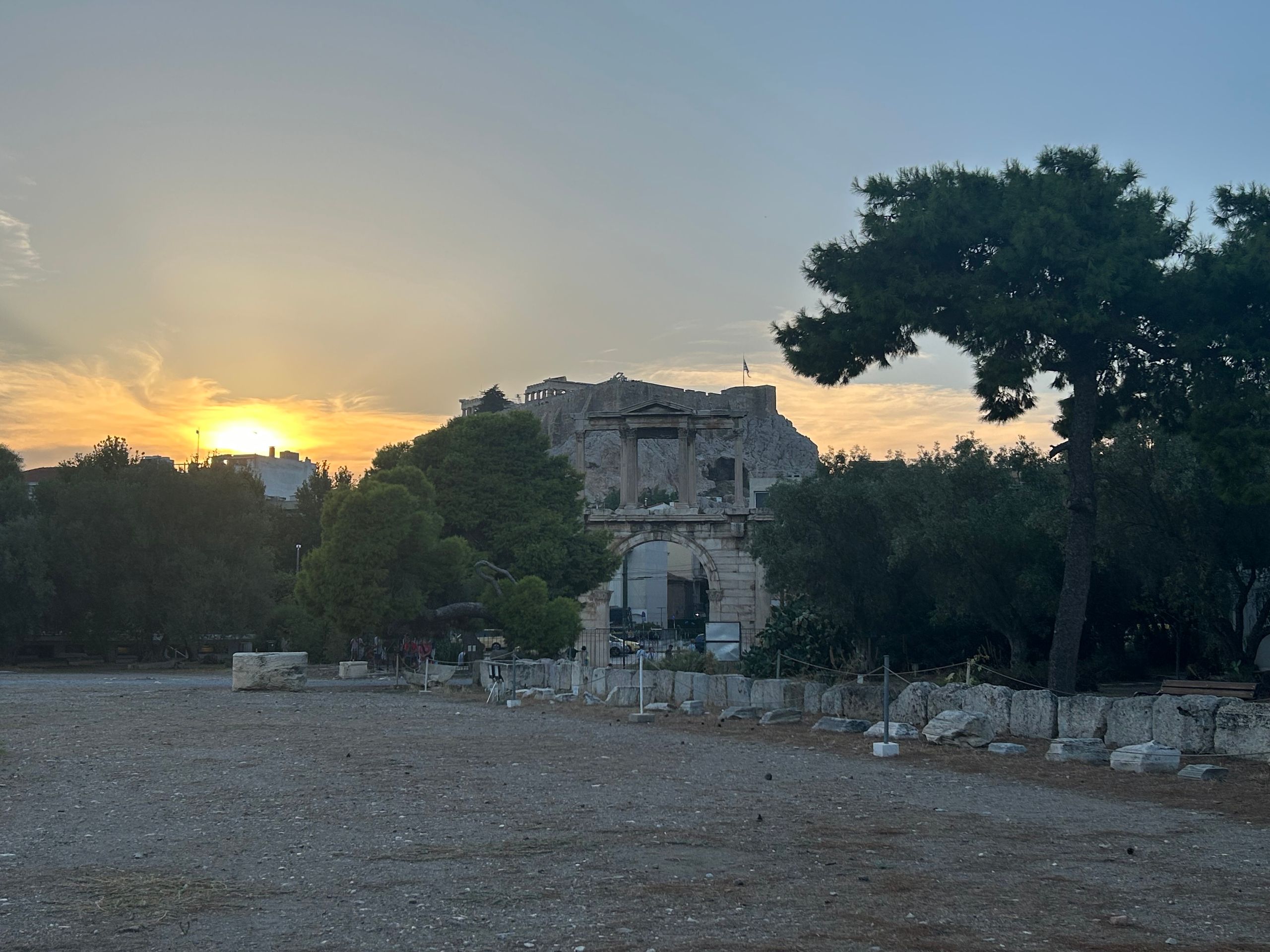
The day's conclusion was made by the temple of Olympic Zeus, the Olympieion. Although partially scaffolded, one could still easily imagine its former extent. In fact, it was one of the largest temples in Greece in antiquity.
As an archaeologist, it is unbelievable to me that many of these ancient ruins were used as quarries in the Middle Ages and later (including the Olympieion). But other times had different views, concepts, and needs…