
Cádiz
Mileage: 162604 Today we started the day with a walk through Sanlúcar de Barrameda. Passing by the Castillo de Santiango and the Iglesia de San Diego de Alcalá, we arrived at the...

Published: 25.10.2026
Mileage: unchanged
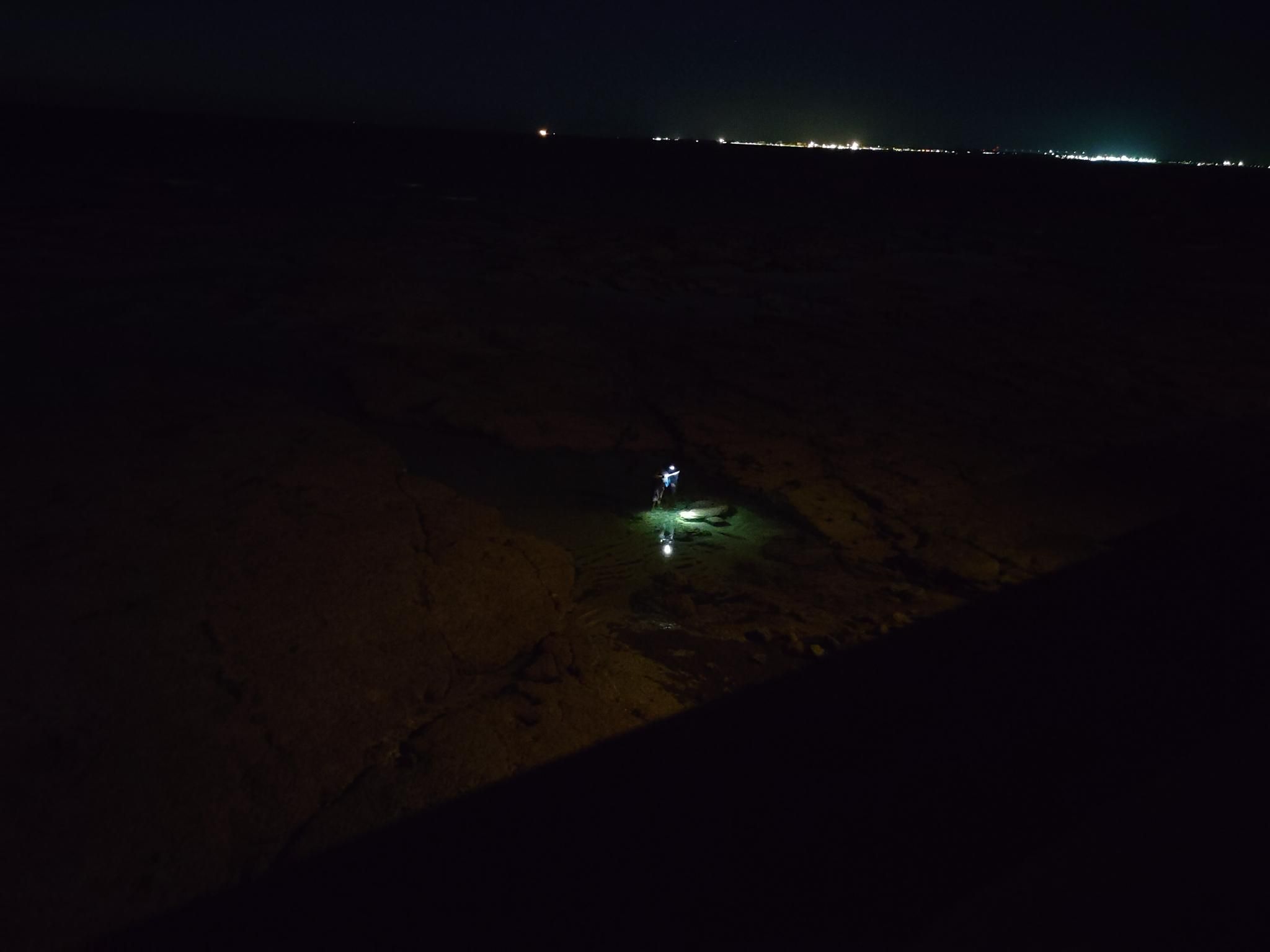
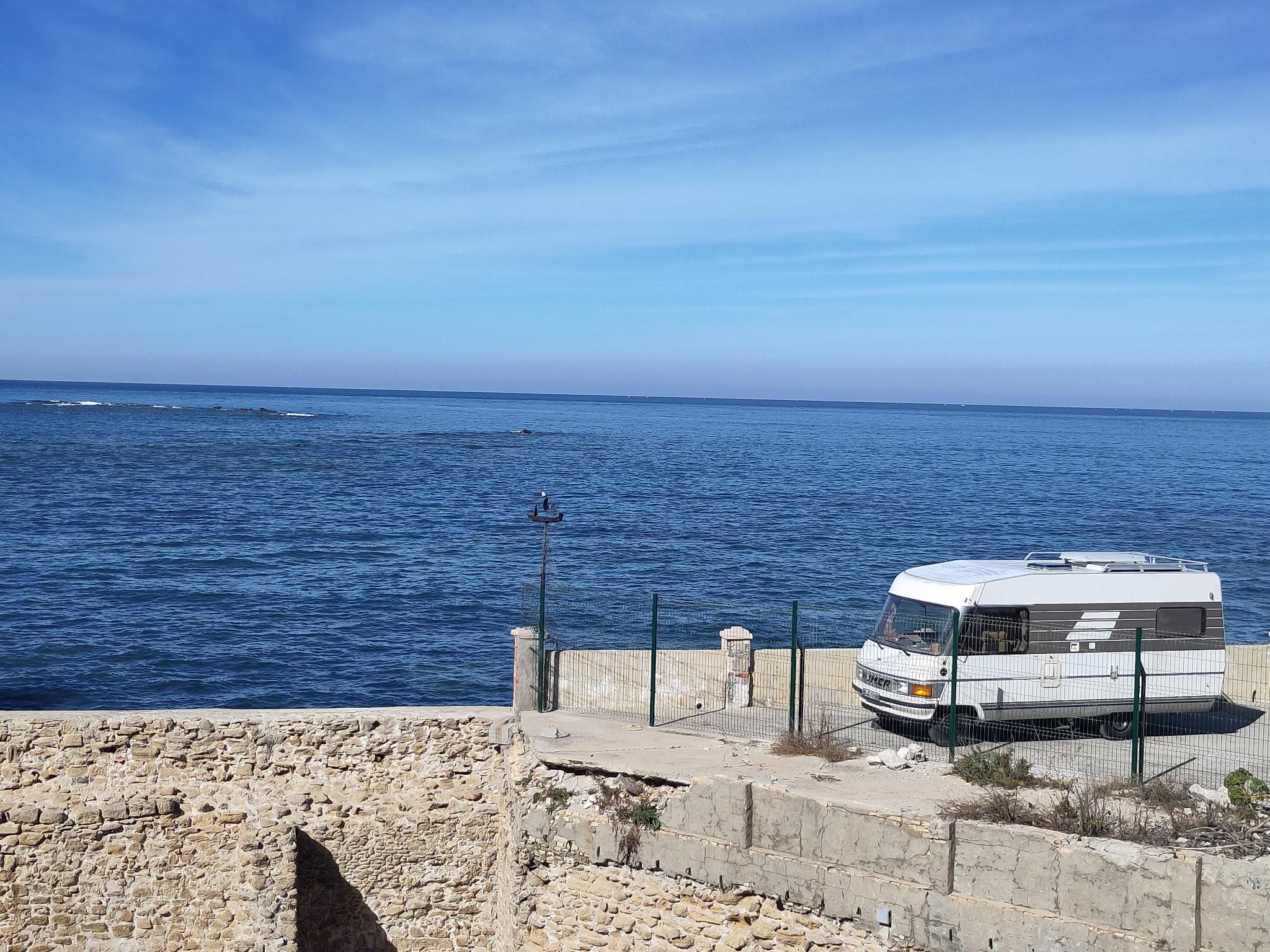
Since we parked directly above the shore fortifications, we were able to observe collectors at dawn searching for seafood on the flat rocks during low tide. Always in pairs and with their headlamps, they were easily recognizable in the twilight.
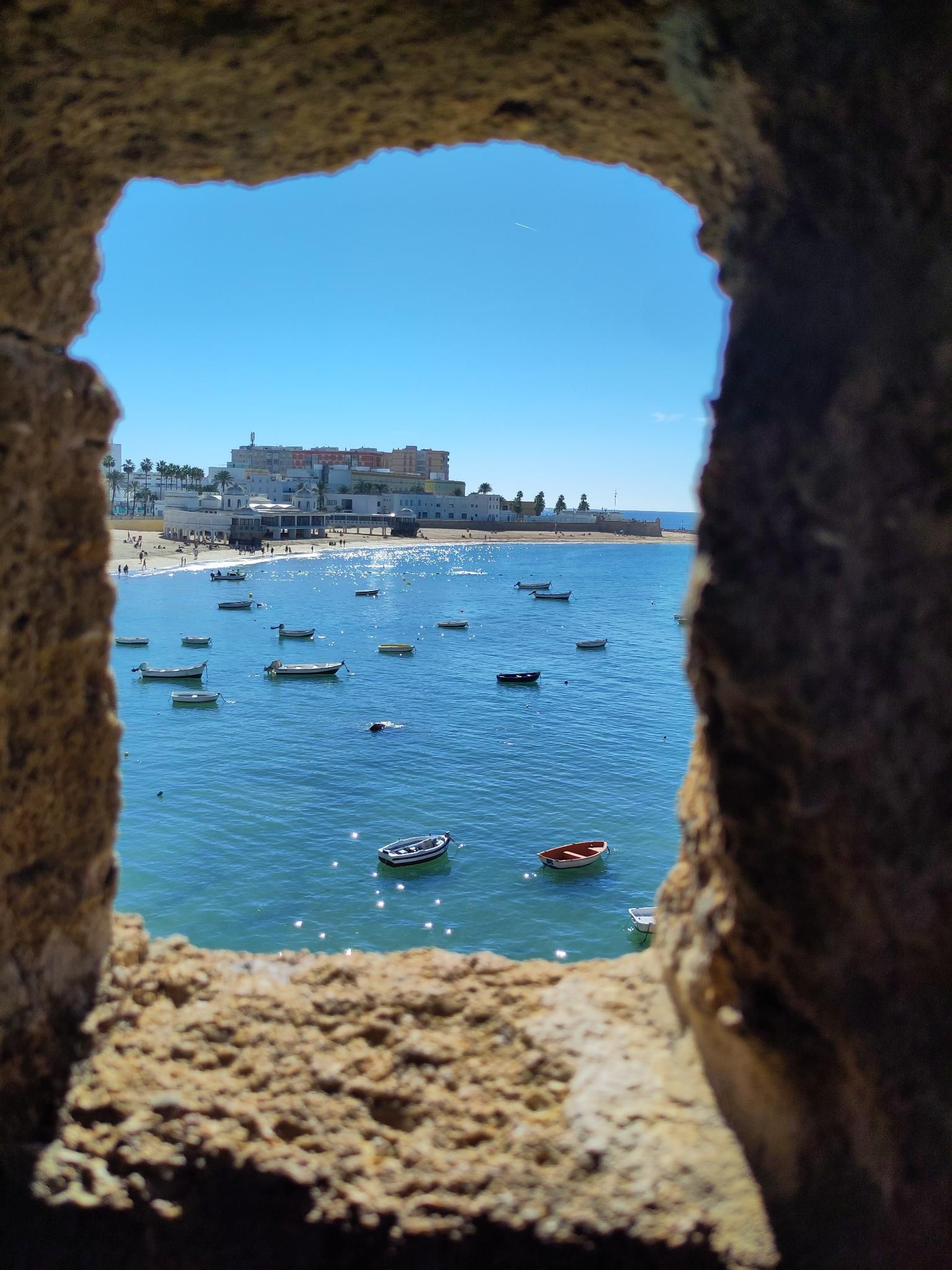
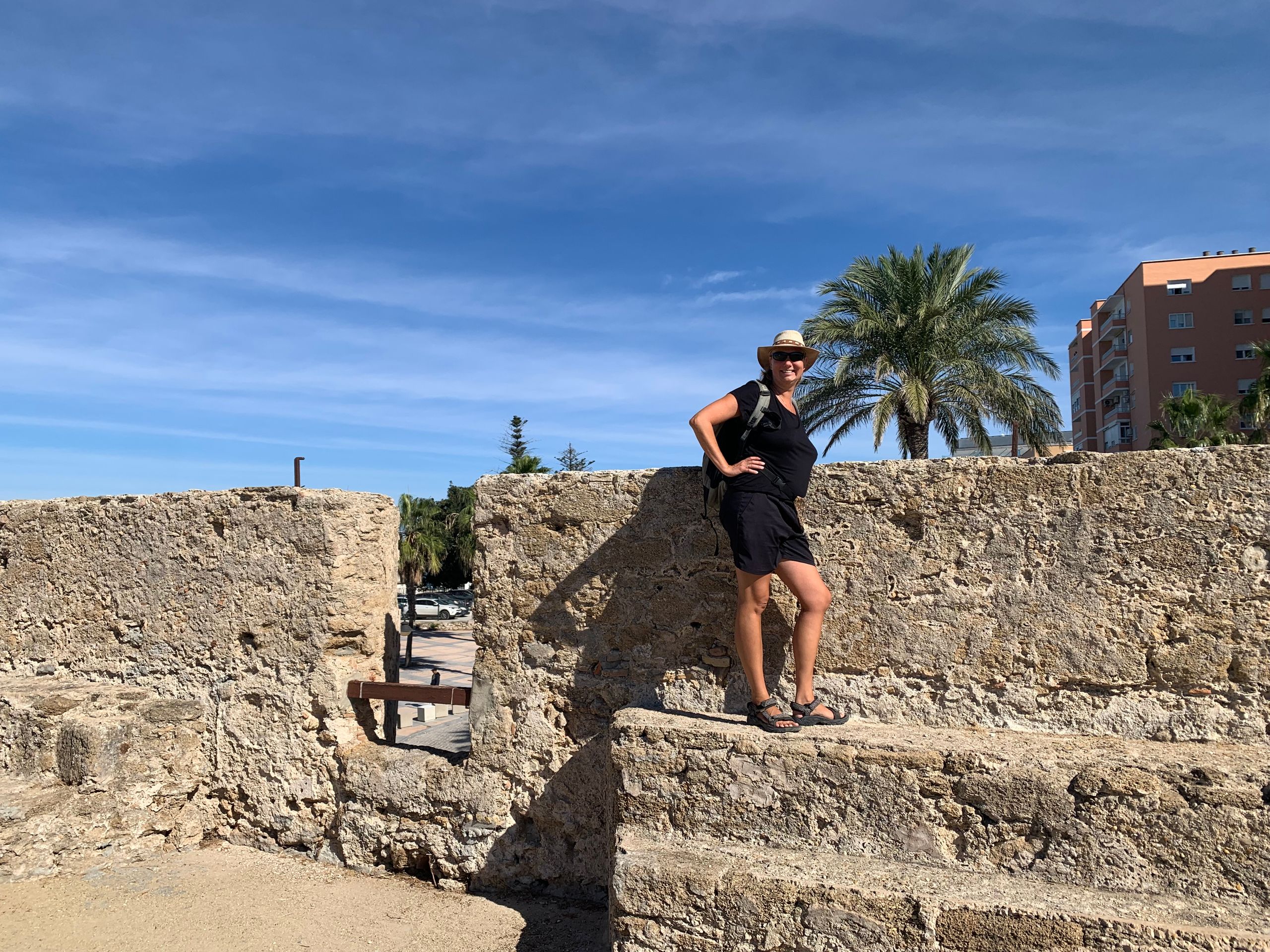
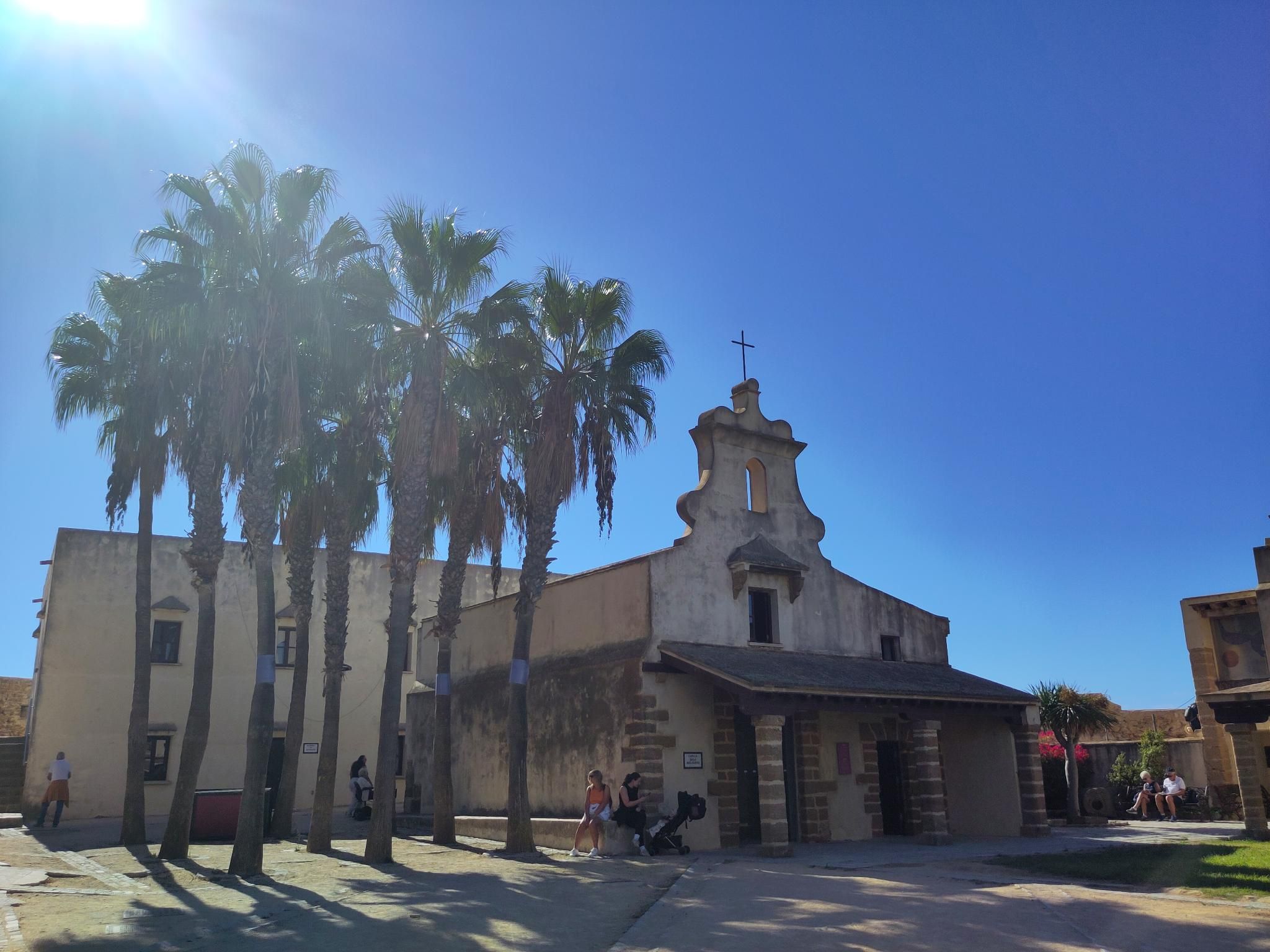
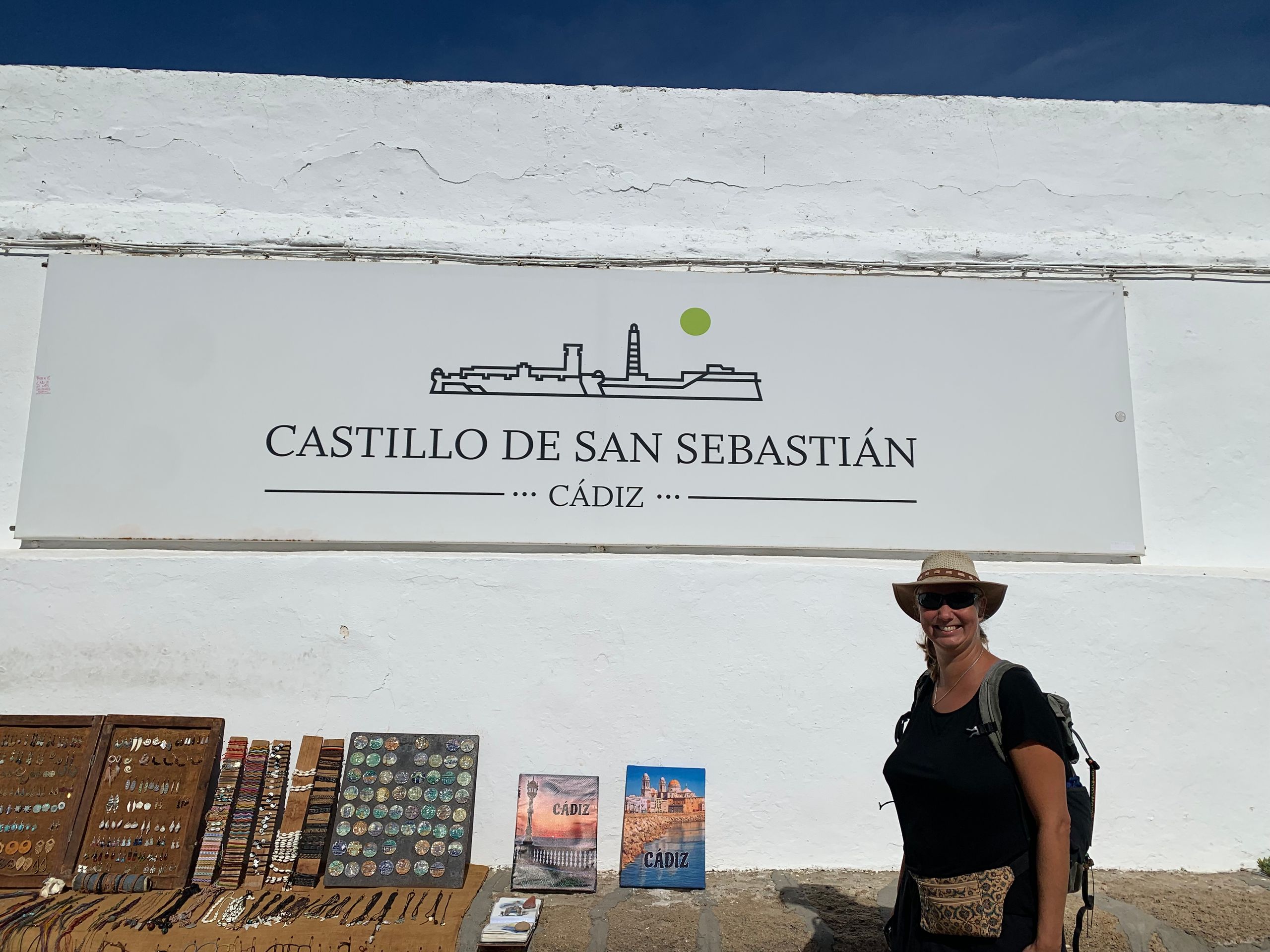
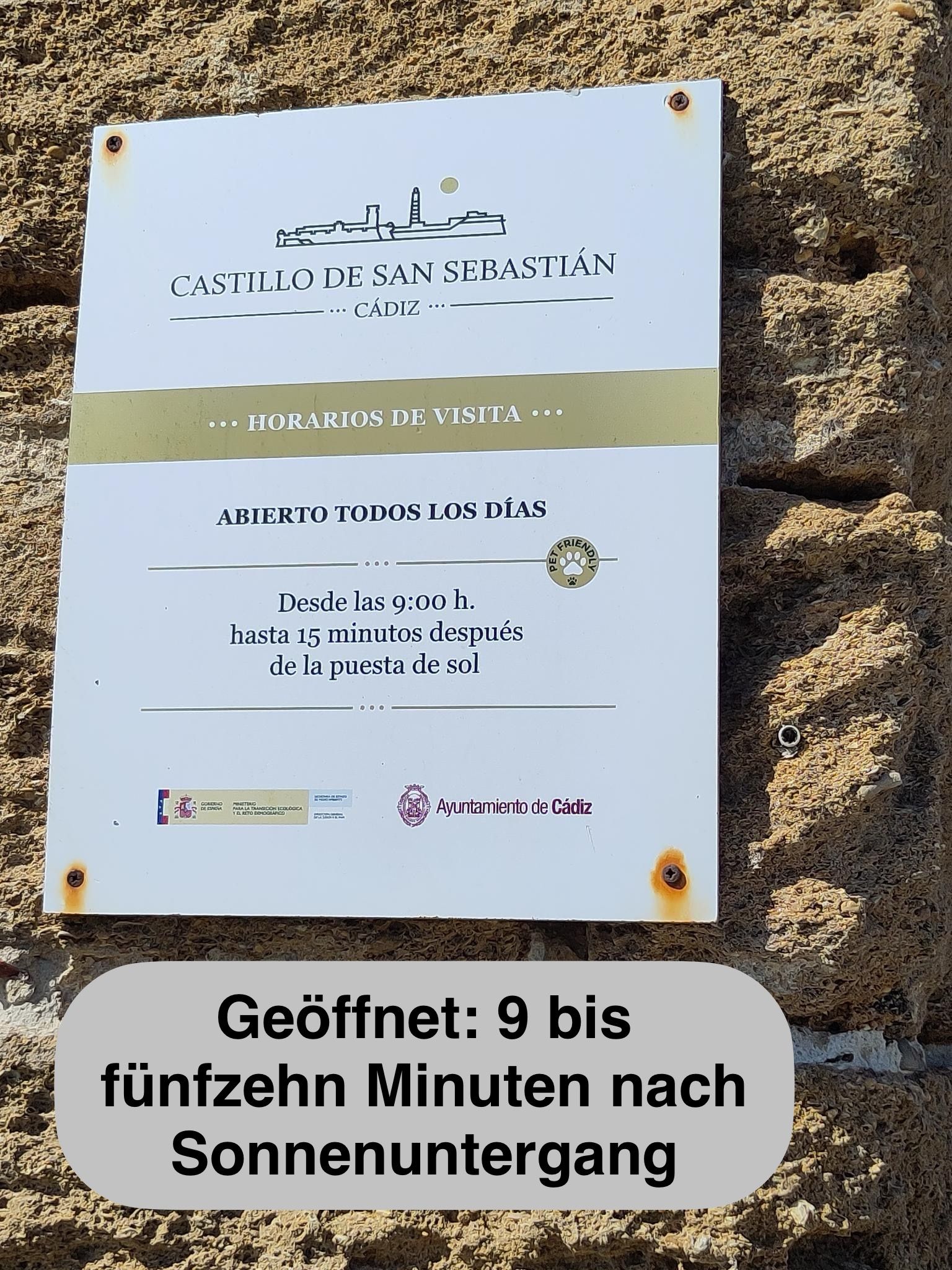
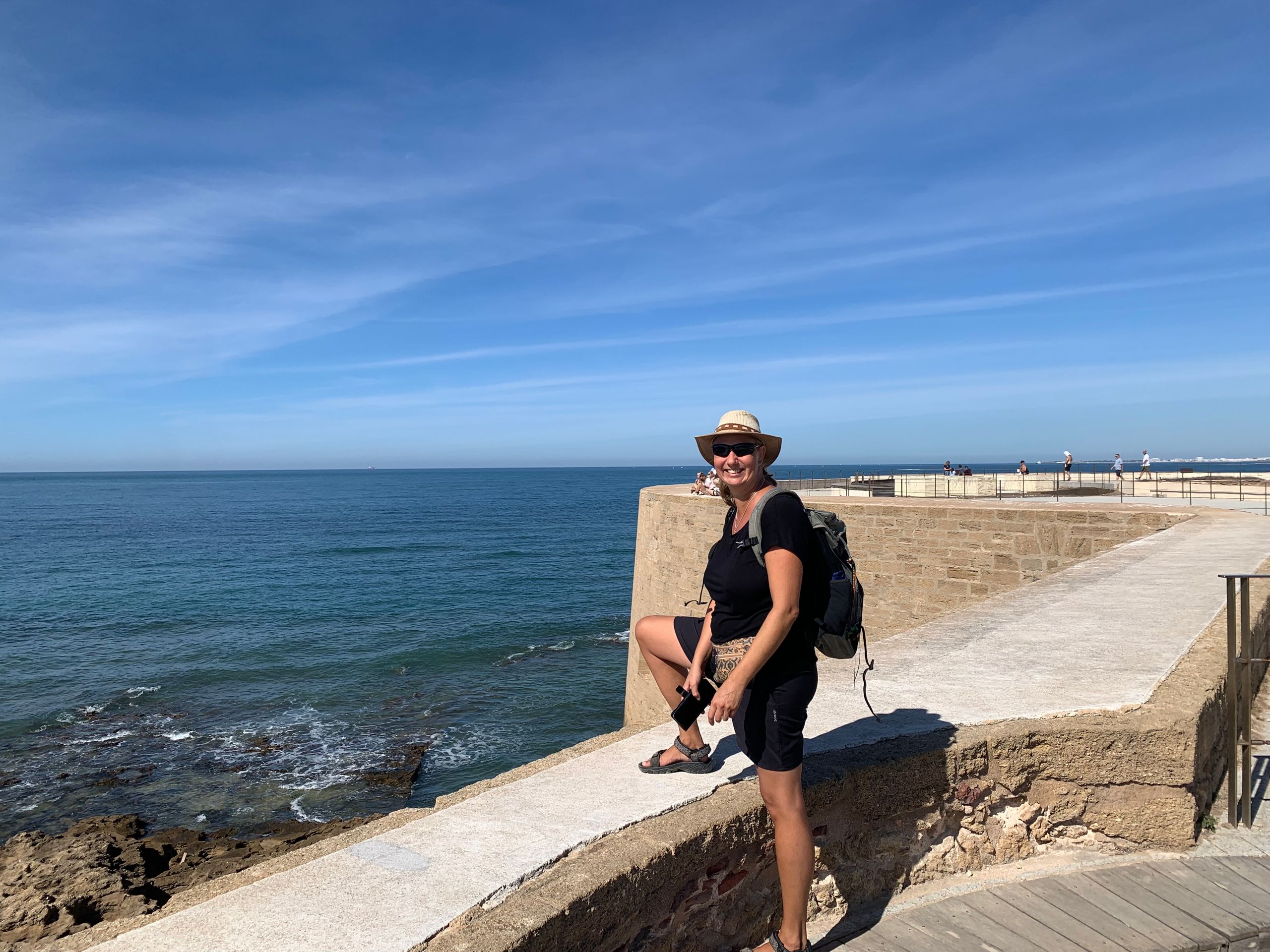
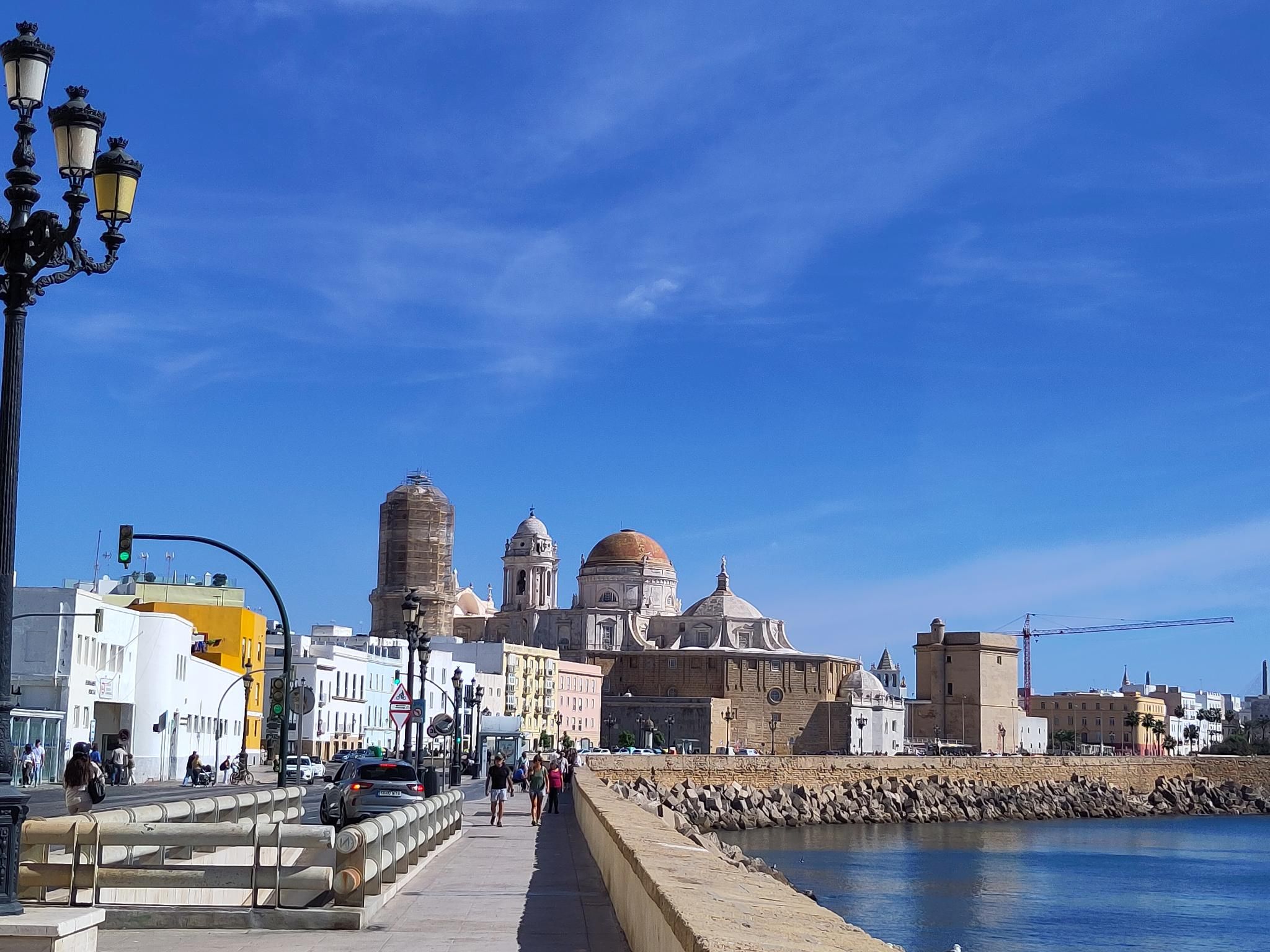
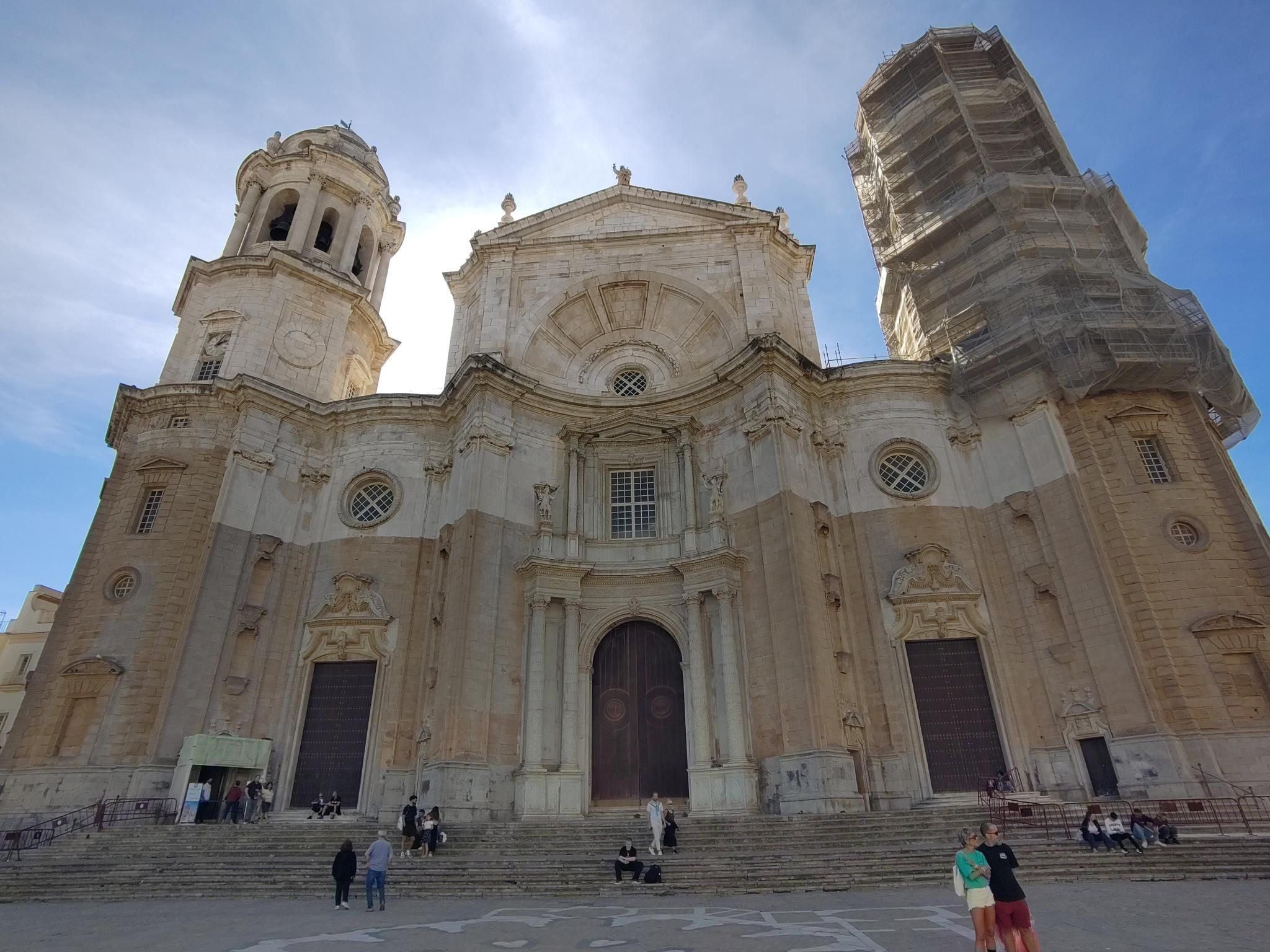
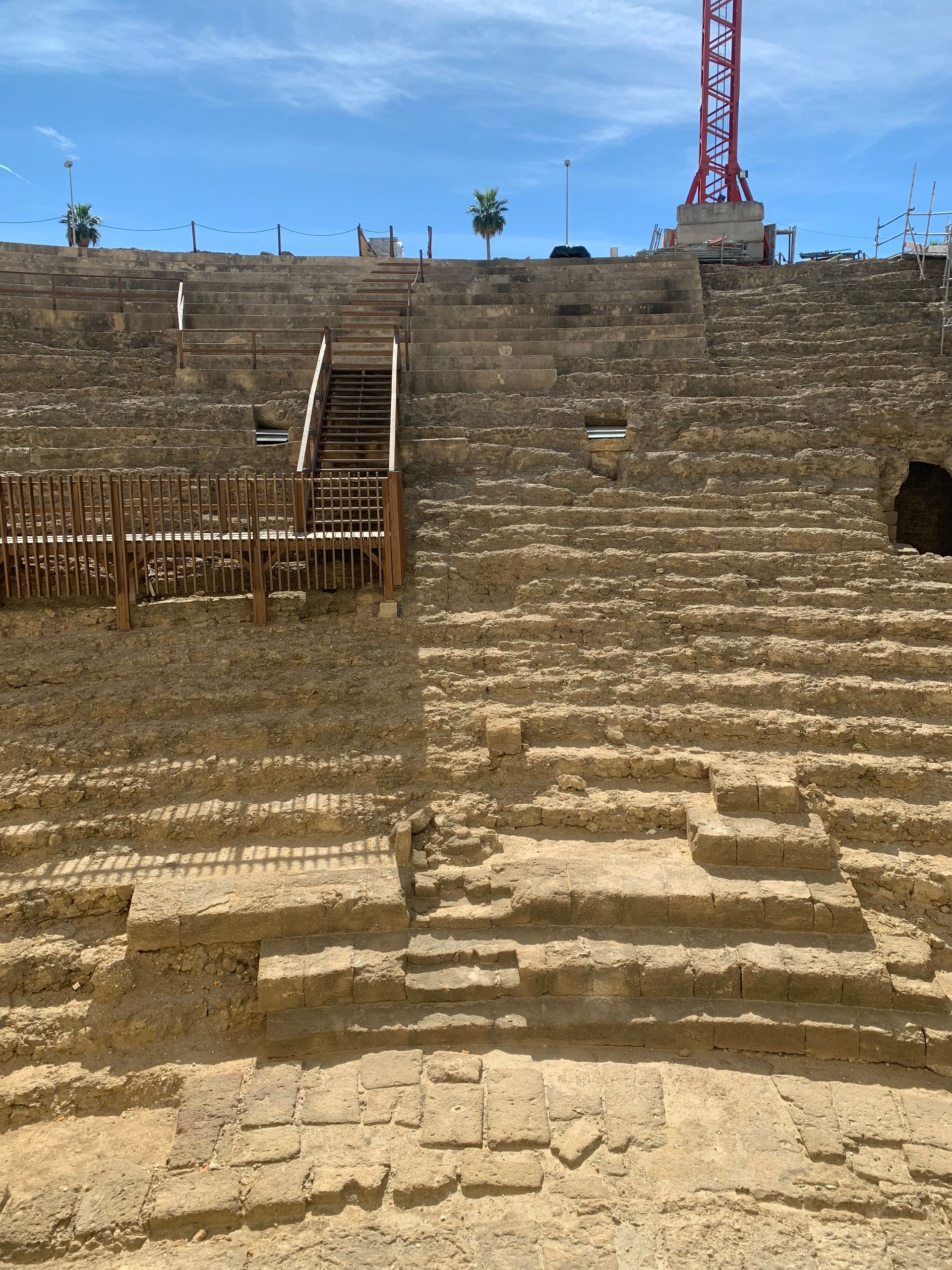
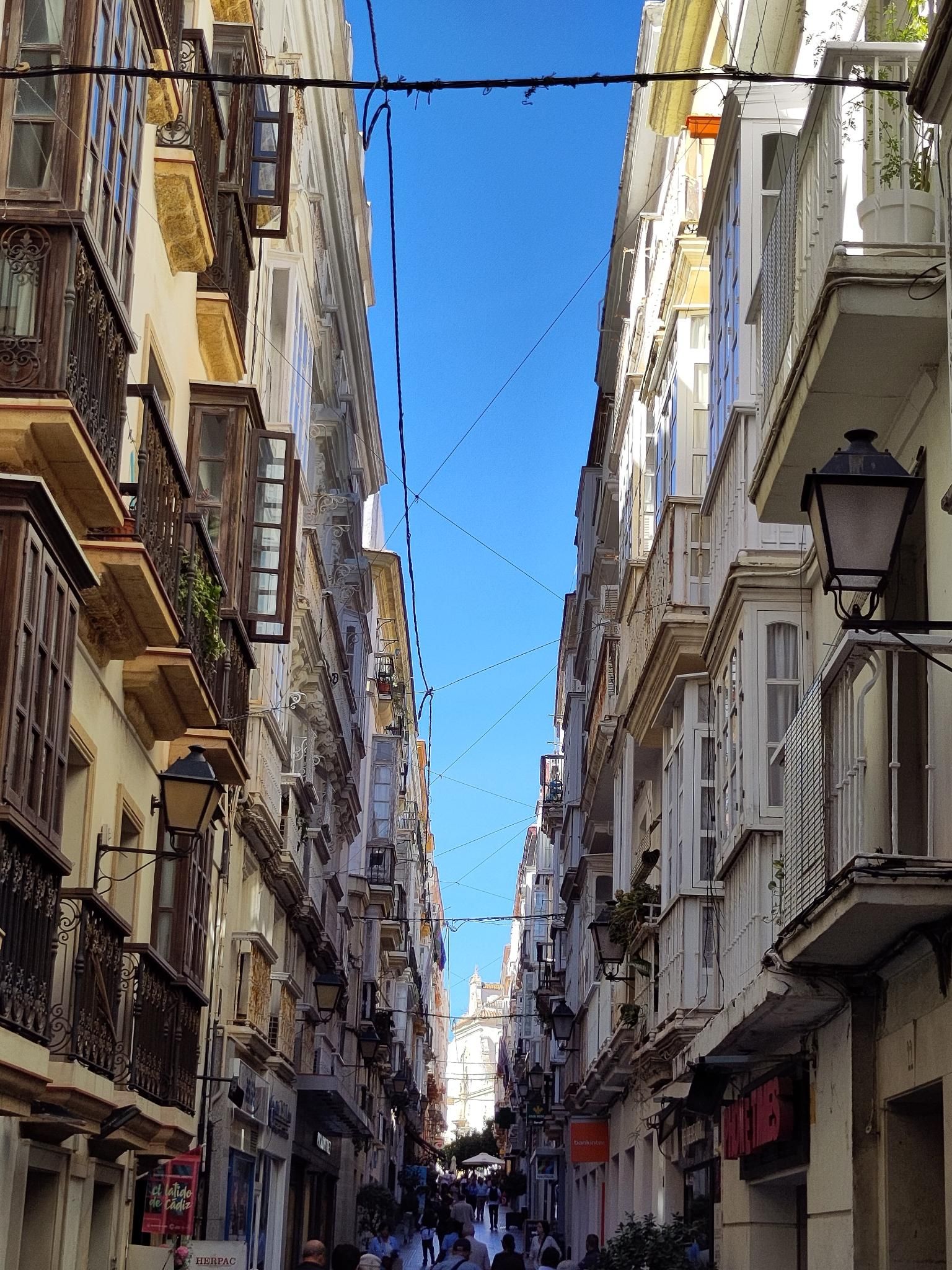
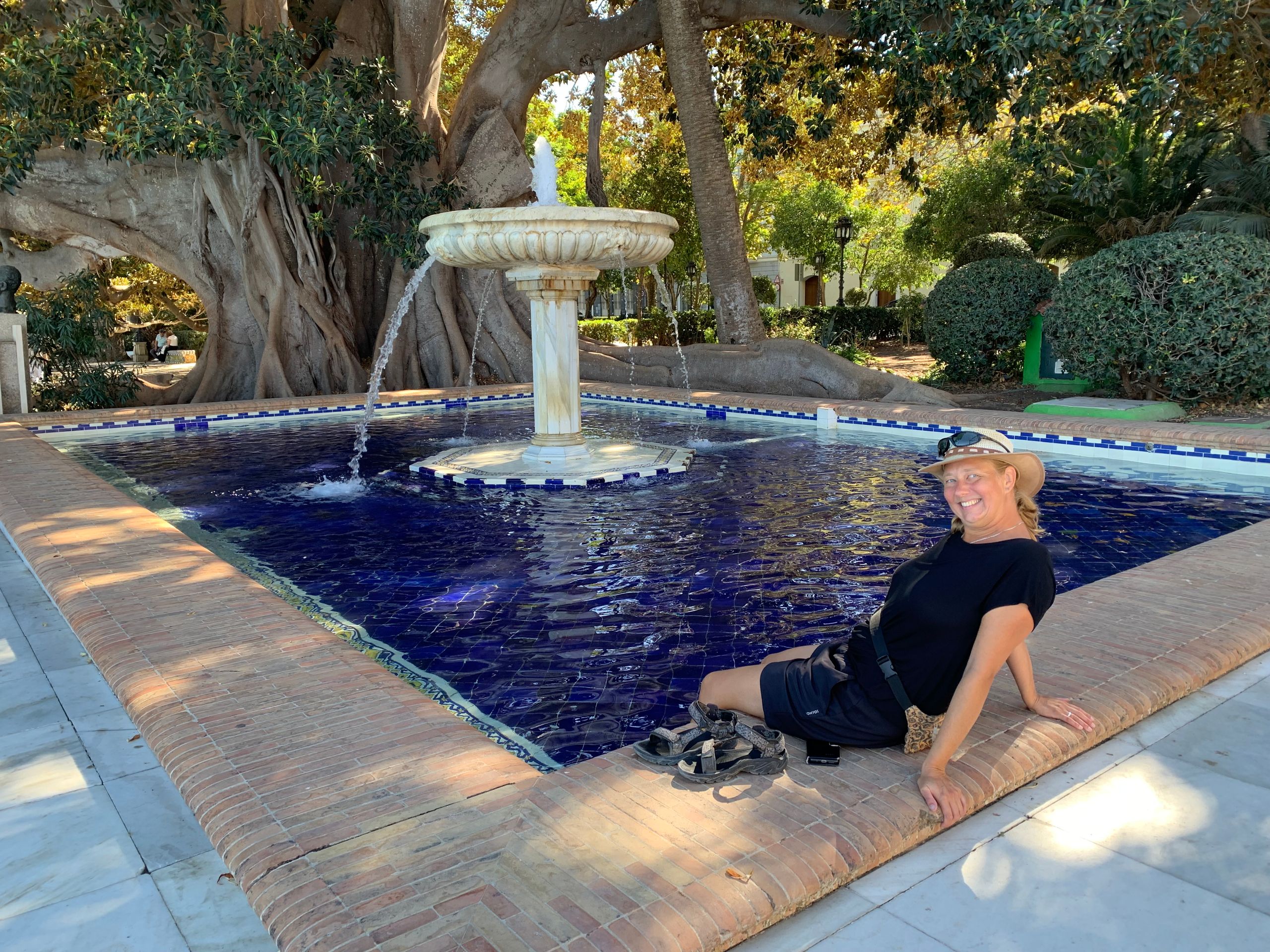
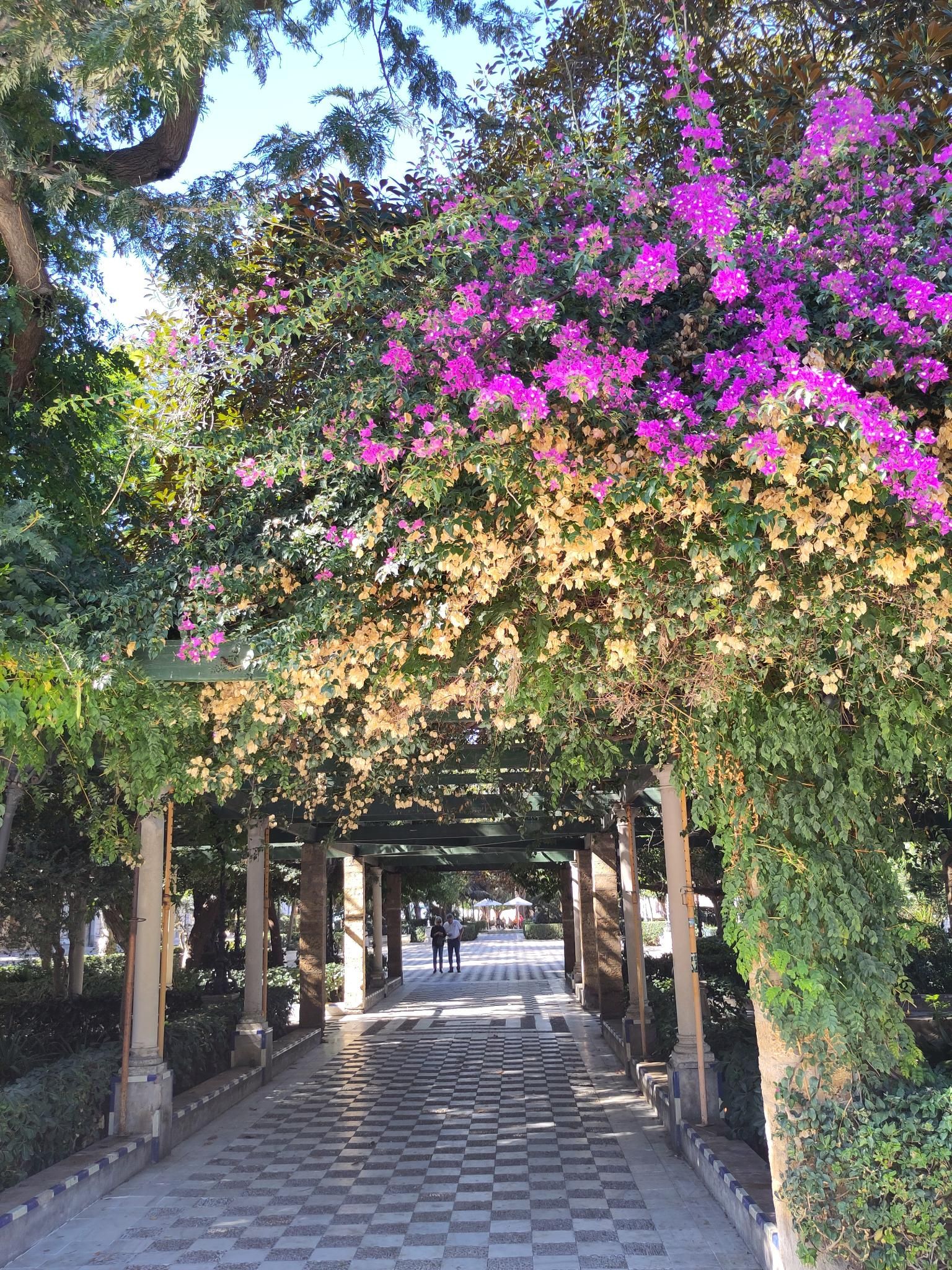
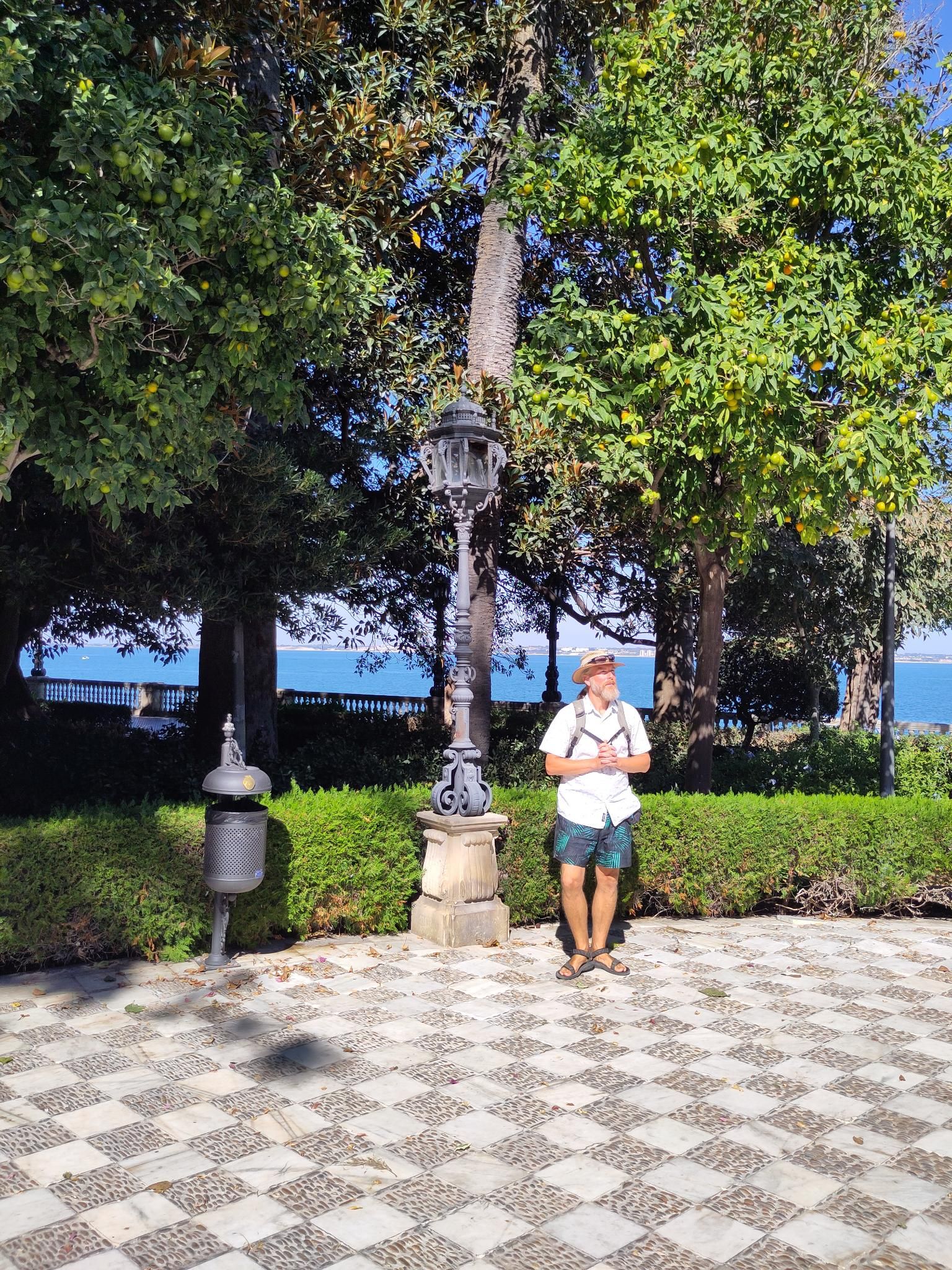
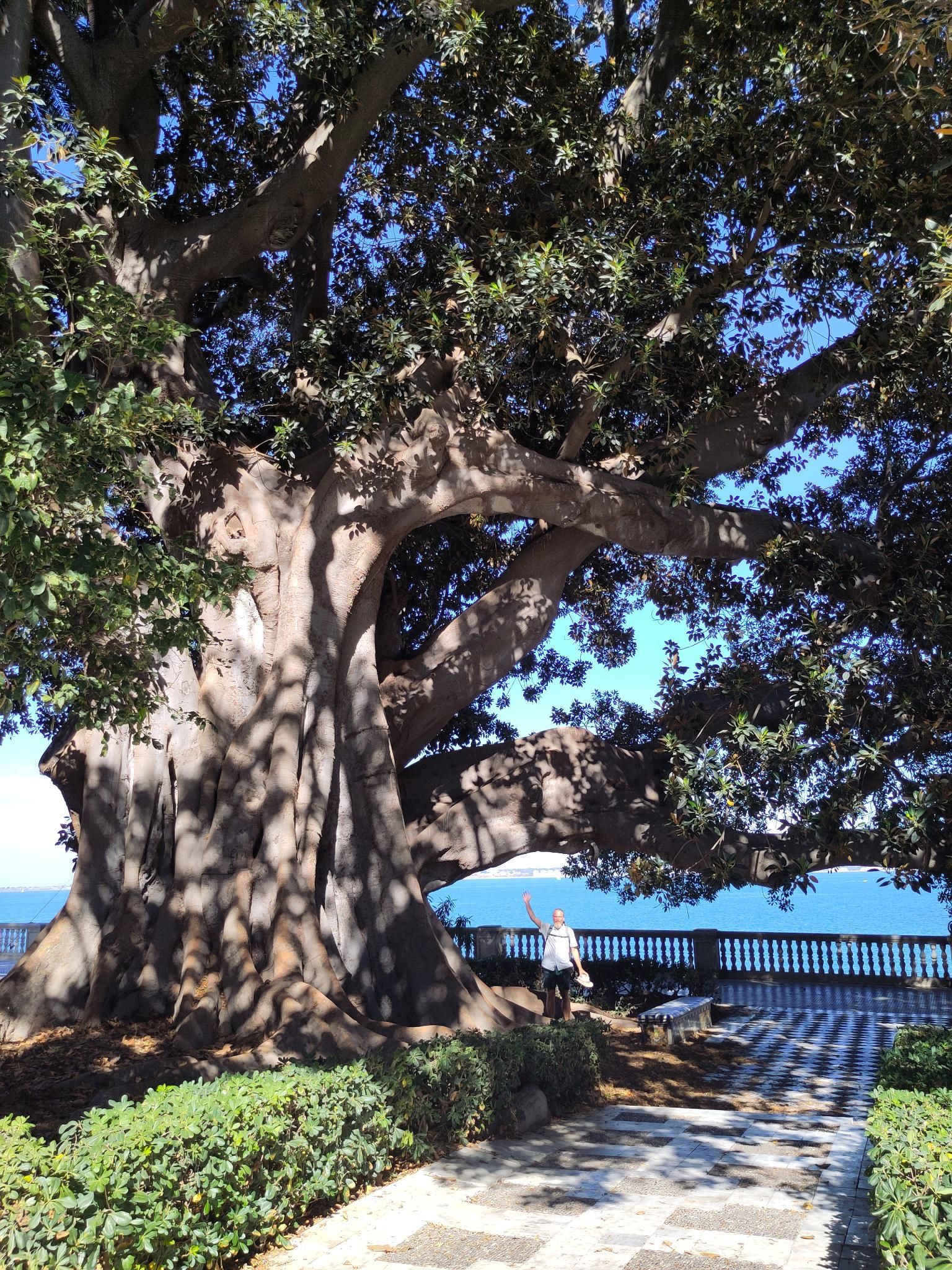
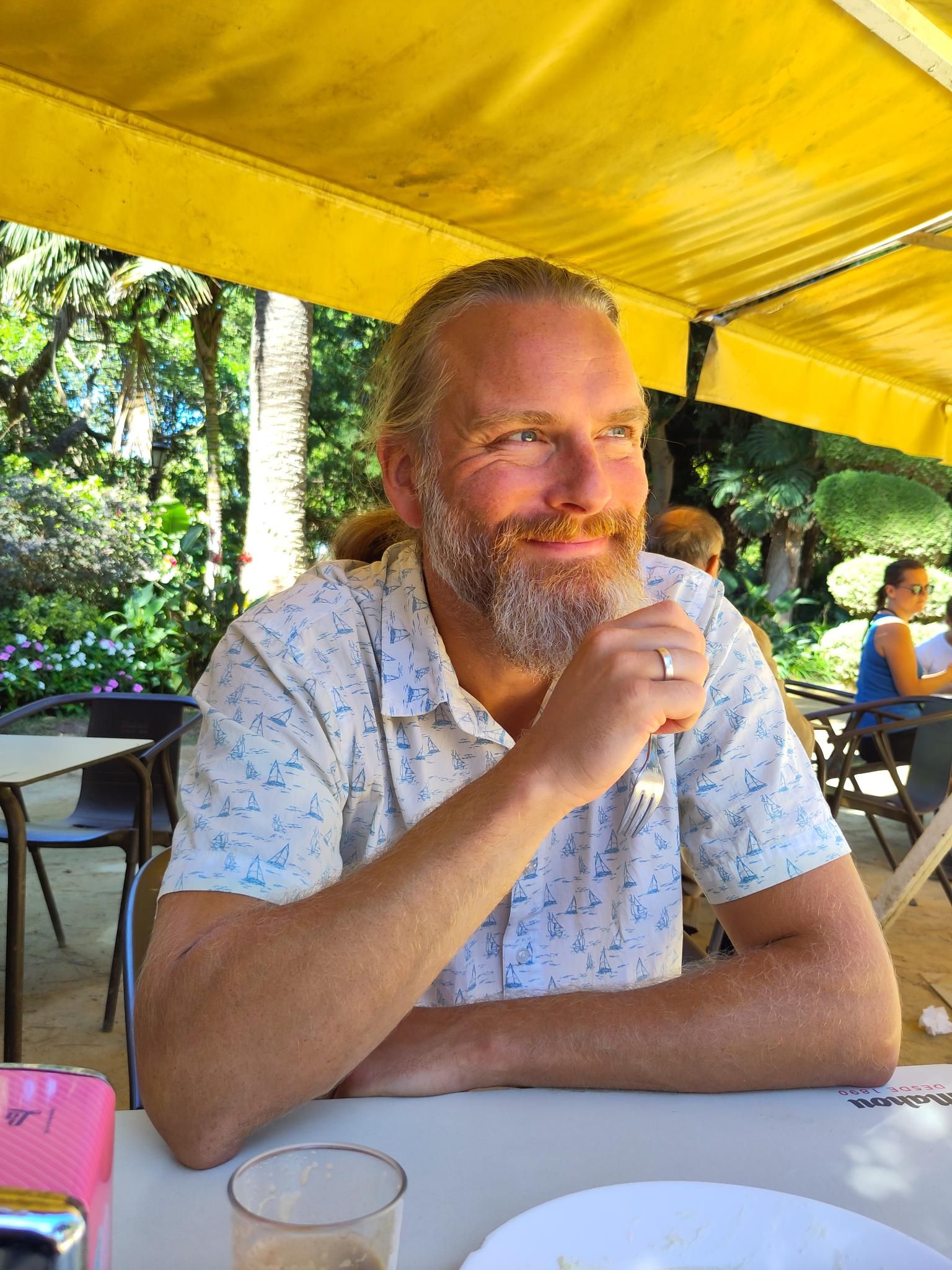
After having breakfast, we set off on our island tour. First, we headed to the Castillo de Santa Catalina, which was practically right next door. A few hundred meters further, a narrow causeway led us to the castle and the Faro de San Sebastián located there. After we had looked at the old defense structures, the next stop was the Catedral de Cádiz. However, due to a large mass for communion, this was not accessible to us. But that didn’t matter because there were still plenty of other things to see. Unfortunately, only the visitor center was open at the Teatro Romano due to renovation work, so we could see the amphitheater but could not enter. We then walked from southeast to northwest, completely across the island, trying to visit as many of the very beautiful green squares as possible. Thus, we found the Plaza de la Candelaria, the Plaza de San Francisco, and the Plaza de Mina before reaching our destination with the Parque Genovés and the botanical collection located there. At the park café, we ordered coffee, an Ensaladilla, and to finish, an ice cream. On the last few hundred meters back to Gary, we were already looking forward to our siesta. With our walk of about seven kilometers, we had more than enough exercise for the time being.
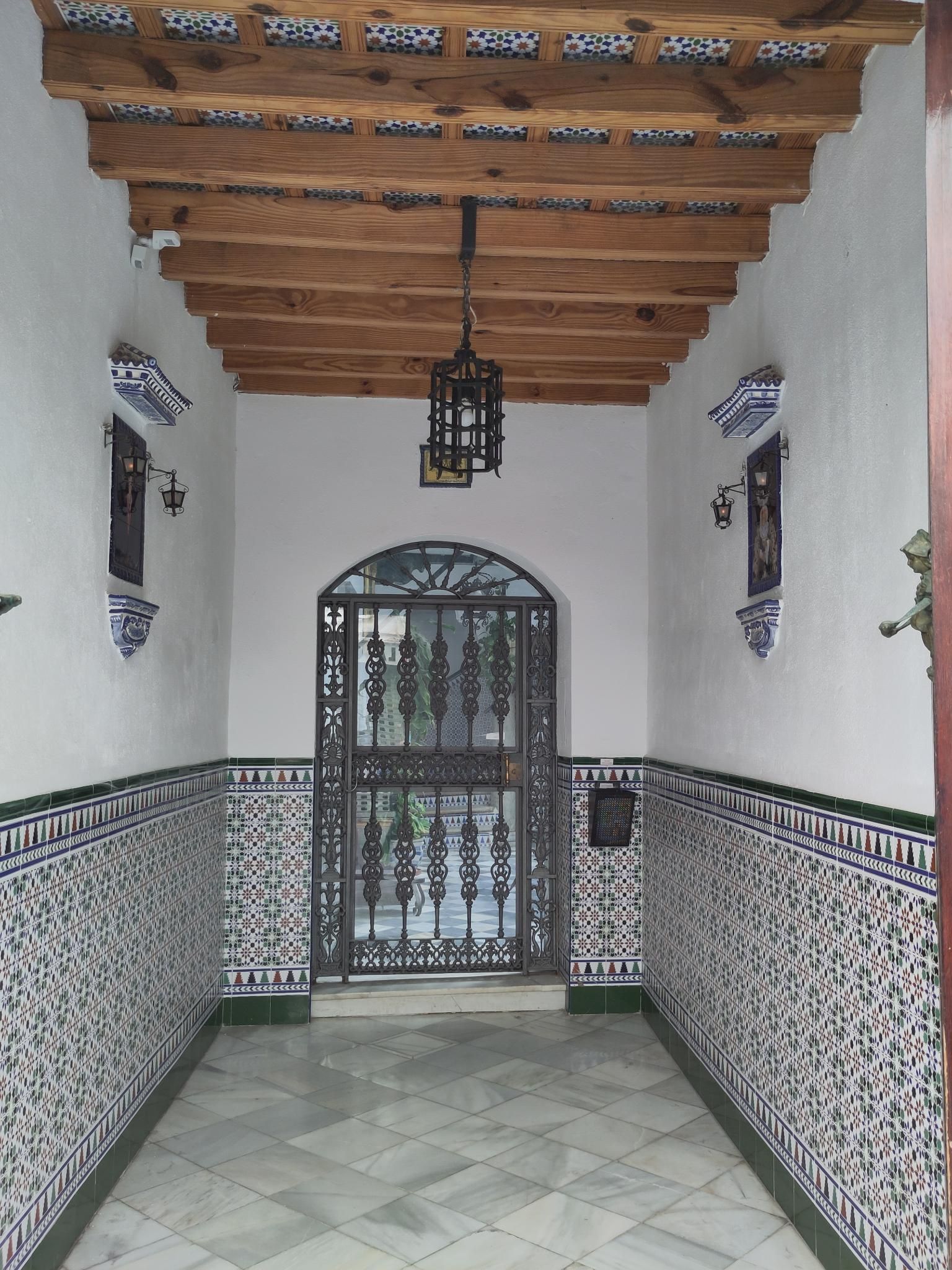
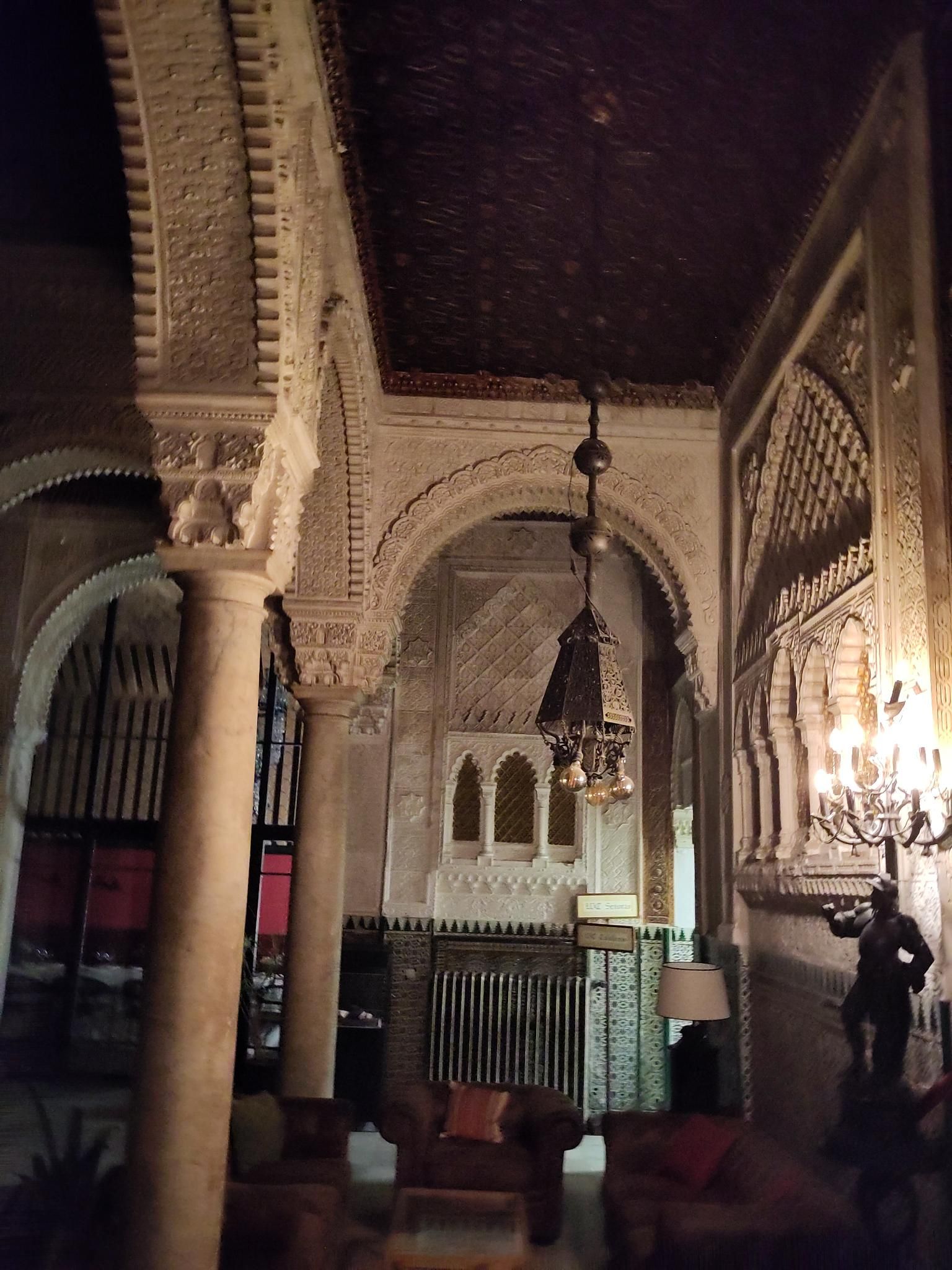
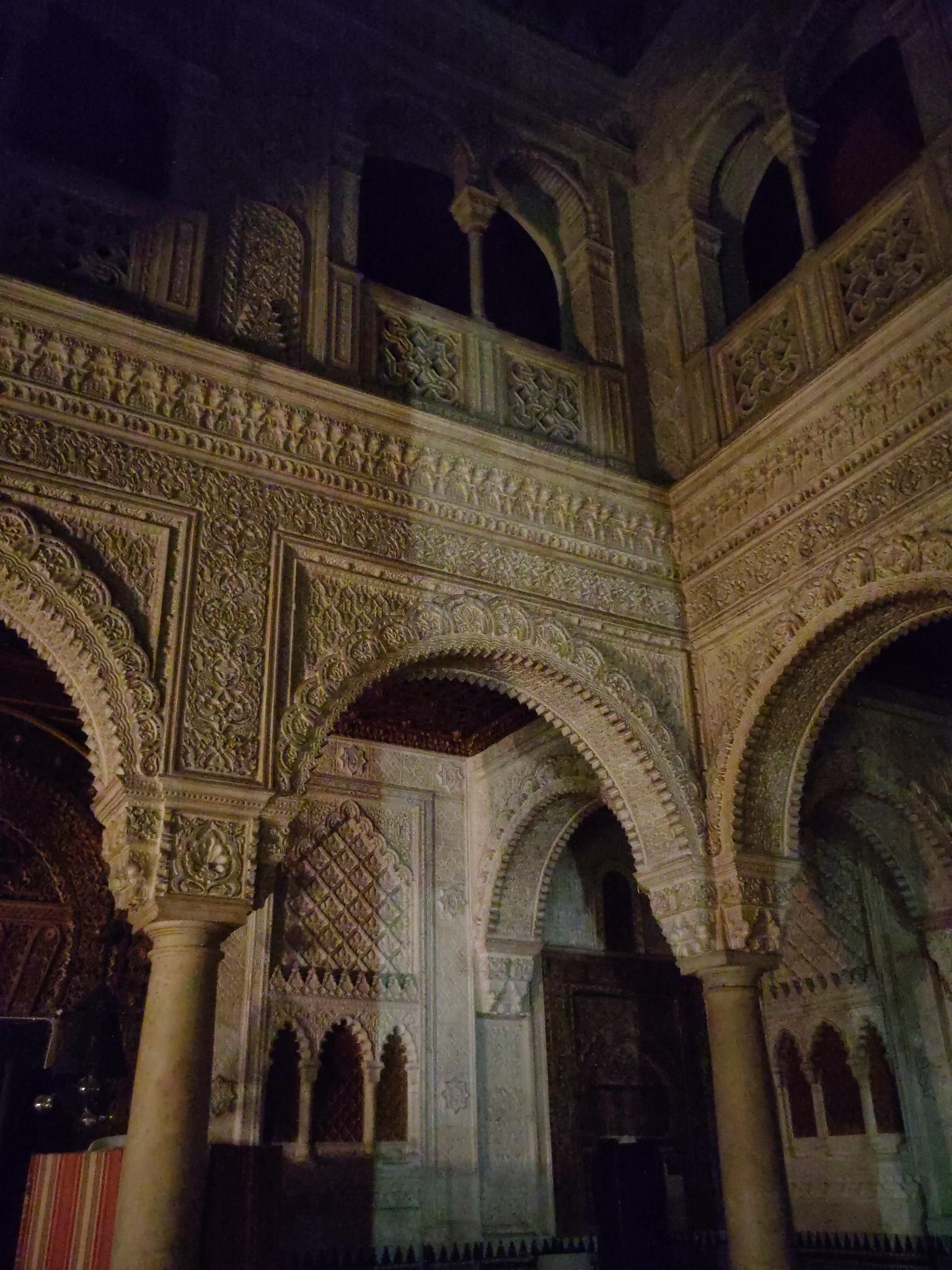
As sunset approached, we set out in search of a tapas bar. Again, we wandered through the streets and found a place that looked like it would serve us well. It actually turned out quite nice. However, the way to the restrooms was surprisingly surprising, as it led into the interior of the building and into an atrium designed like a Moroccan riad. Here, the history of the city could be clearly recognized.