
A big shadow ...
El Capricho de Cotrina

Published: 03.04.2025
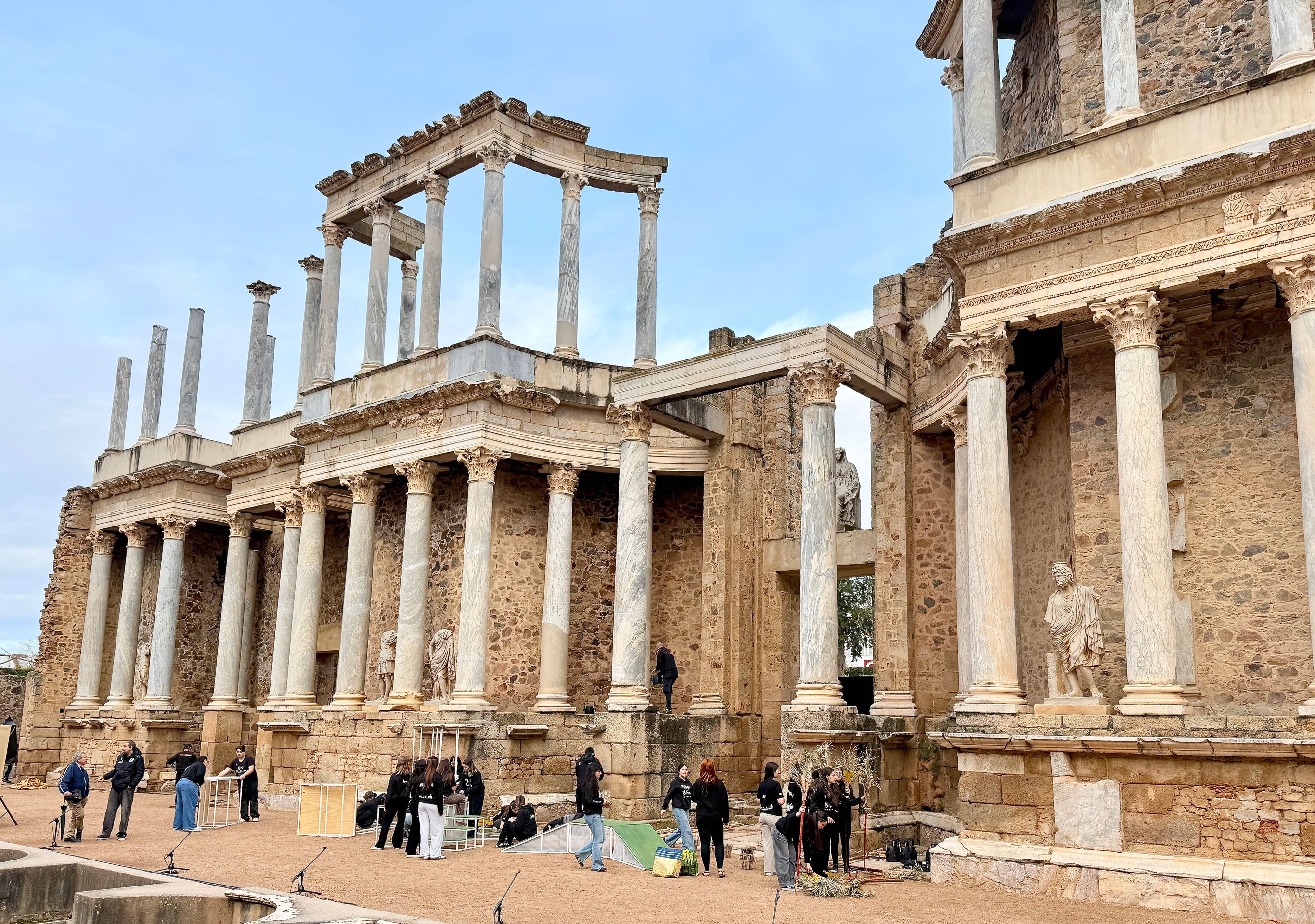
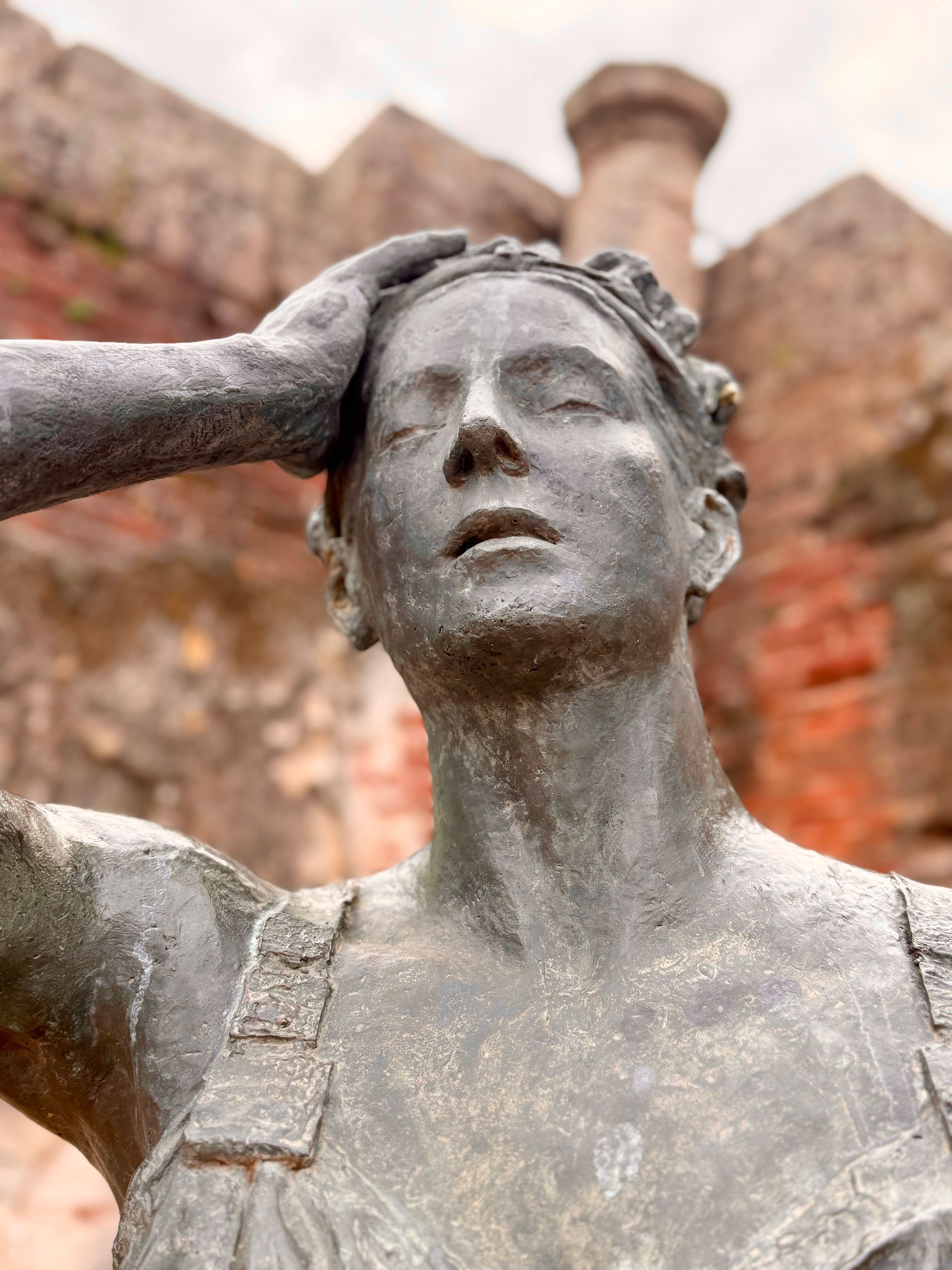
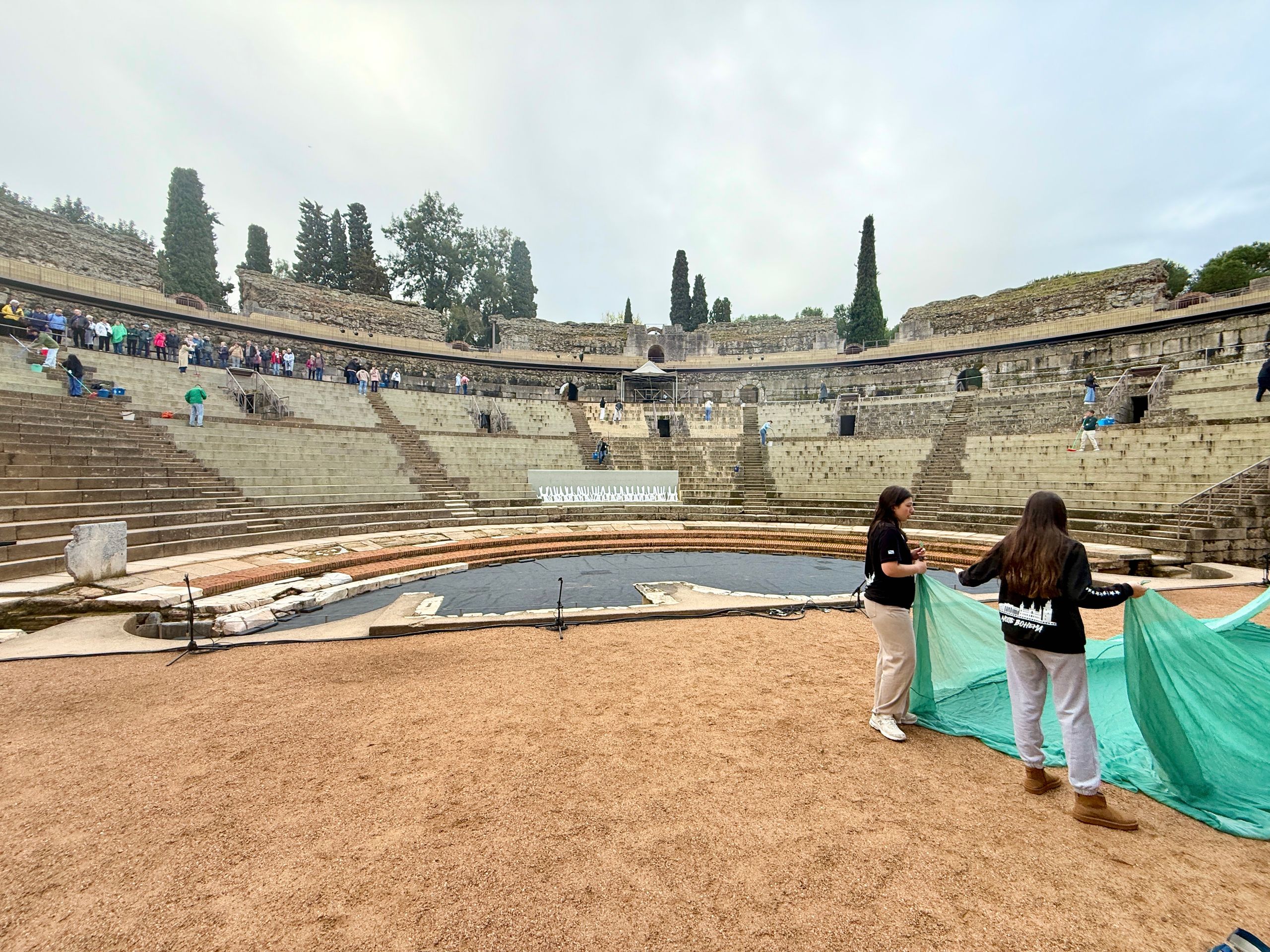
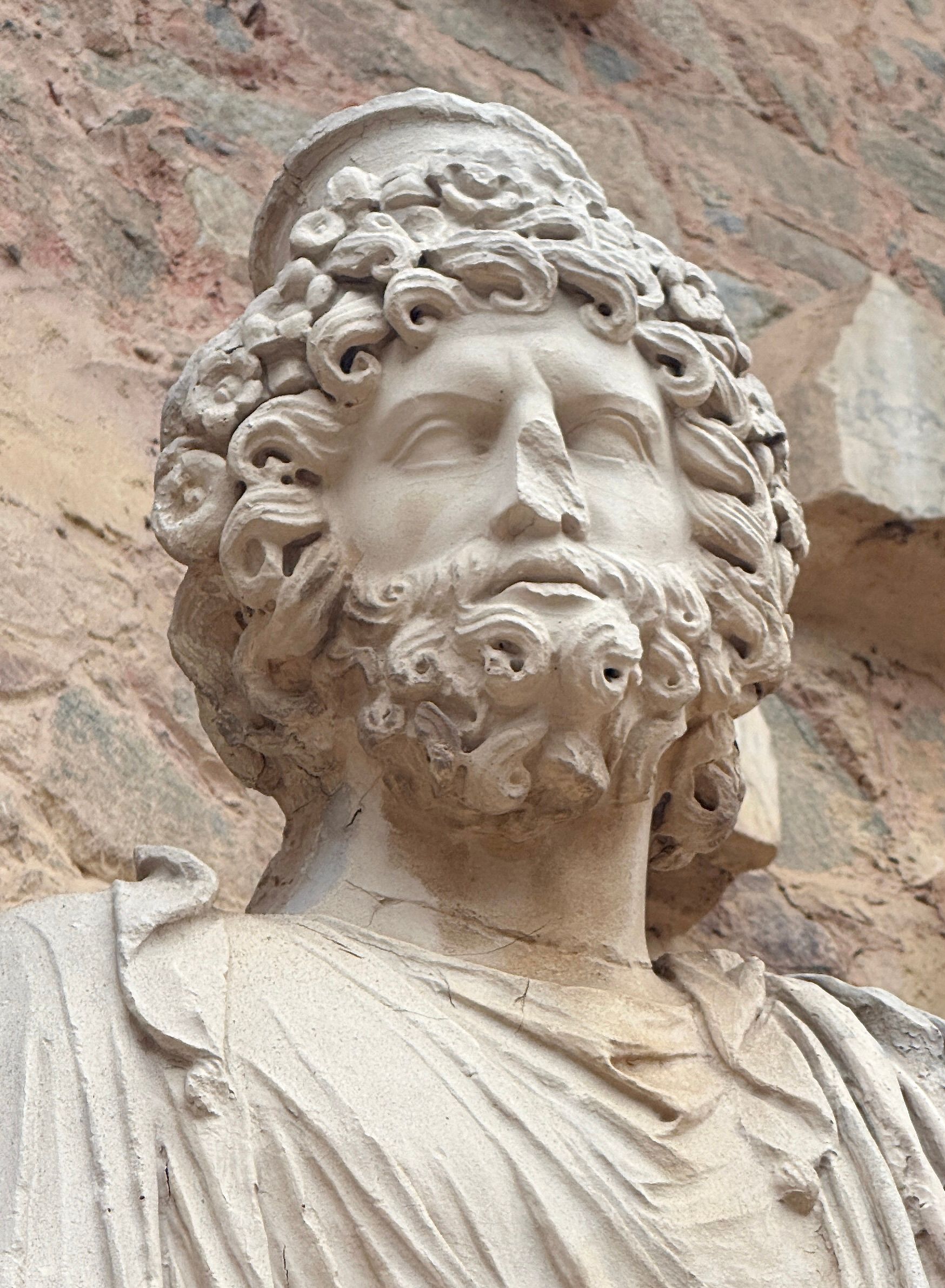
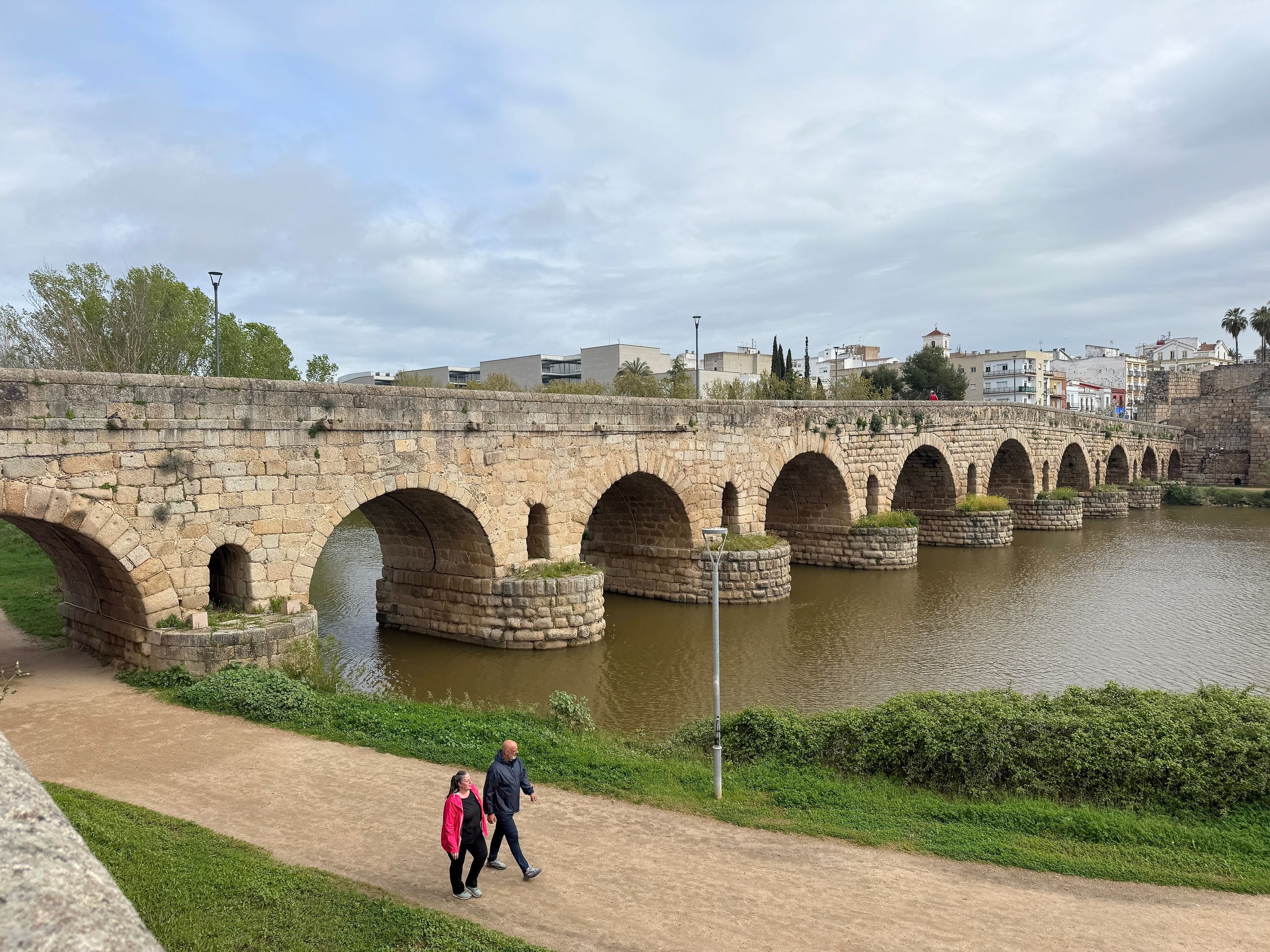
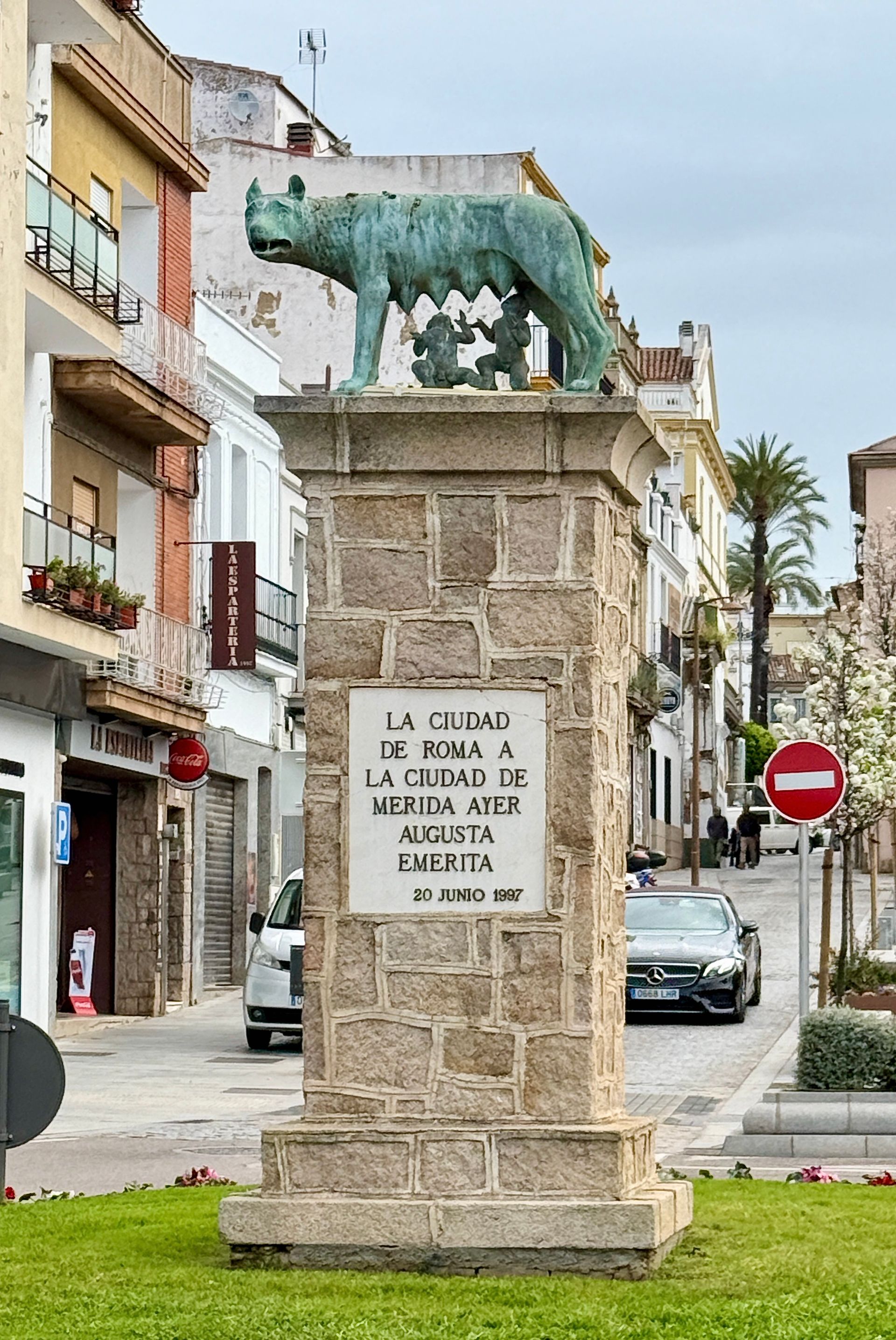
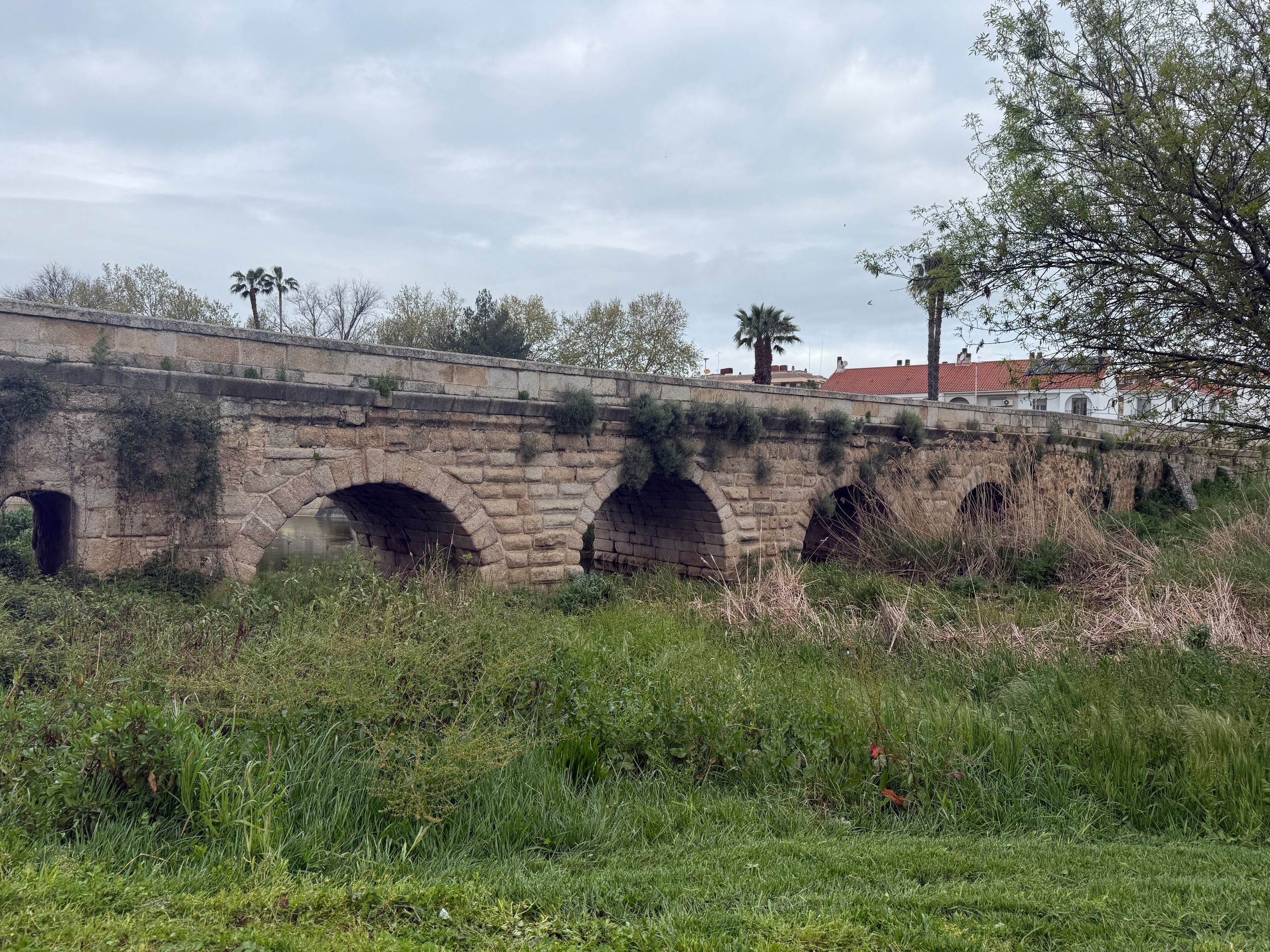
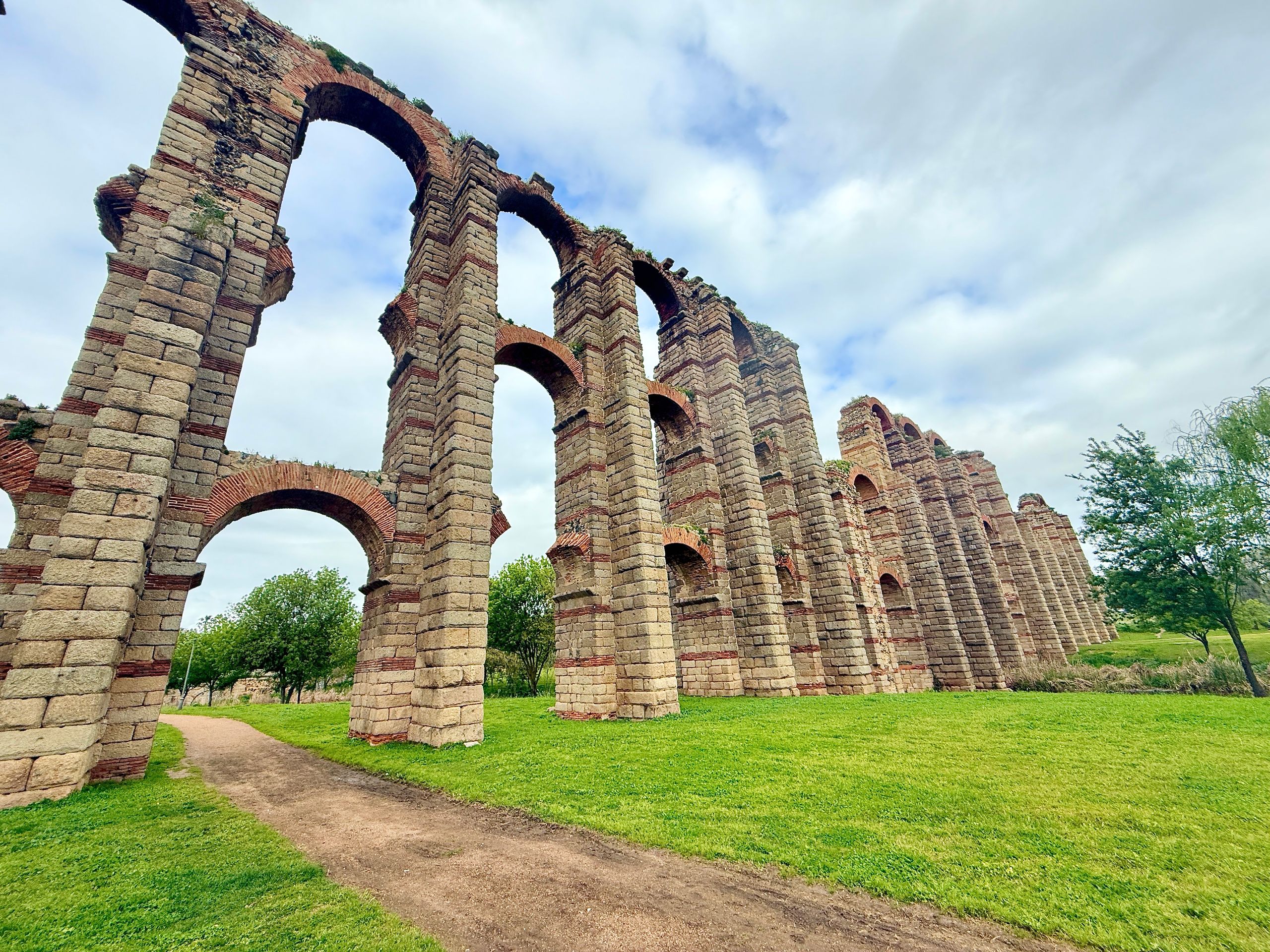
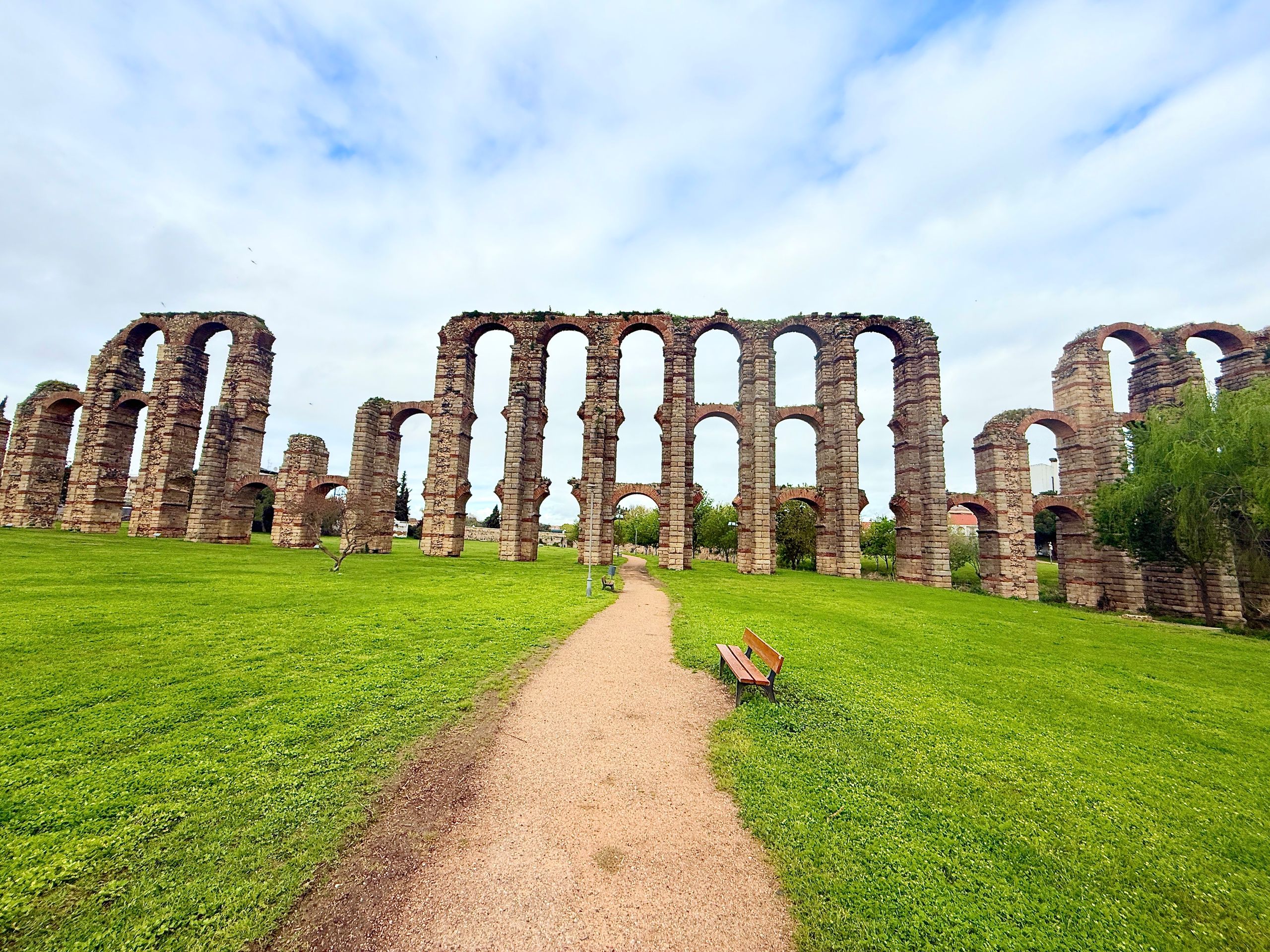
Caceres. Merida is insane! For me personally, it's the most beautiful city I have visited in all my years in Spain. I should perhaps mention that the architectural works of the ancient Romans and their legacies give me immense joy. This might be in my blood, as my hometown Straubing also has a Roman past and can showcase finds that are known to experts throughout Europe.
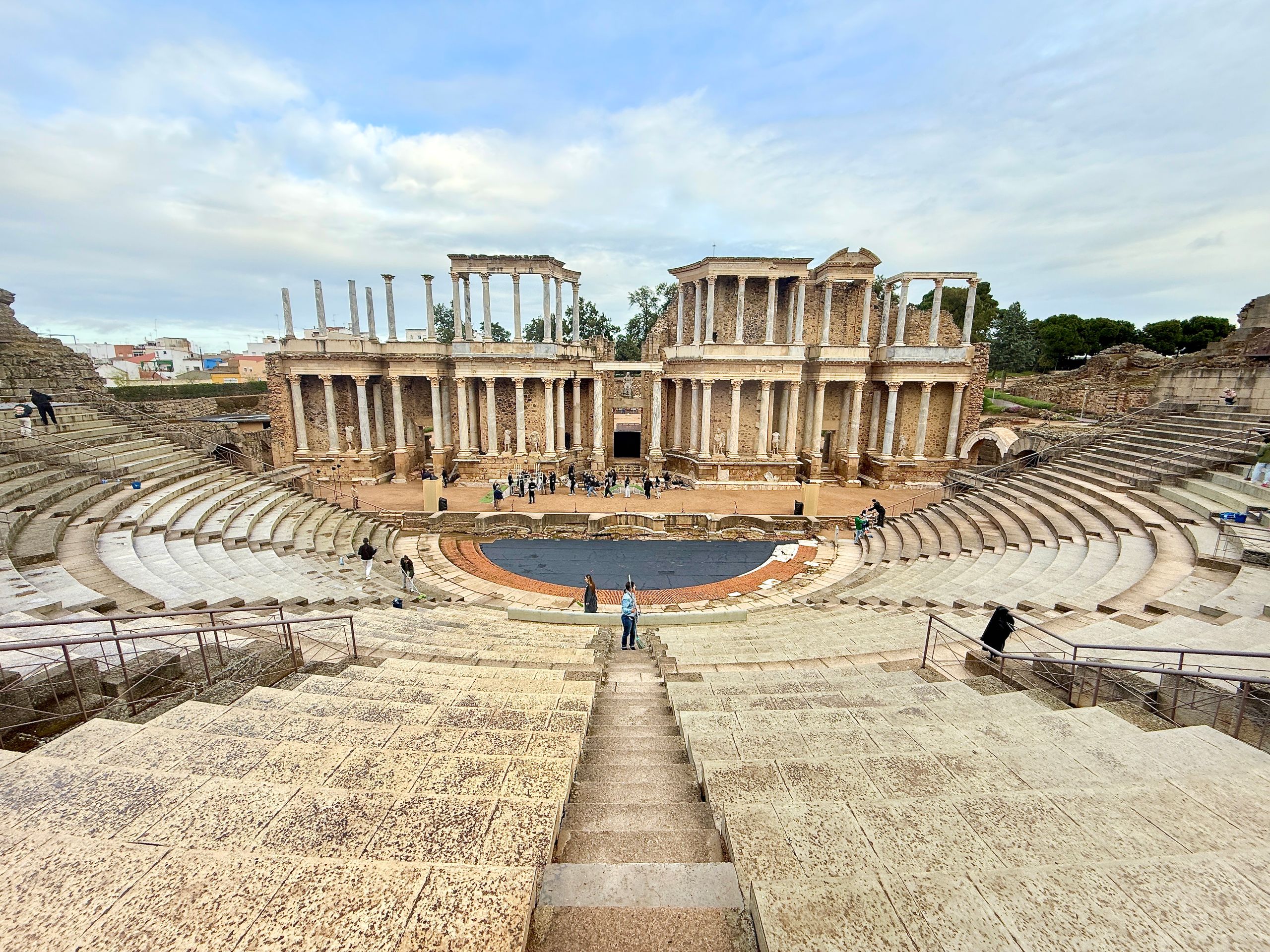
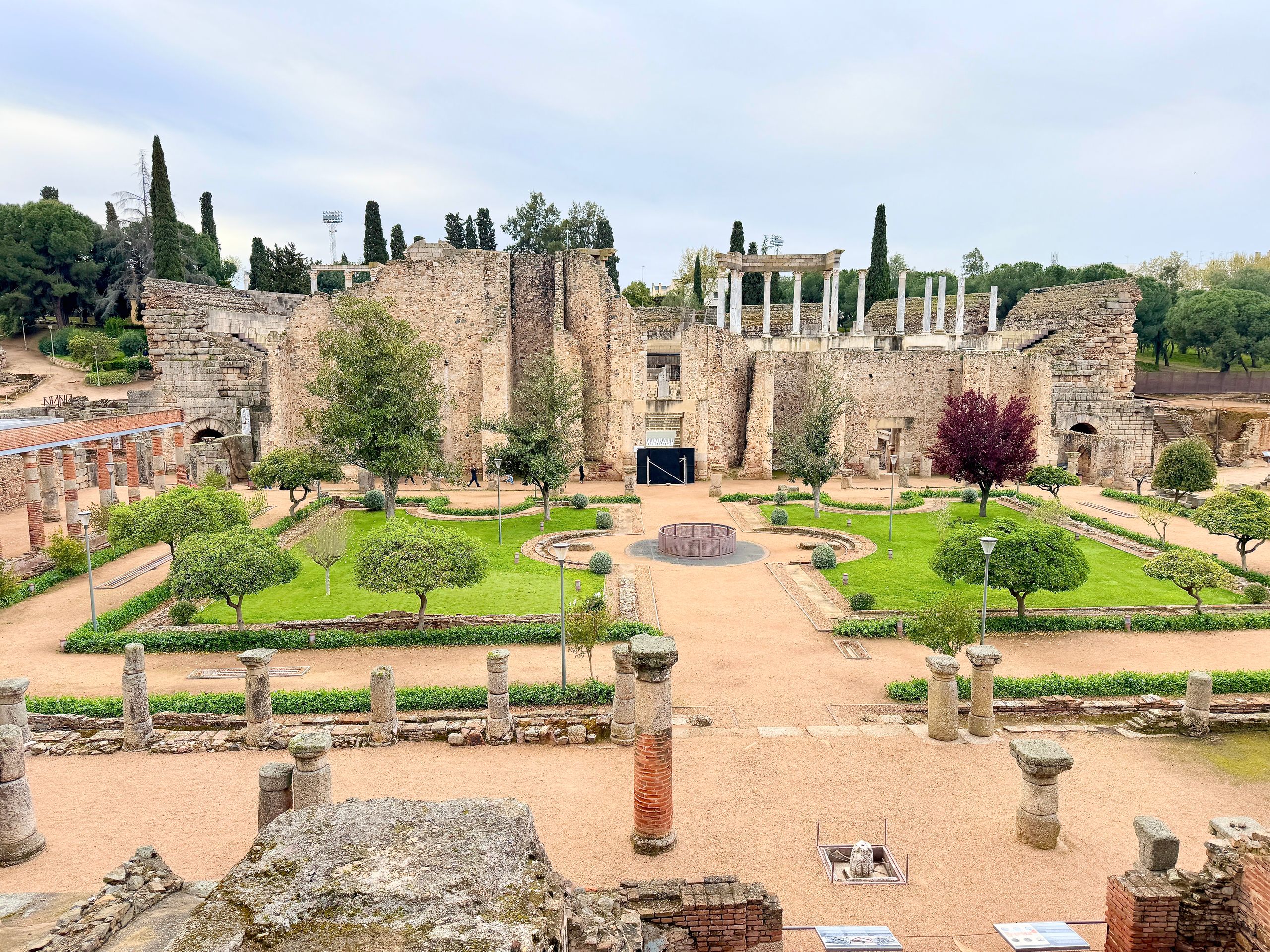
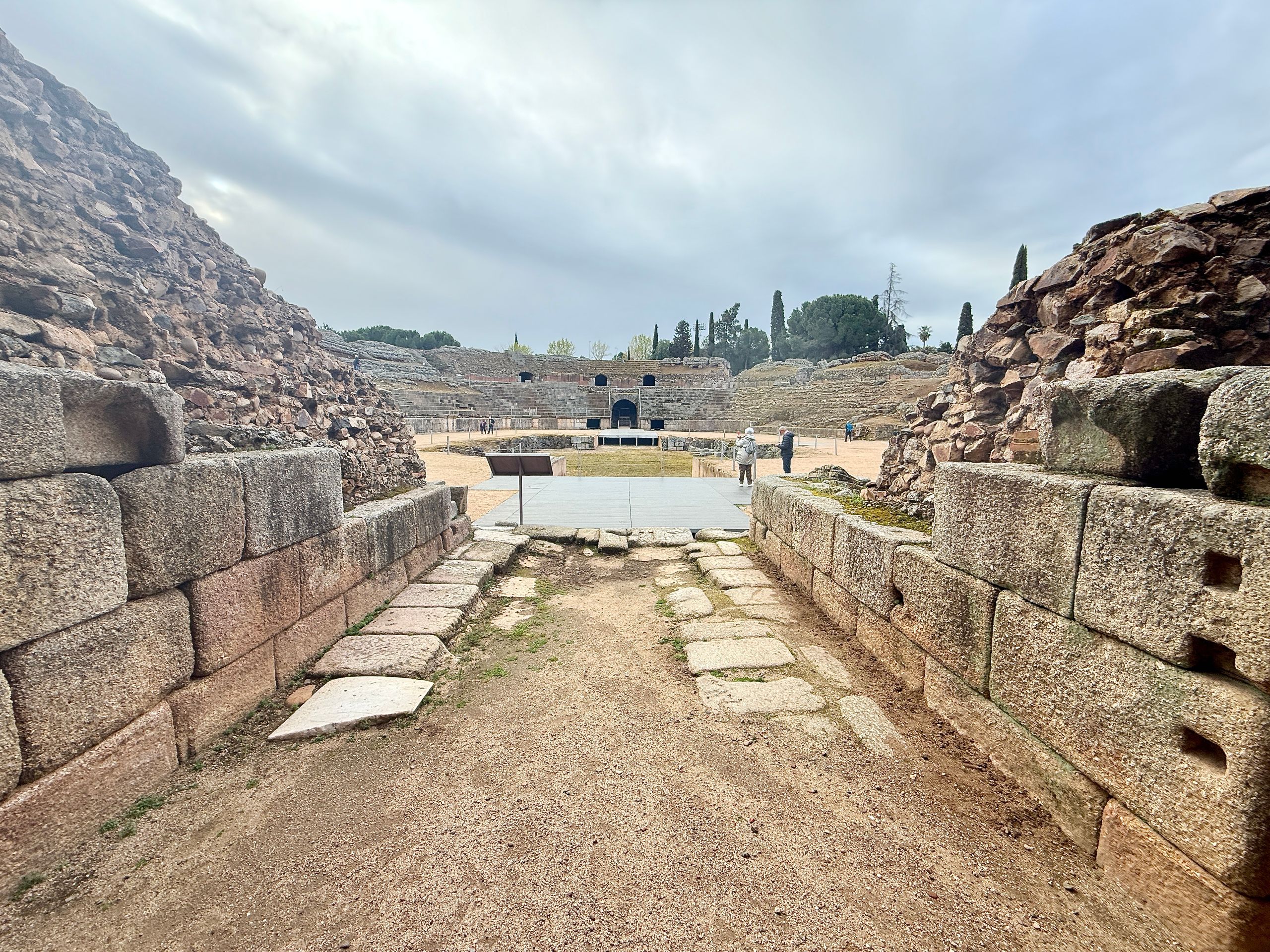
But Merida is something else entirely. In fact, the whole city, with its nearly 60,000 inhabitants, is a vast museum. At its heart is the theater with a capacity of 6,000 spectators and the amphitheater next door, which could accommodate 14,000 people. One typically featured classical Greek works for an upscale audience, while the other was the venue for the common folk's thirst for blood. Here, animals of all kinds and gladiators fought against each other and amongst themselves for their lives. According to an inscription at the entrance to the arena, the fighters asked the Roman goddess of luck and justice for her assistance: “To Nemesis – To return on the same foot with which I entered.”
Both theaters are beautiful in their own right, imposing, yes, awe-inspiring; I can't describe it any other way. Consul Marcus Agrippa commissioned them, and they were inaugurated in 16/15 BC. About ten years earlier, Augusta Emerita – the original name of Merida – was founded by the Romans as the capital of the province of Lusitania. Over the years, many representative buildings emerged, such as the Circus, where chariot races and later naval battles were held. It is enormous, with over 400 meters in length and 30 meters in width. Here, 30,000 spectators could share in the excitement and suffering of their heroes.
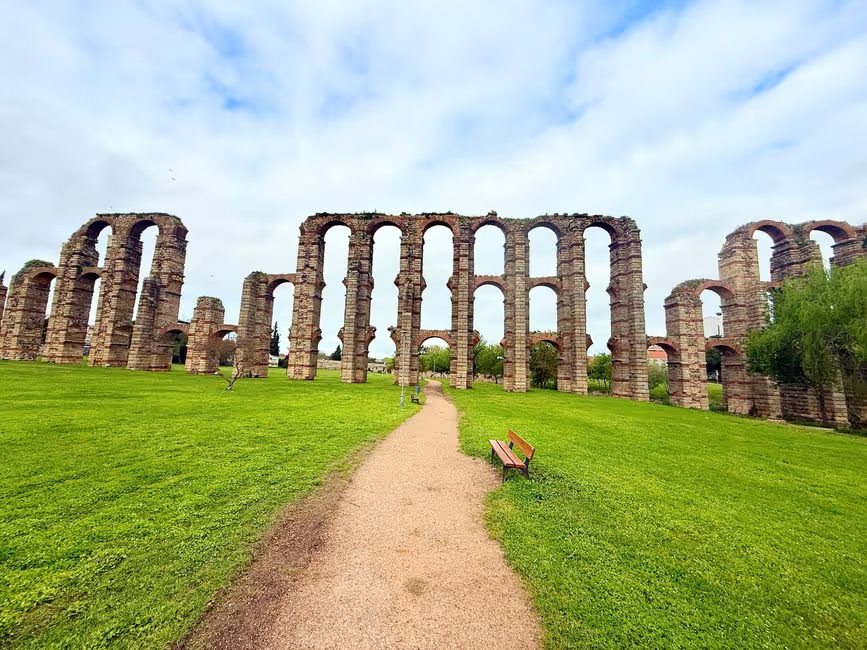
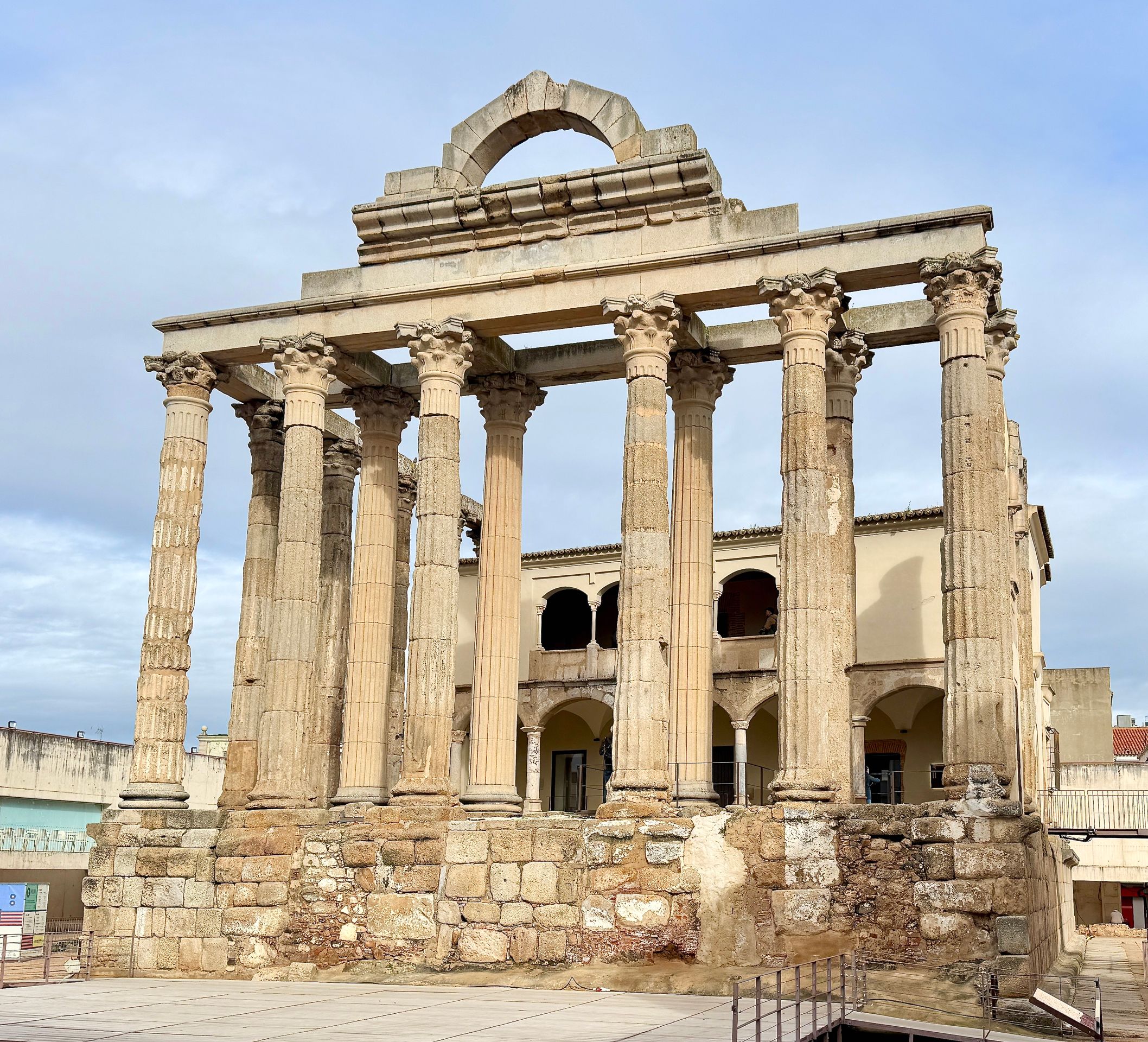
These are just three of countless Roman legacies that have been lovingly and meticulously integrated into the cityscape of this modern metropolis. While the Temple of Diana adorns a square in the city center alongside cafes and shops, the pillars of the “Acueducto de los Milagros” – the Aqueduct of Wonders – rise from an expansively landscaped green area, both daring and elegant. Illuminated by spotlights at night, they truly live up to their name.
Merida is unique with its density and excellence in Roman monuments – no wonder the city is part of the World Heritage. Since Icke (“What do you want with all those old stones”) doesn't care much for ancient Roman art, I set off alone this morning before we departed for Caceres in the early afternoon. But I'm sure I will return to Merida soon – not just for a day!