Off to new shores!
It's time for us to move on and say goodbye. Just a quick chat over breakfast with Bernd and Christel.

Published: 26.07.2026
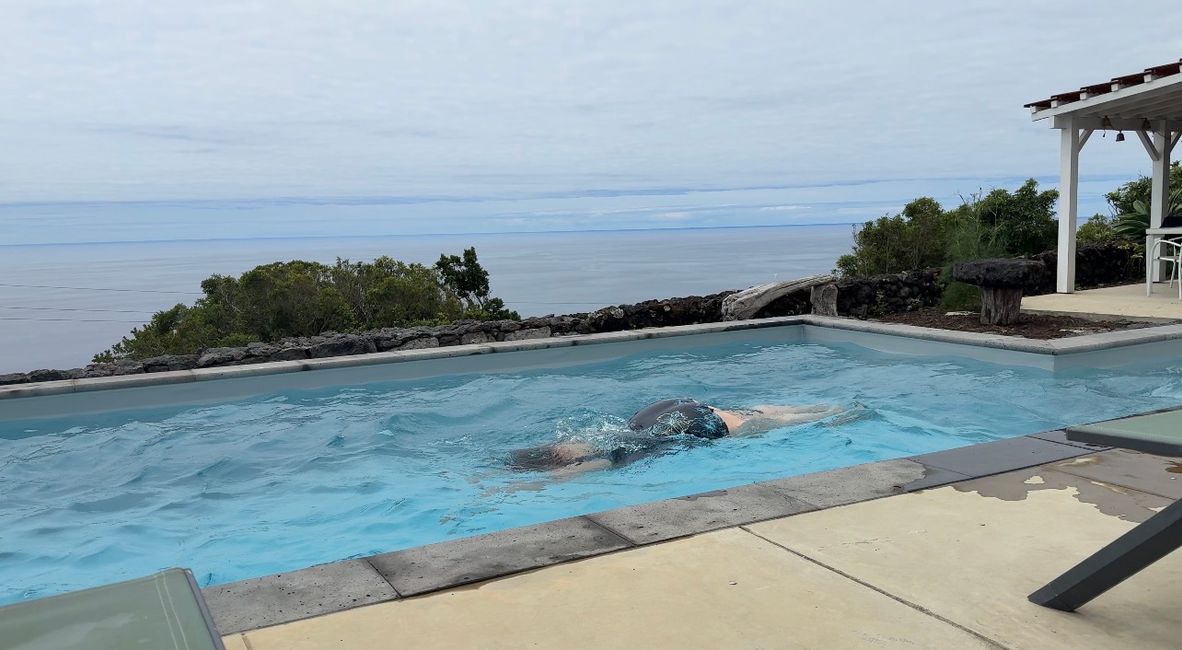
Lounging and sleeping in, these are the advantages of a vacation rental. No need to have breakfast by 10:00. Our breakfast is in the refrigerator. 7 frozen brioche knots, pepper cheese spread, butter, and homemade jam, our brought cheese and sausage, and 24 eggs that were on the counter when we arrived. Who is going to eat 24 eggs for breakfast in 3 days?
Today we can only manage to fry 5.
As I mentioned yesterday, whale watching is quite popular here.
Facts:
Commercial whaling was abandoned in 1984, and the last whale was caught in 1987. Pico is a center for whale watchers in Europe.
Often you see people by the roadside with binoculars looking for whales.
Ha, and we are lucky - even without binoculars.🤩
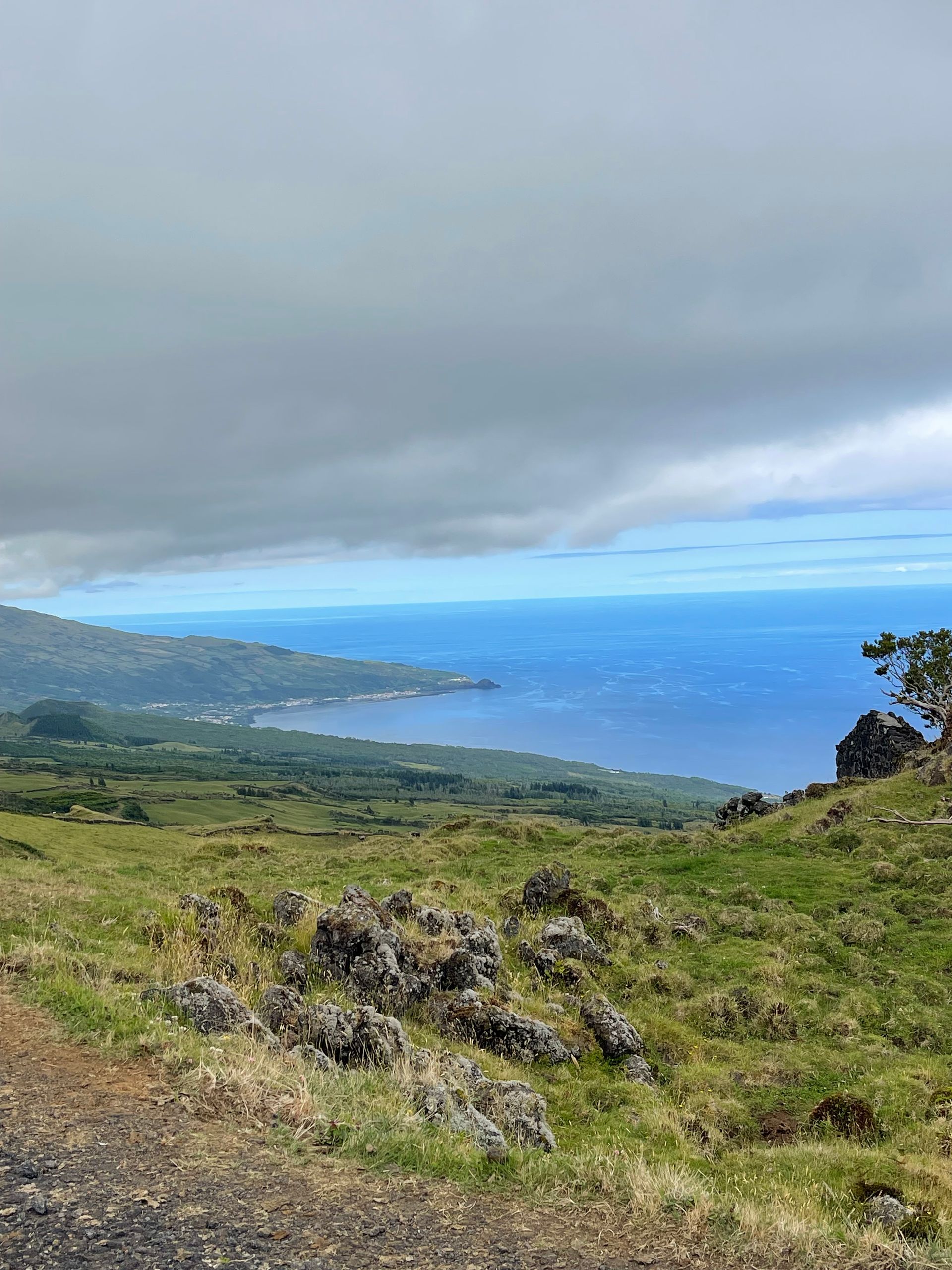
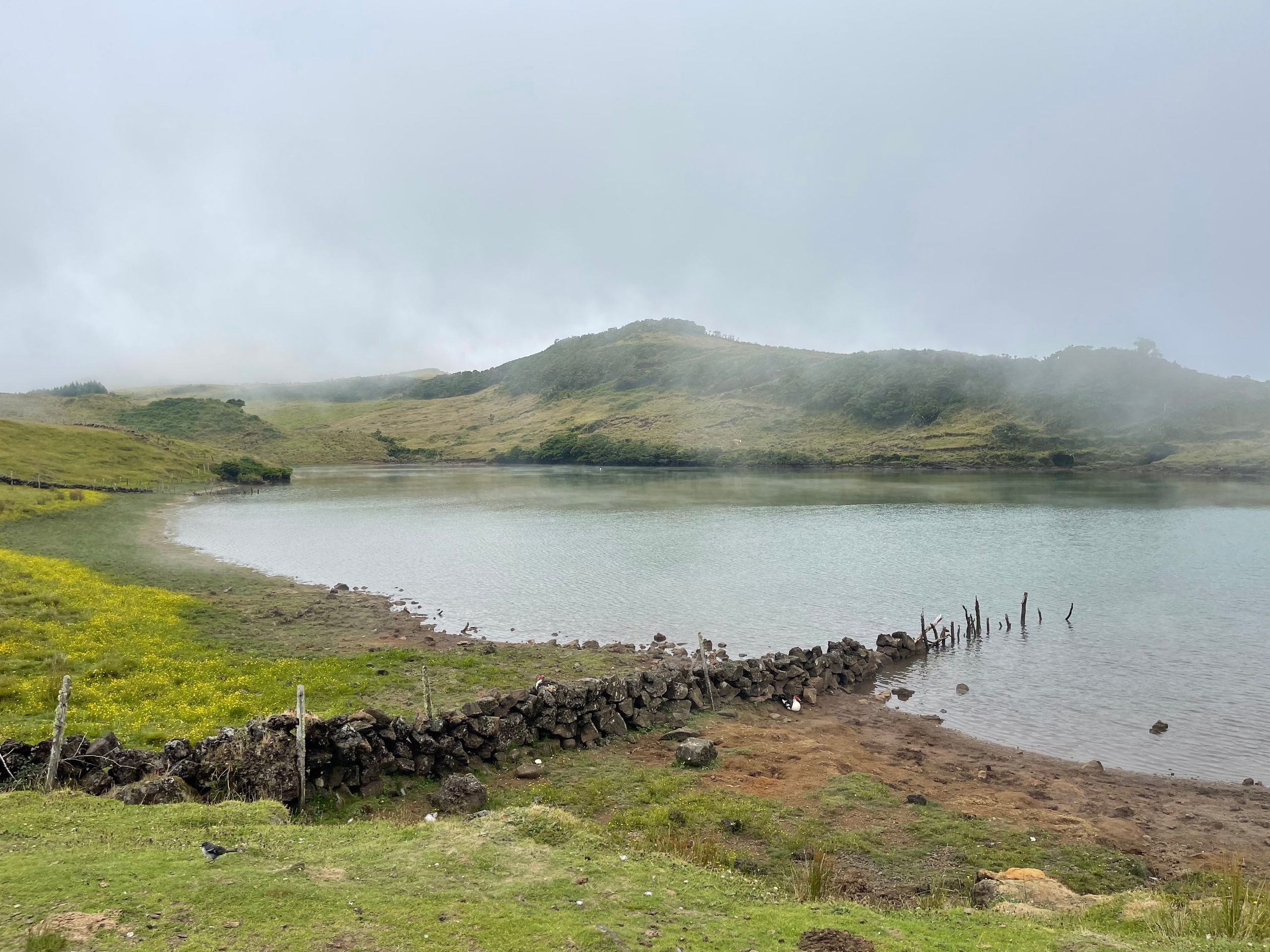
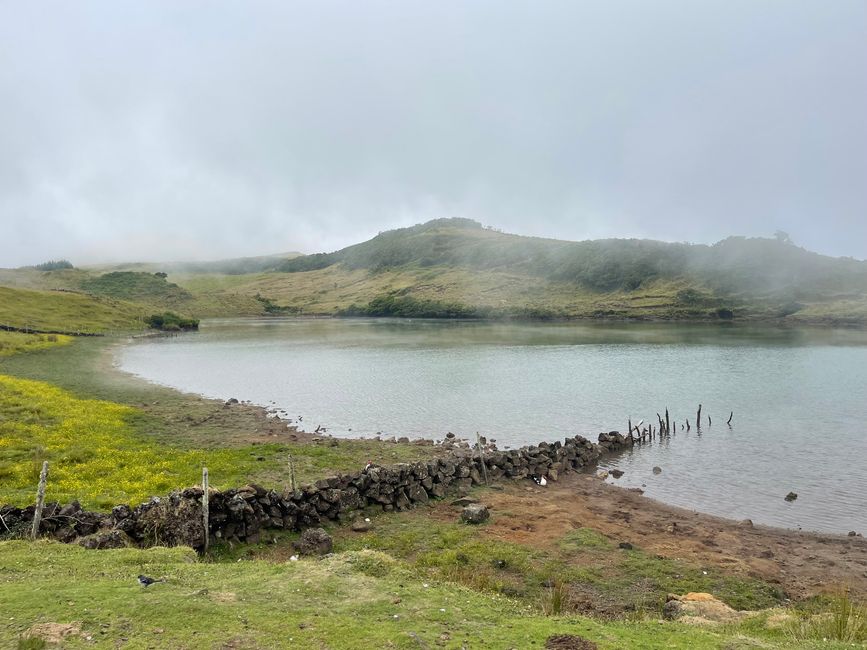
By the afternoon, we get bored and set off to Lagoa do capitão. One of 10 volcanic lakes. Unfortunately, the weather is cloudy so we continue driving.
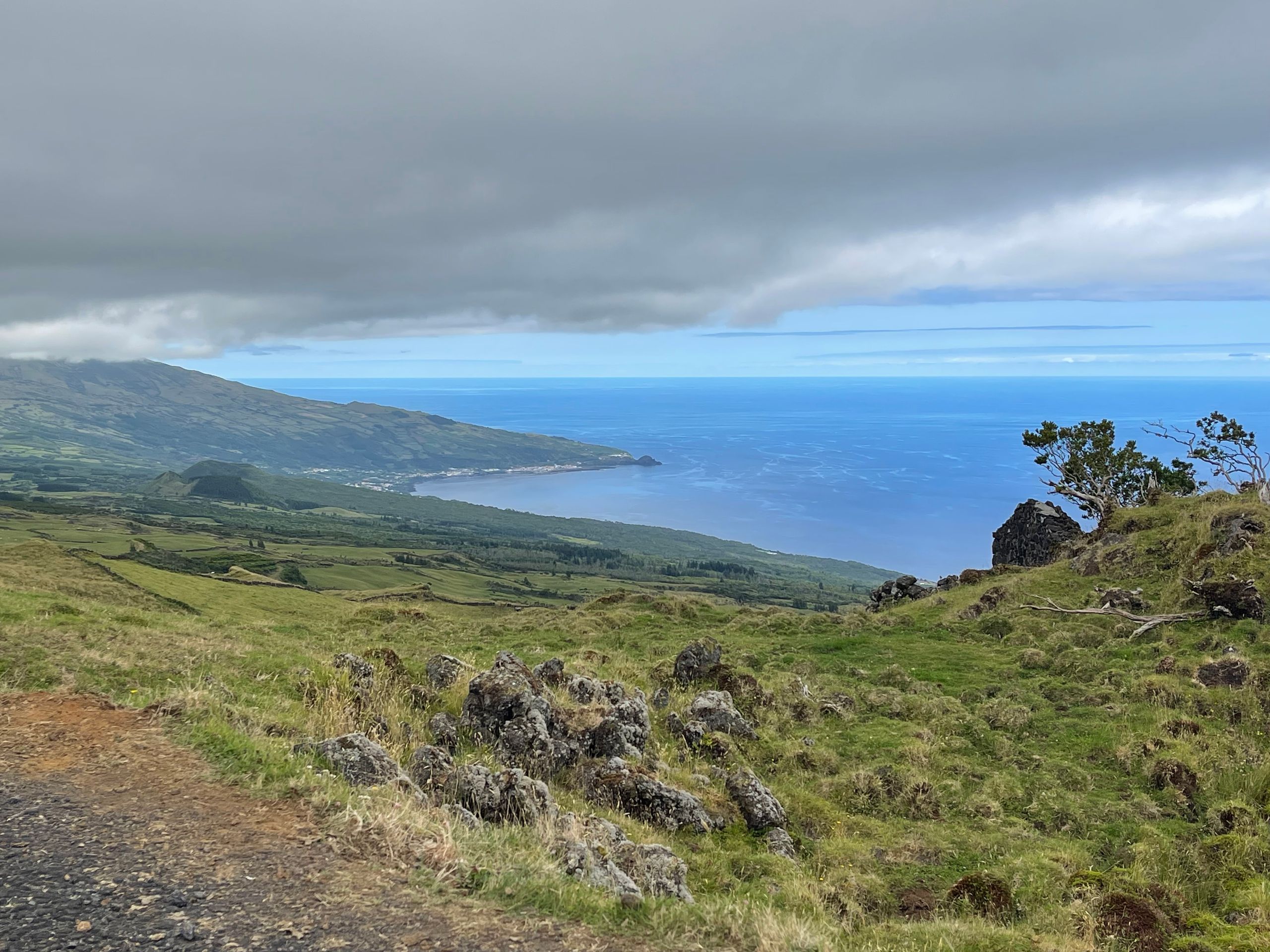
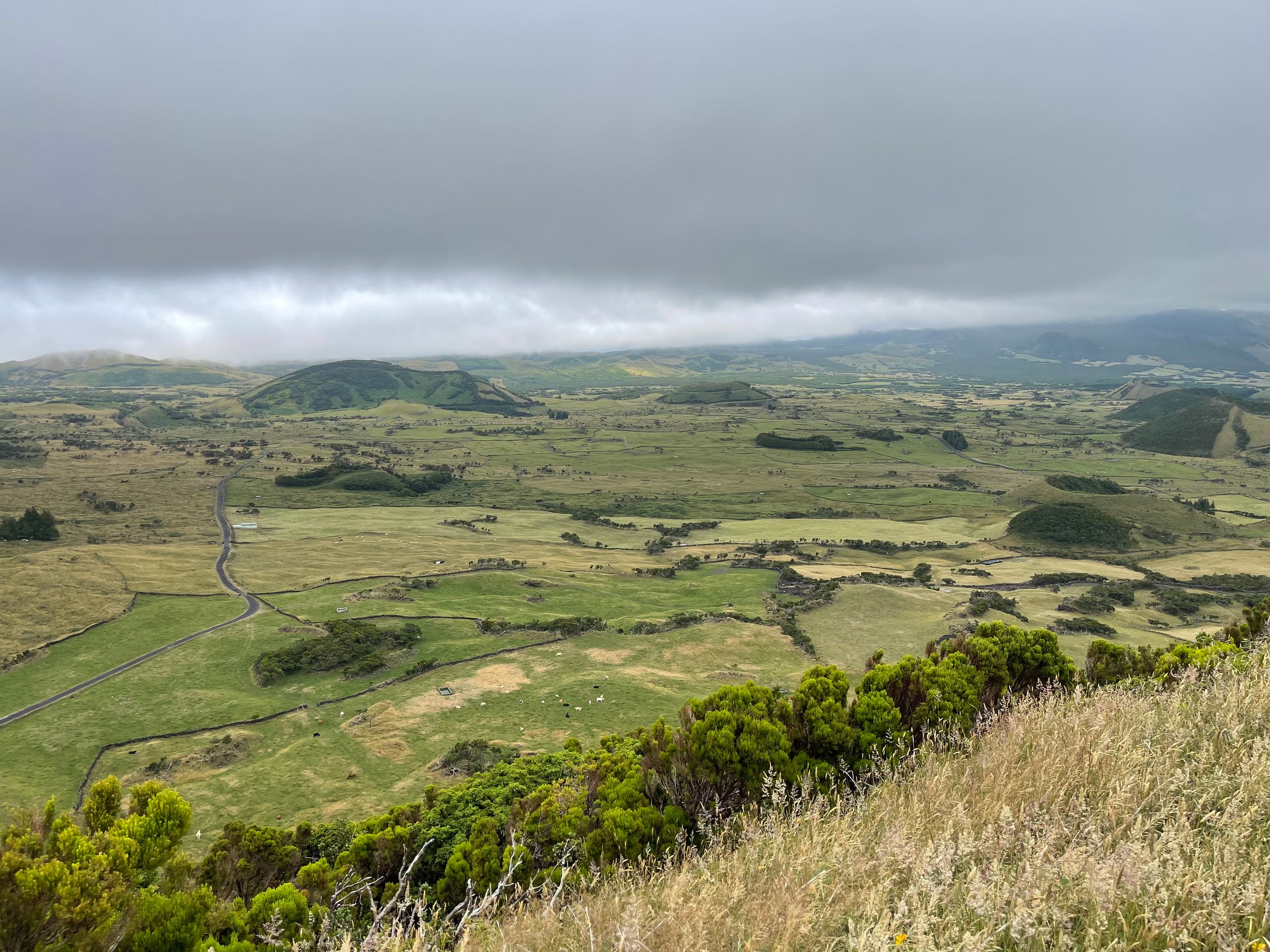
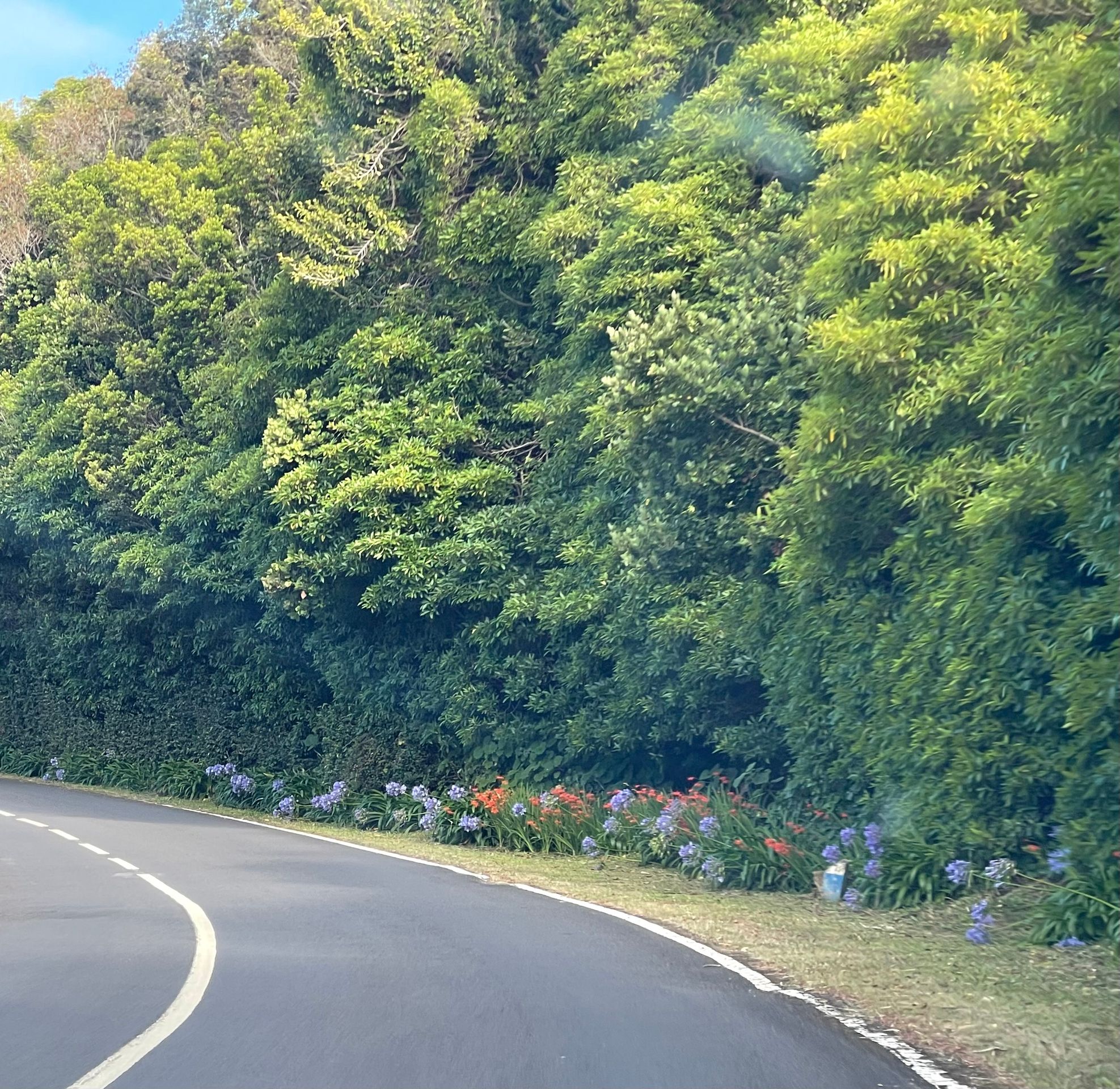
A sign reading “Pico da Urze” piques our curiosity, and we leave the well-maintained EN 3. We head to where few tourists venture.
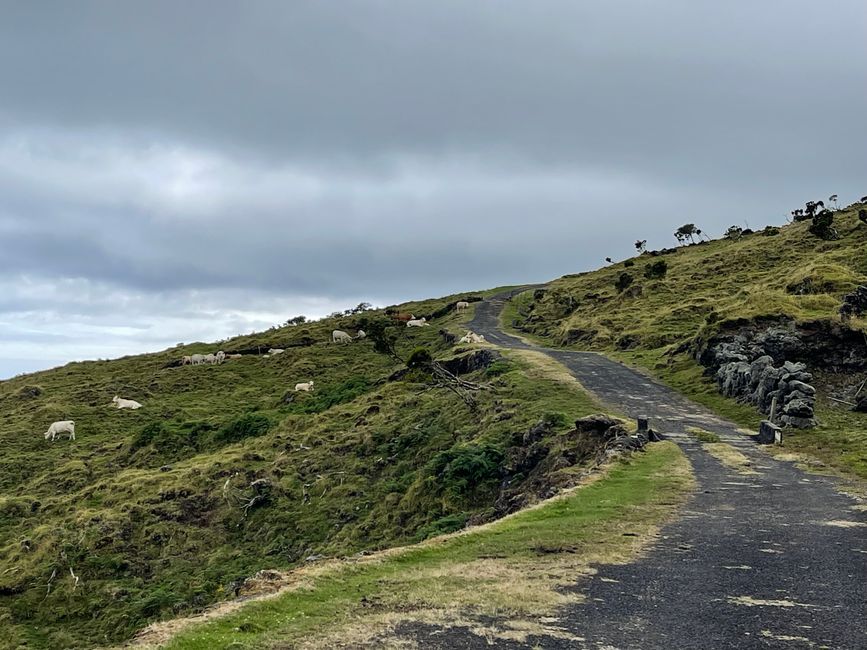
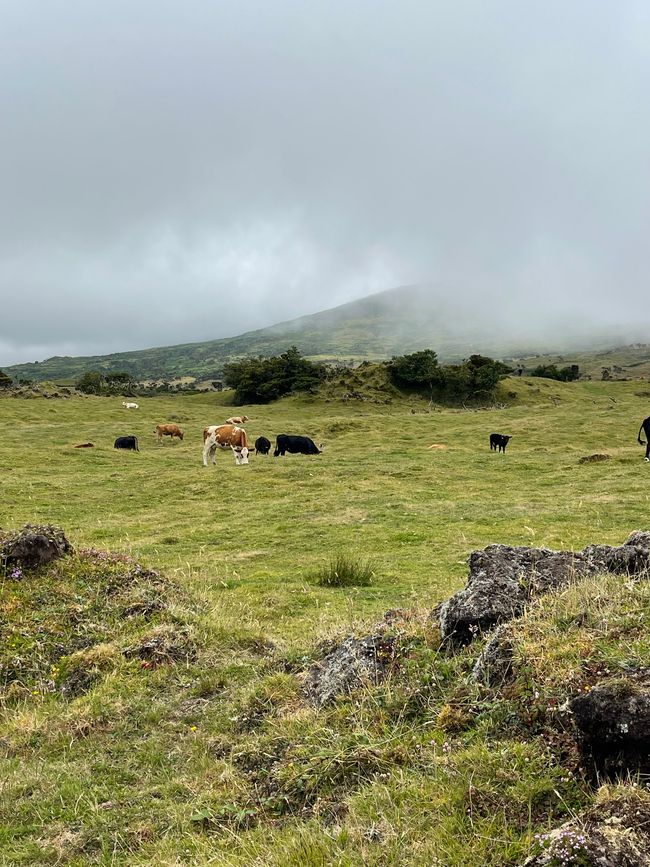
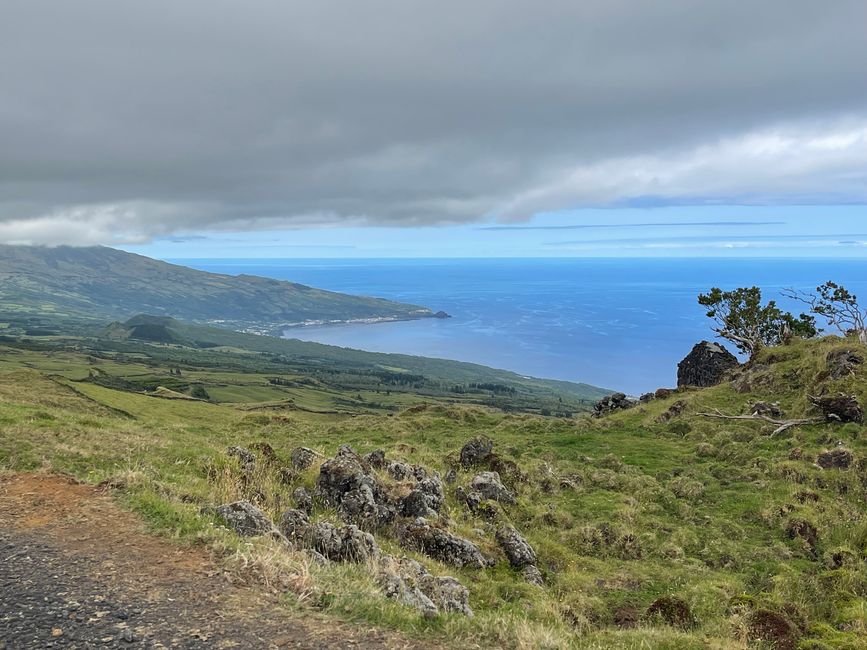
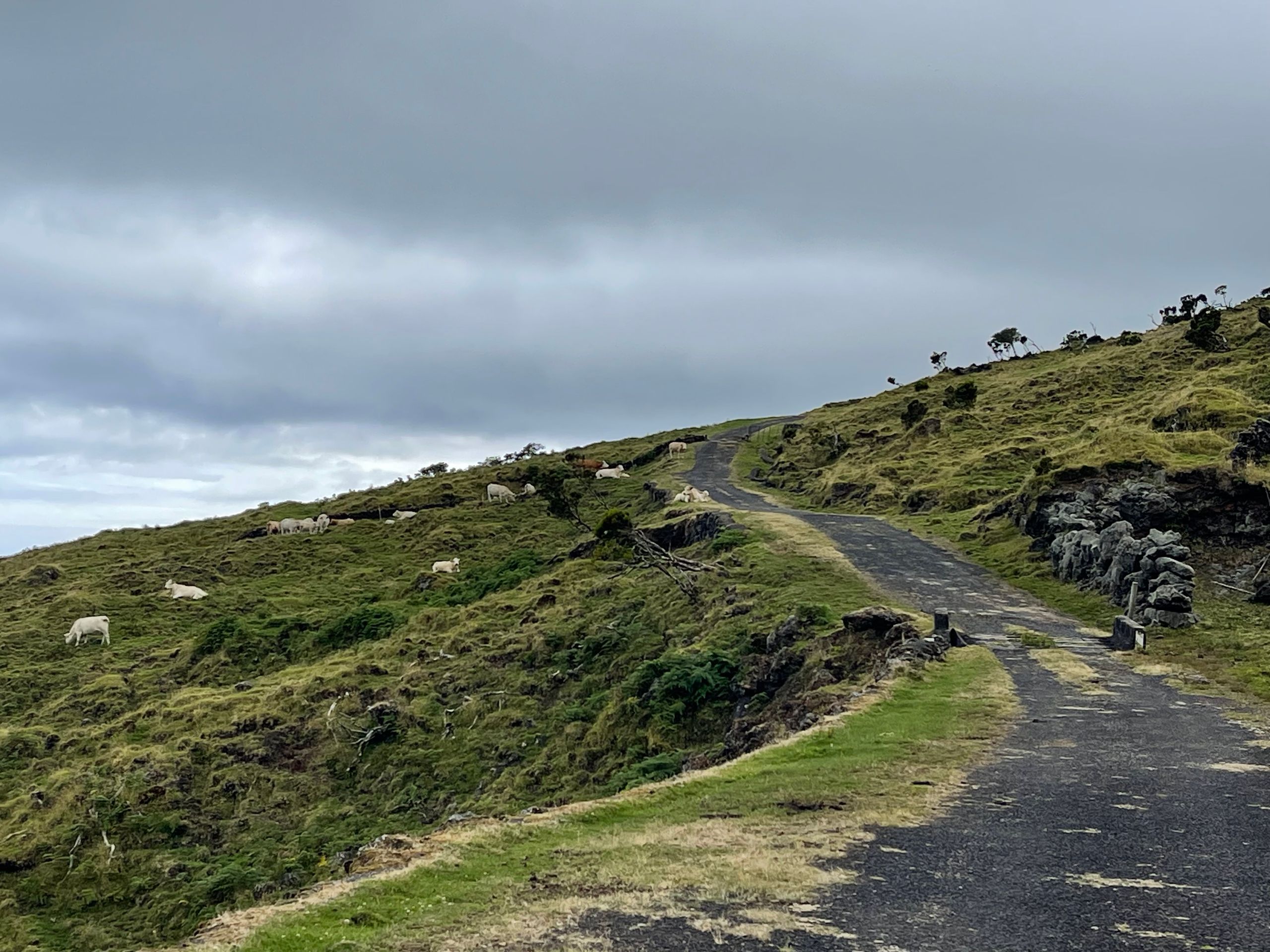
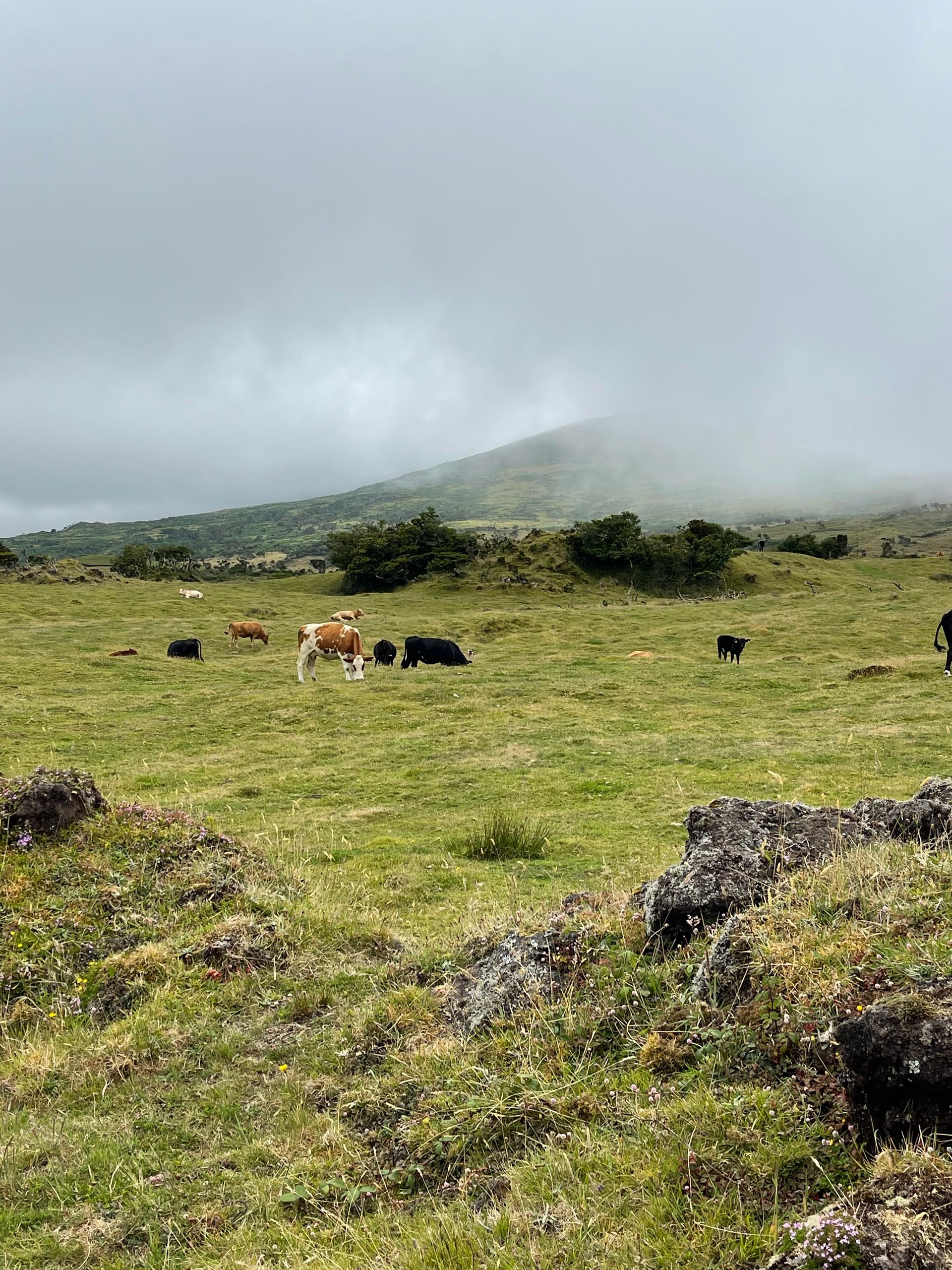
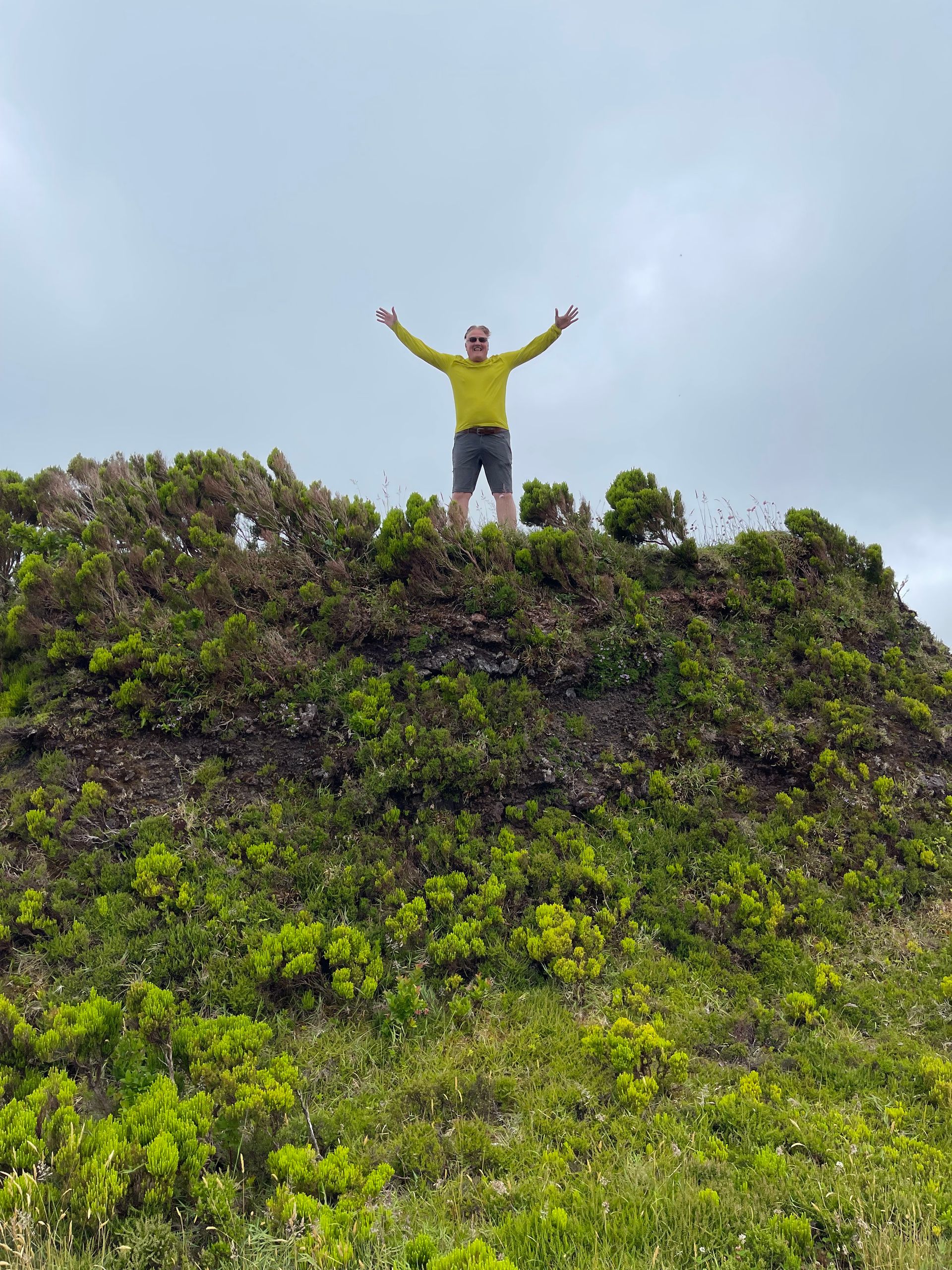
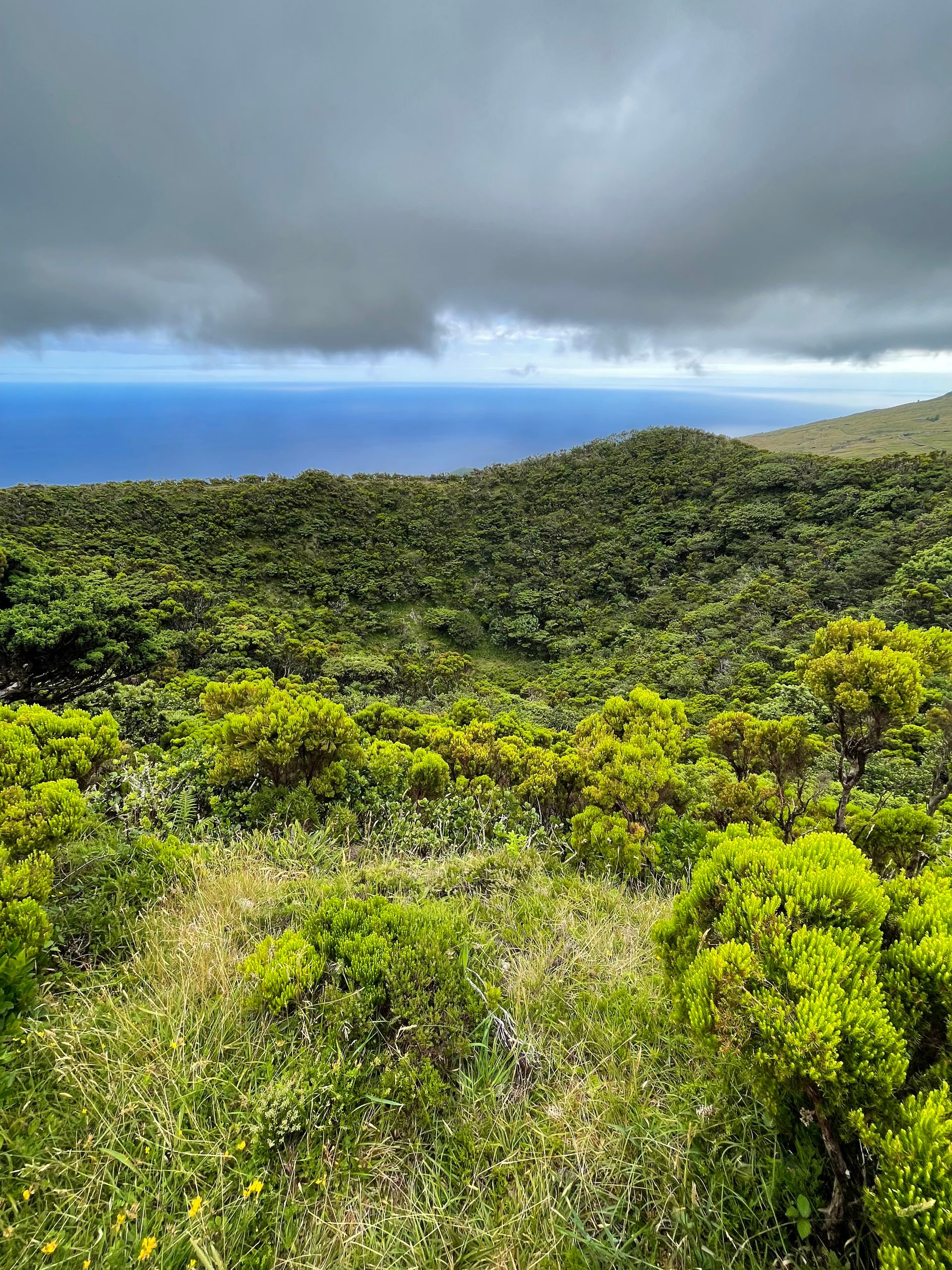
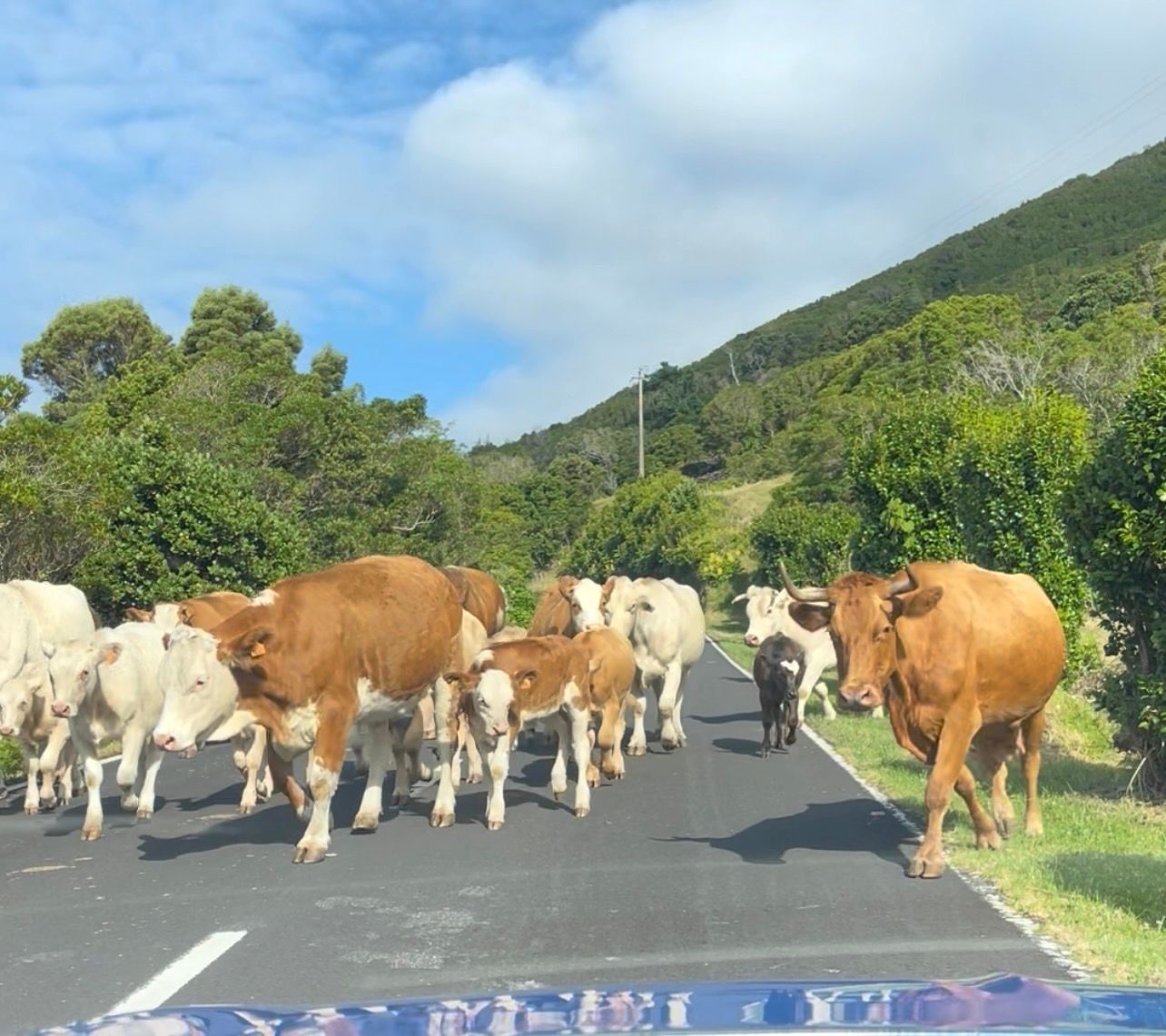
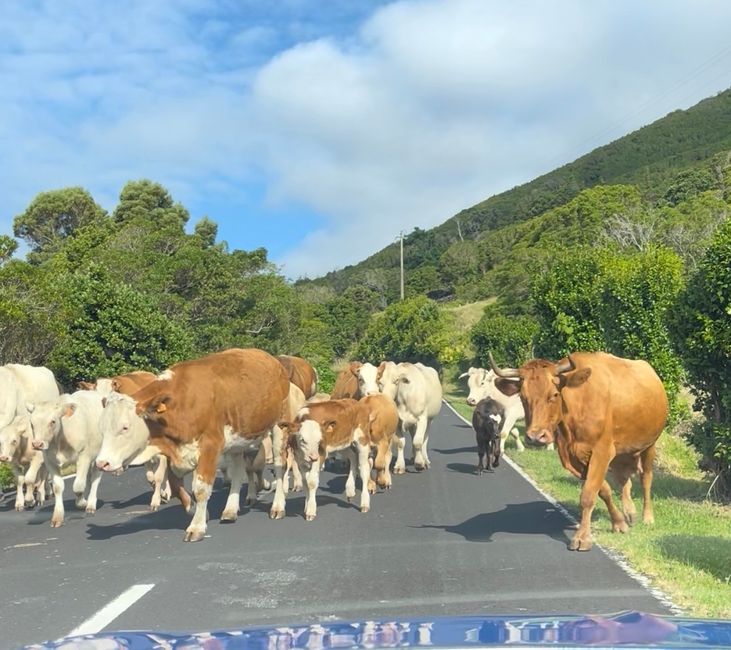
We - the endless expanse and cows - and no Pico da Urze in sight. After several potholes (big enough for our Corsa to fit in) force us to turn back, we have also seen the sign. Now the paved road turns into a gravel path. But we found it - the Pico da Urze.
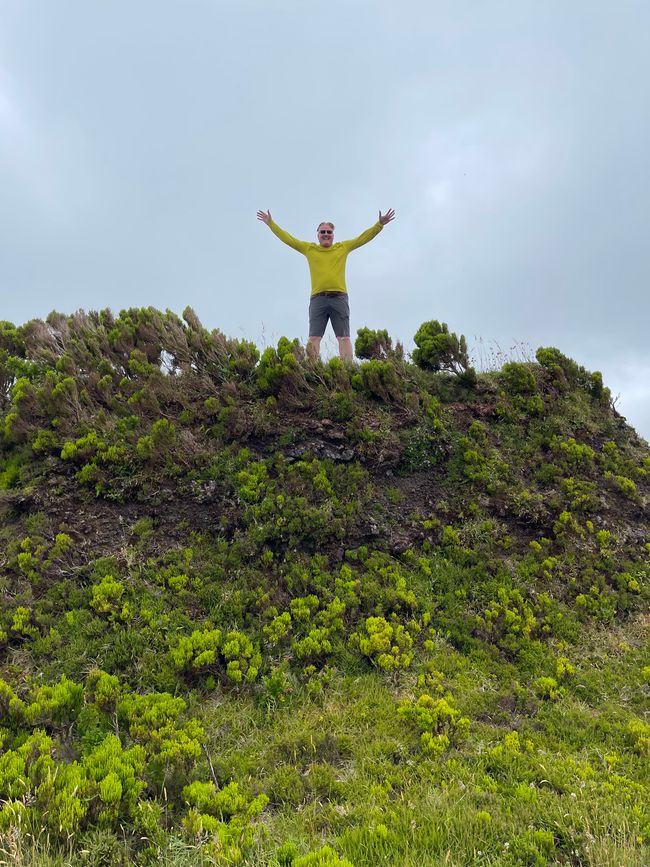
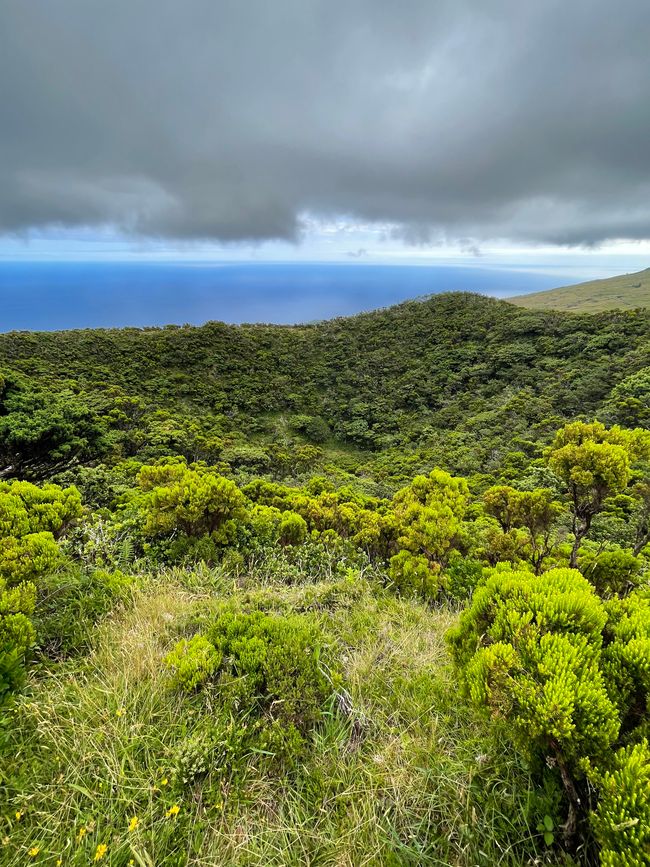
Facts:
The Pico da Urze is a basaltic scoria cone in the central massif of Pico. It formed one to two centuries before the discovery of the island, so sometime in the 14th–15th century. Its lava flows ran south to the sea.
The Pico da Urze has its highest point at 899 meters above sea level. Near this formation are Cabeço da Fajã, Cabeço do Coiro, and Cabeço do Moiro.
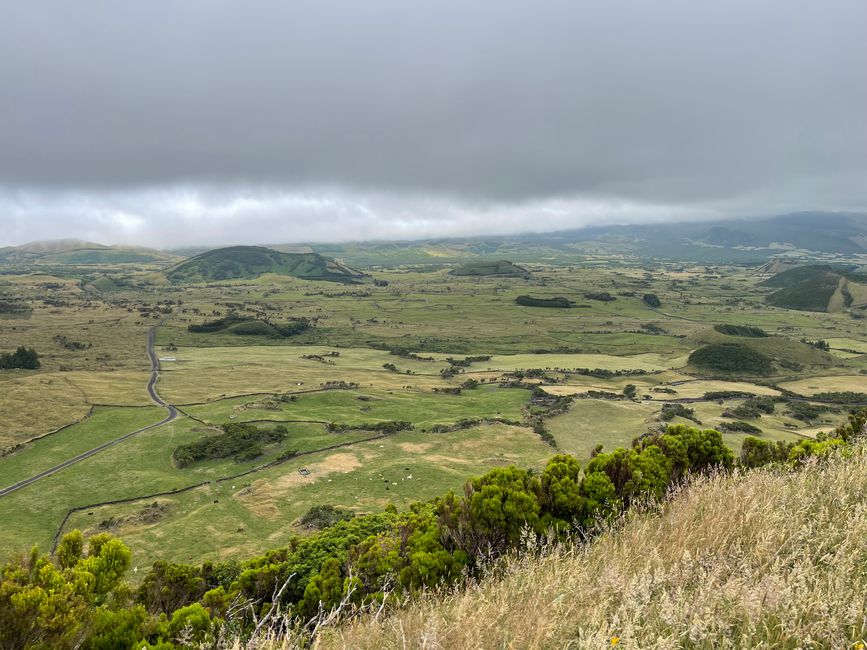
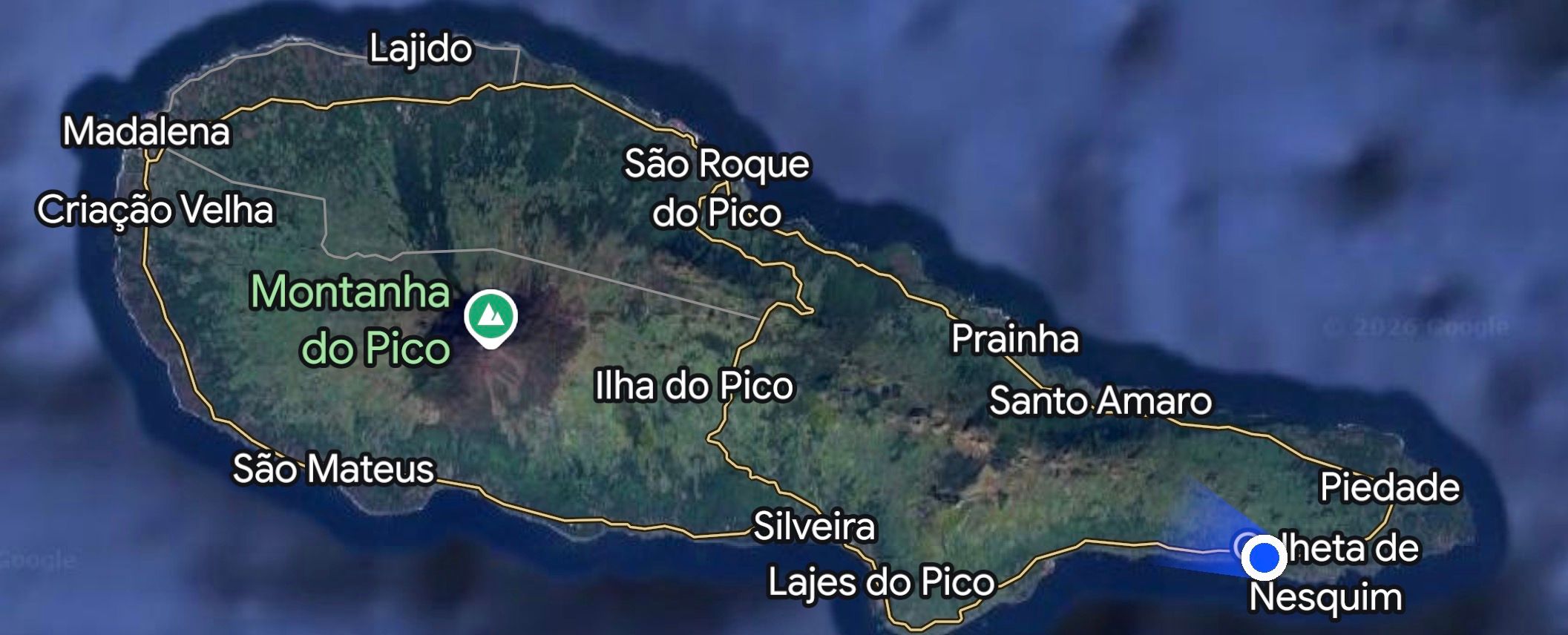
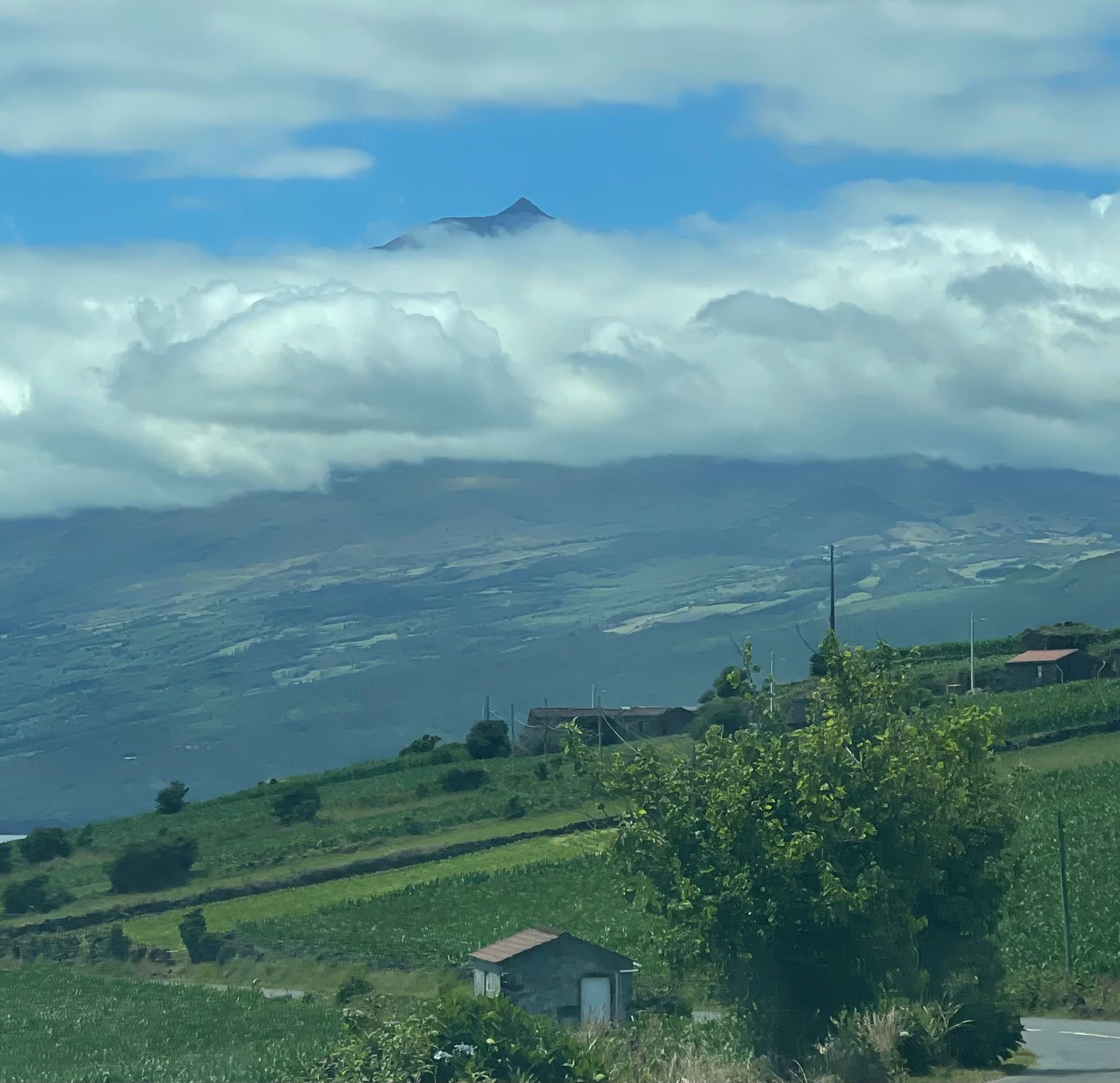
Pico means “summit” and is the second-largest island of the Azores. It was named after the homonymous 2351 m high volcano Ponta do Pico, the highest mountain located on the island of Portugal. The Ponta do Pico is a stratovolcano. At its summit, there is a volcanic crater with a diameter of 500 m and a depth of 30 meters, and in it sits the Piquinho, a small volcanic cone rising 70 m to form the actual peak. The last eruption occurred in 1718.
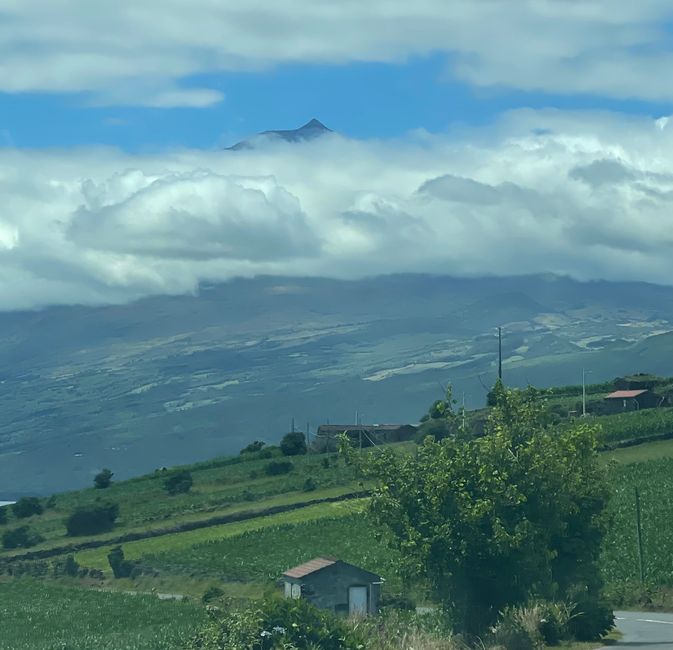
The island of Pico is 42 km long, 15 km wide, and has an area of 447 km². To the east of Pico, a high plateau extends with smaller volcanic cones and craters, where larger herds of cattle are raised. About 14,000 people live on Pico. Pico is the youngest Azorean island, with an age of about 250,000 years.
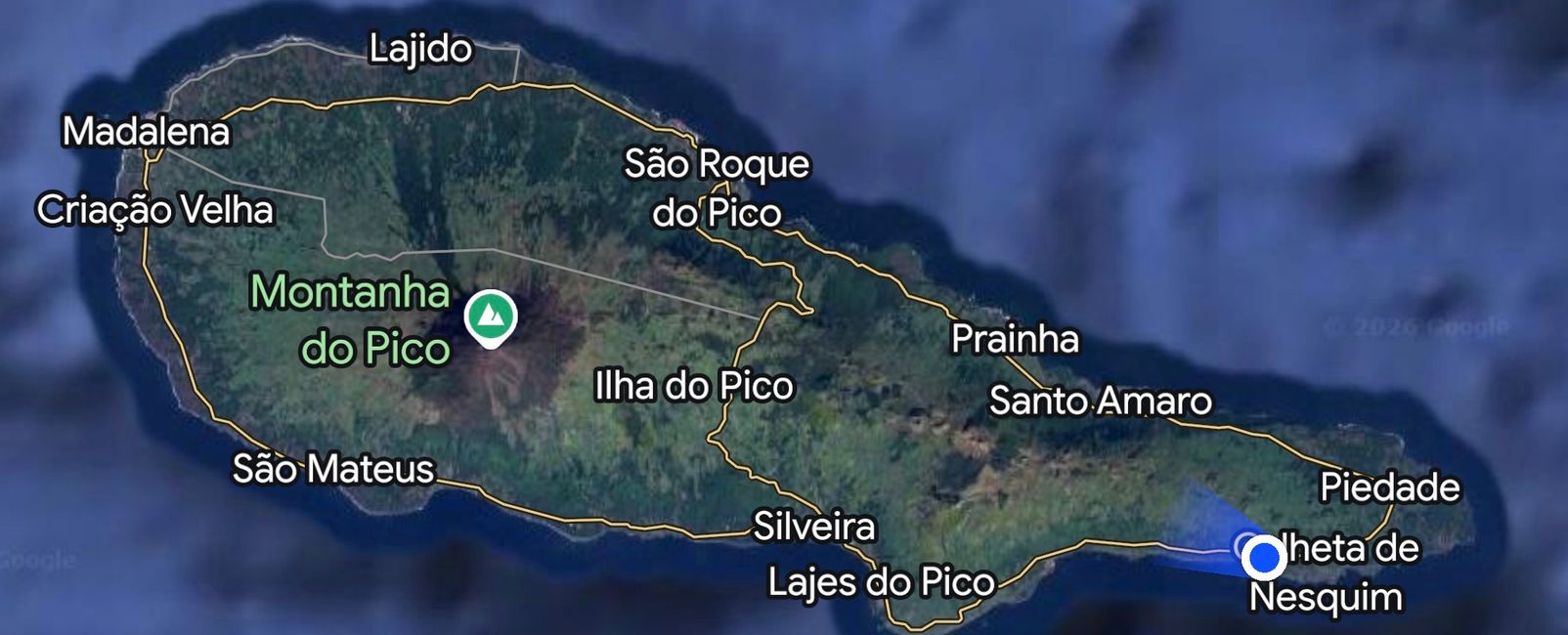
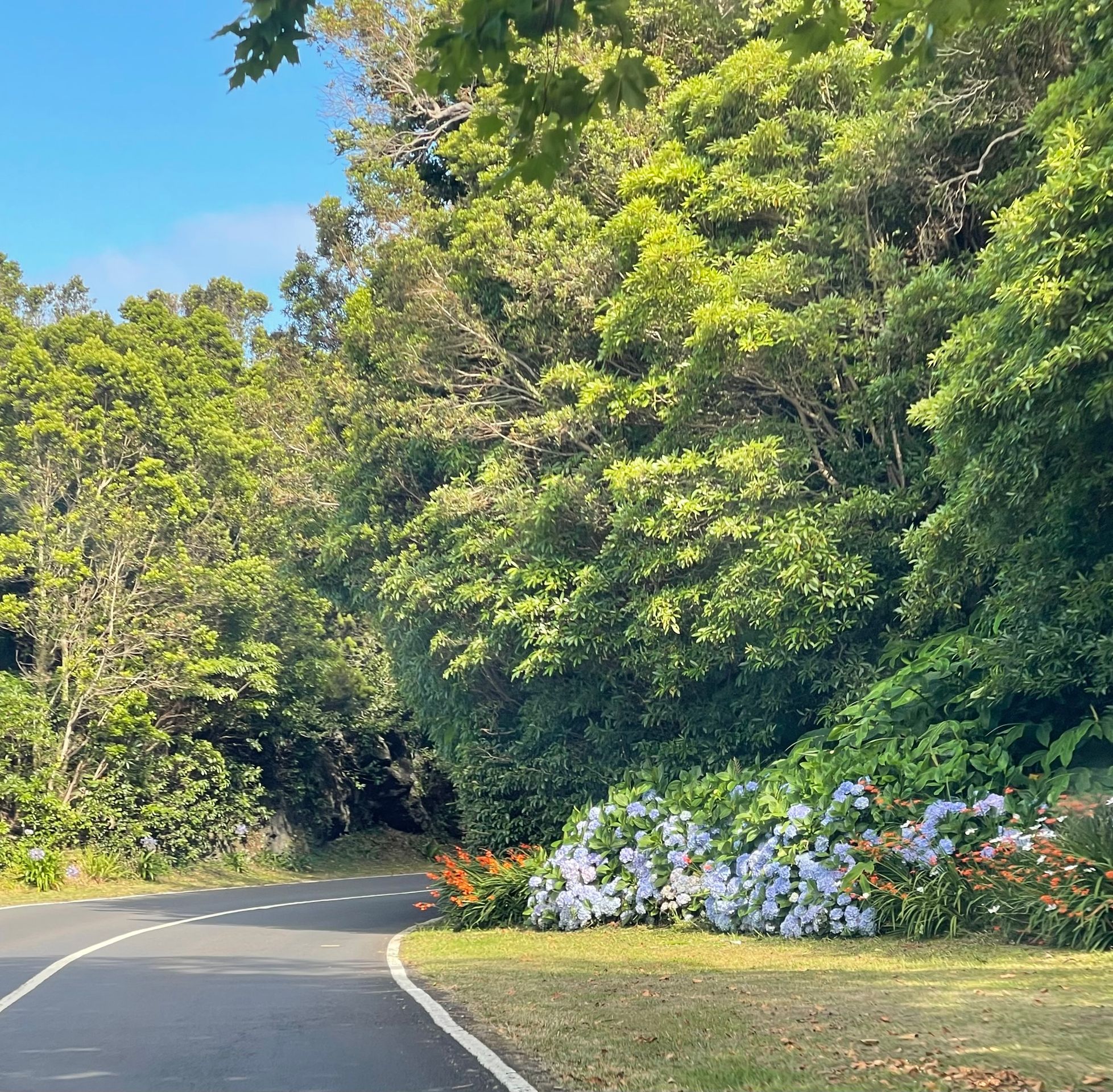
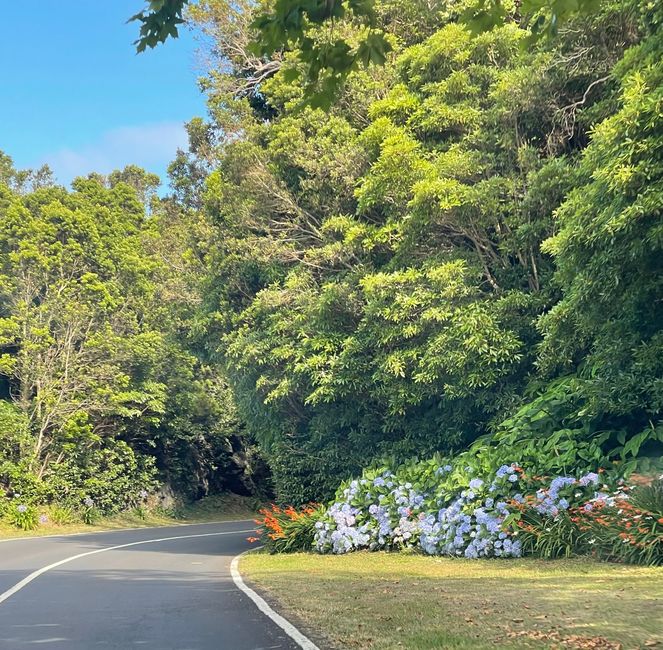
After we reach the EN3 again, we head back towards our vacation home via the left ring road.
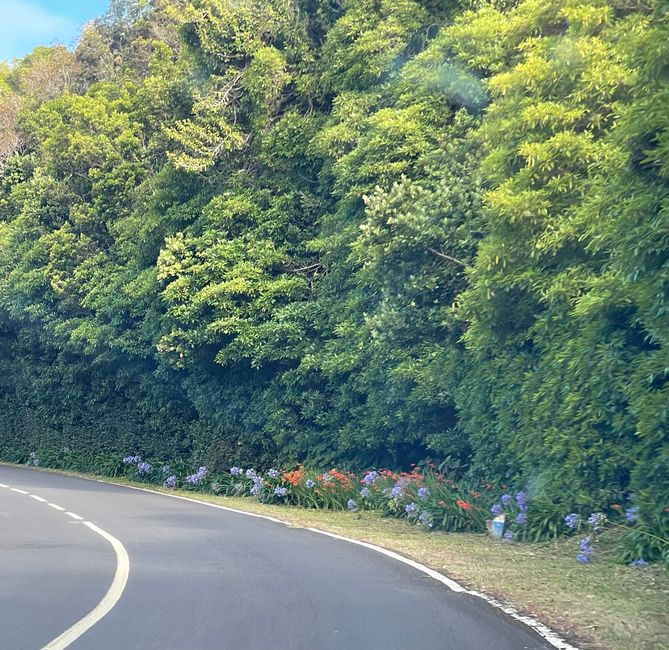
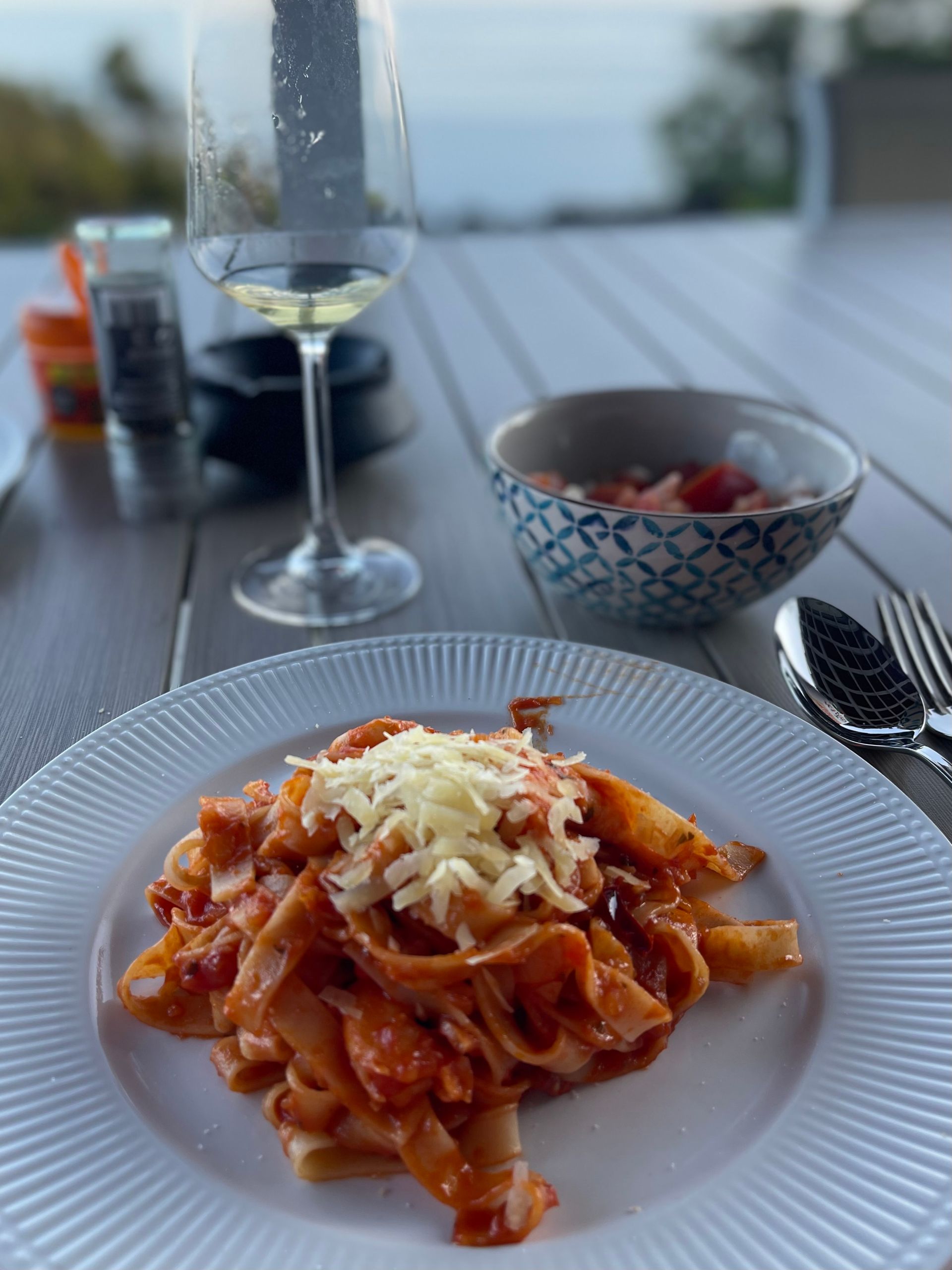
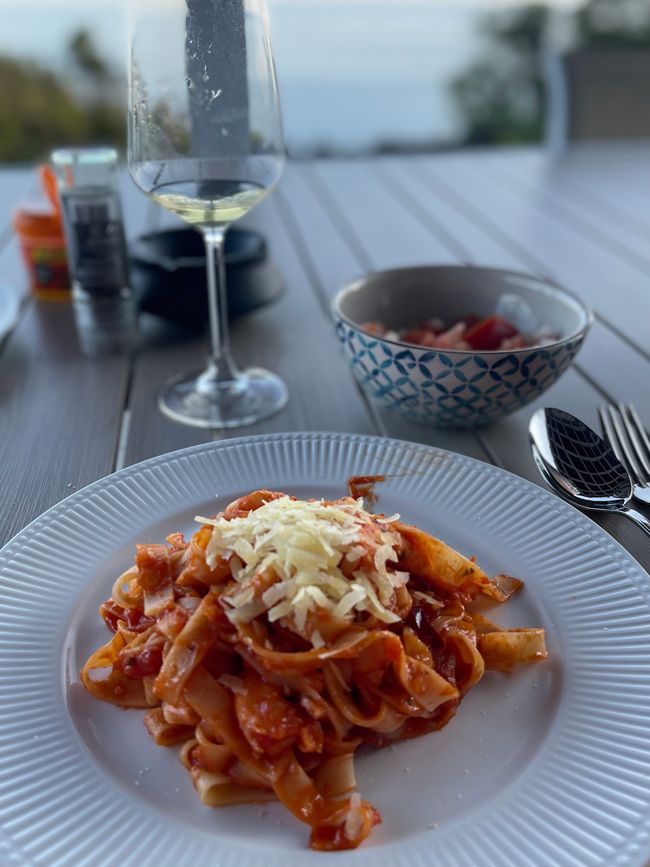
With a delicious home-cooked leftover meal, we end the day.
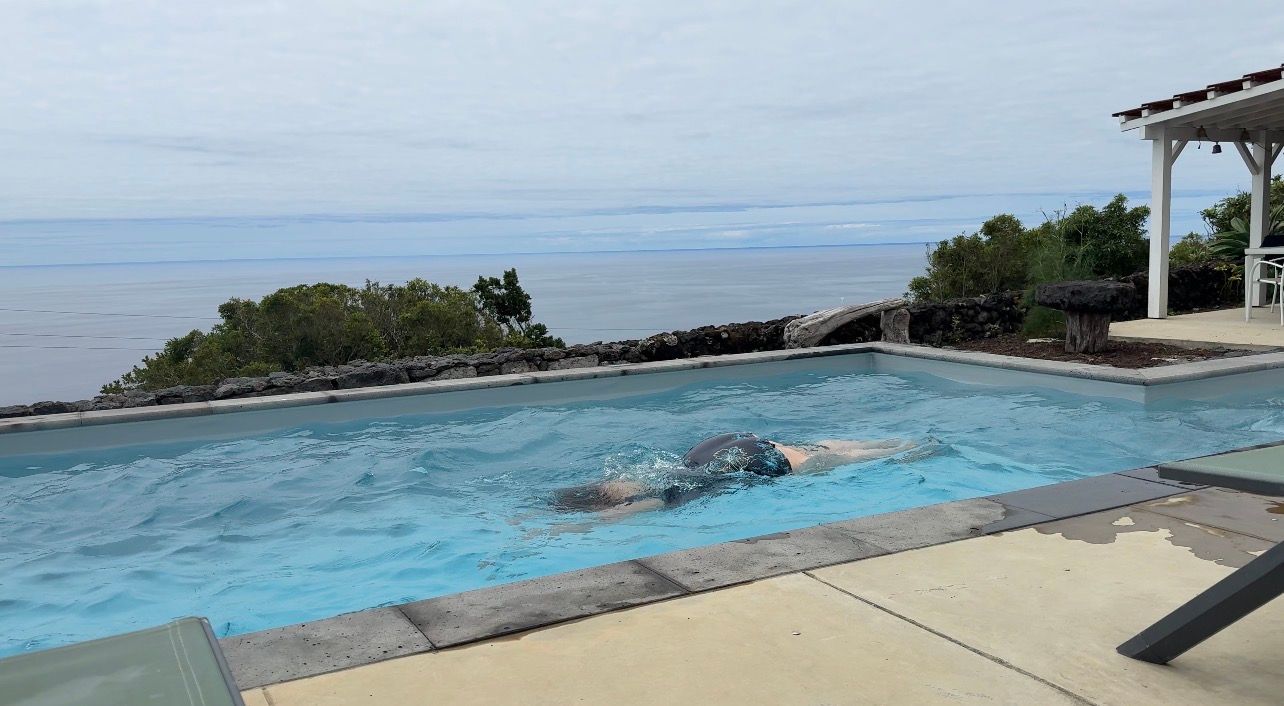
It's amazing - for 4 days the Atlantic has been as smooth as a baby's bottom, and although the whales love that, none are to be seen.😩