Cat Temple / Gōtoku-ji
We took a short trip to a temple complex where the lucky cat (Maneki-neko / beckoning cat) plays a central role. These cat figures are sacred ornaments, and if they are destroyed,...
Published: 09.12.2024
During my 15-day trip to Japan, I spent the first five days exploring the fascinating metropolis of Tokyo and its surroundings. Here is a detailed account of those days:
After a long flight, I arrived at Narita International Airport. The entry formalities went smoothly, and I was able to pick up my pre-purchased Japan Rail Pass, which allows unlimited travel on JR trains. I took the Narita Express directly to Shinjuku Station, one of the busiest stations in the world. My hotel was nearby, so I could quickly drop off my luggage.
Despite my fatigue, I went out to experience the vibrant nightlife of Shinjuku. The glowing neon lights and bustling streets offered a first glimpse of Tokyo's energy. I visited the famous Kabukichō district, known for its entertainment options, and enjoyed a delicious ramen in a small, hidden restaurant.
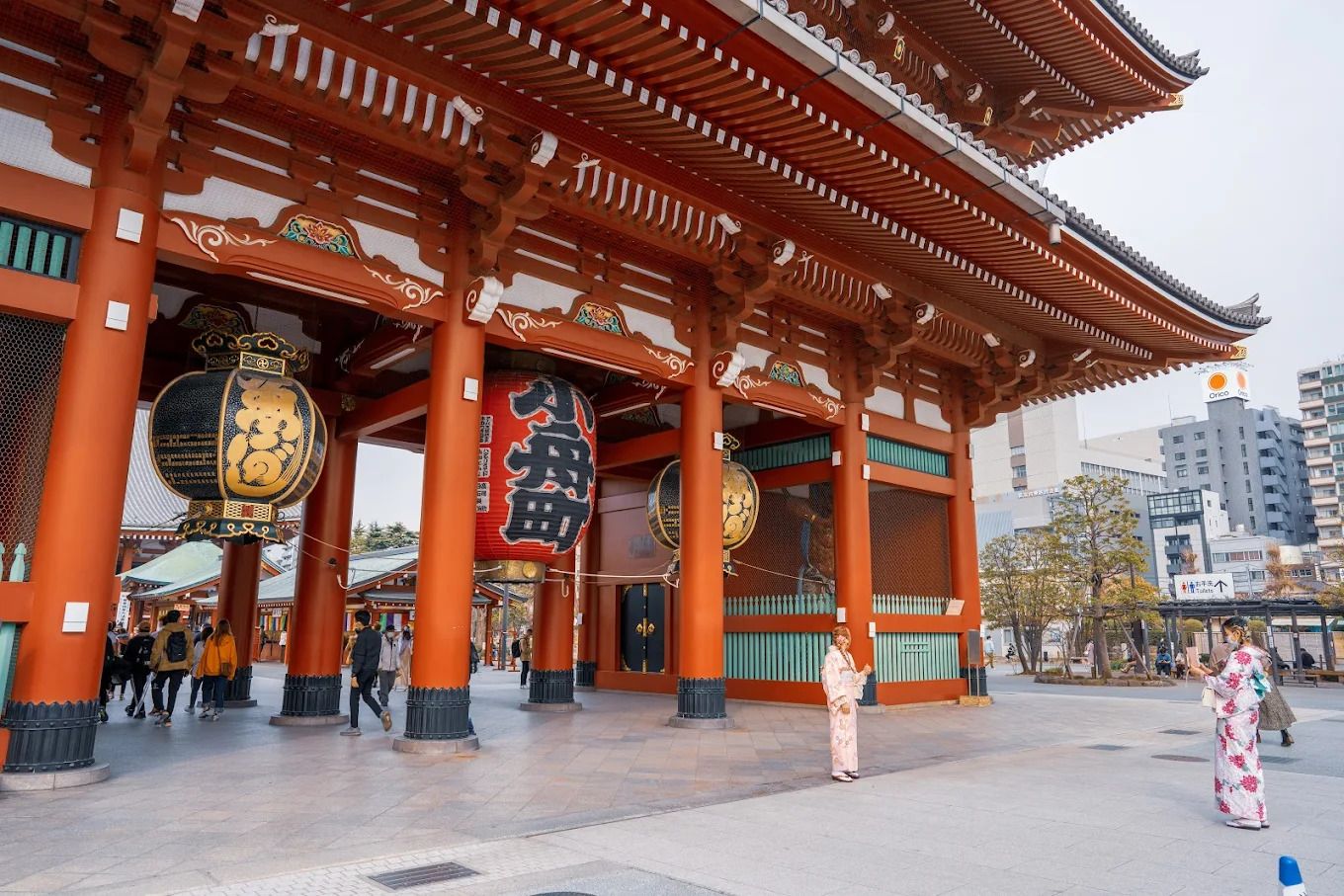
The next morning I made my way to Asakusa, a district known for its traditional atmosphere. Thanks to recommendations on Petit Futé, I discovered the Sensō-ji Temple, Tokyo's oldest Buddhist temple. Access is through the impressive Kaminarimon gate, followed by the bustling Nakamise-dori, a shopping street with numerous stalls offering traditional snacks and souvenirs.
I tried local delicacies such as Taiyaki, fish-shaped waffles filled with sweet bean paste, and Kibi Dango, soft rice balls dusted with soy flour. The temple itself impressed with its magnificent architecture and peaceful atmosphere, contrasting with the bustling city.
Akihabara, also known as 'Electric Town', is the mecca for tech and anime fans. The streets are lined with electronics stores, manga cafés, and game arcades. I visited several shops that offered the latest electronics and an impressive collection of manga and anime merchandise.
A particularly memorable experience was visiting a maid café, where the waitresses are dressed in maid uniforms and serve guests with special attention. This unique subculture provided a fascinating insight into modern Japanese pop culture.
For a change of scenery, I took the train to Nikko, a town known for its historic shrines and temples. The Tōshō-gū Shrine, a UNESCO World Heritage site, impressed with its elaborate architecture and detailed carvings. Notably, the famous 'Three Wise Monkeys' embody the maxim 'See no evil, hear no evil, speak no evil'.
The surroundings of Nikko offered a refreshing escape from the hustle and bustle of Tokyo with its dense forests and clear rivers. I enjoyed a walk along the Daiya River and took in the tranquil atmosphere.
On the fifth day, I traveled to Kamakura, a former capital of Japan known for its numerous temples and shrines. My first destination was the Kōtoku-in Temple, which houses the famous Daibutsu, a massive bronze Buddha statue over 13 meters tall. The sheer size and serenity of the statue were impressive.
Next, I visited the Hase-dera Temple, famous for its beautiful garden and the eleven-headed Kannon statue. From there, I had a stunning view of the Kamakura coastline. To end the day, I wandered through Komachi-dori, a lively shopping street with numerous shops and restaurants, and tried local specialties such as Shirasu-Don, a bowl of rice topped with small white fish.
These first five days offered deep insight into the diversity and richness of Japanese culture, from historical temples to modern urban districts. Each day brought new discoveries and unforgettable experiences.
I traveled to Kyoto via the Shinkansen, Japan's high-speed train. The journey was not only fast but also offered comfortable seating and first-class service. Upon arriving in Kyoto, I checked into a traditional ryokan and enjoyed a delicious kaiseki dinner.
Kyoto, known for its many temples and shrines, offered highlights such as the golden pavilion Kinkaku-ji and the Fushimi Inari-Taisha with its thousands of torii gates. A walk through the bamboo grove of Arashiyama was another unforgettable experience.
The trip continued to Kanazawa, known for its well-preserved samurai and geisha districts. The Kenroku-en Garden, one of Japan's three most famous gardens, impressed with its harmonious design.
A highlight of the trip was crossing the Tateyama Kurobe Alpine Route. The spectacular snow walls and the impressive Kurobe Dam offered breathtaking views and showcased Japan's natural beauty.
In Takayama, I immersed myself in the atmosphere of the Edo period. The well-preserved old town with its traditional wooden houses and the morning market along the river offered an authentic insight into historical Japan.
Hiroshima, a city with a poignant history, impressed me with its reconstruction and commitment to peace. The Peace Park and the Peace Museum left a deep impression and reminded me of the importance of peace.
A short excursion took me to Miyajima Island, known for the floating torii of the Itsukushima Shrine. The peaceful atmosphere and freely roaming deer made the visit a special experience.
In Nara, I visited the Tōdai-ji Temple, which houses one of the largest bronze Buddha statues in the world. The friendly deer in Nara Park, who enjoyed being fed, provided unforgettable moments.
Hakone offered the perfect opportunity to relax with its hot springs and stunning views of Mount Fuji. A boat ride on Lake Ashi and a cable car ride to the Ōwakudani Valley rounded off the day.
Back in Tokyo, I used the remaining time for some last-minute shopping and a visit to the Meiji Shrine. With unforgettable memories and a firm intention to visit Japan again, I began my journey home.
This 15-day trip offered a deep insight into the diversity of Japan, from historic cities to stunning natural landscapes to modern metropolises. Each day brought new discoveries and unforgettable experiences that only heightened my fascination with this unique country.