Today,
the day greeted us with rain, fog, and only 20 degrees. We prepared
some snacks for the road, as we had almost 6 hours of driving ahead
of us. We once again drove through deserted areas and many larger and
smaller towns. This time, not because we wanted to save toll fees,
but because there is no faster way in Bosnia and Herzegovina. Just
before Sarajevo, there is a piece of highway which we took because we
didn't want to drive behind slow trucks anymore. We saw the city from
a mountain and at first thought, "oh, it doesn't look nice". On the
next mountain, many small houses lined up one after another and in
the valley in front of us were high-rise buildings. We drove through
the congested city and saw some houses still marked by the war. Then
we arrived at a small side street, parked our car, and found a
well-equipped apartment for a very small amount of money. We walked
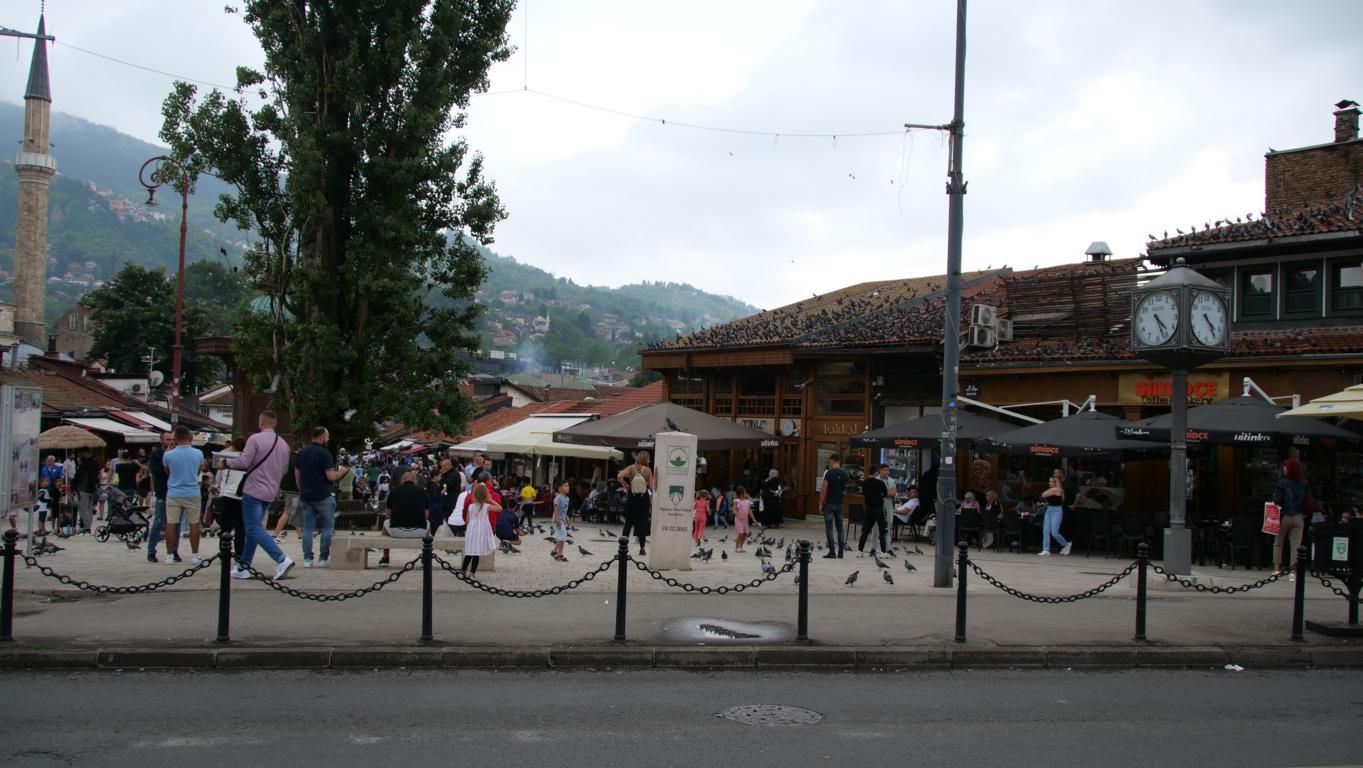
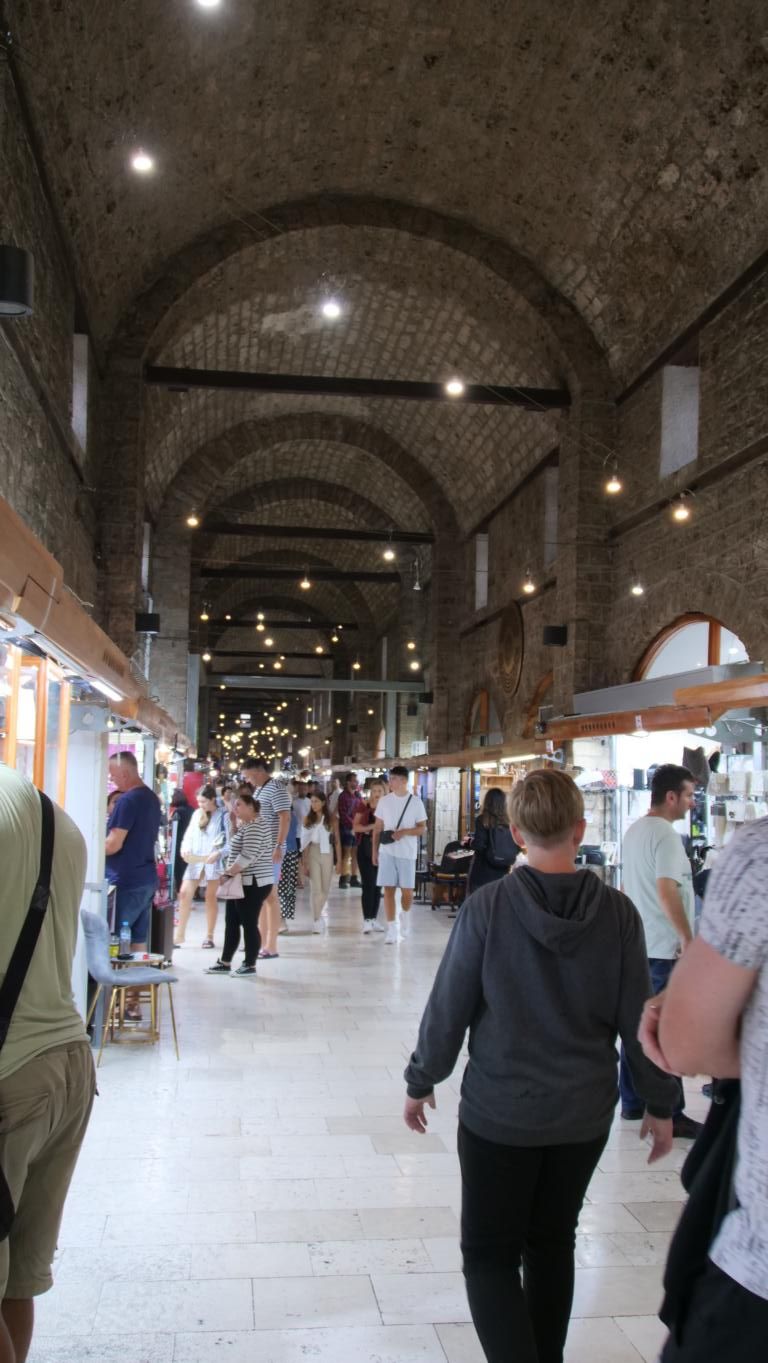
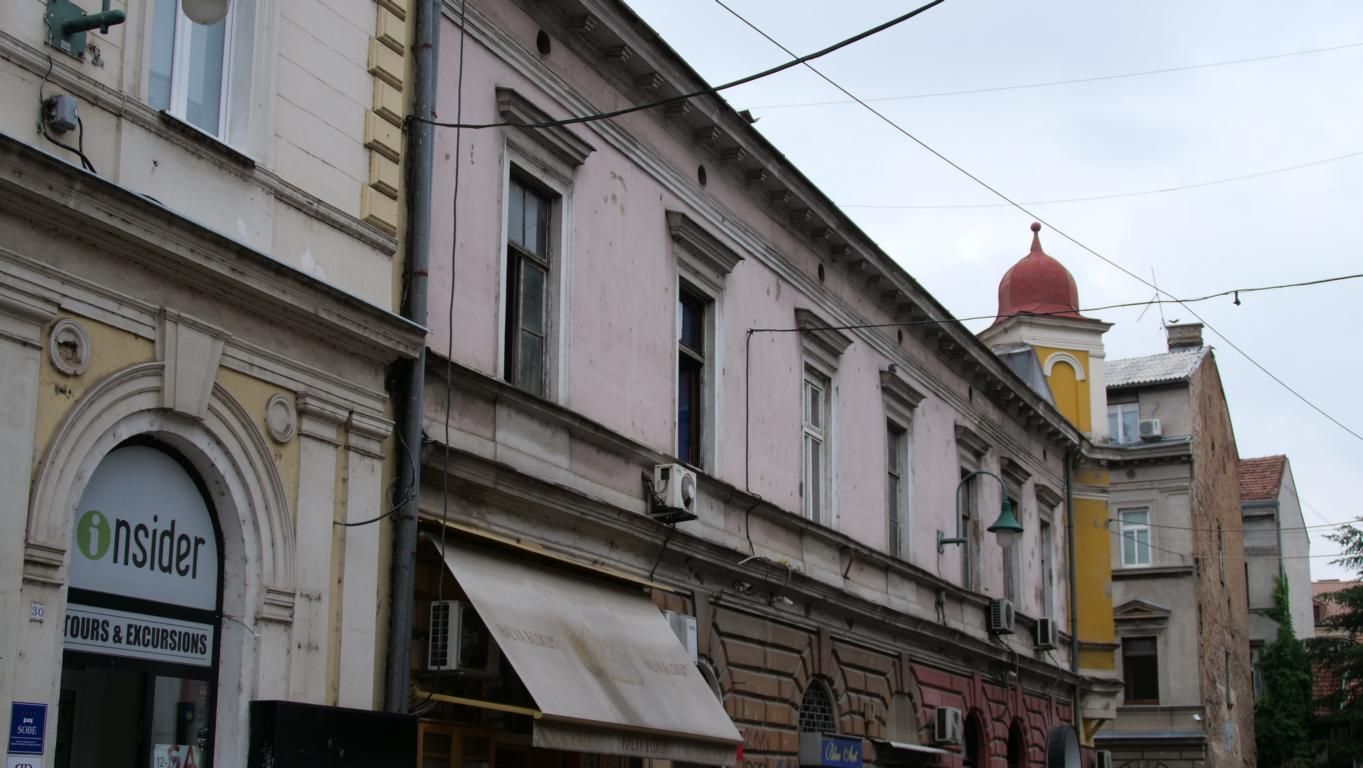
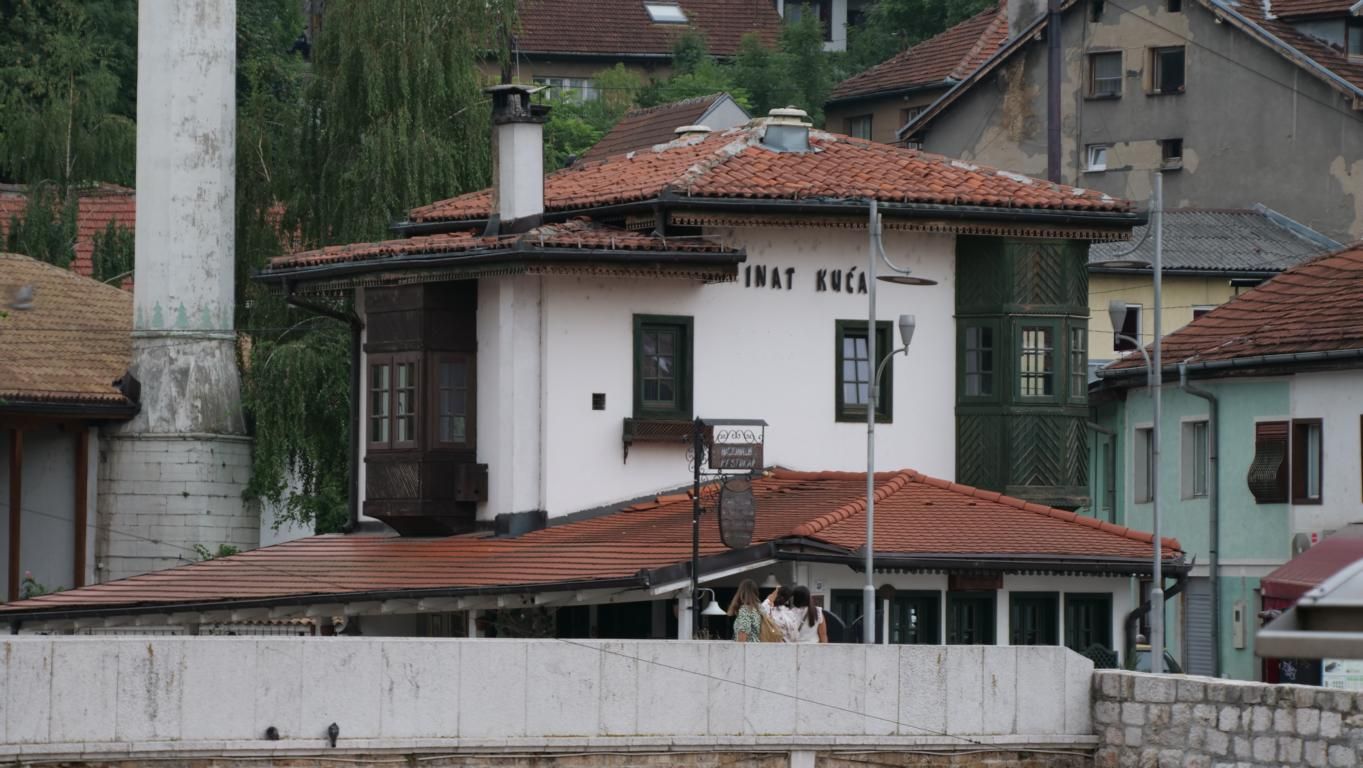
to the nearby old town. We encountered a colorful cultural mixture,
with women in short crop tops and completely veiled women, blond and
dark-haired people, mosques and churches, bazaars and European
shopping streets. The old town has been renovated after the war, but
not too much, and that's a good thing because it gives the city a
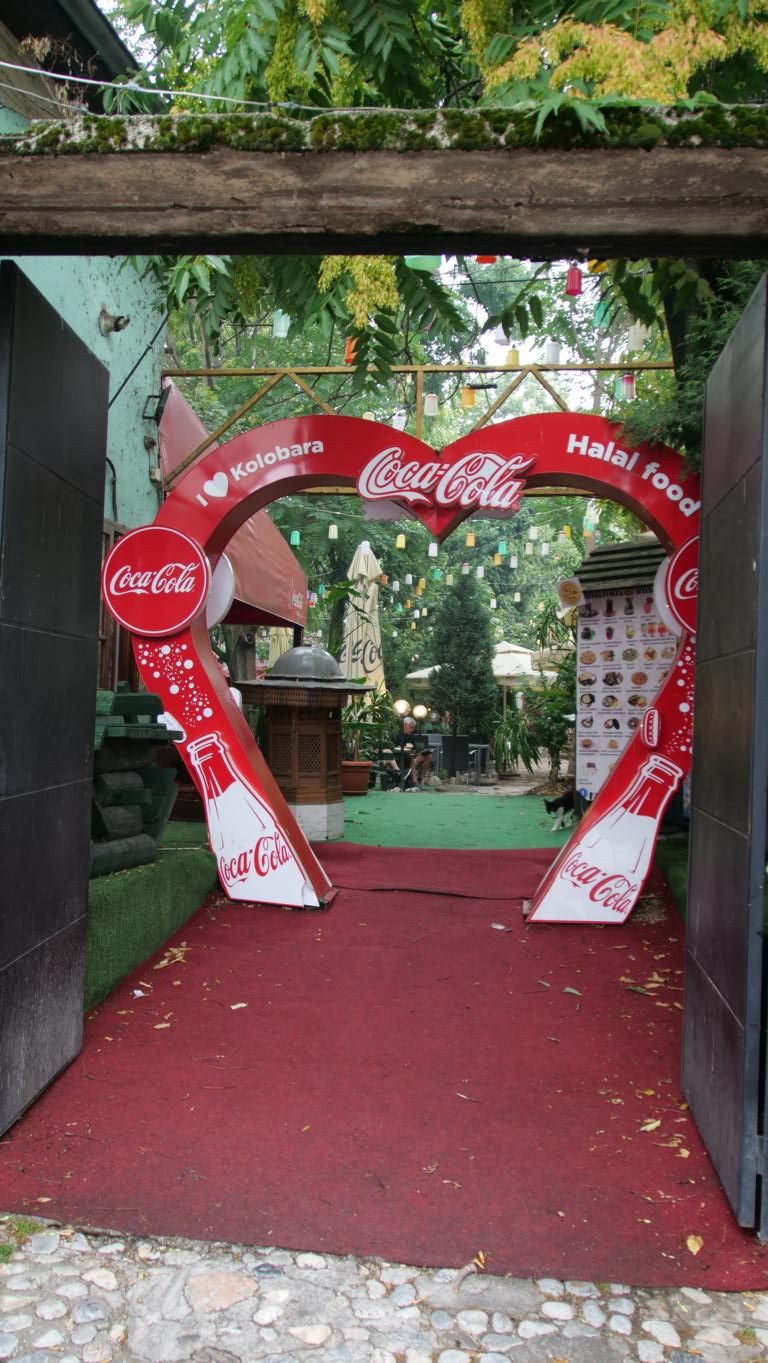
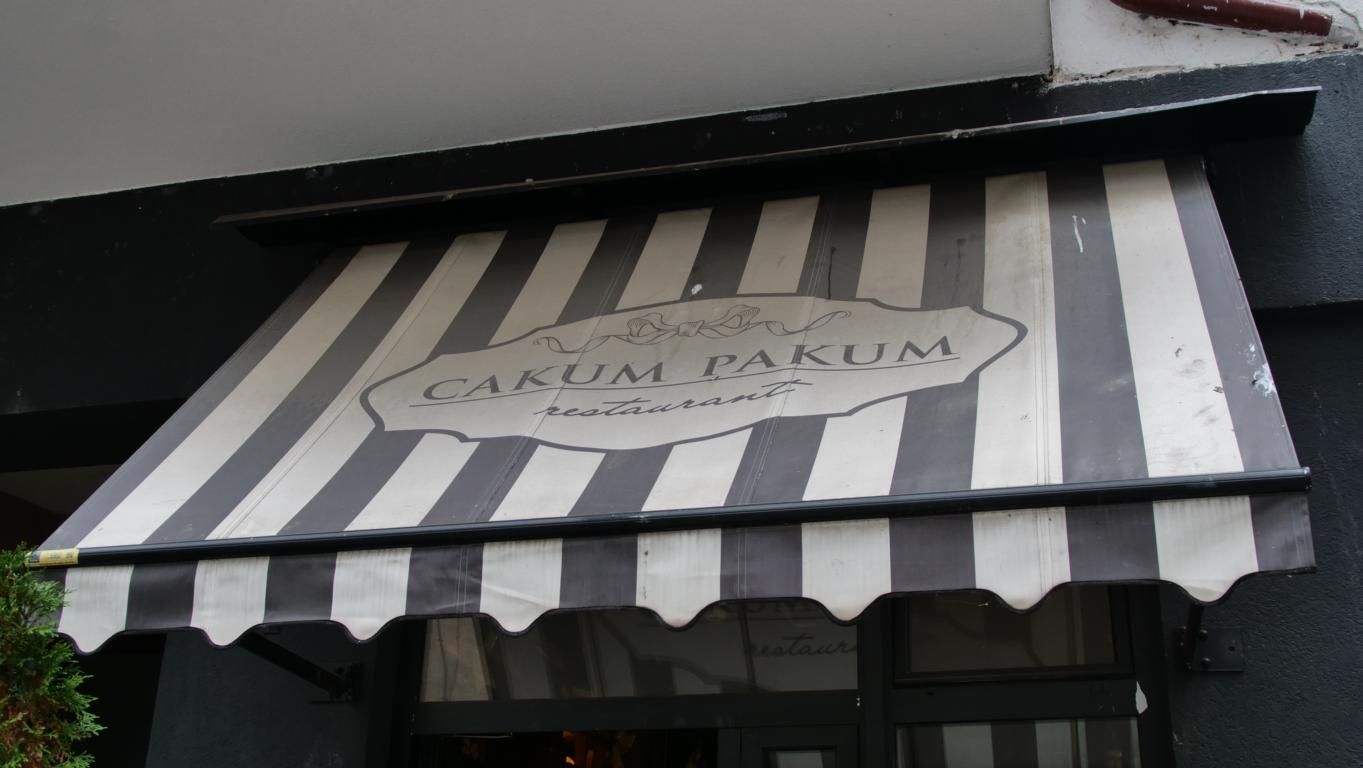
special charm. We chose a small rustic restaurant for dinner and were
very friendly served in German and ate delicious food. At the end of
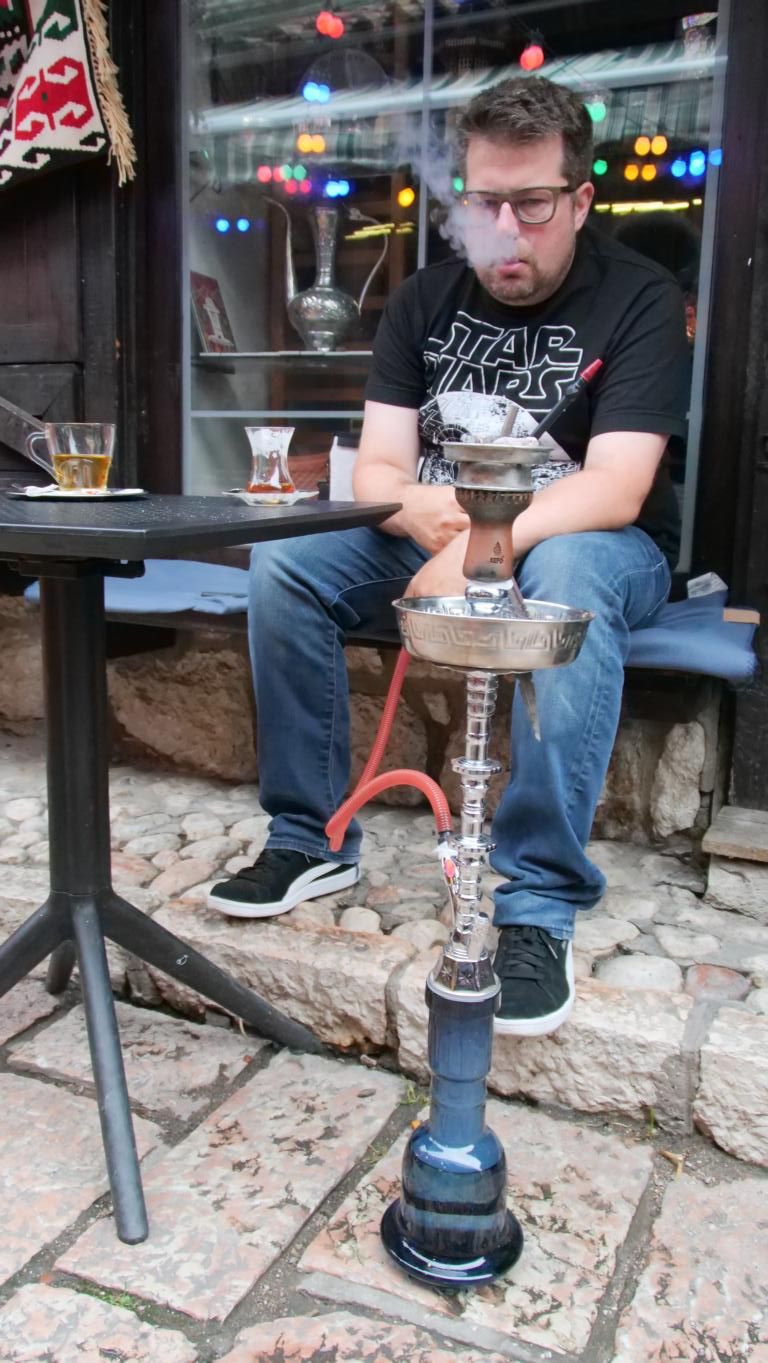
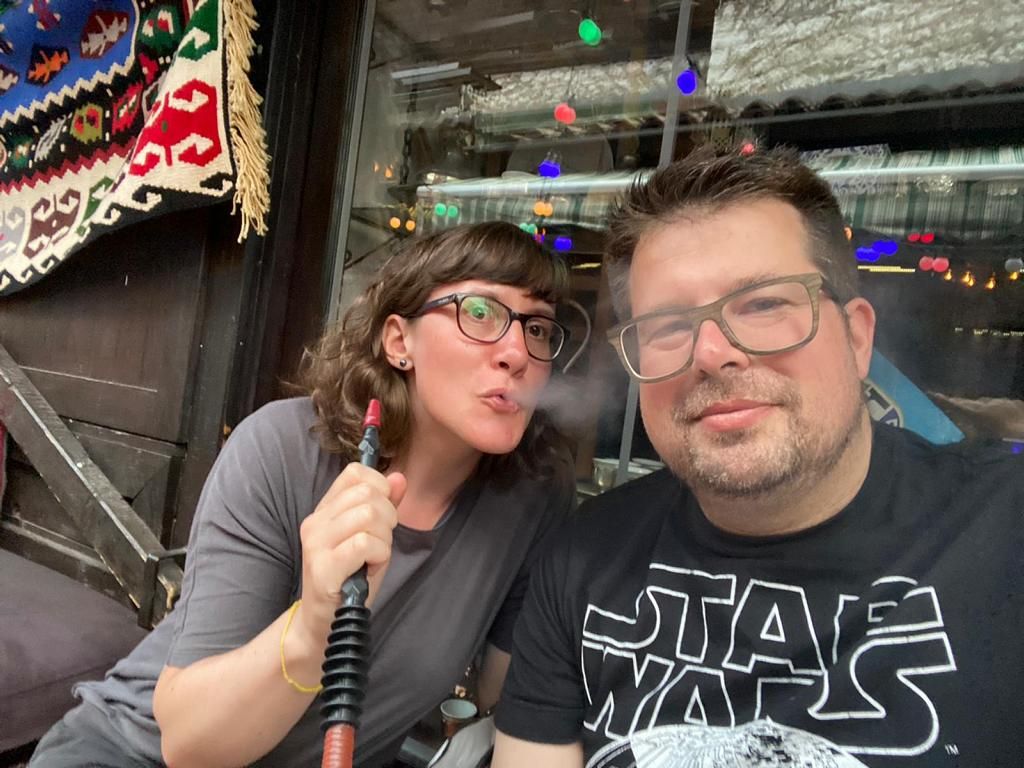
the day, we went to a small shisha bar in the middle of the hustle
and bustle of the old town and had a water pipe and a Turkish tea.
The
next morning, we packed all our stuff again and loaded it into the
car. But we didn't continue driving yet, because we booked a special
tour through Sarajevo - a food tour. We met our tour guide Alem, who
was born in Germany during the Bosnian war. After the war, he returned
with his family to his home country and his city of Sarajevo. We spent
a total of 5 hours with him and two young Danes, walking around. Alem
showed us a lot, and in between, we tried different typical
delicacies, and he told us about the city's history and the life of
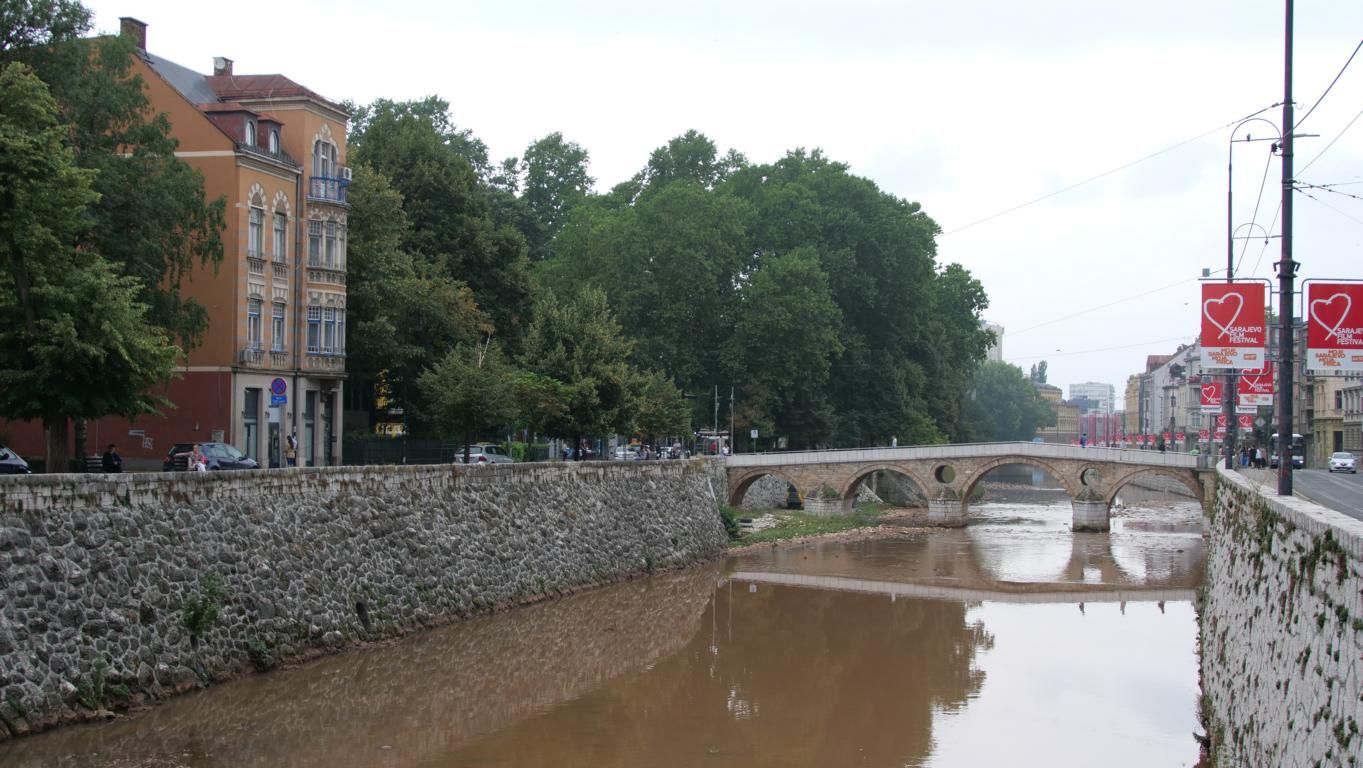
the locals. On June 28, 1914, in Sarajevo, the heir to the
Austro-Hungarian throne, Franz Ferdinand, was assassinated by Gavrilo
Princip, which marked the beginning of World War I. Even today, there
is a memorial plaque and the footprints where the assassin stood.
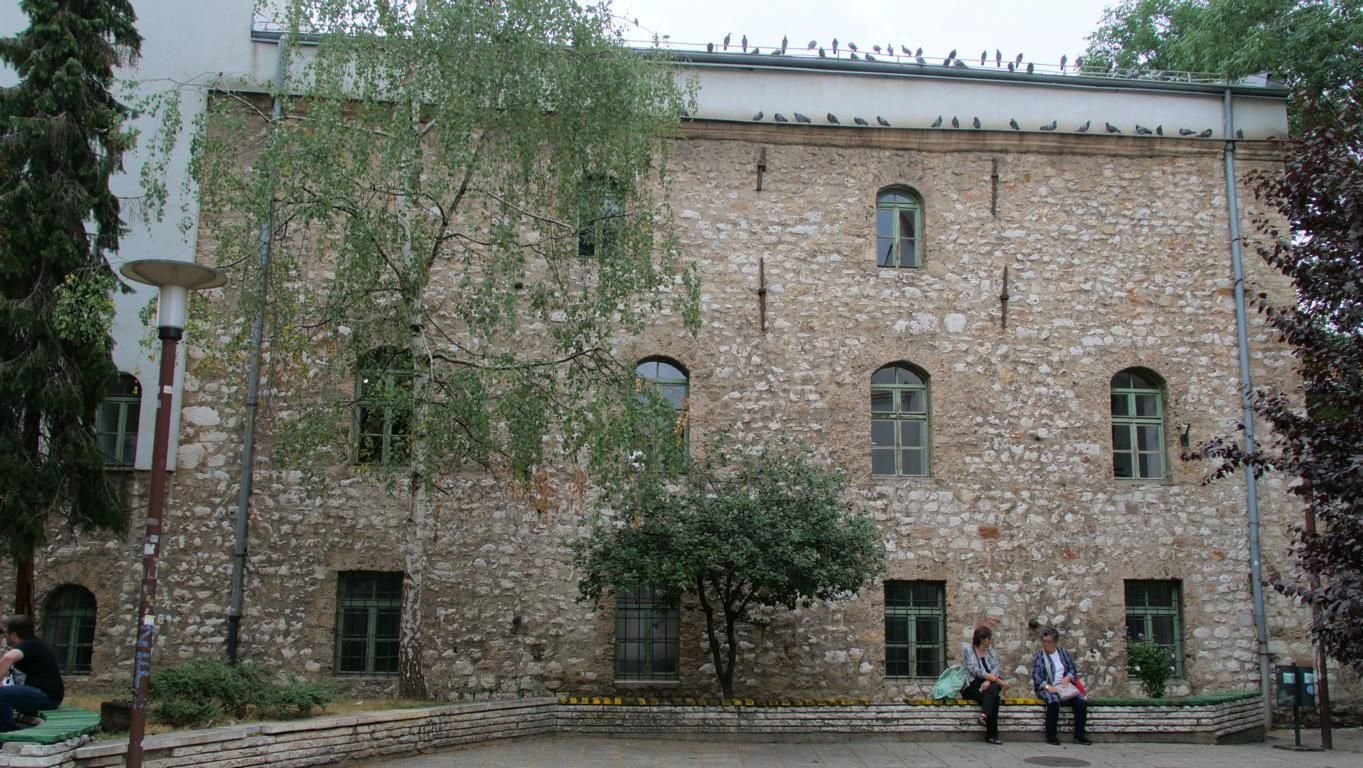
After that, we had our first meal - the best cevapi in the city. We
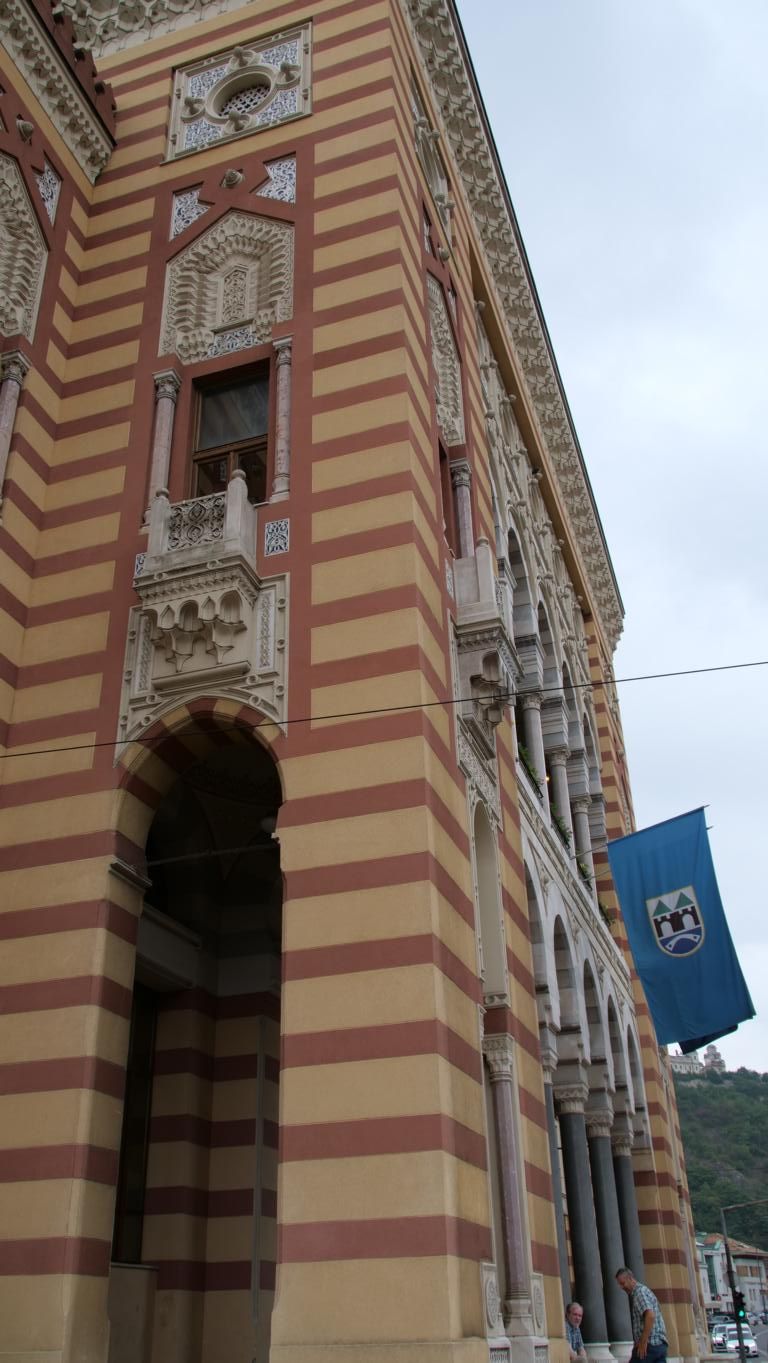
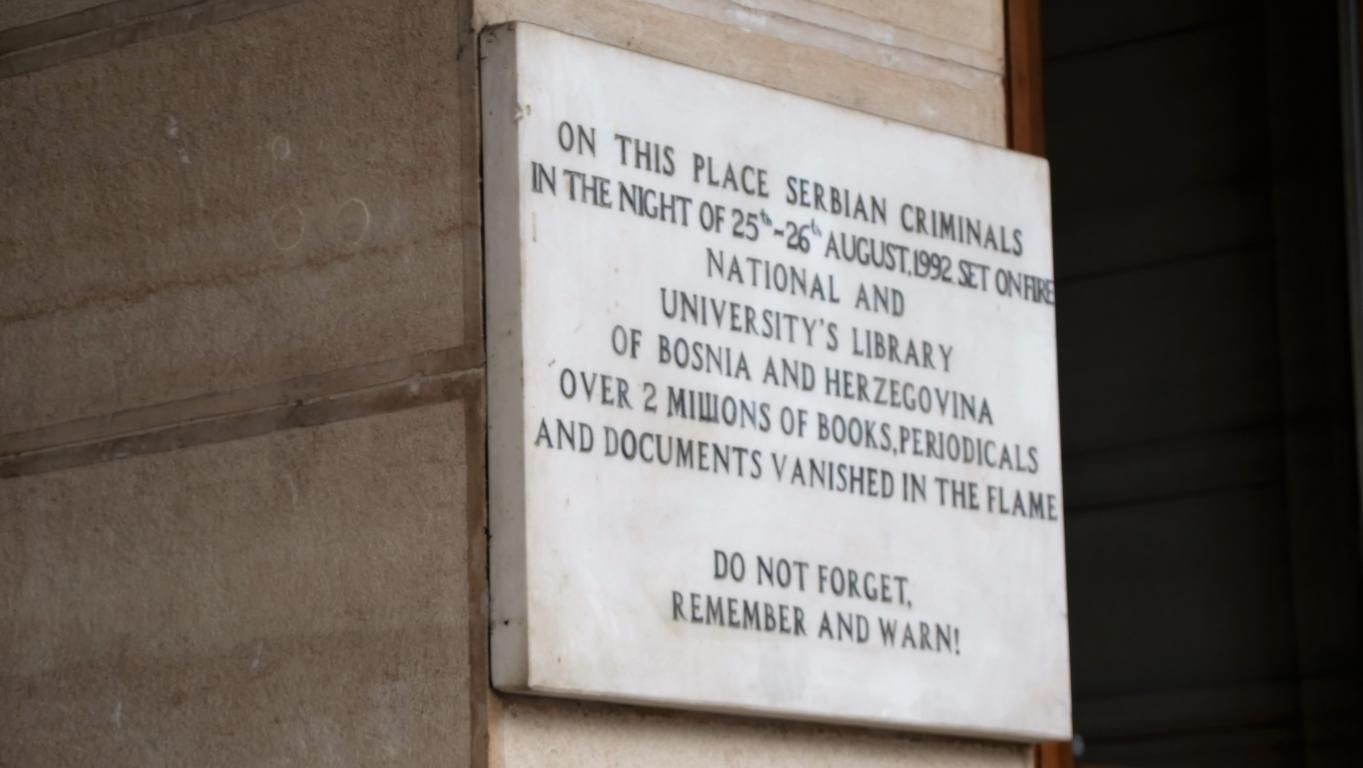
visited the City Hall, where over 2 million books and documents from
the National and University Library were burned by Serbian
criminals in August 1992. From here, we had a view of one of the
mountains surrounding the city and its cable car, which was built for
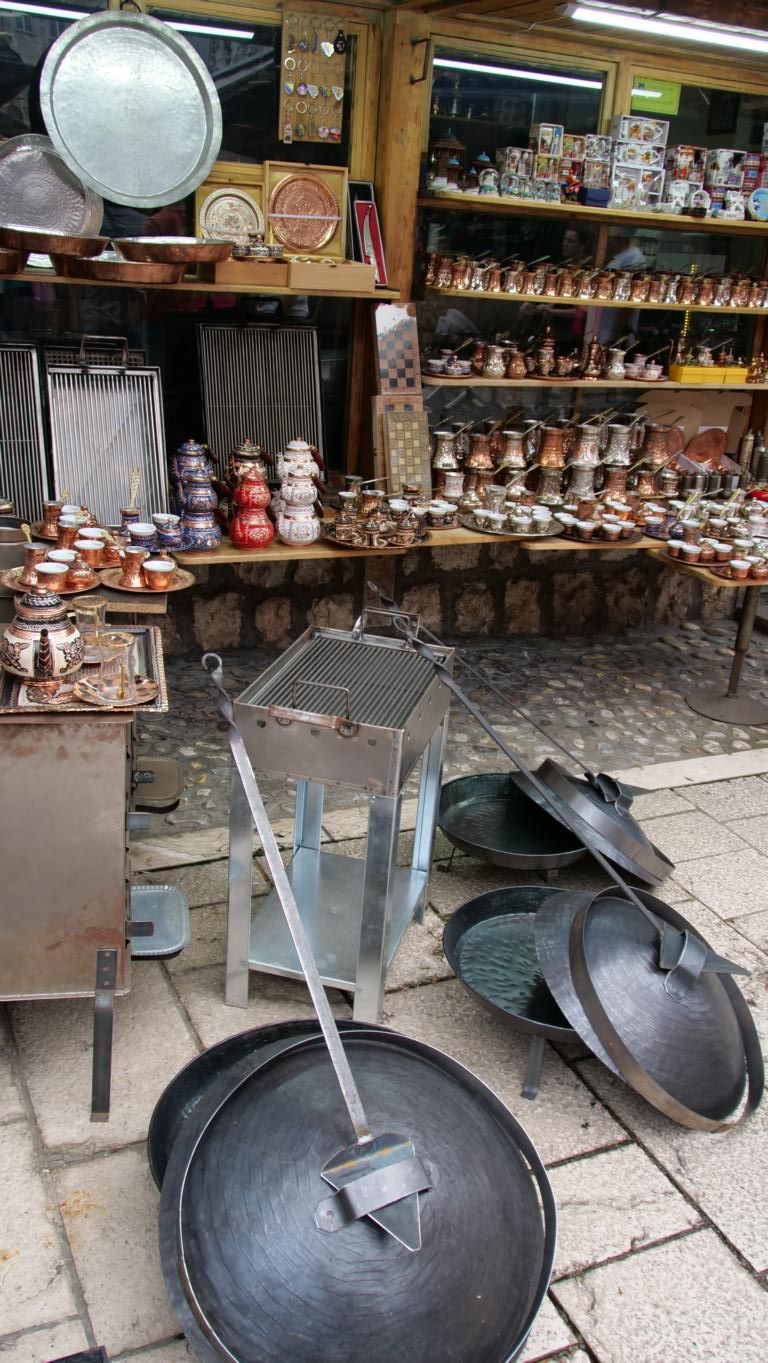
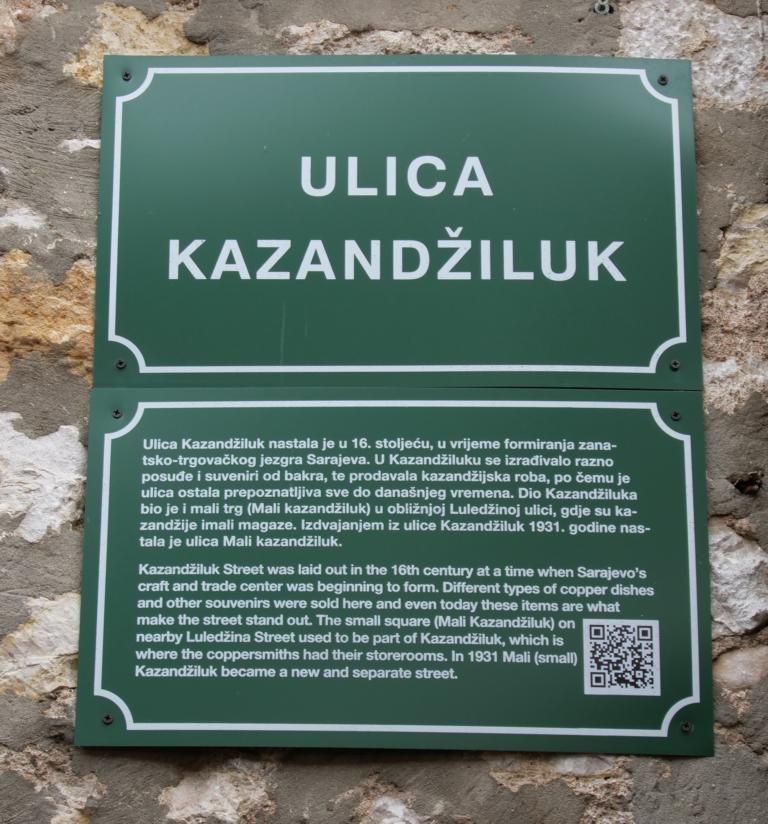
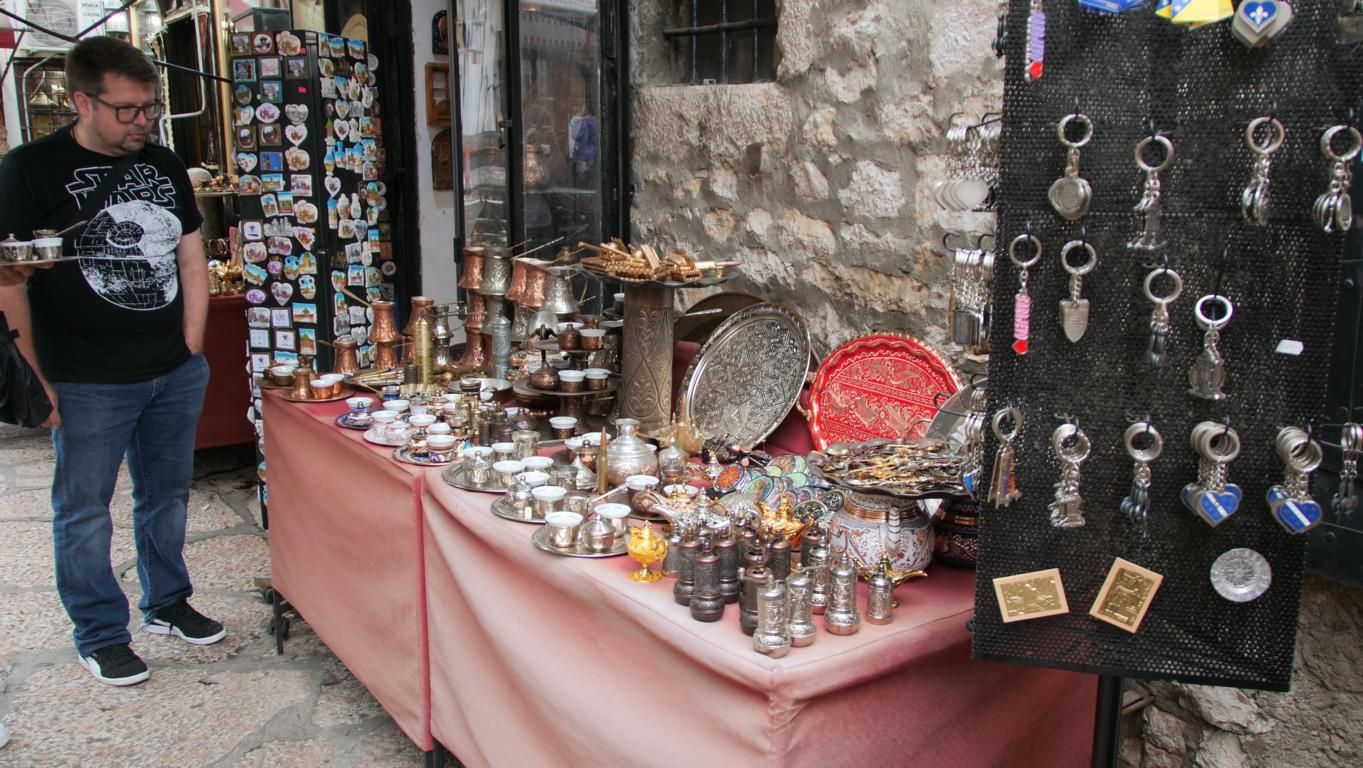
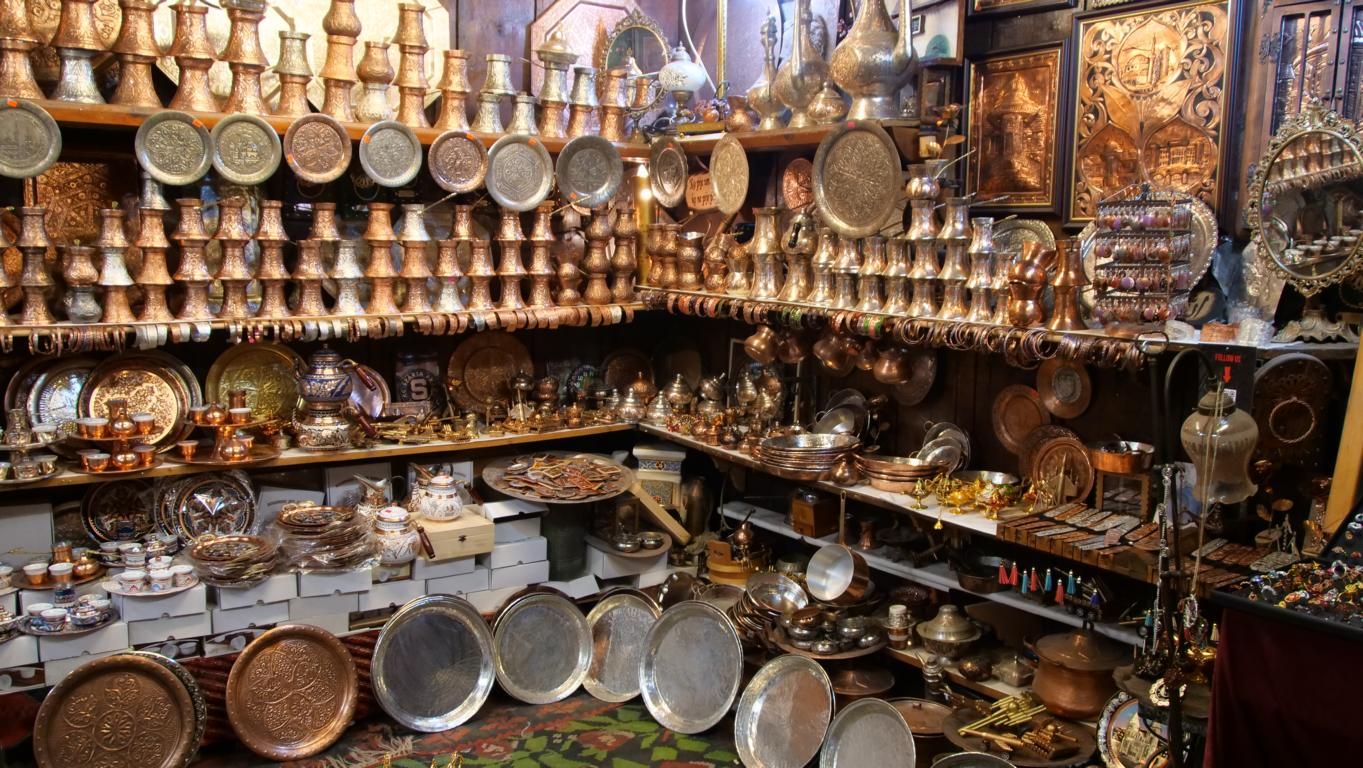
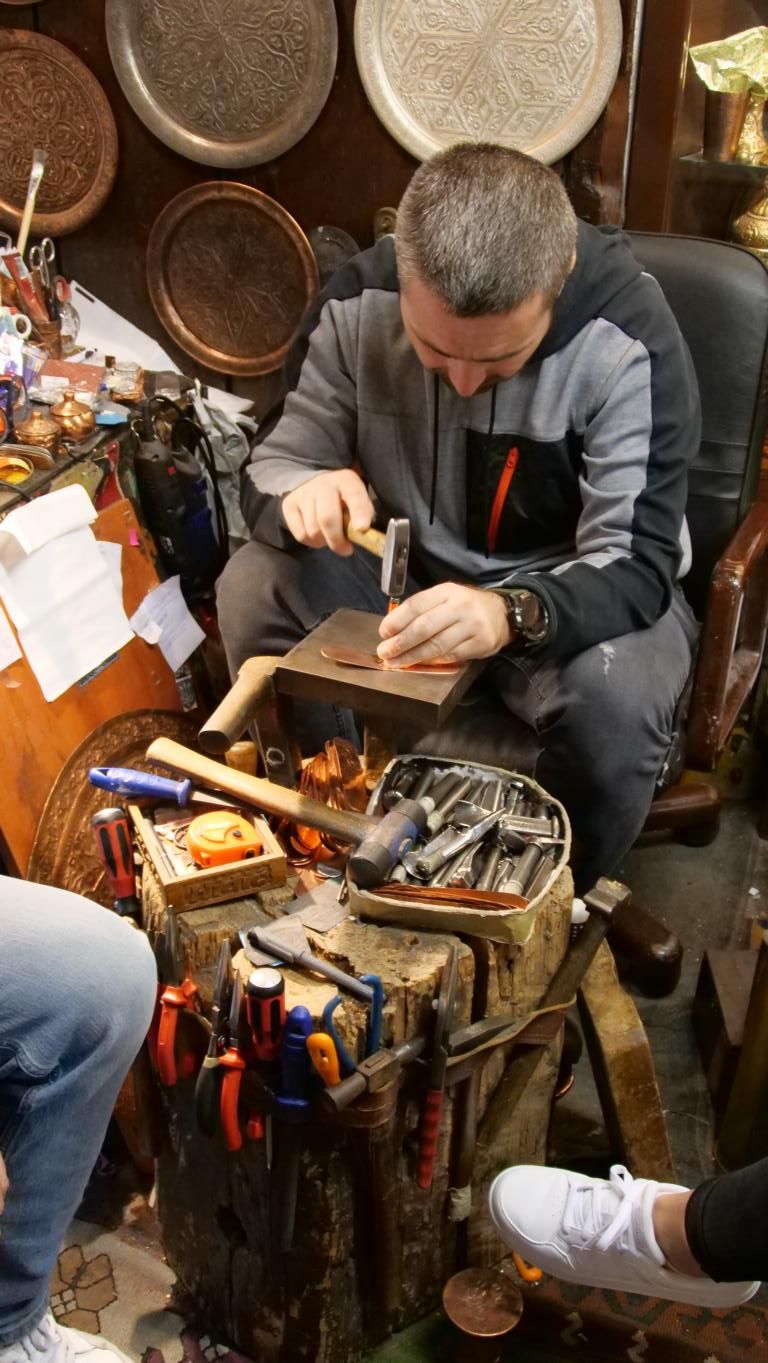
the 1984 Winter Olympics. We strolled through the street of coppersmiths,
observing how traditional craftsmanship still works. Sarajevo is also
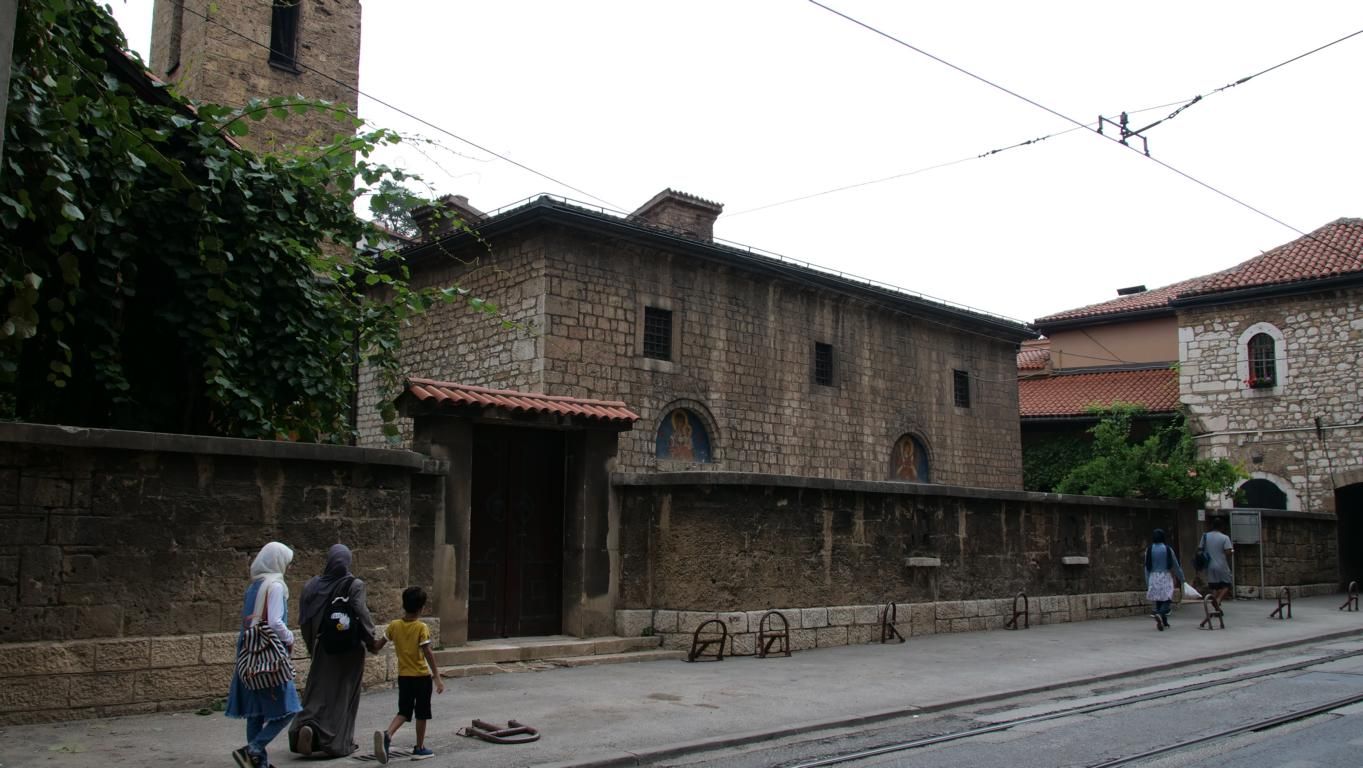
referred to as the "Jerusalem of Europe". We entered the street where
a few meters from each other, there is a mosque, an old Orthodox
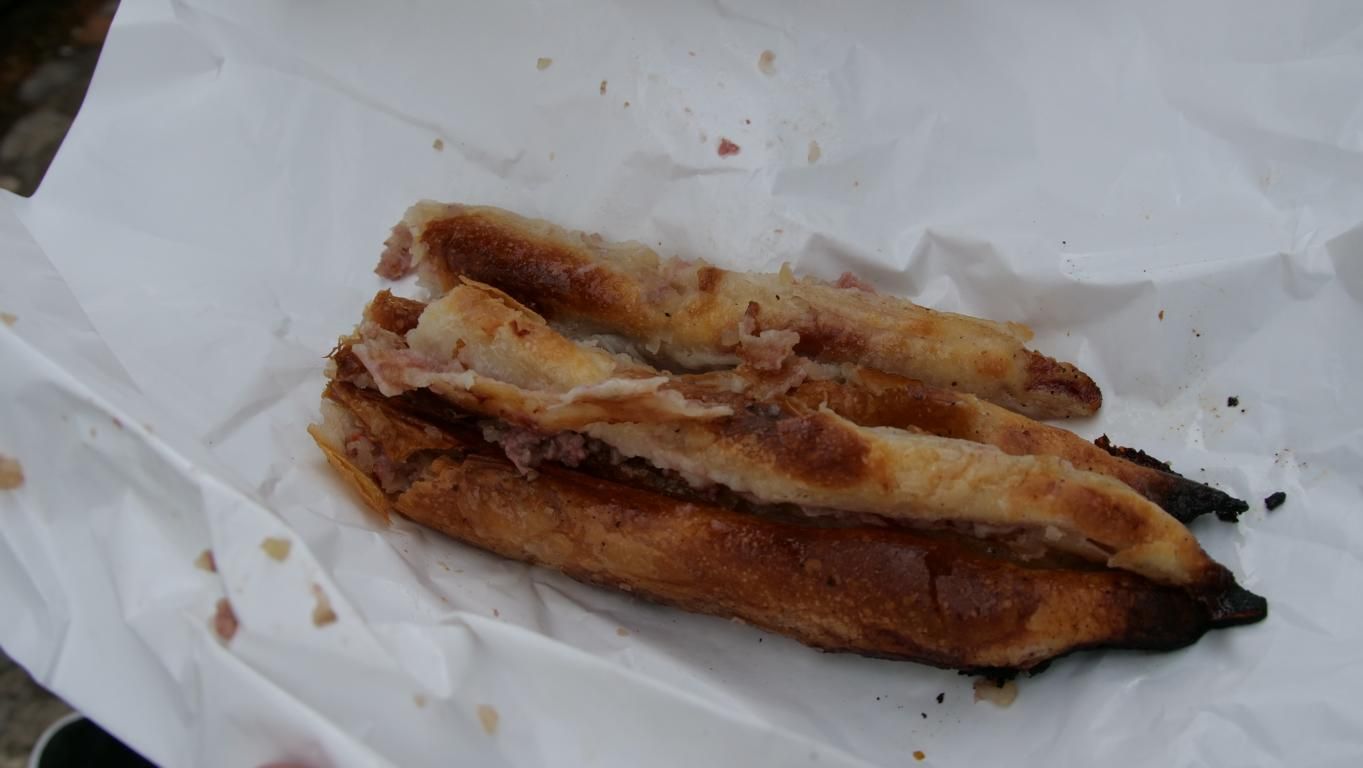
church, a synagogue, and a Roman Catholic church. Here we had the
next two dishes - a pie and a soup. We passed by the Turkish fountain,
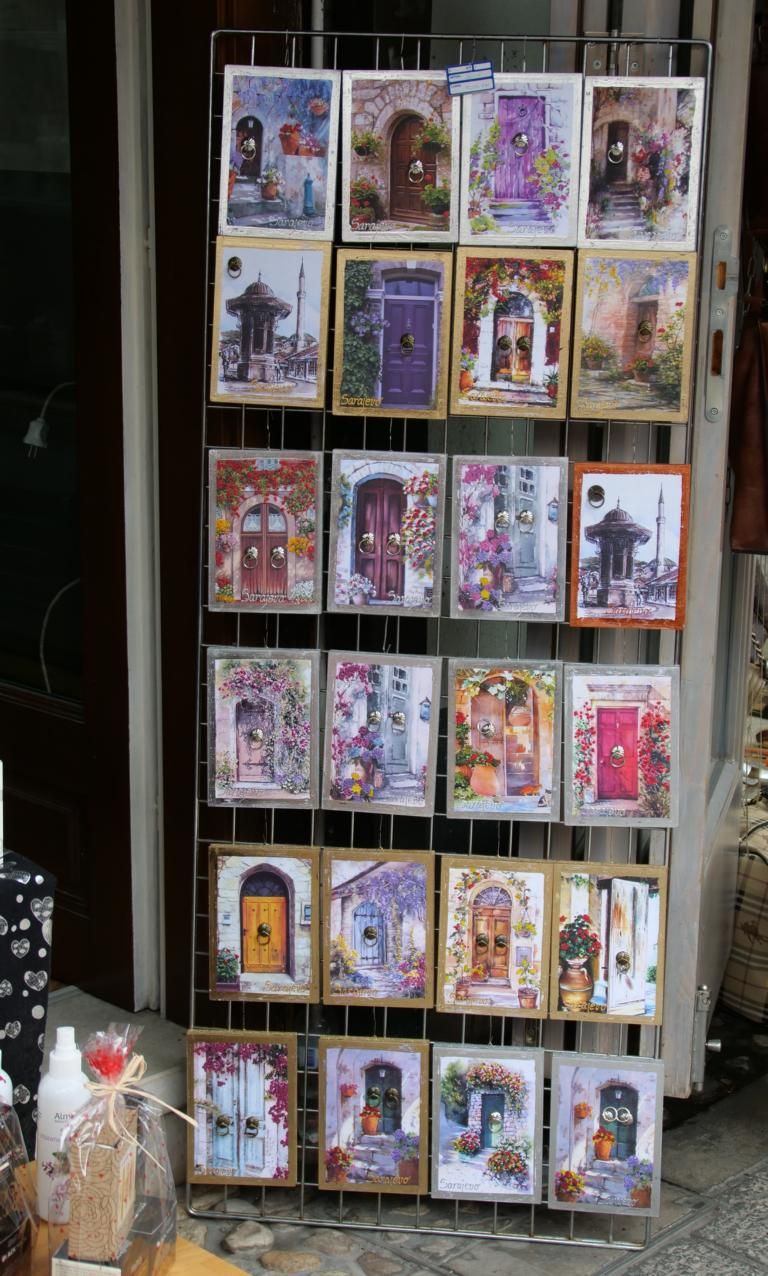
which is a central meeting point of the city, and continued through
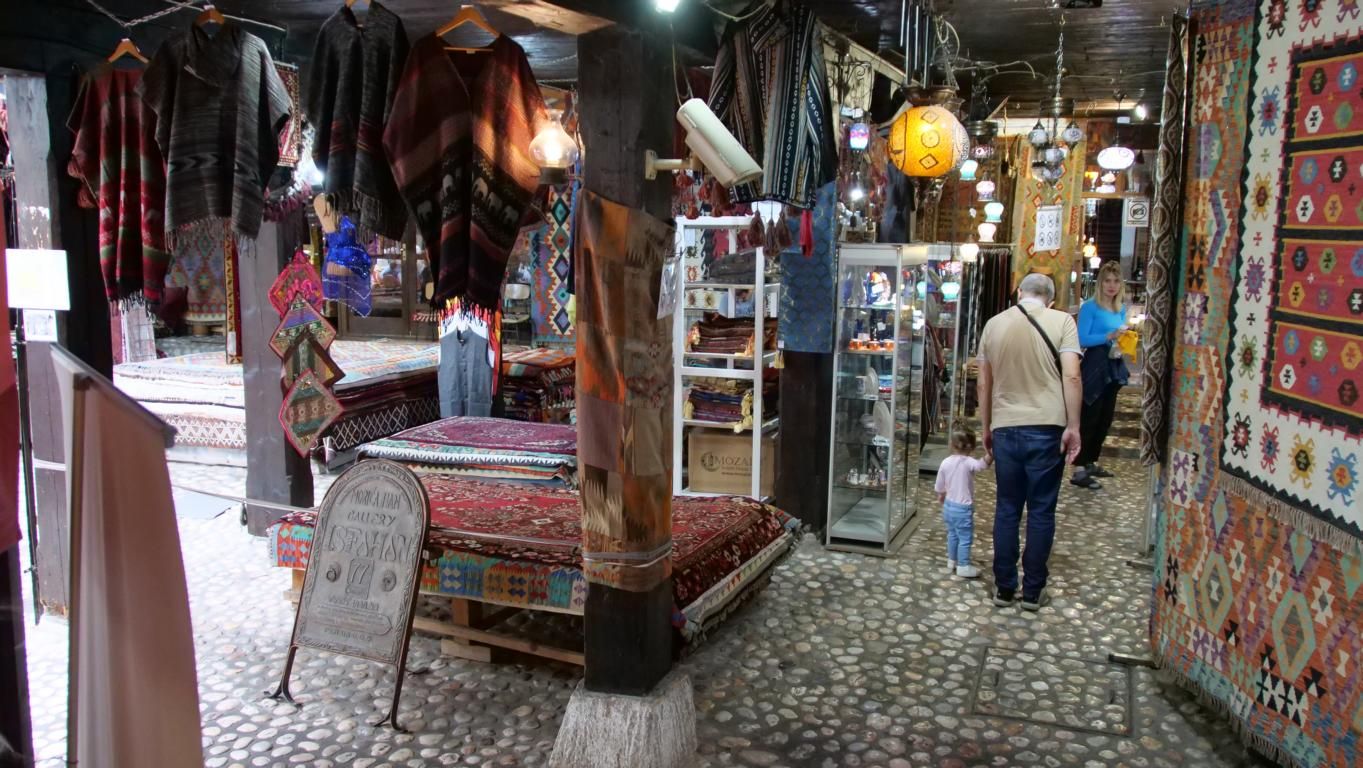
the narrow streets lined with small shops, coffee houses, and shisha
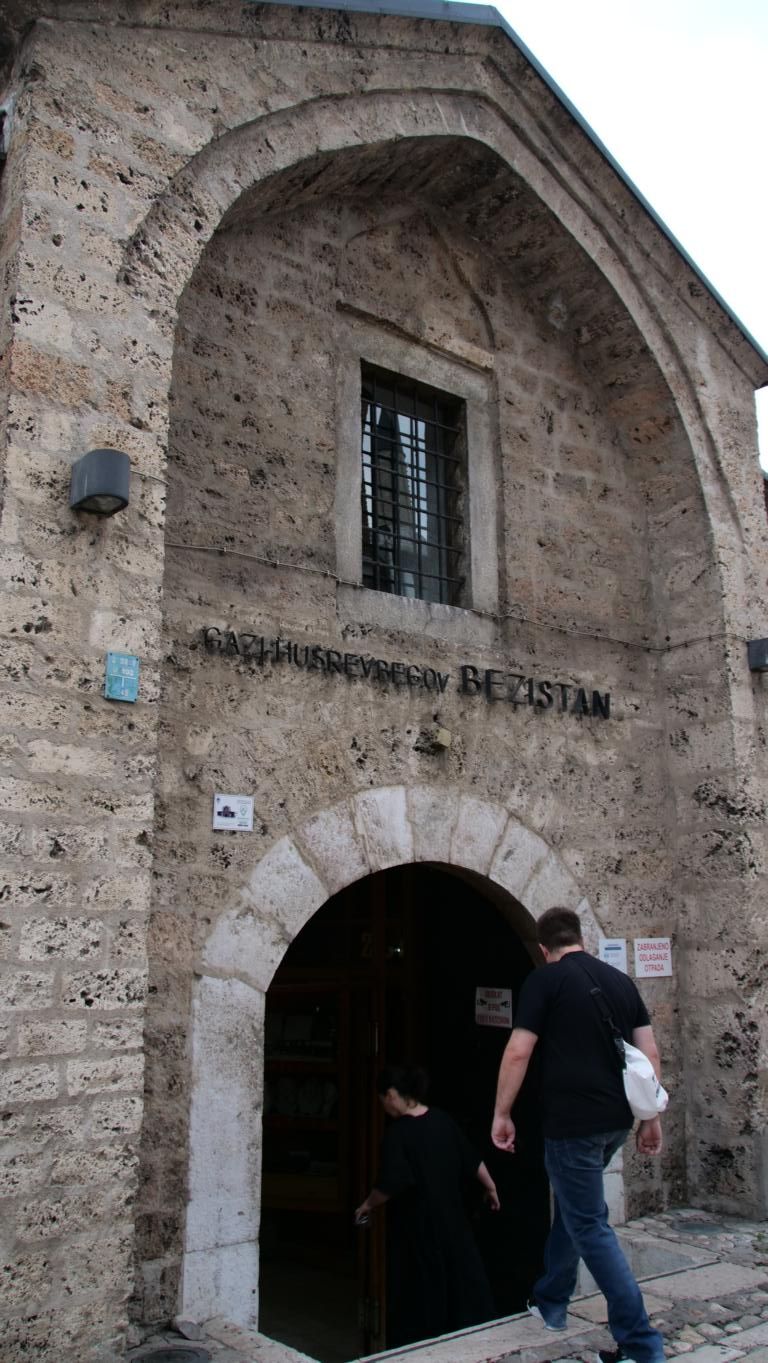
bars until we reached Taslihan, one of the largest caravanserais from
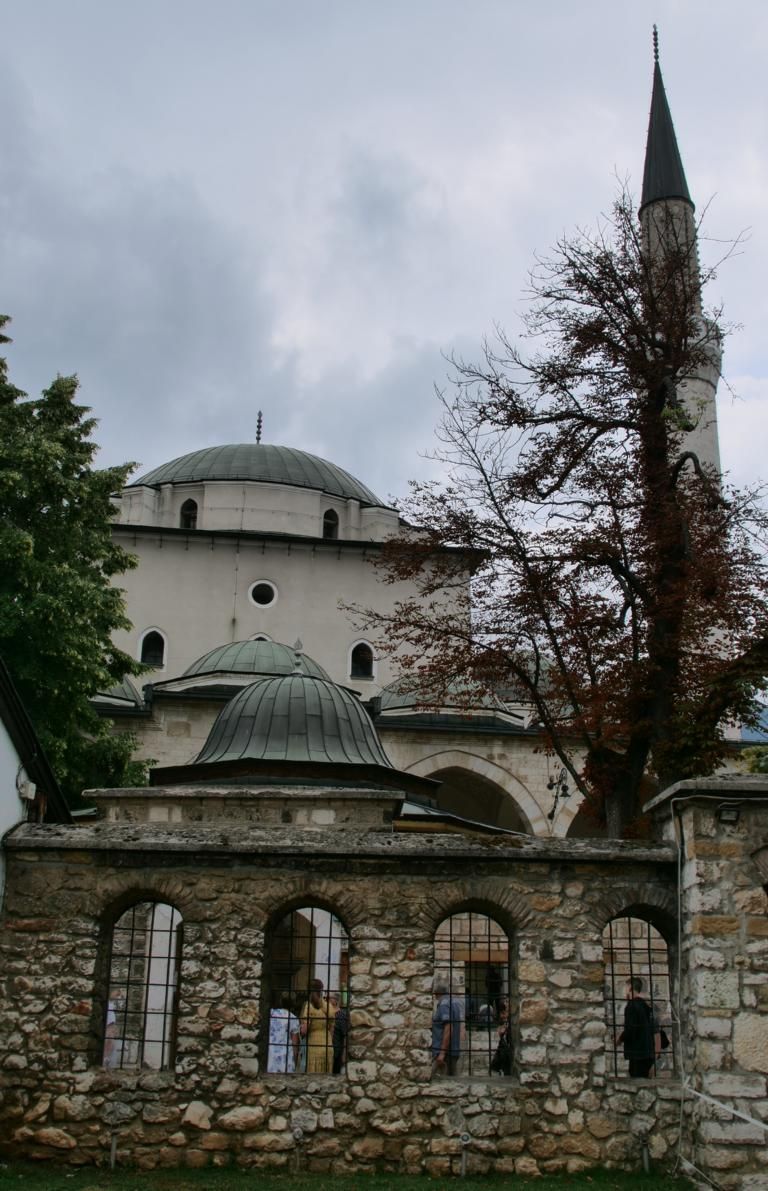
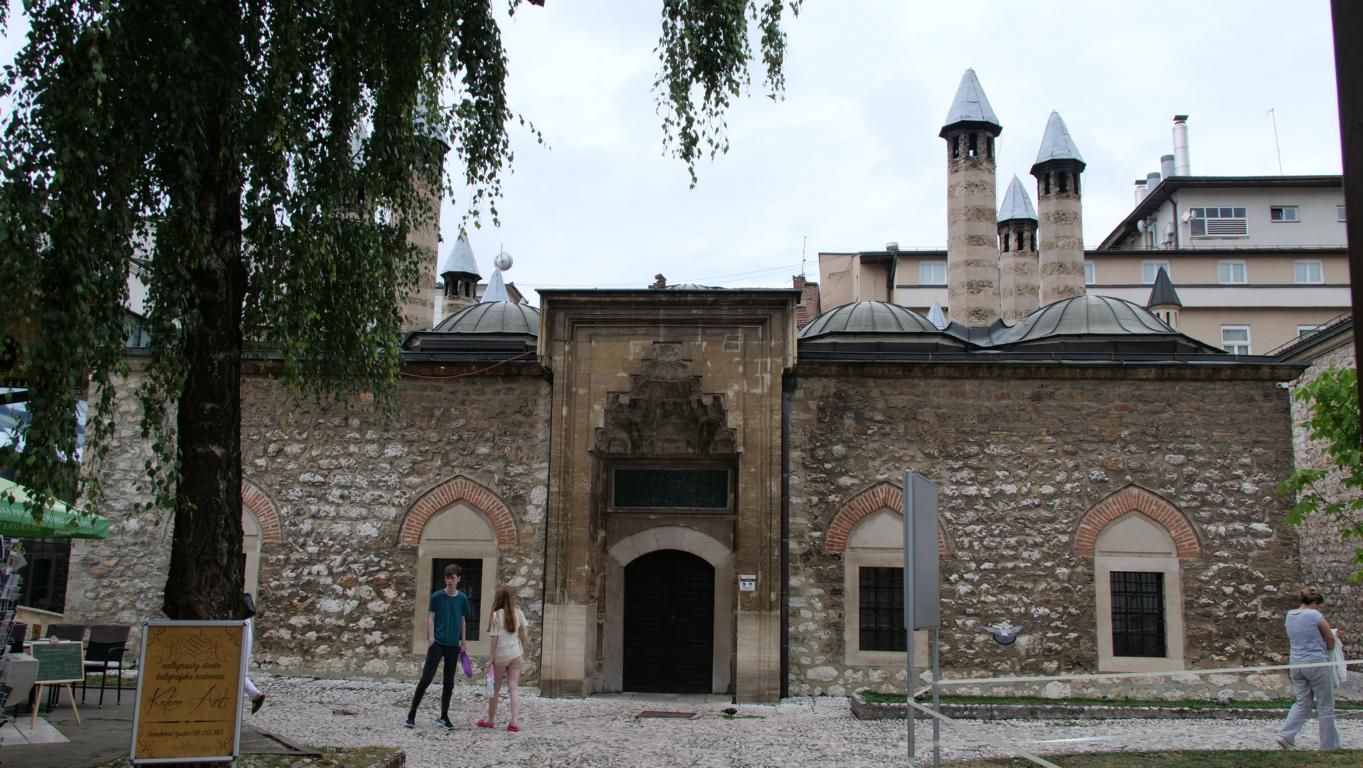
the Ottoman period. We saw an old Ottoman school and the Gazi
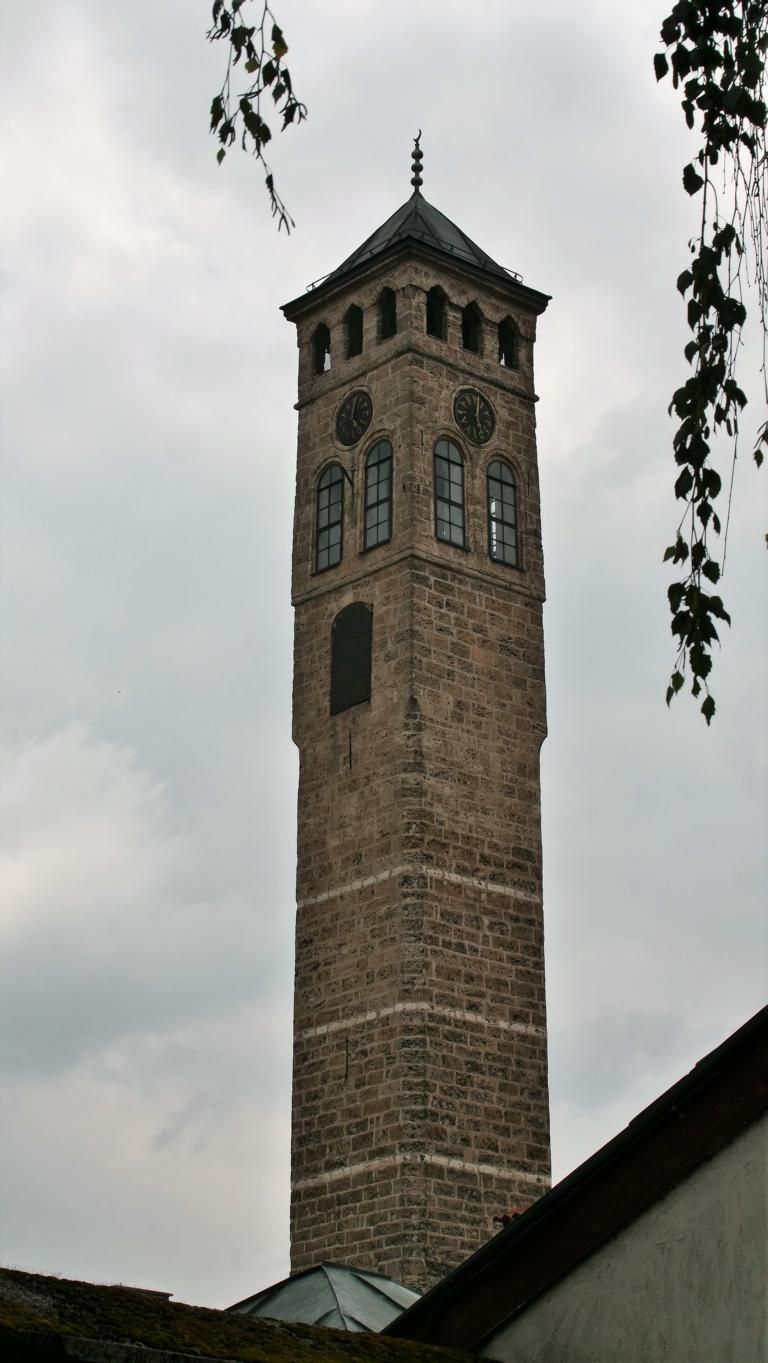
Husrev-beg Mosque. Right next to it is the clock tower from the 16th
century, it looks different but is a small replica of Big Ben as only
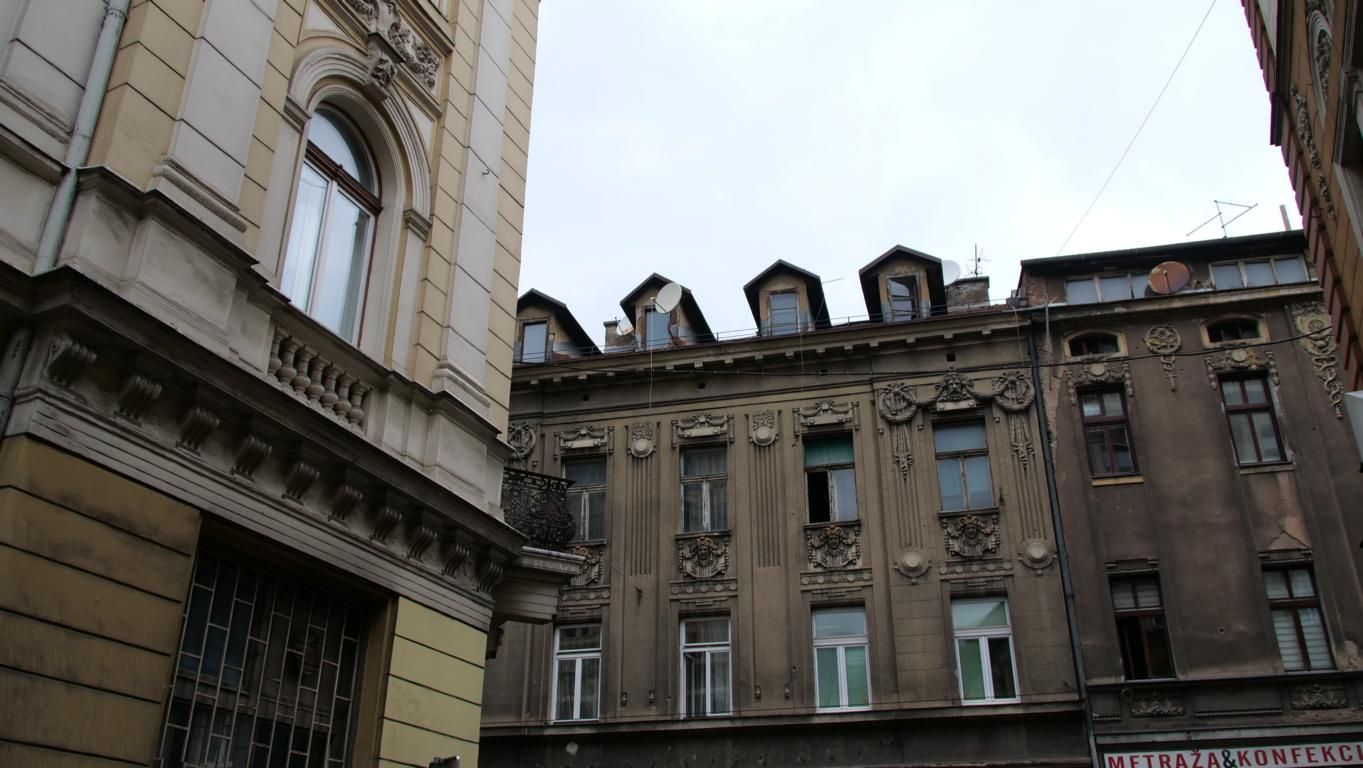
these two have the same clockwork. We continued along Ferhadija Street
and suddenly the architecture changed. We had arrived in Europe, there
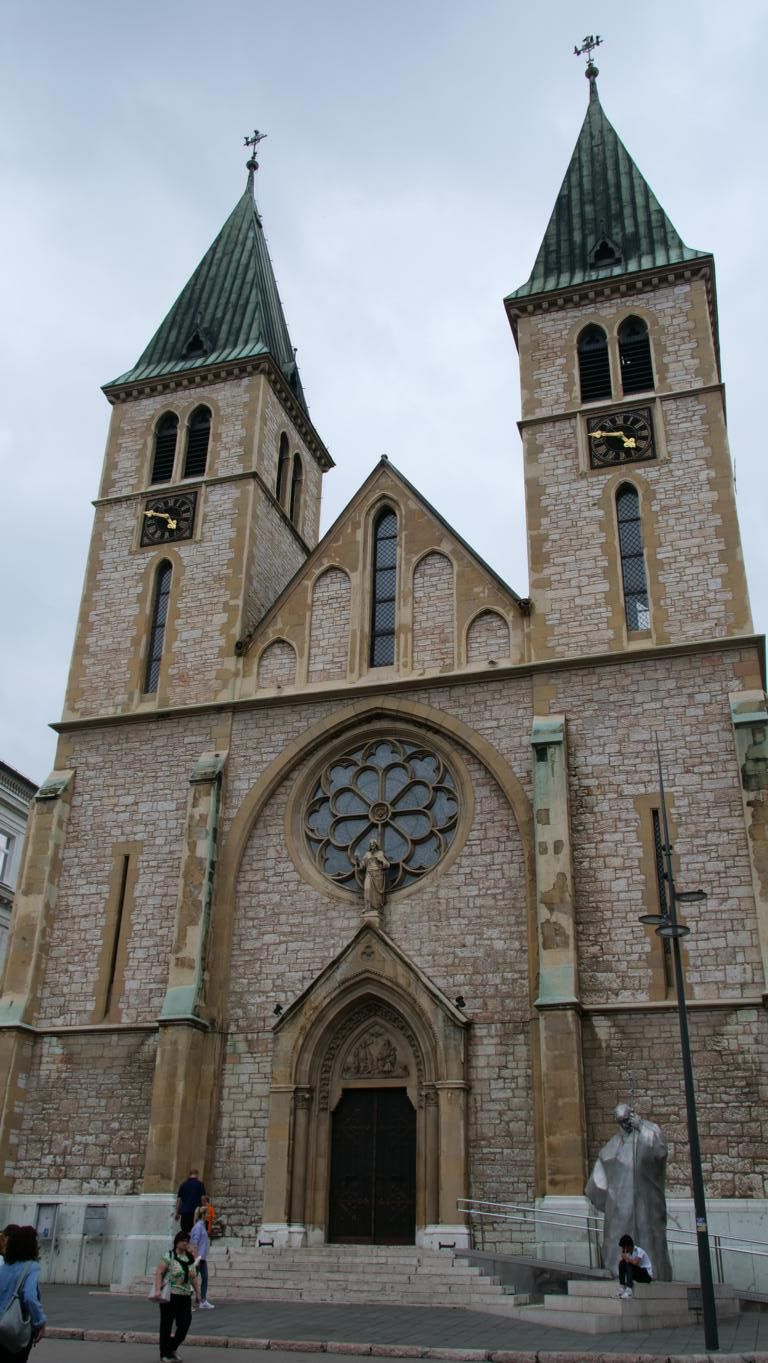
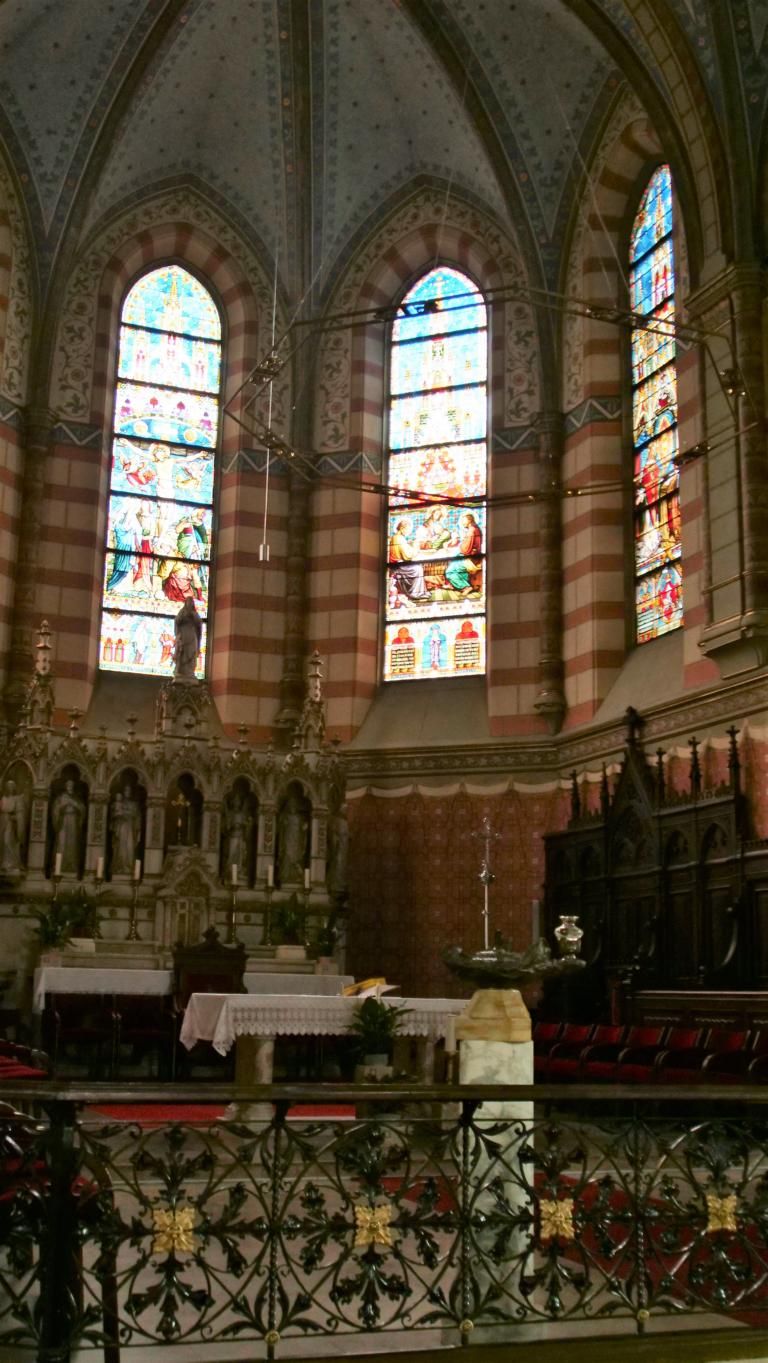
was no trace of the city's Ottoman past anymore. We then arrived at
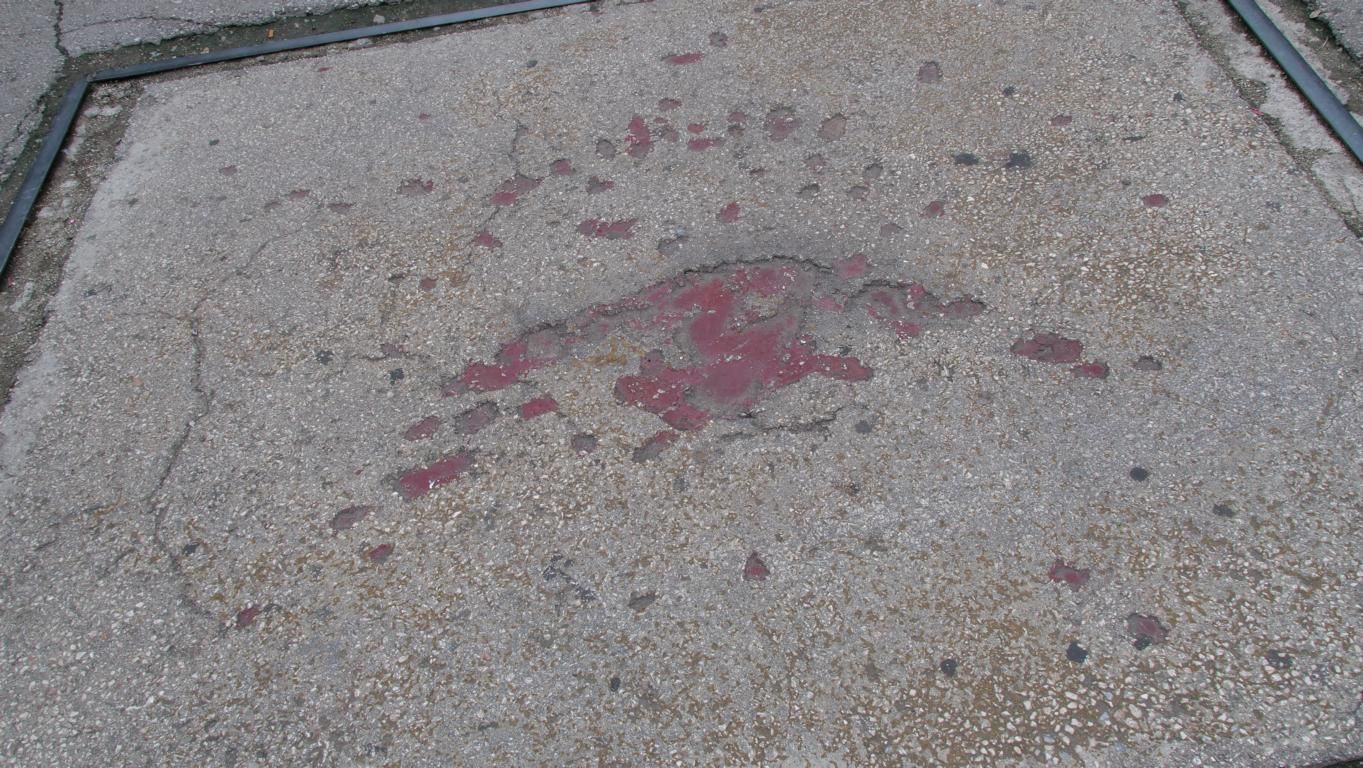
the Gothic Cathedral of the Sacred Heart. Right in front of it, we
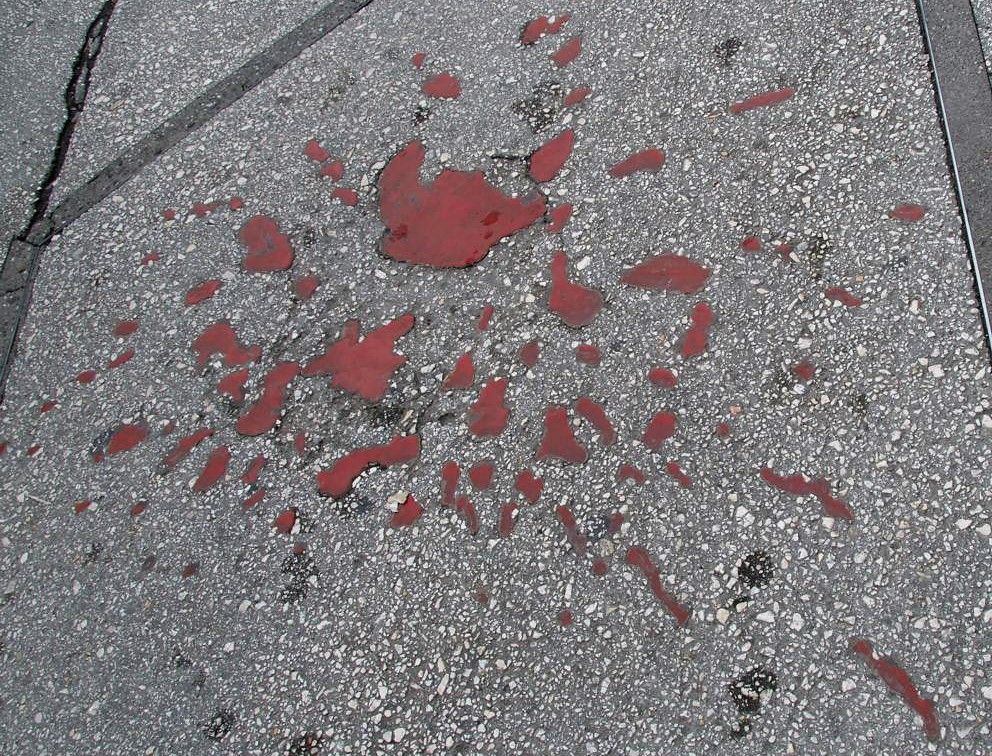
noticed one of the roses of Sarajevo. At these spots, during the
Bosnian War and the 1425-day siege of Sarajevo from 1992 to 1995, shells
hit and killed civilians. The roses of Sarajevo are special memorials
to the approximately 11,000 killed. Now we needed another refreshment.
We had typical dishes such as stuffed onions, zucchini, potatoes, and
meat variations. In the next street, we had the sweet conclusion of
our city tour and our stay in Sarajevo. There were various kinds of
baklava, and Alem showed us how to drink authentic Bosnian coffee.
We completely changed our first impression of the city, we are
impressed and will definitely come back someday.