Travelogues India
Flüge nach India430 Travel reports · 71 travel bloggers · 8.1K photos · Best time to travel: January & October · Create a travel blog · About Vakantio
Vacation in India : Highlights & Travel Tips
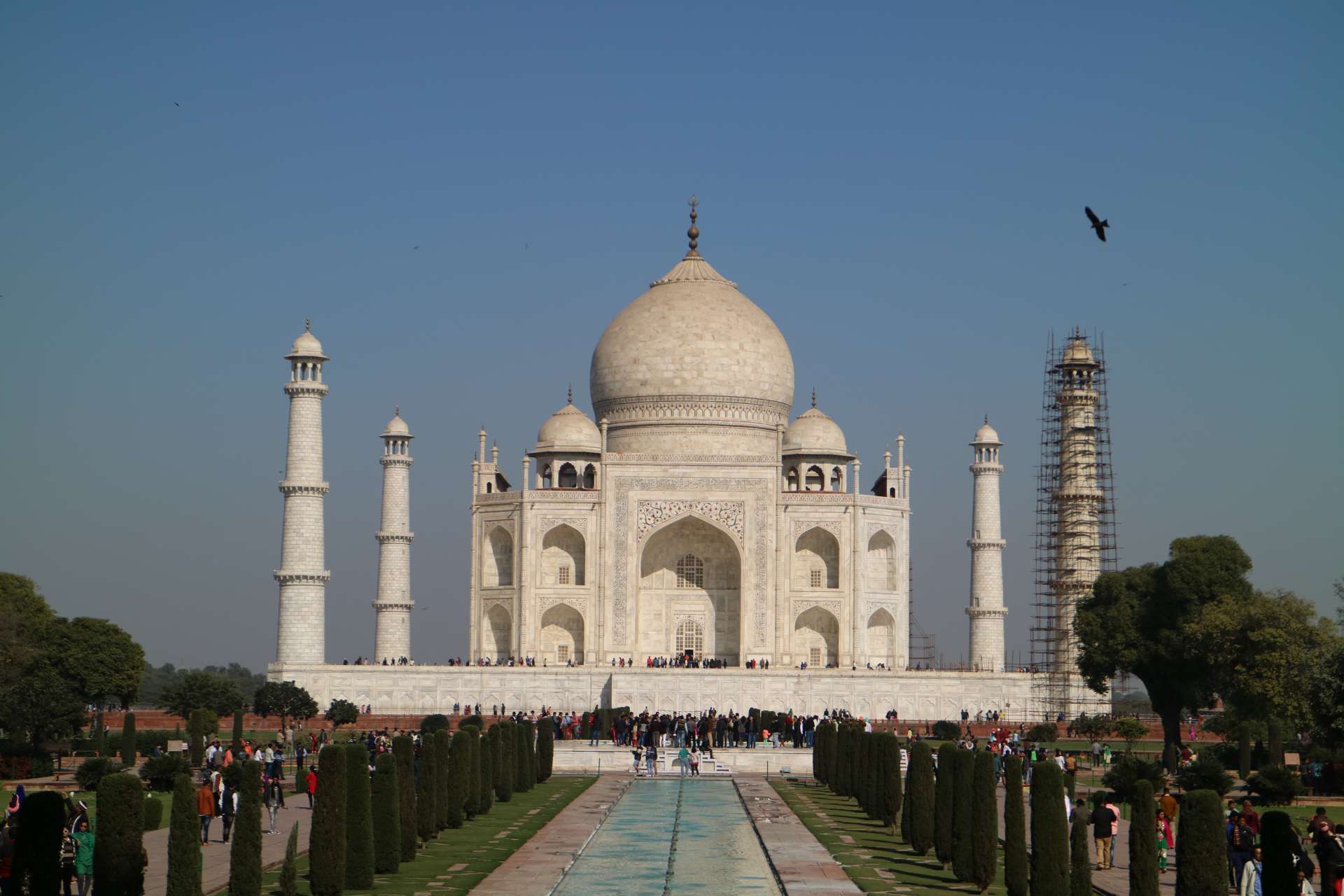
India is a destination of extraordinary scale and variety, where ancient traditions, dramatic landscapes, and vibrant daily life create an unforgettable travel experience. Travelers are drawn by its remarkable contrasts: Mughal monuments and sacred temples, Himalayan mountain towns and tropical backwaters, bustling mega-cities and quiet desert villages. From watching the sunrise over the Taj Mahal to exploring Jaipur’s palaces, cruising Kerala’s waterways, spotting wildlife in national parks, or joining festivals filled with color, music, and ritual, India offers a depth of culture and sensory richness that few places can match.
For first-time visitors, popular highlights include the Golden Triangle of Delhi, Agra, and Jaipur, as well as Varanasi for its spiritual atmosphere, Rajasthan for forts and desert heritage, Goa for beaches, and Kerala for nature and wellness retreats. Practical planning makes a big difference: distances are long, so it is best to focus on one region at a time; booking trains, flights, and major sights in advance can save time; and dressing modestly, carrying cash for smaller purchases, drinking filtered or bottled water, and allowing flexibility for crowds and traffic will help the trip go more smoothly. India can feel intense, but travelers who arrive with curiosity and patience are often rewarded with some of the world’s most memorable food, hospitality, and cultural experiences.
Best time to travel India
The best time to visit India is generally October to January, with October (0.22) and January (0.18) showing the strongest popularity and February (0.12) also remaining favorable. These months are typically preferred because the weather is cooler and more comfortable across many regions, making sightseeing, festivals, and longer journeys much easier than during the hotter pre-monsoon and rainy monsoon months.