Cape of Good Hope
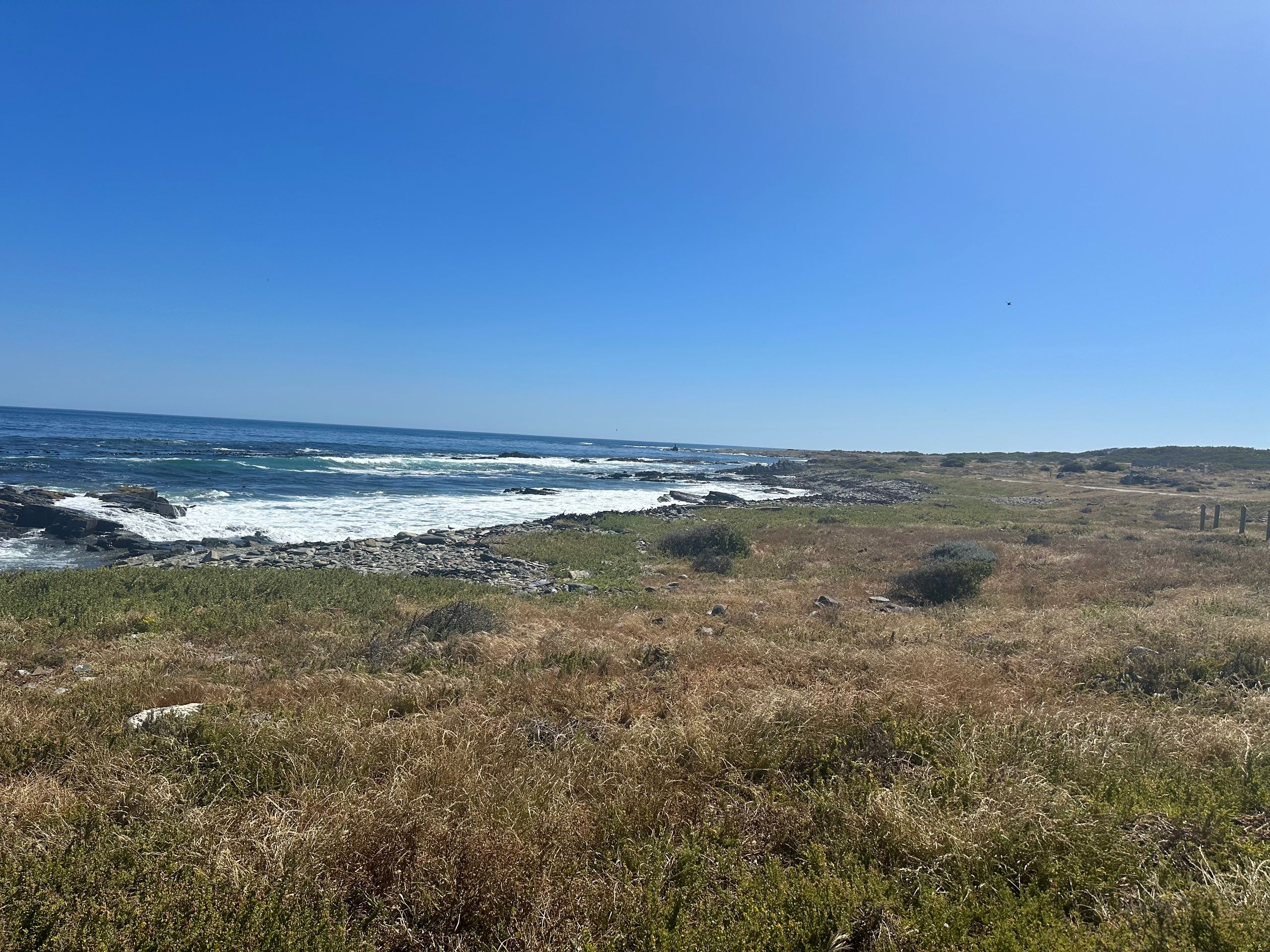
10 a.m. and our tour group is heading to the Cape of Good Hope, but since Karo has already been there, we drop her off at an ostrich farm where she will wait for us with tea,...

Published: 30.10.2023
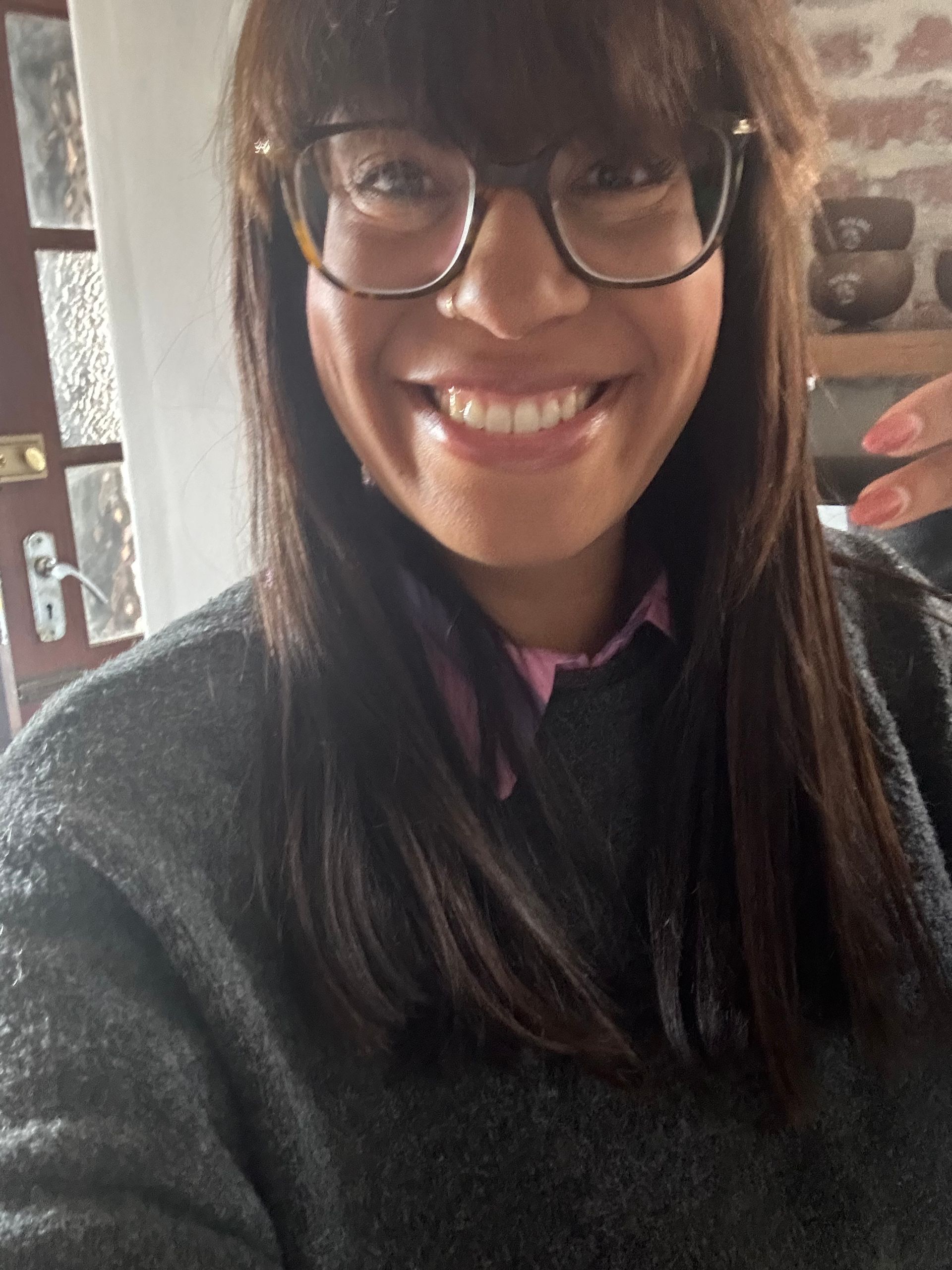
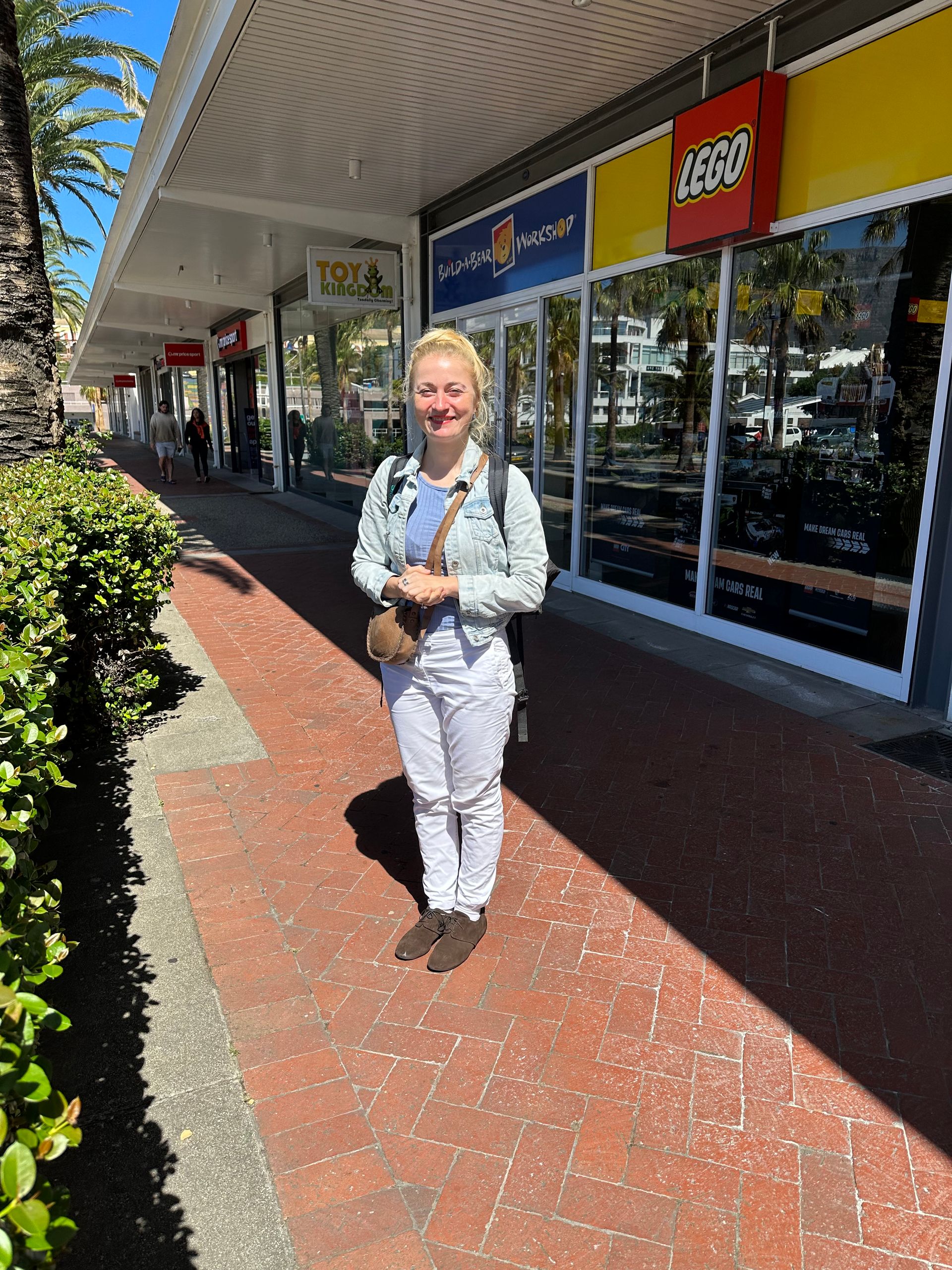
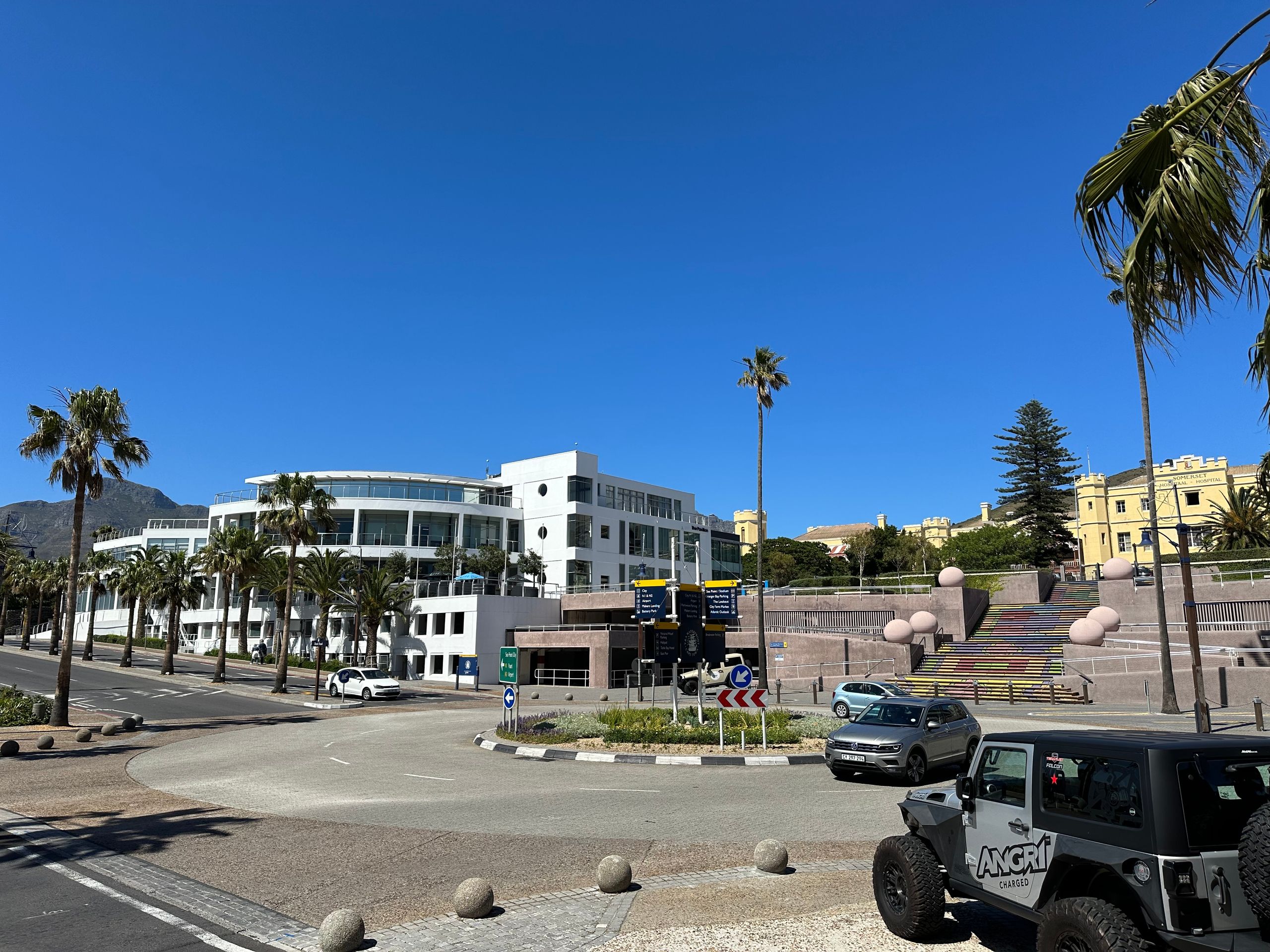
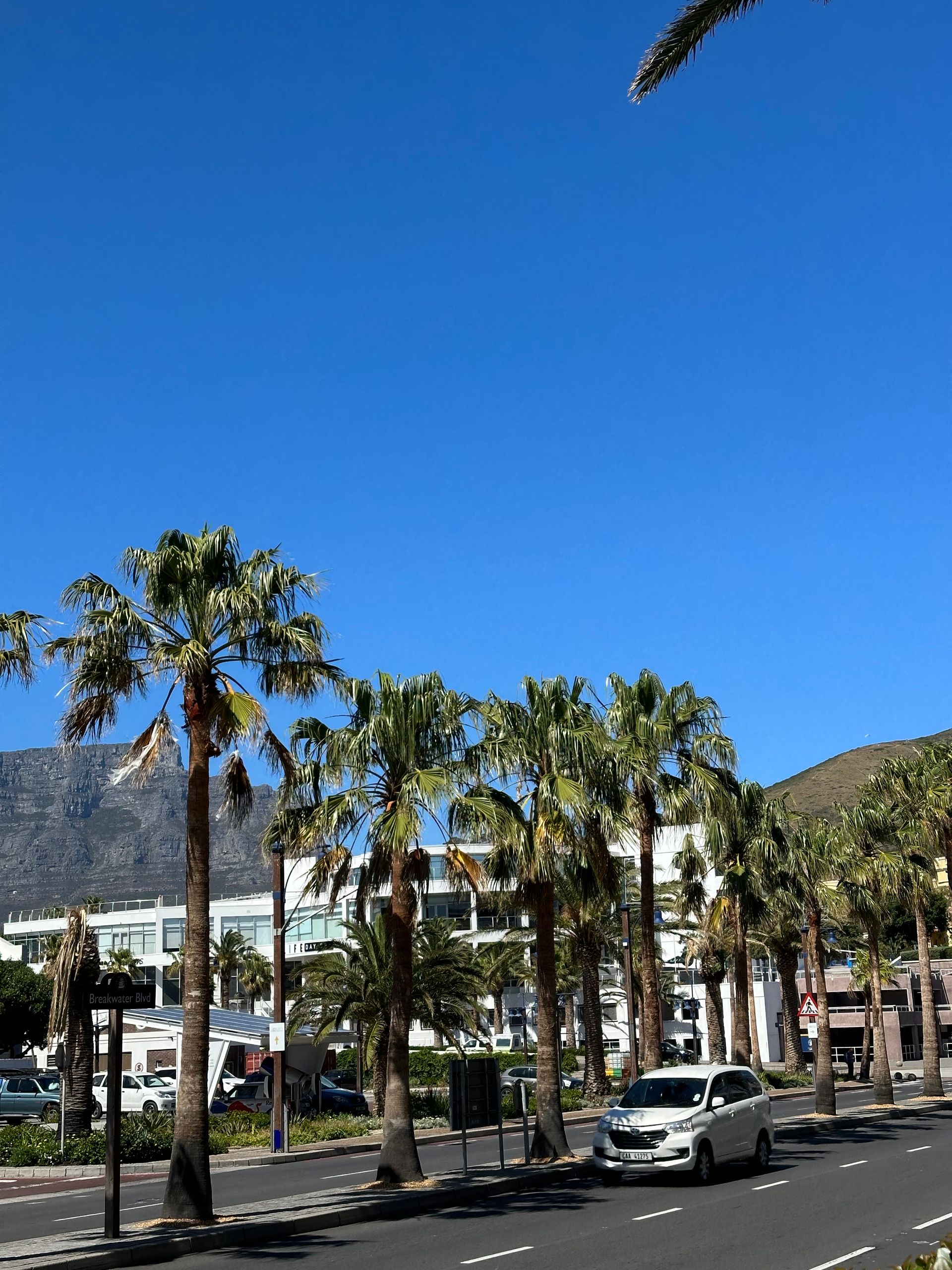
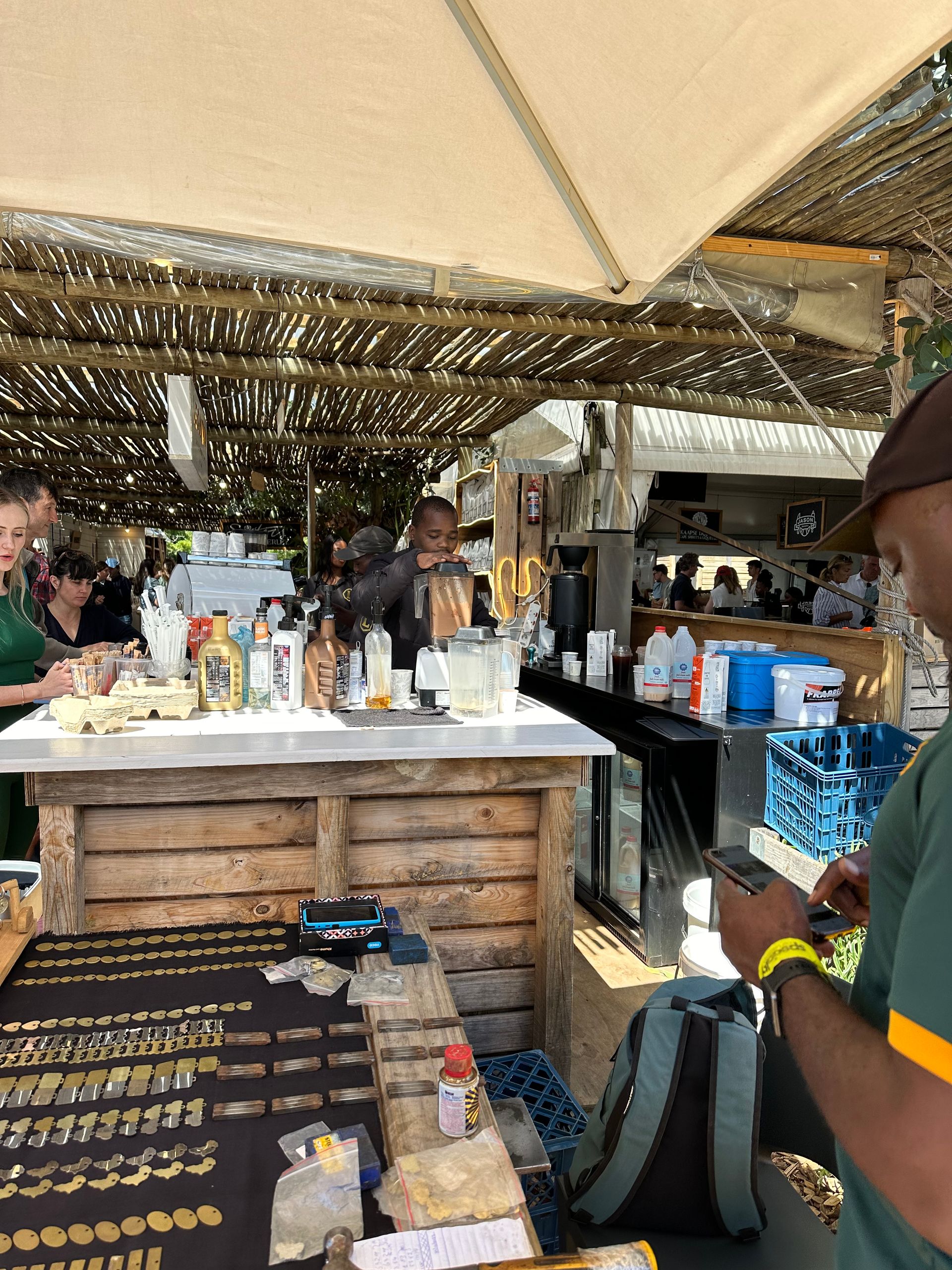
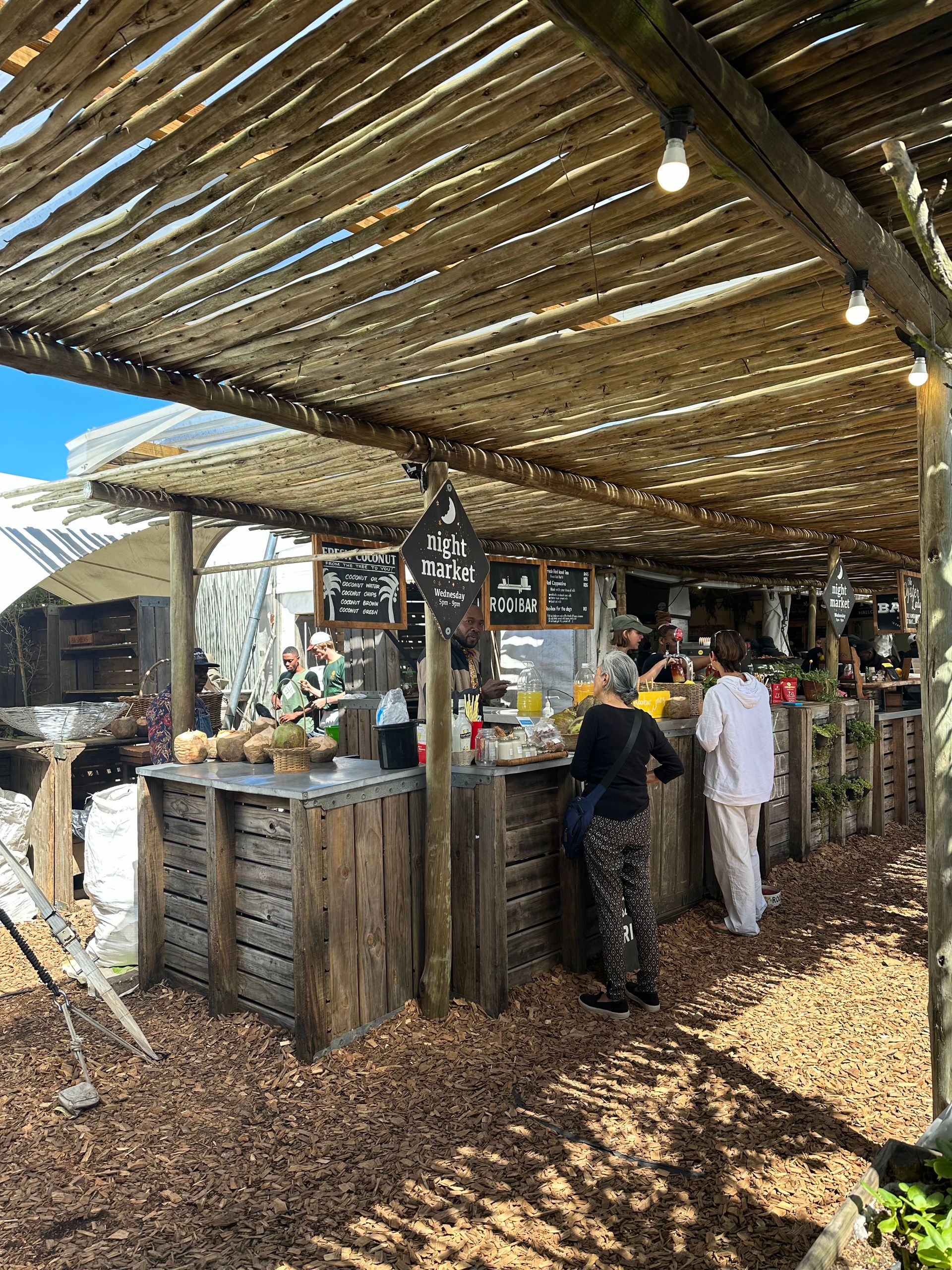
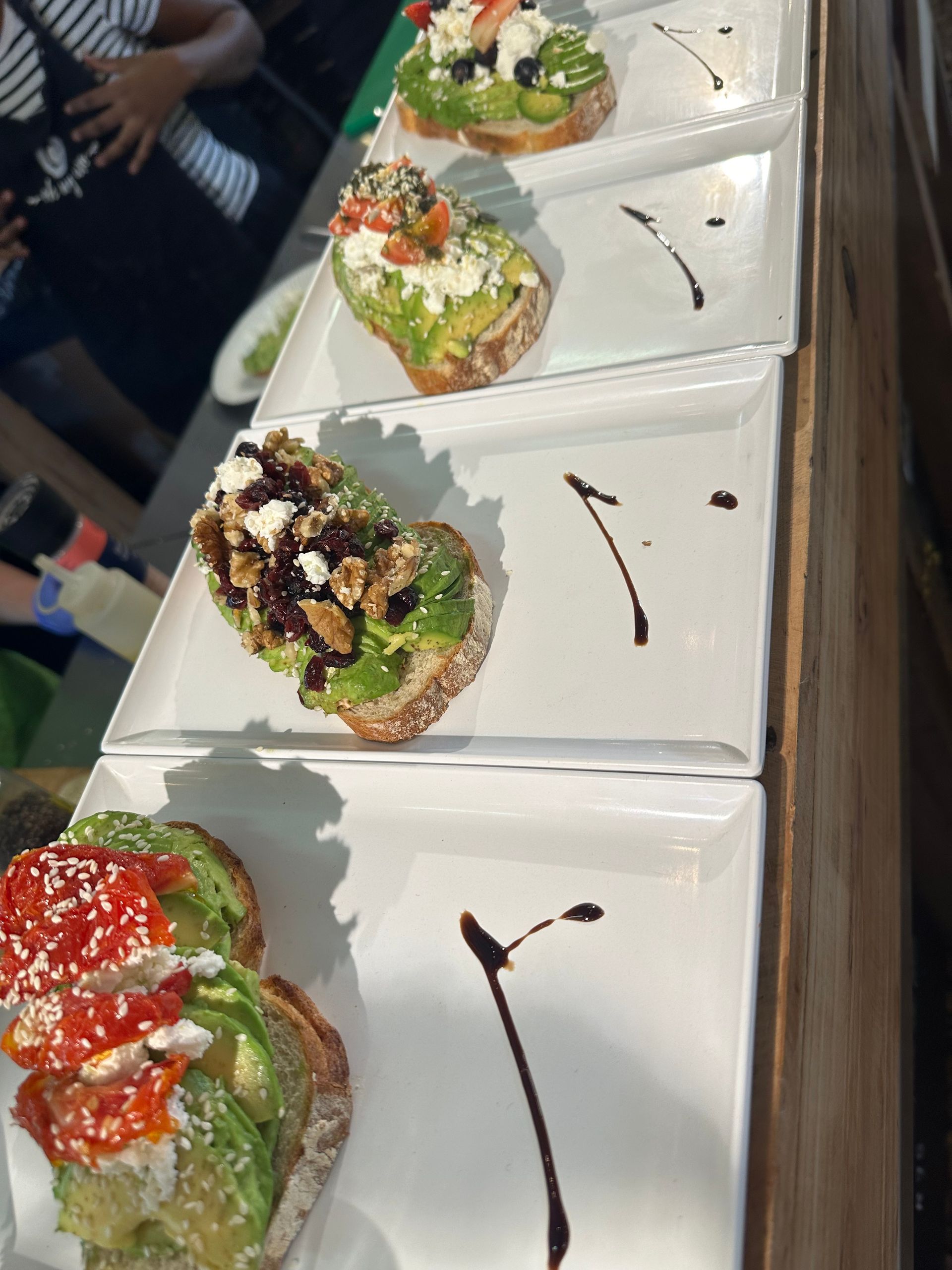
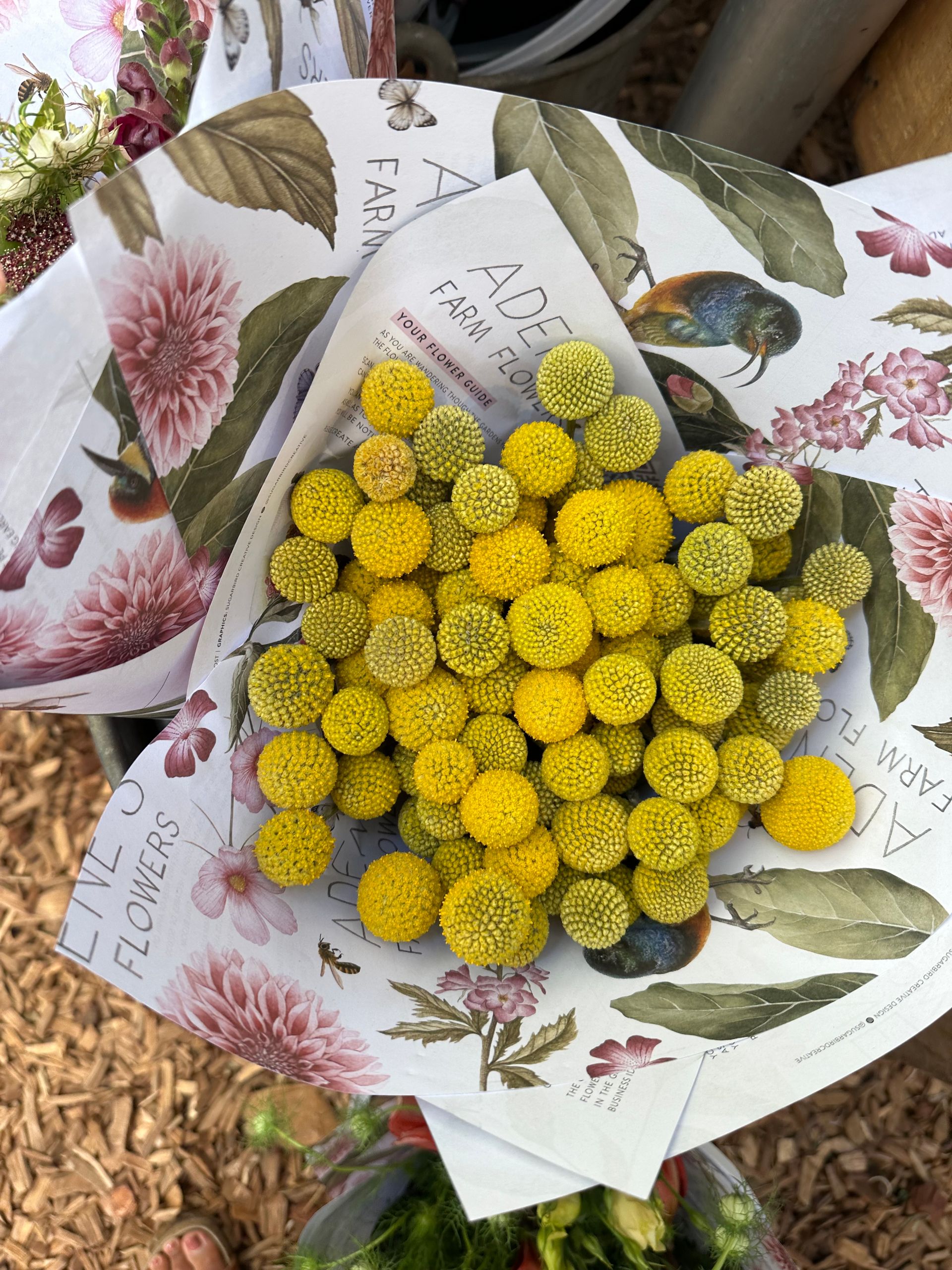
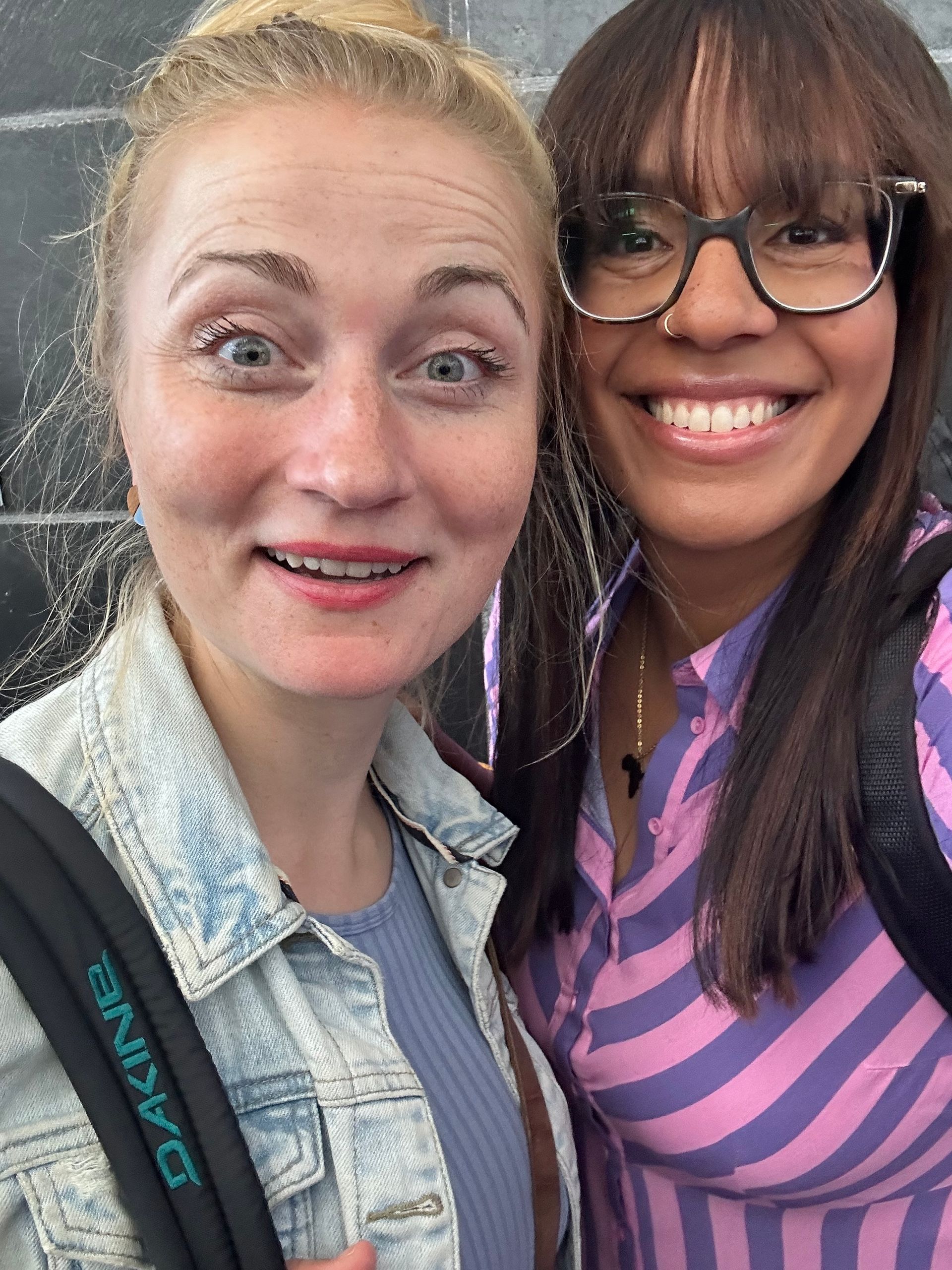
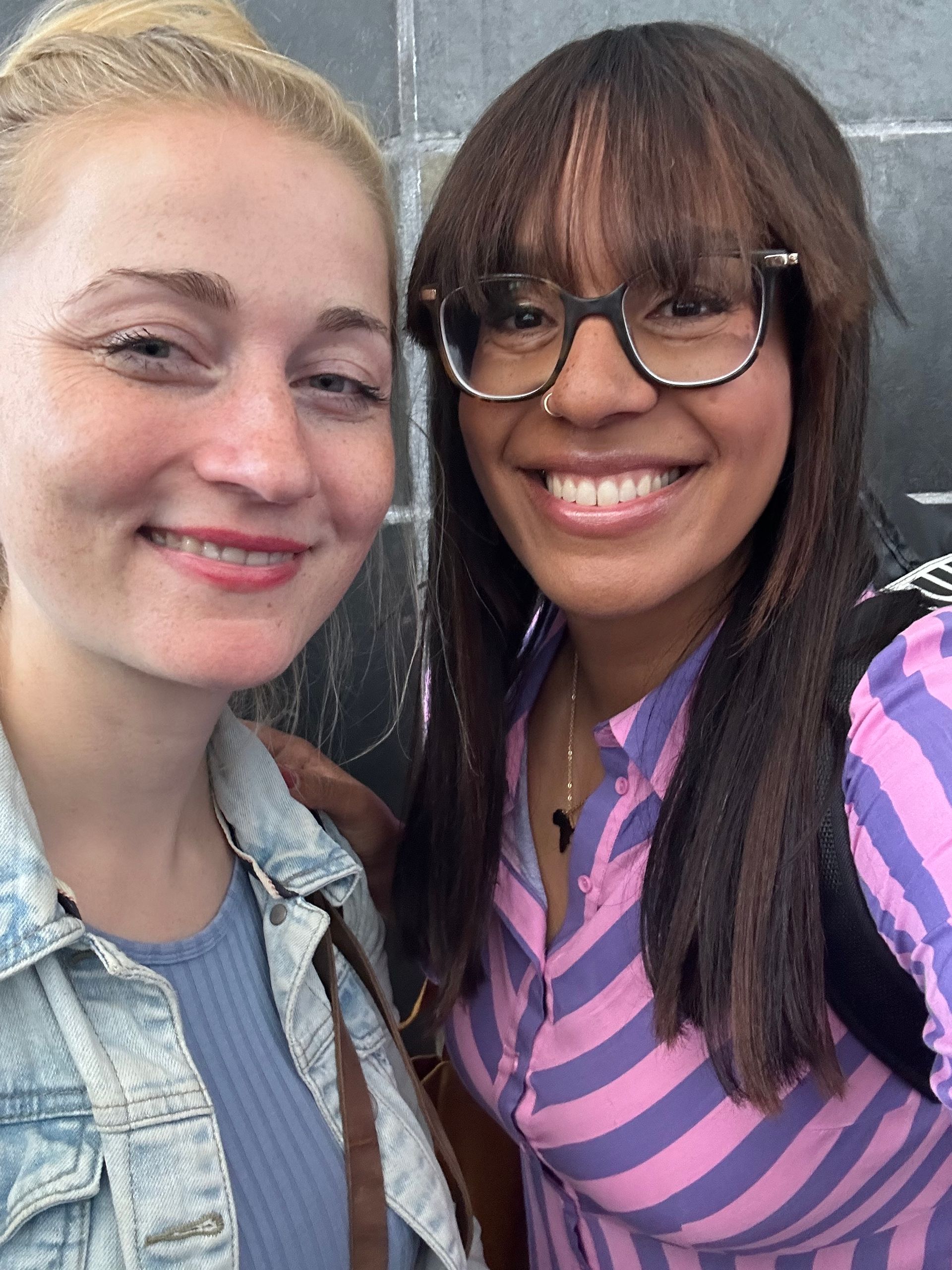
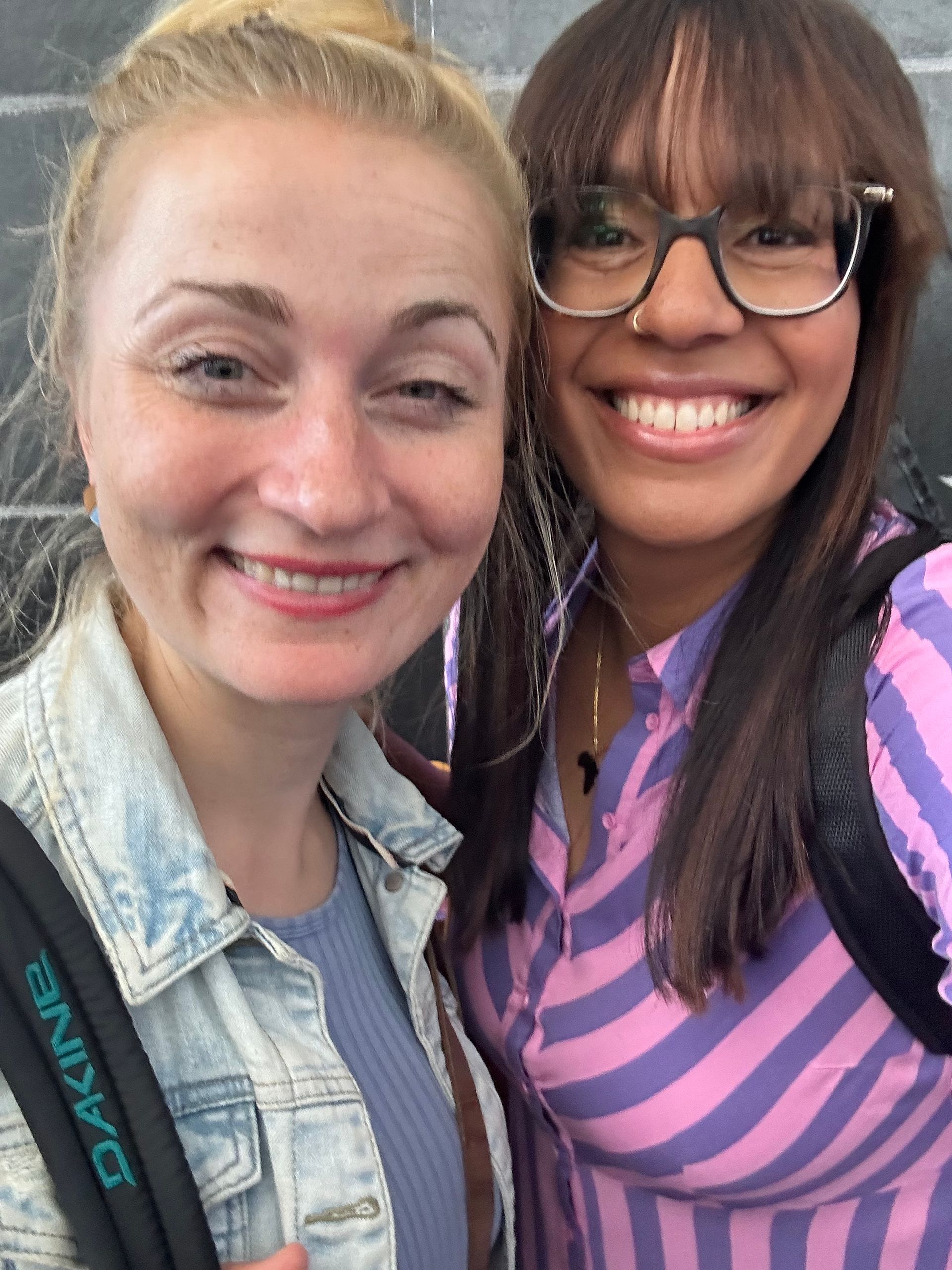
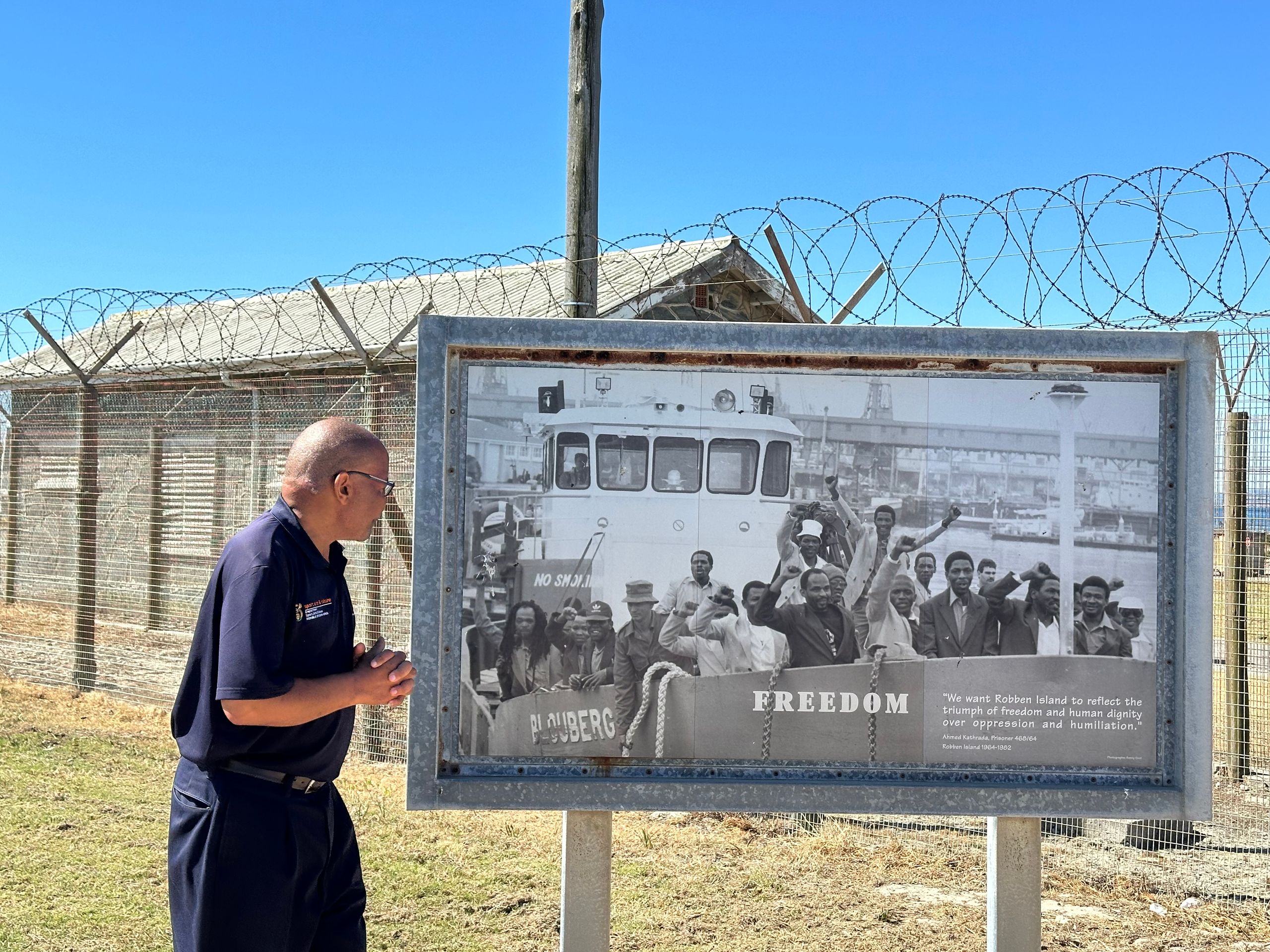
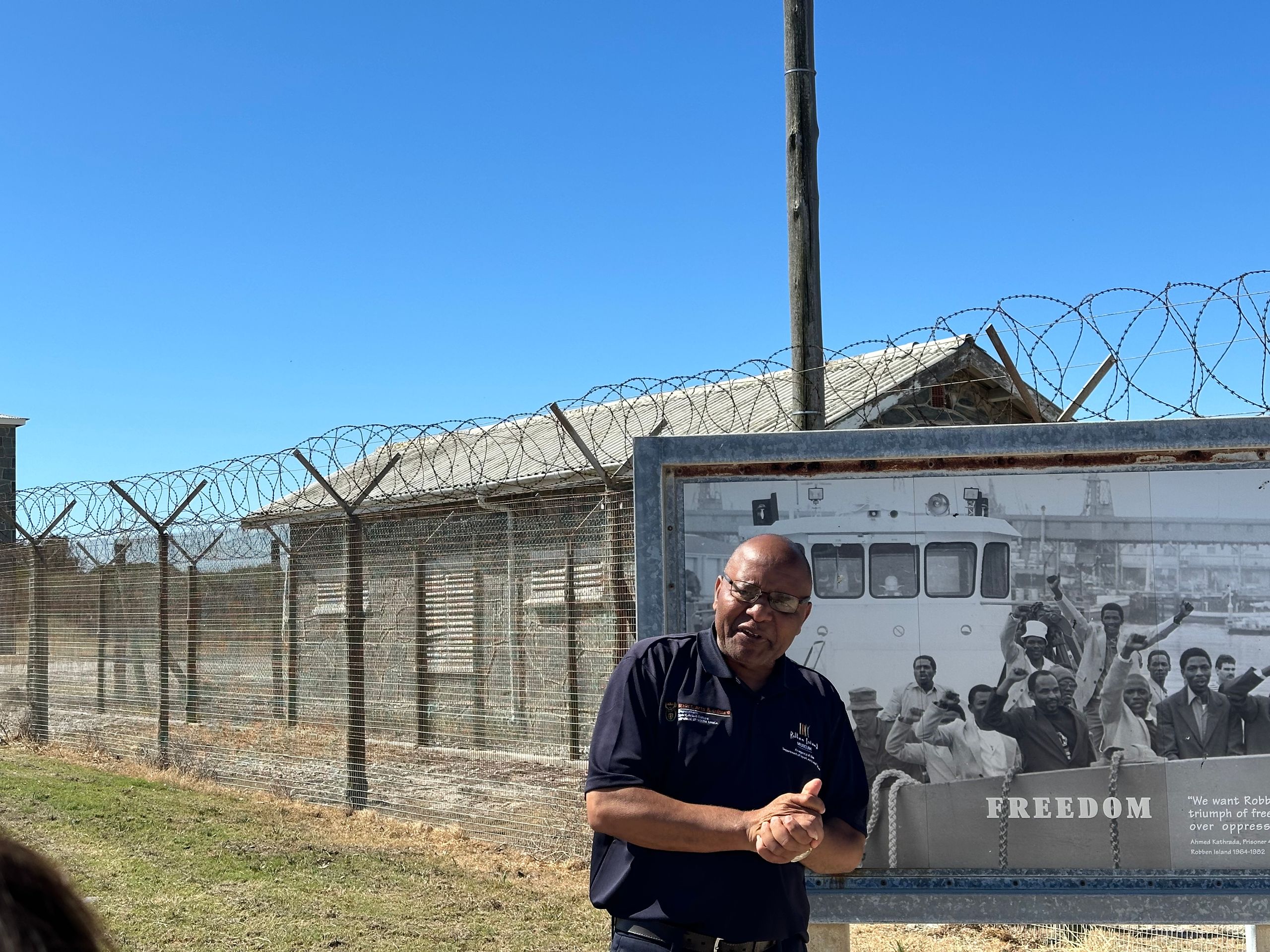
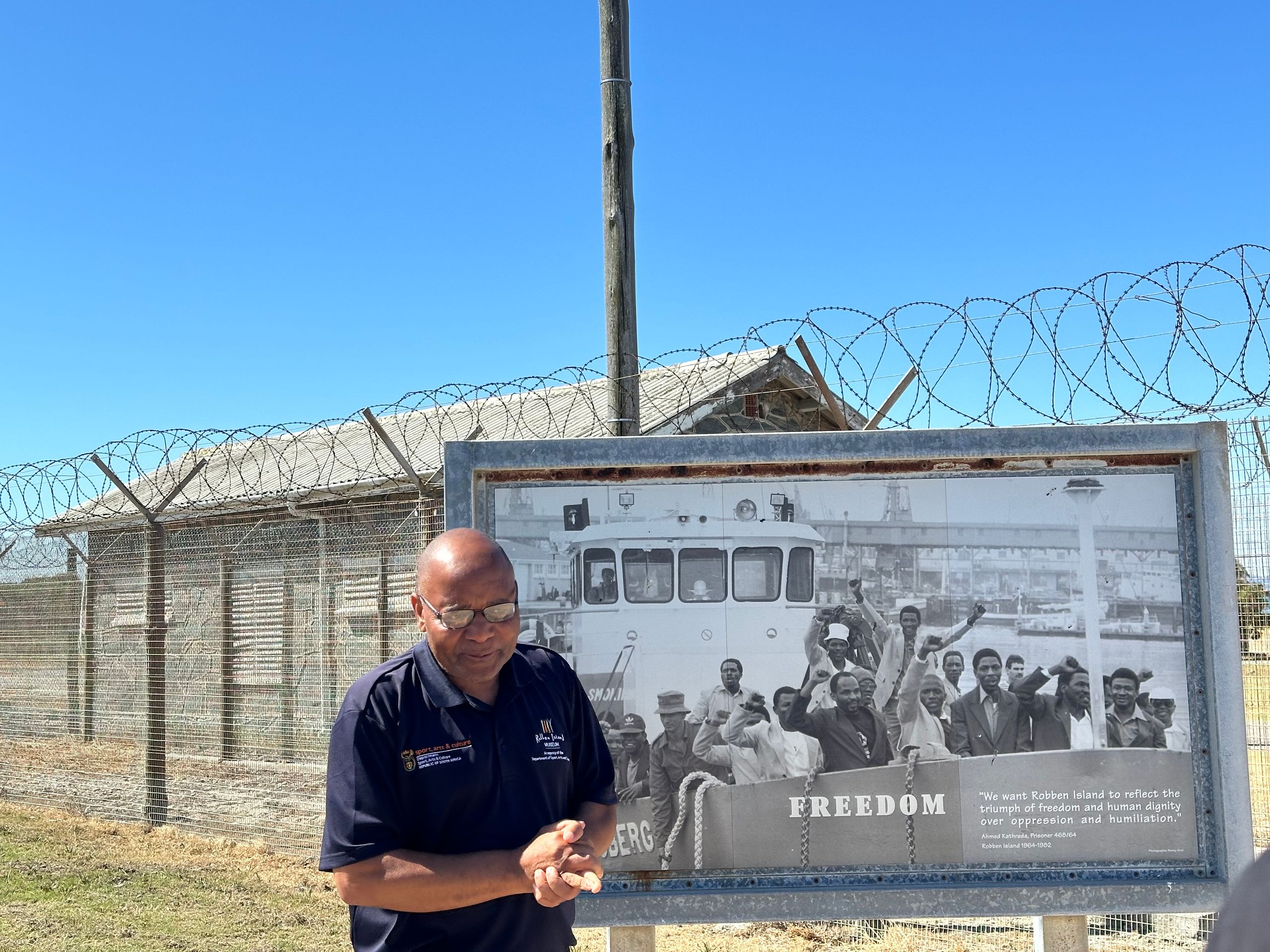
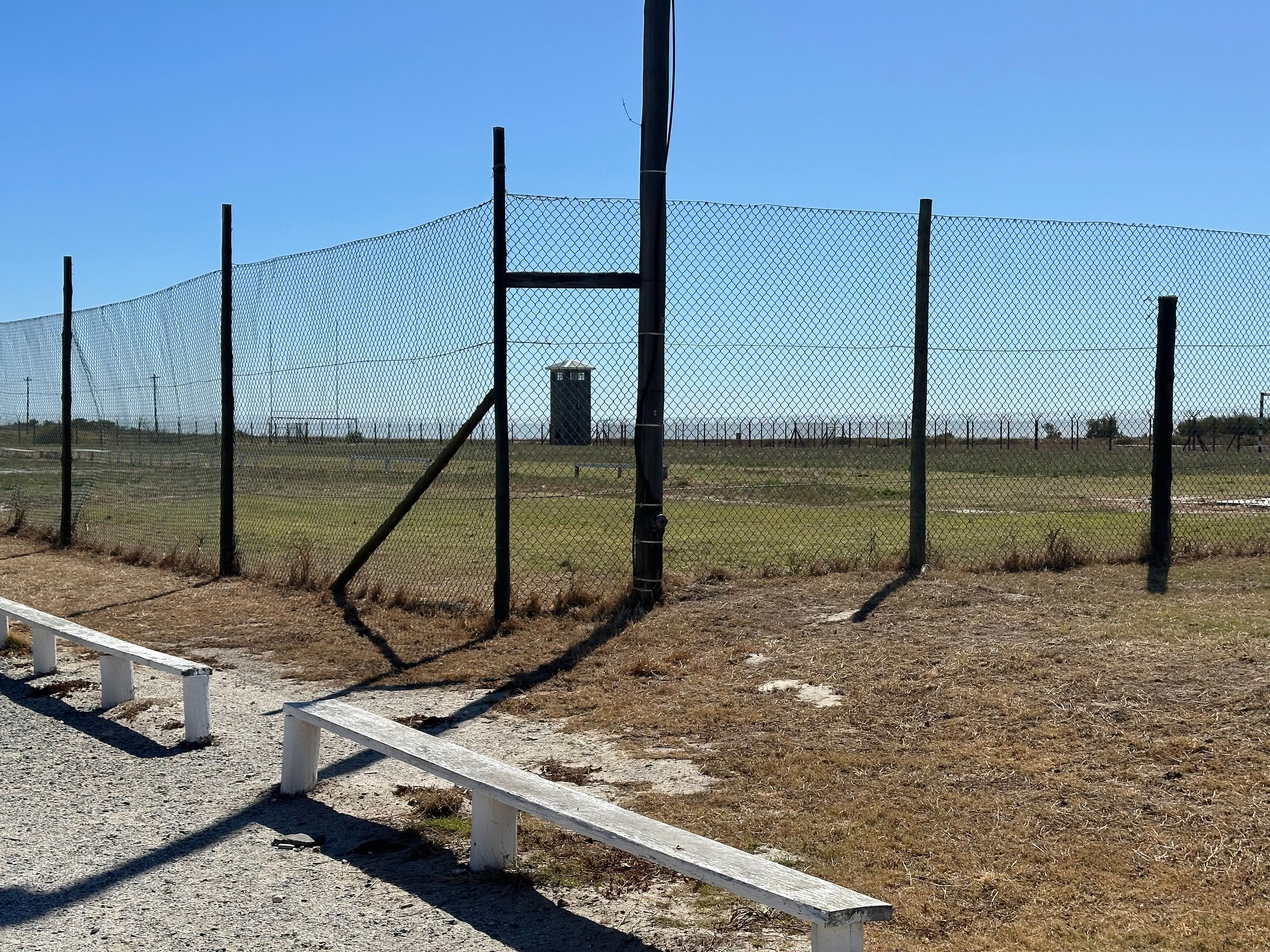

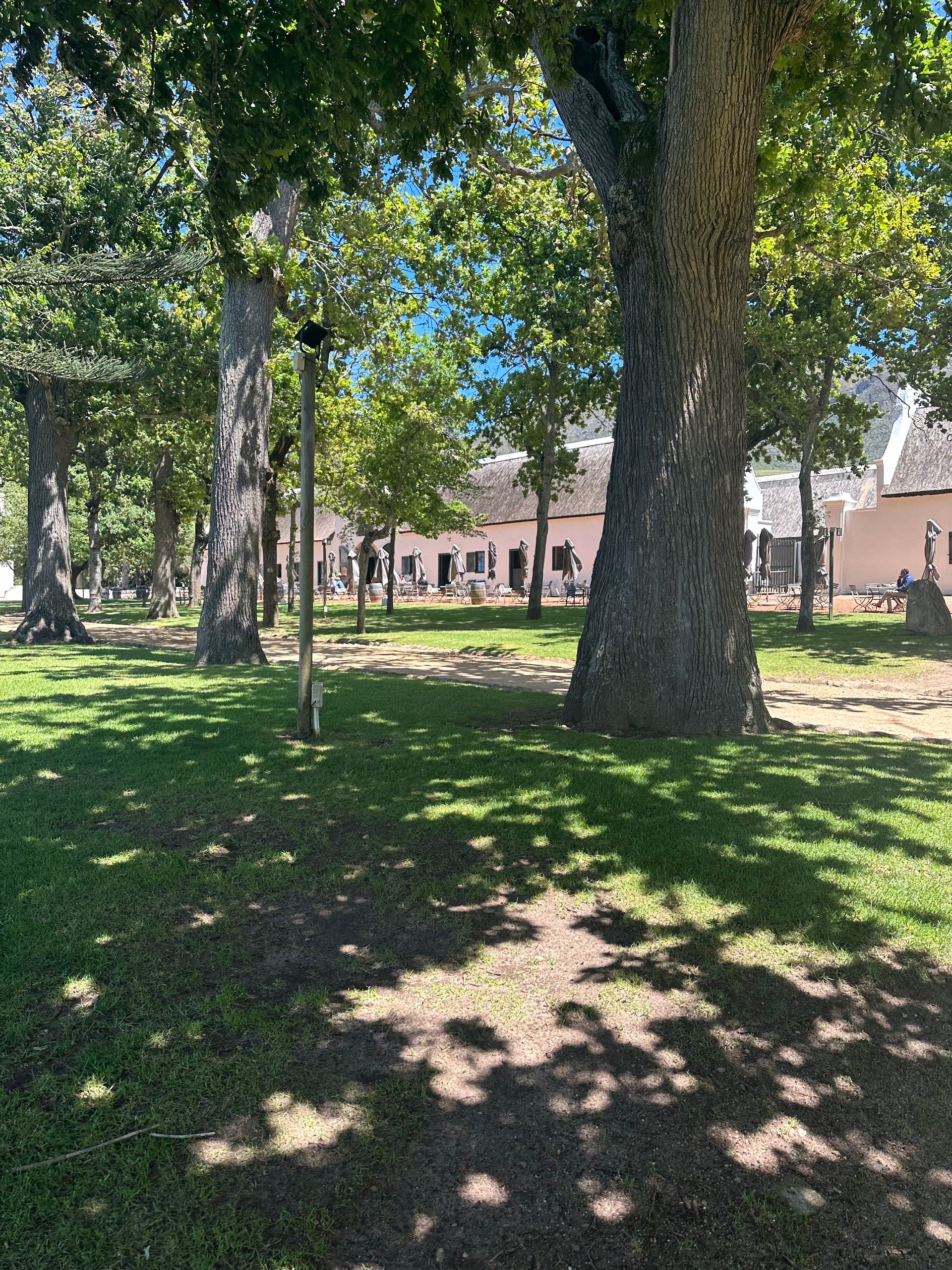
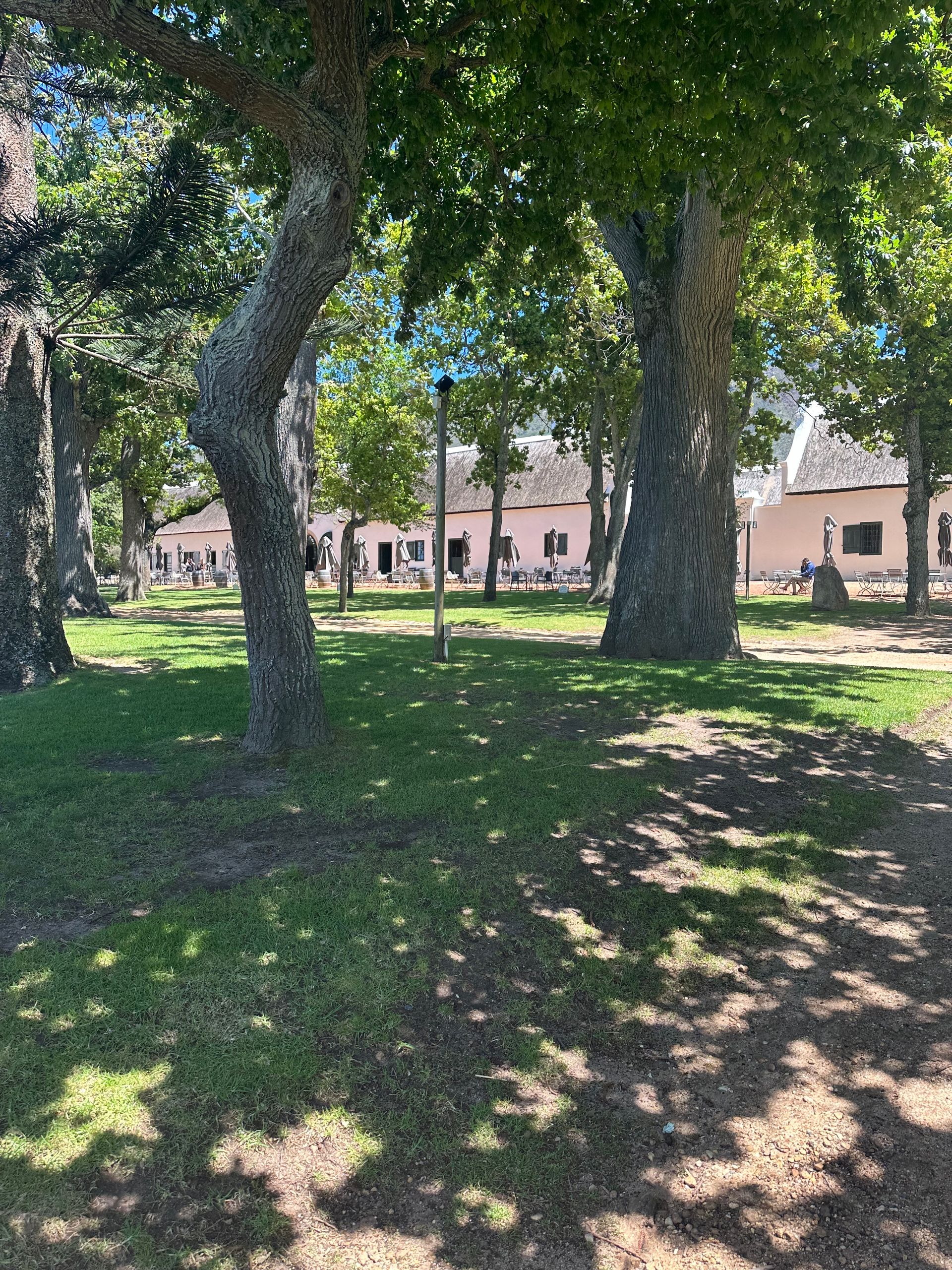
Today is our last full day. It's 9 a.m. and Karo and I are driving to Cape Town, we want to go to Robben Island.
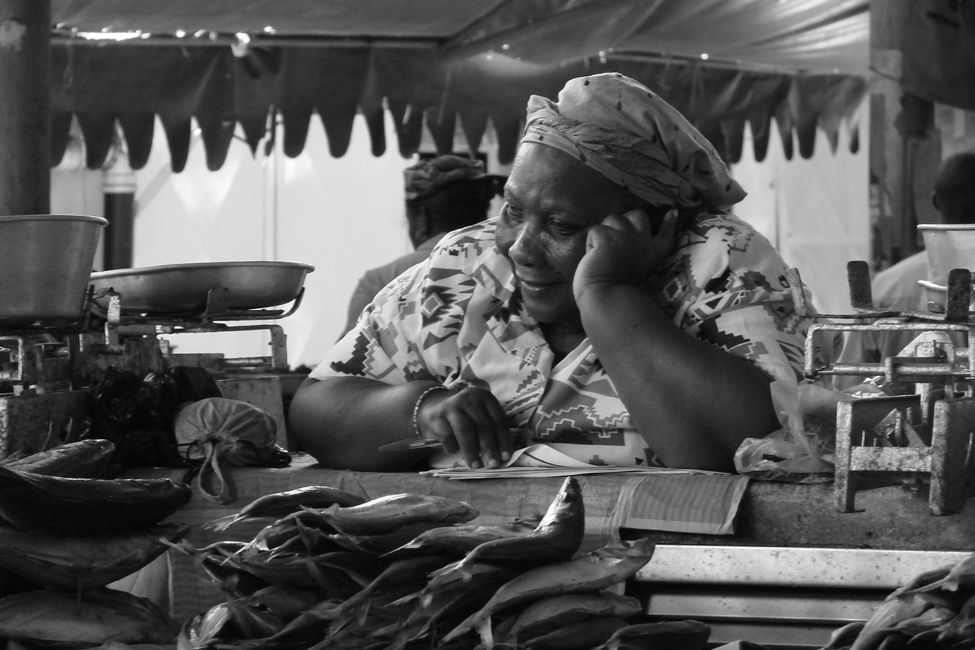
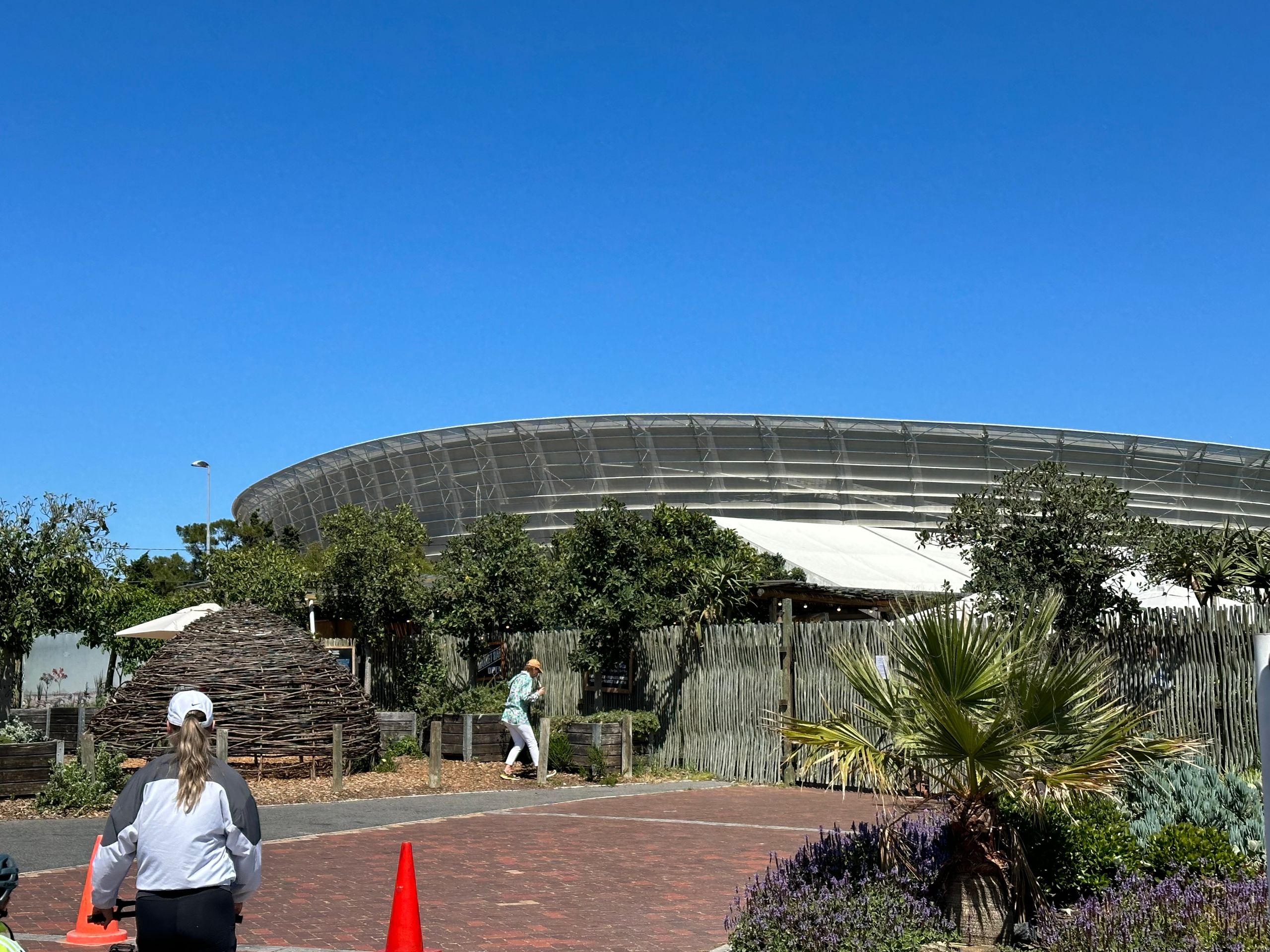
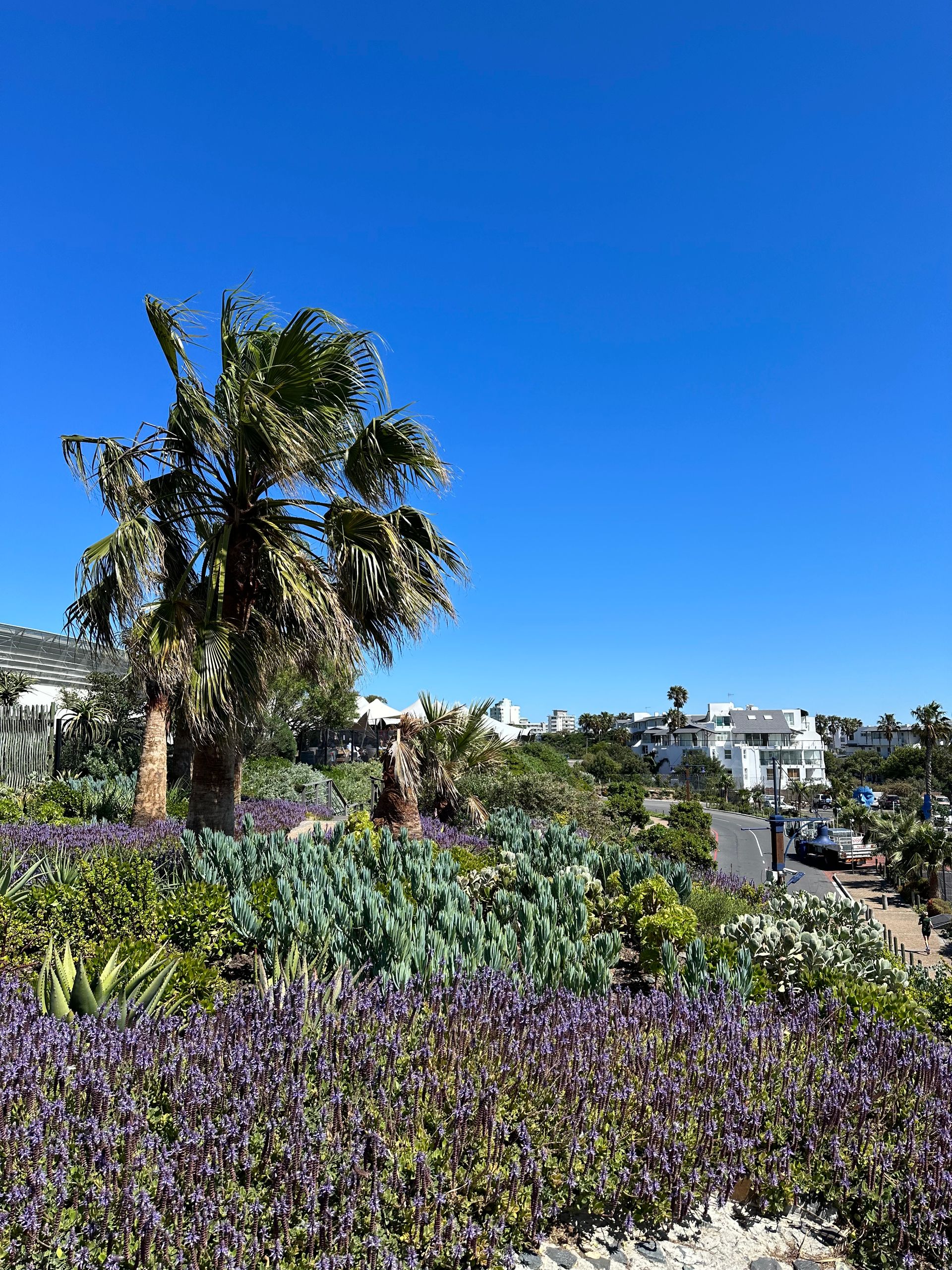
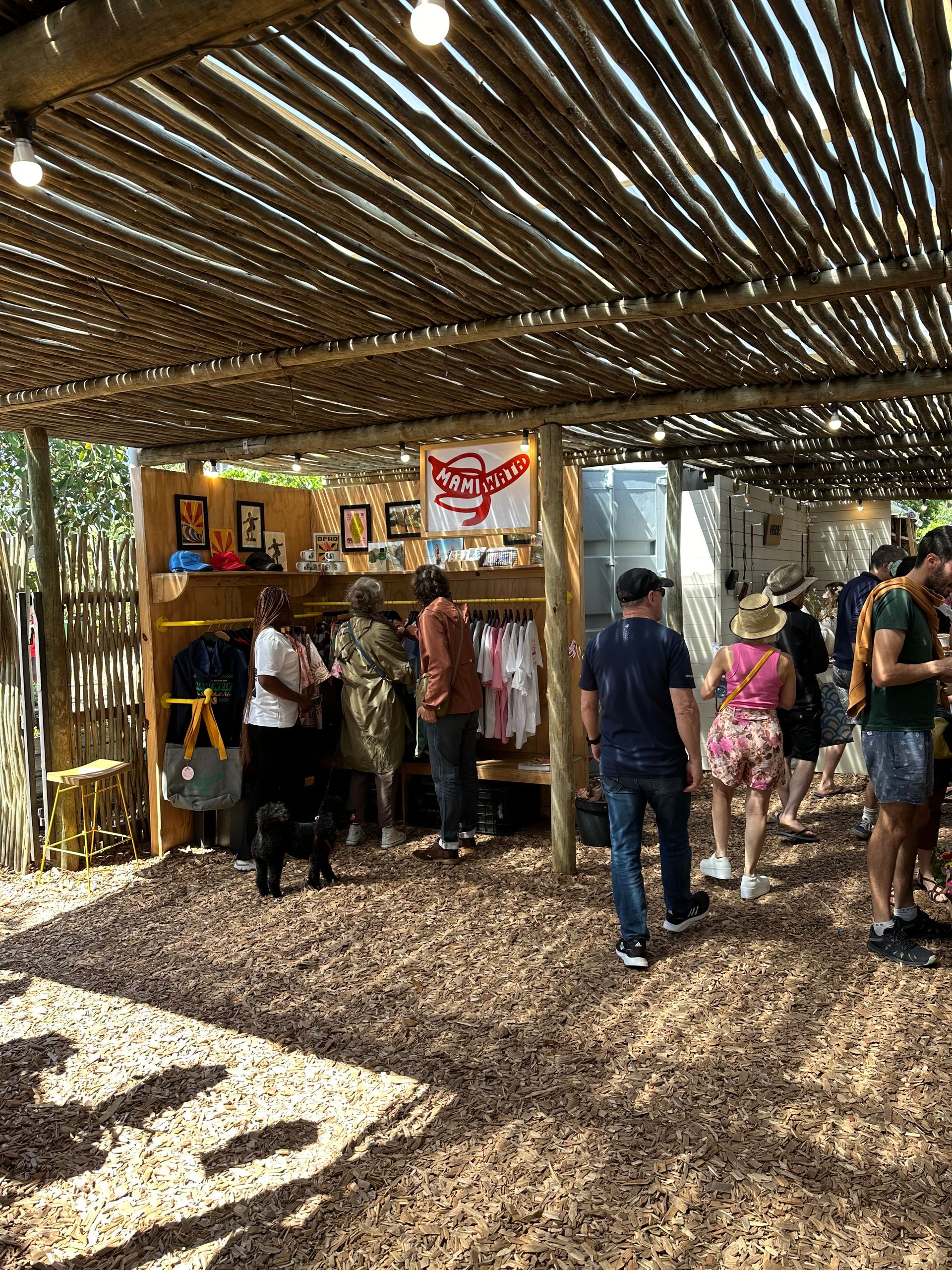
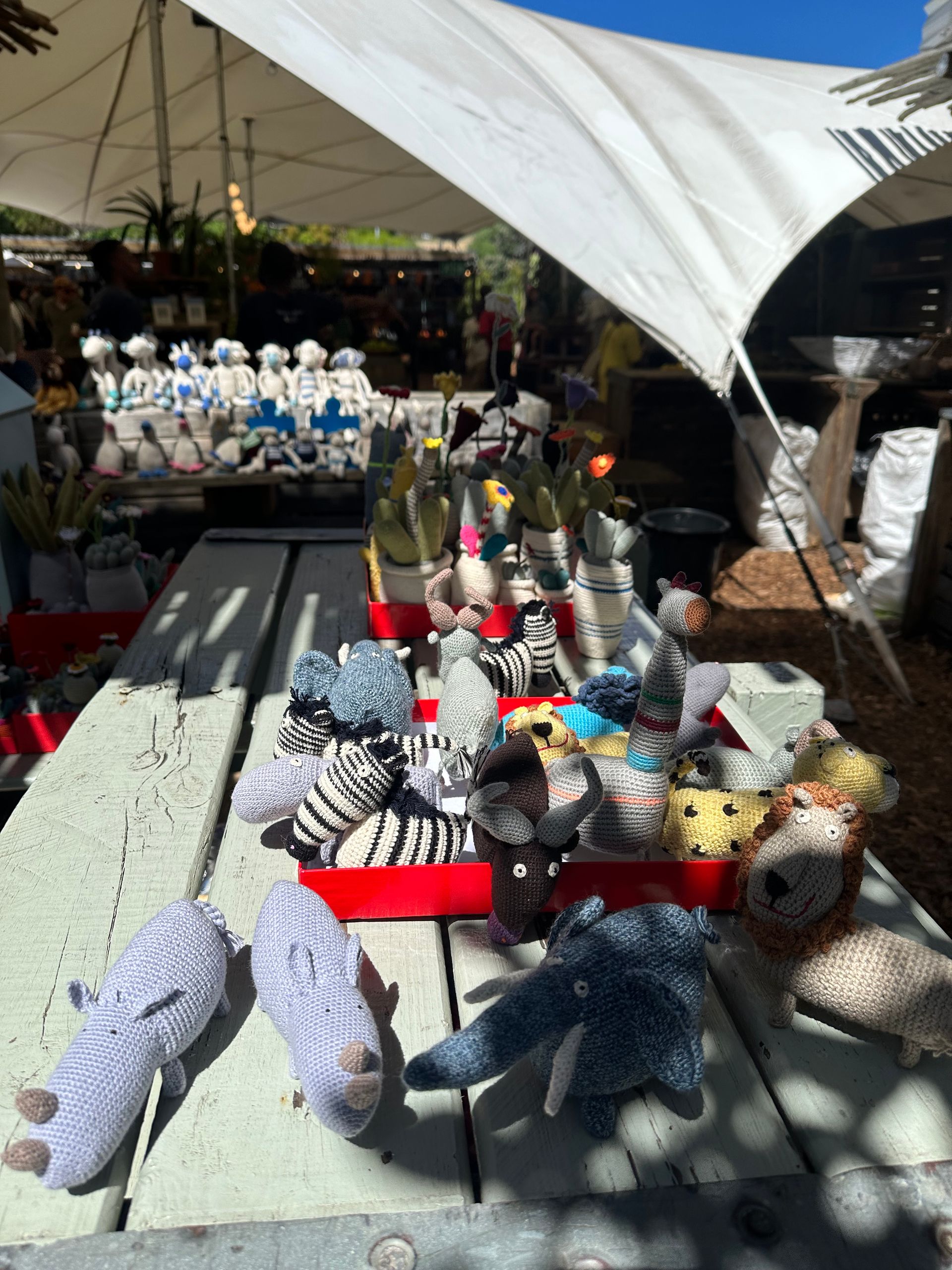
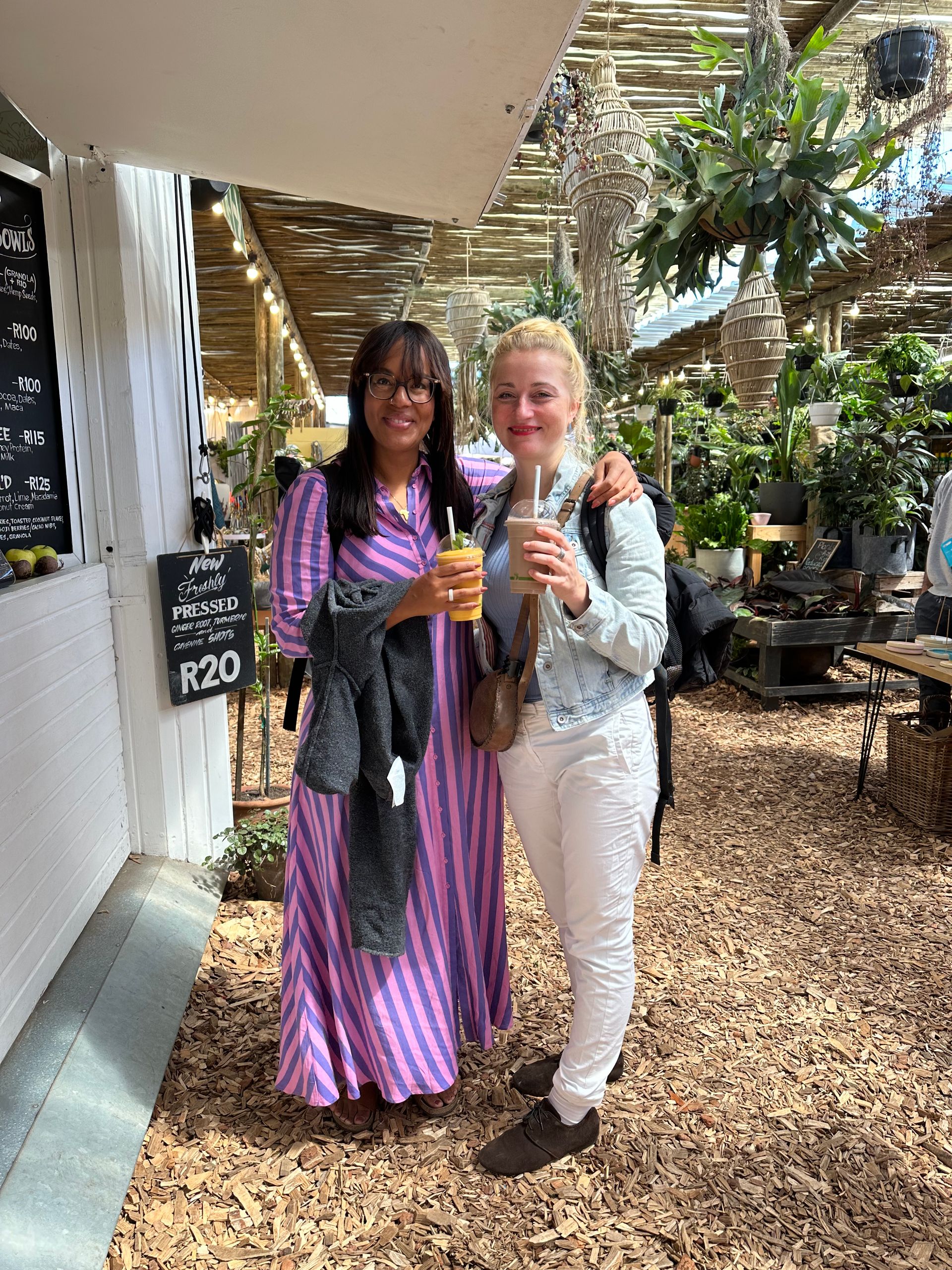
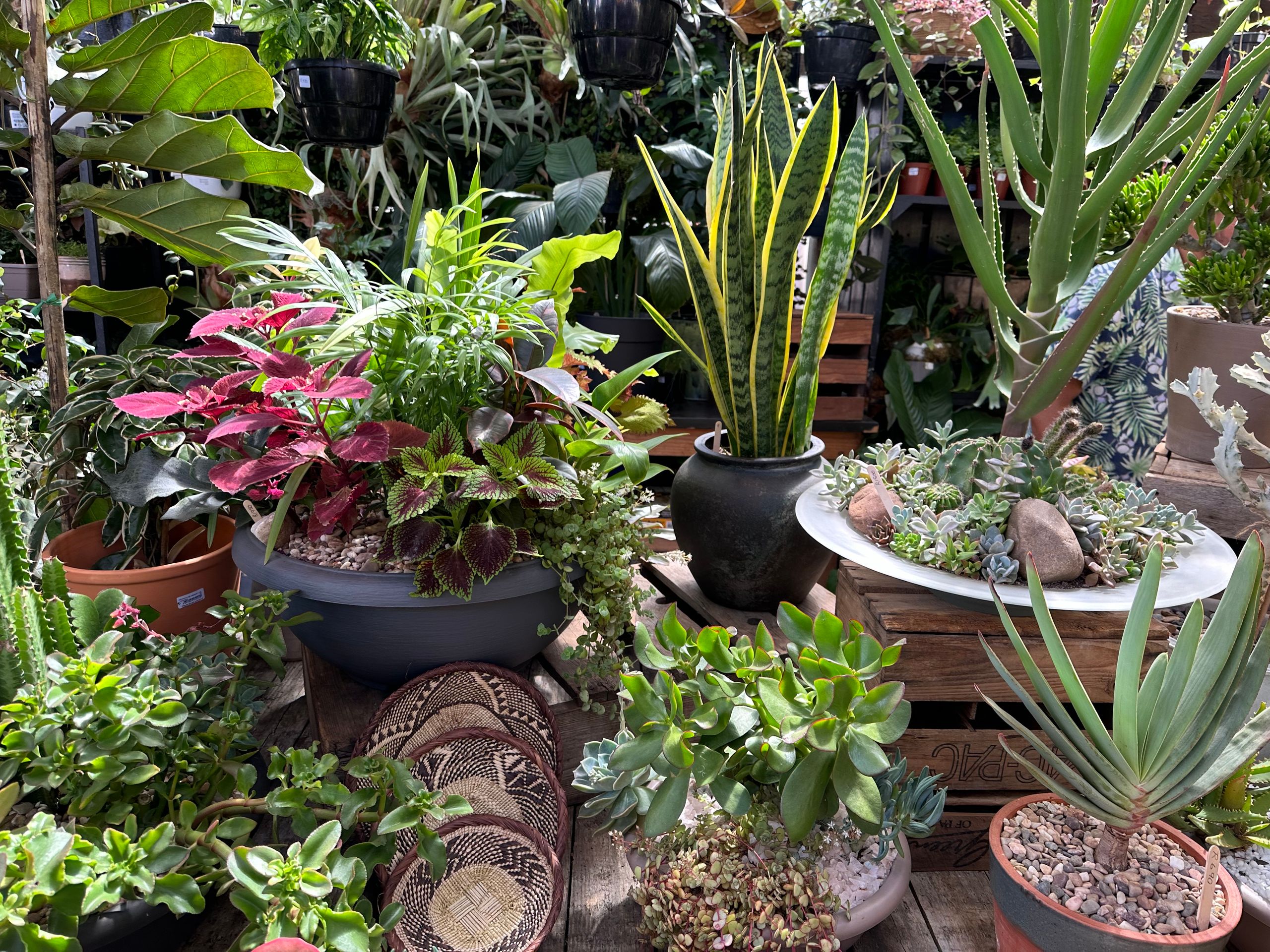
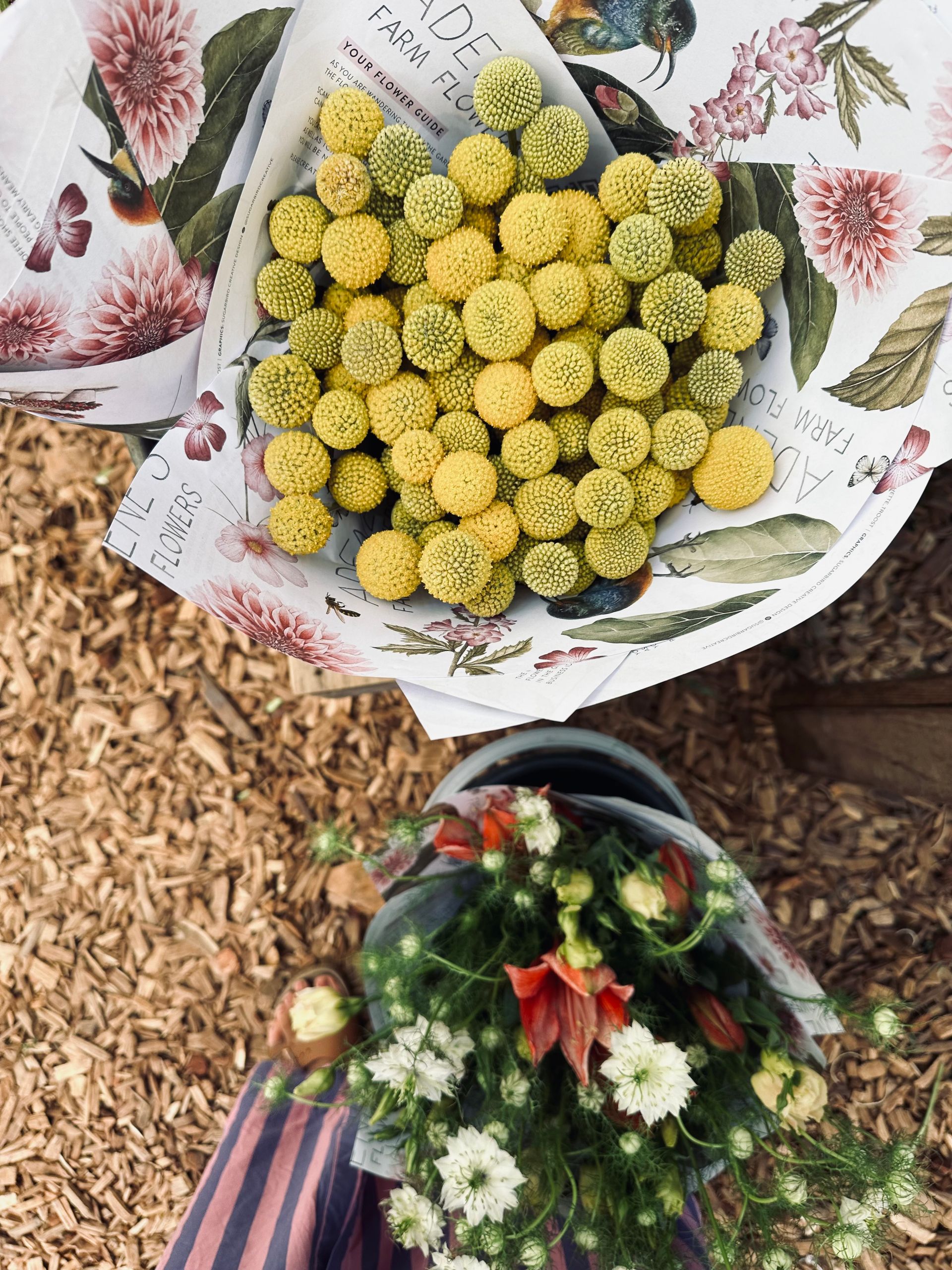
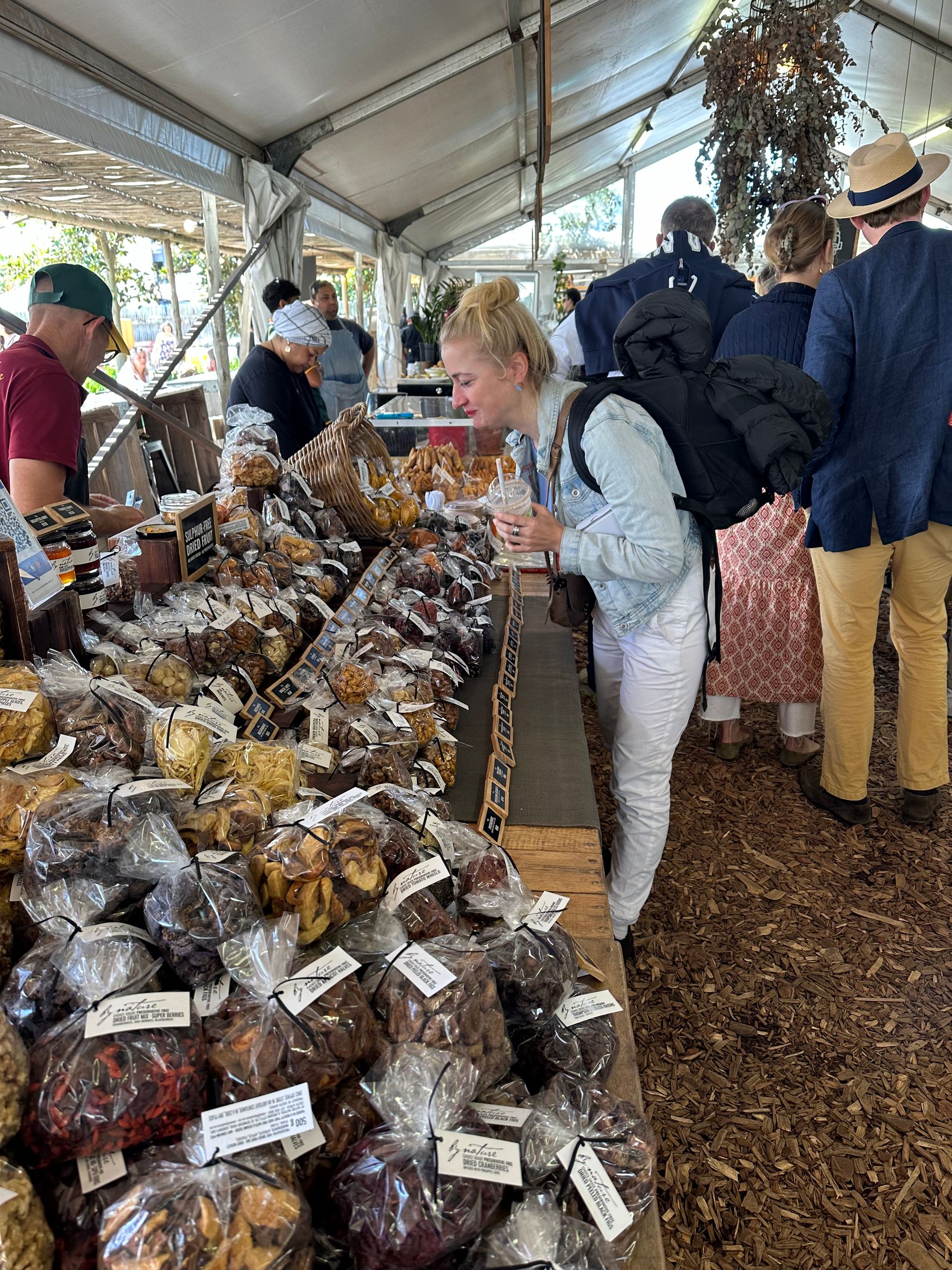
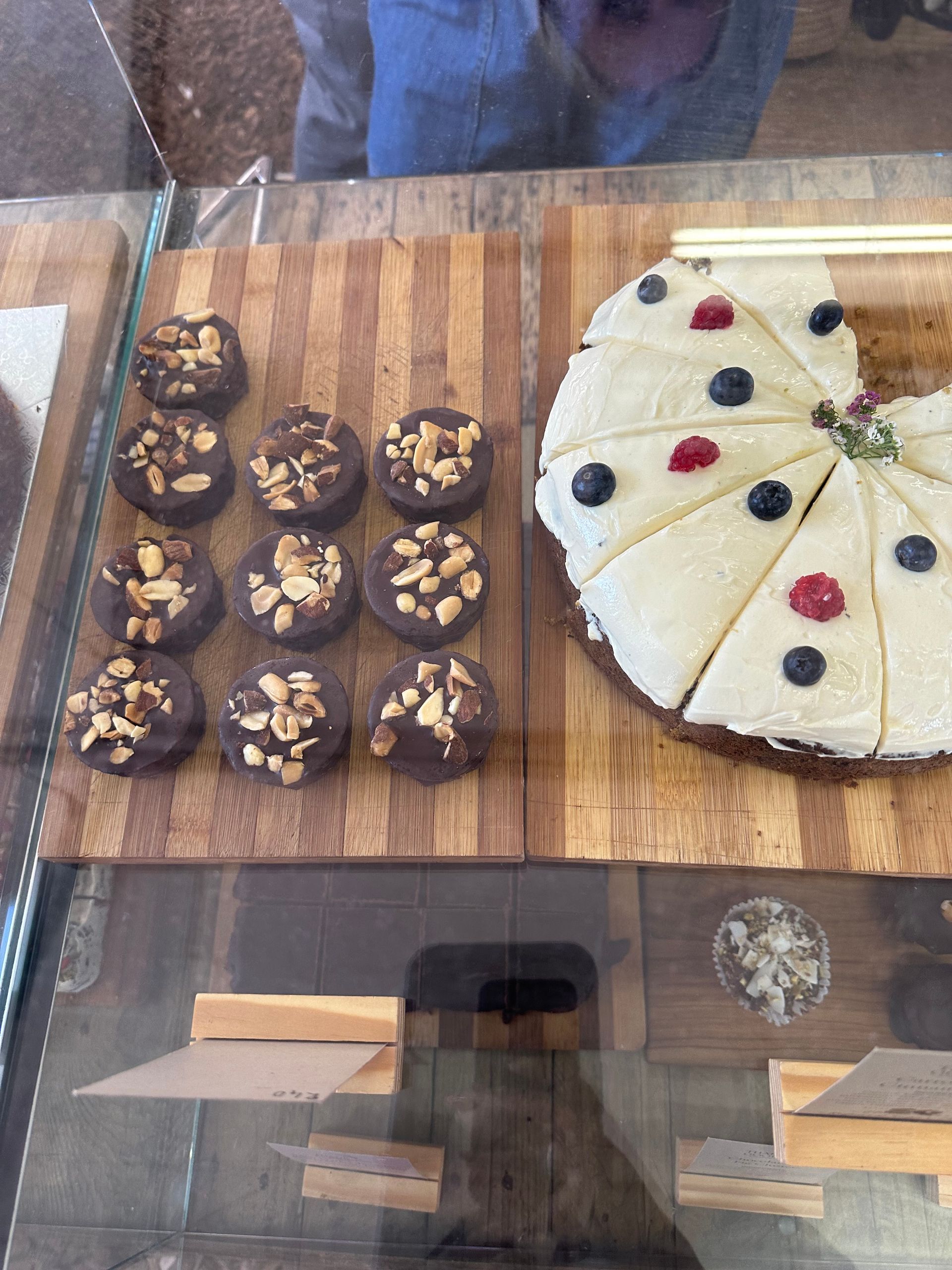
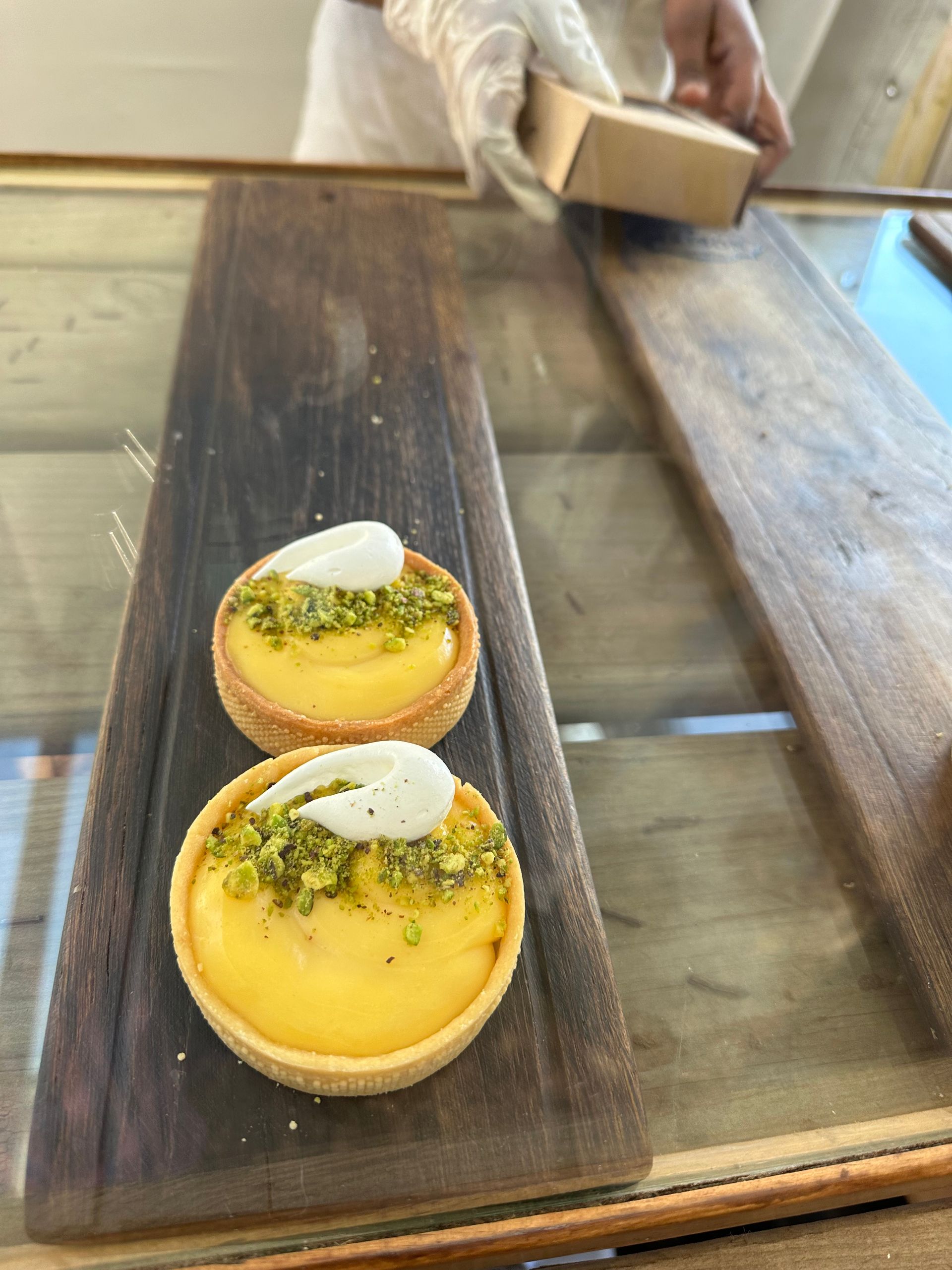
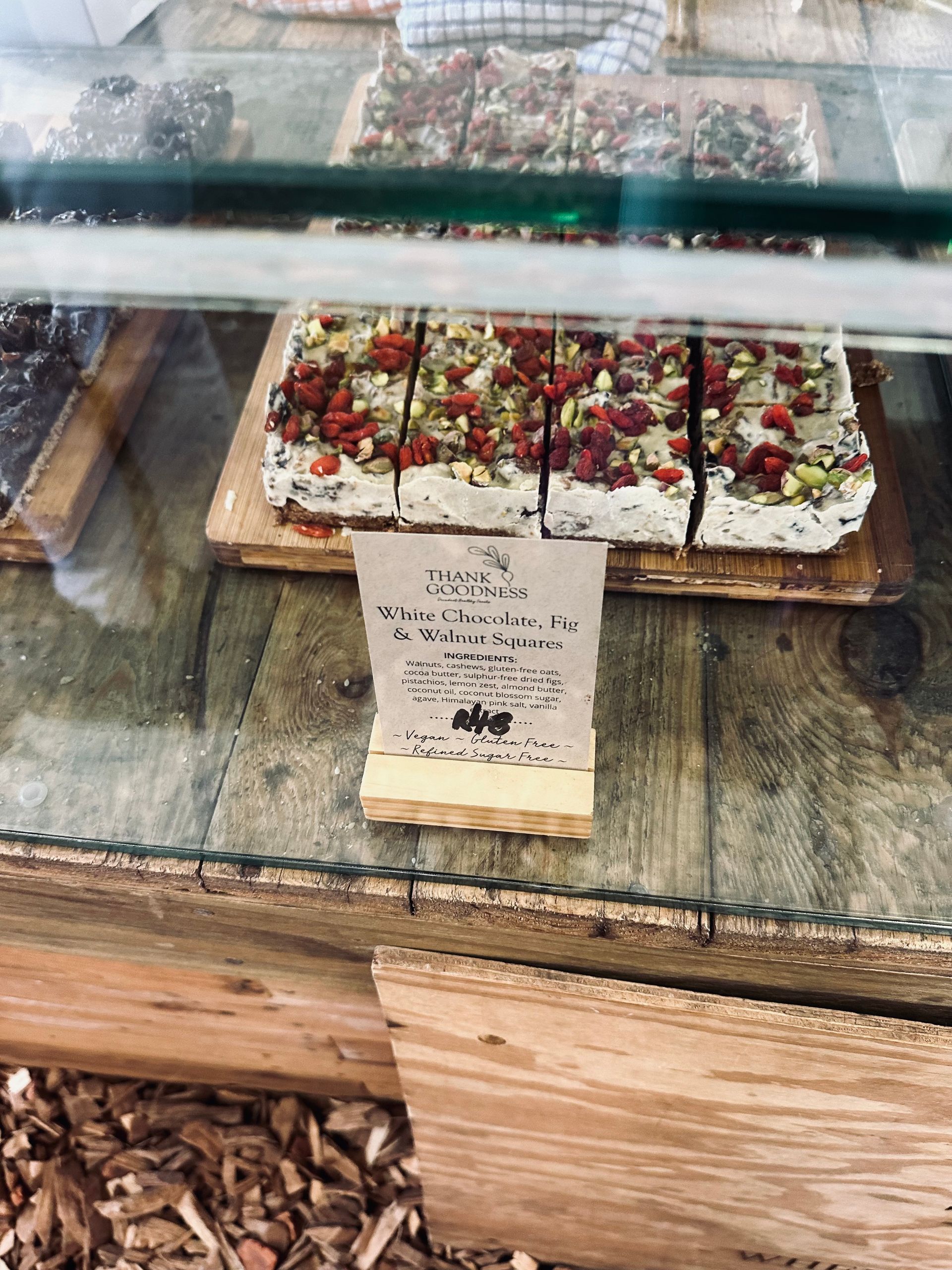
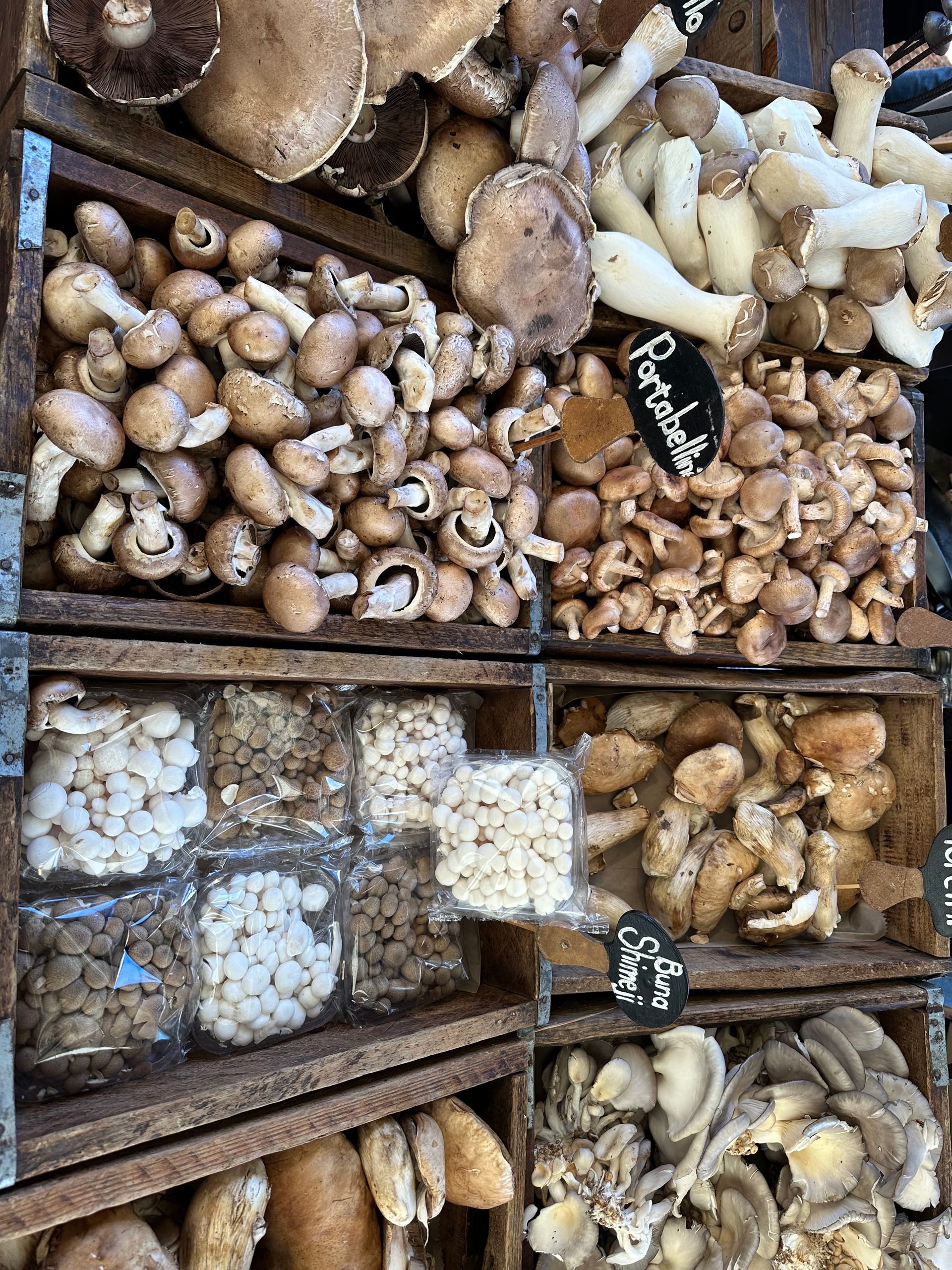
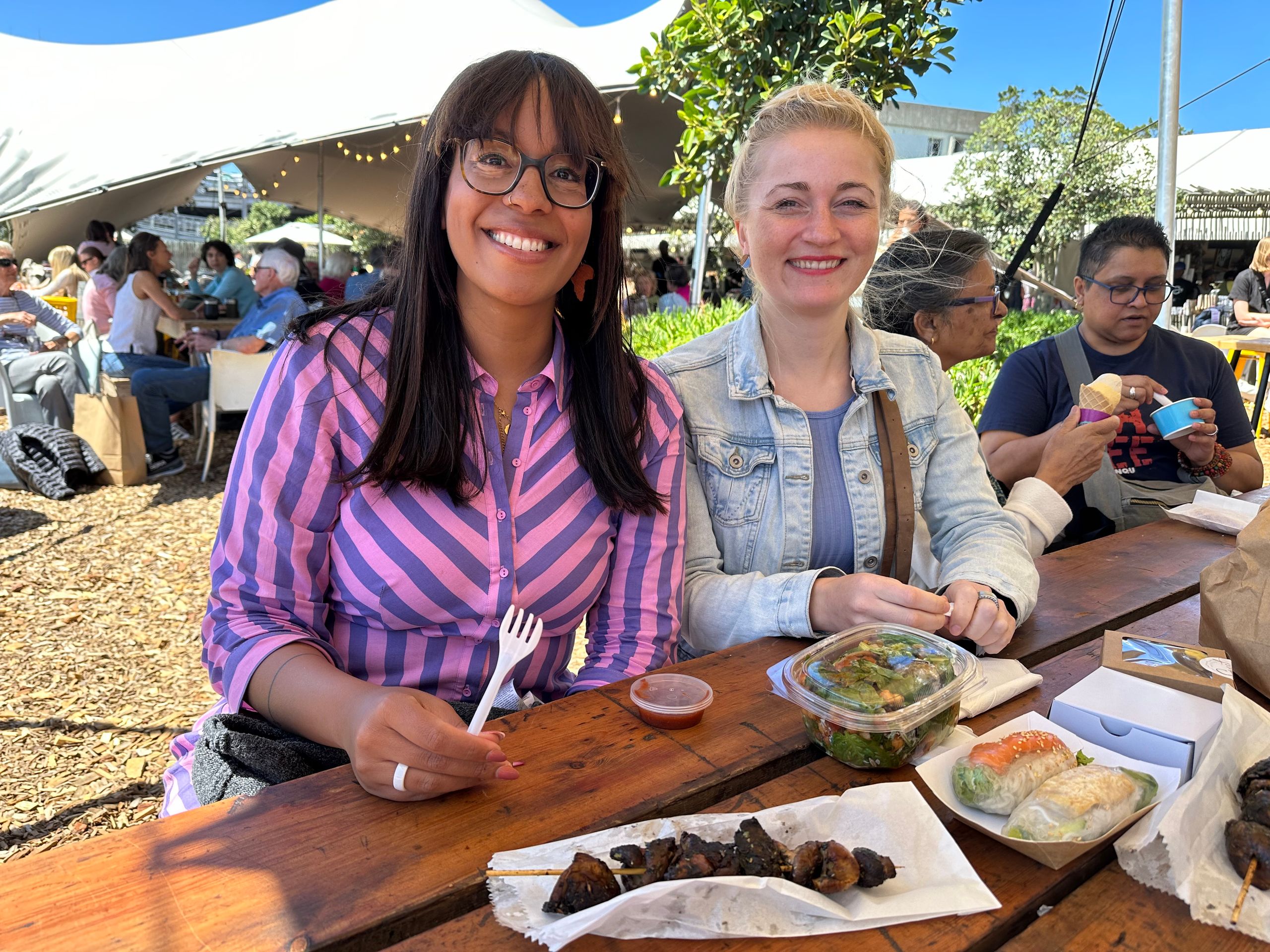
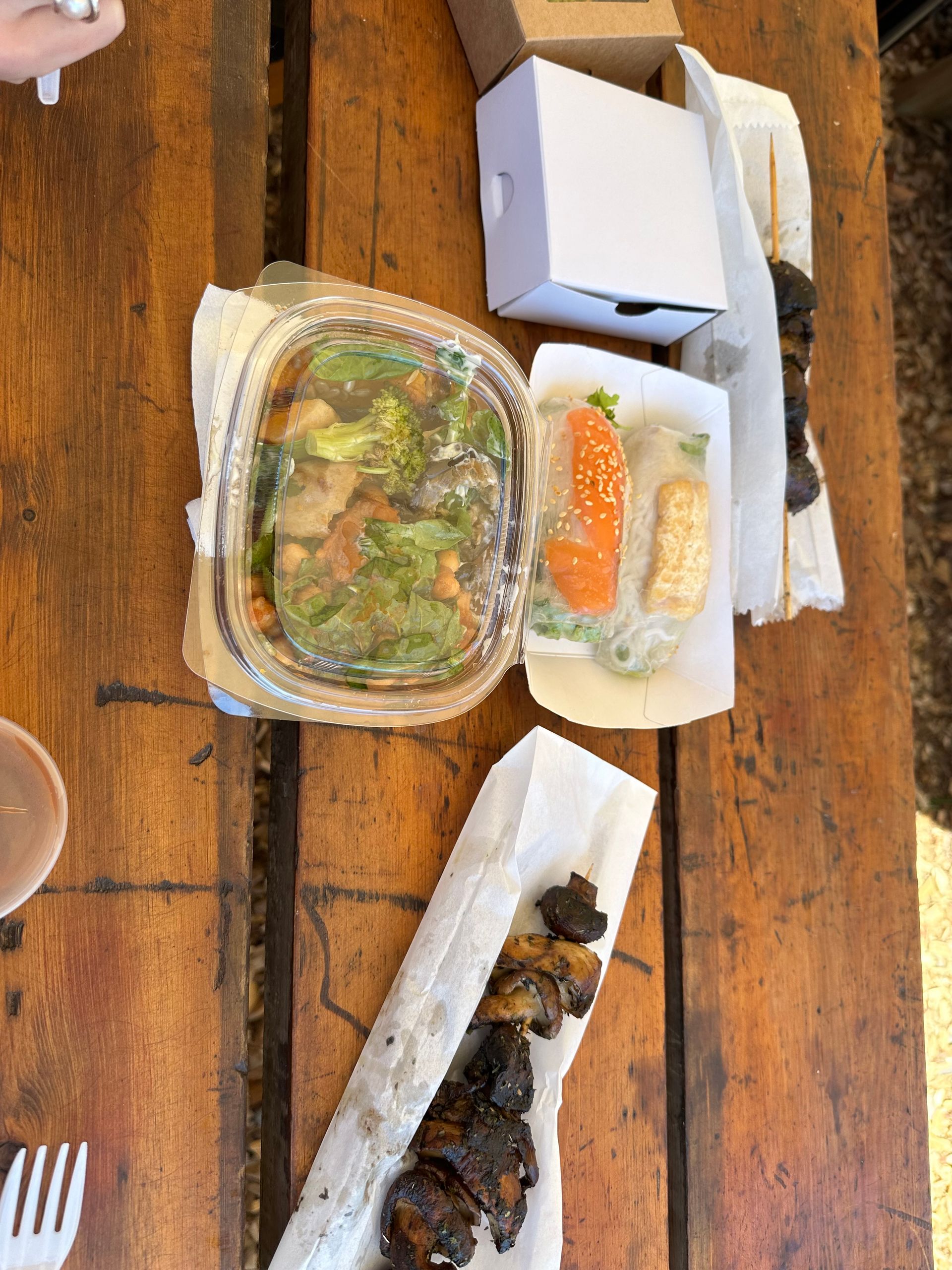
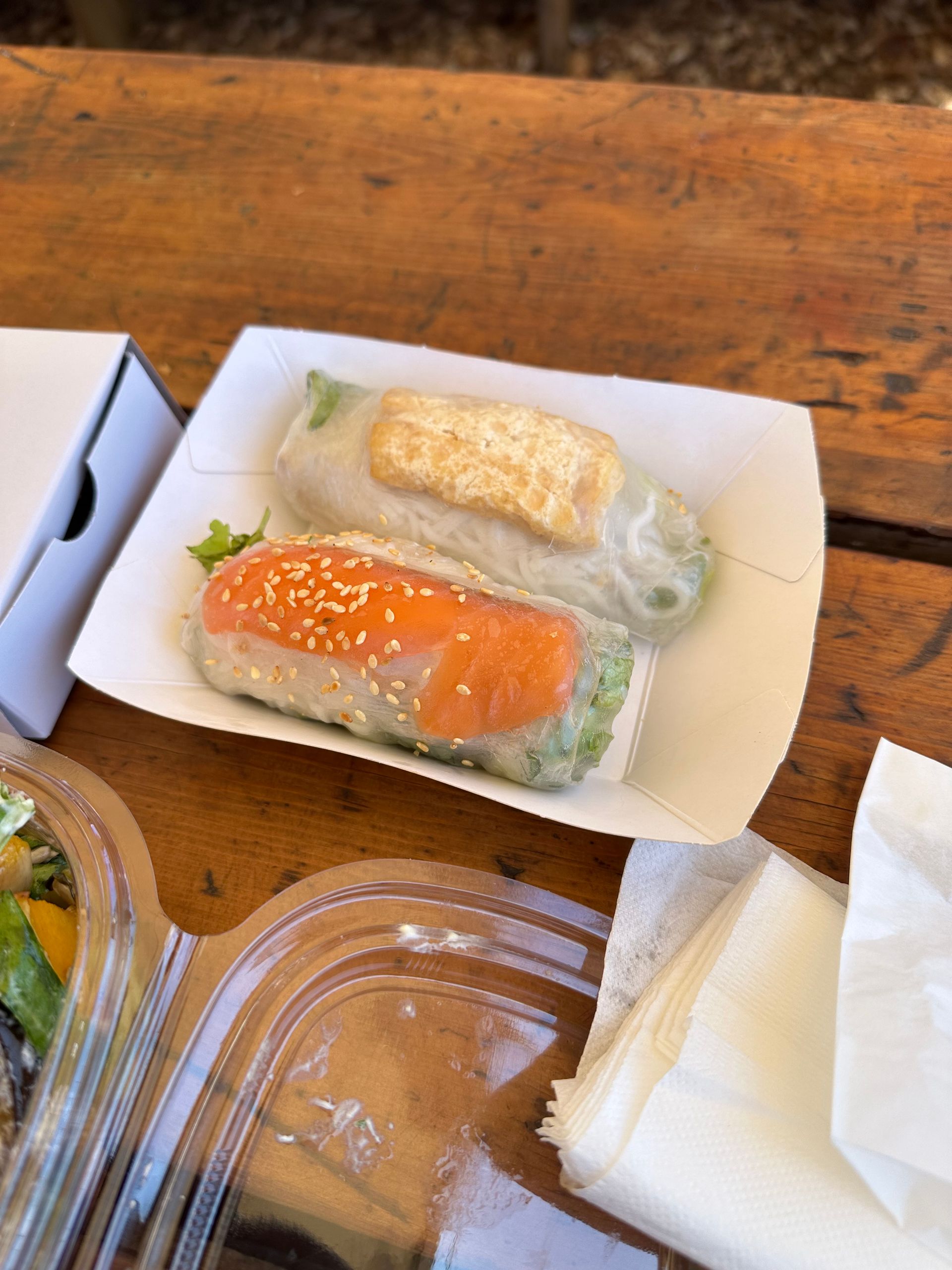
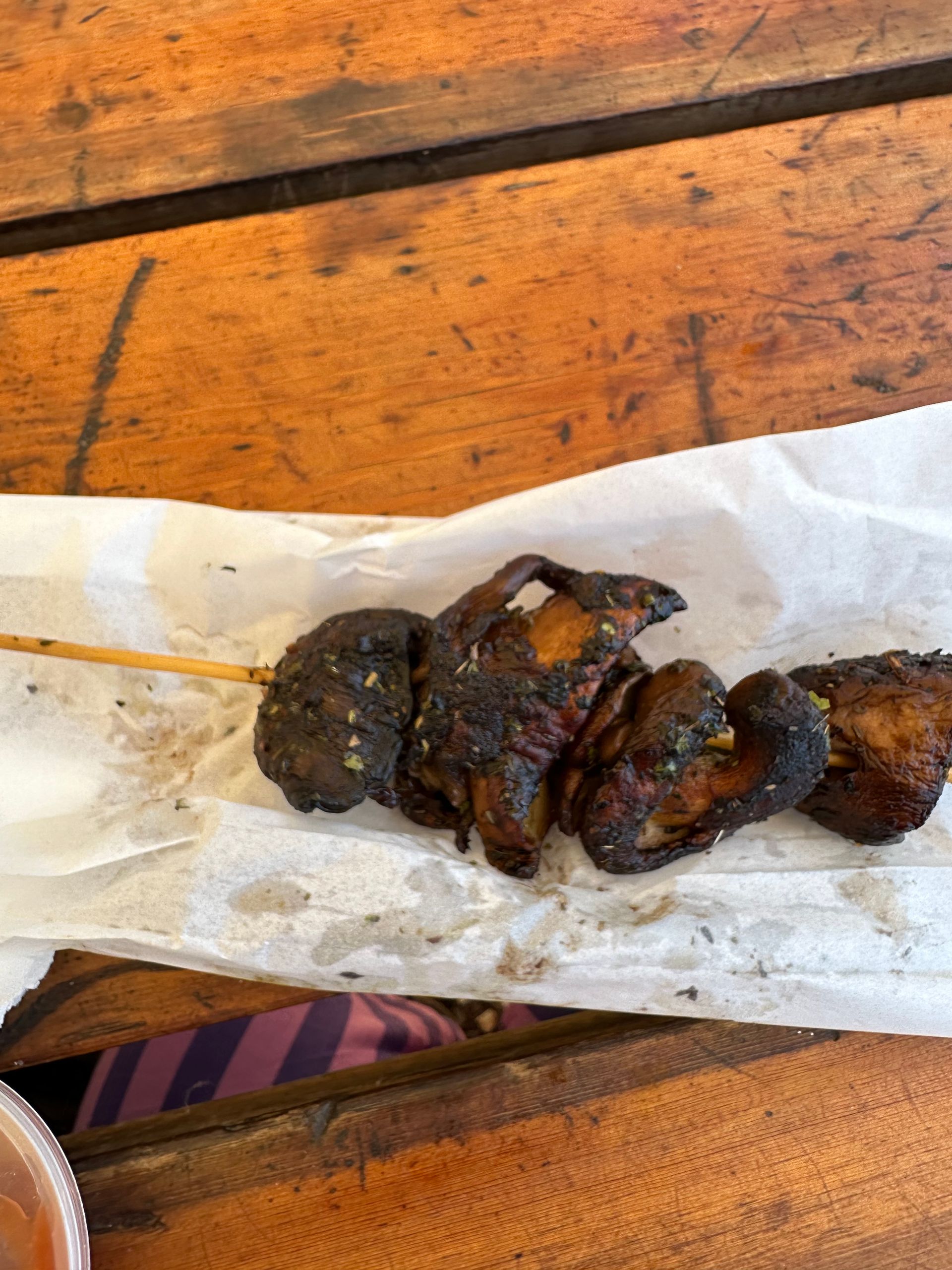
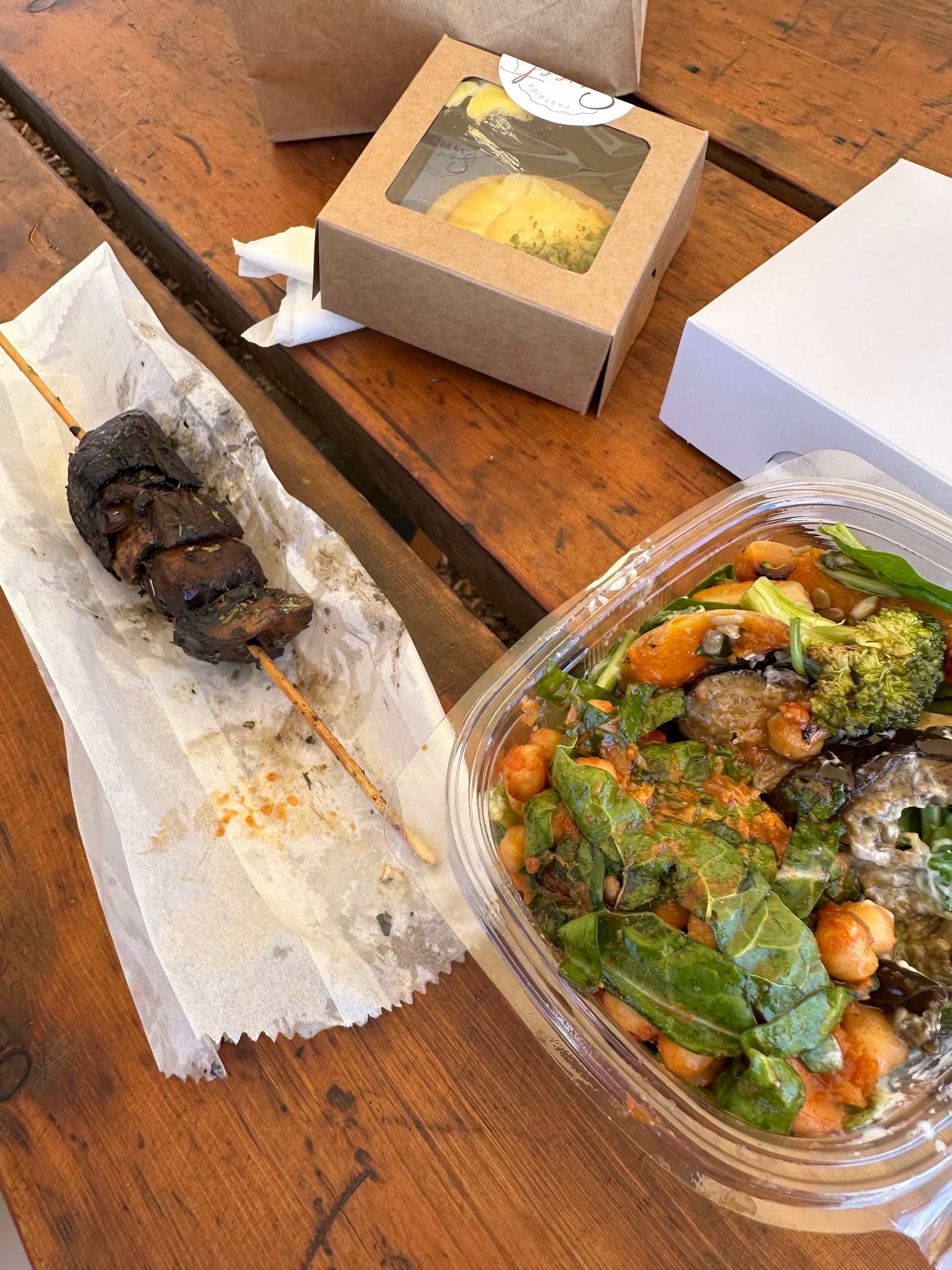
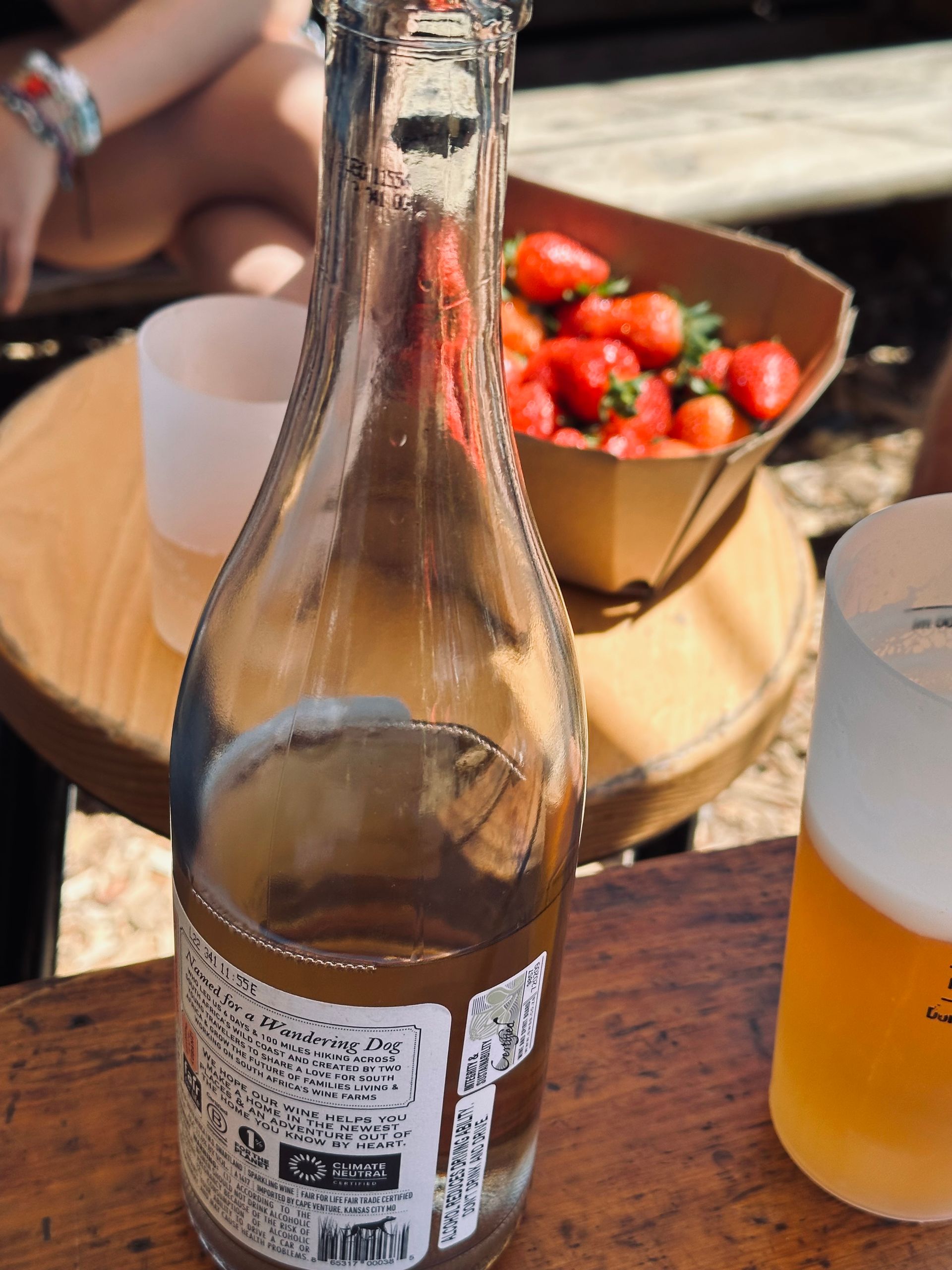
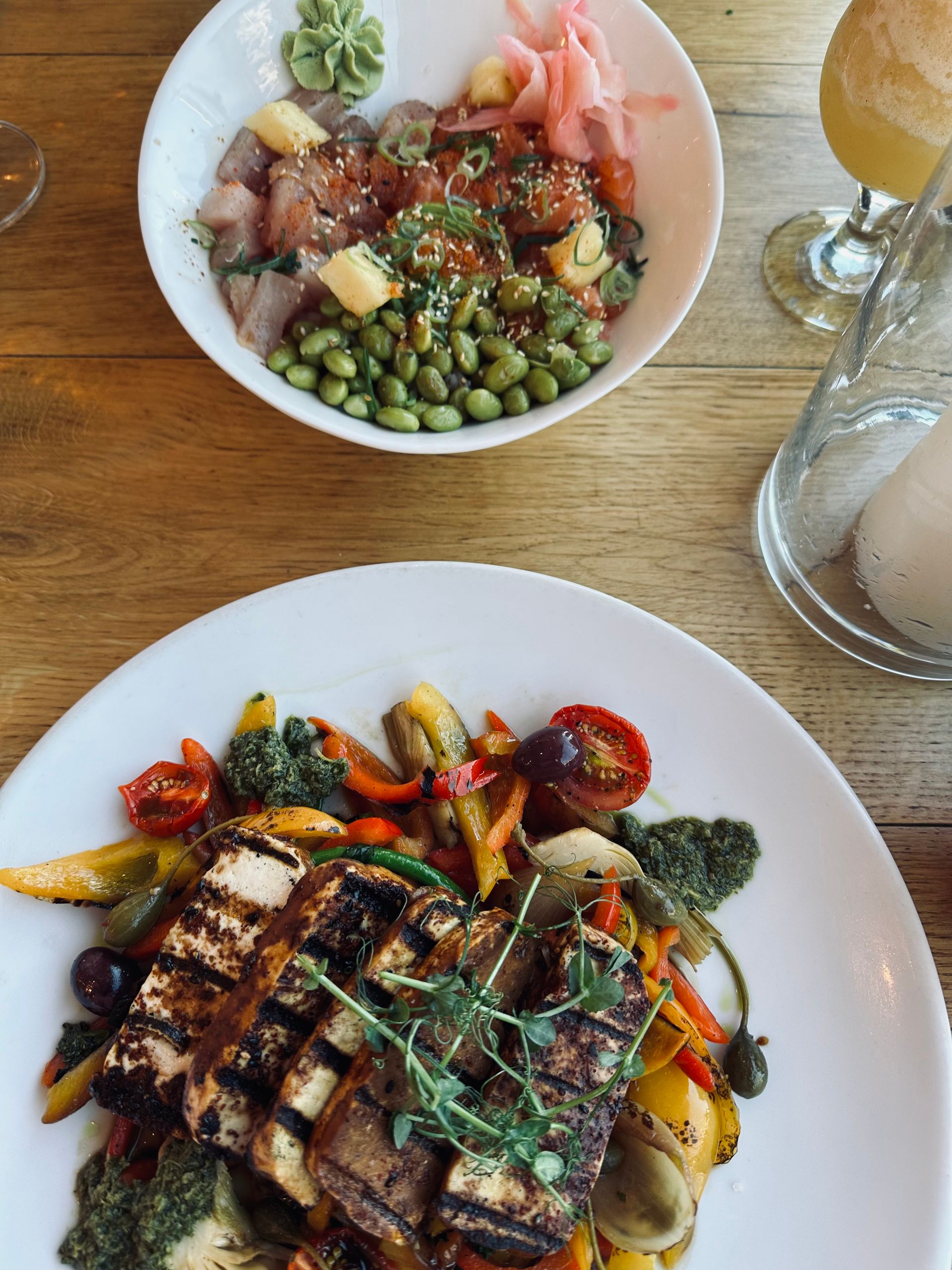
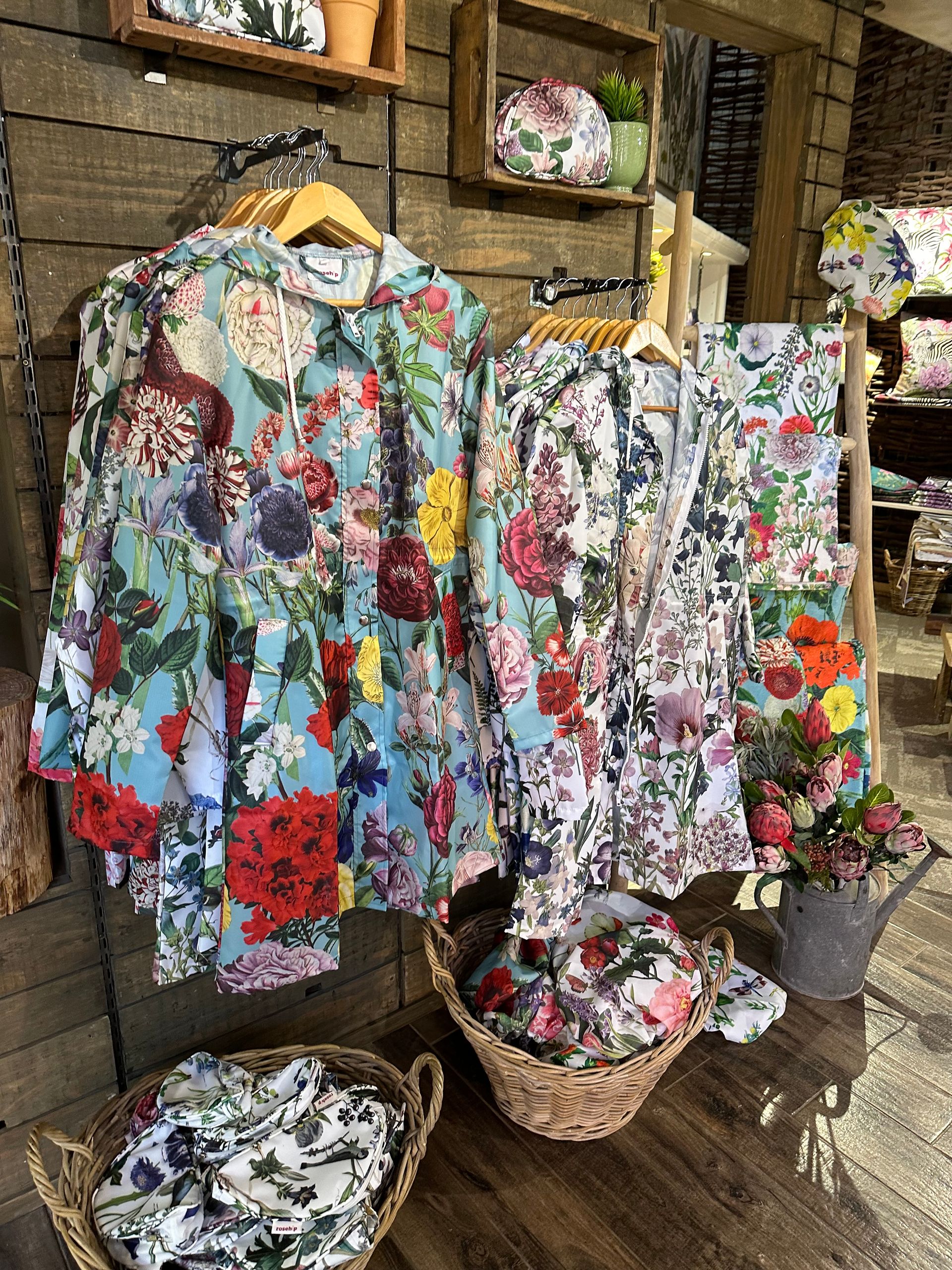
Before that, however, we go to the market (https://ozcf.co.za/market-day/), Karo has already been here and would like to show it to me. The area is large, it looks organic, various vendors offer everything: from smoothies, nuts, bread, flowers, clothing, mushrooms, to everything you can imagine. The market is full, Karo and I do a few laps before we come to eat and drink. There are smoothies, salads, mushroom kebabs, cakes, summer rolls. The sun is shining, only South African music is played during the rugby victory at the lecture.
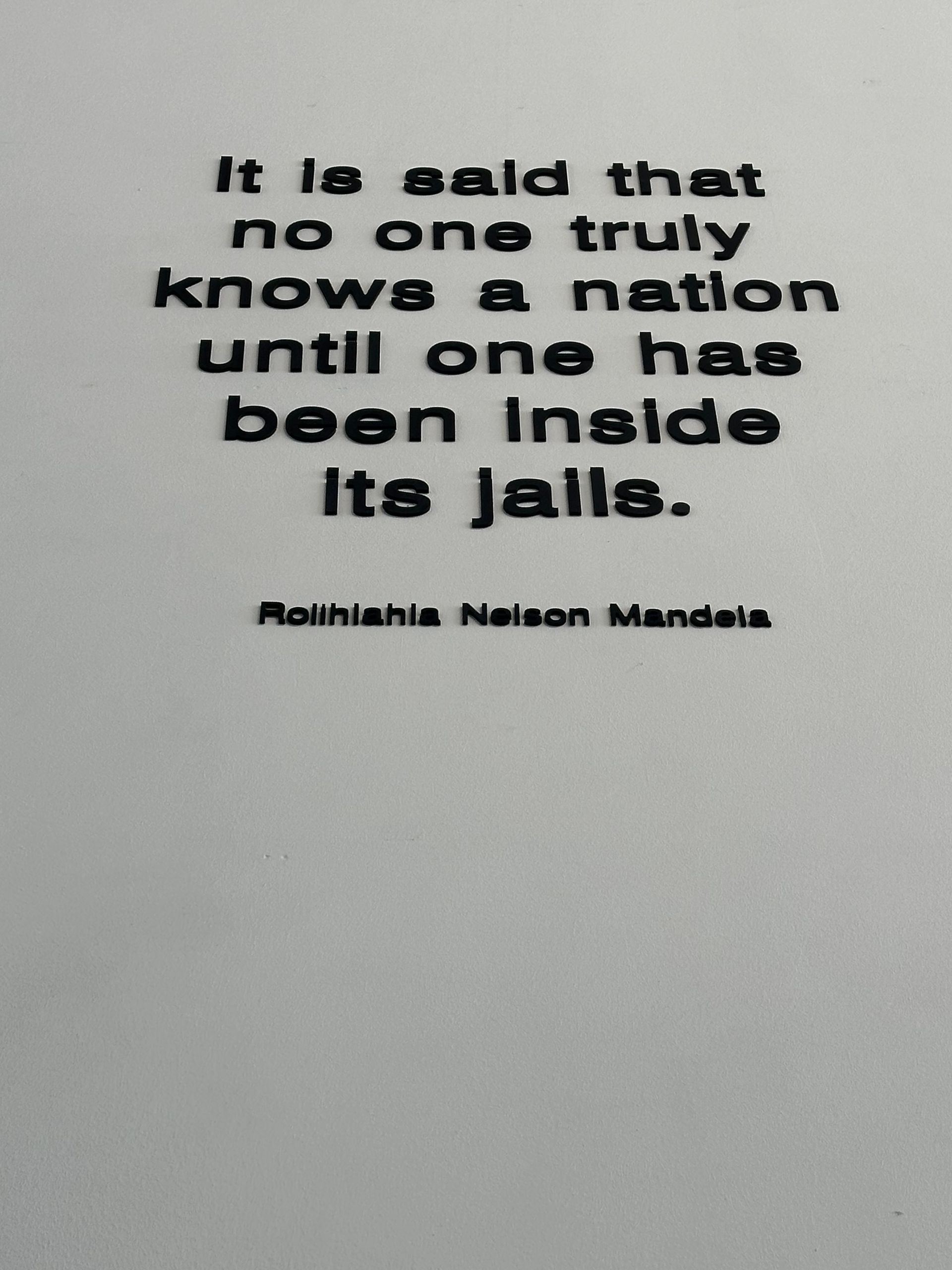
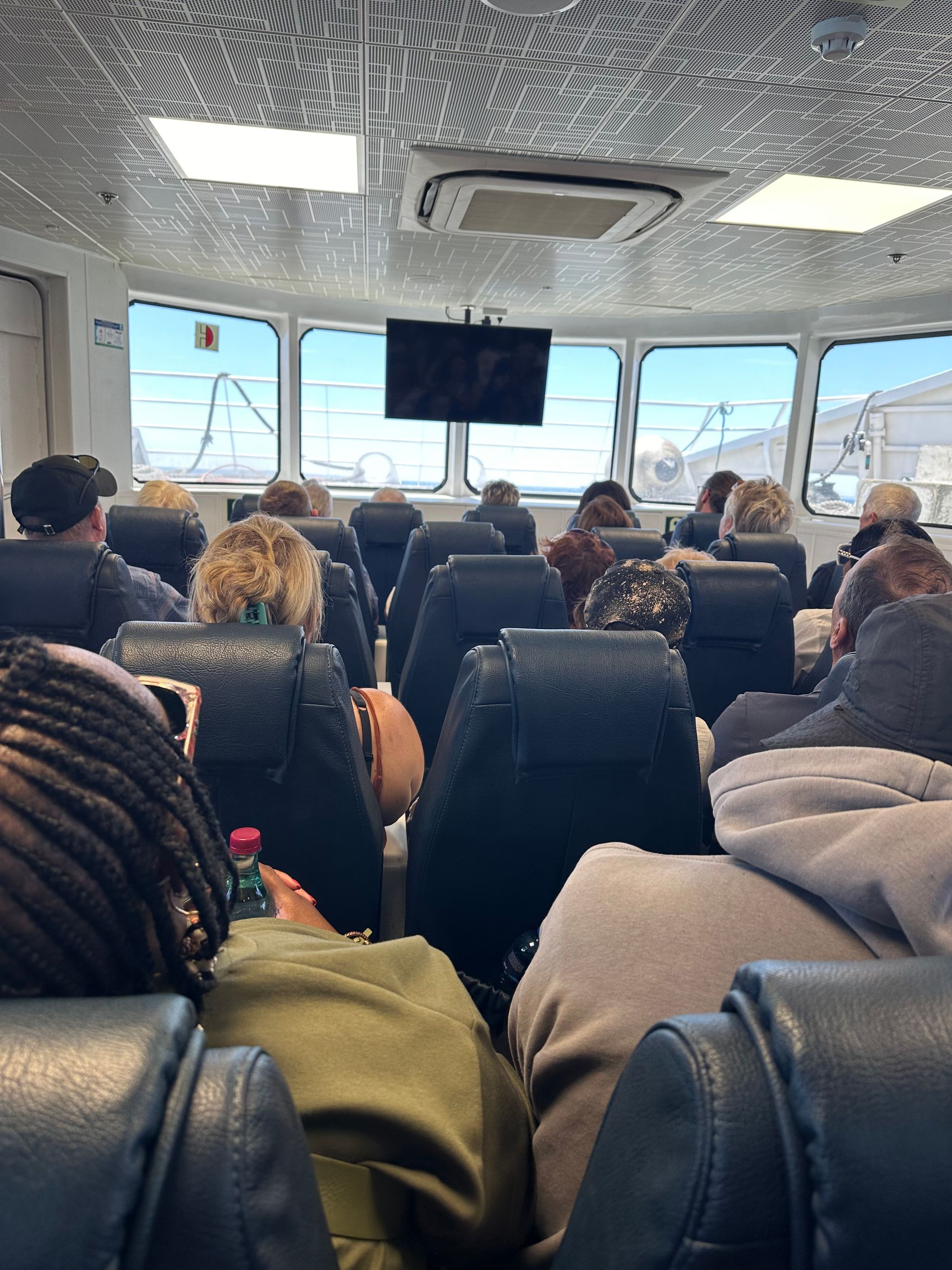
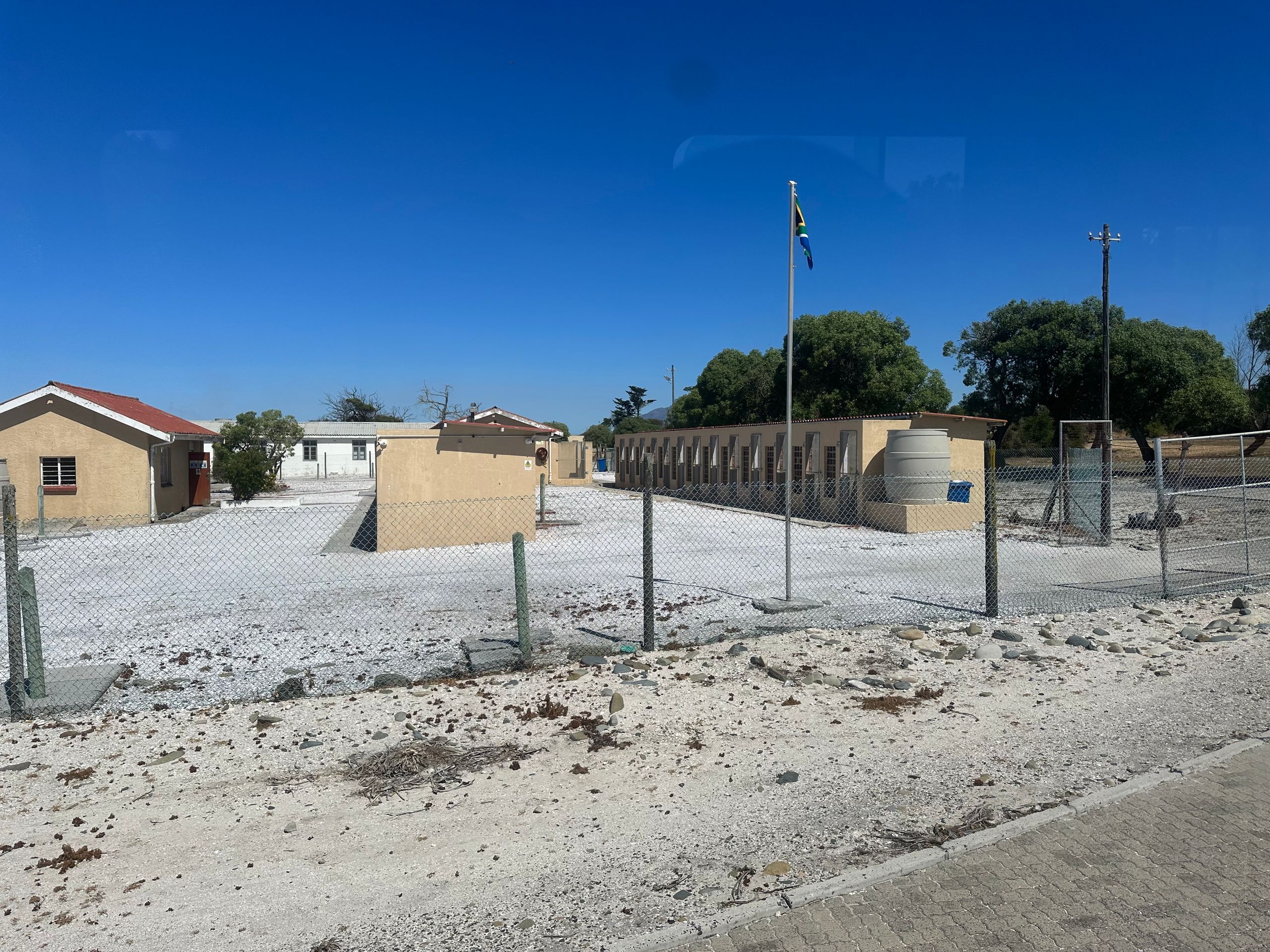
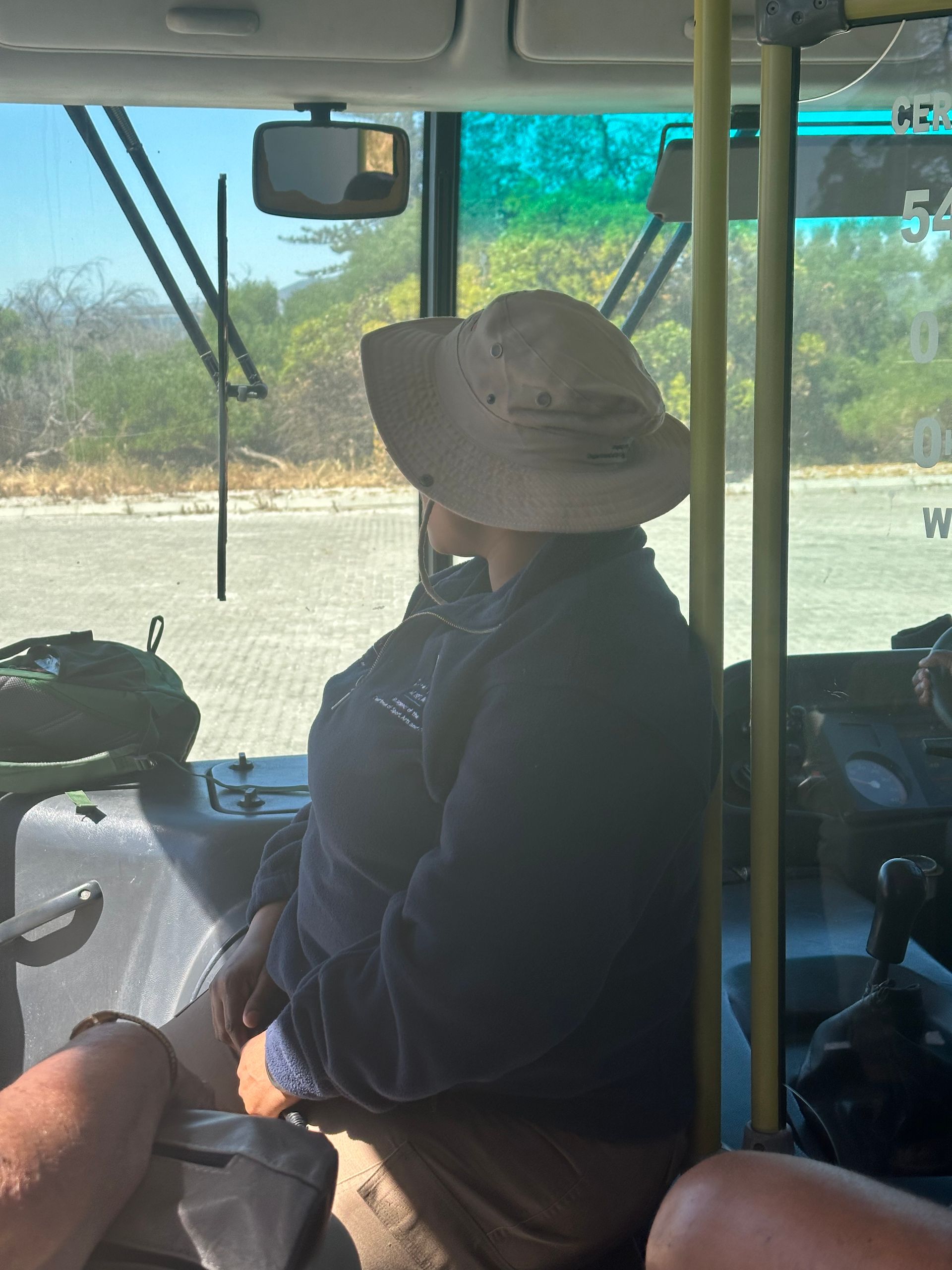
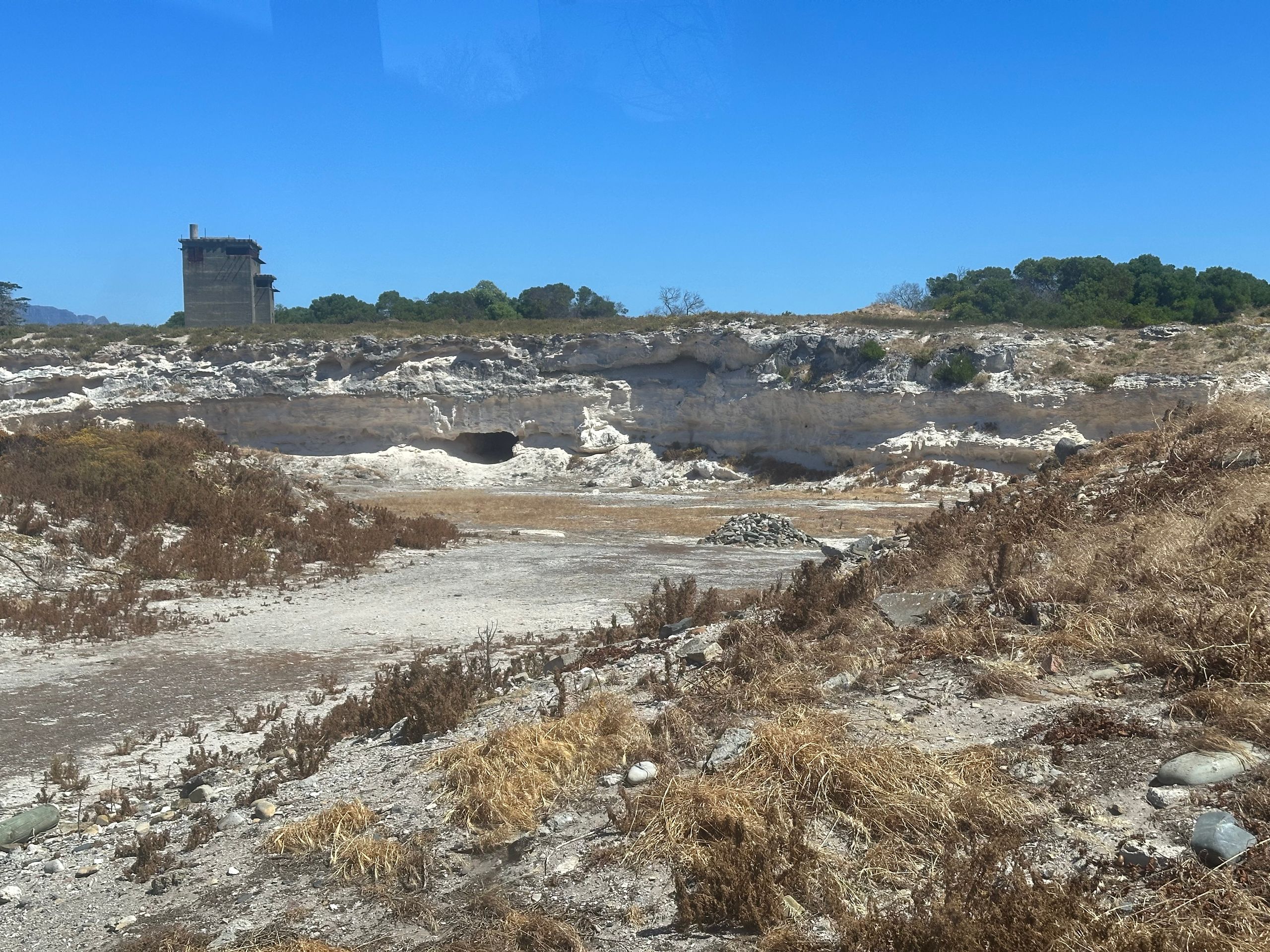
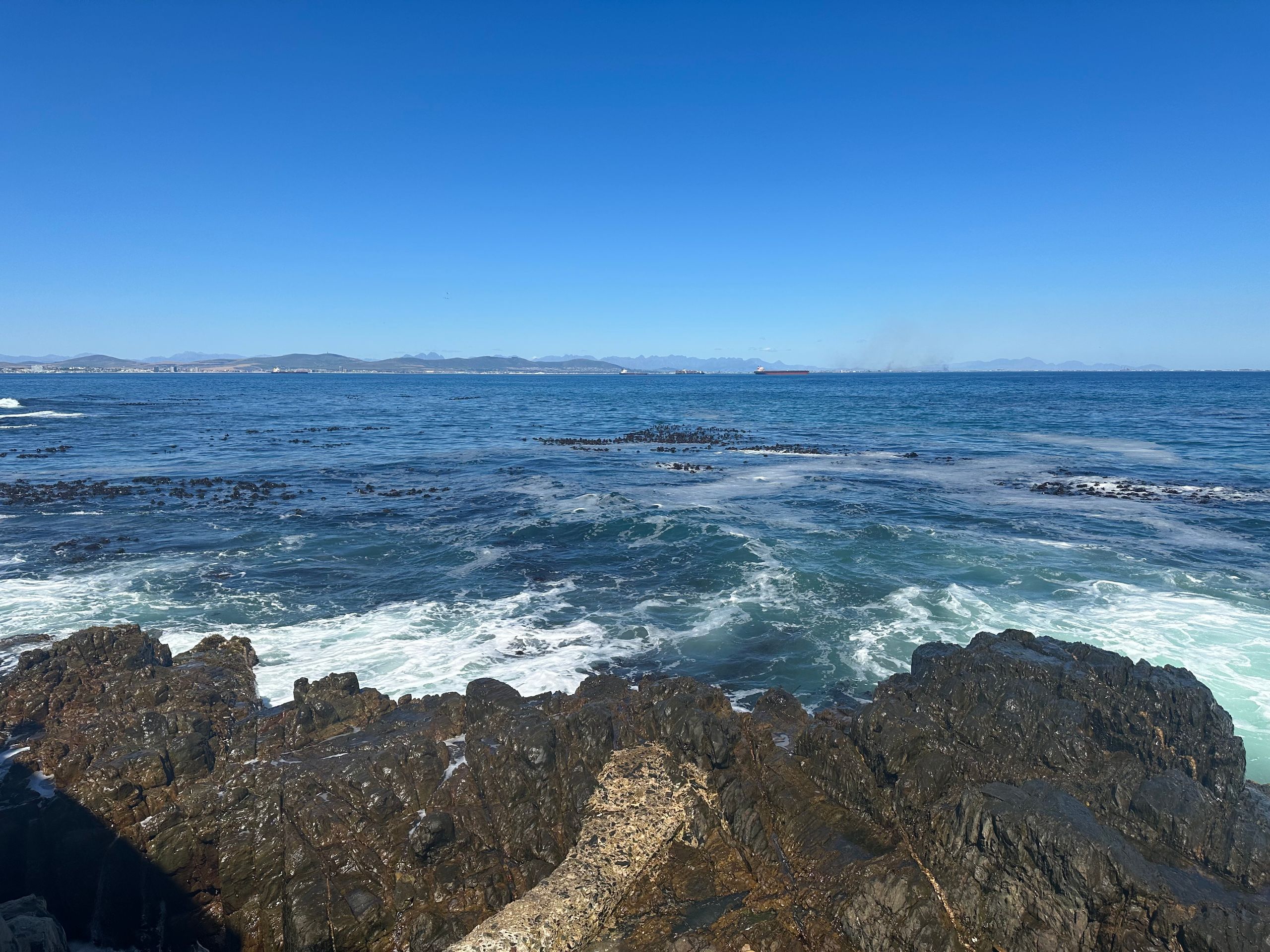
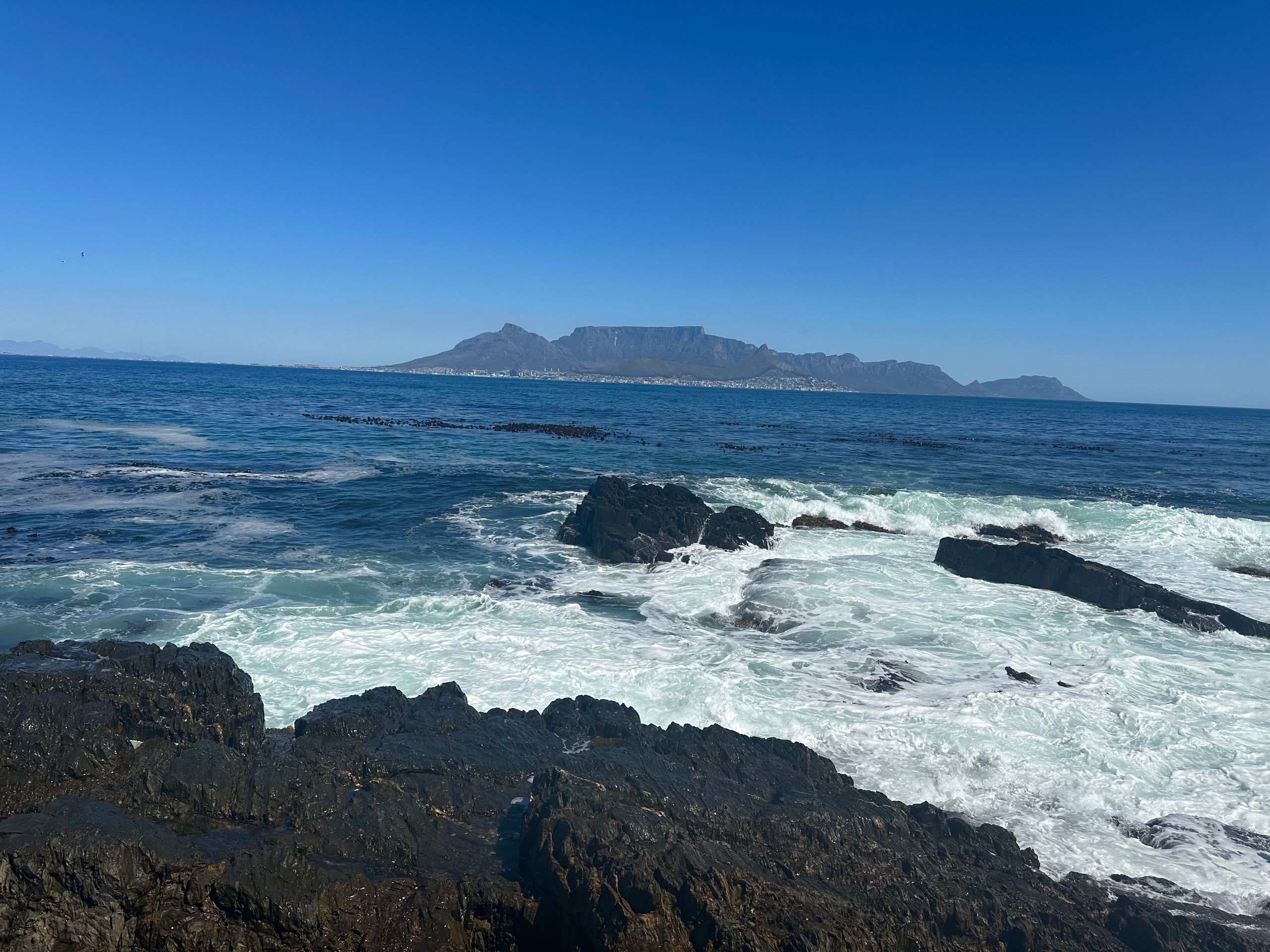
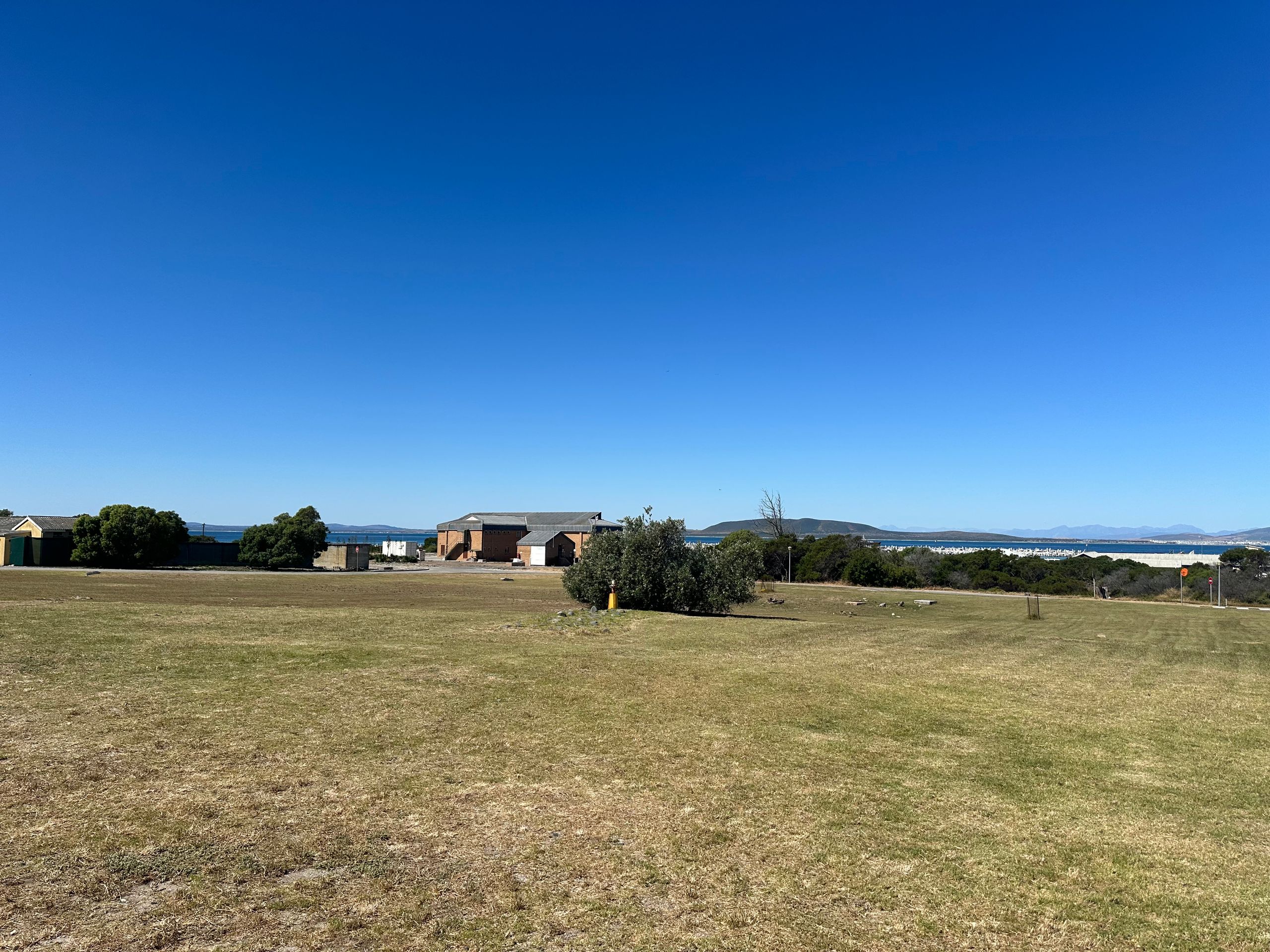
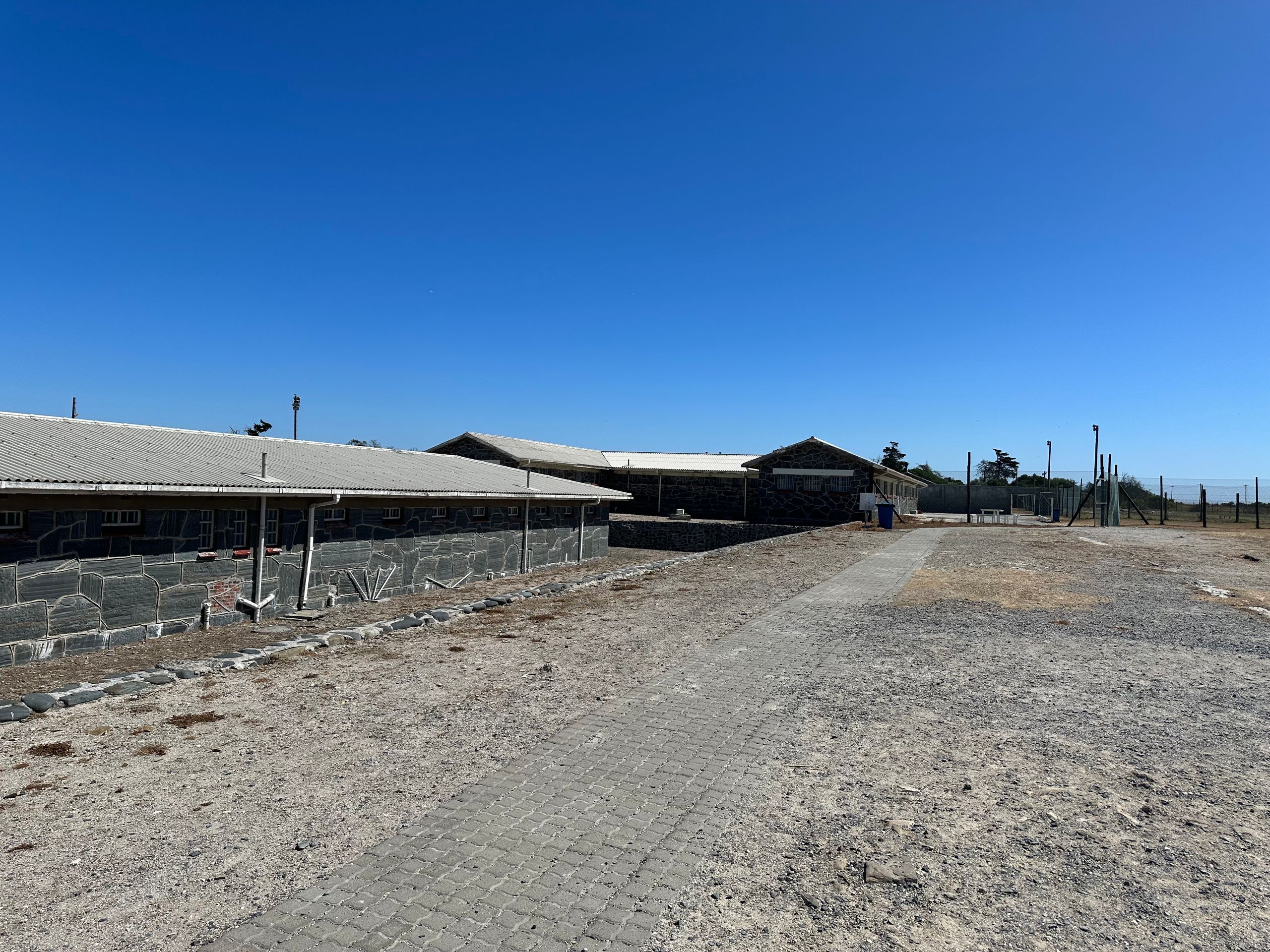
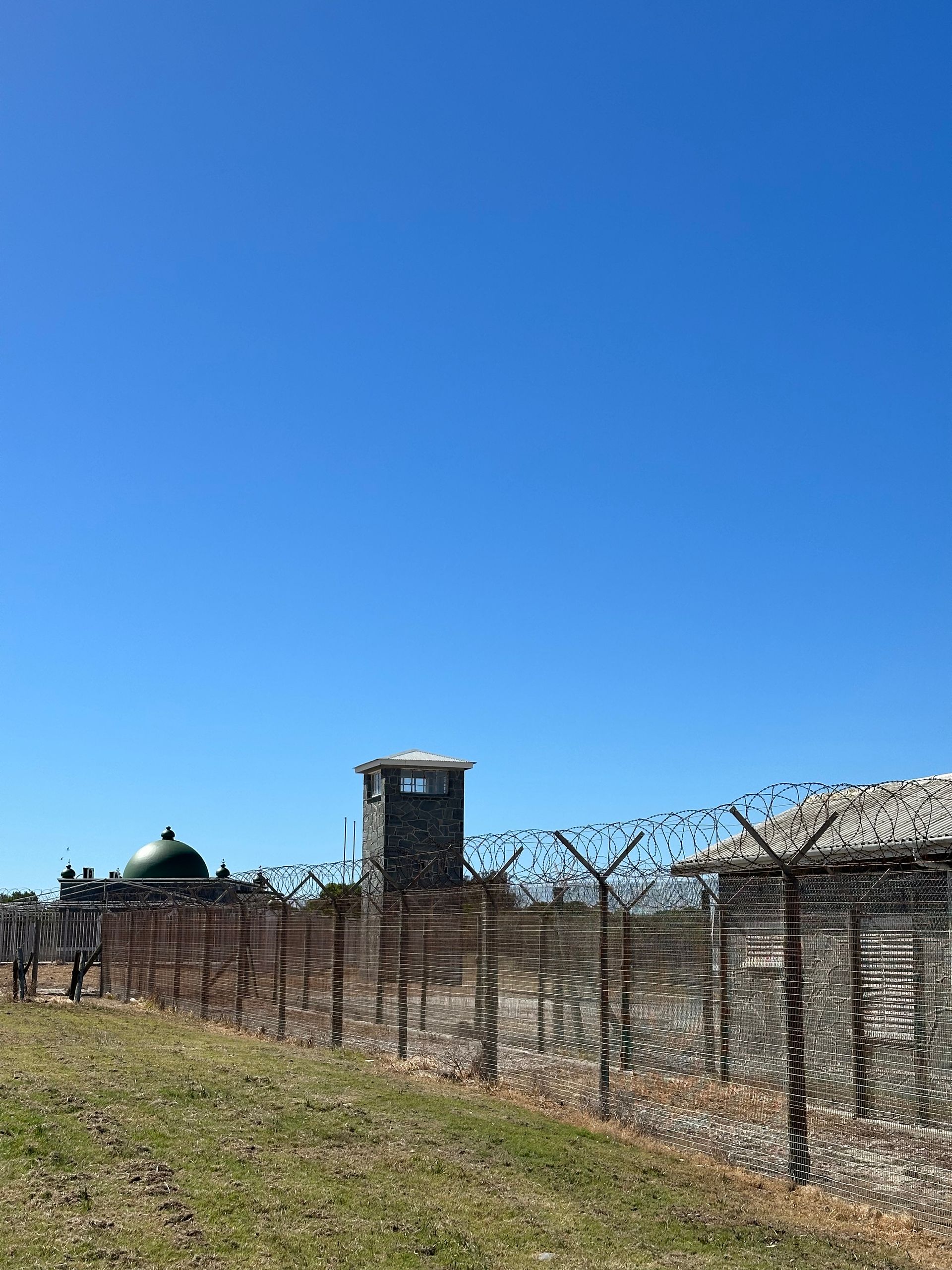
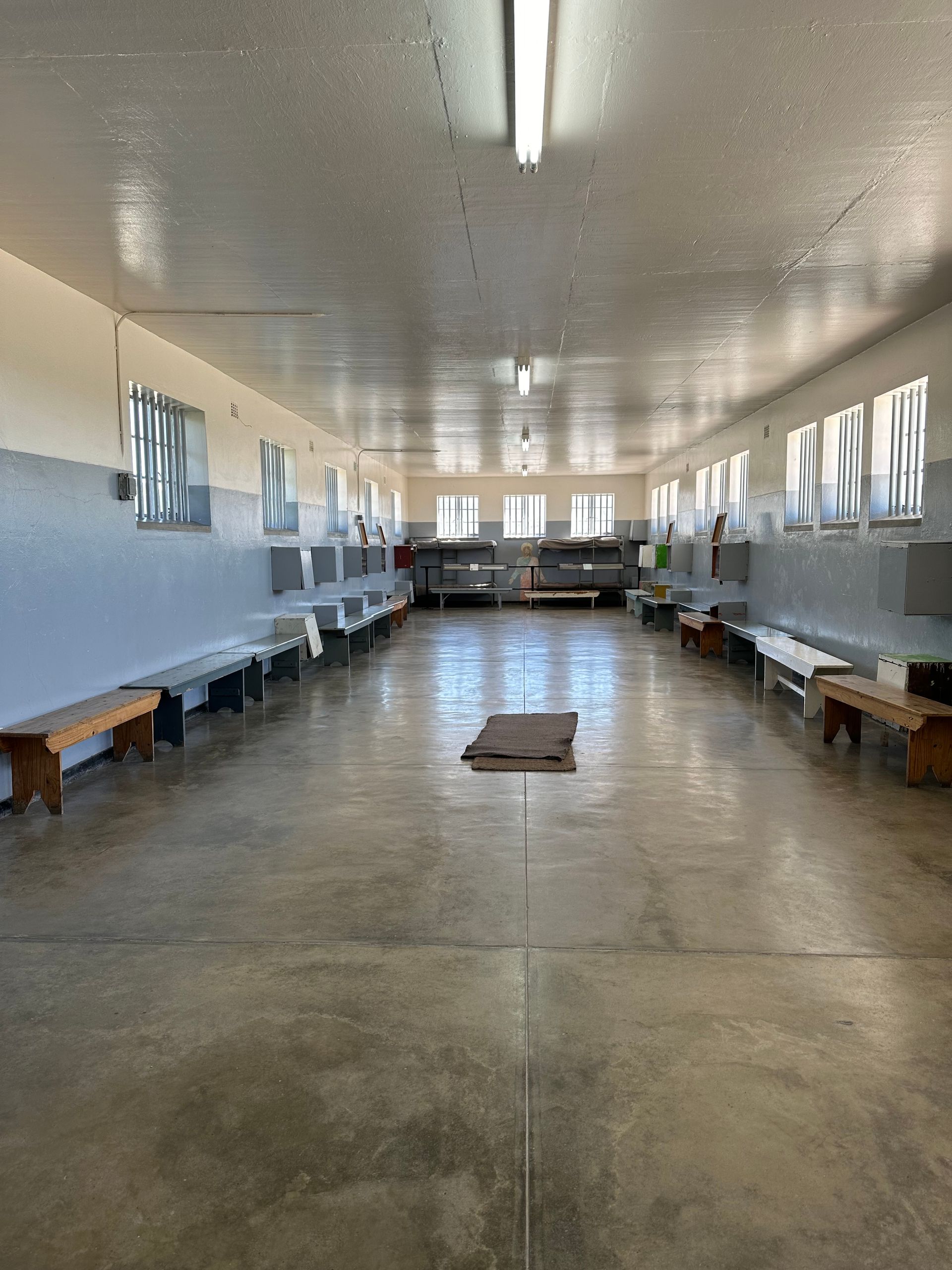
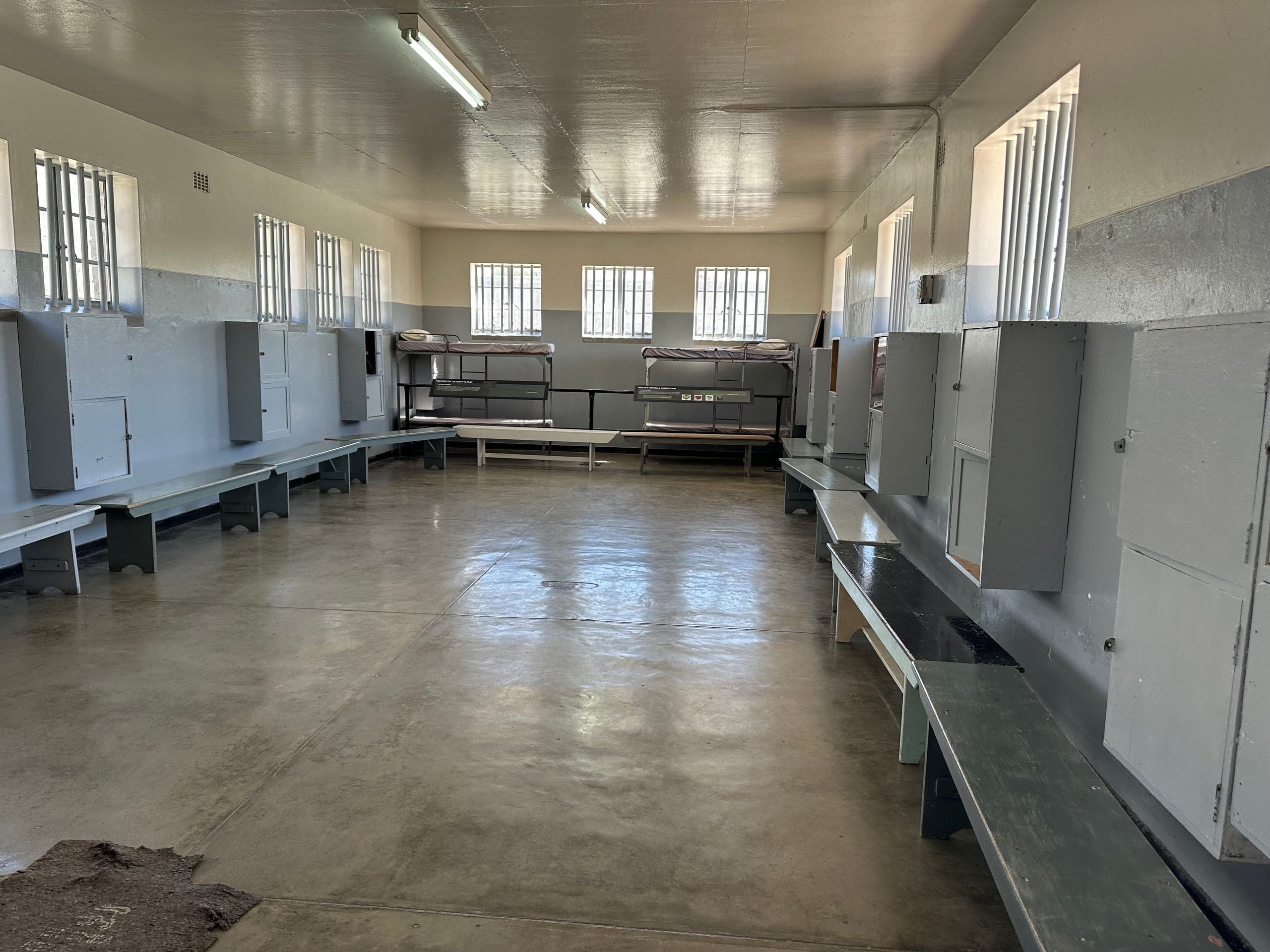
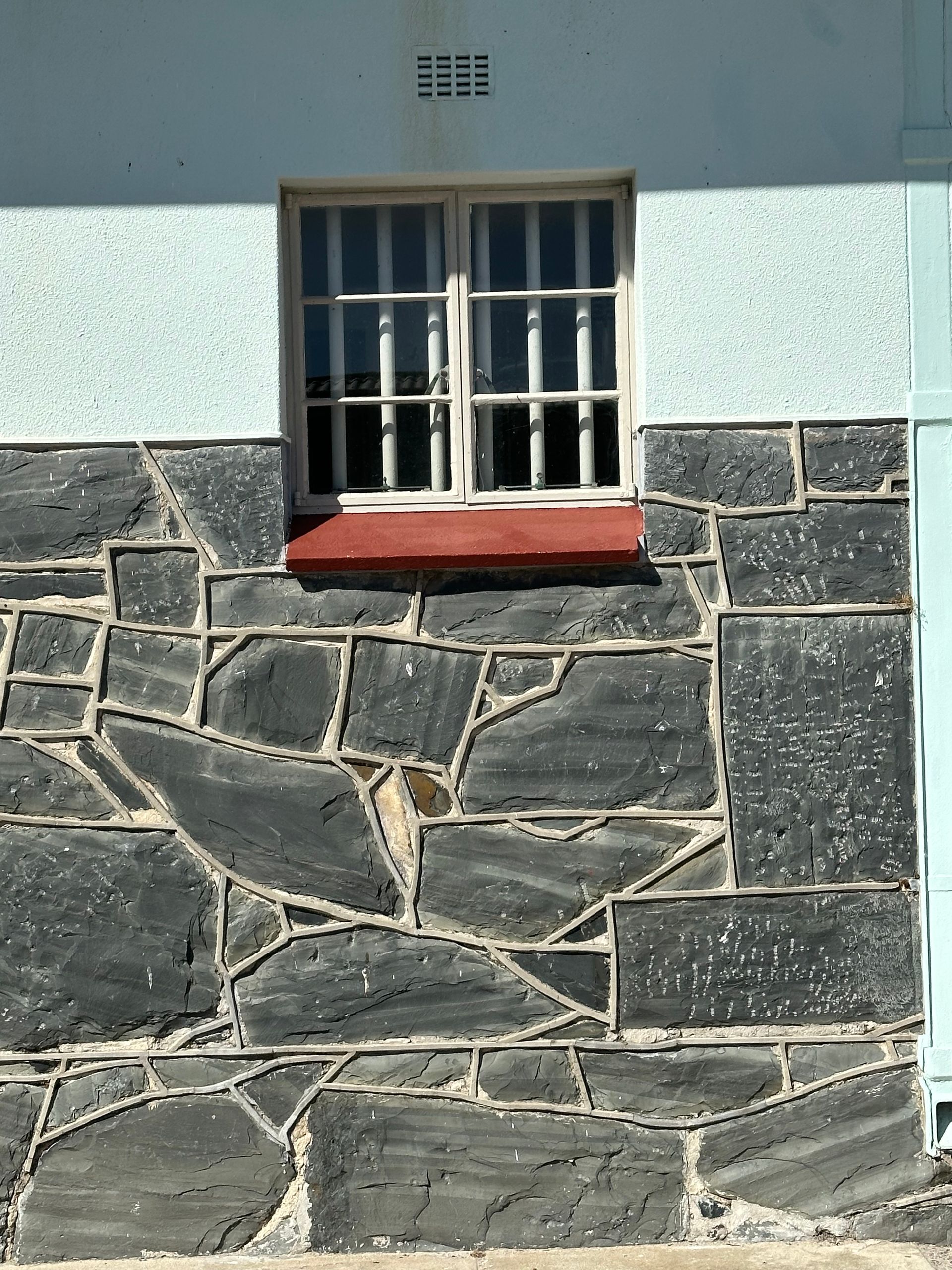
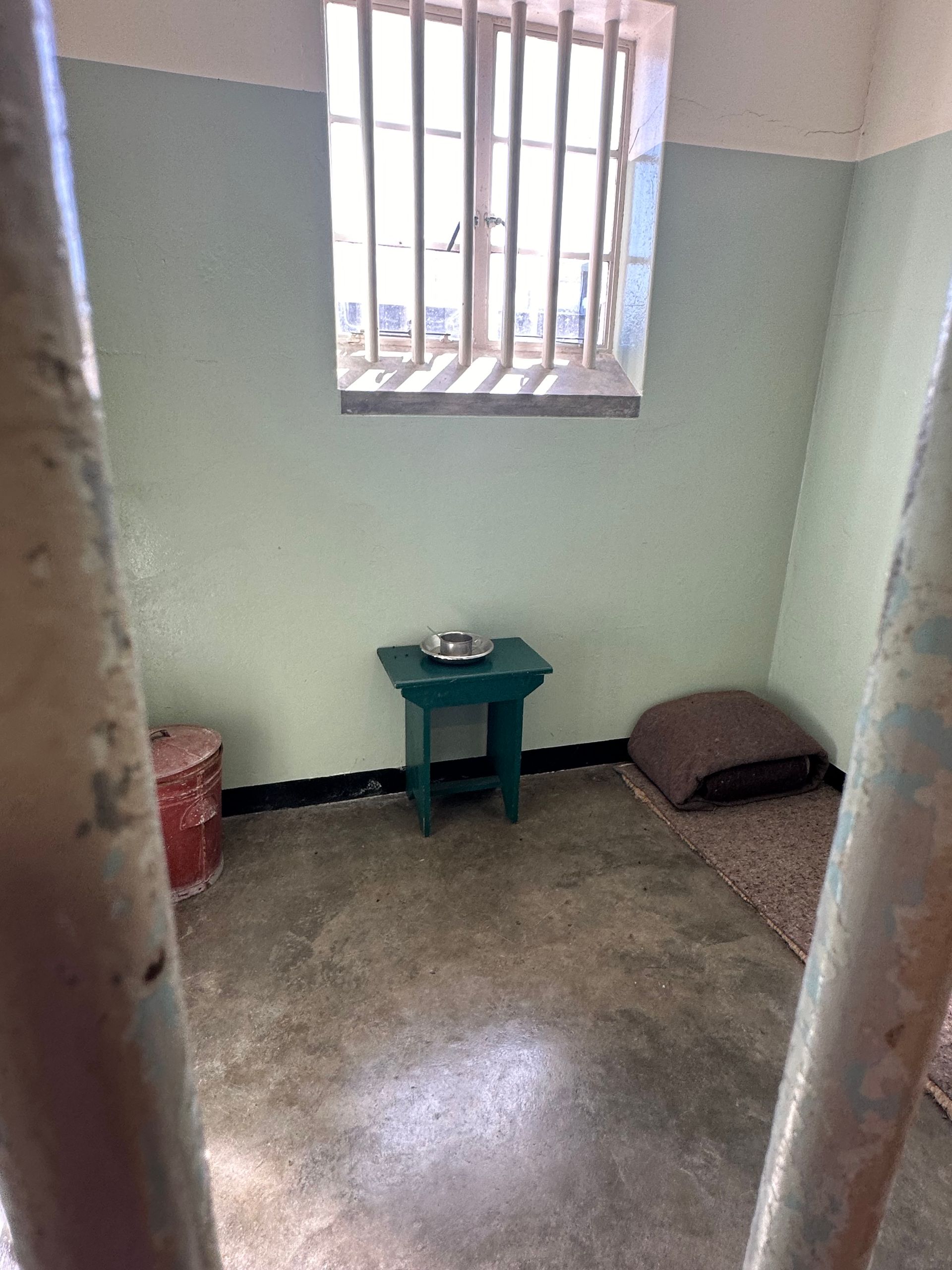
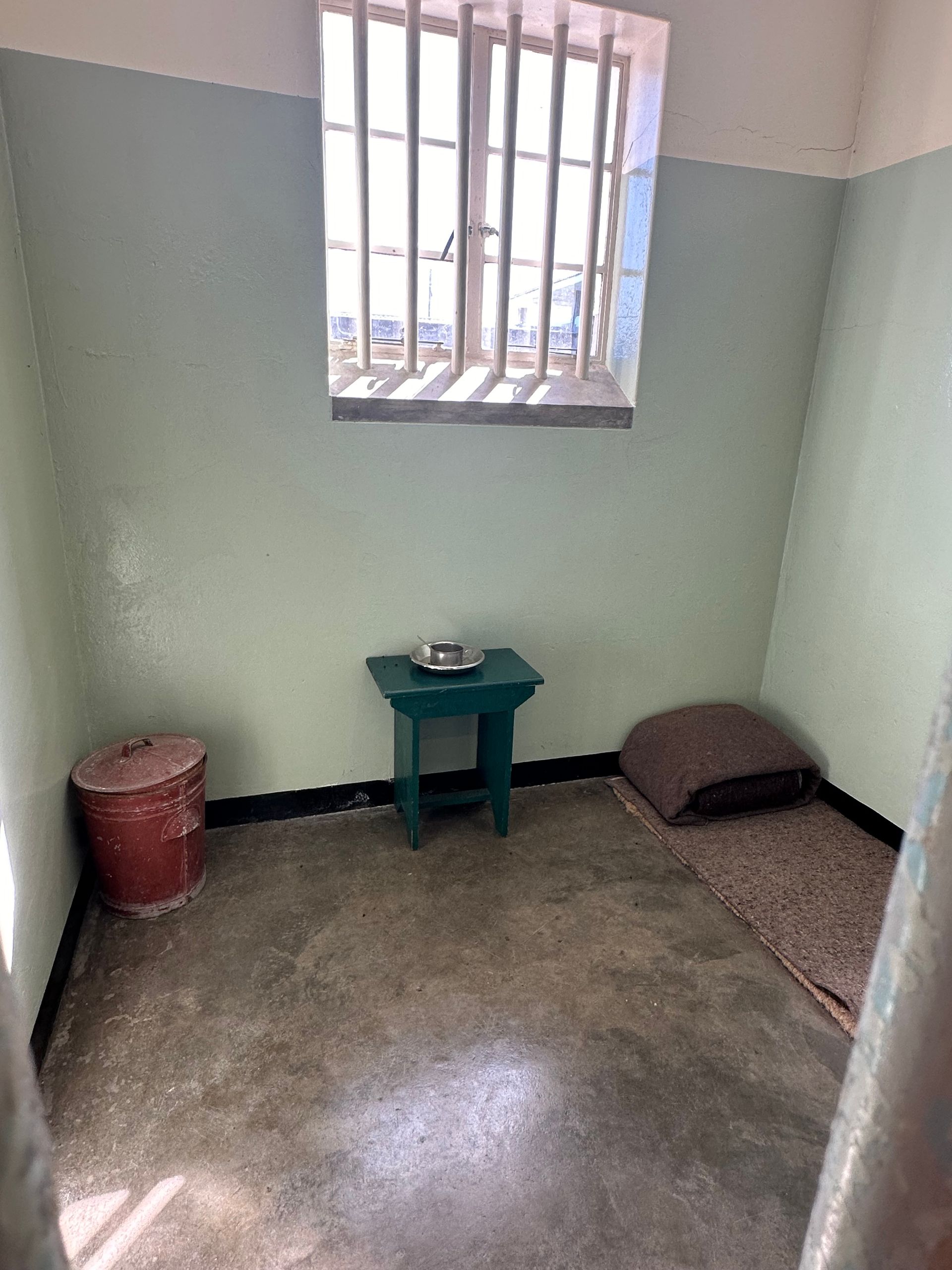
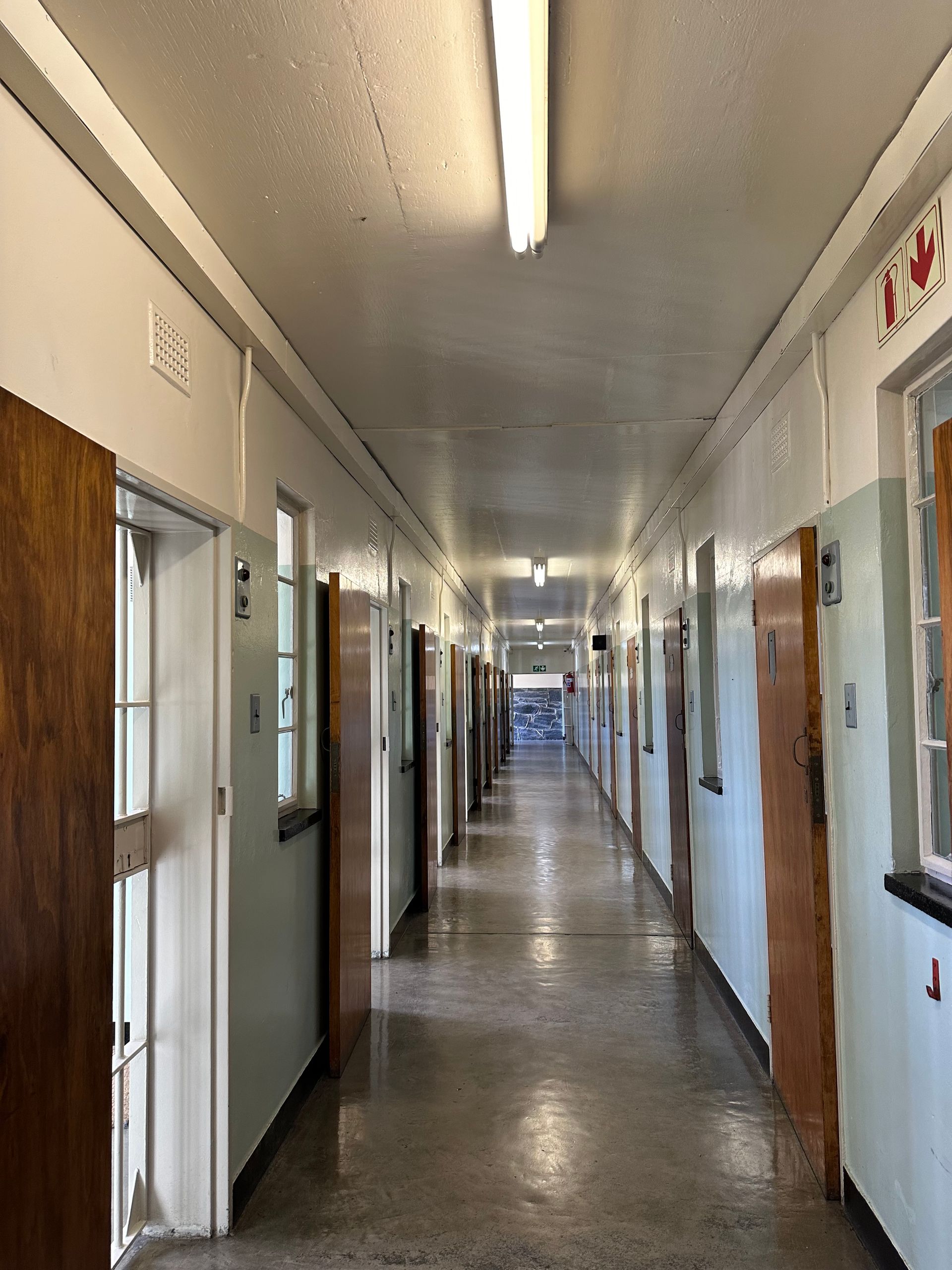
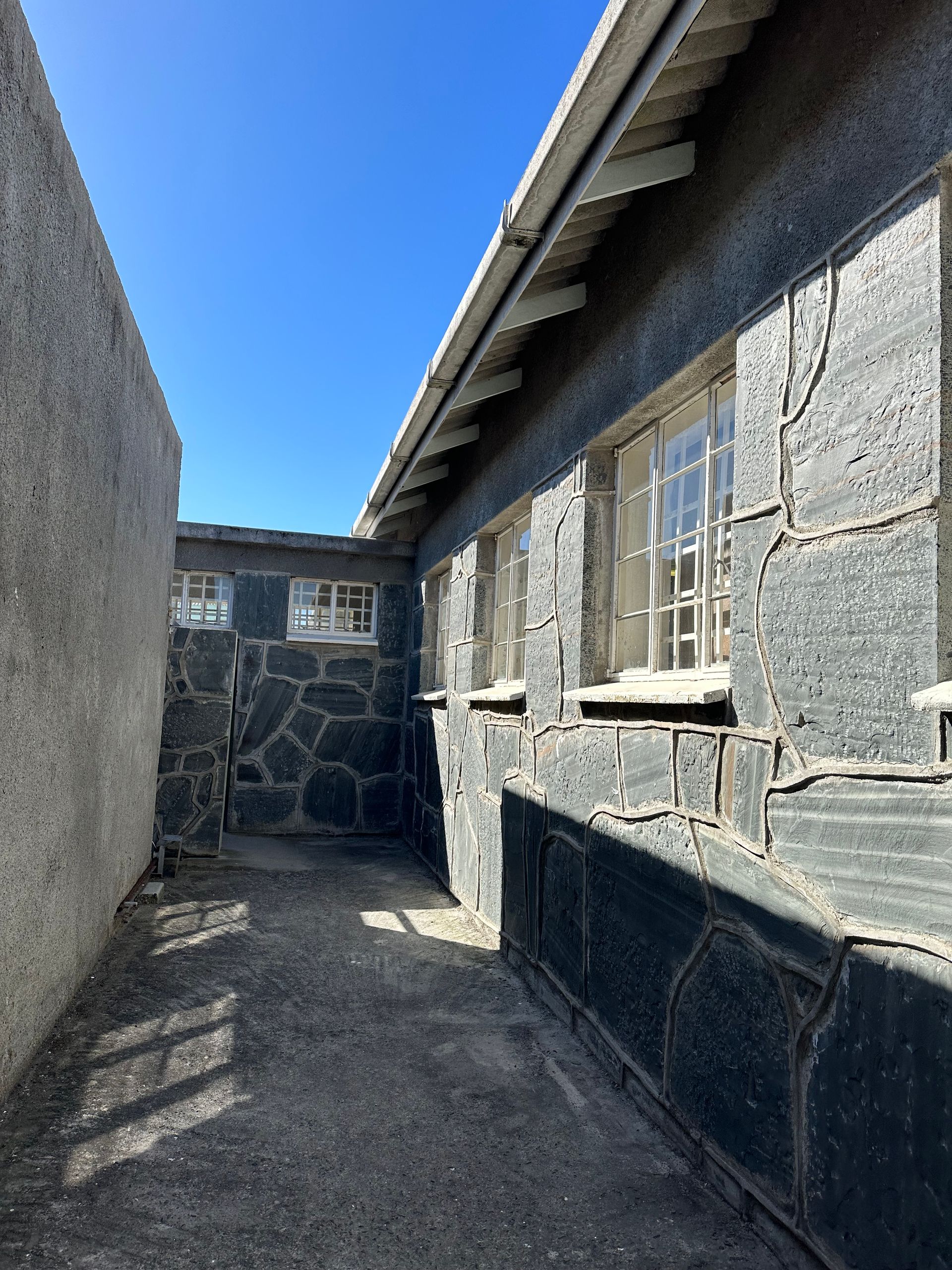
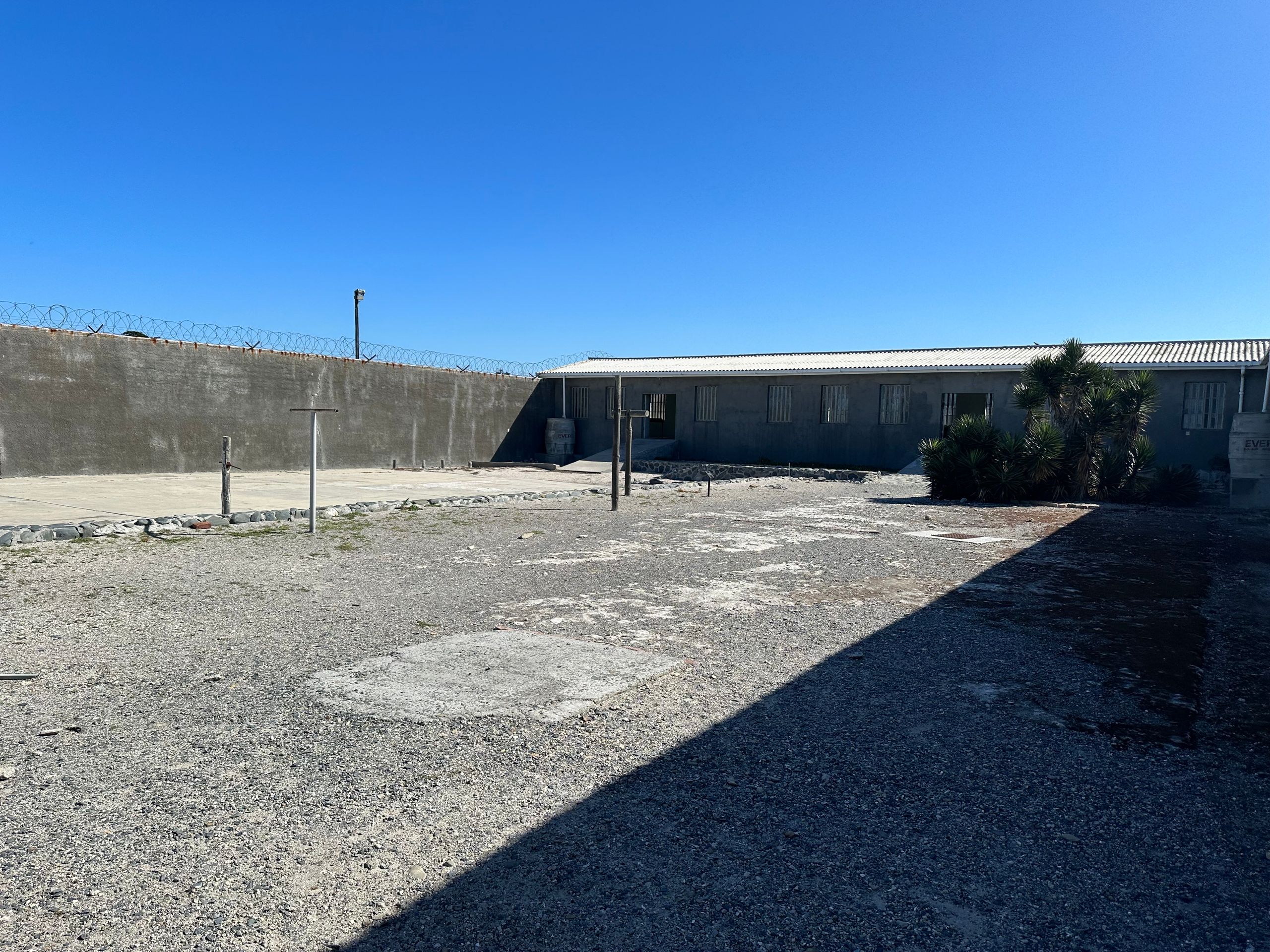
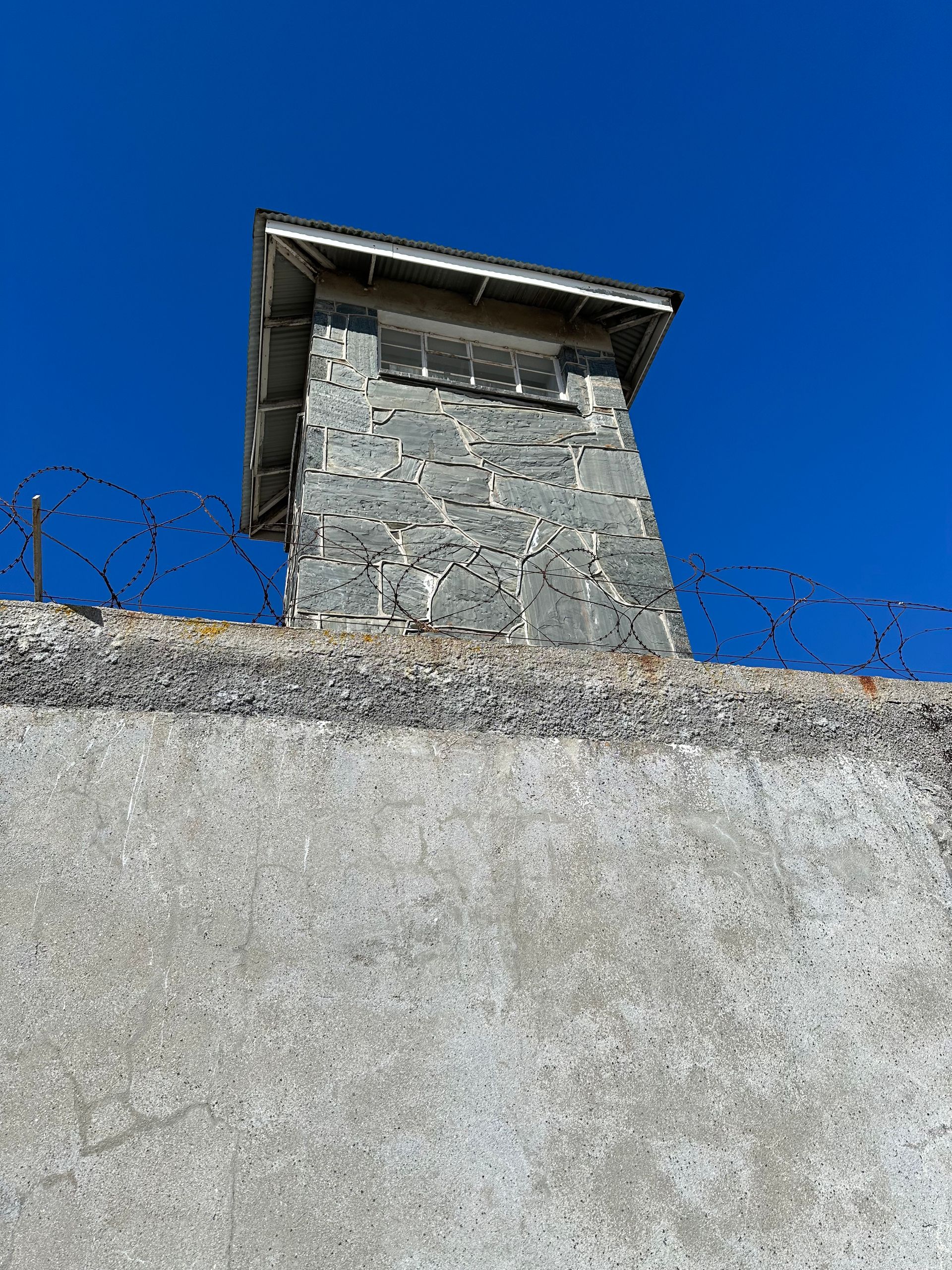
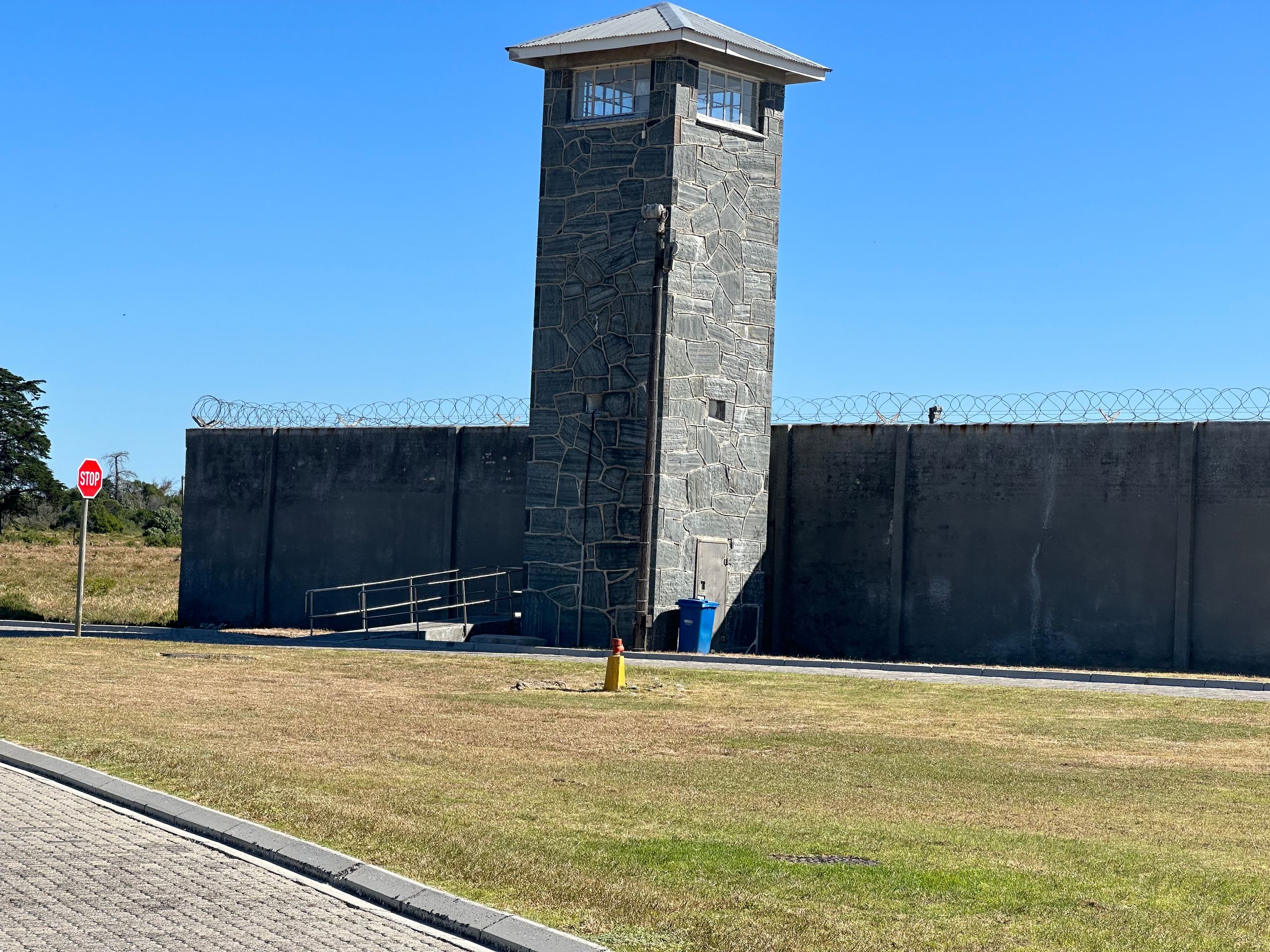
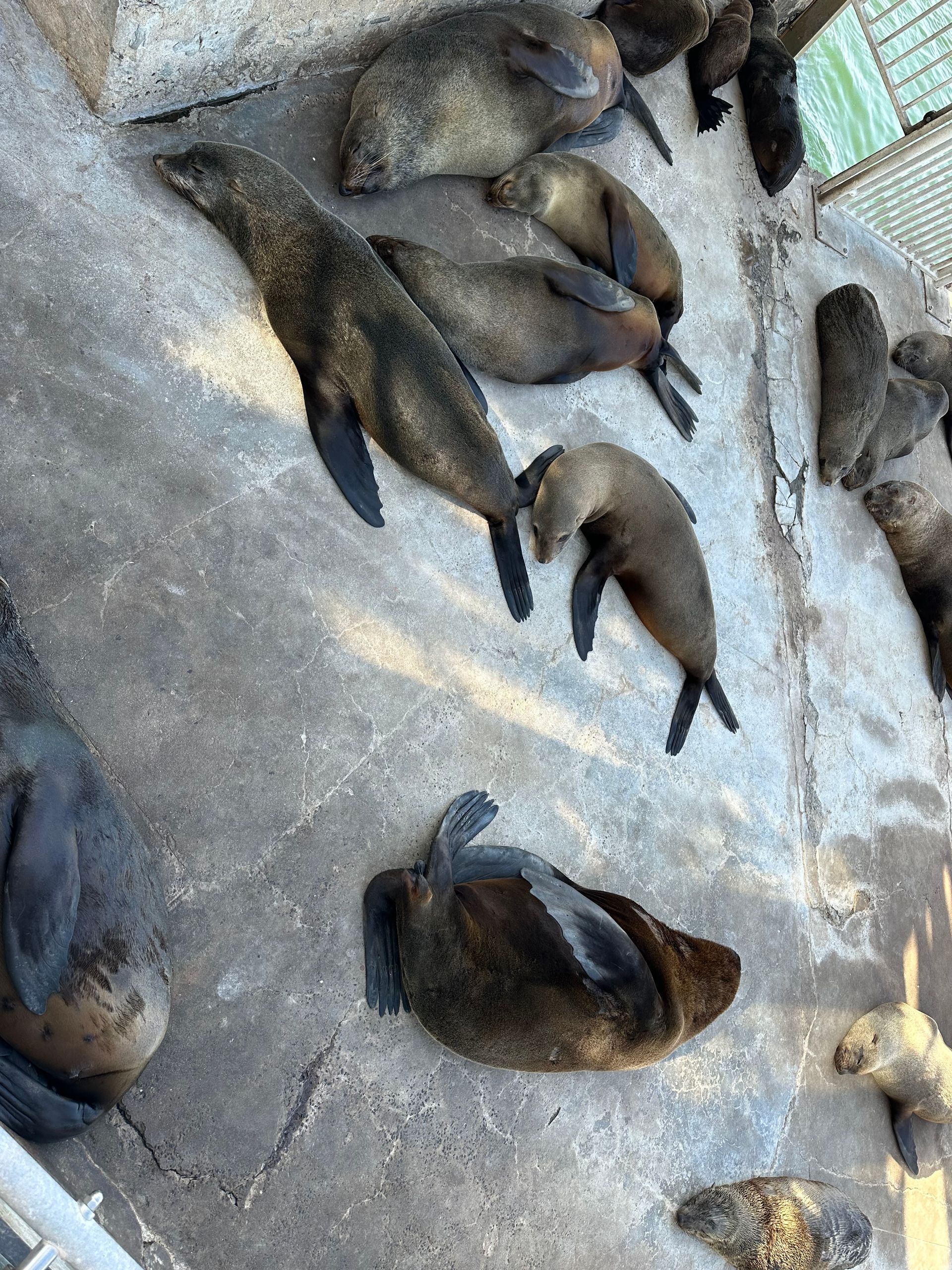
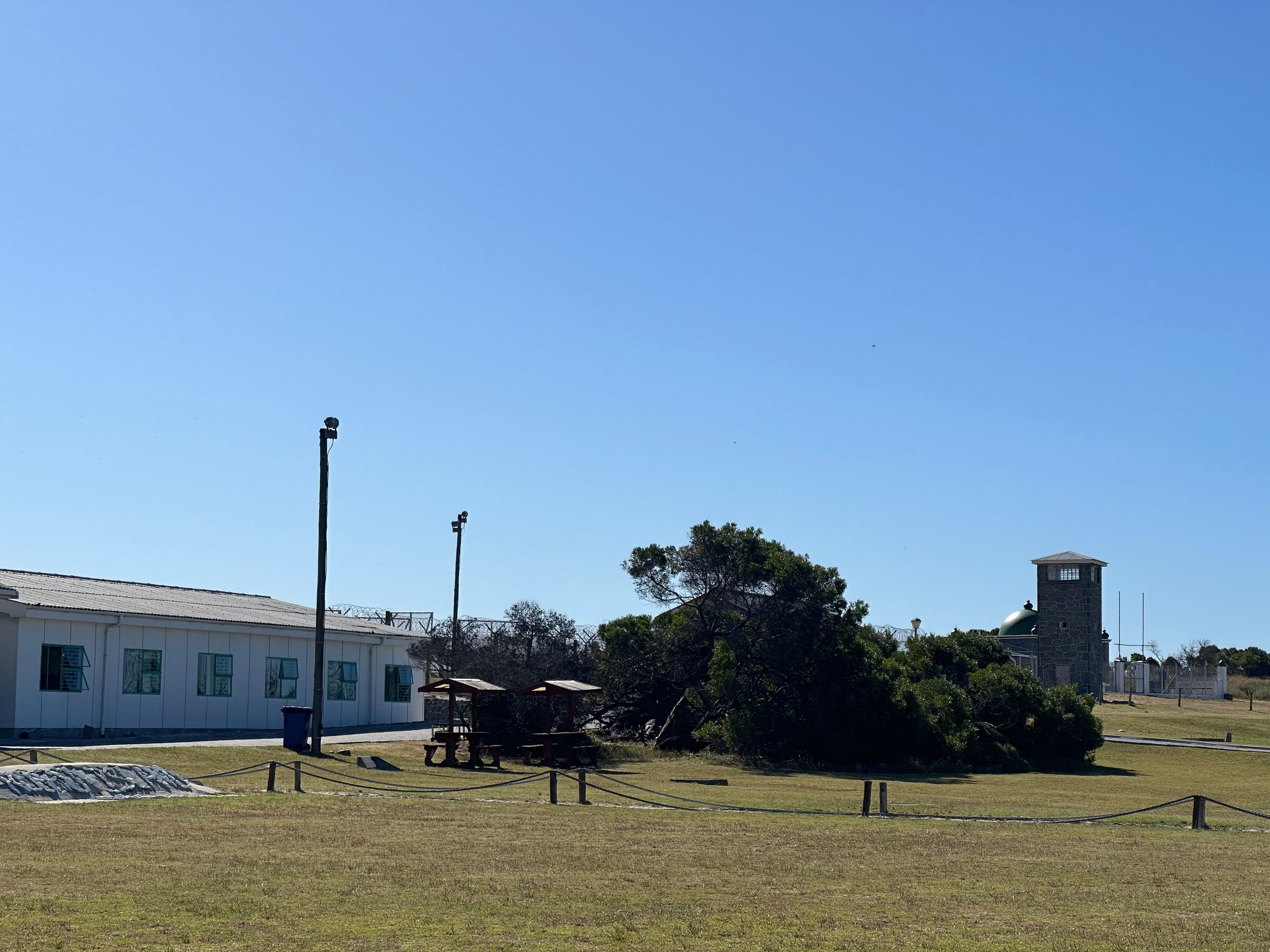
We travel by ship to Robben Island. The tour is divided into two parts: a drive around the island with explanations from the guide (I have never seen a woman who articulates so clearly and clearly, at the end she taught us a few sentences in her language, Xhosa) and a tour of the maximum security prison on foot.
We learn, for example:
- Today there are around 200 people living on the island who work for Robben Island
- you can also get married here (I find it very, very strange)
- It takes about 45 minutes to walk around the island
- There was no successful breakout attempt between 1964-1991
- At the entrance to the island there is a building, the visitor center from back then. Prisoners were allowed to receive visits from their families twice a year, for 30 minutes each. They were also only allowed to speak English or Afrikaans, which most Africans did not speak, so communication was hardly possible
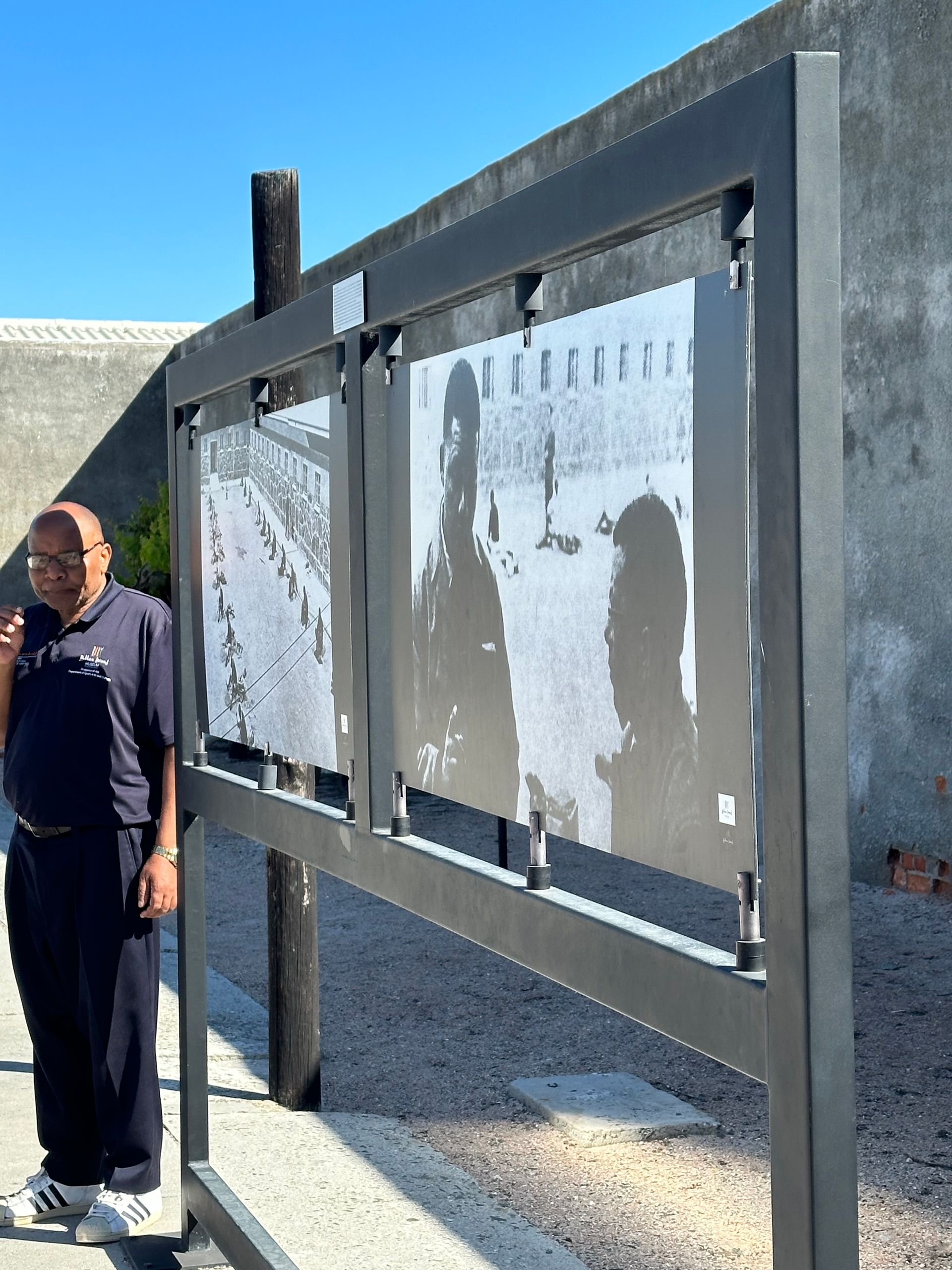
Then we leave the bus and meet a guide who was once a political prisoner here and now works as a guide here.
His story is very personal, we listen intently and take everything in, for example:
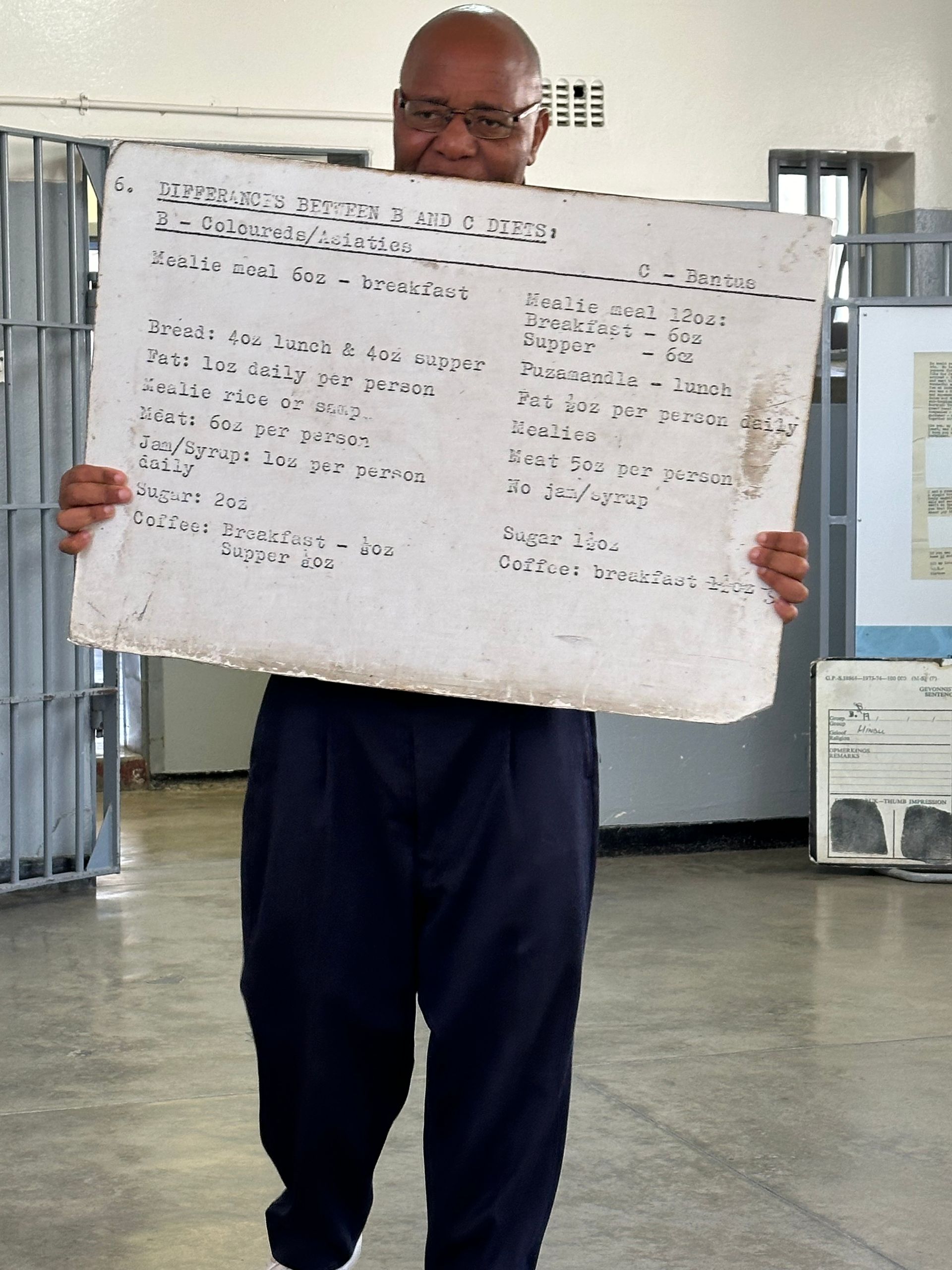
- that Asians and colored people got better food than black people (but both were terrible)
- that as a black person you used to have to carry a “stupid passport”, it is an ID that you always had to have with you, pure harassment, and it says that you are stupid as a black person.
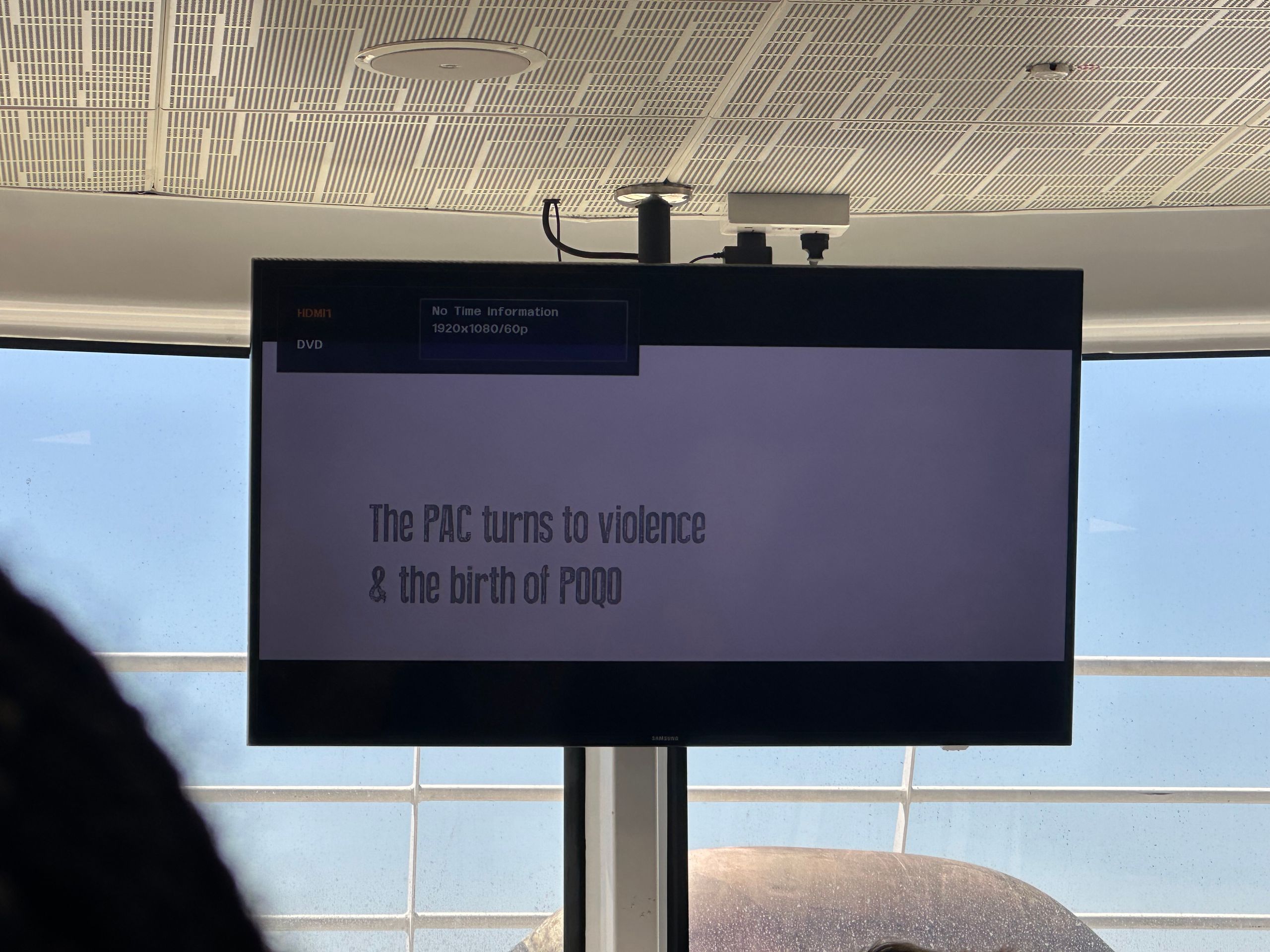
The pass laws were deliberately planned as the linchpin of apartheid. Of all the apartheid laws, they were the most profound and perverse. On March 21, 1960, the Pan-African Congress (PAC) organized a civil disobedience protest against the pass laws. In this action, many demonstrators were supposed to march to the police station in Sharpeville without passports and thereby challenge their arrest. Over 5,000 protesters gathered peacefully at the tiny police station and demanded their arrest. The large crowd worried the police and they ordered the gathering to be dispersed. When this did not happen, police opened fire, killing 69 people, including eight children and ten women who were shot from behind as they fled. Another 180 people were injured by police.
Karo and I find the information heavy in our stomachs and we'll be talking about it for a long time. When we arrived on the island, a man from the ship wished us a wonderful time on the island. We found the choice of words inappropriate, it wasn't wonderful, but it was unique and educational.
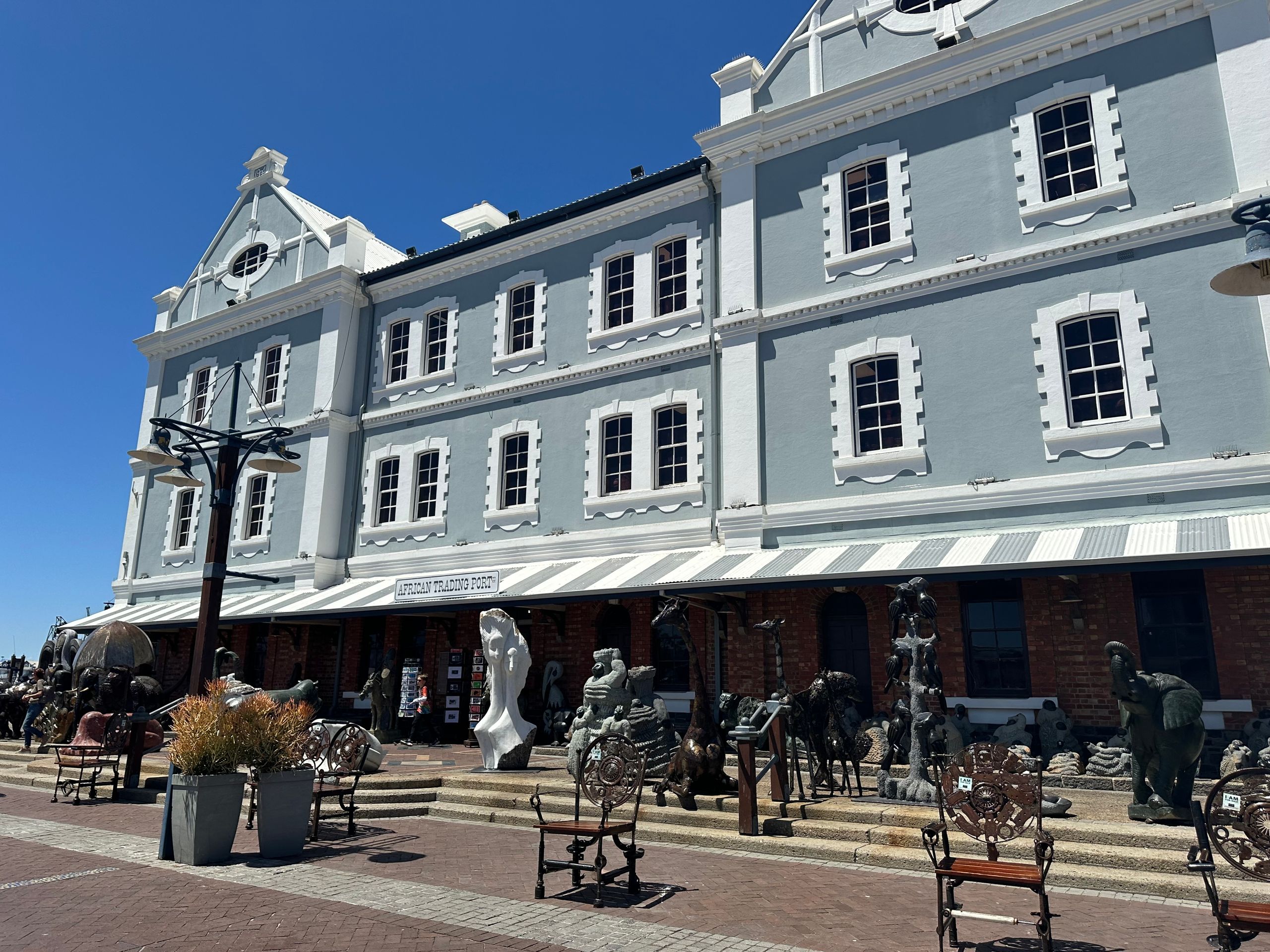
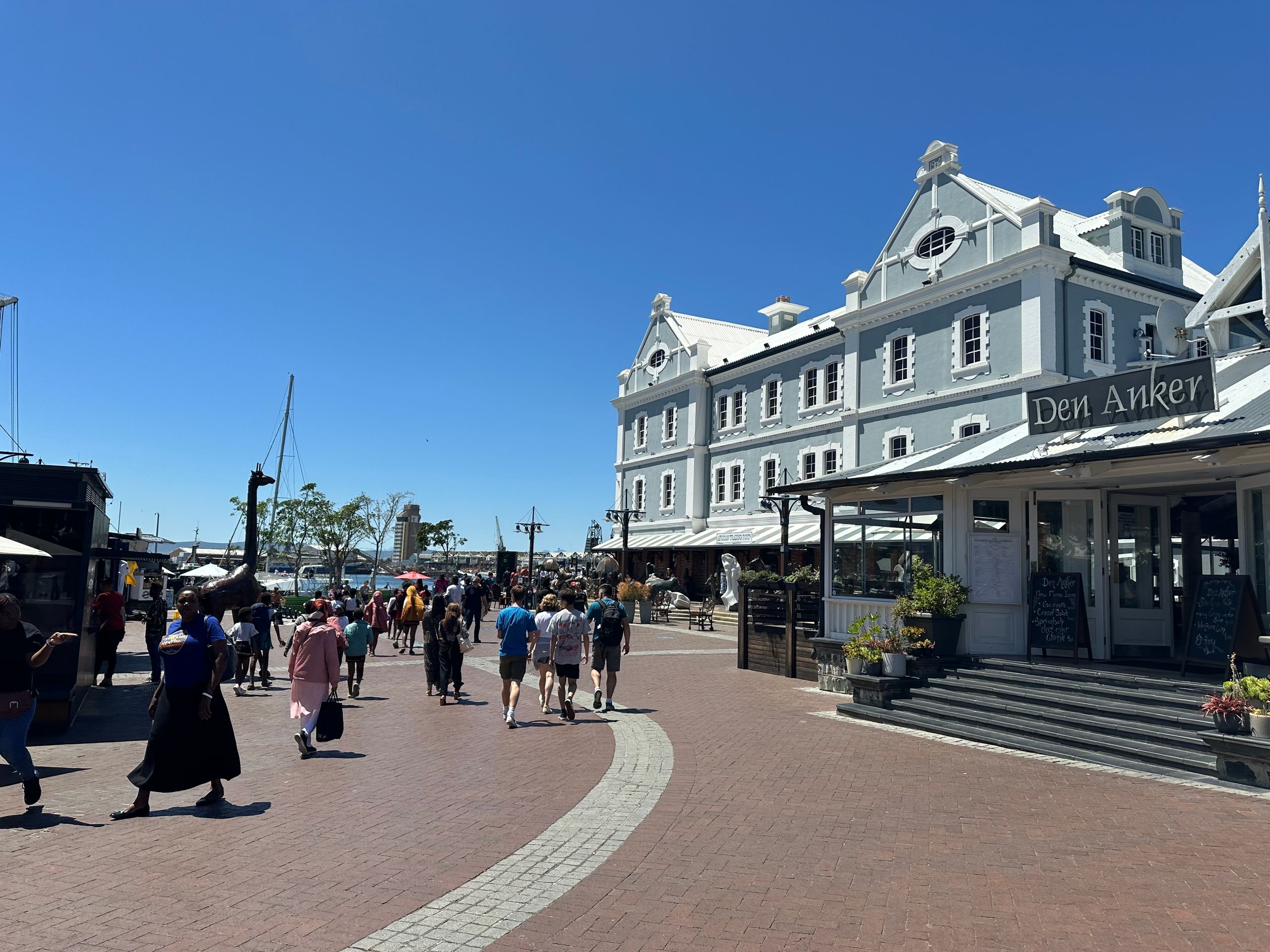
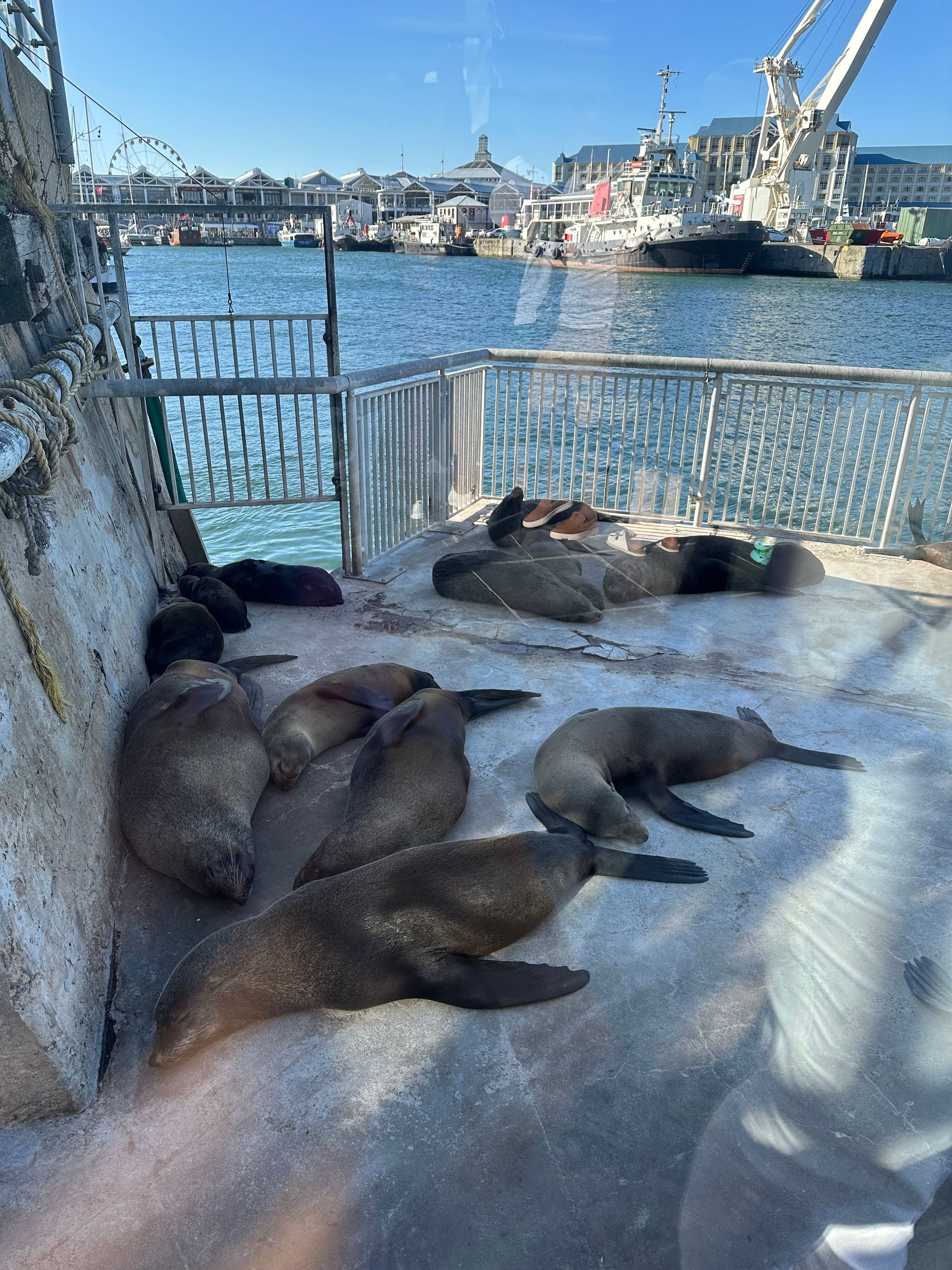
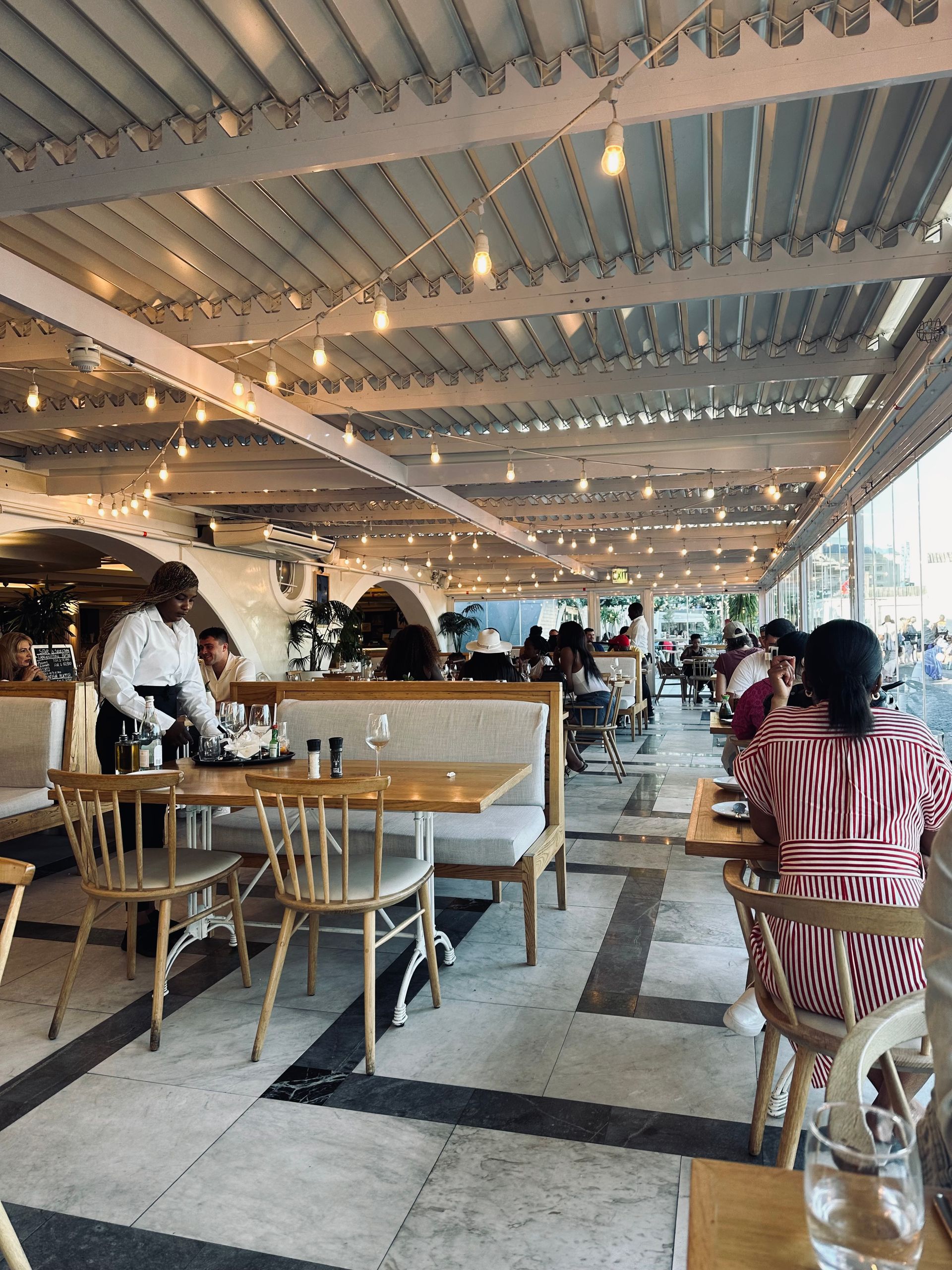
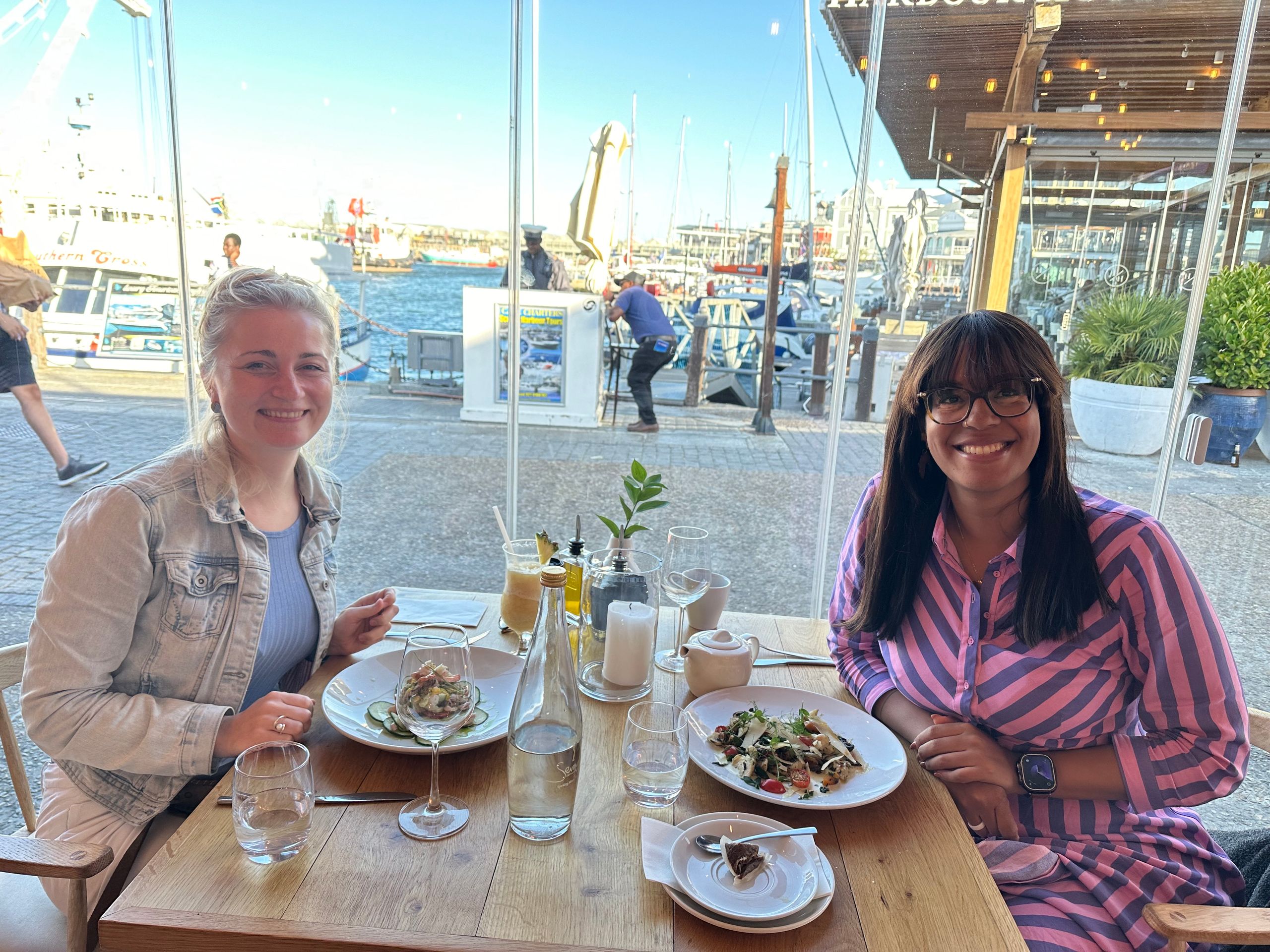
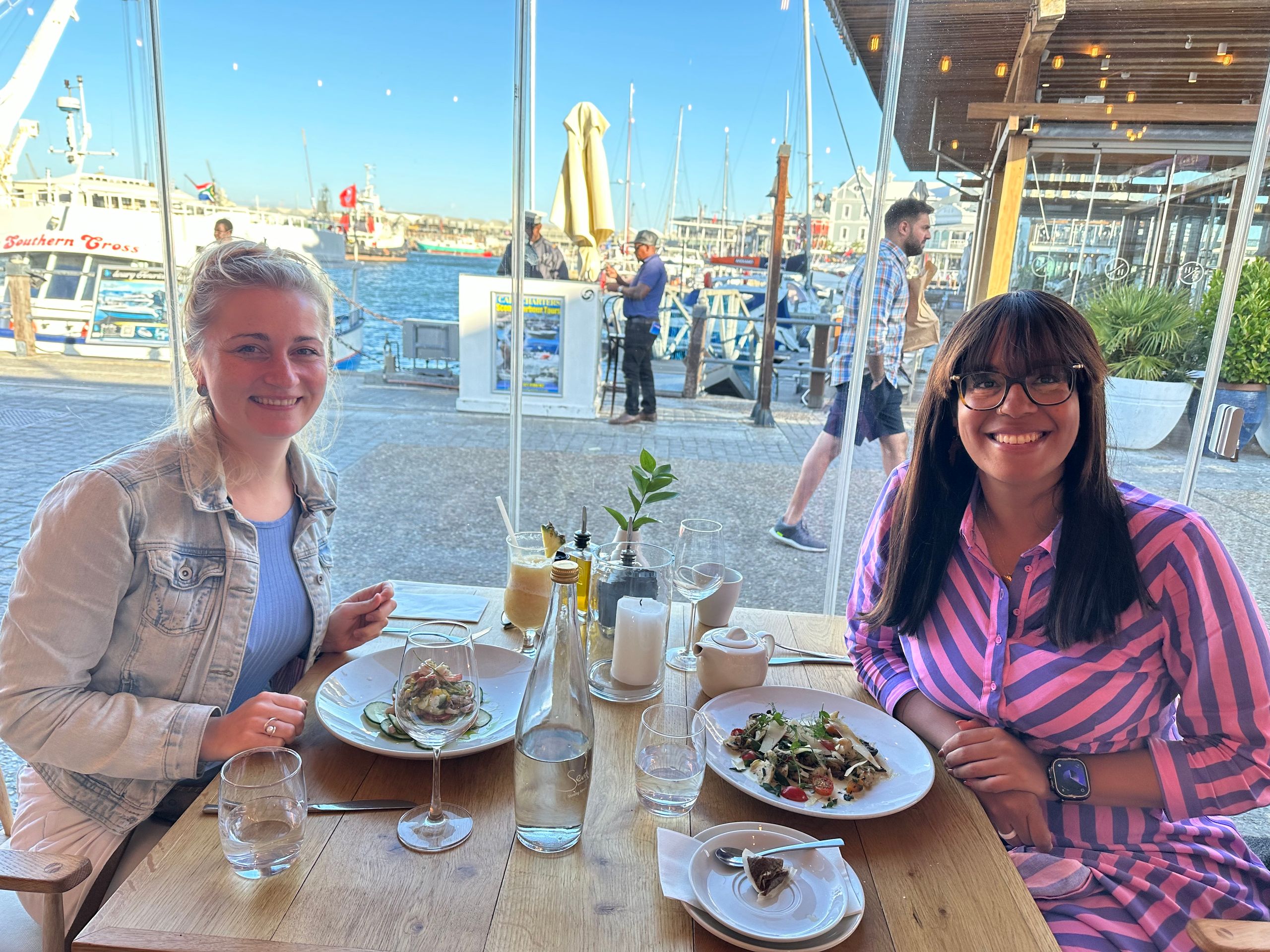
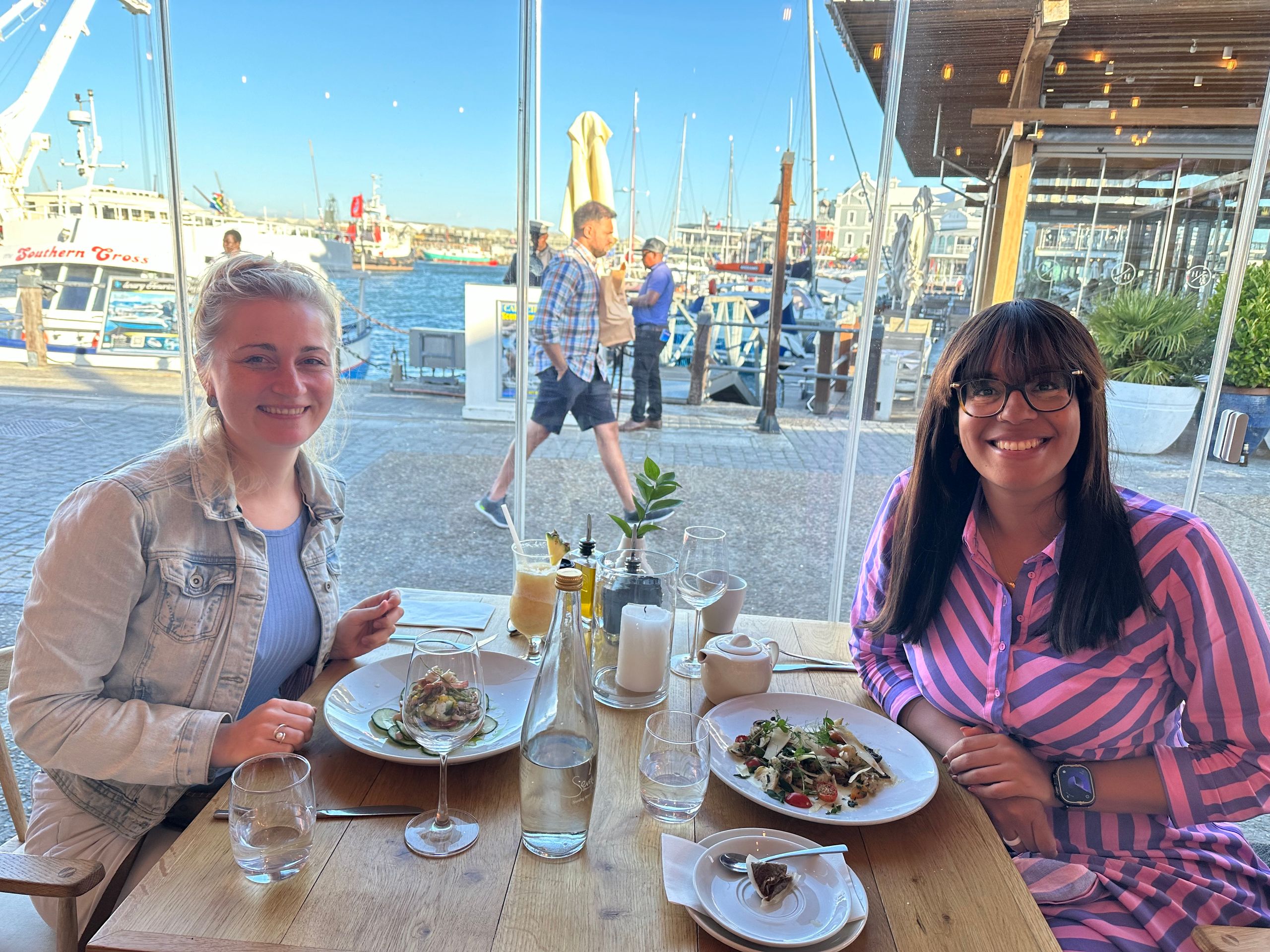
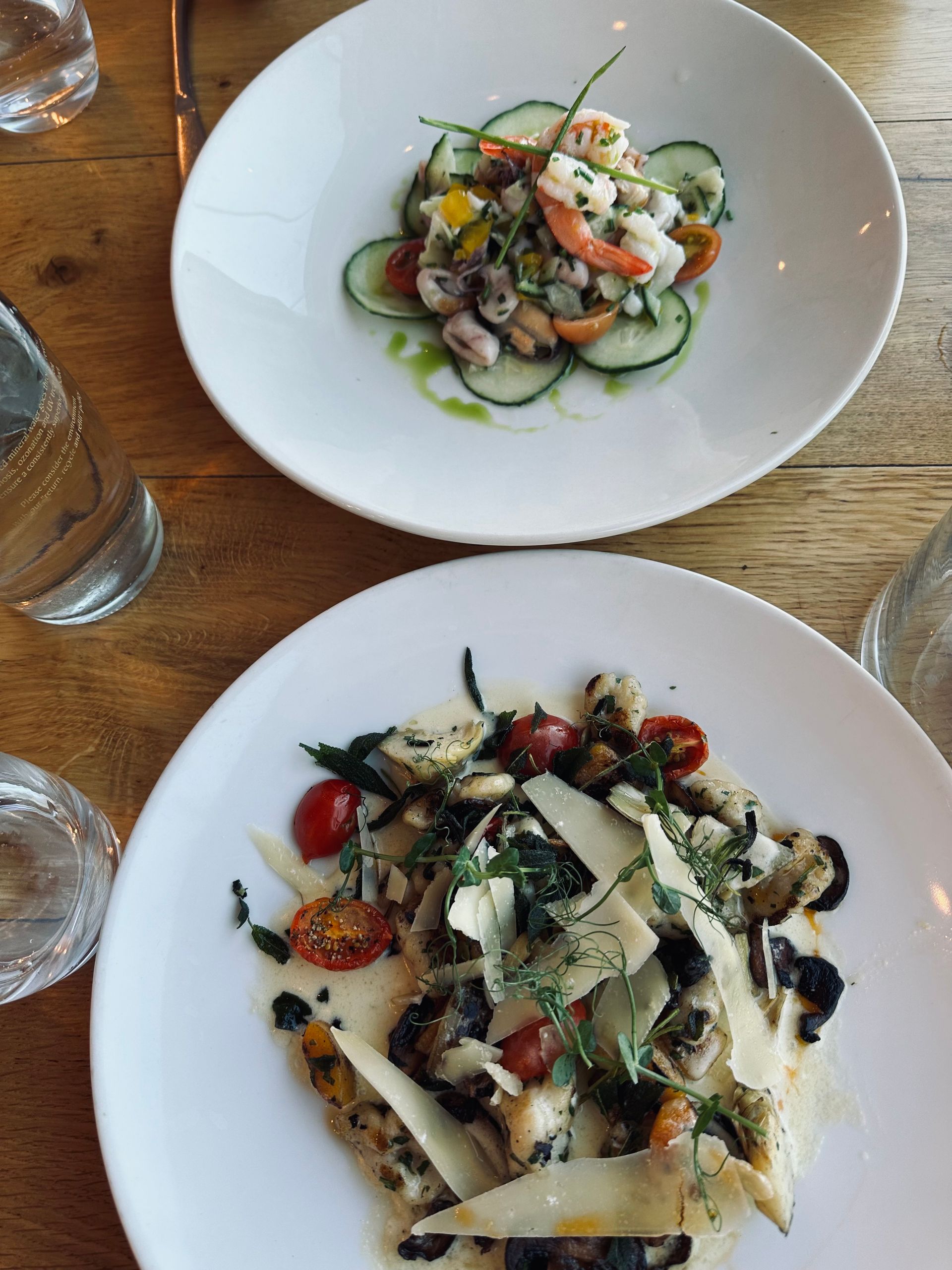
I have to eat something, I'm not feeling sick after the boat trip, but I'm not feeling very well either. And since I haven't been to the waterfront in Cape Town yet, we use the last evening for a big meal. I'm also fascinated by the people, especially the very stylish black women who don't mind the fact that their clothes are very tight and you see more than you want.
Karo and I evaluate. What did we like the most?
Mama's statement is: the part of South Africa that we saw is Europe but in Africa, the people are very nice, the accommodation and the food are very good. Financially it is absolutely feasible here.
Karo finds that SA is full of contrasts, especially in terms of living conditions, distribution and participation. SA is surprising, suddenly the landscape is beautiful, then again very impoverished, etc. The people are very nice, SA is diverse in terms of cuisine.
I agree, but the huge gap between rich and poor, black and white is - as already mentioned - frightening and almost unbearable. The final drive through Cape Town last night felt unsafe. Karo wanted to hand in her accidentally stolen towel from her first accommodation at the hotel and I offered to drive her there. Her words, “It’s nice that you did that, T. didn’t dare drive the car into this corner,” were unhelpful, but honest. Overall, Cape Town and certainly SA are really nice, but certainly not without danger.
We have also repeatedly noticed the following:
1. from 5 p.m. most shops and restaurants are closed.
2. If you're packing for SA, it's best to pack for 4 seasons.
3. Cash is almost extinct, cards are king.
4. There are usually no sockets in the bathroom.
5. The MAMA and SISSI debate
6. Waste separation is out
7. There is a job for everything, in every parking lot, in every corner someone will help you. But you should tip. So you should always have change with you
8. everything is cordoned off and barred, crime is also king
9. Never go for a walk alone or in a group after dark
And yet: it is soooo beautiful here! I will definitely come back